

MGT 2306
MARKETING MANAGEMENT
Lesson 3
LESSON 3 OBJECTIVES
• Explain what is consumer behavior and
consumer markets
• Describe all the factors that influences what a
consumer will buy
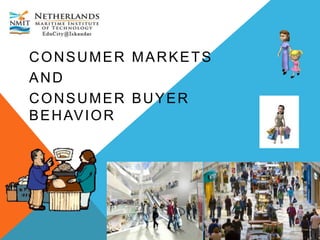
CONSUMER MARKETS
AND
CONSUMER BUYER
BEHAVIOR
MODEL OF CONSUMER BEHAVIOR
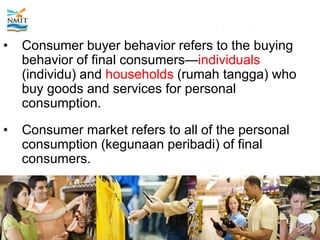
• Consumer buyer behavior refers to the buying
behavior of final consumers—individuals
(individu) and households (rumah tangga) who
buy goods and services for personal
consumption.
• Consumer market refers to all of the personal
consumption (kegunaan peribadi) of final
consumers.
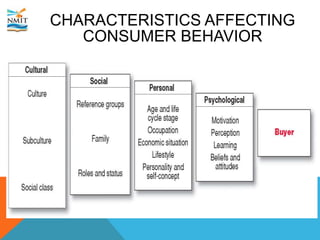
CHARACTERISTICS AFFECTING
CONSUMER BEHAVIOR
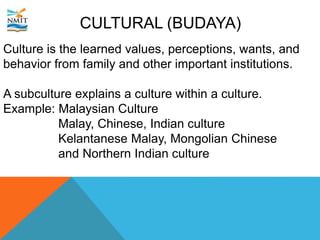
CULTURAL (BUDAYA)
Culture is the learned values, perceptions, wants, and
behavior from family and other important institutions.
A subculture explains a culture within a culture.
Example: Malaysian Culture
Malay, Chinese, Indian culture
Kelantanese Malay, Mongolian Chinese
and Northern Indian culture
DISCUSSION..
What differences do you see in Malay and Chinese
culture when it comes to their buying behavior?
- the food they buy to eat
- Colors they choose for clothes, furniture, painting
- electronic items that they would buy
- household items that are compulsory
A LOOK AT FOOD DIVERSITY
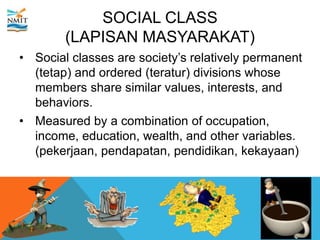
SOCIAL CLASS
(LAPISAN MASYARAKAT)
• Social classes are society’s relatively permanent
(tetap) and ordered (teratur) divisions whose
members share similar values, interests, and
behaviors.
• Measured by a combination of occupation,
income, education, wealth, and other variables.
(pekerjaan, pendapatan, pendidikan, kekayaan)
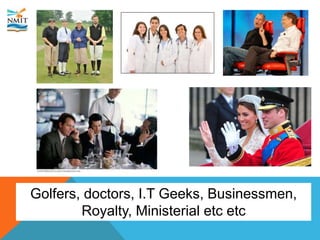
Golfers, doctors, I.T Geeks, Businessmen,
Royalty, Ministerial etc etc
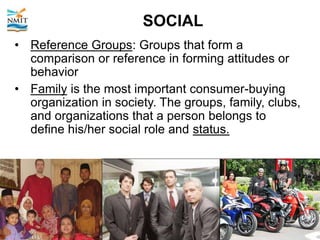
• Reference Groups: Groups that form a
comparison or reference in forming attitudes or
behavior
• Family is the most important consumer-buying
organization in society. The groups, family, clubs,
and organizations that a person belongs to
define his/her social role and status.
SOCIAL
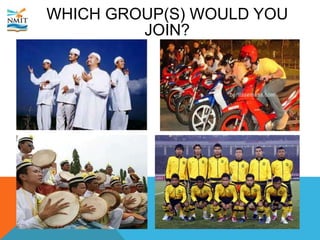
WHICH GROUP(S) WOULD YOU
JOIN?
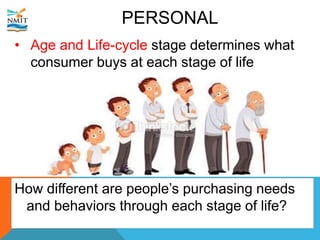
• Age and Life-cycle stage determines what
consumer buys at each stage of life
How different are people’s purchasing needs
and behaviors through each stage of life?
PERSONAL
• Occupation : affects the goods and services
bought by consumers.
• If you were a teacher, what kind of stationeries
would you buy more than anyone else?
• If you are a doctor, how would you want the
food that you buy to be different from the
others?
• If you are a body builder, what would you eat
more than anyone else?
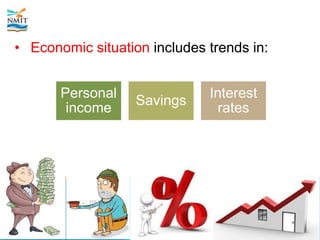
• Economic situation includes trends in:
Personal
income
Savings
Interest
rates
Lifestyle is a person’s pattern of living as
expressed in his or her psychographics.
- Party animal
- Healthy living
- Sports oriented
- Workoholic
- Glamour Kitten
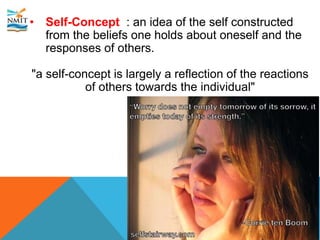
• Self-Concept : an idea of the self constructed
from the beliefs one holds about oneself and the
responses of others.
"a self-concept is largely a reflection of the reactions
of others towards the individual"
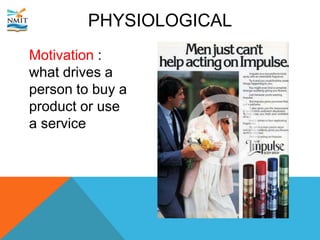
PHYSIOLOGICAL
Motivation :
what drives a
person to buy a
product or use
a service
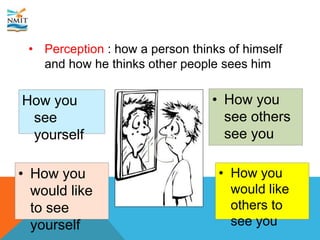
How you
see
yourself
• How you
would like
to see
yourself
• How you
would like
others to
see you
• How you
see others
see you
• Perception : how a person thinks of himself
and how he thinks other people sees him
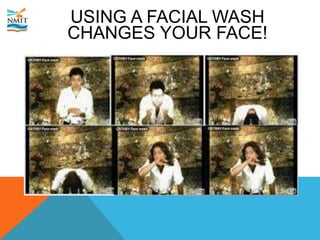
HOW MARKETING ATTEMPTS
TO CHANGE PERCEPTION
USING A FACIAL WASH
CHANGES YOUR FACE!
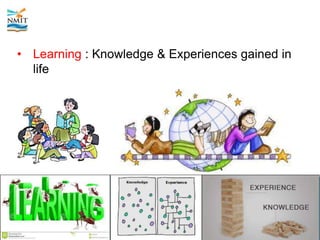
• Learning : Knowledge & Experiences gained in
life
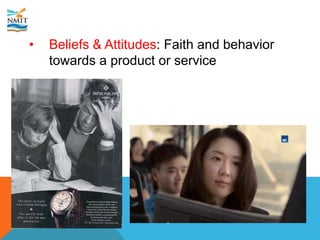
• Beliefs & Attitudes: Faith and behavior
towards a product or service

MGT2306-MARKETING-MANAGEMENT LESSON 3

  • 1.
  • 2.
    LESSON 3 OBJECTIVES •Explain what is consumer behavior and consumer markets • Describe all the factors that influences what a consumer will buy
  • 3.
  • 4.
    MODEL OF CONSUMERBEHAVIOR • Consumer buyer behavior refers to the buying behavior of final consumers—individuals (individu) and households (rumah tangga) who buy goods and services for personal consumption. • Consumer market refers to all of the personal consumption (kegunaan peribadi) of final consumers.
  • 5.
  • 6.
    CULTURAL (BUDAYA) Culture isthe learned values, perceptions, wants, and behavior from family and other important institutions. A subculture explains a culture within a culture. Example: Malaysian Culture Malay, Chinese, Indian culture Kelantanese Malay, Mongolian Chinese and Northern Indian culture
  • 7.
    DISCUSSION.. What differences doyou see in Malay and Chinese culture when it comes to their buying behavior? - the food they buy to eat - Colors they choose for clothes, furniture, painting - electronic items that they would buy - household items that are compulsory
  • 8.
    A LOOK ATFOOD DIVERSITY
  • 9.
    SOCIAL CLASS (LAPISAN MASYARAKAT) •Social classes are society’s relatively permanent (tetap) and ordered (teratur) divisions whose members share similar values, interests, and behaviors. • Measured by a combination of occupation, income, education, wealth, and other variables. (pekerjaan, pendapatan, pendidikan, kekayaan)
  • 10.
    Golfers, doctors, I.TGeeks, Businessmen, Royalty, Ministerial etc etc
  • 11.
    • Reference Groups:Groups that form a comparison or reference in forming attitudes or behavior • Family is the most important consumer-buying organization in society. The groups, family, clubs, and organizations that a person belongs to define his/her social role and status. SOCIAL
  • 12.
  • 13.
    • Age andLife-cycle stage determines what consumer buys at each stage of life How different are people’s purchasing needs and behaviors through each stage of life? PERSONAL
  • 14.
    • Occupation :affects the goods and services bought by consumers. • If you were a teacher, what kind of stationeries would you buy more than anyone else? • If you are a doctor, how would you want the food that you buy to be different from the others? • If you are a body builder, what would you eat more than anyone else?
  • 15.
    • Economic situationincludes trends in: Personal income Savings Interest rates
  • 16.
    Lifestyle is aperson’s pattern of living as expressed in his or her psychographics. - Party animal - Healthy living - Sports oriented - Workoholic - Glamour Kitten
  • 17.
    • Self-Concept :an idea of the self constructed from the beliefs one holds about oneself and the responses of others. "a self-concept is largely a reflection of the reactions of others towards the individual"
  • 18.
    PHYSIOLOGICAL Motivation : what drivesa person to buy a product or use a service
  • 19.
    How you see yourself • Howyou would like to see yourself • How you would like others to see you • How you see others see you • Perception : how a person thinks of himself and how he thinks other people sees him
  • 20.
    HOW MARKETING ATTEMPTS TOCHANGE PERCEPTION
  • 21.
    USING A FACIALWASH CHANGES YOUR FACE!
  • 22.
    • Learning :Knowledge & Experiences gained in life
  • 23.
    • Beliefs &Attitudes: Faith and behavior towards a product or service