Dr. Joanna Boehnert
Loughborough University
j.j.boehnert@lboro.ac.uk
Dr. Simon Mair
University of Surrey
s.mair@surrey.ac.uk
Systemic Design Models and Processes for Sustainment
RSD8: Systems Change for Governance: Design + Networks + Activation
16 October 2019, IIT Institute of Design (ID), Chicago USA
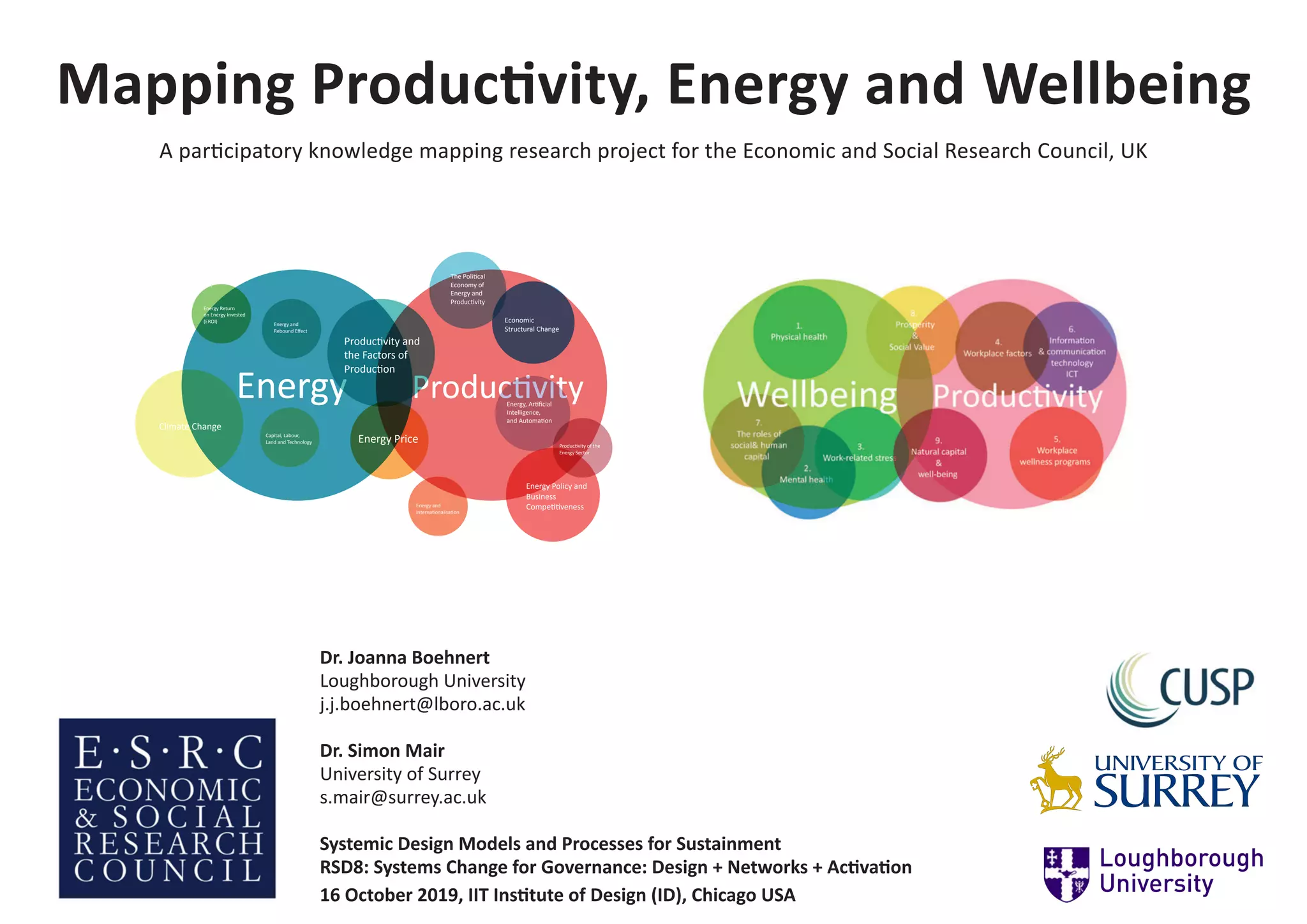
Mapping Productivity, Energy and Wellbeing
A participatory knowledge mapping research project for the Economic and Social Research Council, UK
Energy ProductivityEnergy ProductivityEnergy Productivity
Capital, Labour,
Land and Technology
Energy Return
on Energy Invested
(EROI)
Productivity of the
Energy Sector
Economic
Structural Change
Energy Price
Energy Policy and
Business
Competitiveness
Climate Change
Energy, Artificial
Intelligence,
and Automation
The Political
Economy of
Energy and
Productivity
Productivity and
the Factors of
Production
Energy and
Rebound Effect
Energy and
Internationalisation
Contents
1. Background and introduction
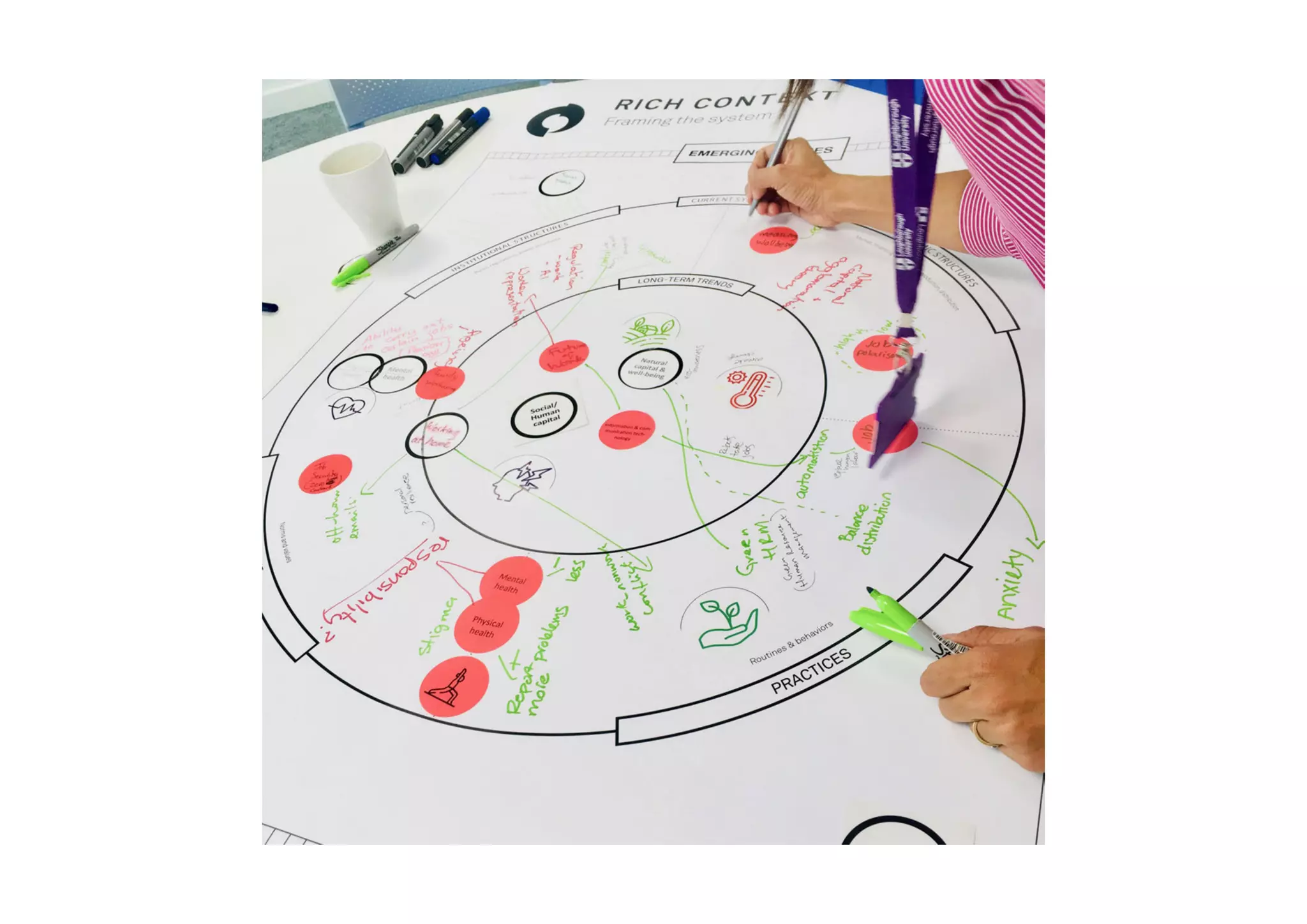
2. Participatory knowledge mapping
	 A) Energy and Productivity
	 B) Wellbeing and Productivity
3. Work in progress....
1. Background + Introduction
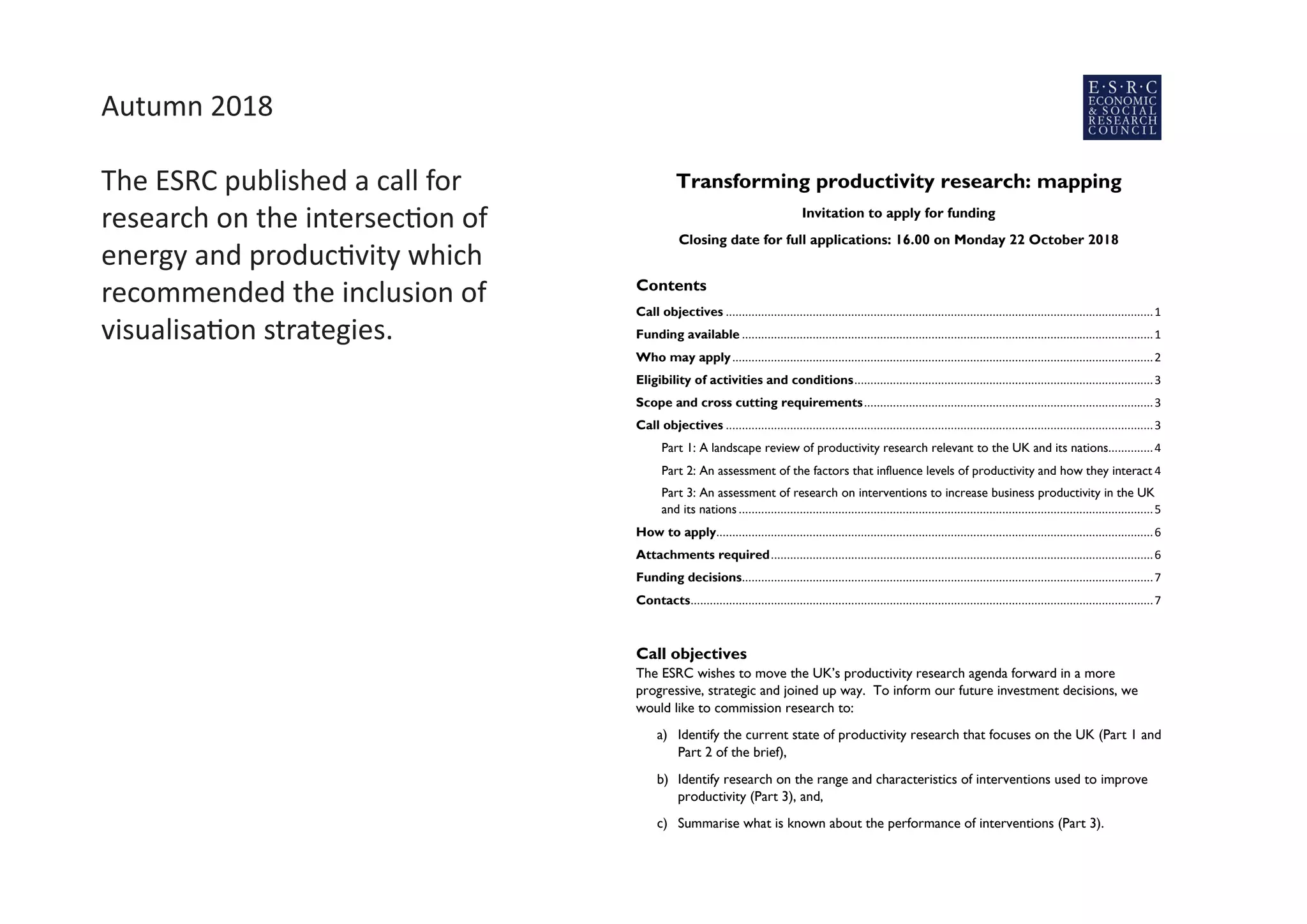
Autumn 2018
The ESRC published a call for
research on the intersection of
energy and productivity which
recommended the inclusion of
visualisation strategies.
Transforming productivity research: mapping
Invitation to apply for funding
Closing date for full applications: 16.00 on Monday 22 October 2018
Contents
Call objectives .....................................................................................................................................1
Funding available ................................................................................................................................1
Who may apply...................................................................................................................................2
Eligibility of activities and conditions.............................................................................................3
Scope and cross cutting requirements..........................................................................................3
Call objectives .....................................................................................................................................3
Part 1: A landscape review of productivity research relevant to the UK and its nations..............4
Part 2: An assessment of the factors that influence levels of productivity and how they interact 4
Part 3: An assessment of research on interventions to increase business productivity in the UK
and its nations.................................................................................................................................5
How to apply........................................................................................................................................6
Attachments required.......................................................................................................................6
Funding decisions................................................................................................................................7
Contacts................................................................................................................................................7
Call objectives
The ESRC wishes to move the UK’s productivity research agenda forward in a more
progressive, strategic and joined up way. To inform our future investment decisions, we
would like to commission research to:
a) Identify the current state of productivity research that focuses on the UK (Part 1 and
Part 2 of the brief),
b) Identify research on the range and characteristics of interventions used to improve
productivity (Part 3), and,
c) Summarise what is known about the performance of interventions (Part 3).
Funding available
A total of £500,000 is available for this call. Projects may seek up to 80% (or a contribution
at the rate applied to the original award) of the full economic costs, up to a maximum of
£500,000 RC contribution. This could fund a single project, or a suite of projects, to cover
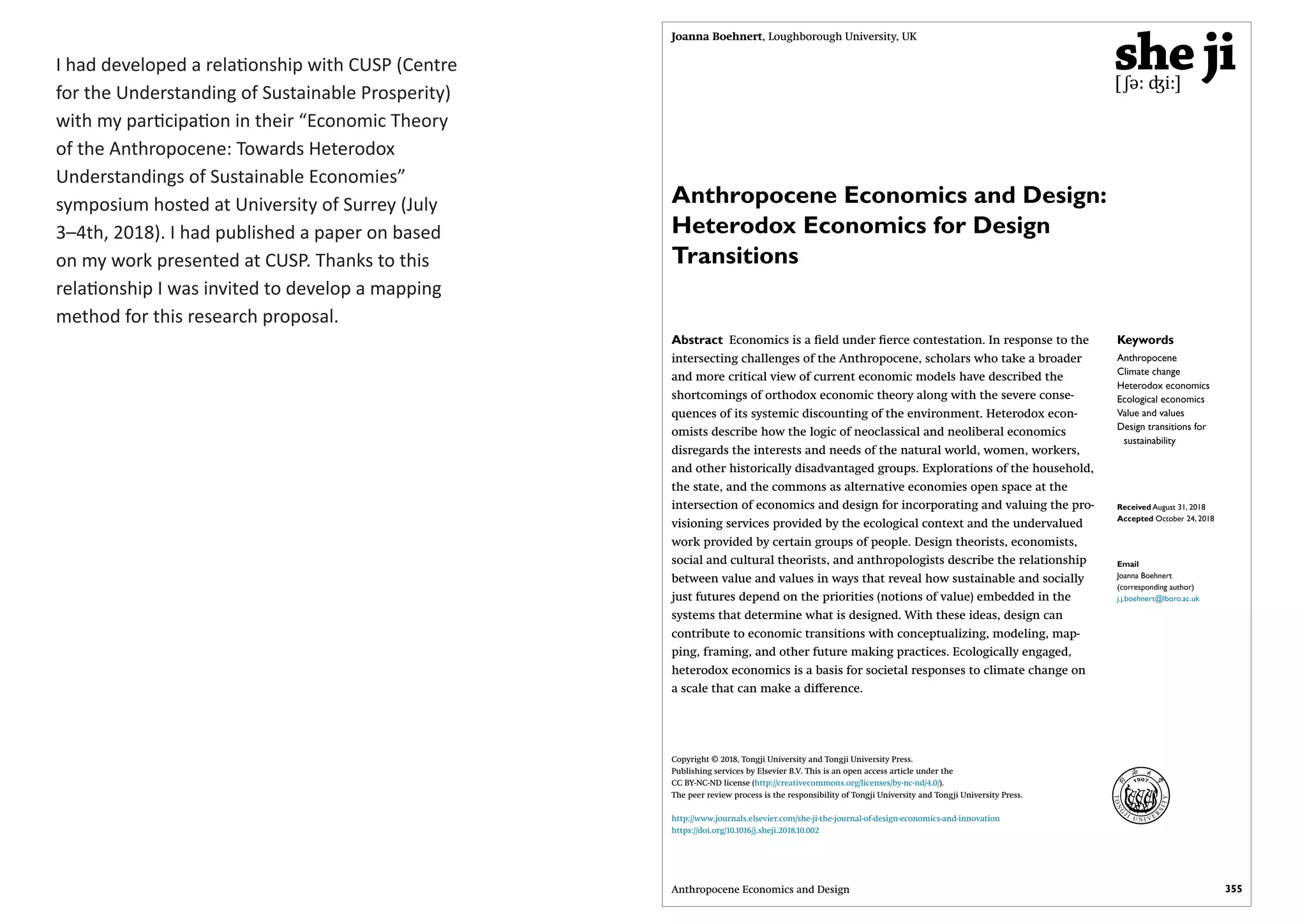
I had developed a relationship with CUSP (Centre
for the Understanding of Sustainable Prosperity)
with my participation in their “Economic Theory
of the Anthropocene: Towards Heterodox
Understandings of Sustainable Economies”
symposium hosted at University of Surrey (July
3–4th, 2018). I had published a paper on based
on my work presented at CUSP. Thanks to this
relationship I was invited to develop a mapping
method for this research proposal.
355Anthropocene Economics and Design
Keywords
Anthropocene
Climate change
Heterodox economics
Ecological economics
Value and values
Design transitions for
sustainability
Received August 31, 2018
Accepted October 24, 2018
Email
Joanna Boehnert
(corresponding author)
j.j.boehnert@lboro.ac.uk
Anthropocene Economics and Design:
Heterodox Economics for Design
Transitions
Joanna Boehnert, Loughborough University, UK
Abstract Economics is a field under fierce contestation. In response to the
intersecting challenges of the Anthropocene, scholars who take a broader
and more critical view of current economic models have described the
shortcomings of orthodox economic theory along with the severe conse-
quences of its systemic discounting of the environment. Heterodox econ-
omists describe how the logic of neoclassical and neoliberal economics
disregards the interests and needs of the natural world, women, workers,
and other historically disadvantaged groups. Explorations of the household,
the state, and the commons as alternative economies open space at the
intersection of economics and design for incorporating and valuing the pro-
visioning services provided by the ecological context and the undervalued
work provided by certain groups of people. Design theorists, economists,
social and cultural theorists, and anthropologists describe the relationship
between value and values in ways that reveal how sustainable and socially
just futures depend on the priorities (notions of value) embedded in the
systems that determine what is designed. With these ideas, design can
contribute to economic transitions with conceptualizing, modeling, map-
ping, framing, and other future making practices. Ecologically engaged,
heterodox economics is a basis for societal responses to climate change on
a scale that can make a difference.
Copyright © 2018, Tongji University and Tongji University Press.
Publishing services by Elsevier B.V. This is an open access article under the
CC BY-NC-ND license (http://creativecommons.org/licenses/by-nc-nd/4.0/).
The peer review process is the responsibility of Tongji University and Tongji University Press.
http://www.journals.elsevier.com/she-ji-the-journal-of-design-economics-and-innovation
https://doi.org/10.1016/j.sheji.2018.10.002
Powering Productivity
Mapping the Role of Energy and Wellbeing in UK Productivity
using Expert Elicitation and a Thematic Literature Review
Dr Joanna Boehnert
Co-Investigator
Loughborough University
j.j.boehnert@lboro.ac.uk
@ecocene
@ecolabs
Dr. Simon Mair
Co-Investigator
Centre for the Under-
standing of Sustainable
Prosperity, University of
Surrey @simon_mair	
Professor Tim Jackson
Principle Investigator
Centre for the Under-
standing of Sustainable
Prosperity, University of
Surrey @ProfTimJackson
Cecilia Landa-Avila
Research Associate
School of Design and the
Creative Arts,
Loughborough University
@iclanda
Philippe Vanderbroeck
Consultant
shiftN
@shiftNGroup
Dr. Clement Renaud
Digitial Designer
@atlasofdata; @disno-
vation; @fabricatorz
https://micromesomacro.
com
Falling productivity growth
is considered to be a
problem.
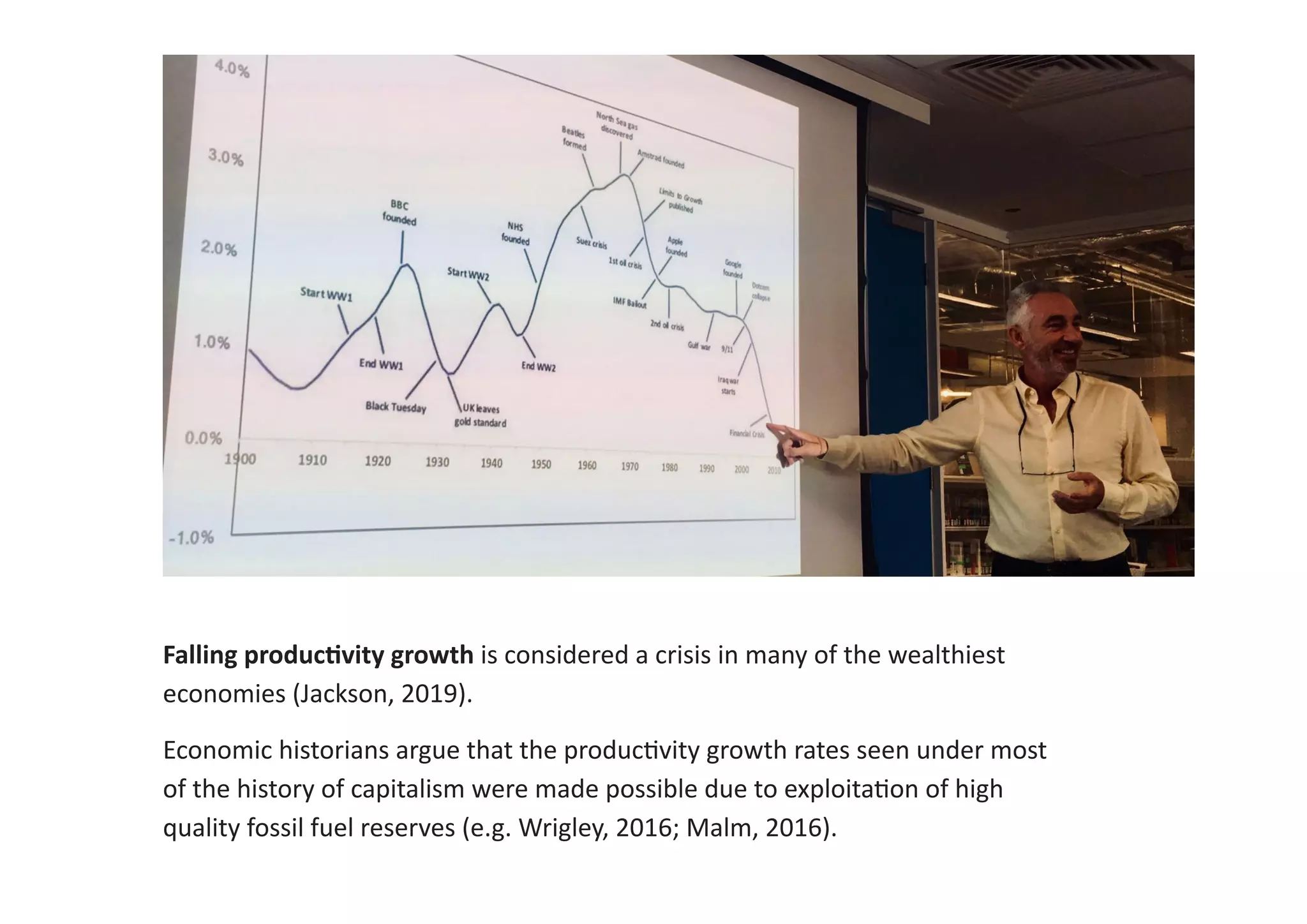
Falling productivity growth is considered a crisis in many of the wealthiest
economies (Jackson, 2019).
Economic historians argue that the productivity growth rates seen under most
of the history of capitalism were made possible due to exploitation of high
quality fossil fuel reserves (e.g. Wrigley, 2016; Malm, 2016).
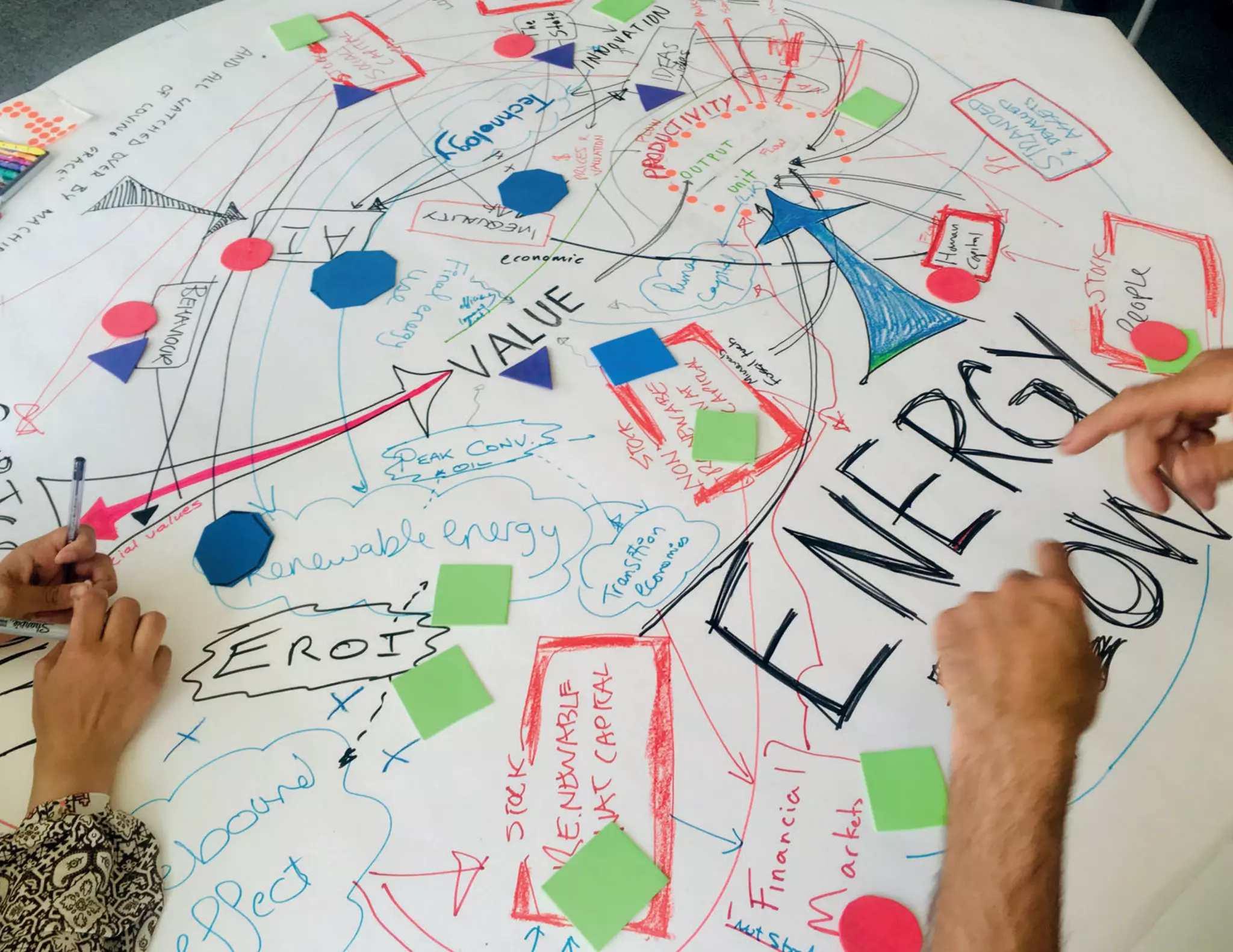
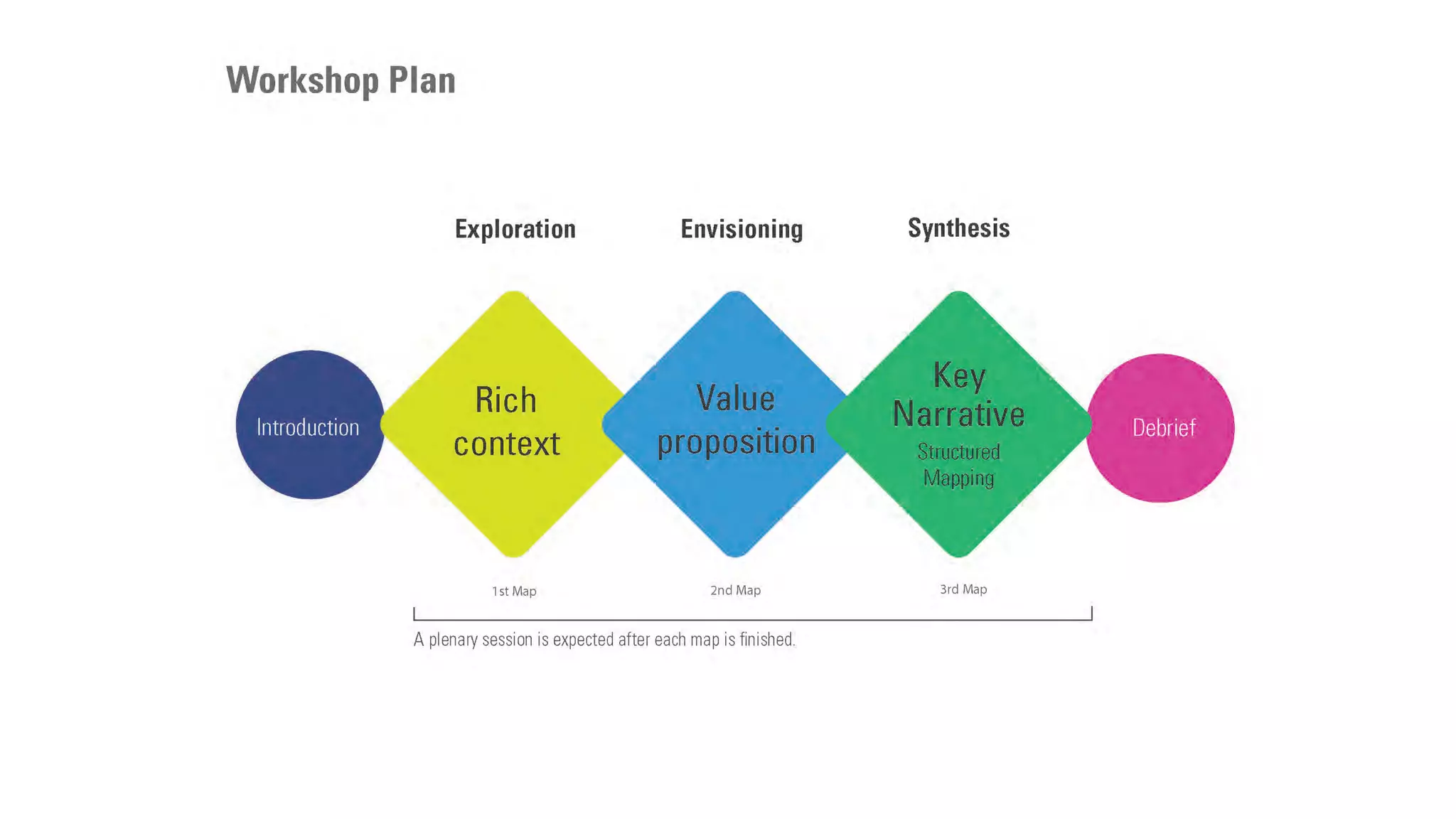
This research project uses system mapping
methods to investigate the problem
of falling productivity growth and its
relationship to both energy and wellbeing.
An explanation for the trend is linked to
declining access to high quality energy.
Two fundamental questions are evident:
1) With the transition to sustainable renewable energy
driven societies, will falling productivity growth rates
be the new normal?
2) If so, what does this mean for wellbeing, standards
of living and general levels of prosperity?
In policy debates, productivity growth is often associated with
higher living standards. We developed mapping strategies to
explore whether this assumption by mapping knowledge at the
intersection of productivity, energy and wellbeing.
2A
Participatory Knowledge Mapping:
Energy and Productivity
22
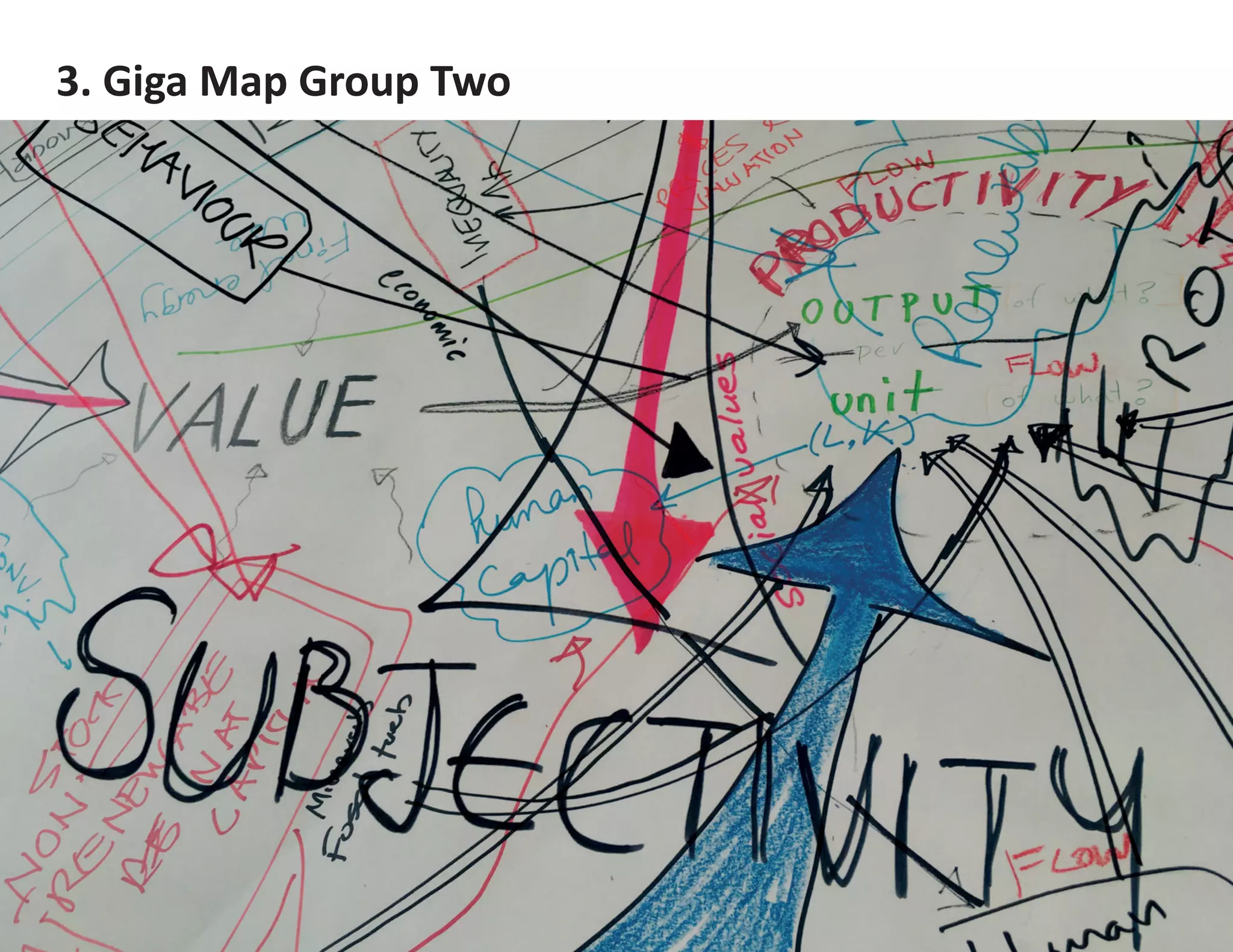
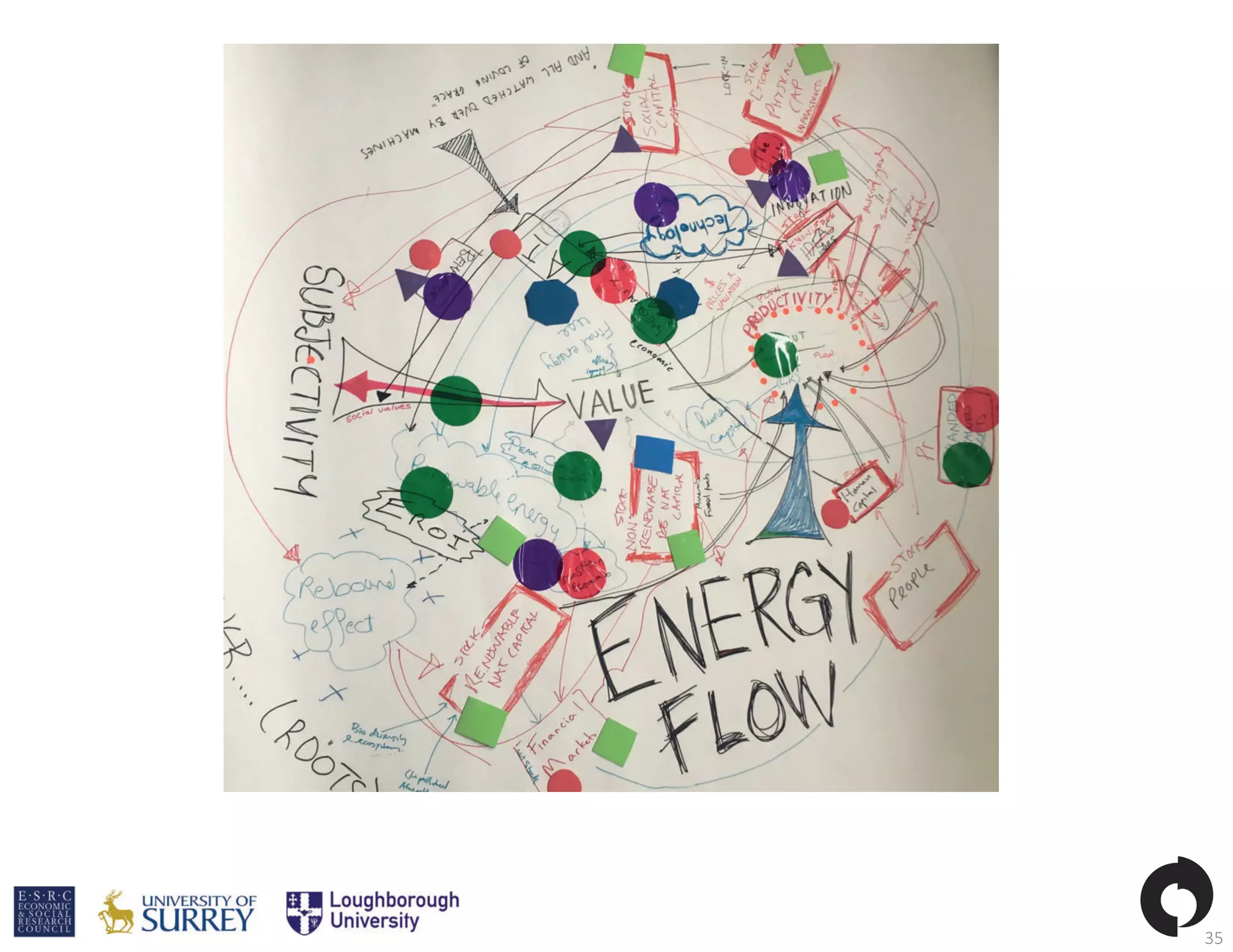
2. Giga Map Group One
capital
novelty
/ ideas
employment
costs
energy
Productivity
automation
consumptionefficiency
advertising
profit
income
geographies
of finance
accumulated
capital
advertising
investment
PRODUCTIVITY
flow
output [of what?]
per unit [of what?]
people
ENERGY
flow
stocks
ideas
services
material goods
behaviour
wastenon-renewable
natural capital
inequality
investment
value
social capital AI
depreciation
entropy
renewable
natural capital raw material
physical capital
renewable
natural capital
people
non-renewable
natural capital
raw material
social capital
physical capital
quality
adjusted
/educated
value
PRODUCTIVITY
output [of what?] per unit [of what?]
people
EROI
ENERGYflow
stockockskss
ideas
prices /
valuation
behaviour
financial
markets
ablenon-renewa
pitalnatural capi
inequality
renewable
energyyenergeene transition
economies
value
eralsminer lim
human capitalhuman capital
final energy use
subjectivity
socialvalues
AItechnologyinnovation
the state
rebound effect
stranded
assets
bioodivversiity
ununpollulluteded
aatmoosphehere
elssil fuefossffo
r lrenewable
natnattural capitaltural capital
non
renewable
energyececocosystemmosystemm
flow
2B
Participatory Knowledge Mapping:
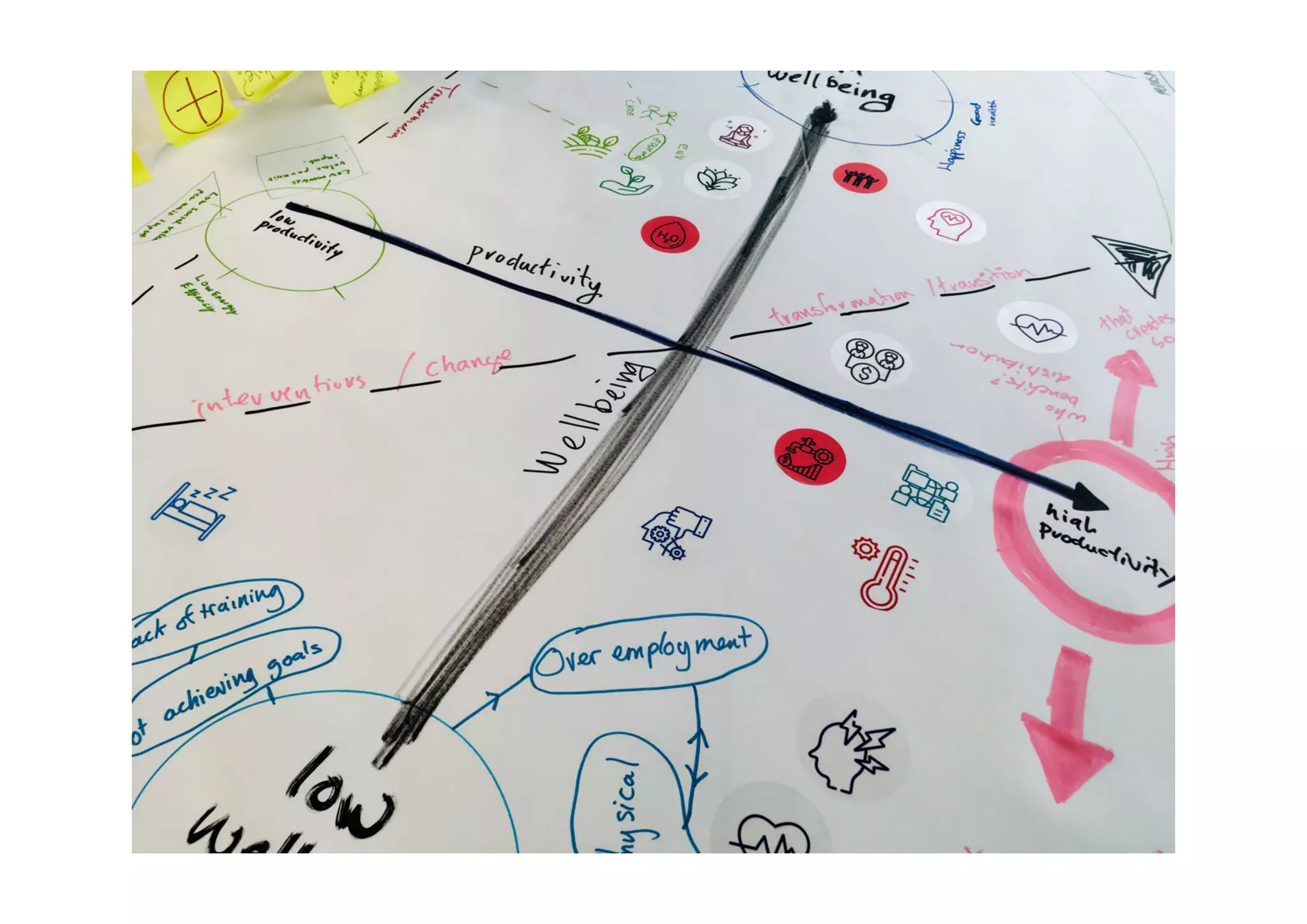
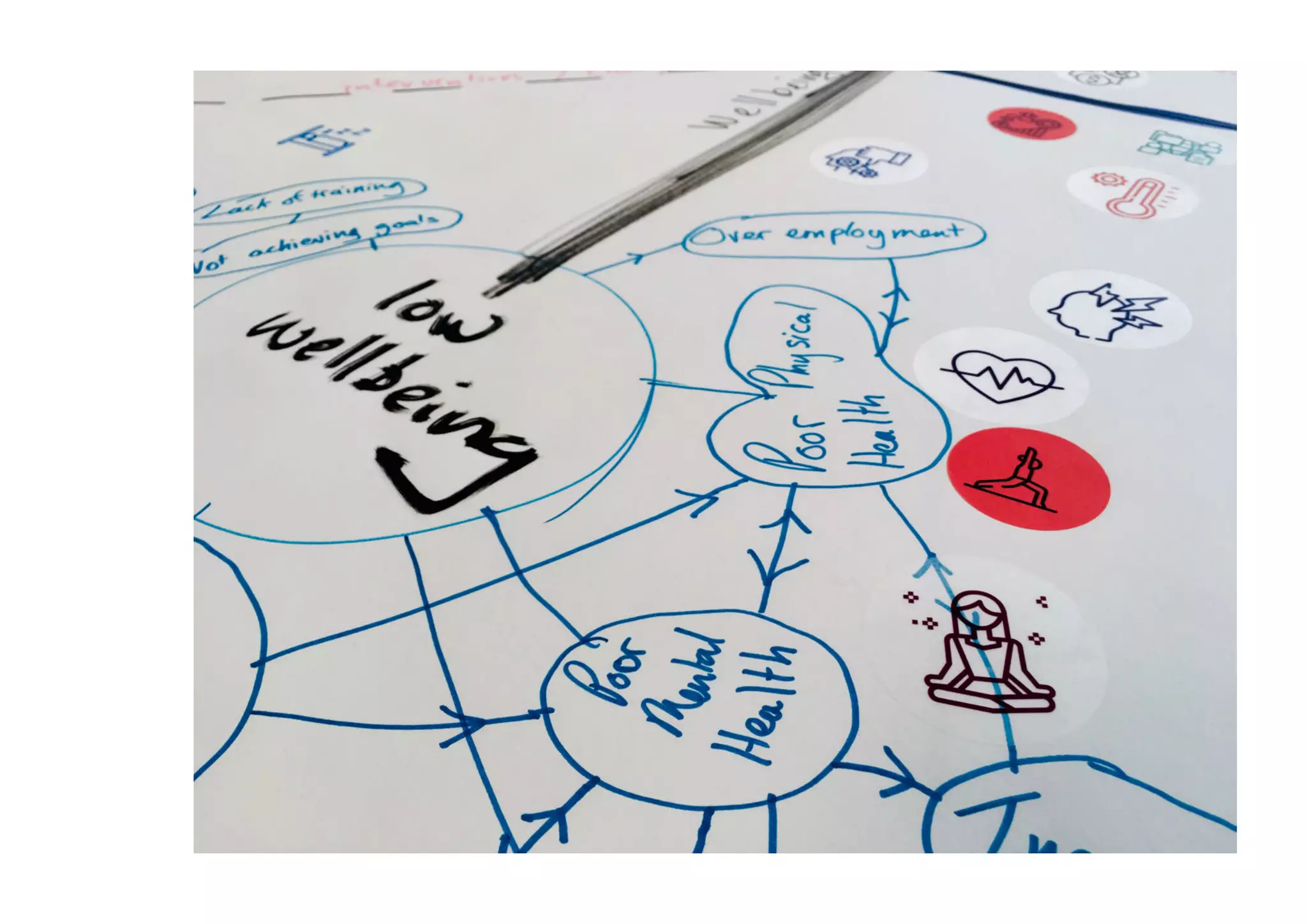
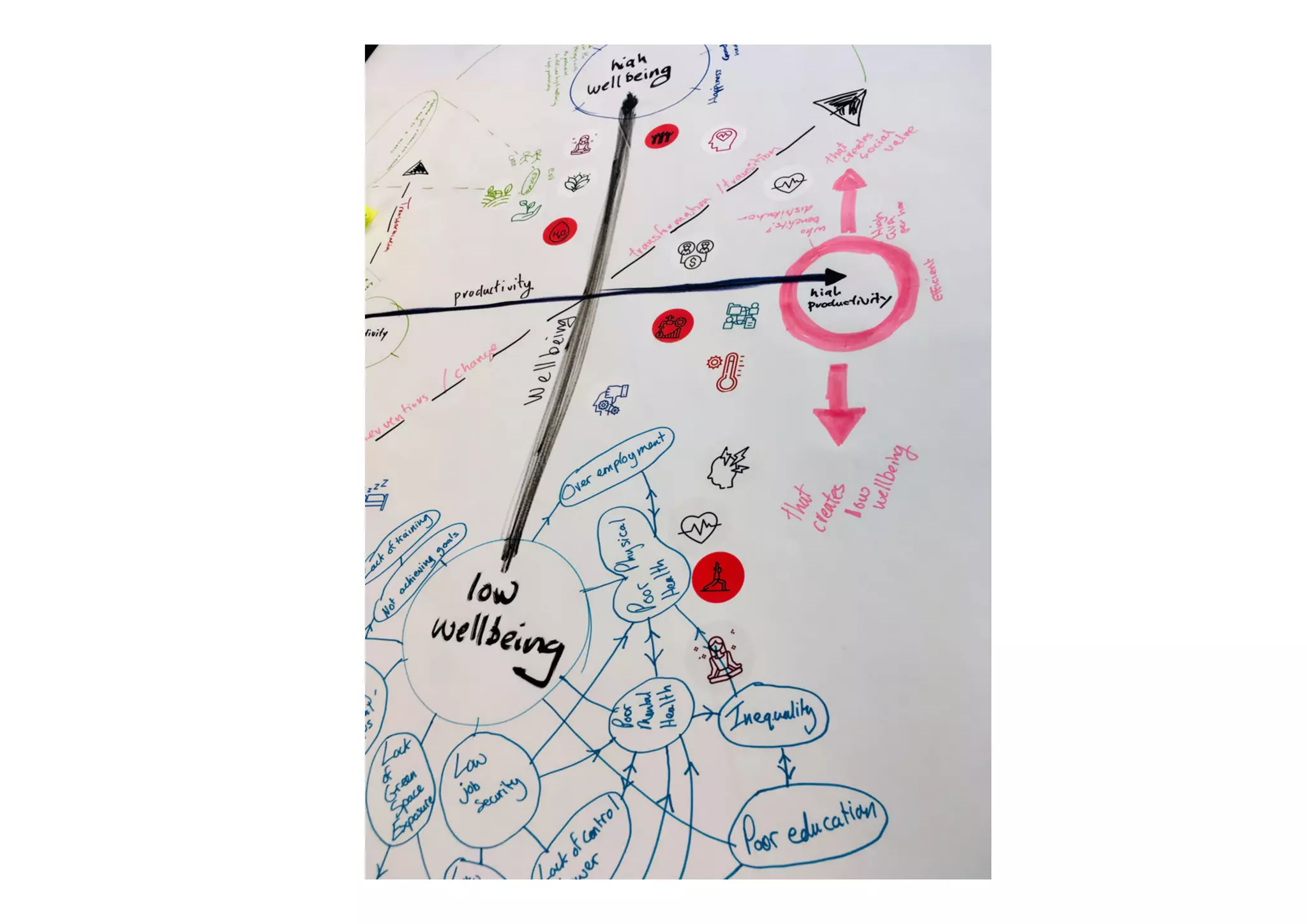
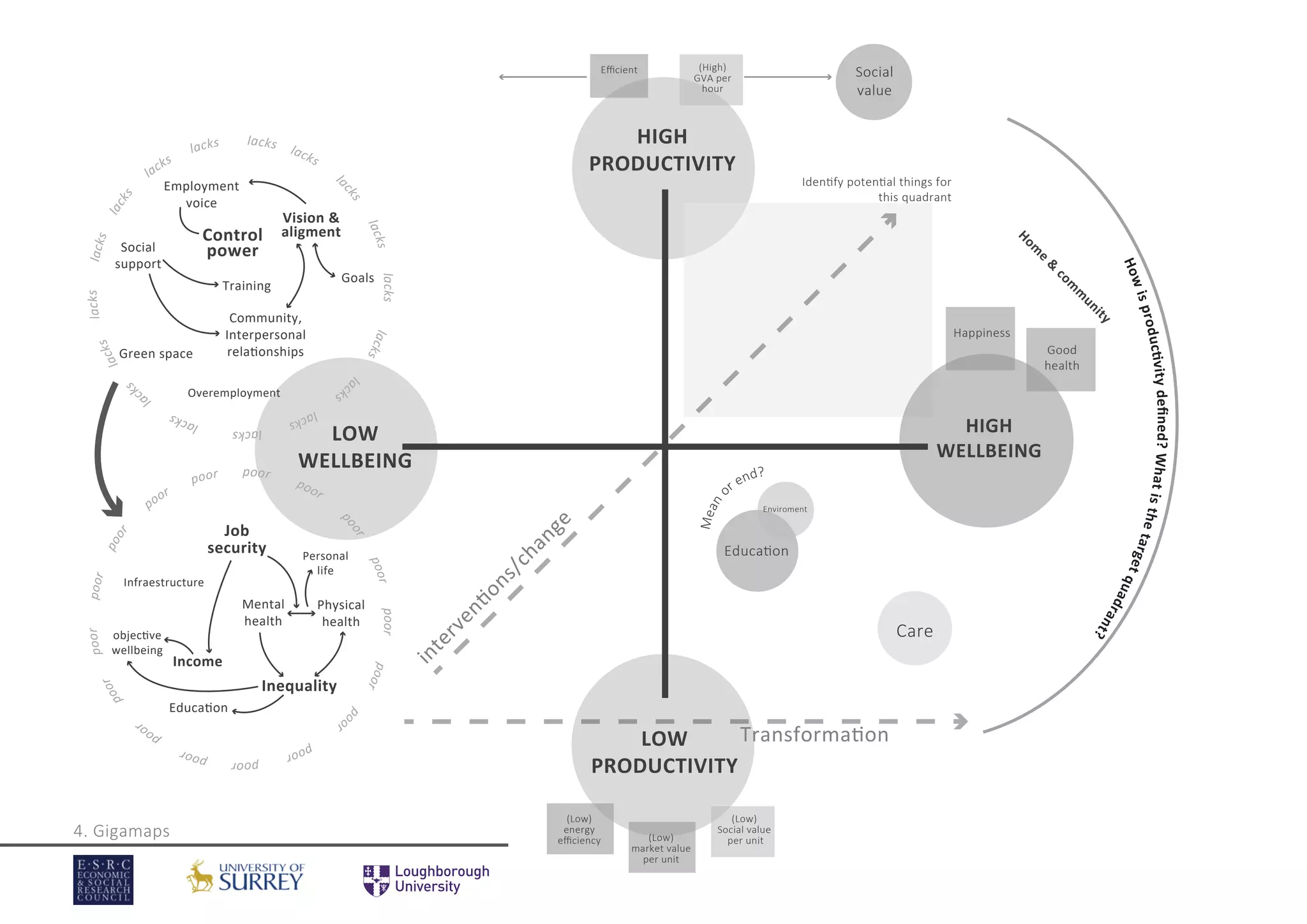
	 Wellbeing and Productivity
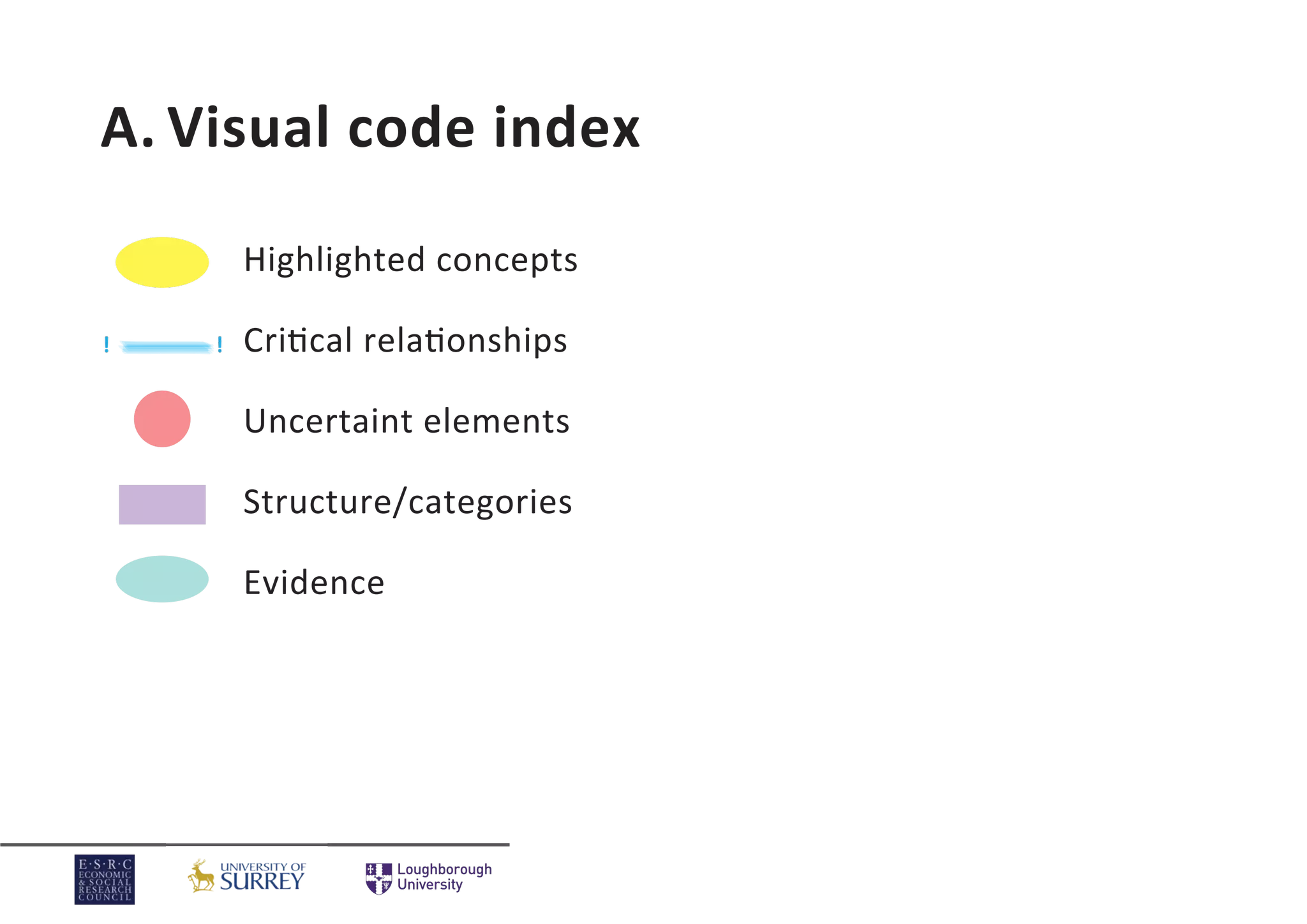
Highlighted concepts
Cri�cal rela�onships
Uncertaint elements
Structure/categories
Evidence
A. Visual code index
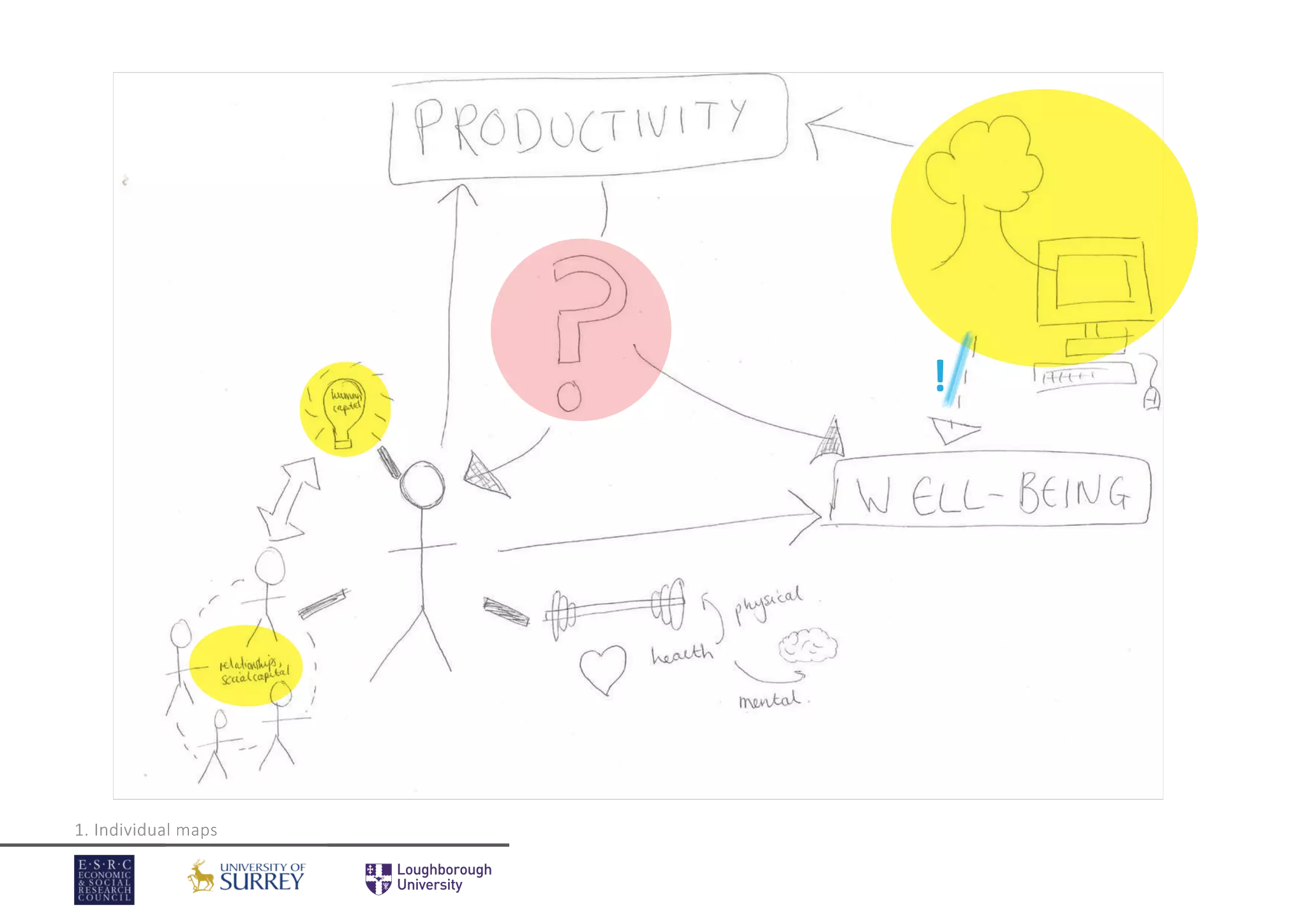
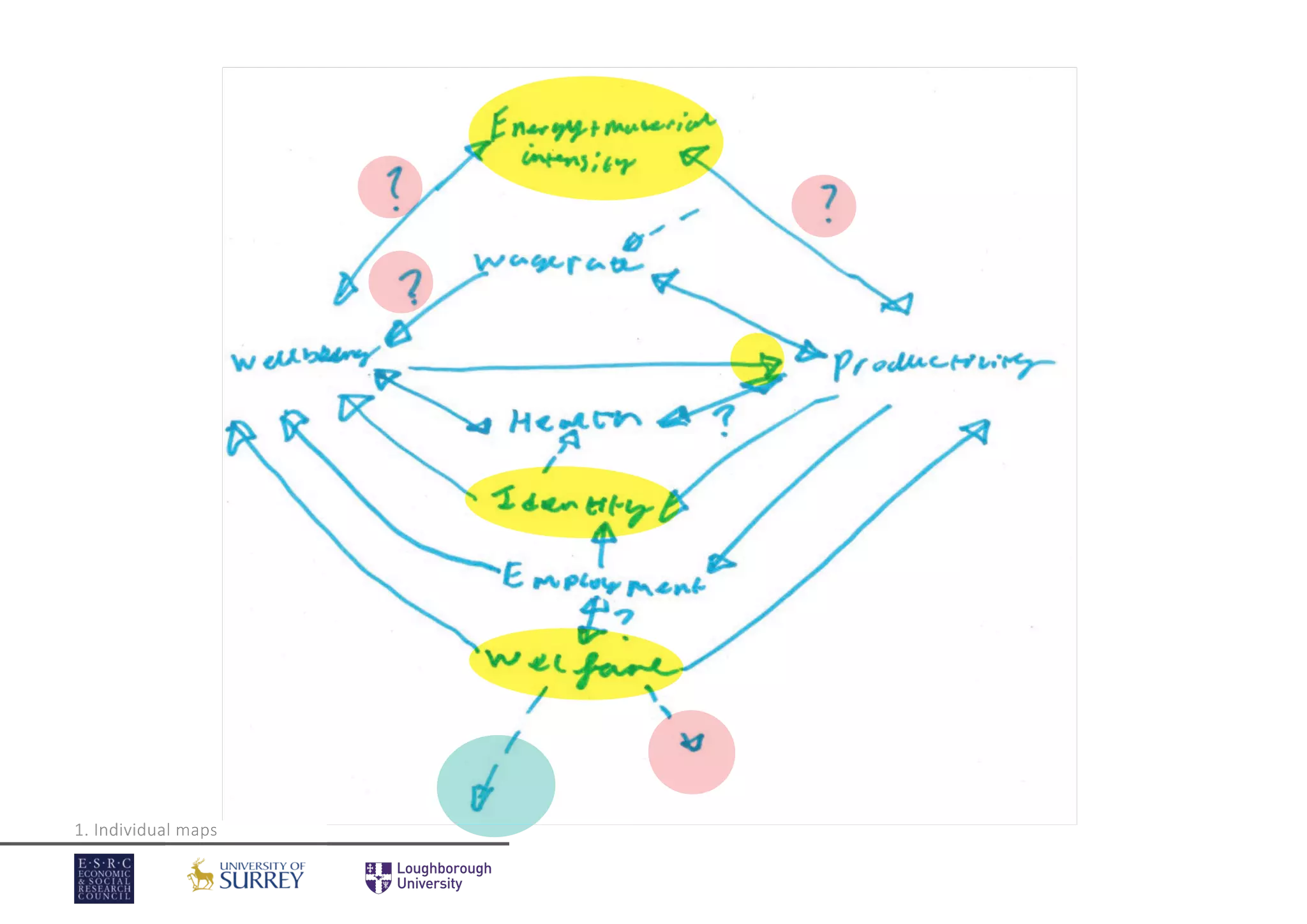
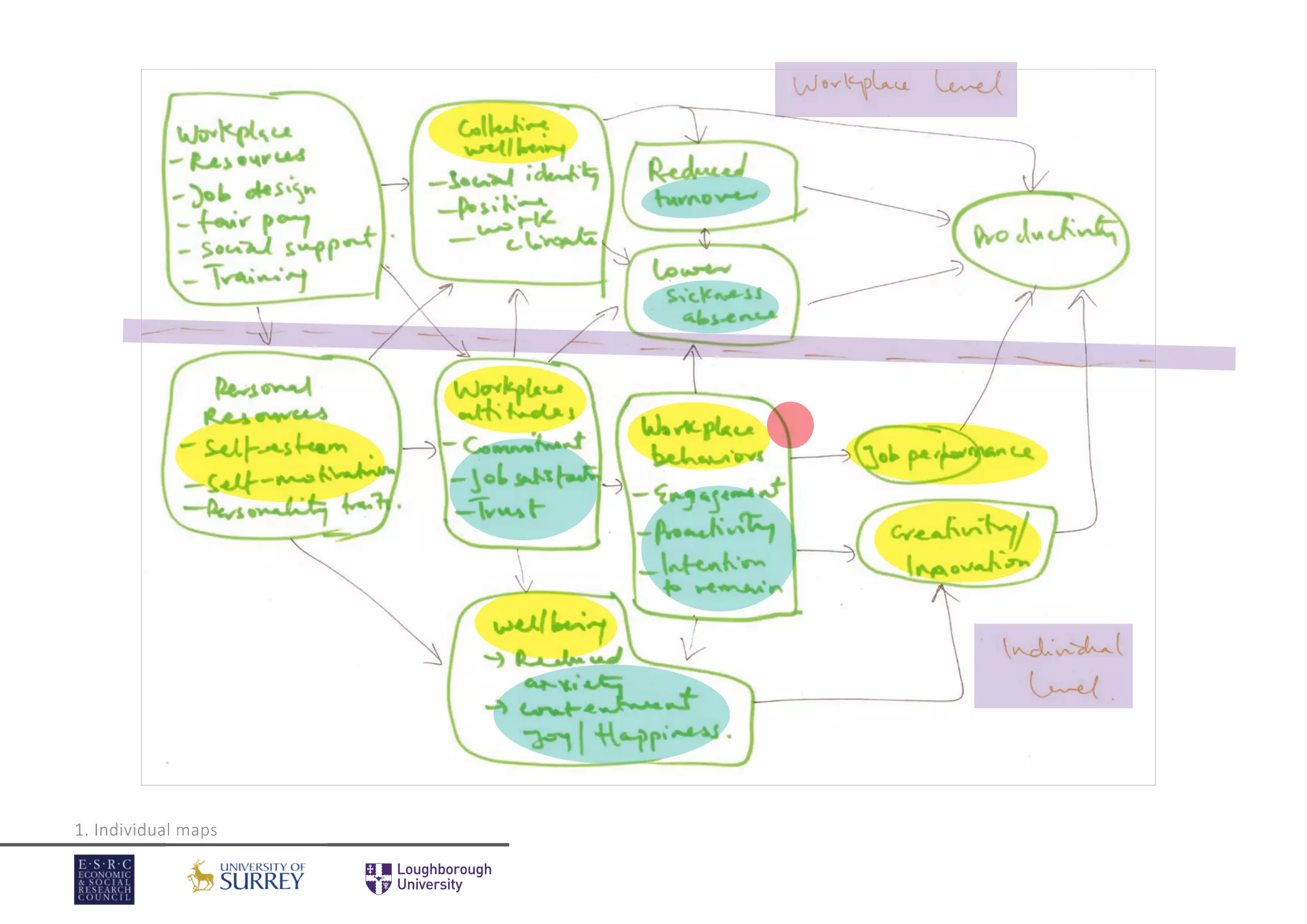
1. Individual maps
1. Individual maps
1. Individual maps
1. Individual maps
Overview of individual maps
3. Value proposi�on maps
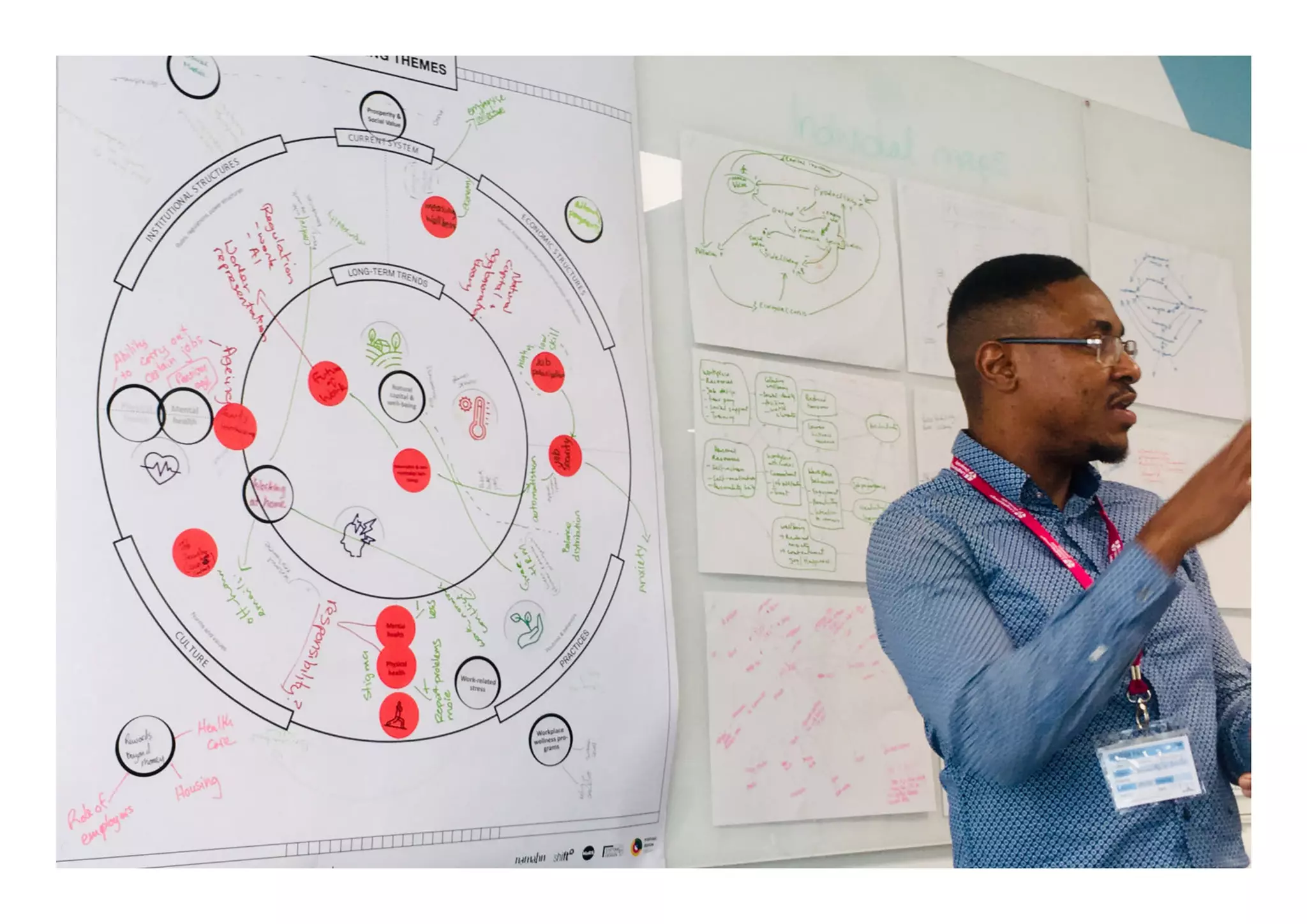
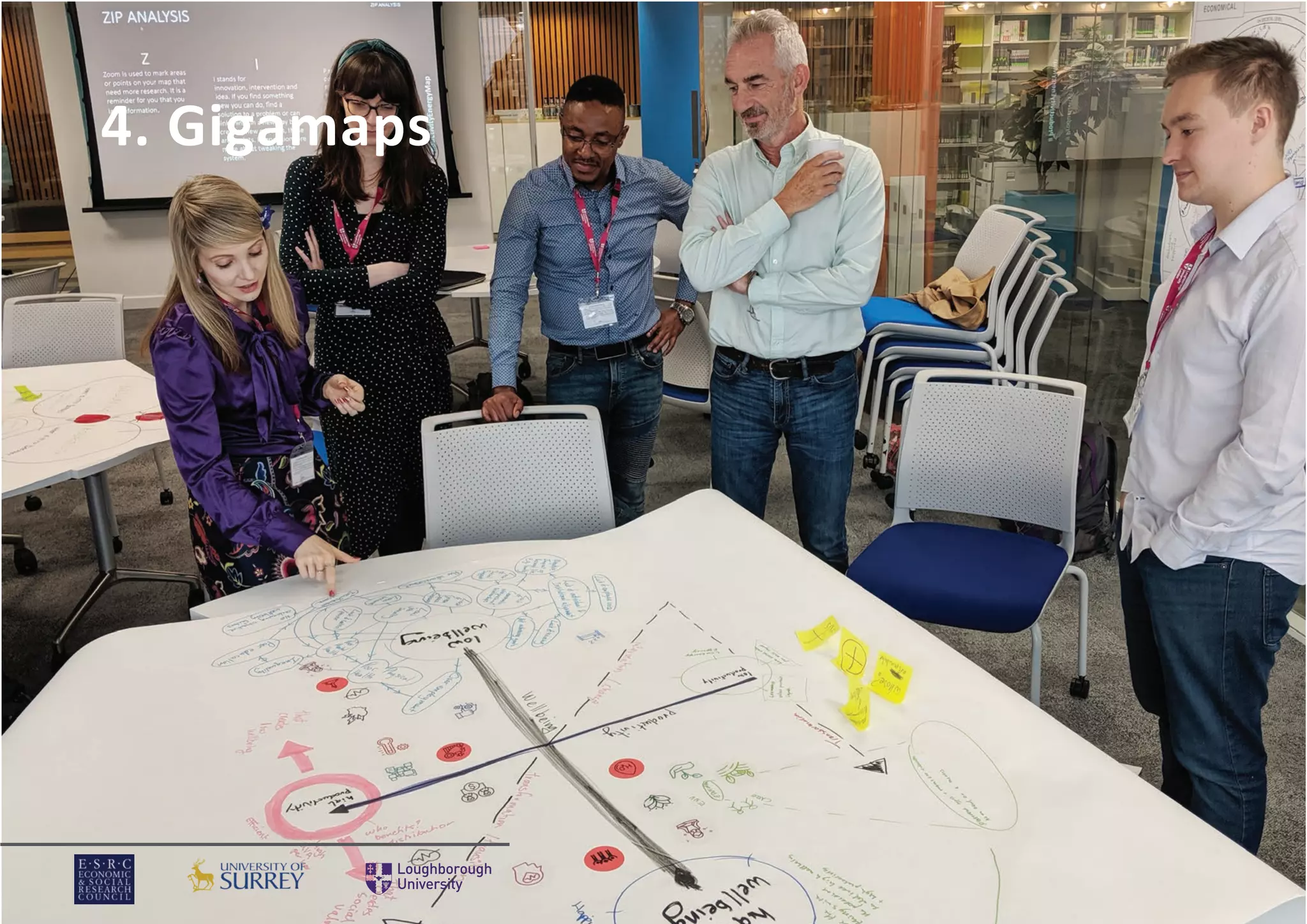
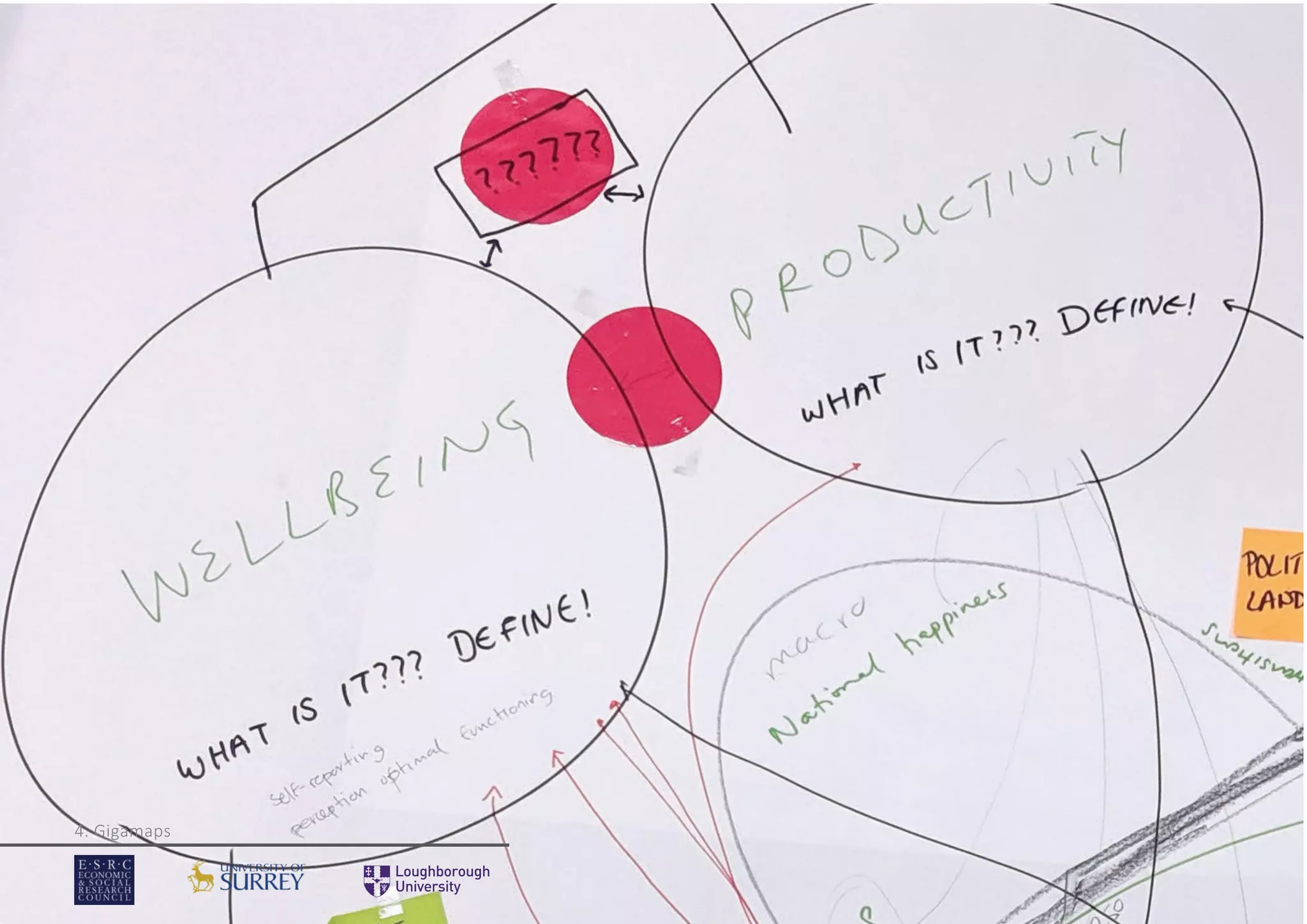
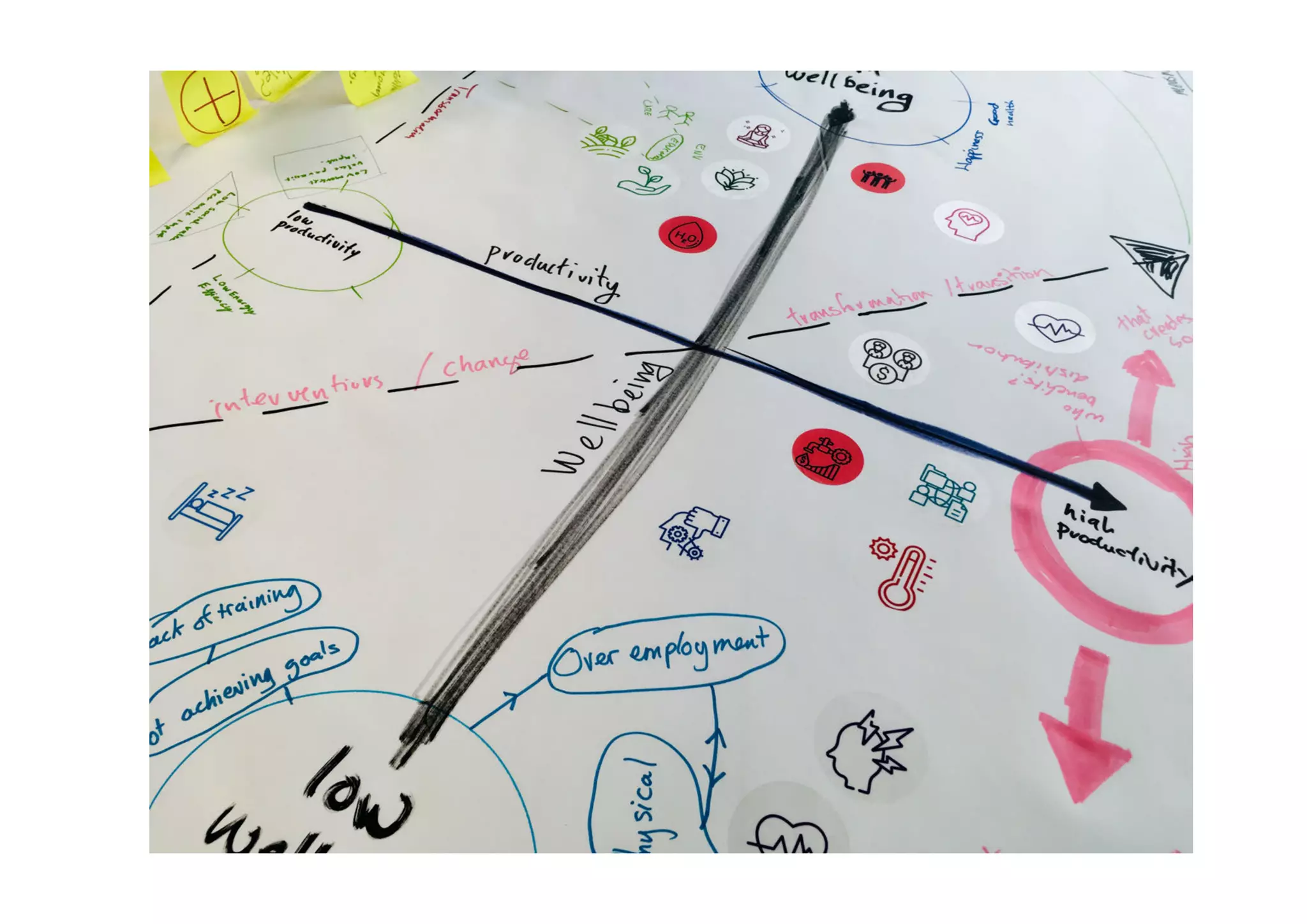
4. Gigamaps
4. Gigamaps
4. Gigamaps
LOW
WELLBEING
HIGH
WELLBEING
LOW
PRODUCTIVITY
HIGH
PRODUCTIVITY
interven�ons/change
Happiness
Good
health
Hom
e
&
com
m
unity
Iden�fy poten�al things for
this quadrant
Howisproduc�vitydefined?Whatisthetargetquadrant?
Educa�on
Care
Transforma�on
Enviroment
Mean
or end?
(Low)
market value
per unit
(Low)
Social value
per unit
Efficient (High)
GVA per
hour
Social
value
(Low)
energy
efficiency
lacks
la
cks
lackslackslacks
lac
ks
lacks
lackslacks
lac
ks
lacks
lackslacks
lacks
lacks
lacks lacks
Vision &
aligment
Goals
Community,
Interpersonal
rela�onships
Social
support
Green space
Employment
voice
Training
Infraestructure
Personal
life
Control
power
Job
security
Income
Physical
health
Mental
health
Inequality
Educa�on
Overemployment
poor
poor
poorpoorpoor
po
or
poor
poorpoor
poor
poor
poorpoor
poor
poor
poor poor
objec�ve
wellbeing
3. Work in progress....
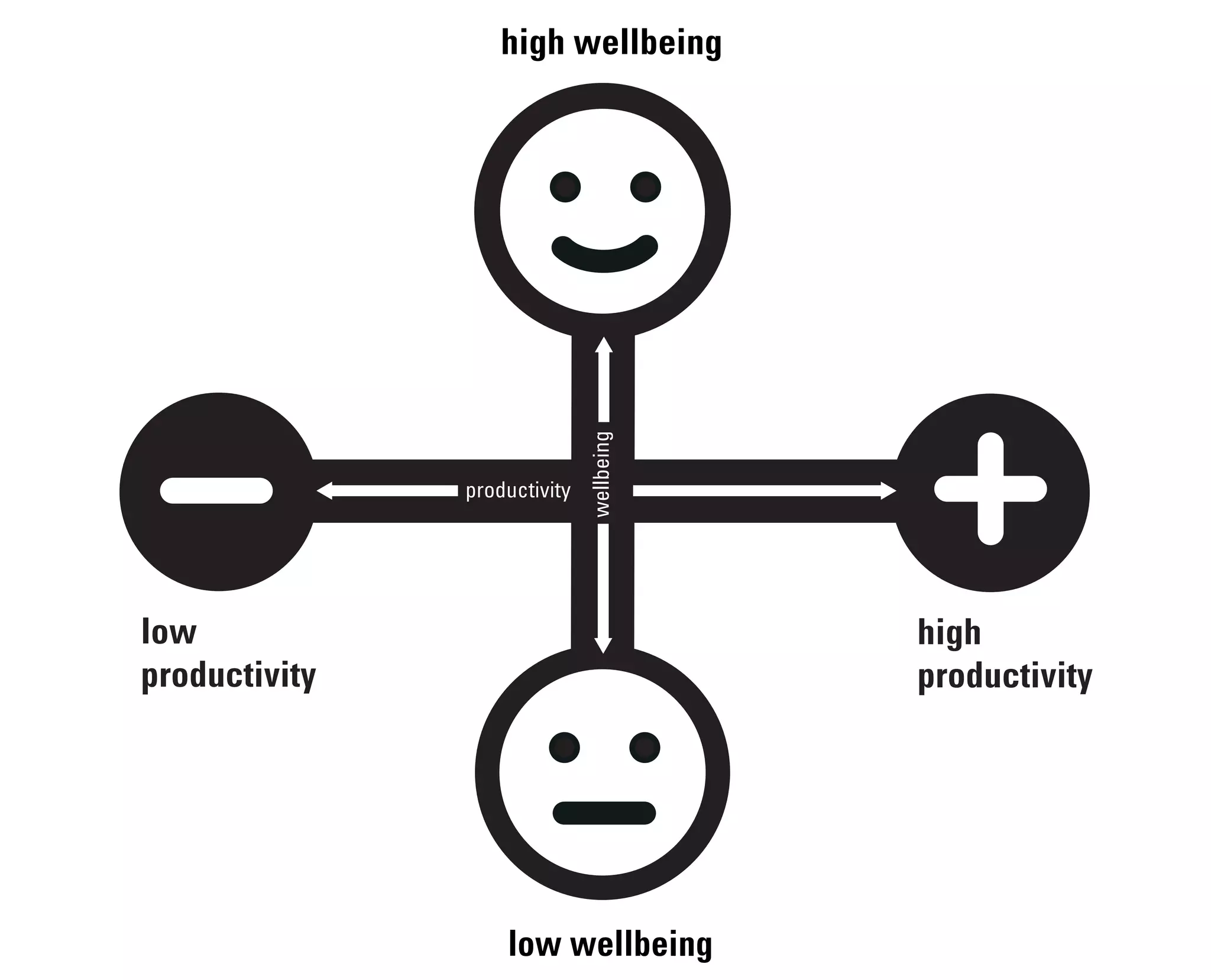
high
productivity
low
productivity
high wellbeing
low wellbeing
wellbeing
productivity
low productivity
that creates low wellbeing
and destroys social value
low productivity
enables wellbeing
and social value
high productivity
that creates low wellbeing
and destroys social value
high productivity
that creates high wellbeing
and social value
interventions-change
transformation-transition
high
productivity
low
productivity
high wellbeing
low wellbeing
wellbeing
productivity
subjectivity social values
productivity
energy
flowecosystem
unpolluted
atmosphere
biodiversity
human capital
non renewable
energy
renewable
energy
stranded
assets
value
the state
EROI
rebound
effect
valuation
financial markets
transition economies prices
output [of what?]
per unit [of what?]
ideas...innovation...technology
Powering Productivity
Mapping the Role of Energy and Wellbeing in UK Productivity
using Expert Elicitation and a Thematic Literature Review
Dr Joanna Boehnert
Co-Investigator
Loughborough University
j.j.boehnert@lboro.ac.uk
@ecocene
@ecolabs
Dr. Simon Mair
Co-Investigator
Centre for the Under-
standing of Sustainable
Prosperity, University of
Surrey @simon_mair	
Professor Tim Jackson
Principle Investigator
Centre for the Under-
standing of Sustainable
Prosperity, University of
Surrey @ProfTimJackson
Cecilia Landa-Avila
Research Associate
School of Design and the
Creative Arts,
Loughborough University
@iclanda
Philippe Vanderbroeck
Consultant
shiftN
@shiftNGroup
Dr. Clement Renaud
Digitial Designer
@atlasofdata; @disno-
vation; @fabricatorz
https://micromesomacro.
com

Mapping Productivity, Energy, and Wellbeing

  • 1.
    Dr. Joanna Boehnert LoughboroughUniversity j.j.boehnert@lboro.ac.uk Dr. Simon Mair University of Surrey s.mair@surrey.ac.uk Systemic Design Models and Processes for Sustainment RSD8: Systems Change for Governance: Design + Networks + Activation 16 October 2019, IIT Institute of Design (ID), Chicago USA Mapping Productivity, Energy and Wellbeing A participatory knowledge mapping research project for the Economic and Social Research Council, UK Energy ProductivityEnergy ProductivityEnergy Productivity Capital, Labour, Land and Technology Energy Return on Energy Invested (EROI) Productivity of the Energy Sector Economic Structural Change Energy Price Energy Policy and Business Competitiveness Climate Change Energy, Artificial Intelligence, and Automation The Political Economy of Energy and Productivity Productivity and the Factors of Production Energy and Rebound Effect Energy and Internationalisation
  • 2.
    Contents 1. Background andintroduction 2. Participatory knowledge mapping A) Energy and Productivity B) Wellbeing and Productivity 3. Work in progress....
  • 3.
    1. Background +Introduction
  • 4.
    Autumn 2018 The ESRCpublished a call for research on the intersection of energy and productivity which recommended the inclusion of visualisation strategies. Transforming productivity research: mapping Invitation to apply for funding Closing date for full applications: 16.00 on Monday 22 October 2018 Contents Call objectives .....................................................................................................................................1 Funding available ................................................................................................................................1 Who may apply...................................................................................................................................2 Eligibility of activities and conditions.............................................................................................3 Scope and cross cutting requirements..........................................................................................3 Call objectives .....................................................................................................................................3 Part 1: A landscape review of productivity research relevant to the UK and its nations..............4 Part 2: An assessment of the factors that influence levels of productivity and how they interact 4 Part 3: An assessment of research on interventions to increase business productivity in the UK and its nations.................................................................................................................................5 How to apply........................................................................................................................................6 Attachments required.......................................................................................................................6 Funding decisions................................................................................................................................7 Contacts................................................................................................................................................7 Call objectives The ESRC wishes to move the UK’s productivity research agenda forward in a more progressive, strategic and joined up way. To inform our future investment decisions, we would like to commission research to: a) Identify the current state of productivity research that focuses on the UK (Part 1 and Part 2 of the brief), b) Identify research on the range and characteristics of interventions used to improve productivity (Part 3), and, c) Summarise what is known about the performance of interventions (Part 3). Funding available A total of £500,000 is available for this call. Projects may seek up to 80% (or a contribution at the rate applied to the original award) of the full economic costs, up to a maximum of £500,000 RC contribution. This could fund a single project, or a suite of projects, to cover
  • 5.
    I had developeda relationship with CUSP (Centre for the Understanding of Sustainable Prosperity) with my participation in their “Economic Theory of the Anthropocene: Towards Heterodox Understandings of Sustainable Economies” symposium hosted at University of Surrey (July 3–4th, 2018). I had published a paper on based on my work presented at CUSP. Thanks to this relationship I was invited to develop a mapping method for this research proposal. 355Anthropocene Economics and Design Keywords Anthropocene Climate change Heterodox economics Ecological economics Value and values Design transitions for sustainability Received August 31, 2018 Accepted October 24, 2018 Email Joanna Boehnert (corresponding author) j.j.boehnert@lboro.ac.uk Anthropocene Economics and Design: Heterodox Economics for Design Transitions Joanna Boehnert, Loughborough University, UK Abstract Economics is a field under fierce contestation. In response to the intersecting challenges of the Anthropocene, scholars who take a broader and more critical view of current economic models have described the shortcomings of orthodox economic theory along with the severe conse- quences of its systemic discounting of the environment. Heterodox econ- omists describe how the logic of neoclassical and neoliberal economics disregards the interests and needs of the natural world, women, workers, and other historically disadvantaged groups. Explorations of the household, the state, and the commons as alternative economies open space at the intersection of economics and design for incorporating and valuing the pro- visioning services provided by the ecological context and the undervalued work provided by certain groups of people. Design theorists, economists, social and cultural theorists, and anthropologists describe the relationship between value and values in ways that reveal how sustainable and socially just futures depend on the priorities (notions of value) embedded in the systems that determine what is designed. With these ideas, design can contribute to economic transitions with conceptualizing, modeling, map- ping, framing, and other future making practices. Ecologically engaged, heterodox economics is a basis for societal responses to climate change on a scale that can make a difference. Copyright © 2018, Tongji University and Tongji University Press. Publishing services by Elsevier B.V. This is an open access article under the CC BY-NC-ND license (http://creativecommons.org/licenses/by-nc-nd/4.0/). The peer review process is the responsibility of Tongji University and Tongji University Press. http://www.journals.elsevier.com/she-ji-the-journal-of-design-economics-and-innovation https://doi.org/10.1016/j.sheji.2018.10.002
  • 6.
    Powering Productivity Mapping theRole of Energy and Wellbeing in UK Productivity using Expert Elicitation and a Thematic Literature Review Dr Joanna Boehnert Co-Investigator Loughborough University j.j.boehnert@lboro.ac.uk @ecocene @ecolabs Dr. Simon Mair Co-Investigator Centre for the Under- standing of Sustainable Prosperity, University of Surrey @simon_mair Professor Tim Jackson Principle Investigator Centre for the Under- standing of Sustainable Prosperity, University of Surrey @ProfTimJackson Cecilia Landa-Avila Research Associate School of Design and the Creative Arts, Loughborough University @iclanda Philippe Vanderbroeck Consultant shiftN @shiftNGroup Dr. Clement Renaud Digitial Designer @atlasofdata; @disno- vation; @fabricatorz https://micromesomacro. com
  • 7.
    Falling productivity growth isconsidered to be a problem.
  • 8.
    Falling productivity growthis considered a crisis in many of the wealthiest economies (Jackson, 2019). Economic historians argue that the productivity growth rates seen under most of the history of capitalism were made possible due to exploitation of high quality fossil fuel reserves (e.g. Wrigley, 2016; Malm, 2016).
  • 9.
    This research projectuses system mapping methods to investigate the problem of falling productivity growth and its relationship to both energy and wellbeing. An explanation for the trend is linked to declining access to high quality energy.
  • 10.
    Two fundamental questionsare evident: 1) With the transition to sustainable renewable energy driven societies, will falling productivity growth rates be the new normal? 2) If so, what does this mean for wellbeing, standards of living and general levels of prosperity? In policy debates, productivity growth is often associated with higher living standards. We developed mapping strategies to explore whether this assumption by mapping knowledge at the intersection of productivity, energy and wellbeing.
  • 13.
  • 22.
    22 2. Giga MapGroup One
  • 25.
  • 28.
    PRODUCTIVITY flow output [of what?] perunit [of what?] people ENERGY flow stocks ideas services material goods behaviour wastenon-renewable natural capital inequality investment value social capital AI depreciation entropy renewable natural capital raw material physical capital renewable natural capital people non-renewable natural capital raw material social capital physical capital quality adjusted /educated value
  • 34.
    PRODUCTIVITY output [of what?]per unit [of what?] people EROI ENERGYflow stockockskss ideas prices / valuation behaviour financial markets ablenon-renewa pitalnatural capi inequality renewable energyyenergeene transition economies value eralsminer lim human capitalhuman capital final energy use subjectivity socialvalues AItechnologyinnovation the state rebound effect stranded assets bioodivversiity ununpollulluteded aatmoosphehere elssil fuefossffo r lrenewable natnattural capitaltural capital non renewable energyececocosystemmosystemm flow
  • 36.
    2B Participatory Knowledge Mapping: Wellbeing and Productivity
  • 39.
    Highlighted concepts Cri�cal rela�onships Uncertaintelements Structure/categories Evidence A. Visual code index
  • 40.
  • 41.
  • 42.
  • 43.
    1. Individual maps Overviewof individual maps
  • 44.
  • 48.
  • 49.
  • 57.
    4. Gigamaps LOW WELLBEING HIGH WELLBEING LOW PRODUCTIVITY HIGH PRODUCTIVITY interven�ons/change Happiness Good health Hom e & com m unity Iden�fy poten�althings for this quadrant Howisproduc�vitydefined?Whatisthetargetquadrant? Educa�on Care Transforma�on Enviroment Mean or end? (Low) market value per unit (Low) Social value per unit Efficient (High) GVA per hour Social value (Low) energy efficiency lacks la cks lackslackslacks lac ks lacks lackslacks lac ks lacks lackslacks lacks lacks lacks lacks Vision & aligment Goals Community, Interpersonal rela�onships Social support Green space Employment voice Training Infraestructure Personal life Control power Job security Income Physical health Mental health Inequality Educa�on Overemployment poor poor poorpoorpoor po or poor poorpoor poor poor poorpoor poor poor poor poor objec�ve wellbeing
  • 58.
    3. Work inprogress....
  • 59.
  • 60.
    low productivity that createslow wellbeing and destroys social value low productivity enables wellbeing and social value high productivity that creates low wellbeing and destroys social value high productivity that creates high wellbeing and social value interventions-change transformation-transition high productivity low productivity high wellbeing low wellbeing wellbeing productivity
  • 61.
    subjectivity social values productivity energy flowecosystem unpolluted atmosphere biodiversity humancapital non renewable energy renewable energy stranded assets value the state EROI rebound effect valuation financial markets transition economies prices output [of what?] per unit [of what?] ideas...innovation...technology
  • 62.
    Powering Productivity Mapping theRole of Energy and Wellbeing in UK Productivity using Expert Elicitation and a Thematic Literature Review Dr Joanna Boehnert Co-Investigator Loughborough University j.j.boehnert@lboro.ac.uk @ecocene @ecolabs Dr. Simon Mair Co-Investigator Centre for the Under- standing of Sustainable Prosperity, University of Surrey @simon_mair Professor Tim Jackson Principle Investigator Centre for the Under- standing of Sustainable Prosperity, University of Surrey @ProfTimJackson Cecilia Landa-Avila Research Associate School of Design and the Creative Arts, Loughborough University @iclanda Philippe Vanderbroeck Consultant shiftN @shiftNGroup Dr. Clement Renaud Digitial Designer @atlasofdata; @disno- vation; @fabricatorz https://micromesomacro. com