Ammar Raza
Roll No: MBL-13-41
MBA 7TH MORNING
CULTURAL OF
MALI
INTRODUCTION
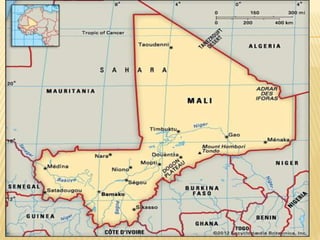
Mali, officially the Republic of Mali,
country in West Africa.
Mali is the eighth-largest country in Africa, with an area of just
over 1,240,000 square kilometres.
Capital: Bamako
Currency: West African CFA franc
Population: 25 million (2013)
Official language: French
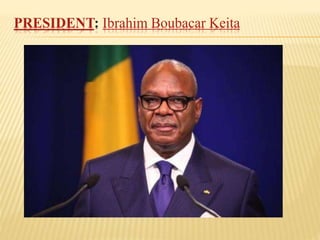
PRESIDENT: Ibrahim Boubacar Keita
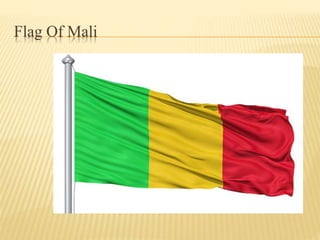
Flag Of Mali
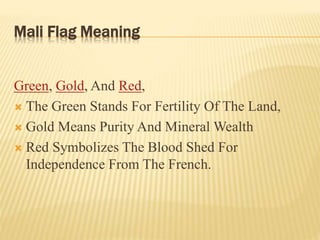
Mali Flag Meaning
Green, Gold, And Red,
 The Green Stands For Fertility Of The Land,
 Gold Means Purity And Mineral Wealth
 Red Symbolizes The Blood Shed For
Independence From The French.
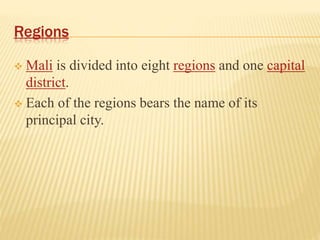
Regions
 Mali is divided into eight regions and one capital
district.
 Each of the regions bears the name of its
principal city.
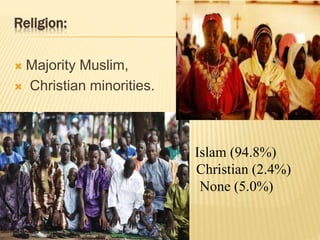
Religion:
 Majority Muslim,
 Christian minorities.
Islam (94.8%)
Christian (2.4%)
None (5.0%)
LANGUAGES OF MALI
 Official language French (Standard)
 National languages
Bambara, Bomu, Bozo,
Dogon, Fulfulde, Hasanya .Arabic, Mamara,
Maninkakan, Soninke, Songhay
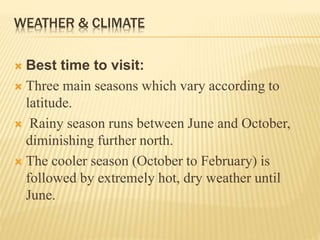
WEATHER & CLIMATE
 Best time to visit:
 Three main seasons which vary according to
latitude.
 Rainy season runs between June and October,
diminishing further north.
 The cooler season (October to February) is
followed by extremely hot, dry weather until
June.
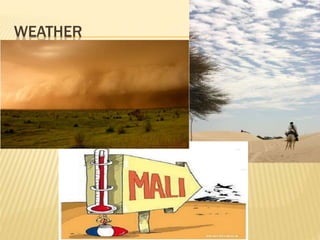
WEATHER
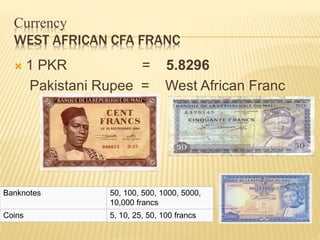
Currency
WEST AFRICAN CFA FRANC
 1 PKR = 5.8296
Pakistani Rupee = West African Franc
Banknotes 50, 100, 500, 1000, 5000,
10,000 francs
Coins 5, 10, 25, 50, 100 francs
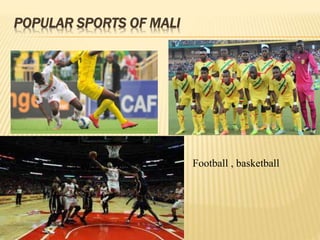
POPULAR SPORTS OF MALI
Football , basketball
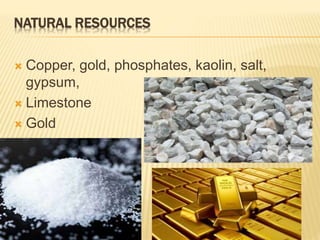
NATURAL RESOURCES
 Copper, gold, phosphates, kaolin, salt,
gypsum,
 Limestone
 Gold
 Salt
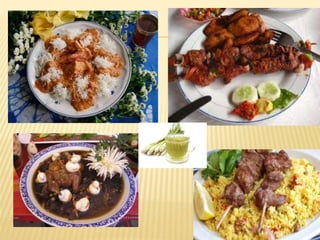
MALI’S FOOD
 lemongrass tea,
 Malian fish stew, and chicken and peanut
stew.
 Sheep
 Rice
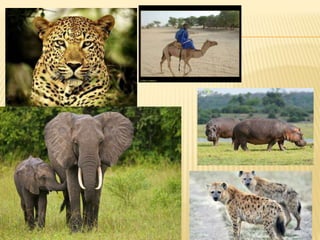
ANIMALS
Most common animals are:
 Hyenas
 Hippo’s
 Lions
 Leopard
 Elephant
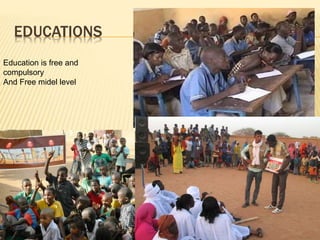
EDUCATIONS
Education is free and
compulsory
And Free midel level
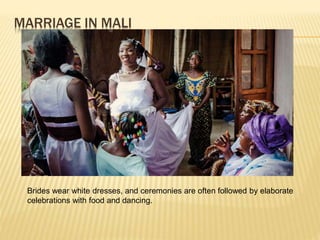
MARRIAGE IN MALI
Brides wear white dresses, and ceremonies are often followed by elaborate
celebrations with food and dancing.
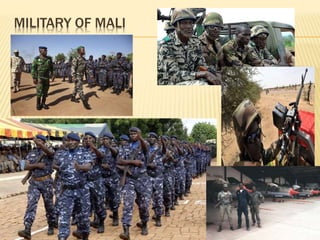
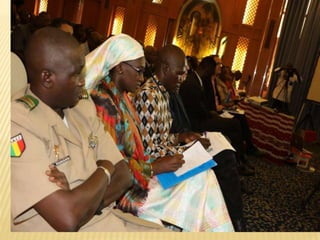
MILITARY OF MALI
AGRICULTURE
 Mali produces rice, millet, corn, vegetables,
tobacco, and tree crops.
 Gold, livestock and agriculture amount to
80% of Mali's exports
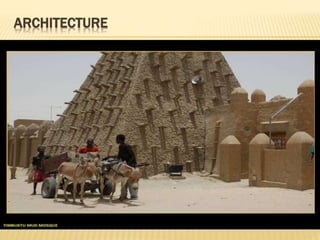
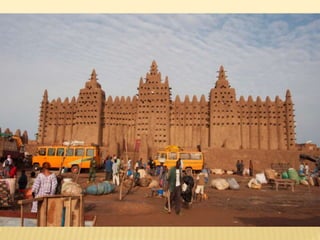
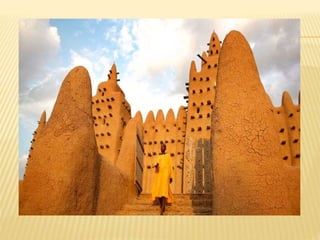
ARCHITECTURE
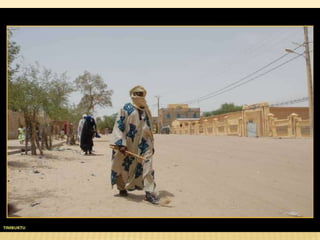
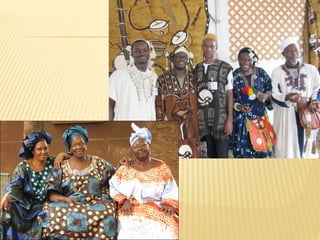
CLOTHING
 Women: skirts, long dresses, and t-shirt’s.
 Men: Loose pants and t-shirts.
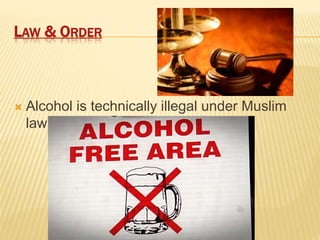
LAW & ORDER
 Alcohol is technically illegal under Muslim
law
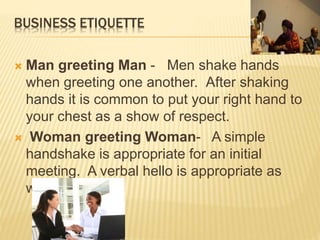
BUSINESS ETIQUETTE
 Man greeting Man - Men shake hands
when greeting one another. After shaking
hands it is common to put your right hand to
your chest as a show of respect.
 Woman greeting Woman- A simple
handshake is appropriate for an initial
meeting. A verbal hello is appropriate as
well.
GIFT:
 Gift giving of small items like a pen or notebook
take place almost everyday
 A gift is passed around to every person in the room,
sometimes even making its way back to the original
gift giver.
 Do not give a gift to a host or hostess when invited to
their home for dinner: this is insulting.
 It is the responsibility of the host to provide
everything for their guest.
 Giving anything to someone with the left hand is
considered very rude.
COMMUNICATION STYLE
 Malians tend to favor a mostly indirect style
of communication.
 People will often communicate through other
people so that a message arrives indirectly to
its destination.
EYE CONTACT
 Malians tend to prefer indirect eye contact
over direct.
 Friends usually look each other in the eyes
but when speaking with elders, religious
leaders, a boss, or members of a high social
class, it is polite to look down and away
instead of making direct eye contact.
 Overly direct eye contact is viewed as rude
and possibly a threat.
BUSINESS CARDS
 Professional titles are used when meeting
and addressing people.
 Business cards are usually exchanged at the
end of a meeting. Always give and receive
cards with the right hand
DINING ETIQUETTE
 Dining etiquette for entering a Malian
home. Older people are highly respected. Avert your
eyes when speaking to an elder.
 Dining etiquette for dining from a communal
bowl. Diners are separated into groups around
different bowls. Older men share one bowl, women
share another, and children yet another.
 Dining etiquette for eating with your hands. Eat
with your right hand and take food only from your
side of the bowl.
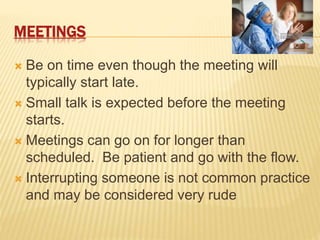
MEETINGS
 Be on time even though the meeting will
typically start late.
 Small talk is expected before the meeting
starts.
 Meetings can go on for longer than
scheduled. Be patient and go with the flow.
 Interrupting someone is not common practice
and may be considered very rude
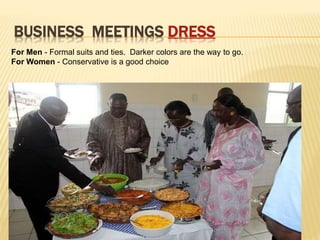
BUSINESS MEETINGS DRESS
For Men - Formal suits and ties. Darker colors are the way to go.
For Women - Conservative is a good choice
Mali cultural  ppt final

Mali cultural ppt final

  • 3.
    Ammar Raza Roll No:MBL-13-41 MBA 7TH MORNING
  • 4.
  • 5.
    INTRODUCTION Mali, officially theRepublic of Mali, country in West Africa. Mali is the eighth-largest country in Africa, with an area of just over 1,240,000 square kilometres. Capital: Bamako Currency: West African CFA franc Population: 25 million (2013) Official language: French
  • 7.
  • 8.
  • 9.
    Mali Flag Meaning Green,Gold, And Red,  The Green Stands For Fertility Of The Land,  Gold Means Purity And Mineral Wealth  Red Symbolizes The Blood Shed For Independence From The French.
  • 10.
    Regions  Mali isdivided into eight regions and one capital district.  Each of the regions bears the name of its principal city.
  • 11.
    Religion:  Majority Muslim, Christian minorities. Islam (94.8%) Christian (2.4%) None (5.0%)
  • 12.
    LANGUAGES OF MALI Official language French (Standard)  National languages Bambara, Bomu, Bozo, Dogon, Fulfulde, Hasanya .Arabic, Mamara, Maninkakan, Soninke, Songhay
  • 13.
    WEATHER & CLIMATE Best time to visit:  Three main seasons which vary according to latitude.  Rainy season runs between June and October, diminishing further north.  The cooler season (October to February) is followed by extremely hot, dry weather until June.
  • 14.
  • 15.
    Currency WEST AFRICAN CFAFRANC  1 PKR = 5.8296 Pakistani Rupee = West African Franc Banknotes 50, 100, 500, 1000, 5000, 10,000 francs Coins 5, 10, 25, 50, 100 francs
  • 16.
    POPULAR SPORTS OFMALI Football , basketball
  • 17.
    NATURAL RESOURCES  Copper,gold, phosphates, kaolin, salt, gypsum,  Limestone  Gold  Salt
  • 18.
    MALI’S FOOD  lemongrasstea,  Malian fish stew, and chicken and peanut stew.  Sheep  Rice
  • 20.
    ANIMALS Most common animalsare:  Hyenas  Hippo’s  Lions  Leopard  Elephant
  • 22.
    EDUCATIONS Education is freeand compulsory And Free midel level
  • 23.
    MARRIAGE IN MALI Brideswear white dresses, and ceremonies are often followed by elaborate celebrations with food and dancing.
  • 24.
  • 25.
    AGRICULTURE  Mali producesrice, millet, corn, vegetables, tobacco, and tree crops.  Gold, livestock and agriculture amount to 80% of Mali's exports
  • 26.
  • 33.
    CLOTHING  Women: skirts,long dresses, and t-shirt’s.  Men: Loose pants and t-shirts.
  • 35.
    LAW & ORDER Alcohol is technically illegal under Muslim law
  • 36.
    BUSINESS ETIQUETTE  Mangreeting Man - Men shake hands when greeting one another. After shaking hands it is common to put your right hand to your chest as a show of respect.  Woman greeting Woman- A simple handshake is appropriate for an initial meeting. A verbal hello is appropriate as well.
  • 37.
    GIFT:  Gift givingof small items like a pen or notebook take place almost everyday  A gift is passed around to every person in the room, sometimes even making its way back to the original gift giver.  Do not give a gift to a host or hostess when invited to their home for dinner: this is insulting.  It is the responsibility of the host to provide everything for their guest.  Giving anything to someone with the left hand is considered very rude.
  • 38.
    COMMUNICATION STYLE  Malianstend to favor a mostly indirect style of communication.  People will often communicate through other people so that a message arrives indirectly to its destination.
  • 39.
    EYE CONTACT  Malianstend to prefer indirect eye contact over direct.  Friends usually look each other in the eyes but when speaking with elders, religious leaders, a boss, or members of a high social class, it is polite to look down and away instead of making direct eye contact.  Overly direct eye contact is viewed as rude and possibly a threat.
  • 40.
    BUSINESS CARDS  Professionaltitles are used when meeting and addressing people.  Business cards are usually exchanged at the end of a meeting. Always give and receive cards with the right hand
  • 41.
    DINING ETIQUETTE  Diningetiquette for entering a Malian home. Older people are highly respected. Avert your eyes when speaking to an elder.  Dining etiquette for dining from a communal bowl. Diners are separated into groups around different bowls. Older men share one bowl, women share another, and children yet another.  Dining etiquette for eating with your hands. Eat with your right hand and take food only from your side of the bowl.
  • 42.
    MEETINGS  Be ontime even though the meeting will typically start late.  Small talk is expected before the meeting starts.  Meetings can go on for longer than scheduled. Be patient and go with the flow.  Interrupting someone is not common practice and may be considered very rude
  • 43.
    BUSINESS MEETINGS DRESS ForMen - Formal suits and ties. Darker colors are the way to go. For Women - Conservative is a good choice