


























Lighting The Way to Net Zero
 Lighting The Way to Net Zero
 Lighting The Way to Net Zero
 Lighting The Way to Net Zero
 Lighting The Way to Net Zero
 Lighting The Way to Net Zero
 Lighting The Way to Net Zero
 Lighting The Way to Net Zero
 Lighting The Way to Net Zero
 Lighting The Way to Net Zero
 Lighting The Way to Net Zero
 Lighting The Way to Net Zero
 Lighting The Way to Net Zero
 Lighting The Way to Net Zero
 Lighting The Way to Net Zero
 Lighting The Way to Net Zero
 Lighting The Way to Net Zero
 Lighting The Way to Net Zero
 Lighting The Way to Net Zero
 Lighting The Way to Net Zero
 Lighting The Way to Net Zero
 Lighting The Way to Net Zero
 Lighting The Way to Net Zero
 Lighting The Way to Net Zero
 Lighting The Way to Net Zero
 Lighting The Way to Net Zero
 Lighting The Way to Net Zero
 Lighting The Way to Net Zero
 Lighting The Way to Net Zero
 Lighting The Way to Net Zero
 Lighting The Way to Net Zero
 Lighting The Way to Net Zero
 Lighting The Way to Net Zero
 Lighting The Way to Net Zero
 Lighting The Way to Net Zero
 Lighting The Way to Net Zero
 Lighting The Way to Net Zero
 Lighting The Way to Net Zero
 Lighting The Way to Net Zero
 Lighting The Way to Net Zero
 Lighting The Way to Net Zero
 Lighting The Way to Net Zero
 Lighting The Way to Net Zero
 Lighting The Way to Net Zero
 Lighting The Way to Net Zero
 Lighting The Way to Net Zero
 Lighting The Way to Net Zero
 Lighting The Way to Net Zero
 Lighting The Way to Net Zero
 Lighting The Way to Net Zero
 Lighting The Way to Net Zero
 Lighting The Way to Net Zero
 Lighting The Way to Net Zero
 Lighting The Way to Net Zero
 Lighting The Way to Net Zero
 Lighting The Way to Net Zero
 Lighting The Way to Net Zero
 Lighting The Way to Net Zero
 Lighting The Way to Net Zero
 Lighting The Way to Net Zero
 Lighting The Way to Net Zero
 Lighting The Way to Net Zero
 Lighting The Way to Net Zero
 Lighting The Way to Net Zero
 Lighting The Way to Net Zero
 Lighting The Way to Net Zero
 Lighting The Way to Net Zero
 Lighting The Way to Net Zero
 Lighting The Way to Net Zero
 Lighting The Way to Net Zero
 Lighting The Way to Net Zero
 Lighting The Way to Net Zero
 Lighting The Way to Net Zero
 Lighting The Way to Net Zero
 Lighting The Way to Net Zero
 Lighting The Way to Net Zero
 Lighting The Way to Net Zero
 Lighting The Way to Net Zero
 Lighting The Way to Net Zero
 Lighting The Way to Net Zero
 Lighting The Way to Net Zero
 Lighting The Way to Net Zero
 Lighting The Way to Net Zero
 Lighting The Way to Net Zero
 Lighting The Way to Net Zero
 Lighting The Way to Net Zero
 Lighting The Way to Net Zero
 Lighting The Way to Net Zero
 Lighting The Way to Net Zero
 Lighting The Way to Net Zero
 Lighting The Way to Net Zero
 Lighting The Way to Net Zero
 Lighting The Way to Net Zero
 Lighting The Way to Net Zero
 Lighting The Way to Net Zero
 Lighting The Way to Net Zero
 Lighting The Way to Net Zero
 Lighting The Way to Net Zero
 Lighting The Way to Net Zero
 Lighting The Way to Net Zero
 Lighting The Way to Net Zero
 Lighting The Way to Net Zero
 Lighting The Way to Net Zero
 Lighting The Way to Net Zero
 Lighting The Way to Net Zero
 Lighting The Way to Net Zero
 Lighting The Way to Net Zero
 Lighting The Way to Net Zero
 Lighting The Way to Net Zero
 Lighting The Way to Net Zero
 Lighting The Way to Net Zero
 Lighting The Way to Net Zero
 Lighting The Way to Net Zero
 Lighting The Way to Net Zero
 Lighting The Way to Net Zero
 Lighting The Way to Net Zero
 Lighting The Way to Net Zero
 Lighting The Way to Net Zero
 Lighting The Way to Net Zero
 Lighting The Way to Net Zero
 Lighting The Way to Net Zero
 Lighting The Way to Net Zero
 Lighting The Way to Net Zero
 Lighting The Way to Net Zero
 Lighting The Way to Net Zero
 Lighting The Way to Net Zero
 Lighting The Way to Net Zero
 Lighting The Way to Net Zero
 Lighting The Way to Net Zero
 Lighting The Way to Net Zero
 Lighting The Way to Net Zero
 Lighting The Way to Net Zero
 Lighting The Way to Net Zero
 Lighting The Way to Net Zero
 Lighting The Way to Net Zero
 Lighting The Way to Net Zero
 Lighting The Way to Net Zero
 Lighting The Way to Net Zero
 Lighting The Way to Net Zero
 Lighting The Way to Net Zero
 Lighting The Way to Net Zero
 Lighting The Way to Net Zero
 Lighting The Way to Net Zero
 Lighting The Way to Net Zero
 Lighting The Way to Net Zero
 Lighting The Way to Net Zero
 Lighting The Way to Net Zero
 Lighting The Way to Net Zero
 Lighting The Way to Net Zero
 Lighting The Way to Net Zero
 Lighting The Way to Net Zero
 Lighting The Way to Net Zero
 Lighting The Way to Net Zero
 Lighting The Way to Net Zero
 Lighting The Way to Net Zero
 Lighting The Way to Net Zero
 Lighting The Way to Net Zero
 Lighting The Way to Net Zero
 Lighting The Way to Net Zero
 Lighting The Way to Net Zero
 Lighting The Way to Net Zero
 Lighting The Way to Net Zero
 Lighting The Way to Net Zero
 Lighting The Way to Net Zero
 Lighting The Way to Net Zero
 Lighting The Way to Net Zero
 Lighting The Way to Net Zero
 Lighting The Way to Net Zero
 Lighting The Way to Net Zero
 Lighting The Way to Net Zero
 Lighting The Way to Net Zero
 Lighting The Way to Net Zero
 Lighting The Way to Net Zero
 Lighting The Way to Net Zero
 Lighting The Way to Net Zero
 Lighting The Way to Net Zero
 Lighting The Way to Net Zero
 Lighting The Way to Net Zero
 Lighting The Way to Net Zero
 Lighting The Way to Net Zero
 Lighting The Way to Net Zero
 Lighting The Way to Net Zero
 Lighting The Way to Net Zero
 Lighting The Way to Net Zero
 Lighting The Way to Net Zero
 Lighting The Way to Net Zero
 Lighting The Way to Net Zero
 Lighting The Way to Net Zero
 Lighting The Way to Net Zero
 Lighting The Way to Net Zero
 Lighting The Way to Net Zero
 Lighting The Way to Net Zero
 Lighting The Way to Net Zero
 Lighting The Way to Net Zero
 Lighting The Way to Net Zero
 Lighting The Way to Net Zero
 Lighting The Way to Net Zero
 Lighting The Way to Net Zero
 Lighting The Way to Net Zero

Editor's Notes

  • #133 Now I will follow on the strategies that were previously introduced that seek to use as little electricity as possible for lighting in buildings by walking through a few case studies covering these specific topics.
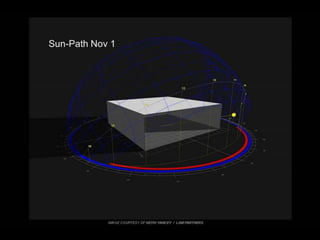
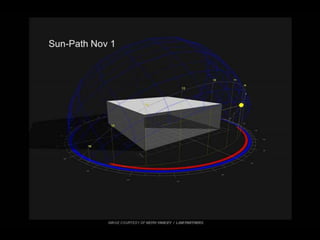
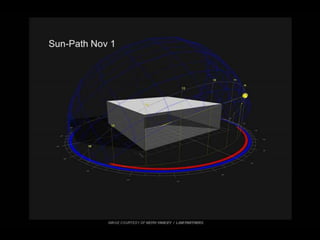
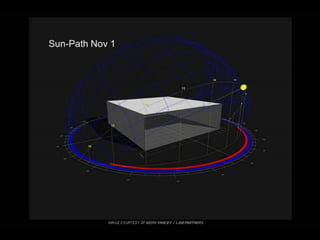
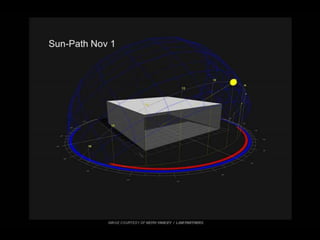
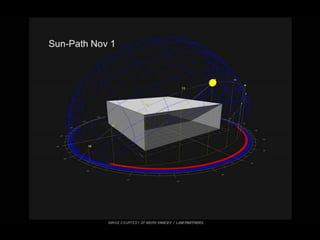
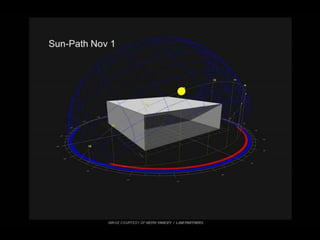
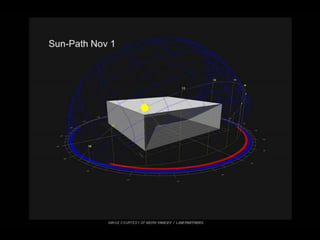
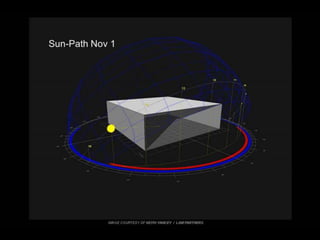
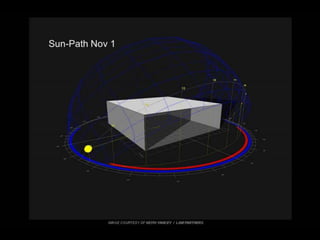
  • #134 One of the most fundamental approaches to using the sun to light a building is to design to the optimal solar orientation. The key is understanding the relation between the path of the sun as it tracks across the sky relative the position of the building.
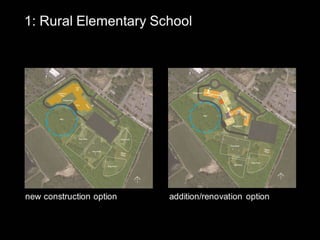
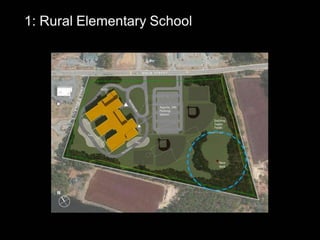
  • #135 For new construction, designing to the optimal orientation isn’t always possible, especially in dense urban and tightly constricted sites. However, where sites are more open, this should be a goal. This is a case of a elementary school project on a rural site. On first glance the site seemed more than adequate to allow for the approach however there were several restrictions: existing school buildings had to remain during construction, the owner requested the existing septic and the existing on-site drinking water well (with its 170’ protection zone) to remain.
  • #136 Quickly studying multiple options showed that the building would be shoehorned into the available space and the optimal orientation was not possible.
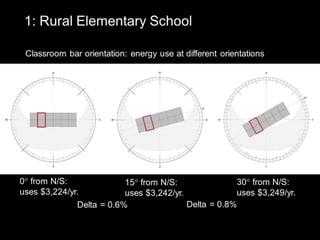
  • #137 From past life cycle cost analysis, we know that as a classroom bar is rotated away from the ideal North facing and South facing direction, the energy use goes up. This is because glare control is more difficult for east and west sunlight. South facing rooms have the most effectiveness over the course of the day for daylighting, especially when combined with strategies such as light shelves. North facing rooms have the least glare and therefore the shades are likely to be left up most of the time.
  • #138 So the argument was framed this way and the client accepted the additional cost of installing a new drinking water well in a far corner of the site where the protection zone was out of the way. This opened up one whole side of the site for the placement of a new building where the preferred orientation could be achieved. The cost of relocating the well to the project was about ¼ of 1% of the budget and the savings in efficiency are built in and realized over the life of the building.
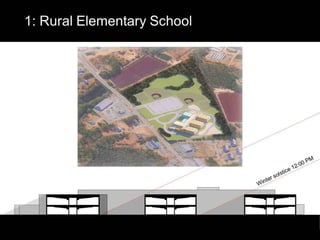
  • #139 To make sure the wings weren’t shadowing each other, and negating the benefits to south facing classrooms, we checked the sun angle at time of year when lowest in the sky. The spacing of the wings was adjusted accordingly.
  • #140 Next are two well known examples of buildings with lessons in daylighting strategies, with a focus on space geometry and design and placement of openings.
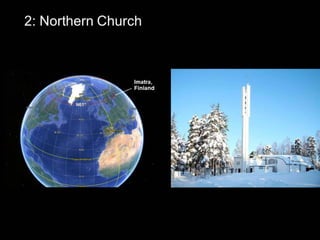
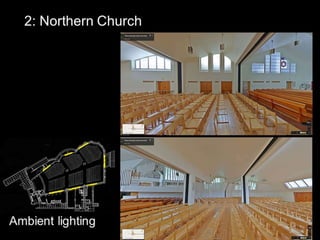
  • #141 With his church near Imatra, Finland, Aalto dealt with the unique conditions of north light: low angle, the ground reflectance and pure color. You can see how much farther north the location is compared to where we are.
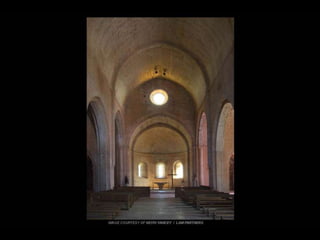
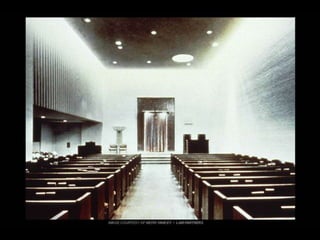
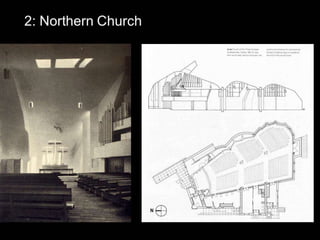
  • #142 The church is an essay in the various ways to use openings to admit sunlight, both for functional and expressive purposes. You will see that in all of the photos, the space is amply lit without any of the lights on. And this is with a very low WWR - something like 15%. The building was built in 1954, after the advent of fluorescents but still recent enough to understand approaches from earlier times. The building is largely one space subdivided into three bays each with a tall vaulted ceiling.
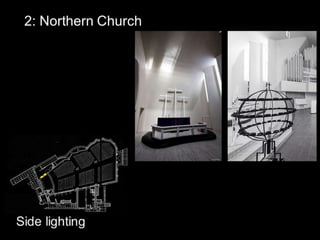
  • #143 The alter at the north end is the focal point and for that Aalto used tall windows near the rear wall to let light in from one side. The source of light is concealed by vertical fins so as to not distract. The light washes the white wall creating shadows for dramatic effect.
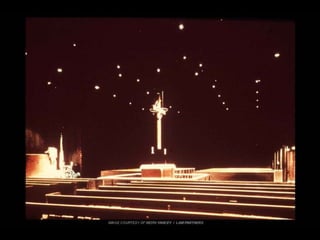
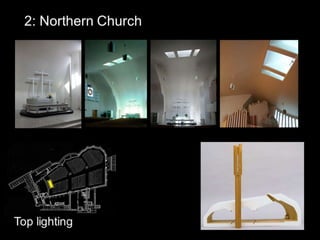
  • #144 A single skylight in the space contributes to increased light levels at the front part of the sanctuary. It is deeply set into the ceiling and angles to again conceal the source and to admit the low angle south sun. This creates dramatic movement of sunbeams across he altar.
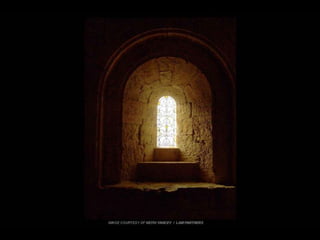
  • #145 The general space lighting is from windows placed high on the walls within each bay in relation to the vaulted ceilings. The glare from direct light is minimized by filtering through borrowed lites in layered walls, through louvers and through splayed openings.
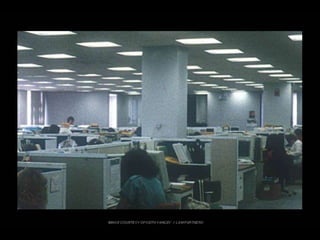
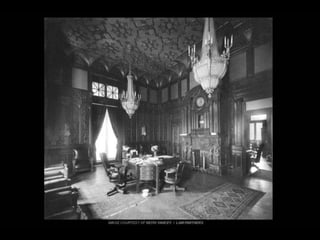
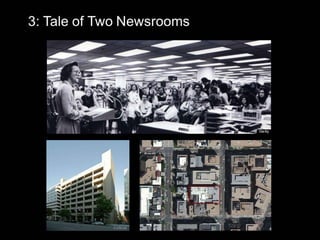
  • #146 Next are two buildings of the same use: newspapers. The Washington Post building has an iconic newsroom made famous as the place where Watergate was first reported. Here is editor Katharine Graham addressing the staff in that era. The open office space epitomizes the attitude in the early 70s that electric lighting was plentiful and cheap: low ceilings, overlit by closely spaced fixtures, no views to windows. The building has a deep footprint with party wall conditions limiting the amount of windows. The deeply set windows and low floor to floors don’t allow the daylight to penetrate very far.
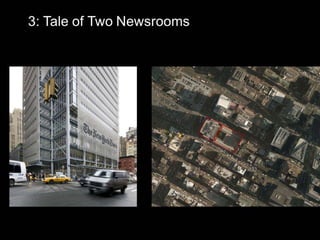
  • #147 Contrast that with a more recent project the NY Times Co. It is instructive to see what was learned from the earlier project. Here, Renzo Piano was after a heightened transparency, opening up the news operations to visibility, the opposite of the interiorized Washington Post workspace.
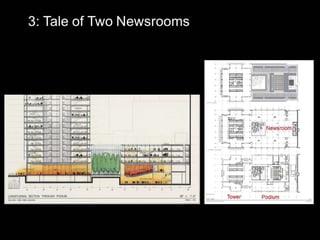
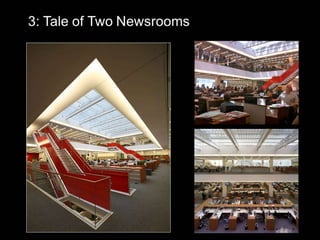
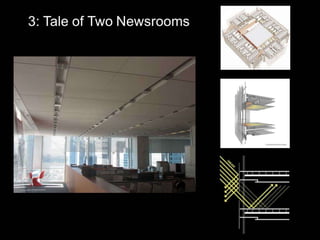
  • #148 A front tower with open offices is separated from a podium building where the main newsroom is located. Instead of closed perimeter offices, both bulidings have open offices wrap around a solid core in the tower, and the double height newsroom in the podium. Daylight zones are generally pretty good.
  • #149 The news room is top lit by a louvered skylight. There are also views out horizontally through the surrounding open offices.
  • #150 The tower has full height glass. While the ceilings are lower than ideal for daylighting, they are stepped at the perimiter to maximize penetration. And daylight dimming sensors are used – you can see that only some of the fixtures are fully on in the photo. Glare is controlled through the exterior sunscreens and automated roller shades. Notice for a minute the ceiling fixture spacing – continuous rows about 5 feet apart.
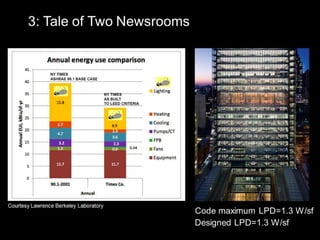
  • #151 This design of the Times is a world of difference from the Washington Post example. And the building EUI performance reflects that – 25% below the baseline standard. And lighting does even better – 45% below baseline. However, it could have been better. The goal of transparency – seeing what goes on inside --resulted in a lighting fixture design that, while it looks great at night, falls short of the efficiency that is possible. And in a building like this, where it will be significantly occupied for long times when the sun is not shining, that becomes a large factor.
  • #152 In pursuing a net zero design, what are the ways efficiency can be eked out of a out electrical lighting design?
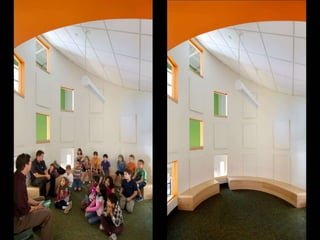
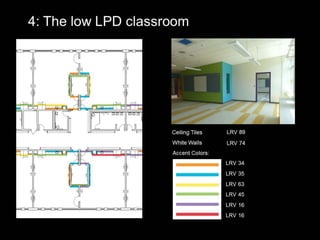
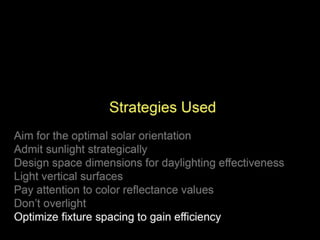
  • #153 One is understanding LVR values in color selection. In this design of an elementary school classroom, the use of color was desired. You can see from the chart that the LVR drops way down once you go from standard white ACT, to white paint, to a vibrant color – yellow is not too bad while red and purple are the worst in this respect. So the approach here was to use color strategically, to limit the loss of lighting effectiveness.
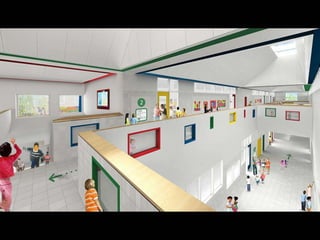
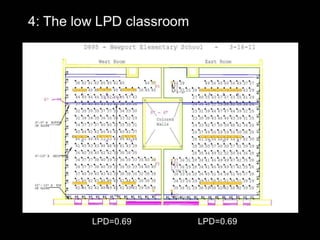
  • #154 We did an illumination level analysis making sure to plug in the actual color values for all surfaces. That way, we were getting accurate results when seeing how to not over-light the space. We were after a minimum 30 FCs on the worksurface but also wanted to make sure the teaching walls were adequately lit using just the general room fixtures. This lead us to decide to space apart the rows of fixtures to get them closer to the walls without an unacceptable dropoff in the worksurface values, and with the same LPD in the space.
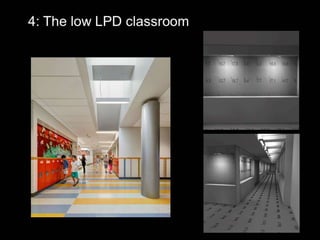
  • #155 The same attention to appropriate vertical plane illumination was used in the design of the corridors as well, where fixtures were used for both display lighting and contributing to the general space lighting.
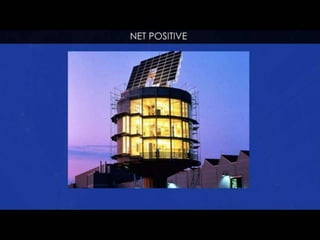
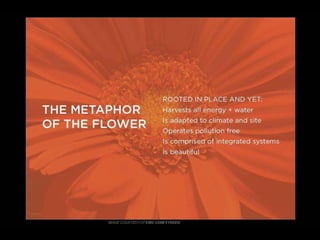
  • #163 A demonstration project for making the kind of environment that is possible as a “Net-positive” building.
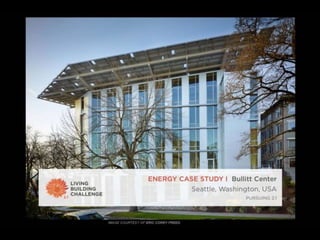
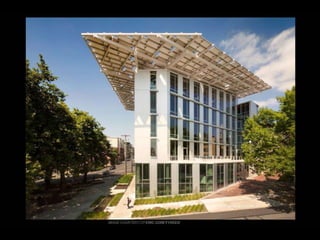
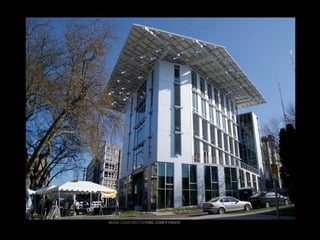
  • #164 The Bullitt Center is an office building done under the LBC.
  • #165 LBC sets multi-dimensional criteria that seeks to make a “good for people” building.
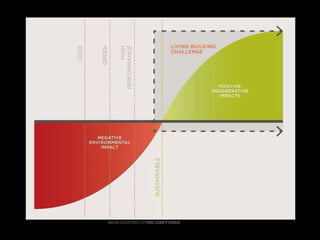
  • #166 While LEED seeks to mitigate the negative effects of our buildings, LBC aims to be in the positive territory.
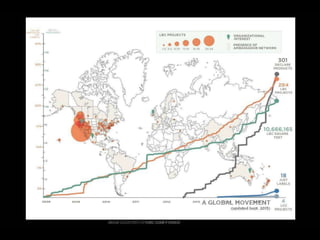
  • #169 This shows the growth of projects done under this program. Current use is like LEED about 20 years ago. Most of the projects world wide are in CA.
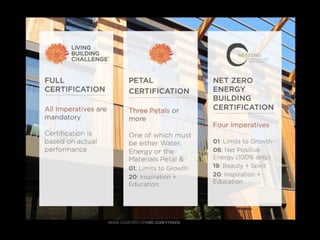
  • #170 There are levels of certification. The Bullitt Center is a Full Certification project.
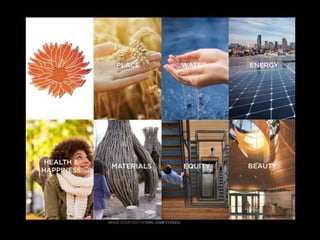
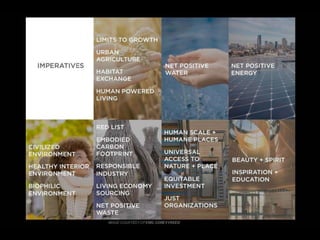
  • #171 The are 8 categories – called petals.
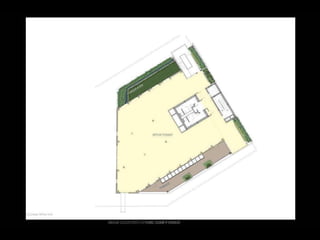
  • #174 6 story office building, about 52,000 sf.
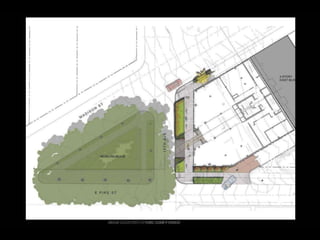
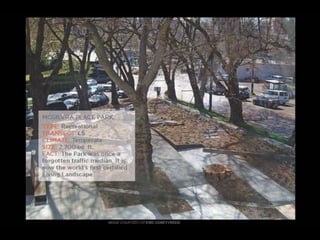
  • #176 Sited next to a park on the outskirts of downtown Seattle.
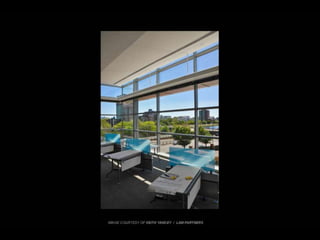
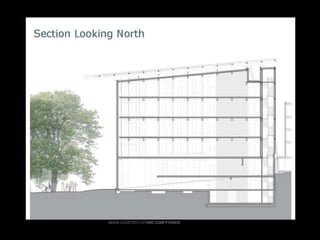
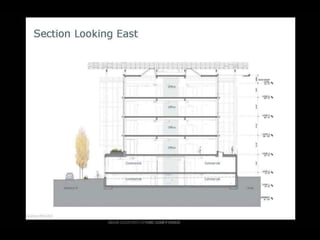
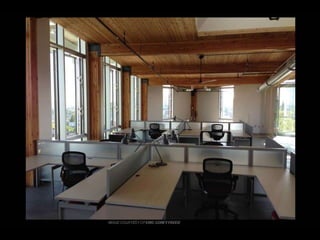
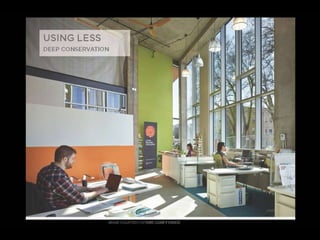
  • #180 13’ floor to ceiling heights with tall windows – like the old office building that was shown in Chin’s part of the talk.
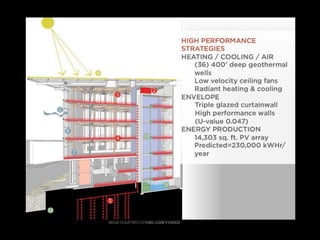
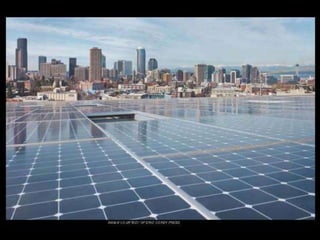
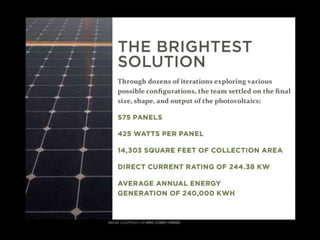
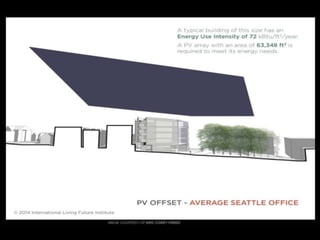
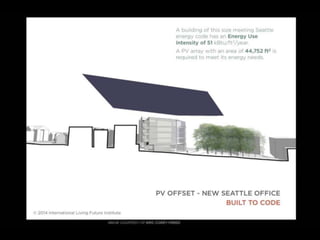
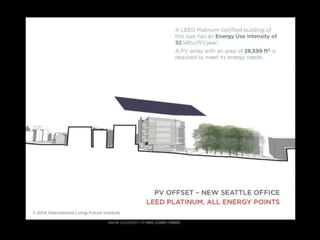
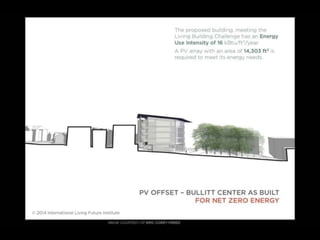
  • #181 The PV roof is iconic. Required air rights acquisition.
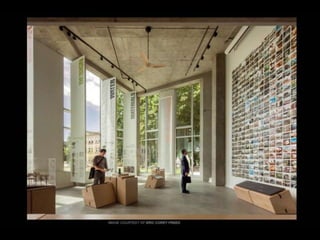
  • #182 Small footprint with tall ceilings creates good daylighting zones. Very few light ambient fixtures, focus on task lighting.
  • #183 Does come with some sacrifices – glare, acoustics.
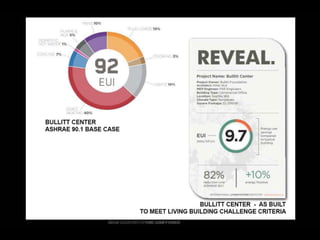
  • #188 EUI of 9.7. LPD is less than .4 w/sf.
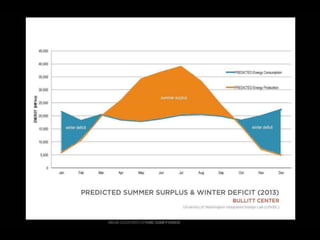
  • #193 Even though runs an annual surplus, if all buildings in Seattle were designed to this level, still requires electrical grid for wintertime use.