Download to read offline











![Recent or relevant
cases and
commentary
Take a screenshot
or photo
In Machtinger v. HOJ Industries Ltd. 1992
CanLII 102 (SCC), [1992] 1 S.C.R. 986, para.
19
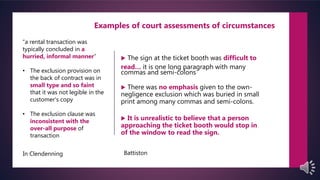
Battiston v. Microsoft Canada Inc., 2020
ONSC 4286 (CanLII)
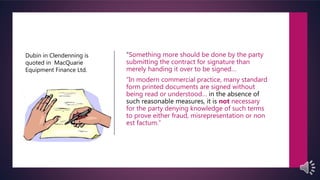
MacQuarie Equipment Finance Ltd. v.
2326695 Ontario Ltd. (Durham Drug Store),
2020 ONCA 139
Tilden Rent-A-Car Co. v. Clendenning
(1976), 1978 (CanLII)
Professor John D. McCamus in The Law of
Contracts, 2nd ed. (Toronto: Irwin Law,
2012), at p. 1993-4
R. v. Ramsoondar, 2001](https://image.slidesharecdn.com/lvi2020-200922225141/85/Law-via-the-Internet-2020-28-320.jpg)


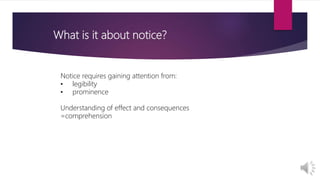
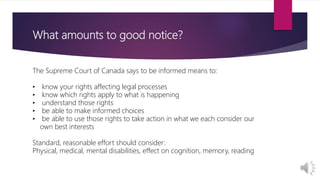
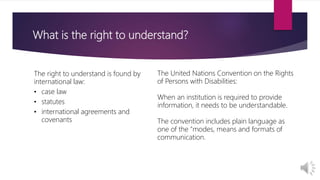
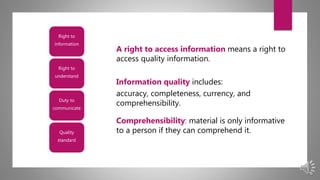
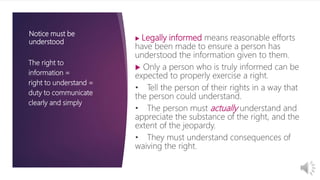
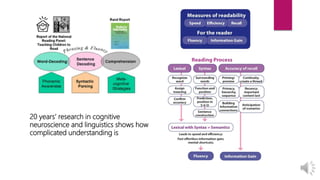
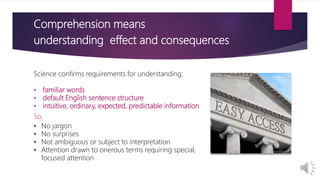
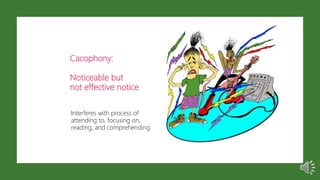
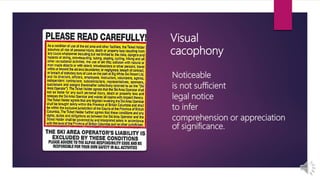
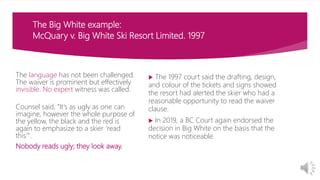
The document discusses the importance of using plain language in legal writing to ensure proper notice and understanding. It notes that notice requires both gaining attention and comprehension of the legal effects and consequences. The science of cognitive neuroscience and linguistics shows that true understanding requires using familiar words and expected information presented clearly without jargon, surprises or ambiguity. Recent court cases have found that merely making a notice noticeable is not sufficient to demonstrate legal notice and comprehension, especially if the notice contains complex language or is visually confusing. The duty to communicate clearly means using a quality standard of comprehensibility so that people can understand how to exercise their legal rights.


