Galectin-3 and the Role of
Modified Citrus Pectin
and Botanicals in
Integrative Oncology
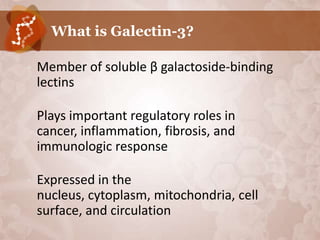
What is Galectin-3?

•   Member of soluble β galactoside-binding
    lectins

•   Plays important regulatory roles in
    cancer, inflammation, fibrosis, and
    immunologic response

•   Expressed in the
    nucleus, cytoplasm, mitochondria, cell
    surface, and circulation
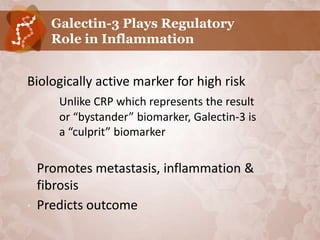
Galectin-3 Plays Regulatory
      Role in Inflammation


Biologically active marker for high risk
       Unlike CRP which represents the result
       or “bystander” biomarker, Galectin-3 is
       a “culprit” biomarker

•   Promotes metastasis, inflammation &
    fibrosis
•   Predicts outcome
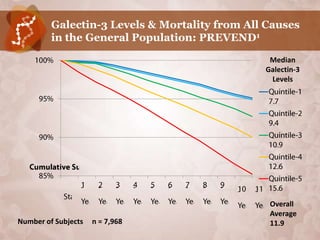
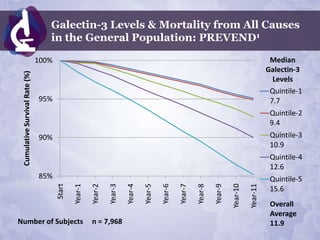
Galectin-3 Levels & Mortality from All Causes
         in the General Population: PREVEND1

                                                Median
                                               Galectin-3
                                                Levels


                                                Overall
                                                Average
Number of Subjects   n = 7,968                  11.9
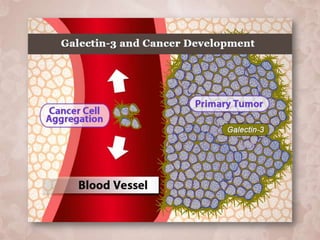
Galectin-3 & Cancer


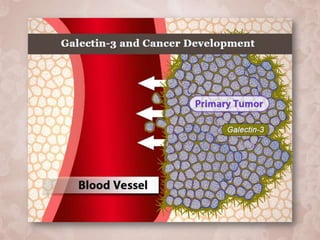
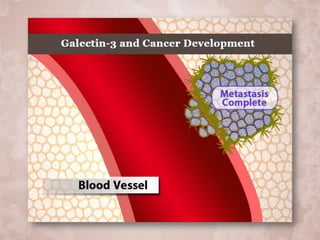
•   In Cancer, Galectin-3 plays a role in:

    •   Cell to Cell Adhesion
    •   Aggregation of Cancer Cells
    •   Tumor Growth
    •   Metastasis
    •   Angiogenesis
    •   Inhibition of Apoptosis
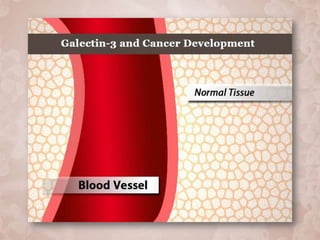
Blood Vessel
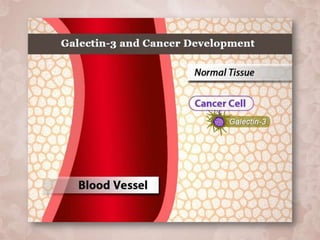
Blood Vessel
Modified Citrus Pectin
and Galectin-3
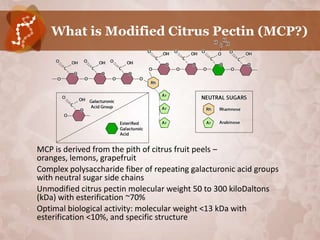
What is Modified Citrus Pectin (MCP?)


•   MCP is derived from the pith of citrus fruit peels –
    oranges, lemons, grapefruit
•   Complex polysaccharide fiber of repeating galacturonic acid groups
    with neutral sugar side chains
•   Unmodified citrus pectin molecular weight 50 to 300 kiloDaltons
    (kDa) with esterification ~70%
•   Optimal biological activity: molecular weight <13 kDa with
    esterification <10%, and specific structure
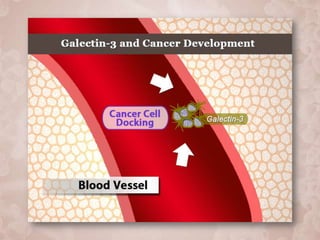
Modified Citrus Pectin is a Galectin-3
      Blocker


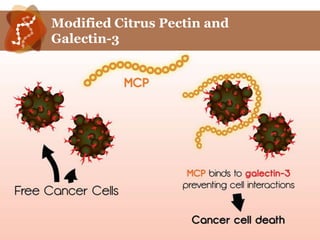
•   Binds to Galectin-3 molecules
•   Blocks aggregation of cancer cells

•   Blocks docking of cancer cells
•   Blocks interactions with endothelium
    necessary for angiogenesis
Modified Citrus Pectin and
Galectin-3
Modified Citrus Pectin
Cancer Research
Benefits of MCP in Cancer Treatment


•   Anti-Cancer and Anti-Metastasis
•   Blocking of Galectin-3 Effects
•   Synergistic Effect with Chemotherapy
•   Protection Against Post-Radiation Damage
•   Improved Quality of Life
Inhibition of Spontaneous Metastasis in a Rat
        Prostate Model by Oral Administration of
        Modified Citrus Pectin2
         Pienta KJ, Naik H, Akhtar A, Yamazaki K, Replogle, TS, Lehr J, Donat TL, Tait L, Hogan V, Raz A
         Wayne State University School of Medicine, Detroit, MI, USA
         J Natl Cancer Inst. 1995 87(5):348-53

• Method: MCP’s inhibition of prostate cell adhesion to
  endothelial cells.
  0.1% and 1.0% MCP in rats’ drinking water; controls had plain
  water.

• Results: Significant reduction in lung metastases -- 50%
  reduction in 0.1% group; 56% reduction in 1.0% group (P<0.03
  & P<0.001).

• Conclusion: MCP acted as potent inhibitor of spontaneous
  prostate carcinoma metastasis.
Inhibition of Human Cancer Cell Growth & Metastasis
          in Nude Mice by Oral Intake of Modified Citrus Pectin3

        Nangia-Makker P, Hogan V, Honjo Y, Baccarini S, Tait L, Bresalier R, Raz A
        Wayne State University, School of Medicine, Detroit, MI, USA
        J Natl Cancer Inst. 2002 94(24): 1854-62

• Method: MCP’s inhibition of breast & colon cancer progression; MCP’s
  interaction with Galectin-3.

• Results: 70.2% Reduction in Breast Tumor Growth
   –   Breast Angiogenesis: 66% Reduction
   –   Breast to Lung Metastasis: 0% MCP v. 100% Control
   –   Colon to Liver Metastasis: 0% MCP v. 60% Control
   –   Colon to Lymph Metastasis: 25% MCP v. 100% Control

• Conclusion: MCP inhibits carbohydrate mediated tumor
  growth, angiogenesis & metastasis via effects on Galectin-3 function.
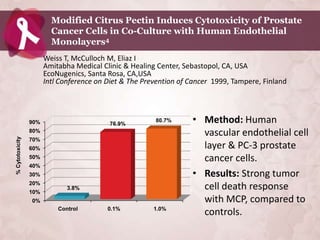
Modified Citrus Pectin Induces Cytotoxicity of Prostate
                         Cancer Cells in Co-Culture with Human Endothelial
                         Monolayers4
                       Weiss T, McCulloch M, Eliaz I
                       Amitabha Medical Clinic & Healing Center, Sebastopol, CA, USA
                       EcoNugenics, Santa Rosa, CA,USA
                       Intl Conference on Diet & The Prevention of Cancer 1999, Tampere, Finland


                 90%                      76.9%
                                                        80.7%      • Method: Human
                 80%
                                                                     vascular endothelial cell
% Cytotoxicity


                 70%
                 60%                                                 layer & PC-3 prostate
                 50%                                                 cancer cells.
                 40%
                 30%                                               • Results: Strong tumor
                 20%
                 10%
                              3.8%                                   cell death response
                 0%                                                  with MCP, compared to
                           Control        0.1%          1.0%
                                                                     controls.
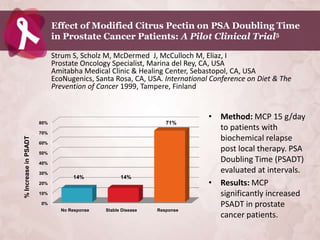
Effect of Modified Citrus Pectin on PSA Doubling Time
                            in Prostate Cancer Patients: A Pilot Clinical Trial5

                            Strum S, Scholz M, McDermed J, McCulloch M, Eliaz, I
                            Prostate Oncology Specialist, Marina del Rey, CA, USA
                            Amitabha Medical Clinic & Healing Center, Sebastopol, CA, USA
                            EcoNugenics, Santa Rosa, CA, USA. International Conference on Diet & The
                            Prevention of Cancer 1999, Tampere, Finland


                                                                           • Method: MCP 15 g/day
                      80%                                       71%
                                                                             to patients with
                      70%
                                                                             biochemical relapse
% Increase in PSADT


                      60%

                      50%
                                                                             post local therapy. PSA
                      40%
                                                                             Doubling Time (PSADT)
                      30%                                                    evaluated at intervals.
                                  14%             14%
                      20%                                                  • Results: MCP
                      10%                                                    significantly increased
                      0%                                                     PSADT in prostate
                              No Response   Stable Disease   Response
                                                                             cancer patients.
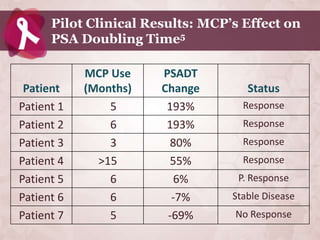
Pilot Clinical Results: MCP’s Effect on
      PSA Doubling Time5

            MCP Use    PSADT
 Patient    (Months)   Change        Status
Patient 1       5       193%        Response
Patient 2       6       193%        Response
Patient 3       3       80%         Response
Patient 4     >15       55%         Response
Patient 5       6        6%        P. Response
Patient 6       6        -7%      Stable Disease
Patient 7       5       -69%      No Response
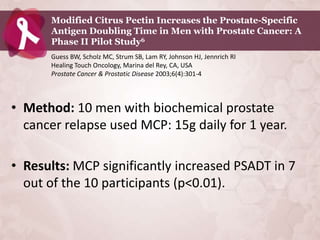
Modified Citrus Pectin Increases the Prostate-Specific
      Antigen Doubling Time in Men with Prostate Cancer: A
      Phase II Pilot Study6
      Guess BW, Scholz MC, Strum SB, Lam RY, Johnson HJ, Jennrich RI
      Healing Touch Oncology, Marina del Rey, CA, USA
      Prostate Cancer & Prostatic Disease 2003;6(4):301-4


• Method: 10 men with biochemical prostate
  cancer relapse used MCP: 15g daily for 1 year.

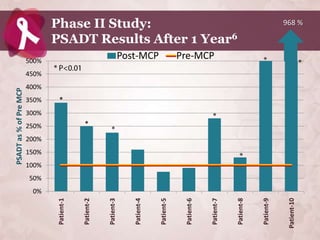
• Results: MCP significantly increased PSADT in 7
  out of the 10 participants (p<0.01).
PSADT as % of Pre MCP


                  50%
                        100%
                               150%
                                      200%
                                             250%
                                                    300%
                                                           350%
                                                                  400%
                                                                         450%
                                                                                500%


             0%
                                                           *
 Patient-1


                                             *
 Patient-2


 Patient-3


 Patient-4
                                                                                            Phase II Study:

                                                                                 Post-MCP


 Patient-5


 Patient-6
                                                                                 Pre-MCP


 Patient-7
                                                                                            PSADT Results After 1 Year6


 Patient-8


 Patient-9


Patient-10
                                                                                                            968 %
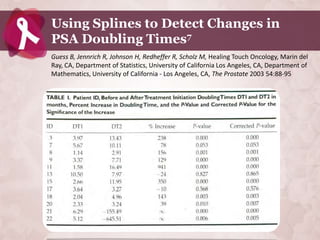
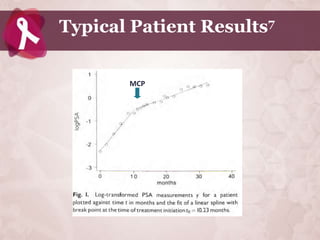
Using Splines to Detect Changes in
PSA Doubling Times7
Guess B, Jennrich R, Johnson H, Redheffer R, Scholz M, Healing Touch Oncology, Marin del
Ray, CA, Department of Statistics, University of California Los Angeles, CA, Department of
Mathematics, University of California - Los Angeles, CA, The Prostate 2003 54:88-95
Typical Patient Results7


       MCP
Clinical Benefit in Patients with
         Advanced Solid Tumors Treated with
         Modified Citrus Pectin8
         Azémar M, Hildenbrand B, Haering B, Heim ME, Unger C
         Albert-Ludwigs-University in Freiburg, Germany
         Sonnenberg-Klinik, Bad Sooden-Allendorf, Germany
         Clinical Medicine: Oncology 2007 1:73–80


• Method: MCP 15g daily.
• Results: 49 patients with advanced solid tumors. 29 evaluated
  after 2 months -- 21% showed stabilization & improvements in
  quality of life.
   – One patient w/ metastasized prostate carcinoma showed 50% decrease in
     PSA, with significant increase in quality of life & decrease in pain.


• Conclusion: MCP shows clinical benefits & improvements in
  quality of life in advanced cancer patients.
Inhibitory Effect of Modified Citrus Pectin
         on Liver Metastasis in a Mouse
         Colon Cancer Model9
         Liu HY, Huang ZL, Yang GH, Lu WQ, Yu NR
         Affiliated Tumor Hospital of Guangzhou Medical College, Guangzhou, China
         World J Gastroenterol 2008 14(48): 7386-7391


• Method: 5 groups of 15 mice.
  MCP: 0.0%, 1.0%, 2.5% and 5.0%; and negative
  control
  – Colon cancer cells injected into spleen except negative control -- liver
    metastasis observed after 3 wks. ELISA used to detect Galectin-3.
• Results: MCP groups: metastasis 80%, 73.3% & 60%.
  MCP 0.0%: metastasis100%.
• Conclusion: MCP significantly reduced liver
  metastasis.
PectaSol-C Modified Citrus Pectin Induces Apoptosis &
          Inhibition of Proliferation in Human & Mouse Androgen
          Dependent & Independent Prostate Cancer Cells10
          Yan J, Katz A
          Department of Urology, Columbia University Medical Center, New York, NY, USA
          Integrative Cancer Therapies 2010 9:197-203


• Method: 1% MCP treatment of human prostate cancer cell
  lines (LNCaP & PC3) and mouse prostate cancer cell lines
  (CASP2-1 & CASP1-1)

• Results: Confirmed apoptosis and inhibition of cancer cell
  proliferation.
  4 day MCP treatment showed cytotoxicity:
   –   52.28% in LNCaP
   –   48.16% in PC3
   –   23.03% in CASP2-1
   –   49.01% in CASP1-1
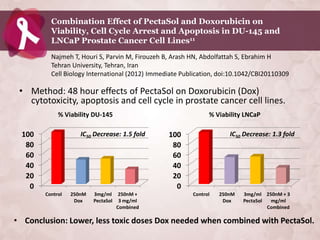
Combination Effect of PectaSol and Doxorubicin on
          Viability, Cell Cycle Arrest and Apoptosis in DU-145 and
          LNCaP Prostate Cancer Cell Lines11
          Najmeh T, Houri S, Parvin M, Firouzeh B, Arash HN, Abdolfattah S, Ebrahim H
          Tehran University, Tehran, Iran
          Cell Biology International (2012) Immediate Publication, doi:10.1042/CBI20110309

 • Method: 48 hour effects of PectaSol on Doxorubicin (Dox)
   cytotoxicity, apoptosis and cell cycle in prostate cancer cell lines.
             % Viability DU-145                                % Viability LNCaP

  100                IC50 Decrease: 1.5 fold     100                  IC50 Decrease: 1.3 fold
   80                                             80
   60                                             60
   40                                             40
   20                                             20
    0                                              0
        Control   250nM   3mg/ml      250nM +            Control   250nM   3mg/ml 250nM + 3
                   Dox    PectaSol    3 mg/ml                       Dox    PectaSol  mg/ml
                                     Combined                                       Combined

• Conclusion: Lower, less toxic doses Dox needed when combined with PectaSol.
MCP During Chemotherapy &
    Radiation

• MCP can enhance therapeutic effect of
  chemotherapy drugs and treatment of chemo
  resistant cancers. 11, 12
     Cisplatin (Platinol), Bortezomib (Velcade), Dexamethasone
    (Decadron), Doxorubicin.


• MCP use very important in preventing
  post chemotherapy & radiation damage
    Specifically post radiation induced inflammation and
    fibrosis
Summary: MCP in Cancer Treatment

   MCP Reduces:
   • Primary Tumor
   • Angiogenesis
   • Metastatic Process

   MCP Provides:
   • Blocking of Galectin-3 Effects
   • Synergistic Effect with Chemotherapy
   • Protection Against Post-radiation
     Damage
   • Improved Quality of Life
Modified Citrus Pectin
Immune Research
Activation of Human T-Cytotoxic Cell, B-Cell, and
       Natural Killer (NK)-Cells and Induction of NK-Cell Activity
       Against K562 Chronic Myeloid Leukemia Cells with
       Modified Citrus Pectin 13
          Ramachandran C, Wilk, B, Hotchkiss, A, Eliaz, I & Melnick SJ; Dharma
          Biomedical, Miami, FL, USA; EcoNugenics, Santa Rosa, CA, USA ; Eastern Regional
          Research Center, ARS, USDA, Wyndmoor, PA, USA; Department of Pathology, Miami
          Children's Hospital, Miami, FL 33155, USA
          BMC Complementary and Alternative Medicine 2011, 11:59


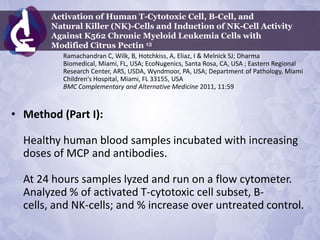
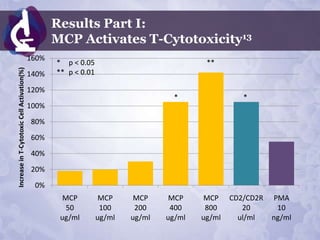
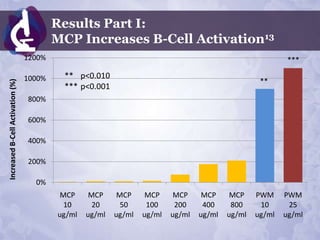
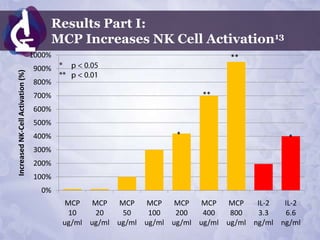
• Method (Part I):

  Healthy human blood samples incubated with increasing
  doses of MCP and antibodies.

  At 24 hours samples lyzed and run on a flow cytometer.
  Analyzed % of activated T-cytotoxic cell subset, B-
  cells, and NK-cells; and % increase over untreated control.
Results Part I:
                                                    MCP Activates T-Cytotoxicity13
                                             160%
                                                    * p < 0.05                             **
Increase in T-Cytotoxic Cell Activation(%)


                                             140%   ** p < 0.01

                                             120%
                                                                                    *                *
                                             100%
                                             80%
                                             60%
                                             40%
                                             20%
                                              0%
                                                      MCP          MCP     MCP     MCP     MCP    CD2/CD2R   PMA
                                                       50          100     200     400     800       20       10
                                                     ug/ml        ug/ml   ug/ml   ug/ml   ug/ml     ul/ml    ng/ml
Results Part I:
                                          MCP Increases B-Cell Activation13
                                  1200%                                                                    ***

                                  1000%    ** p<0.010
                                                                                                   **
Increased B-Cell Activation (%)


                                           *** p<0.001
                                  800%

                                  600%

                                  400%

                                  200%

                                    0%
                                           MCP     MCP     MCP     MCP     MCP     MCP     MCP    PWM     PWM
                                            10      20      50     100     200     400     800     10      25
                                          ug/ml   ug/ml   ug/ml   ug/ml   ug/ml   ug/ml   ug/ml   ug/ml   ug/ml
Results Part I:
                                       MCP Increases NK Cell Activation13
                                   1000%                                        **
                                   900%
Increased NK-Cell Activation (%)


                                   800%
                                   700%                                   **
                                   600%
                                   500%
                                   400%                             *                        *
                                   300%
                                   200%
                                   100%
                                     0%
                                            MCP   MCP   MCP   MCP   MCP   MCP   MCP   IL-2  IL-2
                                             10    20    50   100   200   400   800   3.3   6.6
                                           ug/ml ug/ml ug/ml ug/ml ug/ml ug/ml ug/ml ng/ml ng/ml
MCP: Induction of NK-Cell Activity Against
    K562 Chronic Myeloid Leukemia Cells13


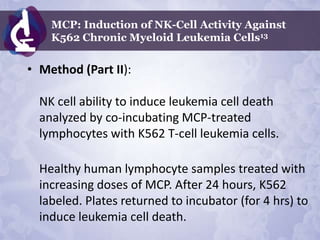
• Method (Part II):

  NK cell ability to induce leukemia cell death
  analyzed by co-incubating MCP-treated
  lymphocytes with K562 T-cell leukemia cells.

  Healthy human lymphocyte samples treated with
  increasing doses of MCP. After 24 hours, K562
  labeled. Plates returned to incubator (for 4 hrs) to
  induce leukemia cell death.
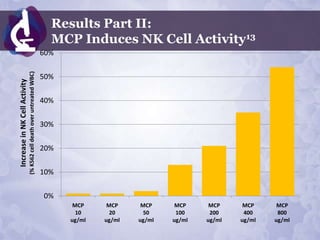
Results Part II:
                                                                          MCP Induces NK Cell Activity13
                                                                        60%
                               (% K562 cell death over untreated WBC)


                                                                        50%
Increase in NK Cell Activity


                                                                        40%

                                                                        30%

                                                                        20%

                                                                        10%

                                                                        0%
                                                                               MCP     MCP     MCP     MCP     MCP     MCP     MCP
                                                                                10      20      50     100     200     400     800
                                                                              ug/ml   ug/ml   ug/ml   ug/ml   ug/ml   ug/ml   ug/ml
MCP Immune System Benefits


• Induces NK Cell Activation

• Induces NK Cell Activity

• Activates T Cell Cytotoxicity

• Increases B Cell Activation
Modified Citrus Pectin:
Chelation &
Detoxification Research
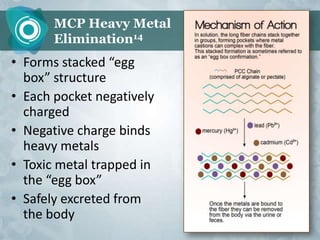
MCP Heavy Metal
       Elimination14
• Forms stacked “egg
  box” structure
• Each pocket negatively
  charged
• Negative charge binds
  heavy metals
• Toxic metal trapped in
  the “egg box”
• Safely excreted from
  the body
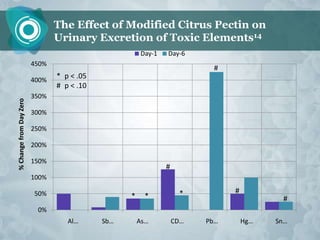
The Effect of Modified Citrus Pectin on
       Urinary Excretion of Toxic Elements14
       Eliaz I, Hotchkiss AT, Fishman ML, Rode D; Amitabha Medical Clinic & Healing
       Center, Sebastopol, CA, USA; Eastern Regional Research
       Center, ARS, USDA, Wyndmoor, PA, USA; University of California, Davis, CA, USA ;
       Phytother Res. 2006 20(10):859-64


• Methods: MCP administered for 6 days. Baseline 24 hr
  urine collection before MCP, and on days 1 and 6.
  Days 1 - 5: MCP 15 g/day & Day 6: MCP 20 g/day.

• Results: Urinary excretion of lead, mercury, cadmium
  & arsenic increased. Essential minerals not changed.
  No side effects reported.
The Effect of Modified Citrus Pectin on
                                Urinary Excretion of Toxic Elements14
                                                      Day-1   Day-6
                         450%
                                                                         #
                         400%
                                * p < .05
                                # p < .10
                         350%
% Change from Day Zero


                         300%

                         250%

                         200%

                         150%
                                                              #
                         100%

                         50%                                       *          #
                                                  *     *                                #
                          0%
                                   Al…      Sb…       As…         CD…   Pb…       Hg…   Sn…
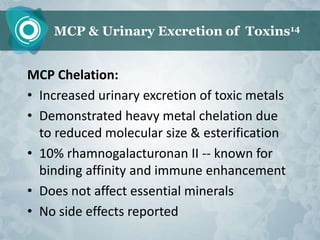
MCP & Urinary Excretion of Toxins14


MCP Chelation:
• Increased urinary excretion of toxic metals
• Demonstrated heavy metal chelation due
  to reduced molecular size & esterification
• 10% rhamnogalacturonan II -- known for
  binding affinity and immune enhancement
• Does not affect essential minerals
• No side effects reported
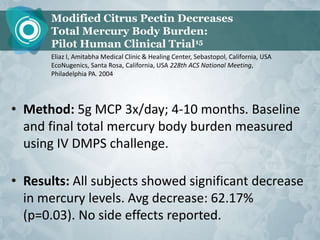
Modified Citrus Pectin Decreases
      Total Mercury Body Burden:
      Pilot Human Clinical Trial15
      Eliaz I, Amitabha Medical Clinic & Healing Center, Sebastopol, California, USA
      EcoNugenics, Santa Rosa, California, USA 228th ACS National Meeting,
      Philadelphia PA. 2004


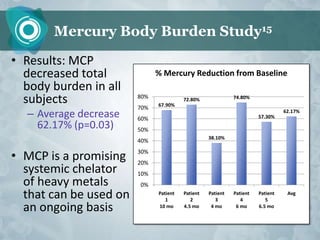
• Method: 5g MCP 3x/day; 4-10 months. Baseline
  and final total mercury body burden measured
  using IV DMPS challenge.

• Results: All subjects showed significant decrease
  in mercury levels. Avg decrease: 62.17%
  (p=0.03). No side effects reported.
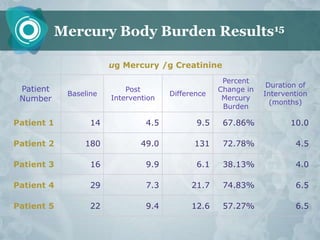
Mercury Body Burden Results15

                       ug Mercury /g Creatinine
                                                    Percent
                                                                Duration of
 Patient                   Post                    Change in
            Baseline                  Difference               Intervention
 Number                Intervention                 Mercury
                                                                 (months)
                                                    Burden

Patient 1         14            4.5          9.5    67.86%            10.0

Patient 2       180            49.0         131     72.78%             4.5

Patient 3         16            9.9          6.1    38.13%             4.0

Patient 4         29            7.3         21.7    74.83%             6.5

Patient 5         22            9.4         12.6    57.27%             6.5
Mercury Body Burden Study15

• Results: MCP
  decreased total             % Mercury Reduction from Baseline
  body burden in all
  subjects              80%
                        70%   67.90%
                                        72.80%              74.80%


  – Average decrease    60%                                           57.30%
                                                                                62.17%

    62.17% (p=0.03)     50%
                                                  38.10%
                        40%

• MCP is a promising    30%
                        20%
  systemic chelator     10%
  of heavy metals       0%
  that can be used on         Patient
                                 1
                                        Patient
                                           2
                                                  Patient
                                                     3
                                                            Patient
                                                               4
                                                                      Patient
                                                                         5
                                                                                 Avg


  an ongoing basis            10 mo     4.5 mo     4 mo      6 mo     6.5 mo
The Role of Modified Citrus
Pectin as an Effective
Chelator of Lead in
Children Hospitalized with
Toxic Lead Levels16
Zhao ZY, Liang L, Fan X, Yu Z, Hotchkiss AT, Wilk BJ, Eliaz I
Children’s Hospital, Zhejiang University, School of
Medicine, Hangzhou, Republic of China, Centrax
International, Inc, San Francisco, California, USA
Eastern Regional Research
Center, ARS, USDA, Wyndmoor, Pennsylvania, USA
EcoNugenics, Santa Rosa, California, USA
Altern Ther Health Med. 2008 14(4):34-8
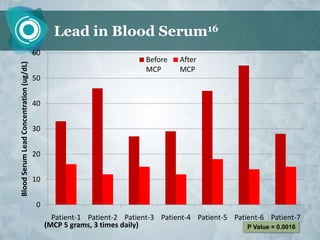
Lead in Blood Serum16
                                         60
                                                                          Before    After
Blood Serum Lead Concentration (ug/dL)


                                                                          MCP       MCP
                                         50


                                         40


                                         30


                                         20


                                         10


                                          0
                                                Patient-1 Patient-2 Patient-3 Patient-4 Patient-5 Patient-6 Patient-7
                                              (MCP 5 grams, 3 times daily)                            P Value = 0.0016
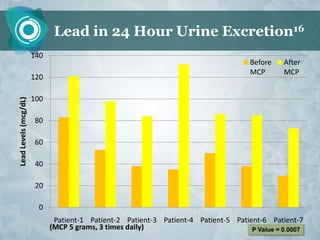
Lead in 24 Hour Urine Excretion16
                       140
                                                                                     Before    After
                                                                                     MCP       MCP
                       120

                       100
Lead Levels (mcg/dL)


                       80

                       60

                       40

                       20

                         0
                              Patient-1 Patient-2 Patient-3 Patient-4 Patient-5 Patient-6 Patient-7
                             (MCP 5 grams, 3 times daily)                            P Value = 0.0007
Summary: Benefits of
     Modified Citrus Pectin


•   Galectin-3 Blocker
•   Anti-Cancer
•   Immunity
•   Chelation and Detox
Research: Synergistic Benefits of MCP
w/Botanical Formulas
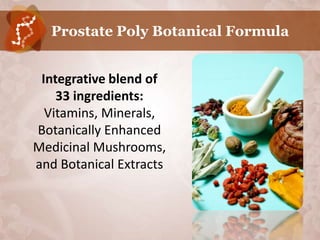
Prostate Poly Botanical Formula


 Integrative blend of
    33 ingredients:
  Vitamins, Minerals,
Botanically Enhanced
Medicinal Mushrooms,
and Botanical Extracts
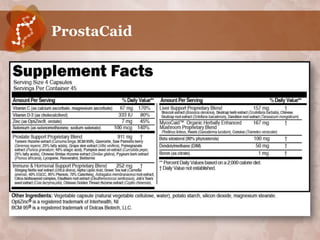
ProstaCaid
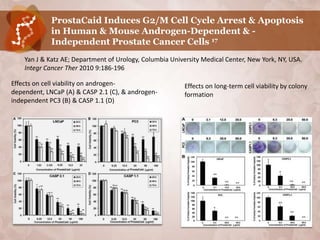
ProstaCaid Induces G2/M Cell Cycle Arrest & Apoptosis
             in Human & Mouse Androgen-Dependent & -
             Independent Prostate Cancer Cells 17
    Yan J & Katz AE; Department of Urology, Columbia University Medical Center, New York, NY, USA.
    Integr Cancer Ther 2010 9:186-196

Effects on cell viability on androgen-                    Effects on long-term cell viability by colony
dependent, LNCaP (A) & CASP 2.1 (C), & androgen-          formation
independent PC3 (B) & CASP 1.1 (D)
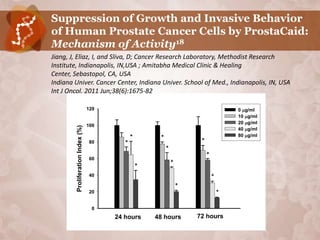
Suppression of Growth and Invasive Behavior
of Human Prostate Cancer Cells by ProstaCaid:
Mechanism of Activity18
Jiang, J, Eliaz, I, and Sliva, D; Cancer Research Laboratory, Methodist Research
Institute, Indianapolis, IN,USA ; Amitabha Medical Clinic & Healing
Center, Sebastopol, CA, USA
Indiana Univer. Cancer Center, Indiana Univer. School of Med., Indianapolis, IN, USA
Int J Oncol. 2011 Jun;38(6):1675-82

                                   120                                                    0 g/ml
                                                                                          10 g/ml
                                                                                          20 g/ml
                                   100
         Proliferation Index (%)


                                                                                          40 g/ml
                                                *                                         80 g/ml
                                                         *
                                    80      *                             *
                                                             *
                                                                              *
                                    60
                                                                 *
                                                    *
                                    40                                            *
                                                                     *
                                    20                                                *

                                     0
                                         24 hours       48 hours         72 hours
Effect of ProstaCaid on Invasive Behavior
                                   of Prostate Cancer Cells18
                    120                                                      120


                                                        Cell migration [%]
Cell adhesion [%]


                    100                                                      100

                     80                    *                                 80                  *

                     60                                                      60
                                                   *                                                      *
                     40                                                      40

                     20                                                      20

                      0                                                       0
                          0      20       40       80                              0   20        40       80
                              ProstaCaid (g/ml)                                       ProstaCaid [g/ml]


                    120
Cell invasion [%]


                    100
                                           *
                    80
                                                   *
                    60

                    40

                    20

                     0                                                                               
                          0      20       40       80
                              ProstaCaid [g/ml]
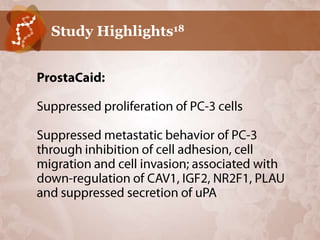
Study Highlights18


•
ProstaCaid Inhibits Tumor Growth in a
        Xenograft Model of Human Prostate Cancer19
        Jiang J, Loganathan J, Eliaz I, Terry C, Sandusky GE, Sliva D; Cancer Research
        Laboratory, MRI, Indiana University Health, Indianapolis, IN, USA; Amitabha Medical
        Clinic and Healing Center, Sebastopol, CA, USA; Indiana University. Simon Cancer
        Center, Indiana University. School of Med., Indianapolis, IN, USA, Intern J of Oncol 2012;
        Doi:10.3892/ijo.2012.1344


•   Method: ProstaCaid in xenograft model of
    human hormone refractory PC3 prostate
    cancer - (100, 200 and 400 mg/kg)
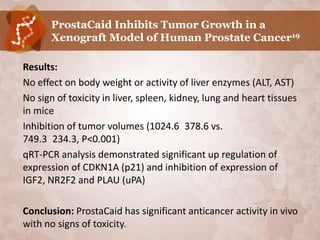
ProstaCaid Inhibits Tumor Growth in a
       Xenograft Model of Human Prostate Cancer19

Results:
No effect on body weight or activity of liver enzymes (ALT, AST)
No sign of toxicity in liver, spleen, kidney, lung and heart tissues
in mice
Inhibition of tumor volumes (1024.6 378.6 vs.
749.3 234.3, P<0.001)
qRT-PCR analysis demonstrated significant up regulation of
expression of CDKN1A (p21) and inhibition of expression of
IGF2, NR2F2 and PLAU (uPA)

Conclusion: ProstaCaid has significant anticancer activity in vivo
with no signs of toxicity.
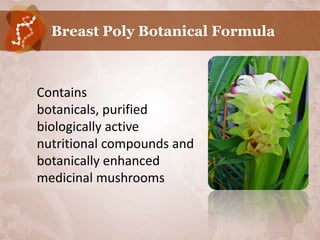
Breast Poly Botanical Formula


Contains
botanicals, purified
biologically active
nutritional compounds and
botanically enhanced
medicinal mushrooms
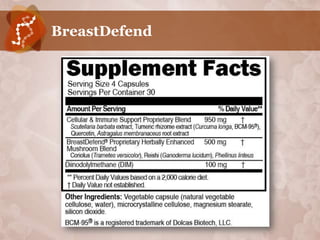
BreastDefend
Suppression of Proliferation & Invasive
Behavior of Human Metastatic Breast Cancer
Cells by Dietary Supplement BreastDefend20
Jiang J, Wojnowski R, Jedinak A, Sliva D; Cancer Research Laboratory, Methodist Research
Institute, Indianapolis, IN, USA Department of Medicine, Indiana University. Cancer
Center, School of Med., Indiana University, Indianapolis, IN, USA; Integr Cancer Ther.
2011; Jun 10 (2):192 – 200

                                                                                0g/ml
                                120                                            10 g/ml
                                                                               20 g/ml
                                                                               30 g/ml
                                100
                                                                               40 g/ml
      Proliferation Index [%]


                                 80
                                        *                        *
                                 60

                                            *          *
                                                                     *
                                 40
                                                *
                                 20
                                                           * *           * *
                                  0
                                      24 hours      48 hours     72 hours
BreastDefend Suppresses MDA-MB-231
         Growth and Breast-to-Lung Metastasis in
         Tumor Model (Pre-Published Data)


•   Method: Human breast cancer cells (MDA-MB-231)
    implanted into the mammary gland in mice
    Pre-Published Results: BreastDefend significantly
    decreased tumor volume and breast-to-lung metastasis
    in highly aggressive triple negative breast cancer, without
    toxicity.
Synergistic and Additive Effects of
Modified Citrus Pectin with Two Novel
Poly Botanical Compounds, in the
Suppression of Invasive Behavior of
Human Breast and Prostate Cancer
Cells21

Jiang J, Eliaz I, and Sliva D
Cancer Research Laboratory, MRI, Indiana University
Health, Indianapolis, IN, USA
Amitabha Medical Clinic & Healing Center, Sebastopol, CA, USA
Depart. of Med., and Indiana Univer. Cancer Center, Indiana
Univer. School of Med., Indianapolis, IN, USA.
Integr Cancer Ther. 2012 (In Press)
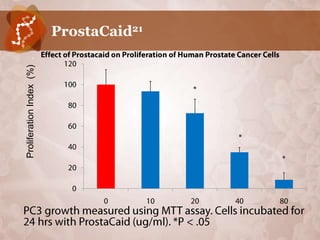
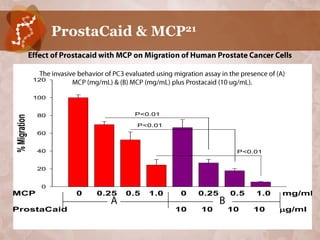
Proliferation Index (%) .   ProstaCaid21
ProstaCaid & MCP21


              120


              100


               80                  P<0.01
% Migration


                                    P<0.01
               60


               40                                          P<0.01


               20


                0
MCP                    0   0.25   0.5   1.0   0    0.25   0.5   1.0   mg/ml

ProstaCaid                                    10   10     10    10    g/ml
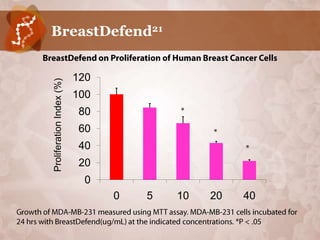
BreastDefend21


                          120
Proliferation Index (%)


                          100
                           80
                           60
                           40
                           20
                            0
                                0   5   10   20   40
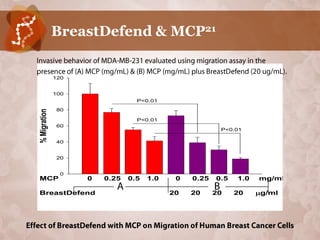
BreastDefend & MCP21


              120


              100
                                 P<0.01
              80
% Migration


                                 P<0.01
              60
                                                        P<0.01

              40


              20


               0
MCP                 0   0.25   0.5   1.0    0   0.25   0.5   1.0   mg/ml

BreastDefend                               20   20     20    20    g/ml
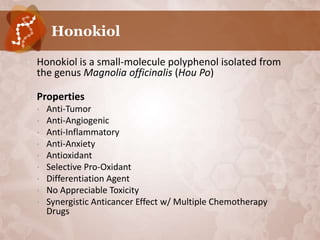
Honokiol

•   Honokiol is a small-molecule polyphenol isolated from
    the genus Magnolia officinalis (Hou Po)

•   Properties
    •   Anti-Tumor
    •   Anti-Angiogenic
    •   Anti-Inflammatory
    •   Anti-Anxiety
    •   Antioxidant
    •   Selective Pro-Oxidant
    •   Differentiation Agent
    •   No Appreciable Toxicity
    •   Synergistic Anticancer Effect w/ Multiple Chemotherapy
        Drugs
Honokiol

Mechanisms of Action
• Modulation of GABA receptors
• Blocks signaling in tumors with defective p53 function
  and activated ras by blocking activation of
  phospholipase D.
• Induces cyclophilin D, potentiating mitochondrial
  permeability transition pore and causing death in cells
  with wild-type p53.
• MTOR-1 Inhibitor
Selected Honokiol Cancer Research22,23,24

•   Honokiol traverses the blood-brain barrier and induces
    apoptosis of neuroblastoma cells via an intrinsic bax-
    mitochondrion-cytochrome c-caspase protease pathway. Lin
    JW, Chen JT, Hong CY, et al. Neuro Oncol. 2012 Jan 18.
•   Antimetastatic activity of honokiol in osteosarcoma.
    Steinmann P, Walters DK, E Arlt MJ, et al. Cancer. 2011 Sep 20.
    doi: 10.1002/cncr.26434.
•   Honokiol arrests cell cycle, induces apoptosis, and potentiates
    the cytotoxic effect of gemcitabine in human pancreatic
    cancer cells. Arora S, Bhardwaj A, Srivastava SK, et al. PLoS
    One. 2011;6(6):e21573.
Selected Honokiol Cancer Research25,26,27

•   Honokiol produces anti-neoplastic effects on melanoma cells
    in vitro. Mannal PW, Schneider J, Tangada A, et al. J Surg
    Oncol. 2011 Sep 1;104(3):260-4.
•   Honokiol radiosensitizes colorectal cancer cells: enhanced
    activity in cells with mismatch repair defects. He
    Z, Subramaniam D, Ramalingam S, Dhar A, et al. Am J Physiol
    Gastrointest Liver Physiol. 2011 Nov;301(5):G929-37.
•   Honokiol: a promising small molecular weight natural agent
    for the growth inhibition of oral squamous cell carcinoma
    cells. Chen XR, Lu R, Dan HX, et al. Int J Oral Sci. 2011
    Jan;3(1):34-42.
Selected Honokiol Cancer Research28,29,30

•   Apoptosis induced by Magnolia Grandiflora extract in
    chlorambucil-resistant B-chronic lymphocytic leukemia cells.
    Marin GH, Mansilla E. J Cancer Res Ther. 2010 Oct-Dec;6(4):463-5.
•   Modulation of multidrug resistance p-glycoprotein activity by
    flavonoids and honokiol in human doxorubicin- resistant sarcoma
    cells (MES-SA/DX-5): implications for natural sedatives as
    chemosensitizing agents in cancer therapy. Angelini A, Di Ilio
    C, Castellani ML, et al. J Biol Regul Homeost Agents. 2010 Apr-
    Jun;24(2):197-205.
•   Honokiol induces paraptosis and apoptosis and exhibits schedule-
    dependent synergy in combination with imatinib in human
    leukemia cells. Wang Y, Yang Z, Zhao X. Toxicol Mech Methods.
    2010 Jun;20(5):234-41.
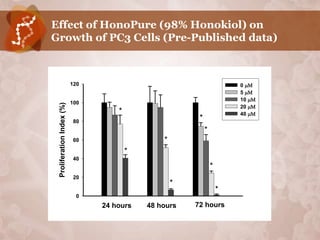
Effect of HonoPure (98% Honokiol) on
Growth of PC3 Cells (Pre-Published data)


                           120                                            0 
                                                                          5 
                                                                          10 
                           100
 Proliferation Index (%)


                                                                          20 
                                     *                                    40 
                                                          *
                           80
                                                              *
                           60                    *
                                         *
                           40
                                                                  *
                           20
                                                     *
                                                                      *
                            0
                                 24 hours    48 hours    72 hours
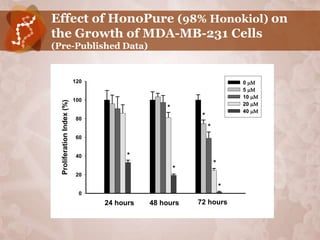
Effect of HonoPure (98% Honokiol) on
the Growth of MDA-MB-231 Cells
(Pre-Published Data)


                            120                                           0 
                                                                          5 
                                                                          10 
                            100
  Proliferation Index (%)


                                                                          20 
                                                 *                        40 
                            80
                                                          *
                                                              *
                            60


                            40          *
                                                                  *
                                                     *
                            20

                                                                      *
                             0
                                  24 hours   48 hours    72 hours
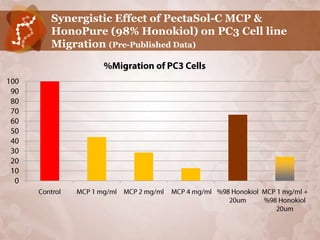
Synergistic Effect of PectaSol-C MCP &
HonoPure (98% Honokiol) on PC3 Cell line
Migration (Pre-Published Data)
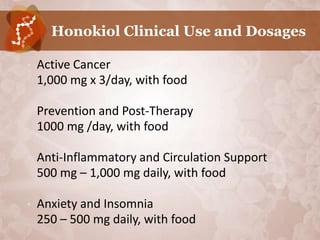
Honokiol Clinical Use and Dosages

•   Active Cancer
    1,000 mg x 3/day, with food

•   Prevention and Post-Therapy
    1000 mg /day, with food

•   Anti-Inflammatory and Circulation Support
    500 mg – 1,000 mg daily, with food

•   Anxiety and Insomnia
    250 – 500 mg daily, with food
Galectin-3
Breakthrough Research
Galectin-3 Levels & Mortality from All Causes
                                   in the General Population: PREVEND1

                                100%                                                                                                                 Median
                                                                                                                                                    Galectin-3
 Cumulative Survival Rate (%)


                                                                                                                                                      Levels
                                                                                                                                                     Quintile-1
                                95%                                                                                                                  7.7
                                                                                                                                                     Quintile-2
                                                                                                                                                     9.4
                                90%                                                                                                                  Quintile-3
                                                                                                                                                     10.9
                                                                                                                                                     Quintile-4
                                                                                                                                                     12.6
                                85%                                                                                                                  Quintile-5
                                       Start


                                                                                   Year-5
                                               Year-1

                                                        Year-2

                                                                 Year-3

                                                                          Year-4


                                                                                            Year-6

                                                                                                     Year-7

                                                                                                              Year-8

                                                                                                                       Year-9

                                                                                                                                Year-10

                                                                                                                                          Year-11
                                                                                                                                                     15.6
                                                                                                                                                     Overall
                                                                                                                                                     Average
Number of Subjects                                      n = 7,968                                                                                    11.9
Galectin-3 in General Population:
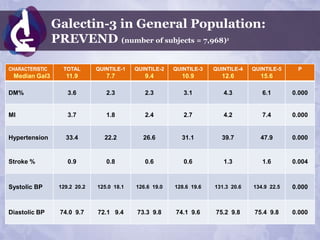
                 PREVEND (number of subjects = 7,968)                     1


CHARACTERISTIC     TOTAL       QUINTILE-1   QUINTILE-2   QUINTILE-3   QUINTILE-4   QUINTILE-5    P
 Median Gal3        11.9          7.7          9.4         10.9         12.6         15.6

DM%                  3.6          2.3          2.3          3.1          4.3          6.1       0.000


MI                   3.7          1.8          2.4          2.7          4.2          7.4       0.000


Hypertension        33.4         22.2         26.6         31.1         39.7         47.9       0.000


Stroke %             0.9          0.8          0.6          0.6          1.3          1.6       0.004


Systolic BP       129.2 20.2   125.0 18.1   126.6 19.0   128.6 19.6   131.3 20.6   134.9 22.5   0.000


Diastolic BP      74.0 9.7     72.1 9.4     73.3 9.8     74.1 9.6     75.2 9.8     75.4 9.8     0.000
Galectin-3 in General Population:
                 PREVEND (number of subjects = 7,968)                         1


CHARACTERISTIC      TOTAL       QUINTILE-1    QUINTILE-2    QUINTILE-3    QUINTILE-4    QUINTILE-5     P
  Median Gal3        11.9          7.7           9.4           10.9          12.6          15.6

                      1.29          0.89          1.04          1.33          1.53          1.98
CRP                                                                                                   0.000
                  [0.56-3.00]   [0.39-2.16]   [0.49-2.40]   [0.58-2.92]   [0.71-3.42]   [0.85-4.28]


Cholesterol       5.66 1.12     5.41 1.05     5.56 1.10     5.68 1.11     5.79 1.11     5.91 1.17     0.000


LDL               3.69 1.05     3.47 1.00     3.60 1.01     3.71 1.04     3.77 1.05     3.90 1.06     0.000


                      1.27          1.32          1.28          1.25          1.24          1.24
HDL                                                                                                   0.000
                  [1.03+1.56]   [1.07-1.62]   [1.04-1.57]   [1.03+1.55]   [1.03-1.53]   [0.99-1.52]


                      1.16          1.02          1.11          1.17          1.23          1.31
Triglycerides                                                                                         0.000
                  [0.85-1.68]   [0.75-1.43]   [0.82-1.59]   [0.86-1.69]   [0.89-1.78]   [0.95-1.92]
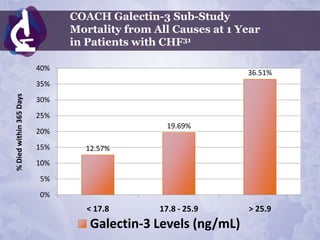
COACH Galectin-3 Sub-Study
                               Mortality from All Causes at 1 Year
                               in Patients with CHF31

                         40%
                                                               36.51%
                         35%
% Died within 365 Days


                         30%
                         25%
                                                 19.69%
                         20%
                         15%     12.57%
                         10%
                         5%
                         0%
                                  < 17.8       17.8 - 25.9     > 25.9
                                  Galectin-3 Levels (ng/mL)
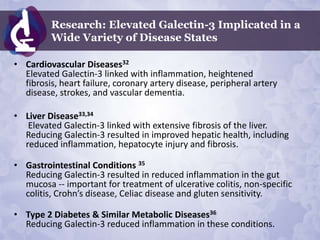
Research: Elevated Galectin-3 Implicated in a
         Wide Variety of Disease States

• Cardiovascular Diseases32
  Elevated Galectin-3 linked with inflammation, heightened
  fibrosis, heart failure, coronary artery disease, peripheral artery
  disease, strokes, and vascular dementia.

• Liver Disease33,34
   Elevated Galectin-3 linked with extensive fibrosis of the liver.
  Reducing Galectin-3 resulted in improved hepatic health, including
  reduced inflammation, hepatocyte injury and fibrosis.

• Gastrointestinal Conditions 35
  Reducing Galectin-3 resulted in reduced inflammation in the gut
  mucosa -- important for treatment of ulcerative colitis, non-specific
  colitis, Crohn’s disease, Celiac disease and gluten sensitivity.

• Type 2 Diabetes & Similar Metabolic Diseases36
  Reducing Galectin-3 reduced inflammation in these conditions.
Modified Citrus Pectin
Reduces Galectin-3
Expression and Disease
Severity in Experimental
Acute Kidney Injury37
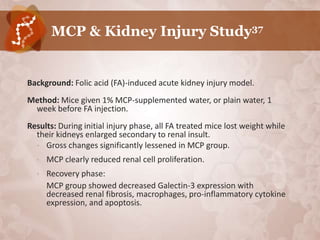
MCP & Kidney Injury Study37


Background: Folic acid (FA)-induced acute kidney injury model.
Method: Mice given 1% MCP-supplemented water, or plain water, 1
 week before FA injection.
Results: During initial injury phase, all FA treated mice lost weight while
  their kidneys enlarged secondary to renal insult.
  • Gross changes significantly lessened in MCP group.

  •   MCP clearly reduced renal cell proliferation.
  •   Recovery phase:
      MCP group showed decreased Galectin-3 expression with
      decreased renal fibrosis, macrophages, pro-inflammatory cytokine
      expression, and apoptosis.
Serum Galectin-3
Testing

FDA approved blood test measures
        Circulating Galectin-3 for
          Cardiovascular Disease
Elevated Galectin-3:
      What can we do?

•   Test for Galectin-3 levels
•   Address general inflammation & hyper
    viscosity
•   Use MCP at appropriate dosages by:
    • Condition
    • Galectin-3 levels
    • Therapeutic goal
Galectin-3 Levels: Reference Ranges

•   Galectin-3 levels > 17.8 ng/ml are considered to be an
    extreme risk factor of mortality.

•   Ideal levels are < 14 ng/ml in the
    general population.

•   For cancer and cardiac patients,
    ideal levels are < 12 ng/ml.

•   Galectin-3 levels change in 20% of population every 3
    months.

•   Repeated testing is important.
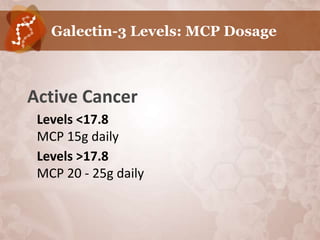
Galectin-3 Levels: MCP Dosage


Active Cancer
•   Levels <17.8
    MCP 15g daily
•   Levels >17.8
    MCP 20 - 25g daily
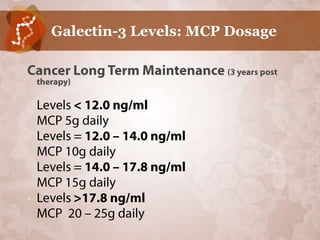
Galectin-3 Levels: MCP Dosage


•


•


•


•
In Conclusion

•   Galectin-3 plays an important role in
    prevention, treatment and prognosis
    of multiple medical conditions
    including cancer.

•   MCP is an effective natural Galectin-3
    blocker.
Thank you!


www.facebook.com/dreliaz
   ieliaz@sonic. net
    www.dreliaz.org

Isaac Eliaz OncANP Feb 2012

  • 1.
    Galectin-3 and theRole of Modified Citrus Pectin and Botanicals in Integrative Oncology
  • 2.
    What is Galectin-3? • Member of soluble β galactoside-binding lectins • Plays important regulatory roles in cancer, inflammation, fibrosis, and immunologic response • Expressed in the nucleus, cytoplasm, mitochondria, cell surface, and circulation
  • 3.
    Galectin-3 Plays Regulatory Role in Inflammation Biologically active marker for high risk Unlike CRP which represents the result or “bystander” biomarker, Galectin-3 is a “culprit” biomarker • Promotes metastasis, inflammation & fibrosis • Predicts outcome
  • 4.
    Galectin-3 Levels &Mortality from All Causes in the General Population: PREVEND1 Median Galectin-3 Levels Overall Average Number of Subjects n = 7,968 11.9
  • 5.
    Galectin-3 & Cancer • In Cancer, Galectin-3 plays a role in: • Cell to Cell Adhesion • Aggregation of Cancer Cells • Tumor Growth • Metastasis • Angiogenesis • Inhibition of Apoptosis
  • 7.
  • 8.
  • 12.
  • 13.
    What is ModifiedCitrus Pectin (MCP?) • MCP is derived from the pith of citrus fruit peels – oranges, lemons, grapefruit • Complex polysaccharide fiber of repeating galacturonic acid groups with neutral sugar side chains • Unmodified citrus pectin molecular weight 50 to 300 kiloDaltons (kDa) with esterification ~70% • Optimal biological activity: molecular weight <13 kDa with esterification <10%, and specific structure
  • 14.
    Modified Citrus Pectinis a Galectin-3 Blocker • Binds to Galectin-3 molecules • Blocks aggregation of cancer cells • Blocks docking of cancer cells • Blocks interactions with endothelium necessary for angiogenesis
  • 15.
    Modified Citrus Pectinand Galectin-3
  • 16.
  • 17.
    Benefits of MCPin Cancer Treatment • Anti-Cancer and Anti-Metastasis • Blocking of Galectin-3 Effects • Synergistic Effect with Chemotherapy • Protection Against Post-Radiation Damage • Improved Quality of Life
  • 18.
    Inhibition of SpontaneousMetastasis in a Rat Prostate Model by Oral Administration of Modified Citrus Pectin2 Pienta KJ, Naik H, Akhtar A, Yamazaki K, Replogle, TS, Lehr J, Donat TL, Tait L, Hogan V, Raz A Wayne State University School of Medicine, Detroit, MI, USA J Natl Cancer Inst. 1995 87(5):348-53 • Method: MCP’s inhibition of prostate cell adhesion to endothelial cells. 0.1% and 1.0% MCP in rats’ drinking water; controls had plain water. • Results: Significant reduction in lung metastases -- 50% reduction in 0.1% group; 56% reduction in 1.0% group (P<0.03 & P<0.001). • Conclusion: MCP acted as potent inhibitor of spontaneous prostate carcinoma metastasis.
  • 19.
    Inhibition of HumanCancer Cell Growth & Metastasis in Nude Mice by Oral Intake of Modified Citrus Pectin3 Nangia-Makker P, Hogan V, Honjo Y, Baccarini S, Tait L, Bresalier R, Raz A Wayne State University, School of Medicine, Detroit, MI, USA J Natl Cancer Inst. 2002 94(24): 1854-62 • Method: MCP’s inhibition of breast & colon cancer progression; MCP’s interaction with Galectin-3. • Results: 70.2% Reduction in Breast Tumor Growth – Breast Angiogenesis: 66% Reduction – Breast to Lung Metastasis: 0% MCP v. 100% Control – Colon to Liver Metastasis: 0% MCP v. 60% Control – Colon to Lymph Metastasis: 25% MCP v. 100% Control • Conclusion: MCP inhibits carbohydrate mediated tumor growth, angiogenesis & metastasis via effects on Galectin-3 function.
  • 20.
    Modified Citrus PectinInduces Cytotoxicity of Prostate Cancer Cells in Co-Culture with Human Endothelial Monolayers4 Weiss T, McCulloch M, Eliaz I Amitabha Medical Clinic & Healing Center, Sebastopol, CA, USA EcoNugenics, Santa Rosa, CA,USA Intl Conference on Diet & The Prevention of Cancer 1999, Tampere, Finland 90% 76.9% 80.7% • Method: Human 80% vascular endothelial cell % Cytotoxicity 70% 60% layer & PC-3 prostate 50% cancer cells. 40% 30% • Results: Strong tumor 20% 10% 3.8% cell death response 0% with MCP, compared to Control 0.1% 1.0% controls.
  • 21.
    Effect of ModifiedCitrus Pectin on PSA Doubling Time in Prostate Cancer Patients: A Pilot Clinical Trial5 Strum S, Scholz M, McDermed J, McCulloch M, Eliaz, I Prostate Oncology Specialist, Marina del Rey, CA, USA Amitabha Medical Clinic & Healing Center, Sebastopol, CA, USA EcoNugenics, Santa Rosa, CA, USA. International Conference on Diet & The Prevention of Cancer 1999, Tampere, Finland • Method: MCP 15 g/day 80% 71% to patients with 70% biochemical relapse % Increase in PSADT 60% 50% post local therapy. PSA 40% Doubling Time (PSADT) 30% evaluated at intervals. 14% 14% 20% • Results: MCP 10% significantly increased 0% PSADT in prostate No Response Stable Disease Response cancer patients.
  • 22.
    Pilot Clinical Results:MCP’s Effect on PSA Doubling Time5 MCP Use PSADT Patient (Months) Change Status Patient 1 5 193% Response Patient 2 6 193% Response Patient 3 3 80% Response Patient 4 >15 55% Response Patient 5 6 6% P. Response Patient 6 6 -7% Stable Disease Patient 7 5 -69% No Response
  • 23.
    Modified Citrus PectinIncreases the Prostate-Specific Antigen Doubling Time in Men with Prostate Cancer: A Phase II Pilot Study6 Guess BW, Scholz MC, Strum SB, Lam RY, Johnson HJ, Jennrich RI Healing Touch Oncology, Marina del Rey, CA, USA Prostate Cancer & Prostatic Disease 2003;6(4):301-4 • Method: 10 men with biochemical prostate cancer relapse used MCP: 15g daily for 1 year. • Results: MCP significantly increased PSADT in 7 out of the 10 participants (p<0.01).
  • 24.
    PSADT as %of Pre MCP 50% 100% 150% 200% 250% 300% 350% 400% 450% 500% 0% * Patient-1 * Patient-2 Patient-3 Patient-4 Phase II Study: Post-MCP Patient-5 Patient-6 Pre-MCP Patient-7 PSADT Results After 1 Year6 Patient-8 Patient-9 Patient-10 968 %
  • 25.
    Using Splines toDetect Changes in PSA Doubling Times7 Guess B, Jennrich R, Johnson H, Redheffer R, Scholz M, Healing Touch Oncology, Marin del Ray, CA, Department of Statistics, University of California Los Angeles, CA, Department of Mathematics, University of California - Los Angeles, CA, The Prostate 2003 54:88-95
  • 26.
  • 27.
    Clinical Benefit inPatients with Advanced Solid Tumors Treated with Modified Citrus Pectin8 Azémar M, Hildenbrand B, Haering B, Heim ME, Unger C Albert-Ludwigs-University in Freiburg, Germany Sonnenberg-Klinik, Bad Sooden-Allendorf, Germany Clinical Medicine: Oncology 2007 1:73–80 • Method: MCP 15g daily. • Results: 49 patients with advanced solid tumors. 29 evaluated after 2 months -- 21% showed stabilization & improvements in quality of life. – One patient w/ metastasized prostate carcinoma showed 50% decrease in PSA, with significant increase in quality of life & decrease in pain. • Conclusion: MCP shows clinical benefits & improvements in quality of life in advanced cancer patients.
  • 28.
    Inhibitory Effect ofModified Citrus Pectin on Liver Metastasis in a Mouse Colon Cancer Model9 Liu HY, Huang ZL, Yang GH, Lu WQ, Yu NR Affiliated Tumor Hospital of Guangzhou Medical College, Guangzhou, China World J Gastroenterol 2008 14(48): 7386-7391 • Method: 5 groups of 15 mice. MCP: 0.0%, 1.0%, 2.5% and 5.0%; and negative control – Colon cancer cells injected into spleen except negative control -- liver metastasis observed after 3 wks. ELISA used to detect Galectin-3. • Results: MCP groups: metastasis 80%, 73.3% & 60%. MCP 0.0%: metastasis100%. • Conclusion: MCP significantly reduced liver metastasis.
  • 29.
    PectaSol-C Modified CitrusPectin Induces Apoptosis & Inhibition of Proliferation in Human & Mouse Androgen Dependent & Independent Prostate Cancer Cells10 Yan J, Katz A Department of Urology, Columbia University Medical Center, New York, NY, USA Integrative Cancer Therapies 2010 9:197-203 • Method: 1% MCP treatment of human prostate cancer cell lines (LNCaP & PC3) and mouse prostate cancer cell lines (CASP2-1 & CASP1-1) • Results: Confirmed apoptosis and inhibition of cancer cell proliferation. 4 day MCP treatment showed cytotoxicity: – 52.28% in LNCaP – 48.16% in PC3 – 23.03% in CASP2-1 – 49.01% in CASP1-1
  • 30.
    Combination Effect ofPectaSol and Doxorubicin on Viability, Cell Cycle Arrest and Apoptosis in DU-145 and LNCaP Prostate Cancer Cell Lines11 Najmeh T, Houri S, Parvin M, Firouzeh B, Arash HN, Abdolfattah S, Ebrahim H Tehran University, Tehran, Iran Cell Biology International (2012) Immediate Publication, doi:10.1042/CBI20110309 • Method: 48 hour effects of PectaSol on Doxorubicin (Dox) cytotoxicity, apoptosis and cell cycle in prostate cancer cell lines. % Viability DU-145 % Viability LNCaP 100 IC50 Decrease: 1.5 fold 100 IC50 Decrease: 1.3 fold 80 80 60 60 40 40 20 20 0 0 Control 250nM 3mg/ml 250nM + Control 250nM 3mg/ml 250nM + 3 Dox PectaSol 3 mg/ml Dox PectaSol mg/ml Combined Combined • Conclusion: Lower, less toxic doses Dox needed when combined with PectaSol.
  • 31.
    MCP During Chemotherapy& Radiation • MCP can enhance therapeutic effect of chemotherapy drugs and treatment of chemo resistant cancers. 11, 12 Cisplatin (Platinol), Bortezomib (Velcade), Dexamethasone (Decadron), Doxorubicin. • MCP use very important in preventing post chemotherapy & radiation damage Specifically post radiation induced inflammation and fibrosis
  • 32.
    Summary: MCP inCancer Treatment MCP Reduces: • Primary Tumor • Angiogenesis • Metastatic Process MCP Provides: • Blocking of Galectin-3 Effects • Synergistic Effect with Chemotherapy • Protection Against Post-radiation Damage • Improved Quality of Life
  • 33.
  • 34.
    Activation of HumanT-Cytotoxic Cell, B-Cell, and Natural Killer (NK)-Cells and Induction of NK-Cell Activity Against K562 Chronic Myeloid Leukemia Cells with Modified Citrus Pectin 13 Ramachandran C, Wilk, B, Hotchkiss, A, Eliaz, I & Melnick SJ; Dharma Biomedical, Miami, FL, USA; EcoNugenics, Santa Rosa, CA, USA ; Eastern Regional Research Center, ARS, USDA, Wyndmoor, PA, USA; Department of Pathology, Miami Children's Hospital, Miami, FL 33155, USA BMC Complementary and Alternative Medicine 2011, 11:59 • Method (Part I): Healthy human blood samples incubated with increasing doses of MCP and antibodies. At 24 hours samples lyzed and run on a flow cytometer. Analyzed % of activated T-cytotoxic cell subset, B- cells, and NK-cells; and % increase over untreated control.
  • 35.
    Results Part I: MCP Activates T-Cytotoxicity13 160% * p < 0.05 ** Increase in T-Cytotoxic Cell Activation(%) 140% ** p < 0.01 120% * * 100% 80% 60% 40% 20% 0% MCP MCP MCP MCP MCP CD2/CD2R PMA 50 100 200 400 800 20 10 ug/ml ug/ml ug/ml ug/ml ug/ml ul/ml ng/ml
  • 36.
    Results Part I: MCP Increases B-Cell Activation13 1200% *** 1000% ** p<0.010 ** Increased B-Cell Activation (%) *** p<0.001 800% 600% 400% 200% 0% MCP MCP MCP MCP MCP MCP MCP PWM PWM 10 20 50 100 200 400 800 10 25 ug/ml ug/ml ug/ml ug/ml ug/ml ug/ml ug/ml ug/ml ug/ml
  • 37.
    Results Part I: MCP Increases NK Cell Activation13 1000% ** 900% Increased NK-Cell Activation (%) 800% 700% ** 600% 500% 400% * * 300% 200% 100% 0% MCP MCP MCP MCP MCP MCP MCP IL-2 IL-2 10 20 50 100 200 400 800 3.3 6.6 ug/ml ug/ml ug/ml ug/ml ug/ml ug/ml ug/ml ng/ml ng/ml
  • 38.
    MCP: Induction ofNK-Cell Activity Against K562 Chronic Myeloid Leukemia Cells13 • Method (Part II): NK cell ability to induce leukemia cell death analyzed by co-incubating MCP-treated lymphocytes with K562 T-cell leukemia cells. Healthy human lymphocyte samples treated with increasing doses of MCP. After 24 hours, K562 labeled. Plates returned to incubator (for 4 hrs) to induce leukemia cell death.
  • 39.
    Results Part II: MCP Induces NK Cell Activity13 60% (% K562 cell death over untreated WBC) 50% Increase in NK Cell Activity 40% 30% 20% 10% 0% MCP MCP MCP MCP MCP MCP MCP 10 20 50 100 200 400 800 ug/ml ug/ml ug/ml ug/ml ug/ml ug/ml ug/ml
  • 40.
    MCP Immune SystemBenefits • Induces NK Cell Activation • Induces NK Cell Activity • Activates T Cell Cytotoxicity • Increases B Cell Activation
  • 41.
    Modified Citrus Pectin: Chelation& Detoxification Research
  • 42.
    MCP Heavy Metal Elimination14 • Forms stacked “egg box” structure • Each pocket negatively charged • Negative charge binds heavy metals • Toxic metal trapped in the “egg box” • Safely excreted from the body
  • 43.
    The Effect ofModified Citrus Pectin on Urinary Excretion of Toxic Elements14 Eliaz I, Hotchkiss AT, Fishman ML, Rode D; Amitabha Medical Clinic & Healing Center, Sebastopol, CA, USA; Eastern Regional Research Center, ARS, USDA, Wyndmoor, PA, USA; University of California, Davis, CA, USA ; Phytother Res. 2006 20(10):859-64 • Methods: MCP administered for 6 days. Baseline 24 hr urine collection before MCP, and on days 1 and 6. Days 1 - 5: MCP 15 g/day & Day 6: MCP 20 g/day. • Results: Urinary excretion of lead, mercury, cadmium & arsenic increased. Essential minerals not changed. No side effects reported.
  • 44.
    The Effect ofModified Citrus Pectin on Urinary Excretion of Toxic Elements14 Day-1 Day-6 450% # 400% * p < .05 # p < .10 350% % Change from Day Zero 300% 250% 200% 150% # 100% 50% * # * * # 0% Al… Sb… As… CD… Pb… Hg… Sn…
  • 45.
    MCP & UrinaryExcretion of Toxins14 MCP Chelation: • Increased urinary excretion of toxic metals • Demonstrated heavy metal chelation due to reduced molecular size & esterification • 10% rhamnogalacturonan II -- known for binding affinity and immune enhancement • Does not affect essential minerals • No side effects reported
  • 46.
    Modified Citrus PectinDecreases Total Mercury Body Burden: Pilot Human Clinical Trial15 Eliaz I, Amitabha Medical Clinic & Healing Center, Sebastopol, California, USA EcoNugenics, Santa Rosa, California, USA 228th ACS National Meeting, Philadelphia PA. 2004 • Method: 5g MCP 3x/day; 4-10 months. Baseline and final total mercury body burden measured using IV DMPS challenge. • Results: All subjects showed significant decrease in mercury levels. Avg decrease: 62.17% (p=0.03). No side effects reported.
  • 47.
    Mercury Body BurdenResults15 ug Mercury /g Creatinine Percent Duration of Patient Post Change in Baseline Difference Intervention Number Intervention Mercury (months) Burden Patient 1 14 4.5 9.5 67.86% 10.0 Patient 2 180 49.0 131 72.78% 4.5 Patient 3 16 9.9 6.1 38.13% 4.0 Patient 4 29 7.3 21.7 74.83% 6.5 Patient 5 22 9.4 12.6 57.27% 6.5
  • 48.
    Mercury Body BurdenStudy15 • Results: MCP decreased total % Mercury Reduction from Baseline body burden in all subjects 80% 70% 67.90% 72.80% 74.80% – Average decrease 60% 57.30% 62.17% 62.17% (p=0.03) 50% 38.10% 40% • MCP is a promising 30% 20% systemic chelator 10% of heavy metals 0% that can be used on Patient 1 Patient 2 Patient 3 Patient 4 Patient 5 Avg an ongoing basis 10 mo 4.5 mo 4 mo 6 mo 6.5 mo
  • 49.
    The Role ofModified Citrus Pectin as an Effective Chelator of Lead in Children Hospitalized with Toxic Lead Levels16 Zhao ZY, Liang L, Fan X, Yu Z, Hotchkiss AT, Wilk BJ, Eliaz I Children’s Hospital, Zhejiang University, School of Medicine, Hangzhou, Republic of China, Centrax International, Inc, San Francisco, California, USA Eastern Regional Research Center, ARS, USDA, Wyndmoor, Pennsylvania, USA EcoNugenics, Santa Rosa, California, USA Altern Ther Health Med. 2008 14(4):34-8
  • 50.
    Lead in BloodSerum16 60 Before After Blood Serum Lead Concentration (ug/dL) MCP MCP 50 40 30 20 10 0 Patient-1 Patient-2 Patient-3 Patient-4 Patient-5 Patient-6 Patient-7 (MCP 5 grams, 3 times daily) P Value = 0.0016
  • 51.
    Lead in 24Hour Urine Excretion16 140 Before After MCP MCP 120 100 Lead Levels (mcg/dL) 80 60 40 20 0 Patient-1 Patient-2 Patient-3 Patient-4 Patient-5 Patient-6 Patient-7 (MCP 5 grams, 3 times daily) P Value = 0.0007
  • 52.
    Summary: Benefits of Modified Citrus Pectin • Galectin-3 Blocker • Anti-Cancer • Immunity • Chelation and Detox
  • 53.
    Research: Synergistic Benefitsof MCP w/Botanical Formulas
  • 54.
    Prostate Poly BotanicalFormula Integrative blend of 33 ingredients: Vitamins, Minerals, Botanically Enhanced Medicinal Mushrooms, and Botanical Extracts
  • 55.
  • 56.
    ProstaCaid Induces G2/MCell Cycle Arrest & Apoptosis in Human & Mouse Androgen-Dependent & - Independent Prostate Cancer Cells 17 Yan J & Katz AE; Department of Urology, Columbia University Medical Center, New York, NY, USA. Integr Cancer Ther 2010 9:186-196 Effects on cell viability on androgen- Effects on long-term cell viability by colony dependent, LNCaP (A) & CASP 2.1 (C), & androgen- formation independent PC3 (B) & CASP 1.1 (D)
  • 57.
    Suppression of Growthand Invasive Behavior of Human Prostate Cancer Cells by ProstaCaid: Mechanism of Activity18 Jiang, J, Eliaz, I, and Sliva, D; Cancer Research Laboratory, Methodist Research Institute, Indianapolis, IN,USA ; Amitabha Medical Clinic & Healing Center, Sebastopol, CA, USA Indiana Univer. Cancer Center, Indiana Univer. School of Med., Indianapolis, IN, USA Int J Oncol. 2011 Jun;38(6):1675-82 120 0 g/ml 10 g/ml 20 g/ml 100 Proliferation Index (%) 40 g/ml * 80 g/ml * 80 * * * * 60 * * 40 * * 20 * 0 24 hours 48 hours 72 hours
  • 58.
    Effect of ProstaCaidon Invasive Behavior of Prostate Cancer Cells18 120 120 Cell migration [%] Cell adhesion [%] 100 100 80 * 80 * 60 60 * * 40 40 20 20 0 0 0 20 40 80 0 20 40 80 ProstaCaid (g/ml) ProstaCaid [g/ml] 120 Cell invasion [%] 100 * 80 * 60 40 20 0  0 20 40 80 ProstaCaid [g/ml]
  • 59.
  • 60.
    ProstaCaid Inhibits TumorGrowth in a Xenograft Model of Human Prostate Cancer19 Jiang J, Loganathan J, Eliaz I, Terry C, Sandusky GE, Sliva D; Cancer Research Laboratory, MRI, Indiana University Health, Indianapolis, IN, USA; Amitabha Medical Clinic and Healing Center, Sebastopol, CA, USA; Indiana University. Simon Cancer Center, Indiana University. School of Med., Indianapolis, IN, USA, Intern J of Oncol 2012; Doi:10.3892/ijo.2012.1344 • Method: ProstaCaid in xenograft model of human hormone refractory PC3 prostate cancer - (100, 200 and 400 mg/kg)
  • 61.
    ProstaCaid Inhibits TumorGrowth in a Xenograft Model of Human Prostate Cancer19 Results: No effect on body weight or activity of liver enzymes (ALT, AST) No sign of toxicity in liver, spleen, kidney, lung and heart tissues in mice Inhibition of tumor volumes (1024.6 378.6 vs. 749.3 234.3, P<0.001) qRT-PCR analysis demonstrated significant up regulation of expression of CDKN1A (p21) and inhibition of expression of IGF2, NR2F2 and PLAU (uPA) Conclusion: ProstaCaid has significant anticancer activity in vivo with no signs of toxicity.
  • 62.
    Breast Poly BotanicalFormula Contains botanicals, purified biologically active nutritional compounds and botanically enhanced medicinal mushrooms
  • 63.
  • 64.
    Suppression of Proliferation& Invasive Behavior of Human Metastatic Breast Cancer Cells by Dietary Supplement BreastDefend20 Jiang J, Wojnowski R, Jedinak A, Sliva D; Cancer Research Laboratory, Methodist Research Institute, Indianapolis, IN, USA Department of Medicine, Indiana University. Cancer Center, School of Med., Indiana University, Indianapolis, IN, USA; Integr Cancer Ther. 2011; Jun 10 (2):192 – 200 0g/ml 120 10 g/ml 20 g/ml 30 g/ml 100 40 g/ml Proliferation Index [%] 80 * * 60 * * * 40 * 20 * * * * 0 24 hours 48 hours 72 hours
  • 65.
    BreastDefend Suppresses MDA-MB-231 Growth and Breast-to-Lung Metastasis in Tumor Model (Pre-Published Data) • Method: Human breast cancer cells (MDA-MB-231) implanted into the mammary gland in mice Pre-Published Results: BreastDefend significantly decreased tumor volume and breast-to-lung metastasis in highly aggressive triple negative breast cancer, without toxicity.
  • 66.
    Synergistic and AdditiveEffects of Modified Citrus Pectin with Two Novel Poly Botanical Compounds, in the Suppression of Invasive Behavior of Human Breast and Prostate Cancer Cells21 Jiang J, Eliaz I, and Sliva D Cancer Research Laboratory, MRI, Indiana University Health, Indianapolis, IN, USA Amitabha Medical Clinic & Healing Center, Sebastopol, CA, USA Depart. of Med., and Indiana Univer. Cancer Center, Indiana Univer. School of Med., Indianapolis, IN, USA. Integr Cancer Ther. 2012 (In Press)
  • 67.
  • 68.
    ProstaCaid & MCP21 120 100 80 P<0.01 % Migration P<0.01 60 40 P<0.01 20 0 MCP 0 0.25 0.5 1.0 0 0.25 0.5 1.0 mg/ml ProstaCaid 10 10 10 10 g/ml
  • 69.
    BreastDefend21 120 Proliferation Index (%) 100 80 60 40 20 0 0 5 10 20 40
  • 70.
    BreastDefend & MCP21 120 100 P<0.01 80 % Migration P<0.01 60 P<0.01 40 20 0 MCP 0 0.25 0.5 1.0 0 0.25 0.5 1.0 mg/ml BreastDefend 20 20 20 20 g/ml
  • 71.
    Honokiol • Honokiol is a small-molecule polyphenol isolated from the genus Magnolia officinalis (Hou Po) • Properties • Anti-Tumor • Anti-Angiogenic • Anti-Inflammatory • Anti-Anxiety • Antioxidant • Selective Pro-Oxidant • Differentiation Agent • No Appreciable Toxicity • Synergistic Anticancer Effect w/ Multiple Chemotherapy Drugs
  • 72.
    Honokiol Mechanisms of Action •Modulation of GABA receptors • Blocks signaling in tumors with defective p53 function and activated ras by blocking activation of phospholipase D. • Induces cyclophilin D, potentiating mitochondrial permeability transition pore and causing death in cells with wild-type p53. • MTOR-1 Inhibitor
  • 73.
    Selected Honokiol CancerResearch22,23,24 • Honokiol traverses the blood-brain barrier and induces apoptosis of neuroblastoma cells via an intrinsic bax- mitochondrion-cytochrome c-caspase protease pathway. Lin JW, Chen JT, Hong CY, et al. Neuro Oncol. 2012 Jan 18. • Antimetastatic activity of honokiol in osteosarcoma. Steinmann P, Walters DK, E Arlt MJ, et al. Cancer. 2011 Sep 20. doi: 10.1002/cncr.26434. • Honokiol arrests cell cycle, induces apoptosis, and potentiates the cytotoxic effect of gemcitabine in human pancreatic cancer cells. Arora S, Bhardwaj A, Srivastava SK, et al. PLoS One. 2011;6(6):e21573.
  • 74.
    Selected Honokiol CancerResearch25,26,27 • Honokiol produces anti-neoplastic effects on melanoma cells in vitro. Mannal PW, Schneider J, Tangada A, et al. J Surg Oncol. 2011 Sep 1;104(3):260-4. • Honokiol radiosensitizes colorectal cancer cells: enhanced activity in cells with mismatch repair defects. He Z, Subramaniam D, Ramalingam S, Dhar A, et al. Am J Physiol Gastrointest Liver Physiol. 2011 Nov;301(5):G929-37. • Honokiol: a promising small molecular weight natural agent for the growth inhibition of oral squamous cell carcinoma cells. Chen XR, Lu R, Dan HX, et al. Int J Oral Sci. 2011 Jan;3(1):34-42.
  • 75.
    Selected Honokiol CancerResearch28,29,30 • Apoptosis induced by Magnolia Grandiflora extract in chlorambucil-resistant B-chronic lymphocytic leukemia cells. Marin GH, Mansilla E. J Cancer Res Ther. 2010 Oct-Dec;6(4):463-5. • Modulation of multidrug resistance p-glycoprotein activity by flavonoids and honokiol in human doxorubicin- resistant sarcoma cells (MES-SA/DX-5): implications for natural sedatives as chemosensitizing agents in cancer therapy. Angelini A, Di Ilio C, Castellani ML, et al. J Biol Regul Homeost Agents. 2010 Apr- Jun;24(2):197-205. • Honokiol induces paraptosis and apoptosis and exhibits schedule- dependent synergy in combination with imatinib in human leukemia cells. Wang Y, Yang Z, Zhao X. Toxicol Mech Methods. 2010 Jun;20(5):234-41.
  • 76.
    Effect of HonoPure(98% Honokiol) on Growth of PC3 Cells (Pre-Published data) 120 0  5  10  100 Proliferation Index (%) 20  * 40  * 80 * 60 * * 40 * 20 * * 0 24 hours 48 hours 72 hours
  • 77.
    Effect of HonoPure(98% Honokiol) on the Growth of MDA-MB-231 Cells (Pre-Published Data) 120 0  5  10  100 Proliferation Index (%) 20  * 40  80 * * 60 40 * * * 20 * 0 24 hours 48 hours 72 hours
  • 78.
    Synergistic Effect ofPectaSol-C MCP & HonoPure (98% Honokiol) on PC3 Cell line Migration (Pre-Published Data)
  • 79.
    Honokiol Clinical Useand Dosages • Active Cancer 1,000 mg x 3/day, with food • Prevention and Post-Therapy 1000 mg /day, with food • Anti-Inflammatory and Circulation Support 500 mg – 1,000 mg daily, with food • Anxiety and Insomnia 250 – 500 mg daily, with food
  • 80.
  • 81.
    Galectin-3 Levels &Mortality from All Causes in the General Population: PREVEND1 100% Median Galectin-3 Cumulative Survival Rate (%) Levels Quintile-1 95% 7.7 Quintile-2 9.4 90% Quintile-3 10.9 Quintile-4 12.6 85% Quintile-5 Start Year-5 Year-1 Year-2 Year-3 Year-4 Year-6 Year-7 Year-8 Year-9 Year-10 Year-11 15.6 Overall Average Number of Subjects n = 7,968 11.9
  • 82.
    Galectin-3 in GeneralPopulation: PREVEND (number of subjects = 7,968) 1 CHARACTERISTIC TOTAL QUINTILE-1 QUINTILE-2 QUINTILE-3 QUINTILE-4 QUINTILE-5 P Median Gal3 11.9 7.7 9.4 10.9 12.6 15.6 DM% 3.6 2.3 2.3 3.1 4.3 6.1 0.000 MI 3.7 1.8 2.4 2.7 4.2 7.4 0.000 Hypertension 33.4 22.2 26.6 31.1 39.7 47.9 0.000 Stroke % 0.9 0.8 0.6 0.6 1.3 1.6 0.004 Systolic BP 129.2 20.2 125.0 18.1 126.6 19.0 128.6 19.6 131.3 20.6 134.9 22.5 0.000 Diastolic BP 74.0 9.7 72.1 9.4 73.3 9.8 74.1 9.6 75.2 9.8 75.4 9.8 0.000
  • 83.
    Galectin-3 in GeneralPopulation: PREVEND (number of subjects = 7,968) 1 CHARACTERISTIC TOTAL QUINTILE-1 QUINTILE-2 QUINTILE-3 QUINTILE-4 QUINTILE-5 P Median Gal3 11.9 7.7 9.4 10.9 12.6 15.6 1.29 0.89 1.04 1.33 1.53 1.98 CRP 0.000 [0.56-3.00] [0.39-2.16] [0.49-2.40] [0.58-2.92] [0.71-3.42] [0.85-4.28] Cholesterol 5.66 1.12 5.41 1.05 5.56 1.10 5.68 1.11 5.79 1.11 5.91 1.17 0.000 LDL 3.69 1.05 3.47 1.00 3.60 1.01 3.71 1.04 3.77 1.05 3.90 1.06 0.000 1.27 1.32 1.28 1.25 1.24 1.24 HDL 0.000 [1.03+1.56] [1.07-1.62] [1.04-1.57] [1.03+1.55] [1.03-1.53] [0.99-1.52] 1.16 1.02 1.11 1.17 1.23 1.31 Triglycerides 0.000 [0.85-1.68] [0.75-1.43] [0.82-1.59] [0.86-1.69] [0.89-1.78] [0.95-1.92]
  • 84.
    COACH Galectin-3 Sub-Study Mortality from All Causes at 1 Year in Patients with CHF31 40% 36.51% 35% % Died within 365 Days 30% 25% 19.69% 20% 15% 12.57% 10% 5% 0% < 17.8 17.8 - 25.9 > 25.9 Galectin-3 Levels (ng/mL)
  • 85.
    Research: Elevated Galectin-3Implicated in a Wide Variety of Disease States • Cardiovascular Diseases32 Elevated Galectin-3 linked with inflammation, heightened fibrosis, heart failure, coronary artery disease, peripheral artery disease, strokes, and vascular dementia. • Liver Disease33,34 Elevated Galectin-3 linked with extensive fibrosis of the liver. Reducing Galectin-3 resulted in improved hepatic health, including reduced inflammation, hepatocyte injury and fibrosis. • Gastrointestinal Conditions 35 Reducing Galectin-3 resulted in reduced inflammation in the gut mucosa -- important for treatment of ulcerative colitis, non-specific colitis, Crohn’s disease, Celiac disease and gluten sensitivity. • Type 2 Diabetes & Similar Metabolic Diseases36 Reducing Galectin-3 reduced inflammation in these conditions.
  • 86.
    Modified Citrus Pectin ReducesGalectin-3 Expression and Disease Severity in Experimental Acute Kidney Injury37
  • 87.
    MCP & KidneyInjury Study37 Background: Folic acid (FA)-induced acute kidney injury model. Method: Mice given 1% MCP-supplemented water, or plain water, 1 week before FA injection. Results: During initial injury phase, all FA treated mice lost weight while their kidneys enlarged secondary to renal insult. • Gross changes significantly lessened in MCP group. • MCP clearly reduced renal cell proliferation. • Recovery phase: MCP group showed decreased Galectin-3 expression with decreased renal fibrosis, macrophages, pro-inflammatory cytokine expression, and apoptosis.
  • 88.
    Serum Galectin-3 Testing FDA approvedblood test measures Circulating Galectin-3 for Cardiovascular Disease
  • 89.
    Elevated Galectin-3: What can we do? • Test for Galectin-3 levels • Address general inflammation & hyper viscosity • Use MCP at appropriate dosages by: • Condition • Galectin-3 levels • Therapeutic goal
  • 90.
    Galectin-3 Levels: ReferenceRanges • Galectin-3 levels > 17.8 ng/ml are considered to be an extreme risk factor of mortality. • Ideal levels are < 14 ng/ml in the general population. • For cancer and cardiac patients, ideal levels are < 12 ng/ml. • Galectin-3 levels change in 20% of population every 3 months. • Repeated testing is important.
  • 91.
    Galectin-3 Levels: MCPDosage Active Cancer • Levels <17.8 MCP 15g daily • Levels >17.8 MCP 20 - 25g daily
  • 92.
    Galectin-3 Levels: MCPDosage • • • •
  • 93.
    In Conclusion • Galectin-3 plays an important role in prevention, treatment and prognosis of multiple medical conditions including cancer. • MCP is an effective natural Galectin-3 blocker.
  • 94.
    Thank you! www.facebook.com/dreliaz ieliaz@sonic. net www.dreliaz.org

Editor's Notes

  • #5 1. The Prevention of Renal and Vascular End-stage Disease (PREVEND) study results were presented at the European Society of Cardiology (ESC) Congress (Aug)2011, in Paris, France. “Galectin-3, Cardiovascular Risk Factors and Outcome in the General Population,” presented by Rudolf de Boer, MD, PhD, Associate Professor in Cardiology, University Medical Center Groningen, University of Groningen, The Netherlands.
  • #19 2. Pienta KJ, Naik H, Akhtar A, Yamazaki K, Replogle, TS, Lehr J, Donat TL, Tait L, Hogan V, Raz A.Inhibition of spontaneous metastasis in a rat prostate model by oral administration of modified citrus pectin.J Natl Cancer Inst. 1995 87(5):348-53.
  • #20 3. Nangia-Makker P, Hogan V, Honjo Y, Baccarini S, Tait L, Bresalier R, Raz A. Inhibition of human cancer cell growth &amp; metastasis in nude mice by oral intake of modified citrus pectin. J Natl Cancer Inst. 2002 94(24): 1854-62.
  • #21 4. Weiss T, McCulloch M, Eliaz I. Modified citrus pectin induces cytotoxicity of prostate cancer cells in co-culture with human endothelial monolayers.Intl Conference on Diet &amp; The Prevention of Cancer. 1999 Tampere,Finland.
  • #22 5. Strum S, Scholz M, Dermont J, Eliaz I, et al. Effect of modified citrus pectin on PSA doubling time in prostate cancer patients: A pilot clinical trial. IntlConference on Diet &amp; The Prevention of Cancer. 1999 Tampere,Finland.
  • #23 5. Strum S, Scholz M, Dermont J, Eliaz I, et al. Effect of modified citrus pectin on PSA doubling time in prostate cancer patients: A pilot clinical trial. IntlConference on Diet &amp; The Prevention of Cancer. 1999 Tampere,Finland.
  • #24 6. Guess BW, Scholz MC, Strum SB, Lam RY, Johnson HJ, Jennrich RI. Modified citrus pectin increasesthe prostate-specific antigen doubling time in men with prostate cancer: A phase II pilot study. Prostate Cancer &amp; Prostatic Disease. 20036(4):301-4.
  • #25 6. Guess BW, Scholz MC, Strum SB, Lam RY, Johnson HJ, Jennrich RI. Modified citrus pectin increasesthe prostate-specific antigen doubling time in men with prostate cancer: A phase II pilot study. Prostate Cancer &amp; Prostatic Disease. 20036(4):301-4.
  • #26 7. Guess B, Jennrich R, Johnson H, Redheffer R, Scholz M. Using splines to detect changes in PSA doubling times. The Prostate. 2003 54:88-95.
  • #27 7. Guess B, Jennrich R, Johnson H, Redheffer R, Scholz M. Using splines to detect changes in PSA doubling times. The Prostate. 2003 54:88-95.
  • #28 8. Azémar M, Hildenbrand B, Haering B, Heim ME, Unger C. Clinical benefit in patients with advanced solid tumors treated with modified citrus pectin. Clinical Medicine: Oncology. 2007 1:73–80.
  • #29 9. Liu HY, Huang ZL, Yang GH, Lu WQ, Yu NR. Inhibitory effect of modified citrus pectin on liver metastasis in a mouse colon cancer model. World J Gastroenterol.2008 14(48): 7386-7391.
  • #30 10. Yan J, Katz A.PectaSol-C modified citrus pectin induces apoptosis &amp; inhibition of proliferation in human &amp; mouse androgen dependent &amp; independent prostate cancercells. Integrative Cancer Therapies. 2010 9:197-203.
  • #31 11. Najmeh T, Houri S, Parvin M, Firouzeh B, Arash HN, Abdolfattah S, Ebrahim H. Combination effect of pectasol and doxorubicin on viability, cell cycle arrest and apoptosis in DU-145 and LNCaP prostate cancer cell Lines.Cell Biology International (2012) doi:10.1042/CBI20110309.
  • #32 11. Najmeh T, Houri S, Parvin M, Firouzeh B, Arash HN, Abdolfattah S, Ebrahim H. Combination effect of pectasol and doxorubicin on viability, cell cycle arrest and apoptosis in DU-145 and LNCaP prostate cancer cell Lines.Cell Biology International (2012) doi:10.1042/CBI20110309.12. Wang Y, Nangia-Makker P, Balan V, Hogan V, Raz A. Calpain activation through galectin-3 inhibition sensitizes prostate cancer cells to cisplatin treatment.Cell Death Dis. 2010 Nov18;1(11):e101.)
  • #35 13. Ramachandran C, Wilk, B, Hotchkiss, A, Eliaz, I &amp; Melnick SJ.Activation of human T-cytotoxic cell, B-cell, and natural killer (NK)-cells and induction of NK-cell activity against K562 chronic myeloid leukemia cells with modified citrus pectin. BMC Complementary and Alternative Medicine. 2011 11:59.
  • #36 13. Ramachandran C, Wilk, B, Hotchkiss, A, Eliaz, I &amp; Melnick SJ.Activation of human T-cytotoxic cell, B-cell, and natural killer (NK)-cells and induction of NK-cell activity against K562 chronic myeloid leukemia cells with modified citrus pectin. BMC Complementary and Alternative Medicine. 2011 11:59.
  • #37 13. Ramachandran C, Wilk, B, Hotchkiss, A, Eliaz, I &amp; Melnick SJ.Activation of human T-cytotoxic cell, B-cell, and natural killer (NK)-cells and induction of NK-cell activity against K562 chronic myeloid leukemia cells with modified citrus pectin. BMC Complementary and Alternative Medicine. 2011 11:59.
  • #38 13. Ramachandran C, Wilk, B, Hotchkiss, A, Eliaz, I &amp; Melnick SJ.Activation of human T-cytotoxic cell, B-cell, and natural killer (NK)-cells and induction of NK-cell activity against K562 chronic myeloid leukemia cells with modified citrus pectin. BMC Complementary and Alternative Medicine. 2011 11:59.
  • #39 13. Ramachandran C, Wilk, B, Hotchkiss, A, Eliaz, I &amp; Melnick SJ.Activation of human T-cytotoxic cell, B-cell, and natural killer (NK)-cells and induction of NK-cell activity against K562 chronic myeloid leukemia cells with modified citrus pectin. BMC Complementary and Alternative Medicine. 2011 11:59.
  • #40 13. Ramachandran C, Wilk, B, Hotchkiss, A, Eliaz, I &amp; Melnick SJ.Activation of human T-cytotoxic cell, B-cell, and natural killer (NK)-cells and induction of NK-cell activity against K562 chronic myeloid leukemia cells with modified citrus pectin. BMC Complementary and Alternative Medicine. 2011 11:59.
  • #43 14. Eliaz I, Hotchkiss AT, Fishman ML, Rode D.The effect of modified citrus pectin on urinary excretion of toxic elements.Phytother Res. 2006 20(10):859-64.
  • #44 14. Eliaz I, Hotchkiss AT, Fishman ML, Rode D.The effect of modified citrus pectin on urinary excretion of toxic elements.Phytother Res. 2006 20(10):859-64.
  • #45 14. Eliaz I, Hotchkiss AT, Fishman ML, Rode D.The effect of modified citrus pectin on urinary excretion of toxic elements.Phytother Res. 2006 20(10):859-64.
  • #49 15. Eliaz I.Modified citrus pectin decreasestotal mercury body burden: Pilot human clinical trial. 228th ACS National Meeting, Philadelphia PA. 2004.
  • #50 16. Zhao ZY, Liang L, Fan X, Yu Z, Hotchkiss AT, Wilk BJ, Eliaz I.The role of modified citrus pectin as an effective chelator of lead in children hospitalized with toxic lead levels.AlternTher Health Med. 2008 14(4):34-8.
  • #51 16. Zhao ZY, Liang L, Fan X, Yu Z, Hotchkiss AT, Wilk BJ, Eliaz I.The role of modified citrus pectin as an effective chelator of lead in children hospitalized with toxic lead levels.AlternTher Health Med. 2008 14(4):34-8.
  • #52 16. Zhao ZY, Liang L, Fan X, Yu Z, Hotchkiss AT, Wilk BJ, Eliaz I.The role of modified citrus pectin as an effective chelator of lead in children hospitalized with toxic lead levels.AlternTher Health Med. 2008 14(4):34-8.
  • #57 17. Yan J &amp; Katz AE.ProstaCaid induces G2/M Cell cycle arrest &amp; apoptosis in human &amp; mouse androgen-dependent &amp; -independent prostate cancer cells.Integr Cancer Ther2010 9:186-196.
  • #58 18. Jiang, J, Eliaz, I, and Sliva, D.Suppression of growth and invasive behavior of human prostate cancer cells by ProstaCaid: Mechanism of activity.Int J Oncol. 2011 Jun;38(6):1675-82 .
  • #59 18. Jiang, J, Eliaz, I, and Sliva, D.Suppression of growth and invasive behavior of human prostate cancer cells by ProstaCaid: Mechanism of activity.Int J Oncol. 2011 Jun;38(6):1675-82 .
  • #60 18. Jiang, J, Eliaz, I, and Sliva, D.Suppression of growth and invasive behavior of human prostate cancer cells by ProstaCaid: Mechanism of activity.Int J Oncol. 2011 Jun;38(6):1675-82 .
  • #61 19. Jiang J, Loganathan J, Eliaz I, Terry C, Sandusky GE, Sliva D.ProstaCaid inhibits tumor growth in a xenograft model of human prostate cancer. Intern J of Oncol2012 Doi: 10.3892/ijo.2012.1344.
  • #62 19. Jiang J, Loganathan J, Eliaz I, Terry C, Sandusky GE, Sliva D.ProstaCaid inhibits tumor growth in a xenograft model of human prostate cancer. Intern J of Oncol2012 Doi: 10.3892/ijo.2012.1344.
  • #65 20. Jiang J, Wojnowski R, Jedinak A, Sliva D. Suppression of proliferation &amp; invasive behavior of human metastatic breast bancer cells by dietary supplement BreastDefend.Integr Cancer Ther. 2011; Jun 10 (2):192 – 200.
  • #67 21.Jiang J, Eliaz I, and Sliva D.Synergistic and additive effects of modified citrus pectin with two novel poly botanical compounds, in the suppression of invasive behavior of human breast and prostate cancer cells.Integr Cancer Ther. 2012 (In Press).
  • #68 21.Jiang J, Eliaz I, and Sliva D.Synergistic and additive effects of modified citrus pectin with two novel poly botanical compounds, in the suppression of invasive behavior of human breast and prostate cancer cells.Integr Cancer Ther. 2012 (In Press).
  • #69 21.Jiang J, Eliaz I, and Sliva D.Synergistic and additive effects of modified citrus pectin with two novel poly botanical compounds, in the suppression of invasive behavior of human breast and prostate cancer cells.Integr Cancer Ther. 2012 (In Press).
  • #70 21.Jiang J, Eliaz I, and Sliva D.Synergistic and additive effects of modified citrus pectin with two novel poly botanical compounds, in the suppression of invasive behavior of human breast and prostate cancer cells.Integr Cancer Ther. 2012 (In Press).
  • #71 21.Jiang J, Eliaz I, and Sliva D.Synergistic and additive effects of modified citrus pectin with two novel poly botanical compounds, in the suppression of invasive behavior of human breast and prostate cancer cells.Integr Cancer Ther. 2012 (In Press).
  • #72 20.
  • #74 22. Lin JW, Chen JT, Hong CY, et al. Honokiol traverses the blood-brain barrier and induces apoptosis of neuroblastomacells via an intrinsic bax-mitochondrion-cytochrome c-caspase protease pathway. NeuroOncol. 2012 Jan 18. 23.Steinmann P, Walters DK, E Arlt MJ, et al. Antimetastatic activity of honokiol in osteosarcoma. Cancer. 2011 Sep 20. doi: 10.1002/cncr.26434.24. Arora S, Bhardwaj A, Srivastava SK, et al.Honokiol arrests cell cycle, induces apoptosis, and potentiates the cytotoxic effect of gemcitabine in human pancreaticcancer cells. PLoS One. 2011;6(6):e21573.
  • #75 25. Mannal PW, Schneider J, Tangada A, et al. Honokiol produces anti-neoplastic effects on melanoma cells in vitro. J SurgOncol. 2011 Sep 1;104(3):260-4.26. He Z, Subramaniam D, Ramalingam S, Dhar A, et al. Honokiolradiosensitizescolorectal cancer cells: enhanced activity in cells with mismatch repair defects. Am J PhysiolGastrointest Liver Physiol. 2011 Nov;301(5):G929-37. 27. Chen XR, Lu R, Dan HX, et al. Honokiol: a promising small molecular weight natural agent for the growth inhibition of oral squamous cell carcinoma cells. Int J Oral Sci. 2011 Jan;3(1):34-42.
  • #76 28. Marin GH, Mansilla E. Apoptosis induced by Magnolia Grandiflora extract in chlorambucil-resistant B-chronic lymphocytic leukemia cells. J Cancer Res Ther. 2010 Oct-Dec;6(4):463-5.29. Angelini A, Di Ilio C, Castellani ML, et al. Modulation of multidrug resistance p-glycoprotein activity by flavonoids and honokiol inhuman doxorubicin- resistant sarcoma cells (MES-SA/DX-5): implications for natural sedatives as chemosensitizing agents in cancer therapy. J BiolRegulHomeost Agents. 2010 Apr-Jun;24(2):197-205.30. Wang Y, Yang Z, Zhao X. Honokiol induces paraptosis and apoptosis and exhibits schedule-dependent synergy in combination with imatinib in human leukemia cells. ToxicolMech Methods. 2010 Jun;20(5):234-41.
  • #78 Honopure in title
  • #82 1. The Prevention of Renal and Vascular End-stage Disease (PREVEND) study results were presented at the European Society of Cardiology (ESC) Congress (Aug)2011, in Paris, France. “Galectin-3, Cardiovascular Risk Factors and Outcome in the General Population,” presented by Rudolf de Boer, MD, PhD, Associate Professor in Cardiology, University Medical Center Groningen, University of Groningen, The Netherlands.
  • #83 1. The Prevention of Renal and Vascular End-stage Disease (PREVEND) study results were presented at the European Society of Cardiology (ESC) Congress (Aug)2011, in Paris, France. “Galectin-3, Cardiovascular Risk Factors and Outcome in the General Population,” presented by Rudolf de Boer, MD, PhD, Associate Professor in Cardiology, University Medical Center Groningen, University of Groningen, The Netherlands.
  • #84 1. The Prevention of Renal and Vascular End-stage Disease (PREVEND) study results were presented at the European Society of Cardiology (ESC) Congress (Aug)2011, in Paris, France. “Galectin-3, Cardiovascular Risk Factors and Outcome in the General Population,” presented by Rudolf de Boer, MD, PhD, Associate Professor in Cardiology, University Medical Center Groningen, University of Groningen, The Netherlands.
  • #85 31. Jaarsma T, van derWal MH, Leesman-Leegte I, et al. Effect of moderate or intensive disease management program on outcome in patients with heart failure Arch Intern Med. 2008;168:316-24.
  • #86 32. De Boer et al. Eur. J. Heart Fail., 11, 9, 811-817 200933.Honsawek et al, Eur. J. Pediatr. Surg., April, 201134.Federici, J. Hepatol. 54,5,975–83, 201135. Fowler et al, Cell Microbiol., 81,1,44–54, 200636. Weigert et al, J. Endocrinol. Metab. 95, 3,1404–1411, 2010
  • #87 37.Kolatsi-Joannou M, Price KL, Winyard PJ, Long DA.Modified citrus pectin reduces galectin-3 expression and disease severity in experimental acute kidney injury.PLoS ONE 2011 April 6(4): e18683.
  • #88 37.Kolatsi-Joannou M, Price KL, Winyard PJ, Long DA.Modified citrus pectin reduces galectin-3 expression and disease severity in experimental acute kidney injury.PLoS ONE 2011 April 6(4): e18683.
  • #90 Add Galectin-3 study red bars – Galectin-3 affects progressive heart failure – dox main side effect is progressive heart failure – MCP can prevent damage thru Galecint-3 and allow for lower dosage of dox
  • #92 Put MCP Table in
  • #93 Put MCP Table in
  • #94 Put MCP Table in