Intelligent Assistive Technologies for
Seniors
Dr Nashwa Elbendary
Zewail City workshop on Intelligent Systems and application On Saturday 7 March 2015
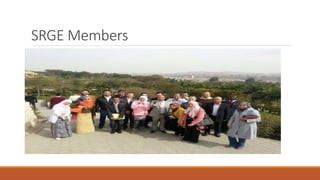
SRGE Members
Introduction
 With century changes in the age structure of population, there is
increase in the number of elderly people and decreased trend of
their morality rates trend, which is considered as a natural result of
reducing of diseases spread among the elderly and the efforts of
health care for them.
 The older layer of a heavy economic burden on society need a
special care from their families, and the government on the other hand
because they are considered layer is capable of production, providing
them with health care and social security.
Introduction
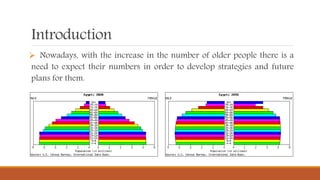
 Nowadays, with the increase in the number of older people there is a
need to expect their numbers in order to develop strategies and future
plans for them.
Introduction
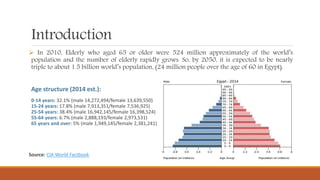
 In 2010, Elderly who aged 65 or older were 524 million approximately of the world’s
population and the number of elderly rapidly grows. So, by 2050, it is expected to be nearly
triple to about 1.5 billion world’s population, (24 million people over the age of 60 in Egypt).
Age structure (2014 est.):
0-14 years: 32.1% (male 14,272,494/female 13,639,550)
15-24 years: 17.8% (male 7,913,351/female 7,536,925)
25-54 years: 38.4% (male 16,942,145/female 16,398,524)
55-64 years: 6.7% (male 2,888,193/female 2,973,531)
65 years and over: 5% (male 1,949,145/female 2,381,241)
Source: CIA World Factbook
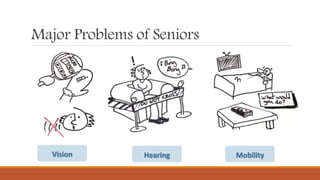
Vision Hearing Mobility
Major Problems of Seniors
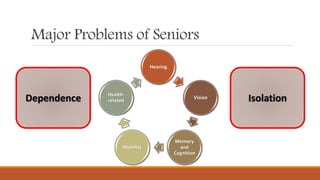
Hearing
Vision
Memory
and
Cognition
Mobility
Health-
related
Major Problems of Seniors
Dependence Isolation
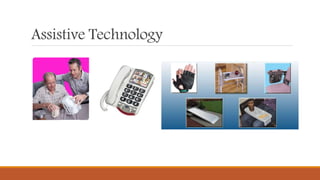
Assistive Technology
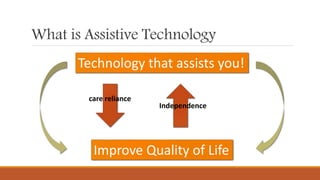
What is Assistive Technology
Technology that assists you!
Improve Quality of Life
care reliance
Independence
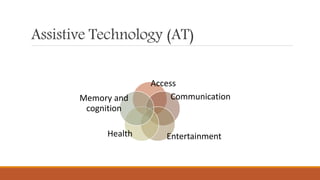
Assistive Technology (AT)
Access
Communication
EntertainmentHealth
Memory and
cognition
Smart Homes
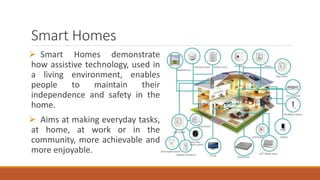
 Smart Homes demonstrate
how assistive technology, used in
a living environment, enables
people to maintain their
independence and safety in the
home.
 Aims at making everyday tasks,
at home, at work or in the
community, more achievable and
more enjoyable.
Smart Homes for Seniors
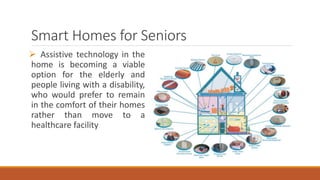
 Assistive technology in the
home is becoming a viable
option for the elderly and
people living with a disability,
who would prefer to remain
in the comfort of their homes
rather than move to a
healthcare facility
WeMo Home Automation System
- by Belkin
Source: http://www.belkin.com/wemo/
Augmented Reality
Gamification
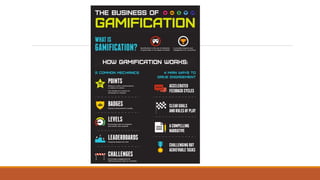
 The application of game elements a in non-gaming context offers a great potential regarding
the engagement of senior citizens with information systems.
 Usage  physical and cognitive therapy
 The gamification of real-life activities which are no longer accessible due to age-related
changes and the application of game design elements to foster social interaction.
 Includes the idea of motivating users to participate in physical or cognitive therapy by
providing game-like experiences which resemble leisure activities and foster the user’s
engagement and long-term motivation
 Offering achievements and high-score lists may encourage elderly persons to compete with
peers. On the other hand, data provided by these applications may be used by medical or
nursing staff in order to monitor and analyze the user’s performance.
Dementia
 People living with Dementia may experience memory loss, disorientation, a
reduced interest in hobbies and the need for personal care.
 Using aids and equipment (otherwise known as assistive technology) in the
early stages will help in enabling independence and safety, and offer peace of
mind for family and care givers.
Alzheimer’s
Dementia
http://www.lumosity.com/ [online application]
http://www.fitbrains.com/ [online application]
Dementia
[iOS Apps.]
https://itunes.apple.com/us/app/cognifit-brain-
fitness/id528285610?mt=8 [CogniFit Brain Fitness]
https://itunes.apple.com/us/app/personal-
zen/id689013447?mt=8 [Personal Zen]
Dementia
[Android Apps.]
https://play.google.com/store/apps/details?id=brain.trainer
[Brain Trainer Special]
https://play.google.com/store/apps/details?id=t2.paj [Positive
Activity Jackpot]
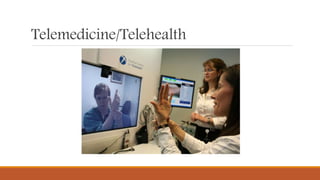
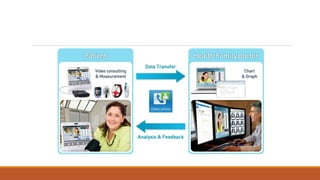
Telemedicine/Telehealth
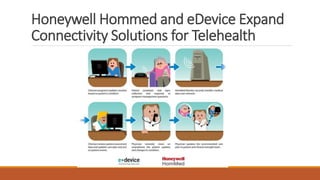
Honeywell Hommed and eDevice Expand
Connectivity Solutions for Telehealth
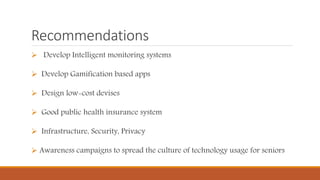
Recommendations
 Develop Intelligent monitoring systems
 Develop Gamification based apps
 Design low-cost devises
 Good public health insurance system
 Infrastructure, Security, Privacy
 Awareness campaigns to spread the culture of technology usage for seniors
Scientific
Research Group
in Egypt
Thank you so much for
your attention
Any Questions??

Intelligent assistive technologies for seniors

  • 1.
    Intelligent Assistive Technologiesfor Seniors Dr Nashwa Elbendary Zewail City workshop on Intelligent Systems and application On Saturday 7 March 2015
  • 2.
  • 3.
    Introduction  With centurychanges in the age structure of population, there is increase in the number of elderly people and decreased trend of their morality rates trend, which is considered as a natural result of reducing of diseases spread among the elderly and the efforts of health care for them.  The older layer of a heavy economic burden on society need a special care from their families, and the government on the other hand because they are considered layer is capable of production, providing them with health care and social security.
  • 4.
    Introduction  Nowadays, withthe increase in the number of older people there is a need to expect their numbers in order to develop strategies and future plans for them.
  • 5.
    Introduction  In 2010,Elderly who aged 65 or older were 524 million approximately of the world’s population and the number of elderly rapidly grows. So, by 2050, it is expected to be nearly triple to about 1.5 billion world’s population, (24 million people over the age of 60 in Egypt). Age structure (2014 est.): 0-14 years: 32.1% (male 14,272,494/female 13,639,550) 15-24 years: 17.8% (male 7,913,351/female 7,536,925) 25-54 years: 38.4% (male 16,942,145/female 16,398,524) 55-64 years: 6.7% (male 2,888,193/female 2,973,531) 65 years and over: 5% (male 1,949,145/female 2,381,241) Source: CIA World Factbook
  • 6.
    Vision Hearing Mobility MajorProblems of Seniors
  • 7.
  • 8.
  • 9.
    What is AssistiveTechnology Technology that assists you! Improve Quality of Life care reliance Independence
  • 10.
  • 13.
    Smart Homes  SmartHomes demonstrate how assistive technology, used in a living environment, enables people to maintain their independence and safety in the home.  Aims at making everyday tasks, at home, at work or in the community, more achievable and more enjoyable.
  • 14.
    Smart Homes forSeniors  Assistive technology in the home is becoming a viable option for the elderly and people living with a disability, who would prefer to remain in the comfort of their homes rather than move to a healthcare facility
  • 15.
    WeMo Home AutomationSystem - by Belkin Source: http://www.belkin.com/wemo/
  • 16.
  • 17.
    Gamification  The applicationof game elements a in non-gaming context offers a great potential regarding the engagement of senior citizens with information systems.  Usage  physical and cognitive therapy  The gamification of real-life activities which are no longer accessible due to age-related changes and the application of game design elements to foster social interaction.  Includes the idea of motivating users to participate in physical or cognitive therapy by providing game-like experiences which resemble leisure activities and foster the user’s engagement and long-term motivation  Offering achievements and high-score lists may encourage elderly persons to compete with peers. On the other hand, data provided by these applications may be used by medical or nursing staff in order to monitor and analyze the user’s performance.
  • 19.
    Dementia  People livingwith Dementia may experience memory loss, disorientation, a reduced interest in hobbies and the need for personal care.  Using aids and equipment (otherwise known as assistive technology) in the early stages will help in enabling independence and safety, and offer peace of mind for family and care givers. Alzheimer’s
  • 20.
  • 21.
    Dementia [iOS Apps.] https://itunes.apple.com/us/app/cognifit-brain- fitness/id528285610?mt=8 [CogniFitBrain Fitness] https://itunes.apple.com/us/app/personal- zen/id689013447?mt=8 [Personal Zen]
  • 22.
    Dementia [Android Apps.] https://play.google.com/store/apps/details?id=brain.trainer [Brain TrainerSpecial] https://play.google.com/store/apps/details?id=t2.paj [Positive Activity Jackpot]
  • 23.
  • 24.
  • 25.
    Honeywell Hommed andeDevice Expand Connectivity Solutions for Telehealth
  • 27.
    Recommendations  Develop Intelligentmonitoring systems  Develop Gamification based apps  Design low-cost devises  Good public health insurance system  Infrastructure, Security, Privacy  Awareness campaigns to spread the culture of technology usage for seniors
  • 28.
    Scientific Research Group in Egypt Thankyou so much for your attention Any Questions??