INST 201, WEEK 1
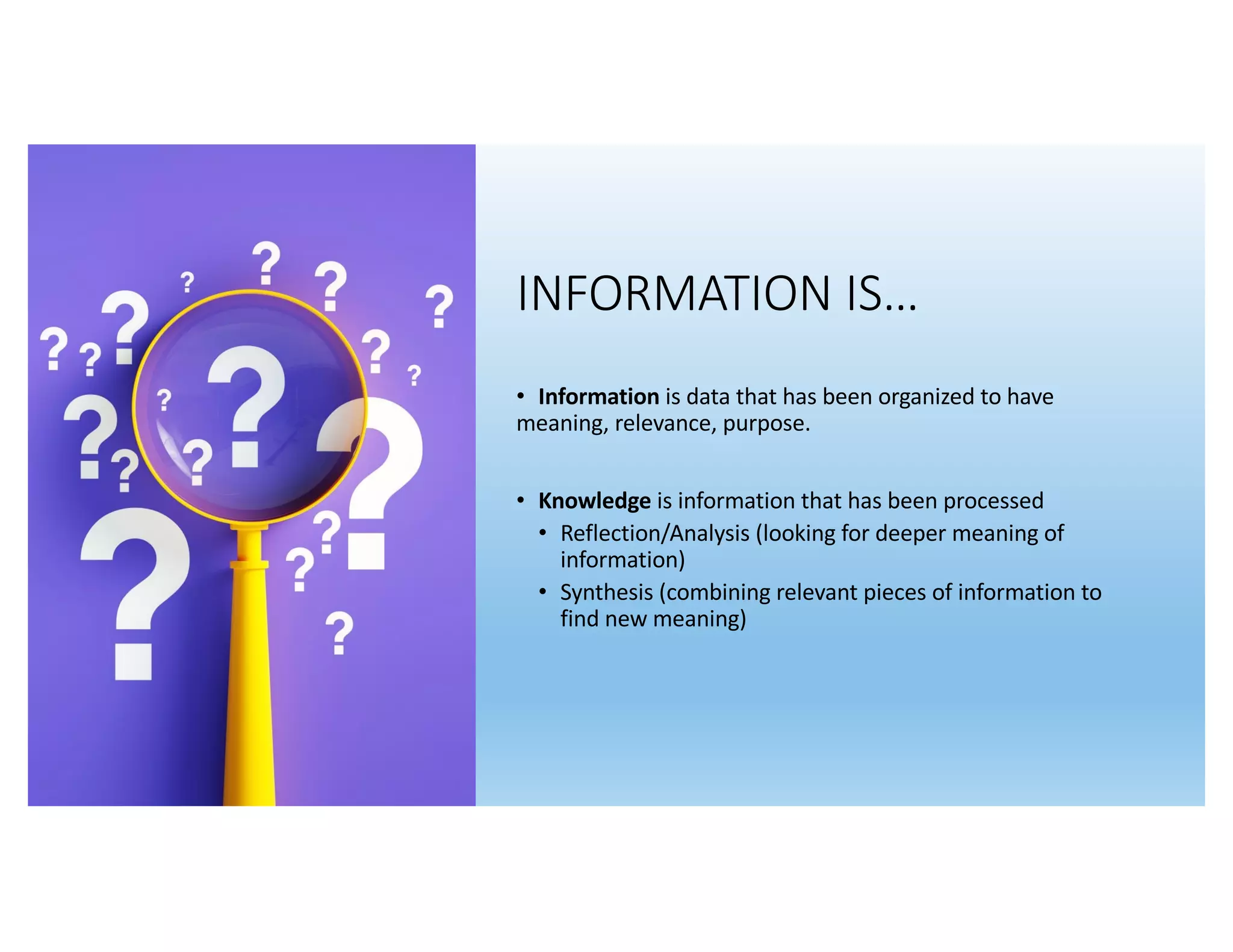
INFORMATION IS…
and Franklin’s Real World of Technology
WEEK 1 TO DO
•Read Ursula Franklin’s ‘The
Real World of Technology’,
Chapter 1
•Read Lester-Kohler
•Reach out and introduce
yourself to someone on the
instructional team!
Objectives
Define information, symbols, data, knowledge, and wisdom
Describe some of the key characteristics of information
Recognize good information and bad information in context
3
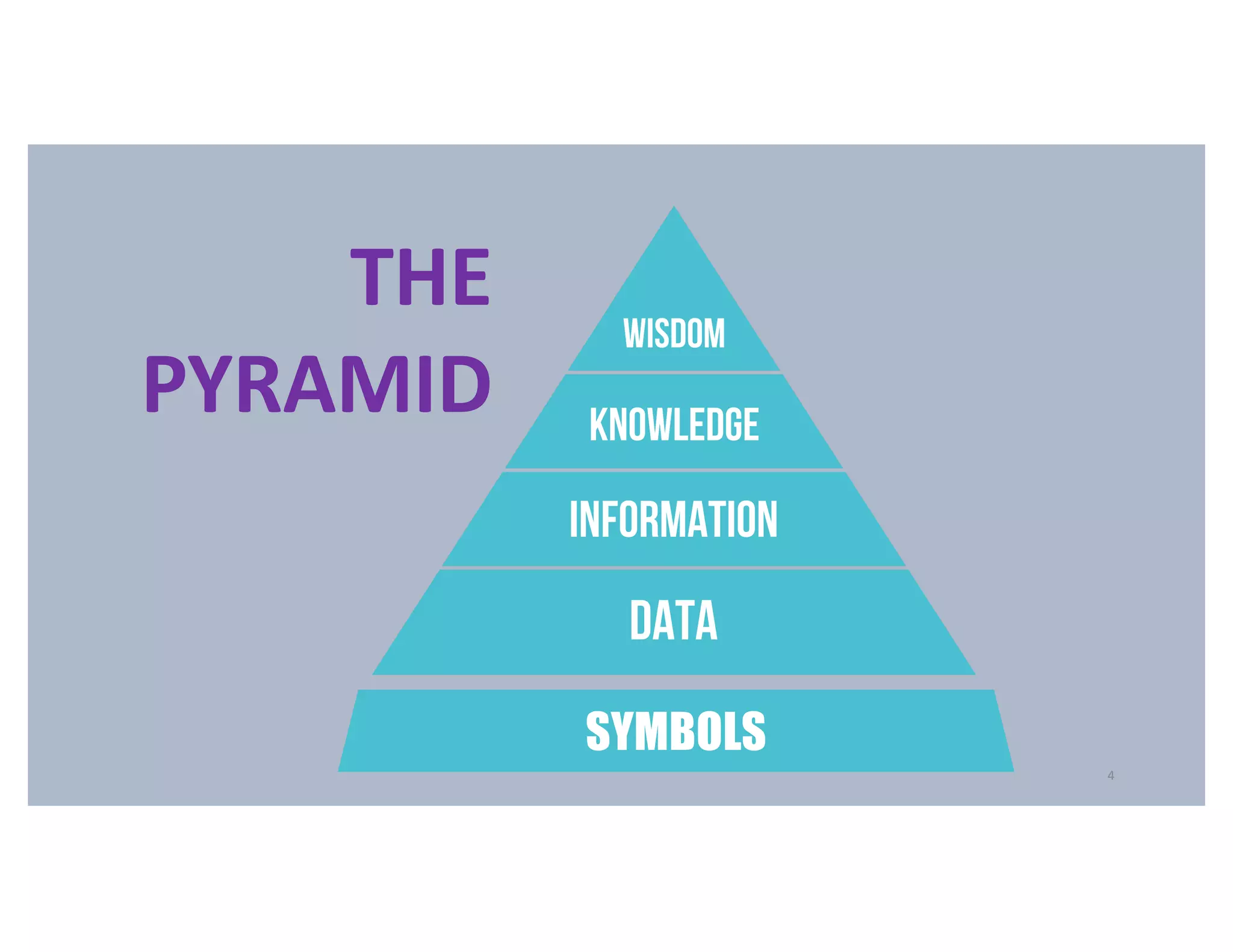
4
THE
PYRAMID
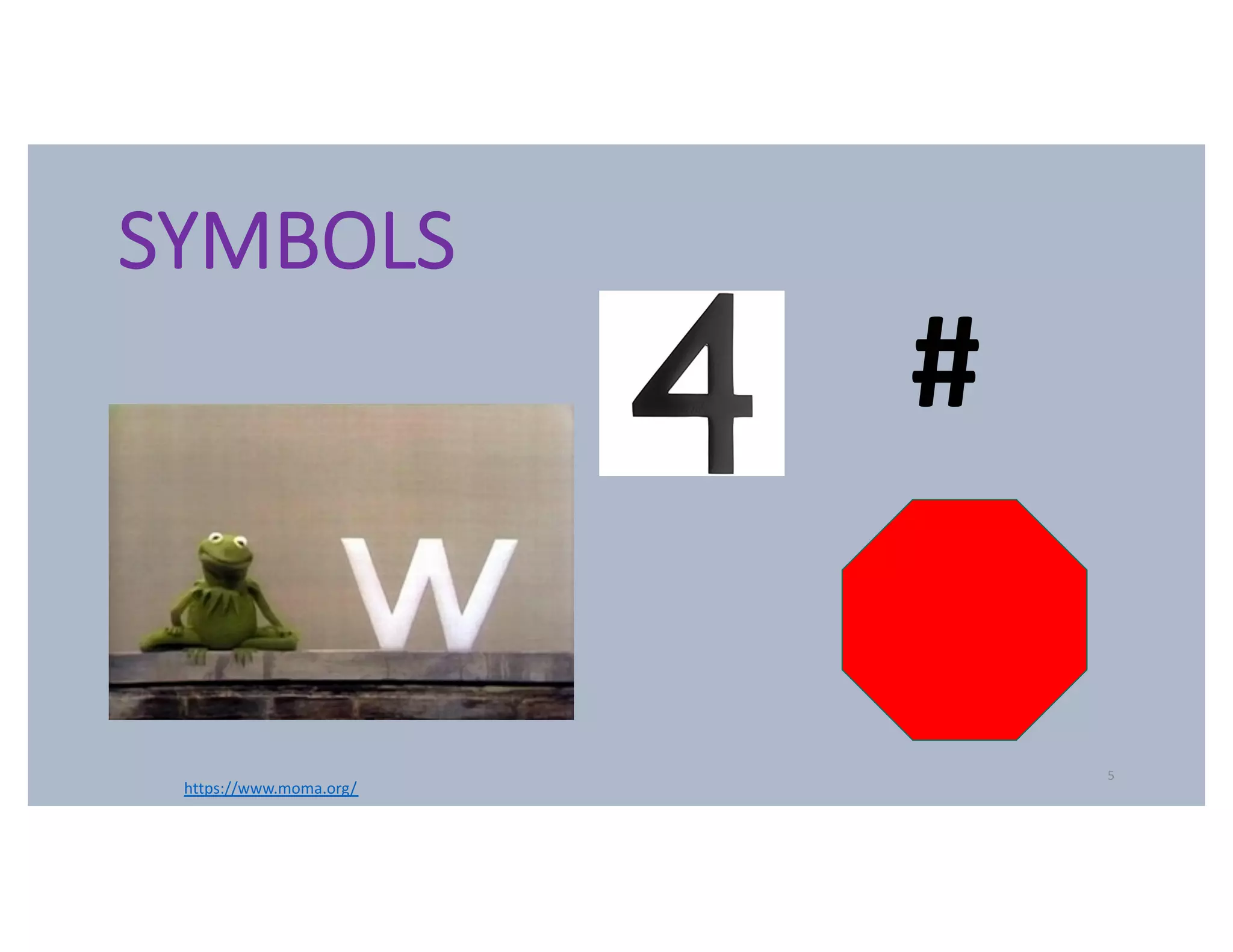
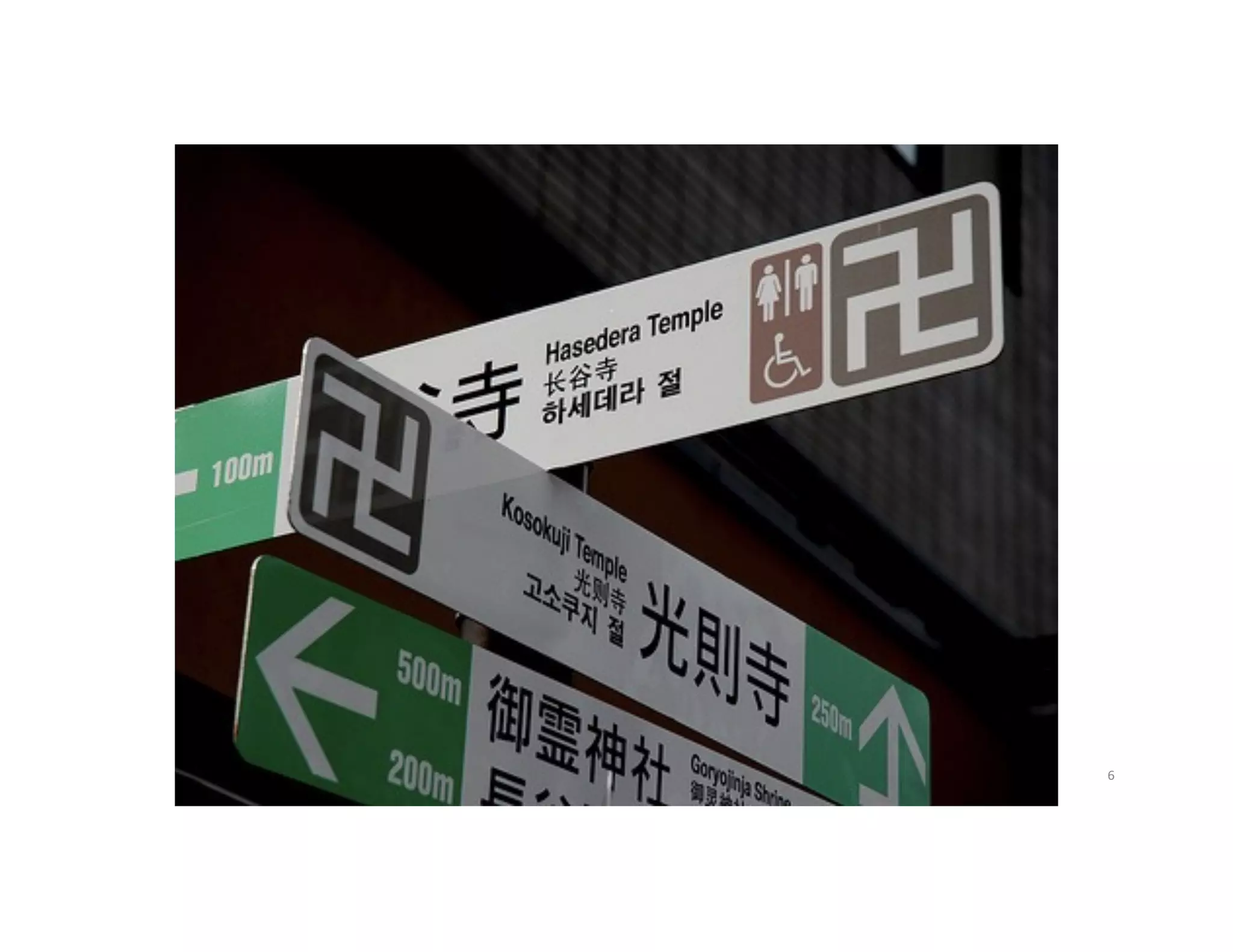
SYMBOLS
SYMBOLS
5
https://www.moma.org/
#
6
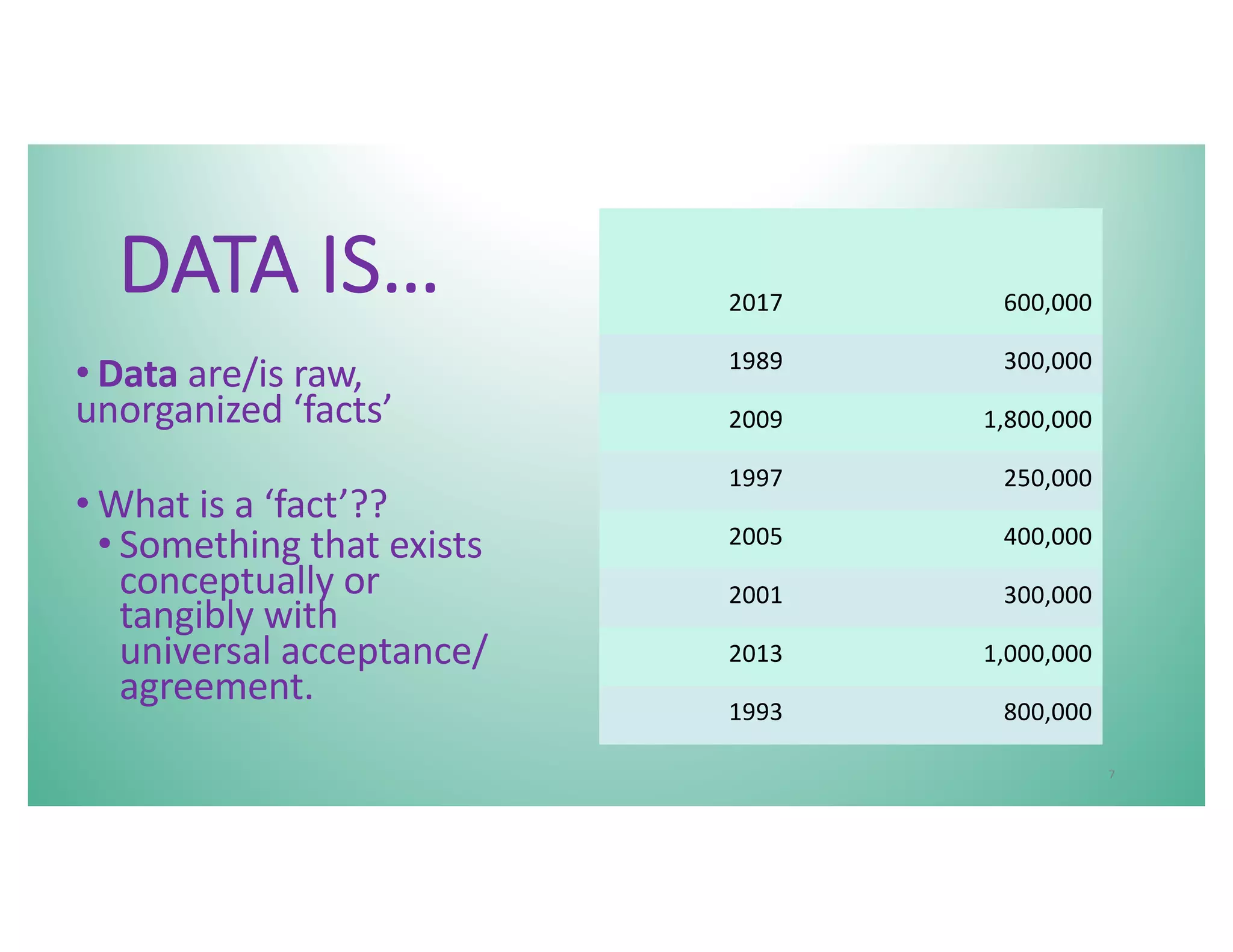
DATA IS…
• Data are/is raw,
unorganized ‘facts’
• What is a ‘fact’??
• Something that exists
conceptually or
tangibly with
universal acceptance/
agreement.
7
2017 600,000
1989 300,000
2009 1,800,000
1997 250,000
2005 400,000
2001 300,000
2013 1,000,000
1993 800,000
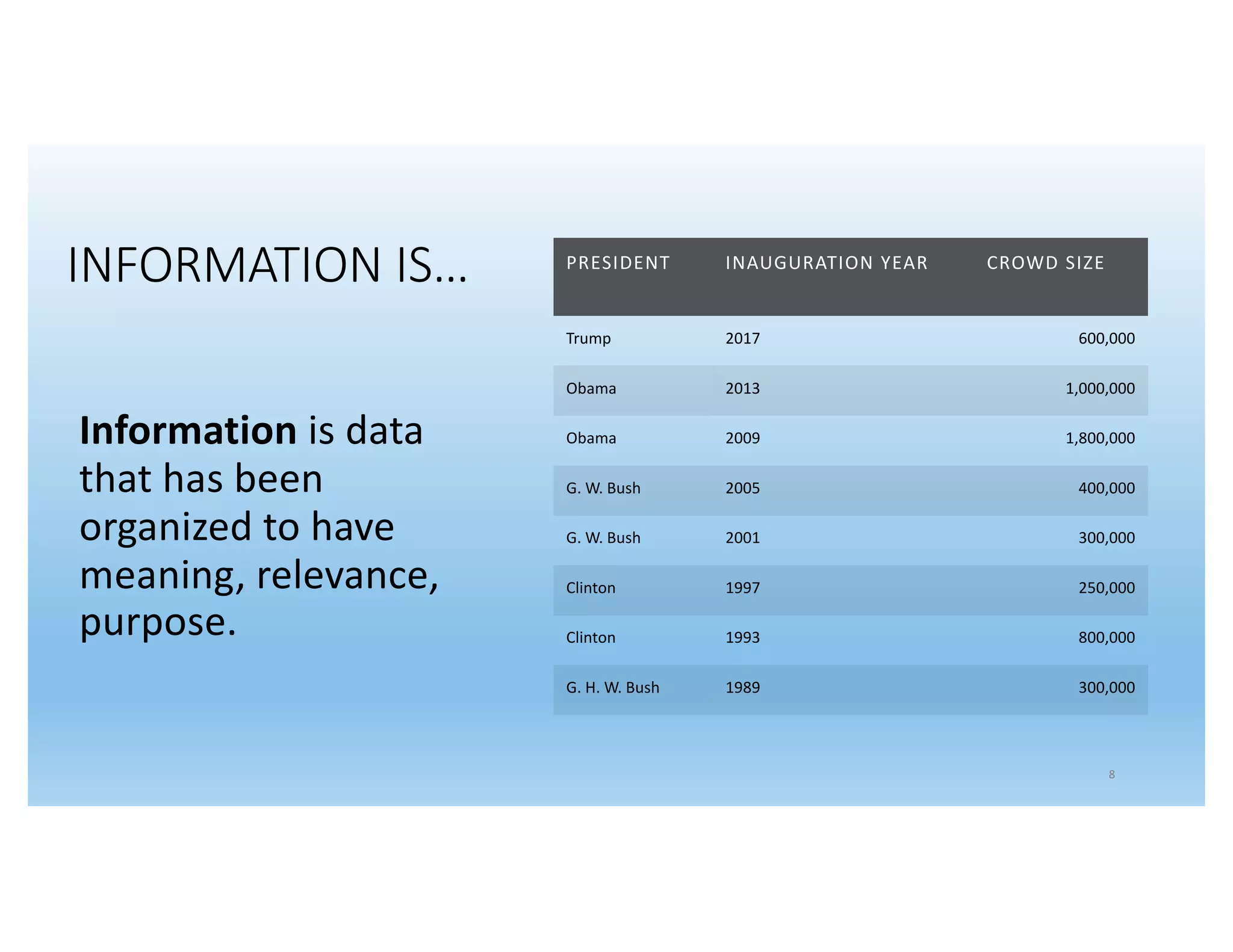
INFORMATION IS…
Information is data
that has been
organized to have
meaning, relevance,
purpose.
8
PRESIDENT INAUGURATION YEAR CROWD SIZE
Trump 2017 600,000
Obama 2013 1,000,000
Obama 2009 1,800,000
G. W. Bush 2005 400,000
G. W. Bush 2001 300,000
Clinton 1997 250,000
Clinton 1993 800,000
G. H. W. Bush 1989 300,000
INFORMATION IS…
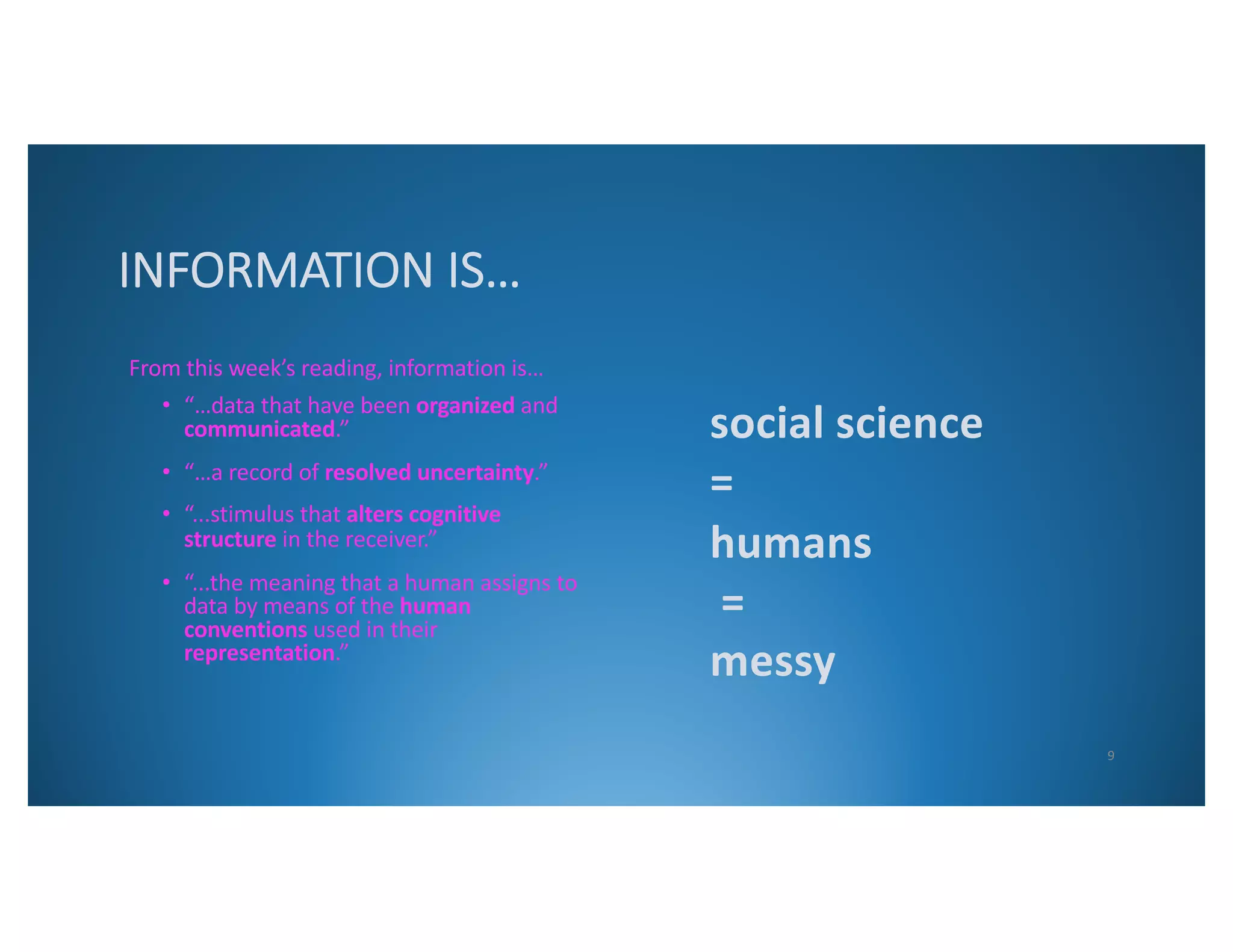
From this week’s reading, information is…
• “…data that have been organized and
communicated.”
• “…a record of resolved uncertainty.”
• “...stimulus that alters cognitive
structure in the receiver.”
• “...the meaning that a human assigns to
data by means of the human
conventions used in their
representation.”
social science
=
humans
=
messy
9
INFORMATION IS…
• Information is data that has been organized to have
meaning, relevance, purpose.
• Knowledge is information that has been processed
• Reflection/Analysis (looking for deeper meaning of
information)
• Synthesis (combining relevant pieces of information to
find new meaning)
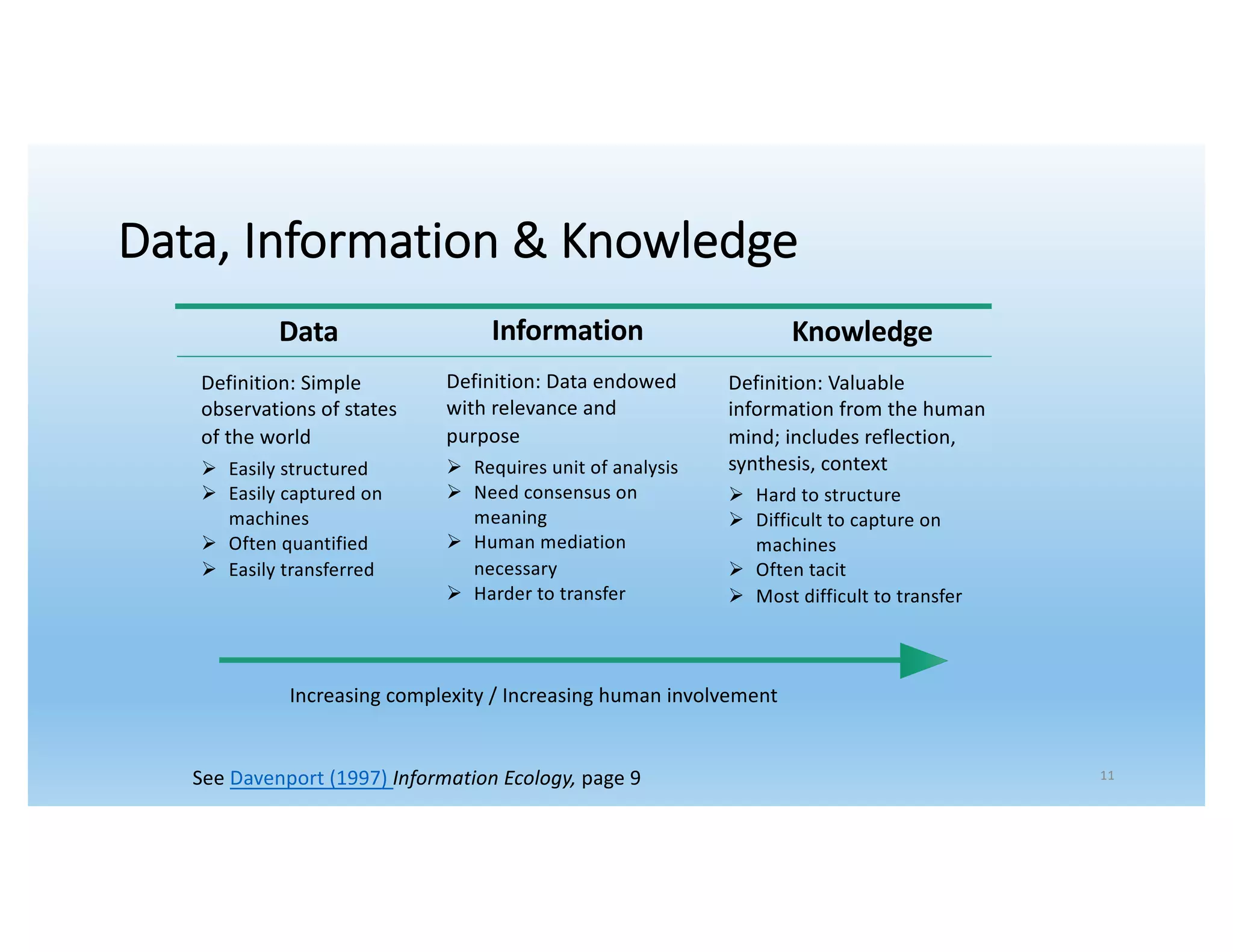
Knowledge
Definition: Valuable
information from the human
mind; includes reflection,
synthesis, context
! Hard to structure
! Difficult to capture on
machines
! Often tacit
! Most difficult to transfer
Information
Definition: Data endowed
with relevance and
purpose
! Requires unit of analysis
! Need consensus on
meaning
! Human mediation
necessary
! Harder to transfer
Data, Information & Knowledge
11
See Davenport (1997) Information Ecology, page 9
Data
Definition: Simple
observations of states
of the world
! Easily structured
! Easily captured on
machines
! Often quantified
! Easily transferred
Increasing complexity / Increasing human involvement
CHARACTERISTICS OF
INFORMATION
12
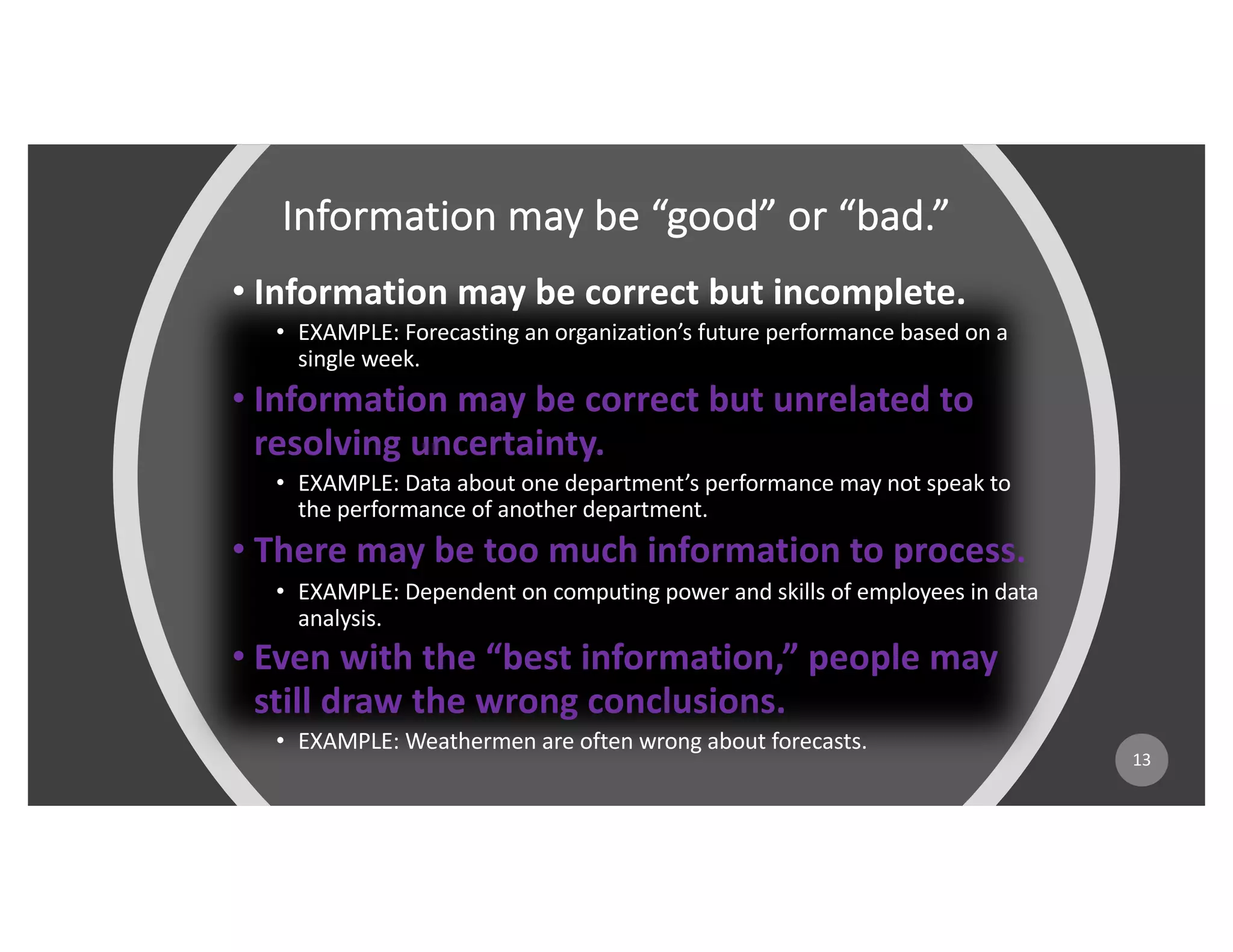
Information may be “good” or “bad.”
• Information may be correct but incomplete.
• EXAMPLE: Forecasting an organization’s future performance based on a
single week.
• Information may be correct but unrelated to
resolving uncertainty.
• EXAMPLE: Data about one department’s performance may not speak to
the performance of another department.
• There may be too much information to process.
• EXAMPLE: Dependent on computing power and skills of employees in data
analysis.
• Even with the “best information,” people may
still draw the wrong conclusions.
• EXAMPLE: Weathermen are often wrong about forecasts.
13
INFORMATION IS
SITUATIONAL
• Information that is important today
may not be important tomorrow
• Information that is important to you
may not be important to someone
else
• Determining whether something
qualifies as information requires
some degree of consensus
• Consensus can change
over time
INFORMATION IS ‘THINGS’
Information is both organized data AND the vessel that contains the information. This includes:
Data (e.g., computer records)
Text/Documents
Objects (e.g., books, artifacts in museums)
Events It can be important to differentiate between information and its
container or “information artifact.”
15
INFORMATION IS A
PROCESS
• Information as a verb: “the act of informing”
• At its most basic, the process looks like this:
• Source " Channel " Destination
16
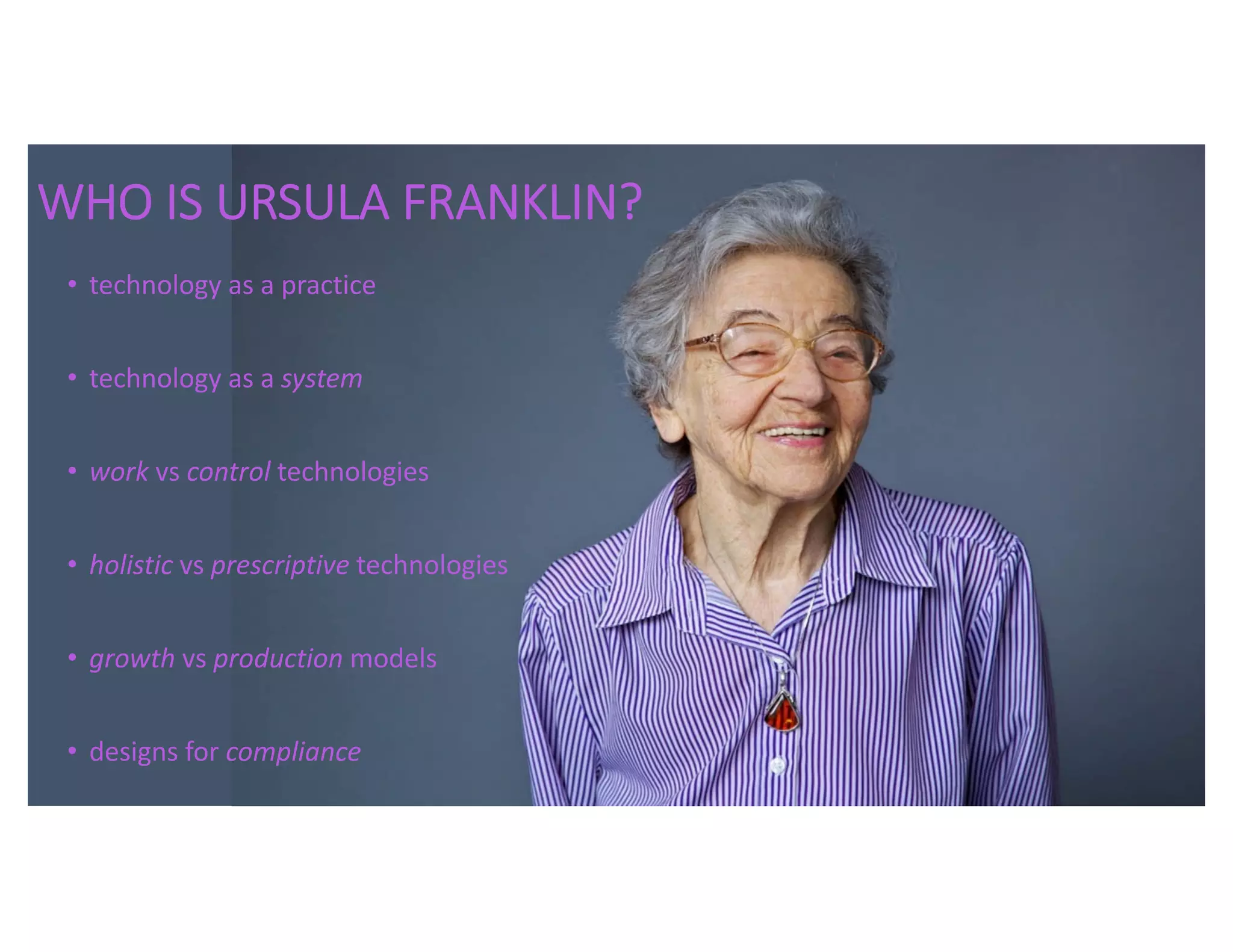
WHO IS URSULA FRANKLIN?
• technology as a practice
• technology as a system
• work vs control technologies
• holistic vs prescriptive technologies
• growth vs production models
• designs for compliance
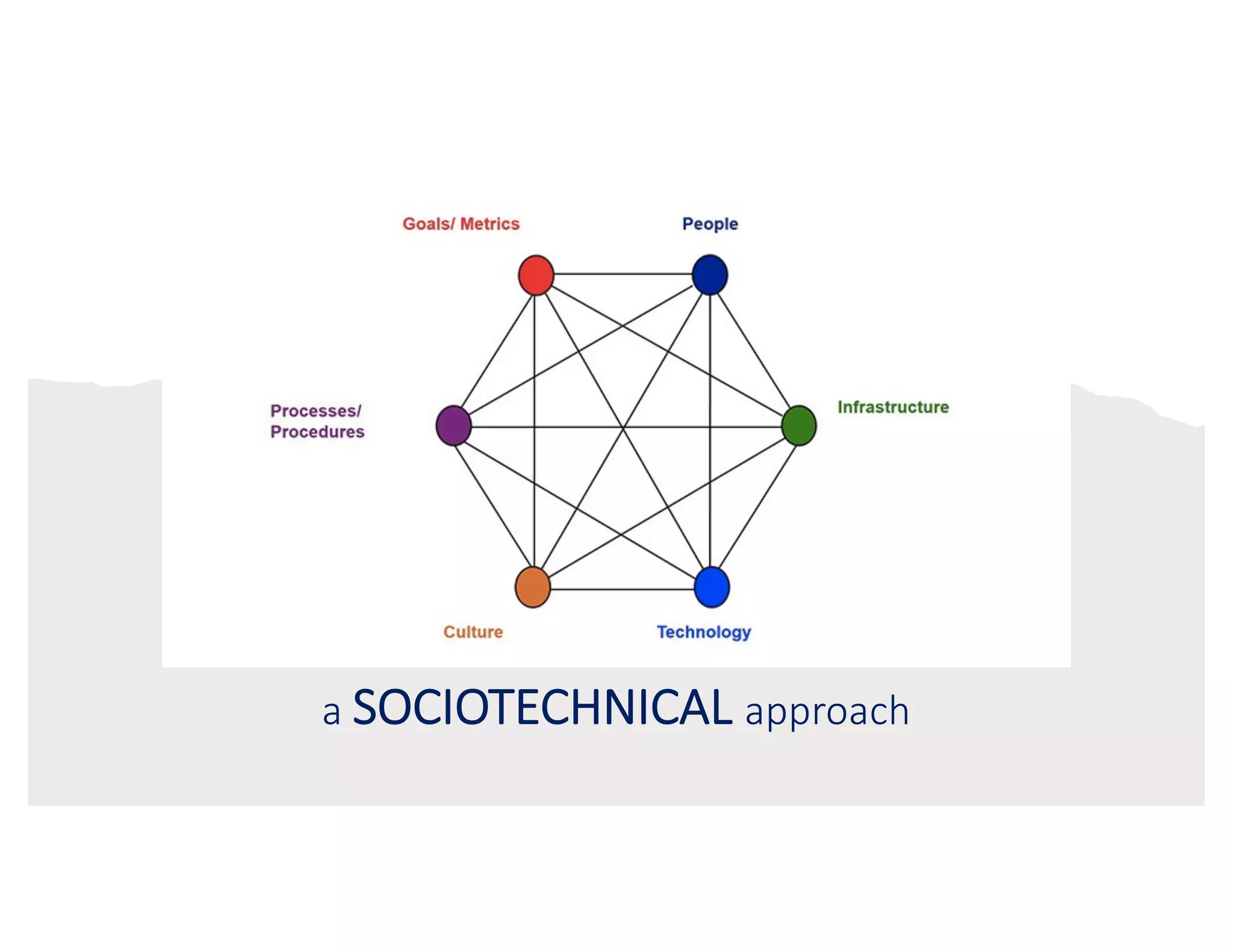
a SOCIOTECHNICAL approach
TECHNOLOGY AS A PRACTICE
Technology as a culturally specific and embedded practice
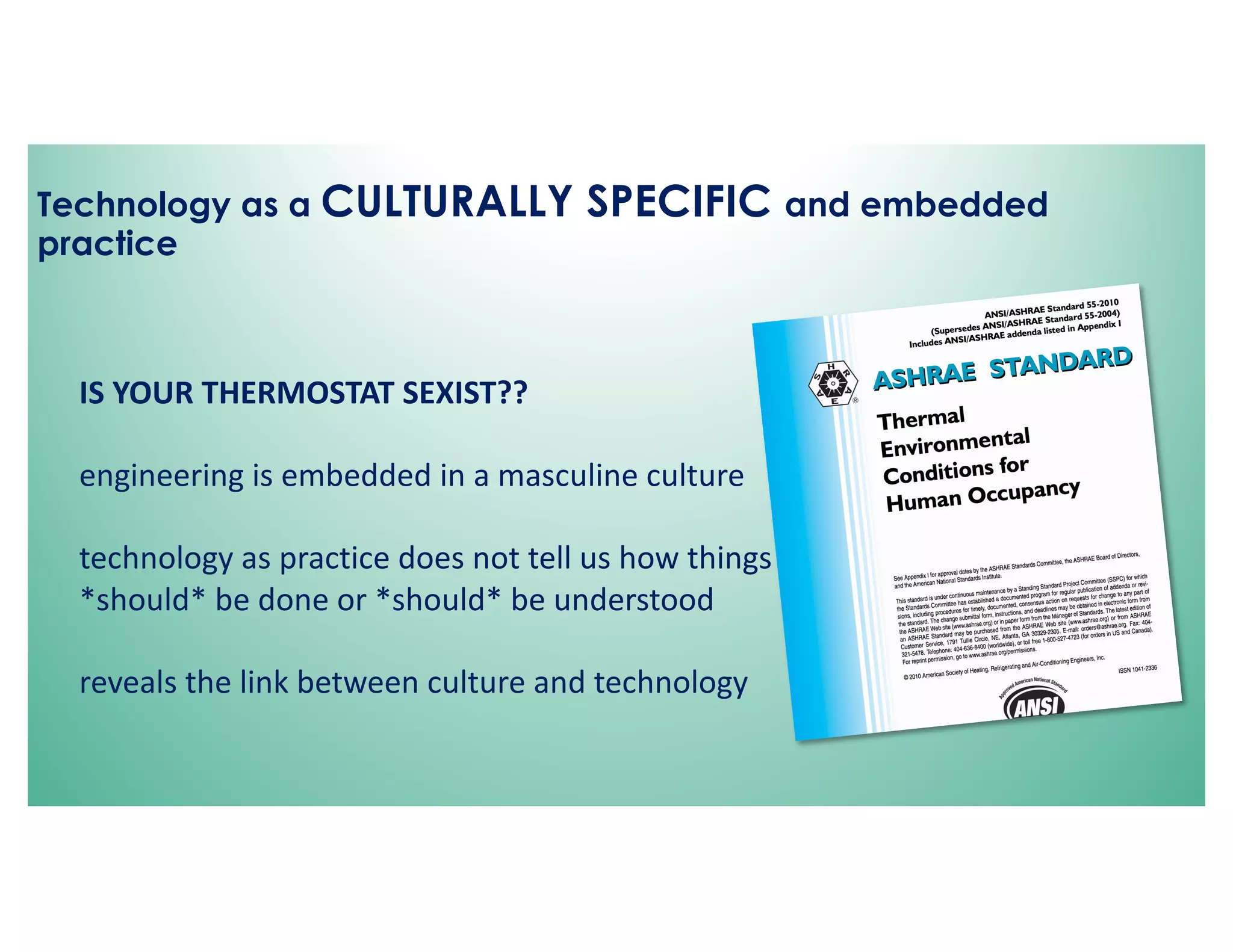
Technology as a CULTURALLY SPECIFIC and embedded
practice
IS YOUR THERMOSTAT SEXIST??
engineering is embedded in a masculine culture
technology as practice does not tell us how things
*should* be done or *should* be understood
reveals the link between culture and technology
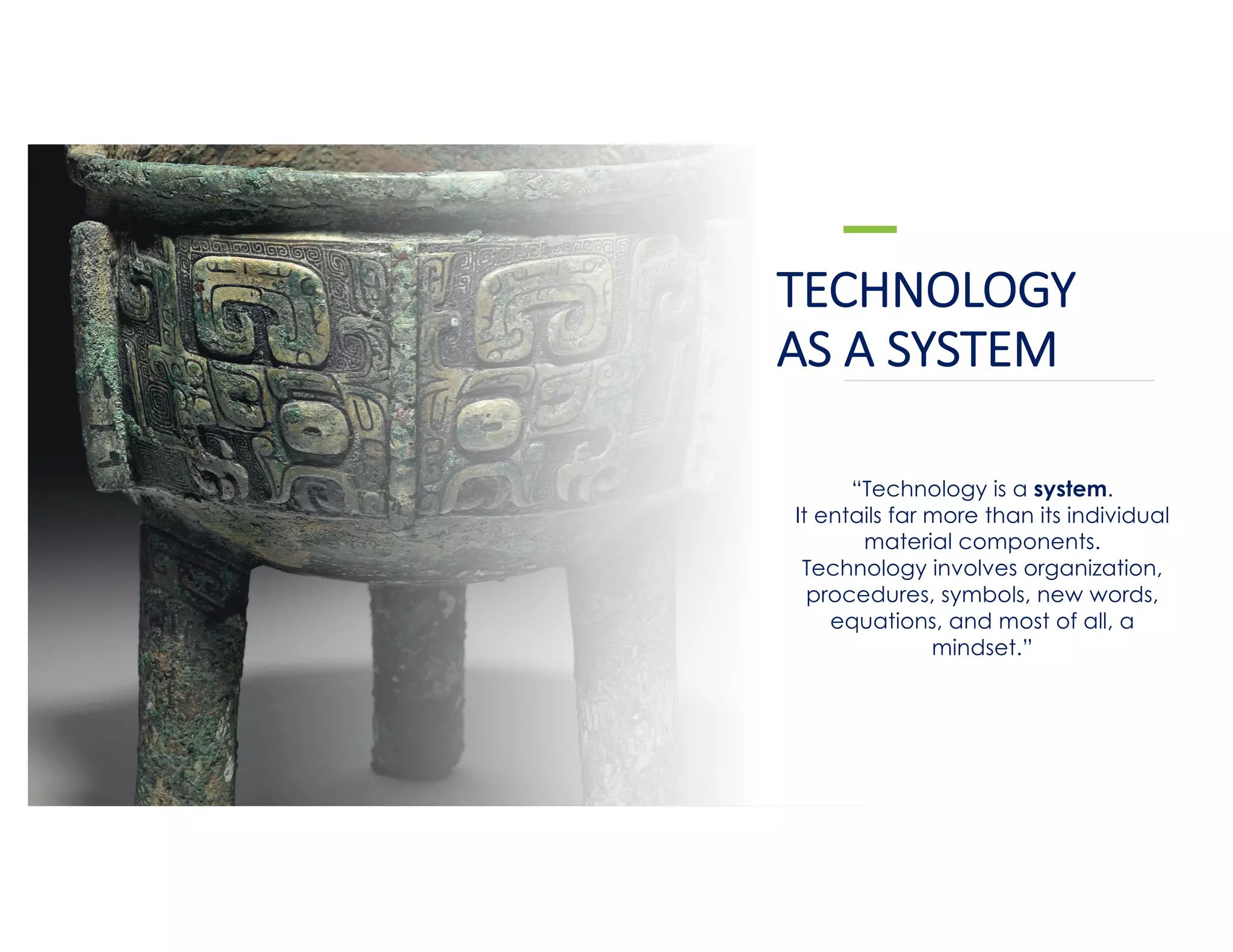
TECHNOLOGY
AS A SYSTEM
“Technology is a system.
It entails far more than its individual
material components.
Technology involves organization,
procedures, symbols, new words,
equations, and most of all, a
mindset.”
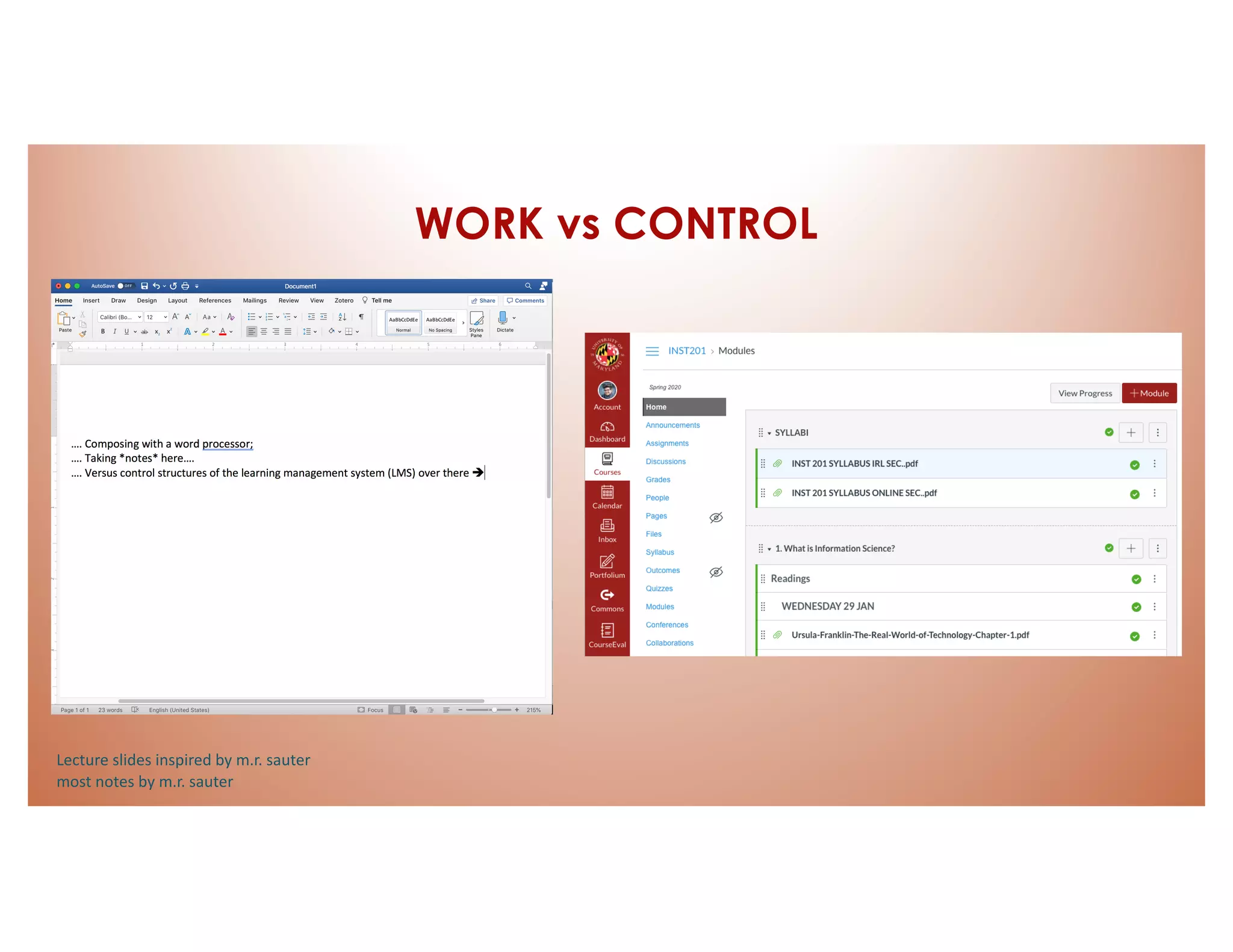
WORK vs CONTROL
Lecture slides inspired by m.r. sauter
most notes by m.r. sauter
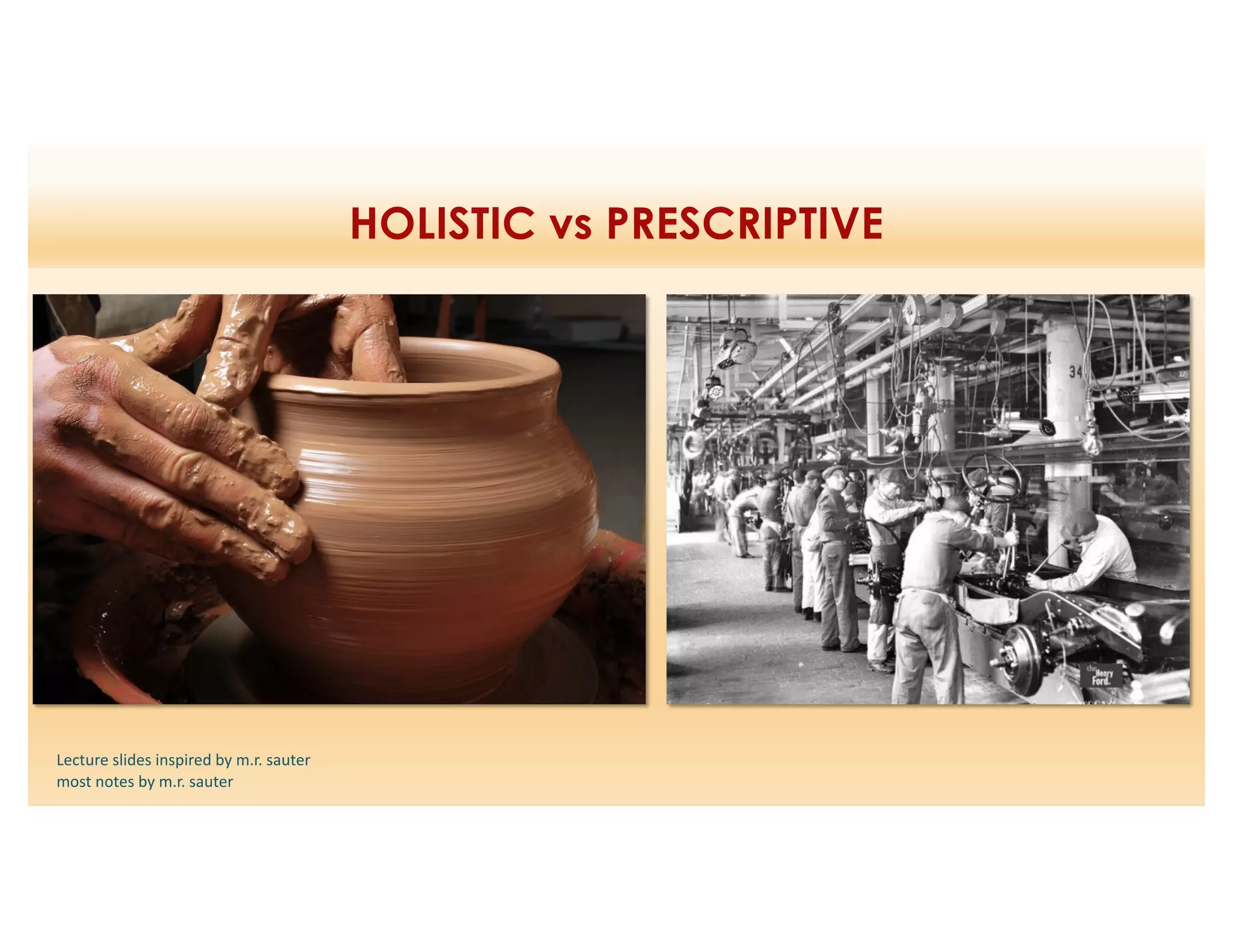
HOLISTIC vs PRESCRIPTIVE
Lecture slides inspired by m.r. sauter
most notes by m.r. sauter
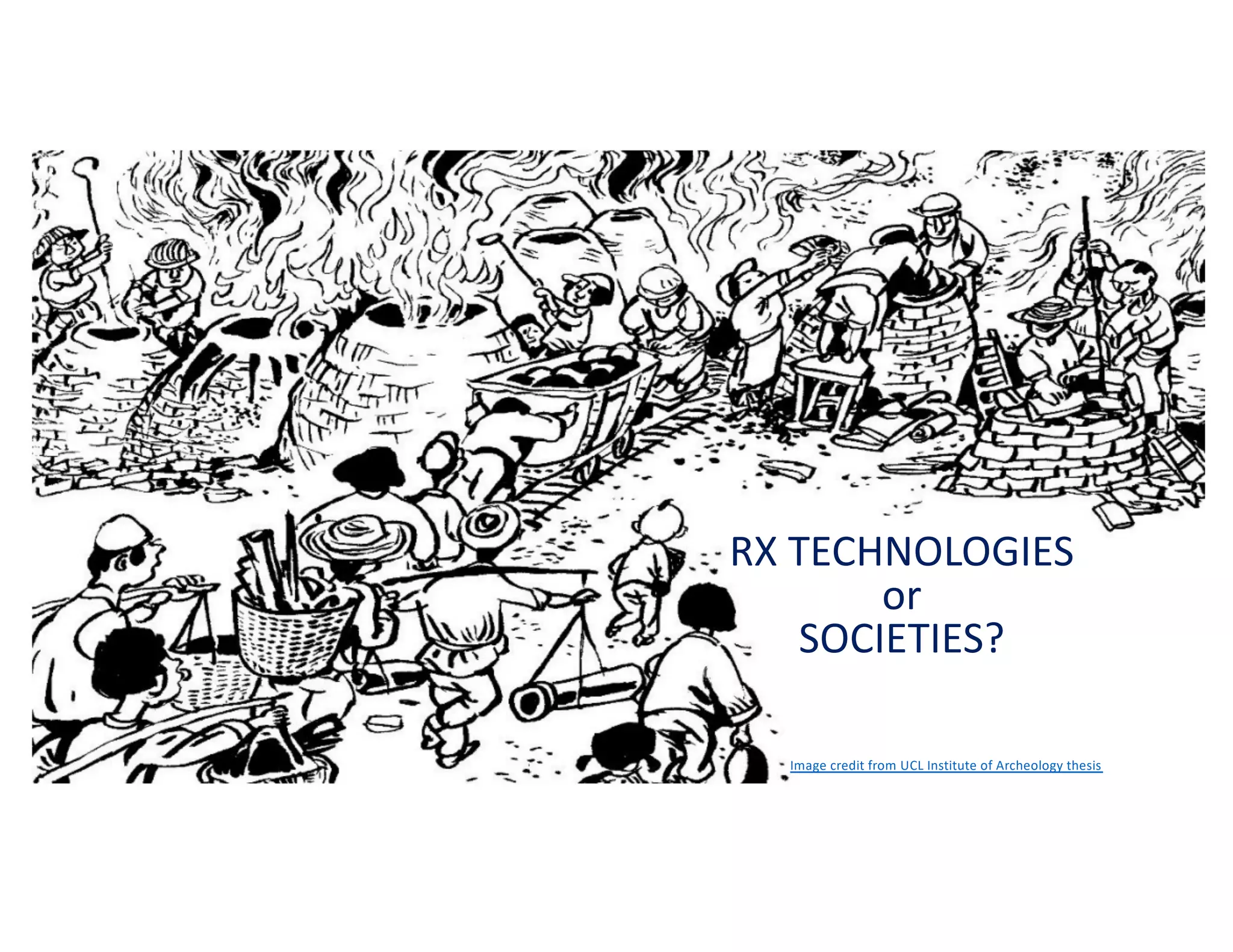
RX TECHNOLOGIES
or
SOCIETIES?
Image credit from UCL Institute of Archeology thesis
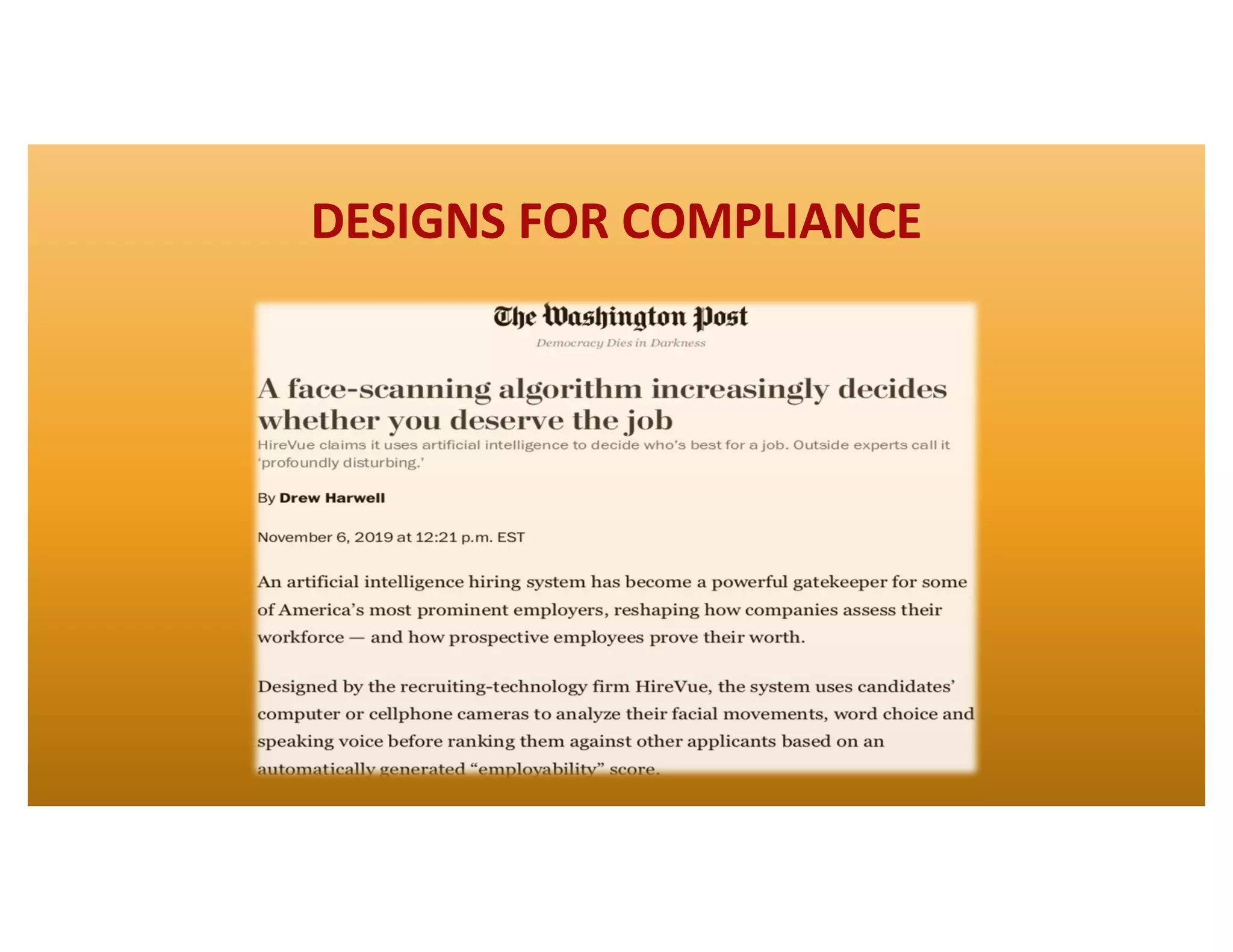
DESIGNS FOR COMPLIANCE
Create “Culture of compliance”

INST201_SP23_Week1_InfoIs.pdf

  • 1.
    INST 201, WEEK1 INFORMATION IS… and Franklin’s Real World of Technology
  • 2.
    WEEK 1 TODO •Read Ursula Franklin’s ‘The Real World of Technology’, Chapter 1 •Read Lester-Kohler •Reach out and introduce yourself to someone on the instructional team!
  • 3.
    Objectives Define information, symbols,data, knowledge, and wisdom Describe some of the key characteristics of information Recognize good information and bad information in context 3
  • 4.
  • 5.
  • 6.
  • 7.
    DATA IS… • Dataare/is raw, unorganized ‘facts’ • What is a ‘fact’?? • Something that exists conceptually or tangibly with universal acceptance/ agreement. 7 2017 600,000 1989 300,000 2009 1,800,000 1997 250,000 2005 400,000 2001 300,000 2013 1,000,000 1993 800,000
  • 8.
    INFORMATION IS… Information isdata that has been organized to have meaning, relevance, purpose. 8 PRESIDENT INAUGURATION YEAR CROWD SIZE Trump 2017 600,000 Obama 2013 1,000,000 Obama 2009 1,800,000 G. W. Bush 2005 400,000 G. W. Bush 2001 300,000 Clinton 1997 250,000 Clinton 1993 800,000 G. H. W. Bush 1989 300,000
  • 9.
    INFORMATION IS… From thisweek’s reading, information is… • “…data that have been organized and communicated.” • “…a record of resolved uncertainty.” • “...stimulus that alters cognitive structure in the receiver.” • “...the meaning that a human assigns to data by means of the human conventions used in their representation.” social science = humans = messy 9
  • 10.
    INFORMATION IS… • Informationis data that has been organized to have meaning, relevance, purpose. • Knowledge is information that has been processed • Reflection/Analysis (looking for deeper meaning of information) • Synthesis (combining relevant pieces of information to find new meaning)
  • 11.
    Knowledge Definition: Valuable information fromthe human mind; includes reflection, synthesis, context ! Hard to structure ! Difficult to capture on machines ! Often tacit ! Most difficult to transfer Information Definition: Data endowed with relevance and purpose ! Requires unit of analysis ! Need consensus on meaning ! Human mediation necessary ! Harder to transfer Data, Information & Knowledge 11 See Davenport (1997) Information Ecology, page 9 Data Definition: Simple observations of states of the world ! Easily structured ! Easily captured on machines ! Often quantified ! Easily transferred Increasing complexity / Increasing human involvement
  • 12.
  • 13.
    Information may be“good” or “bad.” • Information may be correct but incomplete. • EXAMPLE: Forecasting an organization’s future performance based on a single week. • Information may be correct but unrelated to resolving uncertainty. • EXAMPLE: Data about one department’s performance may not speak to the performance of another department. • There may be too much information to process. • EXAMPLE: Dependent on computing power and skills of employees in data analysis. • Even with the “best information,” people may still draw the wrong conclusions. • EXAMPLE: Weathermen are often wrong about forecasts. 13
  • 14.
    INFORMATION IS SITUATIONAL • Informationthat is important today may not be important tomorrow • Information that is important to you may not be important to someone else • Determining whether something qualifies as information requires some degree of consensus • Consensus can change over time
  • 15.
    INFORMATION IS ‘THINGS’ Informationis both organized data AND the vessel that contains the information. This includes: Data (e.g., computer records) Text/Documents Objects (e.g., books, artifacts in museums) Events It can be important to differentiate between information and its container or “information artifact.” 15
  • 16.
    INFORMATION IS A PROCESS •Information as a verb: “the act of informing” • At its most basic, the process looks like this: • Source " Channel " Destination 16
  • 17.
    WHO IS URSULAFRANKLIN? • technology as a practice • technology as a system • work vs control technologies • holistic vs prescriptive technologies • growth vs production models • designs for compliance
  • 18.
  • 19.
    TECHNOLOGY AS APRACTICE Technology as a culturally specific and embedded practice
  • 20.
    Technology as aCULTURALLY SPECIFIC and embedded practice IS YOUR THERMOSTAT SEXIST?? engineering is embedded in a masculine culture technology as practice does not tell us how things *should* be done or *should* be understood reveals the link between culture and technology
  • 21.
    TECHNOLOGY AS A SYSTEM “Technologyis a system. It entails far more than its individual material components. Technology involves organization, procedures, symbols, new words, equations, and most of all, a mindset.”
  • 23.
    WORK vs CONTROL Lectureslides inspired by m.r. sauter most notes by m.r. sauter
  • 24.
    HOLISTIC vs PRESCRIPTIVE Lectureslides inspired by m.r. sauter most notes by m.r. sauter
  • 25.
    RX TECHNOLOGIES or SOCIETIES? Image creditfrom UCL Institute of Archeology thesis
  • 26.
  • 27.
    Create “Culture ofcompliance”