JESTER TESTER
Damian Synadinos
Email: dsynadinos@gmail.com
Twitter: @dsynadinos
LinkedIn: http://linkedin.com/in/damiansynadinos/
In person: “Hey, Damian”
What?
Why?
How?
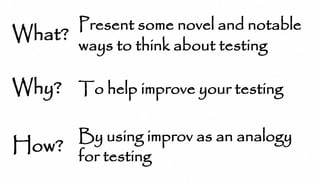
Present some novel and notable
ways to think about testing
To help improve your testing
By using improv as an analogy
for testing
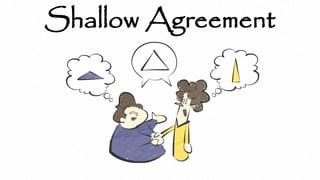
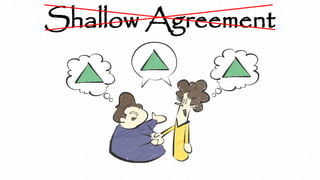
Shallow Agreement
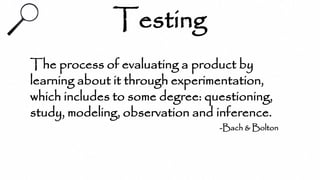
Testing
The process of evaluating a product by
learning about it through experimentation,
which includes to some degree: questioning,
study, modeling, observation and inference.
-Bach & Bolton
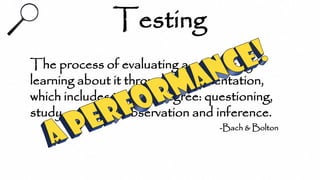
Testing
The process of evaluating a product by
learning about it through experimentation,
which includes to some degree: questioning,
study, modeling, observation and inference.
-Bach & Bolton
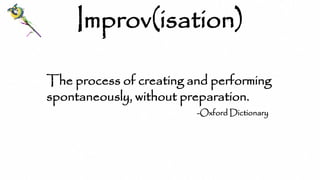
The process of creating and performing
spontaneously, without preparation.
-Oxford Dictionary
Improv(isation)
The process of creating and performing
spontaneously, without preparation.
-Oxford Dictionary
Improv(isation)
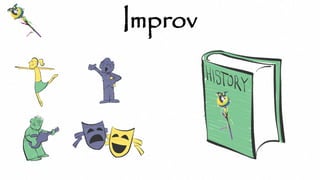
Improv
Shallow Agreement
Improv is the process of creating and performing
spontaneously, without preparation.
“Improvisation is making it up as you go along.”
Improv is the process of creating and performing
spontaneously, without preparation.
“Improvisation is making it up as you go along.”
Testing is the process of evaluating a product
by learning about it through experimentation,
which includes to some degree: questioning,
study, modeling, observation and inference.
“Testing is making it up as you go along.”
Testing is the process of evaluating a product
by learning about it through experimentation,
which includes to some degree: questioning,
study, modeling, observation and inference.
“Testing is making it up as you go along.”
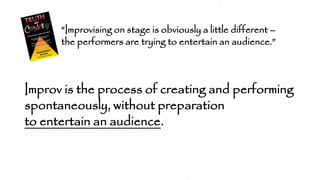
“Improvising on stage is obviously a little different –
the performers are trying to entertain an audience.”
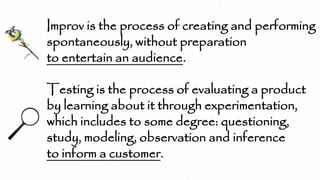
Improv is the process of creating and performing
spontaneously, without preparation
to entertain an audience.
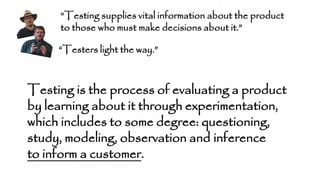
“Testing supplies vital information about the product
to those who must make decisions about it.”
Testing is the process of evaluating a product
by learning about it through experimentation,
which includes to some degree: questioning,
study, modeling, observation and inference
to inform a customer.
“Testers light the way.”
Improv is the process of creating and performing
spontaneously, without preparation
to entertain an audience.
Testing is the process of evaluating a product
by learning about it through experimentation,
which includes to some degree: questioning,
study, modeling, observation and inference
to inform a customer.
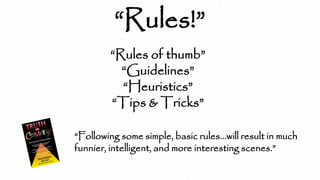
“Rules!”
“Rules of thumb”
“Guidelines”
“Heuristics”
“Tips & Tricks”
“Following some simple, basic rules…will result in much
funnier, intelligent, and more interesting scenes.”
Rules!
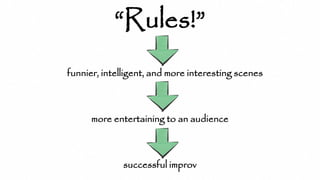
“Rules!”
funnier, intelligent, and more interesting scenes
more entertaining to an audience
successful improv
“Rules!”
successful improv
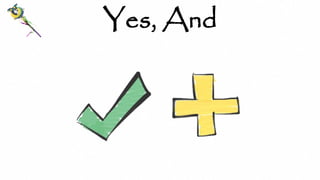
Yes, And
Yes, And
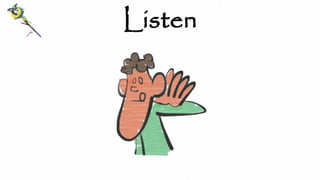
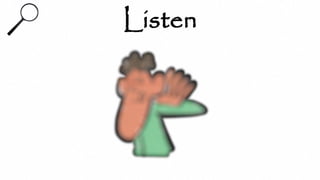
Listen
Listen
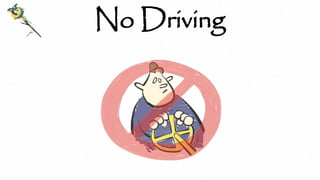
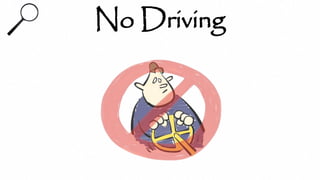
No Driving
No Driving
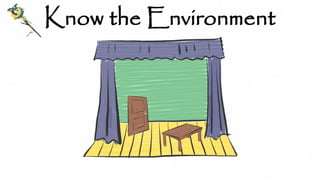
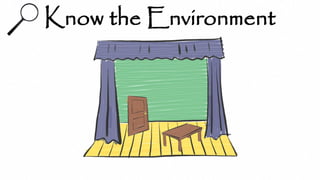
Know the Environment
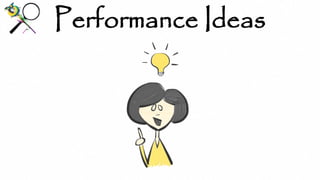
Performance Ideas
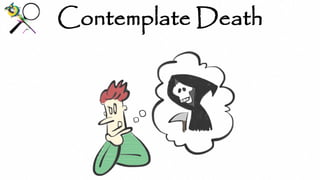
Contemplate Death
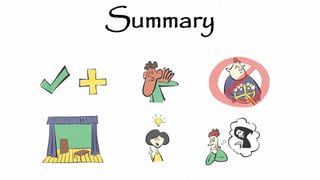
Summary
Summary
Special thanks to:
• James Bach
• James Irving
• Jim Redpath
• Joe Beale
• Joseph Ours
• Matt Eakin
Thank you!

Improv(e) your testing! - Damian Synadinos

  • 1.
  • 2.
    Damian Synadinos Email: dsynadinos@gmail.com Twitter:@dsynadinos LinkedIn: http://linkedin.com/in/damiansynadinos/ In person: “Hey, Damian”
  • 3.
    What? Why? How? Present some noveland notable ways to think about testing To help improve your testing By using improv as an analogy for testing
  • 4.
  • 5.
    Testing The process ofevaluating a product by learning about it through experimentation, which includes to some degree: questioning, study, modeling, observation and inference. -Bach & Bolton
  • 6.
    Testing The process ofevaluating a product by learning about it through experimentation, which includes to some degree: questioning, study, modeling, observation and inference. -Bach & Bolton
  • 7.
    The process ofcreating and performing spontaneously, without preparation. -Oxford Dictionary Improv(isation)
  • 8.
    The process ofcreating and performing spontaneously, without preparation. -Oxford Dictionary Improv(isation)
  • 9.
  • 11.
  • 12.
    Improv is theprocess of creating and performing spontaneously, without preparation. “Improvisation is making it up as you go along.”
  • 13.
    Improv is theprocess of creating and performing spontaneously, without preparation. “Improvisation is making it up as you go along.”
  • 14.
    Testing is theprocess of evaluating a product by learning about it through experimentation, which includes to some degree: questioning, study, modeling, observation and inference. “Testing is making it up as you go along.”
  • 15.
    Testing is theprocess of evaluating a product by learning about it through experimentation, which includes to some degree: questioning, study, modeling, observation and inference. “Testing is making it up as you go along.”
  • 18.
    “Improvising on stageis obviously a little different – the performers are trying to entertain an audience.” Improv is the process of creating and performing spontaneously, without preparation to entertain an audience.
  • 19.
    “Testing supplies vitalinformation about the product to those who must make decisions about it.” Testing is the process of evaluating a product by learning about it through experimentation, which includes to some degree: questioning, study, modeling, observation and inference to inform a customer. “Testers light the way.”
  • 20.
    Improv is theprocess of creating and performing spontaneously, without preparation to entertain an audience. Testing is the process of evaluating a product by learning about it through experimentation, which includes to some degree: questioning, study, modeling, observation and inference to inform a customer.
  • 21.
    “Rules!” “Rules of thumb” “Guidelines” “Heuristics” “Tips& Tricks” “Following some simple, basic rules…will result in much funnier, intelligent, and more interesting scenes.” Rules!
  • 22.
    “Rules!” funnier, intelligent, andmore interesting scenes more entertaining to an audience successful improv
  • 23.
  • 24.
  • 25.
  • 27.
  • 28.
  • 30.
  • 31.
  • 33.
  • 34.
  • 36.
  • 37.
  • 38.
  • 39.
  • 40.
    Special thanks to: •James Bach • James Irving • Jim Redpath • Joe Beale • Joseph Ours • Matt Eakin Thank you!