Human Systems
Integration on Board
Ships
What is human systems
integration ?
Creating effective designs which
maximize productivity and
operational effectiveness while
protecting operators and
maintainers
Understanding how the operator
fits into the system
Factoring –in the human element
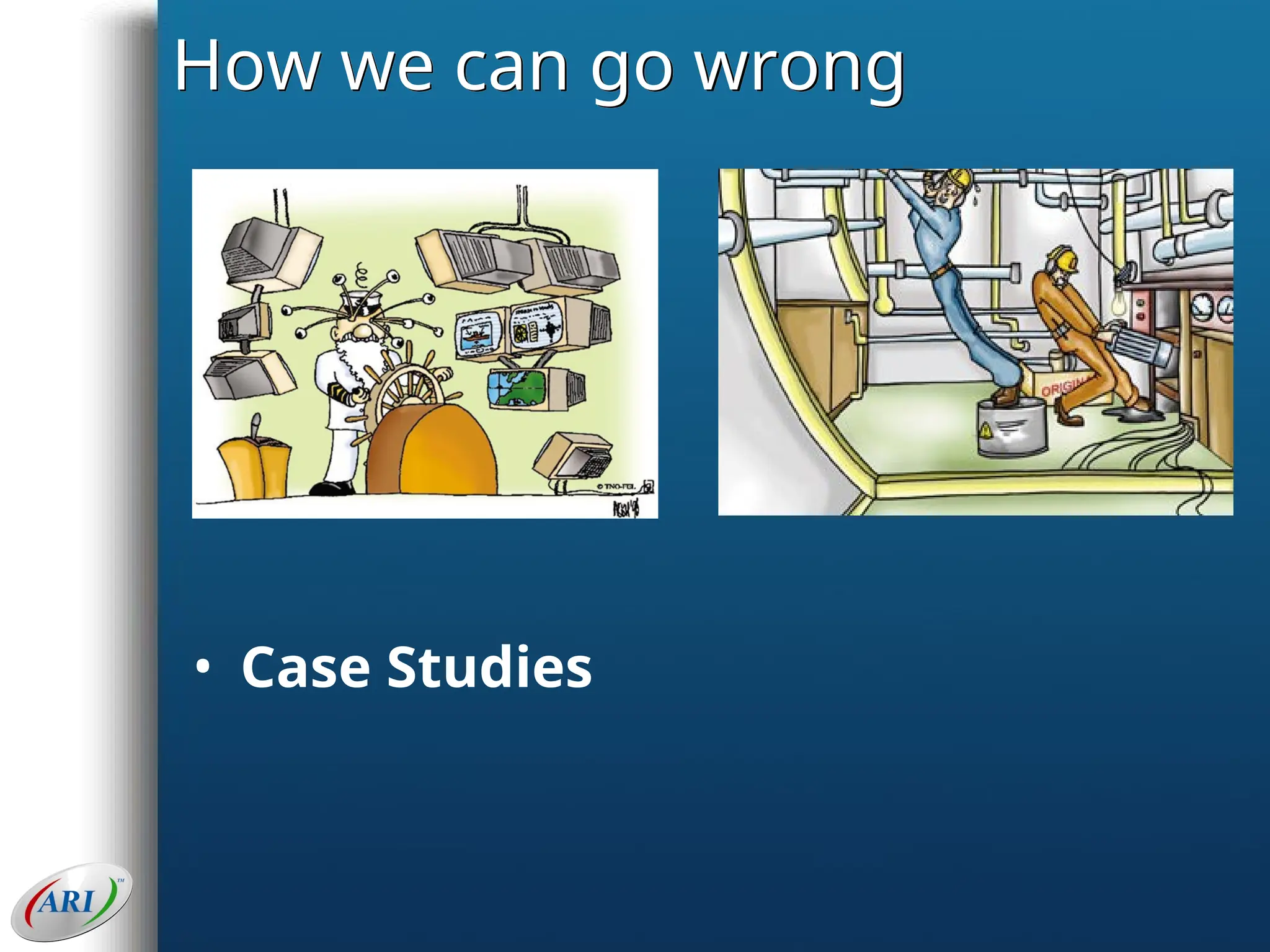
How we can go wrong
• Case Studies
How we can make things better
• The oil industry estimates a nine-to-one
benefit to cost ratio when implementing
human system integration into the design of
controls and maintenance
• ABS recently performed a human factors
assessment during the engineering phase of
an offshore facility being built for South East
Asia. The goal was to decrease accidents
related to human error by using human
system integration. The activities and
recommendations made included workspace
design guidelines that took into
consideration the physical size and strength
capabilities of the intended end user
Identifying the challenge
• The Individual
• The ‘Team’
• The Man – Machine Interface
• The Environmental Context
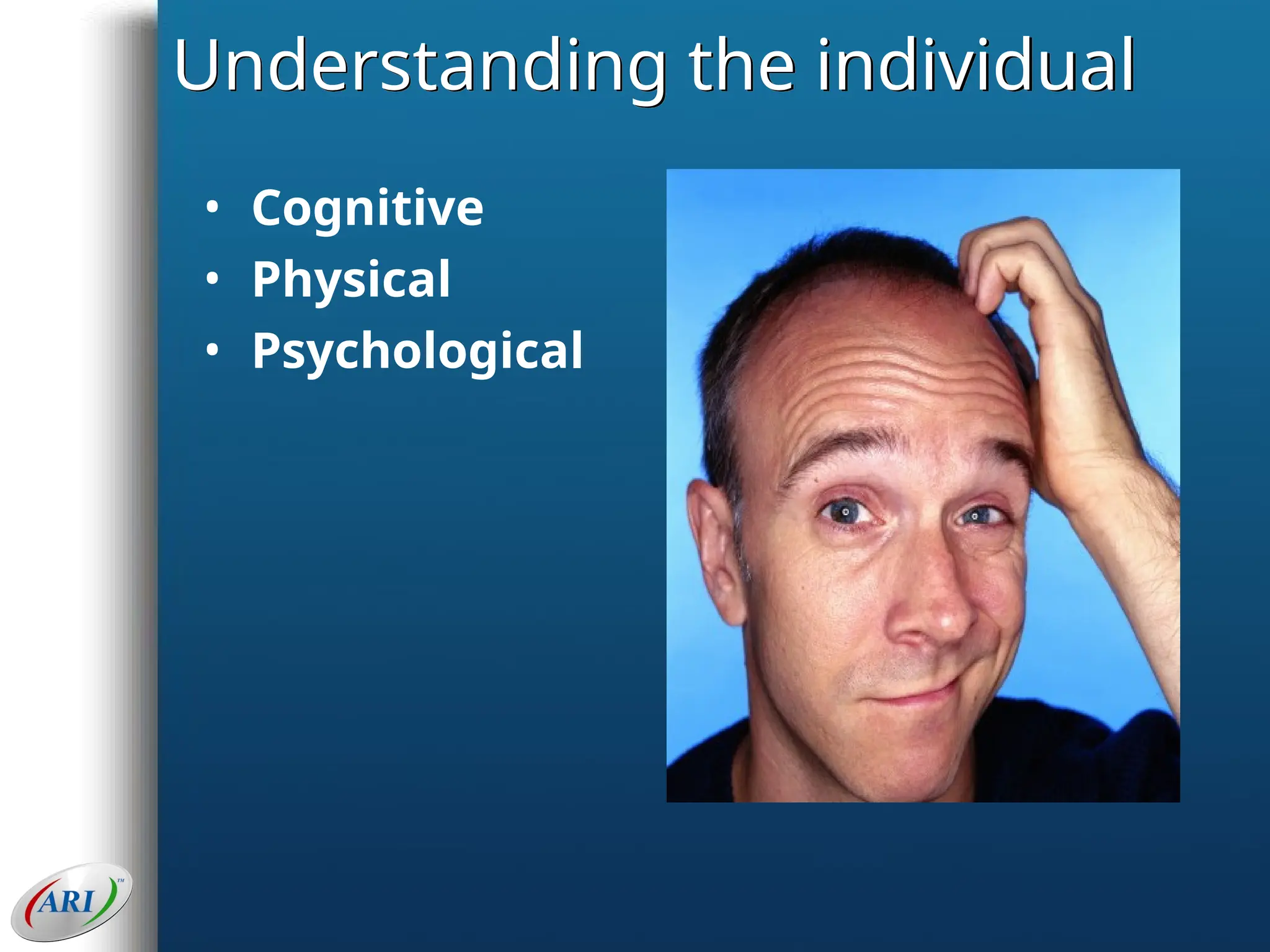
Understanding the individual
• Cognitive
• Physical
• Psychological
Cognitive
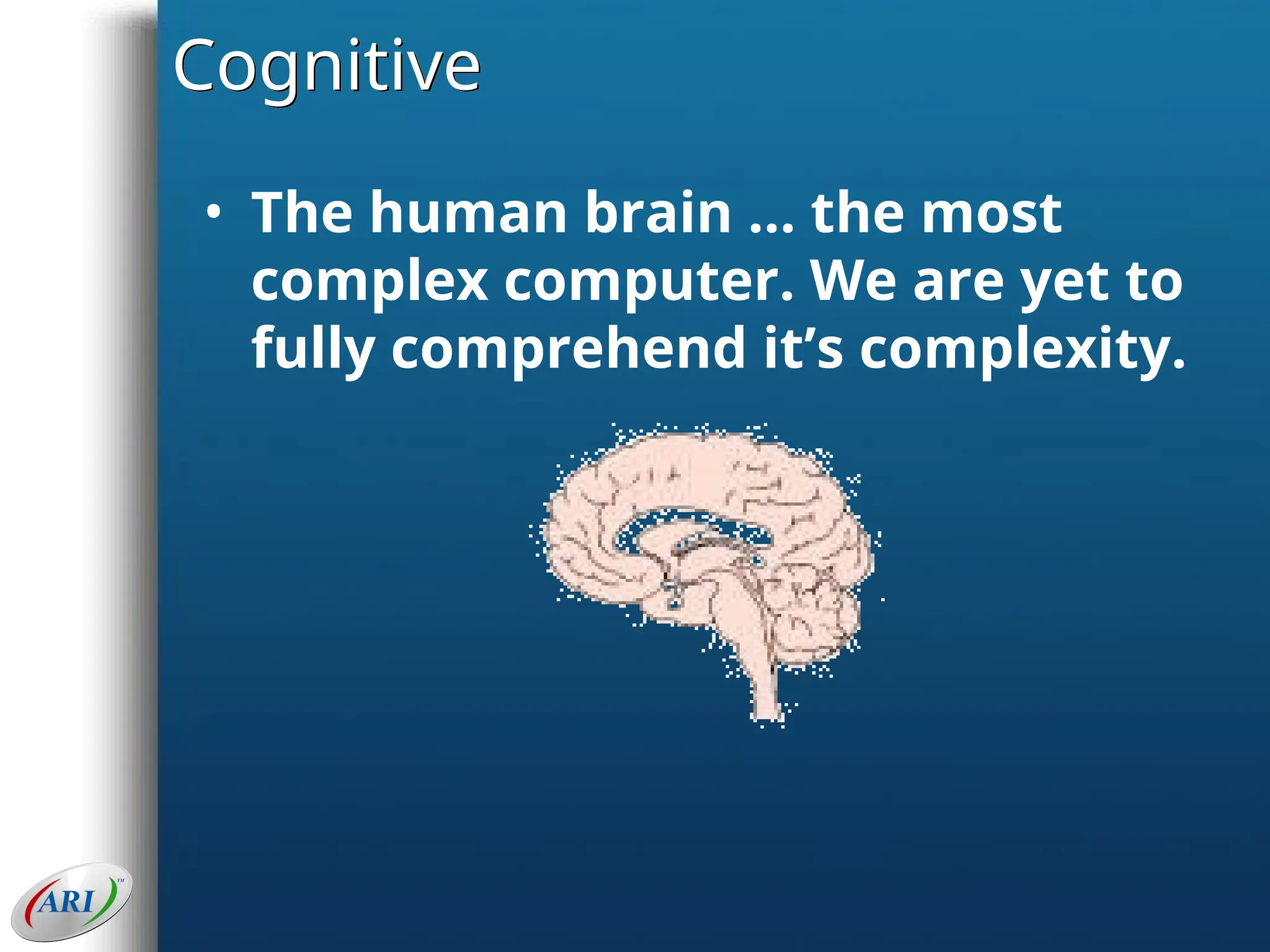
• The human brain … the most
complex computer. We are yet to
fully comprehend it’s complexity.
Information Processing
• Seemingly
“simple” tasks
can have “more
than meets the
eye”
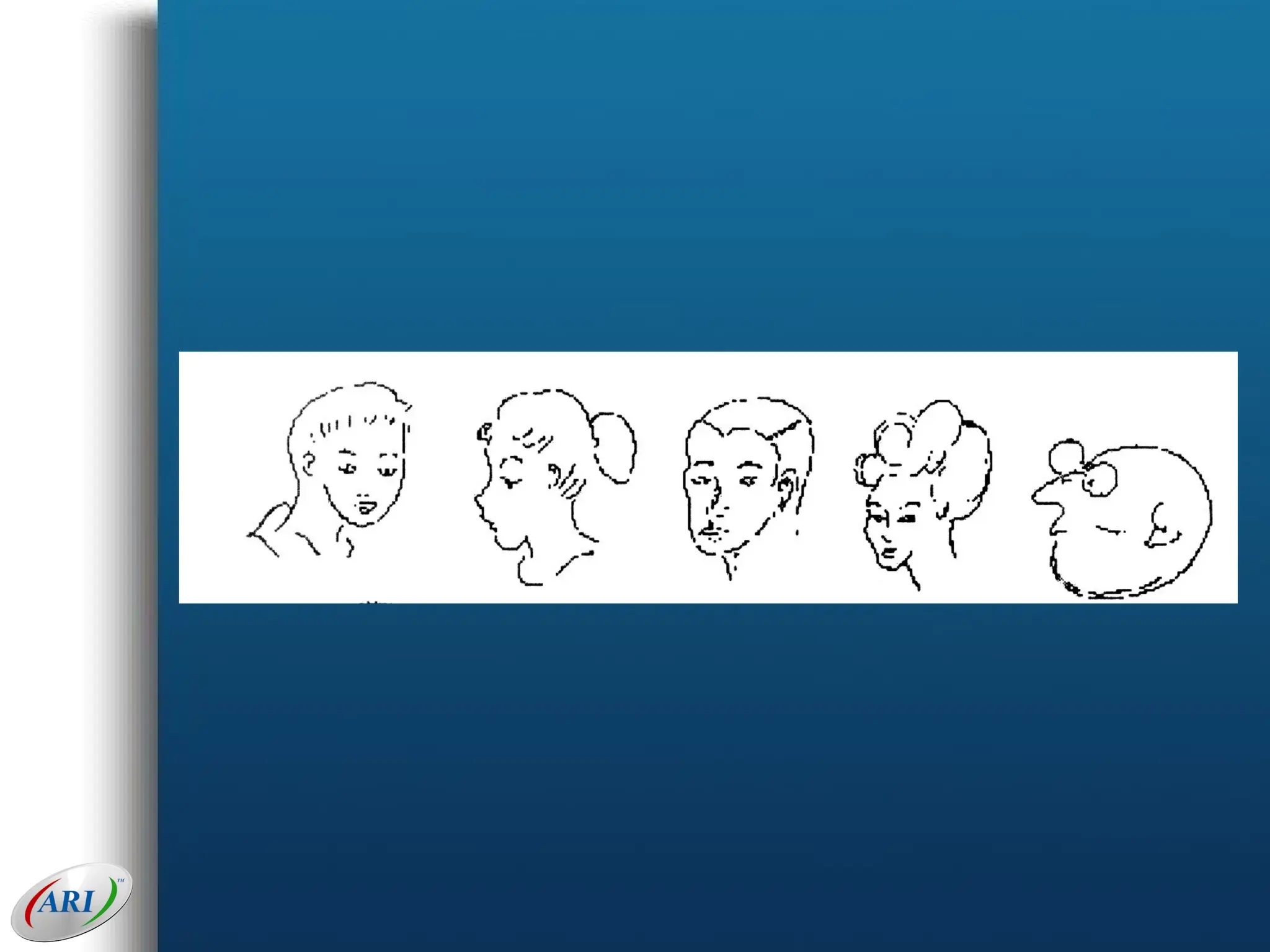
• Lets take a
look….
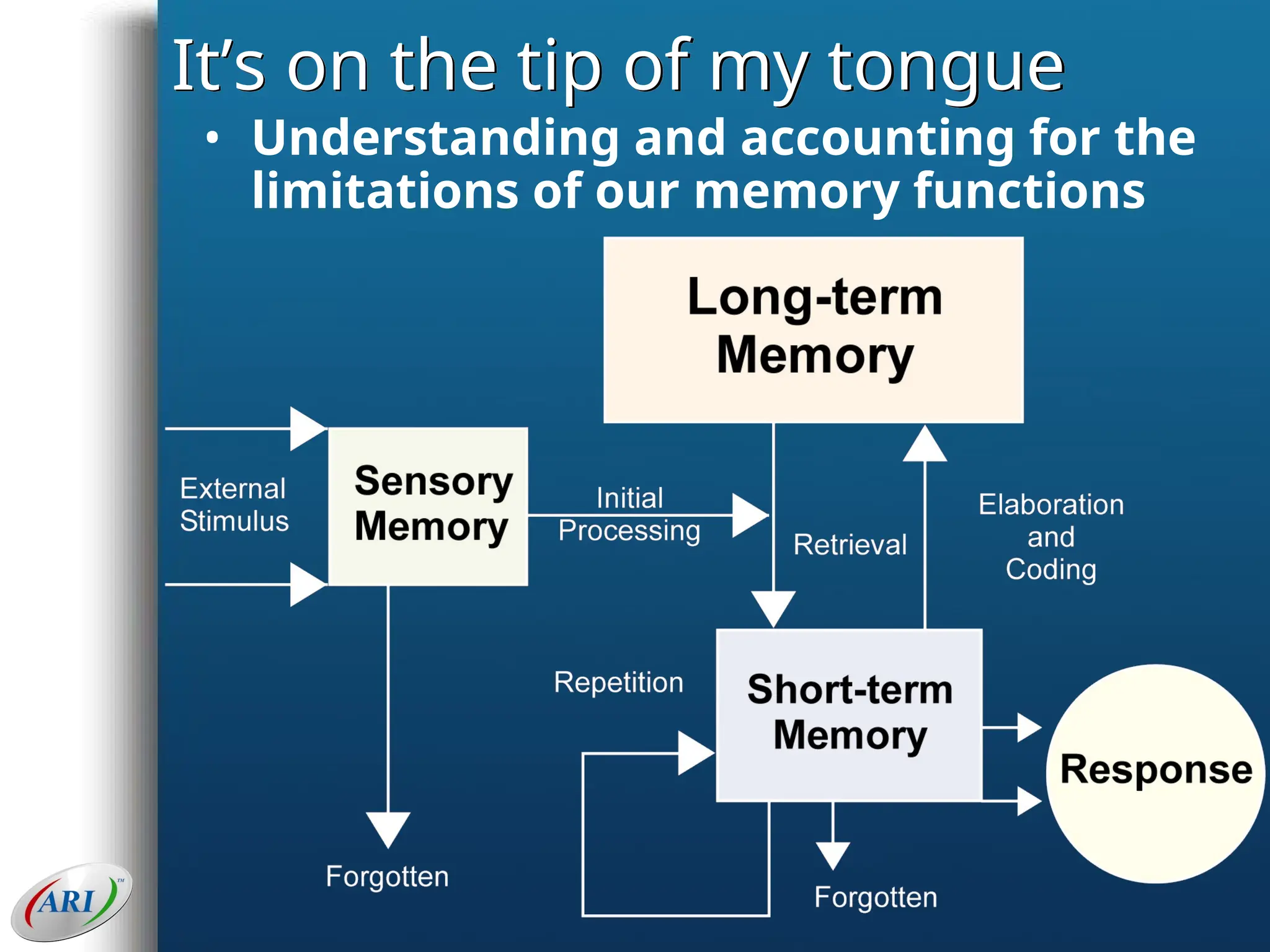
It’s on the tip of my tongue
• Understanding and accounting for the
limitations of our memory functions
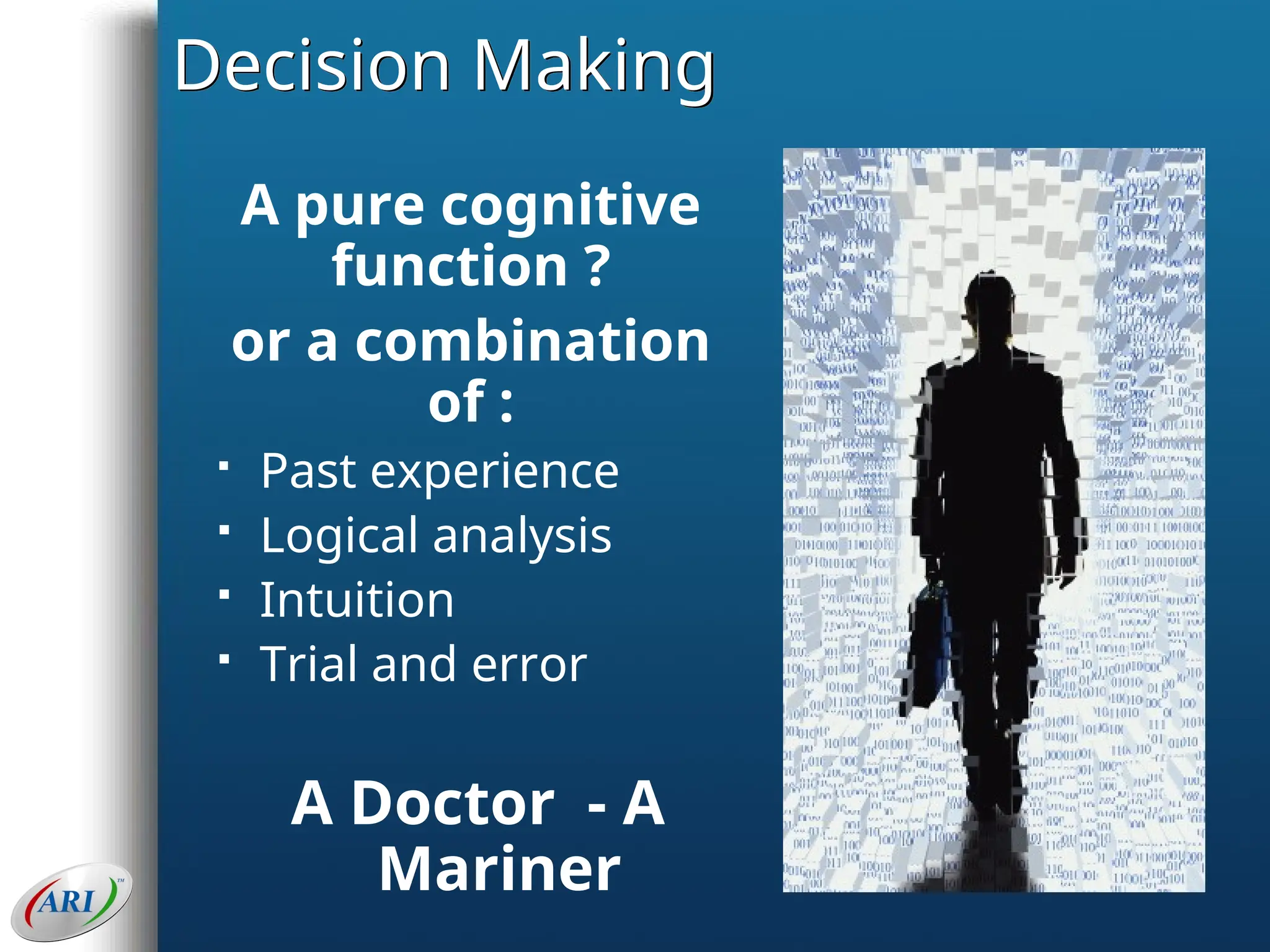
Decision Making
A pure cognitive
function ?
or a combination
of :
 Past experience
 Logical analysis
 Intuition
 Trial and error
A Doctor - A
Mariner
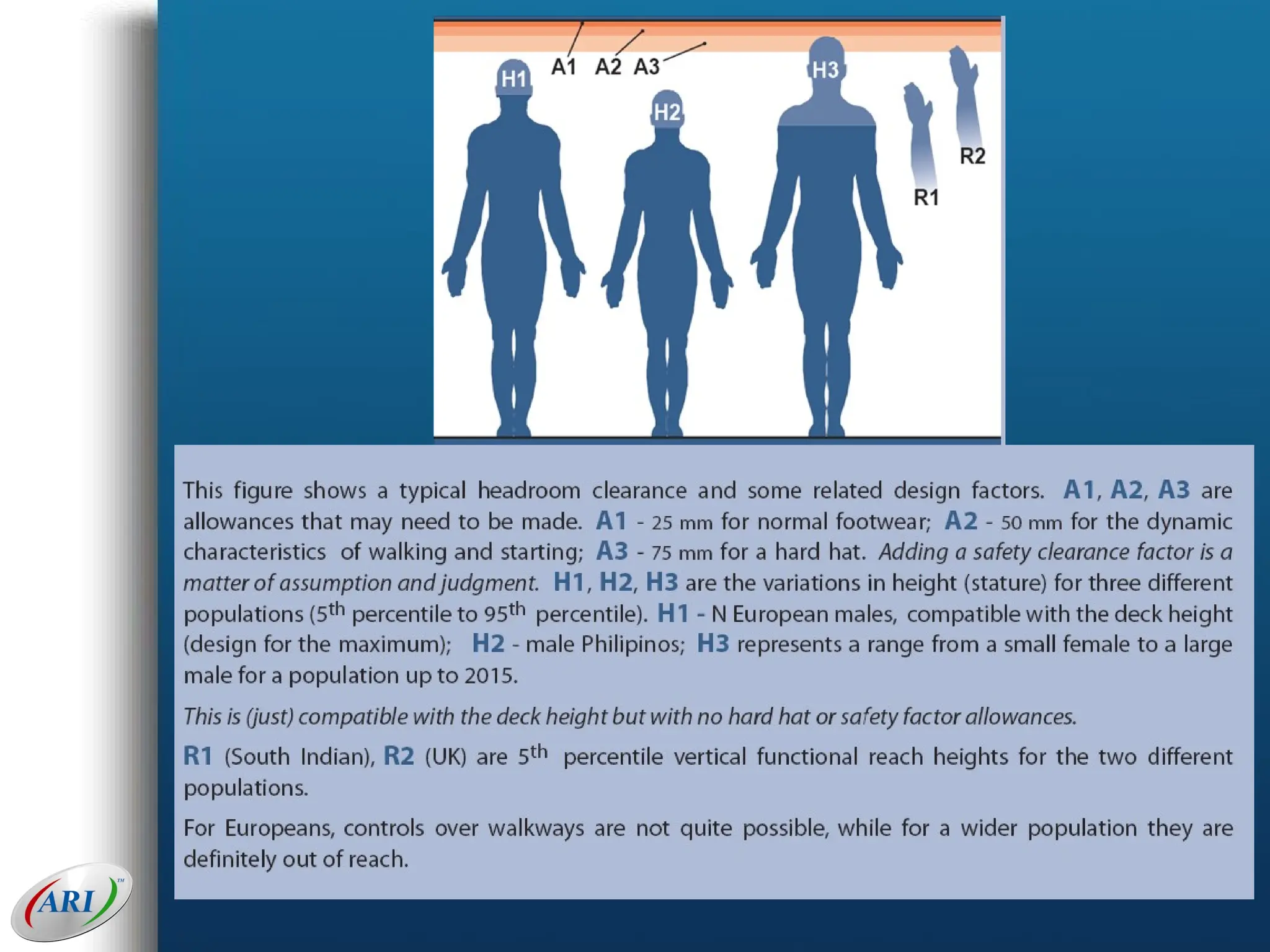
The physical factor
Anthropometrics:
deals with body measurements
particularly those of:
– size
– strength
– physical capacity
Why is it important ?
Psychological factors
Feelings and Emotions
An asset or a burden?
Motivation to go beyond our normal limits
of performance ?
or
A hindrance to finding a solution ?
• The art of designing a “feel good”
environment
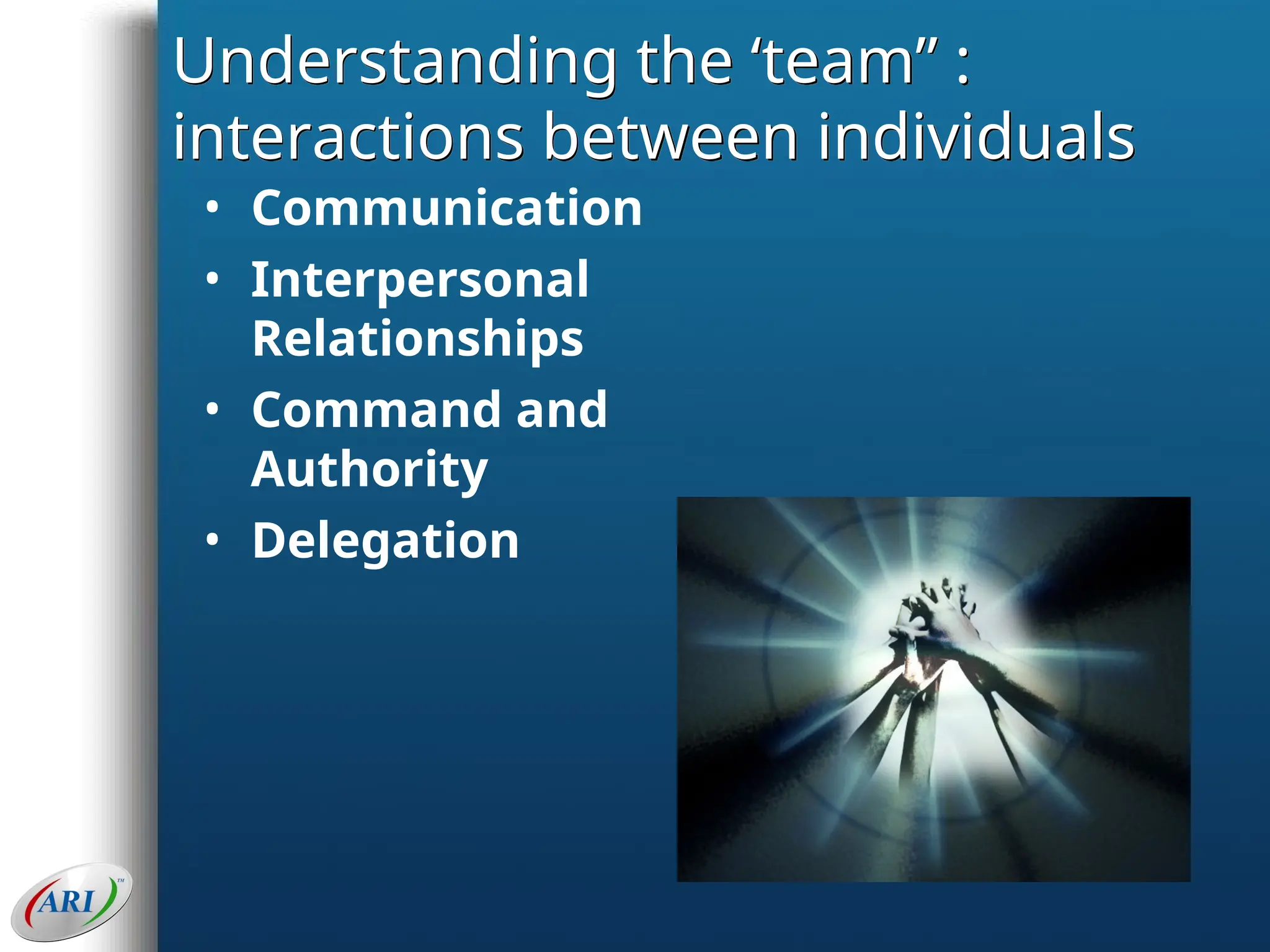
Understanding the ‘team” :
interactions between individuals
• Communication
• Interpersonal
Relationships
• Command and
Authority
• Delegation
The Man – Machine Interface
• Significant factor is the increased use of automation.
Some of the implications of increased automation:
• Does not usually replace human work with machine work, but
instead often changes the task is was meant to support
• Display and control interfaces can be confusing, distracting
and misleading
• Over-reliance on specific equipment, machinery, control
systems.
• Overload of information
• Lack of standardization of displays
• Losing situational awareness and “basic” skills
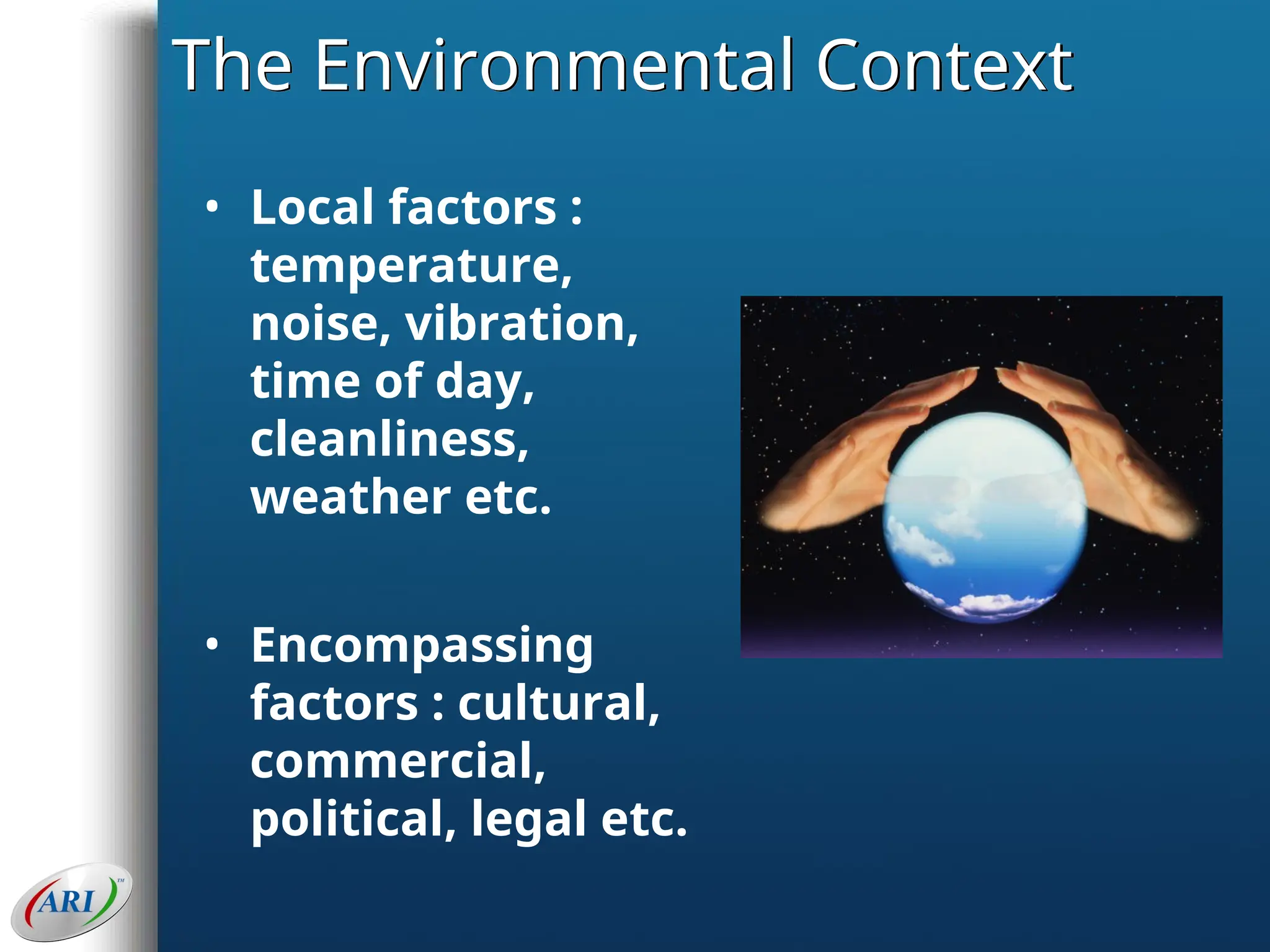
The Environmental Context
• Local factors :
temperature,
noise, vibration,
time of day,
cleanliness,
weather etc.
• Encompassing
factors : cultural,
commercial,
political, legal etc.
Where have we reached in human
systems integration ?
• Increasing awareness of it’s
importance
• Some understanding in real terms
of the potential benefits
• An attempt to identify risks in
existing systems
• Limited implementation or
application in design, planning or
training
Overcoming the Challenge
• A two pronged approach :
– To meet existing risks in the system
– Effective implementation of human
systems into systems engineering models
for new projects
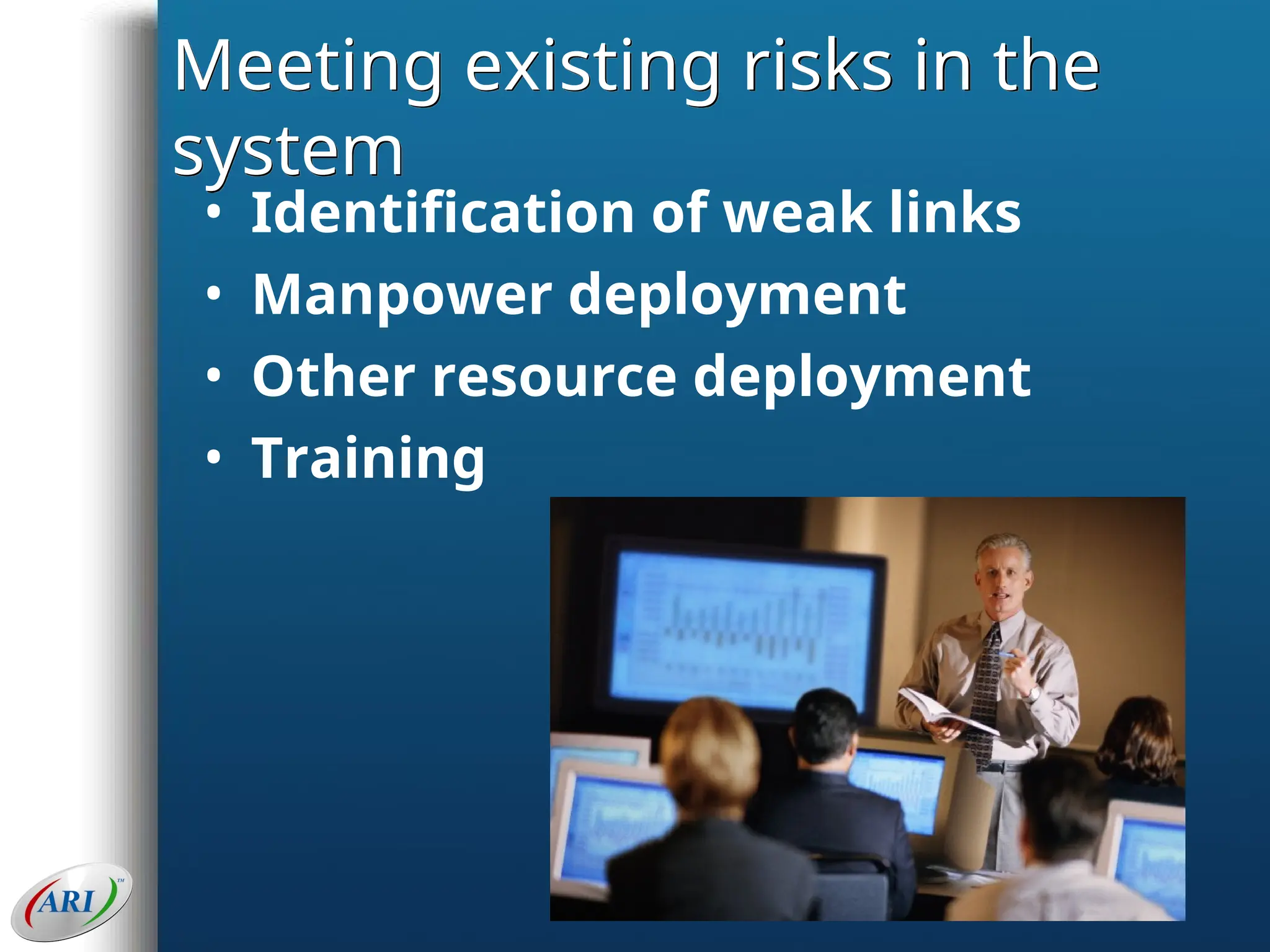
Meeting existing risks in the
system
• Identification of weak links
• Manpower deployment
• Other resource deployment
• Training
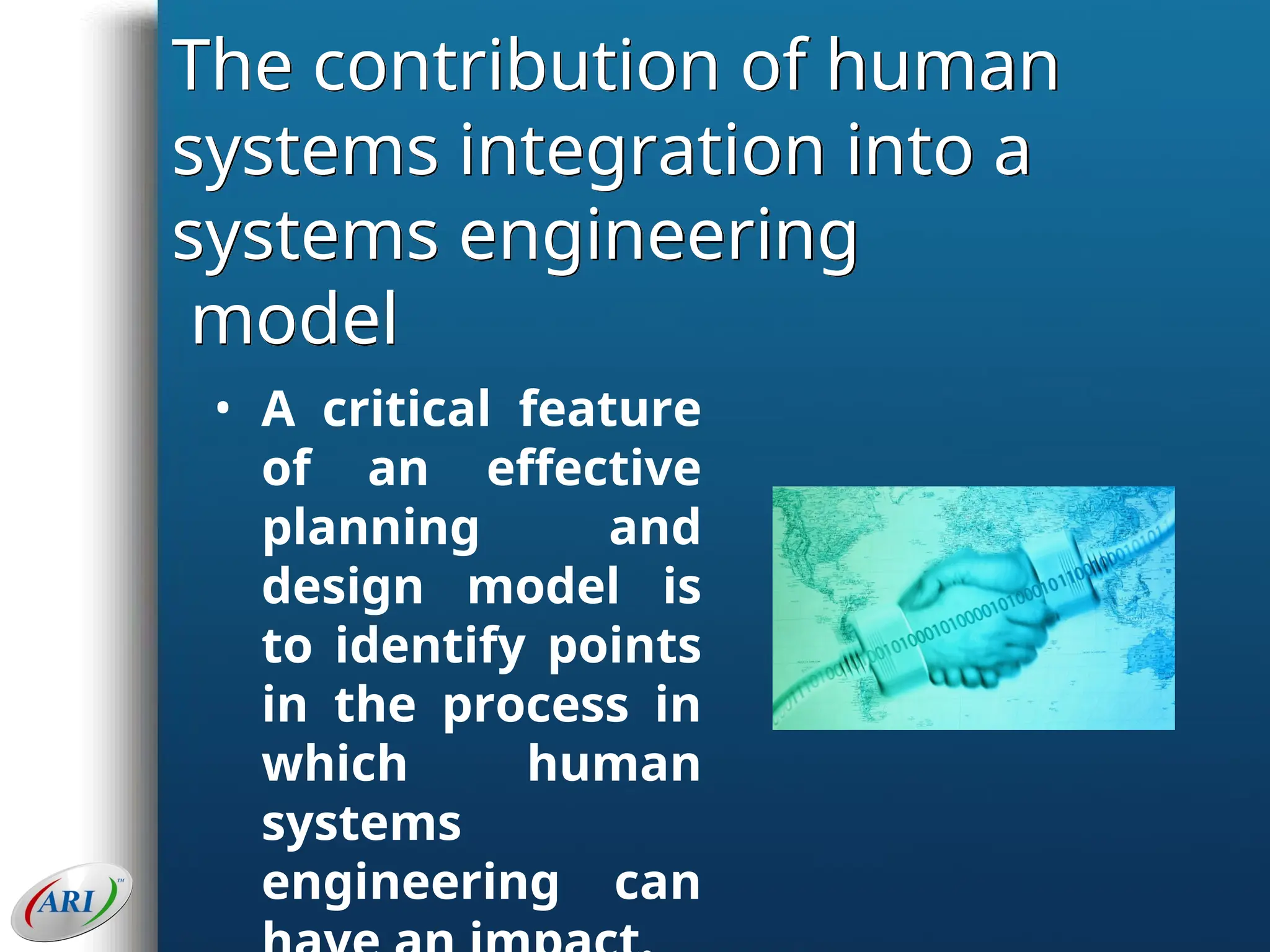
The contribution of human
systems integration into a
systems engineering
model
• A critical feature
of an effective
planning and
design model is
to identify points
in the process in
which human
systems
engineering can
Key interaction points in the process
• Mission and requirements
analysis
• Function analysis and function
allocation
• Task design and analysis
• Human interface
• Performance, workload and
training level estimation
• User review
Examples of tools used by the
human systems engineer
• Task network analysis
• Human performance modelling
• Human Information Processing
Models
Task Network Modelling
• Breaks performance into tasks
characterized by
– Performance times
– Accuracy
– Probabilities
• Tasks are linked together into
networks that represent paths
the performance can take
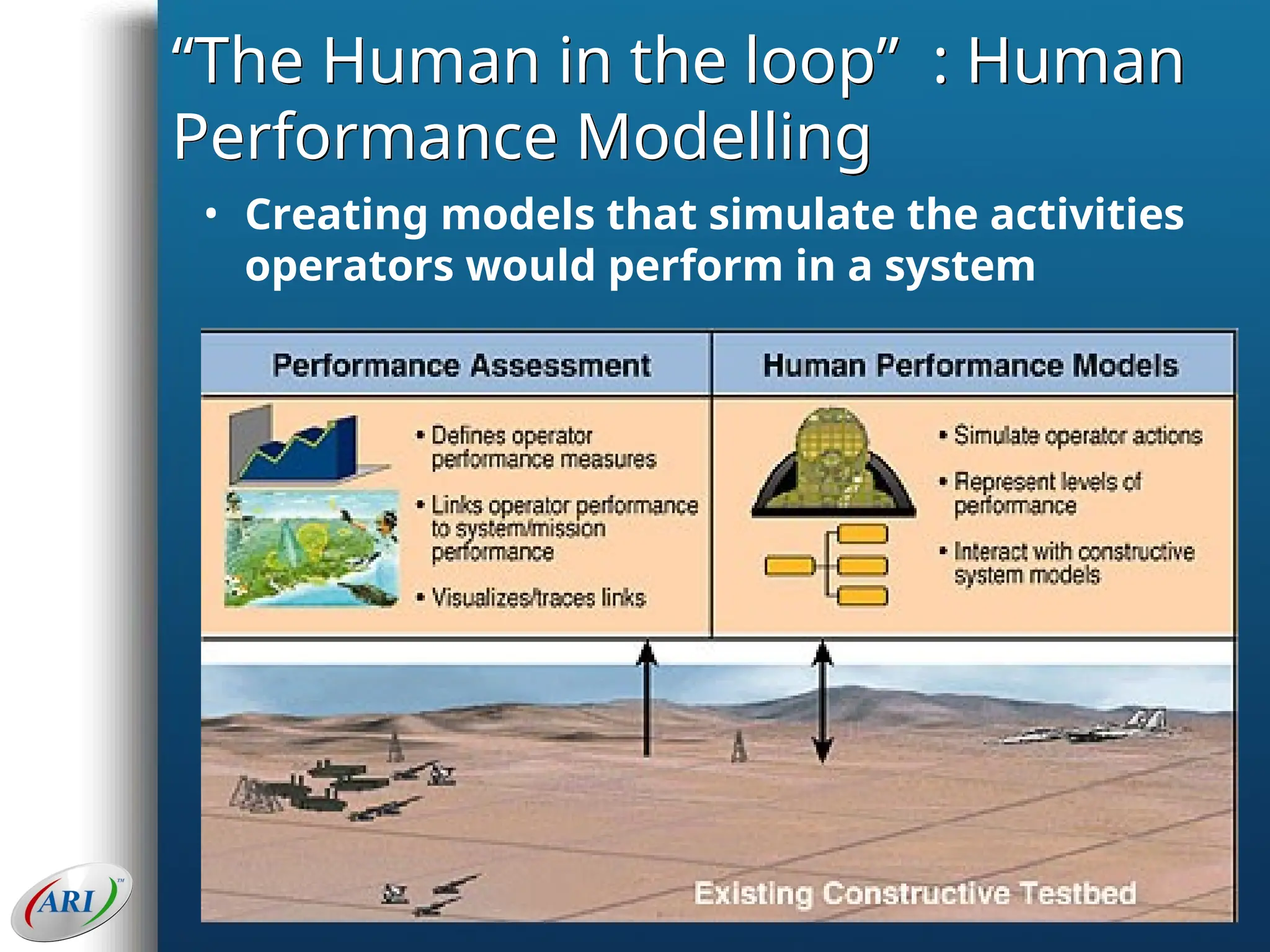
“The Human in the loop” : Human
Performance Modelling
• Creating models that simulate the activities
operators would perform in a system
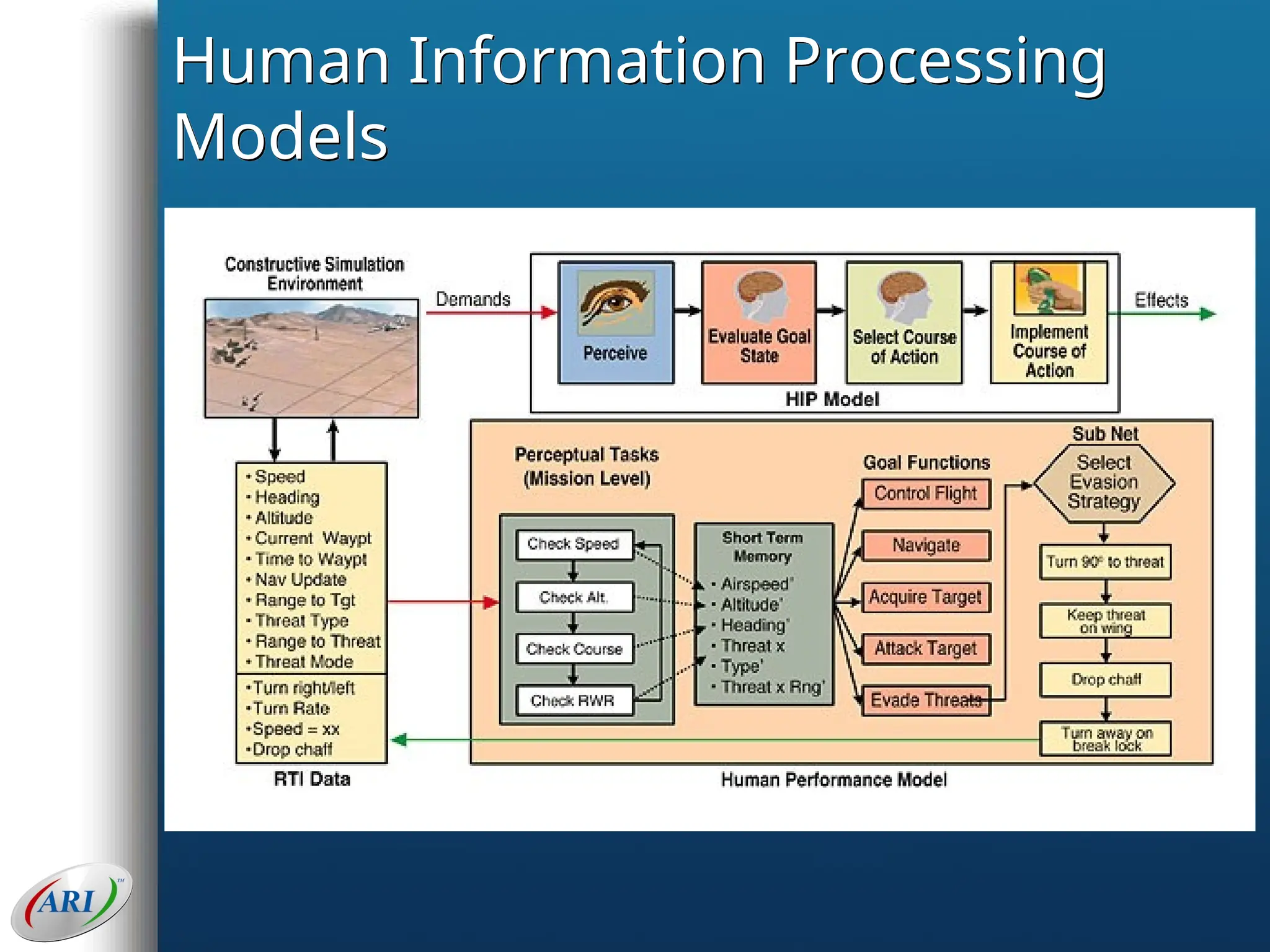
Human Information Processing
Models
Examples of typical contributions /
products by a human systems
engineer
• Descriptions of range of situations or events that
will confront operators. May be taken from real
life events or possible scenarios
• Operator expectations
• Identification of environmental factors that may
affect personnel
• Predictions of workload and stress
• Predicted underpinning knowledge or skills
• Decision action diagrams
• Predicted staffing and training needs
• Required design characteristics to support users
• Simulations and prototypes
• Task lists
• Task interactions and sequences
• Designing user interfaces
• Timeline analysis
Recommendations
• Increased awareness
• Systematic review of risks in existing
systems
• Constant interaction with end users
• Training to address inherent issues in
human systems integration
• Training in specific operational tasks
• Introduction of human performance
modelling
• Incorporation of human systems
engineering in design and planning of
new projects / acquisitions
The Real Challenge !
To balance the battle
between costs and
rewards.
We need to believe that
tangible results can be
achieved and it is worth it.
Human Systems Integration on Board Ships.ppt

  • 1.
  • 2.
    What is humansystems integration ? Creating effective designs which maximize productivity and operational effectiveness while protecting operators and maintainers Understanding how the operator fits into the system Factoring –in the human element
  • 3.
    How we cango wrong • Case Studies
  • 4.
    How we canmake things better • The oil industry estimates a nine-to-one benefit to cost ratio when implementing human system integration into the design of controls and maintenance • ABS recently performed a human factors assessment during the engineering phase of an offshore facility being built for South East Asia. The goal was to decrease accidents related to human error by using human system integration. The activities and recommendations made included workspace design guidelines that took into consideration the physical size and strength capabilities of the intended end user
  • 5.
    Identifying the challenge •The Individual • The ‘Team’ • The Man – Machine Interface • The Environmental Context
  • 6.
    Understanding the individual •Cognitive • Physical • Psychological
  • 7.
    Cognitive • The humanbrain … the most complex computer. We are yet to fully comprehend it’s complexity.
  • 8.
    Information Processing • Seemingly “simple”tasks can have “more than meets the eye” • Lets take a look….
  • 13.
    It’s on thetip of my tongue • Understanding and accounting for the limitations of our memory functions
  • 14.
    Decision Making A purecognitive function ? or a combination of :  Past experience  Logical analysis  Intuition  Trial and error A Doctor - A Mariner
  • 15.
    The physical factor Anthropometrics: dealswith body measurements particularly those of: – size – strength – physical capacity Why is it important ?
  • 17.
    Psychological factors Feelings andEmotions An asset or a burden? Motivation to go beyond our normal limits of performance ? or A hindrance to finding a solution ? • The art of designing a “feel good” environment
  • 18.
    Understanding the ‘team”: interactions between individuals • Communication • Interpersonal Relationships • Command and Authority • Delegation
  • 19.
    The Man –Machine Interface • Significant factor is the increased use of automation. Some of the implications of increased automation: • Does not usually replace human work with machine work, but instead often changes the task is was meant to support • Display and control interfaces can be confusing, distracting and misleading • Over-reliance on specific equipment, machinery, control systems. • Overload of information • Lack of standardization of displays • Losing situational awareness and “basic” skills
  • 20.
    The Environmental Context •Local factors : temperature, noise, vibration, time of day, cleanliness, weather etc. • Encompassing factors : cultural, commercial, political, legal etc.
  • 21.
    Where have wereached in human systems integration ? • Increasing awareness of it’s importance • Some understanding in real terms of the potential benefits • An attempt to identify risks in existing systems • Limited implementation or application in design, planning or training
  • 22.
    Overcoming the Challenge •A two pronged approach : – To meet existing risks in the system – Effective implementation of human systems into systems engineering models for new projects
  • 23.
    Meeting existing risksin the system • Identification of weak links • Manpower deployment • Other resource deployment • Training
  • 24.
    The contribution ofhuman systems integration into a systems engineering model • A critical feature of an effective planning and design model is to identify points in the process in which human systems engineering can
  • 25.
    Key interaction pointsin the process • Mission and requirements analysis • Function analysis and function allocation • Task design and analysis • Human interface • Performance, workload and training level estimation • User review
  • 26.
    Examples of toolsused by the human systems engineer • Task network analysis • Human performance modelling • Human Information Processing Models
  • 27.
    Task Network Modelling •Breaks performance into tasks characterized by – Performance times – Accuracy – Probabilities • Tasks are linked together into networks that represent paths the performance can take
  • 28.
    “The Human inthe loop” : Human Performance Modelling • Creating models that simulate the activities operators would perform in a system
  • 29.
  • 30.
    Examples of typicalcontributions / products by a human systems engineer • Descriptions of range of situations or events that will confront operators. May be taken from real life events or possible scenarios • Operator expectations • Identification of environmental factors that may affect personnel • Predictions of workload and stress • Predicted underpinning knowledge or skills • Decision action diagrams • Predicted staffing and training needs • Required design characteristics to support users • Simulations and prototypes • Task lists • Task interactions and sequences • Designing user interfaces • Timeline analysis
  • 31.
    Recommendations • Increased awareness •Systematic review of risks in existing systems • Constant interaction with end users • Training to address inherent issues in human systems integration • Training in specific operational tasks • Introduction of human performance modelling • Incorporation of human systems engineering in design and planning of new projects / acquisitions
  • 32.
    The Real Challenge! To balance the battle between costs and rewards. We need to believe that tangible results can be achieved and it is worth it.