Download to read offline

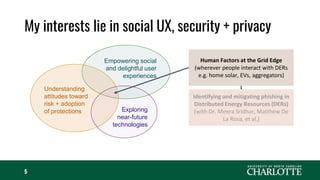
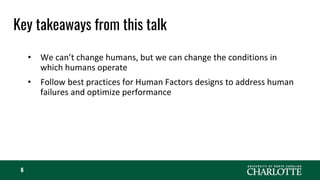
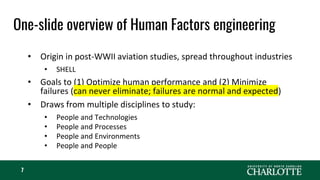
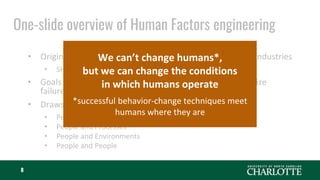
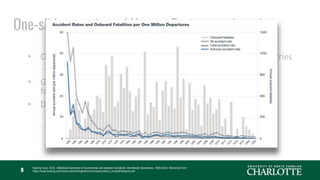
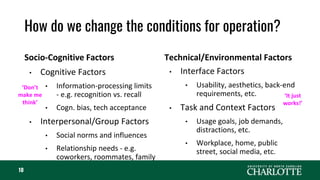
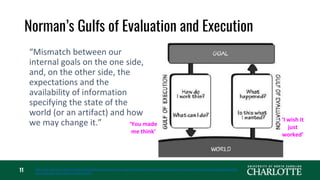
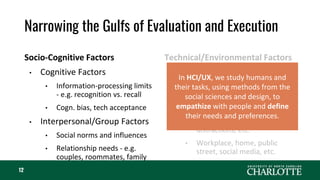
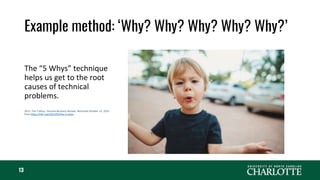
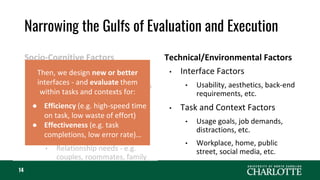

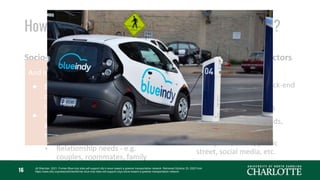
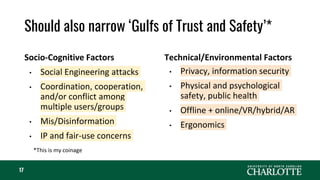
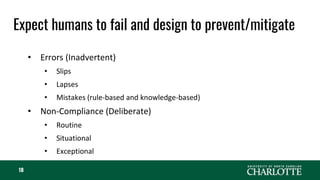
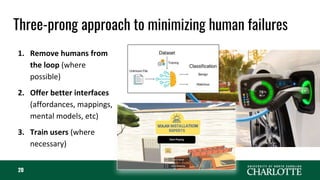
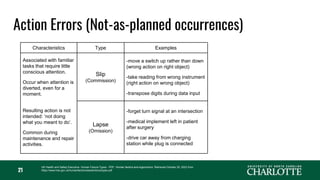
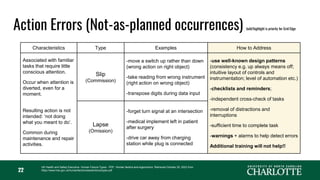
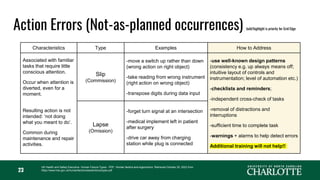
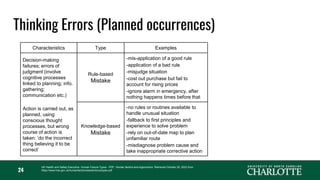
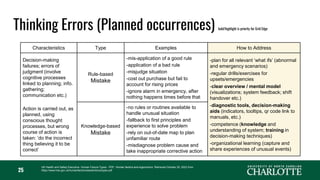
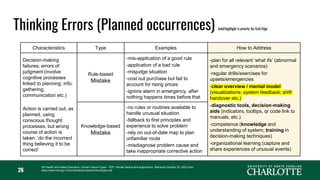
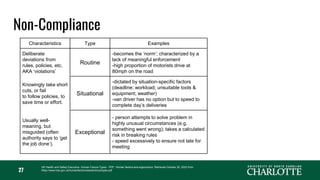
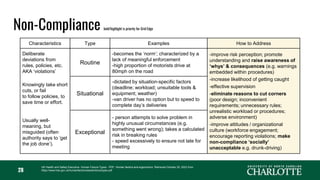
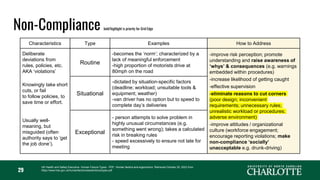

The document discusses human factors engineering approaches to optimize human performance and minimize failures when interacting with distributed energy resources (DERs) such as home solar and electric vehicles. It describes studying how people interact with technologies, processes, environments, and other people. The goal is to narrow "gulfs of evaluation and execution" by understanding cognitive limitations and biases, and designing intuitive interfaces. It also stresses expecting human errors and designing to prevent or mitigate them, for example through redundancy, checklists, and training. The key is changing the conditions people operate in, not changing human nature itself.


![[Deck] What's New in Spark-Iceberg Integration via DSV2.pptx](https://cdn.slidesharecdn.com/ss_thumbnails/deckwhatsnewinspark-icebergintegrationviadsv2-260210005337-25955b12-thumbnail.jpg?width=640&height=640&fit=bounds)


