TrustA NEW APPROACH
TO MEASURE IT IN
THE SHARING
ECONOMY
Paolo Parigi
Lead Trust Scientist, Uber
Adjunct Professor Civil and Environmental
Engineering, Stanford University
Jessica Santana
PhD Candidate, Stanford University
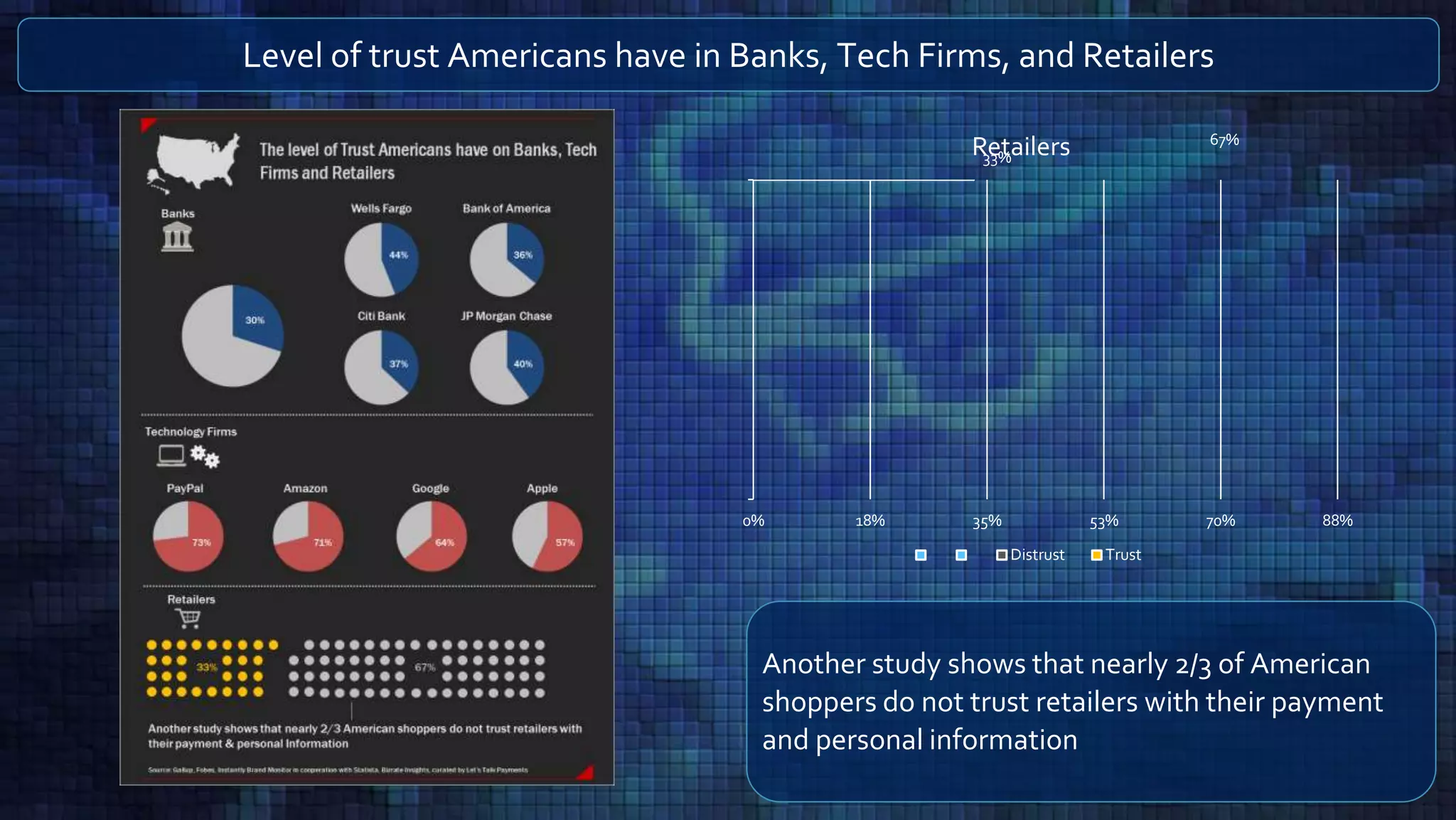
Another study shows that nearly 2/3 of American
shoppers do not trust retailers with their payment
and personal information
67%
33%
0% 18% 35% 53% 70% 88%
Retailers
Distrust Trust
Level of trust Americans have in Banks, Tech Firms, and Retailers
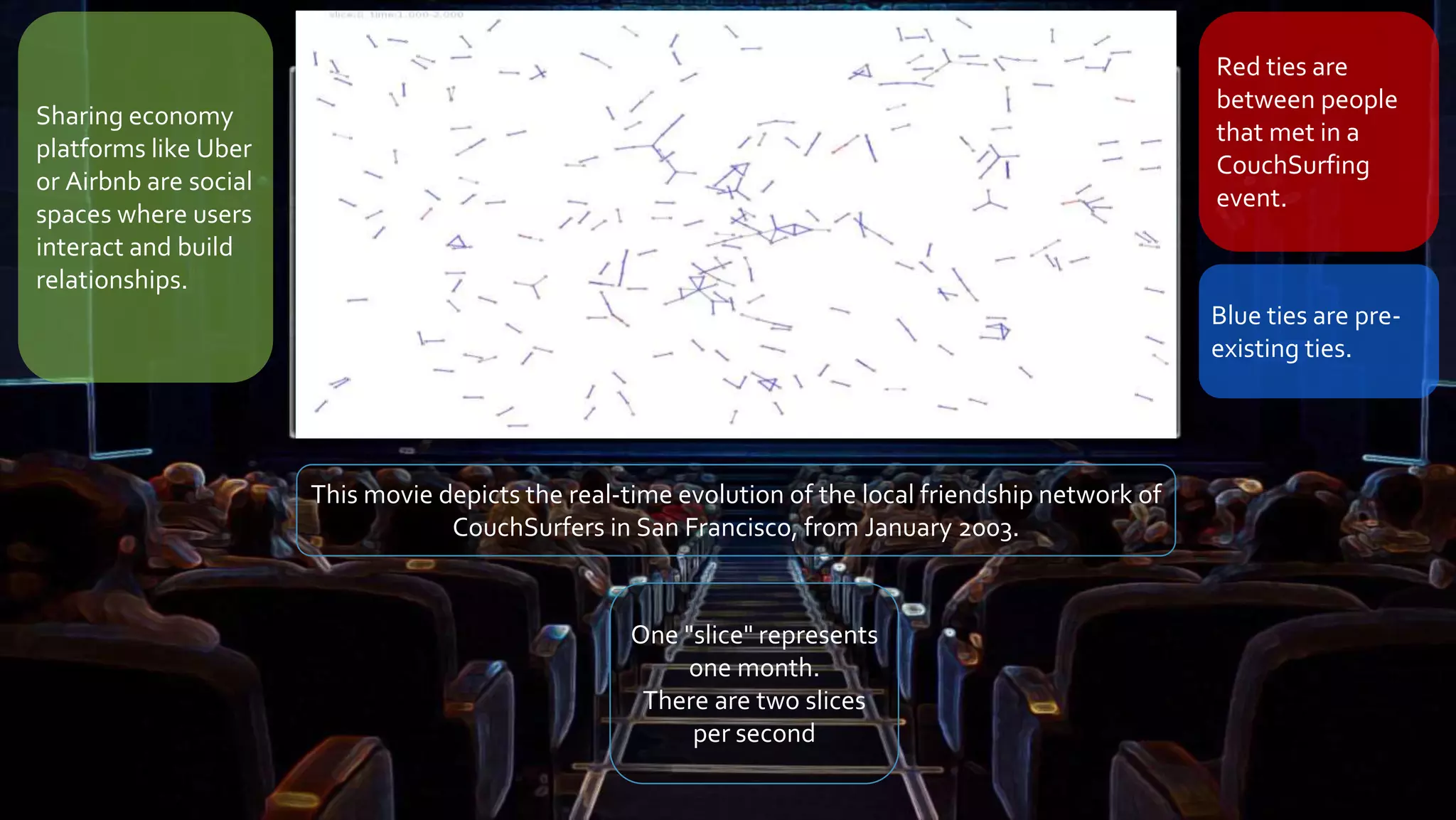
One "slice" represents
one month.
There are two slices
per second
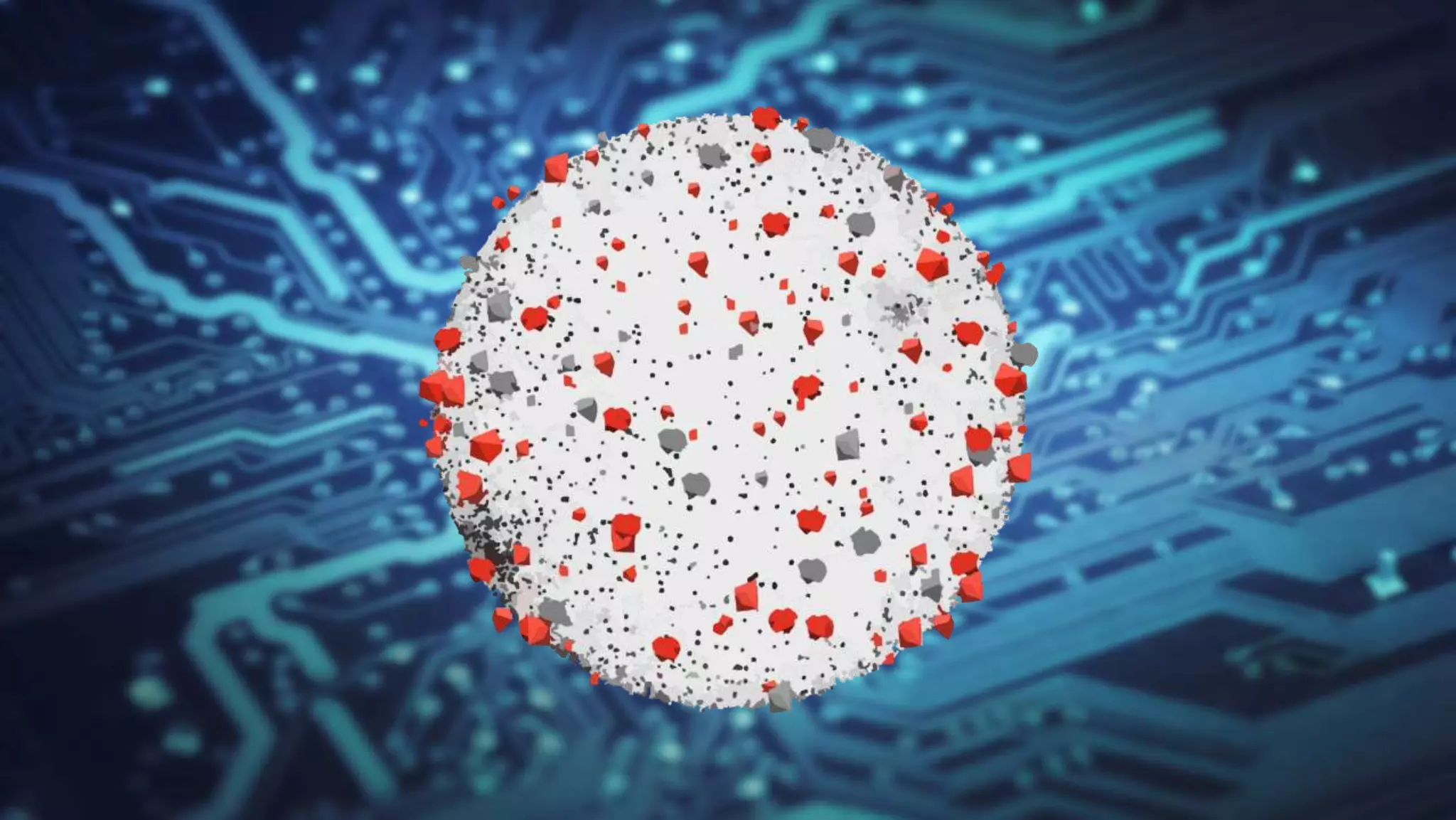
This movie depicts the real-time evolution of the local friendship network of
CouchSurfers in San Francisco, from January 2003.
Sharing economy
platforms like Uber
or Airbnb are social
spaces where users
interact and build
relationships.
Red ties are
between people
that met in a
CouchSurfing
event.
Blue ties are pre-
existing ties.
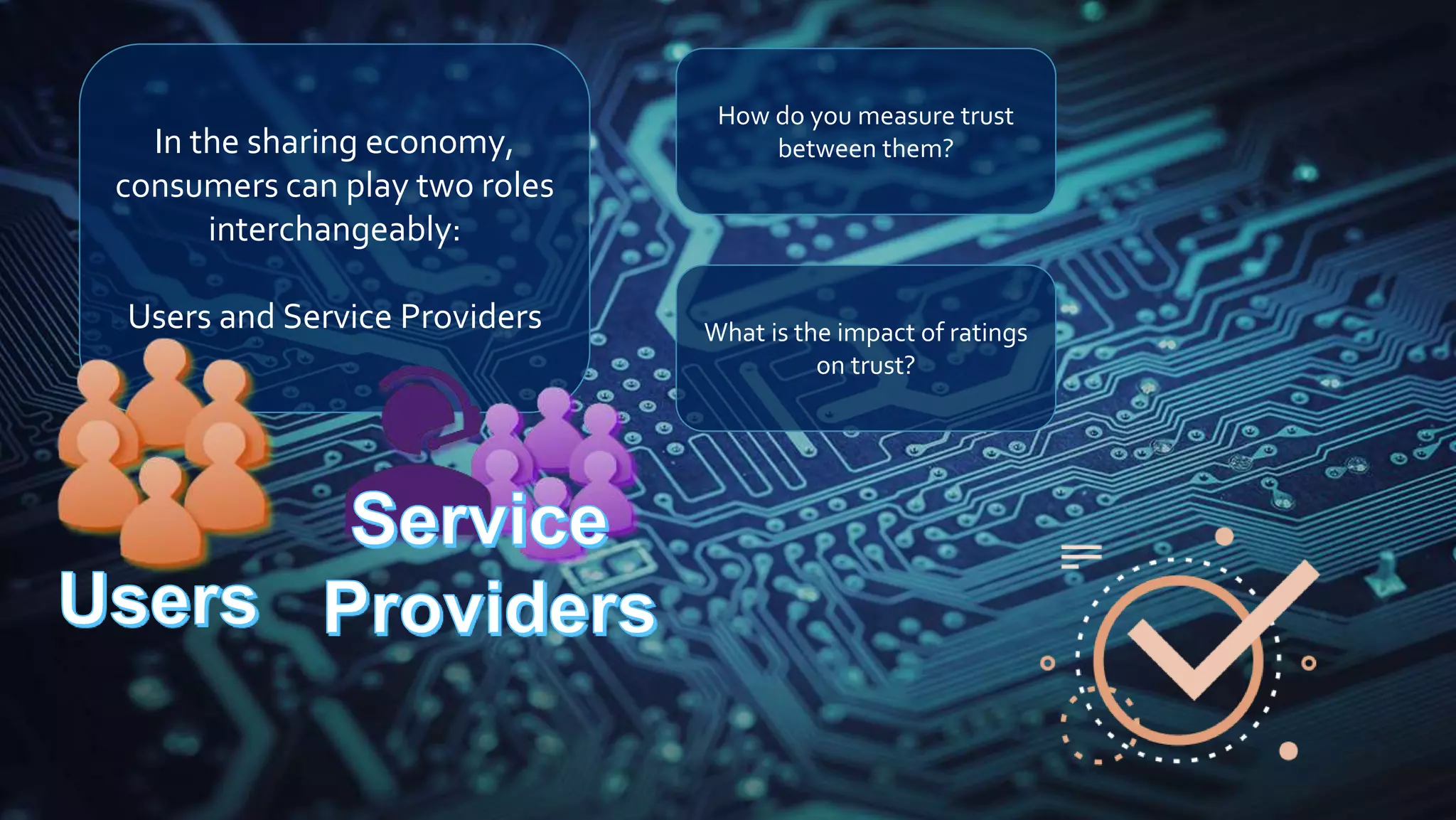
In the sharing economy,
consumers can play two roles
interchangeably:
Users and Service Providers
How do you measure trust
between them?
What is the impact of ratings
on trust?
A New Methodology for
Measuring Sentiments
for a New Era
“Engineering Trust” Abrahao, Parigi, Gupta, and Cook. 2017. PNAS
“Online Field Experiments” Parigi, Santana, and Cook. 2017. SPQ
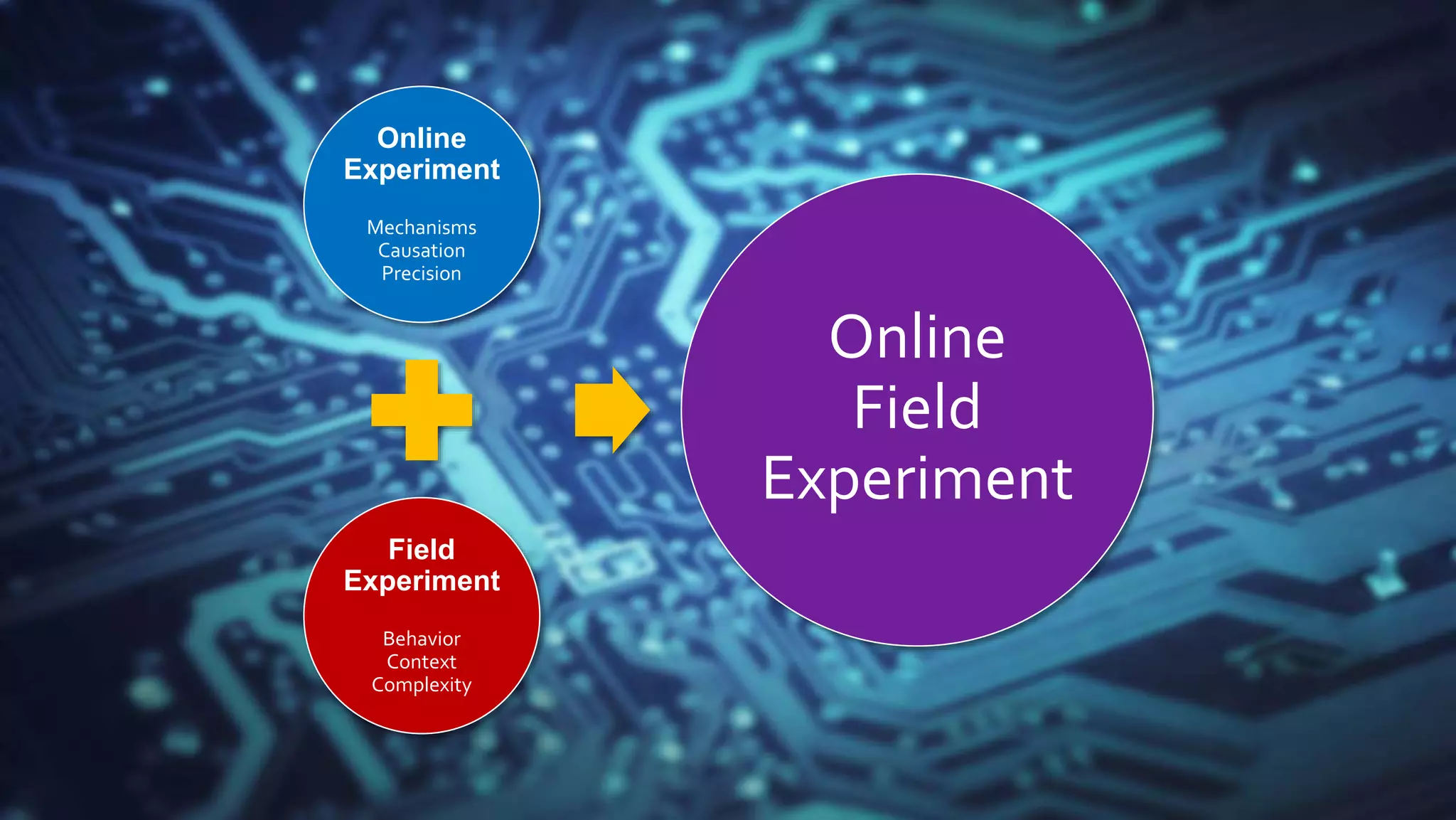
Online
Experiment
Mechanisms
Causation
Precision
Field
Experiment
Behavior
Context
Complexity
Online
Field
Experiment
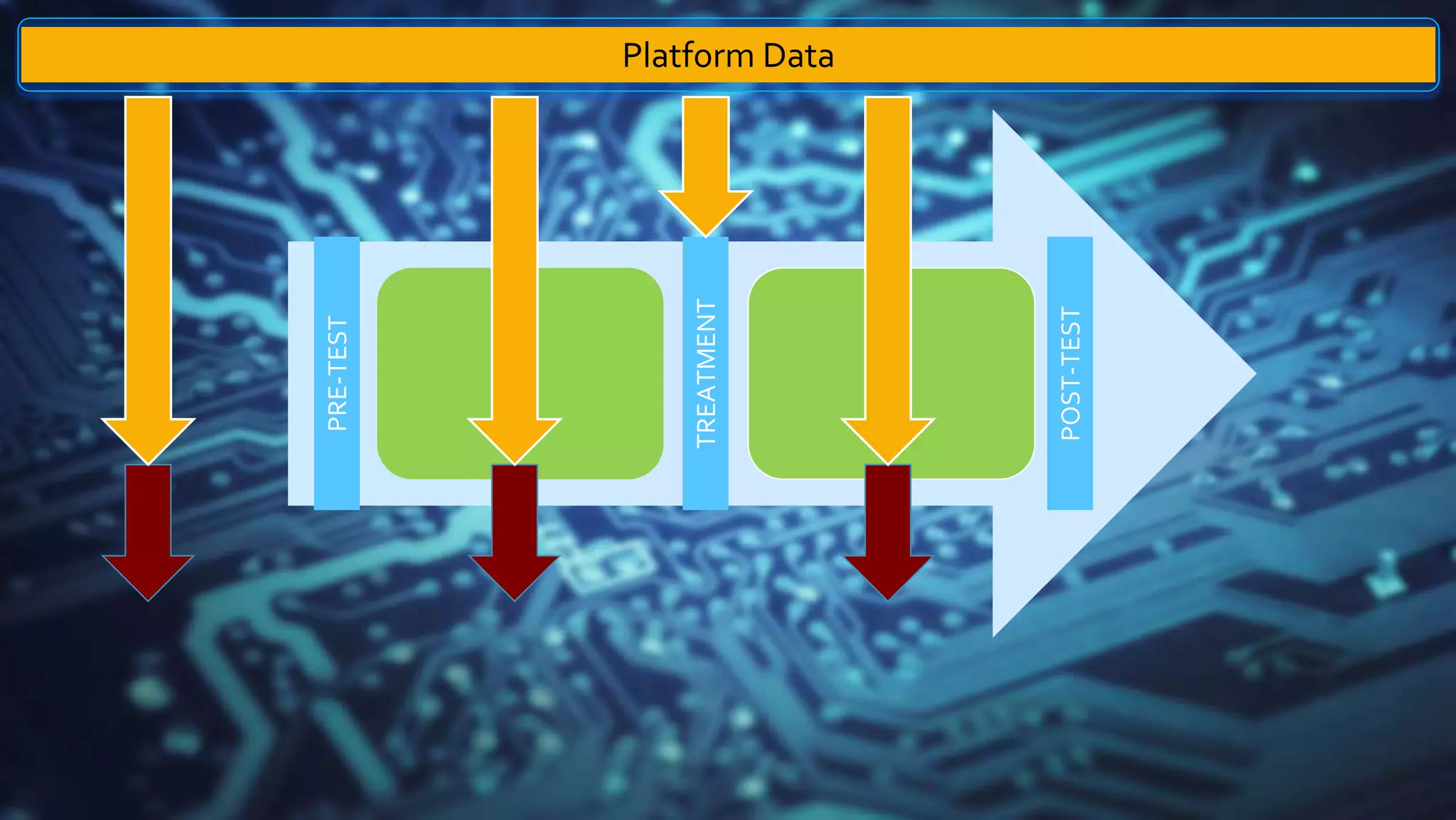
PRE-TEST
TREATMENT
POST-TEST
Platform Data
PRE-TEST
TREATMENT
POST-TEST
Platform Data
Males,
Less active
hosts
Some Findings
Satisfaction
RiskAversion
Frequency
RiskAversion
“Risk Aversion and Engagement in the Sharing Economy,” Santana and Parigi. 2015. Games.
When does it make sense to use OFE?
Not standardized work force:
• Customers can play both roles
of consumers and service
providers
• The workforce is made of
independent contractors
Big data is used for scaling
non customizable
experiences:
• Matching between consumers
and service providers
• Optimization
Beliefs and opinions make
the market segment
extremely fluid and dynamic
• Viral diffusion of social media
content that swings adoption of
the service
• Public opinion can force
regulators to intervene to restrict
/ enable access
An Example of Using OFE for Studying Participation
Markets that have some of the
characteristics previously described
require active recruitment of
consumers.
For example, suppose we want to
know the offering of services at
particular times of the day
(e.g. night) or particular areas
of a city (e.g. areas in
gentrifying neighborhoods)
Knowing risk attitudes of the
service providers becomes crucial.
Measuring trust / risk attitudes is
key for understanding recruitment
Produced by Urban Design + Media
Tymn Urban 2017

How To Build Trust In A Digital World

  • 1.
    TrustA NEW APPROACH TOMEASURE IT IN THE SHARING ECONOMY Paolo Parigi Lead Trust Scientist, Uber Adjunct Professor Civil and Environmental Engineering, Stanford University Jessica Santana PhD Candidate, Stanford University
  • 3.
    Another study showsthat nearly 2/3 of American shoppers do not trust retailers with their payment and personal information 67% 33% 0% 18% 35% 53% 70% 88% Retailers Distrust Trust Level of trust Americans have in Banks, Tech Firms, and Retailers
  • 8.
    One "slice" represents onemonth. There are two slices per second This movie depicts the real-time evolution of the local friendship network of CouchSurfers in San Francisco, from January 2003. Sharing economy platforms like Uber or Airbnb are social spaces where users interact and build relationships. Red ties are between people that met in a CouchSurfing event. Blue ties are pre- existing ties.
  • 9.
    In the sharingeconomy, consumers can play two roles interchangeably: Users and Service Providers How do you measure trust between them? What is the impact of ratings on trust?
  • 10.
    A New Methodologyfor Measuring Sentiments for a New Era “Engineering Trust” Abrahao, Parigi, Gupta, and Cook. 2017. PNAS “Online Field Experiments” Parigi, Santana, and Cook. 2017. SPQ
  • 11.
  • 15.
  • 16.
  • 17.
    Some Findings Satisfaction RiskAversion Frequency RiskAversion “Risk Aversionand Engagement in the Sharing Economy,” Santana and Parigi. 2015. Games.
  • 18.
    When does itmake sense to use OFE? Not standardized work force: • Customers can play both roles of consumers and service providers • The workforce is made of independent contractors Big data is used for scaling non customizable experiences: • Matching between consumers and service providers • Optimization Beliefs and opinions make the market segment extremely fluid and dynamic • Viral diffusion of social media content that swings adoption of the service • Public opinion can force regulators to intervene to restrict / enable access
  • 19.
    An Example ofUsing OFE for Studying Participation Markets that have some of the characteristics previously described require active recruitment of consumers. For example, suppose we want to know the offering of services at particular times of the day (e.g. night) or particular areas of a city (e.g. areas in gentrifying neighborhoods) Knowing risk attitudes of the service providers becomes crucial. Measuring trust / risk attitudes is key for understanding recruitment
  • 20.
    Produced by UrbanDesign + Media Tymn Urban 2017

Editor's Notes

  • #2 In marketing research, trust usually means how much consumers trust a particular brand
  • #4 Trust in brand is measured using either focus groups or surveys
  • #5 both tools for measuring trust where perfected after WWII to better understand the emerging phenomenon of the mass consumer
  • #6 You know already that it is not possible to talk about the mass consumer in the same way as if we were in the 1950s. Segmentations of markets fueled by increasing amount of data collected on our habits have disintegrated the once homogeneous categories of, the housewife, the young professional, etc.
  • #7  Yet, the tools of market researchers have not evolved much—focus groups and surveys. There is a good reason for that: both tools are effective in providing intelligence to business partners. But are they still capturing some underlying truth? Today we want to make a provocative argument: new markets require new type of tools for understanding the behavior of people. Focus groups and surveys work the best in mass markets; they work for segmentation (sizing of a market). They work less well for new emerging markets like the one I am about to introduce.
  • #8 For the companies, brands included in this slide, trust means not only (exclusively) trust in a brand but also trust in other consumers. If you are an Airbnb host, you need to have trust that your guest is not going to trash your house. If you are an Uber rider, you need to have trust that your driver is going to take you to the destination safe. Why did Airbnb and Uber care about trust between users? They are both examples of new type of companies. Airbnb is the largest hospitality provider in the world and does not own a single hotel; Uber is the largest taxi company in the world and it doesn’t own a car. Consumers in this space cross roles and form relationships.
  • #9 Are survey and focus groups good for measuring trust in other consumers? Not quite. A survey measures general attitudes, beliefs: “How do you trust Apple with your data?” A lot perhaps. It works less well, when asking about people, “How much do you trust Tim Cock with your data?” I don’t know… I don't know him, many of you likely think.
  • #10 This is key. In the sharing economy sector, other consumers feel more personally closer to a given respondent than in other markets; sharing economy company furthermore, have accumulated lots of data on people. You may not know your future guest face-to-face, but he or she comes with a reputation built via the recording of previous transactions. So while you do not know a given person, you may know his reputations from previous interactions and you may base your decision to trust him / her on the basis of this reputation.
  • #11 Measuring trust in this type of scenario requires a different tool than a survey. A focus group may work in unheartening this feeling of knowing somebody prior to having met him or her. Yet, in marketing research you need to be able to scale-up your findings. Focus groups do not scale. How do we measure trust between consumers? Or even more broadly, how do we measure the impact that prior accumulated information have on decisions to trust other consumers? Let us illustrate this with a concrete example from our work
  • #12 11.A new way to measure trust in the scenarios Paolo described are Online Field Experiments. a.What are OFEs? i.OFEs are the combination of experimental designs, like behavioral games, with contextual, behavioral platform data: 1.Better measurement of interpersonal trust b/c it captures real-world behavior and the context of social interactions 2.Uses platform data to quantify selection biases for better effect estimates and better understanding of users’ interaction with the platform.
  • #13 11.How do OFE’s work? a.Collaborating with online platforms (not necessary, since audience are platform reps) b.Online platforms as communities with boundaries, which provide context for social interactions c.<Image is of harassment on Wikipedia; red are “live”, grey are reverted; from https://blog.wikimedia.org/2017/02/07/scaling-understanding-of-harassment/>
  • #14 11.There are 3 key components of an OFE: a.First, Treatment i.Dividing participants into treatment and “nontreatment” groups 1.Treatment = behavior/attitude occurring within community/online platform a.Based on predictive algorithms typically created by online platform b.Self-selected by participants (not random) c.In Airbnb case, treatment = Airbnb users scheduled to have traveling experience within 3 weeks of Phase 1 measurement; otherwise nontreatment i.Based on whether users had booked room during period of observation – calculated by AirBnb
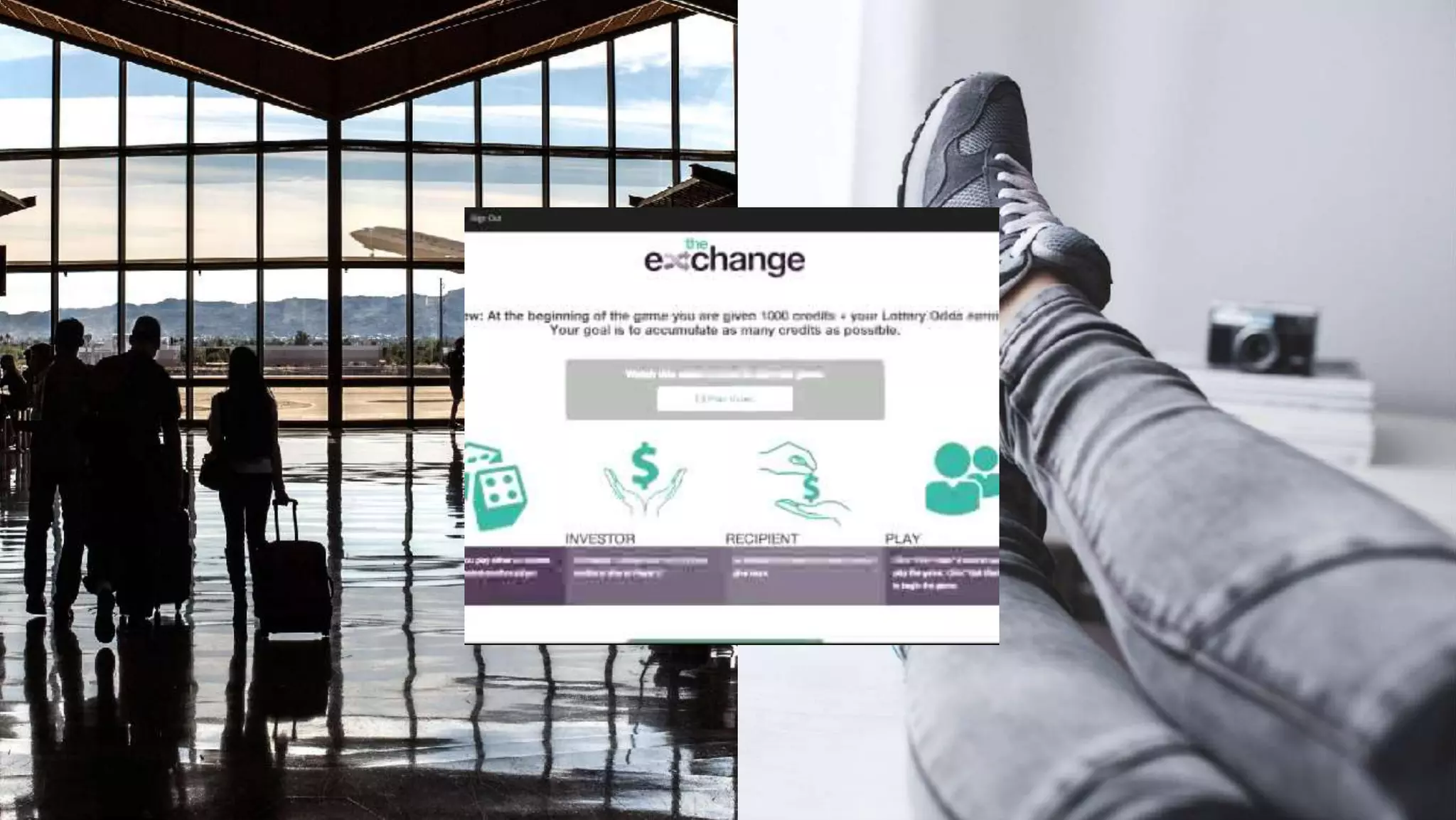
  • #15 11.Second, Outcome variable a.Outcome variables measured via online lab (e.g. behavioral games) before and/or following expected treatment b.E.g. How experience in the sharing economy affects participants’ trust behavior i.Treatment = Experience (not participation) in SE 1.E.g. traveling using AirBnb ii.DV = Trust 1.Measured using modified Investment Game (describe visually) 2.<PLAY VIDEO> 3.Trust = Investment at phase 2 minus phase 1 4. Risk was also measured (distinguishing risk from trust)
  • #16 11.Third, Selection Biases a. Platforms provide data for treatment, recruitment, also selection bias b. OFEs permit identifying and correcting selection bias in this way c. Two important selection biases: i. Compliance bias - systematic non-compliance ii. Selection into recruitment bias - systematic non-participation 1. Difference in OFE and prior methods - can identify and correct estimates for systematic non-participation
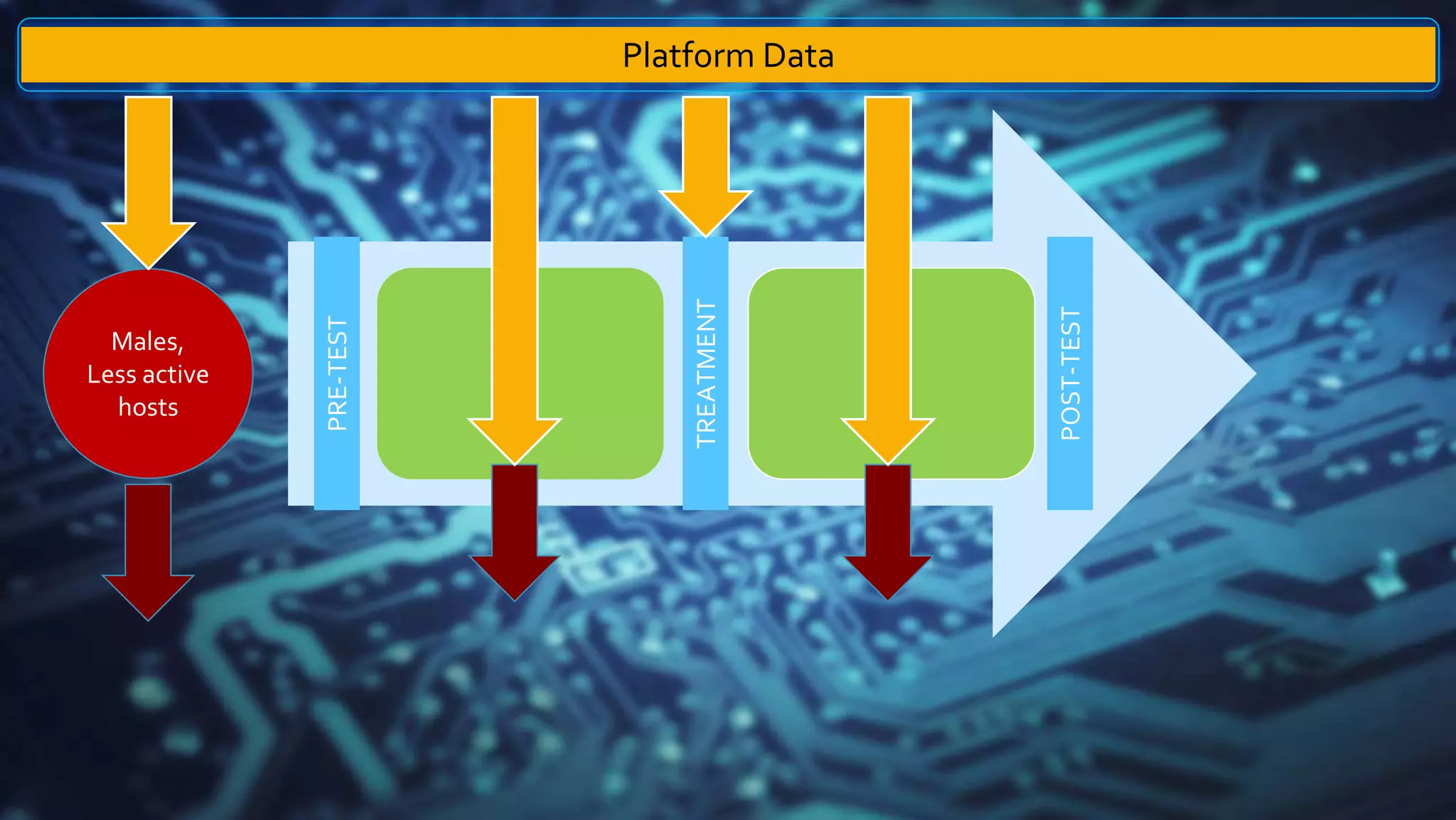
  • #17 For example, in study with Airbnb, we identified that males and less active hosts were less likely to participate than females and more active hosts. We were able to adjust our effect estimates accordingly.
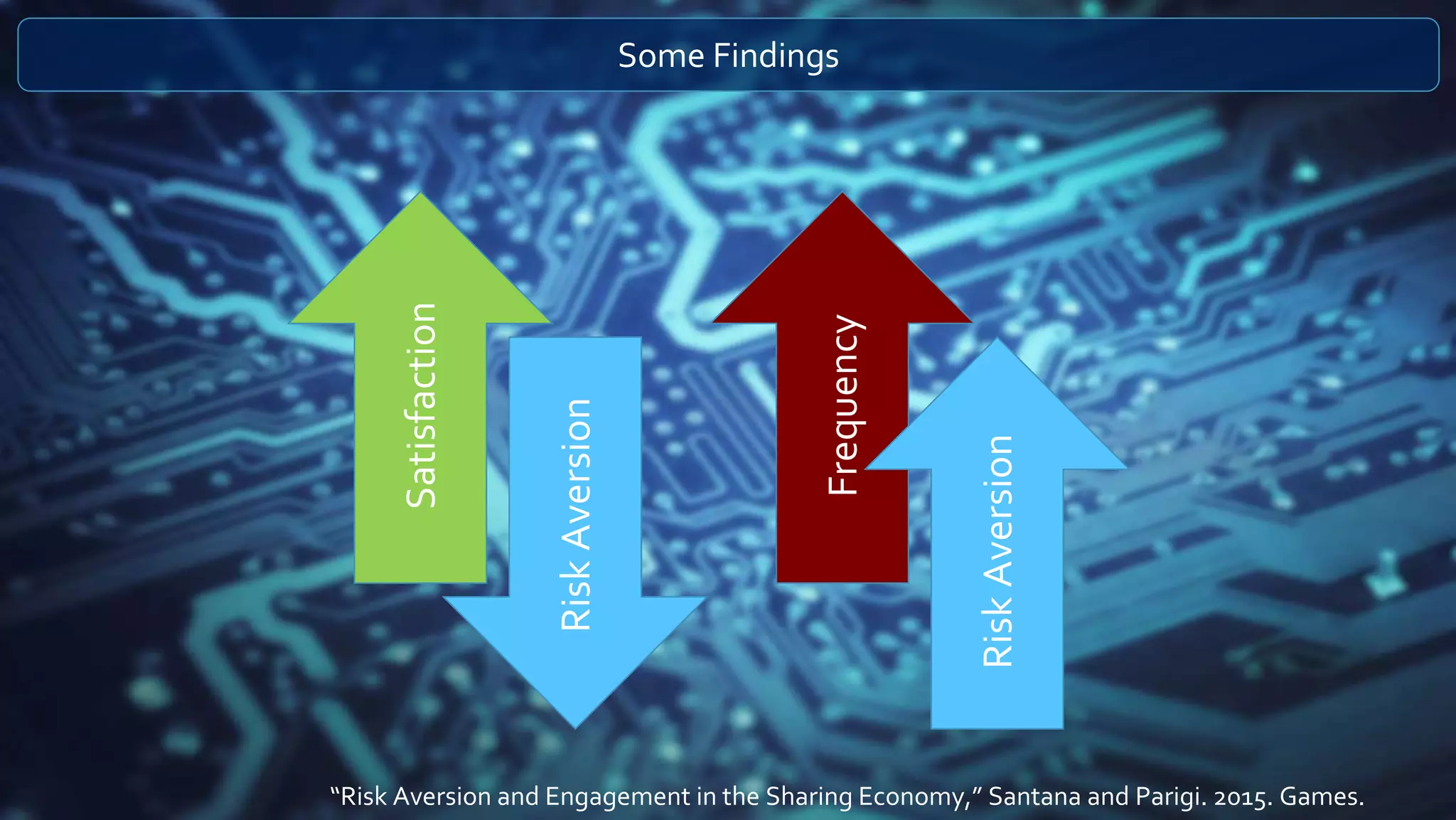
  • #18 11.Some findings: a.Separating trust from risk aversion b.More satisfaction = Less risk aversion i.More likely to try new features c.But more frequency of activity = more risk aversion i.More exposure to negative experiences We were able to see how to design for trust using OFE