HOW TO BUILD HIPAA COMPLIANT
HEALTHCARE APPS:
EVERYTHING YOU SHOULD KNOW!
WHAT IS HIPAA?
The Health Insurance Portability and Accountability Act (HIPAA) is a
federal rule that requires strict confidentiality for specific medical
information. The act was passed in 1996 to protect patients' privacy
and ensure the security of their medical records.
HIPAA compliance is mandatory for all healthcare organizations,
including apps that store or transmit patient data. To be HIPAA
compliant, an app must implement safeguards to protect patient data's
confidentiality, integrity, and availability.
WHAT SHOULD YOU UNDERSTAND ABOUT HIPAA COMPLIANCE?
PHI ([Public Health Information)
CHI (Consumer Health Information)
Name
Address
Date of Birth
Social Security Number
Health Insurance Information
Medical Records and other health information
It is any information that can be used to identify an
individual and that is related to that individual’s health or
healthcare. This includes, but is not restricted to, details
such as:
It includes any information about a person's
health that can be used to identify them. This
can include things like their medical history,
test results, and treatments. Keeping CHI safe
and secure is important because it's very
sensitive information. If it falls into the wrong
hands, it could be used to exploit someone's
health condition or even steal their identity.
WHY IS HIPAA IMPORTANT?
PROTECTS PATIENTS' PRIVACY
Under HIPAA, patient information is
protected from being shared without
the patient's consent.
ENSURES THAT PATIENTS
RECEIVE QUALITY CARE
HIPAA requires that covered entities,
such as hospitals and clinics, provide
patients with high-quality care.
PROTECTS PATIENTS'
RIGHTS
HIPAA gives patients certain rights
concerning their health information,
such as the right to file a complaint if
they believe their privacy rights have
been violated.
PROVIDES PATIENTS CONTROL OVER
THEIR HEALTH INFORMATION
Patients have the right to request
access to their medical records and
corrections to any incorrect or
outdated information.
When it comes to healthcare mobile app development, HIPAA is indeed quite crucial.
Here is why!
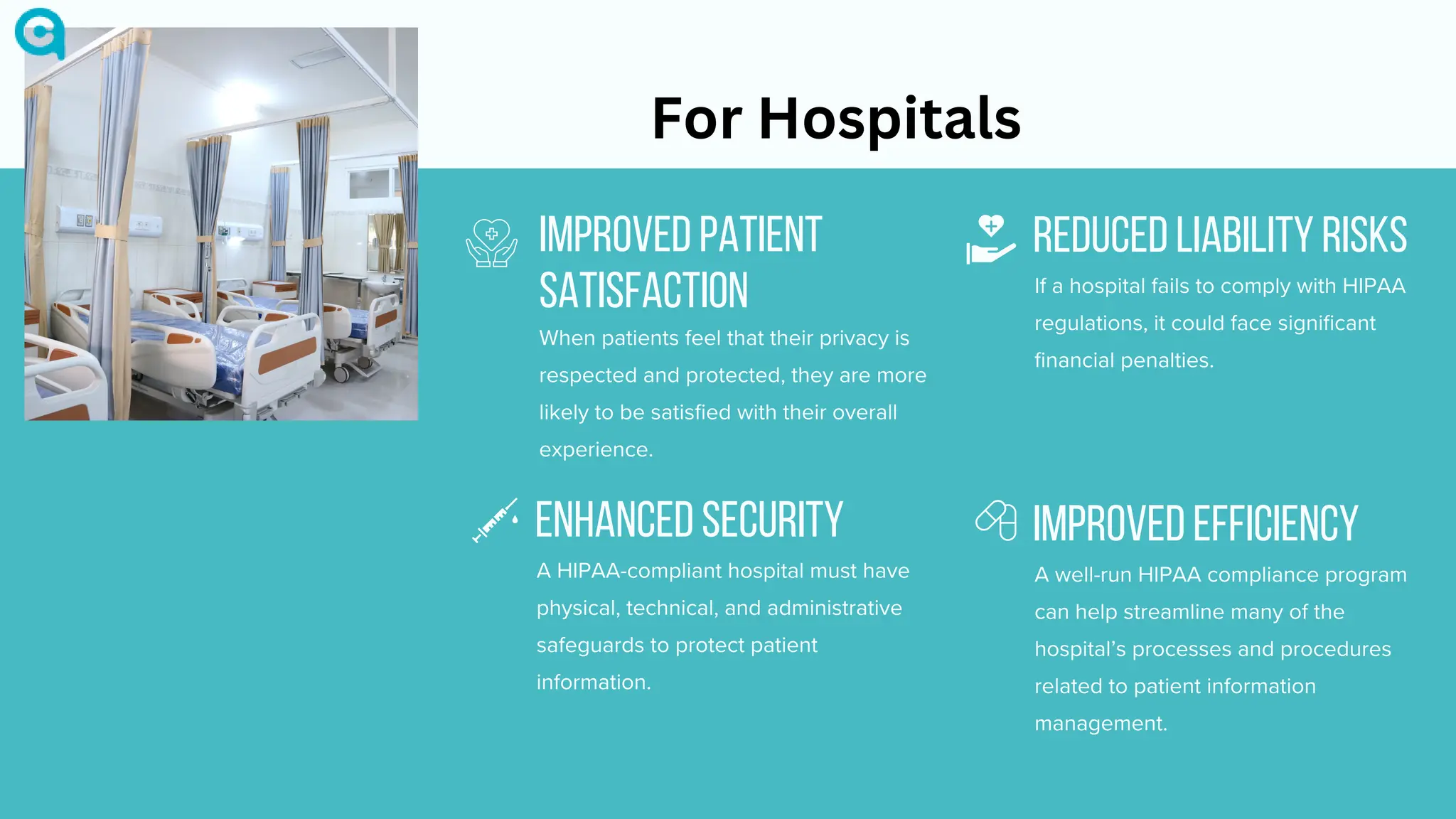
For Patients
IMPROVED PATIENT
SATISFACTION
When patients feel that their privacy is
respected and protected, they are more
likely to be satisfied with their overall
experience.
ENHANCED SECURITY
A HIPAA-compliant hospital must have
physical, technical, and administrative
safeguards to protect patient
information.
REDUCED LIABILITY RISKS
If a hospital fails to comply with HIPAA
regulations, it could face significant
financial penalties.
IMPROVED EFFICIENCY
A well-run HIPAA compliance program
can help streamline many of the
hospital’s processes and procedures
related to patient information
management.
For Hospitals
Doctor Doctor Doctor
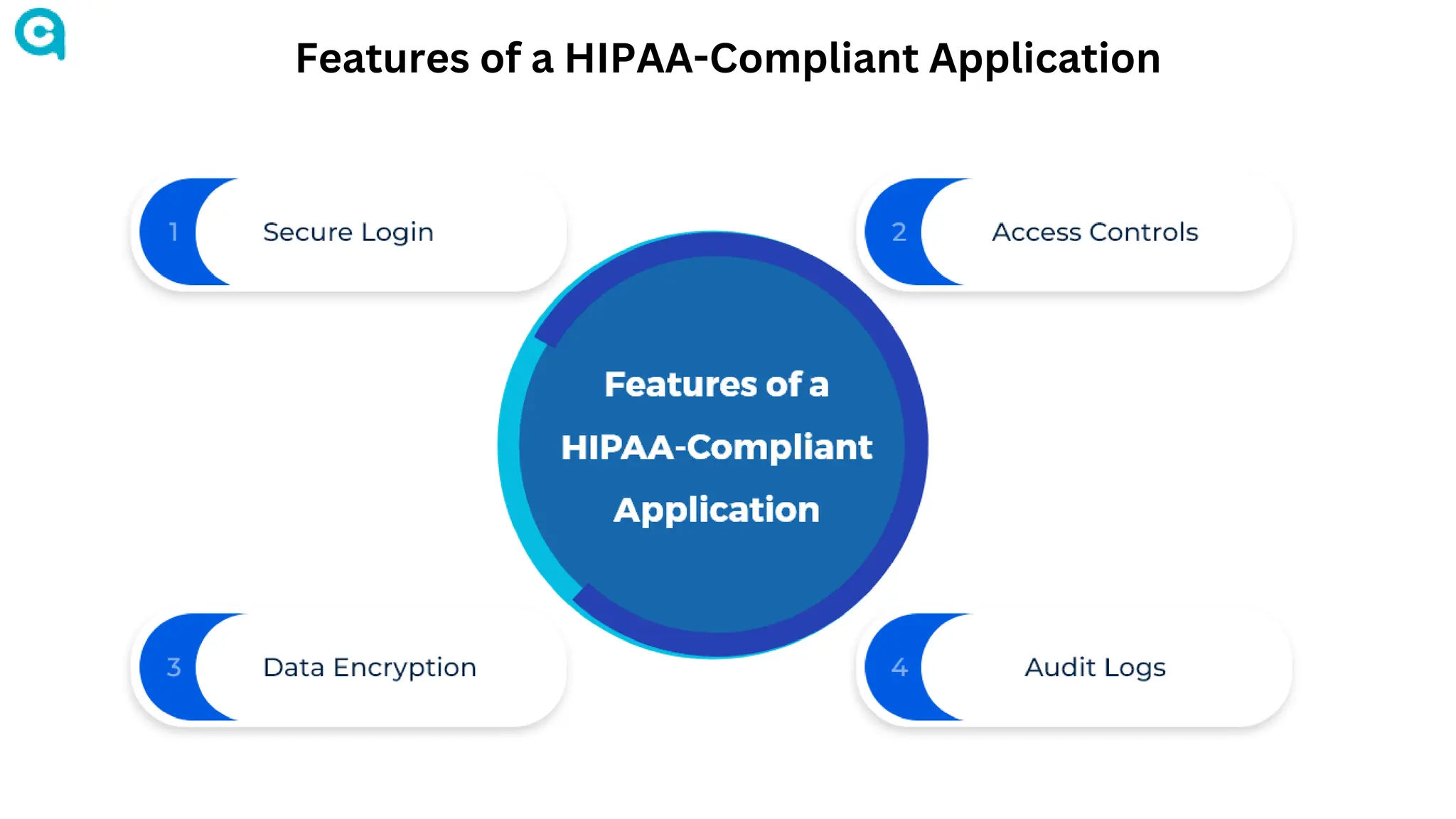
Features of a HIPAA-Compliant Application
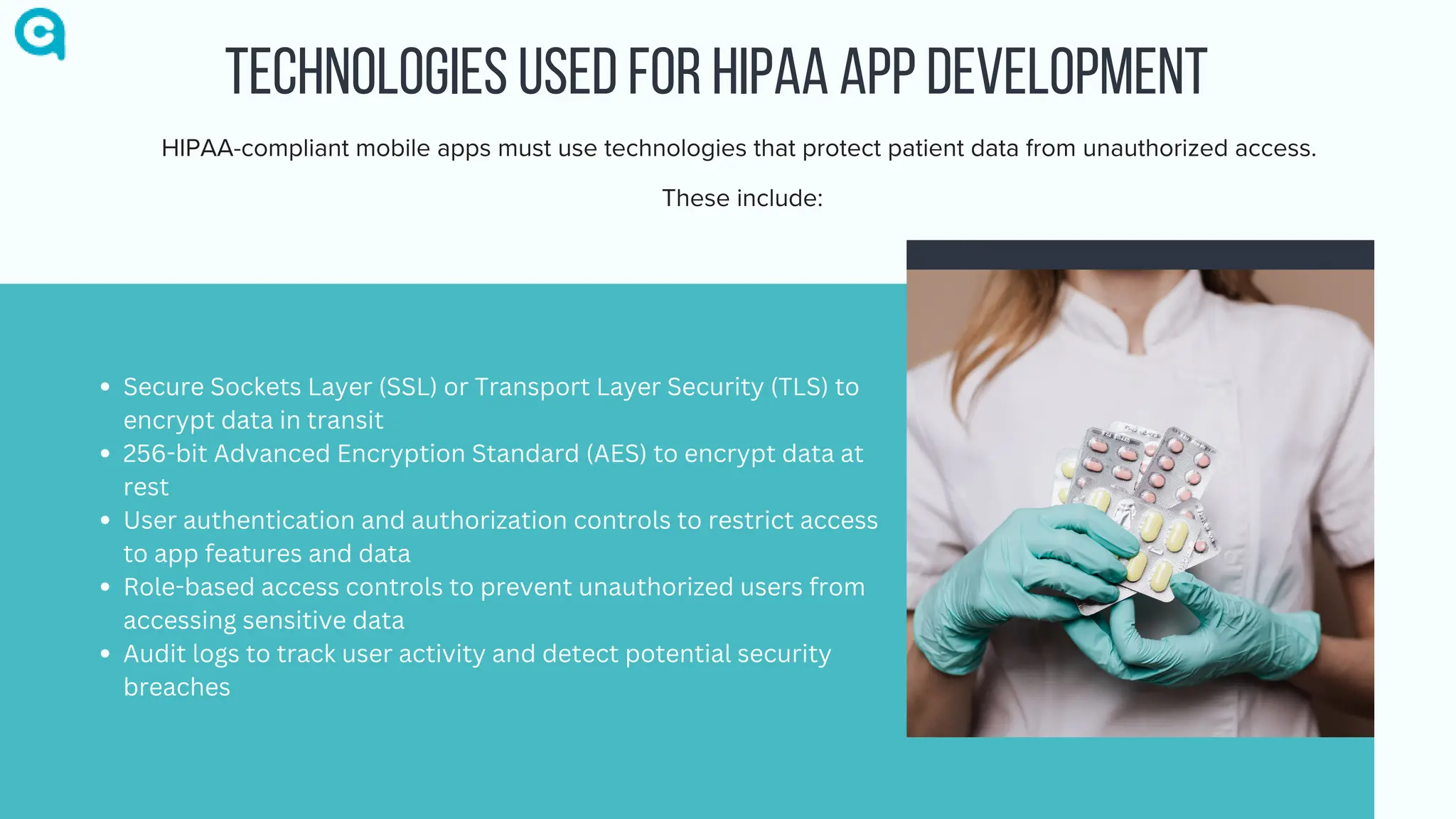
TECHNOLOGIES USED FOR HIPAA APP DEVELOPMENT
HIPAA-compliant mobile apps must use technologies that protect patient data from unauthorized access.
These include:
Secure Sockets Layer (SSL) or Transport Layer Security (TLS) to
encrypt data in transit
256-bit Advanced Encryption Standard (AES) to encrypt data at
rest
User authentication and authorization controls to restrict access
to app features and data
Role-based access controls to prevent unauthorized users from
accessing sensitive data
Audit logs to track user activity and detect potential security
breaches
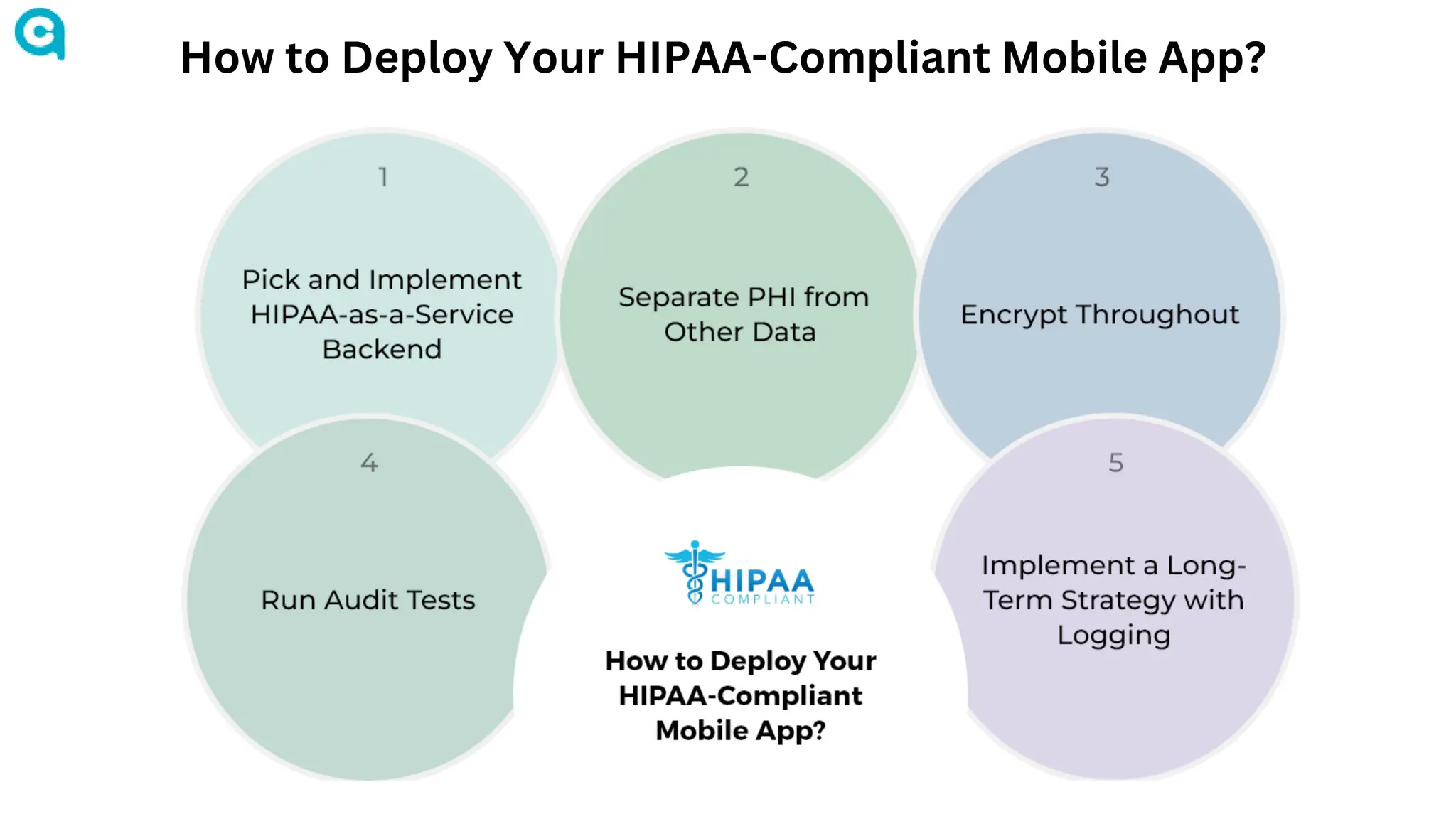
How to Deploy Your HIPAA-Compliant Mobile App?
CONTACT US
www.codeaegis.com
codeaegisit
codeaegisit
codeaegisit

How to Build HIPAA Compliant Healthcare Apps: Everything You Should Know!

  • 1.
    HOW TO BUILDHIPAA COMPLIANT HEALTHCARE APPS: EVERYTHING YOU SHOULD KNOW!
  • 2.
    WHAT IS HIPAA? TheHealth Insurance Portability and Accountability Act (HIPAA) is a federal rule that requires strict confidentiality for specific medical information. The act was passed in 1996 to protect patients' privacy and ensure the security of their medical records. HIPAA compliance is mandatory for all healthcare organizations, including apps that store or transmit patient data. To be HIPAA compliant, an app must implement safeguards to protect patient data's confidentiality, integrity, and availability.
  • 3.
    WHAT SHOULD YOUUNDERSTAND ABOUT HIPAA COMPLIANCE? PHI ([Public Health Information) CHI (Consumer Health Information) Name Address Date of Birth Social Security Number Health Insurance Information Medical Records and other health information It is any information that can be used to identify an individual and that is related to that individual’s health or healthcare. This includes, but is not restricted to, details such as: It includes any information about a person's health that can be used to identify them. This can include things like their medical history, test results, and treatments. Keeping CHI safe and secure is important because it's very sensitive information. If it falls into the wrong hands, it could be used to exploit someone's health condition or even steal their identity.
  • 4.
    WHY IS HIPAAIMPORTANT? PROTECTS PATIENTS' PRIVACY Under HIPAA, patient information is protected from being shared without the patient's consent. ENSURES THAT PATIENTS RECEIVE QUALITY CARE HIPAA requires that covered entities, such as hospitals and clinics, provide patients with high-quality care. PROTECTS PATIENTS' RIGHTS HIPAA gives patients certain rights concerning their health information, such as the right to file a complaint if they believe their privacy rights have been violated. PROVIDES PATIENTS CONTROL OVER THEIR HEALTH INFORMATION Patients have the right to request access to their medical records and corrections to any incorrect or outdated information. When it comes to healthcare mobile app development, HIPAA is indeed quite crucial. Here is why! For Patients
  • 5.
    IMPROVED PATIENT SATISFACTION When patientsfeel that their privacy is respected and protected, they are more likely to be satisfied with their overall experience. ENHANCED SECURITY A HIPAA-compliant hospital must have physical, technical, and administrative safeguards to protect patient information. REDUCED LIABILITY RISKS If a hospital fails to comply with HIPAA regulations, it could face significant financial penalties. IMPROVED EFFICIENCY A well-run HIPAA compliance program can help streamline many of the hospital’s processes and procedures related to patient information management. For Hospitals
  • 6.
    Doctor Doctor Doctor Featuresof a HIPAA-Compliant Application
  • 7.
    TECHNOLOGIES USED FORHIPAA APP DEVELOPMENT HIPAA-compliant mobile apps must use technologies that protect patient data from unauthorized access. These include: Secure Sockets Layer (SSL) or Transport Layer Security (TLS) to encrypt data in transit 256-bit Advanced Encryption Standard (AES) to encrypt data at rest User authentication and authorization controls to restrict access to app features and data Role-based access controls to prevent unauthorized users from accessing sensitive data Audit logs to track user activity and detect potential security breaches
  • 8.
    How to DeployYour HIPAA-Compliant Mobile App?
  • 9.