Hemorrhoids:
Essential
Guide
By: Dr Valeria Simone MD,
(Southlake General Surgery, Texas,
USA)
Overview
Have you ever experienced the discomfort, pain, or
embarrassment of hemorrhoids? If so, you’re not
alone. Millions of people suffer from this common
condition, but many are hesitant to discuss it or
seek help.
In this blog post, we’ll shed light on hemorrhoids
what is, exploring their causes, symptoms,
treatments, and prevention strategies. You’ll learn
how to recognize the signs, manage the discomfort,
and take proactive steps to avoid future flare-ups,
enabling you to take charge of your health and
well-being.
Key Takeaways
• Hemorrhoids are swollen and inflamed veins in the anal and rectal
region that can cause pain, itching, discomfort, and bleeding.
• Risk factors include pregnancy, being overweight or obese, chronic
constipation, etc. Early diagnosis is essential for successful treatment &
prevention strategies such as lifestyle modifications & over-the-counter
medications should be discussed with a doctor.
• Prevention includes maintaining a balanced diet high in fiber along with
adequate hydration levels and exercising regularly to improve
circulation & reduce pressure on veins around the anus.
Understanding
Hemorrhoids
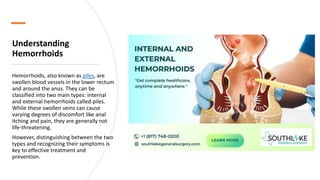
Hemorrhoids, also known as piles, are
swollen blood vessels in the lower rectum
and around the anus. They can be
classified into two main types: internal
and external hemorrhoids called piles.
While these swollen veins can cause
varying degrees of discomfort like anal
itching and pain, they are generally not
life-threatening.
However, distinguishing between the two
types and recognizing their symptoms is
key to effective treatment and
prevention.
Defining Hemorrhoids
Hemorrhoids are anal and rectal veins which become swollen and inflamed. They contribute to
pain and discomfort in the area. These swollen veins can cause a range of irritating symptoms,
such as itching, pain, and bleeding.
Hemorrhoids are often compared to varicose veins, as both conditions involve enlarged veins.
However, unlike varicose veins that typically form on the legs, hemorrhoids develop in the anal
and rectal regions.
The two types of hemorrhoids are internal and external hemorrhoid. Internal hemorrhoids form
inside the rectum and typically don’t cause pain, but can lead to bleeding.
External hemorrhoids, on the other hand, form outside the rectum and are often painful and
itchy. Identifying the type of hemorrhoid you have is important, as it will guide the treatment
approach.
Internal Hemorrhoids
Internal hemorrhoids are veins that have become swollen. They are located inside the
rectum. An internal hemorrhoid generally doesn’t cause discomfort but can lead to
rectal bleeding. This bleeding may manifest as bright red blood on toilet paper or in the
toilet bowl after a bowel movement.
In more severe cases, internal hemorrhoids may prolapse, extending beyond the anus
and causing further complications. Healthcare professionals use a grading system
ranging from 1 to 4 to classify the degree of prolapse of internal hemorrhoids.
Correct diagnosis and treatment are necessary to relieve symptoms and avoid
complications like strangulated hemorrhoids, where the blood supply to the swollen
veins is disrupted, resulting in intense pain.
External Hemorrhoids
An external hemorrhoid, unlike its internal counterparts, forms in the anus and lower
rectum and can cause pain, itching, and discomfort. These external hemorrhoids are
covered by sensitive skin and may appear as small lumps just outside the anus.
In some cases, blood clots can form within external hemorrhoids, affecting the blood
supply to the affected area and causing sudden, severe pain.
Treatment options for external hemorrhoids range from home remedies or home
treatments such as warm baths, to medical interventions, including topical therapies or
surgery. Prevention strategies, including adopting a healthy diet, maintaining hydration,
and regular physical activity, are key to reducing the risk of external hemorrhoids.
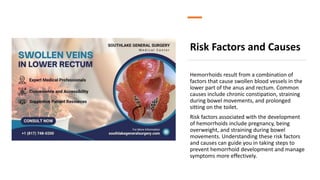
Risk Factors and Causes
Hemorrhoids result from a combination of
factors that cause swollen blood vessels in the
lower part of the anus and rectum. Common
causes include chronic constipation, straining
during bowel movements, and prolonged
sitting on the toilet.
Risk factors associated with the development
of hemorrhoids include pregnancy, being
overweight, and straining during bowel
movements. Understanding these risk factors
and causes can guide you in taking steps to
prevent hemorrhoid development and manage
symptoms more effectively.
Pressure on Veins
Increased pressure on veins around the anus can lead to the development of hemorrhoids.
This pressure can result from various factors, such as prolonged sitting or standing, lack of
physical activity, or chronic venous insufficiency.
During bowel movements, hemorrhoids are pushed against the sphincter muscle, and
patients with hemorrhoids tend to have a higher resting anal canal tone.
Reducing pressure on veins requires regular physical activity, maintaining a healthy body
weight, and avoiding prolonged sitting or standing. Such measures not only prevent
hemorrhoids but also ease existing symptoms.
Chronic Constipation
Chronic constipation is a long-term condition characterized by:
• infrequent, difficult, or incomplete bowel movements
• alterations in diet
• lack of physical activity
• underlying medical conditions
Chronic constipation can lead to hemorrhoids due to straining during bowel movements.
It’s vital to tackle the root causes of chronic constipation to prevent hemorrhoids. This
might involve identifying and addressing the primary cause, alongside making pertinent
lifestyle changes like increasing fiber intake and regular physical activity.
Pregnancy and Aging
Pregnancy and aging are also significant factors contributing to the development of
hemorrhoids. During pregnancy, the expanding uterus places pressure on the veins, leading
to increased blood flow to the pelvic area and an increased risk of hemorrhoids due to
hormonal changes and increased intra-abdominal pressure.
On the other hand, the weakening of the connective tissues that support and hold
hemorrhoids in place can be attributed to age. Being aware of these factors is important
for implementing preventive measures during pregnancy and as you age.
Adopting a healthy diet, staying hydrated, and engaging in regular physical activity can help
minimize the risk of hemorrhoids in these situations.
Symptoms
and
Diagnosis
Recognition of symptoms and diagnosis of hemorrhoids are vital for appropriate treatment and management.
Symptoms can vary depending on the type of hemorrhoid and may include:
• Rectal pain
• Itching
• Bleeding
• Potential prolapse
A medical history and physical exam can help get hemorrhoids diagnosed, with external hemorrhoids usually
apparent, especially if a blood clot has formed. You should consult with a doctor if hemorrhoids do not respond to
treatment after a week or if recurring hemorrhoids are present.
Medical attention should be sought if serious anal discomfort, heavy rectal bleeding, or a fever is present. Seek help
immediately to avoid any further complications.
Recognizing Symptoms
Itching, mild pain throughout, and bleeding could be symptoms of hemorrhoids. These
symptoms should not be ignored.
Internal hemorrhoids are generally painless but can cause rectal bleeding, while external
hemorrhoids can cause itching and pain in the anal region. The severity of symptoms can
vary depending on the type and severity of the hemorrhoids.
In some cases, the symptoms of hemorrhoids may be mild and can be managed with at-
home remedies. In other cases, the symptoms may be more severe and may require
medical treatment.
Recognizing the symptoms associated with hemorrhoids is key to obtaining suitable
treatment and managing the condition effectively. If you experience any of the symptoms
mentioned above, consult your doctor for a proper diagnosis and tailored treatment plan.
Diagnosing Hemorrhoids
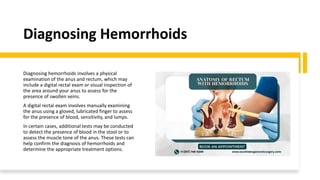
Diagnosing hemorrhoids involves a physical
examination of the anus and rectum, which may
include a digital rectal exam or visual inspection of
the area around your anus to assess for the
presence of swollen veins.
A digital rectal exam involves manually examining
the anus using a gloved, lubricated finger to assess
for the presence of blood, sensitivity, and lumps.
In certain cases, additional tests may be conducted
to detect the presence of blood in the stool or to
assess the muscle tone of the anus. These tests can
help confirm the diagnosis of hemorrhoids and
determine the appropriate treatment options.
At-Home Remedies and Treatments
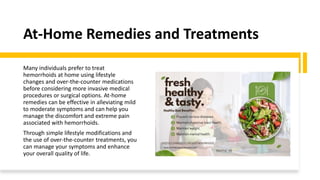
Many individuals prefer to treat
hemorrhoids at home using lifestyle
changes and over-the-counter medications
before considering more invasive medical
procedures or surgical options. At-home
remedies can be effective in alleviating mild
to moderate symptoms and can help you
manage the discomfort and extreme pain
associated with hemorrhoids.
Through simple lifestyle modifications and
the use of over-the-counter treatments, you
can manage your symptoms and enhance
your overall quality of life.
Lifestyle Changes
One of the most effective ways to treat hemorrhoids at home is by making lifestyle
changes, such as increasing fiber intake and avoiding prolonged sitting. Consuming high-
fiber foods, like fruits, vegetables, and whole grains, can help soften stools and reduce the
pressure on hemorrhoids.
Staying hydrated can also help keep stools soft and prevent constipation, a common cause
of hemorrhoids. Additionally, avoiding extended periods of sitting can help reduce pressure
on the veins in the rectal area, thus alleviating most hemorrhoid symptoms.
Over-the-Counter
Medications
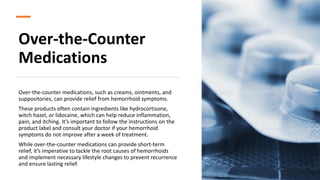
Over-the-counter medications, such as creams, ointments, and
suppositories, can provide relief from hemorrhoid symptoms.
These products often contain ingredients like hydrocortisone,
witch hazel, or lidocaine, which can help reduce inflammation,
pain, and itching. It’s important to follow the instructions on the
product label and consult your doctor if your hemorrhoid
symptoms do not improve after a week of treatment.
While over-the-counter medications can provide short-term
relief, it’s imperative to tackle the root causes of hemorrhoids
and implement necessary lifestyle changes to prevent recurrence
and ensure lasting relief.
Medical Procedures
and Surgical Options
In some cases, at-home remedies and
treatments may not be enough to alleviate
the symptoms of hemorrhoids. When this
occurs, medical procedures and surgical
options may be necessary. These treatments
can provide more permanent relief and can
be particularly helpful in cases of severe or
recurrent hemorrhoids.
It’s important to discuss your symptoms and
treatment options with your doctor, who can
help guide the best course of action based on
your personal needs.
Nonsurgical Procedures
Nonsurgical procedures, and alternative treatments such as rubber band
ligation and sclerotherapy, can be effective in treating hemorrhoids. Rubber
band ligation involves placing a rubber band around the base of a hemorrhoid,
cutting off its blood supply and causing it to shrink and eventually fall off.
Sclerotherapy involves injecting a chemical solution into the hemorrhoid tissue
or scar tissue, causing it to shrink and eventually disappear. Both procedures
can be performed in a doctor’s office and typically involve minimal discomfort
and downtime.
Surgical Treatments (Hemorrhoids
Surgery)
Surgical treatments, like hemorrhoidectomy, are reserved for severe cases of
prolapsed hemorrhoids or cases where nonsurgical treatments have been
unsuccessful. A hemorrhoidectomy involves the complete removal of external
hemorrhoids or prolapsed internal hemorrhoids and is typically performed under
anesthesia.
While this procedure has a high success rate, it can be associated with significant pain
and a longer recovery time compared to nonsurgical treatments. You should discuss
the risks and benefits of surgical treatments with your doctor to ascertain if they are a
suitable option for you.
Hemorrhoids Surgery in Texas
If you’re seeking relief from persistent or severe hemorrhoids, there are options
for hemorrhoids surgery in Texas. These surgical procedures are designed to provide
long-term relief from the discomfort and complications associated with this condition.
With expert surgeons and advanced medical facilities, Southlake General Surgery
offers top-notch care for patients dealing with this common but troublesome
condition.
Remember, it’s important to consult with a healthcare professional to understand the
best treatment options for your specific situation.
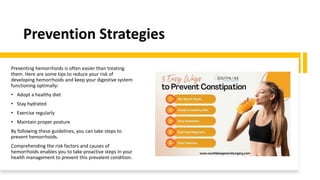
Prevention Strategies
Preventing hemorrhoids is often easier than treating
them. Here are some tips to reduce your risk of
developing hemorrhoids and keep your digestive system
functioning optimally:
• Adopt a healthy diet
• Stay hydrated
• Exercise regularly
• Maintain proper posture
By following these guidelines, you can take steps to
prevent hemorrhoids.
Comprehending the risk factors and causes of
hemorrhoids enables you to take proactive steps in your
health management to prevent this prevalent condition.
Diet and Hydration
Consuming a high-fiber diet and staying hydrated can help prevent
hemorrhoids by softening stools and reducing the need to strain during
bowel movements. Some tips for preventing hemorrhoids include:
• Eating fruits, vegetables, and whole grains to provide the necessary
fiber for regular bowel movements
• Drinking plenty of water to stay hydrated
• Avoiding excessive straining during bowel movements
• Establish a routine of regular physical activities to boost your digestive
system’s efficiency and promote optimal health
By following these tips, you can minimize the risk of developing
hemorrhoids and maintain good digestive health.
Let’s explore more: Hemorrhoids: Essential Guide - Southlake General
Surgery
Appointment
If you’re suffering from persistent or severe hemorrhoids, it’s important to seek professional medical advice. At
Southlake General Surgery, our team of experienced healthcare professionals is ready to assist you.
We offer comprehensive consultations and a range of treatment options tailored to your specific needs. Don’t let the
discomfort of hemorrhoids interfere with your quality of life.
Isn’t it time you put a stop to the discomfort of hemorrhoids? Let’s tackle this together!
Schedule an appointment with us today and take a giant leap towards relief and recovery. Your journey to a more
comfortable life starts now! For Quick Appointments, you can contact our healthcare expert today at +1 (817) 748-
0200.
Medically Reviewed By: Dr. Valeria Simone MD
Board-certified General Surgeon at Southlake General Surgery, Texas, USA.
Follow us on Facebook and YouTube.
Source: Hemorrhoids: Essential Guide - Southlake General Surgery
THANK YOU!
SOUTHLAKE GENERAL SURGERY
1545 E. Southlake Blvd, Suite 270 Southlake, TX 76092
EMAIL: info@southlakegeneralsurgery.com
VISIT US AT: www.southlakegeneralsurgery.com

Hemorrhoids - Essential Guide.pdf

  • 1.
    Hemorrhoids: Essential Guide By: Dr ValeriaSimone MD, (Southlake General Surgery, Texas, USA)
  • 2.
    Overview Have you everexperienced the discomfort, pain, or embarrassment of hemorrhoids? If so, you’re not alone. Millions of people suffer from this common condition, but many are hesitant to discuss it or seek help. In this blog post, we’ll shed light on hemorrhoids what is, exploring their causes, symptoms, treatments, and prevention strategies. You’ll learn how to recognize the signs, manage the discomfort, and take proactive steps to avoid future flare-ups, enabling you to take charge of your health and well-being.
  • 3.
    Key Takeaways • Hemorrhoidsare swollen and inflamed veins in the anal and rectal region that can cause pain, itching, discomfort, and bleeding. • Risk factors include pregnancy, being overweight or obese, chronic constipation, etc. Early diagnosis is essential for successful treatment & prevention strategies such as lifestyle modifications & over-the-counter medications should be discussed with a doctor. • Prevention includes maintaining a balanced diet high in fiber along with adequate hydration levels and exercising regularly to improve circulation & reduce pressure on veins around the anus.
  • 4.
    Understanding Hemorrhoids Hemorrhoids, also knownas piles, are swollen blood vessels in the lower rectum and around the anus. They can be classified into two main types: internal and external hemorrhoids called piles. While these swollen veins can cause varying degrees of discomfort like anal itching and pain, they are generally not life-threatening. However, distinguishing between the two types and recognizing their symptoms is key to effective treatment and prevention.
  • 5.
    Defining Hemorrhoids Hemorrhoids areanal and rectal veins which become swollen and inflamed. They contribute to pain and discomfort in the area. These swollen veins can cause a range of irritating symptoms, such as itching, pain, and bleeding. Hemorrhoids are often compared to varicose veins, as both conditions involve enlarged veins. However, unlike varicose veins that typically form on the legs, hemorrhoids develop in the anal and rectal regions. The two types of hemorrhoids are internal and external hemorrhoid. Internal hemorrhoids form inside the rectum and typically don’t cause pain, but can lead to bleeding. External hemorrhoids, on the other hand, form outside the rectum and are often painful and itchy. Identifying the type of hemorrhoid you have is important, as it will guide the treatment approach.
  • 6.
    Internal Hemorrhoids Internal hemorrhoidsare veins that have become swollen. They are located inside the rectum. An internal hemorrhoid generally doesn’t cause discomfort but can lead to rectal bleeding. This bleeding may manifest as bright red blood on toilet paper or in the toilet bowl after a bowel movement. In more severe cases, internal hemorrhoids may prolapse, extending beyond the anus and causing further complications. Healthcare professionals use a grading system ranging from 1 to 4 to classify the degree of prolapse of internal hemorrhoids. Correct diagnosis and treatment are necessary to relieve symptoms and avoid complications like strangulated hemorrhoids, where the blood supply to the swollen veins is disrupted, resulting in intense pain.
  • 7.
    External Hemorrhoids An externalhemorrhoid, unlike its internal counterparts, forms in the anus and lower rectum and can cause pain, itching, and discomfort. These external hemorrhoids are covered by sensitive skin and may appear as small lumps just outside the anus. In some cases, blood clots can form within external hemorrhoids, affecting the blood supply to the affected area and causing sudden, severe pain. Treatment options for external hemorrhoids range from home remedies or home treatments such as warm baths, to medical interventions, including topical therapies or surgery. Prevention strategies, including adopting a healthy diet, maintaining hydration, and regular physical activity, are key to reducing the risk of external hemorrhoids.
  • 8.
    Risk Factors andCauses Hemorrhoids result from a combination of factors that cause swollen blood vessels in the lower part of the anus and rectum. Common causes include chronic constipation, straining during bowel movements, and prolonged sitting on the toilet. Risk factors associated with the development of hemorrhoids include pregnancy, being overweight, and straining during bowel movements. Understanding these risk factors and causes can guide you in taking steps to prevent hemorrhoid development and manage symptoms more effectively.
  • 9.
    Pressure on Veins Increasedpressure on veins around the anus can lead to the development of hemorrhoids. This pressure can result from various factors, such as prolonged sitting or standing, lack of physical activity, or chronic venous insufficiency. During bowel movements, hemorrhoids are pushed against the sphincter muscle, and patients with hemorrhoids tend to have a higher resting anal canal tone. Reducing pressure on veins requires regular physical activity, maintaining a healthy body weight, and avoiding prolonged sitting or standing. Such measures not only prevent hemorrhoids but also ease existing symptoms.
  • 10.
    Chronic Constipation Chronic constipationis a long-term condition characterized by: • infrequent, difficult, or incomplete bowel movements • alterations in diet • lack of physical activity • underlying medical conditions Chronic constipation can lead to hemorrhoids due to straining during bowel movements. It’s vital to tackle the root causes of chronic constipation to prevent hemorrhoids. This might involve identifying and addressing the primary cause, alongside making pertinent lifestyle changes like increasing fiber intake and regular physical activity.
  • 11.
    Pregnancy and Aging Pregnancyand aging are also significant factors contributing to the development of hemorrhoids. During pregnancy, the expanding uterus places pressure on the veins, leading to increased blood flow to the pelvic area and an increased risk of hemorrhoids due to hormonal changes and increased intra-abdominal pressure. On the other hand, the weakening of the connective tissues that support and hold hemorrhoids in place can be attributed to age. Being aware of these factors is important for implementing preventive measures during pregnancy and as you age. Adopting a healthy diet, staying hydrated, and engaging in regular physical activity can help minimize the risk of hemorrhoids in these situations.
  • 12.
  • 13.
    Recognition of symptomsand diagnosis of hemorrhoids are vital for appropriate treatment and management. Symptoms can vary depending on the type of hemorrhoid and may include: • Rectal pain • Itching • Bleeding • Potential prolapse A medical history and physical exam can help get hemorrhoids diagnosed, with external hemorrhoids usually apparent, especially if a blood clot has formed. You should consult with a doctor if hemorrhoids do not respond to treatment after a week or if recurring hemorrhoids are present. Medical attention should be sought if serious anal discomfort, heavy rectal bleeding, or a fever is present. Seek help immediately to avoid any further complications.
  • 14.
    Recognizing Symptoms Itching, mildpain throughout, and bleeding could be symptoms of hemorrhoids. These symptoms should not be ignored. Internal hemorrhoids are generally painless but can cause rectal bleeding, while external hemorrhoids can cause itching and pain in the anal region. The severity of symptoms can vary depending on the type and severity of the hemorrhoids. In some cases, the symptoms of hemorrhoids may be mild and can be managed with at- home remedies. In other cases, the symptoms may be more severe and may require medical treatment. Recognizing the symptoms associated with hemorrhoids is key to obtaining suitable treatment and managing the condition effectively. If you experience any of the symptoms mentioned above, consult your doctor for a proper diagnosis and tailored treatment plan.
  • 15.
    Diagnosing Hemorrhoids Diagnosing hemorrhoidsinvolves a physical examination of the anus and rectum, which may include a digital rectal exam or visual inspection of the area around your anus to assess for the presence of swollen veins. A digital rectal exam involves manually examining the anus using a gloved, lubricated finger to assess for the presence of blood, sensitivity, and lumps. In certain cases, additional tests may be conducted to detect the presence of blood in the stool or to assess the muscle tone of the anus. These tests can help confirm the diagnosis of hemorrhoids and determine the appropriate treatment options.
  • 16.
    At-Home Remedies andTreatments Many individuals prefer to treat hemorrhoids at home using lifestyle changes and over-the-counter medications before considering more invasive medical procedures or surgical options. At-home remedies can be effective in alleviating mild to moderate symptoms and can help you manage the discomfort and extreme pain associated with hemorrhoids. Through simple lifestyle modifications and the use of over-the-counter treatments, you can manage your symptoms and enhance your overall quality of life.
  • 17.
    Lifestyle Changes One ofthe most effective ways to treat hemorrhoids at home is by making lifestyle changes, such as increasing fiber intake and avoiding prolonged sitting. Consuming high- fiber foods, like fruits, vegetables, and whole grains, can help soften stools and reduce the pressure on hemorrhoids. Staying hydrated can also help keep stools soft and prevent constipation, a common cause of hemorrhoids. Additionally, avoiding extended periods of sitting can help reduce pressure on the veins in the rectal area, thus alleviating most hemorrhoid symptoms.
  • 18.
    Over-the-Counter Medications Over-the-counter medications, suchas creams, ointments, and suppositories, can provide relief from hemorrhoid symptoms. These products often contain ingredients like hydrocortisone, witch hazel, or lidocaine, which can help reduce inflammation, pain, and itching. It’s important to follow the instructions on the product label and consult your doctor if your hemorrhoid symptoms do not improve after a week of treatment. While over-the-counter medications can provide short-term relief, it’s imperative to tackle the root causes of hemorrhoids and implement necessary lifestyle changes to prevent recurrence and ensure lasting relief.
  • 19.
    Medical Procedures and SurgicalOptions In some cases, at-home remedies and treatments may not be enough to alleviate the symptoms of hemorrhoids. When this occurs, medical procedures and surgical options may be necessary. These treatments can provide more permanent relief and can be particularly helpful in cases of severe or recurrent hemorrhoids. It’s important to discuss your symptoms and treatment options with your doctor, who can help guide the best course of action based on your personal needs.
  • 20.
    Nonsurgical Procedures Nonsurgical procedures,and alternative treatments such as rubber band ligation and sclerotherapy, can be effective in treating hemorrhoids. Rubber band ligation involves placing a rubber band around the base of a hemorrhoid, cutting off its blood supply and causing it to shrink and eventually fall off. Sclerotherapy involves injecting a chemical solution into the hemorrhoid tissue or scar tissue, causing it to shrink and eventually disappear. Both procedures can be performed in a doctor’s office and typically involve minimal discomfort and downtime.
  • 21.
    Surgical Treatments (Hemorrhoids Surgery) Surgicaltreatments, like hemorrhoidectomy, are reserved for severe cases of prolapsed hemorrhoids or cases where nonsurgical treatments have been unsuccessful. A hemorrhoidectomy involves the complete removal of external hemorrhoids or prolapsed internal hemorrhoids and is typically performed under anesthesia. While this procedure has a high success rate, it can be associated with significant pain and a longer recovery time compared to nonsurgical treatments. You should discuss the risks and benefits of surgical treatments with your doctor to ascertain if they are a suitable option for you.
  • 22.
    Hemorrhoids Surgery inTexas If you’re seeking relief from persistent or severe hemorrhoids, there are options for hemorrhoids surgery in Texas. These surgical procedures are designed to provide long-term relief from the discomfort and complications associated with this condition. With expert surgeons and advanced medical facilities, Southlake General Surgery offers top-notch care for patients dealing with this common but troublesome condition. Remember, it’s important to consult with a healthcare professional to understand the best treatment options for your specific situation.
  • 23.
    Prevention Strategies Preventing hemorrhoidsis often easier than treating them. Here are some tips to reduce your risk of developing hemorrhoids and keep your digestive system functioning optimally: • Adopt a healthy diet • Stay hydrated • Exercise regularly • Maintain proper posture By following these guidelines, you can take steps to prevent hemorrhoids. Comprehending the risk factors and causes of hemorrhoids enables you to take proactive steps in your health management to prevent this prevalent condition.
  • 24.
    Diet and Hydration Consuminga high-fiber diet and staying hydrated can help prevent hemorrhoids by softening stools and reducing the need to strain during bowel movements. Some tips for preventing hemorrhoids include: • Eating fruits, vegetables, and whole grains to provide the necessary fiber for regular bowel movements • Drinking plenty of water to stay hydrated • Avoiding excessive straining during bowel movements • Establish a routine of regular physical activities to boost your digestive system’s efficiency and promote optimal health By following these tips, you can minimize the risk of developing hemorrhoids and maintain good digestive health. Let’s explore more: Hemorrhoids: Essential Guide - Southlake General Surgery
  • 25.
    Appointment If you’re sufferingfrom persistent or severe hemorrhoids, it’s important to seek professional medical advice. At Southlake General Surgery, our team of experienced healthcare professionals is ready to assist you. We offer comprehensive consultations and a range of treatment options tailored to your specific needs. Don’t let the discomfort of hemorrhoids interfere with your quality of life. Isn’t it time you put a stop to the discomfort of hemorrhoids? Let’s tackle this together! Schedule an appointment with us today and take a giant leap towards relief and recovery. Your journey to a more comfortable life starts now! For Quick Appointments, you can contact our healthcare expert today at +1 (817) 748- 0200. Medically Reviewed By: Dr. Valeria Simone MD Board-certified General Surgeon at Southlake General Surgery, Texas, USA. Follow us on Facebook and YouTube. Source: Hemorrhoids: Essential Guide - Southlake General Surgery
  • 26.
    THANK YOU! SOUTHLAKE GENERALSURGERY 1545 E. Southlake Blvd, Suite 270 Southlake, TX 76092 EMAIL: info@southlakegeneralsurgery.com VISIT US AT: www.southlakegeneralsurgery.com