Human-Computer Interaction
for Digital Civics
Week 3: Participation
John Vines john.vines@ncl.ac.uk
Step 1:
Share commentaries
Find your set-reading group
Group 1: Nataly, Dan R, Janis, Aseel
Group 2: Colin, Delvin, Taghreed, Aare
Group 3: Reem, Stuart, Eujin, Dan H
Group 4: Jay, Helen, Jen, Zeinab
Spend 20 minutes taking it in turns to talk about your individual
readings and reviews of the paper:
•  What was surprising?
•  What was interesting?
•  What did you learn?
•  What do you need to find out more about?
Step 2:
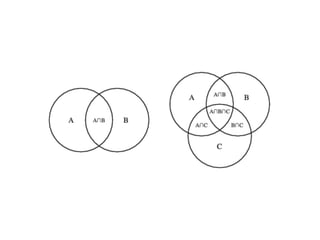
“Diagramise” your set reading
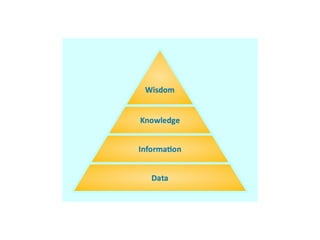
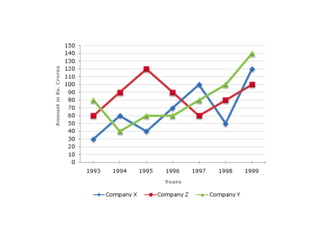
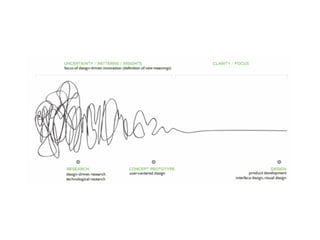
Make a visual diagram, chart, map, plot of your “set” paper
…
Draw this out on a sheet of paper
Focus on the issue of “involving people in design”
Try to characterize the main points or messages of the paper
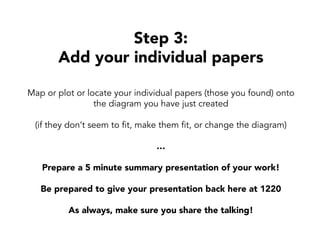
Step 3:
Add your individual papers
Map or plot or locate your individual papers (those you found) onto
the diagram you have just created
(if they don’t seem to fit, make them fit, or change the diagram)
…
Prepare a 5 minute summary presentation of your work!
Be prepared to give your presentation back here at 1220
As always, make sure you share the talking!
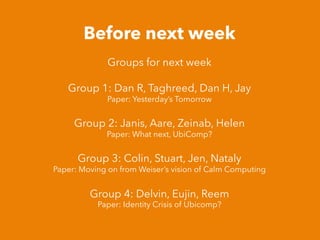
Before next week
Groups for next week
Group 1: Dan R, Taghreed, Dan H, Jay
Paper: Yesterday’s Tomorrow
Group 2: Janis, Aare, Zeinab, Helen
Paper: What next, UbiComp?
Group 3: Colin, Stuart, Jen, Nataly
Paper: Moving on from Weiser’s vision of Calm Computing
Group 4: Delvin, Eujin, Reem
Paper: Identity Crisis of Ubicomp?
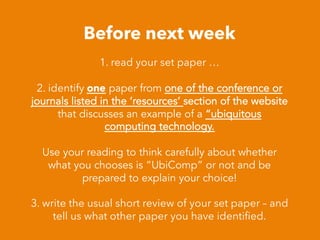
Before next week
1. read your set paper …
2. identify one paper from one of the conference or
journals listed in the ‘resources’ section of the website
that discusses an example of a “ubiquitous
computing technology.
Use your reading to think carefully about whether
what you chooses is “UbiComp” or not and be
prepared to explain your choice!
3. write the usual short review of your set paper – and
tell us what other paper you have identified.

HCI for Digital Civics 2015/2016 Week 3

  • 1.
    Human-Computer Interaction for DigitalCivics Week 3: Participation John Vines john.vines@ncl.ac.uk
  • 2.
    Step 1: Share commentaries Findyour set-reading group Group 1: Nataly, Dan R, Janis, Aseel Group 2: Colin, Delvin, Taghreed, Aare Group 3: Reem, Stuart, Eujin, Dan H Group 4: Jay, Helen, Jen, Zeinab Spend 20 minutes taking it in turns to talk about your individual readings and reviews of the paper: •  What was surprising? •  What was interesting? •  What did you learn? •  What do you need to find out more about?
  • 3.
    Step 2: “Diagramise” yourset reading Make a visual diagram, chart, map, plot of your “set” paper … Draw this out on a sheet of paper Focus on the issue of “involving people in design” Try to characterize the main points or messages of the paper
  • 12.
    Step 3: Add yourindividual papers Map or plot or locate your individual papers (those you found) onto the diagram you have just created (if they don’t seem to fit, make them fit, or change the diagram) … Prepare a 5 minute summary presentation of your work! Be prepared to give your presentation back here at 1220 As always, make sure you share the talking!
  • 13.
    Before next week Groupsfor next week Group 1: Dan R, Taghreed, Dan H, Jay Paper: Yesterday’s Tomorrow Group 2: Janis, Aare, Zeinab, Helen Paper: What next, UbiComp? Group 3: Colin, Stuart, Jen, Nataly Paper: Moving on from Weiser’s vision of Calm Computing Group 4: Delvin, Eujin, Reem Paper: Identity Crisis of Ubicomp?
  • 14.
    Before next week 1.read your set paper … 2. identify one paper from one of the conference or journals listed in the ‘resources’ section of the website that discusses an example of a “ubiquitous computing technology. Use your reading to think carefully about whether what you chooses is “UbiComp” or not and be prepared to explain your choice! 3. write the usual short review of your set paper – and tell us what other paper you have identified.