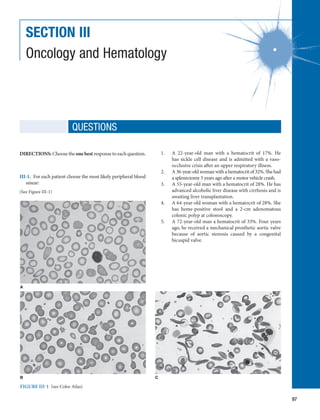
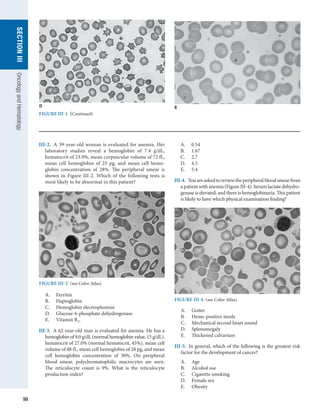
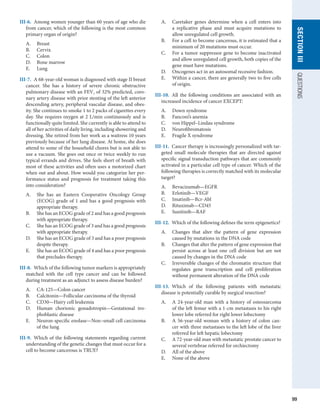
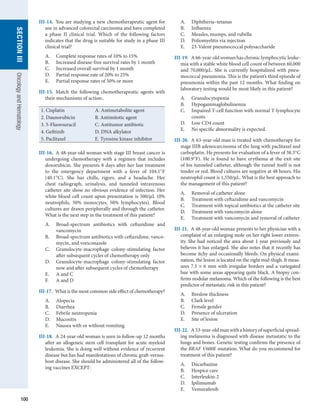
18th Edition
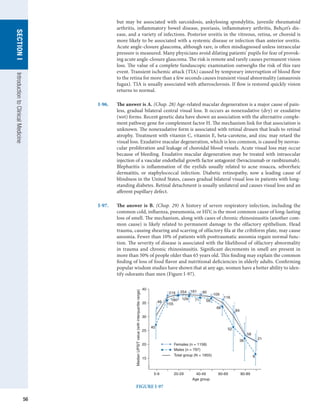
INTERNAL
MEDICINE
SELF-ASSESSMENT
AND BOARD REVIEW
Principles
of
HARRISON’S
®
Editorial Board
DAN L. LONGO, md
Professor of Medicine, Harvard Medical School
Senior Physician, Brigham and Women’s Hospital
Deputy Editor, New England Journal of Medicine
Boston, Massachusetts
ANTHONY S. FAUCI, md
Chief, Laboratory of Immunoregulation
Director, National Institute of Allergy and Infectious Diseases
National Institutes of Health
Bethesda, Maryland
DENNIS L. KASPER, md
William Ellery Channing Professor of Medicine
Professor of Microbiology and Molecular Genetics
Harvard Medical School
Director, Channing Laboratory
Department of Medicine, Brigham and Women’s Hospital
Boston, Massachusetts
STEPHEN L. HAUSER, md
Robert A. Fishman Distinguished Professor and Chairman
Department of Neurology, University of California
San Francisco, California
J. LARRY JAMESON, md, phd
Robert G. Dunlop Professor of Medicine
Dean, University of Pennsylvania School of Medicine
Executive Vice-President of the University of Pennsylvania for the Health System
Philadelphia, Pennsylvania
JOSEPH LOSCALZO, md, phd
Hersey Professor of the Theory and Practice of Medicine
Harvard Medical School
Chairman, Department of Medicine
Physician-in-Chief, Brigham and Women’s Hospital
Boston, Massachusetts
New York   Chicago   San Francisco   Lisbon   London   Madrid   Mexico City
Milan   New Delhi   San Juan   Seoul   Singapore   Sydney   Toronto
EDITED BY
CHARLES M. WIENER, MD
Dean/CEO
Perdana University Graduate School of Medicine
Selangor, Malaysia
Professor of Medicine and Physiology
Johns Hopkins University School of Medicine
Baltimore, Maryland
CYNTHIA D. BROWN, MD
Assistant Professor of Medicine
Division of Pulmonary and Critical Care Medicine
University of Virginia
Charlottesville, Virginia
ANNA R. HEMNES, MD
Assistant Professor, Division of Allergy, Pulmonary,
  and Critical Care Medicine
Vanderbilt University Medical Center
Nashville, Tennessee
18th Edition
INTERNAL
MEDICINE
SELF-ASSESSMENT
AND BOARD REVIEW
For use with the 18th edition of HARRISON’S PRINCIPLES OF INTERNAL MEDICINE
Principles
of
HARRISON’S
®
Copyright © 2012, 2008, 2005, 2001, 1998, 1994, 1991, 1987 by The McGraw-Hill Companies, Inc. All rights reserved. Except as permitted under the United States
Copyright Act of 1976, no part of this publication may be reproduced or distributed in any form or by any means, or stored in a database or retrieval system, without the
prior written permission of the publisher.
ISBN: 978-0-07-177196-2
MHID: 0-07-177196-4
The material in this eBook also appears in the print version of this title: ISBN: 978-0-07-177195-5,
MHID: 0-07-177195-6.
All trademarks are trademarks of their respective owners. Rather than put a trademark symbol after every occurrence of a trademarked name, we use names in an editorial
fashion only, and to the benefit of the trademark owner, with no intention of infringement of the trademark. Where such designations appear in this book, they have been
printed with initial caps.
McGraw-Hill eBooks are available at special quantity discounts to use as premiums and sales promotions, or for use in corporate training programs. To contact a
representative please e-mail us at bulksales@mcgraw-hill.com.
International Edition ISBN 978-0-07-178847-2; MHID 0-07-178847-6. Copyright © 2012. Exclusive rights by The McGraw-Hill Companies, Inc., for manufacture and
export. This book cannot be re-exported from the country to which it is consigned by McGraw-Hill. The International Edition is not available in North America.
Notice
Medicine is an ever-changing science. As new research and clinical experience broaden our knowledge, changes in treatment and drug therapy are required. The authors and
the publisher of this work have checked with sources believed to be reliable in their efforts to provide information that is complete and generally in accord with the standards
accepted at the time of publication. However, in view of the possibility of human error or changes in medical sciences, neither the authors nor the publisher nor any other
party who has been involved in the preparation or publication of this work warrants that the information contained herein is in every respect accurate or complete, and they
disclaim all responsibility for any errors or omissions or for the results obtained from use of the information contained in this work. Readers are encouraged to confirm the
information contained herein with other sources. For example and in particular, readers are advised to check the product information sheet included in the package of each
drug they plan to administer to be certain that the information contained in this work is accurate and that changes have not been made in the recommended dose or in the
contraindications for administration. This recommendation is of particular importance in connection with new or infrequently used drugs.
TERMS OF USE
This is a copyrighted work and The McGraw-Hill Companies, Inc. (“McGraw-Hill”) and its licensors reserve all rights in and to the work. Use of this work is subject
to these terms. Except as permitted under the Copyright Act of 1976 and the right to store and retrieve one copy of the work, you may not decompile, disassemble,
reverse engineer, reproduce, modify, create derivative works based upon, transmit, distribute, disseminate, sell, publish or sublicense the work or any part of it without
McGraw-Hill’s prior consent. You may use the work for your own noncommercial and personal use; any other use of the work is strictly prohibited. Your right to use the
work may be terminated if you fail to comply with these terms.
THE WORK IS PROVIDED “AS IS.” McGRAW-HILL AND ITS LICENSORS MAKE NO GUARANTEES OR WARRANTIES AS TO THE ACCURACY,
ADEQUACY OR COMPLETENESS OF OR RESULTS TO BE OBTAINED FROM USING THE WORK, INCLUDING ANY INFORMATION THAT CAN BE
ACCESSED THROUGH THE WORK VIA HYPERLINK OR OTHERWISE, AND EXPRESSLY DISCLAIM ANY WARRANTY, EXPRESS OR IMPLIED,
INCLUDING BUT NOT LIMITED TO IMPLIED WARRANTIES OF MERCHANTABILITY OR FITNESS FOR A PARTICULAR PURPOSE. McGraw-Hill and its
licensors do not warrant or guarantee that the functions contained in the work will meet your requirements or that its operation will be uninterrupted or error free. Neither
McGraw-Hill nor its licensors shall be liable to you or anyone else for any inaccuracy, error or omission, regardless of cause, in the work or for any damages resulting
therefrom. McGraw-Hill has no responsibility for the content of any information accessed through the work. Under no circumstances shall McGraw-Hill and/or its licensors
be liable for any indirect, incidental, special, punitive, consequential or similar damages that result from the use of or inability to use the work, even if any of them has been
advised of the possibility of such damages. This limitation of liability shall apply to any claim or cause whatsoever whether such claim or cause arises in contract, tort or
otherwise.
Preface		 vi
SECTION I	 Introduction to Clinical Medicine 	
	 Questions 	 1
	 Answers 	 25
SECTION II	 Nutrition 	
	 Questions 	 83
	 Answers 	 87
SECTION III	 Oncology and Hematology
	 Questions 	 97
	 Answers 	 114
SECTION IV	 Infectious Diseases
	 Questions 	 153
	 Answers 	 193
SECTION V	 Disorders of the Cardiovascular System
	 Questions 	 265
	 Answers 	 280
SECTION VI	 Disorders of the Respiratory System
	 Questions 	 299
	 Answers 	 310
SECTION VII	 Disorders of the Kidney and Urinary Tract
	 Questions 	 331
	 Answers 	 336
SECTION VIII	 Disorders of the Gastrointestinal System
	 Questions 	 343
	 Answers 	 355
SECTION IX 	 Rheumatology and Immunology
	 Questions 	 377
	 Answers 	 388
SECTION X 	 Endocrinology and Metabolism
	 Questions 	 409
	 Answers 	 424
SECTION XI 	 Neurologic Disorders
	 Questions 	 453
	 Answers 	 466
SECTION XII 	 Dermatology
	 Questions 	 497
	 Answers 	 501
Color Atlas 		 507
CONTENTS
CONTENTS
v
PREFACE
This is the third edition of Harrison’s Self-Assessment and
Board Review that we have had the honor of working on. We
thank the editors of the 18th edition of Harrison’s Principles
of Internal Medicine for their continued confidence in our
ability to produce a worthwhile companion to their excep-
tional textbook. It is truly inspirational to remind ourselves
why we love medicine broadly, and internal medicine
specifically.
The care of patients is a privilege. As physicians, we owe
it to our patients to be intelligent, contemporary, and
curious. Continuing education takes many forms; many
of us enjoy the intellectual stimulation and active learn-
ing challenge of the question-answer format. It is in that
spirit that we offer the 18th edition of the Self-Assessment and
Board Review to students, housestaff, and practitioners. We
hope that from it you will learn, read, investigate, and ques-
tion. The questions and answers are particularly conducive
to collaboration and discussion with colleagues. This edition
contains over 1100 questions that, whenever possible, utilize
realistic patient scenarios including radiographic or patho-
logic images. Similarly, our answers attempt to explain the
correct or best choice, often supported with figures from the
18th edition of Harrison’s Principles of Internal Medicine to
stimulate learning.
All of the authors have physically left the Osler Medical
Service at Johns Hopkins Hospital. However, our experi-
ences with colleagues and patients at Hopkins have defined
our professional lives. In the words of William Osler, “We are
here to add what we can to life, not to get what we can from
life.” We hope this addition to your life stimulates your mind,
challenges your thinking, and translates to your patients.
Of course, none of this would be possible without the
loving support of our families, for which we are truly thankful.
They were patient and encouraging as we transformed (often
not quietly) a mountain of page proofs into this book.
SECTION
I
PREFACE
1
SECTION I
Introduction to Clinical Medicine
DIRECTIONS: Choose the one best response to each question.
I-1.  Which of the following is the best definition of evidence-
based medicine?
A.	 A summary of existing data from existing clinical
trials with a critical methodological review and sta-
tistical analysis of summative data
B.	 A type of research that compares the results of one
approach to treating a disease with another approach
to treating the same disease
C.	 Clinical decision making support tools developed
by professional organizations that include expert
opinions and data from clinical trials
D.	 Clinical decision making supported by data, prefer-
ably from randomized controlled clinical trials
E.	 One physician’s clinical experience in caring for mul-
tiple patients with a specific disorder over many years
I-2.  All of the following are part of the informed consent
process EXCEPT:
A.	 Alternatives and likely consequences of the alterna-
tives to the procedure
B.	 Ascertainment of understanding by the patient
C.	 Discussion of the details of the procedure
D.	 Outlining the patient’s wishes if he or she becomes
unable to make decisions
E.	 Risks and benefits of the procedure
I-3.  Which of the following is the standard measure for deter-
mining the impact of a health condition on a population?
A.	 Disability-adjusted life years
B.	 Infant mortality
C.	 Life expectancy
D.	 Standardized mortality ratio
E.	 Years of life lost
I-4.  In high-income countries, what category of disease
accounts for the greatest percentage of disability-adjusted
life years lost?
A.	 Alcohol abuse
B.	 Chronic obstructive pulmonary disease
C.	 Diabetes mellitus
D.	 Ischemic heart disease
E.	 Unipolar depressive disorders
I-5.  What is the leading cause of death in low-income
countries?
A.	 Diarrheal diseases
B.	 Human immunodeficiency virus
D.	 Ischemic heart disease
D.	 Lower respiratory disease
E.	 Malaria
I-6.  You are working with the public health minister of
Malawi in a project to decrease malarial deaths in children
younger than 5 years of age. All of the following strate-
gies are part of the World Health Organization Roll Back
Malaria plan EXCEPT:
A.	 Artemisinin-based combination therapy
B.	 Early treatment with chloroquine alone
C.	 Indoor residual spraying
D.	 Insecticide-treated bed nets
E.	 Intermittent preventive treatment during pregnancy
QUESTIONS
2
SECTION
I
SECTION
I
Introduction
to
Clinical
Medicine
I-7.  A 38-year-old woman is evaluated for chest pain. She has
no risk factors for coronary artery disease, but a stress test
is ordered by a physician in the emergency department.
You are called for a cardiology consult when an exercise
ECG stress test result is positive. You estimate that the
pretest probability of coronary artery disease is 10% and
determine that this is most likely a false-positive stress test
with a low posttest probability of coronary artery disease.
This is an example of which of the following principles
used in medical decision making?
A.	 Bayes’ theorem
B.	 High positive predictive value
C.	 High specificity
D.	 Low negative predictive value
E.	 Low sensitivity
I-8.  A new diagnostic test for predicting latent tuberculosis is
introduced into clinical practice. In clinical trials, it was deter-
mined to have a sensitivity of 90% and a specificity of 80%.
A specific clinical population of 1000 individuals has a preva-
lenceoftuberculosisof10%.Howmanyindividualswithlatent
tuberculosis would be correctly identified in this population?
A.	 10
B.	 80
C.	 90
D.	 100
E.	 180
I-9.  In the above scenario, how many individuals would be
erroneously told they have latent tuberculosis?
A.	 10
B.	 90
C.	 180
D.	 720
E.	 900
I-10.  A receiver operating characteristic (ROC) curve is con-
structed for a new test for disease X. All of the following
statements regarding the ROC curve are true EXCEPT:
A.	 One criticism of the ROC curve is that it is developed
for testing only one test or clinical parameter with
exclusion of other potentially relevant data.
B.	 The ROC curve allows the selection of a threshold
value for a test that yields the best sensitivity with the
fewest false-positive test results.
C.	 The axes of the ROC curve are sensitivity versus
1 - specificity.
D.	 The ideal ROC curve would have a value of 0.5.
E.	 The value of the ROC curve is calculated as the area
under the curve generated from the true-positive rate
versus the false-positive rate.
I-11.  Which of the following values is affected by the disease
prevalence in a population?
A.	 Number needed to treat
B.	 Positive likelihood ratio
C.	 Positive predictive value
D.	 Sensitivity
E.	 Specificity
I-12.  Drug X is investigated in a meta-analysis for its effect on
mortality after a myocardial infarction. It is found that mor-
tality drops from 10 to 2% when this drug is administered.
What is the absolute risk reduction conferred by drug X?
A.	 2%
B.	 8%
C.	 20%
D.	 200%
E.	 None of the above
I-13.  How many patients will have to be treated with drug X
to prevent one death?
A.	 2
B.	 8
C.	 12.5
D.	 50
E.	 93
I-14.  When considering a potential screening test, what end-
points should be considered to assess the potential gain
from a proposed intervention?
A.	 Absolute and relative impact of screening on the
disease outcome
B.	 Cost per life year saved
C.	 Increase in the average life expectancy for the entire
population
D.	 Number of subjects screened to alter the outcome in
one individual
E.	 All of the above
I-15.  A 55-year-old man who smokes cigarettes is enrolled
in a lung cancer screening trial based on performance of
yearly CT scans over a period of 5 years. At year 2, he is
found to have a 2-cm right lower lobe lung nodule that
is a non–small cell lung cancer upon surgical removal. At
that time, there were no positive lymph nodes. The cancer
recurs, and the patient subsequently dies from lung cancer
6 years after his initial diagnosis. A person with a similar
smoking history who is not participating in the trial is dis-
covered to have a 3-cm lung nodule that is also non–small
cell lung cancer. Upon surgical resection, one lymph node
is positive. This person also dies from lung cancer after a
period of 3 years. What conclusion can be made about the
use of the CT screening for lung cancer in these patients?
A.	 CT screening for lung cancer improves mortality in
smokers.
B.	 It is unable to be determined if CT screening for lung
cancer led to any difference in survival because one
cannot determine if lag time bias is present.
C.	 It is unable to be determined if CT screening for lung
cancer led to any difference in survival because one
cannot determine if lead time bias is present.
D.	 Selection bias may cause apparent differences in
survival in this trial, and one should be cautious in
making conclusions with regards to CT screening
for lung cancer.
E.	 The radiation received as part of the CT scan screen-
ing led to lung cancer in the initial patient and con-
tributed to the first patient’s overall mortality.
3
QUESTIONS
SECTION
I
I-16.  According to the U.S. Preventive Services Task Force,
what is the recommended screening interval for thyroid
disease in women older than the age of 30 years?
A.	 Every 5 years beginning at age 30 years
B.	 Once at age 30 years
C.	 Once at age 30 years and again in 10 years if the test
result is normal
D.	 Periodically
E.	 There is no recommended screening for thyroid dis-
ease recommended by the U.S. Preventive Services
Task Force
I-17.  Which preventative intervention leads to the largest
average increase in life expectancy for a target population?
A.	 A regular exercise program for a 40-year-old man
B.	 Getting a 35-year-old smoker to quit smoking
C.	 Mammography in women age 50–70 years
D.	 Pap smears in women age 18–65 years
E.	 Prostate-specific antigen (PSA) and digital rectal
examination for a man older than 50 years old
I-18.  All of the following patients should receive a lipid
screening profile EXCEPT:
A.	 A 16-year-old boy with type 1 diabetes
B.	 A 17-year-old female teen who recently began
smoking
C.	 A 23-year-old healthy man who is starting his first job
D.	 A 48-year-old woman beginning menopause
E.	 A 62-year-old man with no past medical history
I-19.  A 43-year-old woman is diagnosed with pulmonary
blastomycosis and is initiated on therapy with oral itraco-
nazole therapy. All of the following could affect the bio-
availability of this drug EXCEPT:
A.	 Coadministration with a cola beverage
B.	 Coadministration with oral contraceptive pills
C.	 Formulation of the drug (liquid vs. capsule)
D.	 pH of the stomach
E.	 Presence of food in the stomach
I-20.  A 24-year-old woman with cystic fibrosis is admitted
to the hospital with an exacerbation. She is known to be
colonized with Pseudomonas aeruginosa and is started on
intravenous therapy with cefepime 1 g IV every 8 hours
and tobramycin 10 mg/kg IV once daily. You want to
ensure that the risk of nephrotoxicity is low. When should
the tobramycin level be checked?
A.	 30 minutes after the first dose
B.	 2 hours after the first dose
C.	 2 hours before second dose
D.	 Immediately before the fourth dose
E.	 There is no need to check drug levels if the patient
has normal renal function
I-21.  A 68-year-old man with ischemic cardiomyopathy
has been treated with digoxin 250 μg daily for the past
year. He has chronic kidney disease with a stable baseline
creatinine of 2.1 mg/dL. He is initiated on an oral amio-
darone load for new-onset atrial fibrillation with rapid
ventricular response. Over 1 week, he develops increas-
ing nausea, vomiting, and fatigue. On presentation to the
emergency department, he is lethargic and difficult to
arouse with a heart rate of 45 beats/min and a blood pres-
sure of 88/50 mmHg. His laboratory values demonstrate
a potassium of 5.2 meq/L, creatinine of 3.0 mg/dL, and
a digoxin level of 13 ng/mL. His ECG shows complete
heart block. What is the most appropriate treatment for
this patient?
A.	 Digitalis-specific antibody (Fab) fragments alone
B.	 Digitalis-specific antibody fragments plus hemodialysis
C.	 Digitalis-specific antibody fragments plus hemop-
erfusion
D.	 Plasmapheresis alone
E.	 Volume resuscitation and observation
I-22.  A 48-year-old woman with a generalized seizure dis-
order has been taking phenytoin for the past 10 years
with good control of her disease. She also has a history of
hepatitis C virus infection acquired via a blood transfu-
sion received after an automobile accident in her teens.
She currently takes phenytoin 100 mg tid, lactulose 30 g
tid, and spironolactone 25 mg daily. She is brought to
the emergency department by her husband, who reports
that she has had increasing lethargy for the past week.
On examination, her blood pressure is 100/60 mmHg,
heart rate is 88 beats/min, respiratory rate is 20 breaths/
min, and oxygen saturation is 98% on room air. She is
afebrile. She is minimally responsive to voice and follows
no commands. There is no nuchal rigidity. Her abdomen
is distended with a positive fluid wave but without ten-
derness. She has spider angiomata, caput medusa, and
palmar erythema. She does not appear to have asterixis.
She does have horizontal nystagmus on examination.
Her laboratory values include Na, 134 meq/L; potas-
sium, 3.9 meq/L; chloride, 104 meq/L; and bicarbonate,
20 meq/L. Creatinine is 1.0 mg/dL. The white blood
cell count is 10,000/μL with a normal differential. Her
liver function tests are unchanged from baseline with
the exception of an albumin that is now 2.1 g/dL com-
pared with 3 months ago when her level was 2.9 g/dL.
Ammonia level is 15 μmol/L, and her phenytoin level is
17 mg/L. A paracentesis shows a white blood cell count
of 100/μL that is 80% neutrophils. What test would be
most likely to demonstrate the cause of the patient’s
change in mental status?
A.	 CT scan of the head
B.	 Electroencephalogram (EEG)
C.	 Free phenytoin level
D.	 Gram stain of ascites fluid
E.	 Gram stain of cerebrospinal fluid (CSF)
4
SECTION
I
SECTION
I
Introduction
to
Clinical
Medicine
I-23.  A 55-year-old Japanese woman is found to have a 3-cm
mass in the right lower lobe of the lung. She is a lifelong
nonsmoker. The mass is positive on positron emission
tomography scan as are contralateral and ipsilateral lymph
nodes in the mediastinum. A biopsy demonstrates the
mass to be a moderately differentiated adenocarcinoma,
and a left hilar lymph node also demonstrates adenocar-
cinoma. Clinically, this places the patient as a stage IIIB
non–small cell lung cancer, and the patient and her oncol-
ogist decide to treat with chemotherapy. Molecular testing
demonstrates an exon 19 deletion in the tyrosine kinase
domain of the epidermal growth factor receptor and no
mutation in k-ras. What is the best choice for initial chem-
otherapy in this patient?
A.	 Carboplatin plus paclitaxel
B.	 Carboplatin and paclitaxel plus erlotinib
C.	 Docetaxel alone
D.	 Erlotinib alone
E.	 Gemcitabine plus docetaxel
I-24.  A 26-year-old woman received an allogeneic bone
marrow transplant 9 months ago for acute myelogenous
leukemia. Her transplant course is complicated by graft-
versus-host disease with diarrhea, weight loss, and skin
rash. She is immunosuppressed with tacrolimus 1 mg
bid and prednisone 7.5 mg daily. She recently was admit-
ted to the hospital with shortness of breath and fevers to
101.5°F. She has a chest CT showing nodular pneumonia,
and fungal organisms are seen on a transbronchial lung
biopsy. The culture demonstrates Aspergillus fumigatus,
and a serum galactomannan level is elevated. She is initi-
ated on therapy with voriconazole 6 mg/kg IV every 12
hours for 1 day, decreasing to 4 mg/kg IV every 12 hours
beginning on day 2. Two days after starting voriconazole,
she is no longer febrile but is complaining of headaches
and tremors. Her blood pressure is 150/92 mmHg, up
from 108/60 mmHg on admission. On examination, she
has developed 1+ pitting edema in the lower extremities.
Her creatinine has risen to 1.7 mg/dL from 0.8 mg/dL on
admission. What is the most likely cause of the patient’s
current clinical picture?
A.	 Aspergillus meningitis
B.	 Congestive heart failure
C.	 Recurrent graft-versus-host disease
D.	 Tacrolimus toxicity
E.	 Thrombotic thrombocytopenic purpura caused by
voriconazole
I-25.  A 45-year-old man is diagnosed with primary syphi-
lis after development of a penile ulcer. Results of a rapid
plasma reagin and fluorescent treponemal antibody
absorption tests are both positive. He is treated with ben-
zathine penicillin G 2.4 million units intramuscularly as
a one-time dose. Ten days after the injection, the patient
presents to the emergency department complaining of
fevers, rash, and diffuse joint pains with muscle aches.
On physical examination, the patient has a temperature
of 38.3o
F, heart rate of 110 beats/min, and blood pressure
of 112/76 mmHg. His HEENT, chest, cardiovascular, and
abdominal examination findings are normal. He has an
urticarial rash on trunk, back, and extremities. There is
swelling and warmth of the knees, wrists, and metacar-
pophalangeal joints bilaterally. In addition, there is pain
with palpation of the tendinous insertions of the Achilles
tendons and patellar tendons bilaterally. The penile ulcer
has a dry base and has decreased in size compared with
previously. Laboratory studies show a white cell count of
10,100/μL (80% neutrophils, 15% lymphocytes, 3% mono-
cytes, and 2% eosinophils). The erythrocyte sedimentation
rate is 55 seconds. Antinuclear antibodies and rheumatoid
factor results are negative. A urethral swab is negative for
Chlamydia trachomatis and Neisseria gonorrhea. What is
the most likely diagnosis?
A.	 Disseminated gonococcal infection
B.	 Inadequate treatment of secondary syphilis
C.	 Jarisch-Herxheimer reaction
D.	 Seronegative rheumatoid arthritis
E.	 Serum sickness caused by benzathine penicillin
I-26.  Which of the following classes of medicines has been
linked to the occurrence of hip fractures in elderly adults?
A.	 Benzodiazepines
B.	 Opiates
C.	 Angiotensin-converting enzyme inhibitors
D.	 Beta-blockers
E.	 Atypical antipsychotics
I-27.  Patients taking which of the following drugs should be
advised to avoid drinking grapefruit juice?
A.	 Amoxicillin
B.	 Aspirin
C.	 Atorvastatin
D.	 Prevacid
E.	 Sildenafil
I-28.  Which of the following diseases is responsible for a
greater percentage of deaths in women compared with men?
A.	 Alzheimer’s disease
B.	 Cerebrovascular disease
C.	 Chronic obstructive pulmonary disease
D.	 Sepsis
E.	 All of the above
I-29.  Which of the following statements regarding coronary
heart disease (CHD) in women when compared with men
is TRUE?
A.	 Angina is a rare symptom in women with CHD.
B.	 At the time of diagnosis of CHD, women typically
have fewer comorbidities compared with men.
C.	 Physicians are less likely to consider CHD in women
and are also less likely to recommend both diagnostic
and therapeutic procedures in women.
D.	 Women and men present with CHD at similar ages.
E.	 Women are more likely to present with ventricular
tachycardia, but men more commonly have cardiac
arrest or cardiogenic shock.
5
QUESTIONS
SECTION
I
I-30.  Which of the following is an independent risk factor for
coronary heart disease in women but not men?
A.	 Elevated total triglyceride levels
B.	 Hypertension
C.	 Low high-density lipoprotein cholesterol
D.	 Obesity
E.	 Smoking
I-31.  All of the following diseases are more common in
women than men EXCEPT:
A.	 Depression
B.	 Hypertension
C.	 Obesity
D.	 Rheumatoid arthritis
E.	 Type 1 diabetes mellitus
I-32.  Which of the following statements regarding Alzheimer’s
disease and gender are true?
A.	 Alzheimer’s disease affects men and women at equal
rates.
B.	 Alzheimer’s disease affects men two times more
commonly than women.
C.	 In a recent placebo-controlled trial, postmenopau-
sal hormone therapy did not show improvement
in disease progression in women with Alzheimer’s
disease.
D.	 The difference in deaths from Alzheimer’s disease
between men and women can be entirely accounted
for by the difference in life expectancy between men
and women.
E.	 Women with Alzheimer’s disease have higher levels of
circulating estrogen than women without Alzheimer’s
disease.
I-33.  All of the following are changes in the cardiovascular
system seen in pregnancy EXCEPT:
A.	 Decreased blood pressure
B.	 Increased cardiac output
C.	 Increased heart rate
D.	 Increased plasma volume
E.	 Increased systemic vascular resistance
I-34.  A 36-year-old woman has a history of hypertension
and is planning on starting a family. She is currently taking
lisinopril 10 mg daily for control of her blood pressure. She
wants to stop taking her oral contraceptive medications.
Her current blood pressure is 128/83 mmHg. What do you
advise her about ongoing treatment with antihypertensive
medications?
A.	 Because the cardiovascular changes that occur dur-
ing pregnancy lead to a fall in blood pressure, she can
safely discontinue her lisinopril when she stops her
oral contraceptives.
B.	 She should continue lisinopril and start hydrochloro-
thiazide.
C.	 She should discontinue lisinopril and start
irbesartan.
D.	 She should discontinue lisinopril and start labetalol.
E.	 She should not get pregnant because she is high risk
of complications.
I-35.  Which of the following cardiovascular conditions is a
contraindication to pregnancy?
A.	 Atrial septal defect without Eisenmenger syndrome
B.	 Idiopathic pulmonary arterial hypertension
C.	 Marfan syndrome
D.	 Mitral regurgitation
E.	 Prior peripartum cardiomyopathy with a current
ejection fraction of 65%
I-36.  A 33-year-old woman with diabetes mellitus and hyper-
tension presents to the hospital with seizures during week
37 of her pregnancy. Her blood pressure is 156/92 mmHg.
She has 4+ proteinuria. Management should include all of
the following EXCEPT:
A.	 Emergent delivery
B.	 Intravenous labetalol
C.	 Intravenous magnesium sulfate
D.	 Intravenous phenytoin
I-37.  A 27-year-old woman develops left leg swelling dur-
ing week 20 of her pregnancy. Left lower extremity ultra-
sonogram reveals a left iliac vein deep venous thrombosis
(DVT). Proper management includes:
A.	 Bedrest
B.	 Catheter-directed thrombolysis
C.	 Enoxaparin
D.	 Inferior vena cava filter placement
E.	 Warfarin
I-38.  In which of the following categories should women
undergo routine screening for gestational diabetes?
A.	 Age greater than 25 years
B.	 Body mass index greater than 25 kg/m2
C.	 Family history of diabetes mellitus in a first-degree
relative
D.	 African American
E.	 All of the above
I-39.  Which of the following surgeries would be considered
at the greatest risk for postsurgical complications?
A.	 Carotid endarterectomy
B.	 Non-emergent repair of a thoracic aortic aneurysm
C.	 Resection of a 5-cm lung cancer
D.	 Total colectomy for colon cancer
E.	 Total hip replacement
6
SECTION
I
SECTION
I
Introduction
to
Clinical
Medicine
I-40.  A 64-year-old man is contemplating undergoing elec-
tive cholecystectomy for biliary colic and cholelithiasis.
He has a history of coronary artery disease with coronary
artery bypass surgery performed at the age of 51 after an
anterior wall myocardial infarction. His most recent ejec-
tion fraction 2 years previously was 35%. He also has a
45 pack-year history of tobacco, quitting after his surgery
13 years previously. Since his bypass surgery, he reports
failure to return to full functional capacity. You ask him
about his current exercise capacity. Which of the following
would be considered poor exercise tolerance and increase
his risk of perioperative complications?
A.	 Inability to achieve 4 metabolic equivalents during
an exercise test
B.	 Inability to carry 15–20 lb
C.	 Inability to climb two flights of stairs at a normal pace
D.	 Inability to walk four blocks at a normal pace
E.	 All of the above
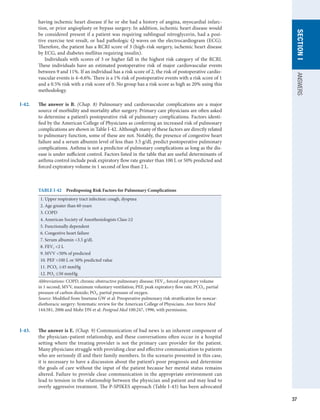
I-41.  A 74-year-old man is scheduled to undergo total colec-
tomy for recurrent life-threatening diverticular bleeding.
He denies any chest pain with exertion but is limited in
his physical activity because of degenerative arthritis of his
knees. He has no history of coronary artery disease or con-
gestive heart failure but does have diabetes mellitus and
hypertension. His current medications include aspirin 81
mg daily, atorvastatin 10 mg daily, enalapril 20 mg daily, and
insulin glargine 25 units daily in combination with insu-
lin lispro on a sliding scale. His blood pressure is 128/86
mmHg. His physical examination findings are normal. His
most recent hemoglobin A1C is 6.3%, and his creatinine
is 1.5 mg/dL. You elect to perform an electrocardiogram
preoperatively, and it demonstrates Q waves in leads II, III,
and aVF. Based on this information, what is his expected
his postoperative risk of a major cardiac event?
A.	 0.5%
B.	 1%
C.	 5%
D.	 10%
E.	 20%
I-42.  All of the following are risk factors for postoperative
pulmonary complications EXCEPT:
A.	 Age greater than 60 years
B.	 Asthma with a peak expiratory flow rate of 220 L/min
C.	 Chronic obstructive pulmonary disease
D.	 Congestive heart failure
E.	 Forced expiratory volume in 1 second of 1.5 L
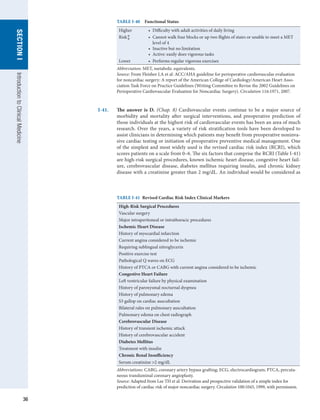
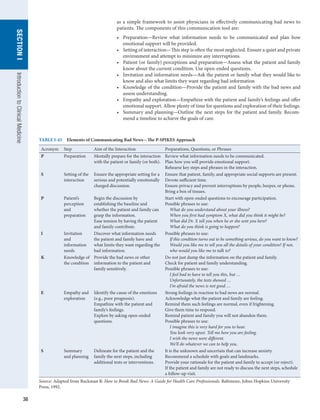
I-43.  You are caring for a 56-year-old woman who was admit-
ted to the hospital with a change in mental status. She
underwent a right-sided mastectomy and axillary lymph
node dissection 3 years previously for stage IIIB ductal
carcinoma. Serum calcium is elevated at 15.3 mg/dL. A chest
radiograph demonstrates innumerable pulmonary nod-
ules, and a head CT shows a brain mass in the right frontal
lobewithsurroundingedema.Despitecorrecting her calcium
and treating cerebral edema, the patient remains confused.
You approach the family to discuss the diagnosis of widely
metastatic disease and the patient’s poor prognosis. Which
of the following is NOT a component of the seven elements
for communicating bad news (P-SPIKES approach)?
A.	 Assess the family’s perception of her current illness
and the status of her underlying cancer diagnosis.
B.	 Empathize with the family’s feelings and provide
emotional support.
C.	 Prepare mentally for the discussion.
D.	 Provide an appropriate setting for discussion.
E.	 Schedule a follow-up meeting in 1 day to reassess
whether there are additional informational and emo-
tional needs.
I-44.  Which of the following is not a component of a
living will?
A.	 Delineation of specific interventions that would be
acceptable to the patient under certain conditions
B.	 Description of values that should guide discussions
regarding terminal care
C.	 Designation of a health care proxy
D.	 General statements regarding whether the patient
desires receipt of life-sustaining interventions such
as mechanical ventilation
I-45.  A 72-year-old woman has stage IV ovarian cancer with
diffuse peritoneal studding. She is developing increasing
pain in her abdomen and is admitted to the hospital for
pain control. She previously was treated with oxycodone
10 mg orally every 6 hours as needed. Upon admission, she
is initiated on morphine intravenously via patient-control-
led analgesia. During the first 48 hours of her hospitaliza-
tion, she received an average daily dose of morphine 90 mg
and reports adequate pain control unless she is walking.
What is the most appropriate opioid regimen for transi-
tioning this patient to oral pain medication?
Sustained-Release
Morphine Immediate-Release Morphine
A. None 15 mg every 4 hours as needed
B. 45 mg twice daily 5 mg every 4 hours as needed
C. 45 mg twice daily 15 mg every 4 hours as needed
D. 90 mg twice daily 15 mg every 4 hours as needed
E. 90 mg three time daily 15 mg every 4 hours as needed
I-46.  You are asked to consult on 62-year-old man who was
recently found to have newly metastatic disease. He was
originally diagnosed with cancer of the prostate 5 years
previously and presented to the hospital with back pain
and weakness. Magnetic resonance imaging (MRI) dem-
onstrated bony metastases to his L2 and L5 vertebrae with
spinal cord compression at the L2 level only. On bone scan
images, there was evidence of widespread bony metastases.
He has been started on radiation and hormonal therapy,
and his disease has shown some response. However, he
has become quite depressed since the metastatic disease
was found. His family reports that he is sleeping for 18 or
more hours daily and has stopped eating. His weight is
down 12 lb over 4 weeks. He expresses profound fatigue,
hopelessness, and a feeling of sadness. He claims to have
no interest in his usual activities and no longer interacts
7
QUESTIONS
SECTION
I
with his grandchildren. What is the best approach to treat-
ing this patient’s depression?
A.	 Do not initiate pharmacologic therapy because the
patient is experiencing an appropriate reaction to his
newly diagnosed metastatic disease.
B.	 Initiate therapy with doxepin 75 mg nightly.
C.	 Initiate therapy with fluoxetine 10 mg daily.
D.	 Initiate therapy with fluoxetine 10 mg daily and
methylphenidate 2.5 mg twice daily in the morning
and at noon.
E.	 Initiate therapy with methylphenidate 2.5 mg twice
daily in the morning and at noon.
I-47.  You are treating a 76-year-old woman with Alzheimer’s
disease admitted to the intensive care unit for aspiration
pneumonia. After 7 days of mechanical ventilation, her
family requests that care be withdrawn. The patient is pal-
liated with fentanyl intravenously at a rate of 25 μg/hr and
midazolam intravenously at 2 mg/hr. You are urgently
called to the bedside 15 minutes after the patient is extu-
bated because the patient’s daughter is distraught. She
states that you are “drowning” her mother and is upset
because her mother appears to be struggling to breathe.
When you enter the room, you hear a gurgling noise that
is coming from accumulated secretions in the oropharynx.
You suction the patient for liberal amounts of thin salivary
secretions and reassure the daughter that you will make
her mother as comfortable as possible. Which of the fol-
lowing interventions may help with the treatment of the
patient’s oral secretions?
A.	 Increased infusion rate of fentanyl
B.	 N-acetylcysteine nebulized
C.	 Pilocarpine drops
D.	 Placement of a nasal trumpet and oral airway to
allow easier access for aggressive suctioning
E.	 Scopolamine patches
I-48.  Which of the following is the most common type of
preventable adverse event in hospitalized patients?
A.	 Adverse drug events
B.	 Diagnostic failures
C.	 Falls
D.	 Technical complications of procedures
E.	 Wound infections
I-49.  All of the following statements regarding the use of
complementary and alternative medicine (CAM) in the
US are true EXCEPT:
A.	 Acupuncture is the most frequently used CAM
approach in the US
B.	 CAM approaches represent approximately 10% of
out-of-pocket medical expenses in the US
C.	 Control of back or musculoskeletal pain is a common
reason for US patients to utilize CAM approaches
D.	 Recent estimates suggest 30-40% of Americans use
CAM approaches
E.	 The most common reasons US patients seek CAM
approaches is for management of symptoms poorly
controlled by conventional approaches
I-50.  Independent of insurance status, income, age, and
comorbid conditions, African American patients are less
likely to receive equivalent levels of care compared with
white patients for the following scenarios:
A.	 Prescription of analgesic for pain control
B.	 Referral to renal transplantation
C.	 Surgical treatment for lung cancer
D.	 Utilization of cardiac diagnostic and therapeutic
procedures
E.	 All of the above
I-51.  All of the following statements regarding the difference
between breast cancer in pregnant versus nonpregnant
women are true EXCEPT:
A.	 Estrogen-positive tumors are more common in preg-
nant women.
B.	 Her-2 positivity is more common in pregnant women.
C.	 A higher stage is more common in pregnant women.
D.	 Positive lymph nodes are more common in pregnant
women.
E.	 Tumor size at diagnosis is larger in pregnant women.
I-52.  A 32-year-old woman seeks evaluation for cough that
has been present for 4 months. She reports that the cough
is present day and night. It does awaken her from sleep
and is worse in the early morning hours. She also notes the
cough to be worse in cold weather and after exercise. She
describes the cough as dry and has no associated shortness
of breath or wheezing. She gives no antecedent history of
an upper respiratory tract infection that preceded the onset
of cough. She has a medical history of pulmonary embo-
lus occurring in the postpartum period 6 years previously.
Her only medication is norgestimate/ethinyl estradiol. She
works as an elementary school teacher. On review of sys-
tems, she reports intermittent itchy eyes and runny nose
that is worse in the spring and fall. She denies postnasal
drip and heartburn. Her physical examination findings are
normal with the exception of coughing when breathing
through an open mouth. A chest radiograph is also normal.
Spirometry demonstrates a forced expiratory volume in 1
second (FEV1) of 3.0 L (85% predicted), forced vital capac-
ity (FVC) of 3.75 L (88% predicted), and FEV1/FVC ratio
of 80%. After administration of a bronchodilator, the FEV1
increases to 3.3 L (10% change). What would you recom-
mend next in the evaluation and treatment of this patient?
A.	 Initiate a nasal corticosteroid.
B.	 Initiate a proton pump inhibitor.
C.	 Perform a methacholine challenge test.
D.	 Perform a nasopharyngeal culture for Bordetella
pertussis.
E.	 Reassure the patient that there are no pulmonary
abnormalities and continue supportive care.
8
SECTION
I
SECTION
I
Introduction
to
Clinical
Medicine
I-53.  A 56-year-old man presents to his primary care physician
complaining of coughing up blood. He has felt ill for the
past 4 days with a low-grade fever and cough. The cough
was initially productive of yellow-green sputum, but it
now is sputum mixed with red blood. He estimates that
he has produced about 1–2 tsp (5–10 mL) of blood in the
past day. He smokes 1 pack of cigarettes daily and has done
so since the 15 years of age. He is known to have moder-
ate chronic obstructive pulmonary disease and coronary
artery disease. He takes aspirin, metoprolol, lisinopril,
tiotropium, and albuterol as needed. His physical exami-
nation is notable for a temperature of 37.8°C (100.0°F).
Bilateral expiratory wheezing and coarse rhonchi are
heard on examination. Chest radiograph is normal. What
is the most likely cause of hemoptysis in this individual?
A.	 Acute bronchitis
B.	 Infection with tuberculosis
C.	 Lung abscess
D.	 Lung cancer
E.	 Medications
I-54.  A 65-year-old man with a known squamous cell car-
cinoma near the right upper lobe bronchus is admitted
to intensive care after coughing up more than 100 mL of
bright red blood. He appears in significant respiratory dis-
tress with an oxygen saturation of 78% on room air. He
continues to have violent coughing with ongoing hemo-
ptysis. He had a prior pulmonary embolus and is being
treated with warfarin. His last INR was therapeutic at 2.5
three days previously. All of the following would be useful
in the immediate management of this patient EXCEPT:
A.	 Consultation with anesthesia for placement of a dual-
lumen endotracheal tube.
B.	 Consultation with interventional radiology for
embolization.
C.	 Consultation with thoracic surgery for urgent surgi-
cal intervention if conservative management fails.
D.	 Correction of the patient’s coagulopathy.
E.	 Positioning of the patient in the left lateral decubitus
position.
I-55.  Microbial agents have been used as bioweapons since
ancient times. All of the following are key features of
microbial agents that are used as bioweapons EXCEPT:
A.	 Environmental stability
B.	 High morbidity and mortality rates
C.	 Lack of rapid diagnostic capability
D.	 Lack of readily available antibiotic treatment
E.	 Lack of universally available and effective vaccine
I-56.  Ten individuals in Arizona are hospitalized over a
4-week period with fever and rapidly enlarging and pain-
ful lymph nodes. Seven of these individuals experience
severe sepsis, and three die. While reviewing the epide-
miologic characteristics of these individuals, you note
that they are all illegal immigrants and have recently
stayed in the same immigrant camp. Blood cultures
are growing gram-negative rods that are identified as
Yersinia pestis. You notify local public health officials
and the Centers for Disease Control and Prevention.
Which of the following factors indicate that this is NOT
likely to be an act of bioterrorism?
A.	 The area affected was limited to a small immigrant
camp.
B.	 The individuals presented with symptoms of bubonic
plague rather than pneumonic plague.
C.	 The individuals were in close contact with one
another, suggesting possible person-to-person
transmission.
D.	 The mortality rate was less than 50%.
E.	 Yersinia pestis is not environmentally stable for longer
than 1 hour.
I-57.  Which of the following routes of dispersal are likely for
botulinum toxin used as a bioweapon?
A.	 Aerosol
B.	 Contamination of the food supply
C.	 Contamination of the water supply
D.	 A and B
E.	 All of the above
I-58.  Anthrax spores can remain dormant in the respiratory
tract for how long?
A.	 1 week
B.	 6 weeks
C.	 6 months
D.	 1 year
E.	 3 years
I-59.  Twenty recent attendees at a National Football League
game arrive at the emergency department complaining of
shortness of breath, fever, and malaise. Chest radiographs
show mediastinal widening on several of these patients,
prompting a concern for inhalational anthrax as a result of a
bioterror attack. Antibiotics are initiated, and the Centers for
Disease Control and Prevention is notified. What form of iso-
lation should be instituted for these patients in the hospital?
A.	 Airborne
B.	 Contact
C.	 Droplet
D.	 None
I-60.  The Centers for Disease Control and Prevention (CDC)
has designated several biologic agents as category A in
their ability to be used as bioweapons. Category A agents
include agents that can be easily disseminated or transmit-
ted, result in high mortality, can cause public panic, and
require special action for public health preparedness. All of
the following agents are considered category A EXCEPT:
A.	 Bacillus anthracis
B.	 Francisella tularensis
C.	 Ricin toxin from Ricinus communis
D.	 Smallpox
E.	 Yersinia pestis
9
QUESTIONS
SECTION
I
I-61.  All of the following chemical agents of bioterrorism are
correctly identified by their mechanism of injury EXCEPT:
A.	 Arsine—asphyxiant
B.	 Chlorine gas—pulmonary damage
C.	 Cyanogen chloride—nerve agent
D.	 Mustard gas—vesicant
E.	 Sarin—nerve agent
I-62.  Over the course of 12 hours, 24 individuals present to a
single emergency department complaining of a sunburn-like
reaction with development of large blisters. Most of these
individuals are also experiencing irritation of the eyes, nose,
and pharynx. Two individuals developed progressive dysp-
nea, severe cough, and stridor requiring endotracheal intu-
bation. On physical examination, all of the patients exhibited
conjunctivitis and nasal congestion. Erythema of the skin
was greatest in the axillae, neck, and antecubital fossae. Many
of the affected had large, thin-walled bullae on the extremi-
ties that were filled with a clear or straw-colored fluid. On
further questioning, all of the affected individuals had been
shopping at a local mall within the past 24 hours and ate at
the food court. Many commented on a strong odor of burn-
ing garlic in the food court at that time. You suspect
a bioterrorism act. Which of the following is TRUE with
regard to the likely agent causing the patients’ symptoms?
A.	 2-Pralidoxime should be administered to all affected
individuals.
B.	 The associated mortality rate of this agent is more
than 50%.
C.	 The cause of respiratory distress in affected individu-
als is related to direct alveolar injury and adult respi-
ratory distress syndrome.
D.	 The erythema that occurs can be delayed as long as
2 days after exposure and depends on several factors,
including ambient temperature and humidity.
E.	 The fluid within the bullae should be treated as a haz-
ardous substance that can lead to local reactions and
blistering with exposure.
I-63.  A 24-year-old man is evaluated immediately after expo-
sure to chlorine gas as an act of chemical terrorism. He
currently denies dyspnea. His respiratory rate is 16 breaths/
min and oxygen saturation is 97% on room air. All of the
following should be included in the immediate treatment
of this individual EXCEPT:
A.	 Aggressive bathing of all exposed skin areas
B.	 Flushing of the eyes with water or normal saline
C.	 Forced rest and fresh air
D.	 Immediate removal of clothing if no frostbite
E.	 Maintenance of a semiupright position
I-64.  You are a physician working in an urban emergency
department when several patients are brought in after the
release of an unknown gas at the performance of a symphony.
You are evaluating a 52-year-old woman who is not able to
talk clearly because of excessive salivation and rhinorrhea,
although she is able to tell you that she feels as if she lost her
sight immediately upon exposure. At present, she also has
nausea, vomiting, diarrhea, and muscle twitching. On physi-
cal examination, the patient has a blood pressure of 156/92
mmHg,aheartrateof92,arespiratoryrateof30breaths/min,
and a temperature of 37.4°C (99.3°F). She has pinpoint pupils
with profuse rhinorrhea and salivation. She also is coughing
profusely, with production of copious amounts of clear secre-
tions. A lung examination reveals wheezing on expiration in
bilateral lung fields. The patient has a regular rate and rhythm
with normal heart sounds. Bowel sounds are hyperactive, but
the abdomen is not tender. She is having diffuse fascicula-
tions. At the end of your examination, the patient abruptly
develops tonic-clonic seizures. Which of the following agents
is most likely to cause this patient’s symptoms?
A.	 Arsine
B.	 Cyanogen chloride
C.	 Nitrogen mustard
D.	 Sarin
E.	 VX
I-65.  All the following should be used in the treatment of this
patient EXCEPT:
A.	 Atropine
B.	 Decontamination
C.	 Diazepam
D.	 Phenytoin
E.	 2-Pralidoxime chloride
I-66.  All of the following statements are true regarding the
results of detonation of a low-yield nuclear device by a ter-
ror group EXCEPT:
A.	 After recovery of initial exposure symptoms, the
patient remains at risk of systemic illness for up to
6 weeks.
B.	 Appropriate medical therapy can change the LD50
from approximately 4–8 gray (Gy).
C.	 Initial mortality is mostly caused by shock blast and
thermal damage.
D.	 Most of the total mortality is related to release of
alpha and beta particles.
E.	 The hematopoietic, gastrointestinal, and neurologic
systems are most likely involved in acute radiation
syndrome.
10
SECTION
I
SECTION
I
Introduction
to
Clinical
Medicine
I-67.  A “dirty” bomb is detonated in downtown Boston. The
bomb was composed of cesium-137 with trinitrotolu-
ene. In the immediate aftermath, an estimated 30 people
were killed because of the power of the blast. The fallout
area was about 0.5 mile, with radiation exposure of about
1.8 Gy. An estimated 5000 people have been potentially
exposed to beta and gamma radiation. Most of these indi-
viduals show no sign of any injury, but about 60 people
have evidence of thermal injury. What is the most appro-
priate approach to treating the injured victims?
A.	 All individuals who have been exposed should be
treated with potassium iodide.
B.	 All individuals who have been exposed should be
treated with Prussian blue.
C.	 All individuals should be decontaminated before
transportation to the nearest medical center for
emergency care to prevent exposure of health care
workers.
D.	 Severely injured individuals should be transported to
the hospital for emergency care after removing the
victims’ clothes because the risk of exposure to health
care workers is low.
E.	 With this degree of radiation exposure, no further
testing and treatment are needed.
I-68.  A 37-year-old woman is brought to the ICU after her elec-
tive laparoscopic cholecystectomy is complicated by a tem-
perature of 105°F, tachycardia, and systemic hypotension.
Examination is notable for diffuse muscular rigidity. Which
of the following drugs should be administered immediately?
A.	 Acetaminophen
B.	 Dantrolene
C.	 Haloperidol
D.	 Hydrocortisone
E.	 Ibuprofen
I-69.  Hyperthermia is defined as:
A.	 A core temperature greater than 40.0°C
B.	 A core temperature greater than 41.5°C
C.	 An uncontrolled increase in body temperature
despite a normal hypothalamic temperature setting
D.	 An elevated temperature that normalizes with anti-
pyretic therapy
E.	 Temperature greater than 40.0°C, rigidity, and auto-
nomic dysregulation
I-70.  Which of the following conditions is associated with
increased susceptibility to heat stroke in elderly adults?
A.	 A heat wave
B.	 Antiparkinsonian therapy
C.	 Bedridden status
D.	 Diuretic therapy
E.	 All of the above
I-71.  A recent 18-year-old immigrant from Kenya presents
to a university clinic with fever, nasal congestion, severe
fatigue, and a rash. The rash started with discrete lesions
at the hairline that coalesced as the rash spread caudally.
There is sparing of the palms and soles. Small white spots
with a surrounding red halo are noted on examination of
the palate. The patient is at risk for developing which of the
following in the future?
A.	 Encephalitis
B.	 Epiglottitis
C.	 Opportunistic infections
D.	 Postherpetic neuralgia
E.	 Splenic rupture
I-72.  A 23-year-old woman with a chronic lower extremity
ulcer related to prior trauma presents with rash, hypoten-
sion,andfever.Shehashadnorecenttraveloroutdoorexpo-
sure and is up to date on all of her vaccinations. She does not
use IV drugs. On examination, the ulcer looks clean with a
well-granulated base and no erythema, warmth, or pustular
discharge. However, the patient does have diffuse erythema
that is most prominent on her palms, conjunctiva, and oral
mucosa. Other than profound hypotension and tachycardia,
the remainder of the examination is nonfocal. Laboratory
results are notable for a creatinine of 2.8 mg/dL, aspartate
aminotransferase of 250 U/L, alanine aminotransferase of
328 U/L, total bilirubin of 3.2 mg/dL, direct bilirubin
of 0.5 mg/dL, INR of 1.5, activated partial thromboplastin
time of 1.6 × control, and platelets at 94,000/μL. Ferritin
is 1300 μg/mL. The patient is started on broad-spectrum
antibiotics after appropriate blood cultures are drawn and
is resuscitated with IV fluid and vasopressors. Her blood
cultures are negative at 72 hours; at this point, her fingertips
start to desquamate. What is the most likely diagnosis?
A.	 Juvenile rheumatoid arthritis (JRA)
B.	 Leptospirosis
C.	 Staphylococcal toxic shock syndrome
D.	 Streptococcal toxic shock syndrome
E.	 Typhoid fever
I-73.  A 75-year-old man with chronic systolic heart failure
requiring high-dose diuretics and lisinopril is seen by his
primary care physician for acute onset of right great toe
pain with redness and swelling. He is unable to bear weight
on this foot. On examination, he is afebrile and has normal
vital signs. His complaints in his right great toe are veri-
fied. No other joints are involved, and he appears other-
wise to be in well-compensated heart failure. Prednisone
and allopurinol are prescribed. Five days later, the patient
is seen in the emergency department with a temperature
of 101°F and a rash throughout his body and mouth. On
examination, he has diffuse erythema, areas of skin exfo-
liation, and oral and orbital edema. Mucous membranes
are not involved. Laboratory studies show mild transamin-
itis and peripheral eosinophilia. Which of the following
syndromes describes this condition?
A.	 Acute bacterial endocarditis
B.	 Angioedema caused by lisinopril
C.	 Drug-induced hypersensitivity syndrome caused by
allopurinol
D.	 MRSA cellulitis
E.	 Staphylococcal toxic shock syndrome caused by
septic arthritis
11
QUESTIONS
SECTION
I
I-74.  A 50-year-old man is evaluated for fevers and weight
loss of uncertain etiology. He first developed symptoms 3
months previously. He reports daily fevers to as high as
39.4°C (103°F) with night sweats and fatigue. Over this
same period, his appetite has been decreased, and he has
lost 50 lb compared with his weight at his last annual
examination. Fevers have been documented in his pri-
mary care physician’s office to as high as 38.7°C (101.7°F).
He has no exposures or ill contacts. His medical history is
significant for diabetes mellitus, obesity, and obstructive
sleep apnea. He is taking insulin glargine 50 U daily. He
works in a warehouse driving a forklift. He has not traveled
outside of his home area in a rural part of Virginia. He has
never received a blood transfusion and is married with one
female sexual partner for the past 25 years. On examina-
tion, no focal findings are identified. Multiple laboratory
studies have been performed that have shown nonspecific
findings only with exception of an elevated calcium at
11.2 g/dL. A complete blood count showed a white blood
cell count of 15,700/μL with 80% polymorphonuclear cells,
15% lymphocytes, 3% eosinophils, and 2% monocytes.
The peripheral smear is normal. The hematocrit is 34.7%.
His erythrocyte sedimentation rate (ESR) is elevated at
57 mm/hr. A rheumatologic panel is normal, and the fer-
ritin is 521 ng/mL. Liver and kidney function are normal.
The serum protein electrophoresis demonstrated poly-
clonal gammopathy. HIV, Epstein-Barr virus (EBV), and
cytomegalovirus (CMV) testing are negative. The urine
Histoplasma antigen result is negative. Routine blood cul-
tures for bacteria, chest radiograph, and purified protein
derivative (PPD) testing results are negative. A CT scan of
the chest, abdomen, and pelvis has borderline enlargement
of lymph nodes in the abdomen and retroperitoneum to
1.2 cm. What would be the next best step in determining
the etiology of fever in this patient?
A.	 Empiric treatment with corticosteroids
B.	 Empiric treatment for Mycobacterium tuberculosis
C.	 Needle biopsy of enlarged lymph nodes
D.	 PET-CT imaging
E.	 Serum angiotensin-converting enzyme levels
I-75.  A 48-year-old man is brought to the emergency depart-
ment (ED) in January after being found unresponsive in
a city park. He has alcoholism and was last seen by his
daughter about 12 hours before being brought to the ED.
At that time, he left their home intoxicated and agitated.
He left seeking additional alcohol because his daughter
had poured out his last bottle of vodka hoping that he
would seek treatment. On presentation, he has a core body
temperature of 88.5°F (31.4°C), heart rate of 48 beats/min,
respiratory rate of 28 breaths/min, and blood pressure of
88/44 mmHg; oxygen saturation is unable to be obtained.
The arterial blood gas demonstrates a pH of 7.05, PaCO2
of 32 mmHg, and PaO2 of 56 mmHg. Initial blood chem-
istries demonstrate a sodium of 132 meq/L, potassium of
5.2 meq/L, chloride of 94 meq/L, bicarbonate of 10 meq/L,
blood urea nitrogen of 56 mg/dL, and creatinine of 1.8 mg/
dL. Serum glucose is 63 mg/dL. The serum ethanol level is
65 mg/dL. The measured osmolality is 328 mOsm/kg. ECG
demonstrates sinus bradycardia with a long first-degree
atrioventricular block and J waves. In addition to initiat-
ing a rewarming protocol, what additional tests should be
performed in this patient?
A.	 Endotracheal intubation with hyperventilation to a
goal PaCO2 of less than 20 mmHg
B.	 Intravenous hydration with a 1–2 L bolus of warmed
lactated Ringer’s solution
C.	 No other measures are necessary because interpre-
tation of the acid–base status is unreliable with this
degree of hypothermia.
D.	 Measure levels of ethylene glycol and methanol
E.	 Placement of a transvenous cardiac pacemaker
I-76.  A homeless man is evaluated in the emergency depart-
ment. He has noted that after he slept outside during a par-
ticularly cold night his left foot has become clumsy and feels
“dead.” On examination, the foot has hemorrhagic vesicles
distributed throughout the foot distal to the ankle. The foot
is cool and has no sensation to pain or temperature. The
right foot is hyperemic but does not have vesicles and has
normal sensation. The remainder of the physical examina-
tion findings are normal. Which of the following statements
regarding the management of this disorder is true?
A.	 Active foot rewarming should not be attempted.
B.	 During the period of rewarming, intense pain can be
anticipated.
C.	 Heparin has been shown to improve outcomes in this
disorder.
D.	 Immediate amputation is indicated.
E.	 Normal sensation is likely to return with rewarming.
I-77.  A 25-year-old woman becomes lightheaded and expe-
riences a syncopal event while having her blood drawn
during a cholesterol screening. She has no medical history
and takes no medications. She experiences a brief loss of
consciousness for about 20 seconds. She has no seizure-like
activity and immediately returns to her usual level of func-
tioning. She is diagnosed with vasovagal syncope, and no
follow-up testing is recommended. Which of the following
statements regarding neurally mediated syncope is TRUE?
A.	 Neurally mediated syncope occurs when there are
abnormalities of the autonomic nervous system.
B.	 Proximal and distal myoclonus do not occur during
neurally mediated syncope and should increase the
likelihood of a seizure.
C.	 The final pathway of neurally mediated syncope results
in a surge of the sympathetic nervous system with
inhibition of the parasympathetic nervous system.
D.	 The primary therapy for neurally mediated syncope
is reassurance, avoidance of triggers, and plasma
volume expansion.
E.	 The usual finding with cardiovascular monitoring is
hypotension and tachycardia.
12
SECTION
I
SECTION
I
Introduction
to
Clinical
Medicine
I-78.  A 76-year-old woman is brought to the emergency depart-
ment after a syncopal event that occurred while she was sing-
ing in her church choir. She has a history of hypertension,
diabetes mellitus, and chronic kidney disease (stage III). She
does recall at least two prior episodes of syncope similar to
this one. Her medications include insulin glargine 40 units
daily, lispro insulin sliding scale, lisinopril 20 mg daily, and
hydrochlorothiazide 25 mg daily. By the time she arrived
in the emergency department, she reports feeling back to
her usual self. She does recall feeling somewhat lightheaded
before the syncopal events but does not recall the event itself.
Witnesses report some jerking of her upper extremities. She
regained full consciousness in less than 2 minutes. Her cur-
rentvitalsignsincludebloodpressureof110/62mmHg,heart
rate of 84 beats/min, respiratory rate of 16 breaths/min, and
oxygen saturation of 95% on room air. She is afebrile. Her
physical examination is unremarkable and includes a normal
neurologicexamination.Whichofthefollowingwouldbeleast
helpful in determining the etiology of the patient’s syncope?
A.	 CT scan of the head
B.	 Electrocardiogram
C.	 Fingerstick glucose measurement
D.	 Orthostatic blood pressure measurement
E.	 Tilt table testing
I-79.  A 48-year-old man presents to the emergency depart-
ment complaining of dizziness. He describes it as a sensa-
tion that the room is spinning. All of the following would
be consistent with a central cause of vertigo EXCEPT:
A.	 Absence of tinnitus
B.	 Gaze-evoked nystagmus
C.	 Hiccups
D.	 Inhibition of nystagmus by visual fixation
E.	 Purely vertical nystagmus
I-80.  A 62-year-old woman presents complaining of severe
dizziness. She notes it especially when she turns over in
bed and immediately upon standing. Her initial physical
examination findings are normal. Upon further testing,
you ask the patient to sit with her head turned 45 degrees
to the right. You lower the patient to the supine position
and extend the head backward 20 degrees. This maneuver
immediately reproduces the patient’s symptoms, and you
note torsional nystagmus. What is the most appropriate
next step in evaluation and treatment of this patient?
A.	 MRI of the brainstem
B.	 Methylprednisolone taper beginning at 100 mg daily
C.	 Repositioning (Epley) maneuvers
D.	 Rizatriptan 10 mg orally once
E.	 Valacyclovir 1000 mg three times daily for 7 days
I-81.  A 42-year-old man presents complaining of progressive
weakness over a period of several months. He reports trip-
ping over his toes while walking and has dropped a cup of
hot coffee on one occasion because he felt too weak to con-
tinue to hold it. A disorder affecting lower motor neurons
is suspected. All of the following findings would be found
in an individual with a disease primarily affecting lower
motor neurons EXCEPT:
A.	 Decreased muscle tone
B.	 Distal greater than proximal weakness
C.	 Fasciculations
D.	 Hyperactive tendon reflexes
E.	 Severe muscle atrophy
I-82.  A 78-year-old man is seen in clinic because of recent
falls. He reports gait difficulties with a sensation of being
off balance at times. One recent fall caused a shoulder
injury requiring surgery to repair a torn rotation cuff. In
epidemiologic case series, what is the most common cause
of gait disorders?
A.	 Cerebellar degeneration
B.	 Cerebrovascular disease with multiple infarcts
C.	 Cervical myelopathy
D.	 Parkinson’s disease
E.	 Sensory deficits
I-83.  A 65-year-old man presents complaining of frequent falls
and gait abnormalities. He first noticed the difficulty about
6 months ago. He has a history of hypertension and hypothy-
roidism and hyperlipidemia. His current medications
include amlodipine 10 mg daily, simvastatin 20 mg daily, and
levothyroxine 75 μg daily. On neurologic examination, you
observe his gait to be wide based with short, shuffling steps.
He has difficulty rising from his chair and initiating his gait.
Upon turning, he takes multiple steps and appears unsteady.
However, cerebellar testing results are normal, including
heel-to-shin and Romberg testing. He has no evidence of
sensory deficits in the lower extremities, and strength is 5/5
throughout all tested muscle groups. He shows no evidence
of muscle spasticity on passive movement. His neurologic
examinationisconsistentwithwhichofthefollowingcauses?
A.	 Alcoholic cerebellar degeneration
B.	 Communicating hydrocephalus
C.	 Neurosyphilis
D.	 Multiple system atrophy
E.	 Lumbar myelopathy
I-84.  A 74-year-old woman is admitted to the medical inten-
sive care unit with confusion and sepsis from a urinary
origin. Her initial blood pressure was 70/40 mmHg with a
heart rate of 130 beats/min. She is volume resuscitated but
requires dopamine to maintain an adequate blood pres-
sure. Her mental status improved initially, but now she is
agitated and pulling at her IV catheters. She is screaming
that she is trapped, and she is not oriented to place or year.
All of the following statements regarding the patient’s
condition are true EXCEPT:
A.	 An episode of delirium is associated with an in-
hospital mortality rate of 25% to 33%.
B.	 A patient who has an episode of delirium in the hospi-
tal is more likely to be discharged to a nursing home.
C.	 Deliriumisassociatedwithanincreasedriskofall-cause
mortality for at least 1 year after hospital discharge.
D.	 Delirium is typically short-lived and does not persist
longer than several days.
E.	 Individuals who experience delirium have longer
lengths of stay in the hospital.
13
QUESTIONS
SECTION
I
I-85.  You are covering the night shift at a local hospital and
are called acutely to the bedside of a 62-year-old man to
evaluate a change in his mental status. He was admit-
ted 36 hours previously for treatment of community-­
acquired pneumonia. He received treatment with
levofloxacin 500 mg daily and required oxygen 2 L/min.
He has a medical history of tobacco abuse, diabetes
mellitus, and hypertension. He reports alcohol intake
of 2–4 beers daily. His vital signs at 10 pm were blood
pressure of 138/85 mmHg, heart rate of 92 beats/min,
respiratory rate of 20 breaths/min, temperature of 37.4°C
(99.3°F), and SaO2 of 92% on oxygen 2 L/min. Currently,
the patient is agitated and pacing his room. He is report-
ing that he needs to leave the “meeting” immediately and
go home. He states that if he does not do this, someone
is going to take his house and car away. He has removed
his IV and oxygen tubing from his nose. His last vital
signs taken 30 minutes previously were blood pressure of
156/92 mmHg, heart rate of 118 beats/min, respiratory
rate of 26 breaths/min, temperature of 38.3°C (100.9°F),
and oxygen saturation of 87% on room air. He is noted to
be somewhat tremulous and diaphoretic. All of the fol-
lowing should be considered as part of the patient’s diag-
nostic workup EXCEPT:
A.	 Arterial blood gas testing
B.	 Brain imaging with MRI or head CT
C.	 Fingerstick glucose testing
D.	 More thorough review of the patient’s alcohol intake
with his wife
E.	 Review of the recent medications received by the
patient
I-86.  Delirium, an acute confusional state, is a common dis-
order that remains a major cause of morbidity and mortal-
ity in the United States. Which of the following patients is
at the highest risk for developing delirium?
A.	 A 36-year-old man admitted to the medical ward
with a deep venous thrombosis
B.	 A 55-year-old man postoperative day 2 from a total
colectomy
C.	 A 68-year-old woman admitted to the intensive care
unit (ICU) with esophageal rupture
D.	 A 74-year-old woman in the preoperative clinic
before hip surgery
E.	 An 84-year-old man living in an assisted living facility
I-87.  Which of the following is the most common finding in
aphasic patients?
A.	 Alexia
B.	 Anomia
C.	 Comprehension
D.	 Fluency
E.	 Repetition
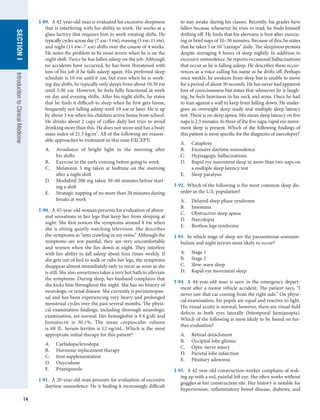
I-88.  A 65-year-old man experiences an ischemic cerebro­
vascular accident affecting the territory of the right ante-
rior cerebral artery. After the stroke, an assessment reveals
the findings shown in Figure I-88. What diagnosis does
this figure suggest?
A.	 Construction apraxia
B.	 Hemianopia
C.	 Hemineglect
D.	 Object agnosia
E.	 Simultanagnosia
FIGURE I-88
14
SECTION
I
SECTION
I
Introduction
to
Clinical
Medicine
I-89.  A 42-year-old man is evaluated for excessive sleepiness
that is interfering with his ability to work. He works at a
glass factory that requires him to work rotating shifts. He
typically cycles across day (7 am–3 pm), evening (3 pm–11 pm),
and night (11 pm–7 am) shifts over the course of 4 weeks.
He notes the problem to be most severe when he is on the
night shift. Twice he has fallen asleep on the job. Although
no accidents have occurred, he has been threatened with
loss of his job if he falls asleep again. His preferred sleep
schedule is 10 pm until 6 am, but even when he is work-
ing day shifts, he typically only sleeps from about 10:30 pm
until 5:30 am. However, he feels fully functional at work
on day and evening shifts. After his night shifts, he states
that he finds it difficult to sleep when he first gets home,
frequently not falling asleep until 10 am or later. He is up
by about 3 pm when his children arrive home from school.
He drinks about 2 cups of coffee daily but tries to avoid
drinking more than this. He does not snore and has a body
mass index of 21.3 kg/m2
. All of the following are reason-
able approaches to treatment in this man EXCEPT:
A.	 Avoidance of bright light in the morning after
his shifts
B.	 Exercise in the early evening before going to work
C.	 Melatonin 3 mg taken at bedtime on the morning
after a night shift
D.	 Modafinil 200 mg taken 30–60 minutes before start-
ing a shift
E.	 Strategic napping of no more than 20 minutes during
breaks at work
I-90.  A 45-year-old woman presents for evaluation of abnor-
mal sensations in her legs that keep her from sleeping at
night. She first notices the symptoms around 8 pm when
she is sitting quietly watching television. She describes
the symptoms as “ants crawling in my veins.” Although the
symptoms are not painful, they are very uncomfortable
and worsen when she lies down at night. They interfere
with her ability to fall asleep about four times weekly. If
she gets out of bed to walk or rubs her legs, the symptoms
disappear almost immediately only to recur as soon as she
is still. She also sometimes takes a very hot bath to alleviate
the symptoms. During sleep, her husband complains that
she kicks him throughout the night. She has no history of
neurologic or renal disease. She currently is perimenopau-
sal and has been experiencing very heavy and prolonged
menstrual cycles over the past several months. The physi-
cal examination findings, including thorough neurologic
examination, are normal. Her hemoglobin is 9.8 g/dL and
hematocrit is 30.1%. The mean corpuscular volume
is 68 fL. Serum ferritin is 12 ng/mL. Which is the most
appropriate initial therapy for this patient?
A.	 Carbidopa/levodopa
B.	 Hormone replacement therapy
C.	 Iron supplementation
D.	 Oxycodone
E.	 Pramipexole
I-91.  A 20-year-old man presents for evaluation of excessive
daytime somnolence. He is finding it increasingly difficult
to stay awake during his classes. Recently, his grades have
fallen because whenever he tries to read, he finds himself
drifting off. He finds that his alertness is best after exercis-
ing or brief naps of 10–30 minutes. Because of this, he states
that he takes 5 or 10 “catnaps” daily. The sleepiness persists
despite averaging 9 hours of sleep nightly. In addition to
excessive somnolence, he reports occasional hallucinations
that occur as he is falling asleep. He describes these occur-
rences as a voice calling his name as he drifts off. Perhaps
once weekly, he awakens from sleep but is unable to move
for a period of about 30 seconds. He has never had apparent
loss of consciousness but states that whenever he is laugh-
ing, he feels heaviness in his neck and arms. Once he had
to lean against a wall to keep from falling down. He under-
goes an overnight sleep study and multiple sleep latency
test. There is no sleep apnea. His mean sleep latency on five
naps is 2.3 minutes. In three of the five naps, rapid eye move-
ment sleep is present. Which of the following findings of
this patient is most specific for the diagnosis of narcolepsy?
A.	 Cataplexy
B.	 Excessive daytime somnolence
C.	 Hypnagogic hallucinations
D.	 Rapid eye movement sleep in more than two naps on
a multiple sleep latency test
E.	 Sleep paralysis
I-92.  Which of the following is the most common sleep dis-
order in the U.S. population?
A.	 Delayed sleep phase syndrome
B.	 Insomnia
C.	 Obstructive sleep apnea
D.	 Narcolepsy
E.	 Restless legs syndrome
I-93.  In which stage of sleep are the parasomnias somnam-
bulism and night terrors most likely to occur?
A.	 Stage 1
B.	 Stage 2
C.	 Slow-wave sleep
D.	 Rapid eye movement sleep
I-94.  A 44-year-old man is seen in the emergency depart-
ment after a motor vehicle accident. The patient says, “I
never saw that car coming from the right side.” On physi-
cal examination, his pupils are equal and reactive to light.
His visual acuity is normal; however, there are visual field
defects in both eyes laterally (bitemporal hemianopia).
Which of the following is most likely to be found on fur-
ther evaluation?
A.	 Retinal detachment
B.	 Occipital lobe glioma
C.	 Optic nerve injury
D.	 Parietal lobe infarction
E.	 Pituitary adenoma
I-95.  A 42-year-old construction worker complains of wak-
ing up with a red, painful left eye. She often works without
goggles at her construction site. Her history is notable for
hypertension, inflammatory bowel disease, diabetes, and
15
QUESTIONS
SECTION
I
prior IV drug use. Her only current medication is lisino-
pril. On examination, the left eye is diffusely red and sensi-
tive to light. The eyelids are normal. In dim light, visual
acuity is normal in both eyes. All of the following diag-
noses will explain her findings EXCEPT:
A.	 Acute angle-closure glaucoma
B.	 Anterior uveitis
C.	 Corneal abrasion
D.	 Posterior uveitis
E.	 Transient ischemic attack
I-96.  A 75-year-old triathlete complains of gradually
worsening vision over the past year. It seems to be
involving near and far vision. The patient has never
required corrective lenses and has no significant medi-
cal history other than diet-controlled hypertension. He
takes no regular medications. Physical examination
is normal except for bilateral visual acuity of 20/100.
There are no focal visual field defects and no redness of
the eyes or eyelids. Which of the following is the most
likely diagnosis?
A.	 Age-related macular degeneration
B.	 Blepharitis
C.	 Diabetic retinopathy
D.	 Episcleritis
E.	 Retinal detachment
I-97.  All of the following statements regarding olfaction are
true EXCEPT:
A.	 Decrements in olfaction may lead to nutritional defi-
ciency.
B.	 More than 40% of patients with traumatic anosmia
will regain normal function over time.
C.	 Significant decrements in olfaction are present
in more than 50% of the population 80 years and
older.
D.	 The most common identifiable cause of long-lasting
or permanent loss of olfaction in outpatients is severe
respiratory infection.
E.	 Women identify odorants better than men at all ages.
I-98.  A 64-year-old man is evaluated for hearing loss that he
thinks is worse in his left ear. His wife and children have told
him for years that he does not listen to them. Recently, he
has failed to hear the chime of the alarm on his digital watch,
and he admits to focusing on the lips of individuals speaking
to him because he sometimes has difficulties in word rec-
ognition. In addition, he reports a continuous buzzing that
is louder in his left ear. He denies any sensation of vertigo,
headaches, or balance difficulties. He has worked in a fac-
tory for many years that makes parts for airplanes, and the
machinery that he works with sits to his left primarily. He has
no family history of deafness, although his father had hear-
ing loss as he aged. He has a medical history of hypertension,
hyperlipidemia, and coronary artery disease. You suspect
sensorineural hearing loss related to exposure to the intense
noise in the factory for many decades. Which of the follow-
ing findings would you expect on physical examination?
A.	 A deep tympanic retraction pocket seen above the
pars flaccida on the tympanic membrane.
B.	 Cerumen impaction in the external auditory canal.
C.	 Hearing loss that is greater at lower frequencies on
pure tone audiometry.
D.	 Increased intensity of sound when a tuning fork is
placed on the mastoid process when compared with
placement near the auditory canal.
E.	 Increased intensity of sound in the right ear when a
tuning fork is placed in the midline of the forehead.
I-99.  A 32-year-old woman presents to her primary care
physician complaining of nasal congestion and drainage
and headache. Her symptoms originally began about 7 days
ago with rhinorrhea and sore throat. For the past 5 days,
she has been having increasing feelings of fullness and
pressure in the maxillary area that is causing her head-
aches. The pressure is worse when she bends over, and she
also notices it while lying in bed at night. She is otherwise
healthy and has not had fevers. On physical examination,
there is purulent nasal drainage and pain with palpation
over bilateral maxillary sinuses. What is the best approach
to ongoing management of this patient?
A.	 Initiate therapy with amoxicillin 500 mg three times
daily for 10 days.
B.	 Initiate therapy with levofloxacin 500 mg daily for
10 days.
C.	 Perform a sinus aspirate for culture and sensitivities.
D.	 Perform a sinus CT.
E.	 Treat with oral decongestants and nasal saline lavage.
I-100.  A 28-year-old man seeks evaluation for sore throat for
2 days. He has not had a cough or rhinorrhea. He has no
other medical conditions and works as a daycare provider.
On examination, tonsillar hypertrophy with membranous
exudate is present. What is the next step in the manage-
ment of this patient?
A.	 Empiric treatment with amoxicillin 500 mg twice
daily for 10 days
B.	 Rapid antigen detection test for Streptococcus pyogenes
only
C.	 Rapid antigen detection test for Streptococcus pyogenes
plus throat culture if the rapid test result is negative
D.	 Rapid antigen detection test for Streptococcus pyogenes
plus a throat culture regardless of result
E.	 Throat culture only
I-101.  A 62-year-old man presents to his physician com-
plaining of shortness of breath. All of the following find-
ings are consistent with left ventricular dysfunction as a
cause of the patient’s dyspnea EXCEPT:
A.	 Feeling of chest tightness
B.	 Nocturnal dyspnea
C.	 Orthopnea
D.	 Pulsus paradoxus greater than 10 mmHg
E.	 Sensation of air hunger
16
SECTION
I
SECTION
I
Introduction
to
Clinical
Medicine
I-102.  A 42-year-old woman seeks evaluation for a cough
that has been present for almost 3 months. The cough is
mostly dry and non-productive, but occasionally produc-
tive of yellow phlegm. She reports that the cough is worse
at night and often wakes her from sleep. She denies any
recent upper respiratory tract infection, allergic rhinitis,
fever, chills or cough. She recalls her mother told her that
she had asthma as a child but she has never felt sympto-
matic wheezing as an adult. She exercises regularly but
continues to smoke 1 pack per day of cigarettes; she’d like
to quit. The patient takes no medications. Her physical
examination is unremarkable. Which of the following is
indicated at this point?
A.	 Chest PET-CT
B.	 Chest radiograph
C.	 Measurement of serum angiotensin-converting
enzyme (ACE)
D.	 Measurement of serum IgE
E.	 Sinus CT
I-103.  In the patient described above, her chest radiograph is
normal and further history reveals a long history of symp-
toms suggestive of GERD. She also admits that her cough is
worse on nights after a large or late meal. She often has a bad
taste in her mouth as she starts coughing. Based on this infor-
mation, which of the following would be a reasonable empiric
therapeutic trial?
A.	 Inhaled corticosteroid
B.	 Inhaled long acting beta agonist
C.	 Nasal corticosteroid
D.	 Oral proton pump inhibitor
E.	 Oral triple antibiotic therapy for H. pylori
I-104.  A48-year-oldmanisevaluatedforhypoxiaofunknown
etiology. He recently has noticed shortness of breath that
is worse with exertion and in the upright position. It is
relieved with lying down. On physical examination, he
is visibly dyspneic with minimal exertion. He is noted to
have a resting oxygen saturation of 89% on room air. When
lying down, his oxygen saturation increases to 93%. His
pulmonary examination shows no wheezes or crackles. His
cardiac examination findings are normal without murmur.
His chest radiograph reports a possible 1-cm lung nodule
in the right lower lobe. On 100% oxygen and in the upright
position, the patient has an oxygen saturation of 90%. What
is the most likely cause of the patient’s hypoxia?
A.	 Circulatory hypoxia
B.	 Hypoventilation
C.	 Intracardiac right-to-left shunting
D.	 Intrapulmonary right-to-left shunting
E.	 Ventilation–perfusion mismatch
I-105.  A patient is evaluated in the emergency department
for peripheral cyanosis. All of the following are potential
etiologies EXCEPT:
A.	 Cold exposure
B.	 Deep venous thrombosis
C.	 Methemoglobinemia
D.	 Peripheral vascular disease
E.	 Raynaud’s phenomenon
I-106.  An 18-year-old college freshman is being evaluated
for a heart murmur heard at health screening. She reports
an active lifestyle, no past medical history, and no cardiac
symptoms. She has a midsystolic murmur that follows a
nonejection sound and crescendos with S2. The murmur
duration is greater when going from supine to standing
and decreases when squatting. The murmur is heard best
along the lower left sternal border and apex. Her electro-
cardiogram is normal. Which of the following is the most
likely condition causing the murmur?
A.	 Aortic stenosis
B.	 Hypertrophic obstructive cardiomyopathy
C.	 Mitral valve prolapse
D.	 Pulmonic stenosis
E.	 Tricuspid regurgitation
I-107.  Which of the following characteristics makes a heart
murmur more likely to be caused by tricuspid regurgita-
tion than mitral regurgitation?
A.	 Decreased intensity with amyl nitrate
B.	 Inaudible A2 at the apex
C.	 Prominent c-v wave in jugular pulse
D.	 Onset signaled by a midsystolic click
E.	 Wide splitting of S2
I-108.  You are examining a 25-year-old patient in clinic who
came in for a routine examination. Cardiac auscultation
reveals a second heart sound that is split and does not
vary with respiration. There is also a grade 2–3 midsystolic
murmur at the midsternal border. Which of the following
is most likely?
A.	 Atrial septal defect
B.	 Hypertrophic obstructive cardiomyopathy
C.	 Left bundle branch block
D.	 Normal physiology
E.	 Pulmonary hypertension
I-109.  A 32-year-old woman presents to her physician com-
plaining of hair loss. She is currently 10 weeks postpartum
afterdeliveryofanormalhealthybabygirl.Sheadmitstohav-
ing increased stress and sleep loss because her child has colic.
She also has not been able to nurse because of poor milk pro-
duction.Onexamination,thepatient’shairdoesnotappearto
have decreased density. With a gentle tug, more than 10 hairs
come out but are not broken and all appear normal. There are
no scalp lesions. What do you recommend for this patient?
A.	 Careful evaluation of the patient’s hair care products
for a potential cause
B.	 Reassurance only
C.	 Referral for counseling for trichotillomania
D.	 Treatment with minoxidil
E.	 Treatment with topical steroids
17
QUESTIONS
SECTION
I
I-110.  A 26-year-old man develops diffuse itching, wheezing,
and laryngeal edema within minutes of receiving intrave-
nous radiocontrast media for an intravenous pyelogram. He
has not previously received contrast dye per his recollection.
He is treated with supportive care and recovers without fur-
thercomplications.Whichofthefollowingbestdescribesthe
mechanism of the patient’s reaction to the contrast media?
A.	 Cross-linking of IgE molecules fixed to sensitized cells
in the presence of a specific drug-protein conjugate
B.	 Deposition of circulating immune complexes
C.	 Development of drug-specific T-cell immunogenicity
D.	 Direct mast cell degranulation
E.	 Hepatic metabolism into toxic intermediate
I-111.  A 44-year-old woman is prescribed phenytoin for the
development of complex partial seizures. One month after
initiating the medication, she is evaluated for a diffuse ery-
thematous eruption with associated fever to 101.3°F. She is
noted to have facial edema with diffusely enlarged lymph
nodes along the cervical, axillary, and inguinal areas. Her
white cell count is 14,500/μL (75% neutrophils, 12% lym-
phocytes, 5% atypical lymphocytes, and 8% eosinophils). A
basic metabolic panel is normal, but elevations in the liver
functions tests are noted with an AST of 124 U/L, ALT
of 148 U/L, alkaline phosphatase of 114 U/L, and total
bilirubin of 2.2 mg/dL. All of the following are indicated in
the management of this patient EXCEPT:
A.	 Administration of carbamazepine 200 mg twice daily
B.	 Administration of prednisone 1.5–2 mg/kg daily
C.	 Administration of topical glucocorticoids
D.	 Discontinuation of phenytoin
E.	 Evaluation for development of thyroiditis for up to
6 months
I-112.  Which of the following drugs is associated with devel-
opment of both phototoxicity and photoallergy?
A.	 Amiodarone
B.	 Diclofenac
C.	 Doxycycline
D.	 Hydrochlorothiazide
E.	 Levofloxacin
I-113.  You are seeing a patient in follow-up in whom you
have begun an evaluation for an elevated hematocrit. You
suspect polycythemia vera based on a history of aquagenic
pruritus and splenomegaly. Which set of laboratory tests is
consistent with the diagnosis of polycythemia vera?
A.	 Elevated red blood cell mass, high serum erythro-
poietin levels, and normal oxygen saturation
B.	 Elevated red blood cell mass, low serum erythropoietin
levels, and normal oxygen saturation
C.	 Normal red blood cell mass, high serum erythropoi-
etin levels, and low arterial oxygen saturation
D.	 Normal red blood cell mass, low serum erythropoi-
etin levels, and low arterial oxygen saturation
I-114.  All of the following are common manifestations of
bleeding caused by von Willebrand disease EXCEPT:
A.	 Angiodysplasia of the small bowel
B.	 Epistaxis
C.	 Menorrhagia
D.	 Postpartum hemorrhage
E.	 Spontaneous hemarthrosis
I-115.  A 68-year-old man is admitted to the intensive care
unit with spontaneous retroperitoneal bleeding and hypo-
tension. He has a medical history of hypertension, dia-
betes mellitus, and chronic kidney disease stage III. His
medications include lisinopril, amlodipine, sitagliptin, and
glimepiride. On initial presentation, he is in pain and has
a blood pressure of 70/40 mmHg with a heart rate of 132
beats/min. His hemoglobin on admission is 5.3 g/dL and
hematocrit is 16.0%. His coagulation studies demonstrate
an aPTT of 64 seconds and a PT of 12.1 seconds (INR
1.0). Mixing studies (1:1) are performed. Immediately, the
aPTT decreases to 42 seconds. At 1 hour, the aPTT is 56
seconds, and at 2 hours, it is 68 seconds. Thrombin time
and reptilase time are normal. Fibrinogen is also normal.
What is the most likely cause of the patient’s coagulopathy?
A.	 Acquired factor VIII deficiency
B.	 Acquired factor VIII inhibitor
C.	 Heparin
D.	 Lupus anticoagulant
E.	 Vitamin K deficiency
I-116.  A 54-year-old man is seen in the clinic complaining of
painless enlargement of lymph nodes in his neck. He has
not otherwise been ill and denies fevers, chills, weight loss,
and fatigue. His past medical history is remarkable for pul-
monary tuberculosis that was treated 10 years previously
under directly observed therapy. He currently takes no
medications. He is a heterosexual man in a monogamous
relationship for 25 years. He denies illicit drug use. He has
smoked 1½ packs of cigarettes daily since 16 years of age.
He works as a logger. On physical examination, the patient
is thin, but not ill-appearing. He is not febrile and has nor-
mal vital signs. He has dental caries noted with gingivitis.
In the right supraclavicular area, there is a hard and fixed
lymph node measuring 2.5 × 2.0 cm in size. Lymph nodes
less than 1 cm in size are noted in the anterior cervical
chain. There is no axillary or inguinal lymphadenopathy.
His liver and spleen are not enlarged. Which of the follow-
ing factors in history or physical examination increases the
likelihood that the lymph node enlargement is caused by
malignancy?
A.	 Age greater than 50 years
B.	 Location in the supraclavicular area
C.	 Presence of a lymph node that is hard and fixed
D.	 Size greater than 2.25 cm2
(1.5 × 1.5 cm)
E.	 All of the above
18
SECTION
I
SECTION
I
Introduction
to
Clinical
Medicine
I-117.  A 24-year-old woman presents for a routine checkup
and complains only of small masses in her groin. She
states that they have been present for at least 3 years.
She denies fever, malaise, weight loss, and anorexia. She
works as a sailing instructor and competes in triathlons.
On physical examination, she is noted to have several pal-
pable 1-cm inguinal lymph nodes that are mobile, non-
tender, and discrete. There is no other lymphadenopathy
or focal findings on examination. What should be the next
step in management?
A.	 Bone marrow biopsy
B.	 CT scan of the chest, abdomen, and pelvis
C.	 Excisional biopsy
D.	 Fine-needle aspiration for culture and cytopathology
E.	 Pelvic ultrasonography
F.	 Reassurance
I-118.  All of the following diseases are associated with mas-
sive splenomegaly (spleen extends 8 cm below the costal
margin or weighs >1000 g) EXCEPT:
A.	 Autoimmune hemolytic anemia
B.	 Chronic lymphocytic leukemia
C.	 Cirrhosis with portal hypertension
D.	 Marginal zone lymphoma
E.	 Myelofibrosis with myeloid metaplasia
I-119.  The presence of Howell-Jolly bodies, Heinz bod-
ies, basophilic stippling, and nucleated red blood cells in
a patient with hairy cell leukemia before any treatment
intervention implies which of the following?
A.	 Diffuse splenic infiltration by tumor
B.	 Disseminated intravascular coagulation (DIC)
C.	 Hemolytic anemia
D.	 Pancytopenia
E.	 Transformation to acute leukemia
I-120.  Which of the following is true regarding infection risk
after elective splenectomy?
A.	 Patients are at no increased risk of viral infection
after splenectomy.
B.	 Patients should be vaccinated 2 weeks after
splenectomy.
C.	 Splenectomy patients over the age of 50 are at greatest
risk for postsplenectomy sepsis.
D.	 Staphylococcus aureus is the most commonly impli-
cated organism in postsplenectomy sepsis.
E.	 The risk of infection after splenectomy increases
with time.
I-121.  An 18-year-old man is seen in consultation for a pul-
monary abscess caused by infection with Staphylococcus
aureus. He had been in his usual state of health until 1 week
ago when he developed fevers and a cough. He has no ill
contacts and presents in the summer. His medical history
is significant for episodes of axillary and perianal abscesses
requiring incision and drainage. He cannot specifically
recall how often this has occurred, but he does know it
has been more than five times that he can recall. In one
instance, he recalls a lymph node became enlarged to the
point that it “popped” and drained spontaneously. He also
reports frequent aphthous ulcers and is treated for eczema.
On physical examination, his height is 5′3′′. He appears
ill with a temperature of 39.6°C. Eczematous dermatitis is
present in the scalp and periorbital area. There are crackles
at the left lung base. Axillary lymphadenopathy is present
bilaterally and is tender. The spleen in enlarged. His labo-
ratory studies show a white blood cell count of 12,500/μL
(94% neutrophils), hemoglobin of 11.3 g/dL, hematocrit
of 34.2%, and platelets of 320,000/μL. Granulomatous
inflammation is seen on lymph node biopsy. Which of the
following tests are most likely found in this patient?
A.	 Elevated angiotensin-converting enzyme level
B.	 Eosinophilia
C.	 Giant primary granules in neutrophils
D.	 Mutations of the tumor necrosis factor-alpha receptor
E.	 Positive nitroblue tetrazolium dye test
I-122.  A 72-year-old man with chronic obstructive pulmo-
nary disease and stable coronary disease presents to the
emergency department with several days of worsening
productive cough, fevers, malaise, and diffuse muscle
aches. A chest radiograph demonstrates a new lobar infil-
trate. Laboratory measurements reveal a total white blood
cell count of 12,100 cells/μL with a neutrophilic predomi-
nance of 86% and 8% band forms. He is diagnosed with
community-acquired pneumonia, and antibiotic treat-
ment is initiated. Under normal, or “nonstress,” condi-
tions, what percentage of the total body neutrophils are
present in the circulation?
A.	 2%
B.	 10%
C.	 25%
D.	 40%
E.	 90%
I-123.  A patient with longstanding HIV infection, alcohol-
ism, and asthma is seen in the emergency department
for 1–2 days of severe wheezing. He has not been taking
any medicines for months. He is admitted to the hospi-
tal and treated with nebulized therapy and systemic glu-
cocorticoids. His CD4 count is 8 and viral load is greater
than 750,000. His total white blood cell (WBC) count is
3200 cells/μL with 90% neutrophils. He is accepted into
an inpatient substance abuse rehabilitation program and
before discharge is started on opportunistic infection
prophylaxis, bronchodilators, a prednisone taper over 2
weeks, ranitidine, and highly active antiretroviral therapy.
The rehabilitation center pages you 2 weeks later; a routine
laboratory check reveals a total WBC count of 900 cells/μL
with 5% neutrophils. Which of the following new drugs
would most likely explain this patient’s neutropenia?
A.	 Darunavir
B.	 Efavirenz
C.	 Ranitidine
D.	 Prednisone
E.	 Trimethoprim–sulfamethoxazole
19
QUESTIONS
SECTION
I
I-124.  All of the following statements regarding mercury
exposure or poisoning are true EXCEPT:
A.	 Chronic mercury poisoning is best assessed using
hair samples.
B.	 Ethyl mercury preservative in multiuse vaccines has
not been implicated in causing autism.
C.	 Exposure to as little as a few drops of dimethylmer-
cury may be lethal.
D.	 Offspring of mothers who ingested mercury-
contaminated fish are at higher risk of neurobehavio-
ral abnormalities.
E.	 Pregnant women should avoid consumption of sar-
dines and mackerel.
I-125.  A 39-year-old man comes to clinic reporting a 4-day
illness that began while he was in the Caribbean on vaca-
tion. A few hours after attending a large seafood buffet, he
developed abdominal pain, chills, nausea, and diarrhea.
Soon thereafter, he noticed diffused paresthesias, throat
numbness, and fatigue. The symptoms slowly improved
over 2 days, and he returned home yesterday. Today he
noticed while washing that cold water felt hot and warm
water felt cold. He is concerned about this new symptom.
All of the following are true regarding his illness EXCEPT:
A.	 His symptoms should improve over weeks to months.
B.	 It is likely caused by ingestion of contaminated snap-
per or grouper.
C.	 It is likely caused by ingestion of undercooked oys-
ters or clams.
D.	 Subsequent episodes may be more severe.
E.	 No diagnostic laboratory test is available.
I-126.  Which of the following is the most common cause of
death from poisoning?
A.	 Acetaminophen
B.	 Carbon monoxide
C.	 Chlorine gas
D.	 Insecticide
E.	 Tricyclic antidepressants
I-127.  Which of the following is a distinguishing feature of
amphetamine overdose versus other causes of sympathetic
overstimulation caused by drug overdose or withdrawal?
A.	 Hallucination
B.	 Hot, dry, flushed skin and urinary retention
C.	 History of benzodiazepine abuse
D.	 Markedly increased blood pressure, heart rate, and
end-organ damage in the absence of hallucination
E.	 Nystagmus
I-128.  A patient with metabolic acidosis, reduced anion gap,
and increased osmolal gap is most likely to have which of
the following toxic ingestions?
A.	 Lithium
B.	 Methanol
C.	 Oxycodone
D.	 Propylene glycol
E.	 Salicylate
I-129.  Which of the following is true regarding drug effects
after an overdose compared with a reference dose?
A.	 Drug effects begin earlier, peak earlier, and last
longer.
B.	 Drug effects begin earlier, peak later, and last longer.
C.	 Drug effects begin earlier, peak later, and last
shorter.
D.	 Drug effects begin later, peak earlier, and last shorter.
E.	 Drug effects begin later, peak later, and last longer.
I-130.  Which of the following statements regarding gastric
decontamination for toxin ingestion is true?
A.	 Activated charcoal’s most common side effect is
aspiration.
B.	 Gastric lavage via nasogastric tube is preferred
over the use of activated charcoal when therapeutic
endoscopy may also be warranted.
C.	 Syrup of ipecac has no role in the hospital setting.
D.	 There are insufficient data to support or exclude a
benefit when gastric decontamination is used more
than 1 hour after a toxic ingestion.
E.	 All of the above are true.
I-131.  One of your patients is contemplating a trekking trip
to Nepal at elevations between 2500 and 3000 m. Five
years ago, while skiing at Telluride (altitude, 2650 m), she
recalls having headache, nausea, and fatigue within 1 day
of arriving that lasted about 2–3 days. All of the follow-
ing are true regarding the development of acute mountain
sickness in this patient EXCEPT:
A.	 Acetazolamide starting 1 day before ascent is effec-
tive in decreasing the risk.
B.	 Gingko biloba is not effective in decreasing the risk.
C.	 Gradual ascent is protective.
D.	 Her prior episode increases her risk for this trip.
E.	 Improved physical conditioning before the trip
decreases the risk.
I-132.  A 36-year-old man develops shortness of breath,
dyspnea, and dry cough 3 days after arriving for helicopter
snowboarding in the Bugaboo mountain range in British
Columbia (elevation, 3000 m). Over the next 12 hours, he
becomes more short of breath and produces pink, frothy
sputum. An EMT-trained guide hears crackles on chest
examination. All of the following are true regarding his
illness EXCEPT:
A.	 Descent and oxygen are most therapeutic.
B.	 Exercise increased his risk.
C.	 Fever and leukocytosis may occur.
D.	 He should never risk return to high altitude after
recovery.
E.	 Pretreatment with nifedipine or tadalafil would have
lowered his risk.
20
SECTION
I
SECTION
I
Introduction
to
Clinical
Medicine
I-133.  Which of the following is considered an absolute con-
traindication to hyperbaric oxygen therapy?
A.	 Carbon monoxide poisoning
B.	 History of COPD
C.	 History of high altitude pulmonary edema
D.	 Radiation proctitis
E.	 Untreated pneumothorax
I-134.  A 35-year-old woman is scuba diving while vacation-
ing in Malaysia. During her last dive of the day, her regula-
tor malfunctions, requiring her to ascend from 20 m to the
surface rapidly. Upon returning to the boat, she feels well.
However, about 6 hours after returning to shore, she devel-
ops diffuse itching and muscle aches, leg pain, blurred
vision, slurred speech, and nausea. Which of the following
statements regarding her condition is true?
A.	 Decompression illness is unlikely at 20-m water
depth.
B.	 Inhalation of 100% oxygen is contraindicated.
C.	 She can never again scuba dive to a depth greater
than 6 m.
D.	 She should receive recompression and hyperbaric
oxygen therapy.
E.	 She should remain upright as much as possible.
I-135.  Which of the following statements regarding the dis-
tinction between acute lung injury (ALI) and acute respi-
ratory distress syndrome (ARDS) is true?
A.	 ALI and ARDS can be distinguished by radiographic
testing.
B.	 ALI and ARDS can be distinguished by the magni-
tude of the PaO2/FIO2 ratio.
C.	 ALI can be diagnosed in the presence of elevated left
atrial pressure, but ARDS can not.
D.	 ALI is caused by direct lung injury, but ARDS is the
result of secondary lung injury.
E.	 The risk of ALI but not ARDS increases with multiple
predisposing conditions.
I-136.  Which of the following has been demonstrated to
reduce mortality in patients with ARDS?
A.	 High-dose glucocorticoids within 48 hours of pres-
entation
B.	 High-frequency mechanical ventilation
C.	 Inhaled nitric oxide
D.	 Low tidal volume mechanical ventilation
E.	 Surfactant replacement
I-137.  A 38-year-old man is hospitalized in the ICU with
ARDS after a motor vehicle accident with multiple long
bone fractures, substantial blood loss, and hypotension.
By day 2 of hospitalization, he is off vasopressors but
is requiring a high FIO2 and positive end-expiratory
pressure (PEEP) to maintain adequate oxygenation. His
family is asking about the short- and long-term prog-
nosis for recovery. All of the following statements about
his prognosis are true EXCEPT:
A.	 He has a greater chance of survival than a patient
with similar physiology who is older than 70 years
old.
B.	 His overall mortality from ARDS is approximately
25–45%.
C.	 If he survives, he is likely to have some degree of
depression or posttraumatic stress disorder.
D.	 If he survives, he likely will have normal or near
normal lung function.
E.	 The most likely cause of mortality is hypoxemic
respiratory failure.
I-138.  Clinical trials support the use of noninvasive ventila-
tion in which of the following patients?
A.	 A 33-year-old man who was rescued from a motor
vehicle accident. He is unarousable with possible
internal injuries. Room air blood gas is 7.30 (pH),
PCO2 50 mmHg, PO2 60 mmHg.
B.	 A 49-year-old woman with end-stage renal disease
admitted with presumed staphylococcal sepsis from
her hemodialysis catheter. She is somnolent, blood
pressure is 80/50 mmHg, heart rate is 105 beats/min,
and room air oxygen saturation is 95%.
C.	 A 58-year-old woman with a history of cirrhotic
liver disease admitted with a presumed esophageal
variceal bleed. Her blood pressure is 75/55 mmHg,
and she has a heart rate of 110 beats/min. She is
awake and alert.
D.	 A 62-year-old man with a long history of COPD
admitted with an exacerbation related to an upper
respiratory tract infection. He is in marked respira-
tory distress but is awake and alert. Chest radiograph
only shows hyperinflation. His room air arterial blood
gas is pH, 7.28; PCO2, 75 mmHg; and PO2, 46 mmHg.
E.	 A 74-year-old man with cardiogenic shock and an
acute ST-segment elevation myocardial infarction. His
blood pressure is 84/65 mmHg, heart rate is 110
beats/min, respiratory rate is 24 breaths/min, and
room air oxygen saturation is 85%.
I-139.  You are caring for a patient on mechanical ventilation
in the intensive care unit. Whenever the patient initiates
a breath, no matter her spontaneous respiratory rate, she
gets a fixed volume breath from the machine that does
not change from breath to breath. After receiving a dose
of sedation, she does not initiate any breaths, but the
machine delivers the same volume breath at periodic fixed
intervals during this time. Which of the following modes
of mechanical ventilation is this patient receiving?
A.	 Assist control
B.	 Continuous positive airway pressure
C.	 Pressure control
D.	 Pressure support
E.	 Synchronized intermittent mandatory ventilation
(SIMV)
I-140.  A 68-year-old woman has been receiving mechanical
ventilation for 10 days for community-acquired pneumo-
nia. You are attempting to decide whether the patient is
21
QUESTIONS
SECTION
I
­
appropriate for a spontaneous breathing trial. All of the
following factors would indicate that the patient is likely to
be successfully extubated EXCEPT:
A.	 Alert mental status
B.	 PEEP of 5 cmH2O
C.	 pH greater than 7.35
D.	 Rapid shallow breathing index (respiratory rate/tidal
volume) greater than 105
E.	 SaO2 greater than 90% and FIO2 less than 0.5
I-141.  A 45-year-old woman with HIV is admitted to the
intensive care unit with pneumonia and pneumothorax
secondarytoinfectionwithPneumocystisjiroveci.Sherequires
mechanical ventilatory support, chest tube placement, and
central venous access. The ventilator settings are PC mode;
inspiratory pressure, 30 cmH2O, 1.0; and PEEP, 10 cmH2O.
An arterial blood gas measured on these settings shows:
pH 7.32, 46 mmHg, and 62 mmHg. All of the following are
important supportive measures for this patient EXCEPT:
A.	 Analgesia to maintain patient comfort
B.	 Daily change of ventilator circuit
C.	 Gastric acid suppression
D.	 Nutritional support
E.	 Prophylaxis against deep venous thrombosis
I-142.  All of the following statements about the physiology
of mechanical ventilation are true EXCEPT:
A.	 Application of PEEP decreases left ventricular
preload and afterload.
B.	 High inspired tidal volumes contribute to the devel-
opment of acute lung injury caused by overdistention
of alveoli with resultant alveolar damage.
C.	 Increasing the inspiratory flow rate will decrease the
ratio of inspiration to expiration (I:E) and allow more
time for expiration.
D.	 Mechanical ventilation provides assistance with
inspiration and expiration.
E.	 PEEP helps prevent alveolar collapse at end-expiration.
I-143.  A 64-year-old man requires endotracheal intubation
and mechanical ventilation for chronic obstructive pul-
monary disease. He was paralyzed with rocuronium for
intubation. His initial ventilator settings were AC mode;
respiratory rate 10 breaths/minute; FIO2 1.0; Vt (tidal
volume) 550 mL; and positive end-expiratory pressure
0 cm H2O. On admission to the intensive care unit the
patient remains paralzyed; arterial blood gas is pH 7.22,
PCO2 78 mmHg, PO2 394 mmHg. The FIO2 is decreased
to 0.6. Thirty minutes later you are called to the bedside
to evaluate the patient for hypotension. Current vital
signs are blood pressure 80/40 mmHg, heart rate, 133
beats/min; respiratory rate, 24/minute; and oxygen satu-
ration 92%. Physical examination shows the patient is agi-
tated and moving all extremities, a prolonged expiration
with wheezing continuing until the initiation of the next
breath. Breath sounds are heard in both lung fields. The
high-pressure alarm on the ventilator is triggering. What
should be done first in treating this patient’s hypotension?
A.	 Administer a fluid bolus of 500 mL.
B.	 Disconnect the patient from the ventilator.
C.	 Initiate a continuous IV infusion of midazolam.
D.	 Initiate a continuous IV infusion of norepinephrine.
E.	 Perform tube thoracostomy on the right side.
I-144.  All of the following are relative contraindications for
the use of succinylcholine as a paralytic for endotracheal
intubation EXCEPT:
A.	 Acetaminophen overdose
B.	 Acute renal failure
C.	 Crush injuries
D.	 Muscular dystrophy
E.	 Tumor lysis syndrome
I-145.  Match the following vasopressors with the statement
that best describes their action on the cardiovascular system.
1.	 Dobutamine
2.	 Low-dose dopamine (2–4 μg/kg/min)
3.	 Norepinephrine
4.	 Phenylephrine
A.	 Acts solely at α-adrenergic receptors to cause vaso-
constriction
B.	 Acts at β1-adrenergic receptors and dopaminergic
receptors to increase cardiac contractility and heart
rate; also causes vasodilatation and increased splanch-
nic and renal blood flow
C.	 Acts at β1- and, to a lesser extent, β2-adrenergic
receptors to increase cardiac contractility, heart rate,
and vasodilatation
D.	 Acts at α- and β1-adrenergic receptors to increase
heart rate, cardiac contractility, and vasoconstriction
I-146.  An 86-year-old nursing home resident is brought by
ambulance to the local emergency department. He was
found unresponsive in his bed immersed in black stool.
Apparently, he had not been feeling well for 1–2 days, had
complained of vague abdominal pain, and had decreased
oral intake; no further history is available from the nurs-
ing home staff. His past medical history is remarkable for
Alzheimer’s dementia and treated prostate cancer. The
emergency responders were able to appreciate a faint pulse
and obtained a blood pressure of 91/49 mmHg and a heart
rate of 120 beats/min. In the emergency department, his
pressure is 88/51 mmHg and heart rate is 131 beats/min.
He is moaning and obtunded, localizes to pain, and has flat
neck veins. Skin tenting is noted. A central venous catheter
is placed that reveals CVP less than 5 mmHg, specimens
for initial laboratory testing are sent off, and electrocardio-
gram and chest x-ray are obtained. Catheterization of the
bladder yields no urine. Anesthesiology has been called to
the bedside and is assessing the patient’s airway. What is
the best immediate step in management?
A.	 Infuse hypertonic saline to increase the rate of vascu-
lar filling.
B.	 Infuse isotonic crystalloid solution via IV wide open.
C.	 Infuse a colloidal solution rapidly.
D.	 Initiate inotropic support with dobutamine.
E.	 Initiate IV pressors starting with Levophed.
22
SECTION
I
SECTION
I
Introduction
to
Clinical
Medicine
I-147.  In the patient described above, which of the following
is true regarding his clinical condition?
A.	 Loss of 20–40% of the blood volume leads to shock
physiology.
B.	 Loss of less than 20% of the blood volume will mani-
fest as orthostasis.
C.	 Oliguria is a crucial prognostic sign of impending
vascular collapse.
D.	 Symptoms of hypovolemic shock differ from those of
hemorrhagic shock.
E.	 The first sign of hypovolemic shock is mental
obtundation.
I-148.  A 52-year-old man presents with crushing substernal
chest pain. He has a history of coronary artery disease and
has had two non–ST-segment elevation myocardial inf-
arctions in the past 5 years, both requiring percutaneous
intervention and intracoronary stent placement. His electro-
cardiogram shows ST elevations across the precordial leads,
and he is taken emergently to the catheterization laboratory.
Afterangioplastyandstentplacement,heistransferredtothe
coronary care unit. His vital signs are stable on transfer; how-
ever, 20 minutes after arrival, he is found to be unresponsive.
His radial pulse is thready, extremities are cool, and blood
pressure is difficult to obtain; with a manual cuff, it is 65/40
mmHg. The nurse turns to you and asks what you would like
to do next. Which of the following accurately represents the
physiologic characteristics of this patient’s condition?
mmHg, heart rate of 122 beats/min, temperature of 39.1°C,
respiratory rate of 24 breaths/min, and oxygen saturation
of 97% on room air. Physical examination shows clear lung
fields and a regular tachycardia without murmur. There is
no abdominal tenderness or masses. Stool is negative for
occult blood. There are no rashes. Hematologic studies
show a white blood cell count of 24,200/μL with a differ-
ential of 82% PMNs, 8% band forms, 6% lymphocytes, and
3% monocytes. Hemoglobin is 8.2 g/dL. A urinalysis has
numerous white blood cells with gram-negative bacteria on
Gram stain. Chemistries reveal the following: bicarbonate
of 16 meq/L, BUN of 60 mg/dL, and creatinine of 2.4 mg/dL.
After fluid administration of 2 L, the patient has a blood
pressure of 88/54 mmHg and a heart rate of 112 beats/min
with a central venous pressure of 18 cmH2O. There is 25 mL
of urine output in the first hour. The patient has been ini-
tiated on antibiotics with cefepime. What should be done
next for the treatment of this patient’s hypotension?
A.	 Dopamine, 3 μg/kg/min IV
B.	 Hydrocortisone, 50 mg IV every 6 hours
C.	 Norepinephrine, 2 μg/min IV
D.	 Ongoing colloid administration at 500–1000 mL/h
E.	 Transfusion of 2 units of packed red blood cells
I-151.  All of the following statements about the pathogenesis
of sepsis and septic shock are true EXCEPT:
A.	 Blood cultures are positive in only 20–40% of cases of
severe sepsis.
B.	 Microbial invasion of the bloodstream is not neces-
sary for the development of severe sepsis.
C.	 Serum levels of TNF-alpha are typically reduced in
patients with severe sepsis or septic shock.
D.	 The hallmark of septic shock is a marked decrease
in peripheral vascular resistance that occurs despite
increased plasma levels of catecholamines.
E.	 Widespread vascular endothelial injury is present in
severe sepsis and is mediated by cytokines and proco-
agulant factors that stimulate intravascular thrombosis.
I-152.  Which of the following treatments is recommended to
improve mortality in septic shock?
A.	 Activated protein C (drotrecogin alpha)
B.	 Administration of antibiotics within 1 hour of
presentation
C.	 Bicarbonate therapy for severe acidosis
D.	 Erythropoietin
E.	 Vasopressin infusion
I-153.  All of the following statements regarding cardiogenic
shock are true EXCEPT:
Central Venous
Pressure Cardiac Output
Systemic Vascular
Resistance
A. Decreased Decreased Decreased
B. Decreased Increased Decreased
C. Increased Increased Decreased
D. Increased Decreased Increased
E. Decreased Decreased Increased
I-149.  All of the following are factors that are related to the
increased incidence of sepsis in the United States EXCEPT:
A.	 Aging of the population
B.	 Increased longevity of individuals with chronic disease
C.	 Increased risk of sepsis in individuals without
comorbidities
D.	 Increased risk of sepsis in individuals with AIDS
E.	 Increased use of immunosuppressive drugs
I-150.  A 68-year-old woman is brought to the emergency
department for fever and lethargy. She first felt ill yester-
day and experienced generalized body aches. Overnight,
she developed a fever of 39.6°C and had shaking chills. By
this morning, she was feeling very fatigued. Her son feels
that she has had periods of waxing and waning mental
status. She denies cough, nausea, vomiting, diarrhea, and
abdominal pain. She has a medical history of rheumatoid
arthritis. She takes prednisone, 10 mg daily, and meth-
otrexate, 15 mg weekly. On examination, she is lethargic
but appropriate. Her vital signs are blood pressure of 85/50
23
QUESTIONS
SECTION
I
A.	 Approximately 80% of cases of cardiogenic shock
complicating acute myocardial infarction are attrib-
utable to acute severe mitral regurgitation.
B.	 Cardiogenic shock is more common in ST-segment
elevation than non–ST-segment elevation myocar-
dial infarction.
C.	 Cardiogenic shock is uncommon in inferior wall
myocardial infarction.
D.	 Cardiogenic shock may occur in the absence of sig-
nificant coronary stenosis.
E.	 Pulmonary capillary wedge pressure is elevated in
cardiogenic shock.
I-154.  Aortic counterpulsation with an intra-aortic balloon
pump has which of the following as an advantage over
therapy with infused vasopressors or inotropes in a patient
with acute ST-segment elevation myocardial infarction
and cardiogenic shock?
A.	 Increased heart rate
B.	 Increased left ventricular afterload
C.	 Lower diastolic blood pressure
D.	 Not contraindicated in acute aortic regurgitation
E.	 Reduced myocardial oxygen consumption
I-155.  Which of the following is the most common electrical
mechanism to explain sudden cardiac death?
A.	 Asystole
B.	 Bradycardia
C.	 Pulseless electrical activity (PEA)
D.	 Pulseless ventricular tachycardia (PVT)
E.	 Ventricular fibrillation
I-156.  All of the following statements regarding successful
resuscitation from sudden cardiac death are true EXCEPT:
A.	 Advanced age does not affect the likelihood of imme-
diate resuscitation, only the probability of hospital
discharge.
B.	 After cardiac out of hospital cardiac arrest, sur-
vival rates are approximately 25% if defibrillation is
administered after 5 minutes.
C.	 If the initial rhythm in an out-of-hospital cardiac
arrest is pulseless ventricular tachycardia, the patient
has a higher probability of survival than asystole.
D.	 Prompt CPR followed by prompt defibrillation
improves outcomes in all settings.
E.	 The probability of survival from cardiac arrest is higher
if the event takes place in a public setting than at home.
I-157.  A 28-year-old woman has severe head trauma after
a motor vehicle accident. One year after the accident, she
is noted to have spontaneous eye opening and is able to
track an object visually at times. She does not speak or fol-
low any commands. She breathes independently but is fed
through a gastrostomy tube. She can move all extremities
spontaneously but without purposeful movement. What
term best describes this patient’s condition?
A.	 Coma
B.	 Locked-in
C.	 Minimally conscious state
D.	 Persistent vegetative state
E.	 Vegetative state
I-158.  A 52-year-old man is evaluated after a large subarach-
noid hemorrhage (SAH) from a ruptured cerebral aneu-
rysm. There is concern that the patient has brain death.
What test is most commonly used to diagnose brain death
in this situation?
A.	 Apnea testing
B.	 Cerebral angiography
C.	 Demonstration of absent cranial nerve reflexes
D.	 Demonstration of fixed and dilated pupils
E.	 Performance of transcranial Doppler ultrasonography
I-159.  Which of the following neurologic phenomena is clas-
sically associated with herniation of the brain through the
foramen magnum?
A.	 Third-nerve compression and ipsilateral papillary
dilation
B.	 Catatonia
C.	 “Locked-in” state
D.	 Miotic pupils
E.	 Respiratory arrest
I-160.  A 72-year-old woman is admitted to the intensive care
unit after a cardiac arrest at home. She had a witnessed col-
lapse, and her family immediately began to perform car-
diopulmonary resuscitation. Emergency medical service
arrived within 10 minutes, and the initial cardiac rhythm
demonstrated ventricular fibrillation. Spontaneous circula-
tion returned after defibrillation, and the estimated time the
patient was without a pulse was 15–20 minutes. The patient
is brought to hospital and remains intubated, paralyzed, and
sedated in the coronary care unit. She is being treated with
medically induced hypothermia and is completely unre-
sponsive to all stimuli 12 hours after the initial event. Her
pupils are 3 mm and respond sluggishly to light. She has no
cough or gag reflex. Intermittent myoclonic jerks are seen.
The family has concerns about her neurologic prognosis
after her prolonged cardiac arrest. What advice do you give
the family regarding prognosis in this situation?
A.	 An MRI scan of the brain should be performed
before determining neurologic outcome.
B.	 Apnea testing will be performed at the first opportunity
to determine if the patient has suffered brain death.
C.	 Given the immediate actions of the family to initi-
ate cardiopulmonary resuscitation, the patient has
a greater than 50% chance to have good neurologic
outcomes.
D.	 It is impossible to predict the patient’s likelihood of
neurologic recovery as her examination is unreliable
in the face of sedation and hypothermia.
E.	 No information regarding prognosis can be deter-
mined until 72 hours have passed.
24
SECTION
I
SECTION
I
Introduction
to
Clinical
Medicine
I-161.  A 52-year-old man presents to the emergency depart-
ment complaining of the worst headache of his life that is
unresolving. It began abruptly 3 days before presentation
and is worse with bending over. It rapidly increased in inten-
sity over 30 minutes, but he did not seek medical care at that
time. Over the ensuing 72 hours, the headache has persisted
although lessened in intensity. He has not lost consciousness
and has no other neurologic symptoms. His vision is nor-
mal, but he does report that light is painful to his eyes. His
past medical history is notable for hypertension, but he takes
his medications irregularly. Upon arrival to the emergency
department,hisinitialbloodpressureis232/128mmHgwith
a heart rate of 112 beats/min. No nuchal rigidity is present. A
head CT shows no acute bleeding and no mass effect. What
is the next best step in the management of this patient?
A.	 Cerebral angiography
B.	 CT angiography
C.	 Lumbar puncture
D.	 Magnetic resonance angiography
E.	 Treat with sumatriptan
I-162.  A 56-year-old man is admitted to intensive care with
a subarachnoid hemorrhage. Upon admission, he is unre-
sponsive, and his head CT shows evidence of blood in the
third ventricle with midline shift. He undergoes successful
coiling of an aneurysm of the anterior cerebral artery. All
of the following would be indicated in the management of
this patient EXCEPT:
A.	 Glucocorticoids
B.	 Hypernatremia
C.	 Nimodipine
D.	 Ventriculostomy
E.	 Volume expansion
I-163.  A 56-year-old man is admitted to the intensive care
unit with a hypertensive crisis after cocaine use. Initial
blood pressure is 245/132 mmHg. On physical examina-
tion, the patient is unresponsive except to painful stimuli.
He has been intubated for airway protection and is being
mechanically ventilated, with a respiratory rate of 14 breaths/
min. His pupils are reactive to light, and he has normal
corneal, cough, and gag reflexes. The patient has a dense
left hemiparesis. When presented with painful stimuli,
the patient responds with flexure posturing on the right
side. Computed tomography (CT) reveals a large area of
intracranial bleeding in the right frontoparietal area. Over
the next several hours, the patient deteriorates. The most
recent examination reveals a blood pressure of 189/100
mmHg. The patient now has a dilated pupil on the right
side. The patient continues to have corneal reflexes. You
suspect rising intracranial pressure related to the intracra-
nial bleed. All but which of the following can be done to
decrease the patient’s intracranial pressure?
A.	 Administer intravenous mannitol at a dose of 1 g/kg
body weight.
B.	 Administer hypertonic fluids to achieve a goal
sodium level of 155–160 meq/L.
C.	 Consult neurosurgery for an urgent ventriculostomy.
D.	 Initiate intravenous nitroprusside to decrease the
mean arterial pressure (MAP) to a goal of 100 mmHg.
E.	 Increase the respiratory rate to 30 breaths/min.
I-164.  A 64-year-old man presents to the emergency depart-
ment complaining of shortness of breath and facial swell-
ing. He smokes 1 pack of cigarettes daily and has done so
since the age of 16 years. On physical examination, he has
dyspnea at an angle of 45 degrees or less. His vital signs
are heart rate of 124 beats/min, blood pressure of 164/98
mmHg, respiratory rate of 28 breaths/min, temperature of
37.6°C (99.6°F), and oxygen saturation of 89% on room
air. Pulsus paradoxus is not present. His neck veins are
dilated and do not collapse with inspiration. Collateral
venous dilation is noted on the upper chest wall. There is
facial edema and 1+ edema of the upper extremities bilat-
erally. Cyanosis is present. There is dullness to percussion
and decreased breath sounds over the lower half of the
right lung field. Given this clinical scenario, what would
be the most likely finding on CT examination of the chest?
A.	 A central mass lesion obstructing the right mainstem
bronchus
B.	 A large apical mass invading the chest wall and bra-
chial plexus
C.	 A large pericardial effusion
D.	 A massive pleural effusion leading to opacification of
the right hemithorax
E.	 Enlarged mediastinal lymph nodes causing obstruc-
tion of the superior vena cava
I-165.  In the scenario in question I-165, the initial therapy
of this patient includes all of the following EXCEPT:
A.	 Administration of furosemide as needed to achieve
diuresis
B.	 Elevation of the head of the bed to 45 degrees
C.	 Emergent radiation
D.	 Low-sodium diet
E.	 Oxygen
I-166.  A 58-year-old woman with known stage IV breast
cancer presents to the emergency department with an ina-
bility to move her legs. She has had lower back pain for the
past 4 days and has found it difficult to lie down. There is
no radiating pain. Earlier today, the patient lost the ability
to move either of her legs. In addition, she has been incon-
tinent of urine recently. She has been diagnosed previously
with metastatic disease to the lung and pleura from her
breast cancer but was not known to have spinal or brain
metastases. Her physical examination confirms absence
of movement in the bilateral lower extremities associated
with decreased to absent sensation below the umbilicus.
There is increased tone and 3+ deep tendon reflexes in the
25
SECTION
I
ANSWERS
lower extremities with crossed adduction. Anal sphincter
tone is decreased, and the anal wink reflex is absent. What
is the most important first step to take in the management
of this patient?
A.	 Administer dexamethasone 10 mg intravenously.
B.	 Consult neurosurgery for emergent spinal decom-
pression.
C.	 Consult radiation oncology for emergent spinal
radiation.
D.	 Perform MRI of the brain.
E.	 Perform MRI of the entire spinal cord.
I-167.  A 21-year-old man is treated with induction chemo-
therapy for acute lymphoblastic leukemia. His initial white
blood cell count before treatment was 156,000/μL. All of
the following are expected complications during his treat-
ment EXCEPT:
ANSWERS
I-1.	 The answer is D. (Chap. 1) Evidence-based medicine (EBM) is an important cornerstone
to the effective and efficient practice of internal medicine. EBM refers to the concept that
clinical decisions should be supported by data with the strongest evidence gleaned from
randomized controlled clinical trials. Clearly, in some situations, it is impossible or unethi-
cal to perform randomized controlled trials, and data from observational studies such as
cohort or case-control studies supply important information regarding disease associations.
Professional organizations and government agencies use EBM to develop clinical practice
guidelines. These guidelines combine the best available evidence from clinical and obser-
vational studies with expert opinion to develop clinical-decision support tools (option C).
The purpose of clinical guidelines is to provide a framework for diagnosis and treatment of
a specific clinical problem in a cost-effective and efficient manner. When multiple clinical
trials have been published, accumulated data can be summarized in a systematic review
(option A). In a systematic review, the researchers carefully scrutinize the methods of pub-
lished trials for inclusion into the review and use statistical analysis to attempt to provide
additional strength to clinical findings. A new branch of research called comparative effec-
tiveness research (option B) attempts to compare different approaches to treating disease to
determine effectiveness from both a clinical and cost-effectiveness standpoint. A variety of
methods can be used, and systematic reviews are an important tool in comparative effective-
ness research. The weakest type of evidence is anecdotal evidence (option E), which is one
individual’s clinical experience in treating a disease and can be biased by prior experiences.
I-2.	 The answer is D. (Chap. 1) Before performing any procedure, a physician has the ethi-
cal duty to discuss the details of the procedure with the patient and ensuring that he or
she understands before proceeding. This process includes ensuring that the patient has
the mental capacity to provide consent, outlining the risks and benefits of the procedure,
and discussing alternatives and potential consequences of these alternatives. Informed
consent does not require that a patient outline his or her wishes if he or she becomes
incompetent to make decisions. This is accomplished in an advanced directive, which can
outline the goals of care and also appoint someone to make medical decisions.
I-3.	 The answer is A. (Chap. 2) Disability-adjusted life years (DALYs) is the standard measure
for determining global burden of disease by the World Health Organization. This measure
A.	 Acute kidney injury
B.	 Hypercalcemia
C.	 Hyperkalemia
D.	 Hyperphosphatemia
E.	 Hyperuricemia
I-168.  All of the following would be important for preven-
tion of these complications EXCEPT:
A.	 Administration of allopurinol 300 mg/m2
daily
B.	 Administration of intravenous fluids at a minimum
of 3000 mL/m2
daily
C.	 Alkalinization of the urine to a pH of greater than
7.0 by administration of sodium bicarbonate
D.	 Frequent monitoring of serum chemistries every
4 hours
E.	 Prophylactic hemodialysis before initiating chem-
otherapy
26
SECTION
I
SECTION
I
Introduction
to
Clinical
Medicine
takes into account both absolute years of life lost because of disease (premature death) as
well as productive years lost because of disability. DALYs is believed to more accurately
reflect the true effects of disease within a population because individuals who become disa-
bled cannot contribute fully to society. Life expectancy, years of life lost because of dis-
ease, standardized mortality ratios, and infant mortality do provide important information
about the general health of a population but do not capture the true burden of disease.
I-4.	 The answer is E. (Chap. 2) The causes of morbidity and burden of disease in a population
differ from the absolute causes of mortality in a population. Unipolar depressive disor-
der accounts for 10.0 million disability-adjusted life years lost (DALYs) in high-income
countries. Depression is quite common in the general population of developed countries.
However, the death rate from depression is low and is mainly reflected in suicides. Thus,
depression creates disability and lost productivity without a significant impact on years
of life lost. Depression often presents at young ages and persists or recurs throughout a
lifetime, leading to significant morbidity over time. After unipolar depressive disorder, the
leading causes of DALYs lost in high-income countries are ischemic heart disease, cer-
ebrovascular disease, Alzheimer’s disease and other dementia, and alcohol use disorders.
However, worldwide, the leading cause of DALYs is lower respiratory infections caused by
the high burden of disease in low-income countries with an estimated 76.9 million DALYs
lost because of lower respiratory infections in low-income countries. Additionally, in low-
income countries, the top five causes of DALYs are related to infectious diseases (diarrheal
diseases, HIV, malaria) and prematurity.
I-5.	 The answer is D. (Chap. 2) Although ischemic heart disease is the leading cause of death
worldwide, low-income countries have a disproportionate number of deaths caused by
lower respiratory tract infections. This primarily reflects the large numbers of individu-
als in low-income countries who die of tuberculosis and other infectious pneumonias.
Ischemic heart disease is the second leading cause of death in low-income countries.
I-6.	 The answer is B. (Chap. 2) Global health experts have developed priorities for improv-
ing global health in conjunction with the World Health Organization (WHO). Many of
these efforts are focused on the prevention, early recognition, and treatment of infectious
diseases in developing countries and the developing world. Among infectious causes of
disease, malaria ranks as the third most deadly. In 2001, the WHO Roll Back Malaria cam-
paign was endorsed by heads of state in Africa in an effort to develop a coordinated plan
for malaria prevention and treatment. A major goal of the Roll Back Malaria campaign was
to prevent gains in disease prevention in one country from being lost because of lack of a
coordinated effort in neighboring countries. This effort involves a multifaceted approach
that includes vector control, prevention of transmission, and early recognition and treat-
ment. Insecticide-treated bed nets are a simple and cost-effective method of reducing
malaria transmission with a 50% decreased incidence of malaria in individuals who sleep
under these bed nets. Indoor residual spraying is also an important factor in decreasing
malaria transmission as outdoor vector control alone is ineffective in controlling transmis-
sion. It has been found that 80% of structures in a community must be treated to decrease
disease transmission. Another important part of decreasing disease transmission is to give
at least two doses of effective antimalarial drugs during pregnancy to decrease placental
transmission of disease. If disease is unable to be prevented, it is important to recognize
and treat the disease early. Chloroquine resistance has emerged in many areas around the
world, particularly in sub-Saharan Africa, the Middle East, India, Southeast Asia, and parts
of South America. Given the widespread chloroquine resistance, the WHO now recom-
mends only artemisinin-based combination therapy for falciparum malaria infection.
I-7.	 The answer is A. (Chap. 3) Bayes’ theorem is a statistical model based on conditional
probabilities that is useful in medical decision making. The three components of Bayes’
theorem as it relates to medical decision making are the pretest probability of disease, the
sensitivity of the test, and the specificity of the test. These factors are combined into the
following formula:
27
SECTION
I
ANSWERS
	 Pretest probability × Test sensitivity
	 Posttest probability = 	
(Pretest probability × Test sensitivity) +
[(1 - Pretest probability) × False-positive rate]
In most occasions, the pretest probability is an estimate based on the prevalence of disease
in the population and the clinical situation. The false-positive rate is 1 - specificity. In this
clinical scenario, the pretest probability of disease was estimated at 10%, and the treadmill
ECG stress test has an average sensitivity of 66% and a specificity of 84%. Based on the
formula above, the posttest probability would be low at only 31%.
Posttest probability = (0.10)(0.66)/[(0.10)(0.66) + (0.90)(0.16)] = 0.31
I-8 and I-9.  The answers are C and C, respectively. (Chap. 3) In evaluating the usefulness of a
test, it is imperative to understand the clinical implications of the sensitivity and spe-
cificity of that test. Simply, the sensitivity is the proportion of people with disease that
are correctly identified by the test—the true-positive rate. Alternatively, the specificity
can be viewed as the true-negative rate and is the proportion of individuals without
disease who would have a negative test result. The perfect test would have a sensitivity
of 100% and a specificity of 100%, but this is unachievable in clinical practice. Sensitiv-
ity and specificity are inherent properties of the test and are not affected by the disease
prevalence. However, by obtaining information about the prevalence of the disease in
the population, one can generate a two-by-two table, as shown below. This table is used
to generate the total number of patients in each group of the population. The sensitivity
of the test is TP/(TP + FN). The specificity is TN/(TN + FP). In this case, the disease
prevalence is 10%. In a population of 1000 individuals, 100 would truly have latent
tuberculosis, and the table is filled in as follows:
 
Latent Tuberculosis
+ −
Test + 90 180
− 10 720
I-10.	 The answer is D. (Chap. 3) A receiver operating characteristic (ROC) curve plots sensitiv-
ity (or true-positive rate) on the y-axis and 1 − specificity (or false-positive rate) on the
x-axis. Each point on the curve represents a cutoff point of sensitivity and 1 − specificity,
and these cutoff points are used to select the threshold value for a diagnostic test that
yields the best trade-off between true-positive and false-positive tests. The area under the
curve can be used as a quantitative measure of the information content of a test. Values
range from 0.5 (a 45-degree line) representing no diagnostic information to 1.0 for an
ideal test. In the medical literature, ROC curves are often used to compare alternative
diagnostic tests, but the interpretation of a specific test and ROC curve is not as simple
in clinical practice. One criticism of the ROC curve is that it only evaluates only one test
parameter with exclusion of other potentially relevant clinical data. Also, one must con-
sider the underlying population in which the ROC curve was validated and how general-
izable this is the entire population with disease.
I-11.	 The answer is C. (Chap. 3) The positive and negative predictive values of a test are
strongly influenced by the prevalence of disease in a population. The positive predictive
value is calculated as the number of true-positive test results divided by the number of
all positive test values. Alternatively, the negative predictive value is calculated as the
number of true-negative test results divided by the number of all negative test results.
For example, in a population of 1000 with a disease prevalence of 5%, a specific test has
a sensitivity of 95% and a specificity of 80%. In this setting, the two-by-two table would
be completed as follows:
28
SECTION
I
Introduction
to
Clinical
Medicine
Disease
+ −
Test + 48 190
− 2 760
Thus, the positive predictive value of the test would be [48/(48 + 190)] × 100 = 20.2%, and
the negative predictive value would be [760/(760 + 2)] × 100 = 99.7%.
The sensitivity and specificity of the test, however, are properties of the test and are not
affected by disease prevalence. Positive and negative likelihood ratios are calculated from
the sensitivity and specificity and are defined as the ratio of the probability of a given test
result (positive or negative) in an individual with disease to the probability of that test
result in a patient without disease. For a positive likelihood ratio, a higher ratio indicates
that a test performs better at identifying a patient with disease. For the negative likelihood
ratio, a smaller ratio performs better at ruling out disease. The number needed to treat is a
measure of the effectiveness of an intervention. It is simply calculated as 1 divided by the
absolute reduction in risk related to the intervention.
I-12 and I-13.  The answers are B and C, respectively. (Chap. 3) The goal of a meta-analysis is to
summarize the treatment benefit conferred by an intervention by combining and sum-
marizing data available from multiple clinical trials. Meta-analyses often focus on sum-
mary measures of relative risk reductions expressed by the relative risk or odds ratios;
however, clinicians should also understand the absolute risk reduction (ARR) related to
an intervention. This is the difference in mortality (or another endpoint) between the
treatment and the placebo arms. In this case, the absolute risk reduction is 10% − 2% =
8%. From this number, one can calculate the number needed to treat (NNT), which is 1/
ARR. The NNT is the number of patients who must receive the intervention to prevent
one death (or another outcome assessed in the study). In this case, the NNT is 1/8% =
12.5 patients.
I-14.	 The answer is E. (Chap. 4) Within a population, it is certainly impractical to perform
all possible screening procedures for the variety of diseases that exist in that popula-
tion. This approach would be overwhelming to the medical community and would not
be cost effective. Indeed, the amount of monetary and psychological stress that would
occur from pursuing false-positive test results would add an additional burden on the
population. When determining which procedures should be considered as screening
tests, a variety of endpoints can be used. One of these is to determine how many indi-
viduals would need to be screened in the population to prevent or alter the outcome in
one individual with disease. Although this can be statistically determined, there are no
recommendations for what the threshold value should be and may change based on the
invasiveness or cost of the test and the potential outcome avoided. Additionally, one
should consider both the absolute and relative impact of screening on disease outcome.
Another measure used in considering the utility of screening tests is the cost per life
year saved. Most measures are considered cost effective if they cost less than $30,000 to
$50,000 per year of life saved. This measure is also sometimes adjusted for the quality of
life as well and presented as quality-adjusted life years saved. A final measure that is used
in determining the effectiveness of a screening test is the effect of the screening test on
life expectancy of the entire population. When applying the test across the entire popu-
lation, this number is surprisingly small, and a goal of about 1 month is desirable for a
population-based screening strategy.
I-15.	 The answer is C. (Chap. 4) Evaluating the utility of screening tests requires also under-
standing the potential biases that can exist when interpreting data from screening tri-
als. One of the most difficult to ascertain but potentially the most confounding is lead
time bias. Simply, lead time bias refers to the bias that occurs when one finds a tumor at
an earlier clinical stage than would be expected from usual care but ultimately does not
lead to an overall change in the outcome. In this case, the apparent difference in time to
diagnosis and death likely represents lead time bias. To fully determine this, one would
29
SECTION
I
ANSWERS
need to know outcome data for the entire trial. In the case of lead time bias, one would
find that although the number of tumors diagnosed at early stages was increased, the
overall mortality would be the same. The recently published Lung Cancer Screening Trial
(N Engl J Med, August 4, 2011) showed that low-dose helical CT scan in high-risk patients
was associated 20% reduction in risk of dying from lung cancer compared with chest
x-ray. Although this was the first clinical trial to show a radiologic intervention reducing
mortality from lung cancer, how these results will translate into clinical practice and cost
effectiveness is still uncertain.
I-16.	 The answer is E. (Chap. 4) The U.S. Preventive Services Task Force (USPSTF) is an inde-
pendent panel of experts selected by the federal government to provide evidence-based
guidelines for prevention and screening for disease. The panel typically consists of pri-
mary care providers from internal medicine, family medicine, pediatrics, and obstetrics
and gynecology. The USPSTF provides guidelines on a variety of measures, including
blood pressure, height, weight, cholesterol, Pap smears, mammography, colorectal cancer
screening, and adult immunizations. However, the most recent review of the evidence
by the USPSTF concluded that there was insufficient evidence to recommend screening
for thyroid disease in adults. Notably, the USPSTF also recommends against screening for
prostate cancer in men older than 75 years and states that there is insufficient evidence for
screening among younger men.
I-17.	 The answer is B. (Chap. 4) Predicted increases in life expectancy are average numbers
that apply to populations, not individuals. Because we often do not understand the true
nature of risk of disease, screening and lifestyle interventions usually benefit a small pro-
portion of the total population. For screening tests, false-positive test results may also
increase the risk of diagnostic tests. Although Pap smears increase life expectancy overall
by only 2–3 months, for an individual at risk of cervical cancer, Pap smear screening
may add many years to life. The average life expectancy increases resulting from mam-
mography (1 month), PSA (2 weeks), and exercise (1–2 years) are less than from quitting
smoking (3–5 years).
I-18.	 The answer is B. (Chaps. 4 and 235) Current guidelines from the National Cholesterol
Education Project Adult Treatment Panel III recommend screening in all adults older
than 20 years old. The testing should include fasting total cholesterol, triglycerides, low-
density lipoprotein cholesterol, and high-density lipoprotein cholesterol. The screening
should be repeated every 5 years. All patients with type 1 diabetes should have lipids
followed closely to decrease cardiovascular risk by combining the results of lipid screen-
ing with other risk factors to determine risk category and intensity of recommended
treatment.
I-19.	 The answer is B. (Chap. 5) Bioavailability is the amount of the drug that is available to
the systemic circulation when administered by routes other than the intravenous route.
In this setting, bioavailability may be much less than 100%. The primary factors affect-
ing bioavailability are the amount of drug that is absorbed and metabolism of the drug
before entering the systemic circulation (the first-pass effect). Oral itraconazole is the
recommended treatment for mild blastomycosis, but a problem with use of this drug
is its bioavailability, which is estimated at about 55%. Although oral itraconazole does
not experience a significant first-pass effect, its absorption from the stomach can be
quite variable under different conditions. A first important consideration is the drug
preparation. Whereas the liquid formulation should be taken on an empty stomach,
the capsule should be taken after a meal. Furthermore, having an acid pH improves
bioavailability, and use of gastric acid suppressors such as H2 blockers or proton pump
inhibitors should be avoided with itraconazole use. When acid suppressors cannot be
withheld, it is recommended to coadminister itraconazole with a cola beverage, which
has been shown to enhance absorption in some clinical trials. Oral contraceptive pills
will not affect the bioavailability of itraconazole; however, azole antifungals (including
itraconazole) inhibit CYP450 3A4 and may increase the serum levels of estrogens and
progestins.
30
SECTION
I
SECTION
I
Introduction
to
Clinical
Medicine
I-20.	 The answer is D. (Chap. 5) Aminoglycoside antibiotics (tobramycin, gentamicin, ami-
kacin) are active against Pseudomonas aeruginosa and are recommended for treatment of
exacerbations of cystic fibrosis in combination with a beta-lactam antibiotic. The volume
of distribution is increased in cystic fibrosis, altering drug metabolism and often neces-
sitating higher doses than are normally given. To ensure therapeutic concentrations of
tobramycin, a peak level should be check about 30 minutes after completion of an infu-
sion. To reduce the risk of nephrotoxicity, a trough level should be checked immediately
before the administration of a dose to ensure that the drug has been adequately metabo-
lized. To ensure that steady-state concentration has been achieved, it is recommended that
these levels be checked after three to five doses.
I-21.	 The answer is A. (Chap. 5) Digitalis is a cardiac glycoside that exerts its effect via reversible
inhibition of the sodium–potassium–ATPase pump. The cellular effect of this inhibition
is to increase intracellular sodium and decrease extracellular potassium. The increase in
intracellular sodium leads to a change in the membrane potential of the cell and an influx
of calcium. This influx of calcium improves inotropy of the heart and leads to increased
vagal tone with resultant decrease in heart rate through action at the sinoatrial and atrio-
ventricular nodes. Digoxin is a drug with a narrow therapeutic window, meaning that
the effective dose and the toxic dose are close to one another. Digoxin is a substrate for
P-glycoprotein, which is an efflux pump that excretes drugs into the proximal tubule
of the kidney. Caution must be taken when introducing a new medication that is an
inhibitor of P-glycoprotein because these drugs can increase the serum concentration of
digoxin. Examples of inhibitors of P-glycoprotein include amiodarone, clarithromycin,
verapamil, and diltiazem. In this patient, initiation of an oral amiodarone load in the face
of the patient’s known renal insufficiency was sufficient to cause digoxin toxicity. The typ-
ical manifestations of digoxin toxicity in this patient with a subacute onset include lethargy,
generalized weakness, and delirium. Gastrointestinal manifestations may be seen but are
less pronounced that in acute overdoses. The cardiac manifestations of digoxin toxicity
are of the greatest concern, and the electrocardiogram can demonstrate a wide range
of abnormalities, including bradycardia, atrial tachyarrhythmias, atrioventricular block,
and ventricular tachycardia or fibrillation. The ECG can evolve over time, so continu-
ous cardiac monitoring is warranted. Electrolyte abnormalities are common, especially
hyperkalemia caused by the effects on the sodium–potassium–ATPase pump. However,
in chronic toxicity, hypokalemia can also be seen. Worsening renal function is also a fre-
quent manifestation and is often the cause for the rise in digoxin levels. The therapeutic
range of digoxin is between 0.8 and 2 ng/mL. However, the level may not correlate well
with the development of toxicity. Levels greater than 10 ng/mL often require treatment
with digoxin-specific antibody fragments (Fab). This patient has other indications for
use of Fab fragments as well given the complete heart block on ECG. Thus, observation
alone is not an appropriate choice in this patient. Fab fragments are highly effective in
the management of cardiac arrhythmias and are given as a single intravenous dose. Given
the large molecular weight of digoxin and large volume of distribution, neither hemodi-
alysis nor hemoperfusion is effective in elimination of digoxin. There are case reports of
combined use of Fab fragments and plasmapheresis in individuals with profound renal
failure, but this is not a standard option.
I-22.	 The answer is C. (Chap. 5) Some medications circulate in the plasma partially bound to
plasma proteins. In this setting, only unbound (or free) drug can distribute to the sites
of action to exert pharmacologic effects. Examples of medications that are bound to
plasma proteins include phenytoin, warfarin, valproic acid, and amiodarone. Hypoalbu-
minemia can lead to increased free levels of drugs that are more highly protein bound
and can lead to drug toxicity at total drug levels that are not typically considered toxic.
In this case, the patient has evidence of worsening liver disease with a low albumin
level that has lead to signs and symptoms of phenytoin toxicity. A free drug level should
be checked to confirm this. Although phenytoin can be used safely in those with mild
liver disease, it should be discontinued in individuals with evidence of cirrhosis, which
this patient clearly exhibits. Signs and symptoms of phenytoin toxicity include slurred
speech, horizontal nystagmus, and altered mental status that can progress to obtunda-
tion and coma. Typically, severe phenytoin toxicity is not encountered unless the total
31
SECTION
I
ANSWERS
phenytoin level is greater than 30 μg/mL. However, in the case of hypoalbuminemia, the
total level can substantially misrepresent the free level of drug. When the free phenytoin
level was checked in this case, it was elevated at 5 μg/mL (therapeutic range, 1.0–2.5 μg/
mL). Other less likely possibilities in the differential diagnosis of this patient include
nonconvulsive status epilepticus and hepatic encephalopathy, but the presence of hori-
zontal nystagmus is more suggestive of phenytoin toxicity. Infection is also a common
cause of altered mental status in individuals with cirrhosis. However, the ascitic fluid
does not support a diagnosis of spontaneous bacterial peritonitis that may be associated
with a positive Gram stain of the ascites fluid. The history and physical examination are
not consistent with a diagnosis of bacterial meningitis, and a head CT is not likely to
provide additional information in this clinical setting.
I-23.	 The answer is D. (Chap. 5; VD Cataldo et al: N Engl J Med 364:947, 2011.) In the past
decades, increasing interest and research has occurred in the area of genetic variabil-
ity with respect to drug effects, particularly in the area of cancer chemotherapy. Each
individual tumor contains multiple mutations that exhibit different biologic advantages
that promote proliferation of tumor cells and escape from immune attack by the host. As
investigators have learned more about the function of these mutations, drug development
has concurrently allowed specific therapies directed against a particular mutation. Some
specific examples of chemotherapeutic successes with targeted chemotherapy include
use of imatinib in chronic myelogenous leukemia and gastrointestinal stroma tumors.
In non–small cell lung cancer (NSCLC; adenocarcinoma and squamous cell carcinoma),
targeted chemotherapeutic agents have included small molecule epidermal growth fac-
tor receptor (EGFR) tyrosine kinase inhibitors, a monoclonal antibody against vascu-
lar endothelial growth factor, and a monoclonal antibody that binds to EGFR. Current
research is continuing to define the most appropriate role of these agents in the treatment
of NSCLC. Recently, the National Comprehensive Cancer Network recognized the EGFR
tyrosine kinase inhibitor erlotinib as second- and third-line therapy in individuals who
have advanced stage NSCLC with good performance status. However, in individuals with
activating mutations of the EGFR, erlotinib monotherapy is recommended. The two most
common mutations are deletions of exon 19 and an arginine for leucine substitution at
position 858 in exon 21. In clinical trials, individuals with these mutations, treatment with
erlotinib or gefitinib is associated with an initial response rate of 55–90%. Moreover, those
with activating mutations of EGFR have improved progression-free survival when treated
with erlotinib or gefitinib. On the other hand, those without these mutations have been
shown to do worse with these medications. Therefore, it is important to perform testing
for mutations of EGFR before using either of these medications. Other clinical predictors
of response to the EGFR tyrosine kinase inhibitors are female sex, lack of tobacco use,
adenocarcinoma by pathology, and individuals of East Asian descent.
I-24.	 The answer is D. (Chap. 5) Calcineurin inhibitors such as tacrolimus and cyclosporine
are immunosuppressive agents that are used after solid organ transplants as well as for
treatment of graft-versus-host disease (GVHD) in bone marrow transplant patients.
These drugs are primarily metabolized via the cytochrome P450 pathway and excreted
into bile. Many drugs and foods can be inhibitors or inducers of this pathway, and
thoughtful consideration of possible drug interactions must be considered when start-
ing any patient on a new medication while on tacrolimus or cyclosporine. In this case,
voriconazole inhibits metabolism of tacrolimus, leading to increased serum concen-
trations of the drug. The clinical signs and symptoms of tacrolimus toxicity include
hypertension, edema, headaches, insomnia, and tremor. In addition, elevated levels of
tacrolimus can lead to worsening renal function and electrolyte abnormalities, includ-
ing hyperkalemia, hypomagnesemia, hypophosphatemia, and hyperglycemia. It is rec-
ommended that the tacrolimus dose be decreased to one-third of the original dose
when it is necessary to co-administer tacrolimus and voriconazole. Aspergillus menin-
gitis is a rare infection that typically results from direct invasion from a rhinosinusitis.
Congestive heart failure is unlikely in the clinical scenario because this is a young
woman with no known heart disease and the neurologic symptoms are not consistent
with that diagnosis. GVHD occurs when transplanted immune cells recognizes the
host cells as foreign and initiates an immune response. GVHD occurs after allogeneic
32
SECTION
I
SECTION
I
Introduction
to
Clinical
Medicine
hematopoietic stem cell transplants, and there is increased risk of GVHD in those with
a greater disparity of human leukocyte antigens between the graft and the host. GVHD
presents acutely with a diffuse maculopapular rash, fever, elevations in bilirubin and
alkaline phosphatase, and diarrhea with abdominal cramping. There are case reports
of nephritic syndrome related to GVHD, but renal involvement is not common. Also
unlikely are neurologic symptoms, headache, hypertension, and tremor. Thrombotic
thrombocytopenic purpura (TTP) could be considered in an individual with renal dis-
ease, altered mental status, and hypertension if there was concurrent evidence of an
intravascular hemolytic process. However, TTP has not been associated with adminis-
tration of voriconazole.
I-25.	 The answer is E. (Chap. 5) Adverse drug reactions create significant morbidity in the
treatment of disease. The most common classes of drugs that cause adverse events are
antimicrobials, nonsteroidal anti-inflammatory drugs and aspirin, analgesics, antico-
agulants, glucocorticoids, antineoplastics, diuretics, digoxin, and hypoglycemic agents.
These drugs account for about 90% of all adverse drug events. Adverse drug events can
be broadly classified as related or unrelated to the intended pharmacologic action. In
this case, the patient has developed serum sickness (option E) after administration of
benzathine penicillin. Serum sickness is an immunologic reaction to penicillin that is
not a part of the intended pharmacologic action of the drug. Serum sickness is a type III
immune complex mediated reaction that occurs when complex of drug and the appro-
priate antibody are deposited on endothelial cells. After the first exposure to the drug,
it takes about 1–2 weeks for the immune reaction to occur, although with subsequent
exposures, this would occur more quickly. Deposition of the immune complexes leads
to complement activation with neutrophilic inflammation. Clinically, serum sickness
presents as fever, urticarial rash, lymphadenopathy, inflammatory arthritis, and glomer-
ulonephritis. Clinical recovery typically occurs in 7–28 days. Common pharmacologic
causes of serum sickness are antibiotics and foreign proteins, including streptokinase,
vaccines, and therapeutic antibodies. Secondary syphilis typically does not present until
4–10 weeks after primary infection. The rash typically is an erythematous maculopapu-
lar eruption that affects the palms and soles. Secondary syphilis should be adequately
treated by the patient’s single dose of benzathine penicillin as long as the primary infec-
tion occurred with the past year. A Jarisch-Herxheimer reaction occurs when there is
a systemic reaction to the killing of syphilis organisms. It begins in the first 24 hours
after treatment and is associated with fevers, myalgias, headaches, and tachycardia. Dis-
seminated gonococcal infection presents as an asymmetric migratory polyarthritis with
fever and a papular or pustular rash. Septic arthritis may occur. A negative urethral swab
result does not rule out this possibility, but the clinical presentation is not consistent with
disseminated gonococcal infection. Approximately 10–20% of patients with rheumatoid
arthritis have a negative rheumatoid factor. Although the disease most often presents
with a symmetric inflammatory arthritis of the larger joints, the acute presentation of
this patient makes this diagnosis less likely.
I-26.	 The answer is A. (Chap. 5) In population surveys of noninstitutionalized elderly adults,
up to 10% had at least one adverse drug reaction in the prior year. Adverse drug reactions
are common in elderly adults and are related to altered drug sensitivity, impaired renal or
hepatic clearance, impaired homeostatic mechanisms, and drug interactions. Long half-
life benzodiazepines are linked to the increased occurrence of hip fractures in elderly
adults. The association may be caused by the increased risk of falling (related to sedation)
in a population with a high prevalence of osteoporosis. This association may also be true
for other drugs with sedative properties such as opioids or antipsychotics. Exaggerated
responses to cardiovascular drugs such as angiotensin-converting enzyme inhibitors may
occur because of a blunted vasoconstrictor or chronotropic response to reduced blood
pressure. Conversely, elderly patients often display decreased sensitivity to beta-blockers.
I-27.	 The answer is C. (Chap. 5) Grapefruit juice inhibits CYP3A4 in the liver, particularly at
high doses. This can cause decreased drug elimination via hepatic metabolism and increase
potential drug toxicities. Atorvastatin is metabolized via this pathway. Drugs that may
33
SECTION
I
ANSWERS
enhance atorvastatin toxicity via this mechanism include phenytoin, ritonavir, clarithro-
mycin, and azole antifungals. Aspirin is cleared via renal mechanisms. Prevacid can cause
impaired absorption of other drugs via its effect on gastric pH. Sildenafil is a phosphodieste-
rase inhibitor that may enhance the effect of nitrate medications and cause hypotension.
I-28.	 The answer is E. (Chap. 6) The top two causes of death for men and women are the
same—heart disease and cancer. These two broad categories of disease account for
more than 50% of all deaths in men and 47% of deaths in women. Likewise, the number
one cause of cancer death (lung cancer) is the same in men and women. After this, there
are significant differences in the major causes of death between the sexes. Cerebrovascu-
lar disease is the third most common cause of death in women responsible for 6.7% of
death, but in men, it is only the fifth most common cause of death with only 4.5% of all
deaths. Although chronic lower respiratory disease is the fourth most common cause
of death in both men and women, the percentage of deaths from chronic lower respi-
ratory disease in women is 5.3% compared with 4.9% in men. Other diseases that are
responsible for a greater percentage of deaths in women are Alzheimer’s disease, sepsis,
pneumonia, and hypertension.
I-29.	 The answer is C. (Chap. 6) Coronary heart disease (CHD) is the most common cause
of death in men and women, but important sex differences exist in the presentation
and treatment of CHD. At the time of presentation of CHD, women are about 10–15
years older than men with CHD. In addition, women have a greater number of medical
comorbidities at the time of diagnosis, including hypertension, heart failure, and diabetes
mellitus. Angina is the most common presenting symptom of CHD in women and may
have atypical features, including nausea, indigestion, and upper back pain. Women who
present with a myocardial infarction (MI) more often present with cardiogenic shock or
cardiac arrest, but men have a greater risk of ventricular tachycardia on presentation with
MI. In the past, women had a greater risk of death from MI when presenting at younger
ages, but this gap has decreased in recent years. However, women are still referred less
often by physicians for diagnostic and therapeutic cardiovascular procedures, and there
are more false-positive and false-negative diagnostic test results in women. Women are
also less likely to receive angioplasty, thrombolysis, coronary artery bypass grafting, aspi-
rin, and beta-blockers. Despite this, the 5- and 10-year survival rates after coronary artery
bypass grafting are the same for men and women.
I-30.	 The answer is A. (Chap. 6) In general, the risk factors for coronary heart disease (CHD)
are similar in men and women. However, an elevated total triglyceride level has been
demonstrated to be an independent risk factor in women but not men. Low high-density
lipoprotein and diabetes mellitus are also stronger risk factors in women, but they also
influence CHD in men. Other shared risk factors include elevated total cholesterol, hyper-
tension, obesity, smoking, and lack of physical activity.
I-31.	 The answer is E. (Chap. 6) Sex differences exist in the prevalence of many common dis-
eases. Hypertension is more common in women, particularly in those older than 60 years.
In addition, most autoimmune diseases are more common in women, including rheu-
matoid arthritis, systemic lupus erythematosus, and autoimmune thyroid disease. Major
depression is twice as common in women than men, and this is true even in developing
countries. Other psychological disorders that are more common in women are eating dis-
orders and anxiety. Endocrine disorders, including obesity and osteoporosis, are more
common in women, and 80% of patients referred for bariatric surgery are women. How-
ever, the prevalence of both type 1 and type 2 diabetes mellitus is the same between men
and women.
I-32.	 The answer is C. (Chap. 6) Alzheimer’s disease (AD) affects women twice as commonly
as men. This sex difference cannot fully be explained by the difference in life expectancy
between men and women. The brains of women differ from men in terms of size, struc-
ture, and functional organization. In addition, it is thought that estrogen may play a role
in the development of AD. Women with AD have lower levels of circulating estrogen
34
SECTION
I
SECTION
I
Introduction
to
Clinical
Medicine
than age-controlled women without disease. Although observational studies suggested a
protective effect of estrogen replacement therapy on the development of AD, this was not
borne out in randomized and blinded placebo-controlled trials. Indeed, the largest trial to
date demonstrated an increase in dementia and mild cognitive impairment in individuals
receiving either estrogen or combined hormone replacement therapy.
I-33.	 The answer is E. (Chap. 7) The cardiovascular system undergoes many changes in a preg-
nant woman to accommodate the needs of the developing fetus. Plasma volume begins
to expand early in pregnancy and ultimately is increased by about 40–50% at term.
Coincident with the increased plasma volume, cardiac output increases as well by about
40%. Although this is primarily attributable to increases in stroke volume, heart rate also
increases in pregnancy by about 10 beats/min. In the second trimester, systemic vascular
resistance falls, and subsequently blood pressure decreases as well. Thus, a blood pres-
sure greater than 140/90 mmHg is considered abnormal and is associated with increased
maternal and fetal morbidity and mortality.
I-34.	 The answer is D. (Chap. 7) Chronic essential hypertension occurs in up to 5% of all preg-
nancies. Although hypertension is not a contraindication to pregnancy, the condition is
associated with an increased risk of intrauterine growth restriction, preeclampsia, placen-
tal abruption, and perinatal mortality. The cardiovascular changes of pregnancy typically
do lead to a fall in systemic vascular resistance and a fall in blood pressure in the second
trimester, but it is not safe to discontinue medications in those with a prior diagnosis of
hypertension if the blood pressure in the first trimester is greater than 120/80 mmHg.
When choosing an antihypertensive medication in pregnancy, angiotensin-converting
enzyme inhibitors and angiotensin receptor blockers should be strictly avoided because
they are known to cause birth defects, including congenital malformations and intrauter-
ine death, particularly in the second and third trimesters. The most common medications
used in pregnancy are α-methyldopa, labetalol, and nifedipine. Although these medica-
tions have limited data from randomized controlled trials, there is a long history of safety
with use of these medications. Diuretics such as hydrochlorothiazide appear also to be
safe in pregnancy, although there are concerns that use of diuretics would impair the vol-
ume expansion that occurs during pregnancy.
I-35.	 The answer is B. (Chaps. 7 and 150) Most cardiovascular conditions can be managed safely
in pregnancy, although these pregnancies are often considered high risk. The conditions
that are considered to be contraindications to pregnancy are idiopathic pulmonary arterial
hypertension and Eisenmenger syndrome (congenital heart disease resulting in pulmo-
nary hypertension with right-to-left shunting). In these cases, it is typically recommended
to terminate the pregnancy because there is a high risk of maternal and fetal death. Peri-
partum cardiomyopathy can recur in subsequent pregnancies, and it is recommended that
individuals with an abnormal ejection fraction avoid further pregnancies. Approximately
15% of individuals with Marfan syndrome will have a major cardiovascular complica-
tion in pregnancy, although the condition is not considered a contraindication to preg-
nancy. An aortic root diameter of less than 40 mm is generally associated with the best
outcomes in pregnancy. The valvular heart disease with the greatest risk in pregnancy is
mitral stenosis. There is an increased risk of pulmonary edema, and pulmonary hyperten-
sion is a common long-term consequence of mitral stenosis. However, aortic stenosis,
aortic regurgitation, and mitral regurgitation are typically well tolerated. Congenital heart
disease in the mother is associated with an increased risk of congenital heart disease in the
offspring, but atrial and ventricular septal defects are usually well tolerated in pregnancy
as long as there is no evidence of Eisenmenger syndrome.
I-36.	 The answer is D. (Chap. 7) This patient has severe eclampsia, and delivery should
be performed as rapidly as possible. Mild eclampsia is the presence of new-onset
hypertension and proteinuria in a pregnant woman after 20 weeks’ gestation. Severe
eclampsia is eclampsia complicated by central nervous system symptoms (including
seizure), marked hypertension, severe proteinuria, renal failure, pulmonary edema,
thrombocytopenia, or disseminated intravascular coagulation. Delivery in a mother
35
SECTION
I
ANSWERS
with severe eclampsia before 37 weeks’ gestation decreases maternal morbidity but
increases fetal risks of complications of prematurity. Aggressive management of blood
pressure, usually with labetalol or hydralazine intravenously, decreases the maternal
risk of stroke. However, similar to any hypertensive crisis, the decrease in blood pres-
sure should be achieved slowly to avoid hypotension and risk of decreased blood flow to
the fetus. Eclamptic seizures should be controlled with magnesium sulfate; it has been
shown to be superior to phenytoin and diazepam in large randomized clinical trials.
I-37.	 The answer is C. (Chap. 7) Pregnancy causes a hypercoagulable state, and deep venous
thrombosis (DVT) occurs in about 1 in 2000 pregnancies. DVT occurs more commonly
in the left leg than the right leg during pregnancy because of compression of the left iliac
vein by the gravid uterus. In addition, pregnancy represents a procoagulant states with
increases in factors V and VII and decreases in proteins C and S. Approximately 25% of
pregnant women with DVT have a factor V Leiden mutation, which also predisposes to
preeclampsia. Warfarin is strictly contraindicated because of a risk of fetal abnormality.
Low-molecular-weight heparin (LMWH) is appropriate therapy at this point in pregnancy
but is typically switched to unfractionated heparin 4 weeks before anticipated delivery
because LMWH may be associated with an increased risk of epidural hematoma. Ambula-
tion, rather than bedrest, should be encouraged as with all DVTs. There is no proven role
for local thrombolytics or an inferior vena cava filter in pregnancy. The latter would be
considered only when anticoagulation is not possible.
I-38.	 The answer is E. (Chap. 7) Pregnancy complicated by diabetes is associated with greater
maternal and perinatal morbidity and mortality rates and occurs in 4% of all pregnan-
cies. Women with gestational diabetes are at increased risk of preeclampsia, delivering
infants large for gestational age, and birth lacerations. Their infants are at risk of hypogly-
cemia and birth injury. Appropriate therapy can reduce these risks. All women should be
screened for gestational diabetes unless they fall into a low-risk group. Low-risk groups
include age younger than 25 years, body mass index less than 25 kg/m2
, no maternal his-
tory of macrosomia or gestational diabetes, no diabetes in any first-degree relative, and
those who are not members of a high-risk ethnic group (African American, Hispanic, or
Native American).
I-39.	 The answer is B. (Chap. 8) Medical providers are often asked to provide guidance
regarding the postoperative risk of complications after a variety of noncardiac surgical
procedures. When evaluating risk of complications, it is useful to categorize the surgi-
cal procedures into a low, intermediate, or higher risk category. Individuals who are at
the highest risk of complications include those undergoing an emergent major opera-
tion, especially in elderly adults. Other higher risk procedures include aortic and other
noncarotid major vascular surgery and surgeries with a prolonged operative time and
large anticipated blood loss or fluid shifts (e.g., pancreaticoduodenectomy or Whipple
procedure). Surgeries that are believed to be an intermediate risk include major tho-
racic surgery, major abdominal surgery, carotid endarterectomy, head and neck surgery,
orthopedic surgery, and prostate surgery. Lower risk procedures include eye, skin, and
superficial surgery as well as endoscopy.
I-40.	 The answer is E. (Chap. 8) Poor exercise tolerance is an important predictor of post-
operative complications. To standardize the determination of functional status, general
guidelines are available that attempt to categorize the risk of complications according to
functional status (Table I-40). The risk of postoperative complications increases when an
individual cannot meet a metabolic equivalent (MET) level of 4. General activities that
require a MET level of 4 include carrying 15–20 lb, playing golf, and playing doubles
tennis. In addition, individuals experience increased risk of postoperative complications
if they are unable to walk four blocks or climb two flights of stairs when walking at a
normal pace. Individuals at highest risk of postoperative complications in relation to exer-
cise capacity are those who have difficulty performing activities of daily living because of
dyspnea, angina, or excessive fatigue.
36
SECTION
I
SECTION
I
Introduction
to
Clinical
Medicine
TABLE I-40  Functional Status
Higher •  Difficulty with adult activities of daily living
Risk •  
Cannot walk four blocks or up two flights of stairs or unable to meet a MET
level of 4
•  Inactive but no limitation
•  Active: easily does vigorous tasks
Lower •  Performs regular vigorous exercises
Abbreviation: MET, metabolic equivalents.
Source: From Fleisher LA et al: ACC/AHA guideline for perioperative cardiovascular evaluation
for noncardiac surgery: A report of the American College of Cardiology/American Heart Asso-
ciation Task Force on Practice Guidelines (Writing Committee to Revise the 2002 Guidelines on
Perioperative Cardiovascular Evaluation for Noncardiac Surgery). Circulation 116:1971, 2007.
I-41.	 The answer is D. (Chap. 8) Cardiovascular events continue to be a major source of
morbidity and mortality after surgical interventions, and preoperative prediction of
those individuals at the highest risk of cardiovascular events has been an area of much
research. Over the years, a variety of risk stratification tools have been developed to
assist clinicians in determining which patients may benefit from preoperative noninva-
sive cardiac testing or initiation of preoperative preventive medical management. One
of the simplest and most widely used is the revised cardiac risk index (RCRI), which
scores patients on a scale from 0–6. The six factors that comprise the RCRI (Table I-41)
are high-risk surgical procedures, known ischemic heart disease, congestive heart fail-
ure, cerebrovascular disease, diabetes mellitus requiring insulin, and chronic kidney
disease with a creatinine greater than 2 mg/dL. An individual would be considered as
↔
TABLE I-41  Revised Cardiac Risk Index Clinical Markers
High-Risk Surgical Procedures
Vascular surgery
Major intraperitoneal or intrathoracic procedures
Ischemic Heart Disease
History of myocardial infarction
Current angina considered to be ischemic
Requiring sublingual nitroglycerin
Positive exercise test
Pathological Q waves on ECG
History of PTCA or CABG with current angina considered to be ischemic
Congestive Heart Failure
Left ventricular failure by physical examination
History of paroxysmal nocturnal dyspnea
History of pulmonary edema
S3 gallop on cardiac auscultation
Bilateral rales on pulmonary auscultation
Pulmonary edema on chest radiograph
Cerebrovascular Disease
History of transient ischemic attack
History of cerebrovascular accident
Diabetes Mellitus
Treatment with insulin
Chronic Renal Insufficiency
Serum creatinine 2 mg/dL
Abbreviations: CABG, coronary artery bypass grafting; ECG, electrocardiogram; PTCA, percuta-
neous transluminal coronary angioplasty.
Source: Adapted from Lee TH et al: Derivation and prospective validation of a simple index for
prediction of cardiac risk of major noncardiac surgery. Circulation 100:1043, 1999, with permission.
37
SECTION
I
ANSWERS
having ischemic heart disease if he or she had a history of angina, myocardial infarc-
tion, or prior angioplasty or bypass surgery. In addition, ischemic heart disease would
be considered present if a patient was requiring sublingual nitroglycerin, had a posi-
tive exercise test result, or had pathologic Q waves on the electrocardiogram (ECG).
Therefore, the patient has a RCRI score of 3 (high-risk surgery, ischemic heart disease
by ECG, and diabetes mellitus requiring insulin).
Individuals with scores of 3 or higher fall in the highest risk category of the RCRI.
These individuals have an estimated postoperative risk of major cardiovascular events
between 9 and 11%. If an individual has a risk score of 2, the risk of postoperative cardio-
vascular events is 4–6.6%. There is a 1% risk of postoperative events with a risk score of 1
and a 0.5% risk with a risk score of 0. No group has a risk score as high as 20% using this
methodology.
I-42.	 The answer is B. (Chap. 8) Pulmonary and cardiovascular complications are a major
source of morbidity and mortality after surgery. Primary care physicians are often asked
to determine a patient’s postoperative risk of pulmonary complications. Factors identi-
fied by the American College of Physicians as conferring an increased risk of pulmonary
complications are shown in Table I-42. Although many of these factors are directly related
to pulmonary function, some of these are not. Notably, the presence of congestive heart
failure and a serum albumin level of less than 3.5 g/dL predict postoperative pulmonary
complications. Asthma is not a predictor of pulmonary complications as long as the dis-
ease is under sufficient control. Factors listed in the table that are useful determinants of
asthma control include peak expiratory flow rate greater than 100 L or 50% predicted and
forced expiratory volume in 1 second of less than 2 L.
TABLE I-42  Predisposing Risk Factors for Pulmonary Complications
1. Upper respiratory tract infection: cough, dyspnea
2. Age greater than 60 years
3. COPD
4. American Society of Anesthesiologists Class ≥2
5. Functionally dependent
6. Congestive heart failure
7. Serum albumin 3.5 g/dL
8. FEV1 2 L
9. MVV 50% of predicted
10. PEF 100 L or 50% predicted value
11. PCO2 ≥45 mmHg
12. PO2 ≤50 mmHg
Abbreviations: COPD, chronic obstructive pulmonary disease; FEV1, forced expiratory volume
in 1 second; MVV, maximum voluntary ventilation; PEF, peak expiratory flow rate; PCO2, partial
pressure of carbon dioxide; PO2, partial pressure of oxygen.
Source: Modified from Smetana GW et al: Preoperative pulmonary risk stratification for noncar-
diothoracic surgery: Systematic review for the American College of Physicians. Ann Intern Med
144:581, 2006 and Mohr DN et al: Postgrad Med 100:247, 1996, with permission.
I-43.	 The answer is E. (Chap. 9) Communication of bad news is an inherent component of
the physician–patient relationship, and these conversations often occur in a hospital
setting where the treating provider is not the primary care provider for the patient.
Many physicians struggle with providing clear and effective communication to patients
who are seriously ill and their family members. In the scenario presented in this case,
it is necessary to have a discussion about the patient’s poor prognosis and determine
the goals of care without the input of the patient because her mental status remains
altered. Failure to provide clear communication in the appropriate environment can
lead to tension in the relationship between the physician and patient and may lead to
overly aggressive treatment. The P-SPIKES approach (Table I-43) has been advocated
38
SECTION
I
SECTION
I
Introduction
to
Clinical
Medicine
as a simple framework to assist physicians in effectively communicating bad news to
patients. The components of this communication tool are:
•	 Preparation—Review what information needs to be communicated and plan how
emotional support will be provided.
•	 Setting of interaction—This step is often the most neglected. Ensure a quiet and private
environment and attempt to minimize any interruptions.
•	 Patient (or family) perceptions and preparation—Assess what the patient and family
know about the current condition. Use open-ended questions.
•	 Invitation and information needs—Ask the patient or family what they would like to
know and also what limits they want regarding bad information
•	 Knowledge of the condition—Provide the patient and family with the bad news and
assess understanding.
•	 Empathy and exploration—Empathize with the patient and family’s feelings and offer
emotional support. Allow plenty of time for questions and exploration of their feelings.
•	 Summary and planning—Outline the next steps for the patient and family. Recom-
mend a timeline to achieve the goals of care.
TABLE I-43  Elements of Communicating Bad News—The P-SPIKES Approach
Acronym Step Aim of the Interaction Preparations, Questions, or Phrases
P Preparation Mentally prepare for the interaction
with the patient or family (or both).
Review what information needs to be communicated.
Plan how you will provide emotional support.
Rehearse key steps and phrases in the interaction.
S Setting of the
interaction
Ensure the appropriate setting for a
serious and potentially emotionally
charged discussion.
Ensure that patient, family, and appropriate social supports are present.
Devote sufficient time.
Ensure privacy and prevent interruptions by people, beeper, or phone.
Bring a box of tissues.
P Patient’s
perception
and
preparation
Begin the discussion by
establishing the baseline and
whether the patient and family can
grasp the information.
Ease tension by having the patient
and family contribute.
Start with open-ended questions to encourage participation.
Possible phrases to use:
What do you understand about your illness?
When you first had symptom X, what did you think it might be?
What did Dr. X tell you when he or she sent you here?
What do you think is going to happen?
I Invitation
and
information
needs
Discover what information needs
the patient and family have and
what limits they want regarding the
bad information.
Possible phrases to use:
If this condition turns out to be something serious, do you want to know?
Would you like me to tell you all the details of your condition? If not,
who would you like me to talk to?
K Knowledge of
the condition
Provide the bad news or other
information to the patient and
family sensitively.
Do not just dump the information on the patient and family.
Check for patient and family understanding.
Possible phrases to use:
I feel bad to have to tell you this, but …
Unfortunately, the tests showed …
I’m afraid the news is not good …
E Empathy and
exploration
Identify the cause of the emotions
(e.g., poor prognosis).
Empathize with the patient and
family’s feelings.
Explore by asking open-ended
questions.
Strong feelings in reaction to bad news are normal.
Acknowledge what the patient and family are feeling.
Remind them such feelings are normal, even if frightening.
Give them time to respond.
Remind patient and family you will not abandon them.
Possible phrases to use:
I imagine this is very hard for you to hear.
You look very upset. Tell me how you are feeling.
I wish the news were different.
We’ll do whatever we can to help you.
S Summary
and planning
Delineate for the patient and the
family the next steps, including
additional tests or interventions.
It is the unknown and uncertain that can increase anxiety.
Recommend a schedule with goals and landmarks.
Provide your rationale for the patient and family to accept (or reject).
If the patient and family are not ready to discuss the next steps, schedule
a follow-up visit.
Source: Adapted from Buckman R: How to Break Bad News: A Guide for Health Care Professionals. Baltimore, Johns Hopkins University
Press, 1992.
39
SECTION
I
ANSWERS
Setting a follow-up meeting is not a primary component of the P-SPIKES framework but
may be necessary when a family or patient is not emotionally ready to discuss the next
steps in the care plan.
I-44.	 The answer is C. (Chap. 9) Advance care planning documentation is an increasing com-
ponent of medical practice. As of 2006, 48 states and the District of Columbia had enacted
legislation regarding advance care planning. The two broad types of advance care plan-
ning documentation are living wills and designation of a health care proxy (option C).
Although these two documents are often combined into a single document, designation
of a health care proxy is not one of the primary components of a living will. The living
will (or instructional directive) delineates the patient’s preferences (option A) regarding
treatment under different scenarios (e.g., whether condition is perceived as terminal).
These documents can be very specific to a condition such as cancer but may also be very
broad in the case of elderly individuals who do not currently have a terminal condition
but want to outline their wishes for care in the event of an unexpected health crisis.
Examples of what this might include general statements regarding the receipt of life-
sustaining therapies (option D) and the values that should guide the decisions regarding
terminal care (option B).
I-45.	 The answer is D. (Chap. 9) Depression is difficult to diagnose in individuals with
terminal illness and is often an overlooked symptom by physicians because many
individual believe it a normal component of terminal illness. Furthermore, symptoms
commonly associated with depression such as insomnia and anorexia are also fre-
quently seen in serious illness or occur as a side effect of treatment. Although about
75% of terminally ill patients express some depressive symptoms, only 25% or less
have major depression. When assessing depression in terminally ill individuals, one
should focus on symptoms pertaining to the dysphoric mood, including helplessness,
hopelessness, and anhedonia. It is inappropriate to do nothing in when one believes
major depression is occurring (option A). The approach to treatment should include
nonpharmacologic and pharmacologic therapies. The pharmacologic approach to
depression should be the same in terminally ill individuals as in non–terminally ill
individuals. If an individual has a prognosis of several months or longer, selective
serotonin reuptake inhibitors (fluoxetine, paroxetine) or serotonin–noradrenaline
reuptake inhibitors (venlafaxine) are the preferred treatment because of their effi-
cacy and side effect profile. However, these medications take several weeks to become
effective. Thus, starting fluoxetine alone (option C) is not preferred. In patients with
major depression and fatigue or opioid-induced somnolence, combining a traditional
antidepressant with a psychostimulant is appropriate (option D). Psychostimulants
are also indicated in individuals with a poor prognosis who are not expected to live
long enough to experience the benefits of treatment with a traditional antidepressant.
A variety of psychostimulant medications are available, including methylphenidate,
modafinil, dextroamphetamine, and pemoline. Because this patient has a prognosis
of several months or longer, methylphenidate alone is not recommended (option E).
Because of their side effect profile, tricyclic antidepressants (option A) are not used in
the treatment of depression in terminally ill patients unless they are used as adjunc-
tive treatment for chronic pain.
I-46.	 The answer is C. (Chap. 9) A primary goal of palliative care medicine is to control pain
in patients who are terminally ill. Surveys have found that 36–90% of individuals with
advanced cancer have substantial pain, and an individualized treatment plan is neces-
sary for each patient. For individuals with continuous pain, opioid analgesics should be
administered on a scheduled basis around the clock at an interval based on the half-life
of the medication chosen. Extended-release preparations are frequently used because of
their longer half-lives. However, it is inappropriate to start immediately with an extended-
release preparation. In this scenario, the patient was treated with a continuous intravenous
infusion via patient-controlled analgesia for 48 hours to determine her baseline opioid
needs. The average daily dose of morphine required was 90 mg. This total dose should be
administered in divided doses two or three times daily (either 45 mg twice daily or 30 mg
40
SECTION
I
SECTION
I
Introduction
to
Clinical
Medicine
three times daily). In addition, an immediate-release preparation should be available for
administration for breakthrough pain. The recommended dose of the immediate-release
preparation is 20% of the baseline dose. In this case, the dose would be 18 mg and could
be given as either 15 or 20 mg four times daily as needed.
I-47.	 The answer is E. (Chap. 9) Withdrawal of care is a common occurrence in intensive care
units. More than 90%of Americans die without performance of cardiopulmonary resusci-
tation. When a family decides to withdraw care, the treating care team of doctors, nurses,
and respiratory therapists must work together to ensure that the dying process will be
comfortable for both the patient and the family. Commonly, patients receive a combina-
tion of anxiolytics and opioid analgesics. These medications also provide relief of
dyspnea in the dying patient. However, they have little effect on oropharyngeal secre-
tions (option A). The accumulation of secretions in the oropharynx can produce agitation,
labored breathing, and noisy breathing that has been labeled the “death rattle.” This can
be quite distressing to the family. Treatments for excessive oropharyngeal secretions are
primarily anticholinergic medications, including scopolamine delivered transdermally
(option E) or intravenously, atropine, and glycopyrrolate. Although placement of a nasal
trumpet or oral airway (option D) may allow better access for suctioning of secretions,
these can be uncomfortable or even painful interventions that are typically discouraged
in a palliative care situation. N-acetylcysteine (option B) can be used as a mucolytic agent
to thin lower respiratory secretions. Pilocarpine (option C) is a cholinergic stimulant and
increases salivary production.
I-48.	 The answer is A. (Chap. 10) In recent years, there has been increasing focus on both the
safety and quality of health care provided throughout the world. An Institute of Medicine
report identified safety as an essential component of quality in health care. Improving
safety and quality in health care relies on understanding the frequency and type of adverse
events that occur in the health care system. An adverse event is defined as an injury caused
by medical management rather than the underlying disease of the patient. One of the larg-
est studies that has attempted to quantify adverse events in hospitalized patients was the
Harvard Medical Practice Study. In this study, the most common adverse event was an
adverse drug event, which occurred in 19% of hospitalizations. Other common adverse
events included wound infections (14%), technical complications of a procedure (13%),
diagnostic mishaps (15%), and falls (5%).
I-49.	 The answer is A. (Chap. e2) Since 1993, numerous population studies have shown that
30–40% of American adults seek and or use at least one complementary and alternative
medicine (CAM) approach. The most prevalent are nonmineral nonvitamin dietary sup-
plements, relaxation, medication, massage, and chiropractic care. Approximately 1% of
Americans use acupuncture. The most common reasons are for back or musculoskeletal
pain and control of symptoms not adequately addressed by conventional therapy. CAM
expenses are estimated to be $34 billion per year, representing 1.5% of total health care
expenditures and 11% of out-of-pocket expenses.
I-50.	 The answer is E. (Chap. e4) Minority patients have poorer health outcomes from many
preventable and treatable conditions such as cardiovascular disease, asthma, diabetes,
cancer, and others. The causes of these differences are multifactorial and include social
determinants (education, socioeconomic status, environment) and access to care (which
often leads to more serious illness before seeking care). However, there are also clearly
described racial differences in quality of care when patients enter the health care system.
These differences have been found in cardiovascular, oncologic, renal, diabetic, and pal-
liative care. Eliminating these differences will require systematic changes in health system
factors, provider-level factors, and patient-level factors.
I-51.	 The answer is A. (Chap. e6) Breast cancer in pregnant women is defined as cancer diag-
nosed during pregnancy or up to 1 year after delivery. Only about 5% of all breast can-
cers occur in women younger than 40 years of age, and of those, approximately 25% are
pregnancy-associated cancer. Needle biopsy of breast masses in pregnant women is often
41
SECTION
I
ANSWERS
nondiagnostic, and false-positive test results may occur. Breast cancers diagnosed dur-
ing pregnancy have a worse outcome than other breast cancers. The cancers tend to be
diagnosed at a later stage (often the signs are thought to be related to pregnancy) and
tend to have a more aggressive behavior. Approximately 30% of breast cancers found in
pregnancy are estrogen receptor positive in contrast to 60–70% being estrogen receptor
positive overall. Larger tumor size, positive axillary nodes, Her-2 positivity, and higher
stage are all more common in pregnant women.
I-52.	 The answer is C. (Chap. 34) Chronic cough is one of the most common causes of refer-
ral to pulmonary, allergy, and otolaryngology practices and is frequently encountered in
primary care. A cough is classified as chronic when it persists for longer than 8 weeks
and has a wide range of differential diagnoses, including cardiac, pulmonary, upper air-
way, and gastrointestinal diseases. The initial history and physical examination is impor-
tant in providing clues to the potential etiology, particularly in the setting of a normal
chest radiograph and examination. The most common causes of chronic cough in an
otherwise normal individual are cough-variant asthma, gastroesophageal reflux disease,
postnasal drip, and medications. In this patient, there are clues that should lead one to
suspect cough-variant asthma as a potential cause. Asthma can present only with cough.
Although this presentation is more common in children, it can present this way in adults
as well. This patient does have triggers that include cold air and exercise, both of which
can lead to increased bronchoconstriction. In addition, the parasympathetic–sympa-
thetic balance favors bronchoconstriction that is worse in the early morning hours with
cough late at night. Although spirometry demonstrating reversible airflow obstruction
is typically seen in asthma, asthma has significant clinical variability, and lung function
varies over time. In this patient, the spirometry results are normal, and the bronchodila-
tor response is insufficient to diagnose reversibility, which requires a response of at least
12% and an increase of at least 200 mL in either the forced expiratory volume in 1 second
(FEV1) or forced vital capacity (FVC). To establish the diagnosis more definitively, dem-
onstration of a fall in FEV1 of at least 20% during a bronchoprovocation test with metha-
choline would be sufficient in this clinical scenario to diagnose asthma and would be safe
to perform in this patient with normal pulmonary function at baseline. An alternative
approach would be to treat empirically with low-dose inhaled corticosteroids given the
clinical history.
In many cases, the cause of chronic cough is multifactorial. This patient has minor
symptoms of allergic rhinitis, which may be a contributing factor. Nasal corticosteroids
may also be required, but given the reported triggers, would not be sole treatment. The
patient gives no history to suggest GERD, which may be clinically silent. If the cough
failed to improve with treatment for asthma, antacid medications may be indicated.
Finally, increasing numbers of adults are becoming infected with Bordetella pertus-
sis because individual immunity wanes in adulthood, and more parents are electing to
forego childhood immunizations. In this scenario, the patient typically gives a history of
an upper respiratory infection with a strong cough at the onset of the illness. When the
illness has progresses to the recovery phase, diagnosis is typically made by serology, and
culture is not useful.
I-53.	 The answer is A. (Chap. 34) Hemoptysis is a relatively common symptom that causes a
significant degree of distress in the patient. In most individuals, the hemoptysis is mild and
self-limited despite the anxiety that it causes. Worldwide, tuberculosis remains the most
common cause of hemoptysis. However, in the United States, the most common cause
of hemoptysis is acute bronchitis of viral or bacterial etiology. Given the acute nature of
the illness and mild degree of hemoptysis, this patient’s presentation would be most con-
sistent with the diagnosis of acute bronchitis. Antiplatelet or anticoagulant agents may
increase the risk of bleeding but are not sufficient in the absence of an underlying cause
to initiate hemoptysis. Moreover, these agents are typically associated with underlying
alveolar rather than airway damage. Most patients who experience hemoptysis fear lung
cancer, which can present with acute hemoptysis, but this patient’s report of primarily
blood-streaked sputum would make this less likely, especially in the face of a normal chest
radiograph. Lung abscesses rarely present with hemoptysis, and the typical presentation is
one of a prolonged illness.
42
SECTION
I
SECTION
I
Introduction
to
Clinical
Medicine
I-54.	 The answer is E. (Chap. 34) Life-threatening hemoptysis is a medical emergency. Defin-
ing massive hemoptysis can be difficult but generally should be viewed as any amount of
hemoptysis that can lead to airway obstruction because most patients who die of hemopt-
ysis die from asphyxiation and airway obstruction. The immediate management of hemo-
ptysis is to establish a patent airway and establish the site of bleeding. The initial step is
to place the patient with the bleeding side in a dependent position. In this patient with a
known lesion of the right upper lobe, he should be placed with the right side (not left) in
a dependent position. The patient should be intubated with the largest possible endotra-
cheal tube to allow for adequate suctioning. When immediately available, placement of
a dual-lumen endotracheal tube can allow selective ventilation of the nonbleeding lung
while providing access to continue suctioning from the affected side. Certainly, correction
of any underlying coagulopathy would be important in the management of this patient. If
conservative measures fail to stop the bleeding, the first step is to attempt embolization of
the bleeding artery, but in rare instances, urgent surgical intervention may be required.
I-55.	 The answer is D. (Chap. 221) Microbial agents have been used as bioweapons as far back
as the sixth century bc when water supplies were poisoned with Claviceps purpurea by
the Assyrians. In modern times, science that has been often sponsored by governmental
agencies has lead to new ways to enhance and spread microbial bioweapons. Bioterror-
ism should be delineated from biowarfare. Although bioterrorism has the potential to
lead to thousands of deaths if used in a large-scale manner, the primary impact is the
fear and terror generated by the attack. However, biowarfare specifically targets mass
casualties and seeks to weaken the enemy. The Working Group for Civilian Biodefense
has outlined key features that characterize agents that are the most effective bioweapons.
These 10 features are:
  1.  High morbidity and mortality rates
  2.  Potential for person-to-person spread
  3.  Low infective dose and highly infectious by the aerosol route
  4.  Lack of rapid diagnostic capability
  5.  Lack of a universally available effective vaccine
  6.  Potential to cause anxiety
  7.  Availability of pathogen and feasibility of production
  8.  Environmental stability
  9.  Database of prior research and development
10.  Potential to be weaponized
A lack of effective and available treatment is not one of the characteristics of an
effective bioweapon. Bacillus anthracis is the causative organism of anthrax, one of the
most prototypical microbial bioweapons, but many antibiotics have efficacy against
anthrax and can be lifesaving if initiated early.
I-56.	 The answer is B. (Chap. 221) Yersinia pestis is a gram-negative rod that causes the plague
and has been one of the most widely used bioweapons over the centuries. Although Y. pestis
lacks environmental stability, it is highly contagious and has a high mortality rate, making
it an effective agent of bioterrorism. There are two major syndromes caused by Y. pestis that
reflect the mode of infection. These patients presented with symptoms typical of bubonic
plague, which still exists widely in nature. In the United States, the area with the greatest
number of naturally occurring cases of bubonic plague is in the Southwest with transmission
occurring via contact with infected animals or fleas. In this case, infected animals or fleas
were present in the concentrated population of an immigrant camp that had poor sanitation.
After an individual is bitten by an infected vector, the bacteria travel through the lymphat-
ics to regional lymph nodes, where they are phagocytized but not destroyed. The organisms
can then multiply with the cells, leading to inflammation, painful and markedly enlarged
lymph nodes, and fever. The affected lymph nodes can develop necrosis and are character-
istically called buboes. Infection can progress to severe sepsis and death. The mortality rate
for treated bubonic plague is 1–15% and 40–60% in untreated cases. When Y. pestis is used
as an agent of bioterrorism, it is aerosolized to a large area, and the affected cases present
primarily with pneumonic plague. Pneumonic plague presents with fever, cough, hemopty-
sis, and gastrointestinal symptoms that occur 1–6 days after exposure. Without treatment,
43
SECTION
I
ANSWERS
pneumonic plague has an 85% morality rate with death occurring rapidly within 2–6 days.
The treatment for Y. pestis could include aminoglycosides or doxycycline.
I-57.	 The answer is D. (Chap. 221) In the event of a bioterrorism attack, botulinum toxin would
be most likely delivered by either aerosol or contamination of the food supply. Contami-
nation of the water supply is possible, but it is not an optimal route for bioterrorism.
Botulinum toxin is inactivated by chlorine, which is used in many water supplies for puri-
fication. In addition, heating any food or water to greater than 85o
C for longer than 5 minutes
will inactivate the toxin. Finally, there is an environmental decay rate of 1% per minute. So
the time interval between release and ingestion would need to be very short, which would
be difficult with an entire city water supply.
I-58.	 The answer is B. (Chap. 221) Anthrax is caused by the gram-positive spore-forming
rod Bacillus anthrax. Anthrax spores may be the prototypical disease of bioterrorism.
Although not spread person to person, inhalational anthrax has a high mortality and a
low infective dose (five spores) and may be spread widely with aerosols after bioengineer-
ing. It is well documented that anthrax spores were produced and stored as potential bio-
weapons. In 2001, the United States was exposed to anthrax spores delivered as a powder
in letters. Of 11 patients with inhalation anthrax, five died. All 11 patients with cutaneous
anthrax survived. Because anthrax spores can remain dormant in the respiratory tract for
6 weeks, the incubation period can be quite long, and postexposure antibiotics are recom-
mended for 60 days. Trials of a recombinant vaccine are underway.
I-59.	 The answer is D. (Chap. 221) The three major clinical forms of anthrax are gastrointesti-
nal (GI), cutaneous, and inhalational. GI anthrax results from eating contaminated meat
and is an unlikely bioweapon. Cutaneous anthrax results from contact with the spores and
results in a black eschar lesion. Cutaneous anthrax had a 20% mortality before antibiotics
became available. Inhalational anthrax typically presents with the most deadly form and
is the most likely bioweapon. The spores are phagocytosed by alveolar macrophages and
transported to the mediastinum. Subsequent germination, toxin elaboration, and hema-
togenous spread cause septic shock. A characteristic radiographic finding is mediastinal
widening and pleural effusion. Prompt initiation of antibiotics is essential because the
mortality rate is likely 100% without specific treatment. Inhalational anthrax is not known
to be contagious. Provided that there is no concern for release of another highly infectious
agent such as smallpox, only routine precautions are warranted.
I-60.	 The answer is C. (Chap. 221) Using the characteristics listed in the question, the Cent-
ers for Disease Control and Prevention developed classifications of biologic agents that
are based on their potential to be used as bioweapons. Six types of agents have been
designated as category A: Bacillus anthracis, botulinum toxin, Yersinia pestis, smallpox,
tularemia, and the many viruses that cause viral hemorrhagic fever. Those viruses include
Lassa virus, Rift Valley fever virus, Ebola virus, and yellow fever virus.
I-61.	 The answer is C. (Chap. 222) Chemical agents were first used in modern warfare during
World War I when 1.3 million died as a result of chemical agents. Since then, chemical
agents have been used during warfare and bioterrorism, but most agents have a fairly low
associated mortality rate. The chemical agents generally fall into one of five categories:
nerve agents, asphyxiants, pulmonary damaging, vesicants, and behavior altering or inca-
pacitating. Nerve agents include cyclohexyl sarin, sarin, soman, tabun, and VX and largely
exert their effects through acetylcholinesterase inhibition. The most common asphyxiant
is cyanide, which is liberated through cyanogen chloride or hydrogen cyanide. Chlorine
gas, hydrogen chloride, nitrogen oxide, and phosgene are common agents that primarily
cause pulmonary damage and adult respiratory distress syndrome. Vesicants include mus-
tard gas and phosgene oxime, and agent 15/BZ is the primary chemical causing alterations
in behavior or incapacitation.
I-62.	 The answer is D. (Chap. 222) Sulfur mustard was first used as a chemical warfare agent in
World War I. This agent is considered a vesicant and has a characteristic odor of burning
44
SECTION
I
Introduction
to
Clinical
Medicine
garlic or horseradish. It is a threat to all exposed epithelial surfaces, and the most com-
monly affected organs are the eyes, skin, and airways. Large exposures can lead to bone
marrow suppression. Erythema resembling a sunburn is one of the earliest manifestations
of sulfur mustard exposure and begins within 2 hours to 2 days of exposure. The timing
of exposure can be delayed as long as 2 days depending on the severity of exposure, ambi-
ent temperature, and humidity. The most sensitive body areas are warm, moist locations,
including the axillae, perineum, external genitalia, neck, and antecubital fossae. Blistering
of the skin is frequent and may be anything from small vesicles to large bullae. The bul-
lae are dome shaped and flaccid. Filled with clear or straw-colored fluid, these bullae are
not hazardous because the fluid does not contain any vesicant substances. The respiratory
passages are also affected. With mild exposure, the only manifestation may be a complaint
of irritation and congestion. Laryngospasm may occur. In severe cases, there is necrosis of
the airways with pseudomembrane formation. The damage that occurs after sulfur mus-
tard exposure is airway predominant, and alveolar damage is very rare. The eyes are par-
ticularly sensitive to sulfur mustard and have a shorter latency period than the skin injury.
Almost all exposed individuals develop redness of the eyes. With higher exposure, there is
a greater severity of conjunctivitis and corneal damage. The cause of death after mustard
gas exposure is sepsis or respiratory failure, but the mortality rate is typically low. Even
during World War I, when antibiotics and endotracheal intubation were not available, the
mortality rate was only 1.9%. There is no antidote to sulfur mustard. Complete decon-
tamination in 2 minutes stops clinical injury, and decontamination within 5 minutes can
decrease skin injury by half. Treatment is largely supportive.
I-63.	 The answer is A. (Chap. 222) Chlorine gas exposure primarily causes pulmonary damage
and edema with respiratory distress syndrome. The initial decontamination of a victim
exposed to chlorine gas should include removal of all clothing if no frostbite is present.
The victim should gently wash the skin with soap and water with care to avoid aggressive
bathing that may lead to serious abrasion of the skin. The eyes are flushed with water or
normal saline. Supportive care should include forced rest, fresh air, and maintenance of
a semiupright position. Oxygen is not required because the patient is not hypoxemic or
in any respiratory distress. Delayed pulmonary edema can occur even if the patient is
initially asymptomatic. Thus, observation for a period of time after exposure is required.
I-64 and I-65.  The answers are D and D, respectively. (Chap. 222) This patient has symptoms of an
acute cholinergic crisis as seen in cases of organophosphate poisoning. Organophosphates
are the “classic” nerve agents, and several different compounds may act in this manner,
including sarin, tabun, soman, and cyclosarin. Except for agent VX, all of the organophos-
phates are liquid at standard room temperature and pressure and are highly volatile, with
the onset of symptoms occurring within minutes to hours after exposure. VX is an oily
liquid with a low vapor pressure; therefore, it does not acutely cause symptoms. However,
it is an environmental hazard because it can persist in the environment for a longer period.
Organophosphates act by inhibiting tissue synaptic acetylcholinesterase. Symptoms differ
between vapor exposure and liquid exposure because the organophosphate acts in the tissue
upon contact. The first organ exposed with vapor exposure is the eyes, causing rapid and
persistent pupillary constriction. After the sarin gas attacks in the Tokyo subway in 1994 and
1995, survivors frequently complained that their “world went black” as the first symptom of
exposure. This is rapidly followed by rhinorrhea, excessive salivation, and lacrimation. In
the airways, organophosphates cause bronchorrhea and bronchospasm. It is in the alveoli
that organophosphates gain the greatest extent of entry into the blood. As organophosphates
circulate, other symptoms appear, including nausea, vomiting, diarrhea, and muscle fascicu-
lations. Death occurs with central nervous system penetration causing central apnea and
status epilepticus. The effects on the heart rate and blood pressure are unpredictable.
Treatment requires a multifocal approach. Initially, decontamination of clothing and
wounds is important for both the patient and the caregiver. Clothing should be removed
before contact with the health care provider. In Tokyo, 10% of emergency personnel
developed miosis related to contact with patients’ clothing. Three classes of medication
are important in treating organophosphate poisoning, anticholinergics, oximes, and anti-
convulsant agents. Initially, atropine at doses of 2–6 mg should be given intravenously or
intramuscularly to reverse the effects of organophosphates at muscarinic receptors; it has
45
SECTION
I
ANSWERS
no effect on nicotinic receptors. Thus, atropine rapidly treats life-threatening respiratory
depression but does not affect neuromuscular or sympathetic effects. This should be fol-
lowed by the administration of an oxime, which is a nucleophile compound that reactivates
the cholinesterase whose active site has been bound to a nerve agent. Depending on the
nerve agent used, oxime may not be helpful because it is unable to bind to “aged” complexes
that have undergone degradation of a side chain of the nerve agent, making it negatively
charged. Soman undergoes aging within 2 minutes, thus rendering oxime therapy useless.
The currently approved oxime in the United States is 2-pralidoxime. Finally, the only anti-
convulsant class of drugs that is effective in seizures caused by organophosphate poisoning
is the benzodiazepines. The dose required is frequently higher than that used for epileptic
seizures, requiring the equivalent of 40 mg of diazepam given in frequent doses. All other
classes of anticonvulsant medications, including phenytoin, barbiturates, carbamazepine,
and valproic acid, will not improve seizures related to organophosphate poisoning.
I-66.	 The answer is D. (Chap. 223) Detonation of a nuclear device is the most likely scenario of
radiation bioterror. The initial blast will cause acute mortality caused by the shock wave
and thermal damage. Subsequent mortality would be caused by acute radiation exposure
and fallout to more distant populations that largely depend on weather patterns. The ini-
tial detonation releases mostly highly damaging gamma particles and neutrons. Alpha and
beta particles are not highly toxic in this situation. Alpha particles are large, have limiting
penetrating power, and are stopped by cloth and human skin. Beta particles, although
small, travel only a short distance (a few millimeters) in tissue and cause mostly burn-type
injuries. Radioactive iodine is a beta particle emitter. Acute radiation syndrome causes
death by hematopoietic bone marrow suppression and aplasia; gastrointestinal tract dam-
age with malabsorption and translocation of bacteria; and in severe cases, neurologic
damage. Appropriate medical supportive therapy can reduce mortality and allow patient
with more severe exposure to survive. Radiation causes dose-dependent bone marrow
suppression that is irreversible at high doses. Bone marrow transplantation is controver-
sial in cases of non-recovery of bone marrow. The acute exposure symptoms, predomi-
nantly thermal injury, respiratory distress, and GI symptoms, make resolve within days.
However, subsequent bone marrow dysfunction typically develops within 2 weeks but
may take as long as 6 weeks to manifest.
I-67.	 The answer is D. (Chap. 223) Much of the initial damage related to a “dirty” bomb is related
to the power of the blast rather than the radiation. After a terrorist attack, it is important
to identify all individuals who might have been exposed to radiation. The initial treatment
of these individuals should be to stabilize and treat the most severely injured ones. Those
with severe injuries should have contaminated clothing removed before transportation to
the emergency department, but further care should not be withheld for additional decon-
tamination because the risk of exposure to health care workers is low. Individuals with
minor injuries who can be safely decontaminated without increasing the risk of medical
complications should be transported to a centralized area for decontamination. A further
consideration regarding treatment after radiation exposure is the total dose of radiation
that an individual was exposed to. At a dose less than 2 Gy, there are usually no significant
adverse outcomes, and no specific treatment is recommended unless symptoms develop.
Many individuals will develop flulike symptoms. However, a complete blood count should
be obtained every 6 hours for the first 24 hours because bone marrow suppression can
develop with radiation exposure as low as 0.7 Gy. The earliest sign of this is a fall in the
lymphocyte count of greater than 50%. Potential treatments of radiation exposure include
use of colony-stimulating factors and supportive transfusions. Stem cell transfusion and
bone marrow transplantation can be considered in the case of severe pancytopenia that
does not recover. However, this is controversial, given the lack of experience with the pro-
cedure for this indication. After the Chernobyl nuclear reactor accident, none of the bone
marrow transplants were successful.
I-68.	 The answer is B. (Chap. 16) The patient has a classic presentation of malignant hyper-
thermia likely caused by succinylcholine or inhalational anesthetic administration
as part of her anesthetic regimen. This syndrome occurs in individuals with inherited
abnormality of skeletal muscle sarcoplasmic reticulum that causes a rise in intracellular
46
SECTION
I
Introduction
to
Clinical
Medicine
calcium content after inhalational anesthetic or succinylcholine administration. The syn-
drome presents with hyperthermia, or an uncontrolled increase in body temperature that
exceeds the ability of the body to lose heat; muscular rigidity; and acidosis, cardiovascular
instability, and rhabdomyolysis. Because the temperature dysregulation is not attributable
to alteration in hypothalamic set point, antipyretics such as acetaminophen, ibuprofen,
and corticosteroids are ineffective at treating the condition. Haloperidol is associated with
neuroleptic malignant syndrome and should not be used to treat this condition. Physi-
cal cooling in addition to dantrolene are the treatments of choice. Dantrolene disrupts
excitation–contraction coupling in skeletal muscle, thereby diminishing thermogenesis.
Dantrolene may also be used in neuroleptic malignant syndrome and occasionally the
serotonin syndrome.
I-69.	 The answer is C. (Chap. 16) Hyperthermia occurs when exogenous heat exposure or an
endogenous heat-producing process, such as neuroleptic malignant syndrome or malig-
nant hyperthermia, leads to high internal temperatures despite a normal hypothalamic
temperature set point. Fever occurs when a pyrogen such as a microbial toxin, microbe
particle, or cytokine resets the hypothalamus to a higher temperature. A particular tem-
perature cutoff point does not define hyperthermia. Rigidity and autonomic dysregulation
are characteristic of malignant hyperthermia, a subset of hyperthermia. Fever, not hyper-
thermia, responds to antipyretics.
I-70.	 The answer is E. (Chap. 17) Elderly adults and young children are at highest risk of nonex-
ertional heat stroke. Environmental stress (heat wave) is the most common precipitating
factor, particularly in bedridden individuals and individuals living in poorly ventilated or
non–air-conditioned conditions. Medications such as antiparkinson treatment, diuretics,
and anticholinergics increase the risk of heat stroke.
I-71.	 The answer is A. (Chap. 17) Based on the characteristic rash and Koplik’s spots, this
patient has measles. A rare but feared complication of measles is subacute sclerosing pan-
encephalitis. His examination does not support epiglottitis because he has no drooling or
dysphagia. His rash is not characteristic of acute HIV infection, and he lacks the pharyn-
gitis and arthralgias commonly seen with this diagnosis. The rash is not consistent with
herpes zoster, and he is quite young to have this condition. Splenic rupture occasion-
ally occurs with infectious mononucleosis, but this patient has no pharyngitis, lymphad-
enopathy, or splenomegaly to suggest this diagnosis. Because of mandatory vaccination,
measles is very uncommon in the United States (as well as central and south America);
almost all cases are imported. However, countries with lower rates of vaccination still have
endemic measles.
I-72.	 The answer is C. (Chap. 17) This case is likely toxic shock syndrome, given the clinical
appearance of septic shock with no positive blood cultures. The characteristic diffuse rash,
as well as the lack of a primary infected site, make Staphylococcus the most likely inciting
agent. Streptococcal toxic shock usually has a prominent primary site of infection, but
the diffuse rash is usually much more subtle than in this case. Staphylococcal toxic shock
can be associated with immunosuppression, surgical wounds, or retained tampons. Mere
Staphylococcus aureus colonization (with an appropriate toxigenic strain) can incite toxic
shock. Centers for Disease Control and Prevention guidelines state that measles, Rocky
Mountain spotted fever, and leptospirosis need to be ruled out serologically to confirm the
diagnosis. However, this patient is at very low risk for these diagnoses based on vaccina-
tion and travel history. Juvenile rheumatoid arthritis would become a consideration only
if the fevers were more prolonged and there was documented evidence of organomegaly
and enlarged lymph nodes.
I-73.	 The answer is C. (Chap. 17) Although he never underwent joint fluid sampling, the pres-
entation of monoarticular arthritis of the great toe in the context of a patient taking diu-
retics makes gout very likely. Allopurinol, although effective at controlling hyperuricemia,
is a frequent culprit in drug-induced hypersensitivity syndromes. This syndrome gen-
erally presents with evidence of systemic hypersensitivity, including rash, eosinophilia,
47
SECTION
I
ANSWERS
and often renal or hepatic dysfunction. Desquamative erythroderma and toxic epidermal
necrolysis have been described additionally with allopurinol, but the absence of mucous
membrane involvement makes TEN less likely. The absence of preexisting septic arthritis
makes toxic shock less likely. Angioedema is not known to be associated with diffuse
erythroderma. Diffuse erythema is not a feature of bacterial endocarditis, which fre-
quently has associated focal skin lesions such as Osler lesions or Janeway nodes. Finally,
in the absence of a focal area of infection, MRSA cellulitis would not explain the findings.
I-74.	 The answer is C. (Chap. 18) Fever of unknown origin (FUO) is defined as the presence of
fevers to greater than 38.3°C (101.0°F) on several occasions occurring for more than
3 weeks without a defined cause after appropriate investigation into potential causes have
failed to yield a diagnosis. Initial laboratory investigation into an FUO should include a
complete blood count with differential, peripheral blood smear, ESR, C-reactive protein,
electrolytes, creatinine, calcium, liver function tests, urinalysis, and muscle enzymes.
In addition, specific testing for a variety of infections should be performed, including
VDRL for syphilis, HIV, CMV, EBV, PPD testing, and blood, sputum, and urine cultures
if appropriate. Finally, the workup should include evaluation for inflammatory disor-
ders. These tests include antinuclear antibodies, rheumatoid factor, ferritin, iron, and
transferrin. This patient has had a significant workup that has demonstrated primarily
nonspecific findings, including elevation in the erythrocyte sedimentation rate and fer-
ritin as well as borderline enlargement of multiple lymph nodes. The only finding that
may help define further workup is the elevation in calcium levels. When combined with
the clinical symptoms and prominent lymph nodes, this could suggest granulomatous
diseases, including disseminated tuberculosis, fungal infections, or sarcoidosis. The next
step in the work up of this patient would be to obtain a sample from an enlarged lymph
node for cultures and pathology to confirm granulomatous inflammation and provide
additional samples for microbiology. In recent studies, up to 30% of individuals will not
have an identified cause of FUO, and infectious etiologies continue to comprise 25%
of all FUO. The most common infection causing FUO is extrapulmonary tuberculosis,
which may be difficult to diagnose because PPD is often negative in these individuals.
However, one would not consider empirical therapy if the possibility to obtain definitive
diagnosis exists through a procedure such as a needle biopsy because it is prudent to have
not only the diagnosis but also the sensitivity profile of the organism to ensure appro-
priate therapy. Even in the presence of granulomatous infection, sarcoidosis would be
considered a diagnosis of exclusion and would require definitive negative mycobacterial
cultures before considering therapy with corticosteroids. Serum angiotensin-converting
enzyme levels are neither appropriately sensitive nor specific for diagnosis of sarcoidosis
and should not be used to determine if therapy is needed. PET-CT imaging would be
unlikely to be helpful in this situation because the presence of granulomatous inflamma-
tion can lead to false-positive results or will confirm the presence of already character-
ized abnormal lymph nodes.
I-75.	 The answer is D. (Chap. 19) When evaluating a patient with hypothermia, it is important
to consider all the possible factors that could contribute to hypothermia because treatment
of hypothermia alone without treating the underlying cause could lead to delayed diag-
nosis and poor outcomes. In some instances, it is clear that the cause of hypothermia is
simply prolonged exposure to cold without proper clothing. However, in patients such as
this one, the clinician will need to look for findings that would be unexpected in a patient
with hypothermia. This patient has a moderate degree of hypothermia (between 28.0°C
and 32.2°C). At this range of hypothermia, the expected clinical presentation would be
one of a global slowing of metabolism. Clinically, this would include a depressed level of
consciousness with papillary dilatation. Often, these individuals experience a paradoxical
instinct to take off their clothes. In addition, the heart rate, blood pressure, and respira-
tory rate would be expected to decrease. Carbon dioxide production by tissues typically
decreases by 50% for each 8°C drop in body temperature. A common error in the treat-
ment of individuals with hypothermia is overly aggressive hyperventilation in the face of
this known decrease in carbon dioxide production.
In this patient, despite the hypothermia there is an increased respiratory rate in the set-
ting of a metabolic acidosis. This finding suggests a lesion in the central nervous system or
48
SECTION
I
Introduction
to
Clinical
Medicine
ingestion of an alcohol that would lead to a metabolic acidosis. Ingestion is confirmed by
the presence of a very high anion gap (28) as well as an osmolar gap. The osmolar gap can
be calculated as (Sodium × 2) + (BUN/2.8) + (Glucose/18) + (Ethanol/4.6). In this patient,
the calculated osmolarity would be 301.6. Thus, the osmolar gap is 26, indicating the pres-
ence of some other osmotically active compound. In this case, it is prudent to measure
toxic alcohol levels such as methanol and ethylene glycol.
In the management of the patient’s hypothermia, warmed intravenous fluids may be
indicated. However, lactated Ringer’s solution should be avoided because the liver may
be unable to metabolize lactate and lead to worsening metabolic acidosis. The cardiac
complications of hypothermia may lead to bradyarrhythmias, but cardiac pacing is rarely
indicated. If required, the transthoracic route is preferred because placement of any leads
into the heart may lead to refractory ventricular arrhythmias.
I-76.	 The answer is B. (Chap. 19) This patient presents with frostbite of the left foot. The most
common presenting symptom of this disorder is sensory changes that affect pain and tem-
perature. Physical examination can have a multitude of findings, depending on the degree
of tissue damage. Mild frostbite will show erythema and anesthesia. With more extensive
damage, bullae and vesicles will develop. Hemorrhagic vesicles are caused by injury to the
microvasculature. The prognosis is most favorable when the presenting area is warm and
has a normal color. Treatment is with rapid rewarming, which usually is accomplished
with a 37–40°C (98.6–104°F) water bath. The period of rewarming can be intensely pain-
ful for the patient, and often narcotic analgesia is warranted. If the pain is intolerable,
the temperature of the water bath can be dropped slightly. Compartment syndrome can
develop with rewarming and should be investigated if cyanosis persists after rewarming.
No medications have been shown to improve outcomes, including heparin, steroids, cal-
cium channel blockers, and hyperbaric oxygen. In the absence of wet gangrene or another
emergent surgical indication, decisions about the need for amputation or debridement
should be deferred until the boundaries of the tissue injury are well demarcated. After
recovery from the initial insult, these patients often have neuronal injury with abnormal
sympathetic tone in the extremity. Other remote complications include cutaneous carci-
nomas; nail deformities; and, in children, epiphyseal damage.
I-77.	 The answer is D. (Chap. 20) Syncope is a common medical complaint that occurs when
there is global cerebral hypoperfusion. Syncope accounts for 3% of all emergency depart-
ment visits and 1% of all hospitalizations. Additionally, it is estimated that 35% of all indi-
viduals will experience at least one syncopal event in their lifetimes. The most common
cause of syncope in young adults is neurally mediated syncope. The incidence of neurally
mediated syncope is higher in females and has a familial predisposition. Neurally medi-
ated syncope represents a complex reflex arc of the autonomic nervous system and inher-
ently requires an intact autonomic nervous system to occur. The final pathway of neurally
mediated syncope is a surge of parasympathetic activity with inhibition of the sympathetic
nervous system. This results in hypotension with accompanying bradycardia. Syncope
occurs when blood flow to the brain drops abruptly. Triggers of the reflex pathway are
varied. Vasovagal syncope is one category without a clearly defined trigger but can occur
with intense emotions, strong odors, or orthostatic stress. Individuals who faint at the sight
of blood experience vasovagal syncope. Neurally mediated syncope can also be brought
about by specific situations such as cough, micturition, swallowing, or carotid sensitivity.
The primary symptoms of neurally mediated syncope include premonitory symptoms such
as lightheadedness and dizziness as well as parasympathetic symptoms such as diaphore-
sis, pallor, hyperventilation, pallor, and palpitation. Myoclonic jerks of the extremities can
occur and be difficult to distinguish from seizure activity. On rare occasions, an individual
may experience urinary incontinence, but fecal incontinence does not occur. Individu-
als usually recover very quickly from neurally mediated syncope with a rapid return to
consciousness and previous level of alertness. Reassurance and avoidance of triggers are
the primary treatments. Liberal intake of fluids and salt expand plasma volume and are
protective against syncopal events. In randomized controlled trials, isometric counterpres-
sure maneuvers (leg crossing or handgrip) are also protective. In patients with refractory
syncope, fludrocortisone, beta-blockers, or vasoconstricting agents have been used with
clinical success, although there are no clinical trial data to support their use.
49
SECTION
I
ANSWERS
I-78.	 The answer is A. (Chap. 20) The cornerstone of the evaluation of syncope is to perform an
thorough history and examination. Clues to the cause of syncope include the presence of
prodromal symptoms, presence of injury, and eyewitness accounts of the event. Neurally
mediated syncope is one of the most common causes of syncope and often has preced-
ing lightheadedness or dizziness. Orthostatic hypotension is also frequently preceded by
symptoms of lightheadedness and is more common in older individuals. Likewise, older
individuals are at greater risk of cardiac syncope. Cardiac syncope needs to be considered
as cardiac syncope caused by structural heart disease or primary arrhythmia is associated
with an increased risk of sudden cardiac death. Cardiac syncope is more likely to occur
without warning symptoms and is more likely to have associated serious injury. Hypoglyc-
emia can present with syncope as well and needs to be considered in this case. Neurologic
causes of syncope include seizures and vertebrobasilar insufficiency. A cerebrovascular
accident does not commonly cause syncope because bihemispheric disruption of cerebral
blood flow is necessary to cause loss of consciousness.
In this individual, evaluation should include fingerstick glucose measurement, orthos-
tatic blood pressures, and an electrocardiogram. Tilt table testing can be considered, par-
ticularly because the patient has had recurrent episodes of syncope in the past. A head CT
scan, however, should not be a routine part of the evaluation of syncope unless there is
concern about a head injury that occurred as a result of the syncope.
I-79.	 The answer is D. (Chap. 21) Dizziness is a common complaint affecting approximately 20%
of the population over the course of the year. Most dizziness is benign, self-limited, and must
be distinguished from vertigo. Although dizziness is often described as a sensation of light-
headedness, vertigo is more often described as a sensation that the room is spinning. Vertigo
is most commonly from peripheral causes affecting labyrinths of the inner ear or the vestibu-
lar nerve. However, central lesions of the brainstem and cerebellum can also lead to vertigo.
Features of the history and physical examination can be useful in determining central versus
peripheral causes of vertigo. By history, deafness or tinnitus is typically absent with central
lesions. On physical examination, spontaneous nystagmus is most often a sign of central ver-
tigo, although it can be seen with acute vestibular neuritis. Specific patterns of vertigo that are
characteristic of lesions in the cerebellar pathways are vertical nystagmus with a downward
fast phase (downbeat nystagmus) and horizontal nystagmus that changes direction with gaze
(gaze-evoked nystagmus). Alternatively, in peripheral vertigo, nystagmus typically is pro-
voked by positional maneuvers and can be inhibited by visual fixation. Visual fixation does
not, however, inhibit nystagmus in central lesions. Finally, central causes of nystagmus are
more likely to be associated with other symptoms that would lead one to suspect a central
cause. These include hiccups, diplopia, cranial neuropathies, and dysarthria.
I-80.	 The answer is C. (Chap. 21) The symptoms and physical examination of this patient are
typical of benign paroxysmal positional vertigo (BPPV). Episodes of BPPV are typically
quite brief, lasting no more than 1 minute, and are brought about by changes in position
relative to gravity. Typical movements that elicit the vertigo are lying down, rolling over
in bed, rising from the supine position, and tilting the head to look upward. The laby-
rinth of the inner ear is responsible for process information with regards to position and
movement. It consists of three semicircular canals: the superior canal, the posterior canal,
and the horizontal canal. BPPV results when calcium carbonate crystals called otoconia
migrate from the utricle of the inner ear into the semicircular canals. By far, the most com-
monly affected canal is the posterior one. When this occurs, vertigo is accompanied by
nystagmus that beats upward and torsionally toward the affected ear. This can be brought
about by the Dix-Hallpike maneuver, which is described in the clinical scenario. Less com-
monly, the horizontal canal is affected, leading to horizontal nystagmus. The primary treat-
ment of BPPV is repositioning therapy that uses gravity to remove the otoconia from the
affected canal. The Epley maneuver is the most common repositioning procedure.
The history and physical examination are not consistent with a central cause of ver-
tigo; therefore, a brain MRI is not indicated. Methylprednisolone is the primary treat-
ment of acute vestibular neuritis if used within the first 3 days of symptoms. Acute
vestibular neuritis often presents with more prolonged symptoms that persist even
when there is no movement of the head. Most patients recover spontaneously, but when
used early, methylprednisolone will decrease the duration of symptoms. There is no
50
SECTION
I
Introduction
to
Clinical
Medicine
indication for the use of antiviral therapy unless there is obvious herpes zoster infec-
tion. Likewise, the symptoms are not consistent with migrainous vertigo, which would
be persistent for hours and not be affected by positional changes. Thus, the use of riza-
triptan would not be helpful.
I-81.	 The answer is D. (Chap. 22) Complaints of weakness in a patient have a multitude of
causes, and it is important to perform a thorough history and physical examination to
help localize the site of weakness. Lower motor neuron diseases occur when there is
destruction of the cell bodies of the lower motor neurons in the brainstem or the anterior
horn of the spinal cord. Lower motor neuron diseases can also occur because of direct
axonal dysfunction and demyelination. The primary presenting symptoms are those of
distal muscle weakness such as tripping or decreased hand grip strength. When a motor
neuron becomes diseased, it may discharge spontaneously, leading to muscle fascicula-
tions that are not seen in disease of the upper motor neurons or myopathies. Addition-
ally, on physical examination, lower motor neuron disease leads to decreases in muscle
tone and decreased or absent deep tendon reflexes. Over time, severe muscle atrophy can
occur. A Babinski sign should not be present. If there is evidence of a Babinski sign in
the presence of lower motor neuron disease, this should raise the suspicion of a disorder
affecting both upper and lower motor neurons such as amyotrophic lateral sclerosis.
I-82.	 The answer is E. (Chap. 24) Approximately 15% of individuals older than 65 years have
an identifiable gait disorder. By age 80 years, 25% of individuals require a mechanical aid
to assist ambulation. Proper maintenance of gait requires a complex interaction between
central nervous system centers to integrate postural control and locomotion. The cer-
ebellum, brainstem, and motor cortex simultaneously process information regarding the
environment and purpose of the motion to allow for proper gait and avoidance of falls.
Any disorder affecting either sensory input regarding the environment or central nervous
system output has the potential to affect gait. In most case series, the most common cause
of gait disorders is a sensory deficit. The causes of sensory deficits can quite broad and
include peripheral sensory neuropathy from a variety of causes, including diabetes mel-
litus, peripheral vascular disease, and vitamin B12 deficiency, among many others. Other
common causes of gait disorders include myelopathy and multiple cerebrovascular inf-
arcts. Although Parkinson’s disease is almost inevitably marked by gait abnormalities, it
occurs less commonly in the general population than the previously discussed disorders.
Likewise, cerebellar degeneration is frequently associated with gait disturbance but is a
less common disorder in the general population.
I-83.	 The answer is B. (Chap. 24) Characteristics found during the neurologic examination can
assist with the localization of disease in gait disorders. In this case, the patient presents
with signs of a frontal gait disorder or parkinsonism. The specific characteristics that would
be seen with a frontal gait disorder are a wide-based stance with slow and short shuffling
steps. The patient may have difficulty rising from a chair and has a slow, hesitating start.
Likewise, there is great difficult with turning with multiple steps required to complete a
turn. The patient has very significant postural instability. However, cerebellar signs are typi-
cally absent. Romberg sign may or may not be positive, and seated cerebellar testing results
are normal, including heel-to-shin testing and rapid alternating movements. Additionally,
there should otherwise be normal muscle bulk and tone without sensory or strength defi-
cits. The most common cause of frontal gait disorders (sometimes known as gait apraxia) is
cerebrovascular disease, especially small vessel subcortical disease. Communicating hydro-
cephalus also presents with a gait disorder of this type. In some individuals, the gait disor-
der precedes other typical symptoms such as incontinence or mental status change.
Alcoholic cerebellar degeneration and multiple system atrophy present with signs of
cerebellar ataxia. Characteristics of cerebellar ataxia include a wide-based gait with vari-
able velocity. Gait initiation is normal, but the patient is hesitant during turns. The stride
is lurching and irregular. Falls are a late event. The heel-to-shin test is abnormal, and the
Romberg test is variably positive.
Neurosyphilis and lumbar myelopathy are examples of sensory ataxia. Sensory ataxia
presents with frequent falls. The gait with sensory ataxia, however, is narrow based. Often
the patient is noted to be looking down while walking. The patient tends to walk slowly
51
SECTION
I
ANSWERS
but have path deviation. Gait is initiated normal, but the patient may have some difficulty
with turning. The Romberg test is typically unsteady and may result in falls.
I-84.	 The answer is D. (Chap. 25) Delirium is an acute confusional state that most frequently
occurs in the context of an acute medical illness. Fluctuating levels of cognitive function
with a particular deficit of attention are the primary clinical features of delirium. All levels
of cognitive function, however, are invariably involved, including memory, language, and
executive functioning. Other common associated symptoms are sleep–wake disturbances,
hallucinations or delusions, affect changes, and changes in heart rate or blood pressure.
Delirium remains a clinical diagnosis and is believed to affect as much as 50% of hospital-
ized patients. For elderly patients in intensive care, the incidence rises to between 70 and
87%. However, it has been estimated the diagnosis is missed in one-third of individuals with
delirium. Once thought of as an acute but benign condition, increasing research is demon-
strating delirium to have persisting effects on cognition and functioning. Delirium typically
is short lived, but some episodes of delirium can last for weeks, months, or even years. When
delirium persists for longer periods of time, it is thought to represent inadequate treatment
of the cause of delirium or permanent neuronal damage from the episode. Delirium also has
significant associated morbidity and mortality. A single episode of delirium in hospitalized
patients has been associated with an in-hospital mortality rate as high as 25–33%. However,
the increased mortality is not simply limited to the hospital stay. Individuals experiencing
delirium in the hospital have increased mortality for the next several months to years. In
addition, these individuals experience a longer hospital length of stay and are less likely to
return to functional independence. Individuals who experience delirium are more likely to
be discharged to nursing home care and are at increased risk of rehospitalization.
I-85.	 The answer is B. (Chap. 25) This patient has features of acute delirium, which can be pre-
cipitated by many causes in hospitalized patients. Broad categories of causes of delirium
include toxins, medication reactions, metabolic disorders, infections, endocrine disor-
ders, cerebrovascular disorders (especially hypertensive encephalopathy), autoimmune
disorders, seizures, neoplastic disorders, and hospitalization. Although the list of causes
is broad, the initial history and physical examination are important to establish potential
etiologies of delirium and guide further workup. In most patients with delirium, it is
difficult to obtain an accurate history; therefore, it is important to seek out a spouse of
family member to outline the history further. In this case, there are features that could
suggest alcohol withdrawal (hypertension, tachycardia, fevers, tremors), and one should
clarify his alcohol intake with his wife. Another primary consideration in determining
the etiology of a delirium episode is the time course over which it evolves and the current
medications. Particularly in older hospitalized individuals, common medications used as
sleep aids, such as diphenhydramine, can have a paradoxical effect with delirium and
agitation. It is estimated that as many as one-third of episodes of delirium in hospitalized
patients are the result of medications. Worsening infection also needs to be considered
because the change in the patient’s vital signs could be indicative of an infectious source,
although the elevated blood pressure is not consistent with this. Because the patient has
required oxygen during his hospitalization, it is important to check an oxygen saturation
or arterial blood gas because acute hypoxemia or hypercarbia can precipitate delirium.
Likewise, given the patient’s history of diabetes mellitus, a fingerstick glucose is neces-
sary because hypoglycemia could also lead to alterations in mental status with evidence
of tachycardia, tremor, and diaphoresis. Other initial tests to consider in an individual
with delirium are electrolytes and basic liver and kidney function. Although commonly
ordered, brain imaging is most often not helpful in the evaluation of delirium.
I-86.	 The answer is C. (Chap. 25) Confusion is defined as a mental and behavioral state of
reduced comprehension, coherence, and capacity to reason. Delirium is used to describe
an acute confusional state. Delirium often goes unrecognized despite clear evidence that
it is often a cognitive manifestation of many medical and neurologic illnesses. Delirium is
a clinical diagnosis that may be hyperactive (e.g., alcohol withdrawal) or hypoactive (e.g.,
opiate intoxication). There is often dramatic fluctuation between states. Delirium is asso-
ciated with a substantial mortality rate with in-hospital mortality estimates ranging from
25–33%. Overall estimates of delirium in hospitalized patients range from 15–55% with
52
SECTION
I
Introduction
to
Clinical
Medicine
higher rates in elderly adults. Patients in the intensive care unit have especially high rates
of delirium, ranging from 70–87%. The clinic setting represents the lowest risk. Postopera-
tive patients, especially after hip surgery, have an incidence of delirium that is somewhat
higher than patients admitted to the medical wards.
I-87.	 The answer is B. (Chap. 26) When evaluating someone who reports difficulty with lan-
guage, it is important to assess speech in several different domains, which are sponta-
neous speech, comprehension, repetition, naming, reading, and writing. Anomia refers
to the inability to name common objects and is the most common finding in patients
with aphasia. Indeed, anomia is present in all types of aphasia except pure word deafness
or pure alexia. Anomia can present in many fashions, including complete an inability to
name, provision of a related word (“pen” for “pencil”), a description of the word (“a thing
for writing”), or the wrong word. Fluency is assessed by listening to spontaneous speech.
Fluency is decreased in Broca’s or global aphasia but is relatively preserved in other forms
of aphasia. Comprehension is assessed by asking patients to follow conversation and pro-
vide simple answers (yes/no, pointing to appropriate objects). The most common aphasia
presenting with deficits of comprehension is Wernicke’s aphasia in which fluent but non-
sensical spontaneous speech (word salad) is present. Repetition asks patients to repeat a
string of words, sentences, or a single word and is impaired in many types of aphasia. In
addition, repetition of tongue twisters can be useful in the evaluation of dysarthria or pali-
lalia as well. Alexia refers to the inability to read aloud or comprehend written language.
I-88.	 The answer is C. (Chap. 26) The parietofrontal area of the brain is responsible for spatial
orientation. The major components of the network include the cingulate cortex, posterior
parietal cortex, and the frontal eye fields. In addition, subcortical areas in the striatum
and thalamus are also important. Together, these systems integrate information to main-
tain spatial cognition, and a lesion in any of these areas can lead to hemispatial neglect.
In neglect syndromes, three behavioral manifestations are seen: Sensory events in the
neglected hemisphere have less overall impact; there is a paucity of conscious acts directed
toward the neglected hemisphere; and the patient behaves as if the neglected hemisphere
is devalued. In Figure I-88, almost all of the As (the target) represented on the left half of
the figure are missed. This is an example of a target detection task. Hemianopia alone is
not sufficient to cause this finding because the individual can turn his or her head left and
right to identify the targets.
Bilateral disorders of the parietofrontal area of the brain can lead to severe spatial disori-
entation known as Balint’s syndrome. In Balint’s syndrome, there is inability to orderly scan
the environment (oculomotor apraxia) and inaccurate manual reaching for objects (optic
apraxia). A third finding in Balint’s syndrome is simultanagnosia. Simultanagnosia is the
inability to integrate information in the center of the gaze with peripheral information. An
example is a target detection test in which only the A’s present in the outer portion of the
figure would be indicated. Individuals with this finding also tend to miss the larger objects
in a figure and would not be able to accurately identify the target when it was made much
larger than the surrounding letters. Construction apraxia refers to the inability to copy a
simple line drawing such as a house or star and occurs most commonly in association with
parietal lesions. Object agnosia is the inability to name a generic object or describe its use
in contrast to anomia when an individual should be able to describe the use of the object
even if it cannot be named. The defect in the object agnosia is usually in the territory of the
bilateral posterior cerebral arteries.
I-89.	 The answer is C. (Chap. 27) Shift work sleep disorder is a disorder of the circadian rhythm
that is common in any individual who has to commonly work at night. At present, an esti-
mated 7 million individuals in the United States work permanently at night or on rotating
shifts. Increasing research devoted to sleep disorders in night shift workers has demon-
strated that the circadian rhythm never fully shifts to allow one to perform at full alertness
at night. The reason for this is likely multifactorial and includes the fact that most individu-
als who work at night try to abruptly shift their sleep schedules to a more normal pattern on
days when they are not working. Consequently, night shift workers often have chronic sleep
deprivation, increased length of time awake before starting work, and misalignment of
their circadian phase with the intrinsic circadian phase. The results of this lead to decreased
53
SECTION
I
ANSWERS
alertness and increased errors during night shifts. In an estimated 5–10% of individuals
working night shifts, the excessive sleepiness during the night and insomnia during the day
are deemed to be clinically significant. Strategies for treating shift work sleep disorder use a
combination of behavioral and pharmacologic strategies. Caffeine does promote wakeful-
ness, but the effects are not long lasting, and tolerance develops over time. Brief periods of
exercise frequently boost alertness and can be used before starting a night shift or during
the shift at times of increased sleepiness. Many sleep experts support strategic napping
during shifts for no more than 20 minutes at times of circadian nadirs. Naps longer than
20 minutes can lead to sleep inertia during which an individual may feel very disoriented
and groggy and experience a decline in motor skills upon abrupt awakening from sleep.
Bright lights before and during night shift work may improve alertness, but one must be
careful to avoid bright lights in the morning after a night shift because light entrainment
is a powerful stimulus of the internal circadian clock. If an individual is exposed to bright
light in the morning, it will interfere with the ability to fall asleep during the day. Night shift
workers should be encouraged to wear dark sunglasses in the morning on the way home.
Sleep during the day is frequently disrupted in night shift workers. Creating a quiet, dark,
and comfortable environment is important, and sleep should be a priority for the indi-
vidual during the day. The only pharmacologic therapy approved by the Food and Drug
Administration for treatment of shift work sleep disorder is modafinil 200 mg taken 20–30
minutes before the start of a night shift. Modafinil has been demonstrated to increase sleep
latency and decrease attentional failures during night shifts but does not alleviate the feel-
ings of excessive sleepiness. Melatonin is not one of the recommended therapies for shift
work sleep disorder. If used, it should be taken 2–3 hours before bedtime rather than right
before bedtime to simulate the normal peaks and troughs of melatonin secretion.
I-90.	 The answer is C. (Chap. 27) This patient complains of symptoms that are consistent with
restless legs syndrome (RLS). This disorder affects 1–5% of young to middle-aged individu-
als and as many as 20% of older individuals. The symptom of RLS is a nonspecific uncom-
fortable sensation in the legs that begins during periods of quiescence and is associated with
the irresistible urge to move. Patients frequently find it difficult to describe their symptoms
but usually describe the sensation as deep within the affected limb. Rarely is the sensation
described as distinctly painful unless an underlying neuropathy is also present. The severity
of the disorder tends to wax and wane over time and tends to worsen with sleep deprivation,
caffeine intake, pregnancy, and alcohol. Renal disease, neuropathy, and iron deficiency are
known secondary causes of RLS symptoms. In this patient, correcting the iron deficiency is
the best choice for initial therapy because this may entirely relieve the symptoms of RLS. For
individuals with primary RLS (not related to another medical condition), the dopaminergic
agents are the treatment of choice. Pramipexole or ropinirole is recommended as first-line
treatment. Although carbidopa/levodopa is highly effective, individuals have a high risk of
developing augmented symptoms over time with increasingly higher doses needed to con-
trol the symptoms. Other options for treating RLS include narcotics, benzodiazepines, and
gabapentin. Hormone replacement therapy has no role in the treatment of RLS.
I-91.	 The answer is A. (Chap. 27) Narcolepsy is a sleep disorder characterized by excessive
sleepiness with intrusion of rapid eye movement (REM) sleep into wakefulness. Nar-
colepsy affects about one in 4000 individuals in the United States with a genetic predis-
position. Recent research has demonstrated that narcolepsy with cataplexy is associated
with low or undetectable levels of the neurotransmitter hypocretin (orexin) in the CSF.
This neurotransmitter is released from a small number of neurons in the hypothalamus.
Given the association of narcolepsy with the major histocompatibility antigen human leu-
kocyte antigen DQB1*
0602, it is thought that narcolepsy is an autoimmune process that
leads to destruction of the hypocretin-secreting neurons in the hypothalamus. The classic
symptom tetrad of narcolepsy is (1) cataplexy, (2) hypnagogic or hypnopompic halluci-
nations, (3) sleep paralysis, and (4) excessive daytime somnolence. Of these symptoms,
cataplexy is the most specific for the diagnosis of narcolepsy. Cataplexy refers to the sud-
den loss of muscle tone in response to strong emotions. It most commonly occurs with
laughter or surprise but may be associated with anger as well. Cataplexy can have a wide range
of symptoms from mild sagging of the jaw lasting for a few seconds to a complete loss
of muscle tone lasting several minutes. During this time, individuals are aware of their
54
SECTION
I
Introduction
to
Clinical
Medicine
surroundings and are not unconscious. This symptom is present in 76% of individuals
diagnosed with narcolepsy and is the most specific finding for the diagnosis. Hypnagogic
and hypnopompic hallucinations and sleep paralysis can occur from any cause of chronic
sleep deprivation, including sleep apnea and chronic insufficient sleep. Excessive daytime
somnolence is present in 100% of individuals with narcolepsy but is not specific for the
diagnosis because this symptom may be present with any sleep disorder as well as with
chronic insufficient sleep. The presence of two or more REM periods occurring during a
daytime multiple sleep latency test is suggestive but not diagnostic of narcolepsy. Other
disorders that may lead to presence of REM during short daytime nap periods include
sleep apnea, sleep phase delay syndrome, and insufficient sleep.
I-92.	 The answer is B. (Chap. 27; http://www.sleepfoundation.org/site/c.huIXKjM0IxF/
b.2417355/k.143E/2002_Sleep_in_America_Poll.htm, accessed May 12, 2011) Insomnia is
the most common sleep disorder in the population. In the 2002 Sleep in America Poll, 58%
of respondents reported at least one symptom of insomnia on a weekly basis, and one-
third of individuals experience these symptoms on a nightly basis. Insomnia is defined
clinically as the inability to fall asleep or stay asleep, which leads to daytime sleepiness or
poor daytime function. These symptoms occur despite adequate time and opportunity for
sleep. Insomnia can be further characterized as primary or secondary. Primary insomnia
occurs in individuals with an identifiable cause of insomnia and is often a long-standing
diagnosis for many years. Within the category of primary insomnia is adjustment insom-
nia, which is typically of short duration with a well-defined stressor. Secondary causes
of insomnia include comorbid medical or psychiatric conditions and can be related to
caffeine or illegal and prescribed drugs. Obstructive sleep apnea is thought to affect as
many as 10–15% of the population and is currently underdiagnosed in the United States.
In addition, because of the rising incidence of obesity, obstructive sleep apnea is also
expected to increase in incidence over the coming years. Obstructive sleep apnea occurs
when there is ongoing effort to inspire against an occluded oropharynx during sleep. It is
directly related to obesity and has an increased incidence in men and in older populations.
Narcolepsy affects 1 in 4000 people and is caused by deficit of hypocretin (orexin) in the
brain. Symptoms of narcolepsy include a sudden loss of tone in response to emotional
stimuli (cataplexy), hypersomnia, sleep paralysis, and hallucinations with sleep onset and
waking. Physiologically, there is intrusion or persistence of rapid eye movement sleep dur-
ing wakefulness that accounts for the classic symptoms of narcolepsy. Restless legs syn-
drome is estimated to affect 1–5% of young to middle-aged adults and as many as 10–20%
of elderly adults. Restless legs syndrome is marked by uncomfortable sensations in the
legs that are difficult to describe. The symptoms have an onset with quiescence, especially
at night, and are relieved with movement. Delayed sleep phase syndrome is a circadian
rhythm disorder that commonly presents with a complaint of insomnia and accounts for
as much as 10% of individuals referred to the sleep clinic for evaluation of insomnia. In
delayed sleep phase syndrome, the intrinsic circadian rhythm is delayed such that sleep
onset occurs much later than normal. When allowed to sleep according to the intrinsic
circadian rhythm, individuals with delayed sleep phase syndrome sleep normally and do
not experience excessive somnolence. This disorder is most common in adolescence and
young adulthood.
I-93.	 The answer is C. (Chap. 27) Parasomnias are abnormal behaviors or experiences that
arise from slow-wave sleep. Also known as confusional arousals, the electroencephalo-
gram during a parasomnia event frequently shows persistence of slow-wave (delta) sleep
into arousal. Non–rapid eye movement (NREM) parasomnias may also include more
complex behavior, including eating and sexual activity. Treatment of NREM parasomnias
is usually not indicated, and a safe environment should be assured for the patient. When
injury is likely to occur, treatment with a drug that decreases slow-wave sleep will treat
the parasomnia. Typical treatment is a benzodiazepine. There are no typical parasomnias
that arise from stage I or stage II sleep. REM parasomnias include nightmare disorder and
REM-behavior disorder. REM-behavior disorder is increasingly recognized as associated
with Parkinson’s disease and other parkinsonian syndromes. This disorder is character-
ized by the absence of decreased muscle tone in REM sleep, which leads to the acting out
of dreams, sometimes resulting in violence and injury.
55
SECTION
I
ANSWERS
I-94.	 The answer is E. (Chap. 28) (See Figure I-94.) Bitemporal hemianopia is caused by a
lesion at the optic chiasm because fibers there decusate into the contralateral optic tract.
Crossed fibers are more damaged by compression than uncrossed fibers. This finding is
usually caused by symmetric compression in the sellar region by a pituitary adenoma,
meningioma, craniopharyngioma, glioma, or aneurysm. These lesions are often insidi-
ous and may be unnoticed by the patient. They will escape detection by the physician
unless each eye is tested separately. Lesions anterior to the chiasm (retinal injury, optic
nerve injury) will cause unilateral impairment and an abnormal pupillary response.
Postchiasmic lesions (temporal, parietal, occipital cortex) cause homonymous lesions
(similar field abnormalities in both eyes) that vary with location. Occlusion of the pos-
terior cerebral artery supplying the occipital lobe is a common cause of total homony-
mous hemianopia.
FIGURE I-94
I-95.	 The answer is E. (Chap. 28) The differential diagnosis of a red, painful eye is broad and
includes corneal abrasion, subconjunctival hemorrhage, infective or allergic conjuncti-
vitis (the most common cause of red, painful eye), keratoconjunctivitis sicca (medica-
tions, Sjogren’s syndrome, sarcoidosis), keratitis (contact lens injury, trachoma, vitamin
A deficiency), herpes infection, episcleritis (autoimmune, idiopathic), scleritis (autoim-
mune), uveitis, endophthalmitis, or acute angle-closure glaucoma. Uveitis requires slit-
lamp examination for diagnosis. Anterior uveitis involving the iris is usually idiopathic
56
SECTION
I
Introduction
to
Clinical
Medicine
but may be associated with sarcoidosis, ankylosing spondylitis, juvenile rheumatoid
arthritis, inflammatory bowel disease, psoriasis, inflammatory arthritis, Behçet’s dis-
ease, and a variety of infections. Posterior uveitis in the vitreous, retina, or choroid is
more likely to be associated with a systemic disease or infection than anterior uveitis.
Acute angle-closure glaucoma, although rare, is often misdiagnosed unless intraocular
pressure is measured. Many physicians avoid dilating patients’ pupils for fear of provok-
ing acute angle-closure glaucoma. The risk is remote and rarely causes permanent vision
loss. The value of a complete funduscopic examination outweighs the risk of this rare
event. Transient ischemic attack (TIA) caused by temporary interruption of blood flow
to the retina for more than a few seconds causes transient visual abnormality (amaurosis
fugax). TIA is usually associated with atherosclerosis. If flow is restored quickly vision
returns to normal.
I-96.	 The answer is A. (Chap. 28) Age-related macular degeneration is a major cause of pain-
less, gradual bilateral central visual loss. It occurs as nonexudative (dry) or exudative
(wet) forms. Recent genetic data have shown an association with the alternative comple-
ment pathway gene for complement factor H. The mechanism link for that association is
unknown. The nonexudative form is associated with retinal drusen that leads to retinal
atrophy. Treatment with vitamin C, vitamin E, beta-carotene, and zinc may retard the
visual loss. Exudative macular degeneration, which is less common, is caused by neovas-
cular proliferation and leakage of choroidal blood vessels. Acute visual loss may occur
because of bleeding. Exudative macular degeneration may be treated with intraocular
injection of a vascular endothelial growth factor antagonist (bevacizumab or ranibizumab).
Blepharitis is inflammation of the eyelids usually related to acne rosacea, seborrheic
dermatitis, or staphylococcal infection. Diabetic retinopathy, now a leading cause of
blindness in the United States, causes gradual bilateral visual loss in patients with long-
standing diabetes. Retinal detachment is usually unilateral and causes visual loss and an
afferent pupillary defect.
I-97.	 The answer is B. (Chap. 29) A history of severe respiratory infection, including the
common cold, influenza, pneumonia, or HIV, is the most common cause of long-lasting
loss of smell. The mechanism, along with cases of chronic rhinosinusitis (another com-
mon cause) is likely related to permanent damage to the olfactory epithelium. Head
trauma, causing shearing and scarring of olfactory fila at the cribiform plate, may cause
anosmia. Fewer than 10% of patients with posttraumatic anosmia regain normal func-
tion. The severity of disease is associated with the likelihood of olfactory abnormality
in trauma and chronic rhinosinusitis. Significant decrements in smell are present in
more than 50% of people older than 65 years old. This finding may explain the common
finding of loss of food flavor and nutritional deficiencies in elderly adults. Confirming
popular wisdom studies have shown that at any age, women have a better ability to iden-
tify odorants than men (Figure I-97).
40
35
30
25
20
15
Median
UPSIT
value
(with
interquartile
range)
5-9 20-29 40-49
Age group
60-69 80-89
40
46
155
219
180 129
254 161
71
90
58
68
109
116
84
52
58
36
8
21
Females (n = 1158)
Males (n = 797)
Total group (N = 1955)
FIGURE I-97
57
SECTION
I
ANSWERS
I-98.	 The answer is E. (Chap. 30) Hearing loss is a common complaint, particularly in older
individuals. In this age group, 33% have hearing loss to a degree that requires hearing
aids. When evaluating hearing loss, the physician should attempt to determine whether
the cause is conductive, sensorineural, or mixed. Sensorineural hearing loss results from
injury of the cochlear apparatus or disruption of the neural pathways from the inner ear
to the brain. The primary site of damage is the hair cells of the inner ear. Common causes
of hair cell injury include prolonged exposure to loud noises, viral infections, ototoxic
drugs, cochlear otosclerosis, Meniere’s disease, and aging. In contrast, conductive hear-
ing loss results from impairment of the external ear and auditory canal to transmit and
amplify sound through the middle ear to the cochlea. Causes of conductive hearing loss
include cerumen impaction, perforations of the tympanic membrane, otosclerosis, chole-
steatomas, large middle ear effusions, and tumors of the external auditory canal or mid-
dle ear among others. The initial physical examination can often differentiate between
conductive or sensorineural hearing loss. Examination of the external auditory canal can
identify cerumen or foreign body impaction. On otoscopic examination, it is more impor-
tant to assess the topography of the tympanic membrane than to look for the presence of
a light reflex. Of particular attention is the area in the upper third of the tympanic mem-
brane known as the pars flaccida. This area can develop chronic retraction pockets that are
indicative of Eustachian tube dysfunction or a cholesteatoma, a benign tumor composed
of keratinized squamous epithelium. Bedside tests with a tuning fork also are useful for
differentiating conductive from sensorineural hearing loss. In the Rinne’s test, air conduc-
tion is compared with bony conduction of sound. A tuning fork is placed over the mastoid
process and then in front of the external ear. In conductive hearing loss, the intensity of
sound is louder when placed on the bone, but in sensorineural hearing loss, the intensity
is greatest at the external ear. In the Weber test, the tuning fork is placed in the midline
of the head. In unilateral conductive hearing loss, the intensity of sound is loudest in the
affected ear, but in unilateral sensorineural hearing loss, the intensity of sound is loud-
est in the unaffected ear. This patient reports left greater than right hearing loss that is
suspected to be sensorineural in nature. Thus, the sound is expected to be greatest in the
right ear on the Weber test. A more formal evaluation of hearing loss would include pure
tone audiometry that plots hearing threshold versus frequency. Pure tone audiometry
establishes the severity, type, and laterality of hearing loss. In this patient, high-frequency
hearing loss would be expected based on his complaints of inability to hear the alarm tone
of his digital watch.
I-99.	 The answer is E. (Chap. 31) Acute sinusitis is a common complication of upper respiratory
tract infections and is defined as sinusitis lasting less than 4 weeks’ duration. Acute sinusitis
typically presents with nasal drainage and congestion, facial pain or pressure, and headache
that is worse with lying down or bending forward. The presence of purulent drainage does
not differentiate bacterial from viral causes of sinusitis. The vast majority of cases of acute
sinusitis are caused by viral infection. However, when patients with acute sinusitis present
to a medical professional, antibiotics are prescribed more than 85% of the time. Indeed, this
should not be the preferred treatment because most cases improve without antibiotic
therapy. Rather, the initial approach to a patient with acute sinusitis should be symptomatic
treatment with nasal decongestants and nasal saline lavage. If a patient has a history of aller-
gic rhinitis or chronic sinusitis, nasal glucocorticoids can be prescribed as well. Antibiotic
therapy is recommended in adults for symptom duration longer than 7–10 days and in chil-
dren longer than 10–14 days. In addition, any patient with concerning features such as uni-
lateral or focal facial pain or swelling should be treated with antibiotics. The initial antibiotic
of choice for acute sinusitis is amoxicillin 500 mg orally three times daily or 875 mg twice
daily. If a patient has had exposure to antibiotics within the past 30 days or treatment failure,
a respiratory fluoroquinolone can be give. Ten percent of individuals do not respond to ini-
tial antibiotic therapy. In these cases, one can consider referral to otolaryngology for sinus
aspiration and culture. Radiologic imaging of the sinuses is not recommended for evalua-
tion of acute disease unless the sinusitis is nosocomially acquired because the procedures
(CT or radiography) do not differentiate between bacterial or viral causes.
I-100.	 The answer is B. (Chap. 31) Approximately 5–15% of all cases of acute pharyngitis in
adults are caused by Streptococcus pyogenes. Appropriate identification and treatment of
58
SECTION
I
Introduction
to
Clinical
Medicine
S. pyogenes infection is needed because antibiotic therapy is recommended to decrease
the small risk of acute rheumatic fever. In addition, treatment with antibiotics within
48 hours of onset of symptoms decreases symptom duration and, importantly, decreases
transmission of streptococcal pharyngitis. In adults, the recommended diagnostic proce-
dure by the Centers for Disease Control and Prevention and the Infectious Disease Society
of America is a rapid antigen detection test for group A streptococci only. In children,
however, the recommendation is to perform a throat culture for confirmation if the rapid
screen result is negative to limit spread of disease and minimize potential complications.
Throat culture generally is regarded as the most appropriate diagnostic method but can-
not discriminate between colonization and infection. In addition, it takes 24–48 hours
to get a result. Because most cases of pharyngitis at all ages are viral in origin, empiric
antibiotic therapy is not recommended.
I-101.	 The answer is D. (Chap. 33) Shortness of breath, or dyspnea, is a common presenting
complaint in primary care. However, dyspnea is a complex symptom and is defined as the
subjective experience of breathing discomfort that includes components of physical as
well as psychosocial factors. A significant body of research has been developed regarding
the language by which a patient describes dyspnea with certain factors being more com-
mon in specific diseases. Individuals with airways diseases (asthma, chronic obstructive
pulmonary disease [COPD]) often describe air hunger, increased work of breathing, and
the sensation of being unable to get a deep breath because of hyperinflation. In addition,
individuals with asthma often complain of a tightness in the chest. Individuals with car-
diac causes of dyspnea also describe chest tightness and air hunger but do not have the
same sensation of being unable to draw a deep breath or have increased work of breathing.
A careful history will also lead to further clues regarding the cause of dyspnea. Nocturnal
dyspnea is seen in congestive heart failure or asthma, and orthopnea is reported in heart
failure, diaphragmatic weakness, and asthma that is triggered by esophageal reflux. When
discussing exertional dyspnea, it is important to assess if the dyspnea is chronic and pro-
gressive or episodic. Whereas episodic dyspnea is more common in myocardial ischemia
and asthma, COPD and interstitial lung diseases present with a persistent dyspnea.
Platypnea is a rare presentation of dyspnea in which a patient is dyspneic in the upright
position and feels improved with lying flat. On physical examination of a patient with
dyspnea, the physician should observe the patient’s ability to speak and the use of acces-
sory muscle or preference of the tripod position. As part of vital signs, a pulsus paradoxus
may be measured with a value of greater than 10 mmHg common in asthma and COPD.
Pulsus paradoxus greater than 10 mmHg may also occur in pericardial tamponade. Lung
examination may demonstrate decreased diaphragmatic excursion, crackles, or wheezes
that allow one to determine the cause of dyspnea. Further workup may include pulmonary
function testing, chest radiography, chest CT, electrocardiography, echocardiography, or
exercise testing, among others, to ascertain the cause of dyspnea.
I-102.	 The answer is B. (Chap. 34) Chronic cough should not be diagnosed until consistently
present for over 2 months. The duration of cough is a clue to its etiology. Acute cough
(3 weeks) is most commonly due to a respiratory tract infection, aspiration event, or
inhalation of noxious chemicals or smoke. Subacute cough (3–8 weeks duration) is fre-
quently the residuum from a tracheobronchitis, such as in pertussis or “post-viral tussive
syndrome.” Chronic cough (8 weeks) may be caused by a wide variety of cardiopul-
monary diseases, including those of inflammatory, infectious, neoplastic, and cardio-
vascular etiologies. In virtually all instances, evaluation of chronic cough merits a chest
radiograph. The list of diseases that can cause persistent coughing without other symp-
toms and without detectable abnormality on physical examination is long. It includes
serious illnesses such as Hodgkin’s disease in young adults and lung cancer in an older
population. An abnormal chest film leads to evaluation of the radiographic abnormality
to explain the symptom of cough. A normal chest image provides valuable reassurance
to the patient and the patient’s family, who may have imagined the direst explanation for
the cough. Chest PET-CT is often helpful in evaluation of solitary pulmonary nodules or
suspected malignancy. Sinus CT should not be utilized in the initial evaluation of chronic
cough without strong historical or physical examination of sinus disease or infection.
While ACE-inhibitor medications are a common cause of chronic cough, measurement
59
SECTION
I
ANSWERS
of ACE levels is not helpful clinically. Measurement of serum IgE may be a component
of the comprehensive evaluation of patients with refractory asthma or suspected allergic
bronchopulmonary aspergillosis. It is not helpful in the initial evaluation of cough in a
patient without allergic history.
I-103.	 The answer is D. (Chap. 34) It is commonly held that medications (most notably ACE-
inhibitors); post-nasal drainage; gastroesophageal reflux; and asthma, alone or in com-
bination, account for more than 90% of patients who have chronic cough and a normal
or noncontributory chest radiograph. However, clinical experience does not support this
contention, and strict adherence to this concept discourages the search for alternative
explanations by both clinicians and researchers. Serious pulmonary diseases, includ-
ing inflammatory lung diseases, chronic infections, and neoplasms, may remain occult
on plain chest imaging and require additional testing for detection. Any patient with
chronic unexplained cough who is taking an ACE inhibitor should be given a trial period
off the medication, regardless of the timing of the onset of cough relative to the initiation
of ACE inhibitor therapy. In most instances, a safe alternative is available; angiotensin-
receptor blockers do not cause cough. Post-nasal drainage of any etiology can cause
cough as a response to stimulation of sensory receptors of the cough-reflex pathway in
the hypopharynx or aspiration of draining secretions into the trachea. Many patients
with symptomatic post-nasal drip do not develop chronic cough. Linking gastroesopha-
geal reflux to chronic cough poses similar challenges. It is thought that reflux of gastric
contents into the lower esophagus may trigger cough via reflex pathways initiated in the
esophageal mucosa. Reflux to the level of the pharynx with consequent aspiration of
gastric contents causes a chemical bronchitis and possible pneumonitis that can elicit
cough for days after the aspiration event. Reflux may also elicit no or minimal symp-
toms. Assigning the cause of cough to gastroesophageal reflux must be weighed against
the observation that many people with chronic reflux (such as frequently occurs dur-
ing pregnancy) do not experience chronic cough. Cough due to asthma in the absence
of wheezing, shortness of breath, and chest tightness is referred to as “cough-variant
asthma”, and is more common in children than adults. Chronic eosinophilic bronchi-
tis causes chronic cough with a normal chest radiograph. This condition is character-
ized by sputum eosinophilia in excess of 3% without airflow obstruction or bronchial
hyperresponsiveness and is successfully treated with inhaled glucocorticoids. Treatment
of chronic cough in a patient with a normal chest radiograph is often empiric and is
targeted at the most likely cause or causes of cough as determined by history, physical
examination, and possibly pulmonary-function testing. Therapy for post-nasal drain-
age depends on the presumed etiology (infection, allergy, or vasomotor rhinitis) and
may include systemic antihistamines; antibiotics; nasal saline irrigation; and nasal pump
sprays with corticosteroids, antihistamines, or anticholinergics. Antacids, histamine
type-2 (H2) receptor antagonists, and proton-pump inhibitors are used to neutralize or
decrease production of gastric acid in gastroesophageal reflux disease; dietary changes,
elevation of the head and torso during sleep, and medications to improve gastric empty-
ing are additional therapies. Cough-variant asthma typically responds well to inhaled
glucocorticoids and intermittent use of inhaled beta-agonist bronchodilators. In this
patient, the symptoms of heartburn and the timing of the cough with meals merits
an empiric therapeutic trial directed toward reducing acid reflux. Empiric therapy for
H. pylori eradication is not indicated at this time.
I-104.	 The answer is D. (Chap. 35) When a patient presents for evaluation of hypoxia, it is
important to consider the underlying mechanism of hypoxia in order to determine the
etiology. The primary causes of hypoxia are related to respiratory disease and include
ventilation/perfusion (V/Q) mismatch, hypoventilation, and intrapulmonary right-to-left
shunting. Causes of hypoxia outside of the respiratory system include intracardiac right-
to-left shunting, high-altitude hypoxia, anemic hypoxia, circulatory hypoxia, and carbon
monoxide poisoning. In this patient, the mechanism of hypoxia can be narrowed to two
possibilities—intracardiac versus intrapulmonary right-to-left shunting—quite easily
because the patient failed to correct his hypoxia in response to 100% oxygen. The history
of platypnea and orthodeoxia is suggestive that the likely cause is intrapulmonary rather
than intracardiac shunting. The finding of a possible lung nodule on chest radiographs
60
SECTION
I
Introduction
to
Clinical
Medicine
in the lower lung fields also is supportive of a pulmonary cause of shunting through an
arteriovenous malformation, which can appear as a lung nodule on chest x-ray. An intrac-
ardiac right-to-left shunt is caused by congenital cardiac malformations and Eisenmenger
syndrome. If there was an intracardiac cause of shunt, the cardiac examination would be
expected to demonstrate a murmur and/or evidence of pulmonary hypertension.
V/Q mismatch is the most common cause of hypoxia and results from perfusion of areas
of the lung that receive limited ventilation. Examples of V/Q mismatch include asthma,
chronic obstructive pulmonary disease, and pulmonary embolus. Hypoxia caused by V/Q
mismatch can be corrected with supplemental oxygen. Hypoventilation can be caused by
multiple causes, including acute respiratory depression or chronic respiratory failure with
elevations in PaCO2. Hypoxia caused by hypoventilation is also correctable with oxygen
but frequently has a normal alveolar–arterial oxygen gradient.
Causes of hypoxia outside the respiratory system are less common. High-altitude
hypoxia becomes apparent when individuals travel to elevations greater than 3000 m.
Anemic hypoxia is not associated with a decrease in PaO2, but a decrease in hemoglobin
does cause decreased oxygen-carrying capacity in the blood and relative tissue hypoxia
if severe. Circulatory hypoxia refers to tissue hypoxia that occurs because of a decrease
cardiac output that leads to greater tissue extraction of oxygen. As a result, the venous
partial pressure of oxygen is reduced, and there is an increased arterial-mixed venous
oxygen gradient.
I-105.	 The answer is C. (Chap. 35) In the evaluation of cyanosis, the first step is to differenti-
ate central from peripheral cyanosis. In central cyanosis, because the etiology is either
reduced oxygen saturation or abnormal hemoglobin, the physical findings include blu-
ish discoloration of both mucous membranes and skin. In contrast, peripheral cyanosis
is associated with normal oxygen saturation but slowing of blood flow and an increased
fraction of oxygen extraction from blood; subsequently, the physical findings are present
only in the skin and extremities. Mucous membranes are spared. Peripheral cyanosis is
commonly caused by cold exposure with vasoconstriction in the digits. Similar physi-
ology is found in Raynaud’s phenomenon. Peripheral vascular disease and deep venous
thrombosis result in slowed blood flow and increased oxygen extraction with subsequent
cyanosis. Methemoglobinemia causes abnormal hemoglobin that circulates systemically.
Consequently, the cyanosis associated with this disorder is systemic. Other common
causes of central cyanosis include severe lung disease with hypoxemia, right-to-left int-
racardiac shunting, and pulmonary arteriovenous malformations.
I-106.	 The answer is C. (Chap. e13) Mitral valve prolapse is characterized by a midsystolic non-
ejection sound (click) followed by a late systolic murmur that crescendos and terminates
with S2. A decrease in venous return induced by standing will move the click closer
to S1 and increase the duration of the murmur. Squatting will increase venous return
and shorten the duration of the murmur. The murmur of hypertrophic cardiomyopathy
behaves in a similar fashion, but there would be no nonejection click, and left ventricular
hypertrophy would be expected on electrocardiography (ECG). Aortic stenosis is best
heard at the right second intercostal space radiating to the carotid and is crescendo–decre-
scendo in character. Congenital pulmonic stenosis is crescendo–decrescendo in character
and is heard best in the second to third left intercostal space. If severe, there is a paraster-
nal lift right ventricular overload on ECG. Tricuspid regurgitation causes a holosystolic,
not midsystolic, murmur that increases with inspiration.
I-107.	 The answer is C. (Chap. e13) Tricuspid regurgitation and mitral regurgitation (along with
ventricular septal defect) cause holosystolic murmurs. These murmurs have their onset
with S1 and terminate at or with S2. Whereas tricuspid regurgitation is heard best over the
left sternal border, mitral regurgitation is heard best at the apex with radiation to the base
or axilla. The onset of a murmur after S1 with a nonejection sound (click) is character-
istic of mitral valve prolapse. Amyl nitrate decreases the intensity of mitral regurgitation
and ventricular septal defect murmurs. Tricuspid regurgitation increases with inspira-
tion. Wide splitting of S2 is characteristic of ventricular septal defects. Inaudible A2 at
the ventricular apex is characteristic of mitral regurgitation. Because of the incompetent
61
SECTION
I
ANSWERS
tricuspid valve, the murmur of tricuspid regurgitation is associated with prominent c-v
waves and a sharp y-descent in the jugular venous pulse.
I-108.	 The answer is A. (Chap. e13) Evaluating the splitting of the aortic (A2) and pulmonic (P2)
components of the second heart sound (S2) during auscultation can be diagnostically use-
ful. In normal conditions, P2 follows A2, and the splitting increases during inspiration.
Reversed (or paradoxical) splitting of S2, when P2 precedes A2 during expiration (and
they come closer together during inspiration), is attributable to a delay in A2 and is char-
acteristic of severe aortic stenosis, hypertrophic obstructive cardiomyopathy, left bun-
dle branch block, right ventricular pacing, or acute myocardial ischemia. Wide splitting
of S2 is an accentuation of the physiologic pattern usually caused by delayed pulmonic
valve closing (right bundle branch block, pulmonary stenosis, pulmonary hypertension)
or early aortic valve closure (severe mitral regurgitation). Fixed splitting (no respiratory
variation) with the murmur described is characteristic of an atrial septal defect. This is
an important finding because it may be asymptomatic until the third or fourth decade of
life and, if undiagnosed, may lead to severe pulmonary hypertension and Eisenmenger
syndrome.
I-109.	 The answer is B. (Chap. 53) This patient presents with complaints of diffuse hair loss that
has been associated with increased stress as well as hormonal changes after pregnancy and
delivery. On physical examination, there is diffuse shedding of normal hairs without scalp
lesions or scarring consistent with a diagnosis of telogen effluvium. Telogen effluvium
occurs when a stressor causes the typical asynchronous hair growth pattern to become
synchronous. This can occur from physical or mental stress (high fever, severe infection)
or hormonal changes. When the hair growth becomes more synchronous, more hairs
enter the telogen (dying) phase at the same time. The patient may present with complaints
of significant hair loss, but hair density to the examiner may appear normal. Broken hairs
are not observed, and gentle pulling of the hair results in more than four hairs falling
out. Telogen effluvium is reversible without treatment, and this patient has identifiable
stressors that are related to the cause. Reassurance and observation are all that are recom-
mended. Some medications can cause telogen effluvium. If identified, these should be
discontinued. In addition, both hyper- and hypothyroidism can lead to the condition.
One should consider evaluation for these and other metabolic disorders if the condition
does not reverse or the patient has additional symptoms.
Other causes of nonscarring alopecia include androgenic alopecia, alopecia areata,
tinea capitis, and traumatic alopecia. Androgenic alopecia is the cause of male and female
pattern baldness. It does not typically result from androgen excess. Rather, it is associated
with an increased sensitivity of the affected hairs to the effects of androgens. Androgenic
alopecia can be treated with minoxidil, finasteride, or hair transplants. Alopecia areata
is a condition of focal hair loss measuring about 2–5 cm in diameter. The surrounding
tissue demonstrates increased T lymphocytes, and the treatment includes intralesional
glucocorticoids or topical anthralin or tazarotene. Tinea capitis is also usually a focal area
of hair loss related to an underlying superficial fungal infection. However, in severe cases,
large plaques and pustules can develop. Treatment with oral griseofulvin or terbinafine
with topical selenium sulfide or ketoconazole is usually effective in treating the disease.
Traumatic alopecia presents with multiple broken hairs at sites of increased stress related
to the use of hair care products, including rubber bands, curlers, or chemicals. It can also
result from trichotillomania. Discontinuation of any offending practice or agent is all that
is required to return the hair to normal. Counseling is typically required for those with
trichotillomania.
I-110.	 The answer is D. (Chap. 55) Immediate drug reactions rely on the release of mediators
from mast cells or basophils, which can occur directly or through immunoglobulin E
(IgE)–dependent activation of these cells. Anaphylactoid reactions that are the result of
the direct mast cell degranulation do not require prior exposure to the drug or agent to
cause the reaction as in this case. The major causes of anaphylactoid reactions are non-
steroidal anti-inflammatory drugs and radiocontrast media. IgE-dependent drug reac-
tions require prior exposure to the drugs to generate the appropriate antibodies, which
are expressed on the surfaces of the sensitized cells. Upon reexposure to the drug, drug
62
SECTION
I
Introduction
to
Clinical
Medicine
protein conjugates cross-link these IgE molecules to cause activation of the cells and
release of inflammatory mediators. The major drugs classes that cause IgE-dependent
reactions are penicillins and muscle relaxants. The symptoms of immediate drug reac-
tions are similar regardless of whether they are caused by direct mast cell activation or
IgE mechanisms and begin within minutes of drug exposure. The symptoms include pru-
ritus, urticaria, nausea, vomiting, diarrhea, abdominal cramping, bronchospasm, laryn-
geal edema, and cardiovascular collapse.
Other causes of drug reactions include deposition of immune complexes and delayed
hypersensitivity T-cell reactions. Both of these types of drug reactions cause delayed
reactions. The clinical scenario associated with immune complex deposition is serum
sickness, which typically occurs 6 days or more after exposure to the drug. However, if
the patient has had a prior exposure to the drug, the symptoms could occur at an ear-
lier time frame. Symptoms of serum sickness include fever arthritis, nephritis, neuritis,
edema, and an urticarial rash. Delayed hypersensitivity reactions are the most common
causes of allergic drug eruptions and include the mild morbilliform eruptions as well
as toxic epidermal necrolysis and Stevens-Johnson syndrome. Drug-cell specific T cells
have been demonstrated in these reactions directed against the native drug rather than
its metabolites. Hepatic metabolism into toxic intermediate compounds may occur with
some drug toxicity; the prototype for this phenomenon is acetaminophen toxicity and
hepatic failure.
I-111.	 The answer is A. (Chap. 55) Hypersensitivity syndromes can occur with many drugs,
including phenytoin, carbamazepine, barbiturates, lamotrigine, minocycline, dapsone,
allopurinol, and sulfonamides. This syndrome is also known as DRESS (drug reaction
with eosinophilia and systemic symptoms) and presents with a diffuse purpuric and
lichenoid rash associated with fever, facial and periorbital edema, generalized lymphad-
enopathy, leukocytosis, hepatitis, and occasionally nephritis or pneumonitis. Eosinophilia
and atypical lymphocytosis can be seen. The reaction typically begins within 2–8 weeks
after starting the drug but may persist for several weeks after cessation of the drug, espe-
cially if there is associated hepatitis. Mortality rates can be as high as 10% with DRESS,
and it is important to recognize this as a drug reaction as immediate cessation of the
offending agent is required. Mortality is highest in those with acute hepatitis. In addition
to stopping the drug, treatment with systemic corticosteroids at prednisone doses of 1.5–2
mg/kg daily is recommended with a slow taper over 8–12 weeks. Topical steroids may also
be helpful. Patients should be closely followed for resolution of symptoms, and the patient
should be observed carefully for the late development of autoimmune thyroiditis, which
can occur as long as 6 months after the initial presentation of the syndrome. Although it
is important to treat the patients underlying seizure disorder, cross-reactions with other
aromatic anticonvulsants can occur, and these compounds, including carbamazepine and
barbiturates, can also lead to the syndrome.
I-112.	 The answer is E. (Chap. 56) The photosensitivity reactions of phototoxicity or pho-
toallergy can be related to both topical or systemic administration of drugs and require
the absorption of energy by the drug to create a photosensitizer that can generate
reactive oxygen species. Phototoxicity is a nonimmunologic reaction that leads to ery-
thema resembling a sunburn. Photoallergy is a less common immunologic reaction
that leads to a hypersensitivity syndrome characterized severe pruritus with eczema-
tous dermatitis. This can progress to lichenification in sun-exposed areas. Drugs that
can cause both photoallergy and phototoxicity are fluoroquinolones, sulfonamides,
and sulfonylureas.
I-113.	 The answer is B. (Chap. 57) The first step in diagnosing polycythemia vera is to document
an elevated red blood cell (RBC) mass. A normal red blood cell (RBC) mass suggests
spurious polycythemia. Next, serum erythropoietin (EPO) levels should be measured. If
EPO levels are low, the diagnosis is polycythemia vera. Confirmatory tests include Janus
kinase (JAK) 2 mutation analysis, leukocytosis, and thrombocytosis. Elevated EPO levels
are seen in the normal physiologic response to hypoxia as well as in autonomous produc-
tion of EPO. Further steps in the workup include evaluation for hypoxia with an arterial
blood gas, consideration of smoker’s polycythemia (elevated carboxyhemoglobin levels),
63
SECTION
I
ANSWERS
and disorders of increased hemoglobin affinity for oxygen. Low serum EPO levels with
low oxygen saturation suggest inadequate renal production (renal failure). High RBC
mass and high EPO levels with normal oxygen saturation may be seen with autonomous
EPO production, such as in renal cell carcinoma.
I-114.	 The answer is E. (Chap. 58) von Willebrand disease (VWD) is an inherited disorder of
platelet adhesion that has several types. The most common type is inherited in an auto-
somal dominant fashion and is associated with low levels of qualitatively normal von
Willebrand factor. As a disorder primary hemostasis associated with the development
of a platelet plug, VWD is primarily associated with mucosal bleeding. General bleed-
ing symptoms that are more common in VWD include prolonged bleeding after sur-
gery or dental procedures, menorrhagia, postpartum hemorrhage, and large bruises.
However, easy bruising and menorrhagia are common complaints and are not specific
for VWD in isolation. Factors that raise concern for VWD in women with menstrual
symptoms include iron-deficiency anemia, need for blood transfusion, passage of clots
more than 1 inch in diameter, and need to change a pad or tampon more than hourly.
Epistaxis is also a very common occurrence in the general population, but it is the most
common complaint of males with VWD. Concerning features of epistaxis that may be
more likely to indicate an underlying bleeding diathesis are lack of seasonal variation
and bleeding that requires medical attention. Although most gastrointestinal bleeding
in individuals with VWD is unrelated to the bleeding diathesis, VWD types 2 and 3 are
associated with angiodysplasia of the bowel and gastrointestinal bleeding. Spontane-
ous hemarthroses or deep muscle hematomas are seen in clotting factor deficiencies
and not seen VWD except severe VWD with associated decreased factor VIII levels
less than 5%.
I-115.	 The answer is B. (Chap. 58) The activated partial thromboplastin time (aPTT) measures
the integrity of the intrinsic and common coagulation pathways, and as such, is affected
by all of the coagulation factors, except factor VII. The aPTT reagent contains phospholi-
pids derived from animal or vegetable sources and includes an activator of the intrin-
sic coagulation system, such as nonparticulate ellagic acid or kaolin. The phospholipid
reagent frequently varies from laboratory to laboratory. Thus, an aPTT measured in one
hospital may differ from another. Isolated elevations in the aPTT can be related to factor
deficiencies, heparin or direct thrombin inhibitors, lupus anticoagulant, or the presence of
a specific factor inhibitor. To differentiate between the presence of factor deficiencies and
inhibitors, mixing studies should be performed. Mixing studies are performed by mixing
normal plasma and the patient’s plasma in a 1:1 ratio. The aPTT and prothrombin time
(PT) are incubated at 37o
C, and levels are measured immediately and serially thereafter
for about 2 hours. If the cause is an isolated factor deficiency, the aPTT should correct
to normal values and remain normal throughout the incubation period. In the presence
of an acquired inhibitor, the aPTT may or may not correct immediately, but upon incu-
bation, the inhibitor becomes more active, and the aPTT will progressively prolong. In
contrast, the aPTT does not correct immediately or with incubation in the presence of
lupus anticoagulants. The presence of serious bleeding in the presence of mixing studies
suggesting an inhibitor should further rule out lupus anticoagulant as a cause because
the lupus anticoagulant typically presents with no symptoms or as a thrombotic disorder.
The mixing studies do not, however, eliminate the presence of heparin as a cause of the
prolonged aPTT. If heparin were present, the thrombin time, but not the reptilase time,
would be prolonged. In this scenario, both values were normal, ruling out the presence of
heparin or a direct thrombin inhibitor. Likewise, disseminated intravascular coagulation
can be ruled out in the presence of normal fibrinogen levels. In serious vitamin K defi-
ciency, both the PT and aPTT should be prolonged.
I-116.	 The answer is E. (Chap. 59) Lymphadenopathy has many causes, including infections,
immunologic diseases, and malignancy among others. In the vast majority of cases,
the cause of enlarged lymph nodes is a benign process. In the primary care practice,
fewer than 1% of individuals will have malignancy, and in individuals referred for
lymphadenopathy, this number rises only to 16%. Some features on history and physi-
cal examination lead to an increased likelihood that the cause of lymphadenopathy is
64
SECTION
I
Introduction
to
Clinical
Medicine
malignant in origin. Malignancy is more common in individuals older than 50 years.
Fevers and chills are more commonly present in benign respiratory illness but can be
present in malignancy. Thus, fever is a nonspecific symptom. Likewise, generalized ver-
sus focal lymphadenopathy is also not specific. The site of lymph node enlargement can
be important and raise the risk of malignancy. The presence of supraclavicular lym-
phadenopathy is never normal. These lymph nodes drain the thoracic cavity and retro-
peritoneal space and are most commonly enlarged in malignancy. However, infectious
etiologies can also cause supraclavicular lymphadenopathy. The size and texture of the
lymph nodes also provide important information. Nodes less than 1.0 cm × 1.0 cm are
almost always benign, but lymph nodes greater than 2.0 cm in maximum diameter or
with an area of 2.25 cm2
(1.5 × 1.5 cm) are more likely to be malignant. Nodes contain-
ing metastatic cancer tend to be described as hard, fixed, and nontender. In lymphoma,
however, the nodes can be tender because of rapid enlargement of the node with sub-
sequent stretching of the capsule of the lymph nodes. Lymphomatous nodes are also
frequently described as firm, rubbery, and mobile.
I-117.	 The answer is F. (Chap. 59) This patient’s lymphadenopathy is benign. Inguinal nodes
smaller than 2 cm are common in the population at large and need no further workup
provided that there is no other evidence of disseminated infection or tumor and that
the nodes have qualities that do not suggest tumor (not hard or matted). A practical
approach would be to measure the nodes or even photograph them if visible and fol-
low them serially over time. Occasionally, inguinal lymph nodes can be associated with
sexually transmitted diseases. However, these are usually ipsilateral and tender, and
evaluation includes bimanual examination and appropriate cultures, not necessarily
pelvic ultrasonography. A total-body CT scan would be indicated if other pathologic
nodes suggestive of lymphoma or granulomatous disease are present in other anatomic
locations. Bone marrow biopsy would be indicated only if a diagnosis of lymphoma is
made first.
I-118.	 The answer is C. (Chap. 59) Portal hypertension causes splenomegaly via passive con-
gestion of the spleen. It generally causes only mild enlargement of the spleen because
expanded varices provide some decompression for elevated portal pressures. Myelofibro-
sis necessitates extramedullary hematopoiesis in the spleen, liver, and even other sites such
as the peritoneum, leading to massive splenomegaly caused by myeloid hyperproduc-
tion. Autoimmune hemolytic anemia requires the spleen to dispose of massive amounts
of damaged red blood cells, leading to reticuloendothelial hyperplasia and frequently an
extremely large spleen. Chronic myelogenous leukemia and other leukemias and lym-
phomas can lead to massive splenomegaly caused by infiltration with an abnormal clone
of cells. Marginal zone lymphoma typically presents with splenomegaly. If a patient with
cirrhosis or right heart failure has massive splenomegaly, a cause other than passive con-
gestion should be considered.
I-119.	 The answer is A. (Chap. 59) The presence of Howell-Jolly bodies (nuclear remnants),
Heinz bodies (denatured hemoglobin), basophilic stippling, and nucleated red blood cells
(RBCs) in the peripheral blood implies that the spleen is not properly clearing senescent
or damaged RBCs from the circulation. This usually occurs because of surgical splenec-
tomy but is also possible when there is diffuse infiltration of the spleen with malignant
cells. Hemolytic anemia can have various peripheral smear findings depending on the
etiology of the hemolysis. Spherocytes and bite cells are an example of damaged RBCs
that might appear because of autoimmune hemolytic anemia and oxidative damage,
respectively. Disseminated intravascular coagulation is characterized by schistocytes and
thrombocytopenia on smear with an elevated international normalized ratio and acti-
vated partial thromboplastin time as well. However, in these conditions, damaged RBCs
are still cleared effectively by the spleen. Transformation to acute leukemia does not lead
to splenic damage.
I-120.	 The answer is A. (Chap. 59) Splenectomy leads to an increased risk of overwhelm-
ing postsplenectomy sepsis, an infection that carries an extremely high mortality rate.
65
SECTION
I
ANSWERS
The most commonly implicated organisms are encapsulated. Streptococcus pneumoniae,
Haemophilus influenzae, and sometime gram-negative enteric organisms are most fre-
quently isolated. There is no known increased risk for any viral infections. Vaccina-
tion for S. pneumoniae, H. influenzae, and Neisseria meningitidis is indicated for any
patient who may undergo splenectomy. The vaccines should be given at least 2 weeks
before surgery. The highest risk of sepsis occurs in patients younger than 20 years of age
because the spleen is responsible for first-pass immunity and younger patients are more
likely to have primary exposure to implicated organisms. The risk is highest during the
first 3 years after splenectomy and persists at a lower rate until death.
I-121.	 The answer is E. (Chap. 60) Chronic granulomatous disease (CGD) is an inherited
disorder of abnormal phagocyte function. Seventy percent of cases are inherited in
an X-linked fashion with the other 30% being autosomal recessive. Affected indi-
viduals are susceptible to infectious with catalase-positive organisms, especially Sta-
phylococcus aureus. Other organisms that can be seen include Burkholderia cepacia,
Aspergillus spp., and Chromobacterium violaceum. Most individuals present in child-
hood, and infections commonly affect the skin, ears, lungs, liver, and bone. Excessive
inflammatory reaction can lead to suppuration of lymph nodes, and granulomatous
inflammation can be seen on lymph node biopsy and found in the gastrointestinal
and genitourinary tracts. Aphthous ulcers and eczematous skin rash can also be seen.
The underlying genetic defect in CGD is the inability of neutrophils and monocytes
to generate the appropriate oxidative burst in response to infectious organisms. Sev-
eral mutations can lead to the disease, and these affect one of the five subunits of the
NADPH (nicotinamide adenine dinucleotide phosphate) oxidase enzyme. The test of
choice to diagnose chronic granulomatous disease is the nitroblue tetrazolium dye test,
which demonstrates lack of superoxide and hydrogen peroxide production in the face
of an appropriate stimulus.
I-122.	 The answer is A. (Chap. 60) Under normal or nonstress conditions, roughly 90% of the
neutrophil pool is in the bone marrow, 2–3% in the circulation, and the remainder in
the tissues. The circulating pool includes the freely flowing cells in the bloodstream and
the others are marginated in close proximity to the endothelium. Most of the margin-
ated pool is in the lung, which has a vascular endothelium surface area. Margination in
the postcapillary venules is mediated by selectins that cause a low-affinity neutrophil–
endothelial cell interaction that mediates “rolling” of the neutrophils along the endothe-
lium. A variety of signals, including interleukin 1, tumor necrosis factor α, and other
chemokines, can cause leukocytes to proliferate and leave the bone marrow and enter the
circulation. Neutrophil integrins mediate the stickiness of neutrophils to endothelium
and are important for chemokine-induced cell activation. Infection causes a marked
increase in bone marrow production of neutrophils that marginate and enter tissue.
Acute glucocorticoids increase neutrophil count by mobilizing cells from the bone mar-
row and marginated pool.
I-123.	 The answer is E. (Chap. 60) Many drugs can lead to neutropenia, most commonly via
retarding neutrophil production in the bone marrow. Of the list in the answer choices,
trimethoprimsulfamethoxazole is the most likely culprit. Other common causes of
drug-induced neutropenia include alkylating agents such as cyclophosphamide or
busulfan, antimetabolites including methotrexate and 5-flucytosine, penicillin and sul-
fonamide antibiotics, antithyroid drugs, antipsychotics, and anti-inflammatory agents.
Prednisone, when used systemically, often causes an increase in the circulating neu-
trophil count because it leads to demargination of neutrophils and bone marrow stimu-
lation. Ranitidine, an H2 blocker, is a well-described cause of thrombocytopenia but has
not been implicated in neutropenia. Efavirenz is a nonnucleoside reverse transcriptase
inhibitor whose main side effects include a morbilliform rash and central nervous sys-
tem effects, including strange dreams and confusion. The presence of these symptoms
does not require drug cessation. Darunavir is a new protease inhibitor that is well tol-
erated. Common side effects include a maculopapular rash and lipodystrophy, a class
effect for all protease inhibitors.
66
SECTION
I
Introduction
to
Clinical
Medicine
I-124.	 The answer is E. (Chap. e49) Mercury is one of the metals that is a significant cause
of health concern because of low-level exposure in environmental and occupational
exposures. The toxicity of low level organic mercury exposure (as manifested by neu-
robehavioral performance) is of increasing concern based on studies of the offspring of
mothers who ingested mercury-contaminated fish. With respect to whether the con-
sumption of fish by women during pregnancy is good or bad for offspring neurode-
velopment, balancing the trade-offs of the beneficial effects of the omega-3-fatty acids
(FAs) in fish versus the adverse effects of mercury contamination in fish has led to some
confusion and inconsistency in public health recommendations. Overall, it appears that
it is best for pregnant women to either limit fish consumption to species known to be
low in mercury contamination but high in omega-3-FAs (e.g., sardines or mackerel) or
to avoid fish and obtain omega-3-FAs through supplements or other dietary sources.
Current evidence has not supported the recent contention that ethyl mercury, used as a
preservative in multiuse vaccines administered in early childhood, has played a signifi-
cant role in causing neurodevelopmental problems such as autism. Dimethylmercury,
a compound only found in research labs, is “supertoxic”—a few drops of exposure via
skin absorption or inhaled vapor can cause severe cerebellar degeneration and death.
Acute mercury exposure can be assessed with serum levels, but chronic exposure is best
assessed by assaying hair samples.
I-125.	 The answer is C. (Chap. 396) This patient has the typical manifestations of ciguatera
poisoning from ingested snapper, grouper, or barracuda. Ciguatera poisoning is the
most common nonbacterial food poisoning associated with fish in the United States;
most U.S. cases occur in Florida and Hawaii. The poisoning almost exclusively involves
tropical and semitropical marine coral reef fish common in the Indian Ocean, the
South Pacific, and the Caribbean Sea. Among reported cases, 75% (except in Hawaii)
involve the barracuda, snapper, jack, or grouper. Most, if not all, ciguatoxins are unaf-
fected by freeze drying, heat, cold, and gastric acid. None of the toxins affects the odor,
color, or taste of fish. The onset of symptoms may come within 15–30 minutes of inges-
tion and typically takes place within 2–6 hours. Symptoms increase in severity over
the ensuing 4–6 hours. Most victims develop symptoms within 12 hours of ingestion,
and virtually all are afflicted within 24 hours. More than 150 symptoms have been
reported, including abdominal pain, nausea, vomiting, diarrhea, chills, paresthesias,
pruritus, tongue and throat numbness or burning, odontalgia or dental dysesthesias,
and an extensive variety of neurologic findings. Bradycardia, hypotension, central
respiratory failure, and coma may occur. Death is rare. Symptoms may persist for 48
hours and then generally resolve. A pathognomonic symptom is the reversal of hot
and cold tactile perception, which develops in some persons after 3–5 days and may
last for months. More severe reactions tend to occur in persons previously stricken
with the disease. Therapy is supportive and symptom directed. Consumption of fish
in ciguatera-endemic regions should be avoided. All oversized fish of any predacious
reef species should be suspected of harboring ciguatoxin. Neither moray eels nor the
viscera of tropical marine fish should ever be eaten.
I-126.	 The answer is B. (Chap. e50) More than 5 million poison exposures occur in the United
States each year. Most are acute, accidental (unintentional), involve a single agent, occur
in the home, result in minor or no toxicity, and involve children younger than 6 years of
age. Pharmaceuticals are involved in 47% of exposures and 84% of serious or fatal poison-
ings. Unintentional exposures can result from the improper use of chemicals at work or
play; label misreading; product mislabeling; mistaken identification of unlabeled chemi-
cals; uninformed self-medication; and dosing errors by nurses, pharmacists, physicians,
parents, and elderly adults. Excluding the recreational use of ethanol, attempted suicide
(deliberate self-harm) is the most common reported reason for intentional poisoning.
Recreational use of prescribed and over-the-counter drugs for psychotropic or euphoric
effects (abuse) or excessive self-dosing (misuse) are increasingly common and may also
result in unintentional self-poisoning. About 20–25% of exposures require bedside health
professional evaluation, and 5% of all exposures require hospitalization. Poisonings
account for 5–10% of all ambulance transports, emergency department visits, and inten-
sive care unit admissions. Up to 30% of psychiatric admissions are prompted by attempted
67
SECTION
I
ANSWERS
suicide via overdosage. Overall, the mortality rate is low: fewer than 1% of all exposures.
It is much higher (1–2%) in hospitalized patients with intentional (suicidal) overdose,
who account for the majority of serious poisonings. Acetaminophen is the pharmaceutical
agent most often implicated in fatal poisoning. Overall, carbon monoxide is the leading
cause of death from poisoning, but this is not reflected in hospital or poison center sta-
tistics because patients with such poisoning are typically dead when discovered and are
referred directly to medical examiners.
I-127.	 The answer is D. (Chap. e50) Sympathetic toxidromes share many features, including
increased pulse, blood pressure, neuromuscular activity, tremulousness, delirium, and
agitation. In many cases, these syndromes can be subclassified according to other fea-
tures or relative strengths of the above symptoms. Sympathomimetics such as cocaine
and amphetamines cause extreme elevations in vital signs and organ damage caused by
peripheral vasoconstriction, usually in the absence of hallucinations. Benzodiazepine and
alcohol withdrawal syndromes present similarly, but hallucinations and often seizures are
common in these conditions. Hot, dry, flushed skin; urinary retention; and absent bowel
sounds characterize anticholinergic syndromes associated with antihistamines, antipsy-
chotics, antiparkinsonian agents, muscle relaxants, and cyclic antidepressants. Nystagmus
is a unique feature of ketamine and phencyclidine overdose.
I-128.	 The answer is A. (Chap. e50) Lithium interferes with cell membrane ion transport, lead-
ing to nephrogenic diabetes insipidus and falsely elevated chloride. This can cause the
appearance of low anion gap metabolic acidosis. Sequelae include nausea, vomiting,
ataxia, encephalopathy, coma, seizures, arrhythmia, hyperthermia, permanent move-
ment disorder, and encephalopathy. Severe cases are treated with bowel irrigation, endo-
scopic removal of long-acting formulations, hydration, and sometimes hemodialysis.
Care should be taken because toxicity occurs at lower levels in chronic toxicity compared
with acute toxicity. Salicylate toxicity leads to a normal osmolal gap as well as an elevated
anion gap metabolic acidosis, respiratory alkalosis, and sometimes normal anion gap
metabolic acidosis. Methanol toxicity is associated with blindness and is characterized by
an increased anion gap metabolic acidosis, normal lactate and ketones, and a high osmo-
lal gap. Propylene glycol toxicity causes an increased anion gap metabolic acidosis with
elevated lactate and a high osmolal gap. The only electrolyte abnormalities associated with
opiate overdose are compensatory to a primary respiratory acidosis.
I-129.	 The answer is B. (Chap. e50) The clinical implications of understanding the difference
between therapeutic drug dosing and overdosage are critical. Drug effects begin earlier,
peak later, and last longer in the context of overdose compared with commonly referenced
values. Therefore, if a patient has a known ingestion of a toxic dose of a dangerous sub-
stance and symptoms have not yet begun, then aggressive gut decontamination should
ensue because symptoms are apt to ensue rapidly. The late peak and longer duration of
action are important as well. A common error in practice is for patients to be released or
watched less carefully after reversal of toxicity associated with an opiate agonist or ben-
zodiazepine. However, the duration of activity of the offending toxic agent often exceeds
the half-life of the antagonists, naloxone or flumazenil, requiring the administration of
subsequent doses several hours later to prevent further central nervous system or physi-
ologic depression.
I-130.	 The answer is E. (Chap. e50) Gastric decontamination is controversial because few data
are available to support or refute its use more than an hour after ingestion. It remains a
very common practice in most hospitals. Syrup of ipecac is no longer endorsed for in-
hospital use and is controversial even for home use, although its safety profile is well doc-
umented and therefore it likely poses little harm for ingestions when the history is clear
and the indication strong. Activated charcoal is generally the decontamination method
of choice because it is the least aversive and least invasive option available. It is effective
in decreasing systemic absorption if given within 1 hour of poison ingestion. It may be
effective even later after ingestion for drugs with significant anticholinergic effect (e.g.,
tricyclic antidepressants). Considerations are poor visibility of the gastrointestinal tract
68
SECTION
I
Introduction
to
Clinical
Medicine
on endoscopy after charcoal ingestion and perhaps decreased absorption of oral drugs.
Gastric lavage is the most invasive option and is effective, but it is occasionally associ-
ated with tracheal intubation and bowel wall perforation. It is also the least comfortable
option for the patient. Moreover, aspiration risk is highest in those undergoing gastric
lavage. All three of the most common options for decontamination carry at least a 1%
risk of an aspiration event, which warrants special consideration in the patient with men-
tal status change.
I-131.	 The answer is E. (Chap. e51) Whereas acute mountain sickness (AMS) is the benign form
of altitude illness, high-altitude cerebral edema (HACE) and high-altitude pulmonary
edema (HAPE) are life threatening. Altitude illness is likely to occur above 2500 m but
has been documented even at 1500–2500 m. The acclimation to altitude includes hyper-
ventilation in response to the reduced inspired PO2 initially followed by increased eryth-
ropoietin and 2,3-bisphosphoglycerate. AMS is characterized by nonspecific symptoms
(headache, nausea, fatigue, and dizziness) with a paucity of physical findings developing
6–12 hours after ascent to a high altitude. AMS must be distinguished from exhaustion,
dehydration, hypothermia, alcoholic hangover, and hyponatremia. The most important
risk factors for the development of altitude illness are the rate of ascent and a history of
high-altitude illness. Exertion is a risk factor, but lack of physical fitness is not. One pro-
tective factor in AMS is high-altitude exposure during the preceding 2 months. Children
and adults seem to be equally affected, but people greater than 50 years of age may be less
likely to develop AMS than younger people. Most studies reveal no gender difference in
AMS incidence. Sleep desaturation—a common phenomenon at high altitude—is associ-
ated with AMS. Gradual ascent is the best approach to prevent AMS. Acetazolamide or
dexamethasone beginning 1 day before ascent and continuing for 2–3 days is effective if
rapid ascent is necessary. A double-blind placebo-controlled trial demonstrated no ben-
efit on AMS from gingko biloba. Mild cases of AMS can be treated with rest; more serious
cases are treated with acetazolamide and oxygen. Descent is therapeutic in all serious
cases, including HACE and HAPE. Patients who have recovered from mild cases of AMS
may reascend carefully after recovery; patients with HACE should not.
I-132.	 The answer is D. (Chap. e51) High-altitude pulmonary edema (HAPE) is related to an
enhanced or atypical pulmonary vascular response to hypoxia. It is not necessarily pre-
ceded by acute mountain sickness. HAPE develops within 2–4 days after arrival at high
altitude; it rarely occurs after more than 4 or 5 days at the same altitude. A rapid rate of
ascent, exercise, a history of HAPE, respiratory tract infections, and cold environmen-
tal temperatures are risk factors. Men are more susceptible than women. People with
abnormalities of the cardiopulmonary circulation leading to pulmonary hypertension
(e.g., patent foramen ovale, mitral stenosis, primary pulmonary hypertension, unilat-
eral absence of the pulmonary artery) are at increased risk of HAPE even at moderate
altitudes. Echocardiography is recommended when HAPE develops at relatively low alti-
tudes (3000 m) and whenever cardiopulmonary abnormalities predisposing to HAPE
are suspected. The initial manifestation of HAPE may be a reduction in exercise toler-
ance greater than that expected at the given altitude. A dry, persistent cough may presage
HAPE and may be followed by the production of blood-tinged sputum. Tachypnea and
tachycardia, even at rest, are important markers as illness progresses. Crackles may be
heard on auscultation but are not diagnostic. Fever and leukocytosis may occur. Descent
and oxygen (to raise SaO2 90%) are the mainstays of therapy for HAPE. Nifedipine
can be used as adjunctive therapy. Inhaled beta-agonists, which are safe and convenient
to carry, are useful in the prevention of HAPE and may be effective in its treatment,
although no trials have yet been carried out. Inhaled nitric oxide and expiratory posi-
tive airway pressure may also be useful therapeutic measures but may not be available
in high-altitude settings. No studies have investigated phosphodiesterase-5 inhibitors in
the treatment of HAPE, but reports have described their use in clinical practice. Patients
with HAPE who have recovered may be able to reascend. In high-altitude cerebral edema,
reascent after a few days is not advisable.
I-133.	 The answer is E. (Chap. e52) Untreated pneumothorax has the risk of rapidly expanding
and potentially causing tension upon decompression. Patients with extensive bullae should
69
SECTION
I
ANSWERS
be considered carefully because they may have a similar risk. The effect of hyperbaric
oxygen in patients with chronic CO2 retention has not been studied. The other commonly
quoted contraindication to hyperbaric oxygen therapy is a history of receiving bleomy-
cin chemotherapy. Bleomycin is associated with a dose-dependent risk of pneumonitis,
and this risk may be enhanced with hyperbaric oxygen exposure. There are reports of
patients developing pneumonitis with high FIO2 or hyperbaric therapy even years after
receiving bleomycin. Radiation proctitis and carbon monoxide poisoning are clinical con-
ditions in which hyperbaric oxygen therapy may be warranted. The indications for hyper-
baric oxygen therapy are evolving with some advocating therapy for delayed radiation
injury, wound therapy, myonecrosis, thermal injuries, and other conditions in which local
hypoxia may occur or impaired oxygen delivery may be present.
I-134.	 The answer is D. (Chap. e52) Because for every 10.1-m increase in depth of seawater, the
ambient pressure (Pamb) increases by 1 standard atmosphere, at 20-m depth, a person is
exposed to a Pamb of approximately 3 atmospheres absolute. Decompression sickness (DCS)
is caused by the formation of bubbles from dissolved inert gas (usually nitrogen) during
or after ascent (decompression) from a compressed gas dive. Deeper and longer dives
increase the amount of dissolved inert gas, and more rapid ascent increases the potential
for bubbles to form and affect end organs. Although variable, DCS usually does not occur
unless the dive depth exceeds 7 m (1.7 atm absolute). DCS usually develops within 8–12
hours of ascent. The majority of patients present with mild symptoms, including muscu-
loskeletal pain; fatigue; and minor neurologic manifestations, such as patchy paresthesias.
A feared complication is cerebral arterial gas embolism (CAGE). To lessen the chance of
gas bubbles entering the cerebral circulation, patients with DCS should remain in a hori-
zontal posture. Initial first aid should include 100% oxygen to accelerate inert gas washout
and resolution of bubbles. For patients with symptoms beyond mild DCS, recompres-
sion and hyperbaric oxygen therapy are generally recommended. If evacuated by air, the
patient should be transported at low altitude by helicopter. After full recovery, diving can
be restarted after at least 1 month.
I-135.	 The answer is B. (Chap. 268) ALI and ARDS are both characterized by diffuse lung injury,
bilateral radiographic infiltrates, and hypoxemia in the absence of left atrial hyperten-
sion. ALI is considered a less severe form of diffuse lung injury that may evolve to ARDS
or warrant intensive therapy to forestall the progression. The distinction between ALI
and ARDS is made by the magnitude of the PaO2/ FIO2 ratio with ARDS defined as a
ratio of 200 mmHg or below and ALI 300 mmHg or below. Many medical and surgical
illnesses are associated with the development of ALI and ARDS, but most cases (80%)
are caused by a relatively small number of clinical disorders, namely, severe sepsis syn-
drome and bacterial pneumonia (40–50%), trauma, multiple transfusions, aspiration of
gastric contents, and drug overdose. Among patients with trauma, pulmonary contu-
sion, multiple bone fractures, and chest wall trauma or flail chest are the most frequently
reported surgical conditions in ARDS, but head trauma, near drowning, toxic inhala-
tion, and burns are rare causes. The risks of developing ARDS are increased in patients
with more than one predisposing medical or surgical condition (e.g., the risk for ARDS
increases from 25% in patients with severe trauma to 56% in patients with trauma and
sepsis). Several other clinical variables have been associated with the development of
ARDS. These include older age, chronic alcohol abuse, metabolic acidosis, and severity
of critical illness.
I-136.	 The answer is D. (Chap. 268) To date, despite intensive investigation of multiple patho-
physiologically based therapies, the only intervention that decreased mortality in
patients with ARDS was a low tidal volume (6 mL/kg ideal body weight) mechanical
ventilation strategy. The rationale for this intervention is that overdistension of normal
alveoli in patients with ARDS promotes further lung injury. Maintaining a normal or
low left atrial filling pressure is also recommended therapy for patients with ARDS. It
minimizes pulmonary edema and prevents further decrements in arterial oxygenation
and lung compliance, improves pulmonary mechanics, and shortens intensive care unit
stay and the duration of mechanical ventilation. Numerous studies have demonstrated
that placing the patient in the prone position may improve oxygenation, but there has
70
SECTION
I
Introduction
to
Clinical
Medicine
been no consistent mortality benefit. Other “lung protective”’ strategies of mechanical
ventilation (high-frequency ventilation, high positive end-expiratory pressure, pressure-
volume curve measurement) are under investigation. Inflammatory mediators and leu-
kocytes are abundant in the lungs of patients with ARDS. Many attempts have been made
to treat both early and late ARDS with glucocorticoids to reduce this potentially delete-
rious pulmonary inflammation. Few studies have shown any benefit. Current evidence
does not support the use of high-dose glucocorticoids in the care of ARDS patients. Simi-
larly, ARDS is characterized by a surfactant deficiency, but administration of exogenous
surfactant has not yielded clinical results (in contrast to the dramatic benefit in neonatal
lung injury). See Table I-137.
TABLE I-137  Evidence-Based Recommendations for Acute Respiratory Distress Syndrome Therapies
Treatment Recommendation*
Mechanical ventilation
Low tidal volume A
Minimize left atrial filling pressures B
High-PEEP or “open lung” C
Prone position C
Recruitment maneuvers C
ECMO C
High-frequency ventilation D
Glucocorticoids D
Surfactant replacement, inhaled nitric oxide, and other anti-inflammatory
therapy (e.g., ketoconazole, PGE1, NSAIDs)
D
*
A, recommended therapy based on strong clinical evidence from randomized clinical trials; B, recom-
mended therapy based on supportive but limited clinical data; C, indeterminate evidence: recommended
only as alternative therapy; D, not recommended based on clinical evidence against efficacy of therapy.
Abbreviations: ECMO, extracorporeal membrane oxygenation; NSAID, nonsteroidal anti-inflammatory
drug; PEEP, positive end-expiratory pressure; PGE1, prostaglandin E1.
I-137.	 The answer is E. (Chap. 268) Recent mortality estimates for ARDS range from 26–44%.
The mortality rate in ARDS is largely attributable to nonpulmonary causes, with sepsis and
nonpulmonary organ failure accounting for more than 80% of deaths. Mortality caused
by hypoxemic respiratory failure is not typical. The degree of hypoxemia during ARDS is
also not a strong predictor of outcome. The major risk factors for ARDS mortality include
age, preexisting chronic medical conditions or organ dysfunction, and severity of critical
illness (number of organ failures). Patients with ARDS from direct lung injury (including
pneumonia, pulmonary contusion, and aspiration) have nearly twice the mortality rate
of those with indirect causes of lung injury, but surgical and trauma patients with ARDS,
especially those without direct lung injury, have a better survival rate than other ARDS
patients. The majority of patients recover nearly normal lung function with 1 year. One
year after endotracheal extubation, more than one-third of ARDS survivors have normal
spirometry values and diffusion capacity, and most of the remaining patients have only
mild abnormalities in their pulmonary function. Unlike the risk for mortality, recovery of
lung function is strongly associated with the extent of lung injury in early ARDS. When
caring for ARDS survivors, it is important to be aware of the potential for a substantial
burden of emotional and respiratory symptoms. There are significant rates of depression
and posttraumatic stress disorder in ARDS survivors.
I-138.	 The answer is D. (Chap. 269) Noninvasive ventilation (NIV) has been gaining more
acceptance because it is effective in certain conditions, such as acute and chronic respira-
tory failure, and is associated with fewer complications, namely, pneumonia and tracheo-
laryngeal trauma. The major limitation to its widespread application has been patient
intolerance because the tight-fitting mask required for NIV can cause both physical and
emotional discomfort. In addition, NIV has had limited success in patients with acute
hypoxemic respiratory failure, for whom endotracheal intubation and conventional
mechanical ventilation remain the ventilatory method of choice. The most important
71
SECTION
I
ANSWERS
group of patients who benefit from a trial of NIV are those with acute exacerbations
of chronic obstructive pulmonary disease (COPD) leading to respiratory acidosis (pH
7.35). Experience from several well-conducted randomized trials has shown that in
patients with ventilatory failure characterized by blood pH levels between 7.25 and 7.35,
NIV is associated with low failure rates (15–20%) and good outcomes (intubation rate;
length of stay in intensive care; and in some series, mortality rates). In more severely ill
patients with pH below 7.25, the rate of NIV failure is inversely related to the severity
of respiratory acidosis, with greater failure as the pH decreases. In patients with milder
acidosis (pH 7.35), NIV is not better than conventional therapy that includes control-
led oxygen delivery and pharmacotherapy for exacerbations of COPD (systemic cortico­
steroids; bronchodilators; and, if needed, antibiotics). The contraindications to NIV are
listed in the Table I-139.
TABLE I-139  Contraindications for Noninvasive Ventilation
Cardiac or respiratory arrest
Severe encephalopathy
Severe gastrointestinal bleed
Hemodynamic instability
Unstable angina and myocardial infarction
Facial surgery or trauma
Upper airway obstruction
High-risk aspiration or inability to protect airways
Inability to clear secretions
I-139.	 The answer is A. (Chap. 269) Modes of ventilation differ in how breaths are triggered,
cycled, and limited. All modes allow determination of either the pressure or volume limit.
Assist control and synchronized intermittent mandatory ventilation (SIMV) are volume
cycled, in which a fixed volume is delivered to the patient by the machine using the neces-
sary inspiratory pressure. Pressure control and pressure support are pressure cycled, in
which a known pressure limit is imposed and volume delivered by the machine may vary.
Continuous positive airway pressure does not alter pressure or deliver a fixed volume to
the patient. Assist control and SIMV differ by the response to patient initiated breaths.
Both will deliver a fixed volume when the patient does not initiate a breath. However,
with SIMV, if the patient is breathing at a rate greater than set on the machine, each spon-
taneous breath is dependent completely on patient effort. On assist control, each patient
initiated breath above the set rate is supported by the machine by delivering the set rate.
In patients with a high respiratory rate, this can result in hyperventilation, and intrinsic
PEEP because of inadequate time for exhalation of the full tidal volume. In the patient
described, because each breath that is either initiated by the patient or the machine is
at a set rate and a fixed volume, this is most consistent with the assist control mode of
mechanical ventilation.
I-140.	 The answer is D. (Chap. 269) Determining when an individual is an appropriate can-
didate for a spontaneous breathing trial is important for the care of mechanically ven-
tilated patients. An important initial step in determining if a patient is likely to be
successfully extubated is to evaluate the mental status of the patient. This can be difficult
if the patient is receiving sedation, and it is recommended that sedation be interrupted
on a daily basis for a short period to allow assessment of mental status. Daily interrup-
tion of sedation has been shown to decrease the duration of mechanical ventilation.
If the patient is unable to respond to any commands or is completely obtunded, the
individual is at high risk for aspiration and unlikely to be successfully extubated. In
addition, the patient should be hemodynamically stable and the lung injury stable or
improving. If these conditions are met, the patient should be on minimal ventilatory
support. This includes the ability to maintain the pH between 7.35 and an SaO2 greater
than 90% while receiving an FIO2 of 0.5 or less and a PEEP of 5 cmH2) or less. The pres-
ence of rapid shallow breathing during a spontaneous breathing trial identifies patients
who are less likely to be extubated successfully.
72
SECTION
I
Introduction
to
Clinical
Medicine
I-141.	 The answer is B. (Chap. 269) Patients initiated on mechanical ventilation require a
variety of supportive measures. Sedation and analgesia with a combination of benzo-
diazepines and narcotics are commonly used to maintain patient comfort and safety
while mechanically ventilated. Recent studies have shown the utility of minimizing
sedation in critically ill patients. However, adequate pain control is an essential com-
ponent of patient comfort. In addition, patients are immobilized and are thus at high
risk for development of deep venous thrombosis and pulmonary embolus. Prophylaxis
with unfractionated heparin or low-molecular-weight heparin should be administered
subcutaneously. Prophylaxis against diffuse gastrointestinal mucosal injury is also indi-
cated, particularly in individuals with neurologic insult and those with severe respira-
tory failure and adult respiratory distress syndrome. Gastric acid suppression can be
managed with H2-receptor antagonists, proton pump inhibitors, and sucralfate. It is also
recommended that individuals who are expected to be intubated for more than 72 hours
receive nutritional support. Prokinetic agents are often required. Frequent positional
changes and close surveillance for skin breakdown should be instituted in all intensive
care units to minimize development of decubitus ulcers. In the past, frequent ventilator
circuit changes had been studied as a measure for prevention of ventilator-associated
pneumonia, but they were ineffective and may even have increased the risk of ventila-
tor-associated pneumonia.
I-142.	 The answer is D. (Chap. 269) Mechanical ventilation is frequently used to support
ventilation in individuals with both hypoxemic and hypercarbic respiratory failure.
Mechanical ventilators provide warm, humidified gas to the airways in accordance with
preset ventilator settings. The ventilator serves as the energy source for inspiration,
but expiration is a passive process, driven by the elastic recoil of the lungs and chest
wall. PEEP may be used to prevent alveolar collapse on expiration. The physiologic
consequences of PEEP include decreased preload and decreased afterload. Decreased
preload occurs because PEEP decreases venous return to the right atrium and may
manifest as hypotension, especially in an individual who is volume depleted. In addi-
tion, PEEP is transmitted to the heart and great vessels. This complicated interaction
leads to a decrease in afterload and may be beneficial to individuals with depressed
cardiac function. When using mechanical ventilation, the physician should also be
cognizant of other potential physiologic consequences of the ventilator settings. Initial
settings chosen by the physician include mode of ventilation, respiratory rate, fraction
of inspired oxygen, and tidal volume if volume-cycled ventilation is used or maximum
pressure if pressure-cycled ventilation is chosen. The respiratory therapist also has the
ability to alter the inspiratory flow rate and waveform for delivery of the chosen mode
of ventilation. These choices can have important physiologic consequences for the
patient. In individuals with obstructive lung disease, it is important to maximize the
time for exhalation. This can be done by decreasing the respiratory rate or decreasing
the inspiratory time (decrease the inspiration-to-expiration ratio, prolong expiration),
which is accomplished by increasing the inspiratory flow rate. Care must also be taken
in choosing the inspired tidal volume in volume-cycled ventilatory modes because
high inspired tidal volumes can contribute to development of acute lung injury caused
by overdistention of alveoli.
I-143.	 The answer is B. (Chap. 269) Patients intubated for respiratory failure because of
obstructive lung disease (asthma or chronic obstructive pulmonary disease) are at risk
for the development of intrinsic positive end-expiratory pressure (auto-PEEP). Because
these conditions are characterized by expiratory flow limitation, a long expiratory time
is required to allow a full exhalation. If the patient is unable to exhale fully, auto-PEEP
develops. With repeated breaths, the pressure generated from auto-PEEP continues
to rise and impedes venous return to the right ventricle. This results in hypotension
and increases the risk for pneumothorax. Both of these conditions should be consid-
ered when evaluating this patient. However, because breath sounds are heard bilater-
ally, pneumothorax is less likely, and tube thoracostomy is not indicated at this time.
Development of auto-PEEP has most likely occurred in this patient because the patient
is currently agitated and hyperventilating as the effects of the paralytic agent wear off.
In AC mode ventilation, each respiratory effort delivers the full tidal volume of 550 mL,
73
SECTION
I
ANSWERS
and there is a decreased time for exhalation, allowing auto-PEEP to occur. Immediate
management of this patient should include disconnecting the patient from the ventila-
tor to allow the patient to fully exhale and decreasing the auto-PEEP. A fluid bolus may
temporarily increase the blood pressure but would not eliminate the underlying cause of
the hypotension. After treatment of the auto-PEEP by disconnecting the patient from the
ventilator, sedation is important to prevent further occurrence of auto-PEEP by decreas-
ing the respiratory rate to the set rate of the ventilator. Sedation can be accomplished
with a combination of benzodiazepines and narcotics or propofol. Initiation of vasopres-
sor support is not indicated unless other measures fail to treat the hypotension and it is
suspected that sepsis is the cause of hypotension.
I-144.	 The answer is A. (Chaps. 5 and 269) To obtain a stable airway for invasive mechanical
ventilation, patients must safely undergo endotracheal intubation. In most patients, para-
lytic agents are used in combination with sedatives to accomplish endotracheal intuba-
tion. Succinylcholine is a depolarizing neuromuscular blocking agent with a short half-life
and is one of the most commonly used paralytic agents. However, because it depolarizes
the neuromuscular junction, succinylcholine cannot be used in individuals with hyperka-
lemia because the drug may cause further increases in the potassium level and potentially
fatal cardiac arrhythmias. Some conditions in which it is relatively contraindicated to use
succinylcholine because of the risk of hyperkalemia include acute renal failure, crush inju-
ries, muscular dystrophy, rhabdomyolysis, and tumor lysis syndrome. Acetaminophen
overdose is not a contraindication to the use of succinylcholine unless concomitant renal
failure is present.
I-145.	 The answers are 1-C; 2-B; 3-D; 4-A. (Chaps. 270, 271, and 272) A variety of vasopressor
agents are available for hemodynamic support. The effects of these medications depend
on their effects on the sympathetic nervous system to produce changes in heart rate, car-
diac contractility, and peripheral vascular tone. Stimulation of α1 adrenergic receptors
in the peripheral vasculature causes vasoconstriction and improves MAP by increasing
systemic vascular resistance. The β1 receptors are located primarily in the heart and cause
increased cardiac contractility and heart rate. The β2 receptors are found in the peripheral
circulation and cause vasodilatation and bronchodilation. Phenylephrine acts solely as
an α-adrenergic agonist. It is considered a second-line agent in septic shock and is often
used in anesthesia to correct hypotension after induction of anesthesia. Phenylephrine
is also useful for spinal shock. The action of dopamine depends on the dosage used. At
high doses, dopamine has high affinity for the α receptor, but at lower doses (5 μg/kg/
min), it does not. In addition, dopamine acts at β1 receptors and dopaminergic receptors.
The effect on these receptors is greatest at lower doses. Norepinephrine and epinephrine
affect both α and β1 receptors to increase peripheral vascular resistance, heart rate, and
contractility. Norepinephrine has less β1 activity than epinephrine or dopamine and thus
has less associated tachycardia. Norepinephrine and dopamine are the recommended
first-line therapies for septic shock. Epinephrine is the drug of choice for anaphylactic
shock. Dobutamine is primarily a β1 agonist with lesser effects at the β2 receptor. Dob-
utamine increases cardiac output through improving cardiac contractility and heart rate.
Dobutamine may be associated with development of hypotension because of its effects at
the β2 receptor causing vasodilatation and decreased systemic vascular resistance.
I-146 and I-147.  The answers are B and C, respectively. (Chap. 270) Hypovolemic shock is
the most common form of shock and occurs either because of hemorrhage or loss of
plasma volume in the form of gastrointestinal, urinary, or insensible losses. Symptoms
of hemorrhagic and nonhemorrhagic shock are indistinguishable. Mild hypovolemia is
considered to be loss of less than 20% of the blood volume and usually presents with
few clinical except save for mild tachycardia. Loss of 20–40% of the blood volume
typically induces orthostasis. Loss of more than 40% of the blood volume leads to the
classic manifestations of shock, which are marked tachycardia, hypotension, oliguria,
and finally obtundation. Central nervous system perfusion is maintained until shock
becomes severe. Oliguria is a very important clinical parameter that should help guide
volume resuscitation. After assessing for an adequate airway and spontaneous breath-
ing, initial resuscitation aims at reexpanding the intravascular volume and controlling
74
SECTION
I
Introduction
to
Clinical
Medicine
ongoing losses. Volume resuscitation should be initiated with rapid IV infusion of isot-
onic saline or Ringer’s lactate. In head-to-head trials, colloidal solutions have not added
any benefit compared with crystalloid and in fact appeared to increase mortality for
trauma patients. Hemorrhagic shock with ongoing blood losses and a hemoglobin of
10 g/dL or less should be treated with transfusion of packed red blood cells (PRBCs).
After hemorrhage is controlled, transfusion of PRBCs should be performed only for
hemoglobin of 7 g/dL or less. Patients who remain hypotensive after volume resuscita-
tion have a very poor prognosis. Inotropic support and intensive monitoring should be
initiated in these patients. An algorithm for the resuscitation of a patient in shock is
shown in Figure I-148.
FIGURE I-148
Monitor CI deterioration
Maintain optimal PCWP
• Crystalloid
• Blood (Hct ≥30)
Hypotension and/or Tachycardia
• Airway control
• Assure ventilation
• Augment circulation
(crystalloid +/– blood)
Consider cardiac dysfunction
or tamponade
• ECHO
• Treat appropriately
VS Unstable
HR 120 and/or SBP90 VS Normalized
Definitive W/U
Insert PAC
VS unstable or acidosis worsens
Central monitoring
CVP 15 CVP 15
CI 3.5; 15 PCWP 20
Administer crystalloid +/– blood
• Hct 30
• CVP 15
Administer 500 mL crystalloid
boluses until preload maximal CI
(Starling’s curve)
CI 3.5; PCWP 15
Administer crystalloid
+/– blood
PCWP 15, Hct 30
CI 3.5; PCWP 20
• Inotrope as indicated
• Consider ECHO
I-148.	 The answer is D. (Chap. 270) The patient is in cardiogenic shock from an ST-elevation
myocardial infarction. Shock is a clinical syndrome in which vital organs do not receive
adequate perfusion. Understanding the physiology underlying shock is a crucial factor in
determining appropriate management. Cardiac output is the major determinant of tis-
sue perfusion and is the product of stroke volume and heart rate. In turn, stroke vol-
ume is determined by preload, or ventricular filling, afterload, or resistance to ventricular
ejection, and contractility of the myocardium. In this patient, the hypoxic and damaged
myocardium has suddenly lost much of its contractile function, and stroke volume will
therefore decrease rapidly, dropping cardiac output. Systemic vascular resistance will
increase in order to improve return of blood to the heart and increase stroke volume.
Central venous pressure is elevated as a consequence of increased vascular resistance,
decreased cardiac output and poor forward flow, and neuroendocrine-mediated vasocon-
striction. The pathophysiology of other forms of shock is shown in Table I-149 as a com-
parison.
75
SECTION
I
ANSWERS
I-149.	 The answer is C. (Chap. 271) The annual incidence of sepsis has increased to 700,000
individuals yearly in the United States, and sepsis accounts for more than 200,000 deaths
yearly. Approximately two-thirds of the cases of sepsis occur in individuals with other
significant comorbidities, and the incidence of sepsis increases with age and preexisting
comorbidities. In addition, the incidence of sepsis is thought to be increasing as a result
of several other factors. These include increased longevity of individuals with chronic dis-
ease, including AIDS, and increased risk for sepsis in individuals with AIDS. The practice
of medicine has also influenced the risk of sepsis, with an increased risk of sepsis related to
the increased use of antimicrobial drugs, immunosuppressive agents, mechanical ventila-
tion, and indwelling catheters and other hardware.
I-150.	 The answer is B. (Chap. 271) Sepsis is a systemic inflammatory response that develops
in response to a microbial source. To diagnose the systemic inflammatory response syn-
drome (SIRS), a patient should have two or more of the following conditions: (1) fever or
hypothermia; (2) tachypnea; (3) tachycardia; or (4) leukocytosis, leukopenia, or greater
than 10% band forms. This patient fulfills the criteria for sepsis with septic shock because
she meets these criteria for SIRS with the presence of organ dysfunction and ongoing
hypotension despite fluid resuscitation. The patient has received 2 L of intravenous colloid
and now has a central venous pressure of 18 cmH2O. Ongoing large-volume fluid adminis-
tration may result in pulmonary edema as the central venous pressure is quite high. At this
point, fluid administration should continue but at a lower infusion rate. In this patient,
who is receiving chronic glucocorticoids for an underlying inflammatory condition,
stress-dose steroids should be administered because adrenal suppression will prevent the
patient from developing the normal stress response in the face of SIRS. If the patient fails
to respond to glucocorticoids, she should be started on vasopressor therapy. The diagnosis
of adrenal insufficiency may be very difficult in critically ill patients. Whereas a plasma
cortisol level of less than 15 μg/mL indicates adrenal insufficiency (inadequate production
of cortisol), many experts now feel that the adrenocorticotropic hormone stimulation test
is not useful for detecting less profound degrees of corticosteroid deficiency in patients
who are critically ill. A single small study has suggested that norepinephrine may be pre-
ferred over dopamine for septic shock, but these data have not been confirmed in other
trials. The “Surviving Sepsis” guidelines state that either norepinephrine or dopamine
should be considered as a first-line agent for the treatment of septic shock. Transfusion of
red blood cells in critically ill patients has been associated with a higher risk for develop-
ment of acute lung injury, sepsis, and death. A threshold hemoglobin value of 7 g/dL has
been shown to be as safe as a value of 10 g/dL and is associated with fewer complications.
In this patient, a blood transfusion is not currently indicated, but it may be considered if
the central venous oxygen saturation is below 70% to improve oxygen delivery to tissues.
An alternative to blood transfusion in this setting is the use of dobutamine to improve
cardiac output.
I-151.	 The answer is C. (Chap. 271) Sepsis occurs as a result of the inflammatory reaction
that develops in response to an infection. Microbial invasion of the bloodstream is not
TABLE I-149  Physiologic Characteristics of the Various Forms of Shock
Type of Shock CVP and PCWP Cardiac Output
Systemic Vascular
Resistance Venous O2 Saturation
Hypovolemic ↓ ↓ ↑ ↓
Cardiogenic ↑ ↓ ↑ ↓
Septic
Hyperdynamic ↓↑ ↑ ↓ ↑
Hypodynamic ↓↑ ↓ ↑ ↓↑
Traumatic ↓ ↓↑ ↑↓ ↓
Neurogenic ↓ ↓ ↓ ↓
Hypoadrenal ↓ ↓ =↓ ↓
Abbreviations: CVP, central venous pressure; PCWP, pulmonary capillary wedge pressure.
76
SECTION
I
Introduction
to
Clinical
Medicine
necessary for the development of severe sepsis. In fact, blood culture results are positive
in only 20–40% of cases of severe sepsis and in only 40–70% of cases of septic shock.
The systemic response to infection classically has been demonstrated by the response
to lipopolysaccharide (LPS) or endotoxin. LPS binds to receptors on the surfaces of
monocytes, macrophages, and neutrophils, causing activation of these cells to produce
a variety of inflammatory mediators and cytokines, most notably tumor necrosis factor
α (TNF-α). TNF-α stimulates leukocytes and vascular endothelial cells to release other
cytokines (as well as additional TNF-α), to express cell-surface molecules that enhance
neutrophil–endothelial adhesion at sites of infection, and to increase prostaglandin and
leukotriene production. Whereas blood levels of TNF-α are not elevated in individu-
als with localized infections, they increase in most patients with severe sepsis or septic
shock. Moreover, IV infusion of TNF-α can elicit the characteristic abnormalities of
SIRS. Although TNF-α is a central mediator, it is only one of many proinflammatory
molecules that contribute to innate host defense. Chemokines, most prominently inter-
leukin-8 (IL-8) and IL-17, attract circulating neutrophils to the infection site. These
and other proinflammatory cytokines probably interact synergistically with one another
and with additional mediators to promote the process of complement activation and
increase in procoagulant factors, cellular injury, and intravascular thrombosis. The non-
linearity and multiplicity of these interactions have made it difficult to interpret the
roles played by individual mediators in both tissues and blood. This process is meant to
wall off invading microorganisms to prevent infection from spreading to other tissues,
but in cases of severe sepsis, this leads to tissue hypoxia and ongoing cellular injury.
In addition, systemic hypotension develops as a reaction to inflammatory mediators
and occurs despite increased levels of plasma catecholamines. Physiologically, this is
manifested as a marked decrease in systemic vascular resistance despite evidence of
increased sympathetic activation. Survival in sepsis has improved in the past decades
largely because of advances in supportive care in the intensive care unit.
I-152.	 The answer is B. (Chap. 271) As the mortality from sepsis has increased over the past
20 years, more research has been performed to attempt to limit mortality. Antimicrobial
chemotherapy should be started as soon as samples of blood and other relevant sites have
been obtained for culture. A large retrospective review of patients who developed septic
shock found that the interval between the onset of hypotension and the administration of
appropriate antimicrobial chemotherapy was the major determinant of outcome; a delay
of as little as 1 hour was associated with lower survival rates. Empiric antibiotics should
have broad coverage of gram-positive and -negative organisms. In general, combination
therapy has no advantage over monotherapy with broad-spectrum antibiotics. Use of
inappropriate antibiotics, defined on the basis of local microbial susceptibilities and pub-
lished guidelines for empirical therapy, was associated with fivefold lower survival rates
even among patients with negative culture results. Specific therapies have been developed
to target the inflammatory response to sepsis, particularly the effect of the inflammatory
response on the coagulation system. Unfortunately, none of the pathophysiologically
oriented therapies has shown consistent benefit in sepsis. Recently, activated protein C
(drotrecogin-α), which had been approved by the U.S. Food and Drug Administration for
the treatment of septic shock, was removed from the market by its manufacturer after the
European PROWESS-SHOCK trial failed to show a survival benefit. Bicarbonate therapy
is commonly used when severe metabolic acidosis (pH 7.2) is present in septic shock.
However, there is no evidence that bicarbonate improves hemodynamics, response to
vasopressors, or outcomes in septic shock. In patients with septic shock, plasma vaso-
pressin levels increase transiently but then decrease dramatically. Early studies found that
vasopressin infusion can reverse septic shock in some patients, reducing or eliminating
the need for catecholamine vasopressors. More recently, a randomized clinical trial that
compared vasopressin plus norepinephrine with norepinephrine alone in 776 patients
with pressor-dependent septic shock found no difference between treatment groups in the
primary study outcome, 28-day mortality. Although some patients with sepsis may benefit
from red blood cell transfusion, erythropoietin is not used to treat anemia in sepsis.
I-153.	 The answer is A. (Chap. 272) Cardiogenic shock (CS) is characterized by systemic hypo­
perfusion caused by severe depression of the cardiac index (2.2 L/min/m2
) and sustained
77
SECTION
I
ANSWERS
systolic arterial hypotension (90 mmHg) despite an elevated filling pressure (pulmo-
nary capillary wedge pressure 18 mmHg). It is associated with in-hospital mortality
rates above 50%. Acute myocardial infarction (MI) with left ventricular dysfunction is
the most common cause of cardiogenic shock. Other complications of acute MI such as
mitral regurgitation or free wall rupture are far less common. CS is the leading cause of
death of patients hospitalized with MI. Early reperfusion therapy for acute MI decreases
the incidence of CS. Shock typically is associated with ST-segment elevation MI and is less
common with non–ST-segment elevation MI. In patients with acute MI, older age, female
sex, prior MI, diabetes, and anterior MI location are all associated with an increased risk
of CS. Shock associated with a first inferior MI should prompt a search for a mechanical
cause. Reinfarction soon after MI increases the risk of CS. Two-thirds of patients with CS
have flow-limiting stenoses in all three major coronary arteries, and 20% have stenosis of
the left main coronary artery. CS may rarely occur in the absence of significant stenosis, as
seen in LV apical ballooning/Takotsubo’s cardiomyopathy.
I-154.	 The answer is E. (Chap. 272) In patients with acute myocardial infarction and car-
diogenic shock, percutaneous coronary intervention can improve mortality rate and
outcomes. Stabilizing the patient in cardiogenic shock is an important first maneuver.
Initial therapy is aimed at maintaining adequate systemic and coronary perfusion by
raising systemic blood pressure with vasopressors and adjusting volume status to a
level that ensures optimum left ventricular filling pressure. Decreased diastolic blood
pressure is detrimental because it reduces coronary blood flow. However, vasopressor
and inotropic agents have the potential to exacerbate the ischemic process by raising
myocardial oxygen consumption, increasing heart rate, or increasing left ventricular
afterload. Norepinephrine is associated with fewer adverse events, including arrhyth-
mias, compared with dopamine. Dobutamine has greater inotropic than chronotropic
action but may cause a reduction in blood pressure due to vasodilation. Aortic coun-
terpulsation with an intraaortic balloon pump (IABP) is helpful in rapidly stabilizing
patients because it is capable of augmenting both arterial diastolic pressure and cardiac
output. The balloon is automatically inflated during early diastole, augmenting coro-
nary blood flow, and it collapses in early systole, reducing the left ventricular afterload.
IABP improves hemodynamic status temporarily in most patients with cardiogenic
shock. In contrast to vasopressors and inotropic agents, myocardial O2 consumption
is reduced, ameliorating ischemia. IABP is contraindicated if aortic regurgitation is
present or aortic dissection is suspected.
I-155.	 The answer is E. (Chap. 273) The most common electrical mechanism for cardiac arrest is
ventricular fibrillation, which is responsible for 50–80% of cardiac arrests. Severe persist-
ent bradyarrhythmias, asystole, and pulseless electrical activity (PEA: organized electrical
activity, unusually slow, without mechanical response, formerly called electromechanical
dissociation) cause another 20–30%. Pulseless sustained ventricular tachycardia (a rapid
arrhythmia distinct from PEA) is a less common mechanism. Acute low cardiac output
states, having a precipitous onset also may present clinically as a cardiac arrest. These
hemodynamic causes include massive acute pulmonary emboli, internal blood loss from a
ruptured aortic aneurysm, intense anaphylaxis, and cardiac rupture with tamponade after
myocardial infarction. Sudden deaths from these causes are not typically included in the
category of sudden cardiac death.
I-156.	 The answer is A. (Chap. 273) The probability of achieving successful resuscitation from
cardiac arrest is related to the interval from onset of loss of circulation to institution of
resuscitative efforts, the setting in which the event occurs, the mechanism (ventricular
fibrillation, ventricular tachycardia, PEA, asystole), and the clinical status of the patient
before the cardiac arrest. Return of circulation and survival rates as a result of defibrilla-
tion decrease almost linearly from the first minute to 10 minutes. After 5 minutes, survival
rates are no better than 25–30% in out-of-hospital settings. Settings in which it is possible
to institute prompt cardiopulmonary resuscitation (CPR) followed by prompt defibrilla-
tion provide a better chance of a successful outcome. However, the outcome in intensive
care units (ICUs) and other in-hospital environments is heavily influenced by the patient’s
preceding clinical status. The immediate outcome is good for cardiac arrest occurring in
78
SECTION
I
Introduction
to
Clinical
Medicine
ICUs in the presence of an acute cardiac event or transient metabolic disturbance, but
survival among patients with far-advanced chronic cardiac disease or advanced noncar-
diac diseases (e.g., renal failure, pneumonia, sepsis, diabetes, cancer) is low and not much
better in the in-hospital than in the out-of-hospital setting. Survival from unexpected
cardiac arrest in unmonitored areas in a hospital is not much better than that it is for wit-
nessed out-of-hospital arrests. Because implementation of community response systems,
survival from out-of-hospital cardiac arrest has improved, although it still remains low
under most circumstances. Survival probabilities in public sites exceed those in the home
environment. This may be because many patients with at home cardiac arrest have severe
underlying cardiac disease. The success rate for initial resuscitation and survival to hospi-
tal discharge after an out-of-hospital cardiac arrest depends heavily on the mechanism of
the event. Most cardiac arrests that are caused by ventricular fibrillation (VF) begin with
a run of nonsustained or sustained ventricular tachycardia (VT), which then degener-
ates into VF. When the mechanism is pulseless VT, the outcome is best, VF is the next
most successful, and asystole and PEA generate dismal outcome statistics. Advanced age
also adversely influences the chances of successful resuscitation as well as outcomes after
resuscitation.
I-157.	 The answer is D. (Chap. 274) Alterations in consciousness are among the most com-
mon reasons for admission to the hospital and occur frequently in seriously ill patients.
When evaluating a patient with an alteration in consciousness, one must have a frame-
work for understanding the spectrum of arousability one may encounter. Coma is a
frequently misunderstood term that refers to a deep sleeplike state from which a patient
cannot be aroused. A stuporous patient can be aroused briefly with noxious stimuli, and
drowsiness refers to a patient who can be aroused easily with maintenance of attention
for brief periods. Other conditions that alter the ability of a patient to respond appro-
priately to stimuli and are often confused with coma. A vegetative state is an awake but
unresponsive condition that can occur in a patient who has emerged from a coma and
is associated with extensive bilateral cerebral damage. A patient in a vegetative state
can open the eyes spontaneously and often track objects. In addition, the patient has
retention of respiratory and autonomic functions as well as spontaneous movement of
extremities. However, meaningful responses to stimuli do not occur, and a vegetative
state is sometimes referred to as an “awake coma.” This patient would be characterized
as being in a persistent vegetative state because the duration of the vegetative state has
been 1 year. At this point, the likelihood of meaningful recovery of mental faculties is
almost zero. A minimally conscious state is a less severe manifestation of bilateral cer-
ebral injury. A patient in a minimally conscious state may have rudimentary vocal or
motor behaviors and minimal responses to external stimuli. Other conditions that may
be misinterpreted as a coma include akinetic mutism, catatonia, abulia, and locked-in
syndrome.
I-158.	 The answer is A. (Chap. 274) Brain death occurs when all cerebral function has ceased
but the patient continues to have cardiac activity while supported by artificial means. If
an individual is determined to have brain death, life-sustaining therapies are withdrawn.
Although this can occur without the consent of the family, certainly it is important to
have open communication with the family to allow the withdrawal of care without con-
flict. Most hospitals have developed specific protocols to diagnose a patient with brain
death. Three essential elements should be demonstrated for the diagnosis of brain death.
First, the patient should widespread cortical damage with complete absence of response
to all external stimuli. Second, the patient should have no evidence of brainstem function
with loss of oculovestibular and corneal reflexes and absent pupillary reaction to light.
Finally, there should be no evidence of medullary activity manifested by apnea. When
a brain death examination is performed, the patient should not be receiving any medi-
cations that could alter consciousness. The bedside examination will confirm absence
of responsiveness to stimuli and lack of brainstem function. Apnea testing is the final
examination in the performance of the brain death examination. This test is important
for documenting the absence of medullary function. For an apnea test result to be accu-
rate, the carbon dioxide must be allowed to rise to a level that would stimulate respira-
tion. When performing the test, the patient is preoxygenated with 100% oxygen, which is
79
SECTION
I
ANSWERS
sustained throughout the test. At this point, ventilator support is stopped. In the absence
of any respiration, carbon dioxide rises by 2–3 mmHg/min, and it is necessary for arterial
partial pressure of carbon dioxide to rise to between 50–60 mmHg. If the patient has a
normal PaCO2 before beginning the apnea test, the test would typically need to continue
for at least 5 minutes to be valid. The patient is observed for respiratory effort, and a
PaCO2 level is often measured at the end of the test to document that the rise in car-
bon dioxide is adequate to stimulate respiration. Some patients may have cardiovascular
instability that makes the performance of apnea testing risky because one does not wish
for the apnea test to lead to cardiovascular collapse. In this setting, an electroencephalo-
gram demonstrating absence of electrical activity is used as an adjunctive diagnostic test.
Newer methods of testing, including radionuclide brain scanning, cerebral angiography,
and transcranial Doppler ultrasonography, may be used, but these tests are less well vali-
dated. In most cases, clinical evidence of brain death must be sustained for 6–24 hours
before withdrawal of care.
I-159.	 The answer is E. (Chap. 274) Foraminal herniation, which forces the cerebellar tonsils into
the foramen magnum, leads to compression of the medulla and subsequent respiratory
arrest. Central transtentorial herniation occurs when the medial thalamus compresses
the midbrain as it moves through the tentorial opening; miotic pupils and drowsiness
are the classic clinical signs. A locked-in state is usually caused by infarction or hemor-
rhage of the ventral pons; other causes include Guillain-Barré syndrome and use of cer-
tain neuromuscular blocking agents. Catatonia is a semi-awake state seen most frequently
as a manifestation of psychotic disorders such as schizophrenia. Third-nerve palsies arise
from an uncal transtentorial herniation in which the anterior medial temporal gyrus her-
niates into the anterior portion of the tentorial opening anterior to the adjacent midbrain.
Coma may occur because of compression of the midbrain.
I-160.	 The answer is D. (Chap. 275) Clinicians caring for critically ill individuals are often asked
to determine prognosis after events that lead to anoxic-ischemic brain injury, including
prolonged cardiac arrest, shock, and carbon monoxide poisoning. Lack of cerebral circu-
lation for longer than 3–5 minutes most often results in at least minor permanent cerebral
damage, which can be difficult to predict. In the early hours after an anoxic-ischemic event,
family members often ask for guidance regarding prognosis, and the clinical examination
over a period of 72 hours provides important clues to whether any meaningful recovery
of cerebral function may occur. However, before performing the examination, the patient
must be in a stable clinical state without medications or other clinical factors that would
prevent an appropriate examination. In recent years, clinical trials have supported the
use of induced hypothermia to improve neurologic outcomes after cardiac arrest, and
current clinical practice is to lower body temperature to 33o
C for 12–24 hours. To ensure
patient comfort during induced hypothermia and prevent elevation in body temperature
from shivering, the patient is heavily sedated and often paralyzed for the duration of the
hypothermia and through the rewarming process. Given that this patient is hypothermic,
sedated, and paralyzed, the clinical examination cannot be used to provide any prognostic
information to the family at the present time.
If the patient were not hypothermic, paralyzed, or sedated, the initial examina-
tion should assess for the presence of brainstem function to determine if brain death
is present. If brainstem function was present, other clinical signs of poor prognosis in
the first 1–3 days include the presence of status epilepticus, frequent myoclonus, lack of
response on somatosensory evoked potentials, or a serum neuron specific enolase level
greater than 33 μg/L. After 72 hours, the patient is often reassessed for the response to
noxious stimuli and corneal or pupillary response. The absence of response or an exten-
sor motor response only at this point in time predicts a 0–3% long-term likelihood of
neurologic recovery.
I-161.	 The answer is C. (Chap. 275) When a patient presents to the emergency department
with a severe headache, the most immediately life-threatening diagnosis is SAH. The
most common cause of SAH outside of trauma is rupture of a saccular aneurysm, and
some patients may experience a sentinel bleed from a small rupture, providing a win-
dow of opportunity to definitively treat the aneurysm before a more substantial bleed.
80
SECTION
I
Introduction
to
Clinical
Medicine
The most common symptom of a SAH is a severe headache that is abrupt in onset (thun-
derclap headache). About 50% of individuals experience a sudden loss of conscious-
ness caused by a rapid increase in intracranial pressure that is followed by the severe
headache upon regaining consciousness. Other common characteristics associated with
SAH are worsening of pain with exertion or bending forward, neck stiffness, and vom-
iting. In 95% of cases, blood in the subarachnoid space is visible on a noncontrasted
CT scan of the head. However, if the event occurred more than 3 days previously as in
this case, blood may not be seen. In this situation, the patient should undergo lumbar
puncture to determine if red blood cells are present in the CSF without clearing. At this
stage, the red blood cells will likely have undergone some degree of lysis with a result-
ant discoloration of the CSF to a characteristic yellow color called xanthochromia. The
peak intensity of xanthochromia is at 48 hours, but it persists for 1–4 weeks. If the lum-
bar puncture demonstrates xanthochromia, then further evaluation would most likely
consist of a conventional four-vessel cerebral angiography to localize the aneurysm and
provide a potential method of treatment via endovascular techniques. CT angiography
may be used as an alternative for localization but does not provide the opportunity for
intervention. Lumbar puncture will also evaluate for meningitis and encephalitis, which
are also possible in this case. Appropriate culture and polymerase chain reaction diag-
nostic tests should be included in the diagnostic evaluation.
I-162.	 The answer is A. (Chap. 275) This patient presents with an SAH caused by a ruptured
anterior cerebral artery and has evidence of increased intracranial pressure with midline
shift on a CT scan of the head. He has undergone aneurysm repair, and the care now
should focus on the medical management of SAH. Some of the principles of the medi-
cal management of SAH include treatment of intracranial hypertension, management of
blood pressure, prevention of vasospasm, and prevention of rebleeding. A patient who
is unresponsive with evidence of intracranial hypertension should immediately undergo
emergent ventriculostomy, which allows measurement of intracranial pressure (ICP) and
can treat elevated ICP. Other strategies for treatment of elevated ICP include hyperventila-
tion, mannitol, sedation, and hypernatremia. If a patient survives the initial aneurysmal
bleed and the aneurysm is treated, the leading cause of morbidity and mortality after
SAH is development of cerebral vasospasm. Vasospasms occur in about 30% of patients
after SAH, typically between day 4 and 14, peaking at day 7. Efforts to prevent vasospasm
include administration of nimodipine 60 mg orally every 4 hours. The mechanism of
action is not clear. It may act to limit vasospasm but also likely prevents ischemia-induced
cerebral injury as well. When administering the calcium channel blocker, it is important
to prevent hypotension. Concurrent administration of vasopressors may be required. In
addition, most patients also receive volume expansion. This therapy has commonly been
known as “triple H” therapy for hypertension, hypervolemia, and hemodilution. Gluco-
corticoids are not used in the treatment of SAH. There is no evidence that they reduce
cerebral edema or have a neuroprotective effect.
I-163.	 The answer is D. (Chap. 275) This patient has evidence of ICP and needs to be man-
aged urgently. A variety of maneuvers may decrease ICP acutely. Hyperventilation causes
vasoconstriction, reducing cerebral blood volume and decreasing ICP. However, this can
be used only for a short period because the decrease in cerebral blood flow is of lim-
ited duration. Mannitol, an osmotic diuretic, is recommended in cases of increased ICP
resulting from cytotoxic edema. Hypotonic fluids should be avoided. Instead, hypertonic
saline is given to elevate sodium levels and prevent worsening of edema. A more defini-
tive treatment to decrease ICP is to have a ventriculostomy placed by which excessive
pressure can be relieved by draining CSF. Further decreases in MAP may worsen the
patient’s clinical status. The patient already has had more than a 20% reduction in MAP,
which is the recommended reduction in cases of hypertensive emergency. In addition,
the patient is exhibiting signs of increased ICP, which indicates that cerebral perfusion
pressure (MAP – ICP) has been lowered. Paradoxically, the patient may need a vaso-
pressor agent to increase MAP and thus improve cerebral perfusion. Finally, in cases of
increased ICP, nitroprusside is not a recommended intravenous antihypertensive agent
because it causes arterial vasodilation and may decrease cerebral perfusion pressure and
worsen neurologic function.
81
SECTION
I
ANSWERS
I-164 and I-165.  The answers are E and C, respectively. (Chap. 276) This clinical scenario
describes an individual with superior vena cava (SVC) syndrome, which is an oncologic
emergency. Eighty-five percent of cases of SVC syndrome are caused by either small cell
or squamous cell cancer of the lung. Other causes of SVC syndrome include lymphoma,
aortic aneurysm, thyromegaly, fibrosing mediastinitis, thrombosis, histoplasmosis, and
Behçet’s syndrome. The typical clinical presentation is dyspnea, cough, and facial and
neck swelling. Symptoms are worsened by lying flat or bending forward. As the swelling
progresses, it can lead to glossal and laryngeal edema with symptoms of hoarseness and
dysphagia. Other symptoms can include headaches, nasal congestion, pain, dizziness, and
syncope. In rare cases, seizures can occur from cerebral edema, although this is more
commonly associated with brain metastases. On physical examination, dilated neck veins
with collateralization on the anterior chest wall are frequently seen. There is also facial
and upper extremity edema associated with cyanosis. The diagnosis of SVC syndrome is
a clinical diagnosis. A pleural effusion is seen in about 25% of cases, more commonly on
the right. A chest CT scan would demonstrate decreased or absent contrast in the cen-
tral veins with prominent collateral circulation and would help elucidate the cause. Most
commonly this would be mediastinal adenopathy or a large central tumor obstructing
venous flow. The immediate treatment of SVC syndrome includes oxygen, elevation of
the head of the bed, and administration of diuretics in combination with a low-sodium
diet. Conservative treatment alone often provides adequate relief of symptoms and allows
determination of the underlying cause of the obstruction. In this case, this would include
histologic confirmation of cell type of the tumor to provide more definitive therapy. Radi-
ation therapy is the most common treatment modality and can be used in an emergent
situation if conservative treatment fails to provide relief to the patient.
I-166.	 The answer is A (Chap. 276) This patient presents with symptoms of spinal cord compres-
sion in the setting of known stage IV breast cancer. This represents an oncologic emer-
gency because only 10% of patients presenting with paraplegia regain the ability to walk.
Most commonly, patients develop symptoms of localized back pain and tenderness days
to months before developing paraplegia. The pain is worsened by movement, cough, or
sneezing. In contrast to radicular pain, the pain related to spinal cord metastases is worse
with lying down. Patients presenting with back pain alone should have a careful exami-
nation to attempt to localize the lesion before development of more severe neurologic
symptoms. In this patient with paraplegia, there is an definitive level at which sensation
is diminished. This level is typically one to two vertebrae below the site of compression.
Other findings include spasticity, weakness, and increased deep tendon reflexes. In those
with autonomic dysfunction, bowel and bladder incontinence occur with decreased anal
tone, absence of the anal wink and bulbocavernosus reflexes, and bladder distention. The
most important initial step is the administration of high-dose intravenous corticosteroids
to minimize associated swelling around the lesion and prevent paraplegia while allow-
ing further evaluation and treatment. MRI should be performed of the entire spinal cord
to evaluate for other metastatic disease that may require therapy. Although a brain MRI
may be indicated in the future to evaluate for brain metastases, it is not required in the
initial evaluation because the bilateral nature of the patient’s symptoms and sensory level
clearly indicate the spinal cord as the site of the injury. After an MRI has been performed,
a definitive treatment plan can be made. Most commonly, radiation therapy is used with
or without surgical decompression.
I-167 and I-168.  The answers are B and E, respectively. (Chap. 276) Tumor lysis syndrome
occurs most commonly in individuals undergoing chemotherapy for rapidly proliferat-
ing malignancies, including acute leukemias and Burkitt’s lymphoma. In rare instances,
it can be seen in chronic lymphoma or solid tumors. As the chemotherapeutic agents act
on these cells, there is massive tumor lysis that results in release of intracellular ions and
nucleic acids. This leads to a characteristic metabolic syndrome of hyperuricemia, hyper-
phosphatemia, hyperkalemia, and hypocalcemia. Acute kidney injury is frequent and
can lead to renal failure, requiring hemodialysis if uric acid crystallizes within the renal
tubules. Lactic acidosis and dehydration increase the risk of acute kidney injury. Hyper-
phosphatemia occurs because of the release of intracellular phosphate ions and causes a
reciprocal reduction in serum calcium. This hypocalcemia can be profound, leading to
82
SECTION
I
Introduction
to
Clinical
Medicine
neuromuscular irritability and tetany. Hyperkalemia can become rapidly life threatening
and cause ventricular arrhythmia.
Knowing the characteristics of tumor lysis syndrome, one can attempt to prevent the
known complications from occurring. It is important to monitor serum electrolytes very
frequently during treatment. Laboratory studies should be obtained no less than three
times daily, but more frequent monitoring is often needed. Allopurinol should be admin-
istered prophylactically at high doses. If allopurinol fails to control uric acid to less than
8 mg/dL, rasburicase, a recombinant urate oxidase, can be added at a dose of 0.2 mg/kg.
Throughout this period, the patient should be well hydrated with alkalinization of the
urine to a pH of greater than 7.0. This is accomplished by administration of intravenous
normal or ½ normal saline at a dose of 3000 mL/m2
daily with sodium bicarbonate. Pro-
phylactic hemodialysis is not performed unless there is underlying renal failure before
starting chemotherapy.
83
SECTION II
Nutrition
QUESTIONS
DIRECTIONS: Choose the one best response to each question.
II-1.  What is the optimal percentage of daily caloric intake
derived from carbohydrates?
A.	 25%
B.	 25–35%
C.	 45–55%
D.	 65–75%
II-2.  When considering the nutritional requirements for an
individual, what term is used to define the quantitative
estimated nutrient intake?
A.	 Adequate intake
B.	 Dietary reference intakes
C.	 Estimated average requirement
D.	 Recommended daily allowance
E.	 Tolerable upper levels of nutrient intake
II-3.  The resting energy expenditure is a rough estimate of
total caloric needs in a state of energy balance. Of these two
patients with stable weights, which person has the highest
resting energy expenditure (REE): Patient A, a 40-year-old
man who weighs 90 kg and is sedentary, or Patient B, a
40-year-old man who weighs 70 kg and is very active?
A.	 40-year-old man who weighs 90 kg and is sedentary
B.	 40-year-old man who weighs 70 kg and is very active
C.	 REE is the same for both patients
D.	 Not enough information given to calculate the REE
II-4.  A new study has been published showing a benefit
of 25 mg/d of vitamin X. The recommended estimated
average requirement of vitamin X is 10 mg/d, two stand-
ard deviations below the amount published in the study.
The tolerable upper limit of vitamin X is unknown. Your
patient wants to know if it is safe to consume 25 mg/d of
vitamin X. What is the most appropriate answer?
A.	 Two standard deviations above the estimated average
requirement defines the tolerable upper limit.
B.	 25 mg/d is probably too much vitamin X in 1 day.
C.	 25 mg/d is statistically in a safe range of the estimated
average requirement.
D.	 The study was not designed to assess safety and there-
fore should not influence practice.
II-5.  A 36-year-old man is admitted from the emergency
room with cellulitis of the right leg. He is homeless and is
an alcoholic. He drinks a half-liter of vodka daily. He has
no other significant medical history. You are concerned
about his nutritional state, as he has limited caloric intake
other than alcohol. Given his alcoholism and poor oral
intake, he would be at risk of deficiency of all of the fol-
lowing vitamins EXCEPT:
A.	 Folate
B.	 Thiamine
C.	 Vitamin B12
D.	 Vitamin C
E.	 Vitamin E
84
SECTION
II
SECTION
II
Nutrition
II-6.  A 62-year-old man with a long-standing history of
alcoholism is brought to the emergency department after
being found wandering in a park without shirt or shoes
in the winter. When asked about the circumstances that
led to him being in the emergency room, he initially states
that some men were chasing him. When you return to the
room 20 minutes later, he does not recall meeting you and
states that he was kicked out of his daughter’s home with-
out clothing. His daughter reports that he frequently seems
confused and makes up stories all the time regarding his
behavior. His only other complaint is a burning pain in his
legs that is present at all times. He has no psychiatric his-
tory. He is college educated and worked as an accountant
until his alcoholism led to the loss of his job. He typically
drinks about 2 L of wine daily, but denies recent alcohol
intake. On physical examination, he appears confused and
oriented to name only. Vital signs are normal. Horizontal
nystagmus is noted. He has a bilateral symmetric sensory
neuropathy in a stocking-glove distribution. Deep tendon
reflexes are depressed. His gait is widely based and ataxic.
A fine resting tremor is present. His blood alcohol level
is 0.02 g/dL. What is the most likely cause of the patient’s
current clinical condition?
A.	 Acute alcohol intoxication
B.	 Delirium tremens
C.	 Lead intoxication
D.	 Niacin deficiency
E.	 Thiamine deficiency
II-7.  A 48-year-old man is diagnosed with carcinoid syn-
drome after presenting with diarrhea, flushing, and hypo-
tension. With treatment, he experiences an appropriate
response biochemically and with most of his symptoms;
however, he continues to complain of diarrhea and mouth
soreness. He also remains fatigued with a loss of appetite
and irritability. On examination, you notice his tongue is
bright red and somewhat enlarged, and is tender to the
touch. Dermatologically, he has a red scaly rash on sun-
exposed areas and around his neckline. What is the most
likely vitamin or mineral deficiency in this patient?
A.	 Copper
B.	 Niacin
C.	 Riboflavin
D.	 Vitamin C
E.	 Zinc
II-8.  Vitamin A deficiency is associated with an increased
risk of which of the following?
A.	 Blindness
B.	 Mortality from dysentery
C.	 Mortality from malaria
D.	 Mortality from respiratory illness
E.	 All of the above
II-9.  A 51-year-old alcoholic man is admitted to the hospi-
tal for upper gastrointestinal bleeding. From further his-
tory and physical examination, it becomes apparent that
his bleeding is from gingival membranes. He is intoxicated
and complains of fatigue. Reviewing his chart you find that
he had a hemarthrosis evacuated 6 months ago and has
been lost to follow-up since then. He takes no medications.
Laboratory data show platelets of 250,000 and INR of 0.9.
He also has a diffuse hemorrhagic eruption on his legs
that is centered around hair follicles. What is the recom-
mended treatment for this patient’s underlying disorder?
A.	 Folate
B.	 Niacin
C.	 Thiamine
D.	 Vitamin C
E.	 Vitamin K
II-10.  A 42-year-old male patient wants your opinion about
vitamin E supplements. He has read that taking high doses
of vitamin E can improve his sexual performance and
slow the aging process. He is not vitamin E deficient. You
explain to him that these claims are not based on good evi-
dence. What other potential side effect should this patient
be concerned about?
A.	 Deep venous thrombosis
B.	 Hemorrhage
C.	 Night blindness
D.	 Peripheral neuropathy
E.	 Retinopathy
II-11.  You are seeing a pediatric patient from Djibouti in
consultation who was admitted with a constellation of
symptoms including diarrhea, alopecia, muscle wasting,
depression, and a rash involving the face, extremities, and
perineum. The child has hypogonadism and dwarfism.
You astutely make the diagnosis of zinc deficiency, and
laboratory tests confirm this (zinc level 70 μL/dL). What
other clinical finding is this patient likely to manifest?
A.	 Dissecting aortic aneurysm
B.	 Hypochromic anemia
C.	 Hypoglycemia
D.	 Hypopigmented hair
E.	 Macrocytosis
II-12.  When compared to kwashiorkor, which of the follow-
ing statements is TRUE regarding marasmus or cachexia?
A.	 A diagnosis of marasmus or cachexia requires a more
aggressive approach to nutritional replacement than
kwashiorkor.
B.	 Individuals with marasmus or cachexia have a starved
appearance, whereas those with kwashiorkor typi-
cally appear well nourished.
C.	 Marasmus and cachexia are associated with a higher
risk of infection and poor wound healing compared
to kwashiorkor.
D.	 Marasmus develops over a period of weeks, whereas
kwashiorkor takes months or years to develop.
E.	 The albumin level is typically less than 2.8 g/dL in
marasmus, but not in kwashiorkor.
II-13.  Which of the following patients would be least likely
to be at high risk of nutritional depletion?
85
QUESTIONS
SECTION
II
A.	 A 21-year-old woman with a history of anorexia ner-
vosa in remission for 1 year with a body mass index
of 19.4 kg/m2
admitted to the hospital with an asthma
exacerbation
B.	 A previously healthy 28-year-old man admitted to
the intensive care unit with third-degree burns cov-
ering 85% of his body surface area
C.	 A 32-year-old man with alcoholism admitted with
acute pancreatitis who has been NPO for 6 days
D.	 A 41-year-old woman with short gut syndrome fol-
lowing resection of small bowel for a gastrointes-
tinal stromal tumor admitted to the hospital with
dehydration
E.	 A 55-year-old woman admitted to the hospital for
right mastectomy for breast cancer who has recently
lost weight from 91 kg to 79 kg unintentionally
II-14.  You are caring for a 54-year-old woman in the inten-
sive care unit who was admitted for treatment of severe
sepsis and pneumonia. You would like to initiate enteral
nutrition and plan to calculate basal energy expenditure
for the patient. All of the following factors are used to
determine the patient’s caloric needs EXCEPT:
A.	 Age
B.	 Albumin
C.	 Gender
D.	 Height
E.	 Weight
II-15.  A19-year-oldwomanwithanorexianervosaundergoes
surgery for acute appendicitis. The postoperative course is
complicated by acute respiratory distress syndrome, and
she remains intubated for 10 days. She develops wound
dehiscence on postoperative day 10. Laboratory data show a
white blood cell count of 4000/μL, hematocrit 35%, albumin
2.1 g/dL, total protein 5.8 g/dL, transferrin 54 mg/dL, and
iron-binding capacity 88 mg/dL. You are considering initi-
ating nutritional therapy on hospital day 11. Which of the
following is true regarding the etiology and treatment of
malnutrition in this patient?
A.	 She has marasmus and nutritional support should be
started slowly.
B.	 She has kwashiorkor and nutritional support should
be aggressive.
C.	 Shehasmarasmickwashiorkor,kwashiorkorpredomi­
nant, and nutritional support should be aggressive.
D.	 She has marasmic kwashiorkor, marasmus predomi-
nant, and nutritional support should be slow.
II-16.  After being stranded alone in the mountains for 8 days,
a 26-year-old hiker is brought to the hospital for evalua-
tion of self-amputation of his right wrist. He has not had
anything to eat or drink for the past 6 days. Vital signs are
within normal limits. Weight is 79.5 kg, which is 1.8 kg less
than he weighed 6 months ago. His wound appears clean
and is not infected. Laboratory data show a creatinine of
2.5 mg/dL, blood urea nitrogen of 52 mg/dL, glucose 96
mg/dL, albumin 4.1 mg/dL, chloride 105 meq/L, and fer-
ritin 173 ng/mL. Which of the following statements is true
regarding his risk of malnourishment?
A.	 He has protein-calorie malnutrition due to the rate of
weight loss.
B.	 He has protein-calorie malnutrition due to his
elevated ferritin.
C.	 He is at risk, but a normal individual can tolerate
7 days of starvation.
D.	 He is not malnourished because he is not hypoglyc-
emic after 6 days of no food or water.
II-17.  A 65-year-old man is admitted for colectomy for
stage III colon cancer. On the second postoperative day,
he requires repeat exploratory laparotomy due to bleed-
ing complications. It is now postoperative day 7 from the
patient’s original resection, and he has had no nutrition
since prior to surgery. His body mass index prior to sur-
gery was 28.7 kg/m2
, and he had normal nutritional status.
He is clinically stable currently, but delirious and at high
aspiration risk. He has bowel sounds present, and ileos-
tomy output is good. What is recommended at the present
time for this patient?
A.	 Continued NPO status as 5–7 days without nutri-
tional support is acceptable for this patient
B.	 Initiation of a clear liquid diet supplemented with
intravenous fluids with dextrose to maintain adequate
intake
C.	 Placement of a central venous catheter and initiation
of total parenteral nutrition
D.	 Placement of a nasogastric tube and initiation of
enteral nutrition
E.	 Placement of a nasojejunal tube and initiation of
enteral nutrition
II-18.  All of the following statements regarding enteral feed-
ing in critically ill patients are true EXCEPT:
A.	 Enteral feeding increases splanchnic blood flow.
B.	 Enteral feeding stimulates secretion of gastrointesti-
nal hormones to promote trophic gut activity.
C.	 Enteral feeding stimulates IgA antibody release.
D.	 Enteral feeding decreases neuronal activity to the gut.
E.	 Seventy percent of nutrients utilized by the gut are
directly derived from food within the lumen of the gut.
II-19.  What body mass index is likely to be lethal in males?
A.	 10 kg/m2
B.	 11 kg/m2
C.	 13 kg/m2
D.	 16 kg/m2
E.	 18.5 kg/m2
86
SECTION
II
SECTION
II
Nutrition
II-20.  A 43-year-old woman develops hemorrhagic pan-
creatitis with severe systemic inflammation response
syndrome. She is intubated and sedated in the medical
intensive care unit with acute respiratory distress syn-
drome, hypotension, and renal dysfunction. She has
ongoing daily fevers to as high as 104.5°F (40.3°C). She is
initiated on parenteral nutrition (PN) and develops hyper-
glycemia as high as 500 g/dL. She also has an increasingly
positive fluid balance of more than 2 L daily. What is the
most appropriate approach to management of PN in the
context of this patient’s hyperglycemia and fluid retention?
A.	 Addition of regular insulin to the PN formula
B.	 Limiting sodium to less than 40 meq/d
C.	 Limiting glucose to less than 200 g/d
D.	 Providing both glucose and fat to the PN mixture
E.	 All of the above
II-21.  A 55-year-old woman with a history of diabetic
gastroparesis is intubated and on mechanical ventilation
after a stroke. When the patient was suctioned that morning,
she coughed profusely, with thick green secretions. You
are concerned about the possibility of aspiration as a cause
of her worsening respiratory status. All of the following
measures are useful in preventing aspiration pneumonia
in an intubated patient EXCEPT:
A.	 Combined enteral and parenteral nutrition
B.	 Elevating the head of the bed to 30°
C.	 Feeding at a continuous rate
D.	 Holding feedings for gastric residuals of more than
500 mL
D.	 Post–ligament of Treitz feeding
II-22.  All of the following statements regarding the influence
of genetics on obesity are true EXCEPT:
A.	 Adopted children have body mass indices more similar
to their biologic parents than their adoptive parents.
B.	 Decreased levels of leptin and resistance to leptin are
associated with the development of obesity.
C.	 Heritability follows a Mendelian pattern.
D.	 Identical twins have more similar body mass indices
when compared to dizygotic twins.
E.	 In humans with mutations of the ob gene, severe
early-onset obesity is seen.
II-23.  All of the following syndromes are associated with
obesity EXCEPT:
A.	 Acromegaly
B.	 Cushing’s syndrome
C.	 Hypothyroidism
D.	 Insulinoma
E.	 Prader-Willi syndrome
II-24.  A 34-year-old woman sees her primary care physician
for counseling regarding weight loss. She gained approxi-
mately 36 kg during her first pregnancy 6 years previously
andhasnotlostthisweight.Priortothattime,shemaintained
a weight of 70 kg at a height of 68 in (BMI 23.6 kg/m2
).
Her current weight is 110 kg (BMI 36.8 kg/m2
). She has
no medical history other than obesity. She is taking oral
contraceptive pills and does not smoke. What is the most
effective strategy for weight loss in this individual?
A.	 A very low calorie diet (≤800 kcal/d) with a propri-
etary formula
B.	 Referral for bariatric surgery
C.	 A goal to attain her prepregnancy weight within
6 months
D.	 Initiation of an exercise plan of 150 minutes of
moderate-intensity activity weekly without changing
her dietary habits
E.	 Decrease calorie consumption by 500–1000 kcal/d to
achieve a weight loss of 0.5–1 kg per week
II-25.  A 44-year-old woman seeks evaluation for bariatric
surgery. She has tried a variety of diets in the past, but
failed to sustain weight loss. She is being treated for hyper-
tension and hypercholesterolemia, and is concerned about
developing diabetes mellitus if she does not lose weight.
Her height is 65 in and weight is 122 kg (BMI 44.6 kg/m2
).
What advice would you provide her regarding the benefits
and risks of bariatric surgical procedures?
A.	 A restrictive surgery is as effective as a restrictive-
malabsorptive surgery.
B.	 A vertical-banded gastroplasty is the most effective
restrictive surgical procedure.
C.	 All types of bariatric surgery are associated with
micronutrient deficiencies that require lifelong
supplementation.
D.	 The mean weight loss following bariatric surgery is
30–35%, and 60% of individuals are able to maintain
weight loss at 6 years.
E.	 The mortality associated with bariatric surgery is
about 2%.
II-26.  A 21-year-old woman is evaluated for low body weight.
The woman’s concerned mother brought her to clinic, but
the patient herself states that she is comfortable with her
body weight and that she would be happier if she lost an
additional 2–5 kg. She had a normal childhood and devel-
opment. She has always been a high-achieving student and
is currently enrolled in an honors program at her university.
She has been on the dean’s list each semester and will gradu-
ate with a dual degree in political science and international
business in 6 months. When she enrolled in college, she had
a height of 64 in and a weight of 57 kg (BMI 21.5 kg/m2
).
She had initially joined a sorority, but she no longer partici-
pates and states that she is more focused on her studies at
this point. She is not in a romantic relationship and denies
depression or anxiety. She has grown an additional inch
since enrolling in college, and her current weight is 58 kg
(BMI 17.5 kg/m2
). She denies excessive dieting, but states
that she controls her diet carefully. She reports daily exer-
cise, stating that she runs or bikes for 60–120 minutes daily,
and she feels this is an important stress release for her. She
reports a normal diet and that she will occasionally eat an
entire pizza or quart of ice cream when stressed. She denies
purging. She cannot recall when her last menstrual period
occurred, but states that these have been irregular through-
out her life. On physical examination, the patient is wearing
87
SECTION
II
ANSWERS
a sweater despite the outdoor temperature being more than
80°F. Her vital signs are BP 95/60, HR 58 bpm, RR 16/min,
and oxygen saturation 99% on room air, and she is afebrile.
She has salivary gland enlargement and soft, downy hair on
her arms and chest. What is the most likely diagnosis?
A.	 Anorexia nervosa
B.	 Binge eating disorder
C.	 Bulimia nervosa
D.	 Hyperthyroidism
E.	 Patient is healthy and without a diagnosable medical
condition
II-27.  The patient in question II-26 undergoes an exten-
sive laboratory evaluation prior to treatment. Her basic
metabolic panel shows sodium of 132 meq/L, potassium
3.1 meq/L, chloride 94 meq/L, bicarbonate 28 meq/L,
BUN 24 mg/dL, and creatinine 1.2 mg/dL. She also has
an endocrine workup, which demonstrates a TSH of
0.4 μIU/mL, T3 42 ng/mL, T4 5.0 ng/mL, free T4 0.8 ng/dL,
and serum cortisol at 0800 of 28 μg/dL. Bone densitometry
has a T-score of −2.7 at the hip and lumbar spine. What is
the most appropriate treatment for this patient?
A.	 Alendronate 70 mg weekly plus combined estrogen/
progesterone oral contraceptive pills
B.	 Doxepin 75 mg daily
C.	 Levothyroxine 50 μg daily
D.	 Psychological evaluation and treatment combined
with supervised meals
E.	 All of the above
II-28.  Which characteristic is more common in binge eating
disorder than bulimia nervosa?
A.	 Frequent loss of control while eating, leading to con-
sumption of large amounts of food in a short period
of time
B.	 Higher prevalence in men compared to women
C.	 Obesity
D.	 Presence of menstrual cycle
E.	 Self-induced vomiting
II-29.  You diagnose anorexia nervosa in one of your new
clinic patients. When coordinating a treatment program
with the psychiatrist, what characteristics would prompt
consideration for inpatient treatment instead of schedul-
ing an outpatient assessment?
A.	 Amenorrhea
B.	 Exaggeration of food intake
C.	 Irrational fear of gaining weight
D.	 Purging behavior
E.	 Weight 75% of expected body weight
II-30.  You are counseling a patient who is recovering from
long-standing anorexia nervosa (AN). She is a 22-year-old
woman who suffered the effects of AN for 8 years with a
nadir body mass index of 17 kg/m2
and many laboratory
abnormalities during that time. What characteristic of AN
is least likely to improve despite successful lasting treat-
ment of the disorder?
A.	 Amenorrhea
B.	 Delayed gastric emptying
C.	 Lanugo
D.	 Low bone mass
E.	 Salivary gland enlargement
II-31.  An 80-year-old woman is evaluated for a complaint
of involuntary weight loss. Her baseline weight at her
clinic visit 6 months ago was 67 kg. She reports that
her appetite began to decrease about 2 months ago when
she noticed that food no longer had the same taste. Her
daughter accompanies her to the visit and reports that
her mother seems increasingly listless and withdrawn. Her
daughter also notes that her mother seems more forgetful,
and her home has become disorganized. The patient has a
history of hypertension and peripheral vascular disease.
She had a transient ischemic attack 6 years ago, but has
never had a stroke. There have been no recent changes to
any medications. Her weight in the clinic today is 60 kg.
What is the appropriate approach for the evaluation of
this patient’s weight loss?
A.	 Ask the patient to return to the clinic in 1 month for
repeat weight evaluation.
B.	 Order thyroid function tests.
C.	 Perform a Mini-Mental State Examination.
D.	 Reassure the patient and her daughter that this degree
of weight loss is not abnormal.
E.	 Both B and C are correct.
ANSWERS
II-1.	 The answer is C. (Chap. 73) Carbohydrates comprise the greatest percentage of calories in
the diet as they are the major fuel source for the brain and most tissues. The brain requires
100 g/d of glucose, with the rest of the body requiring about 50 g/d of glucose. Although
glucose can be derived from proteolysis or fats, carbohydrates remain the primary energy
source of the body and should comprise 45–55% of the total caloric intake. Fats should com-
prise no more than 30% of caloric intake, and proteins typically should comprise about 15%.
88
SECTION
II
SECTION
II
Nutrition
II-2.	 The answer is B. (Chap. 73) Dietary reference intakes (DRIs) have supplanted the recom-
mended daily allowances (RDAs) as the benchmark recommendations for determining
nutrient intake in clinical practice. The RDAs outline the average intake that will meet the
nutrient needs of nearly all healthy individuals of a specific age, life stage, sex, or physi-
ologic condition. In contrast, the DRIs take a more comprehensive approach and also
consider the estimated average requirement, adequate intake, and upper tolerable limit
of intake. The estimated average intake is the amount of a nutrient estimated to meet the
nutrient needs for half of the healthy individuals of a specific sex and age. Because this
is a median value, it is generally not acceptable to set the estimated average intake as the
benchmark for intake as, by definition, 50% of individuals would require more of the
specific nutrient compared to this value. As stated above, the RDA is an estimated intake
that would meet the nutrient needs of almost all healthy individuals and is defined as
being two standard deviations above the estimated average requirement. Adequate intake
is used in the place of RDAs when estimated average requirements are unable to be deter-
mined, thus preventing the calculation of an RDA. Adequate intake is determined based
on observed or experimentally determined approximations of nutrient needs and is used
for infants up to 1 year old, as well as for many minerals including calcium, manganese,
chromium, and fluoride, among others. The tolerable upper limit of nutrient intake is the
highest level of daily nutrient intake that is unlikely to cause adverse health effects. In
many cases, there are insufficient data to determine a tolerable upper limit.
II-3.	 The answer is B. (Chap. 73) For patients with stable weights, REE can be calculated if
the gender, weight, and activity level are provided. For males, REE = 900 + 10w, and for
females, REE = 700 + 7w, where w is weight in kilograms. The REE is then adjusted for
activity level by multiplying by 1.2 for sedentary, 1.4 for moderately active, and 1.8 for very
active individuals. Patient A has an REE of 2160 kcal/d. Patient B has an REE of 2880 kcal/d.
For a given weight, a higher level of activity increases the REE more than a 20-kg change in
weight at a given level of activity.
II-4.	 The answer is C. (Chap. 73) The estimated average requirement (EAR) is the amount of
a nutrient estimated to be adequate for half of the individuals of a specific age and sex. It
is not useful clinically for estimating nutritional adequacy because it is a median require-
ment for a group: 50% of the individuals in a group fall below the requirement and 50%
fall above it. A person taking the EAR of a vitamin has a 50% risk of inadequate intake.
The recommended daily allowance (RDA) is defined statistically as two standard devia-
tions above the EAR to ensure that the needs of most individuals are met. In this case the
study used a dosage of two standard deviations above the EAR, which would be the RDA.
Data on the tolerable upper limit of a vitamin are usually inadequate to establish a value
for the upper limit of tolerability. The absence of a published tolerable upper limit does not
imply that the risks are nonexistent.
II-5.	 The answer is E. (Chap. 74) Deficiencies of many vitamins and minerals are rare in devel-
oped countries except in individuals with alcoholism or chronic illness. Alcoholism in
general is associated with decreased intake of nutrients and may be associated with mal-
absorption or impaired storage. Common vitamin deficiencies in those with alcoholism
include thiamine and folate. Other vitamins that may be deficient in alcoholics are niacin,
vitamin B6, vitamin C, and vitamin A. Vitamin B12 deficiency is uncommon as the vitamin
is widely available in the food supply. It can be found in meats, nuts, and cereal grains, and
in low levels in fruits and vegetables. Dietary deficiency of vitamin E does not occur,
and deficiency is found only in individuals with prolonged fat malabsorption or genetic
abnormalities of vitamin E metabolism or transport.
II-6.	 The answer is E. (Chap. 74) Thiamine (vitamin B1) is a water-soluble vitamin found in
yeast, organ meat, pork, legumes, whole grains, beef, and nuts. It is generally more com-
mon in those with rice-based diets as rice contains little thiamine. In Western diets, the
most common cause of thiamine deficiency is alcoholism and chronic illness. Alcohol
interferes with the absorption of thiamine and with the synthesis of thiamine pyrophos-
phate. When thiamine deficiency is possible, one must take care to replenish thiamine
whenever carbohydrates are administered, as failure to do so can precipitate lactic
acidosis. Thiamine deficiency in its earliest stages produces anorexia and nonspecific
89
SECTION
II
ANSWERS
symptoms. Prolonged deficiency results in beriberi, which is often characterized as wet
or dry. In patients with wet beriberi, cardiovascular symptoms predominate with find-
ings including cardiomegaly, tachycardia, and high-output heart failure. In dry beriberi,
the symptoms are primarily neurologic with symmetric peripheral sensory and motor
neuropathy, and diminished reflexes. Alcoholics also commonly have central nervous sys-
tem findings that are frequently underdiagnosed and are attributed to the alcoholism.
Wernicke encephalopathy manifests as horizontal nystagmus, ophthalmoplegia, cerebel-
lar ataxia, and mental impairment. When memory loss and confabulation are present, the
syndrome is known as Wernicke-Korsakoff syndrome.
II-7.	 The answer is B. (Chap. 74) Niacin (vitamin B3) has high bioavailability from beans, milk,
meat, and eggs. Although the bioavailability from grains is lower, most flour is enriched
with “free” niacin; thus deficiency of niacin is rare in Western diets. Niacin deficiency can
be found in individuals with corn-based diets in some parts of China, Africa, and India;
individuals with alcoholism; and individuals with genetic defects limiting the absorption
of tryptophan. In addition, individuals with carcinoid syndrome are at increased risk of
niacin deficiency because of an increased conversion of tryptophan to serotonin. Clini-
cally, the syndrome of niacin deficiency is known as pellagra. Early symptoms of niacin
deficiency are loss of appetite, generalized weakness, abdominal pain, and vomiting. Glos-
sitis is characteristic of pellagra with a beefy red tongue. Pellagra also has many dermato-
logic manifestations including a characteristic skin rash appearing on sun-exposed areas.
The rash is scaling and erythematous. The rash often forms a ring around the neck. The
four d’s of niacin deficiency—diarrhea, dermatitis, dementia, and death—are seen only in
the most severe cases.
II-8.	 The answer is E. (Chap. 74) Vitamin A, also known as retinol, is a fat-soluble vitamin
that has biologically active metabolites, retinaldehyde, and retinoic acid, which are all
important for good health. Collectively, these molecules are known as retinoids and are
important for normal vision, cell growth and differentiation, and immunity. Vitamin A is
found in its preformed state in liver, fish, and eggs, and it is often consumed as caroten-
oids from dark green and deeply colored fruits and vegetables. In developing countries,
chronic vitamin A deficiency is endemic in many areas and is the most common cause of
preventable blindness. In milder stages, vitamin A deficiency causes night blindness and
conjunctival xerosis. This can progress to keratomalacia and blindness. Given the broad
biologic functions of vitamin A, however, deficiency at any stage increases the risk of
mortality from diarrhea, dysentery, measles, malaria, and respiratory disease. Vitamin A
supplementation has been demonstrated to decrease childhood mortality by 23–34%.
II-9.	 The answer is D. (Chap. 74) This patient has the classic perifollicular hemorrhagic rash
of scurvy (vitamin C deficiency). In the United States, scurvy is primarily a disease of
alcoholics and the elderly who consume less than 10 mg/d of vitamin C. In addition to
nonspecific symptoms of fatigue, these patients also have impaired ability to form mature
connective tissue and can bleed into various sites, including the skin and gingiva. A
normal INR excludes symptomatic vitamin K deficiency. Thiamine, niacin, and folate
deficiencies are also seen in patients with alcoholism. Thiamine deficiency may cause a
peripheral neuropathy (beriberi). Folate deficiency causes macrocytic anemia and throm-
bocytopenia. Niacin deficiency causes pellagra, which is characterized by glossitis and a
pigmented, scaling rash that may be particularly noticeable in sun-exposed areas.
II-10.	 The answer is B. (Chap. 74) High doses of vitamin E (800 mg/d) may reduce platelet
aggregation and interfere with vitamin K metabolism. Doses greater than 400 mg/d may
increase mortality from any cause. Vitamin E excess is not related to an increased risk of
venous thrombosis. Peripheral neuropathy and a pigmented retinopathy may be seen in
vitamin E deficiency. Vitamin A deficiency is a cause of night blindness.
II-11.	 The answer is D. (Chap. 74) Hypozincemia is most commonly due to poor oral intake of
zinc, although some medications can also inhibit zinc absorption (e.g., sodium valproate,
penicillamine, ethambutol). Severe chronic zinc deficiency has been described among
children from Middle Eastern countries as a cause of hypogonadism and dwarfism. Hypo-
pigmented hair is also a part of this syndrome. Hypochromic anemia can be seen in a
90
SECTION
II
SECTION
II
Nutrition
number of vitamin deficiency/excess disorders, including zinc toxicity and copper defi-
ciency. Copper deficiency is also associated with dissecting aortic aneurysm. Hypoglyc-
emia does not correlate with hypozincemia. Macrocytosis is associated with folate and
vitamin B12 deficiency.
II-12.	 The answer is B. (Chap. 75) Marasmus and cachexia both represent forms of prolonged
starvation with decreased energy intake. The primary difference between marasmus and
cachexia is that the starvation in marasmus is related to decreased caloric intake, whereas
in cachexia the poor energy is relative and is associated with a chronic inflammatory state.
Other than the cause of malnutrition, marasmus and cachexia have common features
when compared to kwashiorkor, or protein-calorie malnutrition. Marasmus and cachexia
develop over a course of months to years, resulting in an individual who appears starved
with a weight less than 80% for height. In addition, there is evidence of muscle and
fat wasting with decreased triceps skinfold and midarm muscle circumference. On
laboratory examination, there are often few abnormalities. The albumin may be low,
but does not fall below 2.8 g/dL in uncomplicated cases. The only finding may be a low
creatinine-to-height index when the 24-hour urine creatinine is low (60%) for normal
values based on height. Despite the starved appearance, individuals with marasmus or
cachexia are immunocompetent and are able to respond reasonably well to short-term
stresses. As this is a chronic illness, the approach to treatment should be cautious sup-
port of nutritional needs. Overly aggressive nutritional repletion can lead to overfeeding
syndromes and life-threatening hypophosphatemia. The oral and enteral routes are the
preferred methods for improving nutrition.
In contrast, kwashiorkor, or protein-calorie malnutrition (PCM), occurs acutely over
the course of weeks. In developed countries, the most common of PCM is acute, life-
threatening illness such as trauma or sepsis. Pathophysiologically, the stresses of the acute
illness lead to increased protein and calorie needs at a time when intake is often limited.
Early in the course of PCM, the patient usually looks well nourished, so a high index of
suspicion is required. Signs of PCM include edema, poor wound healing, easy hair pluck-
ability, and skin breakdown. In addition, severe PCM is reflected in low levels of albumin,
transferrin, or iron-binding capacity. Cellular immune function is decreased, and lym-
phopenia may be seen. Aggressive nutritional support is required to reverse the disorder,
although mortality remains high.
II-13.	 The answer is A. (Chap. 75) Several factors can help identify an individual who is at high
risk of nutritional depletion upon hospital admission. The first factor to consider is the
body mass index (BMI) and recent weight loss. If a patient is underweight (BMI 18.5 kg/m2
)
or has recently lost more than 10% of body weight, this would confer increased nutritional
risk. Other general categories that increase nutritional risk include poor intake, excessive
nutrient losses, hypermetabolic states, alcoholism, or medications that increase metabolic
requirements. Poor oral intake can be related to current anorexia, food avoidance, or NPO
status for more than 5 days, among others. Examples of excessive nutrient loss include
malabsorption syndromes, enteric fistulae, draining wounds, or renal dialysis. Common
hypermetabolic states are trauma, burns, sepsis, and prolonged febrile illness. The patient
with anorexia in remission and a normal BMI would be least likely among these patients
to have excessive nutritional risk.
II-14.	 The answer is B. (Chap. 75) A patient’s basal energy expenditure (BEE) can be cal-
culated using the Harris-Benedict equation. The factors that are used for determin-
ing BEE are age, gender, height, and weight. The BEE for hospitalized patients is then
adjusted by a factor of 1.1–1.4 depending on the severity of illness, with the highest
values used for patients admitted with marked stress such as trauma or severe sepsis.
The BEE serves as an estimate only. If it is important to have an exact calculation of
energy expenditure, indirect calorimetry can be performed. Protein needs can also be
calculated more definitively by the use of urine urea nitrogen (UUN) as an estimate of
protein catabolism.
II-15.	 The answer is C. (Chap. 75) The two major types of protein energy malnutrition are
marasmus and kwashiorkor; differentiating the two is extremely important in the
malnourished patient because it directly affects the choice of therapy. This patient has
91
SECTION
II
ANSWERS
marasmic kwashiorkor due to the impact of her anorexia nervosa, the acute stressor
of the surgery, and the 10 days of starvation. This patient has chronic starvation (mar-
asmus) as well as the major sine qua non of kwashiorkor (i.e., reduced levels of serum
proteins). She is kwashiorkor predominant because of the acute starvation and the
severely low levels of serum proteins. Vigorous nutritional therapy is indicated for
kwashiorkor.
II-16.	 The answer is C. (Chap. 75) The energy stores in a healthy 70-kg man include approxi-
mately 15 kg as fat, 6 kg as protein, and 500 mg as glycogen. During the first day of a fast,
most energy needs are met by consumption of liver glycogen. During longer fasting, rest-
ing energy expenditure will decrease by up to 25% (provided there is no ongoing inflam-
mation). In the presence of water intake and no inflammation, a normal individual may
fast for months. A well-nourished individual can tolerate approximately 7 days of starva-
tion while experiencing a systemic response to inflammation. The hiker in this scenario
has starved for 6 days and, except for mild acute renal failure, he has compensated well for
his starvation. Greater than 10% weight loss in 6 months represents significant protein-
calorie malnutrition. This person’s ferritin is only mildly elevated, although a true sys-
temic response to inflammation (SRI) does increase the rate of lean tissue loss. Moreover,
there are no other indicators that he is experiencing the systemic inflammatory response
syndrome (SIRS). SRI often causes hyperglycemia, not hypoglycemia.
II-17.	 The answer is E. (Chap. 76) This patient would have at least a moderate systemic response
to inflammation (SRI), as would be expected in the postoperative period. In such a situa-
tion, individuals benefit from adequate feeding by day 5–7. Picking the appropriate nutri-
tional support should take into account the patient’s overall clinical course. Generally,
the enteral route is preferred to promote the ongoing health and immunologic barrier
function of the gut, as long as there are no contraindications. Parenteral nutrition alone
is generally only indicated for prolonged ileus, obstruction, or hemorrhagic pancreatitis.
As this patient has bowel sounds and evidence of ileostomy output, he is not exhibiting
ileus at the present time. Thus, enteral nutrition would be used. Given his delirium and
aspiration risk, he should not be initiated on an oral diet, and nasogastric feeding is also
contraindicated, as it is associated with a higher aspiration risk. The preferred feeding
method would be the use of a nasojejunal feeding tube placed post–ligament of Treitz.
II-18.	 The answer is D. (Chap. 76) When possible, at least a portion of the nutritional support
given to a critically ill patient should be in the form of enteral nutrition. Use of the enteral
route is particularly important for maintaining the overall health of the gastrointestinal
tract. Seventy percent of the nutrients utilized by the bowel and its associated digestive
organs are directly derived from food within the bowel lumen. Moreover, enteral feed-
ings are important for maintaining the immunologic function of the gut as they stimulate
the secretion of IgA and hormones to promote trophic activity of the gut. In addition,
enteral feedings improve splanchnic blood flow and stimulate neuronal activity to prevent
ischemia and ileus.
II-19.	 The answer is C. (Chap. 76) It is important to understand the thresholds of body mass
index (BMI) that indicate malnutrition. Normal BMI ranges between 20 and 25 kg/m2
,
and a patient is considered underweight with likely moderate malnutrition at a BMI of
18.5 kg/m2
. Severe malnutrition is expected with a BMI of less than 16 kg/m2
. In men, a
BMI of less than 13 kg/m2
is lethal, and in women, the lethal BMI is less than 11 kg/m2
.
II-20.	 The answer is E. (Chap. 76) The two most common problems with the use of parenteral
nutrition (PN) are fluid retention and hyperglycemia. The fluid retention is greater than
would be expected by the volume of PN and is linked to the hyperglycemia. The dextrose
provided by PN is hypertonic and stimulates greater insulin secretion than is generated
by meal feeding. Insulin itself has antinatriuretic and antidiuretic properties that exac-
erbate fluid and sodium retention. Strategies to minimize fluid and sodium retention
include providing both glucose and fat as energy sources and limiting sodium intake
to less than 40 meq daily. In addition, it is best to initiate feeding with less than 200 g
glucose/day to assess glucose tolerance. Regular insulin can be added to the PN formula
to maintain glycemic control. In addition to providing insulin with the PN formula,
additional subcutaneous insulin may be given based on a sliding scale every 6 hours
92
SECTION
II
SECTION
II
Nutrition
with about two-thirds of the total dose given during a 24-hour period added to the PN
formula the next day. In more severe cases, intensive insulin support with a separate
infusion of insulin should be used. If a patient has known insulin-dependent diabetes
mellitus, the dose of insulin required is usually twice the usual outpatient dosage.
II-21.	 The answer is D. (Chap. 75) Initiating enteral support is important in the critically ill, but
does not come without complications. Tube malposition and aspiration are two of the
most common complications of enteral feeding in the intensive care unit (ICU). Many
patients in the ICU have delayed gastric emptying and also have alterations in mental
status that increase the baseline risk of aspiration. This is further worsened in individuals
who are intubated for mechanical ventilation. The act of suctioning alone induces cough-
ing and gastric regurgitation. Endotracheal tubes are poor barriers to aspiration and may
make aspiration worse by transiting across the vocal cords and epiglottis, two of the nor-
mal preventive mechanisms against aspiration. In the care of the ICU patient, measures
should be taken to minimize the risk of aspiration. A primary measure is to keep the
head of the bed elevated to more than 30°. In patients who are having difficulty tolerating
full enteral nutrition, combining enteral and parenteral nutrition should be considered.
Utilizing nurse-directed algorithms for formula advancement based on gastric residuals
and patient tolerance is also important. Generally, feeding should not be held unless the
residual is greater than 300 mL. Finally, the use of nasojejunal feeding tubes placed post–
ligament of Treitz is a recent strategy to decrease the risk of aspiration. Neither nasogastric
nor nasoduodenal tubes decrease the risk of aspiration.
II-22.	 The answer is C. (Chap. 77) In 2007-2008, the National Health and Nutrition Examina-
tion Surveys (NHANES) found that 68% of the adult population of the United States was
overweight or obese [body mass index (BMI) 25 kg/m2
]. Understanding the worsening
of obesity in the United States requires understanding both the genetic and environmental
factors that contribute to the development of obesity. It is clear that the rapid increase
in obesity in the this county is far greater than can be attributed to changes in genetics.
However, certain genetic factors certainly increase the risk of obesity. Obesity generally
is inherited in a non-Mendelian pattern similar to that of height. Adopted children have
BMIs more closely related to their biologic parents than their adopted parents. Likewise,
monozygotic twins have BMIs more similar than dizygotic twins. Some of the genes that
are known to play a role in the development of obesity include genes for leptin, proo-
piomelanocortin (POMC), and melanin-concentrating hormone, among others. Leptin
is an important hormone in obesity. Produced by adipocytes, this hormone acts at the
hypothalamus to decrease appetite and increase energy expenditure. In humans, muta-
tions of the ob gene lead to decreased leptin production, and mutations of the db gene
cause leptin resistance. The result of these mutations can be either decreased leptin pro-
duction or resistance to leptin, which causes failure of the brain to recognize satiety. These
mutations are generally associated with severe obesity beginning shortly after birth.
II-23.	 The answer is A. (Chap. 77) Several syndromes have been recognized as being associated
with the development of obesity. Prader-Willi syndrome falls into a category of syndromes
of obesity associated with mental retardation. Individuals with Prader-Willi syndrome are
of short stature with small hands and feet. They exhibit hyperphagia, obesity, and neu-
rodevelopmental delay in association with hypogonadotropic hypogonadism. Endocrine
abnormalities or abnormalities of the hypothalamus are also commonly associated with
obesity. Patients with Cushing’s syndrome have central obesity, hypertension, and glucose
intolerance. Hypothyroidism is associated with obesity due to decreases in metabolic rate;
however, it is a rare cause of obesity. Individuals with insulinoma often are obese, as they
increase their caloric intake to try to prevent hypoglycemia episodes. Finally, individuals
with hypothalamic dysfunction due to craniopharyngioma or other disorders lack the
ability to respond to typical hormonal signals that indicate satiety, and therefore develop
obesity. Acromegaly is not associated with obesity.
II-24.	 The answer is E. (Chap. 78) With over 60% of the U.S. population being overweight or
obese, the primary care physician should be monitoring weight and BMI at every visit and
making recommendations for weight loss to prevent long-term complications of obes-
ity, including hypertension, hypercholesterolemia, and diabetes mellitus. Despite the very
93
SECTION
II
ANSWERS
simple concept that energy output needs to be greater than caloric intake, it is very dif-
ficult for individuals to achieve and sustain weight loss. One initial factor that predisposes
an individual to fail at attempts to lose weight is failure to understand what is a reasonable
goal and time frame for weight loss. The initial target for weight loss should be about 10%
over 6 months. In this patient, that would be an approximately 24- to 25-lb weight loss
over 6 months. She would not realistically be able to achieve her prepregnancy weight of
70 kg for at least 18–24 months. Many individuals find diet therapy difficult to sustain for
an extended period, especially when a specific and limited diet is prescribed. It is more
important for the individual to think of the dietary changes that occur concurrently with
weight loss as a lifestyle change. To achieve a weight loss of 0.5–1 kg weekly, caloric intake
needs to decrease by about 500–1000 kcal daily. The specific dietary intervention to under-
take depends on personal factors. Studies show that low-carbohydrate, high-protein diets
(Atkins, South Beach, etc.) lead to greater weight loss, improved satiety, and decreased
coronary disease risk factors in the short term, but at 12 months there is no difference
among diets. Very low calorie diets (≤800 kcal/d) are a very aggressive form of dietary
therapy with proprietary formulas. These diets are designed to cause weight loss of 13–23 kg
over a 3- to 6-month period and should be utilized only in individuals with obesity and
medical comorbidities for whom conservative approaches have failed. In combination
with dietary changes, it should also be recommended that individuals begin an exercise
program. Although exercise alone can lead to some weight loss, it should not be the only
strategy for losing weight. The recommended amount of physical activity is 150 minutes
of moderate-intensity activity or 75 minutes of high-intensity activity weekly. Pharmaco-
therapy for obesity can be considered in individuals with a BMI greater than 30 kg/m2
.
However, options for pharmacotherapy are limited at the present time. Many new medi-
cations are undergoing clinical trials and may play a role in weight loss in the future.
Bariatric surgery should not be considered unless conservative strategies for weight loss
have failed.
II-25.	 The answer is D. (Chap. 78) Bariatric surgery should be considered for individuals who
have a BMI of 40 kg/m2
or greater, or a BMI of 35.0 kg/m2
or greater if there are seri-
ous comorbid medical conditions including diabetes mellitus, hypertension, or hyper­
cholesterolemia. Surgical weight loss therapy achieves weight loss through reducing the
capability for calorie intake and may also cause malabsorption depending on the proce-
dure chosen. There are two broad categories of weight loss procedures: restrictive and
restrictive-malabsorptive. Restrictive surgeries decrease the size of the stomach to gener-
ate feelings of early satiety. The original procedure was the vertical-banded gastroplasty,
but this procedure has been abandoned due to lack of effectiveness in long-term trials.
It has been replaced by laparoscopic adjustable silicone gastric banding (LASGB). With
this type of bariatric surgery, there is a subcutaneous reservoir into which saline can be
injected or removed to change the size of the gastric opening. Restrictive-malabsorptive
procedures include the Roux-en-Y gastric bypass, biliopancreatic diversion, and biliopan-
creatic diversion with duodenal switch. The Roux-en-Y procedure is the most common
bypass procedure. The average weight loss following bariatric surgery is 30–35% of total
body weight, and 60% of individuals are able to maintain this at 5 years. The restrictive-
malabsorptive procedures achieve greater weight loss than restrictive procedures. More­
over, bariatric procedures lead to improvement in obesity-related comorbid conditions.
The overall mortality rate from bariatric surgery is less than 1%, but increases with age
and comorbid conditions. Approximately 5–15% of individuals develop stomal stenosis
or marginal ulcers following the surgery that present as prolonged nausea and vomit-
ing. Malabsorption does not occur following restrictive procedures. Individuals who have
restrictive-malabsorptive procedures have an increased risk for micronutrient deficiency
including vitamin B12, iron, folate, calcium, and vitamin D. Lifelong supplementation of
these vitamins will be required.
II-26 and II-27.	 The answers are A and D, respectively. (Chap. 79) The patient in this scenario
meets the criteria for the diagnosis of anorexia nervosa (AN). AN has a lifetime preva-
lence of about 1% in women. Although less common in males, the prevalence is rising in
men as well. AN has a typical onset in late adolescence and young adulthood, although
younger girls are being diagnosed as well. The etiology of AN is not known, although indi-
viduals with AN often have similar personality characteristics, with a tendency to more
94
SECTION
II
SECTION
II
Nutrition
obsessional and perfectionist behavior. Patients with AN have an abnormal body image
with an irrational fear of weight gain, despite being underweight. Weight loss is seen as a
fulfilling accomplishment, and individuals with AN will have markedly decreased caloric
intake and also excessive exercise. Despite this, those with AN will not complain of hunger.
Although classically associated with bulimia nervosa, binge eating occurs in 25–50% of
those with AN. As patients with AN become more obsessed with the eating disorder, they
will become more socially isolated with an increased focus on exercise, dieting, and study-
ing. Patients with AN often do not think they have a problem and only seek evaluation
after pressure from family and friends. Amenorrhea is one of the diagnostic criteria. On
physical examination, the patient will generally be underweight for height. Vital signs may
show bradycardia and hypotension. Lanugo hair, acrocyanosis, and edema may be seen.
Salivary gland enlargement may lead to a fullness of the face despite the overall starved
appearance. On laboratory examination, anemia and leukopenia are common. The basic
metabolic panel often demonstrates hyponatremia and hypokalemia with a metabolic
alkalosis. BUN and creatinine may be slightly elevated despite the low muscle mass.
Endocrine abnormalities are very common on laboratory examination and reflect
hypothalamic dysfunction. Thyroid studies show a pattern characteristic of sick euthy-
roid syndrome [low thyroid-stimulating hormone (TSH), low T4, low T3, and elevated
reverse T3]. Gonadotropin-releasing hormone (GnRH) secretion is very low and asso-
ciated with low levels of follicle-stimulating hormone (FSH) and luteinizing hormone
(LH). Given the generally stressed state of the body, however, serum and urine cortisol
may be elevated.
The primary treatment of AN requires intensive psychotherapy under the care of
an experienced psychologist or psychiatrist along with careful medical follow-up. The
goal of treatment is to restore body weight to 90% of predicted body weight or higher.
For patients with significant electrolyte abnormalities or body weight less than 75%
predicted, inpatient treatment is recommended. Nutrition is primarily accomplished
through oral feeding. The initial caloric intake goal is about 1200–1800 kcal/d with
close follow-up to observe for evidence of refeeding syndrome. The weight gain goal is
1–2 kg weekly with advancement of caloric goal to 3000–4000 kcal/d. As many patients
resist weight gain and lie about oral intake, supervised mealtimes are required in both
inpatient and outpatient settings. As part of therapy, individuals must confront issues
with body image. No psychotropic medications have been demonstrated to improve
outcomes in AN. Appetite stimulants also have no role in the treatment of AN. Doxepin
is a tricyclic antidepressant that has mild appetite-stimulating properties; however, it
has not been trialed in AN and has side effects that include prolongation of the QT
interval and should be avoided. The endocrine abnormalities do not have to be treated
either, as these cortisol and thyroid hormone levels will correct with adequate nutrition.
Patients should receive calcium and vitamin D supplementation, but estrogens have no
benefit on bone density in underweight patients. Bisphosphonates can yield improve-
ments in bone density, but the risks of therapy in young individuals are felt to outweigh
the benefits.
II-28.	 The answer is C. (Chap. 79) Binge-eating disorder has a higher lifetime prevalence than
bulimia nervosa or anorexia nervosa at about 4%. Although more men suffer from binge-
eating disorder than other types of eating disorders, women with binge-eating disorder
still outnumber men 2:1. Binge-eating disorder and bulimia nervosa share the common
characteristic of episodes of eating a large amount of food in a short period of time with
a feeling that the eating behavior is out of control. However, patients with binge-eating
disorder do not exhibit inappropriate behaviors such as self-induced vomiting or the use
of laxatives as a means to control the binge eating. Both binge-eating disorder and bulimia
nervosa are associated with the presence of normal menstrual cycles in women. Individu-
als with binge-eating disorder are more likely to be obese and also have higher rates of
anxiety and depression.
II-29.	 The answer is E. (Chap. 79) Based on the American Psychiatric Association’s practice
guidelines, inpatient treatment or partial hospitalization is indicated for patients whose
weight is less than 75% of expected for age and height, who have severe metabolic dis-
turbances (e.g., electrolyte disturbances, bradycardia, hypotension), or who have serious
95
SECTION
II
ANSWERS
concomitant psychiatric problems (e.g., suicidal ideation, substance abuse). There should
be a low threshold for inpatient treatment if there has been rapid weight loss or if weight
is less than 80% of expected. Amenorrhea, exaggeration of food intake, and fear of gain-
ing weight are part of the diagnostic criteria for AN, and purging is not uncommon in this
population. Weight restoration to 90% of predicted weight is the goal of nutritional therapy.
II-30.	 The answer is D. (Chap. 79) Approximately 25–50% of patients with anorexia nervosa
(AN) recover fully with few physiologic or psychological sequelae. However, many patients
have persistent difficulties with weight maintenance, depression, and eating disturbances.
Approximately 5% of patients with AN die per decade, usually due to the physical effects
of chronic starvation or from suicide. Virtually all of the physiologic derangements associ-
ated with AN will improve with weight gain. One exception is the loss of bone mass, which
may not recover fully when AN occurs during adolescence (i.e., during peak bone mass
formation). Psychological health also improves with successful treatment, although these
patients remain at risk for depression, recurrence, and development of bulimia nervosa.
II-31.	 The answer is E. (Chap. 80) Involuntary weight loss (IWL) is a frequent finding in older
individuals, affecting more than 25% of frail individuals older than 65 years. Clinically
important weight loss is defined as a loss of more than 5% of body weight or more than
5 kg over the course of 6–12 months. In older individuals, weight loss is associated with hip
fracture, pressure ulcers, decreased functional status, and death. There are many causes
of IWL, with the most common categories being malignancy, chronic inflammatory or
infectious disease, metabolic disorders, and psychiatric disorders. In older individuals, it
is also important to consider neurologic disorders, including stroke leading to dysphagia,
progressive vision loss, and dementia. IWL can be one of the earliest manifestations of
Alzheimer’s disease. An under-recognized cause of IWL is lack of access to food or inabil-
ity to pay for food. When evaluating an individual for IWL, a complete physical examina-
tion, including a dental examination, should be performed to assess for obvious physical
causes that would lead to weight loss. Medications may also lead to changes in appetite or
weight loss. Patients should undergo age-appropriate cancer screening. In older individu-
als, a Mini-Mental State Examination, Mini-Nutritional Assessment, and assessment of
performance of activities of daily living may be helpful. It may also be useful to observe
the patient’s eating. Depression in the elderly may also present with loss of appetite and
should be assessed. Laboratory studies could include a complete blood count, compre-
hensive metabolic panel, thyroid function tests, and erythrocyte sedimentation rate and
C-reactive protein. HIV testing is indicated if risk factors are identified.
This page intentionally left blank
97
SECTION III
Oncology and Hematology
DIRECTIONS: Choose the one best response to each question.
III-1.  For each patient choose the most likely peripheral blood
smear:
(See Figure III-1)
QUESTIONS
A
B C
FIGURE III-1  (see Color Atlas)
1.	 A 22-year-old man with a hematocrit of 17%. He
has sickle cell disease and is admitted with a vaso-­
occlusive crisis after an upper respiratory illness.
2.	 A36-year-oldwomanwithahematocritof32%.Shehad
a splenectomy 5 years ago after a motor vehicle crash.
3.	 A 55-year-old man with a hematocrit of 28%. He has
advanced alcoholic liver disease with cirrhosis and is
awaiting liver transplantation.
4.	 A 64-year-old woman with a hematocrit of 28%. She
has heme-positive stool and a 2-cm adenomatous
colonic polyp at colonoscopy.
5.	 A 72-year-old man a hematocrit of 33%. Four years
ago, he received a mechanical prosthetic aortic valve
because of aortic stenosis caused by a congenital
bicuspid valve.
98
section
III
Oncology
and
Hematology
E
FIGURE III-1  (Continued)
III-2.  A 39-year-old woman is evaluated for anemia. Her
laboratory studies reveal a hemoglobin of 7.4 g/dL,
hematocrit of 23.9%, mean corpuscular volume of 72 fL,
mean cell hemoglobin of 25 pg, and mean cell hemo-
globin concentration of 28%. The peripheral smear is
shown in Figure III-2. Which of the following tests is
most likely to be abnormal in this patient?
A.	 0.54
B.	 1.67
C.	 2.7
D.	 4.5
E.	 5.4
III-4.  You are asked to review the peripheral blood smear from
a patient with anemia (Figure III-4). Serum lactate dehydro-
genase is elevated, and there is hemoglobinuria. This patient
is likely to have which physical examination finding?
FIGURE III-2  (see Color Atlas)
A.	 Ferritin
B.	 Haptoglobin
C.	 Hemoglobin electrophoresis
D.	 Glucose-6-phosphate dehydrogenase
E.	 Vitamin B12
III-3.  A 62-year-old man is evaluated for anemia. He has a
hemoglobin of 9.0 g/dL (normal hemoglobin value, 15 g/dL),
hematocrit of 27.0% (normal hematocrit, 45%), mean cell
volume of 88 fL, mean cell hemoglobin of 28 pg, and mean
cell hemoglobin concentration of 30%. On peripheral
blood smear, polychromatophilic macrocytes are seen.
The reticulocyte count is 9%. What is the reticulocyte
­
production index?
FIGURE III-4  (see Color Atlas)
A.	 Goiter
B.	 Heme-positive stools
C.	 Mechanical second heart sound
D.	 Splenomegaly
E.	 Thickened calvarium
III-5.  In general, which of the following is the greatest risk
factor for the development of cancer?
A.	 Age
B.	 Alcohol use
C.	 Cigarette smoking
D.	 Female sex
E.	 Obesity
D
99
section
III
QUESTIONS
III-6.  Among women younger than 60 years of age who die
from cancer, which of the following is the most common
primary organ of origin?
A.	 Breast
B.	 Cervix
C.	 Colon
D.	 Bone marrow
E.	 Lung
III-7.  A 68-year-old woman is diagnosed with stage II breast
cancer. She has a history of severe chronic obstructive
pulmonary disease with an FEV1 of 32% predicted, coro-
nary artery disease with prior stenting of the left anterior
descending artery, peripheral vascular disease, and obes-
ity. She continues to smoke 1 to 2 packs of cigarettes every
day. She requires oxygen at 2 L/min continuously and is
functionally quite limited. She currently is able to attend to
all of her activities of daily living, including showering and
dressing. She retired from her work as a waitress 10 years
previously because of her lung disease. At home, she does
attend to some of the household chores but is not able to
use a vacuum. She goes out once or twice weekly to run
typical errands and drives. She feels short of breath with
most of these activities and often uses a motorized chart
when out and about. How would you categorize her per-
formance status and prognosis for treatment taking this
into consideration?
A.	 She has an Eastern Cooperative Oncology Group
(ECOG) grade of 1 and has a good prognosis with
appropriate therapy.
B.	 She has an ECOG grade of 2 and has a good prognosis
with appropriate therapy.
C.	 She has an ECOG grade of 3 and has a good prognosis
with appropriate therapy.
D.	 She has an ECOG grade of 3 and has a poor prognosis
despite therapy.
E.	 She has an ECOG grade of 4 and has a poor prognosis
that precludes therapy.
III-8.  Which of the following tumor markers is appropriately
matched with the cell type cancer and can be followed
­
during treatment as an adjunct to assess disease burden?
A.	 CA-125—Colon cancer
B.	 Calcitonin—Follicular carcinoma of the thyroid
C.	 CD30—Hairy cell leukemia
D.	 Human chorionic gonadotropin—Gestational tro-
phoblastic disease
E.	 Neuron-specific enolase—Non–small cell carcinoma
of the lung
III-9.  Which of the following statements regarding current
understanding of the genetic changes that must occur for a
cell to become cancerous is TRUE?
A.	 Caretaker genes determine when a cell enters into
a replicative phase and must acquire mutations to
allow unregulated cell growth.
B.	 For a cell to become cancerous, it is estimated that a
minimum of 20 mutations must occur.
C.	 For a tumor suppressor gene to become inactivated
and allow unregulated cell growth, both copies of the
gene must have mutations.
D.	 Oncogenes act in an autosomal recessive fashion.
E.	 Within a cancer, there are generally two to five cells
of origin.
III-10.  All the following conditions are associated with an
increased incidence of cancer EXCEPT:
A.	 Down syndrome
B.	 Fanconi’s anemia
C.	 von Hippel–Lindau syndrome
D.	 Neurofibromatosis
E.	 Fragile X syndrome
III-11.  Cancer therapy is increasingly personalized with tar-
geted small molecule therapies that are directed against
specific signal transduction pathways that are commonly
activated in a particular cell type of cancer. Which of the
following therapies is correctly matched with its molecular
target?
A.	 Bevacizumab—EGFR
B.	 Erlotinib—VEGF
C.	 Imatinib—Bcr-Abl
D.	 Rituximab—CD45
E.	 Sunitinib—RAF
III-12.  Which of the following defines the term epigenetics?
A.	 Changes that alter the pattern of gene expression
caused by mutations in the DNA code
B.	 Changes that alter the pattern of gene expression that
persist across at least one cell division but are not
caused by changes in the DNA code
C.	 Irreversible changes of the chromatin structure that
regulates gene transcription and cell proliferation
without permanent alteration of the DNA code
III-13.  Which of the following patients with metastatic
­
disease is potentially curable by surgical resection?
A.	 A 24-year-old man with a history of osteosarcoma
of the left femur with a 1-cm metastasis to his right
lower lobe referred for right lower lobectomy
B.	 A 56-year-old woman with a history of colon can-
cer with three metastases to the left lobe of the liver
referred for left hepatic lobectomy
C.	 A 72-year-old man with metastatic prostate cancer to
several vertebrae referred for orchiectomy
D.	 All of the above
E.	 None of the above
100
section
III
Oncology
and
Hematology
III-14.  You are studying a new chemotherapeutic agent for
use in advanced colorectal carcinoma and have completed
a phase II clinical trial. Which of the following factors
indicates that the drug is suitable for study in a phase III
clinical trial?
A.	 Complete response rates of 10% to 15%
B.	 Increased disease-free survival rates by 1 month
C.	 Increased overall survival by 1 month
D.	 Partial response rate of 20% to 25%
E.	 Partial response rates of 50% or more
III-15.  Match the following chemotherapeutic agents with
their mechanisms of action:.	
1. Cisplatin A. Antimetabolite agent
2. Daunorubicin B. Antimitotic agent
3. 5-Fluorouracil C. Antitumor antibiotic
4. Gefitinib D. DNA alkylator
5. Paclitaxel E. Tyrosine kinase inhibitor
III-16.  A 48-year-old woman with stage III breast cancer is
undergoing chemotherapy with a regimen that includes
doxorubicin. She presents 8 days after her last treatment
to the emergency department with a fever of 104.1°F
(40.1°C). She has chills, rigors, and a headache. Her
chest radiograph, urinalysis, and tunneled intravenous
catheter site show no obvious evidence of infection. Her
white blood cell count upon presentation is 500/μL (0%
neutrophils, 50% monocytes, 50% lymphocytes). Blood
cultures are drawn peripherally and through the catheter.
What is the next step in the treatment of this patient?
A.	 Broad-spectrum antibiotics with ceftazidime and
vancomycin
B.	 Broad-spectrum antibiotics with ceftazidime, vanco-
mycin, and voriconazole
C.	 Granulocyte-macrophage colony-stimulating factor
after subsequent cycles of chemotherapy only
D.	 Granulocyte-macrophage colony-stimulating factor
now and after subsequent cycles of chemotherapy
E.	 A and C
F.	 A and D
III-17.  What is the most common side effect of chemotherapy?
A.	 Alopecia
B.	 Diarrhea
C.	 Febrile neutropenia
D.	 Mucositis
E.	 Nausea with or without vomiting
III-18.  A 24-year-old woman is seen in follow-up 12 months
after an allogeneic stem cell transplant for acute myeloid
leukemia. She is doing well without evidence of recurrent
disease but has had manifestations of chronic graft-versus-
host disease. She should be administered all of the follow-
ing vaccines EXCEPT:
A.	 Diphtheria–tetanus
B.	 Influenza
C.	 Measles, mumps, and rubella
D.	 Poliomyelitis via injection
E.	 23-Valent pneumococcal polysaccharide
III-19.  A 66-year-old woman has chronic lymphocytic leuke-
mia with a stable white blood cell count of between 60,000
and 70,000/μL. She is currently hospitalized with pneu-
mococcal pneumonia. This is the patient’s third episode of
pneumonia within the past 12 months. What finding on
laboratory testing would be most likely in this patient?
A.	 Granulocytopenia
B.	 Hypogammaglobulinemia
C.	 Impaired T-cell function with normal T-lymphocyte
counts
D.	 Low CD4 count
E.	 No specific abnormality is expected.
III-20.  A 63-year-old man is treated with chemotherapy for
stage IIIB adenocarcinoma of the lung with paclitaxel and
carboplatin. He presents for evaluation of a fever of 38.3°C
(100.9°F). He is found to have erythema at the exit site
of his tunneled catheter, although the tunnel itself is not
tender or red. Blood cultures are negative at 48 hours. His
neutrophil count is 1,550/μL. What is the best approach to
the management of this patient?
A.	 Removal of catheter alone
B.	 Treatment with ceftazidime and vancomycin
C.	 Treatment with topical antibiotics at the catheter site
D.	 Treatment with vancomycin alone
E.	 Treatment with vancomycin and removal of catheter
III-21.  A 48-year-old woman presents to her physician with a
complaint of an enlarging mole on her right lower extrem-
ity. She had noticed the area about 1 year previously and
believes it has enlarged. She also notes that it recently has
become itchy and occasionally bleeds. On physical exami-
nation, the lesion is located on the right mid-thigh. It meas-
ures 7.5 × 6 mm with irregular borders and a variegated
hue with some areas appearing quite black. A biopsy con-
firms nodular melanoma. Which of the following is the best
predictor of metastatic risk in this patient?
A.	 Breslow thickness
B.	 Clark level
C.	 Female gender
D.	 Presence of ulceration
E.	 Site of lesion
III-22.  A 53-year-old man with a history of superficial spread-
ing melanoma is diagnosed with disease metastatic to the
lungs and bones. Genetic testing confirms the presence of
the BRAF V600E mutation. What do you recommend for
treatment of this patient?
A.	 Dacarbazine
B.	 Hospice care
C.	 Interleukin-2
D.	 Ipilimumab
E.	 Vemurafenib
101
section
III
QUESTIONS
III-23.  A 65-year-old man presents to his primary care
physician complaining of a hoarse voice for 6 months.
He smokes 1 pack of cigarettes daily and drinks at least
a six pack of beer daily. His physical examination reveals
a thin man with a weak voice in no distress. No stridor
is heard. The head and neck examination is normal. No
cervical lymphadenopathy is present. He is referred to
otolaryngology where a laryngeal lesion is discovered.
Biopsy reveals squamous cell carcinoma. On imaging, the
mass measures 2.8 cm. No suspicious lymphadenopathy
is present on PET imaging. What is the best choice of
­
therapy in this patient?
A.	 Concomitant chemotherapy and radiation therapy
B.	 Chemotherapy alone
C.	 Radiation therapy alone
D.	 Radical neck dissection alone
E.	 Radical neck dissection followed by concomitant
chemotherapy and radiation
III-24.  Which of the following statements is true with regard
to the solitary pulmonary nodule?
A.	 A lobulated and irregular contour is more indicative
of malignancy than a smooth one.
B.	 About 80% of incidentally found pulmonary nodules
are benign.
C.	 Absence of growth over a period of 6 to 12 months
is sufficient to determine if a solitary pulmonary
­
nodule is benign.
D.	 Ground-glass nodules should be regarded as benign.
E.	 Multiple nodules indicate malignant disease.
III-25.  A 64-year-old man seeks evaluation for a solitary
pulmonary nodule that was found incidentally. He had
presented to the emergency department for shortness of
breath and chest tightness. A CT pulmonary angiogram
did not show any evidence of pulmonary embolism.
However, a 9-mm nodule is seen in the periphery of the
left lower lobe. No enlarged mediastinal lymph nodes
are present. He is a current smoker of 2 packs of ciga-
rettes daily and has done so since the 16 years of age. He
generally reports no functional limitation related to res-
piratory symptoms. His FEV1 is 88% predicted, FVC is
92% predicted, and ­
diffusion capacity is 80% predicted.
He previously had a normal chest x-ray 3 years previ-
ously. What is the next best step in the evaluation and
treatment of this patient?
A.	 Perform a bronchoscopy with biopsy for diagnosis.
B.	 Perform a combined PET and CT to assess for uptake
in the nodule and assess for lymph node metastases.
C.	 Perform a follow-up CT scan in 3 months to assess
for interval growth.
D.	 Refer the patient to radiation oncology for stereotac-
tic radiation of the dominant nodule.
E.	 Refer the patient to thoracic surgery for video-
assisted thoracoscopic biopsy and resection of lung
nodule if malignancy is diagnosed.
III-26.  A 62-year-old man presents to the emergency depart-
ment complaining of a droopy right eye and blurred vision
for the past day. The symptoms started abruptly, and he
denies any antecedent illness. For the past 4 months, he
has been complaining of increasing pain in his right arm
and shoulder. His primary care physician has treated him
for shoulder bursitis without relief. His medical history
is significant for COPD and hypertension. He smokes 1
pack of cigarettes daily. He has chronic daily sputum pro-
duction and has stable dyspnea on exertion. On physical
examination, he has right eye ptosis with unequal pupils.
On the right, his pupil is 2 mm and not reactive; on the
left, the pupil is 4 mm and reactive. However, his ocular
movements appear intact. His lung fields are clear to aus-
cultation. On extremity examination, there is wasting of
the intrinsic muscles of the hand. Which of the following
would be most likely to explain the patient’s constellation
of symptoms?
A.	 Enlarged mediastinal lymph nodes causing occlusion
of the superior vena cava
B.	 Metastases to the midbrain from small cell lung
­
cancer
C.	 Paraneoplastic syndrome caused by antibodies to
voltage-gated calcium channels
D.	 Presence of a cervical rib on chest radiography
E.	 Right apical pleural thickening with a mass-like
­
density measuring 1 cm in thickness
III-27.  A 55-year-old man presents with superior vena cava
syndrome and is diagnosed with small cell lung cancer.
Which of the following tests are indicated to properly stage
this patient?
A.	 Bone marrow biopsy
B.	 CT scan of the abdomen
C.	 CT or MRI of the brain with intravenous contrast
D.	 Lumbar puncture
E.	 B and C
F.	 All of the above
III-28.  As an oncologist you are considering treatment
options for your patients with lung cancer, including small
molecule therapy targeting the epidermal growth factor
receptor (EGFR). Which of the following patients is most
likely to have an EGFR mutation?
A.	 A 23-year-old man with a hamartoma
B.	 A 33-year-old woman with a carcinoid tumor
C.	 A 45-year-old woman who has never smoked with an
adenocarcinoma
D.	 A 56-year-old man with a 100 pack-year history of
tobacco with small cell lung carcinoma
E.	 A 76-year-old man with squamous cell carcinoma
and a history of asbestos exposure
102
section
III
Oncology
and
Hematology
III-29.  Given that most individuals with lung cancer present
with advanced disease and have a high mortality, much
research has investigated methods for early detection of
lung cancer. Which of the following approaches is most
likely to impact disease-related mortality from lung cancer?
A.	 Carefully design and implement low-dose chest CT
screening in individuals with greater than 30 pack
years of cigarette smoking
B.	 Continue annual screening with a chest x-ray for
individuals with greater than 30 pack years of
­
cigarette smoking
C.	 Do not recommend any screening because 30 years
of research has not demonstrated any effect on mor-
tality from lung cancer
D.	 Offer screening with low-dose CTs to all current or
former smokers
E.	 Offer screening with combined PET and CT to indi-
viduals with greater than 30 pack years of tobacco use
III-30.  A 34-year-old woman is seen by her internist for
evaluation of right breast mass. This was noted approxi-
mately 1 week ago when she was showering. She has not
had any nipple discharge or discomfort. She has no other
medical problems. On examination, her right breast has a
soft 1 cm × 2 cm mass in the right upper quadrant. There
is no axillary lymphadenopathy present. The contralateral
breast is normal. The breast is reexamined in 3 weeks, and
the same findings are present. The cyst is aspirated, and
clear fluid is removed. The mass is no longer palpable.
Which of the following statements is true?
A.	 Breast MRI should be obtained to discern for ­
residual
fluid collection.
B.	 Mammography is required to further evaluate the
lesion.
C.	 She should be evaluated in 1 month for recurrence.
D.	 Sheshouldbereferredtoabreastsurgeonfor­
resection.
E.	 She should not breastfeed any more children.
III-31.  Which of the following women has the lowest risk of
breast cancer?
A.	 A woman with menarche at 12 years, first child at
24 years, and menopause at 47 years
B.	 A woman with menarche at 14 years, first child at
17 years, and menopause at 52 years
C.	 A woman with menarche at 16 years, first child at
17 years, and menopause at 42 years
D.	 A woman with menarche at 16 years, first child at
32 years, and menopause at 52 years
E.	 They are all equal
III-32.  Which of the following tumor characteristics confers
a poor prognosis in patients with breast cancer?
A.	 Estrogen receptor positive
B.	 Good nuclear grade
C.	 Low proportion of cells in S-phase
D.	 Overexpression of erbB2 (HER-2/neu)
E.	 Progesterone receptor positive
III-33.  A 56-year-old man presents to a physician with weight
loss and dysphagia. He feels that food gets stuck in his mid-
chest such that he no longer is able to eat meats. He reports
his diet consists primarily of soft foods and ­
liquids. The
symptoms have progressively worsened over 6 months. Dur-
ing this time, he has lost about 50 lb. He occasionally gets pain
in his mid-chest that radiates to his back and also occasion-
ally feels that he regurgitates undigested foods. He does not
have a history of gastroesophageal reflux disease. He does
not regularly seek medical care. He is known to have hyper-
tension but takes no medications. He drinks 500 cc or more
of whiskey daily and smokes 1.5 packs of cigarettes per day.
On physical examination, the patient appears cachectic with
temporal wasting. He has a body mass index of 19.4 kg/m2
.
His blood pressure is 198/110 mm Hg, heart rate is 110 beats/
min, respiratory rate is 18 breaths/min, temperature is 37.4°C
(99.2°F), and oxygen saturation is 93% on room air. His pul-
monary examination shows decreased breath sounds at the
apices with scattered expiratory wheezes. His cardiovascular
examination demonstrates an S4 gallop with a hyperdynamic
precordium. A regular tachycardia is present. Blood pressures
are equal in both arms. Liver span is not enlarged. There are
no palpable abdominal masses. What is the most likely cause
of the patient’s presentation?
A.	 Adenocarcinoma of the esophagus
B.	 Ascending aortic aneurysm
C.	 Esophageal stricture
D.	 Gastric cancer
E.	 Squamous cell carcinoma of the esophagus
III-34.  A 64-year-old woman presents with complaints of
a change in stool caliber for the past 2 months. The stools
now have a diameter of only the size of her fifth digit. Over
this same period, she feels she has to exert increasing strain
to have a bowel movement and sometimes has associated
abdominal cramping. She often has blood on the toilet paper
when she wipes. During this time, she has lost about 20 lb.
On physical examination, the patient appears cachectic with
a body mass index of 22.5 kg/m2
. The abdomen is flat and
nontender. The liver span is 12 cm to percussion. On dig-
ital rectal examination, a mass lesion is palpated approxi-
mately 8 cm into the rectum. A colonoscopy is attempted,
which demonstrates a 2.5-cm sessile mass that narrows the
colonic lumen. The biopsy confirms adenocarcinoma. The
­
colonoscope is not able to traverse the mass. A CT scan of the
abdomen does not show evidence of metastatic disease. Liver
function test results are normal. A carcinoembryonic anti-
gen level is 4.2 ng/mL. The patient is referred for surgery and
undergoes rectosigmoidectomy with pelvic lymph node dis-
section. Final pathology demonstrates extension of the pri-
mary tumor into the muscularis propria but not the serosa.
Of 15 lymph nodes removed, two are positive for tumor.
What do you recommend for this patient after surgery?
A.	 Chemotherapy with a regimen containing 5-
fluorouracil
B.	 Complete colonoscopy within 3 months
C.	 Measurement of CEA levels at 3-month intervals
D.	 Radiation therapy to the pelvis
E.	 All of the above
103
section
III
QUESTIONS
III-35.  A healthy 62-year-old woman returns to your clinic
after undergoing routine colonoscopy. Findings included
two 1.3-cm sessile (flat-based), villous adenomas in her
ascending colon that were removed during the procedure.
What is the next step in management?
A.	 Colonoscopy in 3 years
B.	 Colonoscopy in 10 years
C.	 CT scan of the abdomen
D.	 Partial colectomy
E.	 Reassurance
III-36.  Which of the following should prompt investigation
for hereditary nonpolyposis colon cancer screening in a
32-year-old man?
A.	 Father, paternal aunt, and paternal cousin with colon
cancer with ages of diagnosis of 54, 68, and 37 years,
respectively
B.	 Innumerable polyps visualized on routine colonoscopy
C.	 Mucocutaneous pigmentation
D.	 New diagnosis of ulcerative colitis
E.	 None of the above
III-37.  All of the following statements regarding pancreatic
cancer are true EXCEPT:
A.	 Alcohol consumption is not a risk factor for pancreatic
cancer.
B.	 Cigarette smoking is a risk factor for pancreatic cancer.
C.	 Despite accounting for fewer than 5% of malignan-
cies diagnosed in the United States, pancreatic cancer
is the fourth leading cause of cancer death.
D.	 If detected early, the 5-year survival is up to 20%.
E.	 The 5-year survival rates for pancreatic cancer have
improved substantially in the past decade.
III-38.  A 65-year-old man is evaluated in clinic for 1 month
of progressive painless jaundice and 10 lb of unintentional
weight loss. His physical examination is unremarkable. A
dual-phase contrast CT shows a suspicious mass in the
head of the pancreas with biliary ductal dilation. Which
of the following is the best diagnostic test to evaluate for
suspected pancreatic cancer?
A.	 CT-guided percutaneous needle biopsy
B.	 Endoscopic ultrasound-guided needle biopsy
C.	 ERCPwithpancreaticjuicesamplingfor­
cytopathology
D.	 FDG-PET imaging
E.	 Serum CA 19-9
III-39.  A 63-year-old man complains of notable pink-
tinged urine for the past month. At first he thought it was
caused by eating beets, but has not cleared. His medical
history is notable for hypertension and cigarette smok-
ing. He does report some worsening urinary frequency
and hesitancy over the past 2 years. Physical examination
is unremarkable. Urinalysis is notable for gross hematu-
ria with no white blood cells or casts. Renal function is
normal. Which of the following statements regarding this
patient is true?
A.	 Cigarette smoking is not a risk for bladder cancer.
B.	 Gross hematuria makes prostate cancer more likely
than bladder cancer.
C.	 If invasive bladder cancer with nodal involvement
but no distant metastases is found, the 5-year sur-
vival is 20%.
D.	 If superficial bladder cancer is found, intravesicular
BCG may be used as adjuvant therapy.
E.	 Radical cystectomy is generally recommended for
invasive bladder cancer.
III-40.  A 68-year-old man comes to his physician ­
complaining
of 2 months of increasing right flank pain with 1 month of
worsening hematuria. He was treated for cystitis at a walk-
in clinic 3 weeks ago with no improvement. He also reports
poor appetite and 5 lb of weight loss. His physical examina-
tion is notable for a palpable mass in the right flank measuring
greater than 5 cm. His renal function is normal. All of the fol-
lowing are true about this patient’s likely diagnosis EXCEPT:
A.	 Anemia is more common than erythrocytosis.
B.	 Cigarette smoking increased his risk.
C.	 If his disease has metastasized, with best therapy
5-year survival is greater than 50%.
D.	 If his disease is confined to the kidney, 5-year ­
survival
is greater than 80%.
E.	 The most likely pathology is clear cell carcinoma.
III-41.  In the patient described above, imaging shows a 10-cm
solid mass in the right kidney and multiple nodules in the
lungs consistent with metastatic disease. Needle biopsy of a
lung lesion confirms the diagnosis of renal cell carcinoma.
Which of the following is recommended therapy?
A.	 Gemcitabine
B.	 Interferon-gamma
C.	 Interleukin-2
D.	 Radical nephrectomy
E.	 Sunitinib
III-42.  Which of the following has been shown in rand-
omized trials to reduce the future risk of pancreatic cancer
diagnosis?
A.	 Finasteride
B.	 Selenium
C.	 Testosterone
D.	 Vitamin C
E.	 Vitamin E
III-43.  A 54-year-old man is evaluated in an executive health
program. On physical examination, he is noted to have an
enlarged prostate with a right lobe nodule. He does not
recall his last digital rectal examination and has never had
prostate-specific antigen (PSA) tested. Based on this eval-
uation, which of the following is next recommended?
A.	 Bone scan to evaluate for metastasis
B.	 PSA
C.	 PSA now and in 3 months to measure PSA velocity
D.	 Repeat digital rectal examination in 3 months
E.	 Transrectal ultrasound-guided biopsy
104
section
III
Oncology
and
Hematology
III-44.  Which of the following statements describes the rela-
tionship between testicular tumors and serum markers?
A.	 Pure seminomas produce α-fetoprotein (AFP) or beta
human chorionic gonadotropin (β-hCG) in more
than 90% of cases.
B.	 More than 40% of nonseminomatous germ cell
tumors produce no cell markers.
C.	 Both β-hCG and AFP should be measured in follow-
ing the progress of a tumor.
D.	 Measurement of tumor markers the day after surgery
for localized disease is useful in determining the com-
pleteness of the resection.
E.	 β-hCG is limited in its usefulness as a marker because
it is identical to human luteinizing hormone.
III-45.  A 32-year-old man presents complaining of a testi­
cular mass. On examination, you palpate a 1 cm × 2 cm
­
painless mass on the surface of the left testicle. A chest
x-ray shows no lesions, and a CT scan of the abdomen and
pelvis shows no evidence of retroperitoneal adenopathy.
The α-fetoprotein (AFP) level is elevated at 400 ng/mL.
Beta human chorionic gonadotropin (β-hCG) is normal,
as is lactate dehydrogenase (LDH). You send the patient for
an orchiectomy. The pathology comes back as seminoma
limited to the testis alone. The AFP level declines to normal
at an appropriate interval. What is the appropriate manage-
ment at this point?
A.	 Radiation to the retroperitoneal lymph nodes
B.	 Adjuvant chemotherapy
C.	 Hormonal therapy
D.	 Retroperitoneal lymph node dissection (RPLND)
E.	 Positron emission tomography (PET) scan
III-46.  Which of the following statements regarding the rela-
tionship between ovarian cancer and BRCA gene mutations
is true?
A.	 Most women with BRCA mutations have a family
history that is strongly positive for breast or ovarian
cancer (or both).
B.	 More than 30% of women with ovarian cancer have a
somatic mutation in either BRCA1 or BRCA2.
C.	 Prophylactic oophorectomy in patients with BRCA
mutations does not protect against the development
of breast cancer.
D.	 Screening studies with serial ultrasound and serum
CA-125 tumor marker studies are effective in detect-
ing early stage disease.
E.	 Women with known mutations in a single BRCA1 or
BRCA2 allele have a 75% lifetime risk of developing
ovarian cancer.
III-47.  All of the following statements regarding the
­
diagnosis of uterine cancer are true EXCEPT:
A.	 Five-year survival after surgery in disease confined to
the corpus is approximately 90%.
B.	 Endometrial carcinoma is the most common gyne-
cologic malignancy in the United States.
C.	 Most women present with amenorrhea.
D.	 Tamoxifen is associated with an increased risk of
endometrial carcinoma.
E.	 Unopposed estrogen exposure is a risk factor for
developing endometrial carcinoma.
III-48.  A 73-year-old man presents to the clinic with 3 months
of increasing back pain. He localizes the pain to the lum-
bar spine and states that the pain is worst at night while he
is lying in bed. It is improved during the day with mobi-
lization. Past history is notable only for hypertension and
remote cigarette smoking. Physical examination is nor-
mal. Laboratory studies are notable for an elevated alkaline
phosphatase. A lumbar radiogram shows a lytic lesion in the
L3 vertebra. Which of the following malignancies is most
likely?
A.	 Gastric carcinoma
B.	 Non–small cell lung cancer
C.	 Osteosarcoma
D.	 Pancreatic carcinoma
E.	 Thyroid carcinoma
III-49.  A primary tumor of which of these organs is the least
likely to metastasize to bone?
A.	 Breast
B.	 Colon
C.	 Kidney
D.	 Lung
E.	 Prostate
III-50.  A 22-year-old man comes into clinic because of a
swollen leg. He does not remember any trauma to the leg,
but the pain and swelling began 3 weeks ago in the ante-
rior shin area of his left foot. He is a college student and is
active in sports daily. A radiograph of the right leg shows a
destructive lesion with a “moth-eaten” appearance extend-
ing into the soft tissue and a spiculated periosteal reaction.
Codman’s triangle (a cuff of periosteal bone formation at
the margin of the bone and soft tissue mass) is present.
Which of the following are the most likely diagnosis and
optimal therapy for this lesion?
A.	 Chondrosarcoma; chemotherapy alone is curative
B.	 Chondrosarcoma; radiation with limited surgical
resection
C.	 Osteosarcoma; preoperative chemotherapy followed
by limb-sparing surgery
D.	 Osteosarcoma; radiation therapy
E.	 Plasma cell tumor; chemotherapy
III-51.  A 42-year-old man presented to the hospital with right
upper quadrant pain. He was found to have multiple masses
in the liver that were found to be malignant on HE stain-
ing of a biopsy sample. Your initial history, physical exami-
nation, and laboratory tests, including ­
prostate-specific
antigen, are unrevealing. Lung, ­
abdominal, and pelvic
105
section
III
QUESTIONS
CT  scans are unremarkable. He is an otherwise healthy
individual with no chronic medical problems. Which
immunohistochemical markers should be obtained from
the biopsy tissue?
A.	 α-Fetoprotein
B.	 Cytokeratin
C.	 Leukocyte common antigen
D.	 Thyroglobulin
E.	 Thyroid transcription factor 1
III-52.  A 52-year-old woman is evaluated for abdominal
swelling with a computed tomogram that shows ascites
and likely peritoneal studding of tumor but no other
abnormality. Paracentesis shows adenocarcinoma but
cannot be further differentiated by the pathologist. A
thorough physical examination, including breast and
pelvic examination, shows no abnormality. CA-125 levels
are elevated. Pelvic ultrasonography and mammography
findings are normal. Which of the following statements
is true?
A.	 Compared with other women with known ovarian
cancer at a similar stage, this patient can be expected
to have a less than average survival.
B.	 Debulking surgery is indicated.
C.	 Surgical debulking plus cisplatin and paclitaxel is
indicated.
D.	 Bilateral mastectomy and bilateral oophorectomy
will improve survival.
E.	 Fewer than 1% of patients with this disorder will
remain disease free 2 years after treatment.
III-53.  A 29-year-old man is found on routine chest radi-
ography for life insurance to have left hilar adenopathy.
CT scanning confirms enlarged left hilar and paraaor-
tic nodes. He is otherwise healthy. Besides biopsy of the
lymph nodes, which of the following is indicated?
A.	 Angiotensin-converting enzyme (ACE) level
B.	 β-hCG
C.	 Thyroid-stimulating hormone (TSH)
D.	 PSA
E.	 C-reactive protein
III-54.  An 81-year-old man is admitted to the hospital for
altered mental status. He was found at home, confused
and lethargic, by his son. His medical history is significant
for metastatic prostate cancer. The patient’s medications
include periodic intramuscular goserelin injections. On
examination, he is afebrile. Blood pressure is 110/50 mm
Hg, and the pulse rate is 110 beats/min. He is lethargic
and minimally responsive to sternal rub. He has bitem-
poral wasting, and his mucous membranes are dry. On
­
neurologic examination, he is obtunded. The patient has
an intact gag reflex and withdraws to pain in all four
extremities. Rectal tone is normal. Laboratory values are
significant for a creatinine of 4.2 mg/dL, a calcium level of
14.4 meq/L, and an albumin of 2.6 g/dL. All the following
are appropriate initial management steps EXCEPT:
A.	 Normal saline
B.	 Pamidronate
C.	 Furosemide when the patient is euvolemic
D.	 Calcitonin
E.	 Dexamethasone
III-55.  A 55-year-old man is found to have a serum calcium
of 13.0 mg/dL after coming to clinic complaining of fatigue
and thirst for the past month. A chest radiograph demon-
strates a 4-cm mass in the right lower lobe. Which of the
following serum tests is most likely to reveal the cause of
his hypercalcemia?
A.	 Adrenocorticotropic hormone (ACTH)
B.	 Antidiuretic hormone (ADH)
C.	 Insulin-like growth factor
D.	 Parathyroid hormone (PTH)
E.	 Parathyroid hormone related protein (PTH-rp)
III-56.  A 55-year-old woman presents with progressive
incoordination. Physical examination is remarkable
for nystagmus, mild dysarthria, and past pointing on
­
finger-to-nose testing. She also has an unsteady gait. MRI
reveals atrophy of both lobes of the cerebellum. Sero-
logic evaluation reveals the presence of anti-Yo antibody.
Which of the following is the most likely cause of this
clinical syndrome?
A.	 Non–small cell cancer of the lung
B.	 Small cell cancer of the lung
C.	 Breast cancer
D.	 Non-Hodgkin’s lymphoma
E.	 Colon cancer
III-57.  All of the following conditions may be associated
with a thymoma EXCEPT:
A.	 Erythrocytosis
B.	 Hypogammaglobulinemia
C.	 Myasthenia gravis
D.	 Polymyositis
E.	 Pure red blood cell aplasia
III-58.  A 52-year-old woman has been having worsening
cough for the past month. She is a nonsmoker and has no
known health problems. The cough is nonproductive and
present throughout the day and night. It worsens when
lying on her back. She has also noticed some upper chest
pain and dyspnea on exertion for the past week. A chest
radiograph shows a large mass (5 cm) confined to the
anterior mediastinum. Which of the following diagnoses
is most likely?
A.	 Hodgkin’s lymphoma
B.	 Non-Hodgkin’s lymphoma
C.	 Teratoma
D.	 Thymoma
E.	 Thyroid carcinoma
106
section
III
Oncology
and
Hematology
III-59.  All the following are suggestive of iron-deficiency
anemia EXCEPT:
A.	 Koilonychia
B.	 Pica
C.	 Decreased serum ferritin
D.	 Decreased total iron-binding capacity (TIBC)
E.	 Low reticulocyte response
III-60.  A 24-year-old man with a history of poorly treated
chronic ulcerative colitis is found to have anemia with a
hemoglobin of 9 g/dL and a reduced mean corpuscular
volume. His ferritin is 250 μg/L. Which of the following is
the most likely cause of his anemia?
A.	 Folate deficiency
B.	 Hemoglobinopathy
C.	 Inflammation
D.	 Iron deficiency
E.	 Sideroblastic anemia
III-61.  All of the following statements regarding the anemia
of chronic kidney disease are true EXCEPT:
A.	 The degree of anemia correlates with the stage of
chronic kidney disease.
B.	 Erythropoietin levels are reduced.
C.	 Ferritin is reduced.
D.	 It is typically normocytic and normochromic.
E.	 Reticulocytes are decreased.
III-62.  All of the following statements regarding the utility
of hydroxyurea in patients with sickle cell disease are true
EXCEPT:
A.	 It is effective in reducing painful crises.
B.	 It produces a chimeric state with partial production
of hemoglobin A by the bone marrow.
C.	 It should be considered in patients with repeated
acute chest syndrome episodes.
D.	 Its mechanism involves increasing production of
fetal hemoglobin.
E.	 The major adverse effect is a reduction in white blood
cell count.
III-63.  Which of the following is the most cost-effective test
to evaluate a patient for suspected cobalamin (vitamin B12)
deficiency?
A.	 Red blood cell folate
B.	 Serum cobalamin
C.	 Serum homocysteine
D.	 Serum methylmalonate
E.	 Serum pepsinogen
III-64.  A patient being evaluated for anemia has the peripheral
blood smear shown in Figure III-64. Which of the following
is the most likely cause of the anemia?
FIGURE III-64  (see Color Atlas)
A.	 Acute lymphocytic leukemia
B.	 Autoantibodies to ADAMTS-13
C.	 Cobalamin deficiency
D.	 Epstein-Barr virus infection
E.	 Iron deficiency
III-65.  Patients from which of the following regions need
not be screened for glucose-6-phosphate dehydrogenase
(G6PD) deficiency when starting a drug that carries a risk
for G6PD-mediated hemolysis?
A.	 Brazil
B.	 Russia
C.	 Southeast Asia
D.	 Southern Europe
E.	 Sub-Saharan Africa
F.	 None of the above
III-66.  A 36-year-old African American woman with systemic
lupuserythematosuspresentswiththeacuteonsetoflethargy
and jaundice. On initial evaluation, she is tachycardic and
hypotensive, appears pale, is dyspneic, and is somewhat dif-
ficult to arouse. Physical examination reveals spleno­
megaly.
Her initial hemoglobin is 6 g/dL, white blood cell count is
6300/μL, and platelets are 294,000/μL. Her total bilirubin
is 4 g/dL, reticulocyte count is 18%, and haptoglobin is not
detectable. Renal function is normal, as is urinalysis. What
would you expect on her peripheral blood smear?
A.	 Macrocytosis and polymorphonuclear leukocytes with
hypersegmented nuclei
B.	 Microspherocytes
C.	 Schistocytes
D.	 Sickle cells
E.	 Target cells
107
section
III
QUESTIONS
III-67.  A 22-year-old pregnant woman of northern Euro-
pean descent presents 3 months into her first pregnancy
with extreme fatigue, pallor, and icterus. She reports
being previously healthy. On evaluation her hemoglobin
is 8 g/dL with a normal mean corpuscular volume and an
elevated mean corpuscular hemoglobin concentration,
reticulocyte count is 9%, indirect bilirubin is 4.9 mg/dL,
and serum haptoglobin is not detectable. Her peripheral
smear is shown in Figure III-67. Her physical examination
is notable for splenomegaly and a normal 3-month uterus.
What is the most likely diagnosis?
III-71.  A 34-year-old woman with a medical history of
sickle cell anemia presents with a 5-day history of fatigue,
lethargy, and shortness of breath. She denies chest pain
and bone pain. She has had no recent travel. Of note,
the patient’s 4-year-old daughter had a “cold” 2 weeks
before the presentation. On examination, the woman has
pale conjunctiva, is anicteric, and is mildly tachycardic.
Abdominal examination is unremarkable. Laboratory
studies show a hemoglobin of 3 g/dL; her baseline is 8 g/
dL. The white blood cell count and platelets are normal.
Reticulocyte count is undetectable. Total bilirubin is 1.4
mg/dL. Lactic dehydrogenase is at the upper limits of the
normal range. Peripheral blood smear shows a few sick-
led cells but a total absence of reticulocytes. The patient
is given a transfusion of 2 units of packed red blood cells
and admitted to the hospital. A bone marrow biopsy
shows a normal myeloid series but an absence of eryth-
roid precursors. Cytogenetics are normal. What is the
most appropriate next management step?
A.	 Make arrangements for exchange transfusion.
B.	 Tissue type her siblings for a possible bone marrow
transplant.
C.	 Check parvovirus titers.
D.	 Start prednisone and cyclosporine.
E.	 Start broad-spectrum antibiotics.
III-72.  Aplastic anemia has been associated with all of the
following EXCEPT:
A.	 Carbamazepine therapy
B.	 Methimazole therapy
C.	 Nonsteroidal anti-inflammatory drugs
D.	 Parvovirus B19 infection
E.	 Seronegative hepatitis
III-73.  A 23-year-old man presents with diffuse bruising. He
otherwise feels well. He takes no medications, does not
use dietary supplements, and does not use illicit drugs. His
medical history is negative for any prior illnesses. He is a
college student and works as a barista in a coffee shop. A
blood count reveals an absolute neutrophil count of 780/μL,
hematocrit of 18%, and platelet count of 21,000/μL. Bone
marrow biopsy reveals hypocellularity with a fatty mar-
row. Chromosome studies of peripheral blood and bone
marrow cells are performed that exclude Fanconi’s anemia
and myelodysplastic syndrome. The patient has a fully his-
tocompatible brother. Which of the following is the best
therapy?
A.	 Antithymocyte globulin plus cyclosporine
B.	 Glucocorticoids
C.	 Growth factors
D.	 Hematopoietic stem cell transplant
E.	 Red blood cell and platelet transfusion
FIGURE III-67  (see Color Atlas)
A.	 Colonic polyp
B.	 G6PD deficiency
C.	 Hereditary spherocytosis
D.	 Parvovirus B19 infection
E.	 Thrombotic thrombocytopenic purpura
III-68.  The triad of portal vein thrombosis, hemolysis, and
pancytopenia suggests which of the following diagnoses?
A.	 Acute promyelocytic leukemia
B.	 Hemolytic uremic syndrome (HUS)
C.	 Leptospirosis
D.	 Paroxysmal nocturnal hemoglobinuria (PNH)
E.	 Thrombotic thrombocytopenic purpura (TTP)
III-69.  All of the following laboratory values are consistent
with an intravascular hemolytic anemia EXCEPT:
A.	 Increased haptoglobin
B.	 Increased lactate dehydrogenase (LDH)
C.	 Increased reticulocyte count
D.	 Increased unconjugated bilirubin
E.	 Increased urine hemosiderin
III-70.  Which of the following hemolytic anemias can be
classified as extracorpuscular?
A.	 Elliptocytosis
B.	 Paroxysmal nocturnal hemoglobinuria
C.	 Pyruvate kinase deficiency
D.	 Sickle cell anemia
E.	 Thrombotic thrombocytopenic purpura
108
section
III
Oncology
and
Hematology
III-74.  A 73-year-old man has complained of fatigue and
worsening dyspnea on exertion for the past 2 to 3 months.
His medical history is only notable for hypertension and
hypercholesterolemia. He is an active golfer who notes
that lately he has difficulty walking 18 holes. His handicap
has increased by 5 strokes over this time period. Physical
examination reveals normal vital signs and is unremark-
able except for pallor. His laboratory examination is
remarkable for a hematocrit of 25% with a platelet count
of 185,000/μL and low normal white cell count. There
are no circulating blasts. These abnormalities were not
present 1 year ago. Bone marrow reveals a hypercellular
marrow with fewer than 5% blasts and the 5q-cytogenetic
abnormality. All of the following statements regarding this
patient’s condition are true EXCEPT:
A.	 He has myelofibrosis.
B.	 He is most likely to die as a result of leukemic
­
transformation.
C.	 His median survival is more than 12 months.
D.	 Lenalidomide is effective in reversing the anemia.
E.	 Only stem cell transplantation offers a cure.
III-75.  All of the following are considered myeloproliferative
disorders in the WHO classification system EXCEPT:
A.	 Chronic myelogenous leukemia (bcr-abl positive)
B.	 Essential thrombocytosis
C.	 Mastocytosis
D.	 Polycythemia vera
E.	 Primary effusion lymphoma
III-76.  Which of the following statements regarding poly-
cythemia vera is correct?
A.	 An elevated plasma erythropoietin level excludes the
diagnosis.
B.	 Transformation to acute leukemia is common.
C.	 Thrombocytosis correlates strongly with thrombotic
risk.
D.	 Aspirin should be prescribed to all of these patients
to reduce thrombotic risk.
E.	 Phlebotomy is used only after hydroxyurea and inter-
feron have been tried.
III-77.  A 68-year-old man seeks evaluation for fatigue,
weight loss, and early satiety that have been present for
about 4 months. On physical examination, his spleen is
noted to be markedly enlarged. It is firm to touch and
crosses the midline. The lower edge of the spleen reaches
to the pelvis. His hemoglobin is 11.1 g/dL and hematocrit
is 33.7%. The leukocyte count is 6200/μL and platelet
count is 220,000/μL. The white cell count differential is
75% polymorphonuclear leukocytes, 8% myelocytes, 4%
metamyelocytes, 8% lymphocytes, 3% monocytes, and 2%
eosinophils. The peripheral blood smear shows teardrop
cells, nucleated red blood cells, and immature granu-
locytes. Rheumatoid factor is positive. A bone marrow
biopsy is attempted, but no cells are able to be aspirated.
No evidence of leukemia or lymphoma is found. What is
the most likely cause of the splenomegaly?
A.	 Chronic primary myelofibrosis
B.	 Chronic myelogenous leukemia
C.	 Rheumatoid arthritis
D.	 Systemic lupus erythematosus
E.	 Tuberculosis
III-78.  A 50-year-old woman presents to your clinic for eval-
uation of an elevated platelet count. The latest complete
blood count is white blood cells (WBC), 7000/μL; hemat-
ocrit, 34%; and platelets, 600,000/μL. All the following are
common causes of thrombocytosis EXCEPT:
A.	 Iron-deficiency anemia
B.	 Essential thrombocytosis
C.	 Chronic myeloid leukemia
D.	 Myelodysplasia
E.	 Pernicious anemia
III-79.  A 38-year-old woman is referred for evaluation of
an elevated hemoglobin and hematocrit that was discov-
ered during an evaluation of recurrent headaches. Until
about 8 months previously, she was in good health, but
she developed increasingly persistent headaches with
intermittent vertigo and tinnitus. She was originally pre-
scribed sumatriptan for presumed migraine headaches
but did not experience relief of her symptoms. A CT scan
of the brain showed no evidence of mass lesion. Dur-
ing ­
evaluation of her headaches, she was found to have
a hemoglobin of 17.3 g/dL and a hematocrit of 52%. Her
only other symptom is diffuse itching after hot showers.
She is a nonsmoker. She has no history pulmonary or car-
diac disease. On physical examination, she appears well.
Her body mass index is 22.3 kg/m2
. Vitals signs are blood
pressure of 148/84 mm Hg, heart rate of 86 beats/min, res-
piratory rate of 12 breaths/min, and SaO2 of 99% on room
air. She is afebrile. The physical examination, including
full neurologic examination, is normal. There are no heart
murmurs. There is no splenomegaly. Peripheral pulses are
normal. Laboratory studies confirm elevated hemoglobin
and hematocrit. She also has a platelet count of 650,000/
μL. Leukocyte count is 12,600/μL with a normal differen-
tial. Which of the following tests should be performed next
in the evaluation of this patient?
A.	 Bone marrow biopsy
B.	 Erythropoietin level
C.	 Genetic testing for JAK2 V617F mutation
D.	 Leukocyte alkaline phosphatase
E.	 Redbloodcellmassandplasmavolume­
determination
III-80.  A 45-year-old man is evaluated by his primary care
physicianforcomplaintsofearlysatietyandweightloss.On
physical examination, his spleen is palpable 10 cm below
the left costal margin and is mildly tender to palpation. His
laboratory studies show a leukocyte count of 125,000/μL
with a differential of 80% neutrophils, 9% bands, 3% mye-
locytes, 3% metamyelocytes, 1% blasts, 1% lymphocytes,
1% eosinophils, and 1% basophils. Hemoglobin is 8.4 g/dL,
hematocrit is 26.8%, and platelet count is 668,000/μL. A
bone marrow biopsy demonstrates increased cellularity
with an increased myeloid to erythroid ratio. Which of the
109
section
III
QUESTIONS
following cytogenetic abnormalities is most likely to be
found in this patient?
A.	 Deletion of a portion of the long arm of chromosome
5, del(5q)
B.	 Inversion of chromosome 16, inv(16)
C.	 Reciprocal translocation between chromosomes 9 and
22 (Philadelphia chromosome)
D.	 Translocations of the long arms of chromosomes
15 and 17
E.	 Trisomy 12
III-81.  All of the following statements regarding the epide-
miology of and risk factors for acute myeloid leukemias
are true EXCEPT:
A.	 Anticancer drugs such as alkylating agents and
­
topoisomerase II inhibitors are the leading cause of
drug-associated myeloid leukemias.
B.	 Individuals exposed to high-dose radiation are at risk
for acute myeloid leukemia, but individuals treated
with therapeutic radiation are not unless they are
also treated with alkylating agents.
C.	 Men have a higher incidence of acute myeloid
­
leukemia than women.
D.	 The incidence of acute myeloid leukemia is greatest
in individuals younger than 20 years of age.
E.	 Trisomy 21 (Down syndrome) is associated with an
increased risk of acute myeloid leukemia.
III-82.  A 56-year-old woman is diagnosed with chronic
myelogenous leukemia, Philadelphia chromosome posi-
tive. Her presenting leukocyte count was 127,000/μL, and
her differential shows less than 2% circulating blasts. Her
hematocrit is 21.1% at diagnosis. She is asymptomatic
except for fatigue. She has no siblings. What is the best
­
initial therapy for this patient?
A.	 Allogeneic bone marrow transplant
B.	 Autologous stem cell transplant
C.	 Imatinib mesylate
D.	 Interferon-α
E.	 Leukapheresis
III-83.  A 48-year-old woman is admitted to the hospital
with anemia and thrombocytopenia after complaining
of profound fatigue. Her initial hemoglobin is 8.5 g/dL,
hematocrit is 25.7%, and platelet count is 42,000/μL. Her
leukocyte count is 9540/μL, but 8% blast forms are noted
on peripheral smear. A chromosomal analysis shows a
reciprocal translocation of the long arms of chromosomes
15 and 17, t(15;17), and a diagnosis of acute promyelocytic
leukemia is made. The induction regimen of this patient
should include which of the following drugs?
A.	 Arsenic
B.	 Cyclophosphamide, daunorubicin, vinblastine, and
prednisone
C.	 Rituximab
D.	 Tretinoin
E.	 Whole-body irradiation
III-84.  The patient in question III-83 is started on the appro-
priate induction regimen. Two weeks after initiation of
treatment, the patient develops acute onset of shortness of
breath, fever, and chest pain. Her chest radiograph shows
bilateral alveolar infiltrates and moderate bilateral pleural
effusions. Her leukocyte count is now 22,300/μL, and she
has a neutrophil count of 78%, bands of 15%, and lym-
phocytes 7%. She undergoes bronchoscopy with lavage
that shows no bacterial, fungal, or viral organisms. What is
the most likely diagnosis in this patient?
A.	 Arsenic poisoning
B.	 Bacterial pneumonia
C.	 Cytomegalovirus pneumonia
D.	 Radiation pneumonitis
E.	 Retinoic acid syndrome
III-85.  A 76-year-old man is admitted to the hospital with
complaints of fatigue for 4 months and fever for the past 1
week. His temperature has been as high as 38.3°C at home.
During this time, he intermittently has had a 5.5-kg weight
loss, severe bruising with minimal trauma, and an aching
sensation in his bones. He last saw his primary care phy-
sician 2 months ago and was diagnosed with anemia of
unclear etiology at that time. He has a history of a previous
left middle cerebral artery cerebrovascular accident, which
has left him with decreased functional status. At baseline,
he is able to ambulate in his home with the use of a walker
and is dependent on a caregiver for assistance with his
activities of daily living. His vital signs are blood pressure
of 158/86 mm Hg, heart rate of 98 beats/min, ­
respiratory
rate of 18 breaths/min, SaO2 95%, and temperature of
38°C. He appears cachectic with temporal muscle wasting.
He has petechiae on his hard palate. He has no lymph node
enlargement. On cardiovascular examination, there is a II/
VI systolic ejection murmur present. His lungs are clear.
The liver is enlarged and palpable 6 cm below the right
costal margin. In addition, the spleen is also enlarged, with
a palpable spleen tip felt about 4 cm below the left cos-
tal margin. There are multiple hematomas and petechiae
present in the extremities. Laboratory examination reveals
the following: hemoglobin, 5.1 g/dL; hematocrit, 15%;
platelets, 12,000/μL; and white blood cell (WBC) count,
168,000/μL with 45% blast forms, 30% neutrophils, 20%
lymphocytes, and 5% monocytes. Review of the periph-
eral blood smear confirms acute myeloid leukemia (M1
subtype, myeloblastic leukemia without maturation) with
complex chromosomal abnormalities on cytogenetics. All
of the following confer a poor prognosis for this patient
EXCEPT:
A.	 Advanced age
B.	 Complex chromosomal abnormalities on cyto­
genetics
C.	 Hemoglobin below 7 g/dL
D.	 Prolonged interval between symptom onset and
diagnosis
E.	 WBC count above 100,000/μL
110
section
III
Oncology
and
Hematology
III-86.  The evaluation in a newly diagnosed case of acute
lymphoid leukemia should routinely include all of the
­
following EXCEPT:
A.	 Bone marrow biopsy
B.	 Cell-surface phenotyping
C.	 Cytogenetic testing
D.	 Lumbar puncture
E.	 Plasma viscosity
III-87.  All of the following infectious agents have been associ-
ated with development of a lymphoid malignancy EXCEPT:
A.	 Helicobacter pylori
B.	 Hepatitis B
C.	 Hepatitis C
D.	 HIV
E.	 Human herpes virus 8 (HHV8)
III-88.  A 64-year-old man with chronic lymphoid leukemia
and chronic hepatitis C presents for his yearly follow-up.
His white blood cell count is stable at 83,000/μL, but his
hematocrit has dropped from 35% to 26%, and his platelet
count also dropped from 178,000/μL to 69,000/μL. His ini-
tial evaluation should include all of the following EXCEPT:
A.	 AST, ALT, and prothrombin time
B.	 Bone marrow biopsy
C.	 Coombs test
D.	 Peripheral blood smear
E.	 Physical examination
III-89.  During a routine visit, a 68-year-old woman complains
of 3 months of fatigue, abdominal fullness, and bilateral
axillary adenopathy. On physical examination, vital signs
are normal, and she has bilateral palpable axillary and cervi-
cal adenopathy and an enlarged spleen. A complete blood
count is notable for a white cell count of 88,000 with 99%
lymphocytes. A peripheral smear is shown in Figure III-89.
Which of the following is the most likely diagnosis?
III-90.  Which of the following carries the best disease
­
prognosis with appropriate treatment?
A.	 Burkitt’s lymphoma
B.	 Diffuse large B-cell lymphoma
C.	 Follicular lymphoma
D.	 Mantle cell lymphoma
E.	 Nodular sclerosing Hodgkin’s disease
III-91.  A 27-year-old man seeks medical attention for
enlarging nodules in his neck. He reports they are non-
tender and have been growing for more than 1 month. At
first he thought they were caused by a sore throat, but over
the past 3 weeks he has felt well with no fever, chills, throat
pain, or other associated symptoms. He notes a slightly
diminished appetite but no weight loss. He works as a
video game developer, does not smoke or use illicit drugs,
and is sexually active with numerous female partners.
He has never been tested for HIV. A lymph node biopsy
is ­
performed and is shown in Figure III-91. Which of the
­
following is the most likely diagnosis?
FIGURE III-89  (see Color Atlas)
A.	 Acute lymphoblastic leukemia
B.	 Acute myelogenous leukemia
C.	 Chronic lymphocytic lymphoma
D.	 Hairy cell leukemia
E.	 Mononucleosis
A.	 Burkitt’s lymphoma
B.	 Cat scratch disease
C.	 CMV infection
D.	 Hodgkin’s disease
E.	 Non-Hodgkin’s lymphoma
III-92.  Which of the following is the most likely finding in a
patient with a “dry” bone marrow aspiration?
A.	 Chronic myeloid leukemia
B.	 Hairy cell leukemia
C.	 Metastatic carcinoma infiltration
D.	 Myelofibrosis
E.	 Normal bone marrow
III-93.  All of the following statements are true regard-
ing the criteria to diagnose hypereosinophilic syndrome
EXCEPT:
FIGURE III-91  (see Color Atlas)
111
section
III
QUESTIONS
A.	 Increased bone marrow eosinophils must be
­
demonstrated.
B.	 It is not necessary to have increased circulating
­
eosinophils.
C.	 Primary myeloid leukemia must be excluded.
D.	 Reactive eosinophilia (e.g., parasitic infection,
allergy, collagen vascular disease) must be excluded.
E.	 There must be less than 20% myeloblasts in blood
or bone marrow.
III-94.  Allofthefollowingstatementsregarding­
mastocytosis
are true EXCEPT:
A.	 Elevated serum tryptase suggests aggressive disease.
B.	 Eosinophilia is common.
C.	 It is often associated with myeloid neoplasm.
D.	 More than 90% of cases are confined to the skin.
E.	 Urticaria pigmentosa is the most common clinical
manifestation.
III-95.  A 58-year-old man is evaluated in the emergency
department for sudden onset cough with yellow sputum
production and dyspnea. Aside from systemic hyper-
tension, he is otherwise healthy. His only medication is
amlodipine. Chest radiograph shows a right upper lobe
alveolar infiltrate, and laboratory test results are nota-
ble for a blood urea nitrogen of 53 mg/dL, creatinine of
2.8 mg/dL, calcium of 12.3 mg/dL, total protein of 9 g/dL,
and albumin of 3.1 g/dL. Sputum culture grows Streptococ-
cus pneumonia. Which of the following tests will confirm
the underlying condition predisposing him to pneumo-
coccal pneumonia?
A.	 Bone marrow biopsy
B.	 Computed tomography of the chest, abdomen, and
pelvis with contrast
C.	 HIV antibody
D.	 Sweat chloride testing
E.	 Videoscopic swallow study
III-96.  A 64-year-old African American man is evaluated
in the hospital for congestive heart failure, renal failure,
and polyneuropathy. Physical examination on admission
was notable for these findings and raised waxy papules
in the axilla and inguinal region. Admission laborato-
ries showed a blood urea nitrogen of 90 mg/dL and a
creatinine of 6.3 mg/dL. Total protein was 9.0 g/dL with
an albumin of 3.2 g/dL. Hematocrit was 24%, and white
blood cell and platelet counts were normal. Urinalysis
was remarkable for 3+ proteinuria but no cellular casts.
Further evaluation included an echocardiogram with a
thickened left ventricle and preserved systolic function.
Which of the following tests is most likely to diagnose the
underlying condition?
A.	 Bone marrow biopsy
B.	 Electromyogram (EMG) with nerve conduction
studies
C.	 Fat pad biopsy
D.	 Right heart catheterization
E.	 Renal ultrasonography
III-97.  A 75-year-old man is hospitalized for treatment
of a deep venous thrombosis. He had recently been dis-
charged from the hospital about 2 months ago. At that
time, he had been treated for community-acquired
­
pneumonia complicated by acute respiratory failure
requiring mechanical ventilation. He was hospitalized
for 21 days at that time and had discharged from a reha-
bilitation 2 weeks ago. On the day before admission, he
developed painful swelling of his left lower extremity.
Lower extremity Doppler ultrasonography confirmed
an occlusive thrombus of his deep femoral vein. After
an initial bolus, he is started on a continuous infusion
of unfractionated heparin at 1600 U/hr because he has
end-stage renal disease on hemodialysis. His activated
partial thromboplastin time is maintained in the thera-
peutic range. On day 5, it is noted that his platelets have
fallen from 150,000/μL to 88,000/μL. What is the most
appropriate action at this time?
A.	 Continue heparin infusion at the current dose and
assess for anti-heparin/platelet factor 4 antibodies.
B.	 Stop all anticoagulation while awaiting results of
anti-heparin/platelet factor 4 antibodies.
C.	 Stop heparin infusion and initiate argatroban.
D.	 Stop heparin infusion and initiate enoxaparin.
E.	 Stop heparin infusion and initiate lepirudin.
III-98.  A 48-year-old woman is evaluated by her ­
primary
care physician for a complaint of gingival bleeding and easy
bruising. She has noted the problem for about 2 months.
Initially, she attributed it to aspirin that she was taking
intermittently for headaches, but she stopped all aspirin
and nonsteroidal anti-inflammatory drug use 6 weeks ago.
Her only medical history is an automobile accident 12
years previously that caused a liver laceration. It required
surgical repair, and she did receive several transfusions
of red blood cells and platelets at that time. She currently
takes no prescribed medications and otherwise feels well.
On physical examination, she appears well and healthy.
She has no jaundice or scleral icterus. Her cardiac and pul-
monary examination results are normal. The abdominal
examination shows a liver span of 12 cm to percussion, and
the edge is palpable 1.5 cm below the right costal margin.
The spleen tip is not palpable. There are petechiae present
on her extremities and hard palate with a few small ecchy-
moses on her extremities. A complete blood count shows
a hemoglobin of 12.5 g/dL, hematocrit of 37.6%, white
blood cell count of 8400/μL with a normal ­
differential, and
a platelet count of 7500/μL. What tests are indicated for
the workup of this patient’s thrombocytopenia?
A.	 Antiplatelet antibodies
B.	 Bone marrow biopsy
C.	 Hepatitis C antibody
D.	 Human immunodeficiency antibody
E.	 C and D
F.	 All of the above
112
section
III
Oncology
and
Hematology
III-99.  A 54-year-old woman presents acutely with altera-
tions in mental status and fever. She was well until 4 days
previously when she began to develop complaints of
myalgia and fever. Her symptoms progressed rapidly, and
today her husband noted her to be lethargic and unre-
sponsive when he awakened. She has recently felt well
otherwise. Her only current medication is atenolol 25 mg
daily for hypertension. On physical examination, she is
responsive only to sternal rub and does not vocalize. Her
vital signs are blood pressure of 165/92 mm Hg, heart
rate of 114 beats/min, temperature of 38.7°C (101.7°F),
respiratory rate of 26 breaths/min, and oxygen satura-
tion of 92% on room air. Her cardiac examination shows
a regular tachycardia. Her lungs have bibasilar crackles.
The abdominal examination is unremarkable. No hepat-
osplenomegaly is present. There are petechiae on the
lower extremities. Her complete blood count has a hemo-
globin of 8.8 g/dL, hematocrit of 26.4%, white blood cell
count of 10.2/μL (89% polymorphonuclear cells, 10% lym-
phocytes, 1% monocytes), and a platelet count of 54,000/
μL. A peripheral blood smear is shown in Figure III-99.
Her basic metabolic panel has a sodium of 137 meq/L,
potassium of 5.4 meq/L, chloride of 98 meq/L, bicarbo-
nate of 18 meq/L, BUN of 89 mg/dL, and creatinine of
2.9 mg/dL. Which statement most correctly describes the
pathogenesis of the patient’s condition?
III-100.  What is the best initial treatment for this patient?
A.	 Acyclovir 10 mg/kg intravenously every 8 hours
B.	 Ceftriaxone 2 g intravenously daily plus vancomycin
1 g intravenously twice daily
C.	 Hemodialysis
D.	 Methylprednisolone 1 g intravenously
E.	 Plasma exchange
III-101.  Which of the following statements regarding
­
hemophilia A and B is TRUE?
A.	 Individuals with factor VIII deficiency have a more
severe clinical course than those with factor IX
­
deficiency.
B.	 Levels of factor VIII or IX need to be measured
before administration of replacement therapy in
patients presenting with acute bleeding to calculate
the appropriate dose of factor.
C.	 Primary prophylaxis against bleeding is never
­
indicated.
D.	 The goal level of factor VIII or IX is greater than 50%
in the setting of large-volume bleeding episodes.
E.	 The life expectancy of individuals with hemophilia is
about 50 years.
III-102.  A 24-year-old man is admitted to the hospital with
circulatory collapse in the setting of disseminated menin-
gococcemia. He is currently intubated, sedated, and on
mechanical ventilation. He has received over 6 L of intra-
venous saline in the past 6 hours but remains hypotensive,
requiring treatment with norepinephrine and vasopressin
at maximum doses. He is making less than 20 mL of urine
each hour. Blood is noted to be oozing from all of IV sites.
His endotracheal secretions are blood tinged. His labora-
tory studies show a white blood cell count of 24,300/μL
(82% neutrophils, 15% bands, 3% lymphocytes), hemo-
globin of 8.7 g/dL, hematocrit of 26.1%, and platelets of
19,000/μL. The international normalized ratio is 3.6, the
activated partial thromboplastin time is 75 seconds, and
fibrinogen is 42 mg/dL. The lactate dehydrogenase level is
580 U/L, and the haptoglobin is less than 10 mg/dL. The
peripheral smear shows thrombocytopenia and schisto-
cytes. All of the following treatments are indicated in this
patient EXCEPT:
A.	 Ceftriaxone 2 g intravenously twice daily
B.	 Cryoprecipitate
C.	 Fresh-frozen plasma
D.	 Heparin
E.	 Platelets
III-103.  AllthefollowingarevitaminK–dependent­
coagulation
factors EXCEPT:
A.	 Factor X
B.	 Factor VII
C.	 Protein C
D.	 Protein S
E.	 Factor VIII
FIGURE III-99  (see Color Atlas)
A.	 Development of autoantibodies to a metalloprotein-
ase that cleaves von Willebrand factor
B.	 Development of autoantibodies to the ­
heparin-­­
platelet factor 4 complex
C.	 Direct endothelial toxicity initiated by an infectious
agent
D.	 Inherited disorder of platelet granule formation
E.	 Inherited disorder of von Willebrand factor that
­
precludes binding with factor VIII
113
section
III
QUESTIONS
III-104.  A 31-year-old man with hemophilia A is admitted
with persistent gross hematuria. He denies recent trauma
and any history of genitourinary pathology. The examina-
tion is unremarkable. Hematocrit is 28%. All the following
are treatments for hemophilia A EXCEPT:
A.	 Desmopressin (DDAVP)
B.	 Fresh-frozen plasma
C.	 Cryoprecipitate
D.	 Recombinant factor VIII
E.	 Plasmapheresis
III-105.  All of the following statements regarding the lupus
anticoagulant (LA) are true EXCEPT:
A.	 LAs typically prolong the activated partial thrombo-
plastin time.
B.	 A 1:1 mixing study will not correct in the presence
of LAs.
C.	 Bleeding episodes in patients with LAs may be severe
and life threatening.
D.	 Female patients may experience recurrent midtri-
mester abortions.
E.	 LAs may occur in the absence of other signs of
­
systemic lupus erythematosus.
III-106.  All the following cause prolongation of the activated
partial thromboplastin time that does not correct with a
1:1 mixture with pooled plasma EXCEPT:
A.	 Lupus anticoagulant
B.	 Factor VIII inhibitor
C.	 Heparin
D.	 Factor VII inhibitor
E.	 Factor IX inhibitor
III-107.  You are evaluating a 45-year-old man with an
acute upper gastrointestinal (GI) bleed in the emergency
department. He reports increasing abdominal girth over
the past 3 months associated with fatigue and anorexia.
He has not noticed any lower extremity edema. His med-
ical history is significant for hemophilia A diagnosed as
a child with recurrent elbow hemarthroses in the past.
He has been receiving infusions of factor VIII for most
of his life and received his last injection earlier that day.
His blood pressure is 85/45 mm Hg with a heart rate of
115 beats/min. His abdominal examination is tense with
a positive fluid wave. Hematocrit is 21%. Renal function
and urinalysis are normal. His activated partial throm-
boplastin time is minimally prolonged, his international
normalized ratio is 2.7, and platelets are normal. Which
of the following is most likely to yield a diagnosis for the
cause of his GI bleeding?
A.	 Factor VIII activity level
B.	 Helicobacter pylori antibody test
C.	 Hepatitis B surface antigen
D.	 Hepatitis C RNA
E.	 Mesenteric angiogram
III-108.  You are managing a patient with suspected dissem-
inated intravascular coagulopathy (DIC). The patient has
end-stage liver disease awaiting liver transplantation and
was recently in the intensive care unit with Escherichia
coli bacterial peritonitis. You suspect DIC based on a new
upper gastrointestinal bleed in the setting of oozing from
venipuncture sites. Platelet count is 43,000/μL, interna-
tional normalized ratio is 2.5, hemoglobin is 6 mg/dL,
and d-dimer is elevated to 4.5. What is the best way to
distinguish between new-onset DIC and chronic liver
disease?
A.	 Blood culture
B.	 Elevated fibrinogen degradation products
C.	 Prolonged aPTT
D.	 Reduced platelet count
E.	 Serial laboratory analysis
III-109.  All of the following genetic mutations are associ-
ated with an increased risk of deep venous thrombosis
EXCEPT:
A.	 Factor V Leiden mutation
B.	 Glycoprotein 1b platelet receptor
C.	 Heterozygous protein C deficiency
D.	 Prothrombin 20210G
E.	 Tissue plasminogen activator
III-110.  A 76-year-old man presents to an urgent care
clinic with pain in his left leg for 4 days. He also
describes swelling in his left ankle, which has made it
difficult for him to ambulate. He is an active smoker and
has a medical history remarkable for gastroesophageal
reflux disease, deep venous thrombosis (DVT) 9 months
ago that resolved, and well-controlled hypertension.
Physical examination is revealing for 2+ edema in his
left ankle. A d-dimer is ordered and is elevated. Which
of the following makes d-dimer less predictive of DVT
in this patient?
A.	 Age older than 70 years
B.	 History of active tobacco use
C.	 Lack of suggestive clinical symptoms
D.	 Negative Homan’s sign on examination
E.	 Previous DVT in the past year
114
section
III
Oncology
and
Hematology
III-111.  A 22-year-old woman comes to the emergency
department complaining of 12 hours of shortness of
breath. The symptoms began toward the end of a long car
ride home from college. She has no medical history, and
her only medication is an oral contraceptive. She smokes
occasionally, but the frequency has increased recently
because of examinations. On physical examination, she
is afebrile with respiratory rate of 22 breaths/min, blood
pressure of 120/80 mm Hg, heart rate of 110 beats/min,
and oxygen saturation on room air of 92%. The rest of her
physical examination findings are normal. A chest radio-
graph and complete blood count are normal. Her serum
pregnancy test result is negative. Which of the following is
the indicated management strategy?
A.	 Check d-dimer and, if normal, discharge with non­
steroidal anti-inflammatory therapy.
B.	 Check d-dimer and, if normal, obtain lower ­
extremity
ultrasound.
C.	 Check d-dimer and, if abnormal, treat for deep
venous thrombosis/pulmonary embolism.
D.	 Check d-dimer and, if abnormal, obtain a contrast
multislice computed tomography scan of the chest.
E.	 Obtain a contrast multislice computed tomography
scan of the chest.
III-112.  All of the anticoagulant or antiplatelet drugs listed
are correctly matched with their mechanisms of action
EXCEPT:
A.	 Abciximab—Glycoprotein IIb/IIIa receptor inhibitor
B.	 Clopidogrel—Adenosinediphosphatereceptorblockade
C.	 Enoxaparin—Direct thrombin inhibition
D.	 Rivaroxaban—Factor Xa inhibition
E.	 Warfarin—Inhibition of production of the vitamin
K–dependent clotting factors
III-113.  A 66-year-old woman is prescribed clopidogrel
and aspirin after implantation of a bare metal stent in her
right coronary artery. Two weeks after the procedure, the
woman presents to the emergency department with acute-
onset chest pain and electrocardiographic changes consist-
ent with an acute inferior myocardial infarction. Emergent
cardiac catheterization confirms in-stent restenosis. The
patient insists she has been adherent to her prescribed
therapy. Which of the following statements most correctly
described the most likely cause of the patient’s restenosis
despite her current therapy?
A.	 She likely has aspirin resistance and should be treated
with higher doses of aspirin to prevent a recurrence.
B.	 She likely has clopidogrel resistance caused by a
genetic polymorphism of the CYP pathway.
C.	 She should have been treated with low-molecular-
weight heparin to prevent this complication.
D.	 She should have been treated with warfarin to pre-
vent this complication.
E.	 Because she has demonstrated resistance to clopi-
dogrel, switching to prasugrel would not be useful to
prevent further complications.
III-114.  A 48-year-old woman is diagnosed with a deep
venous thrombosis of her left lower extremity. When con-
sidering initial anticoagulant therapy, all of the following
are advantages of low-molecular-weight heparins over
heparin EXCEPT:
A.	 Better bioavailability
B.	 Dose-dependent clearance
C.	 Longer half-life after subcutaneous injection
D.	 Lower risk of heparin-induced thrombocytopenia
E.	 Predictable anticoagulant effect
III-1.	 Theanswersare1—C,2—E,3—D,4—A,and5—B.(Chap.e17)Patientswithhomozygous
sickle cell disease have red blood cells (RBCs) that are less pliable and more “sticky” than
normal RBCs. Vaso-occlusive crisis is often precipitated by infection, fever, excessive
exercise, anxiety, abrupt changes in temperature, hypoxia, or hypertonic dyes. Periph-
eral blood smear will show the typical elongated, crescent-shaped RBCs. There is also
a nucleated RBC at the bottom of the figure, which may occur attributable to increased
bone ­
marrow production. Howell-Jolly bodies, small nuclear remnants normally removed
by the intact spleen, are seen in RBCs in patients after splenectomy and with matura-
tion or dysplastic disorders characterized by excess production. Acanthocytes are con-
tracted dense RBCs with irregular membrane projections that vary in width and length.
They are seen in patients with severe liver disease and abetalipoproteinemia and in rare
patients with McLeod blood group. Iron deficiency, often caused by chronic stool blood
loss in patients with colonic polyps or adenocarcinoma, causes a hypochromic microcytic
anemia characterized by small, pale RBCs (a small lymphocyte is present on the smear
to assess RBC size). RBCs are never hyperchromic; if more than the normal amount of
ANSWERS
115
section
III
ANSWERS
hemoglobin is made, the cells get larger, not darker. Fragmented red cells, or schistocytes,
are helmet-shaped cells that reflect microangiopathic hemolytic anemia (e.g., thrombotic
thrombocytopenic purpura, disseminated intravascular coagulation, hemolytic uremic
syndrome, scleroderma crisis) or shear damage from a prosthetic heart valve.
III-2.	 TheanswerisA.(Chap.57)Thispatientwithanemiademonstratesalowmeancellvolume,
low mean cell hemoglobin, and low mean cell hemoglobin concentration. The peripheral
smear demonstrates microcytic and hypochromic cells, which would be expected given
these laboratory findings. In addition, there is marked variation in size (anisocytosis) and
shape (poikilocytosis). These findings are consistent with severe iron-deficiency anemia,
and serum ferritin would be expected to be less than 10 to 15 μg/L. A low haptoglobin
level would be seen in cases of hemolysis, which can be intravascular or extravascular
in origin. In intravascular hemolysis, the peripheral smear would be expected to show
poikilocytosis with the presence of schistocytes (fragmented red blood cells [RBCs]).
In extravascular hemolysis, the peripheral smear would typically shows spherocytes.
Hemoglobin electrophoresis is used to determine the presence of abnormal hemoglobin
variants. Sickle cell anemia is the most common form and demonstrates sickled RBCs.
Thalassemias are also common inherited hemoglobinopathies. The peripheral smear
in thalassemia often shows target cells. Glucose-6-phosphate dehydrogenase ­
deficiency
leads to oxidant-induced hemolysis with presence of bite cells or blister cells. Vitamin B12
­
deficiency leads to ­
macrocytosis, which is not consistent with this case.
III-3.	 The answer is C. (Chap. 57) The reticulocyte index and reticulocyte production index are
useful in the evaluation of anemia to determine the adequacy of bone marrow response to
the anemia. A normal reticulocyte count is 1% to 2%, and in the presence of anemia, this
would be expected to rise to more than two to three times the normal value (the ­
reticulocyte
index). The reticulocyte index is calculated as Reticulocyte count × (Patient’s hemoglobin/
Normal hemoglobin). In this case, the reticulocyte index would be 5.4%. A ­
second
­
correction is further necessary in this patient given the presence of ­
polychromatophilic
macrocytes on peripheral smear. This finding indicates premature release of reticulocytes
from the bone marrow (“shift cells”), and thus these cells have a longer life span. It is rec-
ommended to further divide the reticulocyte index by a factor of 2, which is known as the
reticulocyte production index. In this case, the value would be 2.7%.
III-4.	 The answer is C. (Chap. 57) This blood smear shows fragmented red blood cells (RBCs) of
varying size and shape. In the presence of a foreign body within the circulation ­
(prosthetic
heart valve, vascular graft), RBCs can become destroyed. Such intravascular hemoly-
sis will also cause serum lactate dehydrogenase to be elevated and hemoglobinuria. In
­
isolated extravascular hemolysis, there is no hemoglobin or hemosiderin released into
the urine. The characteristic peripheral blood smear in splenomegaly is the presence of
Howell-Jolly bodies (nuclear remnants within red blood cells). Certain diseases are asso-
ciated with extramedullary hematopoiesis (e.g., chronic hemolytic anemias), which can
be detected by an enlarged spleen, thickened calvarium, myelofibrosis, or hepatomegaly.
The peripheral blood smear may show teardrop cells or nucleated RBCs. Hypothyroidism
is associated with macrocytosis, which is not demonstrated here. Chronic gastrointestinal
blood loss will cause microcytosis, not schistocytes.
III-5.	 The answer is A. (Chap. 81) Although cigarette smoking is the greatest modifiable risk
factor for the development of cancer, the most significant risk factor for cancer in general
is age. Two-thirds of all cancers are diagnosed in individuals older than 65 years, and the
risk of developing cancer between the ages of 60 and 79 years is one in three in men and
one in five in women. In contrast, the risk of cancer between birth and age 49 years is one
in 70 for boys and men and one in 48 for girls and women. Overall, men have a slightly
greater risk of developing cancer than women (44% vs. 38% lifetime risk).
III-6.	 The answer is A. (Chap. 81) The cause of cancer death differs across the life span. In
women who are younger than 20 years of age, the largest cause of cancer death is leuke-
mia. Between the ages of 20 and 59 years, breast cancer becomes the leading cause of
116
section
III
Oncology
and
Hematology
cancer death. However, lung cancer is the leading cause of cancer death after the age of 60
years and is overall the number one cause of cancer death in women.
III-7.	 The answer is B. (Chap. 81) Although tumor burden is certainly a major factor in deter-
mining cancer outcomes, it is also important to consider the functional status of the patient
when considering the therapeutic plan. The physiologic stresses of undergoing surgical
interventions, radiation therapy, and chemotherapy can exhaust the limited reserves of
a patient with multiple medical problems. It is clearly difficult to adequately measure the
physiologic reserves of a patient, and most oncologists use performance status measures
as a surrogate. Two of the most commonly used measures of performance status are the
Eastern Cooperative Oncology Group (ECOG) and Karnofsky performance status. The
ECOG scale provides a grade between 0 (fully active) and 5 (dead). Most patients are
considered to have adequate reserve for undergoing treatment if the performance status
is 0 to 2, with a grade 2 indicating someone who is ambulatory and capable of all self-care
but unable carry out work activities. These individuals are up and about more than 50%
of waking hours. A grade 3 performance score indicates someone who is capable of only
limited self-care and is confined to a bed or chair more than 50% of waking hours. The
Karnofsky score ranges from 0 (dead) to 100 (normal) and is graded at 10-point intervals.
A Karnofsky score of less than 70 also indicates someone with poor performance status.
III-8.	 The answer is D. (Chap. 81) Tumor markers are proteins produced by tumor cells that
can be measured in the serum or urine. These markers are neither sensitive nor specific
enough to be useful for diagnosis or screening of cancer. However, in an individual with a
known malignancy, rising or falling levels may be helpful for determining disease activity
and response to therapy. Common tumor markers with associated diseases are shown in
Table III-8 below. Of the tumor pairs listed, only human chorionic gonadotropin is cor-
rectly paired with its association with gestational trophoblastic disease.
TABLE III-8  Tumor Markers
Tumor Markers Cancer Nonneoplastic Conditions
Hormones
Human chorionic
­
gonadotropin
Gestational trophoblastic disease,
gonadal germ cell tumor
Pregnancy
Calcitonin Medullary cancer of the thyroid
Catecholamines Pheochromocytoma
Oncofetal Antigens
α-Fetoprotein Hepatocellular carcinoma, gonadal
germ cell tumor
Cirrhosis, hepatitis
Carcinoembryonic antigen Adenocarcinomas of the colon,
­
pancreas, lung, breast, ovary
Pancreatitis, hepatitis, ­
inflammatory
bowel disease, ­
smoking
Enzymes
Prostatic acid phosphatase Prostate cancer Prostatitis, prostatic hypertrophy
Neuron-specific enolase Small cell cancer of the lung,
­
neuroblastoma
Lactate dehydrogenase Lymphoma, Ewing’s sarcoma Hepatitis, hemolytic anemia, many
others
Tumor-Associated Proteins
Prostate-specific antigen Prostate cancer Prostatitis, prostatic hypertrophy
Monoclonal immunoglobulin Myeloma Infection, MGUS
CA-125 Ovarian cancer, some lymphomas Menstruation, peritonitis, ­
pregnancy
CA 19-9 Colon, pancreatic, breast cancer Pancreatitis, ulcerative colitis
CD30 Hodgkin’s disease, anaplastic large
cell lymphoma
—
CD25 Hairy cell leukemia, adult T-cell
leukemia or lymphoma
—
Abbreviation: MGUS, monoclonal gammopathy of uncertain significance.
117
section
III
ANSWERS
III-9.	 The answer is C. (Chap. 83) Cancer occurs when a single cell acquires a series of genetic
mutations that allow the cell to proliferate without regulation. The clonal nature of cancer
is a key feature that allows a malignancy to be differentiated from hyperplasia, in which
polyclonality is seen. Significant research has occurred over the past decades that allows
us to understand the genetic causes of cancer in greater detail, and new research is pro-
viding a growing knowledge of cancer of any number of cell types with the hopes that
future therapies can be personalized to the mutations that are present in the individual
cancer. Based on laboratory research, it is thought that five to 10 mutations are needed
for a cell to transform into a malignant cancer, although often many more mutations can
be seen. The major genes involved in cancer are oncogenes and tumor suppressor genes.
Both of these types of genes contribute to the malignant phenotype by leading to unregu-
lated cell division or the ability to avoid programmed cell death. Oncogenes require only
a single mutation to become activated and act in an autosomal dominant fashion. In con-
trast, tumor suppressor genes require both copies of the allele to become inactivated to
lose their protective effects against unregulated cell growth. Caretaker genes are a subset
of tumor suppressor genes and have no direct effect on cell growth. These genes function
to help the cell protect the integrity of its genome by repairing DNA defects that occur.
III-10.	 The answer is E. (Chap. 83) A small proportion of cancers occur in patients with a genetic
predisposition. Roughly 100 syndromes of familial cancer have been reported. Recogni-
tion allows for genetic counseling and increased cancer surveillance. Down syndrome, or
trisomy 21, is characterized clinically by a variety of features, including moderate to severe
learning disability, facial and musculoskeletal deformities, duodenal atresia, congenital
heart defects, and an increased risk of acute leukemia. Fanconi’s anemia is a condition that
is associated with defects in DNA repair. There is a higher incidence of cancer, with leuke-
mia and myelodysplasia being the most common cancers. von Hippel–Lindau syndrome
is associated with hemangioblastomas, renal cysts, pancreatic cysts and carcinomas, and
renal cell cancer. Neurofibromatosis (NF) types I and II are both associated with increased
tumor formation. NF II is more associated with schwannoma. Both carry a risk of malig-
nant peripheral nerve sheath tumors. Fragile X is a condition associated with chromo-
somal instability of the X chromosome. These patients have mental retardation; typical
morphologic features, including macro-orchidism and prognathia; behavioral problems;
and occasionally seizures. Increased cancer incidence has not been described.
III-11.	 The answer is C. (Chap. 84) Cancer treatment is undergoing a revolution with an
­
increasing number of therapies that are directed specifically against signal transduction
pathways. These pathways are often activated in cancer cells and contribute to the malig-
nant ­
phenotype of the cell. One commonly affected signal transduction pathway is that of
tyrosine kinase. Typically, tyrosine kinase is only active for a very short period. However, in
malignant cells, the tyrosine kinase pathway can be constitutively activated through muta-
tion, gene amplification, or gene translocation. Small molecule therapy that can inhibit a
tyrosine kinase pathway can lead to decreased proliferation of malignant cells, decreased
survival, and impeded angiogenesis. Examples of targeted small molecule therapies and
their molecular targets can be found in Table III-11 on the next page. These include drugs
as well as monoclonal antibodies. Among the first small molecule therapies to be used in
malignancy was imatinib, which has dramatically changed therapy in chronic myeloid
leukemia. This drug targets the activated tyrosine kinase pathway activated by the Bcr-Abl
mutation that is present in this disease.
	   Bevacizumab is a monoclonal antibody targeted against pathways in vascular
endothelial growth factor (VEGF) and is used in lung and colon cancer. It had previ-
ously been used for breast cancer, but the U.S. Food and Drug Administration has rec-
ommended against its use in breast cancer as of November 2011 (www.fda.gov, accessed
December 1, 2011). Erlotinib and gefitinib are active against tumors carrying mutations
of the epidermal growth factor receptor (EGFR), especially in lung cancer. Rituximab
has been used for many years and is an anti-CD20. Its most common use is in B-cell
lymphomas and leukemias, but it is undergoing trials for use in autoimmune disease
as well. Sunitinib and sorafenib both have activity against a large number of kinases.
Whereas sunitinib ­
targets c-Kit, VEGFR-2, PDGFR-β, and Fit-3, sorafenib targets RAF,
VEGFR-2, ­
PDGFR-α/β, ­
Fit-3, and c-Kit.
118
section
III
Oncology
and
Hematology
III-12.	 The answer is B. (Chap. 84) Epigenetics is a term that refers to changes in the chromatin
structure of the cell that lead to alterations in gene expression without underlying changes
in the DNA code. As such, these changes are potentially reversible and may be targets
for cancer therapy. An example of an important epigenetic change is hypermethylation
of promoter regions (so-called CpG islands) in tumor suppressor genes that lead to the
inactivation of one allele of the gene.
TABLE III-11  Some Molecularly Targeted Agents Approved by the U.S. Food and Drug
­
Administration for the Treatment of Cancer
Drug Molecular Target Disease Mechanism of Action
All-trans retinoic acid
(ATRA)
PML-RAR-α
­
oncogene
Acute promyelocytic
leukemia M3 AML;
t(15;17)
Inhibits transcriptional
repression by PML-RAR-α
Imatinib (Gleevec) Bcr-Abl, c-Abl,
­
c-Kit, PDGFR-α/β
Chronic myeloid
leukemia; GIST
Blocks ATP binding to tyrosine
kinase active site
Dasatinib (Sprycel)
Nilotinib (Tasigna)
Sunitinib (Sutent) c-Kit, VEGFR-2,
PDGFR-β, Flt-3
GIST; renal cell
cancer
Inhibits activated c-Kit and
PDGFR in GIST; inhibits
VEGFR in RCC
Sorafenib (Nexavar) RAF, VEGFR-2,
PDGFR-α/β, Flt-3,
c-Kit
RCC; hepatocellular
carcinoma
Targets VEGFR pathways in
RCC; possible activity against
BRAF in melanoma, colon
cancer, and others
Erlotinib (Tarceva) EGFR Non–small cell lung
cancer; pancreatic
cancer
Competitive inhibitor of the
ATP-binding site of the EGFR
Gefitinib (Iressa) EGFR Non–small cell lung
cancer
Inhibitor of EGFR tyrosine
kinase
Bortezomib (Velcade) Proteasome Multiple myeloma Inhibits proteolytic degradation
of multiple cellular proteins
Monoclonal Antibodies
Trastuzumab (Herceptin) HER2/neu
(ERBB2)
Breast cancer Binds HER2 on tumor cell
surface and induces receptor
internalization
Cetuximab (Erbitux) EGFR Colon cancer, squa-
mous cell carcinoma
of the head and neck
Binds extracellular domain of
EGFR and blocks binding of
EGF and TGF-α; induces
receptor internalization;
potentiates the efficacy of
chemotherapy and radiotherapy
Panitumumab (Vectibix) EGFR Colon cancer Similar to cetuximab; likely
to be very similar in clinical
activity
Rituximab (Rituxan) CD20 B-cell lymphomas
and leukemias that
express CD20
Multiple potential mechanisms,
including direct induction
of tumor cell apoptosis and
­
immune mechanisms
Alemtuzumab (Campath) CD52 Chronic lymphocytic
leukemia and CD52-
expressing lymphoid
tumors
Immune mechanisms
Bevacizumab (Avastin) VEGF Colon, lung, breast
cancers; data pending
in other tumors
Inhibits angiogenesis by
high-affinity binding to
VEGF
Abbreviations: AML, acute myeloid leukemia; EGFR, epidermal growth factor receptor; Flt-3, fms-like
­
tyrosine kinase-3; GIST, gastrointestinal stromal tumor; PDGFR, platelet-derived growth factor ­
receptor;
PML-RAR-α, promyelocytic leukemia-retinoic acid receptor-alpha; RCC, renal cell cancer; t(15;17),
­
translocation between chromosomes 15 and 17; TGF-α, transforming growth factor-alpha; VEGFR, vascular
endothelial growth factor receptor.
119
section
III
ANSWERS
III-13.	 The answer is A. (Chap. 85) Generally, when metastatic disease is observed, surgical
­
interventions do not change the outcome of a particular cancer. However, in a few instances,
one should consider surgery as potentially curative. One example is metastatic osteosarcoma
to the lung, which can be cured by resection of the lung lesion. There are other instances
in which surgery may be effective in patients with metastatic disease. In non–small cell
lung cancer, individual with a solitary brain metastasis at the time of diagnosis may also be
treated with resection of the brain and lung lesions in a staged fashion. In colon cancer with
liver metastases, hepatic lobectomy may produce long-term disease-free survival in as many
as 25% of individuals if fewer than five lesions are observed in a single hepatic lobe. Another
role for surgical resection in metastatic disease is to remove the source of hormone produc-
tion that can stimulate cancer growth. This is occasionally recommended in prostate cancer,
although antiandrogen therapy is most commonly used.
III-14.	 The answer is D. (Chap. 85) Clinical trials in cancer drug discovery follows a stepwise
process before the drug is determined to be safe and effective for treatment of a specific
cancer. Before proceeding to trials in human, cancer drugs must demonstrate antitumor
activity with a specific dose and interval in animal trials. After this, drugs enter phase I
trials to establish safe dosage range and side effects in humans. Clinical antitumor effect
is observed, but phase II trials enroll a larger group of people to more rigorously quantify
antitumor effects in humans. Further side effect data is collected as well. The dose given in
phase II trials is the maximal tolerated dose determined in phase I trials. Although phase I
trials often given escalating doses of an agent, phase II trials use a fixed dose, and the drug
is given to only a very select and homogeneous group of patients. An agent is determined
to be “active” and may proceed to a phase III trial if there is a partial regression rate of at
least 20% to 25% with reversible non–life-threatening side effects. Phase III trials enroll
the largest numbers of patients and often compare the drug with standard therapies for the
particular cancer. Phase IV trials occur after release of the drug and are called postmarket-
ing studies. These trials provide important information about risks, benefits, and optimal
use in the general population of patients with a particular cancer, which can often be quite
different than those patients enrolled in a clinical trial.
III-15.	 The answers are 1—D, 2—C, 3—A, 4—E, and 5—B. (Chap. 85) Cancer chemotherapy
typically requires actively dividing cells to exert their actions to kill the cancer cells. The
mechanism of action of the majority of chemotherapeutic agents can be broadly cat-
egorized as those affecting DNA, those affecting microtubules, and molecularly targeted
agents. Within each of these broad categories, several common families of drugs operating
have distinct mechanisms of action. DNA alkylating agents are cell cycle phase nonspecific
agents that covalently modify DNA bases and lead to cross-linkage of DNA strands. These
cells become unable to complete normal cell division. Examples of common DNA alkylat-
ing agents are cyclophosphamide, chlorambucil, dacarbazine, and the platinum agents
(carboplatin, cisplatin, and oxaliplatin). Antitumor antibiotics are naturally occurring sub-
stances typically produced by bacteria that bind to DNA directly and cause free radical
damage that leads to DNA breakage. Included in this group are topoisomerase poisons
that are derived from plants that prevent DNA unwinding and replication. Examples of
agents in this category are bleomycin, etoposide, topotecan, irinotecan, doxorubicin, dau-
norubicin, and mitoxantrone. Other drugs that are common anticancer agents affect DNA
indirectly, especially through interference in the synthesis of purines or pyrimidines. This
category of agents is known as antimetabolites and includes methotrexate, azathioprine,
5-fluorouracil, cytosine arabinoside, gemcitabine, fludarabine, asparaginase, and peme-
trexed, among others.
	   Chemotherapeutics agents that target the microtubules interfere with cell division by
inhibiting the mitotic spindle. These antimitotic agents include vincristine, vinblastine,
vinorelbine, paclitaxel, and docetaxel, among others.
	   Molecularly targeted agents are relatively new agents for the treatment of malignancy.
When compared with traditional cancer chemotherapy, these agents are directed against
specific proteins within cells that are important in cell signal processing. There are many
different types of molecularly targeted agents with the largest class being tyrosine kinase
inhibitors. Commonly used tyrosine kinase inhibitors include imatinib, gefitinib, erlotinib,
sorafenib, and sunitinib. All-trans retinoic acid is another example of a molecularly targeted
120
section
III
Oncology
and
Hematology
agent that attaches to the promyelocytic leukemia–retinoic acid receptor fusion protein to
stimulate differentiation of the promyelocytes to mature granulocytes. Other categories of
targeted agents include histone deacetylase inhibitors and mTOR (mammalian target
of rapamycin) inhibitors.
III-16.	 The answer is E. (Chap. 85) Myelosuppression predictably occurs after administration of a
variety of chemotherapeutic agents. Antimetabolites and anthracyclines (including doxoru-
bicin) typically cause neutropenia between 6 and 14 days after administration of the agent.
Febrile neutropenia is diagnosed based on a single temperature greater than 38.5°C or three
temperatures greater than 38.0°C. Treatment of febrile neutropenia conventionally includes
initiation of treatment with broad-spectrum antibiotics. If there is no obvious site of infec-
tion, then coverage for Pseudomonas aeruginosa is recommended. Active antibiotics include
third- or fourth-generation cephalosporins (including ceftazidime), antipseudomonal peni-
cillins, carbapenems, and aminoglycosides. Vancomycin should be considered in this patient
because of her tunneled intravenous catheter despite the apparent lack of cutaneous infec-
tion and would be continued until culture demonstrated the absence of a resistant organ-
ism. There is no need for an antifungal agent because this patient has not had prolonged
neutropenia, and this is the first fever recorded. Moreover, given the chemotherapy given,
the expected duration of neutropenia is expected to be relatively brief. In many instances
such as this, oral antibiotics such as ciprofloxacin can be given.
	   There is no role for granulocyte transfusions in the treatment. However, the use of colony-­
stimulating factors often is considered. These agents have historically been overused, and the
American Society of Clinical Oncology has developed practice guidelines to assist in deter-
mining which patients should receive colony-stimulating factors. Briefly, there is no evidence
for benefit in either febrile or afebrile neutropenic patients, and they should not routinely
be used in acute myeloid leukemia or myelodysplastic syndromes. The only therapeutic use
is in individuals who have undergone bone marrow or stem cell transplantation to speed
myeloid recovery. The primary use of colony-stimulating factors is in the setting of preven-
tion. Because this patient has now experienced an episode of febrile neutropenia, she should
be given colony-stimulating factors beginning 24 to 72 hours after chemotherapy administra-
tion, and the medication should continue until the neutrophil count is 10,000/μL or greater.
Colony-stimulating factors may be given after the first cycle of chemotherapy if the likelihood
of febrile neutropenia is greater than 20%, if the patient has preexisting neutropenia or active
infection, if the patient is older than 65 years of age and is being treated for lymphoma, or if
the patient has a poor performance status or has had extensive prior chemotherapy.
III-17.	 The answer is E. (Chap. 85) Nausea with or without vomiting is the most common side
effect of chemotherapy. It can be anticipatory in nature, acute, or occur more than 24 hours
after administration. Patients at increased risk of nausea include younger patients, women,
and those with a history of motion or morning sickness. The chemotherapeutic agents
used also alter the risk of nausea and vomiting. Highly emetogenic drugs include high-
dose cyclophosphamide and cisplatin. Low-risk drugs include fluorouracil, taxanes, and
etoposide. In patients receiving high-risk regimens, prophylactic treatment with a com-
bination of medications acting at different sites is recommended. Typically, the regimen
would include a serotonin antagonist such as dolasetron, a neurokine receptor antagonist
such are aprepitant, and potent corticosteroids such as dexamethasone.
III-18.	 The answer is C. (Chap. 86) Patients who have undergone allogeneic stem cell transplant
remain at risk for infectious complications for an extended period despite engraftment and
apparent return of normal hematopoietic capacity. Individuals with graft-versus-host ­
disease
(GVHD) often require immunosuppressive treatment that further increases their infectious
risk. Prevention of infection is the goal in these individuals, and the clinician should ensure
appropriate vaccinations for all patients who have undergone intensive chemotherapy, have
been treated for Hodgkin’s disease, or have undergone hematopoietic stem cell transplant. No
vaccines except influenza should be given before 12 months after transplant. Then the only
vaccinesthatshouldbegivenareinactivatedvaccines.Therefore,oralvaccineforpoliomyelitis
and the varicella zoster vaccine are contraindicated. The measles, mump, and rubella vaccine
is also a live virus vaccine, but can be safely given after 24 months if the patient does not have
121
section
III
ANSWERS
GVHD. Other recommended vaccines include diphtheria–­
tetanus, inactivated ­
poliomyelitis
(by injection), Haemophilus influenzae type B, hepatitis B, and 23-valent ­
pneumococcal
polysaccharide vaccine. Meningococcal vaccination is recommended in splenectomized
patients and in those living in endemic areas, including college dormitories.
III-19.	 The answer is B. (Chap. 86) Specific malignancies are associated with underlying immune
dysfunction and infection with specific organisms. Chronic lymphocytic leukemia and mul-
tiple myeloma may have an associated hypogammaglobulinemia. Individuals with these dis-
orders are at risk of infections with Streptococcus pneumoniae, Haemophilus influenzae, and
Neisseria meningitidis. Although immunoglobulin therapy is effective, it is more cost effec-
tive to give prophylactic antibiotics in these patients. Acute myeloid or lymphocytic leuke-
mias often have an associated neutropenia and may present with overwhelming infection
from extracellular bacteria and fungi, especially if the duration of neutropenia is prolonged.
Patients with lymphomatous disorders often have abnormal T-cell function despite normal
numbers of T cells. Moreover, most patients also receive treatment with high doses of glu-
cocorticoids that further impair T-cell function. These individuals have an increased risk
of infection with intracellular pathogens and may ­
contract pneumonia with Pneumocystis
jiroveci.
III-20.	 The answer is D. (Chap. 86) Clinicians are often faced with treatment decisions regard-
ing catheter-related infections in patients who are immunocompromised from cancer and
chemotherapy. Because many patients require several weeks of chemotherapy, tunneled
catheters are often placed, and determining the need for catheter removal is an important
consideration. When blood culture results are positive or there is evidence of infection along
the track of the tunnel, catheter removal is recommended. When the erythema is limited
to the exit site only, then it is not necessary to remove the catheter unless the erythema
fails to respond to treatment. The recommended treatment for an exit site infection should
be directed against coagulase-negative staphylococci. In the options presented, vancomycin
alone is the best option for treatment. There is no need to add therapy for gram-negative
organisms because the patient does not have neutropenia and has negative culture results.
III-21.	 The answer is A. (Chap. 87) The staging criteria for melanoma include the thickness of
the lesion, the presence of ulceration, and the presence and number of involved lymph
nodes. Of these, the single best predictor of metastatic risk is the Breslow thickness, par-
ticularly greater than 4 mm, although the other factors also provide additional predic-
tive value. Other factors that predict survival in melanoma are younger age, gender with
female sex predicting a better survival, and anatomic site with favorable sites being the
forearm and leg. The Clark level defined melanoma based on the layer of skin to which
a melanoma had invaded, but this has been found to be not predictive of metastatic risk.
III-22.	 TheanswerisE. (Chap. 87, Chapman PB et al: N Engl J Med 2011; 364: 2507-2516) ­
Treatment
of metastatic melanoma has largely shown very little improvements on mortality in this dis-
ease. The median survival after diagnosis of metastatic disease is typically 6 to 15 months.
Until August 2011, the only Food and Drug Administration (FDA)–approved chemotherapy
for the treatment of metastatic disease was dacarbazine, although response rates are about
20% or less. Interleukin-2 therapy has also been attempted alone or in combination with
interferon-α. This therapy has lead to long-term disease-free survival in about 5% of treated
patients but is associated with significant toxicity that limits its usefulness. Interleukin-2
should only be administered to patients with good performance status and at centers experi-
enced in the treatment of IL-2 toxicity. Most recently in August 2011, the FDA approved the
drug vemurafenib (PLX4032) for the treatment of metastatic melanoma. This drug targets
BRAF, which is a common mutation in melanoma that results in constitutive activation of
the mitogen-activated protein (MAP) kinase pathway. ­
Vemurafenib has specifically demon-
strated to have the best activity against the BRAF V600E mutation, the most common kinase
mutation in metastatic melanoma. Data published in 2011 demonstrated that individu-
als with this specific mutation have response rates of 48% to the drug compared with only
5% for dacarbazine. Furthermore, the 6-month survival was 84% in the vemurafenib group
compared with only 64% in the dacarbazine group. Ipilimumab is another promising new
122
section
III
Oncology
and
Hematology
therapy for the treatment of metastatic melanoma. This treatment is a monoclonal antibody
that blocks cytotoxic T-cell antigen 4 (CTLA-4), and a recent clinical trial demonstrated
improved overall survival rates in patients treated with ipilimumab plus dacarbazine com-
pared with dacarbazine alone (Robert C et al: N Engl J Med 2011; 364: 2517-25).
III-23.	 TheanswerisC.(Chap.88)Headandneckcancersaccountforabout3%ofall­
malignancies
in the United States and comprise a varied site of tumors, including those of the nas­
opharynx, oropharynx, hypopharynx, and larynx. Squamous cell history is the predomi-
nant cell type at all sites, but there are different risk factors by site. Nasopharyngeal cancers
are rare in the United States but are endemic in the Mediterranean and Far East, where they
are associated with Epstein-Barr virus infection. Oropharyngeal cancers are associated with
tobacco use, especially smokeless tobacco, and increasing numbers of oropharyngeal can-
cers are found to be associated with human papilloma virus (HPV). The association with
HPV virus infection, particularly serotypes 16 and 18, characterizes these oropharyngeal
cancers as a form of sexually transmitted disease and is associated with oral sexual practices
and an increased number of sexual partners. However, the predominant risk factors for
head and neck cancers, particularly those of the hypopharynx and larynx, are alcohol and
tobacco use. Cancers of the larynx often present with the subacute onset of hoarseness that
does not resolve over time, but symptoms of head and neck cancer can be rather nonspe-
cific. In more advanced cases, pain, stridor, dysphagia, odynophagia, and cranial neuropa-
thies can occur. Diagnosis of head and neck cancer should include computed tomography
of the head and neck and endoscopic examination under anesthesia to perform biopsies.
Positron emission tomography scans may be used as adjunctive therapy. The staging of
head and neck cancers follows a TNM staging guideline. This patient would be staged as
T2N0M0 based on a tumor size without evidence of lymph node involvement or distant
metastatic disease. With this designation, the patient’s overall stage would be stage II and
classified as localized disease. The intent of therapy at this stage of disease is cure of cancer,
and the overall 5-year survival is 60% to 90%. The choice of therapy for laryngeal cancer
is radiation therapy to preserve the voice. Surgical therapy could be chosen by the patient
as well but is less desirable. In locally or regionally advanced disease, patients can still be
approached with curative intent, but this requires multimodality therapy with surgery fol-
lowed by concomitant chemotherapy and ­
radiation treatment.
III-24.	 The answer is A. (Chap. 89) Solitary pulmonary nodules are frequent causes of referral to
a pulmonologist, but most solitary pulmonary nodules are benign. In fact, more than 90%
of incidentally identified nodules are of benign origin. Features that are more likely to be
present in a malignant lesion are size larger than 3 cm, eccentric calcification, rapid dou-
bling time, and lobulated and irregular contour. Ground-glass appearance on computed
tomography can be either malignant or benign. Among malignant lesions, it is seen more
commonly in bronchoalveolar cell carcinoma. When multiple pulmonary nodules are
identified, it most commonly represents prior granulomatous disease from healed infec-
tions. If multiple nodules are malignant in origin, it usually indicates disease metastatic to
the lung but can be simultaneous lung primary lesions or lesions metastatic from a primary
lung cancer. Many incidentally identified nodules are too small to be diagnosed by biopsy
and are nonspecific in nature. In this situation, it is prudent to follow the lesions for 2 years,
especially in a patient who is high risk for lung cancer to allow for a proper doubling time
to occur. If the lesion remains stable for 2 years, it is most likely benign, although some
slow-growing tumors such bronchoalveolar cell carcinoma can have a slower growth rate.
III-25.	 The answer is E. (Chap. 89) The evaluation and treatment of solitary pulmonary nodules
is important to understand. This patient has a long smoking history with a new nodule
that was not apparent by chest radiography 3 years previously. This should be assumed
to be a malignant nodule, and definitive diagnosis and treatment should be attempted.
The option for diagnostic and staging procedures include positron emission tomogra-
phy (PET) and computed tomography (CT), bronchoscopic biopsy, percutaneous needle
biopsy, and surgical biopsy with concomitant resection if positive. PET and CT would be
low yield in this patient given the small size of the primary lesion (1 cm) and the lack
of enlarged mediastinal lymph nodes. Likewise, bronchoscopy would not provide a good
123
section
III
ANSWERS
yield because the lesion is very peripheral in origin, and a negative biopsy for malignancy
would not be definitive. Appropriate approaches would be to either perform a percutane-
ous needle biopsy with CT guidance or perform a surgical biopsy with definitive resection
if positive. Because this patient has preserved lung function, surgical biopsy and resection
is a good treatment option. A repeat CT scan assessing for interval growth would only be
appropriate if the patient declined further workup at this time. Referral for treatment with
radiation therapy is not appropriate in the absence of tissue diagnosis of malignancy, and
surgical resection is the preferred primary treatment because the patient has no contrain-
dications to surgical intervention.
III-26.	 The answer is E. (Chap. 89) Pancoast syndrome results from apical extension of a lung
mass into the brachial plexus with frequent involvement of the eighth cervical and first
and second thoracic nerves. As the tumor continues to grow, it will also involve the sympa-
thetic ganglia of the thoracic chain. The clinical manifestations of a Pancoast tumor include
shoulder and arm pain and Horner’s syndrome (ipsilateral ptosis, miosis, and anhidrosis).
Often, the shoulder and arm pain presents several months before diagnosis. The most com-
mon cause of Pancoast syndrome is an apical lung tumor, usually non–small cell lung can-
cer. Other causes include mesothelioma and infection, among others. Although midbrain
lesions can cause Horner’s syndrome, other cranial nerve abnormalities would be expected.
	   Enlargedmediastinallymphnodesandmassesinthemiddlemediastinumcanoccludethe
superiorvenacava(SVC),leadingtoSVCsyndrome.IndividualswithSVCsyndrometypically
present with dyspnea and have evidence of facial and upper extremity swelling. Eaton Lambert
myasthenic syndrome is caused by antibodies to voltage-gated calcium channels and is char-
acterized by generalized weakness of muscles that increases with repetitive nerve stimulation.
Cervical ribs can cause thoracic outlet syndrome by compression of nerves or vasculature as
they exit the chest. This typically presents with ischemic symptoms to the affected limb, but
intrinsic wasting of the muscles of the hand can be seen because of neurologic compromise.
III-27.	 The answer is E. (Chap. 89) At the time of diagnosis, 70% of small cell lung cancers have
metastasized. In contrast to non–small cell lung cancer, small cell lung cancer is staged as
limited or extensive disease based on the spread of disease in the body rather than size
of the tumor burden or extent of lymph node involvement. Common sites of metastases
in small cell lung cancer are thoracic lymph nodes, brain, adrenal glands, and liver. All
patients diagnosed with small cell lung cancer should undergo chest and abdominal com-
puted tomography (CT) scans as well as CT or magnetic resonance imaging (MRI) imag-
ing of the brain. If bone pain is present, radionuclide bone scans should be performed.
Bone marrow biopsies are not typically indicated as isolated bone marrow metastases are
rare. If there are signs of spinal cord compression or leptomeningeal involvement, imag-
ing of the spine by MRI or CT and lumbar puncture are indicated, respectively.
III-28.	 The answer is C. (Chap. 89) Mutations of the epidermal growth factor receptor (EGFR)
have recently been recognized as important mutations that affect the response of non–
small cell lung cancers to treatment with EGFR tyrosine kinase inhibitors. Initial stud-
ies of erlotinib in all patients with advanced non–small cell lung cancer failed to show
a ­
treatment benefit; however, when only patients with EGFR mutations were consid-
ered, treatment with anti-EGFR therapy improved progression-free and overall survival.
Patients who are more likely to have EGFR mutations are women, nonsmokers, Asians,
and those with adenocarcinoma histopathology.
III-29.	 The answer is B. (Chap. 89, N Engl J Med 2011; 365: 395-409) Screening for lung cancer
in high-risk individuals has been investigated for many years. Screening trials require large
numbers of participants that can be followed for long periods of time and are expensive to
conduct. Until 2011, no screening trial had been able to demonstrate any decrease in lung
cancer mortality. Previous screening modalities have been primarily chest radiographs with
or without sputum cytology. In June 2011, the main results of the National Lung Cancer
Screening Trial (NLST) were published in the New England Journal of Medicine. The trial
enrolled more than 50,000 individuals with a greater than 30 pack-year history of cigarette
smoking and randomized the individuals to yearly chest radiographs or low-dose computed
124
section
III
Oncology
and
Hematology
tomography (CT) scans for a period of 3 years. Outcomes in the individuals continued to be
followed for a total of almost 8 years, when the trial was stopped early. Individuals receiving
low-dose CT scans demonstrated a 20% mortality reduction from lung cancer compared
with those receiving chest radiographs alone, and more individuals receiving CT scans were
diagnosed at early stages of disease. A caveat in broadly applying these results in clinical
practice is that more than 90% of positive scans proved to be false positives. At this point,
more research on the cost effectiveness of CT scans and the appropriate population to which
to offer scans needs to be done before widespread screening is recommended.
III-30.	 The answer is C. (Chap. 90) The patient has a breast cyst. This has a benign feel on exami-
nation, and aspiration of the mass showed nonbloody fluid with resolution of the mass.
If there were residual mass or bloody fluid, mammography and biopsy would be the
next step. In patients such as this with nonbloody fluid in whom aspiration clears the
mass, reexamination in 1 month is indicated. If the mass recurs, then aspiration should
be repeated. If fluid recurs, mammography and biopsy would be indicated at that point.
There is no indication at this point to refer for advanced imaging or surgical evaluation.
Breastfeeding is not affected by the presence of a breast cyst.
III-31.	 The answer is C. (Chap. 90) Breast cancer risk is related to many factors, but age of
menarche, age of first full-term pregnancy, and age at menopause together account for
70% to 80% of all breast cancer risk. The lowest risk patients have the shortest duration of
total menses (i.e., later menarche and earlier menopause), as well as an early first full-term
pregnancy. Specifically, the lowest risks are menarche at age 16 years old or older, first
pregnancy by the age of 18 years, and menopause that begins 10 years before the median
age of menopause of 52 years. Thus, patient C meets these criteria.
III-32.	 The answer is D. (Chap. 90) Pathologic staging remains the most important determi-
nant of overall prognosis. Other prognostic factors have an impact on survival and the
choice of therapy. Tumors that lack estrogen or progesterone receptors are more likely to
recur. The presence of estrogen receptors, particularly in postmenopausal women, is also
an important factor in determining adjuvant chemotherapy. Tumors with a high growth
rate are associated with early relapse. Measurement of the proportion of cells in S-phase
is a measure of the growth rate. Tumors with more than the median number of cells in
S-phase have a higher risk of relapse and an improved response rate to chemotherapy.
Histologically, tumors with a poor nuclear grade have a higher risk of recurrence than do
tumors with a good nuclear grade. At the molecular level, tumors that overexpress erbB2
(HER-2/neu) or that have a mutated p53 gene portend a poorer prognosis for patients.
The overexpression of erbB2 is also useful in designing optimal treatment regimens, and
a human monoclonal antibody to erbB2 (Herceptin) has been developed.
III-33.	 The answer is E. (Chap. 91) Esophageal cancer is an uncommon gastrointestinal malignancy
with a high mortality rate because most patients do not present until advanced disease is
present. The typical presenting symptoms of esophageal cancer are dysphagia with significant
weight loss. Dysphagia is typically fairly rapidly progressive over a period of weeks to months.
Dysphagia initially in only to solid foods but progresses to include semisolids and liquids.
For dysphagia to occur, an estimated 60% of the esophageal lumen must be occluded. Weight
loss occurs because of decreased oral intake in addition to the cachexia that is common with
cancer. Associated symptoms may include pain with swallowing that can radiate to the back,
regurgitation or vomiting of undigested food, and aspiration pneumonia. The two major
cell types of esophageal cancer in the United States are adenocarcinoma and squamous cell
­
carcinoma, which have different risk factors. Individuals with squamous cell carcinomas typi-
cally have a history of both tobacco and alcohol abuse, but those with adenocarcinoma more
often have a history of long-standing gastroesophageal reflux disease and Barrett’s esophagi-
tis. Among those with a history of alcohol and tobacco abuse, there is an increased risk with
increased intake and interestingly is more associated with whiskey drinking compared with
wine or beer. Other risk factors for squamous cell carcinoma of the esophagus include inges-
tion of nitrites, smoked opiates, fungal toxins in pickled vegetables, and physical insults that
include long-standing ingestion of very hot tea or lye.
125
section
III
ANSWERS
III-34.	 The answer is E. (Chap. 91) Colorectal cancer is the second most common cause of cancer
death in the United States, and the mortality rate related to the disease has been ­
decreasing
in recent years. When colorectal cancer is identified, patients should be referred for surgical
intervention because proper staging and prognosis cannot be determined without patho-
logic specimens if there is no gross evidence of metastatic disease. The preoperative workup
to assess for metastatic or synchronous disease includes a complete colonoscopy if possi-
ble, chest radiography, liver function testing, carcinoembryonic antigen (CEA) testing, and
computed tomography of the abdomen. Staging of colorectal cancer follows a TNM staging
system. However, the T staging is not based on absolute size of the tumor rather it is based
upon the extension of the tumor through the colonic wall. T1 tumors can extend into the
submucosa but not beyond, T2 tumors extend into the muscularis propria, and T3 tumors
involve the serosa and beyond. Nodal metastases are graded as N1 (one to three lymph
nodes positive) and N2 (≥four lymph nodes positive). This patient’s stage of cancer would
be T2N1M0 and would be staged as a stage III cancer. Despite the relatively advanced
stage, the overall 5-year survival rate would be 50% to 70% because of improvements in
overall care of the patient with colorectal cancer. Because the patient had an occluding
lesion that prevents preoperative colonoscopy, the patient needs to have a complete colon-
oscopy performed within the first several months after surgery and every 3 years thereafter.
Serial measurements of CEA every 3 months have also been advocated by some specialists.
Annual CT scanning may be performed for the first 3 years after resection, although the
utility of the practice is debated. Radiation therapy to the pelvis is recommended for all
patients with rectal cancer because it reduces the local recurrence rate, especially in stage
II and III tumors. When postoperative radiation therapy is combined with chemothera-
peutic regimens containing 5-fluorouracil, the local recurrence rate is further reduced and
overall survival is increased as well.
III-35.	 The answer is A. (Chap. 91) Most colorectal cancers arise from adenomatous polyps. Only
adenomas are premalignant, and only a minority of these lesions becomes malignant. Most
polyps are asymptomatic, causing occult bleeding in fewer than 5% of patients. ­
Sessile
(flat-based) polyps are more likely to become malignant than pedunculated (stalked) pol-
yps. Histologically, villous adenomas are more likely to become malignant than tubular
adenomas. The risk of containing invasive carcinoma in the polyp increases with size with
less than 2% in polyps smaller than 1.5 cm, 2% to 10% in polyps 1.5 to 2.5 cm, and 10% in
polyps larger than 2. 5 cm. This patient had two polyps that were high risk based on his-
tology (villous) and appearance (sessile) but only moderate risk by size (1.5 cm). Polyps,
particularly those larger than 2.5 cm in size, sometimes contain cancer cells but usually
progress to cancer quite slowly over an approximate 5-year period. Patients with adeno-
matous polyps should have a follow-up colonoscopy or radiographic study in 3 years. If no
polyps are found on initial study, the test (endoscopic or radiographic) should be repeated
in 10 years. Computed tomography is only warranted for staging if there is a diagnosis of
colon cancer, not for the presence of polyps alone.
III-36.	 The answer is A. (Chap. 91) A strong family history of colon cancer should prompt
­
consideration for hereditary nonpolyposis colon cancer (HNPCC), or Lynch syndrome,
particularly if diffuse polyposis is not noted on colonoscopy. HNPCC is characterized by
(1) three or more relatives with histologically proven colorectal cancer, one of whom is a
first-degree relative and of the other two, at least one with the diagnosis before age 50 years,
and (2) colorectal cancer in at least two generations. The disease is an autosomal dominant
trait and is associated with other tumors, including in the endometrium and ovary. The
proximal colon is most frequently involved, and cancer occurs with a median age of 50 years,
15 years earlier than in sporadic colon cancer. Patients with HNPCC are ­
recommended
to receive biennial colonoscopy and pelvic ultrasonography beginning at age 25 years.
Innumerable polyps suggest the presence of one of the autosomal dominant polyposis syn-
dromes, many of which carry a high malignant potential. These include familial adenoma-
tous ­
polyposis, Gardner’s syndrome (associated with osteomas, fibromas, epidermoid cysts),
or Turcot’s syndrome (associated with brain cancer). Peutz-Jeghers syndrome is associated
with ­
mucocutaneous pigmentation and hamartomas. Tumors may develop in the ovary,
breast, pancreas, and endometrium; however, malignant colon cancers are not common.
Ulcerative colitis is strongly associated with development of colon cancer, but it is unusual
126
section
III
Oncology
and
Hematology
for colon cancer to be the presenting finding in ulcerative colitis. Patients are generally
symptomatic from their inflammatory bowel disease long before cancer risk develops.
III-37.	 The answer is E. (Chap. 93) Pancreatic cancer is the fourth leading cause of cancer death
in the United States despite representing only 3% of all newly diagnosed malignancies.
Infiltrating ductal adenocarcinomas account for the vast majority of cases and arise most
frequently in the head of pancreas. At the time of diagnosis, 85% to 90% of patients have
inoperable or metastatic disease, which is reflected in the 5-year survival rate of only 5% for
all stages combined. An improved 5-year survival of up to 20% may be achieved when the
tumor is detected at an early stage and when complete surgical resection is accomplished.
Over the past 30 years, 5-year survival rates have not improved substantially. Cigarette
smoking may be the cause of up to 20% to 25% of all pancreatic cancers and is the most
common environmental risk factor for this disease. Other risk factors are not well estab-
lished because of inconsistent results from epidemiologic studies, but they include chronic
pancreatitis and diabetes. Alcohol does not appear to be a risk factor unless excess con-
sumption gives rise to chronic pancreatitis.
III-38.	 The answer is B. (Chap. 93) Dual-phase, contrast-enhanced spiral computed tomography
(CT) is the imaging modality of choice to visualize suspected pancreatic masses. In addition
to imaging the pancreas, it also provides accurate visualization of surrounding viscera, ves-
sels, and lymph nodes. In most cases, this study can determine surgical resectability. There is
no advantage of magnetic resonance imaging (MRI) over CT in predicting tumor resectabil-
ity, but selected cases may benefit from MRI to characterize the nature of small indetermi-
nate liver lesions and to evaluate the cause of biliary dilatation when no ­
obvious mass is seen
on CT. Preoperative confirmation of malignancy is not always necessary in patients with
radiologic appearances consistent with operable pancreatic cancer. Endoscopic ultrasound-
guided needle biopsy is the most effective technique to evaluate the mass for malignancy. It
has an accuracy of approximately 90% and has a smaller risk of intraperitoneal dissemina-
tion compared with CT-guided percutaneous biopsy. ­
Endoscopic retrograde cholangiopan-
creatography (ERCP) is a useful method for obtaining ductal brushings, but the diagnostic
value of pancreatic juice sampling is only 25% to 30%. CA 19-9 is elevated in approximately
70% to 80% of patients with pancreatic carcinoma, but ERCP is not recommended as a
routine diagnostic or screening test because its sensitivity and specificity are inadequate for
accurate diagnosis. Preoperative CA 19-9 levels correlate with tumor stage and prognosis. It
is also an indicator of asymptomatic recurrence in patients with completely resected tumors.
Fluorodeoxyglucose positron emission tomography (FDG-PET) should be considered
before surgery for detecting distant metastases.
III-39.	 The answer is D. (Chap. 94) Bladder cancer is the fourth most common cancer in men
and the thirteenth most common cancer in women. Cigarette smoking has a strong
­
association with bladder cancer, particularly in men. The increased risk persists for at
least 10 years after quitting. Bladder cancer is a small cause of cancer deaths because most
detected cases are superficial with an excellent prognosis. Most cases of bladder cancer
come to medical attention by the presence of gross hematuria emanating from exophytic
lesions. Microscopic hematuria is more likely caused by prostate cancer than bladder can-
cer. Cystoscopy under anesthesia is indicated to evaluate for bladder cancer. In cases of
superficial disease, bacille Calmette-Guérin (BCG) is an effective adjuvant to decrease
recurrence or treat unresectable superficial disease. In the United States, cystectomy is
generally recommended for invasive disease. Even invasive cancer with nodal involve-
ment has a greater than 40% 10-year survival after surgery and adjuvant therapy.
III-40 and III-41.  The answers are C and E, respectively. (Chap. 94) The incidence of renal cell
carcinoma continues to rise and is now nearly 58,000 cases annually in the United States,
resulting in 13,000 deaths. The male-to-female ratio is 2 to 1. Incidence peaks between
the ages of 50 and 70 years, although this malignancy may be diagnosed at any age. Many
environmental factors have been investigated as possible contributing causes; the strongest
association is with cigarette smoking. Risk is also increased for patients who have acquired
cystic disease of the kidney associated with end-stage renal disease and for those with
127
section
III
ANSWERS
tuberous sclerosis. Most renal cell carcinomas are clear cell tumors (60%) with papillary
and chromophobic tumors less common. Clear cell tumors account for more than 80% of
patients who develop metastases. The classic triad of hematuria, flank pain, and a palpable
mass is only present in 10% to 20% of patients initially. Most cases currently are found as
incidental findings on computed tomography or ultrasonography done for different rea-
sons. The increasing number of incidentally discovered low-stage tumors has contributed
to an improved 5-year survival. The paraneoplastic phenomenon of erythrocytosis caused
by increased production of erythropoietin is only found in 3% of cases; anemia caused by
advanced disease is far more common. Stage 1 and 2 tumors are confined to the kidney
and have a greater than 80% survival after radical nephrectomy. Stage 4 tumors with dis-
tant metastases have a 50year survival of 10%. Renal cell carcinoma is notably resistant to
traditional chemotherapeutic agents. Cytokine therapy with interleukin-2 or interferon-
gamma produces regression in 10% to 20% of patients with metastatic disease. Recently,
the advent of antiangiogenic medications has changed the treatment of advance renal
cell carcinoma. Sunitinib was demonstrated to be superior to interferon-gamma, and it
(or sorafenib) is now first-line therapy for patients with advanced metastatic disease.
III-42.	 The answer is A. (Chap. 95) The results from several large double-blind, randomized chem-
oprevention trials have established 5 alpha-reductase inhibitors as the predominant therapy
to reduce the future risk of a prostate cancer diagnosis. Randomized placebo-controlled
trials have shown that finasteride and dutasteride reduce the period prevalence of prostate
cancer. Trials of selenium, vitamin C, and vitamin E have shown no benefit versus placebo.
III-43.	 The answer is E. (Chap. 95) As shown in Figure III-43, transrectal ultrasound-guided
biopsy is recommended for men with either an abnormal digital rectal examination (DRE)
FIGURE III-43
DIAGNOSTIC EVALUATION OF MEN
Men 50 or African Americans 45 or
positive family history
DRE
and PSA
DRE normal
DRE Abnormal PSA Normal
Positive
Borderline
TRUS
guided
biopsy
Normal
4
Staging
PSA
Repeat
annually
Repeat biopsy
in 3–6 months
PSA
Total 4
PSA velocity 0.75
PSA 2
PSA 2–4
TRUS-guided biopsy
DRE annually PSA
Annual DRE +PSA
Total 4
PSA velocity 0.75
Staging
Repeat annually
TRUS-guided biopsy
% Free PSA
PSA 4–10
PSA 10
Staging
Check % free PSA in 6–12 months
TRUS-guided biopsy
Staging
Consider repeat
Biopsy
Low Staging
+
–
+
+
–
–
+
–
+
–
128
section
III
Oncology
and
Hematology
or abnormal serum prostate-specific antigen (PSA) results. Twenty-five percent of men
with a PSA above 4 ng/mL and abnormal DRE results have cancer, as do 17% of men with
a PSA of 2.5 to 4 ng/mL and normal DRE results.
III-44.	 The answer is C. (Chap. 96) Ninety percent of persons with nonseminomatous germ
cell tumors produce either α-fetoprotein (AFP) or beta human chorionic gonadotropin
(β-hCG); in contrast, persons with pure seminomas usually produce neither. These tumor
markers are present for some time after surgery; if the presurgical levels are high, 30 days
or more may be required before meaningful postsurgical levels can be obtained. The
­
half-lives of AFP and β-hCG are 6 days and 1 day, respectively. After treatment, unequal
reduction of β-hCG and AFP may occur, suggesting that the two markers are synthesized
by heterogeneous clones of cells within the tumor; thus, both markers should be followed.
β-hCG is similar to luteinizing hormone except for its distinctive beta subunit.
III-45.	 The answer is D. (Chap. 96) Testicular cancer occurs most commonly in the second and
third decades of life. The treatment depends on the underlying pathology and the stage
of the disease. Germ cell tumors are divided into seminomatous and nonseminomatous
subtypes. Although the pathology of this patient’s tumor was seminoma, the presence of
α-fetoprotein (AFP) is suggestive of occult nonseminomatous components. If there are any
nonseminomatous components, the treatment follows that of a nonseminomatous germ
cell tumor. This patient therefore has a clinical stage I nonseminomatous germ cell tumor.
Because his AFP returned to normal after orchiectomy, there is no obvious occult disease.
However, between 20% and 50% of these patients will have disease in the retroperitoneal
lymph nodes. Numerous trials have indicated no overall survival difference in this cohort
between observation and retroperitoneal lymph node dissection (RPLND). Because of the
potential side effects of RPLND, the choice of surveillance or RPLND is based on the pathol-
ogy of the primary tumor. If the primary tumor shows no evidence for lymphatic or vascular
invasion and is limited to the testis, then either option is reasonable. If lymphatic or vascular
invasion is present or the tumor extends into the tunica, spermatic cord, or scrotum, then
surveillance should not be offered. Either approach should cure more than 95% of patients.
Radiation therapy is the appropriate choice for stage I and stage II seminoma. It has no role
in nonseminomatous lesions. Adjuvant chemotherapy is not indicated in early-stage tes-
ticular cancer. Hormonal therapy is effective for prostate cancer and receptor-positive breast
cancer but has no role in testicular cancer. Positron emission tomography may be used to
locate viable seminoma in residua which mandates surgical excision or biopsy.
III-46.	 The answer is A. (Chap. 97) Approximately 10% of women with ovarian cancer have a
somatic mutation in one of two DNA repair genes, BRCA1 (chromosome 17q12-21) or
BRCA2 (chromosome 13q12-13). Individuals inheriting a single copy of a mutant allele
have a very high incidence of breast and ovarian cancer. Most of these women have a fam-
ily history that is notable for multiple cases of breast or ovarian cancer (or both), although
inheritance through male members of the family can camouflage this genotype through
several generations. The most common malignancy in these women is breast carcinoma,
although women harboring germ-line BRCA1 mutations have a marked increased risk
of developing ovarian malignancies in their forties and fifties with a 30% to 50% lifetime
risk of developing ovarian cancer. Women harboring a mutation in BRCA2 have a lower
penetrance of ovarian cancer with perhaps a 20% to 40% chance of developing this malig-
nancy, with onset typically in their fifties or sixties. Women with a RCA2 mutation also
are at slightly increased risk of pancreatic cancer. Screening studies in this select popula-
tion suggest that current screening techniques, including serial evaluation of the CA-125
tumor marker and ultrasound, are insufficient at detecting early-stage and curable disease,
so women with these germ-line mutations are advised to undergo prophylactic removal of
their ovaries and fallopian tubes typically after completing childbearing and ideally before
ages 35 to 40 years. Early prophylactic oophorectomy also protects these women from
subsequent breast cancer with a reduction of breast cancer risk of approximately 50%.
III-47.	 The answer is C. (Chap. 97) Endometrial carcinoma is the most common gynecologic
malignancy in the United States. Most are adenocarcinomas. Development of these
129
section
III
ANSWERS
tumors is a multistep process with estrogen playing an important early role in driving
endometrial gland proliferation. Relative overexposure to this class of hormones is a risk
factor for the subsequent development of endometrial tumors. In contrast, progestins
drive glandular maturation and are protective. Hence, women with high endogenous or
pharmacologic exposure to estrogens, especially if unopposed by progesterone, are at high
risk for endometrial cancer. Obese women, women treated with unopposed estrogens,
and women with estrogen-producing tumors (e.g., granulosa cell tumors of the ovary)
are at higher risk for endometrial cancer. In addition, treatment with tamoxifen, which
has anti-estrogenic effects in breast tissue but estrogenic effects in uterine epithelium,
is associated with an increased risk of endometrial cancer. The majority of women with
tumors of the uterine corpus present with postmenopausal vaginal bleeding caused by
shedding of the malignant endometrial lining. Premenopausal women often present with
atypical bleeding between typical menstrual cycles. These signs typically bring a woman
to the attention of a health care professional, and hence the majority of women present
with early-stage disease in which the tumor is confined to the uterine corpus. For patients
with disease confined to the uterus, hysterectomy with removal of the fallopian tubes and
ovaries results in approximately 90% 5-year survival.
III-48.	 The answer is B. (Chap. 98) Bone pain resulting from metastatic lesions may be difficult to
distinguish from degenerative disease, osteoporosis, or disk disease in elderly individuals.
Generally, these patients present with insidious worsening localized pain without fevers or
signs of infection. In contrast to pain related to disk disease, the pain of metastatic disease is
worse when the patient is lying down or at night. Neurologic symptoms related to metastatic
disease constitute an emergency. Lung, breast, and prostate cancers account for approxi-
mately 80% of bone metastases. Thyroid carcinoma, renal cell carcinoma, lymphoma, and
bladder carcinoma may also metastasize to bone. Metastatic lesions may be lytic or blas-
tic. Most cancers cause a combination of both, although prostate cancer is predominantly
blastic. Either lesion may cause hypercalcemia, although lytic lesions more commonly do
this. Lytic lesions are best detected with plain radiography. Blastic lesions are prominent on
radionuclide bone scans. Treatment and prognosis depend on the underlying malignancy.
Bisphosphonates may reduce hypercalcemia, relieve pain, and limit bone resorption.
III-49.	 The answer is B. (Chap. 98) Metastatic tumors of bone are more common than primary
bone tumors. Prostate, breast, and lung primaries account for 80% of all bone metas-
tases. Tumors from the kidney, bladder, and thyroid and lymphomas and sarcomas also
commonly metastasize to bone. Metastases usually spread hematogenously. In decreasing
order, the most common sites of bone metastases include the vertebrae, proximal femur,
pelvis, ribs, sternum, proximal humerus, and skull. Pain is the most common symptom.
Hypercalcemia may occur with bone destruction. Lesions may be osteolytic, osteoblastic,
or both. Osteoblastic lesions are associated with a higher level of alkaline phosphatase.
Colon cancer typically metastasizes initially via lymphatic spread, making the liver and
lungs common sites of secondary disease.
III-50.	 The answer is C. (Chap. 98) The most common malignant tumors of bone are plasma cell
tumors related to multiple myeloma. The bone lesions are lytic lesions caused by increased
osteoclast activity without osteoblastic new bone formation. Of the nonhematopoietic
tumors, the most common are osteosarcoma, chondrosarcoma, Ewing’s sarcoma, and
malignant fibrous histiocytoma. Osteosarcomas account for 45% of bone sarcomas and
produce osteoid (unmineralized bone) or bone. They typically occur in children, adoles-
cents, and adults up to the third decade of life. The “sunburst” appearance of the lesion and
Codman’s triangle in this young man are indicative of an osteosarcoma. Whereas osteosa-
rcomas have a predilection for long bones, chondrosarcomas are more often found in flat
bones, especially the shoulder and pelvic girdles. Osteosarcomas are radioresistant. Long-
term survival with combined chemotherapy and surgery is 60% to 80%. Chondrosarcomas
account for 20% to 25% of bone sarcomas and are most common in adults in the fourth
to sixth decades of life. They typically present indolently with pain and swelling. They are
often difficult to distinguish from benign bone lesions. Most chondrosarcomas are chem-
oresistant, and the mainstay of therapy is resection of the primary as well as metastatic sites.
130
section
III
Oncology
and
Hematology
III-51.	 The answer is B. (Chap. 99) Patients with cancer from an unknown primary site present
a common diagnostic dilemma. Initial evaluation should include history, physical exami-
nation, appropriate imaging, and blood studies based on gender (e.g., prostate-specific
antigen in men, mammography in women). Immunohistochemical staining of biopsy
samples using antibodies to specific cell components may help elucidate the site of the
primary tumor. Although many immunohistochemical stains are available, a logical
approach is represented in Figure III-51. Additional tests may be helpful based on the
appearance under light microscopy or the results of the cytokeratin stains. In cases of
cancer of unknown primary, cytokeratin staining is usually the first branch point from
which the tumor lineage is determined. Cytokeratin is positive in carcinoma because all
epithelial tumors contain this protein. Subsets of cytokeratin, such as CK7 and CK20,
may be useful to determine the likely etiology of the primary tumor. Leukocyte common
antigen, thyroglobulin, and thyroid transcription factor 1 are characteristic of lymphoma,
thyroid cancer, and lung or thyroid cancer, respectively. α-Fetoprotein staining is typically
positive in germ cell, stomach, and liver carcinoma.
FIGURE III-51
CK7 CK20
CK7+ CK20+ CK7+ CK20– CK7– CK20+ CK7– CK20–
Urothelial tumors
Ovarian mucinous
adenocarcinoma
Pancreatic
adenocarcinoma
Cholangiocarcinoma
Lung adenocarcinoma
Breast carcinoma
Thyroid carcinoma
Endometrial carcinoma
Cervical carcinoma
Salivary gland carcinoma
Cholangiocarcinoma
Pancreatic carcinoma
Colorectal carcinoma
Merkel cell carcinoma
Hepatocellular carcinoma
Renal cell carcinoma
Prostate carcinoma
Squamous cell and small
cell lung carcinoma
Head and neck carcinoma
III-52.	 The answer is C. (Chap. 99) The patient presents with symptoms suggestive of ovar-
ian ­
cancer. Although her peritoneal fluid is positive for adenocarcinoma, further
speciation cannot be done. Surprisingly, the physical examination and imaging do
not show a ­
primary source. Although the differential diagnosis of this patient’s dis-
order includes gastric cancer or another gastrointestinal malignancy and breast can-
cer, peritoneal carcinomatosis is most commonly caused by ovarian cancer in women
even when the ovaries are normal at surgery. Elevated CA-125 levels or the presence of
psammoma bodies is further suggestive of an ovarian origin, and such patients should
receive surgical ­
debulking and carboplatin or cisplatin plus paclitaxel. Patients with
this presentation have a similar stage-specific survival compared with other patients
with known ovarian cancer. Ten percent of patients with this disorder, also known as
primary peritoneal papillary serous carcinoma, will remain disease free 2 years after
treatment.
III-53.	 The answer is B. (Chap. 99) The patient is a young man with asymmetric hilar aden-
opathy. The differential diagnosis would include lymphoma; testicular cancer; and, less
likely, tuberculosis or histoplasmosis. Because of his young age, testicular examina-
tion and ultrasonography would be indicated, as would measurement of α-fetoprotein
(AFP) or beta human chorionic gonadotropin (β-hCG), which are generally markedly
elevated. In men with carcinoma of unknown primary source, AFP and β-hCG should
be checked because the presence of testicular cancer portends an improved prognosis
compared with possible primary sources. Biopsy would show lymphoma. The ACE
level may be elevated but is not diagnostic of sarcoidosis. Sarcoidosis should not be
considered likely in the presence of asymmetric hilar adenopathy. Thyroid disorders
are not likely to present with unilateral hilar adenopathy. Finally, prostate-specific anti-
gen is not indicated in this age category, and C-reactive protein would not differentiate
131
section
III
ANSWERS
any of the disorders mentioned above. Biopsy is clearly the most important diagnostic
procedure.
III-54.	 The answer is E. (Chap. 100) Hypercalcemia is a common oncologic complication of met-
astatic cancer. Symptoms include confusion, lethargy, change in mental status, fatigue,
polyuria, and constipation. Regardless of the underlying disease, the treatment is similar.
These patients are often dehydrated because hypercalcemia may cause nephrogenic dia-
betes insipidus and are often unable to take fluids orally. Therefore, the primary manage-
ment entails reestablishment of euvolemia. Often hypercalcemia resolves with hydration
alone. Patients should be monitored for hypophosphatemia. Bisphosphonates are now
the mainstay of therapy because they stabilize osteoclast resorption of calcium from the
bone. However, their effects may take 1 to 2 days to manifest. Care must be taken in cases
of renal insufficiency because rapid administration of pamidronate may exacerbate renal
failure. When euvolemia is achieved, furosemide may be given to increase calciuresis.
Nasal or subcutaneous calcitonin further aids the shift of calcium out of the intravascu-
lar space. Since the advent of bisphosphonates, calcitonin is only used in severe cases of
hypercalcemia because of its rapid effect. Glucocorticoids may be useful in patients with
lymphoid malignancies because the mechanism of hypercalcemia in these conditions is
often related to excess hydroxylation of vitamin D. However, in this patient with prostate
cancer, dexamethasone will have little effect on the calcium level and may exacerbate the
altered mental status.
III-55.	 The answer is E. (Chap. 100) A variety of hormones are produced ectopically by
tumors that may cause symptomatic disease. Eutopic production of parathyroid
­
hormone (PTH) by the parathyroid gland is the most common cause of hypercalcemia.
Hypercalcemia may rarely be produced by ectopic hyperparathyroid production but
is most often caused by parathyroid hormone related protein (PTH-rp) production
by squamous cell (head and neck, lung, skin), breast, genitourinary, and gastrointes-
tinal tumors. This protein can be measured as a serum assay. Antidiuretic hormone
(ADH), causing hyponatremia, is commonly produced by lung (squamous, small
cell), gastrointestinal, genitourinary, and ovary tumors. Adrenocorticotropic hormone
(ACTH), causing Cushing’s syndrome, is commonly produced by tumors in the lung
(small cell, bronchial carcinoid, adenocarcinoma, squamous), thymus, pancreatic islet,
and medullary thyroid carcinoma. Insulin-like growth factor secreted by mesenchymal
tumors, sarcomas, and adrenal, hepatic, gastrointestinal, kidney, or prostate tumors
may cause symptomatic hypoglycemia.
III-56.	 The answer is C. (Chap. 101) One of the better characterized paraneoplastic neurologic
syndromes is cerebellar ataxia caused by Purkinje cell drop-out in the cerebellum; it is
manifested by dysarthria, limb and gait ataxia, and nystagmus. Radiologic imaging reveals
cerebellar atrophy. Many antibodies have been associated with this syndrome, including
anti-Yo, anti-Tr, and antibodies to the glutamate receptor. Although lung cancer, particu-
larly small cell cancer, accounts for a large number of patients with neoplasm-associated
cerebellar ataxia, those with the syndrome who display anti-Yo antibodies in the serum
typically have breast or ovarian cancer. Cerebellar ataxia may also be seen in Hodgkin’s
lymphoma in association with anti-Tr antibodies.
III-57.	 The answer is A. (Chap. e20) About 40% of patients with thymoma have another sys-
temic autoimmune illness related to the thymoma. About 30% of patients with thymoma
have myasthenia gravis, 5% to 8% have pure red blood cell (RBC) aplasia, and about 5%
have hypogammaglobulinemia. Thymectomy results in the resolution of pure RBC apla-
sia in about 30% of patients but rarely benefits patients with hypogammaglobulinemia.
Among patients with myasthenia gravis, about 10% to 15% have a thymoma. Thymec-
tomy produces at least some symptomatic improvement in about 65% of patients with
myasthenia gravis. In one large series, thymoma patients with myasthenia gravis had
a better long-term survival from thymoma resection than did those without myasthe-
nia gravis. Thymoma more rarely may be associated with polymyositis, systemic lupus
132
section
III
Oncology
and
Hematology
erythematosus, thyroiditis, Sjögren’s syndrome, ulcerative colitis, pernicious anemia,
Addison’s disease, scleroderma, and panhypopituitarism. In one series, 70% of patients
with thymoma were found to have another systemic illness. Erythrocytosis caused by
ectopic production of erythropoietin is often seen in conjunction with renal cell and
hepatocellular carcinomas.
III-58.	 The answer is D. (Chap. e20) Thymoma is the most common cause of an anterior
mediastinal mass in adults, accounting for about 40% of all mediastinal masses. The
other major causes of anterior mediastinal masses are lymphomas, germ cell tumors,
and substernal thyroid tumors. Carcinoid tumors, lipomas, and thymic cysts also may
produce radiographic masses. After combination chemotherapy for another malig-
nancy, teenagers and young adults may develop a rebound thymic hyperplasia in the
first few months after treatment. Granulomatous inflammatory diseases (tuberculosis,
sarcoidosis) can produce thymic enlargement. Thymomas are most common in the
fifth and sixth decades of life, are uncommon in children, and are distributed evenly
between men and women. About 40% to 50% of patients are asymptomatic; masses are
detected incidentally on routine chest radiographs. When symptomatic, patients may
have cough, chest pain, dyspnea, fever, wheezing, fatigue, weight loss, night sweats, or
anorexia. Occasionally, thymomas may obstruct the superior vena cava. After a medi-
astinal mass has been detected, a surgical procedure is required for definitive diag-
nosis. An initial mediastinoscopy or limited thoracotomy can be undertaken to get
sufficient tissue to make an accurate diagnosis. Fine-needle aspiration is poor at distin-
guishing between lymphomas and thymomas but is more reliable in diagnosing germ
cell tumors and metastatic carcinoma. Thymomas and lymphomas require sufficient
tissue to examine the tumor architecture to ensure an accurate diagnosis and obtain
prognostic information. Thymomas are epithelial tumors, and all of them have malig-
nant potential. It is not worthwhile to try to divide them into benign and malignant
forms. Staging systems are based on degree of invasiveness and correlate with prog-
nosis. About 65% of thymomas are encapsulated and noninvasive, and about 35% are
invasive. Tumors that are encapsulated and non-invasive (stage 1) have a 96% 5-year
survival after complete resection surgery.
III-59.	 The answer is D. (Chap. 103) Iron-deficiency anemia is a condition consisting of anemia
and clear evidence of iron deficiency. It is one of the most prevalent forms of malnutrition.
Globally, 50% of anemia is attributable to iron deficiency and accounts for approximately
841,000 deaths annually worldwide. Africa and parts of Asia bear 71% of the global mor-
tality burden; North America represents only 1.4% of the total morbidity and mortality
associated with iron deficiency. Initially, a state of negative iron balance occurs during
which iron stores become slowly depleted. Serum ferritin may decrease, and the presence
of stainable iron on bone marrow preparation decreases. When iron stores are depleted,
serum iron begins to fall. Total iron-binding capacity (TIBC) starts to increase, reflecting
the presence of circulating unbound transferrin. When the transferrin saturation falls to
15% to 20%, hemoglobin synthesis is impaired. The peripheral blood smear reveals the
presence of microcytic and hypochromic red blood cells. Reticulocytes may also become
hypochromic. Reticulocyte numbers are reduced relative to the level of anemia, reflect-
ing a hypoproduction anemia secondary to iron deficiency. Clinically, these patients
exhibit the usual signs of anemia, which are fatigue, pallor, and reduced exercise capacity.
Cheilosis and koilonychia are signs of advanced tissue iron deficiency. Some patients may
experience pica, a desire to ingest certain materials, such as ice (pagophagia) and clay
(geophagia).
III-60.	 The answer is C. (Chap. 103) (See Table III-60 on the following page.) The differential diag-
nosis of ­
microcytic anemia includes iron deficiency, hemoglobinopathy (e.g., thalassemia),
myelodysplastic syndromes (including sideroblastic anemia), and chronic inflammation.
Inflammation can be distinguished from iron deficiency because iron deficiency typically
includes a very low ferritin level (50 μg/L) and iron binding saturation, but in inflamma-
tion, they are normal or increased. Any chronic inflammatory state may cause a hypoprolif-
erative anemia caused by inadequate marrow utilization of iron related to hyperproduction
133
section
III
ANSWERS
of a number of cytokines, including tumor necrosis factor, interferon-gamma, and inter-
leukin-1. The anemia of chronic disease may be normocytic/normochromic or microcytic.
Serum iron and iron binding are normal to high in thalassemia and sideroblastic anemia.
Folate deficiency causes macrocytic anemia.
III-61.	 The answer is C. (Chap. 103) Progressive chronic kidney disease (CKD) is usually
associated with a moderate to severe hypoproliferative anemia. The level of the anemia
correlates with the stage of CKD. Red blood cells (RBCs) are typically normocytic and
normochromic, and reticulocytes are decreased. The anemia is primarily caused by a fail-
ure of erythropoietin (EPO) production by the diseased kidney and a reduction in RBC
survival. Polycystic kidney disease shows a smaller degree of EPO deficiency for a given
level of renal failure. By contrast, patients with diabetes or myeloma have more severe
EPO deficiency for a given level of renal failure. Assessment of iron status provides infor-
mation to distinguish the anemia of CKD from other forms of hypoproliferative anemia
and to guide management. Patients with the anemia of CKD usually present with normal
serum iron, total iron-binding capacity, and ferritin levels. However, those maintained on
chronic hemodialysis may develop iron deficiency from blood loss through the dialysis
procedure. EPO therapy is effective in correcting the anemia of CKD. Iron must be replen-
ished in patients with concomitant iron deficiency to ensure an adequate response to EPO
therapy.
III-62.	 The answer is B. (Chap. 104, N Engl J Med 2009; 361:2309-2317) The most significant
recent advance in the therapy of sickle cell anemia has been the introduction of hydroxy-
urea as a mainstay of therapy for patients with severe symptoms. Hydroxyurea increases
fetal hemoglobin and may exert beneficial effects on red blood cell (RBC) hydration,
vascular wall adherence, and suppression of the granulocyte and reticulocyte counts.
Hemoglobin F levels increase in most patients within a few months. Hydroxyurea should
be considered in patients experiencing repeated episodes of acute chest syndrome or
with more than three crises per year requiring hospitalization. The utility of this agent for
reducing the incidence of other complications (priapism, retinopathy) is under evalua-
tion, as are the long-term side effects. Hydroxyurea offers broad benefits to most patients
whose disease is severe enough to impair their functional status, and it may improve
survival. The main adverse effect is a reduction in white blood cell (WBC) count; dosage
should be titrated to maintain a WBC count at 5000 to 8000/μL. WBCs and reticulocytes
may play a major role in the pathogenesis of sickle cell crisis, and their suppression may
be an important benefit of hydroxyurea therapy. A recent study demonstrated that non-
myeloablative bone marrow transplantation in patients with sickle cell disease could pro-
duce a stable chimera that corrected RBC counts and reversed the sickle cell phenotype.
III-63.	 The answer is B. (Chap. 105) Serum cobalamin is measured by an enzyme-linked immu-
nosorbent assay test and is the most cost-effective test to rule out deficiency. Normal
serum levels are typically above 200 ng/L. In patients with megaloblastic anemia caused
TABLE III-60  Diagnosis of Microcytic Anemia
Test Iron Deficiency Inflammation Thalassemia Sideroblastic Anemia
Smear Micro/hypo Normal micro/
hypo
Micro/hypo with
targeting
Variable
SI 30 50 Normal to high Normal to high
TIBC 360 300 Normal Normal
Percent saturation 10 10–20 30–80 30–80
Ferritin (μg/L) 15 30–200 50–300 50–300
Hemoglobin pattern
on electrophoresis
Normal Normal Abnormal with
β-thalassemia; can
be normal with
α-thalassemia
Normal
Abbreviations: SI, serum iron; TIBC, total iron-binding capacity.
134
section
III
Oncology
and
Hematology
by cobalamin deficiency, the level is usually less than 100 ng/L. In general, the more severe
the deficiency, the lower the serum cobalamin level. In patients with spinal cord damage
caused by the deficiency, levels are very low even in the absence of anemia. Borderline low
levels may occur in pregnancy in patients with megaloblastic anemia caused by folate defi-
ciency. In patients with cobalamin deficiency sufficient to cause anemia or neuropathy, the
serum methylmalonate (MMA) level is increased. Serum MMA and homocysteine levels
have been proposed for the early diagnosis of cobalamin deficiency even in the absence
of hematologic abnormalities or subnormal levels of serum cobalamin. Serum MMA
levels fluctuate, however, in patients with renal failure. Mildly elevated serum MMA or
homocysteine levels occur in up to 30% of apparently healthy volunteers and 15% of eld-
erly subjects. These findings bring into question the exact cutoff points for normal MMA
and homocysteine levels. It is also unclear at present whether these mildly increased
metabolite levels have clinical consequences. Serum homocysteine is increased in both
early cobalamin and folate deficiency but may also be increased in other conditions (e.g.,
chronic renal disease; alcoholism; smoking; pyridoxine deficiency; hypothyroidism; and
therapy with steroids, cyclosporine, and other drugs). The red blood cell folate assay is a
test of body folate stores. It is less affected than the serum assay by recent diet and traces of
hemolysis. Subnormal levels occur in patients with megaloblastic anemia caused by folate
deficiency but also in nearly two-thirds of patients with severe cobalamin deficiency.
False-normal results may occur if a folate-deficient patient has received a recent blood
transfusion or if a patient has an increased reticulocyte count. Serum pepsinogen may be
low in patients with pernicious anemia.
III-64.	 The answer is C. (Chap. 105) The peripheral blood smear shows hypochromasia, mac-
rocytosis, and a hypersegmented (five lobes) neutrophil. These findings are typical for
a megaloblastic anemia as seen in cobalamin or folate deficiency. The mean corpuscular
volume is typically greater than 100 fL, and there is significant anisocytosis and poikilo-
cytosis. There may also be leukopenia and thrombocytopenia that correlate with the
degree of deficiency. Other less common causes of megaloblastic anemia include ther-
apy with drugs that interfere with folate metabolism (methotrexate) or DNA synthesis
(hydroxyurea, AZT, cytosine arabinoside, 6-mercaptopurine) and some cases of acute
myeloblastic leukemia or myelodysplasia. Autoantibodies to ADAMTS-13 are associ-
ated with thrombotic thrombocytopenic purpura, which causes a microangiopathic
hemolytic anemia. Epstein-Barr virus infection is associated with large atypical lym-
phocytes, not hypersegmented neutrophils. Iron-deficiency anemia causes a microcytic
hypochromic anemia.
III-65.	 The answer is B. (Chap. 106) Red blood cells (RBCs) use glutathione produced by
the hexose monophosphate shunt to compensate for increased production of reac-
tive oxygen species (oxidant stress), usually induced by drugs or toxins. Defects in
glucose-6-phosphate dehydrogenase (G6PD) are the most common congenital hexose
monophosphate shunt defect. If the RBC is unable to maintain an adequate level of glu-
tathione during oxidant stress, hemoglobin precipitates in the RBC, producing Heinz
bodies. Because the G6PD gene is on the X chromosome, almost all affected patients are
males. G6PD deficiency is widely distributed throughout regions that are currently or
were once highly malarial endemic. It is common in males of African, African Ameri-
can, Sardinian, and Sephardic descent. In most persons with G6PD deficiency, there
is no evidence of symptomatic disease. However, infection, ingestion of fava beans, or
exposure to an oxidative agent (drug or toxin) can trigger an acute hemolytic event.
Bite cells, Heinz bodies, and bizarre poikilocytes may be evident on smear. The drugs
that most commonly precipitate a G6PD crisis include dapsone, sulfamethoxazole, pri-
maquine, and nitrofurantoin. The anemia is often severe with rapid onset after drug
ingestion, and renal failure can occur.
III-66.	 The answer is B. (Chaps. 106 and 319) This patient’s lupus and her rapid development of
truly life-threatening hemolytic anemia are both very suggestive of autoimmune hemo-
lytic anemia. Diagnosis is made by a positive Coombs test documenting antibodies to
the red cell membrane, but smear will often show microspherocytes, indicative of the
135
section
III
ANSWERS
damage incurred to the red cells in the spleen. Schistocytes are typical for microangio-
pathic hemolytic ­
anemias such as hemolytic uremic syndrome (HUS) or thrombotic
thrombocytopenic purpura. The lack of thrombocytopenia makes these diagnoses con-
siderably less plausible. Macrocytosis and polymorphonuclear leukocytes with hyperseg-
mented nuclei are very suggestive of vitamin B12 deficiency, which causes more chronic,
non–life-­
threatening anemia. Target cells are seen in liver disease and thalassemias. Sickle
cell anemia is associated with aplastic crises, but this patient has no known diagnosis of
sickle cell disease and is showing evidence of erythropoietin response based on the pres-
ence of elevated ­
reticulocyte count.
III-67.	 The answer is C. (Chap. 106) The peripheral blood smear shows microspherocytes, small
densely staining red blood cells (RBCs) that have lost their central pallor characteristic
of hereditary spherocytosis. Spherocytosis is almost the only condition with an increased
mean corpuscular hemoglobin concentration. Hereditary spherocytosis is a heterogene-
ous RBC membranopathy that can be either congenital (usually autosomal dominant)
or acquired; it is characterized by predominantly extravascular hemolysis in the spleen
caused by defects in membrane structural proteins. This spleen-mediated hemolysis
leads to the conversion of classic biconcave RBCs on smear to spherocytes. Splenom-
egaly is common. This disorder can be severe, depending on the site of mutation, but is
often overlooked until some stressor such as pregnancy leads to a multifactorial anemia,
or an infection such as parvovirus B19 transiently eliminates RBC production altogether.
Acute treatment is with transfusion. Glucose-6-phosphate dehydrogenase (G6PD) defi-
ciency is a cause of hemolysis that is usually triggered by the presence of an offending
oxidative agent. The peripheral blood smear may show Heinz bodies. Parvovirus infec-
tion may cause a pure RBC aplasia. The presence of active reticulocytosis and labora-
tory findings consistent with hemolysis are not compatible with that diagnosis. Chronic
gastrointestinal blood loss, such as caused by a colonic polyp, would cause a microcytic,
hypochromic anemia without evidence of hemolysis (indirect bilirubin, haptoglobin
abnormalities).
III-68.	 The answer is D. (Chap. 106) Each of the listed diagnoses has a rather characteristic set
of laboratory findings that are virtually diagnostic for the disease once the disease has
progressed to a severe stage. The combination of portal vein thrombosis, hemolysis, and
pancytopenia is typical for paroxysmal nocturnal hemoglobinuria (PNH). PNH is a rare
disorder characterized by hemolytic anemia (particularly at night), venous thrombosis,
and deficient hematopoiesis. It is a stem cell–derived intracorpuscular defect. Anemia is
usually moderate in severity, and there is often concomitant granulocytopenia and throm-
bocytopenia. Venous thrombosis occurs much more commonly than in the population at
large. The intraabdominal veins are often involved, and patients may present with Budd-
Chiari syndrome. Cerebral sinus thrombosis is a common cause of death in patients with
PNH. The presence of pancytopenia and hemolysis should raise suspicion for this diagno-
sis even before the development of a venous thrombosis. In the past, PNH was diagnosed
by abnormalities on the Ham or sucrose lysis test; however, currently flow cytometry
analysis of glycosylphosphatidylinositol (GPI) linked proteins (e.g., CD55 and CD59) on
red blood cells and granulocytes is recommended. Hemolytic uremic syndrome (HUS)
and thrombotic thrombocytopenic purpura (TTP) both cause hemolysis and thrombo-
cytopenia, as well as fevers. Cerebrovascular events and mental status change occur more
commonly in TTP, and renal failure is more common in HUS. Severe leptospirosis, or
Weil’s disease, is notable for fevers, hyperbilirubinemia, and renal failure. Conjunctival
suffusion is another helpful clue. Acute promyelocytic leukemia is notable for anemia,
thrombocytopenia, and either elevated or a decreased white blood cell count, all in the
presence of disseminated intravascular coagulation.
III-69.	 The answer is A. (Chap. 106) Haptoglobin is an α-globulin normally present in serum.
It binds specifically to the globin portion of hemoglobin, and the complex is cleared
by the mononuclear cell phagocytosis. Haptoglobin is reduced in all hemolytic ane-
mias because it binds free hemoglobin. It can also be reduced in cirrhosis and so is
not ­
diagnostic of hemolysis outside of the correct clinical context. Assuming normal
136
section
III
Oncology
and
Hematology
bone marrow and iron stores, the reticulocyte count will be elevated as well to try to
compensate for the increased red blood cell (RBC) destruction of hemolysis. Release of
intracellular contents from the RBC (including hemoglobin and lactate dehydrogenase)
induces heme metabolism, ­
producing unconjugated bilirubinemia. If the haptoglobin
system is overwhelmed, the kidney will filter free hemoglobin and reabsorb it in the
proximal tubule for storage of iron by ferritin and hemosiderin. Hemosiderin in the
urine is a marker of filtered hemoglobin by the kidneys. In massive hemolysis, free
hemoglobin may be excreted in urine.
III-70.	 The answer is E. (Chap. 106) Hemolytic anemias may be classified as intracorpuscular
or extracorpuscular. In intracorpuscular disorders, the patient’s red blood cells (RBCs)
have an abnormally short life span because of an intrinsic RBC factor. In extracorpuscular
disorders, the RBC has a short life span because of a nonintrinsic RBC factor. Throm-
botic thrombocytopenic purpura (TTP) is an acquired disorder in which red blood cell
and platelet destruction occur not because of defects of these cell lines but rather as a
result of microangiopathy leading to destructive shear forces on the cells. Other clini-
cal signs and symptoms include fever; mental status change; and, less commonly, renal
impairment. Most acquired adult cases of TTP are associated with autoantibodies to
ADAMTS-13 (or von Willebrand factor–cleaving protease). All cases of hemolysis in con-
junction with thrombocytopenia should be rapidly ruled out for TTP by evaluation of a
peripheral smear for schistocytes because plasmapheresis is lifesaving. Other causes of
extravascular hemolytic anemia include hypersplenism, autoimmune hemolytic anemia,
disseminated intravascular coagulation, and other microangiopathic hemolytic anemias.
The other four disorders listed in the question all refer to some defect of the RBC itself
that leads to hemolysis. Elliptocytosis is a membranopathy that leads to varying degrees of
destruction of the RBC in the reticuloendothelial system. Sickle cell anemia is a congenital
hemoglobinopathy classified by recurrent pain crises and numerous long-term sequelae
that is caused by a well-defined β-globin mutation. Pyruvate kinase deficiency is a rare
disorder of the glycolytic pathway that causes hemolytic anemia. Paroxysmal nocturnal
hemoglobinuria (PNH) is a form of acquired hemolysis caused by an intrinsic abnormal-
ity of the RBCs. It also often causes thrombosis and cytopenias. Bone marrow failure is a
feared association with PNH.
III-71.	 The answer is C. (Chap. 107) Pure red blood cell aplasia (PRCA) is a condition charac-
terized by the absence of reticulocytes and erythroid precursors. A variety of conditions
may cause PRCA. It may be idiopathic. It may be associated with certain medications,
such as trimethoprim–sulfamethoxazole (TMP-SMX) and phenytoin. It can be asso-
ciated with a variety of neoplasms, either as a precursor to a hematologic malignancy
such as leukemia or myelodysplasia or as part of an autoimmune phenomenon, as in the
case of thymoma. Infections also may cause PRCA. Parvovirus B19 is a single-strand
DNA virus that is associated with erythema infectiosum, or fifth disease in children. It is
also associated with arthropathy and a flulike illness in adults. It is thought to attack the
P antigen on proerythroblasts directly. Patients with a chronic hemolytic anemia, such as
sickle cell disease, or with an immunodeficiency are less able to tolerate a transient drop
in reticulocytes because their red blood cells do not survive in the peripheral blood for an
adequate period. In this patient, her daughter had an illness before the appearance of her
symptoms. It is reasonable to check her parvovirus immunoglobulin M (IgM) titers. If
the results are positive, a dose of intravenous Ig is indicated. Because her laboratory test
results and smear are not suggestive of dramatic sickling, an exchange transfusion is not
indicated. Immunosuppression with prednisone, cyclosporine, or both may be indicated
if another etiology of the PRCA is identified. However, that would not be the next step.
Similarly, a bone marrow transplant might be a consideration in a young patient with
myelodysplasia or leukemia, but there is no evidence of that at this time. Antibiotics have
no role in light of her normal white blood cell count and the lack of evidence for a bacte-
rial infection.
III-72.	 The answer is D. (Chap. 107) Aplastic anemia is defined as pancytopenia with bone
marrow hypocellularity. Aplastic anemia may be acquired, iatrogenic (chemotherapy),
137
section
III
ANSWERS
or genetic (e.g., Fanconi’s anemia). Acquired aplastic anemia may be caused by drugs
or chemicals (expected toxicity or idiosyncratic effects), viral infections, immune dis-
eases, paroxysmal nocturnal hemoglobinuria, pregnancy, or idiopathic causes. Aplastic
anemia from ­
idiosyncratic drug reactions (including those listed as well others, includ-
ing as quinacrine, phenytoin, sulfonamides, or cimetidine) are uncommon but may be
encountered given the wide usage of some of these agents. In these cases, there is usually
not a dose-dependent response; the reaction is idiosyncratic. Seronegative hepatitis is
a cause of aplastic anemia, particularly in young men who recovered from an episode
of liver inflammation 1 to 2 months earlier. Parvovirus B19 infection most commonly
causes pure red blood cell (RBC) aplasia, particularly in patients with chronic hemolytic
states and high RBC turnover (e.g., sickle cell anemia).
III-73.	 The answer is D. (Chap. 107) This patient has aplastic anemia. In the absence of drugs
or toxins that cause bone marrow suppression, it is most likely that he has an immune-­
mediated injury. Growth factors are not effective in the setting of hypoplastic bone ­
marrow.
Transfusion should be avoided unless emergently needed to prevent the development of
alloantibodies. Glucocorticoids have no efficacy in aplastic anemia. Immunosuppression
with antithymocyte globulin and cyclosporine is a therapy with proven efficacy for this
autoimmune disease with a response rate of up to 70%. Relapses are common, and mye-
lodysplastic syndrome or leukemia may occur in approximately 15% of treated patients.
Immunosuppression is the treatment of choice for patients without suitable bone mar-
row transplant donors. Bone marrow transplantation is the best current therapy for young
patients with matched sibling donors. Allogeneic bone marrow transplants from matched
siblings result in long-term survival in more than 80% of patients, with better results in
children than adults. The effectiveness of androgens has not been verified in controlled
trials, but occasional patients will respond or even demonstrate blood count dependence
on continued therapy. Sex hormones upregulate telomerase gene activity in vitro, possibly
also their mechanism of action in improving marrow function. For patients with moderate
disease or those with severe pancytopenia in whom immunosuppression has failed, a 3 to
4-month trial is appropriate.
III-74.	 The answer is B. (Chap. 107) Myelodysplasia, or the MDSs, are a heterogeneous group of
hematologic disorders broadly characterized by cytopenias associated with a dysmorphic
(or abnormal appearing) and usually cellular bone marrow and by consequent ineffective
blood cell production. The mean onset of age is after 70 years. MDS is associated with
environmental exposures such as radiation and benzene; other risk factors have been
reported inconsistently. Secondary MDS occurs as a late toxicity of cancer treatment,
usually with a combination of radiation and the radiomimetic alkylating agents such as
busulfan, nitrosourea, or procarbazine (with a latent period of 5–7 years) or the DNA
topoisomerase inhibitors (2 years). Both acquired aplastic anemia after immunosuppres-
sive treatment and Fanconi’s anemia can evolve into MDS. MDS is a clonal hematopoietic
stem cell disorder leading to impaired cell proliferation and differentiation. Cytogenetic
abnormalities are found in approximately half of patients, and some of the same specific
lesions are also seen in frank leukemia. Anemia dominates the early course. Most symp-
tomatic patients complain of the gradual onset of fatigue and weakness, dyspnea, and
pallor, but at least half the patients are asymptomatic, and their MDS is discovered only
incidentally on routine blood counts. Previous chemotherapy or radiation exposure is an
important historic fact. Fever and weight loss should point to a myeloproliferative rather
than myelodysplastic process. About 20% of patients have splenomegaly. Bone marrow
is typically hypercellular. Median survival varies from months to years, depending on
the number of blasts in marrow and the specific cytogenetic abnormality. Isolated 5q- is
associated with a median survival in years. Most patients die as a result of complications
of pancytopenia and not because of leukemic transformation; perhaps one-third will
succumb to other diseases unrelated to their MDS. Precipitous worsening of pancytope-
nia, acquisition of new chromosomal abnormalities on serial cytogenetic determination,
increase in the number of blasts, and marrow fibrosis are all poor prognostic indicators.
The outlook in therapy-related MDS, regardless of type, is extremely poor, and most
patients progress within a few months to refractory acute myeloid leukemia. Historically,
the therapy of MDS has been unsatisfactory. Only stem cell transplantation offers cure.
138
section
III
Oncology
and
Hematology
Survival rates of 50% at 3 years have been reported, but older patients are particularly
prone to develop treatment-related mortality and morbidity. Results of transplant using
matched unrelated donors are comparable, although most series contain younger and
more highly selected cases. However, multiple new drugs have been approved for use in
MDS. Several regimens appear to not only improve blood counts but also to delay onset
of leukemia and to improve survival.
	   Lenalidomide, a thalidomide derivative with a more favorable toxicity profile, is
­
particularly effective in reversing anemia in MDS patients with 5q- syndrome; a high
­
proportion of these patients become transfusion independent.
III-75.	 The answer is E. (Chap. 108) The World Health Organization’s classification of the chronic
myeloproliferative diseases (MPDs) includes eight disorders, some of which are rare or
poorly characterized but all of which share an origin in a multipotent hematopoietic pro-
genitor cell, overproduction of one or more of the formed elements of the blood without
significant dysplasia, a predilection to extramedullary hematopoiesis or myelofibrosis,
and transformation at varying rates to acute leukemia. Within this broad classification,
however, significant phenotypic heterogeneity exists. Some diseases such as chronic
myelogenous leukemia (CML), chronic neutrophilic leukemia (CNL), and chronic eosi-
nophilic leukemia (CEL) express primarily a myeloid phenotype, but in others, such as
polycythemia vera (PV), primary myelofibrosis (PMF), and essential thrombocytosis
(ET), erythroid or megakaryocytic hyperplasia predominates. The latter three disorders,
in contrast to the former three, also appear capable of transforming into each other. Such
phenotypic heterogeneity has a genetic basis. CML is the consequence of the balanced
translocation between chromosomes 9 and 22 [t(9;22)(q34;11)], CNL has been associated
with a t(15;19) translocation, and CEL occurs with a deletion or balanced translocations
involving the PDGFR-alpha gene. By contrast, to a greater or lesser extent, PV, PMF, and
ET are characterized by expression of a JAK2 mutation, V617F, that causes constitutive
activation of this tyrosine kinase that is essential for the function of the erythropoietin
and thrombopoietin receptors but not the granulocyte colony-stimulating factor recep-
tor. This essential distinction is also reflected in the natural history of CML, CNL, and
CEL, which is usually measured in years, and their high rate of transformation into acute
leukemia. By contrast, the natural history of PV, PMF, and ET is usually measured in
decades, and transformation to acute leukemia is uncommon in the absence of exposure
to mutagenic agents. Primary effusion lymphoma is not a myeloproliferative disease. It is
one of the diseases (Kaposi’s sarcoma, multicentric Castleman’s disease) associated with
infection with human herpes virus-8, particularly in immunocompromised hosts.
III-76.	 The answer is A. (Chap. 108) Polycythemia vera (PV) is a clonal disorder that involves a
multipotent hematopoietic progenitor cell. Clinically, it is characterized by a proliferation
of red blood cells (RBCs), granulocytes, and platelets. The precise etiology is unknown.
Unlike chronic myelogenous leukemia, no consistent cytogenetic abnormality has been
associated with the disorder. However, a mutation in the autoinhibitory, pseudokinase
domain of the tyrosine kinase JAK2—that replaces valine with phenylalanine (V617F),
causing constitutive activation of the kinase—appears to have a central role in the patho-
genesis of PV. Erythropoiesis is regulated by the hormone erythropoietin. Hypoxia is
the physiologic stimulus that increases the number of cells that produce erythropoietin.
Erythropoietin may be elevated in patients with hormone-secreting tumors. Levels are
usually “normal” in patients with hypoxic erythrocytosis. In PV, however, because eryth-
rocytosis occurs independently of erythropoietin, levels of the hormone are usually low.
Therefore, an elevated level is not consistent with the diagnosis. PV is a chronic, indolent
disease with a low rate of transformation to acute leukemia, especially in the absence of
treatment with radiation or hydroxyurea. Thrombotic complications are the main risk for
PV and correlate with the erythrocytosis. Thrombocytosis, although sometimes promi-
nent, does not correlate with the risk of thrombotic complications. Salicylates are useful
in treating erythromelalgia but are not indicated in asymptomatic patients. There is no
evidence that thrombotic risk is significantly lowered with their use in patients whose
hematocrits are appropriately controlled with phlebotomy. Phlebotomy is the mainstay
of treatment. Induction of a state of iron deficiency is critical to prevent a reexpansion of
the RBC mass. Chemotherapeutics and other agents are useful in cases of symptomatic
139
section
III
ANSWERS
splenomegaly. Their use is limited by side effects, and there is a risk of leukemogenesis
with hydroxyurea.
III-77.	 The answer is A. (Chap. 108) Chronic primary myelofibrosis (PMF) is the least common
myeloproliferative disorder and is considered a diagnosis of exclusion after other causes
of myelofibrosis have been ruled out. The typical patient with PMF presents in the sixth
decade of life, and the disorder is asymptomatic in many patients. Fevers, fatigue, night
sweats, and weight loss may occur in PMF, but these symptoms are rare in other myelo-
proliferative disorders. However, no signs or symptoms are specific for the diagnosis of
PMF. Often marked splenomegaly is present and may extend across the midline and to
the pelvic brim. A peripheral blood smear demonstrates the typical findings of myelo­
fibrosis, including teardrop-shaped red blood cells (RBCs), nucleated RBCs, myelocytes,
and metamyelocytes that are indicative of extramedullary hematopoiesis. Anemia is usu-
ally mild, and platelet and leukocyte counts are often normal. About 50% of patients with
PMF have the JAK2 V617F mutation. Bone marrow aspirate is frequently unsuccessful
because the extent of marrow fibrosis makes aspiration impossible. When a bone mar-
row biopsy is performed, it demonstrates hypercellular marrow with trilineage hyperpla-
sia and increased number of megakaryocytes with large dysplastic nuclei. Interestingly,
individuals with PMF often have associated autoantibodies, including rheumatoid factor,
antinuclear antibodies, or a positive Coombs test results. To diagnose someone as having
PMF, it must be shown that he or she does not have another myeloproliferative disorder or
hematologic malignancy that is the cause of myelofibrosis. The most common disorders
that present in a similar fashion to PMF are polycythemia vera and chronic myelogenous
leukemia. Other nonmalignant disorders that can cause myelofibrosis include HIV infec-
tion, hyperparathyroidism, renal osteodystrophy, systemic lupus erythematosus, tubercu-
losis, and bone marrow replacement in other cancers such as prostate and breast cancer.
In the patient described here, there is no other identifiable cause of myelofibrosis; thus,
chronic PMF can be diagnosed.
III-78.	 The answer is E. (Chap. 108) Thrombocytosis may be “primary” or “secondary.” Essen-
tial thrombocytosis is a myeloproliferative disorder that involves a multipotent hemat-
opoietic progenitor cell. Unfortunately, no clonal marker can reliably distinguish it from
more common nonclonal, reactive forms of thrombocytosis. Only 50% of patients with
essential (primary) thrombocytosis have the JAK2 V617F mutation. Therefore, the diag-
nosis is one of exclusion. Common causes of secondary thrombocytosis include infec-
tion, inflammatory conditions, malignancy, iron deficiency, hemorrhage, and postsurgical
states. Other myeloproliferative disorders, such as CML and myelofibrosis, may result in
thrombocytosis. Similarly, myelodysplastic syndromes, particularly the 5q-syndrome,
may cause thrombocytosis. Pernicious anemia caused by vitamin B12 deficiency does not
typically cause thrombocytosis. However, correction of B12 deficiency or folate deficiency
may cause a “rebound” thrombocytosis. Similarly, cessation of chronic ethanol use may
also cause rebound thrombocytosis.
III-79.	 The answer is E. (Chap. 108) In a patient presenting with an elevated hemoglobin and
hematocrit, the initial step in the evaluation is to determine whether erythrocytosis
­
represents a true elevation in red blood cell (RBC) mass or whether spurious erythro-
cytosis is present because of plasma volume contraction. (See Figure III-79.) This step
may be not necessary, however, in individuals with hemoglobin greater than 20 g/dL.
After absolute erythrocytosis has been determined by measurement of RBC mass and
plasma volume, the cause of erythrocytosis must be determined. If there is not an obvi-
ous cause of the erythrocytosis, an erythropoietin level should be checked. An elevated
erythropoietin level suggests hypoxia or autonomous production of erythropoietin as the
cause of erythrocytosis. However, a normal erythropoietin level does not exclude hypoxia
as a cause. A low erythropoietin level should be seen in the myeloproliferative disorder
polycythemia vera (PV), the most likely cause of erythrocytosis in this patient. PV is often
discovered incidentally when elevated hemoglobin is found during testing for other rea-
sons. When symptoms are present, the most common complaints are related to hyper-
viscosity of the blood and include vertigo, headache, tinnitus, and transient ischemic
140
section
III
Oncology
and
Hematology
attacks. Patients may also complain of pruritus after showering. Erythromelalgia is the
term give to the symptoms complex of burning, pain, and erythema in the extremities
and is associated with thrombocytosis in PV. Isolated systolic hypertension and splenom-
egaly may be found. In addition to elevated red RBC mass and low erythropoietin levels,
other ­
laboratory ­
findings in PV include thrombocytosis and leukocytosis with abnormal
leukocytes present. Uric acid levels and leukocyte alkaline phosphatase may be elevated
but are not diagnostic for PV. Approximately 30% of individuals with PV are homozygous
for the JAK2 V617F mutation, and more than 90% are heterozygous for this mutation.
This mutation located on the short arm of chromosome 9 causes constitutive activation
of the Janus kinase (JAK) protein, a tyrosine kinase that renders erythrocytes resistant to
apoptosis and allows them to continue production independently from erythropoietin.
However, not every patient with PV expresses this mutation, and approximately 50% of
patients with chronic myelofibrosis and essential thrombocytosis express this mutation.
Thus, it is not recommended as an initial diagnostic test for PV but may be used for con-
firmatory purposes. Bone marrow biopsy provides no specific information in PV and is
not ­
recommended.
Dx: Relative
erythrocytosis
Measure RBC mass
Measure serum
EPO levels
Measure arterial
O2 saturation
elevated
elevated
Dx: O2 affinity
hemoglobinopathy
increased
elevated
normal
Dx: Polycythemia
vera
Confirm
JAK-2
mutation
smoker?
normal
normal
Dx: Smoker’s
polycythemia
normal
Increased hct or hgb
low
low
Diagnostic evaluation for
heart or lung disease,
e.g., COPD, high altitude,
AV or intracardiac shunt
Measure hemoglobin
O2 affinity
Measure
carboxyhemoglobin
levels
Search for tumor as source of EPO
IVP/renal ultrasound (renal Ca or cyst)
CT of head (cerebellar hemangioma)
CT of pelvis (uterine leiomyoma)
CT of abdomen (hepatoma)
no
yes
AN APPROACH TO DIAGNOSING PATIENTS WITH POLYCYTHEMIA
FIGURE III-79
III-80.	 The answer is C. (Chap. 109) This patient presents with typical findings of chronic myel-
ogenous leukemia (CML), which has an incidence of 1.5 per 100,000 people yearly. The
typical age of onset is in the mid-forties, and there is a slight male predominance. Half
of individuals are asymptomatic at the time of diagnosis. If symptoms are present, they
are typically nonspecific and include fatigue and weight loss. Occasionally, patients have
symptoms related to splenic enlargement such as early satiety and left upper quadrant
pain. Laboratory findings are suggestive of CML. A high leukocyte count of 100,000/μL
is typical, with a predominant granulocytic differential, including neutrophils, myelo-
cytes, metamyelocytes, and band forms. The circulating blast count should be less than
5%. Anemia and thrombocytosis are also common. The bone marrow demonstrates non-
specific increase in cellularity with an increase in the myeloid-to-erythroid ratio. The
diagnosis of CML is established by identifying a clonal expansion of a hematopoietic
stem cell possessing a reciprocal translocation between chromosomes 9 and 22. This
translocation results in the head-to-tail fusion of the breakpoint cluster region (BCR)
gene on chromosome 22q11 with the ABL1 (named after the Abelson murine l­
eukemia
141
section
III
ANSWERS
virus) gene located on chromosome 9q34. The bcr-abl fusion protein results in con-
stitutive activation of abl tyrosine kinase enzyme that prevents apoptosis and leads to
increased survival of the cells containing the mutation. Ultimately, untreated CML devel-
ops into an accelerated phase with increasing numbers of mutations and leads to acute
blast crisis. The deletion of the long arm of chromosome 5 is present in some individuals
with acute myeloid leukemias and is associated with older age at diagnosis. The inversion
of chromosome 16 is typically present in acute myelomonocytic leukemia (M4 subtype).
The translocation of the long arms of chromosomes 15 and 17 is the mutation associated
with acute promyelocytic anemia that results in arrest of cellular differentiation that can
be treated with pharmacologic doses of ATRA (all-trans retinoic acid). Finally, trisomy
12 is one of several mutations that may result in the development of chronic lymphocytic
leukemia.
III-81.	 The answer is D. (Chap. 109) The acute myeloid leukemias (AMLs) are a group of hemato-
logic malignancies derived from hematologic stem cells that have acquired chromosomal
mutations that prevent differentiation into mature myeloid cells. The specific chromo-
somal abnormalities predict in which stage of differentiation the cell is arrested and are
associated with the several subtypes of AML that have been identified. In the United States,
more than 16,000 new cases of AML are diagnosed yearly, and the numbers of new cases
of AML has increased in the past 10 years. Men are diagnosed with AML more frequently
than women (4.6 cases per 100,000 population vs. 3.0 cases per 100,000, respectively). In
addition, older age is associated with increased incidence of AML, with an incidence of
18.6 cases per 100,000 population in those older than 65 years of age. AML is uncommon
in adolescents. Other known risk factors for the development of AML include hereditary
genetic abnormalities, radiation and chemical exposures, and drugs. The most common
hereditary abnormality linked to AML is trisomy 21 (Down syndrome). Other hereditary
syndromes associated with an increase of AML include diseases associated with defective
DNA repair such as Fanconi’s anemia and ataxia telangiectasia. Survivors of the atomic
bomb explosions in Japan were found to have a high incidence of AML as have survi-
vors of other high-dose radiation exposures. However, therapeutic radiation is not asso-
ciated with an increased risk of AML unless the patient was also treated concomitantly
with alkylating agents. Anticancer drugs are the most common causes of drug-associated
AML. Of the chemotherapeutic agents, alkylating agents and topoisomerase II inhibitors
are the drugs most likely to be associated with AML.
III-82.	 The answer is C. (Chap. 109) The goal of therapy in chronic myelogenous leukemia (CML)
is to achieve prolonged, durable, nonneoplastic, nonclonal hematopoiesis, which entails
the eradication of any residual cells containing the BCR-ABL1 transcript. Hence, the goal
is complete molecular remission and cure. Therapy of CML has changed in recent years
because of the presence of a proven curative treatment (allogeneic transplantation) that has
significant toxicity and a targeted treatment (imatinib) with outstanding outcome based
on 8-year follow-up data. New tyrosine kinase inhibitors are becoming available, making
this a dynamic topic. Many experts currently recommend initiating therapy with a tyro-
sine kinase inhibitor and reserving allogeneic transplantation for those who develop drug
resistance. Imatinib mesylate is a tyrosine kinase inhibitor that acts to decrease the activity
of the bcr-abl fusion protein that results from the reciprocal translocation of chromosomes
9 and 22 (Philadelphia chromosome). It acts as a competitive inhibitor of the abl kinase at
its ATP binding site and thus leads to inhibition of tyrosine phosphorylation of proteins in
bcr-abl signal transduction. In newly diagnosed CML, imatinib results in a complete hema-
tologic remission in 95% of patients initially and 76% at 18 months. Low-risk patients have
a higher durable remission rate. All imatinib-treated patients who achieved major molecu-
lar remission (26%), defined as3 log or greater reduction in BCR-ABL1 transcript level at
18 months compared with pretreatment level, were progression free at 5 years. There is
a consensus that molecular responses can be used as a treatment goal in CML. Imatinib,
taken orally, has limited side effects that include nausea, fluid retention, diarrhea, and skin
rash and is usually well tolerated. Interferon-α was previously the first-line chemotherapy
if bone marrow transplant was not an option, but it has been replaced by imatinib mesylate.
Autologous stem cell transplant is not currently used for treatment of CML because there
is no reliable way to select residual normal hematopoietic progenitor cells. Leukopheresis
142
section
III
Oncology
and
Hematology
is used for control of leukocyte counts when the patient is experiencing complications such
as respiratory failure or cerebral ischemia related to the high white blood cell count.
III-83 and III-84.  The answers are D and E, respectively. (Chap. 109) Treatment of acute
­
promyelocyticleukemia(PML)isaninterestingexampleofhowunderstandingthe­
function
of the protein produced by the genetic abnormality can be used to develop a treatment for
the disease. The translocation of the long arms of chromosomes 15 and 17, t(15;17), results
in the production of a chimeric protein called promyelocytic leukemia (Pml)/retinoic acid
receptor α (Rar-α). The Pml-Rar-α fusion protein suppresses gene transcription and arrests
differentiation of the cells in an immature state, leading to promyelocytic leukemia. Phar-
macologic doses of the ligand of the Rar-α receptor, tretinoin, stimulate the cells to resume
differentiation. With use of tretinoin, the leukemic cells differentiate to mature neutrophils
and undergo subsequent apoptosis. Tretinoin plus concurrent anthracycline-based chemo-
therapy appears to be among the most effective treatments for APL, leading to complete
remission (CR) rates of 90% to 95%. The primary side effect of tretinoin is the develop-
ment of retinoic acid syndrome. The onset of retinoic acid syndrome from ATRA (all-trans
retinoic acid) is usually within the first 3 weeks of treatment. Typical symptoms are chest
pain, fever, and dyspnea. Hypoxia is common, and chest radiography usually shows diffuse
alveolar infiltrates with pleural effusions. Pericardial effusions may also occur. The cause
of retinoic acid syndrome is possibly related to the adhesion of the differentiated leuke-
mia cells to the pulmonary endothelium or the release of cytokines by these cells to cause
vascular leak. The mortality rate for patients with retinoic acid syndrome is 10%. High-
dose glucocorticoid therapy is usually effective in the treatment of retinoic acid syndrome.
Arsenic trioxide has antileukemic activity and may be used in tretinoin refractory cases. It
is also under investigation for combination chemotherapy. Cyclophosphamide, daunoru-
bicin, vinblastine, and prednisone are the constituents of the combination chemotherapy
commonly known as CHOP, which is indicated for the treatment of B-cell lymphomas.
Rituximab is most commonly used as a treatment of B-cell non-Hodgkin’s lymphoma and
a variety of autoimmune disorders. Rituximab is a monoclonal antibody directed against
the CD20 cell-surface molecule of B lymphocytes. It has no current role in the treatment
of acute myeloid leukemias. Whole-body irradiation is used primarily before bone marrow
transplant to ensure complete eradication of cancerous leukemic cells in the bone marrow.
III-85.	 The answer is C. (Chap. 109) Patients with acute leukemia frequently present with non-
specific symptoms of fatigue and weight loss. In addition, weight loss and anorexia are also
common. About half have had symptoms for more than 3 months at the time of presenta-
tion. Fever is present in only about 10% of patients at presentation, and 5% have evidence
of abnormal hemostasis. On physical examination, hepatomegaly, splenomegaly, sternal
tenderness, and evidence of infection or hemorrhage are common presenting signs. Labo-
ratory studies are confirmatory with evidence of anemia, thrombocytopenia, and leuko-
cytosis often present. The median presenting leukocyte count at presentation is 15,000/μL.
About 20% to 40% have presenting leukocyte counts less than 5000/μL, and another 20%
have counts greater than 100,000/μL. Review of the peripheral smear confirms leukemia
in most cases. If Auer rods are seen, the diagnosis of acute myeloid leukemia (AML) is
virtually certain. Thrombocytopenia (platelet count 100,000/μL) is seen in more than
75% of individuals with AML. After the diagnosis of AML has been confirmed, rapid
evaluation and treatment should be undertaken. The general health of the cardiovascular,
pulmonary, hepatic, and renal systems should be evaluated because chemotherapy has
adverse effects that may cause organ dysfunction in any of these systems. Overall, chro-
mosome findings at diagnosis are currently the most important independent prognostic
factor. Patients with t(15;17) have a very good prognosis (~85% cured), and those with
t(8;21) and inv(16) have a good prognosis (~55% cured), but those with no cytogenetic
abnormality have a moderately favorable outcome (~40% cured). Patients with a complex
karyotype, t(6;9), inv(3), or –7, have a very poor prognosis. Among the prognostic fac-
tors that predict poor outcomes in AML, age at diagnosis is one of the most important
because individuals of advanced age tolerate induction chemotherapy poorly. In addition,
advanced age is more likely to be associated with multiple chromosomal abnormalities
that predict poorer response to chemotherapy, although some chromosomal markers pre-
dict a better response to chemotherapy. Poor performance status independent of age also
143
section
III
ANSWERS
decreases survival in AML. Responsiveness to chemotherapy and survival are also worse
if the leukocyte count is greater than 100,000/μL or the antecedent course of symptoms is
prolonged. Anemia, leukopenia, or thrombocytopenia present for more than 3 months is
a poor prognostic indicator. However, there is no absolute degree of anemia or thrombo-
cytopenia that predicts worse outcomes.
III-86.	 The answer is E. (Chap. 110) Viscosity testing is typically reserved for cases of multiple
myeloma in which paraproteins (particularly immunoglobulin M) can lead to vascular
sludging and subsequent tissue ischemia. Acute lymphoid leukemia (ALL) can lead to
end-organ abnormalities in kidney and liver; therefore, routine chemistry tests are indi-
cated. A lumbar puncture must be performed in cases of newly diagnosed ALL to rule out
spread of disease to the central nervous system. Bone marrow biopsy reveals the degree
of marrow infiltration and is often necessary for classification of the tumor. Immunologic
cell-surface marker testing often identifies the cell lineage involved and the type of tumor,
information that is often impossible to discern from morphologic interpretation alone.
Cytogenetic testing provides prognostic information on the disease natural history. In
ALL, prognosis depends on the genetic characteristics of the tumor, the patient’s age, the
white cell count, and the patient’s overall clinical status and major organ function.
III-87.	 The answer is B. (Chap. 110) Hepatitis B and C are both common causes of cirrhosis and
are strongly associated with the development of hepatocellular carcinoma. Hepatitis C,
but not hepatitis B, can also lead to a lymphoplasmacytic lymphoma, often in the spleen,
that resolves with cure of hepatitis C. Epstein-Barr virus has been associated with a large
number of lymphoid malignancies, including posttransplant lymphoproliferative disease
(PTLD), Hodgkin’s disease, central nervous system lymphoma, and Burkitt’s lymphoma.
Helicobacter pylori infection is necessary and sufficient for gastric mucosa-associated lym-
phoid tissue (MALT) lymphoma development, and cure can be achieved with eradication
of the organism in some cases. HHV8 is a known cause of body cavity lymphoma, includ-
ing primary pleural lymphoma. In addition to those listed, HTLV-1 is associated with
adult T-cell lymphoma or leukemia. Other disorders associated with lymphoma include
celiac sprue, autoimmune disease, and biologic therapies for autoimmune disease. Celiac
sprue has been associated with gastrointestinal tract lymphoma. Many collagen vascular
diseases (e.g., Sjogren’s) and anti–tumor necrosis factor therapies have been associated
with the development of lymphoma.
III-88.	 The answer is B. (Chap. 110) Autoimmune hemolytic anemia and thrombocytopenia are
common, and a peripheral blood smear and a Coombs test help evaluate their presence.
Hypersplenism is also seen in chronic lymphoid leukemia (CLL) as the spleen sequesters
large numbers of circulating blood cells and enlarges. Hence, a careful left upper quadrant
examination looking for a palpable splenic tip is the standard of care in this situation. This
patient is at risk of hepatic decompensation as well, given his hepatitis C that can also
cause anemia and thrombocytopenia. Bone marrow infiltration of tumor cells can lead
to cytopenias in CLL. However, this is in effect a diagnosis of exclusion. After these three
possibilities have been ruled out, a bone marrow biopsy is a reasonable next step. This
initial evaluation before presuming spread of CLL is critical for therapy because each pos-
sibility requires different therapy (glucocorticoids or rituximab for hemolysis, hepatology
referral for liver failure, and splenectomy for symptomatic hypersplenism).
III-89.	 The answer is C. (Chap. 110) The peripheral smear shows increased numbers of small,
well-differentiated, normal-appearing lymphocytes characteristic of chronic lymphocytic
leukemia, the most common leukemia or lymphoma in adults. Common presenting com-
plaints typically include fatigue, frequent infections, new lymphadenopathy, and abdomi-
nal complaints relating to splenomegaly. Hairy cell leukemia is a rare disease that presents
predominantly in older men. Typical presentation involves pancytopenia, although occa-
sional patients will have a leukemic presentation. Splenomegaly is usual. The malignant
cells appear to have “hairy” projections on light and electron microscopy. Patients with
this ­
disorder are prone to unusual infections, including infection by Mycobacterium
avium intracellulare, and to vasculitic syndromes. Hairy cell leukemia is responsive to
144
section
III
Oncology
and
Hematology
­
chemotherapy with cladribine with clinical complete remissions in the majority of patients
and frequent long-term disease-free survival.
III-90.	 The answer is E. (Chap. 110) Classical Hodgkin’s disease carries a better prognosis than
all types of non-Hodgkin’s lymphoma. Patients with good prognostic factors can achieve
cure with extended field radiation alone, but those with a higher risk disease often achieve
cure with high-dose chemotherapy and sometimes radiation. The chance of cure is so
high (90%) that many protocols are now considering long-term sequelae of current ther-
apy such as carcinomas, hypothyroidism, premature coronary disease, and constrictive
pericarditis in those receiving radiation therapy. A variety of chemotherapy regimens are
effective with long-term disease-free survival in patients with advanced disease achieved
in more than 75% of patients who lack systemic symptoms and in 60% to 70% of patients
with systemic symptoms.
III-91.	 The answer is D. (Chap. 110) The large cell with a bilobed nucleus and prominent nucleoli
giving an “owl’s eyes” appearance near the center of the field is a Reed-Sternberg cell, con-
firming the diagnosis of Hodgkin’s disease. Hodgkin’s disease occurs in 8000 patients in
the United States each year, and the disease does not appear to be increasing in frequency.
Most patients present with palpable lymphadenopathy that is nontender; in most patients,
these lymph nodes are in the neck, supraclavicular area, and axilla. More than half the
patients have mediastinal adenopathy at diagnosis, and this is sometimes the initial mani-
festation. Subdiaphragmatic presentation of Hodgkin’s disease is unusual and more com-
mon in older men. One-third of patients present with fevers, night sweats, or weight loss,
which are B symptoms in the Ann Arbor staging classification. Occasionally, Hodgkin’s
disease can present as a fever of unknown origin. This is more common in older patients
who are found to have mixed cellularity Hodgkin’s disease in an abdominal site. Rarely,
the fevers persist for days to weeks followed by afebrile intervals and then recurrence of
the fever (Pel-Ebstein fever). The differential diagnosis of a lymph node biopsy suspicious
for Hodgkin’s disease includes inflammatory processes, mononucleosis, non-Hodgkin’s
lymphoma, phenytoin-induced adenopathy, and nonlymphomatous malignancies.
III-92.	 The answer is E. (Chap. e20) A “dry tap” is defined as the inability to aspirate bone marrow
and is reported in approximately 5% of attempts. It is rare in the case of normal bone mar-
row. The differential diagnosis includes metastatic carcinoma infiltration (17%); chronic
myeloid leukemia (15%); myelofibrosis (14%); hairy cell leukemia (10%); acute leukemia
(10%); and lymphomas, including Hodgkin’s disease (9%).
III-93.	 The answer is B. (Chap. e20) The diagnostic criteria for chronic eosinophilic leukemia
and the hypereosinophilic syndrome first requires the presence of persistent eosinophilia
greater than 1500/μL in blood, increased marrow eosinophils, and less than 20% myelob-
lasts in blood or marrow. Additional disorders that must be excluded include all causes
of reactive eosinophilia, primary neoplasms associated with eosinophilia (e.g., T-cell
lymphoma, Hodgkin’s disease, acute lymphoid leukemia, mastocytosis, chronic myelog-
enous leukemia, acute myeloid leukemia [AML], myelodysplasia, and myeloproliferative
syndromes), and T-cell reaction with increased interleukin-5 or cytokine production. If
these entities have been excluded and the myeloid cells show a clonal chromosome abnor-
mality and blast cells (2%) are present in peripheral blood or are increased in marrow
(but 20%), then the diagnosis is chronic eosinophilic leukemia. Patients with hypereosi-
nophilic syndrome and chronic eosinophilic leukemia may be asymptomatic (discovered
on routine testing) or present with systemic findings such as fever, shortness of breath,
new neurologic findings, or rheumatologic findings. The heart, lungs, and central nervous
system are most often affected by eosinophil-mediated tissue damage.
III-94.	 The answer is D. (Chap. e21) Mastocytosis is a proliferation and accumulation of mast
cells in one or more organ systems. Only the skin is involved in approximately 80% of cases
with the other 20% being defined as systemic mastocytosis caused by the involvement of
another organ system. The most common manifestation of mastocytosis is cutaneous urti-
caria pigmentosa, a maculopapular pigmented rash involving the papillary ­
dermis. Other
145
section
III
ANSWERS
cutaneous forms include diffuse cutaneous mastocytosis (almost entirely in ­
children) and
mastocytoma. Clinical manifestations of systemic mastocytosis are related to either cellular
infiltration of organs or release of histamine, proteases, eicosanoids, or heparin from mast
cells. Therefore, signs and symptoms may include constitutional symptoms, skin mani-
festations (pruritus, dermatographia, rash), mediator-related symptoms (abdominal pain,
flushing, syncope, hypertension, diarrhea), and bone related symptoms (fracture, pain,
arthralgia). In a recent series, 40% of patients with systemic mastocytosis had an associ-
ated myeloid neoplasm, most commonly myeloproliferative syndrome, chronic myeloge-
nous leukemia, and myelodysplastic syndrome. Eosinophilia was present in approximately
one-third of patients. Elevated serum tryptase, bone marrow involvement, splenomegaly,
skeletal involvement, cytopenia, and malabsorption predict more aggressive disease and a
worse prognosis. Many patients with systemic mastocytosis have an activating mutation of
c-Kit, a kinase inhibited by imatinib; however, the mutation appears relatively resistant to
this agent.
III-95.	 The answer is A. (Chap. 111) The patient presents with pneumococcal pneumonia and
evidence of hypercalcemia, renal failure, and a wide protein gap suggestive of an M pro-
tein. These findings are classic for multiple myeloma. Although the patient appears to
be making large quantities of immunoglobulins, they are in fact generally monoclonal,
and patients actually have functional hypogammaglobulinemia related to both decreased
production and increased destruction of normal antibodies. This hypogammaglobuline-
mia predisposes patients to infections, most commonly pneumonia with pneumococcus
or Staphylococcus aureus or gram-negative pyelonephritis. Bone marrow biopsy would
confirm the presence of clonal plasma cells and define the quantity, which will help define
treatment options. A serum protein electrophoresis would also be indicated to prove
the presence of the M protein suspected by the wide protein gap. Although HIV may be
associated with kidney injury, both acute and chronic, hypercalcemia would be an unu-
sual feature. There is no clinical history of aspiration, and the location of infiltrate, upper
lobe, is unusual for aspiration. Sweat chloride testing is not indicated because there is no
­
suspicion for cystic fibrosis. Because solid organ malignancy is not suspected, computed
tomography of the body is unlikely to be helpful.
III-96.	 The answer is A. (Chap. 112) This patient presents with a multisystem illness involving the
heart, kidneys, and peripheral nervous system. The physical examination is suggestive of
amyloidosis with classic waxy papules in the folds of his body. The laboratory test results
are remarkable for renal failure of unclear etiology with significant proteinuria but no
cellular casts. A possible etiology of the renal failure is suggested by the elevated gamma
globulin fraction and low hematocrit, bringing to mind a monoclonal gammopathy per-
haps leading to renal failure through amyloid AL deposition. This could also account for
the enlarged heart seen on the echocardiography and the peripheral neuropathy. The fat
pad biopsy is generally reported to be 60% to 80% sensitive for amyloid; however, it would
not allow a diagnosis of this patient’s likely myeloma. A right heart catheterization prob-
ably would prove that the patient has restrictive cardiomyopathy secondary to amyloid
deposition; however, it too would not diagnose the underlying plasma cell dyscrasia.
Renal ultrasonography, although warranted to rule out obstructive uropathy, would not
be diagnostic. Similarly, the electromyographic and nerve conduction studies would not
be diagnostic. The bone marrow biopsy is about 50% to 60% sensitive for amyloid, but it
would allow evaluation of the percent of plasma cells in the bone marrow and allow the
diagnosis of multiple myeloma to be made. Multiple myeloma is associated with amyloid
AL in approximately 20% of cases. Light chains most commonly deposit systemically in
the heart, kidneys, liver, and nervous system, causing organ dysfunction. In these organs,
biopsy would show the classic eosinophilic material that, when exposed to Congo red
stain, has a characteristic apple-green birefringence.
III-97.	 The answer is C. (Chap. 115) Heparin-induced thrombocytopenia (HIT) is a clinical
diagnosis that must not be missed because life-threatening thrombosis can occur if not
treated appropriately. The cause of HIT is the formation of antibodies to the complex of
heparin and platelet factor 4 (PF4). This complex is able to activate platelets, ­
monocytes,
146
section
III
Oncology
and
Hematology
and endothelial cells. Many patients exposed to heparin will develop antibodies to the
heparin–PF4 complex, but only a few of these will progress to develop thrombocyto-
penia or thrombocytopenia with thrombosis (HITT). The typical patient will develop
evidence of HIT 5 to 14 days after exposure to heparin, although it can occur within
5 days in individuals exposed to heparin within about the previous 100 days as would be
expected in this patient given his recent hospitalization. The nadir platelet count is typi-
cally greater than 20,000/μL. When HIT is suspected, one should not delay treatment for
laboratory testing because no currently available test has adequate sensitivity or specificity
for the diagnosis. The antiheparin/PF4 antibody test result is positive in many individu-
als who have been exposed to heparin regardless of whether HIT is present. The platelet
activation assay is more specific but less sensitive for HIT. As soon as HIT is suspected,
heparin should be discontinued and replaced with an alternative form of anticoagula-
tion to protect against development of new thromboses. Low-molecular-weight heparins
(LMWHs) such as enoxaparin are not appropriate treatment options in individuals with
HIT. Although heparin is 10 times more likely to cause HIT, LMWHs also cause the ill-
ness and should not be used. The primary agents used for HIT in the United States are the
direct thrombin inhibitors argatroban and lepirudin. Argatroban is the preferred agent for
this patient because of his renal failure. The drug is not excreted by the kidneys, and no
dosage adjustment is required. In contrast, lepirudin is markedly increased in renal fail-
ure, and a significant dosage adjustment is required. Danaparoid has previously been used
frequently for HIT and HITT, but this medication is no longer available in the United
States. Other anticoagulants that are used for treatment of HITT include bivalirudin and
fondaparinux, but these also are not currently approved for use in the United States.
III-98.	 The answer is E. (Chap. 115) This patient presents with symptoms of thrombocytopenia,
including bleeding gums and easy bruising. The only finding on physical examination may
be petechiae at points of increased venous pressure, especially in the feet and ankles. The
laboratory findings confirm thrombocytopenia but show no abnormalities in other cell
lines. When evaluating isolated thrombocytopenia, one must initially consider whether an
underlying infection or medication is causing the platelet count to fall. There is a long list of
medications that are implicated in thrombocytopenia, including aspirin, acetaminophen,
penicillins, H2 blockers, heparin, and many others. This patient discontinued all medica-
tions over 6 weeks previously, and the platelet count would be expected to recover if a med-
ication reaction were the cause. She gives no signs of any acute infection. Thus, the most
likely diagnosis is immune thrombocytopenia purpura (ITP). This disorder is also known
as idiopathic thrombocytopenia purpura and refers to an immune-mediated destruction
of platelets and possible inhibition of platelet release from megakaryocytes. ITP can truly
be idiopathic, or it can be secondary to an underlying disorder, including systemic lupus
erythematosus (SLE), HIV, or chronic hepatitis C virus (HCV) infection. The platelet count
can be quite low (5000/μL) in patients with ITP and usually presents with mucocutane-
ous bleeding. Laboratory testing for ITP should include a peripheral smear that typically
demonstrates large platelets with otherwise normal morphology. Initial testing should
evaluate for secondary causes of ITP, including HIV antibodies, HCV antibodies, serologic
testing for SLE, serum protein electrophoresis, and immunoglobulins. If anemia is also
present, a direct Coombs test is indicated to assess whether there is a combined autoim-
mune hemolytic anemia with ITP (Evans syndrome). Antiplatelet antibody testing is not
recommended because these tests have low sensitivity and specificity for ITP. In addition,
bone marrow biopsy is typically not performed unless there are other abnormalities that
are not explained by ITP or the patient has failed to respond to usual therapy.
III-99 and III-100.  The answers are A and E, respectively. (Chap. 115) This patient presents with
the classic pentad of thrombotic thrombocytopenic purpura (TTP), which is fever, neu-
rologic symptoms, acute renal failure, thrombocytopenia, and microscopic angiopathic
hemolytic anemia (MAHA). Although this is the classic presentation, it is not necessary
to have all five characteristics for an individual to be diagnosed with TTP. In recent years,
the pathogenesis of inherited and idiopathic TTP has been discovered to be attributable to
a deficiency of or antibodies directed against the ADAMTS-13 protein. The ADAMTS-13
protein is a metalloproteinase that cleaves von Willebrand factor (VWF). In the absence of
ADAMTS-13, ultra-large VWF multimers circulate in the blood and can cause ­
pathogenic
147
section
III
ANSWERS
platelet adhesion and activation, resulting in microvascular ischemia and microangio-
pathic hemolytic anemia. However, it appears as if there is a necessary inciting event
because not all individuals with an inherited deficiency of ADAMTS-13 develop TTP.
Some drugs have been implicated as causative agents in TTP. Ticlopidine and possibly
clopidogrel cause TTP by inducing antibody formation. Other drugs, including mitomy-
cin C, cyclosporine, and quinine, can cause TTP by causing direct endothelial toxicity.
	   A diagnosis of TTP can be made based on clinical factors. It should be differentiated
from disseminated intravascular coagulation, which causes MAHA but has a predominant
coagulopathy. Hemolytic uremic syndrome also causes MAHA and appears very similar to
TTP in clinical presentation, although neurologic symptoms are less prominent. Often a
preceding diarrheal illness alerts one to hemolytic syndrome as the cause of MAHA. It is
important to make a prompt and correct diagnosis because the mortality rate for patients
with TTP without treatment is 85% to 100%, decreasing to 10% to 30% with treatment. The
primary treatment for TTP remains plasma exchange. Plasma exchange should be contin-
ued until the platelet count returns to the normal range and there is no further evidence of
hemolysis for at least 2 days. Glucocorticoids can be used as adjunctive treatment in TTP
but are not effective as the sole therapy. Recent research suggests that rituximab may be
useful in primary treatment of TTP. However, relapse is common with rituximab.
III-101.	 The answer is D. (Chap. 116) The hemophilias are X-linked inherited disorders that cause
deficiency of factor VIII (hemophilia A) or factor 9 (hemophilia B). The hemophilias affect
about one in 10,000 males worldwide with hemophilia A responsible for 80% of cases.
Clinically, there is no difference between hemophilia A and B. The disease presentation
largely depends on the residual activity of factor VIII or factor IX. Severe disease is typi-
cally seen when factor activity is less than 1%, and moderate disease appears when the lev-
els range between 1% and 5%. The clinical manifestation of moderate and severe disease
is commonly bleeding into the joints, soft tissues, and muscles that occurs after minimal
trauma or even spontaneously. When factor activity is greater than 25%, bleeding would
occur only after major trauma or surgery, and the diagnosis may not be made unless a pro-
longed activated partial thromboplastin time is seen on routine laboratory examination.
To make a definitive diagnosis, one would need to measure specific levels of factor VIII
and IX. Without treatment, life expectancy is limited, but given the changes in therapy
since the 1980s, life span is about 65 years. Early treatment of hemophilia required the use
of pooled plasma that was used to make factor concentrates. Given the large number of
donors required to generate the factor concentrates and the frequent need for transfusion
in some individuals, bloodborne pathogens such as HIV and hepatitis C are among the
leading cause of death in patients with hemophilia. In the 1990s, recombinant factor VIII
and IX were developed. Primary prophylaxis is given to individuals with baseline factor
activity levels of less than 1% to prevent spontaneous bleeding, especially hemarthroses.
Although this strategy is highly recommended, only about 50% of eligible patients receive
prophylactic therapy because of the high costs and need for regular intravenous infusions.
When an individual is suspected of having a bleed, the treatment should begin as soon
as possible and not delayed until factor activity levels return. Factor concentrates should
be given to raise the activity level to 50% for large hematomas or deep muscle bleeds, and
an individual may require treatment for a period of 7 days or more. For milder bleeds,
including uncomplicated hemarthrosis, the goal factor activity level is 30% to 50% with
maintenance of levels between 15% and 25% for 2 to 3 days after the initial transfusions.
In addition to treatment with factor concentrates, care should be taken to avoid medica-
tions that inhibit platelet function. DDAVP, a desmopressin analogue, can be given as
adjunctive therapy for acute bleeding episodes in hemophilia A because this may cause
a transient rise in factor VIII levels and von Willebrand factor because of release from
endothelial cells. This medication is typically only useful in mild to moderate disease.
Antifibrinolytic drugs such as tranexamic acid or ε-amino caproic acid are helpful in pro-
moting hemostasis for mucosal bleeding.
III-102.	 The answer is D. (Chap. 116) Disseminated intravascular coagulation (DIC) is a con-
sumptive coagulopathy that is characterized by diffuse intravascular fibrin formation that
overcomes the body’s natural anticoagulant mechanisms. DIC is most commonly associ-
ated with sepsis, trauma, or malignancy or in obstetric complications. The pathogenesis of
148
section
III
Oncology
and
Hematology
DIC is not completely elucidated, but it involves intravascular exposure to phospholipids
from damaged tissue, hemolysis, and endothelial damage. This leads to stimulation of pro­
coagulant pathways with uncontrolled thrombin generation and microvascular ischemia.
A secondary hyperfibrinolysis subsequently occurs. The primary clinical manifestations of
DIC are bleeding at venipuncture sites, petechiae, and ecchymoses. Severe gastrointestinal
and pulmonary hemorrhage can occur. The clinical diagnosis of DIC is based on laboratory
findings in the appropriate clinical setting, such as severe sepsis. Although there is no single
test for DIC, the common constellation of findings is thrombocytopenia (100,000/μL),
elevated prothrombin time and activated partial thromboplastin time, evidence of micro-
angiopathic hemolytic anemia, and elevated fibrin degradation productions and d-dimer.
The fibrinogen level may be less than 100 mg/dL but often does not decrease acutely unless
the DIC is very severe. The primary treatment of DIC is to treat the underlying cause,
which in this case would be antibiotic therapy directed against Neisseria meningitidis. For
patients such as this one who are experiencing bleeding related to the DIC, attempts to cor-
rect the coagulopathy should be undertaken. Platelet transfusions and fresh-frozen plasma
(FFP) should be given. In addition, cryoprecipitate is indicated as the fibrinogen level is less
than 100 mg/dL. In general, 10 U of cryoprecipitate are required for every 2 to 3 units of
FFP. In acute DIC, heparin is not been demonstrated to be helpful and may increase bleed-
ing. Low-dose heparin therapy (5–10 U/kg) is used for chronic low-grade DIC such as that
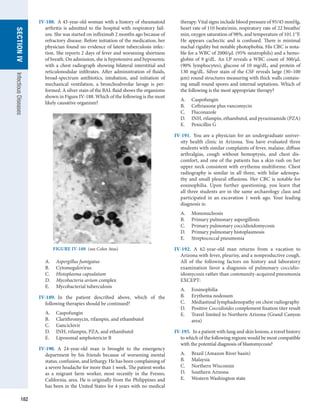
seen in acute promyelocytic leukemia or removal of a dead fetus.
III-103.	The answer is E. (Chap. 116) Vitamin K is a fat-soluble vitamin that plays an essential
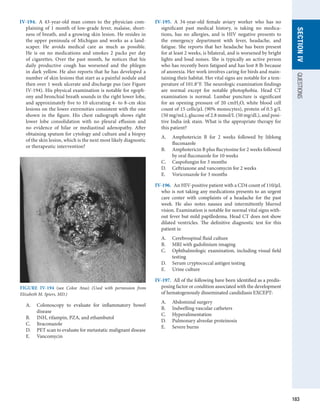
role in hemostasis. It is absorbed in the small intestine and stored in the liver. It serves
as a cofactor in the enzymatic carboxylation of glutamic acid residues on prothrombin-
complex proteins. The three major causes of vitamin K deficiency are poor dietary intake,
intestinal malabsorption, and liver disease. The prothrombin complex proteins (factors
II, VII, IX, and X and protein C and protein S) all decrease with vitamin K deficiency. Fac-
tor VII and protein C have the shortest half-lives of these factors and therefore decrease
first. Therefore, vitamin K deficiency manifests with prolongation of the prothrombin
time first. With severe deficiency, the activated partial thromboplastin time will be pro-
longed as well. Factor VIII is not influenced by vitamin K.
III-104.	 TheanswerisE. (Chap.116)HemophiliaAresultsfromadeficiencyoffactorVIII.Replace-
ment of factor VIII is the centerpiece of treatment. Cessation of aspirin or nonsteroidal
anti-inflammatory drugs is highly recommended. Fresh-frozen plasma (FFP) contains
pooled plasma from human sources. Cryoprecipitate refers to FFP that is cooled, resulting
in the precipitation of material at the bottom of the plasma. This product contains about
half the factor VIII activity of FFP in a tenth of the volume. Both agents are therefore
reasonable treatment options. DDAVP (desmopressin) causes the release of a number of
factors and von Willebrand factor from the liver and endothelial cells. This may be useful
for patients with mild hemophilia. Recombinant or purified factor VIII (i.e., Humate P) is
indicated in patients with more severe bleeding. Therapy may be required for weeks, with
levels of factor VIII kept at 50%, for postsurgical or severe bleeding. ­
Plasmapheresis has
no role in the treatment of patients with hemophilia A.
III-105.	 The answer is C. (Chap. 116) Lupus anticoagulants (Las) cause prolongation of coagula-
tion tests by binding to phospholipids. Although most often encountered in patients with
systemic lupus erythematosus, they may also develop in normal individuals. The diagnosis
is first suggested by prolongation of coagulation tests. Failure to correct with incubation
with normal plasma confirms the presence of a circulating inhibitor. Contrary to the name,
patients with LA activity have normal hemostasis and are not predisposed to bleeding.
Instead, they are at risk for venous and arterial thromboembolisms. Patients with a history
of recurrent unplanned abortions or thrombosis should undergo lifelong anticoagulation.
The presence of LAs or anticardiolipin antibodies without a history of thrombosis may be
observed because many of these patients will not go on to develop a thrombotic event.
III-106.	 The answer is D. (Chap. 116) The activated partial thromboplastin time (aPTT) involves
the factors of the intrinsic pathway of coagulation. Prolongation of the aPTT reflects
149
section
III
ANSWERS
either a deficiency of one of these factors (factor VIII, IX, XI, XII, and so on) or inhibition
of the activity of one of the factors or components of the aPTT assay (i.e., phospholipids).
This may be further characterized by the “mixing study” in which the patient’s plasma is
mixed with pooled plasma. Correction of the aPTT reflects a deficiency of factors that are
replaced by the pooled sample. Failure to correct the aPTT reflects the presence of a ­
factor
inhibitor or phospholipid inhibitor. Common causes of a failure to correct include the
presence of heparin in the sample, factor inhibitors (factor VIII inhibitor being the most
common), and the presence of antiphospholipid antibodies. Factor VII is involved in the
extrinsic pathway of coagulation. Inhibitors to factor VII would result in prolongation of
the prothrombin time.
III-107.	 The answer is D. (Chap. 116) This patient presents with a significant upper gastrointestinal
(GI) bleed with a prolonged prothrombin time (PT). Hemophilia should not cause a pro-
longed PT. This and the presence of ascites raise the possibility of liver disease and cirrhosis.
The contamination of blood products in the 1970s and 1980s resulted in ­
widespread trans-
mission of HIV and hepatitis C virus (HCV) within the hemophilia population receiving
factor infusions. It is estimated in 2006, that more than 80% of hemophilia patients older
than 20 years old are infected with HCV. Viral inactivation steps were introduced in the
1980s, and recombinant factor VIII and IX were first produced in the 1990s. HCV is the
major cause of morbidity and the second leading cause of death in patients exposed to
older factor concentrates. Patients develop cirrhosis and complications that include ascites
and variceal bleeding. End-stage liver disease requiring a liver transplant is curative for the
cirrhosis and the hemophilia (the liver produces factor VIII). Hepatitis B was not transmit-
ted in significant numbers to patients with hemophilia. Diverticular disease or peptic ulcer
disease would not explain the prolonged PT. Patients with inadequately repleted factor VIII
levels are more likely to develop hemarthroses than GI bleeds, and the slightly prolonged
activated partial thromboplastin time makes this unlikely.
III-108.	 The answer is E. (Chap. 116) The differentiation between disseminated intravascular
coagulation (DIC) and severe liver disease is challenging. Both entities may manifest
with similar laboratory findings, which are elevated fibrinogen degradation products,
­
prolonged activated partial thromboplastin time and prothrombin time, anemia, and
thrombocytopenia. When suspecting DIC, these tests should be repeated over a period of
6 to 8 hours because abnormalities may change dramatically in patients with severe DIC.
In contrast, these test results should not fluctuate as much in patients with severe liver
­
disease. Bacterial sepsis with positive blood cultures is a common cause of DIC but is not
diagnostic.
III-109.	 The answer is B. (Chap. 117) Venous thrombosis occurs through activation of the coagu-
lation cascade primarily through the exposure to tissue factor, and the genetic factors
that contribute to a predisposition to venous thrombosis typically are polymorphisms
affecting procoagulant or fibrinolytic pathways. In contrast, arterial thrombosis occurs
in the setting a platelet activation, and the genetic predisposition for arterial thrombosis
includes mutations that affect platelet receptors or redox enzymes. The most common
inherited risk factors for venous thrombosis are the factor V Leiden mutation and pro-
thrombin 20210 mutation. Other mutations predisposing an individual to venous throm-
bosis include inherited deficiency of protein C or S and mutations of fibrinogen, tissue
plasminogen activator, thrombomodulin, or plasminogen activator inhibitor. The glyco-
protein 1b platelet receptor mutation would increase the risk of arterial, but not venous,
thrombosis.
III-110.	 The answer is A. (Chap. 117) d-Dimer is a degradation product of cross-linked fibrin
and is elevated in conditions of ongoing thrombosis. Low concentrations of d-dimer are
considered to indicate the absence of thrombosis. Patients older than the age of 70 years
frequently have elevated d-dimers in the absence of thrombosis, making this test less pre-
dictive of acute disease. Clinical symptoms are often not present in patients with deep
venous thrombosis (DVT) and do not affect interpretation of a d-dimer. Tobacco use,
although frequently considered a risk factor for DVT, and previous DVT should not affect
150
section
III
Oncology
and
Hematology
the predictive value of d-dimer. Homan’s sign, calf pain elicited by dorsiflexion of the foot,
is not predictive of DVT and is unrelated to d-dimer.
III-111.	 The answer is E. (Chaps. 117 and 262) The clinical probability of pulmonary embolism
(PE) can be delineated into low to high likelihood using the clinical decision rule shown
in Table III-111 below. In those with a score of 3 or less, PE is low or moderately likely,
and a d-dimer test should be performed. A normal d-dimer result combined with a low
to moderate clinical probability of PE identifies patients who do not need further testing
or anticoagulation therapy. Those with either a likely clinical probability (score 3) or an
abnormal d-dimer (with unlikely clinical probability) require an imaging test to rule out
PE. Currently, the most attractive imaging method to detect PE is the multislice com-
puted tomography (CT). It is accurate and, if the result is normal, safely rules out PE. This
patient has a clinical probability score of 4.5 because of her resting tachycardia and the
lack of an alternative diagnosis at least as likely as PE. Therefore, there is no indication for
measuring d-dimer, and she should proceed directly to multislice CT of the chest. If this
cannot be performed expeditiously, she should receive one dose of low-molecular-weight
heparin while awaiting the test.
TABLE III-111  Clinical Decision Rules
Low Clinical Likelihood of Deep Venous Thrombosis if Point Score Is Zero or Less; Moderate-Likeli-
hood Score Is 1 to 2; High-Likelihood Score Is 3 or Greater
Clinical Variable Score
Active cancer   1
Paralysis, paresis, or recent cast   1
Bedridden for 3 days; major surgery 12 weeks   1
Tenderness along distribution of deep veins   1
Entire leg swelling   1
Unilateral calf swelling 3 cm   1
Pitting edema   1
Collateral superficial nonvaricose veins   1
Alternative diagnosis at least as likely as DVT −2
High Clinical Likelihood of Pulmonary Embolism if Point Score Exceeds 4
Clinical Variable Score
Signs and symptoms of DVT 3.0
Alternative diagnosis less likely than PE 3.0
Heart rate 100 beats/min 1.5
Immobilization 3 days; surgery within 4 weeks 1.5
Prior PE or DVT 1.5
Hemoptysis 1.0
Cancer 1.0
Abbreviations: DVT, deep venous thrombosis; PE, pulmonary embolism.
III-112.	 TheanswerisC. (Chap. 118) In recent years, a variety of new anticoagulant and ­
antiplatelet
drugs have been developed for clinical use. Platelets play an important role in arterial
thrombosis, particularly in coronary artery and cerebrovascular disease. Aspirin is the
most widely used antiplatelet drug worldwide. Aspirin exerts its effects through inhibition
of cyclooxygenase-1. Other commonly used oral antiplatelet agents are clopidogrel and
dipyridamole. Clopidogrel is in a class of agents called thienopyridines along with ticlo-
pidine. Thienopyridines act to block a specific adenosine diphosphate receptor (P2Y12)
and inhibit platelet aggregation. Dipyridamole inhibits phosphodiesterase to decrease the
breakdown of cyclic adenosine monophosphate (cAMP) to decrease platelet aggregation.
Intravenous antiplatelet agents have also become increasingly important in the treatment
of acute coronary syndromes. All of the intravenous agents act to inhibit platelet aggrega-
tion by blocking the glycoprotein (GP) IIb/IIIa receptor. The three agents in clinical use as
GP IIb/IIIa inhibitors are abciximab, eptifibatide, and tirofiban.
151
section
III
ANSWERS
	   Anticoagulant agents are primarily used for the prevention and treatment of venous
thrombosis. Many anticoagulants are available and act by a variety of mechanisms. Heparin
has been used for many years but requires frequent monitoring to be used safely. More
recently, low-molecular-weight heparins (LMWHs) have been introduced. These agents
are given subcutaneously and generally preferred in many instances over heparin given
a more predictable anticoagulant effect. Both heparin and the LMWHs are indirect
thrombin inhibitors that act primarily through activation of antithrombin. When ­
activated,
­
antithrombin inhibits clotting enzymes, especially thrombin and factor Xa. Fondaparinux
is a newer anticoagulant that inhibits only factor Xa, although it is a synthetic analogue
of the pentasaccharide sequence in heparin that binds antithrombin. However, it is too
short to bridge antithrombin to thrombin. The direct thrombin inhibitors bind directly to
thrombin (rather than antithrombin) to exert their activity. The direct thrombin inhibitors
include lepirudin, argatroban, and bivalirudin. The most commonly used oral anticoagu-
lant is warfarin, which inhibits the production of vitamin K–dependent clotting factors.
Given the need for frequent monitoring and extensive drug interactions, developing other
oral anticoagulants that are safe and effective has been desired for many years. No oral drug
has yet been introduced into the market. However, several are in the final stages of develop-
ment. These include two factor Xa inhibitors (rivaroxaban and apixaban) and one factor IIa
inhibitor (dabigatran etexilate).
III-113.	 The answer is B. (Chap. 118) After implantation of a bare metal coronary artery stent,
aspirin and clopidogrel are recommended for at least 4 weeks to decrease the risk of in-
stent restenosis. This patient, however, developed the complication despite adherence to
her therapy. This generally suggests resistance to clopidogrel with a decreased ability of
clopidogrel to inhibit platelet aggregation. There is a known genetic component to clopi-
dogrel resistance related to specific genetic polymorphisms of the CYP isoenzymes. Up
to 25% of whites, 30% of African Americans, and 50% of Asians may carry an allele that
renders them resistant to clopidogrel. These polymorphisms are less important in the
activation of prasugrel. Thus, in individuals who have evidence of clopidogrel resistance,
switching to prasugrel should be considered.
	   Aspirin resistance is a more controversial subject. It is defined simply in clinical terms
as failure of aspirin to prevent ischemic vascular events. Biochemically, aspirin resistance
can be defined by failure of usual doses of the drug to produce inhibitory effects on plate-
let function. However, resistance to aspirin is not reversed by higher doses of aspirin or
adding another antiplatelet agent. Because the primary mechanism of arterial thrombo-
sis is platelet aggregation, the anticoagulant agents warfarin and low-molecular-weight
heparin are not indicated.
III-114.	The answer is B. (Chap. 118) Low-molecular-weight heparins (LMWHs) have largely
replaced heparin for most indications if a patient does not have any contraindications
to therapy. LMWHs have better bioavailability and longer half-lives after subcutane-
ous injection. Thus, they can be given at routine intervals for both prophylaxis and
­
treatment. In addition, dosing of LMWHs is simplified because these drugs have a dose-­
independent clearance, and predictable anticoagulant effects means that monitoring of
anticoagulant effect is not required in most patients. Finally, LMWHs have a lower risk
of heparin-induced thrombocytopenia, which is important in both short- and long-term
administration.
This page intentionally left blank
153
SECTION IV
Infectious Diseases
DIRECTIONS: Choose the one best response to each question.
IV-1.  Deficits in the complement membrane attack complex
(C5-8) are associated with infections of what variety?
A.	 Catalase-positive bacteria
B.	 Neisseria meningitis
C.	 Pseudomonas aeruginosa
D.	 Salmonella spp.
E.	 Streptococcus pneumoniae
IV-2.  A 48-year-old man is admitted to the intensive care
unit for treatment of septic shock for an uncertain cause.
He was well until 1 day before admission. His family
reports that he developed myalgias and fevers at that time.
He had no other specific complaints but reportedly had
decreased oral intake and generalized malaise. He was
brought to the hospital by ambulance this morning when
he was lethargic and unresponsive at home. Upon arrival
of emergency medical services, his initial blood pressure
was 60/40 mmHg with a heart rate of 142 beats/min. He
was tachypneic with a respiratory rate of 32 breaths/min
with an oxygen saturation of 75% on room air, and his ini-
tial temperature was 104.9°F (40.5°C). He was intubated
and placed on mechanical ventilation. The patient received
1 L of normal saline before arrival in the emergency depart-
ment but continues to have hypotension (blood pressure,
75/40 mmHg). Ongoing volume resuscitation is ordered,
and the patient is initiated on norepinephrine to main-
tain adequate blood pressure. The patient has a history of
hypertension and hyperlipidemia. He takes amlodipine
10 mg daily and atorvastatin 20 mg daily. His only other
history is an automobile accident at age 20 years, requiring
exploratory laparotomy and splenectomy. Blood, sputum,
and urine cultures are obtained. What are the most appro-
priate empiric antibiotics for the treatment of this patient?
A.	 Ceftriaxone and vancomycin
B.	 Ceftriaxone, ampicillin, and vancomycin
C.	 Ceftriaxone, vancomycin, and amphotericin B
D.	 Clindamycin, gentamicin, and vancomycin
E.	 Clindamycin and quinine
IV-3.  A 32-year-old woman is admitted to the hospital
­
complaining of right thigh pain. She is treated empirically
with oxacillin intravenously for a cellulitis. The admit-
ting physician notes that the degree of pain appears to
be ­
disproportionate to the amount of overlying cellulitis.
Over the course of the next 24 hours, the patient develops
profound septic shock complicated by hypotension, acute
renal failure, and evidence of disseminated intravascular
coagulation. A CT scan of her right leg demonstrates a col-
lection of fluid with gas in the deep fascia of her right leg.
Emergent surgical evacuation is planned. What changes to
the patient’s antibiotic therapy would be recommended?
A.	 Continue oxacillin and add clindamycin.
B.	 Continue oxacillin and add clindamycin and
­
gentamicin.
C.	 Discontinue oxacillin and add clindamycin, vanco­
mycin, and gentamicin.
D.	 Discontinue oxacillin and add piperacillin/­
tazobactam
and vancomycin.
E.	 Discontinue oxacillin and add vancomycin and
­
gentamicin.
IV-4.  Which type of bite represents a potential medical
emergency in a febrile asplenic patient?
A.	 Cat bite
B.	 Dog bite
C.	 Fish bite
D.	 Human bite
QUESTIONS
154
SECTION
IV
Infectious
Diseases
IV-9.  A 19-year-old woman comes to your office after being
bitten by a bat on the ear while camping in a primitive shel-
ter. She is unable to produce a vaccination record. On phys-
ical examination, she is afebrile and appears well. There are
two small puncture marks on the pinna of her left ear. What
is an appropriate vaccination strategy in this context?
A.	 Intravenous ribavirin
B.	 No vaccination
C.	 Rabies immunoglobulins
D.	 Rabies inactivated virus vaccine
E.	 Rabies inactivated virus vaccine plus immuno­
globulins
IV-10.  Which of the following immunizations is required for
entry into many countries in sub-Saharan Africa?
A.	 Hepatitis A
B.	 Cholera
C.	 Meningococcus
D.	 Typhoid fever
E.	 Yellow fever
IV-11.  A 48-year-old woman is traveling to Haiti with a
humanitarian aid group. What is the recommended pro­
phylaxis against malaria for this patient?
A.	 Atovaquone–proguanil
B.	 Chloroquine
C.	 Doxycycline
D.	 Mefloquine
E.	 Any of the above can be used
IV-12.  A 46-year-old man wishes to travel to Kenya for a
2-week vacation. He is HIV positive and is taking antiret-
roviral therapy. His last CD4+ count was 625/μL and viral
load was undetectable. His nadir CD4+ count was 250/μL.
He has never had an AIDS-defining illness. In addition
to HIV, he has a history of hypertension and is known to
have proteinuria caused by to HIV-associated nephropathy.
What is your recommendation to this patient regarding his
travel plans?
A.	 He should not receive the live measles vaccine before
travel.
B.	 He should receive the yellow fever vaccine before
travel.
C.	 He will be required to show proof of HIV testing
upon entry into the country.
D.	 His likelihood of response to the influenza vaccine
would be less than 50%.
E.	 With a CD4+ count greater than 500/μL, he is at no
greater risk during travel than persons without HIV.
IV-13.  Which of the following is the most common cause of
native valve infective endocarditis in the community?
A.	 Coagulase-negative staphylococci
B.	 Coagulase-positive staphylococci
C.	 Enterococci
D.	 Fastidious gram-negative coccobacilli
E.	 Non-enterococcal streptococci
IV-5.  One goal of immunization programs is to eliminate
a specific disease. In 2010, indigenous transmission of
which of the following diseases had been eliminated in the
United States?
A.	 Diphtheria
B.	 Mumps
C.	 Pertussis
D.	 Varicella
E.	 None of the above
IV-6.  A 63-year-old man has chronic obstructive pulmonary
disease and presents to your office for routine follow-up.
He has no complaints currently and feels well. He is being
managed with tiotropium 18 μg once daily with albuterol
metered-dose inhaler as needed. His most recent forced
expiratory volume in 1 second (FEV1) was 55% predicted,
and he is not on oxygen. He has received one dose of
pneumococcal vaccine 5 years previously. He is asking if
he should receive another dose of pneumococcal vaccine.
According to the guidelines of the Centers for Disease
Control and Prevention, what is your recommendation?
A.	 He does not require further vaccination unless his
FEV1 drops below 50% predicted.
B.	 He does not require further vaccination until he
reaches age 65 years.
C.	 He should be revaccinated today.
D.	 He should be revaccinated 10 years after his initial
vaccine.
E.	 No further vaccination is recommended because a
single dose is all that is required.
IV-7.  In which of the following patients is it appropriate to
administer the vaccination against herpes zoster?
A.	 A 35-year-old woman who has never had varicella-
zoster infection who is 12 weeks pregnant with her
first child
B.	 A 54-year-old man who has never had varicella-
zoster infection and is otherwise healthy
C.	 A 62-year-old man with HIV on antiretroviral
­
therapy with a CD4+ lymphocyte count of 450/μL
D.	 A64-year-oldwomanwithdermatomyositis-­
associated
interstitial lung disease treated with prednisone 20 mg
daily and azathioprine 150 mg daily
E.	 A 66-year-old woman who was recently diagnosed
with non-Hodgkin lymphoma
IV-8.  A 39-year-old woman received a liver transplant
2 years ago and is maintained on prednisone, 5 mg, and
cyclosporine, 8 mg/kg per day. She has had two episodes of
rejection since transplant, as well an episode of cytomegalo-
virus syndrome and Nocardia pneumonia. She intends on
taking a 2-week gorilla-watching trip to Rwanda and seeks
your advice regarding her health while abroad. Which of the
following potential interventions is strictly contraindicated?
A.	 Malaria prophylaxis
B.	 Meningococcal vaccine
C.	 Rabies vaccine
D.	 Typhoid purified polysaccharide vaccine
E.	 Yellow fever vaccine
155
SECTION
IV
QUESTIONS
IV-14.  All of the following are minor criteria in the Duke
criteria for the clinical diagnosis of infective endocarditis
EXCEPT:
A.	 Immunologic phenomena (glomerulonephritis, Osler
nodes, Roth spots)
B.	 New valvular regurgitation on transthoracic echo­
cardiogram
C.	 Predisposing condition (heart condition, intravenous
drug use)
D.	 Temperature 380°C
E.	 Vascular phenomena (arterial emboli, septic pulmo-
nary emboli, Janeway lesions, and so on)
IV-15.  Which of the following patients should receive antibi-
otic prophylaxis to prevent infective endocarditis?
A.	 A 23-year-old woman with known mitral valve pro-
lapse undergoing a gingival surgery
B.	 A 24-year-old woman who had an atrial septal defect
completely corrected 22 years ago who is undergoing
elective cystoscopy for painless hematuria
C.	 A 30-year-old man with a history of intravenous
drug use and prior endocarditis undergoing opera-
tive drainage of a prostatic abscess
D.	 A 45-year-old man who received a prosthetic mitral
valve 5 years ago undergoing routine dental cleaning
E.	 A 63-year-old woman who received a prosthetic ­
aortic
valve 2 years ago undergoing screening ­
colonoscopy
IV-16.  A 38-year-old homeless man presents to the emer-
gency department with a transient ischemic attack char-
acterized by a facial droop and left arm weakness lasting
20 minutes and left upper quadrant pain. He reports
intermittent subjective fevers, diaphoresis, and chills for
the past 2 weeks. He has had no recent travel or contact
with animals. He has taken no recent antibiotics. ­
Physical
examination reveals a slightly distressed man with
disheveled appearance. His temperature is 38.2°C, heart
rate is 90 beats/min, and blood pressure is 127/74 mmHg.
He has poor dentition. Cardiac examination reveals an
early diastolic murmur over the left third intercostal
space. His spleen is tender and 2 cm descended below the
costal margin. He has tender painful red nodules on the
tips of the third finger of his right hand and on the fourth
finger of his left hand that are new. He has nits evident on
his clothes consistent with body louse infection. His white
blood cell count is 14,500/μL with 5% band forms and
93% polymorphonuclear cells. Blood cultures are drawn
followed by empirical vancomycin therapy. These cul-
tures remain negative for growth 5 days later. He remains
febrile but hemodynamically stable but does develop a
new lesion on his toe similar to those on his fingers on
hospital day 3. A transthoracic echocardiogram reveals a
1-cm mobile vegetation on the cusp of his aortic valve and
moderate aortic regurgitation. A CT scan of the abdomen
shows an enlarged spleen with wedge-shaped splenic and
renal infarctions. What test should be sent to confirm the
most likely diagnosis?
A.	 Bartonella serology
B.	 Epstein-Barr virus (EBV) heterophile antibody
C.	 HIV polymerase chain reaction (PCR)
D.	 Peripheral blood smear
E.	 Q fever serology
IV-17.  In a patient with bacterial endocarditis, which of the
following echocardiographic lesions is most likely to lead
to embolization?
A.	 5-mm mitral valve vegetation
B.	 5-mm tricuspid valve vegetation
C.	 11-mm aortic valve vegetation
D.	 11-mm mitral valve vegetation
E.	 11-mm tricuspid valve vegetation
IV-18.  A patient is admitted with fevers, malaise, and diffuse
joint pains. His initial blood cultures reveal methicillin-
resistant Staphylococcus aureus (MRSA) in all culture
bottles. He has no arthritis on examination, and his renal
function is normal. Echocardiogram shows a 5-mm veg-
etation on the aortic valve. He is initiated on IV vancomy-
cin at 15 mg/kg every 12 hours. Four days later, the patient
remains febrile, and cultures remain positive for MRSA.
In addition to a search for embolic foci of infection, which
of the following changes would you make to his treatment
regimen?
A.	 No change.
B.	 Add gentamicin.
C.	 Add rifampin.
D.	 Check the vancomycin serum peak and trough levels
and consider tid dosing.
E.	 Discontinue vancomycin, start daptomycin.
IV-19.  All of the following organisms may cause bullae as a
manifestation of their infection except:
A.	 Clostridium perfringens
B.	 Sporothrix schenckii
C.	 Staphylococcus aureus
D.	 Streptococcus pyogenes
E.	 Vibrio vulnificus
156
SECTION
IV
Infectious
Diseases
IV-20.  A 24-year-old man with no past medical history is
brought to the emergency department complaining of left-
sided chest pain for 2 days. He reports the skin over his left
chest is tender and swollen. He has no history of HIV risk
behavior and works as a landscaper. His physical exami-
nation is notable for a heart rate of 110 beats/min, blood
pressure of 108/62 mmHg, and temperature of 101.8°F. He
has pain and swelling of the left chest. His electrocardio-
gram is normal. A noncontrast CT scan of the chest (Fig-
ure IV-20) is obtained. Which of the following organisms
is most likely causing his illness?
A.	 Coxsackie virus A16
B.	 Mycobacterium tuberculosis
C.	 Rickettsia akari
D.	 Streptococcus pyogenes
E.	 Varicella-zoster virus
IV-21.  All of the following statements regarding the etiology
and epidemiology of osteomyelitis are true EXCEPT:
A.	 After a foot puncture, 30% to 40% of patients with
diabetes develop osteomyelitis.
B.	 In patients with prosthetic joints, Staphylococcus aureus
bacteremia will cause osteomyelitis in 25% to 30% of
cases.
C.	 Mycobacterium tuberculosis is an uncommon cause
of osteomyelitis.
D.	 The foremost bacterial cause of osteomyelitis is
­
Staphylococcus aureus.
E.	 The morbidity and economic consequences of MRSA
osteomyelitis are greater than for MSSA osteomyelitis.
IV-22.  A 79-year-old man has had a diabetic foot ulcer
overlying his third metatarsal head for 3 months but has
not been compliant with his physician’s request to offload
the affected foot. He presents with dull, throbbing foot
pain and subjective fevers. Examination reveals a putrid-­
smelling wound notable also for a pus-filled 2.5-cm-wide
ulcer. A metal probe is used to probe the wound, and it
detects bone as well as a 3-cm deep cavity. Gram stain of
the pus shows gram-positive cocci in chains, gram-posi-
tive rods, gram-negative diplococci, enteric-appearing
gram-negative rods, tiny pleomorphic gram-negative rods,
and a predominance of neutrophils. Which of the follow-
ing empirical antibiotic regimens is recommended while
blood and drainage cultures are processed?
A.	 Ampicillin–sulbactam, 1.5 g IV q4h
B.	 Clindamycin, 600 mg PO tid
C.	 Linezolid, 600 mg IV bid
D.	 Metronidazole, 500 mg PO qid
E.	 Vancomycin, 1 g IV bid
IV-23.  A 45-year-old man with a history of alcoholism
and presumed cirrhosis is brought to the emergency
­
department by his friend complaining of 2 to 3 days of
increasing lethargy and confusion. He has not consumed
alcohol in the past 2 years. He currently takes no medi-
cations and works at home as a video game designer. He
has no risk factors for HIV. He was referred by his pri-
mary care physician for a liver transplant evaluation and
is scheduled to begin his evaluation next month. His vital
signs included blood pressure of 90/60 mmHg, heart rate
of 105 beats/min, temperature of 38.5°C, and respira-
tory rate of 10 breaths/min with O2 saturation of 97% on
room air. He is somnolent but is able to answer questions
accurately. His skin is notable for many spider telangiecta-
sias and palmar erythema. He has a distended diffusely
tender abdomen with a positive fluid wave. Paracentesis
reveals slightly cloudy fluid with WBC 1000/μL and 40%
neutrophils. His blood pressure increases to 100/65
mmHg, and his heart rate decreases to 95 beats/min after 1
L of intravenous ­
fluids. Which of the following statements
regarding his condition and treatment is true?
A.	 Fever is present in more than 50% of cases.
B.	 Initial empiric therapy should include metronidazole
or clindamycin for anaerobes.
C.	 The diagnosis of primary (spontaneous) bacterial
peritonitis is not confirmed because the percentage
of neutrophils in the peritoneal fluid is less than 50%.
D.	 The mostly causative organism for his condition is
enterococcus.
E.	 The yield of peritoneal fluid cultures for diagnosis is
greater than 90%.
IV-24.  A 48-year-old woman with a history of end-stage
renal disease caused by diabetic renal disease is admitted
to the hospital with 1 day of abdominal pain and fever.
She has been on continuous ambulatory peritoneal dialy-
sis (CAPD) for the past 6 months. She reports that for the
past day she has had poor return of dialysate and is feel-
ing bloated. She has had complications from her diabetes,
including retinopathy and peripheral neuropathy. She is
uncomfortable but not toxic. Her vital signs include a tem-
perature of 38.8°C, blood pressure of 130/65 mmHg, heart
rate of 105 beats/min, and respiratory rate of 15 breaths/
min with room air O2 saturation of 98%. Her abdomen
is slightly distended and diffusely tender with rebound
­
tenderness. A sample of dialysate reveals WBC 400/μL
with 80% neutrophils. Empiric intraperitoneal antibiotic
therapy should include:
A.	 Cefoxitin
B.	 Fluconazole
C.	 Metronidazole
D.	 Vancomycin
E.	 Voriconazole
FIGURE IV-20
157
SECTION
IV
QUESTIONS
IV-25.  A 77-year-old man presents to the hospital with 1
week of fever, chills, nausea, and right upper quadrant pain.
His temperature is 39°C, and he appears toxic. His blood
pressure is 110/70 mmHg, heart rate is 110 beats/min, and
respiratory rate is 22 breaths/min with room air O2 satu-
ration 92%. He has diminished breath sounds at the right
base and diffuse tenderness in the right upper quadrant.
He has a history of cholelithiasis but has declined elective
cholecystectomy. His CT scan of the abdomen is shown in
Figure IV-25A. Which of the following statements regard-
ing his condition or therapy is true?
A.	 Concomitant bacteremia is rare (10%).
B.	 He should receive empiric antibiotics targeting
­
Candida species.
C.	 He should receive empiric antibiotics targeting
anaerobic organisms.
D.	 He should undergo percutaneous drainage.
E.	 His serum alkaline phosphatase is most likely normal.
IV-26.  A 41-year-old man with hepatitis C–associated ascites
presents with acute abdominal pain. Physical examination
is notable for temperature of 38.3°C, heart rate of 115 beats/
min, blood pressure of 88/48 mmHg, respiratory rate of
16 breaths/min, and oxygen saturation of 99% on room air.
The patient is in moderate discomfort and is lying still. He
is alert and oriented. His lungs are clear. Cardiac exami-
nation is unremarkable. His abdomen is diffusely tender
with distant bowel sounds, mild guarding, and no rebound
tenderness. Laboratory studies reveal a leukocyte count
of 11,630/μL with 94% neutrophils, hematocrit of 29%,
and platelet count of 24,000/μL. Paracentesis reveals 658
PMNs/μL, total protein of 1.2 g/dL, and glucose of 24 mg/
dL and Gram stain showing gram-negative rods, gram-
positive cocci in chains, gram-positive rods, and yeast
forms. All of the following are indicated EXCEPT:
A.	 Abdominal radiograph
B.	 Broad-spectrum antibiotics
C.	 Drotrecogin alfa
D.	 Intravenous fluid
E.	 Surgical consultation
IV-27.  Enteric pathogens can produce diarrheal illness
through a variety of mechanisms that lead to specific clini-
cal characteristics. All of the following are characteristics
of diarrhea caused by Vibrio cholerae EXCEPT:
A.	 Disease localized to the proximal small intestine
B.	 Fecal leukocytes
C.	 Fecal lactoferrin
D.	 Toxin production
E.	 Watery diarrhea
IV-28.  A 46-year-old woman travels to a rural area of
­
Guatemala. Three days after arrival, she develops watery
diarrhea with severe abdominal cramping. She reports two
unformed stools daily for the past 2 days. She has noticed
no blood in the stool and has not experienced a fever.
What is the most likely cause of the patient’s illness?
A.	 Campylobacter jejuni
B.	 Enterotoxigenic Escherichia coli
C.	 Giardia lamblia
D.	 Norovirus
E.	 Shigella spp.
IV-29.  For the case above, which of the following treatments
would you recommend?
A.	 Azithromycin 10 mg/kg on day 1 with 5 mg/kg on
days 2 and 3 if the diarrhea persists
B.	 Ciprofloxacin 500 mg three times daily for 5 days
C.	 Ciprofloxacin 750 mg once
D.	 Loperamide 4 mg once followed by 2 mg after passage
of each unformed stool
E.	 Oral rehydration therapy only
IV-30.  Two hours after attending a company picnic, many
individuals who attended the picnic develop an acute
­
gastrointestinal illness. Food poisoning caused by Staphy-
lococcus aureus is suspected. All of the following character-
istics would be a common feature of food poisoning due to
this organism EXCEPT:
A.	 Abdominal cramping
B.	 Diarrhea
C.	 Fever
D.	 Vomiting
FIGURE IV-25A
158
SECTION
IV
Infectious
Diseases
IV-31.  You are the on-call physician practicing in a sub-
urban community. You receive a call from a 28-year-
old woman with a past medical history significant for
sarcoidosis who is currently taking no medications.
She is complaining of an acute onset of crampy diffuse
abdominal pain and multiple episodes of emesis that are
nonbloody. She has not had any lightheadedness with
standing or loss of consciousness. When questioned
further, the patient states that her last meal was 5 hours
previously, when she joined her friends for lunch at a
local Chinese restaurant. She ate from the buffet, which
included multiple poultry dishes and fried rice. What
should you do for this patient?
A.	 Ask the patient to go to the nearest emergency
­
department for resuscitation with IV fluids.
B.	 Initiate antibiotic therapy with azithromycin.
C.	 Reassure the patient that her illness is self-limited and
no further treatment is necessary if she can maintain
adequate hydration.
D.	 Refer the patient for CT to assess for appendicitis.
E.	 Refer the patient for admission for IV vancomycin
and ceftriaxone because of her immunocompro-
mised state resulting from sarcoidosis.
IV-32.  Which of the following is a common manifestation of
Clostridium difficile infection?
A.	 Fever
B.	 Nonbloody diarrhea
C.	 Adynamic ileus
D.	 Recurrence after therapy
E.	 All of the above
IV-33.  All of the following patients should be treated for
Clostridium difficile infection EXCEPT:
A.	 A 57-year-old nursing home resident with diarrhea
for 2 weeks and pseudomembranes found on colon-
oscopy with no evidence of toxin A or B in the stool
B.	 A 63-year-old woman with fever, leukocytosis,
­
adynamic ileus, and a positive PCR for C. difficile in
the stool
C.	 A 68-year-old woman with recent course of anti-
biotics admitted to the medical intensive care unit
after presentation to the emergency department
with abdominal pain and diarrhea. She was found to
have severe abdominal tenderness with absent bowel
sounds, systemic hypotension, and colonic wall
thickening on CT of the abdomen.
D.	 A 75-year-old woman who received recent therapy
with amoxicillin for an upper respiratory tract infec-
tion and now has two loose bowel movements per
day for the past 3 days
IV-34.  A 78-year-old woman with dementia has been living
in a nursing home for 5 years. She was been seen by her
primary care provider for evaluation of diarrhea 4 weeks
ago. At that time, a stool sample was positive by PCR for
Clostridium difficile, and she was treated with oral met-
ronidazole with some improvement in her symptoms.
However, she has had five loose bowel movements per day
starting 4 days ago and now has abdominal tenderness.
Stool PCR remains positive. Which of the following is the
most appropriate therapy?
A.	 Fecal transplantation
B.	 IV immunoglobulin
C.	 Oral metronidazole
D.	 Oral nitazoxanide
E.	 Oral vancomycin
IV-35.  Which of the following antibiotics has the weakest
association with the development of Clostridium difficile–
associated disease?
A.	 Ceftriaxone
B.	 Ciprofloxacin
C.	 Clindamycin
D.	 Moxifloxacin
E.	 Piperacillin/tazobactam
IV-36.  All of the following are common causes of urethritis
in men EXCEPT:
E.	 Gardnerella vaginalis
B.	 Mycoplasma genitalium
C.	 Neisseria gonorrhoeae
D.	 Trichomonas vaginalis
E.	 Ureaplasma urealyticum
IV-37.  A 25-year-old woman presents with 2 days of urinary
frequency, urgency, and pelvic discomfort. She has no
pain in her vulva on urination. She has no other medical
problems and does not have fevers. She is sexually active.
A microscopic examination of her urine shows pyuria
but no pathogens. After 24 hours, her urine culture does
not grow any pathogens. Which of the following tests will
likely confirm her diagnosis?
A.	 Cervical culture
B.	 Clue cells on microscopy of vaginal secretions
C.	 Nucleic acid amplification test of urine for
C. ­
trachomatis
D.	 Physical examination of the vulva and vagina
E.	 Vaginal pH ≥5.0
IV-38.  Which of the following diagnostic features character-
izes bacterial vaginosis?
A.	 Scant vaginal secretions, erythema of vaginal epithe-
lium, and clue cells
B.	 Vaginal fluid pH 4.5, clue cells, and profuse mixed
microbiota on microscopic examination
C.	 Vaginal fluid pH ≥5.0, motile trichomonads on
microscopic exam, and fishy odor with 10% KOH
D.	 Vaginal fluid pH 4.5, lactobacilli predominate on
microscopic examination, and scant clear secretions
E.	 Vaginal fluid pH 4.5, clue cells, and profuse mixed
microbiota on microscopic examination
IV-39.  Which of the following is most likely to be identified
in a woman seen at a sexually transmitted disease clinic
with mucopurulent cervicitis?
159
SECTION
IV
QUESTIONS
A.	 Chlamydia trachomatis
B.	 Herpes simplex virus
C.	 Neisseria gonorrhoeae
D.	 Trichomonas vaginalis
E.	 No organism identified
IV-40.  A 19-year-old woman is seen in the emergency
department for pelvic pain. She reports 1 week of pain
but has developed more severe pain on the right side of
her lower abdomen over the past day with accompany-
ing fever. Additionally, she reports pain in her right upper
abdomen for the past day that is worsened by deep breath-
ing. She is sexually active with multiple partners and only
reports a past medical history of asthma. Examination is
notable for fever, normal breath sounds, mild tachycar-
dia, and a tender right upper quadrant without rebound,
guarding, or masses. Pelvic examination shows a normal
cervical appearance, but cervical motion tenderness and
adnexal tenderness are present. No masses are palpated. A
urine pregnancy test result is negative and leukocytosis is
present, but otherwise renal and liver function laboratory
study results are normal. Which of the following is true
regarding her right upper quadrant tenderness?
A.	 Acute cholecystitis is likely present; a tech HIDA
scan should be ordered to confirm the diagnosis.
B.	 If a liver biopsy were performed, herpes simplex
virus could be cultured from the liver tissue.
C.	 Laproscopic examination would show inflammation
of her liver capsule.
D.	 Plasma PCR is indicated for diagnosis of acute
­
hepatitis C virus (HCV) infection as the etiology of
her hepatitis.
E.	 CT scan of the chest would confirm the presence of
septic pulmonary emboli.
IV-41.  A 23-year-old college student is seen in the student
health clinic for evaluation of multiple genital ulcers that
he noted developing over the past week. They started as
pustules and after suppuration are now ulcers. The ulcers
are extremely tender and occasionally bleed. Examination
shows multiple bilateral deep ulcers with purulent bases
that bleed easily. They are exquisitely tender but are soft to
palpation. Which of the following organisms are likely to
be found on culture of the lesions?
A.	 Haemophilus ducreyi
B.	 Herpes simplex virus
C.	 Human immunodeficiency virus
D.	 Neisseria gonorrhoeae
E.	 Treponema pallidum
IV-42.  All of the following infections associated with ­
sexual
activitycorrelatewithincreasedacquisitionofHIV­
infection
in women EXCEPT:
A.	 Bacterial vaginosis
B.	 Chlamydia
C.	 Gonorrhea
D.	 Herpes simplex virus-2
E.	 Trichomonas vaginalis
F.	 All of the above are associated with increased
acquisition
IV-43.  After leaving which of the following patient’s room
would the use of alcohol-based hand rub be inadequate?
A.	 A 54-year-old man with quadriplegia admitted with a
urinary tract infection caused by extended-spectrum
β-lactamase–producing bacteria
B.	 A 78-year-old nursing home resident with recent
antibiotic use and Clostridium difficile infection
C.	 A 35-year-old woman with advanced HIV and
­
cavitary pulmonary tuberculosis
D.	 A 20-year-old renal transplant recipient with ­
varicella
pneumonia
E.	 A 40-year-old man with MRSA furunculosis
IV-44.  During the first 2 weeks after solid organ transplanta-
tion, which family of infection is most common?
A.	 Cytomegalovirus and Epstein-Barr virus reactivation
B.	 Humoral immunodeficiency–associated infections
(e.g., meningococcemia, invasive Streptococcus
­
pneumoniae infection)
C.	 Neutropenia-associated infection (e.g., aspergillosis,
candidemia)
D.	 T-celldeficiency–associatedinfections(e.g.,­
Pneumocystis
jiroveci, nocardiosis, cryptococcosis)
E.	 Typical hospital-acquired infections (e.g., central
line infection, hospital-acquired pneumonia, urinary
tract infection)
IV-45.  A 22-year-old woman underwent cadaveric renal
transplantation 3 months ago for congenital obstructive
uropathy. After a demanding college examination sched-
ule during which she forgot to take some of her medica-
tions, she is admitted to the hospital with a temperature of
102°F, arthralgias, lymphopenia, and a rise in creatinine
from her baseline of 1.2 mg/dL to 2.4 mg/dL. Which of the
following medications did she most likely forget?
A.	 Acyclovir
B.	 Isoniazid
C.	 Itraconazole
D.	 Trimethoprim–sulfamethoxazole
E.	 Valganciclovir
IV-46.  Which of the following pathogens are cardiac trans-
plant patients at unique risk for acquiring from the donor
heart early after transplant when compared to other solid
organ transplant patients?
A.	 Cryptococcus neoformans
B.	 Cytomegalovirus
C.	 Pneumocystis jiroveci
D.	 Staphylococcus aureus
E.	 Toxoplasma gondii
160
SECTION
IV
Infectious
Diseases
IV-47.  A 43-year-old woman undergoes allogeneic stem
cell transplantation for acute myelogenous leukemia.
Two weeks after the date of her transplantation, she is
admitted to the hospital with a temperature of 101.1°F,
pulse of 115 beats/min, blood pressure of 110/83 mmHg,
and oxygen saturation of 89% on room air. Her white
blood cell count is 500/μL, and 20% are polymorpho-
nuclear cells. Because of hypoxia and infiltrates on plain
chest radiograph, a CT scan is ordered. She is found to
have diffuse nodules and masses, some with a halo sign.
Which of the following tests is most likely to be diagnos-
tic of her disease?
A.	 Microscopic examination of buffy coat
B.	 Plasma CMV viral load
C.	 Serum galactomannan antigen test
D.	 Sputum culture
E.	 Urine Legionella assay
IV-48.  Which of the following antibiotics inhibit cell wall
synthesis?
A.	 Ciprofloxacin, metronidazole, and quinupristin/­
dalfopristin
B.	 Rifampin, sulfamycin, and clindamycin
C.	 Tetracycline, daptomycin, and azithromycin
D.	 Tobramycin, chloramphenicol, and linezolid
E.	 Vancomycin, bacitracin, and penicillin
IV-49.  A 23-year-old college student is admitted to the
­
hospital with a fever and painful, erythematous purulent
nodules on his forearm. He is an avid weightlifter and other
than depression treated with citalopram has been other-
wise healthy. These lesions have been present for approxi-
mately 1 week, and his primary care physician attempted
to treat him with clindamycin as an outpatient. After
admission, he develops hypotension and evidence of sys-
temic inflammatory response syndrome, prompting trans-
fer to the medical intensive care unit. There, dopamine is
started, linezolid is administered, and hydrocortisone and
fludrocortisone are given for possible adrenal insufficiency
in the context of septic shock. After 6 hours, he devel-
ops an agitated delirium with diaphoresis, tachycardia, a
temperature of 103.4°F, and diarrhea. His examination is
notable for tremor; muscular rigidity; hyperreflexia; and
clonus, especially in the lower extremities. Which of the
following drug–drug interactions is most likely the culprit
of this clinical syndrome?
A.	 Citalopram–dopamine
B.	 Citalopram–linezolid
C.	 Dopamine–fludrocortisone
D.	 Dopamine–linezolid
E.	 Fludrocortisone–linezolid
IV-50.  All of the following statements regarding pneumo-
coccus are true EXCEPT:
A.	 Asymptomatic colonization does not occur.
B.	 Infants (younger than 2 years old) and elderly adults
are at greatest risk of invasive disease.
C.	 Pneumococcal vaccination has impacted the epide-
miology of disease.
D.	 The likelihood of death within 24 hours of hospi-
talization for patients with invasive pneumococcal
pneumonia has not changed since the introduction
of antibiotics.
E.	 There is a clear association between prior viral upper
respiratory infection and secondary pneumococcal
pneumonia.
IV-51.  A 75-year-old man who resides at a nursing home
is brought to the hospital for altered mental status over
1 day. He has a history of Parkinson’s disease and COPD.
Staff noticed that he was somnolent and confused on the
day of admission. In the emergency department, his tem-
perature is 38.5°C, blood pressure is 95/65 mmHg, heart
rate is 105 beats/min, respiratory rate is 24 breaths/min,
and room air oxygen saturation is 85%. He has egophony
over the right posterior lung field. His chest radiograph
is shown in Figure IV-51. All of the statements regarding
this patient are true EXCEPT:
A.	 Blood cultures are unlikely (30%) to be positive.
B.	 His radiograph demonstrates lobar consolidation.
C.	 Meningitis is the most common focal complication.
D.	 Penicillin may be appropriate therapy.
E.	 Urinary antigen testing could be diagnostic.
IV-52.  A 19-year-old college student is brought to the
­
emergency department by friends from his dormitory for
confusion and altered mental status. They state that many
students have upper respiratory tract infections. He does
not use alco
is notable fo
spinal fluid
count of 18
1.9 mmol/L
Which of th
priate as ini
A.	 Ampic
B.	 Ampic
C.	 Cefazo
D.	 Cefota
E.	 Cefota
IV-53.  In add
adjunctive
the chance o
in question
A.	 Dexam
B.	 Dilant
C.	 Gabap
D.	 l-Dop
E.	 Parent
IV-54.  Which
S. aureus fro
A.	 Catala
B.	 Coagu
C.	 Lactos
D.	 Oxida
E.	 Urease
IV-55.  A 30-y
who receive
her shoulde
On examina
hemodynam
flow murmu
lar exudates
rologically,
of Janeway
count is 16,
should inclu
A.	 Admis
B.	 MRI o
C.	 Remov
D.	 Transt
E.	 Two s
­
therap
IV-56.  A 30-y
with severe
fevers. She h
characterize
FIGURE IV-51
161
SECTION
IV
QUESTIONS
not use alcohol or illicit drugs. His physical examination
is notable for confusion, fever, and a rigid neck. Cerebro-
spinal fluid (CSF) examination reveals a white blood cell
count of 1800 cells/μL with 98% neutrophils, glucose of
1.9 mmol/L (35 mg/dL), and protein of 1.0 g/L (100 mg/dL).
Which of the following antibiotic regimens is most appro-
priate as initial therapy?
A.	 Ampicillin plus vancomycin
B.	 Ampicillin plus gentamicin
C.	 Cefazolin plus doxycycline
D.	 Cefotaxime plus doxycycline
E.	 Cefotaxime plus vancomycin
IV-53.  In addition to antibiotics, which of the following
adjunctive therapies should be administered to improve
the chance of a favorable neurologic outcome in the patient
in question IV-52?
A.	 Dexamethasone
B.	 Dilantin
C.	 Gabapentin
D.	 l-Dopa
E.	 Parenteral nutrition
IV-54.  Whichofthefollowingbiochemicaltests­
distinguishes
S. aureus from S. epidermidis?
A.	 Catalase
B.	 Coagulase
C.	 Lactose fermentation
D.	 Oxidase
E.	 Urease
IV-55.  A 30-year-old woman with end-stage renal disease
who receives her dialysis through a tunneled catheter in
her shoulder presents with fever and severe low back pain.
On examination, she is uncomfortable and diaphoretic but
hemodynamically stable. She has a soft 2/6 early systolic
flow murmur. Her line site is red and warm with no pustu-
lar exudates. She is very tender over her lower back. Neu-
rologically, she is completely intact. There is no evidence
of Janeway lesions, Osler nodes, or Roth spots. Her white
count is 16,700/μL with 12% bands. Immediate evaluation
should include all of the following EXCEPT:
A.	 Admission to the hospital
B.	 MRI of the lumbar spine
C.	 Removal of her dialysis catheter
D.	 Transthoracic echocardiogram
E.	 Two sets of blood cultures followed by empiric
­
therapy with vancomycin plus cefepime
IV-56.  A 30-year-old healthy woman presents to the ­
hospital
with severe dyspnea, confusion, productive cough, and
fevers. She had been ill 1 week earlier with a flulike illness
characterized by fever, myalgias, headache, and malaise.
Her illness almost entirely improved without medical inter-
vention until 36 hours ago, when she developed new ­
rigors
followed by progression of the respiratory symptoms.
On initial examination, her temperature is 39.6°C, pulse is
130 beats/min, blood pressure is 95/60 mmHg, respiratory
rate is 40 breaths/min, and oxygen saturation is 88% on
100% face mask. On examination, she is clammy, confused,
and very dyspneic. Lung examination reveals amphoric
breath sounds over her left lower lung fields. She is intu-
bated and resuscitated with fluid and antibiotics. Chest
CT scan reveals necrosis of her left lower lobe. Blood and
sputum cultures grow Staphylococcus aureus. This isolate is
likely to be resistant to which of the following antibiotics?
A.	 Doxycycline
B.	 Linezolid
C.	 Methicillin
D.	 Trimethoprim–sulfamethoxazole (TMP/SMX)
E.	 Vancomycin
IV-57.  In the patient described above, all of the following
may be efficacious therapy EXCEPT:
A.	 Daptomycin
B.	 Linezolid
C.	 Quinupristin/dalfopristin
D.	 Telavancin
E.	 Vancomycin
IV-58.  Which of the following organisms is most likely to
cause infection of a shunt implanted for the treatment of
hydrocephalus?
A.	 Bacteroides fragilis
B.	 Corynebacterium diphtheriae
C.	 Escherichia coli
D.	 Staphylococcus aureus
E.	 Staphylococcus epidermidis
IV-59.  A 42-year-old man with poorly controlled diabetes
(HbA1c, 13.3%) presents with thigh pain and fever over
several weeks. Physical examination reveals erythema and
warmth over the thigh with notable woody, ­
nonpitting
edema. There are no cutaneous ulcers. CT of the thigh
reveals several abscesses located between the muscle fibers
of the thigh. Orthopedics is consulted to drain and culture
the abscesses. Which of the following is the most likely
pathogen?
A.	 Clostridium perfringens
B.	 Group A streptococcus
C.	 Polymicrobial flora
D.	 Staphylococcus aureus
E.	 Streptococcus milleri
162
SECTION
IV
Infectious
Diseases
IV-60.  A 19-year-old woman from Guatemala presents to
your office for a routine screening physical examination.
At age 4 years, she was diagnosed with acute rheumatic
fever. She does not recall the specifics of her illness and
remembers only that she was required to be on bed rest
for 6 months. She has remained on penicillin V orally at a
dose of 250 mg bid since that time. She asks if she can safely
­
discontinue this medication. She has had only one other
flare of her disease, at age 8 years, when she stopped taking
penicillin at the time of her emigration to the United States.
She is currently working as a day care provider. Her physi-
cal examination is notable for normal point of ­
maximal
impulse (PMI) with a grade III/VI holosystolic murmur
that is heard best at the apex of the heart and radiates to the
axilla. What do you advise the patient to do?
A.	 An echocardiogram should be performed to deter-
mine the extent of valvular damage before deciding if
penicillin can be discontinued.
B.	 Penicillin prophylaxis can be discontinued because
she has had no flares in 5 years.
C.	 She should change her dosing regimen to IM benza-
thine penicillin every 8 weeks.
D.	 She should continue on penicillin indefinitely because
she had a previous recurrence, has presumed rheu-
matic heart disease, and is working in a field with high
occupational exposure to group A streptococcus.
E.	 She should replace penicillin prophylaxis with poly-
valent pneumococcal vaccine every 5 years.
IV-61.  A 36-year-old man is brought to the hospital by his
wife because of a rapidly worsening skin infection. The
patient has a history of type 1 diabetes, and his last docu-
mented HbA1c was 5.5%. His wife reports that he had a
small insect bite on his calf a few days ago with some red-
ness. Over the course of today, he has developed severe
thigh pain initially with no redness, but over the past hour,
he has had worsening pain and swelling with some mot-
tling of the skin. He also reports that he feels like his thigh
and calf are numb. He is febrile and tachycardic. Physi-
cal examination reveals marked tenderness and tenseness
of the right leg from the thigh down. There is some red-
ness and mottling. A femoral and posterior tibial pulse are
present. CT scan of the leg shows extensive inflammation
of the fascial planes but no evidence of muscle inflam-
mation. Which of the following organisms is most likely
responsible for his infection?
A.	 Clostridium difficile
B.	 Staphylococcus aureus
C.	 Staphylococcus epidermidis
D.	 Streptococcus pneumonia
E.	 Streptococcus pyogenes
IV-62.  A 24-year-old woman is brought to the hospital by
her husband with fever and severe abdominal pain. She
lives in rural Pennsylvania and home delivered a child
2 days ago. She did not receive routine prenatal care. Her
labor was difficult with delivery over 18 hours after mem-
brane rupture. Her baby has been feeding well over the past
48 hours and has had no fever. The patient noticed she had
low-grade fever 24 hours after birth, and her abdominal
pain has developed over the past 12 hours. She is febrile
to 39°C and is tachycardic. Abdominal examination is
notable for marked tenderness in the lower abdomen. A
pelvic examination shows a purulent material emanating
from her cervix with marked adnexal tenderness. A Gram
stain shows extensive neutrophils and gram-positive cocci
in chains. Which of the following organisms is the most
likely cause of her disease?
A.	 Chlamydia trachomatis
B.	 Gardnerella vaginalis
C.	 Neisseria gonorrhea
D.	 Streptococcus agalactiae
E.	 Trichomonas vaginalis
IV-63.  All of the following statements regarding enterococci
are true EXCEPT:
A.	 Enterococci are the second most common cause of
hospital-acquired infections.
B.	 Infection with vancomycin-resistant strains of
­
enterococci (VRE) does not increase the patient’s risk
of death compared with infection with vancomycin-
sensitive strains of enterococci.
C.	 PatientswithGIcolonizationbyVREaremorelikelyto
develop bacteremia than patients with GI ­
colonization
by vancomycin-sensitive strains of enterococci.
D.	 Physical proximity to a room colonized with VRE is
a risk factor for patients developing gut colonization
with VRE.
E.	 Strains of E. faecium are more likely to be resistant to
vancomycin than strains of E. faecalis.
IV-64.  A 74-year-old man with a recent history of diver-
ticulitis is admitted to the hospital with 1 week of fever,
malaise, and generalized weakness. His physical examina-
tion is notable for a temperature of 38.5°C, a new mitral
heart murmur, and splinter hemorrhages. Three blood
cultures grow Enterococcus faecalis, and an echocardio-
gram shows a small vegetation on the mitral valve. The
organism is reported as being sensitive to ampicillin with
no high-level resistance to aminoglycosides. Based on
this information, which of the following is recommended
therapy?
A.	 Ampicillin
B.	 Ampicillin plus gentamicin
C.	 Daptomycin
D.	 Linezolid
E.	 Tigecycline
IV-65.  Which of the following drugs is bactericidal and
approved by the FDA for some infections caused by
­
vancomycin-resistant E. faecium?
A.	 Ceftriaxone
B.	 Cefoxitin
C.	 Linezolid
D.	 Quinupristin/dalfopristin
E.	 Vancomycin
IV-66.  A 42-y
ing worseni
worsening v
count has f
ant with pr
­
taking pills.
ductive cou
shows mult
lower lobes
­
neutrophils
the laborato
grows Rhod
therapy EXC
A.	 Azithr
B.	 Cefota
C.	 Linezo
D.	 Tigecy
E.	 Vanco
IV-67.  An 87
by ambulan
obtunded a
patient has
appetite, an
is performe
rods and m
diagnosed a
of the follo
distinguishe
A.	 There
B.	 More
fluid (
C.	 Photop
D.	 Presen
E.	 White
in the
IV-68.  Severa
department
which deli
plain of pro
Their symp
appears tha
prise was aff
negative to
Listeria gast
163
SECTION
IV
QUESTIONS
IV-66.  A 42-year-old man with HIV has been develop-
ing worsening disease because of HAART resistance and
worsening viremia. Over the past 6 months, his CD4 T-cell
count has fallen below 100/μL. He has not been compli-
ant with prophylactic medication because he is tired of
­
taking pills. He comes to clinic reporting 3 weeks of pro-
ductive cough and low-grade fever. A chest radiograph
shows multiple small necrotizing nodules in the bilateral
lower lobes. A percutaneous needle biopsy reveals some
­
neutrophils and small gram-positive coccobacilli that
the laboratory says looks like corynebacterium. A culture
grows Rhodococcus equi. All of the following are effective
therapy EXCEPT:
A.	 Azithromycin
B.	 Cefotaxime
C.	 Linezolid
D.	 Tigecycline
E.	 Vancomycin
IV-67.  An 87-year-old nursing home resident is brought
by ambulance to a local emergency department. He is
obtunded and ill-appearing. Per nursing home staff, the
patient has experienced low-grade temperatures, poor
appetite, and lethargy over several days. A lumbar­
puncture
is performed, and the Gram stain returns gram-positive
rods and many white blood cells. Listeria meningitis is
diagnosed and appropriate antibiotics are begun. Which
of the following statements regarding Listeria meningitis
distinguishes it from other causes of bacterial meningitis?
A.	 There is more frequent nuchal rigidity.
B.	 More neutrophils are present on the cerebrospinal
fluid (CSF) differential.
C.	 Photophobia is more common.
D.	 Presentation is often more subacute.
E.	 White blood cell (WBC) count is often more elevated
in the CSF.
IV-68.  Several family members present to a local emergency
department 2 days after a large family summer picnic at
which deli meats and salads were served. They all com-
plain of profuse diarrhea, headaches, fevers, and myalgias.
Their symptoms began about 24 hours after the picnic. It
appears that everyone who ate Uncle Sandy’s Salami Sur-
prise was affected. Routine cultures of blood and stool are
negative to date. Which of the following is true regarding
Listeria gastroenteritis?
A.	 Antibiotic treatment is not necessary for uncompl­
icated cases.
B.	 Carriers are asymptomatic but can easily spread
infection via the fecal–oral route.
C.	 Gastrointestinal illness can result from ingestion of a
single organism.
D.	 Illness is toxin mediated, and organisms are not
present at the time of infection.
E.	 Person-to-person spread is a common cause of
­
outbreaks.
IV-69.  A 26-year-old woman presents late in the third
­
trimester of her pregnancy with high fevers, myalgias, back-
ache, and malaise. She is admitted and started on empirical
broad-spectrum antibiotics. Blood cultures return posi-
tive for Listeria monocytogenes. She delivers a 5-lb infant
24 hours after admission. Which of the following statements
regarding antibiotic treatment for this infection is true?
A.	 Clindamycin should be used in patients with
­
penicillin allergy.
B.	 Neonates should receive weight-based ampicillin and
gentamicin.
C.	 Penicillin plus gentamicin is first-line therapy for the
mother.
D.	 Quinolones should be used for Listeria bacteremia in
late-stage pregnancy.
E.	 Trimethoprim–sulfamethoxazole has no efficacy
against Listeria spp.
IV-70.  A 64-year-old man with a long history of heroin abuse
is brought to the hospital because of fever and worsening
muscle spasms and pain over the past day. Because of long-
standing venous sclerosis, he no longer injects intravenously
but “skin pops,” often with dirty needles. On examination,
he is extremely sweaty and febrile to 101.4°F. There are
widespread muscle spasms, including the face. He is unable
to open his jaw because of muscle spasm and has severe
back pain because of diffuse spasm. On his leg, there is a
skin wound that is tender and erythematous. All of the fol-
lowing statements regarding this patient are true EXCEPT:
A.	 Culture of the wound may reveal Clostridium tetani.
B.	 Intrathecal antitoxin administration is recommended
therapy.
C.	 Metronidazole is the recommended therapy.
D.	 Permanent muscle dysfunction is likely after
­
recovery.
E.	 Strychnine poisoning and antidopaminergic drug
toxicity should be ruled out.
164
SECTION
IV
Infectious
Diseases
IV-71.  A 34-year-old injection drug user presents with a 2-day
history of slurred speech, blurry vision that is worse with
bilateral gaze deviation, dry mouth, and difficulty swallow-
ing both liquids and solids. He states that his arms feel weak
as well but denies any sensory deficits. He has had no recent
illness but does describe a chronic ulcer on his left lower
leg that has felt slightly warm and tender of late. He fre-
quently injects heroin into the edges of the ulcer. On review
of ­
systems, he reports mild shortness of breath but denies
any gastrointestinal symptoms, urinary retention, or loss of
bowel or bladder continence. Physical examination reveals a
frustrated, nontoxic appearing man who is alert and oriented
butnoticeablydysarthric.Heisafebrilewithstablevitalsigns.
Cranial nerve examination reveals bilateral cranial nerve VI
deficits and an inability to maintain medial gaze in both eyes.
He has mild bilateral ptosis, and both pupils are reactive but
sluggish. His strength is 5/5 in all extremities except for his
shoulder shrug, which is 4/5. Sensory examination and deep
tendon reflexes are within normal limits in all four extremi-
ties. His oropharynx is dry. Cardiopulmonary and abdomi-
nal examination findings are normal. He has a 4 cm × 5 cm
well-granulated lower extremity ulcer with redness, warmth,
and erythema noted on the upper margin of the ulcer. What
is the ­
treatment of choice?
A.	 Glucocorticoids
B.	 Equine antitoxin to Clostridium botulinum neurotoxin
C.	 Intravenous heparin
D.	 Naltrexone
E.	 Plasmapheresis
IV-72.  A 19-year-old man presents to the emergency depart-
ment with 4 days of watery diarrhea, nausea, vomiting, and
low-grade fever. He recalls no unusual meals, sick contacts,
or travel. He is hydrated with IV fluid, given antiemetics,
and discharged home after feeling much ­
better. Three days
later, two of three blood cultures are positive for Clostrid-
ium perfringens. He is called at home and says that he feels
fine and is back at work. What should your next instruc-
tion to the patient be?
A.	 Return for IV penicillin therapy.
B.	 Return for IV penicillin therapy plus echocardio­
graphy.
C.	 Return for IV penicillin therapy plus colonoscopy.
D.	 Return for surveillance blood culture.
E.	 Reassurance
IV-73.  Which of the following is the most common clinical
manifestation of Neisseria meningitidis infection?
A.	 Asymptomatic nasopharyngeal colonization
B.	 Chronic meningitis
C.	 Meningitis
D.	 Petechial or purpuric rash
E.	 Septicemia
IV-74.  A21-year-oldcollegestudentisadmittedtothe­
hospital
with meningitis. CSF cultures reveal N. meningitides type B.
The patient lives in a dormitory suite with five other stu-
dents. Which of the following is recommended for the close
household contacts?
A.	 Culture all close contacts and offer prophylaxis to
those with positive culture results
B.	 Immediate administration of ceftriaxone to all close
contacts
C.	 Immediate administration of rifampin to all close
contacts
D.	 Immediate vaccination with conjugate vaccine
E.	 No therapy necessary
IV-75.  A 19-year-old man comes to clinic complaining of
2 days of severe dysuria and urethral discharge. Urine
analysis shows pyuria. He reports unprotected sexual
contact with a new partner within the past week. DNA
probe is positive for N. gonorrhea. Which of the follow-
ing is the most effective therapy?
A.	 Intravenous ceftriaxone
B.	 Intramuscular penicillin
C.	 Oral azithromycin
D.	 Oral cefixime
E.	 Oral levofloxacin
IV-76.  A 44-year-old man presents to the emergency depart-
ment for evaluation of a severe sore throat. His symptoms
began this morning with mild irritation on swallowing
and have gotten progressively severe over the course of
12 hours. He has been experiencing a fever to as high as
39°C at home and reports progressive shortness of breath.
He denies antecedent rhinorrhea and tooth and jaw pain.
He has had no ill contacts. On physical examination, the
patient appears flushed and in respiratory distress with use
of accessory muscles of respiration. Inspiratory stridor is
present. He is sitting leaning forward and is drooling with
his neck extended. His vital signs are as follows: tempera-
ture of 39.5°C, blood pressure of 116/60 mmHg, heart rate
of 118 beats/min, respiratory rate of 24 breaths/min, and
oxygen saturation of 95% on room air. Examination of
his oropharynx shows erythema of the posterior orophar-
ynx without exudates or tonsillar enlargement. The uvula
is midline. There is no sinus tenderness and no cervical
­
lymphadenopathy. His lung fields are clear to auscultation,
and cardiovascular examination reveals a regular tachy-
cardia with a II/VI systolic ejection murmur heard at the
upper right sternal border. Abdominal, extremity, and neu-
rologic examinations are normal. Laboratory studies reveal
a white blood cell count of 17,000/μL with a differential of
87% neutrophils, 8% band forms, 4% lymphocytes, and 1%
monocytes. Hemoglobin is 13.4 g/dL with a hematocrit of
44.2%. An arterial blood gas on room air has a pH of 7.32, a
PCO2 of 48 mmHg, and a PO2 of 92 mmHg. A lateral neck
radiograph shows an edematous epiglottis. What is the next
most appropriate step in evaluation and treatment of this
individual?
A.	 Ampicillin, 500 mg IV q6h
B.	 Ceftriaxone, 1 g IV q24h
C.	 Endotracheal intubation and ampicillin, 500 mg
IV q6h
D.	 Endotracheal intubation, 1 g IV q24h of ceftriaxone,
and 600 mg IV q6h of clindamycin
E.	 Laryngoscopy and close observation
165
SECTION
IV
QUESTIONS
IV-77.  All of the following statements regarding ­
Moraxella
catarrhalis as an upper respiratory pathogen are true
EXCEPT:
A.	 Clinical features allow distinction between
COPD exacerbations caused by M. catarrhalis and
H. influenzae.
B.	 It causes otitis media in children.
C.	 It is the second most common bacterial cause of
COPD exacerbations.
D.	 Most strains are susceptible to azithromycin.
E.	 Most strains express β-lactamase activity.
IV-78.  A 75-year-old patient presents with fevers and ­
wasting.
He describes fatigue and malaise over the past several
months and is concerned that he has been losing weight.
On examination, he is noted to have a low-grade fever, and a
soft diastolic heart murmur is appreciated. Laboratory tests
reveal a normocytic, normochromic anemia. Three separate
blood cultures grow Cardiobacterium hominis. Which of
the following statements is true about this patient’s ­
clinical
­
condition?
A.	 Antibiotics are not likely to improve his condition.
B.	 Echocardiography findings will likely be normal.
C.	 He has a form of endocarditis with a high risk of
emboli.
D.	 He will likely need surgery.
E.	 The positive blood culture results are likely because
of a skin contaminant.
IV-79.  A 38-year-old woman with frequent hospital admis-
sions related to alcoholism comes to the emergency
department after being bitten by a dog. There are open
wounds on her arms and right hand that are purulent and
have necrotic borders. She is hypotensive and is admitted
to the intensive care unit. She is found to have dissemi-
nated intravascular coagulation and soon develops mul-
tiorgan failure. Which of the following is the most likely
organism to have caused her rapid decline?
A.	 Aeromonas spp.
B.	 Capnocytophaga spp.
C.	 Eikenella spp.
D.	 Haemophilus spp.
E.	 Staphylococcus spp.
IV-80.  A 56-year-old man with a history of hypertension and
cigarette smoking is admitted to the intensive care unit
after 1 week of fever and nonproductive cough. Imaging
shows a new pulmonary infiltrate, and urine antigen test
result for Legionella is positive. Each of the following is
likely to be an effective antibiotic EXCEPT:
A.	 Azithromycin
B.	 Aztreonam
C.	 Levofloxacin
D.	 Tigecycline
E.	 Trimethoprim/sulfamethoxazole
IV-81.  All of the following are risk factors for the develop-
ment of Legionella pneumonia EXCEPT:
A.	 Glucocorticoid use
B.	 HIV infection
C.	 Neutropenia
D.	 Recent surgery
E.	 Tobacco use
IV-82.  A 72-year-old woman is admitted to the intensive care
unit with respiratory failure. She has fever, obtundation,
and bilateral parenchymal consolidation on chest imaging.
Which of the following is true regarding the diagnosis of
Legionella pneumonia?
A.	 Acute and convalescent antibodies are not helpful
because of the presence of multiple serotypes.
B.	 Legionella can never be seen on a Gram stain.
C.	 Legionella cultures grow rapidly on the proper media.
D.	 Legionella urinary antigen maintains utility after
antibiotic use.
E.	 Polymerase chain reaction for Legionella DNA is the
“gold standard” diagnostic test.
IV-83.  An 18-year-old man seeks attention for a severe
cough. He reports no past medical history and excellent
health. Approximately 7 days ago, he developed an upper
respiratory syndrome with low-grade fever, coryza, some
cough, and malaise. The fever and coryza has improved,
but over the past 2 days, he has had an episodic cough that
often is severe enough to result in vomiting. He reports
receiving all infant vaccinations but only tetanus in the
past 12 years. He is afebrile, and while not coughing, his
chest examination is normal. During a coughing episode,
there is an occasional inspiratory whoop. Chest radiogra-
phy findings are unremarkable. Which of the following is
true regarding his likely illness?
A.	 A fluoroquinolone is recommended therapy.
B.	 Cold agglutinin results may be positive.
C.	 Nasopharyngeal aspirate for DNA testing is likely to
be diagnostic.
D.	 Pneumonia is a common complication.
E.	 Urinary antigen testing results remain positive for up
to 3 months.
IV-84.  Which of the following is the most common cause of
traveler’s diarrhea in Latin America?
A.	 Campylobacter jejuni
B.	 Entamoeba histolytica
C.	 Enterotoxigenic Escherichia coli
D.	 Giardia lamblia
E.	 Vibrio cholerae
IV-85.  Intheinpatientsetting,extended-spectrumβ-lactamase
(ESBL)–producing gram-negative infections are most likely
to occur after frequent use of which of the following classes
of antibiotics?
A.	 Carbapenems
B.	 Macrolides
C.	 Quinolones
D.	 Third-generation cephalosporins
166
SECTION
IV
Infectious
Diseases
IV-86.  A 25-year-old woman presents to the clinic complain-
ing of several days of worsening burning and pain with
urination. She describes an increase in urinary frequency
and suprapubic tenderness but no fever or back pain. She
has no past medical history with the exception of two
prior episodes similar to this in the past 2 years. Urinalysis
shows moderate white blood cells. Which of the following
is the most likely causative agent of her current symptoms?
A.	 Candida spp.
B.	 Escherichia coli
C.	 Enterobacter spp.
D.	 Klebsiella spp.
E.	 Proteus spp.
IV-87.  All of the following statements regarding intestinal
disease caused by strains of Shiga toxin–producing and
enterohemorrhagic E. coli are true EXCEPT:
A.	 Antibiotic therapy lessens the risk of developing
hemolytic uremic syndrome.
B.	 Ground beef is the most common source of
­
contamination.
C.	 Gross bloody diarrhea without fever is the most
­
common clinical manifestation.
D.	 Infection is more common in industrialized than
developing countries.
E.	 O157:H7 is the most common serotype.
IV-88.  A 63-year-old man has been in the ICU for 3 weeks
with slowly resolving ARDS after an episode of acute
­
pancreatitis. He remains on mechanical ventilation
through a tracheostomy. Over the past week, he has had
gradual lessening of his mechanical ventilator needs and
slight improvement of his radiograph. He has been afebrile
with a normal WBC for the past 10 days. Over the past 24
hours, his FiO2 has been increased from 0.60 to 0.80 to
maintain adequate oxygenation. In addition, he has devel-
oped newly purulent sputum with a right lower lobe infil-
trate, fever to 101.5°C, and a rising WBC. Sputum gram
stain shows gram-negative plump coccobacilli that are
identified as Acinetobacter baumannii. All of the following
are true about this organism EXCEPT:
A.	 Mortality from bloodstream infection approaches 40%.
B.	 Multidrug resistance is characteristic.
C.	 They are a growing cause of hospital-acquired
­
pneumonia and bloodstream infections in the United
States.
D.	 They are not yet a significant problem in Asia or
Australia.
E.	 Tigecycline is treatment of choice for bloodstream
infection.
IV-89.  Helicobacter pylori colonization increases the odds
ratio of developing all of the following conditions EXCEPT:
A.	 Duodenal ulcer disease
B.	 Esophageal adenocarcinoma
C.	 Gastric adenocarcinoma
D.	 Gastric mucosa-associated lymphoid tissue (MALT)
lymphoma
E.	 Peptic ulcer disease
IV-90.  One month after receiving a 14-day course of
­
omeprazole, clarithromycin, and amoxicillin for Helico-
bacter pylori–associated gastric ulcer disease, a 44-year-old
woman still has mild dyspepsia and pain after meals. What
is the appropriate next step in management?
A.	 Empirical long-term proton pump inhibitor therapy
B.	 Endoscopy with biopsy to rule out gastric adeno­
carcinoma
C.	 H. pylori serology testing
D.	 Second-line therapy for H. pylori with omeprazole,
bismuth subsalicylate, tetracycline, and metronidazole
E.	 Urea breath test
IV-91.  In the developed world, seroprevalence of Helicobacter
pylori infection is currently
A.	 Decreasing
B.	 Increasing
C.	 Staying the same
D.	 Unknown
IV-92.  A 42-year-old man with heme-positive stools and
a history of epigastric pain is found to have a duodenal
ulcer that is biopsy-proven positive for H. pylori. All of the
­
following are effective eradication regimens EXCEPT:
A.	 Amoxicillin and levofloxacin for 10 days
B.	 Omeprazole, clarithromycin, and metronidazole for
14 days
C.	 Omeprazole, clarithromycin, and amoxicillin for
14 days
D.	 Omeprazole, bismuth, tetracycline, and metronidazole
for 14 days
E.	 Omeprazole and amoxicillin for 5 days followed by
omeprazole, clarithromycin, and tinidazole for 5 days
IV-93.  A sputum culture from a patient with cystic fibrosis
showing which of the following organisms has been asso-
ciated with a rapid decline in pulmonary function and a
poor clinical prognosis?
A.	 Burkholderia cepacia
B.	 Pseudomonas aeruginosa
C.	 Staphylococcus aureus
D.	 Staphylococcus epidermidis
E.	 Stenotrophomonas maltophilia
IV-94.  Which single clinical feature has the most specificity
in differentiating Pseudomonas aeruginosa sepsis from
other causes of severe sepsis in a hospitalized patient?
A.	 Ecthyma gangrenosum
B.	 Hospitalization for severe burn
C.	 Profound bandemia
D.	 Recent antibiotic exposure
E.	 Recent mechanical ventilation for 14 days
IV-95.  All of the following agents may be effective when
used as monotherapy in a nonneutropenic patient with
Pseudomonas aeruginosa bacteremia EXCEPT:
167
SECTION
IV
QUESTIONS
A.	 Amikacin
B.	 Cefepime
C.	 Ceftazidime
D.	 Meropenem
E.	 Piperacillin/tazobactam
IV-96.  Five healthy college roommates develop a rapid
(8 hours) onset of abdominal pain, cramping, fever to
38.5°C, vomiting, and copious nonbloody diarrhea while
camping. They immediately return for hydration and
diagnosis. A stool culture grows Salmonella enteritidis.
All of the statements regarding their clinical syndrome
are true EXCEPT:
A.	 Antibiotic therapy is not indicated.
B.	 Bacteremia occurs in fewer than 10% of cases.
C.	 The most likely source was undercooked eggs.
D.	 There is no vaccine available for this illness.
E.	 They have enteric (typhoid) fever.
IV-97.  Two days after returning from a trip to Thailand, a
36-year-old woman develops severe crampy abdominal
pain, fever to 40°C, nausea, and malaise. The next day, she
begins having bloody mucopurulent diarrhea with worsen-
ing abdominal pain and continued fever. She reports she was
in Bangkok during monsoonal flooding and ate fresh food
from stalls. A stool examination shows many neutrophils,
and culture grows Shigella flexneri. Which of the following
statements regarding her clinical syndrome is true?
A.	 An effective vaccine for travelers is available.
B.	 Antibiotic therapy prolongs the carrier state and
should not be administered unless she develops
bacteremia.
C.	 Antimotility agents are effective in reducing the risk
of dehydration.
D.	 Ciprofloxacin is recommended therapy.
E.	 Her disease can be distinguished from illness caused
by Campylobacter jejuni on clinical grounds by the
presence of fever.
IV-98.  A previously healthy 32-year-old graduate student at
the University of Wisconsin describes 1 to 2 days of fever,
myalgia, and headache followed by abdominal pain and
diarrhea. He has experienced up to 10 bowel movements
over the past day. He has noted mucus and blood in the
stool. The patient notes that 3 days ago, he was at a church
barbecue, where several people contracted a diarrheal ill-
ness. He has not traveled in more than 6 months and has no
history of GI illness. Physical examination is unremarkable
except for a temperature of 38.8°C and diffuse abdomi-
nal tenderness. Laboratory findings are notable only for
a slightly elevated leukocyte count and an ­
elevated eryth-
rocyte sedimentation rate. Wright’s stain of a fecal sample
reveals the presence of neutrophils. Colonoscopy reveals
inflamed mucosa. Biopsy of an affected area discloses
mucosal infiltration with neutrophils, monocytes, and
eosinophils; epithelial damage, including loss of mucus;
glandular degeneration; and crypt abscesses. Which of the
following microbial pathogens is most likely to be respon-
sible for his illness?
A.	 Campylobacter
B.	 Escherichia coli
C.	 Norwalk agent
D.	 Rotavirus
E.	 Staphylococcus aureus
IV-99.  In the patient described in question IV-98, which of
the following is recommended therapy?
A.	 Azithromycin
B.	 Ceftriaxone
C.	 Lomotil only for symptoms
D.	 Metronidazole
E.	 Tinidazole
IV-100.  While working for a relief mission in Haiti, you are
asked to see a 19-year-old patient with profuse watery
diarrhea as shown in Figure IV-100. The patient is mildly
hypotensive and tachycardic and is afebrile. There is no
abdominal tenderness. All of the statements regarding this
patient’s illness are true EXCEPT:
A.	 Antibiotic therapy shortens the duration of disease
and hastens clearance of the organism from stool.
B.	 Morbidity or death is mediated by bacteremia and
multiorgan failure.
C.	 Point of care antigen testing is available.
D.	 The diarrhea is toxin mediated.
E.	 Vaccines with moderate efficacy are available outside
the United States.
FIGURE IV-100  (see Color Atlas)
168
SECTION
IV
Infectious
Diseases
IV-101.  A 45-year-old man from western Kentucky presents
to the emergency department in September complaining of
fevers, headaches, and muscle pains. He recently had been
on a camping trip with several friends during which they
hunted for their food, including fish, squirrels, and rabbits.
Hedidnotrecallanytickbitesduringthetripbutdoesrecall
having several mosquito bites. For the past week, he has
had an ulceration on his right hand with redness and pain
surrounding it. He also has noticed some pain and swell-
ing near his right elbow. None of the friends he camped
with have been similarly ill. His vital signs are blood pres-
sure of 106/65 mmHg, heart rate of 116 beats/min, respira-
tory rate of 24 breaths/min, and temperature of 38.7°C. His
oxygen saturation is 93% on room air. He appears mildly
tachypneic and flushed. His conjunctiva are not injected,
and his mucous membranes are dry. The chest examination
reveals crackles in the right mid-lung field and left base. His
heart rate is tachycardic but regular. There is a II/VI systolic
ejection murmur heard best at the lower left sternal border.
His abdominal examination is unremarkable. On the right
hand, there is an erythematous ulcer with a punched-out
center covered by a black eschar. He has no cervical lym-
phadenopathy, but there are markedly enlarged and tender
lymph nodes in the right axillae and epitrochlear regions.
The epitrochlear node has some fluctuance with palpation.
A chest radiograph shows fluffy bilateral alveolar infiltrates.
Over the first 12 hours of his hospitalization, the patient
becomes progressively hypotensive and hypoxic, requiring
intubation and mechanical ventilation. What is the most
appropriate therapy for this patient?
A.	 Ampicillin, 2 g IV q6h
B.	 Ceftriaxone, 1 g IV daily
C.	 Ciprofloxacin, 400 mg IV twice daily
D.	 Doxycycline, 100 mg IV twice daily
E.	 Gentamicin, 5 mg/kg twice daily
IV-102.  A 35-year-old man comes to the emergency depart-
ment complaining of an acute-onset high fever, malaise,
and a tender lymph node. The patient returned from a
camping trip in the Four Corners region of the United
States (junction area of New Mexico, Arizona, Colorado,
and Utah) 4 days ago and reports being bitten by fleas.
He has no past medical history and works as a university
professor. He denies illicit drug use. On physical exami-
nation, he is lethargic but oriented and has a temperature
39.4°C, heart rate of 105 beats/min, and blood pressure
of 100/65 mmHg. There are numerous crusted flea bites
on the upper legs. In the right inguinal region, there is an
exquisitely tender 3- to 4-cm tense lymph node with sur-
rounding edema but no lymphangitis. An aspirate of the
node reveals small gram-negative coccobacilli that appear
bipolar on Wright’s stain. Which of the following is the
most likely causative organism?
A.	 Bartonella henselae
B.	 Epstein-Barr virus
C.	 Rickettsia rickettsia
D.	 Staphylococcus aureus
E.	 Yersinia pestis
IV-103.  In the patient in question IV-102, which of the
following therapeutic options is recommended?
A.	 Azithromycin
B.	 Gentamicin
C.	 No therapy; it is a self-limited disease
D.	 Vancomycin
E.	 Voriconazole
IV-104.  A 24-year-old man with advanced HIV infection
presents to the emergency department with a tan pain-
less nodule on the lower extremity (see Figure IV-104).
He is afebrile and has no other lesions. He does not take
antiretroviral therapy, and his last CD4+ T-cell count was
20/μL. He lives with a friend who has cats and kittens. A
biopsy shows lobular proliferation of blood vessels lined by
enlarged endothelial cells and a mixed acute and chronic
inflammatory infiltrate. Tissue stains show gram-negative
bacilli. Which of the following is most likely to be effective
therapy for the lesion?
A.	 Azithromycin
B.	 Cefazolin
C.	 Interferon-α
D.	 Penicillin
E.	 Vancomycin
IV-105.  A 38-year-old homeless man presents to the emer-
gency department with a transient ischemic attack char-
acterized by a facial droop and left arm weakness lasting
20 minutes and left upper quadrant pain. He reports
intermittent subjective fevers, diaphoresis, and chills for
the past 2 weeks. He has had no recent travel or contact
with animals. He has taken no recent antibiotics. Physi-
cal examination reveals a slightly distressed man with
disheveled appearance. His temperature is 38.2°C, heart
rate is 90 beats/min, and blood pressure is 127/74 mmHg.
He has poor dentition. Cardiac examination reveals an
early diastolic murmur over the left third intercostal space.
His spleen is tender and 2 cm descended below the costal
margin. He has tender painful red nodules on the tips of
the third finger of his right hand and on the fourth finger
of his left hand that are new. He has nits evident on his
FIGURE IV-104  (see Color Atlas)
169
SECTION
IV
QUESTIONS
clothes consistent with body louse infection. White blood
cell count is 14,500/μL, with 5% band forms and 93% poly-
morphonuclear cells. Blood cultures are drawn followed
by empirical vancomycin therapy. These culture results
remain negative for growth 5 days later. He remains febrile
but hemodynamically stable but does develop a new lesion
on his toe similar to those on his fingers on hospital day 3.
A transthoracic echocardiogram reveals a 1-cm mobile
vegetation on the cusp of his aortic valve and moderate
aortic regurgitation. A CT scan of the abdomen shows
an enlarged spleen with wedge-shaped splenic and renal
infarctions. What test should be sent to confirm the most
likely diagnosis?
A.	 Bartonella serology
B.	 Epstein-Barr virus heterophile antibody
C.	 HIV polymerase chain reaction
D.	 Peripheral blood smear
E.	 Q fever serology
IV-106.  A 26-year-old female college student presents with
tender epitrochlear and axillary tender, firm, 3-cm lymph
nodes on her left side. She has a 0.5-cm painless nodule
on her left second finger. She reports low-grade fever and
malaise over 2 weeks. She enjoys gardening and exotic fish
collecting and owns several pets, including fish, ­
kittens,
and a puppy. She is sexually active with one partner. She
traveled extensively throughout rural Southeast Asia
2 years before her current illness. The differential diagnosis
includes all of the following EXCEPT:
A.	 Bartonella henselae infection
B.	 Lymphoma
C.	 Sporothrix schenckii infection
D.	 Staphylococcal infection
IV-107.  A 24-year-old man seeks evaluation for painless
penile ulcerations. He noted the first lesion about 2 weeks
ago, and since that time, two adjacent areas have also
developed ulceration. He states that there has been blood
staining his underwear from slight oozing of the ulcers.
He has no past medical history and takes no medication.
He returned 5 weeks ago from a vacation in Brazil, where
he did have unprotected sexual intercourse with a local
woman. He denies other high-risk sexual behaviors and
has never had sex with prostitutes. He was last tested for
HIV 2 years ago. He has never had a chlamydial or gono-
coccal infection. On examination, there are three well-
defined red, friable lesions measuring 5 mm or less on
the penile shaft. They bleed easily with any manipulation.
There is no pain with palpation. There is shotty inguinal
lymphadenopathy. On biopsy of one lesion, there is a
prominent intracytoplasmic inclusion of bipolar organ-
isms in an enlarged mononuclear cell. Additionally, there
is epithelial cell proliferation with an increased number of
plasma cells and few neutrophils. A rapid plasma reagin
test result is negative. Cultures grow no organisms. What
is the most likely causative organism?
A.	 Calymmatobacterium granulomatis (donovanosis)
B.	 Chlamydiatrachomatis(lymphogranulomavenereum)
C.	 Haemophilus ducreyi (chancroid)
D.	 Leishmania amazonensis (cutaneous leishmaniasis)
E.	 Treponema pallidum (secondary syphilis)
IV-108.  A 35-year-old man is seen 6 months after a cadav-
eric renal allograft. The patient has been on azathioprine
and prednisone since that procedure. He has felt poorly for
the past week with fever to 38.6°C (101.5°F), anorexia, and
a cough productive of thick sputum. Chest radiography
reveals a left lower lobe (5-cm) mass with central cavitation.
Examination of the sputum reveals long, crooked, branch-
ing, beaded gram-positive filaments. The most appropriate
initial therapy would include the administration of which
of the following antibiotics?
A.	 Ceftazidime
B.	 Erythromycin
C.	 Penicillin
D.	 Sulfisoxazole
E.	 Tobramycin
IV-109.  A 67-year-old woman with a history of systemic
hypertension presents to her local emergency department
with 2 weeks of right jaw pain that now has developed
an area of purulent drainage into her mouth. She reports
an accompanying fever. She denies recent dental work.
Aside from osteoporosis, she is healthy. Her only medica-
tions are alendronate and lisinopril. Physical examination
is notable for a temperature of 101.1°F, right-sided facial
swelling, diffuse mandibular tenderness, and an area of
yellow purulent drainage through the buccal mucosa on
the right side. Microscopic examination of the purulent
secretions is likely to show which of the following?
A.	 Auer rods
B.	 Sialolith
C.	 Squamous cell carcinoma
D.	 Sulfur granules
E.	 Weakly acid-fast branching, beaded filaments
IV-110.  In the patient described above, what is the most
appropriate therapy?
A.	 Amphotericin B
B.	 Itraconazole
C.	 Penicillin
D.	 Surgical debridement
E.	 Tobramycin
170
SECTION
IV
Infectious
Diseases
IV-111.  A 68-year-old homeless man with a long history of
alcohol abuse presents to his primary care physician with
several weeks of fever, night sweats, and sputum produc-
tion. He denies nausea, vomiting, and other gastrointestinal
symptoms. Examination is notable for a low-grade tempera-
ture, weight loss of 15 lb since the previous visit, and foul
breath but is otherwise normal. Blood work, including com-
plete blood count and serum chemistries, is unremarkable.
A PPD is placed, and the result is negative. His chest radio-
graph is shown in Figure IV-111. Which of the following is
appropriate as initial therapy?
A.	 Bronchoscopy with biopsy of the cavity to diagnose
squamous cell lung cancer
B.	 Esophagogastroduodenoscopy to diagnose hiatal
hernia with aspiration
C.	 Immediate hospitalization and isolation to prevent
spread of mycobacterium tuberculosis
D.	 Intravenous ceftriaxone and azithromycin for aspira-
tion pneumonia
E.	 Oral clindamycin for lung abscess
IV-112.  Which of the following is a major reservoir for anaer-
obic organisms in the human body?
A.	 Duodenum
B.	 Female genital tract
C.	 Gallbladder
D.	 Lung
E.	 Prostate
IV-113.  All of the following factors influence the likelihood
of transmitting active tuberculosis EXCEPT:
A.	 Duration of contact with an infected person
B.	 Environment in which contact occurs
C.	 Presence of extrapulmonary tuberculosis
D.	 Presence of laryngeal tuberculosis
E.	 Probability of contact with an infectious person
IV-114.  Which of the following individuals with a known
history of prior latent tuberculosis infection (without ther-
apy) has the lowest likelihood of developing reactivation
tuberculosis?
A.	 A 28-year-old woman with anorexia nervosa, a
body mass index of 16 kg/m2
, and a serum albumin
of 2.3 g/dL
B.	 A 36-year-old intravenous drug user who does not
have HIV but is homeless
C.	 A 42-year-old man who is HIV-positive with a CD4
count of 350/μL on highly active antiretroviral therapy
D.	 A 52-year-old man who works as a coal miner
E.	 An 83-year-old man who was infected while stationed
in Korea in 1958
IV-115.  A 42-year-old Nigerian man comes to the emer-
gency department because of fevers, fatigue, weight loss,
and cough for 3 weeks. He complains of fevers and a 4.5-kg
weight loss. He describes his sputum as yellow in color. It
has rarely been blood streaked. He emigrated to the United
States 1 year ago and is an undocumented alien. He has
never been treated for tuberculosis, has never had a purified
proteinderivative(PPD)skintestplaced,anddoesnotrecall
receiving BCG vaccination. He denies HIV risk ­
factors. He
is married and reports no ill contacts. He smokes 1 pack
of cigarettes daily and drinks 1 pint of vodka on a daily
basis. On physical examination, he appears chronically ill
with temporal wasting. His body mass index is 21 kg/m2
.
Vital signs are blood pressure of 122/68 mmHg, heart rate
of 89 beats/min, respiratory rate of 22 breaths/min, SaO2
of 95% on room air, and temperature of 37.9°C. There are
amphoric breath sounds posteriorly in the right upper lung
field with a few scattered crackles in this area. No clubbing
is present. The examination is otherwise unremarkable. His
chest radiograph is shown in Figure IV-115. A stain for
acid-fast bacilli is negative. What is the most appropriate
approach to the ongoing care of this patient?
FIGURE IV-111
FIGURE IV-115
171
SECTION
IV
QUESTIONS
A.	 Admit the patient on airborne isolation until three
expectorated sputums show no evidence of acid-fast
bacilli.
B.	 Admit the patient without isolation as he is unlikely
to be infectious with a negative acid-fast smear.
C.	 Perform a biopsy of the lesion and consult oncology.
D.	 Place a PPD test on his forearm and have him return
for evaluation in 3 days.
E.	 Start a 6-week course of antibiotic treatment for
anaerobic bacterial abscess.
IV-116.  A 50-year-old man is admitted to the hospital for
active pulmonary tuberculosis with a positive sputum
acid-fast bacilli smear. He is HIV positive with a CD4
count of 85/μL and is not on highly active antiretroviral
therapy. In addition to pulmonary disease, he is found to
have disease in the L4 vertebral body. What is the most
appropriate initial therapy?
A.	 Isoniazid, rifampin, ethambutol, and pyrazinamide
B.	 Isoniazid, rifampin, ethambutol, and pyrazinamide;
initiate antiretroviral therapy
C.	 Isoniazid, rifampin, ethambutol, pyrazinamide, and
streptomycin
D.	 Isoniazid, rifampin, and ethambutol
E.	 Withhold therapy until sensitivities are available.
IV-117.  All of the following individuals receiving tuberculin
skin purified protein derivative (PPD) reactions should be
treated for latent tuberculosis EXCEPT:
A.	 A 23-year-old injection drug user who is HIV negative
has a 12-mm PPD reaction.
B.	 A 38-year-old fourth grade teacher has a 7-mm PPD
reaction and no known exposures to active tuberculo-
sis. She has never been tested with a PPD previously.
C.	 A 43-year-old individual in the Peace Corps working
in sub-Saharan Africa has a 10-mm PPD reaction.
Eighteen months ago, the PPD reaction was 3 mm.
D.	 A 55-year-old man who is HIV positive has a nega-
tive PPD result. His partner was recently diagnosed
with cavitary tuberculosis.
E.	 A 72-year-old man who is receiving chemotherapy
for non-Hodgkin’s lymphoma has a 16-mm PPD
reaction.
IV-118.  All of the following statements regarding interferon­
-­
g­
amma release assays for the diagnosis of latent tuberculo-
sis are true EXCEPT:
A.	 There is no booster phenomenon.
B.	 They are more specific than tuberculin skin testing.
C.	 They have a higher sensitivity than tuberculin skin
testing in high HIV-burden areas.
D.	 They have less cross reactivity with BCG and non­
tuberculous mycobacteria than tuberculin skin testing.
E.	 They may be used to screen for latent tuberculosis in
adults working in low prevalence U.S. settings.
IV-119.  All of the following statements regarding BCG
­
vaccination are true EXCEPT:
A.	 BCG dissemination may occur in severely immune-
suppressed patients.
B.	 BCG vaccination is recommended at birth in coun-
tries with high TB prevalence.
C.	 BCG vaccination may cause a false-positive tubercu-
lin skin test result.
D.	 BCG vaccine provides protection for infants and
children from TB meningitis and miliary disease.
E.	 BCG vaccine provides protection from TB in HIV-
infected patients.
IV-120.  A 76-year-old woman is brought into the clinic by
her son. She complains of a chronic nonproductive cough
and fatigue. Her son adds that she has had low-grade fevers,
progressive weight loss over months, and “just doesn’t seem
like herself.” A representative slice from her chest CT is
shown in Figure IV-120. She was treated for tuberculosis
when she was in her 20s. A sputum sample is obtained, as
are blood cultures. Two weeks later, both culture sets grow
acid-fast bacilli consistent with Mycobacterium avium com-
plex. Which of the following is the best treatment option?
A.	 Bronchodilators and pulmonary toilet
B.	 Clarithromycin, ethambutol, and rifampin
C.	 Clarithromycin and rifampin
D.	 Moxifloxacin and rifampin
E.	 Pyrazinamide, isoniazid, rifampin, and ethambutol
IV-121.  All of the following statements regarding anti­
tuberculosis therapeutic agents are true EXCEPT:
A.	 In the United States, M. tuberculosis resistance to
­
isoniazid remains below 10%.
B.	 Optic neuritis is the most severe adverse effect of
ethambutol.
C.	 Pyrazinamide has utility in the therapy of M. avium
complex and M. kansasii infections.
D.	 Rifabutin should be used instead of rifampin in
patients receiving concurrent treatment with protease
inhibitors or nevirapine.
E.	 Rifampin can decrease the half-life of warfarin,
cyclosporine, prednisone, oral contraceptives, clari-
thromycin, and other important drugs.
FIGURE IV-120
172
SECTION
IV
Infectious
Diseases
IV-122.  Which of the following patients with latent syphi-
lis should undergo lumbar puncture for assessment of
­
possible neurosyphilis?
A.	 A 24-year-old woman with an RPR titer of 1:128
B.	 A 38-year-old man with an RPR titer of 1:32 who was
treated with benzathine G penicillin 2.4 million units
intramuscularly. Repeat RPR titer 12 months after
treatment is 1:16.
C.	 A 46-year-old man with HIV and a CD4 count of
150/μL
D.	 A 62-year-old woman with Bell’s palsy and a recent
change in mental status
E.	 All of the above
IV-123.  An 18-year-old man presents with a firm, nontender
lesion around his anal orifice. The lesion is about 1.5 cm in
diameter and has a cartilaginous feel on clinical examina-
tion. The patient reports that it has progressed to this stage
from a small papule. It is not tender. He reports recent
unprotected anal intercourse. Bacterial culture result of
the lesion is negative. A rapid plasmin reagin (RPR) test
result is also negative. Therapeutic interventions should
include:
A.	 Acyclovir 200 mg orally 5 times per day
B.	 Ceftriaxone 1 g intramuscularly
C.	 Observation
D.	 Penicillin G benzathine 2.4 million U intramus­
cularly
E.	 Surgical resection with biopsy
IV-124.  A 46-year-old man presents to the emergency
department in Honolulu, Hawaii, with myalgias, malaise,
and fevers. He is homeless and has alcoholism and fre-
quently sleeps in alleys that are infested with rats. He
recalls blacking out from alcohol ingestion and waking
with his legs in a fetid pool. He noted scratches and bites
around his ankles about 2 weeks ago. Since that time, he
has felt increasingly more ill. For the past day, he has also
noted that his skin is increasingly yellow. In addition to
alcohol abuse, he has a medical history of schizophre-
nia and smokes 1 to 2 packs of cigarettes daily. He cur-
rently receives olanzapine as an intramuscular injection
at a dose of 300 mg monthly. On initial evaluation, his
temperature is 38.6°C, pulse is 105 beats/min, respiratory
rate is 24/min, and blood pressure is 98/59 mmHg with
O2 saturations of 92% on room air. He appears acutely
ill and markedly jaundiced. His conjunctivae are injected
bilaterally without discharge. Bibasilar crackles are
present. His liver is enlarged and tender, but no splenom-
egaly is present. Laboratory results are notable for a BUN
of 64 mg/dL, creatinine of 3.6 mg/dL, total bilirubin
of 32.4 mg/dL, direct bilirubin of 29.8 mg/dL, AST of
80 U/L, ALT of 184 U/L, and alkaline phosphatase of
168 U/L. His complete blood count shows a white blood
cell count of 12,500/μL with 13% bands and 80% poly-
morphonuclear forms, hematocrit of 33%, and platelets
of 82,000/μL. Urinalysis reveals 20 white blood cells per
high-power field, 3+ protein, and no casts. Coagulation
study results are within normal limits. CT scan of the
chest shows ­
diffuse flame-like infiltrates consistent with
­
pulmonary hemorrhage. What is the likely diagnosis?
A.	 Acute alcoholic hepatitis
B.	 Disseminated intravascular coagulation due to
­
Streptococcus pneumoniae infection
C.	 Microscopic polyangiitis
D.	 Rat bite fever (Streptobacillus moniliformis infection)
E.	 Weil’s syndrome (Leptospira interrogans infection)
IV-125.  A 26-year-old man presents to your office com-
plaining of recurrent episodes of fever and malaise. He
returned from a camping trip in the northwestern part
of Montana about 3 weeks ago. While he was hiking,
he denies eating or drinking any unpasteurized milk
­
products. He sterilized all of his water before drinking. He
had multiple insect bites, but did not identify any ticks.
He primarily slept in cabins or tents and did not notice
any rodent droppings in the areas where he camped. Two
friends that accompanied him on the trip have not been ill.
He initially experienced fevers as high as 104.7°F (40.4°C)
with myalgias, headache, nausea, vomiting, and diarrhea
beginning 5 days after his return home. These symptoms
lasted for about 3 days and resolved spontaneously. He
attributed his symptoms to the “flu” and returned to his
normal functioning. Seven days later, the fevers returned
with temperatures to 105.1°F (40.6°C). With these epi-
sodes, his family noted him to have intermittent confu-
sion. Today is day 4 of his current illness, and the patient
feels that his fevers have again subsided. What is the most
likely cause of the patient’s recurrent fevers?
A.	 Brucellosis
B.	 Colorado tick fever
C.	 Leptospirosis
D.	 Lymphocytic choriomeningitis
E.	 Tickborne relapsing fever
IV-126.  A 36-year-old man presents to the emergency
department in Pennsylvania complaining of lightheaded-
ness and dizziness. On physical examination, the patient
is found to have a heart rate of 38 beats/min, and the
ECG demonstrates acute heart block. On further ques-
tioning, he reports that he lives in a wooded area. He has
two dogs that often roam in the woods and have been
found with ticks on many occasions. He takes no medi-
cations and is otherwise healthy. He is an avid hiker and
is also training for a triathlon. He denies any significant
childhood illness. His family history is positive for an
acute myocardial infarction in his father at age 42 years.
His physical examination is normal with the exception of
a slow but regular heartbeat. His chemistry panel shows
no abnormalities. His chest radiograph is normal. What
is the most likely cause of complete heart block in this
individual?
A.	 Acute myocardial infarction
B.	 Chagas disease
C.	 Lyme disease
D.	 Sarcoidosis
E.	 Subacute bacterial endocarditis
173
SECTION
IV
QUESTIONS
IV-127.  Borrelia burgdorferi serology testing is indicated
for which of the following patients, all of whom reside in
Lyme-endemic regions?
A.	 19-year-old female camp counselor who presents with
her second episode of an inflamed, red, and tender left
knee and right ankle
B.	 A 23-year-old male house painter who presents with
a primary erythema migrans lesion at the site of a
­
witnessed tick bite
C.	 A 36-year-old female state park ranger who presents
with a malar rash; diffuse arthralgias or arthritis of
her shoulders, knees, and metacarpophalangeal and
­
proximal interphalangeal joints; pericarditis; and acute
glomerulonephritis
D.	 A 42-year-old woman with chronic fatigue, myalgias,
and arthralgias
E.	 A 46-year-old male gardener who presents with
fevers, malaise, migratory arthralgias or myalgias,
and three erythema migrans lesions
IV-128.  A previously healthy 17-year-old woman presents in
early October with profound fatigue and malaise, as well
as fevers, headache, nuchal rigidity, diffuse ­
arthralgias,
and a rash. She lives in a small town in Massachusetts and
spent her summer as a camp counselor at a local day
camp. She participated in daily hikes in the woods but
did not travel outside of the area during the course of the
summer. Physical examination reveals a well-developed
young woman who appears extremely fatigued but not
in extremis. Her temperature is 37.4°C, pulse is 86 beats/
min, blood ­
pressure is 96/54 mmHg, and respiratory rate
is 12 breaths/min. Physical examination documents clear
breath sounds, no cardiac rub or murmur, normal bowel
sounds, a nontender abdomen, no organomegaly, and no
evidence of synovitis. Several erythema migrans lesions
are noted on her lower extremities, bilateral axillae, right
thigh, and left groin. All of the following are possible
­
complications of her current disease state EXCEPT:
A.	 Bell’s palsy
B.	 Large joint oligoarticular arthritis
C.	 Meningitis
D.	 Progressive dementia
E.	 Third-degree heart block
IV-129.  In the patient described above, which of the following
is appropriate therapy?
A.	 Azithromycin, 500 mg PO daily
B.	 Ceftriaxone, 2 g IV daily
C.	 Cephalexin, 500 mg PO bid
D.	 Doxycycline, 100 mg PO bid
E.	 Vancomycin, 1 g IV bid
IV-130.  A 48-year-old man is admitted to the intensive care
unit in July with hypotension and fever. He lives in a sub-
urban area of Arkansas. He became ill yesterday with a
fever as high as 104.0°F (40.0°C). Today, his wife noted
increasing confusion and lethargy. Over this same time,
he has complained of headaches and myalgias. He has had
nausea with two episodes of vomiting. Before the acute
onset of illness, he had no medical complaints. He has no
other medical history and takes no medications. He works
as a landscape architect. The history is obtained from the
patient’s wife, and she does not know if he has had any
recent insect or tick bites. No one else in the family is ill,
nor are the patient’s coworkers. On presentation, the vital
signs are blood ­
pressure of 88/52 mmHg, heart rate of 135
beats/min, respiratory rate of 22 breaths/min, temperature
101.9°F (38.8°C), and oxygen saturation of 94% on room
air. His physical examination reveals an ill-appearing man,
moaning quietly. He is oriented to person only. No men-
ingismus is present. His cardiac examination reveals regu-
lar tachycardia. His chest and abdominal examinations are
normal. He has no rash. His laboratory values are as follows:
He is fluid resuscitated and treated with intravenous
ceftriaxone and vancomycin. A lumbar puncture shows no
pleocytosis with normal protein and glucose. Despite this
treatment, the patient develops worsening thrombocyto-
penia, neutropenia, and lymphopenia over the next 2 days.
A bone marrow biopsy shows a hypercellular marrow with
noncaseating granulomas. Which test is most likely to
­
suggest the cause of the patient’s illness?
A.	 Antibodies to double-stranded DNA and Smith
­
antigens
B.	 Chest radiography
C.	 Levels of IgM and IgG on cerebrospinal fluid
D.	 Peripheral blood smear
E.	 Polymerase chain reaction on peripheral blood
WBC count 4200/μL Sodium 132 meq/L
PMNs 88% Potassium 4.6 meq/L
Lymphocytes 10% Chloride 98 meq/L
Monocytes 2% Bicarbonate 22 meq/L
Eosinophils 0% BUN 38 g/dL
Hemoglobin 12.3 g/dL Creatinine 1.6 mg/dL
Hematocrit 37% Glucose 102 mg/dL
Platelets 82,000/μL
AST 215 U/L
ALT 199 U/L
Bilirubin 1.2 mg/dL
Alkaline phosphatase 98 U/L
174
SECTION
IV
Infectious
Diseases
IV-131.  A 27-year-old woman who lives in North ­
Carolina
presents to her primary care physician complaining of
fever, headache, myalgias, nausea, and anorexia 7 days
after returning from hiking on the Appalachian Trail.
Physical examination is remarkable for a temperature of
101.5°F (38.6°C). She appears generally fatigued but not
toxic. She does not have a rash. She is reassured by her
primary care physician that this likely represents a viral
illness. She returns to clinic 3 days later with a progres-
sive rash and ongoing fevers. She states that small red spots
began to appear on her wrists and ankles within 24 hours
of her previous visit and have now progressed up her
extremities and onto her trunk. She also is noting increas-
ing headache, and her husband thinks she has had some
confusion. On physical examination, the patient is noted
to be lethargic and answers questions slowly. What would
be a reasonable course of action?
A.	 Admit the patient to the hospital for treatment with
intravenous ceftriaxone 1 g twice daily and vancomy-
cin 1 g twice daily.
B.	 Admit the patient to the hospital for treatment with
doxycycline 100 mg twice daily.
C.	 Initiate treatment with doxycycline 100 mg orally
twice daily as an outpatient.
D.	 Initiate treatment with trimethoprim–­
sulfameth­
oxazole
DS twice daily.
E.	 Order rickettsial serologies and withhold treatment
until a firm diagnosis is made.
IV-132.  A previously healthy 20-year-old college student
presents in September with several days of headache,
extensive cough with scant sputum, and fever of 101.5°F
(38.6°C). Several individuals in his dormitory have also
been ill with a similar illness. On examination, pharyngeal
erythema is noted, and lung examination reveals bilateral
expiratory wheezing and scattered crackles in the lower
lung zones. He coughs frequently during the examination.
Chest radiography reveals bilateral peribronchial pneu-
monia with increased interstitial markings. No lobar con-
solidation is seen. Which organism is most likely to cause
the patient’s presentation?
A.	 Adenovirus
B.	 Chlamydia pneumoniae
C.	 Legionella pneumophila
D.	 Mycoplasma pneumoniae
E.	 Streptococcus pneumoniae
IV-133.  A previously healthy 19-year-old man presents with
several days of headache, cough with scant sputum, dys-
pnea, and fever of 38.6°C. On examination, pharyngeal
erythema is noted, and lung fields show scattered wheezes
and some crackles. Chest radiography reveals focal bron-
chopneumonia in the lower lobes. His hematocrit is
24.7%, down from a baseline measure of 46%. The only
other laboratory abnormality is an indirect bilirubin of
3.4. A peripheral smear reveals no abnormalities. A cold
agglutinin titer is measured at 1:64. What is the most likely
infectious agent?
A.	 Coxiella burnetii
B.	 Legionella pneumophila
C.	 Methicillin-resistant Staphylococcus aureus
D.	 Mycoplasma pneumoniae
E.	 Streptococcus pneumoniae
IV-134.  A 42-year-old woman is admitted to the intensive
care unit with hypoxemic respiratory failure and pneumo-
nia in August. She was well until 2 days before admission,
when she developed fevers, myalgias, and headache. She
works in a poultry processing plant and is originally from
El Salvador. She has been in the United States for 15 years.
She has no major health problems. Her PPD result was neg-
ative upon arrival to the United States. Several other work-
ers have been ill with a similar illness, although no one else
has developed respiratory failure. She is currently intubated
and sedated. Her oxygen saturation is 93% on an FiO2 of
0.80 and positive end-expiratory pressure of 12 cm H2O.
On physical examination, crackles are present in both lung
fields. There is no cardiac murmur. Hepatosplenomegaly
is present. Laboratory studies reveal a mild transaminitis.
The influenza nasal swab result is negative for the presence
of influenza A. Which of the following test results is most
likely to be positive in this patient?
A.	 Acid-fast bacilli stain and mycobacterial culture for
Mycobacterium tuberculosis
B.	 Blood cultures growing Staphylococcus aureus
C.	 Microimmunofluorescence testing for Chlamydia
psittaci
D.	 Urine Legionella antigen
E.	 Viral cultures of bronchoscopic samples for
­
influenza A
IV-135.  A 20-year-old woman is 36 weeks pregnant and
presents for her first evaluation. She is diagnosed with
Chlamydia trachomatis infection of the cervix. Upon
­
delivery, for what complication is her infant most at risk?
A.	 Jaundice
B.	 Hydrocephalus
C.	 Hutchinson triad
D.	 Conjunctivitis
E.	 Sensorineural deafness
IV-136.  A 19-year-old man presents to an urgent care clinic
with urethral discharge. He reports three new female
sexual partners over the past 2 months. What should his
management be?
175
SECTION
IV
QUESTIONS
A.	 Nucleic acid amplification test for Neisseria gonor-
rhoeae and Chlamydia trachomatis and return to
clinic in 2 days
B.	 Ceftriaxone 250 mg IM × 1 and azithromycin 1 g
PO × 1 for the patient and his recent partners
C.	 Nucleic acid amplification test for N. gonorrhoeae
and C. trachomatis plus ceftriaxone 250 mg IM ×
1 and azithromycin 1 g PO × 1 for the patient
D.	 Nucleic acid amplification test for N. gonorrhoeae
and C. trachomatis plus ceftriaxone 250 mg IM ×
1 and azithromycin 1 g PO × 1 for the patient and his
recent partners
E.	 Nucleic acid amplification test for N. gonorrhoeae and
C. trachomatis plus ceftriaxone 250 mg IM × 1, azithro-
mycin 1 g PO × 1, and Flagyl 2 g PO × 1 for the patient
and his partners
IV-137.  All of the following viruses have been implicated as
a cause of human cancer EXCEPT:
A.	 Dengue fever virus
B.	 Epstein-Barr virus
C.	 Hepatitis B virus
D.	 Hepatitis C virus
E.	 Human papillomavirus
IV-138.  All of the following antiviral medications are
­
correctly matched with a significant side effect EXCEPT:
A.	 Acyclovir—thrombotic thrombocytopenic purpura
B.	 Amantadine—anxiety and insomnia
C.	 Foscarnet—acute renal failure
D.	 Ganciclovir—bone marrow suppression
E.	 Interferon—fevers and myalgias
IV-139.  All of the following regarding herpes simplex
virus-2 (HSV-2) infection are true EXCEPT:
A.	 Approximately one in five Americans harbors HSV-2
antibodies.
B.	 Asymptomatic shedding of HSV-2 in the genital tract
occurs nearly as frequently in those with no symp-
toms as in those with ulcerative disease.
C.	 Asymptomatic shedding of HSV-2 is associated with
transmission of virus.
D.	 HSV-2 seropositivity is an independent risk factor
for HIV transmission.
E.	 Seroprevalence rates of HSV-2 are lower in Africa
than in the United States.
IV-140.  A 23-year-old woman is newly diagnosed with geni-
tal herpes simplex virus-2 (HSV-2) infection. What can
you tell her that the chance of reactivation disease will be
during the first year after infection?
A.	 5%
B.	 25%
C.	 50%
D.	 75%
E.	 90%
IV-141.  A 65-year-old man is brought to the hospital by his
wife because of new onset of fever and confusion. He was
well until 3 days ago but then developed a high fever, som-
nolence, and progressive confusion. His current medical his-
tory is unremarkable except for an elevated cholesterol level,
and his only medication is atorvastatin. He is a civil engineer
at an international construction company. His wife reports
that he obtains regular health screening and has always been
PPD negative. On admission, his temperature is 40°C, and
his vital signs are otherwise normal. He is confused and hal-
lucinating. Soon after admission, he develops a tonic-clonic
seizure that requires lorazepam to terminate. His head CT
shows no acute bleeding or elevated ICP. An EEG shows an
epileptiform focus in the left temporal lobe, and diffusion-
weighted MRI shows bilateral temporal lobe inflammation.
Which of the following is most likely to be diagnostic?
A.	 CSF acid-fast staining
B.	 CSF India ink stain
C.	 CSF PCR for herpes virus
D.	 CSF oligoclonal band testing
E.	 Serum cryptococcal antigen testing
IV-142.  Which of the following statements regarding admin-
istration of varicella-zoster vaccine to patients above the
age of 60 is true?
A.	 It is a killed virus vaccine, so it is safe in immuno-
compromised patients.
B.	 It is not recommended for patients in this age group.
C.	 It will decrease the risk of developing postherpetic
neuralgia.
D.	 It will not decrease the risk of developing shingles.
E.	 It will not decrease the burden of disease.
176
SECTION
IV
Infectious
Diseases
IV-143.  A 19-year-old college student comes to clinic
reporting that he has been ill for 2 weeks. About 2 weeks
ago, he developed notable fatigue and malaise that pre-
vented him from his usual exercise regimen and caused
him to miss some classes. Last week, he developed low-
grade fevers, sore throat, and swollen lymph nodes in
his neck. He has a history of strep pharyngitis, so 3 days
ago, he took some ampicillin that he had in his posses-
sion. Over the past 2 days, he has developed a worsening
slightly itchy rash as shown in Figure IV-143. His physi-
cal examination is notable for a temperature of 38.1°C,
­
pharyngeal erythema, bilateral tonsillar enlargement
without exudates, bilateral tender cervical adenopathy,
and a palpable spleen. All of the following statements
regarding his illness are true EXCEPT:
A.	 Greater than 10% atypical lymphocytosis is likely.
B.	 Heterophile antibody testing will likely be diagnostic.
C.	 If the heterophile antibody test result is negative,
testing for IgG antibodies against viral capsid antigen
will likely be diagnostic.
D.	 It is spread via contaminated saliva.
E.	 The patient can receive ampicillin in the future if
indicated.
IV-144.  In the patient described above, which of the follow-
ing is indicated treatment?
A.	 Acyclovir
B.	 Acyclovir plus prednisone
C.	 Ganciclovir
D.	 Prednisone
E.	 Rest, supportive measures, and reassurance
IV-145.  Which of the following manifestations of cyto­
megalovirus (CMV) infection is least likely to occur after
lung transplantation?
A.	 Bronchiolitis obliterans
B.	 CMV esophagitis
C.	 CMV pneumonia
D.	 CMV retinitis
E.	 CMV syndrome (fever, malaise, cytopenias, trans­
aminitis, and CMV viremia)
IV-146.  Which of the following serology patterns places a
transplant recipient at the lowest risk of developing cyto­
megalovirus (CMV) infection after renal transplantation?
A.	 Donor CMV IgG negative; recipient CMV IgG
negative.
B.	 Donor CMV IgG negative; recipient CMV IgG
positive.
C.	 Donor CMV IgG positive; recipient CMV IgG
­
negative.
D.	 Donor CMV IgG positive; recipient CMV IgG
­
positive.
E.	 The risk is equal regardless of serology results.
IV-147.  All of the following statements regarding human
herpes virus-8 (HHV-8) are true EXCEPT:
A.	 It has been implicated causally in invasive cervical
carcinoma.
B.	 It has been implicated causally in Kaposi’s sarcoma.
C.	 It has been implicated causally in multicentric
­
Castleman’s disease.
D.	 It has been implicated causally in primary pleural
lymphoma.
E.	 Primary infection may manifest with fever and
­
maculopapular rash.
IV-148.  All of the following clinical findings are consistent
with the diagnosis of molluscum contagiosum EXCEPT:
A.	 Involvement of the genitals
B.	 Involvement of the soles of the feet
C.	 Lack of inflammation or necrosis at the site of the
rash
D.	 Rash associated with an eczematous eruption
E.	 Rash spontaneously resolving over 3 to 4 months
IV-149.  A 42-year-old man with AIDS and a CD4+ lym-
phocyte count of 23 cells/mm3
presents with shortness
of breath and fatigue in the absence of fevers. On exami-
nation, he appears chronically ill with pale conjunctiva.
Hematocrit is 16%. Mean corpuscular volume is 84/fl. Red
blood cell distribution width is normal. Bilirubin, lactose
dehydrogenase, and haptoglobin are all within normal
limits. Reticulocyte count is zero. White blood cell count is
4300/μL with an absolute neutrophil count of 2500. Plate-
let count is 105,000/ul. Which of the following tests is most
likely to produce a diagnosis?
A.	 Bone marrow aspirate and biopsy
B.	 Parvovirus B19 IgG
C.	 Parvovirus B19 polymerase chain reaction
D.	 Parvovirus B19 IgM
E.	 Peripheral blood smear
FIGURE IV-143  (see Color Atas)
177
SECTION
IV
QUESTIONS
IV-150.  A 22-year-old woman presents with diffuse arthral-
gias and morning stiffness in her hands, knees, and wrists.
Two weeks earlier, she had a self-limited febrile illness
notable for a red facial rash and lacy reticular rash on her
extremities. On examination, her bilateral wrists, metacar-
pophalangeal joints, and proximal interphalangeal joints
are warm and slightly boggy. Which of the following tests
is most likely to reveal her diagnosis?
A.	 Antinuclear antibody
B.	 Chlamydia trachomatis ligase chain reaction of the
urine
C.	 Joint aspiration for crystals and culture
D.	 Parvovirus B19 IgM
E.	 Rheumatoid factor
IV-151.  Which of the following statements regarding the
currently licensed human papillomavirus (HPV) vaccines
is true?
A.	 Both protect against genital warts.
B.	 After becoming sexually active, women will derive
little protective benefit from vaccination.
C.	 They are inactivated live virus vaccines.
D.	 They are targeted toward all oncogenic strains of
HPV but are only 70% effective at decreasing infec-
tion in an individual.
E.	 Vaccinees should continue to receive standard Pap
smear testing.
IV-152.  A 32-year-old woman experiences an upper respira-
tory illness that began with rhinorrhea and nasal conges-
tion. She also is complaining of a sore throat but has no
fever. Her illness lasts for about 5 days and resolves. Just
before her illness, her 4-year-old child who attends day-
care also experienced a similar illness. All of the following
statements regarding the most common etiologic agent
causing this illness are true EXCEPT:
A.	 After the primary illness in a household, a secondary
case of illness will occur in 25% to 70% of cases.
B.	 The seasonal peak of the infection is in early fall and
spring in temperate climates.
C.	 The virus can be isolated from plastic surfaces up to
3 hours after exposure.
D.	 The virus grows best at a temperature of 37°C, the
temperature within the nasal passages.
E.	 The virus is a single-stranded RNA virus of the
­
Picornaviridae family.
IV-153.  All of the following respiratory viruses is a cause of
the common cold syndrome in children or adults EXCEPT:
A.	 Adenoviruses
B.	 Coronaviruses
C.	 Enteroviruses
D.	 Human respiratory syncytial viruses
E.	 Rhinoviruses
IV-154.  All of the following viruses are correctly matched
with their primary clinical manifestations EXCEPT:
A.	 Adenovirus—Gingivostomatitis
B.	 Coronavirus—Severe acute respiratory syndrome
C.	 Human respiratory syncytial virus—Bronchiolitis in
infants and young children
D.	 Parainfluenza—Croup
E.	 Rhinovirus—Common cold
IV-155.  A 9-month-old infant is admitted to the hospital
with a febrile respiratory illness with wheezing and cough.
Upon admission to the hospital, the baby is tachypneic and
tachycardic with an oxygen saturation of 75% on room
air. Rapid viral diagnostic testing confirms the presence
of human respiratory syncytial virus. All of the following
treatments should be used as part of the treatment plan for
this child EXCEPT:
A.	 Aerosolized ribavirin
B.	 Hydration
C.	 Immunoglobulin with high titers of antibody
directed against human respiratory syncytial virus
D.	 Nebulized albuterol
E.	 Oxygen therapy to maintain oxygen saturation greater
than 90%
IV-156.  In March 2009, the H1N1 strain of the influenza A
virus emerged in Mexico and quickly spread worldwide
over the next several months. Ultimately, more than 18,000
people died from the pandemic. This virus had genetic
components of swine influenza viruses, an avian virus, and
a human influenza virus. The genetic process by which this
pandemic strain of influenza A emerged is an example of:
A.	 Antigenic drift
B.	 Antigenic shift
C.	 Genetic reassortment
D.	 Point mutation
E.	 B and C
IV-157.  A65-year-oldwomanisadmittedtothehospitalinJan-
uary with a 2-day history of fevers, myalgias, headache, and
cough. She has a history of end-stage kidney disease, diabetes
mellitus, and hypertension. Her medications include darbe-
poetin, selamaver, calcitriol, lisinopril, aspirin, amlodipine,
and insulin. She receives hemodialysis three times weekly.
Upon admission, her blood pressure is 138/65 mmHg, heart
rate is 122 beats/min, temperature is 39.4°C, respiratory rate
is 24 breaths/min, and oxygen saturation is 85% on room air.
On physical examination, diffuse crackles are heard, and a
chest radiograph confirms the presence of bilateral lung infil-
trates concerning for pneumonia. It is known that the most
common cause of seasonal influenza in this area is an H3N2
strain of influenza A. All of the following should be included
in the initial management of this patient EXCEPT:
A.	 Amantadine
B.	 Assessment of the need for close household contacts
to receive chemoprophylaxis if influenza swab result
is positive
C.	 Droplet precautions
D.	 Nasal swab for influenza
E.	 Oxygen therapy
178
SECTION
IV
Infectious
Diseases
IV-158.  In which of the following individuals has the
intranasal influenza vaccine been determined to be safe
and effective?
A.	 A 3-year-old child who was hospitalized on one occa-
sion for wheezing in association with human respira-
tory syncytial virus infection at 9 months of age
B.	 A 32-year-old woman who is currently 32 weeks
pregnant
C.	 A 42-year-old registered nurse who had a known
exposure to an individual with pandemic H1N1 who
is currently receiving chemoprophylaxis with osel-
tamivir. He does not have contact with transplant,
oncology, or HIV-positive patients.
D.	 A 48-year-old hematologist whose primary specialty
is bone marrow transplant
E.	 A 69-year-old man with hypertension
IV-159.  A 17-year-old woman with a medical history of mild
intermittent asthma presents to your clinic in February with
several days of cough, fever, malaise, and myalgias. She notes
that her symptoms started 3 days earlier with a headache and
fatigue and that several students and teachers at her high
school have been diagnosed recently with “the flu.” She did
not receive a flu shot this year. Which of the following medi-
cation treatment plans is the best option for this patient?
A.	 Aspirin and a cough suppressant with codeine
B.	 Oseltamivir, 75 mg PO bid for 5 days
C.	 Rimantadine, 100 mg PO bid for 1 week
D.	 Symptom-based therapy with over-the-counter
agents
E.	 Zanamivir, 10 mg inhaled bid for 5 days
IV-160.  All of the following statements regarding human
T-cell lymphotropic virus-I (HTLV-I) infection are true
EXCEPT:
A.	 Acute T-cell leukemia is associated with HTLV-I
infection.
B.	 HTLV-I endemic regions include southern Japan, the
Caribbean, and South America.
C.	 HTLV-I infection is associated with a gradual decline
in T-cell function and immunosuppression.
D.	 HTLV-I is transmitted parenterally, sexually, and from
mother to child.
E.	 Tropical spastic paraparesis is associated with
­
HTLV-I infection.
IV-161.  A 28-year-old man is diagnosed with HIV infection
during a clinic visit. He has no symptoms of opportunistic
infection. His CD4+ lymphocyte count is 150/μL. All of
the following are approved regimens for primary prophy-
laxis against Pneumocystis jiroveci infection EXCEPT:
A.	 Aerosolized pentamidine, 300 mg monthly
B.	 Atovaquone, 1500 mg PO daily
C.	 Clindamycin, 900 mg PO q8h, plus primaquine, 30 mg
PO daily
D.	 Dapsone, 100 mg PO daily
E.	 Trimethoprim–sulfamethoxazole, 1 single-strength
tablet PO daily
IV-162.  All of the following statements regarding HIV epide-
miology in the United States as of 2010 are true EXCEPT:
A.	 Most patients in the United States with HIV infection
are nonwhite.
B.	 The annual number of AIDS-related deaths has fallen
since 1995.
C.	 The percentage of AIDS cases attributed to male-to-
male transmission has fallen steadily since 1985.
D.	 The proportion of prevalent HIV cases caused by
injection drug use is currently decreasing.
E.	 Up to 20% of patients in the United States are unaware
of being infected with HIV.
IV-163.  Which of the following scenarios is most likely
associated with the lowest risk of HIV transmission to a
health care provider after an accidental needle stick from
a patient with HIV?
A.	 The needle is visibly contaminated with the patient’s
blood.
B.	 The needle stick injury is a deep tissue injury to the
health care provider.
C.	 The patient whose blood is on the contaminated nee-
dle has been on antiretroviral therapy for many years
with a history of resistance to many available agents
but most recently has had successful viral suppression
on current therapy.
D.	 The patient whose blood is on the contaminated needle
was diagnosed with acute HIV infection 2 weeks ago.
IV-164.  Abacavir is a nucleoside transcription inhibitor that
carries which side effect unique for HIV antiretroviral
agents?
A.	 Fanconi’s anemia
B.	 Granulocytopenia
C.	 Lactic acidosis
D.	 Lipoatrophy
E.	 Severe hypersensitivity reaction
IV-165.  A 38-year-old man with HIV/AIDS presents with
4 weeks of diarrhea, fever, and weight loss. Which of the
following tests makes the diagnosis of cytomegalovirus
(CMV) colitis?
A.	 CMV IgG
B.	 Colonoscopy with biopsy
C.	 Serum CMV polymerase chain reaction
D.	 Stool CMV antigen
E.	 Stool CMV culture
IV-166.  A 40-year-old man is admitted to the hospital with
2 to 3 weeks of fever, tender lymph nodes, and right upper
quadrant abdominal pain. He reports progressive weight
loss and malaise over 1 year. On examination, he is found
to be febrile and frail with temporal wasting and oral
thrush. Matted, tender anterior cervical lymphadenopathy
smaller than 1 cm and tender hepatomegaly are noted. He
is diagnosed with AIDS (CD4+ lymphocyte count = 12/μL
and HIV RNA = 650,000 copies/mL). Blood cultures
grow Mycobacterium avium. He is started on rifabutin
179
SECTION
IV
QUESTIONS
and clarithromycin, as well as dapsone for Pneumocystis
prophylaxis, and discharged home 2 weeks later after
his fevers subside. He follows up with an HIV provider
4 weeks later and is started on tenofovir, emtricitabine,
and efavirenz. Two weeks later, he returns to clinic with
fevers, neck pain, and abdominal pain. His temperature
is 39.2°C, heart rate is 110 beats/min, blood pressure is
110/64 mmHg, and oxygen saturations are normal. His
cervical nodes are now 2 cm in size and extremely tender,
and one has fistulized to his skin and is draining yellow
pus that is acid-fast bacillus stain positive. His hepatome-
galy is pronounced and tender. What is the most likely
explanation for his presentation?
A.	 Cryptococcal meningitis
B.	 HIV treatment failure
C.	 Immune reconstitution syndrome to Mycobacterium
avium
D.	 Kaposi’s sarcoma
E.	 Mycobacterium avium treatment failure caused by
drug resistance
IV-167.  Per-coital rate of HIV acquisition in a man who
has unprotected sexual intercourse with an HIV-infected
female partner is likely to increase under which of the fol-
lowing circumstances?
A.	 Acute HIV infection in the female partner
B.	 Female herpes simplex virus (HSV-2)–positive
serostatus
C.	 Male nongonococcal urethritis at the time of
­
intercourse
D.	 Uncircumcised male status
E.	 All of the above
IV-168.  Current Centers for Disease Control and Preven-
tion recommendations are that screening for HIV be per­
formed in which of the following?
A.	 All high-risk groups (injection drug users, men who
have sex with men, and high-risk heterosexual women)
B.	 All U.S. adults
C.	 Injection drug users
D.	 Men who have sex with men
E.	 Women who have sex with more than two men per
year
IV-169.  A 38-year-old woman is seen in the clinic for a
decrease in cognitive and executive function. Her hus-
band is concerned because she is no longer able to pay
bills, keep  appointments, or remember important dates.
She also seems to derive considerably less pleasure from
caring for her children and her hobbies. She is unable to
concentrate for long enough to enjoy movies. This is a
clear change from her functional status 6 months prior. A
workup reveals a positive HIV antibody by enzyme immu-
noassay and Western blot. Her CD4+ lymphocyte count is
378/μL with a viral load of 78,000/mL. She is afebrile with
normal vital signs. Her affect is blunted, and she seems
disinterested in the medical interview. Neurologic exami-
nation for strength, sensation, cerebellar function, and
cranial nerve function is nonfocal. Funduscopic examina-
tion is normal. Mini-Mental Status Examination score is
22 of 30. A serum rapid plasmin reagin (RPR) test result
is negative. MRI of the brain shows only cerebral atrophy
disproportionate to her age but no focal lesions. What is
the next step in her management?
A.	 Antiretroviral therapy
B.	 Cerebrospinal fluid (CSF) JV virus polymerase chain
reaction (PCR)
C.	 CSF mycobacterial PCR
D.	 CSF VDRL test
E.	 Serum cryptococcal antigen
F.	 Toxoplasma IgG
IV-170.  Indinavir is a protease inhibitor that carries which
side effect unique for HIV antiretroviral agents?
A.	 Abnormal dreams
B.	 Benign hyperbilirubinemia
C.	 Hepatic necrosis in pregnant women
D.	 Nephrolithiasis
E.	 Pancreatitis
IV-171.  In an HIV-infected patient, Isospora belli infection is
different from Cryptosporidium infection in which of the
following ways?
A.	 Isospora causes a more fulminant diarrheal syndrome,
leading to rapid dehydration and even death in the
absence of rapid rehydration.
B.	 Isospora infection may cause biliary tract disease, but
cryptosporidiosis is strictly limited to the lumen of
the small and large bowel.
C.	 Isospora spp. are more likely to infect immuno­
competent hosts than Cryptosporidium spp.
D.	 Isospora spp. are less challenging to treat and ­
generally
respond well to trimethoprim–sulfamethoxazole
treatment.
E.	 Isospora spp. occasionally cause large outbreaks
among the general population.
IV-172.  A27-year-oldmanpresentstoyourclinicwith2 weeks
of sore throat, malaise, myalgias, night sweats, fevers, and
chills. He visited an urgent care center and was told that he
likely had the flu. He was told that he had a “negative test
for mono.” The patient is homosexual and states that he is in
a monogamous relationship and has unprotected receptive
and insertive anal and oral intercourse with one partner. He
had several partners before his current partner 4 years ago
but none recently. He reports a negative HIV-1 test 2 years
ago and recalls being diagnosed with Chlamydia infec-
tion 4 years ago. He is otherwise healthy with no medical
problems. You wish to rule out the diagnosis of acute HIV.
Which blood test should you order?
A.	 CD4+ lymphocyte count
B.	 HIV enzyme immunoassay (EIA)/Western blot com-
bination testing
C.	 HIV resistance panel
D.	 HIV RNA by polymerase chain reaction (PCR)
E.	 HIV RNA by ultrasensitive PCR
180
SECTION
IV
Infectious
Diseases
IV-173.  A 47-year-old woman with known HIV/AIDS (CD4+
lymphocyte, 106/μL and viral load, 35,000/mL) presents
with painful growths on the side of her tongue as shown in
Figure IV-173. What is the most likely diagnosis?
A.	 Aphthous ulcers
B.	 Hairy leukoplakia
C.	 Herpes stomatitis
D.	 Oral candidiasis
E.	 Oral Kaposi’s sarcoma
IV-174.  Which of the following patients should receive HIV
antiretroviral therapy?
A.	 A 24-year-old man with newly diagnosed acute HIV
infection by viral PCR
B.	 A 44-year-old man who reports having unprotected
anal intercourse with another man who has active
HIV infection
C.	 A 26-year-old pregnant women found at screening to
have HIV infection of unknown duration and a CD4
lymphocyte count of 700/μL
D.	 A 51-year-old man found to at screening to have HIV
infection of unknown duration and a CD4 lymphocyte
count of 150/μL
E.	 All of the patients should receive antiretroviral
therapy
IV-175.  All of the following statements regarding antiretro-
viral therapy for HIV are true EXCEPT:
A.	 CD4+ lymphocyte count should rise by more than
100 cells/mm3
within 2 months of initiation of ther-
apy.
B.	 Intermittent administration regimens have equiva-
lent efficacy to constant administration regimens.
C.	 Plasma HIV RNA should fall by 1 log order within
2 months of initiation of therapy.
D.	 Recommended initial regimens include three drugs.
E.	 Viral genotype should be checked before initiation of
therapy.
176.  All of the following statements regarding Norwalk virus
gastroenteritis are true EXCEPT:
A.	 Fever is common.
B.	 Incubation period is typically 5 to 7 days.
C.	 Infection is common worldwide.
D.	 It is a major cause of nonbacterial diarrhea outbreaks
in the United States.
E.	 Transmission is typically fecal–oral.
IV-177.  All of the following statements regarding rotavirus
gastroenteritis are true EXCEPT:
A.	 Fever occurs in more than 25% of cases.
B.	 Inflammatory diarrhea distinguishes rotaviral illness
from Norwalk agent gastroenteritis.
C.	 It is a major cause of diarrheal death among children
in the developing world.
D.	 Nausea is common.
E.	 Vaccination is recommended for all children in the
United States.
IV-178.  A 9-year-old boy is brought to a pediatric emergency
department by his father. He has had 2 days of headache,
neck stiffness, and photophobia and this morning had a
temperature of 38.9°C (102°F). He has also had several
episodes of vomiting and diarrhea overnight. A lumbar
puncture is performed, which reveals pleocytosis in the
cerebrospinal fluid (CSF). Which of the following is true
regarding enteroviruses as a cause of aseptic meningitis?
A.	 An elevated CSF protein level rules out enteroviruses
as a cause of meningitis.
B.	 Enteroviruses are responsible for up to 90% of aseptic
meningitis in children.
C.	 Lymphocytes will predominate in the CSF early on,
with a shift to neutrophils at 24 hours.
D.	 Symptoms are more severe in children than in adults.
E.	 They occur more commonly in the winter and spring.
IV-179.  A 25-year-old woman presents with 1 day of
fever to 38.3°C (101°F); sore throat; dysphagia; and a
number of ­
grayish-white papulovesicular lesions on the
soft ­
palate, uvula, and anterior pillars of the tonsils (see
Figure IV-179). The patient is most likely infected with
which of the ­
following?
A.	 Candida albicans
B.	 Coxsackievirus
C.	 Herpesvirus
D.	 HIV
E.	 Staphylococcus lugdunensis
FIGURE IV-173  (see Color Atas)
FIGURE IV-179  (see Color Atas)
181
SECTION
IV
QUESTIONS
IV-180.  The human enterovirus family includes poliovirus,
coxsackieviruses, enteroviruses, and echovirus. Which of
the following statements regarding viral infection with one
of the members of this group is true?
A.	 Among children infected with poliovirus, paralysis is
common.
B.	 Enteroviruses are not transmitted via blood transfu-
sions and insect bites.
C.	 In utero exposure to maternal enteroviral antibodies
is not protective.
D.	 Infections are most common in adolescents and
adults, although serious illness is most common in
young children.
E.	 Paralysis from poliovirus infection was more com-
monly seen in developing countries.
IV-181.  A 23-year-old previously healthy female letter car-
rier works in a suburb in which the presence of rabid foxes
and skunks has been documented. She is bitten by a bat,
which then flies away. Initial examination reveals a clean
break in the skin in the right upper forearm. She has no
history of receiving treatment for rabies and is unsure
about vaccination against tetanus. The physician should:
A.	 Clean the wound with a 20% soap solution.
B.	 Clean the wound with a 20% soap solution and
administer tetanus toxoid.
C.	 Clean the wound with a 20% soap solution, admin-
ister tetanus toxoid, and administer human rabies
immune globulin intramuscularly.
D.	 Clean the wound with a 20% soap solution, adminis-
ter tetanus toxoid, administer human rabies immune
­
globulin IM, and administer human diploid cell­
vaccine.
E.	 Clean the wound with a 20% soap solution and admin-
ister human diploid cell vaccine.
IV-182.  While working at a new medical school in Kuala
Lumpur, Malaysia, a 35-year-old previously healthy man
from Baltimore develops a sudden onset of malaise, fever,
headache, retro-orbital pain, backache, and myalgias. On
examination, his temperature is 39.6°C with normal blood
pressure and slight tachycardia. He has some vesicular
lesions on his palate and scleral injection. Laboratory stud-
ies are notable for a platelet count of 100,000/μL. All of the
following are true regarding his illness EXCEPT:
A.	 A second infection could result in hemorrhagic fever.
B.	 After resolution, he has lifelong immunity.
C.	 IgM ELISA may be diagnostic.
D.	 In equatorial areas, year-round transmission occurs.
E.	 The disease is transmitted by mosquitoes.
IV-183.  Which of the following fungi is considered
­
dimorphic?
A.	 Aspergillus fumigatus
B.	 Candida glabrata
C.	 Cryptococcus neoformans
D.	 Histoplasma capsulatum
E.	 Rhizopus spp.
IV-184.  All of the following antifungal medications are
­
available in an oral form EXCEPT:
A.	 Caspofungin
B.	 Fluconazole
C.	 Griseofulvin
D.	 Itraconazole
E.	 Posaconazole
F.	 Terbinafine
IV-185.  All of the following antifungal medications are
approved for the treatment of Candida albicans fungemia
EXCEPT:
A.	 Caspofungin
B.	 Fluconazole
C.	 Micafungin
D.	 Posaconazole
E.	 Voriconazole
IV-186.  Clinically useful serum or urine diagnostic tests exist
for all of the following invasive fungal infections EXCEPT:
A.	 Aspergillus
B.	 Blastomycosis
B.	 Coccidioidomycosis
C.	 Cryptococcosis
D.	 Histoplasmosis
IV-187.  A 24-year-old female student at the Ohio State
­
University is seen in the emergency department for short-
ness of breath and chest pain. She has no significant past
medical history. Her only medication is an oral contra-
ceptive. As a component of her evaluation, she receives a
contrast-enhanced CT scan of the chest. Fortunately, there
is no pulmonary embolism (she is diagnosed with viral
pleuritis), but there are numerous lung, mediastinal, and
splenic calcifications. Based on these findings, which of
the following remote infections was most likely?
A.	 Blastomycosis
B.	 Coccidioidomycosis
C.	 Cryptococcosis
D.	 Histoplasmosis
E.	 Tuberculosis
182
SECTION
IV
Infectious
Diseases
IV-188.  A 43-year-old woman with a history of rheumatoid
arthritis is admitted to the hospital with respiratory fail-
ure. She was started on infliximab 2 months ago because of
refractory disease. Before initiation of the medication, her
physician found no evidence of latent tuberculosis infec-
tion. She reports 2 days of fever and worsening shortness
of breath. On admission, she is hypotensive and hypoxemic
with a chest radiograph showing bilateral interstitial and
reticulonodular infiltrates. After administration of fluids,
broad-spectrum antibiotics, intubation, and initiation of
mechanical ventilation, a bronchoalveolar lavage is per-
formed. A silver stain of the BAL fluid shows the organisms
shown in Figure IV-188. Which of the following is the most
likely causative organism?
A.	 Aspergillus fumigatus
B.	 Cytomegalovirus
C.	 Histoplasma capsulatum
D.	 Mycobacteria avium complex
E.	 Mycobacterial tuberculosis
IV-189.  In the patient described above, which of the
­
following therapies should be continued?
A.	 Caspofungin
B.	 Clarithromycin, rifampin, and ethambutol
C.	 Ganciclovir
D.	 INH, rifampin, PZA, and ethambutol
E.	 Liposomal amphotericin B
IV-190.  A 24-year-old man is brought to the emergency
department by his friends because of worsening mental
­
status, confusion, and lethargy. He has been complaining of
a severe headache for more than 1 week. The patient works
as a migrant farm worker, most recently in the Fresno,
California, area. He is originally from the ­
Philippines and
has been in the United States for 4 years with no ­
medical
therapy. Vital signs include blood pressure of 95/45 mmHg,
heart rate of 110 beats/min, respiratory rate of 22 breaths/
min, oxygen saturation of 98%, and temperature of 101.1°F.
He appears cachectic and is confused. There is minimal
nuchal rigidity but notable photophobia. His CBC is nota-
ble for a WBC of 2000/μL (95% neutrophils) and a hemo-
globin of 9 g/dL. An LP reveals a WBC count of 300/μL
(90% lymphocytes), glucose of 10 mg/dL, and protein of
130 mg/dL. Silver stain of the CSF reveals large (30–100
μm) round structures measuring with thick walls contain-
ing small round spores and internal septations. Which of
the following is the most appropriate therapy?
A.	 Caspofungin
B.	 Ceftriaxone plus vancomycin
C.	 Fluconazole
D.	 INH, rifampin, ethambutol, and pyrazinamide (PZA)
E.	 Penicillin G
IV-191.  You are a physician for an undergraduate univer-
sity health clinic in Arizona. You have evaluated three
students with similar complaints of fever, malaise, diffuse
arthralgias, cough without hemoptysis, and chest dis-
comfort, and one of the patients has a skin rash on her
upper neck consistent with erythema multiforme. Chest
radiography is similar in all three, with hilar adenopa-
thy and small pleural effusions. Her CBC is notable for
eosinophilia. Upon further questioning, you learn that
all three students are in the same archaeology class and
participated in an excavation 1  week ago. Your leading
diagnosis is:
A.	 Mononucleosis
B.	 Primary pulmonary aspergillosis
C.	 Primary pulmonary coccidioidomycosis
D.	 Primary pulmonary histoplasmosis
E.	 Streptococcal pneumonia
IV-192.  A 62-year-old man returns from a vacation to
­
Arizona with fever, pleurisy, and a nonproductive cough.
All of the following factors on history and laboratory
examination favor a diagnosis of pulmonary coccidio­
idomycosis rather than community-acquired pneumonia
EXCEPT:
A.	 Eosinophilia
B.	 Erythema nodosum
C.	 Mediastinal lymphadenopathy on chest radiography
D.	 Positive Coccidioides complement fixation titer result
E.	 Travel limited to Northern Arizona (Grand Canyon
area)
IV-193.  In a patient with lung and skin lesions, a travel history
to which of the following regions would be most compatible
with the potential diagnosis of blastomycosis?
A.	 Brazil (Amazon River basin)
B.	 Malaysia
C.	 Northern Wisconsin
D.	 Southern Arizona
E.	 Western Washington state
FIGURE IV-188  (see Color Atas)
183
SECTION
IV
QUESTIONS
IV-194.  A 43-year-old man comes to the physician com-
plaining of 1 month of low-grade fever, malaise, short-
ness of breath, and a growing skin lesion. He resides in
the upper peninsula of Michigan and works as a land-
scaper. He avoids medical care as much as possible.
He is on no medications and smokes 2 packs per day
of cigarettes. Over the past month, he notices that his
daily productive cough has worsened and the phlegm
in dark yellow. He also reports that he has developed a
number of skin lesions that start as a painful nodule and
then over 1 week ulcerate and discharge pus (see Figure
IV-194). His physical examination is notable for egoph-
ony and bronchial breath sounds in the right lower lobe,
and approximately five to 10 ulcerating 4- to 8-cm skin
lesions on the lower extremities consistent with the one
shown in the figure. His chest radiograph shows right
lower lobe consolidation with no pleural effusion and
no evidence of hilar or mediastinal adenopathy. After
obtaining sputum for cytology and culture and a biopsy
of the skin lesion, which is the next most likely diagnostic
or therapeutic intervention?
A.	 Colonoscopy to evaluate for inflammatory bowel
­
disease
B.	 INH, rifampin, PZA, and ethambutol
C.	 Itraconazole
D.	 PET scan to evaluate for metastatic malignant disease
E.	 Vancomycin
IV-195.  A 34-year-old female aviary worker who has no
­
significant past medical history, is taking no medica-
tions, has no allergies, and is HIV negative presents to
the emergency department with fever, headache, and
fatigue. She reports that her headache has been present
for at least 2 weeks, is bilateral, and is worsened by bright
lights and loud noises. She is typically an active person
who has recently been fatigued and has lost 8 lb because
of ­
anorexia. Her work involves caring for birds and main-
taining their habitat. Her vital signs are notable for a tem-
perature of 101.8°F. The neurologic examination findings
are normal except for notable photophobia. Head CT
examination is normal. Lumbar puncture is significant
for an opening pressure of 20 cmH2O, white blood cell
count of 15 cells/μL (90% monocytes), protein of 0.5 g/L
(50 mg/mL), glucose of 2.8 mmol/L (50 mg/dL), and posi-
tive India ink stain. What is the appropriate therapy for
this patient?
A.	 Amphotericin B for 2 weeks followed by lifelong
­
fluconazole
B.	 Amphotericin B plus flucytosine for 2 weeks followed
by oral fluconazole for 10 weeks
C.	 Caspofungin for 3 months
D.	 Ceftriaxone and vancomycin for 2 weeks
E.	 Voriconazole for 3 months
IV-196.  An HIV-positive patient with a CD4 count of 110/μL
who is not taking any medications presents to an urgent
care center with complaints of a headache for the past
week. He also notes nausea and intermittently blurred
vision. Examination is notable for normal vital signs with-
out fever but mild papilledema. Head CT does not show
dilated ventricles. The definitive diagnostic test for this
patient is:
A.	 Cerebrospinal fluid culture
B.	 MRI with gadolinium imaging
C.	 Ophthalmologic examination, including visual field
testing
D.	 Serum cryptococcal antigen testing
E.	 Urine culture
IV-197.  All of the following have been identified as a predis-
posing factor or condition associated with the development
of hematogenously disseminated candidiasis EXCEPT:
A.	 Abdominal surgery
B.	 Indwelling vascular catheters
C.	 Hyperalimentation
D.	 Pulmonary alveolar proteinosis
E.	 Severe burns
FIGURE IV-194  (see Color Atas) (Used with permission from
Elizabeth M. Spiers, MD.)
184
SECTION
IV
Infectious
Diseases
IV-198.  A 19-year-old young man is undergoing ­
intensive
chemotherapy for acute myelogenous leukemia. He has
been neutropenic for more than 5 days and has been tak-
ing ­
prophylactic meropenem and vancomycin for 3 days
in addition to parenteral alimentation. His absolute neu-
trophil count yesterday was 50 cells/mm3
, and today it is
200 cells/mm3
. He had a fever spike to 101°F yesterday. A
chest and abdomen CT at that time was unremarkable. You
are asked to see him because over the past 3 hours, he has
developed fever greater than 102°F, severe myalgias and
joint pains, and new skin lesions (see Figure IV-198). New
skin lesions are appearing in all body areas. Initially, they
are red areas that become macronodular and are mildly
painful. Vital signs are otherwise notable for a blood
pressure of 100/60 mmHg and heart rate of 105 beats/min.
An urgent biopsy of the skin lesion is most likely to show:
A.	 Branching (45°) septated hyphae on methenamine
silver stain
B.	 Budding yeast on methenamine silver stain
C.	 Encapsulated yeast on India ink stain
D.	 Pseudohyphae and hyphae on tissue Gram stain
E.	 Rounded internally septated spherules on methen-
amine silver stain
IV-199.  In the patient described above, all of the follow-
ing medications are appropriate additions to the current
­
antibiotic regimen EXCEPT:
A.	 Amphotericin
B.	 Caspofungin
C.	 Fluconazole
D.	 Flucytosine
E.	 Voriconazole
IV-200.  Which of the following statements regarding the
use of antifungal agents to prevent Candida infections is
true?
A.	 HIV-infected patients should receive prophylaxis
for oropharyngeal candidiasis when CD4 count is
below 200 cells/mm3
.
B.	 Most centers administer fluconazole to recipients of
allogeneic stem cell transplants.
C.	 Most centers administer fluconazole to recipients of
living related renal transplants.
D.	 Voriconazole has been shown to be superior to other
agents as prophylaxis in liver transplant recipients.
E.	 Widespread candida prophylaxis in postoperative
patients in the SICU has been shown to be cost
effective.
IV-201.  Candida albicans is isolated from the following
patients. Rate the likelihood in order from greatest to least
that the positive culture represents true infection rather
than contaminant or noninfectious colonization.
Patient X: A 63-year-old man admitted to the intensive
care unit (ICU) with pneumonia who has recurrent fevers
after receiving 5 days of levofloxacin for pneumonia. A
urinalysis drawn from a Foley catheter shows positive leu-
kocyte esterase, negative nitrite, 15 white blood cells/hpf,
10 red blood cells/hpf, and 10 epithelial cells/hpf. Urine
culture grows Candida albicans.
Patient Y: A 38-year-old woman on hemodialysis presents
with low-grade fevers and malaise. Peripheral blood cultures
grow C. albicans in one of a total of three sets of blood cul-
tures in the aerobic bottle only.
Patient Z: A 68-year-old man presents with a 2-day
history of fever, productive cough, and malaise. Chest
radiography reveals a left lower lobe infiltrate. A sputum
Gram stain shows many PMNs, few epithelial cells, mod-
erate gram-positive cocci in chains, and yeast consistent
with Candida spp.
A.	 Patient X  patient Z  patient Y
B.	 Patient Y  patient Z  patient X
C.	 Patient Y  patient X  patient Z
D.	 Patient X  patient Y  patient Z
E.	 Patient Z  patient X  patient Y
IV-202.  A 72-year-old man is admitted to the hospital
with bacteremia and pyelonephritis. He is HIV-negative
and has no other significant past medical history. Two
weeks into his treatment with antibiotics, a fever evalua-
tion reveals a blood culture positive for Candida albicans.
Examination is unremarkable. White blood cell count
is normal. The central venous catheter is removed, and
­
systemic antifungal agents are initiated. What further
evaluation is recommended?
A.	 Abdominal CT scan to evaluate for abscess
B.	 Chest radiography
C.	 Funduscopic examination
D.	 Repeat blood cultures
E.	 Transthoracic echocardiography
IV-203.  A local oncology center is concerned about the
occurrence of an outbreak of cases of invasive Aspergillus in
patients receiving bone marrow transplants. Which of the
following is the most likely source of Aspergillus infection?
FIGURE IV-198  (see Color Atas)
185
SECTION
IV
QUESTIONS
A.	 Contaminated air source
B.	 Contaminated water source
C.	 Patient-to-patient spread in outpatient clinic waiting
rooms
D.	 Provider-to-patient spread because of poor hand
washing technique
E.	 Provider-to-patient spread because of poor utilization
of alcohol disinfectant
IV-204.  A 23-year-old man receiving chemotherapy for
relapsed acute myelogenous leukemia has had persistent
neutropenia for the past 4 weeks. Over the past 5 days, his
absolute neutrophil count has risen from zero to 200 cells/
mm3
, and he has had persistent fevers despite receiving
cefepime and vancomycin empiric therapy. Other than
fever, tachycardia, and malaise, he has no focal findings,
and his vital signs are otherwise unremarkable, including
a normal oxygen saturation on room air. A chest and
abdomen CT performed because of the fever shows a few
scattered 1- to 2-cm nodules with surrounding ground
glass infiltrates in the lower lobes. Which of the following
test results will most likely be positive in this patient?
A.	 Serum cryptococcal antigen
B.	 Serum galactomannan assay
C.	 Sputum fungal culture
D.	 Urine Histoplasma antigen
E.	 Urine Legionella antigen
IV-205.  In the patient described above, which of the following
medications should be initiated immediately?
A.	 Amphotericin B
B.	 Caspofungin
C.	 Fluconazole
D.	 Trimethoprim–sulfamethoxazole
E.	 Voriconazole
IV-206.  A 40-year-old male smoker with a history of asthma
is admitted to the inpatient medical service with fever,
cough, brownish-green sputum, and malaise. Physical
examination shows a respiratory rate of 15 breaths/min,
no use of accessory muscles of breathing, and bilateral
polyphonic wheezes throughout the lung fields. There is
no clubbing or skin lesions. You consider a diagnosis of
allergic bronchopulmonary aspergillosis. All the follow-
ing clinical features are consistent with allergic broncho­
pulmonary aspergillosis EXCEPT:
A.	 Bilateral peripheral cavitary lung infiltrates
B.	 Elevated serum IgE
C.	 Peripheral eosinophilia
D.	 Positive serum antibodies to Aspergillus spp.
E.	 Positive skin testing for Aspergillus spp.
IV-207.  A 26-year-old patient with asthma continues to have
coughing fits and dyspnea despite numerous steroid tapers
and frequent use of albuterol over the past few months.
Persistent infiltrates are seen on chest radiography. A pul-
monary consultation suggests an evaluation for allergic
bronchopulmonary aspergillosis. Which of the following
is the best diagnostic test for this diagnosis?
A.	 Bronchoalveolar lavage (BAL) with fungal culture
B.	 Galactomannan enzyme immunoassay (EIA)
C.	 High-resolution CT
D.	 Pulmonary function tests
E.	 Serum IgE level
IV-208.  Patients with which of the following have the lowest
risk of invasive pulmonary Aspergillus infection?
A.	 Allogeneic stem cell transplant with graft-versus-host
disease
B.	 HIV infection
C.	 Long-standing high-dose glucocorticoids
D.	 Post-solid organ transplant with multiple episodes of
rejection
E.	 Relapsed or uncontrolled leukemia
IV-209.  Patients with all of the following conditions have
increased risk of developing mucormycosis EXCEPT:
A.	 Deferoxamine therapy
B.	 Factitious hypoglycemia
C.	 Glucocorticoid therapy
D.	 Metabolic acidosis
E.	 Neutropenia
186
SECTION
IV
Infectious
Diseases
IV-210.  A 36-year-old woman with a history of diabetes mel-
litus, hypertension, and chronic renal insufficiency reports
comes to the emergency department complaining of double
vision for 1 day. She is on chronic hemodialysis and missed
her last appointment. She also notes 12 hours of facial swell-
ing and difficulty speaking. Her vital signs are notable for a
temperature of 39.0°C and blood pressure 155/95 mmHg.
Her facial examination is shown in Figure IV-210. Labora-
tory examination reveals a white blood cell count of 15,000/
μL, serum glucose of 205 mg/dL, serum creatinine of
6.3 mg/dL, and hemoglobin A1c of 9.7%. Arterial blood gas
on room air is pH of 7.24, PCO2 of 20 mmHg, and PO2 of
100 mmHg. Needle biopsy of a retro-orbital mass reveals
wide, thick–walled, ribbon-shaped nonseptate hyphal
organisms that branch at 90 degrees with tissue and vascular
invasion on PAS stain. All of the following are ­
components
of the ­
initial therapy EXCEPT:
A.	 Hemodialysis
B.	 Insulin
C.	 Liposomal amphotericin B
D.	 Surgical debridement
E.	 Voriconazole
IV-211.  Which of the following is the most common form of
infection in patients with mucormycosis?
A.	 Cutaneous
B.	 Gastrointestinal
C.	 Hematogenous dissemination
D.	 Pulmonary
E.	 Rhinocerebral
IV-212.  A 21-year-old college student seeks your opinion
because of a lesion on his head. He has no significant medi-
cal history and reports a solitary lesion on the crown of his
head for more than month that has been growing slowly.
He has had no fever and reports that although the area is
itchy, he feels well. On examination, you note a 3-cm round
area of alopecia without redness, pain, or inflammation. It
is well demarcated with central clearing, scaling, and bro-
ken hair shafts at the edges. There is no redness or pain.
Which of the following should you ­
recommend?
A.	 Caspofungin
B.	 Clindamycin
C.	 Doxycycline
D.	 Minoxidil
E.	 Terbinafine
IV-213.  A 68-year-old woman seeks evaluation for an ulcera-
tive lesion on her right hand. She reports that the area on
the back of her right hand was initially red and not painful.
There appeared to be a puncture wound in the center of the
area,andshethoughtshehadasimplescratchacquiredwhile
gardening. Over the next several days, the lesion became ver-
rucous and ulcerated. Now the patient has noticed several
nodular areas along the arm, one of which ulcerated and
began draining a serous fluid today. She is also noted to have
an enlarged and tender epitrochlear lymph node on the right
arm. A biopsy of the edge of the lesion shows ovoid and
cigar-shaped yeasts. Sporotrichosis is diagnosed. What is the
most appropriate therapy for this patient?
A.	 Amphotericin B intravenously
B.	 Caspofungin intravenously
C.	 Clotrimazole topically
D.	 Itraconazole orally
E.	 Selenium sulfide topically
IV-214.  A 35-year-old woman with long-standing rheuma-
toid arthritis has been treated with infliximab for the past
6 months with improvement of her joint disease. She has
a history of positive PPD and takes INH prophylaxis. For
the past week, she reports worsening dyspnea on exertion
with low-grade fevers and a nonproductive cough. On
examination, her vital signs are notable for normal blood
pressure, temperature of 38.0°C, heart rate of 105 beats/
min, respiratory rate of 22 breaths/min, and SaO2 of 91%
on room air. Her lungs are clear. Within one flight of steps,
she becomes dyspneic, and her SaO2 falls to 80%. A chest
CT scan is shown in Figure IV-214. Which of the following
is the most likely diagnosis?
FIGURE IV-210  (see Color Atas)
FIGURE IV-214
187
SECTION
IV
QUESTIONS
A.	 Aspergillus fumigatus pneumonia
B.	 Nocardia asteroides pneumonia
C.	 Pneumocystis jiroveci pneumonia
D.	 Rheumatoid nodules
E.	 Staphylococcal bacteremia and septic pulmonary
emboli
IV-215.  Which of the following patients should receive
prophylaxis against Pneumocystis jiroveci pneumonia?
A.	 A 19-year-old woman with acute myelogenous
­
leukemia initiating induction chemotherapy
B.	 A 24-year-old man with HIV initiated on HAART
therapy 9 months ago when his CD4 count was 100/
μL and now has a CD4 count of 500/μL for the past
4 months
C.	 A 36-year-old man with newly diagnosed HIV and a
CD4 count of 300/μL
D.	 A 42-year-old woman with rheumatoid arthritis who
recoveredfromanepisodeofPneumocystis­
pneumonia
while taking infliximab who is now initiating therapy
with abatacept
E.	 A 56-year-old man with COPD receiving prednisone
for an acute exacerbation
IV-216.  A 45-year-old woman with known HIV infec-
tion and medical nonadherence to therapy is admitted
to the hospital with 2 to 3 weeks of increasing dyspnea
on exertion and malaise. A chest radiograph shows bilat-
eral alveolar infiltrates, and induced sputum is positive
for Pneumocystis jiroveci. Which of the following clinical
conditions is an indication for administration of adjunct
glucocorticoids?
A.	 Acute respiratory distress syndrome
B.	 CD4+ lymphocyte count 100/μL
C.	 No clinical improvement 5 days into therapy
D.	 Pneumothorax
E.	 Room air PaO2 70 mmHg
IV-217.  All of the following statements regarding the drug
mefloquine are true EXCEPT:
A.	 Dose adjustment is necessary in patients with renal
insufficiency.
B.	 It is only available in oral form.
C.	 It is the preferred drug for prophylaxis of
­
chloroquine-resistant malaria.
D.	 It should not be administered concurrently with
halofantrine.
E.	 Psychiatric side effects limit it use in certain patients.
IV-218.  A 45-year-old migrant worker originally from
­
Mexico is evaluated for right upper quadrant pain, fever,
and hepatic tenderness. He reports no diarrhea or bloody
stool. He is found to have a large hepatic abscess on CT
scan of the abdomen. Of note, he has been in the United
States for approximately 10 years and was well until
approximately 10 days ago. Which of the following tests
can be used to confirm the diagnosis?
A.	 Examination of stool for trophozoites
B.	 Liver biopsy
C.	 PCR of stool for Campylobacter spp.
D.	 Response to empiric trial of iodoquinol
E.	 Serologic test for antibody to E. histolytica
IV-219.  A 23-year-old woman is seen in the emergency
department for fever and altered mental status. She is
from Tanzania and arrived in the United States earlier
that day. She reported 3 days of episodic fever before
leaving home. Over the course of the day, her family
describes deteriorating mental status. Now she is con-
fused and lethargic. Her physical examination is notable
for a temperature of 40°C, heart rate of 145 beats/min,
and systemic blood pressure of 105/62 mmHg. She has
a clearly gravid uterus, approximately 24 weeks of gesta-
tional age, and a neurologic examination shows confu-
sion but no focal findings. A thick and thin smear are
shown in Figure IV-219. Treatment with IV quinidine is
started immediately. Which of the followings are poten-
tial complications of this therapy?
A.	 Hyperthyroidism
B.	 Hypoglycemia
C.	 Nightmares
D.	 Retinopathy
E.	 Seizures
FIGURE IV-219  (see Color Atas)
188
SECTION
IV
Infectious
Diseases
IV-220.  A 20-year-old man is seen in the university walk-in
health clinic for evaluation of recurrent fever. He reports
fever greater than 101°F lasting less than a day occurring
approximately weekly for the past 3 weeks. He feels other-
wise relatively poorly with diffuse myalgias and headache
that are much worse during the febrile episodes. Of note,
he returned recently from a mission trip to Central Amer-
ica and reports not taking malaria prophylaxis. Exami-
nation of the peripheral smear confirms the diagnosis of
Plasmodium vivax. If present, which of the following find-
ings indicates that the patient has severe malaria and is not
a candidate for outpatient therapy?
A.	 Fever 40°C
B.	 One seizure last week
C.	 Parasitemia of 5% affected erythrocytes on periph-
eral smear
D.	 Serum bilirubin level of 2 mg/dL
E.	 The presence of headache
IV-221.  A 51-year-old woman is diagnosed with Plasmodium
falciparummalariaafterreturningfromasafariin­
Tanzania.
Her parasitemia is 6%, hematocrit is 21%, bilirubin is 7.8
mg/dL, and creatinine is 2.7 mg/dL. She is still making
60 mL/hr of urine. She rapidly becomes obtunded. Inten-
sive care is initiated with frequent creatinine checks, close
monitoring for hypoglycemia, infusion of phenobarbital
for seizure prevention, mechanical ventilation for airway
protection, and exchange transfusion to address her high
parasitemia. Which of the following regimens is recom-
mended as first-line treatment for her malarial infection?
A.	 Chloroquine
B.	 Intravenous artesunate
C.	 Intravenous quinine
D.	 Intravenous quinidine
E.	 Mefloquine
IV-222.  A 28-year-old woman presents with fevers, headache,
diaphoresis, and abdominal pain 2 days after returning from
an aid mission to the coast of Papua New Guinea. Several
of her fellow aid workers developed malaria while abroad,
and she stopped her doxycycline prophylaxis because of a
photosensitivity reaction 5 days earlier. You send blood cul-
tures, routine labs, and a thick and thin smear to evaluate
the source of her fevers. Which of the following statements
is accurate in reference to diagnosis of malaria?
A.	 A thick smear is performed to increase sensitivity
­
comparedwithathinsmearbutcanonlybeperformed
in centers with experienced laboratory personnel and
has a longer processing time.
B.	 Careful analysis of the thin blood film allows for
prognostication based on estimation of parasitemia
and morphology of the erythrocytes.
C.	 In the absence of rapid diagnostic information,
empirical treatment for malaria should be strongly
considered.
D.	 Morphology on blood smear is the current criterion
used to differentiate the four species of Plasmodium
that infect humans.
E.	 All of the above are true.
IV-223.  A 19-year-old college student is employed during
the summer months on Nantucket Island in Massachu-
setts. She is evaluated in the local emergency department
with 5 days of fever, malaise, and generalized weakness.
Although she does recall a tick bite approximately 6 weeks
ago, she denies rash around that time or presently. Physi-
cal examination is unremarkable with the exception of a
temperature of 39.3°C. Which of the following statements
is true regarding her most likely illness?
A.	 B. duncani is the most likely organism to be found in
her peripheral blood smear.
B.	 First-line therapy for severe disease in this patient is
immediate complete RBC exchange transfusion in
addition to clindamycin and quinine.
C.	 If babesiosis is not demonstrated on thick or thin
preparations of peripheral blood, PCR amplification
of babesial 18S rRNA is recommended.
D.	 The ring form of B. microti seen in red blood cells
on microscopy is indistinguishable from Plasmodium
falciparum.
E.	 Without a current or historical rash, she is unlikely to
have babesiosis.
IV-224.  A 35-year-old man from India is seen for evaluation
of several weeks of fever that has decreased in intensity,
but he now has developed abdominal swelling. He has
no significant past medical history. Physical examina-
tion shows palpable splenomegaly and hepatomegaly and
diffuse lymphadenopathy. Diffuse hyperpigmentation is
present in his skin. Visceral leishmaniasis is suspected.
Which of the following diagnostic techniques is most
commonly used?
A.	 Culture of peripheral blood for Leishmania spp.
B.	 PCR for L. infantum nucleic acid in peripheral blood
C.	 Rapid immunochromatographic test for recom-
binant antigen rK39 from L. infantum
D.	 Smear of stool for amastigotes
E.	 Splenic aspiration to demonstrate amastigotes
IV-225.  All of the following statements regarding infection
with Trypanosoma cruzi are true EXCEPT:
A.	 It is found only in the Americas.
B.	 It is the causative agent of Chagas disease.
C.	 It is transmitted to humans by the bite of deer flies.
D.	 Itmaybetransmittedtohumansbyblood­
transfusion.
E.	 It may cause acute and chronic disease.
IV-226.  A 36-year-old man is admitted to the hospital with
3 months of worsening dyspnea on exertion and orthop-
nea. Over the past 2 weeks, he has been sleeping upright.
He denies any chest pain with exertion or syncope. There
is no history of hypertension, hyperlipidemia, or diabe-
tes. He is a lifelong nonsmoker and since arriving to the
United States from rural Mexico 16 years ago works as an
electrician. His physical examination is notable for being
afebrile with a heart rate 105 beats/min, blood pressure
of 100/80 mmHg, respiratory rate of 22 breaths/min, and
oxygen saturation of 88% on room air. He has notable
jugular venous distension upright with no Kussmaul sign,
189
SECTION
IV
QUESTIONS
3+ pitting edema to the knees, and bilateral crackles two-
thirds up the lung fields. Cardiac examination shows a
laterally displaced PMI, a 2/6 systolic murmur at the apex
and axilla, an S3, and no friction rub or pericardial knock.
Which of the following is likely to reveal the most likely
diagnosis?
A.	 Coronary angiography
B.	 Right heart catheterization
C.	 Serum PCR for T. cruzi DNA
D.	 Serum T. cruzi IgG antibodies
E.	 Serum troponin
IV-227.  A 36-year-old medical missionary recently returned
from a 2-week trip to rural Honduras. During the trip, she
lived in the jungle, where she received multiple bug bites and
developed open sores. One week after her return, she comes
to the clinic reporting 2 days of malaise, fever to 38.5°C, and
anorexia. There is an indurated swollen area of erythema on
her calf and femoral adenopathy. Because of her exposure
history, you obtain a thin and thick blood smear that dem-
onstrates organisms consistent with T. cruzi. Which of the
following is the best next intervention?
A.	 Immediate therapy with benznidazole
B.	 Immediate therapy with primaquine
C.	 Immediate therapy with voriconazole
D.	 Observation only
E.	 Serologic confirmation with specific T. cruzi IgG
­
testing
IV-228.  A 44-year-old man who recently returned from a
safari trip to Uganda seeks attention for a painful lesion on
the leg and new fevers. He was on a safari tour, where he
stayed in the animal park that was populated extensively
with antelope, lions, giraffes, and hippos. They often toured
savannah and jungle settings. He returned within the past
week and noticed a painful lesion on his neck at the site of
some bug bites. He reports fever over 38°C, and you find
palpable cervical lymphadenopathy. Review of systems is
notable for malaise and anorexia for 2 days. A thick and
thin smear of the blood reveals protozoa consistent with
trypanosomes. All of the following are true about his
­
disease EXCEPT:
A.	 Humans are the primary reservoir.
B.	 If untreated, death is likely.
C.	 It was transmitted by the bite of a tsetse fly.
D.	 Lumbar puncture should be performed.
E.	 Suramin is effective treatment.
IV-229.  A 36-year-old man with HIV/AIDS is brought
to the hospital after a grand mal seizure at home. He
has a history of ongoing IV drug use and is not taking
HAART. His last CD4 T-cell count was below 50/μL
more than 1 month ago. Further medical history is una-
vailable. Vital signs are normal. On examination, he is
barely arousable and disoriented. He is cachectic. There
is no nuchal rigidity or focal motor deficits. Serum cre-
atinine is normal. An urgent head MRI with gadolinium
is performed, and the results of the T1-gated images are
shown in Figure IV-229. Which of the following will be
the most effective therapy?
A.	 Caspofungin
B.	 INH, rifampin, PZA, and ethambutol
C.	 Pyrimethamine plus sulfadiazine
D.	 Streptokinase
E.	 Voriconazole
FIGURE IV-229
IV-230.  Which of the following intestinal protozoal
­
infections can be diagnosed with stool ova and parasite
examination?
A.	 Cryptosporidium spp.
B.	 Cyclospora spp.
C.	 Giardia spp.
D.	 Isospora spp.
E.	 Microsporidia spp.
F.	 All of the above
190
SECTION
IV
Infectious
Diseases
IV-231.  A 17-year-old woman presents to the clinic com-
plaining of vaginal itchiness and malodorous discharge. She
is sexually active with multiple partners, and she is inter-
ested in getting tested for sexually transmitted diseases. A
wet-mount microscopic examination is performed, and
­
trichomonal parasites are identified. Which of the follow-
ing statements regarding trichomoniasis is true?
A.	 A majority of women are asymptomatic.
B.	 No treatment is necessary because the disease is
self-limited.
C.	 The patient’s sexual partner need not be treated.
D.	 Trichomoniasis can only be spread sexually.
E.	 Trichomoniasis is 100% sensitive to metronidazole
IV-232.  A 19-year-old college student presents to the emer-
gency department with crampy abdominal pain and watery
diarrheathathasworsenedover3days.Herecentlyreturned
from a volunteer trip to Mexico. He has no past medical
­
history and felt well throughout the trip. Stool examination
shows small cysts containing four nuclei, and stool antigen
immunoassay is positive for Giardia spp. Which of the fol-
lowing is a recommend treatment regimen for this patient?
A.	 Albendazole
B.	 Clindamycin
C.	 Giardiasis is self-limited and requires no antibiotic
therapy
D.	 Paromomycin
E.	 Tinidazole
IV-233.  A 28-year-old woman is brought to the hospital
because of abdominal pain, weight loss, and dehydration.
She has been diagnosed with HIV/AIDS for the past 2
years with a history of oral candidiasis and pneumocystis
pneumonia. She reports voluminous watery diarrhea over
the past 2 weeks. Because of medical nonadherance, she
has not taken any antiretroviral therapy. Routine stool ova
and parasite examination is normal, but stool antigen test-
ing reveals Cryptosporidium spp. Which of the following is
the recommended therapy?
A.	 Metronidazole
B.	 Nitazoxanide
C.	 No therapy recommended because the diarrhea is
self-limited.
D.	 No effective specific therapy is available.
E.	 Tinidazole
IV-234.  Which of the following has resulted in a significant
decrease in the incidence of trichinellosis in the United
States?
A.	 Adequate therapy that allows for eradication of
­
infection in index cases before person-to-person
spread can occur
B.	 Earlier diagnosis because of a new culture assay
C.	 Federal laws limiting the import of foreign cattle
D.	 Laws prohibiting the feeding of uncooked garbage
to pigs
E.	 Requirements for handwashing by commercial
kitchen staff who handle raw meat
IV-235.  A patient comes into the clinic and describes pro-
gressive muscle weakness over several weeks. He has also
experienced nausea, vomiting, and diarrhea. One month
ago, he had been completely healthy and describes a bear
hunting trip in Alaska, where they ate some of the game
they killed. Soon after he returned, his gastrointestinal
symptoms began followed by muscle weakness in his
jaw and neck that has now spread to his arms and lower
back. Examination confirms decreased muscle strength
in the upper extremities and neck. He also has slowed
extraocular movements. Laboratory examination shows
panic values for elevated eosinophils and serum creatine
phosphokinase. Which of the following organisms is most
likely the cause of his symptoms?
A.	 Campylobacter spp.
B.	 Cytomegalovirus
C.	 Giardia spp.
D.	 Taenia solium
E.	 Trichinella spp.
IV-236.  A 3-year-old boy is brought by his parents to the
clinic. They state that he has experienced fevers, ­
anorexia,
weight loss, and most recently has started wheezing at
night. He had been completely healthy until these symp-
toms started 2 months ago. The family had travelled
through Europe several months earlier and reported no
unusual exposures or exotic foods. They have a puppy at
home. On examination, the child is ill-appearing and is
noted to have hepatosplenomegaly. Laboratory results
show a panic value of 82% eosinophils. Total white blood
cells are elevated. A complete blood count is repeated
to rule out a laboratory error, and eosinophils are 78%.
Which of the following is the most likely organism or
process?
A.	 Cysticercus spp.
B.	 Giardiasis
C.	 Staphylococcus lugdunensis
D.	 Toxocariasis
E.	 Trichinellosis
IV-237.  The patient described above continues to decline
over the next 2 to 3 days, developing worsening respir­
atory status, orthopnea, and cough. On physical exami-
nation, his heart rate is 120 beats/min, blood pressure
is 95/80 mmHg, respiratory rate is 24 breaths/min, and
oxygen saturation is 88% on room air. His neck veins are
elevated, there is an apical S3, and his lungs have bilateral
crackles halfway up the lung fields. An echocardiogram
shows an ejection fraction of 25%. Which of the following
therapies should be initiated?
A.	 Albendazole
B.	 Methylprednisolone
C.	 Metronidazole
D.	 Praziquantel
E.	 Vancomycin
191
SECTION
IV
QUESTIONS
IV-238.  A 28-year-old man is brought to the emergency
department by his wife for altered mental status, fevers,
vomiting, and headache. He developed a bilateral headache
began about 1 day ago that has progressively worsened. He
and his wife returned from a trip to Thailand and Vietnam,
where they spent a lot of time in rural settings eating local
mollusks, seafood, and vegetables. His physical examina-
tion is notable for fever, nuchal rigidity, confusion, and leth-
argy. Lumbar puncture reveals elevated opening pressure;
elevated protein; normal glucose; and white blood cell count
of 200/μL with 50% eosinophils, 25% neutrophils, and 25%
lymphocytes. Which of the following is the most likely
etiology of his meningitis?
A.	 Angiostrongylus cantonensis
B.	 Gnathostoma spinigerum
C.	 Trichinella murrelli
D.	 Trichinella nativa
E.	 Toxocara canis
IV-239.  While attending the University of Georgia, a group
of friends go on a 5-day canoeing and camping trip in
rural southern Georgia. A few weeks later, one of the
campers develops a serpiginous, raised, pruritic, ery-
thematous eruption on the buttocks. Strongyloides larvae
are found in his stool. Three of his companions, who are
asymptomatic, are also found to have Strongyloides larvae
in their stool. Which of the following is indicated in the
asymptomatic carriers?
A.	 Fluconazole
B.	 Ivermectin
C.	 Mebendazole
D.	 Mefloquine
E.	 Treatment only for symptomatic illness
IV-240.  All of the following are clinical manifestations of
Ascaris lumbricoides infection EXCEPT:
A.	 Asymptomatic carriage
B.	 Fever, headache, photophobia, nuchal rigidity, and
eosinophilia
C.	 Nonproductive cough and pleurisy with eosinophilia
D.	 Right upper quadrant pain and fever
E.	 Small bowel obstruction
IV-241.  A 21-year-old college student in Mississippi comes
to student health to ask advice about treatment for ascaris
infection. He is an education major and works 1 day a week
in an elementary school, where a number of the ­
students
were recently diagnosed with ascariasis over the past
3 months. He feels well and reports being asymptomatic.
A stool OP reveals characteristic ascaris eggs. Which of
the following should you recommend?
A.	 Albendazole
B.	 Diethylcarbamazine (DEC)
C.	 Fluconazole
D.	 Metronidazole
E.	 Vancomycin
IV-242.  A 38-year-old woman presents to the emergency
department with severe abdominal pain. She has no past
medical or surgical history. She recalls no recent history
of abdominal discomfort, diarrhea, melena, bright red
blood per rectum, nausea, or vomiting before this acute
episode. She ate ceviche (lime-marinated raw fish) at
a Peruvian restaurant 3 hours before presentation. On
examination, she is in terrible distress and has dry heaves.
Her temperature is 37.6°C, heart rate is 128 beats/min,
and blood pressure is 174/92 mmHg. Examination is
notable for an extremely tender abdomen with guarding
and rebound tenderness. Bowel sounds are present and
hyperactive. Rectal examination findings are normal, and
Guaiac test result is negative. The pelvic examination is
unremarkable. The white blood cell count is 6738/μL and
hematocrit is 42%. A complete metabolic panel and lipase
and amylase levels are all within normal limits. CT of the
abdomen shows no abnormality. What is the next step in
her management?
A.	 CT angiogram of the abdomen
B.	 Pelvic ultrasonography
C.	 Proton pump inhibitor therapy and observation
D.	 Right upper quadrant ultrasonography
E.	 Upper endoscopy
IV-243.  While participating in a medical missionary visit
to Indonesia, you are asked to see a 22-year-old man with
new onset of high fever, groin pain, and a swollen scro-
tum. His symptoms have been present for about 1 week
and worsening steadily. His temperature is 38.8°C, and
his examination is notable for tender inguinal lymphad-
enopathy, scrotal swelling with a hydrocele, and lymphatic
streaking. All of the following may be useful in diagnosing
his condition EXCEPT:
A.	 Examination of blood
B.	 Examination of hydrocele fluid
C.	 Scrotal ultrasonography
D.	 Serum ELISA
E.	 Stool OP
IV-244.  The patient described above should be treated with
which of the following medications?
A.	 Albendazole
B.	 Diethylcarbamazine (DEC)
C.	 Doxycycline
D.	 Ivermectin
E.	 Praziquantel
192
SECTION
IV
Infectious
Diseases
IV-245.  A 45-year-old woman is brought to the Emergency
department by her daughter because she saw something
moving in her mother’s eye. The patient is visiting from
Zaire, where she lives in the rain forest. The patient reports
some occasional eye swelling and redness. On examination,
you find a worm in the subconjunctiva (Figure IV-245).
Which of the following medications is indicated for therapy?
A.	 Albendazole
B.	 Diethylcarbazine (DEC)
C.	 Ivermectin
D.	 Terbinafine
E.	 Voriconazole
IV-246.  All of the following statements regarding the epide-
miology of schistosomal infection are true EXCEPT:
A.	 S. haematobium infection is seen mostly in South
America.
B.	 S. japonicum infection is seen mostly in China,
Philippines, and Indonesia.
C.	 S. mansoni infection is seen in Africa, South ­
America,
and the Middle East.
D.	 Schistosomal infection causes acute and chronic
manifestations.
E.	 Transmission of all human schistosomal infections is
from snails.
IV-247.  A 48-year-old female presents to her physician with a
2-day history of fever, arthralgias, diarrhea, and headache.
She recently returned from an ecotour in tropical sub-
Saharan Africa, where she went swimming in inland rivers.
Notable findings on physical examination include a tem-
perature of 38.7°C (101.7°F); 2-cm tender mobile lymph
nodes in the axilla, cervical, and femoral regions; and a
­
palpable spleen. Her white blood cell count is 15,000/μL
with 50% eosinophils. She should receive treatments with
which of the following medications?
A.	 Chloroquine
B.	 Mebendazole
C.	 Metronidazole
D.	 Praziquantel
E.	 Thiabendazole
IV-248.  A person with liver disease caused by Schistosoma
mansoni would be most likely to have what condition?
A.	 Ascites
B.	 Esophageal varices
C.	 Gynecomastia
D.	 Jaundice
E.	 Spider nevi
IV-249.  A 26-year-old man is brought to the emergency
department after the onset of a grand mal seizure. On
arrival to the hospital, the seizure had terminated, and
he was somnolent without focal findings. Vital signs were
normal except for tachycardia. The patient has no known
medical history and no history of illicit drug or alcohol
use. He takes no medications. At a routine clinic visit
3 months earlier, he was documented to be HIV antibody
and PPD negative. He is originally from rural Guatemala
and has been in the United States working as a laborer for
the past 3 years. A contrast CT shows multiple parenchy-
mal lesions in both hemispheres that are identical to the
one shown in the posterior right brain (Figure IV-249).
After acute stabilization, including anticonvulsant therapy,
which of the following is the most appropriate next step in
this patient’s management?
A.	 Echocardiogram with Doppler examination of aortic
and mitral valves
B.	 Initiation of praziquantel therapy
C.	 Initiation of pyrimethamine and sulfadiazine therapy
D.	 Measurement of HIV viral load
E.	 Neurosurgical consultation for brain biopsy
FIGURE IV-245  (see Color Atlas)
FIGURE IV-249
193
SECTION
IV
ANSWERS
IV-250.  A 44-year-old woman presents to the emergency
department with recurrent episodes of right upper quad-
rant pain, typically soon after meals. These episodes have
been present for at least 1 month and seem to be worsening.
The patient emigrated from Lebanon more than 20 years
ago and works as an attorney. She takes no medications
and is physically active. On examination, she is jaundiced
and in obvious discomfort because of right upper quad-
rant pain. She is afebrile and tachycardic. Her physical
examination is notable for an enlarged liver. Ultrasound
examination confirms the large liver and demonstrates a
complex 14-cm cyst with daughter cysts extending to the
liver edge with associated biliary tract dilation. Which
of the following is the most appropriate management
approach to this patient?
A.	 Albendazole medical therapy
B.	 Albendazole followed by surgical resection
C.	 Needle biopsy of the cystic lesion
D.	 PAIR (percutaneous aspiration, infusion of scolicidal
agent, and reaspiration)
E.	 Serologic testing for E. granulosus
IV-1.	 
The answer is B. (Chap. 119) Deficiencies in the complement system predispose patients
to a variety of infections. Most of these deficits are congenital. Patients with sickle cell
disease have acquired functional defects in the alternative complement pathway. They
are at risk of infection from Streptococcus pneumoniae and Salmonella spp. Patients with
liver disease, nephrotic syndrome, and systemic lupus erythematosus may have defects in
C3. They are at particular risk for infections with Staphylococcus aureus, S. pneumoniae,
­
Pseudomonas spp., and Proteus spp. Patients with congenital or acquired (usually sys-
temic lupus erythematosus) deficiencies in the terminal complement cascade (C5-8) are
at ­
particular risk of infection from Neisseria spp. such as N. meningitis or N. gonorrhoeae.
IV-2.	 
The answer is A. (Chap. 121) Choosing the appropriate empiric coverage for patients with
severe sepsis is important for improving outcomes. This patient has undergone splenec-
tomy in the distant past and is at 58 times greater risk for overwhelming bacterial sepsis
than the normal population. The risk is greatest in the first 2 years after splenectomy but
persists across the entire lifetime. The most common organisms causing severe sepsis in
asplenic patients are encapsulated bacteria, especially Streptococcus pneumoniae, Neisseria
meningitidis, and Haemophilus influenzae. S. pneumoniae causes 50% to 70% of severe
sepsis in asplenic patients. The recommended empiric antibiotics in asplenic patients with
sepsis are ceftriaxone 2 g IV every 12 hours and vancomycin 1 g IV every 12 hours.
IV-3.	
The answer is C. (Chap. 121) Necrotizing fasciitis is a life-threatening infection that leads
to extensive necrosis of the subcutaneous tissue and fascia. It is most commonly caused
by group A streptococci and a mixed facultative and anaerobic flora. Recently, there have
been an increasing number of cases of necrotizing fasciitis caused by community-acquired
methicillin-resistant Staphylococcus aureus. Risk factors include diabetes mellitus, intra-
venous drug use, and peripheral vascular disease. The infection often arises at a site of
minimal trauma, and the physical findings initially are minimal compared with the severity
of pain and fever. The mortality rate for necrotizing fasciitis is between 15% and 34% but
rises to as high as 70% if toxic shock syndrome is present. Wide surgical debridement of
the affected tissue is necessary, and without surgery, the mortality rate is near 100%. A high
index of clinical suspicion is important for selecting the appropriate antibiotic therapy and
early consultation of surgery. The initial antibiotics should cover the typical organisms and
include vancomycin 1 g IV every 12 hours, clindamycin 600 mg IV every 6–8 hours, and
gentamicin 5 mg/kg/day intravenously.
IV-4.	
The answer is B. (Chap. 121) Cat bites are the most likely animal bites to lead to celluli-
tis because of deep inoculation and the frequent presence of Pasteurella multicoda. In an
immunocompetent host, only cat bites warrant empirical antibiotics. Often the first dose is
ANSWERS
194
SECTION
IV
Infectious
Diseases
given parenterally. Ampicillin–sulbactam followed by oral amoxicillin–clavulanate is effec-
tive empirical therapy for cat bites. However, in an asplenic patient, a dog bite can lead to
rapid overwhelming sepsis as a result of Capnocytophaga canimorsus bacteremia. These
patients should be followed closely and given third-generation cephalosporins early in the
course of infection. Empirical therapy should also be considered for dog bites in elderly
adults, for deep bites, and for bites on the hand.
IV-5.	
The answer is A. (Chap. 122) Immunization programs have the goals to control, eliminate,
and eradicate disease. Disease control refers to decreases the impact of a specific illness
on both health-related and societal outcomes. Examples of vaccinations that have lead to
improved control of disease include the pneumococcal and influenza vaccines. Elimination
can have two meanings. The first definition is to have zero cases in a defined geographic
area. A second meaning is to reduce or eliminate the indigenous sustained transmission of
an infection in a specific geographic area. In 2010, vaccine programs had eliminated mea-
sles, rubella, poliomyelitis, and diphtheria in the United States, although increasing num-
bers of cases of measles have been reported is some parts of the United States because of
incomplete vaccination in children. Disease eradication is the most difficult goal to achieve.
A disease can be considered eradicated when its elimination can be sustained without
ongoing interventions. The only disease that has been globally eradicated at this point is
smallpox. Poliomyelitis has been eradicated in most of the world although Afghanistan,
Pakistan, India, and Nigeria continue to have ongoing transmission of the disease.
IV-6.	
The answer is B. (Chap. 122) Pneumococcal vaccination has been recommended for all
individuals at any age with a variety of chronic medical conditions, including chronic res-
piratory disease, chronic heart disease, chronic liver failure, diabetes mellitus, asplenia, and
chronic kidney disease. Determining when to revaccinate individuals has been somewhat
controversial. The current recommendations are to revaccinate individuals ages 19 to 64
5 years after the initial vaccine if they have chronic renal failure or nephrotic syndrome,
asplenia, or other immunocompromising conditions. All other individuals should receive
a one-time revaccination at age 65 years and older if they were vaccinated 5 or more years
previously and younger than 65 years old at the time of original vaccination.
IV-7.	
The answer is C. (Chap. 122) The varicella-zoster vaccine is a live virus vaccine that was
recently introduced for prevention of shingles in older adults. The current recommenda-
tion is all adults older than 60 years be offered the zoster vaccine regardless of whether
they report a childhood history of chickenpox. As this is a live virus vaccine, it cannot be
administered to anyone who has severe immunodeficiency. Specific recommendations
for whom the zoster vaccine is contraindicated include:
	 1.  Pregnancy
	 2.  Anyone younger than 60 years
	 3. 
Patients with leukemia, lymphoma, or other malignant neoplasms affecting the bone
marrow. If a patient is in remission and has not received chemotherapy or radiation
therapy within 3 months, the vaccine can be given.
	 4. 
Individuals with AIDS or HIV with a CD4+ count 200/μL or ≤15% peripheral
­
lymphocytes
	 5. 
Individuals taking immunosuppressive therapy equivalent to prednisone ≥20 mg/day,
methotrexate 0.4 mg/kg/wk, or azathioprine 3 mg/kg/day
	 6.  Anyone with suspected cellular immunodeficiency (e.g., hypogammaglobulinemia)
	 7.  Individuals receiving a hematopoietic stem cell transplant
	 8. 
Individuals receiving recombinant human immune mediators or modulators, espe-
cially antitumor necrosis factor agents
IV-8.	
The answer is E. (Chap. 122) Live-attenuated viruses are generally contraindicated as
­
vaccines for immunocompromised hosts for fear of vaccine-induced disease. The most
195
SECTION
IV
ANSWERS
cited example of this is smallpox vaccine resulting in disseminated vaccinia infection.
However, yellow fever vaccine is another example of a live virus vaccine. The other exam-
ples listed in this example are inactivated organisms (rabies, IM typhoid) or polysaccharide
(meningococcal) and are therefore noninfectious. Oral typhoid vaccine is a live-attenu-
ated strain, so the IM form is likely preferable in this host. Malaria prophylaxis currently
involves chemoprophylaxis rather than vaccination. Although safe from an infectious
standpoint, potential interactions with cyclosporine should be monitored.
IV-9.	
The answer is E. (Chap. 122) In recent years, rabies virus has been most frequently trans-
mitted by bats in the United States. Usually a bite is noted but not always. Therefore,
patients who have unexpected, unmonitored (i.e., while they are asleep) close contact
with bats should be told to seek medical attention and likely vaccination. A bite is a clear
indication for the most effective immunization strategy involving both active (inactivated
virus vaccine) and passive (human rabies immunoglobulins) immune activation unless
the offending bat is captured and found to be rabies negative with further testing. The
vaccination schedule for nonimmunes is intensive, with doses at 0, 3, 7, 14, and 28 days.
Although there has been at least one report of successful antiviral treatment of rabies,
there is no indication for prophylactic antiviral therapy.
IV-10.	
The answer is E. (Chap. 123) When traveling abroad, it is important to plan ahead and
consider the potential infectious agents to which one might be exposed. The Centers for
Disease Control and Prevention and the World Health Organization publish guidelines
for recommended vaccinations before travel to countries around the world. Before travel,
it is certainly recommended that an individual be up to date on all routine vaccinations,
including measles, diphtheria, and polio. Influenza is perhaps the most common prevent-
able illness in travelers, and the influenza vaccine should be administered per routine
guidelines. There are, however, very few required vaccinations in most countries. Yellow
fever is one exception, and proof of vaccination is required by many countries in sub-
Saharan Africa and equatorial South America. This is especially important for individuals
traveling from areas where yellow fever is endemic or epidemic. The only other required
vaccinations are meningococcal meningitis and influenza vaccination to travel in Saudi
Arabia during the Hajj.
IV-11.	
The answer is E. (Chap. 123, http://wwwnc.cdc.gov/travel/destinations/haiti.htm).
Malaria remains endemic in many parts of the world, and an estimated 30,000 ­
travelers
from the United States and Europe are infected with malaria during travel yearly. The
areas of highest risk are in sub-Saharan Africa and Oceania with the lowest risk in
South and Central America, including Haiti and the Dominican Republic. Chloroquine
resistance is growing throughout the world and is especially notable in parts of South
America, Africa, and Southeast Asia. However, in Haiti, the incidence of chloroquine
resistant malaria is low. For a traveler to Haiti, the Centers for Disease Control and
Prevention states that travelers have a choice of chloroquine, doxycycline, atovaquone–
proguanil, or mefloquine. In addition, travelers should be cautioned to use appropri-
ate techniques for malarial prevention, including protective clothing, DEET-containing
insect repellants, permethrin-impregnated bednets, and screened sleeping accommo-
dations, if possible.
IV-12.	
The answer is E. (Chap. 123) Individuals with HIV are generally considered at high risk of
infectious complications when traveling abroad. However, individuals who have no symp-
toms and a CD4+ count greater than 500/μL appear to be at no greater risk than individuals
without HIV infection. Before travel, it is important to research the travel requirements
for the specific country of travel. Many countries routinely deny entry for HIV-positive
individuals for prolonged stays, and proof of HIV testing is required in many countries for
stays longer than 3 months. Consular offices should be contacted before travel to determine
if any special documentation is required. HIV-infected travelers should have all routine
immunizations before travel, including influenza and pneumococcal vaccinations. The
response rate to influenza in an asymptomatic HIV-positive person is greater than 80%.
Generally, live-attenuated viruses are not given to HIV-infected individuals. However,
196
SECTION
IV
Infectious
Diseases
because measles can be lethal in those with HIV, this vaccine is recommended unless the
CD4+ count is less than 200/μL, and the expected response rate would be between 50%
and 100%. In contrast, the live yellow fever vaccine is not given to HIV-infected travelers,
and individuals with CD4+ counts below 200/μL should be discouraged from traveling to
countries with endemic yellow fever. Some countries in sub-Saharan Africa require yellow
fever vaccination. However, because this patient is traveling from a low-risk area, a medical
waiver would likely be issued.
IV-13.	
The answer is E. (Chap. 124) The etiologic agents of infective endocarditis vary by
host (see Figure IV-13). Community-acquired native valve endocarditis remains an
important clinical problem, particularly in elderly people. In those patients, strepto-
cocci (Viridans spp., S. gallolyticus, other non–group A and other group streptococci,
and Abiotrophia spp.) account for approximately 40% of cases. Staphylococcus aureus
(30%) is next most common. Enterococci, HACEK group, coagulase-negative, and
culture-negative cases each account for less than 10% of community-acquired native
valve cases. In health care–associated, injection drug use–associated, and greater than
12-month-old prosthetic valve endocarditis, S. aureus is most common. Coagulase-
negative staphylococcus is the most common organism in prosthetic valve endocardi-
tis less than 12 months. Enterococci cause endocarditis in approximately 10% to 15%
of cases in health care–associated, 2- to 12-month prosthetic valve, and injection drug
use cases. Culture-negative endocarditis accounts for 5% to 10% of cases in all of the
aforementioned clinical scenarios.
FIGURE IV-13  (see Color Atlas)
IV-14.	 
The answer is B. (Chap. 124) The Duke criteria for diagnosis of infective endocardi-
tis are a set of major and minor clinical, laboratory, and echocardiographic criteria
that are highly sensitive and specific. The presence of two major criteria, one major
criterion and three minor criteria, or five minor criteria allows a clinical diagnosis of
definite endocarditis (see Table IV-14). Evidence of echocardiographic involvement
as evidenced by an oscillating mass (vegetation) on a valve, supporting structure, or
implanted ­
material; an intracardiac abscess or partial dehiscence of a prosthetic valve;
or a new valvular ­
regurgitation are major criteria in the Duke classification. An increase
or change in preexisting murmur by clinical examination is not sufficient. Transtho-
racic echocardiography is specific for infective endocarditis but only finds vegetations
in about 65% of patients with definite endocarditis. It is not adequate for evaluation
of prosthetic valves or for intracardiac complications. Transesophageal echocardiog-
raphy is more sensitive, detecting abnormalities in more than 90% of cases of definite
­
endocarditis.
IV-15.	
The answer is C. (Chap. 124) The recommendations for prophylaxis to prevent ­
infective
endocarditis have undergone change recently with a change to ­
recommending it for fewer
197
SECTION
IV
ANSWERS
patients. The most recent American Heart Association guidelines (­
Circulation 116:1736,
2007) reverse many of the former recommendations based on indirect ­
evidence sug-
gesting that ­
benefit is minimal and is not supported by cost-benefit or cost-effectiveness
studies. Current ­
recommendations advise prophylactic antibiotics only for those at high-
est risk for severe morbidity or mortality from endocarditis undergoing manipulation
of gingival tissue or periapical region of the teeth, perforation of the oral mucosa, or
a procedure on an infected site. Prophylaxis is not advised for routine gastrointestinal
or genitourinary procedures. High-risk patients include those with prior endocarditis,
prosthetic heart valves, unrepaired cyanotic congenital heart disease lesions, recently
(6 months) repaired congenital heart lesions, incompletely repaired congenital heart
disease lesions, and valvulopathy after cardiac transplant. The British Society for Anti-
microbial Chemotherapy does recommend prophylaxis for at-risk patients undergoing
selected gastrointestinal or genitourinary procedures; however, the National Institute for
Health and Clinical Excellence in the United Kingdom advised discontinuation of the
practice (http://www.nice.org.uk/guidance/cg64).
TABLE IV-14  The Duke Criteria for the Clinical Diagnosis of Infective Endocarditis a
Major Criteria
1. Positive blood culture
  Typical microorganism for infective endocarditis from two separate blood cultures
   Viridans streptococci, Streptococcus gallolyticus, HACEK group, Staphylococcus aureus, or
   Community-acquired enterococci in the absence of a primary focus, or
 
Persistently positive blood culture, defined as recovery of a microorganism consistent with infective
­
endocarditis from:
   Blood cultures drawn 12 h apart; or
   All of 3 or a majority of ≥4 separate blood cultures, with first and last drawn at least 1 h apart
  Single positive blood culture for Coxiella burnetii or phase I IgG antibody titer of 1:800
2. Evidence of endocardial involvement
  Positive echocardiogramb
  
Oscillating intracardiac mass on valve or supporting structures or in the path of regurgitant jets or in
implanted material in the absence of an alternative anatomic explanation, or
   Abscess, or
   New partial dehiscence of prosthetic valve, or
  New valvular regurgitation (increase or change in preexisting murmur not sufficient)
Minor Criteria
1. Predisposition: predisposing heart condition or injection drug use
2. Fever ≥38.0°C (≥100.4°F)
3. 
Vascular phenomena: major arterial emboli, septic pulmonary infarcts, mycotic aneurysm, intracranial
hemorrhage, conjunctival hemorrhages, Janeway lesions
4. Immunologic phenomena: glomerulonephritis, Osler’s nodes, Roth’s spots, rheumatoid factor
5. 
Microbiologic evidence: positive blood culture but not meeting major criterion as noted previouslyc
or
serologic evidence of active infection with organism consistent with infective endocarditis
a
Definite endocarditis is defined by documentation of two major criteria, of one major criterion and three
minor criteria, or of five minor criteria. See text for further details.
b
Transesophageal echocardiography is recommended for assessing possible prosthetic valve endocarditis or
complicated endocarditis.
c
Excluding single positive cultures for coagulase-negative staphylococci and diphtheroids, which are
­
common culture contaminants, and organisms that do not cause endocarditis frequently, such as
­
gram-negative bacilli.
Abbreviation: HACEK, Haemophilus spp., Aggregatibacter actinomycetemcomitans, Cardiobacterium hominis,
Eikenella corrodens, Kingella spp.
Source: Adapted from Li JS et al: Proposed modifications to the Duke criteria for the diagnosis of infective
endocarditis. Clin Infect Dis 30:633, 2000, with permission from the University of Chicago Press.
198
SECTION
IV
Infectious
Diseases
IV-16.	
The answer is A. (Chap. 124) This patient has culture-negative endocarditis, a rare entity
defined as clinical evidence of infectious endocarditis in the absence of positive blood cul-
tures. In this case, evidence for subacute bacterial endocarditis includes valvular regurgi-
tation; an aortic valve vegetation; and embolic phenomena on the extremities, spleen, and
kidneys. A common reason for negative blood cultures is prior antibiotics. In the absence
of this, the two most common pathogens (both of which are technically difficult to isolate
in blood culture bottles) are Q fever, Coxiella burnetii (typically associated with close con-
tact with livestock), and Bartonella spp. In this case, the patient’s homelessness and body
louse infestation are clues for Bartonella quintana infection. Diagnosis is made by blood
culture about 25% of the time. Otherwise, direct polymerase chain reaction of valvular
tissue, if available, or acute and convalescent serologies are diagnostic options. Empiri-
cal therapy for culture-negative endocarditis usually includes ceftriaxone and gentamicin
with or without doxycycline. For confirmed Bartonella endocarditis, optimal therapy is
gentamicin plus doxycycline. EBV and HIV do not cause endocarditis. A peripheral blood
smear would not be diagnostic.
IV-17.	
The answer is D. (Chap. 124) Although any valvular vegetation can embolize, vegeta-
tions located on the mitral valve and vegetations larger than 10 mm are greatest risk of
embolizing. Of the answer choices, C, D, and E are large enough to increase the risk of
embolization. However, only choice D demonstrates the risks of both size and location.
Hematogenously seeded infection from an embolized vegetation may involve any organ
but particularly affects those organs with the highest blood flow. They are seen in up to
50% of patients with endocarditis. Tricuspid lesions lead to pulmonary septic emboli,
which are common in injection drug users. Mitral and aortic lesions can lead to embolic
infections in the skin, spleen, kidneys, meninges, and skeletal system. A dreaded neuro-
logic complication is mycotic aneurysm, focal dilations of arteries at points in the arterial
wall that have been weakened by infection in the vasa vasorum or septic emboli, leading
to hemorrhage.
IV-18.	
The answer is A. (Chap. 124) Patients with infective endocarditis on antibiotic therapy
can be expected to demonstrate clinical improvement within 5 to 7 days. Blood cultures
frequently remain positive for 3 to 5 days for Staphylococcus aureus treated with β-lactam
antibiotics and 7 to 9 days with vancomycin. Neither rifampin nor gentamicin has been
shown to provide clinical benefit in the scenario described in this question. Vancomycin
peak and trough levels have not been shown to improve drug efficacy in infective endocar-
ditis. It is too early in therapy to consider this case representative of vancomycin failure.
The ­
efficacy of daptomycin or linezolid because an alternative to vancomycin for left-sided
MRSA endocarditis has not been established.
IV-19.	
The answer is B. (Chap. 125) Bullae (Latin for bubbles) are skin lesions that are greater
than 5 mm and fluid filled. They may be regular or irregularly shaped and filled with serous
or seropurulent fluid. Clostridium spp., including perfringens, may cause bullae through
myonecrosis. Staphylococcus causes scalded skin syndrome through elaboration of the
exfoliatin toxin from phage group II, particularly in neonates. Streptococcus ­
pyogenes, the
causative agent of impetigo, may cause bullae initially that progress to crusted lesions.
MRSA may also cause impetigo. The halophilic Vibrio, including V. vulnificus, may cause
an aggressive fasciitis with bullae formation. Patients with cirrhosis exposed to Gulf of
Mexico or Atlantic waters (or ingestion of raw seafood from those waters) are at great-
est risk. Infection with the dimorphic fungus, Sporothrix schenckii, presents with discrete
crusted lesions resembling ringworm. Lesions may progress to ulcerate. Patients often
have a history of working with soil or roses.
IV-20.	
The answer is D. (Chap. 125) This patient has necrotizing fasciitis and myonecrosis. His
computed tomography scan shows edema and inflammation of the left chest wall. Necro-
tizing fasciitis and myonecrosis may also be caused by infection with mixed aerobes and
anaerobes, Staphylococcus aureus including, methicillin-resistant S. aureus, and Clostrid-
ium spp. Treatment involves prompt surgical evaluation and empiric therapy for the causa-
tive agents. Mycobacterium tuberculosis would most commonly cause cavitary lung lesions.
199
SECTION
IV
ANSWERS
Coxsackie virus causes vesicular lesions during acute infection. There may be myalgias and
elevated muscle enzymes but not frank myonecrosis. Rickettsia akari is the causative agent
of rickettsialpox. It occurs after a mite bite with a papule with central ­
vesicle that evolves to
form a painless black eschar. Rickettsialpox has been recently described in Ohio, Arizona,
and Utah. Varicella-zoster virus causes chickenpox with acute infection and zoster with
reactivation. The lesions are crusting vesicles, not fasciitis or myonecrosis.
IV-21.	
The answer is C. (Chap. 126) Although Staphylococcus aureus (methicillin-resistant
S. aureus and methicillin-sensitive S. aureus) is the most common bacteria causing osteo-
myelitis, the infection may also be caused by gram-negative organisms (Pseudomonas
aeruginosa, Escherichia coli), coagulase-negative staphylococci, enterococci, and propi-
onibacteria. Mycobacterium tuberculosis is an important cause of vertebral osteomyelitis
in countries with fewer medical resources and high prevalence (along with brucellosis).
Prosthetic joint implants and stabilization devices are commonly sources of osteomyelitis,
often seeded from bacteremia or after trauma. MRSA osteomyelitis is a growing problem
in hospitals throughout the developed world, particularly after surgery. The reason for the
higher morbidity and cost may be related to virulence factors or less effective or timely
treatment. Patients with diabetes are at very high risk of osteomyelitis of the foot and
require a high index of suspicion.
IV-22.	
The answer is A. (Chap. 126) The therapy for osteomyelitis is challenging because of
the multiplicity of potential causative organisms, the diagnostic difficulty, and the pro-
longed necessary therapy. Early surgical intervention may be beneficial diagnostically and
­
therapeutically. In this case, the Gram stain is polymicrobial, and the putrid smell is very
specific for anaerobic organisms. The diagnosis of acute osteomyelitis is also very likely
based on the positive probe to bone test and wide ulcer. Broad-spectrum antibiotics are
indicated. Vancomycin and linezolid cover methicillin-resistant Staphylococcus aureus
(MRSA) and streptococcal isolates but would miss gram-negative rods and anaerobic
­
bacteria. Metronidazole covers only anaerobes, missing gram-positive organisms that
are key in the initiation of diabetic foot infections. Clindamycin covers gram-positive
organisms and anaerobes but misses gram-negative rods. Ampicillin–sulbactam is broad-­
spectrum antibiotic and covers all three classes of organism except MRSA. If the patient
has a history of MRSA or MRSA risk factors, then the addition of vancomycin or linezolid
is a strong consideration. Recent studies have also suggested that daptomycin may be a
promising therapy for MRSA osteomyelitis.
IV-23.	
The answer is A. (Chap. 127) Primary (spontaneous) bacterial peritonitis (PBP) occurs
when the peritoneal cavity becomes infected without an apparent source of contamina-
tion. PBP occurs most often in patients with cirrhosis, usually with preexisting ascites.
The bacterial likely invade the peritoneal fluid because of poor hepatic filtration in cir-
rhosis. Although fever is present in up to 80% of cases, abdominal pain, acute onset, and
peritoneal signs are often absent. Patients may present with nonspecific findings such as
malaise or worsening encephalopathy. A neutrophil count in peritoneal fluid of greater
than 250/μL is diagnostic; there is no % neutrophil differential threshold. Diagnosis is
often difficult because peritoneal culture findings are often negative. Blood cultures may
reveal the causative organism. The most common organisms are enteric gram-negative
bacilli, but gram-positive cocci are often found. Anaerobes are not common (in contrast
to secondary bacterial peritonitis), and empiric antibiotics targeting them are not neces-
sary if PBP is suspected. Third-generation cephalosporins or piperacillin–tazobactam
are reasonable initial empiric therapy. Diagnosis requires exclusion of a primary intraab-
dominal source of peritonitis.
IV-24.	
The answer is D. (Chap. 127) This patient has continuous ambulatory peritoneal dialysis
(CAPD)–associated peritonitis. Unlike primary or secondary bacterial peritonitis, this
infection is usually caused by skin organisms, most commonly Staphylococcus spp. The
organisms migrate into the peritoneal fluid via the device. There may not be a tunnel
or exit-site infection. Peritonitis is the most common reason for discontinuing CAPD.
Y-connectors and diligent technique decrease the risk of CAPD. In contrast to PBP and
200
SECTION
IV
Infectious
Diseases
similar to spontaneous bacterial peritonitis (SBP), the onset of symptoms is usually acute
with diffuse pain and peritoneal signs. The dialysate will be cloudy with greater than 100
WBC/μL and greater than 50% neutrophils. Dialysate should be placed in blood culture
media and often is often positive with one organism. Finding more than one organism
in culture should prompt an evaluation for SBP. Empirical intraperitoneal coverage for
CAPD peritonitis should be directed against staphylococcal species based on local epide-
miology. If the patient is severely ill, intravenous antibiotics should be added. If the patient
does not respond within 4 days, catheter removal should be considered.
IV-25.	
The answer is D. (Chap. 127) The computed tomography scan shows a large complex liver
abscess in the right lobe. Liver abscesses may arise from hematogenous spread, biliary
disease (most common currently), pylephlebitis, or contiguous infection in the peritoneal
cavity. Fever is the only common physical finding in liver abscess. Up to 50% of patients
may not have symptoms or signs to direct attention to the liver. Nonspecific symptoms are
common, and liver abscess is an important cause of fever of unexplained origin in elderly
patients. The only reliably abnormal serum studies are elevated alkaline phosphatase or
WBC in 70% of patients. Liver abscess may be suggested by an elevated hemidiaphragm
on chest radiograph. The most common causative organisms in presumed biliary ­
disease
are gram-negative bacilli. Anaerobes are not common unless pelvic or other enteric
sources are suspected. Fungal liver abscesses occur after fungemia in immunocompro-
mised patients receiving chemotherapy, often presenting symptomatically with neutrophil
reconstitution. Drainage, usually percutaneous, is the mainstay of therapy and is useful
initially diagnostically (Figure IV-25B).
FIGURE IV-25B
Percutaneous drainage
No improvement by 48 h
Defervescence by 24–48 h
Drain out when criteria for catheter removal satisfied
Repeat CT scan with
dilute Hypaque injection
into cavity and attempt
further drainage
No drainage or
no improvement
Successful drainage
and defervescence
Surgery
ALGORITHM FOR THE USE OF PERCUTANEOUS DRAINAGE IN THE
MANAGEMENT OF PATIENTS WITH INTRAABDOMINAL ABSCESSES
IV-26.	
The answer is C. (Chap. 127) It is important to distinguish between primary (­
spontaneous)
and secondary peritonitis. Primary peritonitis is a result of long-standing ascites, usually
as a result of cirrhosis. The pathogenesis is poorly understood but may involve bacteremic
spread or translocation across the gut wall of usually only a single species of pathogenic
bacteria. Secondary peritonitis is caused by rupture of a hollow viscous or irritation of the
peritoneum caused by a contiguous abscess or pyogenic infection. It typically presents
with peritoneal signs and in most cases represents a surgical emergency. Secondary peri-
tonitis in a patient with cirrhosis is difficult to distinguish on clinical grounds from pri-
mary (spontaneous) peritonitis. It is often overlooked because classic peritoneal signs are
almost always lacking, and it is uniformly fatal in the absence of surgery. Suspicion for this
diagnosis should occur when ascites shows a protein greater than 1 g/dL, lactate dehydro-
genase (LDH) greater than serum LDH, glucose level below 50 mg/dL, or a polymicrobial
Gram stain. When this diagnosis is suspected, abdominal radiography is indicated to rule
out free air, and prompt surgical consultation is warranted. Unlike with primary (sponta-
neous) bacterial peritonitis, in cases of secondary peritonitis, antibiotics should include
anaerobic coverage and often antifungal agents. This patient requires ­
intravenous fluid
201
SECTION
IV
ANSWERS
because he has hypotension and tachycardia caused by sepsis. Drotrecogin alfa has been
shown to reduce mortality in patients with sepsis, but it is not indicated in patients with
thrombocytopenia, cirrhosis, and ascites.
IV-27.	
The answer is B. (Chap. 128) Acute infectious diarrhea remains a leading cause of death
worldwide, especially among children younger than 5 years of age. The major catego-
ries of acute diarrheal illness include noninflammatory, inflammatory, and penetrating
diarrhea. Vibrio cholerae causes diarrhea through production of an enterotoxin, which is
characteristic of noninflammatory diarrhea. After ingestion of a large volume (105
–106
)
of organisms, V. cholerae attaches to the brush border of the small intestinal entero-
cytes and produces cholera toxin. The primary clinical characteristic of diarrheal illness
caused by toxin production is profuse watery diarrhea that is not bloody. Fecal leuko-
cytes are typically not present in noninflammatory diarrhea. However, a mild increase in
fecal lactoferrin can be seen because this test is more sensitive for the presence of mild
inflammation. Other pathogens that are common causes of noninflammatory diarrhea
are enterotoxigenic Escherichia coli, Bacillus cereus, Staphylococcus aureus, and viral
diarrhea, among others.
	   The site of inflammation in inflammatory diarrhea is typically the colon or distal
small bowel. In inflammatory diarrhea, there is invasion of leukocytes into the wall of
the intestines. The prototypical pathogen of inflammatory diarrhea is Shigella dysente-
riae. Bloody stools are common, and the stool contains large quantities of fecal leuko-
cytes and fecal lactoferrin. Other pathogens that cause inflammatory diarrhea are most
Salmonella species, Campylobacter jejuni, eneterohemorrhagic Escherichia coli, and
Clostridium difficile.
	   Penetrating diarrhea is caused by either Salmonella typhi or Yersinia enterocolitica.
The site of inflammation in penetrating diarrhea is the distal small bowel. In penetrat-
ing diarrhea, these organisms penetrate the intestinal wall and multiply within Peyer’s
patches and intestinal lymph nodes before disseminating into the bloodstream. Clinically,
penetrating diarrhea presents as enteric fever with fever, relative bradycardia, abdominal
pain, leukopenia, and splenomegaly.
IV-28 and IV-29.  The answers are B and D, respectively. (Chap. 128) Traveler’s diarrhea is
­
common among individuals traveling to Asia, Africa, and Central and South America,
affecting 25% to 50% of travelers to these areas. Most traveler’s diarrhea begins within
3 to 5 days after arrival and is self-limited, lasting 1 to 5 days. Most individuals acquire
traveler’s diarrhea after consuming contaminated food or water. Although some organ-
isms have a geographic association, enterotoxigenic and enteroaggregative Escherichia
coli are found worldwide and are the most common causes of traveler’s diarrhea. In
Asia, Campylobacter jejuni is also common. This presentation would be uncommon for
Shigella spp. because it most frequently causes bloody diarrhea. Norovirus is associated
with a more profuse diarrhea. It has been the causative organism in large outbreaks on
cruise ships. Giardia lamblia is a parasite that is responsible for 5% or less of traveler’s
diarrhea.
	   The approach to treatment of traveler’s diarrhea should be tailored to the severity of
the patient’s symptoms. In general, most cases are self-limited. As long as an individual is
able to maintain adequate fluid intake, no specific therapy may be required if there are no
more than one or two unformed stools daily without distressing abdominal symptoms,
bloody stools, or fever. In this scenario, the patient is not having a large number of stools,
but in the presence of distressing abdominal symptoms, use of bismuth subsalicylate or
loperamide is recommended. If loperamide is used, an initial dose of 4 mg is given fol-
lowed by 2 mg after passage of each unformed stool. Antibacterial therapy is only recom-
mended if there is evidence of inflammatory diarrhea (bloody stools or fever) or there
are more than two unformed stools daily. The antibacterial agent of choice is usually a
fluoroquinolone. Ciprofloxacin given as a single dose of 750 mg or 500 mg three times
daily for 3 days is typically effective. In Thailand, Campylobacter jejuni is a common agent
and has a high degree of fluoroquinolone resistance. For travelers to Thailand who require
antibiotics, azithromycin is recommended with an initial dose of 10 mg/kg on the first day
followed by 5 mg/kg on days 2 and 3 if diarrhea persists.
202
SECTION
IV
Infectious
Diseases
IV-30.	
The answer is C. (Chap. 128) Acute bacterial food poisoning occurring 1 to 6 hours after
ingestion of contaminated food is most commonly caused by infection with ­
Staphylococcus
aureus or Bacillus cereus. S. aureus is associated with ingestion of ham, poultry, potato or
egg salad, mayonnaise, or cream pastries that have been allowed to remain at room tem-
perature after cooking. B. cereus is classically associated with contaminated fried rice. The
symptoms of bacterial food poisoning begin abruptly with nausea, vomiting, abdominal
cramping, and diarrhea. However, fever is not a common finding and should cause one to
consider other etiologies of vomiting and diarrhea.
IV-31.	
The answer is C. (Chap. 128) The patient most likely has food poisoning caused by con-
tamination of the fried rice with Bacillus cereus. This toxin-mediated disease occurs when
heat-resistant spores germinate after boiling. Frying before serving may not destroy the
preformed toxin. The emetic form of illness occurs within 6 hours of eating and is self-
limited. No therapy is necessary unless the patient develops severe dehydration. This
patient currently has no symptoms consistent with volume depletion; therefore, she does
not need intravenous fluids at present. Sarcoidosis does not predispose patients to infec-
tious diseases.
IV-32.	
The answer is E. (Chap. 129) Although frequent nonbloody diarrheal illness is commonly
associated with Clostridium difficile infection, other presentations are well described, includ-
ing fever in 28% of cases, abdominal pain, and leukocytosis. Adynamic ileus is often seen
with C. difficile infection, and leukocytosis in this condition should be a clue that C. difficile
is at play. Recurrent infection after therapy has been described in 15% to 30% of cases.
IV-33.	
The answer is D. (Chap. 129) Clostridium difficile infection is diagnosed by the following
means: diarrhea of three or more stools per day for 2 or more days with no other cause
plus (1) demonstration of toxin A or B in the stool, (2) polymerase chain reaction for
toxin-producing C. difficile of the stool, or (3) demonstration of pseudomembranes on
colonoscopy. Although many tests are available, none has adequate sensitivity to defini-
tively rule out C. difficile infection. Thus, empiric therapy is appropriate in a patient (such
as patient C) with a high likelihood of C. difficile infection.
IV-34.	
The answer is C. (Chap. 129) The patient has evidence of recurrent Clostridium difficile
infection, which occurs in up to 30% of treated patients. Because there is no evidence
that she has severe infection and this is her first recurrence, the recommended therapy
is to retreat with oral metronidazole. Vancomycin is reserved for patients with severe
infection either initially or with recurrence. Fecal transplantation, intravenous immu-
noglobulin, and oral nitazoxanide are all potential therapies for patients with multiple
recurrences.
IV-35.	
The answer is E. (Chap. 129) Clindamycin, ampicillin, and cephalosporins (including
ceftriaxone) were the first antibiotics associated with Clostridium difficile–associated
disease and still are. More recently, broad-spectrum fluoroquinolones, including moxi-
floxacin and ciprofloxacin, have been associated with outbreaks of C. difficile, includ-
ing outbreaks in some locations of a more virulent strain that has caused severe disease
among elderly outpatients. For unclear reasons, β-lactams other than the later generation
cephalosporins appear to carry a lesser risk of disease. Penicillin–β-lactamase combina-
tion antibiotics appear to have lower risk of C. difficile–associated disease than the other
agents mentioned. Cases have even been reported associated with metronidazole and van-
comycin administration. Nevertheless, all patients initiating antibiotics should be warned
to seek care if they develop diarrhea that is severe or persists for more than 1 day because
all antibiotics carry some risk for C. difficile–associated disease.
IV-36.	
The answer is A. (Chap. 130) Common causes of urethral discomfort and discharge in
men include Chlamydia trachomatis, Neisseria gonorrhoeae, Mycoplasma genitalium,
­
Ureaplasma urealyticum, Trichomonas vaginalis, and herpes simplex virus. Gardnerella
spp. is the usual cause of bacterial vaginosis in women and is not a pathogen in men.
203
SECTION
IV
ANSWERS
IV-37.	 The answer is C. (Chap. 130) The patient has symptoms consistent with the urethral syn-
drome characterized by “internal” dysuria with urgency and frequency and pyuria but no
uropathogens at counts of 102
/mL or greater in urine. This is most commonly caused by
infection with Chlamydia trachomatis or Neisseria gonorrhoeae and can be readily con-
firmed by nucleic acid amplification testing for these pathogens in the urine. “External”
dysuria includes pain in the vulva during urination, often without frequency or urgency.
This is found in vulvovaginal candidiasis and herpes simplex infection, which can be visu-
alized on physical examination. Cervical culture would not be useful with her urinary
symptoms. Elevated vaginal pH above 5.0 is commonly present in trichomonal vaginitis.
Clue cells on vaginal secretion microscopy suggest bacterial vaginosis.
IV-38.	 The answer is B. (Chap. 130) Bacterial vaginosis is associated with Gardnerella vaginalis
and various anaerobic or noncultured bacteria. It generally has malodorous discharge that
is white or gray. There is no external irritation, and pH of vaginal fluid is usually above 4.5;
a fishy odor is present with 10% KOH preparation; and microscopy shows clue cells, few
leukocytes, and many mixed microbiota. Normal vaginal findings are described in patient
D with pH below 4.5 and lactobacilli seen on microscopic examination. A high pH above
5 with external irritation is often found in vulvovaginal candidiasis, but the presence of
motile trichomonads is diagnostic for trichomonal vaginitis.
IV-39.	 The answer is E. (Chap. 130) In a study of patients with mucopurulent cervicitis seen at
a sexually transmitted disease clinic in the 1980s, more than one-third of cervical sam-
ples failed to reveal any etiology. In a recent similar study in Baltimore using nucleic
acid amplification testing, more than half of the cases were not microbiologically iden-
tified. Chlamydia trachomatis is the most frequently diagnosed organism followed by
­
Neisseria gonorrhoeae. Because of the difficulty in making a microbiologic diagnosis,
empiric ­
therapy for C. trachomatis and, in areas were N. gonorrhoeae is highly endemic,
­
gonococcus is indicated.
IV-40.	 The answer is C. (Chap. 130) The presence of right upper quadrant tenderness in
­
conjunction with classic findings of pelvic inflammatory disease is highly suggestive of
Fitz-Hugh-Curtis syndrome or perihepatitis caused by inflammation of the liver capsule
caused by either Neisseria gonorrhoeae or Chlamydia trachomatis infection. Although
this condition may be easily visualized by laproscopic examination, the resolution of
right upper quadrant symptoms with therapy of pelvic inflammatory disease is the more
common proof of the diagnosis. The presence of normal liver function testing is reassur-
ing that hepatitis is not present, making hepatitis C virus infection unlikely.
IV-41.	 The answer is A. (Chap. 130) The most common causes of genital ulceration are ­
herpes
simplex virus, syphilis, and chancroid. Gonorrhea typically manifests as a urethritis, not
genital ulcers. Syphilitic ulcers (primary chancre) are firm, shallow single ulcers that are
not pustular and are generally not painful. Despite these usual findings, rapid plasma
reagin testing is indicated in all cases of genital ulceration given the disparate presenta-
tions of Treponema pallidum. Herpes simplex virus ulcers are quite painful but are vesicu-
lar rather than pustular. In primary infection, they may be bilateral, but with reactivation,
they are generally unilateral. Haemophilus ducreyi, the agent responsible for chancroid,
causes multiple ulcers, often starting as pustules, that are soft, friable, and exquisitely ten-
der, as present in this case. Primary infection with HIV usually causes an acute febrile ill-
ness, not focal ulcers. The presence of genital ulcers increases the likelihood of acquisition
and transmission of HIV.
IV-42.	 The answer is F. (Chap. 130) HIV is the leading cause of death in some developing coun-
tries. Efforts to decrease transmission include screening and treatment of sexually associ-
ated infections. All of the listed conditions have been linked with higher acquisition of
HIV based on epidemiologic studies and high biologic plausibility. Up to 50% of women
of reproductive age in developing countries have bacterial vaginosis. All of the bacterial
infections are curable, and treatment can decrease the frequency of genital herpes recur-
rences. This highlights an additional reason that primary care doctors should screen for
204
SECTION
IV
Infectious
Diseases
each of these infections in female patients with detailed historic questions, genitourinary
and rectal examinations, and evidence-based routine screening for these infections based
on age and risk category.
IV-43.	 The answer is B. (Chap. 131) Nosocomial infections have reservoirs and sources just as
do community-acquired pathogens. In hospitalized patients, cross-contamination (i.e.,
indirect spread of organisms from one patient to the next) accounts for many nosocomial
infections. Although hand hygiene is uniformly recommended for health care practition-
ers, adherence to hand washing is low often because of time pressure, inconvenience, and
skin damage. Because of improved adherence, alcohol-based hand rubs are now recom-
mended for all heath care workers except when hands are visibly soiled or after care of a
patient with Clostridium difficile infection, whose spores may not be killed by alcohol and
thus require thorough hand wash with soap and water.
IV-44.	 The answer is E. (Chap. 132) Ultimately, solid organ transplant patients are at highest risk
for infection because of T-cell immunodeficiency from antirejection medicines. As a result,
they are also at risk for reactivation of many of the viruses from the herpes virus family,
most notably cytomegalovirus, varicella-zoster virus, and Epstein-Barr virus. However,
immediately after transplant, these deficits have not yet developed in full. Neutropenia is
not common after solid organ transplantation as in bone marrow transplantation. In fact,
patients are most at risk of infections typical for all hospitalized patients, including wound
infections, urinary tract infection, pneumonia, Clostridium difficile infection, and line-
associated infection. Therefore, a standard evaluation of a febrile patient in the first weeks
after a solid organ transplant should include a detailed physical examination, blood and
urine cultures, urinalysis, chest radiography, and C. difficile stool antigen or toxin studies
if warranted, in addition to a transplant-specific evaluation.
IV-45.	 The answer is E. (Chap. 132) The patient presents with symptoms suggestive of infection
in the middle period after transplantation (1–4 months). In patients with prior cytome-
galovirus (CMV) exposure or receipt of CMV-positive organ transplant, this is a period
of time when CMV infection is most common. The patient presented here has classic
signs of CMV disease with generalized symptoms in addition to dysfunction of her trans-
planted organ (kidney). Often bone marrow suppression is present, demonstrated here
by lymphopenia. Because CMV infection is linked with graft dysfunction and rejection,
prophylaxis is frequently used, including valganciclovir. Trimethoprim–sulfamethoxazole
is used for Pneumocystis jiroveci prophylaxis, acyclovir generally is used for varicella-
zoster virus prophylaxis, itraconazole may be considered in patients considered at risk
for histoplasmosis reactivation, and isoniazid is used for individuals with recent purified
protein derivative conversion or positive chest imaging and no prior treatment.
IV-46.	 The answer is E. (Chap. 132) Toxoplasma gondii commonly achieves latency in cysts
during acute infection. Reactivation in the central nervous system in AIDS patients is
well known. However, Toxoplasma cysts also reside in the heart. Thus, transplanting a
Toxoplasma-positive heart into a Toxoplasma-negative recipient may cause reactivation
in the months after transplant. Serologic screening of cardiac donors and recipients for
T. gondii is important. To account for this possibility, prophylactic doses of trimetho-
prim–sulfamethoxazole, which is also effective prophylaxis against Pneumocystis and
Nocardia spp., is standard after cardiac transplantation. Cardiac transplant recipients,
similar to all other solid organ transplant recipients, are at risk of developing infections
related to impaired cellular immunity, particularly more than 1 month to 1 year post-
transplant. Wound infections or mediastinitis from skin organisms may complicate the
early transplant (1 month) period.
IV-47.	 The answer is C. (Chaps. 132 and 204) During the first week after hematopoietic stem cell
transplantation, the highest risk of infection comes from aerobic nosocomially acquired
bacteria. However, after about 7 days, the risk of fungal infection rises, particularly with
prolonged neutropenia. The patient presented here presents with symptoms and signs
of a respiratory illness after prolonged neutropenia; fungal infection is high on the dif-
ferential diagnosis list. The computed tomography scan with nodules and associated halo
205
SECTION
IV
ANSWERS
sign is suggestive of Aspergillus infection. The halo sign often occurs in Aspergillus infec-
tion in the context of an increasing neutrophil count after a prolonged nadir. The serum
galactomannan antigen test detects galactomannan, a major component of the Aspergillus
cell wall that is released during growth of hyphae. The presence of this compound sug-
gests invasion and growth of the mold. This noninvasive test is receiving wider acceptance
in the diagnosis of invasive Aspergillus spp. in immunocompromised hosts. Addition-
ally, galactomannan assays in bronchoalveolar lavage fluid may aid diagnosis of invasive
Aspergillus in immunocompromised hosts (American Journal of Respiratory and Critical
Care Medicine 177: 27-34, 2008). In the absence of purulent sputum, sputum cultures are
unlikely to be helpful. Aspergillus is seldom cultured from the sputum in cases of invasive
aspergillosis. Examination of buffy coat is useful for the diagnosis of histoplasmosis, but
the focal nodules with halo sign and absence of other systemic symptoms makes histo-
plasmosis less likely. Legionella spp. and cytomegalovirus pneumonia are generally not
associated with nodules and have either lobar infiltrates or diffuse infiltrates.
IV-48.	 The answer is E. (Chap. 133) All bacteria, both gram negative and gram positive,
have rigid cell walls that protect bacterial intracellular hyperosmolarity from the host
environment. Peptidoglycan is the present in both gram-negative and gram-positive
­
bacteria, but only gram-negative bacteria have an additional outer membrane external
to ­
peptidoglycan. Many antibiotics target cell wall synthesis and thus lead to inhibi-
tion of growth or cell death. These antibiotics include bacitracin, glycopeptides such as
­
vancomycin, and β-lactam antibiotics. Macrolides such as azithromycin, lincosamides
(clindamycin), linezolid, chloramphenicol, aminoglycosides such as tobramycin, mupi-
rocin, and tetracycline all inhibit protein synthesis. Sulfonamides and trimethoprim
interrupt cell metabolism. Rifampin and metronidazole alter nucleic acid synthesis. The
quinolones, such as ciprofloxacin, and novobiocin inhibit DNA synthesis. Finally, pol-
ymixins, ­
gramicid, and daptomycin disrupt the cellular membrane.
IV-49.	 The answer is B. (Chap. 133) The patient presents with evidence of methicillin-­
resistant
Staphylococcus aureus–associated soft tissue infection that has failed therapy with
­
clindamycin. Linezolid is an appropriate choice for antibiotic coverage in this situation.
Subsequent development of neurologic symptoms, including agitated delirium, evidence
of autonomic instability coupled with tremor, muscular rigidity, hyperreflexia, and clonus,
suggests serotonin syndrome. Because linezolid is a monoamine oxidase inhibitor, it inter-
acts with selective serotonin reuptake inhibitors and can cause serotonin syndrome. Other
potential triggers include tyramine-rich foods and sympathomimetics such as phenylpro-
panolamine. The other drug–drug combinations in the answer choices are not described
to be associated with serotonin syndrome.
IV-50.	 The answer is A. (Chap. 134) Pneumococcal infections, particularly pneumonia, remain a
worldwide public health problem. Intermittent colonization of the nasopharynx by pneu-
mococcus transmitted by respiratory droplet is common and is the likely reservoir for
invasive disease. Infants and elderly adults are at greatest risk of developing invasive pneu-
mococcal disease (IPD) and death. In the developed world, children are the most com-
mon source of pneumococcal transmission. By 1 year of age, 50% of children have had at
least one episode of colonization. Prevalence studies show carriage rates of 20% to 50%
in children up to 5 years old and up to 15% for adults. These numbers approach 90% for
children and 40% for adults in the developing world. Pneumococcal vaccination has dra-
matically impacted the epidemiology with reduced IPD in the United States attributable
to reductions in serotypes included in the vaccine. Similar reductions have been observed
in other countries implementing routine childhood vaccinations; however, in certain
populations (Alaska native populations and United Kingdom), the reduction in vaccine
covered serotype cases has been offset by increases in nonvaccine serotypes. Case fatality
rates caused by pneumococcal pneumonia vary by host factors, age, and access to care.
Interestingly, there appears to be no reduction in case fatality during the first 24 hours of
hospitalization since the introduction of antibiotics. This is likely because of the develop-
ment of severe multiorgan failure as a result of severe infection. Appropriate care in an
intensive setting can reduce case fatality rate for severe infection. Outbreaks of disease are
206
SECTION
IV
Infectious
Diseases
well recognized in crowded settings with susceptible individuals, such as infant daycare
facilities, military barracks, and nursing homes. Furthermore, there is a clear association
between preceding viral respiratory disease (especially but not exclusively influenza) and
risk of secondary pneumococcal infections. The significant role of pneumococcal pneu-
monia in the morbidity and mortality associated with seasonal and pandemic influenza is
increasingly recognized.
IV-51.	 The answer is C. (Chap. 134) This elderly man presents with a typical story of pneumococcal
pneumonia. His age, chronic conditions, and nursing home residence put him a high risk of
invasive disease acquisition. Outbreaks commonly occur in crowded environments or nurs-
ing homes often after preceding upper respiratory or influenza viral infections and are spread
through respiratory droplets. Although the differential diagnosis includes viral pathogens,
mycoplasmas, Haemophilus influenzae, Klebsiella pneumoniae, Staphylococcus aureus, and
Legionella spp., pneumococcal disease remains most common in this demographic. Blood
cultures, even in severe disease are positive in fewer than 30% of cases. Diagnosis relies on a
positive culture from blood or sputum or a positive urinary antigen test result. Urinary anti-
gen testing has a high positive predictive value in adults because the intermittent colonization
rate is low. The urinary antigen test is less specific for invasive disease in children who may
be colonized. The radiograph in this case is typical for consolidation (with air bronchograms)
of the right lower lobe. The clear right heart border and confinement below the major ­
fissure
suggests unilobar disease. With time and hydration, further radiologic extension may be
apparent. Parapneumonic (noninfected) pleural effusions are common. The most common
focal complication of pneumococcal disease is empyema, occurring in approximately 5% of
cases. It should be suspected in cases of new or enlarging pleural effusion or persistent fever
particularly after initiation of therapy. Meningitis may occur from hematogenous spread
in conjunction with pneumonia or may be the sole presenting syndrome of pneumococcal
infection. Pneumococcal resistance to penicillin has increased dramatically since the 1990s,
and it is not recommended for empiric therapy of acute pneumonia. However, in culture-
proven cases with minimal inhibitory concentration below 2 μg/mL, penicillin may remain
an appropriate therapeutic choice for severe disease or meningitis.
IV-52 and IV-53.  The answers are E and A, respectively. (Chaps. 134 and 143) In a previ-
ously healthy student, particularly one living in a dormitory, Streptococcus pneumoniae
and Neisseria meningitides are the pathogens most likely to be causing community-
acquired bacterial meningitis. As a result of the increasing prevalence of penicillin- and
cephalosporin-­
resistant streptococci, initial empirical therapy should include a third- or
­
fourth-­
generation cephalosporin plus vancomycin. Dexamethasone has been shown in
children and adults to decrease meningeal inflammation and unfavorable outcomes in
acute bacterial meningitis. In a recent study of adults, the effect on outcome was most
notable in patients with S. pneumoniae infection. The first dose (10 mg IV) should be
administered 15 to 20 minutes before or with the first dose of antibiotics and is unlikely to
be of benefit unless it is begun 6 hours after the initiation of antibiotics. Dexamethasone
may decrease the penetration of vancomycin into the cerebrospinal fluid.
IV-54.	 The answer is B. (Chap. 135) Although new genetic diagnostic kits for distinguishing
microbes are becoming more common, basic biochemical characterization of bacterial
pathogens is still widely used in microbiology laboratories. Clinicians should be familiar
with the most common of these techniques when interpreting laboratory results. Whereas
all staphylococci are catalase positive, streptococci are catalase negative. Whereas S. aureus
are coagulase positive, Staphylococcus epidermidis (as well as S. hominis, S. saprophyticus,
and others) are coagulase negative. This is the initial result that can make this impor-
tant clinical distinction. Lactose fermentation is used to distinguish many gram-negative
­
bacteria. Salmonella, Proteus, and Shigella spp. and Pseudomonas aeruginosa are unable to
ferment lactose. The oxidase test is commonly used to identify P. aeruginosa. The urease
test is used to identify Proteus spp., Helicobacter spp., and other gram-negative organisms.
IV-55.	 The answer is D. (Chap. 135) The major clinical concern in this patient is epidural abscess
or vertebral osteomyelitis, as well as line infection caused by Staphylococcus aureus. These
207
SECTION
IV
ANSWERS
concerns plus her significant likelihood of clinical deterioration necessitate close ­
inpatient
monitoring. Empiric therapy for methicillin-resistant S. aureus and gram-negative bac-
teria is warranted after obtaining blood cultures pending further evaluation. Metastatic
seeding during S. aureus bacteremia has been estimated to occur as often as 30% of the
time. The bones, joints, kidneys, and lungs are the most common sites. Metastatic infec-
tion to the spine should be evaluated in an emergent fashion with magnetic resonance
imaging. The dialysis catheter should be removed because it is infected based on clini-
cal examination. Infective endocarditis is a major concern. This diagnosis is based on
positive blood culture results and either a vegetation on echocardiogram, new pathologic
murmur, or evidence of septic embolization on physical examination. A transthoracic
echocardiogram is warranted in the evaluation for endocarditis (a disease that this patient
is at risk for). However, it need not be ordered emergently because it will not impact man-
agement during the initial phase of hospitalization. Moreover, because the diagnosis can
only be established in the presence of positive blood cultures (or in rare cases serology
of a ­
difficult-to-culture organism), a rational approach is to await positive blood cultures
before ordering an echocardiogram.
IV-56.	 The answer is C. (Chap. 135) In the past 10 years, numerous outbreaks of community-­
based infection caused by methicillin-resistant Staphylococcus aureus (MRSA) in indi-
viduals with no prior medical exposure have been reported. These outbreaks have taken
place in both rural and urban settings in widely separated regions throughout the world.
The reports document a dramatic change in the epidemiology of MRSA infections. The
outbreaks have occurred among such diverse groups as children, prisoners, athletes,
Native Americans, and drug users. Risk factors common to these outbreaks include
poor hygienic conditions, close contact, contaminated material, and damaged skin.
The community-associated infections have been caused by a limited number of MRSA
strains. In the United States, strain USA300 (defined by pulsed-field gel electrophore-
sis) has been the predominant clone. Although the majority of infections caused by this
community-based clone of MRSA have involved the skin and soft tissue, 5% to 10% have
been invasive, including severe necrotizing lung infections, necrotizing fasciitis, infec-
tious pyomyositis, endocarditis, and osteomyelitis. The most feared complication is a
necrotizing pneumonia that often follows influenza upper respiratory infection and can
affect previously healthy people. This pathogen produces the Panton-Valentine leukoci-
din protein that forms holes in the membranes of neutrophils as they arrive at the site
of infection and serves as marker for this pathogen. An easy way to identify this strain
of MRSA is its sensitivity profile. Unlike MRSA isolates of the past, which were sensitive
only to vancomycin, daptomycin, quinupristin–dalfopristin, and linezolid, CA-MRSA
are almost uniformly susceptible to trimethoprim–sulfamethoxazole and doxycycline as
well. The organism is also usually sensitive to clindamycin. The term community acquired
has probably outlived its usefulness because this isolate has become the most common
S. aureus isolate causing infection in many hospitals around the world.
IV-57.	 The answer is A. (Chap. 135) Vancomycin remains the drug of choice for methicillin-
resistant Staphylococcus aureus (MRSA). New patterns of staphylococcal resistance are
developing including a strain (VISA, first reported in Japan) that shows vancomycin
intermediate resistance. Of the drugs listed all have activity against MRSA. Telavancin
is a derivative of vancomycin that is approved by the U.S. Food and Drug Administra-
tion for complicated skin and soft tissue infections. VISA strains appear to be susceptible.
­
Linezolid is bacteriostatic against staphylococci and has oral and parenteral formulations.
Quinupristin–dalfopristin is bactericidal against all staphylococcal strains, including
VISA. It has been used in severe MRSA infections. Daptomycin is not effective for respi-
ratory infections. It can be used for bacteremia and right-sided endocarditis.
IV-58.	 The answer is E. (Chap. 135) Probably because of its ubiquity and ability to stick to foreign
surfaces, Staphylococcus epidermidis is the most common cause of infections of central
nervous system shunts as well as an important cause of infections on artificial heart valves
and orthopedic prostheses. Corynebacterium spp. (diphtheroids), similar to S. epidermidis,
colonize the skin. When these organisms are isolated from cultures of shunts, it is often
208
SECTION
IV
Infectious
Diseases
difficult to be sure if they are the cause of disease or simply contaminants. Leukocytosis
in cerebrospinal fluid, consistent isolation of the same organism, and the character of a
patient’s symptoms are all helpful in deciding whether treatment for infection is indicated.
IV-59.	 The answer is D. (Chap. 135) This patient has infectious pyomyositis, a disease of the
­
tropics and of immunocompromised hosts such as patients with poorly controlled
­
diabetes mellitus or AIDS. The pathogen is usually Staphylococcus aureus. Management
includes aggressive debridement, antibiotics, and attempts to reverse the patient’s immu-
nocompromised status. Clostridium perfringens may cause gas gangrene, particularly in
devitalized tissues. Streptococcal infections may cause cellulitis or an aggressive fasciitis,
but the presence of abscesses in a patient with poorly controlled diabetes makes staphylo-
coccal infection more likely. Polymicrobial infections are common in diabetic ulcers, but
in this case, the imaging and physical examination show intramuscular abscesses.
IV-60.	 The answer is D. (Chap. 136) Recurrent episodes of rheumatic fever are most common
in the first 5 years after the initial diagnosis. Penicillin prophylaxis is recommended for
at least this period. After the first 5 years, secondary prophylaxis is determined on an
individual basis. Ongoing prophylaxis is currently recommended for patients who have
had recurrent disease, have rheumatic heart disease, or work in occupations that have a
high risk for reexposure to group A streptococcal infection. Prophylactic regimens are
penicillin V, PO 250 mg bid; benzathine penicillin, 1.2 million units IM every 4 weeks;
and sulfadiazine, 1 g PO daily. Polyvalent pneumococcal vaccine has no cross-reactivity
with group A streptococcus.
IV-61.	 The answer is E. (Chap. 136) Necrotizing fasciitis involves the superficial or deep fascia
(or both) investing the muscles of an extremity or the trunk. The source of the infection
is either the skin, with organisms introduced into tissue through trauma (sometimes
trivial), or the bowel flora, with organisms released during abdominal surgery or from an
occult enteric source, such as a diverticular or appendiceal abscess. The inoculation site
may be unapparent and is often some distance from the site of clinical involvement; for
example, the introduction of organisms via minor trauma to the hand may be associated
with clinical infection of the tissues overlying the shoulder or chest. Cases originating
from the skin are most commonly caused by infection with Streptococcus pyogenes (group
A streptococcus), sometimes with Staphylococcus aureus coinfection. In this case, the
presence of fasciitis without myositis (which is more commonly caused by staphylococci)
makes S. pyogenes the most likely organism. The onset of disease is often acute and the
course fulminant. Although pain and tenderness may be severe, physical findings may
be subtle initially. Local anesthesia (caused by cutaneous nerve infarction) and skin mot-
tling are late findings. Cases associated with the bowel flora are usually polymicrobial,
involving a mixture of anaerobic bacteria (e.g., Bacteroides fragilis or anaerobic strepto-
cocci) and facultative organisms (usually gram-negative bacilli). Necrotizing fasciitis is
a surgical emergency with extensive debridement potentially life saving. At surgery, the
extent of disease is typically more extensive than clinically or radiologically indicated.
Antibiotic therapy is adjunctive. Patients with necrotizing fasciitis may develop strepto-
coccal toxic shock syndrome. Streptococcus pneumoniae and Staphylococcus epidermidis
are not causes of necrotizing fasciitis. Clostridium difficile causes antibiotic-associated
colitis.
IV-62.	 The answer is D. (Chap. 136) Streptococcus agalactiae is the only species of group B
streptococci (GBS) and is a major cause of sepsis and meningitis in neonates. The infec-
tion in neonates is acquired by passage through a maternally colonized birth canal.
Although 40% to 50% of neonates born of colonized mothers will themselves become
colonized, only 1% to 2% develop infection. GBS is also a cause of peripartum fever and
can cause significant endometritis or chorioamnionitis. Vaginal swab culture results are
typically positive. Risk factors for infection of the mother and child include premature
labor and prolonged rupture of membranes. Treatment is with penicillin. The Centers
for Disease Control and Prevention recommends screening pregnant women for ano-
genital colonization at 35 to 37 weeks of pregnancy by a swab culture of the lower vagina
209
SECTION
IV
ANSWERS
and anorectum. Intrapartum chemoprophylaxis is recommended for culture-positive
women.
IV-63.	 The answer is B. (Chap. 137) Enterococci are the second most common organisms
(after staphylococci) isolated from hospital-associated infections in the United States.
Although Enterococcus faecalis remains the predominant species recovered from noso-
comial infections, the isolation of E. faecium has increased substantially in the past 10 to
15 years. More than 80% of E. faecium isolates recovered in U.S. hospitals are resistant to
vancomycin and more than 90% are resistant to ampicillin. The most important factors
associated with vancomycin-resistant enterococci (VRE) colonization and persistence
in the gut include prolonged hospitalization; long courses of anti­
biotic therapy; hospi-
talization in long-term-care facilities, surgical units, or intensive care units; organ trans-
plantation; renal failure (particularly in patients undergoing hemodialysis) or diabetes;
high APACHE scores; and physical proximity to patients infected or colonized with
VRE or to these patients’ rooms. VRE infection increases the risk of death, independent
of the patient’s clinical status, over that among individuals infected with a glycopeptide-
susceptible enterococcal strain.
IV-64.	 The answer is B. (Chap. 137) This patient has enterococcal endocarditis, which often occurs
in patients with underlying gastrointestinal or genitourinary pathology. Entero­
coccus faeca-
lis is a more common causative organism than E. faecium in ­
community-acquired endocar-
ditis. Patients tend to more commonly be men with underlying chronic disease. The typical
presentation is one of subacute bacterial endocarditis and with involvement of the mitral
or aortic valves. Prolonged therapy beyond 4 to 6 weeks is often necessary for organisms
with drug resistance. Complications requiring valve replacement are common. Enterococci
are intrinsically resistant or tolerant to several antimicrobial agents (with tolerance defined
as lack of killing by drug concentrations 16 times higher than the minimal inhibitory con-
centration). Monotherapy for endocarditis with a β-lactam antibiotic (to which many ente-
rococci are tolerant) has produced disappointing results with low cure rates at the end of
therapy. However, the addition of an aminoglycoside to a cell wall–active agent (a β-lactam
or a glycopeptide) increases cure rates and eradicates the organisms; moreover, this com-
bination is synergistic and bactericidal in vitro. Therefore, combination therapy with a cell
wall–active agent and an aminoglycoside is the standard of care for endovascular infec-
tions caused by enterococci. This synergistic effect can be explained, at least in part, by the
increased penetration of the aminoglycoside into the bacterial cell, presumably as a result
of cell wall alterations attributable to the β-lactam or glycopeptide.
IV-65.	 The answer is D. (Chap. 137) Resistance to ampicillin and vancomycin is far more ­
common
in strains of Enterococcus faecium than E. faecalis. Linezolid and quinupristin–­
dalfopristin
are approved by the U.S. Food and Drug Administration for the treatment of some
­
vancomycin-resistant enterococci (VRE) infections. Linezolid is not bactericidal, and its use
in severe endovascular infections has produced mixed results; therefore, it is recommended
only as an alternative to other agents. Quinupristin–dalfopristin is not active against most
E. faecalis isolates. Resistance to VRE strains of E. faecium is also emerging with increasing
usage. Cephalosporins are generally inactive against enterococcal infections.
IV-66.	 TheanswerisB.(Chap.138)Rhodococcusspp.,includingR.equi,arephylogeneticallyrelated
to the corynebacteria. They predominantly cause necrotizing lung infections in immuno-
compromised hosts. The differential diagnosis of the cavitating lung lesions includes tuber-
culosis, Nocardia infection, and septic emboli. The organisms can initially be mistaken for
corynebacteria, but they should not be misconstrued as skin contaminants. The organism
is routinely susceptible to vancomycin, which is considered the drug of choice. Infection
caused by R. equi has also been treated successfully with antibiotics that penetrate intra-
cellularly, including macrolides, clindamycin, trimethoprim–­
sulfamethoxazole, rifampin,
tigecycline, and linezolid. β-Lactam antibiotics are not effective.
IV-67.	 The answer is D. (Chap. 139) Listeria meningitis typically affects elderly and the chroni-
cally ill individuals. It is frequently a more subacute (developing over days) illness than
210
SECTION
IV
Infectious
Diseases
other etiologies of bacterial meningitis. It may be mistaken for aseptic meningitis.
­
Meningeal signs, including nuchal rigidity, are less common, as is photophobia, than in
other more acute causes of bacterial meningitis. Typically, white blood cell (WBC) counts
in the cerebrospinal fluid range from 100 to 5000/μL with a less pronounced neutrophilia.
About 75% of patients will have a WBC count below 1000/μL. Gram stain is only positive
in 30% to 40% of cases. Case fatality rates are approximately 20%.
IV-68.	 The answer is A. (Chap. 139) Listeria monocytogenes causes gastrointestinal (GI) illness
via ingestion of food that has been contaminated with high concentrations of bacteria. The
bacteria may survive and multiply at refrigeration temperatures; therefore, deli meats, soft
cheeses, hot dogs, and milk are common sources. The attack rate is very high, with close to
100% of exposed patients experiencing symptoms. Symptoms develop within 48 hours of
exposure, and there is no prolonged asymptomatic carrier state. Person-to-person spread
(other than vertically from mother to fetus) does not appear to occur during outbreaks.
Although the bacteria have several virulence factors that lead to clinical symptoms, the
organism, and not a specific toxin, mediates infection. A large inoculum is necessary to
produce symptoms. Surveillance studies show that fewer than 5% of asymptomatic adults
have positive stool cultures, and fecal–oral spread is not common. Typical symptoms,
including fever, are as described in the case above. Patients with isolated GI illness do not
require antibiotics.
IV-69.	 The answer is B. (Chap. 139) Listeria bacteremia in pregnancy is a relatively rare but seri-
ous infection both for the mother and fetus. Vertical transmission may occur, with 70%
to 90% of fetuses developing infection from their mothers. Preterm labor is common.
Prepartum treatment of the mother increases the chances of a healthy delivery. Mortality
among fetuses approaches 50% and is much lower in neonates receiving appropriate anti-
biotics. First-line therapy is with ampicillin, with gentamicin often added for synergy. This
recommendation is the same for the mother and child. In patients with true penicillin
allergy, the therapy of choice is trimethoprim–sulfamethoxazole. There are case reports
of successful therapy with vancomycin, imipenem, linezolid, and macrolides, but there is
not enough clinical evidence, and there have been some reports of failure that maintain
ampicillin as recommended therapy.
IV-70.	 The answer is D. (Chap. 140) Tetanus is an acute disease manifested by skeletal ­
muscle
spasm and autonomic nervous system disturbance. It is caused by a powerful neuro-
toxin produced by the bacterium Clostridium tetani and is now a rare disease because of
widespread vaccination. There were fewer than 50 cases reported recently in the United
States, but there is a rising frequency in drug users. Older patients may be at higher
risk because of waning immunity. The differential diagnosis of a patient presenting with
tetanus includes strychnine poisoning and drug-related dystonic reactions. The diagno-
sis is clinical. Cardiovascular instability is common because of autonomic dysfunction
and is manifest by rapid fluctuation in heart rate and blood pressure. Wound culture
results are positive in approximately 20% of cases. Metronidazole or penicillin should be
­
administered to clear infection. Tetanus immune globulin is recommended over equine
anti­
serum because of a lower risk of anaphylactic reactions. Recent evidence suggests that
intrathecal administration is efficacious in inhibiting disease progression and improving
outcomes. Muscle spasms may be treated with sedative drugs. With effective supportive
care and often respiratory support, muscle function recovers after clearing the toxin with
no ­
residual damage.
IV-71.	 The answer is B. (Chap. 141) This patient most likely has wound botulism. The use of
“black-tar” heroin has been identified as a risk factor for this form of botulism. Typically,
the wound appears benign, and unlike in other forms of botulism, gastrointestinal symp-
toms are absent. Symmetric descending paralysis suggests botulism, as does cranial nerve
involvement. This patient’s ptosis, diplopia, dysarthria, dysphagia, lack of fevers, normal
reflexes, and lack of sensory deficits are all suggestive. Botulism can be easily confused
with Guillain-Barré syndrome (GBS), which is often characterized by an antecedent infec-
tion and rapid, symmetric ascending paralysis and treated with plasmapheresis. The Miller
211
SECTION
IV
ANSWERS
Fischer variant of GBS is known for cranial nerve involvement with ophthalmoplegia,
ataxia, and areflexia being the most prominent features. Elevated protein in the cerebros-
pinal fluid also favors GBS over botulism. Both botulism and GBS can progress to respira-
tory failure, so making a diagnosis by physical examination is critical. Other diagnostic
modalities that may be helpful are wound culture, serum assay for toxin, and examination
for decreased compound muscle action potentials on routine nerve stimulation studies.
Patients with botulism are at risk of respiratory failure caused by respiratory muscle weak-
ness or aspiration. They should be followed closely with oxygen saturation monitoring
and serial measurement of forced vital capacity.
IV-72.	 The answer is E. (Chap. 142) Clostridia are gram-positive, spore-forming obligate
anaerobes that reside normally in the gastrointestinal (GI) tract. Several clostridial
species can cause severe disease. Clostridium perfringens, which is the second most
common clostridial species to normally colonize the GI tract, is associated with food
poisoning, gas gangrene, and myonecrosis. C. septicum is seen often in conjunction
with GI tumors. C. sordellii is associated with septic abortions. All can cause a fulmi-
nant overwhelming bacteremia, but this condition is rare. The fact that this patient is
well several days after his acute complaints rules out this fulminant course. A more
common scenario is transient, self-limited bacteremia caused by transient gut translo-
cation during an episode of gastroenteritis. There is no need to treat when this occurs,
and no further workup is necessary. Clostridium spp. sepsis rarely causes endocardi-
tis because overwhelming disseminated intravascular coagulation and death occur so
­
rapidly. Screening for GI tumor is warranted when C. septicum is cultured from the
blood or a deep wound infection.
IV-73.	 The answer is A. (Chap. 143) Neisseria meningitidis is an effective colonizer of the human
nasopharynx, with asymptomatic infection rates of greater than 25% described in some
series of adolescents and young adults and among residents of crowded communities.
Despite the high rates of carriage among adolescents and young adults, only 10% of adults
carry meningococci, and colonization is very rare in early childhood. Colonization should
be considered the normal state of meningococcal infection. Meningeal pharyngitis rarely
occurs. Meningococcal disease occurs when a virulent form of the organism invades a
susceptible host. The most important bacterial virulence factor relates to the presence of
the capsule. Unencapsulated forms of N. meningitides rarely cause disease. A nonblanch-
ing petechial or purpuric rash occurs in more than 80% of cases of meningococcal disease.
Of patients with meningococcal disease, 30% to 50% present with meningitis, approxi-
mately 40% with meningitis plus septicemia, and 20% with septicemia alone. Patients with
complement deficiency, who are at highest risk of developing meningococcal disease, may
develop chronic meningitis.
IV-74.	 The answer is B. (Chap. 143) Close contacts of individuals with meningococcal disease
are at increased risk of developing secondary disease with reports of secondary cases in
up to 3% of primary cases. The rate of secondary cases is highest during the week after
presentation of the index case with most cases presenting within 6 weeks. Increased risk
remains for up to 1 year. Prophylaxis is recommended for persons who are intimate or
household contacts of the index case and health care workers who have been directly
exposed to respiratory secretions. Mass prophylaxis is not usually offered. The aim of
prophylaxis is to eradicate colonization of close contacts with the strain that has caused
invasive disease. Prophylaxis should be given as soon as possible to all contacts at the
same time to avoid recolonization. Waiting for culture is not recommended. Ceftriax-
one as a single dose is currently the most effective option in reducing carriage. Rifampin
is no longer the optimal agent because it requires multiple doses and fails to eliminate
­
carriage in up to 20% of cases. In some countries, ciprofloxacin or ofloxacin is used, but
resistance has been reported in some areas. Current conjugated vaccines do not include
N. meningitides serotype B. Most sporadic cases in the United States are now caused by
this serotype. Vaccination should be offered in cases of meningococcal disease caused by
documented infection by a serotype included in the current vaccine.
212
SECTION
IV
Infectious
Diseases
IV-75.	 The answer is D. (Chap. 144) Because of emerging resistance, treatment recommendations
for gonorrhea require frequent updating. Fluoroquinolones and penicillin are no longer
generally recommended in the United States because of resistance. Current ­
effective ther-
apies use single-dose therapies to maximize adherence. Oral cefixime or intramuscular
ceftriaxone are effective for urethritis, cervicitis, and proctitis. Azithromycin is no longer
effective for gonorrhea because of resistance, but it should be administered because of
the presumption of chlamydial co-infection. Doxycycline also an option for co-treatment
in nonpregnant women. Patients with uncomplicated infection who receive therapy do
not require a test of cure. Patients should be instructed to contact sexual partners for
­
screening and therapy. Recent studies have demonstrated that the provision of medica-
tions or prescriptions to treat gonorrhea and chlamydia in sexual partners diminishes the
risk of reinfection in the affected patient.
IV-76.	 The answer is D. (Chap. 145) Generally thought of as a disease of children, epiglottitis
is also a disease of adults since the wide use of Haemophilus influenzae type B vaccina-
tion. Epiglottitis can cause life-threatening airway obstruction caused by cellulitis of the
epiglottis and supraglottic tissues, classically caused by H. influenzae type B infection.
However, other organisms are also common causes, including nontypeable H. influenzae,
Streptococcus pneumoniae, H. parainfluenzae, Staphylococcus aureus, and viral infection.
The initial evaluation and treatment for epiglottitis in adults includes airway manage-
ment and intravenous antibiotics. The patient presented here is demonstrating signs of
impending airway obstruction with stridor, inability to swallow secretions, and use of
accessory muscles of inspiration. A lateral neck radiograph shows the typical thumb sign
indicative of a swollen epiglottis. In addition, the patient has evidence of hypoventilation
with carbon dioxide retention. Thus, in addition to antibiotics, this patient should also
be intubated and mechanically ventilated electively under a controlled setting because
he is at high risk for mechanical airway obstruction. Antibiotic therapy should cover the
typical organisms outlined above and include coverage for oral anaerobes.
	   In adults presenting without overt impending airway obstruction, laryngoscopy would
be ­
indicated to assess airway patency. Endotracheal intubation would be recommended
for those with more than 50% airway obstruction. In children, endotracheal intubation is
often recommended because laryngoscopy in children has provoked airway obstruction
to a much greater degree than adults, and increased risk of mortality has been demon-
strated in some series in children when the airway is managed expectantly.
IV-77.	 The answer is A. (Chap. 145) Moraxella catarrhalis is an unencapsulated gram-­
negative
diplococcus that causes upper respiratory tract disease in children and adults. Some
studies suggest that the widespread implementation of pneumococcal vaccination has
increased the prevalence of M. catarrhalis and related organisms as a cause of disease.
M. catarrhalis causes approximately 10% to 20% of cases of otitis media in children, often
after a preceding viral infection. It is the second most common proven bacterial cause
of chronic obstructive pulmonary disease (COPD) exacerbations after Haemophilus
influenzae. Clinical features do not distinguish among the various bacterial and viral
causes of COPD exacerbations. In most cases, a proven cause is not found. Currently,
most strains of M. catarrhalis demonstrate β-lactamase activity. Recommended therapy
includes agents effective for upper respiratory, sinus, and otic infections presumed to
be caused by M. catarrhalis, H. influenzae, and S. pneumoniae, including amoxicillin–
clavulanic acid, extended-spectrum cephalosporins, azithromycin, clarithromycin, and
flouroquinolones.
IV-78.	 The answer is C. (Chap. 146) This patient has subacute bacterial endocarditis caused
by infection with one of the HACEK organisms. The HACEK organisms (Haemophilus,
Actinobacillus, Cardiobacterium, Eikenella, and Kingella spp.) are gram-negative rods
that reside in the oral cavity. They are responsible for about 3% of cases of infective endo-
carditis in most series. They are the most common cause of gram-negative endocarditis
in nondrug abusers. Most patients have a history of poor dentition or a recent dental
procedure. Often, patients are initially diagnosed with culture-negative endocarditis
because these organisms may be slow growing and fastidious. Cultures must be specified
213
SECTION
IV
ANSWERS
for prolonged culture of fastidious organisms. HACEK endocarditis is typically subacute,
and the risk of embolic phenomena to the bone, skin, kidneys, and vasculature is high.
Vegetations are seen on approximately 85% of transthoracic echocardiograms. Cure rates
are excellent with antibiotics alone; native valves require 4 weeks, and prosthetic valves
require 6 weeks of treatment. Ceftriaxone is the treatment of choice, with ampicillin–
gentamicin as an alternative. Sensitivities may be delayed because of the organisms’ slow
growth.
IV-79.	 The answer is B. (Chap. 146) Capnocytophaga canimorsus is the most likely organism to
have caused fulminant disease in this patient with alcoholism after a dog bite. Patients
with a history of alcoholism, asplenia, and glucocorticoid therapy are at risk of developing
disseminated infection, sepsis, and disseminated intravascular coagulation. Because of
increasing β-lactamase expression, recommended treatment is with ampicillin–sulbactam
or clindamycin. One of these therapies should be administered to asplenic patients with
a dog bite. Other species of Capnocytophaga cause oropharyngeal disease and can cause
sepsis in neutropenic patients, particularly in the presence of oral ulcers. Eikenella and
Haemophilus spp. are common mouth flora in humans but not in dogs. Staphylococcus
spp. can cause sepsis but is less likely in this scenario.
IV-80.	 The answer is B. (Chap. 147) Despite antibiotic treatment, pneumonia from all causes
remains a major source of mortality in the United States. Mortality from Legionella
pneumonia varies from 0% to 11% in treated immunocompetent patients to about 30%
if not treated effectively. Because Legionella spp. is an intracellular pathogen, antibiot-
ics that reach intracellular MICs are most likely to be effective. Newer macrolides and
quinolones are antibiotics of choice and are effective as monotherapy. Doxycycline and
tigecycline are active in vitro. Anecdotal reports have described successes and failures
with ­
trimethoprim–sulfamethoxazole and clindamycin. Aztreonam, most β-lactams, and
cephalosporins cannot be considered effective therapy for Legionella pneumonia. For
severe cases, rifampin may be initially added to azithromycin or a fluoroquinolone.
IV-81.	 The answer is C. (Chap. 147) Legionella is an intracellular pathogen that enters the body
through aspiration or direct inhalation. Numerous prospective studies have found it is one
of the four most common causes of community-acquired pneumonia with Streptococcus
pneumoniae, Haemophilus influenzae, and Chlamydia pneumoniae accounting for 2% to
9% of cases. Postoperative patients are at risk because of an increased risk of aspiration.
Cell-mediated immunity is the primary host defense against Legionella spp., and patients
with HIV or those who take glucocorticoids are at risk based on their depressed cell-
mediated immune function. Alveolar macrophages phagocytose Legionella spp. Smokers
and those with chronic lung disease are at risk given their poor local immune responses
and decreased ability for widespread phagocytosis. Neutrophils play a comparatively
small role in the host defense against Legionella spp., and those with neutropenia are not
predisposed to Legionella infection.
IV-82.	 The answer is D. (Chap. 147) Legionella urine antigen is detectable within 3 days of symp-
toms and will remain positive for 2 months. It is not affected by antibiotic use. The urinary
antigen test is formulated to detect only L. pneumophila (which causes 80% of Legionella
infections) but cross-reactivity with other Legionella spp. has been reported. The urinary
test result is sensitive and highly specific. Typically, Gram staining of specimens from
sterile sites such as pleural fluid show numerous white blood cells but no organisms. How-
ever, Legionella spp. may appear as faint, pleomorphic gram-negative bacilli. Legionella
spp. may be cultured from sputum even when epithelial cells are present. Cultures, grown
on selective media, take 3 to 5 days to show visible growth. Antibody detection using
acute and convalescent serum is an accurate means of diagnosis. A fourfold rise is diag-
nostic, but this takes up to 12 weeks, so it is most useful for epidemiologic investigation.
Legionella polymerase chain reaction has not been shown to be adequately sensitive and
specific for clinical use. It is used for environmental sampling.
214
SECTION
IV
Infectious
Diseases
IV-83.	 The answer is C. (Chap. 148) Pertussis caused by the gram-negative bacteria ­
Bordetella
pertussis, is an upper respiratory infection characterized by a violent cough. Its preva-
lence has been dramatically reduced, but not eliminated, by widespread infant vaccina-
tion. It causes an extremely morbid and often mortal disease in infants younger than 6
months old, particularly in the developing world. The prevalence appears to be increas-
ing in young adults and adolescents because of waning immunity. Some are recom-
mending booster vaccination after 10 years. B. pertussis is also a growing pathogen in
patients with chronic obstructive pulmonary disease. The clinical manifestations typi-
cally include a persistent, episodic cough developing a few days after a cold-like upper
respiratory infection. The cough may become persistent. It often wakes the patient from
sleep and results in posttussive vomiting. An audible whoop is only present in fewer
than half of cases. Diagnosis is with nasopharyngeal culture or DNA probe testing.
There is no urinary antigen testing available. The goal of antibiotic therapy is to eradi-
cate the organism from the nasopharynx. It does not alter the clinical course. Macrolide
antibiotics are the treatment of choice. Pneumonia is uncommon with B. pertussis. Cold
agglutinins may be positive in infection with Mycoplasma pneumoniae, which is on the
differential diagnosis of B. pertussis.
IV-84.	 The answer is C. (Chap. 149) Enterotoxigenic Escherichia coli is the most common cause
of traveler’s diarrhea, accounting for 50% of cases in Latin America and 15% in Asia.
Enterotoxigenic and enteroaggregative E. coli are the most common isolates from persons
with classic secretory traveler’s diarrhea. Bloody stools, fecal leukocytes, and fever are
typically absent. Symptoms typically last less than 3 days. The spectrum of disease can
range from mild to severe with life-threatening volume loss. Treatment of frequent watery
stools caused by presumed E. coli infection with ciprofloxacin, or because of concerns
regarding increasing ciprofloxacin resistance, azithromycin may shorten the duration of
symptoms. Entamoeba histolytica and Vibrio cholerae account for smaller percentages
of traveler’s diarrhea in Mexico. Campylobacter infection is more common in Asia and
during the winter in subtropical areas. Giardia infection is associated with contaminated
water ­
supplies and in campers who drink from freshwater streams.
IV-85.	 The answer is D. (Chap. 149) β-lactamases are a major source of antibiotic resist-
ance in gram-negative bacilli. Many gram-negative bacteria produce broad-spectrum
β-lactamases that confer resistance to penicillins and first-generation cephalosporins. The
addition of clavulanate, a β-lactamase inhibitor, to an antibiotic regimen is often enough
to overcome this resistance. Extended-spectrum β-lactamases (ESBLs), however, lead to
resistance to all β-lactam drugs, including third- and fourth-generation cephalosporins.
ESBL-producing genes can be acquired by gram-negative bacteria via plasmids and are
becoming increasingly prevalent in hospitals worldwide. Klebsiella and Escherichia coli
are the most common bacteria that acquire ESBLs, although it can be seen in many other
gram-negatives, including Serratia, Proteus, Enterobacter, and Citrobacter spp. The most
common scenario for the development of ESBL-gram negative organisms in the hospital
is prevalent use of third-generation cephalosporins. Carbapenems should be considered
first-line antibiotics for these bacteria. Macrolides and quinolones have different mecha-
nisms of action than β-lactam antibiotics and do not apply selective pressure to generate
ESBL-producing bacteria.
IV-86.	 The answer is B. (Chap. 149) E. coli is the etiologic agent in 85% to 95% of uncomplicated
urinary tract infections (UTIs) that occur in premenopausal women. Uncomplicated cys-
titis is the most common UTI syndrome. About 20% of women will develop a recurrence
in 1 year after their initial UTI. Pregnant women are at high risk of cystitis developing
into pyelonephritis. Proteus infection represents only 1% to 2% of uncomplicated UTIs.
Proteus infection causes 20% to 45% of UTIs in patients with long-term bladder catheteri-
zation. Klebsiella spp. also accounts for only 1% to 2% of uncomplicated UTIs; however,
it is responsible for 5% to 17% of complicated UTIs. Enterobacter spp. is a rare cause of
infection outside of the hospital. Candida spp. is most often a genitourinary colonizer in
healthy patients and is rarely the cause of infection.
215
SECTION
IV
ANSWERS
IV-87.	 The answer is A. (Chap. 149) Shiga toxic and enterohemorrhagic strains of Escherichia
coli (STEC/EHEC) cause hemorrhagic colitis and hemolytic uremic syndrome (HUS).
Several large outbreaks resulting from the consumption of fresh produce (e.g., lettuce,
spinach, sprouts) and of undercooked ground beef have received significant attention
in the media. O157:H7 is the most prominent serotype, but others have been reported
to cause similar disease. The ability of STEC/EHEC to produce Shiga toxin (Stx2 and/
or Stx1) or related toxins is a critical factor in the expression of clinical disease. Manure
from domesticated ruminant animals in industrialized countries serves as the major res-
ervoir for STEC/EHEC. Ground beef—the most common food source of STEC/EHEC
strains—is often contaminated during processing. Low bacterial numbers can transmit
disease in humans, accounting for widespread infection from environmental sources and
person-to-person spread. O157:H7 strains are the fourth most commonly reported cause
of bacterial diarrhea in the United States (after Campylobacter, Salmonella, and Shigella
spp.). STEC/EHEC characteristically causes grossly bloody diarrhea in more than 90% of
cases. Significant abdominal pain and fecal leukocytes are common (70% of cases), but
fever is not; absence of fever can incorrectly lead to consideration of noninfectious con-
ditions (e.g., intussusception and inflammatory or ischemic bowel disease). STEC/EHEC
disease is usually self-limited, lasting 5 to 10 days. HUS may develop in very young or
elderly patients within 2 weeks of diarrhea. It is estimated that it occurs in 2% to 8% of
cases of STEC/EHEC and that more than 50% of all cases of HUS in the United States and
90% of cases in children are caused by STEC/EHEC. Antibiotic therapy of STEC/EHEC
cases of diarrhea should be avoided because antibiotics may increase the likelihood of
developing HUS.
IV-88.	 The answer is E. (Chap. 150) Infections with Acinetobacter spp. are a growing cause
of hospital-acquired infections worldwide. Surveillance data from Australia and Asia
suggest that infections are common, and there are reports of community-acquired
­
Acinetobacter infection. They typically infect patients receiving long-term care in
intensive care units by causing ventilator-associated pneumonia, bloodstream infec-
tions, or urinary tract infections. They are particularly of concern because of their
propensity to develop multidrug (or pan-drug) resistance and their ability to colonize
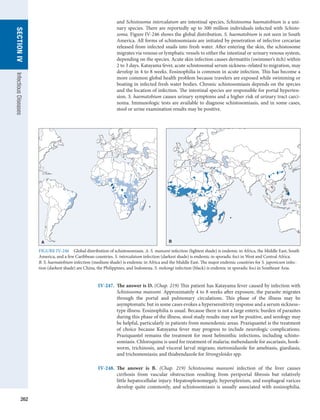
units because of health care worker transmission. A. baumannii is the most common
isolate and develops drug resistance avidly. Many strains are currently resistant to car-
bapenems (imipenem, meropenem). Last-line agents such as colistin, polymixin A,
and tigecycline are often the only available therapeutic options. Tigecycline has been
used for pneumonia caused by carbapenem-resistant strains but is not thought to be
efficacious in bloodstream infection because usual dosing does not achieve therapeutic
levels against Acinetobacter spp.
IV-89.	 The answer is B. (Chap. 151) Helicobacter pylori is thought to colonize about 50% (30%
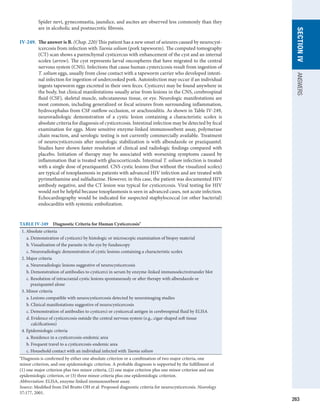
in developed countries and 80% in developing countries) of the world’s population.
The organism induces a direct tissue response in the stomach, with evidence of mono-
nuclear and polymorphonuclear infiltrates in all of those with colonization regardless
of whether or not symptoms are present. Gastric ulceration and adenocarcinoma of the
stomach arise in association with this gastritis. MALT is specific to H. pylori infection
and because of prolonged B-cell activation in the stomach. Although H. pylori does
not directly infect the intestine, it does diminish somatostatin production, indirectly
­
contributing to the development of duodenal ulcers. Gastroesophageal reflux disease
is not caused by H. pylori colonization. Recent studies have demonstrated that colo-
nization by some strains of H. pylori may be protective for the development of adeno­
carcinoma of the esophagus and premalignant lesions such as Barrett’s ­
esophagus
(odds ratio, 0.2–0.6).
IV-90.	 The answer is E. (Chap. 151) It is impossible to know whether the patient’s continued
dyspepsia is attributable to persistent Helicobacter pylori as a result of treatment failure
or to some other cause. A quick noninvasive test to look for the presence of H. pylori
is a urea breath test. This test can be done as an outpatient and gives a rapid, accurate
response. Patients should not have received any proton pump inhibitors or ­
antimicrobials
216
SECTION
IV
Infectious
Diseases
in the meantime. Stool antigen test is another good option if urea breath testing is not
available. If the urea breath test is positive more than 1 month after completion of first-
line therapy, second-line therapy with a proton pump inhibitor, bismuth subsalicylate,
tetracycline, and metronidazole may be indicated. If the urea breath test result is nega-
tive, the remaining symptoms are unlikely attributable to persistent H. pylori infection.
Serology is useful only for diagnosing infection initially, but it can remain positive and
therefore misleading in those who have cleared H. pylori. Endoscopy is a consideration
to rule out ulcer or upper gastrointestinal malignancy but is generally preferred after two
failed attempts to eradicate H. pylori. Figure IV-90 outlines the algorithm for management
of H. pylori infection.
FIGURE IV-90
Indication for H. pylori treatment
(e.g., peptic ulcer disease or new-onset dyspepsia)
Test for H. pylori
Urea breath test*
Any remaining
symptoms are not
due to H. pylori
H. pylori
not the cause
Second-line
treatment
First-line treatment
Positive after
second-line treatment
Wait at least 1 month after
treatment finishes (no antibiotics,
bismuth compounds, or proton
pump inhibitors in the meantime)
Third-line treatment;
endoscopy with H. pylori culture and
sensitivity testing; treat according
to known antibiotic sensitivities†
Positive after
third-line treatment
Negative
Negative
Positive
Positive
Refer to specialist
Consider whether treatment
is still indicated
IV-91.	 The answer is A. (Chap. 151) Helicobacter pylori is a disease of overcrowding. Trans-
mission has therefore decreased in the United States as the standard of living has
increased. It is predicated that the percentage of duodenal ulcers caused by factors
other than H. pylori (e.g., use of nonsteroidal anti-inflammatory drugs) will increase
over the upcoming decades. Controversial but increasing evidence suggests that
H. pylori colonization may provide some protection from recent emerging gastrointes-
tinal disorders, such as gastroesophageal reflux disease (and its complication, esopha-
geal carcinoma). Therefore, the health implications of H. pylori eradication may not be
simple.
IV-92.	 The answer is A. (Chap. 151) In vitro, Helicobacter pylori is susceptible to a wide vari-
ety of antibiotics. However, monotherapy is no longer recommended because of inad-
equate antibiotic delivery to the colonization niche and the development of resistance.
All current regimens include a proton pump inhibitor (omeprazole or equivalent),
H2 blocker (ranitidine or equivalent), and/or bismuth. Regimens including quinolo-
nes may not be advisable because of common resistance and the risk of developing
Clostridium difficile colitis. Current regimens have an eradication rate of 75% to 80%.
(See Table IV-92.)
217
SECTION
IV
ANSWERS
IV-93.	 The answer is A. (Chap. 152) Burkholderia cepacia is an opportunistic pathogen that has
been responsible for nosocomial outbreaks. It also colonizes and infects the lower respi-
ratory tract of patients with cystic fibrosis, chronic granulomatous disease, and sickle cell
disease. In patients with cystic fibrosis, it portends a rapid decline in pulmonary func-
tion and a poor clinical prognosis. It also may cause a resistant necrotizing pneumonia.
B. cepacia is often intrinsically resistant to a variety of antimicrobials, including many
β-lactams and aminoglycosides. Trimethoprim–sulfamethoxazole (TMP/SMX) is usually
the first-line treatment. Pseudomonas aeruginosa and Staphylococcus aureus are common
colonizers and pathogens in patients with cystic fibrosis. Stenotrophomonas maltophilia
is an opportunistic pathogen, particularly in patients with cancer, ­
transplants, and criti-
cal illness. S. maltophilia is a cause of pneumonia, urinary tract infection, wound infec-
tion, and bacteremia. TMP/SMX is usually the treatment of choice for Stenotro­
phomonas
infections.
IV-94.	 The answer is A. (Chap. 152) Ecthyma gangrenosum is a disseminated collection of
­
geographic, painful, reddish, maculopapular lesions that rapidly progress from pink to
purple and finally to a black, dry necrosis. They are teeming with causative bacteria. In
reviews on ecthyma, Pseudomonas aeruginosa is the most common isolate from blood
and skin lesions. However, many organisms can cause this foreboding rash. Neutropenic
patients and AIDS patients are at highest risk, but diabetics and intensive care unit (ICU)
patients are also affected. Pseudomonal sepsis is severe with a high mortality rate. Its pres-
entation is otherwise difficult to discern from other severe sepsis syndromes, with hypo-
thermia, fever, hypotension, organ damage, encephalopathy, bandemia, and shock being
common findings. Although antibiotic use, severe burns, and long ICU stays increase the
risk for Pseudomonas infection, these exposures are also risk factors for other bacterial
infections, many of which also carry daunting resistant profiles. Because of P. aeruginosa’s
propensity for multidrug resistance, two agents (usually an antipseudomonal β-lactam
plus an aminoglycoside or ciprofloxacin) are warranted until culture data return confirm-
ing sensitivity to one or both agents. At this point, the choice to narrow to one antibiotic
or not is still debated and is largely physician preference.
TABLE IV-92  Recommended Treatment Regimens for Helicobacter pylori Infection
Regimen (Duration) Drug 1 Drug 2 Drug 3 Drug 4
Regimen 1: OCM
(7–14 days)a
Omeprazoleb
(20 mg bid)
Clarithromycin
(500 mg bid)
Metronidazole
(500 mg bid)
—
Regimen 2: OCA
(7–14 days)a
Omeprazoleb
(20 mg bid)
Clarithromycin
(500 mg bid)
Amoxicillin ­
(1 g bid)
—
Regimen 3: OBTM
(14 days)c
Omeprazoleb
(20 mg bid)
Bismuth ­
subsalicylate
(2 tabs qid)
Tetracycline HCl
(500 mg qid)
Metronidazole
(500 mg tid)
Regimen 4d
: sequential
(5 days + 5 days)
Omeprazoleb
(20 mg bid)
Amoxicillin
1 g bid
Omeprazoleb
(20 mg bid)
Clarithromycin
(500 mg bid)
Tinidazole
(500 mg bid)
Regimen 5e
: OAL (10 days) Omeprazoleb
(20 mg bid)
Amoxicillin
(1 g bid)
Levofloxacin
(500 mg qid)
a
Meta-analyses show that a 14-day course of therapy is slightly superior to a 7-day course. However, in popula-
tions in which 7-day treatment is known to have very high success rates, this shorter course is still often used.
b
Omeprazole may be replaced with any proton pump inhibitor at an equivalent dosage or, in regimens
1 and 2, with ranitidine bismuth citrate (400 mg).
c
Data supporting this regimen come mainly from Europe and are based on the use of bismuth subcitrate and
metronidazole (400 mg tid). This is the most commonly used second-line regimen.
d
Data supporting this regimen come from Europe. Although the two 5-day courses of different drugs have
usually been given sequentially, recent evidence suggests no added benefit from this approach. Thus 10 days
of the four drugs combined may be as good and may aid compliance.
e
Data supporting this second- or third-line regimen come from Europe. This regimen may be less effective
where rates of quinolone use are high. Theoretically, it may also be wise to avoid it in populations where
Clostridium difficile infection is common after broad-spectrum antibiotic use.
Abbreviations: bid, twice a day; qid, four times a day; tid, three times a day.
218
SECTION
IV
Infectious
Diseases
IV-95.	 The answer is A. (Chap. 152) Antibiotic therapy against Pseudomonas aeruginosa is often
controversial, and the practitioner must interpret recommendations in light of local resist-
ance patterns. Traditionally, many recommended two-drug therapy for ­
Pseudomonas
bacteremia because of synergy between aminoglycosides and β-lactam agents. Since
the introduction of newer antipseudomonal antibiotics, most studies conclude that
­
monotherapy with one of those drugs to which the isolate is sensitive is as effective as
combination therapy. That conclusion holds for bacteremic patients with or without neu-
tropenia. However, monotherapy with an aminoglycoside for P. aeruginosa bacteremia is
not recommended. Many recommend adding an aminoglycoside to an antipseudomonal
drug in cases of shock or where the prevalence of resistance to the primary drug is high.
The Infectious Diseases Society of America recommends adding an aminoglycoside or
ciprofloxacin for Pseudomonas pneumonia.
IV-96.	 The answer is E. (Chap. 153) Salmonella enteritidis is one of the causes of ­
nontyphoidal
salmonellosis (NTS) along with Salmonella typhimurium and other strains. Enteric
(typhoid) fever is caused by Salmonella typhi or Salmonella paratyphi. Recent cases of
gastroenteritis caused by NTS have been associated with undercooked or raw eggs. In
contrast to S. typhi and S. paratyphi, which only have human reservoirs, the NTS can
colonize livestock accounting for outbreaks related to contaminated water (fresh produce,
undercooked ground meat, dairy products). The gastroenteritis caused by NTS is indis-
tinguishable clinically for other enteric pathogens. The diarrhea is nonbloody and may be
copious. The disease is typically self-limited in healthy hosts, and antibiotic therapy is not
recommended because it does not change the course of disease and promotes resistance.
Therapy may be necessary for neonates or debilitated elderly patients who are more likely
to develop bacteremia. Bacteremia occurs in fewer than 10% of cases. Metastatic infec-
tions of bone, joint, and endovascular devices may occur. There is no vaccine for NTS.
Oral and parenteral vaccines for S. typhi are available.
IV-97.	 The answer is D. (Chap. 154) Shigellosis remains a cause of dysentery in the developing
world and sporadic cases caused by fecal–oral contamination occur in the developing
and developed world. The human intestinal tract is the most prevalent reservoir for
the bacteria. Clinical illness from Shigella infection can be caused by a very small inoc-
ulum. Shigellosis typically evolves through four phases: incubation, watery diarrhea,
dysentery, and the postinfectious phase. The incubation period is usually 1 to 4 days,
and the dysentery follows within hours to days. The dysentery syndrome is indistin-
guishable from other invasive enteropathogens (including Campylobacter spp.), and
inflammatory bowel disease is also in the differential diagnosis. Because the organism is
enteroinvasive, antibiotic therapy is indicated. Ciprofloxacin is generally recommended
unless there is no or proven resistance. Ceftriaxone, azithromycin, pivmecillinam, and
some recent quinolones are also effective. Shigella infection typically does not cause
life-threatening dehydration. Antimotility agents are not recommended because they
are thought to prolong the systemic symptoms and may increase the risk of toxic mega-
colon and hemolytic uremic syndrome. There is currently no commercially available
vaccine for Shigella infection.
IV-98.	 The answer is A. (Chap. 155) Campylobacter spp. are motile, curved gram-negative rods.
The principal diarrheal pathogen is Campylobacter jejuni. This organism is found in the
gastrointestinal tract of many animals used for food production and is usually transmitted
to humans in raw or undercooked food products or through direct contact with infected
animals. More than half of cases are caused by insufficiently cooked contaminated poultry.
Campylobacter infection a common cause of diarrheal disease in the United States. The
illness usually occurs within 2 to 4 days after exposure to the organism in food or water.
Biopsy of an affected patient’s jejunum, ileum, or colon reveals findings indistinguish-
able from those of Crohn’s disease and ulcerative colitis. Although the diarrheal illness is
usually self-limited, it may be associated with constitutional symptoms, lasts more than
1 week, and recurs in 5% to 10% of untreated patients. Complications include pancreatitis,
cystitis, arthritis, meningitis, and Guillain-Barré syndrome. The symptoms of Campylo-
bacter enteritis are similar to those resulting from infection with Salmonella typhi, Shigella
219
SECTION
IV
ANSWERS
spp., and Yersinia spp.; all of these agents cause fever and the presence of fecal leuko-
cytes. The diagnosis is made by isolating Campylobacter organisms from the stool, which
requires selective media. Escherichia coli (enterotoxigenic), Norwalk agent, and rotavirus
are generally not associated with the finding of fecal leukocytes. About 5% to 10% of
untreated patients with Campylobacter enteritis develop recurrences that may be clinically
and pathologically confused with inflammatory bowel disease.
IV-99.	 The answer is A. (Chap. 155) As is true with all acute diarrheal diseases, adequate volume
resuscitation is central to treatment. Many patients with mild Campylobacter enteritis will
resolve spontaneously, and not all patients clearly benefit from therapy. In the presence of
high or persistent fever, bloody diarrhea, severe diarrhea, worsening symptoms, or symp-
toms persisting for more than 1 week, antibiotics are recommended. A 5- to 7-day course
of erythromycin, azithromycin (and other macrolides), or ciprofloxacin is effective. Drug
resistance to flouroquinolones and tetracycline is increasing. Antimotility agents are not
recommended because they have been associated with the development of serious com-
plications, including toxic megacolon and hemolytic uremic syndrome. Tinidazole and
metronidazole are used to treat a variety of nonbacterial diarrhea syndromes, including
giardiasis and amoebiasis. Metronidazole is also used for Clostridium difficile–associated
colitis.
IV-100.	 The answer is B. (Chap. 156) Cholera remains a worldwide problem with sporadic cases
usually related to contact with fecally contaminated water or seafood. Humans are the
only known reservoir of Vibrio cholera. Most cases are reported in Africa or Asia. After a
century, cholera returned to Haiti after recent natural disasters and breakdown of public
health measures. The watery diarrhea of cholera is mediated by a specific cholera toxin
that binds to small intestine epithelium to cause profuse fluid secretion. The diarrhea of
cholera is painless, nonbloody, and watery with mucus and few inflammatory cells. The
term “rice-water” diarrhea refers to the appearance of water after soaking rice. Morbidity
and mortality from cholera are from profound volume depletion. Rehydration is essential
to therapy. Major improvements in care came from the development of oral rehydration
solutions that take advantage of glucose–sodium co-transport in the small intestine. These
solutions allowed effective rehydration in resource limited settings where intravenous
rehydration was not practical. Diagnosis is by culture or point-of-care antigen detection
dipstick assay. Antibiotics are not necessary for cure, but they diminish the duration and
volume of fluid loss and hasten the clearance of the organism from stool. A single dose of
doxycycline is effective in adults in areas where there is not resistance. Ciprofloxacin or
azithromycin may be alternatives.
IV-101.	 The answer is E. (Chap. 158) The most likely infecting organism in this patient is
­
Francisella tularensis. Gentamicin is the antibiotic of choice for the treatment of tularemia.
Fluoroquinolones have shown in vitro activity against F. tularensis and have successfully
been used in a few cases of tularemia. Currently, however, it cannot be recommended as
first-line therapy because data are limited regarding its efficacy relative to gentamicin, but
it can be considered if an individual is unable to tolerate gentamicin. To date, there have
been no clinical trials of fluoroquinolones to definitively demonstrate equivalency with
gentamicin. Third-generation cephalosporins have in vitro activity against F. ­
tularensis.
However, use of ceftriaxone in children with tularemia resulted in almost universal failure.
Likewise, tetracycline and chloramphenicol also have limited usefulness with a higher
relapse rate (up to 20%) compared with gentamicin. F. tularensis is a small gram-negative,
pleomorphic bacillus that is found both intra- and extracellularly. It is found in mud, water,
and decaying animal carcasses, and ticks and wild rabbits are the sources for most human
infections in the southeast United States and Rocky Mountains. In western states, tabanid
flies are the most common vectors. The organisms usually enter the skin through the bite
of a tick or through an abrasion. On further questioning, the patient above reported that
during the camping trip, he was primarily responsible for skinning the animals and pre-
paring dinner. He did sustain a small cut on his right hand at the site where the ulceration
is apparent. The most common clinical manifestations of F. tularensis are ulceroglandular
and glandular disease, accounting for 75% to 85% of cases. The ulcer appears at the site of
220
SECTION
IV
Infectious
Diseases
entry of the bacteria and lasts for 1 to 3 weeks and may develop a black eschar at the base.
The draining lymph nodes become enlarged and fluctuant. They may drain spontaneously.
In a small percentage of patients, the disease becomes systemically spread, as is apparent
in this case, with pneumonia, fevers, and sepsis syndrome. When this occurs, the mortal-
ity rate approaches 30% if untreated. However, with appropriate antibiotic therapy, the
prognosis is very good. Diagnosis requires a high clinical suspicion because demonstra-
tion of the organism is difficult. It rarely seen on Gram stain because the organisms stain
weakly and are so small that they are difficult to distinguish from background material.
On polychromatically stained tissue, they may be seen both intra- and extracellularly,
singly or in clumps. Moreover, F. tularensis is a difficult organism to culture and requires
cysteine-glucose–blood agar. However, most laboratories do not attempt to culture the
organism because of the risk of infection in laboratory workers, requiring biosafety level
2 practices. Usually the diagnosis is confirmed by agglutination testing with titers above
1:160 confirming diagnosis.
IV-102 and IV-103.  The answers are E and B, respectively. (Chap. 159) This patient has a classic
presentation of bubonic plague caused by Yersinia pestis. Plague is transmitted to humans
from rodents via flea bites. The clinical manifestations include bubonic (most common,
80%–95% of cases), septicemic (bacteremia without a bubo), primary pneumonic, and
secondary pneumonic. The untreated mortality is up to 20% with higher rates for septi-
cemic and pneumonic presentations. Most cases in the United States occur in the Four
Corners region or in the border zone of northern California, southern Oregon, and west-
ern Nevada. The presenting bubo in bubonic plague is usually near the inciting flea bite.
The differential diagnosis includes streptococcal or staphylococcal infection, tularemia,
cat-scratch disease, tick typhus, infectious mononucleosis, and lymphatic filariasis. These
infections do not progress as rapidly as plague, are not as painful, and are associated with
visible cellulitis or ascending lymphangitis, which are absent in plague. The organisms
may be visualized on bubo aspirate. The gram-negative coccobacillus Y. pestis is charac-
teristically bipolar on Wright’s stain. Bartonella and rickettsia are generally not visible on
Gram staining. Traditionally, streptomycin was the first-line treatment, but because of
fewer side effects, gentamicin is currently recommended. Fluoroquinolones have in vitro
activity and have been reported effective in case reports. They would likely be adminis-
tered in the event of pneumonic plague as a bioterrorism event.
IV-104.	 The answer is A. (Chap. 160) This patient has bacillary angiomatosis caused by cutaneous
infection with Bartonella quintana or Bartonella henselae. Kittens are the likely source of
the infection in this case. Bacillary angiomatosis occurs in HIV-infected patients with
CD4+ T-cell counts below 100/μL. The cutaneous lesions of bacillary angiomatosis are
typically painless cutaneous lesions but may appear as subcutaneous nodules, ulcerated
plaques, or verrucous growths. They may be single or multiple. The differential diagno-
sis includes Kaposi’s sarcoma, pyogenic granuloma, and tumors. Biopsy findings are as
described in this case, and the diagnosis is best made with histology. Treatment is with
azithromycin or doxycycline. Oxacillin or vancomycin is the treatment for staphylococ-
cal or streptococcal skin infections. Treatment with antiretrovirals to restore CD4+ T-cell
count will prevent further episodes.
IV-105.	 The answer is A. (Chap. 160) This patient has culture-negative endocarditis, a rare entity
defined as clinical evidence of infectious endocarditis in the absence of positive blood cul-
tures. In this case, evidence for subacute bacterial endocarditis includes valvular regurgi-
tation; an aortic valve vegetation; and embolic phenomena on the extremities, spleen, and
kidneys. A common reason for negative blood culture results is prior antibiotics. In the
absence of this, the two most common pathogens (both of which are technically difficult
to isolate in blood culture bottles) are Q fever, or Coxiella burnetii (typically associated
with close contact with livestock), and Bartonella spp. In this case, the patient’s homeless-
ness and body louse infestation are clues for Bartonella quintana infection. Diagnosis is
made by blood culture about 25% of the time. Otherwise, direct polymerase chain reac-
tion of valvular tissue, if available, or acute and convalescent serologies are diagnostic
options. Empirical therapy for culture-negative endocarditis usually includes ceftriaxone
221
SECTION
IV
ANSWERS
and gentamicin with or without doxycycline. For confirmed Bartonella endocarditis, opti-
mal therapy is gentamicin plus doxycycline. Epstein-Barr virus and HIV do not cause
endocarditis. A peripheral blood smear would not be diagnostic.
IV-106.	 The answer is C. (Chap. 160) Although the patient’s gardening puts her at risk for
­
Sporothrix infection, this infection typically causes a more localized streaking nodu-
lar lymphadenitis affecting the forearm. The differential diagnosis for nodular adenitis
includes Sporothrix schenckii, Nocardia brasiliensis, Mycobacterium marinum, Leishma-
nia braziliensis, and Francisella tularensis and is based on direct inoculation of organism
caused by contact with soil, a marine environment, or an insect or animal bite. This
patient has regional lymphadenitis involving larger lymph nodes that drain the site of
inoculation. Most likely in her case is cat-scratch disease caused by infection with Bar-
tonella henselae, based on the kittens in her home, but lymphoma and staphylococcal
infection must also be considered, and often a lymph node biopsy is required to make
this distinction. Most cases of cat-scratch disease resolve without therapy. In immuno-
competent patients, antibiotic therapy has minimal benefit but may expedite resolution
of lymphadenopathy. Antimicrobial therapy, usually with azithromycin, is indicated in
immunosuppressed patients.
IV-107.	 The answer is A. (Chap. 161) Donovanosis is caused by the intracellular organism Calym-
matobacterium granulomatis and most often presents as a painless erythematous genital
ulceration after a 1- to 4-week incubation period. However, incubation periods can be as
long as 1 year. The infection is predominantly sexually transmitted, and autoinoculation
can lead to formation of new lesions by contact with adjacent infected skin. Typically, the
lesion is painless but bleeds easily. Complications include phimosis in men and pseudo-
elephantiasis of the labia in women. If the infection is untreated, it can lead to progressive
destruction of the penis or other organs. Diagnosis is made by demonstration of Donovan
bodies within large mononuclear cells on smears from the lesion. Donovan bodies refers
to the appearance of multiple intracellular organisms within the cytoplasm of mononu-
clear cells. These organisms are bipolar and have an appearance similar to a safety pin.
On histologic examination, there is an increase in the number of plasma cells with few
neutrophils; additionally, epithelial hyperplasia is present and can resemble ­
neoplasia.
A variety of antibiotics can be used to treat donovanosis, including macrolides, tetra-
cyclines, trimethoprim–sulfamethoxazole, and chloramphenicol. Treatment should be
continued until the lesion has healed, often requiring 5 or more weeks of treatment. All
of the choices listed in the question are in the differential diagnosis of penile ulcerations.
Lymphogranuloma venereum is endemic in the Caribbean. The ulcer of primary infection
heals spontaneously, and the second phase of the infection results in markedly enlarged
inguinal lymphadenopathy, which may drain spontaneously. Haemophilus ducreyi results
in painful genital ulcerations, and the organism can be cultured from the lesion. The pain-
less ulcerations of cutaneous leishmaniasis can appear similarly to those of donovano-
sis but usually occur on exposed skin. Histologic determination of intracellular parasites
can distinguish leishmaniasis definitively from donovanosis. Finally, it is unlikely that the
patient has syphilis in the setting of a negative rapid plasma reagin test result, and the
histology is inconsistent with this diagnosis.
IV-108.	 The answer is D. (Chaps. 16 and 155) This patient is chronically immunosuppressed from
his antirejection prophylactic regimen, which includes both glucocorticoids and azathio-
prine. However, the finding of a cavitary lesion on chest radiography considerably narrows
the possibilities and increases the likelihood of nocardial infection. The other clinical find-
ings, including production of profuse thick sputum, fever, and constitutional symptoms, are
also quite common in patients who have pulmonary nocardiosis. The Gram stain, which
demonstrates filamentous branching gram-positive organisms, is characteristic. Most
species of Nocardia are acid fast if a weak acid is used for decolorization (e.g., modified
Kinyoun method). These organisms can also be visualized by silver staining. They grow
slowly in culture, and the laboratory must be alerted to the possibility of their presence
on submitted specimens. After the diagnosis, which may require an invasive approach, is
made, sulfonamides are the drugs of choice. Sulfadiazine or sulfisoxazole from 6 to 8 g/day
in four divided doses generally is administered, but doses up to 12 g/day have been given.
222
SECTION
IV
Infectious
Diseases
The combination of sulfamethoxazole and trimethoprim has also been used, as have the
oral alternatives minocycline and ampicillin and intravenous amikacin. There is little expe-
rience with the newer β-lactam antibiotics, including the third-generation cephalosporins
and imipenem. Erythromycin alone is not effective, although it has been given success-
fully along with ampicillin. In addition to appropriate antibiotic therapy, the possibility of
disseminated nocardiosis must be considered; common sites include brain, skin, kidneys,
bone, and muscle.
IV-109.	 The answer is D. (Chap. 163) The patient presents with symptoms suggestive of
osteonecrosis of her jaw possibly caused by bisphosphonate use. Additionally, her jaw pain
has progressed and now appears to be infected. Actinomyces is a classic oral organism with
a propensity to infect the jaw, particularly when the bone is abnormal, usually because
of radiation or osteonecrosis. Osteonecrosis of the jaw caused by bisphosphonates is an
increasingly recognized risk factor for actinomyces infection. Frequently, the soft tissue
swelling is confused for either parotitis or a cancerous lesion. Actinomyces spp. frequently
form fistulous tracts, which provide an opportunity to examine the secretions and identify
either the organism itself (less common) or sulfur granules. Sulfur granules are an in vivo
concretion of Actinomyces bacteria, calcium phosphate, and host material. Gram stain of
Actinomyces infection shows intensely positive staining at the center with branching rods
at the periphery. Auer rods are found in acute promyelocytic leukemia. Although head
and neck cancer is in the differential diagnosis, the acuity of the presentation and fever
make this less likely. Weakly acid-fast branching filaments are found in nocardial infec-
tion, which is unlikely to involve the head and neck, although both organisms frequently
cause pulmonary infiltrates. Although parotitis with obstruction caused by sialolith is
possible, the symptoms are in the jaw and diffuse, not specifically involving the parotid
gland, thus making sialolith less likely.
IV-110.	 The answer is C. (Chap. 163) Therapy for actinomyces requires a long course of antibiotics
even though the organism is very sensitive to penicillin therapy. This is presumed to be
attributable to the difficulty of using antibiotics to penetrate the thick-walled masses and
sulfur granules. Current recommendations are for penicillin IV for 2 to 6 weeks followed
by oral therapy for a total of 6 to 12 months. Surgery should be reserved for patients who
are not responsive to medical therapy.
IV-111.	 The answer is E. (Chap. 164) The patient presents with symptoms suggestive of lung infec-
tion, his demographics suggest that an abscess might be present, and the foul-smelling
breath supports this diagnosis. His chest radiograph shows a cavity with air-fluid level,
thus confirming the diagnosis of lung abscess. Lung abscess generally presents in the
dependent lobes, as it did in this patient, and often involves oral anaerobic bacteria that are
normally found in the crevices of teeth. Although infections are frequently polymicrobial,
clindamycin is usually adequate to treat the infection. In this case, if there is no response
to therapy targeted at lung abscess for several weeks, then further testing would be war-
ranted, generally including bronchoscopy to evaluate possible malignancy. The negative
purified protein derivative result makes tuberculosis very unlikely, and chest radiography
did not show upper lobe infiltrates or cavities.
IV-112.	 The answer is B. (Chap. 164) The major reservoirs in the human body for anaerobic
­
bacteria are the mouth, lower gastrointestinal tract, skin, and female genital tract. Gener-
ally, anaerobic infections occur proximal to these sites after the normal barrier (i.e., skin
or mucous membrane) is disrupted. Thus, common infections resulting from these organ-
isms are abdominal or lung abscess, periodontal infection, gynecologic infections such as
bacterial vaginosis, and deep tissue infection. Properly obtained cultures in these circum-
stances generally grow a mixed population of anaerobes typical of the microenvironment
of the original reservoir.
IV-113.	 The answer is C. (Chap. 165) Tuberculosis is most commonly transmitted from person
to person by airborne droplets. Factors that affect the likelihood of developing tubercu-
losis infection include the probability of contact with an infectious person, the intimacy
223
SECTION
IV
ANSWERS
and duration of contact, the degree of infectiousness of the contact, and the ­
environment
in which the contact takes place. The most infectious patients are those with cavitary
pulmonary or laryngeal tuberculosis with about 105
to 107
tuberculous bacteria per
­
milliliter of sputum. Individuals who have a negative acid-fast bacillus smear with a posi-
tive culture for tuberculosis are less infectious but may transmit the disease. However,
individuals with only extrapulmonary (e.g., renal, skeletal) tuberculosis are considered
noninfectious.
IV-114.	 The answer is D. (Chap. 165) Aging, chronic disease, and suppression of cellular immu-
nity are risk factors for developing active tuberculosis in patients with latent infection.
(See Table IV-114.) The greatest absolute risk factor for development of active tubercu-
losis is HIV positivity. The risk of developing active infection is greatest in those with
the lowest CD4 counts; however, having a CD4 count above a threshold value does not
negate the risk of developing an active infection. The reported incidence of developing
active ­
tuberculosis in HIV-positive individuals with a positive purified protein deriva-
tive result is 10% per year compared with a lifetime risk of 10% in immunocompetent
individuals. Whereas malnutrition and severe underweight confer a twofold greater risk
of developing active tuberculosis, IV drug use increases the risk 10 to 30 times. Silicosis
also increases the risk of developing active tuberculosis 30 times. Although the risk of
developing active tuberculosis is greatest in the first year after exposure, the risk also
increases in elderly adults. Coal mining has not been associated with increased risk
independent of other ­
factors, such as tobacco smoking.
TABLE IV-114  Risk Factors for Active Tuberculosis Among Persons Who Have Been
Infected With Tubercle Bacilli
Factor Relative Risk/Oddsa
Recent infection (1 year) 12.9
Fibrotic lesions (spontaneously healed) 2–20
Comorbidity
  HIV infection 21–30
  Silicosis 30
  Chronic renal failure/hemodialysis 10–25
  Diabetes 2–4
  IV drug use 10–30
  Immunosuppressive treatment 10
  Gastrectomy 2–5
  Jejunoileal bypass 30–60
  Posttransplantation period (renal, cardiac) 20–70
Tobacco smoking 2–3
Malnutrition and severe underweight 2
a
Old infection = 1.
Abbreviation: IV, intravenous.
IV-115.	 The answer is A. (Chap. 165) The chest radiograph shows a right upper lobe infiltrate
with a large cavitary lesion. In this man from an endemic area for tuberculosis, this
­
finding should be treated as active pulmonary tuberculosis until proven otherwise. In
addition, this patient’s symptoms suggest a chronic illness with low-grade fevers, weight
loss, and temporal wasting that would be consistent with active pulmonary tuberculosis.
If a patient is suspected of having active pulmonary tuberculosis, the initial management
should include documentation of disease while protecting health care workers and the
population in general. This patient should be hospitalized in a negative-pressure room on
airborne isolation until three expectorated sputum samples have been demonstrated to
be negative. The samples should preferably be collected in the early morning because the
burden of organisms is expected to be higher on a more concentrated sputum. The sensi-
tivity of a single sputum for the detection of tuberculosis in confirmed cases is only 40% to
60%. Thus, a single sputum sample is inadequate to determine infectivity and the presence
224
SECTION
IV
Infectious
Diseases
of active pulmonary tuberculosis. Skin testing with a purified protein derivative of the
tuberculosis mycobacterium is used to detect latent infection with tuberculosis and has
no role in determining whether active disease is present. The cavitary lung lesion shown
on the chest imaging could represent malignancy or a bacterial lung abscess, but because
the patient is from a high-risk area for tuberculosis, tuberculosis would be considered the
most likely diagnosis until ruled out by sputum testing.
IV-116.	 The answer is A. (Chap. 165) Initial treatment of active tuberculosis associated with HIV
disease does not differ from that of a non-HIV-infected person. The standard treatment
regimen includes four drugs: isoniazid, rifampin, pyrazinamide, and ethambutol (RIPE).
These drugs are given for a total of 2 months in combination with pyridoxine (vitamin
B6) to prevent neurotoxicity from isoniazid. After the initial 2 months, patients continue
on isoniazid and rifampin to complete a total of 6 months of therapy. These recommen-
dations are the same as those of non–HIV-infected individuals. If the sputum culture
remains positive for tuberculosis after 2 months, the total course of antimycobacterial
therapy is increased from 6 to 9 months. If an individual is already on antiretroviral
therapy (ART) at the time of diagnosis of tuberculosis, it may be continued, but often
rifabutin is substituted for rifampin because of drug interactions between rifampin and
protease inhibitors. In individuals not on ART at the time of diagnosis of tuberculosis, it
is not recommended to start ART concurrently because of the risk of immune reconstitu-
tion inflammatory syndrome (IRIS) and an increased risk of medication side effects. IRIS
occurs as the immune system improves with ART and causes an intense inflammatory
reaction directed against the infecting organism(s). There have been fatal cases of IRIS
in association with tuberculosis and initiation of ART. In addition, both ART and antitu-
berculosis drugs have many side effects. It can be difficult for a clinician to decide which
medication is the cause of the side effects and may lead unnecessarily to alterations in
the antituberculosis regimen. ART should be initiated as soon as possible and prefer-
ably within 2 months. Three-drug regimens are associated with a higher relapse rate if
used as a standard 6-month course of therapy and, if used, require a total of 9 months
of therapy. Situations in which ­
three-drug therapy may be used are pregnancy, intolerance
to a specific drug, and in the setting of resistance. A five-drug regimen using Rifampin,
isoniazide, pyrazinamide, ethambutol (RIPE) plus streptomycin is recommended as the
standard retreatment regimen. Streptomycin and pyrazinamide are discontinued after
2 months if susceptibility testing is unavailable. If susceptibility testing is available, the
treatment should be based on the susceptibility pattern. In no instance is it appropriate
to withhold treatment in the setting of active tuberculosis to await susceptibility testing.
IV-117.	 The answer is B. (Chap. 165) The aim of treatment of latent tuberculosis is to prevent
­
development of active disease, and the tuberculin skin test (purified protein derivative
[PPD]) is the most common means of identifying cases of latent tuberculosis in high-
risk groups. To perform a tuberculin skin test, 5 tuberculin units of PPD are placed
­
subcutaneously in the forearm. The degree of induration is determined after 48 to 72
hours. Erythema only does not count as a positive reaction to the PPD. The size of the
reaction to the tuberculin skin test determines whether individuals should receive treat-
ment for latent tuberculosis. In general, individuals in low-risk groups should not be
tested. However, if tested, a reaction larger than 15 mm is required to be considered as
positive. School teachers are considered low-risk individuals. Thus, the reaction of 7 mm
is not a positive result, and treatment is not required. A size of 10 mm or larger is consid-
ered positive in individuals who have been infected within 2 years or those with high-risk
medical conditions. The individual working in an area where tuberculosis is endemic has
tested newly positive by skin testing and should be treated as a newly infected individual.
High-risk medical conditions for which treatment of latent tuberculosis is recommended
include diabetes mellitus, injection drug use, end-stage renal disease, rapid weight loss,
and hematologic disorders. PPD reactions 5 mm or larger are considered positive for
latent tuberculosis in individuals with fibrotic lesions on chest radiographs, those with
close contact with an infected person, and those with HIV or who are otherwise immu-
nosuppressed. There are two situations in which treatment for latent tuberculosis is rec-
ommended regardless of the results on skin testing. First, infants and children who have
had close contact with an actively infected person should be treated. After 2 months of
225
SECTION
IV
ANSWERS
therapy, a skin test should be performed. Treatment can be discontinued if the skin test
result remains negative at that time. Also, individuals who are HIV positive and have had
close contact with an infected person should be treated regardless of their skin test results.
IV-118.	 The answer is C. (Chap. 165) T-lymphocyte release of interferon-gamma in response to
highly specific tuberculosis antigen stimulation is the basis for the commercially avail-
able interferon-gamma release assays (IGRAs). IGRAs are more specific than tuberculin
skin testing caused by less cross-reactivity with non-mTB organisms, including Bacillus
Calmette-Guérin and nontuberculous mycobacteria. The absolute sensitivity of IGRAs is
not clearly known because of the difficulty in establishing a gold standard, but most stud-
ies demonstrate superior performance in detecting latent tuberculosis in low-incidence
settings. They also are more user friendly because there is no administration expertise,
interpretation is less subjective, and results do not require a second visit. The results are
far less clear in settings of high tuberculosis or HIV burden. The tuberculin skin test-
ing booster phenomenon, a spurious conversion caused by serial testing, does not occur
with IGRAs; however, a tuberculin skin test may cause a false-positive IGRA result. In
the United States, IGRA is preferred for most persons older than 5 years of age being
screened for latent tuberculosis.
IV-119.	 The answer is E. (Chap. 165) Bacillus Calmette-Guérin (BCG) is derived from an attenu-
ated strain of Mycobacterium bovis. It has been available since 1921. Many vaccines are
available, but they vary in efficacy from 0% to 80% in clinical trials. The vaccine protects
infants and young children from serous forms of tuberculosis, including meningitis and
miliary disease. Side effects from the vaccine are rare, but BCG dissemination (BCGitis)
may occur in patients with severe combined immunodeficiency or advanced HIV-induced
immune suppression. BCG cross-reacts with tuberculin skin testing, but the size of the
response wanes with time. BCG vaccination is currently recommended in countries with a
high TB prevalence. It is not recommended in the United States because of the low preva-
lence of disease and cross-reactivity with tuberculin skin testing. Infants with unknown
HIV infection status, infants of mothers with known HIV infection, and HIV-infected
individuals should not receive BCG vaccination.
IV-120.	 The answer is B. (Chap. 167) The chest computed tomography shows a “tree-in-bud”
­
pattern in the peripheral right lung and bilateral bronchiectasis. This pattern is consistent
with bronchiolar inflammation and is typical of nontuberculous mycobacterial infection.
Nontuberculous mycobacteria, such as Mycobacterium avium complex (MAC), may cause
chronic pulmonary infections in normal hosts and those with underlying pulmonary
­
disease immunosuppression. In normal hosts, bronchiectasis is the most common under-
lying condition. In immunocompetent patients without underlying disease, treatment of
pulmonary infection with MAC is considered on an individual basis based on symptoms,
radiographic findings, and bacteriology. Treatment should be initiated in the presence
of progressive pulmonary disease or symptoms. In patients without any prior lung dis-
ease, no structural lung disease, and who do not demonstrate progressive clinical decline,
M. avium pulmonary infection can be managed conservatively. Patients with underly-
ing lung disease, such as chronic obstructive pulmonary disease, bronchiectasis, or cystic
fibrosis, or those with a history of pulmonary tuberculosis should receive antibiotics. This
patient has both clinical and historic reasons for antibiotic treatment. The appropriate
regimen in this case is clarithromycin (or azithromycin), ethambutol, and rifampin (or
rifabutin) for 12 months after culture sterilization (typically 18 months). The combina-
tion of pyrazinamide, isoniazid, rifampin, and ethambutol is effective treatment for M.
tuberculosis infection, which is not present here. Other drugs with activity against MAC
include intravenous and aerosolized aminoglycosides, fluoroquinolones, and clofazimine.
IV-121.	 The answer is C. (Chap. 168) Pyrazinamide (PZA) is the first-line treatment for Myco­
bacterium tuberculosis. Addition of PZA for 2 months to isoniazid and rifampin allows the
total duration of treatment to be shortened from 9 months to 6 months. PZA has no utility
in the treatment of nontuberculous mycobacteria. Ethambutol has no serious drug inter-
actions, but patients must be closely monitored for optic neuritis, which may manifest with
226
SECTION
IV
Infectious
Diseases
decreased visual acuity, central scotoma, or difficulty seeing green (or red). All patients
initiating therapy with ethambutol should have a visual and ophthalmologic examination
at baseline. In the United States overall, isoniazid resistance remains uncommon. Primary
isoniazid resistance is more common in patients with tuberculosis born outside the United
States. Rifampin is a potent inducer of cytochrome P450 ­
system and has numerous drug
interactions. The Centers for Disease Control and Prevention has guidelines for managing
antituberculosis drug interactions including rifampin. Rifabutin is a less potent inducer
of hepatic cytochromes. Rifabutin is recommended for HIV-infected patients who are
on antiretroviral therapy with protease inhibitors or non-nucleoside reverse transcriptase
inhibitors (particularly nevirapine) in place of rifampin.
IV-122.	 The answer is E. (Chap. 169) Neurosyphilis has generally been thought to be a late com-
plication of syphilis infection, but this is now known to be inaccurate. Within weeks after
infection, the central nervous system is invaded with treponemal organisms. The vast
majority of cases are asymptomatic. Abnormal protein levels within the cerebrospinal
fluid (CSF) or positive CSF Venereal Disease Research Laboratory (VDRL) test can be
seen in up to 40% of individuals with primary or secondary syphilis and 25% of cases of
latent syphilis. In symptomatic cases, neurosyphilis can have a variety of manifestations
that are typically considered in three broad categories: meningeal, meningovascular, and
parenchymal syphilis. Meningeal syphilis is dominated by headache, neck stiffness, and
cranial nerve abnormalities. Meningovascular syphilis has signs of meningitis but also can
include a vasculitis complicated by stroke. Parenchymal syphilis does indeed represent a
late manifestation of disease. Changes in personality, dementia, Argyll Robertson pupils,
and paresis are typical findings.
	   It can be difficult to determine which patients with syphilis required a lumbar punc-
ture to assess for central nervous system involvement of the disease. However, it is quite
important because the treatment of neurosyphilis requires 14 days of treatment with
intravenous penicillin. Clearly, any patient with a positive test result for syphilis with
concerning neurologic symptoms should undergo a lumbar puncture. Some experts also
recommend lumbar puncture in all patients with syphilis who are HIV positive. However,
this is controversial with others recommending lumbar puncture only if the CD4 count is
less than 350/μL. Other instances in which a lumbar puncture is recommended is in the
setting of a very high titer rapid plasma reagin (RPR) or VDRL (1:32) or failure of the
RPR or VDRL to fall by a factor of 4 after appropriate treatment. Thus, all of the patients
presented would be recommended to undergo a lumbar puncture.
IV-123.	 The answer is D. (Chap. 169) The patient’s clinical examination is consistent with pri-
mary syphilis and he should receive appropriate therapy. In primary syphilis, 25% of
patients will have negative nontreponemal tests for syphilis (rapid plasma reagin or
Venereal Disease Research Laboratory). A single dose of long-acting benzathine peni-
cillin is the recommended treatment for primary, secondary, and early latent syphilis.
Ceftriaxone is the treatment of choice for gonorrhea, but this lesion is not consistent
with that diagnosis. Ceftriaxone given daily for 7 to 10 days is an alternative treatment
for primary and secondary syphilis. Acyclovir is the drug of choice for genital ­
herpes.
Herpetic lesions are classically multiple and painful. Observation is not an option
because the chancre will resolve spontaneously without treatment and the patient will
remain infected and infectious. Given the appearance and clinical history, there is no
indication for tissue biopsy or surgical resection.
IV-124.	 The answer is E. (Chap. 171) The patient has Weil’s syndrome caused by infection with
Leptospira interrogans. L. interrogans is a spirochete that is acquired through contact with
an infected animal. Species that commonly transmit the organism to human include rats,
dogs, cattle, and pigs. The organism is excreted in urine and can survive in water for
months. For a human to become infected, susceptible individuals typically have indirect
contact with infected animal urine through contaminated water sources and other wet
environments. Tropical human environments, rodent infestations, and large populations
of infected dogs are also important for transmission. Leptospirosis occurs only sporadi-
cally in the United States with most cases occurring in Hawaii.
227
SECTION
IV
ANSWERS
	   Clinically, leptospirosis can take many manifestations, including subclinical infec-
tion, a self-limited febrile illness, and Weil’s disease. Leptospirosis is classically a biphasic
­
disease. After the acute exposure, fevers last for 3 to 10 days. During this time, the patient
will complain of malaise and myalgias. Conjunctival suffusion (dilated conjunctival blood
vessels without drainage) is common as are pharyngeal edema, muscle tenderness, and
crackles on lung examination. Weil’s disease is the most serious form of leptospirosis and
occurs during the immune phase of the disease. Clinically, severe jaundice in the absence
of hepatocellular injury is a striking feature of the disease. In addition, acute kidney injury,
hypotension, and diffuse hemorrhage are common. The lungs are the most common site
of hemorrhage, but the gastrointestinal tract, retroperitoneum, pericardium, and brain
can also be affected. The diagnosis is most often made by serologic assays because culture
of the organism takes several weeks. Treatment of leptospirosis is typically intravenous
penicillin, ceftriaxone, or cefotaxime.
	   Acute alcoholic hepatitis can produce fevers and malaise, but a more marked increase
in liver enzymes would be expected with the aspartate aminotransferase elevated out of
proportion to alanine aminotransferase. Disseminated intravascular coagulation in the
setting of an infection would demonstrate abnormalities of coagulation, which were not
present here. Microscopic polyangiitis is a small to medium vessel vasculitis that could
cause pulmonary hemorrhage and acute renal failure. Rarely, the liver can be affected as
well. However, the urinalysis does not suggest acute glomerulonephritis because no casts
or red blood cells are present. Rat-bite fever causes intermittent fevers, polyarthritis, and
a nonspecific rash.
IV-125.	 The answer is E. (Chap. 172) Tickborne relapsing fever (TBRF) is a spirochetal infection
caused by any one of several species of Borrelia. The Borrelia are small spirochetes that are
transmitted to humans through the bite of an infected tick. The tick that transmits TBRF
is Ornithodoros spp., which feeds on a variety of squirrels and chipmunks that live near
freshwater lakes. TBRF is endemic in several areas of the western United States, south-
ern British Columbia, the Mediterranean, Africa, and the plateau regions of Mexico and
South and Central America. In the United States, TBRF is rarely reported east of Montana,
Colorado, New Mexico, and Texas. The general areas where TBRF is contracted is in the
forested and mountainous regions of these states, although it can be contracted in the
limestone caves of central Texas. Only 13 counties in the entire United States have had
50% of all cases reported in the United States.
	   After an incubation period of about 7 days, an individual infected with TBRF will
begin to experience fevers that can reach as high as 106.7°F (41.5°C). Symptoms that
accompany the fevers include myalgias, chills, nausea, vomiting, abdominal pain, confu-
sion, and arthralgias. The average duration of a first episode is 3 days. If the disease is not
recognized and treated, the fever will recur after a period of about 7 days. The duration of
fevers is typically shorter with repeated episodes but will continue to relapse about every
7 days until the disease is treated. Diagnosis of TBRF requires detection of the spirochetes
in the blood during a febrile episode or serologic conversion. TBRF is typically treated
with doxycycline or erythromycin for 7 to 10 days.
	   The other options should be on the differential diagnosis for an individual with recur-
rent and relapsing fevers. In addition, this list would also include yellow fever, dengue
fever, malaria, rat-bite fever, and infection with echovirus 9 or Bartonella spp. Brucellosis
is a bacterial infection most commonly transmitted by ingestion of contaminated milk or
cheese, which this patient did not report. Colorado tick fever is a viral infection transmit-
ted by the bite of a Dermacentor andersoni tick that is endemic in the western areas of the
United States. The pattern of fever is slightly different from TBRF because the cycle is 2 to
3 days of fever followed by 2 to 3 days of normal temperature. Leptospirosis often has two
phases of fever. The first occurs during the acute infection, lasting 7 to 10 days. In some
individuals, the fever recurs 3 to 10 days later during the immune phase. The typical route
of infection is prolonged contact with infected rodent droppings in wet environments.
Lymphocytic choriomeningitis is a viral infection that is most commonly transmitted via
contact with urine or droppings from common house mice. This illness usually has two
phases as well. During the first phase that occurs 8 to 13 days after exposure, an individual
will experience fevers, malaise, and myalgias. In the second phase of illness, symptoms
more typical of meningitis occur.
228
SECTION
IV
Infectious
Diseases
IV-126.	 The answer is C. (Chap. 174) About 8% of individuals affected by Lyme disease have
cardiac involvement during the second stage of disease. Caused by Borrelia burgdorferi,
Lyme disease is transmitted by the bite of an infected Ixodes tick. The first phase of the
disease represents localized infection and is characterized by the presence of the ery-
thema migrans rash. The second stage of the disease represents disseminated infection.
The most common manifestations of this stage are new annular skin lesions, headache,
fever, and migratory arthralgias. When cardiac involvement is present, the most com-
mon presentation is related to conduction abnormalities, including all categories of heart
block. Diffuse cardiac involvement can occur with acute myopericarditis and left ven-
tricular dysfunction. The cardiac involvement typically resolves within a few weeks even
without treatment.
	   Acute myocardial infarction (MI) can cause complete heart block, particularly in the
event of an inferior MI. However, this patient has minimal risk factors for cardiac disease,
is otherwise healthy, and has no symptoms to suggest this as a cause. Chagas disease is
caused Trypanosoma cruzi, an parasite endemic to Mexico and Central and South Amer-
ica. ­
Sarcoidosis is a systemic disease that pathologically demonstrates the diffuse presence
of noncaseating granulomas in a variety of tissues. Conduction abnormalities, including
complete heart block and ventricular tachycardia, can be the presenting symptoms of the
disease. More commonly, sarcoidosis would have pulmonary manifestations. Although
sarcoidosis is certainly possible in this patient, it would be a diagnosis of exclusion because
his risk factors make Lyme disease more likely. Subacute bacterial endocarditis can also
result in complete heart block if the endocarditis progresses to develop a valve ring abscess.
The patient with subacute bacterial endocarditis would present with a more acute illness
than this patient with fevers, weight loss, and most likely secondary signs of endocarditis
such as Osler nodes, splinter hemorrhages, and Janeway lesions.
IV-127.	 The answer is A. (Chap. 173) Lyme serology tests should be done only in patients with
an intermediate pretest probability of having Lyme disease. The presence of erythema
migrans in both patient B and patient E is diagnostic of Lyme disease in the correct epide-
miologic context. The diagnosis is entirely clinical. Patient C’s clinical course sounds more
consistent with systemic lupus erythematosus, and initial laboratory evaluation should
focus on this diagnosis. Patients with chronic fatigue, myalgias, and cognitive change are
occasionally concerned about Lyme disease as a potential etiology for their symptoms.
However, the pretest probability of Lyme is low in these patients, assuming the absence
of antecedent erythema migrans, and a positive serology is unlikely to be a true positive
test result. Lyme arthritis typically occurs months after the initial infection and occurs
in about 60% of untreated patients. The typical attack is large joint, oligoarticular, and
intermittent, lasting weeks at a time. Oligoarticular arthritis carries a broad differential
diagnosis, including sarcoidosis, spondyloarthropathy, rheumatoid arthritis, psoriatic
arthritis, and Lyme disease. Lyme serology is appropriate in this situation. Patients with
Lyme arthritis usually have the highest IgG antibody responses seen in the infection.
IV-128 and IV-129.  The answers are D and D, respectively. (Chap. 173) This patient’s rash is
a ­
classic erythema migrans lesion and is diagnostic for Lyme disease in her geographic
region. In the United States, Lyme disease is caused by infection with Borrelia burgdor-
feri. Partial central clearing, a bright red border, and a target center are very suggestive of
this lesion. The fact that multiple lesions exist implies disseminated infection rather than
a primary tick bite inoculation in which only one lesion is present. Potential complica-
tions of secondary Lyme disease in the United States include migratory arthritis, menin-
gitis, cranial neuritis, mononeuritis multiplex, myelitis, varying degrees of atrioventricular
block, and (less commonly) myopericarditis, splenomegaly, and hepatitis. Third-degree or
persistent Lyme disease is associated with oligoarticular arthritis of large joints and subtle
encephalopathy but not frank dementia. Borrelia garinii infection is seen only in Europe
and can cause a more pronounced encephalomyelitis.
	   Acute Lyme disease involving the skin or joints (or both) is treated with oral
­
doxycycline unless the patient is pregnant or younger than 9 years old. Amoxicillin and
macrolides (azithromycin) are less effective therapies. Ceftriaxone is indicated for acute
disease in the presence of nervous system involvement (meningitis, facial palsy, encepha-
lopathy, radiculoneuritis) or third-degree heart block. It may also be used for treatment
229
SECTION
IV
ANSWERS
of patients with arthritis who do not respond to oral therapy. First-generation cepha-
losporins are not active against B. burgdorferi. Although the rash of erythema migrans
may look like cellulitis caused by staphylococci or streptococci, there is no proven effi-
cacy of vancomycin for Lyme disease.
IV-130.	 The answer is E. (Chap. 174) This clinical vignette describes an individual infected with
Ehrlichia chaffeensis, the causative agent of human monocytic ehrlichiosis (HME). This
rickettsial infection is transmitted through the bite of an infected deer tick and is most
common in the southeast, south-central, and mid-Atlantic states. In 2008, the incidence
was highest in Arkansas, Oklahoma, and Missouri. This patient is at risk given his occupa-
tion, which requires him to spend a significant amount of time outdoors. The time from
incubation to symptoms of infection is about 8 days. The most prominent symptoms of
HME are nonspecific and include fevers, malaise, headaches, and myalgias. Nausea, vom-
iting, diarrhea, cough, confusion, and rash are less common. HME can be quite severe
with 62% of all individuals requiring hospitalization and a mortality rate of about 3%. In
severe cases, septic shock, adult respiratory distress syndrome, and meningoencephalitis
can occur. Laboratory findings are helpful in suggesting possible HME. Common findings
are lymphopenia, neutropenia, thrombocytopenia, and elevations in aminotransferases. If
a bone marrow biopsy is done, the marrow is hypercellular, and noncaseating granulomas
can be observed. Diagnosis of HME relies on polymerase chain reaction detection of E.
chaffeensis nucleic acids in peripheral blood. Morulae are seen only rarely (10%) in the
cytoplasm of monocytes on peripheral blood smears. Paired sera demonstrating a rise
in antibody titers to above 1:64 over a course of about 3 weeks can also be confirmatory.
Treatment of HME is oral or intravenous doxycycline that is continued for 3 to 5 days after
fever has resolved.
	   In rare instances, systemic lupus erythematosus could present with a fulminant ill-
ness that could include pancytopenia and liver function abnormalities. However, it would
be more likely to have a rash and renal involvement, which this patient did not exhibit.
Antibody testing for double-stranded DNA and Smith antigens would not be helpful in
this case. Because the patient had a normal lumbar puncture result, further testing of the
cerebrospinal fluid is unlikely to yield the diagnosis. This testing is most common used
to diagnose viral encephalitides or meningitis such as West Nile virus and herpes simplex
virus. The presence of noncaseating granulomas on bone marrow biopsy is a nondiag-
nostic finding. In the appropriate clinical setting, this could be suggestive of sarcoidosis.
However, sarcoidosis does not present with a fulminant febrile illness over a matter of
days. Moreover, although a chest radiograph may demonstrate hilar adenopathy or lung
infiltrate, this, too, is a nondiagnostic finding.
IV-131.	 The answer is B. (Chap. 174) This patient demonstrates evidence of Rocky Mountain spot-
ted fever (RMSF), which has progressed over the course of several days because of a lack
of initial recognition and treatment. RMSF is caused by infection with Rickettsia rickettsii
and is transmitted through the bite of an infected dog tick. RMSF has been diagnosed in
47 states and is most commonly diagnosed in the south-central and southeastern states.
Symptoms typically begin about 1 week after inoculation. The initial symptoms are vague
and are easily misdiagnosed as a viral infection with fever, myalgias, malaise, and headache
predominating. Although almost all patients with RMSF develop a rash during the course
of the illness, rash is present in only 14% on the first day, and the lack of rash in a patient
who is at risk for RMSF should not delay treatment. By day 3, 49% of individuals develop a
rash. The rash initially is a macular rash that begins on the wrists and ankles and progresses
to involve the extremities and trunk. Over time, hemorrhaging into the macules occurs
and has a petechial appearance. As the illness progresses, respiratory failure and central
nervous system (CNS) manifestations can develop. Encephalitis, presenting as confusion
and lethargy, is present about 25% of the time. Other manifestations can include renal fail-
ure, hepatic injury, and anemia. Treatment for RMSF is doxycycline 100 mg twice daily. It
can be administered orally or intravenously. Because this patient shows progressive disease
with CNS involvement, hospital admission for treatment is warranted to monitor for fur-
ther decompensation in the patient’s condition. If the patient were more clinically stable,
outpatient therapy would be appropriate. Treatment should not be delayed while awaiting
confirmatory serologic testing because untreated cases of RMSF are fatal, usually within
230
SECTION
IV
Infectious
Diseases
8 to 15 days. Treatment with any sulfa drugs should be avoided because these drugs are
ineffective and can worsen the disease course. Intravenous ceftriaxone and vancomycin are
appropriate agents for bacterial meningitis. Although this could be a consideration in this
patient with fever, confusion, and a rash, meningococcemia would present with a more ful-
minant course, and the patient’s risk factor (hiking in an endemic area) would make RMSF
more likely.
IV-132.	 The answer is D. (Chap. 175) This patient presents with symptoms of atypical pneumo-
nia, and the most common causative organism for atypical pneumonia is Mycoplasma
­
pneumoniae. Pneumonia caused by Mycoplasma occurs worldwide without a specific
­
seasonal preference. M. pneumoniae is a highly infectious organism and is spread by res-
piratory droplets. It is estimated that about 80% of individuals within the same family will
experience the infection after one person becomes infected. Outbreaks of M. pneumoniae
also occur in institutional settings, including boarding schools and military bases. Clinical
manifestations of M. pneumoniae typically are pharyngitis, tracheobronchitis, wheezing,
or nonspecific upper respiratory syndrome. Although many commonly believe the organ-
ism is associated with otitis media and bullous myringitis, there are little clinical data
to support this assertion. Atypical pneumonia occurs in fewer than 15% of individuals
infected with M. pneumoniae. The onset of pneumonia typically is gradual with preced-
ing symptoms of upper respiratory infection. Cough is present, and often extensive, but
nonproductive. Examination typically demonstrates wheezing or rales in about 80% of
patients. The most common radiographic findings are bilateral peribronchial pneumo-
nia with increased interstitial markings. Lobar consolidation is uncommon. Definitive
diagnosis requires demonstration of M. pneumoniae nucleic acids on polymerase chain
reaction of respiratory secretions or performance of serologic testing. Often, however, the
patients are treating empirically without obtaining definitive diagnosis.
	   Other causes of atypical pneumonia are Chlamydia pneumoniae and Legionella
­
pneumophila. C. pneumoniae more commonly causes pneumonia in school-aged children,
although adults can become re-infected. Legionella pneumonia is often associated with
outbreaks of disease caused by contaminated water supplies. Individuals with Legionella
pneumonia can become quite sick and develop respiratory failure. Adenovirus is a com-
mon viral cause of upper respiratory tract infection and has been associated with outbreaks
of pneumonia among military recruits.
	   Streptococcus pneumoniae is the most common cause of community-acquired
­
pneumonia, but it typically presents with lobar or segmental consolidation.
IV-133.	 The answer is D. (Chap. 175) Mycoplasma pneumoniae is a common cause of pneumonia
that is often underdiagnosed based on difficult and time-consuming culture techniques,
because it likely causes mild respiratory symptoms, and because it is adequately treated
with standard antibiotic regimens for community-acquired pneumonia. It is spread easily
person to person, and outbreaks in crowded conditions, such as schools or barracks, are
common. Most patients develop a cough without radiographic abnormalities. When radi-
ographic abnormalities are present, there is usually a diffuse bronchopneumonia ­
pattern
without any lobar consolidation. Pharyngitis and rhinitis are also common. M. pneumo-
niae commonly induces the production of cold agglutinins, which in turn can cause an
IgM- and complement-mediated intravascular hemolytic anemia. The presence of cold
agglutinins is specific for M. pneumoniae infection only in the context of a consistent
clinical picture for infection, as in this patient. Cold agglutinins are more common in
children. Blood smear shows no abnormality, which is in contrast to IgG or warm-type
hemolytic anemia in which spherocytes are seen. Because there is no easy diagnostic test,
empirical therapy is often administered.
IV-134.	 The answer is C. (Chap. 176) This patient likely has pneumonia caused by infection with
Chlamydia psittaci. This organisms is a relatively rare cause of pneumonia with only about
50 confirmed cases yearly in the United States. Contrary to common belief, the organ-
ism is not limited to psittacine birds (parrots, parakeets, cockatiels, macaws), but any
bird can be infected, including poultry. Most infections are seen in owners of pet birds,
poultry farmers, or poultry processing workers, and outbreaks of pneumonia have been
231
SECTION
IV
ANSWERS
seen in poultry processing factories. Untreated psittacosis has a mortality rate of as high
as 10%. The illness presents with nonspecific symptoms of fevers, chills, myalgias, and
severe headache. Gastrointestinal symptoms with hepatosplenomegaly are also common.
Severe pneumonia requiring ventilatory support can occur, and other rare manifestations
include endocarditis, myocarditis, and neurologic complications. The current diagnostic
tool of choice is the microimmunofluorescence test, which is a serologic test. Any titer
greater than 1:16 is considered evidence of exposure to psittacosis, and paired acute and
convalescent titers showing a fourfold rise in titer are consistent with psittacosis. Comple-
ment fixation tests are also used. Treatment of choice for psittacosis is tetracycline 250 mg
four times daily for a minimum of 4 weeks. Public health officials should be notified to
assess other workers in the factory for disease and limit exposure.
	   Although this patient has immigrated from an area endemic for tuberculosis, she had a
previous negative purified protein derivative result and no known tuberculosis exposures.
Her chest radiograph shows diffuse consolidation, which would not be typical for reacti-
vation of tuberculosis. Systemic infection with Staphylococcus aureus from an abscess or
endocarditis could present with respiratory failure related to septic emboli. However, her
chest imaging is not consistent with this, and she has no risk factors (i.e., intravenous drug
use, indwelling intravenous catheter) for development of S. aureus bloodstream infection.
Legionella pneumophila is associated with outbreaks of disease related to contaminated
water supplies or air conditioning. It should be considered in this patient in light of her ill
coworkers. However, hepatosplenomegaly is not consistent with this diagnosis. Influenza
A is also a consideration for this patient, but the time of year is not consistent for seasonal
influenza. In outbreaks of pandemic influenza, this would be more likely.
IV-135.	 The answer is D. (Chap. 176) Congenital infection from maternal transmission can lead
to severe consequences for the neonate; thus, prenatal care and screening for infection are
very important. Chlamydia trachomatis is associated with up to 25% of exposed neonates
who develop inclusion conjunctivitis. It can also be associated with pneumonia and otitis
media in the newborn. Pneumonia in the newborn has been associated with later devel-
opment of bronchitis and asthma. Hydrocephalus can be associated with toxoplasmosis.
Hutchinson triad, which is Hutchinson teeth (blunted upper incisors), interstitial ­
keratitis,
and eighth nerve deafness, is caused by congenital syphilis. Sensorineural deafness can
be associated with congenital rubella exposure. Treatment of C. trachomatis infection in
infants consists of oral erythromycin.
IV-136.	 The answer is D. (Chap. 176) Urethritis in men causes dysuria with or without ­
discharge,
usually without frequency. The most common causes of urethritis in men include
­
Neisseria gonorrhoeae, Chlamydia trachomatis, Mycoplasma genitalium, Ureaplasma
urealyticum, Trichomonas vaginalis, herpes simplex virus, and possibly adenovirus. Until
recently, C. trachomatis accounted for 30% to 40% of cases; however, this number may be
decreasing. Recent studies suggest that M. genitalium is a common cause of nonchlamy-
dial cases. Currently, the initial diagnosis of urethritis in men includes specific tests only
for N. gonorrhoeae and C. trachomatis. Tenets of urethral discharge treatment include
providing treatment for the most common causes of urethritis with the assumption that
the patient may be lost to follow-up. Therefore, prompt empirical treatment for gonorrhea
and Chlamydia infections with ceftriaxone and azithromycin should be given on the day
of presentation to the clinic to the patient, and recent partners should be contacted for
treatment. Azithromycin will also be effective for M. genitalium. If pus can be milked from
the urethra, cultures should be sent for definitive diagnosis and to allow for contact trac-
ing by the health department because both of these are reportable diseases. Urine nucleic
acid amplification tests are an acceptable substitute in the absence of pus. It is also critical
to provide empirical treatment for at-risk sexual contacts. If symptoms do not respond to
the initial empirical therapy, patients should be reevaluated for compliance with therapy,
reexposure, and T. vaginalis infection.
IV-137.	 The answer is A. (Chap. 177) Persistent viral infection is speculated to be ­
pathogenically
important in up to 20% of human malignancies. Strong associations based on epidemi-
ology, the presence of viral nucleotides in tumor cells, the transformational ability of
232
SECTION
IV
Infectious
Diseases
viruses on human cells, and animal models have been established. Most hepatocellular
carcinoma is thought to be related to chronic infection with hepatitis B or C virus. Most
cervical cancer is caused by persistent infection with human papilloma virus type 16 or 18.
Epstein-Barr virus plays a role in the development of many B-lymphocyte and epithelial
cell malignancies such as Hodgkin’s lymphoma, Burkitt’s lymphoma, and nasopharyn-
geal carcinoma. HTLV-1 is associated with a number of T-cell lymphomas and leukemias.
KSHV (Kaposi’s sarcoma associated herpes virus, HHV-8) is associated with Kaposi’s
­
sarcoma, pleural effusion lymphoma, and multicentric Castleman’s disease. Dengue fever
virus, a flavovirus, is the cause of dengue fever and has not been associated with human
malignancy.
IV-138.	 The answer is A. (Chap. 178) Compared with the large number of antimicrobials directed
against bacterial, antiviral therapies have been fewer, and advances in antiviral therapy have
come more slowly. However, in recent years, a large number of antiviral medications have
been introduced, and it is generally important to be familiar with the common side effects
of these medications. Acyclovir and valacyclovir are most commonly used for the treat-
ment of herpes simplex viruses I and II as well as varicella-zoster virus. Acyclovir is gener-
ally a well-tolerated drug, but it can crystallize in the kidneys, leading to acute renal failure
if the patient is not properly hydrated. Valacyclovir is an ester of acyclovir that significantly
improves the bioavailability of the drug. It is also well tolerated but has been associated
with thrombotic thrombocytopenic purpura or hemolytic uremic syndrome when used
at high doses. Ganciclovir and foscarnet are medications used to treat cytomegalovirus
(CMV) infection. Ganciclovir is primarily given intravenously because the oral bioavail-
ability is less than 10%. Ganciclovir is associated with bone marrow suppression and can
cause renal dysfunction. Foscarnet is used for ganciclovir-resistant CMV infections. Renal
impairment commonly occurs with its use and causes hypokalemia, hypocalcemia, and
hypomagnesemia. Thus, careful monitoring of electrolytes and renal function is war-
ranted with foscarnet use. Amantadine is an antiviral medication used for the treatment of
­
influenza A. It has been demonstrated to have a variety of central nervous system (CNS)
side effects, including dizziness, anxiety, insomnia, and difficulty concentrating. Although
initially used as an antiviral drug, the CNS effects of amantadine have led to its use in Par-
kinson’s disease. Interferons are a group of cytokines produced endogenously in response
to a variety of pathogens, including viruses and bacteria. Therapeutically, interferons have
been studied extensively in the treatment of patients with chronic hepatitis B and C. Inter-
ferons lead to a host of systemic effects, including symptoms of a viral syndrome (fevers,
chills, fatigue, and myalgias) as well as leukopenia.
IV-139.	 The answer is E. (Chap. 179) Antibodies to herpes simplex virus-2 (HSV-2) are not
­
routinely detected until puberty, consistent with the typical sexual transmission of the
virus. Serosurveys suggest that 15% to 20% of American adults have HSV-2 infection;
however, only 10% report a history of genital lesions. Seroprevalence is similar or higher
in Central America, South America, and Africa. Recent studies in African obstetric clinics
have found seroprevalence rates as high as 70%. HSV-2 infection is believed to be so per-
vasive in the general population based on ease of transmission, both in symptomatic and
asymptomatic states. Therefore, this sexually transmitted disease (STD) is significantly
more common in individuals who less frequently engage in high-risk behavior than other
STDs. HSV-2 is an independent risk factor for HIV acquisition and transmission. HIV
virion is shed from herpetic lesions, thus promoting transmission.
IV-140.	 The answer is E. (Chap. 179) Primary genital herpes caused by herpes simplex virus-2
(HSV-2) is characterized by fever, headache, malaise, inguinal lymphadenopathy, and
diffuse genital lesions of varying stage. The cervix and urethra are usually involved in
women. Although both HSV-2 and HSV-1 can involve the genitals, the recurrence rate
of HSV-2 is much higher (90% in the first year) than with HSV-1 (55% in the first year).
The rate of reactivation for HSV-2 is very high. Acyclovir, valacyclovir, and famciclovir are
effective in shortening the duration of symptoms and lesions in genital herpes. Chronic
daily therapy can reduce the frequency of recurrences in those with frequent reactivation.
Valacyclovir has been shown to reduce transmission of HSV-2 between sexual partners.
233
SECTION
IV
ANSWERS
IV-141.	 The answer is C. (Chap. 179) Herpes encephalitis accounts for 10% to 20% of sporadic
cases of viral encephalitis in the United States. It most commonly occurs in patients 5 to 30
years and older than 50 years old. HSV-1 accounts for more than 95% of cases, and most
adults have clinical or serologic evidence of HSV-1 mucocutaneous infection before onset
of central nervous system symptoms. Herpes simplex virus (HSV) encephalitis is charac-
terized by the acute onset of fever and focal neurologic signs, particularly in the temporal
lobe. Electroencephalographic (EEG) abnormalities in the temporal lobe are common. The
­
cerebrospinalfluid(CSF)willshowelevatedprotein,lymphocyteleukocytosiswithredblood
cells, and normal glucose. HSV polymerase chain reaction testing of CSF is highly sensitive
and ­
specific for diagnosis. Treatment with acyclovir reduces mortality; however, neurologic
sequelae are common, particularly in older patients. Differentiation of HSV encephalitis
from other viral forms is difficult. Most experts recommend initiation of empiric acyclovir
in any patient with suspected encephalitis pending a confirmed or alternative diagnosis.
Tuberculosis meningitis presents typically as a basilar meningitis and not encephalitis. The
history, clinical findings, EEG abnormalities, and radiologic findings make fungal meningi-
tis unlikely. CSF oligoclonal bands are typically seen in patient with multiple sclerosis.
IV-142.	 The answer is C. (Chap. 180) Recently, a varicella-zoster virus vaccine that has 18 times
the viral content of the live-attenuated virus vaccine used in children was shown effica-
cious for shingles in patients older than 60 years of age. The vaccine decreased the inci-
dence of shingles by 51%, the burden of illness by 61%, and the incidence of postherpetic
neuralgia by 66%. The Advisory Committee on Immunization Practices has therefore rec-
ommended that persons in this age group be offered this vaccine to reduce the frequency
of shingles and the severity of postherpetic neuralgia. Because is it a live virus vaccine, it
should not be used in immunocompromised patients.
IV-143 and IV-144.  The answers are C and E, respectively. (Chap. 181) Epstein-Barr virus (EBV)
is the cause of heterophile-positive infectious mononucleosis (IM), which is characterized
by fever, sore throat, lymphadenopathy, and atypical lymphocytosis. EBV is also asso-
ciated with several human tumors, including nasopharyngeal carcinoma, Burkitt’s lym-
phoma, Hodgkin’s disease, and (in patients with immunodeficiencies) B-cell ­
lymphoma.
EBV infection occurs worldwide with more than 90% of adults seropositive. In the devel-
oping world, most are infected as young children, and IM is uncommon; in the more
developed world, most are infected as adolescents or young adults, and IM is more com-
mon. The virus is spread by contaminated saliva. Asymptomatic seropositive individu-
als shed the virus in saliva. In young children, the EBV infection causes mild disease
with sore throat. Adolescents and young adults develop IM as described above plus often
splenomegaly in the second to third week of disease. The white blood cell count is usu-
ally elevated and peaks at 10,000 to 20,000/μL during the second or third week of illness.
­
Lymphocytosis is usually demonstrable, with greater than 10% atypical lymphocytes. A
morbilliform rash may occur in about 5% of patients as part of the acute illness. Most
patients treated with ampicillin develop a macular rash as pictured; this rash is not pre-
dictive of future adverse reactions to penicillins. Heterophile antibody testing results will
be positive in up to 40% of cases of IM in the first week of illness and up to 90% by the
third week. If heterophile antibody testing results are negative, the more expensive test-
ing for immunoglobulin M (IgM) antibodies to viral capsid antigen is more sensitive and
specific. IgG antibodies to viral capsid antigen will stay present indefinitely after initial
infection and are not useful for diagnosing acute disease. Treatment of uncomplicated IM
is with rest, supportive measures, and reassurance. Excessive physical activity should be
avoided in the first month to avoid splenic trauma. Prednisone is not indicated and may
predispose to secondary infection. It has been used at high dose when IM is complicated
by airway compromise caused by pharyngeal swelling, autoimmune hemolytic anemia,
severe thrombocytopenia, hemophagocytic syndrome, or other severe complications.
Controlled trials have shown that acyclovir has no significant impact on the course of
uncomplicated IM. One study showed no benefit for combined prednisone plus acyclovir.
IV-145.	 TheanswerisD. (Chap. 182) Cytomegalovirus (CMV) retinitis, a common CMV infection in
HIV patients, occurs less commonly in solid organ transplant patients. CMV does affect the
234
SECTION
IV
Infectious
Diseases
lung in a majority of transplant patients if either the donor or recipient is CMV-­
seropositive
p
Harrison study questions.pdf

Harrison study questions.pdf

  • 2.
  • 3.
    Editorial Board DAN L.LONGO, md Professor of Medicine, Harvard Medical School Senior Physician, Brigham and Women’s Hospital Deputy Editor, New England Journal of Medicine Boston, Massachusetts ANTHONY S. FAUCI, md Chief, Laboratory of Immunoregulation Director, National Institute of Allergy and Infectious Diseases National Institutes of Health Bethesda, Maryland DENNIS L. KASPER, md William Ellery Channing Professor of Medicine Professor of Microbiology and Molecular Genetics Harvard Medical School Director, Channing Laboratory Department of Medicine, Brigham and Women’s Hospital Boston, Massachusetts STEPHEN L. HAUSER, md Robert A. Fishman Distinguished Professor and Chairman Department of Neurology, University of California San Francisco, California J. LARRY JAMESON, md, phd Robert G. Dunlop Professor of Medicine Dean, University of Pennsylvania School of Medicine Executive Vice-President of the University of Pennsylvania for the Health System Philadelphia, Pennsylvania JOSEPH LOSCALZO, md, phd Hersey Professor of the Theory and Practice of Medicine Harvard Medical School Chairman, Department of Medicine Physician-in-Chief, Brigham and Women’s Hospital Boston, Massachusetts
  • 4.
    New York   Chicago  San Francisco   Lisbon   London   Madrid   Mexico City Milan   New Delhi   San Juan   Seoul   Singapore   Sydney   Toronto EDITED BY CHARLES M. WIENER, MD Dean/CEO Perdana University Graduate School of Medicine Selangor, Malaysia Professor of Medicine and Physiology Johns Hopkins University School of Medicine Baltimore, Maryland CYNTHIA D. BROWN, MD Assistant Professor of Medicine Division of Pulmonary and Critical Care Medicine University of Virginia Charlottesville, Virginia ANNA R. HEMNES, MD Assistant Professor, Division of Allergy, Pulmonary,   and Critical Care Medicine Vanderbilt University Medical Center Nashville, Tennessee 18th Edition INTERNAL MEDICINE SELF-ASSESSMENT AND BOARD REVIEW For use with the 18th edition of HARRISON’S PRINCIPLES OF INTERNAL MEDICINE Principles of HARRISON’S ®
  • 5.
    Copyright © 2012,2008, 2005, 2001, 1998, 1994, 1991, 1987 by The McGraw-Hill Companies, Inc. All rights reserved. Except as permitted under the United States Copyright Act of 1976, no part of this publication may be reproduced or distributed in any form or by any means, or stored in a database or retrieval system, without the prior written permission of the publisher. ISBN: 978-0-07-177196-2 MHID: 0-07-177196-4 The material in this eBook also appears in the print version of this title: ISBN: 978-0-07-177195-5, MHID: 0-07-177195-6. All trademarks are trademarks of their respective owners. Rather than put a trademark symbol after every occurrence of a trademarked name, we use names in an editorial fashion only, and to the benefit of the trademark owner, with no intention of infringement of the trademark. Where such designations appear in this book, they have been printed with initial caps. McGraw-Hill eBooks are available at special quantity discounts to use as premiums and sales promotions, or for use in corporate training programs. To contact a representative please e-mail us at bulksales@mcgraw-hill.com. International Edition ISBN 978-0-07-178847-2; MHID 0-07-178847-6. Copyright © 2012. Exclusive rights by The McGraw-Hill Companies, Inc., for manufacture and export. This book cannot be re-exported from the country to which it is consigned by McGraw-Hill. The International Edition is not available in North America. Notice Medicine is an ever-changing science. As new research and clinical experience broaden our knowledge, changes in treatment and drug therapy are required. The authors and the publisher of this work have checked with sources believed to be reliable in their efforts to provide information that is complete and generally in accord with the standards accepted at the time of publication. However, in view of the possibility of human error or changes in medical sciences, neither the authors nor the publisher nor any other party who has been involved in the preparation or publication of this work warrants that the information contained herein is in every respect accurate or complete, and they disclaim all responsibility for any errors or omissions or for the results obtained from use of the information contained in this work. Readers are encouraged to confirm the information contained herein with other sources. For example and in particular, readers are advised to check the product information sheet included in the package of each drug they plan to administer to be certain that the information contained in this work is accurate and that changes have not been made in the recommended dose or in the contraindications for administration. This recommendation is of particular importance in connection with new or infrequently used drugs. TERMS OF USE This is a copyrighted work and The McGraw-Hill Companies, Inc. (“McGraw-Hill”) and its licensors reserve all rights in and to the work. Use of this work is subject to these terms. Except as permitted under the Copyright Act of 1976 and the right to store and retrieve one copy of the work, you may not decompile, disassemble, reverse engineer, reproduce, modify, create derivative works based upon, transmit, distribute, disseminate, sell, publish or sublicense the work or any part of it without McGraw-Hill’s prior consent. You may use the work for your own noncommercial and personal use; any other use of the work is strictly prohibited. Your right to use the work may be terminated if you fail to comply with these terms. THE WORK IS PROVIDED “AS IS.” McGRAW-HILL AND ITS LICENSORS MAKE NO GUARANTEES OR WARRANTIES AS TO THE ACCURACY, ADEQUACY OR COMPLETENESS OF OR RESULTS TO BE OBTAINED FROM USING THE WORK, INCLUDING ANY INFORMATION THAT CAN BE ACCESSED THROUGH THE WORK VIA HYPERLINK OR OTHERWISE, AND EXPRESSLY DISCLAIM ANY WARRANTY, EXPRESS OR IMPLIED, INCLUDING BUT NOT LIMITED TO IMPLIED WARRANTIES OF MERCHANTABILITY OR FITNESS FOR A PARTICULAR PURPOSE. McGraw-Hill and its licensors do not warrant or guarantee that the functions contained in the work will meet your requirements or that its operation will be uninterrupted or error free. Neither McGraw-Hill nor its licensors shall be liable to you or anyone else for any inaccuracy, error or omission, regardless of cause, in the work or for any damages resulting therefrom. McGraw-Hill has no responsibility for the content of any information accessed through the work. Under no circumstances shall McGraw-Hill and/or its licensors be liable for any indirect, incidental, special, punitive, consequential or similar damages that result from the use of or inability to use the work, even if any of them has been advised of the possibility of such damages. This limitation of liability shall apply to any claim or cause whatsoever whether such claim or cause arises in contract, tort or otherwise.
  • 6.
    Preface vi SECTION I Introduction to Clinical Medicine Questions 1 Answers 25 SECTION II Nutrition Questions 83 Answers 87 SECTION III Oncology and Hematology Questions 97 Answers 114 SECTION IV Infectious Diseases Questions 153 Answers 193 SECTION V Disorders of the Cardiovascular System Questions 265 Answers 280 SECTION VI Disorders of the Respiratory System Questions 299 Answers 310 SECTION VII Disorders of the Kidney and Urinary Tract Questions 331 Answers 336 SECTION VIII Disorders of the Gastrointestinal System Questions 343 Answers 355 SECTION IX Rheumatology and Immunology Questions 377 Answers 388 SECTION X Endocrinology and Metabolism Questions 409 Answers 424 SECTION XI Neurologic Disorders Questions 453 Answers 466 SECTION XII Dermatology Questions 497 Answers 501 Color Atlas 507 CONTENTS CONTENTS v
  • 7.
    PREFACE This is thethird edition of Harrison’s Self-Assessment and Board Review that we have had the honor of working on. We thank the editors of the 18th edition of Harrison’s Principles of Internal Medicine for their continued confidence in our ability to produce a worthwhile companion to their excep- tional textbook. It is truly inspirational to remind ourselves why we love medicine broadly, and internal medicine specifically. The care of patients is a privilege. As physicians, we owe it to our patients to be intelligent, contemporary, and curious. Continuing education takes many forms; many of us enjoy the intellectual stimulation and active learn- ing challenge of the question-answer format. It is in that spirit that we offer the 18th edition of the Self-Assessment and Board Review to students, housestaff, and practitioners. We hope that from it you will learn, read, investigate, and ques- tion. The questions and answers are particularly conducive to collaboration and discussion with colleagues. This edition contains over 1100 questions that, whenever possible, utilize realistic patient scenarios including radiographic or patho- logic images. Similarly, our answers attempt to explain the correct or best choice, often supported with figures from the 18th edition of Harrison’s Principles of Internal Medicine to stimulate learning. All of the authors have physically left the Osler Medical Service at Johns Hopkins Hospital. However, our experi- ences with colleagues and patients at Hopkins have defined our professional lives. In the words of William Osler, “We are here to add what we can to life, not to get what we can from life.” We hope this addition to your life stimulates your mind, challenges your thinking, and translates to your patients. Of course, none of this would be possible without the loving support of our families, for which we are truly thankful. They were patient and encouraging as we transformed (often not quietly) a mountain of page proofs into this book. SECTION I PREFACE
  • 8.
    1 SECTION I Introduction toClinical Medicine DIRECTIONS: Choose the one best response to each question. I-1.  Which of the following is the best definition of evidence- based medicine? A. A summary of existing data from existing clinical trials with a critical methodological review and sta- tistical analysis of summative data B. A type of research that compares the results of one approach to treating a disease with another approach to treating the same disease C. Clinical decision making support tools developed by professional organizations that include expert opinions and data from clinical trials D. Clinical decision making supported by data, prefer- ably from randomized controlled clinical trials E. One physician’s clinical experience in caring for mul- tiple patients with a specific disorder over many years I-2.  All of the following are part of the informed consent process EXCEPT: A. Alternatives and likely consequences of the alterna- tives to the procedure B. Ascertainment of understanding by the patient C. Discussion of the details of the procedure D. Outlining the patient’s wishes if he or she becomes unable to make decisions E. Risks and benefits of the procedure I-3.  Which of the following is the standard measure for deter- mining the impact of a health condition on a population? A. Disability-adjusted life years B. Infant mortality C. Life expectancy D. Standardized mortality ratio E. Years of life lost I-4.  In high-income countries, what category of disease accounts for the greatest percentage of disability-adjusted life years lost? A. Alcohol abuse B. Chronic obstructive pulmonary disease C. Diabetes mellitus D. Ischemic heart disease E. Unipolar depressive disorders I-5.  What is the leading cause of death in low-income countries? A. Diarrheal diseases B. Human immunodeficiency virus D. Ischemic heart disease D. Lower respiratory disease E. Malaria I-6.  You are working with the public health minister of Malawi in a project to decrease malarial deaths in children younger than 5 years of age. All of the following strate- gies are part of the World Health Organization Roll Back Malaria plan EXCEPT: A. Artemisinin-based combination therapy B. Early treatment with chloroquine alone C. Indoor residual spraying D. Insecticide-treated bed nets E. Intermittent preventive treatment during pregnancy QUESTIONS
  • 9.
    2 SECTION I SECTION I Introduction to Clinical Medicine I-7.  A 38-year-oldwoman is evaluated for chest pain. She has no risk factors for coronary artery disease, but a stress test is ordered by a physician in the emergency department. You are called for a cardiology consult when an exercise ECG stress test result is positive. You estimate that the pretest probability of coronary artery disease is 10% and determine that this is most likely a false-positive stress test with a low posttest probability of coronary artery disease. This is an example of which of the following principles used in medical decision making? A. Bayes’ theorem B. High positive predictive value C. High specificity D. Low negative predictive value E. Low sensitivity I-8.  A new diagnostic test for predicting latent tuberculosis is introduced into clinical practice. In clinical trials, it was deter- mined to have a sensitivity of 90% and a specificity of 80%. A specific clinical population of 1000 individuals has a preva- lenceoftuberculosisof10%.Howmanyindividualswithlatent tuberculosis would be correctly identified in this population? A. 10 B. 80 C. 90 D. 100 E. 180 I-9.  In the above scenario, how many individuals would be erroneously told they have latent tuberculosis? A. 10 B. 90 C. 180 D. 720 E. 900 I-10.  A receiver operating characteristic (ROC) curve is con- structed for a new test for disease X. All of the following statements regarding the ROC curve are true EXCEPT: A. One criticism of the ROC curve is that it is developed for testing only one test or clinical parameter with exclusion of other potentially relevant data. B. The ROC curve allows the selection of a threshold value for a test that yields the best sensitivity with the fewest false-positive test results. C. The axes of the ROC curve are sensitivity versus 1 - specificity. D. The ideal ROC curve would have a value of 0.5. E. The value of the ROC curve is calculated as the area under the curve generated from the true-positive rate versus the false-positive rate. I-11.  Which of the following values is affected by the disease prevalence in a population? A. Number needed to treat B. Positive likelihood ratio C. Positive predictive value D. Sensitivity E. Specificity I-12.  Drug X is investigated in a meta-analysis for its effect on mortality after a myocardial infarction. It is found that mor- tality drops from 10 to 2% when this drug is administered. What is the absolute risk reduction conferred by drug X? A. 2% B. 8% C. 20% D. 200% E. None of the above I-13.  How many patients will have to be treated with drug X to prevent one death? A. 2 B. 8 C. 12.5 D. 50 E. 93 I-14.  When considering a potential screening test, what end- points should be considered to assess the potential gain from a proposed intervention? A. Absolute and relative impact of screening on the disease outcome B. Cost per life year saved C. Increase in the average life expectancy for the entire population D. Number of subjects screened to alter the outcome in one individual E. All of the above I-15.  A 55-year-old man who smokes cigarettes is enrolled in a lung cancer screening trial based on performance of yearly CT scans over a period of 5 years. At year 2, he is found to have a 2-cm right lower lobe lung nodule that is a non–small cell lung cancer upon surgical removal. At that time, there were no positive lymph nodes. The cancer recurs, and the patient subsequently dies from lung cancer 6 years after his initial diagnosis. A person with a similar smoking history who is not participating in the trial is dis- covered to have a 3-cm lung nodule that is also non–small cell lung cancer. Upon surgical resection, one lymph node is positive. This person also dies from lung cancer after a period of 3 years. What conclusion can be made about the use of the CT screening for lung cancer in these patients? A. CT screening for lung cancer improves mortality in smokers. B. It is unable to be determined if CT screening for lung cancer led to any difference in survival because one cannot determine if lag time bias is present. C. It is unable to be determined if CT screening for lung cancer led to any difference in survival because one cannot determine if lead time bias is present. D. Selection bias may cause apparent differences in survival in this trial, and one should be cautious in making conclusions with regards to CT screening for lung cancer. E. The radiation received as part of the CT scan screen- ing led to lung cancer in the initial patient and con- tributed to the first patient’s overall mortality.
  • 10.
    3 QUESTIONS SECTION I I-16.  According tothe U.S. Preventive Services Task Force, what is the recommended screening interval for thyroid disease in women older than the age of 30 years? A. Every 5 years beginning at age 30 years B. Once at age 30 years C. Once at age 30 years and again in 10 years if the test result is normal D. Periodically E. There is no recommended screening for thyroid dis- ease recommended by the U.S. Preventive Services Task Force I-17.  Which preventative intervention leads to the largest average increase in life expectancy for a target population? A. A regular exercise program for a 40-year-old man B. Getting a 35-year-old smoker to quit smoking C. Mammography in women age 50–70 years D. Pap smears in women age 18–65 years E. Prostate-specific antigen (PSA) and digital rectal examination for a man older than 50 years old I-18.  All of the following patients should receive a lipid screening profile EXCEPT: A. A 16-year-old boy with type 1 diabetes B. A 17-year-old female teen who recently began smoking C. A 23-year-old healthy man who is starting his first job D. A 48-year-old woman beginning menopause E. A 62-year-old man with no past medical history I-19.  A 43-year-old woman is diagnosed with pulmonary blastomycosis and is initiated on therapy with oral itraco- nazole therapy. All of the following could affect the bio- availability of this drug EXCEPT: A. Coadministration with a cola beverage B. Coadministration with oral contraceptive pills C. Formulation of the drug (liquid vs. capsule) D. pH of the stomach E. Presence of food in the stomach I-20.  A 24-year-old woman with cystic fibrosis is admitted to the hospital with an exacerbation. She is known to be colonized with Pseudomonas aeruginosa and is started on intravenous therapy with cefepime 1 g IV every 8 hours and tobramycin 10 mg/kg IV once daily. You want to ensure that the risk of nephrotoxicity is low. When should the tobramycin level be checked? A. 30 minutes after the first dose B. 2 hours after the first dose C. 2 hours before second dose D. Immediately before the fourth dose E. There is no need to check drug levels if the patient has normal renal function I-21.  A 68-year-old man with ischemic cardiomyopathy has been treated with digoxin 250 μg daily for the past year. He has chronic kidney disease with a stable baseline creatinine of 2.1 mg/dL. He is initiated on an oral amio- darone load for new-onset atrial fibrillation with rapid ventricular response. Over 1 week, he develops increas- ing nausea, vomiting, and fatigue. On presentation to the emergency department, he is lethargic and difficult to arouse with a heart rate of 45 beats/min and a blood pres- sure of 88/50 mmHg. His laboratory values demonstrate a potassium of 5.2 meq/L, creatinine of 3.0 mg/dL, and a digoxin level of 13 ng/mL. His ECG shows complete heart block. What is the most appropriate treatment for this patient? A. Digitalis-specific antibody (Fab) fragments alone B. Digitalis-specific antibody fragments plus hemodialysis C. Digitalis-specific antibody fragments plus hemop- erfusion D. Plasmapheresis alone E. Volume resuscitation and observation I-22.  A 48-year-old woman with a generalized seizure dis- order has been taking phenytoin for the past 10 years with good control of her disease. She also has a history of hepatitis C virus infection acquired via a blood transfu- sion received after an automobile accident in her teens. She currently takes phenytoin 100 mg tid, lactulose 30 g tid, and spironolactone 25 mg daily. She is brought to the emergency department by her husband, who reports that she has had increasing lethargy for the past week. On examination, her blood pressure is 100/60 mmHg, heart rate is 88 beats/min, respiratory rate is 20 breaths/ min, and oxygen saturation is 98% on room air. She is afebrile. She is minimally responsive to voice and follows no commands. There is no nuchal rigidity. Her abdomen is distended with a positive fluid wave but without ten- derness. She has spider angiomata, caput medusa, and palmar erythema. She does not appear to have asterixis. She does have horizontal nystagmus on examination. Her laboratory values include Na, 134 meq/L; potas- sium, 3.9 meq/L; chloride, 104 meq/L; and bicarbonate, 20 meq/L. Creatinine is 1.0 mg/dL. The white blood cell count is 10,000/μL with a normal differential. Her liver function tests are unchanged from baseline with the exception of an albumin that is now 2.1 g/dL com- pared with 3 months ago when her level was 2.9 g/dL. Ammonia level is 15 μmol/L, and her phenytoin level is 17 mg/L. A paracentesis shows a white blood cell count of 100/μL that is 80% neutrophils. What test would be most likely to demonstrate the cause of the patient’s change in mental status? A. CT scan of the head B. Electroencephalogram (EEG) C. Free phenytoin level D. Gram stain of ascites fluid E. Gram stain of cerebrospinal fluid (CSF)
  • 11.
    4 SECTION I SECTION I Introduction to Clinical Medicine I-23.  A 55-year-oldJapanese woman is found to have a 3-cm mass in the right lower lobe of the lung. She is a lifelong nonsmoker. The mass is positive on positron emission tomography scan as are contralateral and ipsilateral lymph nodes in the mediastinum. A biopsy demonstrates the mass to be a moderately differentiated adenocarcinoma, and a left hilar lymph node also demonstrates adenocar- cinoma. Clinically, this places the patient as a stage IIIB non–small cell lung cancer, and the patient and her oncol- ogist decide to treat with chemotherapy. Molecular testing demonstrates an exon 19 deletion in the tyrosine kinase domain of the epidermal growth factor receptor and no mutation in k-ras. What is the best choice for initial chem- otherapy in this patient? A. Carboplatin plus paclitaxel B. Carboplatin and paclitaxel plus erlotinib C. Docetaxel alone D. Erlotinib alone E. Gemcitabine plus docetaxel I-24.  A 26-year-old woman received an allogeneic bone marrow transplant 9 months ago for acute myelogenous leukemia. Her transplant course is complicated by graft- versus-host disease with diarrhea, weight loss, and skin rash. She is immunosuppressed with tacrolimus 1 mg bid and prednisone 7.5 mg daily. She recently was admit- ted to the hospital with shortness of breath and fevers to 101.5°F. She has a chest CT showing nodular pneumonia, and fungal organisms are seen on a transbronchial lung biopsy. The culture demonstrates Aspergillus fumigatus, and a serum galactomannan level is elevated. She is initi- ated on therapy with voriconazole 6 mg/kg IV every 12 hours for 1 day, decreasing to 4 mg/kg IV every 12 hours beginning on day 2. Two days after starting voriconazole, she is no longer febrile but is complaining of headaches and tremors. Her blood pressure is 150/92 mmHg, up from 108/60 mmHg on admission. On examination, she has developed 1+ pitting edema in the lower extremities. Her creatinine has risen to 1.7 mg/dL from 0.8 mg/dL on admission. What is the most likely cause of the patient’s current clinical picture? A. Aspergillus meningitis B. Congestive heart failure C. Recurrent graft-versus-host disease D. Tacrolimus toxicity E. Thrombotic thrombocytopenic purpura caused by voriconazole I-25.  A 45-year-old man is diagnosed with primary syphi- lis after development of a penile ulcer. Results of a rapid plasma reagin and fluorescent treponemal antibody absorption tests are both positive. He is treated with ben- zathine penicillin G 2.4 million units intramuscularly as a one-time dose. Ten days after the injection, the patient presents to the emergency department complaining of fevers, rash, and diffuse joint pains with muscle aches. On physical examination, the patient has a temperature of 38.3o F, heart rate of 110 beats/min, and blood pressure of 112/76 mmHg. His HEENT, chest, cardiovascular, and abdominal examination findings are normal. He has an urticarial rash on trunk, back, and extremities. There is swelling and warmth of the knees, wrists, and metacar- pophalangeal joints bilaterally. In addition, there is pain with palpation of the tendinous insertions of the Achilles tendons and patellar tendons bilaterally. The penile ulcer has a dry base and has decreased in size compared with previously. Laboratory studies show a white cell count of 10,100/μL (80% neutrophils, 15% lymphocytes, 3% mono- cytes, and 2% eosinophils). The erythrocyte sedimentation rate is 55 seconds. Antinuclear antibodies and rheumatoid factor results are negative. A urethral swab is negative for Chlamydia trachomatis and Neisseria gonorrhea. What is the most likely diagnosis? A. Disseminated gonococcal infection B. Inadequate treatment of secondary syphilis C. Jarisch-Herxheimer reaction D. Seronegative rheumatoid arthritis E. Serum sickness caused by benzathine penicillin I-26.  Which of the following classes of medicines has been linked to the occurrence of hip fractures in elderly adults? A. Benzodiazepines B. Opiates C. Angiotensin-converting enzyme inhibitors D. Beta-blockers E. Atypical antipsychotics I-27.  Patients taking which of the following drugs should be advised to avoid drinking grapefruit juice? A. Amoxicillin B. Aspirin C. Atorvastatin D. Prevacid E. Sildenafil I-28.  Which of the following diseases is responsible for a greater percentage of deaths in women compared with men? A. Alzheimer’s disease B. Cerebrovascular disease C. Chronic obstructive pulmonary disease D. Sepsis E. All of the above I-29.  Which of the following statements regarding coronary heart disease (CHD) in women when compared with men is TRUE? A. Angina is a rare symptom in women with CHD. B. At the time of diagnosis of CHD, women typically have fewer comorbidities compared with men. C. Physicians are less likely to consider CHD in women and are also less likely to recommend both diagnostic and therapeutic procedures in women. D. Women and men present with CHD at similar ages. E. Women are more likely to present with ventricular tachycardia, but men more commonly have cardiac arrest or cardiogenic shock.
  • 12.
    5 QUESTIONS SECTION I I-30.  Which ofthe following is an independent risk factor for coronary heart disease in women but not men? A. Elevated total triglyceride levels B. Hypertension C. Low high-density lipoprotein cholesterol D. Obesity E. Smoking I-31.  All of the following diseases are more common in women than men EXCEPT: A. Depression B. Hypertension C. Obesity D. Rheumatoid arthritis E. Type 1 diabetes mellitus I-32.  Which of the following statements regarding Alzheimer’s disease and gender are true? A. Alzheimer’s disease affects men and women at equal rates. B. Alzheimer’s disease affects men two times more commonly than women. C. In a recent placebo-controlled trial, postmenopau- sal hormone therapy did not show improvement in disease progression in women with Alzheimer’s disease. D. The difference in deaths from Alzheimer’s disease between men and women can be entirely accounted for by the difference in life expectancy between men and women. E. Women with Alzheimer’s disease have higher levels of circulating estrogen than women without Alzheimer’s disease. I-33.  All of the following are changes in the cardiovascular system seen in pregnancy EXCEPT: A. Decreased blood pressure B. Increased cardiac output C. Increased heart rate D. Increased plasma volume E. Increased systemic vascular resistance I-34.  A 36-year-old woman has a history of hypertension and is planning on starting a family. She is currently taking lisinopril 10 mg daily for control of her blood pressure. She wants to stop taking her oral contraceptive medications. Her current blood pressure is 128/83 mmHg. What do you advise her about ongoing treatment with antihypertensive medications? A. Because the cardiovascular changes that occur dur- ing pregnancy lead to a fall in blood pressure, she can safely discontinue her lisinopril when she stops her oral contraceptives. B. She should continue lisinopril and start hydrochloro- thiazide. C. She should discontinue lisinopril and start irbesartan. D. She should discontinue lisinopril and start labetalol. E. She should not get pregnant because she is high risk of complications. I-35.  Which of the following cardiovascular conditions is a contraindication to pregnancy? A. Atrial septal defect without Eisenmenger syndrome B. Idiopathic pulmonary arterial hypertension C. Marfan syndrome D. Mitral regurgitation E. Prior peripartum cardiomyopathy with a current ejection fraction of 65% I-36.  A 33-year-old woman with diabetes mellitus and hyper- tension presents to the hospital with seizures during week 37 of her pregnancy. Her blood pressure is 156/92 mmHg. She has 4+ proteinuria. Management should include all of the following EXCEPT: A. Emergent delivery B. Intravenous labetalol C. Intravenous magnesium sulfate D. Intravenous phenytoin I-37.  A 27-year-old woman develops left leg swelling dur- ing week 20 of her pregnancy. Left lower extremity ultra- sonogram reveals a left iliac vein deep venous thrombosis (DVT). Proper management includes: A. Bedrest B. Catheter-directed thrombolysis C. Enoxaparin D. Inferior vena cava filter placement E. Warfarin I-38.  In which of the following categories should women undergo routine screening for gestational diabetes? A. Age greater than 25 years B. Body mass index greater than 25 kg/m2 C. Family history of diabetes mellitus in a first-degree relative D. African American E. All of the above I-39.  Which of the following surgeries would be considered at the greatest risk for postsurgical complications? A. Carotid endarterectomy B. Non-emergent repair of a thoracic aortic aneurysm C. Resection of a 5-cm lung cancer D. Total colectomy for colon cancer E. Total hip replacement
  • 13.
    6 SECTION I SECTION I Introduction to Clinical Medicine I-40.  A 64-year-oldman is contemplating undergoing elec- tive cholecystectomy for biliary colic and cholelithiasis. He has a history of coronary artery disease with coronary artery bypass surgery performed at the age of 51 after an anterior wall myocardial infarction. His most recent ejec- tion fraction 2 years previously was 35%. He also has a 45 pack-year history of tobacco, quitting after his surgery 13 years previously. Since his bypass surgery, he reports failure to return to full functional capacity. You ask him about his current exercise capacity. Which of the following would be considered poor exercise tolerance and increase his risk of perioperative complications? A. Inability to achieve 4 metabolic equivalents during an exercise test B. Inability to carry 15–20 lb C. Inability to climb two flights of stairs at a normal pace D. Inability to walk four blocks at a normal pace E. All of the above I-41.  A 74-year-old man is scheduled to undergo total colec- tomy for recurrent life-threatening diverticular bleeding. He denies any chest pain with exertion but is limited in his physical activity because of degenerative arthritis of his knees. He has no history of coronary artery disease or con- gestive heart failure but does have diabetes mellitus and hypertension. His current medications include aspirin 81 mg daily, atorvastatin 10 mg daily, enalapril 20 mg daily, and insulin glargine 25 units daily in combination with insu- lin lispro on a sliding scale. His blood pressure is 128/86 mmHg. His physical examination findings are normal. His most recent hemoglobin A1C is 6.3%, and his creatinine is 1.5 mg/dL. You elect to perform an electrocardiogram preoperatively, and it demonstrates Q waves in leads II, III, and aVF. Based on this information, what is his expected his postoperative risk of a major cardiac event? A. 0.5% B. 1% C. 5% D. 10% E. 20% I-42.  All of the following are risk factors for postoperative pulmonary complications EXCEPT: A. Age greater than 60 years B. Asthma with a peak expiratory flow rate of 220 L/min C. Chronic obstructive pulmonary disease D. Congestive heart failure E. Forced expiratory volume in 1 second of 1.5 L I-43.  You are caring for a 56-year-old woman who was admit- ted to the hospital with a change in mental status. She underwent a right-sided mastectomy and axillary lymph node dissection 3 years previously for stage IIIB ductal carcinoma. Serum calcium is elevated at 15.3 mg/dL. A chest radiograph demonstrates innumerable pulmonary nod- ules, and a head CT shows a brain mass in the right frontal lobewithsurroundingedema.Despitecorrecting her calcium and treating cerebral edema, the patient remains confused. You approach the family to discuss the diagnosis of widely metastatic disease and the patient’s poor prognosis. Which of the following is NOT a component of the seven elements for communicating bad news (P-SPIKES approach)? A. Assess the family’s perception of her current illness and the status of her underlying cancer diagnosis. B. Empathize with the family’s feelings and provide emotional support. C. Prepare mentally for the discussion. D. Provide an appropriate setting for discussion. E. Schedule a follow-up meeting in 1 day to reassess whether there are additional informational and emo- tional needs. I-44.  Which of the following is not a component of a living will? A. Delineation of specific interventions that would be acceptable to the patient under certain conditions B. Description of values that should guide discussions regarding terminal care C. Designation of a health care proxy D. General statements regarding whether the patient desires receipt of life-sustaining interventions such as mechanical ventilation I-45.  A 72-year-old woman has stage IV ovarian cancer with diffuse peritoneal studding. She is developing increasing pain in her abdomen and is admitted to the hospital for pain control. She previously was treated with oxycodone 10 mg orally every 6 hours as needed. Upon admission, she is initiated on morphine intravenously via patient-control- led analgesia. During the first 48 hours of her hospitaliza- tion, she received an average daily dose of morphine 90 mg and reports adequate pain control unless she is walking. What is the most appropriate opioid regimen for transi- tioning this patient to oral pain medication? Sustained-Release Morphine Immediate-Release Morphine A. None 15 mg every 4 hours as needed B. 45 mg twice daily 5 mg every 4 hours as needed C. 45 mg twice daily 15 mg every 4 hours as needed D. 90 mg twice daily 15 mg every 4 hours as needed E. 90 mg three time daily 15 mg every 4 hours as needed I-46.  You are asked to consult on 62-year-old man who was recently found to have newly metastatic disease. He was originally diagnosed with cancer of the prostate 5 years previously and presented to the hospital with back pain and weakness. Magnetic resonance imaging (MRI) dem- onstrated bony metastases to his L2 and L5 vertebrae with spinal cord compression at the L2 level only. On bone scan images, there was evidence of widespread bony metastases. He has been started on radiation and hormonal therapy, and his disease has shown some response. However, he has become quite depressed since the metastatic disease was found. His family reports that he is sleeping for 18 or more hours daily and has stopped eating. His weight is down 12 lb over 4 weeks. He expresses profound fatigue, hopelessness, and a feeling of sadness. He claims to have no interest in his usual activities and no longer interacts
  • 14.
    7 QUESTIONS SECTION I with his grandchildren.What is the best approach to treat- ing this patient’s depression? A. Do not initiate pharmacologic therapy because the patient is experiencing an appropriate reaction to his newly diagnosed metastatic disease. B. Initiate therapy with doxepin 75 mg nightly. C. Initiate therapy with fluoxetine 10 mg daily. D. Initiate therapy with fluoxetine 10 mg daily and methylphenidate 2.5 mg twice daily in the morning and at noon. E. Initiate therapy with methylphenidate 2.5 mg twice daily in the morning and at noon. I-47.  You are treating a 76-year-old woman with Alzheimer’s disease admitted to the intensive care unit for aspiration pneumonia. After 7 days of mechanical ventilation, her family requests that care be withdrawn. The patient is pal- liated with fentanyl intravenously at a rate of 25 μg/hr and midazolam intravenously at 2 mg/hr. You are urgently called to the bedside 15 minutes after the patient is extu- bated because the patient’s daughter is distraught. She states that you are “drowning” her mother and is upset because her mother appears to be struggling to breathe. When you enter the room, you hear a gurgling noise that is coming from accumulated secretions in the oropharynx. You suction the patient for liberal amounts of thin salivary secretions and reassure the daughter that you will make her mother as comfortable as possible. Which of the fol- lowing interventions may help with the treatment of the patient’s oral secretions? A. Increased infusion rate of fentanyl B. N-acetylcysteine nebulized C. Pilocarpine drops D. Placement of a nasal trumpet and oral airway to allow easier access for aggressive suctioning E. Scopolamine patches I-48.  Which of the following is the most common type of preventable adverse event in hospitalized patients? A. Adverse drug events B. Diagnostic failures C. Falls D. Technical complications of procedures E. Wound infections I-49.  All of the following statements regarding the use of complementary and alternative medicine (CAM) in the US are true EXCEPT: A. Acupuncture is the most frequently used CAM approach in the US B. CAM approaches represent approximately 10% of out-of-pocket medical expenses in the US C. Control of back or musculoskeletal pain is a common reason for US patients to utilize CAM approaches D. Recent estimates suggest 30-40% of Americans use CAM approaches E. The most common reasons US patients seek CAM approaches is for management of symptoms poorly controlled by conventional approaches I-50.  Independent of insurance status, income, age, and comorbid conditions, African American patients are less likely to receive equivalent levels of care compared with white patients for the following scenarios: A. Prescription of analgesic for pain control B. Referral to renal transplantation C. Surgical treatment for lung cancer D. Utilization of cardiac diagnostic and therapeutic procedures E. All of the above I-51.  All of the following statements regarding the difference between breast cancer in pregnant versus nonpregnant women are true EXCEPT: A. Estrogen-positive tumors are more common in preg- nant women. B. Her-2 positivity is more common in pregnant women. C. A higher stage is more common in pregnant women. D. Positive lymph nodes are more common in pregnant women. E. Tumor size at diagnosis is larger in pregnant women. I-52.  A 32-year-old woman seeks evaluation for cough that has been present for 4 months. She reports that the cough is present day and night. It does awaken her from sleep and is worse in the early morning hours. She also notes the cough to be worse in cold weather and after exercise. She describes the cough as dry and has no associated shortness of breath or wheezing. She gives no antecedent history of an upper respiratory tract infection that preceded the onset of cough. She has a medical history of pulmonary embo- lus occurring in the postpartum period 6 years previously. Her only medication is norgestimate/ethinyl estradiol. She works as an elementary school teacher. On review of sys- tems, she reports intermittent itchy eyes and runny nose that is worse in the spring and fall. She denies postnasal drip and heartburn. Her physical examination findings are normal with the exception of coughing when breathing through an open mouth. A chest radiograph is also normal. Spirometry demonstrates a forced expiratory volume in 1 second (FEV1) of 3.0 L (85% predicted), forced vital capac- ity (FVC) of 3.75 L (88% predicted), and FEV1/FVC ratio of 80%. After administration of a bronchodilator, the FEV1 increases to 3.3 L (10% change). What would you recom- mend next in the evaluation and treatment of this patient? A. Initiate a nasal corticosteroid. B. Initiate a proton pump inhibitor. C. Perform a methacholine challenge test. D. Perform a nasopharyngeal culture for Bordetella pertussis. E. Reassure the patient that there are no pulmonary abnormalities and continue supportive care.
  • 15.
    8 SECTION I SECTION I Introduction to Clinical Medicine I-53.  A 56-year-oldman presents to his primary care physician complaining of coughing up blood. He has felt ill for the past 4 days with a low-grade fever and cough. The cough was initially productive of yellow-green sputum, but it now is sputum mixed with red blood. He estimates that he has produced about 1–2 tsp (5–10 mL) of blood in the past day. He smokes 1 pack of cigarettes daily and has done so since the 15 years of age. He is known to have moder- ate chronic obstructive pulmonary disease and coronary artery disease. He takes aspirin, metoprolol, lisinopril, tiotropium, and albuterol as needed. His physical exami- nation is notable for a temperature of 37.8°C (100.0°F). Bilateral expiratory wheezing and coarse rhonchi are heard on examination. Chest radiograph is normal. What is the most likely cause of hemoptysis in this individual? A. Acute bronchitis B. Infection with tuberculosis C. Lung abscess D. Lung cancer E. Medications I-54.  A 65-year-old man with a known squamous cell car- cinoma near the right upper lobe bronchus is admitted to intensive care after coughing up more than 100 mL of bright red blood. He appears in significant respiratory dis- tress with an oxygen saturation of 78% on room air. He continues to have violent coughing with ongoing hemo- ptysis. He had a prior pulmonary embolus and is being treated with warfarin. His last INR was therapeutic at 2.5 three days previously. All of the following would be useful in the immediate management of this patient EXCEPT: A. Consultation with anesthesia for placement of a dual- lumen endotracheal tube. B. Consultation with interventional radiology for embolization. C. Consultation with thoracic surgery for urgent surgi- cal intervention if conservative management fails. D. Correction of the patient’s coagulopathy. E. Positioning of the patient in the left lateral decubitus position. I-55.  Microbial agents have been used as bioweapons since ancient times. All of the following are key features of microbial agents that are used as bioweapons EXCEPT: A. Environmental stability B. High morbidity and mortality rates C. Lack of rapid diagnostic capability D. Lack of readily available antibiotic treatment E. Lack of universally available and effective vaccine I-56.  Ten individuals in Arizona are hospitalized over a 4-week period with fever and rapidly enlarging and pain- ful lymph nodes. Seven of these individuals experience severe sepsis, and three die. While reviewing the epide- miologic characteristics of these individuals, you note that they are all illegal immigrants and have recently stayed in the same immigrant camp. Blood cultures are growing gram-negative rods that are identified as Yersinia pestis. You notify local public health officials and the Centers for Disease Control and Prevention. Which of the following factors indicate that this is NOT likely to be an act of bioterrorism? A. The area affected was limited to a small immigrant camp. B. The individuals presented with symptoms of bubonic plague rather than pneumonic plague. C. The individuals were in close contact with one another, suggesting possible person-to-person transmission. D. The mortality rate was less than 50%. E. Yersinia pestis is not environmentally stable for longer than 1 hour. I-57.  Which of the following routes of dispersal are likely for botulinum toxin used as a bioweapon? A. Aerosol B. Contamination of the food supply C. Contamination of the water supply D. A and B E. All of the above I-58.  Anthrax spores can remain dormant in the respiratory tract for how long? A. 1 week B. 6 weeks C. 6 months D. 1 year E. 3 years I-59.  Twenty recent attendees at a National Football League game arrive at the emergency department complaining of shortness of breath, fever, and malaise. Chest radiographs show mediastinal widening on several of these patients, prompting a concern for inhalational anthrax as a result of a bioterror attack. Antibiotics are initiated, and the Centers for Disease Control and Prevention is notified. What form of iso- lation should be instituted for these patients in the hospital? A. Airborne B. Contact C. Droplet D. None I-60.  The Centers for Disease Control and Prevention (CDC) has designated several biologic agents as category A in their ability to be used as bioweapons. Category A agents include agents that can be easily disseminated or transmit- ted, result in high mortality, can cause public panic, and require special action for public health preparedness. All of the following agents are considered category A EXCEPT: A. Bacillus anthracis B. Francisella tularensis C. Ricin toxin from Ricinus communis D. Smallpox E. Yersinia pestis
  • 16.
    9 QUESTIONS SECTION I I-61.  All ofthe following chemical agents of bioterrorism are correctly identified by their mechanism of injury EXCEPT: A. Arsine—asphyxiant B. Chlorine gas—pulmonary damage C. Cyanogen chloride—nerve agent D. Mustard gas—vesicant E. Sarin—nerve agent I-62.  Over the course of 12 hours, 24 individuals present to a single emergency department complaining of a sunburn-like reaction with development of large blisters. Most of these individuals are also experiencing irritation of the eyes, nose, and pharynx. Two individuals developed progressive dysp- nea, severe cough, and stridor requiring endotracheal intu- bation. On physical examination, all of the patients exhibited conjunctivitis and nasal congestion. Erythema of the skin was greatest in the axillae, neck, and antecubital fossae. Many of the affected had large, thin-walled bullae on the extremi- ties that were filled with a clear or straw-colored fluid. On further questioning, all of the affected individuals had been shopping at a local mall within the past 24 hours and ate at the food court. Many commented on a strong odor of burn- ing garlic in the food court at that time. You suspect a bioterrorism act. Which of the following is TRUE with regard to the likely agent causing the patients’ symptoms? A. 2-Pralidoxime should be administered to all affected individuals. B. The associated mortality rate of this agent is more than 50%. C. The cause of respiratory distress in affected individu- als is related to direct alveolar injury and adult respi- ratory distress syndrome. D. The erythema that occurs can be delayed as long as 2 days after exposure and depends on several factors, including ambient temperature and humidity. E. The fluid within the bullae should be treated as a haz- ardous substance that can lead to local reactions and blistering with exposure. I-63.  A 24-year-old man is evaluated immediately after expo- sure to chlorine gas as an act of chemical terrorism. He currently denies dyspnea. His respiratory rate is 16 breaths/ min and oxygen saturation is 97% on room air. All of the following should be included in the immediate treatment of this individual EXCEPT: A. Aggressive bathing of all exposed skin areas B. Flushing of the eyes with water or normal saline C. Forced rest and fresh air D. Immediate removal of clothing if no frostbite E. Maintenance of a semiupright position I-64.  You are a physician working in an urban emergency department when several patients are brought in after the release of an unknown gas at the performance of a symphony. You are evaluating a 52-year-old woman who is not able to talk clearly because of excessive salivation and rhinorrhea, although she is able to tell you that she feels as if she lost her sight immediately upon exposure. At present, she also has nausea, vomiting, diarrhea, and muscle twitching. On physi- cal examination, the patient has a blood pressure of 156/92 mmHg,aheartrateof92,arespiratoryrateof30breaths/min, and a temperature of 37.4°C (99.3°F). She has pinpoint pupils with profuse rhinorrhea and salivation. She also is coughing profusely, with production of copious amounts of clear secre- tions. A lung examination reveals wheezing on expiration in bilateral lung fields. The patient has a regular rate and rhythm with normal heart sounds. Bowel sounds are hyperactive, but the abdomen is not tender. She is having diffuse fascicula- tions. At the end of your examination, the patient abruptly develops tonic-clonic seizures. Which of the following agents is most likely to cause this patient’s symptoms? A. Arsine B. Cyanogen chloride C. Nitrogen mustard D. Sarin E. VX I-65.  All the following should be used in the treatment of this patient EXCEPT: A. Atropine B. Decontamination C. Diazepam D. Phenytoin E. 2-Pralidoxime chloride I-66.  All of the following statements are true regarding the results of detonation of a low-yield nuclear device by a ter- ror group EXCEPT: A. After recovery of initial exposure symptoms, the patient remains at risk of systemic illness for up to 6 weeks. B. Appropriate medical therapy can change the LD50 from approximately 4–8 gray (Gy). C. Initial mortality is mostly caused by shock blast and thermal damage. D. Most of the total mortality is related to release of alpha and beta particles. E. The hematopoietic, gastrointestinal, and neurologic systems are most likely involved in acute radiation syndrome.
  • 17.
    10 SECTION I SECTION I Introduction to Clinical Medicine I-67.  A “dirty”bomb is detonated in downtown Boston. The bomb was composed of cesium-137 with trinitrotolu- ene. In the immediate aftermath, an estimated 30 people were killed because of the power of the blast. The fallout area was about 0.5 mile, with radiation exposure of about 1.8 Gy. An estimated 5000 people have been potentially exposed to beta and gamma radiation. Most of these indi- viduals show no sign of any injury, but about 60 people have evidence of thermal injury. What is the most appro- priate approach to treating the injured victims? A. All individuals who have been exposed should be treated with potassium iodide. B. All individuals who have been exposed should be treated with Prussian blue. C. All individuals should be decontaminated before transportation to the nearest medical center for emergency care to prevent exposure of health care workers. D. Severely injured individuals should be transported to the hospital for emergency care after removing the victims’ clothes because the risk of exposure to health care workers is low. E. With this degree of radiation exposure, no further testing and treatment are needed. I-68.  A 37-year-old woman is brought to the ICU after her elec- tive laparoscopic cholecystectomy is complicated by a tem- perature of 105°F, tachycardia, and systemic hypotension. Examination is notable for diffuse muscular rigidity. Which of the following drugs should be administered immediately? A. Acetaminophen B. Dantrolene C. Haloperidol D. Hydrocortisone E. Ibuprofen I-69.  Hyperthermia is defined as: A. A core temperature greater than 40.0°C B. A core temperature greater than 41.5°C C. An uncontrolled increase in body temperature despite a normal hypothalamic temperature setting D. An elevated temperature that normalizes with anti- pyretic therapy E. Temperature greater than 40.0°C, rigidity, and auto- nomic dysregulation I-70.  Which of the following conditions is associated with increased susceptibility to heat stroke in elderly adults? A. A heat wave B. Antiparkinsonian therapy C. Bedridden status D. Diuretic therapy E. All of the above I-71.  A recent 18-year-old immigrant from Kenya presents to a university clinic with fever, nasal congestion, severe fatigue, and a rash. The rash started with discrete lesions at the hairline that coalesced as the rash spread caudally. There is sparing of the palms and soles. Small white spots with a surrounding red halo are noted on examination of the palate. The patient is at risk for developing which of the following in the future? A. Encephalitis B. Epiglottitis C. Opportunistic infections D. Postherpetic neuralgia E. Splenic rupture I-72.  A 23-year-old woman with a chronic lower extremity ulcer related to prior trauma presents with rash, hypoten- sion,andfever.Shehashadnorecenttraveloroutdoorexpo- sure and is up to date on all of her vaccinations. She does not use IV drugs. On examination, the ulcer looks clean with a well-granulated base and no erythema, warmth, or pustular discharge. However, the patient does have diffuse erythema that is most prominent on her palms, conjunctiva, and oral mucosa. Other than profound hypotension and tachycardia, the remainder of the examination is nonfocal. Laboratory results are notable for a creatinine of 2.8 mg/dL, aspartate aminotransferase of 250 U/L, alanine aminotransferase of 328 U/L, total bilirubin of 3.2 mg/dL, direct bilirubin of 0.5 mg/dL, INR of 1.5, activated partial thromboplastin time of 1.6 × control, and platelets at 94,000/μL. Ferritin is 1300 μg/mL. The patient is started on broad-spectrum antibiotics after appropriate blood cultures are drawn and is resuscitated with IV fluid and vasopressors. Her blood cultures are negative at 72 hours; at this point, her fingertips start to desquamate. What is the most likely diagnosis? A. Juvenile rheumatoid arthritis (JRA) B. Leptospirosis C. Staphylococcal toxic shock syndrome D. Streptococcal toxic shock syndrome E. Typhoid fever I-73.  A 75-year-old man with chronic systolic heart failure requiring high-dose diuretics and lisinopril is seen by his primary care physician for acute onset of right great toe pain with redness and swelling. He is unable to bear weight on this foot. On examination, he is afebrile and has normal vital signs. His complaints in his right great toe are veri- fied. No other joints are involved, and he appears other- wise to be in well-compensated heart failure. Prednisone and allopurinol are prescribed. Five days later, the patient is seen in the emergency department with a temperature of 101°F and a rash throughout his body and mouth. On examination, he has diffuse erythema, areas of skin exfo- liation, and oral and orbital edema. Mucous membranes are not involved. Laboratory studies show mild transamin- itis and peripheral eosinophilia. Which of the following syndromes describes this condition? A. Acute bacterial endocarditis B. Angioedema caused by lisinopril C. Drug-induced hypersensitivity syndrome caused by allopurinol D. MRSA cellulitis E. Staphylococcal toxic shock syndrome caused by septic arthritis
  • 18.
    11 QUESTIONS SECTION I I-74.  A 50-year-oldman is evaluated for fevers and weight loss of uncertain etiology. He first developed symptoms 3 months previously. He reports daily fevers to as high as 39.4°C (103°F) with night sweats and fatigue. Over this same period, his appetite has been decreased, and he has lost 50 lb compared with his weight at his last annual examination. Fevers have been documented in his pri- mary care physician’s office to as high as 38.7°C (101.7°F). He has no exposures or ill contacts. His medical history is significant for diabetes mellitus, obesity, and obstructive sleep apnea. He is taking insulin glargine 50 U daily. He works in a warehouse driving a forklift. He has not traveled outside of his home area in a rural part of Virginia. He has never received a blood transfusion and is married with one female sexual partner for the past 25 years. On examina- tion, no focal findings are identified. Multiple laboratory studies have been performed that have shown nonspecific findings only with exception of an elevated calcium at 11.2 g/dL. A complete blood count showed a white blood cell count of 15,700/μL with 80% polymorphonuclear cells, 15% lymphocytes, 3% eosinophils, and 2% monocytes. The peripheral smear is normal. The hematocrit is 34.7%. His erythrocyte sedimentation rate (ESR) is elevated at 57 mm/hr. A rheumatologic panel is normal, and the fer- ritin is 521 ng/mL. Liver and kidney function are normal. The serum protein electrophoresis demonstrated poly- clonal gammopathy. HIV, Epstein-Barr virus (EBV), and cytomegalovirus (CMV) testing are negative. The urine Histoplasma antigen result is negative. Routine blood cul- tures for bacteria, chest radiograph, and purified protein derivative (PPD) testing results are negative. A CT scan of the chest, abdomen, and pelvis has borderline enlargement of lymph nodes in the abdomen and retroperitoneum to 1.2 cm. What would be the next best step in determining the etiology of fever in this patient? A. Empiric treatment with corticosteroids B. Empiric treatment for Mycobacterium tuberculosis C. Needle biopsy of enlarged lymph nodes D. PET-CT imaging E. Serum angiotensin-converting enzyme levels I-75.  A 48-year-old man is brought to the emergency depart- ment (ED) in January after being found unresponsive in a city park. He has alcoholism and was last seen by his daughter about 12 hours before being brought to the ED. At that time, he left their home intoxicated and agitated. He left seeking additional alcohol because his daughter had poured out his last bottle of vodka hoping that he would seek treatment. On presentation, he has a core body temperature of 88.5°F (31.4°C), heart rate of 48 beats/min, respiratory rate of 28 breaths/min, and blood pressure of 88/44 mmHg; oxygen saturation is unable to be obtained. The arterial blood gas demonstrates a pH of 7.05, PaCO2 of 32 mmHg, and PaO2 of 56 mmHg. Initial blood chem- istries demonstrate a sodium of 132 meq/L, potassium of 5.2 meq/L, chloride of 94 meq/L, bicarbonate of 10 meq/L, blood urea nitrogen of 56 mg/dL, and creatinine of 1.8 mg/ dL. Serum glucose is 63 mg/dL. The serum ethanol level is 65 mg/dL. The measured osmolality is 328 mOsm/kg. ECG demonstrates sinus bradycardia with a long first-degree atrioventricular block and J waves. In addition to initiat- ing a rewarming protocol, what additional tests should be performed in this patient? A. Endotracheal intubation with hyperventilation to a goal PaCO2 of less than 20 mmHg B. Intravenous hydration with a 1–2 L bolus of warmed lactated Ringer’s solution C. No other measures are necessary because interpre- tation of the acid–base status is unreliable with this degree of hypothermia. D. Measure levels of ethylene glycol and methanol E. Placement of a transvenous cardiac pacemaker I-76.  A homeless man is evaluated in the emergency depart- ment. He has noted that after he slept outside during a par- ticularly cold night his left foot has become clumsy and feels “dead.” On examination, the foot has hemorrhagic vesicles distributed throughout the foot distal to the ankle. The foot is cool and has no sensation to pain or temperature. The right foot is hyperemic but does not have vesicles and has normal sensation. The remainder of the physical examina- tion findings are normal. Which of the following statements regarding the management of this disorder is true? A. Active foot rewarming should not be attempted. B. During the period of rewarming, intense pain can be anticipated. C. Heparin has been shown to improve outcomes in this disorder. D. Immediate amputation is indicated. E. Normal sensation is likely to return with rewarming. I-77.  A 25-year-old woman becomes lightheaded and expe- riences a syncopal event while having her blood drawn during a cholesterol screening. She has no medical history and takes no medications. She experiences a brief loss of consciousness for about 20 seconds. She has no seizure-like activity and immediately returns to her usual level of func- tioning. She is diagnosed with vasovagal syncope, and no follow-up testing is recommended. Which of the following statements regarding neurally mediated syncope is TRUE? A. Neurally mediated syncope occurs when there are abnormalities of the autonomic nervous system. B. Proximal and distal myoclonus do not occur during neurally mediated syncope and should increase the likelihood of a seizure. C. The final pathway of neurally mediated syncope results in a surge of the sympathetic nervous system with inhibition of the parasympathetic nervous system. D. The primary therapy for neurally mediated syncope is reassurance, avoidance of triggers, and plasma volume expansion. E. The usual finding with cardiovascular monitoring is hypotension and tachycardia.
  • 19.
    12 SECTION I SECTION I Introduction to Clinical Medicine I-78.  A 76-year-oldwoman is brought to the emergency depart- ment after a syncopal event that occurred while she was sing- ing in her church choir. She has a history of hypertension, diabetes mellitus, and chronic kidney disease (stage III). She does recall at least two prior episodes of syncope similar to this one. Her medications include insulin glargine 40 units daily, lispro insulin sliding scale, lisinopril 20 mg daily, and hydrochlorothiazide 25 mg daily. By the time she arrived in the emergency department, she reports feeling back to her usual self. She does recall feeling somewhat lightheaded before the syncopal events but does not recall the event itself. Witnesses report some jerking of her upper extremities. She regained full consciousness in less than 2 minutes. Her cur- rentvitalsignsincludebloodpressureof110/62mmHg,heart rate of 84 beats/min, respiratory rate of 16 breaths/min, and oxygen saturation of 95% on room air. She is afebrile. Her physical examination is unremarkable and includes a normal neurologicexamination.Whichofthefollowingwouldbeleast helpful in determining the etiology of the patient’s syncope? A. CT scan of the head B. Electrocardiogram C. Fingerstick glucose measurement D. Orthostatic blood pressure measurement E. Tilt table testing I-79.  A 48-year-old man presents to the emergency depart- ment complaining of dizziness. He describes it as a sensa- tion that the room is spinning. All of the following would be consistent with a central cause of vertigo EXCEPT: A. Absence of tinnitus B. Gaze-evoked nystagmus C. Hiccups D. Inhibition of nystagmus by visual fixation E. Purely vertical nystagmus I-80.  A 62-year-old woman presents complaining of severe dizziness. She notes it especially when she turns over in bed and immediately upon standing. Her initial physical examination findings are normal. Upon further testing, you ask the patient to sit with her head turned 45 degrees to the right. You lower the patient to the supine position and extend the head backward 20 degrees. This maneuver immediately reproduces the patient’s symptoms, and you note torsional nystagmus. What is the most appropriate next step in evaluation and treatment of this patient? A. MRI of the brainstem B. Methylprednisolone taper beginning at 100 mg daily C. Repositioning (Epley) maneuvers D. Rizatriptan 10 mg orally once E. Valacyclovir 1000 mg three times daily for 7 days I-81.  A 42-year-old man presents complaining of progressive weakness over a period of several months. He reports trip- ping over his toes while walking and has dropped a cup of hot coffee on one occasion because he felt too weak to con- tinue to hold it. A disorder affecting lower motor neurons is suspected. All of the following findings would be found in an individual with a disease primarily affecting lower motor neurons EXCEPT: A. Decreased muscle tone B. Distal greater than proximal weakness C. Fasciculations D. Hyperactive tendon reflexes E. Severe muscle atrophy I-82.  A 78-year-old man is seen in clinic because of recent falls. He reports gait difficulties with a sensation of being off balance at times. One recent fall caused a shoulder injury requiring surgery to repair a torn rotation cuff. In epidemiologic case series, what is the most common cause of gait disorders? A. Cerebellar degeneration B. Cerebrovascular disease with multiple infarcts C. Cervical myelopathy D. Parkinson’s disease E. Sensory deficits I-83.  A 65-year-old man presents complaining of frequent falls and gait abnormalities. He first noticed the difficulty about 6 months ago. He has a history of hypertension and hypothy- roidism and hyperlipidemia. His current medications include amlodipine 10 mg daily, simvastatin 20 mg daily, and levothyroxine 75 μg daily. On neurologic examination, you observe his gait to be wide based with short, shuffling steps. He has difficulty rising from his chair and initiating his gait. Upon turning, he takes multiple steps and appears unsteady. However, cerebellar testing results are normal, including heel-to-shin and Romberg testing. He has no evidence of sensory deficits in the lower extremities, and strength is 5/5 throughout all tested muscle groups. He shows no evidence of muscle spasticity on passive movement. His neurologic examinationisconsistentwithwhichofthefollowingcauses? A. Alcoholic cerebellar degeneration B. Communicating hydrocephalus C. Neurosyphilis D. Multiple system atrophy E. Lumbar myelopathy I-84.  A 74-year-old woman is admitted to the medical inten- sive care unit with confusion and sepsis from a urinary origin. Her initial blood pressure was 70/40 mmHg with a heart rate of 130 beats/min. She is volume resuscitated but requires dopamine to maintain an adequate blood pres- sure. Her mental status improved initially, but now she is agitated and pulling at her IV catheters. She is screaming that she is trapped, and she is not oriented to place or year. All of the following statements regarding the patient’s condition are true EXCEPT: A. An episode of delirium is associated with an in- hospital mortality rate of 25% to 33%. B. A patient who has an episode of delirium in the hospi- tal is more likely to be discharged to a nursing home. C. Deliriumisassociatedwithanincreasedriskofall-cause mortality for at least 1 year after hospital discharge. D. Delirium is typically short-lived and does not persist longer than several days. E. Individuals who experience delirium have longer lengths of stay in the hospital.
  • 20.
    13 QUESTIONS SECTION I I-85.  You arecovering the night shift at a local hospital and are called acutely to the bedside of a 62-year-old man to evaluate a change in his mental status. He was admit- ted 36 hours previously for treatment of community-­ acquired pneumonia. He received treatment with levofloxacin 500 mg daily and required oxygen 2 L/min. He has a medical history of tobacco abuse, diabetes mellitus, and hypertension. He reports alcohol intake of 2–4 beers daily. His vital signs at 10 pm were blood pressure of 138/85 mmHg, heart rate of 92 beats/min, respiratory rate of 20 breaths/min, temperature of 37.4°C (99.3°F), and SaO2 of 92% on oxygen 2 L/min. Currently, the patient is agitated and pacing his room. He is report- ing that he needs to leave the “meeting” immediately and go home. He states that if he does not do this, someone is going to take his house and car away. He has removed his IV and oxygen tubing from his nose. His last vital signs taken 30 minutes previously were blood pressure of 156/92 mmHg, heart rate of 118 beats/min, respiratory rate of 26 breaths/min, temperature of 38.3°C (100.9°F), and oxygen saturation of 87% on room air. He is noted to be somewhat tremulous and diaphoretic. All of the fol- lowing should be considered as part of the patient’s diag- nostic workup EXCEPT: A. Arterial blood gas testing B. Brain imaging with MRI or head CT C. Fingerstick glucose testing D. More thorough review of the patient’s alcohol intake with his wife E. Review of the recent medications received by the patient I-86.  Delirium, an acute confusional state, is a common dis- order that remains a major cause of morbidity and mortal- ity in the United States. Which of the following patients is at the highest risk for developing delirium? A. A 36-year-old man admitted to the medical ward with a deep venous thrombosis B. A 55-year-old man postoperative day 2 from a total colectomy C. A 68-year-old woman admitted to the intensive care unit (ICU) with esophageal rupture D. A 74-year-old woman in the preoperative clinic before hip surgery E. An 84-year-old man living in an assisted living facility I-87.  Which of the following is the most common finding in aphasic patients? A. Alexia B. Anomia C. Comprehension D. Fluency E. Repetition I-88.  A 65-year-old man experiences an ischemic cerebro­ vascular accident affecting the territory of the right ante- rior cerebral artery. After the stroke, an assessment reveals the findings shown in Figure I-88. What diagnosis does this figure suggest? A. Construction apraxia B. Hemianopia C. Hemineglect D. Object agnosia E. Simultanagnosia FIGURE I-88
  • 21.
    14 SECTION I SECTION I Introduction to Clinical Medicine I-89.  A 42-year-oldman is evaluated for excessive sleepiness that is interfering with his ability to work. He works at a glass factory that requires him to work rotating shifts. He typically cycles across day (7 am–3 pm), evening (3 pm–11 pm), and night (11 pm–7 am) shifts over the course of 4 weeks. He notes the problem to be most severe when he is on the night shift. Twice he has fallen asleep on the job. Although no accidents have occurred, he has been threatened with loss of his job if he falls asleep again. His preferred sleep schedule is 10 pm until 6 am, but even when he is work- ing day shifts, he typically only sleeps from about 10:30 pm until 5:30 am. However, he feels fully functional at work on day and evening shifts. After his night shifts, he states that he finds it difficult to sleep when he first gets home, frequently not falling asleep until 10 am or later. He is up by about 3 pm when his children arrive home from school. He drinks about 2 cups of coffee daily but tries to avoid drinking more than this. He does not snore and has a body mass index of 21.3 kg/m2 . All of the following are reason- able approaches to treatment in this man EXCEPT: A. Avoidance of bright light in the morning after his shifts B. Exercise in the early evening before going to work C. Melatonin 3 mg taken at bedtime on the morning after a night shift D. Modafinil 200 mg taken 30–60 minutes before start- ing a shift E. Strategic napping of no more than 20 minutes during breaks at work I-90.  A 45-year-old woman presents for evaluation of abnor- mal sensations in her legs that keep her from sleeping at night. She first notices the symptoms around 8 pm when she is sitting quietly watching television. She describes the symptoms as “ants crawling in my veins.” Although the symptoms are not painful, they are very uncomfortable and worsen when she lies down at night. They interfere with her ability to fall asleep about four times weekly. If she gets out of bed to walk or rubs her legs, the symptoms disappear almost immediately only to recur as soon as she is still. She also sometimes takes a very hot bath to alleviate the symptoms. During sleep, her husband complains that she kicks him throughout the night. She has no history of neurologic or renal disease. She currently is perimenopau- sal and has been experiencing very heavy and prolonged menstrual cycles over the past several months. The physi- cal examination findings, including thorough neurologic examination, are normal. Her hemoglobin is 9.8 g/dL and hematocrit is 30.1%. The mean corpuscular volume is 68 fL. Serum ferritin is 12 ng/mL. Which is the most appropriate initial therapy for this patient? A. Carbidopa/levodopa B. Hormone replacement therapy C. Iron supplementation D. Oxycodone E. Pramipexole I-91.  A 20-year-old man presents for evaluation of excessive daytime somnolence. He is finding it increasingly difficult to stay awake during his classes. Recently, his grades have fallen because whenever he tries to read, he finds himself drifting off. He finds that his alertness is best after exercis- ing or brief naps of 10–30 minutes. Because of this, he states that he takes 5 or 10 “catnaps” daily. The sleepiness persists despite averaging 9 hours of sleep nightly. In addition to excessive somnolence, he reports occasional hallucinations that occur as he is falling asleep. He describes these occur- rences as a voice calling his name as he drifts off. Perhaps once weekly, he awakens from sleep but is unable to move for a period of about 30 seconds. He has never had apparent loss of consciousness but states that whenever he is laugh- ing, he feels heaviness in his neck and arms. Once he had to lean against a wall to keep from falling down. He under- goes an overnight sleep study and multiple sleep latency test. There is no sleep apnea. His mean sleep latency on five naps is 2.3 minutes. In three of the five naps, rapid eye move- ment sleep is present. Which of the following findings of this patient is most specific for the diagnosis of narcolepsy? A. Cataplexy B. Excessive daytime somnolence C. Hypnagogic hallucinations D. Rapid eye movement sleep in more than two naps on a multiple sleep latency test E. Sleep paralysis I-92.  Which of the following is the most common sleep dis- order in the U.S. population? A. Delayed sleep phase syndrome B. Insomnia C. Obstructive sleep apnea D. Narcolepsy E. Restless legs syndrome I-93.  In which stage of sleep are the parasomnias somnam- bulism and night terrors most likely to occur? A. Stage 1 B. Stage 2 C. Slow-wave sleep D. Rapid eye movement sleep I-94.  A 44-year-old man is seen in the emergency depart- ment after a motor vehicle accident. The patient says, “I never saw that car coming from the right side.” On physi- cal examination, his pupils are equal and reactive to light. His visual acuity is normal; however, there are visual field defects in both eyes laterally (bitemporal hemianopia). Which of the following is most likely to be found on fur- ther evaluation? A. Retinal detachment B. Occipital lobe glioma C. Optic nerve injury D. Parietal lobe infarction E. Pituitary adenoma I-95.  A 42-year-old construction worker complains of wak- ing up with a red, painful left eye. She often works without goggles at her construction site. Her history is notable for hypertension, inflammatory bowel disease, diabetes, and
  • 22.
    15 QUESTIONS SECTION I prior IV druguse. Her only current medication is lisino- pril. On examination, the left eye is diffusely red and sensi- tive to light. The eyelids are normal. In dim light, visual acuity is normal in both eyes. All of the following diag- noses will explain her findings EXCEPT: A. Acute angle-closure glaucoma B. Anterior uveitis C. Corneal abrasion D. Posterior uveitis E. Transient ischemic attack I-96.  A 75-year-old triathlete complains of gradually worsening vision over the past year. It seems to be involving near and far vision. The patient has never required corrective lenses and has no significant medi- cal history other than diet-controlled hypertension. He takes no regular medications. Physical examination is normal except for bilateral visual acuity of 20/100. There are no focal visual field defects and no redness of the eyes or eyelids. Which of the following is the most likely diagnosis? A. Age-related macular degeneration B. Blepharitis C. Diabetic retinopathy D. Episcleritis E. Retinal detachment I-97.  All of the following statements regarding olfaction are true EXCEPT: A. Decrements in olfaction may lead to nutritional defi- ciency. B. More than 40% of patients with traumatic anosmia will regain normal function over time. C. Significant decrements in olfaction are present in more than 50% of the population 80 years and older. D. The most common identifiable cause of long-lasting or permanent loss of olfaction in outpatients is severe respiratory infection. E. Women identify odorants better than men at all ages. I-98.  A 64-year-old man is evaluated for hearing loss that he thinks is worse in his left ear. His wife and children have told him for years that he does not listen to them. Recently, he has failed to hear the chime of the alarm on his digital watch, and he admits to focusing on the lips of individuals speaking to him because he sometimes has difficulties in word rec- ognition. In addition, he reports a continuous buzzing that is louder in his left ear. He denies any sensation of vertigo, headaches, or balance difficulties. He has worked in a fac- tory for many years that makes parts for airplanes, and the machinery that he works with sits to his left primarily. He has no family history of deafness, although his father had hear- ing loss as he aged. He has a medical history of hypertension, hyperlipidemia, and coronary artery disease. You suspect sensorineural hearing loss related to exposure to the intense noise in the factory for many decades. Which of the follow- ing findings would you expect on physical examination? A. A deep tympanic retraction pocket seen above the pars flaccida on the tympanic membrane. B. Cerumen impaction in the external auditory canal. C. Hearing loss that is greater at lower frequencies on pure tone audiometry. D. Increased intensity of sound when a tuning fork is placed on the mastoid process when compared with placement near the auditory canal. E. Increased intensity of sound in the right ear when a tuning fork is placed in the midline of the forehead. I-99.  A 32-year-old woman presents to her primary care physician complaining of nasal congestion and drainage and headache. Her symptoms originally began about 7 days ago with rhinorrhea and sore throat. For the past 5 days, she has been having increasing feelings of fullness and pressure in the maxillary area that is causing her head- aches. The pressure is worse when she bends over, and she also notices it while lying in bed at night. She is otherwise healthy and has not had fevers. On physical examination, there is purulent nasal drainage and pain with palpation over bilateral maxillary sinuses. What is the best approach to ongoing management of this patient? A. Initiate therapy with amoxicillin 500 mg three times daily for 10 days. B. Initiate therapy with levofloxacin 500 mg daily for 10 days. C. Perform a sinus aspirate for culture and sensitivities. D. Perform a sinus CT. E. Treat with oral decongestants and nasal saline lavage. I-100.  A 28-year-old man seeks evaluation for sore throat for 2 days. He has not had a cough or rhinorrhea. He has no other medical conditions and works as a daycare provider. On examination, tonsillar hypertrophy with membranous exudate is present. What is the next step in the manage- ment of this patient? A. Empiric treatment with amoxicillin 500 mg twice daily for 10 days B. Rapid antigen detection test for Streptococcus pyogenes only C. Rapid antigen detection test for Streptococcus pyogenes plus throat culture if the rapid test result is negative D. Rapid antigen detection test for Streptococcus pyogenes plus a throat culture regardless of result E. Throat culture only I-101.  A 62-year-old man presents to his physician com- plaining of shortness of breath. All of the following find- ings are consistent with left ventricular dysfunction as a cause of the patient’s dyspnea EXCEPT: A. Feeling of chest tightness B. Nocturnal dyspnea C. Orthopnea D. Pulsus paradoxus greater than 10 mmHg E. Sensation of air hunger
  • 23.
    16 SECTION I SECTION I Introduction to Clinical Medicine I-102.  A 42-year-oldwoman seeks evaluation for a cough that has been present for almost 3 months. The cough is mostly dry and non-productive, but occasionally produc- tive of yellow phlegm. She reports that the cough is worse at night and often wakes her from sleep. She denies any recent upper respiratory tract infection, allergic rhinitis, fever, chills or cough. She recalls her mother told her that she had asthma as a child but she has never felt sympto- matic wheezing as an adult. She exercises regularly but continues to smoke 1 pack per day of cigarettes; she’d like to quit. The patient takes no medications. Her physical examination is unremarkable. Which of the following is indicated at this point? A. Chest PET-CT B. Chest radiograph C. Measurement of serum angiotensin-converting enzyme (ACE) D. Measurement of serum IgE E. Sinus CT I-103.  In the patient described above, her chest radiograph is normal and further history reveals a long history of symp- toms suggestive of GERD. She also admits that her cough is worse on nights after a large or late meal. She often has a bad taste in her mouth as she starts coughing. Based on this infor- mation, which of the following would be a reasonable empiric therapeutic trial? A. Inhaled corticosteroid B. Inhaled long acting beta agonist C. Nasal corticosteroid D. Oral proton pump inhibitor E. Oral triple antibiotic therapy for H. pylori I-104.  A48-year-oldmanisevaluatedforhypoxiaofunknown etiology. He recently has noticed shortness of breath that is worse with exertion and in the upright position. It is relieved with lying down. On physical examination, he is visibly dyspneic with minimal exertion. He is noted to have a resting oxygen saturation of 89% on room air. When lying down, his oxygen saturation increases to 93%. His pulmonary examination shows no wheezes or crackles. His cardiac examination findings are normal without murmur. His chest radiograph reports a possible 1-cm lung nodule in the right lower lobe. On 100% oxygen and in the upright position, the patient has an oxygen saturation of 90%. What is the most likely cause of the patient’s hypoxia? A. Circulatory hypoxia B. Hypoventilation C. Intracardiac right-to-left shunting D. Intrapulmonary right-to-left shunting E. Ventilation–perfusion mismatch I-105.  A patient is evaluated in the emergency department for peripheral cyanosis. All of the following are potential etiologies EXCEPT: A. Cold exposure B. Deep venous thrombosis C. Methemoglobinemia D. Peripheral vascular disease E. Raynaud’s phenomenon I-106.  An 18-year-old college freshman is being evaluated for a heart murmur heard at health screening. She reports an active lifestyle, no past medical history, and no cardiac symptoms. She has a midsystolic murmur that follows a nonejection sound and crescendos with S2. The murmur duration is greater when going from supine to standing and decreases when squatting. The murmur is heard best along the lower left sternal border and apex. Her electro- cardiogram is normal. Which of the following is the most likely condition causing the murmur? A. Aortic stenosis B. Hypertrophic obstructive cardiomyopathy C. Mitral valve prolapse D. Pulmonic stenosis E. Tricuspid regurgitation I-107.  Which of the following characteristics makes a heart murmur more likely to be caused by tricuspid regurgita- tion than mitral regurgitation? A. Decreased intensity with amyl nitrate B. Inaudible A2 at the apex C. Prominent c-v wave in jugular pulse D. Onset signaled by a midsystolic click E. Wide splitting of S2 I-108.  You are examining a 25-year-old patient in clinic who came in for a routine examination. Cardiac auscultation reveals a second heart sound that is split and does not vary with respiration. There is also a grade 2–3 midsystolic murmur at the midsternal border. Which of the following is most likely? A. Atrial septal defect B. Hypertrophic obstructive cardiomyopathy C. Left bundle branch block D. Normal physiology E. Pulmonary hypertension I-109.  A 32-year-old woman presents to her physician com- plaining of hair loss. She is currently 10 weeks postpartum afterdeliveryofanormalhealthybabygirl.Sheadmitstohav- ing increased stress and sleep loss because her child has colic. She also has not been able to nurse because of poor milk pro- duction.Onexamination,thepatient’shairdoesnotappearto have decreased density. With a gentle tug, more than 10 hairs come out but are not broken and all appear normal. There are no scalp lesions. What do you recommend for this patient? A. Careful evaluation of the patient’s hair care products for a potential cause B. Reassurance only C. Referral for counseling for trichotillomania D. Treatment with minoxidil E. Treatment with topical steroids
  • 24.
    17 QUESTIONS SECTION I I-110.  A 26-year-oldman develops diffuse itching, wheezing, and laryngeal edema within minutes of receiving intrave- nous radiocontrast media for an intravenous pyelogram. He has not previously received contrast dye per his recollection. He is treated with supportive care and recovers without fur- thercomplications.Whichofthefollowingbestdescribesthe mechanism of the patient’s reaction to the contrast media? A. Cross-linking of IgE molecules fixed to sensitized cells in the presence of a specific drug-protein conjugate B. Deposition of circulating immune complexes C. Development of drug-specific T-cell immunogenicity D. Direct mast cell degranulation E. Hepatic metabolism into toxic intermediate I-111.  A 44-year-old woman is prescribed phenytoin for the development of complex partial seizures. One month after initiating the medication, she is evaluated for a diffuse ery- thematous eruption with associated fever to 101.3°F. She is noted to have facial edema with diffusely enlarged lymph nodes along the cervical, axillary, and inguinal areas. Her white cell count is 14,500/μL (75% neutrophils, 12% lym- phocytes, 5% atypical lymphocytes, and 8% eosinophils). A basic metabolic panel is normal, but elevations in the liver functions tests are noted with an AST of 124 U/L, ALT of 148 U/L, alkaline phosphatase of 114 U/L, and total bilirubin of 2.2 mg/dL. All of the following are indicated in the management of this patient EXCEPT: A. Administration of carbamazepine 200 mg twice daily B. Administration of prednisone 1.5–2 mg/kg daily C. Administration of topical glucocorticoids D. Discontinuation of phenytoin E. Evaluation for development of thyroiditis for up to 6 months I-112.  Which of the following drugs is associated with devel- opment of both phototoxicity and photoallergy? A. Amiodarone B. Diclofenac C. Doxycycline D. Hydrochlorothiazide E. Levofloxacin I-113.  You are seeing a patient in follow-up in whom you have begun an evaluation for an elevated hematocrit. You suspect polycythemia vera based on a history of aquagenic pruritus and splenomegaly. Which set of laboratory tests is consistent with the diagnosis of polycythemia vera? A. Elevated red blood cell mass, high serum erythro- poietin levels, and normal oxygen saturation B. Elevated red blood cell mass, low serum erythropoietin levels, and normal oxygen saturation C. Normal red blood cell mass, high serum erythropoi- etin levels, and low arterial oxygen saturation D. Normal red blood cell mass, low serum erythropoi- etin levels, and low arterial oxygen saturation I-114.  All of the following are common manifestations of bleeding caused by von Willebrand disease EXCEPT: A. Angiodysplasia of the small bowel B. Epistaxis C. Menorrhagia D. Postpartum hemorrhage E. Spontaneous hemarthrosis I-115.  A 68-year-old man is admitted to the intensive care unit with spontaneous retroperitoneal bleeding and hypo- tension. He has a medical history of hypertension, dia- betes mellitus, and chronic kidney disease stage III. His medications include lisinopril, amlodipine, sitagliptin, and glimepiride. On initial presentation, he is in pain and has a blood pressure of 70/40 mmHg with a heart rate of 132 beats/min. His hemoglobin on admission is 5.3 g/dL and hematocrit is 16.0%. His coagulation studies demonstrate an aPTT of 64 seconds and a PT of 12.1 seconds (INR 1.0). Mixing studies (1:1) are performed. Immediately, the aPTT decreases to 42 seconds. At 1 hour, the aPTT is 56 seconds, and at 2 hours, it is 68 seconds. Thrombin time and reptilase time are normal. Fibrinogen is also normal. What is the most likely cause of the patient’s coagulopathy? A. Acquired factor VIII deficiency B. Acquired factor VIII inhibitor C. Heparin D. Lupus anticoagulant E. Vitamin K deficiency I-116.  A 54-year-old man is seen in the clinic complaining of painless enlargement of lymph nodes in his neck. He has not otherwise been ill and denies fevers, chills, weight loss, and fatigue. His past medical history is remarkable for pul- monary tuberculosis that was treated 10 years previously under directly observed therapy. He currently takes no medications. He is a heterosexual man in a monogamous relationship for 25 years. He denies illicit drug use. He has smoked 1½ packs of cigarettes daily since 16 years of age. He works as a logger. On physical examination, the patient is thin, but not ill-appearing. He is not febrile and has nor- mal vital signs. He has dental caries noted with gingivitis. In the right supraclavicular area, there is a hard and fixed lymph node measuring 2.5 × 2.0 cm in size. Lymph nodes less than 1 cm in size are noted in the anterior cervical chain. There is no axillary or inguinal lymphadenopathy. His liver and spleen are not enlarged. Which of the follow- ing factors in history or physical examination increases the likelihood that the lymph node enlargement is caused by malignancy? A. Age greater than 50 years B. Location in the supraclavicular area C. Presence of a lymph node that is hard and fixed D. Size greater than 2.25 cm2 (1.5 × 1.5 cm) E. All of the above
  • 25.
    18 SECTION I SECTION I Introduction to Clinical Medicine I-117.  A 24-year-oldwoman presents for a routine checkup and complains only of small masses in her groin. She states that they have been present for at least 3 years. She denies fever, malaise, weight loss, and anorexia. She works as a sailing instructor and competes in triathlons. On physical examination, she is noted to have several pal- pable 1-cm inguinal lymph nodes that are mobile, non- tender, and discrete. There is no other lymphadenopathy or focal findings on examination. What should be the next step in management? A. Bone marrow biopsy B. CT scan of the chest, abdomen, and pelvis C. Excisional biopsy D. Fine-needle aspiration for culture and cytopathology E. Pelvic ultrasonography F. Reassurance I-118.  All of the following diseases are associated with mas- sive splenomegaly (spleen extends 8 cm below the costal margin or weighs >1000 g) EXCEPT: A. Autoimmune hemolytic anemia B. Chronic lymphocytic leukemia C. Cirrhosis with portal hypertension D. Marginal zone lymphoma E. Myelofibrosis with myeloid metaplasia I-119.  The presence of Howell-Jolly bodies, Heinz bod- ies, basophilic stippling, and nucleated red blood cells in a patient with hairy cell leukemia before any treatment intervention implies which of the following? A. Diffuse splenic infiltration by tumor B. Disseminated intravascular coagulation (DIC) C. Hemolytic anemia D. Pancytopenia E. Transformation to acute leukemia I-120.  Which of the following is true regarding infection risk after elective splenectomy? A. Patients are at no increased risk of viral infection after splenectomy. B. Patients should be vaccinated 2 weeks after splenectomy. C. Splenectomy patients over the age of 50 are at greatest risk for postsplenectomy sepsis. D. Staphylococcus aureus is the most commonly impli- cated organism in postsplenectomy sepsis. E. The risk of infection after splenectomy increases with time. I-121.  An 18-year-old man is seen in consultation for a pul- monary abscess caused by infection with Staphylococcus aureus. He had been in his usual state of health until 1 week ago when he developed fevers and a cough. He has no ill contacts and presents in the summer. His medical history is significant for episodes of axillary and perianal abscesses requiring incision and drainage. He cannot specifically recall how often this has occurred, but he does know it has been more than five times that he can recall. In one instance, he recalls a lymph node became enlarged to the point that it “popped” and drained spontaneously. He also reports frequent aphthous ulcers and is treated for eczema. On physical examination, his height is 5′3′′. He appears ill with a temperature of 39.6°C. Eczematous dermatitis is present in the scalp and periorbital area. There are crackles at the left lung base. Axillary lymphadenopathy is present bilaterally and is tender. The spleen in enlarged. His labo- ratory studies show a white blood cell count of 12,500/μL (94% neutrophils), hemoglobin of 11.3 g/dL, hematocrit of 34.2%, and platelets of 320,000/μL. Granulomatous inflammation is seen on lymph node biopsy. Which of the following tests are most likely found in this patient? A. Elevated angiotensin-converting enzyme level B. Eosinophilia C. Giant primary granules in neutrophils D. Mutations of the tumor necrosis factor-alpha receptor E. Positive nitroblue tetrazolium dye test I-122.  A 72-year-old man with chronic obstructive pulmo- nary disease and stable coronary disease presents to the emergency department with several days of worsening productive cough, fevers, malaise, and diffuse muscle aches. A chest radiograph demonstrates a new lobar infil- trate. Laboratory measurements reveal a total white blood cell count of 12,100 cells/μL with a neutrophilic predomi- nance of 86% and 8% band forms. He is diagnosed with community-acquired pneumonia, and antibiotic treat- ment is initiated. Under normal, or “nonstress,” condi- tions, what percentage of the total body neutrophils are present in the circulation? A. 2% B. 10% C. 25% D. 40% E. 90% I-123.  A patient with longstanding HIV infection, alcohol- ism, and asthma is seen in the emergency department for 1–2 days of severe wheezing. He has not been taking any medicines for months. He is admitted to the hospi- tal and treated with nebulized therapy and systemic glu- cocorticoids. His CD4 count is 8 and viral load is greater than 750,000. His total white blood cell (WBC) count is 3200 cells/μL with 90% neutrophils. He is accepted into an inpatient substance abuse rehabilitation program and before discharge is started on opportunistic infection prophylaxis, bronchodilators, a prednisone taper over 2 weeks, ranitidine, and highly active antiretroviral therapy. The rehabilitation center pages you 2 weeks later; a routine laboratory check reveals a total WBC count of 900 cells/μL with 5% neutrophils. Which of the following new drugs would most likely explain this patient’s neutropenia? A. Darunavir B. Efavirenz C. Ranitidine D. Prednisone E. Trimethoprim–sulfamethoxazole
  • 26.
    19 QUESTIONS SECTION I I-124.  All ofthe following statements regarding mercury exposure or poisoning are true EXCEPT: A. Chronic mercury poisoning is best assessed using hair samples. B. Ethyl mercury preservative in multiuse vaccines has not been implicated in causing autism. C. Exposure to as little as a few drops of dimethylmer- cury may be lethal. D. Offspring of mothers who ingested mercury- contaminated fish are at higher risk of neurobehavio- ral abnormalities. E. Pregnant women should avoid consumption of sar- dines and mackerel. I-125.  A 39-year-old man comes to clinic reporting a 4-day illness that began while he was in the Caribbean on vaca- tion. A few hours after attending a large seafood buffet, he developed abdominal pain, chills, nausea, and diarrhea. Soon thereafter, he noticed diffused paresthesias, throat numbness, and fatigue. The symptoms slowly improved over 2 days, and he returned home yesterday. Today he noticed while washing that cold water felt hot and warm water felt cold. He is concerned about this new symptom. All of the following are true regarding his illness EXCEPT: A. His symptoms should improve over weeks to months. B. It is likely caused by ingestion of contaminated snap- per or grouper. C. It is likely caused by ingestion of undercooked oys- ters or clams. D. Subsequent episodes may be more severe. E. No diagnostic laboratory test is available. I-126.  Which of the following is the most common cause of death from poisoning? A. Acetaminophen B. Carbon monoxide C. Chlorine gas D. Insecticide E. Tricyclic antidepressants I-127.  Which of the following is a distinguishing feature of amphetamine overdose versus other causes of sympathetic overstimulation caused by drug overdose or withdrawal? A. Hallucination B. Hot, dry, flushed skin and urinary retention C. History of benzodiazepine abuse D. Markedly increased blood pressure, heart rate, and end-organ damage in the absence of hallucination E. Nystagmus I-128.  A patient with metabolic acidosis, reduced anion gap, and increased osmolal gap is most likely to have which of the following toxic ingestions? A. Lithium B. Methanol C. Oxycodone D. Propylene glycol E. Salicylate I-129.  Which of the following is true regarding drug effects after an overdose compared with a reference dose? A. Drug effects begin earlier, peak earlier, and last longer. B. Drug effects begin earlier, peak later, and last longer. C. Drug effects begin earlier, peak later, and last shorter. D. Drug effects begin later, peak earlier, and last shorter. E. Drug effects begin later, peak later, and last longer. I-130.  Which of the following statements regarding gastric decontamination for toxin ingestion is true? A. Activated charcoal’s most common side effect is aspiration. B. Gastric lavage via nasogastric tube is preferred over the use of activated charcoal when therapeutic endoscopy may also be warranted. C. Syrup of ipecac has no role in the hospital setting. D. There are insufficient data to support or exclude a benefit when gastric decontamination is used more than 1 hour after a toxic ingestion. E. All of the above are true. I-131.  One of your patients is contemplating a trekking trip to Nepal at elevations between 2500 and 3000 m. Five years ago, while skiing at Telluride (altitude, 2650 m), she recalls having headache, nausea, and fatigue within 1 day of arriving that lasted about 2–3 days. All of the follow- ing are true regarding the development of acute mountain sickness in this patient EXCEPT: A. Acetazolamide starting 1 day before ascent is effec- tive in decreasing the risk. B. Gingko biloba is not effective in decreasing the risk. C. Gradual ascent is protective. D. Her prior episode increases her risk for this trip. E. Improved physical conditioning before the trip decreases the risk. I-132.  A 36-year-old man develops shortness of breath, dyspnea, and dry cough 3 days after arriving for helicopter snowboarding in the Bugaboo mountain range in British Columbia (elevation, 3000 m). Over the next 12 hours, he becomes more short of breath and produces pink, frothy sputum. An EMT-trained guide hears crackles on chest examination. All of the following are true regarding his illness EXCEPT: A. Descent and oxygen are most therapeutic. B. Exercise increased his risk. C. Fever and leukocytosis may occur. D. He should never risk return to high altitude after recovery. E. Pretreatment with nifedipine or tadalafil would have lowered his risk.
  • 27.
    20 SECTION I SECTION I Introduction to Clinical Medicine I-133.  Which ofthe following is considered an absolute con- traindication to hyperbaric oxygen therapy? A. Carbon monoxide poisoning B. History of COPD C. History of high altitude pulmonary edema D. Radiation proctitis E. Untreated pneumothorax I-134.  A 35-year-old woman is scuba diving while vacation- ing in Malaysia. During her last dive of the day, her regula- tor malfunctions, requiring her to ascend from 20 m to the surface rapidly. Upon returning to the boat, she feels well. However, about 6 hours after returning to shore, she devel- ops diffuse itching and muscle aches, leg pain, blurred vision, slurred speech, and nausea. Which of the following statements regarding her condition is true? A. Decompression illness is unlikely at 20-m water depth. B. Inhalation of 100% oxygen is contraindicated. C. She can never again scuba dive to a depth greater than 6 m. D. She should receive recompression and hyperbaric oxygen therapy. E. She should remain upright as much as possible. I-135.  Which of the following statements regarding the dis- tinction between acute lung injury (ALI) and acute respi- ratory distress syndrome (ARDS) is true? A. ALI and ARDS can be distinguished by radiographic testing. B. ALI and ARDS can be distinguished by the magni- tude of the PaO2/FIO2 ratio. C. ALI can be diagnosed in the presence of elevated left atrial pressure, but ARDS can not. D. ALI is caused by direct lung injury, but ARDS is the result of secondary lung injury. E. The risk of ALI but not ARDS increases with multiple predisposing conditions. I-136.  Which of the following has been demonstrated to reduce mortality in patients with ARDS? A. High-dose glucocorticoids within 48 hours of pres- entation B. High-frequency mechanical ventilation C. Inhaled nitric oxide D. Low tidal volume mechanical ventilation E. Surfactant replacement I-137.  A 38-year-old man is hospitalized in the ICU with ARDS after a motor vehicle accident with multiple long bone fractures, substantial blood loss, and hypotension. By day 2 of hospitalization, he is off vasopressors but is requiring a high FIO2 and positive end-expiratory pressure (PEEP) to maintain adequate oxygenation. His family is asking about the short- and long-term prog- nosis for recovery. All of the following statements about his prognosis are true EXCEPT: A. He has a greater chance of survival than a patient with similar physiology who is older than 70 years old. B. His overall mortality from ARDS is approximately 25–45%. C. If he survives, he is likely to have some degree of depression or posttraumatic stress disorder. D. If he survives, he likely will have normal or near normal lung function. E. The most likely cause of mortality is hypoxemic respiratory failure. I-138.  Clinical trials support the use of noninvasive ventila- tion in which of the following patients? A. A 33-year-old man who was rescued from a motor vehicle accident. He is unarousable with possible internal injuries. Room air blood gas is 7.30 (pH), PCO2 50 mmHg, PO2 60 mmHg. B. A 49-year-old woman with end-stage renal disease admitted with presumed staphylococcal sepsis from her hemodialysis catheter. She is somnolent, blood pressure is 80/50 mmHg, heart rate is 105 beats/min, and room air oxygen saturation is 95%. C. A 58-year-old woman with a history of cirrhotic liver disease admitted with a presumed esophageal variceal bleed. Her blood pressure is 75/55 mmHg, and she has a heart rate of 110 beats/min. She is awake and alert. D. A 62-year-old man with a long history of COPD admitted with an exacerbation related to an upper respiratory tract infection. He is in marked respira- tory distress but is awake and alert. Chest radiograph only shows hyperinflation. His room air arterial blood gas is pH, 7.28; PCO2, 75 mmHg; and PO2, 46 mmHg. E. A 74-year-old man with cardiogenic shock and an acute ST-segment elevation myocardial infarction. His blood pressure is 84/65 mmHg, heart rate is 110 beats/min, respiratory rate is 24 breaths/min, and room air oxygen saturation is 85%. I-139.  You are caring for a patient on mechanical ventilation in the intensive care unit. Whenever the patient initiates a breath, no matter her spontaneous respiratory rate, she gets a fixed volume breath from the machine that does not change from breath to breath. After receiving a dose of sedation, she does not initiate any breaths, but the machine delivers the same volume breath at periodic fixed intervals during this time. Which of the following modes of mechanical ventilation is this patient receiving? A. Assist control B. Continuous positive airway pressure C. Pressure control D. Pressure support E. Synchronized intermittent mandatory ventilation (SIMV) I-140.  A 68-year-old woman has been receiving mechanical ventilation for 10 days for community-acquired pneumo- nia. You are attempting to decide whether the patient is
  • 28.
    21 QUESTIONS SECTION I ­ appropriate for aspontaneous breathing trial. All of the following factors would indicate that the patient is likely to be successfully extubated EXCEPT: A. Alert mental status B. PEEP of 5 cmH2O C. pH greater than 7.35 D. Rapid shallow breathing index (respiratory rate/tidal volume) greater than 105 E. SaO2 greater than 90% and FIO2 less than 0.5 I-141.  A 45-year-old woman with HIV is admitted to the intensive care unit with pneumonia and pneumothorax secondarytoinfectionwithPneumocystisjiroveci.Sherequires mechanical ventilatory support, chest tube placement, and central venous access. The ventilator settings are PC mode; inspiratory pressure, 30 cmH2O, 1.0; and PEEP, 10 cmH2O. An arterial blood gas measured on these settings shows: pH 7.32, 46 mmHg, and 62 mmHg. All of the following are important supportive measures for this patient EXCEPT: A. Analgesia to maintain patient comfort B. Daily change of ventilator circuit C. Gastric acid suppression D. Nutritional support E. Prophylaxis against deep venous thrombosis I-142.  All of the following statements about the physiology of mechanical ventilation are true EXCEPT: A. Application of PEEP decreases left ventricular preload and afterload. B. High inspired tidal volumes contribute to the devel- opment of acute lung injury caused by overdistention of alveoli with resultant alveolar damage. C. Increasing the inspiratory flow rate will decrease the ratio of inspiration to expiration (I:E) and allow more time for expiration. D. Mechanical ventilation provides assistance with inspiration and expiration. E. PEEP helps prevent alveolar collapse at end-expiration. I-143.  A 64-year-old man requires endotracheal intubation and mechanical ventilation for chronic obstructive pul- monary disease. He was paralyzed with rocuronium for intubation. His initial ventilator settings were AC mode; respiratory rate 10 breaths/minute; FIO2 1.0; Vt (tidal volume) 550 mL; and positive end-expiratory pressure 0 cm H2O. On admission to the intensive care unit the patient remains paralzyed; arterial blood gas is pH 7.22, PCO2 78 mmHg, PO2 394 mmHg. The FIO2 is decreased to 0.6. Thirty minutes later you are called to the bedside to evaluate the patient for hypotension. Current vital signs are blood pressure 80/40 mmHg, heart rate, 133 beats/min; respiratory rate, 24/minute; and oxygen satu- ration 92%. Physical examination shows the patient is agi- tated and moving all extremities, a prolonged expiration with wheezing continuing until the initiation of the next breath. Breath sounds are heard in both lung fields. The high-pressure alarm on the ventilator is triggering. What should be done first in treating this patient’s hypotension? A. Administer a fluid bolus of 500 mL. B. Disconnect the patient from the ventilator. C. Initiate a continuous IV infusion of midazolam. D. Initiate a continuous IV infusion of norepinephrine. E. Perform tube thoracostomy on the right side. I-144.  All of the following are relative contraindications for the use of succinylcholine as a paralytic for endotracheal intubation EXCEPT: A. Acetaminophen overdose B. Acute renal failure C. Crush injuries D. Muscular dystrophy E. Tumor lysis syndrome I-145.  Match the following vasopressors with the statement that best describes their action on the cardiovascular system. 1. Dobutamine 2. Low-dose dopamine (2–4 μg/kg/min) 3. Norepinephrine 4. Phenylephrine A. Acts solely at α-adrenergic receptors to cause vaso- constriction B. Acts at β1-adrenergic receptors and dopaminergic receptors to increase cardiac contractility and heart rate; also causes vasodilatation and increased splanch- nic and renal blood flow C. Acts at β1- and, to a lesser extent, β2-adrenergic receptors to increase cardiac contractility, heart rate, and vasodilatation D. Acts at α- and β1-adrenergic receptors to increase heart rate, cardiac contractility, and vasoconstriction I-146.  An 86-year-old nursing home resident is brought by ambulance to the local emergency department. He was found unresponsive in his bed immersed in black stool. Apparently, he had not been feeling well for 1–2 days, had complained of vague abdominal pain, and had decreased oral intake; no further history is available from the nurs- ing home staff. His past medical history is remarkable for Alzheimer’s dementia and treated prostate cancer. The emergency responders were able to appreciate a faint pulse and obtained a blood pressure of 91/49 mmHg and a heart rate of 120 beats/min. In the emergency department, his pressure is 88/51 mmHg and heart rate is 131 beats/min. He is moaning and obtunded, localizes to pain, and has flat neck veins. Skin tenting is noted. A central venous catheter is placed that reveals CVP less than 5 mmHg, specimens for initial laboratory testing are sent off, and electrocardio- gram and chest x-ray are obtained. Catheterization of the bladder yields no urine. Anesthesiology has been called to the bedside and is assessing the patient’s airway. What is the best immediate step in management? A. Infuse hypertonic saline to increase the rate of vascu- lar filling. B. Infuse isotonic crystalloid solution via IV wide open. C. Infuse a colloidal solution rapidly. D. Initiate inotropic support with dobutamine. E. Initiate IV pressors starting with Levophed.
  • 29.
    22 SECTION I SECTION I Introduction to Clinical Medicine I-147.  In thepatient described above, which of the following is true regarding his clinical condition? A. Loss of 20–40% of the blood volume leads to shock physiology. B. Loss of less than 20% of the blood volume will mani- fest as orthostasis. C. Oliguria is a crucial prognostic sign of impending vascular collapse. D. Symptoms of hypovolemic shock differ from those of hemorrhagic shock. E. The first sign of hypovolemic shock is mental obtundation. I-148.  A 52-year-old man presents with crushing substernal chest pain. He has a history of coronary artery disease and has had two non–ST-segment elevation myocardial inf- arctions in the past 5 years, both requiring percutaneous intervention and intracoronary stent placement. His electro- cardiogram shows ST elevations across the precordial leads, and he is taken emergently to the catheterization laboratory. Afterangioplastyandstentplacement,heistransferredtothe coronary care unit. His vital signs are stable on transfer; how- ever, 20 minutes after arrival, he is found to be unresponsive. His radial pulse is thready, extremities are cool, and blood pressure is difficult to obtain; with a manual cuff, it is 65/40 mmHg. The nurse turns to you and asks what you would like to do next. Which of the following accurately represents the physiologic characteristics of this patient’s condition? mmHg, heart rate of 122 beats/min, temperature of 39.1°C, respiratory rate of 24 breaths/min, and oxygen saturation of 97% on room air. Physical examination shows clear lung fields and a regular tachycardia without murmur. There is no abdominal tenderness or masses. Stool is negative for occult blood. There are no rashes. Hematologic studies show a white blood cell count of 24,200/μL with a differ- ential of 82% PMNs, 8% band forms, 6% lymphocytes, and 3% monocytes. Hemoglobin is 8.2 g/dL. A urinalysis has numerous white blood cells with gram-negative bacteria on Gram stain. Chemistries reveal the following: bicarbonate of 16 meq/L, BUN of 60 mg/dL, and creatinine of 2.4 mg/dL. After fluid administration of 2 L, the patient has a blood pressure of 88/54 mmHg and a heart rate of 112 beats/min with a central venous pressure of 18 cmH2O. There is 25 mL of urine output in the first hour. The patient has been ini- tiated on antibiotics with cefepime. What should be done next for the treatment of this patient’s hypotension? A. Dopamine, 3 μg/kg/min IV B. Hydrocortisone, 50 mg IV every 6 hours C. Norepinephrine, 2 μg/min IV D. Ongoing colloid administration at 500–1000 mL/h E. Transfusion of 2 units of packed red blood cells I-151.  All of the following statements about the pathogenesis of sepsis and septic shock are true EXCEPT: A. Blood cultures are positive in only 20–40% of cases of severe sepsis. B. Microbial invasion of the bloodstream is not neces- sary for the development of severe sepsis. C. Serum levels of TNF-alpha are typically reduced in patients with severe sepsis or septic shock. D. The hallmark of septic shock is a marked decrease in peripheral vascular resistance that occurs despite increased plasma levels of catecholamines. E. Widespread vascular endothelial injury is present in severe sepsis and is mediated by cytokines and proco- agulant factors that stimulate intravascular thrombosis. I-152.  Which of the following treatments is recommended to improve mortality in septic shock? A. Activated protein C (drotrecogin alpha) B. Administration of antibiotics within 1 hour of presentation C. Bicarbonate therapy for severe acidosis D. Erythropoietin E. Vasopressin infusion I-153.  All of the following statements regarding cardiogenic shock are true EXCEPT: Central Venous Pressure Cardiac Output Systemic Vascular Resistance A. Decreased Decreased Decreased B. Decreased Increased Decreased C. Increased Increased Decreased D. Increased Decreased Increased E. Decreased Decreased Increased I-149.  All of the following are factors that are related to the increased incidence of sepsis in the United States EXCEPT: A. Aging of the population B. Increased longevity of individuals with chronic disease C. Increased risk of sepsis in individuals without comorbidities D. Increased risk of sepsis in individuals with AIDS E. Increased use of immunosuppressive drugs I-150.  A 68-year-old woman is brought to the emergency department for fever and lethargy. She first felt ill yester- day and experienced generalized body aches. Overnight, she developed a fever of 39.6°C and had shaking chills. By this morning, she was feeling very fatigued. Her son feels that she has had periods of waxing and waning mental status. She denies cough, nausea, vomiting, diarrhea, and abdominal pain. She has a medical history of rheumatoid arthritis. She takes prednisone, 10 mg daily, and meth- otrexate, 15 mg weekly. On examination, she is lethargic but appropriate. Her vital signs are blood pressure of 85/50
  • 30.
    23 QUESTIONS SECTION I A. Approximately 80%of cases of cardiogenic shock complicating acute myocardial infarction are attrib- utable to acute severe mitral regurgitation. B. Cardiogenic shock is more common in ST-segment elevation than non–ST-segment elevation myocar- dial infarction. C. Cardiogenic shock is uncommon in inferior wall myocardial infarction. D. Cardiogenic shock may occur in the absence of sig- nificant coronary stenosis. E. Pulmonary capillary wedge pressure is elevated in cardiogenic shock. I-154.  Aortic counterpulsation with an intra-aortic balloon pump has which of the following as an advantage over therapy with infused vasopressors or inotropes in a patient with acute ST-segment elevation myocardial infarction and cardiogenic shock? A. Increased heart rate B. Increased left ventricular afterload C. Lower diastolic blood pressure D. Not contraindicated in acute aortic regurgitation E. Reduced myocardial oxygen consumption I-155.  Which of the following is the most common electrical mechanism to explain sudden cardiac death? A. Asystole B. Bradycardia C. Pulseless electrical activity (PEA) D. Pulseless ventricular tachycardia (PVT) E. Ventricular fibrillation I-156.  All of the following statements regarding successful resuscitation from sudden cardiac death are true EXCEPT: A. Advanced age does not affect the likelihood of imme- diate resuscitation, only the probability of hospital discharge. B. After cardiac out of hospital cardiac arrest, sur- vival rates are approximately 25% if defibrillation is administered after 5 minutes. C. If the initial rhythm in an out-of-hospital cardiac arrest is pulseless ventricular tachycardia, the patient has a higher probability of survival than asystole. D. Prompt CPR followed by prompt defibrillation improves outcomes in all settings. E. The probability of survival from cardiac arrest is higher if the event takes place in a public setting than at home. I-157.  A 28-year-old woman has severe head trauma after a motor vehicle accident. One year after the accident, she is noted to have spontaneous eye opening and is able to track an object visually at times. She does not speak or fol- low any commands. She breathes independently but is fed through a gastrostomy tube. She can move all extremities spontaneously but without purposeful movement. What term best describes this patient’s condition? A. Coma B. Locked-in C. Minimally conscious state D. Persistent vegetative state E. Vegetative state I-158.  A 52-year-old man is evaluated after a large subarach- noid hemorrhage (SAH) from a ruptured cerebral aneu- rysm. There is concern that the patient has brain death. What test is most commonly used to diagnose brain death in this situation? A. Apnea testing B. Cerebral angiography C. Demonstration of absent cranial nerve reflexes D. Demonstration of fixed and dilated pupils E. Performance of transcranial Doppler ultrasonography I-159.  Which of the following neurologic phenomena is clas- sically associated with herniation of the brain through the foramen magnum? A. Third-nerve compression and ipsilateral papillary dilation B. Catatonia C. “Locked-in” state D. Miotic pupils E. Respiratory arrest I-160.  A 72-year-old woman is admitted to the intensive care unit after a cardiac arrest at home. She had a witnessed col- lapse, and her family immediately began to perform car- diopulmonary resuscitation. Emergency medical service arrived within 10 minutes, and the initial cardiac rhythm demonstrated ventricular fibrillation. Spontaneous circula- tion returned after defibrillation, and the estimated time the patient was without a pulse was 15–20 minutes. The patient is brought to hospital and remains intubated, paralyzed, and sedated in the coronary care unit. She is being treated with medically induced hypothermia and is completely unre- sponsive to all stimuli 12 hours after the initial event. Her pupils are 3 mm and respond sluggishly to light. She has no cough or gag reflex. Intermittent myoclonic jerks are seen. The family has concerns about her neurologic prognosis after her prolonged cardiac arrest. What advice do you give the family regarding prognosis in this situation? A. An MRI scan of the brain should be performed before determining neurologic outcome. B. Apnea testing will be performed at the first opportunity to determine if the patient has suffered brain death. C. Given the immediate actions of the family to initi- ate cardiopulmonary resuscitation, the patient has a greater than 50% chance to have good neurologic outcomes. D. It is impossible to predict the patient’s likelihood of neurologic recovery as her examination is unreliable in the face of sedation and hypothermia. E. No information regarding prognosis can be deter- mined until 72 hours have passed.
  • 31.
    24 SECTION I SECTION I Introduction to Clinical Medicine I-161.  A 52-year-oldman presents to the emergency depart- ment complaining of the worst headache of his life that is unresolving. It began abruptly 3 days before presentation and is worse with bending over. It rapidly increased in inten- sity over 30 minutes, but he did not seek medical care at that time. Over the ensuing 72 hours, the headache has persisted although lessened in intensity. He has not lost consciousness and has no other neurologic symptoms. His vision is nor- mal, but he does report that light is painful to his eyes. His past medical history is notable for hypertension, but he takes his medications irregularly. Upon arrival to the emergency department,hisinitialbloodpressureis232/128mmHgwith a heart rate of 112 beats/min. No nuchal rigidity is present. A head CT shows no acute bleeding and no mass effect. What is the next best step in the management of this patient? A. Cerebral angiography B. CT angiography C. Lumbar puncture D. Magnetic resonance angiography E. Treat with sumatriptan I-162.  A 56-year-old man is admitted to intensive care with a subarachnoid hemorrhage. Upon admission, he is unre- sponsive, and his head CT shows evidence of blood in the third ventricle with midline shift. He undergoes successful coiling of an aneurysm of the anterior cerebral artery. All of the following would be indicated in the management of this patient EXCEPT: A. Glucocorticoids B. Hypernatremia C. Nimodipine D. Ventriculostomy E. Volume expansion I-163.  A 56-year-old man is admitted to the intensive care unit with a hypertensive crisis after cocaine use. Initial blood pressure is 245/132 mmHg. On physical examina- tion, the patient is unresponsive except to painful stimuli. He has been intubated for airway protection and is being mechanically ventilated, with a respiratory rate of 14 breaths/ min. His pupils are reactive to light, and he has normal corneal, cough, and gag reflexes. The patient has a dense left hemiparesis. When presented with painful stimuli, the patient responds with flexure posturing on the right side. Computed tomography (CT) reveals a large area of intracranial bleeding in the right frontoparietal area. Over the next several hours, the patient deteriorates. The most recent examination reveals a blood pressure of 189/100 mmHg. The patient now has a dilated pupil on the right side. The patient continues to have corneal reflexes. You suspect rising intracranial pressure related to the intracra- nial bleed. All but which of the following can be done to decrease the patient’s intracranial pressure? A. Administer intravenous mannitol at a dose of 1 g/kg body weight. B. Administer hypertonic fluids to achieve a goal sodium level of 155–160 meq/L. C. Consult neurosurgery for an urgent ventriculostomy. D. Initiate intravenous nitroprusside to decrease the mean arterial pressure (MAP) to a goal of 100 mmHg. E. Increase the respiratory rate to 30 breaths/min. I-164.  A 64-year-old man presents to the emergency depart- ment complaining of shortness of breath and facial swell- ing. He smokes 1 pack of cigarettes daily and has done so since the age of 16 years. On physical examination, he has dyspnea at an angle of 45 degrees or less. His vital signs are heart rate of 124 beats/min, blood pressure of 164/98 mmHg, respiratory rate of 28 breaths/min, temperature of 37.6°C (99.6°F), and oxygen saturation of 89% on room air. Pulsus paradoxus is not present. His neck veins are dilated and do not collapse with inspiration. Collateral venous dilation is noted on the upper chest wall. There is facial edema and 1+ edema of the upper extremities bilat- erally. Cyanosis is present. There is dullness to percussion and decreased breath sounds over the lower half of the right lung field. Given this clinical scenario, what would be the most likely finding on CT examination of the chest? A. A central mass lesion obstructing the right mainstem bronchus B. A large apical mass invading the chest wall and bra- chial plexus C. A large pericardial effusion D. A massive pleural effusion leading to opacification of the right hemithorax E. Enlarged mediastinal lymph nodes causing obstruc- tion of the superior vena cava I-165.  In the scenario in question I-165, the initial therapy of this patient includes all of the following EXCEPT: A. Administration of furosemide as needed to achieve diuresis B. Elevation of the head of the bed to 45 degrees C. Emergent radiation D. Low-sodium diet E. Oxygen I-166.  A 58-year-old woman with known stage IV breast cancer presents to the emergency department with an ina- bility to move her legs. She has had lower back pain for the past 4 days and has found it difficult to lie down. There is no radiating pain. Earlier today, the patient lost the ability to move either of her legs. In addition, she has been incon- tinent of urine recently. She has been diagnosed previously with metastatic disease to the lung and pleura from her breast cancer but was not known to have spinal or brain metastases. Her physical examination confirms absence of movement in the bilateral lower extremities associated with decreased to absent sensation below the umbilicus. There is increased tone and 3+ deep tendon reflexes in the
  • 32.
    25 SECTION I ANSWERS lower extremities withcrossed adduction. Anal sphincter tone is decreased, and the anal wink reflex is absent. What is the most important first step to take in the management of this patient? A. Administer dexamethasone 10 mg intravenously. B. Consult neurosurgery for emergent spinal decom- pression. C. Consult radiation oncology for emergent spinal radiation. D. Perform MRI of the brain. E. Perform MRI of the entire spinal cord. I-167.  A 21-year-old man is treated with induction chemo- therapy for acute lymphoblastic leukemia. His initial white blood cell count before treatment was 156,000/μL. All of the following are expected complications during his treat- ment EXCEPT: ANSWERS I-1. The answer is D. (Chap. 1) Evidence-based medicine (EBM) is an important cornerstone to the effective and efficient practice of internal medicine. EBM refers to the concept that clinical decisions should be supported by data with the strongest evidence gleaned from randomized controlled clinical trials. Clearly, in some situations, it is impossible or unethi- cal to perform randomized controlled trials, and data from observational studies such as cohort or case-control studies supply important information regarding disease associations. Professional organizations and government agencies use EBM to develop clinical practice guidelines. These guidelines combine the best available evidence from clinical and obser- vational studies with expert opinion to develop clinical-decision support tools (option C). The purpose of clinical guidelines is to provide a framework for diagnosis and treatment of a specific clinical problem in a cost-effective and efficient manner. When multiple clinical trials have been published, accumulated data can be summarized in a systematic review (option A). In a systematic review, the researchers carefully scrutinize the methods of pub- lished trials for inclusion into the review and use statistical analysis to attempt to provide additional strength to clinical findings. A new branch of research called comparative effec- tiveness research (option B) attempts to compare different approaches to treating disease to determine effectiveness from both a clinical and cost-effectiveness standpoint. A variety of methods can be used, and systematic reviews are an important tool in comparative effective- ness research. The weakest type of evidence is anecdotal evidence (option E), which is one individual’s clinical experience in treating a disease and can be biased by prior experiences. I-2. The answer is D. (Chap. 1) Before performing any procedure, a physician has the ethi- cal duty to discuss the details of the procedure with the patient and ensuring that he or she understands before proceeding. This process includes ensuring that the patient has the mental capacity to provide consent, outlining the risks and benefits of the procedure, and discussing alternatives and potential consequences of these alternatives. Informed consent does not require that a patient outline his or her wishes if he or she becomes incompetent to make decisions. This is accomplished in an advanced directive, which can outline the goals of care and also appoint someone to make medical decisions. I-3. The answer is A. (Chap. 2) Disability-adjusted life years (DALYs) is the standard measure for determining global burden of disease by the World Health Organization. This measure A. Acute kidney injury B. Hypercalcemia C. Hyperkalemia D. Hyperphosphatemia E. Hyperuricemia I-168.  All of the following would be important for preven- tion of these complications EXCEPT: A. Administration of allopurinol 300 mg/m2 daily B. Administration of intravenous fluids at a minimum of 3000 mL/m2 daily C. Alkalinization of the urine to a pH of greater than 7.0 by administration of sodium bicarbonate D. Frequent monitoring of serum chemistries every 4 hours E. Prophylactic hemodialysis before initiating chem- otherapy
  • 33.
    26 SECTION I SECTION I Introduction to Clinical Medicine takes into accountboth absolute years of life lost because of disease (premature death) as well as productive years lost because of disability. DALYs is believed to more accurately reflect the true effects of disease within a population because individuals who become disa- bled cannot contribute fully to society. Life expectancy, years of life lost because of dis- ease, standardized mortality ratios, and infant mortality do provide important information about the general health of a population but do not capture the true burden of disease. I-4. The answer is E. (Chap. 2) The causes of morbidity and burden of disease in a population differ from the absolute causes of mortality in a population. Unipolar depressive disor- der accounts for 10.0 million disability-adjusted life years lost (DALYs) in high-income countries. Depression is quite common in the general population of developed countries. However, the death rate from depression is low and is mainly reflected in suicides. Thus, depression creates disability and lost productivity without a significant impact on years of life lost. Depression often presents at young ages and persists or recurs throughout a lifetime, leading to significant morbidity over time. After unipolar depressive disorder, the leading causes of DALYs lost in high-income countries are ischemic heart disease, cer- ebrovascular disease, Alzheimer’s disease and other dementia, and alcohol use disorders. However, worldwide, the leading cause of DALYs is lower respiratory infections caused by the high burden of disease in low-income countries with an estimated 76.9 million DALYs lost because of lower respiratory infections in low-income countries. Additionally, in low- income countries, the top five causes of DALYs are related to infectious diseases (diarrheal diseases, HIV, malaria) and prematurity. I-5. The answer is D. (Chap. 2) Although ischemic heart disease is the leading cause of death worldwide, low-income countries have a disproportionate number of deaths caused by lower respiratory tract infections. This primarily reflects the large numbers of individu- als in low-income countries who die of tuberculosis and other infectious pneumonias. Ischemic heart disease is the second leading cause of death in low-income countries. I-6. The answer is B. (Chap. 2) Global health experts have developed priorities for improv- ing global health in conjunction with the World Health Organization (WHO). Many of these efforts are focused on the prevention, early recognition, and treatment of infectious diseases in developing countries and the developing world. Among infectious causes of disease, malaria ranks as the third most deadly. In 2001, the WHO Roll Back Malaria cam- paign was endorsed by heads of state in Africa in an effort to develop a coordinated plan for malaria prevention and treatment. A major goal of the Roll Back Malaria campaign was to prevent gains in disease prevention in one country from being lost because of lack of a coordinated effort in neighboring countries. This effort involves a multifaceted approach that includes vector control, prevention of transmission, and early recognition and treat- ment. Insecticide-treated bed nets are a simple and cost-effective method of reducing malaria transmission with a 50% decreased incidence of malaria in individuals who sleep under these bed nets. Indoor residual spraying is also an important factor in decreasing malaria transmission as outdoor vector control alone is ineffective in controlling transmis- sion. It has been found that 80% of structures in a community must be treated to decrease disease transmission. Another important part of decreasing disease transmission is to give at least two doses of effective antimalarial drugs during pregnancy to decrease placental transmission of disease. If disease is unable to be prevented, it is important to recognize and treat the disease early. Chloroquine resistance has emerged in many areas around the world, particularly in sub-Saharan Africa, the Middle East, India, Southeast Asia, and parts of South America. Given the widespread chloroquine resistance, the WHO now recom- mends only artemisinin-based combination therapy for falciparum malaria infection. I-7. The answer is A. (Chap. 3) Bayes’ theorem is a statistical model based on conditional probabilities that is useful in medical decision making. The three components of Bayes’ theorem as it relates to medical decision making are the pretest probability of disease, the sensitivity of the test, and the specificity of the test. These factors are combined into the following formula:
  • 34.
    27 SECTION I ANSWERS Pretest probability× Test sensitivity Posttest probability = (Pretest probability × Test sensitivity) + [(1 - Pretest probability) × False-positive rate] In most occasions, the pretest probability is an estimate based on the prevalence of disease in the population and the clinical situation. The false-positive rate is 1 - specificity. In this clinical scenario, the pretest probability of disease was estimated at 10%, and the treadmill ECG stress test has an average sensitivity of 66% and a specificity of 84%. Based on the formula above, the posttest probability would be low at only 31%. Posttest probability = (0.10)(0.66)/[(0.10)(0.66) + (0.90)(0.16)] = 0.31 I-8 and I-9.  The answers are C and C, respectively. (Chap. 3) In evaluating the usefulness of a test, it is imperative to understand the clinical implications of the sensitivity and spe- cificity of that test. Simply, the sensitivity is the proportion of people with disease that are correctly identified by the test—the true-positive rate. Alternatively, the specificity can be viewed as the true-negative rate and is the proportion of individuals without disease who would have a negative test result. The perfect test would have a sensitivity of 100% and a specificity of 100%, but this is unachievable in clinical practice. Sensitiv- ity and specificity are inherent properties of the test and are not affected by the disease prevalence. However, by obtaining information about the prevalence of the disease in the population, one can generate a two-by-two table, as shown below. This table is used to generate the total number of patients in each group of the population. The sensitivity of the test is TP/(TP + FN). The specificity is TN/(TN + FP). In this case, the disease prevalence is 10%. In a population of 1000 individuals, 100 would truly have latent tuberculosis, and the table is filled in as follows:   Latent Tuberculosis + − Test + 90 180 − 10 720 I-10. The answer is D. (Chap. 3) A receiver operating characteristic (ROC) curve plots sensitiv- ity (or true-positive rate) on the y-axis and 1 − specificity (or false-positive rate) on the x-axis. Each point on the curve represents a cutoff point of sensitivity and 1 − specificity, and these cutoff points are used to select the threshold value for a diagnostic test that yields the best trade-off between true-positive and false-positive tests. The area under the curve can be used as a quantitative measure of the information content of a test. Values range from 0.5 (a 45-degree line) representing no diagnostic information to 1.0 for an ideal test. In the medical literature, ROC curves are often used to compare alternative diagnostic tests, but the interpretation of a specific test and ROC curve is not as simple in clinical practice. One criticism of the ROC curve is that it only evaluates only one test parameter with exclusion of other potentially relevant clinical data. Also, one must con- sider the underlying population in which the ROC curve was validated and how general- izable this is the entire population with disease. I-11. The answer is C. (Chap. 3) The positive and negative predictive values of a test are strongly influenced by the prevalence of disease in a population. The positive predictive value is calculated as the number of true-positive test results divided by the number of all positive test values. Alternatively, the negative predictive value is calculated as the number of true-negative test results divided by the number of all negative test results. For example, in a population of 1000 with a disease prevalence of 5%, a specific test has a sensitivity of 95% and a specificity of 80%. In this setting, the two-by-two table would be completed as follows:
  • 35.
    28 SECTION I Introduction to Clinical Medicine Disease + − Test +48 190 − 2 760 Thus, the positive predictive value of the test would be [48/(48 + 190)] × 100 = 20.2%, and the negative predictive value would be [760/(760 + 2)] × 100 = 99.7%. The sensitivity and specificity of the test, however, are properties of the test and are not affected by disease prevalence. Positive and negative likelihood ratios are calculated from the sensitivity and specificity and are defined as the ratio of the probability of a given test result (positive or negative) in an individual with disease to the probability of that test result in a patient without disease. For a positive likelihood ratio, a higher ratio indicates that a test performs better at identifying a patient with disease. For the negative likelihood ratio, a smaller ratio performs better at ruling out disease. The number needed to treat is a measure of the effectiveness of an intervention. It is simply calculated as 1 divided by the absolute reduction in risk related to the intervention. I-12 and I-13.  The answers are B and C, respectively. (Chap. 3) The goal of a meta-analysis is to summarize the treatment benefit conferred by an intervention by combining and sum- marizing data available from multiple clinical trials. Meta-analyses often focus on sum- mary measures of relative risk reductions expressed by the relative risk or odds ratios; however, clinicians should also understand the absolute risk reduction (ARR) related to an intervention. This is the difference in mortality (or another endpoint) between the treatment and the placebo arms. In this case, the absolute risk reduction is 10% − 2% = 8%. From this number, one can calculate the number needed to treat (NNT), which is 1/ ARR. The NNT is the number of patients who must receive the intervention to prevent one death (or another outcome assessed in the study). In this case, the NNT is 1/8% = 12.5 patients. I-14. The answer is E. (Chap. 4) Within a population, it is certainly impractical to perform all possible screening procedures for the variety of diseases that exist in that popula- tion. This approach would be overwhelming to the medical community and would not be cost effective. Indeed, the amount of monetary and psychological stress that would occur from pursuing false-positive test results would add an additional burden on the population. When determining which procedures should be considered as screening tests, a variety of endpoints can be used. One of these is to determine how many indi- viduals would need to be screened in the population to prevent or alter the outcome in one individual with disease. Although this can be statistically determined, there are no recommendations for what the threshold value should be and may change based on the invasiveness or cost of the test and the potential outcome avoided. Additionally, one should consider both the absolute and relative impact of screening on disease outcome. Another measure used in considering the utility of screening tests is the cost per life year saved. Most measures are considered cost effective if they cost less than $30,000 to $50,000 per year of life saved. This measure is also sometimes adjusted for the quality of life as well and presented as quality-adjusted life years saved. A final measure that is used in determining the effectiveness of a screening test is the effect of the screening test on life expectancy of the entire population. When applying the test across the entire popu- lation, this number is surprisingly small, and a goal of about 1 month is desirable for a population-based screening strategy. I-15. The answer is C. (Chap. 4) Evaluating the utility of screening tests requires also under- standing the potential biases that can exist when interpreting data from screening tri- als. One of the most difficult to ascertain but potentially the most confounding is lead time bias. Simply, lead time bias refers to the bias that occurs when one finds a tumor at an earlier clinical stage than would be expected from usual care but ultimately does not lead to an overall change in the outcome. In this case, the apparent difference in time to diagnosis and death likely represents lead time bias. To fully determine this, one would
  • 36.
    29 SECTION I ANSWERS need to knowoutcome data for the entire trial. In the case of lead time bias, one would find that although the number of tumors diagnosed at early stages was increased, the overall mortality would be the same. The recently published Lung Cancer Screening Trial (N Engl J Med, August 4, 2011) showed that low-dose helical CT scan in high-risk patients was associated 20% reduction in risk of dying from lung cancer compared with chest x-ray. Although this was the first clinical trial to show a radiologic intervention reducing mortality from lung cancer, how these results will translate into clinical practice and cost effectiveness is still uncertain. I-16. The answer is E. (Chap. 4) The U.S. Preventive Services Task Force (USPSTF) is an inde- pendent panel of experts selected by the federal government to provide evidence-based guidelines for prevention and screening for disease. The panel typically consists of pri- mary care providers from internal medicine, family medicine, pediatrics, and obstetrics and gynecology. The USPSTF provides guidelines on a variety of measures, including blood pressure, height, weight, cholesterol, Pap smears, mammography, colorectal cancer screening, and adult immunizations. However, the most recent review of the evidence by the USPSTF concluded that there was insufficient evidence to recommend screening for thyroid disease in adults. Notably, the USPSTF also recommends against screening for prostate cancer in men older than 75 years and states that there is insufficient evidence for screening among younger men. I-17. The answer is B. (Chap. 4) Predicted increases in life expectancy are average numbers that apply to populations, not individuals. Because we often do not understand the true nature of risk of disease, screening and lifestyle interventions usually benefit a small pro- portion of the total population. For screening tests, false-positive test results may also increase the risk of diagnostic tests. Although Pap smears increase life expectancy overall by only 2–3 months, for an individual at risk of cervical cancer, Pap smear screening may add many years to life. The average life expectancy increases resulting from mam- mography (1 month), PSA (2 weeks), and exercise (1–2 years) are less than from quitting smoking (3–5 years). I-18. The answer is B. (Chaps. 4 and 235) Current guidelines from the National Cholesterol Education Project Adult Treatment Panel III recommend screening in all adults older than 20 years old. The testing should include fasting total cholesterol, triglycerides, low- density lipoprotein cholesterol, and high-density lipoprotein cholesterol. The screening should be repeated every 5 years. All patients with type 1 diabetes should have lipids followed closely to decrease cardiovascular risk by combining the results of lipid screen- ing with other risk factors to determine risk category and intensity of recommended treatment. I-19. The answer is B. (Chap. 5) Bioavailability is the amount of the drug that is available to the systemic circulation when administered by routes other than the intravenous route. In this setting, bioavailability may be much less than 100%. The primary factors affect- ing bioavailability are the amount of drug that is absorbed and metabolism of the drug before entering the systemic circulation (the first-pass effect). Oral itraconazole is the recommended treatment for mild blastomycosis, but a problem with use of this drug is its bioavailability, which is estimated at about 55%. Although oral itraconazole does not experience a significant first-pass effect, its absorption from the stomach can be quite variable under different conditions. A first important consideration is the drug preparation. Whereas the liquid formulation should be taken on an empty stomach, the capsule should be taken after a meal. Furthermore, having an acid pH improves bioavailability, and use of gastric acid suppressors such as H2 blockers or proton pump inhibitors should be avoided with itraconazole use. When acid suppressors cannot be withheld, it is recommended to coadminister itraconazole with a cola beverage, which has been shown to enhance absorption in some clinical trials. Oral contraceptive pills will not affect the bioavailability of itraconazole; however, azole antifungals (including itraconazole) inhibit CYP450 3A4 and may increase the serum levels of estrogens and progestins.
  • 37.
    30 SECTION I SECTION I Introduction to Clinical Medicine I-20. The answeris D. (Chap. 5) Aminoglycoside antibiotics (tobramycin, gentamicin, ami- kacin) are active against Pseudomonas aeruginosa and are recommended for treatment of exacerbations of cystic fibrosis in combination with a beta-lactam antibiotic. The volume of distribution is increased in cystic fibrosis, altering drug metabolism and often neces- sitating higher doses than are normally given. To ensure therapeutic concentrations of tobramycin, a peak level should be check about 30 minutes after completion of an infu- sion. To reduce the risk of nephrotoxicity, a trough level should be checked immediately before the administration of a dose to ensure that the drug has been adequately metabo- lized. To ensure that steady-state concentration has been achieved, it is recommended that these levels be checked after three to five doses. I-21. The answer is A. (Chap. 5) Digitalis is a cardiac glycoside that exerts its effect via reversible inhibition of the sodium–potassium–ATPase pump. The cellular effect of this inhibition is to increase intracellular sodium and decrease extracellular potassium. The increase in intracellular sodium leads to a change in the membrane potential of the cell and an influx of calcium. This influx of calcium improves inotropy of the heart and leads to increased vagal tone with resultant decrease in heart rate through action at the sinoatrial and atrio- ventricular nodes. Digoxin is a drug with a narrow therapeutic window, meaning that the effective dose and the toxic dose are close to one another. Digoxin is a substrate for P-glycoprotein, which is an efflux pump that excretes drugs into the proximal tubule of the kidney. Caution must be taken when introducing a new medication that is an inhibitor of P-glycoprotein because these drugs can increase the serum concentration of digoxin. Examples of inhibitors of P-glycoprotein include amiodarone, clarithromycin, verapamil, and diltiazem. In this patient, initiation of an oral amiodarone load in the face of the patient’s known renal insufficiency was sufficient to cause digoxin toxicity. The typ- ical manifestations of digoxin toxicity in this patient with a subacute onset include lethargy, generalized weakness, and delirium. Gastrointestinal manifestations may be seen but are less pronounced that in acute overdoses. The cardiac manifestations of digoxin toxicity are of the greatest concern, and the electrocardiogram can demonstrate a wide range of abnormalities, including bradycardia, atrial tachyarrhythmias, atrioventricular block, and ventricular tachycardia or fibrillation. The ECG can evolve over time, so continu- ous cardiac monitoring is warranted. Electrolyte abnormalities are common, especially hyperkalemia caused by the effects on the sodium–potassium–ATPase pump. However, in chronic toxicity, hypokalemia can also be seen. Worsening renal function is also a fre- quent manifestation and is often the cause for the rise in digoxin levels. The therapeutic range of digoxin is between 0.8 and 2 ng/mL. However, the level may not correlate well with the development of toxicity. Levels greater than 10 ng/mL often require treatment with digoxin-specific antibody fragments (Fab). This patient has other indications for use of Fab fragments as well given the complete heart block on ECG. Thus, observation alone is not an appropriate choice in this patient. Fab fragments are highly effective in the management of cardiac arrhythmias and are given as a single intravenous dose. Given the large molecular weight of digoxin and large volume of distribution, neither hemodi- alysis nor hemoperfusion is effective in elimination of digoxin. There are case reports of combined use of Fab fragments and plasmapheresis in individuals with profound renal failure, but this is not a standard option. I-22. The answer is C. (Chap. 5) Some medications circulate in the plasma partially bound to plasma proteins. In this setting, only unbound (or free) drug can distribute to the sites of action to exert pharmacologic effects. Examples of medications that are bound to plasma proteins include phenytoin, warfarin, valproic acid, and amiodarone. Hypoalbu- minemia can lead to increased free levels of drugs that are more highly protein bound and can lead to drug toxicity at total drug levels that are not typically considered toxic. In this case, the patient has evidence of worsening liver disease with a low albumin level that has lead to signs and symptoms of phenytoin toxicity. A free drug level should be checked to confirm this. Although phenytoin can be used safely in those with mild liver disease, it should be discontinued in individuals with evidence of cirrhosis, which this patient clearly exhibits. Signs and symptoms of phenytoin toxicity include slurred speech, horizontal nystagmus, and altered mental status that can progress to obtunda- tion and coma. Typically, severe phenytoin toxicity is not encountered unless the total
  • 38.
    31 SECTION I ANSWERS phenytoin level isgreater than 30 μg/mL. However, in the case of hypoalbuminemia, the total level can substantially misrepresent the free level of drug. When the free phenytoin level was checked in this case, it was elevated at 5 μg/mL (therapeutic range, 1.0–2.5 μg/ mL). Other less likely possibilities in the differential diagnosis of this patient include nonconvulsive status epilepticus and hepatic encephalopathy, but the presence of hori- zontal nystagmus is more suggestive of phenytoin toxicity. Infection is also a common cause of altered mental status in individuals with cirrhosis. However, the ascitic fluid does not support a diagnosis of spontaneous bacterial peritonitis that may be associated with a positive Gram stain of the ascites fluid. The history and physical examination are not consistent with a diagnosis of bacterial meningitis, and a head CT is not likely to provide additional information in this clinical setting. I-23. The answer is D. (Chap. 5; VD Cataldo et al: N Engl J Med 364:947, 2011.) In the past decades, increasing interest and research has occurred in the area of genetic variabil- ity with respect to drug effects, particularly in the area of cancer chemotherapy. Each individual tumor contains multiple mutations that exhibit different biologic advantages that promote proliferation of tumor cells and escape from immune attack by the host. As investigators have learned more about the function of these mutations, drug development has concurrently allowed specific therapies directed against a particular mutation. Some specific examples of chemotherapeutic successes with targeted chemotherapy include use of imatinib in chronic myelogenous leukemia and gastrointestinal stroma tumors. In non–small cell lung cancer (NSCLC; adenocarcinoma and squamous cell carcinoma), targeted chemotherapeutic agents have included small molecule epidermal growth fac- tor receptor (EGFR) tyrosine kinase inhibitors, a monoclonal antibody against vascu- lar endothelial growth factor, and a monoclonal antibody that binds to EGFR. Current research is continuing to define the most appropriate role of these agents in the treatment of NSCLC. Recently, the National Comprehensive Cancer Network recognized the EGFR tyrosine kinase inhibitor erlotinib as second- and third-line therapy in individuals who have advanced stage NSCLC with good performance status. However, in individuals with activating mutations of the EGFR, erlotinib monotherapy is recommended. The two most common mutations are deletions of exon 19 and an arginine for leucine substitution at position 858 in exon 21. In clinical trials, individuals with these mutations, treatment with erlotinib or gefitinib is associated with an initial response rate of 55–90%. Moreover, those with activating mutations of EGFR have improved progression-free survival when treated with erlotinib or gefitinib. On the other hand, those without these mutations have been shown to do worse with these medications. Therefore, it is important to perform testing for mutations of EGFR before using either of these medications. Other clinical predictors of response to the EGFR tyrosine kinase inhibitors are female sex, lack of tobacco use, adenocarcinoma by pathology, and individuals of East Asian descent. I-24. The answer is D. (Chap. 5) Calcineurin inhibitors such as tacrolimus and cyclosporine are immunosuppressive agents that are used after solid organ transplants as well as for treatment of graft-versus-host disease (GVHD) in bone marrow transplant patients. These drugs are primarily metabolized via the cytochrome P450 pathway and excreted into bile. Many drugs and foods can be inhibitors or inducers of this pathway, and thoughtful consideration of possible drug interactions must be considered when start- ing any patient on a new medication while on tacrolimus or cyclosporine. In this case, voriconazole inhibits metabolism of tacrolimus, leading to increased serum concen- trations of the drug. The clinical signs and symptoms of tacrolimus toxicity include hypertension, edema, headaches, insomnia, and tremor. In addition, elevated levels of tacrolimus can lead to worsening renal function and electrolyte abnormalities, includ- ing hyperkalemia, hypomagnesemia, hypophosphatemia, and hyperglycemia. It is rec- ommended that the tacrolimus dose be decreased to one-third of the original dose when it is necessary to co-administer tacrolimus and voriconazole. Aspergillus menin- gitis is a rare infection that typically results from direct invasion from a rhinosinusitis. Congestive heart failure is unlikely in the clinical scenario because this is a young woman with no known heart disease and the neurologic symptoms are not consistent with that diagnosis. GVHD occurs when transplanted immune cells recognizes the host cells as foreign and initiates an immune response. GVHD occurs after allogeneic
  • 39.
    32 SECTION I SECTION I Introduction to Clinical Medicine hematopoietic stem celltransplants, and there is increased risk of GVHD in those with a greater disparity of human leukocyte antigens between the graft and the host. GVHD presents acutely with a diffuse maculopapular rash, fever, elevations in bilirubin and alkaline phosphatase, and diarrhea with abdominal cramping. There are case reports of nephritic syndrome related to GVHD, but renal involvement is not common. Also unlikely are neurologic symptoms, headache, hypertension, and tremor. Thrombotic thrombocytopenic purpura (TTP) could be considered in an individual with renal dis- ease, altered mental status, and hypertension if there was concurrent evidence of an intravascular hemolytic process. However, TTP has not been associated with adminis- tration of voriconazole. I-25. The answer is E. (Chap. 5) Adverse drug reactions create significant morbidity in the treatment of disease. The most common classes of drugs that cause adverse events are antimicrobials, nonsteroidal anti-inflammatory drugs and aspirin, analgesics, antico- agulants, glucocorticoids, antineoplastics, diuretics, digoxin, and hypoglycemic agents. These drugs account for about 90% of all adverse drug events. Adverse drug events can be broadly classified as related or unrelated to the intended pharmacologic action. In this case, the patient has developed serum sickness (option E) after administration of benzathine penicillin. Serum sickness is an immunologic reaction to penicillin that is not a part of the intended pharmacologic action of the drug. Serum sickness is a type III immune complex mediated reaction that occurs when complex of drug and the appro- priate antibody are deposited on endothelial cells. After the first exposure to the drug, it takes about 1–2 weeks for the immune reaction to occur, although with subsequent exposures, this would occur more quickly. Deposition of the immune complexes leads to complement activation with neutrophilic inflammation. Clinically, serum sickness presents as fever, urticarial rash, lymphadenopathy, inflammatory arthritis, and glomer- ulonephritis. Clinical recovery typically occurs in 7–28 days. Common pharmacologic causes of serum sickness are antibiotics and foreign proteins, including streptokinase, vaccines, and therapeutic antibodies. Secondary syphilis typically does not present until 4–10 weeks after primary infection. The rash typically is an erythematous maculopapu- lar eruption that affects the palms and soles. Secondary syphilis should be adequately treated by the patient’s single dose of benzathine penicillin as long as the primary infec- tion occurred with the past year. A Jarisch-Herxheimer reaction occurs when there is a systemic reaction to the killing of syphilis organisms. It begins in the first 24 hours after treatment and is associated with fevers, myalgias, headaches, and tachycardia. Dis- seminated gonococcal infection presents as an asymmetric migratory polyarthritis with fever and a papular or pustular rash. Septic arthritis may occur. A negative urethral swab result does not rule out this possibility, but the clinical presentation is not consistent with disseminated gonococcal infection. Approximately 10–20% of patients with rheumatoid arthritis have a negative rheumatoid factor. Although the disease most often presents with a symmetric inflammatory arthritis of the larger joints, the acute presentation of this patient makes this diagnosis less likely. I-26. The answer is A. (Chap. 5) In population surveys of noninstitutionalized elderly adults, up to 10% had at least one adverse drug reaction in the prior year. Adverse drug reactions are common in elderly adults and are related to altered drug sensitivity, impaired renal or hepatic clearance, impaired homeostatic mechanisms, and drug interactions. Long half- life benzodiazepines are linked to the increased occurrence of hip fractures in elderly adults. The association may be caused by the increased risk of falling (related to sedation) in a population with a high prevalence of osteoporosis. This association may also be true for other drugs with sedative properties such as opioids or antipsychotics. Exaggerated responses to cardiovascular drugs such as angiotensin-converting enzyme inhibitors may occur because of a blunted vasoconstrictor or chronotropic response to reduced blood pressure. Conversely, elderly patients often display decreased sensitivity to beta-blockers. I-27. The answer is C. (Chap. 5) Grapefruit juice inhibits CYP3A4 in the liver, particularly at high doses. This can cause decreased drug elimination via hepatic metabolism and increase potential drug toxicities. Atorvastatin is metabolized via this pathway. Drugs that may
  • 40.
    33 SECTION I ANSWERS enhance atorvastatin toxicityvia this mechanism include phenytoin, ritonavir, clarithro- mycin, and azole antifungals. Aspirin is cleared via renal mechanisms. Prevacid can cause impaired absorption of other drugs via its effect on gastric pH. Sildenafil is a phosphodieste- rase inhibitor that may enhance the effect of nitrate medications and cause hypotension. I-28. The answer is E. (Chap. 6) The top two causes of death for men and women are the same—heart disease and cancer. These two broad categories of disease account for more than 50% of all deaths in men and 47% of deaths in women. Likewise, the number one cause of cancer death (lung cancer) is the same in men and women. After this, there are significant differences in the major causes of death between the sexes. Cerebrovascu- lar disease is the third most common cause of death in women responsible for 6.7% of death, but in men, it is only the fifth most common cause of death with only 4.5% of all deaths. Although chronic lower respiratory disease is the fourth most common cause of death in both men and women, the percentage of deaths from chronic lower respi- ratory disease in women is 5.3% compared with 4.9% in men. Other diseases that are responsible for a greater percentage of deaths in women are Alzheimer’s disease, sepsis, pneumonia, and hypertension. I-29. The answer is C. (Chap. 6) Coronary heart disease (CHD) is the most common cause of death in men and women, but important sex differences exist in the presentation and treatment of CHD. At the time of presentation of CHD, women are about 10–15 years older than men with CHD. In addition, women have a greater number of medical comorbidities at the time of diagnosis, including hypertension, heart failure, and diabetes mellitus. Angina is the most common presenting symptom of CHD in women and may have atypical features, including nausea, indigestion, and upper back pain. Women who present with a myocardial infarction (MI) more often present with cardiogenic shock or cardiac arrest, but men have a greater risk of ventricular tachycardia on presentation with MI. In the past, women had a greater risk of death from MI when presenting at younger ages, but this gap has decreased in recent years. However, women are still referred less often by physicians for diagnostic and therapeutic cardiovascular procedures, and there are more false-positive and false-negative diagnostic test results in women. Women are also less likely to receive angioplasty, thrombolysis, coronary artery bypass grafting, aspi- rin, and beta-blockers. Despite this, the 5- and 10-year survival rates after coronary artery bypass grafting are the same for men and women. I-30. The answer is A. (Chap. 6) In general, the risk factors for coronary heart disease (CHD) are similar in men and women. However, an elevated total triglyceride level has been demonstrated to be an independent risk factor in women but not men. Low high-density lipoprotein and diabetes mellitus are also stronger risk factors in women, but they also influence CHD in men. Other shared risk factors include elevated total cholesterol, hyper- tension, obesity, smoking, and lack of physical activity. I-31. The answer is E. (Chap. 6) Sex differences exist in the prevalence of many common dis- eases. Hypertension is more common in women, particularly in those older than 60 years. In addition, most autoimmune diseases are more common in women, including rheu- matoid arthritis, systemic lupus erythematosus, and autoimmune thyroid disease. Major depression is twice as common in women than men, and this is true even in developing countries. Other psychological disorders that are more common in women are eating dis- orders and anxiety. Endocrine disorders, including obesity and osteoporosis, are more common in women, and 80% of patients referred for bariatric surgery are women. How- ever, the prevalence of both type 1 and type 2 diabetes mellitus is the same between men and women. I-32. The answer is C. (Chap. 6) Alzheimer’s disease (AD) affects women twice as commonly as men. This sex difference cannot fully be explained by the difference in life expectancy between men and women. The brains of women differ from men in terms of size, struc- ture, and functional organization. In addition, it is thought that estrogen may play a role in the development of AD. Women with AD have lower levels of circulating estrogen
  • 41.
    34 SECTION I SECTION I Introduction to Clinical Medicine than age-controlled womenwithout disease. Although observational studies suggested a protective effect of estrogen replacement therapy on the development of AD, this was not borne out in randomized and blinded placebo-controlled trials. Indeed, the largest trial to date demonstrated an increase in dementia and mild cognitive impairment in individuals receiving either estrogen or combined hormone replacement therapy. I-33. The answer is E. (Chap. 7) The cardiovascular system undergoes many changes in a preg- nant woman to accommodate the needs of the developing fetus. Plasma volume begins to expand early in pregnancy and ultimately is increased by about 40–50% at term. Coincident with the increased plasma volume, cardiac output increases as well by about 40%. Although this is primarily attributable to increases in stroke volume, heart rate also increases in pregnancy by about 10 beats/min. In the second trimester, systemic vascular resistance falls, and subsequently blood pressure decreases as well. Thus, a blood pres- sure greater than 140/90 mmHg is considered abnormal and is associated with increased maternal and fetal morbidity and mortality. I-34. The answer is D. (Chap. 7) Chronic essential hypertension occurs in up to 5% of all preg- nancies. Although hypertension is not a contraindication to pregnancy, the condition is associated with an increased risk of intrauterine growth restriction, preeclampsia, placen- tal abruption, and perinatal mortality. The cardiovascular changes of pregnancy typically do lead to a fall in systemic vascular resistance and a fall in blood pressure in the second trimester, but it is not safe to discontinue medications in those with a prior diagnosis of hypertension if the blood pressure in the first trimester is greater than 120/80 mmHg. When choosing an antihypertensive medication in pregnancy, angiotensin-converting enzyme inhibitors and angiotensin receptor blockers should be strictly avoided because they are known to cause birth defects, including congenital malformations and intrauter- ine death, particularly in the second and third trimesters. The most common medications used in pregnancy are α-methyldopa, labetalol, and nifedipine. Although these medica- tions have limited data from randomized controlled trials, there is a long history of safety with use of these medications. Diuretics such as hydrochlorothiazide appear also to be safe in pregnancy, although there are concerns that use of diuretics would impair the vol- ume expansion that occurs during pregnancy. I-35. The answer is B. (Chaps. 7 and 150) Most cardiovascular conditions can be managed safely in pregnancy, although these pregnancies are often considered high risk. The conditions that are considered to be contraindications to pregnancy are idiopathic pulmonary arterial hypertension and Eisenmenger syndrome (congenital heart disease resulting in pulmo- nary hypertension with right-to-left shunting). In these cases, it is typically recommended to terminate the pregnancy because there is a high risk of maternal and fetal death. Peri- partum cardiomyopathy can recur in subsequent pregnancies, and it is recommended that individuals with an abnormal ejection fraction avoid further pregnancies. Approximately 15% of individuals with Marfan syndrome will have a major cardiovascular complica- tion in pregnancy, although the condition is not considered a contraindication to preg- nancy. An aortic root diameter of less than 40 mm is generally associated with the best outcomes in pregnancy. The valvular heart disease with the greatest risk in pregnancy is mitral stenosis. There is an increased risk of pulmonary edema, and pulmonary hyperten- sion is a common long-term consequence of mitral stenosis. However, aortic stenosis, aortic regurgitation, and mitral regurgitation are typically well tolerated. Congenital heart disease in the mother is associated with an increased risk of congenital heart disease in the offspring, but atrial and ventricular septal defects are usually well tolerated in pregnancy as long as there is no evidence of Eisenmenger syndrome. I-36. The answer is D. (Chap. 7) This patient has severe eclampsia, and delivery should be performed as rapidly as possible. Mild eclampsia is the presence of new-onset hypertension and proteinuria in a pregnant woman after 20 weeks’ gestation. Severe eclampsia is eclampsia complicated by central nervous system symptoms (including seizure), marked hypertension, severe proteinuria, renal failure, pulmonary edema, thrombocytopenia, or disseminated intravascular coagulation. Delivery in a mother
  • 42.
    35 SECTION I ANSWERS with severe eclampsiabefore 37 weeks’ gestation decreases maternal morbidity but increases fetal risks of complications of prematurity. Aggressive management of blood pressure, usually with labetalol or hydralazine intravenously, decreases the maternal risk of stroke. However, similar to any hypertensive crisis, the decrease in blood pres- sure should be achieved slowly to avoid hypotension and risk of decreased blood flow to the fetus. Eclamptic seizures should be controlled with magnesium sulfate; it has been shown to be superior to phenytoin and diazepam in large randomized clinical trials. I-37. The answer is C. (Chap. 7) Pregnancy causes a hypercoagulable state, and deep venous thrombosis (DVT) occurs in about 1 in 2000 pregnancies. DVT occurs more commonly in the left leg than the right leg during pregnancy because of compression of the left iliac vein by the gravid uterus. In addition, pregnancy represents a procoagulant states with increases in factors V and VII and decreases in proteins C and S. Approximately 25% of pregnant women with DVT have a factor V Leiden mutation, which also predisposes to preeclampsia. Warfarin is strictly contraindicated because of a risk of fetal abnormality. Low-molecular-weight heparin (LMWH) is appropriate therapy at this point in pregnancy but is typically switched to unfractionated heparin 4 weeks before anticipated delivery because LMWH may be associated with an increased risk of epidural hematoma. Ambula- tion, rather than bedrest, should be encouraged as with all DVTs. There is no proven role for local thrombolytics or an inferior vena cava filter in pregnancy. The latter would be considered only when anticoagulation is not possible. I-38. The answer is E. (Chap. 7) Pregnancy complicated by diabetes is associated with greater maternal and perinatal morbidity and mortality rates and occurs in 4% of all pregnan- cies. Women with gestational diabetes are at increased risk of preeclampsia, delivering infants large for gestational age, and birth lacerations. Their infants are at risk of hypogly- cemia and birth injury. Appropriate therapy can reduce these risks. All women should be screened for gestational diabetes unless they fall into a low-risk group. Low-risk groups include age younger than 25 years, body mass index less than 25 kg/m2 , no maternal his- tory of macrosomia or gestational diabetes, no diabetes in any first-degree relative, and those who are not members of a high-risk ethnic group (African American, Hispanic, or Native American). I-39. The answer is B. (Chap. 8) Medical providers are often asked to provide guidance regarding the postoperative risk of complications after a variety of noncardiac surgical procedures. When evaluating risk of complications, it is useful to categorize the surgi- cal procedures into a low, intermediate, or higher risk category. Individuals who are at the highest risk of complications include those undergoing an emergent major opera- tion, especially in elderly adults. Other higher risk procedures include aortic and other noncarotid major vascular surgery and surgeries with a prolonged operative time and large anticipated blood loss or fluid shifts (e.g., pancreaticoduodenectomy or Whipple procedure). Surgeries that are believed to be an intermediate risk include major tho- racic surgery, major abdominal surgery, carotid endarterectomy, head and neck surgery, orthopedic surgery, and prostate surgery. Lower risk procedures include eye, skin, and superficial surgery as well as endoscopy. I-40. The answer is E. (Chap. 8) Poor exercise tolerance is an important predictor of post- operative complications. To standardize the determination of functional status, general guidelines are available that attempt to categorize the risk of complications according to functional status (Table I-40). The risk of postoperative complications increases when an individual cannot meet a metabolic equivalent (MET) level of 4. General activities that require a MET level of 4 include carrying 15–20 lb, playing golf, and playing doubles tennis. In addition, individuals experience increased risk of postoperative complications if they are unable to walk four blocks or climb two flights of stairs when walking at a normal pace. Individuals at highest risk of postoperative complications in relation to exer- cise capacity are those who have difficulty performing activities of daily living because of dyspnea, angina, or excessive fatigue.
  • 43.
    36 SECTION I SECTION I Introduction to Clinical Medicine TABLE I-40  FunctionalStatus Higher •  Difficulty with adult activities of daily living Risk •  Cannot walk four blocks or up two flights of stairs or unable to meet a MET level of 4 •  Inactive but no limitation •  Active: easily does vigorous tasks Lower •  Performs regular vigorous exercises Abbreviation: MET, metabolic equivalents. Source: From Fleisher LA et al: ACC/AHA guideline for perioperative cardiovascular evaluation for noncardiac surgery: A report of the American College of Cardiology/American Heart Asso- ciation Task Force on Practice Guidelines (Writing Committee to Revise the 2002 Guidelines on Perioperative Cardiovascular Evaluation for Noncardiac Surgery). Circulation 116:1971, 2007. I-41. The answer is D. (Chap. 8) Cardiovascular events continue to be a major source of morbidity and mortality after surgical interventions, and preoperative prediction of those individuals at the highest risk of cardiovascular events has been an area of much research. Over the years, a variety of risk stratification tools have been developed to assist clinicians in determining which patients may benefit from preoperative noninva- sive cardiac testing or initiation of preoperative preventive medical management. One of the simplest and most widely used is the revised cardiac risk index (RCRI), which scores patients on a scale from 0–6. The six factors that comprise the RCRI (Table I-41) are high-risk surgical procedures, known ischemic heart disease, congestive heart fail- ure, cerebrovascular disease, diabetes mellitus requiring insulin, and chronic kidney disease with a creatinine greater than 2 mg/dL. An individual would be considered as ↔ TABLE I-41  Revised Cardiac Risk Index Clinical Markers High-Risk Surgical Procedures Vascular surgery Major intraperitoneal or intrathoracic procedures Ischemic Heart Disease History of myocardial infarction Current angina considered to be ischemic Requiring sublingual nitroglycerin Positive exercise test Pathological Q waves on ECG History of PTCA or CABG with current angina considered to be ischemic Congestive Heart Failure Left ventricular failure by physical examination History of paroxysmal nocturnal dyspnea History of pulmonary edema S3 gallop on cardiac auscultation Bilateral rales on pulmonary auscultation Pulmonary edema on chest radiograph Cerebrovascular Disease History of transient ischemic attack History of cerebrovascular accident Diabetes Mellitus Treatment with insulin Chronic Renal Insufficiency Serum creatinine 2 mg/dL Abbreviations: CABG, coronary artery bypass grafting; ECG, electrocardiogram; PTCA, percuta- neous transluminal coronary angioplasty. Source: Adapted from Lee TH et al: Derivation and prospective validation of a simple index for prediction of cardiac risk of major noncardiac surgery. Circulation 100:1043, 1999, with permission.
  • 44.
    37 SECTION I ANSWERS having ischemic heartdisease if he or she had a history of angina, myocardial infarc- tion, or prior angioplasty or bypass surgery. In addition, ischemic heart disease would be considered present if a patient was requiring sublingual nitroglycerin, had a posi- tive exercise test result, or had pathologic Q waves on the electrocardiogram (ECG). Therefore, the patient has a RCRI score of 3 (high-risk surgery, ischemic heart disease by ECG, and diabetes mellitus requiring insulin). Individuals with scores of 3 or higher fall in the highest risk category of the RCRI. These individuals have an estimated postoperative risk of major cardiovascular events between 9 and 11%. If an individual has a risk score of 2, the risk of postoperative cardio- vascular events is 4–6.6%. There is a 1% risk of postoperative events with a risk score of 1 and a 0.5% risk with a risk score of 0. No group has a risk score as high as 20% using this methodology. I-42. The answer is B. (Chap. 8) Pulmonary and cardiovascular complications are a major source of morbidity and mortality after surgery. Primary care physicians are often asked to determine a patient’s postoperative risk of pulmonary complications. Factors identi- fied by the American College of Physicians as conferring an increased risk of pulmonary complications are shown in Table I-42. Although many of these factors are directly related to pulmonary function, some of these are not. Notably, the presence of congestive heart failure and a serum albumin level of less than 3.5 g/dL predict postoperative pulmonary complications. Asthma is not a predictor of pulmonary complications as long as the dis- ease is under sufficient control. Factors listed in the table that are useful determinants of asthma control include peak expiratory flow rate greater than 100 L or 50% predicted and forced expiratory volume in 1 second of less than 2 L. TABLE I-42  Predisposing Risk Factors for Pulmonary Complications 1. Upper respiratory tract infection: cough, dyspnea 2. Age greater than 60 years 3. COPD 4. American Society of Anesthesiologists Class ≥2 5. Functionally dependent 6. Congestive heart failure 7. Serum albumin 3.5 g/dL 8. FEV1 2 L 9. MVV 50% of predicted 10. PEF 100 L or 50% predicted value 11. PCO2 ≥45 mmHg 12. PO2 ≤50 mmHg Abbreviations: COPD, chronic obstructive pulmonary disease; FEV1, forced expiratory volume in 1 second; MVV, maximum voluntary ventilation; PEF, peak expiratory flow rate; PCO2, partial pressure of carbon dioxide; PO2, partial pressure of oxygen. Source: Modified from Smetana GW et al: Preoperative pulmonary risk stratification for noncar- diothoracic surgery: Systematic review for the American College of Physicians. Ann Intern Med 144:581, 2006 and Mohr DN et al: Postgrad Med 100:247, 1996, with permission. I-43. The answer is E. (Chap. 9) Communication of bad news is an inherent component of the physician–patient relationship, and these conversations often occur in a hospital setting where the treating provider is not the primary care provider for the patient. Many physicians struggle with providing clear and effective communication to patients who are seriously ill and their family members. In the scenario presented in this case, it is necessary to have a discussion about the patient’s poor prognosis and determine the goals of care without the input of the patient because her mental status remains altered. Failure to provide clear communication in the appropriate environment can lead to tension in the relationship between the physician and patient and may lead to overly aggressive treatment. The P-SPIKES approach (Table I-43) has been advocated
  • 45.
    38 SECTION I SECTION I Introduction to Clinical Medicine as a simpleframework to assist physicians in effectively communicating bad news to patients. The components of this communication tool are: • Preparation—Review what information needs to be communicated and plan how emotional support will be provided. • Setting of interaction—This step is often the most neglected. Ensure a quiet and private environment and attempt to minimize any interruptions. • Patient (or family) perceptions and preparation—Assess what the patient and family know about the current condition. Use open-ended questions. • Invitation and information needs—Ask the patient or family what they would like to know and also what limits they want regarding bad information • Knowledge of the condition—Provide the patient and family with the bad news and assess understanding. • Empathy and exploration—Empathize with the patient and family’s feelings and offer emotional support. Allow plenty of time for questions and exploration of their feelings. • Summary and planning—Outline the next steps for the patient and family. Recom- mend a timeline to achieve the goals of care. TABLE I-43  Elements of Communicating Bad News—The P-SPIKES Approach Acronym Step Aim of the Interaction Preparations, Questions, or Phrases P Preparation Mentally prepare for the interaction with the patient or family (or both). Review what information needs to be communicated. Plan how you will provide emotional support. Rehearse key steps and phrases in the interaction. S Setting of the interaction Ensure the appropriate setting for a serious and potentially emotionally charged discussion. Ensure that patient, family, and appropriate social supports are present. Devote sufficient time. Ensure privacy and prevent interruptions by people, beeper, or phone. Bring a box of tissues. P Patient’s perception and preparation Begin the discussion by establishing the baseline and whether the patient and family can grasp the information. Ease tension by having the patient and family contribute. Start with open-ended questions to encourage participation. Possible phrases to use: What do you understand about your illness? When you first had symptom X, what did you think it might be? What did Dr. X tell you when he or she sent you here? What do you think is going to happen? I Invitation and information needs Discover what information needs the patient and family have and what limits they want regarding the bad information. Possible phrases to use: If this condition turns out to be something serious, do you want to know? Would you like me to tell you all the details of your condition? If not, who would you like me to talk to? K Knowledge of the condition Provide the bad news or other information to the patient and family sensitively. Do not just dump the information on the patient and family. Check for patient and family understanding. Possible phrases to use: I feel bad to have to tell you this, but … Unfortunately, the tests showed … I’m afraid the news is not good … E Empathy and exploration Identify the cause of the emotions (e.g., poor prognosis). Empathize with the patient and family’s feelings. Explore by asking open-ended questions. Strong feelings in reaction to bad news are normal. Acknowledge what the patient and family are feeling. Remind them such feelings are normal, even if frightening. Give them time to respond. Remind patient and family you will not abandon them. Possible phrases to use: I imagine this is very hard for you to hear. You look very upset. Tell me how you are feeling. I wish the news were different. We’ll do whatever we can to help you. S Summary and planning Delineate for the patient and the family the next steps, including additional tests or interventions. It is the unknown and uncertain that can increase anxiety. Recommend a schedule with goals and landmarks. Provide your rationale for the patient and family to accept (or reject). If the patient and family are not ready to discuss the next steps, schedule a follow-up visit. Source: Adapted from Buckman R: How to Break Bad News: A Guide for Health Care Professionals. Baltimore, Johns Hopkins University Press, 1992.
  • 46.
    39 SECTION I ANSWERS Setting a follow-upmeeting is not a primary component of the P-SPIKES framework but may be necessary when a family or patient is not emotionally ready to discuss the next steps in the care plan. I-44. The answer is C. (Chap. 9) Advance care planning documentation is an increasing com- ponent of medical practice. As of 2006, 48 states and the District of Columbia had enacted legislation regarding advance care planning. The two broad types of advance care plan- ning documentation are living wills and designation of a health care proxy (option C). Although these two documents are often combined into a single document, designation of a health care proxy is not one of the primary components of a living will. The living will (or instructional directive) delineates the patient’s preferences (option A) regarding treatment under different scenarios (e.g., whether condition is perceived as terminal). These documents can be very specific to a condition such as cancer but may also be very broad in the case of elderly individuals who do not currently have a terminal condition but want to outline their wishes for care in the event of an unexpected health crisis. Examples of what this might include general statements regarding the receipt of life- sustaining therapies (option D) and the values that should guide the decisions regarding terminal care (option B). I-45. The answer is D. (Chap. 9) Depression is difficult to diagnose in individuals with terminal illness and is often an overlooked symptom by physicians because many individual believe it a normal component of terminal illness. Furthermore, symptoms commonly associated with depression such as insomnia and anorexia are also fre- quently seen in serious illness or occur as a side effect of treatment. Although about 75% of terminally ill patients express some depressive symptoms, only 25% or less have major depression. When assessing depression in terminally ill individuals, one should focus on symptoms pertaining to the dysphoric mood, including helplessness, hopelessness, and anhedonia. It is inappropriate to do nothing in when one believes major depression is occurring (option A). The approach to treatment should include nonpharmacologic and pharmacologic therapies. The pharmacologic approach to depression should be the same in terminally ill individuals as in non–terminally ill individuals. If an individual has a prognosis of several months or longer, selective serotonin reuptake inhibitors (fluoxetine, paroxetine) or serotonin–noradrenaline reuptake inhibitors (venlafaxine) are the preferred treatment because of their effi- cacy and side effect profile. However, these medications take several weeks to become effective. Thus, starting fluoxetine alone (option C) is not preferred. In patients with major depression and fatigue or opioid-induced somnolence, combining a traditional antidepressant with a psychostimulant is appropriate (option D). Psychostimulants are also indicated in individuals with a poor prognosis who are not expected to live long enough to experience the benefits of treatment with a traditional antidepressant. A variety of psychostimulant medications are available, including methylphenidate, modafinil, dextroamphetamine, and pemoline. Because this patient has a prognosis of several months or longer, methylphenidate alone is not recommended (option E). Because of their side effect profile, tricyclic antidepressants (option A) are not used in the treatment of depression in terminally ill patients unless they are used as adjunc- tive treatment for chronic pain. I-46. The answer is C. (Chap. 9) A primary goal of palliative care medicine is to control pain in patients who are terminally ill. Surveys have found that 36–90% of individuals with advanced cancer have substantial pain, and an individualized treatment plan is neces- sary for each patient. For individuals with continuous pain, opioid analgesics should be administered on a scheduled basis around the clock at an interval based on the half-life of the medication chosen. Extended-release preparations are frequently used because of their longer half-lives. However, it is inappropriate to start immediately with an extended- release preparation. In this scenario, the patient was treated with a continuous intravenous infusion via patient-controlled analgesia for 48 hours to determine her baseline opioid needs. The average daily dose of morphine required was 90 mg. This total dose should be administered in divided doses two or three times daily (either 45 mg twice daily or 30 mg
  • 47.
    40 SECTION I SECTION I Introduction to Clinical Medicine three times daily).In addition, an immediate-release preparation should be available for administration for breakthrough pain. The recommended dose of the immediate-release preparation is 20% of the baseline dose. In this case, the dose would be 18 mg and could be given as either 15 or 20 mg four times daily as needed. I-47. The answer is E. (Chap. 9) Withdrawal of care is a common occurrence in intensive care units. More than 90%of Americans die without performance of cardiopulmonary resusci- tation. When a family decides to withdraw care, the treating care team of doctors, nurses, and respiratory therapists must work together to ensure that the dying process will be comfortable for both the patient and the family. Commonly, patients receive a combina- tion of anxiolytics and opioid analgesics. These medications also provide relief of dyspnea in the dying patient. However, they have little effect on oropharyngeal secre- tions (option A). The accumulation of secretions in the oropharynx can produce agitation, labored breathing, and noisy breathing that has been labeled the “death rattle.” This can be quite distressing to the family. Treatments for excessive oropharyngeal secretions are primarily anticholinergic medications, including scopolamine delivered transdermally (option E) or intravenously, atropine, and glycopyrrolate. Although placement of a nasal trumpet or oral airway (option D) may allow better access for suctioning of secretions, these can be uncomfortable or even painful interventions that are typically discouraged in a palliative care situation. N-acetylcysteine (option B) can be used as a mucolytic agent to thin lower respiratory secretions. Pilocarpine (option C) is a cholinergic stimulant and increases salivary production. I-48. The answer is A. (Chap. 10) In recent years, there has been increasing focus on both the safety and quality of health care provided throughout the world. An Institute of Medicine report identified safety as an essential component of quality in health care. Improving safety and quality in health care relies on understanding the frequency and type of adverse events that occur in the health care system. An adverse event is defined as an injury caused by medical management rather than the underlying disease of the patient. One of the larg- est studies that has attempted to quantify adverse events in hospitalized patients was the Harvard Medical Practice Study. In this study, the most common adverse event was an adverse drug event, which occurred in 19% of hospitalizations. Other common adverse events included wound infections (14%), technical complications of a procedure (13%), diagnostic mishaps (15%), and falls (5%). I-49. The answer is A. (Chap. e2) Since 1993, numerous population studies have shown that 30–40% of American adults seek and or use at least one complementary and alternative medicine (CAM) approach. The most prevalent are nonmineral nonvitamin dietary sup- plements, relaxation, medication, massage, and chiropractic care. Approximately 1% of Americans use acupuncture. The most common reasons are for back or musculoskeletal pain and control of symptoms not adequately addressed by conventional therapy. CAM expenses are estimated to be $34 billion per year, representing 1.5% of total health care expenditures and 11% of out-of-pocket expenses. I-50. The answer is E. (Chap. e4) Minority patients have poorer health outcomes from many preventable and treatable conditions such as cardiovascular disease, asthma, diabetes, cancer, and others. The causes of these differences are multifactorial and include social determinants (education, socioeconomic status, environment) and access to care (which often leads to more serious illness before seeking care). However, there are also clearly described racial differences in quality of care when patients enter the health care system. These differences have been found in cardiovascular, oncologic, renal, diabetic, and pal- liative care. Eliminating these differences will require systematic changes in health system factors, provider-level factors, and patient-level factors. I-51. The answer is A. (Chap. e6) Breast cancer in pregnant women is defined as cancer diag- nosed during pregnancy or up to 1 year after delivery. Only about 5% of all breast can- cers occur in women younger than 40 years of age, and of those, approximately 25% are pregnancy-associated cancer. Needle biopsy of breast masses in pregnant women is often
  • 48.
    41 SECTION I ANSWERS nondiagnostic, and false-positivetest results may occur. Breast cancers diagnosed dur- ing pregnancy have a worse outcome than other breast cancers. The cancers tend to be diagnosed at a later stage (often the signs are thought to be related to pregnancy) and tend to have a more aggressive behavior. Approximately 30% of breast cancers found in pregnancy are estrogen receptor positive in contrast to 60–70% being estrogen receptor positive overall. Larger tumor size, positive axillary nodes, Her-2 positivity, and higher stage are all more common in pregnant women. I-52. The answer is C. (Chap. 34) Chronic cough is one of the most common causes of refer- ral to pulmonary, allergy, and otolaryngology practices and is frequently encountered in primary care. A cough is classified as chronic when it persists for longer than 8 weeks and has a wide range of differential diagnoses, including cardiac, pulmonary, upper air- way, and gastrointestinal diseases. The initial history and physical examination is impor- tant in providing clues to the potential etiology, particularly in the setting of a normal chest radiograph and examination. The most common causes of chronic cough in an otherwise normal individual are cough-variant asthma, gastroesophageal reflux disease, postnasal drip, and medications. In this patient, there are clues that should lead one to suspect cough-variant asthma as a potential cause. Asthma can present only with cough. Although this presentation is more common in children, it can present this way in adults as well. This patient does have triggers that include cold air and exercise, both of which can lead to increased bronchoconstriction. In addition, the parasympathetic–sympa- thetic balance favors bronchoconstriction that is worse in the early morning hours with cough late at night. Although spirometry demonstrating reversible airflow obstruction is typically seen in asthma, asthma has significant clinical variability, and lung function varies over time. In this patient, the spirometry results are normal, and the bronchodila- tor response is insufficient to diagnose reversibility, which requires a response of at least 12% and an increase of at least 200 mL in either the forced expiratory volume in 1 second (FEV1) or forced vital capacity (FVC). To establish the diagnosis more definitively, dem- onstration of a fall in FEV1 of at least 20% during a bronchoprovocation test with metha- choline would be sufficient in this clinical scenario to diagnose asthma and would be safe to perform in this patient with normal pulmonary function at baseline. An alternative approach would be to treat empirically with low-dose inhaled corticosteroids given the clinical history. In many cases, the cause of chronic cough is multifactorial. This patient has minor symptoms of allergic rhinitis, which may be a contributing factor. Nasal corticosteroids may also be required, but given the reported triggers, would not be sole treatment. The patient gives no history to suggest GERD, which may be clinically silent. If the cough failed to improve with treatment for asthma, antacid medications may be indicated. Finally, increasing numbers of adults are becoming infected with Bordetella pertus- sis because individual immunity wanes in adulthood, and more parents are electing to forego childhood immunizations. In this scenario, the patient typically gives a history of an upper respiratory infection with a strong cough at the onset of the illness. When the illness has progresses to the recovery phase, diagnosis is typically made by serology, and culture is not useful. I-53. The answer is A. (Chap. 34) Hemoptysis is a relatively common symptom that causes a significant degree of distress in the patient. In most individuals, the hemoptysis is mild and self-limited despite the anxiety that it causes. Worldwide, tuberculosis remains the most common cause of hemoptysis. However, in the United States, the most common cause of hemoptysis is acute bronchitis of viral or bacterial etiology. Given the acute nature of the illness and mild degree of hemoptysis, this patient’s presentation would be most con- sistent with the diagnosis of acute bronchitis. Antiplatelet or anticoagulant agents may increase the risk of bleeding but are not sufficient in the absence of an underlying cause to initiate hemoptysis. Moreover, these agents are typically associated with underlying alveolar rather than airway damage. Most patients who experience hemoptysis fear lung cancer, which can present with acute hemoptysis, but this patient’s report of primarily blood-streaked sputum would make this less likely, especially in the face of a normal chest radiograph. Lung abscesses rarely present with hemoptysis, and the typical presentation is one of a prolonged illness.
  • 49.
    42 SECTION I SECTION I Introduction to Clinical Medicine I-54. The answeris E. (Chap. 34) Life-threatening hemoptysis is a medical emergency. Defin- ing massive hemoptysis can be difficult but generally should be viewed as any amount of hemoptysis that can lead to airway obstruction because most patients who die of hemopt- ysis die from asphyxiation and airway obstruction. The immediate management of hemo- ptysis is to establish a patent airway and establish the site of bleeding. The initial step is to place the patient with the bleeding side in a dependent position. In this patient with a known lesion of the right upper lobe, he should be placed with the right side (not left) in a dependent position. The patient should be intubated with the largest possible endotra- cheal tube to allow for adequate suctioning. When immediately available, placement of a dual-lumen endotracheal tube can allow selective ventilation of the nonbleeding lung while providing access to continue suctioning from the affected side. Certainly, correction of any underlying coagulopathy would be important in the management of this patient. If conservative measures fail to stop the bleeding, the first step is to attempt embolization of the bleeding artery, but in rare instances, urgent surgical intervention may be required. I-55. The answer is D. (Chap. 221) Microbial agents have been used as bioweapons as far back as the sixth century bc when water supplies were poisoned with Claviceps purpurea by the Assyrians. In modern times, science that has been often sponsored by governmental agencies has lead to new ways to enhance and spread microbial bioweapons. Bioterror- ism should be delineated from biowarfare. Although bioterrorism has the potential to lead to thousands of deaths if used in a large-scale manner, the primary impact is the fear and terror generated by the attack. However, biowarfare specifically targets mass casualties and seeks to weaken the enemy. The Working Group for Civilian Biodefense has outlined key features that characterize agents that are the most effective bioweapons. These 10 features are:   1.  High morbidity and mortality rates   2.  Potential for person-to-person spread   3.  Low infective dose and highly infectious by the aerosol route   4.  Lack of rapid diagnostic capability   5.  Lack of a universally available effective vaccine   6.  Potential to cause anxiety   7.  Availability of pathogen and feasibility of production   8.  Environmental stability   9.  Database of prior research and development 10.  Potential to be weaponized A lack of effective and available treatment is not one of the characteristics of an effective bioweapon. Bacillus anthracis is the causative organism of anthrax, one of the most prototypical microbial bioweapons, but many antibiotics have efficacy against anthrax and can be lifesaving if initiated early. I-56. The answer is B. (Chap. 221) Yersinia pestis is a gram-negative rod that causes the plague and has been one of the most widely used bioweapons over the centuries. Although Y. pestis lacks environmental stability, it is highly contagious and has a high mortality rate, making it an effective agent of bioterrorism. There are two major syndromes caused by Y. pestis that reflect the mode of infection. These patients presented with symptoms typical of bubonic plague, which still exists widely in nature. In the United States, the area with the greatest number of naturally occurring cases of bubonic plague is in the Southwest with transmission occurring via contact with infected animals or fleas. In this case, infected animals or fleas were present in the concentrated population of an immigrant camp that had poor sanitation. After an individual is bitten by an infected vector, the bacteria travel through the lymphat- ics to regional lymph nodes, where they are phagocytized but not destroyed. The organisms can then multiply with the cells, leading to inflammation, painful and markedly enlarged lymph nodes, and fever. The affected lymph nodes can develop necrosis and are character- istically called buboes. Infection can progress to severe sepsis and death. The mortality rate for treated bubonic plague is 1–15% and 40–60% in untreated cases. When Y. pestis is used as an agent of bioterrorism, it is aerosolized to a large area, and the affected cases present primarily with pneumonic plague. Pneumonic plague presents with fever, cough, hemopty- sis, and gastrointestinal symptoms that occur 1–6 days after exposure. Without treatment,
  • 50.
    43 SECTION I ANSWERS pneumonic plague hasan 85% morality rate with death occurring rapidly within 2–6 days. The treatment for Y. pestis could include aminoglycosides or doxycycline. I-57. The answer is D. (Chap. 221) In the event of a bioterrorism attack, botulinum toxin would be most likely delivered by either aerosol or contamination of the food supply. Contami- nation of the water supply is possible, but it is not an optimal route for bioterrorism. Botulinum toxin is inactivated by chlorine, which is used in many water supplies for puri- fication. In addition, heating any food or water to greater than 85o C for longer than 5 minutes will inactivate the toxin. Finally, there is an environmental decay rate of 1% per minute. So the time interval between release and ingestion would need to be very short, which would be difficult with an entire city water supply. I-58. The answer is B. (Chap. 221) Anthrax is caused by the gram-positive spore-forming rod Bacillus anthrax. Anthrax spores may be the prototypical disease of bioterrorism. Although not spread person to person, inhalational anthrax has a high mortality and a low infective dose (five spores) and may be spread widely with aerosols after bioengineer- ing. It is well documented that anthrax spores were produced and stored as potential bio- weapons. In 2001, the United States was exposed to anthrax spores delivered as a powder in letters. Of 11 patients with inhalation anthrax, five died. All 11 patients with cutaneous anthrax survived. Because anthrax spores can remain dormant in the respiratory tract for 6 weeks, the incubation period can be quite long, and postexposure antibiotics are recom- mended for 60 days. Trials of a recombinant vaccine are underway. I-59. The answer is D. (Chap. 221) The three major clinical forms of anthrax are gastrointesti- nal (GI), cutaneous, and inhalational. GI anthrax results from eating contaminated meat and is an unlikely bioweapon. Cutaneous anthrax results from contact with the spores and results in a black eschar lesion. Cutaneous anthrax had a 20% mortality before antibiotics became available. Inhalational anthrax typically presents with the most deadly form and is the most likely bioweapon. The spores are phagocytosed by alveolar macrophages and transported to the mediastinum. Subsequent germination, toxin elaboration, and hema- togenous spread cause septic shock. A characteristic radiographic finding is mediastinal widening and pleural effusion. Prompt initiation of antibiotics is essential because the mortality rate is likely 100% without specific treatment. Inhalational anthrax is not known to be contagious. Provided that there is no concern for release of another highly infectious agent such as smallpox, only routine precautions are warranted. I-60. The answer is C. (Chap. 221) Using the characteristics listed in the question, the Cent- ers for Disease Control and Prevention developed classifications of biologic agents that are based on their potential to be used as bioweapons. Six types of agents have been designated as category A: Bacillus anthracis, botulinum toxin, Yersinia pestis, smallpox, tularemia, and the many viruses that cause viral hemorrhagic fever. Those viruses include Lassa virus, Rift Valley fever virus, Ebola virus, and yellow fever virus. I-61. The answer is C. (Chap. 222) Chemical agents were first used in modern warfare during World War I when 1.3 million died as a result of chemical agents. Since then, chemical agents have been used during warfare and bioterrorism, but most agents have a fairly low associated mortality rate. The chemical agents generally fall into one of five categories: nerve agents, asphyxiants, pulmonary damaging, vesicants, and behavior altering or inca- pacitating. Nerve agents include cyclohexyl sarin, sarin, soman, tabun, and VX and largely exert their effects through acetylcholinesterase inhibition. The most common asphyxiant is cyanide, which is liberated through cyanogen chloride or hydrogen cyanide. Chlorine gas, hydrogen chloride, nitrogen oxide, and phosgene are common agents that primarily cause pulmonary damage and adult respiratory distress syndrome. Vesicants include mus- tard gas and phosgene oxime, and agent 15/BZ is the primary chemical causing alterations in behavior or incapacitation. I-62. The answer is D. (Chap. 222) Sulfur mustard was first used as a chemical warfare agent in World War I. This agent is considered a vesicant and has a characteristic odor of burning
  • 51.
    44 SECTION I Introduction to Clinical Medicine garlic or horseradish.It is a threat to all exposed epithelial surfaces, and the most com- monly affected organs are the eyes, skin, and airways. Large exposures can lead to bone marrow suppression. Erythema resembling a sunburn is one of the earliest manifestations of sulfur mustard exposure and begins within 2 hours to 2 days of exposure. The timing of exposure can be delayed as long as 2 days depending on the severity of exposure, ambi- ent temperature, and humidity. The most sensitive body areas are warm, moist locations, including the axillae, perineum, external genitalia, neck, and antecubital fossae. Blistering of the skin is frequent and may be anything from small vesicles to large bullae. The bul- lae are dome shaped and flaccid. Filled with clear or straw-colored fluid, these bullae are not hazardous because the fluid does not contain any vesicant substances. The respiratory passages are also affected. With mild exposure, the only manifestation may be a complaint of irritation and congestion. Laryngospasm may occur. In severe cases, there is necrosis of the airways with pseudomembrane formation. The damage that occurs after sulfur mus- tard exposure is airway predominant, and alveolar damage is very rare. The eyes are par- ticularly sensitive to sulfur mustard and have a shorter latency period than the skin injury. Almost all exposed individuals develop redness of the eyes. With higher exposure, there is a greater severity of conjunctivitis and corneal damage. The cause of death after mustard gas exposure is sepsis or respiratory failure, but the mortality rate is typically low. Even during World War I, when antibiotics and endotracheal intubation were not available, the mortality rate was only 1.9%. There is no antidote to sulfur mustard. Complete decon- tamination in 2 minutes stops clinical injury, and decontamination within 5 minutes can decrease skin injury by half. Treatment is largely supportive. I-63. The answer is A. (Chap. 222) Chlorine gas exposure primarily causes pulmonary damage and edema with respiratory distress syndrome. The initial decontamination of a victim exposed to chlorine gas should include removal of all clothing if no frostbite is present. The victim should gently wash the skin with soap and water with care to avoid aggressive bathing that may lead to serious abrasion of the skin. The eyes are flushed with water or normal saline. Supportive care should include forced rest, fresh air, and maintenance of a semiupright position. Oxygen is not required because the patient is not hypoxemic or in any respiratory distress. Delayed pulmonary edema can occur even if the patient is initially asymptomatic. Thus, observation for a period of time after exposure is required. I-64 and I-65.  The answers are D and D, respectively. (Chap. 222) This patient has symptoms of an acute cholinergic crisis as seen in cases of organophosphate poisoning. Organophosphates are the “classic” nerve agents, and several different compounds may act in this manner, including sarin, tabun, soman, and cyclosarin. Except for agent VX, all of the organophos- phates are liquid at standard room temperature and pressure and are highly volatile, with the onset of symptoms occurring within minutes to hours after exposure. VX is an oily liquid with a low vapor pressure; therefore, it does not acutely cause symptoms. However, it is an environmental hazard because it can persist in the environment for a longer period. Organophosphates act by inhibiting tissue synaptic acetylcholinesterase. Symptoms differ between vapor exposure and liquid exposure because the organophosphate acts in the tissue upon contact. The first organ exposed with vapor exposure is the eyes, causing rapid and persistent pupillary constriction. After the sarin gas attacks in the Tokyo subway in 1994 and 1995, survivors frequently complained that their “world went black” as the first symptom of exposure. This is rapidly followed by rhinorrhea, excessive salivation, and lacrimation. In the airways, organophosphates cause bronchorrhea and bronchospasm. It is in the alveoli that organophosphates gain the greatest extent of entry into the blood. As organophosphates circulate, other symptoms appear, including nausea, vomiting, diarrhea, and muscle fascicu- lations. Death occurs with central nervous system penetration causing central apnea and status epilepticus. The effects on the heart rate and blood pressure are unpredictable. Treatment requires a multifocal approach. Initially, decontamination of clothing and wounds is important for both the patient and the caregiver. Clothing should be removed before contact with the health care provider. In Tokyo, 10% of emergency personnel developed miosis related to contact with patients’ clothing. Three classes of medication are important in treating organophosphate poisoning, anticholinergics, oximes, and anti- convulsant agents. Initially, atropine at doses of 2–6 mg should be given intravenously or intramuscularly to reverse the effects of organophosphates at muscarinic receptors; it has
  • 52.
    45 SECTION I ANSWERS no effect onnicotinic receptors. Thus, atropine rapidly treats life-threatening respiratory depression but does not affect neuromuscular or sympathetic effects. This should be fol- lowed by the administration of an oxime, which is a nucleophile compound that reactivates the cholinesterase whose active site has been bound to a nerve agent. Depending on the nerve agent used, oxime may not be helpful because it is unable to bind to “aged” complexes that have undergone degradation of a side chain of the nerve agent, making it negatively charged. Soman undergoes aging within 2 minutes, thus rendering oxime therapy useless. The currently approved oxime in the United States is 2-pralidoxime. Finally, the only anti- convulsant class of drugs that is effective in seizures caused by organophosphate poisoning is the benzodiazepines. The dose required is frequently higher than that used for epileptic seizures, requiring the equivalent of 40 mg of diazepam given in frequent doses. All other classes of anticonvulsant medications, including phenytoin, barbiturates, carbamazepine, and valproic acid, will not improve seizures related to organophosphate poisoning. I-66. The answer is D. (Chap. 223) Detonation of a nuclear device is the most likely scenario of radiation bioterror. The initial blast will cause acute mortality caused by the shock wave and thermal damage. Subsequent mortality would be caused by acute radiation exposure and fallout to more distant populations that largely depend on weather patterns. The ini- tial detonation releases mostly highly damaging gamma particles and neutrons. Alpha and beta particles are not highly toxic in this situation. Alpha particles are large, have limiting penetrating power, and are stopped by cloth and human skin. Beta particles, although small, travel only a short distance (a few millimeters) in tissue and cause mostly burn-type injuries. Radioactive iodine is a beta particle emitter. Acute radiation syndrome causes death by hematopoietic bone marrow suppression and aplasia; gastrointestinal tract dam- age with malabsorption and translocation of bacteria; and in severe cases, neurologic damage. Appropriate medical supportive therapy can reduce mortality and allow patient with more severe exposure to survive. Radiation causes dose-dependent bone marrow suppression that is irreversible at high doses. Bone marrow transplantation is controver- sial in cases of non-recovery of bone marrow. The acute exposure symptoms, predomi- nantly thermal injury, respiratory distress, and GI symptoms, make resolve within days. However, subsequent bone marrow dysfunction typically develops within 2 weeks but may take as long as 6 weeks to manifest. I-67. The answer is D. (Chap. 223) Much of the initial damage related to a “dirty” bomb is related to the power of the blast rather than the radiation. After a terrorist attack, it is important to identify all individuals who might have been exposed to radiation. The initial treatment of these individuals should be to stabilize and treat the most severely injured ones. Those with severe injuries should have contaminated clothing removed before transportation to the emergency department, but further care should not be withheld for additional decon- tamination because the risk of exposure to health care workers is low. Individuals with minor injuries who can be safely decontaminated without increasing the risk of medical complications should be transported to a centralized area for decontamination. A further consideration regarding treatment after radiation exposure is the total dose of radiation that an individual was exposed to. At a dose less than 2 Gy, there are usually no significant adverse outcomes, and no specific treatment is recommended unless symptoms develop. Many individuals will develop flulike symptoms. However, a complete blood count should be obtained every 6 hours for the first 24 hours because bone marrow suppression can develop with radiation exposure as low as 0.7 Gy. The earliest sign of this is a fall in the lymphocyte count of greater than 50%. Potential treatments of radiation exposure include use of colony-stimulating factors and supportive transfusions. Stem cell transfusion and bone marrow transplantation can be considered in the case of severe pancytopenia that does not recover. However, this is controversial, given the lack of experience with the pro- cedure for this indication. After the Chernobyl nuclear reactor accident, none of the bone marrow transplants were successful. I-68. The answer is B. (Chap. 16) The patient has a classic presentation of malignant hyper- thermia likely caused by succinylcholine or inhalational anesthetic administration as part of her anesthetic regimen. This syndrome occurs in individuals with inherited abnormality of skeletal muscle sarcoplasmic reticulum that causes a rise in intracellular
  • 53.
    46 SECTION I Introduction to Clinical Medicine calcium content afterinhalational anesthetic or succinylcholine administration. The syn- drome presents with hyperthermia, or an uncontrolled increase in body temperature that exceeds the ability of the body to lose heat; muscular rigidity; and acidosis, cardiovascular instability, and rhabdomyolysis. Because the temperature dysregulation is not attributable to alteration in hypothalamic set point, antipyretics such as acetaminophen, ibuprofen, and corticosteroids are ineffective at treating the condition. Haloperidol is associated with neuroleptic malignant syndrome and should not be used to treat this condition. Physi- cal cooling in addition to dantrolene are the treatments of choice. Dantrolene disrupts excitation–contraction coupling in skeletal muscle, thereby diminishing thermogenesis. Dantrolene may also be used in neuroleptic malignant syndrome and occasionally the serotonin syndrome. I-69. The answer is C. (Chap. 16) Hyperthermia occurs when exogenous heat exposure or an endogenous heat-producing process, such as neuroleptic malignant syndrome or malig- nant hyperthermia, leads to high internal temperatures despite a normal hypothalamic temperature set point. Fever occurs when a pyrogen such as a microbial toxin, microbe particle, or cytokine resets the hypothalamus to a higher temperature. A particular tem- perature cutoff point does not define hyperthermia. Rigidity and autonomic dysregulation are characteristic of malignant hyperthermia, a subset of hyperthermia. Fever, not hyper- thermia, responds to antipyretics. I-70. The answer is E. (Chap. 17) Elderly adults and young children are at highest risk of nonex- ertional heat stroke. Environmental stress (heat wave) is the most common precipitating factor, particularly in bedridden individuals and individuals living in poorly ventilated or non–air-conditioned conditions. Medications such as antiparkinson treatment, diuretics, and anticholinergics increase the risk of heat stroke. I-71. The answer is A. (Chap. 17) Based on the characteristic rash and Koplik’s spots, this patient has measles. A rare but feared complication of measles is subacute sclerosing pan- encephalitis. His examination does not support epiglottitis because he has no drooling or dysphagia. His rash is not characteristic of acute HIV infection, and he lacks the pharyn- gitis and arthralgias commonly seen with this diagnosis. The rash is not consistent with herpes zoster, and he is quite young to have this condition. Splenic rupture occasion- ally occurs with infectious mononucleosis, but this patient has no pharyngitis, lymphad- enopathy, or splenomegaly to suggest this diagnosis. Because of mandatory vaccination, measles is very uncommon in the United States (as well as central and south America); almost all cases are imported. However, countries with lower rates of vaccination still have endemic measles. I-72. The answer is C. (Chap. 17) This case is likely toxic shock syndrome, given the clinical appearance of septic shock with no positive blood cultures. The characteristic diffuse rash, as well as the lack of a primary infected site, make Staphylococcus the most likely inciting agent. Streptococcal toxic shock usually has a prominent primary site of infection, but the diffuse rash is usually much more subtle than in this case. Staphylococcal toxic shock can be associated with immunosuppression, surgical wounds, or retained tampons. Mere Staphylococcus aureus colonization (with an appropriate toxigenic strain) can incite toxic shock. Centers for Disease Control and Prevention guidelines state that measles, Rocky Mountain spotted fever, and leptospirosis need to be ruled out serologically to confirm the diagnosis. However, this patient is at very low risk for these diagnoses based on vaccina- tion and travel history. Juvenile rheumatoid arthritis would become a consideration only if the fevers were more prolonged and there was documented evidence of organomegaly and enlarged lymph nodes. I-73. The answer is C. (Chap. 17) Although he never underwent joint fluid sampling, the pres- entation of monoarticular arthritis of the great toe in the context of a patient taking diu- retics makes gout very likely. Allopurinol, although effective at controlling hyperuricemia, is a frequent culprit in drug-induced hypersensitivity syndromes. This syndrome gen- erally presents with evidence of systemic hypersensitivity, including rash, eosinophilia,
  • 54.
    47 SECTION I ANSWERS and often renalor hepatic dysfunction. Desquamative erythroderma and toxic epidermal necrolysis have been described additionally with allopurinol, but the absence of mucous membrane involvement makes TEN less likely. The absence of preexisting septic arthritis makes toxic shock less likely. Angioedema is not known to be associated with diffuse erythroderma. Diffuse erythema is not a feature of bacterial endocarditis, which fre- quently has associated focal skin lesions such as Osler lesions or Janeway nodes. Finally, in the absence of a focal area of infection, MRSA cellulitis would not explain the findings. I-74. The answer is C. (Chap. 18) Fever of unknown origin (FUO) is defined as the presence of fevers to greater than 38.3°C (101.0°F) on several occasions occurring for more than 3 weeks without a defined cause after appropriate investigation into potential causes have failed to yield a diagnosis. Initial laboratory investigation into an FUO should include a complete blood count with differential, peripheral blood smear, ESR, C-reactive protein, electrolytes, creatinine, calcium, liver function tests, urinalysis, and muscle enzymes. In addition, specific testing for a variety of infections should be performed, including VDRL for syphilis, HIV, CMV, EBV, PPD testing, and blood, sputum, and urine cultures if appropriate. Finally, the workup should include evaluation for inflammatory disor- ders. These tests include antinuclear antibodies, rheumatoid factor, ferritin, iron, and transferrin. This patient has had a significant workup that has demonstrated primarily nonspecific findings, including elevation in the erythrocyte sedimentation rate and fer- ritin as well as borderline enlargement of multiple lymph nodes. The only finding that may help define further workup is the elevation in calcium levels. When combined with the clinical symptoms and prominent lymph nodes, this could suggest granulomatous diseases, including disseminated tuberculosis, fungal infections, or sarcoidosis. The next step in the work up of this patient would be to obtain a sample from an enlarged lymph node for cultures and pathology to confirm granulomatous inflammation and provide additional samples for microbiology. In recent studies, up to 30% of individuals will not have an identified cause of FUO, and infectious etiologies continue to comprise 25% of all FUO. The most common infection causing FUO is extrapulmonary tuberculosis, which may be difficult to diagnose because PPD is often negative in these individuals. However, one would not consider empirical therapy if the possibility to obtain definitive diagnosis exists through a procedure such as a needle biopsy because it is prudent to have not only the diagnosis but also the sensitivity profile of the organism to ensure appro- priate therapy. Even in the presence of granulomatous infection, sarcoidosis would be considered a diagnosis of exclusion and would require definitive negative mycobacterial cultures before considering therapy with corticosteroids. Serum angiotensin-converting enzyme levels are neither appropriately sensitive nor specific for diagnosis of sarcoidosis and should not be used to determine if therapy is needed. PET-CT imaging would be unlikely to be helpful in this situation because the presence of granulomatous inflamma- tion can lead to false-positive results or will confirm the presence of already character- ized abnormal lymph nodes. I-75. The answer is D. (Chap. 19) When evaluating a patient with hypothermia, it is important to consider all the possible factors that could contribute to hypothermia because treatment of hypothermia alone without treating the underlying cause could lead to delayed diag- nosis and poor outcomes. In some instances, it is clear that the cause of hypothermia is simply prolonged exposure to cold without proper clothing. However, in patients such as this one, the clinician will need to look for findings that would be unexpected in a patient with hypothermia. This patient has a moderate degree of hypothermia (between 28.0°C and 32.2°C). At this range of hypothermia, the expected clinical presentation would be one of a global slowing of metabolism. Clinically, this would include a depressed level of consciousness with papillary dilatation. Often, these individuals experience a paradoxical instinct to take off their clothes. In addition, the heart rate, blood pressure, and respira- tory rate would be expected to decrease. Carbon dioxide production by tissues typically decreases by 50% for each 8°C drop in body temperature. A common error in the treat- ment of individuals with hypothermia is overly aggressive hyperventilation in the face of this known decrease in carbon dioxide production. In this patient, despite the hypothermia there is an increased respiratory rate in the set- ting of a metabolic acidosis. This finding suggests a lesion in the central nervous system or
  • 55.
    48 SECTION I Introduction to Clinical Medicine ingestion of analcohol that would lead to a metabolic acidosis. Ingestion is confirmed by the presence of a very high anion gap (28) as well as an osmolar gap. The osmolar gap can be calculated as (Sodium × 2) + (BUN/2.8) + (Glucose/18) + (Ethanol/4.6). In this patient, the calculated osmolarity would be 301.6. Thus, the osmolar gap is 26, indicating the pres- ence of some other osmotically active compound. In this case, it is prudent to measure toxic alcohol levels such as methanol and ethylene glycol. In the management of the patient’s hypothermia, warmed intravenous fluids may be indicated. However, lactated Ringer’s solution should be avoided because the liver may be unable to metabolize lactate and lead to worsening metabolic acidosis. The cardiac complications of hypothermia may lead to bradyarrhythmias, but cardiac pacing is rarely indicated. If required, the transthoracic route is preferred because placement of any leads into the heart may lead to refractory ventricular arrhythmias. I-76. The answer is B. (Chap. 19) This patient presents with frostbite of the left foot. The most common presenting symptom of this disorder is sensory changes that affect pain and tem- perature. Physical examination can have a multitude of findings, depending on the degree of tissue damage. Mild frostbite will show erythema and anesthesia. With more extensive damage, bullae and vesicles will develop. Hemorrhagic vesicles are caused by injury to the microvasculature. The prognosis is most favorable when the presenting area is warm and has a normal color. Treatment is with rapid rewarming, which usually is accomplished with a 37–40°C (98.6–104°F) water bath. The period of rewarming can be intensely pain- ful for the patient, and often narcotic analgesia is warranted. If the pain is intolerable, the temperature of the water bath can be dropped slightly. Compartment syndrome can develop with rewarming and should be investigated if cyanosis persists after rewarming. No medications have been shown to improve outcomes, including heparin, steroids, cal- cium channel blockers, and hyperbaric oxygen. In the absence of wet gangrene or another emergent surgical indication, decisions about the need for amputation or debridement should be deferred until the boundaries of the tissue injury are well demarcated. After recovery from the initial insult, these patients often have neuronal injury with abnormal sympathetic tone in the extremity. Other remote complications include cutaneous carci- nomas; nail deformities; and, in children, epiphyseal damage. I-77. The answer is D. (Chap. 20) Syncope is a common medical complaint that occurs when there is global cerebral hypoperfusion. Syncope accounts for 3% of all emergency depart- ment visits and 1% of all hospitalizations. Additionally, it is estimated that 35% of all indi- viduals will experience at least one syncopal event in their lifetimes. The most common cause of syncope in young adults is neurally mediated syncope. The incidence of neurally mediated syncope is higher in females and has a familial predisposition. Neurally medi- ated syncope represents a complex reflex arc of the autonomic nervous system and inher- ently requires an intact autonomic nervous system to occur. The final pathway of neurally mediated syncope is a surge of parasympathetic activity with inhibition of the sympathetic nervous system. This results in hypotension with accompanying bradycardia. Syncope occurs when blood flow to the brain drops abruptly. Triggers of the reflex pathway are varied. Vasovagal syncope is one category without a clearly defined trigger but can occur with intense emotions, strong odors, or orthostatic stress. Individuals who faint at the sight of blood experience vasovagal syncope. Neurally mediated syncope can also be brought about by specific situations such as cough, micturition, swallowing, or carotid sensitivity. The primary symptoms of neurally mediated syncope include premonitory symptoms such as lightheadedness and dizziness as well as parasympathetic symptoms such as diaphore- sis, pallor, hyperventilation, pallor, and palpitation. Myoclonic jerks of the extremities can occur and be difficult to distinguish from seizure activity. On rare occasions, an individual may experience urinary incontinence, but fecal incontinence does not occur. Individu- als usually recover very quickly from neurally mediated syncope with a rapid return to consciousness and previous level of alertness. Reassurance and avoidance of triggers are the primary treatments. Liberal intake of fluids and salt expand plasma volume and are protective against syncopal events. In randomized controlled trials, isometric counterpres- sure maneuvers (leg crossing or handgrip) are also protective. In patients with refractory syncope, fludrocortisone, beta-blockers, or vasoconstricting agents have been used with clinical success, although there are no clinical trial data to support their use.
  • 56.
    49 SECTION I ANSWERS I-78. The answeris A. (Chap. 20) The cornerstone of the evaluation of syncope is to perform an thorough history and examination. Clues to the cause of syncope include the presence of prodromal symptoms, presence of injury, and eyewitness accounts of the event. Neurally mediated syncope is one of the most common causes of syncope and often has preced- ing lightheadedness or dizziness. Orthostatic hypotension is also frequently preceded by symptoms of lightheadedness and is more common in older individuals. Likewise, older individuals are at greater risk of cardiac syncope. Cardiac syncope needs to be considered as cardiac syncope caused by structural heart disease or primary arrhythmia is associated with an increased risk of sudden cardiac death. Cardiac syncope is more likely to occur without warning symptoms and is more likely to have associated serious injury. Hypoglyc- emia can present with syncope as well and needs to be considered in this case. Neurologic causes of syncope include seizures and vertebrobasilar insufficiency. A cerebrovascular accident does not commonly cause syncope because bihemispheric disruption of cerebral blood flow is necessary to cause loss of consciousness. In this individual, evaluation should include fingerstick glucose measurement, orthos- tatic blood pressures, and an electrocardiogram. Tilt table testing can be considered, par- ticularly because the patient has had recurrent episodes of syncope in the past. A head CT scan, however, should not be a routine part of the evaluation of syncope unless there is concern about a head injury that occurred as a result of the syncope. I-79. The answer is D. (Chap. 21) Dizziness is a common complaint affecting approximately 20% of the population over the course of the year. Most dizziness is benign, self-limited, and must be distinguished from vertigo. Although dizziness is often described as a sensation of light- headedness, vertigo is more often described as a sensation that the room is spinning. Vertigo is most commonly from peripheral causes affecting labyrinths of the inner ear or the vestibu- lar nerve. However, central lesions of the brainstem and cerebellum can also lead to vertigo. Features of the history and physical examination can be useful in determining central versus peripheral causes of vertigo. By history, deafness or tinnitus is typically absent with central lesions. On physical examination, spontaneous nystagmus is most often a sign of central ver- tigo, although it can be seen with acute vestibular neuritis. Specific patterns of vertigo that are characteristic of lesions in the cerebellar pathways are vertical nystagmus with a downward fast phase (downbeat nystagmus) and horizontal nystagmus that changes direction with gaze (gaze-evoked nystagmus). Alternatively, in peripheral vertigo, nystagmus typically is pro- voked by positional maneuvers and can be inhibited by visual fixation. Visual fixation does not, however, inhibit nystagmus in central lesions. Finally, central causes of nystagmus are more likely to be associated with other symptoms that would lead one to suspect a central cause. These include hiccups, diplopia, cranial neuropathies, and dysarthria. I-80. The answer is C. (Chap. 21) The symptoms and physical examination of this patient are typical of benign paroxysmal positional vertigo (BPPV). Episodes of BPPV are typically quite brief, lasting no more than 1 minute, and are brought about by changes in position relative to gravity. Typical movements that elicit the vertigo are lying down, rolling over in bed, rising from the supine position, and tilting the head to look upward. The laby- rinth of the inner ear is responsible for process information with regards to position and movement. It consists of three semicircular canals: the superior canal, the posterior canal, and the horizontal canal. BPPV results when calcium carbonate crystals called otoconia migrate from the utricle of the inner ear into the semicircular canals. By far, the most com- monly affected canal is the posterior one. When this occurs, vertigo is accompanied by nystagmus that beats upward and torsionally toward the affected ear. This can be brought about by the Dix-Hallpike maneuver, which is described in the clinical scenario. Less com- monly, the horizontal canal is affected, leading to horizontal nystagmus. The primary treat- ment of BPPV is repositioning therapy that uses gravity to remove the otoconia from the affected canal. The Epley maneuver is the most common repositioning procedure. The history and physical examination are not consistent with a central cause of ver- tigo; therefore, a brain MRI is not indicated. Methylprednisolone is the primary treat- ment of acute vestibular neuritis if used within the first 3 days of symptoms. Acute vestibular neuritis often presents with more prolonged symptoms that persist even when there is no movement of the head. Most patients recover spontaneously, but when used early, methylprednisolone will decrease the duration of symptoms. There is no
  • 57.
    50 SECTION I Introduction to Clinical Medicine indication for theuse of antiviral therapy unless there is obvious herpes zoster infec- tion. Likewise, the symptoms are not consistent with migrainous vertigo, which would be persistent for hours and not be affected by positional changes. Thus, the use of riza- triptan would not be helpful. I-81. The answer is D. (Chap. 22) Complaints of weakness in a patient have a multitude of causes, and it is important to perform a thorough history and physical examination to help localize the site of weakness. Lower motor neuron diseases occur when there is destruction of the cell bodies of the lower motor neurons in the brainstem or the anterior horn of the spinal cord. Lower motor neuron diseases can also occur because of direct axonal dysfunction and demyelination. The primary presenting symptoms are those of distal muscle weakness such as tripping or decreased hand grip strength. When a motor neuron becomes diseased, it may discharge spontaneously, leading to muscle fascicula- tions that are not seen in disease of the upper motor neurons or myopathies. Addition- ally, on physical examination, lower motor neuron disease leads to decreases in muscle tone and decreased or absent deep tendon reflexes. Over time, severe muscle atrophy can occur. A Babinski sign should not be present. If there is evidence of a Babinski sign in the presence of lower motor neuron disease, this should raise the suspicion of a disorder affecting both upper and lower motor neurons such as amyotrophic lateral sclerosis. I-82. The answer is E. (Chap. 24) Approximately 15% of individuals older than 65 years have an identifiable gait disorder. By age 80 years, 25% of individuals require a mechanical aid to assist ambulation. Proper maintenance of gait requires a complex interaction between central nervous system centers to integrate postural control and locomotion. The cer- ebellum, brainstem, and motor cortex simultaneously process information regarding the environment and purpose of the motion to allow for proper gait and avoidance of falls. Any disorder affecting either sensory input regarding the environment or central nervous system output has the potential to affect gait. In most case series, the most common cause of gait disorders is a sensory deficit. The causes of sensory deficits can quite broad and include peripheral sensory neuropathy from a variety of causes, including diabetes mel- litus, peripheral vascular disease, and vitamin B12 deficiency, among many others. Other common causes of gait disorders include myelopathy and multiple cerebrovascular inf- arcts. Although Parkinson’s disease is almost inevitably marked by gait abnormalities, it occurs less commonly in the general population than the previously discussed disorders. Likewise, cerebellar degeneration is frequently associated with gait disturbance but is a less common disorder in the general population. I-83. The answer is B. (Chap. 24) Characteristics found during the neurologic examination can assist with the localization of disease in gait disorders. In this case, the patient presents with signs of a frontal gait disorder or parkinsonism. The specific characteristics that would be seen with a frontal gait disorder are a wide-based stance with slow and short shuffling steps. The patient may have difficulty rising from a chair and has a slow, hesitating start. Likewise, there is great difficult with turning with multiple steps required to complete a turn. The patient has very significant postural instability. However, cerebellar signs are typi- cally absent. Romberg sign may or may not be positive, and seated cerebellar testing results are normal, including heel-to-shin testing and rapid alternating movements. Additionally, there should otherwise be normal muscle bulk and tone without sensory or strength defi- cits. The most common cause of frontal gait disorders (sometimes known as gait apraxia) is cerebrovascular disease, especially small vessel subcortical disease. Communicating hydro- cephalus also presents with a gait disorder of this type. In some individuals, the gait disor- der precedes other typical symptoms such as incontinence or mental status change. Alcoholic cerebellar degeneration and multiple system atrophy present with signs of cerebellar ataxia. Characteristics of cerebellar ataxia include a wide-based gait with vari- able velocity. Gait initiation is normal, but the patient is hesitant during turns. The stride is lurching and irregular. Falls are a late event. The heel-to-shin test is abnormal, and the Romberg test is variably positive. Neurosyphilis and lumbar myelopathy are examples of sensory ataxia. Sensory ataxia presents with frequent falls. The gait with sensory ataxia, however, is narrow based. Often the patient is noted to be looking down while walking. The patient tends to walk slowly
  • 58.
    51 SECTION I ANSWERS but have pathdeviation. Gait is initiated normal, but the patient may have some difficulty with turning. The Romberg test is typically unsteady and may result in falls. I-84. The answer is D. (Chap. 25) Delirium is an acute confusional state that most frequently occurs in the context of an acute medical illness. Fluctuating levels of cognitive function with a particular deficit of attention are the primary clinical features of delirium. All levels of cognitive function, however, are invariably involved, including memory, language, and executive functioning. Other common associated symptoms are sleep–wake disturbances, hallucinations or delusions, affect changes, and changes in heart rate or blood pressure. Delirium remains a clinical diagnosis and is believed to affect as much as 50% of hospital- ized patients. For elderly patients in intensive care, the incidence rises to between 70 and 87%. However, it has been estimated the diagnosis is missed in one-third of individuals with delirium. Once thought of as an acute but benign condition, increasing research is demon- strating delirium to have persisting effects on cognition and functioning. Delirium typically is short lived, but some episodes of delirium can last for weeks, months, or even years. When delirium persists for longer periods of time, it is thought to represent inadequate treatment of the cause of delirium or permanent neuronal damage from the episode. Delirium also has significant associated morbidity and mortality. A single episode of delirium in hospitalized patients has been associated with an in-hospital mortality rate as high as 25–33%. However, the increased mortality is not simply limited to the hospital stay. Individuals experiencing delirium in the hospital have increased mortality for the next several months to years. In addition, these individuals experience a longer hospital length of stay and are less likely to return to functional independence. Individuals who experience delirium are more likely to be discharged to nursing home care and are at increased risk of rehospitalization. I-85. The answer is B. (Chap. 25) This patient has features of acute delirium, which can be pre- cipitated by many causes in hospitalized patients. Broad categories of causes of delirium include toxins, medication reactions, metabolic disorders, infections, endocrine disor- ders, cerebrovascular disorders (especially hypertensive encephalopathy), autoimmune disorders, seizures, neoplastic disorders, and hospitalization. Although the list of causes is broad, the initial history and physical examination are important to establish potential etiologies of delirium and guide further workup. In most patients with delirium, it is difficult to obtain an accurate history; therefore, it is important to seek out a spouse of family member to outline the history further. In this case, there are features that could suggest alcohol withdrawal (hypertension, tachycardia, fevers, tremors), and one should clarify his alcohol intake with his wife. Another primary consideration in determining the etiology of a delirium episode is the time course over which it evolves and the current medications. Particularly in older hospitalized individuals, common medications used as sleep aids, such as diphenhydramine, can have a paradoxical effect with delirium and agitation. It is estimated that as many as one-third of episodes of delirium in hospitalized patients are the result of medications. Worsening infection also needs to be considered because the change in the patient’s vital signs could be indicative of an infectious source, although the elevated blood pressure is not consistent with this. Because the patient has required oxygen during his hospitalization, it is important to check an oxygen saturation or arterial blood gas because acute hypoxemia or hypercarbia can precipitate delirium. Likewise, given the patient’s history of diabetes mellitus, a fingerstick glucose is neces- sary because hypoglycemia could also lead to alterations in mental status with evidence of tachycardia, tremor, and diaphoresis. Other initial tests to consider in an individual with delirium are electrolytes and basic liver and kidney function. Although commonly ordered, brain imaging is most often not helpful in the evaluation of delirium. I-86. The answer is C. (Chap. 25) Confusion is defined as a mental and behavioral state of reduced comprehension, coherence, and capacity to reason. Delirium is used to describe an acute confusional state. Delirium often goes unrecognized despite clear evidence that it is often a cognitive manifestation of many medical and neurologic illnesses. Delirium is a clinical diagnosis that may be hyperactive (e.g., alcohol withdrawal) or hypoactive (e.g., opiate intoxication). There is often dramatic fluctuation between states. Delirium is asso- ciated with a substantial mortality rate with in-hospital mortality estimates ranging from 25–33%. Overall estimates of delirium in hospitalized patients range from 15–55% with
  • 59.
    52 SECTION I Introduction to Clinical Medicine higher rates inelderly adults. Patients in the intensive care unit have especially high rates of delirium, ranging from 70–87%. The clinic setting represents the lowest risk. Postopera- tive patients, especially after hip surgery, have an incidence of delirium that is somewhat higher than patients admitted to the medical wards. I-87. The answer is B. (Chap. 26) When evaluating someone who reports difficulty with lan- guage, it is important to assess speech in several different domains, which are sponta- neous speech, comprehension, repetition, naming, reading, and writing. Anomia refers to the inability to name common objects and is the most common finding in patients with aphasia. Indeed, anomia is present in all types of aphasia except pure word deafness or pure alexia. Anomia can present in many fashions, including complete an inability to name, provision of a related word (“pen” for “pencil”), a description of the word (“a thing for writing”), or the wrong word. Fluency is assessed by listening to spontaneous speech. Fluency is decreased in Broca’s or global aphasia but is relatively preserved in other forms of aphasia. Comprehension is assessed by asking patients to follow conversation and pro- vide simple answers (yes/no, pointing to appropriate objects). The most common aphasia presenting with deficits of comprehension is Wernicke’s aphasia in which fluent but non- sensical spontaneous speech (word salad) is present. Repetition asks patients to repeat a string of words, sentences, or a single word and is impaired in many types of aphasia. In addition, repetition of tongue twisters can be useful in the evaluation of dysarthria or pali- lalia as well. Alexia refers to the inability to read aloud or comprehend written language. I-88. The answer is C. (Chap. 26) The parietofrontal area of the brain is responsible for spatial orientation. The major components of the network include the cingulate cortex, posterior parietal cortex, and the frontal eye fields. In addition, subcortical areas in the striatum and thalamus are also important. Together, these systems integrate information to main- tain spatial cognition, and a lesion in any of these areas can lead to hemispatial neglect. In neglect syndromes, three behavioral manifestations are seen: Sensory events in the neglected hemisphere have less overall impact; there is a paucity of conscious acts directed toward the neglected hemisphere; and the patient behaves as if the neglected hemisphere is devalued. In Figure I-88, almost all of the As (the target) represented on the left half of the figure are missed. This is an example of a target detection task. Hemianopia alone is not sufficient to cause this finding because the individual can turn his or her head left and right to identify the targets. Bilateral disorders of the parietofrontal area of the brain can lead to severe spatial disori- entation known as Balint’s syndrome. In Balint’s syndrome, there is inability to orderly scan the environment (oculomotor apraxia) and inaccurate manual reaching for objects (optic apraxia). A third finding in Balint’s syndrome is simultanagnosia. Simultanagnosia is the inability to integrate information in the center of the gaze with peripheral information. An example is a target detection test in which only the A’s present in the outer portion of the figure would be indicated. Individuals with this finding also tend to miss the larger objects in a figure and would not be able to accurately identify the target when it was made much larger than the surrounding letters. Construction apraxia refers to the inability to copy a simple line drawing such as a house or star and occurs most commonly in association with parietal lesions. Object agnosia is the inability to name a generic object or describe its use in contrast to anomia when an individual should be able to describe the use of the object even if it cannot be named. The defect in the object agnosia is usually in the territory of the bilateral posterior cerebral arteries. I-89. The answer is C. (Chap. 27) Shift work sleep disorder is a disorder of the circadian rhythm that is common in any individual who has to commonly work at night. At present, an esti- mated 7 million individuals in the United States work permanently at night or on rotating shifts. Increasing research devoted to sleep disorders in night shift workers has demon- strated that the circadian rhythm never fully shifts to allow one to perform at full alertness at night. The reason for this is likely multifactorial and includes the fact that most individu- als who work at night try to abruptly shift their sleep schedules to a more normal pattern on days when they are not working. Consequently, night shift workers often have chronic sleep deprivation, increased length of time awake before starting work, and misalignment of their circadian phase with the intrinsic circadian phase. The results of this lead to decreased
  • 60.
    53 SECTION I ANSWERS alertness and increasederrors during night shifts. In an estimated 5–10% of individuals working night shifts, the excessive sleepiness during the night and insomnia during the day are deemed to be clinically significant. Strategies for treating shift work sleep disorder use a combination of behavioral and pharmacologic strategies. Caffeine does promote wakeful- ness, but the effects are not long lasting, and tolerance develops over time. Brief periods of exercise frequently boost alertness and can be used before starting a night shift or during the shift at times of increased sleepiness. Many sleep experts support strategic napping during shifts for no more than 20 minutes at times of circadian nadirs. Naps longer than 20 minutes can lead to sleep inertia during which an individual may feel very disoriented and groggy and experience a decline in motor skills upon abrupt awakening from sleep. Bright lights before and during night shift work may improve alertness, but one must be careful to avoid bright lights in the morning after a night shift because light entrainment is a powerful stimulus of the internal circadian clock. If an individual is exposed to bright light in the morning, it will interfere with the ability to fall asleep during the day. Night shift workers should be encouraged to wear dark sunglasses in the morning on the way home. Sleep during the day is frequently disrupted in night shift workers. Creating a quiet, dark, and comfortable environment is important, and sleep should be a priority for the indi- vidual during the day. The only pharmacologic therapy approved by the Food and Drug Administration for treatment of shift work sleep disorder is modafinil 200 mg taken 20–30 minutes before the start of a night shift. Modafinil has been demonstrated to increase sleep latency and decrease attentional failures during night shifts but does not alleviate the feel- ings of excessive sleepiness. Melatonin is not one of the recommended therapies for shift work sleep disorder. If used, it should be taken 2–3 hours before bedtime rather than right before bedtime to simulate the normal peaks and troughs of melatonin secretion. I-90. The answer is C. (Chap. 27) This patient complains of symptoms that are consistent with restless legs syndrome (RLS). This disorder affects 1–5% of young to middle-aged individu- als and as many as 20% of older individuals. The symptom of RLS is a nonspecific uncom- fortable sensation in the legs that begins during periods of quiescence and is associated with the irresistible urge to move. Patients frequently find it difficult to describe their symptoms but usually describe the sensation as deep within the affected limb. Rarely is the sensation described as distinctly painful unless an underlying neuropathy is also present. The severity of the disorder tends to wax and wane over time and tends to worsen with sleep deprivation, caffeine intake, pregnancy, and alcohol. Renal disease, neuropathy, and iron deficiency are known secondary causes of RLS symptoms. In this patient, correcting the iron deficiency is the best choice for initial therapy because this may entirely relieve the symptoms of RLS. For individuals with primary RLS (not related to another medical condition), the dopaminergic agents are the treatment of choice. Pramipexole or ropinirole is recommended as first-line treatment. Although carbidopa/levodopa is highly effective, individuals have a high risk of developing augmented symptoms over time with increasingly higher doses needed to con- trol the symptoms. Other options for treating RLS include narcotics, benzodiazepines, and gabapentin. Hormone replacement therapy has no role in the treatment of RLS. I-91. The answer is A. (Chap. 27) Narcolepsy is a sleep disorder characterized by excessive sleepiness with intrusion of rapid eye movement (REM) sleep into wakefulness. Nar- colepsy affects about one in 4000 individuals in the United States with a genetic predis- position. Recent research has demonstrated that narcolepsy with cataplexy is associated with low or undetectable levels of the neurotransmitter hypocretin (orexin) in the CSF. This neurotransmitter is released from a small number of neurons in the hypothalamus. Given the association of narcolepsy with the major histocompatibility antigen human leu- kocyte antigen DQB1* 0602, it is thought that narcolepsy is an autoimmune process that leads to destruction of the hypocretin-secreting neurons in the hypothalamus. The classic symptom tetrad of narcolepsy is (1) cataplexy, (2) hypnagogic or hypnopompic halluci- nations, (3) sleep paralysis, and (4) excessive daytime somnolence. Of these symptoms, cataplexy is the most specific for the diagnosis of narcolepsy. Cataplexy refers to the sud- den loss of muscle tone in response to strong emotions. It most commonly occurs with laughter or surprise but may be associated with anger as well. Cataplexy can have a wide range of symptoms from mild sagging of the jaw lasting for a few seconds to a complete loss of muscle tone lasting several minutes. During this time, individuals are aware of their
  • 61.
    54 SECTION I Introduction to Clinical Medicine surroundings and arenot unconscious. This symptom is present in 76% of individuals diagnosed with narcolepsy and is the most specific finding for the diagnosis. Hypnagogic and hypnopompic hallucinations and sleep paralysis can occur from any cause of chronic sleep deprivation, including sleep apnea and chronic insufficient sleep. Excessive daytime somnolence is present in 100% of individuals with narcolepsy but is not specific for the diagnosis because this symptom may be present with any sleep disorder as well as with chronic insufficient sleep. The presence of two or more REM periods occurring during a daytime multiple sleep latency test is suggestive but not diagnostic of narcolepsy. Other disorders that may lead to presence of REM during short daytime nap periods include sleep apnea, sleep phase delay syndrome, and insufficient sleep. I-92. The answer is B. (Chap. 27; http://www.sleepfoundation.org/site/c.huIXKjM0IxF/ b.2417355/k.143E/2002_Sleep_in_America_Poll.htm, accessed May 12, 2011) Insomnia is the most common sleep disorder in the population. In the 2002 Sleep in America Poll, 58% of respondents reported at least one symptom of insomnia on a weekly basis, and one- third of individuals experience these symptoms on a nightly basis. Insomnia is defined clinically as the inability to fall asleep or stay asleep, which leads to daytime sleepiness or poor daytime function. These symptoms occur despite adequate time and opportunity for sleep. Insomnia can be further characterized as primary or secondary. Primary insomnia occurs in individuals with an identifiable cause of insomnia and is often a long-standing diagnosis for many years. Within the category of primary insomnia is adjustment insom- nia, which is typically of short duration with a well-defined stressor. Secondary causes of insomnia include comorbid medical or psychiatric conditions and can be related to caffeine or illegal and prescribed drugs. Obstructive sleep apnea is thought to affect as many as 10–15% of the population and is currently underdiagnosed in the United States. In addition, because of the rising incidence of obesity, obstructive sleep apnea is also expected to increase in incidence over the coming years. Obstructive sleep apnea occurs when there is ongoing effort to inspire against an occluded oropharynx during sleep. It is directly related to obesity and has an increased incidence in men and in older populations. Narcolepsy affects 1 in 4000 people and is caused by deficit of hypocretin (orexin) in the brain. Symptoms of narcolepsy include a sudden loss of tone in response to emotional stimuli (cataplexy), hypersomnia, sleep paralysis, and hallucinations with sleep onset and waking. Physiologically, there is intrusion or persistence of rapid eye movement sleep dur- ing wakefulness that accounts for the classic symptoms of narcolepsy. Restless legs syn- drome is estimated to affect 1–5% of young to middle-aged adults and as many as 10–20% of elderly adults. Restless legs syndrome is marked by uncomfortable sensations in the legs that are difficult to describe. The symptoms have an onset with quiescence, especially at night, and are relieved with movement. Delayed sleep phase syndrome is a circadian rhythm disorder that commonly presents with a complaint of insomnia and accounts for as much as 10% of individuals referred to the sleep clinic for evaluation of insomnia. In delayed sleep phase syndrome, the intrinsic circadian rhythm is delayed such that sleep onset occurs much later than normal. When allowed to sleep according to the intrinsic circadian rhythm, individuals with delayed sleep phase syndrome sleep normally and do not experience excessive somnolence. This disorder is most common in adolescence and young adulthood. I-93. The answer is C. (Chap. 27) Parasomnias are abnormal behaviors or experiences that arise from slow-wave sleep. Also known as confusional arousals, the electroencephalo- gram during a parasomnia event frequently shows persistence of slow-wave (delta) sleep into arousal. Non–rapid eye movement (NREM) parasomnias may also include more complex behavior, including eating and sexual activity. Treatment of NREM parasomnias is usually not indicated, and a safe environment should be assured for the patient. When injury is likely to occur, treatment with a drug that decreases slow-wave sleep will treat the parasomnia. Typical treatment is a benzodiazepine. There are no typical parasomnias that arise from stage I or stage II sleep. REM parasomnias include nightmare disorder and REM-behavior disorder. REM-behavior disorder is increasingly recognized as associated with Parkinson’s disease and other parkinsonian syndromes. This disorder is character- ized by the absence of decreased muscle tone in REM sleep, which leads to the acting out of dreams, sometimes resulting in violence and injury.
  • 62.
    55 SECTION I ANSWERS I-94. The answeris E. (Chap. 28) (See Figure I-94.) Bitemporal hemianopia is caused by a lesion at the optic chiasm because fibers there decusate into the contralateral optic tract. Crossed fibers are more damaged by compression than uncrossed fibers. This finding is usually caused by symmetric compression in the sellar region by a pituitary adenoma, meningioma, craniopharyngioma, glioma, or aneurysm. These lesions are often insidi- ous and may be unnoticed by the patient. They will escape detection by the physician unless each eye is tested separately. Lesions anterior to the chiasm (retinal injury, optic nerve injury) will cause unilateral impairment and an abnormal pupillary response. Postchiasmic lesions (temporal, parietal, occipital cortex) cause homonymous lesions (similar field abnormalities in both eyes) that vary with location. Occlusion of the pos- terior cerebral artery supplying the occipital lobe is a common cause of total homony- mous hemianopia. FIGURE I-94 I-95. The answer is E. (Chap. 28) The differential diagnosis of a red, painful eye is broad and includes corneal abrasion, subconjunctival hemorrhage, infective or allergic conjuncti- vitis (the most common cause of red, painful eye), keratoconjunctivitis sicca (medica- tions, Sjogren’s syndrome, sarcoidosis), keratitis (contact lens injury, trachoma, vitamin A deficiency), herpes infection, episcleritis (autoimmune, idiopathic), scleritis (autoim- mune), uveitis, endophthalmitis, or acute angle-closure glaucoma. Uveitis requires slit- lamp examination for diagnosis. Anterior uveitis involving the iris is usually idiopathic
  • 63.
    56 SECTION I Introduction to Clinical Medicine but may beassociated with sarcoidosis, ankylosing spondylitis, juvenile rheumatoid arthritis, inflammatory bowel disease, psoriasis, inflammatory arthritis, Behçet’s dis- ease, and a variety of infections. Posterior uveitis in the vitreous, retina, or choroid is more likely to be associated with a systemic disease or infection than anterior uveitis. Acute angle-closure glaucoma, although rare, is often misdiagnosed unless intraocular pressure is measured. Many physicians avoid dilating patients’ pupils for fear of provok- ing acute angle-closure glaucoma. The risk is remote and rarely causes permanent vision loss. The value of a complete funduscopic examination outweighs the risk of this rare event. Transient ischemic attack (TIA) caused by temporary interruption of blood flow to the retina for more than a few seconds causes transient visual abnormality (amaurosis fugax). TIA is usually associated with atherosclerosis. If flow is restored quickly vision returns to normal. I-96. The answer is A. (Chap. 28) Age-related macular degeneration is a major cause of pain- less, gradual bilateral central visual loss. It occurs as nonexudative (dry) or exudative (wet) forms. Recent genetic data have shown an association with the alternative comple- ment pathway gene for complement factor H. The mechanism link for that association is unknown. The nonexudative form is associated with retinal drusen that leads to retinal atrophy. Treatment with vitamin C, vitamin E, beta-carotene, and zinc may retard the visual loss. Exudative macular degeneration, which is less common, is caused by neovas- cular proliferation and leakage of choroidal blood vessels. Acute visual loss may occur because of bleeding. Exudative macular degeneration may be treated with intraocular injection of a vascular endothelial growth factor antagonist (bevacizumab or ranibizumab). Blepharitis is inflammation of the eyelids usually related to acne rosacea, seborrheic dermatitis, or staphylococcal infection. Diabetic retinopathy, now a leading cause of blindness in the United States, causes gradual bilateral visual loss in patients with long- standing diabetes. Retinal detachment is usually unilateral and causes visual loss and an afferent pupillary defect. I-97. The answer is B. (Chap. 29) A history of severe respiratory infection, including the common cold, influenza, pneumonia, or HIV, is the most common cause of long-lasting loss of smell. The mechanism, along with cases of chronic rhinosinusitis (another com- mon cause) is likely related to permanent damage to the olfactory epithelium. Head trauma, causing shearing and scarring of olfactory fila at the cribiform plate, may cause anosmia. Fewer than 10% of patients with posttraumatic anosmia regain normal func- tion. The severity of disease is associated with the likelihood of olfactory abnormality in trauma and chronic rhinosinusitis. Significant decrements in smell are present in more than 50% of people older than 65 years old. This finding may explain the common finding of loss of food flavor and nutritional deficiencies in elderly adults. Confirming popular wisdom studies have shown that at any age, women have a better ability to iden- tify odorants than men (Figure I-97). 40 35 30 25 20 15 Median UPSIT value (with interquartile range) 5-9 20-29 40-49 Age group 60-69 80-89 40 46 155 219 180 129 254 161 71 90 58 68 109 116 84 52 58 36 8 21 Females (n = 1158) Males (n = 797) Total group (N = 1955) FIGURE I-97
  • 64.
    57 SECTION I ANSWERS I-98. The answeris E. (Chap. 30) Hearing loss is a common complaint, particularly in older individuals. In this age group, 33% have hearing loss to a degree that requires hearing aids. When evaluating hearing loss, the physician should attempt to determine whether the cause is conductive, sensorineural, or mixed. Sensorineural hearing loss results from injury of the cochlear apparatus or disruption of the neural pathways from the inner ear to the brain. The primary site of damage is the hair cells of the inner ear. Common causes of hair cell injury include prolonged exposure to loud noises, viral infections, ototoxic drugs, cochlear otosclerosis, Meniere’s disease, and aging. In contrast, conductive hear- ing loss results from impairment of the external ear and auditory canal to transmit and amplify sound through the middle ear to the cochlea. Causes of conductive hearing loss include cerumen impaction, perforations of the tympanic membrane, otosclerosis, chole- steatomas, large middle ear effusions, and tumors of the external auditory canal or mid- dle ear among others. The initial physical examination can often differentiate between conductive or sensorineural hearing loss. Examination of the external auditory canal can identify cerumen or foreign body impaction. On otoscopic examination, it is more impor- tant to assess the topography of the tympanic membrane than to look for the presence of a light reflex. Of particular attention is the area in the upper third of the tympanic mem- brane known as the pars flaccida. This area can develop chronic retraction pockets that are indicative of Eustachian tube dysfunction or a cholesteatoma, a benign tumor composed of keratinized squamous epithelium. Bedside tests with a tuning fork also are useful for differentiating conductive from sensorineural hearing loss. In the Rinne’s test, air conduc- tion is compared with bony conduction of sound. A tuning fork is placed over the mastoid process and then in front of the external ear. In conductive hearing loss, the intensity of sound is louder when placed on the bone, but in sensorineural hearing loss, the intensity is greatest at the external ear. In the Weber test, the tuning fork is placed in the midline of the head. In unilateral conductive hearing loss, the intensity of sound is loudest in the affected ear, but in unilateral sensorineural hearing loss, the intensity of sound is loud- est in the unaffected ear. This patient reports left greater than right hearing loss that is suspected to be sensorineural in nature. Thus, the sound is expected to be greatest in the right ear on the Weber test. A more formal evaluation of hearing loss would include pure tone audiometry that plots hearing threshold versus frequency. Pure tone audiometry establishes the severity, type, and laterality of hearing loss. In this patient, high-frequency hearing loss would be expected based on his complaints of inability to hear the alarm tone of his digital watch. I-99. The answer is E. (Chap. 31) Acute sinusitis is a common complication of upper respiratory tract infections and is defined as sinusitis lasting less than 4 weeks’ duration. Acute sinusitis typically presents with nasal drainage and congestion, facial pain or pressure, and headache that is worse with lying down or bending forward. The presence of purulent drainage does not differentiate bacterial from viral causes of sinusitis. The vast majority of cases of acute sinusitis are caused by viral infection. However, when patients with acute sinusitis present to a medical professional, antibiotics are prescribed more than 85% of the time. Indeed, this should not be the preferred treatment because most cases improve without antibiotic therapy. Rather, the initial approach to a patient with acute sinusitis should be symptomatic treatment with nasal decongestants and nasal saline lavage. If a patient has a history of aller- gic rhinitis or chronic sinusitis, nasal glucocorticoids can be prescribed as well. Antibiotic therapy is recommended in adults for symptom duration longer than 7–10 days and in chil- dren longer than 10–14 days. In addition, any patient with concerning features such as uni- lateral or focal facial pain or swelling should be treated with antibiotics. The initial antibiotic of choice for acute sinusitis is amoxicillin 500 mg orally three times daily or 875 mg twice daily. If a patient has had exposure to antibiotics within the past 30 days or treatment failure, a respiratory fluoroquinolone can be give. Ten percent of individuals do not respond to ini- tial antibiotic therapy. In these cases, one can consider referral to otolaryngology for sinus aspiration and culture. Radiologic imaging of the sinuses is not recommended for evalua- tion of acute disease unless the sinusitis is nosocomially acquired because the procedures (CT or radiography) do not differentiate between bacterial or viral causes. I-100. The answer is B. (Chap. 31) Approximately 5–15% of all cases of acute pharyngitis in adults are caused by Streptococcus pyogenes. Appropriate identification and treatment of
  • 65.
    58 SECTION I Introduction to Clinical Medicine S. pyogenes infectionis needed because antibiotic therapy is recommended to decrease the small risk of acute rheumatic fever. In addition, treatment with antibiotics within 48 hours of onset of symptoms decreases symptom duration and, importantly, decreases transmission of streptococcal pharyngitis. In adults, the recommended diagnostic proce- dure by the Centers for Disease Control and Prevention and the Infectious Disease Society of America is a rapid antigen detection test for group A streptococci only. In children, however, the recommendation is to perform a throat culture for confirmation if the rapid screen result is negative to limit spread of disease and minimize potential complications. Throat culture generally is regarded as the most appropriate diagnostic method but can- not discriminate between colonization and infection. In addition, it takes 24–48 hours to get a result. Because most cases of pharyngitis at all ages are viral in origin, empiric antibiotic therapy is not recommended. I-101. The answer is D. (Chap. 33) Shortness of breath, or dyspnea, is a common presenting complaint in primary care. However, dyspnea is a complex symptom and is defined as the subjective experience of breathing discomfort that includes components of physical as well as psychosocial factors. A significant body of research has been developed regarding the language by which a patient describes dyspnea with certain factors being more com- mon in specific diseases. Individuals with airways diseases (asthma, chronic obstructive pulmonary disease [COPD]) often describe air hunger, increased work of breathing, and the sensation of being unable to get a deep breath because of hyperinflation. In addition, individuals with asthma often complain of a tightness in the chest. Individuals with car- diac causes of dyspnea also describe chest tightness and air hunger but do not have the same sensation of being unable to draw a deep breath or have increased work of breathing. A careful history will also lead to further clues regarding the cause of dyspnea. Nocturnal dyspnea is seen in congestive heart failure or asthma, and orthopnea is reported in heart failure, diaphragmatic weakness, and asthma that is triggered by esophageal reflux. When discussing exertional dyspnea, it is important to assess if the dyspnea is chronic and pro- gressive or episodic. Whereas episodic dyspnea is more common in myocardial ischemia and asthma, COPD and interstitial lung diseases present with a persistent dyspnea. Platypnea is a rare presentation of dyspnea in which a patient is dyspneic in the upright position and feels improved with lying flat. On physical examination of a patient with dyspnea, the physician should observe the patient’s ability to speak and the use of acces- sory muscle or preference of the tripod position. As part of vital signs, a pulsus paradoxus may be measured with a value of greater than 10 mmHg common in asthma and COPD. Pulsus paradoxus greater than 10 mmHg may also occur in pericardial tamponade. Lung examination may demonstrate decreased diaphragmatic excursion, crackles, or wheezes that allow one to determine the cause of dyspnea. Further workup may include pulmonary function testing, chest radiography, chest CT, electrocardiography, echocardiography, or exercise testing, among others, to ascertain the cause of dyspnea. I-102. The answer is B. (Chap. 34) Chronic cough should not be diagnosed until consistently present for over 2 months. The duration of cough is a clue to its etiology. Acute cough (3 weeks) is most commonly due to a respiratory tract infection, aspiration event, or inhalation of noxious chemicals or smoke. Subacute cough (3–8 weeks duration) is fre- quently the residuum from a tracheobronchitis, such as in pertussis or “post-viral tussive syndrome.” Chronic cough (8 weeks) may be caused by a wide variety of cardiopul- monary diseases, including those of inflammatory, infectious, neoplastic, and cardio- vascular etiologies. In virtually all instances, evaluation of chronic cough merits a chest radiograph. The list of diseases that can cause persistent coughing without other symp- toms and without detectable abnormality on physical examination is long. It includes serious illnesses such as Hodgkin’s disease in young adults and lung cancer in an older population. An abnormal chest film leads to evaluation of the radiographic abnormality to explain the symptom of cough. A normal chest image provides valuable reassurance to the patient and the patient’s family, who may have imagined the direst explanation for the cough. Chest PET-CT is often helpful in evaluation of solitary pulmonary nodules or suspected malignancy. Sinus CT should not be utilized in the initial evaluation of chronic cough without strong historical or physical examination of sinus disease or infection. While ACE-inhibitor medications are a common cause of chronic cough, measurement
  • 66.
    59 SECTION I ANSWERS of ACE levelsis not helpful clinically. Measurement of serum IgE may be a component of the comprehensive evaluation of patients with refractory asthma or suspected allergic bronchopulmonary aspergillosis. It is not helpful in the initial evaluation of cough in a patient without allergic history. I-103. The answer is D. (Chap. 34) It is commonly held that medications (most notably ACE- inhibitors); post-nasal drainage; gastroesophageal reflux; and asthma, alone or in com- bination, account for more than 90% of patients who have chronic cough and a normal or noncontributory chest radiograph. However, clinical experience does not support this contention, and strict adherence to this concept discourages the search for alternative explanations by both clinicians and researchers. Serious pulmonary diseases, includ- ing inflammatory lung diseases, chronic infections, and neoplasms, may remain occult on plain chest imaging and require additional testing for detection. Any patient with chronic unexplained cough who is taking an ACE inhibitor should be given a trial period off the medication, regardless of the timing of the onset of cough relative to the initiation of ACE inhibitor therapy. In most instances, a safe alternative is available; angiotensin- receptor blockers do not cause cough. Post-nasal drainage of any etiology can cause cough as a response to stimulation of sensory receptors of the cough-reflex pathway in the hypopharynx or aspiration of draining secretions into the trachea. Many patients with symptomatic post-nasal drip do not develop chronic cough. Linking gastroesopha- geal reflux to chronic cough poses similar challenges. It is thought that reflux of gastric contents into the lower esophagus may trigger cough via reflex pathways initiated in the esophageal mucosa. Reflux to the level of the pharynx with consequent aspiration of gastric contents causes a chemical bronchitis and possible pneumonitis that can elicit cough for days after the aspiration event. Reflux may also elicit no or minimal symp- toms. Assigning the cause of cough to gastroesophageal reflux must be weighed against the observation that many people with chronic reflux (such as frequently occurs dur- ing pregnancy) do not experience chronic cough. Cough due to asthma in the absence of wheezing, shortness of breath, and chest tightness is referred to as “cough-variant asthma”, and is more common in children than adults. Chronic eosinophilic bronchi- tis causes chronic cough with a normal chest radiograph. This condition is character- ized by sputum eosinophilia in excess of 3% without airflow obstruction or bronchial hyperresponsiveness and is successfully treated with inhaled glucocorticoids. Treatment of chronic cough in a patient with a normal chest radiograph is often empiric and is targeted at the most likely cause or causes of cough as determined by history, physical examination, and possibly pulmonary-function testing. Therapy for post-nasal drain- age depends on the presumed etiology (infection, allergy, or vasomotor rhinitis) and may include systemic antihistamines; antibiotics; nasal saline irrigation; and nasal pump sprays with corticosteroids, antihistamines, or anticholinergics. Antacids, histamine type-2 (H2) receptor antagonists, and proton-pump inhibitors are used to neutralize or decrease production of gastric acid in gastroesophageal reflux disease; dietary changes, elevation of the head and torso during sleep, and medications to improve gastric empty- ing are additional therapies. Cough-variant asthma typically responds well to inhaled glucocorticoids and intermittent use of inhaled beta-agonist bronchodilators. In this patient, the symptoms of heartburn and the timing of the cough with meals merits an empiric therapeutic trial directed toward reducing acid reflux. Empiric therapy for H. pylori eradication is not indicated at this time. I-104. The answer is D. (Chap. 35) When a patient presents for evaluation of hypoxia, it is important to consider the underlying mechanism of hypoxia in order to determine the etiology. The primary causes of hypoxia are related to respiratory disease and include ventilation/perfusion (V/Q) mismatch, hypoventilation, and intrapulmonary right-to-left shunting. Causes of hypoxia outside of the respiratory system include intracardiac right- to-left shunting, high-altitude hypoxia, anemic hypoxia, circulatory hypoxia, and carbon monoxide poisoning. In this patient, the mechanism of hypoxia can be narrowed to two possibilities—intracardiac versus intrapulmonary right-to-left shunting—quite easily because the patient failed to correct his hypoxia in response to 100% oxygen. The history of platypnea and orthodeoxia is suggestive that the likely cause is intrapulmonary rather than intracardiac shunting. The finding of a possible lung nodule on chest radiographs
  • 67.
    60 SECTION I Introduction to Clinical Medicine in the lowerlung fields also is supportive of a pulmonary cause of shunting through an arteriovenous malformation, which can appear as a lung nodule on chest x-ray. An intrac- ardiac right-to-left shunt is caused by congenital cardiac malformations and Eisenmenger syndrome. If there was an intracardiac cause of shunt, the cardiac examination would be expected to demonstrate a murmur and/or evidence of pulmonary hypertension. V/Q mismatch is the most common cause of hypoxia and results from perfusion of areas of the lung that receive limited ventilation. Examples of V/Q mismatch include asthma, chronic obstructive pulmonary disease, and pulmonary embolus. Hypoxia caused by V/Q mismatch can be corrected with supplemental oxygen. Hypoventilation can be caused by multiple causes, including acute respiratory depression or chronic respiratory failure with elevations in PaCO2. Hypoxia caused by hypoventilation is also correctable with oxygen but frequently has a normal alveolar–arterial oxygen gradient. Causes of hypoxia outside the respiratory system are less common. High-altitude hypoxia becomes apparent when individuals travel to elevations greater than 3000 m. Anemic hypoxia is not associated with a decrease in PaO2, but a decrease in hemoglobin does cause decreased oxygen-carrying capacity in the blood and relative tissue hypoxia if severe. Circulatory hypoxia refers to tissue hypoxia that occurs because of a decrease cardiac output that leads to greater tissue extraction of oxygen. As a result, the venous partial pressure of oxygen is reduced, and there is an increased arterial-mixed venous oxygen gradient. I-105. The answer is C. (Chap. 35) In the evaluation of cyanosis, the first step is to differenti- ate central from peripheral cyanosis. In central cyanosis, because the etiology is either reduced oxygen saturation or abnormal hemoglobin, the physical findings include blu- ish discoloration of both mucous membranes and skin. In contrast, peripheral cyanosis is associated with normal oxygen saturation but slowing of blood flow and an increased fraction of oxygen extraction from blood; subsequently, the physical findings are present only in the skin and extremities. Mucous membranes are spared. Peripheral cyanosis is commonly caused by cold exposure with vasoconstriction in the digits. Similar physi- ology is found in Raynaud’s phenomenon. Peripheral vascular disease and deep venous thrombosis result in slowed blood flow and increased oxygen extraction with subsequent cyanosis. Methemoglobinemia causes abnormal hemoglobin that circulates systemically. Consequently, the cyanosis associated with this disorder is systemic. Other common causes of central cyanosis include severe lung disease with hypoxemia, right-to-left int- racardiac shunting, and pulmonary arteriovenous malformations. I-106. The answer is C. (Chap. e13) Mitral valve prolapse is characterized by a midsystolic non- ejection sound (click) followed by a late systolic murmur that crescendos and terminates with S2. A decrease in venous return induced by standing will move the click closer to S1 and increase the duration of the murmur. Squatting will increase venous return and shorten the duration of the murmur. The murmur of hypertrophic cardiomyopathy behaves in a similar fashion, but there would be no nonejection click, and left ventricular hypertrophy would be expected on electrocardiography (ECG). Aortic stenosis is best heard at the right second intercostal space radiating to the carotid and is crescendo–decre- scendo in character. Congenital pulmonic stenosis is crescendo–decrescendo in character and is heard best in the second to third left intercostal space. If severe, there is a paraster- nal lift right ventricular overload on ECG. Tricuspid regurgitation causes a holosystolic, not midsystolic, murmur that increases with inspiration. I-107. The answer is C. (Chap. e13) Tricuspid regurgitation and mitral regurgitation (along with ventricular septal defect) cause holosystolic murmurs. These murmurs have their onset with S1 and terminate at or with S2. Whereas tricuspid regurgitation is heard best over the left sternal border, mitral regurgitation is heard best at the apex with radiation to the base or axilla. The onset of a murmur after S1 with a nonejection sound (click) is character- istic of mitral valve prolapse. Amyl nitrate decreases the intensity of mitral regurgitation and ventricular septal defect murmurs. Tricuspid regurgitation increases with inspira- tion. Wide splitting of S2 is characteristic of ventricular septal defects. Inaudible A2 at the ventricular apex is characteristic of mitral regurgitation. Because of the incompetent
  • 68.
    61 SECTION I ANSWERS tricuspid valve, themurmur of tricuspid regurgitation is associated with prominent c-v waves and a sharp y-descent in the jugular venous pulse. I-108. The answer is A. (Chap. e13) Evaluating the splitting of the aortic (A2) and pulmonic (P2) components of the second heart sound (S2) during auscultation can be diagnostically use- ful. In normal conditions, P2 follows A2, and the splitting increases during inspiration. Reversed (or paradoxical) splitting of S2, when P2 precedes A2 during expiration (and they come closer together during inspiration), is attributable to a delay in A2 and is char- acteristic of severe aortic stenosis, hypertrophic obstructive cardiomyopathy, left bun- dle branch block, right ventricular pacing, or acute myocardial ischemia. Wide splitting of S2 is an accentuation of the physiologic pattern usually caused by delayed pulmonic valve closing (right bundle branch block, pulmonary stenosis, pulmonary hypertension) or early aortic valve closure (severe mitral regurgitation). Fixed splitting (no respiratory variation) with the murmur described is characteristic of an atrial septal defect. This is an important finding because it may be asymptomatic until the third or fourth decade of life and, if undiagnosed, may lead to severe pulmonary hypertension and Eisenmenger syndrome. I-109. The answer is B. (Chap. 53) This patient presents with complaints of diffuse hair loss that has been associated with increased stress as well as hormonal changes after pregnancy and delivery. On physical examination, there is diffuse shedding of normal hairs without scalp lesions or scarring consistent with a diagnosis of telogen effluvium. Telogen effluvium occurs when a stressor causes the typical asynchronous hair growth pattern to become synchronous. This can occur from physical or mental stress (high fever, severe infection) or hormonal changes. When the hair growth becomes more synchronous, more hairs enter the telogen (dying) phase at the same time. The patient may present with complaints of significant hair loss, but hair density to the examiner may appear normal. Broken hairs are not observed, and gentle pulling of the hair results in more than four hairs falling out. Telogen effluvium is reversible without treatment, and this patient has identifiable stressors that are related to the cause. Reassurance and observation are all that are recom- mended. Some medications can cause telogen effluvium. If identified, these should be discontinued. In addition, both hyper- and hypothyroidism can lead to the condition. One should consider evaluation for these and other metabolic disorders if the condition does not reverse or the patient has additional symptoms. Other causes of nonscarring alopecia include androgenic alopecia, alopecia areata, tinea capitis, and traumatic alopecia. Androgenic alopecia is the cause of male and female pattern baldness. It does not typically result from androgen excess. Rather, it is associated with an increased sensitivity of the affected hairs to the effects of androgens. Androgenic alopecia can be treated with minoxidil, finasteride, or hair transplants. Alopecia areata is a condition of focal hair loss measuring about 2–5 cm in diameter. The surrounding tissue demonstrates increased T lymphocytes, and the treatment includes intralesional glucocorticoids or topical anthralin or tazarotene. Tinea capitis is also usually a focal area of hair loss related to an underlying superficial fungal infection. However, in severe cases, large plaques and pustules can develop. Treatment with oral griseofulvin or terbinafine with topical selenium sulfide or ketoconazole is usually effective in treating the disease. Traumatic alopecia presents with multiple broken hairs at sites of increased stress related to the use of hair care products, including rubber bands, curlers, or chemicals. It can also result from trichotillomania. Discontinuation of any offending practice or agent is all that is required to return the hair to normal. Counseling is typically required for those with trichotillomania. I-110. The answer is D. (Chap. 55) Immediate drug reactions rely on the release of mediators from mast cells or basophils, which can occur directly or through immunoglobulin E (IgE)–dependent activation of these cells. Anaphylactoid reactions that are the result of the direct mast cell degranulation do not require prior exposure to the drug or agent to cause the reaction as in this case. The major causes of anaphylactoid reactions are non- steroidal anti-inflammatory drugs and radiocontrast media. IgE-dependent drug reac- tions require prior exposure to the drugs to generate the appropriate antibodies, which are expressed on the surfaces of the sensitized cells. Upon reexposure to the drug, drug
  • 69.
    62 SECTION I Introduction to Clinical Medicine protein conjugates cross-linkthese IgE molecules to cause activation of the cells and release of inflammatory mediators. The major drugs classes that cause IgE-dependent reactions are penicillins and muscle relaxants. The symptoms of immediate drug reac- tions are similar regardless of whether they are caused by direct mast cell activation or IgE mechanisms and begin within minutes of drug exposure. The symptoms include pru- ritus, urticaria, nausea, vomiting, diarrhea, abdominal cramping, bronchospasm, laryn- geal edema, and cardiovascular collapse. Other causes of drug reactions include deposition of immune complexes and delayed hypersensitivity T-cell reactions. Both of these types of drug reactions cause delayed reactions. The clinical scenario associated with immune complex deposition is serum sickness, which typically occurs 6 days or more after exposure to the drug. However, if the patient has had a prior exposure to the drug, the symptoms could occur at an ear- lier time frame. Symptoms of serum sickness include fever arthritis, nephritis, neuritis, edema, and an urticarial rash. Delayed hypersensitivity reactions are the most common causes of allergic drug eruptions and include the mild morbilliform eruptions as well as toxic epidermal necrolysis and Stevens-Johnson syndrome. Drug-cell specific T cells have been demonstrated in these reactions directed against the native drug rather than its metabolites. Hepatic metabolism into toxic intermediate compounds may occur with some drug toxicity; the prototype for this phenomenon is acetaminophen toxicity and hepatic failure. I-111. The answer is A. (Chap. 55) Hypersensitivity syndromes can occur with many drugs, including phenytoin, carbamazepine, barbiturates, lamotrigine, minocycline, dapsone, allopurinol, and sulfonamides. This syndrome is also known as DRESS (drug reaction with eosinophilia and systemic symptoms) and presents with a diffuse purpuric and lichenoid rash associated with fever, facial and periorbital edema, generalized lymphad- enopathy, leukocytosis, hepatitis, and occasionally nephritis or pneumonitis. Eosinophilia and atypical lymphocytosis can be seen. The reaction typically begins within 2–8 weeks after starting the drug but may persist for several weeks after cessation of the drug, espe- cially if there is associated hepatitis. Mortality rates can be as high as 10% with DRESS, and it is important to recognize this as a drug reaction as immediate cessation of the offending agent is required. Mortality is highest in those with acute hepatitis. In addition to stopping the drug, treatment with systemic corticosteroids at prednisone doses of 1.5–2 mg/kg daily is recommended with a slow taper over 8–12 weeks. Topical steroids may also be helpful. Patients should be closely followed for resolution of symptoms, and the patient should be observed carefully for the late development of autoimmune thyroiditis, which can occur as long as 6 months after the initial presentation of the syndrome. Although it is important to treat the patients underlying seizure disorder, cross-reactions with other aromatic anticonvulsants can occur, and these compounds, including carbamazepine and barbiturates, can also lead to the syndrome. I-112. The answer is E. (Chap. 56) The photosensitivity reactions of phototoxicity or pho- toallergy can be related to both topical or systemic administration of drugs and require the absorption of energy by the drug to create a photosensitizer that can generate reactive oxygen species. Phototoxicity is a nonimmunologic reaction that leads to ery- thema resembling a sunburn. Photoallergy is a less common immunologic reaction that leads to a hypersensitivity syndrome characterized severe pruritus with eczema- tous dermatitis. This can progress to lichenification in sun-exposed areas. Drugs that can cause both photoallergy and phototoxicity are fluoroquinolones, sulfonamides, and sulfonylureas. I-113. The answer is B. (Chap. 57) The first step in diagnosing polycythemia vera is to document an elevated red blood cell (RBC) mass. A normal red blood cell (RBC) mass suggests spurious polycythemia. Next, serum erythropoietin (EPO) levels should be measured. If EPO levels are low, the diagnosis is polycythemia vera. Confirmatory tests include Janus kinase (JAK) 2 mutation analysis, leukocytosis, and thrombocytosis. Elevated EPO levels are seen in the normal physiologic response to hypoxia as well as in autonomous produc- tion of EPO. Further steps in the workup include evaluation for hypoxia with an arterial blood gas, consideration of smoker’s polycythemia (elevated carboxyhemoglobin levels),
  • 70.
    63 SECTION I ANSWERS and disorders ofincreased hemoglobin affinity for oxygen. Low serum EPO levels with low oxygen saturation suggest inadequate renal production (renal failure). High RBC mass and high EPO levels with normal oxygen saturation may be seen with autonomous EPO production, such as in renal cell carcinoma. I-114. The answer is E. (Chap. 58) von Willebrand disease (VWD) is an inherited disorder of platelet adhesion that has several types. The most common type is inherited in an auto- somal dominant fashion and is associated with low levels of qualitatively normal von Willebrand factor. As a disorder primary hemostasis associated with the development of a platelet plug, VWD is primarily associated with mucosal bleeding. General bleed- ing symptoms that are more common in VWD include prolonged bleeding after sur- gery or dental procedures, menorrhagia, postpartum hemorrhage, and large bruises. However, easy bruising and menorrhagia are common complaints and are not specific for VWD in isolation. Factors that raise concern for VWD in women with menstrual symptoms include iron-deficiency anemia, need for blood transfusion, passage of clots more than 1 inch in diameter, and need to change a pad or tampon more than hourly. Epistaxis is also a very common occurrence in the general population, but it is the most common complaint of males with VWD. Concerning features of epistaxis that may be more likely to indicate an underlying bleeding diathesis are lack of seasonal variation and bleeding that requires medical attention. Although most gastrointestinal bleeding in individuals with VWD is unrelated to the bleeding diathesis, VWD types 2 and 3 are associated with angiodysplasia of the bowel and gastrointestinal bleeding. Spontane- ous hemarthroses or deep muscle hematomas are seen in clotting factor deficiencies and not seen VWD except severe VWD with associated decreased factor VIII levels less than 5%. I-115. The answer is B. (Chap. 58) The activated partial thromboplastin time (aPTT) measures the integrity of the intrinsic and common coagulation pathways, and as such, is affected by all of the coagulation factors, except factor VII. The aPTT reagent contains phospholi- pids derived from animal or vegetable sources and includes an activator of the intrin- sic coagulation system, such as nonparticulate ellagic acid or kaolin. The phospholipid reagent frequently varies from laboratory to laboratory. Thus, an aPTT measured in one hospital may differ from another. Isolated elevations in the aPTT can be related to factor deficiencies, heparin or direct thrombin inhibitors, lupus anticoagulant, or the presence of a specific factor inhibitor. To differentiate between the presence of factor deficiencies and inhibitors, mixing studies should be performed. Mixing studies are performed by mixing normal plasma and the patient’s plasma in a 1:1 ratio. The aPTT and prothrombin time (PT) are incubated at 37o C, and levels are measured immediately and serially thereafter for about 2 hours. If the cause is an isolated factor deficiency, the aPTT should correct to normal values and remain normal throughout the incubation period. In the presence of an acquired inhibitor, the aPTT may or may not correct immediately, but upon incu- bation, the inhibitor becomes more active, and the aPTT will progressively prolong. In contrast, the aPTT does not correct immediately or with incubation in the presence of lupus anticoagulants. The presence of serious bleeding in the presence of mixing studies suggesting an inhibitor should further rule out lupus anticoagulant as a cause because the lupus anticoagulant typically presents with no symptoms or as a thrombotic disorder. The mixing studies do not, however, eliminate the presence of heparin as a cause of the prolonged aPTT. If heparin were present, the thrombin time, but not the reptilase time, would be prolonged. In this scenario, both values were normal, ruling out the presence of heparin or a direct thrombin inhibitor. Likewise, disseminated intravascular coagulation can be ruled out in the presence of normal fibrinogen levels. In serious vitamin K defi- ciency, both the PT and aPTT should be prolonged. I-116. The answer is E. (Chap. 59) Lymphadenopathy has many causes, including infections, immunologic diseases, and malignancy among others. In the vast majority of cases, the cause of enlarged lymph nodes is a benign process. In the primary care practice, fewer than 1% of individuals will have malignancy, and in individuals referred for lymphadenopathy, this number rises only to 16%. Some features on history and physi- cal examination lead to an increased likelihood that the cause of lymphadenopathy is
  • 71.
    64 SECTION I Introduction to Clinical Medicine malignant in origin.Malignancy is more common in individuals older than 50 years. Fevers and chills are more commonly present in benign respiratory illness but can be present in malignancy. Thus, fever is a nonspecific symptom. Likewise, generalized ver- sus focal lymphadenopathy is also not specific. The site of lymph node enlargement can be important and raise the risk of malignancy. The presence of supraclavicular lym- phadenopathy is never normal. These lymph nodes drain the thoracic cavity and retro- peritoneal space and are most commonly enlarged in malignancy. However, infectious etiologies can also cause supraclavicular lymphadenopathy. The size and texture of the lymph nodes also provide important information. Nodes less than 1.0 cm × 1.0 cm are almost always benign, but lymph nodes greater than 2.0 cm in maximum diameter or with an area of 2.25 cm2 (1.5 × 1.5 cm) are more likely to be malignant. Nodes contain- ing metastatic cancer tend to be described as hard, fixed, and nontender. In lymphoma, however, the nodes can be tender because of rapid enlargement of the node with sub- sequent stretching of the capsule of the lymph nodes. Lymphomatous nodes are also frequently described as firm, rubbery, and mobile. I-117. The answer is F. (Chap. 59) This patient’s lymphadenopathy is benign. Inguinal nodes smaller than 2 cm are common in the population at large and need no further workup provided that there is no other evidence of disseminated infection or tumor and that the nodes have qualities that do not suggest tumor (not hard or matted). A practical approach would be to measure the nodes or even photograph them if visible and fol- low them serially over time. Occasionally, inguinal lymph nodes can be associated with sexually transmitted diseases. However, these are usually ipsilateral and tender, and evaluation includes bimanual examination and appropriate cultures, not necessarily pelvic ultrasonography. A total-body CT scan would be indicated if other pathologic nodes suggestive of lymphoma or granulomatous disease are present in other anatomic locations. Bone marrow biopsy would be indicated only if a diagnosis of lymphoma is made first. I-118. The answer is C. (Chap. 59) Portal hypertension causes splenomegaly via passive con- gestion of the spleen. It generally causes only mild enlargement of the spleen because expanded varices provide some decompression for elevated portal pressures. Myelofibro- sis necessitates extramedullary hematopoiesis in the spleen, liver, and even other sites such as the peritoneum, leading to massive splenomegaly caused by myeloid hyperproduc- tion. Autoimmune hemolytic anemia requires the spleen to dispose of massive amounts of damaged red blood cells, leading to reticuloendothelial hyperplasia and frequently an extremely large spleen. Chronic myelogenous leukemia and other leukemias and lym- phomas can lead to massive splenomegaly caused by infiltration with an abnormal clone of cells. Marginal zone lymphoma typically presents with splenomegaly. If a patient with cirrhosis or right heart failure has massive splenomegaly, a cause other than passive con- gestion should be considered. I-119. The answer is A. (Chap. 59) The presence of Howell-Jolly bodies (nuclear remnants), Heinz bodies (denatured hemoglobin), basophilic stippling, and nucleated red blood cells (RBCs) in the peripheral blood implies that the spleen is not properly clearing senescent or damaged RBCs from the circulation. This usually occurs because of surgical splenec- tomy but is also possible when there is diffuse infiltration of the spleen with malignant cells. Hemolytic anemia can have various peripheral smear findings depending on the etiology of the hemolysis. Spherocytes and bite cells are an example of damaged RBCs that might appear because of autoimmune hemolytic anemia and oxidative damage, respectively. Disseminated intravascular coagulation is characterized by schistocytes and thrombocytopenia on smear with an elevated international normalized ratio and acti- vated partial thromboplastin time as well. However, in these conditions, damaged RBCs are still cleared effectively by the spleen. Transformation to acute leukemia does not lead to splenic damage. I-120. The answer is A. (Chap. 59) Splenectomy leads to an increased risk of overwhelm- ing postsplenectomy sepsis, an infection that carries an extremely high mortality rate.
  • 72.
    65 SECTION I ANSWERS The most commonlyimplicated organisms are encapsulated. Streptococcus pneumoniae, Haemophilus influenzae, and sometime gram-negative enteric organisms are most fre- quently isolated. There is no known increased risk for any viral infections. Vaccina- tion for S. pneumoniae, H. influenzae, and Neisseria meningitidis is indicated for any patient who may undergo splenectomy. The vaccines should be given at least 2 weeks before surgery. The highest risk of sepsis occurs in patients younger than 20 years of age because the spleen is responsible for first-pass immunity and younger patients are more likely to have primary exposure to implicated organisms. The risk is highest during the first 3 years after splenectomy and persists at a lower rate until death. I-121. The answer is E. (Chap. 60) Chronic granulomatous disease (CGD) is an inherited disorder of abnormal phagocyte function. Seventy percent of cases are inherited in an X-linked fashion with the other 30% being autosomal recessive. Affected indi- viduals are susceptible to infectious with catalase-positive organisms, especially Sta- phylococcus aureus. Other organisms that can be seen include Burkholderia cepacia, Aspergillus spp., and Chromobacterium violaceum. Most individuals present in child- hood, and infections commonly affect the skin, ears, lungs, liver, and bone. Excessive inflammatory reaction can lead to suppuration of lymph nodes, and granulomatous inflammation can be seen on lymph node biopsy and found in the gastrointestinal and genitourinary tracts. Aphthous ulcers and eczematous skin rash can also be seen. The underlying genetic defect in CGD is the inability of neutrophils and monocytes to generate the appropriate oxidative burst in response to infectious organisms. Sev- eral mutations can lead to the disease, and these affect one of the five subunits of the NADPH (nicotinamide adenine dinucleotide phosphate) oxidase enzyme. The test of choice to diagnose chronic granulomatous disease is the nitroblue tetrazolium dye test, which demonstrates lack of superoxide and hydrogen peroxide production in the face of an appropriate stimulus. I-122. The answer is A. (Chap. 60) Under normal or nonstress conditions, roughly 90% of the neutrophil pool is in the bone marrow, 2–3% in the circulation, and the remainder in the tissues. The circulating pool includes the freely flowing cells in the bloodstream and the others are marginated in close proximity to the endothelium. Most of the margin- ated pool is in the lung, which has a vascular endothelium surface area. Margination in the postcapillary venules is mediated by selectins that cause a low-affinity neutrophil– endothelial cell interaction that mediates “rolling” of the neutrophils along the endothe- lium. A variety of signals, including interleukin 1, tumor necrosis factor α, and other chemokines, can cause leukocytes to proliferate and leave the bone marrow and enter the circulation. Neutrophil integrins mediate the stickiness of neutrophils to endothelium and are important for chemokine-induced cell activation. Infection causes a marked increase in bone marrow production of neutrophils that marginate and enter tissue. Acute glucocorticoids increase neutrophil count by mobilizing cells from the bone mar- row and marginated pool. I-123. The answer is E. (Chap. 60) Many drugs can lead to neutropenia, most commonly via retarding neutrophil production in the bone marrow. Of the list in the answer choices, trimethoprimsulfamethoxazole is the most likely culprit. Other common causes of drug-induced neutropenia include alkylating agents such as cyclophosphamide or busulfan, antimetabolites including methotrexate and 5-flucytosine, penicillin and sul- fonamide antibiotics, antithyroid drugs, antipsychotics, and anti-inflammatory agents. Prednisone, when used systemically, often causes an increase in the circulating neu- trophil count because it leads to demargination of neutrophils and bone marrow stimu- lation. Ranitidine, an H2 blocker, is a well-described cause of thrombocytopenia but has not been implicated in neutropenia. Efavirenz is a nonnucleoside reverse transcriptase inhibitor whose main side effects include a morbilliform rash and central nervous sys- tem effects, including strange dreams and confusion. The presence of these symptoms does not require drug cessation. Darunavir is a new protease inhibitor that is well tol- erated. Common side effects include a maculopapular rash and lipodystrophy, a class effect for all protease inhibitors.
  • 73.
    66 SECTION I Introduction to Clinical Medicine I-124. The answeris E. (Chap. e49) Mercury is one of the metals that is a significant cause of health concern because of low-level exposure in environmental and occupational exposures. The toxicity of low level organic mercury exposure (as manifested by neu- robehavioral performance) is of increasing concern based on studies of the offspring of mothers who ingested mercury-contaminated fish. With respect to whether the con- sumption of fish by women during pregnancy is good or bad for offspring neurode- velopment, balancing the trade-offs of the beneficial effects of the omega-3-fatty acids (FAs) in fish versus the adverse effects of mercury contamination in fish has led to some confusion and inconsistency in public health recommendations. Overall, it appears that it is best for pregnant women to either limit fish consumption to species known to be low in mercury contamination but high in omega-3-FAs (e.g., sardines or mackerel) or to avoid fish and obtain omega-3-FAs through supplements or other dietary sources. Current evidence has not supported the recent contention that ethyl mercury, used as a preservative in multiuse vaccines administered in early childhood, has played a signifi- cant role in causing neurodevelopmental problems such as autism. Dimethylmercury, a compound only found in research labs, is “supertoxic”—a few drops of exposure via skin absorption or inhaled vapor can cause severe cerebellar degeneration and death. Acute mercury exposure can be assessed with serum levels, but chronic exposure is best assessed by assaying hair samples. I-125. The answer is C. (Chap. 396) This patient has the typical manifestations of ciguatera poisoning from ingested snapper, grouper, or barracuda. Ciguatera poisoning is the most common nonbacterial food poisoning associated with fish in the United States; most U.S. cases occur in Florida and Hawaii. The poisoning almost exclusively involves tropical and semitropical marine coral reef fish common in the Indian Ocean, the South Pacific, and the Caribbean Sea. Among reported cases, 75% (except in Hawaii) involve the barracuda, snapper, jack, or grouper. Most, if not all, ciguatoxins are unaf- fected by freeze drying, heat, cold, and gastric acid. None of the toxins affects the odor, color, or taste of fish. The onset of symptoms may come within 15–30 minutes of inges- tion and typically takes place within 2–6 hours. Symptoms increase in severity over the ensuing 4–6 hours. Most victims develop symptoms within 12 hours of ingestion, and virtually all are afflicted within 24 hours. More than 150 symptoms have been reported, including abdominal pain, nausea, vomiting, diarrhea, chills, paresthesias, pruritus, tongue and throat numbness or burning, odontalgia or dental dysesthesias, and an extensive variety of neurologic findings. Bradycardia, hypotension, central respiratory failure, and coma may occur. Death is rare. Symptoms may persist for 48 hours and then generally resolve. A pathognomonic symptom is the reversal of hot and cold tactile perception, which develops in some persons after 3–5 days and may last for months. More severe reactions tend to occur in persons previously stricken with the disease. Therapy is supportive and symptom directed. Consumption of fish in ciguatera-endemic regions should be avoided. All oversized fish of any predacious reef species should be suspected of harboring ciguatoxin. Neither moray eels nor the viscera of tropical marine fish should ever be eaten. I-126. The answer is B. (Chap. e50) More than 5 million poison exposures occur in the United States each year. Most are acute, accidental (unintentional), involve a single agent, occur in the home, result in minor or no toxicity, and involve children younger than 6 years of age. Pharmaceuticals are involved in 47% of exposures and 84% of serious or fatal poison- ings. Unintentional exposures can result from the improper use of chemicals at work or play; label misreading; product mislabeling; mistaken identification of unlabeled chemi- cals; uninformed self-medication; and dosing errors by nurses, pharmacists, physicians, parents, and elderly adults. Excluding the recreational use of ethanol, attempted suicide (deliberate self-harm) is the most common reported reason for intentional poisoning. Recreational use of prescribed and over-the-counter drugs for psychotropic or euphoric effects (abuse) or excessive self-dosing (misuse) are increasingly common and may also result in unintentional self-poisoning. About 20–25% of exposures require bedside health professional evaluation, and 5% of all exposures require hospitalization. Poisonings account for 5–10% of all ambulance transports, emergency department visits, and inten- sive care unit admissions. Up to 30% of psychiatric admissions are prompted by attempted
  • 74.
    67 SECTION I ANSWERS suicide via overdosage.Overall, the mortality rate is low: fewer than 1% of all exposures. It is much higher (1–2%) in hospitalized patients with intentional (suicidal) overdose, who account for the majority of serious poisonings. Acetaminophen is the pharmaceutical agent most often implicated in fatal poisoning. Overall, carbon monoxide is the leading cause of death from poisoning, but this is not reflected in hospital or poison center sta- tistics because patients with such poisoning are typically dead when discovered and are referred directly to medical examiners. I-127. The answer is D. (Chap. e50) Sympathetic toxidromes share many features, including increased pulse, blood pressure, neuromuscular activity, tremulousness, delirium, and agitation. In many cases, these syndromes can be subclassified according to other fea- tures or relative strengths of the above symptoms. Sympathomimetics such as cocaine and amphetamines cause extreme elevations in vital signs and organ damage caused by peripheral vasoconstriction, usually in the absence of hallucinations. Benzodiazepine and alcohol withdrawal syndromes present similarly, but hallucinations and often seizures are common in these conditions. Hot, dry, flushed skin; urinary retention; and absent bowel sounds characterize anticholinergic syndromes associated with antihistamines, antipsy- chotics, antiparkinsonian agents, muscle relaxants, and cyclic antidepressants. Nystagmus is a unique feature of ketamine and phencyclidine overdose. I-128. The answer is A. (Chap. e50) Lithium interferes with cell membrane ion transport, lead- ing to nephrogenic diabetes insipidus and falsely elevated chloride. This can cause the appearance of low anion gap metabolic acidosis. Sequelae include nausea, vomiting, ataxia, encephalopathy, coma, seizures, arrhythmia, hyperthermia, permanent move- ment disorder, and encephalopathy. Severe cases are treated with bowel irrigation, endo- scopic removal of long-acting formulations, hydration, and sometimes hemodialysis. Care should be taken because toxicity occurs at lower levels in chronic toxicity compared with acute toxicity. Salicylate toxicity leads to a normal osmolal gap as well as an elevated anion gap metabolic acidosis, respiratory alkalosis, and sometimes normal anion gap metabolic acidosis. Methanol toxicity is associated with blindness and is characterized by an increased anion gap metabolic acidosis, normal lactate and ketones, and a high osmo- lal gap. Propylene glycol toxicity causes an increased anion gap metabolic acidosis with elevated lactate and a high osmolal gap. The only electrolyte abnormalities associated with opiate overdose are compensatory to a primary respiratory acidosis. I-129. The answer is B. (Chap. e50) The clinical implications of understanding the difference between therapeutic drug dosing and overdosage are critical. Drug effects begin earlier, peak later, and last longer in the context of overdose compared with commonly referenced values. Therefore, if a patient has a known ingestion of a toxic dose of a dangerous sub- stance and symptoms have not yet begun, then aggressive gut decontamination should ensue because symptoms are apt to ensue rapidly. The late peak and longer duration of action are important as well. A common error in practice is for patients to be released or watched less carefully after reversal of toxicity associated with an opiate agonist or ben- zodiazepine. However, the duration of activity of the offending toxic agent often exceeds the half-life of the antagonists, naloxone or flumazenil, requiring the administration of subsequent doses several hours later to prevent further central nervous system or physi- ologic depression. I-130. The answer is E. (Chap. e50) Gastric decontamination is controversial because few data are available to support or refute its use more than an hour after ingestion. It remains a very common practice in most hospitals. Syrup of ipecac is no longer endorsed for in- hospital use and is controversial even for home use, although its safety profile is well doc- umented and therefore it likely poses little harm for ingestions when the history is clear and the indication strong. Activated charcoal is generally the decontamination method of choice because it is the least aversive and least invasive option available. It is effective in decreasing systemic absorption if given within 1 hour of poison ingestion. It may be effective even later after ingestion for drugs with significant anticholinergic effect (e.g., tricyclic antidepressants). Considerations are poor visibility of the gastrointestinal tract
  • 75.
    68 SECTION I Introduction to Clinical Medicine on endoscopy aftercharcoal ingestion and perhaps decreased absorption of oral drugs. Gastric lavage is the most invasive option and is effective, but it is occasionally associ- ated with tracheal intubation and bowel wall perforation. It is also the least comfortable option for the patient. Moreover, aspiration risk is highest in those undergoing gastric lavage. All three of the most common options for decontamination carry at least a 1% risk of an aspiration event, which warrants special consideration in the patient with men- tal status change. I-131. The answer is E. (Chap. e51) Whereas acute mountain sickness (AMS) is the benign form of altitude illness, high-altitude cerebral edema (HACE) and high-altitude pulmonary edema (HAPE) are life threatening. Altitude illness is likely to occur above 2500 m but has been documented even at 1500–2500 m. The acclimation to altitude includes hyper- ventilation in response to the reduced inspired PO2 initially followed by increased eryth- ropoietin and 2,3-bisphosphoglycerate. AMS is characterized by nonspecific symptoms (headache, nausea, fatigue, and dizziness) with a paucity of physical findings developing 6–12 hours after ascent to a high altitude. AMS must be distinguished from exhaustion, dehydration, hypothermia, alcoholic hangover, and hyponatremia. The most important risk factors for the development of altitude illness are the rate of ascent and a history of high-altitude illness. Exertion is a risk factor, but lack of physical fitness is not. One pro- tective factor in AMS is high-altitude exposure during the preceding 2 months. Children and adults seem to be equally affected, but people greater than 50 years of age may be less likely to develop AMS than younger people. Most studies reveal no gender difference in AMS incidence. Sleep desaturation—a common phenomenon at high altitude—is associ- ated with AMS. Gradual ascent is the best approach to prevent AMS. Acetazolamide or dexamethasone beginning 1 day before ascent and continuing for 2–3 days is effective if rapid ascent is necessary. A double-blind placebo-controlled trial demonstrated no ben- efit on AMS from gingko biloba. Mild cases of AMS can be treated with rest; more serious cases are treated with acetazolamide and oxygen. Descent is therapeutic in all serious cases, including HACE and HAPE. Patients who have recovered from mild cases of AMS may reascend carefully after recovery; patients with HACE should not. I-132. The answer is D. (Chap. e51) High-altitude pulmonary edema (HAPE) is related to an enhanced or atypical pulmonary vascular response to hypoxia. It is not necessarily pre- ceded by acute mountain sickness. HAPE develops within 2–4 days after arrival at high altitude; it rarely occurs after more than 4 or 5 days at the same altitude. A rapid rate of ascent, exercise, a history of HAPE, respiratory tract infections, and cold environmen- tal temperatures are risk factors. Men are more susceptible than women. People with abnormalities of the cardiopulmonary circulation leading to pulmonary hypertension (e.g., patent foramen ovale, mitral stenosis, primary pulmonary hypertension, unilat- eral absence of the pulmonary artery) are at increased risk of HAPE even at moderate altitudes. Echocardiography is recommended when HAPE develops at relatively low alti- tudes (3000 m) and whenever cardiopulmonary abnormalities predisposing to HAPE are suspected. The initial manifestation of HAPE may be a reduction in exercise toler- ance greater than that expected at the given altitude. A dry, persistent cough may presage HAPE and may be followed by the production of blood-tinged sputum. Tachypnea and tachycardia, even at rest, are important markers as illness progresses. Crackles may be heard on auscultation but are not diagnostic. Fever and leukocytosis may occur. Descent and oxygen (to raise SaO2 90%) are the mainstays of therapy for HAPE. Nifedipine can be used as adjunctive therapy. Inhaled beta-agonists, which are safe and convenient to carry, are useful in the prevention of HAPE and may be effective in its treatment, although no trials have yet been carried out. Inhaled nitric oxide and expiratory posi- tive airway pressure may also be useful therapeutic measures but may not be available in high-altitude settings. No studies have investigated phosphodiesterase-5 inhibitors in the treatment of HAPE, but reports have described their use in clinical practice. Patients with HAPE who have recovered may be able to reascend. In high-altitude cerebral edema, reascent after a few days is not advisable. I-133. The answer is E. (Chap. e52) Untreated pneumothorax has the risk of rapidly expanding and potentially causing tension upon decompression. Patients with extensive bullae should
  • 76.
    69 SECTION I ANSWERS be considered carefullybecause they may have a similar risk. The effect of hyperbaric oxygen in patients with chronic CO2 retention has not been studied. The other commonly quoted contraindication to hyperbaric oxygen therapy is a history of receiving bleomy- cin chemotherapy. Bleomycin is associated with a dose-dependent risk of pneumonitis, and this risk may be enhanced with hyperbaric oxygen exposure. There are reports of patients developing pneumonitis with high FIO2 or hyperbaric therapy even years after receiving bleomycin. Radiation proctitis and carbon monoxide poisoning are clinical con- ditions in which hyperbaric oxygen therapy may be warranted. The indications for hyper- baric oxygen therapy are evolving with some advocating therapy for delayed radiation injury, wound therapy, myonecrosis, thermal injuries, and other conditions in which local hypoxia may occur or impaired oxygen delivery may be present. I-134. The answer is D. (Chap. e52) Because for every 10.1-m increase in depth of seawater, the ambient pressure (Pamb) increases by 1 standard atmosphere, at 20-m depth, a person is exposed to a Pamb of approximately 3 atmospheres absolute. Decompression sickness (DCS) is caused by the formation of bubbles from dissolved inert gas (usually nitrogen) during or after ascent (decompression) from a compressed gas dive. Deeper and longer dives increase the amount of dissolved inert gas, and more rapid ascent increases the potential for bubbles to form and affect end organs. Although variable, DCS usually does not occur unless the dive depth exceeds 7 m (1.7 atm absolute). DCS usually develops within 8–12 hours of ascent. The majority of patients present with mild symptoms, including muscu- loskeletal pain; fatigue; and minor neurologic manifestations, such as patchy paresthesias. A feared complication is cerebral arterial gas embolism (CAGE). To lessen the chance of gas bubbles entering the cerebral circulation, patients with DCS should remain in a hori- zontal posture. Initial first aid should include 100% oxygen to accelerate inert gas washout and resolution of bubbles. For patients with symptoms beyond mild DCS, recompres- sion and hyperbaric oxygen therapy are generally recommended. If evacuated by air, the patient should be transported at low altitude by helicopter. After full recovery, diving can be restarted after at least 1 month. I-135. The answer is B. (Chap. 268) ALI and ARDS are both characterized by diffuse lung injury, bilateral radiographic infiltrates, and hypoxemia in the absence of left atrial hyperten- sion. ALI is considered a less severe form of diffuse lung injury that may evolve to ARDS or warrant intensive therapy to forestall the progression. The distinction between ALI and ARDS is made by the magnitude of the PaO2/ FIO2 ratio with ARDS defined as a ratio of 200 mmHg or below and ALI 300 mmHg or below. Many medical and surgical illnesses are associated with the development of ALI and ARDS, but most cases (80%) are caused by a relatively small number of clinical disorders, namely, severe sepsis syn- drome and bacterial pneumonia (40–50%), trauma, multiple transfusions, aspiration of gastric contents, and drug overdose. Among patients with trauma, pulmonary contu- sion, multiple bone fractures, and chest wall trauma or flail chest are the most frequently reported surgical conditions in ARDS, but head trauma, near drowning, toxic inhala- tion, and burns are rare causes. The risks of developing ARDS are increased in patients with more than one predisposing medical or surgical condition (e.g., the risk for ARDS increases from 25% in patients with severe trauma to 56% in patients with trauma and sepsis). Several other clinical variables have been associated with the development of ARDS. These include older age, chronic alcohol abuse, metabolic acidosis, and severity of critical illness. I-136. The answer is D. (Chap. 268) To date, despite intensive investigation of multiple patho- physiologically based therapies, the only intervention that decreased mortality in patients with ARDS was a low tidal volume (6 mL/kg ideal body weight) mechanical ventilation strategy. The rationale for this intervention is that overdistension of normal alveoli in patients with ARDS promotes further lung injury. Maintaining a normal or low left atrial filling pressure is also recommended therapy for patients with ARDS. It minimizes pulmonary edema and prevents further decrements in arterial oxygenation and lung compliance, improves pulmonary mechanics, and shortens intensive care unit stay and the duration of mechanical ventilation. Numerous studies have demonstrated that placing the patient in the prone position may improve oxygenation, but there has
  • 77.
    70 SECTION I Introduction to Clinical Medicine been no consistentmortality benefit. Other “lung protective”’ strategies of mechanical ventilation (high-frequency ventilation, high positive end-expiratory pressure, pressure- volume curve measurement) are under investigation. Inflammatory mediators and leu- kocytes are abundant in the lungs of patients with ARDS. Many attempts have been made to treat both early and late ARDS with glucocorticoids to reduce this potentially delete- rious pulmonary inflammation. Few studies have shown any benefit. Current evidence does not support the use of high-dose glucocorticoids in the care of ARDS patients. Simi- larly, ARDS is characterized by a surfactant deficiency, but administration of exogenous surfactant has not yielded clinical results (in contrast to the dramatic benefit in neonatal lung injury). See Table I-137. TABLE I-137  Evidence-Based Recommendations for Acute Respiratory Distress Syndrome Therapies Treatment Recommendation* Mechanical ventilation Low tidal volume A Minimize left atrial filling pressures B High-PEEP or “open lung” C Prone position C Recruitment maneuvers C ECMO C High-frequency ventilation D Glucocorticoids D Surfactant replacement, inhaled nitric oxide, and other anti-inflammatory therapy (e.g., ketoconazole, PGE1, NSAIDs) D * A, recommended therapy based on strong clinical evidence from randomized clinical trials; B, recom- mended therapy based on supportive but limited clinical data; C, indeterminate evidence: recommended only as alternative therapy; D, not recommended based on clinical evidence against efficacy of therapy. Abbreviations: ECMO, extracorporeal membrane oxygenation; NSAID, nonsteroidal anti-inflammatory drug; PEEP, positive end-expiratory pressure; PGE1, prostaglandin E1. I-137. The answer is E. (Chap. 268) Recent mortality estimates for ARDS range from 26–44%. The mortality rate in ARDS is largely attributable to nonpulmonary causes, with sepsis and nonpulmonary organ failure accounting for more than 80% of deaths. Mortality caused by hypoxemic respiratory failure is not typical. The degree of hypoxemia during ARDS is also not a strong predictor of outcome. The major risk factors for ARDS mortality include age, preexisting chronic medical conditions or organ dysfunction, and severity of critical illness (number of organ failures). Patients with ARDS from direct lung injury (including pneumonia, pulmonary contusion, and aspiration) have nearly twice the mortality rate of those with indirect causes of lung injury, but surgical and trauma patients with ARDS, especially those without direct lung injury, have a better survival rate than other ARDS patients. The majority of patients recover nearly normal lung function with 1 year. One year after endotracheal extubation, more than one-third of ARDS survivors have normal spirometry values and diffusion capacity, and most of the remaining patients have only mild abnormalities in their pulmonary function. Unlike the risk for mortality, recovery of lung function is strongly associated with the extent of lung injury in early ARDS. When caring for ARDS survivors, it is important to be aware of the potential for a substantial burden of emotional and respiratory symptoms. There are significant rates of depression and posttraumatic stress disorder in ARDS survivors. I-138. The answer is D. (Chap. 269) Noninvasive ventilation (NIV) has been gaining more acceptance because it is effective in certain conditions, such as acute and chronic respira- tory failure, and is associated with fewer complications, namely, pneumonia and tracheo- laryngeal trauma. The major limitation to its widespread application has been patient intolerance because the tight-fitting mask required for NIV can cause both physical and emotional discomfort. In addition, NIV has had limited success in patients with acute hypoxemic respiratory failure, for whom endotracheal intubation and conventional mechanical ventilation remain the ventilatory method of choice. The most important
  • 78.
    71 SECTION I ANSWERS group of patientswho benefit from a trial of NIV are those with acute exacerbations of chronic obstructive pulmonary disease (COPD) leading to respiratory acidosis (pH 7.35). Experience from several well-conducted randomized trials has shown that in patients with ventilatory failure characterized by blood pH levels between 7.25 and 7.35, NIV is associated with low failure rates (15–20%) and good outcomes (intubation rate; length of stay in intensive care; and in some series, mortality rates). In more severely ill patients with pH below 7.25, the rate of NIV failure is inversely related to the severity of respiratory acidosis, with greater failure as the pH decreases. In patients with milder acidosis (pH 7.35), NIV is not better than conventional therapy that includes control- led oxygen delivery and pharmacotherapy for exacerbations of COPD (systemic cortico­ steroids; bronchodilators; and, if needed, antibiotics). The contraindications to NIV are listed in the Table I-139. TABLE I-139  Contraindications for Noninvasive Ventilation Cardiac or respiratory arrest Severe encephalopathy Severe gastrointestinal bleed Hemodynamic instability Unstable angina and myocardial infarction Facial surgery or trauma Upper airway obstruction High-risk aspiration or inability to protect airways Inability to clear secretions I-139. The answer is A. (Chap. 269) Modes of ventilation differ in how breaths are triggered, cycled, and limited. All modes allow determination of either the pressure or volume limit. Assist control and synchronized intermittent mandatory ventilation (SIMV) are volume cycled, in which a fixed volume is delivered to the patient by the machine using the neces- sary inspiratory pressure. Pressure control and pressure support are pressure cycled, in which a known pressure limit is imposed and volume delivered by the machine may vary. Continuous positive airway pressure does not alter pressure or deliver a fixed volume to the patient. Assist control and SIMV differ by the response to patient initiated breaths. Both will deliver a fixed volume when the patient does not initiate a breath. However, with SIMV, if the patient is breathing at a rate greater than set on the machine, each spon- taneous breath is dependent completely on patient effort. On assist control, each patient initiated breath above the set rate is supported by the machine by delivering the set rate. In patients with a high respiratory rate, this can result in hyperventilation, and intrinsic PEEP because of inadequate time for exhalation of the full tidal volume. In the patient described, because each breath that is either initiated by the patient or the machine is at a set rate and a fixed volume, this is most consistent with the assist control mode of mechanical ventilation. I-140. The answer is D. (Chap. 269) Determining when an individual is an appropriate can- didate for a spontaneous breathing trial is important for the care of mechanically ven- tilated patients. An important initial step in determining if a patient is likely to be successfully extubated is to evaluate the mental status of the patient. This can be difficult if the patient is receiving sedation, and it is recommended that sedation be interrupted on a daily basis for a short period to allow assessment of mental status. Daily interrup- tion of sedation has been shown to decrease the duration of mechanical ventilation. If the patient is unable to respond to any commands or is completely obtunded, the individual is at high risk for aspiration and unlikely to be successfully extubated. In addition, the patient should be hemodynamically stable and the lung injury stable or improving. If these conditions are met, the patient should be on minimal ventilatory support. This includes the ability to maintain the pH between 7.35 and an SaO2 greater than 90% while receiving an FIO2 of 0.5 or less and a PEEP of 5 cmH2) or less. The pres- ence of rapid shallow breathing during a spontaneous breathing trial identifies patients who are less likely to be extubated successfully.
  • 79.
    72 SECTION I Introduction to Clinical Medicine I-141. The answeris B. (Chap. 269) Patients initiated on mechanical ventilation require a variety of supportive measures. Sedation and analgesia with a combination of benzo- diazepines and narcotics are commonly used to maintain patient comfort and safety while mechanically ventilated. Recent studies have shown the utility of minimizing sedation in critically ill patients. However, adequate pain control is an essential com- ponent of patient comfort. In addition, patients are immobilized and are thus at high risk for development of deep venous thrombosis and pulmonary embolus. Prophylaxis with unfractionated heparin or low-molecular-weight heparin should be administered subcutaneously. Prophylaxis against diffuse gastrointestinal mucosal injury is also indi- cated, particularly in individuals with neurologic insult and those with severe respira- tory failure and adult respiratory distress syndrome. Gastric acid suppression can be managed with H2-receptor antagonists, proton pump inhibitors, and sucralfate. It is also recommended that individuals who are expected to be intubated for more than 72 hours receive nutritional support. Prokinetic agents are often required. Frequent positional changes and close surveillance for skin breakdown should be instituted in all intensive care units to minimize development of decubitus ulcers. In the past, frequent ventilator circuit changes had been studied as a measure for prevention of ventilator-associated pneumonia, but they were ineffective and may even have increased the risk of ventila- tor-associated pneumonia. I-142. The answer is D. (Chap. 269) Mechanical ventilation is frequently used to support ventilation in individuals with both hypoxemic and hypercarbic respiratory failure. Mechanical ventilators provide warm, humidified gas to the airways in accordance with preset ventilator settings. The ventilator serves as the energy source for inspiration, but expiration is a passive process, driven by the elastic recoil of the lungs and chest wall. PEEP may be used to prevent alveolar collapse on expiration. The physiologic consequences of PEEP include decreased preload and decreased afterload. Decreased preload occurs because PEEP decreases venous return to the right atrium and may manifest as hypotension, especially in an individual who is volume depleted. In addi- tion, PEEP is transmitted to the heart and great vessels. This complicated interaction leads to a decrease in afterload and may be beneficial to individuals with depressed cardiac function. When using mechanical ventilation, the physician should also be cognizant of other potential physiologic consequences of the ventilator settings. Initial settings chosen by the physician include mode of ventilation, respiratory rate, fraction of inspired oxygen, and tidal volume if volume-cycled ventilation is used or maximum pressure if pressure-cycled ventilation is chosen. The respiratory therapist also has the ability to alter the inspiratory flow rate and waveform for delivery of the chosen mode of ventilation. These choices can have important physiologic consequences for the patient. In individuals with obstructive lung disease, it is important to maximize the time for exhalation. This can be done by decreasing the respiratory rate or decreasing the inspiratory time (decrease the inspiration-to-expiration ratio, prolong expiration), which is accomplished by increasing the inspiratory flow rate. Care must also be taken in choosing the inspired tidal volume in volume-cycled ventilatory modes because high inspired tidal volumes can contribute to development of acute lung injury caused by overdistention of alveoli. I-143. The answer is B. (Chap. 269) Patients intubated for respiratory failure because of obstructive lung disease (asthma or chronic obstructive pulmonary disease) are at risk for the development of intrinsic positive end-expiratory pressure (auto-PEEP). Because these conditions are characterized by expiratory flow limitation, a long expiratory time is required to allow a full exhalation. If the patient is unable to exhale fully, auto-PEEP develops. With repeated breaths, the pressure generated from auto-PEEP continues to rise and impedes venous return to the right ventricle. This results in hypotension and increases the risk for pneumothorax. Both of these conditions should be consid- ered when evaluating this patient. However, because breath sounds are heard bilater- ally, pneumothorax is less likely, and tube thoracostomy is not indicated at this time. Development of auto-PEEP has most likely occurred in this patient because the patient is currently agitated and hyperventilating as the effects of the paralytic agent wear off. In AC mode ventilation, each respiratory effort delivers the full tidal volume of 550 mL,
  • 80.
    73 SECTION I ANSWERS and there isa decreased time for exhalation, allowing auto-PEEP to occur. Immediate management of this patient should include disconnecting the patient from the ventila- tor to allow the patient to fully exhale and decreasing the auto-PEEP. A fluid bolus may temporarily increase the blood pressure but would not eliminate the underlying cause of the hypotension. After treatment of the auto-PEEP by disconnecting the patient from the ventilator, sedation is important to prevent further occurrence of auto-PEEP by decreas- ing the respiratory rate to the set rate of the ventilator. Sedation can be accomplished with a combination of benzodiazepines and narcotics or propofol. Initiation of vasopres- sor support is not indicated unless other measures fail to treat the hypotension and it is suspected that sepsis is the cause of hypotension. I-144. The answer is A. (Chaps. 5 and 269) To obtain a stable airway for invasive mechanical ventilation, patients must safely undergo endotracheal intubation. In most patients, para- lytic agents are used in combination with sedatives to accomplish endotracheal intuba- tion. Succinylcholine is a depolarizing neuromuscular blocking agent with a short half-life and is one of the most commonly used paralytic agents. However, because it depolarizes the neuromuscular junction, succinylcholine cannot be used in individuals with hyperka- lemia because the drug may cause further increases in the potassium level and potentially fatal cardiac arrhythmias. Some conditions in which it is relatively contraindicated to use succinylcholine because of the risk of hyperkalemia include acute renal failure, crush inju- ries, muscular dystrophy, rhabdomyolysis, and tumor lysis syndrome. Acetaminophen overdose is not a contraindication to the use of succinylcholine unless concomitant renal failure is present. I-145. The answers are 1-C; 2-B; 3-D; 4-A. (Chaps. 270, 271, and 272) A variety of vasopressor agents are available for hemodynamic support. The effects of these medications depend on their effects on the sympathetic nervous system to produce changes in heart rate, car- diac contractility, and peripheral vascular tone. Stimulation of α1 adrenergic receptors in the peripheral vasculature causes vasoconstriction and improves MAP by increasing systemic vascular resistance. The β1 receptors are located primarily in the heart and cause increased cardiac contractility and heart rate. The β2 receptors are found in the peripheral circulation and cause vasodilatation and bronchodilation. Phenylephrine acts solely as an α-adrenergic agonist. It is considered a second-line agent in septic shock and is often used in anesthesia to correct hypotension after induction of anesthesia. Phenylephrine is also useful for spinal shock. The action of dopamine depends on the dosage used. At high doses, dopamine has high affinity for the α receptor, but at lower doses (5 μg/kg/ min), it does not. In addition, dopamine acts at β1 receptors and dopaminergic receptors. The effect on these receptors is greatest at lower doses. Norepinephrine and epinephrine affect both α and β1 receptors to increase peripheral vascular resistance, heart rate, and contractility. Norepinephrine has less β1 activity than epinephrine or dopamine and thus has less associated tachycardia. Norepinephrine and dopamine are the recommended first-line therapies for septic shock. Epinephrine is the drug of choice for anaphylactic shock. Dobutamine is primarily a β1 agonist with lesser effects at the β2 receptor. Dob- utamine increases cardiac output through improving cardiac contractility and heart rate. Dobutamine may be associated with development of hypotension because of its effects at the β2 receptor causing vasodilatation and decreased systemic vascular resistance. I-146 and I-147.  The answers are B and C, respectively. (Chap. 270) Hypovolemic shock is the most common form of shock and occurs either because of hemorrhage or loss of plasma volume in the form of gastrointestinal, urinary, or insensible losses. Symptoms of hemorrhagic and nonhemorrhagic shock are indistinguishable. Mild hypovolemia is considered to be loss of less than 20% of the blood volume and usually presents with few clinical except save for mild tachycardia. Loss of 20–40% of the blood volume typically induces orthostasis. Loss of more than 40% of the blood volume leads to the classic manifestations of shock, which are marked tachycardia, hypotension, oliguria, and finally obtundation. Central nervous system perfusion is maintained until shock becomes severe. Oliguria is a very important clinical parameter that should help guide volume resuscitation. After assessing for an adequate airway and spontaneous breath- ing, initial resuscitation aims at reexpanding the intravascular volume and controlling
  • 81.
    74 SECTION I Introduction to Clinical Medicine ongoing losses. Volumeresuscitation should be initiated with rapid IV infusion of isot- onic saline or Ringer’s lactate. In head-to-head trials, colloidal solutions have not added any benefit compared with crystalloid and in fact appeared to increase mortality for trauma patients. Hemorrhagic shock with ongoing blood losses and a hemoglobin of 10 g/dL or less should be treated with transfusion of packed red blood cells (PRBCs). After hemorrhage is controlled, transfusion of PRBCs should be performed only for hemoglobin of 7 g/dL or less. Patients who remain hypotensive after volume resuscita- tion have a very poor prognosis. Inotropic support and intensive monitoring should be initiated in these patients. An algorithm for the resuscitation of a patient in shock is shown in Figure I-148. FIGURE I-148 Monitor CI deterioration Maintain optimal PCWP • Crystalloid • Blood (Hct ≥30) Hypotension and/or Tachycardia • Airway control • Assure ventilation • Augment circulation (crystalloid +/– blood) Consider cardiac dysfunction or tamponade • ECHO • Treat appropriately VS Unstable HR 120 and/or SBP90 VS Normalized Definitive W/U Insert PAC VS unstable or acidosis worsens Central monitoring CVP 15 CVP 15 CI 3.5; 15 PCWP 20 Administer crystalloid +/– blood • Hct 30 • CVP 15 Administer 500 mL crystalloid boluses until preload maximal CI (Starling’s curve) CI 3.5; PCWP 15 Administer crystalloid +/– blood PCWP 15, Hct 30 CI 3.5; PCWP 20 • Inotrope as indicated • Consider ECHO I-148. The answer is D. (Chap. 270) The patient is in cardiogenic shock from an ST-elevation myocardial infarction. Shock is a clinical syndrome in which vital organs do not receive adequate perfusion. Understanding the physiology underlying shock is a crucial factor in determining appropriate management. Cardiac output is the major determinant of tis- sue perfusion and is the product of stroke volume and heart rate. In turn, stroke vol- ume is determined by preload, or ventricular filling, afterload, or resistance to ventricular ejection, and contractility of the myocardium. In this patient, the hypoxic and damaged myocardium has suddenly lost much of its contractile function, and stroke volume will therefore decrease rapidly, dropping cardiac output. Systemic vascular resistance will increase in order to improve return of blood to the heart and increase stroke volume. Central venous pressure is elevated as a consequence of increased vascular resistance, decreased cardiac output and poor forward flow, and neuroendocrine-mediated vasocon- striction. The pathophysiology of other forms of shock is shown in Table I-149 as a com- parison.
  • 82.
    75 SECTION I ANSWERS I-149. The answeris C. (Chap. 271) The annual incidence of sepsis has increased to 700,000 individuals yearly in the United States, and sepsis accounts for more than 200,000 deaths yearly. Approximately two-thirds of the cases of sepsis occur in individuals with other significant comorbidities, and the incidence of sepsis increases with age and preexisting comorbidities. In addition, the incidence of sepsis is thought to be increasing as a result of several other factors. These include increased longevity of individuals with chronic dis- ease, including AIDS, and increased risk for sepsis in individuals with AIDS. The practice of medicine has also influenced the risk of sepsis, with an increased risk of sepsis related to the increased use of antimicrobial drugs, immunosuppressive agents, mechanical ventila- tion, and indwelling catheters and other hardware. I-150. The answer is B. (Chap. 271) Sepsis is a systemic inflammatory response that develops in response to a microbial source. To diagnose the systemic inflammatory response syn- drome (SIRS), a patient should have two or more of the following conditions: (1) fever or hypothermia; (2) tachypnea; (3) tachycardia; or (4) leukocytosis, leukopenia, or greater than 10% band forms. This patient fulfills the criteria for sepsis with septic shock because she meets these criteria for SIRS with the presence of organ dysfunction and ongoing hypotension despite fluid resuscitation. The patient has received 2 L of intravenous colloid and now has a central venous pressure of 18 cmH2O. Ongoing large-volume fluid adminis- tration may result in pulmonary edema as the central venous pressure is quite high. At this point, fluid administration should continue but at a lower infusion rate. In this patient, who is receiving chronic glucocorticoids for an underlying inflammatory condition, stress-dose steroids should be administered because adrenal suppression will prevent the patient from developing the normal stress response in the face of SIRS. If the patient fails to respond to glucocorticoids, she should be started on vasopressor therapy. The diagnosis of adrenal insufficiency may be very difficult in critically ill patients. Whereas a plasma cortisol level of less than 15 μg/mL indicates adrenal insufficiency (inadequate production of cortisol), many experts now feel that the adrenocorticotropic hormone stimulation test is not useful for detecting less profound degrees of corticosteroid deficiency in patients who are critically ill. A single small study has suggested that norepinephrine may be pre- ferred over dopamine for septic shock, but these data have not been confirmed in other trials. The “Surviving Sepsis” guidelines state that either norepinephrine or dopamine should be considered as a first-line agent for the treatment of septic shock. Transfusion of red blood cells in critically ill patients has been associated with a higher risk for develop- ment of acute lung injury, sepsis, and death. A threshold hemoglobin value of 7 g/dL has been shown to be as safe as a value of 10 g/dL and is associated with fewer complications. In this patient, a blood transfusion is not currently indicated, but it may be considered if the central venous oxygen saturation is below 70% to improve oxygen delivery to tissues. An alternative to blood transfusion in this setting is the use of dobutamine to improve cardiac output. I-151. The answer is C. (Chap. 271) Sepsis occurs as a result of the inflammatory reaction that develops in response to an infection. Microbial invasion of the bloodstream is not TABLE I-149  Physiologic Characteristics of the Various Forms of Shock Type of Shock CVP and PCWP Cardiac Output Systemic Vascular Resistance Venous O2 Saturation Hypovolemic ↓ ↓ ↑ ↓ Cardiogenic ↑ ↓ ↑ ↓ Septic Hyperdynamic ↓↑ ↑ ↓ ↑ Hypodynamic ↓↑ ↓ ↑ ↓↑ Traumatic ↓ ↓↑ ↑↓ ↓ Neurogenic ↓ ↓ ↓ ↓ Hypoadrenal ↓ ↓ =↓ ↓ Abbreviations: CVP, central venous pressure; PCWP, pulmonary capillary wedge pressure.
  • 83.
    76 SECTION I Introduction to Clinical Medicine necessary for thedevelopment of severe sepsis. In fact, blood culture results are positive in only 20–40% of cases of severe sepsis and in only 40–70% of cases of septic shock. The systemic response to infection classically has been demonstrated by the response to lipopolysaccharide (LPS) or endotoxin. LPS binds to receptors on the surfaces of monocytes, macrophages, and neutrophils, causing activation of these cells to produce a variety of inflammatory mediators and cytokines, most notably tumor necrosis factor α (TNF-α). TNF-α stimulates leukocytes and vascular endothelial cells to release other cytokines (as well as additional TNF-α), to express cell-surface molecules that enhance neutrophil–endothelial adhesion at sites of infection, and to increase prostaglandin and leukotriene production. Whereas blood levels of TNF-α are not elevated in individu- als with localized infections, they increase in most patients with severe sepsis or septic shock. Moreover, IV infusion of TNF-α can elicit the characteristic abnormalities of SIRS. Although TNF-α is a central mediator, it is only one of many proinflammatory molecules that contribute to innate host defense. Chemokines, most prominently inter- leukin-8 (IL-8) and IL-17, attract circulating neutrophils to the infection site. These and other proinflammatory cytokines probably interact synergistically with one another and with additional mediators to promote the process of complement activation and increase in procoagulant factors, cellular injury, and intravascular thrombosis. The non- linearity and multiplicity of these interactions have made it difficult to interpret the roles played by individual mediators in both tissues and blood. This process is meant to wall off invading microorganisms to prevent infection from spreading to other tissues, but in cases of severe sepsis, this leads to tissue hypoxia and ongoing cellular injury. In addition, systemic hypotension develops as a reaction to inflammatory mediators and occurs despite increased levels of plasma catecholamines. Physiologically, this is manifested as a marked decrease in systemic vascular resistance despite evidence of increased sympathetic activation. Survival in sepsis has improved in the past decades largely because of advances in supportive care in the intensive care unit. I-152. The answer is B. (Chap. 271) As the mortality from sepsis has increased over the past 20 years, more research has been performed to attempt to limit mortality. Antimicrobial chemotherapy should be started as soon as samples of blood and other relevant sites have been obtained for culture. A large retrospective review of patients who developed septic shock found that the interval between the onset of hypotension and the administration of appropriate antimicrobial chemotherapy was the major determinant of outcome; a delay of as little as 1 hour was associated with lower survival rates. Empiric antibiotics should have broad coverage of gram-positive and -negative organisms. In general, combination therapy has no advantage over monotherapy with broad-spectrum antibiotics. Use of inappropriate antibiotics, defined on the basis of local microbial susceptibilities and pub- lished guidelines for empirical therapy, was associated with fivefold lower survival rates even among patients with negative culture results. Specific therapies have been developed to target the inflammatory response to sepsis, particularly the effect of the inflammatory response on the coagulation system. Unfortunately, none of the pathophysiologically oriented therapies has shown consistent benefit in sepsis. Recently, activated protein C (drotrecogin-α), which had been approved by the U.S. Food and Drug Administration for the treatment of septic shock, was removed from the market by its manufacturer after the European PROWESS-SHOCK trial failed to show a survival benefit. Bicarbonate therapy is commonly used when severe metabolic acidosis (pH 7.2) is present in septic shock. However, there is no evidence that bicarbonate improves hemodynamics, response to vasopressors, or outcomes in septic shock. In patients with septic shock, plasma vaso- pressin levels increase transiently but then decrease dramatically. Early studies found that vasopressin infusion can reverse septic shock in some patients, reducing or eliminating the need for catecholamine vasopressors. More recently, a randomized clinical trial that compared vasopressin plus norepinephrine with norepinephrine alone in 776 patients with pressor-dependent septic shock found no difference between treatment groups in the primary study outcome, 28-day mortality. Although some patients with sepsis may benefit from red blood cell transfusion, erythropoietin is not used to treat anemia in sepsis. I-153. The answer is A. (Chap. 272) Cardiogenic shock (CS) is characterized by systemic hypo­ perfusion caused by severe depression of the cardiac index (2.2 L/min/m2 ) and sustained
  • 84.
    77 SECTION I ANSWERS systolic arterial hypotension(90 mmHg) despite an elevated filling pressure (pulmo- nary capillary wedge pressure 18 mmHg). It is associated with in-hospital mortality rates above 50%. Acute myocardial infarction (MI) with left ventricular dysfunction is the most common cause of cardiogenic shock. Other complications of acute MI such as mitral regurgitation or free wall rupture are far less common. CS is the leading cause of death of patients hospitalized with MI. Early reperfusion therapy for acute MI decreases the incidence of CS. Shock typically is associated with ST-segment elevation MI and is less common with non–ST-segment elevation MI. In patients with acute MI, older age, female sex, prior MI, diabetes, and anterior MI location are all associated with an increased risk of CS. Shock associated with a first inferior MI should prompt a search for a mechanical cause. Reinfarction soon after MI increases the risk of CS. Two-thirds of patients with CS have flow-limiting stenoses in all three major coronary arteries, and 20% have stenosis of the left main coronary artery. CS may rarely occur in the absence of significant stenosis, as seen in LV apical ballooning/Takotsubo’s cardiomyopathy. I-154. The answer is E. (Chap. 272) In patients with acute myocardial infarction and car- diogenic shock, percutaneous coronary intervention can improve mortality rate and outcomes. Stabilizing the patient in cardiogenic shock is an important first maneuver. Initial therapy is aimed at maintaining adequate systemic and coronary perfusion by raising systemic blood pressure with vasopressors and adjusting volume status to a level that ensures optimum left ventricular filling pressure. Decreased diastolic blood pressure is detrimental because it reduces coronary blood flow. However, vasopressor and inotropic agents have the potential to exacerbate the ischemic process by raising myocardial oxygen consumption, increasing heart rate, or increasing left ventricular afterload. Norepinephrine is associated with fewer adverse events, including arrhyth- mias, compared with dopamine. Dobutamine has greater inotropic than chronotropic action but may cause a reduction in blood pressure due to vasodilation. Aortic coun- terpulsation with an intraaortic balloon pump (IABP) is helpful in rapidly stabilizing patients because it is capable of augmenting both arterial diastolic pressure and cardiac output. The balloon is automatically inflated during early diastole, augmenting coro- nary blood flow, and it collapses in early systole, reducing the left ventricular afterload. IABP improves hemodynamic status temporarily in most patients with cardiogenic shock. In contrast to vasopressors and inotropic agents, myocardial O2 consumption is reduced, ameliorating ischemia. IABP is contraindicated if aortic regurgitation is present or aortic dissection is suspected. I-155. The answer is E. (Chap. 273) The most common electrical mechanism for cardiac arrest is ventricular fibrillation, which is responsible for 50–80% of cardiac arrests. Severe persist- ent bradyarrhythmias, asystole, and pulseless electrical activity (PEA: organized electrical activity, unusually slow, without mechanical response, formerly called electromechanical dissociation) cause another 20–30%. Pulseless sustained ventricular tachycardia (a rapid arrhythmia distinct from PEA) is a less common mechanism. Acute low cardiac output states, having a precipitous onset also may present clinically as a cardiac arrest. These hemodynamic causes include massive acute pulmonary emboli, internal blood loss from a ruptured aortic aneurysm, intense anaphylaxis, and cardiac rupture with tamponade after myocardial infarction. Sudden deaths from these causes are not typically included in the category of sudden cardiac death. I-156. The answer is A. (Chap. 273) The probability of achieving successful resuscitation from cardiac arrest is related to the interval from onset of loss of circulation to institution of resuscitative efforts, the setting in which the event occurs, the mechanism (ventricular fibrillation, ventricular tachycardia, PEA, asystole), and the clinical status of the patient before the cardiac arrest. Return of circulation and survival rates as a result of defibrilla- tion decrease almost linearly from the first minute to 10 minutes. After 5 minutes, survival rates are no better than 25–30% in out-of-hospital settings. Settings in which it is possible to institute prompt cardiopulmonary resuscitation (CPR) followed by prompt defibrilla- tion provide a better chance of a successful outcome. However, the outcome in intensive care units (ICUs) and other in-hospital environments is heavily influenced by the patient’s preceding clinical status. The immediate outcome is good for cardiac arrest occurring in
  • 85.
    78 SECTION I Introduction to Clinical Medicine ICUs in thepresence of an acute cardiac event or transient metabolic disturbance, but survival among patients with far-advanced chronic cardiac disease or advanced noncar- diac diseases (e.g., renal failure, pneumonia, sepsis, diabetes, cancer) is low and not much better in the in-hospital than in the out-of-hospital setting. Survival from unexpected cardiac arrest in unmonitored areas in a hospital is not much better than that it is for wit- nessed out-of-hospital arrests. Because implementation of community response systems, survival from out-of-hospital cardiac arrest has improved, although it still remains low under most circumstances. Survival probabilities in public sites exceed those in the home environment. This may be because many patients with at home cardiac arrest have severe underlying cardiac disease. The success rate for initial resuscitation and survival to hospi- tal discharge after an out-of-hospital cardiac arrest depends heavily on the mechanism of the event. Most cardiac arrests that are caused by ventricular fibrillation (VF) begin with a run of nonsustained or sustained ventricular tachycardia (VT), which then degener- ates into VF. When the mechanism is pulseless VT, the outcome is best, VF is the next most successful, and asystole and PEA generate dismal outcome statistics. Advanced age also adversely influences the chances of successful resuscitation as well as outcomes after resuscitation. I-157. The answer is D. (Chap. 274) Alterations in consciousness are among the most com- mon reasons for admission to the hospital and occur frequently in seriously ill patients. When evaluating a patient with an alteration in consciousness, one must have a frame- work for understanding the spectrum of arousability one may encounter. Coma is a frequently misunderstood term that refers to a deep sleeplike state from which a patient cannot be aroused. A stuporous patient can be aroused briefly with noxious stimuli, and drowsiness refers to a patient who can be aroused easily with maintenance of attention for brief periods. Other conditions that alter the ability of a patient to respond appro- priately to stimuli and are often confused with coma. A vegetative state is an awake but unresponsive condition that can occur in a patient who has emerged from a coma and is associated with extensive bilateral cerebral damage. A patient in a vegetative state can open the eyes spontaneously and often track objects. In addition, the patient has retention of respiratory and autonomic functions as well as spontaneous movement of extremities. However, meaningful responses to stimuli do not occur, and a vegetative state is sometimes referred to as an “awake coma.” This patient would be characterized as being in a persistent vegetative state because the duration of the vegetative state has been 1 year. At this point, the likelihood of meaningful recovery of mental faculties is almost zero. A minimally conscious state is a less severe manifestation of bilateral cer- ebral injury. A patient in a minimally conscious state may have rudimentary vocal or motor behaviors and minimal responses to external stimuli. Other conditions that may be misinterpreted as a coma include akinetic mutism, catatonia, abulia, and locked-in syndrome. I-158. The answer is A. (Chap. 274) Brain death occurs when all cerebral function has ceased but the patient continues to have cardiac activity while supported by artificial means. If an individual is determined to have brain death, life-sustaining therapies are withdrawn. Although this can occur without the consent of the family, certainly it is important to have open communication with the family to allow the withdrawal of care without con- flict. Most hospitals have developed specific protocols to diagnose a patient with brain death. Three essential elements should be demonstrated for the diagnosis of brain death. First, the patient should widespread cortical damage with complete absence of response to all external stimuli. Second, the patient should have no evidence of brainstem function with loss of oculovestibular and corneal reflexes and absent pupillary reaction to light. Finally, there should be no evidence of medullary activity manifested by apnea. When a brain death examination is performed, the patient should not be receiving any medi- cations that could alter consciousness. The bedside examination will confirm absence of responsiveness to stimuli and lack of brainstem function. Apnea testing is the final examination in the performance of the brain death examination. This test is important for documenting the absence of medullary function. For an apnea test result to be accu- rate, the carbon dioxide must be allowed to rise to a level that would stimulate respira- tion. When performing the test, the patient is preoxygenated with 100% oxygen, which is
  • 86.
    79 SECTION I ANSWERS sustained throughout thetest. At this point, ventilator support is stopped. In the absence of any respiration, carbon dioxide rises by 2–3 mmHg/min, and it is necessary for arterial partial pressure of carbon dioxide to rise to between 50–60 mmHg. If the patient has a normal PaCO2 before beginning the apnea test, the test would typically need to continue for at least 5 minutes to be valid. The patient is observed for respiratory effort, and a PaCO2 level is often measured at the end of the test to document that the rise in car- bon dioxide is adequate to stimulate respiration. Some patients may have cardiovascular instability that makes the performance of apnea testing risky because one does not wish for the apnea test to lead to cardiovascular collapse. In this setting, an electroencephalo- gram demonstrating absence of electrical activity is used as an adjunctive diagnostic test. Newer methods of testing, including radionuclide brain scanning, cerebral angiography, and transcranial Doppler ultrasonography, may be used, but these tests are less well vali- dated. In most cases, clinical evidence of brain death must be sustained for 6–24 hours before withdrawal of care. I-159. The answer is E. (Chap. 274) Foraminal herniation, which forces the cerebellar tonsils into the foramen magnum, leads to compression of the medulla and subsequent respiratory arrest. Central transtentorial herniation occurs when the medial thalamus compresses the midbrain as it moves through the tentorial opening; miotic pupils and drowsiness are the classic clinical signs. A locked-in state is usually caused by infarction or hemor- rhage of the ventral pons; other causes include Guillain-Barré syndrome and use of cer- tain neuromuscular blocking agents. Catatonia is a semi-awake state seen most frequently as a manifestation of psychotic disorders such as schizophrenia. Third-nerve palsies arise from an uncal transtentorial herniation in which the anterior medial temporal gyrus her- niates into the anterior portion of the tentorial opening anterior to the adjacent midbrain. Coma may occur because of compression of the midbrain. I-160. The answer is D. (Chap. 275) Clinicians caring for critically ill individuals are often asked to determine prognosis after events that lead to anoxic-ischemic brain injury, including prolonged cardiac arrest, shock, and carbon monoxide poisoning. Lack of cerebral circu- lation for longer than 3–5 minutes most often results in at least minor permanent cerebral damage, which can be difficult to predict. In the early hours after an anoxic-ischemic event, family members often ask for guidance regarding prognosis, and the clinical examination over a period of 72 hours provides important clues to whether any meaningful recovery of cerebral function may occur. However, before performing the examination, the patient must be in a stable clinical state without medications or other clinical factors that would prevent an appropriate examination. In recent years, clinical trials have supported the use of induced hypothermia to improve neurologic outcomes after cardiac arrest, and current clinical practice is to lower body temperature to 33o C for 12–24 hours. To ensure patient comfort during induced hypothermia and prevent elevation in body temperature from shivering, the patient is heavily sedated and often paralyzed for the duration of the hypothermia and through the rewarming process. Given that this patient is hypothermic, sedated, and paralyzed, the clinical examination cannot be used to provide any prognostic information to the family at the present time. If the patient were not hypothermic, paralyzed, or sedated, the initial examina- tion should assess for the presence of brainstem function to determine if brain death is present. If brainstem function was present, other clinical signs of poor prognosis in the first 1–3 days include the presence of status epilepticus, frequent myoclonus, lack of response on somatosensory evoked potentials, or a serum neuron specific enolase level greater than 33 μg/L. After 72 hours, the patient is often reassessed for the response to noxious stimuli and corneal or pupillary response. The absence of response or an exten- sor motor response only at this point in time predicts a 0–3% long-term likelihood of neurologic recovery. I-161. The answer is C. (Chap. 275) When a patient presents to the emergency department with a severe headache, the most immediately life-threatening diagnosis is SAH. The most common cause of SAH outside of trauma is rupture of a saccular aneurysm, and some patients may experience a sentinel bleed from a small rupture, providing a win- dow of opportunity to definitively treat the aneurysm before a more substantial bleed.
  • 87.
    80 SECTION I Introduction to Clinical Medicine The most commonsymptom of a SAH is a severe headache that is abrupt in onset (thun- derclap headache). About 50% of individuals experience a sudden loss of conscious- ness caused by a rapid increase in intracranial pressure that is followed by the severe headache upon regaining consciousness. Other common characteristics associated with SAH are worsening of pain with exertion or bending forward, neck stiffness, and vom- iting. In 95% of cases, blood in the subarachnoid space is visible on a noncontrasted CT scan of the head. However, if the event occurred more than 3 days previously as in this case, blood may not be seen. In this situation, the patient should undergo lumbar puncture to determine if red blood cells are present in the CSF without clearing. At this stage, the red blood cells will likely have undergone some degree of lysis with a result- ant discoloration of the CSF to a characteristic yellow color called xanthochromia. The peak intensity of xanthochromia is at 48 hours, but it persists for 1–4 weeks. If the lum- bar puncture demonstrates xanthochromia, then further evaluation would most likely consist of a conventional four-vessel cerebral angiography to localize the aneurysm and provide a potential method of treatment via endovascular techniques. CT angiography may be used as an alternative for localization but does not provide the opportunity for intervention. Lumbar puncture will also evaluate for meningitis and encephalitis, which are also possible in this case. Appropriate culture and polymerase chain reaction diag- nostic tests should be included in the diagnostic evaluation. I-162. The answer is A. (Chap. 275) This patient presents with an SAH caused by a ruptured anterior cerebral artery and has evidence of increased intracranial pressure with midline shift on a CT scan of the head. He has undergone aneurysm repair, and the care now should focus on the medical management of SAH. Some of the principles of the medi- cal management of SAH include treatment of intracranial hypertension, management of blood pressure, prevention of vasospasm, and prevention of rebleeding. A patient who is unresponsive with evidence of intracranial hypertension should immediately undergo emergent ventriculostomy, which allows measurement of intracranial pressure (ICP) and can treat elevated ICP. Other strategies for treatment of elevated ICP include hyperventila- tion, mannitol, sedation, and hypernatremia. If a patient survives the initial aneurysmal bleed and the aneurysm is treated, the leading cause of morbidity and mortality after SAH is development of cerebral vasospasm. Vasospasms occur in about 30% of patients after SAH, typically between day 4 and 14, peaking at day 7. Efforts to prevent vasospasm include administration of nimodipine 60 mg orally every 4 hours. The mechanism of action is not clear. It may act to limit vasospasm but also likely prevents ischemia-induced cerebral injury as well. When administering the calcium channel blocker, it is important to prevent hypotension. Concurrent administration of vasopressors may be required. In addition, most patients also receive volume expansion. This therapy has commonly been known as “triple H” therapy for hypertension, hypervolemia, and hemodilution. Gluco- corticoids are not used in the treatment of SAH. There is no evidence that they reduce cerebral edema or have a neuroprotective effect. I-163. The answer is D. (Chap. 275) This patient has evidence of ICP and needs to be man- aged urgently. A variety of maneuvers may decrease ICP acutely. Hyperventilation causes vasoconstriction, reducing cerebral blood volume and decreasing ICP. However, this can be used only for a short period because the decrease in cerebral blood flow is of lim- ited duration. Mannitol, an osmotic diuretic, is recommended in cases of increased ICP resulting from cytotoxic edema. Hypotonic fluids should be avoided. Instead, hypertonic saline is given to elevate sodium levels and prevent worsening of edema. A more defini- tive treatment to decrease ICP is to have a ventriculostomy placed by which excessive pressure can be relieved by draining CSF. Further decreases in MAP may worsen the patient’s clinical status. The patient already has had more than a 20% reduction in MAP, which is the recommended reduction in cases of hypertensive emergency. In addition, the patient is exhibiting signs of increased ICP, which indicates that cerebral perfusion pressure (MAP – ICP) has been lowered. Paradoxically, the patient may need a vaso- pressor agent to increase MAP and thus improve cerebral perfusion. Finally, in cases of increased ICP, nitroprusside is not a recommended intravenous antihypertensive agent because it causes arterial vasodilation and may decrease cerebral perfusion pressure and worsen neurologic function.
  • 88.
    81 SECTION I ANSWERS I-164 and I-165. The answers are E and C, respectively. (Chap. 276) This clinical scenario describes an individual with superior vena cava (SVC) syndrome, which is an oncologic emergency. Eighty-five percent of cases of SVC syndrome are caused by either small cell or squamous cell cancer of the lung. Other causes of SVC syndrome include lymphoma, aortic aneurysm, thyromegaly, fibrosing mediastinitis, thrombosis, histoplasmosis, and Behçet’s syndrome. The typical clinical presentation is dyspnea, cough, and facial and neck swelling. Symptoms are worsened by lying flat or bending forward. As the swelling progresses, it can lead to glossal and laryngeal edema with symptoms of hoarseness and dysphagia. Other symptoms can include headaches, nasal congestion, pain, dizziness, and syncope. In rare cases, seizures can occur from cerebral edema, although this is more commonly associated with brain metastases. On physical examination, dilated neck veins with collateralization on the anterior chest wall are frequently seen. There is also facial and upper extremity edema associated with cyanosis. The diagnosis of SVC syndrome is a clinical diagnosis. A pleural effusion is seen in about 25% of cases, more commonly on the right. A chest CT scan would demonstrate decreased or absent contrast in the cen- tral veins with prominent collateral circulation and would help elucidate the cause. Most commonly this would be mediastinal adenopathy or a large central tumor obstructing venous flow. The immediate treatment of SVC syndrome includes oxygen, elevation of the head of the bed, and administration of diuretics in combination with a low-sodium diet. Conservative treatment alone often provides adequate relief of symptoms and allows determination of the underlying cause of the obstruction. In this case, this would include histologic confirmation of cell type of the tumor to provide more definitive therapy. Radi- ation therapy is the most common treatment modality and can be used in an emergent situation if conservative treatment fails to provide relief to the patient. I-166. The answer is A (Chap. 276) This patient presents with symptoms of spinal cord compres- sion in the setting of known stage IV breast cancer. This represents an oncologic emer- gency because only 10% of patients presenting with paraplegia regain the ability to walk. Most commonly, patients develop symptoms of localized back pain and tenderness days to months before developing paraplegia. The pain is worsened by movement, cough, or sneezing. In contrast to radicular pain, the pain related to spinal cord metastases is worse with lying down. Patients presenting with back pain alone should have a careful exami- nation to attempt to localize the lesion before development of more severe neurologic symptoms. In this patient with paraplegia, there is an definitive level at which sensation is diminished. This level is typically one to two vertebrae below the site of compression. Other findings include spasticity, weakness, and increased deep tendon reflexes. In those with autonomic dysfunction, bowel and bladder incontinence occur with decreased anal tone, absence of the anal wink and bulbocavernosus reflexes, and bladder distention. The most important initial step is the administration of high-dose intravenous corticosteroids to minimize associated swelling around the lesion and prevent paraplegia while allow- ing further evaluation and treatment. MRI should be performed of the entire spinal cord to evaluate for other metastatic disease that may require therapy. Although a brain MRI may be indicated in the future to evaluate for brain metastases, it is not required in the initial evaluation because the bilateral nature of the patient’s symptoms and sensory level clearly indicate the spinal cord as the site of the injury. After an MRI has been performed, a definitive treatment plan can be made. Most commonly, radiation therapy is used with or without surgical decompression. I-167 and I-168.  The answers are B and E, respectively. (Chap. 276) Tumor lysis syndrome occurs most commonly in individuals undergoing chemotherapy for rapidly proliferat- ing malignancies, including acute leukemias and Burkitt’s lymphoma. In rare instances, it can be seen in chronic lymphoma or solid tumors. As the chemotherapeutic agents act on these cells, there is massive tumor lysis that results in release of intracellular ions and nucleic acids. This leads to a characteristic metabolic syndrome of hyperuricemia, hyper- phosphatemia, hyperkalemia, and hypocalcemia. Acute kidney injury is frequent and can lead to renal failure, requiring hemodialysis if uric acid crystallizes within the renal tubules. Lactic acidosis and dehydration increase the risk of acute kidney injury. Hyper- phosphatemia occurs because of the release of intracellular phosphate ions and causes a reciprocal reduction in serum calcium. This hypocalcemia can be profound, leading to
  • 89.
    82 SECTION I Introduction to Clinical Medicine neuromuscular irritability andtetany. Hyperkalemia can become rapidly life threatening and cause ventricular arrhythmia. Knowing the characteristics of tumor lysis syndrome, one can attempt to prevent the known complications from occurring. It is important to monitor serum electrolytes very frequently during treatment. Laboratory studies should be obtained no less than three times daily, but more frequent monitoring is often needed. Allopurinol should be admin- istered prophylactically at high doses. If allopurinol fails to control uric acid to less than 8 mg/dL, rasburicase, a recombinant urate oxidase, can be added at a dose of 0.2 mg/kg. Throughout this period, the patient should be well hydrated with alkalinization of the urine to a pH of greater than 7.0. This is accomplished by administration of intravenous normal or ½ normal saline at a dose of 3000 mL/m2 daily with sodium bicarbonate. Pro- phylactic hemodialysis is not performed unless there is underlying renal failure before starting chemotherapy.
  • 90.
    83 SECTION II Nutrition QUESTIONS DIRECTIONS: Choosethe one best response to each question. II-1.  What is the optimal percentage of daily caloric intake derived from carbohydrates? A. 25% B. 25–35% C. 45–55% D. 65–75% II-2.  When considering the nutritional requirements for an individual, what term is used to define the quantitative estimated nutrient intake? A. Adequate intake B. Dietary reference intakes C. Estimated average requirement D. Recommended daily allowance E. Tolerable upper levels of nutrient intake II-3.  The resting energy expenditure is a rough estimate of total caloric needs in a state of energy balance. Of these two patients with stable weights, which person has the highest resting energy expenditure (REE): Patient A, a 40-year-old man who weighs 90 kg and is sedentary, or Patient B, a 40-year-old man who weighs 70 kg and is very active? A. 40-year-old man who weighs 90 kg and is sedentary B. 40-year-old man who weighs 70 kg and is very active C. REE is the same for both patients D. Not enough information given to calculate the REE II-4.  A new study has been published showing a benefit of 25 mg/d of vitamin X. The recommended estimated average requirement of vitamin X is 10 mg/d, two stand- ard deviations below the amount published in the study. The tolerable upper limit of vitamin X is unknown. Your patient wants to know if it is safe to consume 25 mg/d of vitamin X. What is the most appropriate answer? A. Two standard deviations above the estimated average requirement defines the tolerable upper limit. B. 25 mg/d is probably too much vitamin X in 1 day. C. 25 mg/d is statistically in a safe range of the estimated average requirement. D. The study was not designed to assess safety and there- fore should not influence practice. II-5.  A 36-year-old man is admitted from the emergency room with cellulitis of the right leg. He is homeless and is an alcoholic. He drinks a half-liter of vodka daily. He has no other significant medical history. You are concerned about his nutritional state, as he has limited caloric intake other than alcohol. Given his alcoholism and poor oral intake, he would be at risk of deficiency of all of the fol- lowing vitamins EXCEPT: A. Folate B. Thiamine C. Vitamin B12 D. Vitamin C E. Vitamin E
  • 91.
    84 SECTION II SECTION II Nutrition II-6.  A 62-year-oldman with a long-standing history of alcoholism is brought to the emergency department after being found wandering in a park without shirt or shoes in the winter. When asked about the circumstances that led to him being in the emergency room, he initially states that some men were chasing him. When you return to the room 20 minutes later, he does not recall meeting you and states that he was kicked out of his daughter’s home with- out clothing. His daughter reports that he frequently seems confused and makes up stories all the time regarding his behavior. His only other complaint is a burning pain in his legs that is present at all times. He has no psychiatric his- tory. He is college educated and worked as an accountant until his alcoholism led to the loss of his job. He typically drinks about 2 L of wine daily, but denies recent alcohol intake. On physical examination, he appears confused and oriented to name only. Vital signs are normal. Horizontal nystagmus is noted. He has a bilateral symmetric sensory neuropathy in a stocking-glove distribution. Deep tendon reflexes are depressed. His gait is widely based and ataxic. A fine resting tremor is present. His blood alcohol level is 0.02 g/dL. What is the most likely cause of the patient’s current clinical condition? A. Acute alcohol intoxication B. Delirium tremens C. Lead intoxication D. Niacin deficiency E. Thiamine deficiency II-7.  A 48-year-old man is diagnosed with carcinoid syn- drome after presenting with diarrhea, flushing, and hypo- tension. With treatment, he experiences an appropriate response biochemically and with most of his symptoms; however, he continues to complain of diarrhea and mouth soreness. He also remains fatigued with a loss of appetite and irritability. On examination, you notice his tongue is bright red and somewhat enlarged, and is tender to the touch. Dermatologically, he has a red scaly rash on sun- exposed areas and around his neckline. What is the most likely vitamin or mineral deficiency in this patient? A. Copper B. Niacin C. Riboflavin D. Vitamin C E. Zinc II-8.  Vitamin A deficiency is associated with an increased risk of which of the following? A. Blindness B. Mortality from dysentery C. Mortality from malaria D. Mortality from respiratory illness E. All of the above II-9.  A 51-year-old alcoholic man is admitted to the hospi- tal for upper gastrointestinal bleeding. From further his- tory and physical examination, it becomes apparent that his bleeding is from gingival membranes. He is intoxicated and complains of fatigue. Reviewing his chart you find that he had a hemarthrosis evacuated 6 months ago and has been lost to follow-up since then. He takes no medications. Laboratory data show platelets of 250,000 and INR of 0.9. He also has a diffuse hemorrhagic eruption on his legs that is centered around hair follicles. What is the recom- mended treatment for this patient’s underlying disorder? A. Folate B. Niacin C. Thiamine D. Vitamin C E. Vitamin K II-10.  A 42-year-old male patient wants your opinion about vitamin E supplements. He has read that taking high doses of vitamin E can improve his sexual performance and slow the aging process. He is not vitamin E deficient. You explain to him that these claims are not based on good evi- dence. What other potential side effect should this patient be concerned about? A. Deep venous thrombosis B. Hemorrhage C. Night blindness D. Peripheral neuropathy E. Retinopathy II-11.  You are seeing a pediatric patient from Djibouti in consultation who was admitted with a constellation of symptoms including diarrhea, alopecia, muscle wasting, depression, and a rash involving the face, extremities, and perineum. The child has hypogonadism and dwarfism. You astutely make the diagnosis of zinc deficiency, and laboratory tests confirm this (zinc level 70 μL/dL). What other clinical finding is this patient likely to manifest? A. Dissecting aortic aneurysm B. Hypochromic anemia C. Hypoglycemia D. Hypopigmented hair E. Macrocytosis II-12.  When compared to kwashiorkor, which of the follow- ing statements is TRUE regarding marasmus or cachexia? A. A diagnosis of marasmus or cachexia requires a more aggressive approach to nutritional replacement than kwashiorkor. B. Individuals with marasmus or cachexia have a starved appearance, whereas those with kwashiorkor typi- cally appear well nourished. C. Marasmus and cachexia are associated with a higher risk of infection and poor wound healing compared to kwashiorkor. D. Marasmus develops over a period of weeks, whereas kwashiorkor takes months or years to develop. E. The albumin level is typically less than 2.8 g/dL in marasmus, but not in kwashiorkor. II-13.  Which of the following patients would be least likely to be at high risk of nutritional depletion?
  • 92.
    85 QUESTIONS SECTION II A. A 21-year-oldwoman with a history of anorexia ner- vosa in remission for 1 year with a body mass index of 19.4 kg/m2 admitted to the hospital with an asthma exacerbation B. A previously healthy 28-year-old man admitted to the intensive care unit with third-degree burns cov- ering 85% of his body surface area C. A 32-year-old man with alcoholism admitted with acute pancreatitis who has been NPO for 6 days D. A 41-year-old woman with short gut syndrome fol- lowing resection of small bowel for a gastrointes- tinal stromal tumor admitted to the hospital with dehydration E. A 55-year-old woman admitted to the hospital for right mastectomy for breast cancer who has recently lost weight from 91 kg to 79 kg unintentionally II-14.  You are caring for a 54-year-old woman in the inten- sive care unit who was admitted for treatment of severe sepsis and pneumonia. You would like to initiate enteral nutrition and plan to calculate basal energy expenditure for the patient. All of the following factors are used to determine the patient’s caloric needs EXCEPT: A. Age B. Albumin C. Gender D. Height E. Weight II-15.  A19-year-oldwomanwithanorexianervosaundergoes surgery for acute appendicitis. The postoperative course is complicated by acute respiratory distress syndrome, and she remains intubated for 10 days. She develops wound dehiscence on postoperative day 10. Laboratory data show a white blood cell count of 4000/μL, hematocrit 35%, albumin 2.1 g/dL, total protein 5.8 g/dL, transferrin 54 mg/dL, and iron-binding capacity 88 mg/dL. You are considering initi- ating nutritional therapy on hospital day 11. Which of the following is true regarding the etiology and treatment of malnutrition in this patient? A. She has marasmus and nutritional support should be started slowly. B. She has kwashiorkor and nutritional support should be aggressive. C. Shehasmarasmickwashiorkor,kwashiorkorpredomi­ nant, and nutritional support should be aggressive. D. She has marasmic kwashiorkor, marasmus predomi- nant, and nutritional support should be slow. II-16.  After being stranded alone in the mountains for 8 days, a 26-year-old hiker is brought to the hospital for evalua- tion of self-amputation of his right wrist. He has not had anything to eat or drink for the past 6 days. Vital signs are within normal limits. Weight is 79.5 kg, which is 1.8 kg less than he weighed 6 months ago. His wound appears clean and is not infected. Laboratory data show a creatinine of 2.5 mg/dL, blood urea nitrogen of 52 mg/dL, glucose 96 mg/dL, albumin 4.1 mg/dL, chloride 105 meq/L, and fer- ritin 173 ng/mL. Which of the following statements is true regarding his risk of malnourishment? A. He has protein-calorie malnutrition due to the rate of weight loss. B. He has protein-calorie malnutrition due to his elevated ferritin. C. He is at risk, but a normal individual can tolerate 7 days of starvation. D. He is not malnourished because he is not hypoglyc- emic after 6 days of no food or water. II-17.  A 65-year-old man is admitted for colectomy for stage III colon cancer. On the second postoperative day, he requires repeat exploratory laparotomy due to bleed- ing complications. It is now postoperative day 7 from the patient’s original resection, and he has had no nutrition since prior to surgery. His body mass index prior to sur- gery was 28.7 kg/m2 , and he had normal nutritional status. He is clinically stable currently, but delirious and at high aspiration risk. He has bowel sounds present, and ileos- tomy output is good. What is recommended at the present time for this patient? A. Continued NPO status as 5–7 days without nutri- tional support is acceptable for this patient B. Initiation of a clear liquid diet supplemented with intravenous fluids with dextrose to maintain adequate intake C. Placement of a central venous catheter and initiation of total parenteral nutrition D. Placement of a nasogastric tube and initiation of enteral nutrition E. Placement of a nasojejunal tube and initiation of enteral nutrition II-18.  All of the following statements regarding enteral feed- ing in critically ill patients are true EXCEPT: A. Enteral feeding increases splanchnic blood flow. B. Enteral feeding stimulates secretion of gastrointesti- nal hormones to promote trophic gut activity. C. Enteral feeding stimulates IgA antibody release. D. Enteral feeding decreases neuronal activity to the gut. E. Seventy percent of nutrients utilized by the gut are directly derived from food within the lumen of the gut. II-19.  What body mass index is likely to be lethal in males? A. 10 kg/m2 B. 11 kg/m2 C. 13 kg/m2 D. 16 kg/m2 E. 18.5 kg/m2
  • 93.
    86 SECTION II SECTION II Nutrition II-20.  A 43-year-oldwoman develops hemorrhagic pan- creatitis with severe systemic inflammation response syndrome. She is intubated and sedated in the medical intensive care unit with acute respiratory distress syn- drome, hypotension, and renal dysfunction. She has ongoing daily fevers to as high as 104.5°F (40.3°C). She is initiated on parenteral nutrition (PN) and develops hyper- glycemia as high as 500 g/dL. She also has an increasingly positive fluid balance of more than 2 L daily. What is the most appropriate approach to management of PN in the context of this patient’s hyperglycemia and fluid retention? A. Addition of regular insulin to the PN formula B. Limiting sodium to less than 40 meq/d C. Limiting glucose to less than 200 g/d D. Providing both glucose and fat to the PN mixture E. All of the above II-21.  A 55-year-old woman with a history of diabetic gastroparesis is intubated and on mechanical ventilation after a stroke. When the patient was suctioned that morning, she coughed profusely, with thick green secretions. You are concerned about the possibility of aspiration as a cause of her worsening respiratory status. All of the following measures are useful in preventing aspiration pneumonia in an intubated patient EXCEPT: A. Combined enteral and parenteral nutrition B. Elevating the head of the bed to 30° C. Feeding at a continuous rate D. Holding feedings for gastric residuals of more than 500 mL D. Post–ligament of Treitz feeding II-22.  All of the following statements regarding the influence of genetics on obesity are true EXCEPT: A. Adopted children have body mass indices more similar to their biologic parents than their adoptive parents. B. Decreased levels of leptin and resistance to leptin are associated with the development of obesity. C. Heritability follows a Mendelian pattern. D. Identical twins have more similar body mass indices when compared to dizygotic twins. E. In humans with mutations of the ob gene, severe early-onset obesity is seen. II-23.  All of the following syndromes are associated with obesity EXCEPT: A. Acromegaly B. Cushing’s syndrome C. Hypothyroidism D. Insulinoma E. Prader-Willi syndrome II-24.  A 34-year-old woman sees her primary care physician for counseling regarding weight loss. She gained approxi- mately 36 kg during her first pregnancy 6 years previously andhasnotlostthisweight.Priortothattime,shemaintained a weight of 70 kg at a height of 68 in (BMI 23.6 kg/m2 ). Her current weight is 110 kg (BMI 36.8 kg/m2 ). She has no medical history other than obesity. She is taking oral contraceptive pills and does not smoke. What is the most effective strategy for weight loss in this individual? A. A very low calorie diet (≤800 kcal/d) with a propri- etary formula B. Referral for bariatric surgery C. A goal to attain her prepregnancy weight within 6 months D. Initiation of an exercise plan of 150 minutes of moderate-intensity activity weekly without changing her dietary habits E. Decrease calorie consumption by 500–1000 kcal/d to achieve a weight loss of 0.5–1 kg per week II-25.  A 44-year-old woman seeks evaluation for bariatric surgery. She has tried a variety of diets in the past, but failed to sustain weight loss. She is being treated for hyper- tension and hypercholesterolemia, and is concerned about developing diabetes mellitus if she does not lose weight. Her height is 65 in and weight is 122 kg (BMI 44.6 kg/m2 ). What advice would you provide her regarding the benefits and risks of bariatric surgical procedures? A. A restrictive surgery is as effective as a restrictive- malabsorptive surgery. B. A vertical-banded gastroplasty is the most effective restrictive surgical procedure. C. All types of bariatric surgery are associated with micronutrient deficiencies that require lifelong supplementation. D. The mean weight loss following bariatric surgery is 30–35%, and 60% of individuals are able to maintain weight loss at 6 years. E. The mortality associated with bariatric surgery is about 2%. II-26.  A 21-year-old woman is evaluated for low body weight. The woman’s concerned mother brought her to clinic, but the patient herself states that she is comfortable with her body weight and that she would be happier if she lost an additional 2–5 kg. She had a normal childhood and devel- opment. She has always been a high-achieving student and is currently enrolled in an honors program at her university. She has been on the dean’s list each semester and will gradu- ate with a dual degree in political science and international business in 6 months. When she enrolled in college, she had a height of 64 in and a weight of 57 kg (BMI 21.5 kg/m2 ). She had initially joined a sorority, but she no longer partici- pates and states that she is more focused on her studies at this point. She is not in a romantic relationship and denies depression or anxiety. She has grown an additional inch since enrolling in college, and her current weight is 58 kg (BMI 17.5 kg/m2 ). She denies excessive dieting, but states that she controls her diet carefully. She reports daily exer- cise, stating that she runs or bikes for 60–120 minutes daily, and she feels this is an important stress release for her. She reports a normal diet and that she will occasionally eat an entire pizza or quart of ice cream when stressed. She denies purging. She cannot recall when her last menstrual period occurred, but states that these have been irregular through- out her life. On physical examination, the patient is wearing
  • 94.
    87 SECTION II ANSWERS a sweater despitethe outdoor temperature being more than 80°F. Her vital signs are BP 95/60, HR 58 bpm, RR 16/min, and oxygen saturation 99% on room air, and she is afebrile. She has salivary gland enlargement and soft, downy hair on her arms and chest. What is the most likely diagnosis? A. Anorexia nervosa B. Binge eating disorder C. Bulimia nervosa D. Hyperthyroidism E. Patient is healthy and without a diagnosable medical condition II-27.  The patient in question II-26 undergoes an exten- sive laboratory evaluation prior to treatment. Her basic metabolic panel shows sodium of 132 meq/L, potassium 3.1 meq/L, chloride 94 meq/L, bicarbonate 28 meq/L, BUN 24 mg/dL, and creatinine 1.2 mg/dL. She also has an endocrine workup, which demonstrates a TSH of 0.4 μIU/mL, T3 42 ng/mL, T4 5.0 ng/mL, free T4 0.8 ng/dL, and serum cortisol at 0800 of 28 μg/dL. Bone densitometry has a T-score of −2.7 at the hip and lumbar spine. What is the most appropriate treatment for this patient? A. Alendronate 70 mg weekly plus combined estrogen/ progesterone oral contraceptive pills B. Doxepin 75 mg daily C. Levothyroxine 50 μg daily D. Psychological evaluation and treatment combined with supervised meals E. All of the above II-28.  Which characteristic is more common in binge eating disorder than bulimia nervosa? A. Frequent loss of control while eating, leading to con- sumption of large amounts of food in a short period of time B. Higher prevalence in men compared to women C. Obesity D. Presence of menstrual cycle E. Self-induced vomiting II-29.  You diagnose anorexia nervosa in one of your new clinic patients. When coordinating a treatment program with the psychiatrist, what characteristics would prompt consideration for inpatient treatment instead of schedul- ing an outpatient assessment? A. Amenorrhea B. Exaggeration of food intake C. Irrational fear of gaining weight D. Purging behavior E. Weight 75% of expected body weight II-30.  You are counseling a patient who is recovering from long-standing anorexia nervosa (AN). She is a 22-year-old woman who suffered the effects of AN for 8 years with a nadir body mass index of 17 kg/m2 and many laboratory abnormalities during that time. What characteristic of AN is least likely to improve despite successful lasting treat- ment of the disorder? A. Amenorrhea B. Delayed gastric emptying C. Lanugo D. Low bone mass E. Salivary gland enlargement II-31.  An 80-year-old woman is evaluated for a complaint of involuntary weight loss. Her baseline weight at her clinic visit 6 months ago was 67 kg. She reports that her appetite began to decrease about 2 months ago when she noticed that food no longer had the same taste. Her daughter accompanies her to the visit and reports that her mother seems increasingly listless and withdrawn. Her daughter also notes that her mother seems more forgetful, and her home has become disorganized. The patient has a history of hypertension and peripheral vascular disease. She had a transient ischemic attack 6 years ago, but has never had a stroke. There have been no recent changes to any medications. Her weight in the clinic today is 60 kg. What is the appropriate approach for the evaluation of this patient’s weight loss? A. Ask the patient to return to the clinic in 1 month for repeat weight evaluation. B. Order thyroid function tests. C. Perform a Mini-Mental State Examination. D. Reassure the patient and her daughter that this degree of weight loss is not abnormal. E. Both B and C are correct. ANSWERS II-1. The answer is C. (Chap. 73) Carbohydrates comprise the greatest percentage of calories in the diet as they are the major fuel source for the brain and most tissues. The brain requires 100 g/d of glucose, with the rest of the body requiring about 50 g/d of glucose. Although glucose can be derived from proteolysis or fats, carbohydrates remain the primary energy source of the body and should comprise 45–55% of the total caloric intake. Fats should com- prise no more than 30% of caloric intake, and proteins typically should comprise about 15%.
  • 95.
    88 SECTION II SECTION II Nutrition II-2. The answeris B. (Chap. 73) Dietary reference intakes (DRIs) have supplanted the recom- mended daily allowances (RDAs) as the benchmark recommendations for determining nutrient intake in clinical practice. The RDAs outline the average intake that will meet the nutrient needs of nearly all healthy individuals of a specific age, life stage, sex, or physi- ologic condition. In contrast, the DRIs take a more comprehensive approach and also consider the estimated average requirement, adequate intake, and upper tolerable limit of intake. The estimated average intake is the amount of a nutrient estimated to meet the nutrient needs for half of the healthy individuals of a specific sex and age. Because this is a median value, it is generally not acceptable to set the estimated average intake as the benchmark for intake as, by definition, 50% of individuals would require more of the specific nutrient compared to this value. As stated above, the RDA is an estimated intake that would meet the nutrient needs of almost all healthy individuals and is defined as being two standard deviations above the estimated average requirement. Adequate intake is used in the place of RDAs when estimated average requirements are unable to be deter- mined, thus preventing the calculation of an RDA. Adequate intake is determined based on observed or experimentally determined approximations of nutrient needs and is used for infants up to 1 year old, as well as for many minerals including calcium, manganese, chromium, and fluoride, among others. The tolerable upper limit of nutrient intake is the highest level of daily nutrient intake that is unlikely to cause adverse health effects. In many cases, there are insufficient data to determine a tolerable upper limit. II-3. The answer is B. (Chap. 73) For patients with stable weights, REE can be calculated if the gender, weight, and activity level are provided. For males, REE = 900 + 10w, and for females, REE = 700 + 7w, where w is weight in kilograms. The REE is then adjusted for activity level by multiplying by 1.2 for sedentary, 1.4 for moderately active, and 1.8 for very active individuals. Patient A has an REE of 2160 kcal/d. Patient B has an REE of 2880 kcal/d. For a given weight, a higher level of activity increases the REE more than a 20-kg change in weight at a given level of activity. II-4. The answer is C. (Chap. 73) The estimated average requirement (EAR) is the amount of a nutrient estimated to be adequate for half of the individuals of a specific age and sex. It is not useful clinically for estimating nutritional adequacy because it is a median require- ment for a group: 50% of the individuals in a group fall below the requirement and 50% fall above it. A person taking the EAR of a vitamin has a 50% risk of inadequate intake. The recommended daily allowance (RDA) is defined statistically as two standard devia- tions above the EAR to ensure that the needs of most individuals are met. In this case the study used a dosage of two standard deviations above the EAR, which would be the RDA. Data on the tolerable upper limit of a vitamin are usually inadequate to establish a value for the upper limit of tolerability. The absence of a published tolerable upper limit does not imply that the risks are nonexistent. II-5. The answer is E. (Chap. 74) Deficiencies of many vitamins and minerals are rare in devel- oped countries except in individuals with alcoholism or chronic illness. Alcoholism in general is associated with decreased intake of nutrients and may be associated with mal- absorption or impaired storage. Common vitamin deficiencies in those with alcoholism include thiamine and folate. Other vitamins that may be deficient in alcoholics are niacin, vitamin B6, vitamin C, and vitamin A. Vitamin B12 deficiency is uncommon as the vitamin is widely available in the food supply. It can be found in meats, nuts, and cereal grains, and in low levels in fruits and vegetables. Dietary deficiency of vitamin E does not occur, and deficiency is found only in individuals with prolonged fat malabsorption or genetic abnormalities of vitamin E metabolism or transport. II-6. The answer is E. (Chap. 74) Thiamine (vitamin B1) is a water-soluble vitamin found in yeast, organ meat, pork, legumes, whole grains, beef, and nuts. It is generally more com- mon in those with rice-based diets as rice contains little thiamine. In Western diets, the most common cause of thiamine deficiency is alcoholism and chronic illness. Alcohol interferes with the absorption of thiamine and with the synthesis of thiamine pyrophos- phate. When thiamine deficiency is possible, one must take care to replenish thiamine whenever carbohydrates are administered, as failure to do so can precipitate lactic acidosis. Thiamine deficiency in its earliest stages produces anorexia and nonspecific
  • 96.
    89 SECTION II ANSWERS symptoms. Prolonged deficiencyresults in beriberi, which is often characterized as wet or dry. In patients with wet beriberi, cardiovascular symptoms predominate with find- ings including cardiomegaly, tachycardia, and high-output heart failure. In dry beriberi, the symptoms are primarily neurologic with symmetric peripheral sensory and motor neuropathy, and diminished reflexes. Alcoholics also commonly have central nervous sys- tem findings that are frequently underdiagnosed and are attributed to the alcoholism. Wernicke encephalopathy manifests as horizontal nystagmus, ophthalmoplegia, cerebel- lar ataxia, and mental impairment. When memory loss and confabulation are present, the syndrome is known as Wernicke-Korsakoff syndrome. II-7. The answer is B. (Chap. 74) Niacin (vitamin B3) has high bioavailability from beans, milk, meat, and eggs. Although the bioavailability from grains is lower, most flour is enriched with “free” niacin; thus deficiency of niacin is rare in Western diets. Niacin deficiency can be found in individuals with corn-based diets in some parts of China, Africa, and India; individuals with alcoholism; and individuals with genetic defects limiting the absorption of tryptophan. In addition, individuals with carcinoid syndrome are at increased risk of niacin deficiency because of an increased conversion of tryptophan to serotonin. Clini- cally, the syndrome of niacin deficiency is known as pellagra. Early symptoms of niacin deficiency are loss of appetite, generalized weakness, abdominal pain, and vomiting. Glos- sitis is characteristic of pellagra with a beefy red tongue. Pellagra also has many dermato- logic manifestations including a characteristic skin rash appearing on sun-exposed areas. The rash is scaling and erythematous. The rash often forms a ring around the neck. The four d’s of niacin deficiency—diarrhea, dermatitis, dementia, and death—are seen only in the most severe cases. II-8. The answer is E. (Chap. 74) Vitamin A, also known as retinol, is a fat-soluble vitamin that has biologically active metabolites, retinaldehyde, and retinoic acid, which are all important for good health. Collectively, these molecules are known as retinoids and are important for normal vision, cell growth and differentiation, and immunity. Vitamin A is found in its preformed state in liver, fish, and eggs, and it is often consumed as caroten- oids from dark green and deeply colored fruits and vegetables. In developing countries, chronic vitamin A deficiency is endemic in many areas and is the most common cause of preventable blindness. In milder stages, vitamin A deficiency causes night blindness and conjunctival xerosis. This can progress to keratomalacia and blindness. Given the broad biologic functions of vitamin A, however, deficiency at any stage increases the risk of mortality from diarrhea, dysentery, measles, malaria, and respiratory disease. Vitamin A supplementation has been demonstrated to decrease childhood mortality by 23–34%. II-9. The answer is D. (Chap. 74) This patient has the classic perifollicular hemorrhagic rash of scurvy (vitamin C deficiency). In the United States, scurvy is primarily a disease of alcoholics and the elderly who consume less than 10 mg/d of vitamin C. In addition to nonspecific symptoms of fatigue, these patients also have impaired ability to form mature connective tissue and can bleed into various sites, including the skin and gingiva. A normal INR excludes symptomatic vitamin K deficiency. Thiamine, niacin, and folate deficiencies are also seen in patients with alcoholism. Thiamine deficiency may cause a peripheral neuropathy (beriberi). Folate deficiency causes macrocytic anemia and throm- bocytopenia. Niacin deficiency causes pellagra, which is characterized by glossitis and a pigmented, scaling rash that may be particularly noticeable in sun-exposed areas. II-10. The answer is B. (Chap. 74) High doses of vitamin E (800 mg/d) may reduce platelet aggregation and interfere with vitamin K metabolism. Doses greater than 400 mg/d may increase mortality from any cause. Vitamin E excess is not related to an increased risk of venous thrombosis. Peripheral neuropathy and a pigmented retinopathy may be seen in vitamin E deficiency. Vitamin A deficiency is a cause of night blindness. II-11. The answer is D. (Chap. 74) Hypozincemia is most commonly due to poor oral intake of zinc, although some medications can also inhibit zinc absorption (e.g., sodium valproate, penicillamine, ethambutol). Severe chronic zinc deficiency has been described among children from Middle Eastern countries as a cause of hypogonadism and dwarfism. Hypo- pigmented hair is also a part of this syndrome. Hypochromic anemia can be seen in a
  • 97.
    90 SECTION II SECTION II Nutrition number of vitamindeficiency/excess disorders, including zinc toxicity and copper defi- ciency. Copper deficiency is also associated with dissecting aortic aneurysm. Hypoglyc- emia does not correlate with hypozincemia. Macrocytosis is associated with folate and vitamin B12 deficiency. II-12. The answer is B. (Chap. 75) Marasmus and cachexia both represent forms of prolonged starvation with decreased energy intake. The primary difference between marasmus and cachexia is that the starvation in marasmus is related to decreased caloric intake, whereas in cachexia the poor energy is relative and is associated with a chronic inflammatory state. Other than the cause of malnutrition, marasmus and cachexia have common features when compared to kwashiorkor, or protein-calorie malnutrition. Marasmus and cachexia develop over a course of months to years, resulting in an individual who appears starved with a weight less than 80% for height. In addition, there is evidence of muscle and fat wasting with decreased triceps skinfold and midarm muscle circumference. On laboratory examination, there are often few abnormalities. The albumin may be low, but does not fall below 2.8 g/dL in uncomplicated cases. The only finding may be a low creatinine-to-height index when the 24-hour urine creatinine is low (60%) for normal values based on height. Despite the starved appearance, individuals with marasmus or cachexia are immunocompetent and are able to respond reasonably well to short-term stresses. As this is a chronic illness, the approach to treatment should be cautious sup- port of nutritional needs. Overly aggressive nutritional repletion can lead to overfeeding syndromes and life-threatening hypophosphatemia. The oral and enteral routes are the preferred methods for improving nutrition. In contrast, kwashiorkor, or protein-calorie malnutrition (PCM), occurs acutely over the course of weeks. In developed countries, the most common of PCM is acute, life- threatening illness such as trauma or sepsis. Pathophysiologically, the stresses of the acute illness lead to increased protein and calorie needs at a time when intake is often limited. Early in the course of PCM, the patient usually looks well nourished, so a high index of suspicion is required. Signs of PCM include edema, poor wound healing, easy hair pluck- ability, and skin breakdown. In addition, severe PCM is reflected in low levels of albumin, transferrin, or iron-binding capacity. Cellular immune function is decreased, and lym- phopenia may be seen. Aggressive nutritional support is required to reverse the disorder, although mortality remains high. II-13. The answer is A. (Chap. 75) Several factors can help identify an individual who is at high risk of nutritional depletion upon hospital admission. The first factor to consider is the body mass index (BMI) and recent weight loss. If a patient is underweight (BMI 18.5 kg/m2 ) or has recently lost more than 10% of body weight, this would confer increased nutritional risk. Other general categories that increase nutritional risk include poor intake, excessive nutrient losses, hypermetabolic states, alcoholism, or medications that increase metabolic requirements. Poor oral intake can be related to current anorexia, food avoidance, or NPO status for more than 5 days, among others. Examples of excessive nutrient loss include malabsorption syndromes, enteric fistulae, draining wounds, or renal dialysis. Common hypermetabolic states are trauma, burns, sepsis, and prolonged febrile illness. The patient with anorexia in remission and a normal BMI would be least likely among these patients to have excessive nutritional risk. II-14. The answer is B. (Chap. 75) A patient’s basal energy expenditure (BEE) can be cal- culated using the Harris-Benedict equation. The factors that are used for determin- ing BEE are age, gender, height, and weight. The BEE for hospitalized patients is then adjusted by a factor of 1.1–1.4 depending on the severity of illness, with the highest values used for patients admitted with marked stress such as trauma or severe sepsis. The BEE serves as an estimate only. If it is important to have an exact calculation of energy expenditure, indirect calorimetry can be performed. Protein needs can also be calculated more definitively by the use of urine urea nitrogen (UUN) as an estimate of protein catabolism. II-15. The answer is C. (Chap. 75) The two major types of protein energy malnutrition are marasmus and kwashiorkor; differentiating the two is extremely important in the malnourished patient because it directly affects the choice of therapy. This patient has
  • 98.
    91 SECTION II ANSWERS marasmic kwashiorkor dueto the impact of her anorexia nervosa, the acute stressor of the surgery, and the 10 days of starvation. This patient has chronic starvation (mar- asmus) as well as the major sine qua non of kwashiorkor (i.e., reduced levels of serum proteins). She is kwashiorkor predominant because of the acute starvation and the severely low levels of serum proteins. Vigorous nutritional therapy is indicated for kwashiorkor. II-16. The answer is C. (Chap. 75) The energy stores in a healthy 70-kg man include approxi- mately 15 kg as fat, 6 kg as protein, and 500 mg as glycogen. During the first day of a fast, most energy needs are met by consumption of liver glycogen. During longer fasting, rest- ing energy expenditure will decrease by up to 25% (provided there is no ongoing inflam- mation). In the presence of water intake and no inflammation, a normal individual may fast for months. A well-nourished individual can tolerate approximately 7 days of starva- tion while experiencing a systemic response to inflammation. The hiker in this scenario has starved for 6 days and, except for mild acute renal failure, he has compensated well for his starvation. Greater than 10% weight loss in 6 months represents significant protein- calorie malnutrition. This person’s ferritin is only mildly elevated, although a true sys- temic response to inflammation (SRI) does increase the rate of lean tissue loss. Moreover, there are no other indicators that he is experiencing the systemic inflammatory response syndrome (SIRS). SRI often causes hyperglycemia, not hypoglycemia. II-17. The answer is E. (Chap. 76) This patient would have at least a moderate systemic response to inflammation (SRI), as would be expected in the postoperative period. In such a situa- tion, individuals benefit from adequate feeding by day 5–7. Picking the appropriate nutri- tional support should take into account the patient’s overall clinical course. Generally, the enteral route is preferred to promote the ongoing health and immunologic barrier function of the gut, as long as there are no contraindications. Parenteral nutrition alone is generally only indicated for prolonged ileus, obstruction, or hemorrhagic pancreatitis. As this patient has bowel sounds and evidence of ileostomy output, he is not exhibiting ileus at the present time. Thus, enteral nutrition would be used. Given his delirium and aspiration risk, he should not be initiated on an oral diet, and nasogastric feeding is also contraindicated, as it is associated with a higher aspiration risk. The preferred feeding method would be the use of a nasojejunal feeding tube placed post–ligament of Treitz. II-18. The answer is D. (Chap. 76) When possible, at least a portion of the nutritional support given to a critically ill patient should be in the form of enteral nutrition. Use of the enteral route is particularly important for maintaining the overall health of the gastrointestinal tract. Seventy percent of the nutrients utilized by the bowel and its associated digestive organs are directly derived from food within the bowel lumen. Moreover, enteral feed- ings are important for maintaining the immunologic function of the gut as they stimulate the secretion of IgA and hormones to promote trophic activity of the gut. In addition, enteral feedings improve splanchnic blood flow and stimulate neuronal activity to prevent ischemia and ileus. II-19. The answer is C. (Chap. 76) It is important to understand the thresholds of body mass index (BMI) that indicate malnutrition. Normal BMI ranges between 20 and 25 kg/m2 , and a patient is considered underweight with likely moderate malnutrition at a BMI of 18.5 kg/m2 . Severe malnutrition is expected with a BMI of less than 16 kg/m2 . In men, a BMI of less than 13 kg/m2 is lethal, and in women, the lethal BMI is less than 11 kg/m2 . II-20. The answer is E. (Chap. 76) The two most common problems with the use of parenteral nutrition (PN) are fluid retention and hyperglycemia. The fluid retention is greater than would be expected by the volume of PN and is linked to the hyperglycemia. The dextrose provided by PN is hypertonic and stimulates greater insulin secretion than is generated by meal feeding. Insulin itself has antinatriuretic and antidiuretic properties that exac- erbate fluid and sodium retention. Strategies to minimize fluid and sodium retention include providing both glucose and fat as energy sources and limiting sodium intake to less than 40 meq daily. In addition, it is best to initiate feeding with less than 200 g glucose/day to assess glucose tolerance. Regular insulin can be added to the PN formula to maintain glycemic control. In addition to providing insulin with the PN formula, additional subcutaneous insulin may be given based on a sliding scale every 6 hours
  • 99.
    92 SECTION II SECTION II Nutrition with about two-thirdsof the total dose given during a 24-hour period added to the PN formula the next day. In more severe cases, intensive insulin support with a separate infusion of insulin should be used. If a patient has known insulin-dependent diabetes mellitus, the dose of insulin required is usually twice the usual outpatient dosage. II-21. The answer is D. (Chap. 75) Initiating enteral support is important in the critically ill, but does not come without complications. Tube malposition and aspiration are two of the most common complications of enteral feeding in the intensive care unit (ICU). Many patients in the ICU have delayed gastric emptying and also have alterations in mental status that increase the baseline risk of aspiration. This is further worsened in individuals who are intubated for mechanical ventilation. The act of suctioning alone induces cough- ing and gastric regurgitation. Endotracheal tubes are poor barriers to aspiration and may make aspiration worse by transiting across the vocal cords and epiglottis, two of the nor- mal preventive mechanisms against aspiration. In the care of the ICU patient, measures should be taken to minimize the risk of aspiration. A primary measure is to keep the head of the bed elevated to more than 30°. In patients who are having difficulty tolerating full enteral nutrition, combining enteral and parenteral nutrition should be considered. Utilizing nurse-directed algorithms for formula advancement based on gastric residuals and patient tolerance is also important. Generally, feeding should not be held unless the residual is greater than 300 mL. Finally, the use of nasojejunal feeding tubes placed post– ligament of Treitz is a recent strategy to decrease the risk of aspiration. Neither nasogastric nor nasoduodenal tubes decrease the risk of aspiration. II-22. The answer is C. (Chap. 77) In 2007-2008, the National Health and Nutrition Examina- tion Surveys (NHANES) found that 68% of the adult population of the United States was overweight or obese [body mass index (BMI) 25 kg/m2 ]. Understanding the worsening of obesity in the United States requires understanding both the genetic and environmental factors that contribute to the development of obesity. It is clear that the rapid increase in obesity in the this county is far greater than can be attributed to changes in genetics. However, certain genetic factors certainly increase the risk of obesity. Obesity generally is inherited in a non-Mendelian pattern similar to that of height. Adopted children have BMIs more closely related to their biologic parents than their adopted parents. Likewise, monozygotic twins have BMIs more similar than dizygotic twins. Some of the genes that are known to play a role in the development of obesity include genes for leptin, proo- piomelanocortin (POMC), and melanin-concentrating hormone, among others. Leptin is an important hormone in obesity. Produced by adipocytes, this hormone acts at the hypothalamus to decrease appetite and increase energy expenditure. In humans, muta- tions of the ob gene lead to decreased leptin production, and mutations of the db gene cause leptin resistance. The result of these mutations can be either decreased leptin pro- duction or resistance to leptin, which causes failure of the brain to recognize satiety. These mutations are generally associated with severe obesity beginning shortly after birth. II-23. The answer is A. (Chap. 77) Several syndromes have been recognized as being associated with the development of obesity. Prader-Willi syndrome falls into a category of syndromes of obesity associated with mental retardation. Individuals with Prader-Willi syndrome are of short stature with small hands and feet. They exhibit hyperphagia, obesity, and neu- rodevelopmental delay in association with hypogonadotropic hypogonadism. Endocrine abnormalities or abnormalities of the hypothalamus are also commonly associated with obesity. Patients with Cushing’s syndrome have central obesity, hypertension, and glucose intolerance. Hypothyroidism is associated with obesity due to decreases in metabolic rate; however, it is a rare cause of obesity. Individuals with insulinoma often are obese, as they increase their caloric intake to try to prevent hypoglycemia episodes. Finally, individuals with hypothalamic dysfunction due to craniopharyngioma or other disorders lack the ability to respond to typical hormonal signals that indicate satiety, and therefore develop obesity. Acromegaly is not associated with obesity. II-24. The answer is E. (Chap. 78) With over 60% of the U.S. population being overweight or obese, the primary care physician should be monitoring weight and BMI at every visit and making recommendations for weight loss to prevent long-term complications of obes- ity, including hypertension, hypercholesterolemia, and diabetes mellitus. Despite the very
  • 100.
    93 SECTION II ANSWERS simple concept thatenergy output needs to be greater than caloric intake, it is very dif- ficult for individuals to achieve and sustain weight loss. One initial factor that predisposes an individual to fail at attempts to lose weight is failure to understand what is a reasonable goal and time frame for weight loss. The initial target for weight loss should be about 10% over 6 months. In this patient, that would be an approximately 24- to 25-lb weight loss over 6 months. She would not realistically be able to achieve her prepregnancy weight of 70 kg for at least 18–24 months. Many individuals find diet therapy difficult to sustain for an extended period, especially when a specific and limited diet is prescribed. It is more important for the individual to think of the dietary changes that occur concurrently with weight loss as a lifestyle change. To achieve a weight loss of 0.5–1 kg weekly, caloric intake needs to decrease by about 500–1000 kcal daily. The specific dietary intervention to under- take depends on personal factors. Studies show that low-carbohydrate, high-protein diets (Atkins, South Beach, etc.) lead to greater weight loss, improved satiety, and decreased coronary disease risk factors in the short term, but at 12 months there is no difference among diets. Very low calorie diets (≤800 kcal/d) are a very aggressive form of dietary therapy with proprietary formulas. These diets are designed to cause weight loss of 13–23 kg over a 3- to 6-month period and should be utilized only in individuals with obesity and medical comorbidities for whom conservative approaches have failed. In combination with dietary changes, it should also be recommended that individuals begin an exercise program. Although exercise alone can lead to some weight loss, it should not be the only strategy for losing weight. The recommended amount of physical activity is 150 minutes of moderate-intensity activity or 75 minutes of high-intensity activity weekly. Pharmaco- therapy for obesity can be considered in individuals with a BMI greater than 30 kg/m2 . However, options for pharmacotherapy are limited at the present time. Many new medi- cations are undergoing clinical trials and may play a role in weight loss in the future. Bariatric surgery should not be considered unless conservative strategies for weight loss have failed. II-25. The answer is D. (Chap. 78) Bariatric surgery should be considered for individuals who have a BMI of 40 kg/m2 or greater, or a BMI of 35.0 kg/m2 or greater if there are seri- ous comorbid medical conditions including diabetes mellitus, hypertension, or hyper­ cholesterolemia. Surgical weight loss therapy achieves weight loss through reducing the capability for calorie intake and may also cause malabsorption depending on the proce- dure chosen. There are two broad categories of weight loss procedures: restrictive and restrictive-malabsorptive. Restrictive surgeries decrease the size of the stomach to gener- ate feelings of early satiety. The original procedure was the vertical-banded gastroplasty, but this procedure has been abandoned due to lack of effectiveness in long-term trials. It has been replaced by laparoscopic adjustable silicone gastric banding (LASGB). With this type of bariatric surgery, there is a subcutaneous reservoir into which saline can be injected or removed to change the size of the gastric opening. Restrictive-malabsorptive procedures include the Roux-en-Y gastric bypass, biliopancreatic diversion, and biliopan- creatic diversion with duodenal switch. The Roux-en-Y procedure is the most common bypass procedure. The average weight loss following bariatric surgery is 30–35% of total body weight, and 60% of individuals are able to maintain this at 5 years. The restrictive- malabsorptive procedures achieve greater weight loss than restrictive procedures. More­ over, bariatric procedures lead to improvement in obesity-related comorbid conditions. The overall mortality rate from bariatric surgery is less than 1%, but increases with age and comorbid conditions. Approximately 5–15% of individuals develop stomal stenosis or marginal ulcers following the surgery that present as prolonged nausea and vomit- ing. Malabsorption does not occur following restrictive procedures. Individuals who have restrictive-malabsorptive procedures have an increased risk for micronutrient deficiency including vitamin B12, iron, folate, calcium, and vitamin D. Lifelong supplementation of these vitamins will be required. II-26 and II-27. The answers are A and D, respectively. (Chap. 79) The patient in this scenario meets the criteria for the diagnosis of anorexia nervosa (AN). AN has a lifetime preva- lence of about 1% in women. Although less common in males, the prevalence is rising in men as well. AN has a typical onset in late adolescence and young adulthood, although younger girls are being diagnosed as well. The etiology of AN is not known, although indi- viduals with AN often have similar personality characteristics, with a tendency to more
  • 101.
    94 SECTION II SECTION II Nutrition obsessional and perfectionistbehavior. Patients with AN have an abnormal body image with an irrational fear of weight gain, despite being underweight. Weight loss is seen as a fulfilling accomplishment, and individuals with AN will have markedly decreased caloric intake and also excessive exercise. Despite this, those with AN will not complain of hunger. Although classically associated with bulimia nervosa, binge eating occurs in 25–50% of those with AN. As patients with AN become more obsessed with the eating disorder, they will become more socially isolated with an increased focus on exercise, dieting, and study- ing. Patients with AN often do not think they have a problem and only seek evaluation after pressure from family and friends. Amenorrhea is one of the diagnostic criteria. On physical examination, the patient will generally be underweight for height. Vital signs may show bradycardia and hypotension. Lanugo hair, acrocyanosis, and edema may be seen. Salivary gland enlargement may lead to a fullness of the face despite the overall starved appearance. On laboratory examination, anemia and leukopenia are common. The basic metabolic panel often demonstrates hyponatremia and hypokalemia with a metabolic alkalosis. BUN and creatinine may be slightly elevated despite the low muscle mass. Endocrine abnormalities are very common on laboratory examination and reflect hypothalamic dysfunction. Thyroid studies show a pattern characteristic of sick euthy- roid syndrome [low thyroid-stimulating hormone (TSH), low T4, low T3, and elevated reverse T3]. Gonadotropin-releasing hormone (GnRH) secretion is very low and asso- ciated with low levels of follicle-stimulating hormone (FSH) and luteinizing hormone (LH). Given the generally stressed state of the body, however, serum and urine cortisol may be elevated. The primary treatment of AN requires intensive psychotherapy under the care of an experienced psychologist or psychiatrist along with careful medical follow-up. The goal of treatment is to restore body weight to 90% of predicted body weight or higher. For patients with significant electrolyte abnormalities or body weight less than 75% predicted, inpatient treatment is recommended. Nutrition is primarily accomplished through oral feeding. The initial caloric intake goal is about 1200–1800 kcal/d with close follow-up to observe for evidence of refeeding syndrome. The weight gain goal is 1–2 kg weekly with advancement of caloric goal to 3000–4000 kcal/d. As many patients resist weight gain and lie about oral intake, supervised mealtimes are required in both inpatient and outpatient settings. As part of therapy, individuals must confront issues with body image. No psychotropic medications have been demonstrated to improve outcomes in AN. Appetite stimulants also have no role in the treatment of AN. Doxepin is a tricyclic antidepressant that has mild appetite-stimulating properties; however, it has not been trialed in AN and has side effects that include prolongation of the QT interval and should be avoided. The endocrine abnormalities do not have to be treated either, as these cortisol and thyroid hormone levels will correct with adequate nutrition. Patients should receive calcium and vitamin D supplementation, but estrogens have no benefit on bone density in underweight patients. Bisphosphonates can yield improve- ments in bone density, but the risks of therapy in young individuals are felt to outweigh the benefits. II-28. The answer is C. (Chap. 79) Binge-eating disorder has a higher lifetime prevalence than bulimia nervosa or anorexia nervosa at about 4%. Although more men suffer from binge- eating disorder than other types of eating disorders, women with binge-eating disorder still outnumber men 2:1. Binge-eating disorder and bulimia nervosa share the common characteristic of episodes of eating a large amount of food in a short period of time with a feeling that the eating behavior is out of control. However, patients with binge-eating disorder do not exhibit inappropriate behaviors such as self-induced vomiting or the use of laxatives as a means to control the binge eating. Both binge-eating disorder and bulimia nervosa are associated with the presence of normal menstrual cycles in women. Individu- als with binge-eating disorder are more likely to be obese and also have higher rates of anxiety and depression. II-29. The answer is E. (Chap. 79) Based on the American Psychiatric Association’s practice guidelines, inpatient treatment or partial hospitalization is indicated for patients whose weight is less than 75% of expected for age and height, who have severe metabolic dis- turbances (e.g., electrolyte disturbances, bradycardia, hypotension), or who have serious
  • 102.
    95 SECTION II ANSWERS concomitant psychiatric problems(e.g., suicidal ideation, substance abuse). There should be a low threshold for inpatient treatment if there has been rapid weight loss or if weight is less than 80% of expected. Amenorrhea, exaggeration of food intake, and fear of gain- ing weight are part of the diagnostic criteria for AN, and purging is not uncommon in this population. Weight restoration to 90% of predicted weight is the goal of nutritional therapy. II-30. The answer is D. (Chap. 79) Approximately 25–50% of patients with anorexia nervosa (AN) recover fully with few physiologic or psychological sequelae. However, many patients have persistent difficulties with weight maintenance, depression, and eating disturbances. Approximately 5% of patients with AN die per decade, usually due to the physical effects of chronic starvation or from suicide. Virtually all of the physiologic derangements associ- ated with AN will improve with weight gain. One exception is the loss of bone mass, which may not recover fully when AN occurs during adolescence (i.e., during peak bone mass formation). Psychological health also improves with successful treatment, although these patients remain at risk for depression, recurrence, and development of bulimia nervosa. II-31. The answer is E. (Chap. 80) Involuntary weight loss (IWL) is a frequent finding in older individuals, affecting more than 25% of frail individuals older than 65 years. Clinically important weight loss is defined as a loss of more than 5% of body weight or more than 5 kg over the course of 6–12 months. In older individuals, weight loss is associated with hip fracture, pressure ulcers, decreased functional status, and death. There are many causes of IWL, with the most common categories being malignancy, chronic inflammatory or infectious disease, metabolic disorders, and psychiatric disorders. In older individuals, it is also important to consider neurologic disorders, including stroke leading to dysphagia, progressive vision loss, and dementia. IWL can be one of the earliest manifestations of Alzheimer’s disease. An under-recognized cause of IWL is lack of access to food or inabil- ity to pay for food. When evaluating an individual for IWL, a complete physical examina- tion, including a dental examination, should be performed to assess for obvious physical causes that would lead to weight loss. Medications may also lead to changes in appetite or weight loss. Patients should undergo age-appropriate cancer screening. In older individu- als, a Mini-Mental State Examination, Mini-Nutritional Assessment, and assessment of performance of activities of daily living may be helpful. It may also be useful to observe the patient’s eating. Depression in the elderly may also present with loss of appetite and should be assessed. Laboratory studies could include a complete blood count, compre- hensive metabolic panel, thyroid function tests, and erythrocyte sedimentation rate and C-reactive protein. HIV testing is indicated if risk factors are identified.
  • 103.
  • 104.
    97 SECTION III Oncology andHematology DIRECTIONS: Choose the one best response to each question. III-1.  For each patient choose the most likely peripheral blood smear: (See Figure III-1) QUESTIONS A B C FIGURE III-1  (see Color Atlas) 1. A 22-year-old man with a hematocrit of 17%. He has sickle cell disease and is admitted with a vaso-­ occlusive crisis after an upper respiratory illness. 2. A36-year-oldwomanwithahematocritof32%.Shehad a splenectomy 5 years ago after a motor vehicle crash. 3. A 55-year-old man with a hematocrit of 28%. He has advanced alcoholic liver disease with cirrhosis and is awaiting liver transplantation. 4. A 64-year-old woman with a hematocrit of 28%. She has heme-positive stool and a 2-cm adenomatous colonic polyp at colonoscopy. 5. A 72-year-old man a hematocrit of 33%. Four years ago, he received a mechanical prosthetic aortic valve because of aortic stenosis caused by a congenital bicuspid valve.
  • 105.
    98 section III Oncology and Hematology E FIGURE III-1  (Continued) III-2. A 39-year-old woman is evaluated for anemia. Her laboratory studies reveal a hemoglobin of 7.4 g/dL, hematocrit of 23.9%, mean corpuscular volume of 72 fL, mean cell hemoglobin of 25 pg, and mean cell hemo- globin concentration of 28%. The peripheral smear is shown in Figure III-2. Which of the following tests is most likely to be abnormal in this patient? A. 0.54 B. 1.67 C. 2.7 D. 4.5 E. 5.4 III-4.  You are asked to review the peripheral blood smear from a patient with anemia (Figure III-4). Serum lactate dehydro- genase is elevated, and there is hemoglobinuria. This patient is likely to have which physical examination finding? FIGURE III-2  (see Color Atlas) A. Ferritin B. Haptoglobin C. Hemoglobin electrophoresis D. Glucose-6-phosphate dehydrogenase E. Vitamin B12 III-3.  A 62-year-old man is evaluated for anemia. He has a hemoglobin of 9.0 g/dL (normal hemoglobin value, 15 g/dL), hematocrit of 27.0% (normal hematocrit, 45%), mean cell volume of 88 fL, mean cell hemoglobin of 28 pg, and mean cell hemoglobin concentration of 30%. On peripheral blood smear, polychromatophilic macrocytes are seen. The reticulocyte count is 9%. What is the reticulocyte ­ production index? FIGURE III-4  (see Color Atlas) A. Goiter B. Heme-positive stools C. Mechanical second heart sound D. Splenomegaly E. Thickened calvarium III-5.  In general, which of the following is the greatest risk factor for the development of cancer? A. Age B. Alcohol use C. Cigarette smoking D. Female sex E. Obesity D
  • 106.
    99 section III QUESTIONS III-6.  Among womenyounger than 60 years of age who die from cancer, which of the following is the most common primary organ of origin? A. Breast B. Cervix C. Colon D. Bone marrow E. Lung III-7.  A 68-year-old woman is diagnosed with stage II breast cancer. She has a history of severe chronic obstructive pulmonary disease with an FEV1 of 32% predicted, coro- nary artery disease with prior stenting of the left anterior descending artery, peripheral vascular disease, and obes- ity. She continues to smoke 1 to 2 packs of cigarettes every day. She requires oxygen at 2 L/min continuously and is functionally quite limited. She currently is able to attend to all of her activities of daily living, including showering and dressing. She retired from her work as a waitress 10 years previously because of her lung disease. At home, she does attend to some of the household chores but is not able to use a vacuum. She goes out once or twice weekly to run typical errands and drives. She feels short of breath with most of these activities and often uses a motorized chart when out and about. How would you categorize her per- formance status and prognosis for treatment taking this into consideration? A. She has an Eastern Cooperative Oncology Group (ECOG) grade of 1 and has a good prognosis with appropriate therapy. B. She has an ECOG grade of 2 and has a good prognosis with appropriate therapy. C. She has an ECOG grade of 3 and has a good prognosis with appropriate therapy. D. She has an ECOG grade of 3 and has a poor prognosis despite therapy. E. She has an ECOG grade of 4 and has a poor prognosis that precludes therapy. III-8.  Which of the following tumor markers is appropriately matched with the cell type cancer and can be followed ­ during treatment as an adjunct to assess disease burden? A. CA-125—Colon cancer B. Calcitonin—Follicular carcinoma of the thyroid C. CD30—Hairy cell leukemia D. Human chorionic gonadotropin—Gestational tro- phoblastic disease E. Neuron-specific enolase—Non–small cell carcinoma of the lung III-9.  Which of the following statements regarding current understanding of the genetic changes that must occur for a cell to become cancerous is TRUE? A. Caretaker genes determine when a cell enters into a replicative phase and must acquire mutations to allow unregulated cell growth. B. For a cell to become cancerous, it is estimated that a minimum of 20 mutations must occur. C. For a tumor suppressor gene to become inactivated and allow unregulated cell growth, both copies of the gene must have mutations. D. Oncogenes act in an autosomal recessive fashion. E. Within a cancer, there are generally two to five cells of origin. III-10.  All the following conditions are associated with an increased incidence of cancer EXCEPT: A. Down syndrome B. Fanconi’s anemia C. von Hippel–Lindau syndrome D. Neurofibromatosis E. Fragile X syndrome III-11.  Cancer therapy is increasingly personalized with tar- geted small molecule therapies that are directed against specific signal transduction pathways that are commonly activated in a particular cell type of cancer. Which of the following therapies is correctly matched with its molecular target? A. Bevacizumab—EGFR B. Erlotinib—VEGF C. Imatinib—Bcr-Abl D. Rituximab—CD45 E. Sunitinib—RAF III-12.  Which of the following defines the term epigenetics? A. Changes that alter the pattern of gene expression caused by mutations in the DNA code B. Changes that alter the pattern of gene expression that persist across at least one cell division but are not caused by changes in the DNA code C. Irreversible changes of the chromatin structure that regulates gene transcription and cell proliferation without permanent alteration of the DNA code III-13.  Which of the following patients with metastatic ­ disease is potentially curable by surgical resection? A. A 24-year-old man with a history of osteosarcoma of the left femur with a 1-cm metastasis to his right lower lobe referred for right lower lobectomy B. A 56-year-old woman with a history of colon can- cer with three metastases to the left lobe of the liver referred for left hepatic lobectomy C. A 72-year-old man with metastatic prostate cancer to several vertebrae referred for orchiectomy D. All of the above E. None of the above
  • 107.
    100 section III Oncology and Hematology III-14.  You arestudying a new chemotherapeutic agent for use in advanced colorectal carcinoma and have completed a phase II clinical trial. Which of the following factors indicates that the drug is suitable for study in a phase III clinical trial? A. Complete response rates of 10% to 15% B. Increased disease-free survival rates by 1 month C. Increased overall survival by 1 month D. Partial response rate of 20% to 25% E. Partial response rates of 50% or more III-15.  Match the following chemotherapeutic agents with their mechanisms of action:. 1. Cisplatin A. Antimetabolite agent 2. Daunorubicin B. Antimitotic agent 3. 5-Fluorouracil C. Antitumor antibiotic 4. Gefitinib D. DNA alkylator 5. Paclitaxel E. Tyrosine kinase inhibitor III-16.  A 48-year-old woman with stage III breast cancer is undergoing chemotherapy with a regimen that includes doxorubicin. She presents 8 days after her last treatment to the emergency department with a fever of 104.1°F (40.1°C). She has chills, rigors, and a headache. Her chest radiograph, urinalysis, and tunneled intravenous catheter site show no obvious evidence of infection. Her white blood cell count upon presentation is 500/μL (0% neutrophils, 50% monocytes, 50% lymphocytes). Blood cultures are drawn peripherally and through the catheter. What is the next step in the treatment of this patient? A. Broad-spectrum antibiotics with ceftazidime and vancomycin B. Broad-spectrum antibiotics with ceftazidime, vanco- mycin, and voriconazole C. Granulocyte-macrophage colony-stimulating factor after subsequent cycles of chemotherapy only D. Granulocyte-macrophage colony-stimulating factor now and after subsequent cycles of chemotherapy E. A and C F. A and D III-17.  What is the most common side effect of chemotherapy? A. Alopecia B. Diarrhea C. Febrile neutropenia D. Mucositis E. Nausea with or without vomiting III-18.  A 24-year-old woman is seen in follow-up 12 months after an allogeneic stem cell transplant for acute myeloid leukemia. She is doing well without evidence of recurrent disease but has had manifestations of chronic graft-versus- host disease. She should be administered all of the follow- ing vaccines EXCEPT: A. Diphtheria–tetanus B. Influenza C. Measles, mumps, and rubella D. Poliomyelitis via injection E. 23-Valent pneumococcal polysaccharide III-19.  A 66-year-old woman has chronic lymphocytic leuke- mia with a stable white blood cell count of between 60,000 and 70,000/μL. She is currently hospitalized with pneu- mococcal pneumonia. This is the patient’s third episode of pneumonia within the past 12 months. What finding on laboratory testing would be most likely in this patient? A. Granulocytopenia B. Hypogammaglobulinemia C. Impaired T-cell function with normal T-lymphocyte counts D. Low CD4 count E. No specific abnormality is expected. III-20.  A 63-year-old man is treated with chemotherapy for stage IIIB adenocarcinoma of the lung with paclitaxel and carboplatin. He presents for evaluation of a fever of 38.3°C (100.9°F). He is found to have erythema at the exit site of his tunneled catheter, although the tunnel itself is not tender or red. Blood cultures are negative at 48 hours. His neutrophil count is 1,550/μL. What is the best approach to the management of this patient? A. Removal of catheter alone B. Treatment with ceftazidime and vancomycin C. Treatment with topical antibiotics at the catheter site D. Treatment with vancomycin alone E. Treatment with vancomycin and removal of catheter III-21.  A 48-year-old woman presents to her physician with a complaint of an enlarging mole on her right lower extrem- ity. She had noticed the area about 1 year previously and believes it has enlarged. She also notes that it recently has become itchy and occasionally bleeds. On physical exami- nation, the lesion is located on the right mid-thigh. It meas- ures 7.5 × 6 mm with irregular borders and a variegated hue with some areas appearing quite black. A biopsy con- firms nodular melanoma. Which of the following is the best predictor of metastatic risk in this patient? A. Breslow thickness B. Clark level C. Female gender D. Presence of ulceration E. Site of lesion III-22.  A 53-year-old man with a history of superficial spread- ing melanoma is diagnosed with disease metastatic to the lungs and bones. Genetic testing confirms the presence of the BRAF V600E mutation. What do you recommend for treatment of this patient? A. Dacarbazine B. Hospice care C. Interleukin-2 D. Ipilimumab E. Vemurafenib
  • 108.
    101 section III QUESTIONS III-23.  A 65-year-oldman presents to his primary care physician complaining of a hoarse voice for 6 months. He smokes 1 pack of cigarettes daily and drinks at least a six pack of beer daily. His physical examination reveals a thin man with a weak voice in no distress. No stridor is heard. The head and neck examination is normal. No cervical lymphadenopathy is present. He is referred to otolaryngology where a laryngeal lesion is discovered. Biopsy reveals squamous cell carcinoma. On imaging, the mass measures 2.8 cm. No suspicious lymphadenopathy is present on PET imaging. What is the best choice of ­ therapy in this patient? A. Concomitant chemotherapy and radiation therapy B. Chemotherapy alone C. Radiation therapy alone D. Radical neck dissection alone E. Radical neck dissection followed by concomitant chemotherapy and radiation III-24.  Which of the following statements is true with regard to the solitary pulmonary nodule? A. A lobulated and irregular contour is more indicative of malignancy than a smooth one. B. About 80% of incidentally found pulmonary nodules are benign. C. Absence of growth over a period of 6 to 12 months is sufficient to determine if a solitary pulmonary ­ nodule is benign. D. Ground-glass nodules should be regarded as benign. E. Multiple nodules indicate malignant disease. III-25.  A 64-year-old man seeks evaluation for a solitary pulmonary nodule that was found incidentally. He had presented to the emergency department for shortness of breath and chest tightness. A CT pulmonary angiogram did not show any evidence of pulmonary embolism. However, a 9-mm nodule is seen in the periphery of the left lower lobe. No enlarged mediastinal lymph nodes are present. He is a current smoker of 2 packs of ciga- rettes daily and has done so since the 16 years of age. He generally reports no functional limitation related to res- piratory symptoms. His FEV1 is 88% predicted, FVC is 92% predicted, and ­ diffusion capacity is 80% predicted. He previously had a normal chest x-ray 3 years previ- ously. What is the next best step in the evaluation and treatment of this patient? A. Perform a bronchoscopy with biopsy for diagnosis. B. Perform a combined PET and CT to assess for uptake in the nodule and assess for lymph node metastases. C. Perform a follow-up CT scan in 3 months to assess for interval growth. D. Refer the patient to radiation oncology for stereotac- tic radiation of the dominant nodule. E. Refer the patient to thoracic surgery for video- assisted thoracoscopic biopsy and resection of lung nodule if malignancy is diagnosed. III-26.  A 62-year-old man presents to the emergency depart- ment complaining of a droopy right eye and blurred vision for the past day. The symptoms started abruptly, and he denies any antecedent illness. For the past 4 months, he has been complaining of increasing pain in his right arm and shoulder. His primary care physician has treated him for shoulder bursitis without relief. His medical history is significant for COPD and hypertension. He smokes 1 pack of cigarettes daily. He has chronic daily sputum pro- duction and has stable dyspnea on exertion. On physical examination, he has right eye ptosis with unequal pupils. On the right, his pupil is 2 mm and not reactive; on the left, the pupil is 4 mm and reactive. However, his ocular movements appear intact. His lung fields are clear to aus- cultation. On extremity examination, there is wasting of the intrinsic muscles of the hand. Which of the following would be most likely to explain the patient’s constellation of symptoms? A. Enlarged mediastinal lymph nodes causing occlusion of the superior vena cava B. Metastases to the midbrain from small cell lung ­ cancer C. Paraneoplastic syndrome caused by antibodies to voltage-gated calcium channels D. Presence of a cervical rib on chest radiography E. Right apical pleural thickening with a mass-like ­ density measuring 1 cm in thickness III-27.  A 55-year-old man presents with superior vena cava syndrome and is diagnosed with small cell lung cancer. Which of the following tests are indicated to properly stage this patient? A. Bone marrow biopsy B. CT scan of the abdomen C. CT or MRI of the brain with intravenous contrast D. Lumbar puncture E. B and C F. All of the above III-28.  As an oncologist you are considering treatment options for your patients with lung cancer, including small molecule therapy targeting the epidermal growth factor receptor (EGFR). Which of the following patients is most likely to have an EGFR mutation? A. A 23-year-old man with a hamartoma B. A 33-year-old woman with a carcinoid tumor C. A 45-year-old woman who has never smoked with an adenocarcinoma D. A 56-year-old man with a 100 pack-year history of tobacco with small cell lung carcinoma E. A 76-year-old man with squamous cell carcinoma and a history of asbestos exposure
  • 109.
    102 section III Oncology and Hematology III-29.  Given thatmost individuals with lung cancer present with advanced disease and have a high mortality, much research has investigated methods for early detection of lung cancer. Which of the following approaches is most likely to impact disease-related mortality from lung cancer? A. Carefully design and implement low-dose chest CT screening in individuals with greater than 30 pack years of cigarette smoking B. Continue annual screening with a chest x-ray for individuals with greater than 30 pack years of ­ cigarette smoking C. Do not recommend any screening because 30 years of research has not demonstrated any effect on mor- tality from lung cancer D. Offer screening with low-dose CTs to all current or former smokers E. Offer screening with combined PET and CT to indi- viduals with greater than 30 pack years of tobacco use III-30.  A 34-year-old woman is seen by her internist for evaluation of right breast mass. This was noted approxi- mately 1 week ago when she was showering. She has not had any nipple discharge or discomfort. She has no other medical problems. On examination, her right breast has a soft 1 cm × 2 cm mass in the right upper quadrant. There is no axillary lymphadenopathy present. The contralateral breast is normal. The breast is reexamined in 3 weeks, and the same findings are present. The cyst is aspirated, and clear fluid is removed. The mass is no longer palpable. Which of the following statements is true? A. Breast MRI should be obtained to discern for ­ residual fluid collection. B. Mammography is required to further evaluate the lesion. C. She should be evaluated in 1 month for recurrence. D. Sheshouldbereferredtoabreastsurgeonfor­ resection. E. She should not breastfeed any more children. III-31.  Which of the following women has the lowest risk of breast cancer? A. A woman with menarche at 12 years, first child at 24 years, and menopause at 47 years B. A woman with menarche at 14 years, first child at 17 years, and menopause at 52 years C. A woman with menarche at 16 years, first child at 17 years, and menopause at 42 years D. A woman with menarche at 16 years, first child at 32 years, and menopause at 52 years E. They are all equal III-32.  Which of the following tumor characteristics confers a poor prognosis in patients with breast cancer? A. Estrogen receptor positive B. Good nuclear grade C. Low proportion of cells in S-phase D. Overexpression of erbB2 (HER-2/neu) E. Progesterone receptor positive III-33.  A 56-year-old man presents to a physician with weight loss and dysphagia. He feels that food gets stuck in his mid- chest such that he no longer is able to eat meats. He reports his diet consists primarily of soft foods and ­ liquids. The symptoms have progressively worsened over 6 months. Dur- ing this time, he has lost about 50 lb. He occasionally gets pain in his mid-chest that radiates to his back and also occasion- ally feels that he regurgitates undigested foods. He does not have a history of gastroesophageal reflux disease. He does not regularly seek medical care. He is known to have hyper- tension but takes no medications. He drinks 500 cc or more of whiskey daily and smokes 1.5 packs of cigarettes per day. On physical examination, the patient appears cachectic with temporal wasting. He has a body mass index of 19.4 kg/m2 . His blood pressure is 198/110 mm Hg, heart rate is 110 beats/ min, respiratory rate is 18 breaths/min, temperature is 37.4°C (99.2°F), and oxygen saturation is 93% on room air. His pul- monary examination shows decreased breath sounds at the apices with scattered expiratory wheezes. His cardiovascular examination demonstrates an S4 gallop with a hyperdynamic precordium. A regular tachycardia is present. Blood pressures are equal in both arms. Liver span is not enlarged. There are no palpable abdominal masses. What is the most likely cause of the patient’s presentation? A. Adenocarcinoma of the esophagus B. Ascending aortic aneurysm C. Esophageal stricture D. Gastric cancer E. Squamous cell carcinoma of the esophagus III-34.  A 64-year-old woman presents with complaints of a change in stool caliber for the past 2 months. The stools now have a diameter of only the size of her fifth digit. Over this same period, she feels she has to exert increasing strain to have a bowel movement and sometimes has associated abdominal cramping. She often has blood on the toilet paper when she wipes. During this time, she has lost about 20 lb. On physical examination, the patient appears cachectic with a body mass index of 22.5 kg/m2 . The abdomen is flat and nontender. The liver span is 12 cm to percussion. On dig- ital rectal examination, a mass lesion is palpated approxi- mately 8 cm into the rectum. A colonoscopy is attempted, which demonstrates a 2.5-cm sessile mass that narrows the colonic lumen. The biopsy confirms adenocarcinoma. The ­ colonoscope is not able to traverse the mass. A CT scan of the abdomen does not show evidence of metastatic disease. Liver function test results are normal. A carcinoembryonic anti- gen level is 4.2 ng/mL. The patient is referred for surgery and undergoes rectosigmoidectomy with pelvic lymph node dis- section. Final pathology demonstrates extension of the pri- mary tumor into the muscularis propria but not the serosa. Of 15 lymph nodes removed, two are positive for tumor. What do you recommend for this patient after surgery? A. Chemotherapy with a regimen containing 5- fluorouracil B. Complete colonoscopy within 3 months C. Measurement of CEA levels at 3-month intervals D. Radiation therapy to the pelvis E. All of the above
  • 110.
    103 section III QUESTIONS III-35.  A healthy62-year-old woman returns to your clinic after undergoing routine colonoscopy. Findings included two 1.3-cm sessile (flat-based), villous adenomas in her ascending colon that were removed during the procedure. What is the next step in management? A. Colonoscopy in 3 years B. Colonoscopy in 10 years C. CT scan of the abdomen D. Partial colectomy E. Reassurance III-36.  Which of the following should prompt investigation for hereditary nonpolyposis colon cancer screening in a 32-year-old man? A. Father, paternal aunt, and paternal cousin with colon cancer with ages of diagnosis of 54, 68, and 37 years, respectively B. Innumerable polyps visualized on routine colonoscopy C. Mucocutaneous pigmentation D. New diagnosis of ulcerative colitis E. None of the above III-37.  All of the following statements regarding pancreatic cancer are true EXCEPT: A. Alcohol consumption is not a risk factor for pancreatic cancer. B. Cigarette smoking is a risk factor for pancreatic cancer. C. Despite accounting for fewer than 5% of malignan- cies diagnosed in the United States, pancreatic cancer is the fourth leading cause of cancer death. D. If detected early, the 5-year survival is up to 20%. E. The 5-year survival rates for pancreatic cancer have improved substantially in the past decade. III-38.  A 65-year-old man is evaluated in clinic for 1 month of progressive painless jaundice and 10 lb of unintentional weight loss. His physical examination is unremarkable. A dual-phase contrast CT shows a suspicious mass in the head of the pancreas with biliary ductal dilation. Which of the following is the best diagnostic test to evaluate for suspected pancreatic cancer? A. CT-guided percutaneous needle biopsy B. Endoscopic ultrasound-guided needle biopsy C. ERCPwithpancreaticjuicesamplingfor­ cytopathology D. FDG-PET imaging E. Serum CA 19-9 III-39.  A 63-year-old man complains of notable pink- tinged urine for the past month. At first he thought it was caused by eating beets, but has not cleared. His medical history is notable for hypertension and cigarette smok- ing. He does report some worsening urinary frequency and hesitancy over the past 2 years. Physical examination is unremarkable. Urinalysis is notable for gross hematu- ria with no white blood cells or casts. Renal function is normal. Which of the following statements regarding this patient is true? A. Cigarette smoking is not a risk for bladder cancer. B. Gross hematuria makes prostate cancer more likely than bladder cancer. C. If invasive bladder cancer with nodal involvement but no distant metastases is found, the 5-year sur- vival is 20%. D. If superficial bladder cancer is found, intravesicular BCG may be used as adjuvant therapy. E. Radical cystectomy is generally recommended for invasive bladder cancer. III-40.  A 68-year-old man comes to his physician ­ complaining of 2 months of increasing right flank pain with 1 month of worsening hematuria. He was treated for cystitis at a walk- in clinic 3 weeks ago with no improvement. He also reports poor appetite and 5 lb of weight loss. His physical examina- tion is notable for a palpable mass in the right flank measuring greater than 5 cm. His renal function is normal. All of the fol- lowing are true about this patient’s likely diagnosis EXCEPT: A. Anemia is more common than erythrocytosis. B. Cigarette smoking increased his risk. C. If his disease has metastasized, with best therapy 5-year survival is greater than 50%. D. If his disease is confined to the kidney, 5-year ­ survival is greater than 80%. E. The most likely pathology is clear cell carcinoma. III-41.  In the patient described above, imaging shows a 10-cm solid mass in the right kidney and multiple nodules in the lungs consistent with metastatic disease. Needle biopsy of a lung lesion confirms the diagnosis of renal cell carcinoma. Which of the following is recommended therapy? A. Gemcitabine B. Interferon-gamma C. Interleukin-2 D. Radical nephrectomy E. Sunitinib III-42.  Which of the following has been shown in rand- omized trials to reduce the future risk of pancreatic cancer diagnosis? A. Finasteride B. Selenium C. Testosterone D. Vitamin C E. Vitamin E III-43.  A 54-year-old man is evaluated in an executive health program. On physical examination, he is noted to have an enlarged prostate with a right lobe nodule. He does not recall his last digital rectal examination and has never had prostate-specific antigen (PSA) tested. Based on this eval- uation, which of the following is next recommended? A. Bone scan to evaluate for metastasis B. PSA C. PSA now and in 3 months to measure PSA velocity D. Repeat digital rectal examination in 3 months E. Transrectal ultrasound-guided biopsy
  • 111.
    104 section III Oncology and Hematology III-44.  Which ofthe following statements describes the rela- tionship between testicular tumors and serum markers? A. Pure seminomas produce α-fetoprotein (AFP) or beta human chorionic gonadotropin (β-hCG) in more than 90% of cases. B. More than 40% of nonseminomatous germ cell tumors produce no cell markers. C. Both β-hCG and AFP should be measured in follow- ing the progress of a tumor. D. Measurement of tumor markers the day after surgery for localized disease is useful in determining the com- pleteness of the resection. E. β-hCG is limited in its usefulness as a marker because it is identical to human luteinizing hormone. III-45.  A 32-year-old man presents complaining of a testi­ cular mass. On examination, you palpate a 1 cm × 2 cm ­ painless mass on the surface of the left testicle. A chest x-ray shows no lesions, and a CT scan of the abdomen and pelvis shows no evidence of retroperitoneal adenopathy. The α-fetoprotein (AFP) level is elevated at 400 ng/mL. Beta human chorionic gonadotropin (β-hCG) is normal, as is lactate dehydrogenase (LDH). You send the patient for an orchiectomy. The pathology comes back as seminoma limited to the testis alone. The AFP level declines to normal at an appropriate interval. What is the appropriate manage- ment at this point? A. Radiation to the retroperitoneal lymph nodes B. Adjuvant chemotherapy C. Hormonal therapy D. Retroperitoneal lymph node dissection (RPLND) E. Positron emission tomography (PET) scan III-46.  Which of the following statements regarding the rela- tionship between ovarian cancer and BRCA gene mutations is true? A. Most women with BRCA mutations have a family history that is strongly positive for breast or ovarian cancer (or both). B. More than 30% of women with ovarian cancer have a somatic mutation in either BRCA1 or BRCA2. C. Prophylactic oophorectomy in patients with BRCA mutations does not protect against the development of breast cancer. D. Screening studies with serial ultrasound and serum CA-125 tumor marker studies are effective in detect- ing early stage disease. E. Women with known mutations in a single BRCA1 or BRCA2 allele have a 75% lifetime risk of developing ovarian cancer. III-47.  All of the following statements regarding the ­ diagnosis of uterine cancer are true EXCEPT: A. Five-year survival after surgery in disease confined to the corpus is approximately 90%. B. Endometrial carcinoma is the most common gyne- cologic malignancy in the United States. C. Most women present with amenorrhea. D. Tamoxifen is associated with an increased risk of endometrial carcinoma. E. Unopposed estrogen exposure is a risk factor for developing endometrial carcinoma. III-48.  A 73-year-old man presents to the clinic with 3 months of increasing back pain. He localizes the pain to the lum- bar spine and states that the pain is worst at night while he is lying in bed. It is improved during the day with mobi- lization. Past history is notable only for hypertension and remote cigarette smoking. Physical examination is nor- mal. Laboratory studies are notable for an elevated alkaline phosphatase. A lumbar radiogram shows a lytic lesion in the L3 vertebra. Which of the following malignancies is most likely? A. Gastric carcinoma B. Non–small cell lung cancer C. Osteosarcoma D. Pancreatic carcinoma E. Thyroid carcinoma III-49.  A primary tumor of which of these organs is the least likely to metastasize to bone? A. Breast B. Colon C. Kidney D. Lung E. Prostate III-50.  A 22-year-old man comes into clinic because of a swollen leg. He does not remember any trauma to the leg, but the pain and swelling began 3 weeks ago in the ante- rior shin area of his left foot. He is a college student and is active in sports daily. A radiograph of the right leg shows a destructive lesion with a “moth-eaten” appearance extend- ing into the soft tissue and a spiculated periosteal reaction. Codman’s triangle (a cuff of periosteal bone formation at the margin of the bone and soft tissue mass) is present. Which of the following are the most likely diagnosis and optimal therapy for this lesion? A. Chondrosarcoma; chemotherapy alone is curative B. Chondrosarcoma; radiation with limited surgical resection C. Osteosarcoma; preoperative chemotherapy followed by limb-sparing surgery D. Osteosarcoma; radiation therapy E. Plasma cell tumor; chemotherapy III-51.  A 42-year-old man presented to the hospital with right upper quadrant pain. He was found to have multiple masses in the liver that were found to be malignant on HE stain- ing of a biopsy sample. Your initial history, physical exami- nation, and laboratory tests, including ­ prostate-specific antigen, are unrevealing. Lung, ­ abdominal, and pelvic
  • 112.
    105 section III QUESTIONS CT  scans areunremarkable. He is an otherwise healthy individual with no chronic medical problems. Which immunohistochemical markers should be obtained from the biopsy tissue? A. α-Fetoprotein B. Cytokeratin C. Leukocyte common antigen D. Thyroglobulin E. Thyroid transcription factor 1 III-52.  A 52-year-old woman is evaluated for abdominal swelling with a computed tomogram that shows ascites and likely peritoneal studding of tumor but no other abnormality. Paracentesis shows adenocarcinoma but cannot be further differentiated by the pathologist. A thorough physical examination, including breast and pelvic examination, shows no abnormality. CA-125 levels are elevated. Pelvic ultrasonography and mammography findings are normal. Which of the following statements is true? A. Compared with other women with known ovarian cancer at a similar stage, this patient can be expected to have a less than average survival. B. Debulking surgery is indicated. C. Surgical debulking plus cisplatin and paclitaxel is indicated. D. Bilateral mastectomy and bilateral oophorectomy will improve survival. E. Fewer than 1% of patients with this disorder will remain disease free 2 years after treatment. III-53.  A 29-year-old man is found on routine chest radi- ography for life insurance to have left hilar adenopathy. CT scanning confirms enlarged left hilar and paraaor- tic nodes. He is otherwise healthy. Besides biopsy of the lymph nodes, which of the following is indicated? A. Angiotensin-converting enzyme (ACE) level B. β-hCG C. Thyroid-stimulating hormone (TSH) D. PSA E. C-reactive protein III-54.  An 81-year-old man is admitted to the hospital for altered mental status. He was found at home, confused and lethargic, by his son. His medical history is significant for metastatic prostate cancer. The patient’s medications include periodic intramuscular goserelin injections. On examination, he is afebrile. Blood pressure is 110/50 mm Hg, and the pulse rate is 110 beats/min. He is lethargic and minimally responsive to sternal rub. He has bitem- poral wasting, and his mucous membranes are dry. On ­ neurologic examination, he is obtunded. The patient has an intact gag reflex and withdraws to pain in all four extremities. Rectal tone is normal. Laboratory values are significant for a creatinine of 4.2 mg/dL, a calcium level of 14.4 meq/L, and an albumin of 2.6 g/dL. All the following are appropriate initial management steps EXCEPT: A. Normal saline B. Pamidronate C. Furosemide when the patient is euvolemic D. Calcitonin E. Dexamethasone III-55.  A 55-year-old man is found to have a serum calcium of 13.0 mg/dL after coming to clinic complaining of fatigue and thirst for the past month. A chest radiograph demon- strates a 4-cm mass in the right lower lobe. Which of the following serum tests is most likely to reveal the cause of his hypercalcemia? A. Adrenocorticotropic hormone (ACTH) B. Antidiuretic hormone (ADH) C. Insulin-like growth factor D. Parathyroid hormone (PTH) E. Parathyroid hormone related protein (PTH-rp) III-56.  A 55-year-old woman presents with progressive incoordination. Physical examination is remarkable for nystagmus, mild dysarthria, and past pointing on ­ finger-to-nose testing. She also has an unsteady gait. MRI reveals atrophy of both lobes of the cerebellum. Sero- logic evaluation reveals the presence of anti-Yo antibody. Which of the following is the most likely cause of this clinical syndrome? A. Non–small cell cancer of the lung B. Small cell cancer of the lung C. Breast cancer D. Non-Hodgkin’s lymphoma E. Colon cancer III-57.  All of the following conditions may be associated with a thymoma EXCEPT: A. Erythrocytosis B. Hypogammaglobulinemia C. Myasthenia gravis D. Polymyositis E. Pure red blood cell aplasia III-58.  A 52-year-old woman has been having worsening cough for the past month. She is a nonsmoker and has no known health problems. The cough is nonproductive and present throughout the day and night. It worsens when lying on her back. She has also noticed some upper chest pain and dyspnea on exertion for the past week. A chest radiograph shows a large mass (5 cm) confined to the anterior mediastinum. Which of the following diagnoses is most likely? A. Hodgkin’s lymphoma B. Non-Hodgkin’s lymphoma C. Teratoma D. Thymoma E. Thyroid carcinoma
  • 113.
    106 section III Oncology and Hematology III-59.  All thefollowing are suggestive of iron-deficiency anemia EXCEPT: A. Koilonychia B. Pica C. Decreased serum ferritin D. Decreased total iron-binding capacity (TIBC) E. Low reticulocyte response III-60.  A 24-year-old man with a history of poorly treated chronic ulcerative colitis is found to have anemia with a hemoglobin of 9 g/dL and a reduced mean corpuscular volume. His ferritin is 250 μg/L. Which of the following is the most likely cause of his anemia? A. Folate deficiency B. Hemoglobinopathy C. Inflammation D. Iron deficiency E. Sideroblastic anemia III-61.  All of the following statements regarding the anemia of chronic kidney disease are true EXCEPT: A. The degree of anemia correlates with the stage of chronic kidney disease. B. Erythropoietin levels are reduced. C. Ferritin is reduced. D. It is typically normocytic and normochromic. E. Reticulocytes are decreased. III-62.  All of the following statements regarding the utility of hydroxyurea in patients with sickle cell disease are true EXCEPT: A. It is effective in reducing painful crises. B. It produces a chimeric state with partial production of hemoglobin A by the bone marrow. C. It should be considered in patients with repeated acute chest syndrome episodes. D. Its mechanism involves increasing production of fetal hemoglobin. E. The major adverse effect is a reduction in white blood cell count. III-63.  Which of the following is the most cost-effective test to evaluate a patient for suspected cobalamin (vitamin B12) deficiency? A. Red blood cell folate B. Serum cobalamin C. Serum homocysteine D. Serum methylmalonate E. Serum pepsinogen III-64.  A patient being evaluated for anemia has the peripheral blood smear shown in Figure III-64. Which of the following is the most likely cause of the anemia? FIGURE III-64  (see Color Atlas) A. Acute lymphocytic leukemia B. Autoantibodies to ADAMTS-13 C. Cobalamin deficiency D. Epstein-Barr virus infection E. Iron deficiency III-65.  Patients from which of the following regions need not be screened for glucose-6-phosphate dehydrogenase (G6PD) deficiency when starting a drug that carries a risk for G6PD-mediated hemolysis? A. Brazil B. Russia C. Southeast Asia D. Southern Europe E. Sub-Saharan Africa F. None of the above III-66.  A 36-year-old African American woman with systemic lupuserythematosuspresentswiththeacuteonsetoflethargy and jaundice. On initial evaluation, she is tachycardic and hypotensive, appears pale, is dyspneic, and is somewhat dif- ficult to arouse. Physical examination reveals spleno­ megaly. Her initial hemoglobin is 6 g/dL, white blood cell count is 6300/μL, and platelets are 294,000/μL. Her total bilirubin is 4 g/dL, reticulocyte count is 18%, and haptoglobin is not detectable. Renal function is normal, as is urinalysis. What would you expect on her peripheral blood smear? A. Macrocytosis and polymorphonuclear leukocytes with hypersegmented nuclei B. Microspherocytes C. Schistocytes D. Sickle cells E. Target cells
  • 114.
    107 section III QUESTIONS III-67.  A 22-year-oldpregnant woman of northern Euro- pean descent presents 3 months into her first pregnancy with extreme fatigue, pallor, and icterus. She reports being previously healthy. On evaluation her hemoglobin is 8 g/dL with a normal mean corpuscular volume and an elevated mean corpuscular hemoglobin concentration, reticulocyte count is 9%, indirect bilirubin is 4.9 mg/dL, and serum haptoglobin is not detectable. Her peripheral smear is shown in Figure III-67. Her physical examination is notable for splenomegaly and a normal 3-month uterus. What is the most likely diagnosis? III-71.  A 34-year-old woman with a medical history of sickle cell anemia presents with a 5-day history of fatigue, lethargy, and shortness of breath. She denies chest pain and bone pain. She has had no recent travel. Of note, the patient’s 4-year-old daughter had a “cold” 2 weeks before the presentation. On examination, the woman has pale conjunctiva, is anicteric, and is mildly tachycardic. Abdominal examination is unremarkable. Laboratory studies show a hemoglobin of 3 g/dL; her baseline is 8 g/ dL. The white blood cell count and platelets are normal. Reticulocyte count is undetectable. Total bilirubin is 1.4 mg/dL. Lactic dehydrogenase is at the upper limits of the normal range. Peripheral blood smear shows a few sick- led cells but a total absence of reticulocytes. The patient is given a transfusion of 2 units of packed red blood cells and admitted to the hospital. A bone marrow biopsy shows a normal myeloid series but an absence of eryth- roid precursors. Cytogenetics are normal. What is the most appropriate next management step? A. Make arrangements for exchange transfusion. B. Tissue type her siblings for a possible bone marrow transplant. C. Check parvovirus titers. D. Start prednisone and cyclosporine. E. Start broad-spectrum antibiotics. III-72.  Aplastic anemia has been associated with all of the following EXCEPT: A. Carbamazepine therapy B. Methimazole therapy C. Nonsteroidal anti-inflammatory drugs D. Parvovirus B19 infection E. Seronegative hepatitis III-73.  A 23-year-old man presents with diffuse bruising. He otherwise feels well. He takes no medications, does not use dietary supplements, and does not use illicit drugs. His medical history is negative for any prior illnesses. He is a college student and works as a barista in a coffee shop. A blood count reveals an absolute neutrophil count of 780/μL, hematocrit of 18%, and platelet count of 21,000/μL. Bone marrow biopsy reveals hypocellularity with a fatty mar- row. Chromosome studies of peripheral blood and bone marrow cells are performed that exclude Fanconi’s anemia and myelodysplastic syndrome. The patient has a fully his- tocompatible brother. Which of the following is the best therapy? A. Antithymocyte globulin plus cyclosporine B. Glucocorticoids C. Growth factors D. Hematopoietic stem cell transplant E. Red blood cell and platelet transfusion FIGURE III-67  (see Color Atlas) A. Colonic polyp B. G6PD deficiency C. Hereditary spherocytosis D. Parvovirus B19 infection E. Thrombotic thrombocytopenic purpura III-68.  The triad of portal vein thrombosis, hemolysis, and pancytopenia suggests which of the following diagnoses? A. Acute promyelocytic leukemia B. Hemolytic uremic syndrome (HUS) C. Leptospirosis D. Paroxysmal nocturnal hemoglobinuria (PNH) E. Thrombotic thrombocytopenic purpura (TTP) III-69.  All of the following laboratory values are consistent with an intravascular hemolytic anemia EXCEPT: A. Increased haptoglobin B. Increased lactate dehydrogenase (LDH) C. Increased reticulocyte count D. Increased unconjugated bilirubin E. Increased urine hemosiderin III-70.  Which of the following hemolytic anemias can be classified as extracorpuscular? A. Elliptocytosis B. Paroxysmal nocturnal hemoglobinuria C. Pyruvate kinase deficiency D. Sickle cell anemia E. Thrombotic thrombocytopenic purpura
  • 115.
    108 section III Oncology and Hematology III-74.  A 73-year-oldman has complained of fatigue and worsening dyspnea on exertion for the past 2 to 3 months. His medical history is only notable for hypertension and hypercholesterolemia. He is an active golfer who notes that lately he has difficulty walking 18 holes. His handicap has increased by 5 strokes over this time period. Physical examination reveals normal vital signs and is unremark- able except for pallor. His laboratory examination is remarkable for a hematocrit of 25% with a platelet count of 185,000/μL and low normal white cell count. There are no circulating blasts. These abnormalities were not present 1 year ago. Bone marrow reveals a hypercellular marrow with fewer than 5% blasts and the 5q-cytogenetic abnormality. All of the following statements regarding this patient’s condition are true EXCEPT: A. He has myelofibrosis. B. He is most likely to die as a result of leukemic ­ transformation. C. His median survival is more than 12 months. D. Lenalidomide is effective in reversing the anemia. E. Only stem cell transplantation offers a cure. III-75.  All of the following are considered myeloproliferative disorders in the WHO classification system EXCEPT: A. Chronic myelogenous leukemia (bcr-abl positive) B. Essential thrombocytosis C. Mastocytosis D. Polycythemia vera E. Primary effusion lymphoma III-76.  Which of the following statements regarding poly- cythemia vera is correct? A. An elevated plasma erythropoietin level excludes the diagnosis. B. Transformation to acute leukemia is common. C. Thrombocytosis correlates strongly with thrombotic risk. D. Aspirin should be prescribed to all of these patients to reduce thrombotic risk. E. Phlebotomy is used only after hydroxyurea and inter- feron have been tried. III-77.  A 68-year-old man seeks evaluation for fatigue, weight loss, and early satiety that have been present for about 4 months. On physical examination, his spleen is noted to be markedly enlarged. It is firm to touch and crosses the midline. The lower edge of the spleen reaches to the pelvis. His hemoglobin is 11.1 g/dL and hematocrit is 33.7%. The leukocyte count is 6200/μL and platelet count is 220,000/μL. The white cell count differential is 75% polymorphonuclear leukocytes, 8% myelocytes, 4% metamyelocytes, 8% lymphocytes, 3% monocytes, and 2% eosinophils. The peripheral blood smear shows teardrop cells, nucleated red blood cells, and immature granu- locytes. Rheumatoid factor is positive. A bone marrow biopsy is attempted, but no cells are able to be aspirated. No evidence of leukemia or lymphoma is found. What is the most likely cause of the splenomegaly? A. Chronic primary myelofibrosis B. Chronic myelogenous leukemia C. Rheumatoid arthritis D. Systemic lupus erythematosus E. Tuberculosis III-78.  A 50-year-old woman presents to your clinic for eval- uation of an elevated platelet count. The latest complete blood count is white blood cells (WBC), 7000/μL; hemat- ocrit, 34%; and platelets, 600,000/μL. All the following are common causes of thrombocytosis EXCEPT: A. Iron-deficiency anemia B. Essential thrombocytosis C. Chronic myeloid leukemia D. Myelodysplasia E. Pernicious anemia III-79.  A 38-year-old woman is referred for evaluation of an elevated hemoglobin and hematocrit that was discov- ered during an evaluation of recurrent headaches. Until about 8 months previously, she was in good health, but she developed increasingly persistent headaches with intermittent vertigo and tinnitus. She was originally pre- scribed sumatriptan for presumed migraine headaches but did not experience relief of her symptoms. A CT scan of the brain showed no evidence of mass lesion. Dur- ing ­ evaluation of her headaches, she was found to have a hemoglobin of 17.3 g/dL and a hematocrit of 52%. Her only other symptom is diffuse itching after hot showers. She is a nonsmoker. She has no history pulmonary or car- diac disease. On physical examination, she appears well. Her body mass index is 22.3 kg/m2 . Vitals signs are blood pressure of 148/84 mm Hg, heart rate of 86 beats/min, res- piratory rate of 12 breaths/min, and SaO2 of 99% on room air. She is afebrile. The physical examination, including full neurologic examination, is normal. There are no heart murmurs. There is no splenomegaly. Peripheral pulses are normal. Laboratory studies confirm elevated hemoglobin and hematocrit. She also has a platelet count of 650,000/ μL. Leukocyte count is 12,600/μL with a normal differen- tial. Which of the following tests should be performed next in the evaluation of this patient? A. Bone marrow biopsy B. Erythropoietin level C. Genetic testing for JAK2 V617F mutation D. Leukocyte alkaline phosphatase E. Redbloodcellmassandplasmavolume­ determination III-80.  A 45-year-old man is evaluated by his primary care physicianforcomplaintsofearlysatietyandweightloss.On physical examination, his spleen is palpable 10 cm below the left costal margin and is mildly tender to palpation. His laboratory studies show a leukocyte count of 125,000/μL with a differential of 80% neutrophils, 9% bands, 3% mye- locytes, 3% metamyelocytes, 1% blasts, 1% lymphocytes, 1% eosinophils, and 1% basophils. Hemoglobin is 8.4 g/dL, hematocrit is 26.8%, and platelet count is 668,000/μL. A bone marrow biopsy demonstrates increased cellularity with an increased myeloid to erythroid ratio. Which of the
  • 116.
    109 section III QUESTIONS following cytogenetic abnormalitiesis most likely to be found in this patient? A. Deletion of a portion of the long arm of chromosome 5, del(5q) B. Inversion of chromosome 16, inv(16) C. Reciprocal translocation between chromosomes 9 and 22 (Philadelphia chromosome) D. Translocations of the long arms of chromosomes 15 and 17 E. Trisomy 12 III-81.  All of the following statements regarding the epide- miology of and risk factors for acute myeloid leukemias are true EXCEPT: A. Anticancer drugs such as alkylating agents and ­ topoisomerase II inhibitors are the leading cause of drug-associated myeloid leukemias. B. Individuals exposed to high-dose radiation are at risk for acute myeloid leukemia, but individuals treated with therapeutic radiation are not unless they are also treated with alkylating agents. C. Men have a higher incidence of acute myeloid ­ leukemia than women. D. The incidence of acute myeloid leukemia is greatest in individuals younger than 20 years of age. E. Trisomy 21 (Down syndrome) is associated with an increased risk of acute myeloid leukemia. III-82.  A 56-year-old woman is diagnosed with chronic myelogenous leukemia, Philadelphia chromosome posi- tive. Her presenting leukocyte count was 127,000/μL, and her differential shows less than 2% circulating blasts. Her hematocrit is 21.1% at diagnosis. She is asymptomatic except for fatigue. She has no siblings. What is the best ­ initial therapy for this patient? A. Allogeneic bone marrow transplant B. Autologous stem cell transplant C. Imatinib mesylate D. Interferon-α E. Leukapheresis III-83.  A 48-year-old woman is admitted to the hospital with anemia and thrombocytopenia after complaining of profound fatigue. Her initial hemoglobin is 8.5 g/dL, hematocrit is 25.7%, and platelet count is 42,000/μL. Her leukocyte count is 9540/μL, but 8% blast forms are noted on peripheral smear. A chromosomal analysis shows a reciprocal translocation of the long arms of chromosomes 15 and 17, t(15;17), and a diagnosis of acute promyelocytic leukemia is made. The induction regimen of this patient should include which of the following drugs? A. Arsenic B. Cyclophosphamide, daunorubicin, vinblastine, and prednisone C. Rituximab D. Tretinoin E. Whole-body irradiation III-84.  The patient in question III-83 is started on the appro- priate induction regimen. Two weeks after initiation of treatment, the patient develops acute onset of shortness of breath, fever, and chest pain. Her chest radiograph shows bilateral alveolar infiltrates and moderate bilateral pleural effusions. Her leukocyte count is now 22,300/μL, and she has a neutrophil count of 78%, bands of 15%, and lym- phocytes 7%. She undergoes bronchoscopy with lavage that shows no bacterial, fungal, or viral organisms. What is the most likely diagnosis in this patient? A. Arsenic poisoning B. Bacterial pneumonia C. Cytomegalovirus pneumonia D. Radiation pneumonitis E. Retinoic acid syndrome III-85.  A 76-year-old man is admitted to the hospital with complaints of fatigue for 4 months and fever for the past 1 week. His temperature has been as high as 38.3°C at home. During this time, he intermittently has had a 5.5-kg weight loss, severe bruising with minimal trauma, and an aching sensation in his bones. He last saw his primary care phy- sician 2 months ago and was diagnosed with anemia of unclear etiology at that time. He has a history of a previous left middle cerebral artery cerebrovascular accident, which has left him with decreased functional status. At baseline, he is able to ambulate in his home with the use of a walker and is dependent on a caregiver for assistance with his activities of daily living. His vital signs are blood pressure of 158/86 mm Hg, heart rate of 98 beats/min, ­ respiratory rate of 18 breaths/min, SaO2 95%, and temperature of 38°C. He appears cachectic with temporal muscle wasting. He has petechiae on his hard palate. He has no lymph node enlargement. On cardiovascular examination, there is a II/ VI systolic ejection murmur present. His lungs are clear. The liver is enlarged and palpable 6 cm below the right costal margin. In addition, the spleen is also enlarged, with a palpable spleen tip felt about 4 cm below the left cos- tal margin. There are multiple hematomas and petechiae present in the extremities. Laboratory examination reveals the following: hemoglobin, 5.1 g/dL; hematocrit, 15%; platelets, 12,000/μL; and white blood cell (WBC) count, 168,000/μL with 45% blast forms, 30% neutrophils, 20% lymphocytes, and 5% monocytes. Review of the periph- eral blood smear confirms acute myeloid leukemia (M1 subtype, myeloblastic leukemia without maturation) with complex chromosomal abnormalities on cytogenetics. All of the following confer a poor prognosis for this patient EXCEPT: A. Advanced age B. Complex chromosomal abnormalities on cyto­ genetics C. Hemoglobin below 7 g/dL D. Prolonged interval between symptom onset and diagnosis E. WBC count above 100,000/μL
  • 117.
    110 section III Oncology and Hematology III-86.  The evaluationin a newly diagnosed case of acute lymphoid leukemia should routinely include all of the ­ following EXCEPT: A. Bone marrow biopsy B. Cell-surface phenotyping C. Cytogenetic testing D. Lumbar puncture E. Plasma viscosity III-87.  All of the following infectious agents have been associ- ated with development of a lymphoid malignancy EXCEPT: A. Helicobacter pylori B. Hepatitis B C. Hepatitis C D. HIV E. Human herpes virus 8 (HHV8) III-88.  A 64-year-old man with chronic lymphoid leukemia and chronic hepatitis C presents for his yearly follow-up. His white blood cell count is stable at 83,000/μL, but his hematocrit has dropped from 35% to 26%, and his platelet count also dropped from 178,000/μL to 69,000/μL. His ini- tial evaluation should include all of the following EXCEPT: A. AST, ALT, and prothrombin time B. Bone marrow biopsy C. Coombs test D. Peripheral blood smear E. Physical examination III-89.  During a routine visit, a 68-year-old woman complains of 3 months of fatigue, abdominal fullness, and bilateral axillary adenopathy. On physical examination, vital signs are normal, and she has bilateral palpable axillary and cervi- cal adenopathy and an enlarged spleen. A complete blood count is notable for a white cell count of 88,000 with 99% lymphocytes. A peripheral smear is shown in Figure III-89. Which of the following is the most likely diagnosis? III-90.  Which of the following carries the best disease ­ prognosis with appropriate treatment? A. Burkitt’s lymphoma B. Diffuse large B-cell lymphoma C. Follicular lymphoma D. Mantle cell lymphoma E. Nodular sclerosing Hodgkin’s disease III-91.  A 27-year-old man seeks medical attention for enlarging nodules in his neck. He reports they are non- tender and have been growing for more than 1 month. At first he thought they were caused by a sore throat, but over the past 3 weeks he has felt well with no fever, chills, throat pain, or other associated symptoms. He notes a slightly diminished appetite but no weight loss. He works as a video game developer, does not smoke or use illicit drugs, and is sexually active with numerous female partners. He has never been tested for HIV. A lymph node biopsy is ­ performed and is shown in Figure III-91. Which of the ­ following is the most likely diagnosis? FIGURE III-89  (see Color Atlas) A. Acute lymphoblastic leukemia B. Acute myelogenous leukemia C. Chronic lymphocytic lymphoma D. Hairy cell leukemia E. Mononucleosis A. Burkitt’s lymphoma B. Cat scratch disease C. CMV infection D. Hodgkin’s disease E. Non-Hodgkin’s lymphoma III-92.  Which of the following is the most likely finding in a patient with a “dry” bone marrow aspiration? A. Chronic myeloid leukemia B. Hairy cell leukemia C. Metastatic carcinoma infiltration D. Myelofibrosis E. Normal bone marrow III-93.  All of the following statements are true regard- ing the criteria to diagnose hypereosinophilic syndrome EXCEPT: FIGURE III-91  (see Color Atlas)
  • 118.
    111 section III QUESTIONS A. Increased bonemarrow eosinophils must be ­ demonstrated. B. It is not necessary to have increased circulating ­ eosinophils. C. Primary myeloid leukemia must be excluded. D. Reactive eosinophilia (e.g., parasitic infection, allergy, collagen vascular disease) must be excluded. E. There must be less than 20% myeloblasts in blood or bone marrow. III-94.  Allofthefollowingstatementsregarding­ mastocytosis are true EXCEPT: A. Elevated serum tryptase suggests aggressive disease. B. Eosinophilia is common. C. It is often associated with myeloid neoplasm. D. More than 90% of cases are confined to the skin. E. Urticaria pigmentosa is the most common clinical manifestation. III-95.  A 58-year-old man is evaluated in the emergency department for sudden onset cough with yellow sputum production and dyspnea. Aside from systemic hyper- tension, he is otherwise healthy. His only medication is amlodipine. Chest radiograph shows a right upper lobe alveolar infiltrate, and laboratory test results are nota- ble for a blood urea nitrogen of 53 mg/dL, creatinine of 2.8 mg/dL, calcium of 12.3 mg/dL, total protein of 9 g/dL, and albumin of 3.1 g/dL. Sputum culture grows Streptococ- cus pneumonia. Which of the following tests will confirm the underlying condition predisposing him to pneumo- coccal pneumonia? A. Bone marrow biopsy B. Computed tomography of the chest, abdomen, and pelvis with contrast C. HIV antibody D. Sweat chloride testing E. Videoscopic swallow study III-96.  A 64-year-old African American man is evaluated in the hospital for congestive heart failure, renal failure, and polyneuropathy. Physical examination on admission was notable for these findings and raised waxy papules in the axilla and inguinal region. Admission laborato- ries showed a blood urea nitrogen of 90 mg/dL and a creatinine of 6.3 mg/dL. Total protein was 9.0 g/dL with an albumin of 3.2 g/dL. Hematocrit was 24%, and white blood cell and platelet counts were normal. Urinalysis was remarkable for 3+ proteinuria but no cellular casts. Further evaluation included an echocardiogram with a thickened left ventricle and preserved systolic function. Which of the following tests is most likely to diagnose the underlying condition? A. Bone marrow biopsy B. Electromyogram (EMG) with nerve conduction studies C. Fat pad biopsy D. Right heart catheterization E. Renal ultrasonography III-97.  A 75-year-old man is hospitalized for treatment of a deep venous thrombosis. He had recently been dis- charged from the hospital about 2 months ago. At that time, he had been treated for community-acquired ­ pneumonia complicated by acute respiratory failure requiring mechanical ventilation. He was hospitalized for 21 days at that time and had discharged from a reha- bilitation 2 weeks ago. On the day before admission, he developed painful swelling of his left lower extremity. Lower extremity Doppler ultrasonography confirmed an occlusive thrombus of his deep femoral vein. After an initial bolus, he is started on a continuous infusion of unfractionated heparin at 1600 U/hr because he has end-stage renal disease on hemodialysis. His activated partial thromboplastin time is maintained in the thera- peutic range. On day 5, it is noted that his platelets have fallen from 150,000/μL to 88,000/μL. What is the most appropriate action at this time? A. Continue heparin infusion at the current dose and assess for anti-heparin/platelet factor 4 antibodies. B. Stop all anticoagulation while awaiting results of anti-heparin/platelet factor 4 antibodies. C. Stop heparin infusion and initiate argatroban. D. Stop heparin infusion and initiate enoxaparin. E. Stop heparin infusion and initiate lepirudin. III-98.  A 48-year-old woman is evaluated by her ­ primary care physician for a complaint of gingival bleeding and easy bruising. She has noted the problem for about 2 months. Initially, she attributed it to aspirin that she was taking intermittently for headaches, but she stopped all aspirin and nonsteroidal anti-inflammatory drug use 6 weeks ago. Her only medical history is an automobile accident 12 years previously that caused a liver laceration. It required surgical repair, and she did receive several transfusions of red blood cells and platelets at that time. She currently takes no prescribed medications and otherwise feels well. On physical examination, she appears well and healthy. She has no jaundice or scleral icterus. Her cardiac and pul- monary examination results are normal. The abdominal examination shows a liver span of 12 cm to percussion, and the edge is palpable 1.5 cm below the right costal margin. The spleen tip is not palpable. There are petechiae present on her extremities and hard palate with a few small ecchy- moses on her extremities. A complete blood count shows a hemoglobin of 12.5 g/dL, hematocrit of 37.6%, white blood cell count of 8400/μL with a normal ­ differential, and a platelet count of 7500/μL. What tests are indicated for the workup of this patient’s thrombocytopenia? A. Antiplatelet antibodies B. Bone marrow biopsy C. Hepatitis C antibody D. Human immunodeficiency antibody E. C and D F. All of the above
  • 119.
    112 section III Oncology and Hematology III-99.  A 54-year-oldwoman presents acutely with altera- tions in mental status and fever. She was well until 4 days previously when she began to develop complaints of myalgia and fever. Her symptoms progressed rapidly, and today her husband noted her to be lethargic and unre- sponsive when he awakened. She has recently felt well otherwise. Her only current medication is atenolol 25 mg daily for hypertension. On physical examination, she is responsive only to sternal rub and does not vocalize. Her vital signs are blood pressure of 165/92 mm Hg, heart rate of 114 beats/min, temperature of 38.7°C (101.7°F), respiratory rate of 26 breaths/min, and oxygen satura- tion of 92% on room air. Her cardiac examination shows a regular tachycardia. Her lungs have bibasilar crackles. The abdominal examination is unremarkable. No hepat- osplenomegaly is present. There are petechiae on the lower extremities. Her complete blood count has a hemo- globin of 8.8 g/dL, hematocrit of 26.4%, white blood cell count of 10.2/μL (89% polymorphonuclear cells, 10% lym- phocytes, 1% monocytes), and a platelet count of 54,000/ μL. A peripheral blood smear is shown in Figure III-99. Her basic metabolic panel has a sodium of 137 meq/L, potassium of 5.4 meq/L, chloride of 98 meq/L, bicarbo- nate of 18 meq/L, BUN of 89 mg/dL, and creatinine of 2.9 mg/dL. Which statement most correctly describes the pathogenesis of the patient’s condition? III-100.  What is the best initial treatment for this patient? A. Acyclovir 10 mg/kg intravenously every 8 hours B. Ceftriaxone 2 g intravenously daily plus vancomycin 1 g intravenously twice daily C. Hemodialysis D. Methylprednisolone 1 g intravenously E. Plasma exchange III-101.  Which of the following statements regarding ­ hemophilia A and B is TRUE? A. Individuals with factor VIII deficiency have a more severe clinical course than those with factor IX ­ deficiency. B. Levels of factor VIII or IX need to be measured before administration of replacement therapy in patients presenting with acute bleeding to calculate the appropriate dose of factor. C. Primary prophylaxis against bleeding is never ­ indicated. D. The goal level of factor VIII or IX is greater than 50% in the setting of large-volume bleeding episodes. E. The life expectancy of individuals with hemophilia is about 50 years. III-102.  A 24-year-old man is admitted to the hospital with circulatory collapse in the setting of disseminated menin- gococcemia. He is currently intubated, sedated, and on mechanical ventilation. He has received over 6 L of intra- venous saline in the past 6 hours but remains hypotensive, requiring treatment with norepinephrine and vasopressin at maximum doses. He is making less than 20 mL of urine each hour. Blood is noted to be oozing from all of IV sites. His endotracheal secretions are blood tinged. His labora- tory studies show a white blood cell count of 24,300/μL (82% neutrophils, 15% bands, 3% lymphocytes), hemo- globin of 8.7 g/dL, hematocrit of 26.1%, and platelets of 19,000/μL. The international normalized ratio is 3.6, the activated partial thromboplastin time is 75 seconds, and fibrinogen is 42 mg/dL. The lactate dehydrogenase level is 580 U/L, and the haptoglobin is less than 10 mg/dL. The peripheral smear shows thrombocytopenia and schisto- cytes. All of the following treatments are indicated in this patient EXCEPT: A. Ceftriaxone 2 g intravenously twice daily B. Cryoprecipitate C. Fresh-frozen plasma D. Heparin E. Platelets III-103.  AllthefollowingarevitaminK–dependent­ coagulation factors EXCEPT: A. Factor X B. Factor VII C. Protein C D. Protein S E. Factor VIII FIGURE III-99  (see Color Atlas) A. Development of autoantibodies to a metalloprotein- ase that cleaves von Willebrand factor B. Development of autoantibodies to the ­ heparin-­­ platelet factor 4 complex C. Direct endothelial toxicity initiated by an infectious agent D. Inherited disorder of platelet granule formation E. Inherited disorder of von Willebrand factor that ­ precludes binding with factor VIII
  • 120.
    113 section III QUESTIONS III-104.  A 31-year-oldman with hemophilia A is admitted with persistent gross hematuria. He denies recent trauma and any history of genitourinary pathology. The examina- tion is unremarkable. Hematocrit is 28%. All the following are treatments for hemophilia A EXCEPT: A. Desmopressin (DDAVP) B. Fresh-frozen plasma C. Cryoprecipitate D. Recombinant factor VIII E. Plasmapheresis III-105.  All of the following statements regarding the lupus anticoagulant (LA) are true EXCEPT: A. LAs typically prolong the activated partial thrombo- plastin time. B. A 1:1 mixing study will not correct in the presence of LAs. C. Bleeding episodes in patients with LAs may be severe and life threatening. D. Female patients may experience recurrent midtri- mester abortions. E. LAs may occur in the absence of other signs of ­ systemic lupus erythematosus. III-106.  All the following cause prolongation of the activated partial thromboplastin time that does not correct with a 1:1 mixture with pooled plasma EXCEPT: A. Lupus anticoagulant B. Factor VIII inhibitor C. Heparin D. Factor VII inhibitor E. Factor IX inhibitor III-107.  You are evaluating a 45-year-old man with an acute upper gastrointestinal (GI) bleed in the emergency department. He reports increasing abdominal girth over the past 3 months associated with fatigue and anorexia. He has not noticed any lower extremity edema. His med- ical history is significant for hemophilia A diagnosed as a child with recurrent elbow hemarthroses in the past. He has been receiving infusions of factor VIII for most of his life and received his last injection earlier that day. His blood pressure is 85/45 mm Hg with a heart rate of 115 beats/min. His abdominal examination is tense with a positive fluid wave. Hematocrit is 21%. Renal function and urinalysis are normal. His activated partial throm- boplastin time is minimally prolonged, his international normalized ratio is 2.7, and platelets are normal. Which of the following is most likely to yield a diagnosis for the cause of his GI bleeding? A. Factor VIII activity level B. Helicobacter pylori antibody test C. Hepatitis B surface antigen D. Hepatitis C RNA E. Mesenteric angiogram III-108.  You are managing a patient with suspected dissem- inated intravascular coagulopathy (DIC). The patient has end-stage liver disease awaiting liver transplantation and was recently in the intensive care unit with Escherichia coli bacterial peritonitis. You suspect DIC based on a new upper gastrointestinal bleed in the setting of oozing from venipuncture sites. Platelet count is 43,000/μL, interna- tional normalized ratio is 2.5, hemoglobin is 6 mg/dL, and d-dimer is elevated to 4.5. What is the best way to distinguish between new-onset DIC and chronic liver disease? A. Blood culture B. Elevated fibrinogen degradation products C. Prolonged aPTT D. Reduced platelet count E. Serial laboratory analysis III-109.  All of the following genetic mutations are associ- ated with an increased risk of deep venous thrombosis EXCEPT: A. Factor V Leiden mutation B. Glycoprotein 1b platelet receptor C. Heterozygous protein C deficiency D. Prothrombin 20210G E. Tissue plasminogen activator III-110.  A 76-year-old man presents to an urgent care clinic with pain in his left leg for 4 days. He also describes swelling in his left ankle, which has made it difficult for him to ambulate. He is an active smoker and has a medical history remarkable for gastroesophageal reflux disease, deep venous thrombosis (DVT) 9 months ago that resolved, and well-controlled hypertension. Physical examination is revealing for 2+ edema in his left ankle. A d-dimer is ordered and is elevated. Which of the following makes d-dimer less predictive of DVT in this patient? A. Age older than 70 years B. History of active tobacco use C. Lack of suggestive clinical symptoms D. Negative Homan’s sign on examination E. Previous DVT in the past year
  • 121.
    114 section III Oncology and Hematology III-111.  A 22-year-oldwoman comes to the emergency department complaining of 12 hours of shortness of breath. The symptoms began toward the end of a long car ride home from college. She has no medical history, and her only medication is an oral contraceptive. She smokes occasionally, but the frequency has increased recently because of examinations. On physical examination, she is afebrile with respiratory rate of 22 breaths/min, blood pressure of 120/80 mm Hg, heart rate of 110 beats/min, and oxygen saturation on room air of 92%. The rest of her physical examination findings are normal. A chest radio- graph and complete blood count are normal. Her serum pregnancy test result is negative. Which of the following is the indicated management strategy? A. Check d-dimer and, if normal, discharge with non­ steroidal anti-inflammatory therapy. B. Check d-dimer and, if normal, obtain lower ­ extremity ultrasound. C. Check d-dimer and, if abnormal, treat for deep venous thrombosis/pulmonary embolism. D. Check d-dimer and, if abnormal, obtain a contrast multislice computed tomography scan of the chest. E. Obtain a contrast multislice computed tomography scan of the chest. III-112.  All of the anticoagulant or antiplatelet drugs listed are correctly matched with their mechanisms of action EXCEPT: A. Abciximab—Glycoprotein IIb/IIIa receptor inhibitor B. Clopidogrel—Adenosinediphosphatereceptorblockade C. Enoxaparin—Direct thrombin inhibition D. Rivaroxaban—Factor Xa inhibition E. Warfarin—Inhibition of production of the vitamin K–dependent clotting factors III-113.  A 66-year-old woman is prescribed clopidogrel and aspirin after implantation of a bare metal stent in her right coronary artery. Two weeks after the procedure, the woman presents to the emergency department with acute- onset chest pain and electrocardiographic changes consist- ent with an acute inferior myocardial infarction. Emergent cardiac catheterization confirms in-stent restenosis. The patient insists she has been adherent to her prescribed therapy. Which of the following statements most correctly described the most likely cause of the patient’s restenosis despite her current therapy? A. She likely has aspirin resistance and should be treated with higher doses of aspirin to prevent a recurrence. B. She likely has clopidogrel resistance caused by a genetic polymorphism of the CYP pathway. C. She should have been treated with low-molecular- weight heparin to prevent this complication. D. She should have been treated with warfarin to pre- vent this complication. E. Because she has demonstrated resistance to clopi- dogrel, switching to prasugrel would not be useful to prevent further complications. III-114.  A 48-year-old woman is diagnosed with a deep venous thrombosis of her left lower extremity. When con- sidering initial anticoagulant therapy, all of the following are advantages of low-molecular-weight heparins over heparin EXCEPT: A. Better bioavailability B. Dose-dependent clearance C. Longer half-life after subcutaneous injection D. Lower risk of heparin-induced thrombocytopenia E. Predictable anticoagulant effect III-1. Theanswersare1—C,2—E,3—D,4—A,and5—B.(Chap.e17)Patientswithhomozygous sickle cell disease have red blood cells (RBCs) that are less pliable and more “sticky” than normal RBCs. Vaso-occlusive crisis is often precipitated by infection, fever, excessive exercise, anxiety, abrupt changes in temperature, hypoxia, or hypertonic dyes. Periph- eral blood smear will show the typical elongated, crescent-shaped RBCs. There is also a nucleated RBC at the bottom of the figure, which may occur attributable to increased bone ­ marrow production. Howell-Jolly bodies, small nuclear remnants normally removed by the intact spleen, are seen in RBCs in patients after splenectomy and with matura- tion or dysplastic disorders characterized by excess production. Acanthocytes are con- tracted dense RBCs with irregular membrane projections that vary in width and length. They are seen in patients with severe liver disease and abetalipoproteinemia and in rare patients with McLeod blood group. Iron deficiency, often caused by chronic stool blood loss in patients with colonic polyps or adenocarcinoma, causes a hypochromic microcytic anemia characterized by small, pale RBCs (a small lymphocyte is present on the smear to assess RBC size). RBCs are never hyperchromic; if more than the normal amount of ANSWERS
  • 122.
    115 section III ANSWERS hemoglobin is made,the cells get larger, not darker. Fragmented red cells, or schistocytes, are helmet-shaped cells that reflect microangiopathic hemolytic anemia (e.g., thrombotic thrombocytopenic purpura, disseminated intravascular coagulation, hemolytic uremic syndrome, scleroderma crisis) or shear damage from a prosthetic heart valve. III-2. TheanswerisA.(Chap.57)Thispatientwithanemiademonstratesalowmeancellvolume, low mean cell hemoglobin, and low mean cell hemoglobin concentration. The peripheral smear demonstrates microcytic and hypochromic cells, which would be expected given these laboratory findings. In addition, there is marked variation in size (anisocytosis) and shape (poikilocytosis). These findings are consistent with severe iron-deficiency anemia, and serum ferritin would be expected to be less than 10 to 15 μg/L. A low haptoglobin level would be seen in cases of hemolysis, which can be intravascular or extravascular in origin. In intravascular hemolysis, the peripheral smear would be expected to show poikilocytosis with the presence of schistocytes (fragmented red blood cells [RBCs]). In extravascular hemolysis, the peripheral smear would typically shows spherocytes. Hemoglobin electrophoresis is used to determine the presence of abnormal hemoglobin variants. Sickle cell anemia is the most common form and demonstrates sickled RBCs. Thalassemias are also common inherited hemoglobinopathies. The peripheral smear in thalassemia often shows target cells. Glucose-6-phosphate dehydrogenase ­ deficiency leads to oxidant-induced hemolysis with presence of bite cells or blister cells. Vitamin B12 ­ deficiency leads to ­ macrocytosis, which is not consistent with this case. III-3. The answer is C. (Chap. 57) The reticulocyte index and reticulocyte production index are useful in the evaluation of anemia to determine the adequacy of bone marrow response to the anemia. A normal reticulocyte count is 1% to 2%, and in the presence of anemia, this would be expected to rise to more than two to three times the normal value (the ­ reticulocyte index). The reticulocyte index is calculated as Reticulocyte count × (Patient’s hemoglobin/ Normal hemoglobin). In this case, the reticulocyte index would be 5.4%. A ­ second ­ correction is further necessary in this patient given the presence of ­ polychromatophilic macrocytes on peripheral smear. This finding indicates premature release of reticulocytes from the bone marrow (“shift cells”), and thus these cells have a longer life span. It is rec- ommended to further divide the reticulocyte index by a factor of 2, which is known as the reticulocyte production index. In this case, the value would be 2.7%. III-4. The answer is C. (Chap. 57) This blood smear shows fragmented red blood cells (RBCs) of varying size and shape. In the presence of a foreign body within the circulation ­ (prosthetic heart valve, vascular graft), RBCs can become destroyed. Such intravascular hemoly- sis will also cause serum lactate dehydrogenase to be elevated and hemoglobinuria. In ­ isolated extravascular hemolysis, there is no hemoglobin or hemosiderin released into the urine. The characteristic peripheral blood smear in splenomegaly is the presence of Howell-Jolly bodies (nuclear remnants within red blood cells). Certain diseases are asso- ciated with extramedullary hematopoiesis (e.g., chronic hemolytic anemias), which can be detected by an enlarged spleen, thickened calvarium, myelofibrosis, or hepatomegaly. The peripheral blood smear may show teardrop cells or nucleated RBCs. Hypothyroidism is associated with macrocytosis, which is not demonstrated here. Chronic gastrointestinal blood loss will cause microcytosis, not schistocytes. III-5. The answer is A. (Chap. 81) Although cigarette smoking is the greatest modifiable risk factor for the development of cancer, the most significant risk factor for cancer in general is age. Two-thirds of all cancers are diagnosed in individuals older than 65 years, and the risk of developing cancer between the ages of 60 and 79 years is one in three in men and one in five in women. In contrast, the risk of cancer between birth and age 49 years is one in 70 for boys and men and one in 48 for girls and women. Overall, men have a slightly greater risk of developing cancer than women (44% vs. 38% lifetime risk). III-6. The answer is A. (Chap. 81) The cause of cancer death differs across the life span. In women who are younger than 20 years of age, the largest cause of cancer death is leuke- mia. Between the ages of 20 and 59 years, breast cancer becomes the leading cause of
  • 123.
    116 section III Oncology and Hematology cancer death. However,lung cancer is the leading cause of cancer death after the age of 60 years and is overall the number one cause of cancer death in women. III-7. The answer is B. (Chap. 81) Although tumor burden is certainly a major factor in deter- mining cancer outcomes, it is also important to consider the functional status of the patient when considering the therapeutic plan. The physiologic stresses of undergoing surgical interventions, radiation therapy, and chemotherapy can exhaust the limited reserves of a patient with multiple medical problems. It is clearly difficult to adequately measure the physiologic reserves of a patient, and most oncologists use performance status measures as a surrogate. Two of the most commonly used measures of performance status are the Eastern Cooperative Oncology Group (ECOG) and Karnofsky performance status. The ECOG scale provides a grade between 0 (fully active) and 5 (dead). Most patients are considered to have adequate reserve for undergoing treatment if the performance status is 0 to 2, with a grade 2 indicating someone who is ambulatory and capable of all self-care but unable carry out work activities. These individuals are up and about more than 50% of waking hours. A grade 3 performance score indicates someone who is capable of only limited self-care and is confined to a bed or chair more than 50% of waking hours. The Karnofsky score ranges from 0 (dead) to 100 (normal) and is graded at 10-point intervals. A Karnofsky score of less than 70 also indicates someone with poor performance status. III-8. The answer is D. (Chap. 81) Tumor markers are proteins produced by tumor cells that can be measured in the serum or urine. These markers are neither sensitive nor specific enough to be useful for diagnosis or screening of cancer. However, in an individual with a known malignancy, rising or falling levels may be helpful for determining disease activity and response to therapy. Common tumor markers with associated diseases are shown in Table III-8 below. Of the tumor pairs listed, only human chorionic gonadotropin is cor- rectly paired with its association with gestational trophoblastic disease. TABLE III-8  Tumor Markers Tumor Markers Cancer Nonneoplastic Conditions Hormones Human chorionic ­ gonadotropin Gestational trophoblastic disease, gonadal germ cell tumor Pregnancy Calcitonin Medullary cancer of the thyroid Catecholamines Pheochromocytoma Oncofetal Antigens α-Fetoprotein Hepatocellular carcinoma, gonadal germ cell tumor Cirrhosis, hepatitis Carcinoembryonic antigen Adenocarcinomas of the colon, ­ pancreas, lung, breast, ovary Pancreatitis, hepatitis, ­ inflammatory bowel disease, ­ smoking Enzymes Prostatic acid phosphatase Prostate cancer Prostatitis, prostatic hypertrophy Neuron-specific enolase Small cell cancer of the lung, ­ neuroblastoma Lactate dehydrogenase Lymphoma, Ewing’s sarcoma Hepatitis, hemolytic anemia, many others Tumor-Associated Proteins Prostate-specific antigen Prostate cancer Prostatitis, prostatic hypertrophy Monoclonal immunoglobulin Myeloma Infection, MGUS CA-125 Ovarian cancer, some lymphomas Menstruation, peritonitis, ­ pregnancy CA 19-9 Colon, pancreatic, breast cancer Pancreatitis, ulcerative colitis CD30 Hodgkin’s disease, anaplastic large cell lymphoma — CD25 Hairy cell leukemia, adult T-cell leukemia or lymphoma — Abbreviation: MGUS, monoclonal gammopathy of uncertain significance.
  • 124.
    117 section III ANSWERS III-9. The answeris C. (Chap. 83) Cancer occurs when a single cell acquires a series of genetic mutations that allow the cell to proliferate without regulation. The clonal nature of cancer is a key feature that allows a malignancy to be differentiated from hyperplasia, in which polyclonality is seen. Significant research has occurred over the past decades that allows us to understand the genetic causes of cancer in greater detail, and new research is pro- viding a growing knowledge of cancer of any number of cell types with the hopes that future therapies can be personalized to the mutations that are present in the individual cancer. Based on laboratory research, it is thought that five to 10 mutations are needed for a cell to transform into a malignant cancer, although often many more mutations can be seen. The major genes involved in cancer are oncogenes and tumor suppressor genes. Both of these types of genes contribute to the malignant phenotype by leading to unregu- lated cell division or the ability to avoid programmed cell death. Oncogenes require only a single mutation to become activated and act in an autosomal dominant fashion. In con- trast, tumor suppressor genes require both copies of the allele to become inactivated to lose their protective effects against unregulated cell growth. Caretaker genes are a subset of tumor suppressor genes and have no direct effect on cell growth. These genes function to help the cell protect the integrity of its genome by repairing DNA defects that occur. III-10. The answer is E. (Chap. 83) A small proportion of cancers occur in patients with a genetic predisposition. Roughly 100 syndromes of familial cancer have been reported. Recogni- tion allows for genetic counseling and increased cancer surveillance. Down syndrome, or trisomy 21, is characterized clinically by a variety of features, including moderate to severe learning disability, facial and musculoskeletal deformities, duodenal atresia, congenital heart defects, and an increased risk of acute leukemia. Fanconi’s anemia is a condition that is associated with defects in DNA repair. There is a higher incidence of cancer, with leuke- mia and myelodysplasia being the most common cancers. von Hippel–Lindau syndrome is associated with hemangioblastomas, renal cysts, pancreatic cysts and carcinomas, and renal cell cancer. Neurofibromatosis (NF) types I and II are both associated with increased tumor formation. NF II is more associated with schwannoma. Both carry a risk of malig- nant peripheral nerve sheath tumors. Fragile X is a condition associated with chromo- somal instability of the X chromosome. These patients have mental retardation; typical morphologic features, including macro-orchidism and prognathia; behavioral problems; and occasionally seizures. Increased cancer incidence has not been described. III-11. The answer is C. (Chap. 84) Cancer treatment is undergoing a revolution with an ­ increasing number of therapies that are directed specifically against signal transduction pathways. These pathways are often activated in cancer cells and contribute to the malig- nant ­ phenotype of the cell. One commonly affected signal transduction pathway is that of tyrosine kinase. Typically, tyrosine kinase is only active for a very short period. However, in malignant cells, the tyrosine kinase pathway can be constitutively activated through muta- tion, gene amplification, or gene translocation. Small molecule therapy that can inhibit a tyrosine kinase pathway can lead to decreased proliferation of malignant cells, decreased survival, and impeded angiogenesis. Examples of targeted small molecule therapies and their molecular targets can be found in Table III-11 on the next page. These include drugs as well as monoclonal antibodies. Among the first small molecule therapies to be used in malignancy was imatinib, which has dramatically changed therapy in chronic myeloid leukemia. This drug targets the activated tyrosine kinase pathway activated by the Bcr-Abl mutation that is present in this disease.    Bevacizumab is a monoclonal antibody targeted against pathways in vascular endothelial growth factor (VEGF) and is used in lung and colon cancer. It had previ- ously been used for breast cancer, but the U.S. Food and Drug Administration has rec- ommended against its use in breast cancer as of November 2011 (www.fda.gov, accessed December 1, 2011). Erlotinib and gefitinib are active against tumors carrying mutations of the epidermal growth factor receptor (EGFR), especially in lung cancer. Rituximab has been used for many years and is an anti-CD20. Its most common use is in B-cell lymphomas and leukemias, but it is undergoing trials for use in autoimmune disease as well. Sunitinib and sorafenib both have activity against a large number of kinases. Whereas sunitinib ­ targets c-Kit, VEGFR-2, PDGFR-β, and Fit-3, sorafenib targets RAF, VEGFR-2, ­ PDGFR-α/β, ­ Fit-3, and c-Kit.
  • 125.
    118 section III Oncology and Hematology III-12. The answeris B. (Chap. 84) Epigenetics is a term that refers to changes in the chromatin structure of the cell that lead to alterations in gene expression without underlying changes in the DNA code. As such, these changes are potentially reversible and may be targets for cancer therapy. An example of an important epigenetic change is hypermethylation of promoter regions (so-called CpG islands) in tumor suppressor genes that lead to the inactivation of one allele of the gene. TABLE III-11  Some Molecularly Targeted Agents Approved by the U.S. Food and Drug ­ Administration for the Treatment of Cancer Drug Molecular Target Disease Mechanism of Action All-trans retinoic acid (ATRA) PML-RAR-α ­ oncogene Acute promyelocytic leukemia M3 AML; t(15;17) Inhibits transcriptional repression by PML-RAR-α Imatinib (Gleevec) Bcr-Abl, c-Abl, ­ c-Kit, PDGFR-α/β Chronic myeloid leukemia; GIST Blocks ATP binding to tyrosine kinase active site Dasatinib (Sprycel) Nilotinib (Tasigna) Sunitinib (Sutent) c-Kit, VEGFR-2, PDGFR-β, Flt-3 GIST; renal cell cancer Inhibits activated c-Kit and PDGFR in GIST; inhibits VEGFR in RCC Sorafenib (Nexavar) RAF, VEGFR-2, PDGFR-α/β, Flt-3, c-Kit RCC; hepatocellular carcinoma Targets VEGFR pathways in RCC; possible activity against BRAF in melanoma, colon cancer, and others Erlotinib (Tarceva) EGFR Non–small cell lung cancer; pancreatic cancer Competitive inhibitor of the ATP-binding site of the EGFR Gefitinib (Iressa) EGFR Non–small cell lung cancer Inhibitor of EGFR tyrosine kinase Bortezomib (Velcade) Proteasome Multiple myeloma Inhibits proteolytic degradation of multiple cellular proteins Monoclonal Antibodies Trastuzumab (Herceptin) HER2/neu (ERBB2) Breast cancer Binds HER2 on tumor cell surface and induces receptor internalization Cetuximab (Erbitux) EGFR Colon cancer, squa- mous cell carcinoma of the head and neck Binds extracellular domain of EGFR and blocks binding of EGF and TGF-α; induces receptor internalization; potentiates the efficacy of chemotherapy and radiotherapy Panitumumab (Vectibix) EGFR Colon cancer Similar to cetuximab; likely to be very similar in clinical activity Rituximab (Rituxan) CD20 B-cell lymphomas and leukemias that express CD20 Multiple potential mechanisms, including direct induction of tumor cell apoptosis and ­ immune mechanisms Alemtuzumab (Campath) CD52 Chronic lymphocytic leukemia and CD52- expressing lymphoid tumors Immune mechanisms Bevacizumab (Avastin) VEGF Colon, lung, breast cancers; data pending in other tumors Inhibits angiogenesis by high-affinity binding to VEGF Abbreviations: AML, acute myeloid leukemia; EGFR, epidermal growth factor receptor; Flt-3, fms-like ­ tyrosine kinase-3; GIST, gastrointestinal stromal tumor; PDGFR, platelet-derived growth factor ­ receptor; PML-RAR-α, promyelocytic leukemia-retinoic acid receptor-alpha; RCC, renal cell cancer; t(15;17), ­ translocation between chromosomes 15 and 17; TGF-α, transforming growth factor-alpha; VEGFR, vascular endothelial growth factor receptor.
  • 126.
    119 section III ANSWERS III-13. The answeris A. (Chap. 85) Generally, when metastatic disease is observed, surgical ­ interventions do not change the outcome of a particular cancer. However, in a few instances, one should consider surgery as potentially curative. One example is metastatic osteosarcoma to the lung, which can be cured by resection of the lung lesion. There are other instances in which surgery may be effective in patients with metastatic disease. In non–small cell lung cancer, individual with a solitary brain metastasis at the time of diagnosis may also be treated with resection of the brain and lung lesions in a staged fashion. In colon cancer with liver metastases, hepatic lobectomy may produce long-term disease-free survival in as many as 25% of individuals if fewer than five lesions are observed in a single hepatic lobe. Another role for surgical resection in metastatic disease is to remove the source of hormone produc- tion that can stimulate cancer growth. This is occasionally recommended in prostate cancer, although antiandrogen therapy is most commonly used. III-14. The answer is D. (Chap. 85) Clinical trials in cancer drug discovery follows a stepwise process before the drug is determined to be safe and effective for treatment of a specific cancer. Before proceeding to trials in human, cancer drugs must demonstrate antitumor activity with a specific dose and interval in animal trials. After this, drugs enter phase I trials to establish safe dosage range and side effects in humans. Clinical antitumor effect is observed, but phase II trials enroll a larger group of people to more rigorously quantify antitumor effects in humans. Further side effect data is collected as well. The dose given in phase II trials is the maximal tolerated dose determined in phase I trials. Although phase I trials often given escalating doses of an agent, phase II trials use a fixed dose, and the drug is given to only a very select and homogeneous group of patients. An agent is determined to be “active” and may proceed to a phase III trial if there is a partial regression rate of at least 20% to 25% with reversible non–life-threatening side effects. Phase III trials enroll the largest numbers of patients and often compare the drug with standard therapies for the particular cancer. Phase IV trials occur after release of the drug and are called postmarket- ing studies. These trials provide important information about risks, benefits, and optimal use in the general population of patients with a particular cancer, which can often be quite different than those patients enrolled in a clinical trial. III-15. The answers are 1—D, 2—C, 3—A, 4—E, and 5—B. (Chap. 85) Cancer chemotherapy typically requires actively dividing cells to exert their actions to kill the cancer cells. The mechanism of action of the majority of chemotherapeutic agents can be broadly cat- egorized as those affecting DNA, those affecting microtubules, and molecularly targeted agents. Within each of these broad categories, several common families of drugs operating have distinct mechanisms of action. DNA alkylating agents are cell cycle phase nonspecific agents that covalently modify DNA bases and lead to cross-linkage of DNA strands. These cells become unable to complete normal cell division. Examples of common DNA alkylat- ing agents are cyclophosphamide, chlorambucil, dacarbazine, and the platinum agents (carboplatin, cisplatin, and oxaliplatin). Antitumor antibiotics are naturally occurring sub- stances typically produced by bacteria that bind to DNA directly and cause free radical damage that leads to DNA breakage. Included in this group are topoisomerase poisons that are derived from plants that prevent DNA unwinding and replication. Examples of agents in this category are bleomycin, etoposide, topotecan, irinotecan, doxorubicin, dau- norubicin, and mitoxantrone. Other drugs that are common anticancer agents affect DNA indirectly, especially through interference in the synthesis of purines or pyrimidines. This category of agents is known as antimetabolites and includes methotrexate, azathioprine, 5-fluorouracil, cytosine arabinoside, gemcitabine, fludarabine, asparaginase, and peme- trexed, among others.    Chemotherapeutics agents that target the microtubules interfere with cell division by inhibiting the mitotic spindle. These antimitotic agents include vincristine, vinblastine, vinorelbine, paclitaxel, and docetaxel, among others.    Molecularly targeted agents are relatively new agents for the treatment of malignancy. When compared with traditional cancer chemotherapy, these agents are directed against specific proteins within cells that are important in cell signal processing. There are many different types of molecularly targeted agents with the largest class being tyrosine kinase inhibitors. Commonly used tyrosine kinase inhibitors include imatinib, gefitinib, erlotinib, sorafenib, and sunitinib. All-trans retinoic acid is another example of a molecularly targeted
  • 127.
    120 section III Oncology and Hematology agent that attachesto the promyelocytic leukemia–retinoic acid receptor fusion protein to stimulate differentiation of the promyelocytes to mature granulocytes. Other categories of targeted agents include histone deacetylase inhibitors and mTOR (mammalian target of rapamycin) inhibitors. III-16. The answer is E. (Chap. 85) Myelosuppression predictably occurs after administration of a variety of chemotherapeutic agents. Antimetabolites and anthracyclines (including doxoru- bicin) typically cause neutropenia between 6 and 14 days after administration of the agent. Febrile neutropenia is diagnosed based on a single temperature greater than 38.5°C or three temperatures greater than 38.0°C. Treatment of febrile neutropenia conventionally includes initiation of treatment with broad-spectrum antibiotics. If there is no obvious site of infec- tion, then coverage for Pseudomonas aeruginosa is recommended. Active antibiotics include third- or fourth-generation cephalosporins (including ceftazidime), antipseudomonal peni- cillins, carbapenems, and aminoglycosides. Vancomycin should be considered in this patient because of her tunneled intravenous catheter despite the apparent lack of cutaneous infec- tion and would be continued until culture demonstrated the absence of a resistant organ- ism. There is no need for an antifungal agent because this patient has not had prolonged neutropenia, and this is the first fever recorded. Moreover, given the chemotherapy given, the expected duration of neutropenia is expected to be relatively brief. In many instances such as this, oral antibiotics such as ciprofloxacin can be given.    There is no role for granulocyte transfusions in the treatment. However, the use of colony-­ stimulating factors often is considered. These agents have historically been overused, and the American Society of Clinical Oncology has developed practice guidelines to assist in deter- mining which patients should receive colony-stimulating factors. Briefly, there is no evidence for benefit in either febrile or afebrile neutropenic patients, and they should not routinely be used in acute myeloid leukemia or myelodysplastic syndromes. The only therapeutic use is in individuals who have undergone bone marrow or stem cell transplantation to speed myeloid recovery. The primary use of colony-stimulating factors is in the setting of preven- tion. Because this patient has now experienced an episode of febrile neutropenia, she should be given colony-stimulating factors beginning 24 to 72 hours after chemotherapy administra- tion, and the medication should continue until the neutrophil count is 10,000/μL or greater. Colony-stimulating factors may be given after the first cycle of chemotherapy if the likelihood of febrile neutropenia is greater than 20%, if the patient has preexisting neutropenia or active infection, if the patient is older than 65 years of age and is being treated for lymphoma, or if the patient has a poor performance status or has had extensive prior chemotherapy. III-17. The answer is E. (Chap. 85) Nausea with or without vomiting is the most common side effect of chemotherapy. It can be anticipatory in nature, acute, or occur more than 24 hours after administration. Patients at increased risk of nausea include younger patients, women, and those with a history of motion or morning sickness. The chemotherapeutic agents used also alter the risk of nausea and vomiting. Highly emetogenic drugs include high- dose cyclophosphamide and cisplatin. Low-risk drugs include fluorouracil, taxanes, and etoposide. In patients receiving high-risk regimens, prophylactic treatment with a com- bination of medications acting at different sites is recommended. Typically, the regimen would include a serotonin antagonist such as dolasetron, a neurokine receptor antagonist such are aprepitant, and potent corticosteroids such as dexamethasone. III-18. The answer is C. (Chap. 86) Patients who have undergone allogeneic stem cell transplant remain at risk for infectious complications for an extended period despite engraftment and apparent return of normal hematopoietic capacity. Individuals with graft-versus-host ­ disease (GVHD) often require immunosuppressive treatment that further increases their infectious risk. Prevention of infection is the goal in these individuals, and the clinician should ensure appropriate vaccinations for all patients who have undergone intensive chemotherapy, have been treated for Hodgkin’s disease, or have undergone hematopoietic stem cell transplant. No vaccines except influenza should be given before 12 months after transplant. Then the only vaccinesthatshouldbegivenareinactivatedvaccines.Therefore,oralvaccineforpoliomyelitis and the varicella zoster vaccine are contraindicated. The measles, mump, and rubella vaccine is also a live virus vaccine, but can be safely given after 24 months if the patient does not have
  • 128.
    121 section III ANSWERS GVHD. Other recommendedvaccines include diphtheria–­ tetanus, inactivated ­ poliomyelitis (by injection), Haemophilus influenzae type B, hepatitis B, and 23-valent ­ pneumococcal polysaccharide vaccine. Meningococcal vaccination is recommended in splenectomized patients and in those living in endemic areas, including college dormitories. III-19. The answer is B. (Chap. 86) Specific malignancies are associated with underlying immune dysfunction and infection with specific organisms. Chronic lymphocytic leukemia and mul- tiple myeloma may have an associated hypogammaglobulinemia. Individuals with these dis- orders are at risk of infections with Streptococcus pneumoniae, Haemophilus influenzae, and Neisseria meningitidis. Although immunoglobulin therapy is effective, it is more cost effec- tive to give prophylactic antibiotics in these patients. Acute myeloid or lymphocytic leuke- mias often have an associated neutropenia and may present with overwhelming infection from extracellular bacteria and fungi, especially if the duration of neutropenia is prolonged. Patients with lymphomatous disorders often have abnormal T-cell function despite normal numbers of T cells. Moreover, most patients also receive treatment with high doses of glu- cocorticoids that further impair T-cell function. These individuals have an increased risk of infection with intracellular pathogens and may ­ contract pneumonia with Pneumocystis jiroveci. III-20. The answer is D. (Chap. 86) Clinicians are often faced with treatment decisions regard- ing catheter-related infections in patients who are immunocompromised from cancer and chemotherapy. Because many patients require several weeks of chemotherapy, tunneled catheters are often placed, and determining the need for catheter removal is an important consideration. When blood culture results are positive or there is evidence of infection along the track of the tunnel, catheter removal is recommended. When the erythema is limited to the exit site only, then it is not necessary to remove the catheter unless the erythema fails to respond to treatment. The recommended treatment for an exit site infection should be directed against coagulase-negative staphylococci. In the options presented, vancomycin alone is the best option for treatment. There is no need to add therapy for gram-negative organisms because the patient does not have neutropenia and has negative culture results. III-21. The answer is A. (Chap. 87) The staging criteria for melanoma include the thickness of the lesion, the presence of ulceration, and the presence and number of involved lymph nodes. Of these, the single best predictor of metastatic risk is the Breslow thickness, par- ticularly greater than 4 mm, although the other factors also provide additional predic- tive value. Other factors that predict survival in melanoma are younger age, gender with female sex predicting a better survival, and anatomic site with favorable sites being the forearm and leg. The Clark level defined melanoma based on the layer of skin to which a melanoma had invaded, but this has been found to be not predictive of metastatic risk. III-22. TheanswerisE. (Chap. 87, Chapman PB et al: N Engl J Med 2011; 364: 2507-2516) ­ Treatment of metastatic melanoma has largely shown very little improvements on mortality in this dis- ease. The median survival after diagnosis of metastatic disease is typically 6 to 15 months. Until August 2011, the only Food and Drug Administration (FDA)–approved chemotherapy for the treatment of metastatic disease was dacarbazine, although response rates are about 20% or less. Interleukin-2 therapy has also been attempted alone or in combination with interferon-α. This therapy has lead to long-term disease-free survival in about 5% of treated patients but is associated with significant toxicity that limits its usefulness. Interleukin-2 should only be administered to patients with good performance status and at centers experi- enced in the treatment of IL-2 toxicity. Most recently in August 2011, the FDA approved the drug vemurafenib (PLX4032) for the treatment of metastatic melanoma. This drug targets BRAF, which is a common mutation in melanoma that results in constitutive activation of the mitogen-activated protein (MAP) kinase pathway. ­ Vemurafenib has specifically demon- strated to have the best activity against the BRAF V600E mutation, the most common kinase mutation in metastatic melanoma. Data published in 2011 demonstrated that individu- als with this specific mutation have response rates of 48% to the drug compared with only 5% for dacarbazine. Furthermore, the 6-month survival was 84% in the vemurafenib group compared with only 64% in the dacarbazine group. Ipilimumab is another promising new
  • 129.
    122 section III Oncology and Hematology therapy for thetreatment of metastatic melanoma. This treatment is a monoclonal antibody that blocks cytotoxic T-cell antigen 4 (CTLA-4), and a recent clinical trial demonstrated improved overall survival rates in patients treated with ipilimumab plus dacarbazine com- pared with dacarbazine alone (Robert C et al: N Engl J Med 2011; 364: 2517-25). III-23. TheanswerisC.(Chap.88)Headandneckcancersaccountforabout3%ofall­ malignancies in the United States and comprise a varied site of tumors, including those of the nas­ opharynx, oropharynx, hypopharynx, and larynx. Squamous cell history is the predomi- nant cell type at all sites, but there are different risk factors by site. Nasopharyngeal cancers are rare in the United States but are endemic in the Mediterranean and Far East, where they are associated with Epstein-Barr virus infection. Oropharyngeal cancers are associated with tobacco use, especially smokeless tobacco, and increasing numbers of oropharyngeal can- cers are found to be associated with human papilloma virus (HPV). The association with HPV virus infection, particularly serotypes 16 and 18, characterizes these oropharyngeal cancers as a form of sexually transmitted disease and is associated with oral sexual practices and an increased number of sexual partners. However, the predominant risk factors for head and neck cancers, particularly those of the hypopharynx and larynx, are alcohol and tobacco use. Cancers of the larynx often present with the subacute onset of hoarseness that does not resolve over time, but symptoms of head and neck cancer can be rather nonspe- cific. In more advanced cases, pain, stridor, dysphagia, odynophagia, and cranial neuropa- thies can occur. Diagnosis of head and neck cancer should include computed tomography of the head and neck and endoscopic examination under anesthesia to perform biopsies. Positron emission tomography scans may be used as adjunctive therapy. The staging of head and neck cancers follows a TNM staging guideline. This patient would be staged as T2N0M0 based on a tumor size without evidence of lymph node involvement or distant metastatic disease. With this designation, the patient’s overall stage would be stage II and classified as localized disease. The intent of therapy at this stage of disease is cure of cancer, and the overall 5-year survival is 60% to 90%. The choice of therapy for laryngeal cancer is radiation therapy to preserve the voice. Surgical therapy could be chosen by the patient as well but is less desirable. In locally or regionally advanced disease, patients can still be approached with curative intent, but this requires multimodality therapy with surgery fol- lowed by concomitant chemotherapy and ­ radiation treatment. III-24. The answer is A. (Chap. 89) Solitary pulmonary nodules are frequent causes of referral to a pulmonologist, but most solitary pulmonary nodules are benign. In fact, more than 90% of incidentally identified nodules are of benign origin. Features that are more likely to be present in a malignant lesion are size larger than 3 cm, eccentric calcification, rapid dou- bling time, and lobulated and irregular contour. Ground-glass appearance on computed tomography can be either malignant or benign. Among malignant lesions, it is seen more commonly in bronchoalveolar cell carcinoma. When multiple pulmonary nodules are identified, it most commonly represents prior granulomatous disease from healed infec- tions. If multiple nodules are malignant in origin, it usually indicates disease metastatic to the lung but can be simultaneous lung primary lesions or lesions metastatic from a primary lung cancer. Many incidentally identified nodules are too small to be diagnosed by biopsy and are nonspecific in nature. In this situation, it is prudent to follow the lesions for 2 years, especially in a patient who is high risk for lung cancer to allow for a proper doubling time to occur. If the lesion remains stable for 2 years, it is most likely benign, although some slow-growing tumors such bronchoalveolar cell carcinoma can have a slower growth rate. III-25. The answer is E. (Chap. 89) The evaluation and treatment of solitary pulmonary nodules is important to understand. This patient has a long smoking history with a new nodule that was not apparent by chest radiography 3 years previously. This should be assumed to be a malignant nodule, and definitive diagnosis and treatment should be attempted. The option for diagnostic and staging procedures include positron emission tomogra- phy (PET) and computed tomography (CT), bronchoscopic biopsy, percutaneous needle biopsy, and surgical biopsy with concomitant resection if positive. PET and CT would be low yield in this patient given the small size of the primary lesion (1 cm) and the lack of enlarged mediastinal lymph nodes. Likewise, bronchoscopy would not provide a good
  • 130.
    123 section III ANSWERS yield because thelesion is very peripheral in origin, and a negative biopsy for malignancy would not be definitive. Appropriate approaches would be to either perform a percutane- ous needle biopsy with CT guidance or perform a surgical biopsy with definitive resection if positive. Because this patient has preserved lung function, surgical biopsy and resection is a good treatment option. A repeat CT scan assessing for interval growth would only be appropriate if the patient declined further workup at this time. Referral for treatment with radiation therapy is not appropriate in the absence of tissue diagnosis of malignancy, and surgical resection is the preferred primary treatment because the patient has no contrain- dications to surgical intervention. III-26. The answer is E. (Chap. 89) Pancoast syndrome results from apical extension of a lung mass into the brachial plexus with frequent involvement of the eighth cervical and first and second thoracic nerves. As the tumor continues to grow, it will also involve the sympa- thetic ganglia of the thoracic chain. The clinical manifestations of a Pancoast tumor include shoulder and arm pain and Horner’s syndrome (ipsilateral ptosis, miosis, and anhidrosis). Often, the shoulder and arm pain presents several months before diagnosis. The most com- mon cause of Pancoast syndrome is an apical lung tumor, usually non–small cell lung can- cer. Other causes include mesothelioma and infection, among others. Although midbrain lesions can cause Horner’s syndrome, other cranial nerve abnormalities would be expected.    Enlargedmediastinallymphnodesandmassesinthemiddlemediastinumcanoccludethe superiorvenacava(SVC),leadingtoSVCsyndrome.IndividualswithSVCsyndrometypically present with dyspnea and have evidence of facial and upper extremity swelling. Eaton Lambert myasthenic syndrome is caused by antibodies to voltage-gated calcium channels and is char- acterized by generalized weakness of muscles that increases with repetitive nerve stimulation. Cervical ribs can cause thoracic outlet syndrome by compression of nerves or vasculature as they exit the chest. This typically presents with ischemic symptoms to the affected limb, but intrinsic wasting of the muscles of the hand can be seen because of neurologic compromise. III-27. The answer is E. (Chap. 89) At the time of diagnosis, 70% of small cell lung cancers have metastasized. In contrast to non–small cell lung cancer, small cell lung cancer is staged as limited or extensive disease based on the spread of disease in the body rather than size of the tumor burden or extent of lymph node involvement. Common sites of metastases in small cell lung cancer are thoracic lymph nodes, brain, adrenal glands, and liver. All patients diagnosed with small cell lung cancer should undergo chest and abdominal com- puted tomography (CT) scans as well as CT or magnetic resonance imaging (MRI) imag- ing of the brain. If bone pain is present, radionuclide bone scans should be performed. Bone marrow biopsies are not typically indicated as isolated bone marrow metastases are rare. If there are signs of spinal cord compression or leptomeningeal involvement, imag- ing of the spine by MRI or CT and lumbar puncture are indicated, respectively. III-28. The answer is C. (Chap. 89) Mutations of the epidermal growth factor receptor (EGFR) have recently been recognized as important mutations that affect the response of non– small cell lung cancers to treatment with EGFR tyrosine kinase inhibitors. Initial stud- ies of erlotinib in all patients with advanced non–small cell lung cancer failed to show a ­ treatment benefit; however, when only patients with EGFR mutations were consid- ered, treatment with anti-EGFR therapy improved progression-free and overall survival. Patients who are more likely to have EGFR mutations are women, nonsmokers, Asians, and those with adenocarcinoma histopathology. III-29. The answer is B. (Chap. 89, N Engl J Med 2011; 365: 395-409) Screening for lung cancer in high-risk individuals has been investigated for many years. Screening trials require large numbers of participants that can be followed for long periods of time and are expensive to conduct. Until 2011, no screening trial had been able to demonstrate any decrease in lung cancer mortality. Previous screening modalities have been primarily chest radiographs with or without sputum cytology. In June 2011, the main results of the National Lung Cancer Screening Trial (NLST) were published in the New England Journal of Medicine. The trial enrolled more than 50,000 individuals with a greater than 30 pack-year history of cigarette smoking and randomized the individuals to yearly chest radiographs or low-dose computed
  • 131.
    124 section III Oncology and Hematology tomography (CT) scansfor a period of 3 years. Outcomes in the individuals continued to be followed for a total of almost 8 years, when the trial was stopped early. Individuals receiving low-dose CT scans demonstrated a 20% mortality reduction from lung cancer compared with those receiving chest radiographs alone, and more individuals receiving CT scans were diagnosed at early stages of disease. A caveat in broadly applying these results in clinical practice is that more than 90% of positive scans proved to be false positives. At this point, more research on the cost effectiveness of CT scans and the appropriate population to which to offer scans needs to be done before widespread screening is recommended. III-30. The answer is C. (Chap. 90) The patient has a breast cyst. This has a benign feel on exami- nation, and aspiration of the mass showed nonbloody fluid with resolution of the mass. If there were residual mass or bloody fluid, mammography and biopsy would be the next step. In patients such as this with nonbloody fluid in whom aspiration clears the mass, reexamination in 1 month is indicated. If the mass recurs, then aspiration should be repeated. If fluid recurs, mammography and biopsy would be indicated at that point. There is no indication at this point to refer for advanced imaging or surgical evaluation. Breastfeeding is not affected by the presence of a breast cyst. III-31. The answer is C. (Chap. 90) Breast cancer risk is related to many factors, but age of menarche, age of first full-term pregnancy, and age at menopause together account for 70% to 80% of all breast cancer risk. The lowest risk patients have the shortest duration of total menses (i.e., later menarche and earlier menopause), as well as an early first full-term pregnancy. Specifically, the lowest risks are menarche at age 16 years old or older, first pregnancy by the age of 18 years, and menopause that begins 10 years before the median age of menopause of 52 years. Thus, patient C meets these criteria. III-32. The answer is D. (Chap. 90) Pathologic staging remains the most important determi- nant of overall prognosis. Other prognostic factors have an impact on survival and the choice of therapy. Tumors that lack estrogen or progesterone receptors are more likely to recur. The presence of estrogen receptors, particularly in postmenopausal women, is also an important factor in determining adjuvant chemotherapy. Tumors with a high growth rate are associated with early relapse. Measurement of the proportion of cells in S-phase is a measure of the growth rate. Tumors with more than the median number of cells in S-phase have a higher risk of relapse and an improved response rate to chemotherapy. Histologically, tumors with a poor nuclear grade have a higher risk of recurrence than do tumors with a good nuclear grade. At the molecular level, tumors that overexpress erbB2 (HER-2/neu) or that have a mutated p53 gene portend a poorer prognosis for patients. The overexpression of erbB2 is also useful in designing optimal treatment regimens, and a human monoclonal antibody to erbB2 (Herceptin) has been developed. III-33. The answer is E. (Chap. 91) Esophageal cancer is an uncommon gastrointestinal malignancy with a high mortality rate because most patients do not present until advanced disease is present. The typical presenting symptoms of esophageal cancer are dysphagia with significant weight loss. Dysphagia is typically fairly rapidly progressive over a period of weeks to months. Dysphagia initially in only to solid foods but progresses to include semisolids and liquids. For dysphagia to occur, an estimated 60% of the esophageal lumen must be occluded. Weight loss occurs because of decreased oral intake in addition to the cachexia that is common with cancer. Associated symptoms may include pain with swallowing that can radiate to the back, regurgitation or vomiting of undigested food, and aspiration pneumonia. The two major cell types of esophageal cancer in the United States are adenocarcinoma and squamous cell ­ carcinoma, which have different risk factors. Individuals with squamous cell carcinomas typi- cally have a history of both tobacco and alcohol abuse, but those with adenocarcinoma more often have a history of long-standing gastroesophageal reflux disease and Barrett’s esophagi- tis. Among those with a history of alcohol and tobacco abuse, there is an increased risk with increased intake and interestingly is more associated with whiskey drinking compared with wine or beer. Other risk factors for squamous cell carcinoma of the esophagus include inges- tion of nitrites, smoked opiates, fungal toxins in pickled vegetables, and physical insults that include long-standing ingestion of very hot tea or lye.
  • 132.
    125 section III ANSWERS III-34. The answeris E. (Chap. 91) Colorectal cancer is the second most common cause of cancer death in the United States, and the mortality rate related to the disease has been ­ decreasing in recent years. When colorectal cancer is identified, patients should be referred for surgical intervention because proper staging and prognosis cannot be determined without patho- logic specimens if there is no gross evidence of metastatic disease. The preoperative workup to assess for metastatic or synchronous disease includes a complete colonoscopy if possi- ble, chest radiography, liver function testing, carcinoembryonic antigen (CEA) testing, and computed tomography of the abdomen. Staging of colorectal cancer follows a TNM staging system. However, the T staging is not based on absolute size of the tumor rather it is based upon the extension of the tumor through the colonic wall. T1 tumors can extend into the submucosa but not beyond, T2 tumors extend into the muscularis propria, and T3 tumors involve the serosa and beyond. Nodal metastases are graded as N1 (one to three lymph nodes positive) and N2 (≥four lymph nodes positive). This patient’s stage of cancer would be T2N1M0 and would be staged as a stage III cancer. Despite the relatively advanced stage, the overall 5-year survival rate would be 50% to 70% because of improvements in overall care of the patient with colorectal cancer. Because the patient had an occluding lesion that prevents preoperative colonoscopy, the patient needs to have a complete colon- oscopy performed within the first several months after surgery and every 3 years thereafter. Serial measurements of CEA every 3 months have also been advocated by some specialists. Annual CT scanning may be performed for the first 3 years after resection, although the utility of the practice is debated. Radiation therapy to the pelvis is recommended for all patients with rectal cancer because it reduces the local recurrence rate, especially in stage II and III tumors. When postoperative radiation therapy is combined with chemothera- peutic regimens containing 5-fluorouracil, the local recurrence rate is further reduced and overall survival is increased as well. III-35. The answer is A. (Chap. 91) Most colorectal cancers arise from adenomatous polyps. Only adenomas are premalignant, and only a minority of these lesions becomes malignant. Most polyps are asymptomatic, causing occult bleeding in fewer than 5% of patients. ­ Sessile (flat-based) polyps are more likely to become malignant than pedunculated (stalked) pol- yps. Histologically, villous adenomas are more likely to become malignant than tubular adenomas. The risk of containing invasive carcinoma in the polyp increases with size with less than 2% in polyps smaller than 1.5 cm, 2% to 10% in polyps 1.5 to 2.5 cm, and 10% in polyps larger than 2. 5 cm. This patient had two polyps that were high risk based on his- tology (villous) and appearance (sessile) but only moderate risk by size (1.5 cm). Polyps, particularly those larger than 2.5 cm in size, sometimes contain cancer cells but usually progress to cancer quite slowly over an approximate 5-year period. Patients with adeno- matous polyps should have a follow-up colonoscopy or radiographic study in 3 years. If no polyps are found on initial study, the test (endoscopic or radiographic) should be repeated in 10 years. Computed tomography is only warranted for staging if there is a diagnosis of colon cancer, not for the presence of polyps alone. III-36. The answer is A. (Chap. 91) A strong family history of colon cancer should prompt ­ consideration for hereditary nonpolyposis colon cancer (HNPCC), or Lynch syndrome, particularly if diffuse polyposis is not noted on colonoscopy. HNPCC is characterized by (1) three or more relatives with histologically proven colorectal cancer, one of whom is a first-degree relative and of the other two, at least one with the diagnosis before age 50 years, and (2) colorectal cancer in at least two generations. The disease is an autosomal dominant trait and is associated with other tumors, including in the endometrium and ovary. The proximal colon is most frequently involved, and cancer occurs with a median age of 50 years, 15 years earlier than in sporadic colon cancer. Patients with HNPCC are ­ recommended to receive biennial colonoscopy and pelvic ultrasonography beginning at age 25 years. Innumerable polyps suggest the presence of one of the autosomal dominant polyposis syn- dromes, many of which carry a high malignant potential. These include familial adenoma- tous ­ polyposis, Gardner’s syndrome (associated with osteomas, fibromas, epidermoid cysts), or Turcot’s syndrome (associated with brain cancer). Peutz-Jeghers syndrome is associated with ­ mucocutaneous pigmentation and hamartomas. Tumors may develop in the ovary, breast, pancreas, and endometrium; however, malignant colon cancers are not common. Ulcerative colitis is strongly associated with development of colon cancer, but it is unusual
  • 133.
    126 section III Oncology and Hematology for colon cancerto be the presenting finding in ulcerative colitis. Patients are generally symptomatic from their inflammatory bowel disease long before cancer risk develops. III-37. The answer is E. (Chap. 93) Pancreatic cancer is the fourth leading cause of cancer death in the United States despite representing only 3% of all newly diagnosed malignancies. Infiltrating ductal adenocarcinomas account for the vast majority of cases and arise most frequently in the head of pancreas. At the time of diagnosis, 85% to 90% of patients have inoperable or metastatic disease, which is reflected in the 5-year survival rate of only 5% for all stages combined. An improved 5-year survival of up to 20% may be achieved when the tumor is detected at an early stage and when complete surgical resection is accomplished. Over the past 30 years, 5-year survival rates have not improved substantially. Cigarette smoking may be the cause of up to 20% to 25% of all pancreatic cancers and is the most common environmental risk factor for this disease. Other risk factors are not well estab- lished because of inconsistent results from epidemiologic studies, but they include chronic pancreatitis and diabetes. Alcohol does not appear to be a risk factor unless excess con- sumption gives rise to chronic pancreatitis. III-38. The answer is B. (Chap. 93) Dual-phase, contrast-enhanced spiral computed tomography (CT) is the imaging modality of choice to visualize suspected pancreatic masses. In addition to imaging the pancreas, it also provides accurate visualization of surrounding viscera, ves- sels, and lymph nodes. In most cases, this study can determine surgical resectability. There is no advantage of magnetic resonance imaging (MRI) over CT in predicting tumor resectabil- ity, but selected cases may benefit from MRI to characterize the nature of small indetermi- nate liver lesions and to evaluate the cause of biliary dilatation when no ­ obvious mass is seen on CT. Preoperative confirmation of malignancy is not always necessary in patients with radiologic appearances consistent with operable pancreatic cancer. Endoscopic ultrasound- guided needle biopsy is the most effective technique to evaluate the mass for malignancy. It has an accuracy of approximately 90% and has a smaller risk of intraperitoneal dissemina- tion compared with CT-guided percutaneous biopsy. ­ Endoscopic retrograde cholangiopan- creatography (ERCP) is a useful method for obtaining ductal brushings, but the diagnostic value of pancreatic juice sampling is only 25% to 30%. CA 19-9 is elevated in approximately 70% to 80% of patients with pancreatic carcinoma, but ERCP is not recommended as a routine diagnostic or screening test because its sensitivity and specificity are inadequate for accurate diagnosis. Preoperative CA 19-9 levels correlate with tumor stage and prognosis. It is also an indicator of asymptomatic recurrence in patients with completely resected tumors. Fluorodeoxyglucose positron emission tomography (FDG-PET) should be considered before surgery for detecting distant metastases. III-39. The answer is D. (Chap. 94) Bladder cancer is the fourth most common cancer in men and the thirteenth most common cancer in women. Cigarette smoking has a strong ­ association with bladder cancer, particularly in men. The increased risk persists for at least 10 years after quitting. Bladder cancer is a small cause of cancer deaths because most detected cases are superficial with an excellent prognosis. Most cases of bladder cancer come to medical attention by the presence of gross hematuria emanating from exophytic lesions. Microscopic hematuria is more likely caused by prostate cancer than bladder can- cer. Cystoscopy under anesthesia is indicated to evaluate for bladder cancer. In cases of superficial disease, bacille Calmette-Guérin (BCG) is an effective adjuvant to decrease recurrence or treat unresectable superficial disease. In the United States, cystectomy is generally recommended for invasive disease. Even invasive cancer with nodal involve- ment has a greater than 40% 10-year survival after surgery and adjuvant therapy. III-40 and III-41.  The answers are C and E, respectively. (Chap. 94) The incidence of renal cell carcinoma continues to rise and is now nearly 58,000 cases annually in the United States, resulting in 13,000 deaths. The male-to-female ratio is 2 to 1. Incidence peaks between the ages of 50 and 70 years, although this malignancy may be diagnosed at any age. Many environmental factors have been investigated as possible contributing causes; the strongest association is with cigarette smoking. Risk is also increased for patients who have acquired cystic disease of the kidney associated with end-stage renal disease and for those with
  • 134.
    127 section III ANSWERS tuberous sclerosis. Mostrenal cell carcinomas are clear cell tumors (60%) with papillary and chromophobic tumors less common. Clear cell tumors account for more than 80% of patients who develop metastases. The classic triad of hematuria, flank pain, and a palpable mass is only present in 10% to 20% of patients initially. Most cases currently are found as incidental findings on computed tomography or ultrasonography done for different rea- sons. The increasing number of incidentally discovered low-stage tumors has contributed to an improved 5-year survival. The paraneoplastic phenomenon of erythrocytosis caused by increased production of erythropoietin is only found in 3% of cases; anemia caused by advanced disease is far more common. Stage 1 and 2 tumors are confined to the kidney and have a greater than 80% survival after radical nephrectomy. Stage 4 tumors with dis- tant metastases have a 50year survival of 10%. Renal cell carcinoma is notably resistant to traditional chemotherapeutic agents. Cytokine therapy with interleukin-2 or interferon- gamma produces regression in 10% to 20% of patients with metastatic disease. Recently, the advent of antiangiogenic medications has changed the treatment of advance renal cell carcinoma. Sunitinib was demonstrated to be superior to interferon-gamma, and it (or sorafenib) is now first-line therapy for patients with advanced metastatic disease. III-42. The answer is A. (Chap. 95) The results from several large double-blind, randomized chem- oprevention trials have established 5 alpha-reductase inhibitors as the predominant therapy to reduce the future risk of a prostate cancer diagnosis. Randomized placebo-controlled trials have shown that finasteride and dutasteride reduce the period prevalence of prostate cancer. Trials of selenium, vitamin C, and vitamin E have shown no benefit versus placebo. III-43. The answer is E. (Chap. 95) As shown in Figure III-43, transrectal ultrasound-guided biopsy is recommended for men with either an abnormal digital rectal examination (DRE) FIGURE III-43 DIAGNOSTIC EVALUATION OF MEN Men 50 or African Americans 45 or positive family history DRE and PSA DRE normal DRE Abnormal PSA Normal Positive Borderline TRUS guided biopsy Normal 4 Staging PSA Repeat annually Repeat biopsy in 3–6 months PSA Total 4 PSA velocity 0.75 PSA 2 PSA 2–4 TRUS-guided biopsy DRE annually PSA Annual DRE +PSA Total 4 PSA velocity 0.75 Staging Repeat annually TRUS-guided biopsy % Free PSA PSA 4–10 PSA 10 Staging Check % free PSA in 6–12 months TRUS-guided biopsy Staging Consider repeat Biopsy Low Staging + – + + – – + – + –
  • 135.
    128 section III Oncology and Hematology or abnormal serumprostate-specific antigen (PSA) results. Twenty-five percent of men with a PSA above 4 ng/mL and abnormal DRE results have cancer, as do 17% of men with a PSA of 2.5 to 4 ng/mL and normal DRE results. III-44. The answer is C. (Chap. 96) Ninety percent of persons with nonseminomatous germ cell tumors produce either α-fetoprotein (AFP) or beta human chorionic gonadotropin (β-hCG); in contrast, persons with pure seminomas usually produce neither. These tumor markers are present for some time after surgery; if the presurgical levels are high, 30 days or more may be required before meaningful postsurgical levels can be obtained. The ­ half-lives of AFP and β-hCG are 6 days and 1 day, respectively. After treatment, unequal reduction of β-hCG and AFP may occur, suggesting that the two markers are synthesized by heterogeneous clones of cells within the tumor; thus, both markers should be followed. β-hCG is similar to luteinizing hormone except for its distinctive beta subunit. III-45. The answer is D. (Chap. 96) Testicular cancer occurs most commonly in the second and third decades of life. The treatment depends on the underlying pathology and the stage of the disease. Germ cell tumors are divided into seminomatous and nonseminomatous subtypes. Although the pathology of this patient’s tumor was seminoma, the presence of α-fetoprotein (AFP) is suggestive of occult nonseminomatous components. If there are any nonseminomatous components, the treatment follows that of a nonseminomatous germ cell tumor. This patient therefore has a clinical stage I nonseminomatous germ cell tumor. Because his AFP returned to normal after orchiectomy, there is no obvious occult disease. However, between 20% and 50% of these patients will have disease in the retroperitoneal lymph nodes. Numerous trials have indicated no overall survival difference in this cohort between observation and retroperitoneal lymph node dissection (RPLND). Because of the potential side effects of RPLND, the choice of surveillance or RPLND is based on the pathol- ogy of the primary tumor. If the primary tumor shows no evidence for lymphatic or vascular invasion and is limited to the testis, then either option is reasonable. If lymphatic or vascular invasion is present or the tumor extends into the tunica, spermatic cord, or scrotum, then surveillance should not be offered. Either approach should cure more than 95% of patients. Radiation therapy is the appropriate choice for stage I and stage II seminoma. It has no role in nonseminomatous lesions. Adjuvant chemotherapy is not indicated in early-stage tes- ticular cancer. Hormonal therapy is effective for prostate cancer and receptor-positive breast cancer but has no role in testicular cancer. Positron emission tomography may be used to locate viable seminoma in residua which mandates surgical excision or biopsy. III-46. The answer is A. (Chap. 97) Approximately 10% of women with ovarian cancer have a somatic mutation in one of two DNA repair genes, BRCA1 (chromosome 17q12-21) or BRCA2 (chromosome 13q12-13). Individuals inheriting a single copy of a mutant allele have a very high incidence of breast and ovarian cancer. Most of these women have a fam- ily history that is notable for multiple cases of breast or ovarian cancer (or both), although inheritance through male members of the family can camouflage this genotype through several generations. The most common malignancy in these women is breast carcinoma, although women harboring germ-line BRCA1 mutations have a marked increased risk of developing ovarian malignancies in their forties and fifties with a 30% to 50% lifetime risk of developing ovarian cancer. Women harboring a mutation in BRCA2 have a lower penetrance of ovarian cancer with perhaps a 20% to 40% chance of developing this malig- nancy, with onset typically in their fifties or sixties. Women with a RCA2 mutation also are at slightly increased risk of pancreatic cancer. Screening studies in this select popula- tion suggest that current screening techniques, including serial evaluation of the CA-125 tumor marker and ultrasound, are insufficient at detecting early-stage and curable disease, so women with these germ-line mutations are advised to undergo prophylactic removal of their ovaries and fallopian tubes typically after completing childbearing and ideally before ages 35 to 40 years. Early prophylactic oophorectomy also protects these women from subsequent breast cancer with a reduction of breast cancer risk of approximately 50%. III-47. The answer is C. (Chap. 97) Endometrial carcinoma is the most common gynecologic malignancy in the United States. Most are adenocarcinomas. Development of these
  • 136.
    129 section III ANSWERS tumors is amultistep process with estrogen playing an important early role in driving endometrial gland proliferation. Relative overexposure to this class of hormones is a risk factor for the subsequent development of endometrial tumors. In contrast, progestins drive glandular maturation and are protective. Hence, women with high endogenous or pharmacologic exposure to estrogens, especially if unopposed by progesterone, are at high risk for endometrial cancer. Obese women, women treated with unopposed estrogens, and women with estrogen-producing tumors (e.g., granulosa cell tumors of the ovary) are at higher risk for endometrial cancer. In addition, treatment with tamoxifen, which has anti-estrogenic effects in breast tissue but estrogenic effects in uterine epithelium, is associated with an increased risk of endometrial cancer. The majority of women with tumors of the uterine corpus present with postmenopausal vaginal bleeding caused by shedding of the malignant endometrial lining. Premenopausal women often present with atypical bleeding between typical menstrual cycles. These signs typically bring a woman to the attention of a health care professional, and hence the majority of women present with early-stage disease in which the tumor is confined to the uterine corpus. For patients with disease confined to the uterus, hysterectomy with removal of the fallopian tubes and ovaries results in approximately 90% 5-year survival. III-48. The answer is B. (Chap. 98) Bone pain resulting from metastatic lesions may be difficult to distinguish from degenerative disease, osteoporosis, or disk disease in elderly individuals. Generally, these patients present with insidious worsening localized pain without fevers or signs of infection. In contrast to pain related to disk disease, the pain of metastatic disease is worse when the patient is lying down or at night. Neurologic symptoms related to metastatic disease constitute an emergency. Lung, breast, and prostate cancers account for approxi- mately 80% of bone metastases. Thyroid carcinoma, renal cell carcinoma, lymphoma, and bladder carcinoma may also metastasize to bone. Metastatic lesions may be lytic or blas- tic. Most cancers cause a combination of both, although prostate cancer is predominantly blastic. Either lesion may cause hypercalcemia, although lytic lesions more commonly do this. Lytic lesions are best detected with plain radiography. Blastic lesions are prominent on radionuclide bone scans. Treatment and prognosis depend on the underlying malignancy. Bisphosphonates may reduce hypercalcemia, relieve pain, and limit bone resorption. III-49. The answer is B. (Chap. 98) Metastatic tumors of bone are more common than primary bone tumors. Prostate, breast, and lung primaries account for 80% of all bone metas- tases. Tumors from the kidney, bladder, and thyroid and lymphomas and sarcomas also commonly metastasize to bone. Metastases usually spread hematogenously. In decreasing order, the most common sites of bone metastases include the vertebrae, proximal femur, pelvis, ribs, sternum, proximal humerus, and skull. Pain is the most common symptom. Hypercalcemia may occur with bone destruction. Lesions may be osteolytic, osteoblastic, or both. Osteoblastic lesions are associated with a higher level of alkaline phosphatase. Colon cancer typically metastasizes initially via lymphatic spread, making the liver and lungs common sites of secondary disease. III-50. The answer is C. (Chap. 98) The most common malignant tumors of bone are plasma cell tumors related to multiple myeloma. The bone lesions are lytic lesions caused by increased osteoclast activity without osteoblastic new bone formation. Of the nonhematopoietic tumors, the most common are osteosarcoma, chondrosarcoma, Ewing’s sarcoma, and malignant fibrous histiocytoma. Osteosarcomas account for 45% of bone sarcomas and produce osteoid (unmineralized bone) or bone. They typically occur in children, adoles- cents, and adults up to the third decade of life. The “sunburst” appearance of the lesion and Codman’s triangle in this young man are indicative of an osteosarcoma. Whereas osteosa- rcomas have a predilection for long bones, chondrosarcomas are more often found in flat bones, especially the shoulder and pelvic girdles. Osteosarcomas are radioresistant. Long- term survival with combined chemotherapy and surgery is 60% to 80%. Chondrosarcomas account for 20% to 25% of bone sarcomas and are most common in adults in the fourth to sixth decades of life. They typically present indolently with pain and swelling. They are often difficult to distinguish from benign bone lesions. Most chondrosarcomas are chem- oresistant, and the mainstay of therapy is resection of the primary as well as metastatic sites.
  • 137.
    130 section III Oncology and Hematology III-51. The answeris B. (Chap. 99) Patients with cancer from an unknown primary site present a common diagnostic dilemma. Initial evaluation should include history, physical exami- nation, appropriate imaging, and blood studies based on gender (e.g., prostate-specific antigen in men, mammography in women). Immunohistochemical staining of biopsy samples using antibodies to specific cell components may help elucidate the site of the primary tumor. Although many immunohistochemical stains are available, a logical approach is represented in Figure III-51. Additional tests may be helpful based on the appearance under light microscopy or the results of the cytokeratin stains. In cases of cancer of unknown primary, cytokeratin staining is usually the first branch point from which the tumor lineage is determined. Cytokeratin is positive in carcinoma because all epithelial tumors contain this protein. Subsets of cytokeratin, such as CK7 and CK20, may be useful to determine the likely etiology of the primary tumor. Leukocyte common antigen, thyroglobulin, and thyroid transcription factor 1 are characteristic of lymphoma, thyroid cancer, and lung or thyroid cancer, respectively. α-Fetoprotein staining is typically positive in germ cell, stomach, and liver carcinoma. FIGURE III-51 CK7 CK20 CK7+ CK20+ CK7+ CK20– CK7– CK20+ CK7– CK20– Urothelial tumors Ovarian mucinous adenocarcinoma Pancreatic adenocarcinoma Cholangiocarcinoma Lung adenocarcinoma Breast carcinoma Thyroid carcinoma Endometrial carcinoma Cervical carcinoma Salivary gland carcinoma Cholangiocarcinoma Pancreatic carcinoma Colorectal carcinoma Merkel cell carcinoma Hepatocellular carcinoma Renal cell carcinoma Prostate carcinoma Squamous cell and small cell lung carcinoma Head and neck carcinoma III-52. The answer is C. (Chap. 99) The patient presents with symptoms suggestive of ovar- ian ­ cancer. Although her peritoneal fluid is positive for adenocarcinoma, further speciation cannot be done. Surprisingly, the physical examination and imaging do not show a ­ primary source. Although the differential diagnosis of this patient’s dis- order includes gastric cancer or another gastrointestinal malignancy and breast can- cer, peritoneal carcinomatosis is most commonly caused by ovarian cancer in women even when the ovaries are normal at surgery. Elevated CA-125 levels or the presence of psammoma bodies is further suggestive of an ovarian origin, and such patients should receive surgical ­ debulking and carboplatin or cisplatin plus paclitaxel. Patients with this presentation have a similar stage-specific survival compared with other patients with known ovarian cancer. Ten percent of patients with this disorder, also known as primary peritoneal papillary serous carcinoma, will remain disease free 2 years after treatment. III-53. The answer is B. (Chap. 99) The patient is a young man with asymmetric hilar aden- opathy. The differential diagnosis would include lymphoma; testicular cancer; and, less likely, tuberculosis or histoplasmosis. Because of his young age, testicular examina- tion and ultrasonography would be indicated, as would measurement of α-fetoprotein (AFP) or beta human chorionic gonadotropin (β-hCG), which are generally markedly elevated. In men with carcinoma of unknown primary source, AFP and β-hCG should be checked because the presence of testicular cancer portends an improved prognosis compared with possible primary sources. Biopsy would show lymphoma. The ACE level may be elevated but is not diagnostic of sarcoidosis. Sarcoidosis should not be considered likely in the presence of asymmetric hilar adenopathy. Thyroid disorders are not likely to present with unilateral hilar adenopathy. Finally, prostate-specific anti- gen is not indicated in this age category, and C-reactive protein would not differentiate
  • 138.
    131 section III ANSWERS any of thedisorders mentioned above. Biopsy is clearly the most important diagnostic procedure. III-54. The answer is E. (Chap. 100) Hypercalcemia is a common oncologic complication of met- astatic cancer. Symptoms include confusion, lethargy, change in mental status, fatigue, polyuria, and constipation. Regardless of the underlying disease, the treatment is similar. These patients are often dehydrated because hypercalcemia may cause nephrogenic dia- betes insipidus and are often unable to take fluids orally. Therefore, the primary manage- ment entails reestablishment of euvolemia. Often hypercalcemia resolves with hydration alone. Patients should be monitored for hypophosphatemia. Bisphosphonates are now the mainstay of therapy because they stabilize osteoclast resorption of calcium from the bone. However, their effects may take 1 to 2 days to manifest. Care must be taken in cases of renal insufficiency because rapid administration of pamidronate may exacerbate renal failure. When euvolemia is achieved, furosemide may be given to increase calciuresis. Nasal or subcutaneous calcitonin further aids the shift of calcium out of the intravascu- lar space. Since the advent of bisphosphonates, calcitonin is only used in severe cases of hypercalcemia because of its rapid effect. Glucocorticoids may be useful in patients with lymphoid malignancies because the mechanism of hypercalcemia in these conditions is often related to excess hydroxylation of vitamin D. However, in this patient with prostate cancer, dexamethasone will have little effect on the calcium level and may exacerbate the altered mental status. III-55. The answer is E. (Chap. 100) A variety of hormones are produced ectopically by tumors that may cause symptomatic disease. Eutopic production of parathyroid ­ hormone (PTH) by the parathyroid gland is the most common cause of hypercalcemia. Hypercalcemia may rarely be produced by ectopic hyperparathyroid production but is most often caused by parathyroid hormone related protein (PTH-rp) production by squamous cell (head and neck, lung, skin), breast, genitourinary, and gastrointes- tinal tumors. This protein can be measured as a serum assay. Antidiuretic hormone (ADH), causing hyponatremia, is commonly produced by lung (squamous, small cell), gastrointestinal, genitourinary, and ovary tumors. Adrenocorticotropic hormone (ACTH), causing Cushing’s syndrome, is commonly produced by tumors in the lung (small cell, bronchial carcinoid, adenocarcinoma, squamous), thymus, pancreatic islet, and medullary thyroid carcinoma. Insulin-like growth factor secreted by mesenchymal tumors, sarcomas, and adrenal, hepatic, gastrointestinal, kidney, or prostate tumors may cause symptomatic hypoglycemia. III-56. The answer is C. (Chap. 101) One of the better characterized paraneoplastic neurologic syndromes is cerebellar ataxia caused by Purkinje cell drop-out in the cerebellum; it is manifested by dysarthria, limb and gait ataxia, and nystagmus. Radiologic imaging reveals cerebellar atrophy. Many antibodies have been associated with this syndrome, including anti-Yo, anti-Tr, and antibodies to the glutamate receptor. Although lung cancer, particu- larly small cell cancer, accounts for a large number of patients with neoplasm-associated cerebellar ataxia, those with the syndrome who display anti-Yo antibodies in the serum typically have breast or ovarian cancer. Cerebellar ataxia may also be seen in Hodgkin’s lymphoma in association with anti-Tr antibodies. III-57. The answer is A. (Chap. e20) About 40% of patients with thymoma have another sys- temic autoimmune illness related to the thymoma. About 30% of patients with thymoma have myasthenia gravis, 5% to 8% have pure red blood cell (RBC) aplasia, and about 5% have hypogammaglobulinemia. Thymectomy results in the resolution of pure RBC apla- sia in about 30% of patients but rarely benefits patients with hypogammaglobulinemia. Among patients with myasthenia gravis, about 10% to 15% have a thymoma. Thymec- tomy produces at least some symptomatic improvement in about 65% of patients with myasthenia gravis. In one large series, thymoma patients with myasthenia gravis had a better long-term survival from thymoma resection than did those without myasthe- nia gravis. Thymoma more rarely may be associated with polymyositis, systemic lupus
  • 139.
    132 section III Oncology and Hematology erythematosus, thyroiditis, Sjögren’ssyndrome, ulcerative colitis, pernicious anemia, Addison’s disease, scleroderma, and panhypopituitarism. In one series, 70% of patients with thymoma were found to have another systemic illness. Erythrocytosis caused by ectopic production of erythropoietin is often seen in conjunction with renal cell and hepatocellular carcinomas. III-58. The answer is D. (Chap. e20) Thymoma is the most common cause of an anterior mediastinal mass in adults, accounting for about 40% of all mediastinal masses. The other major causes of anterior mediastinal masses are lymphomas, germ cell tumors, and substernal thyroid tumors. Carcinoid tumors, lipomas, and thymic cysts also may produce radiographic masses. After combination chemotherapy for another malig- nancy, teenagers and young adults may develop a rebound thymic hyperplasia in the first few months after treatment. Granulomatous inflammatory diseases (tuberculosis, sarcoidosis) can produce thymic enlargement. Thymomas are most common in the fifth and sixth decades of life, are uncommon in children, and are distributed evenly between men and women. About 40% to 50% of patients are asymptomatic; masses are detected incidentally on routine chest radiographs. When symptomatic, patients may have cough, chest pain, dyspnea, fever, wheezing, fatigue, weight loss, night sweats, or anorexia. Occasionally, thymomas may obstruct the superior vena cava. After a medi- astinal mass has been detected, a surgical procedure is required for definitive diag- nosis. An initial mediastinoscopy or limited thoracotomy can be undertaken to get sufficient tissue to make an accurate diagnosis. Fine-needle aspiration is poor at distin- guishing between lymphomas and thymomas but is more reliable in diagnosing germ cell tumors and metastatic carcinoma. Thymomas and lymphomas require sufficient tissue to examine the tumor architecture to ensure an accurate diagnosis and obtain prognostic information. Thymomas are epithelial tumors, and all of them have malig- nant potential. It is not worthwhile to try to divide them into benign and malignant forms. Staging systems are based on degree of invasiveness and correlate with prog- nosis. About 65% of thymomas are encapsulated and noninvasive, and about 35% are invasive. Tumors that are encapsulated and non-invasive (stage 1) have a 96% 5-year survival after complete resection surgery. III-59. The answer is D. (Chap. 103) Iron-deficiency anemia is a condition consisting of anemia and clear evidence of iron deficiency. It is one of the most prevalent forms of malnutrition. Globally, 50% of anemia is attributable to iron deficiency and accounts for approximately 841,000 deaths annually worldwide. Africa and parts of Asia bear 71% of the global mor- tality burden; North America represents only 1.4% of the total morbidity and mortality associated with iron deficiency. Initially, a state of negative iron balance occurs during which iron stores become slowly depleted. Serum ferritin may decrease, and the presence of stainable iron on bone marrow preparation decreases. When iron stores are depleted, serum iron begins to fall. Total iron-binding capacity (TIBC) starts to increase, reflecting the presence of circulating unbound transferrin. When the transferrin saturation falls to 15% to 20%, hemoglobin synthesis is impaired. The peripheral blood smear reveals the presence of microcytic and hypochromic red blood cells. Reticulocytes may also become hypochromic. Reticulocyte numbers are reduced relative to the level of anemia, reflect- ing a hypoproduction anemia secondary to iron deficiency. Clinically, these patients exhibit the usual signs of anemia, which are fatigue, pallor, and reduced exercise capacity. Cheilosis and koilonychia are signs of advanced tissue iron deficiency. Some patients may experience pica, a desire to ingest certain materials, such as ice (pagophagia) and clay (geophagia). III-60. The answer is C. (Chap. 103) (See Table III-60 on the following page.) The differential diag- nosis of ­ microcytic anemia includes iron deficiency, hemoglobinopathy (e.g., thalassemia), myelodysplastic syndromes (including sideroblastic anemia), and chronic inflammation. Inflammation can be distinguished from iron deficiency because iron deficiency typically includes a very low ferritin level (50 μg/L) and iron binding saturation, but in inflamma- tion, they are normal or increased. Any chronic inflammatory state may cause a hypoprolif- erative anemia caused by inadequate marrow utilization of iron related to hyperproduction
  • 140.
    133 section III ANSWERS of a numberof cytokines, including tumor necrosis factor, interferon-gamma, and inter- leukin-1. The anemia of chronic disease may be normocytic/normochromic or microcytic. Serum iron and iron binding are normal to high in thalassemia and sideroblastic anemia. Folate deficiency causes macrocytic anemia. III-61. The answer is C. (Chap. 103) Progressive chronic kidney disease (CKD) is usually associated with a moderate to severe hypoproliferative anemia. The level of the anemia correlates with the stage of CKD. Red blood cells (RBCs) are typically normocytic and normochromic, and reticulocytes are decreased. The anemia is primarily caused by a fail- ure of erythropoietin (EPO) production by the diseased kidney and a reduction in RBC survival. Polycystic kidney disease shows a smaller degree of EPO deficiency for a given level of renal failure. By contrast, patients with diabetes or myeloma have more severe EPO deficiency for a given level of renal failure. Assessment of iron status provides infor- mation to distinguish the anemia of CKD from other forms of hypoproliferative anemia and to guide management. Patients with the anemia of CKD usually present with normal serum iron, total iron-binding capacity, and ferritin levels. However, those maintained on chronic hemodialysis may develop iron deficiency from blood loss through the dialysis procedure. EPO therapy is effective in correcting the anemia of CKD. Iron must be replen- ished in patients with concomitant iron deficiency to ensure an adequate response to EPO therapy. III-62. The answer is B. (Chap. 104, N Engl J Med 2009; 361:2309-2317) The most significant recent advance in the therapy of sickle cell anemia has been the introduction of hydroxy- urea as a mainstay of therapy for patients with severe symptoms. Hydroxyurea increases fetal hemoglobin and may exert beneficial effects on red blood cell (RBC) hydration, vascular wall adherence, and suppression of the granulocyte and reticulocyte counts. Hemoglobin F levels increase in most patients within a few months. Hydroxyurea should be considered in patients experiencing repeated episodes of acute chest syndrome or with more than three crises per year requiring hospitalization. The utility of this agent for reducing the incidence of other complications (priapism, retinopathy) is under evalua- tion, as are the long-term side effects. Hydroxyurea offers broad benefits to most patients whose disease is severe enough to impair their functional status, and it may improve survival. The main adverse effect is a reduction in white blood cell (WBC) count; dosage should be titrated to maintain a WBC count at 5000 to 8000/μL. WBCs and reticulocytes may play a major role in the pathogenesis of sickle cell crisis, and their suppression may be an important benefit of hydroxyurea therapy. A recent study demonstrated that non- myeloablative bone marrow transplantation in patients with sickle cell disease could pro- duce a stable chimera that corrected RBC counts and reversed the sickle cell phenotype. III-63. The answer is B. (Chap. 105) Serum cobalamin is measured by an enzyme-linked immu- nosorbent assay test and is the most cost-effective test to rule out deficiency. Normal serum levels are typically above 200 ng/L. In patients with megaloblastic anemia caused TABLE III-60  Diagnosis of Microcytic Anemia Test Iron Deficiency Inflammation Thalassemia Sideroblastic Anemia Smear Micro/hypo Normal micro/ hypo Micro/hypo with targeting Variable SI 30 50 Normal to high Normal to high TIBC 360 300 Normal Normal Percent saturation 10 10–20 30–80 30–80 Ferritin (μg/L) 15 30–200 50–300 50–300 Hemoglobin pattern on electrophoresis Normal Normal Abnormal with β-thalassemia; can be normal with α-thalassemia Normal Abbreviations: SI, serum iron; TIBC, total iron-binding capacity.
  • 141.
    134 section III Oncology and Hematology by cobalamin deficiency,the level is usually less than 100 ng/L. In general, the more severe the deficiency, the lower the serum cobalamin level. In patients with spinal cord damage caused by the deficiency, levels are very low even in the absence of anemia. Borderline low levels may occur in pregnancy in patients with megaloblastic anemia caused by folate defi- ciency. In patients with cobalamin deficiency sufficient to cause anemia or neuropathy, the serum methylmalonate (MMA) level is increased. Serum MMA and homocysteine levels have been proposed for the early diagnosis of cobalamin deficiency even in the absence of hematologic abnormalities or subnormal levels of serum cobalamin. Serum MMA levels fluctuate, however, in patients with renal failure. Mildly elevated serum MMA or homocysteine levels occur in up to 30% of apparently healthy volunteers and 15% of eld- erly subjects. These findings bring into question the exact cutoff points for normal MMA and homocysteine levels. It is also unclear at present whether these mildly increased metabolite levels have clinical consequences. Serum homocysteine is increased in both early cobalamin and folate deficiency but may also be increased in other conditions (e.g., chronic renal disease; alcoholism; smoking; pyridoxine deficiency; hypothyroidism; and therapy with steroids, cyclosporine, and other drugs). The red blood cell folate assay is a test of body folate stores. It is less affected than the serum assay by recent diet and traces of hemolysis. Subnormal levels occur in patients with megaloblastic anemia caused by folate deficiency but also in nearly two-thirds of patients with severe cobalamin deficiency. False-normal results may occur if a folate-deficient patient has received a recent blood transfusion or if a patient has an increased reticulocyte count. Serum pepsinogen may be low in patients with pernicious anemia. III-64. The answer is C. (Chap. 105) The peripheral blood smear shows hypochromasia, mac- rocytosis, and a hypersegmented (five lobes) neutrophil. These findings are typical for a megaloblastic anemia as seen in cobalamin or folate deficiency. The mean corpuscular volume is typically greater than 100 fL, and there is significant anisocytosis and poikilo- cytosis. There may also be leukopenia and thrombocytopenia that correlate with the degree of deficiency. Other less common causes of megaloblastic anemia include ther- apy with drugs that interfere with folate metabolism (methotrexate) or DNA synthesis (hydroxyurea, AZT, cytosine arabinoside, 6-mercaptopurine) and some cases of acute myeloblastic leukemia or myelodysplasia. Autoantibodies to ADAMTS-13 are associ- ated with thrombotic thrombocytopenic purpura, which causes a microangiopathic hemolytic anemia. Epstein-Barr virus infection is associated with large atypical lym- phocytes, not hypersegmented neutrophils. Iron-deficiency anemia causes a microcytic hypochromic anemia. III-65. The answer is B. (Chap. 106) Red blood cells (RBCs) use glutathione produced by the hexose monophosphate shunt to compensate for increased production of reac- tive oxygen species (oxidant stress), usually induced by drugs or toxins. Defects in glucose-6-phosphate dehydrogenase (G6PD) are the most common congenital hexose monophosphate shunt defect. If the RBC is unable to maintain an adequate level of glu- tathione during oxidant stress, hemoglobin precipitates in the RBC, producing Heinz bodies. Because the G6PD gene is on the X chromosome, almost all affected patients are males. G6PD deficiency is widely distributed throughout regions that are currently or were once highly malarial endemic. It is common in males of African, African Ameri- can, Sardinian, and Sephardic descent. In most persons with G6PD deficiency, there is no evidence of symptomatic disease. However, infection, ingestion of fava beans, or exposure to an oxidative agent (drug or toxin) can trigger an acute hemolytic event. Bite cells, Heinz bodies, and bizarre poikilocytes may be evident on smear. The drugs that most commonly precipitate a G6PD crisis include dapsone, sulfamethoxazole, pri- maquine, and nitrofurantoin. The anemia is often severe with rapid onset after drug ingestion, and renal failure can occur. III-66. The answer is B. (Chaps. 106 and 319) This patient’s lupus and her rapid development of truly life-threatening hemolytic anemia are both very suggestive of autoimmune hemo- lytic anemia. Diagnosis is made by a positive Coombs test documenting antibodies to the red cell membrane, but smear will often show microspherocytes, indicative of the
  • 142.
    135 section III ANSWERS damage incurred tothe red cells in the spleen. Schistocytes are typical for microangio- pathic hemolytic ­ anemias such as hemolytic uremic syndrome (HUS) or thrombotic thrombocytopenic purpura. The lack of thrombocytopenia makes these diagnoses con- siderably less plausible. Macrocytosis and polymorphonuclear leukocytes with hyperseg- mented nuclei are very suggestive of vitamin B12 deficiency, which causes more chronic, non–life-­ threatening anemia. Target cells are seen in liver disease and thalassemias. Sickle cell anemia is associated with aplastic crises, but this patient has no known diagnosis of sickle cell disease and is showing evidence of erythropoietin response based on the pres- ence of elevated ­ reticulocyte count. III-67. The answer is C. (Chap. 106) The peripheral blood smear shows microspherocytes, small densely staining red blood cells (RBCs) that have lost their central pallor characteristic of hereditary spherocytosis. Spherocytosis is almost the only condition with an increased mean corpuscular hemoglobin concentration. Hereditary spherocytosis is a heterogene- ous RBC membranopathy that can be either congenital (usually autosomal dominant) or acquired; it is characterized by predominantly extravascular hemolysis in the spleen caused by defects in membrane structural proteins. This spleen-mediated hemolysis leads to the conversion of classic biconcave RBCs on smear to spherocytes. Splenom- egaly is common. This disorder can be severe, depending on the site of mutation, but is often overlooked until some stressor such as pregnancy leads to a multifactorial anemia, or an infection such as parvovirus B19 transiently eliminates RBC production altogether. Acute treatment is with transfusion. Glucose-6-phosphate dehydrogenase (G6PD) defi- ciency is a cause of hemolysis that is usually triggered by the presence of an offending oxidative agent. The peripheral blood smear may show Heinz bodies. Parvovirus infec- tion may cause a pure RBC aplasia. The presence of active reticulocytosis and labora- tory findings consistent with hemolysis are not compatible with that diagnosis. Chronic gastrointestinal blood loss, such as caused by a colonic polyp, would cause a microcytic, hypochromic anemia without evidence of hemolysis (indirect bilirubin, haptoglobin abnormalities). III-68. The answer is D. (Chap. 106) Each of the listed diagnoses has a rather characteristic set of laboratory findings that are virtually diagnostic for the disease once the disease has progressed to a severe stage. The combination of portal vein thrombosis, hemolysis, and pancytopenia is typical for paroxysmal nocturnal hemoglobinuria (PNH). PNH is a rare disorder characterized by hemolytic anemia (particularly at night), venous thrombosis, and deficient hematopoiesis. It is a stem cell–derived intracorpuscular defect. Anemia is usually moderate in severity, and there is often concomitant granulocytopenia and throm- bocytopenia. Venous thrombosis occurs much more commonly than in the population at large. The intraabdominal veins are often involved, and patients may present with Budd- Chiari syndrome. Cerebral sinus thrombosis is a common cause of death in patients with PNH. The presence of pancytopenia and hemolysis should raise suspicion for this diagno- sis even before the development of a venous thrombosis. In the past, PNH was diagnosed by abnormalities on the Ham or sucrose lysis test; however, currently flow cytometry analysis of glycosylphosphatidylinositol (GPI) linked proteins (e.g., CD55 and CD59) on red blood cells and granulocytes is recommended. Hemolytic uremic syndrome (HUS) and thrombotic thrombocytopenic purpura (TTP) both cause hemolysis and thrombo- cytopenia, as well as fevers. Cerebrovascular events and mental status change occur more commonly in TTP, and renal failure is more common in HUS. Severe leptospirosis, or Weil’s disease, is notable for fevers, hyperbilirubinemia, and renal failure. Conjunctival suffusion is another helpful clue. Acute promyelocytic leukemia is notable for anemia, thrombocytopenia, and either elevated or a decreased white blood cell count, all in the presence of disseminated intravascular coagulation. III-69. The answer is A. (Chap. 106) Haptoglobin is an α-globulin normally present in serum. It binds specifically to the globin portion of hemoglobin, and the complex is cleared by the mononuclear cell phagocytosis. Haptoglobin is reduced in all hemolytic ane- mias because it binds free hemoglobin. It can also be reduced in cirrhosis and so is not ­ diagnostic of hemolysis outside of the correct clinical context. Assuming normal
  • 143.
    136 section III Oncology and Hematology bone marrow andiron stores, the reticulocyte count will be elevated as well to try to compensate for the increased red blood cell (RBC) destruction of hemolysis. Release of intracellular contents from the RBC (including hemoglobin and lactate dehydrogenase) induces heme metabolism, ­ producing unconjugated bilirubinemia. If the haptoglobin system is overwhelmed, the kidney will filter free hemoglobin and reabsorb it in the proximal tubule for storage of iron by ferritin and hemosiderin. Hemosiderin in the urine is a marker of filtered hemoglobin by the kidneys. In massive hemolysis, free hemoglobin may be excreted in urine. III-70. The answer is E. (Chap. 106) Hemolytic anemias may be classified as intracorpuscular or extracorpuscular. In intracorpuscular disorders, the patient’s red blood cells (RBCs) have an abnormally short life span because of an intrinsic RBC factor. In extracorpuscular disorders, the RBC has a short life span because of a nonintrinsic RBC factor. Throm- botic thrombocytopenic purpura (TTP) is an acquired disorder in which red blood cell and platelet destruction occur not because of defects of these cell lines but rather as a result of microangiopathy leading to destructive shear forces on the cells. Other clini- cal signs and symptoms include fever; mental status change; and, less commonly, renal impairment. Most acquired adult cases of TTP are associated with autoantibodies to ADAMTS-13 (or von Willebrand factor–cleaving protease). All cases of hemolysis in con- junction with thrombocytopenia should be rapidly ruled out for TTP by evaluation of a peripheral smear for schistocytes because plasmapheresis is lifesaving. Other causes of extravascular hemolytic anemia include hypersplenism, autoimmune hemolytic anemia, disseminated intravascular coagulation, and other microangiopathic hemolytic anemias. The other four disorders listed in the question all refer to some defect of the RBC itself that leads to hemolysis. Elliptocytosis is a membranopathy that leads to varying degrees of destruction of the RBC in the reticuloendothelial system. Sickle cell anemia is a congenital hemoglobinopathy classified by recurrent pain crises and numerous long-term sequelae that is caused by a well-defined β-globin mutation. Pyruvate kinase deficiency is a rare disorder of the glycolytic pathway that causes hemolytic anemia. Paroxysmal nocturnal hemoglobinuria (PNH) is a form of acquired hemolysis caused by an intrinsic abnormal- ity of the RBCs. It also often causes thrombosis and cytopenias. Bone marrow failure is a feared association with PNH. III-71. The answer is C. (Chap. 107) Pure red blood cell aplasia (PRCA) is a condition charac- terized by the absence of reticulocytes and erythroid precursors. A variety of conditions may cause PRCA. It may be idiopathic. It may be associated with certain medications, such as trimethoprim–sulfamethoxazole (TMP-SMX) and phenytoin. It can be asso- ciated with a variety of neoplasms, either as a precursor to a hematologic malignancy such as leukemia or myelodysplasia or as part of an autoimmune phenomenon, as in the case of thymoma. Infections also may cause PRCA. Parvovirus B19 is a single-strand DNA virus that is associated with erythema infectiosum, or fifth disease in children. It is also associated with arthropathy and a flulike illness in adults. It is thought to attack the P antigen on proerythroblasts directly. Patients with a chronic hemolytic anemia, such as sickle cell disease, or with an immunodeficiency are less able to tolerate a transient drop in reticulocytes because their red blood cells do not survive in the peripheral blood for an adequate period. In this patient, her daughter had an illness before the appearance of her symptoms. It is reasonable to check her parvovirus immunoglobulin M (IgM) titers. If the results are positive, a dose of intravenous Ig is indicated. Because her laboratory test results and smear are not suggestive of dramatic sickling, an exchange transfusion is not indicated. Immunosuppression with prednisone, cyclosporine, or both may be indicated if another etiology of the PRCA is identified. However, that would not be the next step. Similarly, a bone marrow transplant might be a consideration in a young patient with myelodysplasia or leukemia, but there is no evidence of that at this time. Antibiotics have no role in light of her normal white blood cell count and the lack of evidence for a bacte- rial infection. III-72. The answer is D. (Chap. 107) Aplastic anemia is defined as pancytopenia with bone marrow hypocellularity. Aplastic anemia may be acquired, iatrogenic (chemotherapy),
  • 144.
    137 section III ANSWERS or genetic (e.g.,Fanconi’s anemia). Acquired aplastic anemia may be caused by drugs or chemicals (expected toxicity or idiosyncratic effects), viral infections, immune dis- eases, paroxysmal nocturnal hemoglobinuria, pregnancy, or idiopathic causes. Aplastic anemia from ­ idiosyncratic drug reactions (including those listed as well others, includ- ing as quinacrine, phenytoin, sulfonamides, or cimetidine) are uncommon but may be encountered given the wide usage of some of these agents. In these cases, there is usually not a dose-dependent response; the reaction is idiosyncratic. Seronegative hepatitis is a cause of aplastic anemia, particularly in young men who recovered from an episode of liver inflammation 1 to 2 months earlier. Parvovirus B19 infection most commonly causes pure red blood cell (RBC) aplasia, particularly in patients with chronic hemolytic states and high RBC turnover (e.g., sickle cell anemia). III-73. The answer is D. (Chap. 107) This patient has aplastic anemia. In the absence of drugs or toxins that cause bone marrow suppression, it is most likely that he has an immune-­ mediated injury. Growth factors are not effective in the setting of hypoplastic bone ­ marrow. Transfusion should be avoided unless emergently needed to prevent the development of alloantibodies. Glucocorticoids have no efficacy in aplastic anemia. Immunosuppression with antithymocyte globulin and cyclosporine is a therapy with proven efficacy for this autoimmune disease with a response rate of up to 70%. Relapses are common, and mye- lodysplastic syndrome or leukemia may occur in approximately 15% of treated patients. Immunosuppression is the treatment of choice for patients without suitable bone mar- row transplant donors. Bone marrow transplantation is the best current therapy for young patients with matched sibling donors. Allogeneic bone marrow transplants from matched siblings result in long-term survival in more than 80% of patients, with better results in children than adults. The effectiveness of androgens has not been verified in controlled trials, but occasional patients will respond or even demonstrate blood count dependence on continued therapy. Sex hormones upregulate telomerase gene activity in vitro, possibly also their mechanism of action in improving marrow function. For patients with moderate disease or those with severe pancytopenia in whom immunosuppression has failed, a 3 to 4-month trial is appropriate. III-74. The answer is B. (Chap. 107) Myelodysplasia, or the MDSs, are a heterogeneous group of hematologic disorders broadly characterized by cytopenias associated with a dysmorphic (or abnormal appearing) and usually cellular bone marrow and by consequent ineffective blood cell production. The mean onset of age is after 70 years. MDS is associated with environmental exposures such as radiation and benzene; other risk factors have been reported inconsistently. Secondary MDS occurs as a late toxicity of cancer treatment, usually with a combination of radiation and the radiomimetic alkylating agents such as busulfan, nitrosourea, or procarbazine (with a latent period of 5–7 years) or the DNA topoisomerase inhibitors (2 years). Both acquired aplastic anemia after immunosuppres- sive treatment and Fanconi’s anemia can evolve into MDS. MDS is a clonal hematopoietic stem cell disorder leading to impaired cell proliferation and differentiation. Cytogenetic abnormalities are found in approximately half of patients, and some of the same specific lesions are also seen in frank leukemia. Anemia dominates the early course. Most symp- tomatic patients complain of the gradual onset of fatigue and weakness, dyspnea, and pallor, but at least half the patients are asymptomatic, and their MDS is discovered only incidentally on routine blood counts. Previous chemotherapy or radiation exposure is an important historic fact. Fever and weight loss should point to a myeloproliferative rather than myelodysplastic process. About 20% of patients have splenomegaly. Bone marrow is typically hypercellular. Median survival varies from months to years, depending on the number of blasts in marrow and the specific cytogenetic abnormality. Isolated 5q- is associated with a median survival in years. Most patients die as a result of complications of pancytopenia and not because of leukemic transformation; perhaps one-third will succumb to other diseases unrelated to their MDS. Precipitous worsening of pancytope- nia, acquisition of new chromosomal abnormalities on serial cytogenetic determination, increase in the number of blasts, and marrow fibrosis are all poor prognostic indicators. The outlook in therapy-related MDS, regardless of type, is extremely poor, and most patients progress within a few months to refractory acute myeloid leukemia. Historically, the therapy of MDS has been unsatisfactory. Only stem cell transplantation offers cure.
  • 145.
    138 section III Oncology and Hematology Survival rates of50% at 3 years have been reported, but older patients are particularly prone to develop treatment-related mortality and morbidity. Results of transplant using matched unrelated donors are comparable, although most series contain younger and more highly selected cases. However, multiple new drugs have been approved for use in MDS. Several regimens appear to not only improve blood counts but also to delay onset of leukemia and to improve survival.    Lenalidomide, a thalidomide derivative with a more favorable toxicity profile, is ­ particularly effective in reversing anemia in MDS patients with 5q- syndrome; a high ­ proportion of these patients become transfusion independent. III-75. The answer is E. (Chap. 108) The World Health Organization’s classification of the chronic myeloproliferative diseases (MPDs) includes eight disorders, some of which are rare or poorly characterized but all of which share an origin in a multipotent hematopoietic pro- genitor cell, overproduction of one or more of the formed elements of the blood without significant dysplasia, a predilection to extramedullary hematopoiesis or myelofibrosis, and transformation at varying rates to acute leukemia. Within this broad classification, however, significant phenotypic heterogeneity exists. Some diseases such as chronic myelogenous leukemia (CML), chronic neutrophilic leukemia (CNL), and chronic eosi- nophilic leukemia (CEL) express primarily a myeloid phenotype, but in others, such as polycythemia vera (PV), primary myelofibrosis (PMF), and essential thrombocytosis (ET), erythroid or megakaryocytic hyperplasia predominates. The latter three disorders, in contrast to the former three, also appear capable of transforming into each other. Such phenotypic heterogeneity has a genetic basis. CML is the consequence of the balanced translocation between chromosomes 9 and 22 [t(9;22)(q34;11)], CNL has been associated with a t(15;19) translocation, and CEL occurs with a deletion or balanced translocations involving the PDGFR-alpha gene. By contrast, to a greater or lesser extent, PV, PMF, and ET are characterized by expression of a JAK2 mutation, V617F, that causes constitutive activation of this tyrosine kinase that is essential for the function of the erythropoietin and thrombopoietin receptors but not the granulocyte colony-stimulating factor recep- tor. This essential distinction is also reflected in the natural history of CML, CNL, and CEL, which is usually measured in years, and their high rate of transformation into acute leukemia. By contrast, the natural history of PV, PMF, and ET is usually measured in decades, and transformation to acute leukemia is uncommon in the absence of exposure to mutagenic agents. Primary effusion lymphoma is not a myeloproliferative disease. It is one of the diseases (Kaposi’s sarcoma, multicentric Castleman’s disease) associated with infection with human herpes virus-8, particularly in immunocompromised hosts. III-76. The answer is A. (Chap. 108) Polycythemia vera (PV) is a clonal disorder that involves a multipotent hematopoietic progenitor cell. Clinically, it is characterized by a proliferation of red blood cells (RBCs), granulocytes, and platelets. The precise etiology is unknown. Unlike chronic myelogenous leukemia, no consistent cytogenetic abnormality has been associated with the disorder. However, a mutation in the autoinhibitory, pseudokinase domain of the tyrosine kinase JAK2—that replaces valine with phenylalanine (V617F), causing constitutive activation of the kinase—appears to have a central role in the patho- genesis of PV. Erythropoiesis is regulated by the hormone erythropoietin. Hypoxia is the physiologic stimulus that increases the number of cells that produce erythropoietin. Erythropoietin may be elevated in patients with hormone-secreting tumors. Levels are usually “normal” in patients with hypoxic erythrocytosis. In PV, however, because eryth- rocytosis occurs independently of erythropoietin, levels of the hormone are usually low. Therefore, an elevated level is not consistent with the diagnosis. PV is a chronic, indolent disease with a low rate of transformation to acute leukemia, especially in the absence of treatment with radiation or hydroxyurea. Thrombotic complications are the main risk for PV and correlate with the erythrocytosis. Thrombocytosis, although sometimes promi- nent, does not correlate with the risk of thrombotic complications. Salicylates are useful in treating erythromelalgia but are not indicated in asymptomatic patients. There is no evidence that thrombotic risk is significantly lowered with their use in patients whose hematocrits are appropriately controlled with phlebotomy. Phlebotomy is the mainstay of treatment. Induction of a state of iron deficiency is critical to prevent a reexpansion of the RBC mass. Chemotherapeutics and other agents are useful in cases of symptomatic
  • 146.
    139 section III ANSWERS splenomegaly. Their useis limited by side effects, and there is a risk of leukemogenesis with hydroxyurea. III-77. The answer is A. (Chap. 108) Chronic primary myelofibrosis (PMF) is the least common myeloproliferative disorder and is considered a diagnosis of exclusion after other causes of myelofibrosis have been ruled out. The typical patient with PMF presents in the sixth decade of life, and the disorder is asymptomatic in many patients. Fevers, fatigue, night sweats, and weight loss may occur in PMF, but these symptoms are rare in other myelo- proliferative disorders. However, no signs or symptoms are specific for the diagnosis of PMF. Often marked splenomegaly is present and may extend across the midline and to the pelvic brim. A peripheral blood smear demonstrates the typical findings of myelo­ fibrosis, including teardrop-shaped red blood cells (RBCs), nucleated RBCs, myelocytes, and metamyelocytes that are indicative of extramedullary hematopoiesis. Anemia is usu- ally mild, and platelet and leukocyte counts are often normal. About 50% of patients with PMF have the JAK2 V617F mutation. Bone marrow aspirate is frequently unsuccessful because the extent of marrow fibrosis makes aspiration impossible. When a bone mar- row biopsy is performed, it demonstrates hypercellular marrow with trilineage hyperpla- sia and increased number of megakaryocytes with large dysplastic nuclei. Interestingly, individuals with PMF often have associated autoantibodies, including rheumatoid factor, antinuclear antibodies, or a positive Coombs test results. To diagnose someone as having PMF, it must be shown that he or she does not have another myeloproliferative disorder or hematologic malignancy that is the cause of myelofibrosis. The most common disorders that present in a similar fashion to PMF are polycythemia vera and chronic myelogenous leukemia. Other nonmalignant disorders that can cause myelofibrosis include HIV infec- tion, hyperparathyroidism, renal osteodystrophy, systemic lupus erythematosus, tubercu- losis, and bone marrow replacement in other cancers such as prostate and breast cancer. In the patient described here, there is no other identifiable cause of myelofibrosis; thus, chronic PMF can be diagnosed. III-78. The answer is E. (Chap. 108) Thrombocytosis may be “primary” or “secondary.” Essen- tial thrombocytosis is a myeloproliferative disorder that involves a multipotent hemat- opoietic progenitor cell. Unfortunately, no clonal marker can reliably distinguish it from more common nonclonal, reactive forms of thrombocytosis. Only 50% of patients with essential (primary) thrombocytosis have the JAK2 V617F mutation. Therefore, the diag- nosis is one of exclusion. Common causes of secondary thrombocytosis include infec- tion, inflammatory conditions, malignancy, iron deficiency, hemorrhage, and postsurgical states. Other myeloproliferative disorders, such as CML and myelofibrosis, may result in thrombocytosis. Similarly, myelodysplastic syndromes, particularly the 5q-syndrome, may cause thrombocytosis. Pernicious anemia caused by vitamin B12 deficiency does not typically cause thrombocytosis. However, correction of B12 deficiency or folate deficiency may cause a “rebound” thrombocytosis. Similarly, cessation of chronic ethanol use may also cause rebound thrombocytosis. III-79. The answer is E. (Chap. 108) In a patient presenting with an elevated hemoglobin and hematocrit, the initial step in the evaluation is to determine whether erythrocytosis ­ represents a true elevation in red blood cell (RBC) mass or whether spurious erythro- cytosis is present because of plasma volume contraction. (See Figure III-79.) This step may be not necessary, however, in individuals with hemoglobin greater than 20 g/dL. After absolute erythrocytosis has been determined by measurement of RBC mass and plasma volume, the cause of erythrocytosis must be determined. If there is not an obvi- ous cause of the erythrocytosis, an erythropoietin level should be checked. An elevated erythropoietin level suggests hypoxia or autonomous production of erythropoietin as the cause of erythrocytosis. However, a normal erythropoietin level does not exclude hypoxia as a cause. A low erythropoietin level should be seen in the myeloproliferative disorder polycythemia vera (PV), the most likely cause of erythrocytosis in this patient. PV is often discovered incidentally when elevated hemoglobin is found during testing for other rea- sons. When symptoms are present, the most common complaints are related to hyper- viscosity of the blood and include vertigo, headache, tinnitus, and transient ischemic
  • 147.
    140 section III Oncology and Hematology attacks. Patients mayalso complain of pruritus after showering. Erythromelalgia is the term give to the symptoms complex of burning, pain, and erythema in the extremities and is associated with thrombocytosis in PV. Isolated systolic hypertension and splenom- egaly may be found. In addition to elevated red RBC mass and low erythropoietin levels, other ­ laboratory ­ findings in PV include thrombocytosis and leukocytosis with abnormal leukocytes present. Uric acid levels and leukocyte alkaline phosphatase may be elevated but are not diagnostic for PV. Approximately 30% of individuals with PV are homozygous for the JAK2 V617F mutation, and more than 90% are heterozygous for this mutation. This mutation located on the short arm of chromosome 9 causes constitutive activation of the Janus kinase (JAK) protein, a tyrosine kinase that renders erythrocytes resistant to apoptosis and allows them to continue production independently from erythropoietin. However, not every patient with PV expresses this mutation, and approximately 50% of patients with chronic myelofibrosis and essential thrombocytosis express this mutation. Thus, it is not recommended as an initial diagnostic test for PV but may be used for con- firmatory purposes. Bone marrow biopsy provides no specific information in PV and is not ­ recommended. Dx: Relative erythrocytosis Measure RBC mass Measure serum EPO levels Measure arterial O2 saturation elevated elevated Dx: O2 affinity hemoglobinopathy increased elevated normal Dx: Polycythemia vera Confirm JAK-2 mutation smoker? normal normal Dx: Smoker’s polycythemia normal Increased hct or hgb low low Diagnostic evaluation for heart or lung disease, e.g., COPD, high altitude, AV or intracardiac shunt Measure hemoglobin O2 affinity Measure carboxyhemoglobin levels Search for tumor as source of EPO IVP/renal ultrasound (renal Ca or cyst) CT of head (cerebellar hemangioma) CT of pelvis (uterine leiomyoma) CT of abdomen (hepatoma) no yes AN APPROACH TO DIAGNOSING PATIENTS WITH POLYCYTHEMIA FIGURE III-79 III-80. The answer is C. (Chap. 109) This patient presents with typical findings of chronic myel- ogenous leukemia (CML), which has an incidence of 1.5 per 100,000 people yearly. The typical age of onset is in the mid-forties, and there is a slight male predominance. Half of individuals are asymptomatic at the time of diagnosis. If symptoms are present, they are typically nonspecific and include fatigue and weight loss. Occasionally, patients have symptoms related to splenic enlargement such as early satiety and left upper quadrant pain. Laboratory findings are suggestive of CML. A high leukocyte count of 100,000/μL is typical, with a predominant granulocytic differential, including neutrophils, myelo- cytes, metamyelocytes, and band forms. The circulating blast count should be less than 5%. Anemia and thrombocytosis are also common. The bone marrow demonstrates non- specific increase in cellularity with an increase in the myeloid-to-erythroid ratio. The diagnosis of CML is established by identifying a clonal expansion of a hematopoietic stem cell possessing a reciprocal translocation between chromosomes 9 and 22. This translocation results in the head-to-tail fusion of the breakpoint cluster region (BCR) gene on chromosome 22q11 with the ABL1 (named after the Abelson murine l­ eukemia
  • 148.
    141 section III ANSWERS virus) gene locatedon chromosome 9q34. The bcr-abl fusion protein results in con- stitutive activation of abl tyrosine kinase enzyme that prevents apoptosis and leads to increased survival of the cells containing the mutation. Ultimately, untreated CML devel- ops into an accelerated phase with increasing numbers of mutations and leads to acute blast crisis. The deletion of the long arm of chromosome 5 is present in some individuals with acute myeloid leukemias and is associated with older age at diagnosis. The inversion of chromosome 16 is typically present in acute myelomonocytic leukemia (M4 subtype). The translocation of the long arms of chromosomes 15 and 17 is the mutation associated with acute promyelocytic anemia that results in arrest of cellular differentiation that can be treated with pharmacologic doses of ATRA (all-trans retinoic acid). Finally, trisomy 12 is one of several mutations that may result in the development of chronic lymphocytic leukemia. III-81. The answer is D. (Chap. 109) The acute myeloid leukemias (AMLs) are a group of hemato- logic malignancies derived from hematologic stem cells that have acquired chromosomal mutations that prevent differentiation into mature myeloid cells. The specific chromo- somal abnormalities predict in which stage of differentiation the cell is arrested and are associated with the several subtypes of AML that have been identified. In the United States, more than 16,000 new cases of AML are diagnosed yearly, and the numbers of new cases of AML has increased in the past 10 years. Men are diagnosed with AML more frequently than women (4.6 cases per 100,000 population vs. 3.0 cases per 100,000, respectively). In addition, older age is associated with increased incidence of AML, with an incidence of 18.6 cases per 100,000 population in those older than 65 years of age. AML is uncommon in adolescents. Other known risk factors for the development of AML include hereditary genetic abnormalities, radiation and chemical exposures, and drugs. The most common hereditary abnormality linked to AML is trisomy 21 (Down syndrome). Other hereditary syndromes associated with an increase of AML include diseases associated with defective DNA repair such as Fanconi’s anemia and ataxia telangiectasia. Survivors of the atomic bomb explosions in Japan were found to have a high incidence of AML as have survi- vors of other high-dose radiation exposures. However, therapeutic radiation is not asso- ciated with an increased risk of AML unless the patient was also treated concomitantly with alkylating agents. Anticancer drugs are the most common causes of drug-associated AML. Of the chemotherapeutic agents, alkylating agents and topoisomerase II inhibitors are the drugs most likely to be associated with AML. III-82. The answer is C. (Chap. 109) The goal of therapy in chronic myelogenous leukemia (CML) is to achieve prolonged, durable, nonneoplastic, nonclonal hematopoiesis, which entails the eradication of any residual cells containing the BCR-ABL1 transcript. Hence, the goal is complete molecular remission and cure. Therapy of CML has changed in recent years because of the presence of a proven curative treatment (allogeneic transplantation) that has significant toxicity and a targeted treatment (imatinib) with outstanding outcome based on 8-year follow-up data. New tyrosine kinase inhibitors are becoming available, making this a dynamic topic. Many experts currently recommend initiating therapy with a tyro- sine kinase inhibitor and reserving allogeneic transplantation for those who develop drug resistance. Imatinib mesylate is a tyrosine kinase inhibitor that acts to decrease the activity of the bcr-abl fusion protein that results from the reciprocal translocation of chromosomes 9 and 22 (Philadelphia chromosome). It acts as a competitive inhibitor of the abl kinase at its ATP binding site and thus leads to inhibition of tyrosine phosphorylation of proteins in bcr-abl signal transduction. In newly diagnosed CML, imatinib results in a complete hema- tologic remission in 95% of patients initially and 76% at 18 months. Low-risk patients have a higher durable remission rate. All imatinib-treated patients who achieved major molecu- lar remission (26%), defined as3 log or greater reduction in BCR-ABL1 transcript level at 18 months compared with pretreatment level, were progression free at 5 years. There is a consensus that molecular responses can be used as a treatment goal in CML. Imatinib, taken orally, has limited side effects that include nausea, fluid retention, diarrhea, and skin rash and is usually well tolerated. Interferon-α was previously the first-line chemotherapy if bone marrow transplant was not an option, but it has been replaced by imatinib mesylate. Autologous stem cell transplant is not currently used for treatment of CML because there is no reliable way to select residual normal hematopoietic progenitor cells. Leukopheresis
  • 149.
    142 section III Oncology and Hematology is used forcontrol of leukocyte counts when the patient is experiencing complications such as respiratory failure or cerebral ischemia related to the high white blood cell count. III-83 and III-84.  The answers are D and E, respectively. (Chap. 109) Treatment of acute ­ promyelocyticleukemia(PML)isaninterestingexampleofhowunderstandingthe­ function of the protein produced by the genetic abnormality can be used to develop a treatment for the disease. The translocation of the long arms of chromosomes 15 and 17, t(15;17), results in the production of a chimeric protein called promyelocytic leukemia (Pml)/retinoic acid receptor α (Rar-α). The Pml-Rar-α fusion protein suppresses gene transcription and arrests differentiation of the cells in an immature state, leading to promyelocytic leukemia. Phar- macologic doses of the ligand of the Rar-α receptor, tretinoin, stimulate the cells to resume differentiation. With use of tretinoin, the leukemic cells differentiate to mature neutrophils and undergo subsequent apoptosis. Tretinoin plus concurrent anthracycline-based chemo- therapy appears to be among the most effective treatments for APL, leading to complete remission (CR) rates of 90% to 95%. The primary side effect of tretinoin is the develop- ment of retinoic acid syndrome. The onset of retinoic acid syndrome from ATRA (all-trans retinoic acid) is usually within the first 3 weeks of treatment. Typical symptoms are chest pain, fever, and dyspnea. Hypoxia is common, and chest radiography usually shows diffuse alveolar infiltrates with pleural effusions. Pericardial effusions may also occur. The cause of retinoic acid syndrome is possibly related to the adhesion of the differentiated leuke- mia cells to the pulmonary endothelium or the release of cytokines by these cells to cause vascular leak. The mortality rate for patients with retinoic acid syndrome is 10%. High- dose glucocorticoid therapy is usually effective in the treatment of retinoic acid syndrome. Arsenic trioxide has antileukemic activity and may be used in tretinoin refractory cases. It is also under investigation for combination chemotherapy. Cyclophosphamide, daunoru- bicin, vinblastine, and prednisone are the constituents of the combination chemotherapy commonly known as CHOP, which is indicated for the treatment of B-cell lymphomas. Rituximab is most commonly used as a treatment of B-cell non-Hodgkin’s lymphoma and a variety of autoimmune disorders. Rituximab is a monoclonal antibody directed against the CD20 cell-surface molecule of B lymphocytes. It has no current role in the treatment of acute myeloid leukemias. Whole-body irradiation is used primarily before bone marrow transplant to ensure complete eradication of cancerous leukemic cells in the bone marrow. III-85. The answer is C. (Chap. 109) Patients with acute leukemia frequently present with non- specific symptoms of fatigue and weight loss. In addition, weight loss and anorexia are also common. About half have had symptoms for more than 3 months at the time of presenta- tion. Fever is present in only about 10% of patients at presentation, and 5% have evidence of abnormal hemostasis. On physical examination, hepatomegaly, splenomegaly, sternal tenderness, and evidence of infection or hemorrhage are common presenting signs. Labo- ratory studies are confirmatory with evidence of anemia, thrombocytopenia, and leuko- cytosis often present. The median presenting leukocyte count at presentation is 15,000/μL. About 20% to 40% have presenting leukocyte counts less than 5000/μL, and another 20% have counts greater than 100,000/μL. Review of the peripheral smear confirms leukemia in most cases. If Auer rods are seen, the diagnosis of acute myeloid leukemia (AML) is virtually certain. Thrombocytopenia (platelet count 100,000/μL) is seen in more than 75% of individuals with AML. After the diagnosis of AML has been confirmed, rapid evaluation and treatment should be undertaken. The general health of the cardiovascular, pulmonary, hepatic, and renal systems should be evaluated because chemotherapy has adverse effects that may cause organ dysfunction in any of these systems. Overall, chro- mosome findings at diagnosis are currently the most important independent prognostic factor. Patients with t(15;17) have a very good prognosis (~85% cured), and those with t(8;21) and inv(16) have a good prognosis (~55% cured), but those with no cytogenetic abnormality have a moderately favorable outcome (~40% cured). Patients with a complex karyotype, t(6;9), inv(3), or –7, have a very poor prognosis. Among the prognostic fac- tors that predict poor outcomes in AML, age at diagnosis is one of the most important because individuals of advanced age tolerate induction chemotherapy poorly. In addition, advanced age is more likely to be associated with multiple chromosomal abnormalities that predict poorer response to chemotherapy, although some chromosomal markers pre- dict a better response to chemotherapy. Poor performance status independent of age also
  • 150.
    143 section III ANSWERS decreases survival inAML. Responsiveness to chemotherapy and survival are also worse if the leukocyte count is greater than 100,000/μL or the antecedent course of symptoms is prolonged. Anemia, leukopenia, or thrombocytopenia present for more than 3 months is a poor prognostic indicator. However, there is no absolute degree of anemia or thrombo- cytopenia that predicts worse outcomes. III-86. The answer is E. (Chap. 110) Viscosity testing is typically reserved for cases of multiple myeloma in which paraproteins (particularly immunoglobulin M) can lead to vascular sludging and subsequent tissue ischemia. Acute lymphoid leukemia (ALL) can lead to end-organ abnormalities in kidney and liver; therefore, routine chemistry tests are indi- cated. A lumbar puncture must be performed in cases of newly diagnosed ALL to rule out spread of disease to the central nervous system. Bone marrow biopsy reveals the degree of marrow infiltration and is often necessary for classification of the tumor. Immunologic cell-surface marker testing often identifies the cell lineage involved and the type of tumor, information that is often impossible to discern from morphologic interpretation alone. Cytogenetic testing provides prognostic information on the disease natural history. In ALL, prognosis depends on the genetic characteristics of the tumor, the patient’s age, the white cell count, and the patient’s overall clinical status and major organ function. III-87. The answer is B. (Chap. 110) Hepatitis B and C are both common causes of cirrhosis and are strongly associated with the development of hepatocellular carcinoma. Hepatitis C, but not hepatitis B, can also lead to a lymphoplasmacytic lymphoma, often in the spleen, that resolves with cure of hepatitis C. Epstein-Barr virus has been associated with a large number of lymphoid malignancies, including posttransplant lymphoproliferative disease (PTLD), Hodgkin’s disease, central nervous system lymphoma, and Burkitt’s lymphoma. Helicobacter pylori infection is necessary and sufficient for gastric mucosa-associated lym- phoid tissue (MALT) lymphoma development, and cure can be achieved with eradication of the organism in some cases. HHV8 is a known cause of body cavity lymphoma, includ- ing primary pleural lymphoma. In addition to those listed, HTLV-1 is associated with adult T-cell lymphoma or leukemia. Other disorders associated with lymphoma include celiac sprue, autoimmune disease, and biologic therapies for autoimmune disease. Celiac sprue has been associated with gastrointestinal tract lymphoma. Many collagen vascular diseases (e.g., Sjogren’s) and anti–tumor necrosis factor therapies have been associated with the development of lymphoma. III-88. The answer is B. (Chap. 110) Autoimmune hemolytic anemia and thrombocytopenia are common, and a peripheral blood smear and a Coombs test help evaluate their presence. Hypersplenism is also seen in chronic lymphoid leukemia (CLL) as the spleen sequesters large numbers of circulating blood cells and enlarges. Hence, a careful left upper quadrant examination looking for a palpable splenic tip is the standard of care in this situation. This patient is at risk of hepatic decompensation as well, given his hepatitis C that can also cause anemia and thrombocytopenia. Bone marrow infiltration of tumor cells can lead to cytopenias in CLL. However, this is in effect a diagnosis of exclusion. After these three possibilities have been ruled out, a bone marrow biopsy is a reasonable next step. This initial evaluation before presuming spread of CLL is critical for therapy because each pos- sibility requires different therapy (glucocorticoids or rituximab for hemolysis, hepatology referral for liver failure, and splenectomy for symptomatic hypersplenism). III-89. The answer is C. (Chap. 110) The peripheral smear shows increased numbers of small, well-differentiated, normal-appearing lymphocytes characteristic of chronic lymphocytic leukemia, the most common leukemia or lymphoma in adults. Common presenting com- plaints typically include fatigue, frequent infections, new lymphadenopathy, and abdomi- nal complaints relating to splenomegaly. Hairy cell leukemia is a rare disease that presents predominantly in older men. Typical presentation involves pancytopenia, although occa- sional patients will have a leukemic presentation. Splenomegaly is usual. The malignant cells appear to have “hairy” projections on light and electron microscopy. Patients with this ­ disorder are prone to unusual infections, including infection by Mycobacterium avium intracellulare, and to vasculitic syndromes. Hairy cell leukemia is responsive to
  • 151.
    144 section III Oncology and Hematology ­ chemotherapy with cladribinewith clinical complete remissions in the majority of patients and frequent long-term disease-free survival. III-90. The answer is E. (Chap. 110) Classical Hodgkin’s disease carries a better prognosis than all types of non-Hodgkin’s lymphoma. Patients with good prognostic factors can achieve cure with extended field radiation alone, but those with a higher risk disease often achieve cure with high-dose chemotherapy and sometimes radiation. The chance of cure is so high (90%) that many protocols are now considering long-term sequelae of current ther- apy such as carcinomas, hypothyroidism, premature coronary disease, and constrictive pericarditis in those receiving radiation therapy. A variety of chemotherapy regimens are effective with long-term disease-free survival in patients with advanced disease achieved in more than 75% of patients who lack systemic symptoms and in 60% to 70% of patients with systemic symptoms. III-91. The answer is D. (Chap. 110) The large cell with a bilobed nucleus and prominent nucleoli giving an “owl’s eyes” appearance near the center of the field is a Reed-Sternberg cell, con- firming the diagnosis of Hodgkin’s disease. Hodgkin’s disease occurs in 8000 patients in the United States each year, and the disease does not appear to be increasing in frequency. Most patients present with palpable lymphadenopathy that is nontender; in most patients, these lymph nodes are in the neck, supraclavicular area, and axilla. More than half the patients have mediastinal adenopathy at diagnosis, and this is sometimes the initial mani- festation. Subdiaphragmatic presentation of Hodgkin’s disease is unusual and more com- mon in older men. One-third of patients present with fevers, night sweats, or weight loss, which are B symptoms in the Ann Arbor staging classification. Occasionally, Hodgkin’s disease can present as a fever of unknown origin. This is more common in older patients who are found to have mixed cellularity Hodgkin’s disease in an abdominal site. Rarely, the fevers persist for days to weeks followed by afebrile intervals and then recurrence of the fever (Pel-Ebstein fever). The differential diagnosis of a lymph node biopsy suspicious for Hodgkin’s disease includes inflammatory processes, mononucleosis, non-Hodgkin’s lymphoma, phenytoin-induced adenopathy, and nonlymphomatous malignancies. III-92. The answer is E. (Chap. e20) A “dry tap” is defined as the inability to aspirate bone marrow and is reported in approximately 5% of attempts. It is rare in the case of normal bone mar- row. The differential diagnosis includes metastatic carcinoma infiltration (17%); chronic myeloid leukemia (15%); myelofibrosis (14%); hairy cell leukemia (10%); acute leukemia (10%); and lymphomas, including Hodgkin’s disease (9%). III-93. The answer is B. (Chap. e20) The diagnostic criteria for chronic eosinophilic leukemia and the hypereosinophilic syndrome first requires the presence of persistent eosinophilia greater than 1500/μL in blood, increased marrow eosinophils, and less than 20% myelob- lasts in blood or marrow. Additional disorders that must be excluded include all causes of reactive eosinophilia, primary neoplasms associated with eosinophilia (e.g., T-cell lymphoma, Hodgkin’s disease, acute lymphoid leukemia, mastocytosis, chronic myelog- enous leukemia, acute myeloid leukemia [AML], myelodysplasia, and myeloproliferative syndromes), and T-cell reaction with increased interleukin-5 or cytokine production. If these entities have been excluded and the myeloid cells show a clonal chromosome abnor- mality and blast cells (2%) are present in peripheral blood or are increased in marrow (but 20%), then the diagnosis is chronic eosinophilic leukemia. Patients with hypereosi- nophilic syndrome and chronic eosinophilic leukemia may be asymptomatic (discovered on routine testing) or present with systemic findings such as fever, shortness of breath, new neurologic findings, or rheumatologic findings. The heart, lungs, and central nervous system are most often affected by eosinophil-mediated tissue damage. III-94. The answer is D. (Chap. e21) Mastocytosis is a proliferation and accumulation of mast cells in one or more organ systems. Only the skin is involved in approximately 80% of cases with the other 20% being defined as systemic mastocytosis caused by the involvement of another organ system. The most common manifestation of mastocytosis is cutaneous urti- caria pigmentosa, a maculopapular pigmented rash involving the papillary ­ dermis. Other
  • 152.
    145 section III ANSWERS cutaneous forms includediffuse cutaneous mastocytosis (almost entirely in ­ children) and mastocytoma. Clinical manifestations of systemic mastocytosis are related to either cellular infiltration of organs or release of histamine, proteases, eicosanoids, or heparin from mast cells. Therefore, signs and symptoms may include constitutional symptoms, skin mani- festations (pruritus, dermatographia, rash), mediator-related symptoms (abdominal pain, flushing, syncope, hypertension, diarrhea), and bone related symptoms (fracture, pain, arthralgia). In a recent series, 40% of patients with systemic mastocytosis had an associ- ated myeloid neoplasm, most commonly myeloproliferative syndrome, chronic myeloge- nous leukemia, and myelodysplastic syndrome. Eosinophilia was present in approximately one-third of patients. Elevated serum tryptase, bone marrow involvement, splenomegaly, skeletal involvement, cytopenia, and malabsorption predict more aggressive disease and a worse prognosis. Many patients with systemic mastocytosis have an activating mutation of c-Kit, a kinase inhibited by imatinib; however, the mutation appears relatively resistant to this agent. III-95. The answer is A. (Chap. 111) The patient presents with pneumococcal pneumonia and evidence of hypercalcemia, renal failure, and a wide protein gap suggestive of an M pro- tein. These findings are classic for multiple myeloma. Although the patient appears to be making large quantities of immunoglobulins, they are in fact generally monoclonal, and patients actually have functional hypogammaglobulinemia related to both decreased production and increased destruction of normal antibodies. This hypogammaglobuline- mia predisposes patients to infections, most commonly pneumonia with pneumococcus or Staphylococcus aureus or gram-negative pyelonephritis. Bone marrow biopsy would confirm the presence of clonal plasma cells and define the quantity, which will help define treatment options. A serum protein electrophoresis would also be indicated to prove the presence of the M protein suspected by the wide protein gap. Although HIV may be associated with kidney injury, both acute and chronic, hypercalcemia would be an unu- sual feature. There is no clinical history of aspiration, and the location of infiltrate, upper lobe, is unusual for aspiration. Sweat chloride testing is not indicated because there is no ­ suspicion for cystic fibrosis. Because solid organ malignancy is not suspected, computed tomography of the body is unlikely to be helpful. III-96. The answer is A. (Chap. 112) This patient presents with a multisystem illness involving the heart, kidneys, and peripheral nervous system. The physical examination is suggestive of amyloidosis with classic waxy papules in the folds of his body. The laboratory test results are remarkable for renal failure of unclear etiology with significant proteinuria but no cellular casts. A possible etiology of the renal failure is suggested by the elevated gamma globulin fraction and low hematocrit, bringing to mind a monoclonal gammopathy per- haps leading to renal failure through amyloid AL deposition. This could also account for the enlarged heart seen on the echocardiography and the peripheral neuropathy. The fat pad biopsy is generally reported to be 60% to 80% sensitive for amyloid; however, it would not allow a diagnosis of this patient’s likely myeloma. A right heart catheterization prob- ably would prove that the patient has restrictive cardiomyopathy secondary to amyloid deposition; however, it too would not diagnose the underlying plasma cell dyscrasia. Renal ultrasonography, although warranted to rule out obstructive uropathy, would not be diagnostic. Similarly, the electromyographic and nerve conduction studies would not be diagnostic. The bone marrow biopsy is about 50% to 60% sensitive for amyloid, but it would allow evaluation of the percent of plasma cells in the bone marrow and allow the diagnosis of multiple myeloma to be made. Multiple myeloma is associated with amyloid AL in approximately 20% of cases. Light chains most commonly deposit systemically in the heart, kidneys, liver, and nervous system, causing organ dysfunction. In these organs, biopsy would show the classic eosinophilic material that, when exposed to Congo red stain, has a characteristic apple-green birefringence. III-97. The answer is C. (Chap. 115) Heparin-induced thrombocytopenia (HIT) is a clinical diagnosis that must not be missed because life-threatening thrombosis can occur if not treated appropriately. The cause of HIT is the formation of antibodies to the complex of heparin and platelet factor 4 (PF4). This complex is able to activate platelets, ­ monocytes,
  • 153.
    146 section III Oncology and Hematology and endothelial cells.Many patients exposed to heparin will develop antibodies to the heparin–PF4 complex, but only a few of these will progress to develop thrombocyto- penia or thrombocytopenia with thrombosis (HITT). The typical patient will develop evidence of HIT 5 to 14 days after exposure to heparin, although it can occur within 5 days in individuals exposed to heparin within about the previous 100 days as would be expected in this patient given his recent hospitalization. The nadir platelet count is typi- cally greater than 20,000/μL. When HIT is suspected, one should not delay treatment for laboratory testing because no currently available test has adequate sensitivity or specificity for the diagnosis. The antiheparin/PF4 antibody test result is positive in many individu- als who have been exposed to heparin regardless of whether HIT is present. The platelet activation assay is more specific but less sensitive for HIT. As soon as HIT is suspected, heparin should be discontinued and replaced with an alternative form of anticoagula- tion to protect against development of new thromboses. Low-molecular-weight heparins (LMWHs) such as enoxaparin are not appropriate treatment options in individuals with HIT. Although heparin is 10 times more likely to cause HIT, LMWHs also cause the ill- ness and should not be used. The primary agents used for HIT in the United States are the direct thrombin inhibitors argatroban and lepirudin. Argatroban is the preferred agent for this patient because of his renal failure. The drug is not excreted by the kidneys, and no dosage adjustment is required. In contrast, lepirudin is markedly increased in renal fail- ure, and a significant dosage adjustment is required. Danaparoid has previously been used frequently for HIT and HITT, but this medication is no longer available in the United States. Other anticoagulants that are used for treatment of HITT include bivalirudin and fondaparinux, but these also are not currently approved for use in the United States. III-98. The answer is E. (Chap. 115) This patient presents with symptoms of thrombocytopenia, including bleeding gums and easy bruising. The only finding on physical examination may be petechiae at points of increased venous pressure, especially in the feet and ankles. The laboratory findings confirm thrombocytopenia but show no abnormalities in other cell lines. When evaluating isolated thrombocytopenia, one must initially consider whether an underlying infection or medication is causing the platelet count to fall. There is a long list of medications that are implicated in thrombocytopenia, including aspirin, acetaminophen, penicillins, H2 blockers, heparin, and many others. This patient discontinued all medica- tions over 6 weeks previously, and the platelet count would be expected to recover if a med- ication reaction were the cause. She gives no signs of any acute infection. Thus, the most likely diagnosis is immune thrombocytopenia purpura (ITP). This disorder is also known as idiopathic thrombocytopenia purpura and refers to an immune-mediated destruction of platelets and possible inhibition of platelet release from megakaryocytes. ITP can truly be idiopathic, or it can be secondary to an underlying disorder, including systemic lupus erythematosus (SLE), HIV, or chronic hepatitis C virus (HCV) infection. The platelet count can be quite low (5000/μL) in patients with ITP and usually presents with mucocutane- ous bleeding. Laboratory testing for ITP should include a peripheral smear that typically demonstrates large platelets with otherwise normal morphology. Initial testing should evaluate for secondary causes of ITP, including HIV antibodies, HCV antibodies, serologic testing for SLE, serum protein electrophoresis, and immunoglobulins. If anemia is also present, a direct Coombs test is indicated to assess whether there is a combined autoim- mune hemolytic anemia with ITP (Evans syndrome). Antiplatelet antibody testing is not recommended because these tests have low sensitivity and specificity for ITP. In addition, bone marrow biopsy is typically not performed unless there are other abnormalities that are not explained by ITP or the patient has failed to respond to usual therapy. III-99 and III-100.  The answers are A and E, respectively. (Chap. 115) This patient presents with the classic pentad of thrombotic thrombocytopenic purpura (TTP), which is fever, neu- rologic symptoms, acute renal failure, thrombocytopenia, and microscopic angiopathic hemolytic anemia (MAHA). Although this is the classic presentation, it is not necessary to have all five characteristics for an individual to be diagnosed with TTP. In recent years, the pathogenesis of inherited and idiopathic TTP has been discovered to be attributable to a deficiency of or antibodies directed against the ADAMTS-13 protein. The ADAMTS-13 protein is a metalloproteinase that cleaves von Willebrand factor (VWF). In the absence of ADAMTS-13, ultra-large VWF multimers circulate in the blood and can cause ­ pathogenic
  • 154.
    147 section III ANSWERS platelet adhesion andactivation, resulting in microvascular ischemia and microangio- pathic hemolytic anemia. However, it appears as if there is a necessary inciting event because not all individuals with an inherited deficiency of ADAMTS-13 develop TTP. Some drugs have been implicated as causative agents in TTP. Ticlopidine and possibly clopidogrel cause TTP by inducing antibody formation. Other drugs, including mitomy- cin C, cyclosporine, and quinine, can cause TTP by causing direct endothelial toxicity.    A diagnosis of TTP can be made based on clinical factors. It should be differentiated from disseminated intravascular coagulation, which causes MAHA but has a predominant coagulopathy. Hemolytic uremic syndrome also causes MAHA and appears very similar to TTP in clinical presentation, although neurologic symptoms are less prominent. Often a preceding diarrheal illness alerts one to hemolytic syndrome as the cause of MAHA. It is important to make a prompt and correct diagnosis because the mortality rate for patients with TTP without treatment is 85% to 100%, decreasing to 10% to 30% with treatment. The primary treatment for TTP remains plasma exchange. Plasma exchange should be contin- ued until the platelet count returns to the normal range and there is no further evidence of hemolysis for at least 2 days. Glucocorticoids can be used as adjunctive treatment in TTP but are not effective as the sole therapy. Recent research suggests that rituximab may be useful in primary treatment of TTP. However, relapse is common with rituximab. III-101. The answer is D. (Chap. 116) The hemophilias are X-linked inherited disorders that cause deficiency of factor VIII (hemophilia A) or factor 9 (hemophilia B). The hemophilias affect about one in 10,000 males worldwide with hemophilia A responsible for 80% of cases. Clinically, there is no difference between hemophilia A and B. The disease presentation largely depends on the residual activity of factor VIII or factor IX. Severe disease is typi- cally seen when factor activity is less than 1%, and moderate disease appears when the lev- els range between 1% and 5%. The clinical manifestation of moderate and severe disease is commonly bleeding into the joints, soft tissues, and muscles that occurs after minimal trauma or even spontaneously. When factor activity is greater than 25%, bleeding would occur only after major trauma or surgery, and the diagnosis may not be made unless a pro- longed activated partial thromboplastin time is seen on routine laboratory examination. To make a definitive diagnosis, one would need to measure specific levels of factor VIII and IX. Without treatment, life expectancy is limited, but given the changes in therapy since the 1980s, life span is about 65 years. Early treatment of hemophilia required the use of pooled plasma that was used to make factor concentrates. Given the large number of donors required to generate the factor concentrates and the frequent need for transfusion in some individuals, bloodborne pathogens such as HIV and hepatitis C are among the leading cause of death in patients with hemophilia. In the 1990s, recombinant factor VIII and IX were developed. Primary prophylaxis is given to individuals with baseline factor activity levels of less than 1% to prevent spontaneous bleeding, especially hemarthroses. Although this strategy is highly recommended, only about 50% of eligible patients receive prophylactic therapy because of the high costs and need for regular intravenous infusions. When an individual is suspected of having a bleed, the treatment should begin as soon as possible and not delayed until factor activity levels return. Factor concentrates should be given to raise the activity level to 50% for large hematomas or deep muscle bleeds, and an individual may require treatment for a period of 7 days or more. For milder bleeds, including uncomplicated hemarthrosis, the goal factor activity level is 30% to 50% with maintenance of levels between 15% and 25% for 2 to 3 days after the initial transfusions. In addition to treatment with factor concentrates, care should be taken to avoid medica- tions that inhibit platelet function. DDAVP, a desmopressin analogue, can be given as adjunctive therapy for acute bleeding episodes in hemophilia A because this may cause a transient rise in factor VIII levels and von Willebrand factor because of release from endothelial cells. This medication is typically only useful in mild to moderate disease. Antifibrinolytic drugs such as tranexamic acid or ε-amino caproic acid are helpful in pro- moting hemostasis for mucosal bleeding. III-102. The answer is D. (Chap. 116) Disseminated intravascular coagulation (DIC) is a con- sumptive coagulopathy that is characterized by diffuse intravascular fibrin formation that overcomes the body’s natural anticoagulant mechanisms. DIC is most commonly associ- ated with sepsis, trauma, or malignancy or in obstetric complications. The pathogenesis of
  • 155.
    148 section III Oncology and Hematology DIC is notcompletely elucidated, but it involves intravascular exposure to phospholipids from damaged tissue, hemolysis, and endothelial damage. This leads to stimulation of pro­ coagulant pathways with uncontrolled thrombin generation and microvascular ischemia. A secondary hyperfibrinolysis subsequently occurs. The primary clinical manifestations of DIC are bleeding at venipuncture sites, petechiae, and ecchymoses. Severe gastrointestinal and pulmonary hemorrhage can occur. The clinical diagnosis of DIC is based on laboratory findings in the appropriate clinical setting, such as severe sepsis. Although there is no single test for DIC, the common constellation of findings is thrombocytopenia (100,000/μL), elevated prothrombin time and activated partial thromboplastin time, evidence of micro- angiopathic hemolytic anemia, and elevated fibrin degradation productions and d-dimer. The fibrinogen level may be less than 100 mg/dL but often does not decrease acutely unless the DIC is very severe. The primary treatment of DIC is to treat the underlying cause, which in this case would be antibiotic therapy directed against Neisseria meningitidis. For patients such as this one who are experiencing bleeding related to the DIC, attempts to cor- rect the coagulopathy should be undertaken. Platelet transfusions and fresh-frozen plasma (FFP) should be given. In addition, cryoprecipitate is indicated as the fibrinogen level is less than 100 mg/dL. In general, 10 U of cryoprecipitate are required for every 2 to 3 units of FFP. In acute DIC, heparin is not been demonstrated to be helpful and may increase bleed- ing. Low-dose heparin therapy (5–10 U/kg) is used for chronic low-grade DIC such as that seen in acute promyelocytic leukemia or removal of a dead fetus. III-103. The answer is E. (Chap. 116) Vitamin K is a fat-soluble vitamin that plays an essential role in hemostasis. It is absorbed in the small intestine and stored in the liver. It serves as a cofactor in the enzymatic carboxylation of glutamic acid residues on prothrombin- complex proteins. The three major causes of vitamin K deficiency are poor dietary intake, intestinal malabsorption, and liver disease. The prothrombin complex proteins (factors II, VII, IX, and X and protein C and protein S) all decrease with vitamin K deficiency. Fac- tor VII and protein C have the shortest half-lives of these factors and therefore decrease first. Therefore, vitamin K deficiency manifests with prolongation of the prothrombin time first. With severe deficiency, the activated partial thromboplastin time will be pro- longed as well. Factor VIII is not influenced by vitamin K. III-104. TheanswerisE. (Chap.116)HemophiliaAresultsfromadeficiencyoffactorVIII.Replace- ment of factor VIII is the centerpiece of treatment. Cessation of aspirin or nonsteroidal anti-inflammatory drugs is highly recommended. Fresh-frozen plasma (FFP) contains pooled plasma from human sources. Cryoprecipitate refers to FFP that is cooled, resulting in the precipitation of material at the bottom of the plasma. This product contains about half the factor VIII activity of FFP in a tenth of the volume. Both agents are therefore reasonable treatment options. DDAVP (desmopressin) causes the release of a number of factors and von Willebrand factor from the liver and endothelial cells. This may be useful for patients with mild hemophilia. Recombinant or purified factor VIII (i.e., Humate P) is indicated in patients with more severe bleeding. Therapy may be required for weeks, with levels of factor VIII kept at 50%, for postsurgical or severe bleeding. ­ Plasmapheresis has no role in the treatment of patients with hemophilia A. III-105. The answer is C. (Chap. 116) Lupus anticoagulants (Las) cause prolongation of coagula- tion tests by binding to phospholipids. Although most often encountered in patients with systemic lupus erythematosus, they may also develop in normal individuals. The diagnosis is first suggested by prolongation of coagulation tests. Failure to correct with incubation with normal plasma confirms the presence of a circulating inhibitor. Contrary to the name, patients with LA activity have normal hemostasis and are not predisposed to bleeding. Instead, they are at risk for venous and arterial thromboembolisms. Patients with a history of recurrent unplanned abortions or thrombosis should undergo lifelong anticoagulation. The presence of LAs or anticardiolipin antibodies without a history of thrombosis may be observed because many of these patients will not go on to develop a thrombotic event. III-106. The answer is D. (Chap. 116) The activated partial thromboplastin time (aPTT) involves the factors of the intrinsic pathway of coagulation. Prolongation of the aPTT reflects
  • 156.
    149 section III ANSWERS either a deficiencyof one of these factors (factor VIII, IX, XI, XII, and so on) or inhibition of the activity of one of the factors or components of the aPTT assay (i.e., phospholipids). This may be further characterized by the “mixing study” in which the patient’s plasma is mixed with pooled plasma. Correction of the aPTT reflects a deficiency of factors that are replaced by the pooled sample. Failure to correct the aPTT reflects the presence of a ­ factor inhibitor or phospholipid inhibitor. Common causes of a failure to correct include the presence of heparin in the sample, factor inhibitors (factor VIII inhibitor being the most common), and the presence of antiphospholipid antibodies. Factor VII is involved in the extrinsic pathway of coagulation. Inhibitors to factor VII would result in prolongation of the prothrombin time. III-107. The answer is D. (Chap. 116) This patient presents with a significant upper gastrointestinal (GI) bleed with a prolonged prothrombin time (PT). Hemophilia should not cause a pro- longed PT. This and the presence of ascites raise the possibility of liver disease and cirrhosis. The contamination of blood products in the 1970s and 1980s resulted in ­ widespread trans- mission of HIV and hepatitis C virus (HCV) within the hemophilia population receiving factor infusions. It is estimated in 2006, that more than 80% of hemophilia patients older than 20 years old are infected with HCV. Viral inactivation steps were introduced in the 1980s, and recombinant factor VIII and IX were first produced in the 1990s. HCV is the major cause of morbidity and the second leading cause of death in patients exposed to older factor concentrates. Patients develop cirrhosis and complications that include ascites and variceal bleeding. End-stage liver disease requiring a liver transplant is curative for the cirrhosis and the hemophilia (the liver produces factor VIII). Hepatitis B was not transmit- ted in significant numbers to patients with hemophilia. Diverticular disease or peptic ulcer disease would not explain the prolonged PT. Patients with inadequately repleted factor VIII levels are more likely to develop hemarthroses than GI bleeds, and the slightly prolonged activated partial thromboplastin time makes this unlikely. III-108. The answer is E. (Chap. 116) The differentiation between disseminated intravascular coagulation (DIC) and severe liver disease is challenging. Both entities may manifest with similar laboratory findings, which are elevated fibrinogen degradation products, ­ prolonged activated partial thromboplastin time and prothrombin time, anemia, and thrombocytopenia. When suspecting DIC, these tests should be repeated over a period of 6 to 8 hours because abnormalities may change dramatically in patients with severe DIC. In contrast, these test results should not fluctuate as much in patients with severe liver ­ disease. Bacterial sepsis with positive blood cultures is a common cause of DIC but is not diagnostic. III-109. The answer is B. (Chap. 117) Venous thrombosis occurs through activation of the coagu- lation cascade primarily through the exposure to tissue factor, and the genetic factors that contribute to a predisposition to venous thrombosis typically are polymorphisms affecting procoagulant or fibrinolytic pathways. In contrast, arterial thrombosis occurs in the setting a platelet activation, and the genetic predisposition for arterial thrombosis includes mutations that affect platelet receptors or redox enzymes. The most common inherited risk factors for venous thrombosis are the factor V Leiden mutation and pro- thrombin 20210 mutation. Other mutations predisposing an individual to venous throm- bosis include inherited deficiency of protein C or S and mutations of fibrinogen, tissue plasminogen activator, thrombomodulin, or plasminogen activator inhibitor. The glyco- protein 1b platelet receptor mutation would increase the risk of arterial, but not venous, thrombosis. III-110. The answer is A. (Chap. 117) d-Dimer is a degradation product of cross-linked fibrin and is elevated in conditions of ongoing thrombosis. Low concentrations of d-dimer are considered to indicate the absence of thrombosis. Patients older than the age of 70 years frequently have elevated d-dimers in the absence of thrombosis, making this test less pre- dictive of acute disease. Clinical symptoms are often not present in patients with deep venous thrombosis (DVT) and do not affect interpretation of a d-dimer. Tobacco use, although frequently considered a risk factor for DVT, and previous DVT should not affect
  • 157.
    150 section III Oncology and Hematology the predictive valueof d-dimer. Homan’s sign, calf pain elicited by dorsiflexion of the foot, is not predictive of DVT and is unrelated to d-dimer. III-111. The answer is E. (Chaps. 117 and 262) The clinical probability of pulmonary embolism (PE) can be delineated into low to high likelihood using the clinical decision rule shown in Table III-111 below. In those with a score of 3 or less, PE is low or moderately likely, and a d-dimer test should be performed. A normal d-dimer result combined with a low to moderate clinical probability of PE identifies patients who do not need further testing or anticoagulation therapy. Those with either a likely clinical probability (score 3) or an abnormal d-dimer (with unlikely clinical probability) require an imaging test to rule out PE. Currently, the most attractive imaging method to detect PE is the multislice com- puted tomography (CT). It is accurate and, if the result is normal, safely rules out PE. This patient has a clinical probability score of 4.5 because of her resting tachycardia and the lack of an alternative diagnosis at least as likely as PE. Therefore, there is no indication for measuring d-dimer, and she should proceed directly to multislice CT of the chest. If this cannot be performed expeditiously, she should receive one dose of low-molecular-weight heparin while awaiting the test. TABLE III-111  Clinical Decision Rules Low Clinical Likelihood of Deep Venous Thrombosis if Point Score Is Zero or Less; Moderate-Likeli- hood Score Is 1 to 2; High-Likelihood Score Is 3 or Greater Clinical Variable Score Active cancer   1 Paralysis, paresis, or recent cast   1 Bedridden for 3 days; major surgery 12 weeks   1 Tenderness along distribution of deep veins   1 Entire leg swelling   1 Unilateral calf swelling 3 cm   1 Pitting edema   1 Collateral superficial nonvaricose veins   1 Alternative diagnosis at least as likely as DVT −2 High Clinical Likelihood of Pulmonary Embolism if Point Score Exceeds 4 Clinical Variable Score Signs and symptoms of DVT 3.0 Alternative diagnosis less likely than PE 3.0 Heart rate 100 beats/min 1.5 Immobilization 3 days; surgery within 4 weeks 1.5 Prior PE or DVT 1.5 Hemoptysis 1.0 Cancer 1.0 Abbreviations: DVT, deep venous thrombosis; PE, pulmonary embolism. III-112. TheanswerisC. (Chap. 118) In recent years, a variety of new anticoagulant and ­ antiplatelet drugs have been developed for clinical use. Platelets play an important role in arterial thrombosis, particularly in coronary artery and cerebrovascular disease. Aspirin is the most widely used antiplatelet drug worldwide. Aspirin exerts its effects through inhibition of cyclooxygenase-1. Other commonly used oral antiplatelet agents are clopidogrel and dipyridamole. Clopidogrel is in a class of agents called thienopyridines along with ticlo- pidine. Thienopyridines act to block a specific adenosine diphosphate receptor (P2Y12) and inhibit platelet aggregation. Dipyridamole inhibits phosphodiesterase to decrease the breakdown of cyclic adenosine monophosphate (cAMP) to decrease platelet aggregation. Intravenous antiplatelet agents have also become increasingly important in the treatment of acute coronary syndromes. All of the intravenous agents act to inhibit platelet aggrega- tion by blocking the glycoprotein (GP) IIb/IIIa receptor. The three agents in clinical use as GP IIb/IIIa inhibitors are abciximab, eptifibatide, and tirofiban.
  • 158.
    151 section III ANSWERS    Anticoagulant agentsare primarily used for the prevention and treatment of venous thrombosis. Many anticoagulants are available and act by a variety of mechanisms. Heparin has been used for many years but requires frequent monitoring to be used safely. More recently, low-molecular-weight heparins (LMWHs) have been introduced. These agents are given subcutaneously and generally preferred in many instances over heparin given a more predictable anticoagulant effect. Both heparin and the LMWHs are indirect thrombin inhibitors that act primarily through activation of antithrombin. When ­ activated, ­ antithrombin inhibits clotting enzymes, especially thrombin and factor Xa. Fondaparinux is a newer anticoagulant that inhibits only factor Xa, although it is a synthetic analogue of the pentasaccharide sequence in heparin that binds antithrombin. However, it is too short to bridge antithrombin to thrombin. The direct thrombin inhibitors bind directly to thrombin (rather than antithrombin) to exert their activity. The direct thrombin inhibitors include lepirudin, argatroban, and bivalirudin. The most commonly used oral anticoagu- lant is warfarin, which inhibits the production of vitamin K–dependent clotting factors. Given the need for frequent monitoring and extensive drug interactions, developing other oral anticoagulants that are safe and effective has been desired for many years. No oral drug has yet been introduced into the market. However, several are in the final stages of develop- ment. These include two factor Xa inhibitors (rivaroxaban and apixaban) and one factor IIa inhibitor (dabigatran etexilate). III-113. The answer is B. (Chap. 118) After implantation of a bare metal coronary artery stent, aspirin and clopidogrel are recommended for at least 4 weeks to decrease the risk of in- stent restenosis. This patient, however, developed the complication despite adherence to her therapy. This generally suggests resistance to clopidogrel with a decreased ability of clopidogrel to inhibit platelet aggregation. There is a known genetic component to clopi- dogrel resistance related to specific genetic polymorphisms of the CYP isoenzymes. Up to 25% of whites, 30% of African Americans, and 50% of Asians may carry an allele that renders them resistant to clopidogrel. These polymorphisms are less important in the activation of prasugrel. Thus, in individuals who have evidence of clopidogrel resistance, switching to prasugrel should be considered.    Aspirin resistance is a more controversial subject. It is defined simply in clinical terms as failure of aspirin to prevent ischemic vascular events. Biochemically, aspirin resistance can be defined by failure of usual doses of the drug to produce inhibitory effects on plate- let function. However, resistance to aspirin is not reversed by higher doses of aspirin or adding another antiplatelet agent. Because the primary mechanism of arterial thrombo- sis is platelet aggregation, the anticoagulant agents warfarin and low-molecular-weight heparin are not indicated. III-114. The answer is B. (Chap. 118) Low-molecular-weight heparins (LMWHs) have largely replaced heparin for most indications if a patient does not have any contraindications to therapy. LMWHs have better bioavailability and longer half-lives after subcutane- ous injection. Thus, they can be given at routine intervals for both prophylaxis and ­ treatment. In addition, dosing of LMWHs is simplified because these drugs have a dose-­ independent clearance, and predictable anticoagulant effects means that monitoring of anticoagulant effect is not required in most patients. Finally, LMWHs have a lower risk of heparin-induced thrombocytopenia, which is important in both short- and long-term administration.
  • 159.
  • 160.
    153 SECTION IV Infectious Diseases DIRECTIONS:Choose the one best response to each question. IV-1.  Deficits in the complement membrane attack complex (C5-8) are associated with infections of what variety? A. Catalase-positive bacteria B. Neisseria meningitis C. Pseudomonas aeruginosa D. Salmonella spp. E. Streptococcus pneumoniae IV-2.  A 48-year-old man is admitted to the intensive care unit for treatment of septic shock for an uncertain cause. He was well until 1 day before admission. His family reports that he developed myalgias and fevers at that time. He had no other specific complaints but reportedly had decreased oral intake and generalized malaise. He was brought to the hospital by ambulance this morning when he was lethargic and unresponsive at home. Upon arrival of emergency medical services, his initial blood pressure was 60/40 mmHg with a heart rate of 142 beats/min. He was tachypneic with a respiratory rate of 32 breaths/min with an oxygen saturation of 75% on room air, and his ini- tial temperature was 104.9°F (40.5°C). He was intubated and placed on mechanical ventilation. The patient received 1 L of normal saline before arrival in the emergency depart- ment but continues to have hypotension (blood pressure, 75/40 mmHg). Ongoing volume resuscitation is ordered, and the patient is initiated on norepinephrine to main- tain adequate blood pressure. The patient has a history of hypertension and hyperlipidemia. He takes amlodipine 10 mg daily and atorvastatin 20 mg daily. His only other history is an automobile accident at age 20 years, requiring exploratory laparotomy and splenectomy. Blood, sputum, and urine cultures are obtained. What are the most appro- priate empiric antibiotics for the treatment of this patient? A. Ceftriaxone and vancomycin B. Ceftriaxone, ampicillin, and vancomycin C. Ceftriaxone, vancomycin, and amphotericin B D. Clindamycin, gentamicin, and vancomycin E. Clindamycin and quinine IV-3.  A 32-year-old woman is admitted to the hospital ­ complaining of right thigh pain. She is treated empirically with oxacillin intravenously for a cellulitis. The admit- ting physician notes that the degree of pain appears to be ­ disproportionate to the amount of overlying cellulitis. Over the course of the next 24 hours, the patient develops profound septic shock complicated by hypotension, acute renal failure, and evidence of disseminated intravascular coagulation. A CT scan of her right leg demonstrates a col- lection of fluid with gas in the deep fascia of her right leg. Emergent surgical evacuation is planned. What changes to the patient’s antibiotic therapy would be recommended? A. Continue oxacillin and add clindamycin. B. Continue oxacillin and add clindamycin and ­ gentamicin. C. Discontinue oxacillin and add clindamycin, vanco­ mycin, and gentamicin. D. Discontinue oxacillin and add piperacillin/­ tazobactam and vancomycin. E. Discontinue oxacillin and add vancomycin and ­ gentamicin. IV-4.  Which type of bite represents a potential medical emergency in a febrile asplenic patient? A. Cat bite B. Dog bite C. Fish bite D. Human bite QUESTIONS
  • 161.
    154 SECTION IV Infectious Diseases IV-9.  A 19-year-oldwoman comes to your office after being bitten by a bat on the ear while camping in a primitive shel- ter. She is unable to produce a vaccination record. On phys- ical examination, she is afebrile and appears well. There are two small puncture marks on the pinna of her left ear. What is an appropriate vaccination strategy in this context? A. Intravenous ribavirin B. No vaccination C. Rabies immunoglobulins D. Rabies inactivated virus vaccine E. Rabies inactivated virus vaccine plus immuno­ globulins IV-10.  Which of the following immunizations is required for entry into many countries in sub-Saharan Africa? A. Hepatitis A B. Cholera C. Meningococcus D. Typhoid fever E. Yellow fever IV-11.  A 48-year-old woman is traveling to Haiti with a humanitarian aid group. What is the recommended pro­ phylaxis against malaria for this patient? A. Atovaquone–proguanil B. Chloroquine C. Doxycycline D. Mefloquine E. Any of the above can be used IV-12.  A 46-year-old man wishes to travel to Kenya for a 2-week vacation. He is HIV positive and is taking antiret- roviral therapy. His last CD4+ count was 625/μL and viral load was undetectable. His nadir CD4+ count was 250/μL. He has never had an AIDS-defining illness. In addition to HIV, he has a history of hypertension and is known to have proteinuria caused by to HIV-associated nephropathy. What is your recommendation to this patient regarding his travel plans? A. He should not receive the live measles vaccine before travel. B. He should receive the yellow fever vaccine before travel. C. He will be required to show proof of HIV testing upon entry into the country. D. His likelihood of response to the influenza vaccine would be less than 50%. E. With a CD4+ count greater than 500/μL, he is at no greater risk during travel than persons without HIV. IV-13.  Which of the following is the most common cause of native valve infective endocarditis in the community? A. Coagulase-negative staphylococci B. Coagulase-positive staphylococci C. Enterococci D. Fastidious gram-negative coccobacilli E. Non-enterococcal streptococci IV-5.  One goal of immunization programs is to eliminate a specific disease. In 2010, indigenous transmission of which of the following diseases had been eliminated in the United States? A. Diphtheria B. Mumps C. Pertussis D. Varicella E. None of the above IV-6.  A 63-year-old man has chronic obstructive pulmonary disease and presents to your office for routine follow-up. He has no complaints currently and feels well. He is being managed with tiotropium 18 μg once daily with albuterol metered-dose inhaler as needed. His most recent forced expiratory volume in 1 second (FEV1) was 55% predicted, and he is not on oxygen. He has received one dose of pneumococcal vaccine 5 years previously. He is asking if he should receive another dose of pneumococcal vaccine. According to the guidelines of the Centers for Disease Control and Prevention, what is your recommendation? A. He does not require further vaccination unless his FEV1 drops below 50% predicted. B. He does not require further vaccination until he reaches age 65 years. C. He should be revaccinated today. D. He should be revaccinated 10 years after his initial vaccine. E. No further vaccination is recommended because a single dose is all that is required. IV-7.  In which of the following patients is it appropriate to administer the vaccination against herpes zoster? A. A 35-year-old woman who has never had varicella- zoster infection who is 12 weeks pregnant with her first child B. A 54-year-old man who has never had varicella- zoster infection and is otherwise healthy C. A 62-year-old man with HIV on antiretroviral ­ therapy with a CD4+ lymphocyte count of 450/μL D. A64-year-oldwomanwithdermatomyositis-­ associated interstitial lung disease treated with prednisone 20 mg daily and azathioprine 150 mg daily E. A 66-year-old woman who was recently diagnosed with non-Hodgkin lymphoma IV-8.  A 39-year-old woman received a liver transplant 2 years ago and is maintained on prednisone, 5 mg, and cyclosporine, 8 mg/kg per day. She has had two episodes of rejection since transplant, as well an episode of cytomegalo- virus syndrome and Nocardia pneumonia. She intends on taking a 2-week gorilla-watching trip to Rwanda and seeks your advice regarding her health while abroad. Which of the following potential interventions is strictly contraindicated? A. Malaria prophylaxis B. Meningococcal vaccine C. Rabies vaccine D. Typhoid purified polysaccharide vaccine E. Yellow fever vaccine
  • 162.
    155 SECTION IV QUESTIONS IV-14.  All ofthe following are minor criteria in the Duke criteria for the clinical diagnosis of infective endocarditis EXCEPT: A. Immunologic phenomena (glomerulonephritis, Osler nodes, Roth spots) B. New valvular regurgitation on transthoracic echo­ cardiogram C. Predisposing condition (heart condition, intravenous drug use) D. Temperature 380°C E. Vascular phenomena (arterial emboli, septic pulmo- nary emboli, Janeway lesions, and so on) IV-15.  Which of the following patients should receive antibi- otic prophylaxis to prevent infective endocarditis? A. A 23-year-old woman with known mitral valve pro- lapse undergoing a gingival surgery B. A 24-year-old woman who had an atrial septal defect completely corrected 22 years ago who is undergoing elective cystoscopy for painless hematuria C. A 30-year-old man with a history of intravenous drug use and prior endocarditis undergoing opera- tive drainage of a prostatic abscess D. A 45-year-old man who received a prosthetic mitral valve 5 years ago undergoing routine dental cleaning E. A 63-year-old woman who received a prosthetic ­ aortic valve 2 years ago undergoing screening ­ colonoscopy IV-16.  A 38-year-old homeless man presents to the emer- gency department with a transient ischemic attack char- acterized by a facial droop and left arm weakness lasting 20 minutes and left upper quadrant pain. He reports intermittent subjective fevers, diaphoresis, and chills for the past 2 weeks. He has had no recent travel or contact with animals. He has taken no recent antibiotics. ­ Physical examination reveals a slightly distressed man with disheveled appearance. His temperature is 38.2°C, heart rate is 90 beats/min, and blood pressure is 127/74 mmHg. He has poor dentition. Cardiac examination reveals an early diastolic murmur over the left third intercostal space. His spleen is tender and 2 cm descended below the costal margin. He has tender painful red nodules on the tips of the third finger of his right hand and on the fourth finger of his left hand that are new. He has nits evident on his clothes consistent with body louse infection. His white blood cell count is 14,500/μL with 5% band forms and 93% polymorphonuclear cells. Blood cultures are drawn followed by empirical vancomycin therapy. These cul- tures remain negative for growth 5 days later. He remains febrile but hemodynamically stable but does develop a new lesion on his toe similar to those on his fingers on hospital day 3. A transthoracic echocardiogram reveals a 1-cm mobile vegetation on the cusp of his aortic valve and moderate aortic regurgitation. A CT scan of the abdomen shows an enlarged spleen with wedge-shaped splenic and renal infarctions. What test should be sent to confirm the most likely diagnosis? A. Bartonella serology B. Epstein-Barr virus (EBV) heterophile antibody C. HIV polymerase chain reaction (PCR) D. Peripheral blood smear E. Q fever serology IV-17.  In a patient with bacterial endocarditis, which of the following echocardiographic lesions is most likely to lead to embolization? A. 5-mm mitral valve vegetation B. 5-mm tricuspid valve vegetation C. 11-mm aortic valve vegetation D. 11-mm mitral valve vegetation E. 11-mm tricuspid valve vegetation IV-18.  A patient is admitted with fevers, malaise, and diffuse joint pains. His initial blood cultures reveal methicillin- resistant Staphylococcus aureus (MRSA) in all culture bottles. He has no arthritis on examination, and his renal function is normal. Echocardiogram shows a 5-mm veg- etation on the aortic valve. He is initiated on IV vancomy- cin at 15 mg/kg every 12 hours. Four days later, the patient remains febrile, and cultures remain positive for MRSA. In addition to a search for embolic foci of infection, which of the following changes would you make to his treatment regimen? A. No change. B. Add gentamicin. C. Add rifampin. D. Check the vancomycin serum peak and trough levels and consider tid dosing. E. Discontinue vancomycin, start daptomycin. IV-19.  All of the following organisms may cause bullae as a manifestation of their infection except: A. Clostridium perfringens B. Sporothrix schenckii C. Staphylococcus aureus D. Streptococcus pyogenes E. Vibrio vulnificus
  • 163.
    156 SECTION IV Infectious Diseases IV-20.  A 24-year-oldman with no past medical history is brought to the emergency department complaining of left- sided chest pain for 2 days. He reports the skin over his left chest is tender and swollen. He has no history of HIV risk behavior and works as a landscaper. His physical exami- nation is notable for a heart rate of 110 beats/min, blood pressure of 108/62 mmHg, and temperature of 101.8°F. He has pain and swelling of the left chest. His electrocardio- gram is normal. A noncontrast CT scan of the chest (Fig- ure IV-20) is obtained. Which of the following organisms is most likely causing his illness? A. Coxsackie virus A16 B. Mycobacterium tuberculosis C. Rickettsia akari D. Streptococcus pyogenes E. Varicella-zoster virus IV-21.  All of the following statements regarding the etiology and epidemiology of osteomyelitis are true EXCEPT: A. After a foot puncture, 30% to 40% of patients with diabetes develop osteomyelitis. B. In patients with prosthetic joints, Staphylococcus aureus bacteremia will cause osteomyelitis in 25% to 30% of cases. C. Mycobacterium tuberculosis is an uncommon cause of osteomyelitis. D. The foremost bacterial cause of osteomyelitis is ­ Staphylococcus aureus. E. The morbidity and economic consequences of MRSA osteomyelitis are greater than for MSSA osteomyelitis. IV-22.  A 79-year-old man has had a diabetic foot ulcer overlying his third metatarsal head for 3 months but has not been compliant with his physician’s request to offload the affected foot. He presents with dull, throbbing foot pain and subjective fevers. Examination reveals a putrid-­ smelling wound notable also for a pus-filled 2.5-cm-wide ulcer. A metal probe is used to probe the wound, and it detects bone as well as a 3-cm deep cavity. Gram stain of the pus shows gram-positive cocci in chains, gram-posi- tive rods, gram-negative diplococci, enteric-appearing gram-negative rods, tiny pleomorphic gram-negative rods, and a predominance of neutrophils. Which of the follow- ing empirical antibiotic regimens is recommended while blood and drainage cultures are processed? A. Ampicillin–sulbactam, 1.5 g IV q4h B. Clindamycin, 600 mg PO tid C. Linezolid, 600 mg IV bid D. Metronidazole, 500 mg PO qid E. Vancomycin, 1 g IV bid IV-23.  A 45-year-old man with a history of alcoholism and presumed cirrhosis is brought to the emergency ­ department by his friend complaining of 2 to 3 days of increasing lethargy and confusion. He has not consumed alcohol in the past 2 years. He currently takes no medi- cations and works at home as a video game designer. He has no risk factors for HIV. He was referred by his pri- mary care physician for a liver transplant evaluation and is scheduled to begin his evaluation next month. His vital signs included blood pressure of 90/60 mmHg, heart rate of 105 beats/min, temperature of 38.5°C, and respira- tory rate of 10 breaths/min with O2 saturation of 97% on room air. He is somnolent but is able to answer questions accurately. His skin is notable for many spider telangiecta- sias and palmar erythema. He has a distended diffusely tender abdomen with a positive fluid wave. Paracentesis reveals slightly cloudy fluid with WBC 1000/μL and 40% neutrophils. His blood pressure increases to 100/65 mmHg, and his heart rate decreases to 95 beats/min after 1 L of intravenous ­ fluids. Which of the following statements regarding his condition and treatment is true? A. Fever is present in more than 50% of cases. B. Initial empiric therapy should include metronidazole or clindamycin for anaerobes. C. The diagnosis of primary (spontaneous) bacterial peritonitis is not confirmed because the percentage of neutrophils in the peritoneal fluid is less than 50%. D. The mostly causative organism for his condition is enterococcus. E. The yield of peritoneal fluid cultures for diagnosis is greater than 90%. IV-24.  A 48-year-old woman with a history of end-stage renal disease caused by diabetic renal disease is admitted to the hospital with 1 day of abdominal pain and fever. She has been on continuous ambulatory peritoneal dialy- sis (CAPD) for the past 6 months. She reports that for the past day she has had poor return of dialysate and is feel- ing bloated. She has had complications from her diabetes, including retinopathy and peripheral neuropathy. She is uncomfortable but not toxic. Her vital signs include a tem- perature of 38.8°C, blood pressure of 130/65 mmHg, heart rate of 105 beats/min, and respiratory rate of 15 breaths/ min with room air O2 saturation of 98%. Her abdomen is slightly distended and diffusely tender with rebound ­ tenderness. A sample of dialysate reveals WBC 400/μL with 80% neutrophils. Empiric intraperitoneal antibiotic therapy should include: A. Cefoxitin B. Fluconazole C. Metronidazole D. Vancomycin E. Voriconazole FIGURE IV-20
  • 164.
    157 SECTION IV QUESTIONS IV-25.  A 77-year-oldman presents to the hospital with 1 week of fever, chills, nausea, and right upper quadrant pain. His temperature is 39°C, and he appears toxic. His blood pressure is 110/70 mmHg, heart rate is 110 beats/min, and respiratory rate is 22 breaths/min with room air O2 satu- ration 92%. He has diminished breath sounds at the right base and diffuse tenderness in the right upper quadrant. He has a history of cholelithiasis but has declined elective cholecystectomy. His CT scan of the abdomen is shown in Figure IV-25A. Which of the following statements regard- ing his condition or therapy is true? A. Concomitant bacteremia is rare (10%). B. He should receive empiric antibiotics targeting ­ Candida species. C. He should receive empiric antibiotics targeting anaerobic organisms. D. He should undergo percutaneous drainage. E. His serum alkaline phosphatase is most likely normal. IV-26.  A 41-year-old man with hepatitis C–associated ascites presents with acute abdominal pain. Physical examination is notable for temperature of 38.3°C, heart rate of 115 beats/ min, blood pressure of 88/48 mmHg, respiratory rate of 16 breaths/min, and oxygen saturation of 99% on room air. The patient is in moderate discomfort and is lying still. He is alert and oriented. His lungs are clear. Cardiac exami- nation is unremarkable. His abdomen is diffusely tender with distant bowel sounds, mild guarding, and no rebound tenderness. Laboratory studies reveal a leukocyte count of 11,630/μL with 94% neutrophils, hematocrit of 29%, and platelet count of 24,000/μL. Paracentesis reveals 658 PMNs/μL, total protein of 1.2 g/dL, and glucose of 24 mg/ dL and Gram stain showing gram-negative rods, gram- positive cocci in chains, gram-positive rods, and yeast forms. All of the following are indicated EXCEPT: A. Abdominal radiograph B. Broad-spectrum antibiotics C. Drotrecogin alfa D. Intravenous fluid E. Surgical consultation IV-27.  Enteric pathogens can produce diarrheal illness through a variety of mechanisms that lead to specific clini- cal characteristics. All of the following are characteristics of diarrhea caused by Vibrio cholerae EXCEPT: A. Disease localized to the proximal small intestine B. Fecal leukocytes C. Fecal lactoferrin D. Toxin production E. Watery diarrhea IV-28.  A 46-year-old woman travels to a rural area of ­ Guatemala. Three days after arrival, she develops watery diarrhea with severe abdominal cramping. She reports two unformed stools daily for the past 2 days. She has noticed no blood in the stool and has not experienced a fever. What is the most likely cause of the patient’s illness? A. Campylobacter jejuni B. Enterotoxigenic Escherichia coli C. Giardia lamblia D. Norovirus E. Shigella spp. IV-29.  For the case above, which of the following treatments would you recommend? A. Azithromycin 10 mg/kg on day 1 with 5 mg/kg on days 2 and 3 if the diarrhea persists B. Ciprofloxacin 500 mg three times daily for 5 days C. Ciprofloxacin 750 mg once D. Loperamide 4 mg once followed by 2 mg after passage of each unformed stool E. Oral rehydration therapy only IV-30.  Two hours after attending a company picnic, many individuals who attended the picnic develop an acute ­ gastrointestinal illness. Food poisoning caused by Staphy- lococcus aureus is suspected. All of the following character- istics would be a common feature of food poisoning due to this organism EXCEPT: A. Abdominal cramping B. Diarrhea C. Fever D. Vomiting FIGURE IV-25A
  • 165.
    158 SECTION IV Infectious Diseases IV-31.  You arethe on-call physician practicing in a sub- urban community. You receive a call from a 28-year- old woman with a past medical history significant for sarcoidosis who is currently taking no medications. She is complaining of an acute onset of crampy diffuse abdominal pain and multiple episodes of emesis that are nonbloody. She has not had any lightheadedness with standing or loss of consciousness. When questioned further, the patient states that her last meal was 5 hours previously, when she joined her friends for lunch at a local Chinese restaurant. She ate from the buffet, which included multiple poultry dishes and fried rice. What should you do for this patient? A. Ask the patient to go to the nearest emergency ­ department for resuscitation with IV fluids. B. Initiate antibiotic therapy with azithromycin. C. Reassure the patient that her illness is self-limited and no further treatment is necessary if she can maintain adequate hydration. D. Refer the patient for CT to assess for appendicitis. E. Refer the patient for admission for IV vancomycin and ceftriaxone because of her immunocompro- mised state resulting from sarcoidosis. IV-32.  Which of the following is a common manifestation of Clostridium difficile infection? A. Fever B. Nonbloody diarrhea C. Adynamic ileus D. Recurrence after therapy E. All of the above IV-33.  All of the following patients should be treated for Clostridium difficile infection EXCEPT: A. A 57-year-old nursing home resident with diarrhea for 2 weeks and pseudomembranes found on colon- oscopy with no evidence of toxin A or B in the stool B. A 63-year-old woman with fever, leukocytosis, ­ adynamic ileus, and a positive PCR for C. difficile in the stool C. A 68-year-old woman with recent course of anti- biotics admitted to the medical intensive care unit after presentation to the emergency department with abdominal pain and diarrhea. She was found to have severe abdominal tenderness with absent bowel sounds, systemic hypotension, and colonic wall thickening on CT of the abdomen. D. A 75-year-old woman who received recent therapy with amoxicillin for an upper respiratory tract infec- tion and now has two loose bowel movements per day for the past 3 days IV-34.  A 78-year-old woman with dementia has been living in a nursing home for 5 years. She was been seen by her primary care provider for evaluation of diarrhea 4 weeks ago. At that time, a stool sample was positive by PCR for Clostridium difficile, and she was treated with oral met- ronidazole with some improvement in her symptoms. However, she has had five loose bowel movements per day starting 4 days ago and now has abdominal tenderness. Stool PCR remains positive. Which of the following is the most appropriate therapy? A. Fecal transplantation B. IV immunoglobulin C. Oral metronidazole D. Oral nitazoxanide E. Oral vancomycin IV-35.  Which of the following antibiotics has the weakest association with the development of Clostridium difficile– associated disease? A. Ceftriaxone B. Ciprofloxacin C. Clindamycin D. Moxifloxacin E. Piperacillin/tazobactam IV-36.  All of the following are common causes of urethritis in men EXCEPT: E. Gardnerella vaginalis B. Mycoplasma genitalium C. Neisseria gonorrhoeae D. Trichomonas vaginalis E. Ureaplasma urealyticum IV-37.  A 25-year-old woman presents with 2 days of urinary frequency, urgency, and pelvic discomfort. She has no pain in her vulva on urination. She has no other medical problems and does not have fevers. She is sexually active. A microscopic examination of her urine shows pyuria but no pathogens. After 24 hours, her urine culture does not grow any pathogens. Which of the following tests will likely confirm her diagnosis? A. Cervical culture B. Clue cells on microscopy of vaginal secretions C. Nucleic acid amplification test of urine for C. ­ trachomatis D. Physical examination of the vulva and vagina E. Vaginal pH ≥5.0 IV-38.  Which of the following diagnostic features character- izes bacterial vaginosis? A. Scant vaginal secretions, erythema of vaginal epithe- lium, and clue cells B. Vaginal fluid pH 4.5, clue cells, and profuse mixed microbiota on microscopic examination C. Vaginal fluid pH ≥5.0, motile trichomonads on microscopic exam, and fishy odor with 10% KOH D. Vaginal fluid pH 4.5, lactobacilli predominate on microscopic examination, and scant clear secretions E. Vaginal fluid pH 4.5, clue cells, and profuse mixed microbiota on microscopic examination IV-39.  Which of the following is most likely to be identified in a woman seen at a sexually transmitted disease clinic with mucopurulent cervicitis?
  • 166.
    159 SECTION IV QUESTIONS A. Chlamydia trachomatis B. Herpes simplex virus C. Neisseria gonorrhoeae D. Trichomonas vaginalis E. No organism identified IV-40.  A 19-year-old woman is seen in the emergency department for pelvic pain. She reports 1 week of pain but has developed more severe pain on the right side of her lower abdomen over the past day with accompany- ing fever. Additionally, she reports pain in her right upper abdomen for the past day that is worsened by deep breath- ing. She is sexually active with multiple partners and only reports a past medical history of asthma. Examination is notable for fever, normal breath sounds, mild tachycar- dia, and a tender right upper quadrant without rebound, guarding, or masses. Pelvic examination shows a normal cervical appearance, but cervical motion tenderness and adnexal tenderness are present. No masses are palpated. A urine pregnancy test result is negative and leukocytosis is present, but otherwise renal and liver function laboratory study results are normal. Which of the following is true regarding her right upper quadrant tenderness? A. Acute cholecystitis is likely present; a tech HIDA scan should be ordered to confirm the diagnosis. B. If a liver biopsy were performed, herpes simplex virus could be cultured from the liver tissue. C. Laproscopic examination would show inflammation of her liver capsule. D. Plasma PCR is indicated for diagnosis of acute ­ hepatitis C virus (HCV) infection as the etiology of her hepatitis. E. CT scan of the chest would confirm the presence of septic pulmonary emboli. IV-41.  A 23-year-old college student is seen in the student health clinic for evaluation of multiple genital ulcers that he noted developing over the past week. They started as pustules and after suppuration are now ulcers. The ulcers are extremely tender and occasionally bleed. Examination shows multiple bilateral deep ulcers with purulent bases that bleed easily. They are exquisitely tender but are soft to palpation. Which of the following organisms are likely to be found on culture of the lesions? A. Haemophilus ducreyi B. Herpes simplex virus C. Human immunodeficiency virus D. Neisseria gonorrhoeae E. Treponema pallidum IV-42.  All of the following infections associated with ­ sexual activitycorrelatewithincreasedacquisitionofHIV­ infection in women EXCEPT: A. Bacterial vaginosis B. Chlamydia C. Gonorrhea D. Herpes simplex virus-2 E. Trichomonas vaginalis F. All of the above are associated with increased acquisition IV-43.  After leaving which of the following patient’s room would the use of alcohol-based hand rub be inadequate? A. A 54-year-old man with quadriplegia admitted with a urinary tract infection caused by extended-spectrum β-lactamase–producing bacteria B. A 78-year-old nursing home resident with recent antibiotic use and Clostridium difficile infection C. A 35-year-old woman with advanced HIV and ­ cavitary pulmonary tuberculosis D. A 20-year-old renal transplant recipient with ­ varicella pneumonia E. A 40-year-old man with MRSA furunculosis IV-44.  During the first 2 weeks after solid organ transplanta- tion, which family of infection is most common? A. Cytomegalovirus and Epstein-Barr virus reactivation B. Humoral immunodeficiency–associated infections (e.g., meningococcemia, invasive Streptococcus ­ pneumoniae infection) C. Neutropenia-associated infection (e.g., aspergillosis, candidemia) D. T-celldeficiency–associatedinfections(e.g.,­ Pneumocystis jiroveci, nocardiosis, cryptococcosis) E. Typical hospital-acquired infections (e.g., central line infection, hospital-acquired pneumonia, urinary tract infection) IV-45.  A 22-year-old woman underwent cadaveric renal transplantation 3 months ago for congenital obstructive uropathy. After a demanding college examination sched- ule during which she forgot to take some of her medica- tions, she is admitted to the hospital with a temperature of 102°F, arthralgias, lymphopenia, and a rise in creatinine from her baseline of 1.2 mg/dL to 2.4 mg/dL. Which of the following medications did she most likely forget? A. Acyclovir B. Isoniazid C. Itraconazole D. Trimethoprim–sulfamethoxazole E. Valganciclovir IV-46.  Which of the following pathogens are cardiac trans- plant patients at unique risk for acquiring from the donor heart early after transplant when compared to other solid organ transplant patients? A. Cryptococcus neoformans B. Cytomegalovirus C. Pneumocystis jiroveci D. Staphylococcus aureus E. Toxoplasma gondii
  • 167.
    160 SECTION IV Infectious Diseases IV-47.  A 43-year-oldwoman undergoes allogeneic stem cell transplantation for acute myelogenous leukemia. Two weeks after the date of her transplantation, she is admitted to the hospital with a temperature of 101.1°F, pulse of 115 beats/min, blood pressure of 110/83 mmHg, and oxygen saturation of 89% on room air. Her white blood cell count is 500/μL, and 20% are polymorpho- nuclear cells. Because of hypoxia and infiltrates on plain chest radiograph, a CT scan is ordered. She is found to have diffuse nodules and masses, some with a halo sign. Which of the following tests is most likely to be diagnos- tic of her disease? A. Microscopic examination of buffy coat B. Plasma CMV viral load C. Serum galactomannan antigen test D. Sputum culture E. Urine Legionella assay IV-48.  Which of the following antibiotics inhibit cell wall synthesis? A. Ciprofloxacin, metronidazole, and quinupristin/­ dalfopristin B. Rifampin, sulfamycin, and clindamycin C. Tetracycline, daptomycin, and azithromycin D. Tobramycin, chloramphenicol, and linezolid E. Vancomycin, bacitracin, and penicillin IV-49.  A 23-year-old college student is admitted to the ­ hospital with a fever and painful, erythematous purulent nodules on his forearm. He is an avid weightlifter and other than depression treated with citalopram has been other- wise healthy. These lesions have been present for approxi- mately 1 week, and his primary care physician attempted to treat him with clindamycin as an outpatient. After admission, he develops hypotension and evidence of sys- temic inflammatory response syndrome, prompting trans- fer to the medical intensive care unit. There, dopamine is started, linezolid is administered, and hydrocortisone and fludrocortisone are given for possible adrenal insufficiency in the context of septic shock. After 6 hours, he devel- ops an agitated delirium with diaphoresis, tachycardia, a temperature of 103.4°F, and diarrhea. His examination is notable for tremor; muscular rigidity; hyperreflexia; and clonus, especially in the lower extremities. Which of the following drug–drug interactions is most likely the culprit of this clinical syndrome? A. Citalopram–dopamine B. Citalopram–linezolid C. Dopamine–fludrocortisone D. Dopamine–linezolid E. Fludrocortisone–linezolid IV-50.  All of the following statements regarding pneumo- coccus are true EXCEPT: A. Asymptomatic colonization does not occur. B. Infants (younger than 2 years old) and elderly adults are at greatest risk of invasive disease. C. Pneumococcal vaccination has impacted the epide- miology of disease. D. The likelihood of death within 24 hours of hospi- talization for patients with invasive pneumococcal pneumonia has not changed since the introduction of antibiotics. E. There is a clear association between prior viral upper respiratory infection and secondary pneumococcal pneumonia. IV-51.  A 75-year-old man who resides at a nursing home is brought to the hospital for altered mental status over 1 day. He has a history of Parkinson’s disease and COPD. Staff noticed that he was somnolent and confused on the day of admission. In the emergency department, his tem- perature is 38.5°C, blood pressure is 95/65 mmHg, heart rate is 105 beats/min, respiratory rate is 24 breaths/min, and room air oxygen saturation is 85%. He has egophony over the right posterior lung field. His chest radiograph is shown in Figure IV-51. All of the statements regarding this patient are true EXCEPT: A. Blood cultures are unlikely (30%) to be positive. B. His radiograph demonstrates lobar consolidation. C. Meningitis is the most common focal complication. D. Penicillin may be appropriate therapy. E. Urinary antigen testing could be diagnostic. IV-52.  A 19-year-old college student is brought to the ­ emergency department by friends from his dormitory for confusion and altered mental status. They state that many students have upper respiratory tract infections. He does not use alco is notable fo spinal fluid count of 18 1.9 mmol/L Which of th priate as ini A. Ampic B. Ampic C. Cefazo D. Cefota E. Cefota IV-53.  In add adjunctive the chance o in question A. Dexam B. Dilant C. Gabap D. l-Dop E. Parent IV-54.  Which S. aureus fro A. Catala B. Coagu C. Lactos D. Oxida E. Urease IV-55.  A 30-y who receive her shoulde On examina hemodynam flow murmu lar exudates rologically, of Janeway count is 16, should inclu A. Admis B. MRI o C. Remov D. Transt E. Two s ­ therap IV-56.  A 30-y with severe fevers. She h characterize FIGURE IV-51
  • 168.
    161 SECTION IV QUESTIONS not use alcoholor illicit drugs. His physical examination is notable for confusion, fever, and a rigid neck. Cerebro- spinal fluid (CSF) examination reveals a white blood cell count of 1800 cells/μL with 98% neutrophils, glucose of 1.9 mmol/L (35 mg/dL), and protein of 1.0 g/L (100 mg/dL). Which of the following antibiotic regimens is most appro- priate as initial therapy? A. Ampicillin plus vancomycin B. Ampicillin plus gentamicin C. Cefazolin plus doxycycline D. Cefotaxime plus doxycycline E. Cefotaxime plus vancomycin IV-53.  In addition to antibiotics, which of the following adjunctive therapies should be administered to improve the chance of a favorable neurologic outcome in the patient in question IV-52? A. Dexamethasone B. Dilantin C. Gabapentin D. l-Dopa E. Parenteral nutrition IV-54.  Whichofthefollowingbiochemicaltests­ distinguishes S. aureus from S. epidermidis? A. Catalase B. Coagulase C. Lactose fermentation D. Oxidase E. Urease IV-55.  A 30-year-old woman with end-stage renal disease who receives her dialysis through a tunneled catheter in her shoulder presents with fever and severe low back pain. On examination, she is uncomfortable and diaphoretic but hemodynamically stable. She has a soft 2/6 early systolic flow murmur. Her line site is red and warm with no pustu- lar exudates. She is very tender over her lower back. Neu- rologically, she is completely intact. There is no evidence of Janeway lesions, Osler nodes, or Roth spots. Her white count is 16,700/μL with 12% bands. Immediate evaluation should include all of the following EXCEPT: A. Admission to the hospital B. MRI of the lumbar spine C. Removal of her dialysis catheter D. Transthoracic echocardiogram E. Two sets of blood cultures followed by empiric ­ therapy with vancomycin plus cefepime IV-56.  A 30-year-old healthy woman presents to the ­ hospital with severe dyspnea, confusion, productive cough, and fevers. She had been ill 1 week earlier with a flulike illness characterized by fever, myalgias, headache, and malaise. Her illness almost entirely improved without medical inter- vention until 36 hours ago, when she developed new ­ rigors followed by progression of the respiratory symptoms. On initial examination, her temperature is 39.6°C, pulse is 130 beats/min, blood pressure is 95/60 mmHg, respiratory rate is 40 breaths/min, and oxygen saturation is 88% on 100% face mask. On examination, she is clammy, confused, and very dyspneic. Lung examination reveals amphoric breath sounds over her left lower lung fields. She is intu- bated and resuscitated with fluid and antibiotics. Chest CT scan reveals necrosis of her left lower lobe. Blood and sputum cultures grow Staphylococcus aureus. This isolate is likely to be resistant to which of the following antibiotics? A. Doxycycline B. Linezolid C. Methicillin D. Trimethoprim–sulfamethoxazole (TMP/SMX) E. Vancomycin IV-57.  In the patient described above, all of the following may be efficacious therapy EXCEPT: A. Daptomycin B. Linezolid C. Quinupristin/dalfopristin D. Telavancin E. Vancomycin IV-58.  Which of the following organisms is most likely to cause infection of a shunt implanted for the treatment of hydrocephalus? A. Bacteroides fragilis B. Corynebacterium diphtheriae C. Escherichia coli D. Staphylococcus aureus E. Staphylococcus epidermidis IV-59.  A 42-year-old man with poorly controlled diabetes (HbA1c, 13.3%) presents with thigh pain and fever over several weeks. Physical examination reveals erythema and warmth over the thigh with notable woody, ­ nonpitting edema. There are no cutaneous ulcers. CT of the thigh reveals several abscesses located between the muscle fibers of the thigh. Orthopedics is consulted to drain and culture the abscesses. Which of the following is the most likely pathogen? A. Clostridium perfringens B. Group A streptococcus C. Polymicrobial flora D. Staphylococcus aureus E. Streptococcus milleri
  • 169.
    162 SECTION IV Infectious Diseases IV-60.  A 19-year-oldwoman from Guatemala presents to your office for a routine screening physical examination. At age 4 years, she was diagnosed with acute rheumatic fever. She does not recall the specifics of her illness and remembers only that she was required to be on bed rest for 6 months. She has remained on penicillin V orally at a dose of 250 mg bid since that time. She asks if she can safely ­ discontinue this medication. She has had only one other flare of her disease, at age 8 years, when she stopped taking penicillin at the time of her emigration to the United States. She is currently working as a day care provider. Her physi- cal examination is notable for normal point of ­ maximal impulse (PMI) with a grade III/VI holosystolic murmur that is heard best at the apex of the heart and radiates to the axilla. What do you advise the patient to do? A. An echocardiogram should be performed to deter- mine the extent of valvular damage before deciding if penicillin can be discontinued. B. Penicillin prophylaxis can be discontinued because she has had no flares in 5 years. C. She should change her dosing regimen to IM benza- thine penicillin every 8 weeks. D. She should continue on penicillin indefinitely because she had a previous recurrence, has presumed rheu- matic heart disease, and is working in a field with high occupational exposure to group A streptococcus. E. She should replace penicillin prophylaxis with poly- valent pneumococcal vaccine every 5 years. IV-61.  A 36-year-old man is brought to the hospital by his wife because of a rapidly worsening skin infection. The patient has a history of type 1 diabetes, and his last docu- mented HbA1c was 5.5%. His wife reports that he had a small insect bite on his calf a few days ago with some red- ness. Over the course of today, he has developed severe thigh pain initially with no redness, but over the past hour, he has had worsening pain and swelling with some mot- tling of the skin. He also reports that he feels like his thigh and calf are numb. He is febrile and tachycardic. Physi- cal examination reveals marked tenderness and tenseness of the right leg from the thigh down. There is some red- ness and mottling. A femoral and posterior tibial pulse are present. CT scan of the leg shows extensive inflammation of the fascial planes but no evidence of muscle inflam- mation. Which of the following organisms is most likely responsible for his infection? A. Clostridium difficile B. Staphylococcus aureus C. Staphylococcus epidermidis D. Streptococcus pneumonia E. Streptococcus pyogenes IV-62.  A 24-year-old woman is brought to the hospital by her husband with fever and severe abdominal pain. She lives in rural Pennsylvania and home delivered a child 2 days ago. She did not receive routine prenatal care. Her labor was difficult with delivery over 18 hours after mem- brane rupture. Her baby has been feeding well over the past 48 hours and has had no fever. The patient noticed she had low-grade fever 24 hours after birth, and her abdominal pain has developed over the past 12 hours. She is febrile to 39°C and is tachycardic. Abdominal examination is notable for marked tenderness in the lower abdomen. A pelvic examination shows a purulent material emanating from her cervix with marked adnexal tenderness. A Gram stain shows extensive neutrophils and gram-positive cocci in chains. Which of the following organisms is the most likely cause of her disease? A. Chlamydia trachomatis B. Gardnerella vaginalis C. Neisseria gonorrhea D. Streptococcus agalactiae E. Trichomonas vaginalis IV-63.  All of the following statements regarding enterococci are true EXCEPT: A. Enterococci are the second most common cause of hospital-acquired infections. B. Infection with vancomycin-resistant strains of ­ enterococci (VRE) does not increase the patient’s risk of death compared with infection with vancomycin- sensitive strains of enterococci. C. PatientswithGIcolonizationbyVREaremorelikelyto develop bacteremia than patients with GI ­ colonization by vancomycin-sensitive strains of enterococci. D. Physical proximity to a room colonized with VRE is a risk factor for patients developing gut colonization with VRE. E. Strains of E. faecium are more likely to be resistant to vancomycin than strains of E. faecalis. IV-64.  A 74-year-old man with a recent history of diver- ticulitis is admitted to the hospital with 1 week of fever, malaise, and generalized weakness. His physical examina- tion is notable for a temperature of 38.5°C, a new mitral heart murmur, and splinter hemorrhages. Three blood cultures grow Enterococcus faecalis, and an echocardio- gram shows a small vegetation on the mitral valve. The organism is reported as being sensitive to ampicillin with no high-level resistance to aminoglycosides. Based on this information, which of the following is recommended therapy? A. Ampicillin B. Ampicillin plus gentamicin C. Daptomycin D. Linezolid E. Tigecycline IV-65.  Which of the following drugs is bactericidal and approved by the FDA for some infections caused by ­ vancomycin-resistant E. faecium? A. Ceftriaxone B. Cefoxitin C. Linezolid D. Quinupristin/dalfopristin E. Vancomycin IV-66.  A 42-y ing worseni worsening v count has f ant with pr ­ taking pills. ductive cou shows mult lower lobes ­ neutrophils the laborato grows Rhod therapy EXC A. Azithr B. Cefota C. Linezo D. Tigecy E. Vanco IV-67.  An 87 by ambulan obtunded a patient has appetite, an is performe rods and m diagnosed a of the follo distinguishe A. There B. More fluid ( C. Photop D. Presen E. White in the IV-68.  Severa department which deli plain of pro Their symp appears tha prise was aff negative to Listeria gast
  • 170.
    163 SECTION IV QUESTIONS IV-66.  A 42-year-oldman with HIV has been develop- ing worsening disease because of HAART resistance and worsening viremia. Over the past 6 months, his CD4 T-cell count has fallen below 100/μL. He has not been compli- ant with prophylactic medication because he is tired of ­ taking pills. He comes to clinic reporting 3 weeks of pro- ductive cough and low-grade fever. A chest radiograph shows multiple small necrotizing nodules in the bilateral lower lobes. A percutaneous needle biopsy reveals some ­ neutrophils and small gram-positive coccobacilli that the laboratory says looks like corynebacterium. A culture grows Rhodococcus equi. All of the following are effective therapy EXCEPT: A. Azithromycin B. Cefotaxime C. Linezolid D. Tigecycline E. Vancomycin IV-67.  An 87-year-old nursing home resident is brought by ambulance to a local emergency department. He is obtunded and ill-appearing. Per nursing home staff, the patient has experienced low-grade temperatures, poor appetite, and lethargy over several days. A lumbar­ puncture is performed, and the Gram stain returns gram-positive rods and many white blood cells. Listeria meningitis is diagnosed and appropriate antibiotics are begun. Which of the following statements regarding Listeria meningitis distinguishes it from other causes of bacterial meningitis? A. There is more frequent nuchal rigidity. B. More neutrophils are present on the cerebrospinal fluid (CSF) differential. C. Photophobia is more common. D. Presentation is often more subacute. E. White blood cell (WBC) count is often more elevated in the CSF. IV-68.  Several family members present to a local emergency department 2 days after a large family summer picnic at which deli meats and salads were served. They all com- plain of profuse diarrhea, headaches, fevers, and myalgias. Their symptoms began about 24 hours after the picnic. It appears that everyone who ate Uncle Sandy’s Salami Sur- prise was affected. Routine cultures of blood and stool are negative to date. Which of the following is true regarding Listeria gastroenteritis? A. Antibiotic treatment is not necessary for uncompl­ icated cases. B. Carriers are asymptomatic but can easily spread infection via the fecal–oral route. C. Gastrointestinal illness can result from ingestion of a single organism. D. Illness is toxin mediated, and organisms are not present at the time of infection. E. Person-to-person spread is a common cause of ­ outbreaks. IV-69.  A 26-year-old woman presents late in the third ­ trimester of her pregnancy with high fevers, myalgias, back- ache, and malaise. She is admitted and started on empirical broad-spectrum antibiotics. Blood cultures return posi- tive for Listeria monocytogenes. She delivers a 5-lb infant 24 hours after admission. Which of the following statements regarding antibiotic treatment for this infection is true? A. Clindamycin should be used in patients with ­ penicillin allergy. B. Neonates should receive weight-based ampicillin and gentamicin. C. Penicillin plus gentamicin is first-line therapy for the mother. D. Quinolones should be used for Listeria bacteremia in late-stage pregnancy. E. Trimethoprim–sulfamethoxazole has no efficacy against Listeria spp. IV-70.  A 64-year-old man with a long history of heroin abuse is brought to the hospital because of fever and worsening muscle spasms and pain over the past day. Because of long- standing venous sclerosis, he no longer injects intravenously but “skin pops,” often with dirty needles. On examination, he is extremely sweaty and febrile to 101.4°F. There are widespread muscle spasms, including the face. He is unable to open his jaw because of muscle spasm and has severe back pain because of diffuse spasm. On his leg, there is a skin wound that is tender and erythematous. All of the fol- lowing statements regarding this patient are true EXCEPT: A. Culture of the wound may reveal Clostridium tetani. B. Intrathecal antitoxin administration is recommended therapy. C. Metronidazole is the recommended therapy. D. Permanent muscle dysfunction is likely after ­ recovery. E. Strychnine poisoning and antidopaminergic drug toxicity should be ruled out.
  • 171.
    164 SECTION IV Infectious Diseases IV-71.  A 34-year-oldinjection drug user presents with a 2-day history of slurred speech, blurry vision that is worse with bilateral gaze deviation, dry mouth, and difficulty swallow- ing both liquids and solids. He states that his arms feel weak as well but denies any sensory deficits. He has had no recent illness but does describe a chronic ulcer on his left lower leg that has felt slightly warm and tender of late. He fre- quently injects heroin into the edges of the ulcer. On review of ­ systems, he reports mild shortness of breath but denies any gastrointestinal symptoms, urinary retention, or loss of bowel or bladder continence. Physical examination reveals a frustrated, nontoxic appearing man who is alert and oriented butnoticeablydysarthric.Heisafebrilewithstablevitalsigns. Cranial nerve examination reveals bilateral cranial nerve VI deficits and an inability to maintain medial gaze in both eyes. He has mild bilateral ptosis, and both pupils are reactive but sluggish. His strength is 5/5 in all extremities except for his shoulder shrug, which is 4/5. Sensory examination and deep tendon reflexes are within normal limits in all four extremi- ties. His oropharynx is dry. Cardiopulmonary and abdomi- nal examination findings are normal. He has a 4 cm × 5 cm well-granulated lower extremity ulcer with redness, warmth, and erythema noted on the upper margin of the ulcer. What is the ­ treatment of choice? A. Glucocorticoids B. Equine antitoxin to Clostridium botulinum neurotoxin C. Intravenous heparin D. Naltrexone E. Plasmapheresis IV-72.  A 19-year-old man presents to the emergency depart- ment with 4 days of watery diarrhea, nausea, vomiting, and low-grade fever. He recalls no unusual meals, sick contacts, or travel. He is hydrated with IV fluid, given antiemetics, and discharged home after feeling much ­ better. Three days later, two of three blood cultures are positive for Clostrid- ium perfringens. He is called at home and says that he feels fine and is back at work. What should your next instruc- tion to the patient be? A. Return for IV penicillin therapy. B. Return for IV penicillin therapy plus echocardio­ graphy. C. Return for IV penicillin therapy plus colonoscopy. D. Return for surveillance blood culture. E. Reassurance IV-73.  Which of the following is the most common clinical manifestation of Neisseria meningitidis infection? A. Asymptomatic nasopharyngeal colonization B. Chronic meningitis C. Meningitis D. Petechial or purpuric rash E. Septicemia IV-74.  A21-year-oldcollegestudentisadmittedtothe­ hospital with meningitis. CSF cultures reveal N. meningitides type B. The patient lives in a dormitory suite with five other stu- dents. Which of the following is recommended for the close household contacts? A. Culture all close contacts and offer prophylaxis to those with positive culture results B. Immediate administration of ceftriaxone to all close contacts C. Immediate administration of rifampin to all close contacts D. Immediate vaccination with conjugate vaccine E. No therapy necessary IV-75.  A 19-year-old man comes to clinic complaining of 2 days of severe dysuria and urethral discharge. Urine analysis shows pyuria. He reports unprotected sexual contact with a new partner within the past week. DNA probe is positive for N. gonorrhea. Which of the follow- ing is the most effective therapy? A. Intravenous ceftriaxone B. Intramuscular penicillin C. Oral azithromycin D. Oral cefixime E. Oral levofloxacin IV-76.  A 44-year-old man presents to the emergency depart- ment for evaluation of a severe sore throat. His symptoms began this morning with mild irritation on swallowing and have gotten progressively severe over the course of 12 hours. He has been experiencing a fever to as high as 39°C at home and reports progressive shortness of breath. He denies antecedent rhinorrhea and tooth and jaw pain. He has had no ill contacts. On physical examination, the patient appears flushed and in respiratory distress with use of accessory muscles of respiration. Inspiratory stridor is present. He is sitting leaning forward and is drooling with his neck extended. His vital signs are as follows: tempera- ture of 39.5°C, blood pressure of 116/60 mmHg, heart rate of 118 beats/min, respiratory rate of 24 breaths/min, and oxygen saturation of 95% on room air. Examination of his oropharynx shows erythema of the posterior orophar- ynx without exudates or tonsillar enlargement. The uvula is midline. There is no sinus tenderness and no cervical ­ lymphadenopathy. His lung fields are clear to auscultation, and cardiovascular examination reveals a regular tachy- cardia with a II/VI systolic ejection murmur heard at the upper right sternal border. Abdominal, extremity, and neu- rologic examinations are normal. Laboratory studies reveal a white blood cell count of 17,000/μL with a differential of 87% neutrophils, 8% band forms, 4% lymphocytes, and 1% monocytes. Hemoglobin is 13.4 g/dL with a hematocrit of 44.2%. An arterial blood gas on room air has a pH of 7.32, a PCO2 of 48 mmHg, and a PO2 of 92 mmHg. A lateral neck radiograph shows an edematous epiglottis. What is the next most appropriate step in evaluation and treatment of this individual? A. Ampicillin, 500 mg IV q6h B. Ceftriaxone, 1 g IV q24h C. Endotracheal intubation and ampicillin, 500 mg IV q6h D. Endotracheal intubation, 1 g IV q24h of ceftriaxone, and 600 mg IV q6h of clindamycin E. Laryngoscopy and close observation
  • 172.
    165 SECTION IV QUESTIONS IV-77.  All ofthe following statements regarding ­ Moraxella catarrhalis as an upper respiratory pathogen are true EXCEPT: A. Clinical features allow distinction between COPD exacerbations caused by M. catarrhalis and H. influenzae. B. It causes otitis media in children. C. It is the second most common bacterial cause of COPD exacerbations. D. Most strains are susceptible to azithromycin. E. Most strains express β-lactamase activity. IV-78.  A 75-year-old patient presents with fevers and ­ wasting. He describes fatigue and malaise over the past several months and is concerned that he has been losing weight. On examination, he is noted to have a low-grade fever, and a soft diastolic heart murmur is appreciated. Laboratory tests reveal a normocytic, normochromic anemia. Three separate blood cultures grow Cardiobacterium hominis. Which of the following statements is true about this patient’s ­ clinical ­ condition? A. Antibiotics are not likely to improve his condition. B. Echocardiography findings will likely be normal. C. He has a form of endocarditis with a high risk of emboli. D. He will likely need surgery. E. The positive blood culture results are likely because of a skin contaminant. IV-79.  A 38-year-old woman with frequent hospital admis- sions related to alcoholism comes to the emergency department after being bitten by a dog. There are open wounds on her arms and right hand that are purulent and have necrotic borders. She is hypotensive and is admitted to the intensive care unit. She is found to have dissemi- nated intravascular coagulation and soon develops mul- tiorgan failure. Which of the following is the most likely organism to have caused her rapid decline? A. Aeromonas spp. B. Capnocytophaga spp. C. Eikenella spp. D. Haemophilus spp. E. Staphylococcus spp. IV-80.  A 56-year-old man with a history of hypertension and cigarette smoking is admitted to the intensive care unit after 1 week of fever and nonproductive cough. Imaging shows a new pulmonary infiltrate, and urine antigen test result for Legionella is positive. Each of the following is likely to be an effective antibiotic EXCEPT: A. Azithromycin B. Aztreonam C. Levofloxacin D. Tigecycline E. Trimethoprim/sulfamethoxazole IV-81.  All of the following are risk factors for the develop- ment of Legionella pneumonia EXCEPT: A. Glucocorticoid use B. HIV infection C. Neutropenia D. Recent surgery E. Tobacco use IV-82.  A 72-year-old woman is admitted to the intensive care unit with respiratory failure. She has fever, obtundation, and bilateral parenchymal consolidation on chest imaging. Which of the following is true regarding the diagnosis of Legionella pneumonia? A. Acute and convalescent antibodies are not helpful because of the presence of multiple serotypes. B. Legionella can never be seen on a Gram stain. C. Legionella cultures grow rapidly on the proper media. D. Legionella urinary antigen maintains utility after antibiotic use. E. Polymerase chain reaction for Legionella DNA is the “gold standard” diagnostic test. IV-83.  An 18-year-old man seeks attention for a severe cough. He reports no past medical history and excellent health. Approximately 7 days ago, he developed an upper respiratory syndrome with low-grade fever, coryza, some cough, and malaise. The fever and coryza has improved, but over the past 2 days, he has had an episodic cough that often is severe enough to result in vomiting. He reports receiving all infant vaccinations but only tetanus in the past 12 years. He is afebrile, and while not coughing, his chest examination is normal. During a coughing episode, there is an occasional inspiratory whoop. Chest radiogra- phy findings are unremarkable. Which of the following is true regarding his likely illness? A. A fluoroquinolone is recommended therapy. B. Cold agglutinin results may be positive. C. Nasopharyngeal aspirate for DNA testing is likely to be diagnostic. D. Pneumonia is a common complication. E. Urinary antigen testing results remain positive for up to 3 months. IV-84.  Which of the following is the most common cause of traveler’s diarrhea in Latin America? A. Campylobacter jejuni B. Entamoeba histolytica C. Enterotoxigenic Escherichia coli D. Giardia lamblia E. Vibrio cholerae IV-85.  Intheinpatientsetting,extended-spectrumβ-lactamase (ESBL)–producing gram-negative infections are most likely to occur after frequent use of which of the following classes of antibiotics? A. Carbapenems B. Macrolides C. Quinolones D. Third-generation cephalosporins
  • 173.
    166 SECTION IV Infectious Diseases IV-86.  A 25-year-oldwoman presents to the clinic complain- ing of several days of worsening burning and pain with urination. She describes an increase in urinary frequency and suprapubic tenderness but no fever or back pain. She has no past medical history with the exception of two prior episodes similar to this in the past 2 years. Urinalysis shows moderate white blood cells. Which of the following is the most likely causative agent of her current symptoms? A. Candida spp. B. Escherichia coli C. Enterobacter spp. D. Klebsiella spp. E. Proteus spp. IV-87.  All of the following statements regarding intestinal disease caused by strains of Shiga toxin–producing and enterohemorrhagic E. coli are true EXCEPT: A. Antibiotic therapy lessens the risk of developing hemolytic uremic syndrome. B. Ground beef is the most common source of ­ contamination. C. Gross bloody diarrhea without fever is the most ­ common clinical manifestation. D. Infection is more common in industrialized than developing countries. E. O157:H7 is the most common serotype. IV-88.  A 63-year-old man has been in the ICU for 3 weeks with slowly resolving ARDS after an episode of acute ­ pancreatitis. He remains on mechanical ventilation through a tracheostomy. Over the past week, he has had gradual lessening of his mechanical ventilator needs and slight improvement of his radiograph. He has been afebrile with a normal WBC for the past 10 days. Over the past 24 hours, his FiO2 has been increased from 0.60 to 0.80 to maintain adequate oxygenation. In addition, he has devel- oped newly purulent sputum with a right lower lobe infil- trate, fever to 101.5°C, and a rising WBC. Sputum gram stain shows gram-negative plump coccobacilli that are identified as Acinetobacter baumannii. All of the following are true about this organism EXCEPT: A. Mortality from bloodstream infection approaches 40%. B. Multidrug resistance is characteristic. C. They are a growing cause of hospital-acquired ­ pneumonia and bloodstream infections in the United States. D. They are not yet a significant problem in Asia or Australia. E. Tigecycline is treatment of choice for bloodstream infection. IV-89.  Helicobacter pylori colonization increases the odds ratio of developing all of the following conditions EXCEPT: A. Duodenal ulcer disease B. Esophageal adenocarcinoma C. Gastric adenocarcinoma D. Gastric mucosa-associated lymphoid tissue (MALT) lymphoma E. Peptic ulcer disease IV-90.  One month after receiving a 14-day course of ­ omeprazole, clarithromycin, and amoxicillin for Helico- bacter pylori–associated gastric ulcer disease, a 44-year-old woman still has mild dyspepsia and pain after meals. What is the appropriate next step in management? A. Empirical long-term proton pump inhibitor therapy B. Endoscopy with biopsy to rule out gastric adeno­ carcinoma C. H. pylori serology testing D. Second-line therapy for H. pylori with omeprazole, bismuth subsalicylate, tetracycline, and metronidazole E. Urea breath test IV-91.  In the developed world, seroprevalence of Helicobacter pylori infection is currently A. Decreasing B. Increasing C. Staying the same D. Unknown IV-92.  A 42-year-old man with heme-positive stools and a history of epigastric pain is found to have a duodenal ulcer that is biopsy-proven positive for H. pylori. All of the ­ following are effective eradication regimens EXCEPT: A. Amoxicillin and levofloxacin for 10 days B. Omeprazole, clarithromycin, and metronidazole for 14 days C. Omeprazole, clarithromycin, and amoxicillin for 14 days D. Omeprazole, bismuth, tetracycline, and metronidazole for 14 days E. Omeprazole and amoxicillin for 5 days followed by omeprazole, clarithromycin, and tinidazole for 5 days IV-93.  A sputum culture from a patient with cystic fibrosis showing which of the following organisms has been asso- ciated with a rapid decline in pulmonary function and a poor clinical prognosis? A. Burkholderia cepacia B. Pseudomonas aeruginosa C. Staphylococcus aureus D. Staphylococcus epidermidis E. Stenotrophomonas maltophilia IV-94.  Which single clinical feature has the most specificity in differentiating Pseudomonas aeruginosa sepsis from other causes of severe sepsis in a hospitalized patient? A. Ecthyma gangrenosum B. Hospitalization for severe burn C. Profound bandemia D. Recent antibiotic exposure E. Recent mechanical ventilation for 14 days IV-95.  All of the following agents may be effective when used as monotherapy in a nonneutropenic patient with Pseudomonas aeruginosa bacteremia EXCEPT:
  • 174.
    167 SECTION IV QUESTIONS A. Amikacin B. Cefepime C. Ceftazidime D. Meropenem E. Piperacillin/tazobactam IV-96.  Five healthy college roommates develop a rapid (8 hours) onset of abdominal pain, cramping, fever to 38.5°C, vomiting, and copious nonbloody diarrhea while camping. They immediately return for hydration and diagnosis. A stool culture grows Salmonella enteritidis. All of the statements regarding their clinical syndrome are true EXCEPT: A. Antibiotic therapy is not indicated. B. Bacteremia occurs in fewer than 10% of cases. C. The most likely source was undercooked eggs. D. There is no vaccine available for this illness. E. They have enteric (typhoid) fever. IV-97.  Two days after returning from a trip to Thailand, a 36-year-old woman develops severe crampy abdominal pain, fever to 40°C, nausea, and malaise. The next day, she begins having bloody mucopurulent diarrhea with worsen- ing abdominal pain and continued fever. She reports she was in Bangkok during monsoonal flooding and ate fresh food from stalls. A stool examination shows many neutrophils, and culture grows Shigella flexneri. Which of the following statements regarding her clinical syndrome is true? A. An effective vaccine for travelers is available. B. Antibiotic therapy prolongs the carrier state and should not be administered unless she develops bacteremia. C. Antimotility agents are effective in reducing the risk of dehydration. D. Ciprofloxacin is recommended therapy. E. Her disease can be distinguished from illness caused by Campylobacter jejuni on clinical grounds by the presence of fever. IV-98.  A previously healthy 32-year-old graduate student at the University of Wisconsin describes 1 to 2 days of fever, myalgia, and headache followed by abdominal pain and diarrhea. He has experienced up to 10 bowel movements over the past day. He has noted mucus and blood in the stool. The patient notes that 3 days ago, he was at a church barbecue, where several people contracted a diarrheal ill- ness. He has not traveled in more than 6 months and has no history of GI illness. Physical examination is unremarkable except for a temperature of 38.8°C and diffuse abdomi- nal tenderness. Laboratory findings are notable only for a slightly elevated leukocyte count and an ­ elevated eryth- rocyte sedimentation rate. Wright’s stain of a fecal sample reveals the presence of neutrophils. Colonoscopy reveals inflamed mucosa. Biopsy of an affected area discloses mucosal infiltration with neutrophils, monocytes, and eosinophils; epithelial damage, including loss of mucus; glandular degeneration; and crypt abscesses. Which of the following microbial pathogens is most likely to be respon- sible for his illness? A. Campylobacter B. Escherichia coli C. Norwalk agent D. Rotavirus E. Staphylococcus aureus IV-99.  In the patient described in question IV-98, which of the following is recommended therapy? A. Azithromycin B. Ceftriaxone C. Lomotil only for symptoms D. Metronidazole E. Tinidazole IV-100.  While working for a relief mission in Haiti, you are asked to see a 19-year-old patient with profuse watery diarrhea as shown in Figure IV-100. The patient is mildly hypotensive and tachycardic and is afebrile. There is no abdominal tenderness. All of the statements regarding this patient’s illness are true EXCEPT: A. Antibiotic therapy shortens the duration of disease and hastens clearance of the organism from stool. B. Morbidity or death is mediated by bacteremia and multiorgan failure. C. Point of care antigen testing is available. D. The diarrhea is toxin mediated. E. Vaccines with moderate efficacy are available outside the United States. FIGURE IV-100  (see Color Atlas)
  • 175.
    168 SECTION IV Infectious Diseases IV-101.  A 45-year-oldman from western Kentucky presents to the emergency department in September complaining of fevers, headaches, and muscle pains. He recently had been on a camping trip with several friends during which they hunted for their food, including fish, squirrels, and rabbits. Hedidnotrecallanytickbitesduringthetripbutdoesrecall having several mosquito bites. For the past week, he has had an ulceration on his right hand with redness and pain surrounding it. He also has noticed some pain and swell- ing near his right elbow. None of the friends he camped with have been similarly ill. His vital signs are blood pres- sure of 106/65 mmHg, heart rate of 116 beats/min, respira- tory rate of 24 breaths/min, and temperature of 38.7°C. His oxygen saturation is 93% on room air. He appears mildly tachypneic and flushed. His conjunctiva are not injected, and his mucous membranes are dry. The chest examination reveals crackles in the right mid-lung field and left base. His heart rate is tachycardic but regular. There is a II/VI systolic ejection murmur heard best at the lower left sternal border. His abdominal examination is unremarkable. On the right hand, there is an erythematous ulcer with a punched-out center covered by a black eschar. He has no cervical lym- phadenopathy, but there are markedly enlarged and tender lymph nodes in the right axillae and epitrochlear regions. The epitrochlear node has some fluctuance with palpation. A chest radiograph shows fluffy bilateral alveolar infiltrates. Over the first 12 hours of his hospitalization, the patient becomes progressively hypotensive and hypoxic, requiring intubation and mechanical ventilation. What is the most appropriate therapy for this patient? A. Ampicillin, 2 g IV q6h B. Ceftriaxone, 1 g IV daily C. Ciprofloxacin, 400 mg IV twice daily D. Doxycycline, 100 mg IV twice daily E. Gentamicin, 5 mg/kg twice daily IV-102.  A 35-year-old man comes to the emergency depart- ment complaining of an acute-onset high fever, malaise, and a tender lymph node. The patient returned from a camping trip in the Four Corners region of the United States (junction area of New Mexico, Arizona, Colorado, and Utah) 4 days ago and reports being bitten by fleas. He has no past medical history and works as a university professor. He denies illicit drug use. On physical exami- nation, he is lethargic but oriented and has a temperature 39.4°C, heart rate of 105 beats/min, and blood pressure of 100/65 mmHg. There are numerous crusted flea bites on the upper legs. In the right inguinal region, there is an exquisitely tender 3- to 4-cm tense lymph node with sur- rounding edema but no lymphangitis. An aspirate of the node reveals small gram-negative coccobacilli that appear bipolar on Wright’s stain. Which of the following is the most likely causative organism? A. Bartonella henselae B. Epstein-Barr virus C. Rickettsia rickettsia D. Staphylococcus aureus E. Yersinia pestis IV-103.  In the patient in question IV-102, which of the following therapeutic options is recommended? A. Azithromycin B. Gentamicin C. No therapy; it is a self-limited disease D. Vancomycin E. Voriconazole IV-104.  A 24-year-old man with advanced HIV infection presents to the emergency department with a tan pain- less nodule on the lower extremity (see Figure IV-104). He is afebrile and has no other lesions. He does not take antiretroviral therapy, and his last CD4+ T-cell count was 20/μL. He lives with a friend who has cats and kittens. A biopsy shows lobular proliferation of blood vessels lined by enlarged endothelial cells and a mixed acute and chronic inflammatory infiltrate. Tissue stains show gram-negative bacilli. Which of the following is most likely to be effective therapy for the lesion? A. Azithromycin B. Cefazolin C. Interferon-α D. Penicillin E. Vancomycin IV-105.  A 38-year-old homeless man presents to the emer- gency department with a transient ischemic attack char- acterized by a facial droop and left arm weakness lasting 20 minutes and left upper quadrant pain. He reports intermittent subjective fevers, diaphoresis, and chills for the past 2 weeks. He has had no recent travel or contact with animals. He has taken no recent antibiotics. Physi- cal examination reveals a slightly distressed man with disheveled appearance. His temperature is 38.2°C, heart rate is 90 beats/min, and blood pressure is 127/74 mmHg. He has poor dentition. Cardiac examination reveals an early diastolic murmur over the left third intercostal space. His spleen is tender and 2 cm descended below the costal margin. He has tender painful red nodules on the tips of the third finger of his right hand and on the fourth finger of his left hand that are new. He has nits evident on his FIGURE IV-104  (see Color Atlas)
  • 176.
    169 SECTION IV QUESTIONS clothes consistent withbody louse infection. White blood cell count is 14,500/μL, with 5% band forms and 93% poly- morphonuclear cells. Blood cultures are drawn followed by empirical vancomycin therapy. These culture results remain negative for growth 5 days later. He remains febrile but hemodynamically stable but does develop a new lesion on his toe similar to those on his fingers on hospital day 3. A transthoracic echocardiogram reveals a 1-cm mobile vegetation on the cusp of his aortic valve and moderate aortic regurgitation. A CT scan of the abdomen shows an enlarged spleen with wedge-shaped splenic and renal infarctions. What test should be sent to confirm the most likely diagnosis? A. Bartonella serology B. Epstein-Barr virus heterophile antibody C. HIV polymerase chain reaction D. Peripheral blood smear E. Q fever serology IV-106.  A 26-year-old female college student presents with tender epitrochlear and axillary tender, firm, 3-cm lymph nodes on her left side. She has a 0.5-cm painless nodule on her left second finger. She reports low-grade fever and malaise over 2 weeks. She enjoys gardening and exotic fish collecting and owns several pets, including fish, ­ kittens, and a puppy. She is sexually active with one partner. She traveled extensively throughout rural Southeast Asia 2 years before her current illness. The differential diagnosis includes all of the following EXCEPT: A. Bartonella henselae infection B. Lymphoma C. Sporothrix schenckii infection D. Staphylococcal infection IV-107.  A 24-year-old man seeks evaluation for painless penile ulcerations. He noted the first lesion about 2 weeks ago, and since that time, two adjacent areas have also developed ulceration. He states that there has been blood staining his underwear from slight oozing of the ulcers. He has no past medical history and takes no medication. He returned 5 weeks ago from a vacation in Brazil, where he did have unprotected sexual intercourse with a local woman. He denies other high-risk sexual behaviors and has never had sex with prostitutes. He was last tested for HIV 2 years ago. He has never had a chlamydial or gono- coccal infection. On examination, there are three well- defined red, friable lesions measuring 5 mm or less on the penile shaft. They bleed easily with any manipulation. There is no pain with palpation. There is shotty inguinal lymphadenopathy. On biopsy of one lesion, there is a prominent intracytoplasmic inclusion of bipolar organ- isms in an enlarged mononuclear cell. Additionally, there is epithelial cell proliferation with an increased number of plasma cells and few neutrophils. A rapid plasma reagin test result is negative. Cultures grow no organisms. What is the most likely causative organism? A. Calymmatobacterium granulomatis (donovanosis) B. Chlamydiatrachomatis(lymphogranulomavenereum) C. Haemophilus ducreyi (chancroid) D. Leishmania amazonensis (cutaneous leishmaniasis) E. Treponema pallidum (secondary syphilis) IV-108.  A 35-year-old man is seen 6 months after a cadav- eric renal allograft. The patient has been on azathioprine and prednisone since that procedure. He has felt poorly for the past week with fever to 38.6°C (101.5°F), anorexia, and a cough productive of thick sputum. Chest radiography reveals a left lower lobe (5-cm) mass with central cavitation. Examination of the sputum reveals long, crooked, branch- ing, beaded gram-positive filaments. The most appropriate initial therapy would include the administration of which of the following antibiotics? A. Ceftazidime B. Erythromycin C. Penicillin D. Sulfisoxazole E. Tobramycin IV-109.  A 67-year-old woman with a history of systemic hypertension presents to her local emergency department with 2 weeks of right jaw pain that now has developed an area of purulent drainage into her mouth. She reports an accompanying fever. She denies recent dental work. Aside from osteoporosis, she is healthy. Her only medica- tions are alendronate and lisinopril. Physical examination is notable for a temperature of 101.1°F, right-sided facial swelling, diffuse mandibular tenderness, and an area of yellow purulent drainage through the buccal mucosa on the right side. Microscopic examination of the purulent secretions is likely to show which of the following? A. Auer rods B. Sialolith C. Squamous cell carcinoma D. Sulfur granules E. Weakly acid-fast branching, beaded filaments IV-110.  In the patient described above, what is the most appropriate therapy? A. Amphotericin B B. Itraconazole C. Penicillin D. Surgical debridement E. Tobramycin
  • 177.
    170 SECTION IV Infectious Diseases IV-111.  A 68-year-oldhomeless man with a long history of alcohol abuse presents to his primary care physician with several weeks of fever, night sweats, and sputum produc- tion. He denies nausea, vomiting, and other gastrointestinal symptoms. Examination is notable for a low-grade tempera- ture, weight loss of 15 lb since the previous visit, and foul breath but is otherwise normal. Blood work, including com- plete blood count and serum chemistries, is unremarkable. A PPD is placed, and the result is negative. His chest radio- graph is shown in Figure IV-111. Which of the following is appropriate as initial therapy? A. Bronchoscopy with biopsy of the cavity to diagnose squamous cell lung cancer B. Esophagogastroduodenoscopy to diagnose hiatal hernia with aspiration C. Immediate hospitalization and isolation to prevent spread of mycobacterium tuberculosis D. Intravenous ceftriaxone and azithromycin for aspira- tion pneumonia E. Oral clindamycin for lung abscess IV-112.  Which of the following is a major reservoir for anaer- obic organisms in the human body? A. Duodenum B. Female genital tract C. Gallbladder D. Lung E. Prostate IV-113.  All of the following factors influence the likelihood of transmitting active tuberculosis EXCEPT: A. Duration of contact with an infected person B. Environment in which contact occurs C. Presence of extrapulmonary tuberculosis D. Presence of laryngeal tuberculosis E. Probability of contact with an infectious person IV-114.  Which of the following individuals with a known history of prior latent tuberculosis infection (without ther- apy) has the lowest likelihood of developing reactivation tuberculosis? A. A 28-year-old woman with anorexia nervosa, a body mass index of 16 kg/m2 , and a serum albumin of 2.3 g/dL B. A 36-year-old intravenous drug user who does not have HIV but is homeless C. A 42-year-old man who is HIV-positive with a CD4 count of 350/μL on highly active antiretroviral therapy D. A 52-year-old man who works as a coal miner E. An 83-year-old man who was infected while stationed in Korea in 1958 IV-115.  A 42-year-old Nigerian man comes to the emer- gency department because of fevers, fatigue, weight loss, and cough for 3 weeks. He complains of fevers and a 4.5-kg weight loss. He describes his sputum as yellow in color. It has rarely been blood streaked. He emigrated to the United States 1 year ago and is an undocumented alien. He has never been treated for tuberculosis, has never had a purified proteinderivative(PPD)skintestplaced,anddoesnotrecall receiving BCG vaccination. He denies HIV risk ­ factors. He is married and reports no ill contacts. He smokes 1 pack of cigarettes daily and drinks 1 pint of vodka on a daily basis. On physical examination, he appears chronically ill with temporal wasting. His body mass index is 21 kg/m2 . Vital signs are blood pressure of 122/68 mmHg, heart rate of 89 beats/min, respiratory rate of 22 breaths/min, SaO2 of 95% on room air, and temperature of 37.9°C. There are amphoric breath sounds posteriorly in the right upper lung field with a few scattered crackles in this area. No clubbing is present. The examination is otherwise unremarkable. His chest radiograph is shown in Figure IV-115. A stain for acid-fast bacilli is negative. What is the most appropriate approach to the ongoing care of this patient? FIGURE IV-111 FIGURE IV-115
  • 178.
    171 SECTION IV QUESTIONS A. Admit thepatient on airborne isolation until three expectorated sputums show no evidence of acid-fast bacilli. B. Admit the patient without isolation as he is unlikely to be infectious with a negative acid-fast smear. C. Perform a biopsy of the lesion and consult oncology. D. Place a PPD test on his forearm and have him return for evaluation in 3 days. E. Start a 6-week course of antibiotic treatment for anaerobic bacterial abscess. IV-116.  A 50-year-old man is admitted to the hospital for active pulmonary tuberculosis with a positive sputum acid-fast bacilli smear. He is HIV positive with a CD4 count of 85/μL and is not on highly active antiretroviral therapy. In addition to pulmonary disease, he is found to have disease in the L4 vertebral body. What is the most appropriate initial therapy? A. Isoniazid, rifampin, ethambutol, and pyrazinamide B. Isoniazid, rifampin, ethambutol, and pyrazinamide; initiate antiretroviral therapy C. Isoniazid, rifampin, ethambutol, pyrazinamide, and streptomycin D. Isoniazid, rifampin, and ethambutol E. Withhold therapy until sensitivities are available. IV-117.  All of the following individuals receiving tuberculin skin purified protein derivative (PPD) reactions should be treated for latent tuberculosis EXCEPT: A. A 23-year-old injection drug user who is HIV negative has a 12-mm PPD reaction. B. A 38-year-old fourth grade teacher has a 7-mm PPD reaction and no known exposures to active tuberculo- sis. She has never been tested with a PPD previously. C. A 43-year-old individual in the Peace Corps working in sub-Saharan Africa has a 10-mm PPD reaction. Eighteen months ago, the PPD reaction was 3 mm. D. A 55-year-old man who is HIV positive has a nega- tive PPD result. His partner was recently diagnosed with cavitary tuberculosis. E. A 72-year-old man who is receiving chemotherapy for non-Hodgkin’s lymphoma has a 16-mm PPD reaction. IV-118.  All of the following statements regarding interferon­ -­ g­ amma release assays for the diagnosis of latent tuberculo- sis are true EXCEPT: A. There is no booster phenomenon. B. They are more specific than tuberculin skin testing. C. They have a higher sensitivity than tuberculin skin testing in high HIV-burden areas. D. They have less cross reactivity with BCG and non­ tuberculous mycobacteria than tuberculin skin testing. E. They may be used to screen for latent tuberculosis in adults working in low prevalence U.S. settings. IV-119.  All of the following statements regarding BCG ­ vaccination are true EXCEPT: A. BCG dissemination may occur in severely immune- suppressed patients. B. BCG vaccination is recommended at birth in coun- tries with high TB prevalence. C. BCG vaccination may cause a false-positive tubercu- lin skin test result. D. BCG vaccine provides protection for infants and children from TB meningitis and miliary disease. E. BCG vaccine provides protection from TB in HIV- infected patients. IV-120.  A 76-year-old woman is brought into the clinic by her son. She complains of a chronic nonproductive cough and fatigue. Her son adds that she has had low-grade fevers, progressive weight loss over months, and “just doesn’t seem like herself.” A representative slice from her chest CT is shown in Figure IV-120. She was treated for tuberculosis when she was in her 20s. A sputum sample is obtained, as are blood cultures. Two weeks later, both culture sets grow acid-fast bacilli consistent with Mycobacterium avium com- plex. Which of the following is the best treatment option? A. Bronchodilators and pulmonary toilet B. Clarithromycin, ethambutol, and rifampin C. Clarithromycin and rifampin D. Moxifloxacin and rifampin E. Pyrazinamide, isoniazid, rifampin, and ethambutol IV-121.  All of the following statements regarding anti­ tuberculosis therapeutic agents are true EXCEPT: A. In the United States, M. tuberculosis resistance to ­ isoniazid remains below 10%. B. Optic neuritis is the most severe adverse effect of ethambutol. C. Pyrazinamide has utility in the therapy of M. avium complex and M. kansasii infections. D. Rifabutin should be used instead of rifampin in patients receiving concurrent treatment with protease inhibitors or nevirapine. E. Rifampin can decrease the half-life of warfarin, cyclosporine, prednisone, oral contraceptives, clari- thromycin, and other important drugs. FIGURE IV-120
  • 179.
    172 SECTION IV Infectious Diseases IV-122.  Which ofthe following patients with latent syphi- lis should undergo lumbar puncture for assessment of ­ possible neurosyphilis? A. A 24-year-old woman with an RPR titer of 1:128 B. A 38-year-old man with an RPR titer of 1:32 who was treated with benzathine G penicillin 2.4 million units intramuscularly. Repeat RPR titer 12 months after treatment is 1:16. C. A 46-year-old man with HIV and a CD4 count of 150/μL D. A 62-year-old woman with Bell’s palsy and a recent change in mental status E. All of the above IV-123.  An 18-year-old man presents with a firm, nontender lesion around his anal orifice. The lesion is about 1.5 cm in diameter and has a cartilaginous feel on clinical examina- tion. The patient reports that it has progressed to this stage from a small papule. It is not tender. He reports recent unprotected anal intercourse. Bacterial culture result of the lesion is negative. A rapid plasmin reagin (RPR) test result is also negative. Therapeutic interventions should include: A. Acyclovir 200 mg orally 5 times per day B. Ceftriaxone 1 g intramuscularly C. Observation D. Penicillin G benzathine 2.4 million U intramus­ cularly E. Surgical resection with biopsy IV-124.  A 46-year-old man presents to the emergency department in Honolulu, Hawaii, with myalgias, malaise, and fevers. He is homeless and has alcoholism and fre- quently sleeps in alleys that are infested with rats. He recalls blacking out from alcohol ingestion and waking with his legs in a fetid pool. He noted scratches and bites around his ankles about 2 weeks ago. Since that time, he has felt increasingly more ill. For the past day, he has also noted that his skin is increasingly yellow. In addition to alcohol abuse, he has a medical history of schizophre- nia and smokes 1 to 2 packs of cigarettes daily. He cur- rently receives olanzapine as an intramuscular injection at a dose of 300 mg monthly. On initial evaluation, his temperature is 38.6°C, pulse is 105 beats/min, respiratory rate is 24/min, and blood pressure is 98/59 mmHg with O2 saturations of 92% on room air. He appears acutely ill and markedly jaundiced. His conjunctivae are injected bilaterally without discharge. Bibasilar crackles are present. His liver is enlarged and tender, but no splenom- egaly is present. Laboratory results are notable for a BUN of 64 mg/dL, creatinine of 3.6 mg/dL, total bilirubin of 32.4 mg/dL, direct bilirubin of 29.8 mg/dL, AST of 80 U/L, ALT of 184 U/L, and alkaline phosphatase of 168 U/L. His complete blood count shows a white blood cell count of 12,500/μL with 13% bands and 80% poly- morphonuclear forms, hematocrit of 33%, and platelets of 82,000/μL. Urinalysis reveals 20 white blood cells per high-power field, 3+ protein, and no casts. Coagulation study results are within normal limits. CT scan of the chest shows ­ diffuse flame-like infiltrates consistent with ­ pulmonary hemorrhage. What is the likely diagnosis? A. Acute alcoholic hepatitis B. Disseminated intravascular coagulation due to ­ Streptococcus pneumoniae infection C. Microscopic polyangiitis D. Rat bite fever (Streptobacillus moniliformis infection) E. Weil’s syndrome (Leptospira interrogans infection) IV-125.  A 26-year-old man presents to your office com- plaining of recurrent episodes of fever and malaise. He returned from a camping trip in the northwestern part of Montana about 3 weeks ago. While he was hiking, he denies eating or drinking any unpasteurized milk ­ products. He sterilized all of his water before drinking. He had multiple insect bites, but did not identify any ticks. He primarily slept in cabins or tents and did not notice any rodent droppings in the areas where he camped. Two friends that accompanied him on the trip have not been ill. He initially experienced fevers as high as 104.7°F (40.4°C) with myalgias, headache, nausea, vomiting, and diarrhea beginning 5 days after his return home. These symptoms lasted for about 3 days and resolved spontaneously. He attributed his symptoms to the “flu” and returned to his normal functioning. Seven days later, the fevers returned with temperatures to 105.1°F (40.6°C). With these epi- sodes, his family noted him to have intermittent confu- sion. Today is day 4 of his current illness, and the patient feels that his fevers have again subsided. What is the most likely cause of the patient’s recurrent fevers? A. Brucellosis B. Colorado tick fever C. Leptospirosis D. Lymphocytic choriomeningitis E. Tickborne relapsing fever IV-126.  A 36-year-old man presents to the emergency department in Pennsylvania complaining of lightheaded- ness and dizziness. On physical examination, the patient is found to have a heart rate of 38 beats/min, and the ECG demonstrates acute heart block. On further ques- tioning, he reports that he lives in a wooded area. He has two dogs that often roam in the woods and have been found with ticks on many occasions. He takes no medi- cations and is otherwise healthy. He is an avid hiker and is also training for a triathlon. He denies any significant childhood illness. His family history is positive for an acute myocardial infarction in his father at age 42 years. His physical examination is normal with the exception of a slow but regular heartbeat. His chemistry panel shows no abnormalities. His chest radiograph is normal. What is the most likely cause of complete heart block in this individual? A. Acute myocardial infarction B. Chagas disease C. Lyme disease D. Sarcoidosis E. Subacute bacterial endocarditis
  • 180.
    173 SECTION IV QUESTIONS IV-127.  Borrelia burgdorferiserology testing is indicated for which of the following patients, all of whom reside in Lyme-endemic regions? A. 19-year-old female camp counselor who presents with her second episode of an inflamed, red, and tender left knee and right ankle B. A 23-year-old male house painter who presents with a primary erythema migrans lesion at the site of a ­ witnessed tick bite C. A 36-year-old female state park ranger who presents with a malar rash; diffuse arthralgias or arthritis of her shoulders, knees, and metacarpophalangeal and ­ proximal interphalangeal joints; pericarditis; and acute glomerulonephritis D. A 42-year-old woman with chronic fatigue, myalgias, and arthralgias E. A 46-year-old male gardener who presents with fevers, malaise, migratory arthralgias or myalgias, and three erythema migrans lesions IV-128.  A previously healthy 17-year-old woman presents in early October with profound fatigue and malaise, as well as fevers, headache, nuchal rigidity, diffuse ­ arthralgias, and a rash. She lives in a small town in Massachusetts and spent her summer as a camp counselor at a local day camp. She participated in daily hikes in the woods but did not travel outside of the area during the course of the summer. Physical examination reveals a well-developed young woman who appears extremely fatigued but not in extremis. Her temperature is 37.4°C, pulse is 86 beats/ min, blood ­ pressure is 96/54 mmHg, and respiratory rate is 12 breaths/min. Physical examination documents clear breath sounds, no cardiac rub or murmur, normal bowel sounds, a nontender abdomen, no organomegaly, and no evidence of synovitis. Several erythema migrans lesions are noted on her lower extremities, bilateral axillae, right thigh, and left groin. All of the following are possible ­ complications of her current disease state EXCEPT: A. Bell’s palsy B. Large joint oligoarticular arthritis C. Meningitis D. Progressive dementia E. Third-degree heart block IV-129.  In the patient described above, which of the following is appropriate therapy? A. Azithromycin, 500 mg PO daily B. Ceftriaxone, 2 g IV daily C. Cephalexin, 500 mg PO bid D. Doxycycline, 100 mg PO bid E. Vancomycin, 1 g IV bid IV-130.  A 48-year-old man is admitted to the intensive care unit in July with hypotension and fever. He lives in a sub- urban area of Arkansas. He became ill yesterday with a fever as high as 104.0°F (40.0°C). Today, his wife noted increasing confusion and lethargy. Over this same time, he has complained of headaches and myalgias. He has had nausea with two episodes of vomiting. Before the acute onset of illness, he had no medical complaints. He has no other medical history and takes no medications. He works as a landscape architect. The history is obtained from the patient’s wife, and she does not know if he has had any recent insect or tick bites. No one else in the family is ill, nor are the patient’s coworkers. On presentation, the vital signs are blood ­ pressure of 88/52 mmHg, heart rate of 135 beats/min, respiratory rate of 22 breaths/min, temperature 101.9°F (38.8°C), and oxygen saturation of 94% on room air. His physical examination reveals an ill-appearing man, moaning quietly. He is oriented to person only. No men- ingismus is present. His cardiac examination reveals regu- lar tachycardia. His chest and abdominal examinations are normal. He has no rash. His laboratory values are as follows: He is fluid resuscitated and treated with intravenous ceftriaxone and vancomycin. A lumbar puncture shows no pleocytosis with normal protein and glucose. Despite this treatment, the patient develops worsening thrombocyto- penia, neutropenia, and lymphopenia over the next 2 days. A bone marrow biopsy shows a hypercellular marrow with noncaseating granulomas. Which test is most likely to ­ suggest the cause of the patient’s illness? A. Antibodies to double-stranded DNA and Smith ­ antigens B. Chest radiography C. Levels of IgM and IgG on cerebrospinal fluid D. Peripheral blood smear E. Polymerase chain reaction on peripheral blood WBC count 4200/μL Sodium 132 meq/L PMNs 88% Potassium 4.6 meq/L Lymphocytes 10% Chloride 98 meq/L Monocytes 2% Bicarbonate 22 meq/L Eosinophils 0% BUN 38 g/dL Hemoglobin 12.3 g/dL Creatinine 1.6 mg/dL Hematocrit 37% Glucose 102 mg/dL Platelets 82,000/μL AST 215 U/L ALT 199 U/L Bilirubin 1.2 mg/dL Alkaline phosphatase 98 U/L
  • 181.
    174 SECTION IV Infectious Diseases IV-131.  A 27-year-oldwoman who lives in North ­ Carolina presents to her primary care physician complaining of fever, headache, myalgias, nausea, and anorexia 7 days after returning from hiking on the Appalachian Trail. Physical examination is remarkable for a temperature of 101.5°F (38.6°C). She appears generally fatigued but not toxic. She does not have a rash. She is reassured by her primary care physician that this likely represents a viral illness. She returns to clinic 3 days later with a progres- sive rash and ongoing fevers. She states that small red spots began to appear on her wrists and ankles within 24 hours of her previous visit and have now progressed up her extremities and onto her trunk. She also is noting increas- ing headache, and her husband thinks she has had some confusion. On physical examination, the patient is noted to be lethargic and answers questions slowly. What would be a reasonable course of action? A. Admit the patient to the hospital for treatment with intravenous ceftriaxone 1 g twice daily and vancomy- cin 1 g twice daily. B. Admit the patient to the hospital for treatment with doxycycline 100 mg twice daily. C. Initiate treatment with doxycycline 100 mg orally twice daily as an outpatient. D. Initiate treatment with trimethoprim–­ sulfameth­ oxazole DS twice daily. E. Order rickettsial serologies and withhold treatment until a firm diagnosis is made. IV-132.  A previously healthy 20-year-old college student presents in September with several days of headache, extensive cough with scant sputum, and fever of 101.5°F (38.6°C). Several individuals in his dormitory have also been ill with a similar illness. On examination, pharyngeal erythema is noted, and lung examination reveals bilateral expiratory wheezing and scattered crackles in the lower lung zones. He coughs frequently during the examination. Chest radiography reveals bilateral peribronchial pneu- monia with increased interstitial markings. No lobar con- solidation is seen. Which organism is most likely to cause the patient’s presentation? A. Adenovirus B. Chlamydia pneumoniae C. Legionella pneumophila D. Mycoplasma pneumoniae E. Streptococcus pneumoniae IV-133.  A previously healthy 19-year-old man presents with several days of headache, cough with scant sputum, dys- pnea, and fever of 38.6°C. On examination, pharyngeal erythema is noted, and lung fields show scattered wheezes and some crackles. Chest radiography reveals focal bron- chopneumonia in the lower lobes. His hematocrit is 24.7%, down from a baseline measure of 46%. The only other laboratory abnormality is an indirect bilirubin of 3.4. A peripheral smear reveals no abnormalities. A cold agglutinin titer is measured at 1:64. What is the most likely infectious agent? A. Coxiella burnetii B. Legionella pneumophila C. Methicillin-resistant Staphylococcus aureus D. Mycoplasma pneumoniae E. Streptococcus pneumoniae IV-134.  A 42-year-old woman is admitted to the intensive care unit with hypoxemic respiratory failure and pneumo- nia in August. She was well until 2 days before admission, when she developed fevers, myalgias, and headache. She works in a poultry processing plant and is originally from El Salvador. She has been in the United States for 15 years. She has no major health problems. Her PPD result was neg- ative upon arrival to the United States. Several other work- ers have been ill with a similar illness, although no one else has developed respiratory failure. She is currently intubated and sedated. Her oxygen saturation is 93% on an FiO2 of 0.80 and positive end-expiratory pressure of 12 cm H2O. On physical examination, crackles are present in both lung fields. There is no cardiac murmur. Hepatosplenomegaly is present. Laboratory studies reveal a mild transaminitis. The influenza nasal swab result is negative for the presence of influenza A. Which of the following test results is most likely to be positive in this patient? A. Acid-fast bacilli stain and mycobacterial culture for Mycobacterium tuberculosis B. Blood cultures growing Staphylococcus aureus C. Microimmunofluorescence testing for Chlamydia psittaci D. Urine Legionella antigen E. Viral cultures of bronchoscopic samples for ­ influenza A IV-135.  A 20-year-old woman is 36 weeks pregnant and presents for her first evaluation. She is diagnosed with Chlamydia trachomatis infection of the cervix. Upon ­ delivery, for what complication is her infant most at risk? A. Jaundice B. Hydrocephalus C. Hutchinson triad D. Conjunctivitis E. Sensorineural deafness IV-136.  A 19-year-old man presents to an urgent care clinic with urethral discharge. He reports three new female sexual partners over the past 2 months. What should his management be?
  • 182.
    175 SECTION IV QUESTIONS A. Nucleic acidamplification test for Neisseria gonor- rhoeae and Chlamydia trachomatis and return to clinic in 2 days B. Ceftriaxone 250 mg IM × 1 and azithromycin 1 g PO × 1 for the patient and his recent partners C. Nucleic acid amplification test for N. gonorrhoeae and C. trachomatis plus ceftriaxone 250 mg IM × 1 and azithromycin 1 g PO × 1 for the patient D. Nucleic acid amplification test for N. gonorrhoeae and C. trachomatis plus ceftriaxone 250 mg IM × 1 and azithromycin 1 g PO × 1 for the patient and his recent partners E. Nucleic acid amplification test for N. gonorrhoeae and C. trachomatis plus ceftriaxone 250 mg IM × 1, azithro- mycin 1 g PO × 1, and Flagyl 2 g PO × 1 for the patient and his partners IV-137.  All of the following viruses have been implicated as a cause of human cancer EXCEPT: A. Dengue fever virus B. Epstein-Barr virus C. Hepatitis B virus D. Hepatitis C virus E. Human papillomavirus IV-138.  All of the following antiviral medications are ­ correctly matched with a significant side effect EXCEPT: A. Acyclovir—thrombotic thrombocytopenic purpura B. Amantadine—anxiety and insomnia C. Foscarnet—acute renal failure D. Ganciclovir—bone marrow suppression E. Interferon—fevers and myalgias IV-139.  All of the following regarding herpes simplex virus-2 (HSV-2) infection are true EXCEPT: A. Approximately one in five Americans harbors HSV-2 antibodies. B. Asymptomatic shedding of HSV-2 in the genital tract occurs nearly as frequently in those with no symp- toms as in those with ulcerative disease. C. Asymptomatic shedding of HSV-2 is associated with transmission of virus. D. HSV-2 seropositivity is an independent risk factor for HIV transmission. E. Seroprevalence rates of HSV-2 are lower in Africa than in the United States. IV-140.  A 23-year-old woman is newly diagnosed with geni- tal herpes simplex virus-2 (HSV-2) infection. What can you tell her that the chance of reactivation disease will be during the first year after infection? A. 5% B. 25% C. 50% D. 75% E. 90% IV-141.  A 65-year-old man is brought to the hospital by his wife because of new onset of fever and confusion. He was well until 3 days ago but then developed a high fever, som- nolence, and progressive confusion. His current medical his- tory is unremarkable except for an elevated cholesterol level, and his only medication is atorvastatin. He is a civil engineer at an international construction company. His wife reports that he obtains regular health screening and has always been PPD negative. On admission, his temperature is 40°C, and his vital signs are otherwise normal. He is confused and hal- lucinating. Soon after admission, he develops a tonic-clonic seizure that requires lorazepam to terminate. His head CT shows no acute bleeding or elevated ICP. An EEG shows an epileptiform focus in the left temporal lobe, and diffusion- weighted MRI shows bilateral temporal lobe inflammation. Which of the following is most likely to be diagnostic? A. CSF acid-fast staining B. CSF India ink stain C. CSF PCR for herpes virus D. CSF oligoclonal band testing E. Serum cryptococcal antigen testing IV-142.  Which of the following statements regarding admin- istration of varicella-zoster vaccine to patients above the age of 60 is true? A. It is a killed virus vaccine, so it is safe in immuno- compromised patients. B. It is not recommended for patients in this age group. C. It will decrease the risk of developing postherpetic neuralgia. D. It will not decrease the risk of developing shingles. E. It will not decrease the burden of disease.
  • 183.
    176 SECTION IV Infectious Diseases IV-143.  A 19-year-oldcollege student comes to clinic reporting that he has been ill for 2 weeks. About 2 weeks ago, he developed notable fatigue and malaise that pre- vented him from his usual exercise regimen and caused him to miss some classes. Last week, he developed low- grade fevers, sore throat, and swollen lymph nodes in his neck. He has a history of strep pharyngitis, so 3 days ago, he took some ampicillin that he had in his posses- sion. Over the past 2 days, he has developed a worsening slightly itchy rash as shown in Figure IV-143. His physi- cal examination is notable for a temperature of 38.1°C, ­ pharyngeal erythema, bilateral tonsillar enlargement without exudates, bilateral tender cervical adenopathy, and a palpable spleen. All of the following statements regarding his illness are true EXCEPT: A. Greater than 10% atypical lymphocytosis is likely. B. Heterophile antibody testing will likely be diagnostic. C. If the heterophile antibody test result is negative, testing for IgG antibodies against viral capsid antigen will likely be diagnostic. D. It is spread via contaminated saliva. E. The patient can receive ampicillin in the future if indicated. IV-144.  In the patient described above, which of the follow- ing is indicated treatment? A. Acyclovir B. Acyclovir plus prednisone C. Ganciclovir D. Prednisone E. Rest, supportive measures, and reassurance IV-145.  Which of the following manifestations of cyto­ megalovirus (CMV) infection is least likely to occur after lung transplantation? A. Bronchiolitis obliterans B. CMV esophagitis C. CMV pneumonia D. CMV retinitis E. CMV syndrome (fever, malaise, cytopenias, trans­ aminitis, and CMV viremia) IV-146.  Which of the following serology patterns places a transplant recipient at the lowest risk of developing cyto­ megalovirus (CMV) infection after renal transplantation? A. Donor CMV IgG negative; recipient CMV IgG negative. B. Donor CMV IgG negative; recipient CMV IgG positive. C. Donor CMV IgG positive; recipient CMV IgG ­ negative. D. Donor CMV IgG positive; recipient CMV IgG ­ positive. E. The risk is equal regardless of serology results. IV-147.  All of the following statements regarding human herpes virus-8 (HHV-8) are true EXCEPT: A. It has been implicated causally in invasive cervical carcinoma. B. It has been implicated causally in Kaposi’s sarcoma. C. It has been implicated causally in multicentric ­ Castleman’s disease. D. It has been implicated causally in primary pleural lymphoma. E. Primary infection may manifest with fever and ­ maculopapular rash. IV-148.  All of the following clinical findings are consistent with the diagnosis of molluscum contagiosum EXCEPT: A. Involvement of the genitals B. Involvement of the soles of the feet C. Lack of inflammation or necrosis at the site of the rash D. Rash associated with an eczematous eruption E. Rash spontaneously resolving over 3 to 4 months IV-149.  A 42-year-old man with AIDS and a CD4+ lym- phocyte count of 23 cells/mm3 presents with shortness of breath and fatigue in the absence of fevers. On exami- nation, he appears chronically ill with pale conjunctiva. Hematocrit is 16%. Mean corpuscular volume is 84/fl. Red blood cell distribution width is normal. Bilirubin, lactose dehydrogenase, and haptoglobin are all within normal limits. Reticulocyte count is zero. White blood cell count is 4300/μL with an absolute neutrophil count of 2500. Plate- let count is 105,000/ul. Which of the following tests is most likely to produce a diagnosis? A. Bone marrow aspirate and biopsy B. Parvovirus B19 IgG C. Parvovirus B19 polymerase chain reaction D. Parvovirus B19 IgM E. Peripheral blood smear FIGURE IV-143  (see Color Atas)
  • 184.
    177 SECTION IV QUESTIONS IV-150.  A 22-year-oldwoman presents with diffuse arthral- gias and morning stiffness in her hands, knees, and wrists. Two weeks earlier, she had a self-limited febrile illness notable for a red facial rash and lacy reticular rash on her extremities. On examination, her bilateral wrists, metacar- pophalangeal joints, and proximal interphalangeal joints are warm and slightly boggy. Which of the following tests is most likely to reveal her diagnosis? A. Antinuclear antibody B. Chlamydia trachomatis ligase chain reaction of the urine C. Joint aspiration for crystals and culture D. Parvovirus B19 IgM E. Rheumatoid factor IV-151.  Which of the following statements regarding the currently licensed human papillomavirus (HPV) vaccines is true? A. Both protect against genital warts. B. After becoming sexually active, women will derive little protective benefit from vaccination. C. They are inactivated live virus vaccines. D. They are targeted toward all oncogenic strains of HPV but are only 70% effective at decreasing infec- tion in an individual. E. Vaccinees should continue to receive standard Pap smear testing. IV-152.  A 32-year-old woman experiences an upper respira- tory illness that began with rhinorrhea and nasal conges- tion. She also is complaining of a sore throat but has no fever. Her illness lasts for about 5 days and resolves. Just before her illness, her 4-year-old child who attends day- care also experienced a similar illness. All of the following statements regarding the most common etiologic agent causing this illness are true EXCEPT: A. After the primary illness in a household, a secondary case of illness will occur in 25% to 70% of cases. B. The seasonal peak of the infection is in early fall and spring in temperate climates. C. The virus can be isolated from plastic surfaces up to 3 hours after exposure. D. The virus grows best at a temperature of 37°C, the temperature within the nasal passages. E. The virus is a single-stranded RNA virus of the ­ Picornaviridae family. IV-153.  All of the following respiratory viruses is a cause of the common cold syndrome in children or adults EXCEPT: A. Adenoviruses B. Coronaviruses C. Enteroviruses D. Human respiratory syncytial viruses E. Rhinoviruses IV-154.  All of the following viruses are correctly matched with their primary clinical manifestations EXCEPT: A. Adenovirus—Gingivostomatitis B. Coronavirus—Severe acute respiratory syndrome C. Human respiratory syncytial virus—Bronchiolitis in infants and young children D. Parainfluenza—Croup E. Rhinovirus—Common cold IV-155.  A 9-month-old infant is admitted to the hospital with a febrile respiratory illness with wheezing and cough. Upon admission to the hospital, the baby is tachypneic and tachycardic with an oxygen saturation of 75% on room air. Rapid viral diagnostic testing confirms the presence of human respiratory syncytial virus. All of the following treatments should be used as part of the treatment plan for this child EXCEPT: A. Aerosolized ribavirin B. Hydration C. Immunoglobulin with high titers of antibody directed against human respiratory syncytial virus D. Nebulized albuterol E. Oxygen therapy to maintain oxygen saturation greater than 90% IV-156.  In March 2009, the H1N1 strain of the influenza A virus emerged in Mexico and quickly spread worldwide over the next several months. Ultimately, more than 18,000 people died from the pandemic. This virus had genetic components of swine influenza viruses, an avian virus, and a human influenza virus. The genetic process by which this pandemic strain of influenza A emerged is an example of: A. Antigenic drift B. Antigenic shift C. Genetic reassortment D. Point mutation E. B and C IV-157.  A65-year-oldwomanisadmittedtothehospitalinJan- uary with a 2-day history of fevers, myalgias, headache, and cough. She has a history of end-stage kidney disease, diabetes mellitus, and hypertension. Her medications include darbe- poetin, selamaver, calcitriol, lisinopril, aspirin, amlodipine, and insulin. She receives hemodialysis three times weekly. Upon admission, her blood pressure is 138/65 mmHg, heart rate is 122 beats/min, temperature is 39.4°C, respiratory rate is 24 breaths/min, and oxygen saturation is 85% on room air. On physical examination, diffuse crackles are heard, and a chest radiograph confirms the presence of bilateral lung infil- trates concerning for pneumonia. It is known that the most common cause of seasonal influenza in this area is an H3N2 strain of influenza A. All of the following should be included in the initial management of this patient EXCEPT: A. Amantadine B. Assessment of the need for close household contacts to receive chemoprophylaxis if influenza swab result is positive C. Droplet precautions D. Nasal swab for influenza E. Oxygen therapy
  • 185.
    178 SECTION IV Infectious Diseases IV-158.  In whichof the following individuals has the intranasal influenza vaccine been determined to be safe and effective? A. A 3-year-old child who was hospitalized on one occa- sion for wheezing in association with human respira- tory syncytial virus infection at 9 months of age B. A 32-year-old woman who is currently 32 weeks pregnant C. A 42-year-old registered nurse who had a known exposure to an individual with pandemic H1N1 who is currently receiving chemoprophylaxis with osel- tamivir. He does not have contact with transplant, oncology, or HIV-positive patients. D. A 48-year-old hematologist whose primary specialty is bone marrow transplant E. A 69-year-old man with hypertension IV-159.  A 17-year-old woman with a medical history of mild intermittent asthma presents to your clinic in February with several days of cough, fever, malaise, and myalgias. She notes that her symptoms started 3 days earlier with a headache and fatigue and that several students and teachers at her high school have been diagnosed recently with “the flu.” She did not receive a flu shot this year. Which of the following medi- cation treatment plans is the best option for this patient? A. Aspirin and a cough suppressant with codeine B. Oseltamivir, 75 mg PO bid for 5 days C. Rimantadine, 100 mg PO bid for 1 week D. Symptom-based therapy with over-the-counter agents E. Zanamivir, 10 mg inhaled bid for 5 days IV-160.  All of the following statements regarding human T-cell lymphotropic virus-I (HTLV-I) infection are true EXCEPT: A. Acute T-cell leukemia is associated with HTLV-I infection. B. HTLV-I endemic regions include southern Japan, the Caribbean, and South America. C. HTLV-I infection is associated with a gradual decline in T-cell function and immunosuppression. D. HTLV-I is transmitted parenterally, sexually, and from mother to child. E. Tropical spastic paraparesis is associated with ­ HTLV-I infection. IV-161.  A 28-year-old man is diagnosed with HIV infection during a clinic visit. He has no symptoms of opportunistic infection. His CD4+ lymphocyte count is 150/μL. All of the following are approved regimens for primary prophy- laxis against Pneumocystis jiroveci infection EXCEPT: A. Aerosolized pentamidine, 300 mg monthly B. Atovaquone, 1500 mg PO daily C. Clindamycin, 900 mg PO q8h, plus primaquine, 30 mg PO daily D. Dapsone, 100 mg PO daily E. Trimethoprim–sulfamethoxazole, 1 single-strength tablet PO daily IV-162.  All of the following statements regarding HIV epide- miology in the United States as of 2010 are true EXCEPT: A. Most patients in the United States with HIV infection are nonwhite. B. The annual number of AIDS-related deaths has fallen since 1995. C. The percentage of AIDS cases attributed to male-to- male transmission has fallen steadily since 1985. D. The proportion of prevalent HIV cases caused by injection drug use is currently decreasing. E. Up to 20% of patients in the United States are unaware of being infected with HIV. IV-163.  Which of the following scenarios is most likely associated with the lowest risk of HIV transmission to a health care provider after an accidental needle stick from a patient with HIV? A. The needle is visibly contaminated with the patient’s blood. B. The needle stick injury is a deep tissue injury to the health care provider. C. The patient whose blood is on the contaminated nee- dle has been on antiretroviral therapy for many years with a history of resistance to many available agents but most recently has had successful viral suppression on current therapy. D. The patient whose blood is on the contaminated needle was diagnosed with acute HIV infection 2 weeks ago. IV-164.  Abacavir is a nucleoside transcription inhibitor that carries which side effect unique for HIV antiretroviral agents? A. Fanconi’s anemia B. Granulocytopenia C. Lactic acidosis D. Lipoatrophy E. Severe hypersensitivity reaction IV-165.  A 38-year-old man with HIV/AIDS presents with 4 weeks of diarrhea, fever, and weight loss. Which of the following tests makes the diagnosis of cytomegalovirus (CMV) colitis? A. CMV IgG B. Colonoscopy with biopsy C. Serum CMV polymerase chain reaction D. Stool CMV antigen E. Stool CMV culture IV-166.  A 40-year-old man is admitted to the hospital with 2 to 3 weeks of fever, tender lymph nodes, and right upper quadrant abdominal pain. He reports progressive weight loss and malaise over 1 year. On examination, he is found to be febrile and frail with temporal wasting and oral thrush. Matted, tender anterior cervical lymphadenopathy smaller than 1 cm and tender hepatomegaly are noted. He is diagnosed with AIDS (CD4+ lymphocyte count = 12/μL and HIV RNA = 650,000 copies/mL). Blood cultures grow Mycobacterium avium. He is started on rifabutin
  • 186.
    179 SECTION IV QUESTIONS and clarithromycin, aswell as dapsone for Pneumocystis prophylaxis, and discharged home 2 weeks later after his fevers subside. He follows up with an HIV provider 4 weeks later and is started on tenofovir, emtricitabine, and efavirenz. Two weeks later, he returns to clinic with fevers, neck pain, and abdominal pain. His temperature is 39.2°C, heart rate is 110 beats/min, blood pressure is 110/64 mmHg, and oxygen saturations are normal. His cervical nodes are now 2 cm in size and extremely tender, and one has fistulized to his skin and is draining yellow pus that is acid-fast bacillus stain positive. His hepatome- galy is pronounced and tender. What is the most likely explanation for his presentation? A. Cryptococcal meningitis B. HIV treatment failure C. Immune reconstitution syndrome to Mycobacterium avium D. Kaposi’s sarcoma E. Mycobacterium avium treatment failure caused by drug resistance IV-167.  Per-coital rate of HIV acquisition in a man who has unprotected sexual intercourse with an HIV-infected female partner is likely to increase under which of the fol- lowing circumstances? A. Acute HIV infection in the female partner B. Female herpes simplex virus (HSV-2)–positive serostatus C. Male nongonococcal urethritis at the time of ­ intercourse D. Uncircumcised male status E. All of the above IV-168.  Current Centers for Disease Control and Preven- tion recommendations are that screening for HIV be per­ formed in which of the following? A. All high-risk groups (injection drug users, men who have sex with men, and high-risk heterosexual women) B. All U.S. adults C. Injection drug users D. Men who have sex with men E. Women who have sex with more than two men per year IV-169.  A 38-year-old woman is seen in the clinic for a decrease in cognitive and executive function. Her hus- band is concerned because she is no longer able to pay bills, keep  appointments, or remember important dates. She also seems to derive considerably less pleasure from caring for her children and her hobbies. She is unable to concentrate for long enough to enjoy movies. This is a clear change from her functional status 6 months prior. A workup reveals a positive HIV antibody by enzyme immu- noassay and Western blot. Her CD4+ lymphocyte count is 378/μL with a viral load of 78,000/mL. She is afebrile with normal vital signs. Her affect is blunted, and she seems disinterested in the medical interview. Neurologic exami- nation for strength, sensation, cerebellar function, and cranial nerve function is nonfocal. Funduscopic examina- tion is normal. Mini-Mental Status Examination score is 22 of 30. A serum rapid plasmin reagin (RPR) test result is negative. MRI of the brain shows only cerebral atrophy disproportionate to her age but no focal lesions. What is the next step in her management? A. Antiretroviral therapy B. Cerebrospinal fluid (CSF) JV virus polymerase chain reaction (PCR) C. CSF mycobacterial PCR D. CSF VDRL test E. Serum cryptococcal antigen F. Toxoplasma IgG IV-170.  Indinavir is a protease inhibitor that carries which side effect unique for HIV antiretroviral agents? A. Abnormal dreams B. Benign hyperbilirubinemia C. Hepatic necrosis in pregnant women D. Nephrolithiasis E. Pancreatitis IV-171.  In an HIV-infected patient, Isospora belli infection is different from Cryptosporidium infection in which of the following ways? A. Isospora causes a more fulminant diarrheal syndrome, leading to rapid dehydration and even death in the absence of rapid rehydration. B. Isospora infection may cause biliary tract disease, but cryptosporidiosis is strictly limited to the lumen of the small and large bowel. C. Isospora spp. are more likely to infect immuno­ competent hosts than Cryptosporidium spp. D. Isospora spp. are less challenging to treat and ­ generally respond well to trimethoprim–sulfamethoxazole treatment. E. Isospora spp. occasionally cause large outbreaks among the general population. IV-172.  A27-year-oldmanpresentstoyourclinicwith2 weeks of sore throat, malaise, myalgias, night sweats, fevers, and chills. He visited an urgent care center and was told that he likely had the flu. He was told that he had a “negative test for mono.” The patient is homosexual and states that he is in a monogamous relationship and has unprotected receptive and insertive anal and oral intercourse with one partner. He had several partners before his current partner 4 years ago but none recently. He reports a negative HIV-1 test 2 years ago and recalls being diagnosed with Chlamydia infec- tion 4 years ago. He is otherwise healthy with no medical problems. You wish to rule out the diagnosis of acute HIV. Which blood test should you order? A. CD4+ lymphocyte count B. HIV enzyme immunoassay (EIA)/Western blot com- bination testing C. HIV resistance panel D. HIV RNA by polymerase chain reaction (PCR) E. HIV RNA by ultrasensitive PCR
  • 187.
    180 SECTION IV Infectious Diseases IV-173.  A 47-year-oldwoman with known HIV/AIDS (CD4+ lymphocyte, 106/μL and viral load, 35,000/mL) presents with painful growths on the side of her tongue as shown in Figure IV-173. What is the most likely diagnosis? A. Aphthous ulcers B. Hairy leukoplakia C. Herpes stomatitis D. Oral candidiasis E. Oral Kaposi’s sarcoma IV-174.  Which of the following patients should receive HIV antiretroviral therapy? A. A 24-year-old man with newly diagnosed acute HIV infection by viral PCR B. A 44-year-old man who reports having unprotected anal intercourse with another man who has active HIV infection C. A 26-year-old pregnant women found at screening to have HIV infection of unknown duration and a CD4 lymphocyte count of 700/μL D. A 51-year-old man found to at screening to have HIV infection of unknown duration and a CD4 lymphocyte count of 150/μL E. All of the patients should receive antiretroviral therapy IV-175.  All of the following statements regarding antiretro- viral therapy for HIV are true EXCEPT: A. CD4+ lymphocyte count should rise by more than 100 cells/mm3 within 2 months of initiation of ther- apy. B. Intermittent administration regimens have equiva- lent efficacy to constant administration regimens. C. Plasma HIV RNA should fall by 1 log order within 2 months of initiation of therapy. D. Recommended initial regimens include three drugs. E. Viral genotype should be checked before initiation of therapy. 176.  All of the following statements regarding Norwalk virus gastroenteritis are true EXCEPT: A. Fever is common. B. Incubation period is typically 5 to 7 days. C. Infection is common worldwide. D. It is a major cause of nonbacterial diarrhea outbreaks in the United States. E. Transmission is typically fecal–oral. IV-177.  All of the following statements regarding rotavirus gastroenteritis are true EXCEPT: A. Fever occurs in more than 25% of cases. B. Inflammatory diarrhea distinguishes rotaviral illness from Norwalk agent gastroenteritis. C. It is a major cause of diarrheal death among children in the developing world. D. Nausea is common. E. Vaccination is recommended for all children in the United States. IV-178.  A 9-year-old boy is brought to a pediatric emergency department by his father. He has had 2 days of headache, neck stiffness, and photophobia and this morning had a temperature of 38.9°C (102°F). He has also had several episodes of vomiting and diarrhea overnight. A lumbar puncture is performed, which reveals pleocytosis in the cerebrospinal fluid (CSF). Which of the following is true regarding enteroviruses as a cause of aseptic meningitis? A. An elevated CSF protein level rules out enteroviruses as a cause of meningitis. B. Enteroviruses are responsible for up to 90% of aseptic meningitis in children. C. Lymphocytes will predominate in the CSF early on, with a shift to neutrophils at 24 hours. D. Symptoms are more severe in children than in adults. E. They occur more commonly in the winter and spring. IV-179.  A 25-year-old woman presents with 1 day of fever to 38.3°C (101°F); sore throat; dysphagia; and a number of ­ grayish-white papulovesicular lesions on the soft ­ palate, uvula, and anterior pillars of the tonsils (see Figure IV-179). The patient is most likely infected with which of the ­ following? A. Candida albicans B. Coxsackievirus C. Herpesvirus D. HIV E. Staphylococcus lugdunensis FIGURE IV-173  (see Color Atas) FIGURE IV-179  (see Color Atas)
  • 188.
    181 SECTION IV QUESTIONS IV-180.  The humanenterovirus family includes poliovirus, coxsackieviruses, enteroviruses, and echovirus. Which of the following statements regarding viral infection with one of the members of this group is true? A. Among children infected with poliovirus, paralysis is common. B. Enteroviruses are not transmitted via blood transfu- sions and insect bites. C. In utero exposure to maternal enteroviral antibodies is not protective. D. Infections are most common in adolescents and adults, although serious illness is most common in young children. E. Paralysis from poliovirus infection was more com- monly seen in developing countries. IV-181.  A 23-year-old previously healthy female letter car- rier works in a suburb in which the presence of rabid foxes and skunks has been documented. She is bitten by a bat, which then flies away. Initial examination reveals a clean break in the skin in the right upper forearm. She has no history of receiving treatment for rabies and is unsure about vaccination against tetanus. The physician should: A. Clean the wound with a 20% soap solution. B. Clean the wound with a 20% soap solution and administer tetanus toxoid. C. Clean the wound with a 20% soap solution, admin- ister tetanus toxoid, and administer human rabies immune globulin intramuscularly. D. Clean the wound with a 20% soap solution, adminis- ter tetanus toxoid, administer human rabies immune ­ globulin IM, and administer human diploid cell­ vaccine. E. Clean the wound with a 20% soap solution and admin- ister human diploid cell vaccine. IV-182.  While working at a new medical school in Kuala Lumpur, Malaysia, a 35-year-old previously healthy man from Baltimore develops a sudden onset of malaise, fever, headache, retro-orbital pain, backache, and myalgias. On examination, his temperature is 39.6°C with normal blood pressure and slight tachycardia. He has some vesicular lesions on his palate and scleral injection. Laboratory stud- ies are notable for a platelet count of 100,000/μL. All of the following are true regarding his illness EXCEPT: A. A second infection could result in hemorrhagic fever. B. After resolution, he has lifelong immunity. C. IgM ELISA may be diagnostic. D. In equatorial areas, year-round transmission occurs. E. The disease is transmitted by mosquitoes. IV-183.  Which of the following fungi is considered ­ dimorphic? A. Aspergillus fumigatus B. Candida glabrata C. Cryptococcus neoformans D. Histoplasma capsulatum E. Rhizopus spp. IV-184.  All of the following antifungal medications are ­ available in an oral form EXCEPT: A. Caspofungin B. Fluconazole C. Griseofulvin D. Itraconazole E. Posaconazole F. Terbinafine IV-185.  All of the following antifungal medications are approved for the treatment of Candida albicans fungemia EXCEPT: A. Caspofungin B. Fluconazole C. Micafungin D. Posaconazole E. Voriconazole IV-186.  Clinically useful serum or urine diagnostic tests exist for all of the following invasive fungal infections EXCEPT: A. Aspergillus B. Blastomycosis B. Coccidioidomycosis C. Cryptococcosis D. Histoplasmosis IV-187.  A 24-year-old female student at the Ohio State ­ University is seen in the emergency department for short- ness of breath and chest pain. She has no significant past medical history. Her only medication is an oral contra- ceptive. As a component of her evaluation, she receives a contrast-enhanced CT scan of the chest. Fortunately, there is no pulmonary embolism (she is diagnosed with viral pleuritis), but there are numerous lung, mediastinal, and splenic calcifications. Based on these findings, which of the following remote infections was most likely? A. Blastomycosis B. Coccidioidomycosis C. Cryptococcosis D. Histoplasmosis E. Tuberculosis
  • 189.
    182 SECTION IV Infectious Diseases IV-188.  A 43-year-oldwoman with a history of rheumatoid arthritis is admitted to the hospital with respiratory fail- ure. She was started on infliximab 2 months ago because of refractory disease. Before initiation of the medication, her physician found no evidence of latent tuberculosis infec- tion. She reports 2 days of fever and worsening shortness of breath. On admission, she is hypotensive and hypoxemic with a chest radiograph showing bilateral interstitial and reticulonodular infiltrates. After administration of fluids, broad-spectrum antibiotics, intubation, and initiation of mechanical ventilation, a bronchoalveolar lavage is per- formed. A silver stain of the BAL fluid shows the organisms shown in Figure IV-188. Which of the following is the most likely causative organism? A. Aspergillus fumigatus B. Cytomegalovirus C. Histoplasma capsulatum D. Mycobacteria avium complex E. Mycobacterial tuberculosis IV-189.  In the patient described above, which of the ­ following therapies should be continued? A. Caspofungin B. Clarithromycin, rifampin, and ethambutol C. Ganciclovir D. INH, rifampin, PZA, and ethambutol E. Liposomal amphotericin B IV-190.  A 24-year-old man is brought to the emergency department by his friends because of worsening mental ­ status, confusion, and lethargy. He has been complaining of a severe headache for more than 1 week. The patient works as a migrant farm worker, most recently in the Fresno, California, area. He is originally from the ­ Philippines and has been in the United States for 4 years with no ­ medical therapy. Vital signs include blood pressure of 95/45 mmHg, heart rate of 110 beats/min, respiratory rate of 22 breaths/ min, oxygen saturation of 98%, and temperature of 101.1°F. He appears cachectic and is confused. There is minimal nuchal rigidity but notable photophobia. His CBC is nota- ble for a WBC of 2000/μL (95% neutrophils) and a hemo- globin of 9 g/dL. An LP reveals a WBC count of 300/μL (90% lymphocytes), glucose of 10 mg/dL, and protein of 130 mg/dL. Silver stain of the CSF reveals large (30–100 μm) round structures measuring with thick walls contain- ing small round spores and internal septations. Which of the following is the most appropriate therapy? A. Caspofungin B. Ceftriaxone plus vancomycin C. Fluconazole D. INH, rifampin, ethambutol, and pyrazinamide (PZA) E. Penicillin G IV-191.  You are a physician for an undergraduate univer- sity health clinic in Arizona. You have evaluated three students with similar complaints of fever, malaise, diffuse arthralgias, cough without hemoptysis, and chest dis- comfort, and one of the patients has a skin rash on her upper neck consistent with erythema multiforme. Chest radiography is similar in all three, with hilar adenopa- thy and small pleural effusions. Her CBC is notable for eosinophilia. Upon further questioning, you learn that all three students are in the same archaeology class and participated in an excavation 1  week ago. Your leading diagnosis is: A. Mononucleosis B. Primary pulmonary aspergillosis C. Primary pulmonary coccidioidomycosis D. Primary pulmonary histoplasmosis E. Streptococcal pneumonia IV-192.  A 62-year-old man returns from a vacation to ­ Arizona with fever, pleurisy, and a nonproductive cough. All of the following factors on history and laboratory examination favor a diagnosis of pulmonary coccidio­ idomycosis rather than community-acquired pneumonia EXCEPT: A. Eosinophilia B. Erythema nodosum C. Mediastinal lymphadenopathy on chest radiography D. Positive Coccidioides complement fixation titer result E. Travel limited to Northern Arizona (Grand Canyon area) IV-193.  In a patient with lung and skin lesions, a travel history to which of the following regions would be most compatible with the potential diagnosis of blastomycosis? A. Brazil (Amazon River basin) B. Malaysia C. Northern Wisconsin D. Southern Arizona E. Western Washington state FIGURE IV-188  (see Color Atas)
  • 190.
    183 SECTION IV QUESTIONS IV-194.  A 43-year-oldman comes to the physician com- plaining of 1 month of low-grade fever, malaise, short- ness of breath, and a growing skin lesion. He resides in the upper peninsula of Michigan and works as a land- scaper. He avoids medical care as much as possible. He is on no medications and smokes 2 packs per day of cigarettes. Over the past month, he notices that his daily productive cough has worsened and the phlegm in dark yellow. He also reports that he has developed a number of skin lesions that start as a painful nodule and then over 1 week ulcerate and discharge pus (see Figure IV-194). His physical examination is notable for egoph- ony and bronchial breath sounds in the right lower lobe, and approximately five to 10 ulcerating 4- to 8-cm skin lesions on the lower extremities consistent with the one shown in the figure. His chest radiograph shows right lower lobe consolidation with no pleural effusion and no evidence of hilar or mediastinal adenopathy. After obtaining sputum for cytology and culture and a biopsy of the skin lesion, which is the next most likely diagnostic or therapeutic intervention? A. Colonoscopy to evaluate for inflammatory bowel ­ disease B. INH, rifampin, PZA, and ethambutol C. Itraconazole D. PET scan to evaluate for metastatic malignant disease E. Vancomycin IV-195.  A 34-year-old female aviary worker who has no ­ significant past medical history, is taking no medica- tions, has no allergies, and is HIV negative presents to the emergency department with fever, headache, and fatigue. She reports that her headache has been present for at least 2 weeks, is bilateral, and is worsened by bright lights and loud noises. She is typically an active person who has recently been fatigued and has lost 8 lb because of ­ anorexia. Her work involves caring for birds and main- taining their habitat. Her vital signs are notable for a tem- perature of 101.8°F. The neurologic examination findings are normal except for notable photophobia. Head CT examination is normal. Lumbar puncture is significant for an opening pressure of 20 cmH2O, white blood cell count of 15 cells/μL (90% monocytes), protein of 0.5 g/L (50 mg/mL), glucose of 2.8 mmol/L (50 mg/dL), and posi- tive India ink stain. What is the appropriate therapy for this patient? A. Amphotericin B for 2 weeks followed by lifelong ­ fluconazole B. Amphotericin B plus flucytosine for 2 weeks followed by oral fluconazole for 10 weeks C. Caspofungin for 3 months D. Ceftriaxone and vancomycin for 2 weeks E. Voriconazole for 3 months IV-196.  An HIV-positive patient with a CD4 count of 110/μL who is not taking any medications presents to an urgent care center with complaints of a headache for the past week. He also notes nausea and intermittently blurred vision. Examination is notable for normal vital signs with- out fever but mild papilledema. Head CT does not show dilated ventricles. The definitive diagnostic test for this patient is: A. Cerebrospinal fluid culture B. MRI with gadolinium imaging C. Ophthalmologic examination, including visual field testing D. Serum cryptococcal antigen testing E. Urine culture IV-197.  All of the following have been identified as a predis- posing factor or condition associated with the development of hematogenously disseminated candidiasis EXCEPT: A. Abdominal surgery B. Indwelling vascular catheters C. Hyperalimentation D. Pulmonary alveolar proteinosis E. Severe burns FIGURE IV-194  (see Color Atas) (Used with permission from Elizabeth M. Spiers, MD.)
  • 191.
    184 SECTION IV Infectious Diseases IV-198.  A 19-year-oldyoung man is undergoing ­ intensive chemotherapy for acute myelogenous leukemia. He has been neutropenic for more than 5 days and has been tak- ing ­ prophylactic meropenem and vancomycin for 3 days in addition to parenteral alimentation. His absolute neu- trophil count yesterday was 50 cells/mm3 , and today it is 200 cells/mm3 . He had a fever spike to 101°F yesterday. A chest and abdomen CT at that time was unremarkable. You are asked to see him because over the past 3 hours, he has developed fever greater than 102°F, severe myalgias and joint pains, and new skin lesions (see Figure IV-198). New skin lesions are appearing in all body areas. Initially, they are red areas that become macronodular and are mildly painful. Vital signs are otherwise notable for a blood pressure of 100/60 mmHg and heart rate of 105 beats/min. An urgent biopsy of the skin lesion is most likely to show: A. Branching (45°) septated hyphae on methenamine silver stain B. Budding yeast on methenamine silver stain C. Encapsulated yeast on India ink stain D. Pseudohyphae and hyphae on tissue Gram stain E. Rounded internally septated spherules on methen- amine silver stain IV-199.  In the patient described above, all of the follow- ing medications are appropriate additions to the current ­ antibiotic regimen EXCEPT: A. Amphotericin B. Caspofungin C. Fluconazole D. Flucytosine E. Voriconazole IV-200.  Which of the following statements regarding the use of antifungal agents to prevent Candida infections is true? A. HIV-infected patients should receive prophylaxis for oropharyngeal candidiasis when CD4 count is below 200 cells/mm3 . B. Most centers administer fluconazole to recipients of allogeneic stem cell transplants. C. Most centers administer fluconazole to recipients of living related renal transplants. D. Voriconazole has been shown to be superior to other agents as prophylaxis in liver transplant recipients. E. Widespread candida prophylaxis in postoperative patients in the SICU has been shown to be cost effective. IV-201.  Candida albicans is isolated from the following patients. Rate the likelihood in order from greatest to least that the positive culture represents true infection rather than contaminant or noninfectious colonization. Patient X: A 63-year-old man admitted to the intensive care unit (ICU) with pneumonia who has recurrent fevers after receiving 5 days of levofloxacin for pneumonia. A urinalysis drawn from a Foley catheter shows positive leu- kocyte esterase, negative nitrite, 15 white blood cells/hpf, 10 red blood cells/hpf, and 10 epithelial cells/hpf. Urine culture grows Candida albicans. Patient Y: A 38-year-old woman on hemodialysis presents with low-grade fevers and malaise. Peripheral blood cultures grow C. albicans in one of a total of three sets of blood cul- tures in the aerobic bottle only. Patient Z: A 68-year-old man presents with a 2-day history of fever, productive cough, and malaise. Chest radiography reveals a left lower lobe infiltrate. A sputum Gram stain shows many PMNs, few epithelial cells, mod- erate gram-positive cocci in chains, and yeast consistent with Candida spp. A. Patient X patient Z patient Y B. Patient Y patient Z patient X C. Patient Y patient X patient Z D. Patient X patient Y patient Z E. Patient Z patient X patient Y IV-202.  A 72-year-old man is admitted to the hospital with bacteremia and pyelonephritis. He is HIV-negative and has no other significant past medical history. Two weeks into his treatment with antibiotics, a fever evalua- tion reveals a blood culture positive for Candida albicans. Examination is unremarkable. White blood cell count is normal. The central venous catheter is removed, and ­ systemic antifungal agents are initiated. What further evaluation is recommended? A. Abdominal CT scan to evaluate for abscess B. Chest radiography C. Funduscopic examination D. Repeat blood cultures E. Transthoracic echocardiography IV-203.  A local oncology center is concerned about the occurrence of an outbreak of cases of invasive Aspergillus in patients receiving bone marrow transplants. Which of the following is the most likely source of Aspergillus infection? FIGURE IV-198  (see Color Atas)
  • 192.
    185 SECTION IV QUESTIONS A. Contaminated airsource B. Contaminated water source C. Patient-to-patient spread in outpatient clinic waiting rooms D. Provider-to-patient spread because of poor hand washing technique E. Provider-to-patient spread because of poor utilization of alcohol disinfectant IV-204.  A 23-year-old man receiving chemotherapy for relapsed acute myelogenous leukemia has had persistent neutropenia for the past 4 weeks. Over the past 5 days, his absolute neutrophil count has risen from zero to 200 cells/ mm3 , and he has had persistent fevers despite receiving cefepime and vancomycin empiric therapy. Other than fever, tachycardia, and malaise, he has no focal findings, and his vital signs are otherwise unremarkable, including a normal oxygen saturation on room air. A chest and abdomen CT performed because of the fever shows a few scattered 1- to 2-cm nodules with surrounding ground glass infiltrates in the lower lobes. Which of the following test results will most likely be positive in this patient? A. Serum cryptococcal antigen B. Serum galactomannan assay C. Sputum fungal culture D. Urine Histoplasma antigen E. Urine Legionella antigen IV-205.  In the patient described above, which of the following medications should be initiated immediately? A. Amphotericin B B. Caspofungin C. Fluconazole D. Trimethoprim–sulfamethoxazole E. Voriconazole IV-206.  A 40-year-old male smoker with a history of asthma is admitted to the inpatient medical service with fever, cough, brownish-green sputum, and malaise. Physical examination shows a respiratory rate of 15 breaths/min, no use of accessory muscles of breathing, and bilateral polyphonic wheezes throughout the lung fields. There is no clubbing or skin lesions. You consider a diagnosis of allergic bronchopulmonary aspergillosis. All the follow- ing clinical features are consistent with allergic broncho­ pulmonary aspergillosis EXCEPT: A. Bilateral peripheral cavitary lung infiltrates B. Elevated serum IgE C. Peripheral eosinophilia D. Positive serum antibodies to Aspergillus spp. E. Positive skin testing for Aspergillus spp. IV-207.  A 26-year-old patient with asthma continues to have coughing fits and dyspnea despite numerous steroid tapers and frequent use of albuterol over the past few months. Persistent infiltrates are seen on chest radiography. A pul- monary consultation suggests an evaluation for allergic bronchopulmonary aspergillosis. Which of the following is the best diagnostic test for this diagnosis? A. Bronchoalveolar lavage (BAL) with fungal culture B. Galactomannan enzyme immunoassay (EIA) C. High-resolution CT D. Pulmonary function tests E. Serum IgE level IV-208.  Patients with which of the following have the lowest risk of invasive pulmonary Aspergillus infection? A. Allogeneic stem cell transplant with graft-versus-host disease B. HIV infection C. Long-standing high-dose glucocorticoids D. Post-solid organ transplant with multiple episodes of rejection E. Relapsed or uncontrolled leukemia IV-209.  Patients with all of the following conditions have increased risk of developing mucormycosis EXCEPT: A. Deferoxamine therapy B. Factitious hypoglycemia C. Glucocorticoid therapy D. Metabolic acidosis E. Neutropenia
  • 193.
    186 SECTION IV Infectious Diseases IV-210.  A 36-year-oldwoman with a history of diabetes mel- litus, hypertension, and chronic renal insufficiency reports comes to the emergency department complaining of double vision for 1 day. She is on chronic hemodialysis and missed her last appointment. She also notes 12 hours of facial swell- ing and difficulty speaking. Her vital signs are notable for a temperature of 39.0°C and blood pressure 155/95 mmHg. Her facial examination is shown in Figure IV-210. Labora- tory examination reveals a white blood cell count of 15,000/ μL, serum glucose of 205 mg/dL, serum creatinine of 6.3 mg/dL, and hemoglobin A1c of 9.7%. Arterial blood gas on room air is pH of 7.24, PCO2 of 20 mmHg, and PO2 of 100 mmHg. Needle biopsy of a retro-orbital mass reveals wide, thick–walled, ribbon-shaped nonseptate hyphal organisms that branch at 90 degrees with tissue and vascular invasion on PAS stain. All of the following are ­ components of the ­ initial therapy EXCEPT: A. Hemodialysis B. Insulin C. Liposomal amphotericin B D. Surgical debridement E. Voriconazole IV-211.  Which of the following is the most common form of infection in patients with mucormycosis? A. Cutaneous B. Gastrointestinal C. Hematogenous dissemination D. Pulmonary E. Rhinocerebral IV-212.  A 21-year-old college student seeks your opinion because of a lesion on his head. He has no significant medi- cal history and reports a solitary lesion on the crown of his head for more than month that has been growing slowly. He has had no fever and reports that although the area is itchy, he feels well. On examination, you note a 3-cm round area of alopecia without redness, pain, or inflammation. It is well demarcated with central clearing, scaling, and bro- ken hair shafts at the edges. There is no redness or pain. Which of the following should you ­ recommend? A. Caspofungin B. Clindamycin C. Doxycycline D. Minoxidil E. Terbinafine IV-213.  A 68-year-old woman seeks evaluation for an ulcera- tive lesion on her right hand. She reports that the area on the back of her right hand was initially red and not painful. There appeared to be a puncture wound in the center of the area,andshethoughtshehadasimplescratchacquiredwhile gardening. Over the next several days, the lesion became ver- rucous and ulcerated. Now the patient has noticed several nodular areas along the arm, one of which ulcerated and began draining a serous fluid today. She is also noted to have an enlarged and tender epitrochlear lymph node on the right arm. A biopsy of the edge of the lesion shows ovoid and cigar-shaped yeasts. Sporotrichosis is diagnosed. What is the most appropriate therapy for this patient? A. Amphotericin B intravenously B. Caspofungin intravenously C. Clotrimazole topically D. Itraconazole orally E. Selenium sulfide topically IV-214.  A 35-year-old woman with long-standing rheuma- toid arthritis has been treated with infliximab for the past 6 months with improvement of her joint disease. She has a history of positive PPD and takes INH prophylaxis. For the past week, she reports worsening dyspnea on exertion with low-grade fevers and a nonproductive cough. On examination, her vital signs are notable for normal blood pressure, temperature of 38.0°C, heart rate of 105 beats/ min, respiratory rate of 22 breaths/min, and SaO2 of 91% on room air. Her lungs are clear. Within one flight of steps, she becomes dyspneic, and her SaO2 falls to 80%. A chest CT scan is shown in Figure IV-214. Which of the following is the most likely diagnosis? FIGURE IV-210  (see Color Atas) FIGURE IV-214
  • 194.
    187 SECTION IV QUESTIONS A. Aspergillus fumigatuspneumonia B. Nocardia asteroides pneumonia C. Pneumocystis jiroveci pneumonia D. Rheumatoid nodules E. Staphylococcal bacteremia and septic pulmonary emboli IV-215.  Which of the following patients should receive prophylaxis against Pneumocystis jiroveci pneumonia? A. A 19-year-old woman with acute myelogenous ­ leukemia initiating induction chemotherapy B. A 24-year-old man with HIV initiated on HAART therapy 9 months ago when his CD4 count was 100/ μL and now has a CD4 count of 500/μL for the past 4 months C. A 36-year-old man with newly diagnosed HIV and a CD4 count of 300/μL D. A 42-year-old woman with rheumatoid arthritis who recoveredfromanepisodeofPneumocystis­ pneumonia while taking infliximab who is now initiating therapy with abatacept E. A 56-year-old man with COPD receiving prednisone for an acute exacerbation IV-216.  A 45-year-old woman with known HIV infec- tion and medical nonadherence to therapy is admitted to the hospital with 2 to 3 weeks of increasing dyspnea on exertion and malaise. A chest radiograph shows bilat- eral alveolar infiltrates, and induced sputum is positive for Pneumocystis jiroveci. Which of the following clinical conditions is an indication for administration of adjunct glucocorticoids? A. Acute respiratory distress syndrome B. CD4+ lymphocyte count 100/μL C. No clinical improvement 5 days into therapy D. Pneumothorax E. Room air PaO2 70 mmHg IV-217.  All of the following statements regarding the drug mefloquine are true EXCEPT: A. Dose adjustment is necessary in patients with renal insufficiency. B. It is only available in oral form. C. It is the preferred drug for prophylaxis of ­ chloroquine-resistant malaria. D. It should not be administered concurrently with halofantrine. E. Psychiatric side effects limit it use in certain patients. IV-218.  A 45-year-old migrant worker originally from ­ Mexico is evaluated for right upper quadrant pain, fever, and hepatic tenderness. He reports no diarrhea or bloody stool. He is found to have a large hepatic abscess on CT scan of the abdomen. Of note, he has been in the United States for approximately 10 years and was well until approximately 10 days ago. Which of the following tests can be used to confirm the diagnosis? A. Examination of stool for trophozoites B. Liver biopsy C. PCR of stool for Campylobacter spp. D. Response to empiric trial of iodoquinol E. Serologic test for antibody to E. histolytica IV-219.  A 23-year-old woman is seen in the emergency department for fever and altered mental status. She is from Tanzania and arrived in the United States earlier that day. She reported 3 days of episodic fever before leaving home. Over the course of the day, her family describes deteriorating mental status. Now she is con- fused and lethargic. Her physical examination is notable for a temperature of 40°C, heart rate of 145 beats/min, and systemic blood pressure of 105/62 mmHg. She has a clearly gravid uterus, approximately 24 weeks of gesta- tional age, and a neurologic examination shows confu- sion but no focal findings. A thick and thin smear are shown in Figure IV-219. Treatment with IV quinidine is started immediately. Which of the followings are poten- tial complications of this therapy? A. Hyperthyroidism B. Hypoglycemia C. Nightmares D. Retinopathy E. Seizures FIGURE IV-219  (see Color Atas)
  • 195.
    188 SECTION IV Infectious Diseases IV-220.  A 20-year-oldman is seen in the university walk-in health clinic for evaluation of recurrent fever. He reports fever greater than 101°F lasting less than a day occurring approximately weekly for the past 3 weeks. He feels other- wise relatively poorly with diffuse myalgias and headache that are much worse during the febrile episodes. Of note, he returned recently from a mission trip to Central Amer- ica and reports not taking malaria prophylaxis. Exami- nation of the peripheral smear confirms the diagnosis of Plasmodium vivax. If present, which of the following find- ings indicates that the patient has severe malaria and is not a candidate for outpatient therapy? A. Fever 40°C B. One seizure last week C. Parasitemia of 5% affected erythrocytes on periph- eral smear D. Serum bilirubin level of 2 mg/dL E. The presence of headache IV-221.  A 51-year-old woman is diagnosed with Plasmodium falciparummalariaafterreturningfromasafariin­ Tanzania. Her parasitemia is 6%, hematocrit is 21%, bilirubin is 7.8 mg/dL, and creatinine is 2.7 mg/dL. She is still making 60 mL/hr of urine. She rapidly becomes obtunded. Inten- sive care is initiated with frequent creatinine checks, close monitoring for hypoglycemia, infusion of phenobarbital for seizure prevention, mechanical ventilation for airway protection, and exchange transfusion to address her high parasitemia. Which of the following regimens is recom- mended as first-line treatment for her malarial infection? A. Chloroquine B. Intravenous artesunate C. Intravenous quinine D. Intravenous quinidine E. Mefloquine IV-222.  A 28-year-old woman presents with fevers, headache, diaphoresis, and abdominal pain 2 days after returning from an aid mission to the coast of Papua New Guinea. Several of her fellow aid workers developed malaria while abroad, and she stopped her doxycycline prophylaxis because of a photosensitivity reaction 5 days earlier. You send blood cul- tures, routine labs, and a thick and thin smear to evaluate the source of her fevers. Which of the following statements is accurate in reference to diagnosis of malaria? A. A thick smear is performed to increase sensitivity ­ comparedwithathinsmearbutcanonlybeperformed in centers with experienced laboratory personnel and has a longer processing time. B. Careful analysis of the thin blood film allows for prognostication based on estimation of parasitemia and morphology of the erythrocytes. C. In the absence of rapid diagnostic information, empirical treatment for malaria should be strongly considered. D. Morphology on blood smear is the current criterion used to differentiate the four species of Plasmodium that infect humans. E. All of the above are true. IV-223.  A 19-year-old college student is employed during the summer months on Nantucket Island in Massachu- setts. She is evaluated in the local emergency department with 5 days of fever, malaise, and generalized weakness. Although she does recall a tick bite approximately 6 weeks ago, she denies rash around that time or presently. Physi- cal examination is unremarkable with the exception of a temperature of 39.3°C. Which of the following statements is true regarding her most likely illness? A. B. duncani is the most likely organism to be found in her peripheral blood smear. B. First-line therapy for severe disease in this patient is immediate complete RBC exchange transfusion in addition to clindamycin and quinine. C. If babesiosis is not demonstrated on thick or thin preparations of peripheral blood, PCR amplification of babesial 18S rRNA is recommended. D. The ring form of B. microti seen in red blood cells on microscopy is indistinguishable from Plasmodium falciparum. E. Without a current or historical rash, she is unlikely to have babesiosis. IV-224.  A 35-year-old man from India is seen for evaluation of several weeks of fever that has decreased in intensity, but he now has developed abdominal swelling. He has no significant past medical history. Physical examina- tion shows palpable splenomegaly and hepatomegaly and diffuse lymphadenopathy. Diffuse hyperpigmentation is present in his skin. Visceral leishmaniasis is suspected. Which of the following diagnostic techniques is most commonly used? A. Culture of peripheral blood for Leishmania spp. B. PCR for L. infantum nucleic acid in peripheral blood C. Rapid immunochromatographic test for recom- binant antigen rK39 from L. infantum D. Smear of stool for amastigotes E. Splenic aspiration to demonstrate amastigotes IV-225.  All of the following statements regarding infection with Trypanosoma cruzi are true EXCEPT: A. It is found only in the Americas. B. It is the causative agent of Chagas disease. C. It is transmitted to humans by the bite of deer flies. D. Itmaybetransmittedtohumansbyblood­ transfusion. E. It may cause acute and chronic disease. IV-226.  A 36-year-old man is admitted to the hospital with 3 months of worsening dyspnea on exertion and orthop- nea. Over the past 2 weeks, he has been sleeping upright. He denies any chest pain with exertion or syncope. There is no history of hypertension, hyperlipidemia, or diabe- tes. He is a lifelong nonsmoker and since arriving to the United States from rural Mexico 16 years ago works as an electrician. His physical examination is notable for being afebrile with a heart rate 105 beats/min, blood pressure of 100/80 mmHg, respiratory rate of 22 breaths/min, and oxygen saturation of 88% on room air. He has notable jugular venous distension upright with no Kussmaul sign,
  • 196.
    189 SECTION IV QUESTIONS 3+ pitting edemato the knees, and bilateral crackles two- thirds up the lung fields. Cardiac examination shows a laterally displaced PMI, a 2/6 systolic murmur at the apex and axilla, an S3, and no friction rub or pericardial knock. Which of the following is likely to reveal the most likely diagnosis? A. Coronary angiography B. Right heart catheterization C. Serum PCR for T. cruzi DNA D. Serum T. cruzi IgG antibodies E. Serum troponin IV-227.  A 36-year-old medical missionary recently returned from a 2-week trip to rural Honduras. During the trip, she lived in the jungle, where she received multiple bug bites and developed open sores. One week after her return, she comes to the clinic reporting 2 days of malaise, fever to 38.5°C, and anorexia. There is an indurated swollen area of erythema on her calf and femoral adenopathy. Because of her exposure history, you obtain a thin and thick blood smear that dem- onstrates organisms consistent with T. cruzi. Which of the following is the best next intervention? A. Immediate therapy with benznidazole B. Immediate therapy with primaquine C. Immediate therapy with voriconazole D. Observation only E. Serologic confirmation with specific T. cruzi IgG ­ testing IV-228.  A 44-year-old man who recently returned from a safari trip to Uganda seeks attention for a painful lesion on the leg and new fevers. He was on a safari tour, where he stayed in the animal park that was populated extensively with antelope, lions, giraffes, and hippos. They often toured savannah and jungle settings. He returned within the past week and noticed a painful lesion on his neck at the site of some bug bites. He reports fever over 38°C, and you find palpable cervical lymphadenopathy. Review of systems is notable for malaise and anorexia for 2 days. A thick and thin smear of the blood reveals protozoa consistent with trypanosomes. All of the following are true about his ­ disease EXCEPT: A. Humans are the primary reservoir. B. If untreated, death is likely. C. It was transmitted by the bite of a tsetse fly. D. Lumbar puncture should be performed. E. Suramin is effective treatment. IV-229.  A 36-year-old man with HIV/AIDS is brought to the hospital after a grand mal seizure at home. He has a history of ongoing IV drug use and is not taking HAART. His last CD4 T-cell count was below 50/μL more than 1 month ago. Further medical history is una- vailable. Vital signs are normal. On examination, he is barely arousable and disoriented. He is cachectic. There is no nuchal rigidity or focal motor deficits. Serum cre- atinine is normal. An urgent head MRI with gadolinium is performed, and the results of the T1-gated images are shown in Figure IV-229. Which of the following will be the most effective therapy? A. Caspofungin B. INH, rifampin, PZA, and ethambutol C. Pyrimethamine plus sulfadiazine D. Streptokinase E. Voriconazole FIGURE IV-229 IV-230.  Which of the following intestinal protozoal ­ infections can be diagnosed with stool ova and parasite examination? A. Cryptosporidium spp. B. Cyclospora spp. C. Giardia spp. D. Isospora spp. E. Microsporidia spp. F. All of the above
  • 197.
    190 SECTION IV Infectious Diseases IV-231.  A 17-year-oldwoman presents to the clinic com- plaining of vaginal itchiness and malodorous discharge. She is sexually active with multiple partners, and she is inter- ested in getting tested for sexually transmitted diseases. A wet-mount microscopic examination is performed, and ­ trichomonal parasites are identified. Which of the follow- ing statements regarding trichomoniasis is true? A. A majority of women are asymptomatic. B. No treatment is necessary because the disease is self-limited. C. The patient’s sexual partner need not be treated. D. Trichomoniasis can only be spread sexually. E. Trichomoniasis is 100% sensitive to metronidazole IV-232.  A 19-year-old college student presents to the emer- gency department with crampy abdominal pain and watery diarrheathathasworsenedover3days.Herecentlyreturned from a volunteer trip to Mexico. He has no past medical ­ history and felt well throughout the trip. Stool examination shows small cysts containing four nuclei, and stool antigen immunoassay is positive for Giardia spp. Which of the fol- lowing is a recommend treatment regimen for this patient? A. Albendazole B. Clindamycin C. Giardiasis is self-limited and requires no antibiotic therapy D. Paromomycin E. Tinidazole IV-233.  A 28-year-old woman is brought to the hospital because of abdominal pain, weight loss, and dehydration. She has been diagnosed with HIV/AIDS for the past 2 years with a history of oral candidiasis and pneumocystis pneumonia. She reports voluminous watery diarrhea over the past 2 weeks. Because of medical nonadherance, she has not taken any antiretroviral therapy. Routine stool ova and parasite examination is normal, but stool antigen test- ing reveals Cryptosporidium spp. Which of the following is the recommended therapy? A. Metronidazole B. Nitazoxanide C. No therapy recommended because the diarrhea is self-limited. D. No effective specific therapy is available. E. Tinidazole IV-234.  Which of the following has resulted in a significant decrease in the incidence of trichinellosis in the United States? A. Adequate therapy that allows for eradication of ­ infection in index cases before person-to-person spread can occur B. Earlier diagnosis because of a new culture assay C. Federal laws limiting the import of foreign cattle D. Laws prohibiting the feeding of uncooked garbage to pigs E. Requirements for handwashing by commercial kitchen staff who handle raw meat IV-235.  A patient comes into the clinic and describes pro- gressive muscle weakness over several weeks. He has also experienced nausea, vomiting, and diarrhea. One month ago, he had been completely healthy and describes a bear hunting trip in Alaska, where they ate some of the game they killed. Soon after he returned, his gastrointestinal symptoms began followed by muscle weakness in his jaw and neck that has now spread to his arms and lower back. Examination confirms decreased muscle strength in the upper extremities and neck. He also has slowed extraocular movements. Laboratory examination shows panic values for elevated eosinophils and serum creatine phosphokinase. Which of the following organisms is most likely the cause of his symptoms? A. Campylobacter spp. B. Cytomegalovirus C. Giardia spp. D. Taenia solium E. Trichinella spp. IV-236.  A 3-year-old boy is brought by his parents to the clinic. They state that he has experienced fevers, ­ anorexia, weight loss, and most recently has started wheezing at night. He had been completely healthy until these symp- toms started 2 months ago. The family had travelled through Europe several months earlier and reported no unusual exposures or exotic foods. They have a puppy at home. On examination, the child is ill-appearing and is noted to have hepatosplenomegaly. Laboratory results show a panic value of 82% eosinophils. Total white blood cells are elevated. A complete blood count is repeated to rule out a laboratory error, and eosinophils are 78%. Which of the following is the most likely organism or process? A. Cysticercus spp. B. Giardiasis C. Staphylococcus lugdunensis D. Toxocariasis E. Trichinellosis IV-237.  The patient described above continues to decline over the next 2 to 3 days, developing worsening respir­ atory status, orthopnea, and cough. On physical exami- nation, his heart rate is 120 beats/min, blood pressure is 95/80 mmHg, respiratory rate is 24 breaths/min, and oxygen saturation is 88% on room air. His neck veins are elevated, there is an apical S3, and his lungs have bilateral crackles halfway up the lung fields. An echocardiogram shows an ejection fraction of 25%. Which of the following therapies should be initiated? A. Albendazole B. Methylprednisolone C. Metronidazole D. Praziquantel E. Vancomycin
  • 198.
    191 SECTION IV QUESTIONS IV-238.  A 28-year-oldman is brought to the emergency department by his wife for altered mental status, fevers, vomiting, and headache. He developed a bilateral headache began about 1 day ago that has progressively worsened. He and his wife returned from a trip to Thailand and Vietnam, where they spent a lot of time in rural settings eating local mollusks, seafood, and vegetables. His physical examina- tion is notable for fever, nuchal rigidity, confusion, and leth- argy. Lumbar puncture reveals elevated opening pressure; elevated protein; normal glucose; and white blood cell count of 200/μL with 50% eosinophils, 25% neutrophils, and 25% lymphocytes. Which of the following is the most likely etiology of his meningitis? A. Angiostrongylus cantonensis B. Gnathostoma spinigerum C. Trichinella murrelli D. Trichinella nativa E. Toxocara canis IV-239.  While attending the University of Georgia, a group of friends go on a 5-day canoeing and camping trip in rural southern Georgia. A few weeks later, one of the campers develops a serpiginous, raised, pruritic, ery- thematous eruption on the buttocks. Strongyloides larvae are found in his stool. Three of his companions, who are asymptomatic, are also found to have Strongyloides larvae in their stool. Which of the following is indicated in the asymptomatic carriers? A. Fluconazole B. Ivermectin C. Mebendazole D. Mefloquine E. Treatment only for symptomatic illness IV-240.  All of the following are clinical manifestations of Ascaris lumbricoides infection EXCEPT: A. Asymptomatic carriage B. Fever, headache, photophobia, nuchal rigidity, and eosinophilia C. Nonproductive cough and pleurisy with eosinophilia D. Right upper quadrant pain and fever E. Small bowel obstruction IV-241.  A 21-year-old college student in Mississippi comes to student health to ask advice about treatment for ascaris infection. He is an education major and works 1 day a week in an elementary school, where a number of the ­ students were recently diagnosed with ascariasis over the past 3 months. He feels well and reports being asymptomatic. A stool OP reveals characteristic ascaris eggs. Which of the following should you recommend? A. Albendazole B. Diethylcarbamazine (DEC) C. Fluconazole D. Metronidazole E. Vancomycin IV-242.  A 38-year-old woman presents to the emergency department with severe abdominal pain. She has no past medical or surgical history. She recalls no recent history of abdominal discomfort, diarrhea, melena, bright red blood per rectum, nausea, or vomiting before this acute episode. She ate ceviche (lime-marinated raw fish) at a Peruvian restaurant 3 hours before presentation. On examination, she is in terrible distress and has dry heaves. Her temperature is 37.6°C, heart rate is 128 beats/min, and blood pressure is 174/92 mmHg. Examination is notable for an extremely tender abdomen with guarding and rebound tenderness. Bowel sounds are present and hyperactive. Rectal examination findings are normal, and Guaiac test result is negative. The pelvic examination is unremarkable. The white blood cell count is 6738/μL and hematocrit is 42%. A complete metabolic panel and lipase and amylase levels are all within normal limits. CT of the abdomen shows no abnormality. What is the next step in her management? A. CT angiogram of the abdomen B. Pelvic ultrasonography C. Proton pump inhibitor therapy and observation D. Right upper quadrant ultrasonography E. Upper endoscopy IV-243.  While participating in a medical missionary visit to Indonesia, you are asked to see a 22-year-old man with new onset of high fever, groin pain, and a swollen scro- tum. His symptoms have been present for about 1 week and worsening steadily. His temperature is 38.8°C, and his examination is notable for tender inguinal lymphad- enopathy, scrotal swelling with a hydrocele, and lymphatic streaking. All of the following may be useful in diagnosing his condition EXCEPT: A. Examination of blood B. Examination of hydrocele fluid C. Scrotal ultrasonography D. Serum ELISA E. Stool OP IV-244.  The patient described above should be treated with which of the following medications? A. Albendazole B. Diethylcarbamazine (DEC) C. Doxycycline D. Ivermectin E. Praziquantel
  • 199.
    192 SECTION IV Infectious Diseases IV-245.  A 45-year-oldwoman is brought to the Emergency department by her daughter because she saw something moving in her mother’s eye. The patient is visiting from Zaire, where she lives in the rain forest. The patient reports some occasional eye swelling and redness. On examination, you find a worm in the subconjunctiva (Figure IV-245). Which of the following medications is indicated for therapy? A. Albendazole B. Diethylcarbazine (DEC) C. Ivermectin D. Terbinafine E. Voriconazole IV-246.  All of the following statements regarding the epide- miology of schistosomal infection are true EXCEPT: A. S. haematobium infection is seen mostly in South America. B. S. japonicum infection is seen mostly in China, Philippines, and Indonesia. C. S. mansoni infection is seen in Africa, South ­ America, and the Middle East. D. Schistosomal infection causes acute and chronic manifestations. E. Transmission of all human schistosomal infections is from snails. IV-247.  A 48-year-old female presents to her physician with a 2-day history of fever, arthralgias, diarrhea, and headache. She recently returned from an ecotour in tropical sub- Saharan Africa, where she went swimming in inland rivers. Notable findings on physical examination include a tem- perature of 38.7°C (101.7°F); 2-cm tender mobile lymph nodes in the axilla, cervical, and femoral regions; and a ­ palpable spleen. Her white blood cell count is 15,000/μL with 50% eosinophils. She should receive treatments with which of the following medications? A. Chloroquine B. Mebendazole C. Metronidazole D. Praziquantel E. Thiabendazole IV-248.  A person with liver disease caused by Schistosoma mansoni would be most likely to have what condition? A. Ascites B. Esophageal varices C. Gynecomastia D. Jaundice E. Spider nevi IV-249.  A 26-year-old man is brought to the emergency department after the onset of a grand mal seizure. On arrival to the hospital, the seizure had terminated, and he was somnolent without focal findings. Vital signs were normal except for tachycardia. The patient has no known medical history and no history of illicit drug or alcohol use. He takes no medications. At a routine clinic visit 3 months earlier, he was documented to be HIV antibody and PPD negative. He is originally from rural Guatemala and has been in the United States working as a laborer for the past 3 years. A contrast CT shows multiple parenchy- mal lesions in both hemispheres that are identical to the one shown in the posterior right brain (Figure IV-249). After acute stabilization, including anticonvulsant therapy, which of the following is the most appropriate next step in this patient’s management? A. Echocardiogram with Doppler examination of aortic and mitral valves B. Initiation of praziquantel therapy C. Initiation of pyrimethamine and sulfadiazine therapy D. Measurement of HIV viral load E. Neurosurgical consultation for brain biopsy FIGURE IV-245  (see Color Atlas) FIGURE IV-249
  • 200.
    193 SECTION IV ANSWERS IV-250.  A 44-year-oldwoman presents to the emergency department with recurrent episodes of right upper quad- rant pain, typically soon after meals. These episodes have been present for at least 1 month and seem to be worsening. The patient emigrated from Lebanon more than 20 years ago and works as an attorney. She takes no medications and is physically active. On examination, she is jaundiced and in obvious discomfort because of right upper quad- rant pain. She is afebrile and tachycardic. Her physical examination is notable for an enlarged liver. Ultrasound examination confirms the large liver and demonstrates a complex 14-cm cyst with daughter cysts extending to the liver edge with associated biliary tract dilation. Which of the following is the most appropriate management approach to this patient? A. Albendazole medical therapy B. Albendazole followed by surgical resection C. Needle biopsy of the cystic lesion D. PAIR (percutaneous aspiration, infusion of scolicidal agent, and reaspiration) E. Serologic testing for E. granulosus IV-1. The answer is B. (Chap. 119) Deficiencies in the complement system predispose patients to a variety of infections. Most of these deficits are congenital. Patients with sickle cell disease have acquired functional defects in the alternative complement pathway. They are at risk of infection from Streptococcus pneumoniae and Salmonella spp. Patients with liver disease, nephrotic syndrome, and systemic lupus erythematosus may have defects in C3. They are at particular risk for infections with Staphylococcus aureus, S. pneumoniae, ­ Pseudomonas spp., and Proteus spp. Patients with congenital or acquired (usually sys- temic lupus erythematosus) deficiencies in the terminal complement cascade (C5-8) are at ­ particular risk of infection from Neisseria spp. such as N. meningitis or N. gonorrhoeae. IV-2. The answer is A. (Chap. 121) Choosing the appropriate empiric coverage for patients with severe sepsis is important for improving outcomes. This patient has undergone splenec- tomy in the distant past and is at 58 times greater risk for overwhelming bacterial sepsis than the normal population. The risk is greatest in the first 2 years after splenectomy but persists across the entire lifetime. The most common organisms causing severe sepsis in asplenic patients are encapsulated bacteria, especially Streptococcus pneumoniae, Neisseria meningitidis, and Haemophilus influenzae. S. pneumoniae causes 50% to 70% of severe sepsis in asplenic patients. The recommended empiric antibiotics in asplenic patients with sepsis are ceftriaxone 2 g IV every 12 hours and vancomycin 1 g IV every 12 hours. IV-3. The answer is C. (Chap. 121) Necrotizing fasciitis is a life-threatening infection that leads to extensive necrosis of the subcutaneous tissue and fascia. It is most commonly caused by group A streptococci and a mixed facultative and anaerobic flora. Recently, there have been an increasing number of cases of necrotizing fasciitis caused by community-acquired methicillin-resistant Staphylococcus aureus. Risk factors include diabetes mellitus, intra- venous drug use, and peripheral vascular disease. The infection often arises at a site of minimal trauma, and the physical findings initially are minimal compared with the severity of pain and fever. The mortality rate for necrotizing fasciitis is between 15% and 34% but rises to as high as 70% if toxic shock syndrome is present. Wide surgical debridement of the affected tissue is necessary, and without surgery, the mortality rate is near 100%. A high index of clinical suspicion is important for selecting the appropriate antibiotic therapy and early consultation of surgery. The initial antibiotics should cover the typical organisms and include vancomycin 1 g IV every 12 hours, clindamycin 600 mg IV every 6–8 hours, and gentamicin 5 mg/kg/day intravenously. IV-4. The answer is B. (Chap. 121) Cat bites are the most likely animal bites to lead to celluli- tis because of deep inoculation and the frequent presence of Pasteurella multicoda. In an immunocompetent host, only cat bites warrant empirical antibiotics. Often the first dose is ANSWERS
  • 201.
    194 SECTION IV Infectious Diseases given parenterally. Ampicillin–sulbactamfollowed by oral amoxicillin–clavulanate is effec- tive empirical therapy for cat bites. However, in an asplenic patient, a dog bite can lead to rapid overwhelming sepsis as a result of Capnocytophaga canimorsus bacteremia. These patients should be followed closely and given third-generation cephalosporins early in the course of infection. Empirical therapy should also be considered for dog bites in elderly adults, for deep bites, and for bites on the hand. IV-5. The answer is A. (Chap. 122) Immunization programs have the goals to control, eliminate, and eradicate disease. Disease control refers to decreases the impact of a specific illness on both health-related and societal outcomes. Examples of vaccinations that have lead to improved control of disease include the pneumococcal and influenza vaccines. Elimination can have two meanings. The first definition is to have zero cases in a defined geographic area. A second meaning is to reduce or eliminate the indigenous sustained transmission of an infection in a specific geographic area. In 2010, vaccine programs had eliminated mea- sles, rubella, poliomyelitis, and diphtheria in the United States, although increasing num- bers of cases of measles have been reported is some parts of the United States because of incomplete vaccination in children. Disease eradication is the most difficult goal to achieve. A disease can be considered eradicated when its elimination can be sustained without ongoing interventions. The only disease that has been globally eradicated at this point is smallpox. Poliomyelitis has been eradicated in most of the world although Afghanistan, Pakistan, India, and Nigeria continue to have ongoing transmission of the disease. IV-6. The answer is B. (Chap. 122) Pneumococcal vaccination has been recommended for all individuals at any age with a variety of chronic medical conditions, including chronic res- piratory disease, chronic heart disease, chronic liver failure, diabetes mellitus, asplenia, and chronic kidney disease. Determining when to revaccinate individuals has been somewhat controversial. The current recommendations are to revaccinate individuals ages 19 to 64 5 years after the initial vaccine if they have chronic renal failure or nephrotic syndrome, asplenia, or other immunocompromising conditions. All other individuals should receive a one-time revaccination at age 65 years and older if they were vaccinated 5 or more years previously and younger than 65 years old at the time of original vaccination. IV-7. The answer is C. (Chap. 122) The varicella-zoster vaccine is a live virus vaccine that was recently introduced for prevention of shingles in older adults. The current recommenda- tion is all adults older than 60 years be offered the zoster vaccine regardless of whether they report a childhood history of chickenpox. As this is a live virus vaccine, it cannot be administered to anyone who has severe immunodeficiency. Specific recommendations for whom the zoster vaccine is contraindicated include: 1.  Pregnancy 2.  Anyone younger than 60 years 3.  Patients with leukemia, lymphoma, or other malignant neoplasms affecting the bone marrow. If a patient is in remission and has not received chemotherapy or radiation therapy within 3 months, the vaccine can be given. 4.  Individuals with AIDS or HIV with a CD4+ count 200/μL or ≤15% peripheral ­ lymphocytes 5.  Individuals taking immunosuppressive therapy equivalent to prednisone ≥20 mg/day, methotrexate 0.4 mg/kg/wk, or azathioprine 3 mg/kg/day 6.  Anyone with suspected cellular immunodeficiency (e.g., hypogammaglobulinemia) 7.  Individuals receiving a hematopoietic stem cell transplant 8.  Individuals receiving recombinant human immune mediators or modulators, espe- cially antitumor necrosis factor agents IV-8. The answer is E. (Chap. 122) Live-attenuated viruses are generally contraindicated as ­ vaccines for immunocompromised hosts for fear of vaccine-induced disease. The most
  • 202.
    195 SECTION IV ANSWERS cited example ofthis is smallpox vaccine resulting in disseminated vaccinia infection. However, yellow fever vaccine is another example of a live virus vaccine. The other exam- ples listed in this example are inactivated organisms (rabies, IM typhoid) or polysaccharide (meningococcal) and are therefore noninfectious. Oral typhoid vaccine is a live-attenu- ated strain, so the IM form is likely preferable in this host. Malaria prophylaxis currently involves chemoprophylaxis rather than vaccination. Although safe from an infectious standpoint, potential interactions with cyclosporine should be monitored. IV-9. The answer is E. (Chap. 122) In recent years, rabies virus has been most frequently trans- mitted by bats in the United States. Usually a bite is noted but not always. Therefore, patients who have unexpected, unmonitored (i.e., while they are asleep) close contact with bats should be told to seek medical attention and likely vaccination. A bite is a clear indication for the most effective immunization strategy involving both active (inactivated virus vaccine) and passive (human rabies immunoglobulins) immune activation unless the offending bat is captured and found to be rabies negative with further testing. The vaccination schedule for nonimmunes is intensive, with doses at 0, 3, 7, 14, and 28 days. Although there has been at least one report of successful antiviral treatment of rabies, there is no indication for prophylactic antiviral therapy. IV-10. The answer is E. (Chap. 123) When traveling abroad, it is important to plan ahead and consider the potential infectious agents to which one might be exposed. The Centers for Disease Control and Prevention and the World Health Organization publish guidelines for recommended vaccinations before travel to countries around the world. Before travel, it is certainly recommended that an individual be up to date on all routine vaccinations, including measles, diphtheria, and polio. Influenza is perhaps the most common prevent- able illness in travelers, and the influenza vaccine should be administered per routine guidelines. There are, however, very few required vaccinations in most countries. Yellow fever is one exception, and proof of vaccination is required by many countries in sub- Saharan Africa and equatorial South America. This is especially important for individuals traveling from areas where yellow fever is endemic or epidemic. The only other required vaccinations are meningococcal meningitis and influenza vaccination to travel in Saudi Arabia during the Hajj. IV-11. The answer is E. (Chap. 123, http://wwwnc.cdc.gov/travel/destinations/haiti.htm). Malaria remains endemic in many parts of the world, and an estimated 30,000 ­ travelers from the United States and Europe are infected with malaria during travel yearly. The areas of highest risk are in sub-Saharan Africa and Oceania with the lowest risk in South and Central America, including Haiti and the Dominican Republic. Chloroquine resistance is growing throughout the world and is especially notable in parts of South America, Africa, and Southeast Asia. However, in Haiti, the incidence of chloroquine resistant malaria is low. For a traveler to Haiti, the Centers for Disease Control and Prevention states that travelers have a choice of chloroquine, doxycycline, atovaquone– proguanil, or mefloquine. In addition, travelers should be cautioned to use appropri- ate techniques for malarial prevention, including protective clothing, DEET-containing insect repellants, permethrin-impregnated bednets, and screened sleeping accommo- dations, if possible. IV-12. The answer is E. (Chap. 123) Individuals with HIV are generally considered at high risk of infectious complications when traveling abroad. However, individuals who have no symp- toms and a CD4+ count greater than 500/μL appear to be at no greater risk than individuals without HIV infection. Before travel, it is important to research the travel requirements for the specific country of travel. Many countries routinely deny entry for HIV-positive individuals for prolonged stays, and proof of HIV testing is required in many countries for stays longer than 3 months. Consular offices should be contacted before travel to determine if any special documentation is required. HIV-infected travelers should have all routine immunizations before travel, including influenza and pneumococcal vaccinations. The response rate to influenza in an asymptomatic HIV-positive person is greater than 80%. Generally, live-attenuated viruses are not given to HIV-infected individuals. However,
  • 203.
    196 SECTION IV Infectious Diseases because measles canbe lethal in those with HIV, this vaccine is recommended unless the CD4+ count is less than 200/μL, and the expected response rate would be between 50% and 100%. In contrast, the live yellow fever vaccine is not given to HIV-infected travelers, and individuals with CD4+ counts below 200/μL should be discouraged from traveling to countries with endemic yellow fever. Some countries in sub-Saharan Africa require yellow fever vaccination. However, because this patient is traveling from a low-risk area, a medical waiver would likely be issued. IV-13. The answer is E. (Chap. 124) The etiologic agents of infective endocarditis vary by host (see Figure IV-13). Community-acquired native valve endocarditis remains an important clinical problem, particularly in elderly people. In those patients, strepto- cocci (Viridans spp., S. gallolyticus, other non–group A and other group streptococci, and Abiotrophia spp.) account for approximately 40% of cases. Staphylococcus aureus (30%) is next most common. Enterococci, HACEK group, coagulase-negative, and culture-negative cases each account for less than 10% of community-acquired native valve cases. In health care–associated, injection drug use–associated, and greater than 12-month-old prosthetic valve endocarditis, S. aureus is most common. Coagulase- negative staphylococcus is the most common organism in prosthetic valve endocardi- tis less than 12 months. Enterococci cause endocarditis in approximately 10% to 15% of cases in health care–associated, 2- to 12-month prosthetic valve, and injection drug use cases. Culture-negative endocarditis accounts for 5% to 10% of cases in all of the aforementioned clinical scenarios. FIGURE IV-13  (see Color Atlas) IV-14. The answer is B. (Chap. 124) The Duke criteria for diagnosis of infective endocardi- tis are a set of major and minor clinical, laboratory, and echocardiographic criteria that are highly sensitive and specific. The presence of two major criteria, one major criterion and three minor criteria, or five minor criteria allows a clinical diagnosis of definite endocarditis (see Table IV-14). Evidence of echocardiographic involvement as evidenced by an oscillating mass (vegetation) on a valve, supporting structure, or implanted ­ material; an intracardiac abscess or partial dehiscence of a prosthetic valve; or a new valvular ­ regurgitation are major criteria in the Duke classification. An increase or change in preexisting murmur by clinical examination is not sufficient. Transtho- racic echocardiography is specific for infective endocarditis but only finds vegetations in about 65% of patients with definite endocarditis. It is not adequate for evaluation of prosthetic valves or for intracardiac complications. Transesophageal echocardiog- raphy is more sensitive, detecting abnormalities in more than 90% of cases of definite ­ endocarditis. IV-15. The answer is C. (Chap. 124) The recommendations for prophylaxis to prevent ­ infective endocarditis have undergone change recently with a change to ­ recommending it for fewer
  • 204.
    197 SECTION IV ANSWERS patients. The mostrecent American Heart Association guidelines (­ Circulation 116:1736, 2007) reverse many of the former recommendations based on indirect ­ evidence sug- gesting that ­ benefit is minimal and is not supported by cost-benefit or cost-effectiveness studies. Current ­ recommendations advise prophylactic antibiotics only for those at high- est risk for severe morbidity or mortality from endocarditis undergoing manipulation of gingival tissue or periapical region of the teeth, perforation of the oral mucosa, or a procedure on an infected site. Prophylaxis is not advised for routine gastrointestinal or genitourinary procedures. High-risk patients include those with prior endocarditis, prosthetic heart valves, unrepaired cyanotic congenital heart disease lesions, recently (6 months) repaired congenital heart lesions, incompletely repaired congenital heart disease lesions, and valvulopathy after cardiac transplant. The British Society for Anti- microbial Chemotherapy does recommend prophylaxis for at-risk patients undergoing selected gastrointestinal or genitourinary procedures; however, the National Institute for Health and Clinical Excellence in the United Kingdom advised discontinuation of the practice (http://www.nice.org.uk/guidance/cg64). TABLE IV-14  The Duke Criteria for the Clinical Diagnosis of Infective Endocarditis a Major Criteria 1. Positive blood culture   Typical microorganism for infective endocarditis from two separate blood cultures    Viridans streptococci, Streptococcus gallolyticus, HACEK group, Staphylococcus aureus, or    Community-acquired enterococci in the absence of a primary focus, or   Persistently positive blood culture, defined as recovery of a microorganism consistent with infective ­ endocarditis from:    Blood cultures drawn 12 h apart; or    All of 3 or a majority of ≥4 separate blood cultures, with first and last drawn at least 1 h apart   Single positive blood culture for Coxiella burnetii or phase I IgG antibody titer of 1:800 2. Evidence of endocardial involvement   Positive echocardiogramb    Oscillating intracardiac mass on valve or supporting structures or in the path of regurgitant jets or in implanted material in the absence of an alternative anatomic explanation, or    Abscess, or    New partial dehiscence of prosthetic valve, or   New valvular regurgitation (increase or change in preexisting murmur not sufficient) Minor Criteria 1. Predisposition: predisposing heart condition or injection drug use 2. Fever ≥38.0°C (≥100.4°F) 3. Vascular phenomena: major arterial emboli, septic pulmonary infarcts, mycotic aneurysm, intracranial hemorrhage, conjunctival hemorrhages, Janeway lesions 4. Immunologic phenomena: glomerulonephritis, Osler’s nodes, Roth’s spots, rheumatoid factor 5. Microbiologic evidence: positive blood culture but not meeting major criterion as noted previouslyc or serologic evidence of active infection with organism consistent with infective endocarditis a Definite endocarditis is defined by documentation of two major criteria, of one major criterion and three minor criteria, or of five minor criteria. See text for further details. b Transesophageal echocardiography is recommended for assessing possible prosthetic valve endocarditis or complicated endocarditis. c Excluding single positive cultures for coagulase-negative staphylococci and diphtheroids, which are ­ common culture contaminants, and organisms that do not cause endocarditis frequently, such as ­ gram-negative bacilli. Abbreviation: HACEK, Haemophilus spp., Aggregatibacter actinomycetemcomitans, Cardiobacterium hominis, Eikenella corrodens, Kingella spp. Source: Adapted from Li JS et al: Proposed modifications to the Duke criteria for the diagnosis of infective endocarditis. Clin Infect Dis 30:633, 2000, with permission from the University of Chicago Press.
  • 205.
    198 SECTION IV Infectious Diseases IV-16. The answer isA. (Chap. 124) This patient has culture-negative endocarditis, a rare entity defined as clinical evidence of infectious endocarditis in the absence of positive blood cul- tures. In this case, evidence for subacute bacterial endocarditis includes valvular regurgi- tation; an aortic valve vegetation; and embolic phenomena on the extremities, spleen, and kidneys. A common reason for negative blood cultures is prior antibiotics. In the absence of this, the two most common pathogens (both of which are technically difficult to isolate in blood culture bottles) are Q fever, Coxiella burnetii (typically associated with close con- tact with livestock), and Bartonella spp. In this case, the patient’s homelessness and body louse infestation are clues for Bartonella quintana infection. Diagnosis is made by blood culture about 25% of the time. Otherwise, direct polymerase chain reaction of valvular tissue, if available, or acute and convalescent serologies are diagnostic options. Empiri- cal therapy for culture-negative endocarditis usually includes ceftriaxone and gentamicin with or without doxycycline. For confirmed Bartonella endocarditis, optimal therapy is gentamicin plus doxycycline. EBV and HIV do not cause endocarditis. A peripheral blood smear would not be diagnostic. IV-17. The answer is D. (Chap. 124) Although any valvular vegetation can embolize, vegeta- tions located on the mitral valve and vegetations larger than 10 mm are greatest risk of embolizing. Of the answer choices, C, D, and E are large enough to increase the risk of embolization. However, only choice D demonstrates the risks of both size and location. Hematogenously seeded infection from an embolized vegetation may involve any organ but particularly affects those organs with the highest blood flow. They are seen in up to 50% of patients with endocarditis. Tricuspid lesions lead to pulmonary septic emboli, which are common in injection drug users. Mitral and aortic lesions can lead to embolic infections in the skin, spleen, kidneys, meninges, and skeletal system. A dreaded neuro- logic complication is mycotic aneurysm, focal dilations of arteries at points in the arterial wall that have been weakened by infection in the vasa vasorum or septic emboli, leading to hemorrhage. IV-18. The answer is A. (Chap. 124) Patients with infective endocarditis on antibiotic therapy can be expected to demonstrate clinical improvement within 5 to 7 days. Blood cultures frequently remain positive for 3 to 5 days for Staphylococcus aureus treated with β-lactam antibiotics and 7 to 9 days with vancomycin. Neither rifampin nor gentamicin has been shown to provide clinical benefit in the scenario described in this question. Vancomycin peak and trough levels have not been shown to improve drug efficacy in infective endocar- ditis. It is too early in therapy to consider this case representative of vancomycin failure. The ­ efficacy of daptomycin or linezolid because an alternative to vancomycin for left-sided MRSA endocarditis has not been established. IV-19. The answer is B. (Chap. 125) Bullae (Latin for bubbles) are skin lesions that are greater than 5 mm and fluid filled. They may be regular or irregularly shaped and filled with serous or seropurulent fluid. Clostridium spp., including perfringens, may cause bullae through myonecrosis. Staphylococcus causes scalded skin syndrome through elaboration of the exfoliatin toxin from phage group II, particularly in neonates. Streptococcus ­ pyogenes, the causative agent of impetigo, may cause bullae initially that progress to crusted lesions. MRSA may also cause impetigo. The halophilic Vibrio, including V. vulnificus, may cause an aggressive fasciitis with bullae formation. Patients with cirrhosis exposed to Gulf of Mexico or Atlantic waters (or ingestion of raw seafood from those waters) are at great- est risk. Infection with the dimorphic fungus, Sporothrix schenckii, presents with discrete crusted lesions resembling ringworm. Lesions may progress to ulcerate. Patients often have a history of working with soil or roses. IV-20. The answer is D. (Chap. 125) This patient has necrotizing fasciitis and myonecrosis. His computed tomography scan shows edema and inflammation of the left chest wall. Necro- tizing fasciitis and myonecrosis may also be caused by infection with mixed aerobes and anaerobes, Staphylococcus aureus including, methicillin-resistant S. aureus, and Clostrid- ium spp. Treatment involves prompt surgical evaluation and empiric therapy for the causa- tive agents. Mycobacterium tuberculosis would most commonly cause cavitary lung lesions.
  • 206.
    199 SECTION IV ANSWERS Coxsackie virus causesvesicular lesions during acute infection. There may be myalgias and elevated muscle enzymes but not frank myonecrosis. Rickettsia akari is the causative agent of rickettsialpox. It occurs after a mite bite with a papule with central ­ vesicle that evolves to form a painless black eschar. Rickettsialpox has been recently described in Ohio, Arizona, and Utah. Varicella-zoster virus causes chickenpox with acute infection and zoster with reactivation. The lesions are crusting vesicles, not fasciitis or myonecrosis. IV-21. The answer is C. (Chap. 126) Although Staphylococcus aureus (methicillin-resistant S. aureus and methicillin-sensitive S. aureus) is the most common bacteria causing osteo- myelitis, the infection may also be caused by gram-negative organisms (Pseudomonas aeruginosa, Escherichia coli), coagulase-negative staphylococci, enterococci, and propi- onibacteria. Mycobacterium tuberculosis is an important cause of vertebral osteomyelitis in countries with fewer medical resources and high prevalence (along with brucellosis). Prosthetic joint implants and stabilization devices are commonly sources of osteomyelitis, often seeded from bacteremia or after trauma. MRSA osteomyelitis is a growing problem in hospitals throughout the developed world, particularly after surgery. The reason for the higher morbidity and cost may be related to virulence factors or less effective or timely treatment. Patients with diabetes are at very high risk of osteomyelitis of the foot and require a high index of suspicion. IV-22. The answer is A. (Chap. 126) The therapy for osteomyelitis is challenging because of the multiplicity of potential causative organisms, the diagnostic difficulty, and the pro- longed necessary therapy. Early surgical intervention may be beneficial diagnostically and ­ therapeutically. In this case, the Gram stain is polymicrobial, and the putrid smell is very specific for anaerobic organisms. The diagnosis of acute osteomyelitis is also very likely based on the positive probe to bone test and wide ulcer. Broad-spectrum antibiotics are indicated. Vancomycin and linezolid cover methicillin-resistant Staphylococcus aureus (MRSA) and streptococcal isolates but would miss gram-negative rods and anaerobic ­ bacteria. Metronidazole covers only anaerobes, missing gram-positive organisms that are key in the initiation of diabetic foot infections. Clindamycin covers gram-positive organisms and anaerobes but misses gram-negative rods. Ampicillin–sulbactam is broad-­ spectrum antibiotic and covers all three classes of organism except MRSA. If the patient has a history of MRSA or MRSA risk factors, then the addition of vancomycin or linezolid is a strong consideration. Recent studies have also suggested that daptomycin may be a promising therapy for MRSA osteomyelitis. IV-23. The answer is A. (Chap. 127) Primary (spontaneous) bacterial peritonitis (PBP) occurs when the peritoneal cavity becomes infected without an apparent source of contamina- tion. PBP occurs most often in patients with cirrhosis, usually with preexisting ascites. The bacterial likely invade the peritoneal fluid because of poor hepatic filtration in cir- rhosis. Although fever is present in up to 80% of cases, abdominal pain, acute onset, and peritoneal signs are often absent. Patients may present with nonspecific findings such as malaise or worsening encephalopathy. A neutrophil count in peritoneal fluid of greater than 250/μL is diagnostic; there is no % neutrophil differential threshold. Diagnosis is often difficult because peritoneal culture findings are often negative. Blood cultures may reveal the causative organism. The most common organisms are enteric gram-negative bacilli, but gram-positive cocci are often found. Anaerobes are not common (in contrast to secondary bacterial peritonitis), and empiric antibiotics targeting them are not neces- sary if PBP is suspected. Third-generation cephalosporins or piperacillin–tazobactam are reasonable initial empiric therapy. Diagnosis requires exclusion of a primary intraab- dominal source of peritonitis. IV-24. The answer is D. (Chap. 127) This patient has continuous ambulatory peritoneal dialysis (CAPD)–associated peritonitis. Unlike primary or secondary bacterial peritonitis, this infection is usually caused by skin organisms, most commonly Staphylococcus spp. The organisms migrate into the peritoneal fluid via the device. There may not be a tunnel or exit-site infection. Peritonitis is the most common reason for discontinuing CAPD. Y-connectors and diligent technique decrease the risk of CAPD. In contrast to PBP and
  • 207.
    200 SECTION IV Infectious Diseases similar to spontaneousbacterial peritonitis (SBP), the onset of symptoms is usually acute with diffuse pain and peritoneal signs. The dialysate will be cloudy with greater than 100 WBC/μL and greater than 50% neutrophils. Dialysate should be placed in blood culture media and often is often positive with one organism. Finding more than one organism in culture should prompt an evaluation for SBP. Empirical intraperitoneal coverage for CAPD peritonitis should be directed against staphylococcal species based on local epide- miology. If the patient is severely ill, intravenous antibiotics should be added. If the patient does not respond within 4 days, catheter removal should be considered. IV-25. The answer is D. (Chap. 127) The computed tomography scan shows a large complex liver abscess in the right lobe. Liver abscesses may arise from hematogenous spread, biliary disease (most common currently), pylephlebitis, or contiguous infection in the peritoneal cavity. Fever is the only common physical finding in liver abscess. Up to 50% of patients may not have symptoms or signs to direct attention to the liver. Nonspecific symptoms are common, and liver abscess is an important cause of fever of unexplained origin in elderly patients. The only reliably abnormal serum studies are elevated alkaline phosphatase or WBC in 70% of patients. Liver abscess may be suggested by an elevated hemidiaphragm on chest radiograph. The most common causative organisms in presumed biliary ­ disease are gram-negative bacilli. Anaerobes are not common unless pelvic or other enteric sources are suspected. Fungal liver abscesses occur after fungemia in immunocompro- mised patients receiving chemotherapy, often presenting symptomatically with neutrophil reconstitution. Drainage, usually percutaneous, is the mainstay of therapy and is useful initially diagnostically (Figure IV-25B). FIGURE IV-25B Percutaneous drainage No improvement by 48 h Defervescence by 24–48 h Drain out when criteria for catheter removal satisfied Repeat CT scan with dilute Hypaque injection into cavity and attempt further drainage No drainage or no improvement Successful drainage and defervescence Surgery ALGORITHM FOR THE USE OF PERCUTANEOUS DRAINAGE IN THE MANAGEMENT OF PATIENTS WITH INTRAABDOMINAL ABSCESSES IV-26. The answer is C. (Chap. 127) It is important to distinguish between primary (­ spontaneous) and secondary peritonitis. Primary peritonitis is a result of long-standing ascites, usually as a result of cirrhosis. The pathogenesis is poorly understood but may involve bacteremic spread or translocation across the gut wall of usually only a single species of pathogenic bacteria. Secondary peritonitis is caused by rupture of a hollow viscous or irritation of the peritoneum caused by a contiguous abscess or pyogenic infection. It typically presents with peritoneal signs and in most cases represents a surgical emergency. Secondary peri- tonitis in a patient with cirrhosis is difficult to distinguish on clinical grounds from pri- mary (spontaneous) peritonitis. It is often overlooked because classic peritoneal signs are almost always lacking, and it is uniformly fatal in the absence of surgery. Suspicion for this diagnosis should occur when ascites shows a protein greater than 1 g/dL, lactate dehydro- genase (LDH) greater than serum LDH, glucose level below 50 mg/dL, or a polymicrobial Gram stain. When this diagnosis is suspected, abdominal radiography is indicated to rule out free air, and prompt surgical consultation is warranted. Unlike with primary (sponta- neous) bacterial peritonitis, in cases of secondary peritonitis, antibiotics should include anaerobic coverage and often antifungal agents. This patient requires ­ intravenous fluid
  • 208.
    201 SECTION IV ANSWERS because he hashypotension and tachycardia caused by sepsis. Drotrecogin alfa has been shown to reduce mortality in patients with sepsis, but it is not indicated in patients with thrombocytopenia, cirrhosis, and ascites. IV-27. The answer is B. (Chap. 128) Acute infectious diarrhea remains a leading cause of death worldwide, especially among children younger than 5 years of age. The major catego- ries of acute diarrheal illness include noninflammatory, inflammatory, and penetrating diarrhea. Vibrio cholerae causes diarrhea through production of an enterotoxin, which is characteristic of noninflammatory diarrhea. After ingestion of a large volume (105 –106 ) of organisms, V. cholerae attaches to the brush border of the small intestinal entero- cytes and produces cholera toxin. The primary clinical characteristic of diarrheal illness caused by toxin production is profuse watery diarrhea that is not bloody. Fecal leuko- cytes are typically not present in noninflammatory diarrhea. However, a mild increase in fecal lactoferrin can be seen because this test is more sensitive for the presence of mild inflammation. Other pathogens that are common causes of noninflammatory diarrhea are enterotoxigenic Escherichia coli, Bacillus cereus, Staphylococcus aureus, and viral diarrhea, among others.    The site of inflammation in inflammatory diarrhea is typically the colon or distal small bowel. In inflammatory diarrhea, there is invasion of leukocytes into the wall of the intestines. The prototypical pathogen of inflammatory diarrhea is Shigella dysente- riae. Bloody stools are common, and the stool contains large quantities of fecal leuko- cytes and fecal lactoferrin. Other pathogens that cause inflammatory diarrhea are most Salmonella species, Campylobacter jejuni, eneterohemorrhagic Escherichia coli, and Clostridium difficile.    Penetrating diarrhea is caused by either Salmonella typhi or Yersinia enterocolitica. The site of inflammation in penetrating diarrhea is the distal small bowel. In penetrat- ing diarrhea, these organisms penetrate the intestinal wall and multiply within Peyer’s patches and intestinal lymph nodes before disseminating into the bloodstream. Clinically, penetrating diarrhea presents as enteric fever with fever, relative bradycardia, abdominal pain, leukopenia, and splenomegaly. IV-28 and IV-29.  The answers are B and D, respectively. (Chap. 128) Traveler’s diarrhea is ­ common among individuals traveling to Asia, Africa, and Central and South America, affecting 25% to 50% of travelers to these areas. Most traveler’s diarrhea begins within 3 to 5 days after arrival and is self-limited, lasting 1 to 5 days. Most individuals acquire traveler’s diarrhea after consuming contaminated food or water. Although some organ- isms have a geographic association, enterotoxigenic and enteroaggregative Escherichia coli are found worldwide and are the most common causes of traveler’s diarrhea. In Asia, Campylobacter jejuni is also common. This presentation would be uncommon for Shigella spp. because it most frequently causes bloody diarrhea. Norovirus is associated with a more profuse diarrhea. It has been the causative organism in large outbreaks on cruise ships. Giardia lamblia is a parasite that is responsible for 5% or less of traveler’s diarrhea.    The approach to treatment of traveler’s diarrhea should be tailored to the severity of the patient’s symptoms. In general, most cases are self-limited. As long as an individual is able to maintain adequate fluid intake, no specific therapy may be required if there are no more than one or two unformed stools daily without distressing abdominal symptoms, bloody stools, or fever. In this scenario, the patient is not having a large number of stools, but in the presence of distressing abdominal symptoms, use of bismuth subsalicylate or loperamide is recommended. If loperamide is used, an initial dose of 4 mg is given fol- lowed by 2 mg after passage of each unformed stool. Antibacterial therapy is only recom- mended if there is evidence of inflammatory diarrhea (bloody stools or fever) or there are more than two unformed stools daily. The antibacterial agent of choice is usually a fluoroquinolone. Ciprofloxacin given as a single dose of 750 mg or 500 mg three times daily for 3 days is typically effective. In Thailand, Campylobacter jejuni is a common agent and has a high degree of fluoroquinolone resistance. For travelers to Thailand who require antibiotics, azithromycin is recommended with an initial dose of 10 mg/kg on the first day followed by 5 mg/kg on days 2 and 3 if diarrhea persists.
  • 209.
    202 SECTION IV Infectious Diseases IV-30. The answer isC. (Chap. 128) Acute bacterial food poisoning occurring 1 to 6 hours after ingestion of contaminated food is most commonly caused by infection with ­ Staphylococcus aureus or Bacillus cereus. S. aureus is associated with ingestion of ham, poultry, potato or egg salad, mayonnaise, or cream pastries that have been allowed to remain at room tem- perature after cooking. B. cereus is classically associated with contaminated fried rice. The symptoms of bacterial food poisoning begin abruptly with nausea, vomiting, abdominal cramping, and diarrhea. However, fever is not a common finding and should cause one to consider other etiologies of vomiting and diarrhea. IV-31. The answer is C. (Chap. 128) The patient most likely has food poisoning caused by con- tamination of the fried rice with Bacillus cereus. This toxin-mediated disease occurs when heat-resistant spores germinate after boiling. Frying before serving may not destroy the preformed toxin. The emetic form of illness occurs within 6 hours of eating and is self- limited. No therapy is necessary unless the patient develops severe dehydration. This patient currently has no symptoms consistent with volume depletion; therefore, she does not need intravenous fluids at present. Sarcoidosis does not predispose patients to infec- tious diseases. IV-32. The answer is E. (Chap. 129) Although frequent nonbloody diarrheal illness is commonly associated with Clostridium difficile infection, other presentations are well described, includ- ing fever in 28% of cases, abdominal pain, and leukocytosis. Adynamic ileus is often seen with C. difficile infection, and leukocytosis in this condition should be a clue that C. difficile is at play. Recurrent infection after therapy has been described in 15% to 30% of cases. IV-33. The answer is D. (Chap. 129) Clostridium difficile infection is diagnosed by the following means: diarrhea of three or more stools per day for 2 or more days with no other cause plus (1) demonstration of toxin A or B in the stool, (2) polymerase chain reaction for toxin-producing C. difficile of the stool, or (3) demonstration of pseudomembranes on colonoscopy. Although many tests are available, none has adequate sensitivity to defini- tively rule out C. difficile infection. Thus, empiric therapy is appropriate in a patient (such as patient C) with a high likelihood of C. difficile infection. IV-34. The answer is C. (Chap. 129) The patient has evidence of recurrent Clostridium difficile infection, which occurs in up to 30% of treated patients. Because there is no evidence that she has severe infection and this is her first recurrence, the recommended therapy is to retreat with oral metronidazole. Vancomycin is reserved for patients with severe infection either initially or with recurrence. Fecal transplantation, intravenous immu- noglobulin, and oral nitazoxanide are all potential therapies for patients with multiple recurrences. IV-35. The answer is E. (Chap. 129) Clindamycin, ampicillin, and cephalosporins (including ceftriaxone) were the first antibiotics associated with Clostridium difficile–associated disease and still are. More recently, broad-spectrum fluoroquinolones, including moxi- floxacin and ciprofloxacin, have been associated with outbreaks of C. difficile, includ- ing outbreaks in some locations of a more virulent strain that has caused severe disease among elderly outpatients. For unclear reasons, β-lactams other than the later generation cephalosporins appear to carry a lesser risk of disease. Penicillin–β-lactamase combina- tion antibiotics appear to have lower risk of C. difficile–associated disease than the other agents mentioned. Cases have even been reported associated with metronidazole and van- comycin administration. Nevertheless, all patients initiating antibiotics should be warned to seek care if they develop diarrhea that is severe or persists for more than 1 day because all antibiotics carry some risk for C. difficile–associated disease. IV-36. The answer is A. (Chap. 130) Common causes of urethral discomfort and discharge in men include Chlamydia trachomatis, Neisseria gonorrhoeae, Mycoplasma genitalium, ­ Ureaplasma urealyticum, Trichomonas vaginalis, and herpes simplex virus. Gardnerella spp. is the usual cause of bacterial vaginosis in women and is not a pathogen in men.
  • 210.
    203 SECTION IV ANSWERS IV-37. The answeris C. (Chap. 130) The patient has symptoms consistent with the urethral syn- drome characterized by “internal” dysuria with urgency and frequency and pyuria but no uropathogens at counts of 102 /mL or greater in urine. This is most commonly caused by infection with Chlamydia trachomatis or Neisseria gonorrhoeae and can be readily con- firmed by nucleic acid amplification testing for these pathogens in the urine. “External” dysuria includes pain in the vulva during urination, often without frequency or urgency. This is found in vulvovaginal candidiasis and herpes simplex infection, which can be visu- alized on physical examination. Cervical culture would not be useful with her urinary symptoms. Elevated vaginal pH above 5.0 is commonly present in trichomonal vaginitis. Clue cells on vaginal secretion microscopy suggest bacterial vaginosis. IV-38. The answer is B. (Chap. 130) Bacterial vaginosis is associated with Gardnerella vaginalis and various anaerobic or noncultured bacteria. It generally has malodorous discharge that is white or gray. There is no external irritation, and pH of vaginal fluid is usually above 4.5; a fishy odor is present with 10% KOH preparation; and microscopy shows clue cells, few leukocytes, and many mixed microbiota. Normal vaginal findings are described in patient D with pH below 4.5 and lactobacilli seen on microscopic examination. A high pH above 5 with external irritation is often found in vulvovaginal candidiasis, but the presence of motile trichomonads is diagnostic for trichomonal vaginitis. IV-39. The answer is E. (Chap. 130) In a study of patients with mucopurulent cervicitis seen at a sexually transmitted disease clinic in the 1980s, more than one-third of cervical sam- ples failed to reveal any etiology. In a recent similar study in Baltimore using nucleic acid amplification testing, more than half of the cases were not microbiologically iden- tified. Chlamydia trachomatis is the most frequently diagnosed organism followed by ­ Neisseria gonorrhoeae. Because of the difficulty in making a microbiologic diagnosis, empiric ­ therapy for C. trachomatis and, in areas were N. gonorrhoeae is highly endemic, ­ gonococcus is indicated. IV-40. The answer is C. (Chap. 130) The presence of right upper quadrant tenderness in ­ conjunction with classic findings of pelvic inflammatory disease is highly suggestive of Fitz-Hugh-Curtis syndrome or perihepatitis caused by inflammation of the liver capsule caused by either Neisseria gonorrhoeae or Chlamydia trachomatis infection. Although this condition may be easily visualized by laproscopic examination, the resolution of right upper quadrant symptoms with therapy of pelvic inflammatory disease is the more common proof of the diagnosis. The presence of normal liver function testing is reassur- ing that hepatitis is not present, making hepatitis C virus infection unlikely. IV-41. The answer is A. (Chap. 130) The most common causes of genital ulceration are ­ herpes simplex virus, syphilis, and chancroid. Gonorrhea typically manifests as a urethritis, not genital ulcers. Syphilitic ulcers (primary chancre) are firm, shallow single ulcers that are not pustular and are generally not painful. Despite these usual findings, rapid plasma reagin testing is indicated in all cases of genital ulceration given the disparate presenta- tions of Treponema pallidum. Herpes simplex virus ulcers are quite painful but are vesicu- lar rather than pustular. In primary infection, they may be bilateral, but with reactivation, they are generally unilateral. Haemophilus ducreyi, the agent responsible for chancroid, causes multiple ulcers, often starting as pustules, that are soft, friable, and exquisitely ten- der, as present in this case. Primary infection with HIV usually causes an acute febrile ill- ness, not focal ulcers. The presence of genital ulcers increases the likelihood of acquisition and transmission of HIV. IV-42. The answer is F. (Chap. 130) HIV is the leading cause of death in some developing coun- tries. Efforts to decrease transmission include screening and treatment of sexually associ- ated infections. All of the listed conditions have been linked with higher acquisition of HIV based on epidemiologic studies and high biologic plausibility. Up to 50% of women of reproductive age in developing countries have bacterial vaginosis. All of the bacterial infections are curable, and treatment can decrease the frequency of genital herpes recur- rences. This highlights an additional reason that primary care doctors should screen for
  • 211.
    204 SECTION IV Infectious Diseases each of theseinfections in female patients with detailed historic questions, genitourinary and rectal examinations, and evidence-based routine screening for these infections based on age and risk category. IV-43. The answer is B. (Chap. 131) Nosocomial infections have reservoirs and sources just as do community-acquired pathogens. In hospitalized patients, cross-contamination (i.e., indirect spread of organisms from one patient to the next) accounts for many nosocomial infections. Although hand hygiene is uniformly recommended for health care practition- ers, adherence to hand washing is low often because of time pressure, inconvenience, and skin damage. Because of improved adherence, alcohol-based hand rubs are now recom- mended for all heath care workers except when hands are visibly soiled or after care of a patient with Clostridium difficile infection, whose spores may not be killed by alcohol and thus require thorough hand wash with soap and water. IV-44. The answer is E. (Chap. 132) Ultimately, solid organ transplant patients are at highest risk for infection because of T-cell immunodeficiency from antirejection medicines. As a result, they are also at risk for reactivation of many of the viruses from the herpes virus family, most notably cytomegalovirus, varicella-zoster virus, and Epstein-Barr virus. However, immediately after transplant, these deficits have not yet developed in full. Neutropenia is not common after solid organ transplantation as in bone marrow transplantation. In fact, patients are most at risk of infections typical for all hospitalized patients, including wound infections, urinary tract infection, pneumonia, Clostridium difficile infection, and line- associated infection. Therefore, a standard evaluation of a febrile patient in the first weeks after a solid organ transplant should include a detailed physical examination, blood and urine cultures, urinalysis, chest radiography, and C. difficile stool antigen or toxin studies if warranted, in addition to a transplant-specific evaluation. IV-45. The answer is E. (Chap. 132) The patient presents with symptoms suggestive of infection in the middle period after transplantation (1–4 months). In patients with prior cytome- galovirus (CMV) exposure or receipt of CMV-positive organ transplant, this is a period of time when CMV infection is most common. The patient presented here has classic signs of CMV disease with generalized symptoms in addition to dysfunction of her trans- planted organ (kidney). Often bone marrow suppression is present, demonstrated here by lymphopenia. Because CMV infection is linked with graft dysfunction and rejection, prophylaxis is frequently used, including valganciclovir. Trimethoprim–sulfamethoxazole is used for Pneumocystis jiroveci prophylaxis, acyclovir generally is used for varicella- zoster virus prophylaxis, itraconazole may be considered in patients considered at risk for histoplasmosis reactivation, and isoniazid is used for individuals with recent purified protein derivative conversion or positive chest imaging and no prior treatment. IV-46. The answer is E. (Chap. 132) Toxoplasma gondii commonly achieves latency in cysts during acute infection. Reactivation in the central nervous system in AIDS patients is well known. However, Toxoplasma cysts also reside in the heart. Thus, transplanting a Toxoplasma-positive heart into a Toxoplasma-negative recipient may cause reactivation in the months after transplant. Serologic screening of cardiac donors and recipients for T. gondii is important. To account for this possibility, prophylactic doses of trimetho- prim–sulfamethoxazole, which is also effective prophylaxis against Pneumocystis and Nocardia spp., is standard after cardiac transplantation. Cardiac transplant recipients, similar to all other solid organ transplant recipients, are at risk of developing infections related to impaired cellular immunity, particularly more than 1 month to 1 year post- transplant. Wound infections or mediastinitis from skin organisms may complicate the early transplant (1 month) period. IV-47. The answer is C. (Chaps. 132 and 204) During the first week after hematopoietic stem cell transplantation, the highest risk of infection comes from aerobic nosocomially acquired bacteria. However, after about 7 days, the risk of fungal infection rises, particularly with prolonged neutropenia. The patient presented here presents with symptoms and signs of a respiratory illness after prolonged neutropenia; fungal infection is high on the dif- ferential diagnosis list. The computed tomography scan with nodules and associated halo
  • 212.
    205 SECTION IV ANSWERS sign is suggestiveof Aspergillus infection. The halo sign often occurs in Aspergillus infec- tion in the context of an increasing neutrophil count after a prolonged nadir. The serum galactomannan antigen test detects galactomannan, a major component of the Aspergillus cell wall that is released during growth of hyphae. The presence of this compound sug- gests invasion and growth of the mold. This noninvasive test is receiving wider acceptance in the diagnosis of invasive Aspergillus spp. in immunocompromised hosts. Addition- ally, galactomannan assays in bronchoalveolar lavage fluid may aid diagnosis of invasive Aspergillus in immunocompromised hosts (American Journal of Respiratory and Critical Care Medicine 177: 27-34, 2008). In the absence of purulent sputum, sputum cultures are unlikely to be helpful. Aspergillus is seldom cultured from the sputum in cases of invasive aspergillosis. Examination of buffy coat is useful for the diagnosis of histoplasmosis, but the focal nodules with halo sign and absence of other systemic symptoms makes histo- plasmosis less likely. Legionella spp. and cytomegalovirus pneumonia are generally not associated with nodules and have either lobar infiltrates or diffuse infiltrates. IV-48. The answer is E. (Chap. 133) All bacteria, both gram negative and gram positive, have rigid cell walls that protect bacterial intracellular hyperosmolarity from the host environment. Peptidoglycan is the present in both gram-negative and gram-positive ­ bacteria, but only gram-negative bacteria have an additional outer membrane external to ­ peptidoglycan. Many antibiotics target cell wall synthesis and thus lead to inhibi- tion of growth or cell death. These antibiotics include bacitracin, glycopeptides such as ­ vancomycin, and β-lactam antibiotics. Macrolides such as azithromycin, lincosamides (clindamycin), linezolid, chloramphenicol, aminoglycosides such as tobramycin, mupi- rocin, and tetracycline all inhibit protein synthesis. Sulfonamides and trimethoprim interrupt cell metabolism. Rifampin and metronidazole alter nucleic acid synthesis. The quinolones, such as ciprofloxacin, and novobiocin inhibit DNA synthesis. Finally, pol- ymixins, ­ gramicid, and daptomycin disrupt the cellular membrane. IV-49. The answer is B. (Chap. 133) The patient presents with evidence of methicillin-­ resistant Staphylococcus aureus–associated soft tissue infection that has failed therapy with ­ clindamycin. Linezolid is an appropriate choice for antibiotic coverage in this situation. Subsequent development of neurologic symptoms, including agitated delirium, evidence of autonomic instability coupled with tremor, muscular rigidity, hyperreflexia, and clonus, suggests serotonin syndrome. Because linezolid is a monoamine oxidase inhibitor, it inter- acts with selective serotonin reuptake inhibitors and can cause serotonin syndrome. Other potential triggers include tyramine-rich foods and sympathomimetics such as phenylpro- panolamine. The other drug–drug combinations in the answer choices are not described to be associated with serotonin syndrome. IV-50. The answer is A. (Chap. 134) Pneumococcal infections, particularly pneumonia, remain a worldwide public health problem. Intermittent colonization of the nasopharynx by pneu- mococcus transmitted by respiratory droplet is common and is the likely reservoir for invasive disease. Infants and elderly adults are at greatest risk of developing invasive pneu- mococcal disease (IPD) and death. In the developed world, children are the most com- mon source of pneumococcal transmission. By 1 year of age, 50% of children have had at least one episode of colonization. Prevalence studies show carriage rates of 20% to 50% in children up to 5 years old and up to 15% for adults. These numbers approach 90% for children and 40% for adults in the developing world. Pneumococcal vaccination has dra- matically impacted the epidemiology with reduced IPD in the United States attributable to reductions in serotypes included in the vaccine. Similar reductions have been observed in other countries implementing routine childhood vaccinations; however, in certain populations (Alaska native populations and United Kingdom), the reduction in vaccine covered serotype cases has been offset by increases in nonvaccine serotypes. Case fatality rates caused by pneumococcal pneumonia vary by host factors, age, and access to care. Interestingly, there appears to be no reduction in case fatality during the first 24 hours of hospitalization since the introduction of antibiotics. This is likely because of the develop- ment of severe multiorgan failure as a result of severe infection. Appropriate care in an intensive setting can reduce case fatality rate for severe infection. Outbreaks of disease are
  • 213.
    206 SECTION IV Infectious Diseases well recognized incrowded settings with susceptible individuals, such as infant daycare facilities, military barracks, and nursing homes. Furthermore, there is a clear association between preceding viral respiratory disease (especially but not exclusively influenza) and risk of secondary pneumococcal infections. The significant role of pneumococcal pneu- monia in the morbidity and mortality associated with seasonal and pandemic influenza is increasingly recognized. IV-51. The answer is C. (Chap. 134) This elderly man presents with a typical story of pneumococcal pneumonia. His age, chronic conditions, and nursing home residence put him a high risk of invasive disease acquisition. Outbreaks commonly occur in crowded environments or nurs- ing homes often after preceding upper respiratory or influenza viral infections and are spread through respiratory droplets. Although the differential diagnosis includes viral pathogens, mycoplasmas, Haemophilus influenzae, Klebsiella pneumoniae, Staphylococcus aureus, and Legionella spp., pneumococcal disease remains most common in this demographic. Blood cultures, even in severe disease are positive in fewer than 30% of cases. Diagnosis relies on a positive culture from blood or sputum or a positive urinary antigen test result. Urinary anti- gen testing has a high positive predictive value in adults because the intermittent colonization rate is low. The urinary antigen test is less specific for invasive disease in children who may be colonized. The radiograph in this case is typical for consolidation (with air bronchograms) of the right lower lobe. The clear right heart border and confinement below the major ­ fissure suggests unilobar disease. With time and hydration, further radiologic extension may be apparent. Parapneumonic (noninfected) pleural effusions are common. The most common focal complication of pneumococcal disease is empyema, occurring in approximately 5% of cases. It should be suspected in cases of new or enlarging pleural effusion or persistent fever particularly after initiation of therapy. Meningitis may occur from hematogenous spread in conjunction with pneumonia or may be the sole presenting syndrome of pneumococcal infection. Pneumococcal resistance to penicillin has increased dramatically since the 1990s, and it is not recommended for empiric therapy of acute pneumonia. However, in culture- proven cases with minimal inhibitory concentration below 2 μg/mL, penicillin may remain an appropriate therapeutic choice for severe disease or meningitis. IV-52 and IV-53.  The answers are E and A, respectively. (Chaps. 134 and 143) In a previ- ously healthy student, particularly one living in a dormitory, Streptococcus pneumoniae and Neisseria meningitides are the pathogens most likely to be causing community- acquired bacterial meningitis. As a result of the increasing prevalence of penicillin- and cephalosporin-­ resistant streptococci, initial empirical therapy should include a third- or ­ fourth-­ generation cephalosporin plus vancomycin. Dexamethasone has been shown in children and adults to decrease meningeal inflammation and unfavorable outcomes in acute bacterial meningitis. In a recent study of adults, the effect on outcome was most notable in patients with S. pneumoniae infection. The first dose (10 mg IV) should be administered 15 to 20 minutes before or with the first dose of antibiotics and is unlikely to be of benefit unless it is begun 6 hours after the initiation of antibiotics. Dexamethasone may decrease the penetration of vancomycin into the cerebrospinal fluid. IV-54. The answer is B. (Chap. 135) Although new genetic diagnostic kits for distinguishing microbes are becoming more common, basic biochemical characterization of bacterial pathogens is still widely used in microbiology laboratories. Clinicians should be familiar with the most common of these techniques when interpreting laboratory results. Whereas all staphylococci are catalase positive, streptococci are catalase negative. Whereas S. aureus are coagulase positive, Staphylococcus epidermidis (as well as S. hominis, S. saprophyticus, and others) are coagulase negative. This is the initial result that can make this impor- tant clinical distinction. Lactose fermentation is used to distinguish many gram-negative ­ bacteria. Salmonella, Proteus, and Shigella spp. and Pseudomonas aeruginosa are unable to ferment lactose. The oxidase test is commonly used to identify P. aeruginosa. The urease test is used to identify Proteus spp., Helicobacter spp., and other gram-negative organisms. IV-55. The answer is D. (Chap. 135) The major clinical concern in this patient is epidural abscess or vertebral osteomyelitis, as well as line infection caused by Staphylococcus aureus. These
  • 214.
    207 SECTION IV ANSWERS concerns plus hersignificant likelihood of clinical deterioration necessitate close ­ inpatient monitoring. Empiric therapy for methicillin-resistant S. aureus and gram-negative bac- teria is warranted after obtaining blood cultures pending further evaluation. Metastatic seeding during S. aureus bacteremia has been estimated to occur as often as 30% of the time. The bones, joints, kidneys, and lungs are the most common sites. Metastatic infec- tion to the spine should be evaluated in an emergent fashion with magnetic resonance imaging. The dialysis catheter should be removed because it is infected based on clini- cal examination. Infective endocarditis is a major concern. This diagnosis is based on positive blood culture results and either a vegetation on echocardiogram, new pathologic murmur, or evidence of septic embolization on physical examination. A transthoracic echocardiogram is warranted in the evaluation for endocarditis (a disease that this patient is at risk for). However, it need not be ordered emergently because it will not impact man- agement during the initial phase of hospitalization. Moreover, because the diagnosis can only be established in the presence of positive blood cultures (or in rare cases serology of a ­ difficult-to-culture organism), a rational approach is to await positive blood cultures before ordering an echocardiogram. IV-56. The answer is C. (Chap. 135) In the past 10 years, numerous outbreaks of community-­ based infection caused by methicillin-resistant Staphylococcus aureus (MRSA) in indi- viduals with no prior medical exposure have been reported. These outbreaks have taken place in both rural and urban settings in widely separated regions throughout the world. The reports document a dramatic change in the epidemiology of MRSA infections. The outbreaks have occurred among such diverse groups as children, prisoners, athletes, Native Americans, and drug users. Risk factors common to these outbreaks include poor hygienic conditions, close contact, contaminated material, and damaged skin. The community-associated infections have been caused by a limited number of MRSA strains. In the United States, strain USA300 (defined by pulsed-field gel electrophore- sis) has been the predominant clone. Although the majority of infections caused by this community-based clone of MRSA have involved the skin and soft tissue, 5% to 10% have been invasive, including severe necrotizing lung infections, necrotizing fasciitis, infec- tious pyomyositis, endocarditis, and osteomyelitis. The most feared complication is a necrotizing pneumonia that often follows influenza upper respiratory infection and can affect previously healthy people. This pathogen produces the Panton-Valentine leukoci- din protein that forms holes in the membranes of neutrophils as they arrive at the site of infection and serves as marker for this pathogen. An easy way to identify this strain of MRSA is its sensitivity profile. Unlike MRSA isolates of the past, which were sensitive only to vancomycin, daptomycin, quinupristin–dalfopristin, and linezolid, CA-MRSA are almost uniformly susceptible to trimethoprim–sulfamethoxazole and doxycycline as well. The organism is also usually sensitive to clindamycin. The term community acquired has probably outlived its usefulness because this isolate has become the most common S. aureus isolate causing infection in many hospitals around the world. IV-57. The answer is A. (Chap. 135) Vancomycin remains the drug of choice for methicillin- resistant Staphylococcus aureus (MRSA). New patterns of staphylococcal resistance are developing including a strain (VISA, first reported in Japan) that shows vancomycin intermediate resistance. Of the drugs listed all have activity against MRSA. Telavancin is a derivative of vancomycin that is approved by the U.S. Food and Drug Administra- tion for complicated skin and soft tissue infections. VISA strains appear to be susceptible. ­ Linezolid is bacteriostatic against staphylococci and has oral and parenteral formulations. Quinupristin–dalfopristin is bactericidal against all staphylococcal strains, including VISA. It has been used in severe MRSA infections. Daptomycin is not effective for respi- ratory infections. It can be used for bacteremia and right-sided endocarditis. IV-58. The answer is E. (Chap. 135) Probably because of its ubiquity and ability to stick to foreign surfaces, Staphylococcus epidermidis is the most common cause of infections of central nervous system shunts as well as an important cause of infections on artificial heart valves and orthopedic prostheses. Corynebacterium spp. (diphtheroids), similar to S. epidermidis, colonize the skin. When these organisms are isolated from cultures of shunts, it is often
  • 215.
    208 SECTION IV Infectious Diseases difficult to besure if they are the cause of disease or simply contaminants. Leukocytosis in cerebrospinal fluid, consistent isolation of the same organism, and the character of a patient’s symptoms are all helpful in deciding whether treatment for infection is indicated. IV-59. The answer is D. (Chap. 135) This patient has infectious pyomyositis, a disease of the ­ tropics and of immunocompromised hosts such as patients with poorly controlled ­ diabetes mellitus or AIDS. The pathogen is usually Staphylococcus aureus. Management includes aggressive debridement, antibiotics, and attempts to reverse the patient’s immu- nocompromised status. Clostridium perfringens may cause gas gangrene, particularly in devitalized tissues. Streptococcal infections may cause cellulitis or an aggressive fasciitis, but the presence of abscesses in a patient with poorly controlled diabetes makes staphylo- coccal infection more likely. Polymicrobial infections are common in diabetic ulcers, but in this case, the imaging and physical examination show intramuscular abscesses. IV-60. The answer is D. (Chap. 136) Recurrent episodes of rheumatic fever are most common in the first 5 years after the initial diagnosis. Penicillin prophylaxis is recommended for at least this period. After the first 5 years, secondary prophylaxis is determined on an individual basis. Ongoing prophylaxis is currently recommended for patients who have had recurrent disease, have rheumatic heart disease, or work in occupations that have a high risk for reexposure to group A streptococcal infection. Prophylactic regimens are penicillin V, PO 250 mg bid; benzathine penicillin, 1.2 million units IM every 4 weeks; and sulfadiazine, 1 g PO daily. Polyvalent pneumococcal vaccine has no cross-reactivity with group A streptococcus. IV-61. The answer is E. (Chap. 136) Necrotizing fasciitis involves the superficial or deep fascia (or both) investing the muscles of an extremity or the trunk. The source of the infection is either the skin, with organisms introduced into tissue through trauma (sometimes trivial), or the bowel flora, with organisms released during abdominal surgery or from an occult enteric source, such as a diverticular or appendiceal abscess. The inoculation site may be unapparent and is often some distance from the site of clinical involvement; for example, the introduction of organisms via minor trauma to the hand may be associated with clinical infection of the tissues overlying the shoulder or chest. Cases originating from the skin are most commonly caused by infection with Streptococcus pyogenes (group A streptococcus), sometimes with Staphylococcus aureus coinfection. In this case, the presence of fasciitis without myositis (which is more commonly caused by staphylococci) makes S. pyogenes the most likely organism. The onset of disease is often acute and the course fulminant. Although pain and tenderness may be severe, physical findings may be subtle initially. Local anesthesia (caused by cutaneous nerve infarction) and skin mot- tling are late findings. Cases associated with the bowel flora are usually polymicrobial, involving a mixture of anaerobic bacteria (e.g., Bacteroides fragilis or anaerobic strepto- cocci) and facultative organisms (usually gram-negative bacilli). Necrotizing fasciitis is a surgical emergency with extensive debridement potentially life saving. At surgery, the extent of disease is typically more extensive than clinically or radiologically indicated. Antibiotic therapy is adjunctive. Patients with necrotizing fasciitis may develop strepto- coccal toxic shock syndrome. Streptococcus pneumoniae and Staphylococcus epidermidis are not causes of necrotizing fasciitis. Clostridium difficile causes antibiotic-associated colitis. IV-62. The answer is D. (Chap. 136) Streptococcus agalactiae is the only species of group B streptococci (GBS) and is a major cause of sepsis and meningitis in neonates. The infec- tion in neonates is acquired by passage through a maternally colonized birth canal. Although 40% to 50% of neonates born of colonized mothers will themselves become colonized, only 1% to 2% develop infection. GBS is also a cause of peripartum fever and can cause significant endometritis or chorioamnionitis. Vaginal swab culture results are typically positive. Risk factors for infection of the mother and child include premature labor and prolonged rupture of membranes. Treatment is with penicillin. The Centers for Disease Control and Prevention recommends screening pregnant women for ano- genital colonization at 35 to 37 weeks of pregnancy by a swab culture of the lower vagina
  • 216.
    209 SECTION IV ANSWERS and anorectum. Intrapartumchemoprophylaxis is recommended for culture-positive women. IV-63. The answer is B. (Chap. 137) Enterococci are the second most common organisms (after staphylococci) isolated from hospital-associated infections in the United States. Although Enterococcus faecalis remains the predominant species recovered from noso- comial infections, the isolation of E. faecium has increased substantially in the past 10 to 15 years. More than 80% of E. faecium isolates recovered in U.S. hospitals are resistant to vancomycin and more than 90% are resistant to ampicillin. The most important factors associated with vancomycin-resistant enterococci (VRE) colonization and persistence in the gut include prolonged hospitalization; long courses of anti­ biotic therapy; hospi- talization in long-term-care facilities, surgical units, or intensive care units; organ trans- plantation; renal failure (particularly in patients undergoing hemodialysis) or diabetes; high APACHE scores; and physical proximity to patients infected or colonized with VRE or to these patients’ rooms. VRE infection increases the risk of death, independent of the patient’s clinical status, over that among individuals infected with a glycopeptide- susceptible enterococcal strain. IV-64. The answer is B. (Chap. 137) This patient has enterococcal endocarditis, which often occurs in patients with underlying gastrointestinal or genitourinary pathology. Entero­ coccus faeca- lis is a more common causative organism than E. faecium in ­ community-acquired endocar- ditis. Patients tend to more commonly be men with underlying chronic disease. The typical presentation is one of subacute bacterial endocarditis and with involvement of the mitral or aortic valves. Prolonged therapy beyond 4 to 6 weeks is often necessary for organisms with drug resistance. Complications requiring valve replacement are common. Enterococci are intrinsically resistant or tolerant to several antimicrobial agents (with tolerance defined as lack of killing by drug concentrations 16 times higher than the minimal inhibitory con- centration). Monotherapy for endocarditis with a β-lactam antibiotic (to which many ente- rococci are tolerant) has produced disappointing results with low cure rates at the end of therapy. However, the addition of an aminoglycoside to a cell wall–active agent (a β-lactam or a glycopeptide) increases cure rates and eradicates the organisms; moreover, this com- bination is synergistic and bactericidal in vitro. Therefore, combination therapy with a cell wall–active agent and an aminoglycoside is the standard of care for endovascular infec- tions caused by enterococci. This synergistic effect can be explained, at least in part, by the increased penetration of the aminoglycoside into the bacterial cell, presumably as a result of cell wall alterations attributable to the β-lactam or glycopeptide. IV-65. The answer is D. (Chap. 137) Resistance to ampicillin and vancomycin is far more ­ common in strains of Enterococcus faecium than E. faecalis. Linezolid and quinupristin–­ dalfopristin are approved by the U.S. Food and Drug Administration for the treatment of some ­ vancomycin-resistant enterococci (VRE) infections. Linezolid is not bactericidal, and its use in severe endovascular infections has produced mixed results; therefore, it is recommended only as an alternative to other agents. Quinupristin–dalfopristin is not active against most E. faecalis isolates. Resistance to VRE strains of E. faecium is also emerging with increasing usage. Cephalosporins are generally inactive against enterococcal infections. IV-66. TheanswerisB.(Chap.138)Rhodococcusspp.,includingR.equi,arephylogeneticallyrelated to the corynebacteria. They predominantly cause necrotizing lung infections in immuno- compromised hosts. The differential diagnosis of the cavitating lung lesions includes tuber- culosis, Nocardia infection, and septic emboli. The organisms can initially be mistaken for corynebacteria, but they should not be misconstrued as skin contaminants. The organism is routinely susceptible to vancomycin, which is considered the drug of choice. Infection caused by R. equi has also been treated successfully with antibiotics that penetrate intra- cellularly, including macrolides, clindamycin, trimethoprim–­ sulfamethoxazole, rifampin, tigecycline, and linezolid. β-Lactam antibiotics are not effective. IV-67. The answer is D. (Chap. 139) Listeria meningitis typically affects elderly and the chroni- cally ill individuals. It is frequently a more subacute (developing over days) illness than
  • 217.
    210 SECTION IV Infectious Diseases other etiologies ofbacterial meningitis. It may be mistaken for aseptic meningitis. ­ Meningeal signs, including nuchal rigidity, are less common, as is photophobia, than in other more acute causes of bacterial meningitis. Typically, white blood cell (WBC) counts in the cerebrospinal fluid range from 100 to 5000/μL with a less pronounced neutrophilia. About 75% of patients will have a WBC count below 1000/μL. Gram stain is only positive in 30% to 40% of cases. Case fatality rates are approximately 20%. IV-68. The answer is A. (Chap. 139) Listeria monocytogenes causes gastrointestinal (GI) illness via ingestion of food that has been contaminated with high concentrations of bacteria. The bacteria may survive and multiply at refrigeration temperatures; therefore, deli meats, soft cheeses, hot dogs, and milk are common sources. The attack rate is very high, with close to 100% of exposed patients experiencing symptoms. Symptoms develop within 48 hours of exposure, and there is no prolonged asymptomatic carrier state. Person-to-person spread (other than vertically from mother to fetus) does not appear to occur during outbreaks. Although the bacteria have several virulence factors that lead to clinical symptoms, the organism, and not a specific toxin, mediates infection. A large inoculum is necessary to produce symptoms. Surveillance studies show that fewer than 5% of asymptomatic adults have positive stool cultures, and fecal–oral spread is not common. Typical symptoms, including fever, are as described in the case above. Patients with isolated GI illness do not require antibiotics. IV-69. The answer is B. (Chap. 139) Listeria bacteremia in pregnancy is a relatively rare but seri- ous infection both for the mother and fetus. Vertical transmission may occur, with 70% to 90% of fetuses developing infection from their mothers. Preterm labor is common. Prepartum treatment of the mother increases the chances of a healthy delivery. Mortality among fetuses approaches 50% and is much lower in neonates receiving appropriate anti- biotics. First-line therapy is with ampicillin, with gentamicin often added for synergy. This recommendation is the same for the mother and child. In patients with true penicillin allergy, the therapy of choice is trimethoprim–sulfamethoxazole. There are case reports of successful therapy with vancomycin, imipenem, linezolid, and macrolides, but there is not enough clinical evidence, and there have been some reports of failure that maintain ampicillin as recommended therapy. IV-70. The answer is D. (Chap. 140) Tetanus is an acute disease manifested by skeletal ­ muscle spasm and autonomic nervous system disturbance. It is caused by a powerful neuro- toxin produced by the bacterium Clostridium tetani and is now a rare disease because of widespread vaccination. There were fewer than 50 cases reported recently in the United States, but there is a rising frequency in drug users. Older patients may be at higher risk because of waning immunity. The differential diagnosis of a patient presenting with tetanus includes strychnine poisoning and drug-related dystonic reactions. The diagno- sis is clinical. Cardiovascular instability is common because of autonomic dysfunction and is manifest by rapid fluctuation in heart rate and blood pressure. Wound culture results are positive in approximately 20% of cases. Metronidazole or penicillin should be ­ administered to clear infection. Tetanus immune globulin is recommended over equine anti­ serum because of a lower risk of anaphylactic reactions. Recent evidence suggests that intrathecal administration is efficacious in inhibiting disease progression and improving outcomes. Muscle spasms may be treated with sedative drugs. With effective supportive care and often respiratory support, muscle function recovers after clearing the toxin with no ­ residual damage. IV-71. The answer is B. (Chap. 141) This patient most likely has wound botulism. The use of “black-tar” heroin has been identified as a risk factor for this form of botulism. Typically, the wound appears benign, and unlike in other forms of botulism, gastrointestinal symp- toms are absent. Symmetric descending paralysis suggests botulism, as does cranial nerve involvement. This patient’s ptosis, diplopia, dysarthria, dysphagia, lack of fevers, normal reflexes, and lack of sensory deficits are all suggestive. Botulism can be easily confused with Guillain-Barré syndrome (GBS), which is often characterized by an antecedent infec- tion and rapid, symmetric ascending paralysis and treated with plasmapheresis. The Miller
  • 218.
    211 SECTION IV ANSWERS Fischer variant ofGBS is known for cranial nerve involvement with ophthalmoplegia, ataxia, and areflexia being the most prominent features. Elevated protein in the cerebros- pinal fluid also favors GBS over botulism. Both botulism and GBS can progress to respira- tory failure, so making a diagnosis by physical examination is critical. Other diagnostic modalities that may be helpful are wound culture, serum assay for toxin, and examination for decreased compound muscle action potentials on routine nerve stimulation studies. Patients with botulism are at risk of respiratory failure caused by respiratory muscle weak- ness or aspiration. They should be followed closely with oxygen saturation monitoring and serial measurement of forced vital capacity. IV-72. The answer is E. (Chap. 142) Clostridia are gram-positive, spore-forming obligate anaerobes that reside normally in the gastrointestinal (GI) tract. Several clostridial species can cause severe disease. Clostridium perfringens, which is the second most common clostridial species to normally colonize the GI tract, is associated with food poisoning, gas gangrene, and myonecrosis. C. septicum is seen often in conjunction with GI tumors. C. sordellii is associated with septic abortions. All can cause a fulmi- nant overwhelming bacteremia, but this condition is rare. The fact that this patient is well several days after his acute complaints rules out this fulminant course. A more common scenario is transient, self-limited bacteremia caused by transient gut translo- cation during an episode of gastroenteritis. There is no need to treat when this occurs, and no further workup is necessary. Clostridium spp. sepsis rarely causes endocardi- tis because overwhelming disseminated intravascular coagulation and death occur so ­ rapidly. Screening for GI tumor is warranted when C. septicum is cultured from the blood or a deep wound infection. IV-73. The answer is A. (Chap. 143) Neisseria meningitidis is an effective colonizer of the human nasopharynx, with asymptomatic infection rates of greater than 25% described in some series of adolescents and young adults and among residents of crowded communities. Despite the high rates of carriage among adolescents and young adults, only 10% of adults carry meningococci, and colonization is very rare in early childhood. Colonization should be considered the normal state of meningococcal infection. Meningeal pharyngitis rarely occurs. Meningococcal disease occurs when a virulent form of the organism invades a susceptible host. The most important bacterial virulence factor relates to the presence of the capsule. Unencapsulated forms of N. meningitides rarely cause disease. A nonblanch- ing petechial or purpuric rash occurs in more than 80% of cases of meningococcal disease. Of patients with meningococcal disease, 30% to 50% present with meningitis, approxi- mately 40% with meningitis plus septicemia, and 20% with septicemia alone. Patients with complement deficiency, who are at highest risk of developing meningococcal disease, may develop chronic meningitis. IV-74. The answer is B. (Chap. 143) Close contacts of individuals with meningococcal disease are at increased risk of developing secondary disease with reports of secondary cases in up to 3% of primary cases. The rate of secondary cases is highest during the week after presentation of the index case with most cases presenting within 6 weeks. Increased risk remains for up to 1 year. Prophylaxis is recommended for persons who are intimate or household contacts of the index case and health care workers who have been directly exposed to respiratory secretions. Mass prophylaxis is not usually offered. The aim of prophylaxis is to eradicate colonization of close contacts with the strain that has caused invasive disease. Prophylaxis should be given as soon as possible to all contacts at the same time to avoid recolonization. Waiting for culture is not recommended. Ceftriax- one as a single dose is currently the most effective option in reducing carriage. Rifampin is no longer the optimal agent because it requires multiple doses and fails to eliminate ­ carriage in up to 20% of cases. In some countries, ciprofloxacin or ofloxacin is used, but resistance has been reported in some areas. Current conjugated vaccines do not include N. meningitides serotype B. Most sporadic cases in the United States are now caused by this serotype. Vaccination should be offered in cases of meningococcal disease caused by documented infection by a serotype included in the current vaccine.
  • 219.
    212 SECTION IV Infectious Diseases IV-75. The answeris D. (Chap. 144) Because of emerging resistance, treatment recommendations for gonorrhea require frequent updating. Fluoroquinolones and penicillin are no longer generally recommended in the United States because of resistance. Current ­ effective ther- apies use single-dose therapies to maximize adherence. Oral cefixime or intramuscular ceftriaxone are effective for urethritis, cervicitis, and proctitis. Azithromycin is no longer effective for gonorrhea because of resistance, but it should be administered because of the presumption of chlamydial co-infection. Doxycycline also an option for co-treatment in nonpregnant women. Patients with uncomplicated infection who receive therapy do not require a test of cure. Patients should be instructed to contact sexual partners for ­ screening and therapy. Recent studies have demonstrated that the provision of medica- tions or prescriptions to treat gonorrhea and chlamydia in sexual partners diminishes the risk of reinfection in the affected patient. IV-76. The answer is D. (Chap. 145) Generally thought of as a disease of children, epiglottitis is also a disease of adults since the wide use of Haemophilus influenzae type B vaccina- tion. Epiglottitis can cause life-threatening airway obstruction caused by cellulitis of the epiglottis and supraglottic tissues, classically caused by H. influenzae type B infection. However, other organisms are also common causes, including nontypeable H. influenzae, Streptococcus pneumoniae, H. parainfluenzae, Staphylococcus aureus, and viral infection. The initial evaluation and treatment for epiglottitis in adults includes airway manage- ment and intravenous antibiotics. The patient presented here is demonstrating signs of impending airway obstruction with stridor, inability to swallow secretions, and use of accessory muscles of inspiration. A lateral neck radiograph shows the typical thumb sign indicative of a swollen epiglottis. In addition, the patient has evidence of hypoventilation with carbon dioxide retention. Thus, in addition to antibiotics, this patient should also be intubated and mechanically ventilated electively under a controlled setting because he is at high risk for mechanical airway obstruction. Antibiotic therapy should cover the typical organisms outlined above and include coverage for oral anaerobes.    In adults presenting without overt impending airway obstruction, laryngoscopy would be ­ indicated to assess airway patency. Endotracheal intubation would be recommended for those with more than 50% airway obstruction. In children, endotracheal intubation is often recommended because laryngoscopy in children has provoked airway obstruction to a much greater degree than adults, and increased risk of mortality has been demon- strated in some series in children when the airway is managed expectantly. IV-77. The answer is A. (Chap. 145) Moraxella catarrhalis is an unencapsulated gram-­ negative diplococcus that causes upper respiratory tract disease in children and adults. Some studies suggest that the widespread implementation of pneumococcal vaccination has increased the prevalence of M. catarrhalis and related organisms as a cause of disease. M. catarrhalis causes approximately 10% to 20% of cases of otitis media in children, often after a preceding viral infection. It is the second most common proven bacterial cause of chronic obstructive pulmonary disease (COPD) exacerbations after Haemophilus influenzae. Clinical features do not distinguish among the various bacterial and viral causes of COPD exacerbations. In most cases, a proven cause is not found. Currently, most strains of M. catarrhalis demonstrate β-lactamase activity. Recommended therapy includes agents effective for upper respiratory, sinus, and otic infections presumed to be caused by M. catarrhalis, H. influenzae, and S. pneumoniae, including amoxicillin– clavulanic acid, extended-spectrum cephalosporins, azithromycin, clarithromycin, and flouroquinolones. IV-78. The answer is C. (Chap. 146) This patient has subacute bacterial endocarditis caused by infection with one of the HACEK organisms. The HACEK organisms (Haemophilus, Actinobacillus, Cardiobacterium, Eikenella, and Kingella spp.) are gram-negative rods that reside in the oral cavity. They are responsible for about 3% of cases of infective endo- carditis in most series. They are the most common cause of gram-negative endocarditis in nondrug abusers. Most patients have a history of poor dentition or a recent dental procedure. Often, patients are initially diagnosed with culture-negative endocarditis because these organisms may be slow growing and fastidious. Cultures must be specified
  • 220.
    213 SECTION IV ANSWERS for prolonged cultureof fastidious organisms. HACEK endocarditis is typically subacute, and the risk of embolic phenomena to the bone, skin, kidneys, and vasculature is high. Vegetations are seen on approximately 85% of transthoracic echocardiograms. Cure rates are excellent with antibiotics alone; native valves require 4 weeks, and prosthetic valves require 6 weeks of treatment. Ceftriaxone is the treatment of choice, with ampicillin– gentamicin as an alternative. Sensitivities may be delayed because of the organisms’ slow growth. IV-79. The answer is B. (Chap. 146) Capnocytophaga canimorsus is the most likely organism to have caused fulminant disease in this patient with alcoholism after a dog bite. Patients with a history of alcoholism, asplenia, and glucocorticoid therapy are at risk of developing disseminated infection, sepsis, and disseminated intravascular coagulation. Because of increasing β-lactamase expression, recommended treatment is with ampicillin–sulbactam or clindamycin. One of these therapies should be administered to asplenic patients with a dog bite. Other species of Capnocytophaga cause oropharyngeal disease and can cause sepsis in neutropenic patients, particularly in the presence of oral ulcers. Eikenella and Haemophilus spp. are common mouth flora in humans but not in dogs. Staphylococcus spp. can cause sepsis but is less likely in this scenario. IV-80. The answer is B. (Chap. 147) Despite antibiotic treatment, pneumonia from all causes remains a major source of mortality in the United States. Mortality from Legionella pneumonia varies from 0% to 11% in treated immunocompetent patients to about 30% if not treated effectively. Because Legionella spp. is an intracellular pathogen, antibiot- ics that reach intracellular MICs are most likely to be effective. Newer macrolides and quinolones are antibiotics of choice and are effective as monotherapy. Doxycycline and tigecycline are active in vitro. Anecdotal reports have described successes and failures with ­ trimethoprim–sulfamethoxazole and clindamycin. Aztreonam, most β-lactams, and cephalosporins cannot be considered effective therapy for Legionella pneumonia. For severe cases, rifampin may be initially added to azithromycin or a fluoroquinolone. IV-81. The answer is C. (Chap. 147) Legionella is an intracellular pathogen that enters the body through aspiration or direct inhalation. Numerous prospective studies have found it is one of the four most common causes of community-acquired pneumonia with Streptococcus pneumoniae, Haemophilus influenzae, and Chlamydia pneumoniae accounting for 2% to 9% of cases. Postoperative patients are at risk because of an increased risk of aspiration. Cell-mediated immunity is the primary host defense against Legionella spp., and patients with HIV or those who take glucocorticoids are at risk based on their depressed cell- mediated immune function. Alveolar macrophages phagocytose Legionella spp. Smokers and those with chronic lung disease are at risk given their poor local immune responses and decreased ability for widespread phagocytosis. Neutrophils play a comparatively small role in the host defense against Legionella spp., and those with neutropenia are not predisposed to Legionella infection. IV-82. The answer is D. (Chap. 147) Legionella urine antigen is detectable within 3 days of symp- toms and will remain positive for 2 months. It is not affected by antibiotic use. The urinary antigen test is formulated to detect only L. pneumophila (which causes 80% of Legionella infections) but cross-reactivity with other Legionella spp. has been reported. The urinary test result is sensitive and highly specific. Typically, Gram staining of specimens from sterile sites such as pleural fluid show numerous white blood cells but no organisms. How- ever, Legionella spp. may appear as faint, pleomorphic gram-negative bacilli. Legionella spp. may be cultured from sputum even when epithelial cells are present. Cultures, grown on selective media, take 3 to 5 days to show visible growth. Antibody detection using acute and convalescent serum is an accurate means of diagnosis. A fourfold rise is diag- nostic, but this takes up to 12 weeks, so it is most useful for epidemiologic investigation. Legionella polymerase chain reaction has not been shown to be adequately sensitive and specific for clinical use. It is used for environmental sampling.
  • 221.
    214 SECTION IV Infectious Diseases IV-83. The answeris C. (Chap. 148) Pertussis caused by the gram-negative bacteria ­ Bordetella pertussis, is an upper respiratory infection characterized by a violent cough. Its preva- lence has been dramatically reduced, but not eliminated, by widespread infant vaccina- tion. It causes an extremely morbid and often mortal disease in infants younger than 6 months old, particularly in the developing world. The prevalence appears to be increas- ing in young adults and adolescents because of waning immunity. Some are recom- mending booster vaccination after 10 years. B. pertussis is also a growing pathogen in patients with chronic obstructive pulmonary disease. The clinical manifestations typi- cally include a persistent, episodic cough developing a few days after a cold-like upper respiratory infection. The cough may become persistent. It often wakes the patient from sleep and results in posttussive vomiting. An audible whoop is only present in fewer than half of cases. Diagnosis is with nasopharyngeal culture or DNA probe testing. There is no urinary antigen testing available. The goal of antibiotic therapy is to eradi- cate the organism from the nasopharynx. It does not alter the clinical course. Macrolide antibiotics are the treatment of choice. Pneumonia is uncommon with B. pertussis. Cold agglutinins may be positive in infection with Mycoplasma pneumoniae, which is on the differential diagnosis of B. pertussis. IV-84. The answer is C. (Chap. 149) Enterotoxigenic Escherichia coli is the most common cause of traveler’s diarrhea, accounting for 50% of cases in Latin America and 15% in Asia. Enterotoxigenic and enteroaggregative E. coli are the most common isolates from persons with classic secretory traveler’s diarrhea. Bloody stools, fecal leukocytes, and fever are typically absent. Symptoms typically last less than 3 days. The spectrum of disease can range from mild to severe with life-threatening volume loss. Treatment of frequent watery stools caused by presumed E. coli infection with ciprofloxacin, or because of concerns regarding increasing ciprofloxacin resistance, azithromycin may shorten the duration of symptoms. Entamoeba histolytica and Vibrio cholerae account for smaller percentages of traveler’s diarrhea in Mexico. Campylobacter infection is more common in Asia and during the winter in subtropical areas. Giardia infection is associated with contaminated water ­ supplies and in campers who drink from freshwater streams. IV-85. The answer is D. (Chap. 149) β-lactamases are a major source of antibiotic resist- ance in gram-negative bacilli. Many gram-negative bacteria produce broad-spectrum β-lactamases that confer resistance to penicillins and first-generation cephalosporins. The addition of clavulanate, a β-lactamase inhibitor, to an antibiotic regimen is often enough to overcome this resistance. Extended-spectrum β-lactamases (ESBLs), however, lead to resistance to all β-lactam drugs, including third- and fourth-generation cephalosporins. ESBL-producing genes can be acquired by gram-negative bacteria via plasmids and are becoming increasingly prevalent in hospitals worldwide. Klebsiella and Escherichia coli are the most common bacteria that acquire ESBLs, although it can be seen in many other gram-negatives, including Serratia, Proteus, Enterobacter, and Citrobacter spp. The most common scenario for the development of ESBL-gram negative organisms in the hospital is prevalent use of third-generation cephalosporins. Carbapenems should be considered first-line antibiotics for these bacteria. Macrolides and quinolones have different mecha- nisms of action than β-lactam antibiotics and do not apply selective pressure to generate ESBL-producing bacteria. IV-86. The answer is B. (Chap. 149) E. coli is the etiologic agent in 85% to 95% of uncomplicated urinary tract infections (UTIs) that occur in premenopausal women. Uncomplicated cys- titis is the most common UTI syndrome. About 20% of women will develop a recurrence in 1 year after their initial UTI. Pregnant women are at high risk of cystitis developing into pyelonephritis. Proteus infection represents only 1% to 2% of uncomplicated UTIs. Proteus infection causes 20% to 45% of UTIs in patients with long-term bladder catheteri- zation. Klebsiella spp. also accounts for only 1% to 2% of uncomplicated UTIs; however, it is responsible for 5% to 17% of complicated UTIs. Enterobacter spp. is a rare cause of infection outside of the hospital. Candida spp. is most often a genitourinary colonizer in healthy patients and is rarely the cause of infection.
  • 222.
    215 SECTION IV ANSWERS IV-87. The answeris A. (Chap. 149) Shiga toxic and enterohemorrhagic strains of Escherichia coli (STEC/EHEC) cause hemorrhagic colitis and hemolytic uremic syndrome (HUS). Several large outbreaks resulting from the consumption of fresh produce (e.g., lettuce, spinach, sprouts) and of undercooked ground beef have received significant attention in the media. O157:H7 is the most prominent serotype, but others have been reported to cause similar disease. The ability of STEC/EHEC to produce Shiga toxin (Stx2 and/ or Stx1) or related toxins is a critical factor in the expression of clinical disease. Manure from domesticated ruminant animals in industrialized countries serves as the major res- ervoir for STEC/EHEC. Ground beef—the most common food source of STEC/EHEC strains—is often contaminated during processing. Low bacterial numbers can transmit disease in humans, accounting for widespread infection from environmental sources and person-to-person spread. O157:H7 strains are the fourth most commonly reported cause of bacterial diarrhea in the United States (after Campylobacter, Salmonella, and Shigella spp.). STEC/EHEC characteristically causes grossly bloody diarrhea in more than 90% of cases. Significant abdominal pain and fecal leukocytes are common (70% of cases), but fever is not; absence of fever can incorrectly lead to consideration of noninfectious con- ditions (e.g., intussusception and inflammatory or ischemic bowel disease). STEC/EHEC disease is usually self-limited, lasting 5 to 10 days. HUS may develop in very young or elderly patients within 2 weeks of diarrhea. It is estimated that it occurs in 2% to 8% of cases of STEC/EHEC and that more than 50% of all cases of HUS in the United States and 90% of cases in children are caused by STEC/EHEC. Antibiotic therapy of STEC/EHEC cases of diarrhea should be avoided because antibiotics may increase the likelihood of developing HUS. IV-88. The answer is E. (Chap. 150) Infections with Acinetobacter spp. are a growing cause of hospital-acquired infections worldwide. Surveillance data from Australia and Asia suggest that infections are common, and there are reports of community-acquired ­ Acinetobacter infection. They typically infect patients receiving long-term care in intensive care units by causing ventilator-associated pneumonia, bloodstream infec- tions, or urinary tract infections. They are particularly of concern because of their propensity to develop multidrug (or pan-drug) resistance and their ability to colonize units because of health care worker transmission. A. baumannii is the most common isolate and develops drug resistance avidly. Many strains are currently resistant to car- bapenems (imipenem, meropenem). Last-line agents such as colistin, polymixin A, and tigecycline are often the only available therapeutic options. Tigecycline has been used for pneumonia caused by carbapenem-resistant strains but is not thought to be efficacious in bloodstream infection because usual dosing does not achieve therapeutic levels against Acinetobacter spp. IV-89. The answer is B. (Chap. 151) Helicobacter pylori is thought to colonize about 50% (30% in developed countries and 80% in developing countries) of the world’s population. The organism induces a direct tissue response in the stomach, with evidence of mono- nuclear and polymorphonuclear infiltrates in all of those with colonization regardless of whether or not symptoms are present. Gastric ulceration and adenocarcinoma of the stomach arise in association with this gastritis. MALT is specific to H. pylori infection and because of prolonged B-cell activation in the stomach. Although H. pylori does not directly infect the intestine, it does diminish somatostatin production, indirectly ­ contributing to the development of duodenal ulcers. Gastroesophageal reflux disease is not caused by H. pylori colonization. Recent studies have demonstrated that colo- nization by some strains of H. pylori may be protective for the development of adeno­ carcinoma of the esophagus and premalignant lesions such as Barrett’s ­ esophagus (odds ratio, 0.2–0.6). IV-90. The answer is E. (Chap. 151) It is impossible to know whether the patient’s continued dyspepsia is attributable to persistent Helicobacter pylori as a result of treatment failure or to some other cause. A quick noninvasive test to look for the presence of H. pylori is a urea breath test. This test can be done as an outpatient and gives a rapid, accurate response. Patients should not have received any proton pump inhibitors or ­ antimicrobials
  • 223.
    216 SECTION IV Infectious Diseases in the meantime.Stool antigen test is another good option if urea breath testing is not available. If the urea breath test is positive more than 1 month after completion of first- line therapy, second-line therapy with a proton pump inhibitor, bismuth subsalicylate, tetracycline, and metronidazole may be indicated. If the urea breath test result is nega- tive, the remaining symptoms are unlikely attributable to persistent H. pylori infection. Serology is useful only for diagnosing infection initially, but it can remain positive and therefore misleading in those who have cleared H. pylori. Endoscopy is a consideration to rule out ulcer or upper gastrointestinal malignancy but is generally preferred after two failed attempts to eradicate H. pylori. Figure IV-90 outlines the algorithm for management of H. pylori infection. FIGURE IV-90 Indication for H. pylori treatment (e.g., peptic ulcer disease or new-onset dyspepsia) Test for H. pylori Urea breath test* Any remaining symptoms are not due to H. pylori H. pylori not the cause Second-line treatment First-line treatment Positive after second-line treatment Wait at least 1 month after treatment finishes (no antibiotics, bismuth compounds, or proton pump inhibitors in the meantime) Third-line treatment; endoscopy with H. pylori culture and sensitivity testing; treat according to known antibiotic sensitivities† Positive after third-line treatment Negative Negative Positive Positive Refer to specialist Consider whether treatment is still indicated IV-91. The answer is A. (Chap. 151) Helicobacter pylori is a disease of overcrowding. Trans- mission has therefore decreased in the United States as the standard of living has increased. It is predicated that the percentage of duodenal ulcers caused by factors other than H. pylori (e.g., use of nonsteroidal anti-inflammatory drugs) will increase over the upcoming decades. Controversial but increasing evidence suggests that H. pylori colonization may provide some protection from recent emerging gastrointes- tinal disorders, such as gastroesophageal reflux disease (and its complication, esopha- geal carcinoma). Therefore, the health implications of H. pylori eradication may not be simple. IV-92. The answer is A. (Chap. 151) In vitro, Helicobacter pylori is susceptible to a wide vari- ety of antibiotics. However, monotherapy is no longer recommended because of inad- equate antibiotic delivery to the colonization niche and the development of resistance. All current regimens include a proton pump inhibitor (omeprazole or equivalent), H2 blocker (ranitidine or equivalent), and/or bismuth. Regimens including quinolo- nes may not be advisable because of common resistance and the risk of developing Clostridium difficile colitis. Current regimens have an eradication rate of 75% to 80%. (See Table IV-92.)
  • 224.
    217 SECTION IV ANSWERS IV-93. The answeris A. (Chap. 152) Burkholderia cepacia is an opportunistic pathogen that has been responsible for nosocomial outbreaks. It also colonizes and infects the lower respi- ratory tract of patients with cystic fibrosis, chronic granulomatous disease, and sickle cell disease. In patients with cystic fibrosis, it portends a rapid decline in pulmonary func- tion and a poor clinical prognosis. It also may cause a resistant necrotizing pneumonia. B. cepacia is often intrinsically resistant to a variety of antimicrobials, including many β-lactams and aminoglycosides. Trimethoprim–sulfamethoxazole (TMP/SMX) is usually the first-line treatment. Pseudomonas aeruginosa and Staphylococcus aureus are common colonizers and pathogens in patients with cystic fibrosis. Stenotrophomonas maltophilia is an opportunistic pathogen, particularly in patients with cancer, ­ transplants, and criti- cal illness. S. maltophilia is a cause of pneumonia, urinary tract infection, wound infec- tion, and bacteremia. TMP/SMX is usually the treatment of choice for Stenotro­ phomonas infections. IV-94. The answer is A. (Chap. 152) Ecthyma gangrenosum is a disseminated collection of ­ geographic, painful, reddish, maculopapular lesions that rapidly progress from pink to purple and finally to a black, dry necrosis. They are teeming with causative bacteria. In reviews on ecthyma, Pseudomonas aeruginosa is the most common isolate from blood and skin lesions. However, many organisms can cause this foreboding rash. Neutropenic patients and AIDS patients are at highest risk, but diabetics and intensive care unit (ICU) patients are also affected. Pseudomonal sepsis is severe with a high mortality rate. Its pres- entation is otherwise difficult to discern from other severe sepsis syndromes, with hypo- thermia, fever, hypotension, organ damage, encephalopathy, bandemia, and shock being common findings. Although antibiotic use, severe burns, and long ICU stays increase the risk for Pseudomonas infection, these exposures are also risk factors for other bacterial infections, many of which also carry daunting resistant profiles. Because of P. aeruginosa’s propensity for multidrug resistance, two agents (usually an antipseudomonal β-lactam plus an aminoglycoside or ciprofloxacin) are warranted until culture data return confirm- ing sensitivity to one or both agents. At this point, the choice to narrow to one antibiotic or not is still debated and is largely physician preference. TABLE IV-92  Recommended Treatment Regimens for Helicobacter pylori Infection Regimen (Duration) Drug 1 Drug 2 Drug 3 Drug 4 Regimen 1: OCM (7–14 days)a Omeprazoleb (20 mg bid) Clarithromycin (500 mg bid) Metronidazole (500 mg bid) — Regimen 2: OCA (7–14 days)a Omeprazoleb (20 mg bid) Clarithromycin (500 mg bid) Amoxicillin ­ (1 g bid) — Regimen 3: OBTM (14 days)c Omeprazoleb (20 mg bid) Bismuth ­ subsalicylate (2 tabs qid) Tetracycline HCl (500 mg qid) Metronidazole (500 mg tid) Regimen 4d : sequential (5 days + 5 days) Omeprazoleb (20 mg bid) Amoxicillin 1 g bid Omeprazoleb (20 mg bid) Clarithromycin (500 mg bid) Tinidazole (500 mg bid) Regimen 5e : OAL (10 days) Omeprazoleb (20 mg bid) Amoxicillin (1 g bid) Levofloxacin (500 mg qid) a Meta-analyses show that a 14-day course of therapy is slightly superior to a 7-day course. However, in popula- tions in which 7-day treatment is known to have very high success rates, this shorter course is still often used. b Omeprazole may be replaced with any proton pump inhibitor at an equivalent dosage or, in regimens 1 and 2, with ranitidine bismuth citrate (400 mg). c Data supporting this regimen come mainly from Europe and are based on the use of bismuth subcitrate and metronidazole (400 mg tid). This is the most commonly used second-line regimen. d Data supporting this regimen come from Europe. Although the two 5-day courses of different drugs have usually been given sequentially, recent evidence suggests no added benefit from this approach. Thus 10 days of the four drugs combined may be as good and may aid compliance. e Data supporting this second- or third-line regimen come from Europe. This regimen may be less effective where rates of quinolone use are high. Theoretically, it may also be wise to avoid it in populations where Clostridium difficile infection is common after broad-spectrum antibiotic use. Abbreviations: bid, twice a day; qid, four times a day; tid, three times a day.
  • 225.
    218 SECTION IV Infectious Diseases IV-95. The answeris A. (Chap. 152) Antibiotic therapy against Pseudomonas aeruginosa is often controversial, and the practitioner must interpret recommendations in light of local resist- ance patterns. Traditionally, many recommended two-drug therapy for ­ Pseudomonas bacteremia because of synergy between aminoglycosides and β-lactam agents. Since the introduction of newer antipseudomonal antibiotics, most studies conclude that ­ monotherapy with one of those drugs to which the isolate is sensitive is as effective as combination therapy. That conclusion holds for bacteremic patients with or without neu- tropenia. However, monotherapy with an aminoglycoside for P. aeruginosa bacteremia is not recommended. Many recommend adding an aminoglycoside to an antipseudomonal drug in cases of shock or where the prevalence of resistance to the primary drug is high. The Infectious Diseases Society of America recommends adding an aminoglycoside or ciprofloxacin for Pseudomonas pneumonia. IV-96. The answer is E. (Chap. 153) Salmonella enteritidis is one of the causes of ­ nontyphoidal salmonellosis (NTS) along with Salmonella typhimurium and other strains. Enteric (typhoid) fever is caused by Salmonella typhi or Salmonella paratyphi. Recent cases of gastroenteritis caused by NTS have been associated with undercooked or raw eggs. In contrast to S. typhi and S. paratyphi, which only have human reservoirs, the NTS can colonize livestock accounting for outbreaks related to contaminated water (fresh produce, undercooked ground meat, dairy products). The gastroenteritis caused by NTS is indis- tinguishable clinically for other enteric pathogens. The diarrhea is nonbloody and may be copious. The disease is typically self-limited in healthy hosts, and antibiotic therapy is not recommended because it does not change the course of disease and promotes resistance. Therapy may be necessary for neonates or debilitated elderly patients who are more likely to develop bacteremia. Bacteremia occurs in fewer than 10% of cases. Metastatic infec- tions of bone, joint, and endovascular devices may occur. There is no vaccine for NTS. Oral and parenteral vaccines for S. typhi are available. IV-97. The answer is D. (Chap. 154) Shigellosis remains a cause of dysentery in the developing world and sporadic cases caused by fecal–oral contamination occur in the developing and developed world. The human intestinal tract is the most prevalent reservoir for the bacteria. Clinical illness from Shigella infection can be caused by a very small inoc- ulum. Shigellosis typically evolves through four phases: incubation, watery diarrhea, dysentery, and the postinfectious phase. The incubation period is usually 1 to 4 days, and the dysentery follows within hours to days. The dysentery syndrome is indistin- guishable from other invasive enteropathogens (including Campylobacter spp.), and inflammatory bowel disease is also in the differential diagnosis. Because the organism is enteroinvasive, antibiotic therapy is indicated. Ciprofloxacin is generally recommended unless there is no or proven resistance. Ceftriaxone, azithromycin, pivmecillinam, and some recent quinolones are also effective. Shigella infection typically does not cause life-threatening dehydration. Antimotility agents are not recommended because they are thought to prolong the systemic symptoms and may increase the risk of toxic mega- colon and hemolytic uremic syndrome. There is currently no commercially available vaccine for Shigella infection. IV-98. The answer is A. (Chap. 155) Campylobacter spp. are motile, curved gram-negative rods. The principal diarrheal pathogen is Campylobacter jejuni. This organism is found in the gastrointestinal tract of many animals used for food production and is usually transmitted to humans in raw or undercooked food products or through direct contact with infected animals. More than half of cases are caused by insufficiently cooked contaminated poultry. Campylobacter infection a common cause of diarrheal disease in the United States. The illness usually occurs within 2 to 4 days after exposure to the organism in food or water. Biopsy of an affected patient’s jejunum, ileum, or colon reveals findings indistinguish- able from those of Crohn’s disease and ulcerative colitis. Although the diarrheal illness is usually self-limited, it may be associated with constitutional symptoms, lasts more than 1 week, and recurs in 5% to 10% of untreated patients. Complications include pancreatitis, cystitis, arthritis, meningitis, and Guillain-Barré syndrome. The symptoms of Campylo- bacter enteritis are similar to those resulting from infection with Salmonella typhi, Shigella
  • 226.
    219 SECTION IV ANSWERS spp., and Yersiniaspp.; all of these agents cause fever and the presence of fecal leuko- cytes. The diagnosis is made by isolating Campylobacter organisms from the stool, which requires selective media. Escherichia coli (enterotoxigenic), Norwalk agent, and rotavirus are generally not associated with the finding of fecal leukocytes. About 5% to 10% of untreated patients with Campylobacter enteritis develop recurrences that may be clinically and pathologically confused with inflammatory bowel disease. IV-99. The answer is A. (Chap. 155) As is true with all acute diarrheal diseases, adequate volume resuscitation is central to treatment. Many patients with mild Campylobacter enteritis will resolve spontaneously, and not all patients clearly benefit from therapy. In the presence of high or persistent fever, bloody diarrhea, severe diarrhea, worsening symptoms, or symp- toms persisting for more than 1 week, antibiotics are recommended. A 5- to 7-day course of erythromycin, azithromycin (and other macrolides), or ciprofloxacin is effective. Drug resistance to flouroquinolones and tetracycline is increasing. Antimotility agents are not recommended because they have been associated with the development of serious com- plications, including toxic megacolon and hemolytic uremic syndrome. Tinidazole and metronidazole are used to treat a variety of nonbacterial diarrhea syndromes, including giardiasis and amoebiasis. Metronidazole is also used for Clostridium difficile–associated colitis. IV-100. The answer is B. (Chap. 156) Cholera remains a worldwide problem with sporadic cases usually related to contact with fecally contaminated water or seafood. Humans are the only known reservoir of Vibrio cholera. Most cases are reported in Africa or Asia. After a century, cholera returned to Haiti after recent natural disasters and breakdown of public health measures. The watery diarrhea of cholera is mediated by a specific cholera toxin that binds to small intestine epithelium to cause profuse fluid secretion. The diarrhea of cholera is painless, nonbloody, and watery with mucus and few inflammatory cells. The term “rice-water” diarrhea refers to the appearance of water after soaking rice. Morbidity and mortality from cholera are from profound volume depletion. Rehydration is essential to therapy. Major improvements in care came from the development of oral rehydration solutions that take advantage of glucose–sodium co-transport in the small intestine. These solutions allowed effective rehydration in resource limited settings where intravenous rehydration was not practical. Diagnosis is by culture or point-of-care antigen detection dipstick assay. Antibiotics are not necessary for cure, but they diminish the duration and volume of fluid loss and hasten the clearance of the organism from stool. A single dose of doxycycline is effective in adults in areas where there is not resistance. Ciprofloxacin or azithromycin may be alternatives. IV-101. The answer is E. (Chap. 158) The most likely infecting organism in this patient is ­ Francisella tularensis. Gentamicin is the antibiotic of choice for the treatment of tularemia. Fluoroquinolones have shown in vitro activity against F. tularensis and have successfully been used in a few cases of tularemia. Currently, however, it cannot be recommended as first-line therapy because data are limited regarding its efficacy relative to gentamicin, but it can be considered if an individual is unable to tolerate gentamicin. To date, there have been no clinical trials of fluoroquinolones to definitively demonstrate equivalency with gentamicin. Third-generation cephalosporins have in vitro activity against F. ­ tularensis. However, use of ceftriaxone in children with tularemia resulted in almost universal failure. Likewise, tetracycline and chloramphenicol also have limited usefulness with a higher relapse rate (up to 20%) compared with gentamicin. F. tularensis is a small gram-negative, pleomorphic bacillus that is found both intra- and extracellularly. It is found in mud, water, and decaying animal carcasses, and ticks and wild rabbits are the sources for most human infections in the southeast United States and Rocky Mountains. In western states, tabanid flies are the most common vectors. The organisms usually enter the skin through the bite of a tick or through an abrasion. On further questioning, the patient above reported that during the camping trip, he was primarily responsible for skinning the animals and pre- paring dinner. He did sustain a small cut on his right hand at the site where the ulceration is apparent. The most common clinical manifestations of F. tularensis are ulceroglandular and glandular disease, accounting for 75% to 85% of cases. The ulcer appears at the site of
  • 227.
    220 SECTION IV Infectious Diseases entry of thebacteria and lasts for 1 to 3 weeks and may develop a black eschar at the base. The draining lymph nodes become enlarged and fluctuant. They may drain spontaneously. In a small percentage of patients, the disease becomes systemically spread, as is apparent in this case, with pneumonia, fevers, and sepsis syndrome. When this occurs, the mortal- ity rate approaches 30% if untreated. However, with appropriate antibiotic therapy, the prognosis is very good. Diagnosis requires a high clinical suspicion because demonstra- tion of the organism is difficult. It rarely seen on Gram stain because the organisms stain weakly and are so small that they are difficult to distinguish from background material. On polychromatically stained tissue, they may be seen both intra- and extracellularly, singly or in clumps. Moreover, F. tularensis is a difficult organism to culture and requires cysteine-glucose–blood agar. However, most laboratories do not attempt to culture the organism because of the risk of infection in laboratory workers, requiring biosafety level 2 practices. Usually the diagnosis is confirmed by agglutination testing with titers above 1:160 confirming diagnosis. IV-102 and IV-103.  The answers are E and B, respectively. (Chap. 159) This patient has a classic presentation of bubonic plague caused by Yersinia pestis. Plague is transmitted to humans from rodents via flea bites. The clinical manifestations include bubonic (most common, 80%–95% of cases), septicemic (bacteremia without a bubo), primary pneumonic, and secondary pneumonic. The untreated mortality is up to 20% with higher rates for septi- cemic and pneumonic presentations. Most cases in the United States occur in the Four Corners region or in the border zone of northern California, southern Oregon, and west- ern Nevada. The presenting bubo in bubonic plague is usually near the inciting flea bite. The differential diagnosis includes streptococcal or staphylococcal infection, tularemia, cat-scratch disease, tick typhus, infectious mononucleosis, and lymphatic filariasis. These infections do not progress as rapidly as plague, are not as painful, and are associated with visible cellulitis or ascending lymphangitis, which are absent in plague. The organisms may be visualized on bubo aspirate. The gram-negative coccobacillus Y. pestis is charac- teristically bipolar on Wright’s stain. Bartonella and rickettsia are generally not visible on Gram staining. Traditionally, streptomycin was the first-line treatment, but because of fewer side effects, gentamicin is currently recommended. Fluoroquinolones have in vitro activity and have been reported effective in case reports. They would likely be adminis- tered in the event of pneumonic plague as a bioterrorism event. IV-104. The answer is A. (Chap. 160) This patient has bacillary angiomatosis caused by cutaneous infection with Bartonella quintana or Bartonella henselae. Kittens are the likely source of the infection in this case. Bacillary angiomatosis occurs in HIV-infected patients with CD4+ T-cell counts below 100/μL. The cutaneous lesions of bacillary angiomatosis are typically painless cutaneous lesions but may appear as subcutaneous nodules, ulcerated plaques, or verrucous growths. They may be single or multiple. The differential diagno- sis includes Kaposi’s sarcoma, pyogenic granuloma, and tumors. Biopsy findings are as described in this case, and the diagnosis is best made with histology. Treatment is with azithromycin or doxycycline. Oxacillin or vancomycin is the treatment for staphylococ- cal or streptococcal skin infections. Treatment with antiretrovirals to restore CD4+ T-cell count will prevent further episodes. IV-105. The answer is A. (Chap. 160) This patient has culture-negative endocarditis, a rare entity defined as clinical evidence of infectious endocarditis in the absence of positive blood cul- tures. In this case, evidence for subacute bacterial endocarditis includes valvular regurgi- tation; an aortic valve vegetation; and embolic phenomena on the extremities, spleen, and kidneys. A common reason for negative blood culture results is prior antibiotics. In the absence of this, the two most common pathogens (both of which are technically difficult to isolate in blood culture bottles) are Q fever, or Coxiella burnetii (typically associated with close contact with livestock), and Bartonella spp. In this case, the patient’s homeless- ness and body louse infestation are clues for Bartonella quintana infection. Diagnosis is made by blood culture about 25% of the time. Otherwise, direct polymerase chain reac- tion of valvular tissue, if available, or acute and convalescent serologies are diagnostic options. Empirical therapy for culture-negative endocarditis usually includes ceftriaxone
  • 228.
    221 SECTION IV ANSWERS and gentamicin withor without doxycycline. For confirmed Bartonella endocarditis, opti- mal therapy is gentamicin plus doxycycline. Epstein-Barr virus and HIV do not cause endocarditis. A peripheral blood smear would not be diagnostic. IV-106. The answer is C. (Chap. 160) Although the patient’s gardening puts her at risk for ­ Sporothrix infection, this infection typically causes a more localized streaking nodu- lar lymphadenitis affecting the forearm. The differential diagnosis for nodular adenitis includes Sporothrix schenckii, Nocardia brasiliensis, Mycobacterium marinum, Leishma- nia braziliensis, and Francisella tularensis and is based on direct inoculation of organism caused by contact with soil, a marine environment, or an insect or animal bite. This patient has regional lymphadenitis involving larger lymph nodes that drain the site of inoculation. Most likely in her case is cat-scratch disease caused by infection with Bar- tonella henselae, based on the kittens in her home, but lymphoma and staphylococcal infection must also be considered, and often a lymph node biopsy is required to make this distinction. Most cases of cat-scratch disease resolve without therapy. In immuno- competent patients, antibiotic therapy has minimal benefit but may expedite resolution of lymphadenopathy. Antimicrobial therapy, usually with azithromycin, is indicated in immunosuppressed patients. IV-107. The answer is A. (Chap. 161) Donovanosis is caused by the intracellular organism Calym- matobacterium granulomatis and most often presents as a painless erythematous genital ulceration after a 1- to 4-week incubation period. However, incubation periods can be as long as 1 year. The infection is predominantly sexually transmitted, and autoinoculation can lead to formation of new lesions by contact with adjacent infected skin. Typically, the lesion is painless but bleeds easily. Complications include phimosis in men and pseudo- elephantiasis of the labia in women. If the infection is untreated, it can lead to progressive destruction of the penis or other organs. Diagnosis is made by demonstration of Donovan bodies within large mononuclear cells on smears from the lesion. Donovan bodies refers to the appearance of multiple intracellular organisms within the cytoplasm of mononu- clear cells. These organisms are bipolar and have an appearance similar to a safety pin. On histologic examination, there is an increase in the number of plasma cells with few neutrophils; additionally, epithelial hyperplasia is present and can resemble ­ neoplasia. A variety of antibiotics can be used to treat donovanosis, including macrolides, tetra- cyclines, trimethoprim–sulfamethoxazole, and chloramphenicol. Treatment should be continued until the lesion has healed, often requiring 5 or more weeks of treatment. All of the choices listed in the question are in the differential diagnosis of penile ulcerations. Lymphogranuloma venereum is endemic in the Caribbean. The ulcer of primary infection heals spontaneously, and the second phase of the infection results in markedly enlarged inguinal lymphadenopathy, which may drain spontaneously. Haemophilus ducreyi results in painful genital ulcerations, and the organism can be cultured from the lesion. The pain- less ulcerations of cutaneous leishmaniasis can appear similarly to those of donovano- sis but usually occur on exposed skin. Histologic determination of intracellular parasites can distinguish leishmaniasis definitively from donovanosis. Finally, it is unlikely that the patient has syphilis in the setting of a negative rapid plasma reagin test result, and the histology is inconsistent with this diagnosis. IV-108. The answer is D. (Chaps. 16 and 155) This patient is chronically immunosuppressed from his antirejection prophylactic regimen, which includes both glucocorticoids and azathio- prine. However, the finding of a cavitary lesion on chest radiography considerably narrows the possibilities and increases the likelihood of nocardial infection. The other clinical find- ings, including production of profuse thick sputum, fever, and constitutional symptoms, are also quite common in patients who have pulmonary nocardiosis. The Gram stain, which demonstrates filamentous branching gram-positive organisms, is characteristic. Most species of Nocardia are acid fast if a weak acid is used for decolorization (e.g., modified Kinyoun method). These organisms can also be visualized by silver staining. They grow slowly in culture, and the laboratory must be alerted to the possibility of their presence on submitted specimens. After the diagnosis, which may require an invasive approach, is made, sulfonamides are the drugs of choice. Sulfadiazine or sulfisoxazole from 6 to 8 g/day in four divided doses generally is administered, but doses up to 12 g/day have been given.
  • 229.
    222 SECTION IV Infectious Diseases The combination ofsulfamethoxazole and trimethoprim has also been used, as have the oral alternatives minocycline and ampicillin and intravenous amikacin. There is little expe- rience with the newer β-lactam antibiotics, including the third-generation cephalosporins and imipenem. Erythromycin alone is not effective, although it has been given success- fully along with ampicillin. In addition to appropriate antibiotic therapy, the possibility of disseminated nocardiosis must be considered; common sites include brain, skin, kidneys, bone, and muscle. IV-109. The answer is D. (Chap. 163) The patient presents with symptoms suggestive of osteonecrosis of her jaw possibly caused by bisphosphonate use. Additionally, her jaw pain has progressed and now appears to be infected. Actinomyces is a classic oral organism with a propensity to infect the jaw, particularly when the bone is abnormal, usually because of radiation or osteonecrosis. Osteonecrosis of the jaw caused by bisphosphonates is an increasingly recognized risk factor for actinomyces infection. Frequently, the soft tissue swelling is confused for either parotitis or a cancerous lesion. Actinomyces spp. frequently form fistulous tracts, which provide an opportunity to examine the secretions and identify either the organism itself (less common) or sulfur granules. Sulfur granules are an in vivo concretion of Actinomyces bacteria, calcium phosphate, and host material. Gram stain of Actinomyces infection shows intensely positive staining at the center with branching rods at the periphery. Auer rods are found in acute promyelocytic leukemia. Although head and neck cancer is in the differential diagnosis, the acuity of the presentation and fever make this less likely. Weakly acid-fast branching filaments are found in nocardial infec- tion, which is unlikely to involve the head and neck, although both organisms frequently cause pulmonary infiltrates. Although parotitis with obstruction caused by sialolith is possible, the symptoms are in the jaw and diffuse, not specifically involving the parotid gland, thus making sialolith less likely. IV-110. The answer is C. (Chap. 163) Therapy for actinomyces requires a long course of antibiotics even though the organism is very sensitive to penicillin therapy. This is presumed to be attributable to the difficulty of using antibiotics to penetrate the thick-walled masses and sulfur granules. Current recommendations are for penicillin IV for 2 to 6 weeks followed by oral therapy for a total of 6 to 12 months. Surgery should be reserved for patients who are not responsive to medical therapy. IV-111. The answer is E. (Chap. 164) The patient presents with symptoms suggestive of lung infec- tion, his demographics suggest that an abscess might be present, and the foul-smelling breath supports this diagnosis. His chest radiograph shows a cavity with air-fluid level, thus confirming the diagnosis of lung abscess. Lung abscess generally presents in the dependent lobes, as it did in this patient, and often involves oral anaerobic bacteria that are normally found in the crevices of teeth. Although infections are frequently polymicrobial, clindamycin is usually adequate to treat the infection. In this case, if there is no response to therapy targeted at lung abscess for several weeks, then further testing would be war- ranted, generally including bronchoscopy to evaluate possible malignancy. The negative purified protein derivative result makes tuberculosis very unlikely, and chest radiography did not show upper lobe infiltrates or cavities. IV-112. The answer is B. (Chap. 164) The major reservoirs in the human body for anaerobic ­ bacteria are the mouth, lower gastrointestinal tract, skin, and female genital tract. Gener- ally, anaerobic infections occur proximal to these sites after the normal barrier (i.e., skin or mucous membrane) is disrupted. Thus, common infections resulting from these organ- isms are abdominal or lung abscess, periodontal infection, gynecologic infections such as bacterial vaginosis, and deep tissue infection. Properly obtained cultures in these circum- stances generally grow a mixed population of anaerobes typical of the microenvironment of the original reservoir. IV-113. The answer is C. (Chap. 165) Tuberculosis is most commonly transmitted from person to person by airborne droplets. Factors that affect the likelihood of developing tubercu- losis infection include the probability of contact with an infectious person, the intimacy
  • 230.
    223 SECTION IV ANSWERS and duration ofcontact, the degree of infectiousness of the contact, and the ­ environment in which the contact takes place. The most infectious patients are those with cavitary pulmonary or laryngeal tuberculosis with about 105 to 107 tuberculous bacteria per ­ milliliter of sputum. Individuals who have a negative acid-fast bacillus smear with a posi- tive culture for tuberculosis are less infectious but may transmit the disease. However, individuals with only extrapulmonary (e.g., renal, skeletal) tuberculosis are considered noninfectious. IV-114. The answer is D. (Chap. 165) Aging, chronic disease, and suppression of cellular immu- nity are risk factors for developing active tuberculosis in patients with latent infection. (See Table IV-114.) The greatest absolute risk factor for development of active tubercu- losis is HIV positivity. The risk of developing active infection is greatest in those with the lowest CD4 counts; however, having a CD4 count above a threshold value does not negate the risk of developing an active infection. The reported incidence of developing active ­ tuberculosis in HIV-positive individuals with a positive purified protein deriva- tive result is 10% per year compared with a lifetime risk of 10% in immunocompetent individuals. Whereas malnutrition and severe underweight confer a twofold greater risk of developing active tuberculosis, IV drug use increases the risk 10 to 30 times. Silicosis also increases the risk of developing active tuberculosis 30 times. Although the risk of developing active tuberculosis is greatest in the first year after exposure, the risk also increases in elderly adults. Coal mining has not been associated with increased risk independent of other ­ factors, such as tobacco smoking. TABLE IV-114  Risk Factors for Active Tuberculosis Among Persons Who Have Been Infected With Tubercle Bacilli Factor Relative Risk/Oddsa Recent infection (1 year) 12.9 Fibrotic lesions (spontaneously healed) 2–20 Comorbidity   HIV infection 21–30   Silicosis 30   Chronic renal failure/hemodialysis 10–25   Diabetes 2–4   IV drug use 10–30   Immunosuppressive treatment 10   Gastrectomy 2–5   Jejunoileal bypass 30–60   Posttransplantation period (renal, cardiac) 20–70 Tobacco smoking 2–3 Malnutrition and severe underweight 2 a Old infection = 1. Abbreviation: IV, intravenous. IV-115. The answer is A. (Chap. 165) The chest radiograph shows a right upper lobe infiltrate with a large cavitary lesion. In this man from an endemic area for tuberculosis, this ­ finding should be treated as active pulmonary tuberculosis until proven otherwise. In addition, this patient’s symptoms suggest a chronic illness with low-grade fevers, weight loss, and temporal wasting that would be consistent with active pulmonary tuberculosis. If a patient is suspected of having active pulmonary tuberculosis, the initial management should include documentation of disease while protecting health care workers and the population in general. This patient should be hospitalized in a negative-pressure room on airborne isolation until three expectorated sputum samples have been demonstrated to be negative. The samples should preferably be collected in the early morning because the burden of organisms is expected to be higher on a more concentrated sputum. The sensi- tivity of a single sputum for the detection of tuberculosis in confirmed cases is only 40% to 60%. Thus, a single sputum sample is inadequate to determine infectivity and the presence
  • 231.
    224 SECTION IV Infectious Diseases of active pulmonarytuberculosis. Skin testing with a purified protein derivative of the tuberculosis mycobacterium is used to detect latent infection with tuberculosis and has no role in determining whether active disease is present. The cavitary lung lesion shown on the chest imaging could represent malignancy or a bacterial lung abscess, but because the patient is from a high-risk area for tuberculosis, tuberculosis would be considered the most likely diagnosis until ruled out by sputum testing. IV-116. The answer is A. (Chap. 165) Initial treatment of active tuberculosis associated with HIV disease does not differ from that of a non-HIV-infected person. The standard treatment regimen includes four drugs: isoniazid, rifampin, pyrazinamide, and ethambutol (RIPE). These drugs are given for a total of 2 months in combination with pyridoxine (vitamin B6) to prevent neurotoxicity from isoniazid. After the initial 2 months, patients continue on isoniazid and rifampin to complete a total of 6 months of therapy. These recommen- dations are the same as those of non–HIV-infected individuals. If the sputum culture remains positive for tuberculosis after 2 months, the total course of antimycobacterial therapy is increased from 6 to 9 months. If an individual is already on antiretroviral therapy (ART) at the time of diagnosis of tuberculosis, it may be continued, but often rifabutin is substituted for rifampin because of drug interactions between rifampin and protease inhibitors. In individuals not on ART at the time of diagnosis of tuberculosis, it is not recommended to start ART concurrently because of the risk of immune reconstitu- tion inflammatory syndrome (IRIS) and an increased risk of medication side effects. IRIS occurs as the immune system improves with ART and causes an intense inflammatory reaction directed against the infecting organism(s). There have been fatal cases of IRIS in association with tuberculosis and initiation of ART. In addition, both ART and antitu- berculosis drugs have many side effects. It can be difficult for a clinician to decide which medication is the cause of the side effects and may lead unnecessarily to alterations in the antituberculosis regimen. ART should be initiated as soon as possible and prefer- ably within 2 months. Three-drug regimens are associated with a higher relapse rate if used as a standard 6-month course of therapy and, if used, require a total of 9 months of therapy. Situations in which ­ three-drug therapy may be used are pregnancy, intolerance to a specific drug, and in the setting of resistance. A five-drug regimen using Rifampin, isoniazide, pyrazinamide, ethambutol (RIPE) plus streptomycin is recommended as the standard retreatment regimen. Streptomycin and pyrazinamide are discontinued after 2 months if susceptibility testing is unavailable. If susceptibility testing is available, the treatment should be based on the susceptibility pattern. In no instance is it appropriate to withhold treatment in the setting of active tuberculosis to await susceptibility testing. IV-117. The answer is B. (Chap. 165) The aim of treatment of latent tuberculosis is to prevent ­ development of active disease, and the tuberculin skin test (purified protein derivative [PPD]) is the most common means of identifying cases of latent tuberculosis in high- risk groups. To perform a tuberculin skin test, 5 tuberculin units of PPD are placed ­ subcutaneously in the forearm. The degree of induration is determined after 48 to 72 hours. Erythema only does not count as a positive reaction to the PPD. The size of the reaction to the tuberculin skin test determines whether individuals should receive treat- ment for latent tuberculosis. In general, individuals in low-risk groups should not be tested. However, if tested, a reaction larger than 15 mm is required to be considered as positive. School teachers are considered low-risk individuals. Thus, the reaction of 7 mm is not a positive result, and treatment is not required. A size of 10 mm or larger is consid- ered positive in individuals who have been infected within 2 years or those with high-risk medical conditions. The individual working in an area where tuberculosis is endemic has tested newly positive by skin testing and should be treated as a newly infected individual. High-risk medical conditions for which treatment of latent tuberculosis is recommended include diabetes mellitus, injection drug use, end-stage renal disease, rapid weight loss, and hematologic disorders. PPD reactions 5 mm or larger are considered positive for latent tuberculosis in individuals with fibrotic lesions on chest radiographs, those with close contact with an infected person, and those with HIV or who are otherwise immu- nosuppressed. There are two situations in which treatment for latent tuberculosis is rec- ommended regardless of the results on skin testing. First, infants and children who have had close contact with an actively infected person should be treated. After 2 months of
  • 232.
    225 SECTION IV ANSWERS therapy, a skintest should be performed. Treatment can be discontinued if the skin test result remains negative at that time. Also, individuals who are HIV positive and have had close contact with an infected person should be treated regardless of their skin test results. IV-118. The answer is C. (Chap. 165) T-lymphocyte release of interferon-gamma in response to highly specific tuberculosis antigen stimulation is the basis for the commercially avail- able interferon-gamma release assays (IGRAs). IGRAs are more specific than tuberculin skin testing caused by less cross-reactivity with non-mTB organisms, including Bacillus Calmette-Guérin and nontuberculous mycobacteria. The absolute sensitivity of IGRAs is not clearly known because of the difficulty in establishing a gold standard, but most stud- ies demonstrate superior performance in detecting latent tuberculosis in low-incidence settings. They also are more user friendly because there is no administration expertise, interpretation is less subjective, and results do not require a second visit. The results are far less clear in settings of high tuberculosis or HIV burden. The tuberculin skin test- ing booster phenomenon, a spurious conversion caused by serial testing, does not occur with IGRAs; however, a tuberculin skin test may cause a false-positive IGRA result. In the United States, IGRA is preferred for most persons older than 5 years of age being screened for latent tuberculosis. IV-119. The answer is E. (Chap. 165) Bacillus Calmette-Guérin (BCG) is derived from an attenu- ated strain of Mycobacterium bovis. It has been available since 1921. Many vaccines are available, but they vary in efficacy from 0% to 80% in clinical trials. The vaccine protects infants and young children from serous forms of tuberculosis, including meningitis and miliary disease. Side effects from the vaccine are rare, but BCG dissemination (BCGitis) may occur in patients with severe combined immunodeficiency or advanced HIV-induced immune suppression. BCG cross-reacts with tuberculin skin testing, but the size of the response wanes with time. BCG vaccination is currently recommended in countries with a high TB prevalence. It is not recommended in the United States because of the low preva- lence of disease and cross-reactivity with tuberculin skin testing. Infants with unknown HIV infection status, infants of mothers with known HIV infection, and HIV-infected individuals should not receive BCG vaccination. IV-120. The answer is B. (Chap. 167) The chest computed tomography shows a “tree-in-bud” ­ pattern in the peripheral right lung and bilateral bronchiectasis. This pattern is consistent with bronchiolar inflammation and is typical of nontuberculous mycobacterial infection. Nontuberculous mycobacteria, such as Mycobacterium avium complex (MAC), may cause chronic pulmonary infections in normal hosts and those with underlying pulmonary ­ disease immunosuppression. In normal hosts, bronchiectasis is the most common under- lying condition. In immunocompetent patients without underlying disease, treatment of pulmonary infection with MAC is considered on an individual basis based on symptoms, radiographic findings, and bacteriology. Treatment should be initiated in the presence of progressive pulmonary disease or symptoms. In patients without any prior lung dis- ease, no structural lung disease, and who do not demonstrate progressive clinical decline, M. avium pulmonary infection can be managed conservatively. Patients with underly- ing lung disease, such as chronic obstructive pulmonary disease, bronchiectasis, or cystic fibrosis, or those with a history of pulmonary tuberculosis should receive antibiotics. This patient has both clinical and historic reasons for antibiotic treatment. The appropriate regimen in this case is clarithromycin (or azithromycin), ethambutol, and rifampin (or rifabutin) for 12 months after culture sterilization (typically 18 months). The combina- tion of pyrazinamide, isoniazid, rifampin, and ethambutol is effective treatment for M. tuberculosis infection, which is not present here. Other drugs with activity against MAC include intravenous and aerosolized aminoglycosides, fluoroquinolones, and clofazimine. IV-121. The answer is C. (Chap. 168) Pyrazinamide (PZA) is the first-line treatment for Myco­ bacterium tuberculosis. Addition of PZA for 2 months to isoniazid and rifampin allows the total duration of treatment to be shortened from 9 months to 6 months. PZA has no utility in the treatment of nontuberculous mycobacteria. Ethambutol has no serious drug inter- actions, but patients must be closely monitored for optic neuritis, which may manifest with
  • 233.
    226 SECTION IV Infectious Diseases decreased visual acuity,central scotoma, or difficulty seeing green (or red). All patients initiating therapy with ethambutol should have a visual and ophthalmologic examination at baseline. In the United States overall, isoniazid resistance remains uncommon. Primary isoniazid resistance is more common in patients with tuberculosis born outside the United States. Rifampin is a potent inducer of cytochrome P450 ­ system and has numerous drug interactions. The Centers for Disease Control and Prevention has guidelines for managing antituberculosis drug interactions including rifampin. Rifabutin is a less potent inducer of hepatic cytochromes. Rifabutin is recommended for HIV-infected patients who are on antiretroviral therapy with protease inhibitors or non-nucleoside reverse transcriptase inhibitors (particularly nevirapine) in place of rifampin. IV-122. The answer is E. (Chap. 169) Neurosyphilis has generally been thought to be a late com- plication of syphilis infection, but this is now known to be inaccurate. Within weeks after infection, the central nervous system is invaded with treponemal organisms. The vast majority of cases are asymptomatic. Abnormal protein levels within the cerebrospinal fluid (CSF) or positive CSF Venereal Disease Research Laboratory (VDRL) test can be seen in up to 40% of individuals with primary or secondary syphilis and 25% of cases of latent syphilis. In symptomatic cases, neurosyphilis can have a variety of manifestations that are typically considered in three broad categories: meningeal, meningovascular, and parenchymal syphilis. Meningeal syphilis is dominated by headache, neck stiffness, and cranial nerve abnormalities. Meningovascular syphilis has signs of meningitis but also can include a vasculitis complicated by stroke. Parenchymal syphilis does indeed represent a late manifestation of disease. Changes in personality, dementia, Argyll Robertson pupils, and paresis are typical findings.    It can be difficult to determine which patients with syphilis required a lumbar punc- ture to assess for central nervous system involvement of the disease. However, it is quite important because the treatment of neurosyphilis requires 14 days of treatment with intravenous penicillin. Clearly, any patient with a positive test result for syphilis with concerning neurologic symptoms should undergo a lumbar puncture. Some experts also recommend lumbar puncture in all patients with syphilis who are HIV positive. However, this is controversial with others recommending lumbar puncture only if the CD4 count is less than 350/μL. Other instances in which a lumbar puncture is recommended is in the setting of a very high titer rapid plasma reagin (RPR) or VDRL (1:32) or failure of the RPR or VDRL to fall by a factor of 4 after appropriate treatment. Thus, all of the patients presented would be recommended to undergo a lumbar puncture. IV-123. The answer is D. (Chap. 169) The patient’s clinical examination is consistent with pri- mary syphilis and he should receive appropriate therapy. In primary syphilis, 25% of patients will have negative nontreponemal tests for syphilis (rapid plasma reagin or Venereal Disease Research Laboratory). A single dose of long-acting benzathine peni- cillin is the recommended treatment for primary, secondary, and early latent syphilis. Ceftriaxone is the treatment of choice for gonorrhea, but this lesion is not consistent with that diagnosis. Ceftriaxone given daily for 7 to 10 days is an alternative treatment for primary and secondary syphilis. Acyclovir is the drug of choice for genital ­ herpes. Herpetic lesions are classically multiple and painful. Observation is not an option because the chancre will resolve spontaneously without treatment and the patient will remain infected and infectious. Given the appearance and clinical history, there is no indication for tissue biopsy or surgical resection. IV-124. The answer is E. (Chap. 171) The patient has Weil’s syndrome caused by infection with Leptospira interrogans. L. interrogans is a spirochete that is acquired through contact with an infected animal. Species that commonly transmit the organism to human include rats, dogs, cattle, and pigs. The organism is excreted in urine and can survive in water for months. For a human to become infected, susceptible individuals typically have indirect contact with infected animal urine through contaminated water sources and other wet environments. Tropical human environments, rodent infestations, and large populations of infected dogs are also important for transmission. Leptospirosis occurs only sporadi- cally in the United States with most cases occurring in Hawaii.
  • 234.
    227 SECTION IV ANSWERS    Clinically, leptospirosiscan take many manifestations, including subclinical infec- tion, a self-limited febrile illness, and Weil’s disease. Leptospirosis is classically a biphasic ­ disease. After the acute exposure, fevers last for 3 to 10 days. During this time, the patient will complain of malaise and myalgias. Conjunctival suffusion (dilated conjunctival blood vessels without drainage) is common as are pharyngeal edema, muscle tenderness, and crackles on lung examination. Weil’s disease is the most serious form of leptospirosis and occurs during the immune phase of the disease. Clinically, severe jaundice in the absence of hepatocellular injury is a striking feature of the disease. In addition, acute kidney injury, hypotension, and diffuse hemorrhage are common. The lungs are the most common site of hemorrhage, but the gastrointestinal tract, retroperitoneum, pericardium, and brain can also be affected. The diagnosis is most often made by serologic assays because culture of the organism takes several weeks. Treatment of leptospirosis is typically intravenous penicillin, ceftriaxone, or cefotaxime.    Acute alcoholic hepatitis can produce fevers and malaise, but a more marked increase in liver enzymes would be expected with the aspartate aminotransferase elevated out of proportion to alanine aminotransferase. Disseminated intravascular coagulation in the setting of an infection would demonstrate abnormalities of coagulation, which were not present here. Microscopic polyangiitis is a small to medium vessel vasculitis that could cause pulmonary hemorrhage and acute renal failure. Rarely, the liver can be affected as well. However, the urinalysis does not suggest acute glomerulonephritis because no casts or red blood cells are present. Rat-bite fever causes intermittent fevers, polyarthritis, and a nonspecific rash. IV-125. The answer is E. (Chap. 172) Tickborne relapsing fever (TBRF) is a spirochetal infection caused by any one of several species of Borrelia. The Borrelia are small spirochetes that are transmitted to humans through the bite of an infected tick. The tick that transmits TBRF is Ornithodoros spp., which feeds on a variety of squirrels and chipmunks that live near freshwater lakes. TBRF is endemic in several areas of the western United States, south- ern British Columbia, the Mediterranean, Africa, and the plateau regions of Mexico and South and Central America. In the United States, TBRF is rarely reported east of Montana, Colorado, New Mexico, and Texas. The general areas where TBRF is contracted is in the forested and mountainous regions of these states, although it can be contracted in the limestone caves of central Texas. Only 13 counties in the entire United States have had 50% of all cases reported in the United States.    After an incubation period of about 7 days, an individual infected with TBRF will begin to experience fevers that can reach as high as 106.7°F (41.5°C). Symptoms that accompany the fevers include myalgias, chills, nausea, vomiting, abdominal pain, confu- sion, and arthralgias. The average duration of a first episode is 3 days. If the disease is not recognized and treated, the fever will recur after a period of about 7 days. The duration of fevers is typically shorter with repeated episodes but will continue to relapse about every 7 days until the disease is treated. Diagnosis of TBRF requires detection of the spirochetes in the blood during a febrile episode or serologic conversion. TBRF is typically treated with doxycycline or erythromycin for 7 to 10 days.    The other options should be on the differential diagnosis for an individual with recur- rent and relapsing fevers. In addition, this list would also include yellow fever, dengue fever, malaria, rat-bite fever, and infection with echovirus 9 or Bartonella spp. Brucellosis is a bacterial infection most commonly transmitted by ingestion of contaminated milk or cheese, which this patient did not report. Colorado tick fever is a viral infection transmit- ted by the bite of a Dermacentor andersoni tick that is endemic in the western areas of the United States. The pattern of fever is slightly different from TBRF because the cycle is 2 to 3 days of fever followed by 2 to 3 days of normal temperature. Leptospirosis often has two phases of fever. The first occurs during the acute infection, lasting 7 to 10 days. In some individuals, the fever recurs 3 to 10 days later during the immune phase. The typical route of infection is prolonged contact with infected rodent droppings in wet environments. Lymphocytic choriomeningitis is a viral infection that is most commonly transmitted via contact with urine or droppings from common house mice. This illness usually has two phases as well. During the first phase that occurs 8 to 13 days after exposure, an individual will experience fevers, malaise, and myalgias. In the second phase of illness, symptoms more typical of meningitis occur.
  • 235.
    228 SECTION IV Infectious Diseases IV-126. The answeris C. (Chap. 174) About 8% of individuals affected by Lyme disease have cardiac involvement during the second stage of disease. Caused by Borrelia burgdorferi, Lyme disease is transmitted by the bite of an infected Ixodes tick. The first phase of the disease represents localized infection and is characterized by the presence of the ery- thema migrans rash. The second stage of the disease represents disseminated infection. The most common manifestations of this stage are new annular skin lesions, headache, fever, and migratory arthralgias. When cardiac involvement is present, the most com- mon presentation is related to conduction abnormalities, including all categories of heart block. Diffuse cardiac involvement can occur with acute myopericarditis and left ven- tricular dysfunction. The cardiac involvement typically resolves within a few weeks even without treatment.    Acute myocardial infarction (MI) can cause complete heart block, particularly in the event of an inferior MI. However, this patient has minimal risk factors for cardiac disease, is otherwise healthy, and has no symptoms to suggest this as a cause. Chagas disease is caused Trypanosoma cruzi, an parasite endemic to Mexico and Central and South Amer- ica. ­ Sarcoidosis is a systemic disease that pathologically demonstrates the diffuse presence of noncaseating granulomas in a variety of tissues. Conduction abnormalities, including complete heart block and ventricular tachycardia, can be the presenting symptoms of the disease. More commonly, sarcoidosis would have pulmonary manifestations. Although sarcoidosis is certainly possible in this patient, it would be a diagnosis of exclusion because his risk factors make Lyme disease more likely. Subacute bacterial endocarditis can also result in complete heart block if the endocarditis progresses to develop a valve ring abscess. The patient with subacute bacterial endocarditis would present with a more acute illness than this patient with fevers, weight loss, and most likely secondary signs of endocarditis such as Osler nodes, splinter hemorrhages, and Janeway lesions. IV-127. The answer is A. (Chap. 173) Lyme serology tests should be done only in patients with an intermediate pretest probability of having Lyme disease. The presence of erythema migrans in both patient B and patient E is diagnostic of Lyme disease in the correct epide- miologic context. The diagnosis is entirely clinical. Patient C’s clinical course sounds more consistent with systemic lupus erythematosus, and initial laboratory evaluation should focus on this diagnosis. Patients with chronic fatigue, myalgias, and cognitive change are occasionally concerned about Lyme disease as a potential etiology for their symptoms. However, the pretest probability of Lyme is low in these patients, assuming the absence of antecedent erythema migrans, and a positive serology is unlikely to be a true positive test result. Lyme arthritis typically occurs months after the initial infection and occurs in about 60% of untreated patients. The typical attack is large joint, oligoarticular, and intermittent, lasting weeks at a time. Oligoarticular arthritis carries a broad differential diagnosis, including sarcoidosis, spondyloarthropathy, rheumatoid arthritis, psoriatic arthritis, and Lyme disease. Lyme serology is appropriate in this situation. Patients with Lyme arthritis usually have the highest IgG antibody responses seen in the infection. IV-128 and IV-129.  The answers are D and D, respectively. (Chap. 173) This patient’s rash is a ­ classic erythema migrans lesion and is diagnostic for Lyme disease in her geographic region. In the United States, Lyme disease is caused by infection with Borrelia burgdor- feri. Partial central clearing, a bright red border, and a target center are very suggestive of this lesion. The fact that multiple lesions exist implies disseminated infection rather than a primary tick bite inoculation in which only one lesion is present. Potential complica- tions of secondary Lyme disease in the United States include migratory arthritis, menin- gitis, cranial neuritis, mononeuritis multiplex, myelitis, varying degrees of atrioventricular block, and (less commonly) myopericarditis, splenomegaly, and hepatitis. Third-degree or persistent Lyme disease is associated with oligoarticular arthritis of large joints and subtle encephalopathy but not frank dementia. Borrelia garinii infection is seen only in Europe and can cause a more pronounced encephalomyelitis.    Acute Lyme disease involving the skin or joints (or both) is treated with oral ­ doxycycline unless the patient is pregnant or younger than 9 years old. Amoxicillin and macrolides (azithromycin) are less effective therapies. Ceftriaxone is indicated for acute disease in the presence of nervous system involvement (meningitis, facial palsy, encepha- lopathy, radiculoneuritis) or third-degree heart block. It may also be used for treatment
  • 236.
    229 SECTION IV ANSWERS of patients witharthritis who do not respond to oral therapy. First-generation cepha- losporins are not active against B. burgdorferi. Although the rash of erythema migrans may look like cellulitis caused by staphylococci or streptococci, there is no proven effi- cacy of vancomycin for Lyme disease. IV-130. The answer is E. (Chap. 174) This clinical vignette describes an individual infected with Ehrlichia chaffeensis, the causative agent of human monocytic ehrlichiosis (HME). This rickettsial infection is transmitted through the bite of an infected deer tick and is most common in the southeast, south-central, and mid-Atlantic states. In 2008, the incidence was highest in Arkansas, Oklahoma, and Missouri. This patient is at risk given his occupa- tion, which requires him to spend a significant amount of time outdoors. The time from incubation to symptoms of infection is about 8 days. The most prominent symptoms of HME are nonspecific and include fevers, malaise, headaches, and myalgias. Nausea, vom- iting, diarrhea, cough, confusion, and rash are less common. HME can be quite severe with 62% of all individuals requiring hospitalization and a mortality rate of about 3%. In severe cases, septic shock, adult respiratory distress syndrome, and meningoencephalitis can occur. Laboratory findings are helpful in suggesting possible HME. Common findings are lymphopenia, neutropenia, thrombocytopenia, and elevations in aminotransferases. If a bone marrow biopsy is done, the marrow is hypercellular, and noncaseating granulomas can be observed. Diagnosis of HME relies on polymerase chain reaction detection of E. chaffeensis nucleic acids in peripheral blood. Morulae are seen only rarely (10%) in the cytoplasm of monocytes on peripheral blood smears. Paired sera demonstrating a rise in antibody titers to above 1:64 over a course of about 3 weeks can also be confirmatory. Treatment of HME is oral or intravenous doxycycline that is continued for 3 to 5 days after fever has resolved.    In rare instances, systemic lupus erythematosus could present with a fulminant ill- ness that could include pancytopenia and liver function abnormalities. However, it would be more likely to have a rash and renal involvement, which this patient did not exhibit. Antibody testing for double-stranded DNA and Smith antigens would not be helpful in this case. Because the patient had a normal lumbar puncture result, further testing of the cerebrospinal fluid is unlikely to yield the diagnosis. This testing is most common used to diagnose viral encephalitides or meningitis such as West Nile virus and herpes simplex virus. The presence of noncaseating granulomas on bone marrow biopsy is a nondiag- nostic finding. In the appropriate clinical setting, this could be suggestive of sarcoidosis. However, sarcoidosis does not present with a fulminant febrile illness over a matter of days. Moreover, although a chest radiograph may demonstrate hilar adenopathy or lung infiltrate, this, too, is a nondiagnostic finding. IV-131. The answer is B. (Chap. 174) This patient demonstrates evidence of Rocky Mountain spot- ted fever (RMSF), which has progressed over the course of several days because of a lack of initial recognition and treatment. RMSF is caused by infection with Rickettsia rickettsii and is transmitted through the bite of an infected dog tick. RMSF has been diagnosed in 47 states and is most commonly diagnosed in the south-central and southeastern states. Symptoms typically begin about 1 week after inoculation. The initial symptoms are vague and are easily misdiagnosed as a viral infection with fever, myalgias, malaise, and headache predominating. Although almost all patients with RMSF develop a rash during the course of the illness, rash is present in only 14% on the first day, and the lack of rash in a patient who is at risk for RMSF should not delay treatment. By day 3, 49% of individuals develop a rash. The rash initially is a macular rash that begins on the wrists and ankles and progresses to involve the extremities and trunk. Over time, hemorrhaging into the macules occurs and has a petechial appearance. As the illness progresses, respiratory failure and central nervous system (CNS) manifestations can develop. Encephalitis, presenting as confusion and lethargy, is present about 25% of the time. Other manifestations can include renal fail- ure, hepatic injury, and anemia. Treatment for RMSF is doxycycline 100 mg twice daily. It can be administered orally or intravenously. Because this patient shows progressive disease with CNS involvement, hospital admission for treatment is warranted to monitor for fur- ther decompensation in the patient’s condition. If the patient were more clinically stable, outpatient therapy would be appropriate. Treatment should not be delayed while awaiting confirmatory serologic testing because untreated cases of RMSF are fatal, usually within
  • 237.
    230 SECTION IV Infectious Diseases 8 to 15days. Treatment with any sulfa drugs should be avoided because these drugs are ineffective and can worsen the disease course. Intravenous ceftriaxone and vancomycin are appropriate agents for bacterial meningitis. Although this could be a consideration in this patient with fever, confusion, and a rash, meningococcemia would present with a more ful- minant course, and the patient’s risk factor (hiking in an endemic area) would make RMSF more likely. IV-132. The answer is D. (Chap. 175) This patient presents with symptoms of atypical pneumo- nia, and the most common causative organism for atypical pneumonia is Mycoplasma ­ pneumoniae. Pneumonia caused by Mycoplasma occurs worldwide without a specific ­ seasonal preference. M. pneumoniae is a highly infectious organism and is spread by res- piratory droplets. It is estimated that about 80% of individuals within the same family will experience the infection after one person becomes infected. Outbreaks of M. pneumoniae also occur in institutional settings, including boarding schools and military bases. Clinical manifestations of M. pneumoniae typically are pharyngitis, tracheobronchitis, wheezing, or nonspecific upper respiratory syndrome. Although many commonly believe the organ- ism is associated with otitis media and bullous myringitis, there are little clinical data to support this assertion. Atypical pneumonia occurs in fewer than 15% of individuals infected with M. pneumoniae. The onset of pneumonia typically is gradual with preced- ing symptoms of upper respiratory infection. Cough is present, and often extensive, but nonproductive. Examination typically demonstrates wheezing or rales in about 80% of patients. The most common radiographic findings are bilateral peribronchial pneumo- nia with increased interstitial markings. Lobar consolidation is uncommon. Definitive diagnosis requires demonstration of M. pneumoniae nucleic acids on polymerase chain reaction of respiratory secretions or performance of serologic testing. Often, however, the patients are treating empirically without obtaining definitive diagnosis.    Other causes of atypical pneumonia are Chlamydia pneumoniae and Legionella ­ pneumophila. C. pneumoniae more commonly causes pneumonia in school-aged children, although adults can become re-infected. Legionella pneumonia is often associated with outbreaks of disease caused by contaminated water supplies. Individuals with Legionella pneumonia can become quite sick and develop respiratory failure. Adenovirus is a com- mon viral cause of upper respiratory tract infection and has been associated with outbreaks of pneumonia among military recruits.    Streptococcus pneumoniae is the most common cause of community-acquired ­ pneumonia, but it typically presents with lobar or segmental consolidation. IV-133. The answer is D. (Chap. 175) Mycoplasma pneumoniae is a common cause of pneumonia that is often underdiagnosed based on difficult and time-consuming culture techniques, because it likely causes mild respiratory symptoms, and because it is adequately treated with standard antibiotic regimens for community-acquired pneumonia. It is spread easily person to person, and outbreaks in crowded conditions, such as schools or barracks, are common. Most patients develop a cough without radiographic abnormalities. When radi- ographic abnormalities are present, there is usually a diffuse bronchopneumonia ­ pattern without any lobar consolidation. Pharyngitis and rhinitis are also common. M. pneumo- niae commonly induces the production of cold agglutinins, which in turn can cause an IgM- and complement-mediated intravascular hemolytic anemia. The presence of cold agglutinins is specific for M. pneumoniae infection only in the context of a consistent clinical picture for infection, as in this patient. Cold agglutinins are more common in children. Blood smear shows no abnormality, which is in contrast to IgG or warm-type hemolytic anemia in which spherocytes are seen. Because there is no easy diagnostic test, empirical therapy is often administered. IV-134. The answer is C. (Chap. 176) This patient likely has pneumonia caused by infection with Chlamydia psittaci. This organisms is a relatively rare cause of pneumonia with only about 50 confirmed cases yearly in the United States. Contrary to common belief, the organ- ism is not limited to psittacine birds (parrots, parakeets, cockatiels, macaws), but any bird can be infected, including poultry. Most infections are seen in owners of pet birds, poultry farmers, or poultry processing workers, and outbreaks of pneumonia have been
  • 238.
    231 SECTION IV ANSWERS seen in poultryprocessing factories. Untreated psittacosis has a mortality rate of as high as 10%. The illness presents with nonspecific symptoms of fevers, chills, myalgias, and severe headache. Gastrointestinal symptoms with hepatosplenomegaly are also common. Severe pneumonia requiring ventilatory support can occur, and other rare manifestations include endocarditis, myocarditis, and neurologic complications. The current diagnostic tool of choice is the microimmunofluorescence test, which is a serologic test. Any titer greater than 1:16 is considered evidence of exposure to psittacosis, and paired acute and convalescent titers showing a fourfold rise in titer are consistent with psittacosis. Comple- ment fixation tests are also used. Treatment of choice for psittacosis is tetracycline 250 mg four times daily for a minimum of 4 weeks. Public health officials should be notified to assess other workers in the factory for disease and limit exposure.    Although this patient has immigrated from an area endemic for tuberculosis, she had a previous negative purified protein derivative result and no known tuberculosis exposures. Her chest radiograph shows diffuse consolidation, which would not be typical for reacti- vation of tuberculosis. Systemic infection with Staphylococcus aureus from an abscess or endocarditis could present with respiratory failure related to septic emboli. However, her chest imaging is not consistent with this, and she has no risk factors (i.e., intravenous drug use, indwelling intravenous catheter) for development of S. aureus bloodstream infection. Legionella pneumophila is associated with outbreaks of disease related to contaminated water supplies or air conditioning. It should be considered in this patient in light of her ill coworkers. However, hepatosplenomegaly is not consistent with this diagnosis. Influenza A is also a consideration for this patient, but the time of year is not consistent for seasonal influenza. In outbreaks of pandemic influenza, this would be more likely. IV-135. The answer is D. (Chap. 176) Congenital infection from maternal transmission can lead to severe consequences for the neonate; thus, prenatal care and screening for infection are very important. Chlamydia trachomatis is associated with up to 25% of exposed neonates who develop inclusion conjunctivitis. It can also be associated with pneumonia and otitis media in the newborn. Pneumonia in the newborn has been associated with later devel- opment of bronchitis and asthma. Hydrocephalus can be associated with toxoplasmosis. Hutchinson triad, which is Hutchinson teeth (blunted upper incisors), interstitial ­ keratitis, and eighth nerve deafness, is caused by congenital syphilis. Sensorineural deafness can be associated with congenital rubella exposure. Treatment of C. trachomatis infection in infants consists of oral erythromycin. IV-136. The answer is D. (Chap. 176) Urethritis in men causes dysuria with or without ­ discharge, usually without frequency. The most common causes of urethritis in men include ­ Neisseria gonorrhoeae, Chlamydia trachomatis, Mycoplasma genitalium, Ureaplasma urealyticum, Trichomonas vaginalis, herpes simplex virus, and possibly adenovirus. Until recently, C. trachomatis accounted for 30% to 40% of cases; however, this number may be decreasing. Recent studies suggest that M. genitalium is a common cause of nonchlamy- dial cases. Currently, the initial diagnosis of urethritis in men includes specific tests only for N. gonorrhoeae and C. trachomatis. Tenets of urethral discharge treatment include providing treatment for the most common causes of urethritis with the assumption that the patient may be lost to follow-up. Therefore, prompt empirical treatment for gonorrhea and Chlamydia infections with ceftriaxone and azithromycin should be given on the day of presentation to the clinic to the patient, and recent partners should be contacted for treatment. Azithromycin will also be effective for M. genitalium. If pus can be milked from the urethra, cultures should be sent for definitive diagnosis and to allow for contact trac- ing by the health department because both of these are reportable diseases. Urine nucleic acid amplification tests are an acceptable substitute in the absence of pus. It is also critical to provide empirical treatment for at-risk sexual contacts. If symptoms do not respond to the initial empirical therapy, patients should be reevaluated for compliance with therapy, reexposure, and T. vaginalis infection. IV-137. The answer is A. (Chap. 177) Persistent viral infection is speculated to be ­ pathogenically important in up to 20% of human malignancies. Strong associations based on epidemi- ology, the presence of viral nucleotides in tumor cells, the transformational ability of
  • 239.
    232 SECTION IV Infectious Diseases viruses on humancells, and animal models have been established. Most hepatocellular carcinoma is thought to be related to chronic infection with hepatitis B or C virus. Most cervical cancer is caused by persistent infection with human papilloma virus type 16 or 18. Epstein-Barr virus plays a role in the development of many B-lymphocyte and epithelial cell malignancies such as Hodgkin’s lymphoma, Burkitt’s lymphoma, and nasopharyn- geal carcinoma. HTLV-1 is associated with a number of T-cell lymphomas and leukemias. KSHV (Kaposi’s sarcoma associated herpes virus, HHV-8) is associated with Kaposi’s ­ sarcoma, pleural effusion lymphoma, and multicentric Castleman’s disease. Dengue fever virus, a flavovirus, is the cause of dengue fever and has not been associated with human malignancy. IV-138. The answer is A. (Chap. 178) Compared with the large number of antimicrobials directed against bacterial, antiviral therapies have been fewer, and advances in antiviral therapy have come more slowly. However, in recent years, a large number of antiviral medications have been introduced, and it is generally important to be familiar with the common side effects of these medications. Acyclovir and valacyclovir are most commonly used for the treat- ment of herpes simplex viruses I and II as well as varicella-zoster virus. Acyclovir is gener- ally a well-tolerated drug, but it can crystallize in the kidneys, leading to acute renal failure if the patient is not properly hydrated. Valacyclovir is an ester of acyclovir that significantly improves the bioavailability of the drug. It is also well tolerated but has been associated with thrombotic thrombocytopenic purpura or hemolytic uremic syndrome when used at high doses. Ganciclovir and foscarnet are medications used to treat cytomegalovirus (CMV) infection. Ganciclovir is primarily given intravenously because the oral bioavail- ability is less than 10%. Ganciclovir is associated with bone marrow suppression and can cause renal dysfunction. Foscarnet is used for ganciclovir-resistant CMV infections. Renal impairment commonly occurs with its use and causes hypokalemia, hypocalcemia, and hypomagnesemia. Thus, careful monitoring of electrolytes and renal function is war- ranted with foscarnet use. Amantadine is an antiviral medication used for the treatment of ­ influenza A. It has been demonstrated to have a variety of central nervous system (CNS) side effects, including dizziness, anxiety, insomnia, and difficulty concentrating. Although initially used as an antiviral drug, the CNS effects of amantadine have led to its use in Par- kinson’s disease. Interferons are a group of cytokines produced endogenously in response to a variety of pathogens, including viruses and bacteria. Therapeutically, interferons have been studied extensively in the treatment of patients with chronic hepatitis B and C. Inter- ferons lead to a host of systemic effects, including symptoms of a viral syndrome (fevers, chills, fatigue, and myalgias) as well as leukopenia. IV-139. The answer is E. (Chap. 179) Antibodies to herpes simplex virus-2 (HSV-2) are not ­ routinely detected until puberty, consistent with the typical sexual transmission of the virus. Serosurveys suggest that 15% to 20% of American adults have HSV-2 infection; however, only 10% report a history of genital lesions. Seroprevalence is similar or higher in Central America, South America, and Africa. Recent studies in African obstetric clinics have found seroprevalence rates as high as 70%. HSV-2 infection is believed to be so per- vasive in the general population based on ease of transmission, both in symptomatic and asymptomatic states. Therefore, this sexually transmitted disease (STD) is significantly more common in individuals who less frequently engage in high-risk behavior than other STDs. HSV-2 is an independent risk factor for HIV acquisition and transmission. HIV virion is shed from herpetic lesions, thus promoting transmission. IV-140. The answer is E. (Chap. 179) Primary genital herpes caused by herpes simplex virus-2 (HSV-2) is characterized by fever, headache, malaise, inguinal lymphadenopathy, and diffuse genital lesions of varying stage. The cervix and urethra are usually involved in women. Although both HSV-2 and HSV-1 can involve the genitals, the recurrence rate of HSV-2 is much higher (90% in the first year) than with HSV-1 (55% in the first year). The rate of reactivation for HSV-2 is very high. Acyclovir, valacyclovir, and famciclovir are effective in shortening the duration of symptoms and lesions in genital herpes. Chronic daily therapy can reduce the frequency of recurrences in those with frequent reactivation. Valacyclovir has been shown to reduce transmission of HSV-2 between sexual partners.
  • 240.
    233 SECTION IV ANSWERS IV-141. The answeris C. (Chap. 179) Herpes encephalitis accounts for 10% to 20% of sporadic cases of viral encephalitis in the United States. It most commonly occurs in patients 5 to 30 years and older than 50 years old. HSV-1 accounts for more than 95% of cases, and most adults have clinical or serologic evidence of HSV-1 mucocutaneous infection before onset of central nervous system symptoms. Herpes simplex virus (HSV) encephalitis is charac- terized by the acute onset of fever and focal neurologic signs, particularly in the temporal lobe. Electroencephalographic (EEG) abnormalities in the temporal lobe are common. The ­ cerebrospinalfluid(CSF)willshowelevatedprotein,lymphocyteleukocytosiswithredblood cells, and normal glucose. HSV polymerase chain reaction testing of CSF is highly sensitive and ­ specific for diagnosis. Treatment with acyclovir reduces mortality; however, neurologic sequelae are common, particularly in older patients. Differentiation of HSV encephalitis from other viral forms is difficult. Most experts recommend initiation of empiric acyclovir in any patient with suspected encephalitis pending a confirmed or alternative diagnosis. Tuberculosis meningitis presents typically as a basilar meningitis and not encephalitis. The history, clinical findings, EEG abnormalities, and radiologic findings make fungal meningi- tis unlikely. CSF oligoclonal bands are typically seen in patient with multiple sclerosis. IV-142. The answer is C. (Chap. 180) Recently, a varicella-zoster virus vaccine that has 18 times the viral content of the live-attenuated virus vaccine used in children was shown effica- cious for shingles in patients older than 60 years of age. The vaccine decreased the inci- dence of shingles by 51%, the burden of illness by 61%, and the incidence of postherpetic neuralgia by 66%. The Advisory Committee on Immunization Practices has therefore rec- ommended that persons in this age group be offered this vaccine to reduce the frequency of shingles and the severity of postherpetic neuralgia. Because is it a live virus vaccine, it should not be used in immunocompromised patients. IV-143 and IV-144.  The answers are C and E, respectively. (Chap. 181) Epstein-Barr virus (EBV) is the cause of heterophile-positive infectious mononucleosis (IM), which is characterized by fever, sore throat, lymphadenopathy, and atypical lymphocytosis. EBV is also asso- ciated with several human tumors, including nasopharyngeal carcinoma, Burkitt’s lym- phoma, Hodgkin’s disease, and (in patients with immunodeficiencies) B-cell ­ lymphoma. EBV infection occurs worldwide with more than 90% of adults seropositive. In the devel- oping world, most are infected as young children, and IM is uncommon; in the more developed world, most are infected as adolescents or young adults, and IM is more com- mon. The virus is spread by contaminated saliva. Asymptomatic seropositive individu- als shed the virus in saliva. In young children, the EBV infection causes mild disease with sore throat. Adolescents and young adults develop IM as described above plus often splenomegaly in the second to third week of disease. The white blood cell count is usu- ally elevated and peaks at 10,000 to 20,000/μL during the second or third week of illness. ­ Lymphocytosis is usually demonstrable, with greater than 10% atypical lymphocytes. A morbilliform rash may occur in about 5% of patients as part of the acute illness. Most patients treated with ampicillin develop a macular rash as pictured; this rash is not pre- dictive of future adverse reactions to penicillins. Heterophile antibody testing results will be positive in up to 40% of cases of IM in the first week of illness and up to 90% by the third week. If heterophile antibody testing results are negative, the more expensive test- ing for immunoglobulin M (IgM) antibodies to viral capsid antigen is more sensitive and specific. IgG antibodies to viral capsid antigen will stay present indefinitely after initial infection and are not useful for diagnosing acute disease. Treatment of uncomplicated IM is with rest, supportive measures, and reassurance. Excessive physical activity should be avoided in the first month to avoid splenic trauma. Prednisone is not indicated and may predispose to secondary infection. It has been used at high dose when IM is complicated by airway compromise caused by pharyngeal swelling, autoimmune hemolytic anemia, severe thrombocytopenia, hemophagocytic syndrome, or other severe complications. Controlled trials have shown that acyclovir has no significant impact on the course of uncomplicated IM. One study showed no benefit for combined prednisone plus acyclovir. IV-145. TheanswerisD. (Chap. 182) Cytomegalovirus (CMV) retinitis, a common CMV infection in HIV patients, occurs less commonly in solid organ transplant patients. CMV does affect the
  • 241.
    234 SECTION IV Infectious Diseases lung in amajority of transplant patients if either the donor or recipient is CMV-­ seropositive p