Ecdss Co LtdPresentsGun safety methods & management in Hunting EnvironmentsENVIROMENTAL CONSULTANCY DESIGN SUPPLIES AND SERVICES CO LTD.Ph 686 1365, Fax 656-3179, e-mail ecdss@live.com
OBJECTIVESTo present information to encourage the safe use and handling of shot guns and ammunition
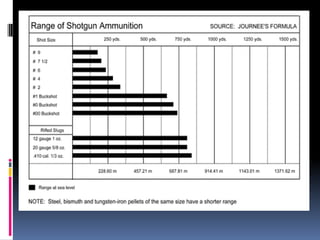
At the end of this presentation participants will be able to identify :-Different types of hunting firearmsDifferent types of ammunition and there shot ranges  Proper techniques used in handling guns and ammunition.Safety precautions while hunting with guns and ammunition.Proper storage methods of storing guns and ammunition
What is Gun Safety?   The use of guns in such a manner so as to ensure the safety of the operator, the bystander and and other “non target”
Different types of guns Hand GunsRiflesShot Guns
12 steps in Gun Safety for Hunters
Step oneLearn how your firearm operates Know how to correctly operate YOUR WEAPON. Not all guns are mechanically the same so never assume that what applies to one model is exactly applicable to another .
Familiarize yourself with the basic components of your weapon such as the safety.
Practice how to correctly load, unload, and clear malfunctions from your gun.Step twoKeep your gun pointed away from others at all timesTreat every gun as if it were loaded, never assume that it is not!
Only point a gun at an object you intend to shoot.
Always be aware of where a gun is pointing. A “safe direction”, is one where an accidental discharge of the gun will not cause injury or damage
 Hand your gun to someone only after you verify that its unloaded and cylinder or action is open.
Take a gun from someone only after you verify that it is unloaded and the cylinder or action is open.Step three Use only the correct ammunition for your firearm Do not experiment with ammunition that is not made for your firearm, this can promote misfiring of the firearm leading to serious injuries.Step four Keep your finger off the trigger and until you are ready to fire at the targetKeep the finger outside of the trigger guard until you are ready to shoot.
 Sudden loud noises or movements can result in accidental firing of the gun because there is a natural tendency to tighten the muscles when startled.
Also if the gun handler were to stumble and fall while his finger is in the trigger guard this can lead to accidental firing.Step fiveKnow your target, its surroundings and beyondIdentify the target and make sure it is what you intend to shoot.
Never fire at a target that is only movement, colour, sound or unidentifiable shape.
Make sure there is nothing that could be harmed close to your target, such as people in the event that you miss your target.
Never climb a tree or jump a ditch with a loaded gun.Step six Protect your eyes and earsWear ear plugs during times of shooting to prevent damage to your hearing.
Keep a pair of shooting goggles or glasses on during times of shooting to prevent debris and hot gases that is often emitted, from flying into your eyes.Step seven Avoid drowsy medications before or during use of a firearm Taking drowsy medications while hunting can impair your ability to judge targets correctly
Step 8 Refrain from drinking alcoholic Beverages while hunting with firearmsAlcoholic drinks can impair your judgment and affect your ability to shoot firearms accuratelyDo not shoot at water, or hard surfacesThe bullet can ricochet and hit someone or something other than the targetDo not shoot where there is insufficient backdrop
Step 9Treat all guns as if is loadedNever point a gun at anything you do not want to shoot
Step tenDo not allow a person to handle a gun if he/she is not educated in gun safety and experienced in handling firearmsThis can lead to the gun being misused which may lead to serious injuries.Monitor younger hunters carefully when handling firearms to promote good gun safety during the hunt and in future gun related situations.Step Eleven monitor young hunters teach them to hunt safelyTeach them firearm safetyTeach them to hunt responsibly
Step twelveStore your gun and ammunition safely and securely  if hunting in vehiclesStore guns  in a safe position while being transported  in vehicles
 never leave a gun pointing upwards in the floorboard of a vehicle.
Never travel with a loaded shotgunOther gun safety tips that should be considered
Never shoot a gun in celebrations eg. New Years Eve, it is unsafe and illegal.
Never handle a gun when you are in an emotional state such as anger or depression, your judgment may be impaired.
When not in use guns and ammunition should be stored separately
Guns should be fitted with trigger locks or cable locks so it cannot be fired. Store the gun in a approved lock box or a gun safe.Methods of Childproofing your firearm
Always store your firearm unloaded.
Use a firearms safety device and store the firearm in a locked container.

Gun presentation

  • 1.
    Ecdss Co LtdPresentsGunsafety methods & management in Hunting EnvironmentsENVIROMENTAL CONSULTANCY DESIGN SUPPLIES AND SERVICES CO LTD.Ph 686 1365, Fax 656-3179, e-mail ecdss@live.com
  • 2.
    OBJECTIVESTo present informationto encourage the safe use and handling of shot guns and ammunition
  • 3.
    At the endof this presentation participants will be able to identify :-Different types of hunting firearmsDifferent types of ammunition and there shot ranges Proper techniques used in handling guns and ammunition.Safety precautions while hunting with guns and ammunition.Proper storage methods of storing guns and ammunition
  • 4.
    What is GunSafety? The use of guns in such a manner so as to ensure the safety of the operator, the bystander and and other “non target”
  • 5.
    Different types ofguns Hand GunsRiflesShot Guns
  • 6.
    12 steps inGun Safety for Hunters
  • 7.
    Step oneLearn howyour firearm operates Know how to correctly operate YOUR WEAPON. Not all guns are mechanically the same so never assume that what applies to one model is exactly applicable to another .
  • 8.
    Familiarize yourself withthe basic components of your weapon such as the safety.
  • 9.
    Practice how tocorrectly load, unload, and clear malfunctions from your gun.Step twoKeep your gun pointed away from others at all timesTreat every gun as if it were loaded, never assume that it is not!
  • 10.
    Only point agun at an object you intend to shoot.
  • 11.
    Always be awareof where a gun is pointing. A “safe direction”, is one where an accidental discharge of the gun will not cause injury or damage
  • 12.
    Hand yourgun to someone only after you verify that its unloaded and cylinder or action is open.
  • 13.
    Take a gunfrom someone only after you verify that it is unloaded and the cylinder or action is open.Step three Use only the correct ammunition for your firearm Do not experiment with ammunition that is not made for your firearm, this can promote misfiring of the firearm leading to serious injuries.Step four Keep your finger off the trigger and until you are ready to fire at the targetKeep the finger outside of the trigger guard until you are ready to shoot.
  • 14.
    Sudden loudnoises or movements can result in accidental firing of the gun because there is a natural tendency to tighten the muscles when startled.
  • 15.
    Also if thegun handler were to stumble and fall while his finger is in the trigger guard this can lead to accidental firing.Step fiveKnow your target, its surroundings and beyondIdentify the target and make sure it is what you intend to shoot.
  • 16.
    Never fire ata target that is only movement, colour, sound or unidentifiable shape.
  • 17.
    Make sure thereis nothing that could be harmed close to your target, such as people in the event that you miss your target.
  • 18.
    Never climb atree or jump a ditch with a loaded gun.Step six Protect your eyes and earsWear ear plugs during times of shooting to prevent damage to your hearing.
  • 19.
    Keep a pairof shooting goggles or glasses on during times of shooting to prevent debris and hot gases that is often emitted, from flying into your eyes.Step seven Avoid drowsy medications before or during use of a firearm Taking drowsy medications while hunting can impair your ability to judge targets correctly
  • 20.
    Step 8 Refrainfrom drinking alcoholic Beverages while hunting with firearmsAlcoholic drinks can impair your judgment and affect your ability to shoot firearms accuratelyDo not shoot at water, or hard surfacesThe bullet can ricochet and hit someone or something other than the targetDo not shoot where there is insufficient backdrop
  • 21.
    Step 9Treat allguns as if is loadedNever point a gun at anything you do not want to shoot
  • 22.
    Step tenDo notallow a person to handle a gun if he/she is not educated in gun safety and experienced in handling firearmsThis can lead to the gun being misused which may lead to serious injuries.Monitor younger hunters carefully when handling firearms to promote good gun safety during the hunt and in future gun related situations.Step Eleven monitor young hunters teach them to hunt safelyTeach them firearm safetyTeach them to hunt responsibly
  • 23.
    Step twelveStore yourgun and ammunition safely and securely if hunting in vehiclesStore guns in a safe position while being transported in vehicles
  • 24.
    never leavea gun pointing upwards in the floorboard of a vehicle.
  • 25.
    Never travel witha loaded shotgunOther gun safety tips that should be considered
  • 26.
    Never shoot agun in celebrations eg. New Years Eve, it is unsafe and illegal.
  • 27.
    Never handle agun when you are in an emotional state such as anger or depression, your judgment may be impaired.
  • 28.
    When not inuse guns and ammunition should be stored separately
  • 29.
    Guns should befitted with trigger locks or cable locks so it cannot be fired. Store the gun in a approved lock box or a gun safe.Methods of Childproofing your firearm
  • 30.
    Always store yourfirearm unloaded.
  • 31.
    Use a firearmssafety device and store the firearm in a locked container.