





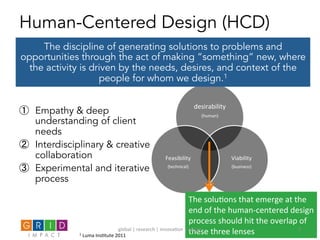


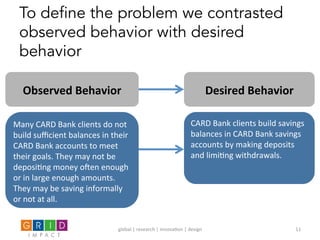
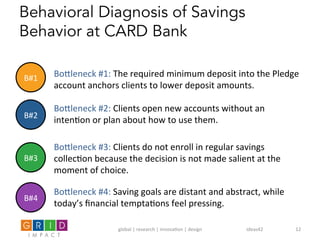


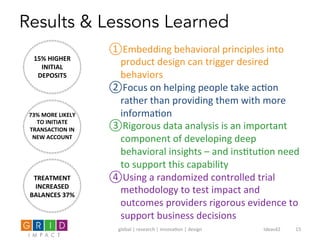
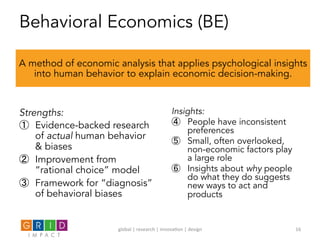
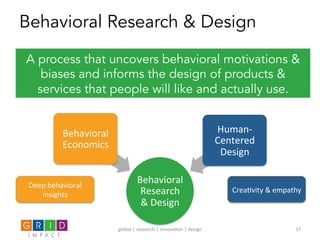
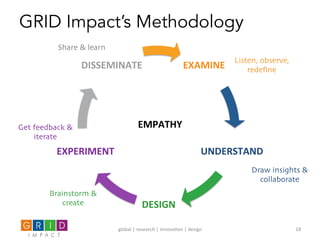
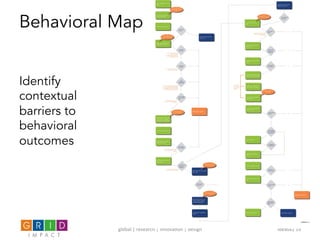
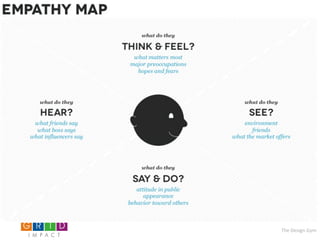
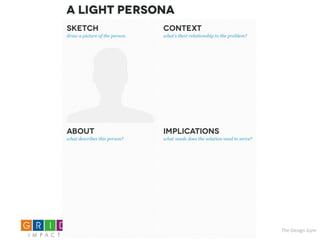
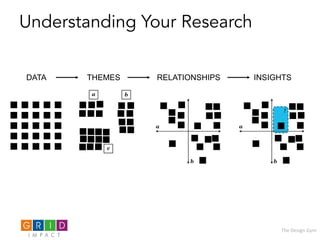

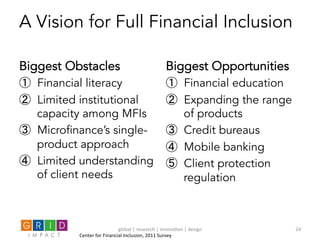

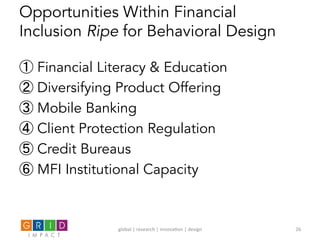







This document discusses using behavioral design principles and methodologies to improve financial inclusion. It begins with an overview of human-centered design, behavioral economics, and how a hybrid behavioral design approach can generate solutions driven by user needs. The document then describes a case study where behavioral design was used to improve microsavings behaviors at a Philippine bank. Key lessons highlighted how behavioral insights can trigger desired user behaviors when embedded in product design. The document concludes by discussing opportunities to apply behavioral design within financial inclusion to areas like financial education, diversifying products, mobile banking, and consumer protection regulation.


