1
From DevOps to NoOps
Les Frost
Senior Technical Architect - Capgemini
2
Introductions
 Les Frost
 Head of Technology
 Public Sector Digital and DevOps Unit
 http://linkedin.com/in/les-frost
 https://twitter.com/lesf99
 Builds on a presentation by Graham Taylor
 Head of Platform Engineering
 Engineering Lead Applied Innovation Environment
London
 https://github.com/tayzlor
 https://twitter.com/g_taylor
3
From DevOps to NoOps
• DevOps establishing itself within organisations.
• Lots of questions about how to implement it
• It’s not easy. It requires difficult cultural change
• By the time organisations adopt DevOps will they be out of date?
• Serverless computing outsources management of servers
• Leaving you to focus on critical business functionality
• Will this push organisations from DevOps to NoOps?
• AWS Lambda and other serverless technologies lets you run code without
provisioning or managing servers
.
4
How many times have you been asked
"How do I do DevOps?"
"Can you tell me our recommended DevOps toolstack?“
"What do you think of this DevOps product?“
5
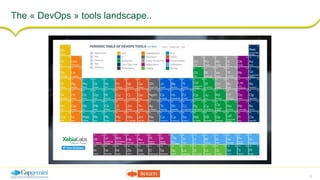
The « DevOps » tools landscape..
6
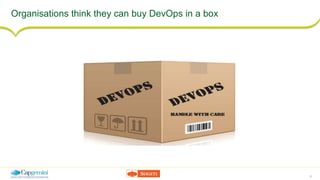
Organisations think they can buy DevOps in a box
7
Will organisations make it in time?
By the time many enterprise organisations adopt "DevOps" they may
already be out of date
8
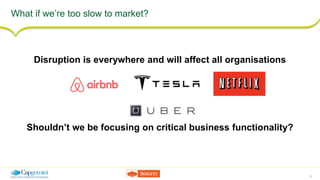
What if we’re too slow to market?
Disruption is everywhere and will affect all organisations
Shouldn’t we be focusing on critical business functionality?
9
The problem with DevOps
...it makes the developer part of the operations team, and that can
screech enterprise innovation and agility to a halt until it’s working well.
10
The Dream
What if you could tell your IT organisation that their web app can have
99.99% availability and no servers that need to be patched or updated
or maintained.
Nothing to crash or get hacked or set off someone’s pager at 2am in the
morning.
Instead, focus on the real problems you are solving and where you
provide value
11
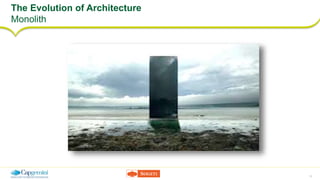
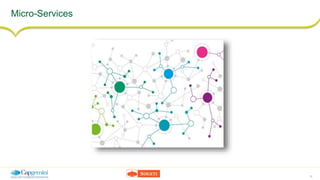
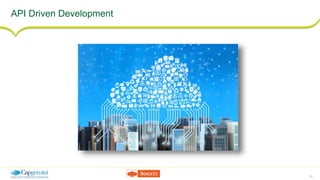
The Evolution of Architecture
Monolith
12
Micro-Services
13
API Driven Development
14
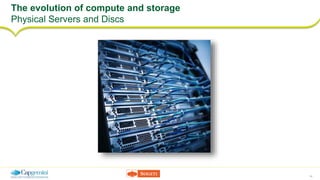
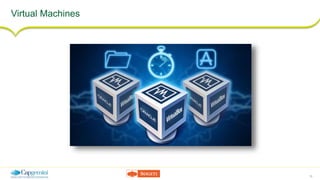
The evolution of compute and storage
Physical Servers and Discs
15
Virtual Machines
16
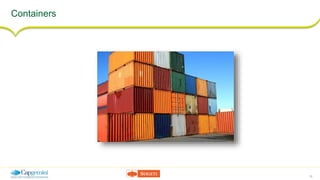
Containers
17
Remember That Dream ?
18
Serverless
Disclaimer: There are servers (you just don't need to worry about them)
It’s about standing on the shoulders of the tech giants (and cool
startups).
19
Serverless is about (micro) functionality
When you have an idea, it’s usually something like:
“I want it to do this”
and you don’t usually say:
“And I want it to be in this data centre, on these machines, with
this spec”
20
Focus On
How to get more users, marketing, and the 20 million other things far
more important to your business.
Real problems.
Your code. That's it.
21
Care less about
• Managing uptime
• Server maintenance
• Upgrades
• Security vulnerabilities
22
Haven’t we seen this before?
If you've built a static website then you can call yourself a serverless
hipster
23
This isn't just about developers it’s also about cost
• With containers/virtualisation you have infrastructure
running waiting to process requests
• If you are using auto scaling you still need a
minimum infrastructure footprint and this costs
money
• With serverless computing there aren’t any servers
sitting there. The functionality is spun up in response
to the request
• So you only get charged when your code actually
running.
24
Serverless unpacked
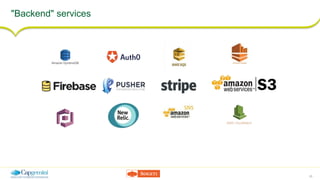
 BaaS: Backend as a service
 FaaS: Function as a service
 http://martinfowler.com/articles/serverless.html
25
"Backend" services
26
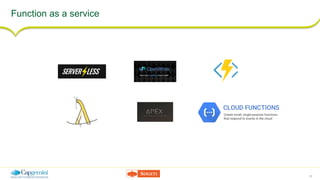
Function as a service
 AWS Lambda lets you run code without provisioning or
managing servers.
 With Lambda, you can run code for virtually any type of
application or backend service - all with zero administration.
 Just upload your code and Lambda takes care of everything
required to run and scale your code with high availability. You
can set up your code to automatically trigger from other AWS
services or call it directly from any web or mobile app.
27
Function as a service
28
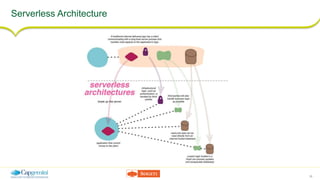
Serverless Architecture
29
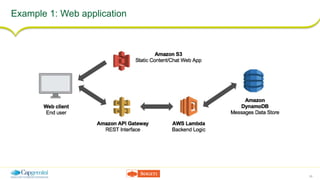
Example 1: Web application
30
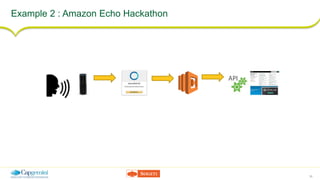
Example 2 : Amazon Echo Hackathon
31
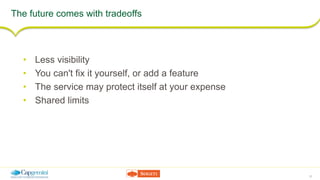
The future comes with tradeoffs
• Less visibility
• You can't fix it yourself, or add a feature
• The service may protect itself at your expense
• Shared limits
32
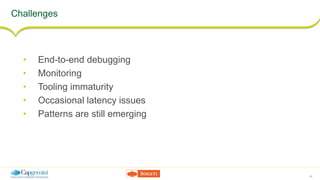
Challenges
• End-to-end debugging
• Monitoring
• Tooling immaturity
• Occasional latency issues
• Patterns are still emerging
33
Demo Time
Amazon Developer Console. Here’s we can see how we configure
the Alexa voice service.
https://developer.amazon.com/edw/home.html#/
Now let’s look at the AWS Lambda management console. This is
where we define our serverless function.
https://console.aws.amazon.com/lambda/home?region=us-east-
1#/functions?display=list
If you want to see this working in real life you can follow it on
Periscope or better still pop down to Conference room 3 on the
ground floor to chat to the team.
34
Conclusions
• Think carefully about costs and timescale of implementing
DevOps
• It’s not easy and it will take a lot of time
• Could this time and effort be better focused on critical
business functionality?
• Serverless computing outsources management of servers
• Leaving you to focus on critical business functionality
• Will this push organisations from DevOps to NoOps?

From DevOps to NoOps

  • 1.
    1 From DevOps toNoOps Les Frost Senior Technical Architect - Capgemini
  • 2.
    2 Introductions  Les Frost Head of Technology  Public Sector Digital and DevOps Unit  http://linkedin.com/in/les-frost  https://twitter.com/lesf99  Builds on a presentation by Graham Taylor  Head of Platform Engineering  Engineering Lead Applied Innovation Environment London  https://github.com/tayzlor  https://twitter.com/g_taylor
  • 3.
    3 From DevOps toNoOps • DevOps establishing itself within organisations. • Lots of questions about how to implement it • It’s not easy. It requires difficult cultural change • By the time organisations adopt DevOps will they be out of date? • Serverless computing outsources management of servers • Leaving you to focus on critical business functionality • Will this push organisations from DevOps to NoOps? • AWS Lambda and other serverless technologies lets you run code without provisioning or managing servers .
  • 4.
    4 How many timeshave you been asked "How do I do DevOps?" "Can you tell me our recommended DevOps toolstack?“ "What do you think of this DevOps product?“
  • 5.
    5 The « DevOps» tools landscape..
  • 6.
    6 Organisations think theycan buy DevOps in a box
  • 7.
    7 Will organisations makeit in time? By the time many enterprise organisations adopt "DevOps" they may already be out of date
  • 8.
    8 What if we’retoo slow to market? Disruption is everywhere and will affect all organisations Shouldn’t we be focusing on critical business functionality?
  • 9.
    9 The problem withDevOps ...it makes the developer part of the operations team, and that can screech enterprise innovation and agility to a halt until it’s working well.
  • 10.
    10 The Dream What ifyou could tell your IT organisation that their web app can have 99.99% availability and no servers that need to be patched or updated or maintained. Nothing to crash or get hacked or set off someone’s pager at 2am in the morning. Instead, focus on the real problems you are solving and where you provide value
  • 11.
    11 The Evolution ofArchitecture Monolith
  • 12.
  • 13.
  • 14.
    14 The evolution ofcompute and storage Physical Servers and Discs
  • 15.
  • 16.
  • 17.
  • 18.
    18 Serverless Disclaimer: There areservers (you just don't need to worry about them) It’s about standing on the shoulders of the tech giants (and cool startups).
  • 19.
    19 Serverless is about(micro) functionality When you have an idea, it’s usually something like: “I want it to do this” and you don’t usually say: “And I want it to be in this data centre, on these machines, with this spec”
  • 20.
    20 Focus On How toget more users, marketing, and the 20 million other things far more important to your business. Real problems. Your code. That's it.
  • 21.
    21 Care less about •Managing uptime • Server maintenance • Upgrades • Security vulnerabilities
  • 22.
    22 Haven’t we seenthis before? If you've built a static website then you can call yourself a serverless hipster
  • 23.
    23 This isn't justabout developers it’s also about cost • With containers/virtualisation you have infrastructure running waiting to process requests • If you are using auto scaling you still need a minimum infrastructure footprint and this costs money • With serverless computing there aren’t any servers sitting there. The functionality is spun up in response to the request • So you only get charged when your code actually running.
  • 24.
    24 Serverless unpacked  BaaS:Backend as a service  FaaS: Function as a service  http://martinfowler.com/articles/serverless.html
  • 25.
  • 26.
    26 Function as aservice  AWS Lambda lets you run code without provisioning or managing servers.  With Lambda, you can run code for virtually any type of application or backend service - all with zero administration.  Just upload your code and Lambda takes care of everything required to run and scale your code with high availability. You can set up your code to automatically trigger from other AWS services or call it directly from any web or mobile app.
  • 27.
  • 28.
  • 29.
    29 Example 1: Webapplication
  • 30.
    30 Example 2 :Amazon Echo Hackathon
  • 31.
    31 The future comeswith tradeoffs • Less visibility • You can't fix it yourself, or add a feature • The service may protect itself at your expense • Shared limits
  • 32.
    32 Challenges • End-to-end debugging •Monitoring • Tooling immaturity • Occasional latency issues • Patterns are still emerging
  • 33.
    33 Demo Time Amazon DeveloperConsole. Here’s we can see how we configure the Alexa voice service. https://developer.amazon.com/edw/home.html#/ Now let’s look at the AWS Lambda management console. This is where we define our serverless function. https://console.aws.amazon.com/lambda/home?region=us-east- 1#/functions?display=list If you want to see this working in real life you can follow it on Periscope or better still pop down to Conference room 3 on the ground floor to chat to the team.
  • 34.
    34 Conclusions • Think carefullyabout costs and timescale of implementing DevOps • It’s not easy and it will take a lot of time • Could this time and effort be better focused on critical business functionality? • Serverless computing outsources management of servers • Leaving you to focus on critical business functionality • Will this push organisations from DevOps to NoOps?