1) Tushar Patel (BEAIDB09)
2)Yash Nathe (BEAIDB32)
3) Rohan Dable (BEAIDB65)
4) Swaraj Kakade (BEAIDB18)
Automated Web-based
Form Filling using OCR
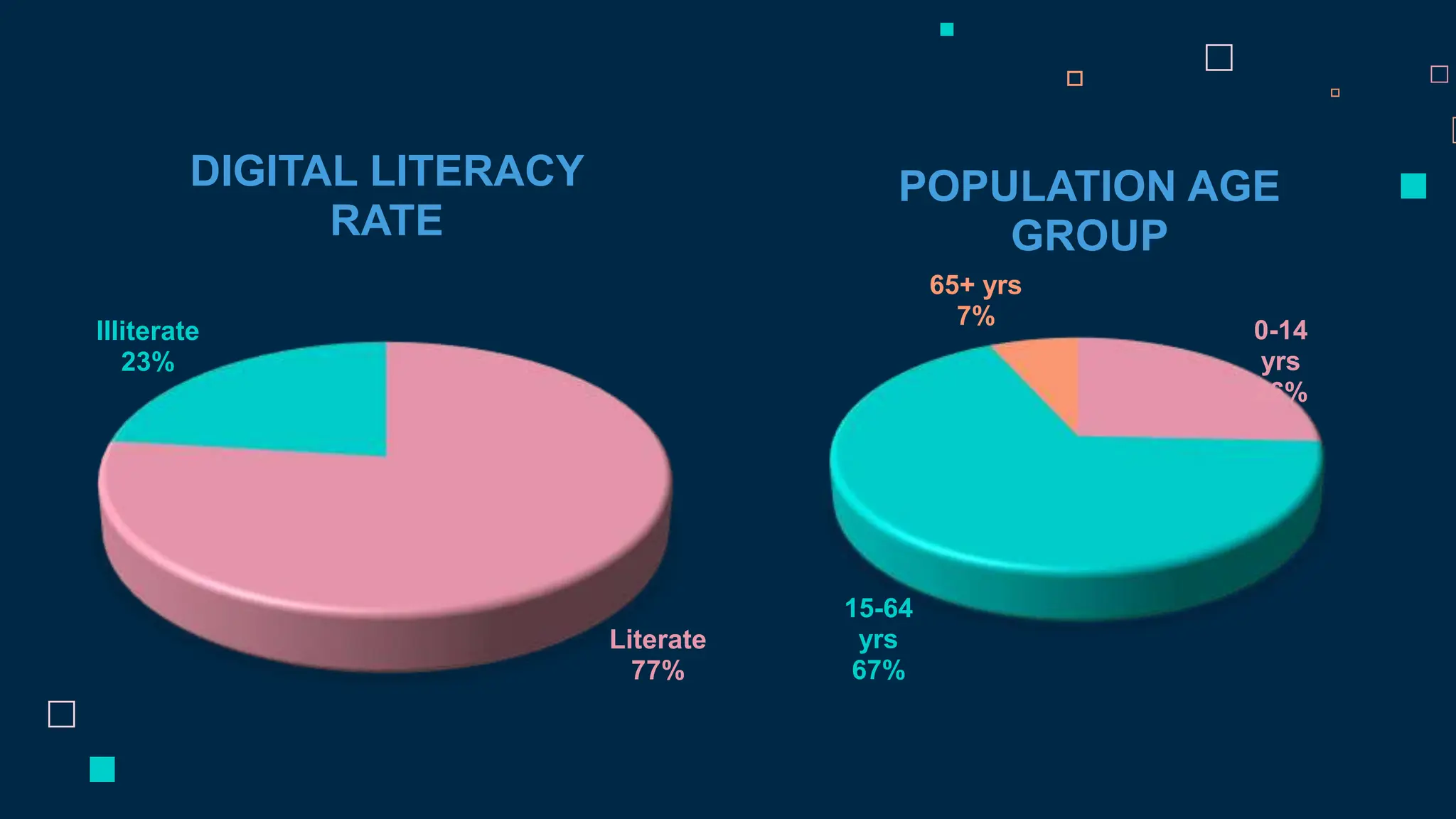
Literate
77%
Illiterate
23%
DIGITAL LITERACY
RATE
0-14
yrs
26%
15-64
yrs
67%
65+ yrs
7%
POPULATION AGE
GROUP
1. Complex web-based forms challenge banking customers, including elderly and digitally inexperienced
individuals.
2. Manual data entry in banking forms leads to errors, delays, and dissatisfied customers.
3. The problem addressed is developing an OCR-based automated form filling system to enhance
efficiency and accuracy.
4. Inclusivity concerns focus on ensuring all customers can access banking services without barriers.
5. The solution aims to revolutionize data entry by simplifying the process for all demographics.
6. Improved user experience through a user-friendly and accessible interface.
7. Security and compliance measures prioritize data protection and regulatory adherence.
8. Automated system drives efficiency, accuracy, and seamless experiences for customers.
9. Emphasis on digital inclusion to cater to elderly and digitally inexperienced individuals.
10. OCR integration represents a significant step towards banking industry growth and success.
Introduction :
1. Manual data entry in banking forms is error-prone and time-consuming.
2. Customers face frustrations with various web-based forms, affecting banking services.
3. The project aims to develop an automated form filling system using OCR technology.
4. Goals include reducing errors, enhancing efficiency, and ensuring a seamless user experience.
5. Special attention given to catering to elderly and digitally inexperienced individuals.
6. A user-friendly interface simplifies the form filling process.
7. Robust security measures protect customer information during OCR processing.
8. Improved compliance and operational efficiency are expected outcomes.
9. Successful implementation will lead to a digitally inclusive banking ecosystem.
10. Benefiting both customers and the banking industry as a whole.
Abstract :
In the banking sector, manual data entry for web-based forms is a tedious and error-prone
process. Customers are often required to fill out various forms, such as account opening, loan applications,
and KYC (Know Your Customer) documents, which can be time-consuming and frustrating. These manual
entries can lead to inaccuracies, resulting in delays, potential financial losses, and compliance issues for the
bank. Therefore, the problem addressed in this study is to develop an automated web-based form filling
system using OCR technology to revolutionize the banking industry's data entry process, reducing errors,
enhancing efficiency, and providing customers with a seamless and secure experience.
Problem Statement :
1. Improve Data Accuracy: Accurately extract text data from images, minimizing errors in form filling.
2. Streamline Account Opening: Automate account opening via a user-friendly web platform for
document submission.
3. Expedite Loan Applications: Implement automated form filling to speed up loan processing.
4. Enhance KYC Compliance: Use OCR-powered KYC form filling for accurate customer information and
regulatory compliance.
5. Increase Customer Satisfaction: Reduce manual data entry burden for improved customer experience.
6. Minimize Operational Costs: Automate data entry to save on human resources and time.
7. Improve Efficiency: Streamline internal workflows, enabling employees to focus on higher-value tasks.
8. Ensure Data Security: Implement robust security measures to protect sensitive customer information.
9. Cross-Platform Compatibility: Ensure seamless use across devices and browsers.
10. Scalability: Design for accommodating increased customer demand and form submissions.
Objectives :
 Explain the user registration process, allowing new users to create
account using their Mob. No and Account Email ID.
 Demonstrate how users can upload images of their KYC document
(Aadhaar, PAN card, Passport etc) through an intuitive interface.
 Highlight the use of real-time processing to provide immediate feedback
to users after document upload.
 Show how relevant data, such as name, DOB and identification number,
is populated in the Web form automatically.
React Web Interface :
 Discuss the implementation of form validation in React to ensure data
integrity and prevent false information from entering the system.
 Highlight the different validation techniques used for various fields in
the digital banking form.
 Address the security measures implemented to prevent identity theft
and the acceptance of false documents.
 Talk about encryption, secure data storage, and additional layers of
protection.
Form Validation and Security measures:
NodeJS Backend and JWT Authentication :
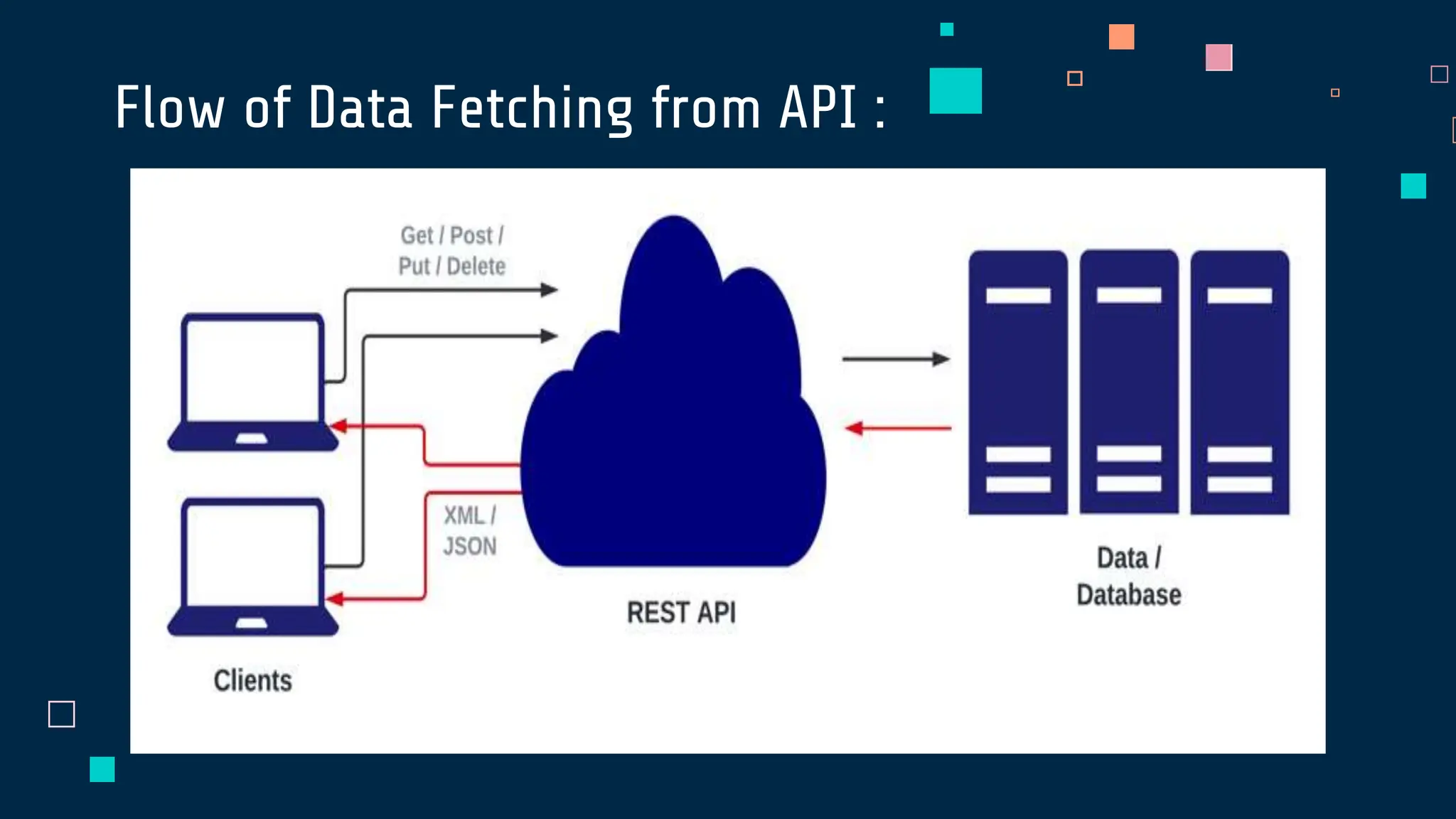
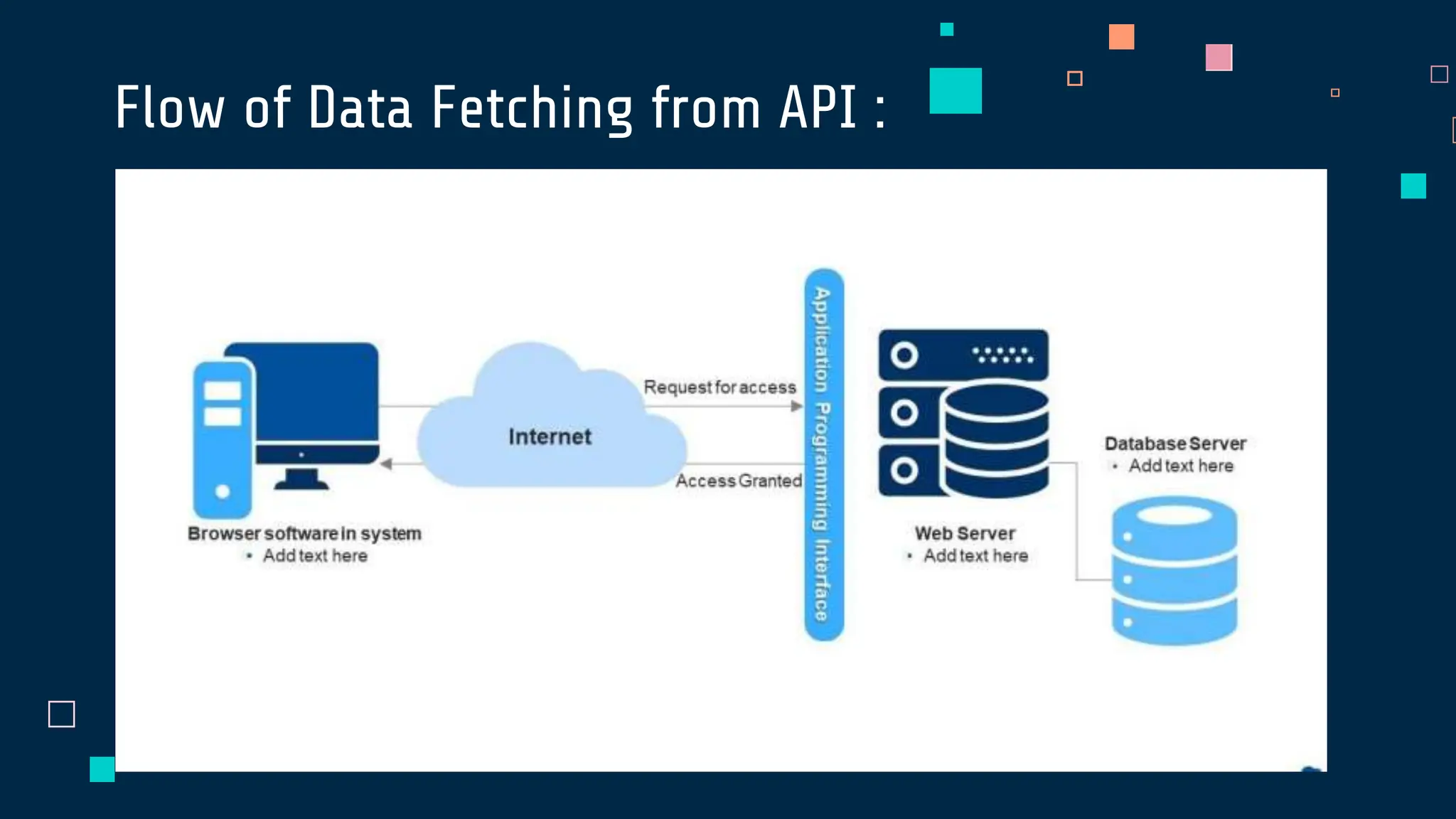
 Explain the role of NodeJS in handling server-side operation and
interacting with the API’s and Database.
 Working of the Data fetching from API and Display the Data on that KYC
form.
 Introduction the concept of JSON Web Token (JWT) for securing user
authentication.
 Discuss how NodeJS enhance the scalability and performance of the
System
Flow of Data Fetching from API :

Final Year Project - Automated web based form filling using OCR.pptx

  • 1.
    1) Tushar Patel(BEAIDB09) 2)Yash Nathe (BEAIDB32) 3) Rohan Dable (BEAIDB65) 4) Swaraj Kakade (BEAIDB18) Automated Web-based Form Filling using OCR
  • 2.
  • 3.
    1. Complex web-basedforms challenge banking customers, including elderly and digitally inexperienced individuals. 2. Manual data entry in banking forms leads to errors, delays, and dissatisfied customers. 3. The problem addressed is developing an OCR-based automated form filling system to enhance efficiency and accuracy. 4. Inclusivity concerns focus on ensuring all customers can access banking services without barriers. 5. The solution aims to revolutionize data entry by simplifying the process for all demographics. 6. Improved user experience through a user-friendly and accessible interface. 7. Security and compliance measures prioritize data protection and regulatory adherence. 8. Automated system drives efficiency, accuracy, and seamless experiences for customers. 9. Emphasis on digital inclusion to cater to elderly and digitally inexperienced individuals. 10. OCR integration represents a significant step towards banking industry growth and success. Introduction :
  • 4.
    1. Manual dataentry in banking forms is error-prone and time-consuming. 2. Customers face frustrations with various web-based forms, affecting banking services. 3. The project aims to develop an automated form filling system using OCR technology. 4. Goals include reducing errors, enhancing efficiency, and ensuring a seamless user experience. 5. Special attention given to catering to elderly and digitally inexperienced individuals. 6. A user-friendly interface simplifies the form filling process. 7. Robust security measures protect customer information during OCR processing. 8. Improved compliance and operational efficiency are expected outcomes. 9. Successful implementation will lead to a digitally inclusive banking ecosystem. 10. Benefiting both customers and the banking industry as a whole. Abstract :
  • 5.
    In the bankingsector, manual data entry for web-based forms is a tedious and error-prone process. Customers are often required to fill out various forms, such as account opening, loan applications, and KYC (Know Your Customer) documents, which can be time-consuming and frustrating. These manual entries can lead to inaccuracies, resulting in delays, potential financial losses, and compliance issues for the bank. Therefore, the problem addressed in this study is to develop an automated web-based form filling system using OCR technology to revolutionize the banking industry's data entry process, reducing errors, enhancing efficiency, and providing customers with a seamless and secure experience. Problem Statement :
  • 6.
    1. Improve DataAccuracy: Accurately extract text data from images, minimizing errors in form filling. 2. Streamline Account Opening: Automate account opening via a user-friendly web platform for document submission. 3. Expedite Loan Applications: Implement automated form filling to speed up loan processing. 4. Enhance KYC Compliance: Use OCR-powered KYC form filling for accurate customer information and regulatory compliance. 5. Increase Customer Satisfaction: Reduce manual data entry burden for improved customer experience. 6. Minimize Operational Costs: Automate data entry to save on human resources and time. 7. Improve Efficiency: Streamline internal workflows, enabling employees to focus on higher-value tasks. 8. Ensure Data Security: Implement robust security measures to protect sensitive customer information. 9. Cross-Platform Compatibility: Ensure seamless use across devices and browsers. 10. Scalability: Design for accommodating increased customer demand and form submissions. Objectives :
  • 7.
     Explain theuser registration process, allowing new users to create account using their Mob. No and Account Email ID.  Demonstrate how users can upload images of their KYC document (Aadhaar, PAN card, Passport etc) through an intuitive interface.  Highlight the use of real-time processing to provide immediate feedback to users after document upload.  Show how relevant data, such as name, DOB and identification number, is populated in the Web form automatically. React Web Interface :
  • 8.
     Discuss theimplementation of form validation in React to ensure data integrity and prevent false information from entering the system.  Highlight the different validation techniques used for various fields in the digital banking form.  Address the security measures implemented to prevent identity theft and the acceptance of false documents.  Talk about encryption, secure data storage, and additional layers of protection. Form Validation and Security measures:
  • 9.
    NodeJS Backend andJWT Authentication :  Explain the role of NodeJS in handling server-side operation and interacting with the API’s and Database.  Working of the Data fetching from API and Display the Data on that KYC form.  Introduction the concept of JSON Web Token (JWT) for securing user authentication.  Discuss how NodeJS enhance the scalability and performance of the System
  • 10.
    Flow of DataFetching from API :
  • 11.
    Flow of DataFetching from API :