FASD at RJCHC
Olaf Kraus de Camargo
Twitter: @DevPeds
“There is no place in Hamilton to
get a diagnosis of FASD”
Developmental Paediatrics
• “Developmental Pediatrics is a branch of medicine and a subspecialty of
Pediatrics that focuses on developmental trajectories of children with
congenital or acquired disorders and/or individual variations in physical,
motor, cognitive, sensory and social-emotional development.
Developmental Pediatricians provide highly specialized health care to
children of all ages and developmental levels in the context of their
families and communities. The discipline also encompasses the treatment
of children’s behavioural responses to those challenges. The overall goal
is to promote and maintain the developmental and emotional well-being of
all children and their families, especially those who are most vulnerable.
The subspecialty promotes preventive strategies that minimize the
prevalence and impact of disorders of development. Developmental
Pediatrics is concerned with both the individual developmental profile and
the impact of the children’s psychosocial and cultural milieu on their
lives.”
http://www.royalcollege.ca
Diagnosis of FAS
ICD – International Classification of Diseases (WHO)
LD2F.00 Foetal alcohol syndrome
• Description: Fetal alcohol syndrome is a malformation syndrome caused by maternal consumption of
alcohol during pregnancy. It is characterized by prenatal and/or postnatal growth deficiency (weight and/or
height <10th percentile); a unique cluster of minor facial anomalies (short palpebral fissures, flat and
smooth philtrum, and thin upper lip) that presents across all ethnic groups, is identifiable at birth, and does
not diminish with age. Affected children present severe central nervous system abnormalities including:
microcephaly, cognitive and behavioral impairment (intellectual disability, deficit in general cognition,
learning and language, executive function, visual-spatial processing, memory, and attention).
https://icd.who.int/browse11/l-m/en
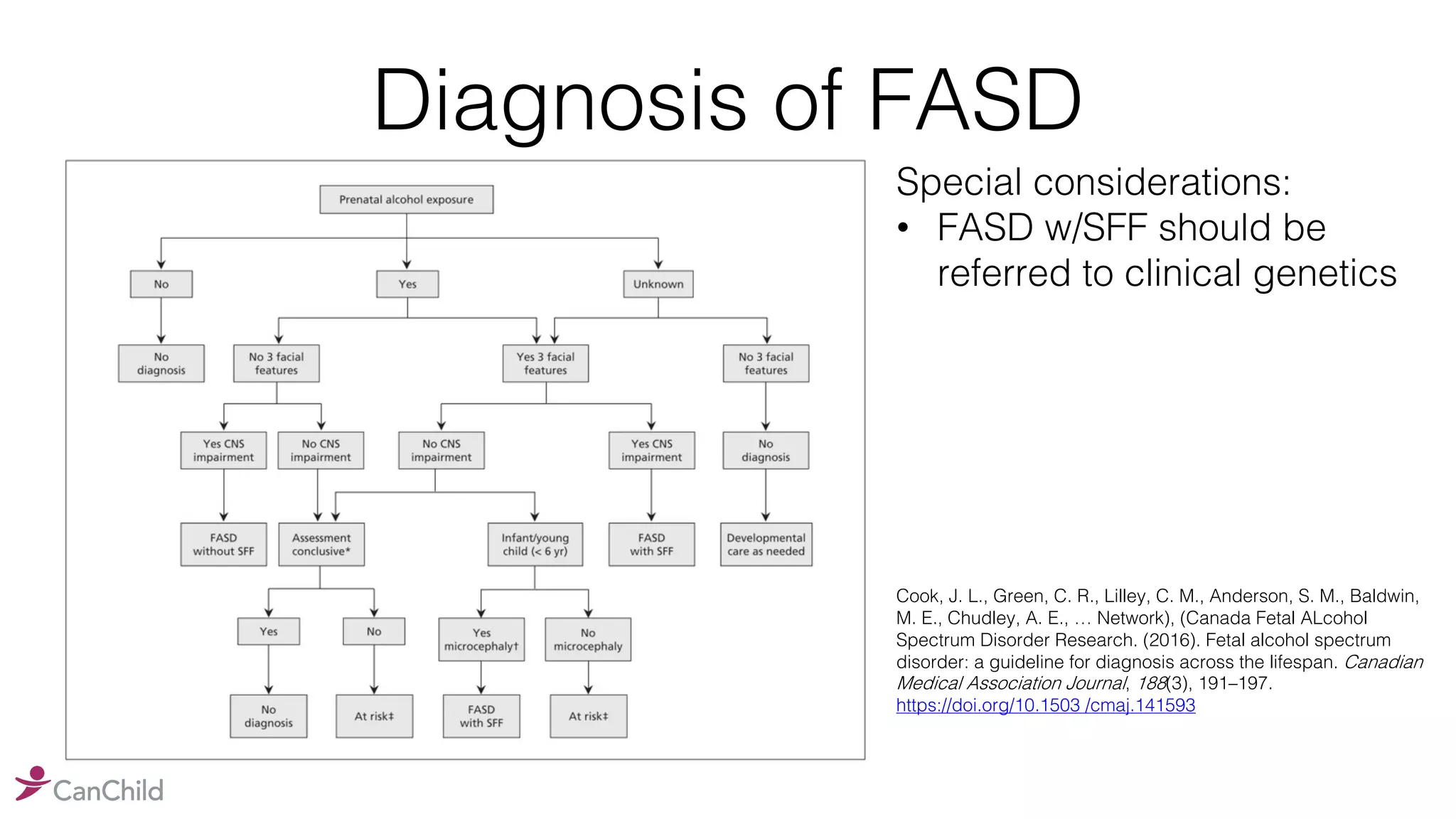
Diagnosis of FASD
Special considerations:
• FASD w/SFF should be
referred to clinical genetics
Cook, J. L., Green, C. R., Lilley, C. M., Anderson, S. M., Baldwin,
M. E., Chudley, A. E., … Network), (Canada Fetal ALcohol
Spectrum Disorder Research. (2016). Fetal alcohol spectrum
disorder: a guideline for diagnosis across the lifespan. Canadian
Medical Association Journal, 188(3), 191–197.
https://doi.org/10.1503 /cmaj.141593
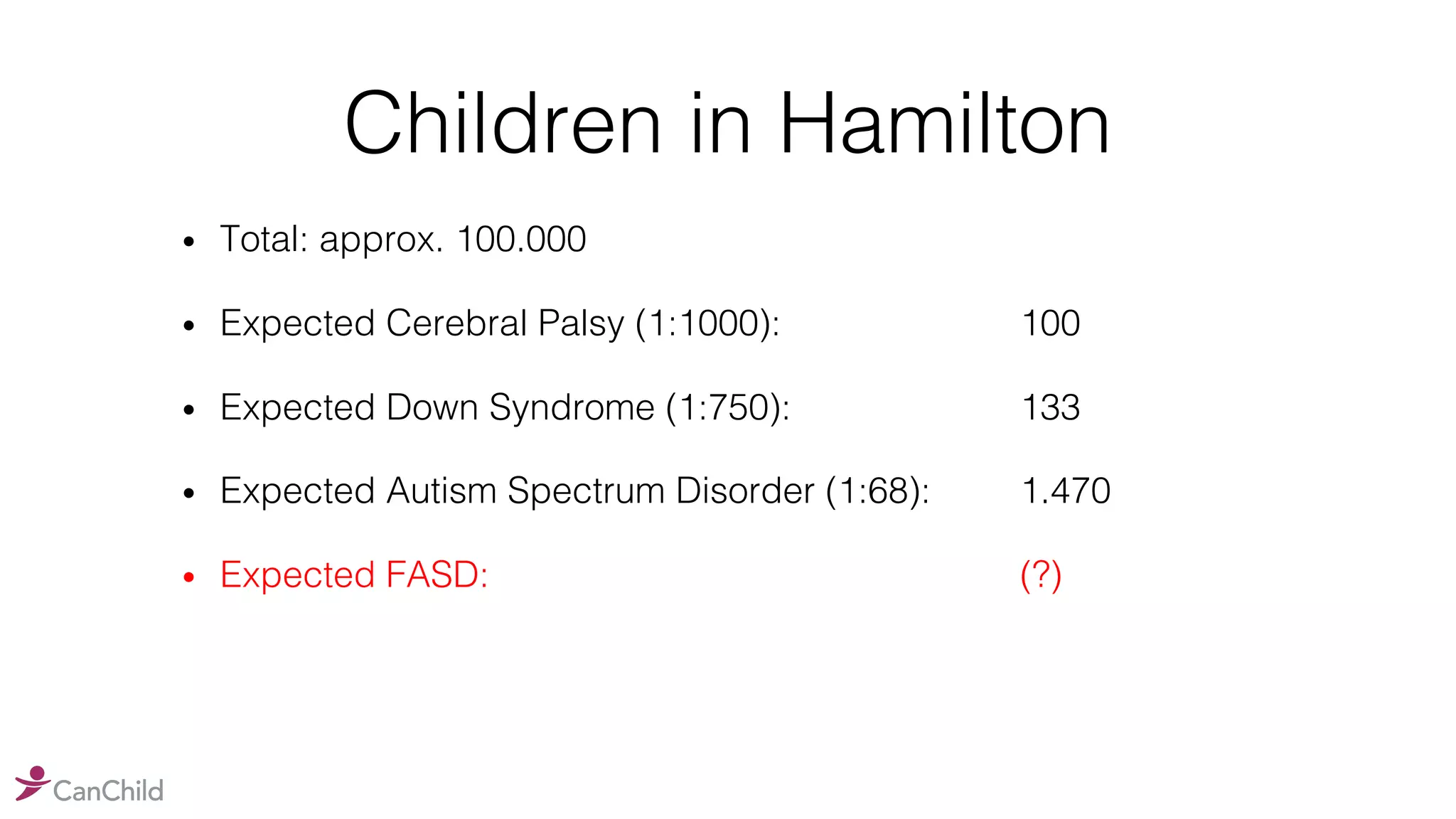
Children in Hamilton
• Total: approx. 100.000
• Expected Cerebral Palsy (1:1000): 100
• Expected Down Syndrome (1:750): 133
• Expected Autism Spectrum Disorder (1:68): 1.470
• Expected FASD: (?)
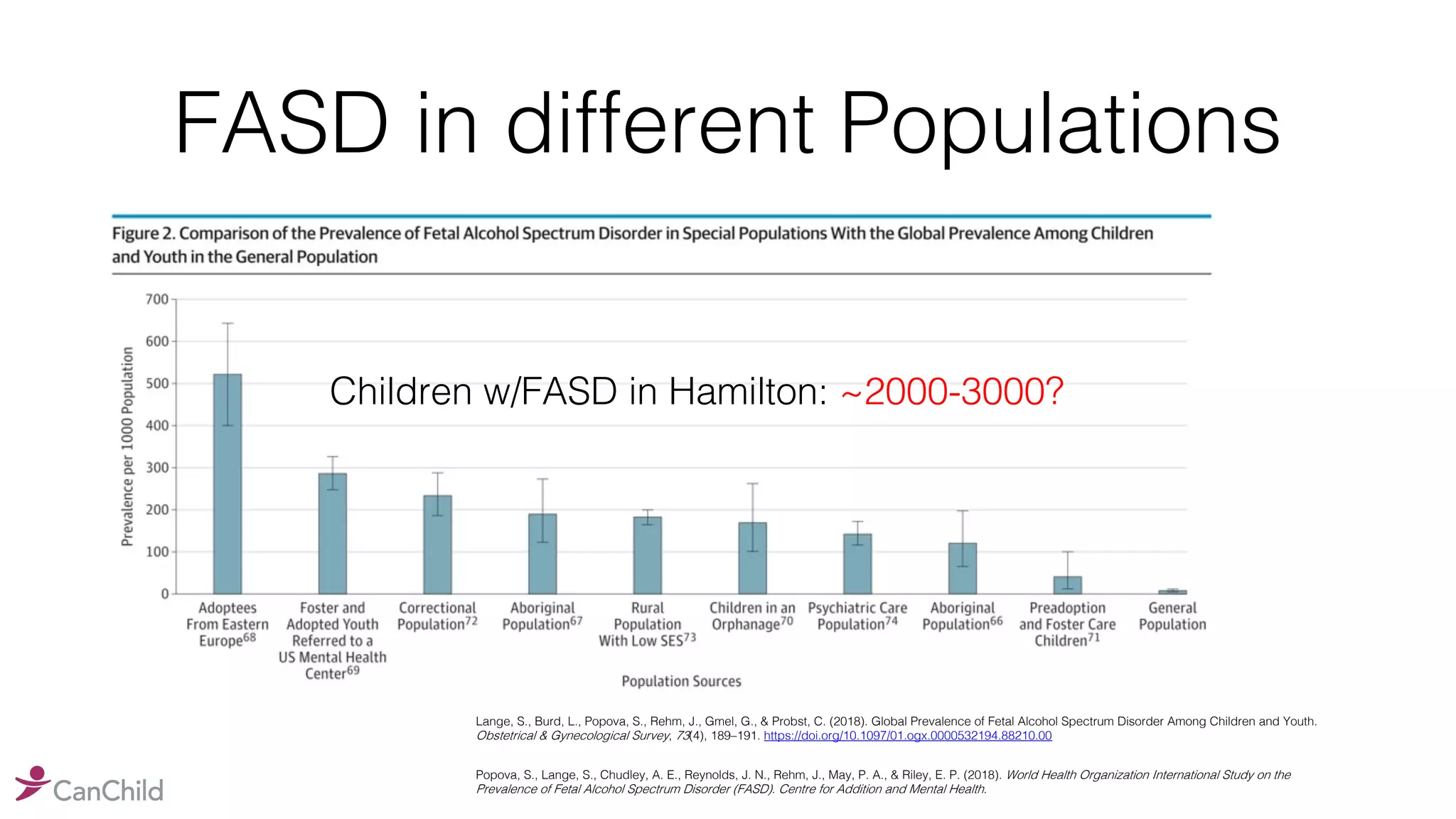
FASD in different Populations
Lange, S., Burd, L., Popova, S., Rehm, J., Gmel, G., & Probst, C. (2018). Global Prevalence of Fetal Alcohol Spectrum Disorder Among Children and Youth.
Obstetrical & Gynecological Survey, 73(4), 189–191. https://doi.org/10.1097/01.ogx.0000532194.88210.00
Children w/FASD in Hamilton: ~2000-3000?
Popova, S., Lange, S., Chudley, A. E., Reynolds, J. N., Rehm, J., May, P. A., & Riley, E. P. (2018). World Health Organization International Study on the
Prevalence of Fetal Alcohol Spectrum Disorder (FASD). Centre for Addition and Mental Health.
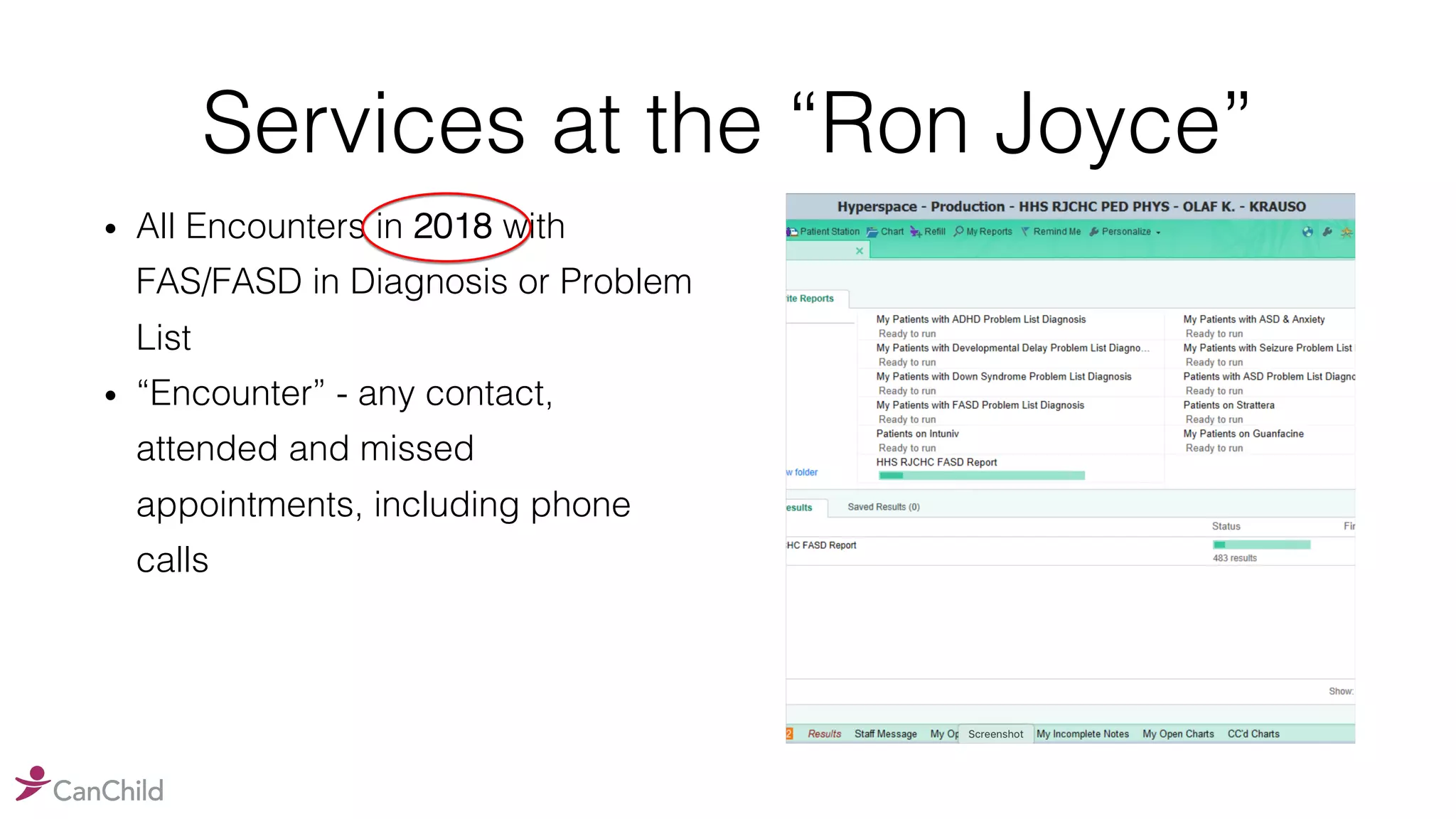
Services at the “Ron Joyce”
• All Encounters in 2018 with
FAS/FASD in Diagnosis or Problem
List
• “Encounter” - any contact,
attended and missed
appointments, including phone
calls
Patients with…
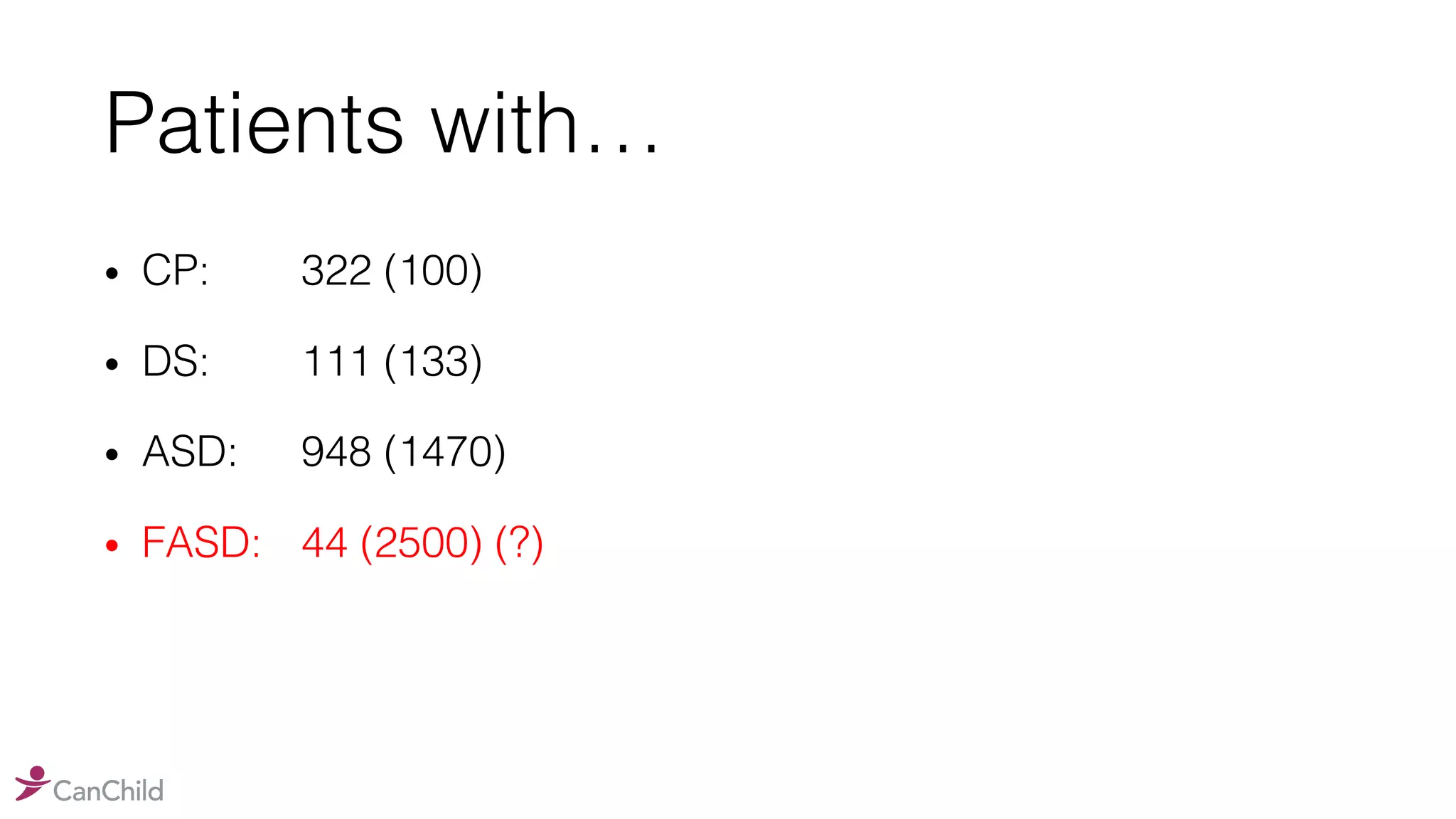
• CP: 322 (100)
• DS: 111 (133)
• ASD: 948 (1470)
• FASD: 44 (2500) (?)
Referrals in 2015/2016
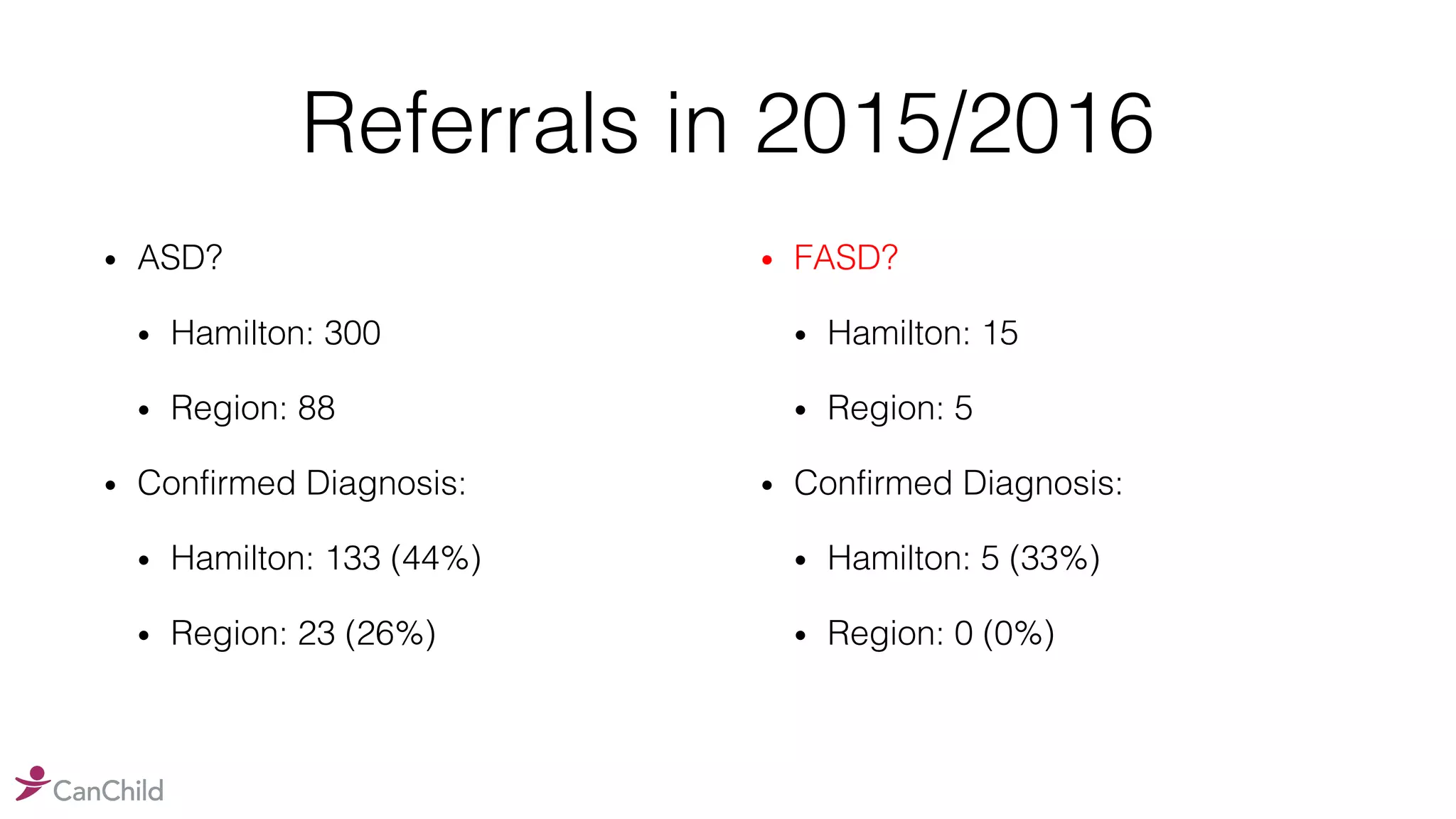
• FASD?
• Hamilton: 15
• Region: 5
• Confirmed Diagnosis:
• Hamilton: 5 (33%)
• Region: 0 (0%)
• ASD?
• Hamilton: 300
• Region: 88
• Confirmed Diagnosis:
• Hamilton: 133 (44%)
• Region: 23 (26%)
Genetics
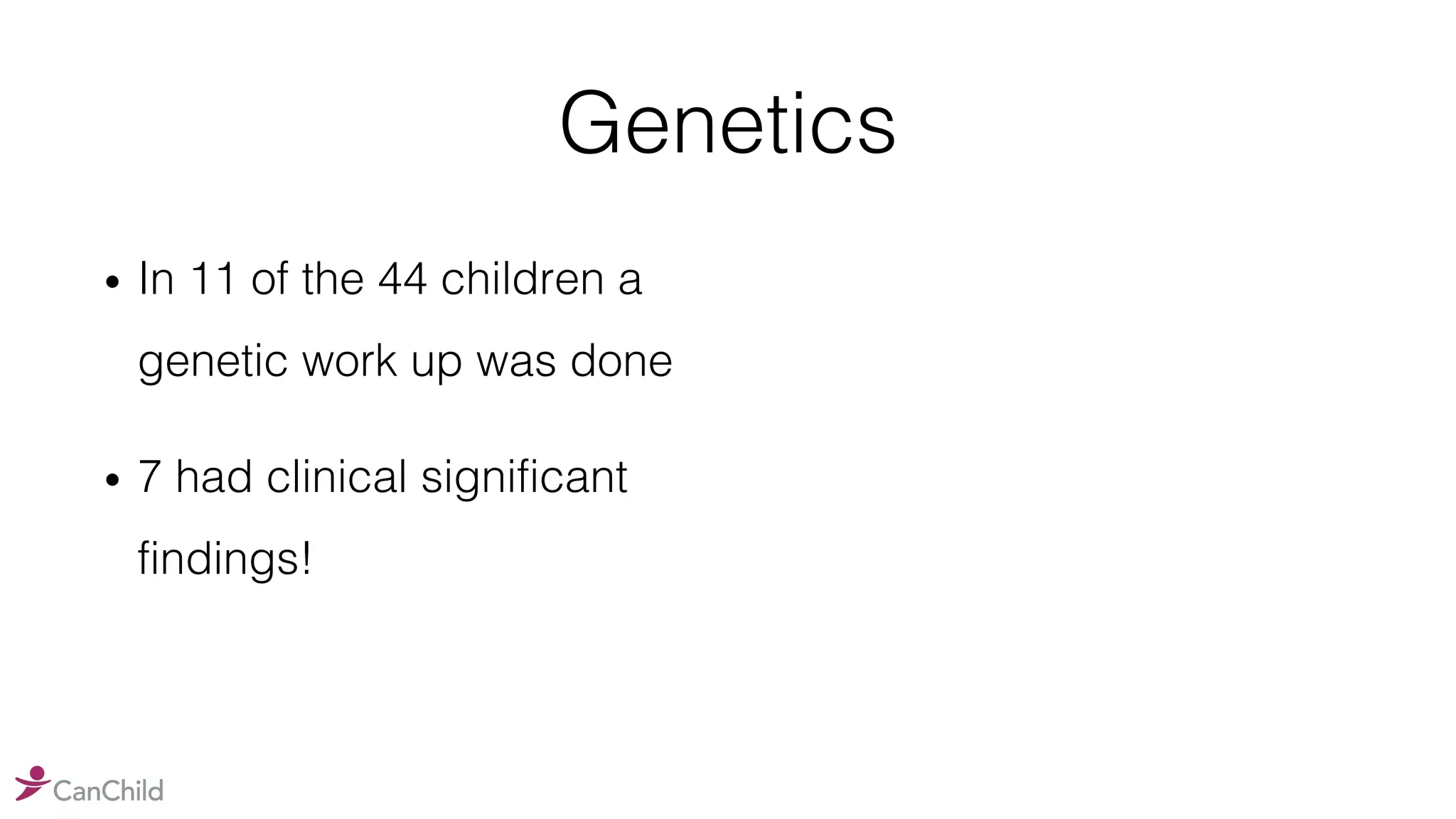
• In 11 of the 44 children a
genetic work up was done
• 7 had clinical significant
findings!
Families
• Of the 44 children,
only 4 live with at least
one biological parent
• 60 – 80% of children
with FASD live in
foster care
Wilhoit, Lauren F., David A. Scott, und Brooke A. Simecka. 2017. „Fetal Alcohol Spectrum Disorders: Characteristics, Complications, and
Treatment“. Community Mental Health Journal 53(6):711–18.
Toxic Stress
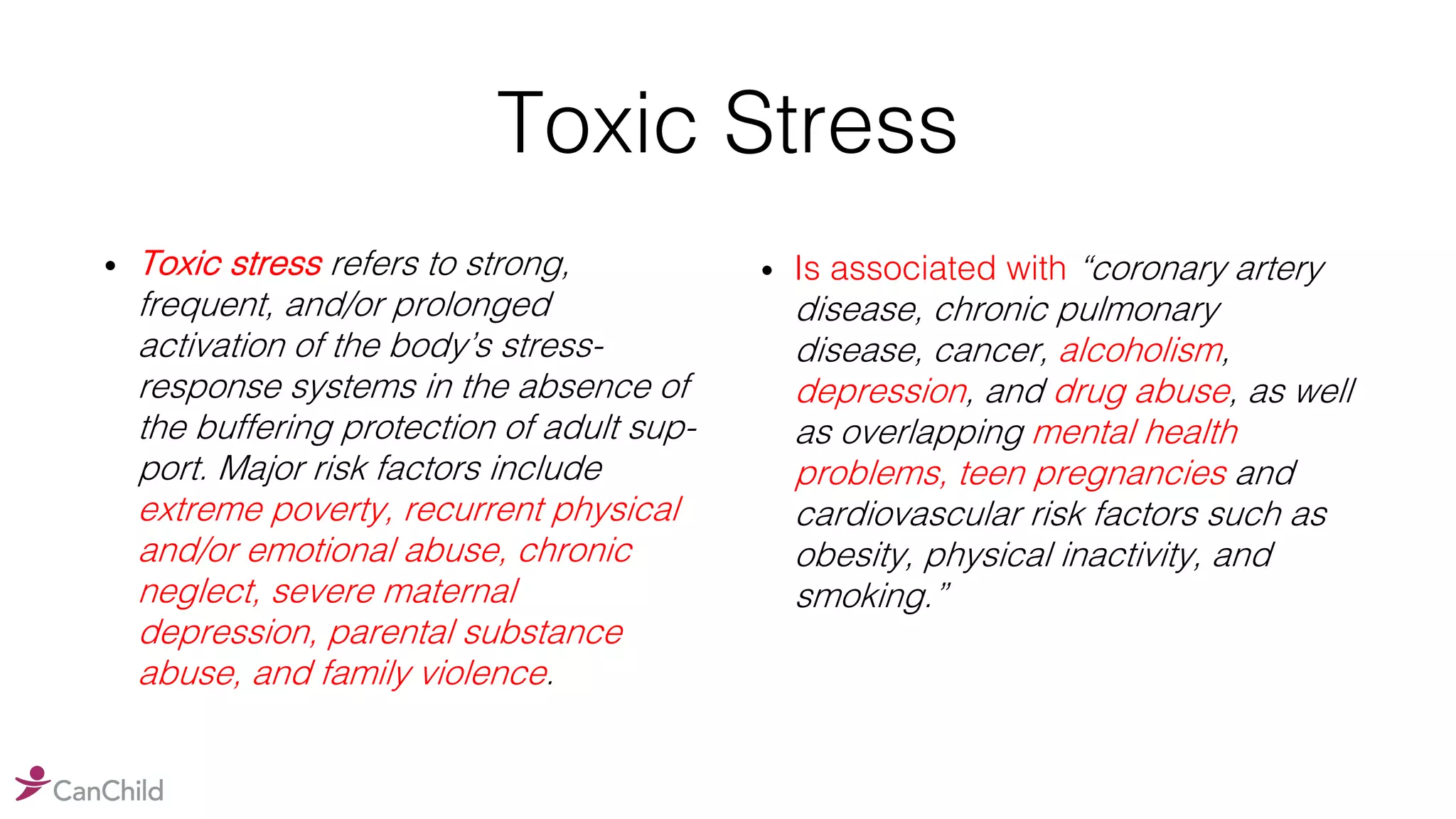
• Toxic stress refers to strong,
frequent, and/or prolonged
activation of the body’s stress-
response systems in the absence of
the buffering protection of adult sup-
port. Major risk factors include
extreme poverty, recurrent physical
and/or emotional abuse, chronic
neglect, severe maternal
depression, parental substance
abuse, and family violence.
• Is associated with “coronary artery
disease, chronic pulmonary
disease, cancer, alcoholism,
depression, and drug abuse, as well
as overlapping mental health
problems, teen pregnancies and
cardiovascular risk factors such as
obesity, physical inactivity, and
smoking.”
RJCHC Care Teams
• Most children were seen
by several professionals
• Nursing, BT, SW, OT, PT,
Psychology, MD, other
therapists
• Average: 3 (1 - 10)
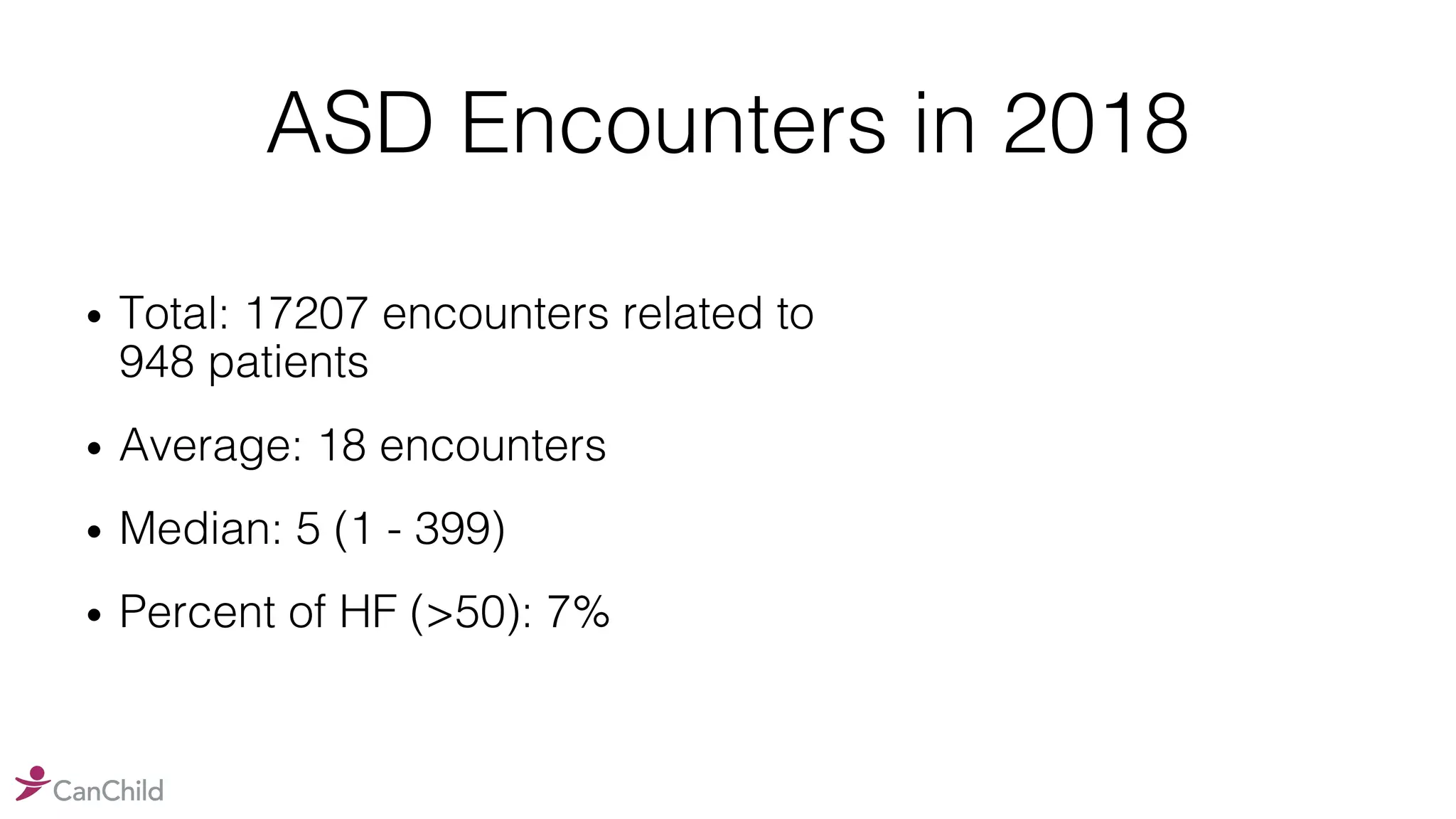
ASD Encounters in 2018
• Total: 17207 encounters related to
948 patients
• Average: 18 encounters
• Median: 5 (1 - 399)
• Percent of HF (>50): 7%
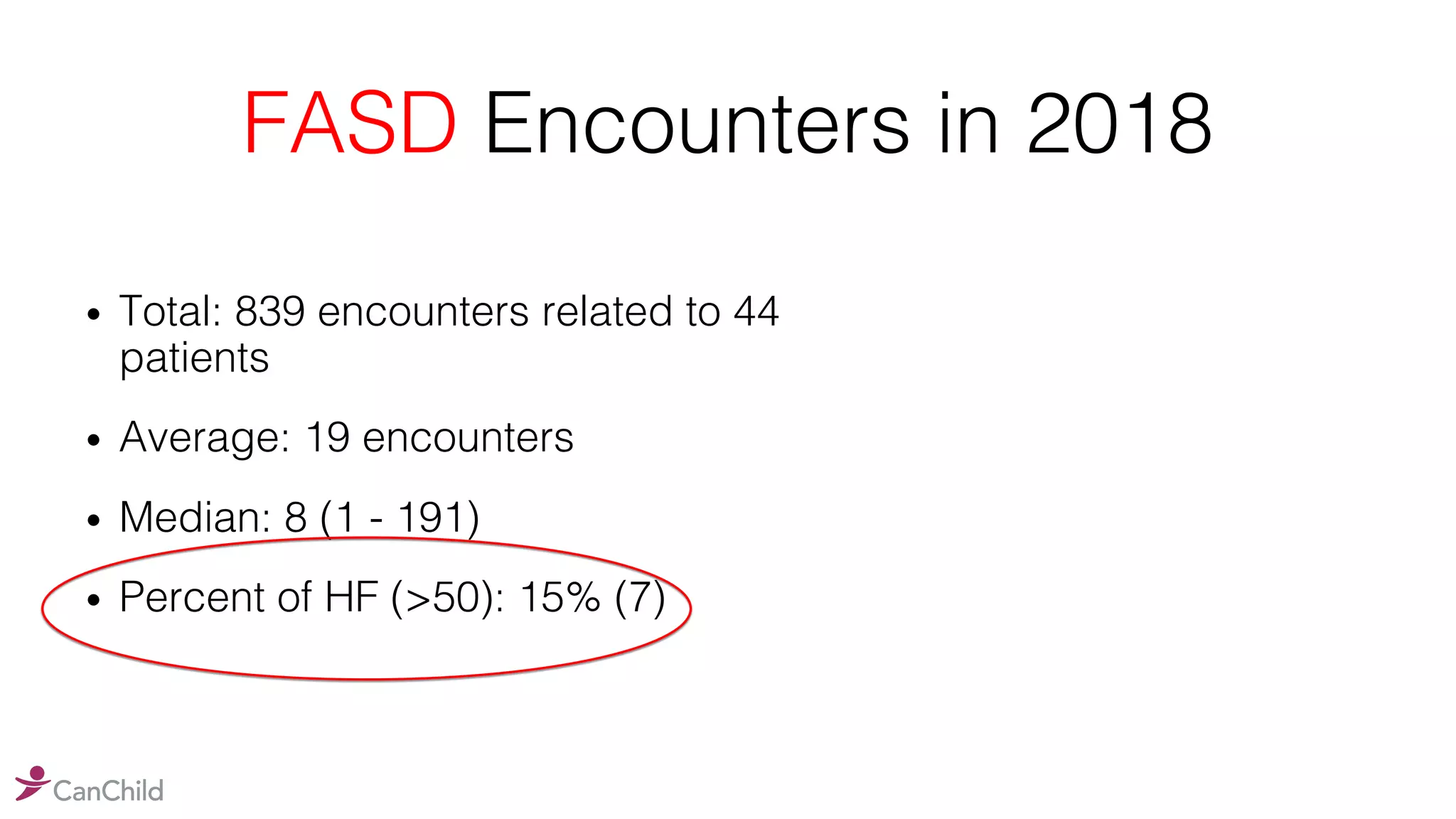
FASD Encounters in 2018
• Total: 839 encounters related to 44
patients
• Average: 19 encounters
• Median: 8 (1 - 191)
• Percent of HF (>50): 15% (7)
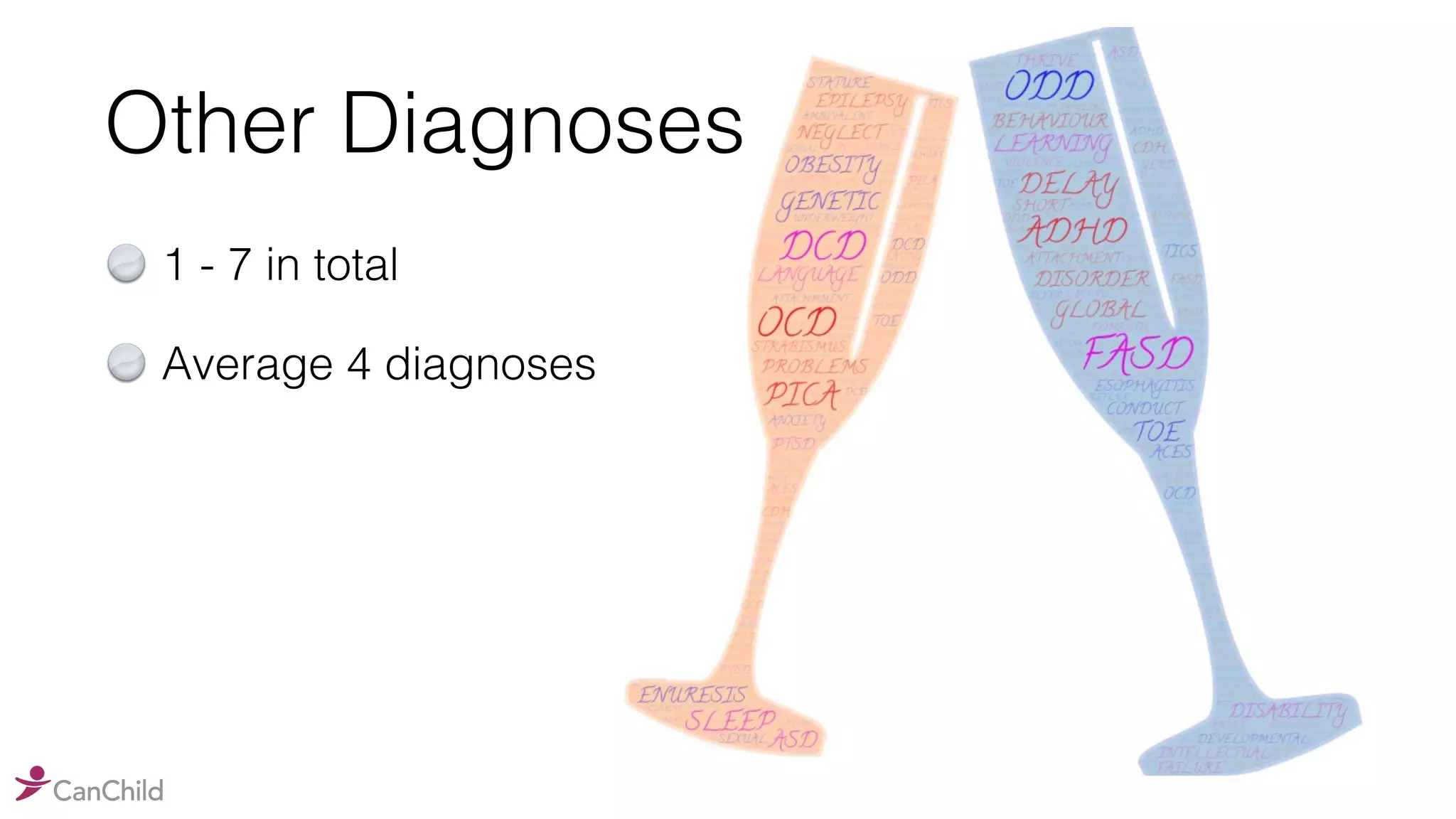
Other Diagnoses
1 - 7 in total
Average 4 diagnoses
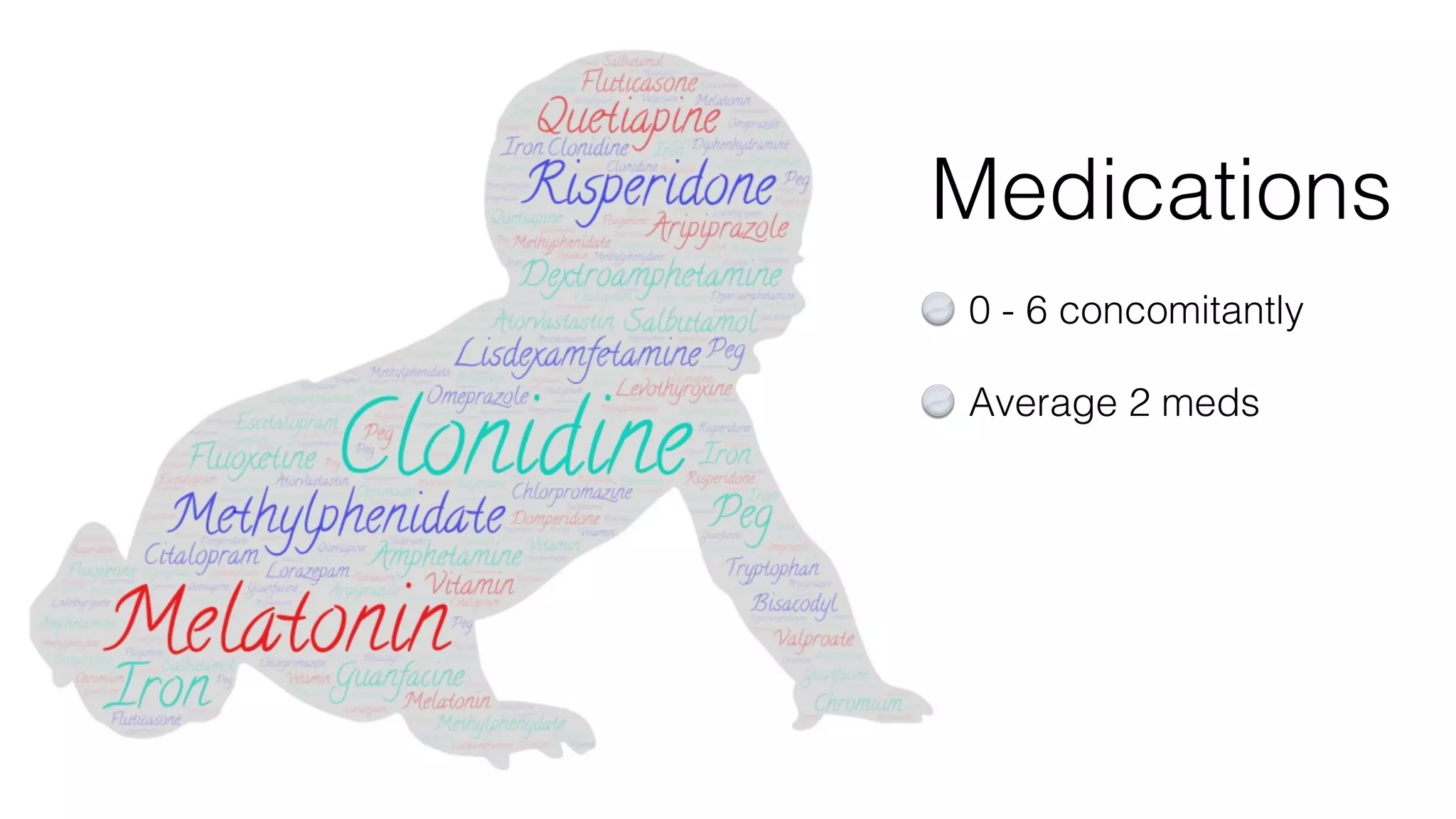
Medications
0 - 6 concomitantly
Average 2 meds
Treatment and Support
• Diagnosing the cause of
neurodevelopmental
problems is important for
public health and prevention
• Treatment depends on the
functional profile of each
child, their individual context
and the people around
them.
Hanlon-Dearman, A., Green, C. R., Andrew, G., Leblanc, N., & Cook, J. L. (2015). ANTICIPATORY GUIDANCE FOR CHILDREN AND
ADOLESCENTS WITH FETAL ALCOHOL SPECTRUM DISORDER ( FASD ): PRACTICE POINTS FOR PRIMARY HEALTH CARE PROVIDERS. J
Popul Ther Clin Pharmacol, 22(1), 27–56.
FASD Statement
• Accept children based on limitations in functioning and participation regardless of
suspected or confirmed etiology (e.g. FASD, genetic, complex trauma, prematurity,
multifactorial)
• Focus on a comprehensive & holistic developmental assessment to generate an
International Classification of Functioning (ICF) - based diagnostic formulation and
recommendations
• Communicate findings and recommendations to parents, teachers and clinicians
• Focus on assessing function and determining needs rather than determining if a
child does or does not qualify for a specific medical diagnosis
https://pondaca.files.wordpress.com/2015/11/ponda-network-position-statement-on-fasd-2015.pdf
Summary
• FASD is diagnosed and treated by a multi-professional team
according to the needs of the child and the family at the RJCHC!
• The referral rate is extremely low, indicating a low level of awareness
in the community
• A high proportion of children with neurodevelopmental disabilities
present with genetic abnormalities, which is also the case in FASD
• Children with neurodevelopmental disabilities (confirmed FASD or
not) need tailored supports according to their needs that can
include diverse therapists, support workers and medications.
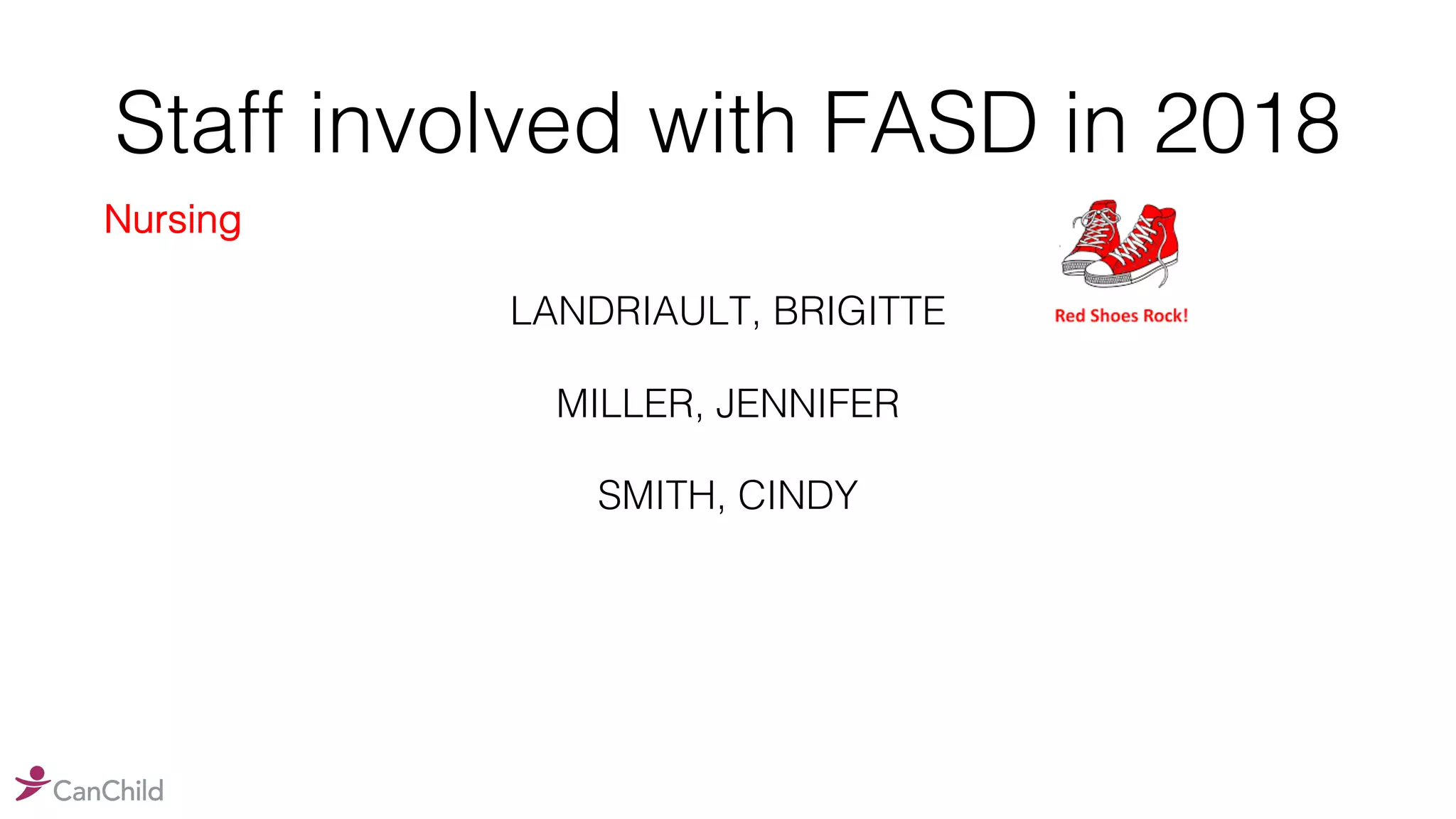
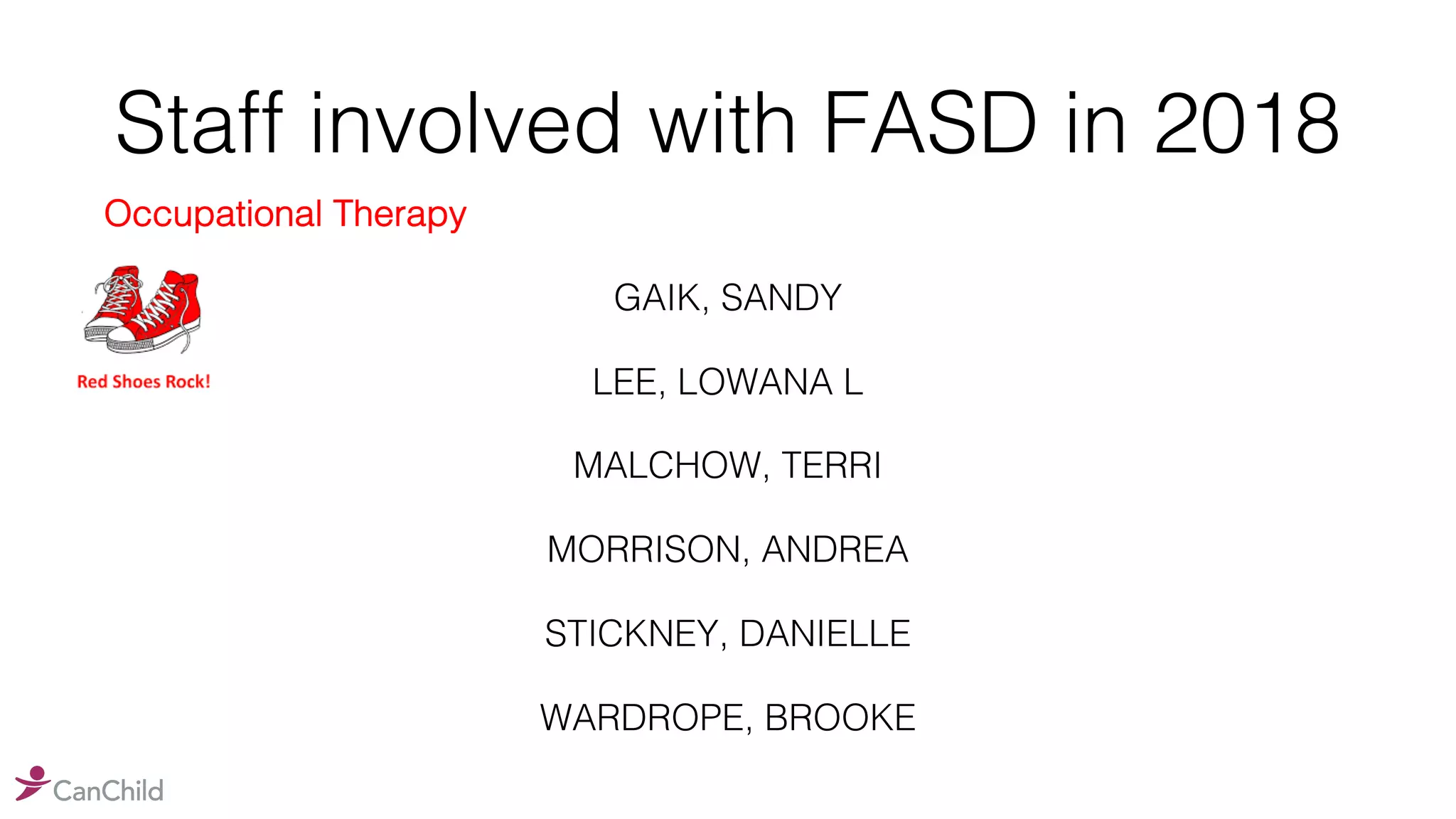
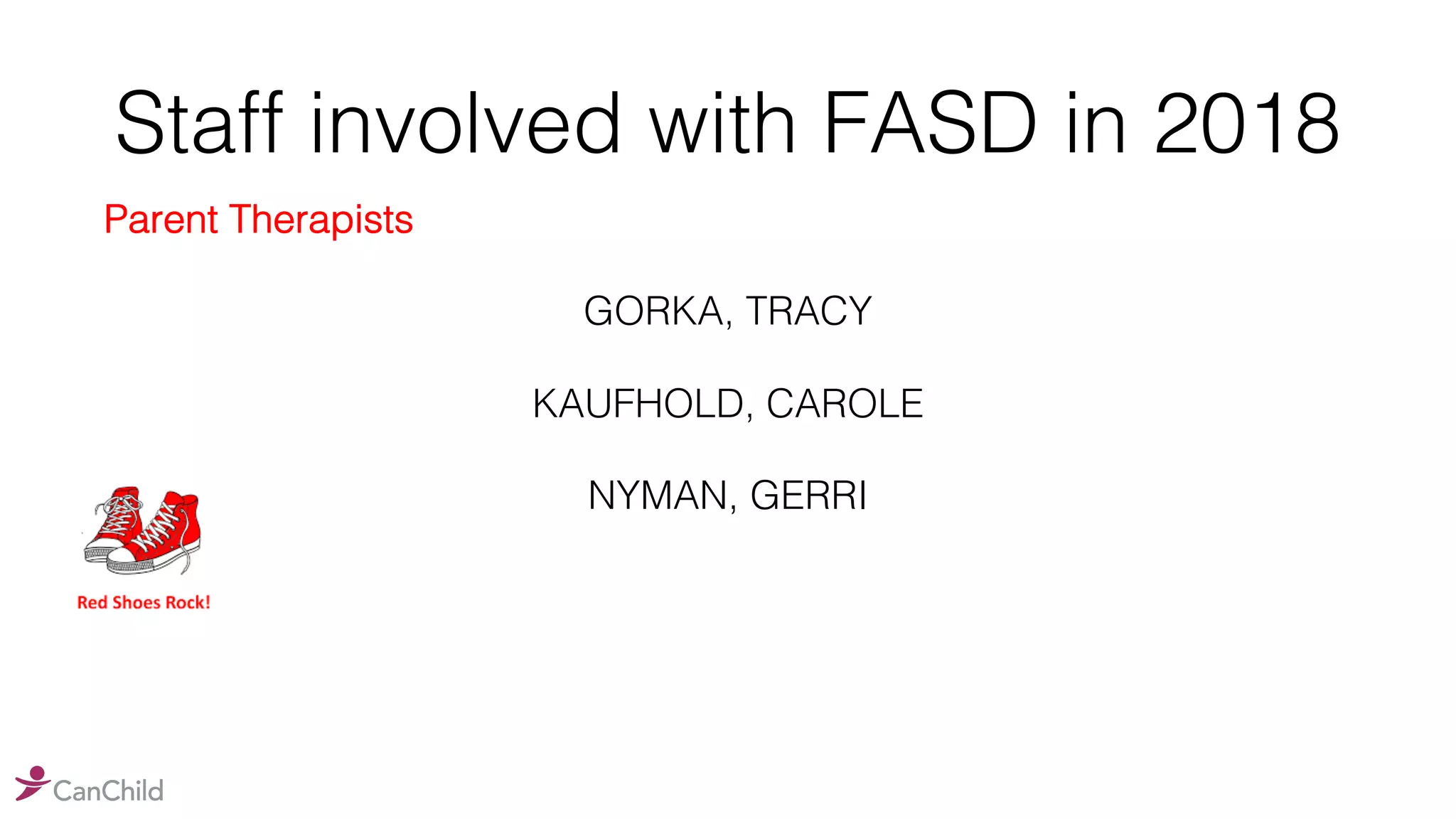
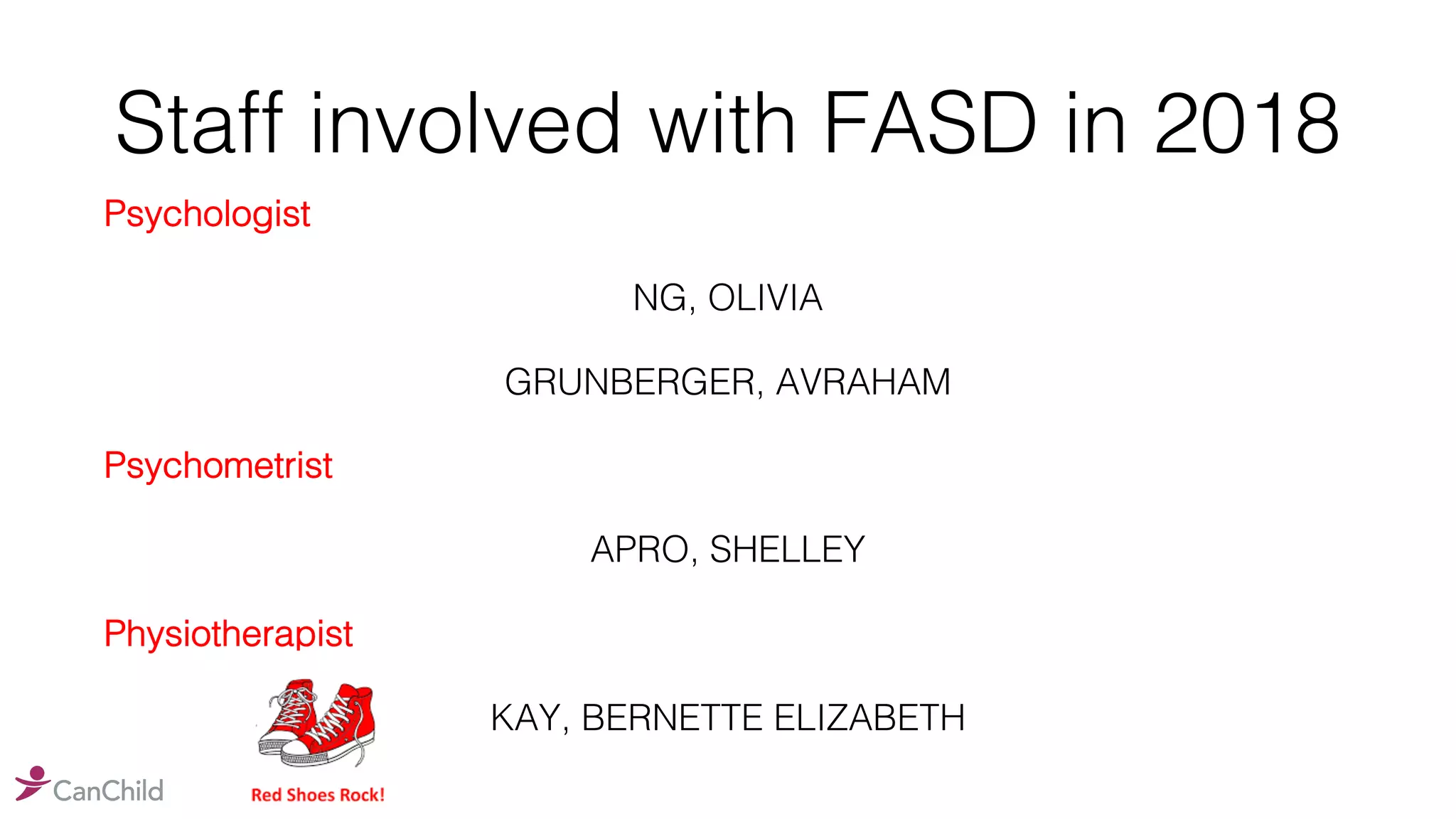
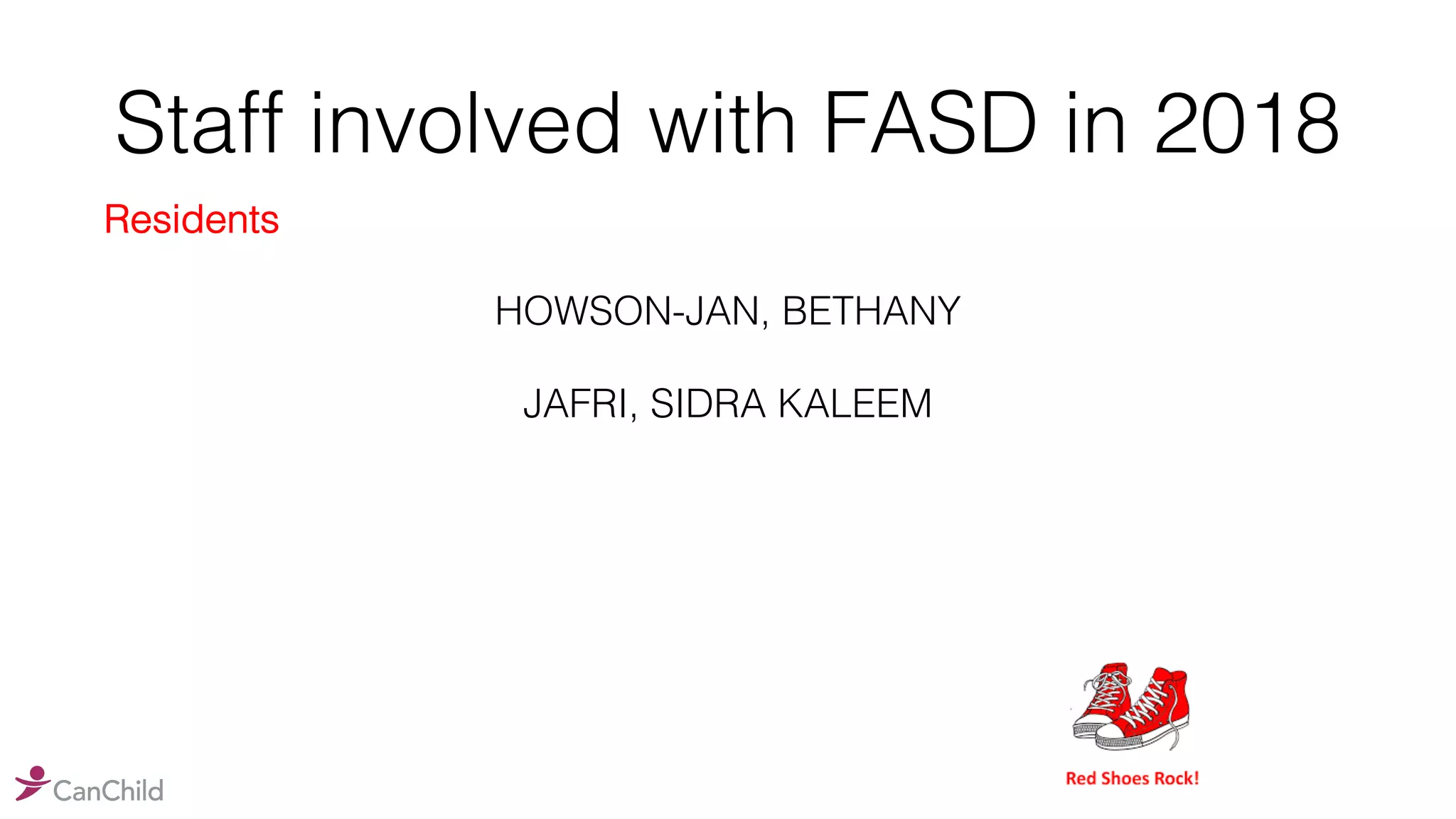
Staff involved with FASD in 2018
Behaviour Therapists
MAHATOO-TARCEA, ELIDA
ORPHANACOS, STEPHANIE
POOLE, ALLISON
SVEC, ADRIANA
WYNNE, KELLY D
Staff involved with FASD in 2018
Child Psychiatrists
LIPMAN, ELLEN
SASSI, ROBERTO
Child Youth Worker
OOSTERVEEN, AMY
Staff involved with FASD in 2018
Developmental Paediatricians
HARMAN, KAREN
HOGAN, GILLIAN
JOHNSON, KASSIA JEANNETTE
KRAUS DE CAMARGO, OLAF
MAHONEY, BILL
MESTERMAN, RONIT
Staff involved with FASD in 2018
Early Childhood Resource Specialists
DRYSDALE, LINDA J
TOMALTY-NUSCA, LORI
Mental Health Clinician
COPELAND, KAREN
Staff involved with FASD in 2018
Nursing
LANDRIAULT, BRIGITTE
MILLER, JENNIFER
SMITH, CINDY
Staff involved with FASD in 2018
Occupational Therapy
GAIK, SANDY
LEE, LOWANA L
MALCHOW, TERRI
MORRISON, ANDREA
STICKNEY, DANIELLE
WARDROPE, BROOKE
Staff involved with FASD in 2018
Parent Therapists
GORKA, TRACY
KAUFHOLD, CAROLE
NYMAN, GERRI
Staff involved with FASD in 2018
Psychologist
NG, OLIVIA
GRUNBERGER, AVRAHAM
Psychometrist
APRO, SHELLEY
Physiotherapist
KAY, BERNETTE ELIZABETH
Staff involved with FASD in 2018
Residents
HOWSON-JAN, BETHANY
JAFRI, SIDRA KALEEM
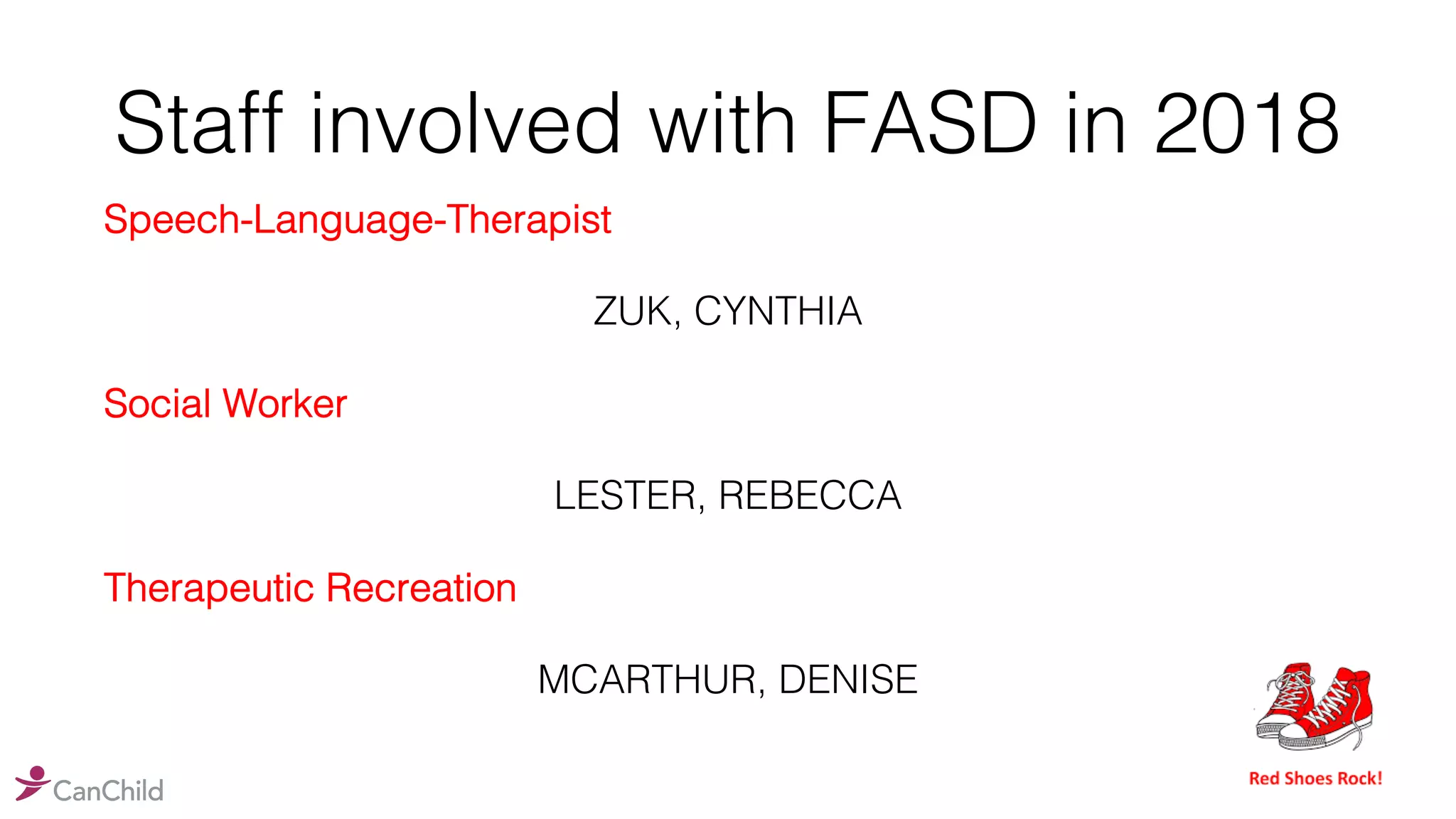
Staff involved with FASD in 2018
Speech-Language-Therapist
ZUK, CYNTHIA
Social Worker
LESTER, REBECCA
Therapeutic Recreation
MCARTHUR, DENISE
Thank you!

FASD at RJCHC

  • 1.
    FASD at RJCHC OlafKraus de Camargo Twitter: @DevPeds
  • 2.
    “There is noplace in Hamilton to get a diagnosis of FASD”
  • 3.
    Developmental Paediatrics • “DevelopmentalPediatrics is a branch of medicine and a subspecialty of Pediatrics that focuses on developmental trajectories of children with congenital or acquired disorders and/or individual variations in physical, motor, cognitive, sensory and social-emotional development. Developmental Pediatricians provide highly specialized health care to children of all ages and developmental levels in the context of their families and communities. The discipline also encompasses the treatment of children’s behavioural responses to those challenges. The overall goal is to promote and maintain the developmental and emotional well-being of all children and their families, especially those who are most vulnerable. The subspecialty promotes preventive strategies that minimize the prevalence and impact of disorders of development. Developmental Pediatrics is concerned with both the individual developmental profile and the impact of the children’s psychosocial and cultural milieu on their lives.” http://www.royalcollege.ca
  • 4.
    Diagnosis of FAS ICD– International Classification of Diseases (WHO) LD2F.00 Foetal alcohol syndrome • Description: Fetal alcohol syndrome is a malformation syndrome caused by maternal consumption of alcohol during pregnancy. It is characterized by prenatal and/or postnatal growth deficiency (weight and/or height <10th percentile); a unique cluster of minor facial anomalies (short palpebral fissures, flat and smooth philtrum, and thin upper lip) that presents across all ethnic groups, is identifiable at birth, and does not diminish with age. Affected children present severe central nervous system abnormalities including: microcephaly, cognitive and behavioral impairment (intellectual disability, deficit in general cognition, learning and language, executive function, visual-spatial processing, memory, and attention). https://icd.who.int/browse11/l-m/en
  • 5.
    Diagnosis of FASD Specialconsiderations: • FASD w/SFF should be referred to clinical genetics Cook, J. L., Green, C. R., Lilley, C. M., Anderson, S. M., Baldwin, M. E., Chudley, A. E., … Network), (Canada Fetal ALcohol Spectrum Disorder Research. (2016). Fetal alcohol spectrum disorder: a guideline for diagnosis across the lifespan. Canadian Medical Association Journal, 188(3), 191–197. https://doi.org/10.1503 /cmaj.141593
  • 6.
    Children in Hamilton •Total: approx. 100.000 • Expected Cerebral Palsy (1:1000): 100 • Expected Down Syndrome (1:750): 133 • Expected Autism Spectrum Disorder (1:68): 1.470 • Expected FASD: (?)
  • 7.
    FASD in differentPopulations Lange, S., Burd, L., Popova, S., Rehm, J., Gmel, G., & Probst, C. (2018). Global Prevalence of Fetal Alcohol Spectrum Disorder Among Children and Youth. Obstetrical & Gynecological Survey, 73(4), 189–191. https://doi.org/10.1097/01.ogx.0000532194.88210.00 Children w/FASD in Hamilton: ~2000-3000? Popova, S., Lange, S., Chudley, A. E., Reynolds, J. N., Rehm, J., May, P. A., & Riley, E. P. (2018). World Health Organization International Study on the Prevalence of Fetal Alcohol Spectrum Disorder (FASD). Centre for Addition and Mental Health.
  • 8.
    Services at the“Ron Joyce” • All Encounters in 2018 with FAS/FASD in Diagnosis or Problem List • “Encounter” - any contact, attended and missed appointments, including phone calls
  • 9.
    Patients with… • CP:322 (100) • DS: 111 (133) • ASD: 948 (1470) • FASD: 44 (2500) (?)
  • 10.
    Referrals in 2015/2016 •FASD? • Hamilton: 15 • Region: 5 • Confirmed Diagnosis: • Hamilton: 5 (33%) • Region: 0 (0%) • ASD? • Hamilton: 300 • Region: 88 • Confirmed Diagnosis: • Hamilton: 133 (44%) • Region: 23 (26%)
  • 11.
    Genetics • In 11of the 44 children a genetic work up was done • 7 had clinical significant findings!
  • 12.
    Families • Of the44 children, only 4 live with at least one biological parent • 60 – 80% of children with FASD live in foster care Wilhoit, Lauren F., David A. Scott, und Brooke A. Simecka. 2017. „Fetal Alcohol Spectrum Disorders: Characteristics, Complications, and Treatment“. Community Mental Health Journal 53(6):711–18.
  • 13.
    Toxic Stress • Toxicstress refers to strong, frequent, and/or prolonged activation of the body’s stress- response systems in the absence of the buffering protection of adult sup- port. Major risk factors include extreme poverty, recurrent physical and/or emotional abuse, chronic neglect, severe maternal depression, parental substance abuse, and family violence. • Is associated with “coronary artery disease, chronic pulmonary disease, cancer, alcoholism, depression, and drug abuse, as well as overlapping mental health problems, teen pregnancies and cardiovascular risk factors such as obesity, physical inactivity, and smoking.”
  • 14.
    RJCHC Care Teams •Most children were seen by several professionals • Nursing, BT, SW, OT, PT, Psychology, MD, other therapists • Average: 3 (1 - 10)
  • 15.
    ASD Encounters in2018 • Total: 17207 encounters related to 948 patients • Average: 18 encounters • Median: 5 (1 - 399) • Percent of HF (>50): 7%
  • 16.
    FASD Encounters in2018 • Total: 839 encounters related to 44 patients • Average: 19 encounters • Median: 8 (1 - 191) • Percent of HF (>50): 15% (7)
  • 17.
    Other Diagnoses 1 -7 in total Average 4 diagnoses
  • 18.
    Medications 0 - 6concomitantly Average 2 meds
  • 19.
    Treatment and Support •Diagnosing the cause of neurodevelopmental problems is important for public health and prevention • Treatment depends on the functional profile of each child, their individual context and the people around them. Hanlon-Dearman, A., Green, C. R., Andrew, G., Leblanc, N., & Cook, J. L. (2015). ANTICIPATORY GUIDANCE FOR CHILDREN AND ADOLESCENTS WITH FETAL ALCOHOL SPECTRUM DISORDER ( FASD ): PRACTICE POINTS FOR PRIMARY HEALTH CARE PROVIDERS. J Popul Ther Clin Pharmacol, 22(1), 27–56.
  • 20.
    FASD Statement • Acceptchildren based on limitations in functioning and participation regardless of suspected or confirmed etiology (e.g. FASD, genetic, complex trauma, prematurity, multifactorial) • Focus on a comprehensive & holistic developmental assessment to generate an International Classification of Functioning (ICF) - based diagnostic formulation and recommendations • Communicate findings and recommendations to parents, teachers and clinicians • Focus on assessing function and determining needs rather than determining if a child does or does not qualify for a specific medical diagnosis https://pondaca.files.wordpress.com/2015/11/ponda-network-position-statement-on-fasd-2015.pdf
  • 21.
    Summary • FASD isdiagnosed and treated by a multi-professional team according to the needs of the child and the family at the RJCHC! • The referral rate is extremely low, indicating a low level of awareness in the community • A high proportion of children with neurodevelopmental disabilities present with genetic abnormalities, which is also the case in FASD • Children with neurodevelopmental disabilities (confirmed FASD or not) need tailored supports according to their needs that can include diverse therapists, support workers and medications.
  • 22.
    Staff involved withFASD in 2018 Behaviour Therapists MAHATOO-TARCEA, ELIDA ORPHANACOS, STEPHANIE POOLE, ALLISON SVEC, ADRIANA WYNNE, KELLY D
  • 23.
    Staff involved withFASD in 2018 Child Psychiatrists LIPMAN, ELLEN SASSI, ROBERTO Child Youth Worker OOSTERVEEN, AMY
  • 24.
    Staff involved withFASD in 2018 Developmental Paediatricians HARMAN, KAREN HOGAN, GILLIAN JOHNSON, KASSIA JEANNETTE KRAUS DE CAMARGO, OLAF MAHONEY, BILL MESTERMAN, RONIT
  • 25.
    Staff involved withFASD in 2018 Early Childhood Resource Specialists DRYSDALE, LINDA J TOMALTY-NUSCA, LORI Mental Health Clinician COPELAND, KAREN
  • 26.
    Staff involved withFASD in 2018 Nursing LANDRIAULT, BRIGITTE MILLER, JENNIFER SMITH, CINDY
  • 27.
    Staff involved withFASD in 2018 Occupational Therapy GAIK, SANDY LEE, LOWANA L MALCHOW, TERRI MORRISON, ANDREA STICKNEY, DANIELLE WARDROPE, BROOKE
  • 28.
    Staff involved withFASD in 2018 Parent Therapists GORKA, TRACY KAUFHOLD, CAROLE NYMAN, GERRI
  • 29.
    Staff involved withFASD in 2018 Psychologist NG, OLIVIA GRUNBERGER, AVRAHAM Psychometrist APRO, SHELLEY Physiotherapist KAY, BERNETTE ELIZABETH
  • 30.
    Staff involved withFASD in 2018 Residents HOWSON-JAN, BETHANY JAFRI, SIDRA KALEEM
  • 31.
    Staff involved withFASD in 2018 Speech-Language-Therapist ZUK, CYNTHIA Social Worker LESTER, REBECCA Therapeutic Recreation MCARTHUR, DENISE
  • 32.