Marketing…what is the real problem?
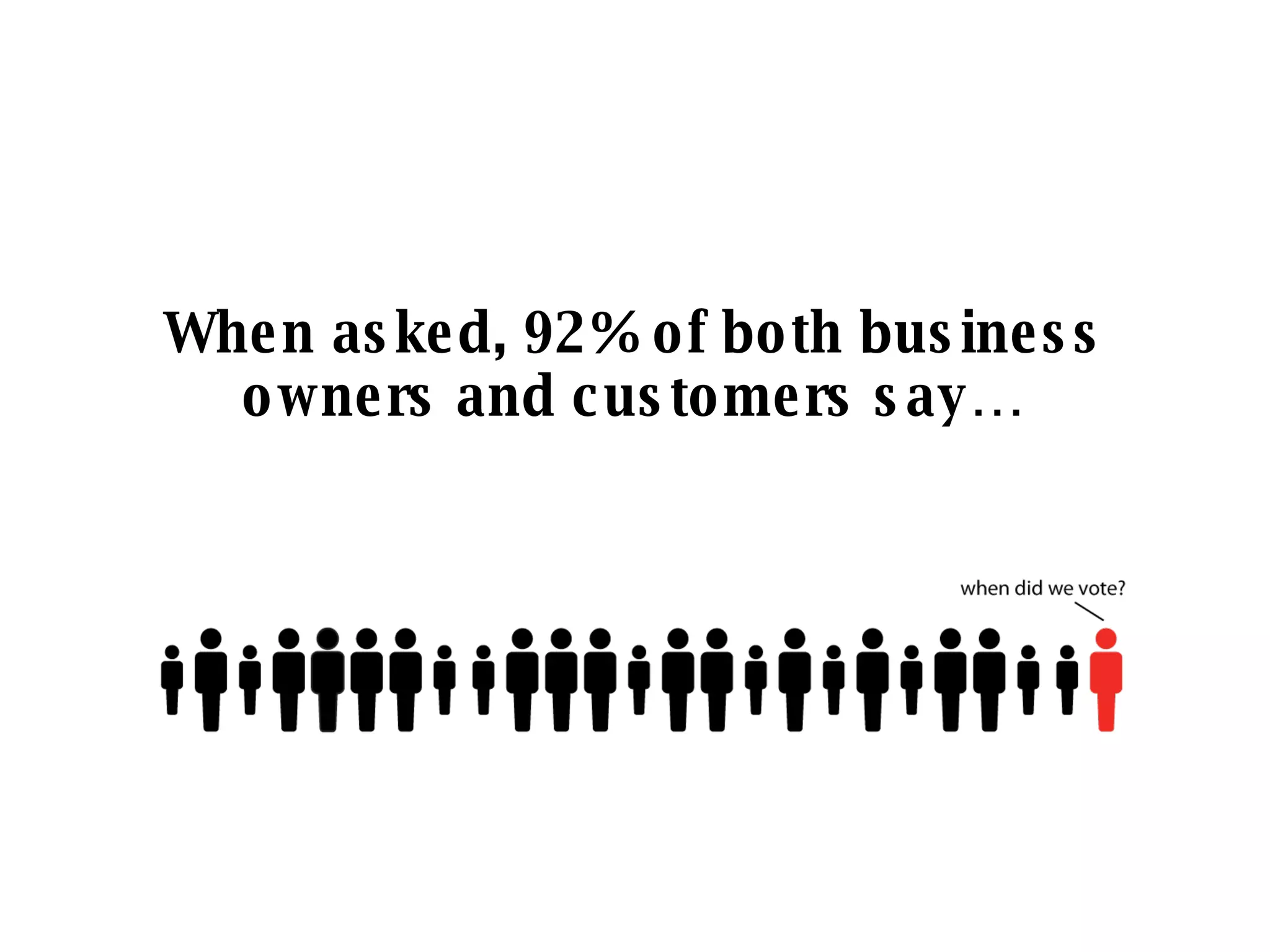
When asked, 92% of both business owners and customers say…
 
 
I  started  thinking…
What’s missing in all that clutter?
 
The Real Problem, part 2 As if that wasn’t enough, how comes the Internet!! (a renewed focus on content, content makes sites “sticky”, Google loves content…)
Doesn’t the Internet solve this problem?
The Real Problem, part 2 The Internet gives us more content than we can use, PLUS much of it cannot be trusted. (54,345 sites on poodles?  Can all of it be good, and how do I find that one site that tells me how it is?)
The Explosion of Data!!
Customers becoming increasingly unable to find and then trust any information, no matter where or when
A flood of EMPTY and MEANINGLESS clutter and hidden somewhere is the information that will convince ALL your customers
This problem shows up in a wide range of place Companies, instead of focusing on selling with their marketing, develop an over-dependence on tactical solutions, tactical experts, and creativity. Twitter, MySpace, Creative, Banner ads, Flash, TIVO busting technology, fake blogs, real blogs, and on and on and on
Even the behaviour of customers reflect their attempt to solve this  Especially online, you see the growth of blogs, social networks, Web 2.0, networking, rating systems, sharing, and so on. (These are ad hoc systems designed to add human meaning to the piles of data out there.)
So, how did we get here?
Back in the old days… Ads were sellers, there was more time, more space In the US, only a handful of companies were national, so there was much less competition…
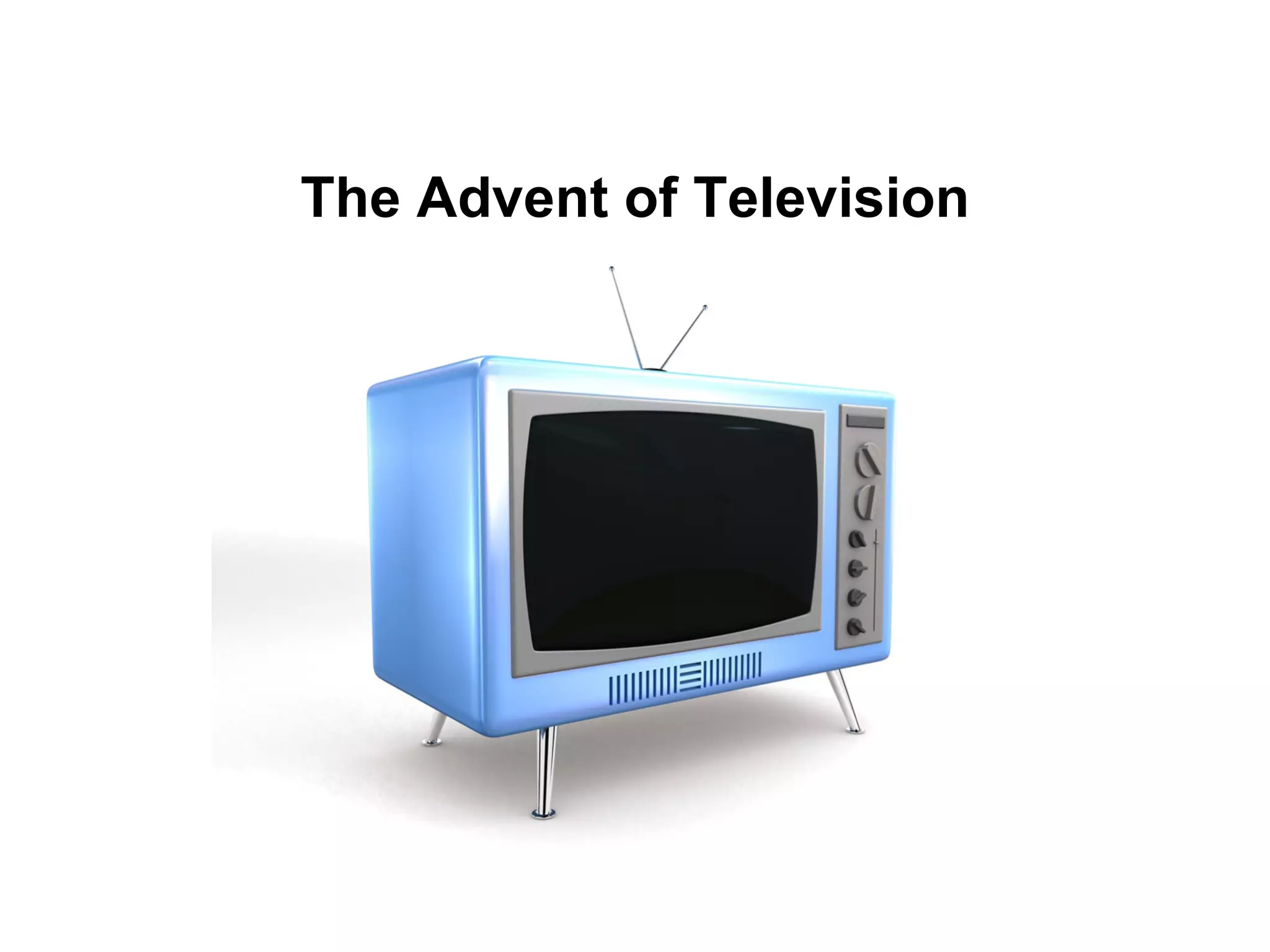
The Advent of Television
The impact of television on advertising Time Companies Cost 2 – 2 ½ minutes 7 - 10 £ 30 seconds thousands £££££££££££
The Rise of the Branders
Changing of the Gaurd Claude Hopkins Caples Rosser Reeves David Ogilvy Leo Burnett Bill Bernbach
Branders!!! Their success led to a spread of the methods of branding, which led to a paradigm benchmark, which led to universities changing their curriculum to educate new advertisers and marketers in the concepts of branding, which led to a sea change in what was thought of a good marketing and advertising. So advertising changed from trying to educate the customer to  advertising focused solely on the CREATIVE.
So, we deal with a flood of EMPTY and MEANINGLESS clutter And most people cannot see what the real problem is because after all, the flood is exactly what everyone thinks is good advertising anyways
So, how do we solve the problem?
Quick answer, We don’t
However, We can strive to take advantage of the systemic weakness in most advertising.
We can do this because most companies do a good job creating good products and can build good service
Where most companies fail is in effectively marketing and advertising to communicate to their prospective customers
They fail to mine and find those gems that can convince and sell, those gems that can result in a long term, sustainable marketing advantage
They fail to find those gems that can convince and sell, those gems can result in a long term, sustainable marketing advantage
We believe that within your experience and business is enough meaningful information to convince anyone and everyone to buy what you sell.
Our challenge is to teach you how to identify and develop that information.  And then to help you craft your marketing and advertising using it.
meaningful messages make the biggest impact

everycontact deck

  • 1.
  • 2.
  • 3.
  • 4.
    When asked, 92%of both business owners and customers say…
  • 5.
  • 6.
  • 7.
    I started thinking…
  • 8.
    What’s missing inall that clutter?
  • 9.
  • 10.
    The Real Problem,part 2 As if that wasn’t enough, how comes the Internet!! (a renewed focus on content, content makes sites “sticky”, Google loves content…)
  • 11.
    Doesn’t the Internetsolve this problem?
  • 12.
    The Real Problem,part 2 The Internet gives us more content than we can use, PLUS much of it cannot be trusted. (54,345 sites on poodles? Can all of it be good, and how do I find that one site that tells me how it is?)
  • 13.
  • 14.
    Customers becoming increasinglyunable to find and then trust any information, no matter where or when
  • 15.
    A flood ofEMPTY and MEANINGLESS clutter and hidden somewhere is the information that will convince ALL your customers
  • 16.
    This problem showsup in a wide range of place Companies, instead of focusing on selling with their marketing, develop an over-dependence on tactical solutions, tactical experts, and creativity. Twitter, MySpace, Creative, Banner ads, Flash, TIVO busting technology, fake blogs, real blogs, and on and on and on
  • 17.
    Even the behaviourof customers reflect their attempt to solve this Especially online, you see the growth of blogs, social networks, Web 2.0, networking, rating systems, sharing, and so on. (These are ad hoc systems designed to add human meaning to the piles of data out there.)
  • 18.
    So, how didwe get here?
  • 19.
    Back in theold days… Ads were sellers, there was more time, more space In the US, only a handful of companies were national, so there was much less competition…
  • 20.
    The Advent ofTelevision
  • 21.
    The impact oftelevision on advertising Time Companies Cost 2 – 2 ½ minutes 7 - 10 £ 30 seconds thousands £££££££££££
  • 22.
    The Rise ofthe Branders
  • 23.
    Changing of theGaurd Claude Hopkins Caples Rosser Reeves David Ogilvy Leo Burnett Bill Bernbach
  • 24.
    Branders!!! Their successled to a spread of the methods of branding, which led to a paradigm benchmark, which led to universities changing their curriculum to educate new advertisers and marketers in the concepts of branding, which led to a sea change in what was thought of a good marketing and advertising. So advertising changed from trying to educate the customer to advertising focused solely on the CREATIVE.
  • 25.
    So, we dealwith a flood of EMPTY and MEANINGLESS clutter And most people cannot see what the real problem is because after all, the flood is exactly what everyone thinks is good advertising anyways
  • 26.
    So, how dowe solve the problem?
  • 27.
  • 28.
    However, We canstrive to take advantage of the systemic weakness in most advertising.
  • 29.
    We can dothis because most companies do a good job creating good products and can build good service
  • 30.
    Where most companiesfail is in effectively marketing and advertising to communicate to their prospective customers
  • 31.
    They fail tomine and find those gems that can convince and sell, those gems that can result in a long term, sustainable marketing advantage
  • 32.
    They fail tofind those gems that can convince and sell, those gems can result in a long term, sustainable marketing advantage
  • 33.
    We believe thatwithin your experience and business is enough meaningful information to convince anyone and everyone to buy what you sell.
  • 34.
    Our challenge isto teach you how to identify and develop that information. And then to help you craft your marketing and advertising using it.
  • 35.
    meaningful messages makethe biggest impact