Equality & Diversity
Aim
To introduce Equality & Diversity and how it can
  affect the workplace
Objectives – by the end of the session the group
  will:
• understand what ‘Equality and Diversity’ means
• identify ways that people are different
• show an awareness of personal assumptions
  and attitudes
• understand differing types of discrimination
Equality & Diversity
• Equality and Diversity is the current term
  used for ‘Equal Opportunities’.
• It is the legal obligation to protect against
  discrimination.
• Discrimination can be against a person’s
  sex, gender, disability, sexual orientation,
  religion, belief, race or age.
• What do you think the definition of
  Equality & Diversity might be?
Definitions
• Equality – ‘equal rights and treatment to all
  individuals’

• Diversity – ‘difference from what is normal
  or expected’
Activity
Draw one of the following:
• A Model
• Footballer
• Athlete
• Doctor’s receptionist
• Construction Worker
• Engineer
• Beauty Therapist
A Model


Dawn French has her
                           Jean-Paul Gaultier shook the
own clothing range
                           modelling world in 2006
which she models.
                           using outsized models.
Footballers
        Women’s England
        Football Team


        The F.A. supports six
        international disability squads
        for players with differing kinds
        of disabilities. These are: Blind,
        Partially Sighted, Deaf and
        Hearing Impaired, Cerebral
        Palsy, Learning Disabilities,
        Amputee.
        The teams all receive official
        England kit, a physio, a fully-
        trained technical advisor, and
        money towards travel costs for
        attending European and World
        Championships.
Athlete


Sumo Wrestling
A competitive contact sport
which originated in Japan
the only country where it is                   Tanni Grey
practiced professionally.                      Thomson
                                          9 Gold Medals in the
              Oscar Pistorius             Paralympics, 30
       World record holder in             world records 6
              amputee races               London Marathons
Doctor’s Receptionist


               Frank
Construction Worker


Samantha
Engineer
Gemma is an Engineer   Wang Shuming is a disabled
working for BT         engineer working for the Jinlin
                       branch of China Netcom
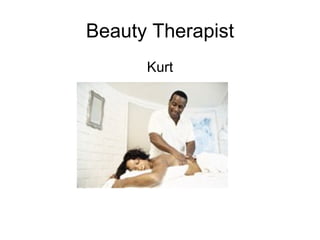
Beauty Therapist
      Kurt
Diversity
• What is diversity?
• Diversity means valuing the differences
  between people and the ways in which
  those differences can contribute to a
  richer, more creative and more productive
  working environment
Diversity is about respecting
           individual…………..
•   Race                 •   Religion
•   Culture              •   Ethnicity
•   National Origin      •   Disability
•   Region               •   Ability
•   Gender               •   Family Structure
•   Sexual Orientation   •   Health
•   Age                  •   Values
•   Marital Status       •   Politics

              ………..and much more
“Discrimination

is prejudices put

  into action.”
Types of discrimination
• Positive Discrimination

• Direct Discrimination

• Indirect Discrimination
Activity 2
Who is affected by Discrimination?

 Match the pictures to the groups titles –
there may be more than one picture in a
                 group!
If you experience discrimination
• Don’t put up with it!

• Talk to someone – parent, friend, mentor,
  supervisor, assessor, line manager.

• Don’t retaliate. Report it and sort it!
What have you learnt


• Please now complete the evaluation
  exercise handed to you by your trainer
Learning Outcomes
Can you now?
• understand what ‘Equality and Diversity’
  means
• identify ways that people are different
• show an awareness of personal
  assumptions and attitudes
• understand differing types of
  discrimination

Equalitydiversity 100414085625-phpapp01

  • 1.
  • 2.
    Equality & Diversity Aim Tointroduce Equality & Diversity and how it can affect the workplace Objectives – by the end of the session the group will: • understand what ‘Equality and Diversity’ means • identify ways that people are different • show an awareness of personal assumptions and attitudes • understand differing types of discrimination
  • 3.
    Equality & Diversity •Equality and Diversity is the current term used for ‘Equal Opportunities’. • It is the legal obligation to protect against discrimination. • Discrimination can be against a person’s sex, gender, disability, sexual orientation, religion, belief, race or age. • What do you think the definition of Equality & Diversity might be?
  • 4.
    Definitions • Equality –‘equal rights and treatment to all individuals’ • Diversity – ‘difference from what is normal or expected’
  • 5.
    Activity Draw one ofthe following: • A Model • Footballer • Athlete • Doctor’s receptionist • Construction Worker • Engineer • Beauty Therapist
  • 6.
    A Model Dawn Frenchhas her Jean-Paul Gaultier shook the own clothing range modelling world in 2006 which she models. using outsized models.
  • 7.
    Footballers Women’s England Football Team The F.A. supports six international disability squads for players with differing kinds of disabilities. These are: Blind, Partially Sighted, Deaf and Hearing Impaired, Cerebral Palsy, Learning Disabilities, Amputee. The teams all receive official England kit, a physio, a fully- trained technical advisor, and money towards travel costs for attending European and World Championships.
  • 8.
    Athlete Sumo Wrestling A competitivecontact sport which originated in Japan the only country where it is Tanni Grey practiced professionally. Thomson 9 Gold Medals in the Oscar Pistorius Paralympics, 30 World record holder in world records 6 amputee races London Marathons
  • 9.
  • 10.
  • 11.
    Engineer Gemma is anEngineer Wang Shuming is a disabled working for BT engineer working for the Jinlin branch of China Netcom
  • 12.
  • 13.
    Diversity • What isdiversity? • Diversity means valuing the differences between people and the ways in which those differences can contribute to a richer, more creative and more productive working environment
  • 14.
    Diversity is aboutrespecting individual………….. • Race • Religion • Culture • Ethnicity • National Origin • Disability • Region • Ability • Gender • Family Structure • Sexual Orientation • Health • Age • Values • Marital Status • Politics ………..and much more
  • 15.
  • 16.
    Types of discrimination •Positive Discrimination • Direct Discrimination • Indirect Discrimination
  • 17.
    Activity 2 Who isaffected by Discrimination? Match the pictures to the groups titles – there may be more than one picture in a group!
  • 18.
    If you experiencediscrimination • Don’t put up with it! • Talk to someone – parent, friend, mentor, supervisor, assessor, line manager. • Don’t retaliate. Report it and sort it!
  • 19.
    What have youlearnt • Please now complete the evaluation exercise handed to you by your trainer
  • 20.
    Learning Outcomes Can younow? • understand what ‘Equality and Diversity’ means • identify ways that people are different • show an awareness of personal assumptions and attitudes • understand differing types of discrimination

Editor's Notes

  • #2 Prior to start of this presentation ensure the group agree to confidentiality of discussions and are set boundaries.
  • #4 Legal obligation – to comply What legislation is relevant to Equality & Diversity? Equal Pay Act 1970 Sex Discrimination Act 1975 Employment Rights Act 1996 Race Relations Act 1976 Amendment 2003 Disability Discrimination Act 1995 Human Rights Act 1998 Employment Equality (Age) Regulations 2006 which is Age Discrimination Act Equality Bill 2008/2009 Employment Equality (Sexual Orientation) Regulations 2003 Employment Equality (Religion or Belief) Regulations 2003 Activity – In groups compile a suitable definition of Equality & Diversity?
  • #5 Refer these definition back to the groups definitions, discuss similarities and differences.
  • #6 If you want to enthuse the group during this activity you can get them to create a story about the people they have drawn and their life.
  • #15 Talk through/discuss with the group what each of these areas mean.
  • #16 What do you understand by: Discrimination? Prejudices?
  • #17 Positive – giving advantage to groups ie ethnic, sex, disability etc add in example Direct – treating somebody less favourably on the grounds of their sex, race etc eg. Bullying, harassment or exclusion. Add in example Indirect – Applying an apparently general rule which in practice disadvantages one sex, race etc Add in example Discussion!! Relate to topical issues from News and TV
  • #18 Using the Picture cards put these people in the groups you think they may recognise themselves as? Clare Balding, Steven Gately, Nadia Almada - Lesbian, Gay, Bisexual and Transgender Ade Adepitan - Ethnic groups Ade Adepitan - disabled Sikhs, muslims, catholics - religious groups Paris Hilton, Eminen - Ex-offenders Chelsea pensioners - Old people Skins Cast - young people Mother and daughter - People from poor/deprived areas Actresses (Annette Benning, Meg Ryan, Bette Midler, Eva Mendes, Debra Messing) – Women Welsh Rugby - Men Group outside - Smokers Many of these people come from a number of these groups and so can’t always be categorised!!! Discuss with the delegates who out of these groups might be affected by Discrimination? Everyone What actions could they take to ensure this is not the case in their environment? Acceptance, don’t judge people, highlight any issues. (Magazine pictures which the learners see regularly can be used to do this exercise)
  • #19 If anyone in the group would like more support or to talk to someone anonymously here are some websites that may help: www.discriminationonline.com www.workplacebullying.co.uk www.bullyonline.org
  • #20 Two evaluation exercises to be available: Fill in the gaps meets the needs of Level 1 learners Question and Answer is more suitable for Level 2