See discussions, stats, and author profiles for this publication at: https://www.researchgate.net/publication/351827917
Occupational hazards, health costs, and pesticide handling practices among
vegetable growers in Pakistan
Article in Environmental Research · May 2021
DOI: 10.1016/j.envres.2021.111340
CITATIONS
0
READS
44
5 authors, including:
Some of the authors of this publication are also working on these related projects:
Rural Finance View project
Climate change impacts on rainfed wheat farming and farmers’ adaptation response: Evidence from Pakistan View project
Yasir Mehmood
Northwest A & F University
14 PUBLICATIONS 199 CITATIONS
SEE PROFILE
Muhammad Arshad
Leibniz Centre for Agricultural Landscape Research
29 PUBLICATIONS 392 CITATIONS
SEE PROFILE
Nasir Mahmood
PMAS - Arid Agriculture University
14 PUBLICATIONS 238 CITATIONS
SEE PROFILE
Harald Kaechele
Leibniz Centre for Agricultural Landscape Research
88 PUBLICATIONS 1,439 CITATIONS
SEE PROFILE
All content following this page was uploaded by Yasir Mehmood on 08 June 2021.
The user has requested enhancement of the downloaded file.
Environmental Research 200 (2021) 111340
Available online 24 May 2021
0013-9351/© 2021 Elsevier Inc. All rights reserved.
Occupational hazards, health costs, and pesticide handling practices among
vegetable growers in Pakistan
Yasir Mehmood a,*
, Muhammad Arshad b,c
, Nasir Mahmood d
, Harald Kächele c,e
, Rong Kong f
a
Department of Social and Behavioral Sciences, National University of Medical Sciences, Rawalpindi, Pakistan
b
Department of Economics, School of Social Sciences and Humanities (S3H), National University of Science and Technology (NUST), Islamabad, Pakistan
c
Leibniz Centre for Agricultural Landscape Research (ZALF), Eberswalder Straße 84, 15374, Müncheberg, Germany
d
Department of Economics & Agricultural Economics, PMAS-Arid Agriculture University, Rawalpindi, Pakistan
e
Eberswalde University for Sustainable Development, Schicklerstraße 5, 16225, Eberswalde, Germany
f
College of Economics and Management, Northwest A&F University, Yangling, China
A R T I C L E I N F O
Keywords:
Farmers
Health effects
Pesticide disposal
Safety equipment
A B S T R A C T
Disregarding protective measures when handling pesticides in agricultural production imposes increased health
risks and health costs on farmers as well as degrades the natural ecosystem. In Pakistan, where agriculture is the
prime occupation in rural communities, there is overwhelming evidence of indiscriminate use of hazardous
pesticides by farmers without taking adequate precautions. Using cross-sectional data, we examined personal
protection and health costs to vegetable growers due to pesticide exposure and determinants of farmers’ pesticide
handling practices. The theory of averting behavior was used, and the possible factors affecting farmers’
adoption of safety equipment and of disposal methods for pesticide containers were estimated using a logit
model. Health effects (P < 0.05) and farmers’ protection and health costs (P < 0.01) are found as important
determinants of farmers’ adoption of safety equipment and of disposal methods for pesticide containers. The
mean protection and health cost of pesticide exposure per farmer per vegetable season in 2019 was US $3.60.
Analytical outcomes indicate that safe and recommended pesticide handling practices are needed to be intro­
duced through adequate integrated pest management (IPM) training programs and by improving farmers’ formal
education. Thus, creating awareness through IPM training programs among vegetable growers and enhancing
formal education to encourage the adoption of precautionary measures and safe disposal methods for pesticide
containers may reduce health risks and health costs. Findings imply that adoption of adequate pesticide handling
practices would further help reduce occupational hazards and promote sustainable agriculture in Pakistan.
1. Introduction
The use of pesticides has substantially increased in Pakistan over the
last decades. In 2017, Pakistani farmers applied 206,730 metric tons of
pesticides to agricultural land, almost tripling the 73,632 metric tons
used in 2010 (GoP, 2017). Extensive use of pesticides in the country
indicates increased potential health risks for farmers and farmworkers,
as well as for pesticide applicators, mixers, and loaders. In existing
studies (Charlier et al., 2003; Damalas, 2009; Damalas and Elefther­
ohorinos, 2011; Okoffo et al., 2016), the adverse effects of pesticides on
human health and on the environment have been widely discussed.
Though harmful effects of pesticides are substantially considered in the
agricultural policy design, the incidence of pesticide poisoning however
continues to rise throughout the world. World Health Organization
(WHO) reports that, in 2012 alone, approximately 193,460 fatalities
across the world due to pesticide poisoning (excluding deliberate
ingestion). Of these deaths, 84% were from developing countries (WHO,
2012). The number of these incidences could be reduced by creating
awareness among farmers and limiting the availability of and access to
highly toxic pesticides (Gunnell et al., 2017).
Pesticide exposure can cause both acute and chronic health problems
for farmers (Damalas and Koutroubas, 2016; Khan and Damalas, 2015c).
These include headache (Chetty-Mhlanga, 2021), skin allergies (Baldi
et al., 2014; MacFarlane et al., 2013), asthma (Ye et al., 2013, 2017),
cancer (Alavanja et al., 2013), and the disruption of female (Bapayeva
et al., 2016) and male (de Almeida et al., 2021) reproductive hormones.
Moreover, mismanagement of pesticides is hazardous to human health,
degrades the land (Arias-Estévez, 2008), pollutes the air (Landrigan,
* Corresponding author.
E-mail address: yasir.mehmood@numspak.edu.pk (Y. Mehmood).
Contents lists available at ScienceDirect
Environmental Research
journal homepage: www.elsevier.com/locate/envres
https://doi.org/10.1016/j.envres.2021.111340
Received 2 December 2020; Received in revised form 11 May 2021; Accepted 13 May 2021
Environmental Research 200 (2021) 111340
2
2016), and depletes groundwater resources (Marsala et al., 2020). In
developing countries, assessing health and environmental risk of pesti­
cide exposure is rather complicated due to the lack of monitored sale of
pesticides and extensive pesticide use at the farm level (Tariq et al.,
2007). Although the use of professional handling equipment have
improved alongside ongoing technical developments, their application
however does not appear to be satisfactorily transferred to the field
(Damalas et al., 2008; Ndayambaje et al., 2019). In developing and low
income agrarian economies, it is a common practice for farmers to clean
pesticide containers in a water canal or stream or to throw them into
bushes, putting human health and the environment at high risk (Mat­
thews, 2008; Bondori et al., 2019).
The development of farm labor as a resource in a hazardous pro­
fession like agriculture requires continuous training and the observance
of behavior-based hygiene safety (Damalas and Koutroubas, 2016,
Damalas et al., 2019). Practical measures are essential for promoting
safety in farming practices and reducing health and environmental risks
and economic burdens. The Food and Agriculture Organization (FAO)
and WHO have jointly introduced ethics and guidelines for handling
pesticides. The guidelines recommend safety equipment while spraying
and mixing pesticides, including clean long-sleeved coveralls, hats,
chemical-resistant aprons, face-covering shields, rubber boots, and res­
pirators. The most appropriate disposal method is to take empty pesti­
cide containers and unwanted residues back to the manufacturer for
destruction through a high-temperature incineration method (FAO and
WHO, 2008). Studies report that the recommended pesticide handling
practices are not adhered to in low-income countries (Bagheri et al.,
2018; Gesesew et al., 2016; Lekei et al., 2014; Macharia et al., 2013;
Memon et al., 2019; Ndayambaje et al., 2019; van den Berg et al., 2020).
It is important to promote the use of safety equipment, pesticide
handling practices, and improved application methods to reduce pesti­
cide exposure and resulting health care costs (Andrade-Rivas and
Rother, 2015; Sapbamrer and Thammachai, 2020). Furthermore, to
achieve the global agenda of sustainable development by 2030 in the
agricultural sector, the health status of farmworkers (human capital)
need to be critically monitored and improved. It is essential to identify
the hazards that threaten health status of farm laborers/farmers and to
provide them a safe working environment. Adequate knowledge of
pesticide handling practices can significantly reduce the health risks and
health care costs (Bakhsh et al., 2016, 2017, 2017; Khan et al., 2015d;
Okoffo et al., 2016).
To meet increasing domestic demand of agricultural produce,
farmers tend to maximize production per acre. However, the extensive
use of pesticides in vegetable production has led to severe human health
problems among farm laborers and consumers (Abedullah et al., 2016;
Macharia et al., 2013; Mehmood et al., 2020; Ngowi et al., 2007; Saeed
et al., 2017; Timprasert et al., 2014) and disastrous effects on the
environment (DAWN, 2018; Jepson et al., 2020). Approximately 45
multinational companies and 13 local companies manufacture pesti­
cides in Pakistan to meet farmers’ demand. While the use of pesticides
has been continuously increasing (DAWN, 2007; GoP, 2017), there is a
lack of governmental control or monitoring over pesticide
manufacturing at the factory level and usage at the farm level. In
Pakistan, various harmful registered and unregistered pesticides are
being used to control insects and pests (DAWN, 2018). Unregistered
pesticides such as dichlorodiphenyltrichloroethane (DDT) and ethylene
dichloride (ED) that are extremely dangerous to human health and the
environment, are commonly used in Pakistan. Saeed et al. (2017) tested
blood samples of volunteer donors (VDs) in Pakistan and observed that
those farmers who sprayed pesticides on crops had higher levels of
organochlorine residues in their blood than the other groups, with mean
concentrations of 1.13, 0.92, 0.68, and 1.96 ng mL− 1
for pp-DDT, aldrin,
dieldrin, and endosulfan, respectively. These substances are used
because of their low costs, high effectiveness, and quick control of in­
sects and pests. The authorities are, however, unwilling to discuss the
repercussions of their use. Conducting research to assess farmers’
decisions about pesticide handling practices and to investigate their
health costs due to pesticide exposure is certainly important.
In this study we analyzed the factors that influence vegetable
growers’ decisions to use safety equipment while mixing and spraying
pesticides and we examined how growers dispose of pesticide con­
tainers. Cross-sectional data from three districts in Pakistani Punjab
were used. Existing studies (Bakhsh et al., 2016, 2017; Memon et al.,
2019) on a similar topic in Pakistan did not consider the influence of key
factors that may change farmers’ decisions, such as farmers’ financial
status, access to institutional credit, and access to extension services.
Furthermore, previous studies did not focus on examining farmer
behavior regarding the disposal of pesticide containers. Our study fills
these gaps using new data from Pakistani Punjab. It addresses two main
questions: (i) What are farmer’s protection and health costs arising from
exposure to pesticides? (ii) What determines farmers’ pesticide handling
practices? Findings and subsequent recommendations provide rich in­
sights into the research-policy nexus for policymakers and government
departments. Moreover, recommendations are expected to empower
agricultural field officers and nongovernmental organizations (NGOs) in
providing guidelines to farm workers in general and pesticide applica­
tors in particular. The study recommendations are also expected to help
avoid and reduce exposure to hazardous chemicals and ensure the safe
handling thereof.
2. Methodology
2.1. Study population and place
Punjab is the most populous province in Pakistan, having a popula­
tion of over 110 million people in 2017. Agriculture is the main source of
income for majority of the provincial population as 60% of population
lives in rural areas (GoP, 2018). According to recent agricultural sta­
tistics, Punjab Province is the largest producer of vegetables (67%),
followed by Baluchistan (13%), Sindh (12%), and Khyberpakhunkhawa
(KPK; 8%) (GoP, 2017). A variety of vegetables, such as onion, turmeric,
chilies, condiments, garlic, potatoes, and coriander are commonly
grown in Punjab. Punjab Province was deliberately selected as the
universe of this study due to its significant share of vegetable production
and area under cultivation. Considering its high share of vegetable
production, the province is recognized as having the most intensive
pesticide use in the country, accounting for >80% of total pesticide use
(Khan and Damalas, 2015b). The pesticides used in this province belong
to different hazardous categories as per the WHO classification (high,
moderate, and least). Three districts from Punjab Province namely
Multan, Kasur, and Sargodha were selected for data collection. These
districts have suitable climate and soil conditions for vegetable pro­
duction and have historical evidence of extensive pesticide use.
2.2. Assessment tools
The data that were used in the analysis are part of a large dataset of
farm households that was collected on a wide range of socioeconomic
and farming parameters in rural Punjab, Pakistan. To this end, a
multistage random sampling technique was used to collect the desired
information from the targeted population. In a multistage sampling,
larger clusters are subdivided into smaller clusters to select targeted
groups in the population. Therefore, in the first stage, Punjab Province
was divided into three strata based on administrative boundaries. In the
second stage, one district from each of the 3 strata was randomly
selected. In the third stage, 3 villages from the Multan district, 7 villages
from the Kasur district, and 4 villages from the Sargodha district were
randomly selected. At least three villages from each district were
selected to obtain the desired information. In the final stage, vegetable
growers were randomly selected from the 14 randomly selected villages
in the 3 districts. A list of vegetable growers was obtained from the local
agriculture officials of the agricultural department of each district. From
Y. Mehmood et al.
Environmental Research 200 (2021) 111340
3
a total of 4329 vegetable farmers enlisted in the official registry, we
randomly selected 353 households that could be visited and questioned
within the time-frame of this study. The overall response rate (i.e.,
percentage of successful interviews completed) was high for the Kasur (a
93.31% response rate), followed by 88.64% response rate for the Multan
and a 78.97% response rate for the Sargodha. The total response rate of
our surveys was 86.93%, while 13.07% of the farmers were either un­
available at home or provided incomplete information or concealed the
information. Thus, the total sample size for the final analysis was 307.
The field surveys were conducted in 2019, and the data were
collected through a well-structured, pretested questionnaire. The ob­
tained data entailed information on farming characteristics, socioeco­
nomic characteristics, financial status, access to institutional credit,
protection and health costs, and farmers’ understanding of the use of
toxic chemicals and adoption of safety measures. The questionnaire was
designed by the authors and evaluated by scientific experts in the fields
of health economics and the medical sciences. The questionnaire con­
sisted of different sections corresponding to the study objectives. The
questions were also framed following the recent and relevant studies
(Okoffo et al., 2016; Diomedi and Nauges, 2015; Bakhsh et al., 2016,
2017). In-person interviews were conducted, and the required infor­
mation was recorded with the consent of the vegetable growers. Prior to
the surveys, pretesting was performed, and necessary amendments were
made to the questionnaire based on the field observations. Although the
questionnaire was designed in English, the interviewers translated each
question into Punjabi (the local language) for farmers’ ease and
comprehension of the study purpose.
For empirical estimations we ran two logit regression models. In the
analysis of the determinants of the use of safety equipment by farmers,
the dependent variable is binary; i.e., it equals one for those using safety
equipment and zero for others. We primarily focused on assessing
farmers’ awareness about the health risks associated with exposure to
pesticides rather than analyzing the quality or number of pieces of safety
equipment that farmers were using. Thus, in the first empirical model,
we estimated farmers’ decisions to adopt any kind of safety equipment
with a binary variable, as was done by Bakhsh et al. (2017). In the
second empirical model, we categorized container disposal methods into
two types based on the practices that were being adopted by farmers in
the study area: 1) the least prevalent practices, i.e., the burning and
burying of pesticide containers, and 2) the most prevalent practices, i.e.,
throwing pesticide containers into a field or stream of water, or reusing
them for farm or household purposes. Each of these disposal methods are
regarded inappropriate and environmentally unsustainable. The
dependent variable in the second model is also binary; i.e., it equals one
for farmers using the least prevalent practices for the disposal of pesti­
cide containers and zero for those using most prevalent practices. The
use of least prevalent practices was set to one considering that farmers
do comprehend the health and the environmental risks of pesticides and
disposal of pesticide containers. The explanatory variables included in
the empirical analyses include age of the farmer measured as a dummy
variable (if the farmer age is > 35 then the variable was set to one;
otherwise zero), a dummy for education (one for educated farmers and
zero otherwise), the number of children aged < 5, farm size (measured
in hectares), and income diversification through farm and nonfarm
sources measured using the Herfindahl-Hirschman Index (HH index)
(
∑
n
i=1
S2
i ). The HH index is calculated by first squaring and then summing
the share of each source in an individual’s income. The HH index ranges
from zero to one, as the share of each income source is measured as a
fraction. Additional explanatory variables include a dummy for access to
institutional credit (if a farmer took loan from a financial institution, the
dummy is set to one, otherwise zero), a dummy for IPM training (if
farmers received IPM training, the dummy is set to one, otherwise zero),
and a dummy for access to extension services (if farmers had access to
extension services, the dummy is set to one; otherwise zero). Extension
services are defined as the technical advice offered by agriculture
extension officers to farmers regarding agriculture practices, input
supplies, and services to support sustainable production. A dummy for
health effects is also included (if farmers report short-term health effects
due to pesticide exposure, the dummy is set to one, otherwise zero). We
inquired pesticide using farmers about a specified list of acute symptoms
that commonly appear within 24 h after exposure to pesticides based on
respondents’ past recall. Health issues caused by pesticide exposure are
classified into chronic and acute (Tahir and Anwar, 2012; Tariq et al.,
2007). Chronic health issues include respiratory problems (asthmas),
sleeping disorders, and abdominal pain, whereas dizziness or headaches,
skin allergies, eye irritation, and vomiting are considered acute symp­
toms. Pesticide poisoning may also cause other chronic health issues, but
in this study we specifically focused on investigating the short-term
health effects of pesticide exposure. Finally, we inquired farmers
about expenditures on health issues due to pesticide exposure. The
question was: ‘What is the total amount of money that you have spent on
health issues due to pesticide exposure?’ For estimations, the protection
and health costs are modelled in log form.
2.3. Estimation methods
Following the methods of Atreya (2007) and Bakhsh et al. (2017),
the protection and health costs of the farmers were estimated consid­
ering various components. After being exposed to pesticides, farmers
have to bear various costs that include not only illness costs (doctor and
hospitalization fees, laboratory fees, medication, dietary expenses dur­
ing sickness) but also travelling costs (to and from the hospital), loss of
wages during sickness, and the loss of work for caregivers while they
care for the sick. The productivity loss was estimated in monetary terms
by multiplying the wage rate with each work day lost by the farmer. The
actual village wage rate during the surveyed season was used. The sec­
ond component is an estimate of the amount spent on protective mea­
sures such as buying nose masks, scarves, rubber gloves, shoes and
socks, goggles, and hats for use during pesticide mixing and spraying.
The safety measures for pesticide handling that are commonly used in
the study area were considered.
Some farmers adopt safety equipment while others do not. Similarly,
some farmers dispose of pesticide containers using the least prevalent
practices, while others follow most prevalent practices. Therefore, the
outcomes in both cases were measured in the form of binary variables. A
logit model was used to separately estimate the factors affecting the use
of safety equipment and those affecting the use of the least prevalent
practices to dispose of pesticide containers.
2.3.1. Averting behavior model
The conventional averting behavior model was used to understand
farmers’ pesticide handling practices. This model particularly refers to
actions taken by an individual to protect him/herself against environ­
mental or other hazards (Dickie, 2017), whether by completely miti­
gating the adverse effects or reducing exposure to them. We analyzed
the factors that determine farmers’ decisions to use safety equipment
during pesticide application, and disposal methods of pesticide con­
tainers. Farmers use safety equipment and dispose of pesticide con­
tainers if:
U*
= U1 − U0 = X
′
(β1 − β0) + ε1 − ε0 > 0,
Function U is supposed to be linear in its parameters in equation,
βj(j = 0, 1), and as the sum of a deterministic term (X
′
βj) and an error
term of mean zero (εj). The vector of explanatory variables is X
′
. How­
ever, U* is an unobserved variable; only farmers’ decisions (D) to use
protective equipment and safe disposal methods are observed. Thus, the
model can be estimated in the following form:
D = I(X
′
β + ε ≤ 0),
Y. Mehmood et al.
Environmental Research 200 (2021) 111340
4
indicating that the value of D is equal to 1 when (X
′
βj +ε) is positive and
is zero otherwise.
(X) is a set of socioeconomic and demographic explanatory variables
that may affect farmers’ behavior. The variables were selected based on
the authors’ prior knowledge about the socioeconomic settings of tar­
geted population and from the existing literature. Risk theory and
research (Dosman et al., 2001; van der Pol and Ruggeri, 2008) demon­
strate that risk aversion is significantly positively associated with the age
and education of an individual. The authors, therefore, hypothesized
that older and better-educated farmers are well informed about pesticide
toxicity and are more likely to adopt the use of personal safety equip­
ment and adequately manage the disposal of pesticide waste. It was
assumed that the number of small children (those under five years old)
in the household may encourage the adoption of safer pesticide handling
practices. Someone having diverse sources of income and access to
institutional credit is more likely to adopt the use of safety equipment
during pesticide handling. Moahid and Maharjan (2020) reported that
adequate access to institutional credit enhances the ability of farmers to
purchase farm inputs and to select improved technologies. IPM training
and access to extension services were assumed to persuade adoption of
better pesticide handling practices. Finally, it was hypothesized that
farmers experiencing temporary health effects and increased health
costs are more likely to adopt better pesticide handling practices.
2.4. Statistical analysis
Descriptive statistics were used to summarize the health effects, the
farmers’ protection and health costs, the use of safety equipment,
disposal methods, and the explanatory variables.
3. Results
3.1. Health effects and farmers’ protection and health costs
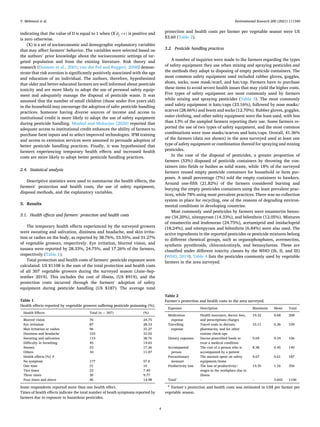
The temporary health effects experienced by the surveyed growers
were sweating and salivation, dizziness and headache, and skin irrita­
tion or rashes on the body, as reported by 38.76%, 33.55%, and 31.27%
of vegetable growers, respectively. Eye irritation, blurred vision, and
nausea were reported by 28.33%, 24.75%, and 17.26% of the farmers,
respectively (Table 1).
Total protection and health costs of farmers’ pesticide exposure were
calculated. US $1108 is the sum of the total protection and health costs
of all 307 vegetable growers during the surveyed season (June–Sep­
tember 2019). This includes the cost of illness, (US $919), and the
protection costs incurred through the farmers’ adoption of safety
equipment during pesticide handling (US $187). The average total
protection and health costs per farmer per vegetable season were US
$3.60 (Table 2).
3.2. Pesticide handling practices
A number of inquiries were made to the farmers regarding the types
of safety equipment they use when mixing and spraying pesticides and
the methods they adopt in disposing of empty pesticide containers. The
most common safety equipment used included rubber gloves, goggles,
shoes, socks, nose mask/scarf, and hat/cap. Farmers have to purchase
these items to avoid severe health issues that may yield the higher costs.
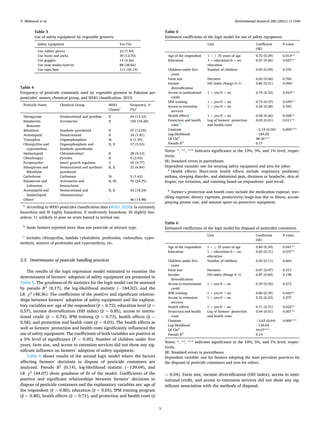
Five types of safety equipment are most commonly used by farmers
while mixing and spraying pesticides (Table 3). The most commonly
used safety equipment is hats/caps (33.16%), followed by nose masks/
scarves (28.66%) and boots and socks (12.70%). Rubber gloves, goggles,
outer clothing, and other safety equipment were the least used, with less
than 13% of the sampled farmers reporting their use. Some farmers re­
ported the use of two types of safety equipment, and the most common
combinations were nose masks/scarves and hats/caps. Overall, 41.36%
of the farmers (data not shown) in the area surveyed used at least one
type of safety equipment or combination thereof for spraying and mixing
pesticides.
In the case of the disposal of pesticides, a greater proportion of
farmers (53%) disposed of pesticide containers by throwing the con­
tainers into fields or bushes as solid waste, while 18% of the surveyed
farmers reused empty pesticide containers for household or farm pur­
poses. A small percentage (7%) sold the empty containers to hawkers.
Around one-fifth (21.82%) of the farmers considered burning and
burying the empty pesticides containers using the least prevalent prac­
tices, while 78% using most prevalent practices. There was no collection
system in place for recycling, one of the reasons of degrading environ­
mental conditions in developing countries.
Most commonly used pesticides by farmers were emamectin benzo­
ate (34.20%), nitenpyram (14.33%), and bifenthrin (12.05%). Mixtures
of emamectin and leufenoran (24.75%), acetamiprid and imidacloprid
(18.24%), and nitenpyram and bifenthrin (6.84%) were also used. The
active ingredients in the reported pesticides or pesticide mixtures belong
to different chemical groups, such as organophosphates, avermectins,
synthetic pyrethroids, chloronicotinyls, and benzoylureas. These are
classified under different toxicity classes by the WHO (Ib, II, and III)
(WHO, 2019). Table 4 lists the pesticides commonly used by vegetable
farmers in the area surveyed.
Table 1
Health effects reported by vegetable growers suffering pesticide poisoning (%).
Health Effects Total (n = 307) (%)
Blurred vision 76 24.75
Eye irritation 87 28.33
Skin irritation or rashes 96 31.27
Dizziness and headache 103 33.55
Sweating and salivation 119 38.76
Difficulty in breathing 45 14.65
Nausea 53 17.26
Others 34 11.07
Health effects (%) #
No symptom 177 57.6
One time 31 10
Two times 23 7.49
Three times 30 9.77
Four times and above 46 14.98
Some respondents reported more than one health effect.
Times of health effects indicate the total number of heath symptoms reported by
farmers due to exposure to hazardous pesticides.
Table 2
Farmer’s protection and health costs in the area surveyed.
Expenses Description Maximum Mean Total
Medication
expense
Health insurance, doctor fees,
and prescriptions charges
10.32 0.68 208
Travelling
expense
Travel costs to doctors,
pharmacies, and for other
routine check-ups
10.11 0.36 109
Dietary expenses Doctor-prescribed foods to
treat a medical condition
9.69 0.34 106
Accompanied
person
The cost of a person who is
accompanied by a patient
8.38 0.45 140
Precautionary
measure
The amount spent on safety
equipment/items
9.67 0.61 187
Productivity loss The loss of productivity/
wages in the workplace due to
illness
19.35 1.16 356
Totala
– – 3.602 1106
a
Farmer’s protection and health costs was estimated in US$ per farmer per
vegetable season.
Y. Mehmood et al.
Environmental Research 200 (2021) 111340
5
3.3. Determinants of pesticide handling practices
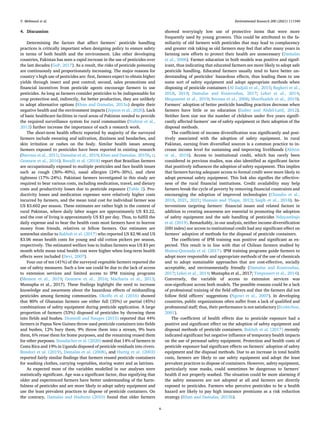
The results of the logit regression model estimated to examine the
determinants of farmers’ adoption of safety equipment are presented in
Table 5. The goodness-of-fit statistics for the logit model can be assessed
by pseudo R2
(0.17), the log-likelihood statistic (− 184.02), and the
LR ​ χ2
(48.36). The coefficients of the positive and significant relation­
ships between farmers’ adoption of safety equipment and the explana­
tory variables are: age of the respondent (β = 0.72), education level (β =
0.57), income diversification (HH index) (β = 0.85), access to institu­
tional credit (β = 0.74), IPM training (β = 0.73), health effects (β =
0.58), and protection and health costs (β = 0.03). The health effects as
well as farmers’ protection and health costs significantly influenced the
use of safety equipment. The coefficients of both variables are positive at
a 5% level of significance (P < 0.05). Number of children under five
years, farm size, and access to extension services did not show any sig­
nificant influence on farmers’ adoption of safety equipment.
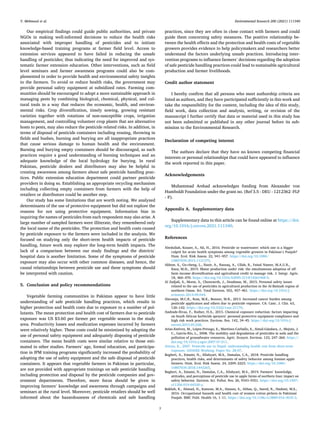
Table 6 shows results of the second logit model where the factors
affecting farmers’ decisions to dispose of pesticide containers are
analyzed. Pseudo R2
(0.14), log-likelihood statistic (− 139.04), and
LR ​ χ2
(44.07) show goodness of fit of the model. Coefficients of the
positive and significant relationships between farmers’ decisions to
dispose of pesticide containers and the explanatory variables are: age of
the respondent (β = 0.80), education (β = 0.65), IPM training program
(β = 0.80), health effects (β = 0.71), and protection and health costs (β
= 0.04). Farm size, income diversification (HH index), access to insti­
tutional credit, and access to extension services did not show any sig­
nificant association with the methods of disposal.
Table 3
Use of safety equipment by vegetable growers.
Safety equipment Yes (%)
Use rubber gloves 23 (7.49)
Use boots and socks 39 (12.70)
Use goggles 14 (4.56)
Use nose masks/scarves 88 (28.66)
Use caps/hats 111 (36.15)
Table 4
Frequency of pesticide commonly used by vegetable growers in Pakistan per
pesticides’ names, chemical group, and WHO classification. 2019.
Pesticide Name Chemical Group WHO
Classesa
Frequency, #
(%)b
Nitenpyram Neonicotinoid and pyridine II 44 (14.33)
Emamectin
Benzoate
Avermectin II 105 (34.20)
Bifenthrin Synthetic pyrethroid II 37 (12.05)
Acetampirid Neonicotinoid II 24 (7.81)
Triazophos Organophosphate Ib 6 (1.95)
Chlorpyrifos and
cypermethrin
Organophosphate and
Synthetic pyrethroids
II, II 17 (5.53)
Imidacloprid Chloronicotinyl II 28 (9.12)
Chlorfenapyr Pyrroles II 9 (2.93)
Pyriproxyfen Insect growth regulator U 30 (9.77)
Nitenpyram and
Bifenthrin
Neonicotinoid and synthetic
pyrethroid
II, II 21 (6.84)
Carbofuran Carbamate Ib 5 (1.62)
Emamectin and
Lufenuron
Avermectin and
benzoylurea
II, III 76 (24.75)
Acetamiprid and
Imidacloprid
Neonicotinoid and
chloronicotinyl
II, II 56 (18.24)
Othersc
– – 46 (14.98)
a
According to WHO pesticides classification data (WHO, 2020): Ia extremely
hazardous and Ib highly hazardous, II moderately hazardous, III slightly haz­
ardous, U: unlikely to pose an acute hazard in normal use.
b
Some farmers reported more than one pesticide or mixture type.
c
Includes chlorpyrifos, lambda cyhalothrin, profenofos, endosulfan, cyper­
methrin, mixture of profenofos and cypermethrin, etc.
Table 5
Estimated coefficients of the logit model for use of safety equipment.
Unit Coefficient
(SE)
P-value
Age of the respondent 1 = ≥ 35 years of age 0.72 (0.29) 0.014**
Education 1 = education/0 = no
education
0.57 (0.26) 0.027**
Children under five
years
Number of children 0.05 (0.09) 0.539
Farm size Hectares 0.02 (0.06) 0.760
Income
diversification
HH index (Range 0–1) 0.85 (0.51) 0.096*
Access to institutional
credit
1 = yes/0 = no 0.74 (0.32) 0.023**
IPM training 1 = yes/0 = no 0.73 (0.37) 0.049**
Access to extension
services
1 = yes/0 = no 0.26 (0.28) 0.343
Health effects a
1 = yes/0 = no 0.58 (0.26) 0.028**
Protection and health
costs b
Log of farmers’ protection
and health costs
0.03 (0.01) 0.011**
Constant − 2.19 (0.50) 0.000***
Log-likelihood − 184.02
LR Chi2
48.36***
Pseudo R2
0.17
Notes: *, **, *** indicates significance at the 10%, 5%, and 1% level, respec­
tively.
SE: Standard errors in parentheses.
Dependent variable: one for wearing safety equipment and zero for other.
a
Health effects: Short-term health effects include respiratory problems/
asthma, sleeping disorder, and abdominal pain, dizziness or headache, skin al­
lergies, eye irritation, and vomiting based on respondents’ past recall.
b
Farmer’s protection and health costs include the medication expense, trav­
elling expense, dietary expenses, productivity/wage-loss due to illness, accom­
panying person cost, and amount spent on protective equipment.
Table 6
Estimated coefficients of the logit model for disposal of pesticides containers.
Unit Coefficient
(SE)
P-value
Age of the respondent 1 = ≥ 35 years of age 0.80 (0.39) 0.041**
Education 1 = education/0 = no
education
0.65 (0.31) 0.037**
Children under five
years
Number of children 0.05 (0.11) 0.664
Farm size Hectares 0.07 (0.07) 0.317
Income
diversification
HH index (Range 0–1) 0.87 (0.60) 0.148
Access to institutional
credit
1 = yes/0 = no 0.39 (0.36) 0.272
IPM training 1 = yes/0 = no 0.80 (0.39) 0.042**
Access to extension
services
1 = yes/0 = no 0.35 (0.33) 0.277
Health effects 1 = yes/0 = no 0.71 (0.31) 0.022**
Protection and health
costs
Log of farmers’ protection
and health costs
0.04 (0.01) 0.001**
Constant − 3.62 (0.64) 0.000***
Log-likelihood − 139.04
LR Chi2
44.07***
Pseudo R2
0.14
Notes: *, **, *** indicates significance at the 10%, 5%, and 1% level, respec­
tively.
SE: Standard errors in parentheses.
Dependent variable: one for farmers adopting the least prevalent practices for
the disposal of pesticide containers and zero for others.
Y. Mehmood et al.
Environmental Research 200 (2021) 111340
6
4. Discussion
Determining the factors that affect farmers’ pesticide handling
practices is critically important when designing policy to ensure safety
in terms of both health and the environment. Like other developing
countries, Pakistan has seen a rapid increase in the use of pesticides over
the last decades (GoP, 2017). As a result, the risks of pesticide poisoning
are continuously and proportionately increasing. The major reasons for
country’s high use of pesticides are: first, farmers expect to obtain higher
yields through insect and pest control; second, sales promotions and
financial incentives from pesticide agents encourage farmers to use
pesticides. As long as farmers consider pesticides to be indispensable for
crop protection and, indirectly, for better production, they are unlikely
to adopt alternative options (Khan and Damalas, 2015a) despite their
negative health and the environment impacts (Jepson et al., 2020). Lack
of basic healthcare facilities in rural areas of Pakistan needed to provide
the required surveillance system for rural communities (Nishtar et al.,
2013) further increase the importance of such a research work.
The short-term health effects reported by majority of the surveyed
farmers include sweating and salivation, dizziness and headaches, and
skin irritation or rashes on the body. Similar health issues among
farmers exposed to pesticides have been reported in existing research
(Barraza et al., 2011; Damalas et al., 2019; Khan and Damalas, 2015b, c;
Gesesew et al., 2016). Buralli et al. (2018) report that Brazilian farmers
are occupationally exposed to multiple pesticides and face health issues
such as cough (30%–40%), nasal allergies (24%–30%), and chest
tightness (17%–24%). Pakistani farmers investigated in this study are
required to bear various costs, including medication, travel, and dietary
costs and productivity losses due to pesticide exposure (Table 2). Pro­
ductivity losses and medication expenses were relatively higher costs
incurred by farmers, and the mean total cost for individual farmer was
US $3.602 per season. These estimates are rather high in the context of
rural Pakistan, where daily labor wages are approximately US $3.22,
and the cost of living is approximately US $3 per day. Thus, to fulfill the
daily expense and to bear the health costs most farmers have to borrow
money from friends, relatives or fellow farmers. Our estimates are
somewhat similar to Bakhsh et al. (2017) who reported US $2.96 and US
$3.06 mean health costs for young and old cotton pickers per season,
respectively. The estimated welfare loss to Indian farmers was US $3 per
month while mean total health cost were higher when long-term health
effects were included (Devi, 2007).
Four out of ten (41%) of the surveyed vegetable farmers reported the
use of safety measures. Such a low use could be due to the lack of access
to extension services and limited access to IPM training programs
(Memon et al., 2019; Gesesew et al., 2016; Macharia et al., 2013;
Mustapha et al., 2017). These findings highlight the need to increase
knowledge and awareness about the hazardous effects of mishandling
pesticides among farming communities. Okoffo et al. (2016) showed
that 80% of Ghanaian farmers use either full (35%) or partial (45%)
combinations of safety equipment during pesticide application. A large
proportion of farmers (53%) disposed of pesticides by throwing them
into fields and bushes. Diomedi and Nauges (2015) reported that 44%
farmers in Papua New Guinea throw used pesticide containers into fields
and bushes, 12% bury them, 9% throw them into a stream, 9% burn
them, 6% reuse them for home purposes, and the remaining reused them
for other purposes. Staudacher et al. (2020) noted that 14% of farmers in
Costa Rica and 19% in Uganda disposed of pesticide residuals into rivers.
Bondori et al. (2019), Damalas et al. (2008), and Hurtig et al. (2003)
reported fairly similar findings that farmers reused pesticide containers
for washing clothes, carrying vegetables, storing water and as latrines.
As expected most of the variables modelled in our analyses were
statistically significant. Age was a significant factor, thus signifying that
older and experienced farmers have better understanding of the harm­
fulness of pesticides and are more likely to adopt safety equipment and
use the least prevalent practices to dispose of pesticide containers. On
the contrary, Damalas and Hashemi (2010) found that older farmers
showed worryingly low use of protective items that were more
frequently used by young growers. This could be attributed to the fa­
miliarity of old farmers with pesticides that may lead to complacency
and greater risk taking as old farmers may feel that after many years in
farming new efforts to protect their health are unnecessary (Damalas
et al., 2006). Farmer education in both models was positive and signif­
icant, thus indicating that educated farmers are more likely to adopt safe
pesticide handling. Educated farmers usually tend to have better un­
derstanding of pesticides’ hazardous effects, thus leading them to use
some sort of safety equipment and adopt appropriate methods when
disposing of pesticide containers (Al Zadjali et al., 2015; Bagheri et al.,
2018, 2019; Damalas and Koutroubas, 2017; Lekei et al., 2014;
Mequanint et al., 2019; Recena et al., 2006; Sharifzadeh et al., 2019).
Farmers’ adoption of better pesticide handling practices decrease when
farmers have little or no education (Gaber and Abdel-Latif, 2012).
Neither farm size nor the number of children under five years signifi­
cantly affected farmers’ use of safety equipment or their adoption of the
disposal methods.
The coefficient of income diversification was significantly and posi­
tively associated with the adoption of safety equipment. In rural
Pakistan, earning from diversified sources is a common practice to in­
crease income level for sustaining and improving livelihoods (Akhtar
et al., 2019). Access to institutional credit, which has rarely been
considered in previous studies, was also identified as significant factor
that positively influences the adoption of safety equipment. This implies
that farmers having adequate access to formal credit were more likely to
adopt personal safety equipment. This link also signifies the effective­
ness of the rural financial institutions. Credit availability may help
farmers break the cycle of poverty by removing financial constraints and
encouraging the adoption of improved technologies (Chandio et al.,
2018, 2021, 2021; Hussain and Thapa, 2012; Saqib et al., 2018). In­
terventions targeting farmers’ financial issues and related factors in
addition to creating awareness are essential in promoting the adoption
of safety equipment and the safe handling of pesticides Ndayambaje
et al. (2019). Remarkably, in our analysis, neither income diversification
(HH index) nor access to institutional credit had any significant effect on
farmers’ adoption of methods for the disposal of pesticide containers.
The coefficient of IPM training was positive and significant as ex­
pected. This result is in line with that of Chilean farmers studied by
Muñoz-Quezada et al. (2017). IPM training programs guide farmers to
adopt more responsible and appropriate methods of the use of chemicals
and to adopt sustainable approaches that are cost-effective, socially
acceptable, and environmentally friendly (Damalas and Koutroubas,
2017; Lekei et al., 2014; Mustapha et al., 2017; Timprasert et al., 2014).
Conversely, the variable of access to extension services was
non-significant across both models. The possible reasons could be a lack
of professional training of the field officers and that the farmers did not
follow field officers’ suggestions (Ngowi et al., 2007). In developing
countries, public organizations often suffer from a lack of qualified and
professional staff; thus, their performance is not satisfactory (Ecobichon,
2001).
The coefficient of health effects due to pesticide exposure had a
positive and significant effect on the adoption of safety equipment and
disposal methods of pesticide containers. Bakhsh et al. (2017) recently
indicated significant but negative influence of temporary health impacts
on the use of personal safety equipment. Protection and health costs of
pesticide exposure had significant effects on farmers’ adoption of safety
equipment and the disposal methods. Due to an increase in total health
costs, farmers are likely to use safety equipment and adopt the least
prevalent practices to dispose of containers. However, safety equipment,
particularly nose masks, could sometimes be dangerous to farmers’
health if not properly washed. The situation could be more alarming if
the safety measures are not adopted at all and farmers are directly
exposed to pesticides. Farmers who perceive pesticides to be a health
hazard are likely to pay high insurance premiums as a risk reduction
strategy (Khan and Damalas, 2015b).
Y. Mehmood et al.
Environmental Research 200 (2021) 111340
7
Our empirical findings could guide public authorities, and private
NGOs in making well-informed decisions to reduce the health risks
associated with improper handling of pesticides and to initiate
knowledge-based training programs at farmer field level. Access to
extension services appeared to have failed in reducing the unsafe
handling of pesticides; thus indicating the need for improved and sys­
tematic farmer extension education. Other interventions, such as field
level seminars and farmer awareness programs could also be com­
plemented in order to provide health and environmental safety insights
to the farmers. To avoid or reduce health risks, the government may
provide personal safety equipment at subsidized rates. Farming com­
munities should be encouraged to adopt a more sustainable approach in
managing pests by combining biological, chemical, physical, and cul­
tural tools in a way that reduces the economic, health, and environ­
mental risks. Crop diversification, timely sowing, growing resistant
varieties together with rotations of non-susceptible crops, irrigation
management, and controlling volunteer crop plants that are alternative
hosts to pests, may also reduce the pesticide related risks. In addition, in
terms of disposal of pesticide containers including reusing, throwing in
fields and bushes, burning and burying are all inappropriate practices
that cause serious damage to human health and the environment.
Burning and burying empty containers should be discouraged, as such
practices require a good understanding of burning techniques and an
adequate knowledge of the local hydrology for burying. In rural
Pakistan, pesticide dealers and distributors may also be helpful in
creating awareness among farmers about safe pesticide handling prac­
tices. Public extension education department could partner pesticide
providers in doing so. Establishing an appropriate recycling mechanism
including collecting empty containers from farmers with the help of
retailers or distributors could be another step.
Our study has some limitations that are worth noting. We analyzed
determinants of the use of protective equipment but did not explore the
reasons for not using protective equipment. Information bias in
inquiring the names of pesticides from each respondent may also arise. A
large number of sampled farmers were illiterate, they remembered only
the local name of the pesticides. The protection and health costs caused
by pesticide exposure to the farmers were included in the analysis. We
focused on studying only the short-term health impacts of pesticide
handling, future work may explore the long-term health impacts. The
lack of a comparison between our study findings and the districts’
hospital data is another limitation. Some of the symptoms of pesticide
exposure may also occur with other common diseases, and hence, the
causal relationships between pesticide use and these symptoms should
be interpreted with caution.
5. Conclusion and policy recommendations
Vegetable farming communities in Pakistan appear to have little
understanding of safe pesticide handling practices, which results in
higher protection and health costs due to exposure to a number of pol­
lutants. The mean protection and health cost of farmers due to pesticide
exposure was US $3.60 per farmer per vegetable season in the study
area. Productivity losses and medication expenses incurred by farmers
were relatively higher. These costs could be minimized by adopting the
use of personal safety equipment and adequately disposing of pesticide
containers. The mean health costs were similar relative to those esti­
mated in other studies. Farmers’ age, formal education, and participa­
tion in IPM training programs significantly increased the probability of
adopting the use of safety equipment and the safe disposal of pesticide
containers. It appears that vegetable farmers in Pakistan in particular,
are not provided with appropriate trainings on safe pesticide handling
including protection and disposal by the pesticide companies and gov­
ernment departments. Therefore, more focus should be given in
improving farmers’ knowledge and awareness through campaigns and
seminars at the rural level. Moreover, pesticide retailers should be well
informed about the hazardousness of chemicals and safe handling
practices, since they are often in close contact with farmers and could
guide them concerning safety measures. The positive relationship be­
tween the health effects and the protection and health costs of vegetable
growers provides evidence to help policymakers and researchers better
understand the factors underlying unsafe practices. Introducing inter­
vention programs to influence farmers’ decisions regarding the adoption
of safe pesticide handling practices could lead to sustainable agricultural
production and farmer livelihoods.
Credit author statement
I hereby confirm that all persons who meet authorship criteria are
listed as authors, and they have participated sufficiently in this work and
take the responsibility for the content, including the idea of this study,
field work, data collection and analysis, writing, or revision of the
manuscript I further certify that data or material used in this study has
not been submitted or published in any other journal before its sub­
mission to the Environmental Research.
Declaration of competing interest
The authors declare that they have no known competing financial
interests or personal relationships that could have appeared to influence
the work reported in this paper.
Acknowledgements
Muhammad Arshad acknowledges funding from Alexander von
Humboldt Foundation under the grant no. (Ref 3.5 - DEU - 1212362 -FLF
- P).
Appendix A. Supplementary data
Supplementary data to this article can be found online at https://doi.
org/10.1016/j.envres.2021.111340.
References
Abedullah, Kouser, S., Ali, H., 2016. Pesticide or wastewater: which one is a bigger
culprit for acute health symptoms among vegetable growers in Pakistan’s Punjab?
Hum. Ecol. Risk Assess. 22, 941–957. https://doi.org/10.1080/
10807039.2015.1121375.
Akhtar, S., Gu-cheng, L., Nazir, A., Razzaq, A., Ullah, R., Faisal Naseer, M.A.U.R.,
Raza, M.H., 2019. Maize production under risk: the simultaneous adoption of off-
farm income diversification and agricultural credit to manage risk. J. Integr. Agric.
18, 460–470. https://doi.org/10.1016/S2095-3119(18)61968-9.
Al Zadjali, S., Morse, S., Chenoweth, J., Deadman, M., 2015. Personal safety issues
related to the use of pesticides in agricultural production in the Al-Batinah region of
northern Oman. Sci. Total Environ. 502, 457–461. https://doi.org/10.1016/j.
scitotenv.2014.09.044.
Alavanja, M.C.R., Ross, M.K., Bonner, M.R., 2013. Increased cancer burden among
pesticide applicators and others due to pesticide exposure. CA: Canc. J. Clin. 63,
120–142. https://doi.org/10.3322/caac.21170.
Andrade-Rivas, F., Rother, H.A., 2015. Chemical exposure reduction: factors impacting
on South African herbicide sprayers’ personal protective equipment compliance and
high risk work practices. Environ. Res. 142, 34–45. https://doi.org/10.1016/j.
envres.2015.05.028.
Arias-Estévez, M., López-Periago, E., Martínez-Carballo, E., Simal-Gándara, J., Mejuto, J.
C., García-Río, L., 2008. The mobility and degradation of pesticides in soils and the
pollution of groundwater resources. Agric. Ecosyst. Environ. 123, 247–260. https://
doi.org/10.1016/j.agee.2007.07.011.
Atreya, K., 2007. Pesticide use in Nepal: understanding health cost from short-term
exposure. SANDEE Working. Paper No. 28-07.
Bagheri, A., Emami, N., Allahyari, M.S., Damalas, C.A., 2018. Pesticide handling
practices, health risks, and determinants of safety behavior among Iranian apple
farmers. Hum. Ecol. Risk Assess. 24, 2209–2223. https://doi.org/10.1080/
10807039.2018.1443265.
Bagheri, A., Emami, N., Damalas, C.A., Allahyari, M.S., 2019. Farmers’ knowledge,
attitudes, and perceptions of pesticide use in apple farms of northern Iran: impact on
safety behavior. Environ. Sci. Pollut. Res. 26, 9343–9351. https://doi.org/10.1007/
s11356-019-04330-y.
Bakhsh, K., Ahmad, N., Kamran, M.A., Hassan, S., Abbas, Q., Saeed, R., Hashmi, M.S.,
2016. Occupational hazards and health cost of women cotton pickers in Pakistani
Punjab. BMC Publ. Health 16, 1–11. https://doi.org/10.1186/s12889-016-3635-3.
Y. Mehmood et al.
Environmental Research 200 (2021) 111340
8
Bakhsh, K., Ahmad, N., Tabasum, S., Hassan, S., Hassan, I., 2017. Health hazards and
adoption of personal protective equipment during cotton harvesting in Pakistan. Sci.
Total Environ. 598, 1058–1064. https://doi.org/10.1016/j.scitotenv.2017.04.043.
Baldi, I., Lebailly, P., Bouvier, G., Rondeau, V., Kientz-Bouchart, V., Canal-Raffin, M.,
Garrigou, A., 2014. Levels and determinants of pesticide exposure in re-entry
workers in vineyards: results of the PESTEXPO study. Environ. Res. 132, 360–369.
https://doi.org/10.1016/j.envres.2014.04.035.
Bapayeva, G., Issayeva, R., Zhumadilova, A., Nurkasimova, R., Kulbayeva, S.,
Tleuzhan, R., 2016. Organochlorine pesticides and female puberty in South
Kazakhstan. Reprod. Toxicol. 65, 67–75. https://doi.org/10.1016/j.
reprotox.2016.06.017.
Barraza, D., Jansen, K., de Joode, B.V.W., Wesseling, C., 2011. Pesticide use in banana
and plantain production and risk perception among local actors in Talamanca, Costa
Rica. Environ. Res. 111, 708–717. https://doi.org/10.1016/j.envres.2011.02.009.
Bondori, A., Bagheri, A., Allahyari, M.S., Damalas, C.A., 2019. Pesticide waste disposal
among farmers of Moghan region of Iran: current trends and determinants of
behavior. Environ. Monit. Assess. 191, 30. https://doi.org/10.1007/s10661-018-
7150-0.
Buralli, R.J., Ribeiro, H., Mauad, T., Amato-Lourenço, L.F., Salge, J.M., Diaz-Quijano, F.
A., Leão, R.S., Marques, R.C., Silva, D.S., Guimarães, J., 2018. Respiratory condition
of family farmers exposed to pesticides in the state of Rio de Janeiro, Brazil. Int. J.
Environ. Res. Publ. Health 15, 1203. https://doi.org/10.3390/ijerph15061203.
Chandio, A.A., Jiang, Y., Rehman, A., 2018. Credit margin of investment in the
agricultural sector and credit fungibility: the case of smallholders of district
Shikarpur, Sindh, Pakistan. Financial Innov. 4, 1–10. https://doi.org/10.1186/
s40854-018-0109-x.
Chandio, A.A., Jiang, Y., Rehman, A., Akram, W., 2021. Does Formal Credit Enhance
Sugarcane Productivity? A Farm-Level Study of Sindh, vol. 11. SAGE Open, Pakistan.
https://doi.org/10.1177/2158244020988533.
Charlier, C., Albert, A., Herman, P., Hamoir, E., Gaspard, U., Meurisse, M., Plomteux, G.,
2003. Breast cancer and serum organochlorine residues. Occup. Environ. Med. 60,
348–351. https://doi.org/10.1136/oem.60.5.348.
Chetty-Mhlanga, S., Fuhrimann, S., Basera, W., Eeftens, M., Röösli, M., Dalvie, M.Q.,
2021. Association of activities related to pesticide exposure on headache severity
and neurodevelopment of school-children in the rural agricultural farmlands of the
Western Cape of South Africa. Environ. Int. 146, 106237. https://doi.org/10.1016/j.
envint.2020.106237.
Damalas, C.A., Koutroubas, S.D., 2017. Farmers’ training on pesticide use is associated
with elevated safety behavior. Toxics 5, 19. https://doi.org/10.3390/
toxics5030019.
Damalas, C.A., 2009. Understanding benefits and risks of pesticide use. Sci. Res. Essays 4,
945–949.
Damalas, C.A., Eleftherohorinos, I.G., 2011. Pesticide exposure, safety issues, and risk
assessment indicators. Int. J. Environ. Res. Publ. Health 8, 1402–1419. https://doi.
org/10.3390/ijerph8051402.
Damalas, C.A., Georgiou, E.B., Theodorou, M.G., 2006. Pesticide use and safety practices
among Greek tobacco farmers: a survey. Int. J. Environ. Health Res. 16, 339–348.
https://doi.org/10.1080/09603120600869190.
Damalas, C.A., Hashemi, S.M., 2010. Pesticide risk perception and use of personal
protective equipment among young and old cotton growers in northern Greece.
Agrociencia 44, 363–371.
Damalas, C.A., Koutroubas, S.D., 2016. Farmers’ exposure to pesticides: toxicity types
and ways of prevention. Toxics 4, 1. https://doi.org/10.3390/toxics4010001.
Damalas, C.A., Koutroubas, S.D., Abdollahzadeh, G., 2019. Drivers of Personal Safety in
Agriculture: a case study with pesticide operators. Agriculture 9, 34. https://doi.org/
10.3390/agriculture9020034.
Damalas, C.A., Telidis, G.K., Thanos, S.D., 2008. Assessing farmers’ practices on disposal
of pesticide waste after use. Sci. Total Environ. 390, 341–345. https://doi.org/
10.1016/j.scitotenv.2007.10.028.
DAWN, 2007. Pesticides, health and environment (online accessed April 26, 2020)online
available at: https://www.dawn.com/news/239206/pesticides-health-and-environ
ment.
DAWN, 2018. Environmental impact of pesticide overuse (Online accessed April 14,
2020)online available at: https://www.dawn.com/news/1406013.
de Almeida, F.G., Guimarães, L.S.F., Fonseca, A.d., de Oliveira, P.R., da Silva Mendes, S.,
2021. Influence of pesticides in reproductive aspects of Tropidurus torquatus in Minas
Gerais, Brazil. Environ. Sci. Pollut. Res. 1–7 https://doi.org/10.1007/s11356-021-
12712-4.
Devi, I.P., 2007. Pesticide Use in the Rice Bowl of Kerala: Health Costs and Policy
Options. SANDEE Working Paper 21.
Dickie, M., 2017. Averting behavior methods. In: Champ, P., Boyle, K., Brown, T. (Eds.),
A Primer on Nonmarket Valuation. The Economics of Non-market Goods and
Resources, vol. 13. Springer, Dordrecht.
Diomedi, Z.E., Nauges, C., 2015. Pesticide-handling practices: the case of coffee growers
in Papua New Guinea. Aust. J. Agric. Resour. Econ. 60, 112–129. https://doi.org/
10.1111/1467-8489.12106.
Dosman, D.M., Adamowicz, W.L., Hrudey, S.E., 2001. Socioeconomic determinants of
health- and food safety- related risk perceptions. Risk Anal. 21, 307–318. https://
doi.org/10.1111/0272-4332.212113.
Ecobichon, D.J., 2001. Pesticide use in developing countries. Toxicology 160, 27–33.
https://doi.org/10.1016/S0300-483X(00)00452-2.
FAO and WHO, 2008. International Code of Conduct on the Distribution and Use of
Pesticides: Guidelines for the Registration of Pesticides. World Health Organization
(No. WHO/HTM/NTD/WHOPES/2010.7).
Gaber, S., Abdel-Latif, S.H., 2012. Effect of education and health locus of control on safe
use of pesticides: a cross sectional random study. J. Occup. Med. Toxicol. 7, 1–7.
Gesesew, H.A., Woldemichael, K., Massa, D., Mwanri, L., 2016. Farmers knowledge,
attitudes, practices and health problems associated with pesticide use in rural
Irrigation villages, Southwest Ethiopia. PloS One 11, e0162527. https://doi.org/
10.1371/journal.pone.0162527.
GoP, 2017. Agricultural Statistics of Pakistan, 2018-19. Ministry of Food and Agriculture,
Finance Division, Economic Advisor’s Wing, Islamabad, Pakistan.
GoP, 2018. The Urban Gazette of Pakistan, 6th
Population and Housing Census 2017: A
Comprehensive Summary of Results. The Urban Unit, Punjab, Government of
Punjab, Lahore, Pakistan.
Gunnell, D., Knipe, D., Chang, S.S., Pearson, M., Konradsen, F., Lee, W.J., Eddleston, M.,
2017. Prevention of suicide with regulations aimed at restricting access to highly
hazardous pesticides: a systematic review of the international evidence. Lancet Glob.
Health. https://doi.org/10.1016/S2214-109X(17)30299-1. E1026-E1037.
Hurtig, A.K., San Sebastian, M., Soto, A., Shingre, A., Zambrano, D., Guerrero, W., 2003.
Pesticide use among farmers in the Amazon basin of Ecuador. Arch. Environ. Occup.
Health 58, 223–228. https://doi.org/10.3200/AEOH.58.4.223-228.
Hussain, A., Thapa, G.B., 2012. Smallholders’ access to agricultural credit in Pakistan.
Food Secur. 4, 73–85. https://doi.org/10.1108/IJSE-12-2016-0347.
Jepson, P.C., Murray, K., Bach, O., Bonilla, M.A., Neumeister, L., 2020. Selection of
pesticides to reduce human and environmental health risks: a global guideline and
minimum pesticides list. Lancet Planet Health 4, 56–63. https://doi.org/10.1016/
S2542-5196(19)30266-9.
Khan, M., Damalas, C.A., 2015a. Factors preventing the adoption of alternatives to
chemical pest control among Pakistani cotton farmers. Int. J. Pest Manag. 61, 9–16.
https://doi.org/10.1080/09670874.2014.984257.
Khan, M., Damalas, C.A., 2015b. Farmers’ willingness to pay for less health risks by
pesticide use: a case study from the cotton belt of Punjab, Pakistan. Sci. Total
Environ. 530–531, 297–303. https://doi.org/10.1016/j.scitotenv.2015.05.110.
Khan, M., Damalas, C.A., 2015c. Occupational exposure to pesticides and resultant
health problems among cotton farmers of Punjab, Pakistan. Int. J. Environ. Health
Res. 25, 508–521. https://doi.org/10.1080/09603123.2014.980781.
Khan, M., Mahmood, H.Z., Damalas, C.A., 2015. Pesticide use and risk perceptions
among farmers in the cotton belt of Punjab, Pakistan. Crop Protect. 67, 184–190.
https://doi.org/10.1016/j.cropro.2014.10.013.
Landrigan, P.J., 2016. Air pollution and health. Lance. Pub. Health 2, 4–5. https://doi.
org/10.1016/S2468-2667(16)30023-8.
Lekei, E.E., Ngowi, A.V., London, L., 2014. Farmers’ knowledge, practices and injuries
associated with pesticide exposure in rural farming villages in Tanzania. BMC Publ.
Health 14, 389. https://doi.org/10.1186/1471-2458-14-389.
MacFarlane, E., Carey, R., Keegel, T., El-Zaemay, S., Fritschi, L., 2013. Dermal exposure
associated with occupational end use of pesticides and the role of protective
measures. Saf. Health Work. 4, 136–141. https://doi.org/10.1016/j.
shaw.2013.07.004.
Macharia, I., Mithöfer, D., Waibel, H., 2013. Pesticide handling practices by vegetable
farmer in Kenya. Environ. Dev. Sustain. 15, 887–902. https://doi.org/10.1007/
s10668-012-9417-x.
Marsala, R.Z., Capri, E., Russo, E., Bisagni, M., Colla, R., Lucini, L., Gallo, A., Suciu, N.A.,
2020. First evaluation of pesticides occurrence in groundwater of Tidone Valley, an
area with intensive viticulture. Sci. Total Environ. 736, 139730. https://doi.org/
10.1016/j.scitotenv.2020.139730.
Matthews, G.A., 2008. Attitudes and behaviours regarding use of crop protection
products-A survey of more than 8500 smallholders in 26 countries. Crop Protect. 27,
834–846. https://doi.org/10.1016/j.cropro.2007.10.013.
Mehmood, Y., Arshad, M., Kaechele, H., Mahmood, N., Kong, R., 2020. Pesticide
residues, health risks, and vegetable farmers’ risk perceptions in Punjab, Pakistan.
Hum. Ecol. Risk Assess. 26, 1–20. https://doi.org/10.1080/
10807039.2020.1776591.
Memon, Q.U.A., Wagan, S.A., Chunyu, D., Shuangxi, X., Jingdong, L., Damalas, C.A.,
2019. Health problems from pesticide exposure and personal protective measures
among women cotton workers in southern Pakistan. Sci. Total Environ. 685,
659–666. https://doi.org/10.1016/j.scitotenv.2019.05.173.
Mequanint, C., Getachew, B., Mindaye, Y., Amare, D.E., Guadu, T., Dagne, H., 2019.
Practice towards pesticide handling, storage and its associated factors among
farmers working in irrigations in Gondar town, Ethiopia. BMC Res. Notes 12, 1–6.
https://doi.org/10.1186/s13104-019-4754-6.
Moahid, M., Maharjan, K.L., 2020. Factors affecting farmers’ access to formal and
informal credit: evidence from rural Afghanistan. Sustainability 12, 1268. https://
doi.org/10.3390/su12031268.
Muñoz-Quezada, M.T., Lucero, B., Iglesias, V., Levy, K., Muñoz, M.P., Achú, E.,
Cornejo, C., Concha, C., Brito, A.M., Villalobos, M., 2017. Exposure to
organophosphate (OP) pesticides and health conditions in agricultural and non-
agricultural workers from Maule, Chile. Int. J. Environ. Health Res. 27, 82–93.
https://doi.org/10.1080/09603123.2016.1268679.
Ndayambaje, B., Amuguni, H., Coffin-Schmitt, J., Sibo, N., Ntawubizi, M.,
VanWormer, E., 2019. Pesticide application practices and knowledge among small-
scale local rice growers and communities in Rwanda: a cross-sectional study. Int. J.
Environ. Res. Publ. Health 16, 4770. https://doi.org/10.3390/ijerph16234770.
Ngowi, A.V.F., Mbise, T.J., Ijani, A.S.M., London, L., Ajayi, O.C., 2007. Smallholder
vegetable farmers in Northern Tanzania: pesticides use practices, perceptions, cost
and health effects. Crop Protect. 26, 1617–1624. https://doi.org/10.1016/j.
cropro.2007.01.008.
Nishtar, S., Boerma, T., Amjad, S., Alam, A.Y., Khalid, F., ul Haq, I., Mirza, Y.A., 2013.
Pakistan’s health system: performance and prospects after the 18th Constitutional
Amendment. Lancet 381, 2193–2206. https://doi.org/10.1016/S0140-6736(13)
60019-7.
Y. Mehmood et al.
Environmental Research 200 (2021) 111340
9
Okoffo, E.D., Mensah, M., Fosu-Mensah, B.Y., 2016. Pesticides exposure and the use of
personal protective equipment by cocoa farmers in Ghana. Environ. Syst. Res. 5, 17.
https://doi.org/10.1186/s40068-016-0068-z.
Recena, M.C., Caldas, E.D., Pires, D.X., Pontes, E.R., 2006. Pesticides exposure in
Culturama, Brazil—knowledge, attitudes, and practices. Environ. Res. 102, 230–236.
https://doi.org/10.1016/j.envres.2006.01.007.
Saeed, M.F., Shaheen, M., Ahmad, I., Zakir, A., Nadeem, M., Ali, A., Shahid, C.M.,
Bakhsh, K., Damalas, C.A., 2017. Pesticide exposure in the local community of
Vehari District in Pakistan: an assessment of knowledge and residues in human
blood. Sci. Total Environ. 587–588, 137–144. https://doi.org/10.1016/j.
scitotenv.2017.02.086.
Sapbamrer, R., Thammachai, A., 2020. Factors affecting use of personal protective
equipment and pesticide safety practices: a systematic review. Environ. Res. 185,
109444. https://doi.org/10.1016/j.envres.2020.109444.
Saqib, S.E., Kuwornu, J.K., Ahmad, M.M., Panezai, S., 2018. Subsistence farmers’ access
to agricultural credit and its adequacy: some empirical evidences from Pakistan. Int.
J. Soc. Econ. 45, 644–660. https://doi.org/10.1108/IJSE-12-2016-0347.
Sharifzadeh, M.S., Abdollahzadeh, G., Damalas, C.A., Rezaei, R., Ahmadyousefi, M.,
2019. Determinants of pesticide safety behavior among Iranian rice farmers. Sci.
Total Environ. 651, 2953–2960. https://doi.org/10.1016/j.scitotenv.2018.10.179.
Staudacher, P., Fuhrimann, S., Farnham, A., Mora, A.M., Atuhaire, A., Niwagaba, C.,
Stamm, C., Eggen, R.I., Winkler, M.S., 2020. Comparative analysis of pesticide use
determinants among smallholder farmers from Costa Rica and Uganda. Environ.
Health Insights 14, 14. https://doi.org/10.1177/1178630220972417.
Tahir, S., Anwar, T., 2012. Assessment of pesticide exposure in female population living
in cotton growing areas of Punjab, Pakistan. Bull. Environ. Contam. Toxicol. 89,
1138–1141. https://doi.org/10.1007/s00128-012-0857-7.
Tariq, M.I., Afzal, S., Hussain, I., Sultana, N., 2007. Pesticides exposure in Pakistan: a
review. Environ. Int. 33, 1107–1122. https://doi.org/10.1016/j.
envint.2007.07.012.
Timprasert, S., Datta, A., Ranamukhaarachchi, S.L., 2014. Factors determining adoption
of integrated pest management by vegetable growers in Nakhon Ratchasima
Province, Thailand. Crop Protect. 62, 32–39. https://doi.org/10.1016/j.
cropro.2014.04.008.
van den Berg, H., Gu, B., Grenier, B., Kohlschmid, E., Al-Eryani, S., da Silva Bezerra, H.S.,
Nagpal, B.N., Chanda, E., Gasimov, E., Velayudhan, R., Yadav, R.S., 2020. Pesticide
lifecycle management in agriculture and public health: where are the gaps? Sci.
Total Environ. 742, 140598. https://doi.org/10.1016/j.scitotenv.2020.140598.
van der Pol, M., Ruggeri, M., 2008. Is risk attitude outcome specific within the health
domain? J. Health Econ. 27, 706–717. https://doi.org/10.1016/j.
jhealeco.2007.10.002.
WHO, 2020. The WHO Recommended Classification of Pesticides by Hazard and
Guidelines to Classification 2019. World Health Organization.
WHO, 2012. Poisoning prevention and management, international programme on
chemical safety, world health organization. Available data: https://www.who.int/i
pcs/poisons/en/. (Accessed 12 January 2020).
Ye, M., Beach, J., Martin, J.W., Senthilselvan, A., 2013. Occupational pesticide exposures
and respiratory health. Int. J. Environ. Res. Publ. Health 10, 6442–6471. https://doi.
org/10.3390/ijerph10126442.
Ye, M., Beach, J., Martin, J.W., Senthilselvan, A., 2017. Pesticide exposures and
respiratory health in general populations. J. Environ. Sci. 51, 361–370. https://doi.
org/10.1016/j.jes.2016.11.012.
Y. Mehmood et al.
View publication stats

EnvironmentalResearch.pdf

  • 1.
    See discussions, stats,and author profiles for this publication at: https://www.researchgate.net/publication/351827917 Occupational hazards, health costs, and pesticide handling practices among vegetable growers in Pakistan Article in Environmental Research · May 2021 DOI: 10.1016/j.envres.2021.111340 CITATIONS 0 READS 44 5 authors, including: Some of the authors of this publication are also working on these related projects: Rural Finance View project Climate change impacts on rainfed wheat farming and farmers’ adaptation response: Evidence from Pakistan View project Yasir Mehmood Northwest A & F University 14 PUBLICATIONS 199 CITATIONS SEE PROFILE Muhammad Arshad Leibniz Centre for Agricultural Landscape Research 29 PUBLICATIONS 392 CITATIONS SEE PROFILE Nasir Mahmood PMAS - Arid Agriculture University 14 PUBLICATIONS 238 CITATIONS SEE PROFILE Harald Kaechele Leibniz Centre for Agricultural Landscape Research 88 PUBLICATIONS 1,439 CITATIONS SEE PROFILE All content following this page was uploaded by Yasir Mehmood on 08 June 2021. The user has requested enhancement of the downloaded file.
  • 2.
    Environmental Research 200(2021) 111340 Available online 24 May 2021 0013-9351/© 2021 Elsevier Inc. All rights reserved. Occupational hazards, health costs, and pesticide handling practices among vegetable growers in Pakistan Yasir Mehmood a,* , Muhammad Arshad b,c , Nasir Mahmood d , Harald Kächele c,e , Rong Kong f a Department of Social and Behavioral Sciences, National University of Medical Sciences, Rawalpindi, Pakistan b Department of Economics, School of Social Sciences and Humanities (S3H), National University of Science and Technology (NUST), Islamabad, Pakistan c Leibniz Centre for Agricultural Landscape Research (ZALF), Eberswalder Straße 84, 15374, Müncheberg, Germany d Department of Economics & Agricultural Economics, PMAS-Arid Agriculture University, Rawalpindi, Pakistan e Eberswalde University for Sustainable Development, Schicklerstraße 5, 16225, Eberswalde, Germany f College of Economics and Management, Northwest A&F University, Yangling, China A R T I C L E I N F O Keywords: Farmers Health effects Pesticide disposal Safety equipment A B S T R A C T Disregarding protective measures when handling pesticides in agricultural production imposes increased health risks and health costs on farmers as well as degrades the natural ecosystem. In Pakistan, where agriculture is the prime occupation in rural communities, there is overwhelming evidence of indiscriminate use of hazardous pesticides by farmers without taking adequate precautions. Using cross-sectional data, we examined personal protection and health costs to vegetable growers due to pesticide exposure and determinants of farmers’ pesticide handling practices. The theory of averting behavior was used, and the possible factors affecting farmers’ adoption of safety equipment and of disposal methods for pesticide containers were estimated using a logit model. Health effects (P < 0.05) and farmers’ protection and health costs (P < 0.01) are found as important determinants of farmers’ adoption of safety equipment and of disposal methods for pesticide containers. The mean protection and health cost of pesticide exposure per farmer per vegetable season in 2019 was US $3.60. Analytical outcomes indicate that safe and recommended pesticide handling practices are needed to be intro­ duced through adequate integrated pest management (IPM) training programs and by improving farmers’ formal education. Thus, creating awareness through IPM training programs among vegetable growers and enhancing formal education to encourage the adoption of precautionary measures and safe disposal methods for pesticide containers may reduce health risks and health costs. Findings imply that adoption of adequate pesticide handling practices would further help reduce occupational hazards and promote sustainable agriculture in Pakistan. 1. Introduction The use of pesticides has substantially increased in Pakistan over the last decades. In 2017, Pakistani farmers applied 206,730 metric tons of pesticides to agricultural land, almost tripling the 73,632 metric tons used in 2010 (GoP, 2017). Extensive use of pesticides in the country indicates increased potential health risks for farmers and farmworkers, as well as for pesticide applicators, mixers, and loaders. In existing studies (Charlier et al., 2003; Damalas, 2009; Damalas and Elefther­ ohorinos, 2011; Okoffo et al., 2016), the adverse effects of pesticides on human health and on the environment have been widely discussed. Though harmful effects of pesticides are substantially considered in the agricultural policy design, the incidence of pesticide poisoning however continues to rise throughout the world. World Health Organization (WHO) reports that, in 2012 alone, approximately 193,460 fatalities across the world due to pesticide poisoning (excluding deliberate ingestion). Of these deaths, 84% were from developing countries (WHO, 2012). The number of these incidences could be reduced by creating awareness among farmers and limiting the availability of and access to highly toxic pesticides (Gunnell et al., 2017). Pesticide exposure can cause both acute and chronic health problems for farmers (Damalas and Koutroubas, 2016; Khan and Damalas, 2015c). These include headache (Chetty-Mhlanga, 2021), skin allergies (Baldi et al., 2014; MacFarlane et al., 2013), asthma (Ye et al., 2013, 2017), cancer (Alavanja et al., 2013), and the disruption of female (Bapayeva et al., 2016) and male (de Almeida et al., 2021) reproductive hormones. Moreover, mismanagement of pesticides is hazardous to human health, degrades the land (Arias-Estévez, 2008), pollutes the air (Landrigan, * Corresponding author. E-mail address: yasir.mehmood@numspak.edu.pk (Y. Mehmood). Contents lists available at ScienceDirect Environmental Research journal homepage: www.elsevier.com/locate/envres https://doi.org/10.1016/j.envres.2021.111340 Received 2 December 2020; Received in revised form 11 May 2021; Accepted 13 May 2021
  • 3.
    Environmental Research 200(2021) 111340 2 2016), and depletes groundwater resources (Marsala et al., 2020). In developing countries, assessing health and environmental risk of pesti­ cide exposure is rather complicated due to the lack of monitored sale of pesticides and extensive pesticide use at the farm level (Tariq et al., 2007). Although the use of professional handling equipment have improved alongside ongoing technical developments, their application however does not appear to be satisfactorily transferred to the field (Damalas et al., 2008; Ndayambaje et al., 2019). In developing and low income agrarian economies, it is a common practice for farmers to clean pesticide containers in a water canal or stream or to throw them into bushes, putting human health and the environment at high risk (Mat­ thews, 2008; Bondori et al., 2019). The development of farm labor as a resource in a hazardous pro­ fession like agriculture requires continuous training and the observance of behavior-based hygiene safety (Damalas and Koutroubas, 2016, Damalas et al., 2019). Practical measures are essential for promoting safety in farming practices and reducing health and environmental risks and economic burdens. The Food and Agriculture Organization (FAO) and WHO have jointly introduced ethics and guidelines for handling pesticides. The guidelines recommend safety equipment while spraying and mixing pesticides, including clean long-sleeved coveralls, hats, chemical-resistant aprons, face-covering shields, rubber boots, and res­ pirators. The most appropriate disposal method is to take empty pesti­ cide containers and unwanted residues back to the manufacturer for destruction through a high-temperature incineration method (FAO and WHO, 2008). Studies report that the recommended pesticide handling practices are not adhered to in low-income countries (Bagheri et al., 2018; Gesesew et al., 2016; Lekei et al., 2014; Macharia et al., 2013; Memon et al., 2019; Ndayambaje et al., 2019; van den Berg et al., 2020). It is important to promote the use of safety equipment, pesticide handling practices, and improved application methods to reduce pesti­ cide exposure and resulting health care costs (Andrade-Rivas and Rother, 2015; Sapbamrer and Thammachai, 2020). Furthermore, to achieve the global agenda of sustainable development by 2030 in the agricultural sector, the health status of farmworkers (human capital) need to be critically monitored and improved. It is essential to identify the hazards that threaten health status of farm laborers/farmers and to provide them a safe working environment. Adequate knowledge of pesticide handling practices can significantly reduce the health risks and health care costs (Bakhsh et al., 2016, 2017, 2017; Khan et al., 2015d; Okoffo et al., 2016). To meet increasing domestic demand of agricultural produce, farmers tend to maximize production per acre. However, the extensive use of pesticides in vegetable production has led to severe human health problems among farm laborers and consumers (Abedullah et al., 2016; Macharia et al., 2013; Mehmood et al., 2020; Ngowi et al., 2007; Saeed et al., 2017; Timprasert et al., 2014) and disastrous effects on the environment (DAWN, 2018; Jepson et al., 2020). Approximately 45 multinational companies and 13 local companies manufacture pesti­ cides in Pakistan to meet farmers’ demand. While the use of pesticides has been continuously increasing (DAWN, 2007; GoP, 2017), there is a lack of governmental control or monitoring over pesticide manufacturing at the factory level and usage at the farm level. In Pakistan, various harmful registered and unregistered pesticides are being used to control insects and pests (DAWN, 2018). Unregistered pesticides such as dichlorodiphenyltrichloroethane (DDT) and ethylene dichloride (ED) that are extremely dangerous to human health and the environment, are commonly used in Pakistan. Saeed et al. (2017) tested blood samples of volunteer donors (VDs) in Pakistan and observed that those farmers who sprayed pesticides on crops had higher levels of organochlorine residues in their blood than the other groups, with mean concentrations of 1.13, 0.92, 0.68, and 1.96 ng mL− 1 for pp-DDT, aldrin, dieldrin, and endosulfan, respectively. These substances are used because of their low costs, high effectiveness, and quick control of in­ sects and pests. The authorities are, however, unwilling to discuss the repercussions of their use. Conducting research to assess farmers’ decisions about pesticide handling practices and to investigate their health costs due to pesticide exposure is certainly important. In this study we analyzed the factors that influence vegetable growers’ decisions to use safety equipment while mixing and spraying pesticides and we examined how growers dispose of pesticide con­ tainers. Cross-sectional data from three districts in Pakistani Punjab were used. Existing studies (Bakhsh et al., 2016, 2017; Memon et al., 2019) on a similar topic in Pakistan did not consider the influence of key factors that may change farmers’ decisions, such as farmers’ financial status, access to institutional credit, and access to extension services. Furthermore, previous studies did not focus on examining farmer behavior regarding the disposal of pesticide containers. Our study fills these gaps using new data from Pakistani Punjab. It addresses two main questions: (i) What are farmer’s protection and health costs arising from exposure to pesticides? (ii) What determines farmers’ pesticide handling practices? Findings and subsequent recommendations provide rich in­ sights into the research-policy nexus for policymakers and government departments. Moreover, recommendations are expected to empower agricultural field officers and nongovernmental organizations (NGOs) in providing guidelines to farm workers in general and pesticide applica­ tors in particular. The study recommendations are also expected to help avoid and reduce exposure to hazardous chemicals and ensure the safe handling thereof. 2. Methodology 2.1. Study population and place Punjab is the most populous province in Pakistan, having a popula­ tion of over 110 million people in 2017. Agriculture is the main source of income for majority of the provincial population as 60% of population lives in rural areas (GoP, 2018). According to recent agricultural sta­ tistics, Punjab Province is the largest producer of vegetables (67%), followed by Baluchistan (13%), Sindh (12%), and Khyberpakhunkhawa (KPK; 8%) (GoP, 2017). A variety of vegetables, such as onion, turmeric, chilies, condiments, garlic, potatoes, and coriander are commonly grown in Punjab. Punjab Province was deliberately selected as the universe of this study due to its significant share of vegetable production and area under cultivation. Considering its high share of vegetable production, the province is recognized as having the most intensive pesticide use in the country, accounting for >80% of total pesticide use (Khan and Damalas, 2015b). The pesticides used in this province belong to different hazardous categories as per the WHO classification (high, moderate, and least). Three districts from Punjab Province namely Multan, Kasur, and Sargodha were selected for data collection. These districts have suitable climate and soil conditions for vegetable pro­ duction and have historical evidence of extensive pesticide use. 2.2. Assessment tools The data that were used in the analysis are part of a large dataset of farm households that was collected on a wide range of socioeconomic and farming parameters in rural Punjab, Pakistan. To this end, a multistage random sampling technique was used to collect the desired information from the targeted population. In a multistage sampling, larger clusters are subdivided into smaller clusters to select targeted groups in the population. Therefore, in the first stage, Punjab Province was divided into three strata based on administrative boundaries. In the second stage, one district from each of the 3 strata was randomly selected. In the third stage, 3 villages from the Multan district, 7 villages from the Kasur district, and 4 villages from the Sargodha district were randomly selected. At least three villages from each district were selected to obtain the desired information. In the final stage, vegetable growers were randomly selected from the 14 randomly selected villages in the 3 districts. A list of vegetable growers was obtained from the local agriculture officials of the agricultural department of each district. From Y. Mehmood et al.
  • 4.
    Environmental Research 200(2021) 111340 3 a total of 4329 vegetable farmers enlisted in the official registry, we randomly selected 353 households that could be visited and questioned within the time-frame of this study. The overall response rate (i.e., percentage of successful interviews completed) was high for the Kasur (a 93.31% response rate), followed by 88.64% response rate for the Multan and a 78.97% response rate for the Sargodha. The total response rate of our surveys was 86.93%, while 13.07% of the farmers were either un­ available at home or provided incomplete information or concealed the information. Thus, the total sample size for the final analysis was 307. The field surveys were conducted in 2019, and the data were collected through a well-structured, pretested questionnaire. The ob­ tained data entailed information on farming characteristics, socioeco­ nomic characteristics, financial status, access to institutional credit, protection and health costs, and farmers’ understanding of the use of toxic chemicals and adoption of safety measures. The questionnaire was designed by the authors and evaluated by scientific experts in the fields of health economics and the medical sciences. The questionnaire con­ sisted of different sections corresponding to the study objectives. The questions were also framed following the recent and relevant studies (Okoffo et al., 2016; Diomedi and Nauges, 2015; Bakhsh et al., 2016, 2017). In-person interviews were conducted, and the required infor­ mation was recorded with the consent of the vegetable growers. Prior to the surveys, pretesting was performed, and necessary amendments were made to the questionnaire based on the field observations. Although the questionnaire was designed in English, the interviewers translated each question into Punjabi (the local language) for farmers’ ease and comprehension of the study purpose. For empirical estimations we ran two logit regression models. In the analysis of the determinants of the use of safety equipment by farmers, the dependent variable is binary; i.e., it equals one for those using safety equipment and zero for others. We primarily focused on assessing farmers’ awareness about the health risks associated with exposure to pesticides rather than analyzing the quality or number of pieces of safety equipment that farmers were using. Thus, in the first empirical model, we estimated farmers’ decisions to adopt any kind of safety equipment with a binary variable, as was done by Bakhsh et al. (2017). In the second empirical model, we categorized container disposal methods into two types based on the practices that were being adopted by farmers in the study area: 1) the least prevalent practices, i.e., the burning and burying of pesticide containers, and 2) the most prevalent practices, i.e., throwing pesticide containers into a field or stream of water, or reusing them for farm or household purposes. Each of these disposal methods are regarded inappropriate and environmentally unsustainable. The dependent variable in the second model is also binary; i.e., it equals one for farmers using the least prevalent practices for the disposal of pesti­ cide containers and zero for those using most prevalent practices. The use of least prevalent practices was set to one considering that farmers do comprehend the health and the environmental risks of pesticides and disposal of pesticide containers. The explanatory variables included in the empirical analyses include age of the farmer measured as a dummy variable (if the farmer age is > 35 then the variable was set to one; otherwise zero), a dummy for education (one for educated farmers and zero otherwise), the number of children aged < 5, farm size (measured in hectares), and income diversification through farm and nonfarm sources measured using the Herfindahl-Hirschman Index (HH index) ( ∑ n i=1 S2 i ). The HH index is calculated by first squaring and then summing the share of each source in an individual’s income. The HH index ranges from zero to one, as the share of each income source is measured as a fraction. Additional explanatory variables include a dummy for access to institutional credit (if a farmer took loan from a financial institution, the dummy is set to one, otherwise zero), a dummy for IPM training (if farmers received IPM training, the dummy is set to one, otherwise zero), and a dummy for access to extension services (if farmers had access to extension services, the dummy is set to one; otherwise zero). Extension services are defined as the technical advice offered by agriculture extension officers to farmers regarding agriculture practices, input supplies, and services to support sustainable production. A dummy for health effects is also included (if farmers report short-term health effects due to pesticide exposure, the dummy is set to one, otherwise zero). We inquired pesticide using farmers about a specified list of acute symptoms that commonly appear within 24 h after exposure to pesticides based on respondents’ past recall. Health issues caused by pesticide exposure are classified into chronic and acute (Tahir and Anwar, 2012; Tariq et al., 2007). Chronic health issues include respiratory problems (asthmas), sleeping disorders, and abdominal pain, whereas dizziness or headaches, skin allergies, eye irritation, and vomiting are considered acute symp­ toms. Pesticide poisoning may also cause other chronic health issues, but in this study we specifically focused on investigating the short-term health effects of pesticide exposure. Finally, we inquired farmers about expenditures on health issues due to pesticide exposure. The question was: ‘What is the total amount of money that you have spent on health issues due to pesticide exposure?’ For estimations, the protection and health costs are modelled in log form. 2.3. Estimation methods Following the methods of Atreya (2007) and Bakhsh et al. (2017), the protection and health costs of the farmers were estimated consid­ ering various components. After being exposed to pesticides, farmers have to bear various costs that include not only illness costs (doctor and hospitalization fees, laboratory fees, medication, dietary expenses dur­ ing sickness) but also travelling costs (to and from the hospital), loss of wages during sickness, and the loss of work for caregivers while they care for the sick. The productivity loss was estimated in monetary terms by multiplying the wage rate with each work day lost by the farmer. The actual village wage rate during the surveyed season was used. The sec­ ond component is an estimate of the amount spent on protective mea­ sures such as buying nose masks, scarves, rubber gloves, shoes and socks, goggles, and hats for use during pesticide mixing and spraying. The safety measures for pesticide handling that are commonly used in the study area were considered. Some farmers adopt safety equipment while others do not. Similarly, some farmers dispose of pesticide containers using the least prevalent practices, while others follow most prevalent practices. Therefore, the outcomes in both cases were measured in the form of binary variables. A logit model was used to separately estimate the factors affecting the use of safety equipment and those affecting the use of the least prevalent practices to dispose of pesticide containers. 2.3.1. Averting behavior model The conventional averting behavior model was used to understand farmers’ pesticide handling practices. This model particularly refers to actions taken by an individual to protect him/herself against environ­ mental or other hazards (Dickie, 2017), whether by completely miti­ gating the adverse effects or reducing exposure to them. We analyzed the factors that determine farmers’ decisions to use safety equipment during pesticide application, and disposal methods of pesticide con­ tainers. Farmers use safety equipment and dispose of pesticide con­ tainers if: U* = U1 − U0 = X ′ (β1 − β0) + ε1 − ε0 > 0, Function U is supposed to be linear in its parameters in equation, βj(j = 0, 1), and as the sum of a deterministic term (X ′ βj) and an error term of mean zero (εj). The vector of explanatory variables is X ′ . How­ ever, U* is an unobserved variable; only farmers’ decisions (D) to use protective equipment and safe disposal methods are observed. Thus, the model can be estimated in the following form: D = I(X ′ β + ε ≤ 0), Y. Mehmood et al.
  • 5.
    Environmental Research 200(2021) 111340 4 indicating that the value of D is equal to 1 when (X ′ βj +ε) is positive and is zero otherwise. (X) is a set of socioeconomic and demographic explanatory variables that may affect farmers’ behavior. The variables were selected based on the authors’ prior knowledge about the socioeconomic settings of tar­ geted population and from the existing literature. Risk theory and research (Dosman et al., 2001; van der Pol and Ruggeri, 2008) demon­ strate that risk aversion is significantly positively associated with the age and education of an individual. The authors, therefore, hypothesized that older and better-educated farmers are well informed about pesticide toxicity and are more likely to adopt the use of personal safety equip­ ment and adequately manage the disposal of pesticide waste. It was assumed that the number of small children (those under five years old) in the household may encourage the adoption of safer pesticide handling practices. Someone having diverse sources of income and access to institutional credit is more likely to adopt the use of safety equipment during pesticide handling. Moahid and Maharjan (2020) reported that adequate access to institutional credit enhances the ability of farmers to purchase farm inputs and to select improved technologies. IPM training and access to extension services were assumed to persuade adoption of better pesticide handling practices. Finally, it was hypothesized that farmers experiencing temporary health effects and increased health costs are more likely to adopt better pesticide handling practices. 2.4. Statistical analysis Descriptive statistics were used to summarize the health effects, the farmers’ protection and health costs, the use of safety equipment, disposal methods, and the explanatory variables. 3. Results 3.1. Health effects and farmers’ protection and health costs The temporary health effects experienced by the surveyed growers were sweating and salivation, dizziness and headache, and skin irrita­ tion or rashes on the body, as reported by 38.76%, 33.55%, and 31.27% of vegetable growers, respectively. Eye irritation, blurred vision, and nausea were reported by 28.33%, 24.75%, and 17.26% of the farmers, respectively (Table 1). Total protection and health costs of farmers’ pesticide exposure were calculated. US $1108 is the sum of the total protection and health costs of all 307 vegetable growers during the surveyed season (June–Sep­ tember 2019). This includes the cost of illness, (US $919), and the protection costs incurred through the farmers’ adoption of safety equipment during pesticide handling (US $187). The average total protection and health costs per farmer per vegetable season were US $3.60 (Table 2). 3.2. Pesticide handling practices A number of inquiries were made to the farmers regarding the types of safety equipment they use when mixing and spraying pesticides and the methods they adopt in disposing of empty pesticide containers. The most common safety equipment used included rubber gloves, goggles, shoes, socks, nose mask/scarf, and hat/cap. Farmers have to purchase these items to avoid severe health issues that may yield the higher costs. Five types of safety equipment are most commonly used by farmers while mixing and spraying pesticides (Table 3). The most commonly used safety equipment is hats/caps (33.16%), followed by nose masks/ scarves (28.66%) and boots and socks (12.70%). Rubber gloves, goggles, outer clothing, and other safety equipment were the least used, with less than 13% of the sampled farmers reporting their use. Some farmers re­ ported the use of two types of safety equipment, and the most common combinations were nose masks/scarves and hats/caps. Overall, 41.36% of the farmers (data not shown) in the area surveyed used at least one type of safety equipment or combination thereof for spraying and mixing pesticides. In the case of the disposal of pesticides, a greater proportion of farmers (53%) disposed of pesticide containers by throwing the con­ tainers into fields or bushes as solid waste, while 18% of the surveyed farmers reused empty pesticide containers for household or farm pur­ poses. A small percentage (7%) sold the empty containers to hawkers. Around one-fifth (21.82%) of the farmers considered burning and burying the empty pesticides containers using the least prevalent prac­ tices, while 78% using most prevalent practices. There was no collection system in place for recycling, one of the reasons of degrading environ­ mental conditions in developing countries. Most commonly used pesticides by farmers were emamectin benzo­ ate (34.20%), nitenpyram (14.33%), and bifenthrin (12.05%). Mixtures of emamectin and leufenoran (24.75%), acetamiprid and imidacloprid (18.24%), and nitenpyram and bifenthrin (6.84%) were also used. The active ingredients in the reported pesticides or pesticide mixtures belong to different chemical groups, such as organophosphates, avermectins, synthetic pyrethroids, chloronicotinyls, and benzoylureas. These are classified under different toxicity classes by the WHO (Ib, II, and III) (WHO, 2019). Table 4 lists the pesticides commonly used by vegetable farmers in the area surveyed. Table 1 Health effects reported by vegetable growers suffering pesticide poisoning (%). Health Effects Total (n = 307) (%) Blurred vision 76 24.75 Eye irritation 87 28.33 Skin irritation or rashes 96 31.27 Dizziness and headache 103 33.55 Sweating and salivation 119 38.76 Difficulty in breathing 45 14.65 Nausea 53 17.26 Others 34 11.07 Health effects (%) # No symptom 177 57.6 One time 31 10 Two times 23 7.49 Three times 30 9.77 Four times and above 46 14.98 Some respondents reported more than one health effect. Times of health effects indicate the total number of heath symptoms reported by farmers due to exposure to hazardous pesticides. Table 2 Farmer’s protection and health costs in the area surveyed. Expenses Description Maximum Mean Total Medication expense Health insurance, doctor fees, and prescriptions charges 10.32 0.68 208 Travelling expense Travel costs to doctors, pharmacies, and for other routine check-ups 10.11 0.36 109 Dietary expenses Doctor-prescribed foods to treat a medical condition 9.69 0.34 106 Accompanied person The cost of a person who is accompanied by a patient 8.38 0.45 140 Precautionary measure The amount spent on safety equipment/items 9.67 0.61 187 Productivity loss The loss of productivity/ wages in the workplace due to illness 19.35 1.16 356 Totala – – 3.602 1106 a Farmer’s protection and health costs was estimated in US$ per farmer per vegetable season. Y. Mehmood et al.
  • 6.
    Environmental Research 200(2021) 111340 5 3.3. Determinants of pesticide handling practices The results of the logit regression model estimated to examine the determinants of farmers’ adoption of safety equipment are presented in Table 5. The goodness-of-fit statistics for the logit model can be assessed by pseudo R2 (0.17), the log-likelihood statistic (− 184.02), and the LR ​ χ2 (48.36). The coefficients of the positive and significant relation­ ships between farmers’ adoption of safety equipment and the explana­ tory variables are: age of the respondent (β = 0.72), education level (β = 0.57), income diversification (HH index) (β = 0.85), access to institu­ tional credit (β = 0.74), IPM training (β = 0.73), health effects (β = 0.58), and protection and health costs (β = 0.03). The health effects as well as farmers’ protection and health costs significantly influenced the use of safety equipment. The coefficients of both variables are positive at a 5% level of significance (P < 0.05). Number of children under five years, farm size, and access to extension services did not show any sig­ nificant influence on farmers’ adoption of safety equipment. Table 6 shows results of the second logit model where the factors affecting farmers’ decisions to dispose of pesticide containers are analyzed. Pseudo R2 (0.14), log-likelihood statistic (− 139.04), and LR ​ χ2 (44.07) show goodness of fit of the model. Coefficients of the positive and significant relationships between farmers’ decisions to dispose of pesticide containers and the explanatory variables are: age of the respondent (β = 0.80), education (β = 0.65), IPM training program (β = 0.80), health effects (β = 0.71), and protection and health costs (β = 0.04). Farm size, income diversification (HH index), access to insti­ tutional credit, and access to extension services did not show any sig­ nificant association with the methods of disposal. Table 3 Use of safety equipment by vegetable growers. Safety equipment Yes (%) Use rubber gloves 23 (7.49) Use boots and socks 39 (12.70) Use goggles 14 (4.56) Use nose masks/scarves 88 (28.66) Use caps/hats 111 (36.15) Table 4 Frequency of pesticide commonly used by vegetable growers in Pakistan per pesticides’ names, chemical group, and WHO classification. 2019. Pesticide Name Chemical Group WHO Classesa Frequency, # (%)b Nitenpyram Neonicotinoid and pyridine II 44 (14.33) Emamectin Benzoate Avermectin II 105 (34.20) Bifenthrin Synthetic pyrethroid II 37 (12.05) Acetampirid Neonicotinoid II 24 (7.81) Triazophos Organophosphate Ib 6 (1.95) Chlorpyrifos and cypermethrin Organophosphate and Synthetic pyrethroids II, II 17 (5.53) Imidacloprid Chloronicotinyl II 28 (9.12) Chlorfenapyr Pyrroles II 9 (2.93) Pyriproxyfen Insect growth regulator U 30 (9.77) Nitenpyram and Bifenthrin Neonicotinoid and synthetic pyrethroid II, II 21 (6.84) Carbofuran Carbamate Ib 5 (1.62) Emamectin and Lufenuron Avermectin and benzoylurea II, III 76 (24.75) Acetamiprid and Imidacloprid Neonicotinoid and chloronicotinyl II, II 56 (18.24) Othersc – – 46 (14.98) a According to WHO pesticides classification data (WHO, 2020): Ia extremely hazardous and Ib highly hazardous, II moderately hazardous, III slightly haz­ ardous, U: unlikely to pose an acute hazard in normal use. b Some farmers reported more than one pesticide or mixture type. c Includes chlorpyrifos, lambda cyhalothrin, profenofos, endosulfan, cyper­ methrin, mixture of profenofos and cypermethrin, etc. Table 5 Estimated coefficients of the logit model for use of safety equipment. Unit Coefficient (SE) P-value Age of the respondent 1 = ≥ 35 years of age 0.72 (0.29) 0.014** Education 1 = education/0 = no education 0.57 (0.26) 0.027** Children under five years Number of children 0.05 (0.09) 0.539 Farm size Hectares 0.02 (0.06) 0.760 Income diversification HH index (Range 0–1) 0.85 (0.51) 0.096* Access to institutional credit 1 = yes/0 = no 0.74 (0.32) 0.023** IPM training 1 = yes/0 = no 0.73 (0.37) 0.049** Access to extension services 1 = yes/0 = no 0.26 (0.28) 0.343 Health effects a 1 = yes/0 = no 0.58 (0.26) 0.028** Protection and health costs b Log of farmers’ protection and health costs 0.03 (0.01) 0.011** Constant − 2.19 (0.50) 0.000*** Log-likelihood − 184.02 LR Chi2 48.36*** Pseudo R2 0.17 Notes: *, **, *** indicates significance at the 10%, 5%, and 1% level, respec­ tively. SE: Standard errors in parentheses. Dependent variable: one for wearing safety equipment and zero for other. a Health effects: Short-term health effects include respiratory problems/ asthma, sleeping disorder, and abdominal pain, dizziness or headache, skin al­ lergies, eye irritation, and vomiting based on respondents’ past recall. b Farmer’s protection and health costs include the medication expense, trav­ elling expense, dietary expenses, productivity/wage-loss due to illness, accom­ panying person cost, and amount spent on protective equipment. Table 6 Estimated coefficients of the logit model for disposal of pesticides containers. Unit Coefficient (SE) P-value Age of the respondent 1 = ≥ 35 years of age 0.80 (0.39) 0.041** Education 1 = education/0 = no education 0.65 (0.31) 0.037** Children under five years Number of children 0.05 (0.11) 0.664 Farm size Hectares 0.07 (0.07) 0.317 Income diversification HH index (Range 0–1) 0.87 (0.60) 0.148 Access to institutional credit 1 = yes/0 = no 0.39 (0.36) 0.272 IPM training 1 = yes/0 = no 0.80 (0.39) 0.042** Access to extension services 1 = yes/0 = no 0.35 (0.33) 0.277 Health effects 1 = yes/0 = no 0.71 (0.31) 0.022** Protection and health costs Log of farmers’ protection and health costs 0.04 (0.01) 0.001** Constant − 3.62 (0.64) 0.000*** Log-likelihood − 139.04 LR Chi2 44.07*** Pseudo R2 0.14 Notes: *, **, *** indicates significance at the 10%, 5%, and 1% level, respec­ tively. SE: Standard errors in parentheses. Dependent variable: one for farmers adopting the least prevalent practices for the disposal of pesticide containers and zero for others. Y. Mehmood et al.
  • 7.
    Environmental Research 200(2021) 111340 6 4. Discussion Determining the factors that affect farmers’ pesticide handling practices is critically important when designing policy to ensure safety in terms of both health and the environment. Like other developing countries, Pakistan has seen a rapid increase in the use of pesticides over the last decades (GoP, 2017). As a result, the risks of pesticide poisoning are continuously and proportionately increasing. The major reasons for country’s high use of pesticides are: first, farmers expect to obtain higher yields through insect and pest control; second, sales promotions and financial incentives from pesticide agents encourage farmers to use pesticides. As long as farmers consider pesticides to be indispensable for crop protection and, indirectly, for better production, they are unlikely to adopt alternative options (Khan and Damalas, 2015a) despite their negative health and the environment impacts (Jepson et al., 2020). Lack of basic healthcare facilities in rural areas of Pakistan needed to provide the required surveillance system for rural communities (Nishtar et al., 2013) further increase the importance of such a research work. The short-term health effects reported by majority of the surveyed farmers include sweating and salivation, dizziness and headaches, and skin irritation or rashes on the body. Similar health issues among farmers exposed to pesticides have been reported in existing research (Barraza et al., 2011; Damalas et al., 2019; Khan and Damalas, 2015b, c; Gesesew et al., 2016). Buralli et al. (2018) report that Brazilian farmers are occupationally exposed to multiple pesticides and face health issues such as cough (30%–40%), nasal allergies (24%–30%), and chest tightness (17%–24%). Pakistani farmers investigated in this study are required to bear various costs, including medication, travel, and dietary costs and productivity losses due to pesticide exposure (Table 2). Pro­ ductivity losses and medication expenses were relatively higher costs incurred by farmers, and the mean total cost for individual farmer was US $3.602 per season. These estimates are rather high in the context of rural Pakistan, where daily labor wages are approximately US $3.22, and the cost of living is approximately US $3 per day. Thus, to fulfill the daily expense and to bear the health costs most farmers have to borrow money from friends, relatives or fellow farmers. Our estimates are somewhat similar to Bakhsh et al. (2017) who reported US $2.96 and US $3.06 mean health costs for young and old cotton pickers per season, respectively. The estimated welfare loss to Indian farmers was US $3 per month while mean total health cost were higher when long-term health effects were included (Devi, 2007). Four out of ten (41%) of the surveyed vegetable farmers reported the use of safety measures. Such a low use could be due to the lack of access to extension services and limited access to IPM training programs (Memon et al., 2019; Gesesew et al., 2016; Macharia et al., 2013; Mustapha et al., 2017). These findings highlight the need to increase knowledge and awareness about the hazardous effects of mishandling pesticides among farming communities. Okoffo et al. (2016) showed that 80% of Ghanaian farmers use either full (35%) or partial (45%) combinations of safety equipment during pesticide application. A large proportion of farmers (53%) disposed of pesticides by throwing them into fields and bushes. Diomedi and Nauges (2015) reported that 44% farmers in Papua New Guinea throw used pesticide containers into fields and bushes, 12% bury them, 9% throw them into a stream, 9% burn them, 6% reuse them for home purposes, and the remaining reused them for other purposes. Staudacher et al. (2020) noted that 14% of farmers in Costa Rica and 19% in Uganda disposed of pesticide residuals into rivers. Bondori et al. (2019), Damalas et al. (2008), and Hurtig et al. (2003) reported fairly similar findings that farmers reused pesticide containers for washing clothes, carrying vegetables, storing water and as latrines. As expected most of the variables modelled in our analyses were statistically significant. Age was a significant factor, thus signifying that older and experienced farmers have better understanding of the harm­ fulness of pesticides and are more likely to adopt safety equipment and use the least prevalent practices to dispose of pesticide containers. On the contrary, Damalas and Hashemi (2010) found that older farmers showed worryingly low use of protective items that were more frequently used by young growers. This could be attributed to the fa­ miliarity of old farmers with pesticides that may lead to complacency and greater risk taking as old farmers may feel that after many years in farming new efforts to protect their health are unnecessary (Damalas et al., 2006). Farmer education in both models was positive and signif­ icant, thus indicating that educated farmers are more likely to adopt safe pesticide handling. Educated farmers usually tend to have better un­ derstanding of pesticides’ hazardous effects, thus leading them to use some sort of safety equipment and adopt appropriate methods when disposing of pesticide containers (Al Zadjali et al., 2015; Bagheri et al., 2018, 2019; Damalas and Koutroubas, 2017; Lekei et al., 2014; Mequanint et al., 2019; Recena et al., 2006; Sharifzadeh et al., 2019). Farmers’ adoption of better pesticide handling practices decrease when farmers have little or no education (Gaber and Abdel-Latif, 2012). Neither farm size nor the number of children under five years signifi­ cantly affected farmers’ use of safety equipment or their adoption of the disposal methods. The coefficient of income diversification was significantly and posi­ tively associated with the adoption of safety equipment. In rural Pakistan, earning from diversified sources is a common practice to in­ crease income level for sustaining and improving livelihoods (Akhtar et al., 2019). Access to institutional credit, which has rarely been considered in previous studies, was also identified as significant factor that positively influences the adoption of safety equipment. This implies that farmers having adequate access to formal credit were more likely to adopt personal safety equipment. This link also signifies the effective­ ness of the rural financial institutions. Credit availability may help farmers break the cycle of poverty by removing financial constraints and encouraging the adoption of improved technologies (Chandio et al., 2018, 2021, 2021; Hussain and Thapa, 2012; Saqib et al., 2018). In­ terventions targeting farmers’ financial issues and related factors in addition to creating awareness are essential in promoting the adoption of safety equipment and the safe handling of pesticides Ndayambaje et al. (2019). Remarkably, in our analysis, neither income diversification (HH index) nor access to institutional credit had any significant effect on farmers’ adoption of methods for the disposal of pesticide containers. The coefficient of IPM training was positive and significant as ex­ pected. This result is in line with that of Chilean farmers studied by Muñoz-Quezada et al. (2017). IPM training programs guide farmers to adopt more responsible and appropriate methods of the use of chemicals and to adopt sustainable approaches that are cost-effective, socially acceptable, and environmentally friendly (Damalas and Koutroubas, 2017; Lekei et al., 2014; Mustapha et al., 2017; Timprasert et al., 2014). Conversely, the variable of access to extension services was non-significant across both models. The possible reasons could be a lack of professional training of the field officers and that the farmers did not follow field officers’ suggestions (Ngowi et al., 2007). In developing countries, public organizations often suffer from a lack of qualified and professional staff; thus, their performance is not satisfactory (Ecobichon, 2001). The coefficient of health effects due to pesticide exposure had a positive and significant effect on the adoption of safety equipment and disposal methods of pesticide containers. Bakhsh et al. (2017) recently indicated significant but negative influence of temporary health impacts on the use of personal safety equipment. Protection and health costs of pesticide exposure had significant effects on farmers’ adoption of safety equipment and the disposal methods. Due to an increase in total health costs, farmers are likely to use safety equipment and adopt the least prevalent practices to dispose of containers. However, safety equipment, particularly nose masks, could sometimes be dangerous to farmers’ health if not properly washed. The situation could be more alarming if the safety measures are not adopted at all and farmers are directly exposed to pesticides. Farmers who perceive pesticides to be a health hazard are likely to pay high insurance premiums as a risk reduction strategy (Khan and Damalas, 2015b). Y. Mehmood et al.
  • 8.
    Environmental Research 200(2021) 111340 7 Our empirical findings could guide public authorities, and private NGOs in making well-informed decisions to reduce the health risks associated with improper handling of pesticides and to initiate knowledge-based training programs at farmer field level. Access to extension services appeared to have failed in reducing the unsafe handling of pesticides; thus indicating the need for improved and sys­ tematic farmer extension education. Other interventions, such as field level seminars and farmer awareness programs could also be com­ plemented in order to provide health and environmental safety insights to the farmers. To avoid or reduce health risks, the government may provide personal safety equipment at subsidized rates. Farming com­ munities should be encouraged to adopt a more sustainable approach in managing pests by combining biological, chemical, physical, and cul­ tural tools in a way that reduces the economic, health, and environ­ mental risks. Crop diversification, timely sowing, growing resistant varieties together with rotations of non-susceptible crops, irrigation management, and controlling volunteer crop plants that are alternative hosts to pests, may also reduce the pesticide related risks. In addition, in terms of disposal of pesticide containers including reusing, throwing in fields and bushes, burning and burying are all inappropriate practices that cause serious damage to human health and the environment. Burning and burying empty containers should be discouraged, as such practices require a good understanding of burning techniques and an adequate knowledge of the local hydrology for burying. In rural Pakistan, pesticide dealers and distributors may also be helpful in creating awareness among farmers about safe pesticide handling prac­ tices. Public extension education department could partner pesticide providers in doing so. Establishing an appropriate recycling mechanism including collecting empty containers from farmers with the help of retailers or distributors could be another step. Our study has some limitations that are worth noting. We analyzed determinants of the use of protective equipment but did not explore the reasons for not using protective equipment. Information bias in inquiring the names of pesticides from each respondent may also arise. A large number of sampled farmers were illiterate, they remembered only the local name of the pesticides. The protection and health costs caused by pesticide exposure to the farmers were included in the analysis. We focused on studying only the short-term health impacts of pesticide handling, future work may explore the long-term health impacts. The lack of a comparison between our study findings and the districts’ hospital data is another limitation. Some of the symptoms of pesticide exposure may also occur with other common diseases, and hence, the causal relationships between pesticide use and these symptoms should be interpreted with caution. 5. Conclusion and policy recommendations Vegetable farming communities in Pakistan appear to have little understanding of safe pesticide handling practices, which results in higher protection and health costs due to exposure to a number of pol­ lutants. The mean protection and health cost of farmers due to pesticide exposure was US $3.60 per farmer per vegetable season in the study area. Productivity losses and medication expenses incurred by farmers were relatively higher. These costs could be minimized by adopting the use of personal safety equipment and adequately disposing of pesticide containers. The mean health costs were similar relative to those esti­ mated in other studies. Farmers’ age, formal education, and participa­ tion in IPM training programs significantly increased the probability of adopting the use of safety equipment and the safe disposal of pesticide containers. It appears that vegetable farmers in Pakistan in particular, are not provided with appropriate trainings on safe pesticide handling including protection and disposal by the pesticide companies and gov­ ernment departments. Therefore, more focus should be given in improving farmers’ knowledge and awareness through campaigns and seminars at the rural level. Moreover, pesticide retailers should be well informed about the hazardousness of chemicals and safe handling practices, since they are often in close contact with farmers and could guide them concerning safety measures. The positive relationship be­ tween the health effects and the protection and health costs of vegetable growers provides evidence to help policymakers and researchers better understand the factors underlying unsafe practices. Introducing inter­ vention programs to influence farmers’ decisions regarding the adoption of safe pesticide handling practices could lead to sustainable agricultural production and farmer livelihoods. Credit author statement I hereby confirm that all persons who meet authorship criteria are listed as authors, and they have participated sufficiently in this work and take the responsibility for the content, including the idea of this study, field work, data collection and analysis, writing, or revision of the manuscript I further certify that data or material used in this study has not been submitted or published in any other journal before its sub­ mission to the Environmental Research. Declaration of competing interest The authors declare that they have no known competing financial interests or personal relationships that could have appeared to influence the work reported in this paper. Acknowledgements Muhammad Arshad acknowledges funding from Alexander von Humboldt Foundation under the grant no. (Ref 3.5 - DEU - 1212362 -FLF - P). Appendix A. Supplementary data Supplementary data to this article can be found online at https://doi. org/10.1016/j.envres.2021.111340. References Abedullah, Kouser, S., Ali, H., 2016. Pesticide or wastewater: which one is a bigger culprit for acute health symptoms among vegetable growers in Pakistan’s Punjab? Hum. Ecol. Risk Assess. 22, 941–957. https://doi.org/10.1080/ 10807039.2015.1121375. Akhtar, S., Gu-cheng, L., Nazir, A., Razzaq, A., Ullah, R., Faisal Naseer, M.A.U.R., Raza, M.H., 2019. Maize production under risk: the simultaneous adoption of off- farm income diversification and agricultural credit to manage risk. J. Integr. Agric. 18, 460–470. https://doi.org/10.1016/S2095-3119(18)61968-9. Al Zadjali, S., Morse, S., Chenoweth, J., Deadman, M., 2015. Personal safety issues related to the use of pesticides in agricultural production in the Al-Batinah region of northern Oman. Sci. Total Environ. 502, 457–461. https://doi.org/10.1016/j. scitotenv.2014.09.044. Alavanja, M.C.R., Ross, M.K., Bonner, M.R., 2013. Increased cancer burden among pesticide applicators and others due to pesticide exposure. CA: Canc. J. Clin. 63, 120–142. https://doi.org/10.3322/caac.21170. Andrade-Rivas, F., Rother, H.A., 2015. Chemical exposure reduction: factors impacting on South African herbicide sprayers’ personal protective equipment compliance and high risk work practices. Environ. Res. 142, 34–45. https://doi.org/10.1016/j. envres.2015.05.028. Arias-Estévez, M., López-Periago, E., Martínez-Carballo, E., Simal-Gándara, J., Mejuto, J. C., García-Río, L., 2008. The mobility and degradation of pesticides in soils and the pollution of groundwater resources. Agric. Ecosyst. Environ. 123, 247–260. https:// doi.org/10.1016/j.agee.2007.07.011. Atreya, K., 2007. Pesticide use in Nepal: understanding health cost from short-term exposure. SANDEE Working. Paper No. 28-07. Bagheri, A., Emami, N., Allahyari, M.S., Damalas, C.A., 2018. Pesticide handling practices, health risks, and determinants of safety behavior among Iranian apple farmers. Hum. Ecol. Risk Assess. 24, 2209–2223. https://doi.org/10.1080/ 10807039.2018.1443265. Bagheri, A., Emami, N., Damalas, C.A., Allahyari, M.S., 2019. Farmers’ knowledge, attitudes, and perceptions of pesticide use in apple farms of northern Iran: impact on safety behavior. Environ. Sci. Pollut. Res. 26, 9343–9351. https://doi.org/10.1007/ s11356-019-04330-y. Bakhsh, K., Ahmad, N., Kamran, M.A., Hassan, S., Abbas, Q., Saeed, R., Hashmi, M.S., 2016. Occupational hazards and health cost of women cotton pickers in Pakistani Punjab. BMC Publ. Health 16, 1–11. https://doi.org/10.1186/s12889-016-3635-3. Y. Mehmood et al.
  • 9.
    Environmental Research 200(2021) 111340 8 Bakhsh, K., Ahmad, N., Tabasum, S., Hassan, S., Hassan, I., 2017. Health hazards and adoption of personal protective equipment during cotton harvesting in Pakistan. Sci. Total Environ. 598, 1058–1064. https://doi.org/10.1016/j.scitotenv.2017.04.043. Baldi, I., Lebailly, P., Bouvier, G., Rondeau, V., Kientz-Bouchart, V., Canal-Raffin, M., Garrigou, A., 2014. Levels and determinants of pesticide exposure in re-entry workers in vineyards: results of the PESTEXPO study. Environ. Res. 132, 360–369. https://doi.org/10.1016/j.envres.2014.04.035. Bapayeva, G., Issayeva, R., Zhumadilova, A., Nurkasimova, R., Kulbayeva, S., Tleuzhan, R., 2016. Organochlorine pesticides and female puberty in South Kazakhstan. Reprod. Toxicol. 65, 67–75. https://doi.org/10.1016/j. reprotox.2016.06.017. Barraza, D., Jansen, K., de Joode, B.V.W., Wesseling, C., 2011. Pesticide use in banana and plantain production and risk perception among local actors in Talamanca, Costa Rica. Environ. Res. 111, 708–717. https://doi.org/10.1016/j.envres.2011.02.009. Bondori, A., Bagheri, A., Allahyari, M.S., Damalas, C.A., 2019. Pesticide waste disposal among farmers of Moghan region of Iran: current trends and determinants of behavior. Environ. Monit. Assess. 191, 30. https://doi.org/10.1007/s10661-018- 7150-0. Buralli, R.J., Ribeiro, H., Mauad, T., Amato-Lourenço, L.F., Salge, J.M., Diaz-Quijano, F. A., Leão, R.S., Marques, R.C., Silva, D.S., Guimarães, J., 2018. Respiratory condition of family farmers exposed to pesticides in the state of Rio de Janeiro, Brazil. Int. J. Environ. Res. Publ. Health 15, 1203. https://doi.org/10.3390/ijerph15061203. Chandio, A.A., Jiang, Y., Rehman, A., 2018. Credit margin of investment in the agricultural sector and credit fungibility: the case of smallholders of district Shikarpur, Sindh, Pakistan. Financial Innov. 4, 1–10. https://doi.org/10.1186/ s40854-018-0109-x. Chandio, A.A., Jiang, Y., Rehman, A., Akram, W., 2021. Does Formal Credit Enhance Sugarcane Productivity? A Farm-Level Study of Sindh, vol. 11. SAGE Open, Pakistan. https://doi.org/10.1177/2158244020988533. Charlier, C., Albert, A., Herman, P., Hamoir, E., Gaspard, U., Meurisse, M., Plomteux, G., 2003. Breast cancer and serum organochlorine residues. Occup. Environ. Med. 60, 348–351. https://doi.org/10.1136/oem.60.5.348. Chetty-Mhlanga, S., Fuhrimann, S., Basera, W., Eeftens, M., Röösli, M., Dalvie, M.Q., 2021. Association of activities related to pesticide exposure on headache severity and neurodevelopment of school-children in the rural agricultural farmlands of the Western Cape of South Africa. Environ. Int. 146, 106237. https://doi.org/10.1016/j. envint.2020.106237. Damalas, C.A., Koutroubas, S.D., 2017. Farmers’ training on pesticide use is associated with elevated safety behavior. Toxics 5, 19. https://doi.org/10.3390/ toxics5030019. Damalas, C.A., 2009. Understanding benefits and risks of pesticide use. Sci. Res. Essays 4, 945–949. Damalas, C.A., Eleftherohorinos, I.G., 2011. Pesticide exposure, safety issues, and risk assessment indicators. Int. J. Environ. Res. Publ. Health 8, 1402–1419. https://doi. org/10.3390/ijerph8051402. Damalas, C.A., Georgiou, E.B., Theodorou, M.G., 2006. Pesticide use and safety practices among Greek tobacco farmers: a survey. Int. J. Environ. Health Res. 16, 339–348. https://doi.org/10.1080/09603120600869190. Damalas, C.A., Hashemi, S.M., 2010. Pesticide risk perception and use of personal protective equipment among young and old cotton growers in northern Greece. Agrociencia 44, 363–371. Damalas, C.A., Koutroubas, S.D., 2016. Farmers’ exposure to pesticides: toxicity types and ways of prevention. Toxics 4, 1. https://doi.org/10.3390/toxics4010001. Damalas, C.A., Koutroubas, S.D., Abdollahzadeh, G., 2019. Drivers of Personal Safety in Agriculture: a case study with pesticide operators. Agriculture 9, 34. https://doi.org/ 10.3390/agriculture9020034. Damalas, C.A., Telidis, G.K., Thanos, S.D., 2008. Assessing farmers’ practices on disposal of pesticide waste after use. Sci. Total Environ. 390, 341–345. https://doi.org/ 10.1016/j.scitotenv.2007.10.028. DAWN, 2007. Pesticides, health and environment (online accessed April 26, 2020)online available at: https://www.dawn.com/news/239206/pesticides-health-and-environ ment. DAWN, 2018. Environmental impact of pesticide overuse (Online accessed April 14, 2020)online available at: https://www.dawn.com/news/1406013. de Almeida, F.G., Guimarães, L.S.F., Fonseca, A.d., de Oliveira, P.R., da Silva Mendes, S., 2021. Influence of pesticides in reproductive aspects of Tropidurus torquatus in Minas Gerais, Brazil. Environ. Sci. Pollut. Res. 1–7 https://doi.org/10.1007/s11356-021- 12712-4. Devi, I.P., 2007. Pesticide Use in the Rice Bowl of Kerala: Health Costs and Policy Options. SANDEE Working Paper 21. Dickie, M., 2017. Averting behavior methods. In: Champ, P., Boyle, K., Brown, T. (Eds.), A Primer on Nonmarket Valuation. The Economics of Non-market Goods and Resources, vol. 13. Springer, Dordrecht. Diomedi, Z.E., Nauges, C., 2015. Pesticide-handling practices: the case of coffee growers in Papua New Guinea. Aust. J. Agric. Resour. Econ. 60, 112–129. https://doi.org/ 10.1111/1467-8489.12106. Dosman, D.M., Adamowicz, W.L., Hrudey, S.E., 2001. Socioeconomic determinants of health- and food safety- related risk perceptions. Risk Anal. 21, 307–318. https:// doi.org/10.1111/0272-4332.212113. Ecobichon, D.J., 2001. Pesticide use in developing countries. Toxicology 160, 27–33. https://doi.org/10.1016/S0300-483X(00)00452-2. FAO and WHO, 2008. International Code of Conduct on the Distribution and Use of Pesticides: Guidelines for the Registration of Pesticides. World Health Organization (No. WHO/HTM/NTD/WHOPES/2010.7). Gaber, S., Abdel-Latif, S.H., 2012. Effect of education and health locus of control on safe use of pesticides: a cross sectional random study. J. Occup. Med. Toxicol. 7, 1–7. Gesesew, H.A., Woldemichael, K., Massa, D., Mwanri, L., 2016. Farmers knowledge, attitudes, practices and health problems associated with pesticide use in rural Irrigation villages, Southwest Ethiopia. PloS One 11, e0162527. https://doi.org/ 10.1371/journal.pone.0162527. GoP, 2017. Agricultural Statistics of Pakistan, 2018-19. Ministry of Food and Agriculture, Finance Division, Economic Advisor’s Wing, Islamabad, Pakistan. GoP, 2018. The Urban Gazette of Pakistan, 6th Population and Housing Census 2017: A Comprehensive Summary of Results. The Urban Unit, Punjab, Government of Punjab, Lahore, Pakistan. Gunnell, D., Knipe, D., Chang, S.S., Pearson, M., Konradsen, F., Lee, W.J., Eddleston, M., 2017. Prevention of suicide with regulations aimed at restricting access to highly hazardous pesticides: a systematic review of the international evidence. Lancet Glob. Health. https://doi.org/10.1016/S2214-109X(17)30299-1. E1026-E1037. Hurtig, A.K., San Sebastian, M., Soto, A., Shingre, A., Zambrano, D., Guerrero, W., 2003. Pesticide use among farmers in the Amazon basin of Ecuador. Arch. Environ. Occup. Health 58, 223–228. https://doi.org/10.3200/AEOH.58.4.223-228. Hussain, A., Thapa, G.B., 2012. Smallholders’ access to agricultural credit in Pakistan. Food Secur. 4, 73–85. https://doi.org/10.1108/IJSE-12-2016-0347. Jepson, P.C., Murray, K., Bach, O., Bonilla, M.A., Neumeister, L., 2020. Selection of pesticides to reduce human and environmental health risks: a global guideline and minimum pesticides list. Lancet Planet Health 4, 56–63. https://doi.org/10.1016/ S2542-5196(19)30266-9. Khan, M., Damalas, C.A., 2015a. Factors preventing the adoption of alternatives to chemical pest control among Pakistani cotton farmers. Int. J. Pest Manag. 61, 9–16. https://doi.org/10.1080/09670874.2014.984257. Khan, M., Damalas, C.A., 2015b. Farmers’ willingness to pay for less health risks by pesticide use: a case study from the cotton belt of Punjab, Pakistan. Sci. Total Environ. 530–531, 297–303. https://doi.org/10.1016/j.scitotenv.2015.05.110. Khan, M., Damalas, C.A., 2015c. Occupational exposure to pesticides and resultant health problems among cotton farmers of Punjab, Pakistan. Int. J. Environ. Health Res. 25, 508–521. https://doi.org/10.1080/09603123.2014.980781. Khan, M., Mahmood, H.Z., Damalas, C.A., 2015. Pesticide use and risk perceptions among farmers in the cotton belt of Punjab, Pakistan. Crop Protect. 67, 184–190. https://doi.org/10.1016/j.cropro.2014.10.013. Landrigan, P.J., 2016. Air pollution and health. Lance. Pub. Health 2, 4–5. https://doi. org/10.1016/S2468-2667(16)30023-8. Lekei, E.E., Ngowi, A.V., London, L., 2014. Farmers’ knowledge, practices and injuries associated with pesticide exposure in rural farming villages in Tanzania. BMC Publ. Health 14, 389. https://doi.org/10.1186/1471-2458-14-389. MacFarlane, E., Carey, R., Keegel, T., El-Zaemay, S., Fritschi, L., 2013. Dermal exposure associated with occupational end use of pesticides and the role of protective measures. Saf. Health Work. 4, 136–141. https://doi.org/10.1016/j. shaw.2013.07.004. Macharia, I., Mithöfer, D., Waibel, H., 2013. Pesticide handling practices by vegetable farmer in Kenya. Environ. Dev. Sustain. 15, 887–902. https://doi.org/10.1007/ s10668-012-9417-x. Marsala, R.Z., Capri, E., Russo, E., Bisagni, M., Colla, R., Lucini, L., Gallo, A., Suciu, N.A., 2020. First evaluation of pesticides occurrence in groundwater of Tidone Valley, an area with intensive viticulture. Sci. Total Environ. 736, 139730. https://doi.org/ 10.1016/j.scitotenv.2020.139730. Matthews, G.A., 2008. Attitudes and behaviours regarding use of crop protection products-A survey of more than 8500 smallholders in 26 countries. Crop Protect. 27, 834–846. https://doi.org/10.1016/j.cropro.2007.10.013. Mehmood, Y., Arshad, M., Kaechele, H., Mahmood, N., Kong, R., 2020. Pesticide residues, health risks, and vegetable farmers’ risk perceptions in Punjab, Pakistan. Hum. Ecol. Risk Assess. 26, 1–20. https://doi.org/10.1080/ 10807039.2020.1776591. Memon, Q.U.A., Wagan, S.A., Chunyu, D., Shuangxi, X., Jingdong, L., Damalas, C.A., 2019. Health problems from pesticide exposure and personal protective measures among women cotton workers in southern Pakistan. Sci. Total Environ. 685, 659–666. https://doi.org/10.1016/j.scitotenv.2019.05.173. Mequanint, C., Getachew, B., Mindaye, Y., Amare, D.E., Guadu, T., Dagne, H., 2019. Practice towards pesticide handling, storage and its associated factors among farmers working in irrigations in Gondar town, Ethiopia. BMC Res. Notes 12, 1–6. https://doi.org/10.1186/s13104-019-4754-6. Moahid, M., Maharjan, K.L., 2020. Factors affecting farmers’ access to formal and informal credit: evidence from rural Afghanistan. Sustainability 12, 1268. https:// doi.org/10.3390/su12031268. Muñoz-Quezada, M.T., Lucero, B., Iglesias, V., Levy, K., Muñoz, M.P., Achú, E., Cornejo, C., Concha, C., Brito, A.M., Villalobos, M., 2017. Exposure to organophosphate (OP) pesticides and health conditions in agricultural and non- agricultural workers from Maule, Chile. Int. J. Environ. Health Res. 27, 82–93. https://doi.org/10.1080/09603123.2016.1268679. Ndayambaje, B., Amuguni, H., Coffin-Schmitt, J., Sibo, N., Ntawubizi, M., VanWormer, E., 2019. Pesticide application practices and knowledge among small- scale local rice growers and communities in Rwanda: a cross-sectional study. Int. J. Environ. Res. Publ. Health 16, 4770. https://doi.org/10.3390/ijerph16234770. Ngowi, A.V.F., Mbise, T.J., Ijani, A.S.M., London, L., Ajayi, O.C., 2007. Smallholder vegetable farmers in Northern Tanzania: pesticides use practices, perceptions, cost and health effects. Crop Protect. 26, 1617–1624. https://doi.org/10.1016/j. cropro.2007.01.008. Nishtar, S., Boerma, T., Amjad, S., Alam, A.Y., Khalid, F., ul Haq, I., Mirza, Y.A., 2013. Pakistan’s health system: performance and prospects after the 18th Constitutional Amendment. Lancet 381, 2193–2206. https://doi.org/10.1016/S0140-6736(13) 60019-7. Y. Mehmood et al.
  • 10.
    Environmental Research 200(2021) 111340 9 Okoffo, E.D., Mensah, M., Fosu-Mensah, B.Y., 2016. Pesticides exposure and the use of personal protective equipment by cocoa farmers in Ghana. Environ. Syst. Res. 5, 17. https://doi.org/10.1186/s40068-016-0068-z. Recena, M.C., Caldas, E.D., Pires, D.X., Pontes, E.R., 2006. Pesticides exposure in Culturama, Brazil—knowledge, attitudes, and practices. Environ. Res. 102, 230–236. https://doi.org/10.1016/j.envres.2006.01.007. Saeed, M.F., Shaheen, M., Ahmad, I., Zakir, A., Nadeem, M., Ali, A., Shahid, C.M., Bakhsh, K., Damalas, C.A., 2017. Pesticide exposure in the local community of Vehari District in Pakistan: an assessment of knowledge and residues in human blood. Sci. Total Environ. 587–588, 137–144. https://doi.org/10.1016/j. scitotenv.2017.02.086. Sapbamrer, R., Thammachai, A., 2020. Factors affecting use of personal protective equipment and pesticide safety practices: a systematic review. Environ. Res. 185, 109444. https://doi.org/10.1016/j.envres.2020.109444. Saqib, S.E., Kuwornu, J.K., Ahmad, M.M., Panezai, S., 2018. Subsistence farmers’ access to agricultural credit and its adequacy: some empirical evidences from Pakistan. Int. J. Soc. Econ. 45, 644–660. https://doi.org/10.1108/IJSE-12-2016-0347. Sharifzadeh, M.S., Abdollahzadeh, G., Damalas, C.A., Rezaei, R., Ahmadyousefi, M., 2019. Determinants of pesticide safety behavior among Iranian rice farmers. Sci. Total Environ. 651, 2953–2960. https://doi.org/10.1016/j.scitotenv.2018.10.179. Staudacher, P., Fuhrimann, S., Farnham, A., Mora, A.M., Atuhaire, A., Niwagaba, C., Stamm, C., Eggen, R.I., Winkler, M.S., 2020. Comparative analysis of pesticide use determinants among smallholder farmers from Costa Rica and Uganda. Environ. Health Insights 14, 14. https://doi.org/10.1177/1178630220972417. Tahir, S., Anwar, T., 2012. Assessment of pesticide exposure in female population living in cotton growing areas of Punjab, Pakistan. Bull. Environ. Contam. Toxicol. 89, 1138–1141. https://doi.org/10.1007/s00128-012-0857-7. Tariq, M.I., Afzal, S., Hussain, I., Sultana, N., 2007. Pesticides exposure in Pakistan: a review. Environ. Int. 33, 1107–1122. https://doi.org/10.1016/j. envint.2007.07.012. Timprasert, S., Datta, A., Ranamukhaarachchi, S.L., 2014. Factors determining adoption of integrated pest management by vegetable growers in Nakhon Ratchasima Province, Thailand. Crop Protect. 62, 32–39. https://doi.org/10.1016/j. cropro.2014.04.008. van den Berg, H., Gu, B., Grenier, B., Kohlschmid, E., Al-Eryani, S., da Silva Bezerra, H.S., Nagpal, B.N., Chanda, E., Gasimov, E., Velayudhan, R., Yadav, R.S., 2020. Pesticide lifecycle management in agriculture and public health: where are the gaps? Sci. Total Environ. 742, 140598. https://doi.org/10.1016/j.scitotenv.2020.140598. van der Pol, M., Ruggeri, M., 2008. Is risk attitude outcome specific within the health domain? J. Health Econ. 27, 706–717. https://doi.org/10.1016/j. jhealeco.2007.10.002. WHO, 2020. The WHO Recommended Classification of Pesticides by Hazard and Guidelines to Classification 2019. World Health Organization. WHO, 2012. Poisoning prevention and management, international programme on chemical safety, world health organization. Available data: https://www.who.int/i pcs/poisons/en/. (Accessed 12 January 2020). Ye, M., Beach, J., Martin, J.W., Senthilselvan, A., 2013. Occupational pesticide exposures and respiratory health. Int. J. Environ. Res. Publ. Health 10, 6442–6471. https://doi. org/10.3390/ijerph10126442. Ye, M., Beach, J., Martin, J.W., Senthilselvan, A., 2017. Pesticide exposures and respiratory health in general populations. J. Environ. Sci. 51, 361–370. https://doi. org/10.1016/j.jes.2016.11.012. Y. Mehmood et al. View publication stats View publication stats