Environmental impact of mining
and response of the industry
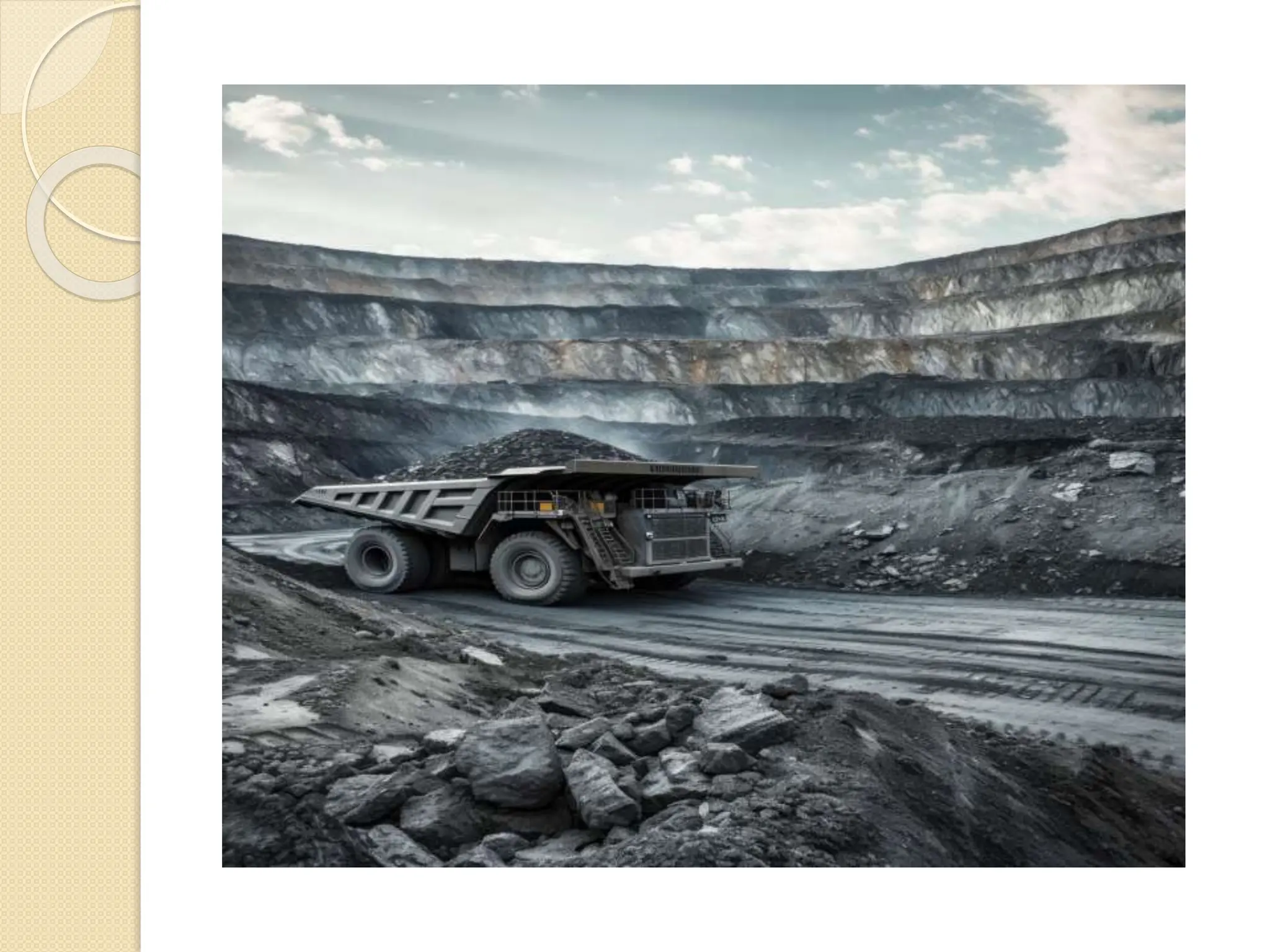
Mining has an important role in different aspects of the industry
across the globe. However, it also tends to have a persistent
impact on the environment. Mining has various approaches
involved, which can be related to surface mining, mining, strip
mining and furthermore.
These include the removal of soil disruption in vegetation and
the Exploitation of mineral deposits in a region. It contributes to
economic development. However, the environmental degradation
is also significant. It has been raising several concerns associated
with environmental well-being over the years, and understanding
these impacts and how companies associated with mining
respond to them are quite needed. When it comes to focusing on
the sustainability of the approach, specifically with resource
extraction.
Challenges at a glance
 Land degradation and habitat destruction happened to
be major drawbacks of the practice. It greatly impacts
the ecosystem and the local flora and fauna and
disrupts biodiversity. It endangers species and results
in long-term ecological consequences. It reduces the
fertility of the soil and leads the land to be
unproductive for further national regrowth or
agricultural use.
 Water pollution is significantly associated with
mining activities, and chemicals used in the process
of extraction can further pollute groundwater and
streams. Acid drainage from the mines can be
extremely harmful. Whereas exposing sulfide
minerals to the environment leads to the production
of sulfuric acid, which further degrades the quality of
the surroundings. Acid in water bodies intoxicates
them and makes aquatic life suffer. It is also quite
harmful to humans, leads to the spread of different
diseases, and has a far-reaching impact on the entire
ecosystem.
 Air pollution and the emission of dust greatly impact
the quality of life in the areas around mines.
Activities such as blasting, excavation and
movement of heavy machinery like mining crusher
machine in Odisha contribute to this sort of
pollution. It contributes to climate change, and as a
whole, the process contributes to greenhouse gas
emissions and global warming. The dust generated
in the process also consists of silica and heavy
metals which poses health risks to not only workers
but also to flora and fauna that are nearby.
 Noise and visual pollution associated with mining
are also elaborate and quite persistent. It can
impact the wildlife and human communities
around. As exposure to these noises can lead to
extensive stress, hearing problems and even sleep
disturbances. It compromises the aesthetic value of
a landscape and impacts the quality of life it
supports while degrading the ecosystem around it.
It also reduces the recreation and tourism potential,
impacting the economy.
Conclusion
 Mining services companies Odisha, such as Naaraayani
Minerals, are making a difference. Today, they are adapting
the various practices associated with land reclamation,
treatment of water, controlling emissions and more. Further
interacting with the communities, they are taking major steps
to ensure that their practices are innovative and sustainable.
Thus, making a difference. One can simply visit
their website to be better informed about the quality services
they have to offer services associated with mining and iron
ore trading. And how they integrate meaningful aspects to
ensure that they can further make mining a greener approach.
 Source Credit:-
 https://naaraayaniminerals.medium.com/environmental-
impact-of-mining-and-response-of-the-industry-
91bd1cd47b6e
THANKS FOR WATCHING

Environmental impact of mining and response of the industry

  • 1.
    Environmental impact ofmining and response of the industry Mining has an important role in different aspects of the industry across the globe. However, it also tends to have a persistent impact on the environment. Mining has various approaches involved, which can be related to surface mining, mining, strip mining and furthermore. These include the removal of soil disruption in vegetation and the Exploitation of mineral deposits in a region. It contributes to economic development. However, the environmental degradation is also significant. It has been raising several concerns associated with environmental well-being over the years, and understanding these impacts and how companies associated with mining respond to them are quite needed. When it comes to focusing on the sustainability of the approach, specifically with resource extraction.
  • 3.
    Challenges at aglance  Land degradation and habitat destruction happened to be major drawbacks of the practice. It greatly impacts the ecosystem and the local flora and fauna and disrupts biodiversity. It endangers species and results in long-term ecological consequences. It reduces the fertility of the soil and leads the land to be unproductive for further national regrowth or agricultural use.
  • 4.
     Water pollutionis significantly associated with mining activities, and chemicals used in the process of extraction can further pollute groundwater and streams. Acid drainage from the mines can be extremely harmful. Whereas exposing sulfide minerals to the environment leads to the production of sulfuric acid, which further degrades the quality of the surroundings. Acid in water bodies intoxicates them and makes aquatic life suffer. It is also quite harmful to humans, leads to the spread of different diseases, and has a far-reaching impact on the entire ecosystem.
  • 5.
     Air pollutionand the emission of dust greatly impact the quality of life in the areas around mines. Activities such as blasting, excavation and movement of heavy machinery like mining crusher machine in Odisha contribute to this sort of pollution. It contributes to climate change, and as a whole, the process contributes to greenhouse gas emissions and global warming. The dust generated in the process also consists of silica and heavy metals which poses health risks to not only workers but also to flora and fauna that are nearby.
  • 6.
     Noise andvisual pollution associated with mining are also elaborate and quite persistent. It can impact the wildlife and human communities around. As exposure to these noises can lead to extensive stress, hearing problems and even sleep disturbances. It compromises the aesthetic value of a landscape and impacts the quality of life it supports while degrading the ecosystem around it. It also reduces the recreation and tourism potential, impacting the economy.
  • 7.
    Conclusion  Mining servicescompanies Odisha, such as Naaraayani Minerals, are making a difference. Today, they are adapting the various practices associated with land reclamation, treatment of water, controlling emissions and more. Further interacting with the communities, they are taking major steps to ensure that their practices are innovative and sustainable. Thus, making a difference. One can simply visit their website to be better informed about the quality services they have to offer services associated with mining and iron ore trading. And how they integrate meaningful aspects to ensure that they can further make mining a greener approach.  Source Credit:-  https://naaraayaniminerals.medium.com/environmental- impact-of-mining-and-response-of-the-industry- 91bd1cd47b6e
  • 8.