Name: Camila Andrea Rodriguez Vargas
                          Grade: 801
      School: Gerardo Molina Ramirez
                       Shift: Morning
                           Year:2012
 1.   Animals

 2.   Description of animals

 3.   Places

 4.   My opinion
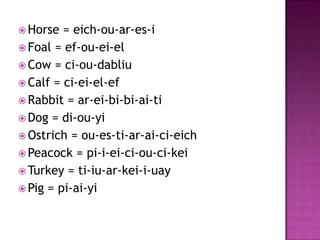
 Horse  = eich-ou-ar-es-i
 Foal = ef-ou-ei-el
 Cow = ci-ou-dabliu
 Calf = ci-ei-el-ef
 Rabbit = ar-ei-bi-bi-ai-ti
 Dog = di-ou-yi
 Ostrich = ou-es-ti-ar-ai-ci-eich
 Peacock = pi-i-ei-ci-ou-ci-kei
 Turkey = ti-iu-ar-kei-i-uay
 Pig = pi-ai-yi
 Bull= bi-iu-el-el
 Sheep = es-eich-i-i-pi
 Lamb = el-ei-em-bi
 Goat = yi-ou-ei-ti
 Donkey = di-ou-en-kei-i-uay
 Duck = di-ou-ci-kei
 Hen = eich-i-en
 Chicken = ci-eich-ai-ci-kei-i-en
 Cockerel = ci-ou-ci-kei-i-ar-i-el
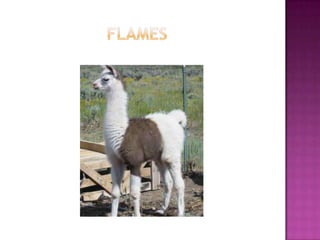
 Flame = ef-el-ei-em-i
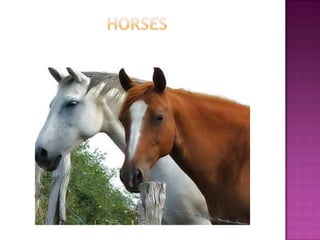
Horse:
 The horses are big.
 The horses are dirty.
 The horses are eating.
 The horses are many colors such as
  white, gray, brown and black.
 The horses are tired.
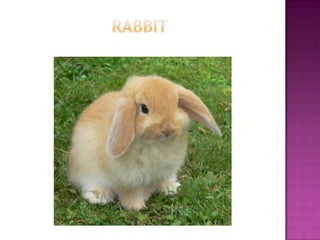
Rabbit:
 The rabbits are many sizes.
 The rabbits are black, gray and
  White.
 The rabbits are affectionate.
 The rabbits are delicate and soft.
 They rabbits are very happy.
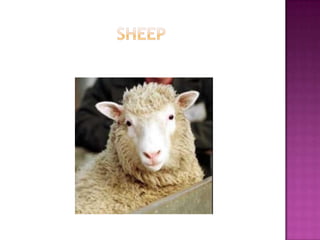
Sheep:
 The sheep holds much wool.
 The sheep produces milk.
 The sheeps are sleepy.
 The sheeps are black, white and
  gray.
 The sheeps contain an species that
  used for meat.
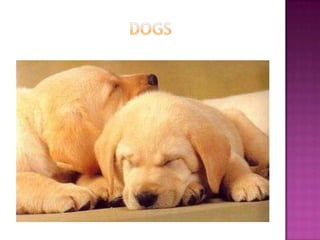
Dog:
 The dogs are of different races.
 There are dogs large and small dogs.
 The dogs are playful and sleepy.
 The dogs pursue their tails.
 The dogs are in training.
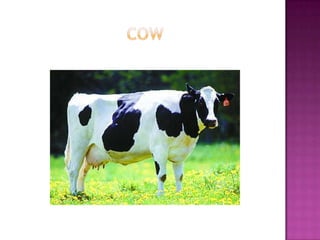
Cow:
 The cows have long horns.
 The cachona (a cow) has the horns
  more beautiful than the bull.
 The calf is able to feeding with milk.
 The bull is able to mount.
 The cows are very big.
Turkey
 The turkeys are big.
 The turkeys are rare.
 The turkey are together peacock.
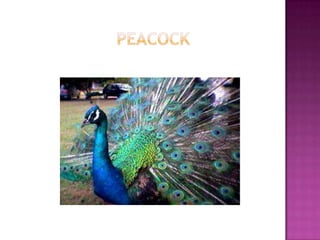
 The peacocks are of many colors.
 The peacocks are pretty.
Pig:
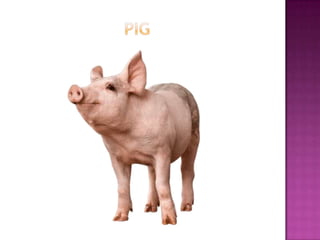
 The pig have spots.
 The small pigs are recently born.
 The pigs are rare.
 The pigs are babies.
 The pigs are white, and black.
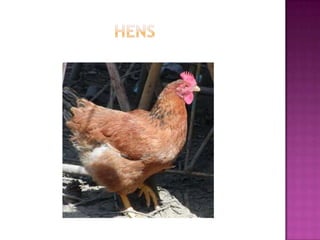
Hens:
 The Hens are Colombians.
 The hens sell the eggs.
 The hens are big.
 The hens are dark yellow.
 The hens have yellow beaks.
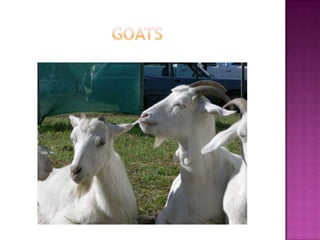
Goat:
 The goats   have long horns.
 The goats   are braves.
 The goats   cause afraid to children.
 The goats   are white.
 The goats   produce meat and milk.
Llama:
 The llamas   come from Peru and
  Brazil.
 The llamas   are used by their meat.
 The llamas   are used to load things or
  people.
 The llamas   keep much wool .
 The llamas   are very similar to the
  sheeps.
The animals that were in Panaca were
distributed according to the class of animals
such as: pigs were in the area of pigsty.
Cows, goats, sheep, calves in goats. Dogs in the
zone                canine.                 And
chickens, ostriches, pigeons, turkeys were in
the area of Aviary.
I liked very much the walk along that park. I saw many things
and rare animals to that he had listened to name but I learned
very much on the classification of the animals according to his
species and in addition in the first show about the animals
caprinos was very interesting because some of them called me
my attention. To see what they could do or for what they are
used was very charming. In addition in the second show that
was that one about the horses was also very entertaining and I
saw the quantity of things that can teach to a horse or the
different horses that exist and the varied types of amounts. To
see to the porks you drink and to the calves it was very tender
and in addition to see closely the big horns of the cows was
unforgettable.

What I did not like of the park Panaca was the bad finding of
some animals as the dogs that were dirty or for example the
horses that they did not see that they took place where living.

English Activity

  • 1.
    Name: Camila AndreaRodriguez Vargas Grade: 801 School: Gerardo Molina Ramirez Shift: Morning Year:2012
  • 2.
     1. Animals  2. Description of animals  3. Places  4. My opinion
  • 4.
     Horse = eich-ou-ar-es-i  Foal = ef-ou-ei-el  Cow = ci-ou-dabliu  Calf = ci-ei-el-ef  Rabbit = ar-ei-bi-bi-ai-ti  Dog = di-ou-yi  Ostrich = ou-es-ti-ar-ai-ci-eich  Peacock = pi-i-ei-ci-ou-ci-kei  Turkey = ti-iu-ar-kei-i-uay  Pig = pi-ai-yi
  • 5.
     Bull= bi-iu-el-el Sheep = es-eich-i-i-pi  Lamb = el-ei-em-bi  Goat = yi-ou-ei-ti  Donkey = di-ou-en-kei-i-uay  Duck = di-ou-ci-kei  Hen = eich-i-en  Chicken = ci-eich-ai-ci-kei-i-en  Cockerel = ci-ou-ci-kei-i-ar-i-el  Flame = ef-el-ei-em-i
  • 7.
    Horse:  The horsesare big.  The horses are dirty.  The horses are eating.  The horses are many colors such as white, gray, brown and black.  The horses are tired.
  • 9.
    Rabbit:  The rabbitsare many sizes.  The rabbits are black, gray and White.  The rabbits are affectionate.  The rabbits are delicate and soft.  They rabbits are very happy.
  • 11.
    Sheep:  The sheepholds much wool.  The sheep produces milk.  The sheeps are sleepy.  The sheeps are black, white and gray.  The sheeps contain an species that used for meat.
  • 13.
    Dog:  The dogsare of different races.  There are dogs large and small dogs.  The dogs are playful and sleepy.  The dogs pursue their tails.  The dogs are in training.
  • 15.
    Cow:  The cowshave long horns.  The cachona (a cow) has the horns more beautiful than the bull.  The calf is able to feeding with milk.  The bull is able to mount.  The cows are very big.
  • 17.
    Turkey  The turkeysare big.  The turkeys are rare.  The turkey are together peacock.  The peacocks are of many colors.  The peacocks are pretty.
  • 19.
    Pig:  The pighave spots.  The small pigs are recently born.  The pigs are rare.  The pigs are babies.  The pigs are white, and black.
  • 21.
    Hens:  The Hensare Colombians.  The hens sell the eggs.  The hens are big.  The hens are dark yellow.  The hens have yellow beaks.
  • 23.
    Goat:  The goats have long horns.  The goats are braves.  The goats cause afraid to children.  The goats are white.  The goats produce meat and milk.
  • 25.
    Llama:  The llamas come from Peru and Brazil.  The llamas are used by their meat.  The llamas are used to load things or people.  The llamas keep much wool .  The llamas are very similar to the sheeps.
  • 28.
    The animals thatwere in Panaca were distributed according to the class of animals such as: pigs were in the area of pigsty. Cows, goats, sheep, calves in goats. Dogs in the zone canine. And chickens, ostriches, pigeons, turkeys were in the area of Aviary.
  • 30.
    I liked verymuch the walk along that park. I saw many things and rare animals to that he had listened to name but I learned very much on the classification of the animals according to his species and in addition in the first show about the animals caprinos was very interesting because some of them called me my attention. To see what they could do or for what they are used was very charming. In addition in the second show that was that one about the horses was also very entertaining and I saw the quantity of things that can teach to a horse or the different horses that exist and the varied types of amounts. To see to the porks you drink and to the calves it was very tender and in addition to see closely the big horns of the cows was unforgettable. What I did not like of the park Panaca was the bad finding of some animals as the dogs that were dirty or for example the horses that they did not see that they took place where living.