ENGINEERING
MINDS
By : Andre Johnson
Selling your idea
Engineers have ability to see structure where
there's nothing apparent.
Adeptness at designing under constraints.
Engineers Understand Trade-offs.
Engineers are expected to produce the best
possible results under the given conditions.
Engineers find a way to keep the old thing going
while creating something new.” The pressures are
endless.
Engineers have the ability to hold alternative ideas
in their head and make considered judgments.
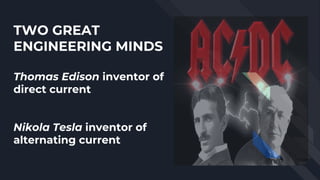
TWO GREAT
ENGINEERING MINDS
Thomas Edison inventor of
direct current
Nikola Tesla inventor of
alternating current
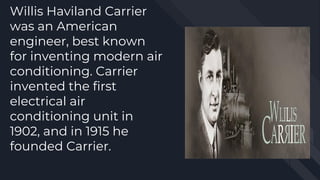
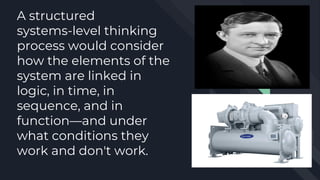
Willis Haviland Carrier
was an American
engineer, best known
for inventing modern air
conditioning. Carrier
invented the first
electrical air
conditioning unit in
1902, and in 1915 he
founded Carrier.
A structured
systems-level thinking
process would consider
how the elements of the
system are linked in
logic, in time, in
sequence, and in
function—and under
what conditions they
work and don't work.
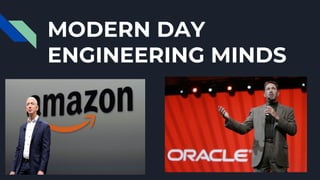
MODERN DAY
ENGINEERING MINDS
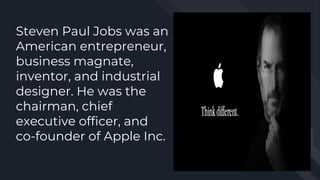
Steven Paul Jobs was an
American entrepreneur,
business magnate,
inventor, and industrial
designer. He was the
chairman, chief
executive officer, and
co-founder of Apple Inc.
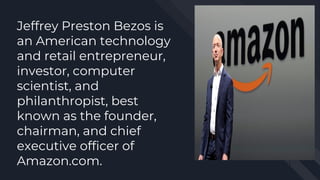
Jeffrey Preston Bezos is
an American technology
and retail entrepreneur,
investor, computer
scientist, and
philanthropist, best
known as the founder,
chairman, and chief
executive officer of
Amazon.com.
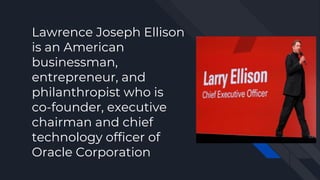
Lawrence Joseph Ellison
is an American
businessman,
entrepreneur, and
philanthropist who is
co-founder, executive
chairman and chief
technology officer of
Oracle Corporation
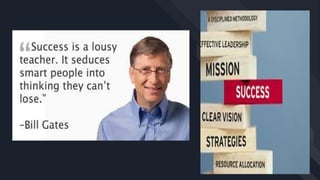
William Henry Gates III
is an American business
magnate, investor,
author, philanthropist,
and co-founder of the
Microsoft Corporation
along with Paul Allen.
Pichai Sundararajan, also
known as Sundar Pichai, is
an Indian American
business executive. Pichai
is the chief executive officer
of Google Inc.
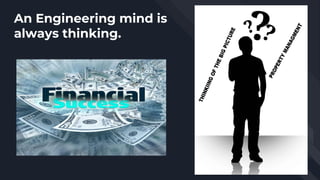
An Engineering mind is
always thinking.
The goals and
objectives of the team
must be stated in
measurable terms and
directly related to the
organization's mission,
vision, values, goals,
and objectives.
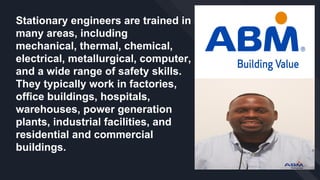
Stationary engineers are trained in
many areas, including
mechanical, thermal, chemical,
electrical, metallurgical, computer,
and a wide range of safety skills.
They typically work in factories,
office buildings, hospitals,
warehouses, power generation
plants, industrial facilities, and
residential and commercial
buildings.
Engineering is a broad term that covers a
wide range of applications and industries.
Combining mathematics, science and
technology, engineers produce creative
solutions to real world problems. As a result
there are many different types of engineering
degrees available.
In the past, engineering could be divided into four major
branches: Mechanical, Chemical, Civil and Electrical, with
sub branches of each discipline. Today however, the
number of engineering degrees available have increased
dramatically. There are now six major branches of
engineering: Mechanical, Chemical, Civil, Electrical,
Management, and Geotechnical, and literally hundreds of
different subcategories of engineering under each branch.
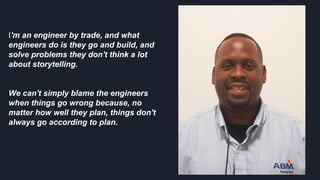
I'm an engineer by trade, and what
engineers do is they go and build, and
solve problems they don't think a lot
about storytelling.
We can't simply blame the engineers
when things go wrong because, no
matter how well they plan, things don't
always go according to plan.
Engineering minds 2

Engineering minds 2

  • 1.
  • 2.
    Selling your idea Engineershave ability to see structure where there's nothing apparent. Adeptness at designing under constraints. Engineers Understand Trade-offs. Engineers are expected to produce the best possible results under the given conditions. Engineers find a way to keep the old thing going while creating something new.” The pressures are endless. Engineers have the ability to hold alternative ideas in their head and make considered judgments.
  • 3.
    TWO GREAT ENGINEERING MINDS ThomasEdison inventor of direct current Nikola Tesla inventor of alternating current
  • 4.
    Willis Haviland Carrier wasan American engineer, best known for inventing modern air conditioning. Carrier invented the first electrical air conditioning unit in 1902, and in 1915 he founded Carrier.
  • 5.
    A structured systems-level thinking processwould consider how the elements of the system are linked in logic, in time, in sequence, and in function—and under what conditions they work and don't work.
  • 6.
  • 7.
    Steven Paul Jobswas an American entrepreneur, business magnate, inventor, and industrial designer. He was the chairman, chief executive officer, and co-founder of Apple Inc.
  • 8.
    Jeffrey Preston Bezosis an American technology and retail entrepreneur, investor, computer scientist, and philanthropist, best known as the founder, chairman, and chief executive officer of Amazon.com.
  • 9.
    Lawrence Joseph Ellison isan American businessman, entrepreneur, and philanthropist who is co-founder, executive chairman and chief technology officer of Oracle Corporation
  • 10.
    William Henry GatesIII is an American business magnate, investor, author, philanthropist, and co-founder of the Microsoft Corporation along with Paul Allen.
  • 11.
    Pichai Sundararajan, also knownas Sundar Pichai, is an Indian American business executive. Pichai is the chief executive officer of Google Inc.
  • 12.
    An Engineering mindis always thinking.
  • 13.
    The goals and objectivesof the team must be stated in measurable terms and directly related to the organization's mission, vision, values, goals, and objectives.
  • 15.
    Stationary engineers aretrained in many areas, including mechanical, thermal, chemical, electrical, metallurgical, computer, and a wide range of safety skills. They typically work in factories, office buildings, hospitals, warehouses, power generation plants, industrial facilities, and residential and commercial buildings.
  • 16.
    Engineering is abroad term that covers a wide range of applications and industries. Combining mathematics, science and technology, engineers produce creative solutions to real world problems. As a result there are many different types of engineering degrees available.
  • 17.
    In the past,engineering could be divided into four major branches: Mechanical, Chemical, Civil and Electrical, with sub branches of each discipline. Today however, the number of engineering degrees available have increased dramatically. There are now six major branches of engineering: Mechanical, Chemical, Civil, Electrical, Management, and Geotechnical, and literally hundreds of different subcategories of engineering under each branch.
  • 18.
    I'm an engineerby trade, and what engineers do is they go and build, and solve problems they don't think a lot about storytelling. We can't simply blame the engineers when things go wrong because, no matter how well they plan, things don't always go according to plan.