What are the outcomes of the qualification process? 
The Curriculum is made up of an Occupational Profile, Knowledge Modules, Practical Skills Modules and Work Experience Modules. 
Assessment Specifications set out the assessment model for external assessment. 
The Qualification is registered on the National Qualifications Framework at an NQF Level. 
What are the processes for qualification development? 
The sector identifies a need, and an application is sent to the QCTO. 
The scope of the qualification is decided on with the sector. 
A Development Quality Partner (DQP, usually a SETA) is appointed by the QCTO to fund and manage the process. 
Sector representatives decide on working group members (experts). The working group develops the qualification, led by a Qualification Development Facilitator (QDF) who guides the curriculum development process according to prescribed steps and a curriculum template. 
The work of the working group has to be verified by the sector at two key points: 
The Occupational Profile and the nominated Assessment Quality Partner 
The Curriculum and the Assessment Specifications. 
At each of these points feedback from the sector is integrated into the documentation. The DQP has to report to the QCTO according to prescription at different stages of the process. 
The facilitator captures the Curriculum and the Assessment Specifications on a system which produces the Qualification document. These documents are sent to the QCTO. 
The QCTO reviews the qualification, and either returns it to the DQP for amendments or sends it to SAQA for registration on the NQF. 
ECD Practitioner Qualification: The QCTO Process 
An Overview 
A BRIDGE Fact Sheet 
An Assessment Quality Partner (AQP) is proposed by the sector to conduct external assessment.
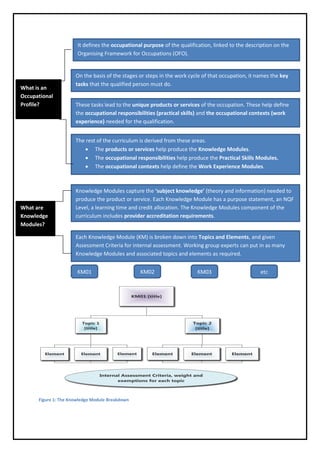
Figure 1: The Knowledge Module Breakdown 
What is an 
Occupational 
Profile? 
It defines the occupational purpose of the qualification, linked to the description on the 
Organising Framework for Occupations (OFO). 
On the basis of the stages or steps in the work cycle of that occupation, it names the key 
tasks that the qualified person must do. 
These tasks lead to the unique products or services of the occupation. These help define 
the occupational responsibilities (practical skills) and the occupational contexts (work 
experience) needed for the qualification. 
The rest of the curriculum is derived from these areas. 
 The products or services help produce the Knowledge Modules. 
 The occupational responsibilities help produce the Practical Skills Modules. 
 The occupational contexts help define the Work Experience Modules. 
What are 
Knowledge 
Modules? 
Knowledge Modules capture the ‘subject knowledge’ (theory and information) needed to 
produce the product or service. Each Knowledge Module has a purpose statement, an NQF 
Level, a learning time and credit allocation. The Knowledge Modules component of the 
curriculum includes provider accreditation requirements. 
Each Knowledge Module (KM) is broken down into Topics and Elements, and given 
Assessment Criteria for internal assessment. Working group experts can put in as many 
Knowledge Modules and associated topics and elements as required. 
KM01 KM02 
1 
KM03 etc
Figure 2: The Practical Skills Module Breakdown 
QCTO 
Acronyms 
QCTO: Quality Council for Trades and Occupations 
OFO Organising Framework for Occupations QDF Qualifications Development Facilitator 
DQP Development Quality Partner AQP Assessment Quality Partner 
What are 
Practical 
Skills 
Modules? 
Practical Skills Modules capture the applied skills and activities that help a person carry out their 
occupational responsibilities in delivering a product or service. Practical skills are often developed in a 
training facility, i.e. in a controlled or simulated work environment. Each Practical Skills Module has a 
purpose statement, an NQF Level, a learning time and credit allocation. The Practical Skills Modules 
component includes provider accreditation requirements. 
Each Practical Skills Module (PM) is broken down into Practical Skills. Each Practical Skill is broken down 
into Scope (practical activities and the conditions in which they are done), Applied Knowledge and 
internal Assessment Criteria. Working group experts can put in as many Practical Skills Modules and 
associated Practical Skills as required. 
PM01 PM02 PM03 etc. 
What are 
Work 
Experience 
Modules? 
Work Experience Modules capture the scope (work activities) and the contextual knowledge to be covered 
by the person while in the workplace to provide him/her with opportunities to become competent in the 
occupation. Work experiences can only be offered in the real-time, real-life working environments provided 
by employers. Each Work Experience Module has a purpose statement, an NQF Level, a learning time and 
credit allocation. The Work Experience Skills Modules component includes Criteria for Workplace Approval. 
Each Work Experience Module (WM) is broken down into Work Experiences. Each Work Experience is 
broken down into Scope (actual work activities in the workplace), Supporting Evidence (usually observed 
evidence) and Contextual Workplace Knowledge. Working group experts can put in as many Work 
Experience Modules and Work Experiences as required. 
WM01 WM02 
1 
WM03 etc

ECD Practitioner Qualification Fact Sheet

  • 1.
    What are theoutcomes of the qualification process? The Curriculum is made up of an Occupational Profile, Knowledge Modules, Practical Skills Modules and Work Experience Modules. Assessment Specifications set out the assessment model for external assessment. The Qualification is registered on the National Qualifications Framework at an NQF Level. What are the processes for qualification development? The sector identifies a need, and an application is sent to the QCTO. The scope of the qualification is decided on with the sector. A Development Quality Partner (DQP, usually a SETA) is appointed by the QCTO to fund and manage the process. Sector representatives decide on working group members (experts). The working group develops the qualification, led by a Qualification Development Facilitator (QDF) who guides the curriculum development process according to prescribed steps and a curriculum template. The work of the working group has to be verified by the sector at two key points: The Occupational Profile and the nominated Assessment Quality Partner The Curriculum and the Assessment Specifications. At each of these points feedback from the sector is integrated into the documentation. The DQP has to report to the QCTO according to prescription at different stages of the process. The facilitator captures the Curriculum and the Assessment Specifications on a system which produces the Qualification document. These documents are sent to the QCTO. The QCTO reviews the qualification, and either returns it to the DQP for amendments or sends it to SAQA for registration on the NQF. ECD Practitioner Qualification: The QCTO Process An Overview A BRIDGE Fact Sheet An Assessment Quality Partner (AQP) is proposed by the sector to conduct external assessment.
  • 2.
    Figure 1: TheKnowledge Module Breakdown What is an Occupational Profile? It defines the occupational purpose of the qualification, linked to the description on the Organising Framework for Occupations (OFO). On the basis of the stages or steps in the work cycle of that occupation, it names the key tasks that the qualified person must do. These tasks lead to the unique products or services of the occupation. These help define the occupational responsibilities (practical skills) and the occupational contexts (work experience) needed for the qualification. The rest of the curriculum is derived from these areas.  The products or services help produce the Knowledge Modules.  The occupational responsibilities help produce the Practical Skills Modules.  The occupational contexts help define the Work Experience Modules. What are Knowledge Modules? Knowledge Modules capture the ‘subject knowledge’ (theory and information) needed to produce the product or service. Each Knowledge Module has a purpose statement, an NQF Level, a learning time and credit allocation. The Knowledge Modules component of the curriculum includes provider accreditation requirements. Each Knowledge Module (KM) is broken down into Topics and Elements, and given Assessment Criteria for internal assessment. Working group experts can put in as many Knowledge Modules and associated topics and elements as required. KM01 KM02 1 KM03 etc
  • 3.
    Figure 2: ThePractical Skills Module Breakdown QCTO Acronyms QCTO: Quality Council for Trades and Occupations OFO Organising Framework for Occupations QDF Qualifications Development Facilitator DQP Development Quality Partner AQP Assessment Quality Partner What are Practical Skills Modules? Practical Skills Modules capture the applied skills and activities that help a person carry out their occupational responsibilities in delivering a product or service. Practical skills are often developed in a training facility, i.e. in a controlled or simulated work environment. Each Practical Skills Module has a purpose statement, an NQF Level, a learning time and credit allocation. The Practical Skills Modules component includes provider accreditation requirements. Each Practical Skills Module (PM) is broken down into Practical Skills. Each Practical Skill is broken down into Scope (practical activities and the conditions in which they are done), Applied Knowledge and internal Assessment Criteria. Working group experts can put in as many Practical Skills Modules and associated Practical Skills as required. PM01 PM02 PM03 etc. What are Work Experience Modules? Work Experience Modules capture the scope (work activities) and the contextual knowledge to be covered by the person while in the workplace to provide him/her with opportunities to become competent in the occupation. Work experiences can only be offered in the real-time, real-life working environments provided by employers. Each Work Experience Module has a purpose statement, an NQF Level, a learning time and credit allocation. The Work Experience Skills Modules component includes Criteria for Workplace Approval. Each Work Experience Module (WM) is broken down into Work Experiences. Each Work Experience is broken down into Scope (actual work activities in the workplace), Supporting Evidence (usually observed evidence) and Contextual Workplace Knowledge. Working group experts can put in as many Work Experience Modules and Work Experiences as required. WM01 WM02 1 WM03 etc