EARTH' HYDROSPHERE
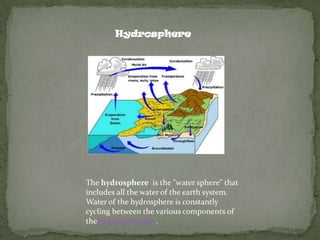
HydrosphereThe hydrosphere  is the "water sphere" that includes all the water of the earth system. Water of the hydrosphere is constantly cycling between the various components of the hydrologic cycle .
HydrosphereA hydrosphere (from Greekὕδωρ - hydor, "water" and σφαῖρα - sphaira, "sphere") in physical geography describes the combined mass of water found on, under, and over the surface of a planet.The total mass of the Earth's hydrosphere is about 1.4 × 10¹⁸tonnes, which is about 0.023% of the Earth's total mass. About 20 × 1012tonnes of this is in the Earth's atmosphere (the volume of one tonne of water is approximately 1 cubic metre). Approximately 75% of the Earth's surface, an area of some 361 million square kilometres (139.5 million square miles), is covered by ocean. The average salinity of the Earth's oceans is about 35 grams of salt per kilogram of sea water (35 ‰).
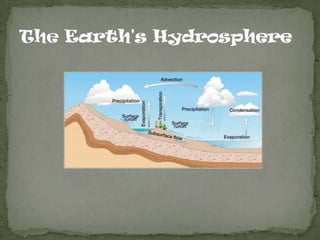
The Earth's Hydrosphere
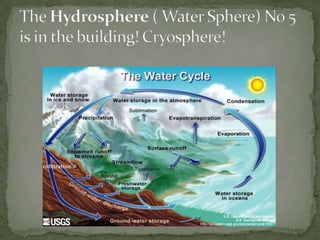
The Hydrosphere ( Water Sphere) No 5 is in the building! Cryosphere!
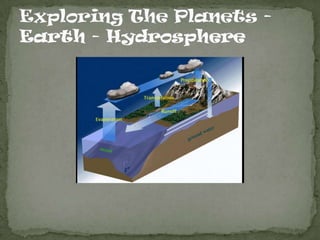
Exploring The Planets - Earth - Hydrosphere
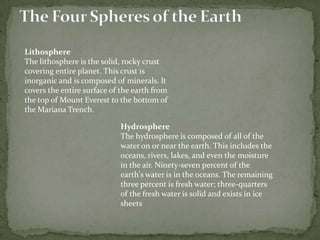
The Four Spheres of the EarthLithosphereThe lithosphere is the solid, rocky crust covering entire planet. This crust is inorganic and is composed of minerals. It covers the entire surface of the earth from the top of Mount Everest to the bottom of the Mariana Trench.HydrosphereThe hydrosphere is composed of all of the water on or near the earth. This includes the oceans, rivers, lakes, and even the moisture in the air. Ninety-seven percent of the earth's water is in the oceans. The remaining three percent is fresh water; three-quarters of the fresh water is solid and exists in ice sheets
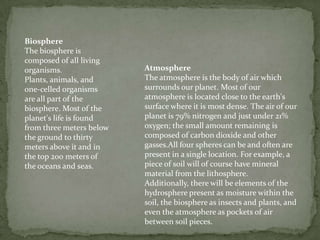
BiosphereThe biosphere is composed of all living organisms. Plants, animals, and one-celled organisms are all part of the biosphere. Most of the planet's life is found from three meters below the ground to thirty meters above it and in the top 200 meters of the oceans and seas. AtmosphereThe atmosphere is the body of air which surrounds our planet. Most of our atmosphere is located close to the earth's surface where it is most dense. The air of our planet is 79% nitrogen and just under 21% oxygen; the small amount remaining is composed of carbon dioxide and other gasses.All four spheres can be and often are present in a single location. For example, a piece of soil will of course have mineral material from the lithosphere. Additionally, there will be elements of the hydrosphere present as moisture within the soil, the biosphere as insects and plants, and even the atmosphere as pockets of air between soil pieces.
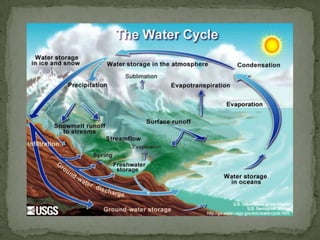
The movement of water around, over, and through the Earth is called the water cycle, a key process of the hydrosphere.
hydrosphere, Discontinuous layer of water at or near the Earth’s surface.It includes all liquid and frozen surface waters, groundwater held in soil and rock, and atmospheric water vapour. Virtually all of these waters are in constant circulation through the hydrologic cycle. Although the components of the hydrosphere are undergoing continuous change of state and location, the total water budget remains in balance. The components of the hydrosphere have been seriously affected by the water-polluting activities of modern society.
Water Pollution.
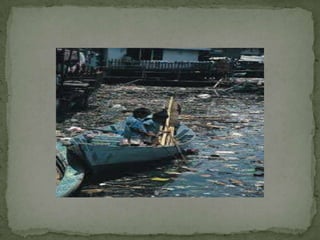
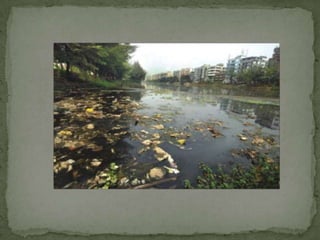
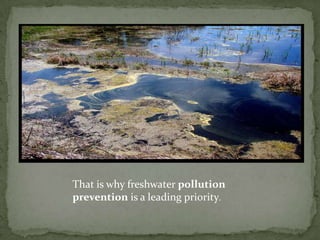
WATER POLLUTIONis the contamination of water bodies (e.g. lakes, rivers, oceans and groundwater). Water pollution occurs when pollutants are discharged directly or indirectly into water bodies without adequate treatment to remove harmful compounds.Water pollution affects plants and organisms living in these bodies of water; and, in almost all cases the effect is damaging not only to individual species and populations, but also to the natural biological communities.
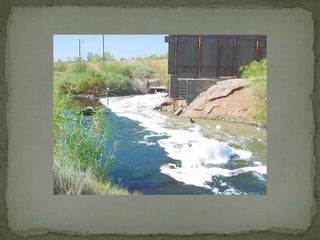
Raw sewage and industrial waste flows across international borders—New River passes from Mexicali to Calexico, California.
Causes And Effects Of Water PollutionWater pollution has been seriously affecting the life of humans, plants as well as animals. The eco-system of rivers, streams, lakes, seas and oceans is also getting deteriorated due to the contamination of water, through various sources. This condition also leads to the outbreak of numerous diseases, majority of them being lethal and contagious. However, before going about finding a solution to the problem, we need to look into its underlying causes. In the following lines, we have provided information on the causes and harmful effects of water pollution. Go through them and then decide on your course of action.
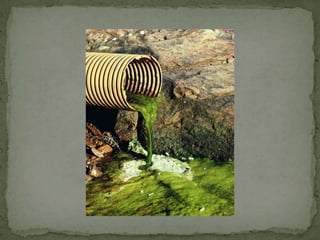
Sources Of Water Pollution Dumping of industrial wastes, containing heavy metals, harmful chemicals, by-products, organic toxins and oils, into the nearby source of water is one of the visible causes of water pollution.
Another cause for the contamination of water is the improper disposal of human and animal wastes.
Effluents from factories, refineries, injection wells and sewage treatment plants are dumped into urban water supplies, leading to water pollution.
A number of pollutants, both harmful and poisonous, enter the groundwater systems through rain water.
The residue of agricultural practices, including fertilizers and pesticides, are some of the major sources of water pollution.
Untreated pollutants are drained into the nearest water body, such as stream, lake or harbor, causing water pollution.
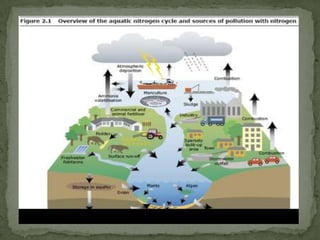
Another major source of water pollution comprises of organic farm wastes. When farm land, treated with pesticides and fertilizers, is irrigated, the excess nitrogen and poisons get mixed into the water supply, thereby contaminating it.
Pathogens, sediments and chemical pollutants are other sources of water pollution.
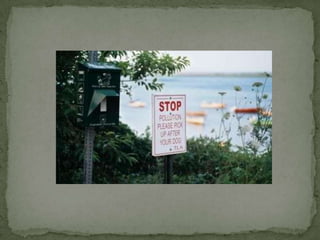
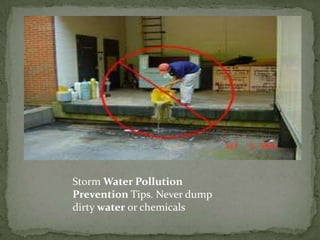
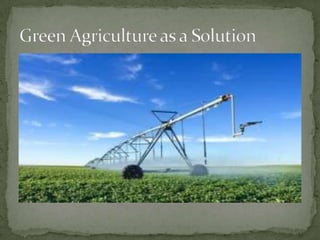
The corporeal wastes produced by humans and farmed organisms pollute rivers, lakes, oceans and other surface waters.  Water Pollution PreventionThe world, as we know it, will soon end. No, I'm not talking about the supposed 2012 annihilation of the world that will bring all civilization to an end, but a more long drawn slow process of torment and torture. How else can one explain pollution? Pollution is taking away from us the very basic resources of survival - water, air, peace, food and more. And the only reason this is happening is because we've managed to take everything for granted.Let's take the instance of water pollution here. There are some who would still turn a deaf ear to the pleas of taking immediate action in order to stop the destruction and pollution. But then there are also those who have understood that that is not the way to go about saving the earth and are doing everything to save what can be saved. They are the ones who are working vehemently towards water pollution prevention. How are they doing that? The following article will tell you all about it and even more on how to prevent water pollution.
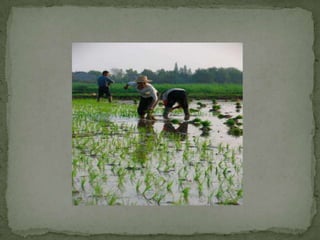
IMAGES OF WATER PREVETION

Earth's Hydrosphere and Water Pollution

  • 1.
  • 2.
    HydrosphereThe hydrosphere  isthe "water sphere" that includes all the water of the earth system. Water of the hydrosphere is constantly cycling between the various components of the hydrologic cycle .
  • 3.
    HydrosphereA hydrosphere (fromGreekὕδωρ - hydor, "water" and σφαῖρα - sphaira, "sphere") in physical geography describes the combined mass of water found on, under, and over the surface of a planet.The total mass of the Earth's hydrosphere is about 1.4 × 10¹⁸tonnes, which is about 0.023% of the Earth's total mass. About 20 × 1012tonnes of this is in the Earth's atmosphere (the volume of one tonne of water is approximately 1 cubic metre). Approximately 75% of the Earth's surface, an area of some 361 million square kilometres (139.5 million square miles), is covered by ocean. The average salinity of the Earth's oceans is about 35 grams of salt per kilogram of sea water (35 ‰).
  • 4.
  • 5.
    The Hydrosphere (Water Sphere) No 5 is in the building! Cryosphere!
  • 6.
    Exploring The Planets- Earth - Hydrosphere
  • 7.
    The Four Spheresof the EarthLithosphereThe lithosphere is the solid, rocky crust covering entire planet. This crust is inorganic and is composed of minerals. It covers the entire surface of the earth from the top of Mount Everest to the bottom of the Mariana Trench.HydrosphereThe hydrosphere is composed of all of the water on or near the earth. This includes the oceans, rivers, lakes, and even the moisture in the air. Ninety-seven percent of the earth's water is in the oceans. The remaining three percent is fresh water; three-quarters of the fresh water is solid and exists in ice sheets
  • 8.
    BiosphereThe biosphere iscomposed of all living organisms. Plants, animals, and one-celled organisms are all part of the biosphere. Most of the planet's life is found from three meters below the ground to thirty meters above it and in the top 200 meters of the oceans and seas. AtmosphereThe atmosphere is the body of air which surrounds our planet. Most of our atmosphere is located close to the earth's surface where it is most dense. The air of our planet is 79% nitrogen and just under 21% oxygen; the small amount remaining is composed of carbon dioxide and other gasses.All four spheres can be and often are present in a single location. For example, a piece of soil will of course have mineral material from the lithosphere. Additionally, there will be elements of the hydrosphere present as moisture within the soil, the biosphere as insects and plants, and even the atmosphere as pockets of air between soil pieces.
  • 9.
    The movement ofwater around, over, and through the Earth is called the water cycle, a key process of the hydrosphere.
  • 11.
    hydrosphere, Discontinuous layer ofwater at or near the Earth’s surface.It includes all liquid and frozen surface waters, groundwater held in soil and rock, and atmospheric water vapour. Virtually all of these waters are in constant circulation through the hydrologic cycle. Although the components of the hydrosphere are undergoing continuous change of state and location, the total water budget remains in balance. The components of the hydrosphere have been seriously affected by the water-polluting activities of modern society.
  • 12.
  • 13.
    WATER POLLUTIONis thecontamination of water bodies (e.g. lakes, rivers, oceans and groundwater). Water pollution occurs when pollutants are discharged directly or indirectly into water bodies without adequate treatment to remove harmful compounds.Water pollution affects plants and organisms living in these bodies of water; and, in almost all cases the effect is damaging not only to individual species and populations, but also to the natural biological communities.
  • 14.
    Raw sewage andindustrial waste flows across international borders—New River passes from Mexicali to Calexico, California.
  • 16.
    Causes And EffectsOf Water PollutionWater pollution has been seriously affecting the life of humans, plants as well as animals. The eco-system of rivers, streams, lakes, seas and oceans is also getting deteriorated due to the contamination of water, through various sources. This condition also leads to the outbreak of numerous diseases, majority of them being lethal and contagious. However, before going about finding a solution to the problem, we need to look into its underlying causes. In the following lines, we have provided information on the causes and harmful effects of water pollution. Go through them and then decide on your course of action.
  • 20.
    Sources Of WaterPollution Dumping of industrial wastes, containing heavy metals, harmful chemicals, by-products, organic toxins and oils, into the nearby source of water is one of the visible causes of water pollution.
  • 21.
    Another cause forthe contamination of water is the improper disposal of human and animal wastes.
  • 22.
    Effluents from factories,refineries, injection wells and sewage treatment plants are dumped into urban water supplies, leading to water pollution.
  • 23.
    A number ofpollutants, both harmful and poisonous, enter the groundwater systems through rain water.
  • 24.
    The residue ofagricultural practices, including fertilizers and pesticides, are some of the major sources of water pollution.
  • 25.
    Untreated pollutants aredrained into the nearest water body, such as stream, lake or harbor, causing water pollution.
  • 26.
    Another major sourceof water pollution comprises of organic farm wastes. When farm land, treated with pesticides and fertilizers, is irrigated, the excess nitrogen and poisons get mixed into the water supply, thereby contaminating it.
  • 27.
    Pathogens, sediments andchemical pollutants are other sources of water pollution.
  • 28.
    The corporeal wastesproduced by humans and farmed organisms pollute rivers, lakes, oceans and other surface waters.  Water Pollution PreventionThe world, as we know it, will soon end. No, I'm not talking about the supposed 2012 annihilation of the world that will bring all civilization to an end, but a more long drawn slow process of torment and torture. How else can one explain pollution? Pollution is taking away from us the very basic resources of survival - water, air, peace, food and more. And the only reason this is happening is because we've managed to take everything for granted.Let's take the instance of water pollution here. There are some who would still turn a deaf ear to the pleas of taking immediate action in order to stop the destruction and pollution. But then there are also those who have understood that that is not the way to go about saving the earth and are doing everything to save what can be saved. They are the ones who are working vehemently towards water pollution prevention. How are they doing that? The following article will tell you all about it and even more on how to prevent water pollution.
  • 30.