The I Factor -
Inflammation, Immunity,
Illness
Presented by
Dr William Barnes, BSc, MB ChB
• Healing is a Personal Journey
• Science and Healing
• Science and Theory
• Science and Observation
Outline
• Background
• Immunity and Inflammation
• Inflammation and Macrophages
• Macrophage Pathology
• Foam Cell, Viruses, TAMs
• The Brune Theory & Nitric Oxide
• Macrophages in Disease States
– Treatment Strategies
• Colds and Influenza
– Treatment Strategies
Immunity and Inflammation
• Inflammational dysregulation is at the root
or all chronic illnesses.
– Cancer, heart disease, arthritis, asthma,
bronchitis, Alzheimer’s disease,
schizophrenia, multiple sclerosis, etc.
Abnormal Immunity
• Innate immune system becomes
dysfunctional and perpetuates the disease
process.
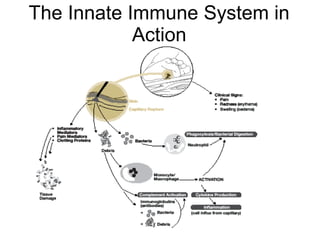
The Innate Immune System in
Action
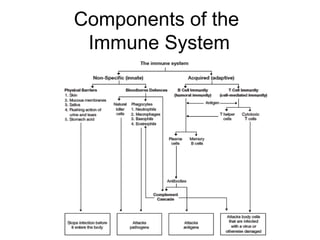
Components of the
Immune System
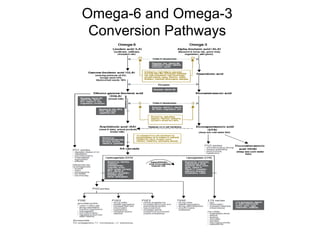
Omega-6 and Omega-3
Conversion Pathways
Macrophages
Macrophages
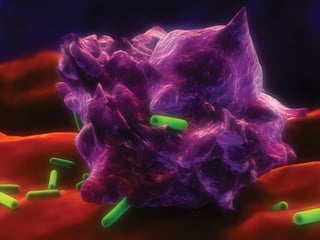
• Makros (large) + phagein (eat) = big eaters.
• Monocytes enter damaged tissue through the
endothelium of a blood vessel and undergoes
transformation to a macrophage.
• Monocytes are attracted to the site by chemotaxis,
triggered by a range of stimuli including damaged
cells, pathogens and cytokines released by
macrophages already at the site. They can survive
up to several months.
Fixed Macrophages
• Alveolar
macrophages
• Histiocytes
• Kupffer cells
• Microglia
• Epithelioid
• Osteoclasts
• Sinusoidal lining
cells
• Mesangial cells
• Lungs
• Connective tissue
• Liver
• Neural tissue
• Granulomas
• Bone
• Spleen
• Kidney
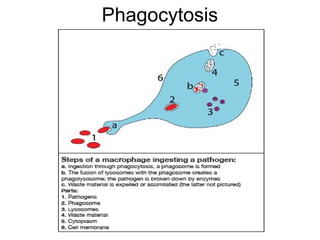
Phagocytosis
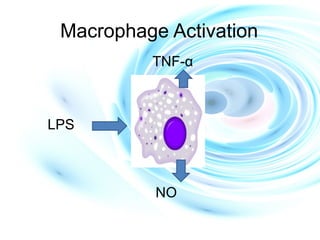
Macrophage Activation
TNF-α
LPS
NO
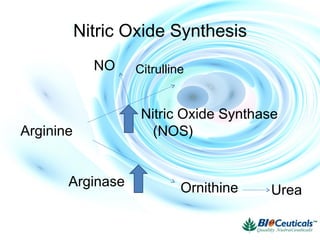
Nitric Oxide Synthesis
Citrulline
Ornithine
NO
Urea
Arginase
Nitric Oxide Synthase
(NOS)Arginine
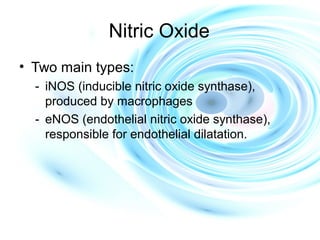
Nitric Oxide
• Two main types:
- iNOS (inducible nitric oxide synthase),
produced by macrophages
- eNOS (endothelial nitric oxide synthase),
responsible for endothelial dilatation.
Macrophages and Disease
• Macrophages called foam cells may be
predominant in the pathogenesis of
atherosclerosis.
• Macrophages play a role in HIV, they become
infected and then become incubators for the
human immunodeficiency virus.
• Macrophages called TAMs (tumour associated
macrophages) are associated with cancer
proliferation and spread partially by activation of
NFkB activation and the inhibition of apoptosis,
and also through production of TNF-α.
Macrophages
• Environmental oestrogens promote IL-1β activity
in macrophages.
• Genistein and certain xeno-oestrogens
synergised with LPS to activate IL-1β promoter
activity. Environmental oestrogens have agonist
activity both on reproductive tissue along with
haemopoietic tissue.
– Endocrine 1998 Oct;9(2):207-11.
Foam Cells
• In the arterial intima, monocytes are transformed
into macrophages which then proceed to ingest
oxidised LDL.
• This foam cell transformation alters the phagocytic
and antimicrobial function of the macrophage and
may well allow the documented associated
infection with microbes, such as chlamydia
pneumonia, within the atherosclerotic plaques.
• Cholesterol accumulation by macrophages impairs
phagosome maturation.
– J Biol Chem. 2008 Dec 19;283(51):35745-55.
Flavonoids and
Endothelial Health
• Dietary flavonoids reduce oxidised LDL in
endothelial cells.
• Endothelial apoptosis is a driving force in
the development of atherosclerosis.
• EGCG, hesperetin and quercetin decrease
the influence of LDL signalling on the
induction of apoptosis.
– J Nutr. 2008 Jun;138(6):983-90.
TAMs
• Tumour associated macrophages are
obligate partners for malignant cell
migration, invasion and metastasis.
• The more TAMs the worse the prognosis.
– J Exp Med. 2001 Mar 19;193(6):727-40.
TAMs Effectors of Angiogenesis
and Tumour Progression
• TAMs are a prominent inflammatory cell
population in many tumour types residing in both
perivascular and avascular, hypoxic regions of
these tissues.
• Analysis of TAMs in human tumour biopsies has
shown they express a variety of tumour promoting
factors and the evidence from transgenic murine
tumour models has provided unequivocal
evidence for the importance of these cells in
driving angiogenesis, lymphangiogenesis,
immunosuppression and metastasis.
– Biochim Biophys Acta. 2009 Mar 6.
The Brune Theory
• Macrophages phagocytose apoptotic cells (AC).
• Phagocytosis of AC regulates the immune response by
shifting the phenotype of the macrophage to an anti-
inflammatory type (M2).
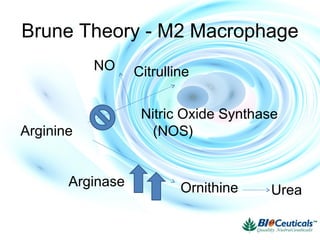
• AC in the M2 macrophage enhances the expression of
arginase II; this halts the induction of NO formation in
IFN-gamma stimulated macrophages.
• AC triggers IL-10, TGF-β, PGE2 production; reduced
capacity to produce TNF-α.
• TAMs support tumour growth survival and contibute to
angiogenesis and immune evasion.
– Mol Biol Cell. 2007 Oct;18(10):3810-9.
Brune Theory - M2 Macrophage
Citrulline
Ornithine
NO
Urea
Arginase
Nitric Oxide Synthase
(NOS)Arginine
Carnitine
• Carnitine decreases arginase activity.
• High levels of arginase and ornithine in different
carcinomas may indicate their relation to cancer.
• Carnitine is a cofactor required for the
transformation of free long-chain fatty acids into
acetylcarnitines. Carnitine may have an effect on
the ornithine arginase tissue levels.
• Conclusion: NO levels were significantly higher
in the carnitine treated group whilst the tissue
level of arginase activity and ornithine was
significantly decreased.
– Cell Biol Int. 2007 Nov;31(11):1414-9.
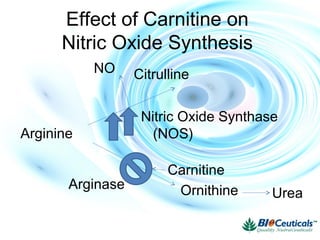
Effect of Carnitine on
Nitric Oxide Synthesis
Citrulline
Ornithine
NO
Urea
Arginase
Nitric Oxide Synthase
(NOS)Arginine
Carnitine
Macrophages and
Helicobacter pylori
• Macrophages and Helicobacter pylori infection
lead to gastric cancer.
• Gastric infection by H. pylori extract (HPE)
activates the production of cytokines and
chemokines by mononuclear cells.
• IL-8 is one of the major HPE triggered cytokines.
• This is activated by HPE mediated LPS
stimulation of macrophages; also amplifies the
inflammatory response.
Characteristics of Inflammatory
Infiltrate of Gastric Mucosa in Patients
with Dysplasia and Cancer
• 85 patients.
• Composition of the inflammatory infiltrate from gastric
mucosa (GM) was determined.
• Patients with adenocarcinoma showed an increase in
lymphocytes, neutrophils and macrophages.
– Klin Med (Mosk). 2008;86(11):48-53.
• Helicobacter pylori infection results in neutrophil
activation and chronic gastritis, and this has a
role in the development of gastric cancer.
• The greater the intensity of HPE infection, the
greater the degree of neutrophil activation and,
in turn, the gastritis and metaplasia.
– Niger J Clin Pract. 2008 Sep;11(3):270-4.
Characteristics of Inflammatory Infiltrate
of Gastric Mucosa in Patients with
Dysplasia and Cancer
Idiopathic Pulmonary Fibrosis
(IPF)
• IPF is a chronic, progressive, and often fatal lung
disease of unknown aetiology.
• Characterised by onset of infiltrate in the parenchyma of
the lung tissue.
• This infiltrate has been identified as lymphatic
endothelial cells (LECs).
– Proc Natl Acad Sci U S A. 2009 Mar 10;106(10):3958-63.
• Alveolar regions of the lung are usually devoid of LECs.
– Alveolar macrophages either promote the transformation of
lymphocytes into LECs, OR
– Macrophages themselves become LECs and form the basis for
this granulation tissue.
MMPs
• MMPs (Matrix metalloproteinases) are a family of
enzymes involved in the breakdown of extracellular
matrix in normal physiological processes such as
embryonic development, reproduction (endothelial
menstrual breakdown) and tissue remodelling.
• They are activated in diseases such as arthritis,
cancer metastasis and pulmonary fibrosis.
• LPS activated macrophages produce TNF and NO
which in turn activate MMPs.
• MMP-2 and MMP-9 are two of particular interest in
diseases.
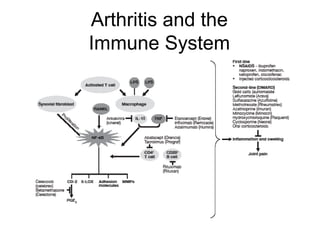
Arthritis
33
Arthritis and the
Immune System
Natural Products - A Gold Mine
for Arthritis Treatment
• Study conclusions:
– Although various treatments for arthritis exist they
suffer from various drawbacks such as lack of
efficacy, excessive side effects and high cost.
– Arthritis requires a lifetime of treatment.
– Plant-derived products offer promise but require
investigation, however owing to the lack of
intellectual property rights, the pharmaceutical
industry has little motivation to pursue the
studies.
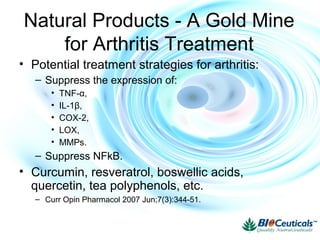
• Potential treatment strategies for arthritis:
– Suppress the expression of:
• TNF-α,
• IL-1β,
• COX-2,
• LOX,
• MMPs.
– Suppress NFkB.
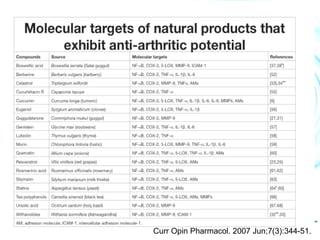
• Curcumin, resveratrol, boswellic acids,
quercetin, tea polyphenols, etc.
– Curr Opin Pharmacol 2007 Jun;7(3):344-51.
Natural Products - A Gold Mine
for Arthritis Treatment
Curr Opin Pharmacol. 2007 Jun;7(3):344-51.
Synergy
• Different polyphenol herbs have slightly different
actions on different survival pathways.
• Quercetin on its own only starts its action at
10mM.
– Quercetin action is mediated through reduction of
iNOS, TNF-α, or LOX.
– Synergy between green tea and curcumin or
resveratrol will bring stronger influence on other
pathways such as Akt inhibition where these other
herbs have shown greater effect. Curcumin for
instance is a stronger inhibitor of the COX pathway.
• This synergy will also be of effect in other
inflammatory conditions and with pain in general.
Flavonoids
Flavonoids
• High intake of dietary isoflavones is linked
to the inhibition of COX activity in human
macrophages.
– Nutr Cancer. 2004:49(1):89-93.
Flavonoids
• Inhibition of iNOS and COX-2 expression by flavonoids
in macrophages.
• Flavonoids quercetin, galangin, apigenin and naringenin
markedly decreased PGE2 and COX-2 expression in a
concentration dependent manner.
• The same flavonoids modulated the expression of iNOS
between 5-50μM.
– Achievable with 1500mg quercetin orally.
– Life Sci. 2001 Jan 12;68(8):921-31.
Flavonoids
• Flavonoids affect oral anti-inflammatory activity
and inhibit systemic TNF-α activity.
• Study in mice showed that oral adminstration of
flavonoids significantly inhibited the TNF-α
production.
– Biosci Biotechnol Biochem. 2004 Jan;68(1):119-25.
Quercetin
43
Quercetin
• Belongs to a polyphenolic class of flavonoids.
• Aglycone; basically rutin without the sugar.
• Major bioflavonoid in the human diet.
• Average daily intake 25mg.
• Foods with highest concentrations include
onions, apples, grapes; however, it is ubiquitous.
• Absorption from diet can be up to 20%.
• 64mg in diet can give up to 0.6μM three hours
after ingestion, with the half-life up to 17-25h.
Quercetin
• Plasma concentration required to be effective in
cancer is above 10μM. The oral dose to achieve
this may be in the vicinity of 1500mg. With a
relatively long half-life (17-25h), there will be an
accumulative effect over time.
• Anti-inflammatory effects in conditions such as
prostatitis have been shown at 100mg/d.
• In our clinic, we have used doses up to 1000mg
as a single IV and 500mg 3 times a week for
months without side effects except K lowering.
Quercetin and Immunity
• Quercetin blocks inflammation, cell migration and
angiogenesis through reduction in iNOS, TNF-α, NFkB,
MMP inactivation, etc.
• Its actions are relevant to all chronic inflammatory
diseases.
• As its anti-inflammatory actions are primary, the question
remains - Where should it be used in acute infections?
Quercetin Attenuates NFkB Activation
and Nitric Oxide Production
• Cell culture studies with hepatocytes.
• Cells stimulated with IL-1β.
• IL-1β is a multifunctional cytokine that plays a critical role in
inflammation, immunity, antiviral responses, and a variety of diseases.
• IL-1β stimulates T cells. It is very important in the liver and is implicated
in inflammatory liver diseases.
• IL-1β stimulates iNOS production in hepatocytes during inflammation.
NO binds with SO2 to produce peroxynitrites.
• Peroxynitrites are cytotoxic and capable of injuring invading pathogens
and eliminating altered cells. However indiscriminate destruction of cells
and tissues is implicated in the pathology of liver disease such as
hepatitis.
• Quercetin inhibited the accumulation of nitrite, and decreased the
production of NO.
• Quercetin inhibits the production of NO from LPS stimulated Kupffer
cells.
• In macrophages quercetin and resveratrol decrease LPS stimulated
iNOS.
– J Nutr. 2005 Jun;135(6):1359-65.
Quercetin and Cancer
• To date there has been one phase 1 trial of
quercetin IV in cancer.
• Two patients had a positive response with
reductions in tumour markers and tumour size
over the 30-day trial.
• One case was stage IV ovarian, one
hepatocellular cancer.
• In vitro studies show quercetin to be effective in a
wide range of cancers ranging from leukaemias to
lung cancer, melanoma, breast, colon, etc.
• My clinical practice: long-term stabilisation of
lymphoma, breast, myeloma, colon, lung,
mesothelioma and prostate cancers, with both oral
and IV regimes.
• Blockade of the epidermal growth factor (EGF)
receptor tyrosine kinase activity by quercetin leads
to growth inhibition in pancreatic tumour cells.
• EGF increased the levels of MMP-2 and MMP-9,
whilst quercetin appeared to decrease these levels.
• MMP-2 and MMP-9 are implicated in the spread of
metastasis.
• EGF stimulation is associated with increased cell
proliferation.
– Anticancer Res. 2002 May-Jun;22(3):1615-27.
Quercetin and Cancer
Quercetin in
Myocardial Infarction
• Intravenous quercetin significantly reduces mortality in
myocardial infarction.
– Ukrainian study.
– 57 patients randomised to receive placebo or be
treated with IV quercetin over five days.
– Results:
• reduced size of the heart muscle damage
• reduced size of final infarct
• improved injection fraction
• reduced the risk of subsequent heart failure.
• “This is a safe inhibitor; it is non-toxic, we have very
good long-term survival rate improvement.”
• Results presented at heart failure congress, Milan 2008.
Green Tea
51
Green Tea
• MMPs and green tea.
• Biochemical research catches up with folk
medicine.
• EGCG from green tea is an effective blocker of
MMP-2 and MMP-9.
Green Tea Inhibits Helicobacter
pylori Growth in vitro and in vitro
• Components of green tea have been
shown to:
– be bactericidal
– be bacteriostatic
– inhibit growth of HPE
– prevent the inflammatory effect of HPE on the
gastric mucosa.
– Int J Antimicrob Agents. 2009 May;33(5):473-8.
Harpagophytum procumbens
(Devil’s Claw)
• Anti-inflammatory action related to inhibition of
LPS stimulated iNOS, NFkB, COX-2 in
macrophages and mesangial cells.
• Anti-inflammatory action reported as effective
pain control in osteoathritis.
• 50mg of harpagoside gives equivalent analgesia
as synthetic COX inhibitors, but with lower
toxicity.
• Potential use in kidney inflammation.
Uncaria tomentosa (Cat’s Claw)
• In vitro studies suggest U. tomentosa inhibits
LPS stimulated TNF-α production 5.5-fold.
• Uses in gastritis and osteoarthritis have been
reported.
• May have a role in Alzheimer’s disease as it has
been shown to bind to beta-amyloid.
• May have some antibacterial activity in both
strept and staph isolates but not fungal nor
pseudomonas.
Macrophage Phagocytosis
• Immunomodulatory effects of herbs on
macrophage function.
• Conclusion:
– Standardised extracts of echinacea, cat’s
claw and saw palmetto; main action on
macrophages was in stimulation of
phagocytosis.
– J Med Food. 2007 Mar;10(1):73-9.
Obesity and Inflammation
• “These findings provide significant evidence that obesity
is linked to tumour promotion in the pancreas ...
suggests alterations in inflammatory responses and
bioenergetic pathways as the potential underlying
cause.”
– Proc Natl Acad Sci U S A. 2009 Mar 3;106(9):3354-9.
• “Chronic infections, obesity, alcohol, tobacco, radiation,
environmental pollutants, and high-calorie diet have
been recognised as major risk factors for the most
common types of cancer. All these risk factors are linked
to cancer through inflammation.”
– Clin Cancer Res. 2009 Jan 15;15(2):425-30.
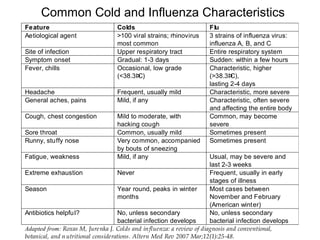
Common Cold
• Things to consider:
– Influenza or URTI?
– Presentation in otherwise healthy individual.
– Presentation in patient with inflammational
disease already present.
– Secondary infections and complications.
59
Feature Colds Flu
Aetiological agent >100 viral strains; rhinovirus
most common
3 strains of influenza virus:
influenza A, B, and C
Site of infection Upper respiratory tract Entire respiratory system
Symptom onset Gradual: 1-3 days Sudden: within a few hours
Fever, chills Occasional, low grade
(<38.3ÞC)
Characteristic, higher
(>38.3ÞC),
lasting 2-4 days
Headache Frequent, usually mild Characteristic, more severe
General aches, pains Mild, if any Characteristic, often severe
and affecting the entire body
Cough, chest congestion Mild to moderate, with
hacking cough
Common, may become
severe
Sore throat Common, usually mild Sometimes present
Runny, stuffy nose Very common, accompanied
by bouts of sneezing
Sometimes present
Fatigue, weakness Mild, if any Usual, may be severe and
last 2-3 weeks
Extreme exhaustion Never Frequent, usually in early
stages of illness
Season Year round, peaks in winter
months
Most cases between
November and February
(American winter)
Antibiotics helpful? No, unless secondary
bacterial infection develops
No, unless secondary
bacterial infection develops
Adapted from: Roxas M, Jurenka J. Colds and influenza: a review of diagnosis and conventional,
botanical, and n utritional considerations. Altern Med Rev 2007 Mar;12(1):25-48.
Common Cold and Influenza Characteristics
60
Advances in Diagnosis and
Management of Influenza
• H5N1 avian flu (H haemagglutinin surface protein, N
neuraminidase surface protein).
• H1N1 swine flu.
• H1N1 virus is not new; the current flu is a new form of
an old virus responsible for the Spanish flu of 1918; re-
emerged in China 1957 and Russia 1977.
• Older people may well have immunity through previous
contact.
• Influenza vaccines modified yearly - usually
influenza A H3N2 and H1N1 and one B virus;
only effective in 3 strains in one year.
• There may be up to several hundred strains in
any one year.
• Vaccines for the haemagglutinin and/or
neuraminidase antigen confer up to 70%
protection in the healthy population with those
three viruses considered to be most virulent.
• Less effective in institutionalised elderly patients
- down to 30%.
Flu Vaccines
Neuraminidase (NA) Inhibitors
• Influenza viruses attach to cells via sialic acid
receptors.
• NA is needed to remove sialic acids so the
budded virus can detach and disperse.
• Mutations in the sialic binding site can change
the need for NA to increase dispersion.
• Drugs that inhibit NA - oseltamivir (Tamiflu),
zanamir - can be effective in reducing the
duration of the illness. Resistance has been
observed.
Echinacea
64
Echinacea purpurea
• Echinacea alkylamides suppressed IL-2 secretion by
stimulated lymphocytes.
• This effect was lessened upon oxidation through the
P450 enzymes to carboxylic acids.
• This shows the difference between in vitro effects of
echinacea and potential in vivo effects.
– Planta Med 2006 Dec;72(15):1372-7.
Echinacea Induces
Macrophage Activation
• In vivo trial in mice have shown that E. purpurea, when
administered orally, can up-regulate macrophage
function in listeria infections.
• Echinacea stimulates the innate immune system by
stimulating IL-6, TNF, IL-12 and iNOS from
macrophages.
• This resulted in decreased bacterial burden during
infection.
– Immunopharmacol Immunotoxicol. 2008:30(3);553-74.
Echinacea purpurea Stimulates
Alveolar Macrophage Function
• Increase in macrophage activity.
• Dose dependent increase in NO and TNF-α on
stimulation with LPS.
• Echinacea stimulates macrophage function in
lung and spleen in rats.
– Int Immunopharmacol. 2002 Feb;2(2-3): 381-7.
• Caution in fibrosis and autoimmune diseases.
Echinacea purpurea
• A recent review of PubMed revealed 123 papers on
echinacea and infection.
• Prophylactic treatment with commercially available E.
purpurea did not significantly alter the frequency of upper
respiratory tract symptoms compared with placebo.
– Ann Allergy Asthma Immunol. 2008 Apr;100(4):384-8.
• Extracts from E. purpurea showed consistent and robust
inhibition of HIV - up to 50% inhibition.
– Am J Clin Nutr. 2008 Feb;87(2):488S-92S.
• E. purpurea is considered safe, with no adverse or allergic
reactions in children.
– Can J Physiol Pharmacol. 2007 Nov;85(11):1195-9.
Echinacea and the
Common Cold
• A proprietary echinacea extract with a
standardised ratio of alkylamides, cichoric acid
and polysaccharides was found to decrease the
severity and duration of symptoms of the
common cold.
• Mechanisms need to be determined, but
suggested echinacea stimulates the non-
specific immune system.
• Study in 150: 62 got a cold, 26 treated, 31
controls.
• 8 x 5mL dose, then 3 x 5mL for the next six
days.
Echinacea for Treatment of the
Common Cold
• Second study on same extract: 282 subjects in
good health: 59 echinacea, 69 placebo.
• Echinacea group severity scores for runny nose,
sore throat, fatigue headache and chills lower by
up to 44%.
• Cough was the same.
• Echinacea group: 50% reduction in symptoms
by Day 4; placebo: same reduction halfway
through Day 5.
– J Clin Pharm Ther. 2004 Feb;29(1):75-83.
Echinacea purpurea
• E. purpurea may attenuate the mucosal immune
suppression known to occur with intense exercise, and
reduce the duration of URTI that athletes incur.
• Study involving 32 athletes in high exercise regime
known to affect mucosal immunity such as secretion rate
of mucosal sIgA.
• There was no significant difference in the number of
URTIs but there was significant difference in duration.
– Int J Sports Med. 2007 Sep;28(9):792-7.
echinamide
• Developed in Canada by Natural Factors
• German scientist Dr Rudolf Bauer the
worlds most authority on echinacea states
• “Echinamide is unique in that it is has
certain standardized levels of
polysaccharides, cichoric acid and
alkylamides. This new data , which has
produced pharmacolgical results is only
achievable with this product”
Quercetin in Acute Infections
• Combine with
–immunostimulatory actions: echinacea,
andrographis, vitamin C
–fish oil
–magnesium.
– Prim Care. 2002 Jun;29(2):231-61.
Bromelains
73
Bromelains:
Mechanisms of Action
• Introduction of proteolytic activity at inflammatory sites.
• Activation of fibrinolysis activity via the plasminogen-
plasmin system.
• Depletion of kininogen.
• Inhibition of pro-inflammatory prostaglandin biosynthesis
and initiation of PGE1 accumulation (which inhibits the
release of polymorphonuclear leukocyte lysosomal
enzymes).
Bromelain and Quercetin
in Sinusitis
• Thins nasal secretions.
• Effective mucolytic agent.
• Inhibits prostaglandins.
• 1987 study showed 85% complete resolution of
sinus inflammation; placebo 40%.
• Doses up to 2000mg/d can be used safely.
• 1000mg/d is more typical.
Bromelains and Cytokines
• Proteolytic enzymes have been reported to have
anti-inflammatory effects.
• Bromelain treatment decreased expression of
pro-inflammatory cytokines in ulcerative colitis
and Crohn’s disease.
• Accumulation and activation of inflammatory
cells within the mucosa leads to the tissue
damage that is characteristic of inflammatory
bowel disease.
• Results showed a reduction in Th1 cytokines
with a significant reduction in TNF-α, IFN-
gamma, but not IL-6 nor IL-1β.
– Clin Immunol. 2008 Mar;126(3):345-52.
Andrographis
77
Andrographis paniculata
• Current evidence suggests A. paniculata alone or in
combination with Acanthopanax senticosus extract may
be more effective than placebo and may be appropriate
alternative treatment for uncomplicated acute URTI.
– J Clin Pharm Ther 2004 Feb;29(1):37-45.
Andrographis paniculata
• Double-blind trial using andrographis extract:
– 95 in treatment group, 90 in placebo group.
– Medication taken for 5 days.
– Symptoms included high temperature, headache,
myalgia, sore throat, cough, malaise and eye
symptoms.
• Results: Highly significant improvement in
treated group over placebo.
• Significant symptom improvement was seen in
headache, nasal and throat symptoms together
with general malaise. Temperature was
moderately reduced. Cough and eye symptoms
showed little improvement. The extract was well
tolerated.
– Phytomedicine. 2002 Oct;9(7):589-97.
Whey Protein
Whey Protein
• Enhances immune function, scavenges free
radicals, and exhibits antimicrobial activity.
• Actions partially due to lactoferrin a peptide
fraction, and its ability to bind excretion-related
iron.
• Lactoferrin is present in exocrine excretions,
nasal discharges, sputum, saliva, etc. Also in
polymorphonuclear neutrophils.
• Actions are also anti-inflammatory and viral
inhibitory.
conclusion
• Relationship between immunity and
inflammation.
• Role of abnormal macrophage function in
this
• Beauchamp/ Pasteur
• The use of herbs and natural substances
in modulating these functions

Dr William Barnes - The I Factor - Inflammation, Immunity, Illness

  • 1.
    The I Factor- Inflammation, Immunity, Illness Presented by Dr William Barnes, BSc, MB ChB
  • 2.
    • Healing isa Personal Journey • Science and Healing • Science and Theory • Science and Observation
  • 3.
    Outline • Background • Immunityand Inflammation • Inflammation and Macrophages • Macrophage Pathology • Foam Cell, Viruses, TAMs • The Brune Theory & Nitric Oxide • Macrophages in Disease States – Treatment Strategies • Colds and Influenza – Treatment Strategies
  • 4.
  • 5.
    Immunity and Inflammation •Inflammational dysregulation is at the root or all chronic illnesses. – Cancer, heart disease, arthritis, asthma, bronchitis, Alzheimer’s disease, schizophrenia, multiple sclerosis, etc.
  • 6.
    Abnormal Immunity • Innateimmune system becomes dysfunctional and perpetuates the disease process.
  • 7.
    The Innate ImmuneSystem in Action
  • 8.
  • 9.
  • 10.
  • 12.
    Macrophages • Makros (large)+ phagein (eat) = big eaters. • Monocytes enter damaged tissue through the endothelium of a blood vessel and undergoes transformation to a macrophage. • Monocytes are attracted to the site by chemotaxis, triggered by a range of stimuli including damaged cells, pathogens and cytokines released by macrophages already at the site. They can survive up to several months.
  • 13.
    Fixed Macrophages • Alveolar macrophages •Histiocytes • Kupffer cells • Microglia • Epithelioid • Osteoclasts • Sinusoidal lining cells • Mesangial cells • Lungs • Connective tissue • Liver • Neural tissue • Granulomas • Bone • Spleen • Kidney
  • 14.
  • 15.
  • 16.
  • 17.
    Nitric Oxide • Twomain types: - iNOS (inducible nitric oxide synthase), produced by macrophages - eNOS (endothelial nitric oxide synthase), responsible for endothelial dilatation.
  • 18.
    Macrophages and Disease •Macrophages called foam cells may be predominant in the pathogenesis of atherosclerosis. • Macrophages play a role in HIV, they become infected and then become incubators for the human immunodeficiency virus. • Macrophages called TAMs (tumour associated macrophages) are associated with cancer proliferation and spread partially by activation of NFkB activation and the inhibition of apoptosis, and also through production of TNF-α.
  • 19.
    Macrophages • Environmental oestrogenspromote IL-1β activity in macrophages. • Genistein and certain xeno-oestrogens synergised with LPS to activate IL-1β promoter activity. Environmental oestrogens have agonist activity both on reproductive tissue along with haemopoietic tissue. – Endocrine 1998 Oct;9(2):207-11.
  • 20.
    Foam Cells • Inthe arterial intima, monocytes are transformed into macrophages which then proceed to ingest oxidised LDL. • This foam cell transformation alters the phagocytic and antimicrobial function of the macrophage and may well allow the documented associated infection with microbes, such as chlamydia pneumonia, within the atherosclerotic plaques. • Cholesterol accumulation by macrophages impairs phagosome maturation. – J Biol Chem. 2008 Dec 19;283(51):35745-55.
  • 21.
    Flavonoids and Endothelial Health •Dietary flavonoids reduce oxidised LDL in endothelial cells. • Endothelial apoptosis is a driving force in the development of atherosclerosis. • EGCG, hesperetin and quercetin decrease the influence of LDL signalling on the induction of apoptosis. – J Nutr. 2008 Jun;138(6):983-90.
  • 22.
    TAMs • Tumour associatedmacrophages are obligate partners for malignant cell migration, invasion and metastasis. • The more TAMs the worse the prognosis. – J Exp Med. 2001 Mar 19;193(6):727-40.
  • 23.
    TAMs Effectors ofAngiogenesis and Tumour Progression • TAMs are a prominent inflammatory cell population in many tumour types residing in both perivascular and avascular, hypoxic regions of these tissues. • Analysis of TAMs in human tumour biopsies has shown they express a variety of tumour promoting factors and the evidence from transgenic murine tumour models has provided unequivocal evidence for the importance of these cells in driving angiogenesis, lymphangiogenesis, immunosuppression and metastasis. – Biochim Biophys Acta. 2009 Mar 6.
  • 24.
    The Brune Theory •Macrophages phagocytose apoptotic cells (AC). • Phagocytosis of AC regulates the immune response by shifting the phenotype of the macrophage to an anti- inflammatory type (M2). • AC in the M2 macrophage enhances the expression of arginase II; this halts the induction of NO formation in IFN-gamma stimulated macrophages. • AC triggers IL-10, TGF-β, PGE2 production; reduced capacity to produce TNF-α. • TAMs support tumour growth survival and contibute to angiogenesis and immune evasion. – Mol Biol Cell. 2007 Oct;18(10):3810-9.
  • 25.
    Brune Theory -M2 Macrophage Citrulline Ornithine NO Urea Arginase Nitric Oxide Synthase (NOS)Arginine
  • 26.
    Carnitine • Carnitine decreasesarginase activity. • High levels of arginase and ornithine in different carcinomas may indicate their relation to cancer. • Carnitine is a cofactor required for the transformation of free long-chain fatty acids into acetylcarnitines. Carnitine may have an effect on the ornithine arginase tissue levels. • Conclusion: NO levels were significantly higher in the carnitine treated group whilst the tissue level of arginase activity and ornithine was significantly decreased. – Cell Biol Int. 2007 Nov;31(11):1414-9.
  • 27.
    Effect of Carnitineon Nitric Oxide Synthesis Citrulline Ornithine NO Urea Arginase Nitric Oxide Synthase (NOS)Arginine Carnitine
  • 28.
    Macrophages and Helicobacter pylori •Macrophages and Helicobacter pylori infection lead to gastric cancer. • Gastric infection by H. pylori extract (HPE) activates the production of cytokines and chemokines by mononuclear cells. • IL-8 is one of the major HPE triggered cytokines. • This is activated by HPE mediated LPS stimulation of macrophages; also amplifies the inflammatory response.
  • 29.
    Characteristics of Inflammatory Infiltrateof Gastric Mucosa in Patients with Dysplasia and Cancer • 85 patients. • Composition of the inflammatory infiltrate from gastric mucosa (GM) was determined. • Patients with adenocarcinoma showed an increase in lymphocytes, neutrophils and macrophages. – Klin Med (Mosk). 2008;86(11):48-53.
  • 30.
    • Helicobacter pyloriinfection results in neutrophil activation and chronic gastritis, and this has a role in the development of gastric cancer. • The greater the intensity of HPE infection, the greater the degree of neutrophil activation and, in turn, the gastritis and metaplasia. – Niger J Clin Pract. 2008 Sep;11(3):270-4. Characteristics of Inflammatory Infiltrate of Gastric Mucosa in Patients with Dysplasia and Cancer
  • 31.
    Idiopathic Pulmonary Fibrosis (IPF) •IPF is a chronic, progressive, and often fatal lung disease of unknown aetiology. • Characterised by onset of infiltrate in the parenchyma of the lung tissue. • This infiltrate has been identified as lymphatic endothelial cells (LECs). – Proc Natl Acad Sci U S A. 2009 Mar 10;106(10):3958-63. • Alveolar regions of the lung are usually devoid of LECs. – Alveolar macrophages either promote the transformation of lymphocytes into LECs, OR – Macrophages themselves become LECs and form the basis for this granulation tissue.
  • 32.
    MMPs • MMPs (Matrixmetalloproteinases) are a family of enzymes involved in the breakdown of extracellular matrix in normal physiological processes such as embryonic development, reproduction (endothelial menstrual breakdown) and tissue remodelling. • They are activated in diseases such as arthritis, cancer metastasis and pulmonary fibrosis. • LPS activated macrophages produce TNF and NO which in turn activate MMPs. • MMP-2 and MMP-9 are two of particular interest in diseases.
  • 33.
  • 34.
  • 35.
    Natural Products -A Gold Mine for Arthritis Treatment • Study conclusions: – Although various treatments for arthritis exist they suffer from various drawbacks such as lack of efficacy, excessive side effects and high cost. – Arthritis requires a lifetime of treatment. – Plant-derived products offer promise but require investigation, however owing to the lack of intellectual property rights, the pharmaceutical industry has little motivation to pursue the studies.
  • 36.
    • Potential treatmentstrategies for arthritis: – Suppress the expression of: • TNF-α, • IL-1β, • COX-2, • LOX, • MMPs. – Suppress NFkB. • Curcumin, resveratrol, boswellic acids, quercetin, tea polyphenols, etc. – Curr Opin Pharmacol 2007 Jun;7(3):344-51. Natural Products - A Gold Mine for Arthritis Treatment
  • 37.
    Curr Opin Pharmacol.2007 Jun;7(3):344-51.
  • 38.
    Synergy • Different polyphenolherbs have slightly different actions on different survival pathways. • Quercetin on its own only starts its action at 10mM. – Quercetin action is mediated through reduction of iNOS, TNF-α, or LOX. – Synergy between green tea and curcumin or resveratrol will bring stronger influence on other pathways such as Akt inhibition where these other herbs have shown greater effect. Curcumin for instance is a stronger inhibitor of the COX pathway. • This synergy will also be of effect in other inflammatory conditions and with pain in general.
  • 39.
  • 40.
    Flavonoids • High intakeof dietary isoflavones is linked to the inhibition of COX activity in human macrophages. – Nutr Cancer. 2004:49(1):89-93.
  • 41.
    Flavonoids • Inhibition ofiNOS and COX-2 expression by flavonoids in macrophages. • Flavonoids quercetin, galangin, apigenin and naringenin markedly decreased PGE2 and COX-2 expression in a concentration dependent manner. • The same flavonoids modulated the expression of iNOS between 5-50μM. – Achievable with 1500mg quercetin orally. – Life Sci. 2001 Jan 12;68(8):921-31.
  • 42.
    Flavonoids • Flavonoids affectoral anti-inflammatory activity and inhibit systemic TNF-α activity. • Study in mice showed that oral adminstration of flavonoids significantly inhibited the TNF-α production. – Biosci Biotechnol Biochem. 2004 Jan;68(1):119-25.
  • 43.
  • 44.
    Quercetin • Belongs toa polyphenolic class of flavonoids. • Aglycone; basically rutin without the sugar. • Major bioflavonoid in the human diet. • Average daily intake 25mg. • Foods with highest concentrations include onions, apples, grapes; however, it is ubiquitous. • Absorption from diet can be up to 20%. • 64mg in diet can give up to 0.6μM three hours after ingestion, with the half-life up to 17-25h.
  • 45.
    Quercetin • Plasma concentrationrequired to be effective in cancer is above 10μM. The oral dose to achieve this may be in the vicinity of 1500mg. With a relatively long half-life (17-25h), there will be an accumulative effect over time. • Anti-inflammatory effects in conditions such as prostatitis have been shown at 100mg/d. • In our clinic, we have used doses up to 1000mg as a single IV and 500mg 3 times a week for months without side effects except K lowering.
  • 46.
    Quercetin and Immunity •Quercetin blocks inflammation, cell migration and angiogenesis through reduction in iNOS, TNF-α, NFkB, MMP inactivation, etc. • Its actions are relevant to all chronic inflammatory diseases. • As its anti-inflammatory actions are primary, the question remains - Where should it be used in acute infections?
  • 47.
    Quercetin Attenuates NFkBActivation and Nitric Oxide Production • Cell culture studies with hepatocytes. • Cells stimulated with IL-1β. • IL-1β is a multifunctional cytokine that plays a critical role in inflammation, immunity, antiviral responses, and a variety of diseases. • IL-1β stimulates T cells. It is very important in the liver and is implicated in inflammatory liver diseases. • IL-1β stimulates iNOS production in hepatocytes during inflammation. NO binds with SO2 to produce peroxynitrites. • Peroxynitrites are cytotoxic and capable of injuring invading pathogens and eliminating altered cells. However indiscriminate destruction of cells and tissues is implicated in the pathology of liver disease such as hepatitis. • Quercetin inhibited the accumulation of nitrite, and decreased the production of NO. • Quercetin inhibits the production of NO from LPS stimulated Kupffer cells. • In macrophages quercetin and resveratrol decrease LPS stimulated iNOS. – J Nutr. 2005 Jun;135(6):1359-65.
  • 48.
    Quercetin and Cancer •To date there has been one phase 1 trial of quercetin IV in cancer. • Two patients had a positive response with reductions in tumour markers and tumour size over the 30-day trial. • One case was stage IV ovarian, one hepatocellular cancer. • In vitro studies show quercetin to be effective in a wide range of cancers ranging from leukaemias to lung cancer, melanoma, breast, colon, etc. • My clinical practice: long-term stabilisation of lymphoma, breast, myeloma, colon, lung, mesothelioma and prostate cancers, with both oral and IV regimes.
  • 49.
    • Blockade ofthe epidermal growth factor (EGF) receptor tyrosine kinase activity by quercetin leads to growth inhibition in pancreatic tumour cells. • EGF increased the levels of MMP-2 and MMP-9, whilst quercetin appeared to decrease these levels. • MMP-2 and MMP-9 are implicated in the spread of metastasis. • EGF stimulation is associated with increased cell proliferation. – Anticancer Res. 2002 May-Jun;22(3):1615-27. Quercetin and Cancer
  • 50.
    Quercetin in Myocardial Infarction •Intravenous quercetin significantly reduces mortality in myocardial infarction. – Ukrainian study. – 57 patients randomised to receive placebo or be treated with IV quercetin over five days. – Results: • reduced size of the heart muscle damage • reduced size of final infarct • improved injection fraction • reduced the risk of subsequent heart failure. • “This is a safe inhibitor; it is non-toxic, we have very good long-term survival rate improvement.” • Results presented at heart failure congress, Milan 2008.
  • 51.
  • 52.
    Green Tea • MMPsand green tea. • Biochemical research catches up with folk medicine. • EGCG from green tea is an effective blocker of MMP-2 and MMP-9.
  • 53.
    Green Tea InhibitsHelicobacter pylori Growth in vitro and in vitro • Components of green tea have been shown to: – be bactericidal – be bacteriostatic – inhibit growth of HPE – prevent the inflammatory effect of HPE on the gastric mucosa. – Int J Antimicrob Agents. 2009 May;33(5):473-8.
  • 54.
    Harpagophytum procumbens (Devil’s Claw) •Anti-inflammatory action related to inhibition of LPS stimulated iNOS, NFkB, COX-2 in macrophages and mesangial cells. • Anti-inflammatory action reported as effective pain control in osteoathritis. • 50mg of harpagoside gives equivalent analgesia as synthetic COX inhibitors, but with lower toxicity. • Potential use in kidney inflammation.
  • 55.
    Uncaria tomentosa (Cat’sClaw) • In vitro studies suggest U. tomentosa inhibits LPS stimulated TNF-α production 5.5-fold. • Uses in gastritis and osteoarthritis have been reported. • May have a role in Alzheimer’s disease as it has been shown to bind to beta-amyloid. • May have some antibacterial activity in both strept and staph isolates but not fungal nor pseudomonas.
  • 56.
    Macrophage Phagocytosis • Immunomodulatoryeffects of herbs on macrophage function. • Conclusion: – Standardised extracts of echinacea, cat’s claw and saw palmetto; main action on macrophages was in stimulation of phagocytosis. – J Med Food. 2007 Mar;10(1):73-9.
  • 57.
    Obesity and Inflammation •“These findings provide significant evidence that obesity is linked to tumour promotion in the pancreas ... suggests alterations in inflammatory responses and bioenergetic pathways as the potential underlying cause.” – Proc Natl Acad Sci U S A. 2009 Mar 3;106(9):3354-9. • “Chronic infections, obesity, alcohol, tobacco, radiation, environmental pollutants, and high-calorie diet have been recognised as major risk factors for the most common types of cancer. All these risk factors are linked to cancer through inflammation.” – Clin Cancer Res. 2009 Jan 15;15(2):425-30.
  • 58.
    Common Cold • Thingsto consider: – Influenza or URTI? – Presentation in otherwise healthy individual. – Presentation in patient with inflammational disease already present. – Secondary infections and complications.
  • 59.
    59 Feature Colds Flu Aetiologicalagent >100 viral strains; rhinovirus most common 3 strains of influenza virus: influenza A, B, and C Site of infection Upper respiratory tract Entire respiratory system Symptom onset Gradual: 1-3 days Sudden: within a few hours Fever, chills Occasional, low grade (<38.3ÞC) Characteristic, higher (>38.3ÞC), lasting 2-4 days Headache Frequent, usually mild Characteristic, more severe General aches, pains Mild, if any Characteristic, often severe and affecting the entire body Cough, chest congestion Mild to moderate, with hacking cough Common, may become severe Sore throat Common, usually mild Sometimes present Runny, stuffy nose Very common, accompanied by bouts of sneezing Sometimes present Fatigue, weakness Mild, if any Usual, may be severe and last 2-3 weeks Extreme exhaustion Never Frequent, usually in early stages of illness Season Year round, peaks in winter months Most cases between November and February (American winter) Antibiotics helpful? No, unless secondary bacterial infection develops No, unless secondary bacterial infection develops Adapted from: Roxas M, Jurenka J. Colds and influenza: a review of diagnosis and conventional, botanical, and n utritional considerations. Altern Med Rev 2007 Mar;12(1):25-48. Common Cold and Influenza Characteristics
  • 60.
  • 61.
    Advances in Diagnosisand Management of Influenza • H5N1 avian flu (H haemagglutinin surface protein, N neuraminidase surface protein). • H1N1 swine flu. • H1N1 virus is not new; the current flu is a new form of an old virus responsible for the Spanish flu of 1918; re- emerged in China 1957 and Russia 1977. • Older people may well have immunity through previous contact.
  • 62.
    • Influenza vaccinesmodified yearly - usually influenza A H3N2 and H1N1 and one B virus; only effective in 3 strains in one year. • There may be up to several hundred strains in any one year. • Vaccines for the haemagglutinin and/or neuraminidase antigen confer up to 70% protection in the healthy population with those three viruses considered to be most virulent. • Less effective in institutionalised elderly patients - down to 30%. Flu Vaccines
  • 63.
    Neuraminidase (NA) Inhibitors •Influenza viruses attach to cells via sialic acid receptors. • NA is needed to remove sialic acids so the budded virus can detach and disperse. • Mutations in the sialic binding site can change the need for NA to increase dispersion. • Drugs that inhibit NA - oseltamivir (Tamiflu), zanamir - can be effective in reducing the duration of the illness. Resistance has been observed.
  • 64.
  • 65.
    Echinacea purpurea • Echinaceaalkylamides suppressed IL-2 secretion by stimulated lymphocytes. • This effect was lessened upon oxidation through the P450 enzymes to carboxylic acids. • This shows the difference between in vitro effects of echinacea and potential in vivo effects. – Planta Med 2006 Dec;72(15):1372-7.
  • 66.
    Echinacea Induces Macrophage Activation •In vivo trial in mice have shown that E. purpurea, when administered orally, can up-regulate macrophage function in listeria infections. • Echinacea stimulates the innate immune system by stimulating IL-6, TNF, IL-12 and iNOS from macrophages. • This resulted in decreased bacterial burden during infection. – Immunopharmacol Immunotoxicol. 2008:30(3);553-74.
  • 67.
    Echinacea purpurea Stimulates AlveolarMacrophage Function • Increase in macrophage activity. • Dose dependent increase in NO and TNF-α on stimulation with LPS. • Echinacea stimulates macrophage function in lung and spleen in rats. – Int Immunopharmacol. 2002 Feb;2(2-3): 381-7. • Caution in fibrosis and autoimmune diseases.
  • 68.
    Echinacea purpurea • Arecent review of PubMed revealed 123 papers on echinacea and infection. • Prophylactic treatment with commercially available E. purpurea did not significantly alter the frequency of upper respiratory tract symptoms compared with placebo. – Ann Allergy Asthma Immunol. 2008 Apr;100(4):384-8. • Extracts from E. purpurea showed consistent and robust inhibition of HIV - up to 50% inhibition. – Am J Clin Nutr. 2008 Feb;87(2):488S-92S. • E. purpurea is considered safe, with no adverse or allergic reactions in children. – Can J Physiol Pharmacol. 2007 Nov;85(11):1195-9.
  • 69.
    Echinacea and the CommonCold • A proprietary echinacea extract with a standardised ratio of alkylamides, cichoric acid and polysaccharides was found to decrease the severity and duration of symptoms of the common cold. • Mechanisms need to be determined, but suggested echinacea stimulates the non- specific immune system. • Study in 150: 62 got a cold, 26 treated, 31 controls. • 8 x 5mL dose, then 3 x 5mL for the next six days.
  • 70.
    Echinacea for Treatmentof the Common Cold • Second study on same extract: 282 subjects in good health: 59 echinacea, 69 placebo. • Echinacea group severity scores for runny nose, sore throat, fatigue headache and chills lower by up to 44%. • Cough was the same. • Echinacea group: 50% reduction in symptoms by Day 4; placebo: same reduction halfway through Day 5. – J Clin Pharm Ther. 2004 Feb;29(1):75-83.
  • 71.
    Echinacea purpurea • E.purpurea may attenuate the mucosal immune suppression known to occur with intense exercise, and reduce the duration of URTI that athletes incur. • Study involving 32 athletes in high exercise regime known to affect mucosal immunity such as secretion rate of mucosal sIgA. • There was no significant difference in the number of URTIs but there was significant difference in duration. – Int J Sports Med. 2007 Sep;28(9):792-7.
  • 72.
    echinamide • Developed inCanada by Natural Factors • German scientist Dr Rudolf Bauer the worlds most authority on echinacea states • “Echinamide is unique in that it is has certain standardized levels of polysaccharides, cichoric acid and alkylamides. This new data , which has produced pharmacolgical results is only achievable with this product”
  • 73.
    Quercetin in AcuteInfections • Combine with –immunostimulatory actions: echinacea, andrographis, vitamin C –fish oil –magnesium. – Prim Care. 2002 Jun;29(2):231-61.
  • 74.
  • 75.
    Bromelains: Mechanisms of Action •Introduction of proteolytic activity at inflammatory sites. • Activation of fibrinolysis activity via the plasminogen- plasmin system. • Depletion of kininogen. • Inhibition of pro-inflammatory prostaglandin biosynthesis and initiation of PGE1 accumulation (which inhibits the release of polymorphonuclear leukocyte lysosomal enzymes).
  • 76.
    Bromelain and Quercetin inSinusitis • Thins nasal secretions. • Effective mucolytic agent. • Inhibits prostaglandins. • 1987 study showed 85% complete resolution of sinus inflammation; placebo 40%. • Doses up to 2000mg/d can be used safely. • 1000mg/d is more typical.
  • 77.
    Bromelains and Cytokines •Proteolytic enzymes have been reported to have anti-inflammatory effects. • Bromelain treatment decreased expression of pro-inflammatory cytokines in ulcerative colitis and Crohn’s disease. • Accumulation and activation of inflammatory cells within the mucosa leads to the tissue damage that is characteristic of inflammatory bowel disease. • Results showed a reduction in Th1 cytokines with a significant reduction in TNF-α, IFN- gamma, but not IL-6 nor IL-1β. – Clin Immunol. 2008 Mar;126(3):345-52.
  • 78.
  • 79.
    Andrographis paniculata • Currentevidence suggests A. paniculata alone or in combination with Acanthopanax senticosus extract may be more effective than placebo and may be appropriate alternative treatment for uncomplicated acute URTI. – J Clin Pharm Ther 2004 Feb;29(1):37-45.
  • 80.
    Andrographis paniculata • Double-blindtrial using andrographis extract: – 95 in treatment group, 90 in placebo group. – Medication taken for 5 days. – Symptoms included high temperature, headache, myalgia, sore throat, cough, malaise and eye symptoms. • Results: Highly significant improvement in treated group over placebo. • Significant symptom improvement was seen in headache, nasal and throat symptoms together with general malaise. Temperature was moderately reduced. Cough and eye symptoms showed little improvement. The extract was well tolerated. – Phytomedicine. 2002 Oct;9(7):589-97.
  • 81.
  • 82.
    Whey Protein • Enhancesimmune function, scavenges free radicals, and exhibits antimicrobial activity. • Actions partially due to lactoferrin a peptide fraction, and its ability to bind excretion-related iron. • Lactoferrin is present in exocrine excretions, nasal discharges, sputum, saliva, etc. Also in polymorphonuclear neutrophils. • Actions are also anti-inflammatory and viral inhibitory.
  • 83.
    conclusion • Relationship betweenimmunity and inflammation. • Role of abnormal macrophage function in this • Beauchamp/ Pasteur • The use of herbs and natural substances in modulating these functions

Editor's Notes

  • #2 I’m .a clinician My primary role is to enable health, to do that I need to understand the disease process. As with the tenants of healers over the centuries I like you am struggling with the modalities and understandings of our times. Honing our skills, clinically and scientifically and practicing our art.
  • #3 I don’t have a view about how a person gains health through what ever modality, if it happens in a particular way and the person heals then it’s the right way. I don’t care if other people in my profession don’t believe that it’s possible to heal in the particular way, because if healing has occurred then it was the right way for recipient and a challenge for the practitioner is to understand why, not dispute the fact that it happened. So as a clinician and one who believes in the scientific process, I value my observations. Because I work with patients day in and day out, the theory is only as good as it helps me help the patient. My experience is that too much vested interest stifles this process and truth in medicine requires commitment and courage to follow this process. Medicine in my opinion is often more about the politics than the science. The more I delve into science the more I realise pure science has no prejudice, in science is the innocent enquiry to know. The scientific method involves, observation, often in the form of data collection The hypothesis of what that data means the The developement of a theory and then the testing of that theory with new observation If the theory does not survive the observational challenge then the theory is most likely wrong and needs adjustment. All to often with my colleagues the theory has been seen as fact , if by an All to often the observation is dismissed and the theory remains rather than the true way that is the observation is demanding developement and review of he theory, The trouble with this process is that everything is always up for grabs, as we are always going to have a limited prospective due to our inadequate knowledge we are always going to be confronted with exceptions and contradictions.Get used to it. Those who want nice neat unchallenged theories will have to live with huge blinkers on. Above all I find this process exciting something akin to reading a never ending suspense novel with twists and turns at each juncture. The information available to us at our finger tips compared with our predecessors is amazing. On the internet if we understand the language, we can enter into every research lab in the world that is publishing and explore so much. So I guess we need to keeping on learning the language.
  • #6 In my enquiry into the pathophysiology of diseases I have have become more and more fascinated by the fact that all chronic illness has it’s genesis in inflammation.
  • #7 In my search for the understanding of this process , I started to discover new research into the way the innate immune system becomes dysfunctional and perpetuates the disease process. These ideas and this research I will present tonight is by no means exhaustive as the topic is too large, however I hope that some of the insights will help with gaining a bigger picture and more effective therapy and understanding of disease
  • #10 Where does cox inhibition work .where does cortisone inhibit? If you inhibit Cox what happens to LOX
  • #11 I’m going to focus most of my talk around the function and dysfunction of the macrophage. I will discuss the pathophysiology of the macrophage and the way in which it can be restored to healthy function. I ‘m focussing here because, I don’t think there is a big enough appreciation of macrophage function and it’s role in immunity ,infection and inflammation
  • #21 Macrophages are key to the pathogenesis of atherosclerosis. They take up and store excessive amounts of cholesterol associated with oxidized low-density lipoproteins becoming foam cells. These foam cells display an altered immune responsiveness. In the arterial intima monocytes are transformed into macrophages which then proceed to ingest LDL. This foam cell transformation alters the phagocytic and antimicrobial function of the macrophage and may well allow the documented associated infection with microbes such as chlamydia pneumonia, within the atherosclerotic plaques. Cholesterol accumulation by macrophages impairs phagosome maturation Copyright 2008 by The American Society for Biochemistry and Molecular Biology Inc: Huynh and Grinstein The Hospital for Sick Children; Toronto Canada
  • #29 Macrophages and helicobacter pylori infection lead to gastric cancer Gastric infection by H.pylori (HPE) activates the production of cytokines and chemokines by mononuclear cells. IL8 is one of the major HPE triggered cytokines . This is activated by HPE mediated LPS stimulation of macrophages.This activation amplifies the inflammatory response.
  • #36 The authors who are university based in USA and India state in conclusion of there paper: Although various treatments for arthritis exist they suffer from various draw backs , such as lack of efficacy,excessive side effects and high cost. Arthritis requires a lifetime of treatment. Plant derived products offer promise but require investigation, however owing to the lack of intellectual property rights, the pharmaceutical industry has little motivation to pursue the studies.
  • #37 xxxxx
  • #38 My favourites boswellia, curcumin ,genistein,luteolin,quercetin, reservatrol, silymarin,tea polyphenols
  • #39 The secret with this type of phyto therapy is to look for synergies. Because different polyphenol herbs have slightly different actions on different survival pathways there will be considerable synergy. Where quercetin on it’s own only starts it’s action at 10mM, and its action being mediated through iNos, reduction, TNFalpha reduction, or lipooxygenase reduction. Synergy with green tea and say curcumin or reservatrol will bring stronger influence on other pathways such as AKT inhibition where these other herbs have shown greater effect.Curcumin for instance is a stronger inhibitor of the COX pathway . This synergy will also be of effect in other inflammatory conditions and with pain in general.
  • #42 Inhibition of inducible NO synthase and Cox -2 expression by flavonoids in macrophages Flavonoids Quercetin, galangin, apigenin and naringenin markedly decreased PGE2 and COX2 expression in a concentration dependent manner. The same flavonoids modulated the expression of iNOS synthase between 5-50mM. ( achievable with 1500mg Quercetin orally)
  • #47 Whether quercetin has any advantage or detrimental effects on immune function is of concern. On the one hand we know that quercetin blocks inflammation , cell migration,and angiogenesis through reduction in iNOS, TNFalpha, NF-Kappa,etc. Does this dampen the immune response. This question remains to be answered. The research in his area is still to be done.
  • #49 In my own clinic prcatice we have had long term stabilisation of lymphoma ,breast , myeloma, colon, lung, mesothelioma , prostate. Both with oral and IV regimes.
  • #58 Tie in IsoWhey Original
  • #62 Severerity may be due to viral load, this is often associated with crowded infected areas. Initially in farms with high concentrations of infection and then in hospitals crowded living areas. Therefore the most severity will be seen at the site of origin and again as with the bird flu may well be associated with overcrowded and poor animal farming practicises as seen in the pig farms of Veracruz district.
  • #63 Antigenic drift through viral mutation and potential combination or sharing of viral genetic material. Viruses are grown in embryonated hens eggs contraindicated in allergies to eggs or chickens.
  • #68 This macrophage activation means that echinacea should be used with caution in patients with autoimmune lung disease that may already have increased cyotocrine release as the basis for their disease.
  • #70 Increase in monocytes neutrophils, NK cells at day 2 as compared with controls, sustained stimulation of the immune system, helps to reduce the developement of secondary infections during the immune compromised state.
  • #71 START AT FIRST SYMPTOMS NOT BEFORE HIGH DOSE INTIALY THEN DOWN TO 3X 5MLS DAILY FOR SIX DAYS . NO NEED FOR MORE DESIGNED TO REDUCE DURATION SYMPTOMS AND PROGRESSION TO SECONDARY INFECTION.ON THE EVIDENCE BEST AVAILABLE COMMON COLD TREATMENT ON THE MARKET. USE THE HIGH DOSE INITIALLY FOR BEST RESULTS
  • #73 Oils ain’t oils, The developement and standarisation ,the monitoring and the subsquent research using these therapies must be part of the modern herbal to maintain clinical efficacy.
  • #74 In acute infections with a lot of pain and inflammation it is undoubtably helpful to use Quercetin,however it should be only one part of a strategy and herbs such as echinacea, andrographis and vit C which are shown to be immunostimulatory should be used initially, along with fish oil and magnesium. Particularly where the condition is considered viral. A good review on this can be found by reading a paper by: Jaber et al ,University New York, Prim Care 2002 Jun:29(2):231-61
  • #78 Proteolytic enzymes have been reported to have antiinflammatory effects. In this report Bromelain treatment was seen to decrease expression of proinflammatory cytokines in ulcerative colitis and crohns disease. Accumulation and activation of inflammatory cells within the mucosa leads to the tissue damage that is characteristic of inflammatory bowel disease. This trial was initiated after two patients with refractory UC went into endoscopic remission after taking bromelain from the health food store. Using patient biopsies obtained endoscopically cells were treated with bromelain. Results showed a reduction in TH1 cytokines with a significant reduction in TNF –alpha, interferon gamma,but not IL-6 nor IL-1B Clin Immunol 2008 march :126(3):345-352
  • #83 Lactoferrin supresses free-radical damage decreasing the availibility of iron to be taken up by microbes and as such suppress proliferation. May also bind to viral receptor sites and inhibit the growth of several viruses including HIV Herpes simplex Hep C and CMV
  • #84 Time prohibits a more detailed analysis science to some degree is still in it’s infancy, particularly in relation to in vivo and human trials. However there is a push in countries that have strong herbal traditions and large populations that have to develop long term cost effective health strategies to improve the science around natural medicine