Hypertension Nutrition
Education /Dash Diet
1
Hypertension Nutrition Education /Dash Diet
Student’s Name

University

Course

Professor

Date 
2
Hypertension Nutrition Education /Dash Diet

Introduction
Education programs have been shown to positively change the patients' behaviours and thus
enhance their quality-of-life outcomes following diagnoses of chronic disorders. Patient education
supports the patients’ and caregivers’ capacity to manage hypertension effectively. The assumption
common to most research into the role of patient education in hypertension management link is the
adoption of healthy nutritional practices. Sufficient dietary knowledge is believed to inspire self-efficacy
in terms of making appropriate dietary choices consistent with the blood pressure needs of the individual. 


A growing body of evidence from previous studies supports some implicit underpinnings between
blood pressure control and patients’ nutritional literacy. Despite this promising progress, a review of this
literature still reveals a need to integrate specific educational strategies that are more effective in
improving patient outcomes. This observation is based on the use of written materials to support patient
literacy, a concept that has largely been inadequately addressed in the literature. The subsequent literature
review forms part of the scholarly efforts to investigate the impact of written material on the patients’
nutritional literacy and hypertension control. For this research, patient education is operationalized by
measuring the intermediary role of written materials, such as the effectiveness of nutritional handouts, on
maintaining normotension.

Literature Search
A literature search was conducted from all 36 databases in the National Library of Medicine’s
National Center for Biotechnology Information (NCBI) for peer-reviewed articles on health literacy. The
search strategy used the terms “health literacy, patient health information, health knowledge, therapeutic
knowledge, patient education, health education, hypertension, nutritional knowledge, nutritional education,
nutritional information, nutrition and normotension.” These search terms were paired interchangeably to
broaden the scope of the literature. The search scope was limited to scholarly articles published in English
between January 2017 and November 2021.


The mapping study adopted a narrower definition of patient education, restricting the health
promotion findings to disease management practices only. The researcher restricted to a particular
discipline to eliminate the interdisciplinarity nature of scholarly work published in patient education. The
NCBI yielded 4 437 articles. The findings were then filtered based on time, and co-citation yielded 400
articles. These articles were then filtered using CiteSpace software, which yielded 12 influential studies
3
that combined all the variables of interest. A synthesis of the major findings from this literature is provided
in the subsequent sections.

Level of Evidence
Evidence rating scales categorize scholarly findings into four levels. These are levels I, II, III, IV,
and V, each denoting different levels of strength of evidence. Experimental or randomized control trials
(RCTs) and meta-analyses of the RCTs constitute Level I evidence. All quasi-experimental studies provide
level II evidence. The non-experiments research, qualitative investigation, and meta-synthesis comprise
the level III evidence. Level IV evidence largely carries opinions but with a specific focus on expert
consensus panels and other nationally or regionally recognized experts on specific fields of study. These
opinions must be related to evidence from available research, such as systematic reviews and clinical
practice guidelines. Level V is the weakest category of evidence, bearing opinions from individual experts
based on non-research findings. These bases could include personal experiences, financial data, quality
improvement programs, and clinical expertise. 


Importantly, strong and weak evidence levels further break down into high, good, and low-quality
studies. High-quality studies draw definitive conclusions from sufficient sample sizes with substantial
control groups and consistent recommendations. They reflect a thoughtful reference to scientific processes,
often examined through well-defined, reproducible, and criteria-based strategies. High-quality expert
opinions provide clear evidence of expertise.


Good quality studies draw reasonable conclusions from sufficient sample sizes, with sizeable
control and fairly accurate recommendations. They reference scientific processes but are not exhaustively
thorough in sufficing exact reproducibility. Expert opinions in this category appear to be credible. Studies
are considered low quality if they demonstrate little evidence of definitive conclusions, insufficient sample
sizes, poorly defined control groups, or a total lack thereof. They do not provide consistent
recommendations or reflect any consideration of verifiable scientific processes. Expert opinions in this
category are dubious.


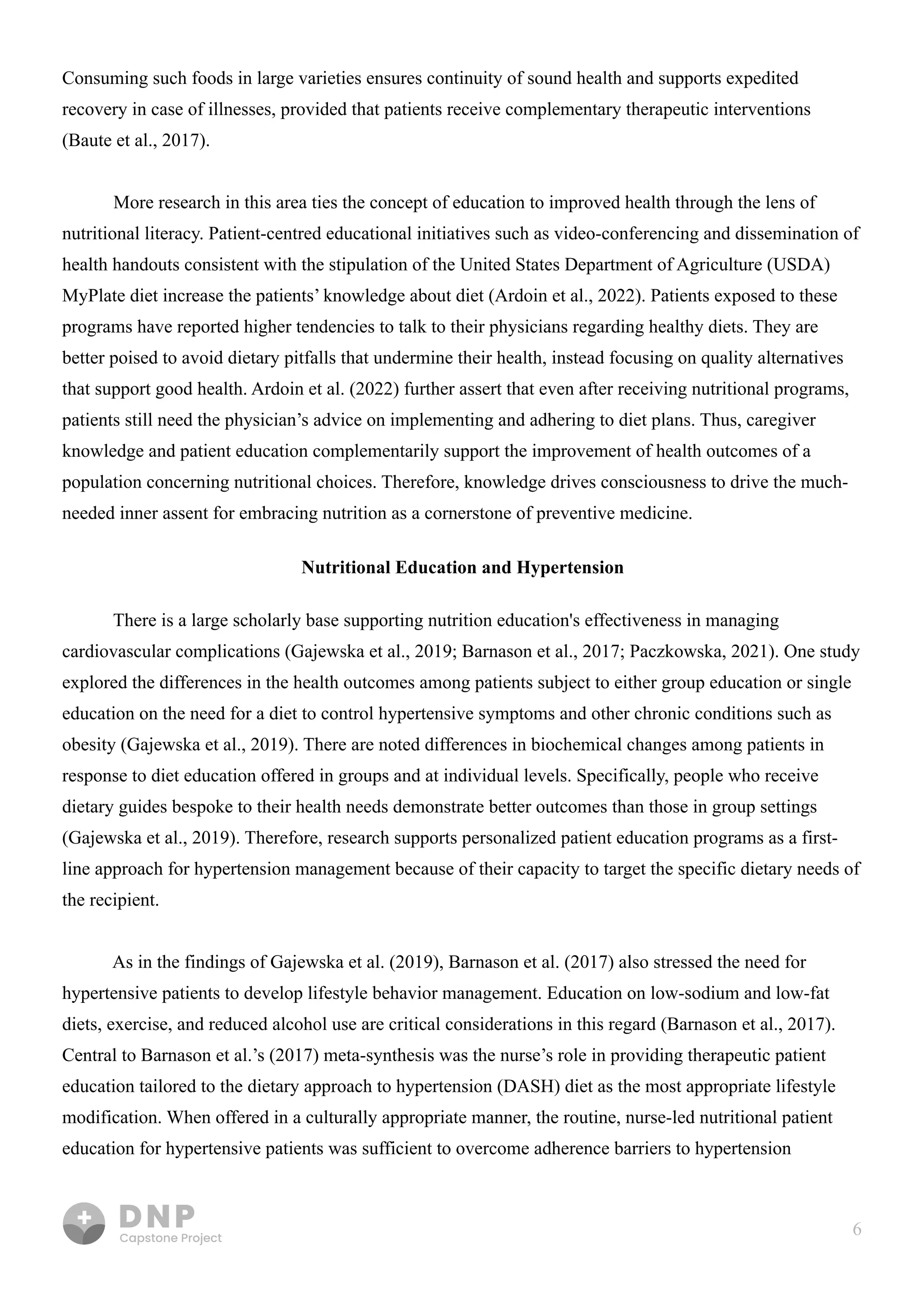
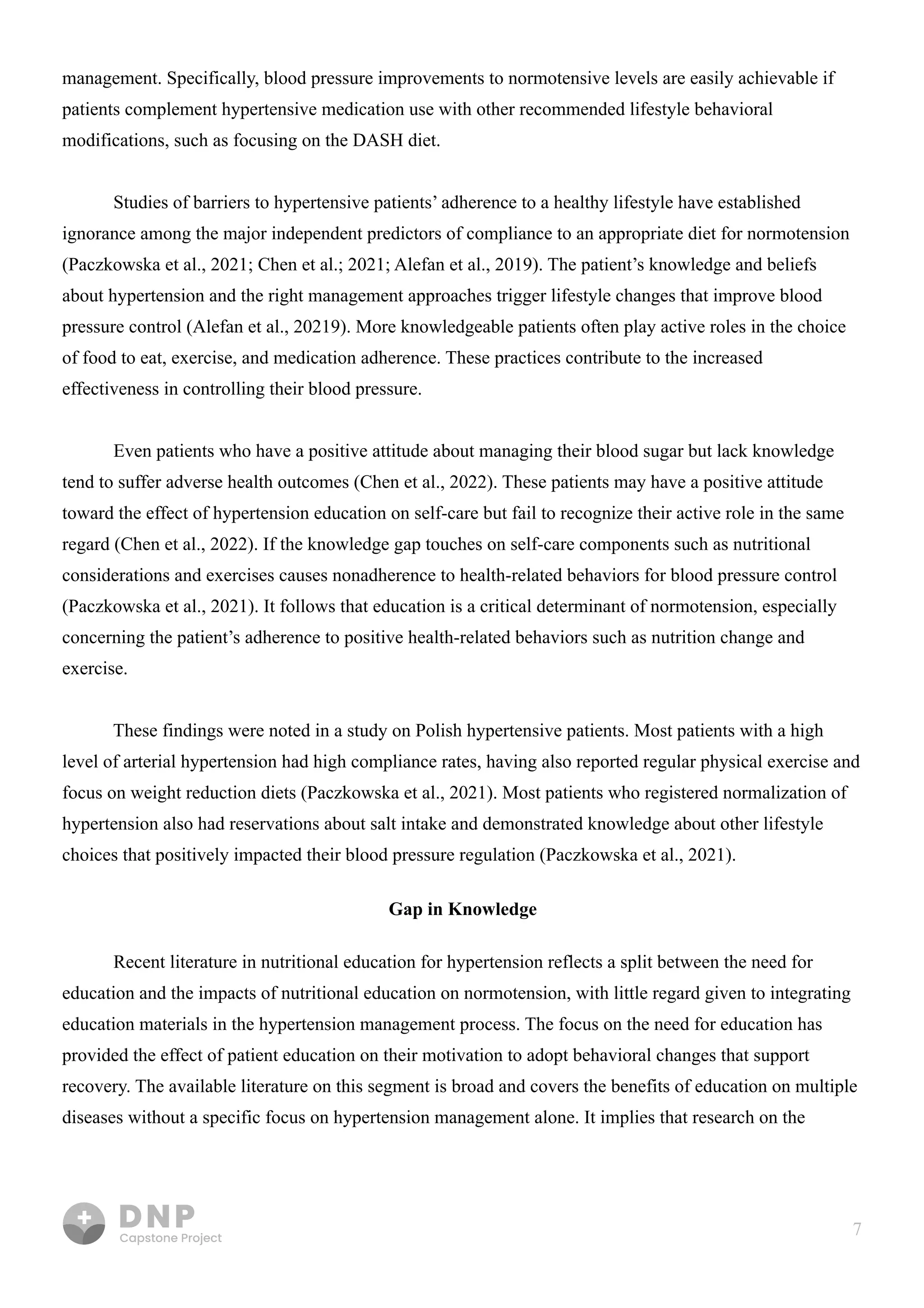
The 12 articles that guided the synthesis of literature were analyzed based on the Newhouse et al. (2007)
levels of evidence criteria discussed above. Two randomized controlled trials qualified as level I evidence
rated as high quality. Four qualitative studies offered high-quality level III evidence, and an additional
qualitative study offered low-quality level III evidence. One meta-synthesis offered high-quality level III
evidence, and another non-experimental study offered high-quality level III evidence. There was an expert
review with good quality level IV evidence and an expert opinion article with good quality level IV
4
evidence. A summary of the literature selected for this review, consistent with the provisions of The Johns
Hopkins nursing evidence-based practice rating scale (Newhouse et al., 2007), is summarized in table 1.1
below. 


Source Evidence type Limitations Evidence
Level
Quality
Barnason et
al. (2017)
Meta-
synthesis
III
III
III
I
III
IV
IV
III
III
III
High
High
High
High
Low
Good
Good
Good
High
High
The researcher admits to the possible
omission of eligible studies
The study is subject to biases due to
“social desirability” responses and
“recall difficulties.”
The study was based on a subjectively-
structured questionnaire, lacking a
universal applicability
Failure to assess the patient's
willingness to make changes and
adherence to recommendations
Researchers did not provide sufficient
control for the study
The review relied on a small number of
previous findings
The review relied on a small number of
previous findings
The researcher did not anticipate
limitations and, therefore, failed to
acknowledge them
The researcher omitted vital participant
characteristics (history of anaesthesia
experience)
This study was completed in a single-
centre setting, so the findings are not
generalizable against a broader
population
Qualitative
study
Qualitative
study
RCT
Qualitative
study
Expert
opinion
Expert
review
Non-
experimental
Qualitative
study
Qualitative
study
Alefan et al.
(2019)
Chen et al.
(2022)
Gajewska et
al. (2019)
Ardoin et al.
(2022)
Paterick et al.
(2017)
Baute et al.
(2018)
Lambert
(2022)
Ortiz et al.
(2015)
Paczkowska
et al. (2021)
5
Okuhara et al.
(2020)
RCT I
IV
High
Good
Researchers adopted outcome
measures from previous studies
Half of the studies included in the
review were at risk of bias
Systematic
review
Giguère et al.
(2020)
Literature Synthesis

Patient Education
Several important works in medical healthcare research underpin the need for patient education.
Ortiz et al. (2015) presented an integrative qualitative assessment of the effectiveness of patient education
as a mediator in patient satisfaction. Patient education, when provided through the right media and context,
improves patient satisfaction because of their improved understanding of the medical procedures they are
subject to, disease prognosis, and safety considerations (Ortiz et al., 2015). These researchers focused
solely on anxiety management in the preoperative process. However, their findings form a critical basis for
leveraging patient education across the different dimensions of care, including hypertension management
through an effective diet. 


A question that hangs over Oritz et al.’s (2015) line of research is whether or not there is a link
between patient education and improved patient outcomes with a particular focus on nutritional choices.
Drawing upon evidence from previous literature, Baute et al. (2018) and Paterick et al. (2017) provide
expert opinions on this concern. The extent to which knowledge sharing impacts patients’ knowledge was
investigated by Paterick and colleagues (Paterick et al. 2017). Health education is a predictor of health
literacy, which in turn causes the patients’ self-efficacy. The potential for patients to prioritize self-health
management and responsibility over healthy practices must be supported by high health literacy. And since
there is a linear correlation between education and literacy, teaching patients about nutritional needs
directly translates into high nutritional literacy and appropriate dietary choices. 


Then, Baute et al. (2017) explain the need for physician education to support adequate nutrition.
Clinicians are on the frontline of influencing patients to take good care of themselves and make
appropriate lifestyle and dietary choices for their health. Therefore, providers with sufficient nutritional
education backgrounds are better positioned to transfer the same knowledge to the patients, often with
great results. They can design, implement, and follow up on nutritional options that can reinforce patients’
recovery from multiple health complications- hypertension included (Baute et al., 2017). Naturally
available foods are first-line considerations in ensuring improved metabolic functions. This value stems
from their anti-oxidant properties, low-fat content, and high nutrient concentrations (Baute et al., 2017).
6
Consuming such foods in large varieties ensures continuity of sound health and supports expedited
recovery in case of illnesses, provided that patients receive complementary therapeutic interventions
(Baute et al., 2017). 


More research in this area ties the concept of education to improved health through the lens of
nutritional literacy. Patient-centred educational initiatives such as video-conferencing and dissemination of
health handouts consistent with the stipulation of the United States Department of Agriculture (USDA)
MyPlate diet increase the patients’ knowledge about diet (Ardoin et al., 2022). Patients exposed to these
programs have reported higher tendencies to talk to their physicians regarding healthy diets. They are
better poised to avoid dietary pitfalls that undermine their health, instead focusing on quality alternatives
that support good health. Ardoin et al. (2022) further assert that even after receiving nutritional programs,
patients still need the physician’s advice on implementing and adhering to diet plans. Thus, caregiver
knowledge and patient education complementarily support the improvement of health outcomes of a
population concerning nutritional choices. Therefore, knowledge drives consciousness to drive the much-
needed inner assent for embracing nutrition as a cornerstone of preventive medicine.

Nutritional Education and Hypertension
There is a large scholarly base supporting nutrition education's effectiveness in managing
cardiovascular complications (Gajewska et al., 2019; Barnason et al., 2017; Paczkowska, 2021). One study
explored the differences in the health outcomes among patients subject to either group education or single
education on the need for a diet to control hypertensive symptoms and other chronic conditions such as
obesity (Gajewska et al., 2019). There are noted differences in biochemical changes among patients in
response to diet education offered in groups and at individual levels. Specifically, people who receive
dietary guides bespoke to their health needs demonstrate better outcomes than those in group settings
(Gajewska et al., 2019). Therefore, research supports personalized patient education programs as a first-
line approach for hypertension management because of their capacity to target the specific dietary needs of
the recipient. 


As in the findings of Gajewska et al. (2019), Barnason et al. (2017) also stressed the need for
hypertensive patients to develop lifestyle behavior management. Education on low-sodium and low-fat
diets, exercise, and reduced alcohol use are critical considerations in this regard (Barnason et al., 2017).
Central to Barnason et al.’s (2017) meta-synthesis was the nurse’s role in providing therapeutic patient
education tailored to the dietary approach to hypertension (DASH) diet as the most appropriate lifestyle
modification. When offered in a culturally appropriate manner, the routine, nurse-led nutritional patient
education for hypertensive patients was sufficient to overcome adherence barriers to hypertension
7
management. Specifically, blood pressure improvements to normotensive levels are easily achievable if
patients complement hypertensive medication use with other recommended lifestyle behavioral
modifications, such as focusing on the DASH diet.


Studies of barriers to hypertensive patients’ adherence to a healthy lifestyle have established
ignorance among the major independent predictors of compliance to an appropriate diet for normotension
(Paczkowska et al., 2021; Chen et al.; 2021; Alefan et al., 2019). The patient’s knowledge and beliefs
about hypertension and the right management approaches trigger lifestyle changes that improve blood
pressure control (Alefan et al., 20219). More knowledgeable patients often play active roles in the choice
of food to eat, exercise, and medication adherence. These practices contribute to the increased
effectiveness in controlling their blood pressure. 


Even patients who have a positive attitude about managing their blood sugar but lack knowledge
tend to suffer adverse health outcomes (Chen et al., 2022). These patients may have a positive attitude
toward the effect of hypertension education on self-care but fail to recognize their active role in the same
regard (Chen et al., 2022). If the knowledge gap touches on self-care components such as nutritional
considerations and exercises causes nonadherence to health-related behaviors for blood pressure control
(Paczkowska et al., 2021). It follows that education is a critical determinant of normotension, especially
concerning the patient’s adherence to positive health-related behaviors such as nutrition change and
exercise. 


These findings were noted in a study on Polish hypertensive patients. Most patients with a high
level of arterial hypertension had high compliance rates, having also reported regular physical exercise and
focus on weight reduction diets (Paczkowska et al., 2021). Most patients who registered normalization of
hypertension also had reservations about salt intake and demonstrated knowledge about other lifestyle
choices that positively impacted their blood pressure regulation (Paczkowska et al., 2021).


Gap in Knowledge
Recent literature in nutritional education for hypertension reflects a split between the need for
education and the impacts of nutritional education on normotension, with little regard given to integrating
education materials in the hypertension management process. The focus on the need for education has
provided the effect of patient education on their motivation to adopt behavioral changes that support
recovery. The available literature on this segment is broad and covers the benefits of education on multiple
diseases without a specific focus on hypertension management alone. It implies that research on the
8
significance of patient education has not fully embedded variables that target hypertension management
context and therefore may not exclusively apply to all aspects of hypertension control. 


There is a notable change, however, when it comes to studies on nutritional education. Researchers
have gathered results on the effectiveness of nutritional education and the consequence of managing
specific diseases and health conditions. More recent studies have also provided specific concepts
embedded in nutritional education that support healthy lifestyles. For instance, in the case of hypertensive
patients, researchers have asserted the need to consider the need to incorporate DASH diet plans for
improved normotension. A few studies have adopted multi-level perspectives, examining the collective
influence of nutritional diet on lifestyle diseases such as obesity, diabetes, and hypertension. A consistent
theme across these studies is the need for caregivers to incorporate effective nutritional education to
supplement pharmacological interventions for lifestyle conditions such as hypertension. 


The extant body of literature provides clear but not definitive linkages between nutritional
education and hypertension control. The direct relationship between nutritional education and hypertension
management is mediated by the nature of education and how information is shared. Caregivers need to
choose appropriate avenues for educating patients about their healthcare needs to bypass the challenges
associated with health literacy (Lambert, 2022; Okuhara et al., 2020). Educating hypertensive patients
about the appropriate nutritional considerations to maintain normotension may fail to trigger the desired
outcomes if the communication channel restricts the degree to which the patients can obtain, process, and
understand basic health information (Giguère et al., 2020). 


Okuhara et al. (2020) consider written information as the first-line consideration when choosing the
most appropriate effective education material. However, the materials utilized to support nutritional
education are rarely reported in the research. Thus, it is necessary also to examine the materials that
support the efficacy of nutritional education, which are more often aggregated within the broader context
of education variables. There is currently no evidence supporting or refuting the benefits or harms of using
nutritional handouts in supporting the patient’s adherence to healthy eating habits among hypertensive
patients. Therefore, the current research considers nutritional handouts more elaborate in terms of
readability, reusability, and flexibility that can enhance patient engagement with nutritional guide for
maintaining normotension.

Summary
Nutritional handouts- as written materials- is the variable used to operationalize nutritional
9
education in this study. However, the assertion that health literacy determines a patient’s self-efficacy or
that nutritional education may not yield desired outcomes unless the means of dissemination of
information supports literature incentivizes the need to consider education materials as a modifier variable.
The operationalization of written material, specifically focusing on handouts, builds on the already
established relationship between nutritional education and hypertension control. 


Nutritional education has been conceptualized in various ways in the patient education literature.
Education about nutrition or other lifestyle behaviors determines the patients’ satisfaction with the care
they receive. This underpinning was further supported by expert opinions that support the linearity in the
relationship between patient education, health literacy, and the patient’s nutritional efficacy. More expert
opinions also attribute the caregivers’ nutritional literacy to improved patient outcomes. Nutritional
efficacy as an outcome of patient education effectively supports managing cardiovascular complications.
Personalized education programs are particularly effective in influencing lifestyle behavior management,
including dietary choices. However, none of the perspectives in the patient education literature explicitly
treat written material and nutritional education for hypertension control as dependent concepts.
10
References
Alefan, Q., Huwari, D., Alshogran, O. Y., & Jarrah, M. I. (2019). Factors affecting hypertensive
patients’ compliance with healthy lifestyle. Patient preference and adherence, 13, 577. 10.2147/
PPA.S198446


Ardoin, T. W., Hamer, D., Mason, N., Reine, A., Barleycorn, L., Francis, D., & Johnson, A. (2022).
Effectiveness of a Patient-Centered Dietary Educational Intervention. Ochsner Journal, 22(2), 113-128.
10.31486/toj.21.0075


Barnason, S., White-Williams, C., Rossi, L. P., Centeno, M., Crabbe, D. L., Lee, K. S., ... & Wood,
K. (2017). Evidence for therapeutic patient education interventions to promote cardiovascular patient self-
management: a scientific statement for healthcare professionals from the American Heart
Association. Circulation: Cardiovascular Quality and Outcomes, 10(6), e000025. https://
pubmed.ncbi.nlm.nih.gov/28630370/


Baute, V., Sampath-Kumar, R., Nelson, S., & Basil, B. (2018). Nutrition education for the health-
care provider improves patient outcomes. Global advances in health and medicine, 7, 2164956118795995.
10.1177/2164956118795995


Chen, L., Liu, Y., & Xi, X. (2022). Study of knowledge, attitude and practice regarding patient
education in hypertension among community pharmacists in China. BMC Health Services
Research, 22(1), 1-11. 10.1186/s12913-022-08686-9


Gajewska, D., Kucharska, A., Kozak, M., Wunderlich, S., & Niegowska, J. (2019). Effectiveness of
individual nutrition education compared to group education, in improving anthropometric and biochemical
indices among hypertensive adults with excessive body weight: a randomized controlled
trial. Nutrients, 11(12), 2921. https://doi.org/10.3390/nu11122921


Giguère, A., Zomahoun, H. T. V., Carmichael, P. H., Uwizeye, C. B., Légaré, F., Grimshaw, J. M., ...
& Massougbodji, J. (2020). Printed educational materials: effects on professional practice and healthcare
outcomes. Cochrane Database of Systematic Reviews, (8). 10.1002/14651858.CD004398.pub4


Lambert, K. (2022). Designing Dietary Education Materials for People With Chronic Kidney
11
Disease: Recommendations for Improving the Quality of Resources. Journal of Renal Nutrition. https://
doi.org/10.1053/j.jrn.2022.06.005


Newhouse, R. P., Dearholt, S. L., Poe, S. S., Pugh, L. C., & White, K. M. (2007). Johns Hopkins
nursing evidence-based practice model and guidelines. Indianapolis, IN: Sigma Theta Tau International
Honor Society of Nursing.


Okuhara, T., Ishikawa, H., Ueno, H., Okada, H., Kato, M., & Kiuchi, T. (2020). Influence of high
versus low readability level of written health information on self-efficacy: A randomized controlled study
of the processing fluency effect. Health Psychology Open, 7(1), 2055102920905627.
10.1177/2055102920905627


Ortiz, J., Wang, S., Elayda, M. A., & Tolpin, D. A. (2015). Preoperative patient education: can we
improve satisfaction and reduce anxiety?. Revista brasileira de anestesiologia, 65, 7-13. https://sci-hub.ru/
https://doi.org/10.1016/j.bjane.2013.07.009


Paczkowska, A., Hoffmann, K., Kus, K., Kopciuch, D., Zaprutko, T., Ratajczak, P., ... & Bryl, W.
(2021). Impact of patient knowledge on hypertension treatment adherence and efficacy: A single-centre
study in Poland. International journal of medical sciences, 18(3), 852. 10.7150/ijms.48139


Paterick, T. E., Patel, N., Tajik, A. J., & Chandrasekaran, K. (2017). Improving health outcomes
through patient education and partnerships with patients. In Baylor University Medical Center
Proceedings (Vol. 30, No. 1, pp. 112-113). Taylor & Francis. 10.1080/08998280.2017.11929552

dnp capstone proposal examples from our service

  • 1.
  • 2.
    1 Hypertension Nutrition Education/Dash Diet Student’s Name University Course Professor Date 
  • 3.
    2 Hypertension Nutrition Education/Dash Diet Introduction Education programs have been shown to positively change the patients' behaviours and thus enhance their quality-of-life outcomes following diagnoses of chronic disorders. Patient education supports the patients’ and caregivers’ capacity to manage hypertension effectively. The assumption common to most research into the role of patient education in hypertension management link is the adoption of healthy nutritional practices. Sufficient dietary knowledge is believed to inspire self-efficacy in terms of making appropriate dietary choices consistent with the blood pressure needs of the individual.  A growing body of evidence from previous studies supports some implicit underpinnings between blood pressure control and patients’ nutritional literacy. Despite this promising progress, a review of this literature still reveals a need to integrate specific educational strategies that are more effective in improving patient outcomes. This observation is based on the use of written materials to support patient literacy, a concept that has largely been inadequately addressed in the literature. The subsequent literature review forms part of the scholarly efforts to investigate the impact of written material on the patients’ nutritional literacy and hypertension control. For this research, patient education is operationalized by measuring the intermediary role of written materials, such as the effectiveness of nutritional handouts, on maintaining normotension. Literature Search A literature search was conducted from all 36 databases in the National Library of Medicine’s National Center for Biotechnology Information (NCBI) for peer-reviewed articles on health literacy. The search strategy used the terms “health literacy, patient health information, health knowledge, therapeutic knowledge, patient education, health education, hypertension, nutritional knowledge, nutritional education, nutritional information, nutrition and normotension.” These search terms were paired interchangeably to broaden the scope of the literature. The search scope was limited to scholarly articles published in English between January 2017 and November 2021. The mapping study adopted a narrower definition of patient education, restricting the health promotion findings to disease management practices only. The researcher restricted to a particular discipline to eliminate the interdisciplinarity nature of scholarly work published in patient education. The NCBI yielded 4 437 articles. The findings were then filtered based on time, and co-citation yielded 400 articles. These articles were then filtered using CiteSpace software, which yielded 12 influential studies
  • 4.
    3 that combined allthe variables of interest. A synthesis of the major findings from this literature is provided in the subsequent sections. Level of Evidence Evidence rating scales categorize scholarly findings into four levels. These are levels I, II, III, IV, and V, each denoting different levels of strength of evidence. Experimental or randomized control trials (RCTs) and meta-analyses of the RCTs constitute Level I evidence. All quasi-experimental studies provide level II evidence. The non-experiments research, qualitative investigation, and meta-synthesis comprise the level III evidence. Level IV evidence largely carries opinions but with a specific focus on expert consensus panels and other nationally or regionally recognized experts on specific fields of study. These opinions must be related to evidence from available research, such as systematic reviews and clinical practice guidelines. Level V is the weakest category of evidence, bearing opinions from individual experts based on non-research findings. These bases could include personal experiences, financial data, quality improvement programs, and clinical expertise.  Importantly, strong and weak evidence levels further break down into high, good, and low-quality studies. High-quality studies draw definitive conclusions from sufficient sample sizes with substantial control groups and consistent recommendations. They reflect a thoughtful reference to scientific processes, often examined through well-defined, reproducible, and criteria-based strategies. High-quality expert opinions provide clear evidence of expertise. Good quality studies draw reasonable conclusions from sufficient sample sizes, with sizeable control and fairly accurate recommendations. They reference scientific processes but are not exhaustively thorough in sufficing exact reproducibility. Expert opinions in this category appear to be credible. Studies are considered low quality if they demonstrate little evidence of definitive conclusions, insufficient sample sizes, poorly defined control groups, or a total lack thereof. They do not provide consistent recommendations or reflect any consideration of verifiable scientific processes. Expert opinions in this category are dubious. The 12 articles that guided the synthesis of literature were analyzed based on the Newhouse et al. (2007) levels of evidence criteria discussed above. Two randomized controlled trials qualified as level I evidence rated as high quality. Four qualitative studies offered high-quality level III evidence, and an additional qualitative study offered low-quality level III evidence. One meta-synthesis offered high-quality level III evidence, and another non-experimental study offered high-quality level III evidence. There was an expert review with good quality level IV evidence and an expert opinion article with good quality level IV
  • 5.
    4 evidence. A summaryof the literature selected for this review, consistent with the provisions of The Johns Hopkins nursing evidence-based practice rating scale (Newhouse et al., 2007), is summarized in table 1.1 below.  Source Evidence type Limitations Evidence Level Quality Barnason et al. (2017) Meta- synthesis III III III I III IV IV III III III High High High High Low Good Good Good High High The researcher admits to the possible omission of eligible studies The study is subject to biases due to “social desirability” responses and “recall difficulties.” The study was based on a subjectively- structured questionnaire, lacking a universal applicability Failure to assess the patient's willingness to make changes and adherence to recommendations Researchers did not provide sufficient control for the study The review relied on a small number of previous findings The review relied on a small number of previous findings The researcher did not anticipate limitations and, therefore, failed to acknowledge them The researcher omitted vital participant characteristics (history of anaesthesia experience) This study was completed in a single- centre setting, so the findings are not generalizable against a broader population Qualitative study Qualitative study RCT Qualitative study Expert opinion Expert review Non- experimental Qualitative study Qualitative study Alefan et al. (2019) Chen et al. (2022) Gajewska et al. (2019) Ardoin et al. (2022) Paterick et al. (2017) Baute et al. (2018) Lambert (2022) Ortiz et al. (2015) Paczkowska et al. (2021)
  • 6.
    5 Okuhara et al. (2020) RCTI IV High Good Researchers adopted outcome measures from previous studies Half of the studies included in the review were at risk of bias Systematic review Giguère et al. (2020) Literature Synthesis Patient Education Several important works in medical healthcare research underpin the need for patient education. Ortiz et al. (2015) presented an integrative qualitative assessment of the effectiveness of patient education as a mediator in patient satisfaction. Patient education, when provided through the right media and context, improves patient satisfaction because of their improved understanding of the medical procedures they are subject to, disease prognosis, and safety considerations (Ortiz et al., 2015). These researchers focused solely on anxiety management in the preoperative process. However, their findings form a critical basis for leveraging patient education across the different dimensions of care, including hypertension management through an effective diet.  A question that hangs over Oritz et al.’s (2015) line of research is whether or not there is a link between patient education and improved patient outcomes with a particular focus on nutritional choices. Drawing upon evidence from previous literature, Baute et al. (2018) and Paterick et al. (2017) provide expert opinions on this concern. The extent to which knowledge sharing impacts patients’ knowledge was investigated by Paterick and colleagues (Paterick et al. 2017). Health education is a predictor of health literacy, which in turn causes the patients’ self-efficacy. The potential for patients to prioritize self-health management and responsibility over healthy practices must be supported by high health literacy. And since there is a linear correlation between education and literacy, teaching patients about nutritional needs directly translates into high nutritional literacy and appropriate dietary choices.  Then, Baute et al. (2017) explain the need for physician education to support adequate nutrition. Clinicians are on the frontline of influencing patients to take good care of themselves and make appropriate lifestyle and dietary choices for their health. Therefore, providers with sufficient nutritional education backgrounds are better positioned to transfer the same knowledge to the patients, often with great results. They can design, implement, and follow up on nutritional options that can reinforce patients’ recovery from multiple health complications- hypertension included (Baute et al., 2017). Naturally available foods are first-line considerations in ensuring improved metabolic functions. This value stems from their anti-oxidant properties, low-fat content, and high nutrient concentrations (Baute et al., 2017).
  • 7.
    6 Consuming such foodsin large varieties ensures continuity of sound health and supports expedited recovery in case of illnesses, provided that patients receive complementary therapeutic interventions (Baute et al., 2017).  More research in this area ties the concept of education to improved health through the lens of nutritional literacy. Patient-centred educational initiatives such as video-conferencing and dissemination of health handouts consistent with the stipulation of the United States Department of Agriculture (USDA) MyPlate diet increase the patients’ knowledge about diet (Ardoin et al., 2022). Patients exposed to these programs have reported higher tendencies to talk to their physicians regarding healthy diets. They are better poised to avoid dietary pitfalls that undermine their health, instead focusing on quality alternatives that support good health. Ardoin et al. (2022) further assert that even after receiving nutritional programs, patients still need the physician’s advice on implementing and adhering to diet plans. Thus, caregiver knowledge and patient education complementarily support the improvement of health outcomes of a population concerning nutritional choices. Therefore, knowledge drives consciousness to drive the much- needed inner assent for embracing nutrition as a cornerstone of preventive medicine. Nutritional Education and Hypertension There is a large scholarly base supporting nutrition education's effectiveness in managing cardiovascular complications (Gajewska et al., 2019; Barnason et al., 2017; Paczkowska, 2021). One study explored the differences in the health outcomes among patients subject to either group education or single education on the need for a diet to control hypertensive symptoms and other chronic conditions such as obesity (Gajewska et al., 2019). There are noted differences in biochemical changes among patients in response to diet education offered in groups and at individual levels. Specifically, people who receive dietary guides bespoke to their health needs demonstrate better outcomes than those in group settings (Gajewska et al., 2019). Therefore, research supports personalized patient education programs as a first- line approach for hypertension management because of their capacity to target the specific dietary needs of the recipient.  As in the findings of Gajewska et al. (2019), Barnason et al. (2017) also stressed the need for hypertensive patients to develop lifestyle behavior management. Education on low-sodium and low-fat diets, exercise, and reduced alcohol use are critical considerations in this regard (Barnason et al., 2017). Central to Barnason et al.’s (2017) meta-synthesis was the nurse’s role in providing therapeutic patient education tailored to the dietary approach to hypertension (DASH) diet as the most appropriate lifestyle modification. When offered in a culturally appropriate manner, the routine, nurse-led nutritional patient education for hypertensive patients was sufficient to overcome adherence barriers to hypertension
  • 8.
    7 management. Specifically, bloodpressure improvements to normotensive levels are easily achievable if patients complement hypertensive medication use with other recommended lifestyle behavioral modifications, such as focusing on the DASH diet. Studies of barriers to hypertensive patients’ adherence to a healthy lifestyle have established ignorance among the major independent predictors of compliance to an appropriate diet for normotension (Paczkowska et al., 2021; Chen et al.; 2021; Alefan et al., 2019). The patient’s knowledge and beliefs about hypertension and the right management approaches trigger lifestyle changes that improve blood pressure control (Alefan et al., 20219). More knowledgeable patients often play active roles in the choice of food to eat, exercise, and medication adherence. These practices contribute to the increased effectiveness in controlling their blood pressure.  Even patients who have a positive attitude about managing their blood sugar but lack knowledge tend to suffer adverse health outcomes (Chen et al., 2022). These patients may have a positive attitude toward the effect of hypertension education on self-care but fail to recognize their active role in the same regard (Chen et al., 2022). If the knowledge gap touches on self-care components such as nutritional considerations and exercises causes nonadherence to health-related behaviors for blood pressure control (Paczkowska et al., 2021). It follows that education is a critical determinant of normotension, especially concerning the patient’s adherence to positive health-related behaviors such as nutrition change and exercise.  These findings were noted in a study on Polish hypertensive patients. Most patients with a high level of arterial hypertension had high compliance rates, having also reported regular physical exercise and focus on weight reduction diets (Paczkowska et al., 2021). Most patients who registered normalization of hypertension also had reservations about salt intake and demonstrated knowledge about other lifestyle choices that positively impacted their blood pressure regulation (Paczkowska et al., 2021). Gap in Knowledge Recent literature in nutritional education for hypertension reflects a split between the need for education and the impacts of nutritional education on normotension, with little regard given to integrating education materials in the hypertension management process. The focus on the need for education has provided the effect of patient education on their motivation to adopt behavioral changes that support recovery. The available literature on this segment is broad and covers the benefits of education on multiple diseases without a specific focus on hypertension management alone. It implies that research on the
  • 9.
    8 significance of patienteducation has not fully embedded variables that target hypertension management context and therefore may not exclusively apply to all aspects of hypertension control.  There is a notable change, however, when it comes to studies on nutritional education. Researchers have gathered results on the effectiveness of nutritional education and the consequence of managing specific diseases and health conditions. More recent studies have also provided specific concepts embedded in nutritional education that support healthy lifestyles. For instance, in the case of hypertensive patients, researchers have asserted the need to consider the need to incorporate DASH diet plans for improved normotension. A few studies have adopted multi-level perspectives, examining the collective influence of nutritional diet on lifestyle diseases such as obesity, diabetes, and hypertension. A consistent theme across these studies is the need for caregivers to incorporate effective nutritional education to supplement pharmacological interventions for lifestyle conditions such as hypertension.  The extant body of literature provides clear but not definitive linkages between nutritional education and hypertension control. The direct relationship between nutritional education and hypertension management is mediated by the nature of education and how information is shared. Caregivers need to choose appropriate avenues for educating patients about their healthcare needs to bypass the challenges associated with health literacy (Lambert, 2022; Okuhara et al., 2020). Educating hypertensive patients about the appropriate nutritional considerations to maintain normotension may fail to trigger the desired outcomes if the communication channel restricts the degree to which the patients can obtain, process, and understand basic health information (Giguère et al., 2020).  Okuhara et al. (2020) consider written information as the first-line consideration when choosing the most appropriate effective education material. However, the materials utilized to support nutritional education are rarely reported in the research. Thus, it is necessary also to examine the materials that support the efficacy of nutritional education, which are more often aggregated within the broader context of education variables. There is currently no evidence supporting or refuting the benefits or harms of using nutritional handouts in supporting the patient’s adherence to healthy eating habits among hypertensive patients. Therefore, the current research considers nutritional handouts more elaborate in terms of readability, reusability, and flexibility that can enhance patient engagement with nutritional guide for maintaining normotension. Summary Nutritional handouts- as written materials- is the variable used to operationalize nutritional
  • 10.
    9 education in thisstudy. However, the assertion that health literacy determines a patient’s self-efficacy or that nutritional education may not yield desired outcomes unless the means of dissemination of information supports literature incentivizes the need to consider education materials as a modifier variable. The operationalization of written material, specifically focusing on handouts, builds on the already established relationship between nutritional education and hypertension control.  Nutritional education has been conceptualized in various ways in the patient education literature. Education about nutrition or other lifestyle behaviors determines the patients’ satisfaction with the care they receive. This underpinning was further supported by expert opinions that support the linearity in the relationship between patient education, health literacy, and the patient’s nutritional efficacy. More expert opinions also attribute the caregivers’ nutritional literacy to improved patient outcomes. Nutritional efficacy as an outcome of patient education effectively supports managing cardiovascular complications. Personalized education programs are particularly effective in influencing lifestyle behavior management, including dietary choices. However, none of the perspectives in the patient education literature explicitly treat written material and nutritional education for hypertension control as dependent concepts.
  • 11.
    10 References Alefan, Q., Huwari,D., Alshogran, O. Y., & Jarrah, M. I. (2019). Factors affecting hypertensive patients’ compliance with healthy lifestyle. Patient preference and adherence, 13, 577. 10.2147/ PPA.S198446 Ardoin, T. W., Hamer, D., Mason, N., Reine, A., Barleycorn, L., Francis, D., & Johnson, A. (2022). Effectiveness of a Patient-Centered Dietary Educational Intervention. Ochsner Journal, 22(2), 113-128. 10.31486/toj.21.0075 Barnason, S., White-Williams, C., Rossi, L. P., Centeno, M., Crabbe, D. L., Lee, K. S., ... & Wood, K. (2017). Evidence for therapeutic patient education interventions to promote cardiovascular patient self- management: a scientific statement for healthcare professionals from the American Heart Association. Circulation: Cardiovascular Quality and Outcomes, 10(6), e000025. https:// pubmed.ncbi.nlm.nih.gov/28630370/ Baute, V., Sampath-Kumar, R., Nelson, S., & Basil, B. (2018). Nutrition education for the health- care provider improves patient outcomes. Global advances in health and medicine, 7, 2164956118795995. 10.1177/2164956118795995 Chen, L., Liu, Y., & Xi, X. (2022). Study of knowledge, attitude and practice regarding patient education in hypertension among community pharmacists in China. BMC Health Services Research, 22(1), 1-11. 10.1186/s12913-022-08686-9 Gajewska, D., Kucharska, A., Kozak, M., Wunderlich, S., & Niegowska, J. (2019). Effectiveness of individual nutrition education compared to group education, in improving anthropometric and biochemical indices among hypertensive adults with excessive body weight: a randomized controlled trial. Nutrients, 11(12), 2921. https://doi.org/10.3390/nu11122921 Giguère, A., Zomahoun, H. T. V., Carmichael, P. H., Uwizeye, C. B., Légaré, F., Grimshaw, J. M., ... & Massougbodji, J. (2020). Printed educational materials: effects on professional practice and healthcare outcomes. Cochrane Database of Systematic Reviews, (8). 10.1002/14651858.CD004398.pub4 Lambert, K. (2022). Designing Dietary Education Materials for People With Chronic Kidney
  • 12.
    11 Disease: Recommendations forImproving the Quality of Resources. Journal of Renal Nutrition. https:// doi.org/10.1053/j.jrn.2022.06.005 Newhouse, R. P., Dearholt, S. L., Poe, S. S., Pugh, L. C., & White, K. M. (2007). Johns Hopkins nursing evidence-based practice model and guidelines. Indianapolis, IN: Sigma Theta Tau International Honor Society of Nursing. Okuhara, T., Ishikawa, H., Ueno, H., Okada, H., Kato, M., & Kiuchi, T. (2020). Influence of high versus low readability level of written health information on self-efficacy: A randomized controlled study of the processing fluency effect. Health Psychology Open, 7(1), 2055102920905627. 10.1177/2055102920905627 Ortiz, J., Wang, S., Elayda, M. A., & Tolpin, D. A. (2015). Preoperative patient education: can we improve satisfaction and reduce anxiety?. Revista brasileira de anestesiologia, 65, 7-13. https://sci-hub.ru/ https://doi.org/10.1016/j.bjane.2013.07.009 Paczkowska, A., Hoffmann, K., Kus, K., Kopciuch, D., Zaprutko, T., Ratajczak, P., ... & Bryl, W. (2021). Impact of patient knowledge on hypertension treatment adherence and efficacy: A single-centre study in Poland. International journal of medical sciences, 18(3), 852. 10.7150/ijms.48139 Paterick, T. E., Patel, N., Tajik, A. J., & Chandrasekaran, K. (2017). Improving health outcomes through patient education and partnerships with patients. In Baylor University Medical Center Proceedings (Vol. 30, No. 1, pp. 112-113). Taylor & Francis. 10.1080/08998280.2017.11929552