Method for Creating a Language Experience Story
1. Ask the student to tell you a story.
2. Listen and ask for clarification.
3. Ask the student to retell part of the story.
4. Write what the student says leaving space between the
lines.
5. Read the story aloud to the student.
6. Read the story again.
8. Ask the student if he/she would like to add or change
anything.
9. Ask the student to read each sentence after you read it.
10. Review the story at the next lesson.
You or the student copies the story to be used for homework and
future lessons.
Speaking and Writing
2
Developmental Stages
 Fluency: Overcoming intimidation and reluctance to
speak or write
 Coherence: Making what is said or written relevant
and meaningful
 Correctness: Making what is said or written
grammatically and pragmatically correct
3
Teaching students at the fluency
level.
 Encourage and praise any attempt to use the new
language
 Ignore incorrect grammar such as verb endings,
plurals or word order in order to help the student
develop confidence
 Accept “baby” content at this beginning stage
4
 Start with basic one-word vocabulary
 Nouns
 Lists
 Verbs
 Then create short simple sentences
combining a noun with a verb.
5
The Coherence Level
 Meaningful communication is more important
than correctness.
 Speaking is often done in short phrases or partial
sentences.
 Writing is often in phrases, sentence fragments or
run-on sentences. Punctuation may be incorrect
or absent.
 Language produced includes detail and follows a
coherent train of thought at an adult level.
6
Teaching students at the coherence
level
 Add adjectives to describe nouns
 Teach basic sentence construction, using three to five
word combinations that contain a subject and verb and
express a complete thought.
 Have the student choose a noun to use as a subject in a
sentence.
7
The Correctness Level
 The goal is to speak and write using correct English
including idioms and the pragmatics (social use of
language) of the new culture.
 This stage begins when the student speaks and writes
fluently and coherently most of the time.
8
Teaching students at the
correctness level
 Engage your student in regular informal conversation.
 Use a formal English grammar textbook.
 Assign regular writing homework.
 Teach your student to organize his or her writing.
9
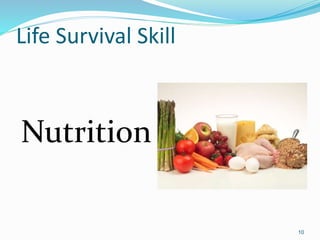
Life Survival Skill
Nutrition
10
Why Nutrition?
 Growing concern about high rate of diabetes
 Latinos are genetically at greater risk
(1.7 times more likely than non-Hispanic
whites)
 Lifestyle change
11
Should I teach nutrition?
 If it’s relevant to your student.
 If your student has diabetes in the family, it may be of
great interest.
 We get our health information from radio, tv and
print, ways which may not be available for our
students.
12
13
One-fifth of Latinos in the U.S. have little or
no access to nutritious food each year. One
reason is that about half of those eligible for
food stamps are not applying for them. A
recent report blames “a lack of culturally
and linguistically appropriate
information” and confusion about eligibility
as to why such a low rate apply.
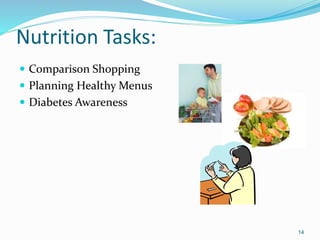
Nutrition Tasks:
 Comparison Shopping
 Planning Healthy Menus
 Diabetes Awareness
14
Task #2
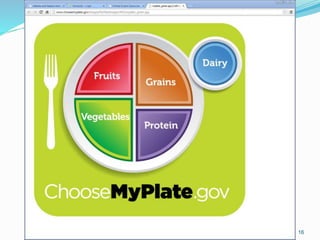
 Given the USDA recommendations for a healthy diet,
student will plan meals for one day for his/her family
(or for self) and will make up to 6 statements
explaining the choices. Beginning students may use
pictures to create the meals and label them with
appropriate vocabulary words.
15
16
17
Components of a Lesson Plan
• Conversations
• Vocabulary
• Pronunciation
• Formal English Skills
• Life Survival Skills
• Reading and Writing
• Homework
18
Resources
 You will be contacted by a mentor after you meet with
your student to offer help if needed.
 You have the email addresses and phone numbers of
the trainers.
 You have contact information for Genie and Gisela at
the Literacy Office.
19
First Month Objectives
 Establish a rapport between you and your student.
 Set up procedures for informing you of absences and
language for letting you know if he/she doesn’t
understand something you have said.
 Informally, further assess your student’s goals and
skills.
20
21
 Begin to teach Life Survival English Skills Objective #1
(and don’t forget to send completed form to Literacy
Program Office when your student has completed the
assessment tasks).
 Choose appropriate teaching materials for your
student.
What if:
 You’re not sure which of the teaching materials would
be best to use with your student.
 Your student has changed jobs and you need help in
arranging a new time to meet.
 You arrive at your meeting spot for class and your
student hasn’t shown and hasn’t cancelled.
22
 Your student is having trouble finding a way to
practice English at home and you need some ideas.
 Your student would like to become a citizen and you’re
not sure how to help.
23

Day 4 New Tutor Training

  • 1.
    Method for Creatinga Language Experience Story 1. Ask the student to tell you a story. 2. Listen and ask for clarification. 3. Ask the student to retell part of the story. 4. Write what the student says leaving space between the lines. 5. Read the story aloud to the student. 6. Read the story again. 8. Ask the student if he/she would like to add or change anything. 9. Ask the student to read each sentence after you read it. 10. Review the story at the next lesson. You or the student copies the story to be used for homework and future lessons.
  • 2.
  • 3.
    Developmental Stages  Fluency:Overcoming intimidation and reluctance to speak or write  Coherence: Making what is said or written relevant and meaningful  Correctness: Making what is said or written grammatically and pragmatically correct 3
  • 4.
    Teaching students atthe fluency level.  Encourage and praise any attempt to use the new language  Ignore incorrect grammar such as verb endings, plurals or word order in order to help the student develop confidence  Accept “baby” content at this beginning stage 4
  • 5.
     Start withbasic one-word vocabulary  Nouns  Lists  Verbs  Then create short simple sentences combining a noun with a verb. 5
  • 6.
    The Coherence Level Meaningful communication is more important than correctness.  Speaking is often done in short phrases or partial sentences.  Writing is often in phrases, sentence fragments or run-on sentences. Punctuation may be incorrect or absent.  Language produced includes detail and follows a coherent train of thought at an adult level. 6
  • 7.
    Teaching students atthe coherence level  Add adjectives to describe nouns  Teach basic sentence construction, using three to five word combinations that contain a subject and verb and express a complete thought.  Have the student choose a noun to use as a subject in a sentence. 7
  • 8.
    The Correctness Level The goal is to speak and write using correct English including idioms and the pragmatics (social use of language) of the new culture.  This stage begins when the student speaks and writes fluently and coherently most of the time. 8
  • 9.
    Teaching students atthe correctness level  Engage your student in regular informal conversation.  Use a formal English grammar textbook.  Assign regular writing homework.  Teach your student to organize his or her writing. 9
  • 10.
  • 11.
    Why Nutrition?  Growingconcern about high rate of diabetes  Latinos are genetically at greater risk (1.7 times more likely than non-Hispanic whites)  Lifestyle change 11
  • 12.
    Should I teachnutrition?  If it’s relevant to your student.  If your student has diabetes in the family, it may be of great interest.  We get our health information from radio, tv and print, ways which may not be available for our students. 12
  • 13.
    13 One-fifth of Latinosin the U.S. have little or no access to nutritious food each year. One reason is that about half of those eligible for food stamps are not applying for them. A recent report blames “a lack of culturally and linguistically appropriate information” and confusion about eligibility as to why such a low rate apply.
  • 14.
    Nutrition Tasks:  ComparisonShopping  Planning Healthy Menus  Diabetes Awareness 14
  • 15.
    Task #2  Giventhe USDA recommendations for a healthy diet, student will plan meals for one day for his/her family (or for self) and will make up to 6 statements explaining the choices. Beginning students may use pictures to create the meals and label them with appropriate vocabulary words. 15
  • 16.
  • 17.
    17 Components of aLesson Plan • Conversations • Vocabulary • Pronunciation • Formal English Skills • Life Survival Skills • Reading and Writing • Homework
  • 18.
  • 19.
    Resources  You willbe contacted by a mentor after you meet with your student to offer help if needed.  You have the email addresses and phone numbers of the trainers.  You have contact information for Genie and Gisela at the Literacy Office. 19
  • 20.
    First Month Objectives Establish a rapport between you and your student.  Set up procedures for informing you of absences and language for letting you know if he/she doesn’t understand something you have said.  Informally, further assess your student’s goals and skills. 20
  • 21.
    21  Begin toteach Life Survival English Skills Objective #1 (and don’t forget to send completed form to Literacy Program Office when your student has completed the assessment tasks).  Choose appropriate teaching materials for your student.
  • 22.
    What if:  You’renot sure which of the teaching materials would be best to use with your student.  Your student has changed jobs and you need help in arranging a new time to meet.  You arrive at your meeting spot for class and your student hasn’t shown and hasn’t cancelled. 22
  • 23.
     Your studentis having trouble finding a way to practice English at home and you need some ideas.  Your student would like to become a citizen and you’re not sure how to help. 23