








Cyberslacking:


The New Water Cooler
Cyberslacking:
 A How-to-Guide for Employees

        Followed by:

Cyberslacking:
A What-to-do Guide for Employers
What is Cyberslacking?
Cyberslacking: Adjective
Using a company's computers and Internet connection during
working hours for activities which are not work-related.

The term cyberslacker, acknowledged in August 2003 by editors of the Oxford
English Dictionary is used to describe employees who engage in the practice.
Cyberslacking can also be used as a participle adjective, e.g. cyberslacking
employees.
Cyberslacking Poll

What is more important, your right to privacy or your employer's right to
ensure you are productive at work?


Should employers be allowed to monitor their employees without their
knowledge?


Is there a point at which employers should allow computer and internet use
for personal purposes or is it an all or nothing deal?
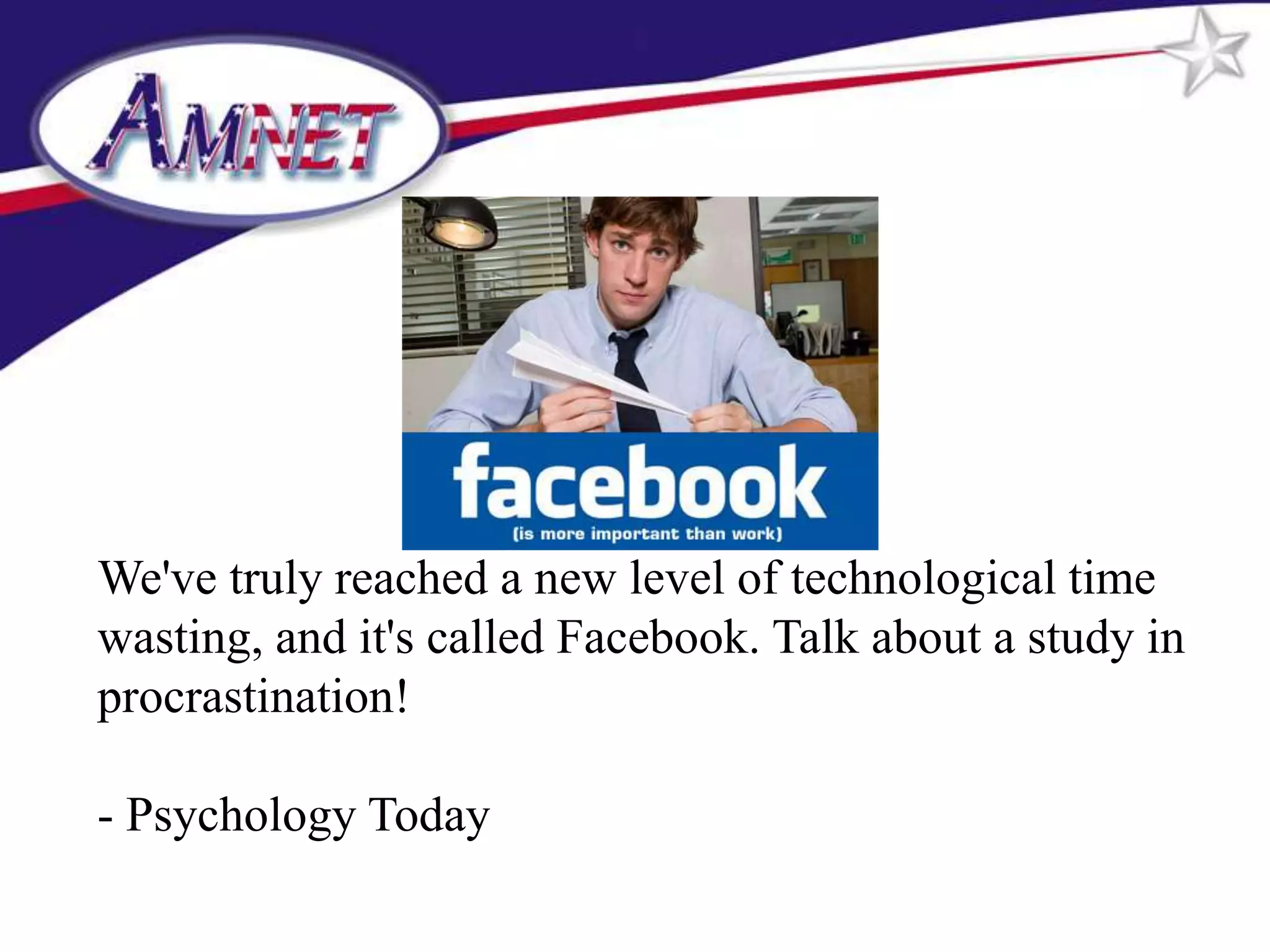
We've truly reached a new level of technological time
wasting, and it's called Facebook. Talk about a study in
procrastination!

- Psychology Today
“…it provides a way to blow off work you should be
doing, while creating the illusion that you are achieving
something.”

- Jeffery Zeldman
I have been working long hours but much of that is due to the
fact that so many hours have been wasted on Facebook
- Nick O’Neil
Facebook displaced porn (2007) and Google
(2010) for the most internet traffic on the web.
IShouldBeWorking.com is dedicated to slackers,
goof-offs, procrastinators, loafers, "long lunchers",
     and web addicted employees worldwide.
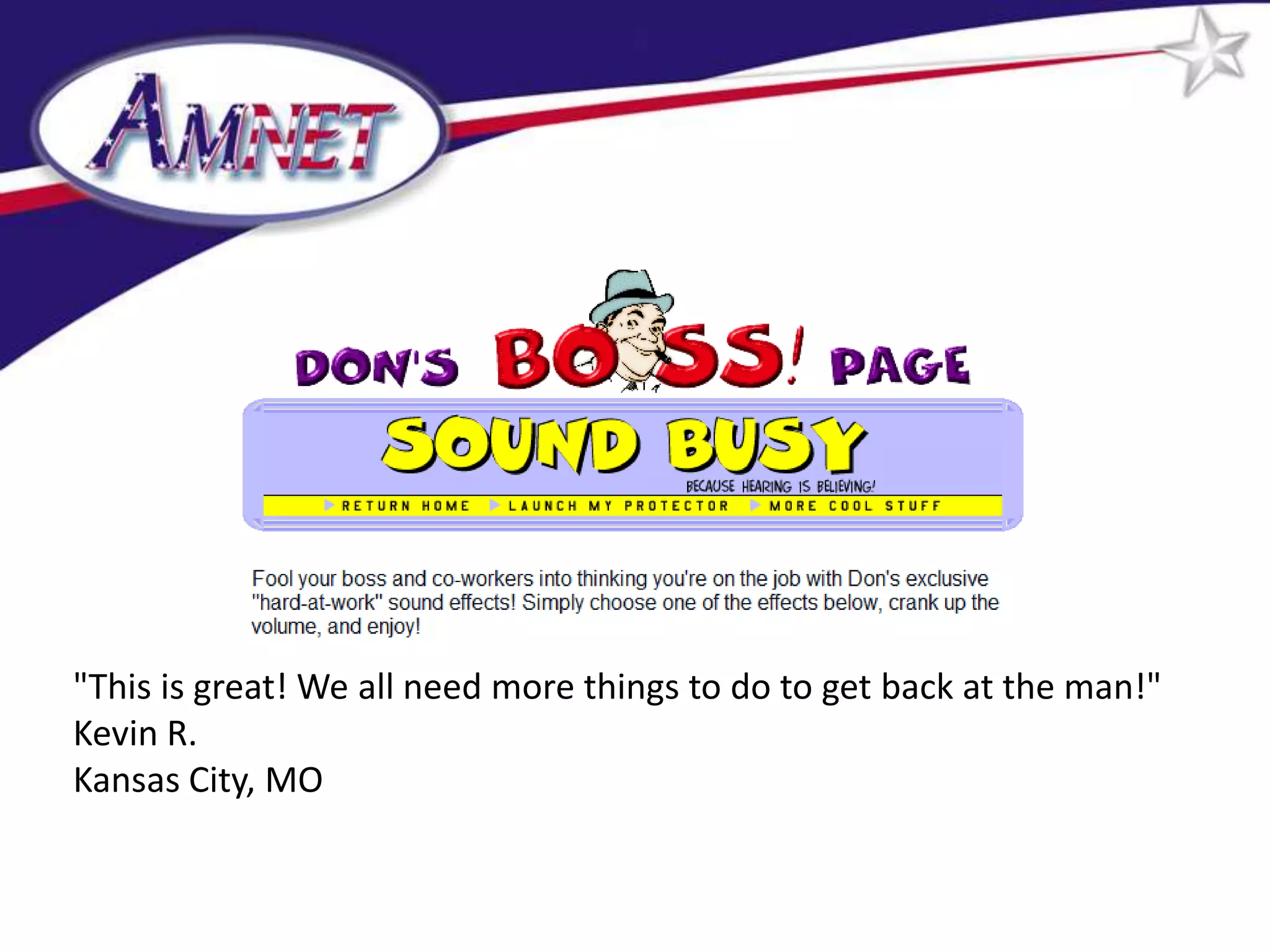
"This is great! We all need more things to do to get back at the man!"
Kevin R.
Kansas City, MO
“Star Wars Kid” > 30,000,000 Views
“Star Wars Kid Drunken Jedi” > 12,000,000 Views
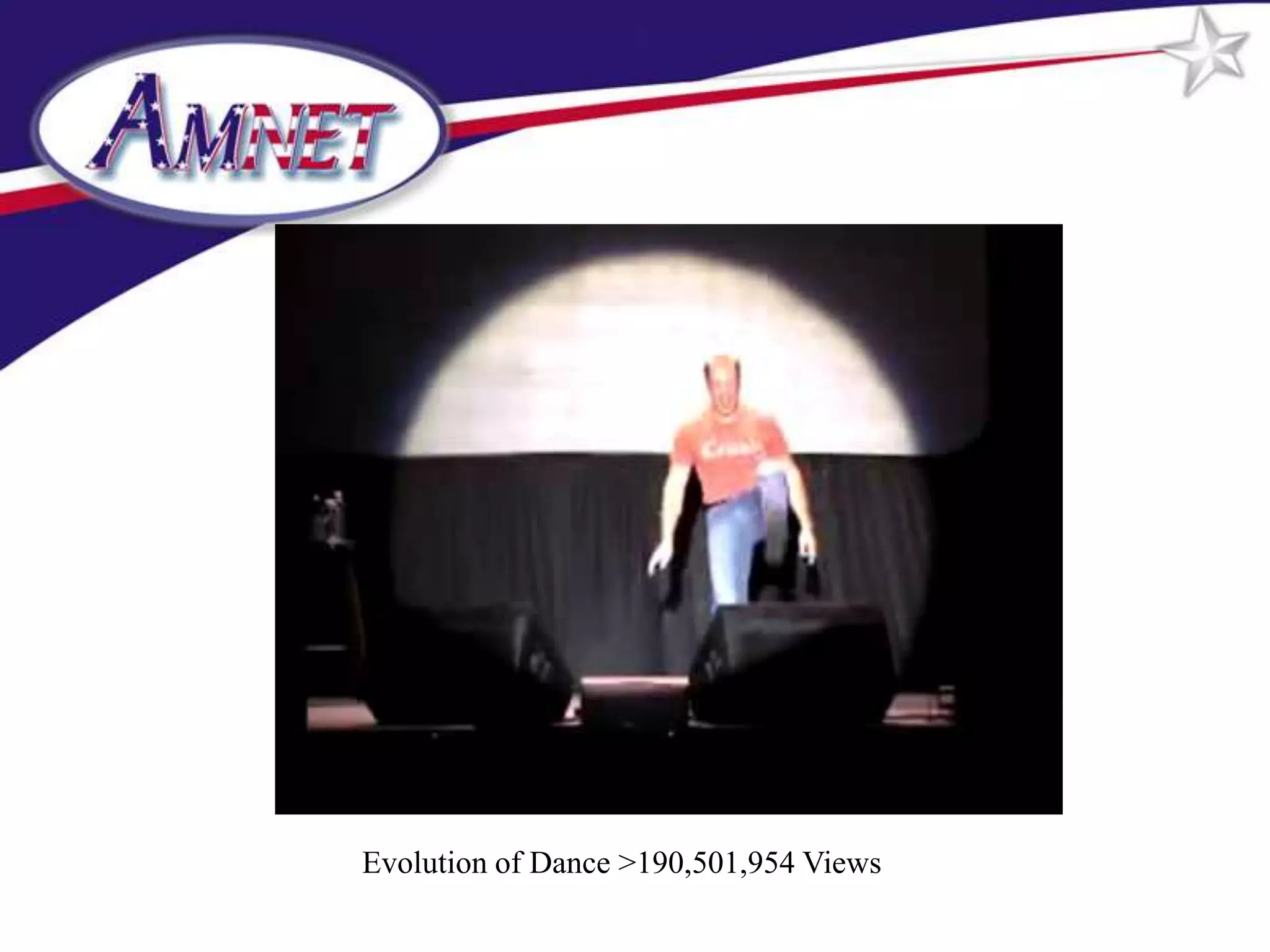
Evolution of Dance >190,501,954 Views
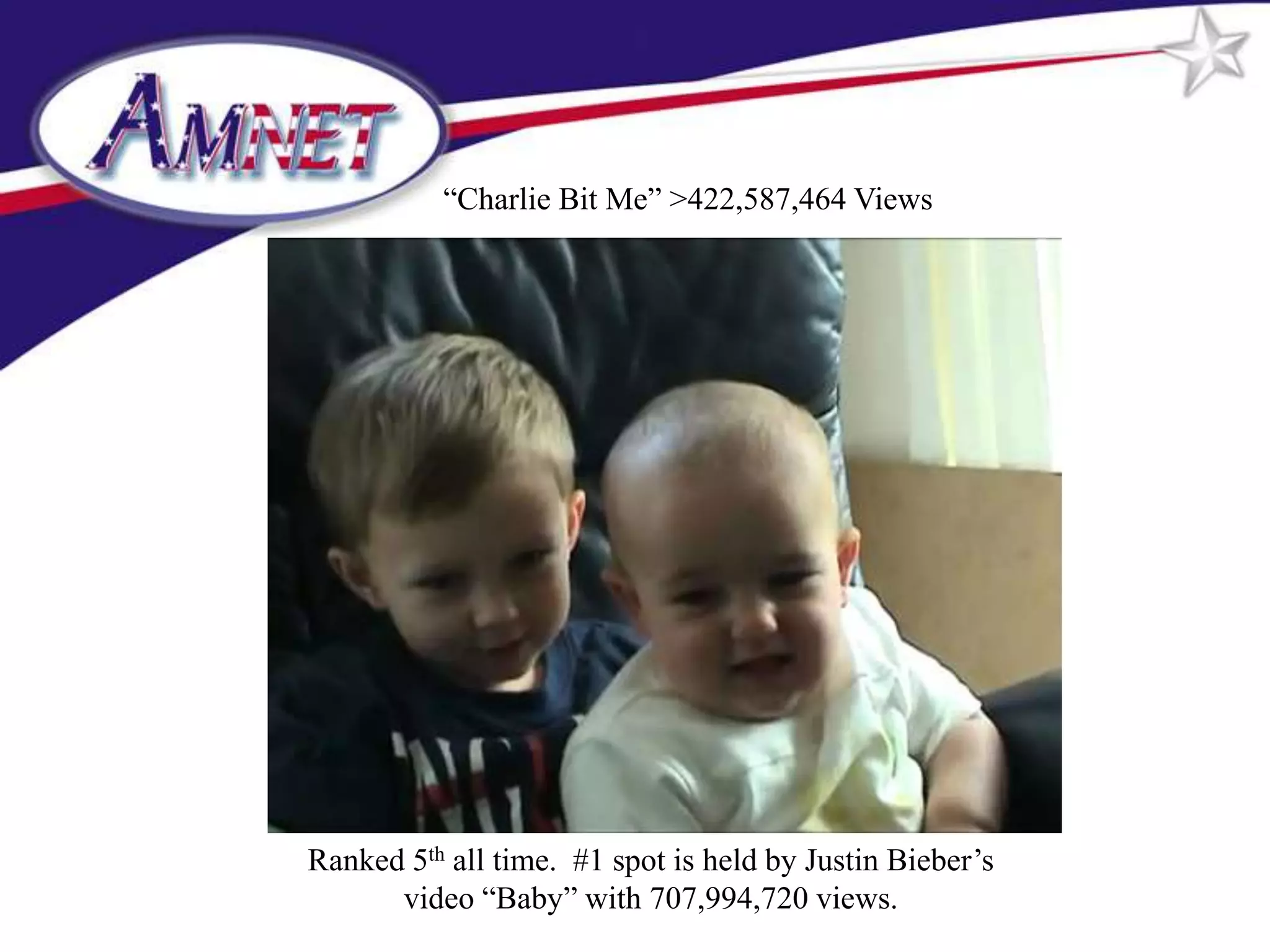
“Charlie Bit Me” >422,587,464 Views


Ranked 5th all time. #1 spot is held by Justin Bieber’s
      video “Baby” with 707,994,720 views.
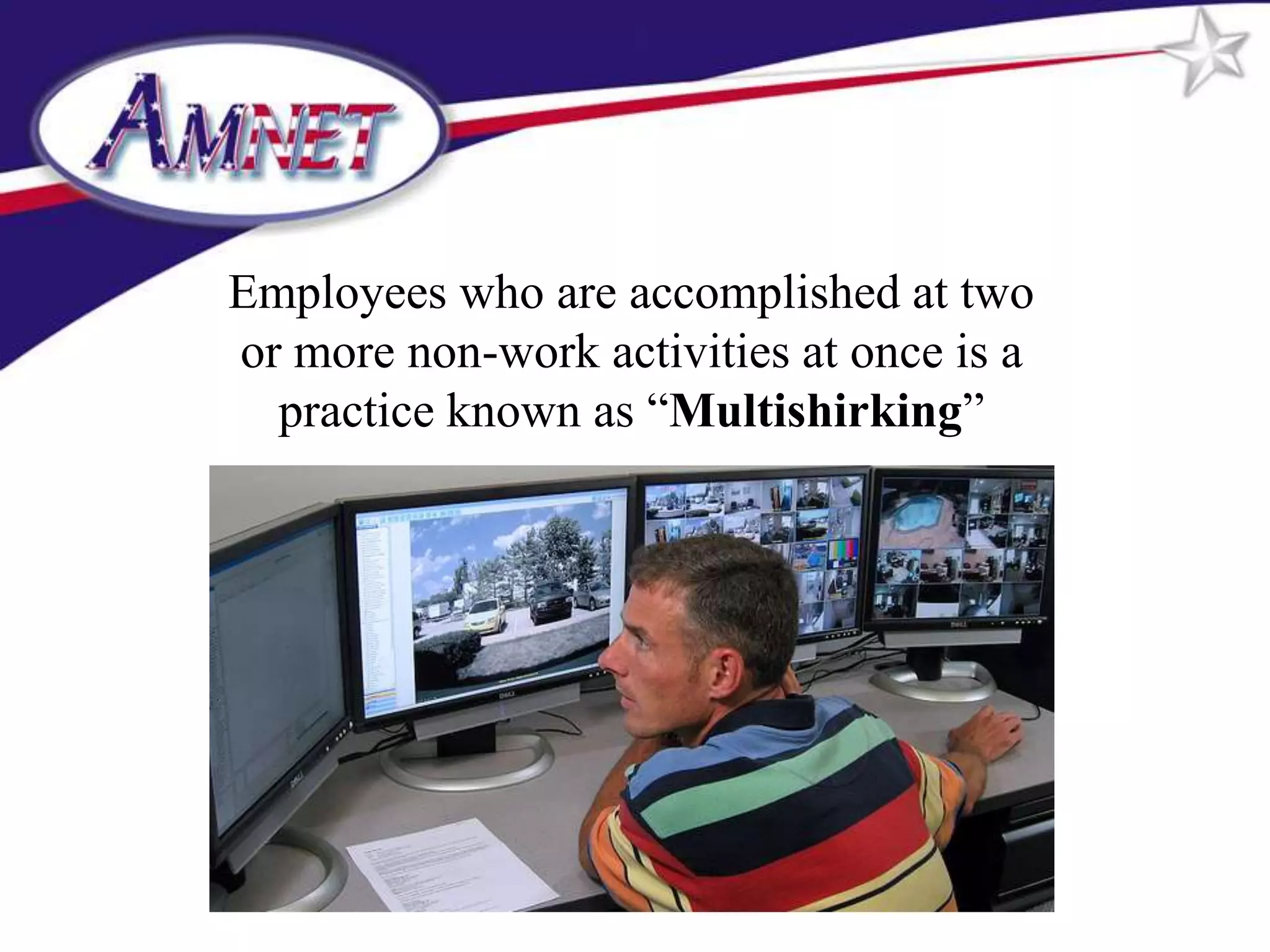
Employees who are accomplished at two
or more non-work activities at once is a
  practice known as “Multishirking”
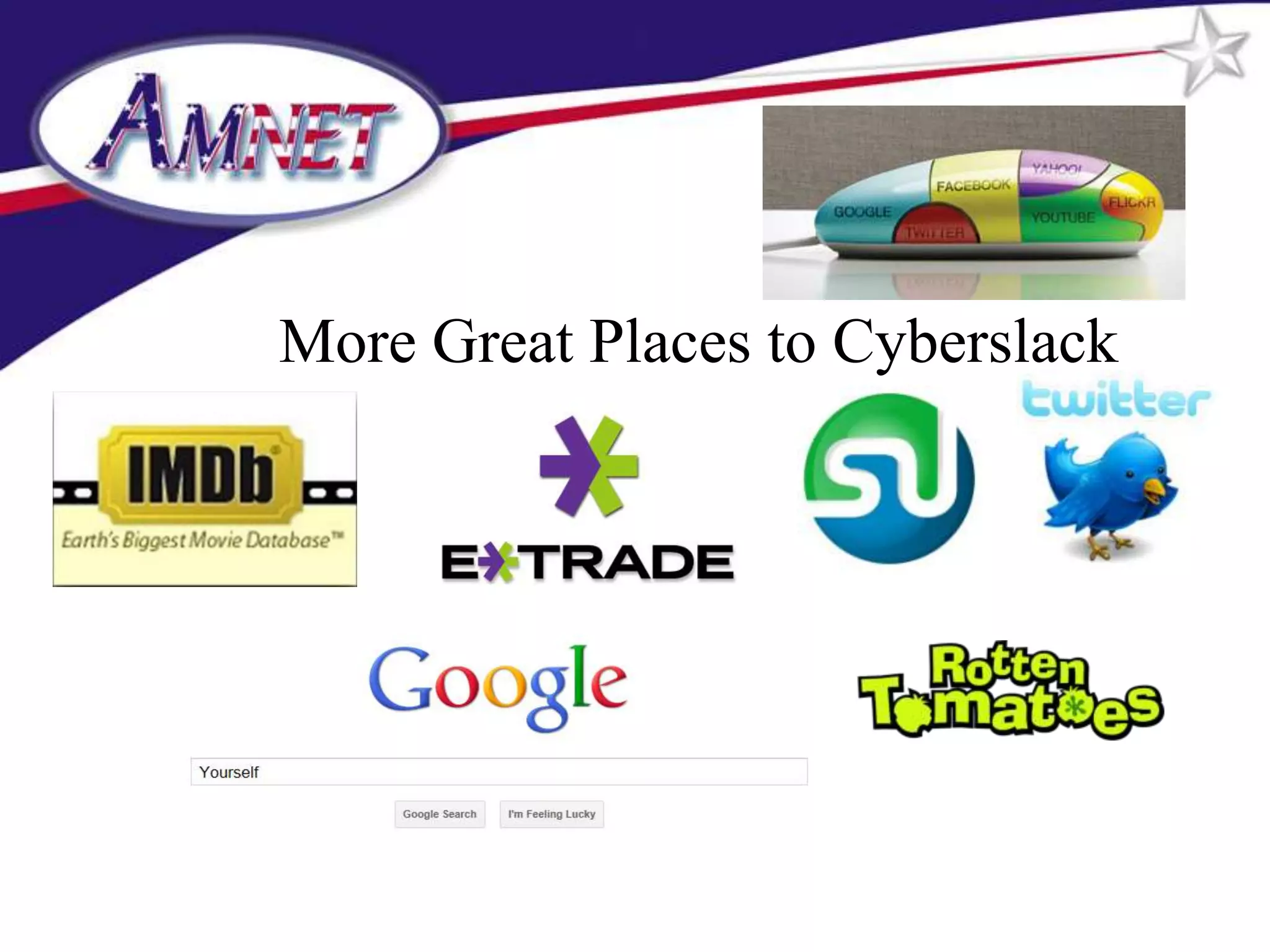
More Great Places to Cyberslack
Cyberslacking:
A What-to-do Guide for Employers
According to IT research firm Gartner, non-work-related PC activity
results in an estimated 40% productivity loss each year for American
businesses.

According to a recent Gallup poll, the average employee spends over
75 minutes per day using office computers for non-business related
activity.

According to a report by International Data Corp (IDC)
37% of workers say they surf the Web constantly at work.
In a survey conducted by America Online and Salary.com


45% of employees cited personal Internet use as their number one
distraction at work

The cost of Internet surfing during the workday to be approximately
$750 billion in lost wages

The top three States for cyberslacking are Missouri, Indiana, and
Kentucky
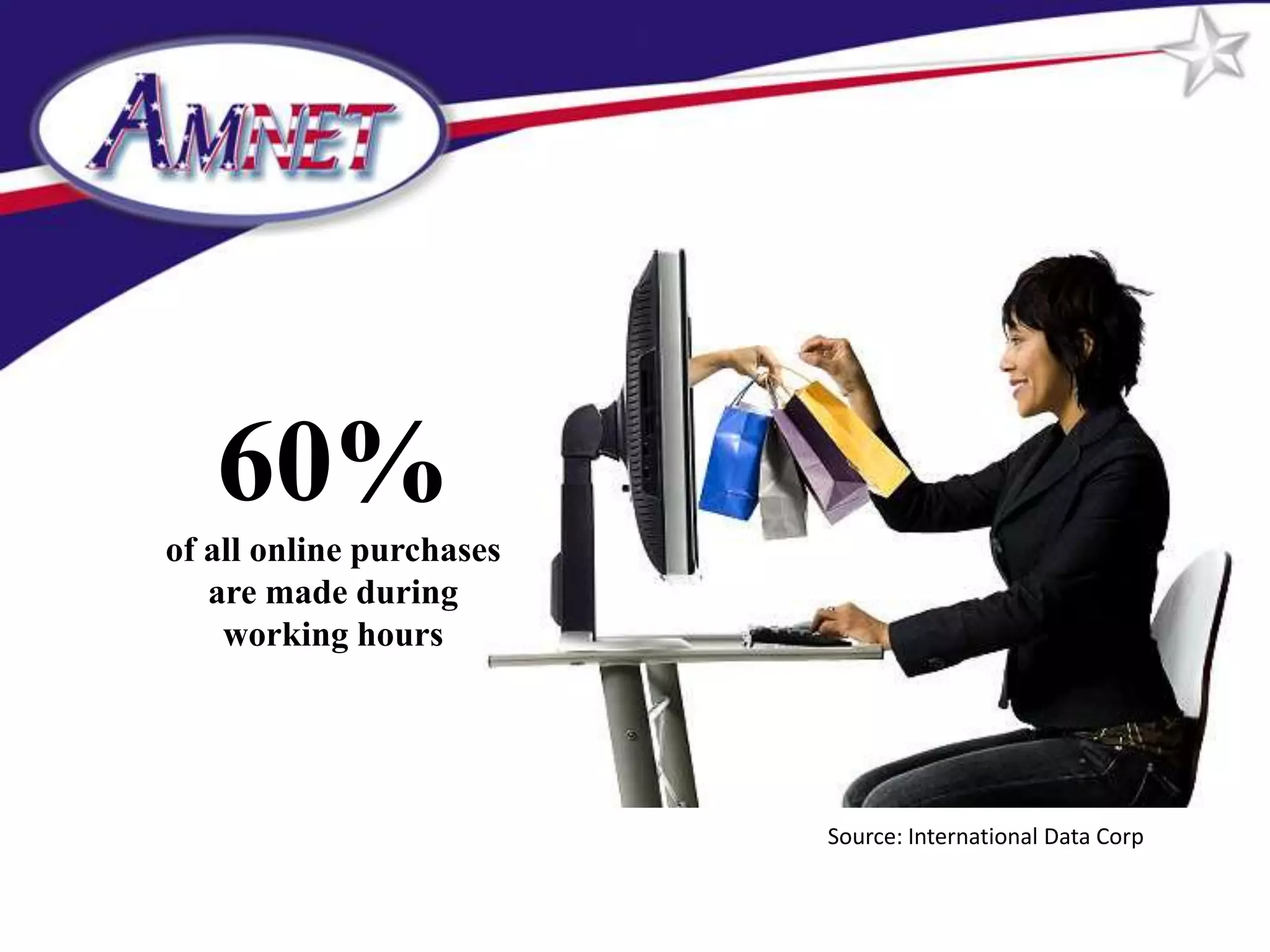
60%
of all online purchases
   are made during
    working hours


                          Source: International Data Corp
70%
of all web traffic to pornography sites occurs between 9AM and 5PM
                                                      Source: Sextracker.com


20.6 million Americans also visited an adult site from a work
computer last month an average of 8.1 times, according to Nielsen Co
This is not new
“I had been trying hard to keep my boss from
noticing that I was spending hours every day on the
net…
…if they had given me a real mission I would be
working here instead of surfing. The only thing I'm
paid for is to show up at work. So I don't feel too
bad about that.”

Date: Tue, 05 March 1996
Cyberslacking Poll

What is more important, your right to privacy or your employer's right to
ensure you are productive at work?


Should employers be allowed to monitor their employees without their
knowledge?


Is there a point at which employers should allow computer and internet use
for personal purposes or is it an all or nothing deal?
To block or not to block?
• Google encourages employees to spend 20% of their
  time on pursuits unrelated to their specific duties.
• A 2009 Australian study of 300 workers found that
  those who “waste time” on the internet for pleasure
  are about 9% more productive than those who don’t,
  as long as they do so less than 20% of the time.
What can you do about it?

          Create acceptable use policies that fit your needs

Ira G. Rosenstein, partner in Orrick, Herrington, & Sutcliffe, as quoted in
Information Systems Security, states, “the Internet is a valuable tool and
therefore it is very important to craft the usage policy in such a way that it
reinforces productivity and employee morale, without becoming
unmanageable.”
What can you do about it?

There are solutions that can block specific types of sites like:
•   Adult & Mature Content        •   Illegal Drugs
•   Alcohol/Tobacco               •   Intimate Apparel/Swimsuits
•   Criminal & Illegal Skills     •   Nudity
•   Cult & Occult                 •   Pornography
•   Drugs                         •   Sex Education
•   Gambling                      •   Violence, Hate and Racism
•   Hacking and Proxy Avoidance   •   Weapons
What can you do about it?
              There are tools that can help you track and
                  document employee computer use
One Solution Automatically Records
• Screen Snapshots
• Chat/IM Activity
• Keystrokes Typed
• Facebook/Social Networks
• Web Sites Visited
• Online Searches
• Email Sent/Received
• Programs Used ...and more
Free Customized Acceptable Use Policy

          www.Amnet.net/bkec
The Power & Impact of Open Book Management


       Marcus Boggs founder Steve Bigari             Chuck Latham,
       and owner of CEA     CEO of Stellar           founder, Chuck
       Technologies, Inc.   Restaurant Solutions     Latham Associates

Come meet and engage our panel of local experts as we discuss open book concepts

Friday, March 16, 2012
Check-in: 6:45 a.m.
Breakfast & Panel Discussion: 7 a.m. to 9 a.m.


                         www.MMECOS.com to register

Cyberslacking

  • 1.
  • 2.
    Cyberslacking: A How-to-Guidefor Employees Followed by: Cyberslacking: A What-to-do Guide for Employers
  • 3.
    What is Cyberslacking? Cyberslacking:Adjective Using a company's computers and Internet connection during working hours for activities which are not work-related. The term cyberslacker, acknowledged in August 2003 by editors of the Oxford English Dictionary is used to describe employees who engage in the practice. Cyberslacking can also be used as a participle adjective, e.g. cyberslacking employees.
  • 4.
    Cyberslacking Poll What ismore important, your right to privacy or your employer's right to ensure you are productive at work? Should employers be allowed to monitor their employees without their knowledge? Is there a point at which employers should allow computer and internet use for personal purposes or is it an all or nothing deal?
  • 6.
    We've truly reacheda new level of technological time wasting, and it's called Facebook. Talk about a study in procrastination! - Psychology Today
  • 7.
    “…it provides away to blow off work you should be doing, while creating the illusion that you are achieving something.” - Jeffery Zeldman
  • 8.
    I have beenworking long hours but much of that is due to the fact that so many hours have been wasted on Facebook - Nick O’Neil
  • 9.
    Facebook displaced porn(2007) and Google (2010) for the most internet traffic on the web.
  • 11.
    IShouldBeWorking.com is dedicatedto slackers, goof-offs, procrastinators, loafers, "long lunchers", and web addicted employees worldwide.
  • 13.
    "This is great!We all need more things to do to get back at the man!" Kevin R. Kansas City, MO
  • 15.
    “Star Wars Kid”> 30,000,000 Views
  • 16.
    “Star Wars KidDrunken Jedi” > 12,000,000 Views
  • 17.
    Evolution of Dance>190,501,954 Views
  • 18.
    “Charlie Bit Me”>422,587,464 Views Ranked 5th all time. #1 spot is held by Justin Bieber’s video “Baby” with 707,994,720 views.
  • 19.
    Employees who areaccomplished at two or more non-work activities at once is a practice known as “Multishirking”
  • 20.
    More Great Placesto Cyberslack
  • 21.
  • 23.
    According to ITresearch firm Gartner, non-work-related PC activity results in an estimated 40% productivity loss each year for American businesses. According to a recent Gallup poll, the average employee spends over 75 minutes per day using office computers for non-business related activity. According to a report by International Data Corp (IDC) 37% of workers say they surf the Web constantly at work.
  • 24.
    In a surveyconducted by America Online and Salary.com 45% of employees cited personal Internet use as their number one distraction at work The cost of Internet surfing during the workday to be approximately $750 billion in lost wages The top three States for cyberslacking are Missouri, Indiana, and Kentucky
  • 25.
    60% of all onlinepurchases are made during working hours Source: International Data Corp
  • 26.
    70% of all webtraffic to pornography sites occurs between 9AM and 5PM Source: Sextracker.com 20.6 million Americans also visited an adult site from a work computer last month an average of 8.1 times, according to Nielsen Co
  • 27.
    This is notnew “I had been trying hard to keep my boss from noticing that I was spending hours every day on the net… …if they had given me a real mission I would be working here instead of surfing. The only thing I'm paid for is to show up at work. So I don't feel too bad about that.” Date: Tue, 05 March 1996
  • 28.
    Cyberslacking Poll What ismore important, your right to privacy or your employer's right to ensure you are productive at work? Should employers be allowed to monitor their employees without their knowledge? Is there a point at which employers should allow computer and internet use for personal purposes or is it an all or nothing deal?
  • 29.
    To block ornot to block? • Google encourages employees to spend 20% of their time on pursuits unrelated to their specific duties. • A 2009 Australian study of 300 workers found that those who “waste time” on the internet for pleasure are about 9% more productive than those who don’t, as long as they do so less than 20% of the time.
  • 30.
    What can youdo about it? Create acceptable use policies that fit your needs Ira G. Rosenstein, partner in Orrick, Herrington, & Sutcliffe, as quoted in Information Systems Security, states, “the Internet is a valuable tool and therefore it is very important to craft the usage policy in such a way that it reinforces productivity and employee morale, without becoming unmanageable.”
  • 31.
    What can youdo about it? There are solutions that can block specific types of sites like: • Adult & Mature Content • Illegal Drugs • Alcohol/Tobacco • Intimate Apparel/Swimsuits • Criminal & Illegal Skills • Nudity • Cult & Occult • Pornography • Drugs • Sex Education • Gambling • Violence, Hate and Racism • Hacking and Proxy Avoidance • Weapons
  • 32.
    What can youdo about it? There are tools that can help you track and document employee computer use One Solution Automatically Records • Screen Snapshots • Chat/IM Activity • Keystrokes Typed • Facebook/Social Networks • Web Sites Visited • Online Searches • Email Sent/Received • Programs Used ...and more
  • 33.
    Free Customized AcceptableUse Policy www.Amnet.net/bkec
  • 34.
    The Power &Impact of Open Book Management Marcus Boggs founder Steve Bigari Chuck Latham, and owner of CEA CEO of Stellar founder, Chuck Technologies, Inc. Restaurant Solutions Latham Associates Come meet and engage our panel of local experts as we discuss open book concepts Friday, March 16, 2012 Check-in: 6:45 a.m. Breakfast & Panel Discussion: 7 a.m. to 9 a.m. www.MMECOS.com to register

Editor's Notes

  • #2 Do you enjoy “Sticking it to the man”?The water cooler was too conspicuous of a place to waste time on the clock.Personal phone calls? Unless you have an office it’s hard to do too much of that.But now there’s Cyberslacking!
  • #6 Sure you can do your online shopping..Setup your fantasy sports team…Check both eHarmony and Match.com for a date tonight…But what I want to know is, How big is your farm?
  • #11 Like a terrible wreck that you can’t stand to look at but can’t seem to look away.
  • #16 Recorded in 2002 by Canadian teen GhyslainRazaa. Classmates uploaded it to YouTube without his permission. This viral video has been parodied on South Park, Arrested Development and American Dad. He is currently a law student in Montreal.