CYBER SPACE
MODULE 2
Bharath M
Assistant Professor
Seshadripuram Institute of Management Studies
Bengaluru-64
bharath.573201@gmail.com
9964736500
E-COMMERCE INTRODUCTION
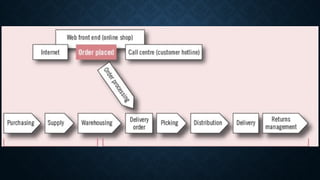
• Ecommerce is a method of buying and selling goods and services online.
• The definition of ecommerce business can also include tactics like affiliate
marketing.
• Ecommerce involves channels such as own website, an established selling website
like Amazon, or social media to drive online sales, Mobile Apps, Social Media Pages,
Messengers and so on.
• It also includes telemarketing.
EVOLUTION OF E-COMMERCE
• 1970 – 1st
e-commerce in Stanford through LAN to sell marijuana
• 1979 – Idea of Teleshopping by Michael Aldrich
• 1984 – 1st
Teleshopping Order
• 1990 – Hyperlinks for shopping
• 1991 – Ban and Lift of Ban on Internet Commerce
• 1992 – Preparation of online bulletin board for teleshopping
• 1994 – Secure Socket Layer (SSL) in browser for safe payments
CONT…
• 1995 – Amazon and E-Bay and Audio Live Streaming
• 1998 – Paypal for Online payments
• 1999 – Alibaba was launched
• 2000 – Pay Per Click for google Ads
• 2003 – iTunes the first major music digital store
• 2005 – Amazon Prime
• 2006 – 1st
Facebook Advertisements
• 2008 – Mobile E-Commerce
• 2013 –Youtube Online Entertainment
https://www.plytix.com/blog/evolution-of-ecommerce-timeline
CONDUCTING BUSINESS ONLINE
• Find a need and fill it.
• Write copy that sells.
• Design and build an easy-to-use website.
• Use search engines to drive traffic to your site.
• Establish an expert reputation for yourself.
• Follow up with your customers and subscribers with email.
• Increase your income through back-end sales and upselling.
https://www.entrepreneur.com/starting-a-business/how-to-start-a-business-online/175242
COMPONENTS OF A VALUE CHAIN
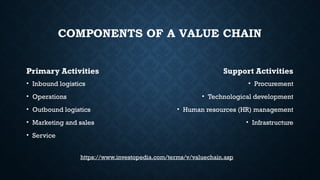
Primary Activities
• Inbound logistics
• Operations
• Outbound logistics
• Marketing and sales
• Service
Support Activities
• Procurement
• Technological development
• Human resources (HR) management
• Infrastructure
https://www.investopedia.com/terms/v/valuechain.asp
ISSUES IN IMPLEMENTING E-COMMERCE
• Finding a unique selling proposition
• Generating leads consistently
• Optimising your website
• Customer nurturing and up-selling
• Internal product integration
• Customer experience and loyalty
• Competitive return and refund policies
• Keeping up with a changing market
• Data privacy and integrity
TYPES OF E-COMMERCE
• Business-to-Business (B2B) – Vista Prints
• Business-to-Consumer (B2C) – samsung.com and amazon.com
• Consumer-to-Consumer (C2C) – OLX,
• Consumer-to-Business (C2B) – Cashify
E-COMMERCE TECHNOLOGIES & INCENTIVES
• Free Shipping
• Expedited Shipping (Increased Shipping Speed)
• Free Gift With Purchase
• Free Setup Or Installation (Includes automatic installation orders)
• No Long-Term Contract (Furniture rental e-commerce)
• Money-Back Guarantee
• Customization
• Discount On the Next Purchase
• Bulk Discounts
CONT….
• Donation To A Cause
• Contests
• Exclusive Sneak Peeks (Early access for offers or new launch)
• Tutorials And Guides
• Loyalty Programs
• Free Returns
• Free Gift Wrapping
• Chat Support
https://powerdigitalmarketing.com/blog /20-best-incentives-for-your-e-commerce-site/
ADVANTAGES AND LIMITATIONS
Advantages
• Secure Payment
• Free Access
• 24/7 Support
• Group Shopping
• Personalized Recommendations
• Compare Products and detailed reviews
• Pricing
• Shopping Reminders
Disadvantages
• Leads to confusion
• Quality Issues
• Delivery Challenges
• Misappropriation of Products
• Lack of awareness
• No Trials
• Fraudulent Websites
Asper discussions done in class
• https://www.javatpoint.com/advantages-and-disadvantages-of-e-commerce

CS Module 2 (1).pptx TYPES OF DATA ANALYTICS

  • 1.
    CYBER SPACE MODULE 2 BharathM Assistant Professor Seshadripuram Institute of Management Studies Bengaluru-64 bharath.573201@gmail.com 9964736500
  • 2.
    E-COMMERCE INTRODUCTION • Ecommerceis a method of buying and selling goods and services online. • The definition of ecommerce business can also include tactics like affiliate marketing. • Ecommerce involves channels such as own website, an established selling website like Amazon, or social media to drive online sales, Mobile Apps, Social Media Pages, Messengers and so on. • It also includes telemarketing.
  • 3.
    EVOLUTION OF E-COMMERCE •1970 – 1st e-commerce in Stanford through LAN to sell marijuana • 1979 – Idea of Teleshopping by Michael Aldrich • 1984 – 1st Teleshopping Order • 1990 – Hyperlinks for shopping • 1991 – Ban and Lift of Ban on Internet Commerce • 1992 – Preparation of online bulletin board for teleshopping • 1994 – Secure Socket Layer (SSL) in browser for safe payments
  • 4.
    CONT… • 1995 –Amazon and E-Bay and Audio Live Streaming • 1998 – Paypal for Online payments • 1999 – Alibaba was launched • 2000 – Pay Per Click for google Ads • 2003 – iTunes the first major music digital store • 2005 – Amazon Prime • 2006 – 1st Facebook Advertisements • 2008 – Mobile E-Commerce • 2013 –Youtube Online Entertainment https://www.plytix.com/blog/evolution-of-ecommerce-timeline
  • 5.
    CONDUCTING BUSINESS ONLINE •Find a need and fill it. • Write copy that sells. • Design and build an easy-to-use website. • Use search engines to drive traffic to your site. • Establish an expert reputation for yourself. • Follow up with your customers and subscribers with email. • Increase your income through back-end sales and upselling. https://www.entrepreneur.com/starting-a-business/how-to-start-a-business-online/175242
  • 6.
    COMPONENTS OF AVALUE CHAIN Primary Activities • Inbound logistics • Operations • Outbound logistics • Marketing and sales • Service Support Activities • Procurement • Technological development • Human resources (HR) management • Infrastructure https://www.investopedia.com/terms/v/valuechain.asp
  • 7.
    ISSUES IN IMPLEMENTINGE-COMMERCE • Finding a unique selling proposition • Generating leads consistently • Optimising your website • Customer nurturing and up-selling • Internal product integration • Customer experience and loyalty • Competitive return and refund policies • Keeping up with a changing market • Data privacy and integrity
  • 8.
    TYPES OF E-COMMERCE •Business-to-Business (B2B) – Vista Prints • Business-to-Consumer (B2C) – samsung.com and amazon.com • Consumer-to-Consumer (C2C) – OLX, • Consumer-to-Business (C2B) – Cashify
  • 9.
    E-COMMERCE TECHNOLOGIES &INCENTIVES • Free Shipping • Expedited Shipping (Increased Shipping Speed) • Free Gift With Purchase • Free Setup Or Installation (Includes automatic installation orders) • No Long-Term Contract (Furniture rental e-commerce) • Money-Back Guarantee • Customization • Discount On the Next Purchase • Bulk Discounts
  • 10.
    CONT…. • Donation ToA Cause • Contests • Exclusive Sneak Peeks (Early access for offers or new launch) • Tutorials And Guides • Loyalty Programs • Free Returns • Free Gift Wrapping • Chat Support https://powerdigitalmarketing.com/blog /20-best-incentives-for-your-e-commerce-site/
  • 11.
    ADVANTAGES AND LIMITATIONS Advantages •Secure Payment • Free Access • 24/7 Support • Group Shopping • Personalized Recommendations • Compare Products and detailed reviews • Pricing • Shopping Reminders Disadvantages • Leads to confusion • Quality Issues • Delivery Challenges • Misappropriation of Products • Lack of awareness • No Trials • Fraudulent Websites Asper discussions done in class
  • 13.