Creative
 Biofeedback Protocols
      for Children
AAPB Symposium presented by
    Elizabeth Stroebel, PhD
     Elizabethstroebel@hotmail.com &

 Susan E. Antelis, MPS, LMHC
        Susantelis@biofeedback.net
Two Case Studies
• Diagnostic Art Techniques, Art as Therapy
  and Bio and Neurofeedback for a 7 year old
  boy with multiple health and psychological
  issues
• Peripheral Biofeedback Protocol for a 12
  year old boy with spectrum disorders & and
  an18 year old girl with conversion disorder
• Discussion of Creative Protocols
Case 1: 7 Year Old Boy
Medical history   Family history   Diagnostic test:
Social &          Emotional &      House-Tree-
Educational       Intelligence     Person
issues            information


Art Productions: Biofeedback &     Summary of
Slide show       Neurofeedback     Creative
                                   Protocol
Brain Research Applications
& Art
Family History
• J. is 7 yrs. old, adopted at age 4 from a Russian
  Orphanage
• Child neglect and possible abuse is suspected;
  child has chronic leg pain of unidentified origin,
  possibly from having been strapped into a crib for
  long time periods
• Mother is a single parent with a 12 yr. old
  biological son, from a former marriage.
Primary Symptoms/complaints
• Episodic extreme hyperactivity
• Incessant movement
• Sensory symptoms (pressing, stretching,
  pushing/pulling, sliding, crashing,
  swinging, rocking)
• Bad moods/fits, Obstinacy
• Wears a diaper at night
Medical Issues
• Born with cleft palate and lip
• One partial surgery for correction
• High mercury levels found through blood
  testing; having chelation therapy
• Takes vitamins: fish oil and magnesium
  prescribed by wholistic health practitioner
Educational Issues
• Is in Second Grade, Special Ed classified
• Teachers say he is bright and understands quickly;
  reads at grade level and does fine in math; has a
  good memory.
• “Never stops moving”, get too excited especially
  in gym & recess, likes to play outside.
• Loves books, his dog, cars, trucks & trains
• Receives speech therapy; speech &hearing are
  good.
Social/Behavioral Issues
• Can be calm & sweet; appears at times to be
  happy, eager to help, very friendly and
  affectionate; moods are erratic.
• His hyperactive movements are a social turn
  off to his peers according to his mother
• Has not responded to ADHD type
  medications, behavior charts, rewards or
  punishments.
Emotional Issues
• Expresses fears that mother will abandon
  him
• Is clingy to mother, looking for her
  approval and involvement, but only until he
  feels comfortable in a situation
• Is pushy with and possessive of his older
  brother whom he idolizes.
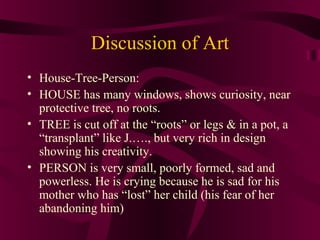
Discussion of Art
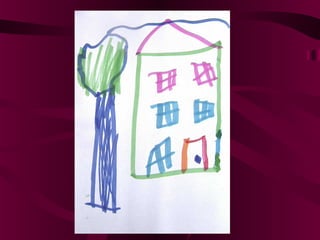
• House-Tree-Person:
• HOUSE has many windows, shows curiosity, near
  protective tree, no roots.
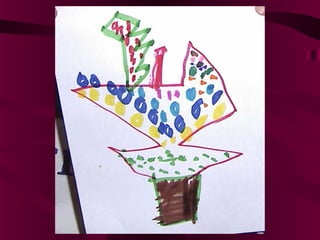
• TREE is cut off at the “roots” or legs & in a pot, a
  “transplant” like J.…., but very rich in design
  showing his creativity.
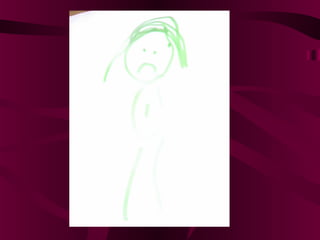
• PERSON is very small, poorly formed, sad and
  powerless. He is crying because he is sad for his
  mother who has “lost” her child (his fear of her
  abandoning him)
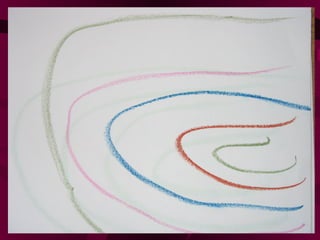
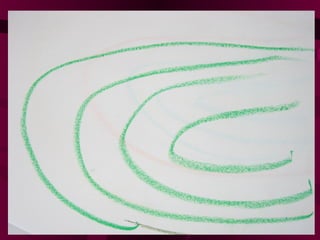
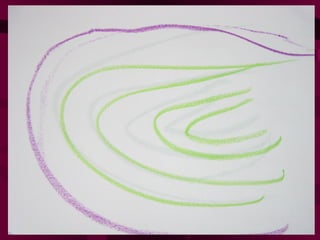
Art…
• Seventeen Rainbow pictures with small
  variation in number of bows, size and color
  choices. A defended expression of “hope”.
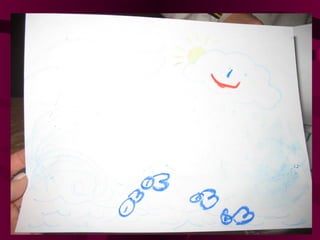
• Therapist responsive imagery of rain-
  clouds; to which child adds fish swimming
  upstream,
Art…
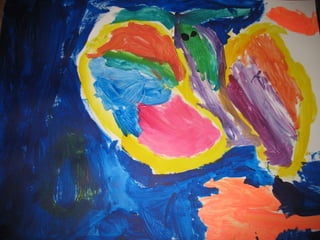
• Poster size picture of butterfly and tree painted from the side instead of
  head-on; maybe indicative of LD. Butterfly as symbol of
  transformation and freedom; tree still with no “roots”.

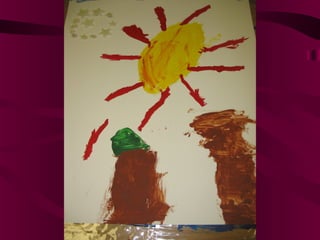
• Poster size picture of tree with huge sun, painted from the side, with
  older brother in room; also very optimistic and expansive,
  uncharacteristic of the typical 7 yr. olds use of space.

• Poster size picture of fiery sun, hurricane and tree, painted from front;
  unfinished.
Biofeedback
• Wild Divine Light-stone used for interest
  with Somatic-vision software, both Particle
  Editor and Inner Tube. Initial attention span
  before using Art was one minute. After
  using art in the session before biofeedback,
  attention increased to up to 10 minutes of
  total still behavior and total concentration.
Neurofeedback
• First SMR training in session 3 reveals up
  to a 6:1 ratio of Theta to smr/beta; attention
  span of 5 minutes.
• Goal: up to 15 minutes of SMR training to
  lower theta or improve theta to beta ratio.
Art and the Brain
• PET scans were used in a 1995 study to explore
  the brain mechanisms underlying the act of
  drawing. Results suggested that even simple
  drawing depends on a complex interaction
  between many brain systems.
• Brain scans were used in a 1999 study of an artist
  at work: results showed that the front part of the
  brain was more active the the rear where the visual
  cortex is; The artist was thus thinking the art.
Art & the Brain…
• Blood testing from a 1997-8 study showed that
  Neurobiologically, art making produces high seratonin
  levels in the artist; higher seratonin has been associated
  with higher self-esteem
• A 1998 study with TBI patients showed that art making
  can enhance brain functioning by “waking up” damaged
  areas.
• Other neuroscience experts have shown that art and
  language are connected; that art experiences can enhance
  language development in children.
Summary of Creative Pediatric
             Protocol
• Diagnostic Art Assessment
• Biofeedback Baseline Profile
• Neurofeedback Baseline Profile
• “Art as Therapy” split session to discharge
  creative energy and foster self-expression;
• Add biofeedback and then add
  neurofeedback as physical ability allows.
References
 Stephanie L. Brooke, PhD: Tools of the Trade: A
  Therapist’s Guide to Art Therapy Assessments

Kathy Evans & Janek Dubowski: Art Therapy with
       children on the Autistic Spectrum

   Art, Science & Art Therapy: Repainting the
            Picture: Frances F. Kaplan

Creative biofeedback child protocols & case study

  • 1.
    Creative Biofeedback Protocols for Children AAPB Symposium presented by Elizabeth Stroebel, PhD Elizabethstroebel@hotmail.com & Susan E. Antelis, MPS, LMHC Susantelis@biofeedback.net
  • 2.
    Two Case Studies •Diagnostic Art Techniques, Art as Therapy and Bio and Neurofeedback for a 7 year old boy with multiple health and psychological issues • Peripheral Biofeedback Protocol for a 12 year old boy with spectrum disorders & and an18 year old girl with conversion disorder • Discussion of Creative Protocols
  • 3.
    Case 1: 7Year Old Boy Medical history Family history Diagnostic test: Social & Emotional & House-Tree- Educational Intelligence Person issues information Art Productions: Biofeedback & Summary of Slide show Neurofeedback Creative Protocol Brain Research Applications & Art
  • 4.
    Family History • J.is 7 yrs. old, adopted at age 4 from a Russian Orphanage • Child neglect and possible abuse is suspected; child has chronic leg pain of unidentified origin, possibly from having been strapped into a crib for long time periods • Mother is a single parent with a 12 yr. old biological son, from a former marriage.
  • 5.
    Primary Symptoms/complaints • Episodicextreme hyperactivity • Incessant movement • Sensory symptoms (pressing, stretching, pushing/pulling, sliding, crashing, swinging, rocking) • Bad moods/fits, Obstinacy • Wears a diaper at night
  • 6.
    Medical Issues • Bornwith cleft palate and lip • One partial surgery for correction • High mercury levels found through blood testing; having chelation therapy • Takes vitamins: fish oil and magnesium prescribed by wholistic health practitioner
  • 7.
    Educational Issues • Isin Second Grade, Special Ed classified • Teachers say he is bright and understands quickly; reads at grade level and does fine in math; has a good memory. • “Never stops moving”, get too excited especially in gym & recess, likes to play outside. • Loves books, his dog, cars, trucks & trains • Receives speech therapy; speech &hearing are good.
  • 8.
    Social/Behavioral Issues • Canbe calm & sweet; appears at times to be happy, eager to help, very friendly and affectionate; moods are erratic. • His hyperactive movements are a social turn off to his peers according to his mother • Has not responded to ADHD type medications, behavior charts, rewards or punishments.
  • 9.
    Emotional Issues • Expressesfears that mother will abandon him • Is clingy to mother, looking for her approval and involvement, but only until he feels comfortable in a situation • Is pushy with and possessive of his older brother whom he idolizes.
  • 13.
    Discussion of Art •House-Tree-Person: • HOUSE has many windows, shows curiosity, near protective tree, no roots. • TREE is cut off at the “roots” or legs & in a pot, a “transplant” like J.…., but very rich in design showing his creativity. • PERSON is very small, poorly formed, sad and powerless. He is crying because he is sad for his mother who has “lost” her child (his fear of her abandoning him)
  • 14.
    Art… • Seventeen Rainbowpictures with small variation in number of bows, size and color choices. A defended expression of “hope”. • Therapist responsive imagery of rain- clouds; to which child adds fish swimming upstream,
  • 25.
    Art… • Poster sizepicture of butterfly and tree painted from the side instead of head-on; maybe indicative of LD. Butterfly as symbol of transformation and freedom; tree still with no “roots”. • Poster size picture of tree with huge sun, painted from the side, with older brother in room; also very optimistic and expansive, uncharacteristic of the typical 7 yr. olds use of space. • Poster size picture of fiery sun, hurricane and tree, painted from front; unfinished.
  • 29.
    Biofeedback • Wild DivineLight-stone used for interest with Somatic-vision software, both Particle Editor and Inner Tube. Initial attention span before using Art was one minute. After using art in the session before biofeedback, attention increased to up to 10 minutes of total still behavior and total concentration.
  • 30.
    Neurofeedback • First SMRtraining in session 3 reveals up to a 6:1 ratio of Theta to smr/beta; attention span of 5 minutes. • Goal: up to 15 minutes of SMR training to lower theta or improve theta to beta ratio.
  • 31.
    Art and theBrain • PET scans were used in a 1995 study to explore the brain mechanisms underlying the act of drawing. Results suggested that even simple drawing depends on a complex interaction between many brain systems. • Brain scans were used in a 1999 study of an artist at work: results showed that the front part of the brain was more active the the rear where the visual cortex is; The artist was thus thinking the art.
  • 32.
    Art & theBrain… • Blood testing from a 1997-8 study showed that Neurobiologically, art making produces high seratonin levels in the artist; higher seratonin has been associated with higher self-esteem • A 1998 study with TBI patients showed that art making can enhance brain functioning by “waking up” damaged areas. • Other neuroscience experts have shown that art and language are connected; that art experiences can enhance language development in children.
  • 33.
    Summary of CreativePediatric Protocol • Diagnostic Art Assessment • Biofeedback Baseline Profile • Neurofeedback Baseline Profile • “Art as Therapy” split session to discharge creative energy and foster self-expression; • Add biofeedback and then add neurofeedback as physical ability allows.
  • 34.
    References Stephanie L.Brooke, PhD: Tools of the Trade: A Therapist’s Guide to Art Therapy Assessments Kathy Evans & Janek Dubowski: Art Therapy with children on the Autistic Spectrum Art, Science & Art Therapy: Repainting the Picture: Frances F. Kaplan

Editor's Notes

  • #25 Responsive imagery technique