Composting Basics
   Ken Freestone, M.C.

greenwestmichigan@yahoo.com
  www.greenwestmichigan.org
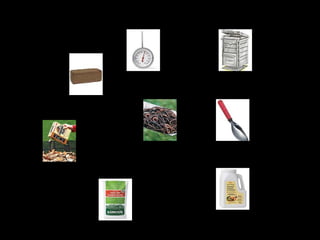
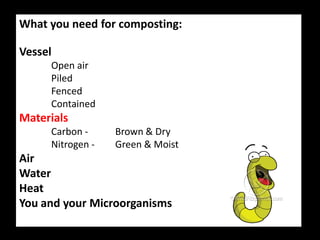
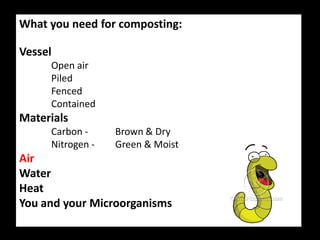
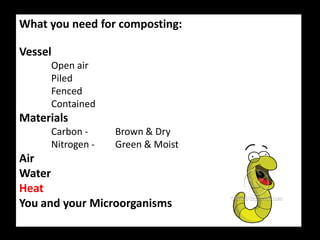
What you need for composting:

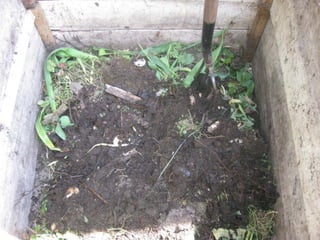
Vessel
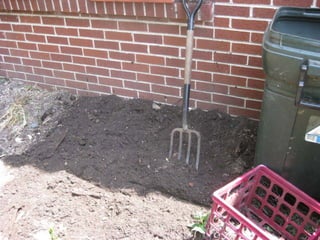
     Open air
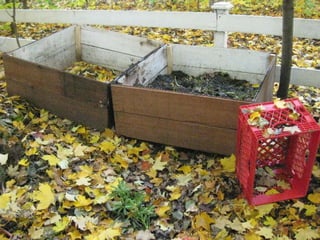
     Piled
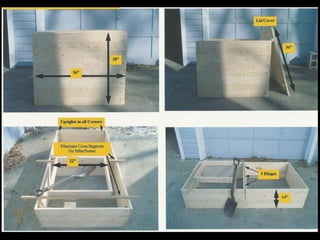
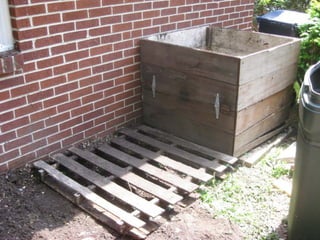
     Fenced
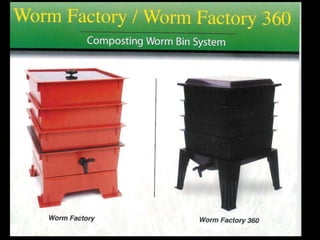
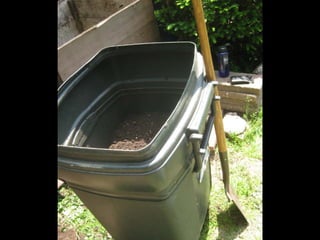
     Contained
Materials
     Carbon -     Brown & Dry
     Nitrogen -   Green & Moist
Air
Water
Heat
You and your Microorganisms
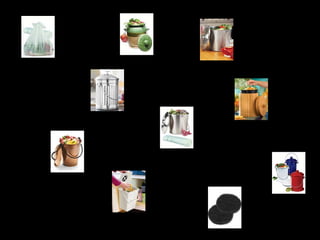
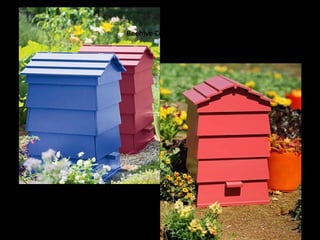
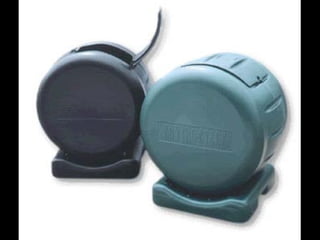
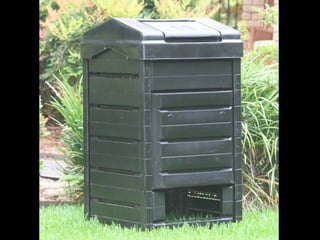
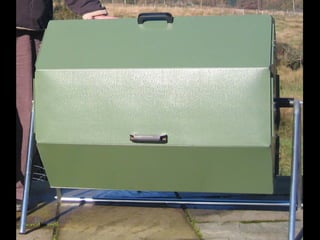
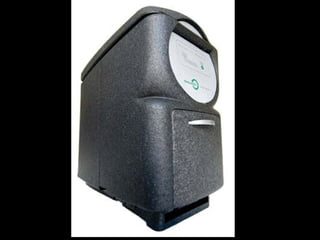
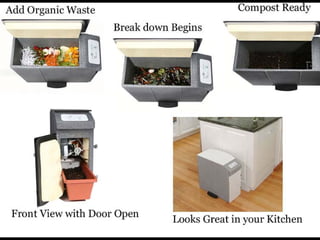
Beehive Composter
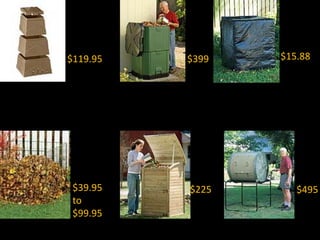
$119.95   $399   $15.88


 $39.95   $225      $495
 to
 $99.95
How Do You Choose?
What you need for composting:

Vessel
     Open air
     Piled
     Fenced
     Contained
Materials
     Carbon -     Brown & Dry
     Nitrogen -   Green & Moist
Air
Water
Heat
You and your Microorganisms
What is the right mix?


  Too many browns and your compost
doesn't decay swiftly. The bacteria are not
  getting enough nitrogen to grow the
                 colony.
What is the right mix?
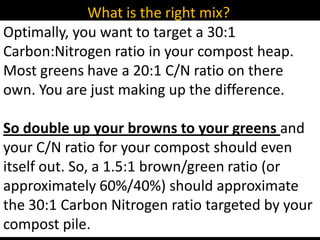
Optimally, you want to target a 30:1
Carbon:Nitrogen ratio in your compost heap.
Most greens have a 20:1 C/N ratio on there
own. You are just making up the difference.

So double up your browns to your greens and
your C/N ratio for your compost should even
itself out. So, a 1.5:1 brown/green ratio (or
approximately 60%/40%) should approximate
the 30:1 Carbon Nitrogen ratio targeted by your
compost pile.
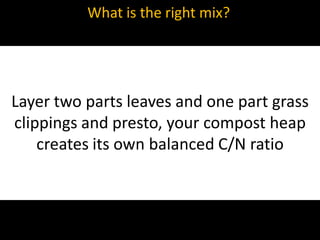
What is the right mix?


Layer two parts leaves and one part grass
clippings and presto, your compost heap
    creates its own balanced C/N ratio
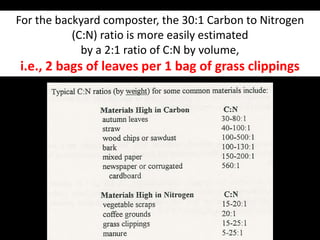
For the backyard composter, the 30:1 Carbon to Nitrogen
           (C:N) ratio is more easily estimated
             by a 2:1 ratio of C:N by volume,
i.e., 2 bags of leaves per 1 bag of grass clippings
What you need for composting:

Vessel
     Open air
     Piled
     Fenced
     Contained
Materials
     Carbon -     Brown & Dry
     Nitrogen -   Green & Moist
Air
Water
Heat
You and your Microorganisms
Oxygen


Another essential ingredient for successful
composting is oxygen. There are two methods of
decomposition based on oxygen availability:

Aerobic

Occurs as microorganisms use oxygen to transform carbon in
to energy, producing carbon dioxide in the process. Oxygen
concentrations greater than 5% are considered optimal for
maintaining aerobic composting. This is the preferred
method of decomposition in the backyard situation.
Oxygen


Anaerobic

Occurs when the oxygen level is below the optimal amount.
Without oxygen, a different group of microorganisms convert
organic matter into carbon dioxide gas, methane, various
alcohols, volatile fatty acids, ammonia, and hydrogen sulfide
gas, most of which produce noxious odors. This method
produces compost, but much more slowly (and with more
odor) than aerobic processes.
What you need for composting:

Vessel
     Open air
     Piled
     Fenced
     Contained
Materials
     Carbon -     Brown & Dry
     Nitrogen -   Green & Moist
Air
Water
Heat
You and your Microorganisms
Moisture


A moisture content of 40 – 60% is generally considered ideal
for composting. You can estimate the ideal moisture content
using the “squeeze test”. Basically, the compost moisture
should feel damp to the touch and, when squeezed, contain
about as much moisture as a wrung-out sponge.

Moisture content of compostable materials :
•Lettuce               87%
•Peaches               80%
•Dry dog food          10%
•Newspaper             5%
What you need for composting:

Vessel
     Open air
     Piled
     Fenced
     Contained
Materials
     Carbon -     Brown & Dry
     Nitrogen -   Green & Moist
Air
Water
Heat
You and your Microorganisms
Super Fast


For those who want to do a little more and produce
composted material faster and a little richer, follow
this procedure:

•Build or buy a container for the compost pile. This
will prevent the material from blowing away or being
scattered by dogs or wild animals

•Spread a portion of the materials to be composted
in a layer 6 to 8 inches thick
Super Fast


With more care, it is possible to compost organic
waste in about two weeks. The main requirements
and materials are:

•Need Animal Manure
•Need to Shred all Plant Materials
•Pile must heat to 130° - 150 °F
•Keep well Watered
•Pile Must be Aerated
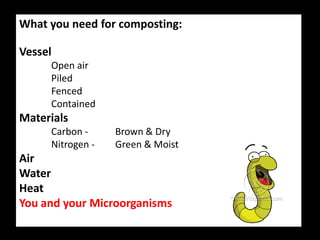
What you need for composting:

Vessel
     Open air
     Piled
     Fenced
     Contained
Materials
     Carbon -     Brown & Dry
     Nitrogen -   Green & Moist
Air
Water
Heat
You and your Microorganisms
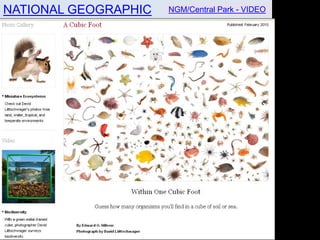
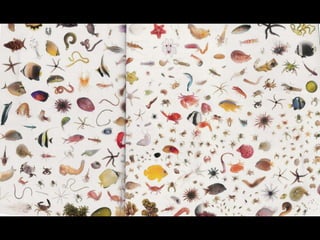
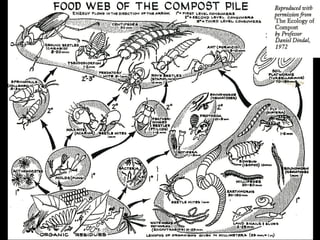
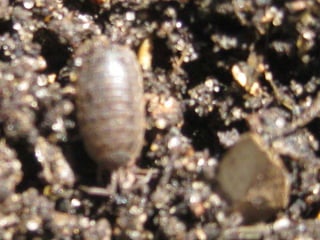
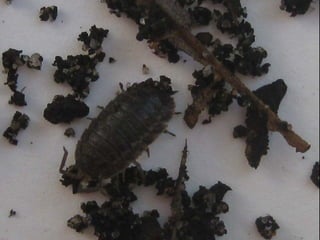
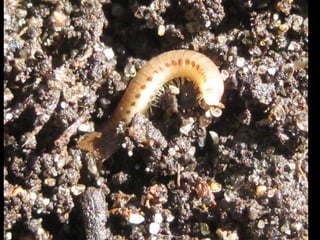
Who Does the Work?
You and your Microorganisms
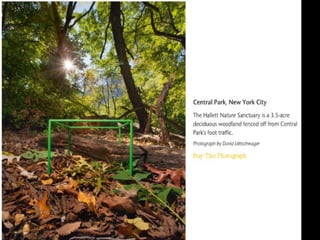
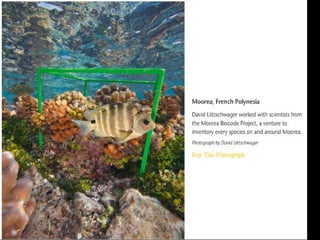
NATIONAL GEOGRAPHIC   NGM/Central Park - VIDEO
Local Composting Resources


Ken Freestone, Master Composter
www.greenwestmichigan.org
greenwestmichigan@yahoo.com

Angela Topp-West Shore Mall, Holland
www.thetreehuggerstore.com
616.396.1710

Dave Smith-Holland
www.gogreenstep.com
Wall Street Journal compost system testing video/Hosted on Sierra Club website
http://tinyurl.com/2ej8s8h
Wall Street Journal compost video follow up
http://tinyurl.com/25mom5g

Gardener’s supply company
http://www.gardeners.com/
Gardener’s supply company - How to choose a composter
http://tinyurl.com/dedorf

Red Worm Composting Video
http://www.redwormcomposting.com/worm-composting-videos/

Clean Air Gardening Website
http://www.cleanairgardening.com/

Clean Air Gardening Newsletter – April 2010/composting
http://tinyurl.com/2df3f79

MSU Extension – Simple Compost Pile
http://tinyurl.com/2bohog2
Composting Basics
   Ken Freestone, M.C.

greenwestmichigan@yahoo.com
  www.greenwestmichigan.org

Composting Made easy

  • 1.
    Composting Basics Ken Freestone, M.C. greenwestmichigan@yahoo.com www.greenwestmichigan.org
  • 2.
    What you needfor composting: Vessel Open air Piled Fenced Contained Materials Carbon - Brown & Dry Nitrogen - Green & Moist Air Water Heat You and your Microorganisms
  • 5.
  • 6.
    $119.95 $399 $15.88 $39.95 $225 $495 to $99.95
  • 16.
    How Do YouChoose?
  • 17.
    What you needfor composting: Vessel Open air Piled Fenced Contained Materials Carbon - Brown & Dry Nitrogen - Green & Moist Air Water Heat You and your Microorganisms
  • 18.
    What is theright mix? Too many browns and your compost doesn't decay swiftly. The bacteria are not getting enough nitrogen to grow the colony.
  • 19.
    What is theright mix? Optimally, you want to target a 30:1 Carbon:Nitrogen ratio in your compost heap. Most greens have a 20:1 C/N ratio on there own. You are just making up the difference. So double up your browns to your greens and your C/N ratio for your compost should even itself out. So, a 1.5:1 brown/green ratio (or approximately 60%/40%) should approximate the 30:1 Carbon Nitrogen ratio targeted by your compost pile.
  • 20.
    What is theright mix? Layer two parts leaves and one part grass clippings and presto, your compost heap creates its own balanced C/N ratio
  • 21.
    For the backyardcomposter, the 30:1 Carbon to Nitrogen (C:N) ratio is more easily estimated by a 2:1 ratio of C:N by volume, i.e., 2 bags of leaves per 1 bag of grass clippings
  • 22.
    What you needfor composting: Vessel Open air Piled Fenced Contained Materials Carbon - Brown & Dry Nitrogen - Green & Moist Air Water Heat You and your Microorganisms
  • 23.
    Oxygen Another essential ingredientfor successful composting is oxygen. There are two methods of decomposition based on oxygen availability: Aerobic Occurs as microorganisms use oxygen to transform carbon in to energy, producing carbon dioxide in the process. Oxygen concentrations greater than 5% are considered optimal for maintaining aerobic composting. This is the preferred method of decomposition in the backyard situation.
  • 24.
    Oxygen Anaerobic Occurs when theoxygen level is below the optimal amount. Without oxygen, a different group of microorganisms convert organic matter into carbon dioxide gas, methane, various alcohols, volatile fatty acids, ammonia, and hydrogen sulfide gas, most of which produce noxious odors. This method produces compost, but much more slowly (and with more odor) than aerobic processes.
  • 25.
    What you needfor composting: Vessel Open air Piled Fenced Contained Materials Carbon - Brown & Dry Nitrogen - Green & Moist Air Water Heat You and your Microorganisms
  • 26.
    Moisture A moisture contentof 40 – 60% is generally considered ideal for composting. You can estimate the ideal moisture content using the “squeeze test”. Basically, the compost moisture should feel damp to the touch and, when squeezed, contain about as much moisture as a wrung-out sponge. Moisture content of compostable materials : •Lettuce 87% •Peaches 80% •Dry dog food 10% •Newspaper 5%
  • 27.
    What you needfor composting: Vessel Open air Piled Fenced Contained Materials Carbon - Brown & Dry Nitrogen - Green & Moist Air Water Heat You and your Microorganisms
  • 28.
    Super Fast For thosewho want to do a little more and produce composted material faster and a little richer, follow this procedure: •Build or buy a container for the compost pile. This will prevent the material from blowing away or being scattered by dogs or wild animals •Spread a portion of the materials to be composted in a layer 6 to 8 inches thick
  • 29.
    Super Fast With morecare, it is possible to compost organic waste in about two weeks. The main requirements and materials are: •Need Animal Manure •Need to Shred all Plant Materials •Pile must heat to 130° - 150 °F •Keep well Watered •Pile Must be Aerated
  • 30.
    What you needfor composting: Vessel Open air Piled Fenced Contained Materials Carbon - Brown & Dry Nitrogen - Green & Moist Air Water Heat You and your Microorganisms
  • 31.
    Who Does theWork? You and your Microorganisms
  • 32.
    NATIONAL GEOGRAPHIC NGM/Central Park - VIDEO
  • 54.
    Local Composting Resources KenFreestone, Master Composter www.greenwestmichigan.org greenwestmichigan@yahoo.com Angela Topp-West Shore Mall, Holland www.thetreehuggerstore.com 616.396.1710 Dave Smith-Holland www.gogreenstep.com
  • 55.
    Wall Street Journalcompost system testing video/Hosted on Sierra Club website http://tinyurl.com/2ej8s8h Wall Street Journal compost video follow up http://tinyurl.com/25mom5g Gardener’s supply company http://www.gardeners.com/ Gardener’s supply company - How to choose a composter http://tinyurl.com/dedorf Red Worm Composting Video http://www.redwormcomposting.com/worm-composting-videos/ Clean Air Gardening Website http://www.cleanairgardening.com/ Clean Air Gardening Newsletter – April 2010/composting http://tinyurl.com/2df3f79 MSU Extension – Simple Compost Pile http://tinyurl.com/2bohog2
  • 56.
    Composting Basics Ken Freestone, M.C. greenwestmichigan@yahoo.com www.greenwestmichigan.org