SUBMITTED BY : 71,72,74,75,76
GROUP : 6
1.COFFEE : INDIAN SENARIO
• The world’s best shade-grown ’mild’ coffees
• India is the only country that grows all of its coffee under shade. Typically mild and not too
acidic, these coffees possess an exotic full-bodied taste and a fine aroma.
• India is the sixth¹ largest (after Brazil, Colombia, Vietnam, Indonesia and Ethiopia) producer
of coffee producing an estimated 317 000 tonnes in 2016-17.
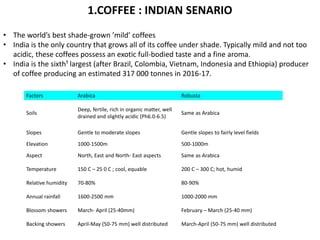
Factors Arabica Robusta
Soils
Deep, fertile, rich in organic matter, well
drained and slightly acidic (Ph6.0-6.5)
Same as Arabica
Slopes Gentle to moderate slopes Gentle slopes to fairly level fields
Elevation 1000-1500m 500-1000m
Aspect North, East and North- East aspects Same as Arabica
Temperature 150 C – 25 0 C ; cool, equable 200 C – 300 C; hot, humid
Relative humidity 70-80% 80-90%
Annual rainfall 1600-2500 mm 1000-2000 mm
Blossom showers March- April (25-40mm) February – March (25-40 mm)
Backing showers April-May (50-75 mm) well distributed March-April (50-75 mm) well distributed
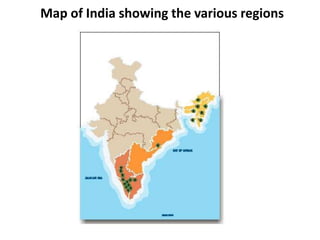
Map of India showing the various regions
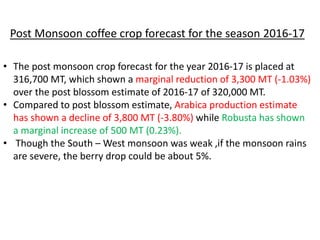
Post Monsoon coffee crop forecast for the season 2016-17
• The post monsoon crop forecast for the year 2016-17 is placed at
316,700 MT, which shown a marginal reduction of 3,300 MT (-1.03%)
over the post blossom estimate of 2016-17 of 320,000 MT.
• Compared to post blossom estimate, Arabica production estimate
has shown a decline of 3,800 MT (-3.80%) while Robusta has shown
a marginal increase of 500 MT (0.23%).
• Though the South – West monsoon was weak ,if the monsoon rains
are severe, the berry drop could be about 5%.
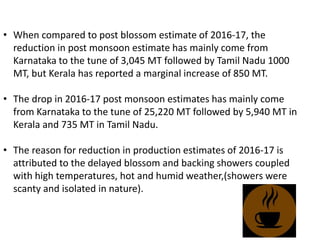
• When compared to post blossom estimate of 2016-17, the
reduction in post monsoon estimate has mainly come from
Karnataka to the tune of 3,045 MT followed by Tamil Nadu 1000
MT, but Kerala has reported a marginal increase of 850 MT.
• The drop in 2016-17 post monsoon estimates has mainly come
from Karnataka to the tune of 25,220 MT followed by 5,940 MT in
Kerala and 735 MT in Tamil Nadu.
• The reason for reduction in production estimates of 2016-17 is
attributed to the delayed blossom and backing showers coupled
with high temperatures, hot and humid weather,(showers were
scanty and isolated in nature).
• Coming to the state wise post monsoon estimate compared to the
post blossom estimate, in Karnataka state the maximum decline is
seen in
 Chikkamagaluru district to the tune of 5,385 MT (-7.01%) both in
Arabica (2,350 MT or -6.06%) and Robusta (3,035 MT or -7.98%).
 Hassan district has reported a marginal decline of 375 MT or -
1.20%,
 But Kodagu district recoded an increase of 2,715 MT or 2.24%
mainly from Robusta.
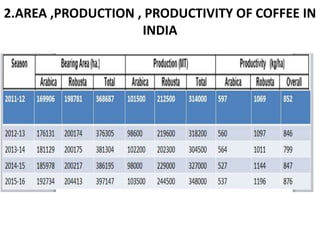
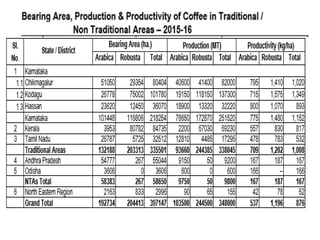
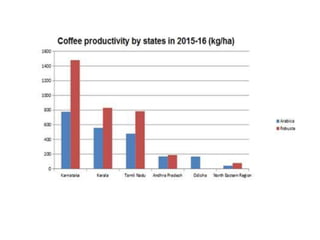
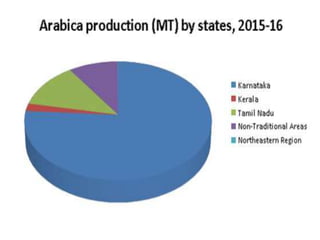
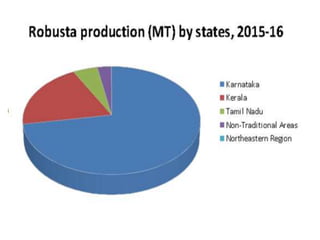
2.AREA ,PRODUCTION , PRODUCTIVITY OF COFFEE IN
INDIA
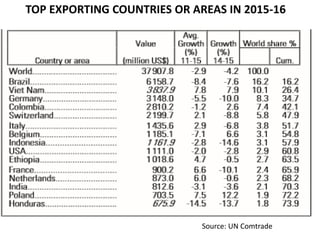
TOP EXPORTING COUNTRIES OR AREAS IN 2015-16
Source: UN Comtrade
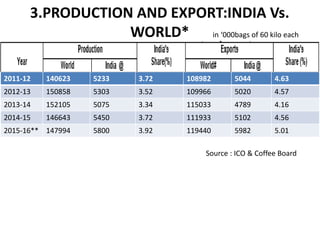
3.PRODUCTION AND EXPORT:INDIA Vs.
WORLD*
2011-12 140623 5233 3.72 108982 5044 4.63
2012-13 150858 5303 3.52 109966 5020 4.57
2013-14 152105 5075 3.34 115033 4789 4.16
2014-15 146643 5450 3.72 111933 5102 4.56
2015-16** 147994 5800 3.92 119440 5982 5.01
in ‘000bags of 60 kilo each
Source : ICO & Coffee Board
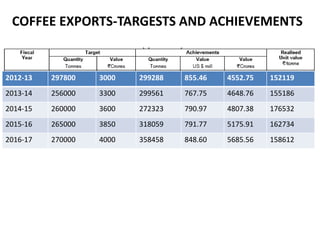
2012-13 297800 3000 299288 855.46 4552.75 152119
2013-14 256000 3300 299561 767.75 4648.76 155186
2014-15 260000 3600 272323 790.97 4807.38 176532
2015-16 265000 3850 318059 791.77 5175.91 162734
2016-17 270000 4000 358458 848.60 5685.56 158612
COFFEE EXPORTS-TARGESTS AND ACHIEVEMENTS
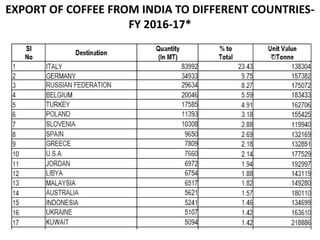
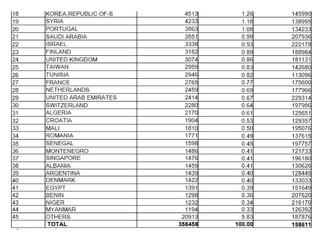
EXPORT OF COFFEE FROM INDIA TO DIFFERENT COUNTRIES-
FY 2016-17*
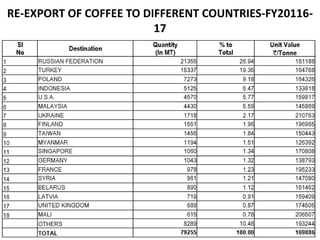
RE-EXPORT OF COFFEE TO DIFFERENT COUNTRIES-FY20116-
17
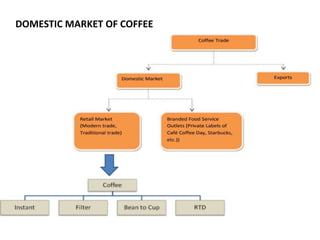
DOMESTIC MARKET OF COFFEE
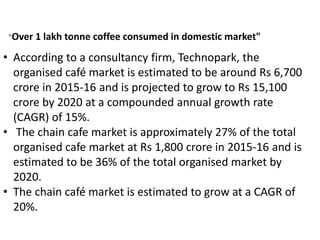
• According to a consultancy firm, Technopark, the
organised café market is estimated to be around Rs 6,700
crore in 2015-16 and is projected to grow to Rs 15,100
crore by 2020 at a compounded annual growth rate
(CAGR) of 15%.
• The chain cafe market is approximately 27% of the total
organised cafe market at Rs 1,800 crore in 2015-16 and is
estimated to be 36% of the total organised market by
2020.
• The chain café market is estimated to grow at a CAGR of
20%.
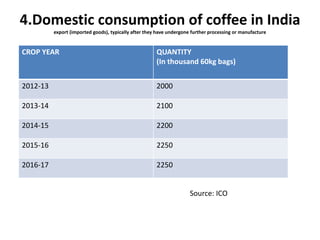
"Over 1 lakh tonne coffee consumed in domestic market"
CROP YEAR QUANTITY
(In thousand 60kg bags)
2012-13 2000
2013-14 2100
2014-15 2200
2015-16 2250
2016-17 2250
4.Domestic consumption of coffee in India
export (imported goods), typically after they have undergone further processing or manufacture
Source: ICO
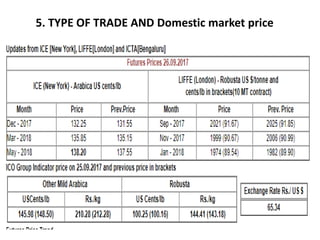
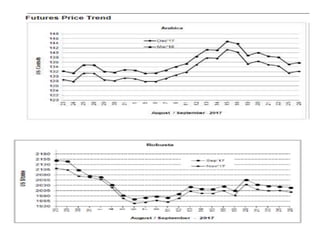
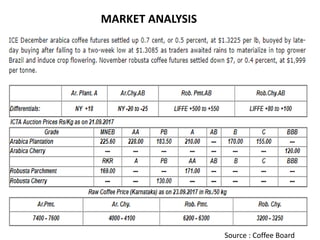
5. TYPE OF TRADE AND Domestic market price
MARKET ANALYSIS
Source : Coffee Board
6.ISSUES AND CHALLENGES IN COFFEE
• Cost of production is going high.
• Quality issues
• High domestic demand
• High labour charges & other labour issues.
• Older plantations.
• Climate change/climate issues.
• Shifting cultivation.
• Adopting mono cropping by cutting down shade trees.
• Investment and infrastructure
• Lack of investment – both in terms of finance and education – is also causing problems for
the coffee industry.
• Extensive use of chemical fertilizers and pesticides.(This type of industrial coffee farming
leads to severe environmental problems, such as pesticide pollution, deforestation and the
extinction of songbirds through habitat destruction)
• Pests and diseases Infestation's.
• Macro economic forces (economic output, unemployment, inflation, savings and investment)
and market manipulation
• Often sizeable price fluctuations .
Commodity profile of coffee

Commodity profile of coffee

  • 1.
    SUBMITTED BY :71,72,74,75,76 GROUP : 6
  • 2.
    1.COFFEE : INDIANSENARIO • The world’s best shade-grown ’mild’ coffees • India is the only country that grows all of its coffee under shade. Typically mild and not too acidic, these coffees possess an exotic full-bodied taste and a fine aroma. • India is the sixth¹ largest (after Brazil, Colombia, Vietnam, Indonesia and Ethiopia) producer of coffee producing an estimated 317 000 tonnes in 2016-17. Factors Arabica Robusta Soils Deep, fertile, rich in organic matter, well drained and slightly acidic (Ph6.0-6.5) Same as Arabica Slopes Gentle to moderate slopes Gentle slopes to fairly level fields Elevation 1000-1500m 500-1000m Aspect North, East and North- East aspects Same as Arabica Temperature 150 C – 25 0 C ; cool, equable 200 C – 300 C; hot, humid Relative humidity 70-80% 80-90% Annual rainfall 1600-2500 mm 1000-2000 mm Blossom showers March- April (25-40mm) February – March (25-40 mm) Backing showers April-May (50-75 mm) well distributed March-April (50-75 mm) well distributed
  • 3.
    Map of Indiashowing the various regions
  • 4.
    Post Monsoon coffeecrop forecast for the season 2016-17 • The post monsoon crop forecast for the year 2016-17 is placed at 316,700 MT, which shown a marginal reduction of 3,300 MT (-1.03%) over the post blossom estimate of 2016-17 of 320,000 MT. • Compared to post blossom estimate, Arabica production estimate has shown a decline of 3,800 MT (-3.80%) while Robusta has shown a marginal increase of 500 MT (0.23%). • Though the South – West monsoon was weak ,if the monsoon rains are severe, the berry drop could be about 5%.
  • 5.
    • When comparedto post blossom estimate of 2016-17, the reduction in post monsoon estimate has mainly come from Karnataka to the tune of 3,045 MT followed by Tamil Nadu 1000 MT, but Kerala has reported a marginal increase of 850 MT. • The drop in 2016-17 post monsoon estimates has mainly come from Karnataka to the tune of 25,220 MT followed by 5,940 MT in Kerala and 735 MT in Tamil Nadu. • The reason for reduction in production estimates of 2016-17 is attributed to the delayed blossom and backing showers coupled with high temperatures, hot and humid weather,(showers were scanty and isolated in nature).
  • 6.
    • Coming tothe state wise post monsoon estimate compared to the post blossom estimate, in Karnataka state the maximum decline is seen in  Chikkamagaluru district to the tune of 5,385 MT (-7.01%) both in Arabica (2,350 MT or -6.06%) and Robusta (3,035 MT or -7.98%).  Hassan district has reported a marginal decline of 375 MT or - 1.20%,  But Kodagu district recoded an increase of 2,715 MT or 2.24% mainly from Robusta.
  • 7.
    2.AREA ,PRODUCTION ,PRODUCTIVITY OF COFFEE IN INDIA
  • 14.
    TOP EXPORTING COUNTRIESOR AREAS IN 2015-16 Source: UN Comtrade
  • 15.
    3.PRODUCTION AND EXPORT:INDIAVs. WORLD* 2011-12 140623 5233 3.72 108982 5044 4.63 2012-13 150858 5303 3.52 109966 5020 4.57 2013-14 152105 5075 3.34 115033 4789 4.16 2014-15 146643 5450 3.72 111933 5102 4.56 2015-16** 147994 5800 3.92 119440 5982 5.01 in ‘000bags of 60 kilo each Source : ICO & Coffee Board
  • 17.
    2012-13 297800 3000299288 855.46 4552.75 152119 2013-14 256000 3300 299561 767.75 4648.76 155186 2014-15 260000 3600 272323 790.97 4807.38 176532 2015-16 265000 3850 318059 791.77 5175.91 162734 2016-17 270000 4000 358458 848.60 5685.56 158612 COFFEE EXPORTS-TARGESTS AND ACHIEVEMENTS
  • 18.
    EXPORT OF COFFEEFROM INDIA TO DIFFERENT COUNTRIES- FY 2016-17*
  • 20.
    RE-EXPORT OF COFFEETO DIFFERENT COUNTRIES-FY20116- 17
  • 21.
  • 22.
    • According toa consultancy firm, Technopark, the organised café market is estimated to be around Rs 6,700 crore in 2015-16 and is projected to grow to Rs 15,100 crore by 2020 at a compounded annual growth rate (CAGR) of 15%. • The chain cafe market is approximately 27% of the total organised cafe market at Rs 1,800 crore in 2015-16 and is estimated to be 36% of the total organised market by 2020. • The chain café market is estimated to grow at a CAGR of 20%. "Over 1 lakh tonne coffee consumed in domestic market"
  • 23.
    CROP YEAR QUANTITY (Inthousand 60kg bags) 2012-13 2000 2013-14 2100 2014-15 2200 2015-16 2250 2016-17 2250 4.Domestic consumption of coffee in India export (imported goods), typically after they have undergone further processing or manufacture Source: ICO
  • 24.
    5. TYPE OFTRADE AND Domestic market price
  • 26.
  • 27.
    6.ISSUES AND CHALLENGESIN COFFEE • Cost of production is going high. • Quality issues • High domestic demand • High labour charges & other labour issues. • Older plantations. • Climate change/climate issues. • Shifting cultivation. • Adopting mono cropping by cutting down shade trees. • Investment and infrastructure • Lack of investment – both in terms of finance and education – is also causing problems for the coffee industry. • Extensive use of chemical fertilizers and pesticides.(This type of industrial coffee farming leads to severe environmental problems, such as pesticide pollution, deforestation and the extinction of songbirds through habitat destruction) • Pests and diseases Infestation's. • Macro economic forces (economic output, unemployment, inflation, savings and investment) and market manipulation • Often sizeable price fluctuations .