Coerced Geographic Information 
The Not-so-voluntary Side of User-generated Geo-content 
Grant McKenzie & Krzysztof Janowicz 
Department of Geography 
The University of California, Santa Barbara
Background 
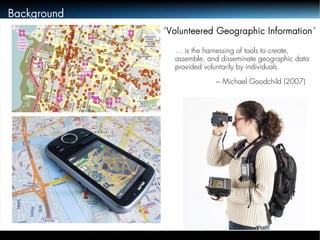
“Volunteered Geographic Information” 
… is the harnessing of tools to create, 
assemble, and disseminate geographic data 
provided voluntarily by individuals. 
~ Michael Goodchild (2007)
Background 
“User-Generated Content” 
Geo
Background 
“Crowdsourced Data” 
“User-Generated Content” 
Geo
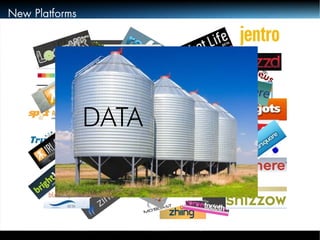
New Platforms
New Platforms 
DATA
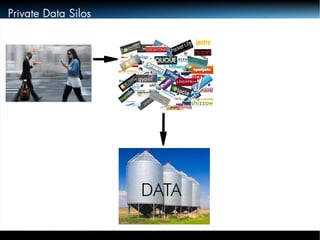
Private Data Silos 
DATA
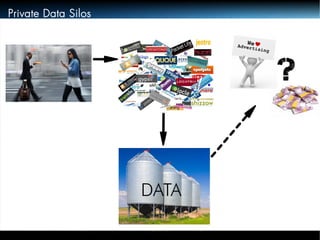
Private Data Silos 
? 
DATA
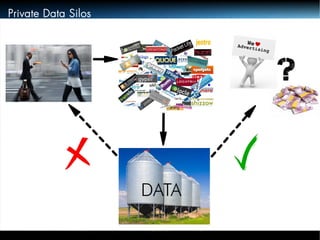
Private Data Silos 
? 
DATA
Motivation 
VGI CoGI Volunteered Geographic Information Coerced Geographic Information
Motivation 
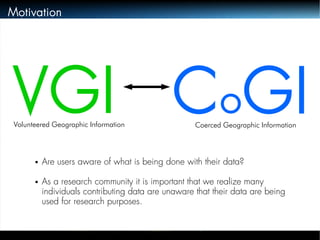
VGI CoGI Volunteered Geographic Information Coerced Geographic Information 
● Are users aware of what is being done with their data? 
● As a research community it is important that we realize many 
individuals contributing data are unaware that their data are being 
used for research purposes.
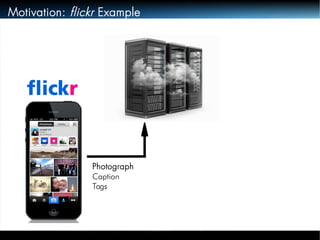
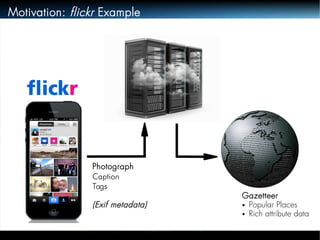
Motivation: flickr Example 
Photograph 
Caption 
Tags
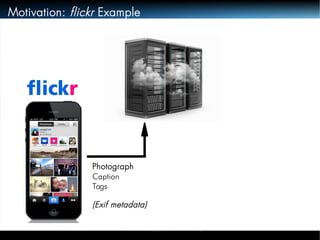
Motivation: flickr Example 
Photograph 
Caption 
Tags 
(Exif metadata)
Motivation: flickr Example 
Photograph 
Caption 
Tags 
(Exif metadata) 
Gazetteer 
● Popular Places 
● Rich attribute data
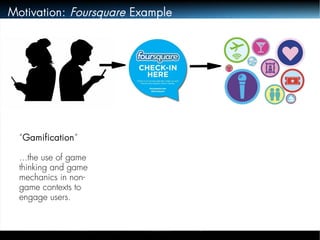
Motivation: Foursquare Example 
“Gamification” 
...the use of game 
thinking and game 
mechanics in non-game 
contexts to 
engage users.
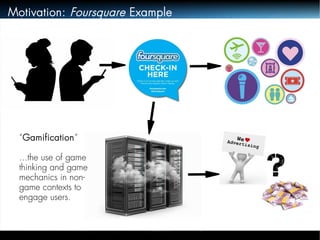
Motivation: Foursquare Example 
? 
“Gamification” 
...the use of game 
thinking and game 
mechanics in non-game 
contexts to 
engage users.
Contribution 
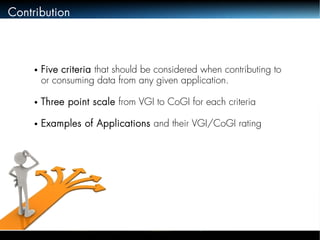
● Five criteria that should be considered when contributing to 
or consuming data from any given application. 
● Three point scale from VGI to CoGI for each criteria 
● Examples of Applications and their VGI/CoGI rating
Criteria 
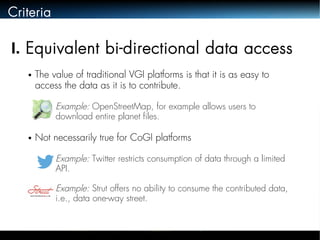
I. Equivalent bi-directional data access 
● The value of traditional VGI platforms is that it is as easy to 
access the data as it is to contribute. 
● Example: OpenStreetMap, for example allows users to 
download entire planet files. 
● Not necessarily true for CoGI platforms 
● Example: Twitter restricts consumption of data through a limited 
API. 
● Example: Strut offers no ability to consume the contributed data, 
i.e., data one-way street.
Criteria 
II. Limited terms of use 
● Restrictions on how the data can be used once consumed. 
● Conventional VGI systems have very open (often free to all) licenses. 
● More commercially oriented systems often claim the rights to 
contributed data and restrict the terms of use. 
● Other platforms act as data silos, allowing no external reuse of the 
data.
Criteria 
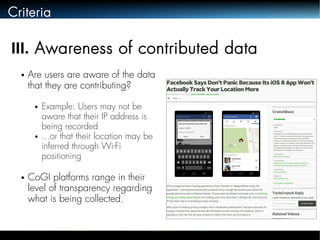
III. Awareness of contributed data 
● Are users are aware of the data 
that they are contributing? 
● Example: Users may not be 
aware that their IP address is 
being recorded 
● ...or that their location may be 
inferred through Wi-Fi 
positioning 
● CoGI platforms range in their 
level of transparency regarding 
what is being collected.
Criteria 
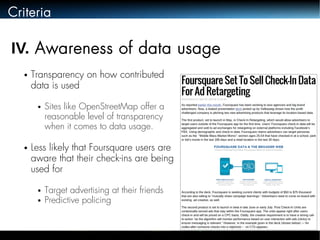
IV. Awareness of data usage 
● Transparency on how contributed 
data is used 
● Sites like OpenStreetMap offer a 
reasonable level of transparency 
when it comes to data usage. 
● Less likely that Foursquare users are 
aware that their check-ins are being 
used for 
● Target advertising at their friends 
● Predictive policing
Criteria 
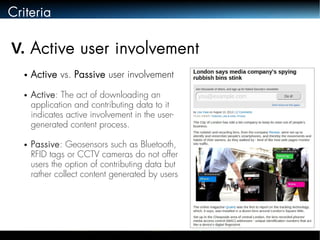
V. Active user involvement 
● Active vs. Passive user involvement 
● Active: The act of downloading an 
application and contributing data to it 
indicates active involvement in the user-generated 
content process. 
● Passive: Geosensors such as Bluetooth, 
RFID tags or CCTV cameras do not offer 
users the option of contributing data but 
rather collect content generated by users
Scale & Examples 
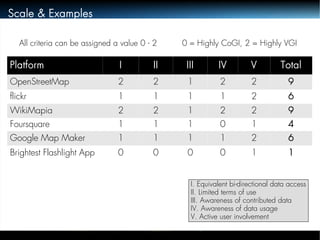
All criteria can be assigned a value 0 - 2 0 = Highly CoGI, 2 = Highly VGI 
Platform I II III IV V Total 
OpenStreetMap 2 2 1 2 2 9 
flickr 1 1 1 1 2 6 
WikiMapia 2 2 1 2 2 9 
Foursquare 1 1 1 0 1 4 
Google Map Maker 1 1 1 1 2 6 
Brightest Flashlight App 0 0 0 0 1 1 
I. Equivalent bi-directional data access 
II. Limited terms of use 
III. Awareness of contributed data 
IV. Awareness of data usage 
V. Active user involvement
Conclusions 
● Increase in user-generated geo-content (UG-GC) 
● Large number of platforms eager to provide tools for data 
contribution 
● VGI still thriving as a method of data contribution 
● Commercial entities realize the power of UG-GC 
● New division of UG-GC, one that is not-so-volunteered 
● Lack of clarity regarding data 
● What is collected 
● How it will be used 
● Who has access 
● Integration with existing personal data
Coerced Geographic Information 
The Not-so-voluntary Side of User-generated Geo-content 
Grant McKenzie & Krzysztof Janowicz 
grant.mckenzie@geog.ucsb.edu 
stko.geog.ucsb.edu | grantmckenzie.com 
Department of Geography 
The University of California, Santa Barbara 
Image Ref: http://g3o.me/ir

Coerced Geographic Information: The Not-so-voluntary Side of User-generated Geo-content

  • 1.
    Coerced Geographic Information The Not-so-voluntary Side of User-generated Geo-content Grant McKenzie & Krzysztof Janowicz Department of Geography The University of California, Santa Barbara
  • 2.
    Background “Volunteered GeographicInformation” … is the harnessing of tools to create, assemble, and disseminate geographic data provided voluntarily by individuals. ~ Michael Goodchild (2007)
  • 3.
  • 4.
    Background “Crowdsourced Data” “User-Generated Content” Geo
  • 5.
  • 6.
  • 7.
  • 8.
  • 9.
  • 10.
    Motivation VGI CoGIVolunteered Geographic Information Coerced Geographic Information
  • 11.
    Motivation VGI CoGIVolunteered Geographic Information Coerced Geographic Information ● Are users aware of what is being done with their data? ● As a research community it is important that we realize many individuals contributing data are unaware that their data are being used for research purposes.
  • 12.
    Motivation: flickr Example Photograph Caption Tags
  • 13.
    Motivation: flickr Example Photograph Caption Tags (Exif metadata)
  • 14.
    Motivation: flickr Example Photograph Caption Tags (Exif metadata) Gazetteer ● Popular Places ● Rich attribute data
  • 15.
    Motivation: Foursquare Example “Gamification” ...the use of game thinking and game mechanics in non-game contexts to engage users.
  • 16.
    Motivation: Foursquare Example ? “Gamification” ...the use of game thinking and game mechanics in non-game contexts to engage users.
  • 17.
    Contribution ● Fivecriteria that should be considered when contributing to or consuming data from any given application. ● Three point scale from VGI to CoGI for each criteria ● Examples of Applications and their VGI/CoGI rating
  • 18.
    Criteria I. Equivalentbi-directional data access ● The value of traditional VGI platforms is that it is as easy to access the data as it is to contribute. ● Example: OpenStreetMap, for example allows users to download entire planet files. ● Not necessarily true for CoGI platforms ● Example: Twitter restricts consumption of data through a limited API. ● Example: Strut offers no ability to consume the contributed data, i.e., data one-way street.
  • 19.
    Criteria II. Limitedterms of use ● Restrictions on how the data can be used once consumed. ● Conventional VGI systems have very open (often free to all) licenses. ● More commercially oriented systems often claim the rights to contributed data and restrict the terms of use. ● Other platforms act as data silos, allowing no external reuse of the data.
  • 20.
    Criteria III. Awarenessof contributed data ● Are users are aware of the data that they are contributing? ● Example: Users may not be aware that their IP address is being recorded ● ...or that their location may be inferred through Wi-Fi positioning ● CoGI platforms range in their level of transparency regarding what is being collected.
  • 21.
    Criteria IV. Awarenessof data usage ● Transparency on how contributed data is used ● Sites like OpenStreetMap offer a reasonable level of transparency when it comes to data usage. ● Less likely that Foursquare users are aware that their check-ins are being used for ● Target advertising at their friends ● Predictive policing
  • 22.
    Criteria V. Activeuser involvement ● Active vs. Passive user involvement ● Active: The act of downloading an application and contributing data to it indicates active involvement in the user-generated content process. ● Passive: Geosensors such as Bluetooth, RFID tags or CCTV cameras do not offer users the option of contributing data but rather collect content generated by users
  • 23.
    Scale & Examples All criteria can be assigned a value 0 - 2 0 = Highly CoGI, 2 = Highly VGI Platform I II III IV V Total OpenStreetMap 2 2 1 2 2 9 flickr 1 1 1 1 2 6 WikiMapia 2 2 1 2 2 9 Foursquare 1 1 1 0 1 4 Google Map Maker 1 1 1 1 2 6 Brightest Flashlight App 0 0 0 0 1 1 I. Equivalent bi-directional data access II. Limited terms of use III. Awareness of contributed data IV. Awareness of data usage V. Active user involvement
  • 24.
    Conclusions ● Increasein user-generated geo-content (UG-GC) ● Large number of platforms eager to provide tools for data contribution ● VGI still thriving as a method of data contribution ● Commercial entities realize the power of UG-GC ● New division of UG-GC, one that is not-so-volunteered ● Lack of clarity regarding data ● What is collected ● How it will be used ● Who has access ● Integration with existing personal data
  • 25.
    Coerced Geographic Information The Not-so-voluntary Side of User-generated Geo-content Grant McKenzie & Krzysztof Janowicz grant.mckenzie@geog.ucsb.edu stko.geog.ucsb.edu | grantmckenzie.com Department of Geography The University of California, Santa Barbara Image Ref: http://g3o.me/ir