SYLLABUS
Why is it important?
Where is it?
What should we do about it?
TEAM CHARTER
Why is it important?
Where is it?
What should we do about it?
APA
Why APA format? “APA” stands for the American Psychological
Association. This is often the standard format used in the social
sciences. It’s a consistent way for writers to document sources
and avoid plagiarism.
What do I need to cite? Cite anything that’s not your own (ideas
of others, words of others (quotes), paraphrases of others’ ideas
in your own words, statistics, graphs /charts, etc.)
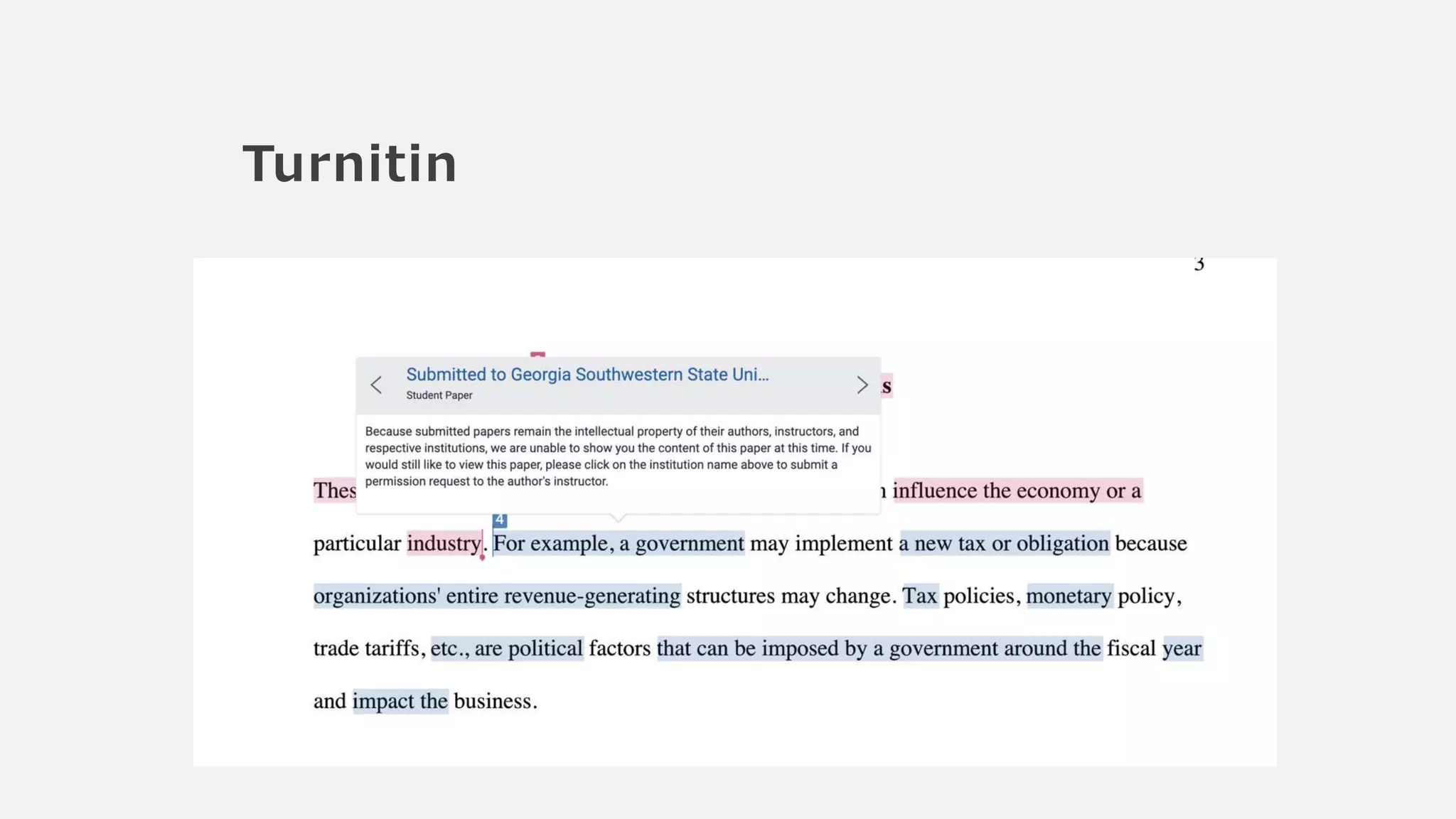
Turnitin
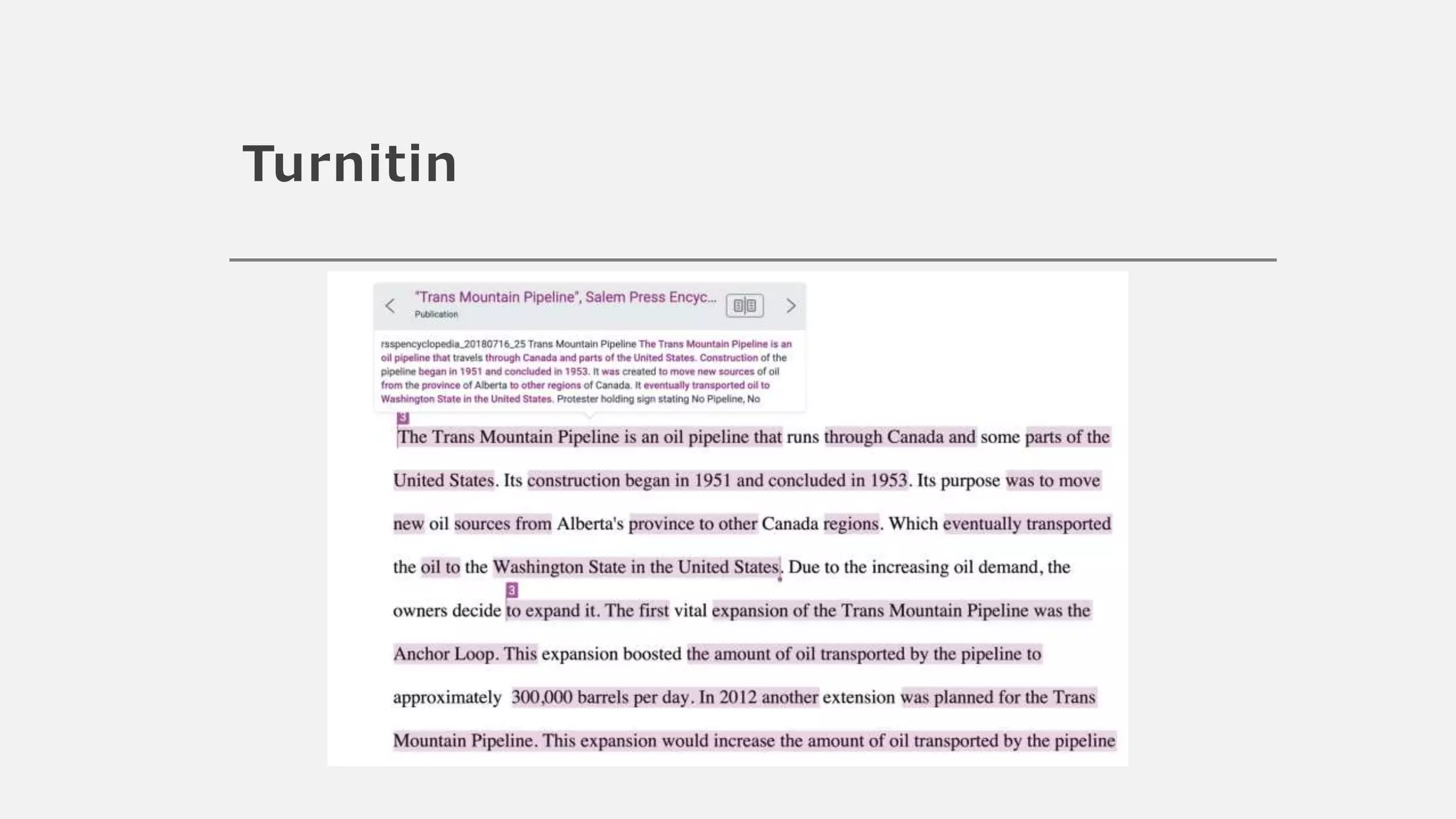
Turnitin
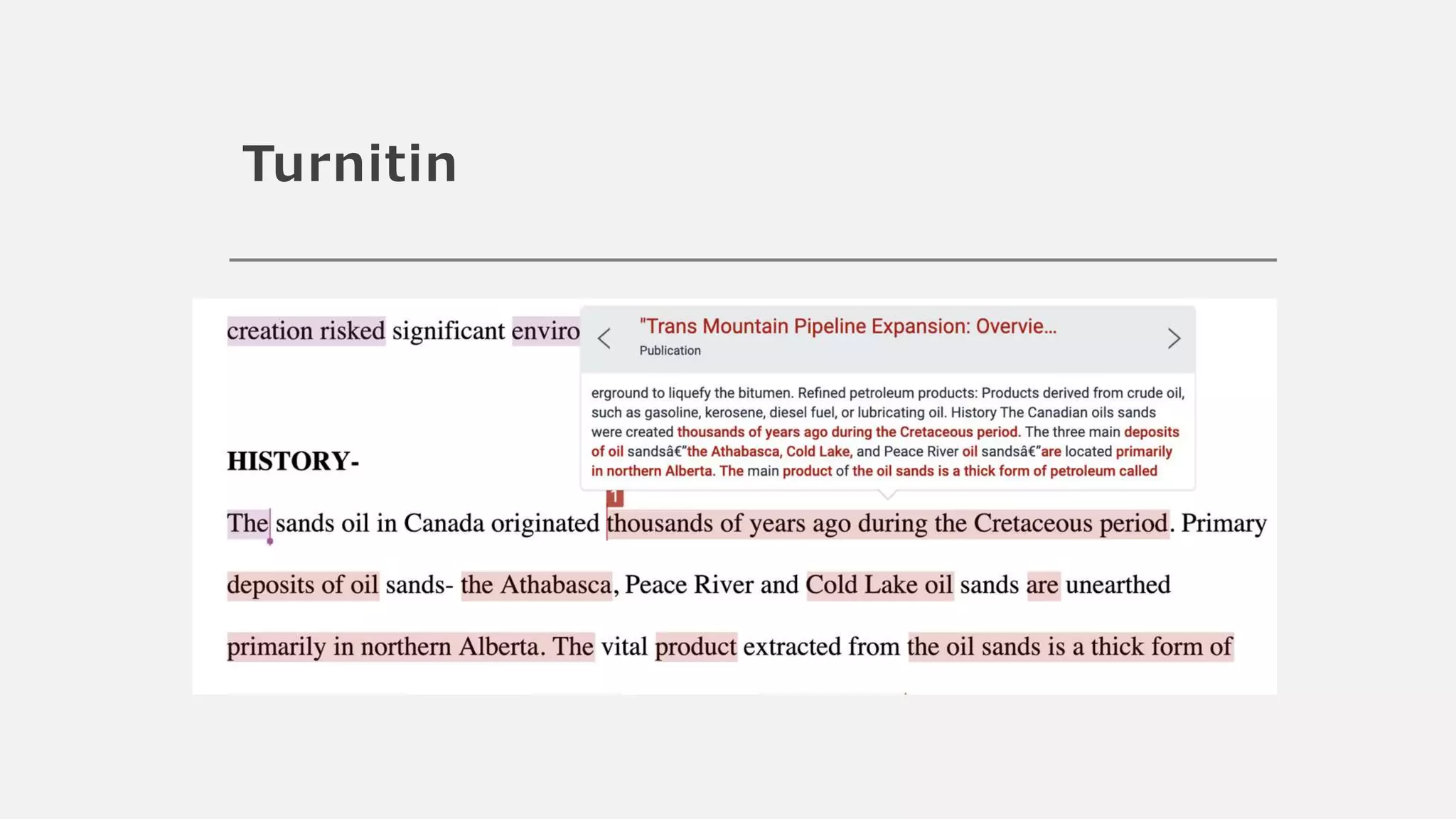
Turnitin
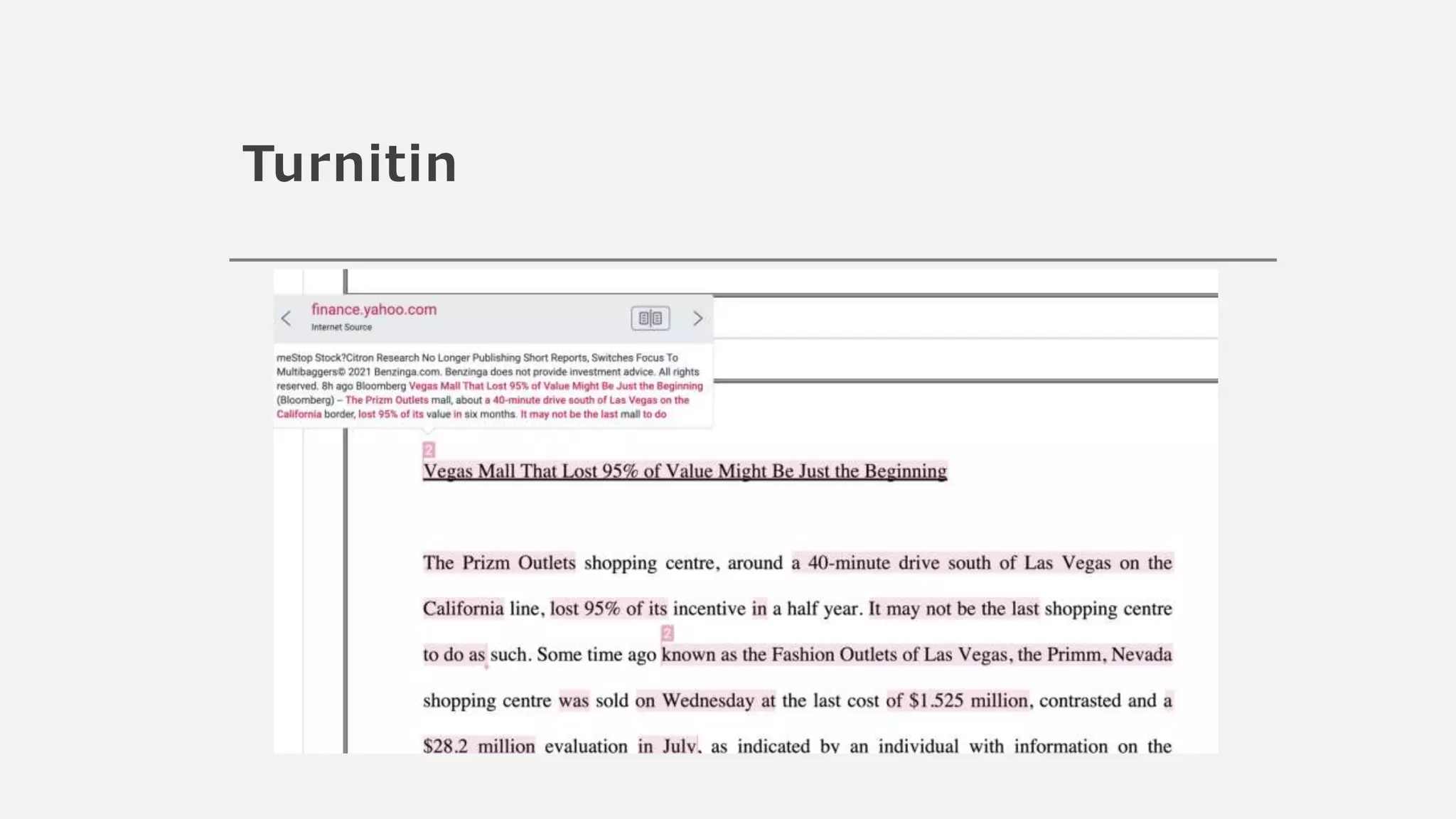
Turnitin
Turnitin
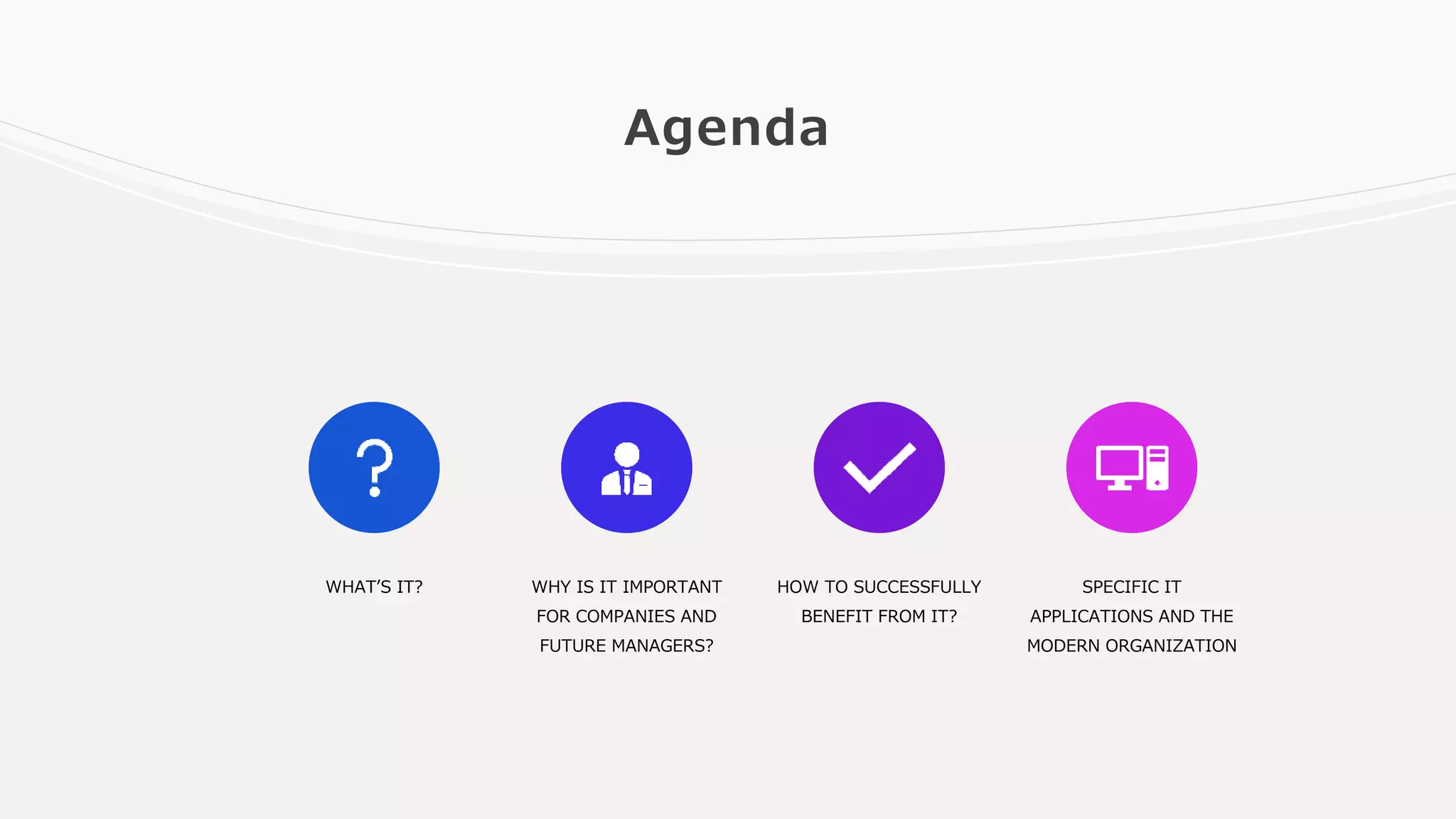
Agenda
WHAT’S IT? WHY IS IT IMPORTANT
FOR COMPANIES AND
FUTURE MANAGERS?
HOW TO SUCCESSFULLY
BENEFIT FROM IT?
SPECIFIC IT
APPLICATIONS AND THE
MODERN ORGANIZATION
Introduction
to IT
Digital Transformation
What is
information
technology?
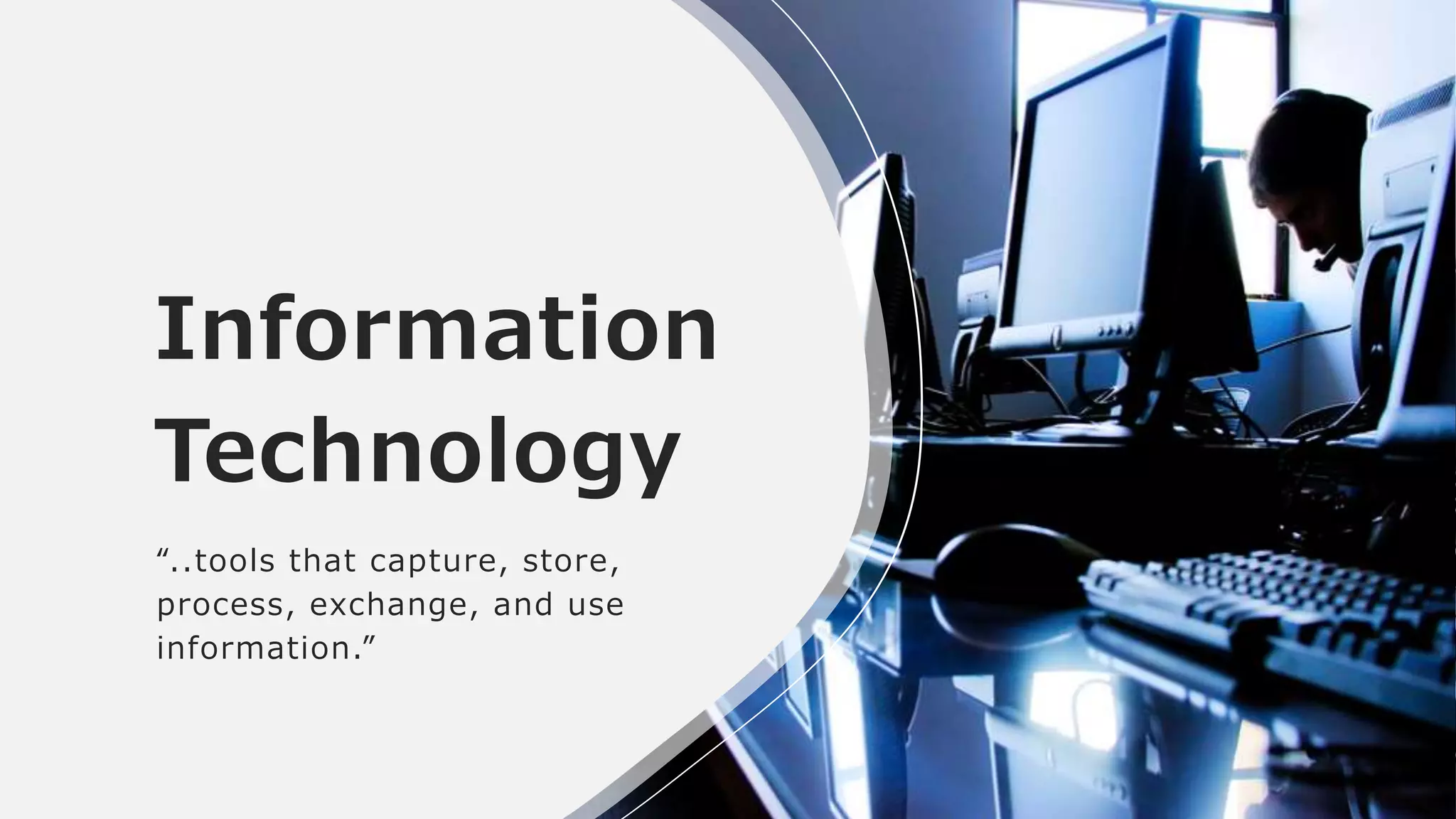
Information
Technology
“..tools that capture, store,
process, exchange, and use
information.”
Why is IT
Important?
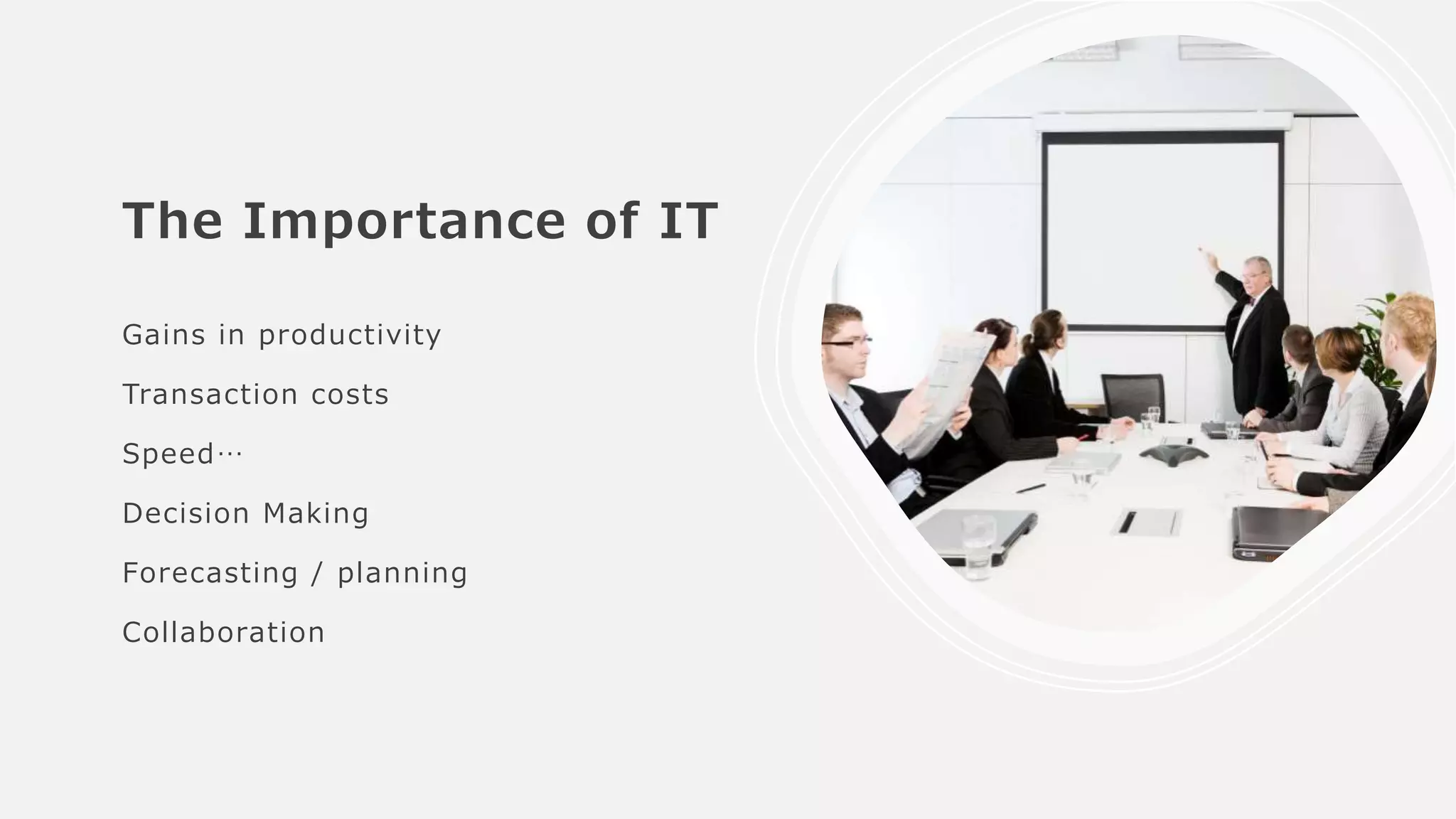
The Importance of IT
Gains in productivity
Transaction costs
Speed…
Decision Making
Forecasting / planning
Collaboration
How to
sucessfully
benefit from it?
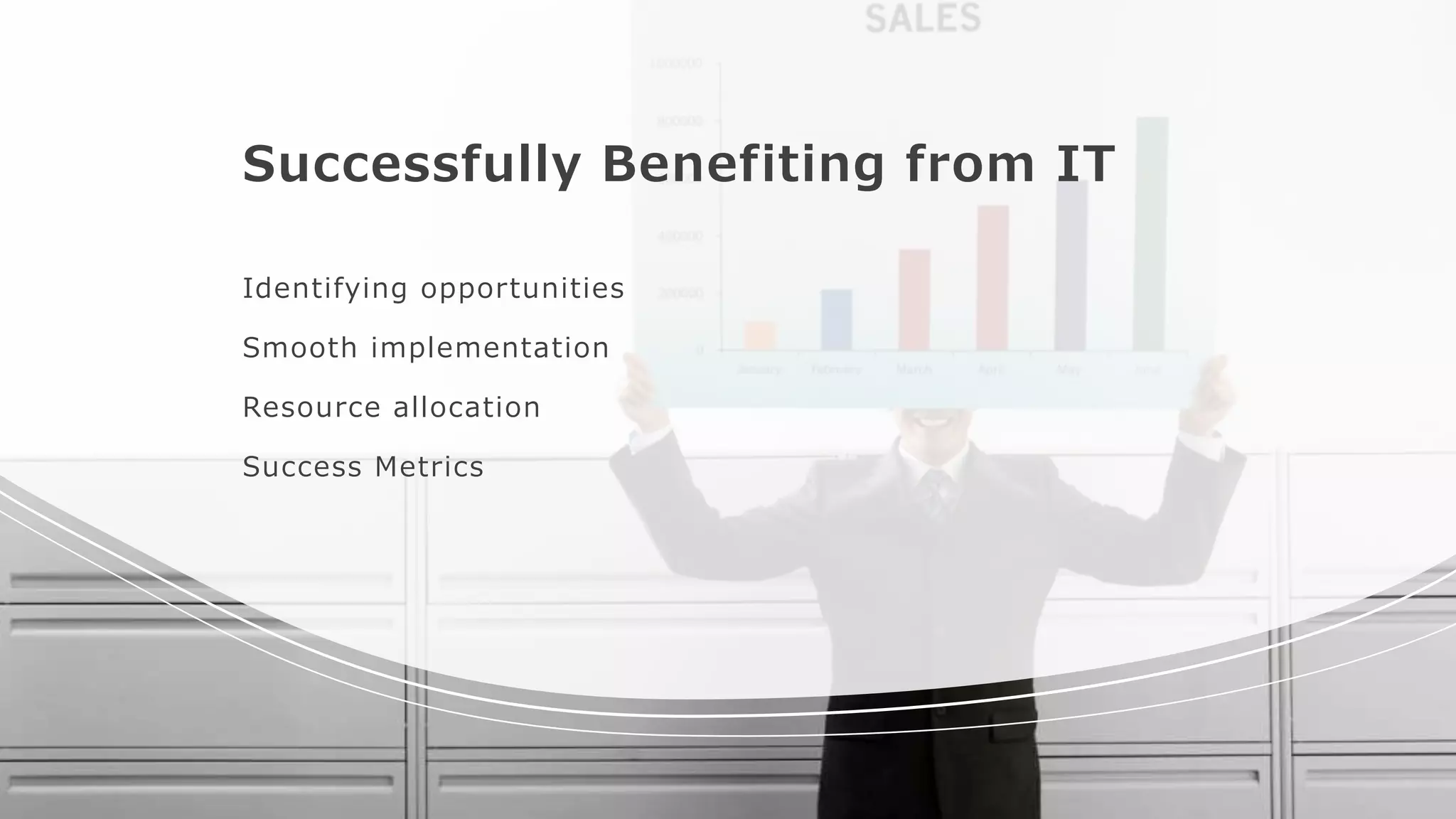
Successfully Benefiting from IT
Identifying opportunities
Smooth implementation
Resource allocation
Success Metrics
What are the most significant changes in the current competitive arena?
How are those changes related to or enable by information technology (IT)?
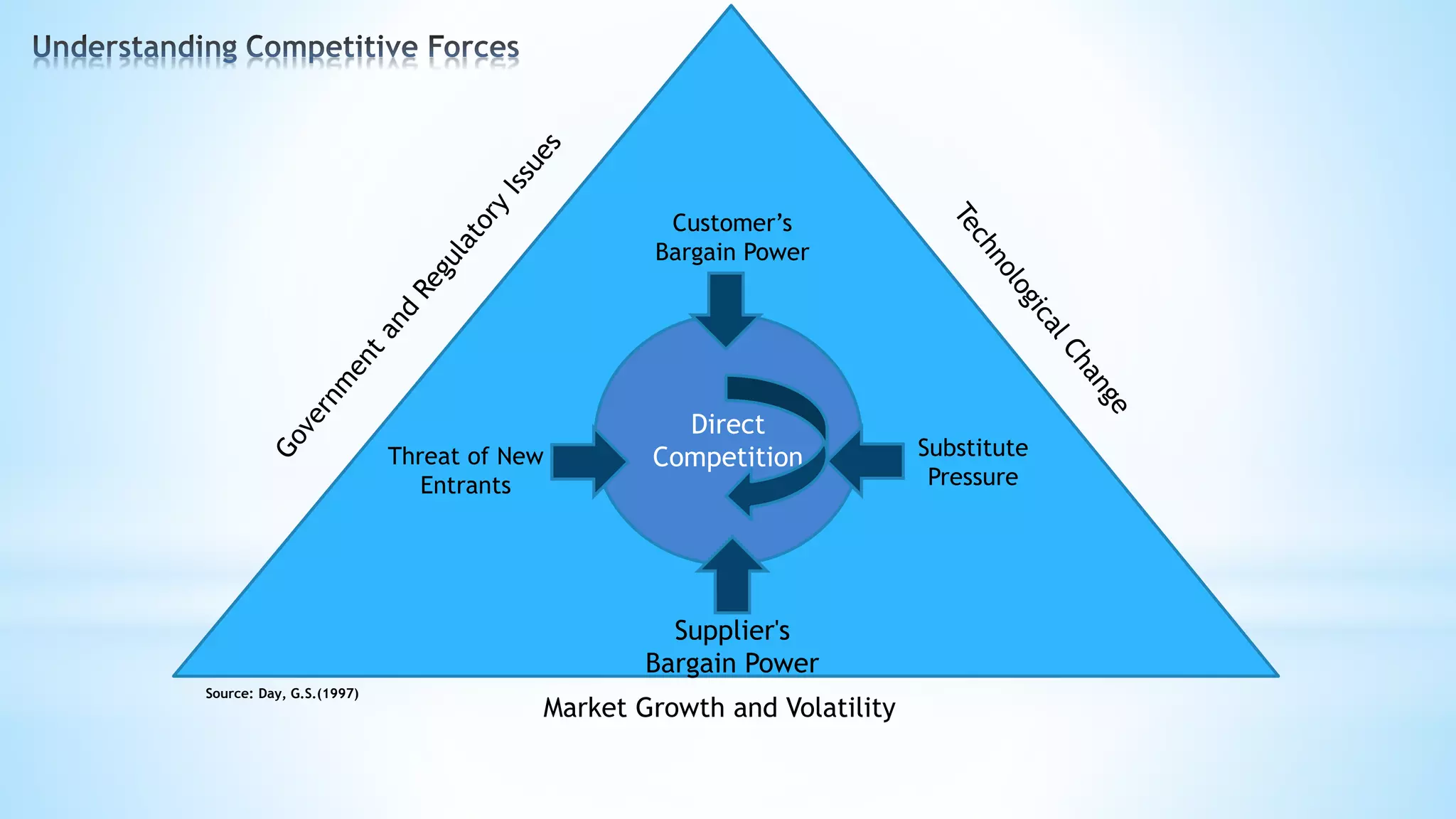
Direct
Competition
Customer’s
Bargain Power
Threat of New
Entrants
Substitute
Pressure
Supplier's
Bargain Power
Market Growth and Volatility
Source: Day, G.S.(1997)
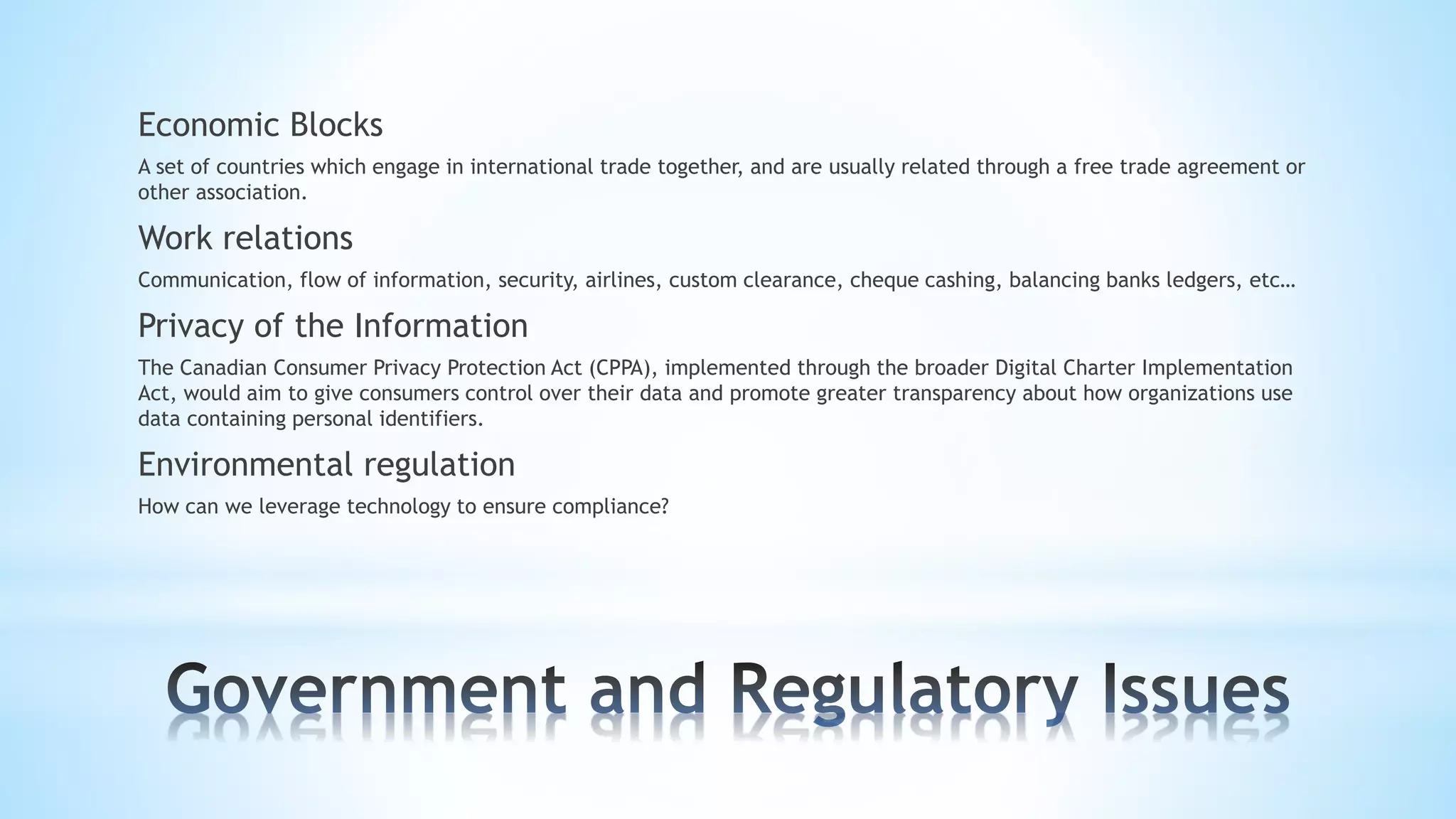
Economic Blocks
A set of countries which engage in international trade together, and are usually related through a free trade agreement or
other association.
Work relations
Communication, flow of information, security, airlines, custom clearance, cheque cashing, balancing banks ledgers, etc…
Privacy of the Information
The Canadian Consumer Privacy Protection Act (CPPA), implemented through the broader Digital Charter Implementation
Act, would aim to give consumers control over their data and promote greater transparency about how organizations use
data containing personal identifiers.
Environmental regulation
How can we leverage technology to ensure compliance?
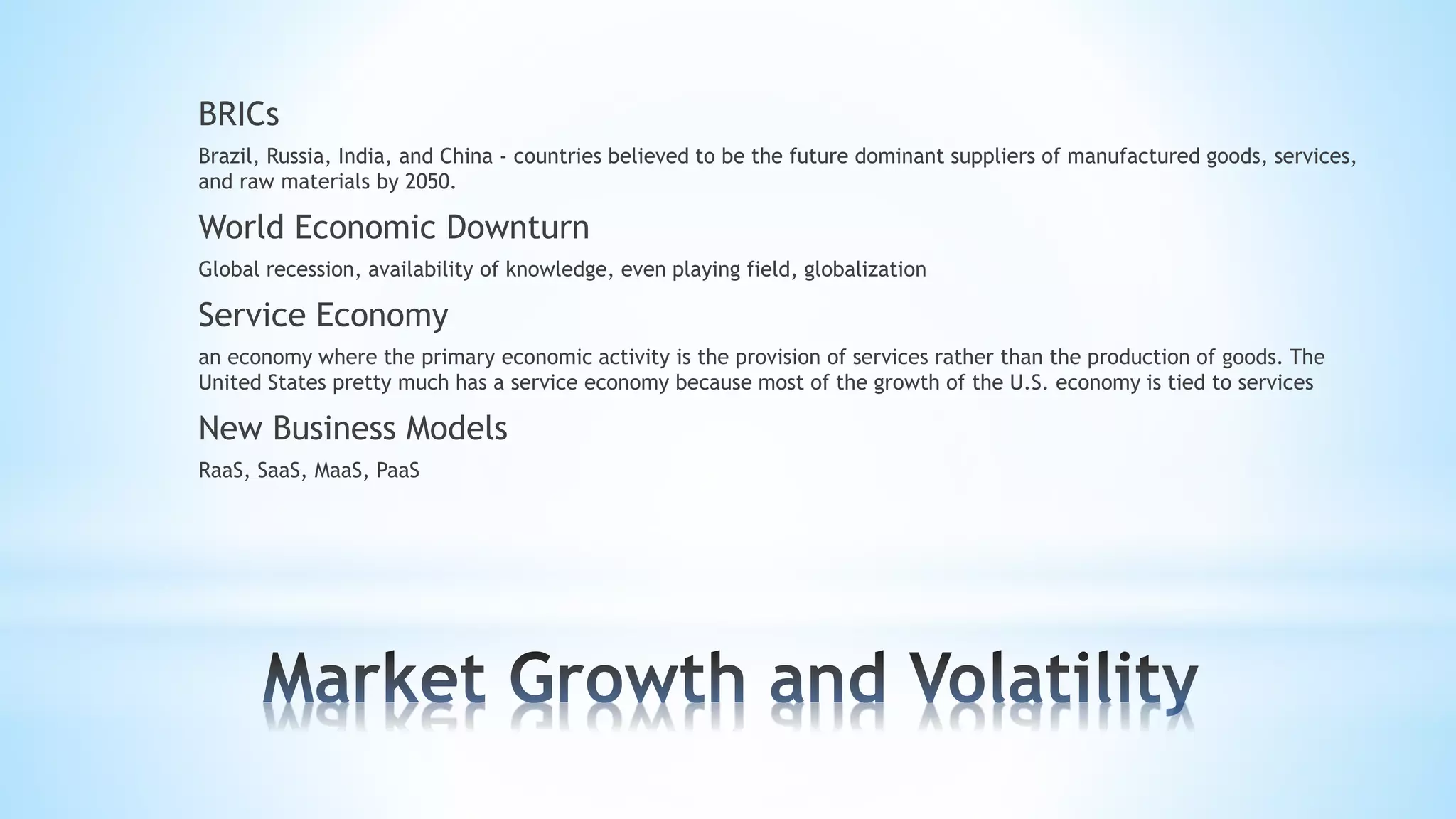
BRICs
Brazil, Russia, India, and China - countries believed to be the future dominant suppliers of manufactured goods, services,
and raw materials by 2050.
World Economic Downturn
Global recession, availability of knowledge, even playing field, globalization
Service Economy
an economy where the primary economic activity is the provision of services rather than the production of goods. The
United States pretty much has a service economy because most of the growth of the U.S. economy is tied to services
New Business Models
RaaS, SaaS, MaaS, PaaS
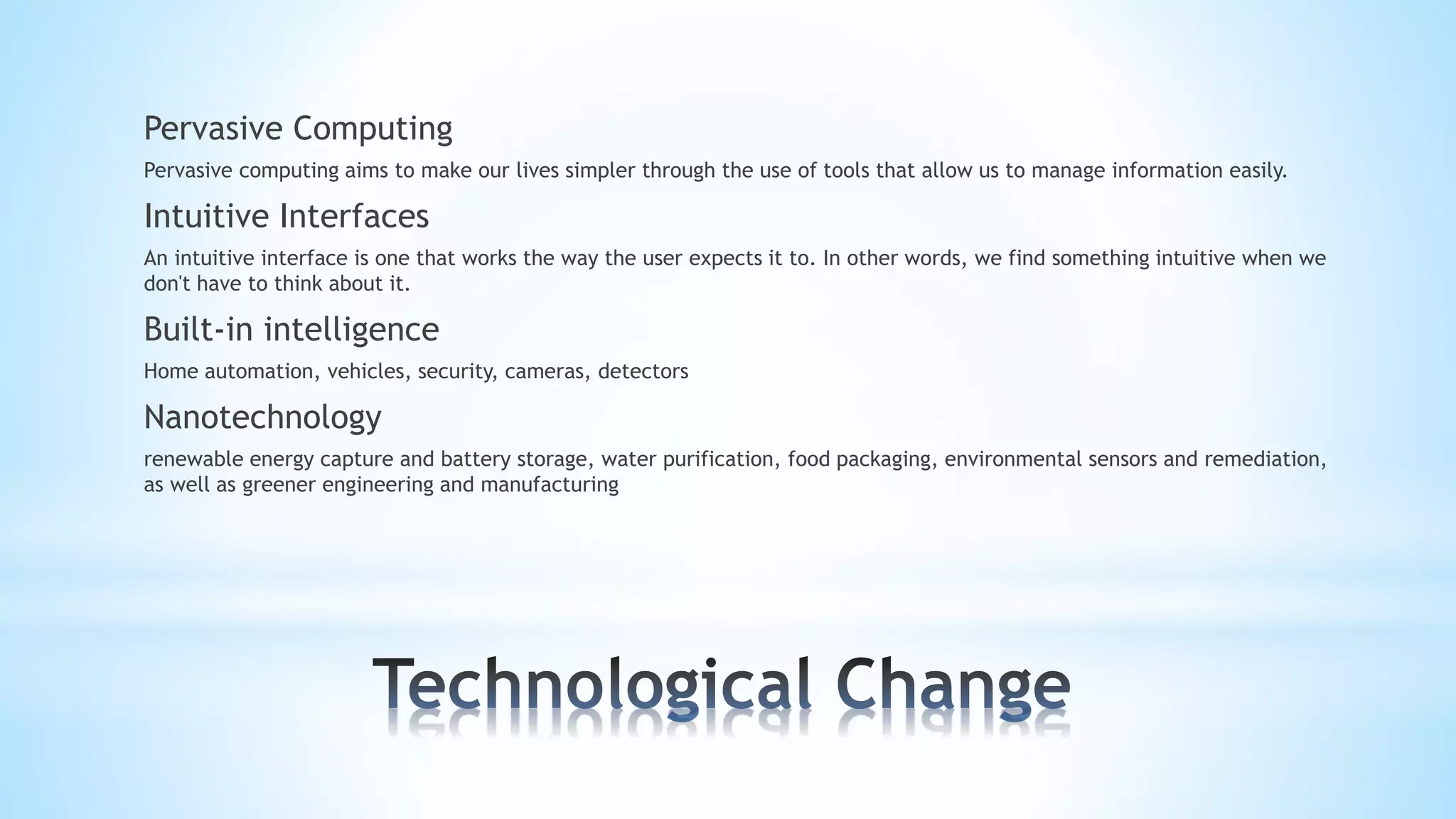
Pervasive Computing
Pervasive computing aims to make our lives simpler through the use of tools that allow us to manage information easily.
Intuitive Interfaces
An intuitive interface is one that works the way the user expects it to. In other words, we find something intuitive when we
don't have to think about it.
Built-in intelligence
Home automation, vehicles, security, cameras, detectors
Nanotechnology
renewable energy capture and battery storage, water purification, food packaging, environmental sensors and remediation,
as well as greener engineering and manufacturing
Disruptive Innovation
Amazon
Netflix
iTunes
Google+?
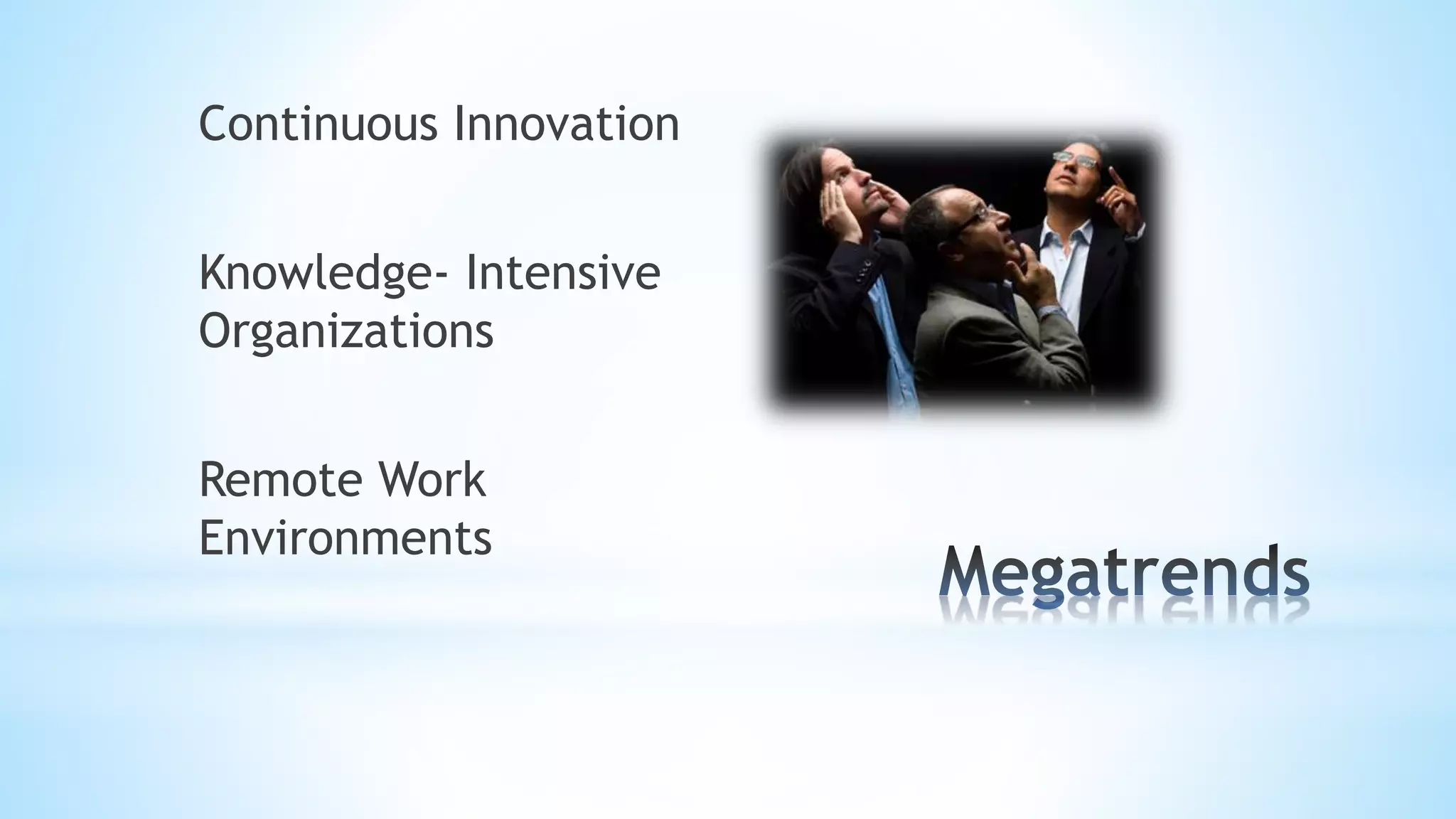
Continuous Innovation
Knowledge- Intensive
Organizations
Remote Work
Environments
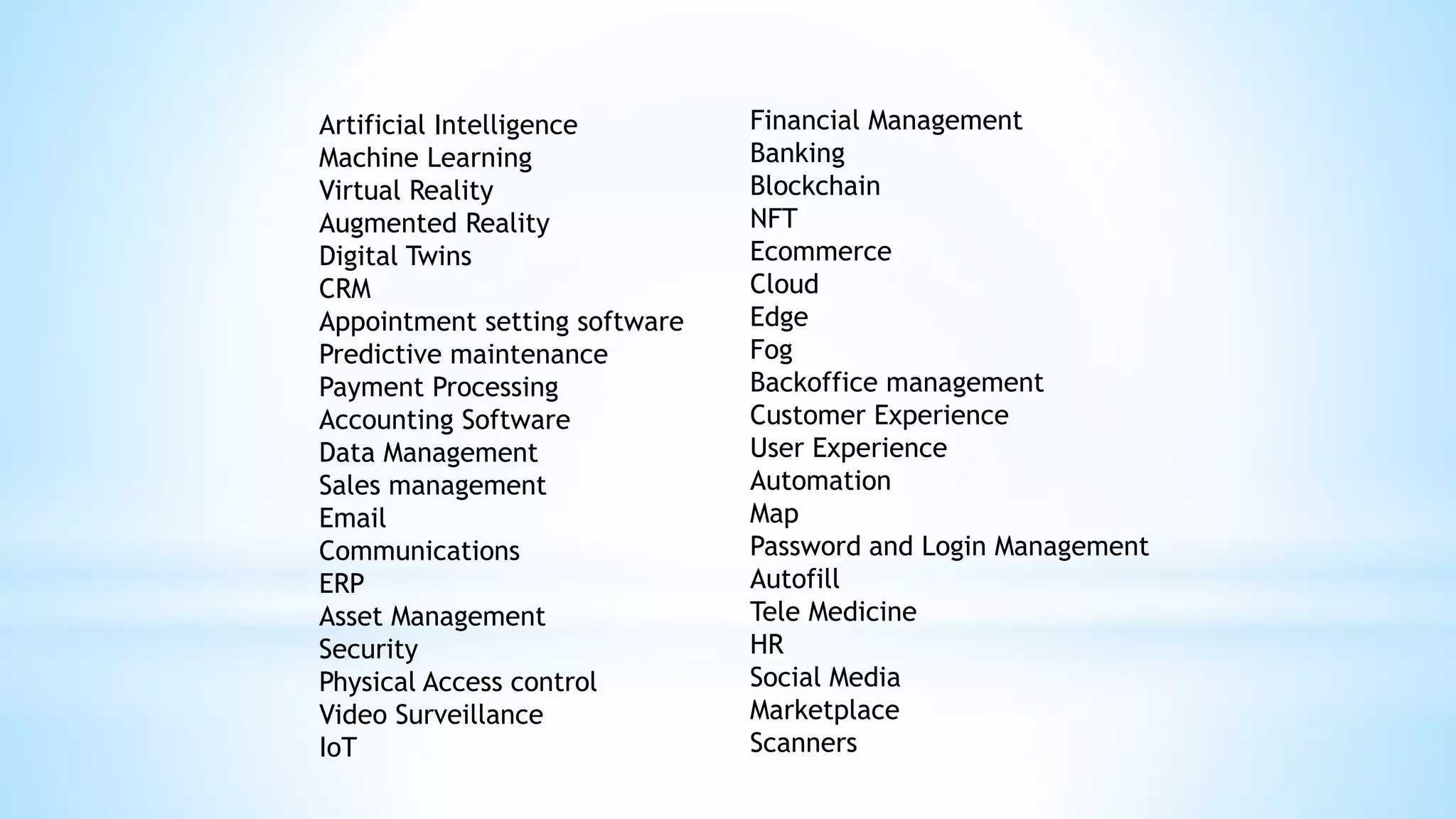
Artificial Intelligence
Machine Learning
Virtual Reality
Augmented Reality
Digital Twins
CRM
Appointment setting software
Predictive maintenance
Payment Processing
Accounting Software
Data Management
Sales management
Email
Communications
ERP
Asset Management
Security
Physical Access control
Video Surveillance
IoT
Financial Management
Banking
Blockchain
NFT
Ecommerce
Cloud
Edge
Fog
Backoffice management
Customer Experience
User Experience
Automation
Map
Password and Login Management
Autofill
Tele Medicine
HR
Social Media
Marketplace
Scanners
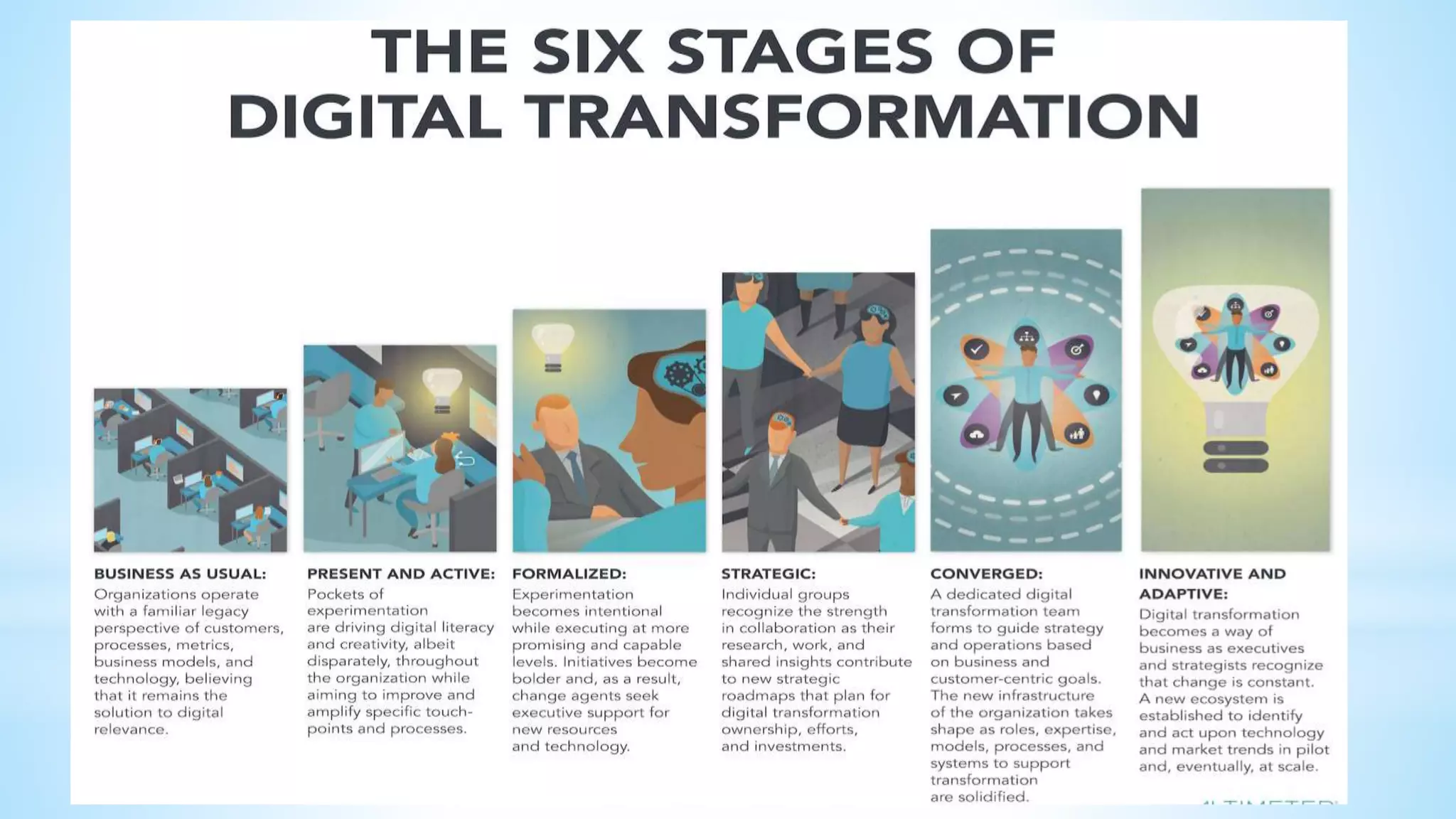
Stage 1 –Business as Usual
The Philosophy involves business operating with
the traditional familiarity of customers,
processes, business models, tech and metrics,
believing that this will always be the solution to
digital relevance
Stage 2 – Present and Active
In terms of Digital creativity and literacy, there
are few experiments taking place in the
business. These experiments are irregular and
desperate in nature. They have no linage to
any department or individual. Specific area
might be improved but not overall business.
Stage 3- Formalized
At this stage, business takes on internal
experimental approach at different level of
business. Business gets bolder in their
action, leading to change at number of
different levels.
Stage 4- Strategic
It Involves individual groups recognizing
strength in collaboration. This relates to many
different areas including research, work and
shared insight all of which contributes to new
strategic roadmaps that put the foundation in
place for digital transformation efforts,
investments, and ownership.
Stage 5- Converged
It is a critical stage where a dedicated digital
transformation team is created in order to drive
strategy and operations based on both customer –
centric goals and business – centric goals. The entire
organization has shifted with its new Infrastructure
where roles, knowledge, process, expertise model and
system to support transformation are reinforced.
Stage 6- Innovation and Adaptive
Digital transformation becomes part and parcel of
business as executives understand that these
changes are continuous. The new ecosystem is
implemented to identify, understand and act upon
technology and market trends. These systems are
first tested and then implemented at scale.
Final Thought
Source: Corbis, Lael Henderson
IT
CMPT 601 - Week 1.pptx

CMPT 601 - Week 1.pptx

  • 2.
    SYLLABUS Why is itimportant? Where is it? What should we do about it?
  • 3.
    TEAM CHARTER Why isit important? Where is it? What should we do about it?
  • 5.
    APA Why APA format?“APA” stands for the American Psychological Association. This is often the standard format used in the social sciences. It’s a consistent way for writers to document sources and avoid plagiarism. What do I need to cite? Cite anything that’s not your own (ideas of others, words of others (quotes), paraphrases of others’ ideas in your own words, statistics, graphs /charts, etc.)
  • 7.
  • 8.
  • 9.
  • 10.
  • 11.
  • 12.
    Agenda WHAT’S IT? WHYIS IT IMPORTANT FOR COMPANIES AND FUTURE MANAGERS? HOW TO SUCCESSFULLY BENEFIT FROM IT? SPECIFIC IT APPLICATIONS AND THE MODERN ORGANIZATION
  • 13.
  • 15.
  • 16.
    Information Technology “..tools that capture,store, process, exchange, and use information.”
  • 17.
  • 18.
    The Importance ofIT Gains in productivity Transaction costs Speed… Decision Making Forecasting / planning Collaboration
  • 19.
  • 20.
    Successfully Benefiting fromIT Identifying opportunities Smooth implementation Resource allocation Success Metrics
  • 21.
    What are themost significant changes in the current competitive arena? How are those changes related to or enable by information technology (IT)?
  • 23.
    Direct Competition Customer’s Bargain Power Threat ofNew Entrants Substitute Pressure Supplier's Bargain Power Market Growth and Volatility Source: Day, G.S.(1997)
  • 24.
    Economic Blocks A setof countries which engage in international trade together, and are usually related through a free trade agreement or other association. Work relations Communication, flow of information, security, airlines, custom clearance, cheque cashing, balancing banks ledgers, etc… Privacy of the Information The Canadian Consumer Privacy Protection Act (CPPA), implemented through the broader Digital Charter Implementation Act, would aim to give consumers control over their data and promote greater transparency about how organizations use data containing personal identifiers. Environmental regulation How can we leverage technology to ensure compliance?
  • 25.
    BRICs Brazil, Russia, India,and China - countries believed to be the future dominant suppliers of manufactured goods, services, and raw materials by 2050. World Economic Downturn Global recession, availability of knowledge, even playing field, globalization Service Economy an economy where the primary economic activity is the provision of services rather than the production of goods. The United States pretty much has a service economy because most of the growth of the U.S. economy is tied to services New Business Models RaaS, SaaS, MaaS, PaaS
  • 26.
    Pervasive Computing Pervasive computingaims to make our lives simpler through the use of tools that allow us to manage information easily. Intuitive Interfaces An intuitive interface is one that works the way the user expects it to. In other words, we find something intuitive when we don't have to think about it. Built-in intelligence Home automation, vehicles, security, cameras, detectors Nanotechnology renewable energy capture and battery storage, water purification, food packaging, environmental sensors and remediation, as well as greener engineering and manufacturing
  • 27.
  • 32.
  • 33.
    Artificial Intelligence Machine Learning VirtualReality Augmented Reality Digital Twins CRM Appointment setting software Predictive maintenance Payment Processing Accounting Software Data Management Sales management Email Communications ERP Asset Management Security Physical Access control Video Surveillance IoT Financial Management Banking Blockchain NFT Ecommerce Cloud Edge Fog Backoffice management Customer Experience User Experience Automation Map Password and Login Management Autofill Tele Medicine HR Social Media Marketplace Scanners
  • 35.
    Stage 1 –Businessas Usual The Philosophy involves business operating with the traditional familiarity of customers, processes, business models, tech and metrics, believing that this will always be the solution to digital relevance
  • 36.
    Stage 2 –Present and Active In terms of Digital creativity and literacy, there are few experiments taking place in the business. These experiments are irregular and desperate in nature. They have no linage to any department or individual. Specific area might be improved but not overall business.
  • 37.
    Stage 3- Formalized Atthis stage, business takes on internal experimental approach at different level of business. Business gets bolder in their action, leading to change at number of different levels.
  • 38.
    Stage 4- Strategic ItInvolves individual groups recognizing strength in collaboration. This relates to many different areas including research, work and shared insight all of which contributes to new strategic roadmaps that put the foundation in place for digital transformation efforts, investments, and ownership.
  • 39.
    Stage 5- Converged Itis a critical stage where a dedicated digital transformation team is created in order to drive strategy and operations based on both customer – centric goals and business – centric goals. The entire organization has shifted with its new Infrastructure where roles, knowledge, process, expertise model and system to support transformation are reinforced.
  • 40.
    Stage 6- Innovationand Adaptive Digital transformation becomes part and parcel of business as executives understand that these changes are continuous. The new ecosystem is implemented to identify, understand and act upon technology and market trends. These systems are first tested and then implemented at scale.
  • 42.