Unit 1 :Introduction
1.1 The meaning and scope of Biology
• Biological Sciences is the study of life and living organisms. It
is also called as “Biology”.
• The Greek word ‘bio’ means life and ‘logos’ means study.
• In the late 1700s, Pierre-Antoine de Monet and Jean-Baptiste de
Lamarck coined the term biology.
• The first major biological observations were made by ancient
Greek naturalist Aristotle(384-322 B.C.). Aristotle has been
designated as Father of biology.
• Earlier study of living things was restricted to the pure science
like Botany and Zoology that together comprise the science of
Biology, but as the time passed new branches evolved.
3.
• New technologiesdeveloped in pure subjects as well as in
applied fields, which gave rise to a very broad concept of
science called Biological Sciences.
• Biological Sciences is an extensive study covering the minute
workings of chemical substances inside living cells to the
broad scale concepts of ecosystems and global environmental
changes.
• It is also concerned with the physical characteristics and
behaviors of organisms living today and long ago.
• How they came into existence and what relation they possess
with each other and their environments.
• Intimate study of details of the human brain, the composition
of our genes, and even the functioning of our reproductive
system are dealt in biological sciences.
4.
• Therefore, Biologyis the science of Living Things. That is why
Biology is sometimes known as Life Science.
• The life sciences can be defined as “a systematic study of
living beings or study of nature”.
• Life Science basically deals with providing information about
the latest developments in the field of biological sciences all
over the world.
• Biology creates an awareness of vast array of forms of life .
• It offers a large scope and provides a large field for study
• Helps us to understand ourselves better
• Biology and inter-relationship of living beings
• Biology and resources
• Biology helps us to know how to tap and conserve the
resources available to us e.g. fishes, birds, forests etc.
5.
• Solving problems
•Biology makes us to understand the present day
problems such as population growth, pollution,
conservation of wildlife and survival of man etc.
• Biology-Medicinal aspect
• Ecosystem and living organisms :
• Biology helps us in understanding the various ecosystems.
• Biotechnology :
• Biotechnologists have produced many genetically
modified (GM) crops. Plenty of studies are being made by
geneticists, evolutionists and cytologists to fudge the
efficacy of biotechnology
6.
Some Branches ofBiology
• Zoology is the study of animals.
• Botany is the study of plants.
• Anatomy : Study of internal structures of plants and animals after
dissection.
• Biochemistry : Study of chemistry of living matter (i.e., chemical
composition, nature, mode of formation, functioning) in relation to
life activities.
• Cytology : Study of the structure and functions of cells and their
organelles.
• Ecology : Study of relationship between organisms and environment.
• Embryology : Study of developmental stages of organisms upto
hatching or birth.
• Endocrinology : Study of endocrine glands and hormones action in
animals.
7.
• Evolution :Study of the origin of life and the gradual
differentiation or descent of species.
• Histology : Study of tissues by microscopy.
• Immunology : Study of resistance of organisms to infection.
• Limnobiology : Study of fresh water lakes, ponds and
streams.
• Morphology : Study of form and structure of animals.
• Palaeozoology : Study of fossil animals.
• Physiology : Study of functions of various parts within the
organisms.
• Taxonomy : Study of classification of organisms and their
evolutionary relationships with other organisms.
• Zoogeography : Study of the distribution of animals over the
earth.
8.
1.2. The originand nature of life
• One of the biggest and most important of emergent
phenomena is the origin or emergence of life.
• The mystery of life's origin is still a big debating issue in
science. The question “what is life?” is so hard to answer;
• we really want to know much more than what it is, we want to
know why it is, “we are really asking, in physical terms, why a
specific material system is an organism and not something
else”.
• To answer this why question, we need to understand how life
might have originated.
• There are a number of theories about the origin of life.
9.
• The evolutionof life on earth has involved the following
sequence of events.
• The first living things to appear were the simplest creatures,
single-celled organisms.
• From these creatures, more complex and multi-cellular
organisms were originated.
• Becoming more complex meant more than just an increase in
cell number but more cells showed cellular specialization,
where certain cells within the multi-cellular organism carried
out specific tasks.
• Millions, even billions of years of changes of organisms led to
the living things: plants and animals.
10.
• Scientists generallyconcur that the time from the formation of
our solar system until now has been on the order of some 4.5
billion years.
• Those who believe the world as we know it was created in six
days are often called creationists.
• Their method of inquiry is based on the belief that the Bible is
to be accepted as a completely accurate accounting of all about
which it speaks.
• Scientists, on the other hand, utilize what they call the
scientific method, which allows them to test hypotheses and
theories and to develop concepts and ideas.
11.
Theories on Originof life
• there are several theories which offer their own explanation on
the possible mechanism of origin of life.
1. Theory of Special Creation: according to this theory, all the
different forms of life that occur today on planet earth have
been created by God, the almighty.
2. Theory of Spontaneous Generation: this theory assumed that
living organisms could arise suddenly and spontaneously from
any kind of non-living matter.
• One of the firm believers in spontaneous generation was
Aristotle, the Greek philosopher (384-322 BC).
12.
3.Theory of Catastrophism:It is simply a modification of the theory of
Special Creation.
• It states that there have been several creations of life by God, each
preceded by a catastrophe resulting from some kind of geological
disturbance.
• According to this theory, since each catastrophe completely
destroyed the existing life, each new creation consisted of life form
different from that of previous ones.
4. Cosmozoic Theory (Theory of Panspermia): according to this theory,
life has reached this planet Earth from other heavenly bodies such as
meteorites, in the form of highly resistance spores of some
organisms.
• This idea was proposed by Richter in 1865 and supported by
Arrhenius (1908) and other contemporary scientists. The theory did
not gain any support. This theory lacks evidence, hence it was
discarded.
13.
4. Theory ofChemical Evolution: this theory is also known as
Materialistic Theory or Physico-chemical Theory.
• According this theory, Origin of life on earth is the result of a
slow and gradual process of chemical evolution that probably
occurred about 3.8 billion years ago.
• This theory was proposed independently by two scientists -
A.I.Oparin, a Russian scientist in 1923 and J.B.S Haldane, an
English scientist, in 1928.
Nature and characteristics of life
• Life is defined as a "condition" that distinguishes animals and
plants from inorganic materials and dead organisms.
14.
• Life iscomprised of processes and is a maintained state.
• The most sophisticated form of life is man as a result of this
we focuses upon the nature of the life and death of man.
• Man demonstrates three lives or aspects of life:
• Life of the body (physical),
• Life of the mind
• Life of the spirit.
• Physical life is basic existence
• Mind contributes effectiveness and scope
• Spiritual entity contributes maximum living.
• Physiology: The existence of life physical is demonstrated by
the presence of functions.
15.
Living tissues andorganisms exhibit:
Irritability: It is also called sensitivity.
• the ability to be excited or detect stimuli and to respond there to.
It gives consciousness to living organisms to adjust in the
environment.
Living things have the ability to respond to changes in both the
internal and external environments and thus ensure that they
maximize their chances of survival.
Organisms like animals respond to stimuli exhibiting behaviour
and thus leading to orientation or movement known as kineses or
tropism.
It refers to conductivity in higher animals having nervous system.
Such animals possess receptors of different kinds – photo-,
thermo-, chemo-, thigmo-, etc.
16.
Movement
Some living beings,such as animals and some bacteria,
have the ability to move from place to place.
Movement from place to place is called locomotion and
seems to be necessary in order to obtain their food, unlike
other living beings, such as plants, which can manufacture
their own food from raw materials obtained in one place.
Locomotion (displacement of animal in space and time) is
movement but all movement (swaying body being
sedentary animal and moving tentacles being sessile
animal) is not locomotion.
17.
• Growth andreproduction: this consists of the power of
multiplication and duplication, regeneration and
differentiation.
The life span of all living beings is limited, but all of them
have the ability to perpetuate life, thereby ensuring the survival
of the species.
The resulting offspring have the same general characteristics as
the parents, whether such individuals are produced by asexual
or sexual reproduction.
Growth is irreversible increase in mass of an individual.
A multicellular organism increases its mass by cell division.
In plants, growth continues throughout life as they have
meristematic areas where cell divisions occur regularly.
18.
• Adaptability: permittingboth change and maintenance of
balances (homeostasis)
• Adaptations allow the organisms to overcome seasonal and other
changes in the environment.
• They are of two types, short term adaptations (e.g., hiber
nation in
most amphibians and reptiles and some mammals) and long term
adaptations (e.g., the claws of different birds are well adapted to
suit their perching habits).
• An organism is considered best adapted to an envi
ronment when
it possesses inherited traits that enhance its survival and ability to
reproduce in that environment.
Homeostasis
It is the maintenance of the balance of internal environment of all
living beings to that of external environment.
It is well developed in animals than plants.
19.
• Metabolism: thetransformation of energy and the use of
materials.
• These properties, however, can be retained for a while by
tissues after death of the organism so there is another mystery
of life which we understand only in part.
• Excretion: excretion and osmoregulation regulation are two
important homeostatic processes occurring in living cells,
helping them to maintain a constant internal environment, or
steady state.
• Excretion is the removal from the cell of waste products of
metabolism. In plant cells the major excretory products are
oxygen from photosynthesis and carbon dioxide from cell
respiration.
20.
Hatching or birth
Everyorganism at the beginning of their life either emerge
(plants) or hatch (insects) or born (men) after which they start
their life-cycle.
Life-cycle
• Also called life-history
Each organism should have to pass different stages during the
process
• Senescence/ageing and death
All living beings face senescence or ageing during their life-
cycle.
They exhibit death after the completion of their life-history.
21.
1.3. Scientific methods
•The scientific method is a process for experimentation that is used
to explore observations and answer questions.
• It is an empirical method of acquiring knowledge.
• It is also the technique used in the construction and testing of a
scientific hypothesis.
The scientific method has five basic steps, plus one feedback step:
• Make an observation.
• Ask a question.
• Form a hypothesis, or testable explanation.
• Make a prediction based on the hypothesis.
• Test the prediction.
• Iterate: use the results to make new hypotheses or
predictions.
22.
• Observation -Quantitative and qualitative measurements of
the world.
• Inference - Deriving new knowledge based upon old
knowledge.
• Hypotheses –A suggested explanation.
• Rejected Hypothesis - An explanation that has been ruled out
through experimentation.
• Accepted Hypothesis - An explanation that has not been ruled
out through excessive experimentation and makes verifiable
predictions that are true.
• Experiment - A test that is used to rule out a hypothesis or
validate something already known
23.
• Scientific Method-The process of scientific investigation.
Theory - A widely accepted hypothesis that stands the test of time.
• Often tested, and usually never rejected.
• The scientific method is based primarily on the testing of hypotheses by
experimentation.
• This involves a control, or subject that does not undergo the process in
question.
• A scientist will also seek to limit variables to one or another very small
number, single or minimum number of variables.
• The procedure is to form a hypothesis or prediction about what you
believe or expect to see and then do everything you can to violate that,
or falsify the hypotheses.
• Although this may seem unintuitive, the process serves to establish
more firmly what is and what is not true.
24.
Unit 2. BiologicalMolecules
• Biological molecules are often referred to as the molecules of
life that are basically found in a living cell.
• They are two types - organic and inorganic molecules
• Each member of the groups is vital for every single organism
on Earth.
• The organic biomolecules are proteins, carbohydrates, lipids
and nucleic acids. Without any of these four molecules, a cell
and organism would not be able to live.
• They are important either structurally or functionally for cells
and, in most cases, they are important in both ways.
• The most commonly known inorganic molecules are water and
minerals, which are still important for the normal functioning
of the cell.
25.
2.1. Carbohydrates
• Acarbohydrate molecule is made of atoms of carbon,
hydrogen and oxygen.
• They are an important source of energy and they also provide
structural support for cells and help with communication
between cells (cell-cell recognition).
• They are found in the form of either a sugar or many sugars
linked together, called saccharides. Based on the number
sugar units they contain, they are categorized into three, as
follows.
• A single sugar molecule containing carbohydrate is known as
a monosaccharides, while two and many having are regarded
as disaccharides and polysaccharides, respectively.
• Each of the sugar molecules are bonded together through the
glycosidic linkage.
26.
Monosaccharides
• Monosaccharides arethe simplest units of carbohydrates and the
simplest form of sugar.
• They are the building blocks of more complex carbohydrates
such as disaccharides and polysaccharides.
• Physically, they are usually colorless, can dissolve in water
• Monosaccharides containing the aldehyde group are classified as
aldoses, and those with a ketone group are classified as ketoses.
• Aldoses are reducing sugars; ketoses are non-reducing sugars.
This is important in understanding the reaction of sugars with
Benedict's reagent.
• A reducing sugar is a sugar that has a free aldehyde or ketone
that can act as a reducing agent. A non-reducing sugar does not
have a free aldehyde or ketone, so it cannot act as a reducing
agent.
27.
• However, inwater pentoses and hexoses exist mainly in the
cyclic form, and it is in this form that they combine to form
larger saccharide molecules.
Glucose
• Glucose is the most important carbohydrate fuel in human
cells.
• Glucose molecules can be broken down by glycolysis in the
process of cellular respiration.
• Glucose can be connected in long strings of monosaccharides
to form polysaccharides.
• In plants, this thing is produced as cellulose. In plants, each
cell is surrounded by cellulose that helps plants stand tall and
turgid.
28.
• The smallsize and solubility in water of glucose molecules
allows them to pass through the cell membrane into the cell.
• Energy is released when the molecules are metabolized.
• Two glucose molecules react to form the dissacharide
maltose. Starch and cellulose are polysaccharides made of
glucose units.
Galactose
• Galactose molecules look very similar to glucose molecules.
• They can also exist in α and β forms. Galactose reacts with
glucose to make the dissacharide lactose.
• However, glucose and galactose cannot be easily converted
into one another.
• Galactose cannot play the same part in respiration as glucose.
29.
• Galactose isproduced by mammals in the form of milk.
• Lactose holds a lot of energy in its bonds and for breaking
down the bonds apart, specific enzymes are developed by
offsprings of mammals.
Fructose
• Fructose belongs to the ketose group.
• If fructose, combines with other monosaccharides then they
form oligosaccharides.
• Sucrose has a fructose molecule joined with a glucose
molecule with the help of a glycosidic bond.
31.
• Fructose, glucoseand galactose are all hexoses. However,
whereas glucose and galactose are aldoses (reducing sugars),
fructose is a ketose (a non-reducing sugar).
• Fructose reacts with glucose to make the dissacharide sucrose.
32.
Disaccharides
• Monosaccharides arerare in nature. Most sugars found in
nature are disaccharides.
• These form when two monosaccharides react.
• Disaccharides are soluble in water, but they are too big to pass
through the cell membrane by diffusion.
• They are broken down in the small intestine during digestion
to give the smaller monosaccharides that pass into the blood
and through cell membranes into cells.
• This is a hydrolysis reaction and is the reverse of a
condensation reaction and it releases energy.
33.
• A condensationreaction takes place by releasing water. This
process requires energy.
• A glycosidic bond forms and holds the two monosaccharide
units together. The three most important disaccharides are
sucrose, lactose and maltose.
• Sucrose is a non-reducing sugar. Lactose and maltose are
reducing sugars.
• Monosaccharides are used very quickly by cells. However, a
cell may not need all the energy immediately and it may need
to store it.
• Monosaccharides are converted into disaccharides in the cell
by condensation reactions.
• Further condensation reactions result in the formation of
polysaccharides.
34.
• These aregiant molecules which are too big to escape from
the cell.
• These are broken down by hydrolysis into monosaccharides
when energy is needed by the cell.
Polysaccharides
• Monosaccharides can undergo a series of condensation
reactions, adding one unit after another to the chain until very
large molecules (polysaccharides) are formed.
• This is called condensation polymerisation, and the building
blocks are called monomers.
• The properties of a polysaccharide molecule depend on:
Its length
35.
• The extentof any branching
• Any folding which results in a more compact molecule
• Whether the chain is 'straight' or 'coiled'
Starch
• Starch is often produced in plants as a way of storing energy.
• It exists in two forms: amylose and amylopectin.
• Both are made from α-glucose.
• Amylose is an unbranched polymer of α-glucose.
• The molecules coil into a helical structure.
• Amylopectin is a branched polymer of α-glucose.
• It is completely insoluble in water.
36.
Glycogen
• Glycogen isamylopectin with very short distances between the
branching side-chains.
• Starch from plants is hydrolysed in the body to produce
glucose.
• Glucose passes into the cell and is used in metabolism.
• Inside the cell, glucose can be polymerised to make glycogen
which acts as a carbohydrate energy store.
Cellulose
• Cellulose is a third polymer made from glucose. But this time
it's made from β-glucose molecules and the polymer molecules
are 'straight'.
• Cellulose serves a very different purpose in nature to starch and
glycogen.
• It makes up the cell walls in plant cells. These are much
tougher than cell membranes.
37.
• This toughnessis due to the arrangement of glucose units in
the polymer chain and the hydrogen-bonding between
neighboring chains.
• Cellulose is not hydrolysed easily and, therefore, cannot be
digested so it is not a source of energy for humans.
• The stomachs of herbivores contain a specific enzyme called
cellulase which enables them to digest cellulose.
38.
2.2 Lipids
• Lipidsare a highly variable group of molecules that include
fats, oils, waxes and some steroids.
• They are esters of fatty acids and alcohol (glycerol or chains
of alcohols).
• Fatty acids are made mostly from chains of carbon and
hydrogen and they bond to a range of other types of atoms to
form many different lipids.
• The primary function of lipids is to store energy.
• A lipid called a triglyceride is a fat if it is solid at room
temperature and oil if it is liquid at room temperature.
39.
• In addition,triglycerides are stored in the fat cells, also
called adipocytes or lipocytes, and are responsible in
storing fats and lipids which will facilitate energy store in
animals’ body.
• Fat cells are categorized in white fat cells and brown fat
cells.
• The different is made from their ways of storing lipids.
• White fat cells store one large lipid drop while brown fat
cells store smaller and multiple droplets of lipids spreading
in the whole body of the cell.
• Various types of lipids occur in the human body, namely 1)
triacylglycerol, 2) cholesterol, and 3) polar lipids, which
include phospholipids, glycolipids and sphingolipids.
40.
• The basicstructure of a lipid includes fatty acid tails .
• Each tail is a chain of carbon atoms bonded to hydrogen and
other carbon atoms by single or double bonds.
• Lipids that have tail chains with only single bonds between the
carbon atoms are called saturated fats because no more
hydrogens can bond to the tail.
• Lipids that have at least one double bond between carbon
atoms in the tail chain can accommodate at least one more
hydrogen and are called unsaturated fats.
• Fats with more than one double bond in the tail are called
polyunsaturated fats.
41.
Properties of lipids
•Insoluble in water
• Longer chains
– More hydrophobic, less soluble
• Double bonds increase solubility
• Melting points:
– Depend on chain length and saturation
– Double bonds lead low melting temperatures
– Unsaturated fatty acids are solid at room temperature.
• Importance of lipids
• As the main component of cell membranes (phospholipids)
• Insulation of heat and water,
• Storing energy, protection and cellular communication.
42.
2.3. Proteins
• Aprotein is a compound made of small carbon compounds
called amino acids.
• Amino acids are small compounds that are made of carbon,
nitrogen, oxygen, hydrogen, and sometimes sulfur.
• All amino acids share the same general structure.
• Amino acids have a central carbon atom .
• Carbon can form four covalent bonds.
• One of those bonds is with hydrogen.
• The other three bonds are with an amino group (–NH2), a
carboxyl group (–COOH), and a variable group (–R).
43.
• The variablegroup makes each amino acid different.
• There are 20 different variable groups, and proteins are made
of different combinations of all 20 different amino acids.
• Several covalent bonds called peptide bonds join amino acids
together to form proteins.
• A peptide forms between the amino group of one amino acid
and the carboxyl group of another.
44.
• Proteins makeup about 15% of the total body mass and are
involved in nearly every function of your body.
• For example, muscles, skin, and hair all are made of proteins.
• Cells contain about 10,000 different proteins that provide
structural support, transport substances inside the cell and
between cells, communicate signals within the cell and
between cells, speed up chemical reactions, and control cell
growth.
Nucleic acids
• Nucleic acids are complex macromolecules that store and
transmit genetic information.
• Nucleic acids are made of smaller repeating subunits called
nucleotides.
45.
• Nucleotides arecomposed of carbon, nitrogen, oxygen,
phosphorus, and hydrogen atoms.
• There are six major nucleotides, all of which have three units a
phosphate, a nitrogenous base, and a ribose sugar,
• There are two types of nucleic acids in living organisms:
deoxyribonucleic acid (DNA) and ribonucleic acid (RNA).
• In nucleic acids such as DNA and RNA, the sugar of one
nucleotide bonds to the phosphate of another nucleotide.
• There are five different bases found in nucleotide subunits that
make up DNA and RNA, Adenine, Cytosine, Guanine,
Thymine and Uracil. Each of these nitrogenous base that sticks
out from the chain is available for hydrogen bonding with
other bases in other nucleic acids.
46.
• A nucleotidewith three phosphate groups is adenosine
triphosphate (ATP).
• ATP is a storehouse of chemical energy that can be used by
cells in a variety of reactions.
• It releases energy when the bond between the second and third
phosphate group is broken.
47.
Vitamins
• Vitamins areorganic compounds that are needed in small
amounts for metabolic activities.
• Many vitamins help enzymes function well.
• Vitamin D is made by cells in your skin.
• Some B vitamins and vitamin K are produced by bacteria living in
the large intestine.
• Sufficient quantities of most vitamins cannot be made by the
body, but a well-balanced diet can provide the vitamins that are
needed.
• Some vitamins that are fat-soluble can be stored in small
quantities in the liver and fatty tissues of the body.
• Other vitamins are water-soluble and cannot be stored in the body.
• Foods providing an adequate level of these vitamins should be
included in a person’s diet on a regular basis.
48.
Water
• Water moleculesare formed by covalent bonds that link two
hydrogen (H) atoms to one oxygen (O) atom, and each water
molecule has the same structure.
• It is one of the most plentiful and essential of compounds,
which is a tasteless and odorless, existing in gaseous, liquid,
and solid states.
• It has ability to dissolve solutes and used as a media for
transportation of many other substances.
• The versatility of water as a solvent is essential to living
organisms, as well.
• Water molecules have an unequal distribution of charges and
are called polar molecules, meaning that they have
oppositely charged regions.
49.
Minerals
• Minerals areinorganic compounds used by the body as
building material, and they are involved with metabolic
functions.
• Minerals are sometimes divided into major minerals
(macrominerals) and trace minerals (microminerals).
• Macrominerals include sodium, chloride, potassium,
calcium, phosphorus, magnesium and sulfur.
• Micronuitrient include iron, zinc, iodine, selenium,
copper, manganese and flouride
• These two groups of minerals are equally important, but
trace minerals are needed in smaller amounts than major
minerals.
50.
• For example,the mineral iron is needed to make hemoglobin
and it binds to hemoglobin in red blood cells and is delivered
to body cells as blood circulates in the body.
• Calcium, and other minerals, is an important component of
bones and is involved with muscle and nerve functions and
they serve as cofactors for enzymes.
• Magnesium is an important component of the green pigment,
chlorophyll, involved in photosynthesis.
51.
Unit 3. Thecellular basis of life
• In the late 1600s, an English scientist named Robert Hook was
the first to observe plant cells with a crude microscope.
• Then in the 1830’s two German scientists proposed that all
living things are composed of cells (their names were Mathias
Schleiden and Theodore Schwann).
• A German pathologist, Rudolph Virchow extended this idea by
contending that cells arise only from other cells.
3.1 The cell theory
• A cell is the basic structural and functional unit of living
organisms.
• The activity of an organism depends on both the individual
and the collective activities of its cells.
52.
• According tothe principle of complementarity of structure and
function, the biochemical activities of cells are dictated by
their shapes or forms, and by the relative number of their
specific sub-cellular structures.
• All cells arise from pre-existing cells (continuity of life from
one generation to another has a cellular basis).
• A typical eukaryotic cell has 3 major parts:
• The plasma membrane: the outer boundary of the cell.
• The cytoplasm: the intracellular fluid packed with organelles,
small structures that perform specific cell functions.
• The nucleus: an organelle that controls cellular activities.
Typically the nucleus resides near the cells center.
54.
3.1.1 Cell organelles
•An organelle is a specialized subunit within a cell that has a
specific function.
• In eukaryotes an organelle is a membrane bound structure
found within a cell.
• Just like cells have membranes to hold everything in, these
mini-organs are also bound in a double layer of phospholipids
to insulate their little compartments within the larger cells.
• Prokaryotes are cells that do not have membrane bound
organelles.
• These organelles are found in the cytoplasm, a viscous liquid
found within the cell membrane that houses the organelles and
is the location of most of the action happening in a cell.
55.
• There aretwo kinds of cell organelles on the basis membrane
covering, membranous and non-membranous organelles.
• Endoplasmic reticulum (Rough and Smooth), Golgi bodies,
mitochondria, chloroplasts, nucleus, lysosomes, peroxisomes
and vacuoles are membranous whereas, non-membrane bound
cell organelles are ribosomes (70s and 80s), centrosomes, cilia
and flagella, microtubules, basal bodies and microfilaments.
3.1.2 Structure and function of organelles
• The nucleus: This is distinctly oval or spherically shaped
largest central structure surrounded by a double-layered
membrane.
56.
• The nucleusindirectly governs most cellular activities and
serves as the cell’s master by monitoring protein synthesis
activities,
• In the nucleus, DNA directs protein synthesis and serves as a
genetic blueprint during cell replication.
• The nucleus is surrounded by a nuclear envelope and contains
chromatin and one or more nucleoli.
The Nuclear envelope
• surrounds nuclear material
• consists of outer and inner membrane
• perforated at intervals by nuclear pores
57.
• Chromatin: isa substance within a chromosome consisting of
DNA and protein in eukaryotic cells.
• The term chromatin means "colored material" and refers to the
fact that this material is easily stained for viewing with
microscope, and it is composed mainly of coils DNA bound to
basic protein called histones.
• The DNA is so long that it has to be packed in an organization
manner or it would get entangled like unraveled ball of string.
• Nucleoli: The nuclei of most cells contain one or more lightly
stained structures called nucleoli that actively engage in
synthesizing of ribosomes.
• The nucleolus, unlike most of the organelles, does not have a
limiting membrane.
58.
• Instead, itis simply a structure that contains large amounts of
RNA and protein of the type found in ribosomes.
• The nucleolus becomes considerably enlarged when a cell is
actively synthesizing proteins.
The Cytoplasm:
• The cytosol is the material of cell interior not occupied by the
nucleus, containing a number of distinct, highly organized
membrane-enclosed structures- the organelles- dispersed
within a complex jelly like marrow called the cytosol.
• All cells contain six main types of organelles- the
endoplasmic reticulum, Golgi complex, lysosomes,
peroxisomes, mitochondria, and vacuoles.
59.
• They aresimilar in all cells, but with some variations
depending on the cell specialization.
• Each organelle is a separate compartment, containing different
chemically setting for fulfilling a partial or cellular
function.
• These organelles occupy about half of the total cell volume.
• The remaining part of the cytoplasm is cytosol.
Endoplasmic reticulum (ER)
• The endoplasmic reticulum is a fluid-filled membrane system
extensively present throughout the cytosol.
• The ER is one continuous organelle with many
communicating channels.
60.
• The twodifferent types are smooth endoplasmic reticulum and
the rough ER.
• The smooth ER is a meshwork of interconnected tubules,
whereas the rough ER projects outwards from the reticulum as
stacks of flattened sacs.
• Though different in structure and function, they are continuous
with each other.
The rough Endoplasmic Reticulum:
• The outer surface of the rough ER contains dark particles
called ribosomes, which are ribosomal RNA protein complexes
that produce protein under the direction of nuclear DNA.
• Messenger-RNA carries the genetic message from the nucleus
to the ribosomes “workshop” where proteins are synthesized.
Some ribosomes are “free” dispersed throughout the cytosol.
61.
• The roughER in association with ribosomes produces and
releases a variety of proteins, into the fluid-filled space
enclosed by the membrane.
• Some proteins export as secretory products (hormones or
enzymes).
• Other proteins are transported to sites within the cell for use in
the construction of new plasma membrane or new organelle
membrane.
• Cellular membrane contains predominantly fats and proteins.
• ER membrane also contains enzymes required for the
synthesis of almost all the lipids needed for the production of
new membranes.
• These lipids enter the ER lumen along with the proteins.
62.
• This structureis well developed in cells producing digestive
enzymes or in rapidly growing cells.
• Each ribosome is involved in producing only one type of
protein.
• The free ribosomes synthesize enzyme proteins that are used
intracellularly within the cytosol.
Smooth Endoplasmic Reticulum: Since it does not have
ribosomes, it looks ‘smooth’ and does not produce proteins.
• It serves a variety of other functions that differ in cell types.
• In most cells, the smooth ER is sparse and serves as packaging
and discharging site for protein molecules that are to be
transported from the ER.
• All new proteins and fats pass from ER gathered in the smooth
ER.
63.
• Portions ofthe smooth ER giving rise to ‘transport vesicles’,
they contain the new molecule wrapped in a membrane
derived from the smooth ER membrane.
• Transport vesicles move to the Golgi complex for further
processing of their cargo.
• Some specialized cells have an extensive smooth ER, which
has additional functions as follows:
• The smooth ER is well developed in cells specialized in lipid
metabolism- cells that synthesize steroid hormones.
• The membrane wall of the smooth ER contains enzymes for
synthesis of lipids.
• This is an additional site for synthesis in addition for ER to
keep pace with demands for hormone secretion.
64.
• In livercells, the smooth ER contains enzymes involved in
detoxifying harmful endogenous substances produced within
the body by metabolism or exogenous substances entering the
body from outside as drugs or other foreign compounds.
• The detoxifying enzymes alter toxic substances so that they
could be easily eliminated in the urine.
• The smooth ER has a special role in skeletal muscle cells.
• They have an elaborate network of smooth ER, which stores
ionic calcium and plays a crucial role in the process of muscle
contraction.
• The Golgicomplex: The Golgi complex is elaborately
associated with the ER and contains sets of flattened, curved,
membrane- enclosed sacs, or cisternae, stacked in layers.
• Number of stacks vary in cells; cells specialized for protein
secretion have hundreds of stacks, whereas some have only one.
• The majority of newly formed molecules budding off from the
smooth ER enter a Golgi complex stacks.
• It performs the following important functions.
• Processing the raw material into finished products.
• In the Golgi complex, the “raw” proteins from the ER are
modified into their final state mainly by adjustment made in the
sugar attached to the protein.
• This is a very elaborate, precisely programmed activity, specific
for each final product.
67.
• Sorting anddirecting finished product to their final destination.
• According to their function and destination, different types of
products are segregated by the Golgi complex, i.e., molecules
that are destined for secretion to the exterior, molecules that will
eventually become part of the plasma membrane, and the
molecules that will become incorporated into other organelles.
• The smooth ER of the liver and kidney cells are responsible for
the detoxification
and inactivation of drugs.
• Enzymes within the smooth ER can inactivate or
destroy a variety of chemicals including alcohol, pesticides, and
carcinogens.
• In skeletal muscle cells, a modified form of smooth ER stores
Ca2+
to be released for muscle contraction.
• Lysosomes: aremembrane-enclosed sacs containing
powerful hydrolytic enzymes capable of digesting and
removing unwanted cellular debris and foreign materials
such as bacteria that have been internalized within the cell.
• Lysosomes serve as the intracellular “digestive system”.
• They vary in size and shape.
• Surrounding membrane confines these enzymes,
preventing from destroying the cell that houses them.
• Extrinsic material to be attacked by lysosomal enzymes is
brought into the interior of the cell through the process of
endocytosis.
• If the fluid is internalized by endocytosis, the process is
called pinocytosis. Endocytosis is also accomplished by
phagocytosis.
70.
• Lysosomes cantake up old organelles such as mitochondria
and break down into their component molecules.
• Those molecules that can be released are reabsorbed into the
cytosol, and the rest are dumped out of the cell.
• Peroxisome: Peroxisome is membrane-enclosed sacs
containing oxidative enzymes and catalase that detoxify
various wastes.
Mitochondria
• Mitochondria are the ‘’power houses’’ of a cell; they extract
energy from nutrients in food and transform it into usable form
to energize cell activity.
• Their number varies depending on the energy needs of each
particular cell types.
71.
• Mitochondria arerod or oval shaped about the size of a
bacterium. Each is enclosed by a double membrane.
• A smooth outer that surrounds the mitochondria, and an inner
membrane that forms a series of enfolding or shelves called
cristae.
Mitochondrial structure
72.
Chloroplasts
• Chloroplasts areuseful organelles among plastids as they
highly participate in the process of photosynthesis.
• They are located in outer surface of the cell to receive
enough light.
• Chloroplasts are green colored due to the chlorophyll
pigments found in its internal parts.
• Some of important characteristics of plant is its ability to
carry out photosynthesis as the way they use in making
their own food and pass through converting light energy
in chemical energy.
• Vesicles aremembrane bound sacs that are used to store or
transport substances around the cell.
• Vacuoles are essentially larger vesicles, and they are formed
by the joining together of many vesicles.
• They are membrane bound organelles that have no specific
shape and contain water with a number of different
compounds within it.
• Their function varies greatly depending on the type of cell
they are part of.
• In plant cells they are important in maintaining Turgor
Pressure.
75.
Cytoskeleton
• The cytoskeletonis a complex protein network that act as the “bone
and muscle” of the cell.
• This necessary intracellular scaffoldings supports and organizes
cellular components arrangements and to control their movements;
this provides distinct shape, size to the cell.
• The different parts of the cytoskeleton are structures linked and
functionally coordinated to provide integration of the cell.
• cytoskeletons :
• determines shape of a cell
• provide structural support
• organize its contents
• allow substances movement through cell (cilia, flagella and
intracytoplasmic vesicles), and
• Contribute to movements of the cell as a whole.
76.
Plasma/cell membrane
• Theplasma membrane is extremely thin layer of lipids and
proteins forming outermost boundary of living cell and
enclosing the intracellular fluid (ICF).
• It serves as a mechanical barrier that traps needed molecules
within the cell;
• plasma membrane plays an active role in determining the
composition of cell by selective permeability of substances to
pass between the cell and its ECF environment.
Structure of the cell membrane
77.
3.1.3 Cellular diversity
•Cells are found in different organisms, and are very diverse in
their size, shape and their internal structure and this also applies
to cells found in the same organism.
• This diversity is influenced by their roles and function within
organism’s body.
Cell Shape
• Cells have different shapes due to appropriate function.
• It is possible to find other cells which are flat, most of these cells
are body cells and their function is protecting and covering body
surface.
• Nerve cells have long extensions.
• Skin cells have flat shape. Egg cells have sphere shape, and
some bacteria are rod in shape.
• Some plant cells are rectangular.
78.
Cell Size
• Somecell can be seen without using magnification
instruments as they are enough to be seen by the naked eye.
• Example, egg of birds/reptiles and a neuron cell of giraffe,
which is 2 meters in length.
3.1.4 Transport across the cell membranes
• The plasma membrane is selectively permeable.
• Lipid-soluble substances and small ions can passively diffuse
through the plasma membrane down their electro-chemical
gradients.
79.
• Highly lipid-solubleparticles are able to dissolve in the
lipid bilayer and pass through the membrane.
• Uncharged/non-polar molecules like oxygen, carbon
dioxide and fatty acids are highly lipid-soluble and pass
through the membrane.
• Charged particle sodium/potassium ions and polar
molecules such as glucose and proteins have low lipid
solubility, but are very soluble in water.
• Ions for which specific channels are available can
penetrate the plasma membrane.
• Particles with low lipid-permeability and too large for
channels cannot penetrate the membrane on their own.
80.
• The phospholipidbilayer is a good barrier around cells,
especially to water soluble molecules.
• However, for the cell to survive some materials need to be able to
enter and leave the cell.
There are 4 basic mechanisms:
• Diffusion and facilitated diffusion
• osmosis
• active transport
• bulk transport
• Two forces are involved in facilitating movement across the
plasma membrane:
• 1. Forces that do not require the cell to expend energy for
movement – passive force
• 2. Forces requiring energy (as ATP) to be expended to transport
across the membrane - active force
81.
Diffusion
• Diffusion isthe net movement of molecules (or ions) from a region
of their high concentration to a region of their lower concentration.
• The molecules move down a concentration gradient.
• Molecules have kinetic energy, which makes them move about
randomly.
• All molecules in liquid and gases are in continuous random motion
in any direction as they have more room to move before colliding
with another.
• As a result of this haphazard movement, the molecules frequently
collide bouncing off each other in different directions.
• The greater the concentration, the greater the likelihood of collision.
• Such a difference in concentration in molecules between two
adjacent areas is chemical /concentration gradient.
82.
• The netmovement of the molecule by diffusion will be from
the higher area of concentration to the area of lower
concentration.
• Certain additional factors that influence the rate of net
diffusion across a membrane are:
• permeability of the membrane
• surface area of the membrane
• molecular weight of the substance (lighter one diffuses
rapidly) distance through which diffusion must take place.
Movement along electrical gradient
• Movement of charged particles is also affected by their
electrical gradient.
83.
• If arelative difference in charges exists between two adjacent
areas, the cations tend to move towards more negatively
charged area, whereas the anions tend to move toward the
more positively charged areas.
• The simultaneous existence of an electrical and concentration
(chemical) gradient for a particular ion is referred to as an
electro-chemical gradient.
Concentration gradient (A) and difussion (B)
Carrier- Mediated Transport
•All carrier proteins span the thickness of the plasma
membrane and are able to undergo reversible changes in shape
so that specific binding site can alternately be exposed at
either side of the membrane.
• As the molecule to be transported attaches to a binding site on
the carrier on one side of the membrane, it triggers a change in
the carrier shape that causes the same site to be exposed to the
other side of the membrane.
• Their having movement in this way, the bound molecule
detaches from the carrier.
• This transport displays three characteristics:
87.
• Specificity: eachcell possesses protein specified to transport a
specific substance or few closely-related chemical compounds
amino acid cannot bind to glucose carrier, but similar amino
acids may use the same carrier. Type of carriers vary in cells.
• Saturation: in a given time only a limited amount of a
substance can be transported via a carrier; limited number of
carrier site are available within a particular plasma membrane
for a specific molecule.
• This limit is known as transport maximum (Tm).
• The substance’s rates of transport across the membrane are
directly related to its concentration.
• When the Tm is reached, the carrier is saturated, and the rate
of transport is maximum.
88.
• Further increasein the substance concentration is not
accompanied by corresponding increase in the rate of
transport.
• Saturation of carrier is a critical rate-limiting factor to the
transport of selected substances across the plasma membrane
in kidney and the intestine.
• There is a mechanism to increase the number of carriers in the
plasma membrane.
• Competition: Several closely related compounds may
compete for ride across the plasma membrane on the same
carrier.
89.
Facilitated Diffusion
• Facilitateddiffusion uses a carrier protein to facilitate the
transfer of a particular substance across the membrane
''downhill'' from higher to lower concentration.
• This process is passive and does not require energy because
movement occurs naturally down a concentration gradient.
• Active transport, on the other hand, requires the carrier to
expend energy to transfer its passenger ''uphill'' against a
concentration gradient from an area of lower concentration to
an area of higher concentration.
• Active transport requires protein carrier to transfer a specific
substance across the membrane, transporting against
concentration gradient.
90.
• Carrier phophorylationincreases the affinity for its passenger.
• The carrier has ATPase activity splitting high-energy
phosphate from an ATP to yield ADP plus a free Pi. This
phosphate group gets bound to the carrier.
• Phosphorylation and binding of particle on the low
concentration side induces a conformational change in the
carrier protein so that passenger is now exposed to the high
concentration side of the membrane.
• This change in carrier shape is accompanied by
dephosphorylation.
91.
• Removal ofphosphate reduces the affinity of the binding site
for the passenger, so the passenger is released on the high
concentration side.
• The carrier then returns to the original conformation.
• This active transport mechanisms are often called ‘pumps’,
analogous to lift water by pump that need energy to lift water
against the downward pull of gravity; Hydrogen-pump, Na-
KATPase pump (Na-K-Pump).
92.
Osmosis
• Osmosis isthe net diffusion of water down its own
concentration gradient. Water can readily permeate the plasma
membrane.
• The driving force for diffusion of water is its concentration
gradient from area of higher water concentration (low solute)
to the area of lower water (high solute) concentration.
• This net diffusion of water is known as osmosis.
• Special mechanisms are used to transport selected molecules
unable to cross the plasma membrane on their own
93.
Active transport
• Activetransport is energy consuming transport of molecules or
ions across a membrane against its natural tendency to diffuse in
the opposite direction.
• The movement of molecules in active transport is in one
direction only; unlike diffusion that is reversible the energy is
supplied by the broke down of ATP, which energy carrier is
made in respiration.
• The major ions within the cells and their surrounding are sodium
(Na+
), potassium (K+
) and chloride (Cl-
).
• In recent years it has been shown that the cell surface membrane
of most cell have sodium pump is coupled with a potassium
pump that actively moves potassium ion from outside to inside
the cell. The combined pump is called the sodium pump (Na+
-K-
pump).
94.
• The pumpis a carrier protein that spans across the membrane
from one side to the other.
• The transfer of sodium and potassium across the membrane is
brought about by the changes in the shape of the protein.
• Note that for every 2K+ions taken into the cell, 3Na+ ions are
removed.
• Thus a potential difference is built up across the membrane,
with the inner side of the cell being negative.
• This tends to restrict the entry of negatively charged ions
(anions) such as chloride and favoring diffusion of cations into
the cell.
• This explains why chloride concentration inside red cell is less
than the outside despite the fact that chloride ions can diffuse
in and out by facilitated diffusion
• Similarly, positivelycharged ions (cations) tend to be attracted in
to cell.
• Thus both concentration and charge are important in deciding the
direction in which ions cross the membrane.
• The pump is essential in controlling the osmotic balance in
animal cells (osmoregulation).
• If the pump is inhibited, the cell swells and brusts because of the
building-up of Na+, which results in excess water entering in to
the cell by osmosis.
• The pump is also important in maintaining electrical activity in
nerve and muscle cells and in driving active transport of some
other substances such as sugar and amino acids.
• In addition, high concentrations of potassium are needed inside
cells for protein synthesis, glycolysis, photosynthesis and other
vital processes.
97.
Na+-K+-pump plays threeimportant roles
• 1. It establishes sodium and potassium concentration gradients
across the plasma membrane of all cells; these gradients are
important in the nerve and muscle to generate electrical
signals.
• 2. It helps regulate cell volume by controlling the
concentration of solutes inside the cell and thus minimizing
osmotic effects that would induce swelling or shrinking of the
cell.
• 3. The energy used to run the pump also indirectly serves as
the energy source for the co-transport of glucose and amino
acids across the membrane (intestine and kidney cell).
98.
Exocytocis and Endocytisis
•Vesicular Transport The special cell membrane transport system
selectively transports ions and small polar molecules.
• But large polar molecules and even multimolecular material may leave
or enter the cell, such as hormone secretion or ingestion of invading
microbe by leukocytes.
• These materials cannot cross the plasma membrane but are to be
transferred between the ICF and ECF not by usual crossing but by
wrapped in membrane.
• This process of transport into or out of the cell in a membrane-enclosed
vesicle is - vesicular transport.
• Transport into the cell is termed endocytosis, whereas transport out of
the cell is called exocytosis.
• In endocytosis, the transported material is wrapped in a piece of the
plasma membrane, thus gaining entrance to the interior of the cell.
99.
• Endocytosis offluid is called pinocytosis (cell drinking), whereas
endocytosis of large multimolecular particle is known as
phagocytosis (cell eating).
• Endocytosis and exocytosis are active processes involving the
bulk transport of materials through membranes, either in to cells
(endocytosis)or out of cells (exocytosis).
• Endocytosis occurs by an in folding or extension of cell surface
membrane to form a vesicle or vacuole.
• It is of two types:
• Phagocytosis (cell eating) material taken up is in solid form. Cells
specializing in the processes are called phagocytes and are said to
be phagocytic.
• The sac formed during the uptake is called a phagocytic vacuole.
.
100.
• Pinocytosis (celldrink) material taken up is in liquid form.
• Vesicles formed are extremely small, in which case the process
is known as micropinocytosis and the vesicles as
micropinocytic vesicles.
• Pinocytosis is used by the human egg cell to take up nutrients
from the surrounding follicle cells.
• Exocytosis is the reverse process of endocytosis.
• Waste materials such as solid and undigested remains from
phagocytic vacuoles may be removed from cells or useful
materials may be secreted.
• Secretion of enzymes from the pancreas is achieved in this
way. Plant cells use exocytosis to export the materials needed
to form cell wall.
Unit 4 CellularMetabolism and Metabolic
Disorders
• Living cells are in a constant activity.
• Macromolecules are assembled and broken down, substances
are transported across cell membranes, and genetic
instructions are transmitted.
• All of these cellular activities require energy.
• Living organisms are unique in that they can extract energy
from their environments and use it to carry out activities such
as movement, growth and development, and reproduction.
• The energy is obtained through enzyme-mediated chemical
reactions that take place in living matter (metabolism).
103.
• Metabolism isthus the sum of chemical reactions that takes
place within each cell of a living organism and that provides
energy for vital processes and synthesizing of new organic
materials.
• Broadly, these reactions can be divided into catabolic reactions
that convert nutrients to energy and anabolic reactions that
lead to the synthesis of larger biomolecules.
• In metabolism, a series of chemical reactions in which the
product of one reaction is the substrate for the next reaction is
called a metabolic pathway.
• Catabolic pathways release energy by breaking down larger
molecules into smaller molecules.
• Anabolic pathways use the energy released by catabolic
pathways to build larger molecules from smaller molecules,
insuring the continual flow of energy within an organism.
104.
• The reactantsand products of these chemical reactions are
metabolites.
• The major classes of metabolites include proteins,
carbohydrates, nucleotides, lipids, coenzymes, and cofactors.
• These classes of compounds encompass an enormous diversity
of molecular structures, physicochemical properties, functions,
and abundances.
• Due to the analytical challenges posed by this diversity, most
studies require division into subsets of metabolites.
• The most common criteria for this distinction rely on the
hydrophilic (polar) and hydrophobic (nonpolar) nature of
metabolites.
105.
• Polar metabolitesare soluble in aqueous solutions and include
most sugars, purines and pyrimidines, nucleotides and
nucleosides, acyl carnitines, organic acids, hydrophilic acids,
amino acids, and phosphorylated compounds.
• These metabolites include most of the reactants and products
involved in cellular respiration (e.g., glycolysis, the TCA
cycle, or in other pathways) and in the production of building
blocks for synthesis of large biopolymers such as DNA, RNA,
proteins, and oligosaccharides.
• The nonpolar or hydrophobic metabolites are commonly
lipids. These metabolites function in energy storage,
membrane structure, and signal transduction.
106.
• The chemicalreactions that take place in living cells are
similar as well. Green plants use the energy of sunlight to
convert water (H2O) and carbon dioxide (CO2) to
carbohydrates (sugars and starches), other organic (carbon-
containing) compounds, and molecular oxygen (O2).
• The process of photosynthesis requires energy, in the form of
sunlight, to split one water molecule into one-half of an
oxygen molecule (O2; the oxidizing agent) and two hydrogen
atoms (H; the reducing agent), each of which dissociates to
one hydrogen ion (H+) and one electron.
107.
• Through aseries of oxidation-reduction reactions, electrons
(denoted e−) are transferred from a donating molecule
(oxidation), in this case water, to an accepting molecule
(reduction) by a series of chemical reactions; this “reducing
power” may be coupled ultimately to the reduction of carbon
dioxide to the level of carbohydrate.
• In effect, carbon dioxide accepts and bonds with hydrogen,
forming carbohydrates (Cn[H2O]n).
108.
• Living organismsthat require oxygen reverse this process:
they consume carbohydrates and other organic materials, using
oxygen synthesized by plants to form water, carbon dioxide,
and energy.
• The process that removes hydrogen atoms (containing
electrons) from the carbohydrates and passes them to the
oxygen is an energy-yielding series of reactions.
• In plants, all but two of the steps in the process that converts
carbon dioxide to carbohydrates are the same as those steps
that synthesize sugars from simpler starting materials in
animals, fungi, and bacteria.
109.
• Similarly, theseries of reactions that take a given starting
material and synthesize certain molecules will be used in other
synthetic pathways are similar, or identical, among all cell
types. For instance, from a metabolic point of view, the
cellular processes that take place in a lion are only marginally
different from those that take place in a dandelion.
4.2. Enzymes and their role in metabolism
• Most chemical reactions within cells do not occur
spontaneously. Instead, they need a catalyst to get them
started.
• Most chemical reactions require biological catalyst called
enzymes.
110.
• Enzymes areprotein catalysts that speed up biochemical
reactions by facilitating the molecular rearrangements to
support cell function.
• In some cases, enzymes can make a chemical reaction millions
of times faster than it would have been without it.
• Almost all metabolic processes in the cell need enzyme
catalysis in order to occur at rates fast enough to sustain life.
• Enzymes bind with particular reactants until the chemical
reaction occurs, then free themselves.
• Thus, at any given time, the numerous pathways involved in
building up and breaking down cellular components must be
monitored and balanced in a coordinated fashion.
• To achieve this goal, cells organize reactions into various
enzyme-powered pathways.
111.
• Enzymes speedup reactions by lowering activation energy.
• Many enzymes change shape when substrates bind.
• This is termed "induced fit", meaning that the precise orientation
of the enzyme required for catalytic activity can be induced by
the binding of the substrate.
Chemical nature and classification of enzymes
• All known enzymes are proteins with the exception of recently
discovered RNA enzymes.
• Some enzymes may additionally contain a non-protein group.
• Enzymes are high molecular weight compounds made up
principally of chains of amino acids linked together by peptide
bonds.
• Many enzymes require the presence of other compounds
(cofactors) before their catalytic activity can be exerted.
112.
• This entireactive complex is referred to as the holoenzyme;
i.e., apoenzyme (protein portion) plus the cofactor (coenzyme,
prosthetic group or metal-ion-activator).
• On the basis of differences in chemical nature, the enzymes
may be described as:
i) Simple enzymes: are made up of only protein (polypeptide).
• They contain no chemical groups other than amino acid
residues.
• Digestive enzymes such as pepsin, and trypsin are of this
nature.
• ii) Conjugate Enzyme: an enzyme which is formed of two
parts – a protein part called apoenzyme (e.g., flavoprotein) and
a non-protein part named cofactor.
113.
• The completeconjugate enzyme, consisting of an apoenzyme and a
cofactor, is called holoenzyme.
• There can be an enzymatic activity only when both components
(apoenzyme and cofactor) are present together.
• If the cofactor is firmly bound to the apoenzyme, it is called prosthetic
group.
• If instead of being more or less permanently bound to the apoenzyme
the cofactor attaches itself to the apoenzyme only at the time of
reaction, it is called a coenzyme.
iii) Metallo-enzymes: The metal cofactors involved in enzymic reactions
are monovalent (K+) and divalent cations (Mg++, Mn++ and Cu++).
• If the metal forms part of the molecule, as iron of haemoglobin or
cytochrome is, the enzymes are called metallo-enzymes.
114.
iv) Isoenzymes (Isozymes):a substrate may be acted upon by a
number of variants of an enzyme producing the same product.
Mechanisms of enzyme action
• Mechanisms of enzyme catalysis vary, but all are similar in
principle to other types of chemical catalysis in that the crucial
factor is a reduction of energy barrier separating the reactants
from the products.
• The reduction of activation energy increases the fraction of
reactant molecules that can overcome this barrier and form the
product.
• An important principle is that since they only reduce energy
barriers between products and reactants, enzymes always
catalyze reactions in both directions, and cannot drive a
reaction forward or affect the equilibrium position.
115.
• An enzymeattracts substrates to its active site, catalyzes the
chemical reaction by which products are formed, and then
allows the products to dissociate (separate from the enzyme
surface).
• The combination formed by an enzyme and its substrates is
called the enzyme–substrate complex.
• The substrates are attracted to the active site by electrostatic
and hydrophobic forces, which are called noncovalent bonds
because they are physical attractions and not chemical bonds
116.
Factors affecting enzymaticactivities
• The activity of an enzyme is affected by its environmental
conditions such as temperature and pH.
• Changing these alter the rate of reaction caused by the
enzyme. In nature, organisms.
• adjust the conditions of their enzymes to produce an optimum
rate of reaction, where necessary, or they may have enzymes
which are adapted to function well in extreme conditions
where they live.
Temperature
• Increasing temperature increases the kinetic energy that
molecules possess. In a fluid, this means that there are more
random collisions between molecules per unit time.
117.
• Since enzymescatalyse reactions by randomly colliding with
substrate molecules, increasing temperature increases the rate
of reaction, forming more product.
• increasing temperature also increases the vibrational energy
that molecules have.
• As temperature increases, more bonds, especially the weaker
hydrogen and ionic bonds, will break as a result of this strain.
• breaking bonds within the enzyme will cause the active site to
change shape.
• This change in shape means that the Active Site is less
complementary to the shape of the Substrate, so that it is less
likely to catalyse the reaction.
118.
pH - Acidityand Basicity
• Lower pH values mean higher H+ concentrations and lower
OH- concentrations.
• H+ and OH- ions are charged and therefore interfere with
hydrogen and ionic bonds that hold together an enzyme, since
they will be attracted or repelled by the charges created by the
bonds.
• This interference causes a change in shape of the enzyme, and
importantly, its active site.
119.
• Any changein pH above or below the optimum will quickly
cause a decrease in the rate of reaction, since more of the
enzyme molecules will have active sites whose shapes are not
complementary to the shape of their substrate.
• Small changes in pH above or below the optimum do not
cause a permanent change to the enzyme, since the bonds can
be reformed.
• However, extreme changes in pH can cause enzymes to
denature and permanently lose their function.
• Since enzymes are sensitive to changes in acidity, most living
systems are highly buffered; i.e., they have mechanisms that
enable them to maintain a constant acidity.
120.
Substrate and enzymeconcentration
• Changing the enzyme and substrate concentrations affect the
rate of reaction of an enzyme-catalysed reaction.
• Controlling these factors in a cell is one way that an organism
regulates its enzyme activity and so its metabolism.
• Changing the concentration of a substance only affects the rate
of reaction if it is the limiting factor.
• If it is the limiting factor, increasing concentration will
increase the rate of reaction up to a point, after which any
increase will not affect the rate of reaction.
• This is because it will no longer be the limiting factor and
another factor will be limiting the maximum rate of reaction.
• As a reaction proceeds, the rate of reaction will decrease, since
the substrate will get used up.
121.
Substrate concentration
• Increasingsubstrate concentration increases the rate of reaction.
• This is because more substrate molecules will be colliding with
enzyme molecules, so more product will be formed.
• However, after a certain concentration, any increase will have no
effect on the rate of reaction, since substrate concentration will no
longer be the limiting factor.
• The enzymes will effectively become saturated, and will be
working at their maximum possible rate.
Enzyme concentration
• Increasing enzyme concentration will increase the rate of reaction,
as more enzymes will be colliding with substrate molecules.
• However, this too will only have an effect up to a certain
concentration, where the enzyme concentration is no longer the
limiting factor.
122.
Enzyme inhibitors
• Enzymeactivity can be inhibited in various ways. Inhibition
could be reversible or irreversible.
• Reversible inhibition
• Competitive inhibition: occurs when molecules very similar
to the substrate molecules bind to the active site and prevent
binding of the actual substrate.
• Noncompetitive inhibition: occurs when an inhibitor binds to
the enzyme at a location other than the active site.
• Irreversible inhibition
• Irreversible inhibitors usually covalently modify an enzyme,
and inhibition can therefore not be reversed.
• Irreversible inhibitors often contain reactive functional groups.
• Irreversible inhibition is different from reversible enzyme
inactivation.
123.
• Irreversible inhibitorsare generally specific for one class of
enzyme and do not inactivate all proteins.
• they do not function by destroying protein structure but by
specifically altering the active site of their target
4.3 Bioenergetics and biosyntheses
Cellular respiration
• Most living organisms obtain energy by breaking down
organic molecules (catabolism) during cellular respiration.
• The function of cellular respiration is to harvest electrons from
carbon compounds, such as glucose, and use that energy to
make Adenosine Tri Phosphate (ATP).
• ATP is used to provide immediate energy for cells to do work.
• This catabolic process can be divided into 3 phases.
124.
• Phase I- Breakdown of large complex biomolecules like
polysaccharides, proteins and lipids into their respective building
blocks (hydrolysis).
• The chemical reactions occurring during this stage do not release
much energy.
• Phase II - These building blocks are usually oxidized to a
common intermediate, acetyl - CoA.
• Additionally, pyruvate or other citric acid cycle intermediates
may also be formed (in glycolysis and other pathways).
• Phase III – This consists of the citric acid cycle (i.e. oxidation of
acetyl - CoA to CO2, formation of NADH and FADH2) followed
by electron transport and oxidative phosphorylation.
• Energy released by electron transport to O2 is coupled to ATP
synthesis.
• This cycle is responsible for the release of much energy (TCA
cycle and ETC).
125.
• Cellular respirationoccurs in two main parts: glycolysis and
aerobic respiration.
• The first stage, glycolysis, is an anaerobic process. Anaerobic
metabolic processes do not require oxygen.
• Aerobic respiration includes the Krebs cycle and electron
transport chain and is an aerobic process.
• Aerobic metabolic processes require oxygen.
Glycolysis: anaerobic respiration
• Glucose is a key metabolite in metabolism.
• Various pathways that are concerned with the utilization,
storage, and regeneration of glucose exist.
• Glycogen is a polymeric storage form of glucose in human and
it is most abundant in the liver and in striated muscle, although
some is found in other tissues also.
126.
• Glycogen issynthesized when glucose supply is high, and its
degradation helps to maintain the blood glucose level when
fasting.
• When glycogen is depleted, more glucose is synthesized from
scratch in gluconeogenesis.
• This pathway s most important substrates are amino acids, which
‟
are obtained either from a protein-rich diet-for example, during
fasting on meat exclusively-or, during starvation, from breakdown
of cellular protein, mainly in skeletal muscle.
• Gluconeogenesis occurs in the liver and in the kidneys.
• The first step in the degradation of glucose is glycolysis, which
breaks down glucose to pyruvate.
• The main purpose of glycolysis is the generation of energy (ATP).
• A modest amount of ATP is produced in glycolysis directly, but
much more ATP is formed downstream of glycolysis through the
complete oxidation of pyruvate.
127.
• Glycolysis isthe most common pathway for glucose
degradation to pyruvate and is found in animals, plants and
microorganism.
• This pathway is used by anaerobic as well as aerobic
organisms.
• The process takes place in the cytoplasm of prokaryotes and
eukaryotes and does not require oxygen.
• Under aerobic conditions, most of the pyruvate formed in
glycolysis undergoes complete oxidative degradation to CO2
and H2O.
• Pyruvate intended for complete degradation is transported to
the mitochondria, where it is decarboxylated to acetyl-CoA by
pyruvate dehydrogenase.
128.
• Acetyl-CoA iscompletely degraded in the citric acid cycle (or
tricarboxylic acid cycle; TCA cycle for short).
• The “H2” that is produced here is not gaseous but bound to co-
substrates, as NADH and FADH2, which is subsequently
oxidized in the respiratory chain.
• If glucose is available in excess of immediate needs and
glycogen is already stocked up to capacity, it will still be
broken down by glycolysis and pyruvate dehydrogenase to
acetyl-CoA.
• However, acetyl-CoA will then not be oxidized, but it will
instead be used for fatty acid synthesis; the fatty acids are
converted to triacylglycerol.
• Fatty acid synthesis occurs in the cytosol of cells in the liver
and fat tissue .
129.
• Glycolysis involvesten enzymatic reactions.
• The first five are preparatory phases or investment phase.
• Here, glucose is phosphorylated, rearranged and
phosphorylated again, with the two phosphate groups coming
from ATP.
1. The phosphorylation of glucose at carbon-6 by hexokinase
forming glucose 6-phosphate (G6P).
2. The conversion of glucose-6-phosphate(G6P) to fructose-6-
phosphate(F6P) by phosphohexose isomerase.
3. The phosphorylation of fructose-6-phosphate to the 1,6-
bisphosphate by phosphofructokinase.
4. The cleavage of fructose-1,6-bisphosphate by aldolase. This
yields two different products, dihydroxyacetone phosphate and
glyceraldehyde-3-phosphate,
130.
5. The isomerizationof dihydroxyacetone phosphate to a second
molecule of glyceraldehyde-3-phosphate by triose phosphate
isomerase,
6. The dehydrogenation and concomitant phosphorylation of
glyceraldehyde-3-phosphate to 1,3-bis-phosphoglycerate by
glyceraldehyde-3-phosphate dehydrogenase.
7. The transfer of the 1-phosphate group from 1,3-bis-
phosphoglycerate to ADP by phosphoglycerate kinase, which
yields ATP and 3-phosphoglycerate.
8. The isomerization of 3-phosphoglycerate to 2-
phosphoglycerate by phosphoglycerate mutase(PGAM).
9. The dehydration of 2-phosphoglycerate to
phosphoenolpyruvate by enolase.
131.
10. The transferof the phosphate group from
phosphoenolpyruvate to ADP by pyruvate kinase, to yield a
second molecule of ATP.
See Glycolysis steps from the module
132.
TCA cycle andETC: Aerobic respiration
• One fate of pyruvate is that it enters to TCA cycle for
complete oxidation. But there are intermediate processes that
convert pyruvate to a acetyl coA.
• The enzyme complex converts pyruvate into Acetyl-CoA by
the following chemical changes:
• Decarboxylation of pyruvate (loss of CO2)
• Formation of acetyl group
• Linkage of acetyl group to coenzyme A forming acetyl -
CoA.
133.
The Tricarboxylic Acid(TCA) Cycle (Phase III)
• The TCA cycle also called Krebs or Citric acid cycle, is
considered as central pathway of aerobic metabolism, as it
serves two purposes-bioenergetics and biosynthesis:
1. Bioenergetic - The cycle carries out complex degradation of
acetyl group in acetyl - CoA to CO2, resulting in release of
energy (ATP or GTP) and reducing power (NADH and
FADH2).
• TCA oxidizes two-carbon units, producing two molecules of
CO2, one molecule of GP, and high-energy electrons in the
form of NADH and FADH2.
134.
Steps of theKrebs cycle
• Prior to the Krebs cycle, pyruvate first reacts with coenzymeA
(CoA) to form a 2-carbon intermediate called acetyl CoA.
• At the same time, carbon dioxide is released and NAD is
converted to NADH.
• Acetyl CoA then moves to the mitochondrial matrix.
• The reaction results in the production of two carbon dioxide
molecules and two NADH.
• The Krebs cycle begins with acetyl CoA combining with a 4-
carbon compound to form a 6-carbon compound known as
citric acid.
• Citric acid is then broken down in the next series of steps,
releasing two molecules of carbon dioxide and generating one
ATP, three NADH, and one FADH .
135.
• FAD isanother electron carrier similar to NADH and
NADPH.
• Finally, acetyl CoA and citric acid are generated and the cycle
continues.
• Two molecules of pyruvate are formed during glycolysis,
resulting in two “turns” of the Krebs cycle for each glucose
molecule.
• The net yield from the Krebs cycle is six carbon dioxide
molecules, two ATP, eight NADH, and two FADH2 .
• NADH and FADH2 move on to play a significant role in the
next stage of aerobic respiration.
2. Biosynthesis -It supplies precursors for several biosynthetic
pathways of amino acids, pyrimidines, purines etc.
• the TCA cycle is also an important source of biosynthetic
precursors
• e.g. α-ketoglutarate and oxaloacetate are used for synthesis of
a number of amino acids like glutamic acid, asparatic acid etc.
• Succinyl - CoA is used to form porphyrin ring of cytochromes,
chlorophyll etc.
• Oxaloacetate can also be converted to phosphoenolpyruvate,
which is a precursor of glucose.
• Acetyl - CoA is the starting material for fatty acid
biosynthesis.
138.
Electron Transport Chain
•In aerobic respiration, electron transport is the final step in the
break-down of glucose.
• It also is the point at which most of the ATP is produced.
• High-energy electrons and hydrogen ions from NADH and FADH2
produced in the Krebs cycle are used to convert ADP to ATP.
• Electrons move along the mitochondrial membrane from one
protein to another.
• As NADH and FADH2 electrons, the energy carriers are converted
to NADH release and FAD, and H ions are released into the
mitochondrial matrix.
• The H ions are pumped into the mitochondrial matrix across the
inner mitochondrial membrane.
• H ions then diffuse down their concentration gradient back across
the membrane and into the matrix through ATP synthase molecules
in chemiosmosis.
• Electron transportand chemiosmosis in cellular respiration are
similar to these processes in photosynthesis.
• Oxygen is the final electron acceptor in the electron transport
system in cellular respiration.
• Protons and electrons are transferred to oxygen to form water.
Biosynthesis
• Biosynthesis is a multi-step, enzyme-catalyzed process where
substrates are converted into more complex products in living
organisms.
• In biosynthesis, simple compounds are modified, converted
into other compounds, or joined together to form
macromolecules.
141.
• This processoften consists of metabolic pathways.
• Some of these biosynthetic pathways are located within a single
cellular organelle, while others involve enzymes that are located
within multiple cellular organelles.
• Examples of these biosynthetic pathways include the production
of lipid membrane components and nucleotides. Biosynthesis is
usually synonymous with anabolism.
• The prerequisite elements for biosynthesis include: precursor
compounds, chemical energy (e.g. ATP), and catalytic enzymes
which may require coenzymes (e.g.NADH, NADPH).
• These elements create monomers, the building blocks for
macromolecules. Some important biological macromolecules
include: proteins, which are composed of amino acid monomers
joined via peptide bonds, and DNA molecules, which are
composed of nucleotides joined via phosphodiester bonds.
142.
• Requirements ofBiosynthesis
• Sometimes all that is required for biosynthesis is for two
substances to physically join together to make a new physical
substance, which is called a macromolecule.
• A very simplified equation for biosynthesis of one form of
macromolecule: two substances join together to form a new,
more complex substance.
• i. Photosynthesis
The photosynthetic process
• The reactions of plant photosynthesis are divided into those
that require the presence of sunlight and those that do not.
• Both types of reactions take place in chloroplasts: light-
dependent reactions in the thylakoid and light-independent
reactions in the stroma.
143.
• Light-dependent reactions(also called light reactions): When a
photon of light hits the reaction center, a pigment molecule
such as chlorophy
• The released electron manages to escape by traveling through
an electron transport chain, which generates the energy needed
to produce ATP (adenosine triphosphate, a source of chemical
energy for cells) and NADPH.
• The "electron hole" in the original chlorophyll pigment is
filled by taking an electron from water. As a result, oxygen is
released into the atmosphere.
144.
• Light-independent reactions(also called dark reactions and
known as the Calvin cycle): Light reactions produce ATP and
NADPH, which are the rich energy sources that drive dark
reactions.
• Although NADPH and ATP provide cells with large amounts
of energy, these molecules are not stable enough to store
chemical energy for long periods of time.
• Thus, there is a second phase of photosynthesis called the
Calvin cycle in which energy is stored in organic molecules
such as glucose.
145.
• Three chemicalreaction steps make up the Calvin cycle:
carbon fixation, reduction and regeneration.
• These reactions use water and catalysts.
• The carbon atoms from carbon dioxide are ''fixed,'' when they
are built into organic molecules that ultimately form three-
carbon sugars.
• These sugars are then used to make glucose or are recycled to
initiate the Calvin cycle again.
• In the first step of the Calvin cycle called carbon fixation, six
carbon dioxide (CO) molecules combine with six 5-carbon
compounds to form twelve 3-carbon molecules called 3-
phosphoglycerat (3-PGA).
• The joining of carbon dioxide with other organic molecules is
called carbon fixation.
146.
• In thesecond step, the chemical energy stored in ATP and
NADPH is transferred to the 3-PGA molecules to form high-
energy molecules called glyceraldehyde 3-phosphates (G3P).
• ATP supplies the phosphate groups for forming G3P
molecules, while NADPH supplies hydrogen ions and
electrons
• In the third step, two G3P molecules leave the cycle to be
used for the production of glucose and other organic
compounds.
• In the final step of the Calvin cycle, an enzyme called rubisco
converts the remaining ten G3P molecules into 5-carbon
molecules called ribulose 1,5-bisphosphates (RuBP).
• These molecules combine with new carbon dioxide molecules
to continue the cycle.
• Plants usethe sugars formed during the Calvin cycle both as a
source of energy and as building blocks for complex
carbohydrates, including cellulose, which provides structural
support for the plant.
Alternative Pathways
• The environment in which an organism lives can impact the
organism s ability to carry out photosynthesis.
‟
• Environments in which the amount of water or carbon dioxide
available is insufficient can decrease the ability of a
photosynthetic organism to convert light energy into chemical
energy.
• For example, plants in hot, dry environments are subject to
excessive water loss that can lead to decreased photosynthesis.
• Many plants in extreme climates have altered native
photosynthesis pathways to maximize energy conversion.
149.
• C4 plantsone adaptive pathway that helps plants maintain
photosynthesis While minimizing water loss is called the C4
pathway.
• The C4 pathway occurs in plants such as sugar cane and corn.
These plants are called C4 plants because they fix carbon
dioxide into four-carbon compounds instead of three-carbon
molecules during the Calvincycle.
• C4 plants also have significant structural modifications in the
arrangement of cells in the leaves.
• In general, C4 plants keep their stomata (plant cell pores)
closed during hot days, while the four carbon compounds are
transferred to special cells where CO2 enters the Calvin cycle.
• This allows for sufficient carbon dioxide uptake, while
simultaneously minimizing water loss.
150.
• CAM plantsAnother adaptive pathway used by some plants to
maximize photosynthetic activity is called crassulacean acid
metabolism (CAM photosynthesis).
• The CAM pathway occurs in water conserving plants that live
in deserts, salt marshes, and other environments where access
to water is limited.
• CAM plants, such as cacti, orchids, and the pineapple allow
carbon dioxide to enter the leaves only at night, when the
atmosphere is cooler and more humid.
• At night, these plants fix carbon dioxide into organic
compounds.
• During the day, carbon dioxide is released from these
compounds and enters the Calvin cycle.
• This pathway also allows for sufficient carbon dioxide uptake,
while minimizing water loss.
151.
4.4. Metabolic disorders,diagnosis and treatments
• Metabolic disorders occur when normal processes become
disrupted.
• Disorders in metabolism can be inherited or acquired.
Inherited metabolic disorders
• Inherited metabolic disorders are one cause of metabolic
disorders, and occur when a defective gene causes an enzyme
deficiency.
• These diseases, of which there are many subtypes, are known
as inborn errors of metabolism.
• Metabolic diseases can also occur when the liver or pancreas
do not function properly.
152.
• There arenumerous examples of inherited metabolic
disorders, which can be classified based on the type of food-
related.
• Eg1. Carbohydrate disorders; examples include Diabetes
insipidus
• Eg2. Fatty acid oxidation defects
• Eg3. Amino acid disorders
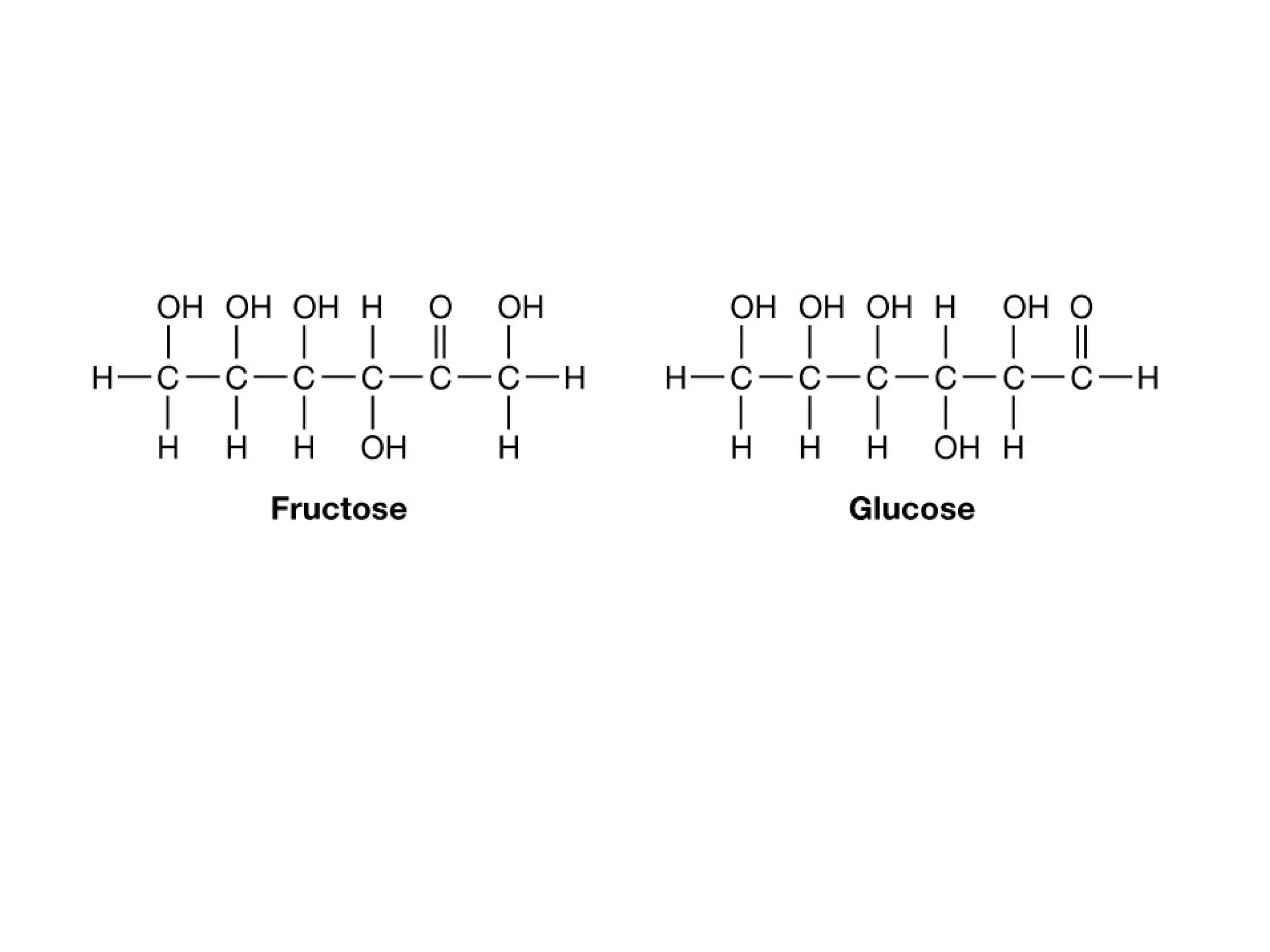
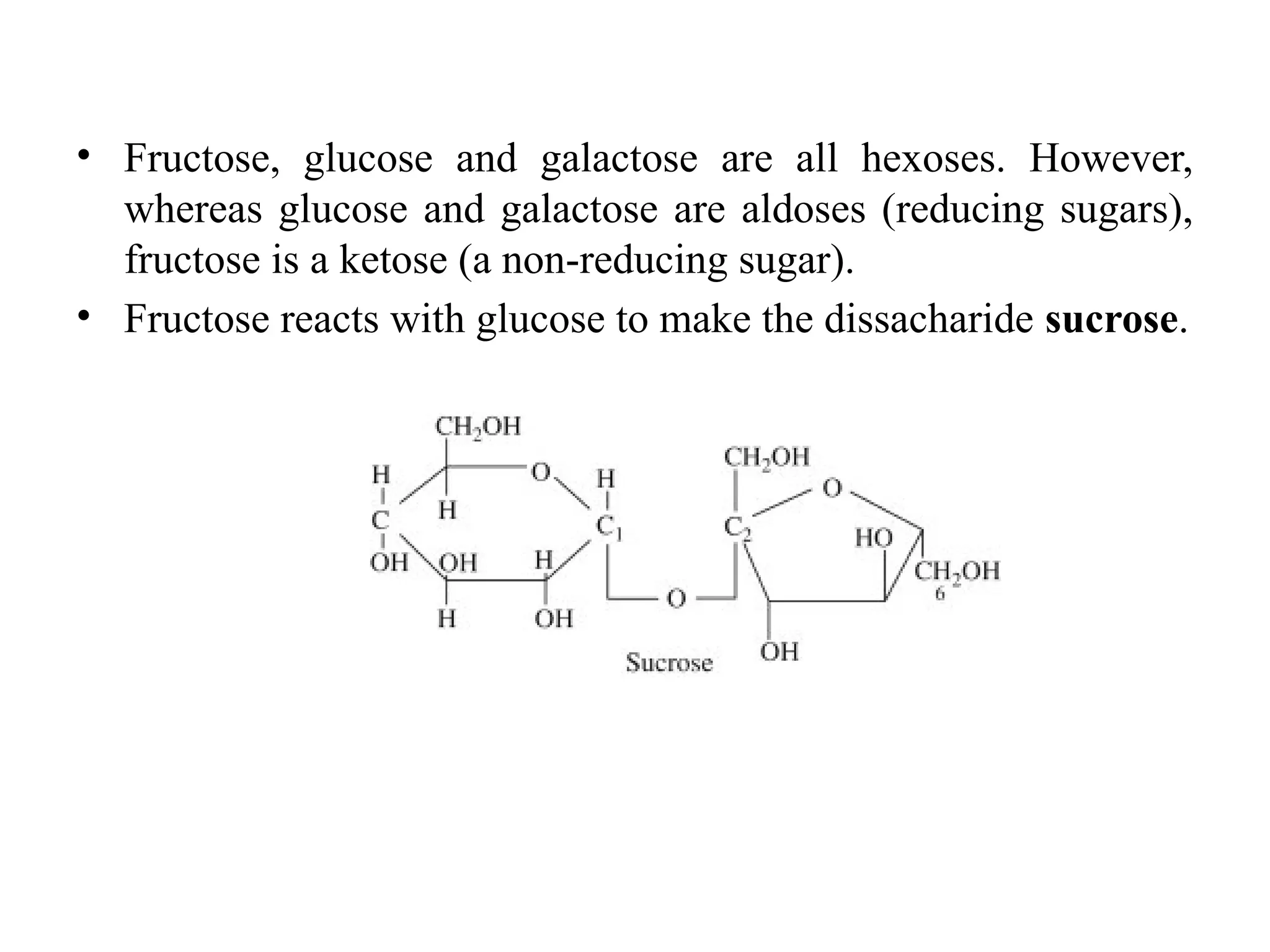
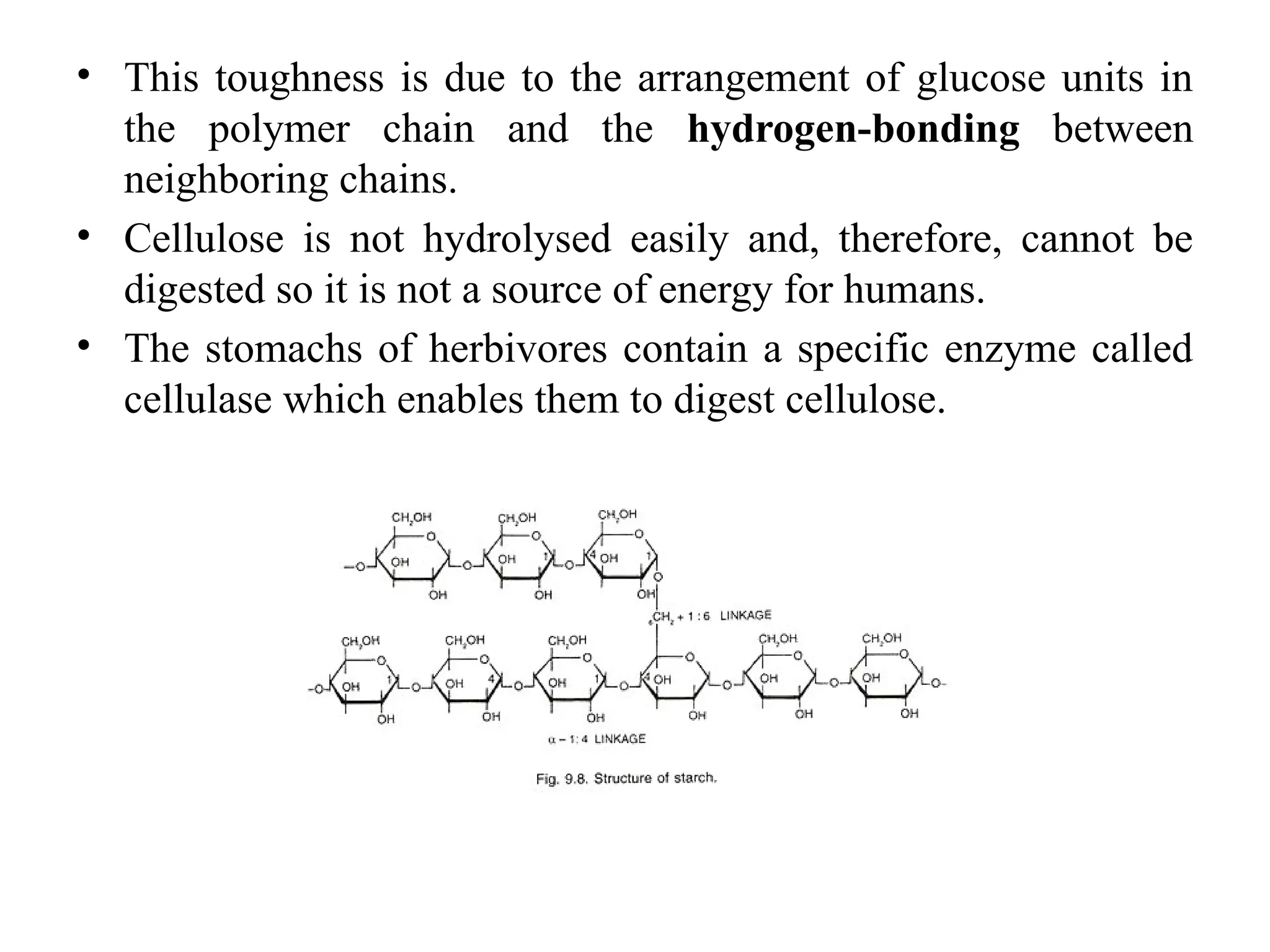
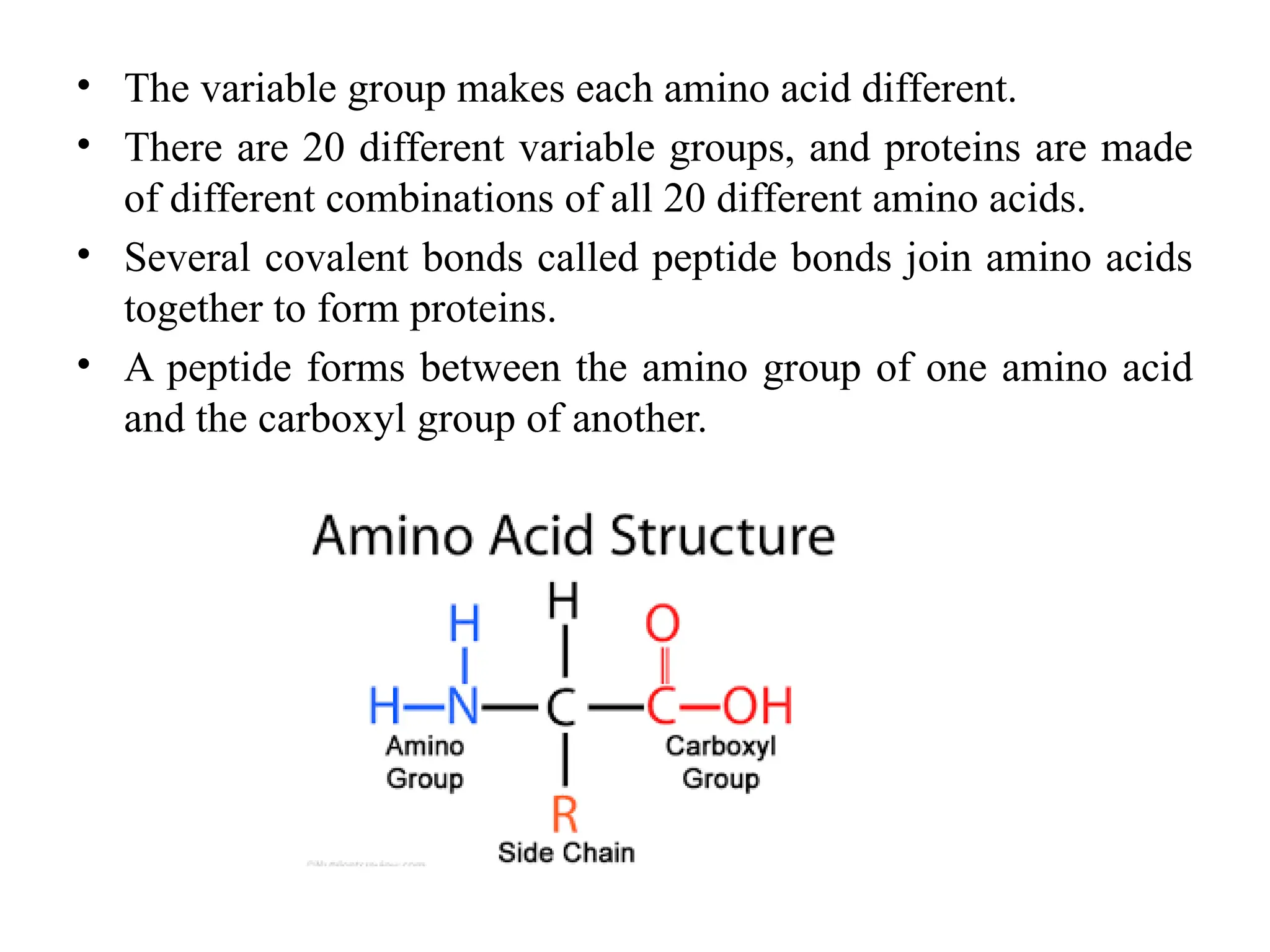
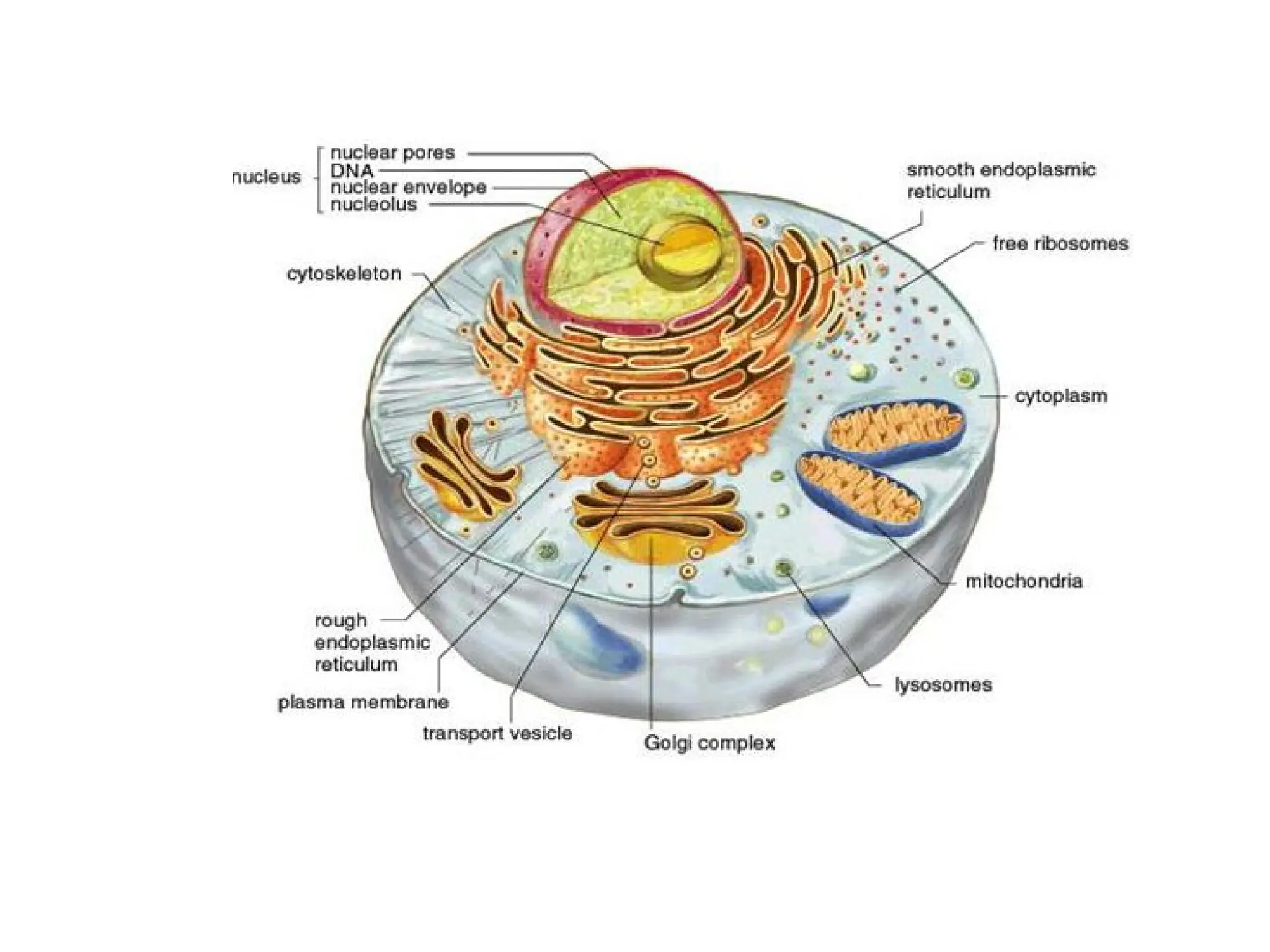
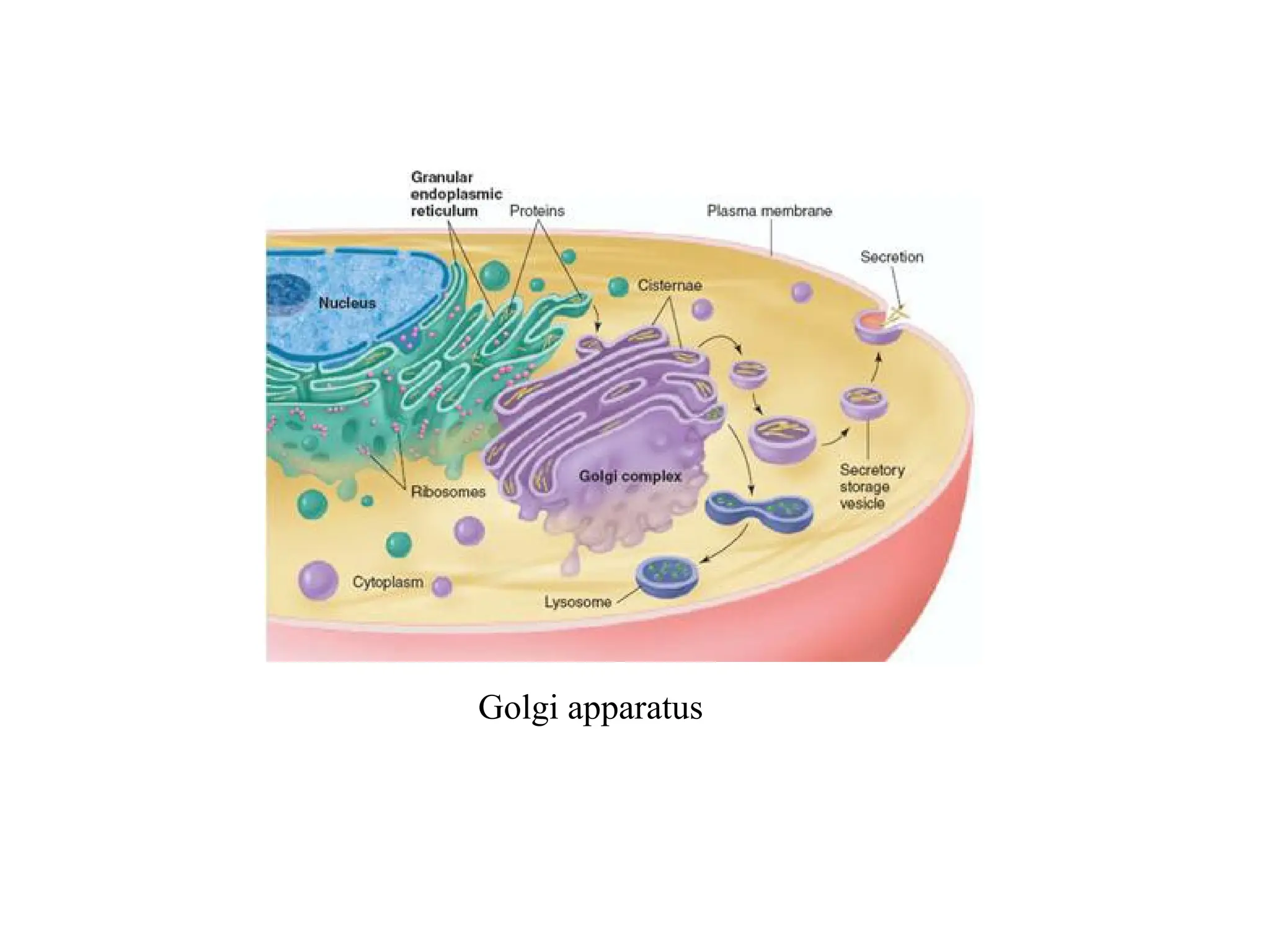
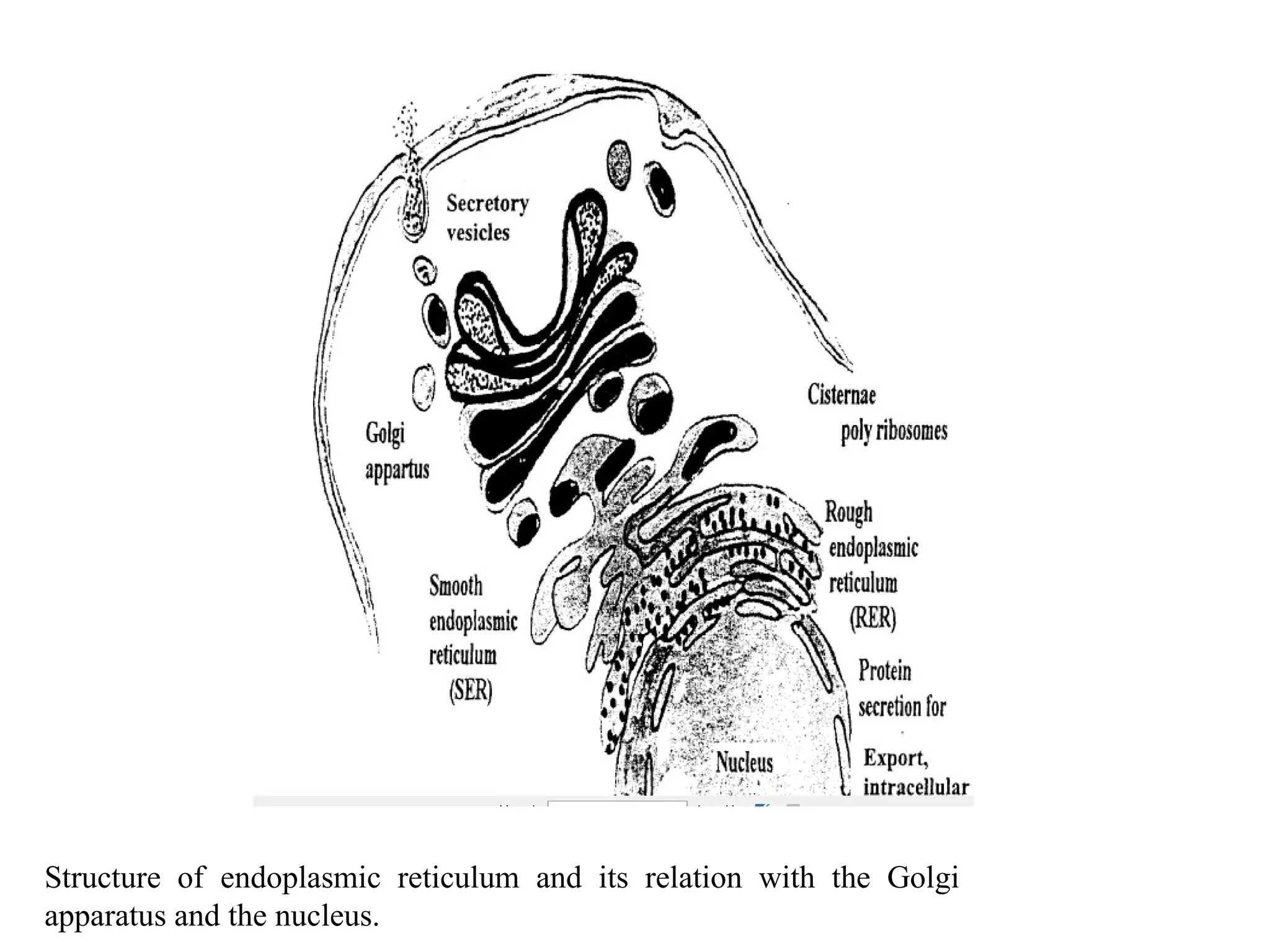
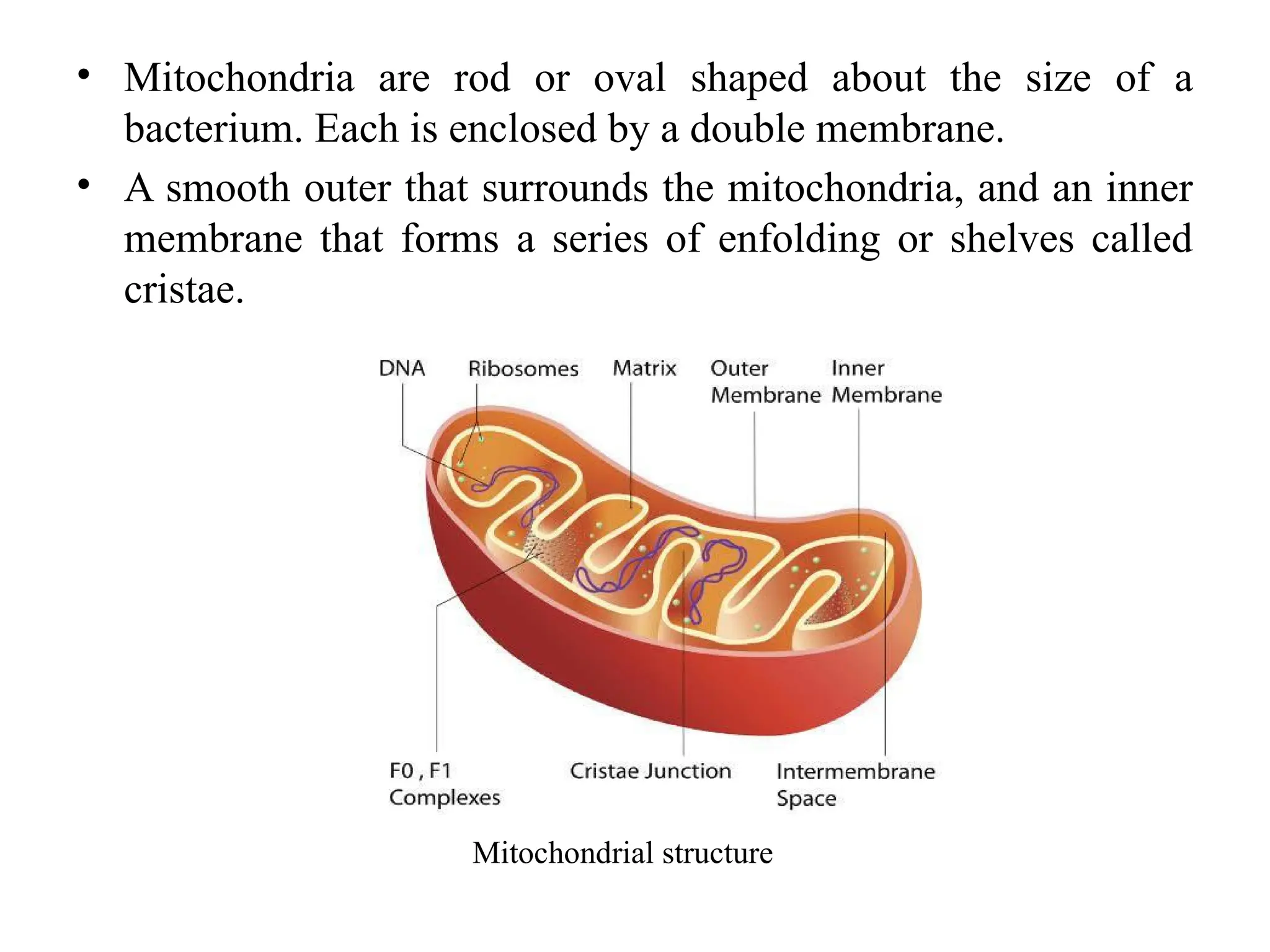
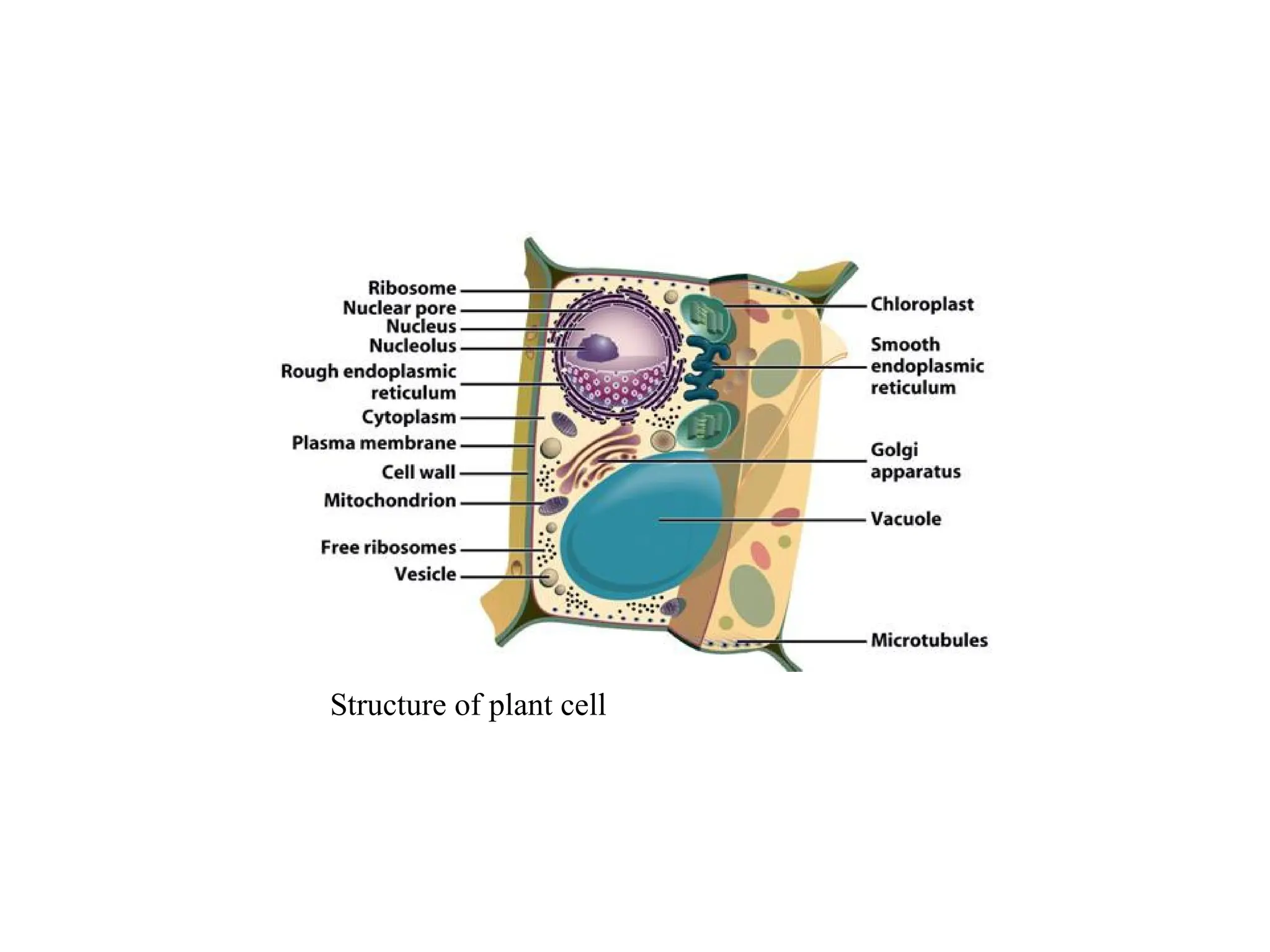
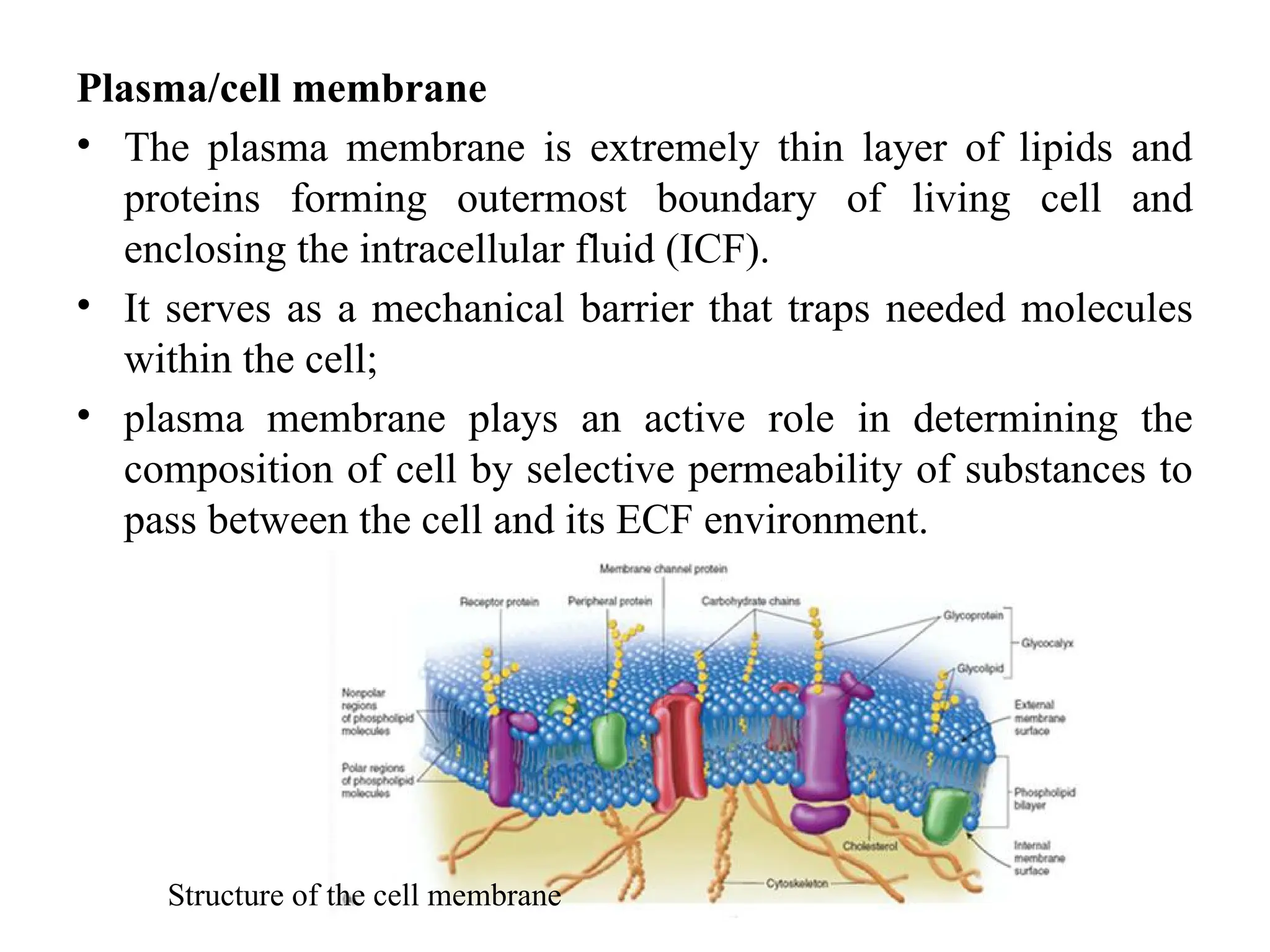
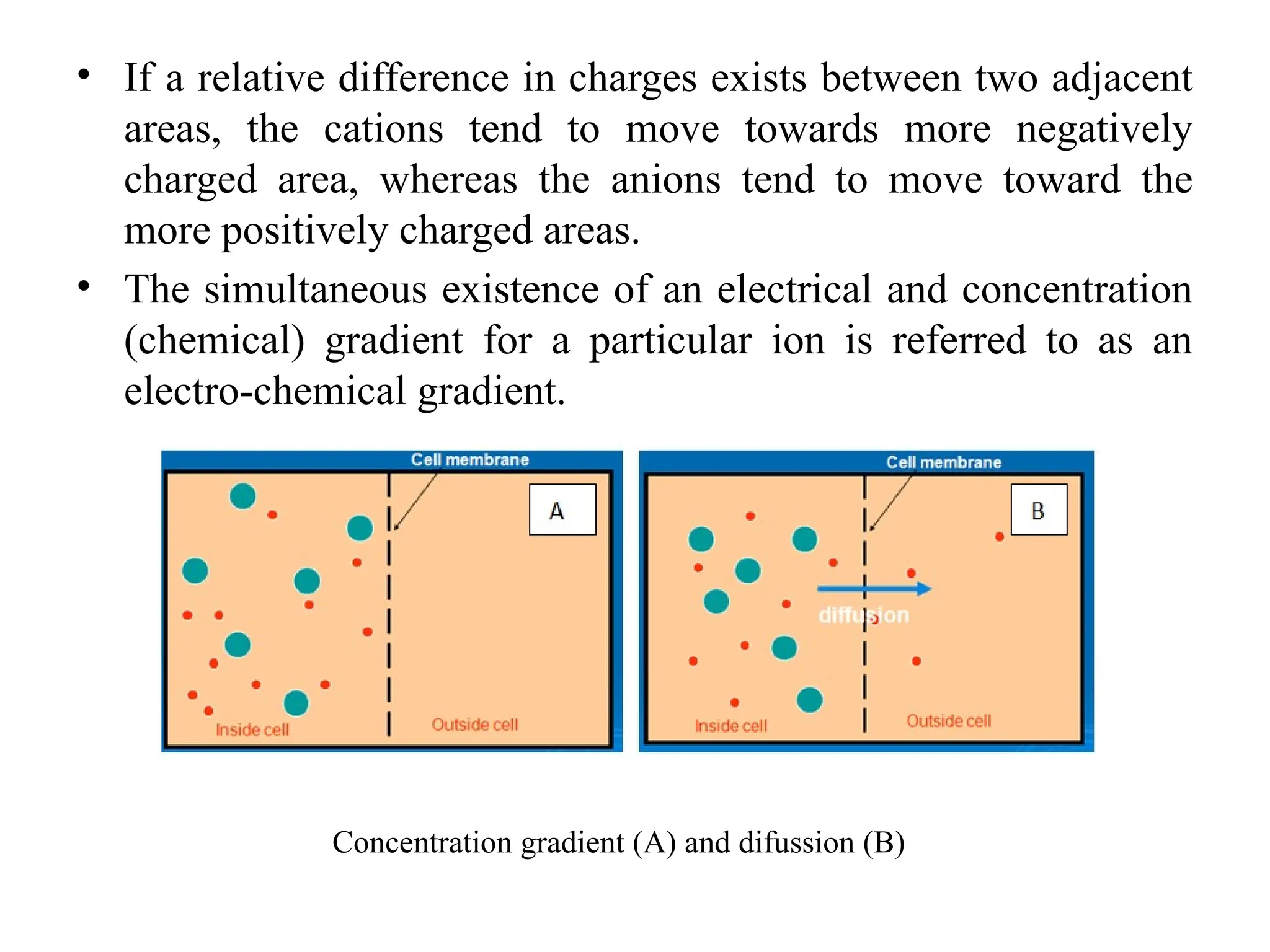
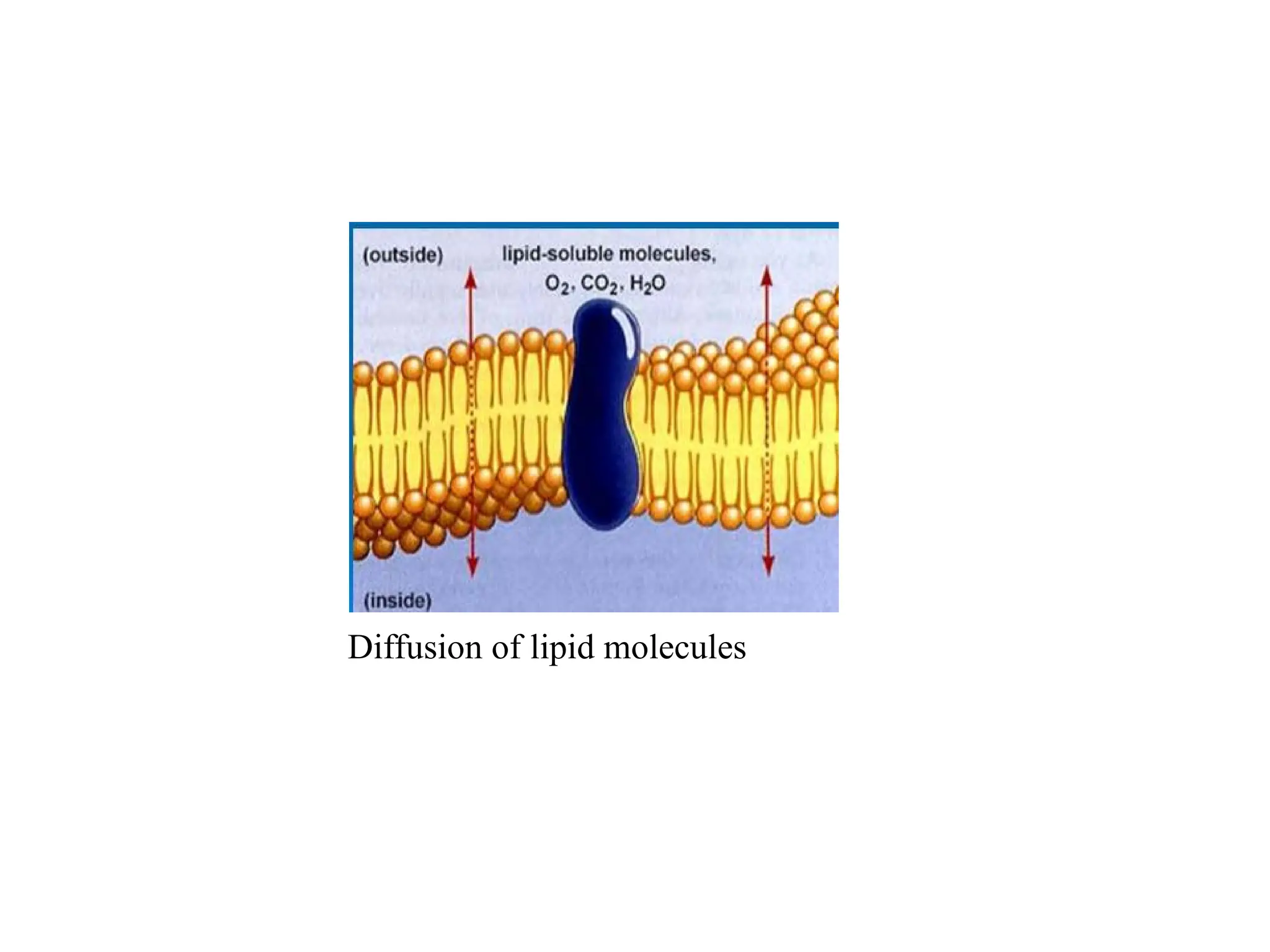
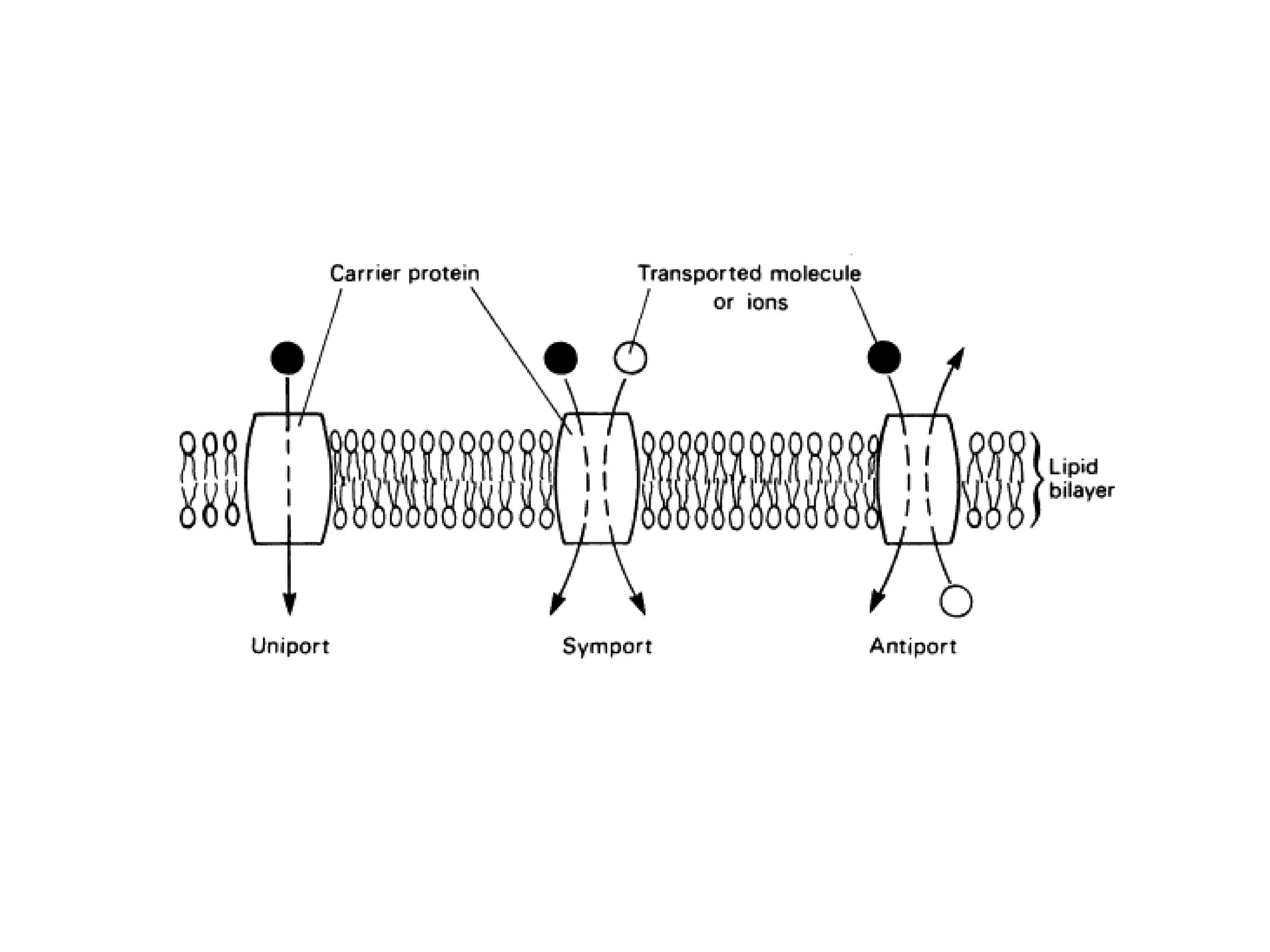
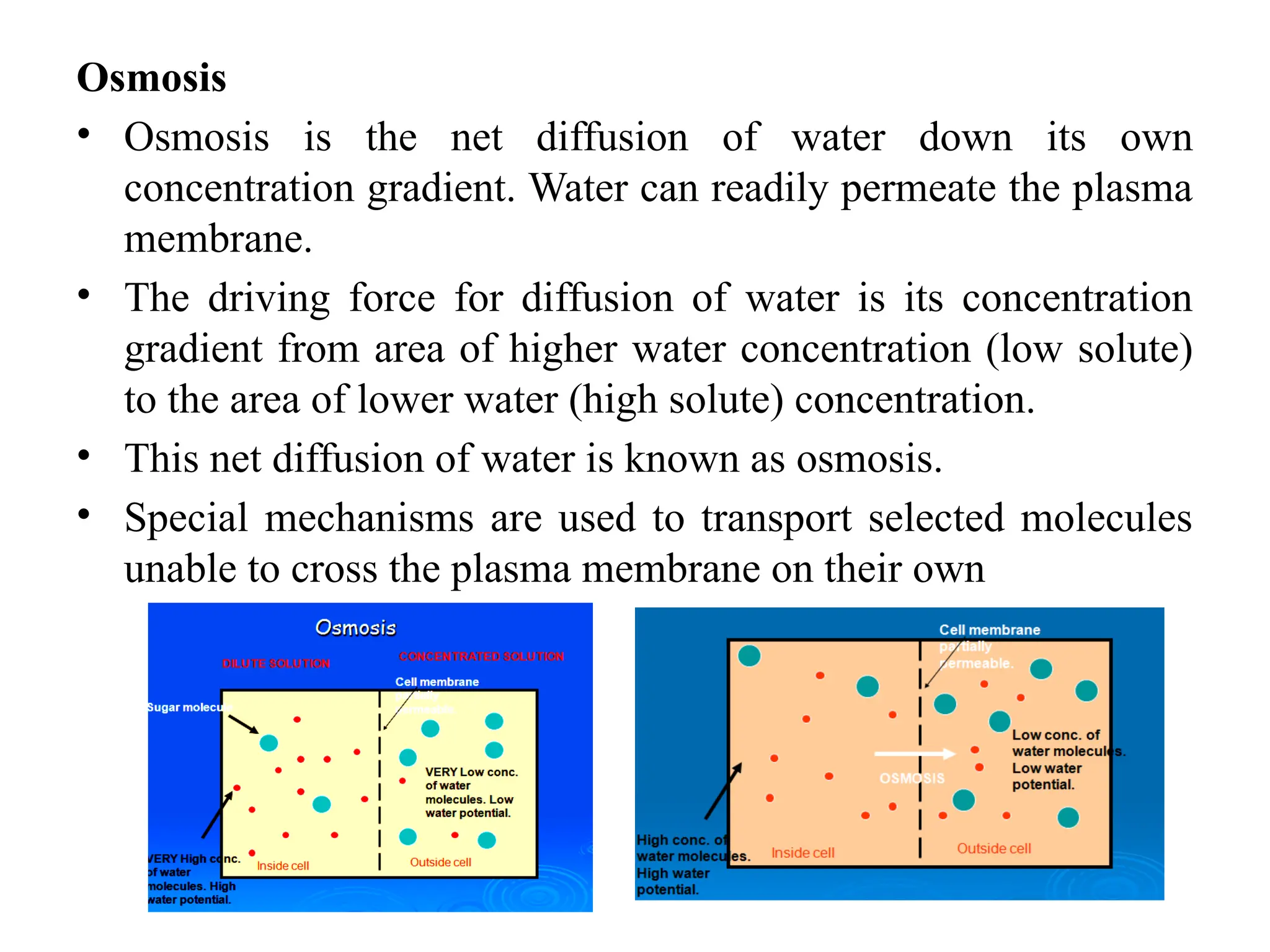
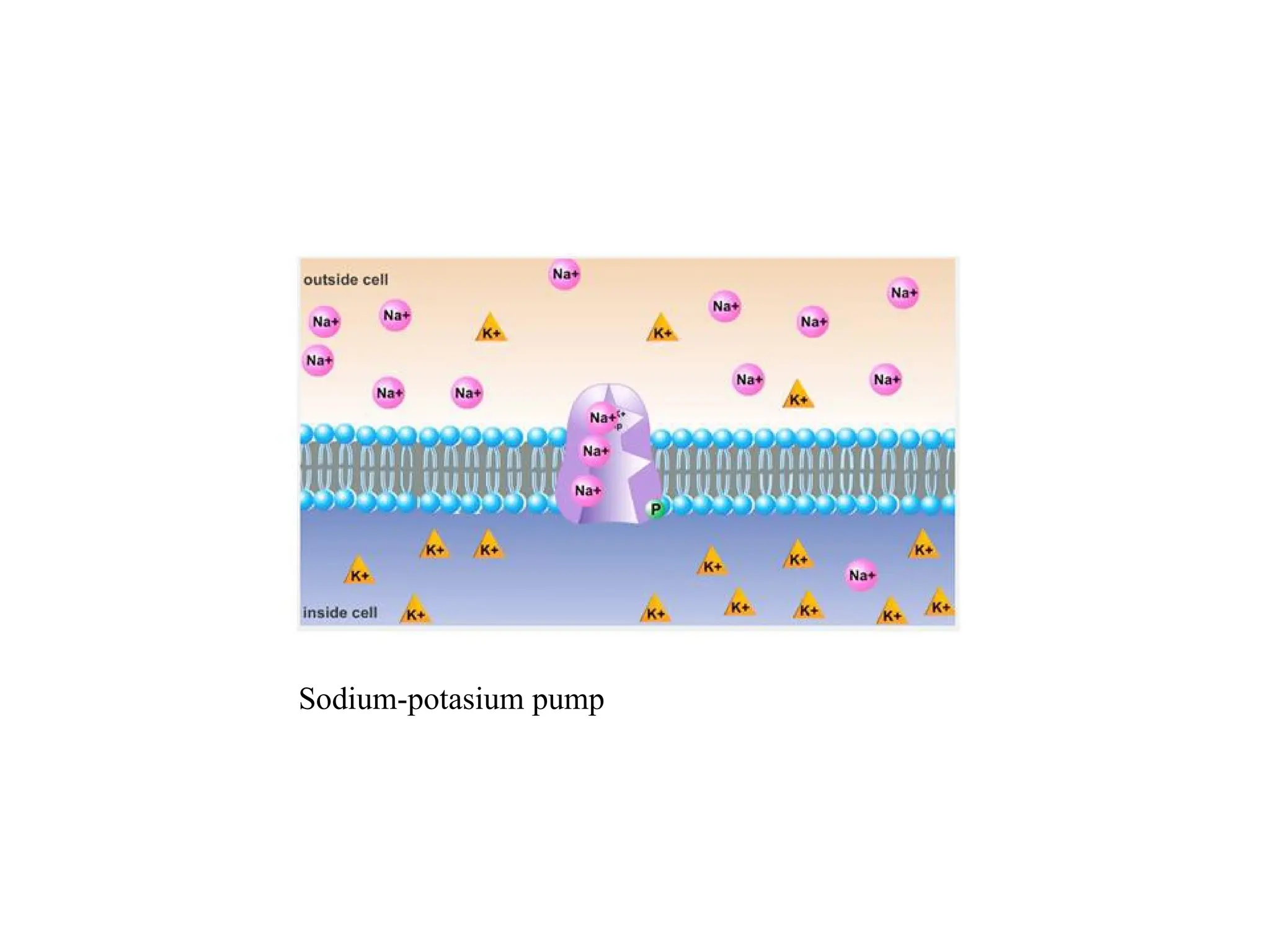
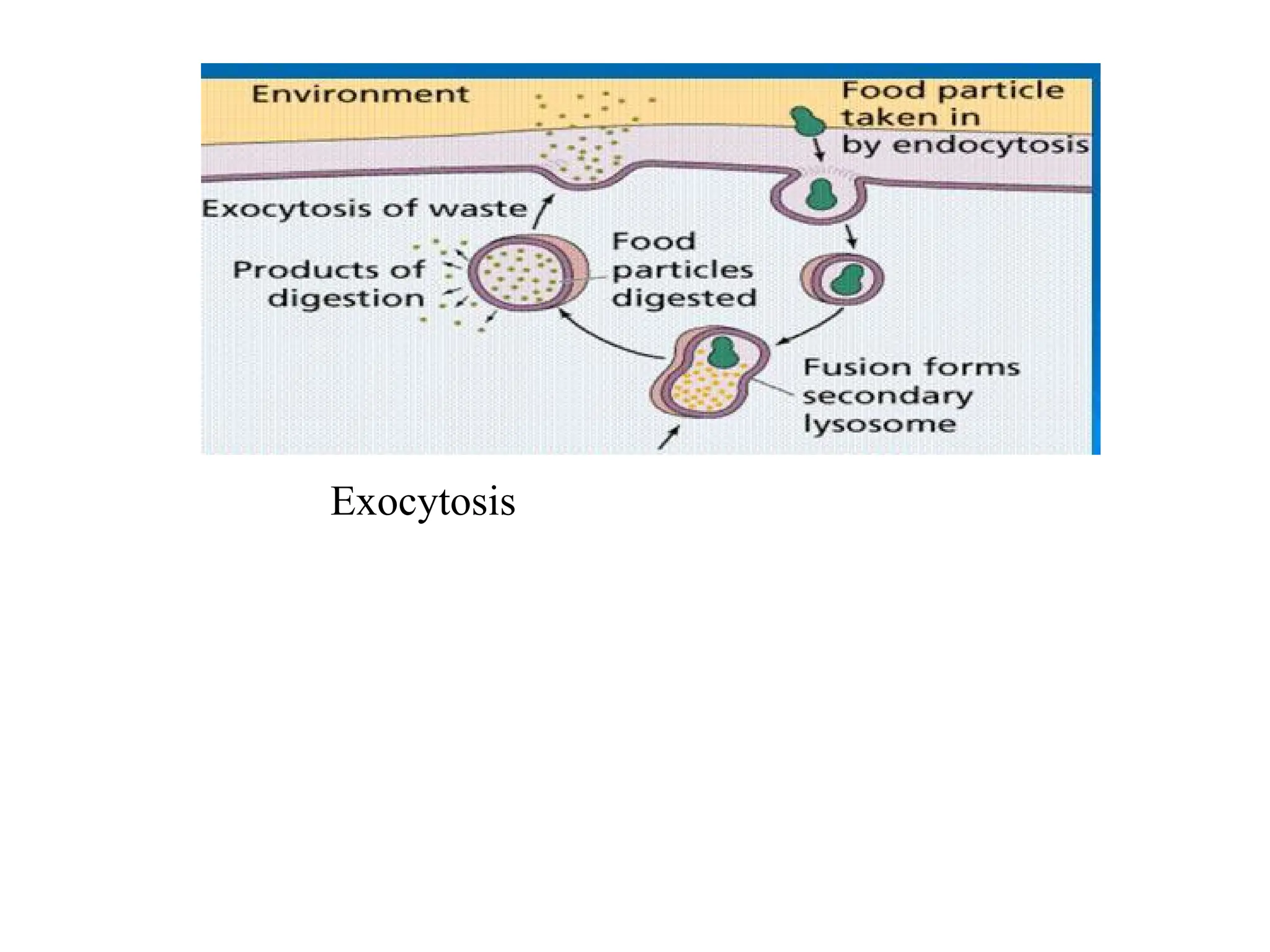
![• Through a series of oxidation-reduction reactions, electrons
(denoted e−) are transferred from a donating molecule
(oxidation), in this case water, to an accepting molecule
(reduction) by a series of chemical reactions; this “reducing
power” may be coupled ultimately to the reduction of carbon
dioxide to the level of carbohydrate.
• In effect, carbon dioxide accepts and bonds with hydrogen,
forming carbohydrates (Cn[H2O]n).](https://image.slidesharecdn.com/chapter1-4-250323164220-12450f7d/75/Chapter-topics-on-macromolecules-affecting-physiology-107-2048.jpg)