CHAPTER 3
Demand and Supply
3.1 Supply and Demand and Markets
• Markets are the institutions that bring together buyers and sellers.
• We will model what happens inside markets with a workhorse model
in economics, the model of demand and supply.
3.2 Assumptions of the Model
1. Many competing sellers and buyers
2. Price takers, and prices are flexible
3. All products in a market are identical
4. No barriers to entry or exit—anyone can join the market or leave it.
3.2 Prices and the Demand Curve
• The quantity demanded is the quantity buyers are willing and able to
buy of a good or service at a particular price during a particular
period, all other things unchanged.
• A demand schedule is a table that shows the quantities of a good or
service demanded at different prices during a particular period, all
other things unchanged.
• A demand curve is a graphical representation of a demand
schedule.
Figure 3.1: A Demand Schedule and a Demand Curve
3.2 Price and the Demand Curve
• A change in quantity demanded is a movement along a demand
curve that results from a change in price.
• All other things unchanged, the law of demand states that for
virtually all goods and services, a higher price leads to a reduction in
quantity demanded and a lower price leads an increase in quantity
demanded.
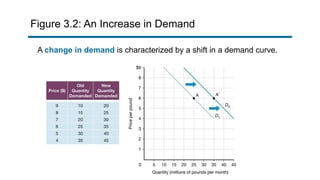
Figure 3.2: An Increase in Demand
A change in demand is characterized by a shift in a demand curve.
3.2 Nonprice Determinants of Demand
• Income
• A good for which demand increases when income
increases is called a normal good.
• A good for which demand decreases when
income increases is called an inferior good.
3.2 Nonprice Determinants of Demand
• Prices of related goods and services
• If a decrease in the price of one good increases the demand for another, the
two goods are called complements.
• If a decrease in the price of one good reduces the demand for another, the
two goods are called substitutes.
3.2 Nonprice Determinants of Demand
• Preferences & Information
• Demographic characteristics, number of buyers
• Buyer expectations (about future prices)
3.3 Price and the Supply Curve
• The quantity supplied is the quantity sellers are willing to sell of a
good or service at a particular price during a particular period, all
other things unchanged.
• For most goods and services, a higher price leads to an increase in the quantity
supplied.
• A supply schedule is a table that shows quantities supplied at
different prices during a particular period, all other things unchanged.
• A supply curve is a graphical representation of a supply schedule.
• A change in quantity supplied is characterized by movement along
the supply curve caused by a change in price.
Figure 3.5: A Supply Schedule and a Supply Curve
3.3 Nonprice Determinants of Supply
• A change in supply is a shift in the supply curve.
• A supply shifter is a variable that can change the quantity of a good
or service supplied at each price.
• The cost of inputs
3.3 Nonprice Determinants of Supply
• Technology
• Returns from alternative activities (opportunity costs)
• Natural events
• The number of sellers (firms in the market)
• Seller expectations
3.4 The Determination of Price and Quantity
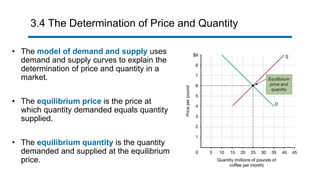
• The model of demand and supply uses
demand and supply curves to explain the
determination of price and quantity in a
market.
• The equilibrium price is the price at
which quantity demanded equals quantity
supplied.
• The equilibrium quantity is the quantity
demanded and supplied at the equilibrium
price.
3.4 Surpluses and Shortages
Figure 3.9: A Surplus in the Market for Coffee
• A surplus is the amount by which the
quantity supplied exceeds the quantity
demanded at the current price.
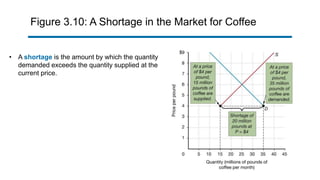
Figure 3.10: A Shortage in the Market for Coffee
• A shortage is the amount by which the quantity
demanded exceeds the quantity supplied at the
current price.
3.4 Equilibrium
• When the price is below equilibrium, the resulting shortage
puts upward pressure on the price.
• As price rises, the shortage shrinks
• When the price is above equilibrium, the resulting surplus
puts downward pressure on the price.
• As price falls, the surplus shrinks.
• Price gravitates to level where no surplus or shortage
exists—the equilibrium price.
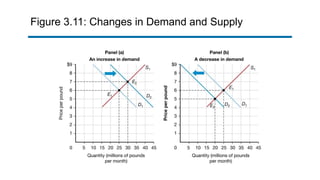
Figure 3.11: Changes in Demand and Supply
Figure 3.12: An Increase in Demand
Figure 3.11: Changes in Demand and Supply
3.4 Analyzing the Impact of Events
• Increases in demand reflect increases in the desirability of
goods, pushing up prices because people want the good
more.
• Decreases in supply reflect increased scarcity of goods,
again pushing up prices.
• Both effects increase price by making goods more scarce,
either because there is absolutely less of the good, or
because more people desire it.
Figure 3.15: Simultaneous Shifts in Demand and Supply
Figure 3.16: Simultaneous Shifts in Demand and Supply

Chapter 3 Powerpoint.pptx

  • 1.
  • 2.
    3.1 Supply andDemand and Markets • Markets are the institutions that bring together buyers and sellers. • We will model what happens inside markets with a workhorse model in economics, the model of demand and supply.
  • 3.
    3.2 Assumptions ofthe Model 1. Many competing sellers and buyers 2. Price takers, and prices are flexible 3. All products in a market are identical 4. No barriers to entry or exit—anyone can join the market or leave it.
  • 4.
    3.2 Prices andthe Demand Curve • The quantity demanded is the quantity buyers are willing and able to buy of a good or service at a particular price during a particular period, all other things unchanged. • A demand schedule is a table that shows the quantities of a good or service demanded at different prices during a particular period, all other things unchanged. • A demand curve is a graphical representation of a demand schedule.
  • 5.
    Figure 3.1: ADemand Schedule and a Demand Curve
  • 6.
    3.2 Price andthe Demand Curve • A change in quantity demanded is a movement along a demand curve that results from a change in price. • All other things unchanged, the law of demand states that for virtually all goods and services, a higher price leads to a reduction in quantity demanded and a lower price leads an increase in quantity demanded.
  • 7.
    Figure 3.2: AnIncrease in Demand A change in demand is characterized by a shift in a demand curve.
  • 8.
    3.2 Nonprice Determinantsof Demand • Income • A good for which demand increases when income increases is called a normal good. • A good for which demand decreases when income increases is called an inferior good.
  • 9.
    3.2 Nonprice Determinantsof Demand • Prices of related goods and services • If a decrease in the price of one good increases the demand for another, the two goods are called complements. • If a decrease in the price of one good reduces the demand for another, the two goods are called substitutes.
  • 10.
    3.2 Nonprice Determinantsof Demand • Preferences & Information • Demographic characteristics, number of buyers • Buyer expectations (about future prices)
  • 11.
    3.3 Price andthe Supply Curve • The quantity supplied is the quantity sellers are willing to sell of a good or service at a particular price during a particular period, all other things unchanged. • For most goods and services, a higher price leads to an increase in the quantity supplied. • A supply schedule is a table that shows quantities supplied at different prices during a particular period, all other things unchanged. • A supply curve is a graphical representation of a supply schedule. • A change in quantity supplied is characterized by movement along the supply curve caused by a change in price.
  • 12.
    Figure 3.5: ASupply Schedule and a Supply Curve
  • 13.
    3.3 Nonprice Determinantsof Supply • A change in supply is a shift in the supply curve. • A supply shifter is a variable that can change the quantity of a good or service supplied at each price. • The cost of inputs
  • 14.
    3.3 Nonprice Determinantsof Supply • Technology • Returns from alternative activities (opportunity costs) • Natural events • The number of sellers (firms in the market) • Seller expectations
  • 15.
    3.4 The Determinationof Price and Quantity • The model of demand and supply uses demand and supply curves to explain the determination of price and quantity in a market. • The equilibrium price is the price at which quantity demanded equals quantity supplied. • The equilibrium quantity is the quantity demanded and supplied at the equilibrium price.
  • 16.
  • 17.
    Figure 3.9: ASurplus in the Market for Coffee • A surplus is the amount by which the quantity supplied exceeds the quantity demanded at the current price.
  • 18.
    Figure 3.10: AShortage in the Market for Coffee • A shortage is the amount by which the quantity demanded exceeds the quantity supplied at the current price.
  • 19.
    3.4 Equilibrium • Whenthe price is below equilibrium, the resulting shortage puts upward pressure on the price. • As price rises, the shortage shrinks • When the price is above equilibrium, the resulting surplus puts downward pressure on the price. • As price falls, the surplus shrinks. • Price gravitates to level where no surplus or shortage exists—the equilibrium price.
  • 20.
    Figure 3.11: Changesin Demand and Supply
  • 21.
    Figure 3.12: AnIncrease in Demand
  • 22.
    Figure 3.11: Changesin Demand and Supply
  • 23.
    Figure 3.11: Changesin Demand and Supply
  • 24.
    3.4 Analyzing theImpact of Events • Increases in demand reflect increases in the desirability of goods, pushing up prices because people want the good more. • Decreases in supply reflect increased scarcity of goods, again pushing up prices. • Both effects increase price by making goods more scarce, either because there is absolutely less of the good, or because more people desire it.
  • 25.
    Figure 3.15: SimultaneousShifts in Demand and Supply
  • 26.
    Figure 3.16: SimultaneousShifts in Demand and Supply