Business Analytics
Krupasindhu MD
krupa.md@res.christuniversity.in
Research scholar, Christ University, Central Campus
Assistant Professor, Vijaya College, R. V. Road
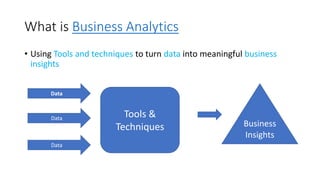
What is Business Analytics
• Using Tools and techniques to turn data into meaningful business
insights
Data
Data
Data
Tools &
Techniques Business
Insights
In theoretical sense
Business analytics is the practice of iterative, methodical
exploration of an organization’s data with emphasis on
statistical analysis. Business analytics is used by companies
committed to data-driven decision making.
Why do we need Business Analytics?
• Eliminate guesswork
• Get faster answer to your question
• Get insight into customer behaviour
• Identify cross selling and up selling opportunities
• Get key business metrics reports when and where you need them
Difficulties relating to business analytics
• huge volume of high-quality data.
• integrating and reconciling data across different systems, and then
deciding what subsets of data to make available.
• considered an after-the-fact method of forecasting consumer
behaviour
• requires a lot of storage space and must react extremely fast to
provide the necessary data in real-time
Types of Analytics
• Descriptive analytics – what happened?
• Predictive analytics- what would happen?
• Prescriptive analytics- what should we do?
• Decisive analytics – which technology (e.g. visual analytics)
to select for supporting the business decisions
Selecting the techniques
• Type of hardwares and softwares requirements
• Usage – Analysis, modeling, communication
• Audience-Shared or Private
• Documentation - Core or support
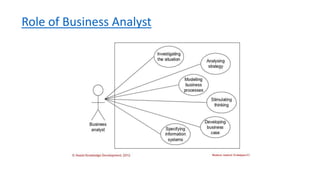
Role of Business Analyst
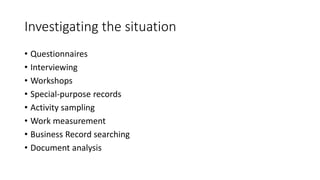
Investigating the situation
• Questionnaires
• Interviewing
• Workshops
• Special-purpose records
• Activity sampling
• Work measurement
• Business Record searching
• Document analysis
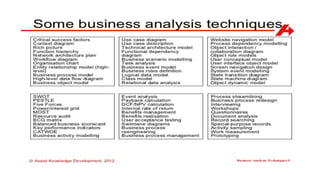
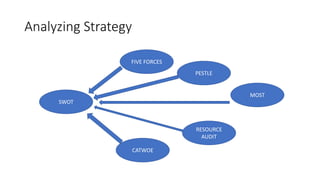
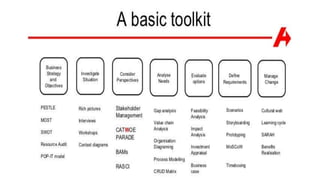
Analyzing Strategy
CATWOE
RESOURCE
AUDIT
MOST
PESTLE
FIVE FORCES
SWOT
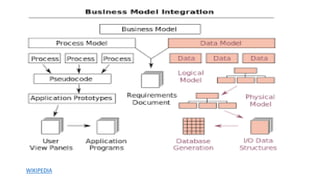
WIKIPEDIA
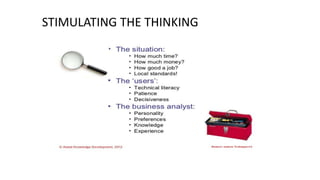
STIMULATING THE THINKING
Developing the business cases
• Confirm the opportunity. Describe the situation and the business
opportunity that your proposal will impact. ...
• Analyse and develop shortlisted options. ...
• Evaluate the options. ...
• Implementation strategy. ...
• Recommendation.
Thank you ☘️

Business analytics

  • 1.
    Business Analytics Krupasindhu MD krupa.md@res.christuniversity.in Researchscholar, Christ University, Central Campus Assistant Professor, Vijaya College, R. V. Road
  • 2.
    What is BusinessAnalytics • Using Tools and techniques to turn data into meaningful business insights Data Data Data Tools & Techniques Business Insights
  • 3.
    In theoretical sense Businessanalytics is the practice of iterative, methodical exploration of an organization’s data with emphasis on statistical analysis. Business analytics is used by companies committed to data-driven decision making.
  • 4.
    Why do weneed Business Analytics? • Eliminate guesswork • Get faster answer to your question • Get insight into customer behaviour • Identify cross selling and up selling opportunities • Get key business metrics reports when and where you need them
  • 5.
    Difficulties relating tobusiness analytics • huge volume of high-quality data. • integrating and reconciling data across different systems, and then deciding what subsets of data to make available. • considered an after-the-fact method of forecasting consumer behaviour • requires a lot of storage space and must react extremely fast to provide the necessary data in real-time
  • 6.
    Types of Analytics •Descriptive analytics – what happened? • Predictive analytics- what would happen? • Prescriptive analytics- what should we do? • Decisive analytics – which technology (e.g. visual analytics) to select for supporting the business decisions
  • 7.
    Selecting the techniques •Type of hardwares and softwares requirements • Usage – Analysis, modeling, communication • Audience-Shared or Private • Documentation - Core or support
  • 9.
  • 10.
    Investigating the situation •Questionnaires • Interviewing • Workshops • Special-purpose records • Activity sampling • Work measurement • Business Record searching • Document analysis
  • 11.
  • 12.
  • 13.
  • 14.
    Developing the businesscases • Confirm the opportunity. Describe the situation and the business opportunity that your proposal will impact. ... • Analyse and develop shortlisted options. ... • Evaluate the options. ... • Implementation strategy. ... • Recommendation.
  • 16.