Bread
A Guide To The
Many Types Of
    Bread
CALZONE
  Calzone, the Italian word for
“stocking”. In the U.S., it is often
served with a marinara sauce for
             dipping.
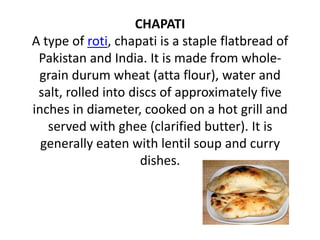
CHAPATI
A type of roti, chapati is a staple flatbread of
 Pakistan and India. It is made from whole-
 grain durum wheat (atta flour), water and
 salt, rolled into discs of approximately five
inches in diameter, cooked on a hot grill and
   served with ghee (clarified butter). It is
  generally eaten with lentil soup and curry
                     dishes.
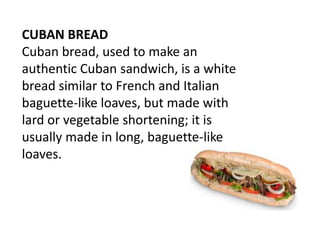
CUBAN BREAD
Cuban bread, used to make an
authentic Cuban sandwich, is a white
bread similar to French and Italian
baguette-like loaves, but made with
lard or vegetable shortening; it is
usually made in long, baguette-like
loaves.
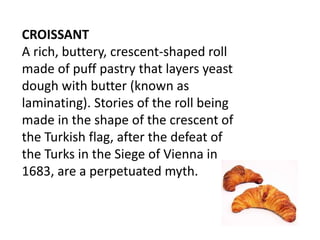
CROISSANT
A rich, buttery, crescent-shaped roll
made of puff pastry that layers yeast
dough with butter (known as
laminating). Stories of the roll being
made in the shape of the crescent of
the Turkish flag, after the defeat of
the Turks in the Siege of Vienna in
1683, are a perpetuated myth.
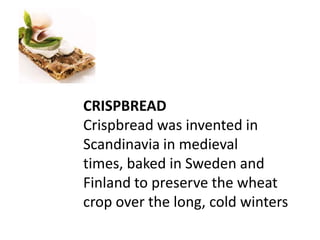
CRISPBREAD
Crispbread was invented in
Scandinavia in medieval
times, baked in Sweden and
Finland to preserve the wheat
crop over the long, cold winters
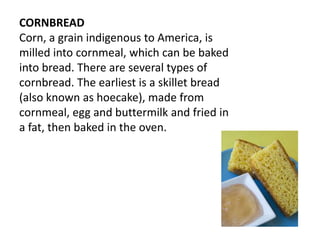
CORNBREAD
Corn, a grain indigenous to America, is
milled into cornmeal, which can be baked
into bread. There are several types of
cornbread. The earliest is a skillet bread
(also known as hoecake), made from
cornmeal, egg and buttermilk and fried in
a fat, then baked in the oven.
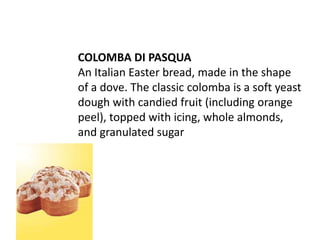
COLOMBA DI PASQUA
An Italian Easter bread, made in the shape
of a dove. The classic colomba is a soft yeast
dough with candied fruit (including orange
peel), topped with icing, whole almonds,
and granulated sugar
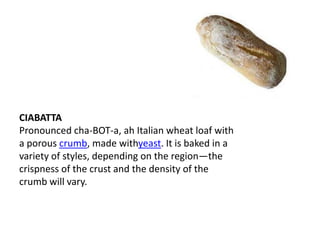
CIABATTA
Pronounced cha-BOT-a, ah Italian wheat loaf with
a porous crumb, made withyeast. It is baked in a
variety of styles, depending on the region—the
crispness of the crust and the density of the
crumb will vary.
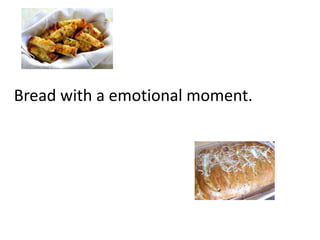
Bread with a emotional moment.
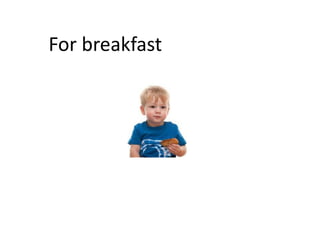
For breakfast
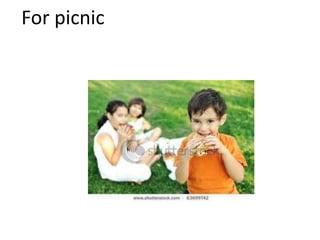
For picnic
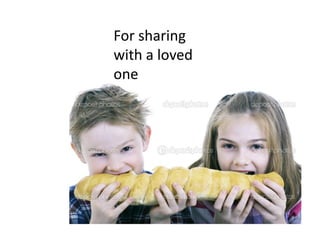
For sharing
with a loved
one
For deprived and not so deprived
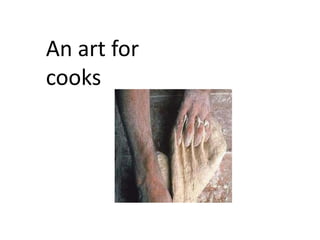
An art for
cooks

Bread

  • 1.
  • 3.
    A Guide ToThe Many Types Of Bread
  • 4.
    CALZONE Calzone,the Italian word for “stocking”. In the U.S., it is often served with a marinara sauce for dipping.
  • 5.
    CHAPATI A type ofroti, chapati is a staple flatbread of Pakistan and India. It is made from whole- grain durum wheat (atta flour), water and salt, rolled into discs of approximately five inches in diameter, cooked on a hot grill and served with ghee (clarified butter). It is generally eaten with lentil soup and curry dishes.
  • 6.
    CUBAN BREAD Cuban bread,used to make an authentic Cuban sandwich, is a white bread similar to French and Italian baguette-like loaves, but made with lard or vegetable shortening; it is usually made in long, baguette-like loaves.
  • 8.
    CROISSANT A rich, buttery,crescent-shaped roll made of puff pastry that layers yeast dough with butter (known as laminating). Stories of the roll being made in the shape of the crescent of the Turkish flag, after the defeat of the Turks in the Siege of Vienna in 1683, are a perpetuated myth.
  • 9.
    CRISPBREAD Crispbread was inventedin Scandinavia in medieval times, baked in Sweden and Finland to preserve the wheat crop over the long, cold winters
  • 10.
    CORNBREAD Corn, a grainindigenous to America, is milled into cornmeal, which can be baked into bread. There are several types of cornbread. The earliest is a skillet bread (also known as hoecake), made from cornmeal, egg and buttermilk and fried in a fat, then baked in the oven.
  • 11.
    COLOMBA DI PASQUA AnItalian Easter bread, made in the shape of a dove. The classic colomba is a soft yeast dough with candied fruit (including orange peel), topped with icing, whole almonds, and granulated sugar
  • 12.
    CIABATTA Pronounced cha-BOT-a, ahItalian wheat loaf with a porous crumb, made withyeast. It is baked in a variety of styles, depending on the region—the crispness of the crust and the density of the crumb will vary.
  • 13.
    Bread with aemotional moment.
  • 14.
  • 15.
  • 16.
  • 17.
    For deprived andnot so deprived
  • 18.