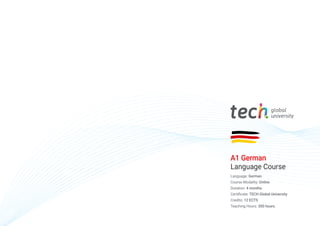
Learning a new language is a journey that opens doors to new cultures, experiences, and opportunities. German, one of the most widely spoken languages in Europe, is not only the official language of Germany but also spoken in Austria, Switzerland, Liechtenstein, Luxembourg, and parts of Belgium. The A1 German Course is designed for complete beginners and aligns with the Common European Framework of Reference for Languages (CEFR). At this level, learners develop basic vocabulary, grammar, and conversational skills for everyday communication.
This guide provides structured content covering all key areas of the A1 syllabus: listening, speaking, reading, writing, grammar, and vocabulary. Whether you're studying for a certificate, preparing for travel, or exploring a new culture, this course will give you a strong foundation in the German language.
🎯 Course Objectives
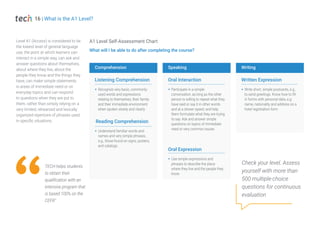
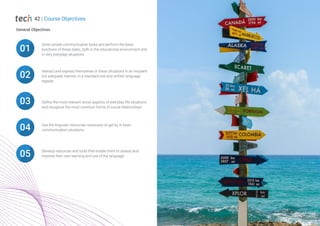
By the end of this A1 course, learners will be able to:
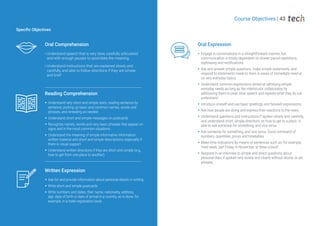
Understand and use familiar everyday expressions and basic phrases.
Introduce themselves and others and ask/answer questions about personal details.
Interact in a simple way provided the other person speaks slowly and clearly.
Write simple sentences and fill out forms with personal information.
Comprehend basic German audio, text, and dialogues related to daily life.
🗂️ Course Structure
The course is divided into the following units:
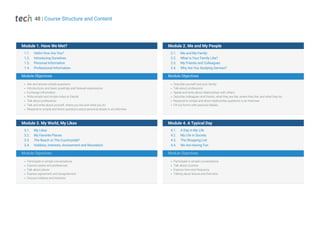
1. German Alphabet and Pronunciation
Introduction to German letters (A–Z) and umlauts (ä, ö, ü).
Practice with common sounds and how they differ from English.
Spelling words in German using the phonetic alphabet.
Introduction to simple German words and pronunciation rules.
2. Greetings and Introductions
Saying hello and goodbye: Hallo, Tschüss, Guten Morgen, etc.
Introducing yourself: "Ich heiße Maria." / "Ich bin Student."
Asking someone’s name, origin, and profession.
Basic conversation starters and polite expressions (bitte, danke, Entschuldigung).
3. Numbers, Days, and Time
Numbers from 1 to 100+
Days of the week, months, seasons.
Telling the time (Uhrzeiten) and dates.
Talking about daily routines and schedules.
4. Family and Relationships
Family vocabulary: Mutter, Vater, Schwester, Bruder, etc.
Talking about marital status and describing family members.
Using "haben" (to have) to describe relationships.
Possessive pronouns: mein, dein, sein, ihr.
5. Countries, Nationalities, and Languages
Saying where you're from and what languages you speak.
Vocabulary: Länder (countries), Sprachen (languages).
Nationalities in masculine and feminine forms: Deutscher / Deutsche.
Using the verb "kommen" (to come) and "sprechen" (to speak).
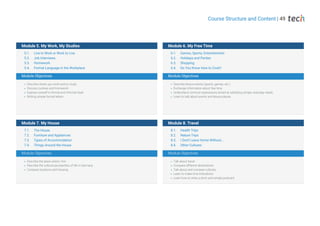
6. At Home and Around Town
Describing rooms and furniture.
Asking and giving directions.
Places in a city: Bahnhof, Supermarkt, Schule, etc.
Using the verbs "wohnen" (to live), "gehen" (to go), and prepositions.
7. Food, Drinks, and Eating Out
Ordering food in a restaurant or café.
Vocabulary: essen (to eat), trinken (to drink), Frühstück


















![Final ppt [autosaved]](https://cdn.slidesharecdn.com/ss_thumbnails/finalpptautosaved-210831064200-thumbnail.jpg?width=640&height=640&fit=bounds)


