Identify the key components
of a memo and explain their
functions.
Analyze the tone and
purpose of different types of
memos, and apply
appropriate language and
formatting conventions.
Write a clear and concise
memo with a specific
audience and purpose in
mind, using appropriate
organizational strategies and
language.
A memo (short for
memorandum) typically
includes a heading with
the date, recipient(s), and
sender's name and title,
followed by a brief
introduction, the main
content, and a closing
section.
Memos are often used to
convey important
information, such as
updates, announcements,
policy changes, or
reminders, to a specific
group of people within an
organization.
Memos are usually written
in a formal tone, with a
clear and direct style. They
are commonly used in
businesses, government
agencies, and academic
institutions as a way to
communicate information
efficiently and effectively
within the organization.
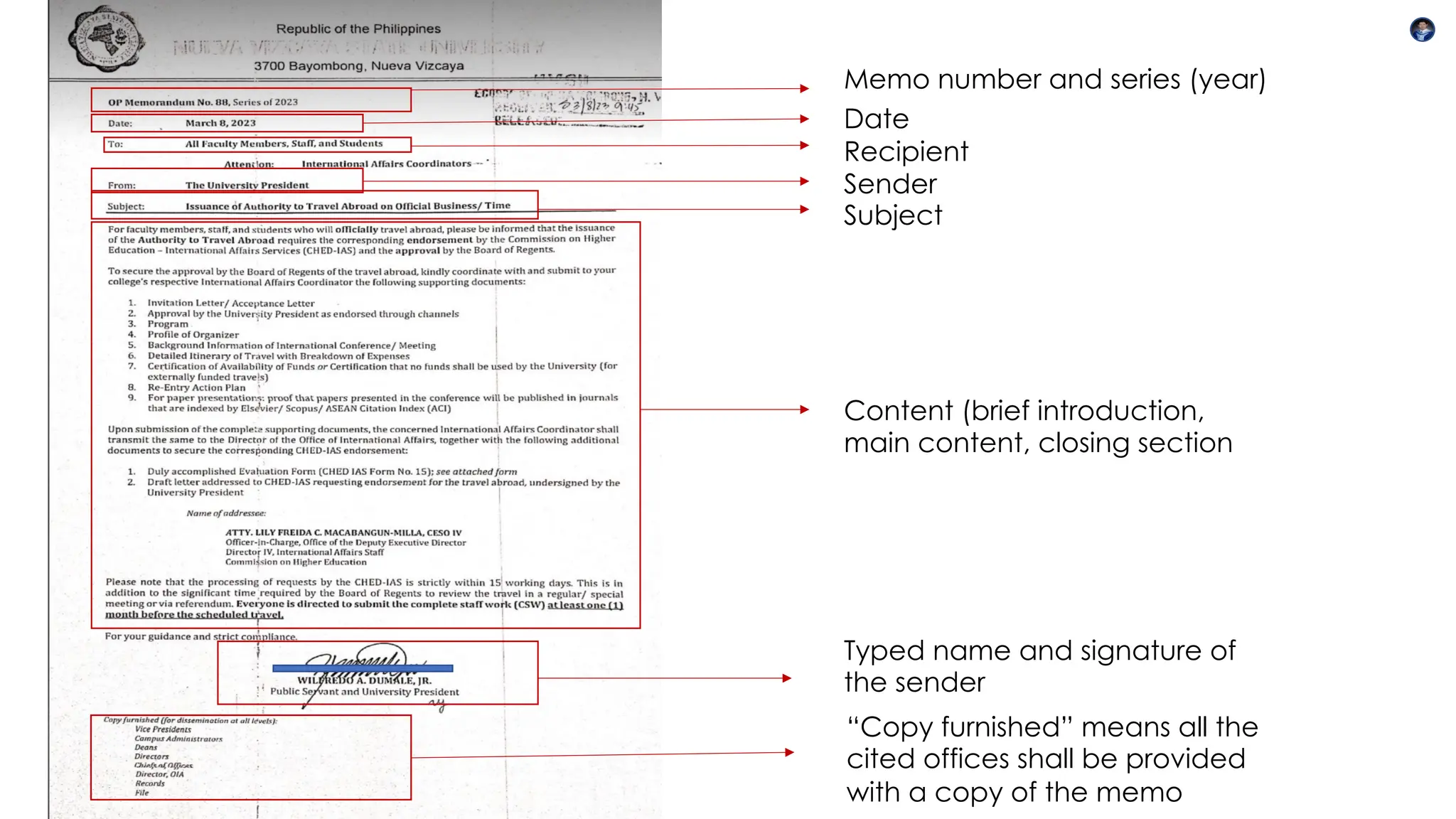
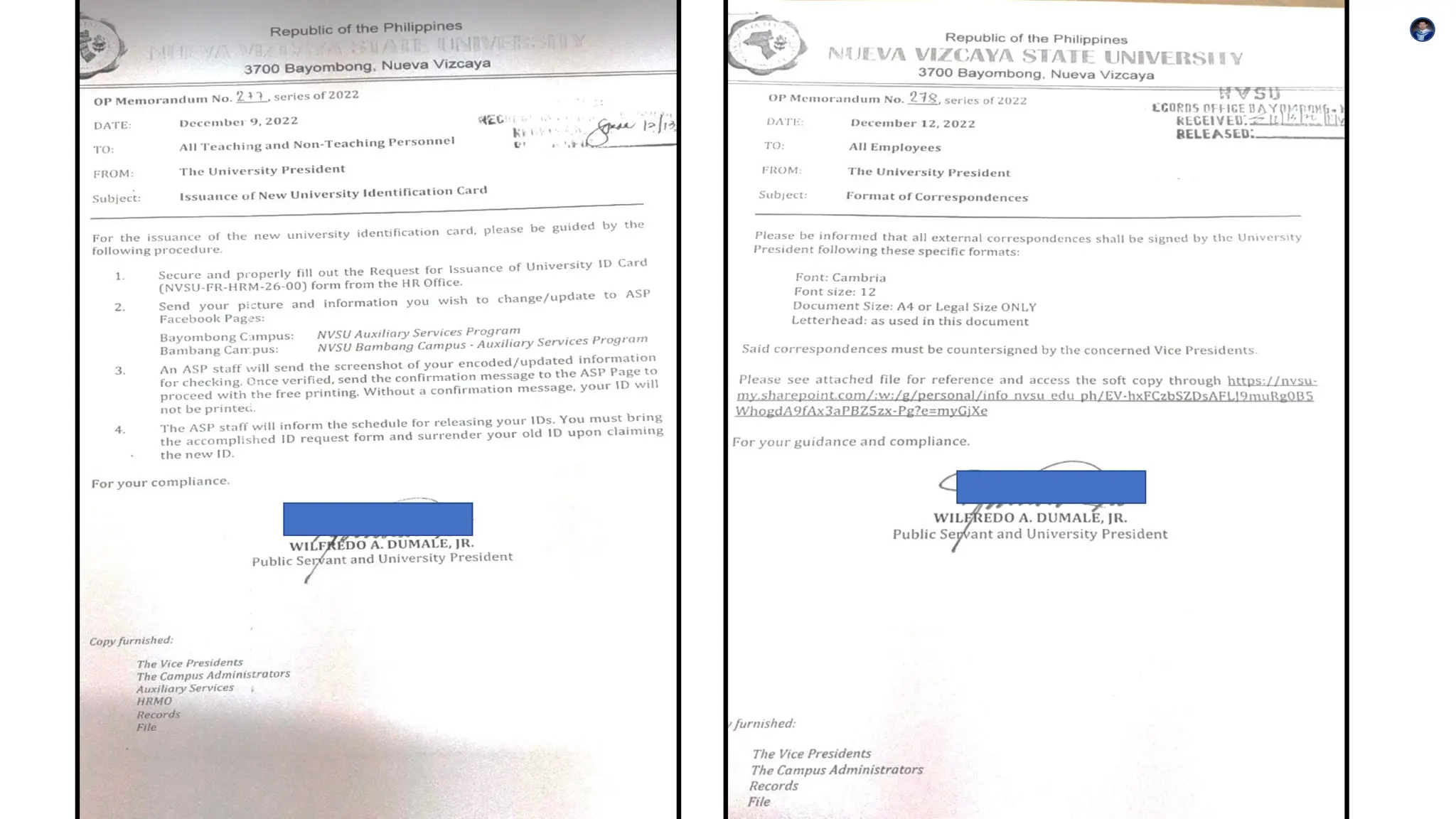
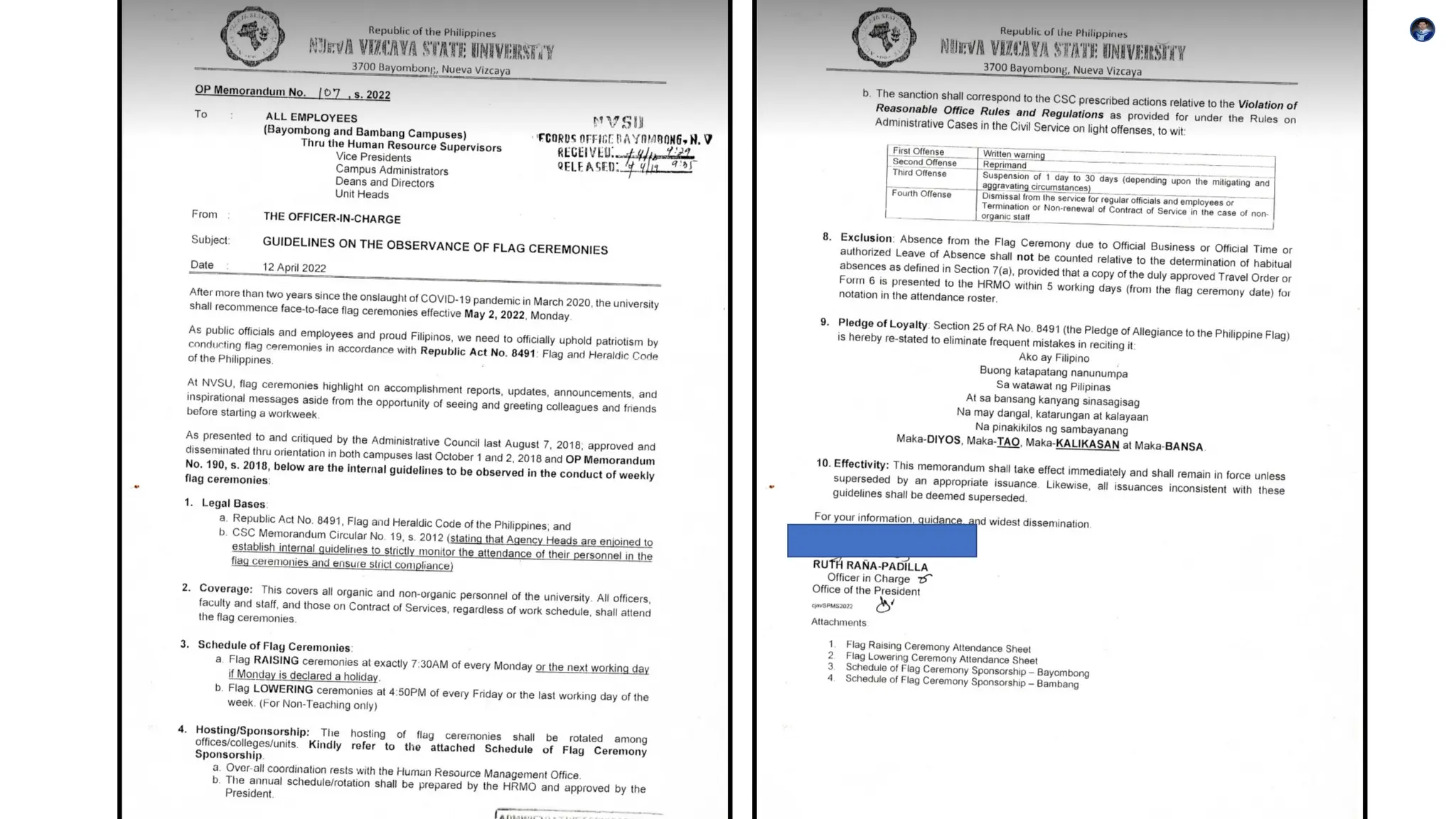
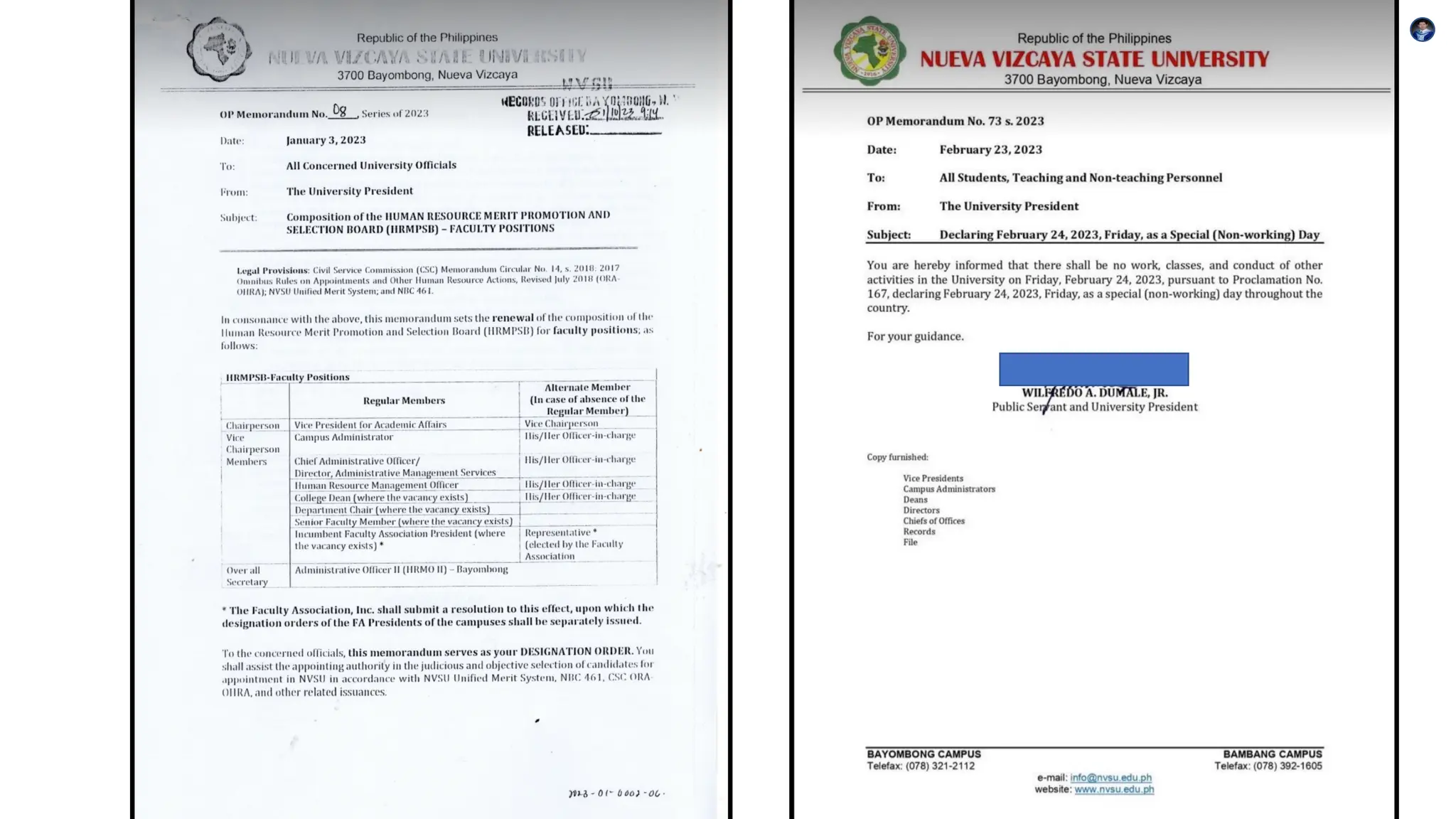
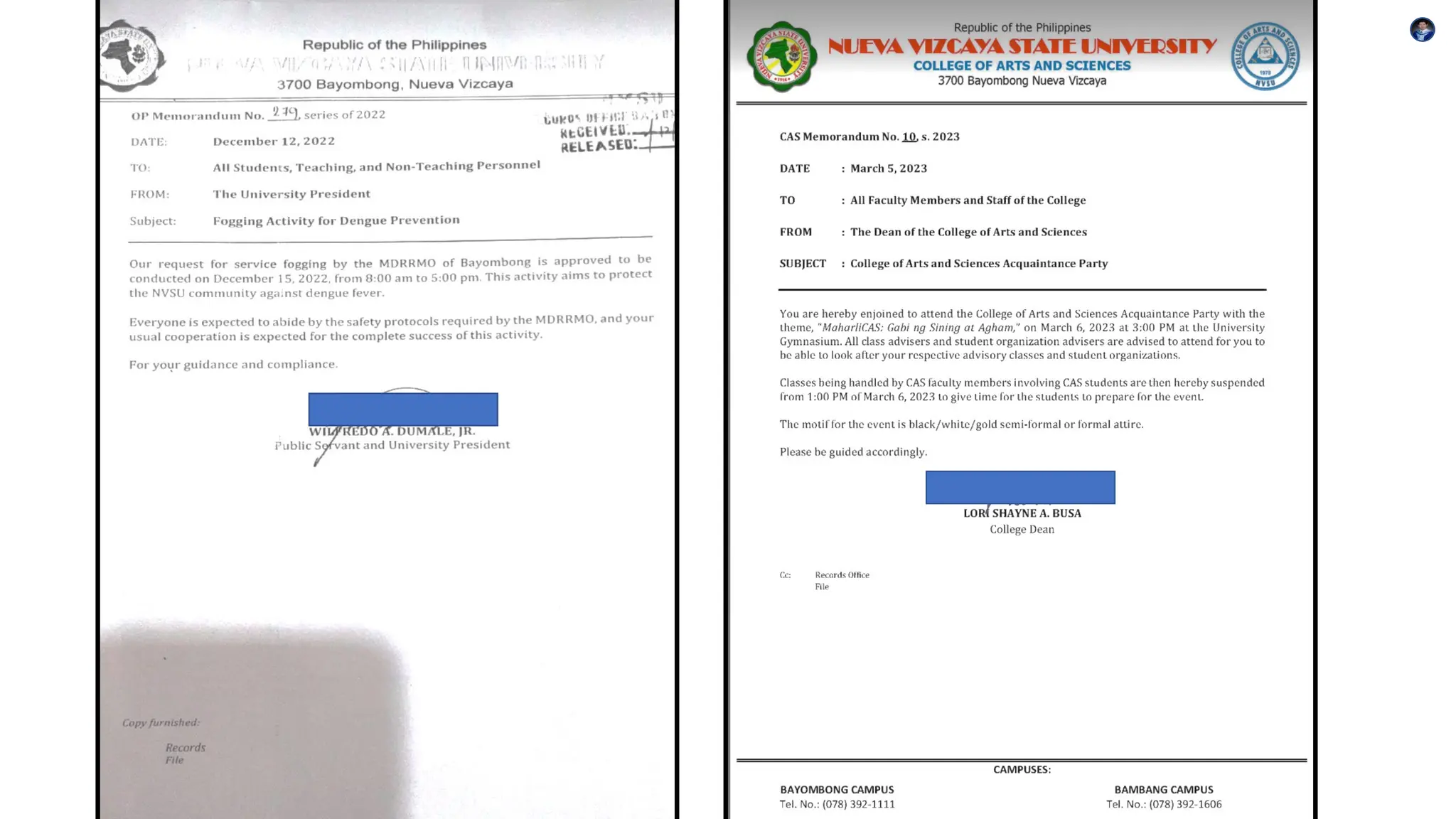
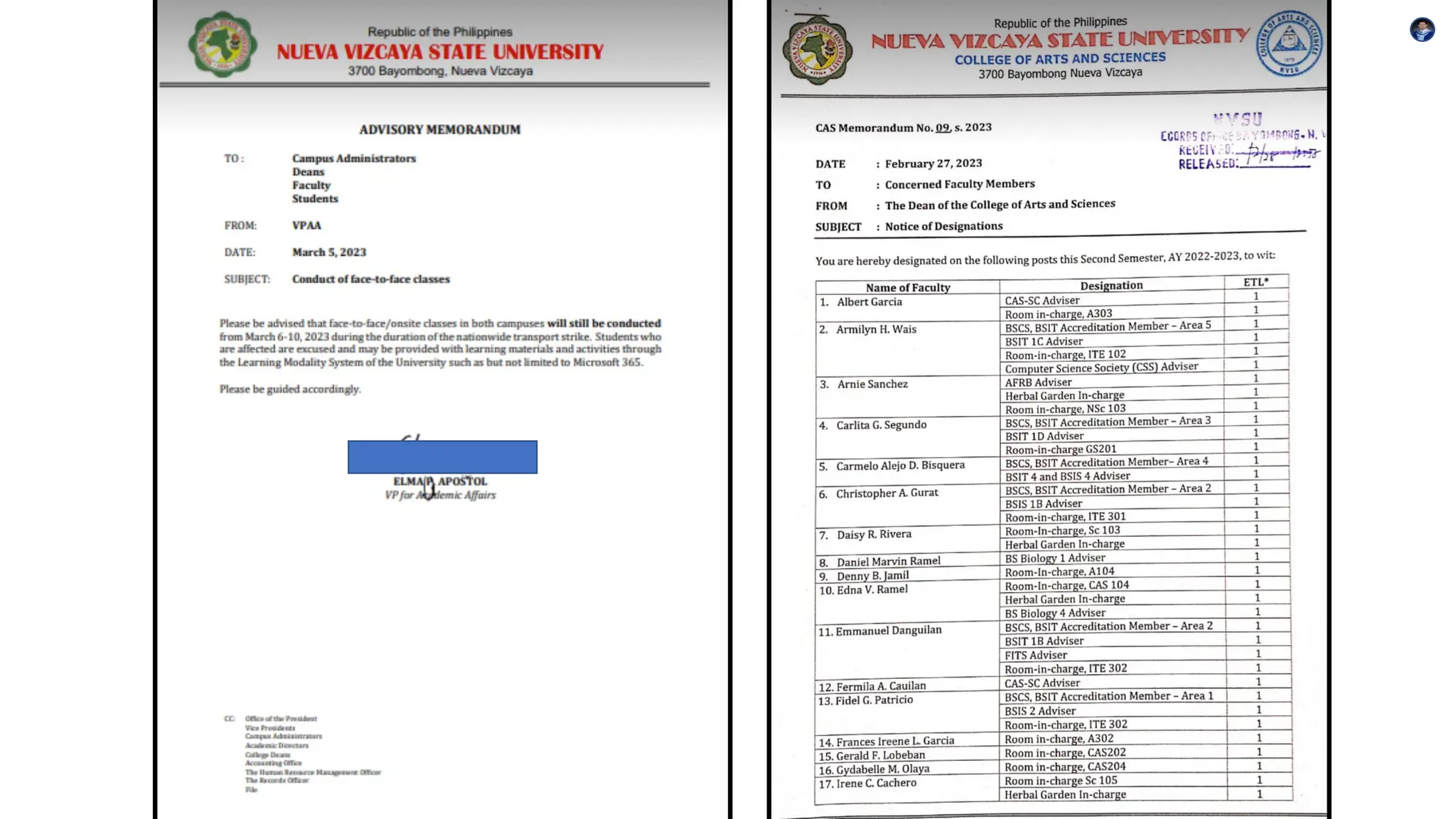
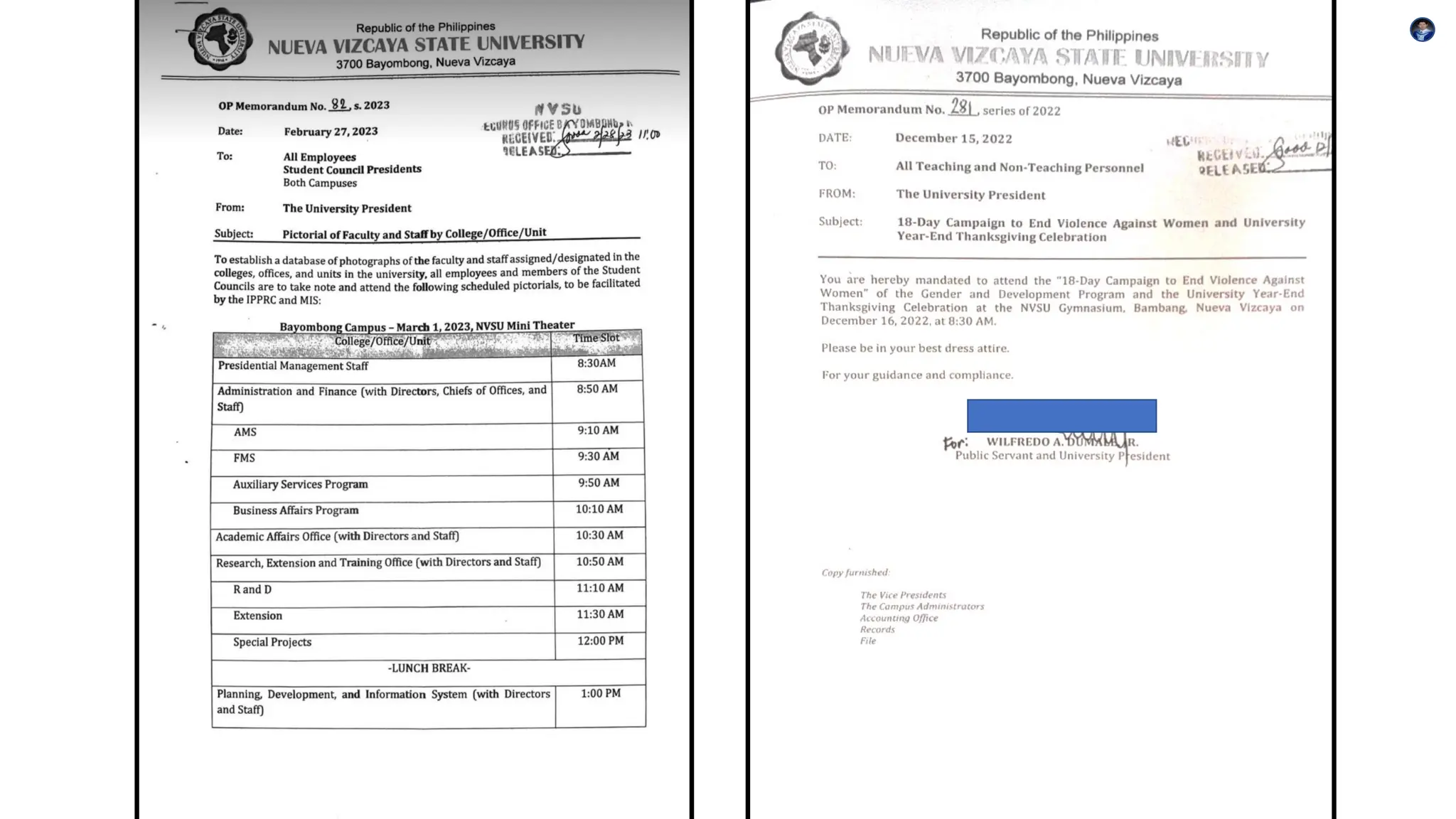
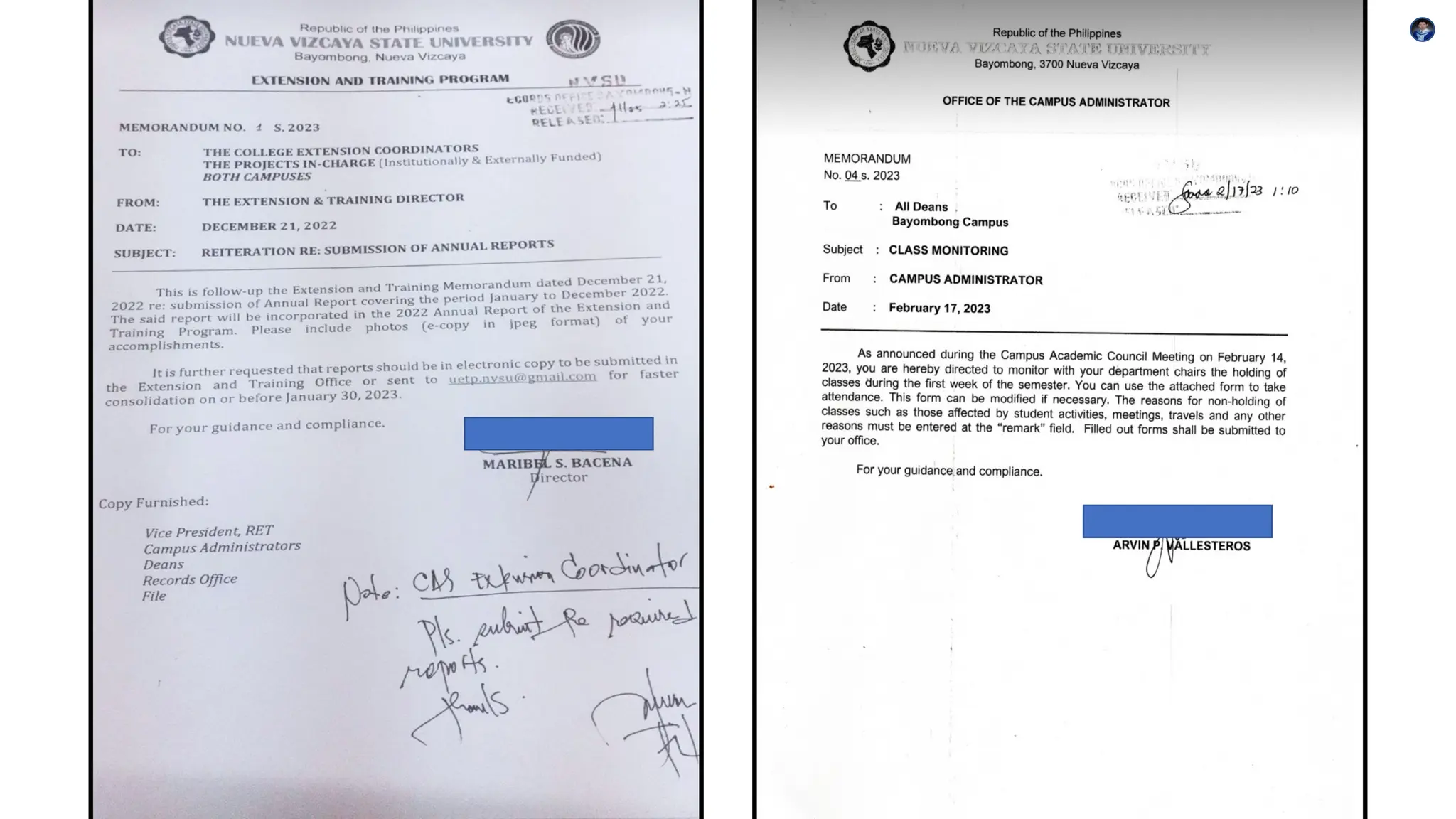
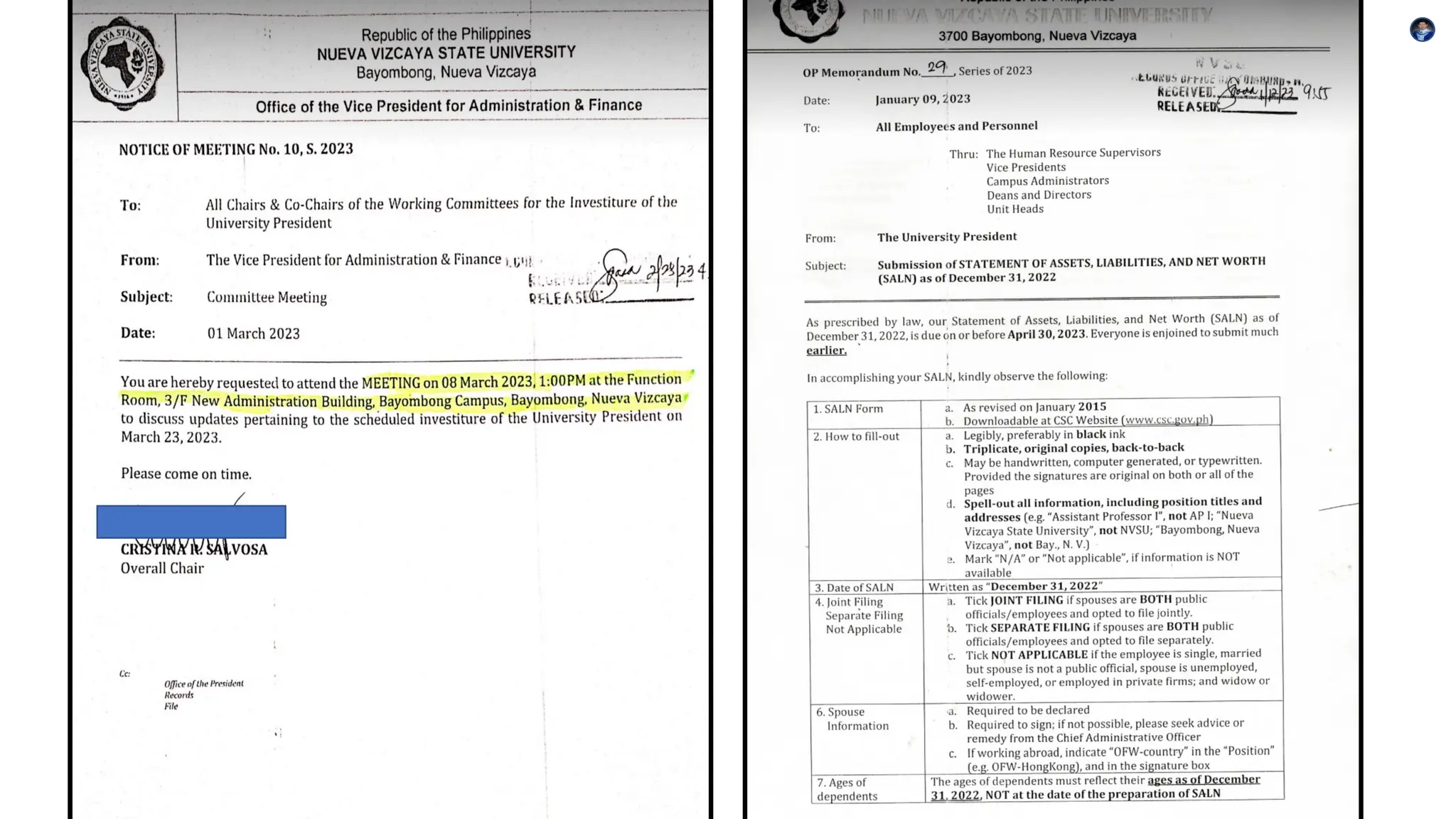
Date
Recipient
Sender
Subject
Content (brief introduction,
main content, closing section
Typed name and signature of
the sender
Memo number and series (year)
“Copy furnished” means all the
cited offices shall be provided
with a copy of the memo
There are several types
of memos, each with
its own purpose and
format. Here are some
of the most common
types of memos in
technical writing:
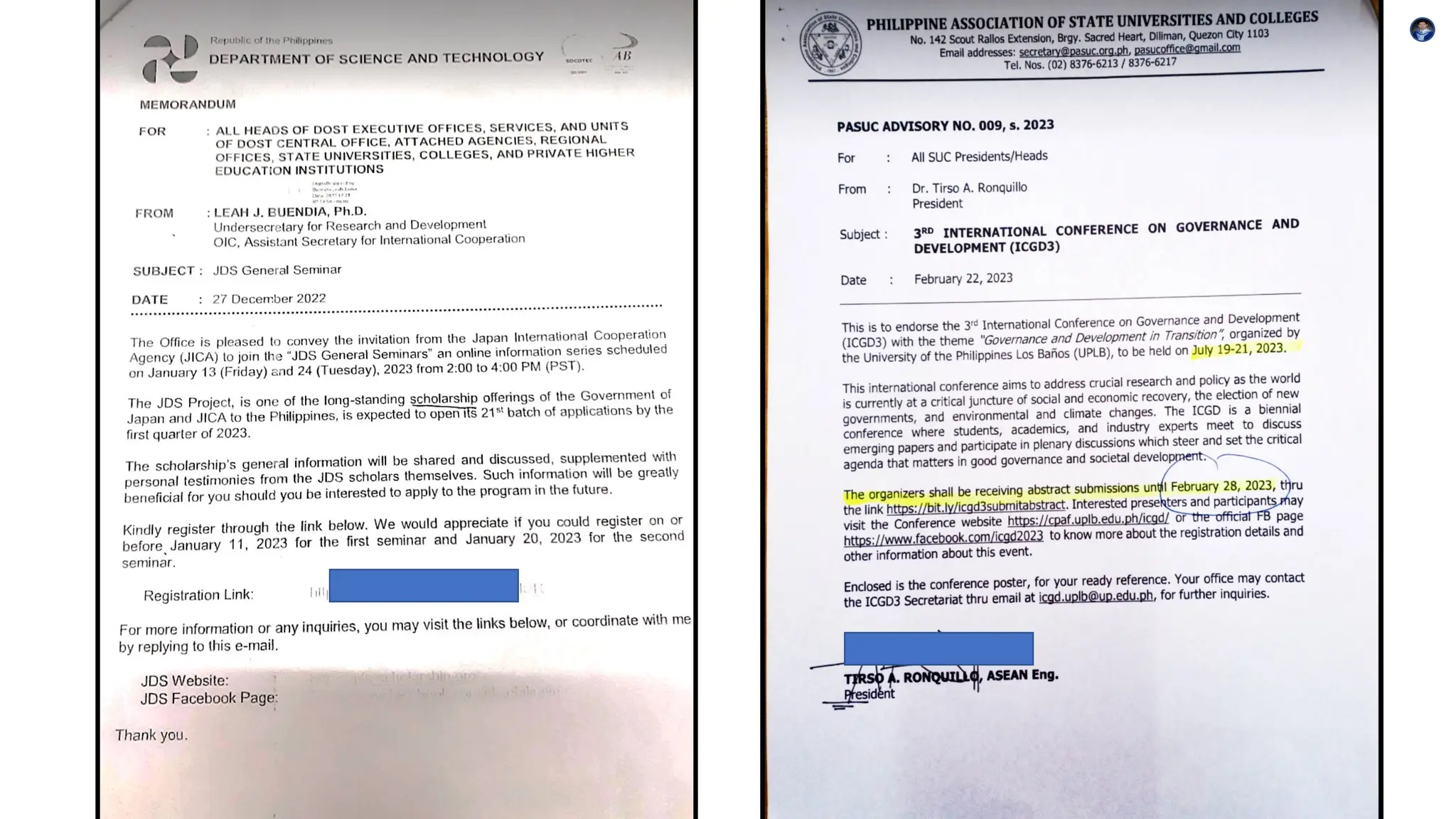
1. Informational Memo
This memo is used to
convey information, such
as updates, news, or
announcements, to a
specific group of people
within an organization.
2. Policy Memo
This memo is used to
communicate changes in
policy or procedures within
an organization. It includes
a clear statement of the
new policy or procedure,
the rationale behind it, and
any action items that need
to be taken.
3. Directive Memo
This memo is used to
provide instructions or
direction on a specific task
or project. It includes a
clear statement of what
needs to be done, who is
responsible for doing it, and
any deadlines or other
important details.
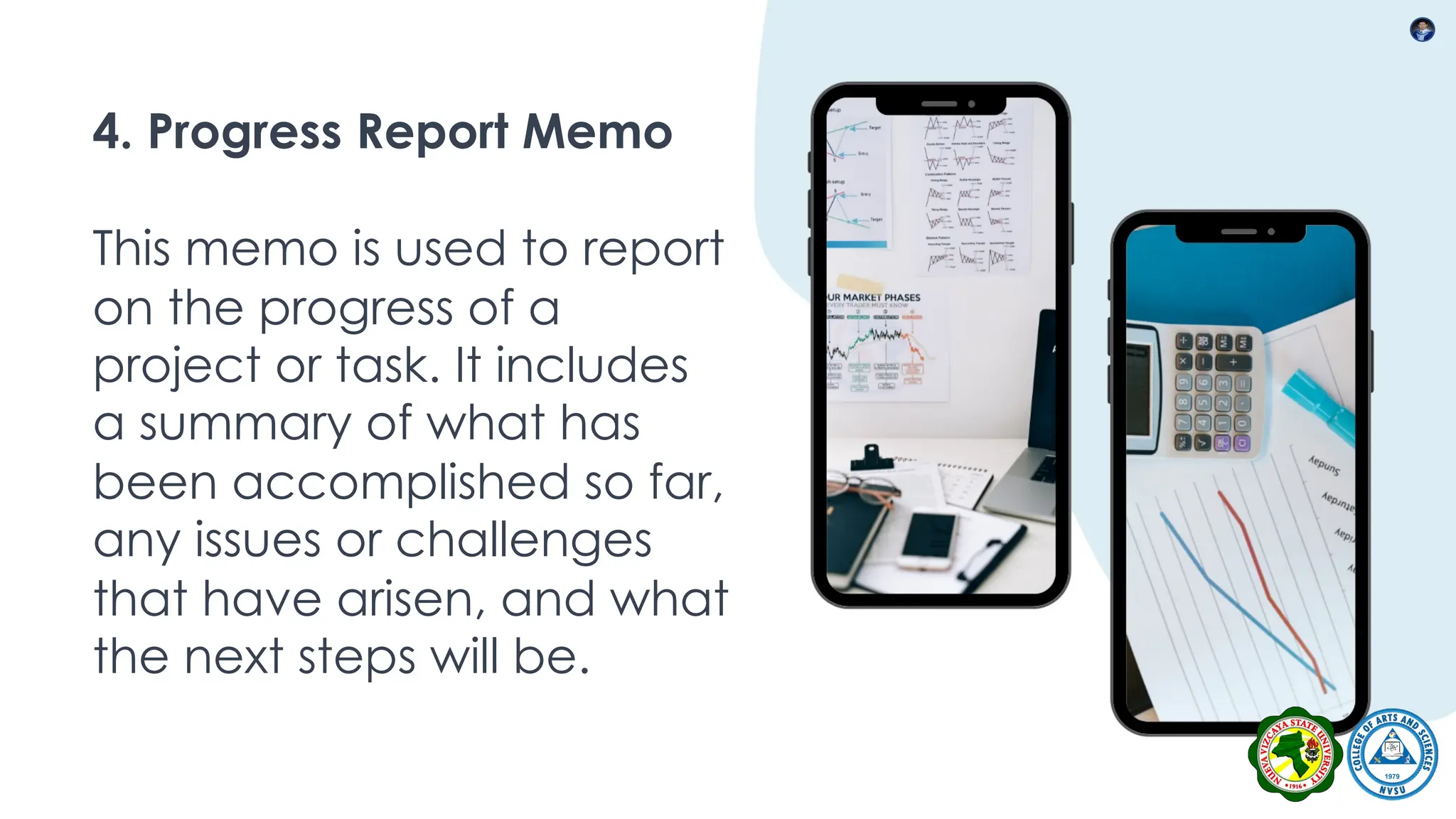
4. Progress Report Memo
This memo is used to report
on the progress of a
project or task. It includes
a summary of what has
been accomplished so far,
any issues or challenges
that have arisen, and what
the next steps will be.
5. Request Memo
This memo is used to make a
request, such as for information
or resources, from another
department or individual within
an organization. It includes a
clear statement of the request,
the reason for it, and any
supporting information or
documentation.
Here are some additional
important information
about memos:
1. Audience
Memos are typically used for
internal communication
within an organization. It's
important to consider the
audience when writing a
memo and use language
and terminology that they will
understand.
2. Tone
Memos should be written in a
professional and formal tone.
Avoid using slang, jargon, or
informal language.
3. Formatting
Memos typically have a
specific format, including a
heading with the date,
recipient(s), and sender's
name and title, followed by a
brief introduction, the main
content, and a closing
section. The memo should be
single-spaced with a blank
line between paragraphs.
4. Clarity and brevity
Memos should be clear and
concise, with a focus on the
main message. Avoid
including unnecessary details
or information.
5. Proofreading
It is important to proofread a
memo carefully before
sending it. Check for spelling
and grammar errors, as well
as formatting and
consistency.
6. Distribution
Memos are often distributed
electronically, via email or an
internal messaging system.
Make sure to send the memo
to the appropriate recipients
and keep a record of who
received it.
Basic Parts and Principles of Drafting a Memorandum

Basic Parts and Principles of Drafting a Memorandum

  • 2.
    Identify the keycomponents of a memo and explain their functions.
  • 3.
    Analyze the toneand purpose of different types of memos, and apply appropriate language and formatting conventions.
  • 4.
    Write a clearand concise memo with a specific audience and purpose in mind, using appropriate organizational strategies and language.
  • 5.
    A memo (shortfor memorandum) typically includes a heading with the date, recipient(s), and sender's name and title, followed by a brief introduction, the main content, and a closing section.
  • 6.
    Memos are oftenused to convey important information, such as updates, announcements, policy changes, or reminders, to a specific group of people within an organization.
  • 7.
    Memos are usuallywritten in a formal tone, with a clear and direct style. They are commonly used in businesses, government agencies, and academic institutions as a way to communicate information efficiently and effectively within the organization.
  • 8.
    Date Recipient Sender Subject Content (brief introduction, maincontent, closing section Typed name and signature of the sender Memo number and series (year) “Copy furnished” means all the cited offices shall be provided with a copy of the memo
  • 9.
    There are severaltypes of memos, each with its own purpose and format. Here are some of the most common types of memos in technical writing:
  • 10.
    1. Informational Memo Thismemo is used to convey information, such as updates, news, or announcements, to a specific group of people within an organization.
  • 12.
    2. Policy Memo Thismemo is used to communicate changes in policy or procedures within an organization. It includes a clear statement of the new policy or procedure, the rationale behind it, and any action items that need to be taken.
  • 16.
    3. Directive Memo Thismemo is used to provide instructions or direction on a specific task or project. It includes a clear statement of what needs to be done, who is responsible for doing it, and any deadlines or other important details.
  • 20.
    4. Progress ReportMemo This memo is used to report on the progress of a project or task. It includes a summary of what has been accomplished so far, any issues or challenges that have arisen, and what the next steps will be.
  • 22.
    5. Request Memo Thismemo is used to make a request, such as for information or resources, from another department or individual within an organization. It includes a clear statement of the request, the reason for it, and any supporting information or documentation.
  • 24.
    Here are someadditional important information about memos:
  • 25.
    1. Audience Memos aretypically used for internal communication within an organization. It's important to consider the audience when writing a memo and use language and terminology that they will understand.
  • 26.
    2. Tone Memos shouldbe written in a professional and formal tone. Avoid using slang, jargon, or informal language.
  • 27.
    3. Formatting Memos typicallyhave a specific format, including a heading with the date, recipient(s), and sender's name and title, followed by a brief introduction, the main content, and a closing section. The memo should be single-spaced with a blank line between paragraphs.
  • 28.
    4. Clarity andbrevity Memos should be clear and concise, with a focus on the main message. Avoid including unnecessary details or information.
  • 29.
    5. Proofreading It isimportant to proofread a memo carefully before sending it. Check for spelling and grammar errors, as well as formatting and consistency.
  • 30.
    6. Distribution Memos areoften distributed electronically, via email or an internal messaging system. Make sure to send the memo to the appropriate recipients and keep a record of who received it.