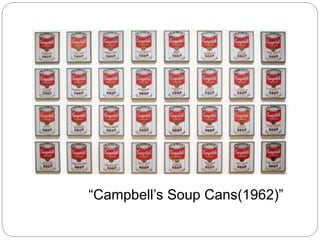
This document provides an overview of art concepts like soulmaking, improvisation, and appropriation. It then discusses key characteristics of Chinese and Japanese art, including influences from Confucianism, Buddhism, and nature themes. Finally, it outlines the development of Philippine art from precolonial pottery, weaving, and other forms that reflected religious beliefs and practices of ethnic groups. Common themes across Asian art included everyday life, nature, and symbolism. Stylistically, Chinese art used monumental perspectives while Japanese art was more minimalist and abstract.