APPLIED
INNOVATIONS IN
MACHINE LEARNING
AND SOFT
COMPUTINGTHE USA
ABHISHEK SYAL
February, 2016
NITTTR, CHANDIGARH
ABHISHEK SYAL
About me
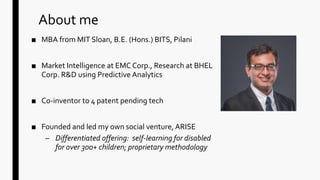
■ MBA from MIT Sloan, B.E. (Hons.) BITS, Pilani
■ Market Intelligence at EMC Corp., Research at BHEL
Corp. R&D using Predictive Analytics
■ Co-inventor to 4 patent pending tech
■ Founded and led my own social venture, ARISE
– Differentiated offering: self-learning for disabled
for over 300+ children; proprietary methodology
Agenda
■ Part – I: Brief Introduction to Machine Learning and Soft
Computing
■ Part – II: Applied Innovations in the USA
■ Part – III: Research Areas
BRIEF INTRODUCTIONTO
MACHINE LEARNING AND
SOFT COMPUTING
PART - I
Machine Learning
■ Machine learning is the science of getting computers to act
and respond without being explicitly programmed
■ Type of AI where computers learn and grow better with time
to solve for the objective function
■ Data analysis and actions using automatic model building,
many of them using mathematical optimization techniques
Selected Machine LearningTechniques
■ ANN: Artificial Neural Network – group of artificial neurons
■ Clustering: putting a set of object into clusters, building
compactness
■ DecisionTree Learning: Using decision trees as predictive
models
Soft Computing
■ Use of inexact solutions to computationally hard tasks,
difficult to solve for in the time objective
■ Tolerant for imprecision, uncertainty, partial truth and
approximation
■ Role model for soft computing is human mind
Selected Soft ComputingTechniques
■ Artificial Neural Networks
■ Fuzzy logic: many valued logic between 0 and 1, usage of
linguistic variables
■ Bayesian Network: probabilistic graphical model with set of
random variables and their conditional dependencies in a
Directed acyclic graph (directed graph with no directed
cycles)
APPLIED INNOVATIONS
INTHE USA
PART - II
1. Energy Management and Efficiency
■ My experience is in designing a meta-heuristics controller
application using model heuristics for Operational Efficiency
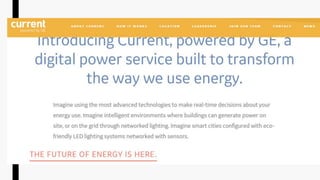
■ Cloud computing and IIoT (Industrial Internet ofThings) to aid
in real-time grid optimization in terms of connectivity, load
balancing and remote operation
■ Preventive Maintenance of energy sources and distribution
infrastructure, saving CapEx and OpEx
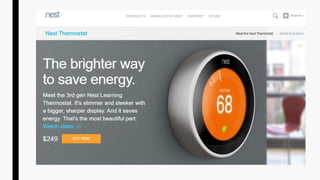
■ Home Automation and Building Energy Management
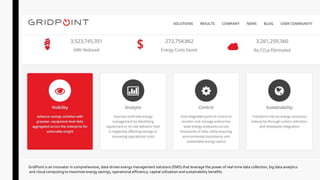
GridPoint is an innovator in comprehensive, data-driven energy management solutions (EMS) that leverage the power of real-time data collection, big data analytics
and cloud computing to maximize energy savings, operational efficiency, capital utilization and sustainability benefits.
2. Human Machine Interaction
■ Speech recognition (e.g. Alexa)
■ Web search
■ Face and gesture recognition
■ Image Identification and classification
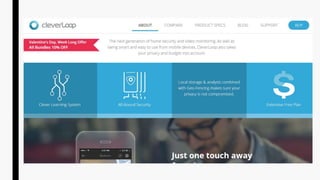
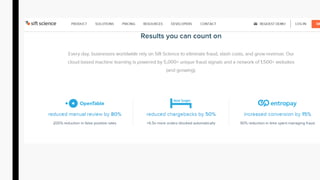
■ Applications in mobile retail, social media, security, fraud
detection and surveillance
3. Infrastructure andTransport
■ Navigation
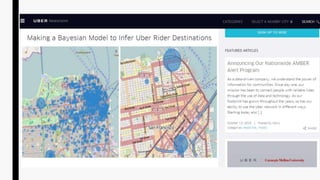
■ On-demand match of supply and demand for uber, olacabs, etc.
– GPS as the main sensor, supply agents (cabs), inputs (ask requests)
■ Self-driving cars
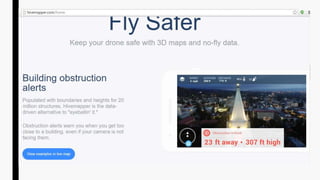
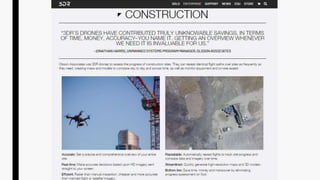
■ Drone flights
■ Construction & Farms
– Inspection
– Survey
Other Applications
■ Understanding human genome
■ Fraud detection
– Credit card
– Internet
■ Brain-machine interfaces
■ Computational finance
■ Sentiment analysis
■ Online Advertising
■ Robotics
■ Augmented Reality
RESEARCH AREAS
PART - III
ResearchAreas
■ Efficiency management, preventive maintenance and
optimization of dynamic multi-agent systems
■ Humanization of machine-human interactions for more life-like
natural experiences as well as to prevent fraud
■ Hyper-personalization, localization and contextualization of
automation systems with added learning
THANKS
abhishek.syal@sloan.mit.edu

Applied Innovations in Machine Learning in USA

  • 1.
    APPLIED INNOVATIONS IN MACHINE LEARNING ANDSOFT COMPUTINGTHE USA ABHISHEK SYAL February, 2016 NITTTR, CHANDIGARH ABHISHEK SYAL
  • 2.
    About me ■ MBAfrom MIT Sloan, B.E. (Hons.) BITS, Pilani ■ Market Intelligence at EMC Corp., Research at BHEL Corp. R&D using Predictive Analytics ■ Co-inventor to 4 patent pending tech ■ Founded and led my own social venture, ARISE – Differentiated offering: self-learning for disabled for over 300+ children; proprietary methodology
  • 3.
    Agenda ■ Part –I: Brief Introduction to Machine Learning and Soft Computing ■ Part – II: Applied Innovations in the USA ■ Part – III: Research Areas
  • 4.
    BRIEF INTRODUCTIONTO MACHINE LEARNINGAND SOFT COMPUTING PART - I
  • 5.
    Machine Learning ■ Machinelearning is the science of getting computers to act and respond without being explicitly programmed ■ Type of AI where computers learn and grow better with time to solve for the objective function ■ Data analysis and actions using automatic model building, many of them using mathematical optimization techniques
  • 6.
    Selected Machine LearningTechniques ■ANN: Artificial Neural Network – group of artificial neurons ■ Clustering: putting a set of object into clusters, building compactness ■ DecisionTree Learning: Using decision trees as predictive models
  • 7.
    Soft Computing ■ Useof inexact solutions to computationally hard tasks, difficult to solve for in the time objective ■ Tolerant for imprecision, uncertainty, partial truth and approximation ■ Role model for soft computing is human mind
  • 8.
    Selected Soft ComputingTechniques ■Artificial Neural Networks ■ Fuzzy logic: many valued logic between 0 and 1, usage of linguistic variables ■ Bayesian Network: probabilistic graphical model with set of random variables and their conditional dependencies in a Directed acyclic graph (directed graph with no directed cycles)
  • 9.
  • 10.
    1. Energy Managementand Efficiency ■ My experience is in designing a meta-heuristics controller application using model heuristics for Operational Efficiency ■ Cloud computing and IIoT (Industrial Internet ofThings) to aid in real-time grid optimization in terms of connectivity, load balancing and remote operation ■ Preventive Maintenance of energy sources and distribution infrastructure, saving CapEx and OpEx ■ Home Automation and Building Energy Management
  • 15.
    GridPoint is aninnovator in comprehensive, data-driven energy management solutions (EMS) that leverage the power of real-time data collection, big data analytics and cloud computing to maximize energy savings, operational efficiency, capital utilization and sustainability benefits.
  • 16.
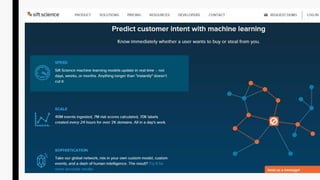
    2. Human MachineInteraction ■ Speech recognition (e.g. Alexa) ■ Web search ■ Face and gesture recognition ■ Image Identification and classification ■ Applications in mobile retail, social media, security, fraud detection and surveillance
  • 21.
    3. Infrastructure andTransport ■Navigation ■ On-demand match of supply and demand for uber, olacabs, etc. – GPS as the main sensor, supply agents (cabs), inputs (ask requests) ■ Self-driving cars ■ Drone flights ■ Construction & Farms – Inspection – Survey
  • 26.
    Other Applications ■ Understandinghuman genome ■ Fraud detection – Credit card – Internet ■ Brain-machine interfaces ■ Computational finance ■ Sentiment analysis ■ Online Advertising ■ Robotics ■ Augmented Reality
  • 27.
  • 28.
    ResearchAreas ■ Efficiency management,preventive maintenance and optimization of dynamic multi-agent systems ■ Humanization of machine-human interactions for more life-like natural experiences as well as to prevent fraud ■ Hyper-personalization, localization and contextualization of automation systems with added learning
  • 29.

Editor's Notes

  • #17 1. Tools 2. Physical Attributes 3. Brain Size and Function 4. Lifestyle