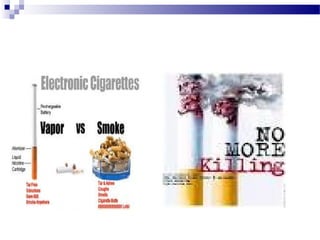
1) Air pollution is defined as the presence of substances in the atmosphere that interfere with human health or comfort. Major sources include automobiles, industries, domestic sources, and tobacco smoke.
2) Air pollutants can have both immediate and delayed health effects, including respiratory illnesses and increased risk of chronic diseases. They also have social and economic impacts.
3) Monitoring of air pollution involves measuring levels of pollutants like sulfur dioxide and particulate matter. Prevention and control methods include containment, replacement, dilution, legislation, and international cooperation.