What happened in the meantime?
Sandra Funcke, MD, DESA
9th IFAD – Valencia October 26th, 2019
Clinic for Anesthesiology and Intensive Care Medicine, University Medical
Center Hamburg-Eppendorf, Hamburg, Germany
Acknowledgements/COI
“This trial is supported by an unrestricted research grant by the Getinge Group,
PULSION Medical Systems SE, Hans-Riedl Str. 2, 85622 Feldkirchen, Germany. The
funders have no role in the content, decision to publish, or preparation of the
manuscript. None of the clinical investigators enrolling patients have received any
honorarium for participating in the study.”
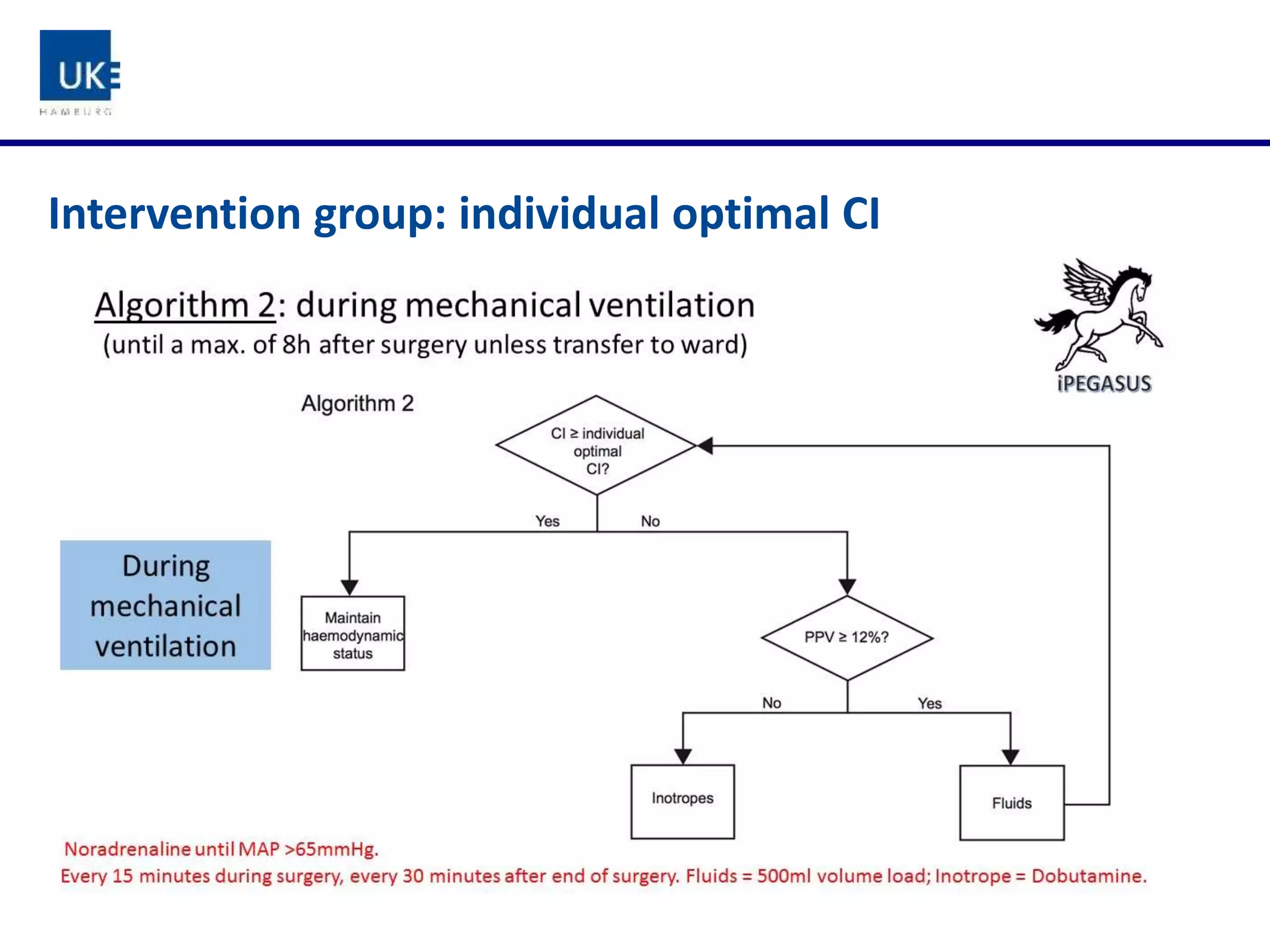
We thank Frank Ponndorf (MedSurv GmbH, Nidderau, Germany) for setup and continuous care of the
eCRF. Further, we thank EuroQuol for providing us the quality of life questionnaire.
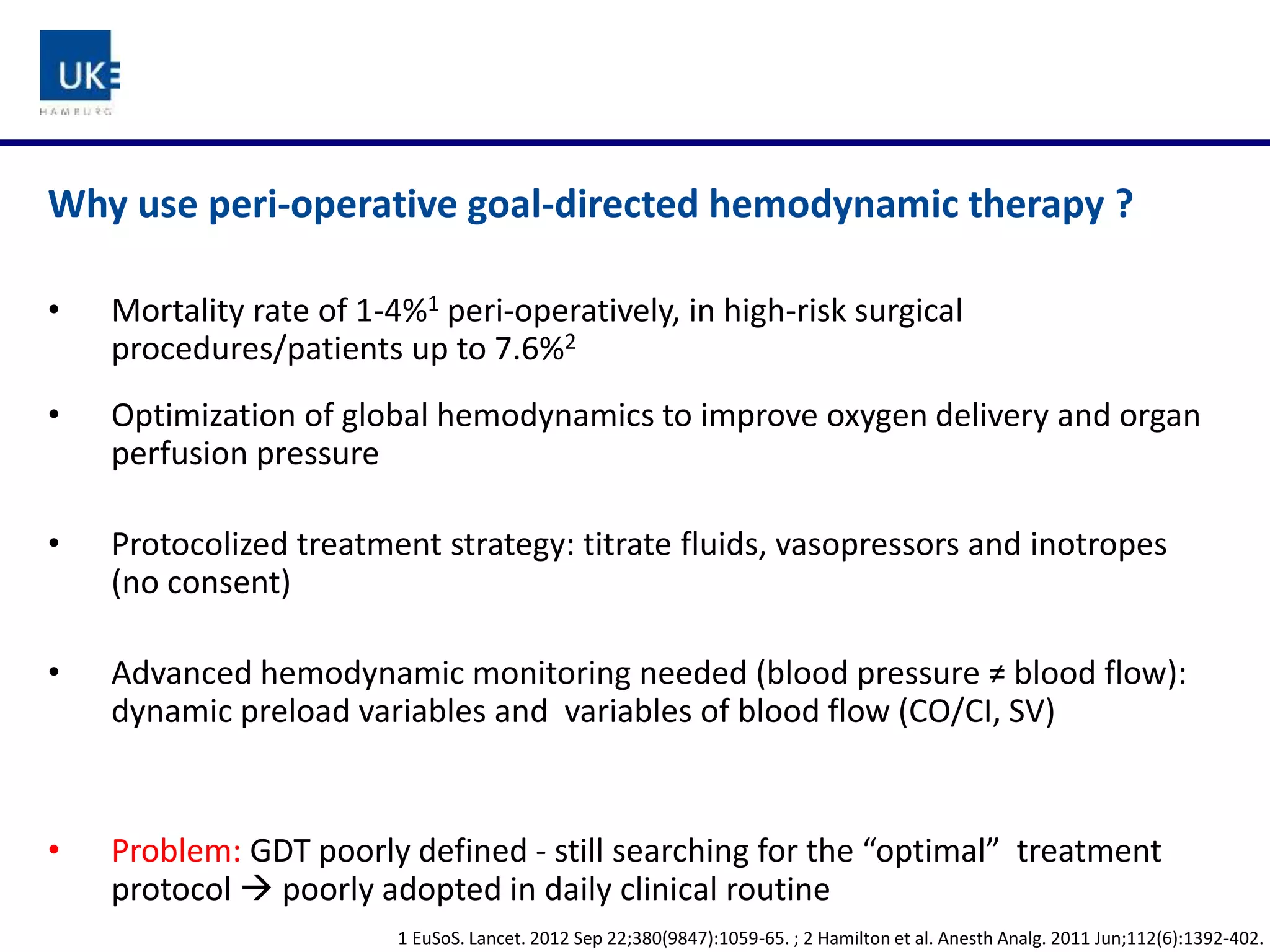
Why use peri-operative goal-directed hemodynamic therapy ?
• Mortality rate of 1-4%1 peri-operatively, in high-risk surgical
procedures/patients up to 7.6%2
• Optimization of global hemodynamics to improve oxygen delivery and organ
perfusion pressure
• Protocolized treatment strategy: titrate fluids, vasopressors and inotropes
(no consent)
• Advanced hemodynamic monitoring needed (blood pressure ≠ blood flow):
dynamic preload variables and variables of blood flow (CO/CI, SV)
• Problem: GDT poorly defined - still searching for the “optimal” treatment
protocol  poorly adopted in daily clinical routine
1 EuSoS. Lancet. 2012 Sep 22;380(9847):1059-65. ; 2 Hamilton et al. Anesth Analg. 2011 Jun;112(6):1392-402.
Extract of previous trials: why another study on GDT?
• Shoemaker 1988 (Chest): CI-monitoring (PAC) per protocol in high-risk
patients reduced mortality, complication rate, days in hospital and costs
• Rivers 2001 (NEJM): early GDT in severe sepsis / septic shock lowered in-
hospital mortality from 46.5% to 30.5%
• Smaller RCTs in different fields of surgery – favorable results of GDT
• Pearse (OPTIMISE) 2014 (JAMA), Calco-Vecino (FEDORA) 2018 (BJA)
• Meta-analyses (Cecconi 2013 (Crit Care), Michard 2017 (BJA), Chong 2018
(EJA), Kendrick J (Anaesthesiol Clin Pharmacol 2019 )): morbidity and
mortality reduced, BUT….
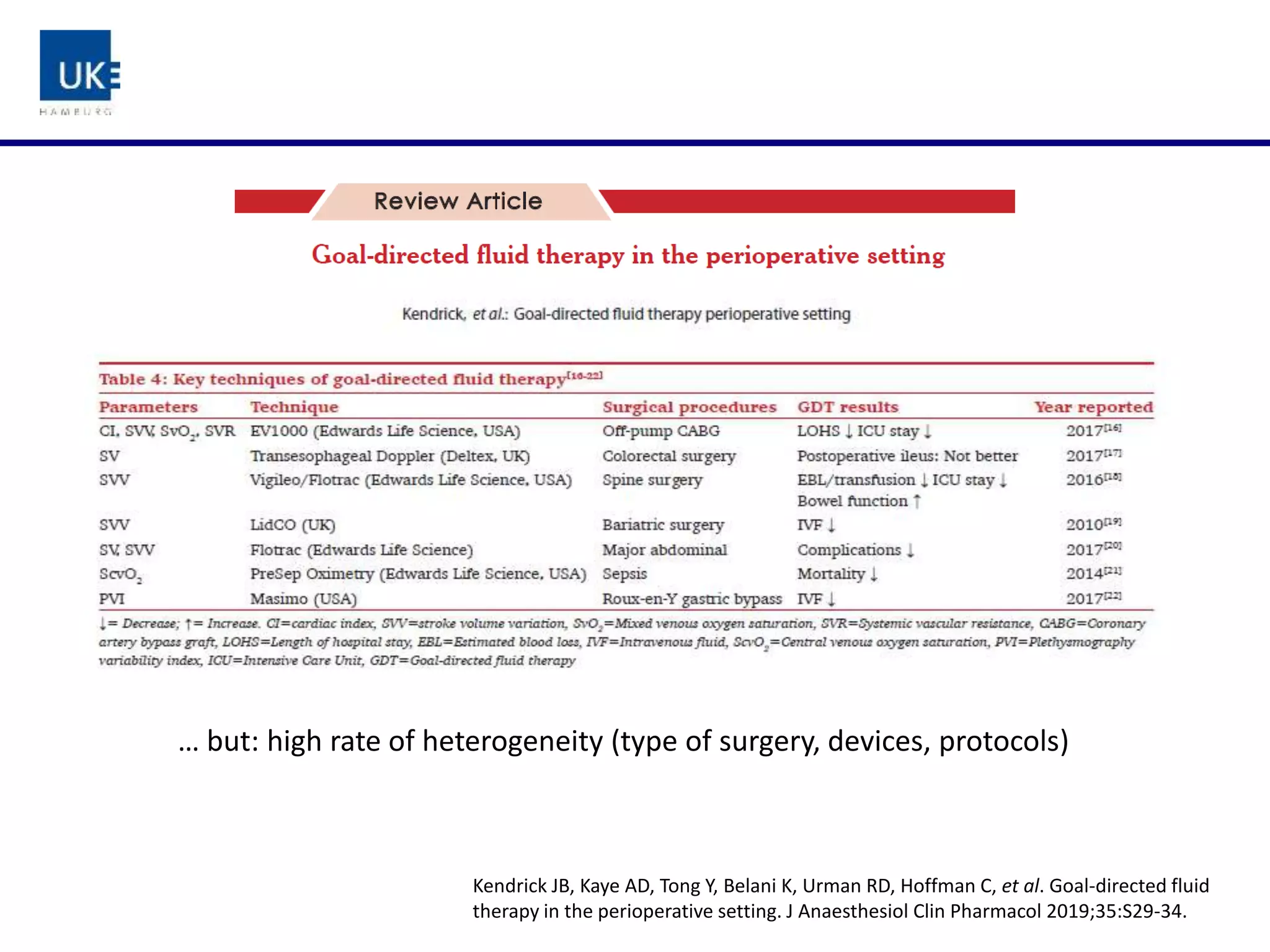
Kendrick JB, Kaye AD, Tong Y, Belani K, Urman RD, Hoffman C, et al. Goal-directed fluid
therapy in the perioperative setting. J Anaesthesiol Clin Pharmacol 2019;35:S29-34.
… but: high rate of heterogeneity (type of surgery, devices, protocols)
Chong et al. Eur J Anaesthesiol 2018; 35:469–483
Chong EJA 2018: Meta-analysis
… but: low quality of evidence (blinding), heterogeneity (type of surgery, devices,
protocols)  larger trials with more patients needed (e.g. OPTIMISE II)
Patient
enrolment
Randomization
Intervention Group Control Group
Intraoperative
Therapy according
to iGDT Algorithm
Intraoperative
Therapy according
to Local Care
Primary endpoint
Composite of at least one severe or moderate
complication and mortality on day 28
Secondary endpoint
Morbidity on day 1, 3, 5, 7 and 28
Length of Intensive Care Unit (ICU) and Hospital Stay
Days Alive and Free of Mechanical Ventilation at 7 Days and 28 Days
Days Alive and Free of Vasopressor Therapy at 7 Days and 28 Days
Days Alive and Free of Renal Replacement Therapy at 7 Days and 28 Days
Quality of life and mortality at 6 Months
vs.
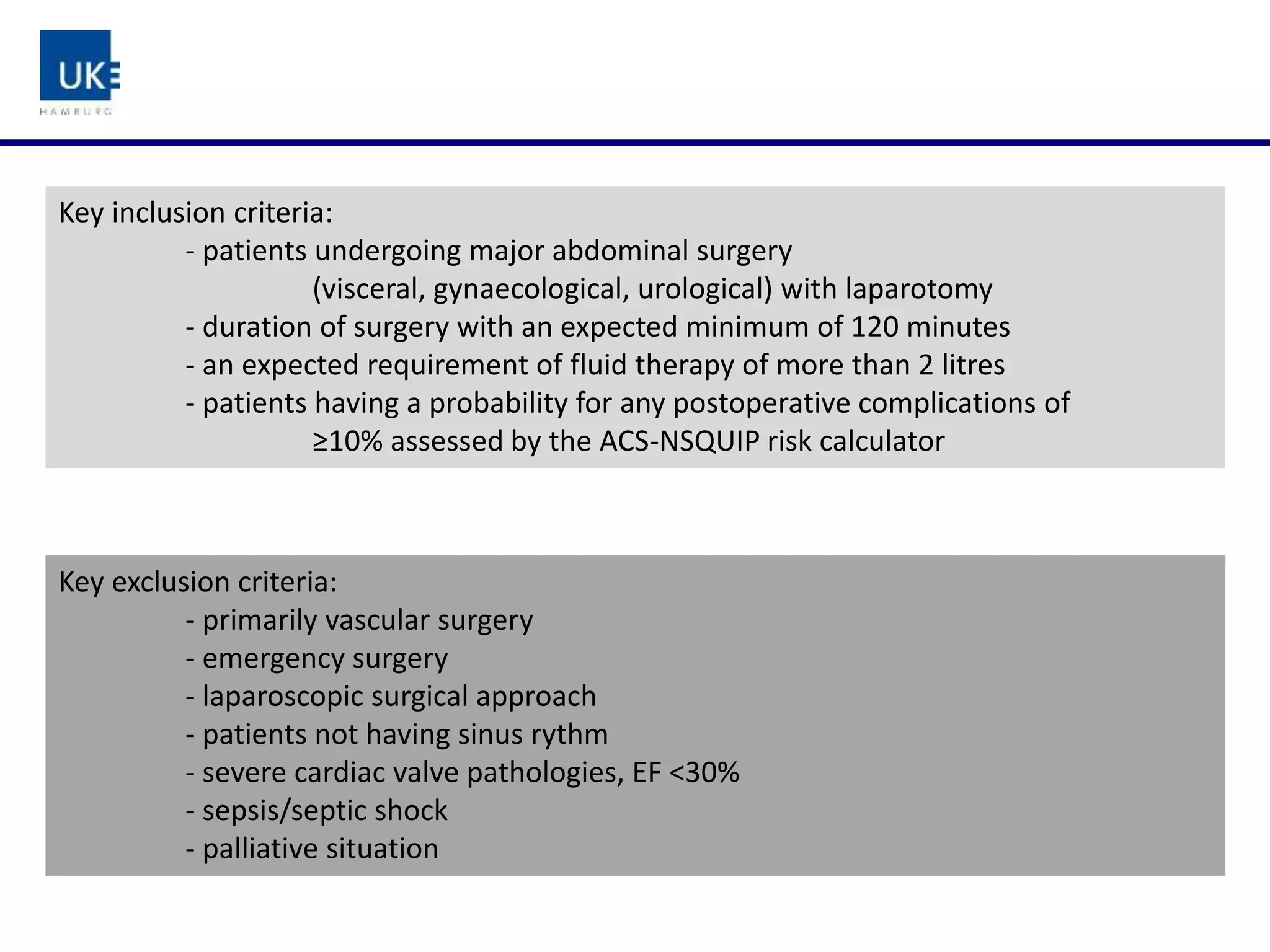
Key inclusion criteria:
- patients undergoing major abdominal surgery
(visceral, gynaecological, urological) with laparotomy
- duration of surgery with an expected minimum of 120 minutes
- an expected requirement of fluid therapy of more than 2 litres
- patients having a probability for any postoperative complications of
≥10% assessed by the ACS-NSQUIP risk calculator
Key exclusion criteria:
- primarily vascular surgery
- emergency surgery
- laparoscopic surgical approach
- patients not having sinus rythm
- severe cardiac valve pathologies, EF <30%
- sepsis/septic shock
- palliative situation
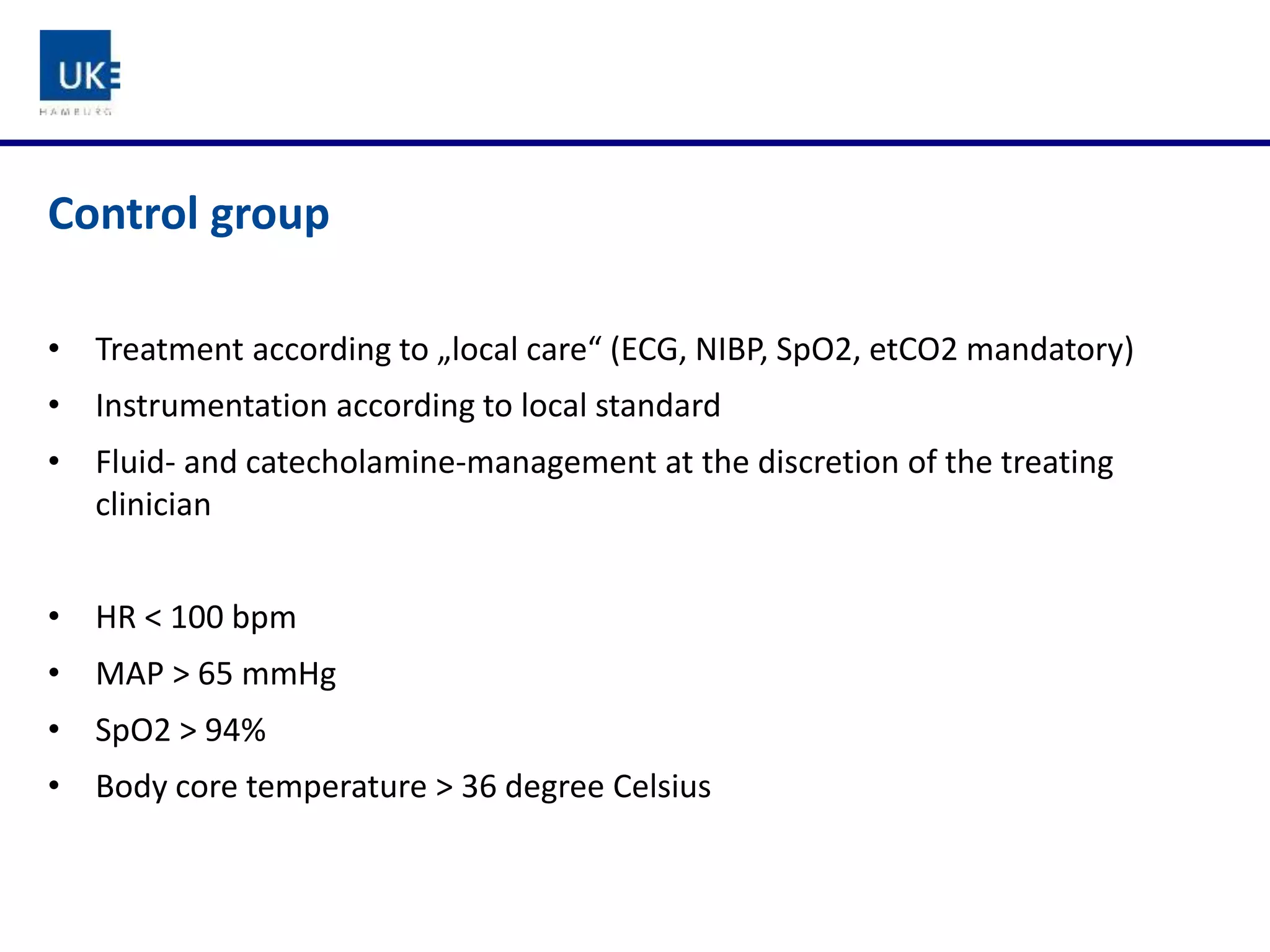
Control group
• Treatment according to „local care“ (ECG, NIBP, SpO2, etCO2 mandatory)
• Instrumentation according to local standard
• Fluid- and catecholamine-management at the discretion of the treating
clinician
• HR < 100 bpm
• MAP > 65 mmHg
• SpO2 > 94%
• Body core temperature > 36 degree Celsius
Intervention group
 targeting the individual optimal cardiac index (CI)
… pulse-contour analysis (ProAQT© device; Pulsion Medical Systems, Feldkirchen,
Germany), need of fluids assessed based on pulse pressure variation (PPV)
Intervention group: individual optimal CI
OPTIMISE vs .
Primary endpoint
Composite of at least one severe or
moderate complication and mortality
on day 28
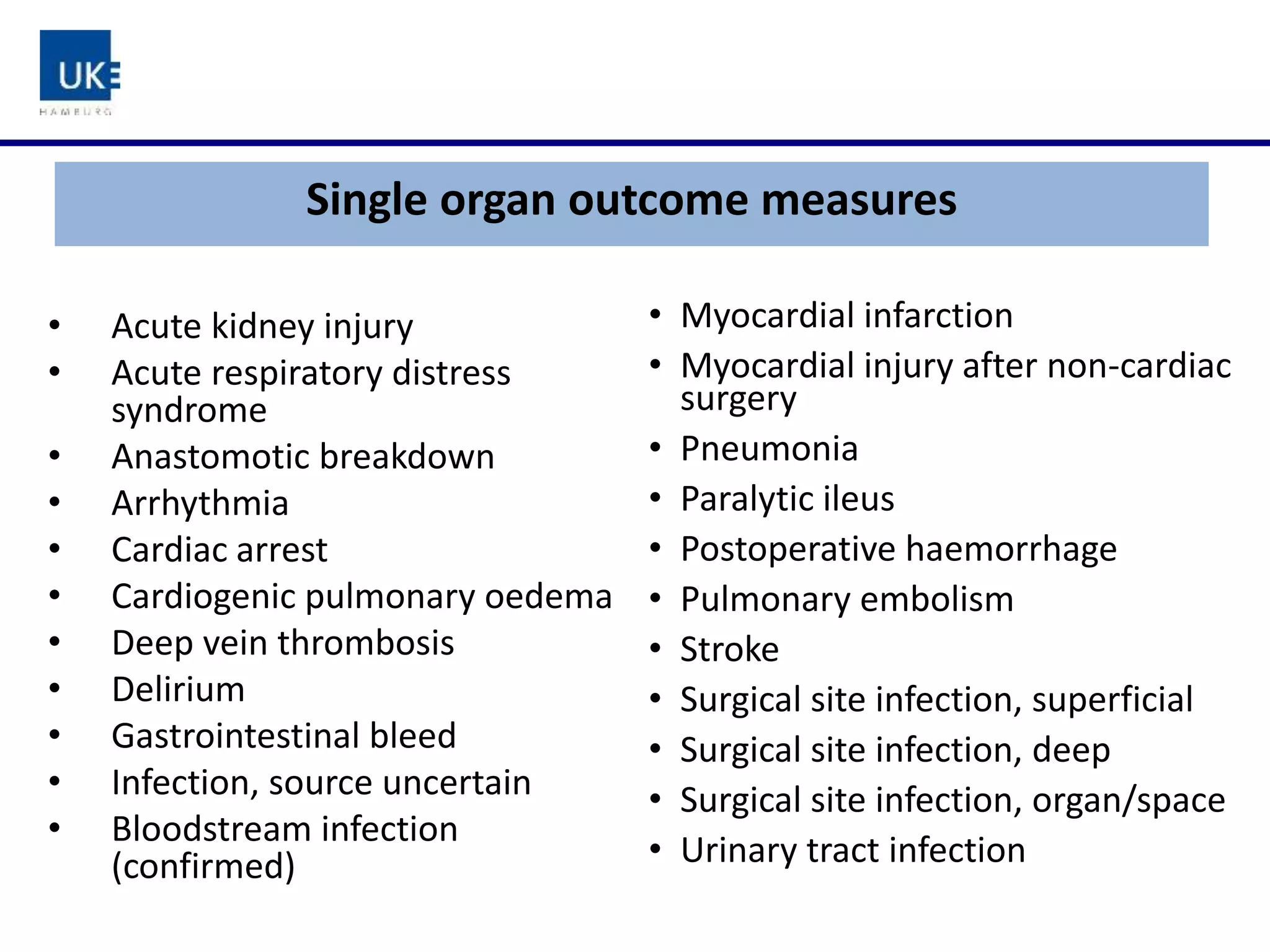
Complications are defined by:
Single organ outcome measures
• Myocardial infarction
• Myocardial injury after non-cardiac
surgery
• Pneumonia
• Paralytic ileus
• Postoperative haemorrhage
• Pulmonary embolism
• Stroke
• Surgical site infection, superficial
• Surgical site infection, deep
• Surgical site infection, organ/space
• Urinary tract infection
• Acute kidney injury
• Acute respiratory distress
syndrome
• Anastomotic breakdown
• Arrhythmia
• Cardiac arrest
• Cardiogenic pulmonary oedema
• Deep vein thrombosis
• Delirium
• Gastrointestinal bleed
• Infection, source uncertain
• Bloodstream infection
(confirmed)
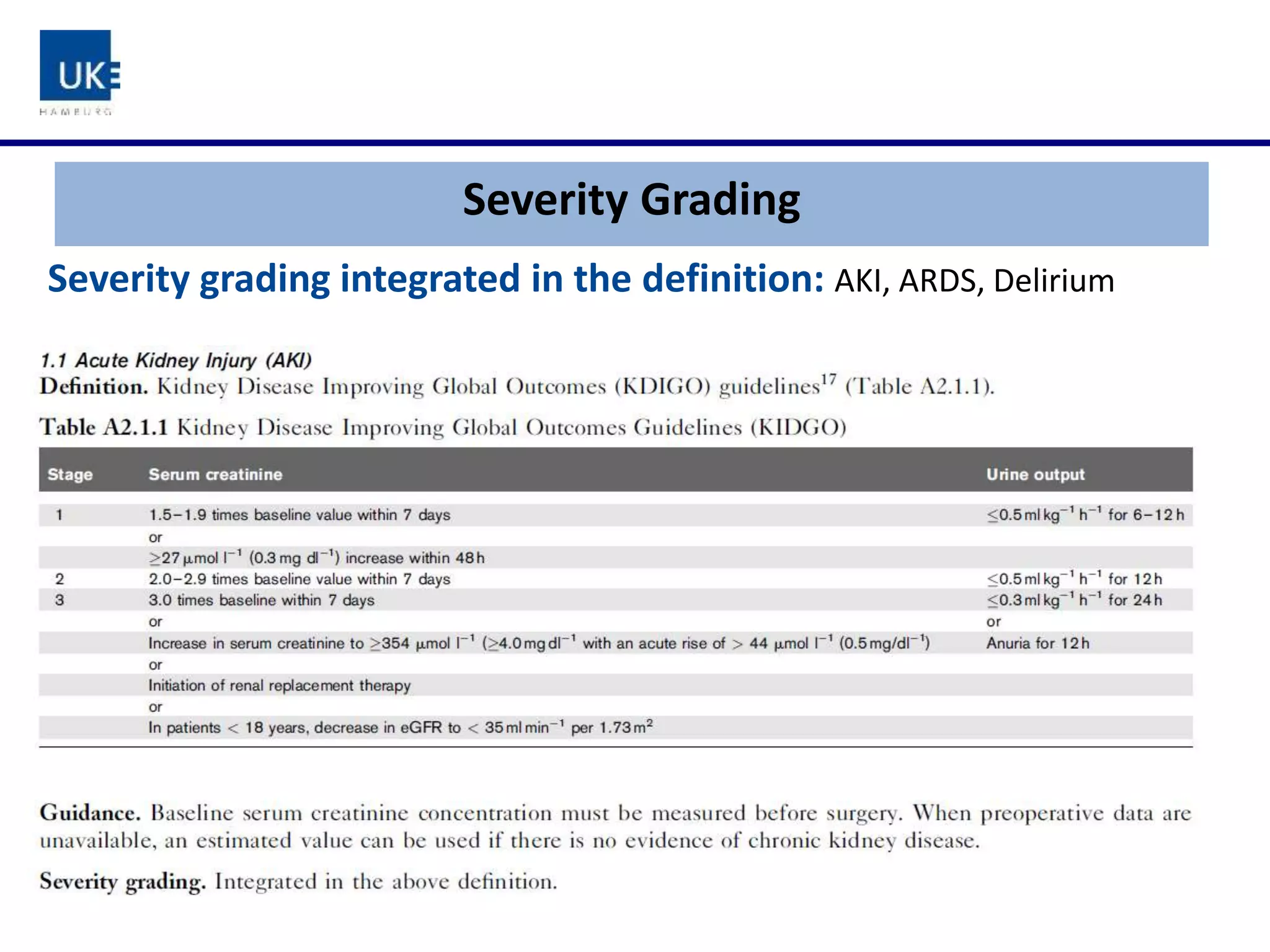
Severity grading integrated in the definition: AKI, ARDS, Delirium
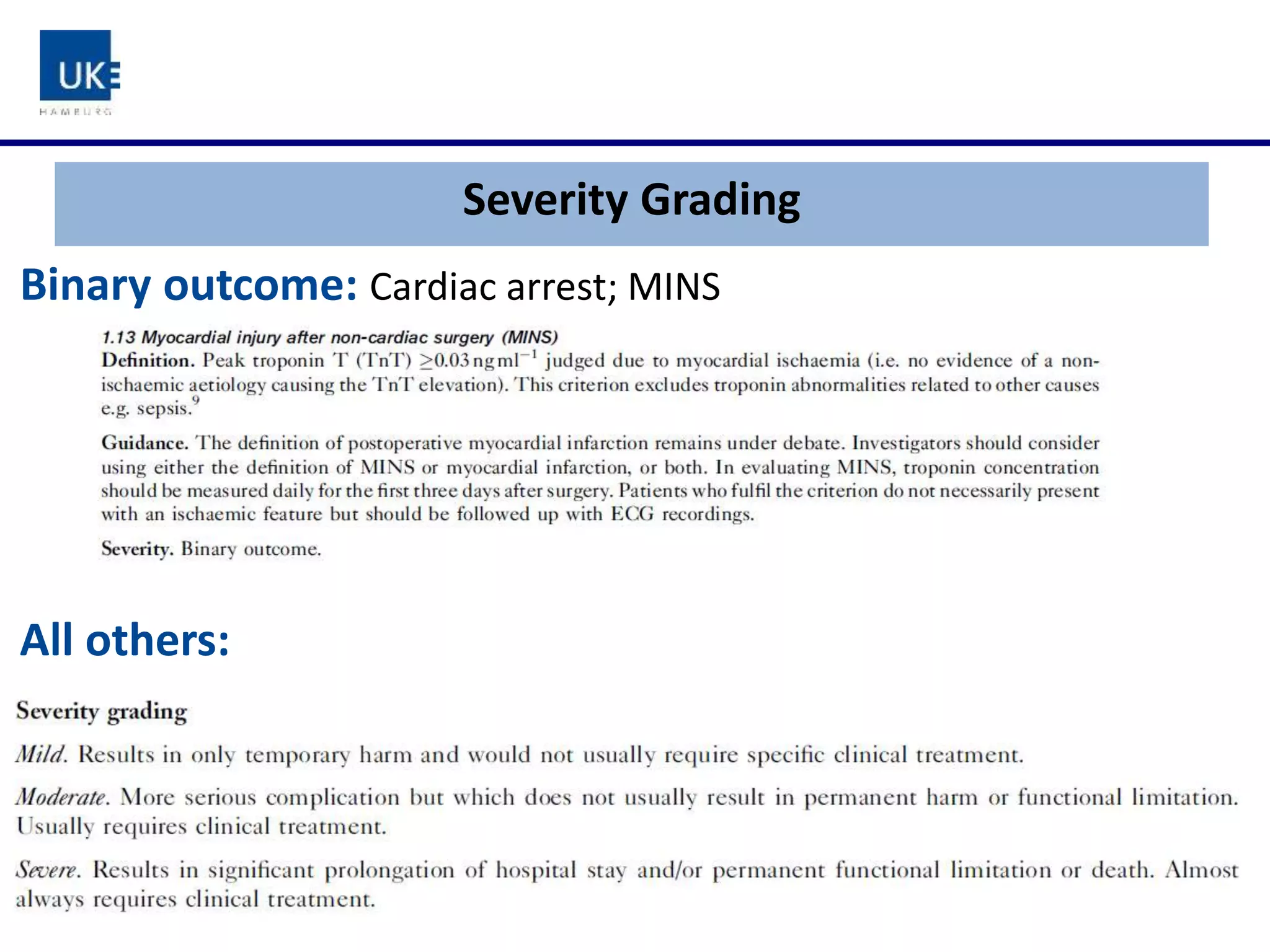
Severity Grading
Binary outcome: Cardiac arrest; MINS
All others:
Severity Grading
Prof. M. Sander
Dr. C. Koch
+team
Dr. B. Neukirch
Dr. A. Zitzmann
Prof. T. Mencke +team
Prof. D. Reuter
Dr. S. Haas
Prof. B. Saugel
Dr. S. Funcke
Dr. O. Díaz Cambronero +team
Anabel Marquis, Javier Belda
Dra. V. Moral, R. Acosta, Dr. G. Azparren
+team
To date…
• 4 centers participating
• Interimanalysis (190 of planned 380 patients):
 all patients received time point of primary endpoint
 monitoring visits to check Single Organ Outcome Failures
 Occurrence of primary endpoint: n=96 (59.5%), varies between hospitals,
Mortality 4.7%
Center iGDT Ctrl. Total (patients)
Rostock (D) 13 13 26
Gießen (D) 21 25 46
Valencia (ES) 26 27 53
Barcelona (ES) 29 36 65
89 101 190
Conclusion:
• GDT beneficial for patients with high peri-operative risk (low
flow situations: “We cannot treat what we don’t detect”.)
• Saugel 2019 (BJA): The ‘5 Ts’ – target population, timing of the
intervention, type of intervention, target variable, target value
• Define, implement and optimize GDT protocols (guideline)
• Need for more large, multicenter trials
• iPegasus:
 Individualizing the parameters of GDT  maximize tissue oxygen delivery
 Interimanalysis - another 190 patients planned
Prof. M. Sander
Dr. C. Koch
+team
Dr. B. Neukirch
Dr. A. Zitzmann
Prof. T. Mencke +team
Prof. D. Reuter Dr. S. Haas
Prof. B. Saugel Dr. S. Funcke
Dr. O. Díaz Cambronero +team
Anabel Marquis, Javier Belda
Dra. V. Moral, R. Acosta, Dr. G. Azparren
+team
Many thanks to our collaborators for all the hard work!
Universtiy Medical Center Hamburg-Eppendorf
Martinistraße 52
D-20246 Hamburg
Dr. med. Sandra Funcke, DESA
s.funcke@uke.de
Many thanks to our collaborators for all the hard work!
Sample Size Calculation
Incidence of primary endpoint in the intervention group: 33%
Incidence of primary endpoint in the control group : 48%
Maximum
Test significance level, a 0.0500
1 or 2 sided test? 2
Group 1 proportion, p1 0.48
Group 2 proportion, p2 0.33
Odds ratio, y = p2 (1 - p1) / [p1 (1 - p2)] 0.5336
Power ( % ) 80.00
n per group 167
Estimated drop-out rate of 10% and
exclusion of the first 2 patients per centre
(n=6)
n=380 Patienten
Quality of life – EuroQol

9. #ifad2019 review of recent fluid trials (funcke)

  • 1.
    What happened inthe meantime? Sandra Funcke, MD, DESA 9th IFAD – Valencia October 26th, 2019 Clinic for Anesthesiology and Intensive Care Medicine, University Medical Center Hamburg-Eppendorf, Hamburg, Germany
  • 2.
    Acknowledgements/COI “This trial issupported by an unrestricted research grant by the Getinge Group, PULSION Medical Systems SE, Hans-Riedl Str. 2, 85622 Feldkirchen, Germany. The funders have no role in the content, decision to publish, or preparation of the manuscript. None of the clinical investigators enrolling patients have received any honorarium for participating in the study.” We thank Frank Ponndorf (MedSurv GmbH, Nidderau, Germany) for setup and continuous care of the eCRF. Further, we thank EuroQuol for providing us the quality of life questionnaire.
  • 3.
    Why use peri-operativegoal-directed hemodynamic therapy ? • Mortality rate of 1-4%1 peri-operatively, in high-risk surgical procedures/patients up to 7.6%2 • Optimization of global hemodynamics to improve oxygen delivery and organ perfusion pressure • Protocolized treatment strategy: titrate fluids, vasopressors and inotropes (no consent) • Advanced hemodynamic monitoring needed (blood pressure ≠ blood flow): dynamic preload variables and variables of blood flow (CO/CI, SV) • Problem: GDT poorly defined - still searching for the “optimal” treatment protocol  poorly adopted in daily clinical routine 1 EuSoS. Lancet. 2012 Sep 22;380(9847):1059-65. ; 2 Hamilton et al. Anesth Analg. 2011 Jun;112(6):1392-402.
  • 4.
    Extract of previoustrials: why another study on GDT? • Shoemaker 1988 (Chest): CI-monitoring (PAC) per protocol in high-risk patients reduced mortality, complication rate, days in hospital and costs • Rivers 2001 (NEJM): early GDT in severe sepsis / septic shock lowered in- hospital mortality from 46.5% to 30.5% • Smaller RCTs in different fields of surgery – favorable results of GDT • Pearse (OPTIMISE) 2014 (JAMA), Calco-Vecino (FEDORA) 2018 (BJA) • Meta-analyses (Cecconi 2013 (Crit Care), Michard 2017 (BJA), Chong 2018 (EJA), Kendrick J (Anaesthesiol Clin Pharmacol 2019 )): morbidity and mortality reduced, BUT….
  • 5.
    Kendrick JB, KayeAD, Tong Y, Belani K, Urman RD, Hoffman C, et al. Goal-directed fluid therapy in the perioperative setting. J Anaesthesiol Clin Pharmacol 2019;35:S29-34. … but: high rate of heterogeneity (type of surgery, devices, protocols)
  • 6.
    Chong et al.Eur J Anaesthesiol 2018; 35:469–483 Chong EJA 2018: Meta-analysis … but: low quality of evidence (blinding), heterogeneity (type of surgery, devices, protocols)  larger trials with more patients needed (e.g. OPTIMISE II)
  • 8.
    Patient enrolment Randomization Intervention Group ControlGroup Intraoperative Therapy according to iGDT Algorithm Intraoperative Therapy according to Local Care Primary endpoint Composite of at least one severe or moderate complication and mortality on day 28 Secondary endpoint Morbidity on day 1, 3, 5, 7 and 28 Length of Intensive Care Unit (ICU) and Hospital Stay Days Alive and Free of Mechanical Ventilation at 7 Days and 28 Days Days Alive and Free of Vasopressor Therapy at 7 Days and 28 Days Days Alive and Free of Renal Replacement Therapy at 7 Days and 28 Days Quality of life and mortality at 6 Months vs.
  • 9.
    Key inclusion criteria: -patients undergoing major abdominal surgery (visceral, gynaecological, urological) with laparotomy - duration of surgery with an expected minimum of 120 minutes - an expected requirement of fluid therapy of more than 2 litres - patients having a probability for any postoperative complications of ≥10% assessed by the ACS-NSQUIP risk calculator Key exclusion criteria: - primarily vascular surgery - emergency surgery - laparoscopic surgical approach - patients not having sinus rythm - severe cardiac valve pathologies, EF <30% - sepsis/septic shock - palliative situation
  • 10.
    Control group • Treatmentaccording to „local care“ (ECG, NIBP, SpO2, etCO2 mandatory) • Instrumentation according to local standard • Fluid- and catecholamine-management at the discretion of the treating clinician • HR < 100 bpm • MAP > 65 mmHg • SpO2 > 94% • Body core temperature > 36 degree Celsius
  • 11.
    Intervention group  targetingthe individual optimal cardiac index (CI) … pulse-contour analysis (ProAQT© device; Pulsion Medical Systems, Feldkirchen, Germany), need of fluids assessed based on pulse pressure variation (PPV)
  • 12.
  • 13.
  • 14.
  • 15.
    Primary endpoint Composite ofat least one severe or moderate complication and mortality on day 28 Complications are defined by:
  • 16.
    Single organ outcomemeasures • Myocardial infarction • Myocardial injury after non-cardiac surgery • Pneumonia • Paralytic ileus • Postoperative haemorrhage • Pulmonary embolism • Stroke • Surgical site infection, superficial • Surgical site infection, deep • Surgical site infection, organ/space • Urinary tract infection • Acute kidney injury • Acute respiratory distress syndrome • Anastomotic breakdown • Arrhythmia • Cardiac arrest • Cardiogenic pulmonary oedema • Deep vein thrombosis • Delirium • Gastrointestinal bleed • Infection, source uncertain • Bloodstream infection (confirmed)
  • 17.
    Severity grading integratedin the definition: AKI, ARDS, Delirium Severity Grading
  • 18.
    Binary outcome: Cardiacarrest; MINS All others: Severity Grading
  • 19.
    Prof. M. Sander Dr.C. Koch +team Dr. B. Neukirch Dr. A. Zitzmann Prof. T. Mencke +team Prof. D. Reuter Dr. S. Haas Prof. B. Saugel Dr. S. Funcke Dr. O. Díaz Cambronero +team Anabel Marquis, Javier Belda Dra. V. Moral, R. Acosta, Dr. G. Azparren +team
  • 20.
    To date… • 4centers participating • Interimanalysis (190 of planned 380 patients):  all patients received time point of primary endpoint  monitoring visits to check Single Organ Outcome Failures  Occurrence of primary endpoint: n=96 (59.5%), varies between hospitals, Mortality 4.7% Center iGDT Ctrl. Total (patients) Rostock (D) 13 13 26 Gießen (D) 21 25 46 Valencia (ES) 26 27 53 Barcelona (ES) 29 36 65 89 101 190
  • 21.
    Conclusion: • GDT beneficialfor patients with high peri-operative risk (low flow situations: “We cannot treat what we don’t detect”.) • Saugel 2019 (BJA): The ‘5 Ts’ – target population, timing of the intervention, type of intervention, target variable, target value • Define, implement and optimize GDT protocols (guideline) • Need for more large, multicenter trials • iPegasus:  Individualizing the parameters of GDT  maximize tissue oxygen delivery  Interimanalysis - another 190 patients planned
  • 22.
    Prof. M. Sander Dr.C. Koch +team Dr. B. Neukirch Dr. A. Zitzmann Prof. T. Mencke +team Prof. D. Reuter Dr. S. Haas Prof. B. Saugel Dr. S. Funcke Dr. O. Díaz Cambronero +team Anabel Marquis, Javier Belda Dra. V. Moral, R. Acosta, Dr. G. Azparren +team Many thanks to our collaborators for all the hard work!
  • 23.
    Universtiy Medical CenterHamburg-Eppendorf Martinistraße 52 D-20246 Hamburg Dr. med. Sandra Funcke, DESA s.funcke@uke.de Many thanks to our collaborators for all the hard work!
  • 24.
    Sample Size Calculation Incidenceof primary endpoint in the intervention group: 33% Incidence of primary endpoint in the control group : 48% Maximum Test significance level, a 0.0500 1 or 2 sided test? 2 Group 1 proportion, p1 0.48 Group 2 proportion, p2 0.33 Odds ratio, y = p2 (1 - p1) / [p1 (1 - p2)] 0.5336 Power ( % ) 80.00 n per group 167 Estimated drop-out rate of 10% and exclusion of the first 2 patients per centre (n=6) n=380 Patienten
  • 25.
    Quality of life– EuroQol

Editor's Notes

  • #4 monitors of hemodynamic evaluation are now being used to assess volume status and predict fluid responsiveness and fluid need The principle behind GDT is to maximize tissue oxygen delivery by achieving a maximum hemodynamic status with the required amount of fluid therapy.
  • #5 OPTIMISE: 734 patients, fluids and inotropes (dopexamin), FEDORA: low-moderate risk, 450 patients, oesophageal doppler guided, reduced morb (not mort) Cecconi: cardiac surgery, Chong: Michard: uncalibrated pulse-contour analysis, Chong: 95 trials with many sub-analyses (ver detailed)
  • #6 The principle behind GDT is to maximize tissue oxygen delivery by achieving a maximum hemodynamic status with the required amount of fluid therapy. In the discussion of GDT, it is essential that an individualized GDT plan includes optimization of flow‑related parameters.
  • #7 reduced mortality compared with standard care [odds ratio (OR) 0.66; 95% confidence interval (CI) 0.50 to 0.87; number needed to treat=59; N =52; I2¼0.0%].
  • #10 American College of Surgeons developed a risc calculator in the background of a National Surgical Quality Improvement Program - patients <18 years - pregnant women - emergency surgeries (surgery required within 24 hours) - laparoscopic approach - primarily vascular surgery - patients not having sinus rhythm - patients having highly impaired left ventricular function (ejection fraction <30%) - severe aortic valve stenosis (aortic valve area <1 cm2, mean gradient >40 mmHg), - patients suffering from non-cardiac chest pain - patients suffering from acute myocardial ischemia (within last 30 days) - patients suffering from sepsis/septic shock - patients having phaeochromocytoma - patients receiving palliative treatment only (likely to die within 6 months) - anuric renal failure (new!) - clinicians did intend to use cardiac output monitoring for clinical reasons
  • #12 Arterial waveform analysis‑based techniques- assessing dynamic cardiac preload variables such as PPV/SVV GDT extrapolates a patient’s fluid responsiveness from measurable hemodynamic changes according to the Frank–Starling curve. . demonstrate an increase in their SV by ≥10–15% after a fluid challenge. bolus of 500 ml or more, administered in 10 min or less Better: passive leg raising
  • #13 Maintenance fluid dose of 4ml/kg BW
  • #18 ARDS: Berlin definition; Delirium: Intensive Care Delirium Screening Checklist (sub-syndromal 1-3 points, Delirium if Score >=4) or CAM-ICU
  • #21 varies between hospitals (37-68%) Calculated with an expected event rate of 48% in the Control group and 33% in the iGDT, alpha 0.05 and 80% power  167 patients per group, 10% drop out and first 2 patients at each center excluded => 180 per group
  • #23 Population: defining the patients at high risk (patient and surgery-related), timing: assessing when at risk start early (e.g. before surgery), type: fluids, vasopressors and inotropes, target variable: should primarily include variables reflecting blood flow, target value: individualized definition for each patient