40 HADITH
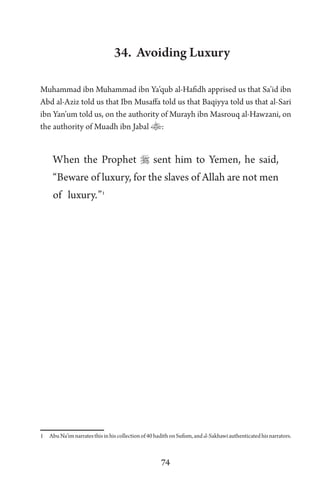
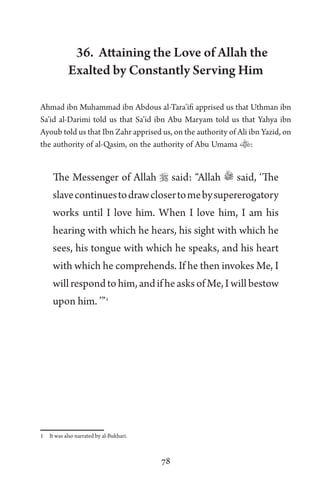
on sufism
English Islam Series — Book Number 18
Sheikh Abu Abd al-Rahman al-Sulami
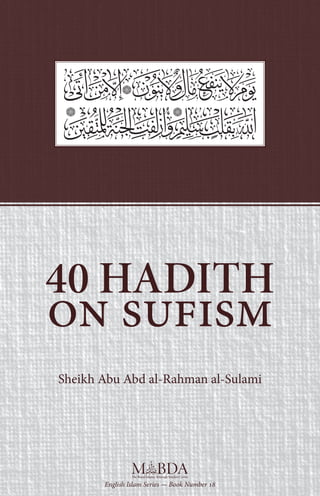
The day when neither wealth nor
children will avail, except him who
comes to God with a heart that
is sound. And Paradise will be
brought near for the God-fearing.
Al-Shu’ara, 26:88-90
· · · · · · · · · · · · · · · · · · · · · · · · · · · · · · · · · · · · · · ·
MABDA · English Islam Series · No. 18
Sheikh al-Sulami’s 40 Hadith on Sufism
ISBN: 978-9957-428-94-5
· · · · · · · · · · · · · · · · · · · · · · · · · · · · · · · · · · · · · · ·
© 2016 The Royal Aal Al-Bayt Institute for Islamic Thought
20 Sa'ed Bino Road, Dabuq
PO BOX 950361
Amman 11195, Jordan
www.rissc.jo
All rights reserved. No part of this book may be reproduced or utilized
in any form or by any means, electronic or mechanical, including pho-
tocopying or recording, or by any information storage and retrieval sys-
tem, without the prior written permission of the publisher.
Views expressed herein do not necessarily reflect those of RABIIT or its
advisory board.
Typeset by Simon Hart
Set in Arno Pro
Printed in Jordan
LEGAL DEPOSIT NUMBER
The Hashemite Kingdom of Jordan National Library
2016/6/2878
№ 18
English Islam Series
Sheikh Abu Abd al-Rahman al-Sulami
40 HADITH
ON SUFISM
v
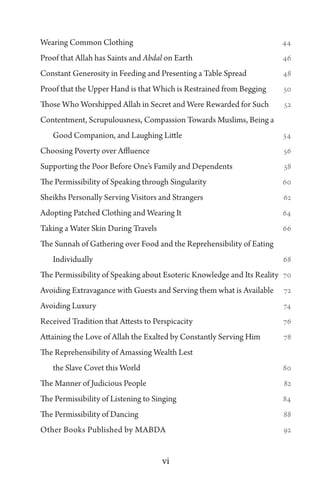
Contents
Translator’s Introduction 1
Imam al-Sakhawi’s Chain of Transmission for the Text 4
Proof that Sufis are the Companions of the Messenger of Allah  6
The Manner of Fakirs 8
Maintaining Good Conduct Even with Disbelievers 10
Those Who Give Up All of Their Wealth Out of Trust in Allah  12
The Admissibility of Miracles at the Hands of Saints 14
The Use of Noble Manners, Encouragement of Spending, the
Blameworthiness of Hoarding, and Avoiding Questionable Matters 18
The Manner of Believers and Scholars 20
Being Satisfied with the Bare Minimum of Worldly Matters and the
Reprehensibility of Mingling with the Affluent 22
Contentment 24
Asking Claimants to Support their Claims 26
Striving to Make One’s Innermost Secret Match One’s
Outward Appearance 28
Persistence in Remembrance of Allah, Gratitude, and Patience 30
The Path of Those Devoted to Allah Most High 32
Their Abandonment of this World and Turning Away from it 34
Love of the Needy and Neediness and The Messenger of Allah’s 
Wishing for It 36
Their Leaving Alone that which Does not Concern Them 38
Concealing their Misfortunes 40
The States of Uprightness 42
vi
Wearing Common Clothing 44
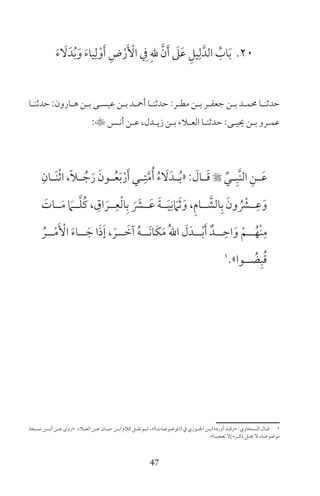
Proof that Allah has Saints and Abdal on Earth 46
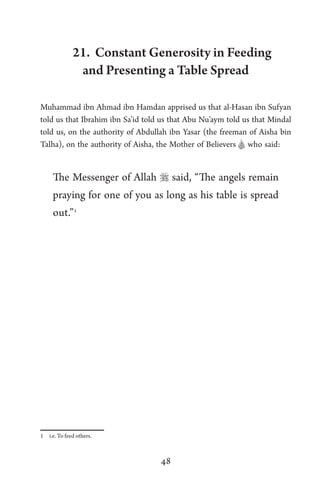
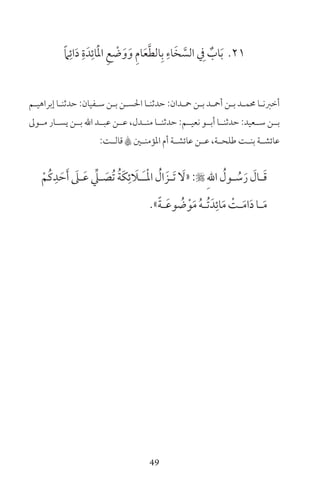
Constant Generosity in Feeding and Presenting a Table Spread 48
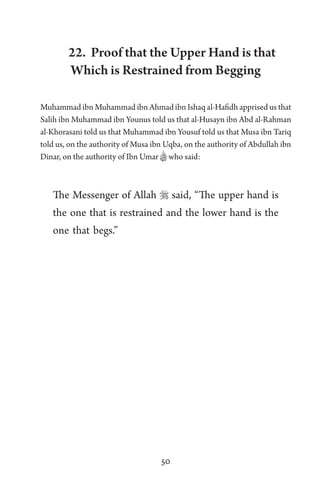
Proof that the Upper Hand is that Which is Restrained from Begging 50
Those Who Worshipped Allah in Secret and Were Rewarded for Such 52
Contentment, Scrupulousness, Compassion Towards Muslims, Being a
Good Companion, and Laughing Little 54
Choosing Poverty over Affluence 56
Supporting the Poor Before One’s Family and Dependents 58
The Permissibility of Speaking through Singularity 60
Sheikhs Personally Serving Visitors and Strangers 62
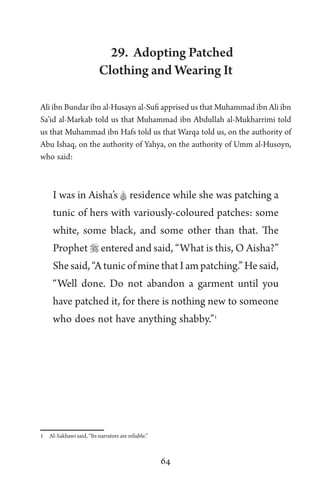
Adopting Patched Clothing and Wearing It 64
Taking a Water Skin During Travels 66
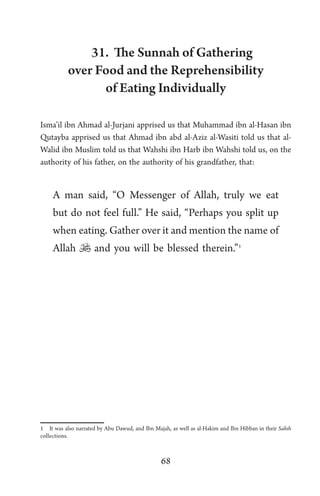
The Sunnah of Gathering over Food and the Reprehensibility of Eating
Individually 68
The Permissibility of Speaking about Esoteric Knowledge and Its Reality 70
Avoiding Extravagance with Guests and Serving them what is Available 72
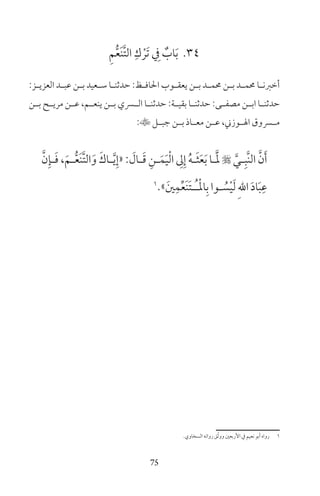
Avoiding Luxury 74
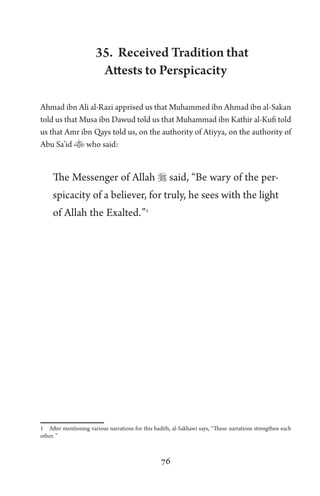
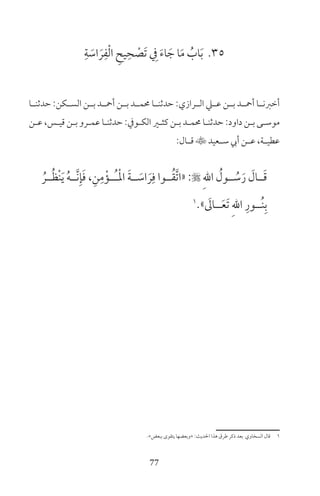
Received Tradition that Attests to Perspicacity 76
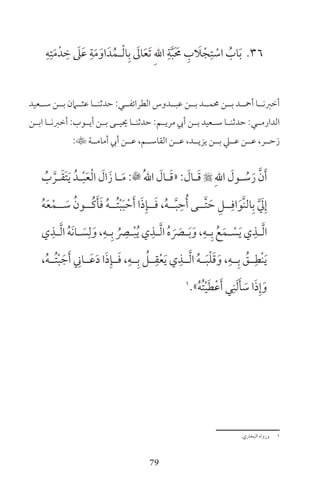
Attaining the Love of Allah the Exalted by Constantly Serving Him 78
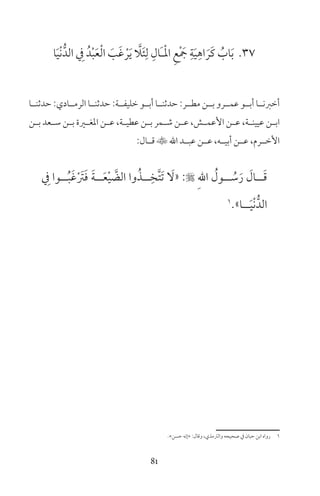
The Reprehensibility of Amassing Wealth Lest
the Slave Covet this World 80
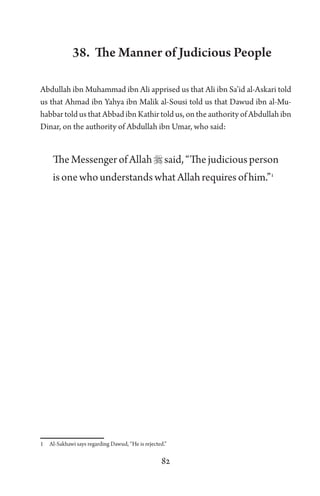
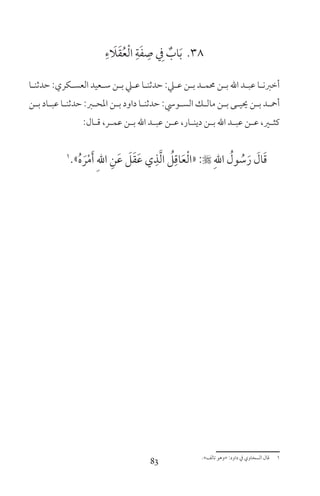
The Manner of Judicious People 82
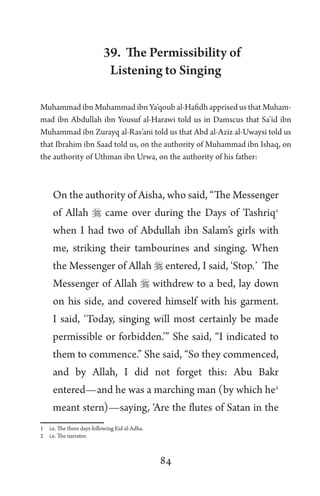
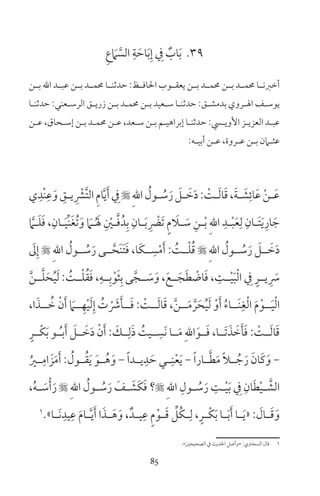
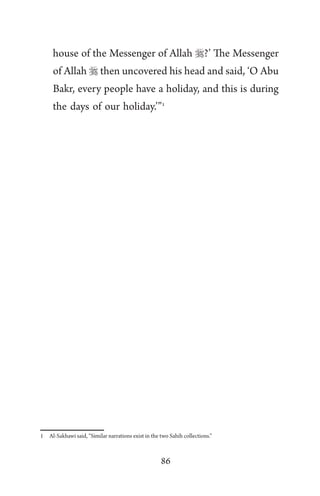
The Permissibility of Listening to Singing 84
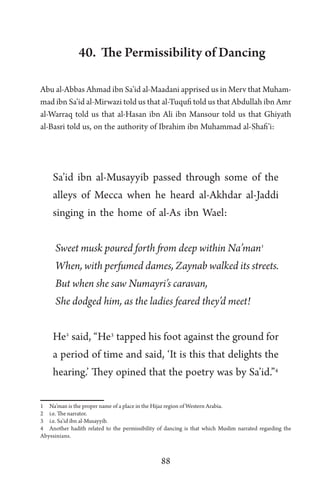
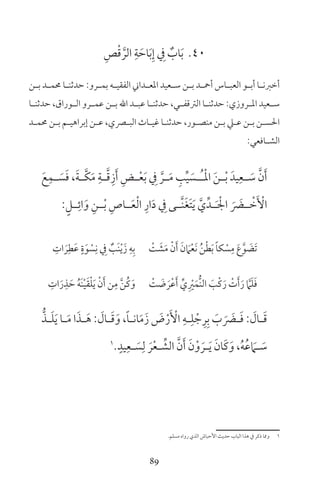
The Permissibility of Dancing 88
Other Books Published by MABDA 92
1
‫وسلم‬ ‫حممد‬ ‫دنا‬ّ‫ي‬‫س‬ ‫عىل‬ ‫اهلل‬ ‫صىل‬
In the Name of Allah, the Compassionate, the Merciful;
May Allah bless our Master Muhammad
and grant him peace.
Translator’s Introduction
Sheikh Abu Abd al-Rahman al-Sulami (325–412 AH)
was the undisputed sheikh of Sufism in Khorasan
during his lifetime. He authored 700 volumes on Su-
fism and 300 in Hadith, in addition to works in Tafsir
and other disciplines. A man who bore the markings
of Divine acceptance, he was loved by common men
and princes, yet politely declined the extravagant gifts
of the latter. His works were so popular that swaths of
people would gather to listen to his public readings and
lectures.
Amonghisworksisacompilationof40hadithsonthe
subject of Sufism—spirituality in Islam—with his own
2
chains of transmission returning to the Prophet , his
companions, or the generation after them. Imam al-
Sakhawi (831–902 AH), one of the erudite luminaries
of Hadith science, produced a derivative work (known
as a takhrij) in which he checked and graded al-
Sulami’s collection. He also provided corroborating
transmissions (shawahid). While not all of the hadiths
in al-Sulami’s collection are authentic, the principles
they demonstrate are, without doubt, central to Sufism,
and, consequently, compliant with the noble Sharia.
True Sufism is the spiritual dimension of Islamic Law.
Anything that contradicts the Law is either fraud or
misguidance.
In addition to the translation of Sheikh al-Sulami’s
collection of 40 hadiths on Sufism, brief footnotes—
gleaned and paraphrased from Imam al-Sakhawi’s de-
rivative text—are included in the following work.
Translation is interpretation, and, given the cultural,
temporal, and linguistic gaps between the original and
what is herein presented, interpretation is very much
necessary. (In the case of the last entry in the collection
in particular, the verses of Arabic poetry are translated
3
artistically—metre, rhyme, and beauty are prioritized
over accuracy.) The original Arabic is placed alongside
the English not only because there are spiritual and
linguistic benefits in reading it, but also to allow those
with access to scholars to gain a deeper understanding
and appreciation of the Sunnah.
May Allah bless this work, guide us, and mostly, for-
give us; ameen.
Moustafa Elqabbany
November 2015 | Muharram 1437
4
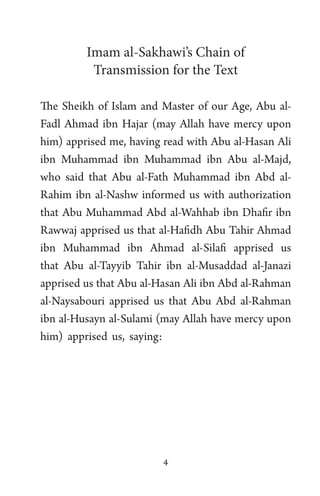
Imam al-Sakhawi’s Chain of
Transmission for the Text
The Sheikh of Islam and Master of our Age, Abu al-
Fadl Ahmad ibn Hajar (may Allah have mercy upon
him) apprised me, having read with Abu al-Hasan Ali
ibn Muhammad ibn Muhammad ibn Abu al-Majd,
who said that Abu al-Fath Muhammad ibn Abd al-
Rahim ibn al-Nashw informed us with authorization
that Abu Muhammad Abd al-Wahhab ibn Dhafir ibn
Rawwaj apprised us that al-Hafidh Abu Tahir Ahmad
ibn Muhammad ibn Ahmad al-Silafi apprised us
that Abu al-Tayyib Tahir ibn al-Musaddad al-Janazi
apprised us that Abu al-Hasan Ali ibn Abd al-Rahman
al-Naysabouri apprised us that Abu Abd al-Rahman
ibn al-Husayn al-Sulami (may Allah have mercy upon
him) apprised us, saying:
5
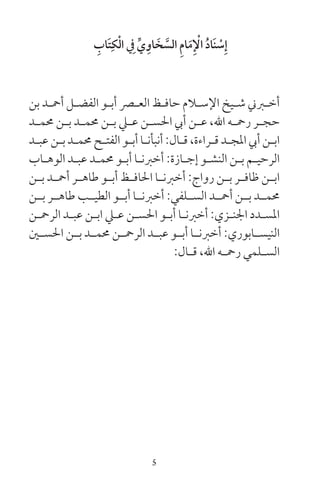
ِ‫َاب‬‫ت‬ِ‫ك‬ْ‫ل‬‫ا‬ ِ‫ف‬ ِّ‫ي‬ِ‫او‬ َ‫خ‬ َّ‫الس‬ ِ‫م‬‫ا‬َ‫م‬ِ ْ‫ال‬ ُ‫د‬‫َا‬‫ن‬ ْ‫س‬ِ‫إ‬
‫بن‬ ‫ـد‬‫ـ‬‫أمح‬ ‫ـل‬‫ـ‬‫الفض‬ ‫ـو‬‫ـ‬‫أب‬ ‫ـر‬‫ـ‬‫الع‬ ‫ـظ‬‫ـ‬‫حاف‬ ‫ـام‬‫ـ‬‫اإلس‬ ‫ـيخ‬‫ـ‬‫ش‬ ‫ـرين‬‫ـ‬‫أخ‬
‫ـد‬‫ـ‬‫حمم‬ ‫ـن‬‫ـ‬‫ب‬ ‫ـد‬‫ـ‬‫حمم‬ ‫ـن‬‫ـ‬‫ب‬ ‫ـي‬‫ـ‬‫ع‬ ‫ـن‬‫ـ‬‫احلس‬ ‫أيب‬ ‫ـن‬‫ـ‬‫ع‬ ،‫اهلل‬ ‫ـه‬‫ـ‬‫رمح‬ ‫ـر‬‫ـ‬‫حج‬
‫ـد‬‫ـ‬‫عب‬ ‫ـن‬‫ـ‬‫ب‬ ‫ـد‬‫ـ‬‫حمم‬ ‫ـح‬‫ـ‬‫الفت‬ ‫ـو‬‫ـ‬‫أب‬ ‫ـا‬‫ـ‬‫أنبأن‬ :‫ـال‬‫ـ‬‫ق‬ ،‫ـراءة‬‫ـ‬‫ق‬ ‫ـد‬‫ـ‬‫املج‬ ‫أيب‬ ‫ـن‬‫ـ‬‫اب‬
‫ـاب‬‫ـ‬‫الوه‬ ‫ـد‬‫ـ‬‫عب‬ ‫ـد‬‫ـ‬‫حمم‬ ‫ـو‬‫ـ‬‫أب‬ ‫ـا‬‫ـ‬‫أخرن‬ :‫ـازة‬‫ـ‬‫إج‬ ‫ـو‬‫ـ‬‫النش‬ ‫ـن‬‫ـ‬‫ب‬ ‫ـم‬‫ـ‬‫الرحي‬
‫ـن‬‫ـ‬‫ب‬ ‫ـد‬‫ـ‬‫أمح‬ ‫ـر‬‫ـ‬‫طاه‬ ‫ـو‬‫ـ‬‫أب‬ ‫ـظ‬‫ـ‬‫احلاف‬ ‫ـا‬‫ـ‬‫أخرن‬ :‫رواج‬ ‫ـن‬‫ـ‬‫ب‬ ‫ـر‬‫ـ‬‫ظاف‬ ‫ـن‬‫ـ‬‫اب‬
‫بــن‬ ‫طاهــر‬ ‫الطيــب‬ ‫أبــو‬ ‫أخرنــا‬ :‫الســلفي‬ ‫أمحــد‬ ‫بــن‬ ‫حممــد‬
‫ـن‬‫ـ‬‫الرمح‬ ‫ـد‬‫ـ‬‫عب‬ ‫ـن‬‫ـ‬‫اب‬ ‫ـي‬‫ـ‬‫ع‬ ‫ـن‬‫ـ‬‫احلس‬ ‫ـو‬‫ـ‬‫أب‬ ‫ـا‬‫ـ‬‫أخرن‬ :‫ـزي‬‫ـ‬‫اجلن‬ ‫ـدد‬‫ـ‬‫املس‬
‫ـن‬‫ـ‬‫احلس‬ ‫ـن‬‫ـ‬‫ب‬ ‫ـد‬‫ـ‬‫حمم‬ ‫ـن‬‫ـ‬‫الرمح‬ ‫ـد‬‫ـ‬‫عب‬ ‫ـو‬‫ـ‬‫أب‬ ‫ـا‬‫ـ‬‫أخرن‬ :‫ـابوري‬‫ـ‬‫النيس‬
:‫ـال‬‫ـ‬‫ق‬ ،‫اهلل‬ ‫ـه‬‫ـ‬‫رمح‬ ‫ـلمي‬‫ـ‬‫الس‬
6
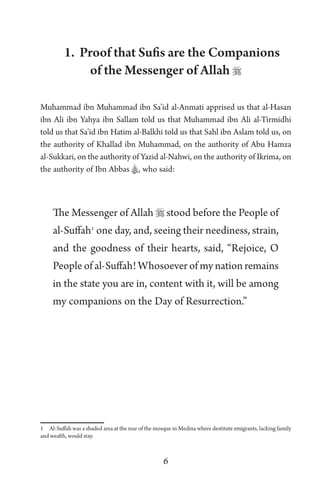
1. Proof that Sufis are the Companions
of the Messenger of Allah 
Muhammad ibn Muhammad ibn Sa’id al-Anmati apprised us that al-Hasan
ibn Ali ibn Yahya ibn Sallam told us that Muhammad ibn Ali al-Tirmidhi
told us that Sa’id ibn Hatim al-Balkhi told us that Sahl ibn Aslam told us, on
the authority of Khallad ibn Muhammad, on the authority of Abu Hamza
al-Sukkari, on the authority of Yazid al-Nahwi, on the authority of Ikrima, on
the authority of Ibn Abbas A, who said:
The Messenger of Allah  stood before the People of
al-Suffah1
one day, and, seeing their neediness, strain,
and the goodness of their hearts, said, “Rejoice, O
People of al-Suffah! Whosoever of my nation remains
in the state you are in, content with it, will be among
my companions on the Day of Resurrection.”
1 Al-Suffah was a shaded area at the rear of the mosque in Medina where destitute emigrants, lacking family
and wealth, would stay.
7
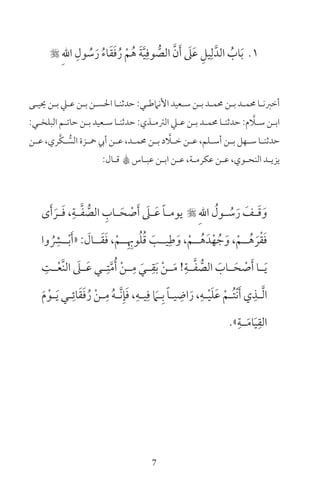
1 ِ‫هلل‬‫ا‬ ِ‫ول‬ ُ‫س‬َ‫ر‬ ُ‫ء‬‫ا‬َ‫ق‬َ‫ف‬ُ‫ر‬ ْ‫م‬ُ‫ه‬ َ‫ة‬َّ‫ي‬ِ‫وف‬ ُّ‫الص‬ َّ‫ن‬َ‫أ‬ َ‫ىل‬َ‫ع‬ ِ‫يل‬ِ‫ل‬َّ‫الد‬ ُ‫اب‬َ‫ب‬
‫ـى‬‫ـ‬‫حيي‬ ‫ـن‬‫ـ‬‫ب‬ ‫ـي‬‫ـ‬‫ع‬ ‫ـن‬‫ـ‬‫ب‬ ‫ـن‬‫ـ‬‫احلس‬ ‫ـا‬‫ـ‬‫حدثن‬ :‫ـي‬‫ـ‬‫األنامط‬ ‫ـعيد‬‫ـ‬‫س‬ ‫ـن‬‫ـ‬‫ب‬ ‫ـد‬‫ـ‬‫حمم‬ ‫ـن‬‫ـ‬‫ب‬ ‫ـد‬‫ـ‬‫حمم‬ ‫ـا‬‫ـ‬‫أخرن‬
:‫ـي‬‫ـ‬‫البلخ‬ ‫ـم‬‫ـ‬‫حات‬ ‫ـن‬‫ـ‬‫ب‬ ‫ـعيد‬‫ـ‬‫س‬ ‫ـا‬‫ـ‬‫حدثن‬ :‫ـذي‬‫ـ‬‫الرتم‬ ‫ـي‬‫ـ‬‫ع‬ ‫ـن‬‫ـ‬‫ب‬ ‫ـد‬‫ـ‬‫حمم‬ ‫ـا‬‫ـ‬‫حدثن‬ :‫م‬ َّ‫ـا‬‫ـ‬‫س‬ ‫ـن‬‫ـ‬‫اب‬
‫ـن‬‫ـ‬‫ع‬ ،‫َّري‬‫ك‬‫ـ‬‫ـ‬ ُّ‫الس‬ ‫ـزة‬‫ـ‬‫مح‬ ‫أيب‬ ‫ـن‬‫ـ‬‫ع‬ ،‫ـد‬‫ـ‬‫حمم‬ ‫ـن‬‫ـ‬‫ب‬ ‫د‬ َّ‫ـا‬‫ـ‬‫خ‬ ‫ـن‬‫ـ‬‫ع‬ ،‫ـلم‬‫ـ‬‫أس‬ ‫ـن‬‫ـ‬‫ب‬ ‫ـهل‬‫ـ‬‫س‬ ‫ـا‬‫ـ‬‫حدثن‬
:‫ـال‬‫ـ‬‫ق‬ A‫ـاس‬‫ـ‬‫عب‬ ‫ـن‬‫ـ‬‫اب‬ ‫ـن‬‫ـ‬‫ع‬ ،‫ـة‬‫ـ‬‫عكرم‬ ‫ـن‬‫ـ‬‫ع‬ ،‫ـوي‬‫ـ‬‫النح‬ ‫ـد‬‫ـ‬‫يزي‬
‫ى‬َ‫أ‬ َ‫ـر‬‫ـ‬َ‫ف‬ ،ِ‫ـة‬‫ـ‬َّ‫ف‬ ُّ‫الص‬ ِ‫ـاب‬‫ـ‬َ‫ح‬ ْ‫ص‬َ‫أ‬ َ‫ـىل‬‫ـ‬َ‫ع‬ ً‫ا‬‫ـ‬‫ـ‬‫يوم‬  ِ‫هلل‬‫ا‬ ُ‫ـول‬‫ـ‬ ُ‫س‬َ‫ر‬ َ‫ـف‬‫ـ‬َ‫ق‬َ‫و‬
‫وا‬ ُ
ِ‫ــر‬ْ‫ب‬َ‫أ‬« : َ‫ــال‬َ‫ق‬َ‫ف‬ ،ْ‫ــم‬ِ ِ‫وب‬ُ‫ل‬ُ‫ق‬ َ‫يــب‬ِ‫ط‬َ‫و‬ ،ْ‫ــم‬ُ‫ه‬َ‫د‬ْ‫ه‬ ُ‫ج‬َ‫و‬ ،ْ‫ــم‬ُ‫ه‬ َ‫ر‬ْ‫ق‬َ‫ف‬
ِ‫ـت‬‫ـ‬ْ‫ع‬َّ‫ن‬‫ال‬ َ‫ـىل‬‫ـ‬َ‫ع‬ ‫ـي‬‫ـ‬ِ‫ت‬َّ‫م‬ُ‫أ‬ ْ‫ن‬‫ـ‬‫ـ‬ِ‫م‬ َ‫ـي‬‫ـ‬ِ‫ق‬َ‫ب‬ ْ‫ن‬‫ـ‬‫ـ‬َ‫م‬ !ِ‫ـة‬‫ـ‬َّ‫ف‬ ُّ‫الص‬ َ‫ـاب‬‫ـ‬َ‫ح‬ ْ‫ص‬َ‫أ‬ ‫ـا‬‫ـ‬َ‫ي‬
َ‫م‬ْ‫ـو‬‫ـ‬َ‫ي‬ ‫ـي‬‫ـ‬ِ‫ائ‬َ‫ق‬َ‫ف‬ُ‫ر‬ ْ‫ن‬‫ـ‬‫ـ‬ِ‫م‬ ُ‫ه‬‫ـ‬‫ـ‬َّ‫ن‬ِ‫إ‬َ‫ف‬ ،ِ‫ـه‬‫ـ‬‫ي‬ِ‫ف‬ َ‫ـام‬‫ـ‬ِ‫ب‬ ً‫ا‬‫ـ‬‫ـ‬‫ي‬ ِ‫اض‬َ‫ر‬ ،ِ‫ـه‬‫ـ‬ْ‫ي‬َ‫ل‬َ‫ع‬ ْ‫ـم‬‫ـ‬ُ‫ت‬ْ‫ن‬َ‫أ‬ ‫ي‬ِ‫ـذ‬‫ـ‬َّ‫ل‬‫ا‬
»ِ‫ــة‬َ‫م‬‫ا‬َ‫ي‬ِ‫الق‬
8
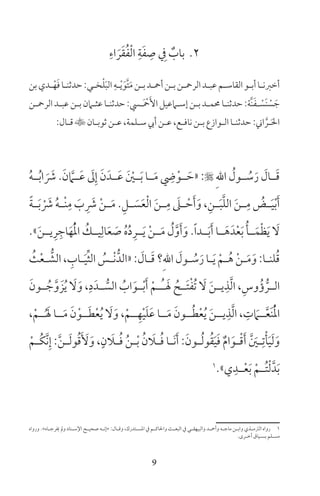
2. The Manner of Fakirs
Abu al-Qasim Abd al-Rahman ibn Ahmad ibn Mattawayh al-Balkhi apprised
us that Fahdi ibn Jasnasfanna told us that Muhammad ibn Isma’il al-Ahmasi
told us that Uthman ibn Abd al-Rahman al-Harrani told us that al-Wazi’ ibn
Nafi’toldus,ontheauthorityofAbuSalama,ontheauthorityofThawban
who said:
The Messenger of Allah  said, “My cistern spans the
distancebetweenAdenandAmman.Itsdrinkiswhit-
er than milk and sweeter than honey. Whoever drinks
a single draught from it will never again feel thirsty.
The first to arrive at it are the destitute Emigrants.”
We asked, “Who are they, O Messenger of Allah?”
He said, “Those of dingy raiment and dusty, unkempt
hair, for whom gates are not opened and who are not
given pampered women in marriage; those who fulfill
their duties and do not receive their due. Then people
will appear who say, ‘I am so-and-so, son of so-and-
so’, and I will say, ‘You have altered matters after me.’”1
1 It was also narrated by: al-Tirmidhi, Ibn Majah, Ahmad, al-Bayhaqi in al-Ba’th, and al-Hakim in al-Mustad-
rak, who said, “It has a sound chain of narrators, but they [(i.e. Bukhari and Muslim)] did not narrate it.”
Muslim narrated it as well in a different context.
9
2ِ‫اء‬ َ‫ر‬َ‫ق‬ُ‫ف‬ْ‫ل‬‫ا‬ ِ‫ة‬َ‫ف‬ ِ‫ص‬ ِ‫ف‬ ٌ‫باب‬
‫بن‬‫ـدي‬‫ـ‬ْ‫ه‬َ‫ف‬‫ـا‬‫ـ‬‫حدثن‬:‫ـي‬‫ـ‬‫خ‬ْ‫ل‬َ‫ب‬‫ال‬ ِ‫ـه‬‫ـ‬ْ‫ي‬َ‫َّو‬‫ت‬َ‫م‬‫ـن‬‫ـ‬‫ب‬‫ـد‬‫ـ‬‫أمح‬‫ـن‬‫ـ‬‫ب‬‫ـن‬‫ـ‬‫الرمح‬‫ـد‬‫ـ‬‫عب‬‫ـم‬‫ـ‬‫القاس‬‫ـو‬‫ـ‬‫أب‬‫ـا‬‫ـ‬‫أخرن‬
‫ـن‬‫ـ‬‫الرمح‬‫ـد‬‫ـ‬‫عب‬‫ـن‬‫ـ‬‫ب‬‫ـامن‬‫ـ‬‫عث‬‫ـا‬‫ـ‬‫حدثن‬:‫ـي‬‫ـ‬َ ْ‫مح‬َ‫األ‬‫ـامعيل‬‫ـ‬‫إس‬‫ـن‬‫ـ‬‫ب‬‫ـد‬‫ـ‬‫حمم‬‫ـا‬‫ـ‬‫حدثن‬:‫َّة‬‫ن‬َ‫ف‬‫ـ‬‫ـ‬ ْ‫َس‬‫ن‬ ْ‫س‬ َ‫ج‬
:‫ـال‬‫ـ‬‫ق‬‫ـان‬‫ـ‬‫ثوب‬‫ـن‬‫ـ‬‫ع‬،‫ـلمة‬‫ـ‬‫س‬‫أيب‬‫ـن‬‫ـ‬‫ع‬،‫ـع‬‫ـ‬‫ناف‬‫ـن‬‫ـ‬‫ب‬‫ـوازع‬‫ـ‬‫ال‬‫ـا‬‫ـ‬‫حدثن‬:‫اين‬ َّ‫ـر‬‫ـ‬َ‫حل‬‫ا‬
ُ‫ه‬‫ــ‬ُ‫ب‬‫ا‬ َ َ‫ش‬ َ‫ن‬ َّ‫ــام‬َ‫ع‬ َ‫ل‬ِ‫إ‬ َ‫ن‬َ‫َــد‬‫ع‬ َ ْ‫ــن‬َ‫ب‬ ‫ــا‬َ‫م‬ ِ‫ض‬ْ‫ــو‬ َ‫«ح‬ : ِ‫هلل‬‫ا‬ ُ‫ــول‬ ُ‫س‬َ‫ر‬ َ‫ــال‬َ‫ق‬
ً‫ة‬‫ـ‬‫ـ‬َ‫ب‬ ْ َ‫ش‬ ُ‫ه‬‫ـ‬‫ـ‬ْ‫ن‬ِ‫م‬ َ‫ب‬ ِ َ‫ش‬ ْ‫ن‬‫ـ‬‫ـ‬َ‫م‬ ِ‫ـل‬‫ـ‬ َ‫س‬َ‫ع‬ْ‫ل‬‫ا‬ َ‫ن‬‫ـ‬‫ـ‬ِ‫م‬ َ‫ـىل‬‫ـ‬ ْ‫ح‬َ‫أ‬َ‫و‬ ،ِ‫ـن‬‫ـ‬َ‫ب‬َّ‫ل‬‫ال‬ َ‫ن‬‫ـ‬‫ـ‬ِ‫م‬ ُ‫ـض‬‫ـ‬َ‫ي‬ْ‫ب‬َ‫أ‬
»َ‫ن‬‫يــ‬ِ‫ر‬ ِ‫اج‬َ‫ه‬ُْ‫مل‬‫ا‬ ُ‫يــك‬ِ‫ال‬َ‫ع‬ َ‫ص‬ ُ‫ه‬ُ‫د‬ِ‫ــر‬َ‫ي‬ ْ‫ن‬‫ــ‬َ‫م‬ ُ‫ل‬َّ‫و‬َ‫أ‬َ‫و‬ ً‫ا‬‫ــد‬َ‫ب‬َ‫أ‬ ‫ــا‬َ‫ه‬َ‫د‬ْ‫ع‬َ‫ب‬ ُ‫ــأ‬َ‫م‬ْ‫ظ‬َ‫ي‬ َ‫ل‬
ُ‫ث‬ْ‫ع‬‫ـ‬‫ـ‬ ُّ‫الش‬ ، ِ‫ـاب‬‫ـ‬َ‫ي‬ِّ‫ث‬‫ال‬ ُ‫ـس‬‫ـ‬ْ‫ن‬ُّ‫«الد‬ : َ‫ـال‬‫ـ‬َ‫ق‬ ‫ِ؟‬‫هلل‬‫ا‬ َ‫ـول‬‫ـ‬ ُ‫س‬َ‫ر‬ ‫ـا‬‫ـ‬َ‫ي‬ ْ‫ـم‬‫ـ‬ُ‫ه‬ ْ‫ن‬‫ـ‬‫ـ‬َ‫م‬َ‫و‬ :‫ـا‬‫ـ‬‫لن‬ُ‫ق‬
َ‫ـون‬‫ـ‬ ُ‫ج‬َّ‫و‬ َ‫ز‬ُ‫ي‬ َ‫ل‬َ‫و‬ ،ِ‫د‬َ‫ـد‬‫ـ‬ ُّ‫الس‬ ُ‫اب‬َ‫ـو‬‫ـ‬ْ‫ب‬َ‫أ‬ ْ‫ـم‬‫ـ‬ُ‫ـ‬ َ‫ل‬ ُ‫ـح‬‫ـ‬َ‫ت‬ْ‫ف‬ُ‫ت‬ َ‫ل‬ َ‫ن‬‫ـ‬‫ـ‬‫ي‬ِ‫ذ‬َّ‫ل‬‫ا‬ ،ِ‫وس‬ُ‫ؤ‬ ُّ‫ـر‬‫ـ‬‫ال‬
،ْ‫ــم‬ُ َ‫ل‬ ‫ــا‬َ‫م‬ َ‫ن‬ْ‫ــو‬َ‫ط‬ْ‫ع‬ُ‫ي‬ َ‫ل‬َ‫و‬ ،ْ‫ــم‬ِ‫ه‬ْ‫ي‬َ‫ل‬َ‫ع‬ ‫ــا‬َ‫م‬ َ‫ــون‬ُ‫ط‬ْ‫ع‬ُ‫ي‬ َ‫ن‬‫يــ‬ِ‫ذ‬َّ‫ل‬‫ا‬ ، ِ‫ت‬ َ‫ــام‬َّ‫ع‬َ‫ن‬ُْ‫مل‬‫ا‬
ْ‫ـم‬‫ـ‬ُ‫ك‬َّ‫ن‬ِ‫إ‬ :َّ‫ن‬‫ـ‬‫ـ‬َ‫ل‬‫و‬ُ‫ق‬َ َ‫أل‬َ‫و‬ ،ٍ‫ن‬ َ‫ـا‬‫ـ‬ُ‫ف‬ ُ‫ن‬‫ـ‬‫ـ‬ْ‫ب‬ ُ‫ن‬ َ‫ـا‬‫ـ‬ُ‫ف‬ ‫ـا‬‫ـ‬َ‫ن‬َ‫أ‬ :َ‫ـون‬‫ـ‬ُ‫ل‬‫و‬ُ‫ق‬َ‫ي‬َ‫ف‬ ٌ‫م‬‫ا‬َ‫ـو‬‫ـ‬ْ‫ق‬َ‫أ‬ َّ َ‫ـن‬‫ـ‬ِ‫ت‬ْ‫أ‬َ‫ي‬َ‫ل‬َ‫و‬
1
»‫ي‬ِ‫ــد‬ْ‫ع‬َ‫ب‬ ْ‫ُــم‬‫ت‬ْ‫ل‬َّ‫د‬َ‫ب‬
‫ورواه‬ «‫ـاه‬‫ـ‬‫خيرج‬ ‫ومل‬ ‫ـناد‬‫ـ‬‫اإلس‬ ‫ـح‬‫ـ‬‫صحي‬ ‫ـه‬‫ـ‬‫»إن‬ :‫ـال‬‫ـ‬‫وق‬ ،‫ـتدرك‬‫ـ‬‫املس‬ ‫ف‬ ‫ـم‬‫ـ‬‫واحلاك‬ ‫ـث‬‫ـ‬‫البع‬ ‫ف‬ ‫ـي‬‫ـ‬‫والبيهق‬ ‫ـد‬‫ـ‬‫وأمح‬ ‫ـه‬‫ـ‬‫ماج‬ ‫ـن‬‫ـ‬‫واب‬ ‫ـذي‬‫ـ‬‫الرتم‬ ‫رواه‬ 1
‫ـرى‬‫ـ‬‫أخ‬ ‫ـياق‬‫ـ‬‫بس‬ ‫ـلم‬‫ـ‬‫مس‬
10
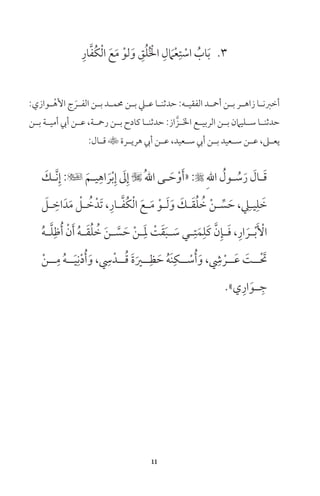
3. Maintaining Good Conduct
Even with Disbelievers
Zahir ibn Ahmad al-Faqih apprised us that Ali ibn Muhammad ibn al-Faraj
al-Ahwazi told us that Sulayman ibn al-Rabi’ al-Khazzaz told us that Kadih
ibn Rahmah told us, on the authority of Abu Umayyah ibn Ya’la, on the au-
thority of Sa’id ibn Abu Sa’id, on the authority of Abu Hurayra who said:
The Messenger of Allah  said: “Allah  revealed to
Abraham:‘Youaremybelovedfriend.Makegood
your conduct even with disbelievers and you will en-
ter the abodes of the reverent, for I have already de-
creed that whosoever makes good his conduct, I shall
shade him under My throne, settle him in My sacred
enclosure, and bring him nigh unto My proximity.’”
11
3ِ‫ار‬َّ‫ف‬ُ‫ك‬ْ‫ل‬‫ا‬ َ‫ع‬َ‫م‬ ْ‫لو‬َ‫و‬ ِ‫ق‬ُ‫ل‬ُ ْ‫ال‬ ِ‫ل‬ َ‫ام‬ْ‫ع‬ِ‫ت‬ ْ‫اس‬ ُ‫اب‬َ‫ب‬
:‫ـوازي‬‫ـ‬ْ‫األه‬ ‫ج‬ َ‫ـر‬‫ـ‬‫الف‬ ‫ـن‬‫ـ‬‫ب‬ ‫ـد‬‫ـ‬‫حمم‬ ‫ـن‬‫ـ‬‫ب‬ ‫ـي‬‫ـ‬‫ع‬ ‫ـا‬‫ـ‬‫حدثن‬ :‫ـه‬‫ـ‬‫الفقي‬ ‫ـد‬‫ـ‬‫أمح‬ ‫ـن‬‫ـ‬‫ب‬ ‫ـر‬‫ـ‬‫زاه‬ ‫ـا‬‫ـ‬‫أخرن‬
‫ـن‬‫ـ‬‫ب‬ ‫ـة‬‫ـ‬‫أمي‬ ‫أيب‬ ‫ـن‬‫ـ‬‫ع‬ ،‫ـة‬‫ـ‬‫رمح‬ ‫ـن‬‫ـ‬‫ب‬ ‫كادح‬ ‫ـا‬‫ـ‬‫حدثن‬ :‫از‬ َّ‫ــز‬َ‫ل‬‫ا‬ ‫الربيــع‬ ‫ـن‬‫ـ‬‫ب‬ ‫ـليامن‬‫ـ‬‫س‬ ‫ـا‬‫ـ‬‫حدثن‬
:‫ـال‬‫ـ‬‫ق‬ ‫ـرة‬‫ـ‬‫هري‬ ‫أيب‬ ‫ـن‬‫ـ‬‫ع‬ ،‫ـعيد‬‫ـ‬‫س‬ ‫أيب‬ ‫ـن‬‫ـ‬‫ب‬ ‫ـعيد‬‫ـ‬‫س‬ ‫ـن‬‫ـ‬‫ع‬ ،‫ـىل‬‫ـ‬‫يع‬
َ‫ـك‬‫ـ‬َّ‫ن‬ِ‫إ‬ : َ‫ـم‬‫ـ‬‫ي‬ِ‫اه‬ َ‫ر‬ْ‫ب‬ِ‫إ‬ َ‫ل‬ِ‫إ‬  ُ‫هلل‬‫ا‬ ‫ـى‬‫ـ‬ َ‫ح‬ْ‫و‬َ‫أ‬« : ِ‫هلل‬‫ا‬ ُ‫ـول‬‫ـ‬ ُ‫س‬َ‫ر‬ َ‫ـال‬‫ـ‬َ‫ق‬
َ‫ـل‬‫ـ‬ ِ‫اخ‬َ‫د‬َ‫م‬ ْ‫ـل‬‫ـ‬ ُ‫خ‬ْ‫َد‬‫ت‬ ،ِ‫ـار‬‫ـ‬َّ‫ف‬ُ‫ك‬ْ‫ل‬‫ا‬ َ‫ـع‬‫ـ‬َ‫م‬ ْ‫ـو‬‫ـ‬َ‫ل‬َ‫و‬ َ‫ـك‬‫ـ‬َ‫ق‬ُ‫ل‬ ُ‫خ‬ ْ‫ن‬‫ـ‬‫ـ‬ ِّ‫س‬ َ‫ح‬ ، ِ‫ـي‬‫ـ‬‫ي‬ِ‫ل‬ َ‫خ‬
ُ‫ه‬‫ـ‬‫ـ‬َّ‫ل‬ِ‫ظ‬ُ‫أ‬ ْ‫ن‬َ‫أ‬ ُ‫ه‬‫ـ‬‫ـ‬َ‫ق‬ُ‫ل‬ ُ‫خ‬ َ‫ن‬‫ـ‬‫ـ‬ َّ‫س‬ َ‫ح‬ ْ‫ن‬‫ـ‬‫ـ‬َِ‫مل‬ ْ‫ت‬َ‫ق‬َ‫ب‬‫ـ‬‫ـ‬ َ‫س‬ ‫ـي‬‫ـ‬ِ‫ت‬َ‫م‬ِ‫َل‬‫ك‬ َّ‫ن‬ِ‫ـإ‬‫ـ‬َ‫ف‬ ،ِ‫ار‬ َ‫ـر‬‫ـ‬ْ‫ب‬َ ْ‫األ‬
ْ‫ن‬‫ــ‬ِ‫م‬ ُ‫ه‬‫ــ‬َ‫ي‬ِ‫ن‬ْ‫د‬ُ‫أ‬َ‫و‬ ، ِ‫س‬ْ‫ــد‬ُ‫ق‬ َ‫ة‬َ‫ــر‬ِ‫ظ‬ َ‫ح‬ ُ‫ه‬َ‫ن‬ِ‫ــك‬ ْ‫س‬ُ‫أ‬َ‫و‬ ، ِ‫ش‬ ْ‫ــر‬َ‫ع‬ َ‫ــت‬ْ َ‫ت‬
»‫ي‬ِ‫ار‬َ‫ــو‬ ِ‫ج‬
12
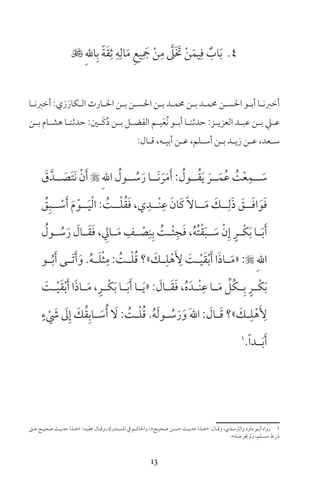
4. Those Who Give Up All of Their
Wealth Out of Trust in Allah 
Abu al-Hasan Muhammad ibn Muhammad ibn al-Hasan ibn al-Harith
al-Karazi apprised us that Ali ibn Abd al-Aziz apprised us that Abu Nu’aym
al-Fadl ibn Dukayn told us that Hisham ibn Saad told us, on the authority of
Zayd ibn Aslam, on the authority of his father, who said:
I heard Umar say, “The Messenger of Allah  ordered
us to give in charity at a time when I had wealth in
my possession. I said, ‘If I am going to outstrip Abu
Bakr, it will be today.’ I came with half of my wealth
and the Messenger of Allah  asked, ‘What did you
leave for your family?’ I said, ‘Its equivalent.’ Abu
Bakr then came with everything in his possession,
and he [i.e. the Messenger] asked, ‘O Abu Bakr, what
did you leave for your family?’ He replied, ‘Allah and
His Messenger.’ I said, ‘I will never vie with you for
anything.’”1
1 It was also narrated by: Abu Dawud, al-Tirmidhi (who said, “This is a good, authentic hadith”), and al-
Hakim in al-Mustadrak (who said after it, “This is an authentic hadith according to Muslim’s criteria, but they
did not narrate it.”).
13
4 ِ‫هلل‬‫ا‬ِ‫ب‬ ً‫ة‬َ‫ق‬ِ‫ث‬ ِ‫ه‬ِ‫ال‬َ‫م‬ ِ‫ع‬‫ي‬ِ َ‫ج‬ ْ‫ن‬ِ‫م‬ َّ‫َىل‬ َ‫ت‬ ْ‫ن‬َ‫يم‬ِ‫ف‬ ٌ‫اب‬َ‫ب‬
‫ـا‬‫ـ‬‫أخرن‬ :‫زي‬َ‫ـكار‬‫ـ‬‫ال‬ ‫ـارث‬‫ـ‬‫احل‬ ‫ـن‬‫ـ‬‫ب‬ ‫ـن‬‫ـ‬‫احلس‬ ‫ـن‬‫ـ‬‫ب‬ ‫ـد‬‫ـ‬‫حمم‬ ‫ـن‬‫ـ‬‫ب‬ ‫ـد‬‫ـ‬‫حمم‬ ‫ـن‬‫ـ‬‫احلس‬ ‫ـو‬‫ـ‬‫أب‬ ‫ـا‬‫ـ‬‫أخرن‬
‫ـن‬‫ـ‬‫ب‬ ‫ـام‬‫ـ‬‫هش‬ ‫ـا‬‫ـ‬‫حدثن‬ :‫ـن‬‫ـ‬َ‫ك‬ُ‫د‬ ‫ـن‬‫ـ‬‫ب‬ ‫ـل‬‫ـ‬‫الفض‬ ‫ـم‬‫ـ‬‫ي‬َ‫ع‬ُ‫ن‬ ‫ـو‬‫ـ‬‫أب‬ ‫ـا‬‫ـ‬‫حدثن‬ :‫ـز‬‫ـ‬‫العزي‬ ‫ـد‬‫ـ‬‫عب‬ ‫ـن‬‫ـ‬‫ب‬ ‫ـي‬‫ـ‬‫ع‬
:‫ـال‬‫ـ‬‫ق‬ ،‫ـه‬‫ـ‬‫أبي‬ ‫ـن‬‫ـ‬‫ع‬ ،‫ـلم‬‫ـ‬‫أس‬ ‫ـن‬‫ـ‬‫ب‬ ‫ـد‬‫ـ‬‫زي‬ ‫ـن‬‫ـ‬‫ع‬ ،‫ـعد‬‫ـ‬‫س‬
َ‫ق‬َّ‫ــد‬ َ‫َص‬‫ت‬َ‫ن‬ ْ‫ن‬َ‫أ‬  ِ‫هلل‬‫ا‬ ُ‫ــول‬ ُ‫س‬َ‫ر‬ ‫َــا‬‫ن‬ َ‫ر‬َ‫م‬َ‫أ‬ : ُ‫ــول‬ُ‫ق‬َ‫ي‬ َ‫ــر‬َ‫م‬ُ‫ع‬ ُ‫ت‬ْ‫ع‬ِ‫ــم‬ َ‫س‬
ُ‫ق‬ِ‫ــب‬ ْ‫س‬َ‫أ‬ َ‫م‬ْ‫ــو‬َ‫ي‬ْ‫ل‬‫ا‬ : ُ‫ــت‬ْ‫ل‬ُ‫ق‬َ‫ف‬ ،‫ي‬ِ‫ْــد‬‫ن‬ِ‫ع‬ َ‫َان‬‫ك‬ ً‫ل‬‫ــا‬َ‫م‬ َ‫ــك‬ِ‫ل‬َ‫ذ‬ َ‫ــق‬َ‫ف‬‫ا‬َ‫و‬َ‫ف‬
ُ‫ـول‬‫ـ‬ ُ‫س‬َ‫ر‬ َ‫ـال‬‫ـ‬َ‫ق‬َ‫ف‬ ، ِ‫ـال‬‫ـ‬َ‫م‬ ِ‫ـف‬‫ـ‬ ْ‫ص‬ِ‫ن‬ِ‫ب‬ ُ‫ـت‬‫ـ‬ْ‫ئ‬ِ‫ج‬َ‫ف‬ ،ُ‫ه‬ُ‫ت‬ْ‫ق‬َ‫ب‬‫ـ‬‫ـ‬ َ‫س‬ ْ‫ن‬ِ‫إ‬ ٍ‫ـر‬‫ـ‬ْ‫ك‬َ‫ب‬ ‫ـا‬‫ـ‬َ‫ب‬َ‫أ‬
‫ـو‬‫ـ‬ُ‫ب‬َ‫أ‬ ‫ـى‬‫ـ‬َ‫ت‬َ‫أ‬َ‫و‬ ُ‫ه‬‫ـ‬‫ـ‬َ‫ل‬ْ‫ث‬ِ‫م‬ : ُ‫ـت‬‫ـ‬ْ‫ل‬ُ‫ق‬ ‫»؟‬ َ‫ـك‬‫ـ‬ِ‫ل‬ْ‫ه‬َ ِ‫أل‬ َ‫ـت‬‫ـ‬ْ‫ي‬َ‫ق‬ْ‫ب‬َ‫أ‬ ‫ا‬َ‫ذ‬‫ـا‬‫ـ‬َ‫م‬« : ِ‫هلل‬‫ا‬
َ‫ـت‬‫ـ‬ْ‫ي‬َ‫ق‬ْ‫ب‬َ‫أ‬ ‫ا‬َ‫ذ‬‫ـا‬‫ـ‬َ‫م‬ ،ٍ‫ـر‬‫ـ‬ْ‫ك‬َ‫ب‬ ‫ـا‬‫ـ‬َ‫ب‬َ‫أ‬ ‫ـا‬‫ـ‬َ‫ي‬« : َ‫ـال‬‫ـ‬َ‫ق‬َ‫ف‬ ،ُ‫ه‬َ‫ـد‬‫ـ‬ْ‫ن‬ِ‫ع‬ ‫ـا‬‫ـ‬َ‫م‬ ِّ‫ُل‬‫ك‬‫ـ‬‫ـ‬ِ‫ب‬ ٍ‫ـر‬‫ـ‬ْ‫ك‬َ‫ب‬
ٍ‫ء‬ ْ َ‫ش‬ َ‫ل‬ِ‫إ‬ َ‫ك‬ُ‫ق‬ِ‫ـاب‬‫ـ‬ َ‫س‬ُ‫أ‬ َ‫ل‬ : ُ‫ـت‬‫ـ‬ْ‫ل‬ُ‫ق‬ ُ‫ه‬َ‫ل‬‫ـو‬‫ـ‬ ُ‫س‬َ‫ر‬َ‫و‬ َ‫هلل‬‫ا‬ : َ‫ـال‬‫ـ‬َ‫ق‬ ‫»؟‬ َ‫ـك‬‫ـ‬ِ‫ل‬ْ‫ه‬َ ِ‫أل‬
1 ً‫ا‬‫ـد‬‫ـ‬َ‫ب‬َ‫أ‬
‫ـىل‬‫ـ‬‫ع‬ ‫ـح‬‫ـ‬‫صحي‬ ‫ـث‬‫ـ‬‫حدي‬ ‫ـذا‬‫ـ‬‫»ه‬ :‫ـه‬‫ـ‬‫عقب‬ ‫ـال‬‫ـ‬‫وق‬ ،‫ـتدرك‬‫ـ‬‫املس‬ ‫ف‬ ‫ـم‬‫ـ‬‫واحلاك‬ ،«‫ـح‬‫ـ‬‫صحي‬ ‫ـن‬‫ـ‬‫حس‬ ‫ـث‬‫ـ‬‫حدي‬ ‫ـذا‬‫ـ‬‫»ه‬ :‫ـال‬‫ـ‬‫وق‬ ،‫ـذي‬‫ـ‬‫والرتم‬ ‫داود‬ ‫ـو‬‫ـ‬‫أب‬ ‫رواه‬ 1
«‫ـاه‬‫ـ‬‫خيرج‬ ‫ومل‬ ،‫ـلم‬‫ـ‬‫مس‬ ‫شط‬
14
5. The Admissibility of Miracles
at the Hands of Saints
Muhammad ibn Muhammad ibn Ya’qub al-Hafidh apprised us that Ahmad
ibn Abd al-Warith ibn Jarir al-Assal told us in Egypt that al-Harith ibn Mis-
keen apprised us that Ibn Wahb apprised us that Yahya ibn Ayyub apprised
me, on the authority of Ibn Ajlan, on the authority of Nafi’, on the authority
of Ibn Umar:
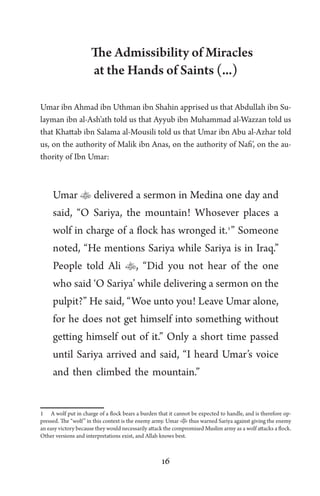
Umar  dispatched an army and put in charge of it a
man known as “Sariya”. Later, while delivering a ser-
mon, Umar began to shout, “O Sariya, the mountain!
O Sariya, the mountain!” Then an emissary from the
army arrived and said, “O Commander of the Faith-
ful, we faced our enemy and they defeated us when,
all of a sudden, a voice cried out, ‘O Sariya, the moun-
tain!’, so we backed ourselves against the mountain
and Allah the Exalted defeated them.” We said to
Umar, “You were yelling it.”
Ibn Ajlan said, “Iyas ibn Mu’awiyah ibn Qurra [also] told me [this].”1
1 Al-Bayhaqi also narrated it in Dala’il al-Nubuwwa. Al-Sakhawi said, “This is a good chain of narrators.”
15
5ِ‫اء‬َ‫ي‬ِ‫ل‬ْ‫و‬َ ْ‫ل‬ِ‫ل‬ ِ‫ات‬َ‫م‬‫ا‬ َ‫َر‬‫ك‬ْ‫ل‬‫ا‬ ِ‫از‬َ‫و‬ َ‫ج‬ ِ‫ف‬ ٌ‫اب‬َ‫ب‬
‫ـوارث‬‫ـ‬‫ال‬ ‫ـد‬‫ـ‬‫عب‬ ‫ـن‬‫ـ‬‫ب‬ ‫ـد‬‫ـ‬‫أمح‬ ‫ـا‬‫ـ‬‫حدثن‬ :‫ـظ‬‫ـ‬‫احلاف‬ ‫ـوب‬‫ـ‬‫يعق‬ ‫ـن‬‫ـ‬‫ب‬ ‫ـد‬‫ـ‬‫حمم‬ ‫ـن‬‫ـ‬‫ب‬ ‫ـد‬‫ـ‬‫حمم‬ ‫ـا‬‫ـ‬‫أخرن‬
:‫ـب‬‫ـ‬ْ‫ه‬َ‫و‬ ‫ـن‬‫ـ‬‫اب‬ ‫ـا‬‫ـ‬‫أخرن‬ :‫ـكن‬‫ـ‬‫مس‬ ‫ـن‬‫ـ‬‫ب‬ ‫ـارث‬‫ـ‬‫احل‬ ‫ـا‬‫ـ‬‫أخرن‬ :‫ـر‬‫ـ‬‫بم‬ ‫ـال‬‫ـ‬ َّ‫العس‬ ‫ـر‬‫ـ‬‫جري‬ ‫ـن‬‫ـ‬‫اب‬
:‫ـر‬‫ـ‬‫عم‬ ‫ـن‬‫ـ‬‫اب‬ ‫ـن‬‫ـ‬‫ع‬ ،‫ـع‬‫ـ‬‫ناف‬ ‫ـن‬‫ـ‬‫ع‬ ،‫ـان‬‫ـ‬‫عج‬ ‫ـن‬‫ـ‬‫اب‬ ‫ـن‬‫ـ‬‫ع‬ ،‫ـوب‬‫ـ‬‫أي‬ ‫ـن‬‫ـ‬‫ب‬ ‫ـى‬‫ـ‬‫حيي‬ ‫ـرين‬‫ـ‬‫أخ‬
‫ــى‬َ‫ع‬ْ‫د‬ُ‫ي‬ ً‫ا‬‫ــ‬ ُ‫ج‬َ‫ر‬ ْ‫ــم‬ِ‫ه‬ْ‫ي‬َ‫ل‬َ‫ع‬ َ‫ــر‬َّ‫م‬َ‫أ‬َ‫ف‬ ،ً‫ا‬‫شــ‬ْ‫ي‬ َ‫ج‬ َ‫ــث‬َ‫ع‬َ‫ب‬  َ‫ــر‬َ‫م‬ُ‫ع‬ َّ‫ن‬َ‫أ‬
ُ‫ة‬َ‫ي‬ِ‫ــار‬ َ‫س‬ ‫ــا‬َ‫ي‬ : ُ‫يــح‬ ِ‫ص‬َ‫ي‬ َ‫ــل‬َ‫ع‬َ‫ج‬َ‫ف‬ ُ‫ــب‬ُ‫ط‬ْ َ‫خي‬ ُ‫ــر‬َ‫م‬ُ‫ع‬ َ‫َــام‬‫ن‬ْ‫ي‬َ‫ب‬َ‫ف‬ ،َ‫ة‬َ‫ي‬ِ‫ــار‬ َ‫س‬
،ِ‫ــش‬ْ‫ي‬َ ْ‫اجل‬ َ‫ن‬‫ــ‬ِ‫م‬ ٌ‫ــول‬ ُ‫س‬َ‫ر‬ َ‫م‬ِ‫ــد‬َ‫ق‬َ‫ف‬ ، َ‫ــل‬َ‫ب‬َ ْ‫اجل‬ ُ‫ة‬َ‫ي‬ِ‫ــار‬ َ‫س‬ ‫ــا‬َ‫ي‬ ، َ‫ــل‬َ‫ب‬َ ْ‫اجل‬
‫ا‬َ‫ذ‬ِ‫ــإ‬َ‫ف‬ ،‫َــا‬‫ن‬‫و‬ُ‫م‬ َ‫ز‬َ‫ه‬َ‫ف‬ ‫َــا‬‫ن‬َّ‫و‬ُ‫َد‬‫ع‬ ‫َــا‬‫ن‬‫ي‬ِ‫ق‬َ‫ل‬ ،ِ‫ن‬ِ‫ن‬ِ‫م‬ْ‫ؤ‬‫ــ‬ُ ‫ـ‬ْ‫مل‬‫ا‬ َ‫ــر‬ِ‫م‬َ‫أ‬ ‫ــا‬َ‫ي‬ : َ‫ــال‬َ‫ق‬َ‫ف‬
َ‫ل‬ِ‫إ‬ ‫َــا‬‫ن‬َ‫ور‬ُ‫ه‬ُ‫ظ‬ ‫َا‬‫ن‬ْ‫َد‬‫ن‬‫ــ‬ ْ‫س‬َ‫أ‬َ‫ف‬ ، َ‫ــل‬َ‫ب‬َ ْ‫اجل‬ ُ‫ة‬َ‫ي‬ِ‫ــار‬ َ‫س‬ ‫ــا‬َ‫ي‬ ُ‫يــح‬ ِ‫ص‬َ‫ي‬ ٌ‫ــح‬ِ‫ائ‬ َ‫ص‬
ُ‫يــح‬ ِ‫َص‬‫ت‬ َ‫ْــت‬‫ن‬ُ‫ك‬ : َ‫ــر‬َ‫م‬ُ‫ع‬ِ‫ل‬ ‫َــا‬‫ن‬ْ‫ل‬ُ‫ق‬َ‫ف‬ ، َ‫ــال‬َ‫ع‬َ‫ت‬ ُ‫هلل‬‫ا‬ ُ‫ــم‬ُ‫ه‬َ‫م‬ َ‫ز‬َ‫ه‬َ‫ف‬ ،ِ‫ــل‬َ‫ب‬َ ْ‫اجل‬
َ‫ــك‬ِ‫ل‬َ‫ذ‬ِ‫ب‬
1
‫ة‬ َّ‫ر‬ُ‫ق‬ ‫بن‬ ‫معاوية‬ ‫بن‬ ‫إياس‬ ‫وحدثني‬ :‫عجان‬ ‫ابن‬ ‫قال‬
«‫حسن‬ ‫إسناد‬ ‫»وهو‬ :‫السخاوي‬ ‫وقال‬ ،‫الدلئل‬ ‫ف‬ ‫البيهقي‬ ‫ورواه‬ 1
16
The Admissibility of Miracles
at the Hands of Saints (...)
Umar ibn Ahmad ibn Uthman ibn Shahin apprised us that Abdullah ibn Su-
layman ibn al-Ash’ath told us that Ayyub ibn Muhammad al-Wazzan told us
that Khattab ibn Salama al-Mousili told us that Umar ibn Abu al-Azhar told
us, on the authority of Malik ibn Anas, on the authority of Nafi’, on the au-
thority of Ibn Umar:
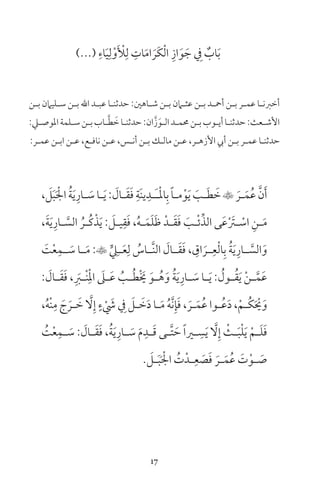
Umar  delivered a sermon in Medina one day and
said, “O Sariya, the mountain! Whosever places a
wolf in charge of a flock has wronged it.1
” Someone
noted, “He mentions Sariya while Sariya is in Iraq.”
People told Ali , “Did you not hear of the one
who said ‘O Sariya’ while delivering a sermon on the
pulpit?” He said, “Woe unto you! Leave Umar alone,
for he does not get himself into something without
getting himself out of it.” Only a short time passed
until Sariya arrived and said, “I heard Umar’s voice
and then climbed the mountain.”
1 A wolf put in charge of a flock bears a burden that it cannot be expected to handle, and is therefore op-
pressed. The “wolf” in this context is the enemy army. Umar thus warned Sariya against giving the enemy
an easy victory because they would necessarily attack the compromised Muslim army as a wolf attacks a flock.
Other versions and interpretations exist, and Allah knows best.
17
) ( ِ‫اء‬َ‫ي‬ِ‫ل‬ْ‫و‬َ ْ‫ل‬ِ‫ل‬ ِ‫ات‬َ‫م‬‫ا‬ َ‫َر‬‫ك‬ْ‫ل‬‫ا‬ ِ‫از‬َ‫و‬ َ‫ج‬ ِ‫ف‬ ٌ‫اب‬َ‫ب‬
‫ـن‬‫ـ‬‫ب‬ ‫ـليامن‬‫ـ‬‫س‬ ‫ـن‬‫ـ‬‫ب‬ ‫اهلل‬ ‫ـد‬‫ـ‬‫عب‬ ‫ـا‬‫ـ‬‫حدثن‬ :‫ـاهن‬‫ـ‬‫ش‬ ‫ـن‬‫ـ‬‫ب‬ ‫ـامن‬‫ـ‬‫عث‬ ‫ـن‬‫ـ‬‫ب‬ ‫ـد‬‫ـ‬‫أمح‬ ‫ـن‬‫ـ‬‫ب‬ ‫ـر‬‫ـ‬‫عم‬ ‫ـا‬‫ـ‬‫أخرن‬
:‫ـي‬‫ـ‬‫املوص‬‫ـلمة‬‫ـ‬‫س‬‫ـن‬‫ـ‬‫ب‬‫ـاب‬‫ـ‬َّ‫ط‬ َ‫خ‬‫ـا‬‫ـ‬‫حدثن‬:‫ان‬َّ‫ز‬َ‫ـو‬‫ـ‬‫ال‬‫ـد‬‫ـ‬‫حمم‬‫ـن‬‫ـ‬‫ب‬‫ـوب‬‫ـ‬‫أي‬‫ـا‬‫ـ‬‫حدثن‬:‫ـعث‬‫ـ‬‫األش‬
:‫ـر‬‫ـ‬‫عم‬ ‫ـن‬‫ـ‬‫اب‬ ‫ـن‬‫ـ‬‫ع‬ ،‫ـع‬‫ـ‬‫ناف‬ ‫ـن‬‫ـ‬‫ع‬ ،‫ـس‬‫ـ‬‫أن‬ ‫ـن‬‫ـ‬‫ب‬ ‫ـك‬‫ـ‬‫مال‬ ‫ـن‬‫ـ‬‫ع‬ ،‫ـر‬‫ـ‬‫األزه‬ ‫أيب‬ ‫ـن‬‫ـ‬‫ب‬ ‫ـر‬‫ـ‬‫عم‬ ‫ـا‬‫ـ‬‫حدثن‬
، َ‫ل‬َ‫ب‬َ ْ‫اجل‬ ُ‫ة‬َ‫ي‬ِ‫ـار‬‫ـ‬ َ‫س‬‫ـا‬‫ـ‬َ‫ي‬: َ‫ـال‬‫ـ‬َ‫ق‬َ‫ف‬ ِ‫َة‬‫ن‬‫ي‬ِ‫ـد‬‫ـ‬َ‫ـ‬ْ‫مل‬‫ا‬ِ‫ب‬ ً‫ا‬‫ـ‬‫ـ‬‫م‬ْ‫و‬َ‫ي‬ َ‫ـب‬‫ـ‬َ‫ط‬ َ‫خ‬ َ‫ـر‬‫ـ‬َ‫م‬ُ‫ع‬ َّ‫ن‬َ‫أ‬
،َ‫ة‬َ‫ي‬ِ‫ـار‬‫ـ‬ َّ‫الس‬ ُ‫ـر‬‫ـ‬ُ‫ك‬ْ‫ذ‬َ‫ي‬ : َ‫ـل‬‫ـ‬‫ي‬ِ‫ق‬َ‫ف‬ ،ُ‫ه‬‫ـ‬‫ـ‬َ‫م‬َ‫ل‬َ‫ظ‬ ْ‫ـد‬‫ـ‬َ‫ق‬َ‫ف‬ َ‫ـب‬‫ـ‬ْ‫ئ‬ِّ‫الذ‬ ‫ى‬َ‫ع‬ْ َ‫ـرت‬‫ـ‬ ْ‫اس‬ ِ‫ـن‬‫ـ‬َ‫م‬
َ‫ت‬ْ‫ع‬ِ‫ـم‬‫ـ‬ َ‫س‬ ‫ـا‬‫ـ‬َ‫م‬ : ٍّ
ِ‫ـي‬‫ـ‬َ‫ع‬ِ‫ل‬ ُ‫ـاس‬‫ـ‬َّ‫ن‬‫ال‬ َ‫ـال‬‫ـ‬َ‫ق‬َ‫ف‬ ، ِ‫اق‬ َ‫ـر‬‫ـ‬ِ‫ع‬ْ‫ل‬‫ا‬ِ‫ب‬ ُ‫ة‬َ‫ي‬ِ‫ـار‬‫ـ‬ َّ‫الس‬َ‫و‬
: َ‫ـال‬‫ـ‬َ‫ق‬َ‫ف‬ ،ِ َ‫ـر‬‫ـ‬ْ‫ن‬ِْ‫مل‬‫ا‬ َ‫ـىل‬‫ـ‬َ‫ع‬ ُ‫ـب‬‫ـ‬ُ‫ط‬ْ َ‫خي‬ َ‫ـو‬‫ـ‬ُ‫ه‬َ‫و‬ ُ‫ة‬َ‫ي‬ِ‫ـار‬‫ـ‬ َ‫س‬ ‫ـا‬‫ـ‬َ‫ي‬ : ُ‫ـول‬‫ـ‬ُ‫ق‬َ‫ي‬ ْ‫ن‬‫ـ‬‫ـ‬َّ‫م‬َ‫ع‬
،ُ‫ه‬ْ‫ن‬ِ‫م‬ َ‫ج‬ َ‫ـر‬‫ـ‬ َ‫خ‬ َّ‫ل‬ِ‫إ‬ ٍ‫ء‬ ْ َ‫ش‬ ِ‫ف‬ َ‫ـل‬‫ـ‬ َ‫خ‬َ‫د‬ ‫ـا‬‫ـ‬َ‫م‬ ُ‫ه‬َّ‫ن‬ِ‫إ‬َ‫ف‬ ، َ‫ـر‬‫ـ‬َ‫م‬ُ‫ع‬ ‫ـوا‬‫ـ‬ُ‫ع‬َ‫د‬ ،ْ‫ـم‬‫ـ‬ُ‫ك‬َ ْ‫حي‬َ‫و‬
ُ‫ت‬ْ‫ع‬ِ‫ـم‬‫ـ‬ َ‫س‬ : َ‫ـال‬‫ـ‬َ‫ق‬َ‫ف‬ ،ُ‫ة‬َ‫ي‬ِ‫ـار‬‫ـ‬ َ‫س‬ َ‫م‬ِ‫ـد‬‫ـ‬َ‫ق‬ ‫ـى‬‫ـ‬َّ‫ت‬ َ‫ح‬ ً‫ا‬‫ـر‬‫ـ‬ ِ‫س‬َ‫ي‬ َّ‫ل‬ِ‫إ‬ ْ‫ـث‬‫ـ‬َ‫ب‬ْ‫ل‬َ‫ي‬ ْ‫ـم‬‫ـ‬َ‫ل‬َ‫ف‬
َ‫ـل‬‫ـ‬َ‫ب‬َ ْ‫اجل‬ ُ‫ت‬ْ‫ـد‬‫ـ‬ِ‫ع‬ َ‫ص‬َ‫ف‬ َ‫ـر‬‫ـ‬َ‫م‬ُ‫ع‬ َ‫ت‬ْ‫ـو‬‫ـ‬ َ‫ص‬
18
6. The Use of Noble Manners,
Encouragement of Spending, the
Blameworthiness of Hoarding, and
Avoiding Questionable Matters
Ibrahim ibn Ahmad apprised us that Abu al-Tayyib az-Zarrad al-Manbaji told
us that Hilal ibn al-Alaa told us that my father told us that Umar ibn Hafs
told us that Hawshab and Matar told us, on the authority of al-Hasan, on the
authority of Imran ibn Husoyn, who said:
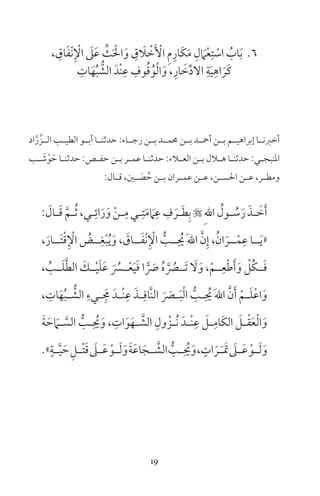
The Messenger of Allah  grasped the tail of my
turban from behind me and then said, “O Imran!
Verily, Allah loves spending and hates stinginess, so
eat, feed [others], and do not hoard it [i.e. wealth]
greedily lest its acquisition become difficult for you.
And realize that Allah loves penetrating vision at
the arrival of questionable matters and a perfected
mind at the descent of lusts. He loves largesse even if
[expressed]throughafewdates,andHelovesbravery
even when killing a serpent.”
19
6، ِ‫اق‬َ‫ف‬ْ‫ن‬ِ ْ‫اإل‬ َ‫ىل‬َ‫ع‬ ِّ‫ث‬َ ْ‫احل‬َ‫و‬ ِ‫ق‬ َ‫ا‬ ْ‫خ‬َ ْ‫األ‬ ِ‫م‬ِ‫َار‬‫ك‬َ‫م‬ ِ‫ل‬ َ‫ام‬ْ‫ع‬ِ‫ت‬ ْ‫اس‬ ُ‫اب‬َ‫ب‬
ِ‫ات‬َ‫ه‬ُ‫ب‬ ُّ‫الش‬ َ‫ْد‬‫ن‬ِ‫ع‬ ِ‫وف‬ُ‫ق‬ُ‫و‬ْ‫ل‬‫ا‬َ‫و‬ ،ِ‫ار‬ َ‫خ‬ِّ‫د‬‫ال‬ ِ‫ة‬َ‫ي‬ِ‫اه‬ َ‫َر‬‫ك‬
‫اد‬َّ‫ر‬ َّ‫الــز‬ ‫الطيــب‬ ‫أبــو‬ ‫حدثنــا‬ :‫رجــاء‬ ‫بــن‬ ‫حممــد‬ ‫بــن‬ ‫أمحــد‬ ‫بــن‬ ‫إبراهيــم‬ ‫أخرنــا‬
‫ـب‬‫ـ‬ َ‫ش‬ْ‫و‬ َ‫ح‬ ‫ـا‬‫ـ‬‫حدثن‬ :‫ـص‬‫ـ‬‫حف‬ ‫ـن‬‫ـ‬‫ب‬ ‫ـر‬‫ـ‬‫عم‬ ‫ـا‬‫ـ‬‫حدثن‬ :‫ـاء‬‫ـ‬‫الع‬ ‫ـن‬‫ـ‬‫ب‬ ‫ـال‬‫ـ‬‫ه‬ ‫ـا‬‫ـ‬‫حدثن‬ :‫ـي‬‫ـ‬‫املنبج‬
:‫ـال‬‫ـ‬‫ق‬ ،‫ـن‬‫ـ‬ َ‫ص‬ ُ‫ح‬ ‫ـن‬‫ـ‬‫ب‬ ‫ـران‬‫ـ‬‫عم‬ ‫ـن‬‫ـ‬‫ع‬ ،‫ـن‬‫ـ‬‫احلس‬ ‫ـن‬‫ـ‬‫ع‬ ،‫ـر‬‫ـ‬‫ومط‬
: َ‫ـال‬‫ـ‬َ‫ق‬ َّ‫ـم‬‫ـ‬ُ‫ث‬ ،‫ـي‬‫ـ‬ِ‫ائ‬َ‫ر‬َ‫و‬ ْ‫ن‬‫ـ‬‫ـ‬ِ‫م‬ ‫ـي‬‫ـ‬ِ‫ت‬َ‫م‬ َ‫ام‬ِ‫ع‬ ِ‫ف‬ َ‫ـر‬‫ـ‬َ‫ط‬ِ‫ب‬  ِ‫هلل‬‫ا‬ ُ‫ـول‬‫ـ‬ ُ‫س‬َ‫ر‬ َ‫ـذ‬‫ـ‬ َ‫خ‬َ‫أ‬
،َ‫َــار‬‫ت‬ْ‫ق‬ِ ْ‫اإل‬ ُ‫ــض‬ِ‫غ‬ْ‫ب‬ُ‫ي‬َ‫و‬ ، َ‫ــاق‬َ‫ف‬ْ‫ن‬ِ ْ‫اإل‬ ُّ‫ــب‬ِ ُ‫حي‬ َ‫هلل‬‫ا‬ َّ‫ن‬ِ‫إ‬ ،ُ‫ان‬ َ‫ــر‬ْ‫م‬ِ‫ع‬ ‫ــا‬َ‫ي‬«
، ُ‫ــب‬َ‫ل‬َّ‫ط‬‫ال‬ َ‫ــك‬ْ‫ي‬َ‫ل‬َ‫ع‬ َ ُ‫ــر‬ْ‫ع‬َ‫ي‬َ‫ف‬ ‫ا‬ ًّ َ‫ص‬ ُ‫ه‬ َّ ُ‫َــر‬‫ت‬ َ‫ل‬َ‫و‬ ،ْ‫ــم‬ِ‫ع‬ْ‫ط‬َ‫أ‬َ‫و‬ ْ‫ُل‬‫ك‬‫ــ‬َ‫ف‬
، ِ‫ات‬َ‫ه‬ُ‫ب‬‫ـ‬‫ـ‬ ُّ‫الش‬ ِ‫ـيء‬‫ـ‬َِ‫م‬ َ‫ـد‬‫ـ‬ْ‫ن‬ِ‫ع‬ َ‫ـذ‬‫ـ‬ِ‫َّاف‬‫ن‬‫ال‬ َ َ‫ـر‬‫ـ‬َ‫ب‬ْ‫ل‬‫ا‬ ُّ‫ـب‬‫ـ‬ِ ُ‫حي‬ َ‫هلل‬‫ا‬ َّ‫ن‬َ‫أ‬ ْ‫ـم‬‫ـ‬َ‫ل‬ْ‫ع‬‫ا‬َ‫و‬
َ‫ة‬ َ‫ح‬ َ‫ـام‬‫ـ‬ َّ‫الس‬ ُّ‫ـب‬‫ـ‬ِ ُ‫حي‬َ‫و‬ ، ِ‫ات‬َ‫و‬َ‫ـه‬‫ـ‬ َّ‫الش‬ ِ‫ول‬ ْ‫ـز‬‫ـ‬ُ‫ن‬ َ‫ـد‬‫ـ‬ْ‫ن‬ِ‫ع‬ َ‫ـل‬‫ـ‬ِ‫َام‬‫ك‬‫ال‬ َ‫ـل‬‫ـ‬ْ‫ق‬َ‫ع‬ْ‫ل‬‫ا‬َ‫و‬
»ٍ‫ـة‬‫ـ‬َّ‫ي‬ َ‫ح‬ ِ‫ـل‬‫ـ‬ْ‫ت‬َ‫ق‬ َ‫ـىل‬‫ـ‬َ‫ع‬ ْ‫ـو‬‫ـ‬َ‫ل‬َ‫و‬َ‫ة‬َ‫ع‬‫ا‬َ‫ـج‬‫ـ‬ َّ‫الش‬ ُّ‫ـب‬‫ـ‬ِ ُ‫حي‬َ‫و‬، ٍ‫ات‬ َ‫ـر‬‫ـ‬َ َ‫ت‬ َ‫ـىل‬‫ـ‬َ‫ع‬ ْ‫ـو‬‫ـ‬َ‫ل‬َ‫و‬
20
7. The Manner of Believers and Scholars
Ahmad ibn Muhammad al-Qahtab al-Tajir apprised us that Muhammad ibn
Ahmad ibn Thawban told us that Muhammad ibn Isma’il al-Sa’igh told us that
Abu al-Salt al-Harawi told us that Yousuf ibn Atiyya told us, on the authority
of Qatada, on the authority of al-Hasan, on the authority of Anas , who
said:
The Messenger of Allah  said, “Faith is not through
wishes and embellishments. Rather, it is that which
settles in the heart and is ratified by action. And
knowledge is of two types: knowledge of the tongue
and knowledge of the heart. Knowledge of the heart
is what is beneficial whereas knowledge of the tongue
is Allah’s argument against the Son of Adam.”1
1 It was also narrated by al-Hakeem al-Tirmidhi (not to be confused with Abu Isa al-Tirmidhi, the famous
hadith collector) in Nawadir al-Usool with the Companion’s name omitted. Al-Sakhawi mentions that its chain
of narrators is authentic.
21
7ِ‫ء‬ َ‫ام‬َ‫ل‬ُ‫ع‬ْ‫ل‬‫ا‬ ِ‫ة‬َ‫ف‬ ِ‫ص‬َ‫و‬ َ‫ن‬ِ‫ن‬ِ‫م‬ْ‫ؤ‬ُْ‫مل‬‫ا‬ ِ‫ة‬َ‫ف‬ ِ‫ص‬ ِ‫ف‬ ٌ‫اب‬َ‫ب‬
:‫ـان‬‫ـ‬‫ب‬ْ‫و‬َ‫ث‬ ‫ـن‬‫ـ‬‫ب‬ ‫ـد‬‫ـ‬‫أمح‬ ‫ـن‬‫ـ‬‫ب‬ ‫ـد‬‫ـ‬‫حمم‬ ‫ـا‬‫ـ‬‫حدثن‬ :‫ـر‬‫ـ‬‫التاج‬ ‫ـي‬‫ـ‬‫ب‬َ‫ط‬ْ‫ح‬َ‫ق‬‫ال‬ ‫ـد‬‫ـ‬‫حمم‬ ‫ـن‬‫ـ‬‫ب‬ ‫ـد‬‫ـ‬‫أمح‬ ‫ـا‬‫ـ‬‫أخرن‬
‫حدثنــا‬ :‫وي‬ َ‫ــر‬َ‫ال‬ ‫الصلــت‬ ‫أبــو‬ ‫حدثنــا‬ :‫الصائــغ‬ ‫إســامعيل‬ ‫بــن‬ ‫حممــد‬ ‫حدثنــا‬
:‫قــال‬ ،‫أنــس‬ ‫عــن‬ ،‫احلســن‬ ‫عــن‬ ،‫قتــادة‬ ‫عــن‬ ،‫عطيــة‬ ‫بــن‬ ‫يوســف‬
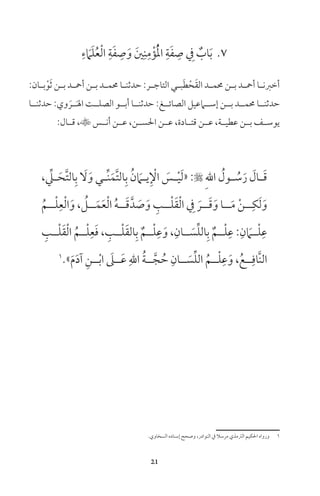
، ِّ‫ـي‬‫ـ‬َ‫َّح‬‫ت‬‫ال‬ِ‫ب‬ َ‫ل‬َ‫و‬ ‫ـي‬‫ـ‬ِّ‫ن‬َ‫َّم‬‫ت‬‫ال‬ِ‫ب‬ ُ‫ن‬ َ‫ـام‬‫ـ‬‫ي‬ِ ْ‫اإل‬ َ‫ـس‬‫ـ‬ْ‫ي‬َ‫ل‬« : ِ‫هلل‬‫ا‬ ُ‫ـول‬‫ـ‬ ُ‫س‬َ‫ر‬ َ‫ـال‬‫ـ‬َ‫ق‬
ُ‫ــم‬ْ‫ل‬ِ‫ع‬ْ‫ل‬‫ا‬َ‫و‬ ، ُ‫ــل‬َ‫م‬َ‫ع‬ْ‫ل‬‫ا‬ ُ‫ه‬‫ــ‬َ‫ق‬َّ‫د‬ َ‫ص‬َ‫و‬ ِ‫ــب‬ْ‫ل‬َ‫ق‬ْ‫ل‬‫ا‬ ِ‫ف‬ َ‫ــر‬َ‫ق‬َ‫و‬ ‫ــا‬َ‫م‬ ْ‫ن‬‫ــ‬ِ‫ك‬َ‫ل‬َ‫و‬
ِ‫ــب‬ْ‫ل‬َ‫ق‬ْ‫ل‬‫ا‬ ُ‫ــم‬ْ‫ل‬ِ‫ع‬َ‫ف‬ ، ِ‫ــب‬ْ‫ل‬َ‫ق‬‫ال‬ِ‫ب‬ ٌ‫ــم‬ْ‫ل‬ِ‫ع‬َ‫و‬ ،ِ‫ــان‬ َ‫س‬ِّ‫ل‬‫ال‬ِ‫ب‬ ٌ‫ــم‬ْ‫ل‬ِ‫ع‬ :ِ‫ن‬ َ‫ــام‬ْ‫ل‬ِ‫ع‬
1
»َ‫م‬َ‫د‬‫آ‬ ِ‫ــن‬ْ‫ب‬‫ا‬ َ‫ــىل‬َ‫ع‬ ِ‫اهلل‬ ُ‫ة‬‫ــ‬َّ‫ج‬ ُ‫ح‬ ِ‫ــان‬ َ‫س‬ِّ‫ل‬‫ال‬ ُ‫ــم‬ْ‫ل‬ِ‫ع‬َ‫و‬ ،ُ‫ــع‬ِ‫َّاف‬‫ن‬‫ال‬
‫السخاوي‬ ‫إسناده‬ ‫وصحح‬ ،‫النوادر‬ ‫ف‬ ‫مرسا‬ ‫الرتمذي‬ ‫احلكيم‬ ‫ورواه‬ 1
22
8. Being Satisfied with the Bare Minimum
of Worldly Matters and the Reprehensibility
of Mingling with the Affluent
Ibrahim ibn Ahmad ibn Muhammad al-Buzari apprised us that al-Hasan ibn
Sufyan apprised us that Makhlad ibn Muhammad told us that Sa’id ibn Mu-
hammad al-Warraq told us, on the authority of Salih ibn Hassan al-Ansari, on
the authority of Urwa, on the authority of Aisha B, who said:
The Messenger of Allah  said, “If you desire to keep
close to me, then let the provision of a rider suffice
you, and beware of mingling with the affluent.”
23
8ِ‫اء‬َ‫ي‬ِ‫ن‬ْ‫غ‬َ ْ‫األ‬ ِ‫ة‬َ‫ط‬َ‫ل‬‫ا‬َ ُ‫م‬ ِ‫ة‬َ‫ي‬ِ‫اه‬ َ‫َر‬‫ك‬َ‫و‬ ِ‫يل‬ِ‫ل‬َ‫ق‬ْ‫ل‬‫ا‬ ِّ‫ل‬َ‫ق‬َ‫أ‬ِ‫ب‬ ‫ا‬َ‫ي‬ْ‫ن‬ُّ‫الد‬ َ‫ن‬ِ‫م‬ ِ‫اء‬َ‫ف‬ِ‫ْت‬‫ك‬ ِ‫ال‬ ِ‫ف‬ ٌ‫اب‬َ‫ب‬
:‫ســفيان‬ ‫بــن‬ ‫احلســن‬ ‫أخرنــا‬ :‫اري‬ َ‫ــز‬ُ‫ب‬‫ال‬ ‫حممــد‬ ‫بــن‬ ‫أمحــد‬ ‫بــن‬ ‫إبراهيــم‬ ‫أخرنــا‬
‫بــن‬ ‫صالــح‬ ‫عــن‬ :‫اق‬َّ‫الــور‬ ‫حممــد‬ ‫بــن‬ ‫ســعيد‬ ‫حدثنــا‬ :‫حممــد‬ ‫بــن‬ ‫ــد‬َ‫ل‬ْ َ‫م‬ ‫حدثنــا‬
:‫قالــت‬ ، B‫عائشــة‬ ‫عــن‬ ،‫عــروة‬ ‫عــن‬ ، ّ‫األنصــاري‬ ‫حســان‬
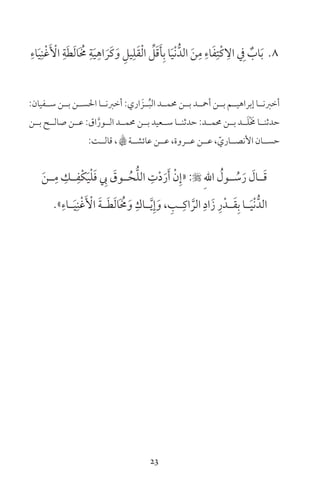
َ‫ن‬‫ـ‬‫ـ‬ِ‫م‬ ِ‫ـك‬‫ـ‬ِ‫ْف‬‫ك‬َ‫ي‬ْ‫ل‬َ‫ف‬ ِ‫يب‬ َ‫ـوق‬‫ـ‬ُ‫ح‬ُّ‫ل‬‫ال‬ ِ‫ت‬ْ‫د‬َ‫ر‬َ‫أ‬ ْ‫ن‬ِ‫«إ‬ : ِ‫هلل‬‫ا‬ ُ‫ـول‬‫ـ‬ ُ‫س‬َ‫ر‬ َ‫ـال‬‫ـ‬َ‫ق‬
»ِ‫ـاء‬‫ـ‬َ‫ي‬ِ‫ن‬ْ‫غ‬َ ْ‫األ‬ َ‫ة‬‫ـ‬‫ـ‬َ‫ط‬َ‫ل‬‫ا‬َ ُ‫م‬َ‫و‬ ِ‫ـاك‬‫ـ‬َّ‫ي‬ِ‫إ‬َ‫و‬ ، ِ‫ـب‬‫ـ‬ِ‫اك‬ َّ‫الر‬ ِ‫اد‬َ‫ز‬ ِ‫ر‬ْ‫ـد‬‫ـ‬َ‫ق‬ِ‫ب‬ ‫ـا‬‫ـ‬َ‫ي‬ْ‫ن‬ُّ‫الد‬
24
9. Contentment
Abu al-Abbas Muhammad ibn Ya’qub al-Asamm apprised us that al-Rabi’ ibn
Sulayman told us that Asad ibn Musa told us that Abu Bakr al-Dahiri told us
that Thawr ibn Yazid told us, on the authority of Khalid ibn Muhajir, on the
authority of Ibn Umar A, who said:
The Messenger of Allah  said, “O Son of Adam, you
have what suffices you yet you desire what corrupts
you. O Son of Adam, you are neither content with
little nor sated by plenty. If you reach morning sound
in body, secure in route and property, and with
your day’s supply of food, then may the world be
forgotten.1
”2
1 i.e. Beyond basic needs, the world is but a digression.
2 After indicating the narration’s weakness, al-Sakhawi added, “However, this hadith has corroborating
narrations.”
25
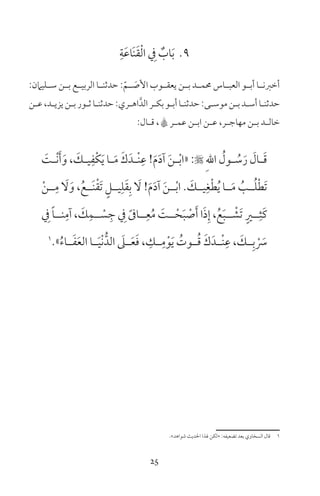
9ِ‫ة‬َ‫ع‬‫َا‬‫ن‬َ‫ق‬ْ‫ل‬‫ا‬ ِ‫ف‬ ٌ‫اب‬َ‫ب‬
:‫ـليامن‬‫ـ‬‫س‬ ‫ـن‬‫ـ‬‫ب‬ ‫ـع‬‫ـ‬‫الربي‬ ‫ـا‬‫ـ‬‫حدثن‬ :ّ‫ـم‬‫ـ‬ َ‫األص‬ ‫يعقــوب‬ ‫ـن‬‫ـ‬‫ب‬ ‫حممــد‬ ‫العبــاس‬ ‫ـو‬‫ـ‬‫أب‬ ‫ـا‬‫ـ‬‫أخرن‬
‫ـن‬‫ـ‬‫ع‬،‫ـد‬‫ـ‬‫يزي‬‫ـن‬‫ـ‬‫ب‬‫ـور‬‫ـ‬‫ث‬‫ـا‬‫ـ‬‫حدثن‬:‫ـري‬‫ـ‬‫اه‬َّ‫الد‬‫ـر‬‫ـ‬‫بك‬‫ـو‬‫ـ‬‫أب‬‫ـا‬‫ـ‬‫حدثن‬:‫ـى‬‫ـ‬‫موس‬‫ـن‬‫ـ‬‫ب‬‫ـد‬‫ـ‬‫أس‬‫ـا‬‫ـ‬‫حدثن‬
:‫ـال‬‫ـ‬‫ق‬ ، A‫ـر‬‫ـ‬‫عم‬ ‫ـن‬‫ـ‬‫اب‬ ‫ـن‬‫ـ‬‫ع‬ ،‫ـر‬‫ـ‬‫مهاج‬ ‫ـن‬‫ـ‬‫ب‬ ‫ـد‬‫ـ‬‫خال‬
َ‫ـت‬‫ـ‬ْ‫ن‬َ‫أ‬َ‫و‬ ، َ‫ـك‬‫ـ‬‫ي‬ِ‫ْف‬‫ك‬َ‫ي‬ ‫ـا‬‫ـ‬َ‫م‬ َ‫ك‬َ‫ـد‬‫ـ‬ْ‫ن‬ِ‫ع‬ !َ‫م‬َ‫د‬‫آ‬ َ‫ن‬‫ـ‬‫ـ‬ْ‫ب‬‫«ا‬ : ِ‫هلل‬‫ا‬ ُ‫ـول‬‫ـ‬ ُ‫س‬َ‫ر‬ َ‫ـال‬‫ـ‬َ‫ق‬
ْ‫ن‬‫ــ‬ِ‫م‬ َ‫ل‬َ‫و‬ ،ُ‫َــع‬‫ن‬ْ‫ق‬َ‫ت‬ ٍ‫يــل‬ِ‫ل‬َ‫ق‬ِ‫ب‬ َ‫ل‬ !َ‫م‬َ‫د‬‫آ‬ َ‫ن‬‫ــ‬ْ‫ب‬‫ا‬ َ‫يــك‬ِ‫غ‬ْ‫ط‬ُ‫ي‬ ‫ــا‬َ‫م‬ ُ‫ــب‬ُ‫ل‬ْ‫ط‬َ‫ت‬
ِ‫ف‬ ً‫ا‬‫نــ‬ِ‫آم‬ ، َ‫ك‬ِ‫ــم‬ ْ‫س‬ ِ‫ج‬ ِ‫ف‬ ً‫ــاىف‬ِ‫ع‬ُ‫م‬ َ‫ــت‬ْ‫ح‬َ‫ب‬ ْ‫ص‬َ‫أ‬ ‫ا‬َ‫ذ‬ِ‫إ‬ ،ُ‫ع‬َ‫ب‬‫ــ‬ ْ‫َش‬‫ت‬ ٍ‫ــر‬ِ‫َث‬‫ك‬
1
»ُ‫ء‬‫ــا‬َ‫ف‬َ‫ع‬‫ال‬ ‫ــا‬َ‫ي‬ْ‫ن‬ُّ‫الد‬ َ‫ــىل‬َ‫ع‬َ‫ف‬ ، ِ‫ــك‬ِ‫م‬ْ‫و‬َ‫ي‬ ُ‫ــوت‬ُ‫ق‬ َ‫ك‬َ‫ْــد‬‫ن‬ِ‫ع‬ ، َ‫ــك‬ِ‫ب‬ ْ َ‫س‬
«‫شواهد‬ ‫احلديث‬ ‫لذا‬ ‫»لكن‬ :‫تضعيفه‬ ‫بعد‬ ‫السخاوي‬ ‫قال‬ 1
26
10. Asking Claimants to
Support their Claims
Ali ibn al-Fadl ibn Muhammad ibn Aqil apprised us that Muhammad ibn Ab-
dullah ibn Sulayman al-Hadrami apprised us that Muhammad ibn al-Ala told
us that Zayd told us that Ibn Lahi’a told us that Khalid ibn Yazid al-Saksaki
told us, on the authority of Sa’id ibn Abu Hilal, on the authority of Muham-
mad ibn Abu al-Jahm, on the authority of al-Harith ibn Malik , that:
He passed by the Messenger of Allah  and he asked
him, “How are you this morning, O Haritha?” He
said, “I woke up truly a believer.” He said, “Be careful
ofwhatyousay.Everytruthhasareality,sowhatisthe
reality of your belief?” He said, “I have become averse
to this world. It is if I am witnessing the inhabitants
of Paradise visiting one another, and it is as if I am
witnessing the inhabitants of the Fire bewailing one
another.” He said, “O Haritha, you have known, so
adhere.” He said it three times.
27
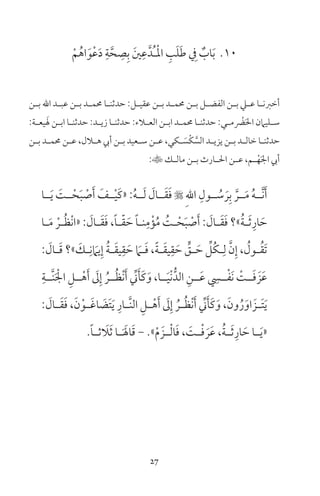
10ْ‫م‬ُ‫اه‬َ‫و‬ْ‫ع‬َ‫د‬ ِ‫ة‬َّ‫ح‬ ِ‫ص‬ِ‫ب‬ َ‫ن‬ِ‫ع‬َّ‫ُد‬‫ـ‬ْ‫مل‬‫ا‬ ِ‫ب‬َ‫ل‬َ‫ط‬ ِ‫ف‬ ٌ‫اب‬َ‫ب‬
‫ـن‬‫ـ‬‫ب‬ ‫اهلل‬ ‫ـد‬‫ـ‬‫عب‬ ‫ـن‬‫ـ‬‫ب‬ ‫ـد‬‫ـ‬‫حمم‬ ‫ـا‬‫ـ‬‫حدثن‬ :‫ـل‬‫ـ‬‫عقي‬ ‫ـن‬‫ـ‬‫ب‬ ‫ـد‬‫ـ‬‫حمم‬ ‫ـن‬‫ـ‬‫ب‬ ‫ـل‬‫ـ‬‫الفض‬ ‫ـن‬‫ـ‬‫ب‬ ‫ـي‬‫ـ‬‫ع‬ ‫ـا‬‫ـ‬‫أخرن‬
:‫ـة‬‫ـ‬‫يع‬ َ‫ل‬ ‫ـن‬‫ـ‬‫اب‬ ‫ـا‬‫ـ‬‫حدثن‬ :‫ـد‬‫ـ‬‫زي‬ ‫ـا‬‫ـ‬‫حدثن‬ :‫ـاء‬‫ـ‬‫الع‬ ‫ـن‬‫ـ‬‫اب‬ ‫ـد‬‫ـ‬‫حمم‬ ‫ـا‬‫ـ‬‫حدثن‬ :‫ـي‬‫ـ‬‫م‬ ْ‫ض‬َ‫حل‬‫ا‬ ‫ـليامن‬‫ـ‬‫س‬
‫ـن‬‫ـ‬‫ب‬ ‫ـد‬‫ـ‬‫حمم‬ ‫ـن‬‫ـ‬‫ع‬ ،‫ـال‬‫ـ‬‫ه‬ ‫أيب‬ ‫ـن‬‫ـ‬‫ب‬ ‫ـعيد‬‫ـ‬‫س‬ ‫ـن‬‫ـ‬‫ع‬ ،‫ـكي‬‫ـ‬ َ‫ْس‬‫ك‬ َّ‫الس‬ ‫ـد‬‫ـ‬‫يزي‬ ‫ـن‬‫ـ‬‫ب‬ ‫ـد‬‫ـ‬‫خال‬ ‫ـا‬‫ـ‬‫حدثن‬
:‫ـك‬‫ـ‬‫مال‬ ‫ـن‬‫ـ‬‫ب‬ ‫ـارث‬‫ـ‬‫احل‬ ‫ـن‬‫ـ‬‫ع‬ ،‫ـم‬‫ـ‬ْ‫ه‬َ‫جل‬‫ا‬ ‫أيب‬
‫ــا‬َ‫ي‬ َ‫ــت‬ْ‫ح‬َ‫ب‬ ْ‫ص‬َ‫أ‬ َ‫ــف‬ْ‫ي‬َ‫ك‬« :ُ‫ه‬‫ــ‬َ‫ل‬ َ‫ــال‬َ‫ق‬َ‫ف‬  ِ‫هلل‬‫ا‬ ِ‫ــول‬ ُ‫س‬ َ‫ر‬ِ‫ب‬ َّ‫ــر‬َ‫م‬ ُ‫ه‬‫َّــ‬‫ن‬َ‫أ‬
‫ـا‬‫ـ‬َ‫م‬ ْ‫ـر‬‫ـ‬ُ‫ظ‬ْ‫ن‬‫«ا‬ : َ‫ـال‬‫ـ‬َ‫ق‬َ‫ف‬ ،ً‫ا‬‫ـ‬‫ـ‬ّ‫ق‬ َ‫ح‬ ً‫ا‬‫ـ‬‫ـ‬‫ن‬ِ‫م‬ْ‫ؤ‬ُ‫م‬ ُ‫ـت‬‫ـ‬ْ‫ح‬َ‫ب‬ ْ‫ص‬َ‫أ‬ : َ‫ـال‬‫ـ‬َ‫ق‬َ‫ف‬ ‫»؟‬ُ‫ة‬‫ـ‬‫ـ‬َ‫ث‬ِ‫ار‬ َ‫ح‬
: َ‫ـال‬‫ـ‬َ‫ق‬ ‫»؟‬ َ‫ـك‬‫ـ‬ِ‫ن‬ َ‫يام‬ِ‫إ‬ ُ‫ة‬‫ـ‬‫ـ‬َ‫ق‬‫ي‬ِ‫ق‬ َ‫ح‬ َ‫ـام‬‫ـ‬َ‫ف‬ ،ً‫ة‬‫ـ‬‫ـ‬َ‫ق‬‫ي‬ِ‫ق‬ َ‫ح‬ ٍّ‫ـق‬‫ـ‬ َ‫ح‬ ِّ‫ُل‬‫ك‬‫ـ‬‫ـ‬ِ‫ل‬ َّ‫ن‬ِ‫إ‬ ، ُ‫ـول‬‫ـ‬ُ‫ق‬َ‫ت‬
ِ‫َّــة‬‫ن‬َ ْ‫اجل‬ ِ‫ــل‬ْ‫ه‬َ‫أ‬ َ‫ل‬ِ‫إ‬ ُ‫ــر‬ُ‫ظ‬ْ‫ن‬َ‫أ‬ ِّ‫ين‬َ‫َأ‬‫ك‬َ‫و‬ ،‫ــا‬َ‫ي‬ْ‫ن‬ُّ‫الد‬ ِ‫ــن‬َ‫ع‬ ِ‫ــي‬ْ‫ف‬َ‫ن‬ ْ‫ــت‬َ‫ف‬ َ‫ز‬َ‫ع‬
: َ‫ـال‬‫ـ‬َ‫ق‬َ‫ف‬ ،َ‫ن‬ْ‫ـو‬‫ـ‬َ‫غ‬‫ا‬ َ‫َض‬‫ت‬َ‫ي‬ ِ‫ـار‬‫ـ‬َّ‫ن‬‫ال‬ ِ‫ـل‬‫ـ‬ْ‫ه‬َ‫أ‬ َ‫ل‬ِ‫إ‬ ُ‫ـر‬‫ـ‬ُ‫ظ‬ْ‫ن‬َ‫أ‬ ِّ‫ين‬َ‫َأ‬‫ك‬َ‫و‬ ،َ‫ون‬ُ‫ر‬َ‫او‬ َ‫ـز‬‫ـ‬َ‫ت‬َ‫ي‬
ً‫ا‬‫ـ‬‫ـ‬‫ث‬ َ‫ا‬َ‫ث‬ ‫ـا‬‫ـ‬َ َ‫ال‬َ‫ق‬ - »ْ‫م‬ َ‫ـز‬‫ـ‬ْ‫ل‬‫ا‬َ‫ف‬ ، َ‫ـت‬‫ـ‬ْ‫ف‬ َ‫ر‬َ‫ع‬ ،ُ‫ة‬‫ـ‬‫ـ‬َ‫ث‬ِ‫ار‬ َ‫ح‬ ‫ـا‬‫ـ‬َ‫ي‬«
28
11. Striving to Make One’s Innermost
Secret Match One’s Outward Appearance
Abu Amr Muhammad ibn Muhammad ibn Ahmad al-Razi apprised us
that Ali ibn Sa’id al-Askari told us that Abbad ibn al-Walid told us that Abu
Shayban Kathir ibn Shayban told us that al-Rabi’ ibn Badr told us, on the au-
thority of Rashid ibn Muhammad, who said that Ibn Umar A said:
The Messenger of Allah  said, “The most severely
punished person on the Day of Resurrection is one
in whom people see good while there is no good in
him.”
29
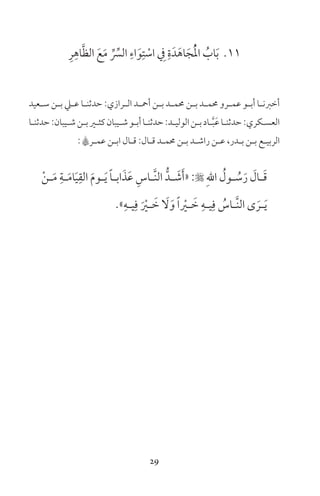
11ِ‫ر‬ِ‫اه‬َّ‫ظ‬‫ال‬ َ‫ع‬َ‫م‬ ِّ ِّ‫الر‬ ِ‫اء‬َ‫و‬ِ‫ت‬ ْ‫اس‬ ِ‫ف‬ ِ‫ة‬َ‫د‬َ‫اه‬َ‫ج‬ُْ‫مل‬‫ا‬ ُ‫اب‬َ‫ب‬
‫ـعيد‬‫ـ‬‫س‬ ‫ـن‬‫ـ‬‫ب‬ ‫ـي‬‫ـ‬‫ع‬ ‫ـا‬‫ـ‬‫حدثن‬ :‫ـرازي‬‫ـ‬‫ال‬ ‫ـد‬‫ـ‬‫أمح‬ ‫ـن‬‫ـ‬‫ب‬ ‫ـد‬‫ـ‬‫حمم‬ ‫ـن‬‫ـ‬‫ب‬ ‫ـد‬‫ـ‬‫حمم‬ ‫ـرو‬‫ـ‬‫عم‬ ‫ـو‬‫ـ‬‫أب‬ ‫ـا‬‫ـ‬‫أخرن‬
‫ـا‬‫ـ‬‫حدثن‬:‫ـيبان‬‫ـ‬‫ش‬‫ـن‬‫ـ‬‫ب‬‫ـر‬‫ـ‬‫كث‬‫ـيبان‬‫ـ‬‫ش‬‫ـو‬‫ـ‬‫أب‬‫ـا‬‫ـ‬‫حدثن‬:‫ـد‬‫ـ‬‫الولي‬‫ـن‬‫ـ‬‫ب‬‫ـاد‬‫ـ‬َّ‫ب‬َ‫ع‬‫ـا‬‫ـ‬‫حدثن‬:‫ـكري‬‫ـ‬‫العس‬
: A‫ـر‬‫ـ‬‫عم‬ ‫ـن‬‫ـ‬‫اب‬ ‫ـال‬‫ـ‬‫ق‬ :‫ـال‬‫ـ‬‫ق‬ ‫ـد‬‫ـ‬‫حمم‬ ‫ـن‬‫ـ‬‫ب‬ ‫ـد‬‫ـ‬‫راش‬ ‫ـن‬‫ـ‬‫ع‬ ،‫ـدر‬‫ـ‬‫ب‬ ‫ـن‬‫ـ‬‫ب‬ ‫ـع‬‫ـ‬‫الربي‬
ْ‫ن‬‫ـ‬‫ـ‬َ‫م‬ ِ‫ـة‬‫ـ‬َ‫م‬‫ا‬َ‫ي‬ِ‫الق‬ َ‫م‬‫ـو‬‫ـ‬َ‫ي‬ ً‫ا‬‫ـ‬‫ـ‬‫اب‬َ‫ذ‬َ‫ع‬ ِ‫ـاس‬‫ـ‬َّ‫ن‬‫ال‬ ُّ‫ـد‬‫ـ‬ َ‫ش‬َ‫أ‬« : ِ‫اهلل‬ ُ‫ـول‬‫ـ‬ ُ‫س‬َ‫ر‬ َ‫ـال‬‫ـ‬َ‫ق‬
»ِ‫ـه‬‫ـ‬‫ي‬ِ‫ف‬ َ ْ‫ـر‬‫ـ‬ َ‫خ‬ َ‫ل‬َ‫و‬ ً‫ا‬ ْ‫ـر‬‫ـ‬ َ‫خ‬ ِ‫ـه‬‫ـ‬‫ي‬ِ‫ف‬ ُ‫ـاس‬‫ـ‬َّ‫ن‬‫ال‬ ‫ى‬ َ‫ـر‬‫ـ‬َ‫ي‬
30
12. Persistence in Remembrance
of Allah, Gratitude, and Patience
Abu Amr Muhammad ibn Jaafar ibn Matar apprised us that Adam ibn Musa
al-Walahanji told us that Mahmoud ibn Ghaylan told us that al-Mu’ammal
told us that Hammad ibn Salama told us, on the authority of Talq ibn Habib,
on the authority of Ibn Abbas A , who said:
The Messenger of Allah  said, “Four matters are
such that whoever is given them is given the good of
this world and the hereafter: a grateful heart, a tongue
busy with remembrance [of Allah], a body patient
with trial, and faith in that which Allah has guaran-
teed.”1
1 Abu Na’im narrates in Hilyat al-Awliya and in his collection of 40 hadith on Sufism with a different fourth
item from this narration. Al-Sakhawi said, “It is good.”
31
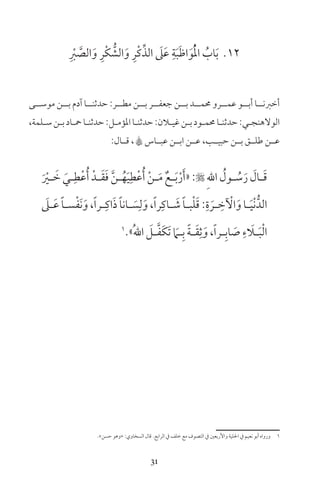
12ِ ْ‫ر‬ َّ‫الص‬َ‫و‬ ِ‫ْر‬‫ك‬ ُّ‫الش‬َ‫و‬ ِ‫ْر‬‫ك‬ِّ‫الذ‬ َ‫ىل‬َ‫ع‬ ِ‫ة‬َ‫ب‬َ‫ظ‬‫ا‬َ‫و‬ُْ‫مل‬‫ا‬ ُ‫اب‬َ‫ب‬
‫موســى‬ ‫بــن‬ ‫آدم‬ ‫حدثنــا‬ :‫مطــر‬ ‫بــن‬ ‫جعفــر‬ ‫بــن‬ ‫حممــد‬ ‫عمــرو‬ ‫أبــو‬ ‫أخرنــا‬
،‫ـلمة‬‫ـ‬‫س‬‫ـن‬‫ـ‬‫ب‬‫ـاد‬‫ـ‬‫مح‬‫ـا‬‫ـ‬‫حدثن‬:‫ـل‬‫ـ‬‫املؤم‬‫ـا‬‫ـ‬‫حدثن‬:‫ـان‬‫ـ‬‫غي‬‫ـن‬‫ـ‬‫ب‬‫ـود‬‫ـ‬‫حمم‬‫ـا‬‫ـ‬‫حدثن‬:‫ـي‬‫ـ‬‫الولهنج‬
:‫قــال‬ ، A‫عبــاس‬ ‫ابــن‬ ‫عــن‬ ،‫حبيــب‬ ‫بــن‬ ‫طلــق‬ ‫عــن‬
َ ْ‫ـر‬‫ـ‬ َ‫خ‬ َ‫ـي‬‫ـ‬ِ‫ط‬ْ‫ع‬ُ‫أ‬ ْ‫ـد‬‫ـ‬َ‫ق‬َ‫ف‬ َّ‫ن‬‫ـ‬‫ـ‬ُ‫ه‬َ‫ي‬ِ‫ط‬ْ‫ع‬ُ‫أ‬ ْ‫ن‬‫ـ‬‫ـ‬َ‫م‬ ٌ‫ـع‬‫ـ‬َ‫ب‬ْ‫ر‬َ‫أ‬«: ِ‫هلل‬‫ا‬ ُ‫ـول‬‫ـ‬ ُ‫س‬َ‫ر‬ َ‫ـال‬‫ـ‬َ‫ق‬
َ‫ـىل‬‫ـ‬َ‫ع‬ ً‫ا‬‫ـ‬‫ـ‬‫س‬ْ‫ف‬َ‫ن‬َ‫و‬،ً‫ا‬‫ـر‬‫ـ‬ِ‫اك‬َ‫ذ‬ ً‫ا‬‫ـان‬‫ـ‬ َ‫س‬ِ‫ل‬َ‫و‬،ً‫ا‬‫ر‬ِ‫ـاك‬‫ـ‬ َ‫ش‬ ً‫ا‬‫ـ‬‫ـ‬‫ب‬ْ‫ل‬َ‫ق‬:ِ‫ة‬ َ‫ـر‬‫ـ‬ ِ‫خ‬ ْ‫ال‬َ‫و‬‫ـا‬‫ـ‬َ‫ي‬ْ‫ن‬ُّ‫الد‬
1
»ُ‫هلل‬‫ا‬ َ‫ـل‬‫ـ‬َّ‫ف‬َ‫ك‬َ‫ت‬ َ‫ـام‬‫ـ‬ِ‫ب‬ ً‫ة‬‫ـ‬‫ـ‬َ‫ق‬ِ‫ث‬َ‫و‬،ً‫ا‬‫ـر‬‫ـ‬ِ‫اب‬ َ‫ص‬ ِ‫ء‬ َ‫ـا‬‫ـ‬َ‫ب‬ْ‫ل‬‫ا‬
«‫حسن‬ ‫»وهو‬ :‫السخاوي‬ ‫قال‬ ‫الرابع‬ ‫ف‬ ‫خلف‬ ‫مع‬ ‫التصوف‬ ‫ف‬ ‫واألربعن‬ ‫احللية‬ ‫ف‬ ‫نعيم‬ ‫أبو‬ ‫ورواه‬ 1
32
13. The Path of Those Devoted
to Allah Most High
Abu al-Hasan Muhammad ibn Abu al-Hasan ibn Mansour apprised us that
Ishaq ibn Abu Hassan al-Anmati told us that Muhammad ibn Ali ibn al-
Hasan ibn Shaqiq told us that Ibrahim ibn al-Ash’ath told us that Fudayl ibn
Iyad told us, on the authority of Hisham, on the authority of al-Hasan, on the
authority of Imran ibn Husoyn , who said:
The Messenger of Allah  said, “Whoever devotes
himself to Allah, Allah spares him every burden and
provides for him from whence he did not suspect;
but whoever devotes himself to this world, Allah 
consigns him to it.”
33
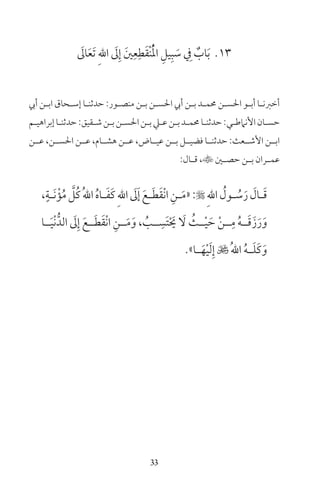
13َ‫ال‬َ‫ع‬َ‫ت‬ ِ‫هلل‬‫ا‬ َ‫ل‬ِ‫إ‬ َ‫ن‬ِ‫ع‬ِ‫ط‬َ‫ق‬ْ‫ن‬ُْ‫مل‬‫ا‬ ِ‫يل‬ِ‫ب‬ َ‫س‬ ِ‫ف‬ ٌ‫اب‬َ‫ب‬
‫أيب‬ ‫ـن‬‫ـ‬‫اب‬ ‫ـحاق‬‫ـ‬‫إس‬ ‫ـا‬‫ـ‬‫حدثن‬ :‫ـور‬‫ـ‬‫منص‬ ‫ـن‬‫ـ‬‫ب‬ ‫ـن‬‫ـ‬‫احلس‬ ‫أيب‬ ‫ـن‬‫ـ‬‫ب‬ ‫ـد‬‫ـ‬‫حمم‬ ‫ـن‬‫ـ‬‫احلس‬ ‫ـو‬‫ـ‬‫أب‬ ‫ـا‬‫ـ‬‫أخرن‬
‫ـم‬‫ـ‬‫إبراهي‬‫ـا‬‫ـ‬‫حدثن‬:‫ـقيق‬‫ـ‬‫ش‬‫ـن‬‫ـ‬‫ب‬‫ـن‬‫ـ‬‫احلس‬‫ـن‬‫ـ‬‫ب‬‫ـي‬‫ـ‬‫ع‬‫ـن‬‫ـ‬‫ب‬‫ـد‬‫ـ‬‫حمم‬‫ـا‬‫ـ‬‫حدثن‬:‫ـي‬‫ـ‬‫األنامط‬‫ـان‬‫ـ‬‫حس‬
‫عــن‬ ،‫احلســن‬ ‫عــن‬ ،‫هشــام‬ ‫عــن‬ ،‫عيــاض‬ ‫بــن‬ ‫فضيــل‬ ‫حدثنــا‬ :‫األشــعث‬ ‫ابــن‬
:‫ـال‬‫ـ‬‫ق‬ ،‫ـن‬‫ـ‬‫حص‬ ‫ـن‬‫ـ‬‫ب‬ ‫ـران‬‫ـ‬‫عم‬
،ٍ‫ـة‬‫ـ‬َ‫ن‬ْ‫ؤ‬ُ‫م‬ َّ‫ُل‬‫ك‬ُ‫هلل‬‫ا‬ ُ‫ه‬‫ـا‬‫ـ‬َ‫ف‬َ‫ك‬ِ‫هلل‬‫ا‬ َ‫ل‬َ‫إ‬ َ‫ـع‬‫ـ‬َ‫ط‬َ‫ق‬ْ‫ن‬‫ا‬ ِ‫ـن‬‫ـ‬َ‫م‬«: ِ‫هلل‬‫ا‬ ُ‫ـول‬‫ـ‬ ُ‫س‬َ‫ر‬ َ‫ـال‬‫ـ‬َ‫ق‬
‫ــا‬َ‫ي‬ْ‫ن‬ُّ‫الد‬ َ‫ل‬ِ‫إ‬ َ‫ــع‬َ‫ط‬َ‫ق‬ْ‫ن‬‫ا‬ ِ‫ــن‬َ‫م‬َ‫و‬ ، ُ‫ــب‬ ِ‫َس‬‫ت‬ْ َ‫حي‬ َ‫ل‬ ُ‫ــث‬ْ‫ي‬ َ‫ح‬ ْ‫ن‬‫ــ‬ِ‫م‬ ُ‫ه‬‫ــ‬َ‫ق‬َ‫ز‬َ‫ر‬َ‫و‬
»‫ـا‬‫ـ‬َ‫ه‬ْ‫ي‬َ‫ل‬ِ‫إ‬  ُ‫هلل‬‫ا‬ ُ‫ه‬‫ـ‬‫ـ‬َ‫ل‬َ‫ك‬َ‫و‬
34
14. Their Abandonment of this
World and Turning Away from It
Ali ibn Abd al-Hamid al-Ghada’iri apprised us that Abdullah ibn Mu’awiya
al-Jumahi told us that Thabit ibn Yazid told us, on the authority of Hilal ibn
Khabbab, on the authority of Ikrima, on the authority of Ibn Abbas A that:
Umar ibn al-Khattab  entered upon the Messen-
ger of Allah  while he was on a straw mat that had
marked up his side. [Umar] said, “O Messenger of
Allah, if you would only make use of a finer sheet?”
He [i.e. the Messenger] said, “What has this world to
do with me?”—or “What do I have to do with this
world?”—“My likeness in this world is but like a rider
who traveled during a hot day until he reached a tree,
and, having taken shade under it for a period of time,
departed and abandoned it.”1
1 It was also narrated by: Bukhari, Muslim, Tirmidhi, Ibn Hibban in his Sahih and al-Hakim in al-Mustadrak.
35
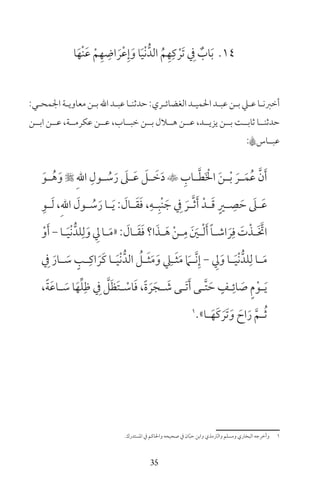
14‫ا‬َ‫ْه‬‫ن‬َ‫ع‬ ْ‫م‬ِ‫ه‬ ِ‫اض‬ َ‫ر‬ْ‫ع‬ِ‫إ‬َ‫و‬ ‫ا‬َ‫ي‬ْ‫ن‬ُّ‫الد‬ ُ‫م‬ِ‫ه‬ِ‫ك‬ ْ‫َر‬‫ت‬ ِ‫ف‬ ٌ‫اب‬َ‫ب‬
:‫ـي‬‫ـ‬‫اجلمح‬‫ـة‬‫ـ‬‫معاوي‬‫ـن‬‫ـ‬‫ب‬‫اهلل‬‫ـد‬‫ـ‬‫عب‬‫ـا‬‫ـ‬‫حدثن‬:‫ـري‬‫ـ‬‫الغضائ‬‫ـد‬‫ـ‬‫احلمي‬‫ـد‬‫ـ‬‫عب‬‫ـن‬‫ـ‬‫ب‬‫ـي‬‫ـ‬‫ع‬‫ـا‬‫ـ‬‫أخرن‬
‫ابــن‬ ‫عــن‬ ،‫عكرمــة‬ ‫عــن‬ ،‫خبــاب‬ ‫بــن‬ ‫هــال‬ ‫عــن‬ ،‫يزيــد‬ ‫بــن‬ ‫ثابــت‬ ‫حدثنــا‬
:A‫عبــاس‬
َ‫ـو‬‫ـ‬ُ‫ه‬َ‫و‬  ِ‫هلل‬‫ا‬ ِ‫ـول‬‫ـ‬ ُ‫س‬َ‫ر‬ َ‫ـىل‬‫ـ‬َ‫ع‬ َ‫ـل‬‫ـ‬ َ‫خ‬َ‫د‬  ِ‫ـاب‬‫ـ‬َّ‫ط‬َ ْ‫ال‬ َ‫ن‬‫ـ‬‫ـ‬ْ‫ب‬ َ‫ـر‬‫ـ‬َ‫م‬ُ‫ع‬ َّ‫ن‬َ‫أ‬
ِ‫ـو‬‫ـ‬َ‫ل‬ ،ِ‫هلل‬‫ا‬ َ‫ـول‬‫ـ‬ ُ‫س‬َ‫ر‬ ‫ـا‬‫ـ‬َ‫ي‬ : َ‫ـال‬‫ـ‬َ‫ق‬َ‫ف‬ ،ِ‫ـه‬‫ـ‬ِ‫ْب‬‫ن‬ َ‫ج‬ ِ‫ف‬ َ‫ـر‬‫ـ‬َّ‫ث‬َ‫أ‬ ْ‫ـد‬‫ـ‬َ‫ق‬ ٍ‫ـر‬‫ـ‬ ِ‫ص‬ َ‫ح‬ َ‫ـىل‬‫ـ‬َ‫ع‬
ْ‫و‬َ‫أ‬-‫ـا‬‫ـ‬َ‫ي‬ْ‫ن‬ُّ‫لد‬ِ‫ل‬َ‫و‬ ِ‫ل‬‫ـا‬‫ـ‬َ‫م‬«: َ‫ـال‬‫ـ‬َ‫ق‬َ‫ف‬‫ا؟‬َ‫ـذ‬‫ـ‬َ‫ه‬ ْ‫ن‬‫ـ‬‫ـ‬ِ‫م‬ َ َ‫ـن‬‫ـ‬ْ‫ل‬َ‫أ‬ ً‫ا‬‫ـ‬‫ـ‬‫اش‬ َ‫ر‬ِ‫ف‬ َ‫ت‬ْ‫ـذ‬‫ـ‬َ َّ‫ات‬
ِ‫ف‬ َ‫ـار‬‫ـ‬ َ‫س‬ ٍ‫ـب‬‫ـ‬ِ‫اك‬ َ‫َر‬‫ك‬ ‫ـا‬‫ـ‬َ‫ي‬ْ‫ن‬ُّ‫الد‬ ُ‫ـل‬‫ـ‬َ‫ث‬َ‫م‬َ‫و‬ ِ‫ـي‬‫ـ‬َ‫ث‬َ‫م‬ َ‫ـام‬‫ـ‬َّ‫ن‬ِ‫إ‬ - ِ‫ل‬َ‫و‬ ‫ـا‬‫ـ‬َ‫ي‬ْ‫ن‬ُّ‫لد‬ِ‫ل‬ ‫ـا‬‫ـ‬َ‫م‬
،ً‫ة‬َ‫ع‬‫ـا‬‫ـ‬ َ‫س‬ ‫ا‬َ‫ه‬ِّ‫ل‬ِ‫ظ‬ ِ‫ف‬ َّ‫ل‬َ‫ظ‬َ‫ت‬‫ـ‬‫ـ‬ ْ‫اس‬َ‫ف‬ ،ً‫ة‬ َ‫ر‬َ‫ـج‬‫ـ‬ َ‫ش‬ ‫ـى‬‫ـ‬َ‫ت‬َ‫أ‬ ‫ـى‬‫ـ‬َّ‫ت‬ َ‫ح‬ ٍ‫ـف‬‫ـ‬ِ‫ائ‬ َ‫ص‬ ٍ‫م‬ْ‫ـو‬‫ـ‬َ‫ي‬
1
»‫ـا‬‫ـ‬َ‫َه‬‫ك‬ َ‫َر‬‫ت‬َ‫و‬ َ‫اح‬َ‫ر‬ َّ‫ـم‬‫ـ‬ُ‫ث‬
‫املستدرك‬ ‫ف‬ ‫واحلاكم‬ ‫صحيحه‬ ‫ف‬ ‫ان‬ّ‫ب‬‫ح‬ ‫وابن‬ ‫والرتمذي‬ ‫ومسلم‬ ‫البخاري‬ ‫وأخرجه‬ 1
36
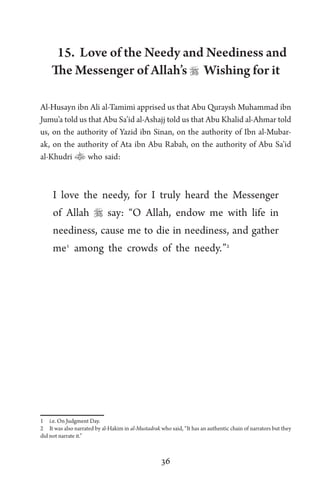
15. Love of the Needy and Neediness and
The Messenger of Allah’s  Wishing for it
Al-Husayn ibn Ali al-Tamimi apprised us that Abu Quraysh Muhammad ibn
Jumu’a told us that Abu Sa’id al-Ashajj told us that Abu Khalid al-Ahmar told
us, on the authority of Yazid ibn Sinan, on the authority of Ibn al-Mubar-
ak, on the authority of Ata ibn Abu Rabah, on the authority of Abu Sa’id
al-Khudri  who said:
I love the needy, for I truly heard the Messenger
of Allah  say: “O Allah, endow me with life in
neediness, cause me to die in neediness, and gather
me1
among the crowds of the needy.”2
1 i.e. On Judgment Day.
2 It was also narrated by al-Hakim in al-Mustadrak who said, “It has an authentic chain of narrators but they
did not narrate it.”
37
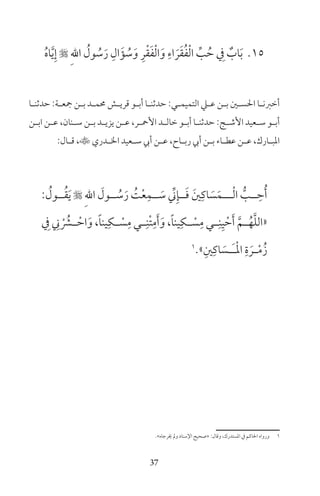
15ُ‫ه‬‫ا‬َّ‫ي‬ِ‫إ‬  ِ‫هلل‬‫ا‬ ُ‫ول‬ ُ‫س‬َ‫ر‬ ِ‫ال‬َ‫ؤ‬ ُ‫س‬َ‫و‬ ِ‫ر‬ْ‫ق‬َ‫ف‬ْ‫ل‬‫ا‬َ‫و‬ ِ‫اء‬ َ‫ر‬َ‫ق‬ُ‫ف‬ْ‫ل‬‫ا‬ ِّ‫ب‬ ُ‫ح‬ ِ‫ف‬ ٌ‫اب‬َ‫ب‬
‫ـا‬‫ـ‬‫حدثن‬ :‫ـة‬‫ـ‬‫جع‬ ‫ـن‬‫ـ‬‫ب‬ ‫ـد‬‫ـ‬‫حمم‬ ‫ـش‬‫ـ‬‫قري‬ ‫ـو‬‫ـ‬‫أب‬ ‫ـا‬‫ـ‬‫حدثن‬ :‫ـي‬‫ـ‬‫التميم‬ ‫ـي‬‫ـ‬‫ع‬ ‫ـن‬‫ـ‬‫ب‬ ‫ـن‬‫ـ‬‫احلس‬ ‫ـا‬‫ـ‬‫أخرن‬
‫ـن‬‫ـ‬‫اب‬ ‫ـن‬‫ـ‬‫ع‬ ،‫ـنان‬‫ـ‬‫س‬ ‫ـن‬‫ـ‬‫ب‬ ‫ـد‬‫ـ‬‫يزي‬ ‫ـن‬‫ـ‬‫ع‬ ،‫ـر‬‫ـ‬‫األمح‬ ‫ـد‬‫ـ‬‫خال‬ ‫ـو‬‫ـ‬‫أب‬ ‫ـا‬‫ـ‬‫حدثن‬ :‫ـج‬‫ـ‬‫األش‬ ‫ـعيد‬‫ـ‬‫س‬ ‫ـو‬‫ـ‬‫أب‬
:‫ـال‬‫ـ‬‫ق‬ ،‫ـدري‬‫ـ‬‫ال‬ ‫ـعيد‬‫ـ‬‫س‬ ‫أيب‬ ‫ـن‬‫ـ‬‫ع‬ ،‫ـاح‬‫ـ‬‫رب‬ ‫أيب‬ ‫ـن‬‫ـ‬‫ب‬ ‫ـاء‬‫ـ‬‫عط‬ ‫ـن‬‫ـ‬‫ع‬ ،‫ـارك‬‫ـ‬‫املب‬
: ُ‫ــول‬ُ‫ق‬َ‫ي‬  ِ‫هلل‬‫ا‬ َ‫ــول‬ ُ‫س‬َ‫ر‬ ُ‫ت‬ْ‫ع‬ِ‫ــم‬ َ‫س‬ ِّ‫ين‬ِ‫ــإ‬َ‫ف‬ َ‫ن‬ِ‫اك‬ َ‫س‬َ‫ـــم‬ْ‫ل‬‫ا‬ ُّ‫ــب‬ ِ‫ح‬ُ‫أ‬
ِ‫ف‬ ِ‫ين‬ ْ ُ‫ــر‬ ْ‫اح‬َ‫و‬ ،ً‫ا‬‫ين‬ِ‫ــك‬ ْ‫س‬ِ‫م‬ ‫ــي‬ِ‫ْن‬‫ت‬ِ‫م‬َ‫أ‬َ‫و‬ ،ً‫ا‬‫ين‬ِ‫ــك‬ ْ‫س‬ِ‫م‬ ‫ــي‬ِ‫ن‬ِ‫ي‬ ْ‫ح‬َ‫أ‬ َّ‫ــم‬ُ‫ه‬َّ‫ل‬‫«ال‬
1
»ِ‫ن‬ِ‫اك‬ َ‫ـس‬‫ـ‬َ‫ـ‬ْ‫مل‬‫ا‬ ِ‫ة‬ َ‫ـر‬‫ـ‬ْ‫م‬ُ‫ز‬
«‫خيرجاه‬ ‫ومل‬ ‫اإلسناد‬ ‫»صحيح‬ :‫وقال‬ ،‫املستدرك‬ ‫ف‬ ‫احلاكم‬ ‫ورواه‬ 1
38
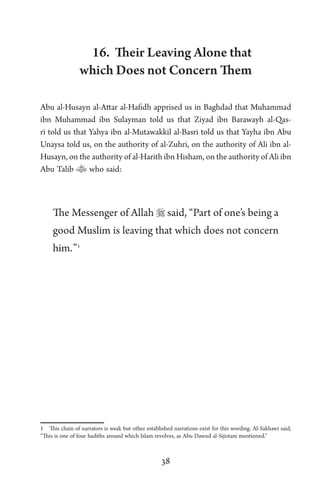
16. Their Leaving Alone that
which Does not Concern Them
Abu al-Husayn al-Attar al-Hafidh apprised us in Baghdad that Muhammad
ibn Muhammad ibn Sulayman told us that Ziyad ibn Barawayh al-Qas-
ri told us that Yahya ibn al-Mutawakkil al-Basri told us that Yayha ibn Abu
Unaysa told us, on the authority of al-Zuhri, on the authority of Ali ibn al-
Husayn, on the authority of al-Harith ibn Hisham, on the authority of Ali ibn
Abu Talib  who said:
The Messenger of Allah  said, “Part of one’s being a
good Muslim is leaving that which does not concern
him.”1
1 This chain of narrators is weak but other established narrations exist for this wording. Al-Sakhawi said,
“This is one of four hadiths around which Islam revolves, as Abu Dawud al-Sijistani mentioned.”
39
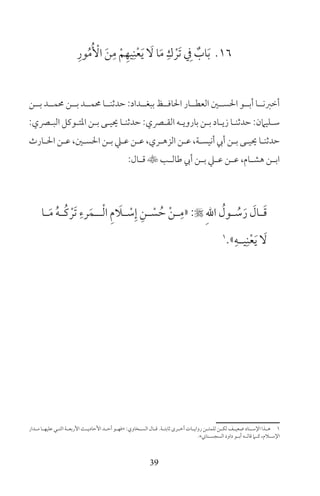
16ِ‫ور‬ُ‫م‬ُ ْ‫األ‬ َ‫ن‬ِ‫م‬ ْ‫م‬ِ‫يه‬ِ‫ن‬ْ‫ع‬َ‫ي‬ َ‫ل‬ ‫ا‬َ‫م‬ ِ‫ك‬ ْ‫َر‬‫ت‬ ِ‫ف‬ ٌ‫اب‬َ‫ب‬
‫بــن‬ ‫حممــد‬ ‫بــن‬ ‫حممــد‬ ‫حدثنــا‬ :‫ببغــداد‬ ‫احلافــظ‬ ‫العطــار‬ ‫احلســن‬ ‫أبــو‬ ‫أخرنــا‬
:‫ـري‬‫ـ‬‫الب‬ ‫ـوكل‬‫ـ‬‫املت‬ ‫ـن‬‫ـ‬‫ب‬ ‫ـى‬‫ـ‬‫حيي‬ ‫ـا‬‫ـ‬‫حدثن‬ :‫ـري‬‫ـ‬‫الق‬ ‫ـه‬‫ـ‬‫باروي‬ ‫ـن‬‫ـ‬‫ب‬ ‫ـاد‬‫ـ‬‫زي‬ ‫ـا‬‫ـ‬‫حدثن‬ :‫ـليامن‬‫ـ‬‫س‬
‫ـارث‬‫ـ‬‫احل‬ ‫ـن‬‫ـ‬‫ع‬ ،‫ـن‬‫ـ‬‫احلس‬ ‫ـن‬‫ـ‬‫ب‬ ‫ـي‬‫ـ‬‫ع‬ ‫ـن‬‫ـ‬‫ع‬ ،‫ـري‬‫ـ‬‫الزه‬ ‫ـن‬‫ـ‬‫ع‬ ،‫ـة‬‫ـ‬‫أنيس‬ ‫أيب‬ ‫ـن‬‫ـ‬‫ب‬ ‫ـى‬‫ـ‬‫حيي‬ ‫ـا‬‫ـ‬‫حدثن‬
:‫ـال‬‫ـ‬‫ق‬ ‫ـب‬‫ـ‬‫طال‬ ‫أيب‬ ‫ـن‬‫ـ‬‫ب‬ ‫ـي‬‫ـ‬‫ع‬ ‫ـن‬‫ـ‬‫ع‬ ،‫ـام‬‫ـ‬‫هش‬ ‫ـن‬‫ـ‬‫اب‬
‫ـا‬‫ـ‬َ‫م‬ ُ‫ه‬‫ـ‬‫ـ‬ُ‫ك‬ ْ‫َر‬‫ت‬ ِ‫رء‬َ‫ـم‬‫ـ‬‫ـ‬ْ‫ل‬‫ا‬ ِ‫م‬ َ‫ـا‬‫ـ‬ ْ‫س‬ِ‫إ‬ ِ‫ـن‬‫ـ‬ ْ‫س‬ ُ‫ح‬ ْ‫ن‬‫ـ‬‫ـ‬ِ‫«م‬ : ِ‫هلل‬‫ا‬ ُ‫ـول‬‫ـ‬ ُ‫س‬َ‫ر‬ َ‫ـال‬‫ـ‬َ‫ق‬
1
»ِ‫ـه‬‫ـ‬‫ي‬ِ‫ن‬ْ‫ع‬َ‫ي‬ َ‫ل‬
‫ـدار‬‫ـ‬‫م‬ ‫ـا‬‫ـ‬‫عليه‬ ‫ـي‬‫ـ‬‫الت‬ ‫ـة‬‫ـ‬‫األربع‬ ‫ـث‬‫ـ‬‫األحادي‬ ‫ـد‬‫ـ‬‫أح‬ ‫ـو‬‫ـ‬‫»فه‬ :‫ـخاوي‬‫ـ‬‫الس‬ ‫ـال‬‫ـ‬‫ق‬ ‫ـة‬‫ـ‬‫ثابت‬ ‫ـرى‬‫ـ‬‫أخ‬ ‫ـات‬‫ـ‬‫رواي‬ ‫ـن‬‫ـ‬‫للمت‬ ‫ـن‬‫ـ‬‫لك‬ ‫ـف‬‫ـ‬‫ضعي‬ ‫ـناد‬‫ـ‬‫اإلس‬ ‫ـذا‬‫ـ‬‫ه‬ 1
«‫السجســتاين‬ ‫داود‬ ‫أبــو‬ ‫قالــه‬ ‫كــام‬ ،‫اإلســام‬
40
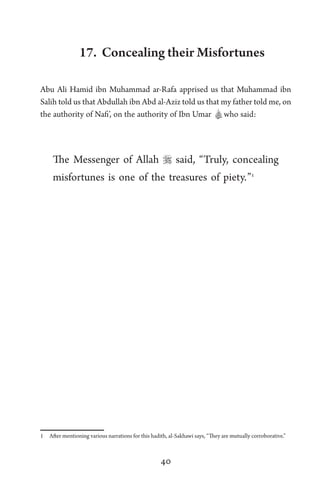
17. Concealing their Misfortunes
Abu Ali Hamid ibn Muhammad ar-Rafa apprised us that Muhammad ibn
Salih told us that Abdullah ibn Abd al-Aziz told us that my father told me, on
the authority of Nafi’, on the authority of Ibn Umar Awho said:
The Messenger of Allah  said, “Truly, concealing
misfortunes is one of the treasures of piety.”1
1 After mentioning various narrations for this hadith, al-Sakhawi says, “They are mutually corroborative.”
41
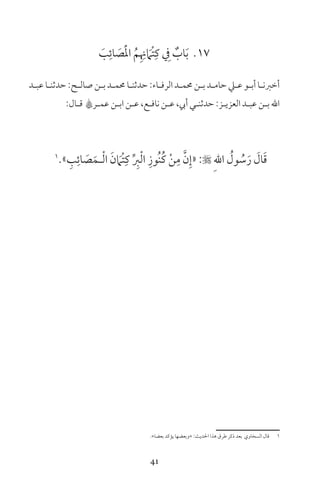
17َ‫ب‬ِ‫ائ‬ َ‫ص‬َْ‫مل‬‫ا‬ ُ‫م‬ِ ِ‫ن‬ َ‫ْام‬‫ت‬ِ‫ك‬ ِ‫ف‬ ٌ‫اب‬َ‫ب‬
‫ـد‬‫ـ‬‫عب‬ ‫ـا‬‫ـ‬‫حدثن‬ :‫ـح‬‫ـ‬‫صال‬ ‫ـن‬‫ـ‬‫ب‬ ‫ـد‬‫ـ‬‫حمم‬ ‫ـا‬‫ـ‬‫حدثن‬ :‫ـاء‬‫ـ‬‫الرف‬ ‫ـد‬‫ـ‬‫حمم‬ ‫ـن‬‫ـ‬‫ب‬ ‫ـد‬‫ـ‬‫حام‬ ‫ـي‬‫ـ‬‫ع‬ ‫ـو‬‫ـ‬‫أب‬ ‫ـا‬‫ـ‬‫أخرن‬
:‫ـال‬‫ـ‬‫ق‬ A‫ـر‬‫ـ‬‫عم‬ ‫ـن‬‫ـ‬‫اب‬ ‫ـن‬‫ـ‬‫ع‬ ،‫ـع‬‫ـ‬‫ناف‬ ‫ـن‬‫ـ‬‫ع‬ ،‫أيب‬ ‫ـي‬‫ـ‬‫حدثن‬ :‫ـز‬‫ـ‬‫العزي‬ ‫ـد‬‫ـ‬‫عب‬ ‫ـن‬‫ـ‬‫ب‬ ‫اهلل‬
1
» ِ‫ب‬ِ‫ائ‬ َ‫ص‬َ‫ـم‬ْ‫ل‬‫ا‬ َ‫ن‬ َ‫ْام‬‫ت‬ِ‫ك‬ ِّ ِ‫ر‬ْ‫ل‬‫ا‬ ِ‫ُوز‬‫ن‬ُ‫ك‬ ْ‫ن‬ِ‫م‬ َّ‫ن‬ِ‫«إ‬ : ِ‫هلل‬‫ا‬ ُ‫ول‬ ُ‫س‬َ‫ر‬ َ‫ال‬َ‫ق‬
«‫بعضا‬ ‫يؤكد‬ ‫»وبعضها‬ :‫احلديث‬ ‫هذا‬ ‫طرق‬ ‫ذكر‬ ‫بعد‬ ‫السخاوي‬ ‫قال‬ 1
42
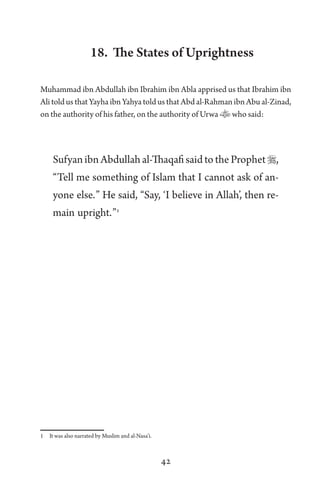
18. The States of Uprightness
Muhammad ibn Abdullah ibn Ibrahim ibn Abla apprised us that Ibrahim ibn
Ali told us that Yayha ibn Yahya told us that Abd al-Rahman ibn Abu al-Zinad,
on the authority of his father, on the authority of Urwa who said:
Sufyan ibn Abdullah al-Thaqafi said to the Prophet,
“Tell me something of Islam that I cannot ask of an-
yone else.” He said, “Say, ‘I believe in Allah’, then re-
main upright.”1
1 It was also narrated by Muslim and al-Nasa’i.
43
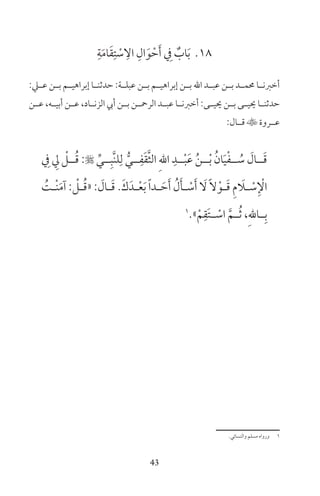
18ِ‫ة‬َ‫م‬‫ا‬َ‫ق‬ِ‫ت‬ ْ‫س‬ ِ‫ال‬ ِ‫ال‬َ‫و‬ ْ‫ح‬َ‫أ‬ ِ‫ف‬ ٌ‫اب‬َ‫ب‬
:‫عــي‬ ‫بــن‬ ‫إبراهيــم‬ ‫حدثنــا‬ :‫عبلــة‬ ‫بــن‬ ‫إبراهيــم‬ ‫بــن‬ ‫اهلل‬ ‫عبــد‬ ‫بــن‬ ‫حممــد‬ ‫أخرنــا‬
‫عــن‬ ،‫أبيــه‬ ‫عــن‬ ،‫الزنــاد‬ ‫أيب‬ ‫بــن‬ ‫الرمحــن‬ ‫عبــد‬ ‫أخرنــا‬ :‫حييــى‬ ‫بــن‬ ‫حييــى‬ ‫حدثنــا‬
:‫قــال‬ ‫عــروة‬
ِ‫ف‬ ِ‫ل‬ ْ‫ــل‬ُ‫ق‬ : ِّ‫ــي‬ِ‫َّب‬‫ن‬‫ل‬ِ‫ل‬ ُّ‫ــي‬ِ‫ف‬َ‫ق‬َّ‫ث‬‫ال‬ ِ‫هلل‬‫ا‬ ِ‫ــد‬ْ‫ب‬َ‫ع‬ ُ‫ن‬‫ــ‬ْ‫ب‬ ُ‫ان‬َ‫ي‬ْ‫ف‬‫ــ‬ ُ‫س‬ َ‫ــال‬َ‫ق‬
ُ‫ـت‬‫ـ‬ْ‫ن‬َ‫م‬‫آ‬ : ْ‫ـل‬‫ـ‬ُ‫ق‬« : َ‫ـال‬‫ـ‬َ‫ق‬ َ‫ك‬َ‫ـد‬‫ـ‬ْ‫ع‬َ‫ب‬ ً‫ا‬‫ـد‬‫ـ‬ َ‫ح‬َ‫أ‬ ُ‫ل‬َ‫ـأ‬‫ـ‬ ْ‫س‬َ‫أ‬ َ‫ل‬ ً‫ل‬ْ‫ـو‬‫ـ‬َ‫ق‬ ِ‫م‬ َ‫ـا‬‫ـ‬ ْ‫س‬ِ ْ‫اإل‬
1
»ْ‫م‬ِ‫َق‬‫ت‬‫ـ‬‫ـ‬ ْ‫اس‬ َّ‫ـم‬‫ـ‬ُ‫ث‬ ،ِ‫هلل‬‫ـا‬‫ـ‬ِ‫ب‬
‫والنسائي‬ ‫مسلم‬ ‫ورواه‬ 1
44
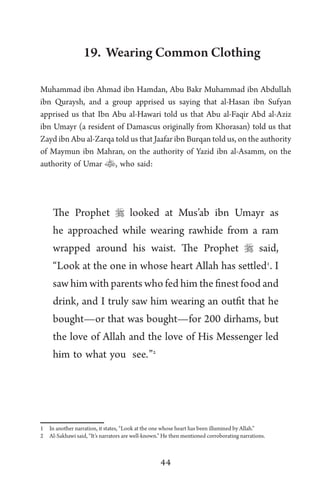
19. Wearing Common Clothing
Muhammad ibn Ahmad ibn Hamdan, Abu Bakr Muhammad ibn Abdullah
ibn Quraysh, and a group apprised us saying that al-Hasan ibn Sufyan
apprised us that Ibn Abu al-Hawari told us that Abu al-Faqir Abd al-Aziz
ibn Umayr (a resident of Damascus originally from Khorasan) told us that
Zayd ibn Abu al-Zarqa told us that Jaafar ibn Burqan told us, on the authority
of Maymun ibn Mahran, on the authority of Yazid ibn al-Asamm, on the
authority of Umar , who said:
The Prophet  looked at Mus’ab ibn Umayr as
he approached while wearing rawhide from a ram
wrapped around his waist. The Prophet  said,
“Look at the one in whose heart Allah has settled1
. I
saw him with parents who fed him the finest food and
drink, and I truly saw him wearing an outfit that he
bought—or that was bought—for 200 dirhams, but
the love of Allah and the love of His Messenger led
him to what you see.”2
1 In another narration, it states, “Look at the one whose heart has been illumined by Allah.”
2 Al-Sakhawi said, “It’s narrators are well-known.” He then mentioned corroborating narrations.
45
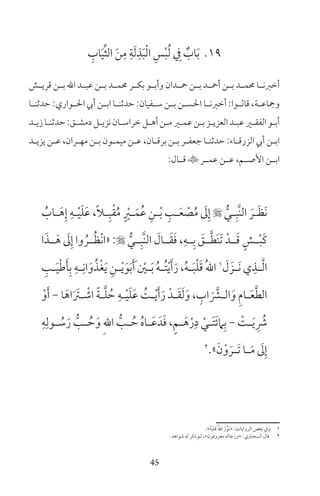
19ِ‫اب‬َ‫ي‬ِّ‫ث‬‫ال‬ َ‫ن‬ِ‫م‬ ِ‫ة‬َ‫ل‬ِ‫ذ‬َ‫ب‬ْ‫ل‬‫ا‬ ِ‫س‬ْ‫ب‬ُ‫ل‬ ِ‫ف‬ ٌ‫اب‬َ‫ب‬
‫ـش‬‫ـ‬‫قري‬ ‫ـن‬‫ـ‬‫ب‬ ‫اهلل‬ ‫ـد‬‫ـ‬‫عب‬ ‫ـن‬‫ـ‬‫ب‬ ‫ـد‬‫ـ‬‫حمم‬ ‫ـر‬‫ـ‬‫بك‬ ‫ـو‬‫ـ‬‫وأب‬ ‫ـدان‬‫ـ‬‫مح‬ ‫ـن‬‫ـ‬‫ب‬ ‫ـد‬‫ـ‬‫أمح‬ ‫ـن‬‫ـ‬‫ب‬ ‫ـد‬‫ـ‬‫حمم‬ ‫ـا‬‫ـ‬‫أخرن‬
‫ـا‬‫ـ‬‫حدثن‬ :‫ـواري‬‫ـ‬‫احل‬ ‫أيب‬ ‫ـن‬‫ـ‬‫اب‬ ‫ـا‬‫ـ‬‫حدثن‬ :‫ـفيان‬‫ـ‬‫س‬ ‫ـن‬‫ـ‬‫ب‬ ‫ـن‬‫ـ‬‫احلس‬ ‫ـا‬‫ـ‬‫أخرن‬ :‫ـوا‬‫ـ‬‫قال‬ ،‫ـة‬‫ـ‬‫وجاع‬
‫ـد‬‫ـ‬‫زي‬‫ـا‬‫ـ‬‫حدثن‬:‫ـق‬‫ـ‬‫دمش‬‫ـل‬‫ـ‬‫نزي‬‫ـان‬‫ـ‬‫خراس‬‫ـل‬‫ـ‬‫أه‬‫ـن‬‫ـ‬‫م‬‫ـر‬‫ـ‬‫عم‬‫ـن‬‫ـ‬‫ب‬‫ـز‬‫ـ‬‫العزي‬‫ـد‬‫ـ‬‫عب‬‫ـر‬‫ـ‬‫الفق‬‫ـو‬‫ـ‬‫أب‬
‫ـد‬‫ـ‬‫يزي‬ ‫ـن‬‫ـ‬‫ع‬ ،‫ـران‬‫ـ‬‫مه‬ ‫ـن‬‫ـ‬‫ب‬ ‫ـون‬‫ـ‬‫ميم‬ ‫ـن‬‫ـ‬‫ع‬ ،‫ـان‬‫ـ‬‫برق‬ ‫ـن‬‫ـ‬‫ب‬ ‫ـر‬‫ـ‬‫جعف‬ ‫ـا‬‫ـ‬‫حدثن‬ :‫ـاء‬‫ـ‬‫الزرق‬ ‫أيب‬ ‫ـن‬‫ـ‬‫اب‬
:‫ـال‬‫ـ‬‫ق‬ ‫ـر‬‫ـ‬‫عم‬ ‫ـن‬‫ـ‬‫ع‬ ،‫ـم‬‫ـ‬‫األص‬ ‫ـن‬‫ـ‬‫اب‬
ُ‫ـاب‬‫ـ‬َ‫ه‬ِ‫إ‬ ِ‫ـه‬‫ـ‬ْ‫ي‬َ‫ل‬َ‫ع‬ ،ً‫ا‬‫ـ‬‫ـ‬ِ‫ب‬ْ‫ق‬ُ‫م‬ ٍ ْ‫ـر‬‫ـ‬َ‫م‬ُ‫ع‬ ِ‫ـن‬‫ـ‬ْ‫ب‬ ِ‫ـب‬‫ـ‬َ‫ع‬ ْ‫ص‬ُ‫م‬ َ‫ل‬ِ‫إ‬  ُّ‫ـي‬‫ـ‬ِ‫َّب‬‫ن‬‫ال‬ َ‫ـر‬‫ـ‬َ‫ظ‬َ‫ن‬
‫ا‬َ‫ــذ‬َ‫ه‬ َ‫ل‬ِ‫إ‬ ‫وا‬ ُ‫ــر‬ُ‫ظ‬ْ‫ن‬‫«ا‬ : ُّ‫ــي‬ِ‫َّب‬‫ن‬‫ال‬ َ‫ــال‬َ‫ق‬َ‫ف‬ ،ِ‫ــه‬ِ‫ب‬ َ‫ــق‬َّ‫ط‬َ‫ن‬َ‫ت‬ ْ‫ــد‬َ‫ق‬ ٍ‫ــش‬ْ‫ب‬َ‫ك‬
ِ‫ـب‬‫ـ‬َ‫ي‬ْ‫ط‬َ‫أ‬ِ‫ب‬ ِ‫ـه‬‫ـ‬ِ‫ان‬َ‫و‬ُ‫ذ‬ْ‫غ‬َ‫ي‬ ِ‫ـن‬‫ـ‬ْ‫ي‬َ‫و‬َ‫ب‬َ‫أ‬َ ْ‫ـن‬‫ـ‬َ‫ب‬ ُ‫ه‬‫ـ‬‫ـ‬ُ‫ت‬ْ‫ي‬َ‫أ‬َ‫ر‬ ،ُ‫ه‬‫ـ‬‫ـ‬َ‫ب‬ْ‫ل‬َ‫ق‬ ُ‫هلل‬‫ا‬ 1 َ‫ل‬ َ‫ـز‬‫ـ‬َ‫ن‬ ‫ي‬ِ‫ـذ‬‫ـ‬َّ‫ل‬‫ا‬
ْ‫و‬َ‫أ‬ - ‫ا‬َ‫اه‬َ َ‫ـرت‬‫ـ‬ ْ‫اش‬ ً‫ة‬‫ـ‬‫ـ‬َّ‫ل‬ ُ‫ح‬ ِ‫ـه‬‫ـ‬ْ‫ي‬َ‫ل‬َ‫ع‬ ُ‫ـت‬‫ـ‬ْ‫ي‬َ‫أ‬َ‫ر‬ ْ‫ـد‬‫ـ‬َ‫ق‬َ‫ل‬َ‫و‬ ، ِ‫اب‬ َ َّ‫ـر‬‫ـ‬‫ال‬َ‫و‬ ِ‫م‬‫ـا‬‫ـ‬َ‫ع‬َّ‫ط‬‫ال‬
ِ‫ه‬ِ‫ـول‬‫ـ‬ ُ‫س‬َ‫ر‬ ُّ‫ـب‬‫ـ‬ ُ‫ح‬َ‫و‬ ِ‫هلل‬‫ا‬ ُّ‫ـب‬‫ـ‬ ُ‫ح‬ ُ‫ه‬‫ـا‬‫ـ‬َ‫ع‬َ‫د‬َ‫ف‬ ،ٍ‫م‬‫ـ‬‫ـ‬َ‫ه‬ْ‫ر‬ِ‫د‬ ْ‫ـي‬‫ـ‬َ‫ت‬َ‫ئ‬‫ام‬ِ‫ب‬ - ْ‫ـت‬‫ـ‬َ‫ي‬ ِ ُ‫ش‬
2
»َ‫ن‬ْ‫و‬ َ‫ـر‬‫ـ‬َ‫ت‬ ‫ـا‬‫ـ‬َ‫م‬ َ‫ل‬ِ‫إ‬
«ُ‫ه‬َ‫ب‬‫قل‬ ُ‫هلل‬‫ا‬ َ‫ر‬َّ‫َو‬‫ن‬» :‫الروايات‬ ‫بعض‬ ‫وف‬ 1
‫شواهد‬ ‫له‬ ‫ذكر‬ ‫ثم‬ ،«‫معروفون‬ ‫»ورجاله‬ :‫السخاوي‬ ‫قال‬ 2
46
20. Proof that Allah has Saints
and Abdal1
on Earth
Muhammad ibn Jaafar ibn Matar told us that Ahmad ibn Isa ibn Haroun told
us that Amr ibn Yahya told us that al-Ala ibn Zaydal told us, on the authority
of Anas :
On the authority of the Prophet , who said, “The
Abdal of my nation are 40 men: 22 in the region of
Greater Syria and 18 in Iraq. Whenever one of them
dies, Allah substitutes another in his place. When
the matter [of Judgment Day] arrives, they [i.e. their
souls] will be collected.”2
1 The Abdal (literally, “substitutes”) are a group of 40 saints. Every time one of them passes away, he is
replaced with another.
2 Al-Sakhawi notes, “Ibn al-Jawzi mentions it in his collection of fabrications.” He then mentions Ibn Hib-
ban’s statement about al-Ala (the narrator), “He narrated a fabricated version on the authority of Anas. It is not
permissible to mention it other than out of astonishment.”
47
20َ‫ء‬ َ‫ل‬َ‫د‬ُ‫ب‬َ‫و‬ َ‫ء‬‫يا‬ِ‫ل‬ْ‫و‬َ‫أ‬ ِ‫ض‬ْ‫ر‬َ ْ‫األ‬ ِ‫ف‬ ِ‫هلل‬ َّ‫ن‬َ‫أ‬ َ‫ىل‬َ‫ع‬ ِ‫يل‬ِ‫ل‬َّ‫الد‬ ُ‫اب‬َ‫ب‬
‫ـا‬‫ـ‬‫حدثن‬ :‫ـارون‬‫ـ‬‫ه‬ ‫ـن‬‫ـ‬‫ب‬ ‫ـى‬‫ـ‬‫عيس‬ ‫ـن‬‫ـ‬‫ب‬ ‫ـد‬‫ـ‬‫أمح‬ ‫ـا‬‫ـ‬‫حدثن‬ :‫ـر‬‫ـ‬‫مط‬ ‫ـن‬‫ـ‬‫ب‬ ‫ـر‬‫ـ‬‫جعف‬ ‫ـن‬‫ـ‬‫ب‬ ‫ـد‬‫ـ‬‫حمم‬ ‫ـا‬‫ـ‬‫حدثن‬
:‫ـس‬‫ـ‬‫أن‬ ‫ـن‬‫ـ‬‫ع‬ ،‫ـدل‬‫ـ‬‫زي‬ ‫ـن‬‫ـ‬‫ب‬ ‫ـاء‬‫ـ‬‫الع‬ ‫ـا‬‫ـ‬‫حدثن‬ :‫ـى‬‫ـ‬‫حيي‬ ‫ـن‬‫ـ‬‫ب‬ ‫ـرو‬‫ـ‬‫عم‬
ِ‫ـان‬‫ـ‬َ‫ن‬ْ‫ث‬‫ا‬ ،ً‫ا‬‫ـ‬‫ـ‬ ُ‫ج‬َ‫ر‬ َ‫ـون‬‫ـ‬ُ‫ع‬َ‫ب‬ْ‫ر‬َ‫أ‬ ‫ـي‬‫ـ‬ِ‫ت‬َّ‫م‬ُ‫أ‬ ُ‫ء‬ َ‫ل‬َ‫ـد‬‫ـ‬ُ‫ب‬« : َ‫ـال‬‫ـ‬َ‫ق‬  ِّ‫ـي‬‫ـ‬ِ‫َّب‬‫ن‬‫ال‬ ِ‫ـن‬‫ـ‬َ‫ع‬
َ‫ــات‬َ‫م‬ َ‫ــام‬َّ‫ل‬ُ‫ك‬ ، ِ‫اق‬ َ‫ــر‬ِ‫ع‬ْ‫ل‬‫ا‬ِ‫ب‬ َ َ‫ــر‬َ‫ع‬ َ‫ة‬‫ــ‬َ‫ي‬ِ‫ن‬ َ‫ام‬َ‫ث‬َ‫و‬ ،ِ‫م‬‫ــا‬ َّ‫الش‬ِ‫ب‬ َ‫ون‬ ُ ْ‫ــر‬ِ‫ع‬َ‫و‬
ُ‫ــر‬ْ‫م‬َ ْ‫األ‬ َ‫ء‬‫ــا‬ َ‫ج‬ ‫ا‬َ‫ذ‬َ‫إ‬ ، َ‫ــر‬ َ‫آخ‬ ُ‫ه‬‫َــ‬‫ن‬‫َا‬‫ك‬َ‫م‬ ُ‫هلل‬‫ا‬ َ‫ل‬َ‫ــد‬ْ‫ب‬َ‫أ‬ ٌ‫ــد‬ ِ‫اح‬َ‫و‬ ْ‫ــم‬ُ‫ْه‬‫ن‬ِ‫م‬
1
»‫ــوا‬ ُ‫ض‬ِ‫ب‬ُ‫ق‬
‫ـخة‬‫ـ‬‫نس‬ ‫ـس‬‫ـ‬‫أن‬ ‫ـن‬‫ـ‬‫ع‬ ‫»روى‬ :‫ـاء‬‫ـ‬‫الع‬ ‫ـن‬‫ـ‬‫ع‬ ‫ـان‬‫ـ‬‫حب‬ ‫ـن‬‫ـ‬‫اب‬ ‫كام‬ ‫ـل‬‫ـ‬‫نق‬ ‫ـم‬‫ـ‬‫ث‬ ،«)‫ـات‬‫ـ‬‫(املوضوع‬ ‫ف‬ ‫ـوزي‬‫ـ‬‫اجل‬ ‫ـن‬‫ـ‬‫اب‬ ‫أورده‬ ‫ـد‬‫ـ‬‫»وق‬ :‫ـخاوي‬‫ـ‬‫الس‬ ‫ـال‬‫ـ‬‫ق‬ 1
«‫ـا‬‫ـ‬‫تعجب‬ ‫إل‬ ‫ـره‬‫ـ‬‫ذك‬ ‫ـل‬‫ـ‬‫حي‬ ‫ل‬ ،‫ـة‬‫ـ‬‫موضوع‬
48
21. Constant Generosity in Feeding
and Presenting a Table Spread
Muhammad ibn Ahmad ibn Hamdan apprised us that al-Hasan ibn Sufyan
told us that Ibrahim ibn Sa’id told us that Abu Nu’aym told us that Mindal
told us, on the authority of Abdullah ibn Yasar (the freeman of Aisha bin
Talha), on the authority of Aisha, the Mother of Believers A who said:
The Messenger of Allah  said, “The angels remain
praying for one of you as long as his table is spread
out.”1
1 i.e. To feed others.
49
21ً‫ام‬ِ‫ائ‬َ‫د‬ ِ‫ة‬َ‫د‬ِ‫ائ‬َْ‫مل‬‫ا‬ ِ‫ع‬ ْ‫ض‬َ‫و‬َ‫و‬ ِ‫م‬‫ا‬َ‫ع‬َّ‫ط‬‫ال‬ِ‫ب‬ ِ‫اء‬َ‫خ‬ َّ‫الس‬ ِ‫ف‬ ٌ‫اب‬َ‫ب‬
‫ـم‬‫ـ‬‫إبراهي‬ ‫ـا‬‫ـ‬‫حدثن‬ :‫ـفيان‬‫ـ‬‫س‬ ‫ـن‬‫ـ‬‫ب‬ ‫ـن‬‫ـ‬‫احلس‬ ‫ـا‬‫ـ‬‫حدثن‬ :‫ـدان‬‫ـ‬‫مح‬ ‫ـن‬‫ـ‬‫ب‬ ‫ـد‬‫ـ‬‫أمح‬ ‫ـن‬‫ـ‬‫ب‬ ‫ـد‬‫ـ‬‫حمم‬ ‫ـا‬‫ـ‬‫أخرن‬
‫مــول‬ ‫يســار‬ ‫بــن‬ ‫اهلل‬ ‫عبــد‬ ‫عــن‬ ،‫منــدل‬ ‫حدثنــا‬ :‫نعيــم‬ ‫أبــو‬ ‫حدثنــا‬ :‫ســعيد‬ ‫بــن‬
:‫ـت‬‫ـ‬‫قال‬ A‫ـن‬‫ـ‬‫املؤمن‬ ‫أم‬ ‫ـة‬‫ـ‬‫عائش‬ ‫ـن‬‫ـ‬‫ع‬ ،‫ـة‬‫ـ‬‫طلح‬ ‫ـت‬‫ـ‬‫بن‬ ‫ـة‬‫ـ‬‫عائش‬
ْ‫ُم‬‫ك‬ِ‫د‬ َ‫ح‬َ‫أ‬ َ‫ـىل‬‫ـ‬َ‫ع‬ ِّ‫ـي‬‫ـ‬ َ‫ُص‬‫ت‬ ُ‫ة‬َ‫ك‬ِ‫ئ‬ َ‫ـا‬‫ـ‬َ‫ـ‬ْ‫مل‬‫ا‬ ُ‫ال‬ َ‫ـز‬‫ـ‬َ‫ت‬ َ‫«ل‬: ِ‫هلل‬‫ا‬ ُ‫ـول‬‫ـ‬ ُ‫س‬َ‫ر‬ َ‫ـال‬‫ـ‬َ‫ق‬
»ً‫ة‬‫ـ‬‫ـ‬َ‫ع‬‫و‬ ُ‫ض‬ْ‫و‬َ‫م‬ ُ‫ه‬‫ـ‬‫ـ‬ُ‫ت‬َ‫د‬ِ‫ائ‬َ‫م‬ ْ‫ـت‬‫ـ‬َ‫م‬‫ا‬َ‫د‬‫ـا‬‫ـ‬َ‫م‬
50
22. Proof that the Upper Hand is that
Which is Restrained from Begging
Muhammad ibn Muhammad ibn Ahmad ibn Ishaq al-Hafidh apprised us that
Salih ibn Muhammad ibn Younus told us that al-Husayn ibn Abd al-Rahman
al-Khorasani told us that Muhammad ibn Yousuf told us that Musa ibn Tariq
told us, on the authority of Musa ibn Uqba, on the authority of Abdullah ibn
Dinar, on the authority of Ibn Umar Bwho said:
The Messenger of Allah  said, “The upper hand is
the one that is restrained and the lower hand is the
one that begs.”
51
22ِ‫ال‬َ‫ؤ‬ ُّ‫الس‬ ِ‫ن‬َ‫ع‬ ُ‫ة‬َ‫ف‬ِّ‫ف‬َ‫ع‬َ‫ت‬ُْ‫مل‬‫ا‬ َ‫ي‬ِ‫ه‬ ‫ا‬َ‫ي‬ْ‫ل‬ُ‫ع‬ْ‫ل‬‫ا‬ َ‫د‬َ‫ي‬ْ‫ل‬‫ا‬ َّ‫ن‬َ‫أ‬ َ‫ىل‬َ‫ع‬ ِ‫يل‬ِ‫ل‬َّ‫الد‬ ُ‫اب‬َ‫ب‬
‫بــن‬ ‫صالــح‬ ‫حدثنــا‬ :‫احلافــظ‬ ‫إســحاق‬ ‫بــن‬ ‫أمحــد‬ ‫بــن‬ ‫حممــد‬ ‫بــن‬ ‫حممــد‬ ‫أخرنــا‬
‫ـد‬‫ـ‬‫حمم‬ ‫ـا‬‫ـ‬‫حدثن‬ :‫ـاين‬‫ـ‬‫الراس‬ ‫ـن‬‫ـ‬‫الرمح‬ ‫ـد‬‫ـ‬‫عب‬ ‫ـن‬‫ـ‬‫ب‬ ‫ـن‬‫ـ‬‫احلس‬ ‫ـا‬‫ـ‬‫حدثن‬ :‫ـس‬‫ـ‬‫يون‬ ‫ـن‬‫ـ‬‫ب‬ ‫ـد‬‫ـ‬‫حمم‬
‫اهلل‬ ‫ـد‬‫ـ‬‫عب‬ ‫ـن‬‫ـ‬‫ع‬ ،‫ـة‬‫ـ‬‫عقب‬ ‫ـن‬‫ـ‬‫ب‬ ‫ـى‬‫ـ‬‫موس‬ ‫ـن‬‫ـ‬‫ع‬ ،‫ـارق‬‫ـ‬‫ط‬ ‫ـن‬‫ـ‬‫ب‬ ‫ـى‬‫ـ‬‫موس‬ ‫ـا‬‫ـ‬‫حدثن‬ :‫ـف‬‫ـ‬‫يوس‬ ‫ـن‬‫ـ‬‫اب‬
:‫ـال‬‫ـ‬‫ق‬ B‫ـر‬‫ـ‬‫عم‬ ‫ـن‬‫ـ‬‫اب‬ ‫ـن‬‫ـ‬‫ع‬ ،‫ـار‬‫ـ‬‫دين‬ ‫ـن‬‫ـ‬‫اب‬
َ‫ىل‬ْ‫ف‬‫ـ‬‫ـ‬ ُّ‫الس‬ ُ‫ـد‬‫ـ‬َ‫ي‬ْ‫ل‬‫ا‬َ‫و‬ ،ُ‫ة‬َ‫ف‬ِّ‫ف‬َ‫ع‬َ‫ت‬‫ـ‬‫ـ‬ُ‫ـ‬ْ‫مل‬‫ا‬ ‫ـا‬‫ـ‬َ‫ي‬ْ‫ل‬ُ‫ع‬ْ‫ل‬‫ا‬ ُ‫ـد‬‫ـ‬َ‫ي‬ْ‫ل‬‫«ا‬ : ِ‫هلل‬‫ا‬ ُ‫ـول‬‫ـ‬ ُ‫س‬َ‫ر‬ َ‫ـال‬‫ـ‬َ‫ق‬
»ُ‫ة‬َ‫ل‬ِ‫ـائ‬‫ـ‬ َّ‫الس‬
52
23. Those Who Worshipped Allah in
Secret and Were Rewarded for Such
Muhammad ibn Jaafar ibn Matar apprised us that Humayd ibn Ali al-Qaysi
(known as “Zawj Ghanaj”) told us that Hudba ibn Khalid told us that
Hammad ibn Salama told us, on the authority of Thabit, on the authority of
Anas , who said:
The Messenger of Allah  said, “On the Day of
Resurrection, Allah will send forth a people dressed
in green garments with green wings who will descend
upon the walls of Paradise. The keepers of Paradise
will ask them, ‘Who are you? Did you not witness
[the trial of] accountability? Did you not witness
the standing before Allah?’ They will say, ‘No, we are
a people who worshipped Allah privately, and He
wanted to admit us into Paradise privately.’”1
1 Al-Sakhawi quotes al-Hakim’s statement regarding Zawj Ghanaj (the narrator) saying, “He is an evil liar.”
Ibn Hibban says about him, “We realized—assuming it was unintentional—that he had no idea what he was
saying.”
53
23َ‫ك‬ِ‫ل‬َ‫ذ‬ َ‫ىل‬َ‫ع‬ ُ‫ه‬َ‫أ‬َ‫ف‬‫َا‬‫ك‬َ‫ف‬ ‫ا‬ ًّ
ِ‫س‬ َ‫هلل‬‫ا‬ َ‫د‬َ‫ب‬َ‫ع‬ ْ‫ن‬َ‫يم‬ِ‫ف‬ ٌ‫اب‬َ‫ب‬
‫املعــروف‬ ‫القيــي‬ ‫عــي‬ ‫بــن‬ ‫محيــد‬ ‫حدثنــا‬ :‫مطــر‬ ‫بــن‬ ‫جعفــر‬ ‫بــن‬ ‫حممــد‬ ‫أخرنــا‬
‫ـن‬‫ـ‬‫ع‬ ،‫ـت‬‫ـ‬‫ثاب‬ ‫ـن‬‫ـ‬‫ع‬ ،‫ـلمة‬‫ـ‬‫س‬ ‫ـن‬‫ـ‬‫ب‬ ‫ـاد‬‫ـ‬‫مح‬ ‫ـا‬‫ـ‬‫حدثن‬ :‫ـد‬‫ـ‬‫خال‬ ‫ـن‬‫ـ‬‫ب‬ ‫ـة‬‫ـ‬‫هدب‬ ‫ـا‬‫ـ‬‫حدثن‬ :‫ـج‬‫ـ‬‫غن‬ ‫ـزوج‬‫ـ‬‫ب‬
:‫ـال‬‫ـ‬‫ق‬ ‫ـس‬‫ـ‬‫أن‬
ً‫ا‬‫ـ‬‫ـ‬‫م‬ْ‫و‬َ‫ق‬ ُ‫هلل‬‫ا‬ َ‫ـث‬‫ـ‬َ‫ع‬َ‫ب‬ ،ِ‫ـة‬‫ـ‬َ‫م‬‫ا‬َ‫ي‬ِ‫ق‬ْ‫ل‬‫ا‬ ُ‫م‬ْ‫ـو‬‫ـ‬َ‫ي‬ َ‫َان‬‫ك‬ ‫ا‬َ‫ذ‬ِ‫«إ‬ : ِ‫هلل‬‫ا‬ ُ‫ـول‬‫ـ‬ ُ‫س‬َ‫ر‬ َ‫ـال‬‫ـ‬َ‫ق‬
َ‫ــىل‬َ‫ع‬ َ‫ون‬ُ‫ط‬ُ‫ق‬‫ــ‬ ْ‫س‬َ‫ي‬َ‫ف‬ ، ٍ ْ‫ــض‬ ُ‫خ‬ ٍ‫ــة‬َ‫ح‬ِ‫ن‬ ْ‫ج‬َ‫أ‬ِ‫ب‬ ٌ ْ‫ــض‬ ُ‫خ‬ ٌ‫ــاب‬َ‫ي‬ِ‫ث‬ ْ‫ــم‬ِ‫ه‬ْ‫ي‬َ‫ل‬َ‫ع‬
َ‫ــون‬ُ‫ل‬‫و‬ُ‫ق‬َ‫ي‬َ‫ف‬ ،ِ‫َّــة‬‫ن‬َ ْ‫اجل‬ ُ‫ة‬‫َــ‬‫ن‬ َ‫ز‬ َ‫خ‬ ْ‫ــم‬ِ‫ه‬ْ‫ي‬َ‫ل‬َ‫ع‬ ُ‫ف‬ ِ ْ‫ُــر‬‫ت‬َ‫ف‬ ،ِ‫َّــة‬‫ن‬َ ْ‫اجل‬ ِ‫ــان‬َ‫ط‬‫ي‬ ِ‫ح‬
ُ‫ُم‬‫ت‬ْ‫د‬ِ‫ــه‬ َ‫ش‬ ‫ــا‬َ‫م‬َ‫و‬ ‫؟‬ َ‫ــاب‬ َ‫س‬ ِْ‫احل‬ ُ‫ُم‬‫ت‬ْ‫د‬ِ‫ــه‬ َ‫ش‬ ‫ــا‬َ‫م‬َ‫أ‬ ‫؟‬ْ‫ُــم‬‫ت‬ْ‫ن‬َ‫أ‬ ْ‫ن‬‫ــ‬َ‫م‬ :ْ‫ــم‬ُ َ‫ل‬
َ‫هلل‬‫ا‬ ‫ـا‬‫ـ‬َ‫ن‬ْ‫د‬َ‫ب‬َ‫ع‬ ٌ‫م‬ْ‫ـو‬‫ـ‬َ‫ق‬ ُ‫ن‬‫ـ‬‫ـ‬ْ‫َح‬‫ن‬ ، َ‫ل‬ :‫ـوا‬‫ـ‬ُ‫ل‬‫ا‬َ‫ق‬َ‫ف‬ ‫ِ؟‬‫هلل‬‫ا‬ ِ‫ي‬َ‫ـد‬‫ـ‬َ‫ي‬ َ ْ‫ـن‬‫ـ‬َ‫ب‬ َ‫ـوف‬‫ـ‬ُ‫ق‬ُ‫و‬ْ‫ل‬‫ا‬
1
»‫ا‬ ًّ
ِ‫س‬ َ‫ة‬‫َّــ‬‫ن‬َ ْ‫اجل‬ ‫َــا‬‫ن‬َ‫ل‬ ِ‫خ‬ْ‫د‬ُ‫ي‬ ْ‫ن‬َ‫أ‬ َّ‫ــب‬ َ‫ح‬َ‫أ‬َ‫ف‬ ،‫ا‬ ًّ
ِ‫س‬
‫ل‬ ‫ـه‬‫ـ‬‫فإن‬ ،‫ـد‬‫ـ‬‫يتعم‬ ‫مل‬ ‫إن‬ ‫ـه‬‫ـ‬‫أن‬ ‫ـا‬‫ـ‬‫»وعلمن‬ :‫ـان‬‫ـ‬‫حب‬ ‫ـن‬‫ـ‬‫اب‬ ‫وكام‬ ،«‫ـث‬‫ـ‬‫خبي‬ ‫ـذاب‬‫ـ‬‫ك‬ ‫ـه‬‫ـ‬‫»إن‬ :‫ـال‬‫ـ‬‫قف‬ ،‫ـج‬‫ـ‬‫غن‬ ‫زوج‬ ‫ف‬ ‫ـم‬‫ـ‬‫احلاك‬ ‫كام‬ ‫ـخاوي‬‫ـ‬‫الس‬ ‫ـل‬‫ـ‬‫نق‬ 1
«‫ـول‬‫ـ‬‫يق‬ ‫ـا‬‫ـ‬‫م‬ ‫ـدري‬‫ـ‬‫ي‬
54
24. Contentment, Scrupulousness,
Compassion Towards Muslims, Being a
Good Companion, and Laughing Little
Muhammad ibn Zayd ibn Muhammad apprised us that Ahmad ibn al-Abbas
ibn Hazm told us that Muhammad ibn Isma’il told us that al-Muharibi told
us, on the authority of Abu Raja al-Khorasani, on the authority of Burd ibn
Sinan, on the authority of Makhool, on the authority of Wathila ibn al-Asqa’,
on the authority of Abu Hurayra  who said:
The Messenger of Allah  told me: “O Abu Hurayra,
be scrupulous and you will be the most devoted of
people; be content and you will be the most grateful
of people; love for people what you love for yourself
and you will be a believer; be a good companion to
those in your company and you will be a Muslim; and
decrease laughter, for truly, a lot of laughter kills the
heart.”1
1 Ibn Majah related it with a good chain of narrators.
55
24َ‫ىل‬َ‫ع‬ ِ‫ة‬َ‫ق‬َ‫ف‬ َّ‫الش‬َ‫و‬ ِ‫ع‬َ‫ر‬َ‫و‬ْ‫ل‬‫ا‬َ‫و‬ ِ‫ة‬َ‫ع‬‫َا‬‫ن‬َ‫ق‬ْ‫ل‬‫ا‬ ِ‫ف‬ ٌ‫اب‬َ‫ب‬
ِ‫ك‬ِ‫ح‬ َّ‫الض‬ ِ‫ة‬َّ‫ل‬ِ‫ق‬ َ‫و‬ ِ‫ة‬َ‫ر‬َ‫او‬َ‫ُج‬‫ـ‬ْ‫مل‬‫ا‬ ِ‫ن‬ ْ‫س‬ ُ‫ح‬َ‫و‬ َ‫ن‬ِ‫م‬ِ‫ل‬ ْ‫س‬ُْ‫مل‬‫ا‬
‫ـا‬‫ـ‬‫حدثن‬ :‫ـزم‬‫ـ‬‫ح‬ ‫ـن‬‫ـ‬‫ب‬ ‫ـاس‬‫ـ‬‫العب‬ ‫ـن‬‫ـ‬‫ب‬ ‫ـد‬‫ـ‬‫أمح‬ ‫ـا‬‫ـ‬‫حدثن‬ :‫ـد‬‫ـ‬‫حمم‬ ‫ـن‬‫ـ‬‫ب‬ ‫ـد‬‫ـ‬‫زي‬ ‫ـن‬‫ـ‬‫ب‬ ‫ـد‬‫ـ‬‫حمم‬ ‫ـا‬‫ـ‬‫أخرن‬
‫ـن‬‫ـ‬‫ب‬ ‫ـرد‬‫ـ‬‫ب‬ ‫ـن‬‫ـ‬‫ع‬ ،‫ـاين‬‫ـ‬‫الراس‬ ‫ـاء‬‫ـ‬‫رج‬ ‫أيب‬ ‫ـن‬‫ـ‬‫ع‬ ،‫ـاريب‬‫ـ‬‫املح‬ ‫ـا‬‫ـ‬‫حدثن‬ :‫ـامعيل‬‫ـ‬‫إس‬ ‫ـن‬‫ـ‬‫ب‬ ‫ـد‬‫ـ‬‫حمم‬
:‫ـال‬‫ـ‬‫ق‬ ،‫ـرة‬‫ـ‬‫هري‬ ‫أيب‬ ‫ـن‬‫ـ‬‫ع‬ ،‫ـقع‬‫ـ‬‫األس‬ ‫ـن‬‫ـ‬‫ب‬ ‫ـة‬‫ـ‬‫واثل‬ ‫ـن‬‫ـ‬‫ع‬ ،‫ـول‬‫ـ‬‫مكح‬ ‫ـن‬‫ـ‬‫ع‬ ،‫ـنان‬‫ـ‬‫س‬
ْ‫ن‬‫ـ‬‫ـ‬ُ‫ك‬َ‫ت‬ ً‫ا‬‫ـ‬‫ـ‬‫ع‬ِ‫ر‬َ‫و‬ ْ‫ن‬‫ـ‬‫ـ‬ُ‫ك‬ ،َ‫ة‬ َ‫ـر‬‫ـ‬ْ‫ي‬ َ‫ر‬ُ‫ه‬ ‫ـا‬‫ـ‬َ‫ب‬َ‫أ‬ ‫ـا‬‫ـ‬َ‫ي‬« : ِ‫هلل‬‫ا‬ ُ‫ـول‬‫ـ‬ ُ‫س‬َ‫ر‬ ِ‫ل‬ َ‫ـال‬‫ـ‬َ‫ق‬
َّ‫ـب‬‫ـ‬ ِ‫ح‬َ‫أ‬َ‫و‬ ،ِ‫ـاس‬‫ـ‬َّ‫ن‬‫ال‬ َ‫َر‬‫ك‬‫ـ‬‫ـ‬ ْ‫ش‬َ‫أ‬ ْ‫ن‬‫ـ‬‫ـ‬ُ‫ك‬َ‫ت‬ ً‫ا‬‫ـ‬‫ـ‬‫ع‬ِ‫ن‬َ‫ق‬ ْ‫ن‬‫ـ‬‫ـ‬ُ‫ك‬َ‫و‬ ،ِ‫ـاس‬‫ـ‬َّ‫ن‬‫ال‬ َ‫ـد‬‫ـ‬َ‫ب‬ْ‫ع‬َ‫أ‬
َ‫ة‬َ‫ر‬َ‫ـاو‬‫ـ‬َ ُ‫م‬ ْ‫ن‬‫ـ‬‫ـ‬ ِ‫س‬ ْ‫ح‬َ‫أ‬َ‫و‬ ،ً‫ا‬‫ـ‬‫ـ‬‫ن‬ِ‫م‬ْ‫ؤ‬ُ‫م‬ ْ‫ن‬‫ـ‬‫ـ‬ُ‫ك‬َ‫ت‬ َ‫ـك‬‫ـ‬ ِ‫س‬ْ‫ف‬َ‫ن‬ِ‫ل‬ ُّ‫ـب‬‫ـ‬ِ ُ‫ت‬ ‫ـا‬‫ـ‬َ‫م‬ ِ‫ـاس‬‫ـ‬َّ‫ن‬‫ل‬ِ‫ل‬
َ‫ة‬ َ‫ــر‬ْ‫ث‬َ‫ك‬ َّ‫ن‬ِ‫ــإ‬َ‫ف‬ َ‫ــك‬ِ‫ح‬ َّ‫الض‬ َّ‫ــل‬ِ‫ق‬َ‫أ‬َ‫و‬ ،ً‫ام‬ِ‫ــل‬ ْ‫س‬ُ‫م‬ ْ‫ن‬‫ُــ‬‫ك‬َ‫ت‬ َ‫ك‬َ‫ر‬َ‫ــاو‬ َ‫ج‬ ْ‫ن‬‫ــ‬َ‫م‬
1
» َ‫ــب‬ْ‫ل‬َ‫ق‬ْ‫ل‬‫ا‬ ُ‫يــت‬ِ ُ‫ت‬ ِ‫ــك‬ِ‫ح‬ َّ‫الض‬
‫حسن‬ ‫بإسناد‬ ‫ماجه‬ ‫ابن‬ ‫أخرجه‬ 1
56
25. Choosing Poverty over Affluence
Sulayman ibn Muhammad ibn Najiya al-Madini apprised us that Abu Amr
Ahmad ibn al-Mubarak al-Mustamili told us that Abu Khalid al-Farra told us
that Abdullah ibn al-Mubarak told us, on the authority of Yahya ibn Ayyub,
on the authority of Abaydullah ibn Zahr, on the authority of Ali ibn Yazid,
on the authority of al-Qasim, on the authority of Abu Umama who said:
The Messenger of Allah  said, “My lord offered to
turn the riverbed of Mecca into gold for me, so I said,
‘No, my lord! Rather, let me eat my fill one day and
go hungry the next so that when I am hungry, I might
humble myself before You, and when I am full, I
mightpraiseYouandmentionYouinremembrance.’”
57
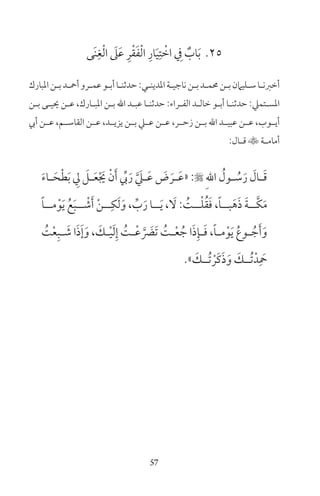
25‫َى‬‫ن‬ِ‫غ‬ْ‫ل‬‫ا‬ َ‫ىل‬َ‫ع‬ ِ‫ر‬ْ‫ق‬َ‫ف‬ْ‫ل‬‫ا‬ ِ‫ار‬َ‫ي‬ِ‫ت‬ ْ‫اخ‬ ِ‫ف‬ ٌ‫اب‬َ‫ب‬
‫املبارك‬‫ـن‬‫ـ‬‫ب‬‫ـد‬‫ـ‬‫أمح‬‫ـرو‬‫ـ‬‫عم‬‫ـو‬‫ـ‬‫أب‬‫ـا‬‫ـ‬‫حدثن‬:‫ـي‬‫ـ‬‫املدين‬‫ـة‬‫ـ‬‫ناجي‬‫ـن‬‫ـ‬‫ب‬‫ـد‬‫ـ‬‫حمم‬‫ـن‬‫ـ‬‫ب‬‫ـليامن‬‫ـ‬‫س‬‫ـا‬‫ـ‬‫أخرن‬
‫ـن‬‫ـ‬‫ب‬ ‫ـى‬‫ـ‬‫حيي‬ ‫ـن‬‫ـ‬‫ع‬ ،‫ـارك‬‫ـ‬‫املب‬ ‫ـن‬‫ـ‬‫ب‬ ‫اهلل‬ ‫ـد‬‫ـ‬‫عب‬ ‫ـا‬‫ـ‬‫حدثن‬ :‫ـراء‬‫ـ‬‫الف‬ ‫ـد‬‫ـ‬‫خال‬ ‫ـو‬‫ـ‬‫أب‬ ‫ـا‬‫ـ‬‫حدثن‬ :‫ـتمي‬‫ـ‬‫املس‬
‫أيب‬ ‫ـن‬‫ـ‬‫ع‬ ،‫ـم‬‫ـ‬‫القاس‬ ‫ـن‬‫ـ‬‫ع‬ ،‫يزيــد‬ ‫بــن‬ ‫ـي‬‫ـ‬‫ع‬ ‫ـن‬‫ـ‬‫ع‬ ،‫ـر‬‫ـ‬‫زح‬ ‫ـن‬‫ـ‬‫ب‬ ‫اهلل‬ ‫عبيــد‬ ‫ـن‬‫ـ‬‫ع‬ ،‫ـوب‬‫ـ‬‫أي‬
:‫ـال‬‫ـ‬‫ق‬ ‫ـة‬‫ـ‬‫أمام‬
َ‫ء‬‫ـا‬‫ـ‬َ‫ح‬ْ‫ط‬َ‫ب‬ ِ‫ل‬ َ‫ـل‬‫ـ‬َ‫ع‬ْ َ‫ي‬ ْ‫ن‬َ‫أ‬ ِّ‫يب‬َ‫ر‬ َّ َ‫ـي‬‫ـ‬َ‫ع‬ َ‫ض‬ َ‫ـر‬‫ـ‬َ‫ع‬« : ِ‫هلل‬‫ا‬ ُ‫ـول‬‫ـ‬ ُ‫س‬َ‫ر‬ َ‫ـال‬‫ـ‬َ‫ق‬
ً‫ا‬‫مــ‬ْ‫و‬َ‫ي‬ ُ‫ع‬َ‫ب‬‫ــ‬ ْ‫ش‬َ‫أ‬ ْ‫ن‬‫ــ‬ِ‫ك‬َ‫ل‬َ‫و‬ ، ِّ‫ب‬َ‫ر‬ ‫ــا‬َ‫ي‬ ، َ‫ل‬ : ُ‫ــت‬ْ‫ل‬ُ‫ق‬َ‫ف‬ ،ً‫ا‬‫بــ‬َ‫ه‬َ‫ذ‬ َ‫ة‬‫َّــ‬‫ك‬َ‫م‬
ُ‫ت‬ْ‫ع‬ِ‫ـب‬‫ـ‬ َ‫ش‬ ‫ا‬َ‫ذ‬َ‫إ‬َ‫و‬ ، َ‫ـك‬‫ـ‬ْ‫ي‬َ‫ل‬ِ‫إ‬ ُ‫ـت‬‫ـ‬ْ‫ع‬ َّ َ‫َض‬‫ت‬ ُ‫ـت‬‫ـ‬ْ‫ع‬ ُ‫ج‬ ‫ا‬َ‫ذ‬ِ‫ـإ‬‫ـ‬َ‫ف‬ ،ً‫ا‬‫ـ‬‫ـ‬‫م‬ْ‫و‬َ‫ي‬ ُ‫ـوع‬‫ـ‬ ُ‫ج‬َ‫أ‬َ‫و‬
» َ‫ُــك‬‫ت‬ ْ‫َر‬‫ك‬َ‫ذ‬َ‫و‬ َ‫ُــك‬‫ت‬ْ‫د‬ِ َ‫مح‬
58
26. Supporting the Poor Before
One’s Family and Dependents
Muhammad ibn Nasr ibn Ashkib al-Zaafarani al-Bukhari apprised us that Ha-
mid ibn Sahl told us that Ibn Abu Umar told us that Sufyan told us, on the
authority of Ata ibn al-Sa’ib, on the authority of his father, on the authority
of Ali :
The Messenger of Allah  told Fatima, “I will not
give you and leave the People of al-Suffah with their
bellies wrenching in hunger.”
Isma’il ibn Ahmad al-Jurjani apprised us that Muhammad ibn al-Hasan ibn
Qutayba al-Askalani apprised us that Hamid ibn Yahya told us that Sufyan
told us the same. 1
1 It was also narrated by Imam Ahmad. Al-Sakhawi said, “Its chain of narrtors is authentic.”
59
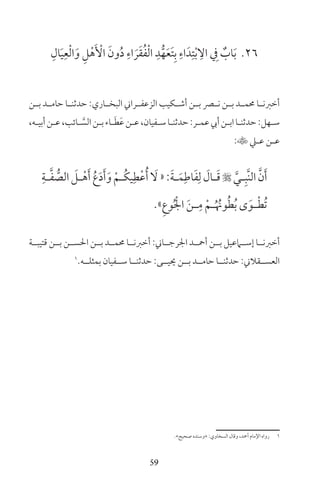
26ِ‫ال‬َ‫ي‬ِ‫ع‬ْ‫ل‬‫ا‬َ‫و‬ ِ‫ل‬ْ‫ه‬َ ْ‫األ‬ َ‫ون‬ُ‫د‬ ِ‫اء‬ َ‫ر‬َ‫ق‬ُ‫ف‬ْ‫ل‬‫ا‬ ِ‫د‬ُّ‫ه‬َ‫ع‬َ‫ت‬ِ‫ب‬ ِ‫اء‬َ‫د‬ِ‫ت‬ْ‫ب‬ ِ‫ال‬ ِ‫ف‬ ٌ‫اب‬َ‫ب‬
‫ـن‬‫ـ‬‫ب‬ ‫ـد‬‫ـ‬‫حام‬ ‫ـا‬‫ـ‬‫حدثن‬ :‫ـاري‬‫ـ‬‫البخ‬ ‫ـراين‬‫ـ‬‫الزعف‬ ‫ـكيب‬‫ـ‬‫أش‬ ‫ـن‬‫ـ‬‫ب‬ ‫ـر‬‫ـ‬‫ن‬ ‫ـن‬‫ـ‬‫ب‬ ‫ـد‬‫ـ‬‫حمم‬ ‫ـا‬‫ـ‬‫أخرن‬
،‫ـه‬‫ـ‬‫أبي‬‫ـن‬‫ـ‬‫ع‬،‫ـائب‬‫ـ‬ َّ‫الس‬‫ـن‬‫ـ‬‫ب‬‫ـاء‬‫ـ‬َ‫ط‬َ‫ع‬‫ـن‬‫ـ‬‫ع‬،‫ـفيان‬‫ـ‬‫س‬‫ـا‬‫ـ‬‫حدثن‬:‫ـر‬‫ـ‬‫عم‬‫أيب‬‫ـن‬‫ـ‬‫اب‬‫ـا‬‫ـ‬‫حدثن‬:‫ـهل‬‫ـ‬‫س‬
:‫ـي‬‫ـ‬‫ع‬ ‫ـن‬‫ـ‬‫ع‬
ِ‫ـة‬‫ـ‬َّ‫ف‬ ُّ‫الص‬ َ‫ـل‬‫ـ‬ْ‫ه‬َ‫أ‬ ُ‫ع‬َ‫د‬َ‫أ‬َ‫و‬ ْ‫ـم‬‫ـ‬ُ‫ك‬‫ي‬ِ‫ط‬ْ‫ع‬ُ‫أ‬ َ‫ل‬«:َ‫ة‬‫ـ‬‫ـ‬َ‫م‬ِ‫اط‬َ‫ف‬ِ‫ل‬ َ‫ـال‬‫ـ‬َ‫ق‬ َّ‫ـي‬‫ـ‬ِ‫َّب‬‫ن‬‫ال‬ َّ‫ن‬َ‫أ‬
»ِ‫ع‬‫و‬ُ ْ‫اجل‬ َ‫ن‬‫ـ‬‫ـ‬ِ‫م‬ ْ‫ـم‬‫ـ‬ُ ُ‫ون‬ُ‫ط‬ُ‫ب‬ ‫ى‬َ‫ـو‬‫ـ‬ْ‫ط‬ُ‫ت‬
‫قتيبــة‬ ‫بــن‬ ‫احلســن‬ ‫بــن‬ ‫حممــد‬ ‫أخرنــا‬ :‫اجلرجــاين‬ ‫أمحــد‬ ‫بــن‬ ‫إســامعيل‬ ‫أخرنــا‬
1
‫بمثلــه‬ ‫ســفيان‬ ‫حدثنــا‬ :‫حييــى‬ ‫بــن‬ ‫حامــد‬ ‫حدثنــا‬ :‫العســقاين‬
«‫صحيح‬ ‫»وسنده‬ :‫السخاوي‬ ‫وقال‬ ،‫أمحد‬ ‫اإلمام‬ ‫رواه‬ 1
60
27. The Permissibility of
Speaking through Singularity1
Muhammad ibn al-Hasan ibn Isma’il al-Siraj apprised us that Muhammad ibn
Abdullah ibn Sulayman al-Hadrami Mutayyan told us that Ali ibn Mundhir
told us that Ibn Fudayl told us that my father told us, on the authority of Nafi’,
on the authority of Ibn Umar Bwho said:
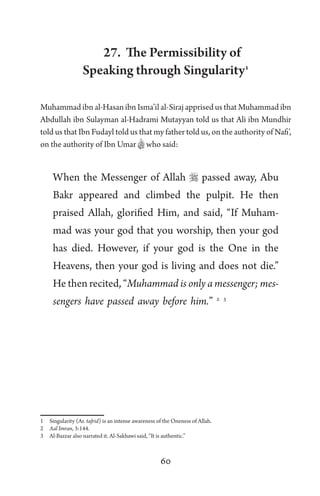
When the Messenger of Allah  passed away, Abu
Bakr appeared and climbed the pulpit. He then
praised Allah, glorified Him, and said, “If Muham-
mad was your god that you worship, then your god
has died. However, if your god is the One in the
Heavens, then your god is living and does not die.”
He then recited, “Muhammad is only a messenger; mes-
sengers have passed away before him.” 2 3
1 Singularity (Ar. tafrid) is an intense awareness of the Oneness of Allah.
2 Aal Imran, 3:144.
3 Al-Bazzar also narrated it. Al-Sakhawi said, “It is authentic.”
61
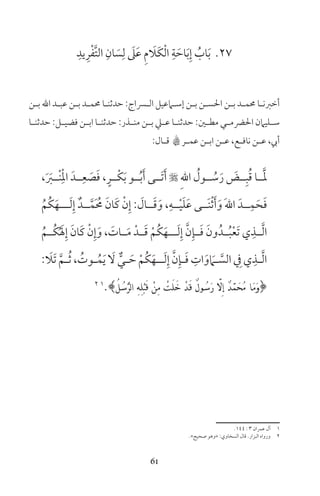
27ِ‫يد‬ِ‫ر‬ْ‫ف‬َّ‫ت‬‫ال‬ ِ‫ان‬ َ‫س‬ِ‫ل‬ َ‫ىل‬َ‫ع‬ ِ‫م‬ َ‫َا‬‫ك‬ْ‫ل‬‫ا‬ ِ‫ة‬ َ‫اح‬َ‫ب‬ِ‫إ‬ ُ‫اب‬َ‫ب‬
‫ـن‬‫ـ‬‫ب‬ ‫اهلل‬ ‫ـد‬‫ـ‬‫عب‬ ‫ـن‬‫ـ‬‫ب‬ ‫ـد‬‫ـ‬‫حمم‬ ‫ـا‬‫ـ‬‫حدثن‬ :‫ـراج‬‫ـ‬‫ال‬ ‫ـامعيل‬‫ـ‬‫إس‬ ‫ـن‬‫ـ‬‫ب‬ ‫ـن‬‫ـ‬‫احلس‬ ‫ـن‬‫ـ‬‫ب‬ ‫ـد‬‫ـ‬‫حمم‬ ‫ـا‬‫ـ‬‫أخرن‬
‫ـا‬‫ـ‬‫حدثن‬ :‫ـل‬‫ـ‬‫فضي‬ ‫ـن‬‫ـ‬‫اب‬ ‫ـا‬‫ـ‬‫حدثن‬ :‫ـذر‬‫ـ‬‫من‬ ‫ـن‬‫ـ‬‫ب‬ ‫ـي‬‫ـ‬‫ع‬ ‫ـا‬‫ـ‬‫حدثن‬ :‫ـن‬‫ـ‬‫مط‬ ‫ـي‬‫ـ‬‫احلضم‬ ‫ـليامن‬‫ـ‬‫س‬
:‫ـال‬‫ـ‬‫ق‬ B‫ـر‬‫ـ‬‫عم‬ ‫ـن‬‫ـ‬‫اب‬ ‫ـن‬‫ـ‬‫ع‬ ،‫ـع‬‫ـ‬‫ناف‬ ‫ـن‬‫ـ‬‫ع‬ ،‫أيب‬
،َ َ‫ْــر‬‫ن‬ِْ‫مل‬‫ا‬ َ‫ــد‬ِ‫ع‬ َ‫ص‬َ‫ف‬ ،ٍ‫ْــر‬‫ك‬َ‫ب‬ ‫ــو‬ُ‫ب‬َ‫أ‬ ‫َــى‬‫ت‬َ‫أ‬  ِ‫هلل‬‫ا‬ ُ‫ــول‬ ُ‫س‬َ‫ر‬ َ‫ــض‬ِ‫ب‬ُ‫ق‬ ‫ــا‬ََّ‫مل‬
ُ‫ُم‬‫ك‬َ‫ـــه‬َ‫ل‬ِ‫إ‬ ٌ‫ــد‬َّ‫م‬َ ُ‫حم‬ َ‫َان‬‫ك‬ ْ‫ن‬ِ‫إ‬ : َ‫ــال‬َ‫ق‬َ‫و‬ ،ِ‫ــه‬ْ‫ي‬َ‫ل‬َ‫ع‬ ‫َــى‬‫ن‬ْ‫ث‬َ‫أ‬َ‫و‬ َ‫هلل‬‫ا‬ َ‫ــد‬ِ‫م‬َ‫ح‬َ‫ف‬
ُ‫ُــم‬‫ك‬ُ َ‫ل‬ِ‫إ‬ َ‫َان‬‫ك‬ ْ‫ن‬ِ‫إ‬َ‫و‬ ، َ‫ــات‬َ‫م‬ ْ‫ــد‬َ‫ق‬ ْ‫ُم‬‫ك‬َ‫ـــه‬َ‫ل‬ِ‫إ‬ َّ‫ن‬ِ‫ــإ‬َ‫ف‬ َ‫ون‬ُ‫ــد‬ُ‫ب‬ْ‫ع‬َ‫ت‬ ‫ي‬ِ‫ــذ‬َّ‫ل‬‫ا‬
: َ‫َا‬‫ت‬ َّ‫ـم‬‫ـ‬ُ‫ث‬ ، ُ‫ـوت‬‫ـ‬ُ‫م‬َ‫ي‬ َ‫ل‬ ٌّ‫ـي‬‫ـ‬ َ‫ح‬ ْ‫ُم‬‫ك‬َ‫ـه‬‫ـ‬‫ـ‬َ‫ل‬ِ‫إ‬ َّ‫ن‬ِ‫ـإ‬‫ـ‬َ‫ف‬ ِ‫ات‬َ‫و‬ َ‫ـام‬‫ـ‬ َّ‫الس‬ ِ‫ف‬ ‫ي‬ِ‫ـذ‬‫ـ‬َّ‫ل‬‫ا‬
2 1
﴾ُ‫ـل‬‫ـ‬ ُ‫س‬ُّ‫لر‬‫ا‬ ِ‫ه‬‫ـ‬‫ـ‬ِ‫ل‬ْ‫ب‬َ‫ق‬ ْ‫ـن‬‫ـ‬ِ‫م‬ ْ‫ـت‬‫ـ‬َ‫ل‬ َ‫خ‬ ْ‫ـد‬‫ـ‬َ‫ق‬ ٌ‫ـول‬‫ـ‬ ُ‫س‬َ‫ر‬ َّ‫ل‬ِ‫إ‬ ٌ‫ـد‬‫ـ‬َّ‫م‬ َ‫ح‬ُ‫م‬ ‫ـا‬‫ـ‬َ‫م‬َ‫﴿و‬
144 : 3 ‫عمران‬ ‫آل‬ 1
«‫صحيح‬ ‫»وهو‬ :‫السخاوي‬ ‫قال‬ ‫البزار‬ ‫ورواه‬ 2
62
28. Sheikhs Personally Serving
Visitors and Strangers
Abu al-Abbas al-Asamm apprised us that Helal ibn al-Alaa al-Raqqi told us;
Abdullah ibn Muhammad ibn Ali ibn Ziyad also apprised us that Muhammad
ibn Hamdoun told us that Hilal ibn al-Alaa told us that my father told us that
Talha ibn Zayd told us that al-Awza’i told us, on the authority of Yahya ibn
Abu Kathir, on the authority of Abu Salama, on the authority of Abu Qatada,
who said:
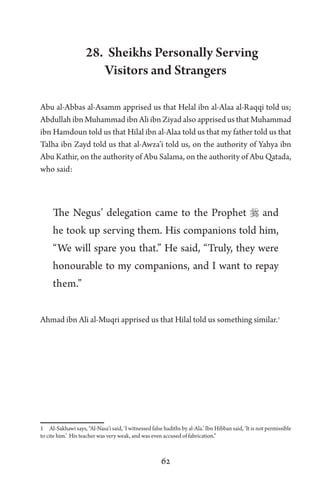
The Negus’ delegation came to the Prophet  and
he took up serving them. His companions told him,
“We will spare you that.” He said, “Truly, they were
honourable to my companions, and I want to repay
them.”
Ahmad ibn Ali al-Muqri apprised us that Hilal told us something similar.1
1 Al-Sakhawi says, “Al-Nasa’i said, ‘I witnessed false hadiths by al-Ala.’ Ibn Hibban said, ‘It is not permissible
to cite him.’ His teacher was very weak, and was even accused of fabrication.”
63
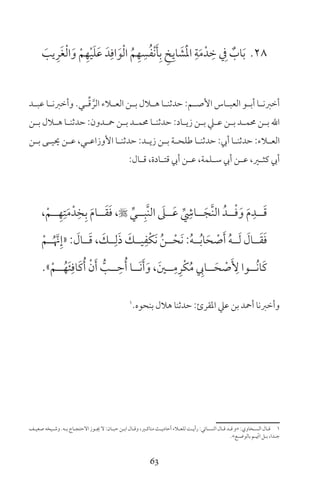
28َ‫يب‬ِ‫ر‬َ‫غ‬ْ‫ل‬‫ا‬َ‫و‬ ْ‫م‬ِ‫ه‬ْ‫ي‬َ‫ل‬َ‫ع‬ َ‫د‬ِ‫اف‬َ‫و‬ْ‫ل‬‫ا‬ ُ‫م‬ِ‫ه‬ ِ‫س‬ُ‫ف‬ْ‫ن‬َ‫أ‬ِ‫ب‬ ِ‫خ‬ِ‫اي‬ َ‫ش‬َْ‫مل‬‫ا‬ ِ‫ة‬َ‫م‬ْ‫د‬ ِ‫خ‬ ِ‫ف‬ ٌ‫اب‬َ‫ب‬
‫ـد‬‫ـ‬‫عب‬ ‫ـا‬‫ـ‬‫وأخرن‬ ‫ـي‬‫ـ‬ِّ‫ق‬ َّ‫الر‬ ‫ـاء‬‫ـ‬‫الع‬ ‫ـن‬‫ـ‬‫ب‬ ‫ـال‬‫ـ‬‫ه‬ ‫ـا‬‫ـ‬‫حدثن‬ :‫ـم‬‫ـ‬‫األص‬ ‫ـاس‬‫ـ‬‫العب‬ ‫ـو‬‫ـ‬‫أب‬ ‫ـا‬‫ـ‬‫أخرن‬
‫ـن‬‫ـ‬‫ب‬ ‫ـال‬‫ـ‬‫ه‬ ‫ـا‬‫ـ‬‫حدثن‬ :‫ـدون‬‫ـ‬‫مح‬ ‫ـن‬‫ـ‬‫ب‬ ‫ـد‬‫ـ‬‫حمم‬ ‫ـا‬‫ـ‬‫حدثن‬ :‫ـاد‬‫ـ‬‫زي‬ ‫ـن‬‫ـ‬‫ب‬ ‫ـي‬‫ـ‬‫ع‬ ‫ـن‬‫ـ‬‫ب‬ ‫ـد‬‫ـ‬‫حمم‬ ‫ـن‬‫ـ‬‫ب‬ ‫اهلل‬
‫ـن‬‫ـ‬‫ب‬ ‫ـى‬‫ـ‬‫حيي‬ ‫ـن‬‫ـ‬‫ع‬ ،‫ـي‬‫ـ‬‫األوزاع‬ ‫ـا‬‫ـ‬‫حدثن‬ :‫ـد‬‫ـ‬‫زي‬ ‫ـن‬‫ـ‬‫ب‬ ‫ـة‬‫ـ‬‫طلح‬ ‫ـا‬‫ـ‬‫حدثن‬ :‫أيب‬ ‫ـا‬‫ـ‬‫حدثن‬ :‫ـاء‬‫ـ‬‫الع‬
:‫ـال‬‫ـ‬‫ق‬ ،‫ـادة‬‫ـ‬‫قت‬ ‫أيب‬ ‫ـن‬‫ـ‬‫ع‬ ،‫ـلمة‬‫ـ‬‫س‬ ‫أيب‬ ‫ـن‬‫ـ‬‫ع‬ ،‫ـر‬‫ـ‬‫كث‬ ‫أيب‬
،ْ‫ــم‬ِ‫ه‬ِ‫ت‬َ‫م‬ْ‫د‬ِ‫خ‬ِ‫ب‬ َ‫م‬‫ــا‬َ‫ق‬َ‫ف‬ ، ِّ‫ــي‬ِ‫َّب‬‫ن‬‫ال‬ َ‫ــىل‬َ‫ع‬ ِّ
ِ‫ــاش‬َ‫َّج‬‫ن‬‫ال‬ ُ‫ــد‬ْ‫ف‬َ‫و‬ َ‫م‬ِ‫ــد‬َ‫ق‬
ْ‫ــم‬ُ َّ‫ن‬ِ‫«إ‬ : َ‫ــال‬َ‫ق‬ ، َ‫ــك‬ِ‫ل‬َ‫ذ‬ َ‫يــك‬ِ‫ْف‬‫ك‬َ‫ن‬ ُ‫ن‬‫ــ‬ْ‫َح‬‫ن‬ :ُ‫ه‬‫ــ‬ُ‫ب‬‫ا‬َ‫ح‬ ْ‫ص‬َ‫أ‬ ُ‫ه‬‫ــ‬َ‫ل‬ َ‫ــال‬َ‫ق‬َ‫ف‬
»ْ‫ــم‬ُ‫ه‬َ‫ئ‬ِ‫َاف‬‫ك‬ُ‫أ‬ ْ‫ن‬َ‫أ‬ ُّ‫ــب‬ ِ‫ح‬ُ‫أ‬ ‫َــا‬‫ن‬َ‫أ‬َ‫و‬ ، َ‫ــن‬ِ‫م‬ِ‫ْر‬‫ك‬ُ‫م‬ ِ‫ــايب‬َ‫ح‬ ْ‫ص‬َ ِ‫أل‬ ‫ُــوا‬‫ن‬‫َا‬‫ك‬
1
‫بنحوه‬ ‫هال‬ ‫حدثنا‬ :‫املقرئ‬ ‫عي‬ ‫بن‬ ‫أمحد‬ ‫وأخرنا‬
‫ـف‬‫ـ‬‫صعي‬ ‫ـيخه‬‫ـ‬‫وش‬ ‫ـه‬‫ـ‬‫ب‬ ‫ـاج‬‫ـ‬‫الحتج‬ ‫ـوز‬‫ـ‬‫ي‬ ‫ل‬ :‫ـان‬‫ـ‬‫حب‬ ‫ـن‬‫ـ‬‫اب‬ ‫ـال‬‫ـ‬‫وق‬ ،‫ـر‬‫ـ‬‫مناك‬ ‫ـث‬‫ـ‬‫أحادي‬ ‫ـاء‬‫ـ‬‫للع‬ ‫ـت‬‫ـ‬‫رأي‬ :‫ـائي‬‫ـ‬‫النس‬ ‫ـال‬‫ـ‬‫ق‬ ‫ـد‬‫ـ‬‫ق‬ ‫»و‬ :‫ـخاوي‬‫ـ‬‫الس‬ ‫ـال‬‫ـ‬‫ق‬ 1
«‫ـع‬‫ـ‬‫بالوض‬ ‫ـم‬‫ـ‬ ّ‫ات‬ ‫ـل‬‫ـ‬‫ب‬ ،‫ـدا‬‫ـ‬‫ج‬
64
29. Adopting Patched
Clothing and Wearing It
Ali ibn Bundar ibn al-Husayn al-Sufi apprised us that Muhammad ibn Ali ibn
Sa’id al-Markab told us that Muhammad ibn Abdullah al-Mukharrimi told
us that Muhammad ibn Hafs told us that Warqa told us, on the authority of
Abu Ishaq, on the authority of Yahya, on the authority of Umm al-Husoyn,
who said:
I was in Aisha’s A residence while she was patching a
tunic of hers with variously-coloured patches: some
white, some black, and some other than that. The
Prophet  entered and said, “What is this, O Aisha?”
Shesaid,“AtunicofminethatIampatching.”Hesaid,
“Well done. Do not abandon a garment until you
have patched it, for there is nothing new to someone
who does not have anything shabby.”1
1 Al-Sakhawi said, “Its narrators are reliable.”
65
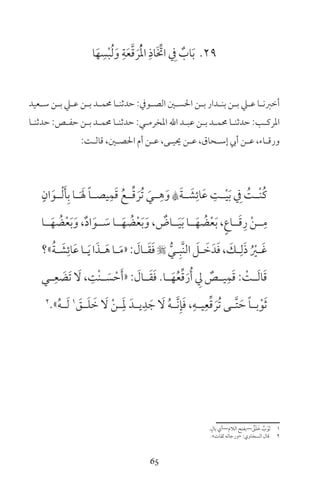
29‫ا‬َ‫ه‬ ِ‫س‬ْ‫ب‬ُ‫ل‬َ‫و‬ ِ‫ة‬َ‫ع‬َّ‫ق‬ َ‫ر‬ُْ‫مل‬‫ا‬ ِ‫َاذ‬ ِّ‫ات‬ ِ‫ف‬ ٌ‫اب‬َ‫ب‬
‫ـعيد‬‫ـ‬‫س‬ ‫ـن‬‫ـ‬‫ب‬ ‫ـي‬‫ـ‬‫ع‬ ‫ـن‬‫ـ‬‫ب‬ ‫ـد‬‫ـ‬‫حمم‬ ‫ـا‬‫ـ‬‫حدثن‬ :‫ـوف‬‫ـ‬‫الص‬ ‫ـن‬‫ـ‬‫احلس‬ ‫ـن‬‫ـ‬‫ب‬ ‫ـدار‬‫ـ‬‫بن‬ ‫ـن‬‫ـ‬‫ب‬ ‫ـي‬‫ـ‬‫ع‬ ‫ـا‬‫ـ‬‫أخرن‬
‫ـا‬‫ـ‬‫حدثن‬ :‫ـص‬‫ـ‬‫حف‬ ‫ـن‬‫ـ‬‫ب‬ ‫ـد‬‫ـ‬‫حمم‬ ‫ـا‬‫ـ‬‫حدثن‬ :‫ـي‬‫ـ‬‫املخرم‬ ‫اهلل‬ ‫ـد‬‫ـ‬‫عب‬ ‫ـن‬‫ـ‬‫ب‬ ‫ـد‬‫ـ‬‫حمم‬ ‫ـا‬‫ـ‬‫حدثن‬ :‫ـب‬‫ـ‬‫املرك‬
:‫ـت‬‫ـ‬‫قال‬ ،‫ـن‬‫ـ‬‫احلص‬ ‫أم‬ ‫ـن‬‫ـ‬‫ع‬ ،‫ـى‬‫ـ‬‫حيي‬ ‫ـن‬‫ـ‬‫ع‬ ،‫ـحاق‬‫ـ‬‫إس‬ ‫أيب‬ ‫ـن‬‫ـ‬‫ع‬ ،‫ـاء‬‫ـ‬‫ورق‬
ٍ‫ان‬َ‫ـو‬‫ـ‬ْ‫ل‬َ‫أ‬ِ‫ب‬ ‫ـا‬‫ـ‬َ َ‫ل‬ ً‫ا‬‫ـ‬‫ـ‬‫يص‬ِ‫م‬َ‫ق‬ ُ‫ـع‬‫ـ‬ِّ‫ق‬ َ‫ُر‬‫ت‬ َ‫ـي‬‫ـ‬ِ‫ه‬َ‫و‬ Aَ‫ة‬‫ـ‬‫ـ‬ َ‫ش‬ِ‫ائ‬َ‫ع‬ ِ‫ـت‬‫ـ‬ْ‫ي‬َ‫ب‬ ِ‫ف‬ ُ‫ـت‬‫ـ‬ْ‫ن‬ُ‫ك‬
‫ــا‬َ‫ه‬ ُ‫ض‬ْ‫ع‬َ‫ب‬َ‫و‬ ،ٌ‫د‬‫ا‬َ‫ــو‬ َ‫س‬ ‫ــا‬َ‫ه‬ ُ‫ض‬ْ‫ع‬َ‫ب‬َ‫و‬ ، ٌ‫ــاض‬َ‫ي‬َ‫ب‬ ‫ــا‬َ‫ه‬ ُ‫ض‬ْ‫ع‬َ‫ب‬ ،ٍ‫ع‬‫ــا‬َ‫ق‬ِ‫ر‬ ْ‫ن‬‫ــ‬ِ‫م‬
‫»؟‬ُ‫ة‬‫ـ‬‫ـ‬ َ‫ش‬ِ‫ائ‬َ‫ع‬‫ـا‬‫ـ‬َ‫ي‬‫ا‬َ‫ـذ‬‫ـ‬َ‫ه‬‫ـا‬‫ـ‬َ‫م‬«: َ‫ـال‬‫ـ‬َ‫ق‬َ‫ف‬ ُّ‫ـي‬‫ـ‬ِ‫َّب‬‫ن‬‫ال‬ َ‫ـل‬‫ـ‬ َ‫خ‬َ‫د‬َ‫ف‬، َ‫ـك‬‫ـ‬ِ‫ل‬َ‫ذ‬ ُ ْ‫ـر‬‫ـ‬َ‫غ‬
‫ـي‬‫ـ‬ِ‫ع‬ َ‫َض‬‫ت‬ َ‫ل‬ ، ِ‫ْت‬‫ن‬‫ـ‬‫ـ‬ َ‫س‬ ْ‫ح‬َ‫أ‬« : َ‫ـال‬‫ـ‬َ‫ق‬َ‫ف‬ ‫ـا‬‫ـ‬َ‫ه‬ُ‫ع‬ِّ‫ق‬َ‫ر‬ُ‫أ‬ ِ‫ل‬ ٌ‫ـص‬‫ـ‬‫ي‬ِ‫م‬َ‫ق‬ : ْ‫ـت‬‫ـ‬َ‫ل‬‫ا‬َ‫ق‬
2
»ُ‫ه‬‫ـ‬‫ـ‬َ‫ل‬ 1
َ‫ـق‬‫ـ‬َ‫ل‬ َ‫خ‬ َ‫ل‬ ْ‫ن‬‫ـ‬‫ـ‬َِ‫مل‬ َ‫ـد‬‫ـ‬‫ي‬ِ‫د‬ َ‫ج‬ َ‫ل‬ ُ‫ه‬‫ـ‬‫ـ‬َّ‫ن‬ِ‫إ‬َ‫ف‬ ،ِ‫ـه‬‫ـ‬‫ي‬ِ‫ع‬ِّ‫ق‬ َ‫ُر‬‫ت‬ ‫ـى‬‫ـ‬َّ‫ت‬ َ‫ح‬ ً‫ا‬‫ـ‬‫ـ‬‫ب‬ْ‫و‬َ‫ث‬
ٍ‫بال‬ ‫الام—أي‬ ‫—بفتح‬ ٌ‫ق‬َ‫ل‬ َ‫خ‬ ٌ‫ب‬ْ‫َو‬‫ث‬ 1
«‫ثقات‬ ‫»ورجاله‬ :‫السخاوي‬ ‫قال‬ 2
66
30. Taking a Water Skin During Travels1
Yusuf ibn Ya’qub ibn Ibrahim al-Abhari apprised us that Muhammad ibn Abd
al-Rahman ibn Asad al-Qadi told us that Asad ibn Muhammad told us, that
Abu Jaber told us that Sa’id ibn Yazid told us, on the authority of Jaafar ibn
Muhammad,ontheauthorityofhisfather,ontheauthorityofhisgrandfather,
on the authority of his father, on the authority of his grandfather, who said:
The Prophet  left to a distant, open area, so I took a
water skin and followed him.
He [(i.e. the narrator)] mentioned the hadith.
1 i.e. Taking water with one during travel in order to clean oneself after answering the call of nature.
67
30ِ‫ار‬َ‫ف‬ ْ‫س‬َ ْ‫األ‬ ِ‫ف‬ ِ‫ة‬َ‫ْو‬‫ك‬ َّ‫الر‬ ِ‫ذ‬ ْ‫خ‬َ‫أ‬ ِ‫ف‬ ٌ‫اب‬َ‫ب‬
‫الرمحن‬ ‫ـد‬‫ـ‬‫عب‬ ‫ـن‬‫ـ‬‫ب‬ ‫حممد‬ ‫ـا‬‫ـ‬‫حدثن‬ :‫ـري‬‫ـ‬‫األب‬ ‫ـم‬‫ـ‬‫إبراهي‬ ‫ـن‬‫ـ‬‫ب‬ ‫ـوب‬‫ـ‬‫يعق‬ ‫ـن‬‫ـ‬‫ب‬ ‫ـف‬‫ـ‬‫يوس‬ ‫ـا‬‫ـ‬‫أخرن‬
‫ـن‬‫ـ‬‫ب‬‫ـعيد‬‫ـ‬‫س‬‫ـا‬‫ـ‬‫حدثن‬:‫ـر‬‫ـ‬‫جاب‬‫ـو‬‫ـ‬‫أب‬‫ـا‬‫ـ‬‫حدثن‬:‫ـد‬‫ـ‬‫حمم‬‫ـن‬‫ـ‬‫ب‬‫ـد‬‫ـ‬‫أس‬‫ـا‬‫ـ‬‫حدثن‬:‫ـاض‬‫ـ‬‫الق‬‫ـد‬‫ـ‬‫أس‬‫ـن‬‫ـ‬‫اب‬
:‫ـال‬‫ـ‬‫ق‬ ،‫ـده‬‫ـ‬‫ج‬ ‫ـن‬‫ـ‬‫ع‬ ،‫ـه‬‫ـ‬‫أبي‬ ‫ـن‬‫ـ‬‫ع‬ ،‫ـده‬‫ـ‬‫ج‬ ‫ـن‬‫ـ‬‫ع‬ ،‫ـه‬‫ـ‬‫أبي‬ ‫ـن‬‫ـ‬‫ع‬ ،‫ـد‬‫ـ‬‫حمم‬ ‫ـن‬‫ـ‬‫ب‬ ‫ـر‬‫ـ‬‫جعف‬ ‫ـن‬‫ـ‬‫ع‬ ،‫ـد‬‫ـ‬‫يزي‬
ُ‫ـت‬‫ـ‬ ْ‫ج‬ َ‫ر‬َ‫خ‬َ‫ف‬ ،ً‫ة‬َ‫ـو‬‫ـ‬ْ‫ك‬َ‫ر‬ ُ‫ت‬ْ‫ـذ‬‫ـ‬ َ‫خ‬َ‫أ‬َ‫ف‬ ،ِ‫از‬َ َ‫ـر‬‫ـ‬ْ‫ل‬‫ا‬ 1
]‫[إل‬  ُّ‫ـي‬‫ـ‬ِ‫َّب‬‫ن‬‫ال‬ َ‫ج‬ َ‫ـر‬‫ـ‬ َ‫خ‬
ِ‫ه‬ِ‫ـر‬‫ـ‬ْ‫ث‬ِ‫إ‬ ِ‫ف‬
‫احلديث‬ ‫وذكر‬
‫سقط‬ ‫ولعله‬ ‫األصل‬ ‫ف‬ «‫»إل‬ ‫لفظ‬ ‫بدون‬ 1
68
31. The Sunnah of Gathering
over Food and the Reprehensibility
of Eating Individually
Isma’il ibn Ahmad al-Jurjani apprised us that Muhammad ibn al-Hasan ibn
Qutayba apprised us that Ahmad ibn abd al-Aziz al-Wasiti told us that al-
Walid ibn Muslim told us that Wahshi ibn Harb ibn Wahshi told us, on the
authority of his father, on the authority of his grandfather, that:
A man said, “O Messenger of Allah, truly we eat
but do not feel full.” He said, “Perhaps you split up
when eating. Gather over it and mention the name of
Allah  and you will be blessed therein.”1
1 It was also narrated by Abu Dawud, and Ibn Majah, as well as al-Hakim and Ibn Hibban in their Sahih
collections.
69
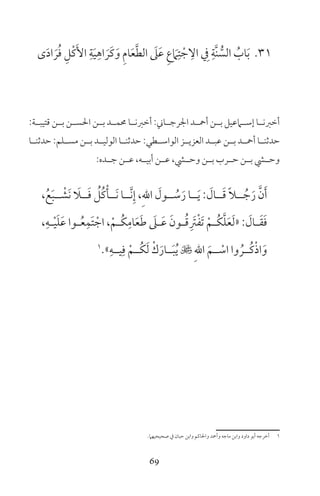
31‫ى‬َ‫د‬‫ا‬ َ‫ر‬ُ‫ف‬ ِ‫ْل‬‫ك‬َ‫األ‬ ِ‫ة‬َ‫ي‬ِ‫اه‬ َ‫َر‬‫ك‬َ‫و‬ ِ‫م‬‫ا‬َ‫ع‬َّ‫ط‬‫ال‬ َ‫ىل‬َ‫ع‬ ِ‫ع‬ َ‫ام‬ِ‫ت‬ ْ‫ج‬ ِ‫ال‬ ِ‫ف‬ ِ‫َّة‬‫ن‬ ُّ‫الس‬ ُ‫اب‬َ‫ب‬
:‫قتيبــة‬ ‫بــن‬ ‫احلســن‬ ‫بــن‬ ‫حممــد‬ ‫أخرنــا‬ :‫اجلرجــاين‬ ‫أمحــد‬ ‫بــن‬ ‫إســامعيل‬ ‫أخرنــا‬
‫حدثنــا‬ :‫مســلم‬ ‫بــن‬ ‫الوليــد‬ ‫حدثنــا‬ :‫الواســطي‬ ‫العزيــز‬ ‫عبــد‬ ‫بــن‬ ‫أمحــد‬ ‫حدثنــا‬
:‫جــده‬ ‫عــن‬ ،‫أبيــه‬ ‫عــن‬ ،‫وحــي‬ ‫بــن‬ ‫حــرب‬ ‫بــن‬ ‫وحــي‬
،ُ‫ع‬َ‫ب‬‫ــ‬ ْ‫َش‬‫ن‬ َ‫ــا‬َ‫ف‬ ُ‫ُل‬‫ك‬ْ‫َــأ‬‫ن‬ ‫َّــا‬‫ن‬ِ‫إ‬ ،ِ‫هلل‬‫ا‬ َ‫ــول‬ ُ‫س‬َ‫ر‬ ‫ــا‬َ‫ي‬ : َ‫ــال‬َ‫ق‬ ً‫ا‬‫ــ‬ ُ‫ج‬َ‫ر‬ َّ‫ن‬َ‫أ‬
،ِ‫ـه‬‫ـ‬ْ‫ي‬َ‫ل‬َ‫ع‬ ‫ـوا‬‫ـ‬ُ‫ع‬ِ‫َم‬‫ت‬ ْ‫اج‬ ،ْ‫ـم‬‫ـ‬ُ‫ك‬ِ‫ام‬َ‫ع‬َ‫ط‬ َ‫ـىل‬‫ـ‬َ‫ع‬ َ‫ـون‬‫ـ‬ُ‫ق‬ِ َ‫رت‬ْ‫ف‬َ‫ت‬ ْ‫ـم‬‫ـ‬ُ‫ك‬َّ‫ل‬َ‫ع‬َ‫ل‬« : َ‫ـال‬‫ـ‬َ‫ق‬َ‫ف‬
1
»ِ‫يــه‬ِ‫ف‬ ْ‫ُــم‬‫ك‬َ‫ل‬ ْ‫ك‬َ‫ــار‬َ‫ب‬ُ‫ي‬  ِ‫هلل‬‫ا‬ َ‫ــم‬ ْ‫اس‬ ‫وا‬ ُ‫ُــر‬‫ك‬ْ‫ذ‬‫ا‬َ‫و‬
‫صحيحيهام‬ ‫ف‬ ‫حبان‬ ‫وابن‬ ‫واحلاكم‬ ‫وأمحد‬ ‫ماجه‬ ‫وابن‬ ‫داود‬ ‫أبو‬ ‫أخرجه‬ 1
70
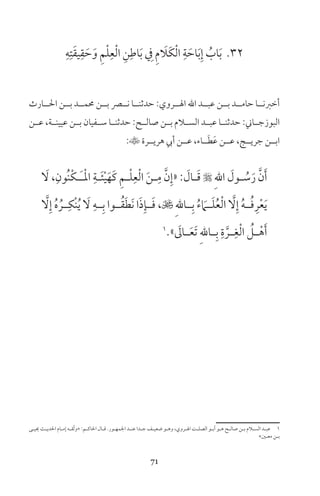
32. The Permissibility of Speaking about
Esoteric Knowledge and Its Reality
Hamed ibn Abdullah al-Harawi apprised us that Nasr ibn Muhammad ibn
al-Harith al-Buzjani told us that Abd al-Salam ibn Saleh told us that Sufyan
ibn Uyayna told us, on the authority of Ibn Jurayj, on the authority of Ata, on
the authority of Abu Hurayra :
The Messenger of Allah said, “Truly, some knowledge
is like a concealed form: no one knows it except for
those with knowledge of Allah  and, when they
speak of it, no one disapproves of it except for those
heedless of Allah the Exalted.”1
1 Abd al-Salam ibn Saleh is Abu al-Salt al-Harawi, who is very weak according to the majority of scholars.
Al-Hakim said, “The Imam of Hadith, Yahya ibn Ma’in, attested to his worthiness.”
71
32ِ‫ه‬ِ‫ت‬َ‫ق‬‫ي‬ِ‫ق‬ َ‫ح‬َ‫و‬ ِ‫م‬ْ‫ل‬ِ‫ع‬ْ‫ل‬‫ا‬ ِ‫ن‬ِ‫اط‬َ‫ب‬ ِ‫ف‬ ِ‫م‬ َ‫َا‬‫ك‬ْ‫ل‬‫ا‬ ِ‫ة‬ َ‫اح‬َ‫ب‬ِ‫إ‬ ُ‫اب‬َ‫ب‬
‫احلــارث‬ ‫بــن‬ ‫حممــد‬ ‫بــن‬ ‫نــر‬ ‫حدثنــا‬ :‫الــروي‬ ‫اهلل‬ ‫عبــد‬ ‫بــن‬ ‫حامــد‬ ‫أخرنــا‬
‫عــن‬ ،‫عيينــة‬ ‫بــن‬ ‫ســفيان‬ ‫حدثنــا‬ :‫صالــح‬ ‫بــن‬ ‫الســام‬ ‫عبــد‬ ‫حدثنــا‬ :‫البوزجــاين‬
:‫هريــرة‬ ‫أيب‬ ‫عــن‬ ،‫ــاء‬َ‫ط‬َ‫ع‬ ‫عــن‬ ،‫جريــج‬ ‫ابــن‬
َ‫ل‬ ،ِ‫ُون‬‫ن‬ْ‫ك‬‫ـ‬‫ـ‬َ‫ـ‬ْ‫مل‬‫ا‬ ِ‫ـة‬‫ـ‬َ‫ئ‬ْ‫ي‬َ‫َه‬‫ك‬ ِ‫م‬‫ـ‬‫ـ‬ْ‫ل‬ِ‫ع‬ْ‫ل‬‫ا‬ َ‫ن‬‫ـ‬‫ـ‬ِ‫م‬ َّ‫ن‬ِ‫«إ‬ : َ‫ـال‬‫ـ‬َ‫ق‬  ِ‫هلل‬‫ا‬ َ‫ـول‬‫ـ‬ ُ‫س‬َ‫ر‬ َّ‫ن‬َ‫أ‬
َّ‫ل‬ِ‫إ‬ ُ‫ه‬ ُ‫ــر‬ِ‫ْك‬‫ن‬ُ‫ي‬ َ‫ل‬ ِ‫ــه‬ِ‫ب‬ ‫ــوا‬ُ‫ق‬َ‫ط‬َ‫ن‬ ‫ا‬َ‫ذ‬ِ‫ــإ‬َ‫ف‬ ، ِ‫هلل‬‫ــا‬ِ‫ب‬ ُ‫ء‬ َ‫ــام‬َ‫ل‬ُ‫ع‬ْ‫ل‬‫ا‬ َّ‫ل‬ِ‫إ‬ ُ‫ه‬‫ــ‬ُ‫ف‬ِ‫ر‬ْ‫ع‬َ‫ي‬
1
» َ‫ـال‬‫ـ‬َ‫ع‬َ‫ت‬ ِ‫هلل‬‫ـا‬‫ـ‬ِ‫ب‬ ِ‫ة‬ َّ‫ـر‬‫ـ‬ِ‫غ‬ْ‫ل‬‫ا‬ ُ‫ـل‬‫ـ‬ْ‫ه‬َ‫أ‬
‫ـى‬‫ـ‬‫حيي‬ ‫ـث‬‫ـ‬‫احلدي‬ ‫ـام‬‫ـ‬‫إم‬ ‫ـه‬‫ـ‬‫ّق‬‫ث‬‫»و‬ :‫ـم‬‫ـ‬‫احلاك‬ ‫ـال‬‫ـ‬‫ق‬ ‫ـور‬‫ـ‬‫اجلمه‬ ‫ـد‬‫ـ‬‫عن‬ ‫ـدا‬‫ـ‬‫ج‬ ‫ـف‬‫ـ‬‫ضعي‬ ‫ـو‬‫ـ‬‫وه‬ ،‫ـروي‬‫ـ‬‫ال‬ ‫ـت‬‫ـ‬‫الصل‬ ‫ـو‬‫ـ‬‫أب‬ ‫ـو‬‫ـ‬‫ه‬ ‫ـح‬‫ـ‬‫صال‬ ‫ـن‬‫ـ‬‫ب‬ ‫ـام‬‫ـ‬‫الس‬ ‫ـد‬‫ـ‬‫عب‬ 1
«‫ـن‬‫ـ‬‫مع‬ ‫ـن‬‫ـ‬‫ب‬
72
33. Avoiding Extravagance with Guests
and Serving them What is Available
Muhammad ibn Muhammad ibn Ya’qub al-Hafidh apprised us that Muham-
mad ibn Sa’id ibn Imran told us that Ahmad ibn Abdullah ibn Zeyad al-Iyadi
toldusthatMusaibnMuhammadal-SukkaritoldusthatBaqiyyaibnal-Walid
said that Isma’il ibn Yahya al-Taymi told us, on the authority of Mis’ar, on the
authority of Amr ibn Murra, on the authority of Abu al-Bakhtari, who said:
We visited Salman al-Farisi in al-Mada’in. He brought
us bread and fish and said, “Eat. The Messenger of
Allah  disallowed extravagance, and were it not for
this, I would have certainly made extravagant prepa-
rations for you.”1
1 Al-Hakim narrates a similar hadith in al-Mustadrak and said, “It has an authentic chain of narrators but
they did not narrate it.”
73
33ُ‫ه‬ َ َ‫ض‬ َ‫ح‬ ‫ا‬َ‫م‬ ِ‫ه‬ِ‫ار‬ َ‫ض‬ ْ‫ح‬ِ‫إ‬َ‫و‬ ِ‫ف‬ْ‫ي‬ َّ‫لض‬ِ‫ل‬ ِ‫ف‬ُّ‫ل‬َ‫ك‬َّ‫ت‬‫ال‬ ِ‫ك‬ ْ‫َر‬‫ت‬ ُ‫اب‬َ‫ب‬
‫بــن‬ ‫ســعيد‬ ‫بــن‬ ‫حممــد‬ ‫حدثنــا‬ :‫احلافــظ‬ ‫يعقــوب‬ ‫بــن‬ ‫حممــد‬ ‫بــن‬ ‫حممــد‬ ‫أخرنــا‬
‫ـد‬‫ـ‬‫حمم‬ ‫ـن‬‫ـ‬‫ب‬ ‫ـى‬‫ـ‬‫موس‬ ‫ـا‬‫ـ‬‫حدثن‬ :‫ـادي‬‫ـ‬‫اإلي‬ ‫ـاد‬‫ـ‬‫زي‬ ‫ـن‬‫ـ‬‫ب‬ ‫اهلل‬ ‫ـد‬‫ـ‬‫عب‬ ‫ـن‬‫ـ‬‫ب‬ ‫ـد‬‫ـ‬‫أمح‬ ‫ـا‬‫ـ‬‫حدثن‬ :‫ـران‬‫ـ‬‫عم‬
‫عــن‬ ،‫التيمــي‬ ‫حييــى‬ ‫بــن‬ ‫إســامعيل‬ ‫حدثنــا‬ :‫الوليــد‬ ‫بــن‬ ‫بقيــة‬ ‫حدثنــا‬ :‫الســكري‬
:‫قــال‬ ،‫البخــرتي‬ ‫أيب‬ ‫عــن‬ ،‫مــرة‬ ‫بــن‬ ‫عمــرو‬ ‫عــن‬ ،‫مســعر‬
ً‫ا‬‫ـز‬‫ـ‬ْ‫ب‬ ُ‫خ‬ ‫ـا‬‫ـ‬َ‫ن‬ْ‫ي‬َ‫ل‬ِ‫إ‬ َ‫ب‬ َّ‫ـر‬‫ـ‬َ‫ق‬َ‫ف‬ ،ِ‫ن‬ِ‫ائ‬َ‫ـد‬‫ـ‬َ‫ـ‬ْ‫مل‬‫ا‬ِ‫ب‬ ِّ
ِ‫س‬ِ‫ـار‬‫ـ‬َ‫ف‬ْ‫ل‬‫ا‬ َ‫ن‬ َ‫ام‬ْ‫ل‬‫ـ‬‫ـ‬ َ‫س‬ َ‫ـىل‬‫ـ‬َ‫ع‬ ‫ـا‬‫ـ‬َ‫ن‬ْ‫ل‬ َ‫َز‬‫ن‬
، ِ‫ـف‬‫ـ‬ُّ‫ل‬َ‫ك‬َّ‫ت‬‫ال‬ ِ‫ـن‬‫ـ‬َ‫ع‬  ِ‫هلل‬‫ا‬ ُ‫ـول‬‫ـ‬ ُ‫س‬َ‫ر‬ ‫ـا‬‫ـ‬َ‫ن‬‫ا‬َ َ‫ن‬ ،‫ـوا‬‫ـ‬ُ‫ل‬ُ‫ك‬ : َ‫ـال‬‫ـ‬َ‫ق‬َ‫و‬ ،ً‫ا‬‫ك‬َ‫ـم‬‫ـ‬ َ‫س‬َ‫و‬
1
ْ‫ـم‬‫ـ‬ُ‫ك‬َ‫ل‬ ُ‫ـت‬‫ـ‬ْ‫ف‬َّ‫ل‬َ‫ك‬َ‫ت‬َ‫ل‬ َ‫ـك‬‫ـ‬ِ‫ل‬َ‫ذ‬ َ‫ل‬ْ‫ـو‬‫ـ‬َ‫ل‬َ‫و‬
«‫خيرجاه‬ ‫ومل‬ ‫اإلسناد‬ ‫صحيح‬ ‫»إنه‬ :‫وقال‬ ،‫املستدرك‬ ‫ف‬ ‫احلاكم‬ ‫مثله‬ ‫روى‬ 1
74
34. Avoiding Luxury
Muhammad ibn Muhammad ibn Ya’qub al-Hafidh apprised us that Sa’id ibn
Abd al-Aziz told us that Ibn Musaffa told us that Baqiyya told us that al-Sari
ibn Yan’um told us, on the authority of Murayh ibn Masrouq al-Hawzani, on
the authority of Muadh ibn Jabal :
When the Prophet  sent him to Yemen, he said,
“Beware of luxury, for the slaves of Allah are not men
of luxury.”1
1 AbuNa’imnarratesthisinhiscollectionof40hadithonSufism,andal-Sakhawiauthenticatedhisnarrators.
75
34ِ‫م‬ُّ‫ع‬َ‫ن‬َّ‫ت‬‫ال‬ ِ‫ك‬ ْ‫َر‬‫ت‬ ِ‫ف‬ ٌ‫اب‬َ‫ب‬
:‫ـز‬‫ـ‬‫العزي‬ ‫ـد‬‫ـ‬‫عب‬ ‫ـن‬‫ـ‬‫ب‬ ‫ـعيد‬‫ـ‬‫س‬ ‫ـا‬‫ـ‬‫حدثن‬ :‫ـظ‬‫ـ‬‫احلاف‬ ‫ـوب‬‫ـ‬‫يعق‬ ‫ـن‬‫ـ‬‫ب‬ ‫ـد‬‫ـ‬‫حمم‬ ‫ـن‬‫ـ‬‫ب‬ ‫ـد‬‫ـ‬‫حمم‬ ‫ـا‬‫ـ‬‫أخرن‬
‫ـن‬‫ـ‬‫ب‬ ‫ـح‬‫ـ‬‫مري‬ ‫ـن‬‫ـ‬‫ع‬ ،‫ـم‬‫ـ‬‫ينع‬ ‫ـن‬‫ـ‬‫ب‬ ‫ـري‬‫ـ‬‫ال‬ ‫ـا‬‫ـ‬‫حدثن‬ :‫ـة‬‫ـ‬‫بقي‬ ‫ـا‬‫ـ‬‫حدثن‬ :‫ـى‬‫ـ‬‫مصف‬ ‫ـن‬‫ـ‬‫اب‬ ‫ـا‬‫ـ‬‫حدثن‬
:‫ـل‬‫ـ‬‫جب‬ ‫ـن‬‫ـ‬‫ب‬ ‫ـاذ‬‫ـ‬‫مع‬ ‫ـن‬‫ـ‬‫ع‬ ،‫ـوزين‬‫ـ‬‫ال‬ ‫ـروق‬‫ـ‬‫م‬
َّ‫ن‬ِ‫ـإ‬‫ـ‬َ‫ف‬ ،َ‫ـم‬‫ـ‬ُّ‫ع‬َ‫ن‬َّ‫ت‬‫ال‬َ‫و‬ َ‫ـاك‬‫ـ‬َّ‫ي‬ِ‫«إ‬ : َ‫ـال‬‫ـ‬َ‫ق‬ ِ‫ـن‬‫ـ‬َ‫م‬َ‫ي‬ْ‫ل‬‫ا‬ ِ‫ل‬ِ‫إ‬ ُ‫ه‬‫ـ‬‫ـ‬َ‫ث‬َ‫ع‬َ‫ب‬ ‫ـا‬‫ـ‬ََّ‫مل‬  َّ‫ـي‬‫ـ‬ِ‫َّب‬‫ن‬‫ال‬ َّ‫ن‬َ‫أ‬
1
» َ‫ن‬ِ‫م‬ِّ‫ع‬َ‫ن‬َ‫ت‬‫ـ‬‫ـ‬ُ‫ـ‬ْ‫مل‬‫ا‬ِ‫ب‬‫ـوا‬‫ـ‬ ُ‫س‬ْ‫ي‬َ‫ل‬ِ‫هلل‬‫ا‬ َ‫د‬‫ا‬َ‫ب‬ِ‫ع‬
‫السخاوي‬ ‫رواته‬ ‫ّق‬‫ث‬‫وو‬ ‫األربعن‬ ‫ف‬ ‫نعيم‬ ‫أبو‬ ‫رواه‬ 1
76
35. Received Tradition that
Attests to Perspicacity
Ahmad ibn Ali al-Razi apprised us that Muhammed ibn Ahmad ibn al-Sakan
told us that Musa ibn Dawud told us that Muhammad ibn Kathir al-Kufi told
us that Amr ibn Qays told us, on the authority of Atiyya, on the authority of
Abu Sa’id who said:
The Messenger of Allah  said, “Be wary of the per-
spicacity of a believer, for truly, he sees with the light
of Allah the Exalted.”1
1 After mentioning various narrations for this hadith, al-Sakhawi says, “These narrations strengthen each
other. ”
77
35ِ‫ة‬ َ‫اس‬ َ‫ر‬ِ‫ف‬ْ‫ل‬‫ا‬ ِ‫يح‬ِ‫ح‬ ْ‫َص‬‫ت‬ ِ‫ف‬ َ‫ء‬‫ا‬ َ‫ج‬ ‫ا‬َ‫م‬ ُ‫اب‬َ‫ب‬
‫حدثنــا‬ :‫الســكن‬ ‫بــن‬ ‫أمحــد‬ ‫بــن‬ ‫حممــد‬ ‫حدثنــا‬ :‫الــرازي‬ ‫عــي‬ ‫بــن‬ ‫أمحــد‬ ‫أخرنــا‬
‫ـن‬‫ـ‬‫ع‬ ،‫ـس‬‫ـ‬‫قي‬ ‫ـن‬‫ـ‬‫ب‬ ‫ـرو‬‫ـ‬‫عم‬ ‫ـا‬‫ـ‬‫حدثن‬ :‫ـوف‬‫ـ‬‫الك‬ ‫ـر‬‫ـ‬‫كث‬ ‫ـن‬‫ـ‬‫ب‬ ‫ـد‬‫ـ‬‫حمم‬ ‫ـا‬‫ـ‬‫حدثن‬ :‫داود‬ ‫ـن‬‫ـ‬‫ب‬ ‫ـى‬‫ـ‬‫موس‬
:‫ـال‬‫ـ‬‫ق‬ ‫ـعيد‬‫ـ‬‫س‬ ‫أيب‬ ‫ـن‬‫ـ‬‫ع‬ ،‫ـة‬‫ـ‬‫عطي‬
ُ‫ــر‬ُ‫ظ‬ْ‫ن‬َ‫ي‬ ُ‫ه‬‫َّــ‬‫ن‬ِ‫إ‬َ‫ف‬ ،ِ‫ن‬ِ‫م‬ْ‫ُــؤ‬‫ـ‬ْ‫مل‬‫ا‬ َ‫ة‬‫ــ‬ َ‫اس‬ َ‫ر‬ِ‫ف‬ ‫ــوا‬ُ‫ق‬َّ‫ت‬‫«ا‬ : ِ‫هلل‬‫ا‬ ُ‫ــول‬ ُ‫س‬َ‫ر‬ َ‫ــال‬َ‫ق‬
1
» َ‫ــال‬َ‫ع‬َ‫ت‬ ِ‫هلل‬‫ا‬ ِ‫ُــور‬‫ن‬ِ‫ب‬
«‫ببعض‬ ‫يتقوى‬ ‫»وبعضها‬ :‫احلديث‬ ‫هذا‬ ‫طرق‬ ‫ذكر‬ ‫بعد‬ ‫السخاوي‬ ‫قال‬ 1
78
36. Attaining the Love of Allah the
Exalted by Constantly Serving Him
Ahmad ibn Muhammad ibn Abdous al-Tara’ifi apprised us that Uthman ibn
Sa’id al-Darimi told us that Sa’id ibn Abu Maryam told us that Yahya ibn
Ayoub told us that Ibn Zahr apprised us, on the authority of Ali ibn Yazid, on
the authority of al-Qasim, on the authority of Abu Umama :
The Messenger of Allah  said: “Allah said, ‘The
slavecontinuestodrawclosertomebysupererogatory
works until I love him. When I love him, I am his
hearing with which he hears, his sight with which he
sees, his tongue with which he speaks, and his heart
with which he comprehends. If he then invokes Me, I
willrespondtohim,andifheasksofMe,Iwillbestow
upon him. ’”1
1 It was also narrated by al-Bukhari.
79
36ِ‫ه‬ِ‫ت‬َ‫م‬ْ‫د‬ ِ‫خ‬ َ‫ىل‬َ‫ع‬ ِ‫ة‬َ‫م‬َ‫او‬َ‫د‬ُ‫ـم‬ْ‫ل‬‫ا‬ِ‫ب‬ َ‫ال‬َ‫ع‬َ‫ت‬ ِ‫هلل‬‫ا‬ ِ‫ة‬َّ‫ب‬َ َ‫حم‬ ِ‫ب‬ َ‫ا‬ْ‫ج‬ِ‫ت‬ ْ‫اس‬ ُ‫اب‬َ‫ب‬
‫ســعيد‬ ‫بــن‬ ‫عثــامن‬ ‫حدثنــا‬ :‫الطرائفــي‬ ‫عبــدوس‬ ‫بــن‬ ‫حممــد‬ ‫بــن‬ ‫أمحــد‬ ‫أخرنــا‬
‫ـن‬‫ـ‬‫اب‬ ‫ـا‬‫ـ‬‫أخرن‬ :‫ـوب‬‫ـ‬‫أي‬ ‫ـن‬‫ـ‬‫ب‬ ‫ـى‬‫ـ‬‫حيي‬ ‫ـا‬‫ـ‬‫حدثن‬ :‫ـم‬‫ـ‬‫مري‬ ‫أيب‬ ‫ـن‬‫ـ‬‫ب‬ ‫ـعيد‬‫ـ‬‫س‬ ‫ـا‬‫ـ‬‫حدثن‬ :‫ـي‬‫ـ‬‫الدارم‬
:‫أمامــة‬ ‫أيب‬ ‫عــن‬ ،‫القاســم‬ ‫عــن‬ ،‫يزيــد‬ ‫بــن‬ ‫عــي‬ ‫عــن‬ ،‫زحــر‬
ُ‫ب‬ َّ‫ـر‬‫ـ‬َ‫ق‬َ‫ت‬َ‫ي‬ ُ‫ـد‬‫ـ‬ْ‫ب‬َ‫ع‬ْ‫ل‬‫ا‬ َ‫ال‬َ‫ز‬ ‫ـا‬‫ـ‬َ‫م‬ : ُ‫هلل‬‫ا‬ َ‫ـال‬‫ـ‬َ‫ق‬« : َ‫ـال‬‫ـ‬َ‫ق‬  ِ‫اهلل‬ َ‫ـول‬‫ـ‬ ُ‫س‬َ‫ر‬ َّ‫ن‬َ‫أ‬
ُ‫ه‬َ‫ع‬ْ‫ــم‬ َ‫س‬ ُ‫ُــون‬‫ك‬َ‫أ‬َ‫ف‬ ُ‫ه‬‫ُــ‬‫ت‬ْ‫ب‬َ‫ب‬ ْ‫ح‬َ‫أ‬ ‫ا‬َ‫ذ‬ِ‫ــإ‬َ‫ف‬ ،ُ‫ه‬‫ــ‬َّ‫ب‬ ِ‫ح‬ُ‫أ‬ ‫َّــى‬‫ت‬ َ‫ح‬ ِ‫ــل‬ِ‫اف‬َ‫َّو‬‫ن‬‫ال‬ِ‫ب‬ َّ َ‫ل‬ِ‫إ‬
‫ي‬ِ‫ـذ‬‫ـ‬َّ‫ل‬‫ا‬ ُ‫ه‬َ‫ن‬‫ـا‬‫ـ‬ َ‫س‬ِ‫ل‬َ‫و‬،ِ‫ـه‬‫ـ‬ِ‫ب‬ ُ
ِ‫ـر‬‫ـ‬ْ‫ب‬ُ‫ي‬‫ي‬ِ‫ـذ‬‫ـ‬َّ‫ل‬‫ا‬ ُ‫ه‬ َ َ‫ـر‬‫ـ‬َ‫ب‬َ‫و‬،ِ‫ـه‬‫ـ‬ِ‫ب‬ ُ‫ع‬َ‫ـم‬‫ـ‬ ْ‫س‬َ‫ي‬‫ي‬ِ‫ـذ‬‫ـ‬َّ‫ل‬‫ا‬
،ُ‫ه‬‫ُــ‬‫ت‬ْ‫ب‬ َ‫ج‬َ‫أ‬ ِ‫ــاين‬َ‫ع‬َ‫د‬ ‫ا‬َ‫ذ‬ِ‫ــإ‬َ‫ف‬ ،ِ‫ــه‬ِ‫ب‬ ُ‫ــل‬ِ‫ق‬ْ‫ع‬َ‫ي‬ ‫ي‬ِ‫ــذ‬َّ‫ل‬‫ا‬ ُ‫ه‬‫ــ‬َ‫ب‬ْ‫ل‬َ‫ق‬َ‫و‬ ،ِ‫ــه‬ِ‫ب‬ ُ‫ــق‬ِ‫ْط‬‫ن‬َ‫ي‬
1
»ُ‫ه‬ُ‫ت‬ْ‫ي‬َ‫ط‬ْ‫ع‬َ‫أ‬ ‫ي‬ِ‫ن‬َ‫ل‬َ‫أ‬ َ‫س‬ ‫ا‬َ‫ذ‬ِ‫إ‬َ‫و‬
‫البخاري‬ ‫ورواه‬ 1
80
37. The Reprehensibility of Amassing
Wealth Lest the Slave Covet this World
Abu Amr ibn Matar apprised us that Abu Khalifa told us that al-Ramadi told
us that Ibn Uyayna told us, on the authority of al-A’mash, on the authority of
Shammar ibn Atiyya, on the authority of al-Mughira ibn Saad ibn al-Akhram,
on the authority of his father, on the authority of Abdullah who said:
The Messenger of Allah  said, “Do not become
pre-occupied with earnings lest you covet this
world.1
”2
1 A more literal translation would be, “Do not acquire pastoral lands…” The Arabic word day’ah, while lit-
erally referring to pastoral lands and agriculture, can also refer to any means of earning a living. The upshot of
the hadith is that one should not become pre-occupied with earning a living, not that one should abandon
earning a living altogether if it entails begging or depending on others, both of which are ignoble for able-bod-
ied young men.
2 It was also narrated by Ibn Hibban in his Sahih and al-Tirmidhi who said, “It is a good [hadith].”
81
37‫ا‬َ‫ي‬ْ‫ن‬ُّ‫الد‬ ِ‫ف‬ ُ‫د‬ْ‫ب‬َ‫ع‬ْ‫ل‬‫ا‬ َ‫ب‬َ‫غ‬ ْ‫ر‬َ‫ي‬ َّ‫ا‬َ‫ئ‬ِ‫ل‬ ِ‫َال‬‫ـ‬ْ‫مل‬‫ا‬ ِ‫ع‬ْ َ‫ج‬ ِ‫ة‬َ‫ي‬ِ‫اه‬ َ‫َر‬‫ك‬ ُ‫اب‬َ‫ب‬
‫حدثنــا‬ :‫الرمــادي‬ ‫حدثنــا‬ :‫خليفــة‬ ‫أبــو‬ ‫حدثنــا‬ :‫مطــر‬ ‫بــن‬ ‫عمــرو‬ ‫أبــو‬ ‫أخرنــا‬
‫ـن‬‫ـ‬‫ب‬ ‫ـعد‬‫ـ‬‫س‬ ‫ـن‬‫ـ‬‫ب‬ ‫ـرة‬‫ـ‬‫املغ‬ ‫ـن‬‫ـ‬‫ع‬ ،‫ـة‬‫ـ‬‫عطي‬ ‫ـن‬‫ـ‬‫ب‬ ‫ـمر‬‫ـ‬‫ش‬ ‫ـن‬‫ـ‬‫ع‬ ،‫ـش‬‫ـ‬‫األعم‬ ‫ـن‬‫ـ‬‫ع‬ ،‫ـة‬‫ـ‬‫عيين‬ ‫ـن‬‫ـ‬‫اب‬
:‫قــال‬ ‫اهلل‬ ‫عبــد‬ ‫عــن‬ ،‫أبيــه‬ ‫عــن‬ ،‫األخــرم‬
ِ‫ف‬ ‫ــوا‬ُ‫ب‬َ‫غ‬ْ َ‫رت‬َ‫ف‬ َ‫ة‬‫ــ‬َ‫ع‬ْ‫ي‬ َّ‫الض‬ ‫وا‬ُ‫ــذ‬ِ‫َّخ‬‫ت‬َ‫ت‬ َ‫«ل‬ : ِ‫هلل‬‫ا‬ ُ‫ــول‬ ُ‫س‬َ‫ر‬ َ‫ــال‬َ‫ق‬
1
»‫ــا‬َ‫ي‬ْ‫ن‬ُّ‫الد‬
«‫حسن‬ ‫»إنه‬ :‫وقال‬ ،‫والرتمذي‬ ‫صحيحه‬ ‫ف‬ ‫حبان‬ ‫ابن‬ ‫رواه‬ 1
82
38. The Manner of Judicious People
Abdullah ibn Muhammad ibn Ali apprised us that Ali ibn Sa’id al-Askari told
us that Ahmad ibn Yahya ibn Malik al-Sousi told us that Dawud ibn al-Mu-
habbar told us that Abbad ibn Kathir told us, on the authority of Abdullah ibn
Dinar, on the authority of Abdullah ibn Umar, who said:
TheMessengerofAllahsaid,“Thejudiciousperson
isonewhounderstandswhatAllahrequiresofhim.”1
1 Al-Sakhawi says regarding Dawud, “He is rejected.”
83
38ِ‫ء‬ َ‫ا‬َ‫ق‬ُ‫ع‬ْ‫ل‬‫ا‬ ِ‫ة‬َ‫ف‬ ِ‫ص‬ ِ‫ف‬ ٌ‫اب‬َ‫ب‬
‫ـا‬‫ـ‬‫حدثن‬ :‫ـكري‬‫ـ‬‫العس‬ ‫ـعيد‬‫ـ‬‫س‬ ‫ـن‬‫ـ‬‫ب‬ ‫ـي‬‫ـ‬‫ع‬ ‫ـا‬‫ـ‬‫حدثن‬ :‫ـي‬‫ـ‬‫ع‬ ‫ـن‬‫ـ‬‫ب‬ ‫ـد‬‫ـ‬‫حمم‬ ‫ـن‬‫ـ‬‫ب‬ ‫اهلل‬ ‫ـد‬‫ـ‬‫عب‬ ‫ـا‬‫ـ‬‫أخرن‬
‫ـن‬‫ـ‬‫ب‬ ‫ـاد‬‫ـ‬‫عب‬ ‫ـا‬‫ـ‬‫حدثن‬ :‫ـر‬‫ـ‬‫املح‬ ‫ـن‬‫ـ‬‫ب‬ ‫داود‬ ‫ـا‬‫ـ‬‫حدثن‬ :‫ـوس‬‫ـ‬‫الس‬ ‫ـك‬‫ـ‬‫مال‬ ‫ـن‬‫ـ‬‫ب‬ ‫ـى‬‫ـ‬‫حيي‬ ‫ـن‬‫ـ‬‫ب‬ ‫ـد‬‫ـ‬‫أمح‬
:‫ـال‬‫ـ‬‫ق‬ ،‫ـر‬‫ـ‬‫عم‬ ‫ـن‬‫ـ‬‫ب‬ ‫اهلل‬ ‫ـد‬‫ـ‬‫عب‬ ‫ـن‬‫ـ‬‫ع‬ ،‫ـار‬‫ـ‬‫دين‬ ‫ـن‬‫ـ‬‫ب‬ ‫اهلل‬ ‫ـد‬‫ـ‬‫عب‬ ‫ـن‬‫ـ‬‫ع‬ ،‫ـر‬‫ـ‬‫كث‬
1
»ُ‫ه‬ َ‫ر‬ْ‫م‬َ‫أ‬ ِ‫هلل‬‫ا‬ ِ‫ن‬َ‫ع‬ َ‫ل‬َ‫ق‬َ‫ع‬ ‫ي‬ِ‫ذ‬َّ‫ل‬‫ا‬ ُ‫ل‬ِ‫اق‬َ‫ع‬ْ‫ل‬‫«ا‬ : ِ‫اهلل‬ ُ‫ول‬ ُ‫س‬َ‫ر‬ َ‫ال‬َ‫ق‬
«‫تالف‬ ‫»وهو‬ :‫داود‬ ‫ف‬ ‫السخاوي‬ ‫قال‬ 1
84
39. The Permissibility of
Listening to Singing
Muhammad ibn Muhammad ibn Ya’qoub al-Hafidh apprised us that Muham-
mad ibn Abdullah ibn Yousuf al-Harawi told us in Damscus that Sa’id ibn
Muhammad ibn Zurayq al-Ras’ani told us that Abd al-Aziz al-Uwaysi told us
that Ibrahim ibn Saad told us, on the authority of Muhammad ibn Ishaq, on
the authority of Uthman ibn Urwa, on the authority of his father:
On the authority of Aisha, who said, “The Messenger
of Allah  came over during the Days of Tashriq1
when I had two of Abdullah ibn Salam’s girls with
me, striking their tambourines and singing. When
the Messenger of Allah  entered, I said, ‘Stop.’ The
Messenger of Allah  withdrew to a bed, lay down
on his side, and covered himself with his garment.
I said, ‘Today, singing will most certainly be made
permissible or forbidden.’” She said, “I indicated to
them to commence.” She said, “So they commenced,
and by Allah, I did not forget this: Abu Bakr
entered—and he was a marching man (by which he2
meant stern)—saying, ‘Are the flutes of Satan in the
1 i.e. The three days following Eid al-Adha.
2 i.e. The narrator.
85
39ِ‫ع‬ َ‫ام‬ َّ‫الس‬ ِ‫ة‬ َ‫اح‬َ‫ب‬ِ‫إ‬ ِ‫ف‬ ٌ‫اب‬َ‫ب‬
‫ـن‬‫ـ‬‫ب‬ ‫اهلل‬ ‫ـد‬‫ـ‬‫عب‬ ‫ـن‬‫ـ‬‫ب‬ ‫ـد‬‫ـ‬‫حمم‬ ‫ـا‬‫ـ‬‫حدثن‬ :‫ـظ‬‫ـ‬‫احلاف‬ ‫ـوب‬‫ـ‬‫يعق‬ ‫ـن‬‫ـ‬‫ب‬ ‫ـد‬‫ـ‬‫حمم‬ ‫ـن‬‫ـ‬‫ب‬ ‫ـد‬‫ـ‬‫حمم‬ ‫ـا‬‫ـ‬‫أخرن‬
‫ـا‬‫ـ‬‫حدثن‬ :‫ـعني‬‫ـ‬‫الرس‬ ‫ـق‬‫ـ‬‫زري‬ ‫ـن‬‫ـ‬‫ب‬ ‫ـد‬‫ـ‬‫حمم‬ ‫ـن‬‫ـ‬‫ب‬ ‫ـعيد‬‫ـ‬‫س‬ ‫ـا‬‫ـ‬‫حدثن‬ :‫ـق‬‫ـ‬‫بدمش‬ ‫ـروي‬‫ـ‬‫ال‬ ‫ـف‬‫ـ‬‫يوس‬
‫ـن‬‫ـ‬‫ع‬ ،‫ـحاق‬‫ـ‬‫إس‬ ‫ـن‬‫ـ‬‫ب‬ ‫ـد‬‫ـ‬‫حمم‬ ‫ـن‬‫ـ‬‫ع‬ ،‫ـعد‬‫ـ‬‫س‬ ‫ـن‬‫ـ‬‫ب‬ ‫ـم‬‫ـ‬‫إبراهي‬ ‫ـا‬‫ـ‬‫حدثن‬ :‫ـي‬‫ـ‬‫األوي‬ ‫ـز‬‫ـ‬‫العزي‬ ‫ـد‬‫ـ‬‫عب‬
:‫ـه‬‫ـ‬‫أبي‬ ‫ـن‬‫ـ‬‫ع‬ ،‫ـروة‬‫ـ‬‫ع‬ ‫ـن‬‫ـ‬‫ب‬ ‫ـامن‬‫ـ‬‫عث‬
‫ي‬ِ‫ْد‬‫ن‬ِ‫ع‬َ‫و‬ ِ‫ـق‬‫ـ‬‫ي‬ ِ ْ‫َّر‬‫ت‬‫ال‬ ِ‫م‬‫ا‬َّ‫ي‬َ‫أ‬ ِ‫ف‬ِ‫هلل‬‫ا‬ ُ‫ـول‬‫ـ‬ ُ‫س‬َ‫ر‬ َ‫ـل‬‫ـ‬ َ‫خ‬َ‫د‬: ْ‫ـت‬‫ـ‬َ‫ل‬‫ا‬َ‫ق‬،َ‫ة‬‫ـ‬‫ـ‬ َ‫ش‬ِ‫ائ‬َ‫ع‬ ْ‫ن‬‫ـ‬‫ـ‬َ‫ع‬
َّ‫ـام‬‫ـ‬َ‫ل‬َ‫ف‬ ،ِ‫ـان‬‫ـ‬َ‫ي‬ِّ‫ن‬َ‫غ‬ُ‫ت‬َ‫و‬ َ‫ـام‬‫ـ‬ُ َ‫ل‬ ِ ْ‫ـن‬‫ـ‬َّ‫ف‬ُ‫د‬ِ‫ب‬ ِ‫ـان‬‫ـ‬َ‫ب‬ ِ ْ‫َض‬‫ت‬ ٍ‫م‬ َ‫ـا‬‫ـ‬ َ‫س‬ ِ‫ـن‬‫ـ‬ْ‫ب‬ ِ‫هلل‬‫ا‬ ِ‫ـد‬‫ـ‬ْ‫ب‬َ‫ع‬ِ‫ل‬ ِ‫ـان‬‫ـ‬َ‫ت‬َ‫ي‬ِ‫ار‬ َ‫ج‬
َ‫ل‬ِ‫إ‬  ِ‫هلل‬‫ا‬ ُ‫ــول‬ ُ‫س‬َ‫ر‬ ‫ــى‬َّ‫َح‬‫ن‬َ‫ت‬َ‫ف‬ ،‫َا‬‫ك‬‫ــ‬ ِ‫س‬ْ‫م‬َ‫أ‬ : ُ‫ــت‬ْ‫ل‬ُ‫ق‬  ِ‫هلل‬‫ا‬ ُ‫ــول‬ ُ‫س‬َ‫ر‬ َ‫ــل‬ َ‫خ‬َ‫د‬
َّ‫ن‬‫ــ‬َّ‫ل‬َ‫ح‬ُ‫ي‬َ‫ل‬ : ُ‫ــت‬ْ‫ل‬ُ‫ق‬َ‫ف‬ ،ِ‫ــه‬ِ‫ب‬ْ‫و‬َ‫ث‬ِ‫ب‬ ‫ى‬َّ‫ــج‬ َ‫س‬َ‫و‬ ،َ‫ــع‬َ‫ج‬َ‫ط‬ ْ‫اض‬َ‫ف‬ ، ِ‫ــت‬ْ‫ي‬َ‫ب‬ْ‫ل‬‫ا‬ ِ‫ف‬ ٍ‫يــر‬ ِ َ‫س‬
،‫ا‬َ‫ــذ‬ ُ‫خ‬ ْ‫ن‬َ‫أ‬ َ‫ــام‬ِ‫ه‬ْ‫ي‬َ‫ل‬ِ‫إ‬ ُ‫ت‬ ْ َ‫ش‬َ‫ــأ‬َ‫ف‬ : ْ‫ــت‬َ‫ل‬‫ا‬َ‫ق‬ ،َّ‫ن‬‫ــ‬َ‫م‬ َّ‫ر‬َ‫ح‬ُ‫ي‬َ‫ل‬ ْ‫و‬َ‫أ‬ ُ‫ء‬‫َــا‬‫ن‬ِ‫غ‬ْ‫ل‬‫ا‬ َ‫م‬ْ‫ــو‬َ‫ي‬ْ‫ل‬‫ا‬
ٍ‫ْــر‬‫ك‬َ‫ب‬ ‫ــو‬ُ ‫ب‬َ‫أ‬ َ‫ــل‬ َ‫خ‬َ‫د‬ ْ‫ن‬َ‫أ‬ : َ‫ــك‬ِ‫ل‬َ‫ذ‬ ُ‫ــيت‬ ِ‫َس‬‫ن‬ ‫ــا‬َ‫م‬ ِ‫اهلل‬َ‫ــو‬َ‫ف‬ ،‫َــا‬‫ت‬َ‫ذ‬ َ‫خ‬َ‫أ‬َ‫ف‬ : ْ‫ــت‬َ‫ل‬‫ا‬َ‫ق‬
ُ‫ـر‬‫ـ‬ِ‫ام‬ َ‫ز‬َ‫م‬َ‫أ‬ : ُ‫ـول‬‫ـ‬ُ‫ق‬َ‫ي‬ َ‫ـو‬‫ـ‬ُ‫ه‬َ‫و‬ - ً‫ا‬‫ـد‬‫ـ‬‫ي‬ِ‫د‬ َ‫ح‬ ‫ـي‬‫ـ‬ِ‫ن‬ْ‫ع‬َ‫ي‬ - ً‫ا‬‫ـار‬‫ـ‬َّ‫ط‬َ‫م‬ ً‫ا‬‫ـ‬‫ـ‬ ُ‫ج‬َ‫ر‬ َ‫َان‬‫ك‬َ‫و‬ -
،ُ‫ه‬‫ـ‬‫ـ‬ َ‫س‬ْ‫أ‬َ‫ر‬  ِ‫هلل‬‫ا‬ ُ‫ـول‬‫ـ‬ ُ‫س‬َ‫ر‬ َ‫ـف‬‫ـ‬ َ‫َش‬‫ك‬َ‫ف‬ ‫؟‬ ِ‫هلل‬‫ا‬ ِ‫ـول‬‫ـ‬ ُ‫س‬َ‫ر‬ ِ‫ـت‬‫ـ‬ْ‫ي‬َ‫ب‬ ِ‫ف‬ ِ‫ان‬َ‫ط‬ْ‫ي‬‫ـ‬‫ـ‬ َّ‫الش‬
1
»‫ـا‬‫ـ‬َ‫ن‬ِ‫يد‬ِ‫ع‬ َ‫م‬‫ـا‬‫ـ‬َّ‫ي‬َ‫أ‬ ‫ا‬َ‫ـذ‬‫ـ‬َ‫ه‬َ‫و‬ ،ٌ‫ـد‬‫ـ‬‫ي‬ِ‫ع‬ ٍ‫م‬ْ‫ـو‬‫ـ‬َ‫ق‬ ِّ‫ُل‬‫ك‬‫ـ‬‫ـ‬ِ‫ل‬ ،ٍ‫ـر‬‫ـ‬ْ‫ك‬َ‫ب‬ ‫ـا‬‫ـ‬َ‫ب‬َ‫أ‬ ‫ـا‬‫ـ‬َ‫ي‬« : َ‫ـال‬‫ـ‬َ‫ق‬َ‫و‬
«‫الصحيحن‬ ‫ف‬ ‫احلديث‬ ‫»وأصل‬ :‫السخاوي‬ ‫قال‬ 1
86
house of the Messenger of Allah ?’ The Messenger
of Allah  then uncovered his head and said, ‘O Abu
Bakr, every people have a holiday, and this is during
the days of our holiday.’”1
1 Al-Sakhawi said, “Similar narrations exist in the two Sahih collections.”
87
88
40. The Permissibility of Dancing
Abu al-Abbas Ahmad ibn Sa’id al-Maadani apprised us in Merv that Muham-
mad ibn Sa’id al-Mirwazi told us that al-Tuqufi told us that Abdullah ibn Amr
al-Warraq told us that al-Hasan ibn Ali ibn Mansour told us that Ghiyath
al-Basri told us, on the authority of Ibrahim ibn Muhammad al-Shafi’i:
Sa’id ibn al-Musayyib passed through some of the
alleys of Mecca when he heard al-Akhdar al-Jaddi
singing in the home of al-As ibn Wael:
Sweet musk poured forth from deep within Na’man1
When, with perfumed dames, Zaynab walked its streets.
But when she saw Numayri’s caravan,
She dodged him, as the ladies feared they’d meet!
He2
said, “He3
tapped his foot against the ground for
a period of time and said, ‘It is this that delights the
hearing.’ They opined that the poetry was by Sa’id.”4
1 Na’man is the proper name of a place in the Hijaz region of Western Arabia.
2 i.e. The narrator.
3 i.e. Sa’id ibn al-Musayyib.
4 Another hadith related to the permissibility of dancing is that which Muslim narrated regarding the
Abyssinians.
89
40ِ‫ص‬ْ‫ق‬ َّ‫الر‬ ِ‫ة‬ َ‫اح‬َ‫ب‬ِ‫إ‬ ِ‫ف‬ ٌ‫اب‬َ‫ب‬
‫ـن‬‫ـ‬‫ب‬ ‫ـد‬‫ـ‬‫حمم‬ ‫ـا‬‫ـ‬‫حدثن‬ :‫ـرو‬‫ـ‬‫بم‬ ‫ـه‬‫ـ‬‫الفقي‬ ‫ـداين‬‫ـ‬‫املع‬ ‫ـعيد‬‫ـ‬‫س‬ ‫ـن‬‫ـ‬‫ب‬ ‫ـد‬‫ـ‬‫أمح‬ ‫ـاس‬‫ـ‬‫العب‬ ‫ـو‬‫ـ‬‫أب‬ ‫ـا‬‫ـ‬‫أخرن‬
‫ـا‬‫ـ‬‫حدثن‬ ،‫ـوراق‬‫ـ‬‫ال‬ ‫ـرو‬‫ـ‬‫عم‬ ‫ـن‬‫ـ‬‫ب‬ ‫اهلل‬ ‫ـد‬‫ـ‬‫عب‬ ‫ـا‬‫ـ‬‫حدثن‬ ،‫ـي‬‫ـ‬‫الرتقف‬ ‫ـا‬‫ـ‬‫حدثن‬ :‫ـروزي‬‫ـ‬‫امل‬ ‫ـعيد‬‫ـ‬‫س‬
‫ـد‬‫ـ‬‫حمم‬ ‫ـن‬‫ـ‬‫ب‬ ‫ـم‬‫ـ‬‫إبراهي‬ ‫ـن‬‫ـ‬‫ع‬ ،‫ـري‬‫ـ‬‫الب‬ ‫ـاث‬‫ـ‬‫غي‬ ‫ـا‬‫ـ‬‫حدثن‬ ،‫ـور‬‫ـ‬‫منص‬ ‫ـن‬‫ـ‬‫ب‬ ‫ـي‬‫ـ‬‫ع‬ ‫ـن‬‫ـ‬‫ب‬ ‫ـن‬‫ـ‬‫احلس‬
:‫ـافعي‬‫ـ‬‫الش‬
َ‫ع‬ِ‫ـم‬‫ـ‬ َ‫س‬َ‫ف‬ ،َ‫ة‬‫ـ‬‫ـ‬َّ‫ك‬َ‫م‬ ِ‫ـة‬‫ـ‬َّ‫ق‬ِ‫ز‬َ‫أ‬ ِ‫ـض‬‫ـ‬ْ‫ع‬َ‫ب‬ ِ‫ف‬ َّ‫ـر‬‫ـ‬َ‫م‬ ِ‫ب‬ِّ‫ي‬ َ‫ـس‬‫ـ‬ُ‫ـ‬ْ‫مل‬‫ا‬ َ‫ن‬‫ـ‬‫ـ‬ْ‫ب‬ َ‫يد‬ِ‫ـع‬‫ـ‬ َ‫س‬ َّ‫ن‬َ‫أ‬
:ٍ‫ــل‬ِ‫ائ‬َ‫و‬ ِ‫ــن‬ْ‫ب‬ ِ‫ــاص‬َ‫ع‬ْ‫ل‬‫ا‬ ِ‫ار‬َ‫د‬ ِ‫ف‬ ‫َّــى‬‫ن‬َ‫غ‬َ‫ت‬َ‫ي‬ َّ‫ي‬ِّ‫ــد‬َ ْ‫اجل‬ َ َ‫ــض‬ ْ‫خ‬َ ْ‫األ‬
ِ‫ات‬ َ‫ر‬ِ‫ط‬َ‫ع‬ ٍ‫ة‬َ‫و‬ ْ‫س‬ِ‫ن‬ ِ‫ف‬ ٌ‫َب‬‫ن‬ْ‫ي‬َ‫ز‬ ِ‫ه‬ِ‫ب‬ ْ‫ت‬ َ‫ش‬َ‫م‬ ْ‫ن‬َ‫أ‬ َ‫ن‬ َ‫ام‬ْ‫ع‬َ‫ن‬ ُ‫ن‬ْ‫ط‬َ‫ب‬ ً‫ا‬‫ك‬ ْ‫س‬ِ‫م‬ َ‫ع‬َّ‫و‬ َ‫َض‬‫ت‬
ِ‫ات‬َ‫ر‬ِ‫ذ‬ َ‫ح‬ ُ‫ه‬َ‫ن‬ْ‫ي‬َ‫ق‬ْ‫ل‬َ‫ي‬ ْ‫ن‬َ‫أ‬ ‫ن‬ِ‫م‬ َّ‫ن‬ُ‫ك‬َ‫و‬ ْ‫ت‬ َ‫ض‬ َ‫ر‬ْ‫ع‬َ‫أ‬ ِّ‫ي‬ِ ْ‫ر‬َ‫ُّم‬‫ن‬‫ال‬ َ‫ْب‬‫ك‬َ‫ر‬ ْ‫ت‬َ‫أ‬َ‫ر‬ َّ‫ام‬َ‫ل‬َ‫ف‬
ُّ‫ـذ‬‫ـ‬َ‫ل‬َ‫ي‬ ‫ـا‬‫ـ‬َ‫م‬ ‫ا‬َ‫ـذ‬‫ـ‬َ‫ه‬ : َ‫ـال‬‫ـ‬َ‫ق‬َ‫و‬ ،ً‫ا‬‫ـ‬‫ـ‬‫ان‬َ‫م‬َ‫ز‬ َ‫ض‬ْ‫ر‬َ ْ‫األ‬ ِ‫ـه‬‫ـ‬ِ‫ل‬ ْ‫ج‬ِ‫ر‬ِ‫ب‬ َ‫ب‬ َ َ‫ـض‬‫ـ‬َ‫ف‬ : َ‫ـال‬‫ـ‬َ‫ق‬
1 ٍ‫يد‬ِ‫ـع‬‫ـ‬ َ‫س‬ِ‫ل‬ َ‫ر‬ْ‫ع‬‫ـ‬‫ـ‬ ِّ‫الش‬ َّ‫ن‬َ‫أ‬ َ‫ن‬ْ‫و‬ َ‫ـر‬‫ـ‬َ‫ي‬ َ‫َان‬‫ك‬َ‫و‬ ،ُ‫ه‬ُ‫ع‬ َ‫ـام‬‫ـ‬ َ‫س‬
‫مسلم‬ ‫رواه‬ ‫الذي‬ ‫األحباش‬ ‫حديث‬ ‫الباب‬ ‫هذا‬ ‫ف‬ ‫ذكر‬ ‫ومما‬ 1
90
This book is complete. Praise is due to Allah, a praise
that He rightfully deserves. May His blessings be upon
the Best of His Creation, his family, and companions;
and may He whelm multitudinous greetings of peace
upon them. And Allah is sufficient for us; an excellent
Guardian is He!
91
‫عــىل‬ ‫وصلواتــه‬ ،‫محــده‬ ‫حــق‬ ‫هلل‬ ‫واحلمــد‬ ،‫الكتــاب‬ ‫تــم‬
،‫كثــرا‬ ‫تســليام‬ ‫وســلم‬ ‫وصحبــه‬ ‫وآلــه‬ ‫خلقــه‬ ‫مــن‬ ‫خرتــه‬
‫الوكيــل‬ ‫ونعــم‬ ‫اهلل‬ ‫وحســبنا‬
92
OTHER BOOKS PUBLISHED BY MABDA
Islam Series
1. The Amman Message 2008
2. Forty Hadith on Divine Mercy 2009
3. Jihad and the Islamic Law of War 2009
4. The Holy Qur’an and the Environment 2010
5. Islam and Peace 2012
6. Reason and Rationality in the Qur’an 2012
7. The Concept of Faith in Islam 2012
8. Warfare in the Qur’an 2012
9. Condemning Terrorism 2012
10. The Qur’an and Combat by Imam Mahmoud Muhammad
Shaltut 2012
11. What is Islam, and Why? 2012
12. How to Integrate the Remembrance of God into Teaching 2012
13. On Invoking the Divine Name ‘Allah’ 2012
14. True Islam 2006
15. War and Peace in Islam: The Uses and Abuses of Jihad 2013
16. The Project of a Viable and Sustainable
Modern Islamic State 2013
17. TheRedSulphurandtheGreatestElixirontheKnowledgeofthe
Secrets of Wayfaring to the King of Kings 2015
18. 40 Hadith on sufism by Abu Abd al-Rahman al-Sulami 2016
93
Interfaith Series
1. A Common Word Between Us and You 2009
2. Body Count 2009
3. Address to H.H. Pope Benedict XVI 2010
4. Islam, Christianity and the Environment 2011
5. The First UN World Interfaith Harmony Week 2011
6. A Common Word Between Us and You (5-Year Anniversary
Edition) 2012
19.Common Ground Between Islam and Buddhism 2011
Jordan Series
1. Address to the Jordanian Scholars Association 2012
2. Twenty Years of Historic Religious Initiatives based in the
Hashemite Kingdom of Jordan by H.R.H. Prince Ghazi bin
Muhammad bin Talal and many, many friends, 1993-2013 2013
3. Searching for Consensus 2013
4. The Challenges Facing Arab Christians Today 2013
Jerusalem Series
1. Why Should Muslims Visit al-Masjid al-Aqsa? 2012
2. On the Israeli Demand for Recognition of a ‘Jewish State’ 2012
3. Keys to Jerusalem 2010
[PDF] 40 Hadith on Sufism | ٤٠ حديث عن الصوفية

[PDF] 40 Hadith on Sufism | ٤٠ حديث عن الصوفية

  • 1.
    40 HADITH on sufism EnglishIslam Series — Book Number 18 Sheikh Abu Abd al-Rahman al-Sulami
  • 2.
    The day whenneither wealth nor children will avail, except him who comes to God with a heart that is sound. And Paradise will be brought near for the God-fearing. Al-Shu’ara, 26:88-90
  • 3.
    · · ·· · · · · · · · · · · · · · · · · · · · · · · · · · · · · · · · · · · · MABDA · English Islam Series · No. 18 Sheikh al-Sulami’s 40 Hadith on Sufism ISBN: 978-9957-428-94-5 · · · · · · · · · · · · · · · · · · · · · · · · · · · · · · · · · · · · · · · © 2016 The Royal Aal Al-Bayt Institute for Islamic Thought 20 Sa'ed Bino Road, Dabuq PO BOX 950361 Amman 11195, Jordan www.rissc.jo All rights reserved. No part of this book may be reproduced or utilized in any form or by any means, electronic or mechanical, including pho- tocopying or recording, or by any information storage and retrieval sys- tem, without the prior written permission of the publisher. Views expressed herein do not necessarily reflect those of RABIIT or its advisory board. Typeset by Simon Hart Set in Arno Pro Printed in Jordan LEGAL DEPOSIT NUMBER The Hashemite Kingdom of Jordan National Library 2016/6/2878
  • 4.
    № 18 English IslamSeries Sheikh Abu Abd al-Rahman al-Sulami 40 HADITH ON SUFISM
  • 5.
    v Contents Translator’s Introduction 1 Imamal-Sakhawi’s Chain of Transmission for the Text 4 Proof that Sufis are the Companions of the Messenger of Allah  6 The Manner of Fakirs 8 Maintaining Good Conduct Even with Disbelievers 10 Those Who Give Up All of Their Wealth Out of Trust in Allah  12 The Admissibility of Miracles at the Hands of Saints 14 The Use of Noble Manners, Encouragement of Spending, the Blameworthiness of Hoarding, and Avoiding Questionable Matters 18 The Manner of Believers and Scholars 20 Being Satisfied with the Bare Minimum of Worldly Matters and the Reprehensibility of Mingling with the Affluent 22 Contentment 24 Asking Claimants to Support their Claims 26 Striving to Make One’s Innermost Secret Match One’s Outward Appearance 28 Persistence in Remembrance of Allah, Gratitude, and Patience 30 The Path of Those Devoted to Allah Most High 32 Their Abandonment of this World and Turning Away from it 34 Love of the Needy and Neediness and The Messenger of Allah’s  Wishing for It 36 Their Leaving Alone that which Does not Concern Them 38 Concealing their Misfortunes 40 The States of Uprightness 42
  • 6.
    vi Wearing Common Clothing44 Proof that Allah has Saints and Abdal on Earth 46 Constant Generosity in Feeding and Presenting a Table Spread 48 Proof that the Upper Hand is that Which is Restrained from Begging 50 Those Who Worshipped Allah in Secret and Were Rewarded for Such 52 Contentment, Scrupulousness, Compassion Towards Muslims, Being a Good Companion, and Laughing Little 54 Choosing Poverty over Affluence 56 Supporting the Poor Before One’s Family and Dependents 58 The Permissibility of Speaking through Singularity 60 Sheikhs Personally Serving Visitors and Strangers 62 Adopting Patched Clothing and Wearing It 64 Taking a Water Skin During Travels 66 The Sunnah of Gathering over Food and the Reprehensibility of Eating Individually 68 The Permissibility of Speaking about Esoteric Knowledge and Its Reality 70 Avoiding Extravagance with Guests and Serving them what is Available 72 Avoiding Luxury 74 Received Tradition that Attests to Perspicacity 76 Attaining the Love of Allah the Exalted by Constantly Serving Him 78 The Reprehensibility of Amassing Wealth Lest the Slave Covet this World 80 The Manner of Judicious People 82 The Permissibility of Listening to Singing 84 The Permissibility of Dancing 88 Other Books Published by MABDA 92
  • 7.
    1 ‫وسلم‬ ‫حممد‬ ‫دنا‬ّ‫ي‬‫س‬‫عىل‬ ‫اهلل‬ ‫صىل‬ In the Name of Allah, the Compassionate, the Merciful; May Allah bless our Master Muhammad and grant him peace. Translator’s Introduction Sheikh Abu Abd al-Rahman al-Sulami (325–412 AH) was the undisputed sheikh of Sufism in Khorasan during his lifetime. He authored 700 volumes on Su- fism and 300 in Hadith, in addition to works in Tafsir and other disciplines. A man who bore the markings of Divine acceptance, he was loved by common men and princes, yet politely declined the extravagant gifts of the latter. His works were so popular that swaths of people would gather to listen to his public readings and lectures. Amonghisworksisacompilationof40hadithsonthe subject of Sufism—spirituality in Islam—with his own
  • 8.
    2 chains of transmissionreturning to the Prophet , his companions, or the generation after them. Imam al- Sakhawi (831–902 AH), one of the erudite luminaries of Hadith science, produced a derivative work (known as a takhrij) in which he checked and graded al- Sulami’s collection. He also provided corroborating transmissions (shawahid). While not all of the hadiths in al-Sulami’s collection are authentic, the principles they demonstrate are, without doubt, central to Sufism, and, consequently, compliant with the noble Sharia. True Sufism is the spiritual dimension of Islamic Law. Anything that contradicts the Law is either fraud or misguidance. In addition to the translation of Sheikh al-Sulami’s collection of 40 hadiths on Sufism, brief footnotes— gleaned and paraphrased from Imam al-Sakhawi’s de- rivative text—are included in the following work. Translation is interpretation, and, given the cultural, temporal, and linguistic gaps between the original and what is herein presented, interpretation is very much necessary. (In the case of the last entry in the collection in particular, the verses of Arabic poetry are translated
  • 9.
    3 artistically—metre, rhyme, andbeauty are prioritized over accuracy.) The original Arabic is placed alongside the English not only because there are spiritual and linguistic benefits in reading it, but also to allow those with access to scholars to gain a deeper understanding and appreciation of the Sunnah. May Allah bless this work, guide us, and mostly, for- give us; ameen. Moustafa Elqabbany November 2015 | Muharram 1437
  • 10.
    4 Imam al-Sakhawi’s Chainof Transmission for the Text The Sheikh of Islam and Master of our Age, Abu al- Fadl Ahmad ibn Hajar (may Allah have mercy upon him) apprised me, having read with Abu al-Hasan Ali ibn Muhammad ibn Muhammad ibn Abu al-Majd, who said that Abu al-Fath Muhammad ibn Abd al- Rahim ibn al-Nashw informed us with authorization that Abu Muhammad Abd al-Wahhab ibn Dhafir ibn Rawwaj apprised us that al-Hafidh Abu Tahir Ahmad ibn Muhammad ibn Ahmad al-Silafi apprised us that Abu al-Tayyib Tahir ibn al-Musaddad al-Janazi apprised us that Abu al-Hasan Ali ibn Abd al-Rahman al-Naysabouri apprised us that Abu Abd al-Rahman ibn al-Husayn al-Sulami (may Allah have mercy upon him) apprised us, saying:
  • 11.
    5 ِ‫َاب‬‫ت‬ِ‫ك‬ْ‫ل‬‫ا‬ ِ‫ف‬ ِّ‫ي‬ِ‫او‬َ‫خ‬ َّ‫الس‬ ِ‫م‬‫ا‬َ‫م‬ِ ْ‫ال‬ ُ‫د‬‫َا‬‫ن‬ ْ‫س‬ِ‫إ‬ ‫بن‬ ‫ـد‬‫ـ‬‫أمح‬ ‫ـل‬‫ـ‬‫الفض‬ ‫ـو‬‫ـ‬‫أب‬ ‫ـر‬‫ـ‬‫الع‬ ‫ـظ‬‫ـ‬‫حاف‬ ‫ـام‬‫ـ‬‫اإلس‬ ‫ـيخ‬‫ـ‬‫ش‬ ‫ـرين‬‫ـ‬‫أخ‬ ‫ـد‬‫ـ‬‫حمم‬ ‫ـن‬‫ـ‬‫ب‬ ‫ـد‬‫ـ‬‫حمم‬ ‫ـن‬‫ـ‬‫ب‬ ‫ـي‬‫ـ‬‫ع‬ ‫ـن‬‫ـ‬‫احلس‬ ‫أيب‬ ‫ـن‬‫ـ‬‫ع‬ ،‫اهلل‬ ‫ـه‬‫ـ‬‫رمح‬ ‫ـر‬‫ـ‬‫حج‬ ‫ـد‬‫ـ‬‫عب‬ ‫ـن‬‫ـ‬‫ب‬ ‫ـد‬‫ـ‬‫حمم‬ ‫ـح‬‫ـ‬‫الفت‬ ‫ـو‬‫ـ‬‫أب‬ ‫ـا‬‫ـ‬‫أنبأن‬ :‫ـال‬‫ـ‬‫ق‬ ،‫ـراءة‬‫ـ‬‫ق‬ ‫ـد‬‫ـ‬‫املج‬ ‫أيب‬ ‫ـن‬‫ـ‬‫اب‬ ‫ـاب‬‫ـ‬‫الوه‬ ‫ـد‬‫ـ‬‫عب‬ ‫ـد‬‫ـ‬‫حمم‬ ‫ـو‬‫ـ‬‫أب‬ ‫ـا‬‫ـ‬‫أخرن‬ :‫ـازة‬‫ـ‬‫إج‬ ‫ـو‬‫ـ‬‫النش‬ ‫ـن‬‫ـ‬‫ب‬ ‫ـم‬‫ـ‬‫الرحي‬ ‫ـن‬‫ـ‬‫ب‬ ‫ـد‬‫ـ‬‫أمح‬ ‫ـر‬‫ـ‬‫طاه‬ ‫ـو‬‫ـ‬‫أب‬ ‫ـظ‬‫ـ‬‫احلاف‬ ‫ـا‬‫ـ‬‫أخرن‬ :‫رواج‬ ‫ـن‬‫ـ‬‫ب‬ ‫ـر‬‫ـ‬‫ظاف‬ ‫ـن‬‫ـ‬‫اب‬ ‫بــن‬ ‫طاهــر‬ ‫الطيــب‬ ‫أبــو‬ ‫أخرنــا‬ :‫الســلفي‬ ‫أمحــد‬ ‫بــن‬ ‫حممــد‬ ‫ـن‬‫ـ‬‫الرمح‬ ‫ـد‬‫ـ‬‫عب‬ ‫ـن‬‫ـ‬‫اب‬ ‫ـي‬‫ـ‬‫ع‬ ‫ـن‬‫ـ‬‫احلس‬ ‫ـو‬‫ـ‬‫أب‬ ‫ـا‬‫ـ‬‫أخرن‬ :‫ـزي‬‫ـ‬‫اجلن‬ ‫ـدد‬‫ـ‬‫املس‬ ‫ـن‬‫ـ‬‫احلس‬ ‫ـن‬‫ـ‬‫ب‬ ‫ـد‬‫ـ‬‫حمم‬ ‫ـن‬‫ـ‬‫الرمح‬ ‫ـد‬‫ـ‬‫عب‬ ‫ـو‬‫ـ‬‫أب‬ ‫ـا‬‫ـ‬‫أخرن‬ :‫ـابوري‬‫ـ‬‫النيس‬ :‫ـال‬‫ـ‬‫ق‬ ،‫اهلل‬ ‫ـه‬‫ـ‬‫رمح‬ ‫ـلمي‬‫ـ‬‫الس‬
  • 12.
    6 1. Proof thatSufis are the Companions of the Messenger of Allah  Muhammad ibn Muhammad ibn Sa’id al-Anmati apprised us that al-Hasan ibn Ali ibn Yahya ibn Sallam told us that Muhammad ibn Ali al-Tirmidhi told us that Sa’id ibn Hatim al-Balkhi told us that Sahl ibn Aslam told us, on the authority of Khallad ibn Muhammad, on the authority of Abu Hamza al-Sukkari, on the authority of Yazid al-Nahwi, on the authority of Ikrima, on the authority of Ibn Abbas A, who said: The Messenger of Allah  stood before the People of al-Suffah1 one day, and, seeing their neediness, strain, and the goodness of their hearts, said, “Rejoice, O People of al-Suffah! Whosoever of my nation remains in the state you are in, content with it, will be among my companions on the Day of Resurrection.” 1 Al-Suffah was a shaded area at the rear of the mosque in Medina where destitute emigrants, lacking family and wealth, would stay.
  • 13.
    7 1 ِ‫هلل‬‫ا‬ ِ‫ول‬ُ‫س‬َ‫ر‬ ُ‫ء‬‫ا‬َ‫ق‬َ‫ف‬ُ‫ر‬ ْ‫م‬ُ‫ه‬ َ‫ة‬َّ‫ي‬ِ‫وف‬ ُّ‫الص‬ َّ‫ن‬َ‫أ‬ َ‫ىل‬َ‫ع‬ ِ‫يل‬ِ‫ل‬َّ‫الد‬ ُ‫اب‬َ‫ب‬ ‫ـى‬‫ـ‬‫حيي‬ ‫ـن‬‫ـ‬‫ب‬ ‫ـي‬‫ـ‬‫ع‬ ‫ـن‬‫ـ‬‫ب‬ ‫ـن‬‫ـ‬‫احلس‬ ‫ـا‬‫ـ‬‫حدثن‬ :‫ـي‬‫ـ‬‫األنامط‬ ‫ـعيد‬‫ـ‬‫س‬ ‫ـن‬‫ـ‬‫ب‬ ‫ـد‬‫ـ‬‫حمم‬ ‫ـن‬‫ـ‬‫ب‬ ‫ـد‬‫ـ‬‫حمم‬ ‫ـا‬‫ـ‬‫أخرن‬ :‫ـي‬‫ـ‬‫البلخ‬ ‫ـم‬‫ـ‬‫حات‬ ‫ـن‬‫ـ‬‫ب‬ ‫ـعيد‬‫ـ‬‫س‬ ‫ـا‬‫ـ‬‫حدثن‬ :‫ـذي‬‫ـ‬‫الرتم‬ ‫ـي‬‫ـ‬‫ع‬ ‫ـن‬‫ـ‬‫ب‬ ‫ـد‬‫ـ‬‫حمم‬ ‫ـا‬‫ـ‬‫حدثن‬ :‫م‬ َّ‫ـا‬‫ـ‬‫س‬ ‫ـن‬‫ـ‬‫اب‬ ‫ـن‬‫ـ‬‫ع‬ ،‫َّري‬‫ك‬‫ـ‬‫ـ‬ ُّ‫الس‬ ‫ـزة‬‫ـ‬‫مح‬ ‫أيب‬ ‫ـن‬‫ـ‬‫ع‬ ،‫ـد‬‫ـ‬‫حمم‬ ‫ـن‬‫ـ‬‫ب‬ ‫د‬ َّ‫ـا‬‫ـ‬‫خ‬ ‫ـن‬‫ـ‬‫ع‬ ،‫ـلم‬‫ـ‬‫أس‬ ‫ـن‬‫ـ‬‫ب‬ ‫ـهل‬‫ـ‬‫س‬ ‫ـا‬‫ـ‬‫حدثن‬ :‫ـال‬‫ـ‬‫ق‬ A‫ـاس‬‫ـ‬‫عب‬ ‫ـن‬‫ـ‬‫اب‬ ‫ـن‬‫ـ‬‫ع‬ ،‫ـة‬‫ـ‬‫عكرم‬ ‫ـن‬‫ـ‬‫ع‬ ،‫ـوي‬‫ـ‬‫النح‬ ‫ـد‬‫ـ‬‫يزي‬ ‫ى‬َ‫أ‬ َ‫ـر‬‫ـ‬َ‫ف‬ ،ِ‫ـة‬‫ـ‬َّ‫ف‬ ُّ‫الص‬ ِ‫ـاب‬‫ـ‬َ‫ح‬ ْ‫ص‬َ‫أ‬ َ‫ـىل‬‫ـ‬َ‫ع‬ ً‫ا‬‫ـ‬‫ـ‬‫يوم‬  ِ‫هلل‬‫ا‬ ُ‫ـول‬‫ـ‬ ُ‫س‬َ‫ر‬ َ‫ـف‬‫ـ‬َ‫ق‬َ‫و‬ ‫وا‬ ُ ِ‫ــر‬ْ‫ب‬َ‫أ‬« : َ‫ــال‬َ‫ق‬َ‫ف‬ ،ْ‫ــم‬ِ ِ‫وب‬ُ‫ل‬ُ‫ق‬ َ‫يــب‬ِ‫ط‬َ‫و‬ ،ْ‫ــم‬ُ‫ه‬َ‫د‬ْ‫ه‬ ُ‫ج‬َ‫و‬ ،ْ‫ــم‬ُ‫ه‬ َ‫ر‬ْ‫ق‬َ‫ف‬ ِ‫ـت‬‫ـ‬ْ‫ع‬َّ‫ن‬‫ال‬ َ‫ـىل‬‫ـ‬َ‫ع‬ ‫ـي‬‫ـ‬ِ‫ت‬َّ‫م‬ُ‫أ‬ ْ‫ن‬‫ـ‬‫ـ‬ِ‫م‬ َ‫ـي‬‫ـ‬ِ‫ق‬َ‫ب‬ ْ‫ن‬‫ـ‬‫ـ‬َ‫م‬ !ِ‫ـة‬‫ـ‬َّ‫ف‬ ُّ‫الص‬ َ‫ـاب‬‫ـ‬َ‫ح‬ ْ‫ص‬َ‫أ‬ ‫ـا‬‫ـ‬َ‫ي‬ َ‫م‬ْ‫ـو‬‫ـ‬َ‫ي‬ ‫ـي‬‫ـ‬ِ‫ائ‬َ‫ق‬َ‫ف‬ُ‫ر‬ ْ‫ن‬‫ـ‬‫ـ‬ِ‫م‬ ُ‫ه‬‫ـ‬‫ـ‬َّ‫ن‬ِ‫إ‬َ‫ف‬ ،ِ‫ـه‬‫ـ‬‫ي‬ِ‫ف‬ َ‫ـام‬‫ـ‬ِ‫ب‬ ً‫ا‬‫ـ‬‫ـ‬‫ي‬ ِ‫اض‬َ‫ر‬ ،ِ‫ـه‬‫ـ‬ْ‫ي‬َ‫ل‬َ‫ع‬ ْ‫ـم‬‫ـ‬ُ‫ت‬ْ‫ن‬َ‫أ‬ ‫ي‬ِ‫ـذ‬‫ـ‬َّ‫ل‬‫ا‬ »ِ‫ــة‬َ‫م‬‫ا‬َ‫ي‬ِ‫الق‬
  • 14.
    8 2. The Mannerof Fakirs Abu al-Qasim Abd al-Rahman ibn Ahmad ibn Mattawayh al-Balkhi apprised us that Fahdi ibn Jasnasfanna told us that Muhammad ibn Isma’il al-Ahmasi told us that Uthman ibn Abd al-Rahman al-Harrani told us that al-Wazi’ ibn Nafi’toldus,ontheauthorityofAbuSalama,ontheauthorityofThawban who said: The Messenger of Allah  said, “My cistern spans the distancebetweenAdenandAmman.Itsdrinkiswhit- er than milk and sweeter than honey. Whoever drinks a single draught from it will never again feel thirsty. The first to arrive at it are the destitute Emigrants.” We asked, “Who are they, O Messenger of Allah?” He said, “Those of dingy raiment and dusty, unkempt hair, for whom gates are not opened and who are not given pampered women in marriage; those who fulfill their duties and do not receive their due. Then people will appear who say, ‘I am so-and-so, son of so-and- so’, and I will say, ‘You have altered matters after me.’”1 1 It was also narrated by: al-Tirmidhi, Ibn Majah, Ahmad, al-Bayhaqi in al-Ba’th, and al-Hakim in al-Mustad- rak, who said, “It has a sound chain of narrators, but they [(i.e. Bukhari and Muslim)] did not narrate it.” Muslim narrated it as well in a different context.
  • 15.
    9 2ِ‫اء‬ َ‫ر‬َ‫ق‬ُ‫ف‬ْ‫ل‬‫ا‬ ِ‫ة‬َ‫ف‬ِ‫ص‬ ِ‫ف‬ ٌ‫باب‬ ‫بن‬‫ـدي‬‫ـ‬ْ‫ه‬َ‫ف‬‫ـا‬‫ـ‬‫حدثن‬:‫ـي‬‫ـ‬‫خ‬ْ‫ل‬َ‫ب‬‫ال‬ ِ‫ـه‬‫ـ‬ْ‫ي‬َ‫َّو‬‫ت‬َ‫م‬‫ـن‬‫ـ‬‫ب‬‫ـد‬‫ـ‬‫أمح‬‫ـن‬‫ـ‬‫ب‬‫ـن‬‫ـ‬‫الرمح‬‫ـد‬‫ـ‬‫عب‬‫ـم‬‫ـ‬‫القاس‬‫ـو‬‫ـ‬‫أب‬‫ـا‬‫ـ‬‫أخرن‬ ‫ـن‬‫ـ‬‫الرمح‬‫ـد‬‫ـ‬‫عب‬‫ـن‬‫ـ‬‫ب‬‫ـامن‬‫ـ‬‫عث‬‫ـا‬‫ـ‬‫حدثن‬:‫ـي‬‫ـ‬َ ْ‫مح‬َ‫األ‬‫ـامعيل‬‫ـ‬‫إس‬‫ـن‬‫ـ‬‫ب‬‫ـد‬‫ـ‬‫حمم‬‫ـا‬‫ـ‬‫حدثن‬:‫َّة‬‫ن‬َ‫ف‬‫ـ‬‫ـ‬ ْ‫َس‬‫ن‬ ْ‫س‬ َ‫ج‬ :‫ـال‬‫ـ‬‫ق‬‫ـان‬‫ـ‬‫ثوب‬‫ـن‬‫ـ‬‫ع‬،‫ـلمة‬‫ـ‬‫س‬‫أيب‬‫ـن‬‫ـ‬‫ع‬،‫ـع‬‫ـ‬‫ناف‬‫ـن‬‫ـ‬‫ب‬‫ـوازع‬‫ـ‬‫ال‬‫ـا‬‫ـ‬‫حدثن‬:‫اين‬ َّ‫ـر‬‫ـ‬َ‫حل‬‫ا‬ ُ‫ه‬‫ــ‬ُ‫ب‬‫ا‬ َ َ‫ش‬ َ‫ن‬ َّ‫ــام‬َ‫ع‬ َ‫ل‬ِ‫إ‬ َ‫ن‬َ‫َــد‬‫ع‬ َ ْ‫ــن‬َ‫ب‬ ‫ــا‬َ‫م‬ ِ‫ض‬ْ‫ــو‬ َ‫«ح‬ : ِ‫هلل‬‫ا‬ ُ‫ــول‬ ُ‫س‬َ‫ر‬ َ‫ــال‬َ‫ق‬ ً‫ة‬‫ـ‬‫ـ‬َ‫ب‬ ْ َ‫ش‬ ُ‫ه‬‫ـ‬‫ـ‬ْ‫ن‬ِ‫م‬ َ‫ب‬ ِ َ‫ش‬ ْ‫ن‬‫ـ‬‫ـ‬َ‫م‬ ِ‫ـل‬‫ـ‬ َ‫س‬َ‫ع‬ْ‫ل‬‫ا‬ َ‫ن‬‫ـ‬‫ـ‬ِ‫م‬ َ‫ـىل‬‫ـ‬ ْ‫ح‬َ‫أ‬َ‫و‬ ،ِ‫ـن‬‫ـ‬َ‫ب‬َّ‫ل‬‫ال‬ َ‫ن‬‫ـ‬‫ـ‬ِ‫م‬ ُ‫ـض‬‫ـ‬َ‫ي‬ْ‫ب‬َ‫أ‬ »َ‫ن‬‫يــ‬ِ‫ر‬ ِ‫اج‬َ‫ه‬ُْ‫مل‬‫ا‬ ُ‫يــك‬ِ‫ال‬َ‫ع‬ َ‫ص‬ ُ‫ه‬ُ‫د‬ِ‫ــر‬َ‫ي‬ ْ‫ن‬‫ــ‬َ‫م‬ ُ‫ل‬َّ‫و‬َ‫أ‬َ‫و‬ ً‫ا‬‫ــد‬َ‫ب‬َ‫أ‬ ‫ــا‬َ‫ه‬َ‫د‬ْ‫ع‬َ‫ب‬ ُ‫ــأ‬َ‫م‬ْ‫ظ‬َ‫ي‬ َ‫ل‬ ُ‫ث‬ْ‫ع‬‫ـ‬‫ـ‬ ُّ‫الش‬ ، ِ‫ـاب‬‫ـ‬َ‫ي‬ِّ‫ث‬‫ال‬ ُ‫ـس‬‫ـ‬ْ‫ن‬ُّ‫«الد‬ : َ‫ـال‬‫ـ‬َ‫ق‬ ‫ِ؟‬‫هلل‬‫ا‬ َ‫ـول‬‫ـ‬ ُ‫س‬َ‫ر‬ ‫ـا‬‫ـ‬َ‫ي‬ ْ‫ـم‬‫ـ‬ُ‫ه‬ ْ‫ن‬‫ـ‬‫ـ‬َ‫م‬َ‫و‬ :‫ـا‬‫ـ‬‫لن‬ُ‫ق‬ َ‫ـون‬‫ـ‬ ُ‫ج‬َّ‫و‬ َ‫ز‬ُ‫ي‬ َ‫ل‬َ‫و‬ ،ِ‫د‬َ‫ـد‬‫ـ‬ ُّ‫الس‬ ُ‫اب‬َ‫ـو‬‫ـ‬ْ‫ب‬َ‫أ‬ ْ‫ـم‬‫ـ‬ُ‫ـ‬ َ‫ل‬ ُ‫ـح‬‫ـ‬َ‫ت‬ْ‫ف‬ُ‫ت‬ َ‫ل‬ َ‫ن‬‫ـ‬‫ـ‬‫ي‬ِ‫ذ‬َّ‫ل‬‫ا‬ ،ِ‫وس‬ُ‫ؤ‬ ُّ‫ـر‬‫ـ‬‫ال‬ ،ْ‫ــم‬ُ َ‫ل‬ ‫ــا‬َ‫م‬ َ‫ن‬ْ‫ــو‬َ‫ط‬ْ‫ع‬ُ‫ي‬ َ‫ل‬َ‫و‬ ،ْ‫ــم‬ِ‫ه‬ْ‫ي‬َ‫ل‬َ‫ع‬ ‫ــا‬َ‫م‬ َ‫ــون‬ُ‫ط‬ْ‫ع‬ُ‫ي‬ َ‫ن‬‫يــ‬ِ‫ذ‬َّ‫ل‬‫ا‬ ، ِ‫ت‬ َ‫ــام‬َّ‫ع‬َ‫ن‬ُْ‫مل‬‫ا‬ ْ‫ـم‬‫ـ‬ُ‫ك‬َّ‫ن‬ِ‫إ‬ :َّ‫ن‬‫ـ‬‫ـ‬َ‫ل‬‫و‬ُ‫ق‬َ َ‫أل‬َ‫و‬ ،ٍ‫ن‬ َ‫ـا‬‫ـ‬ُ‫ف‬ ُ‫ن‬‫ـ‬‫ـ‬ْ‫ب‬ ُ‫ن‬ َ‫ـا‬‫ـ‬ُ‫ف‬ ‫ـا‬‫ـ‬َ‫ن‬َ‫أ‬ :َ‫ـون‬‫ـ‬ُ‫ل‬‫و‬ُ‫ق‬َ‫ي‬َ‫ف‬ ٌ‫م‬‫ا‬َ‫ـو‬‫ـ‬ْ‫ق‬َ‫أ‬ َّ َ‫ـن‬‫ـ‬ِ‫ت‬ْ‫أ‬َ‫ي‬َ‫ل‬َ‫و‬ 1 »‫ي‬ِ‫ــد‬ْ‫ع‬َ‫ب‬ ْ‫ُــم‬‫ت‬ْ‫ل‬َّ‫د‬َ‫ب‬ ‫ورواه‬ «‫ـاه‬‫ـ‬‫خيرج‬ ‫ومل‬ ‫ـناد‬‫ـ‬‫اإلس‬ ‫ـح‬‫ـ‬‫صحي‬ ‫ـه‬‫ـ‬‫»إن‬ :‫ـال‬‫ـ‬‫وق‬ ،‫ـتدرك‬‫ـ‬‫املس‬ ‫ف‬ ‫ـم‬‫ـ‬‫واحلاك‬ ‫ـث‬‫ـ‬‫البع‬ ‫ف‬ ‫ـي‬‫ـ‬‫والبيهق‬ ‫ـد‬‫ـ‬‫وأمح‬ ‫ـه‬‫ـ‬‫ماج‬ ‫ـن‬‫ـ‬‫واب‬ ‫ـذي‬‫ـ‬‫الرتم‬ ‫رواه‬ 1 ‫ـرى‬‫ـ‬‫أخ‬ ‫ـياق‬‫ـ‬‫بس‬ ‫ـلم‬‫ـ‬‫مس‬
  • 16.
    10 3. Maintaining GoodConduct Even with Disbelievers Zahir ibn Ahmad al-Faqih apprised us that Ali ibn Muhammad ibn al-Faraj al-Ahwazi told us that Sulayman ibn al-Rabi’ al-Khazzaz told us that Kadih ibn Rahmah told us, on the authority of Abu Umayyah ibn Ya’la, on the au- thority of Sa’id ibn Abu Sa’id, on the authority of Abu Hurayra who said: The Messenger of Allah  said: “Allah  revealed to Abraham:‘Youaremybelovedfriend.Makegood your conduct even with disbelievers and you will en- ter the abodes of the reverent, for I have already de- creed that whosoever makes good his conduct, I shall shade him under My throne, settle him in My sacred enclosure, and bring him nigh unto My proximity.’”
  • 17.
    11 3ِ‫ار‬َّ‫ف‬ُ‫ك‬ْ‫ل‬‫ا‬ َ‫ع‬َ‫م‬ ْ‫لو‬َ‫و‬ِ‫ق‬ُ‫ل‬ُ ْ‫ال‬ ِ‫ل‬ َ‫ام‬ْ‫ع‬ِ‫ت‬ ْ‫اس‬ ُ‫اب‬َ‫ب‬ :‫ـوازي‬‫ـ‬ْ‫األه‬ ‫ج‬ َ‫ـر‬‫ـ‬‫الف‬ ‫ـن‬‫ـ‬‫ب‬ ‫ـد‬‫ـ‬‫حمم‬ ‫ـن‬‫ـ‬‫ب‬ ‫ـي‬‫ـ‬‫ع‬ ‫ـا‬‫ـ‬‫حدثن‬ :‫ـه‬‫ـ‬‫الفقي‬ ‫ـد‬‫ـ‬‫أمح‬ ‫ـن‬‫ـ‬‫ب‬ ‫ـر‬‫ـ‬‫زاه‬ ‫ـا‬‫ـ‬‫أخرن‬ ‫ـن‬‫ـ‬‫ب‬ ‫ـة‬‫ـ‬‫أمي‬ ‫أيب‬ ‫ـن‬‫ـ‬‫ع‬ ،‫ـة‬‫ـ‬‫رمح‬ ‫ـن‬‫ـ‬‫ب‬ ‫كادح‬ ‫ـا‬‫ـ‬‫حدثن‬ :‫از‬ َّ‫ــز‬َ‫ل‬‫ا‬ ‫الربيــع‬ ‫ـن‬‫ـ‬‫ب‬ ‫ـليامن‬‫ـ‬‫س‬ ‫ـا‬‫ـ‬‫حدثن‬ :‫ـال‬‫ـ‬‫ق‬ ‫ـرة‬‫ـ‬‫هري‬ ‫أيب‬ ‫ـن‬‫ـ‬‫ع‬ ،‫ـعيد‬‫ـ‬‫س‬ ‫أيب‬ ‫ـن‬‫ـ‬‫ب‬ ‫ـعيد‬‫ـ‬‫س‬ ‫ـن‬‫ـ‬‫ع‬ ،‫ـىل‬‫ـ‬‫يع‬ َ‫ـك‬‫ـ‬َّ‫ن‬ِ‫إ‬ : َ‫ـم‬‫ـ‬‫ي‬ِ‫اه‬ َ‫ر‬ْ‫ب‬ِ‫إ‬ َ‫ل‬ِ‫إ‬  ُ‫هلل‬‫ا‬ ‫ـى‬‫ـ‬ َ‫ح‬ْ‫و‬َ‫أ‬« : ِ‫هلل‬‫ا‬ ُ‫ـول‬‫ـ‬ ُ‫س‬َ‫ر‬ َ‫ـال‬‫ـ‬َ‫ق‬ َ‫ـل‬‫ـ‬ ِ‫اخ‬َ‫د‬َ‫م‬ ْ‫ـل‬‫ـ‬ ُ‫خ‬ْ‫َد‬‫ت‬ ،ِ‫ـار‬‫ـ‬َّ‫ف‬ُ‫ك‬ْ‫ل‬‫ا‬ َ‫ـع‬‫ـ‬َ‫م‬ ْ‫ـو‬‫ـ‬َ‫ل‬َ‫و‬ َ‫ـك‬‫ـ‬َ‫ق‬ُ‫ل‬ ُ‫خ‬ ْ‫ن‬‫ـ‬‫ـ‬ ِّ‫س‬ َ‫ح‬ ، ِ‫ـي‬‫ـ‬‫ي‬ِ‫ل‬ َ‫خ‬ ُ‫ه‬‫ـ‬‫ـ‬َّ‫ل‬ِ‫ظ‬ُ‫أ‬ ْ‫ن‬َ‫أ‬ ُ‫ه‬‫ـ‬‫ـ‬َ‫ق‬ُ‫ل‬ ُ‫خ‬ َ‫ن‬‫ـ‬‫ـ‬ َّ‫س‬ َ‫ح‬ ْ‫ن‬‫ـ‬‫ـ‬َِ‫مل‬ ْ‫ت‬َ‫ق‬َ‫ب‬‫ـ‬‫ـ‬ َ‫س‬ ‫ـي‬‫ـ‬ِ‫ت‬َ‫م‬ِ‫َل‬‫ك‬ َّ‫ن‬ِ‫ـإ‬‫ـ‬َ‫ف‬ ،ِ‫ار‬ َ‫ـر‬‫ـ‬ْ‫ب‬َ ْ‫األ‬ ْ‫ن‬‫ــ‬ِ‫م‬ ُ‫ه‬‫ــ‬َ‫ي‬ِ‫ن‬ْ‫د‬ُ‫أ‬َ‫و‬ ، ِ‫س‬ْ‫ــد‬ُ‫ق‬ َ‫ة‬َ‫ــر‬ِ‫ظ‬ َ‫ح‬ ُ‫ه‬َ‫ن‬ِ‫ــك‬ ْ‫س‬ُ‫أ‬َ‫و‬ ، ِ‫ش‬ ْ‫ــر‬َ‫ع‬ َ‫ــت‬ْ َ‫ت‬ »‫ي‬ِ‫ار‬َ‫ــو‬ ِ‫ج‬
  • 18.
    12 4. Those WhoGive Up All of Their Wealth Out of Trust in Allah  Abu al-Hasan Muhammad ibn Muhammad ibn al-Hasan ibn al-Harith al-Karazi apprised us that Ali ibn Abd al-Aziz apprised us that Abu Nu’aym al-Fadl ibn Dukayn told us that Hisham ibn Saad told us, on the authority of Zayd ibn Aslam, on the authority of his father, who said: I heard Umar say, “The Messenger of Allah  ordered us to give in charity at a time when I had wealth in my possession. I said, ‘If I am going to outstrip Abu Bakr, it will be today.’ I came with half of my wealth and the Messenger of Allah  asked, ‘What did you leave for your family?’ I said, ‘Its equivalent.’ Abu Bakr then came with everything in his possession, and he [i.e. the Messenger] asked, ‘O Abu Bakr, what did you leave for your family?’ He replied, ‘Allah and His Messenger.’ I said, ‘I will never vie with you for anything.’”1 1 It was also narrated by: Abu Dawud, al-Tirmidhi (who said, “This is a good, authentic hadith”), and al- Hakim in al-Mustadrak (who said after it, “This is an authentic hadith according to Muslim’s criteria, but they did not narrate it.”).
  • 19.
    13 4 ِ‫هلل‬‫ا‬ِ‫ب‬ ً‫ة‬َ‫ق‬ِ‫ث‬ِ‫ه‬ِ‫ال‬َ‫م‬ ِ‫ع‬‫ي‬ِ َ‫ج‬ ْ‫ن‬ِ‫م‬ َّ‫َىل‬ َ‫ت‬ ْ‫ن‬َ‫يم‬ِ‫ف‬ ٌ‫اب‬َ‫ب‬ ‫ـا‬‫ـ‬‫أخرن‬ :‫زي‬َ‫ـكار‬‫ـ‬‫ال‬ ‫ـارث‬‫ـ‬‫احل‬ ‫ـن‬‫ـ‬‫ب‬ ‫ـن‬‫ـ‬‫احلس‬ ‫ـن‬‫ـ‬‫ب‬ ‫ـد‬‫ـ‬‫حمم‬ ‫ـن‬‫ـ‬‫ب‬ ‫ـد‬‫ـ‬‫حمم‬ ‫ـن‬‫ـ‬‫احلس‬ ‫ـو‬‫ـ‬‫أب‬ ‫ـا‬‫ـ‬‫أخرن‬ ‫ـن‬‫ـ‬‫ب‬ ‫ـام‬‫ـ‬‫هش‬ ‫ـا‬‫ـ‬‫حدثن‬ :‫ـن‬‫ـ‬َ‫ك‬ُ‫د‬ ‫ـن‬‫ـ‬‫ب‬ ‫ـل‬‫ـ‬‫الفض‬ ‫ـم‬‫ـ‬‫ي‬َ‫ع‬ُ‫ن‬ ‫ـو‬‫ـ‬‫أب‬ ‫ـا‬‫ـ‬‫حدثن‬ :‫ـز‬‫ـ‬‫العزي‬ ‫ـد‬‫ـ‬‫عب‬ ‫ـن‬‫ـ‬‫ب‬ ‫ـي‬‫ـ‬‫ع‬ :‫ـال‬‫ـ‬‫ق‬ ،‫ـه‬‫ـ‬‫أبي‬ ‫ـن‬‫ـ‬‫ع‬ ،‫ـلم‬‫ـ‬‫أس‬ ‫ـن‬‫ـ‬‫ب‬ ‫ـد‬‫ـ‬‫زي‬ ‫ـن‬‫ـ‬‫ع‬ ،‫ـعد‬‫ـ‬‫س‬ َ‫ق‬َّ‫ــد‬ َ‫َص‬‫ت‬َ‫ن‬ ْ‫ن‬َ‫أ‬  ِ‫هلل‬‫ا‬ ُ‫ــول‬ ُ‫س‬َ‫ر‬ ‫َــا‬‫ن‬ َ‫ر‬َ‫م‬َ‫أ‬ : ُ‫ــول‬ُ‫ق‬َ‫ي‬ َ‫ــر‬َ‫م‬ُ‫ع‬ ُ‫ت‬ْ‫ع‬ِ‫ــم‬ َ‫س‬ ُ‫ق‬ِ‫ــب‬ ْ‫س‬َ‫أ‬ َ‫م‬ْ‫ــو‬َ‫ي‬ْ‫ل‬‫ا‬ : ُ‫ــت‬ْ‫ل‬ُ‫ق‬َ‫ف‬ ،‫ي‬ِ‫ْــد‬‫ن‬ِ‫ع‬ َ‫َان‬‫ك‬ ً‫ل‬‫ــا‬َ‫م‬ َ‫ــك‬ِ‫ل‬َ‫ذ‬ َ‫ــق‬َ‫ف‬‫ا‬َ‫و‬َ‫ف‬ ُ‫ـول‬‫ـ‬ ُ‫س‬َ‫ر‬ َ‫ـال‬‫ـ‬َ‫ق‬َ‫ف‬ ، ِ‫ـال‬‫ـ‬َ‫م‬ ِ‫ـف‬‫ـ‬ ْ‫ص‬ِ‫ن‬ِ‫ب‬ ُ‫ـت‬‫ـ‬ْ‫ئ‬ِ‫ج‬َ‫ف‬ ،ُ‫ه‬ُ‫ت‬ْ‫ق‬َ‫ب‬‫ـ‬‫ـ‬ َ‫س‬ ْ‫ن‬ِ‫إ‬ ٍ‫ـر‬‫ـ‬ْ‫ك‬َ‫ب‬ ‫ـا‬‫ـ‬َ‫ب‬َ‫أ‬ ‫ـو‬‫ـ‬ُ‫ب‬َ‫أ‬ ‫ـى‬‫ـ‬َ‫ت‬َ‫أ‬َ‫و‬ ُ‫ه‬‫ـ‬‫ـ‬َ‫ل‬ْ‫ث‬ِ‫م‬ : ُ‫ـت‬‫ـ‬ْ‫ل‬ُ‫ق‬ ‫»؟‬ َ‫ـك‬‫ـ‬ِ‫ل‬ْ‫ه‬َ ِ‫أل‬ َ‫ـت‬‫ـ‬ْ‫ي‬َ‫ق‬ْ‫ب‬َ‫أ‬ ‫ا‬َ‫ذ‬‫ـا‬‫ـ‬َ‫م‬« : ِ‫هلل‬‫ا‬ َ‫ـت‬‫ـ‬ْ‫ي‬َ‫ق‬ْ‫ب‬َ‫أ‬ ‫ا‬َ‫ذ‬‫ـا‬‫ـ‬َ‫م‬ ،ٍ‫ـر‬‫ـ‬ْ‫ك‬َ‫ب‬ ‫ـا‬‫ـ‬َ‫ب‬َ‫أ‬ ‫ـا‬‫ـ‬َ‫ي‬« : َ‫ـال‬‫ـ‬َ‫ق‬َ‫ف‬ ،ُ‫ه‬َ‫ـد‬‫ـ‬ْ‫ن‬ِ‫ع‬ ‫ـا‬‫ـ‬َ‫م‬ ِّ‫ُل‬‫ك‬‫ـ‬‫ـ‬ِ‫ب‬ ٍ‫ـر‬‫ـ‬ْ‫ك‬َ‫ب‬ ٍ‫ء‬ ْ َ‫ش‬ َ‫ل‬ِ‫إ‬ َ‫ك‬ُ‫ق‬ِ‫ـاب‬‫ـ‬ َ‫س‬ُ‫أ‬ َ‫ل‬ : ُ‫ـت‬‫ـ‬ْ‫ل‬ُ‫ق‬ ُ‫ه‬َ‫ل‬‫ـو‬‫ـ‬ ُ‫س‬َ‫ر‬َ‫و‬ َ‫هلل‬‫ا‬ : َ‫ـال‬‫ـ‬َ‫ق‬ ‫»؟‬ َ‫ـك‬‫ـ‬ِ‫ل‬ْ‫ه‬َ ِ‫أل‬ 1 ً‫ا‬‫ـد‬‫ـ‬َ‫ب‬َ‫أ‬ ‫ـىل‬‫ـ‬‫ع‬ ‫ـح‬‫ـ‬‫صحي‬ ‫ـث‬‫ـ‬‫حدي‬ ‫ـذا‬‫ـ‬‫»ه‬ :‫ـه‬‫ـ‬‫عقب‬ ‫ـال‬‫ـ‬‫وق‬ ،‫ـتدرك‬‫ـ‬‫املس‬ ‫ف‬ ‫ـم‬‫ـ‬‫واحلاك‬ ،«‫ـح‬‫ـ‬‫صحي‬ ‫ـن‬‫ـ‬‫حس‬ ‫ـث‬‫ـ‬‫حدي‬ ‫ـذا‬‫ـ‬‫»ه‬ :‫ـال‬‫ـ‬‫وق‬ ،‫ـذي‬‫ـ‬‫والرتم‬ ‫داود‬ ‫ـو‬‫ـ‬‫أب‬ ‫رواه‬ 1 «‫ـاه‬‫ـ‬‫خيرج‬ ‫ومل‬ ،‫ـلم‬‫ـ‬‫مس‬ ‫شط‬
  • 20.
    14 5. The Admissibilityof Miracles at the Hands of Saints Muhammad ibn Muhammad ibn Ya’qub al-Hafidh apprised us that Ahmad ibn Abd al-Warith ibn Jarir al-Assal told us in Egypt that al-Harith ibn Mis- keen apprised us that Ibn Wahb apprised us that Yahya ibn Ayyub apprised me, on the authority of Ibn Ajlan, on the authority of Nafi’, on the authority of Ibn Umar: Umar  dispatched an army and put in charge of it a man known as “Sariya”. Later, while delivering a ser- mon, Umar began to shout, “O Sariya, the mountain! O Sariya, the mountain!” Then an emissary from the army arrived and said, “O Commander of the Faith- ful, we faced our enemy and they defeated us when, all of a sudden, a voice cried out, ‘O Sariya, the moun- tain!’, so we backed ourselves against the mountain and Allah the Exalted defeated them.” We said to Umar, “You were yelling it.” Ibn Ajlan said, “Iyas ibn Mu’awiyah ibn Qurra [also] told me [this].”1 1 Al-Bayhaqi also narrated it in Dala’il al-Nubuwwa. Al-Sakhawi said, “This is a good chain of narrators.”
  • 21.
    15 5ِ‫اء‬َ‫ي‬ِ‫ل‬ْ‫و‬َ ْ‫ل‬ِ‫ل‬ ِ‫ات‬َ‫م‬‫ا‬َ‫َر‬‫ك‬ْ‫ل‬‫ا‬ ِ‫از‬َ‫و‬ َ‫ج‬ ِ‫ف‬ ٌ‫اب‬َ‫ب‬ ‫ـوارث‬‫ـ‬‫ال‬ ‫ـد‬‫ـ‬‫عب‬ ‫ـن‬‫ـ‬‫ب‬ ‫ـد‬‫ـ‬‫أمح‬ ‫ـا‬‫ـ‬‫حدثن‬ :‫ـظ‬‫ـ‬‫احلاف‬ ‫ـوب‬‫ـ‬‫يعق‬ ‫ـن‬‫ـ‬‫ب‬ ‫ـد‬‫ـ‬‫حمم‬ ‫ـن‬‫ـ‬‫ب‬ ‫ـد‬‫ـ‬‫حمم‬ ‫ـا‬‫ـ‬‫أخرن‬ :‫ـب‬‫ـ‬ْ‫ه‬َ‫و‬ ‫ـن‬‫ـ‬‫اب‬ ‫ـا‬‫ـ‬‫أخرن‬ :‫ـكن‬‫ـ‬‫مس‬ ‫ـن‬‫ـ‬‫ب‬ ‫ـارث‬‫ـ‬‫احل‬ ‫ـا‬‫ـ‬‫أخرن‬ :‫ـر‬‫ـ‬‫بم‬ ‫ـال‬‫ـ‬ َّ‫العس‬ ‫ـر‬‫ـ‬‫جري‬ ‫ـن‬‫ـ‬‫اب‬ :‫ـر‬‫ـ‬‫عم‬ ‫ـن‬‫ـ‬‫اب‬ ‫ـن‬‫ـ‬‫ع‬ ،‫ـع‬‫ـ‬‫ناف‬ ‫ـن‬‫ـ‬‫ع‬ ،‫ـان‬‫ـ‬‫عج‬ ‫ـن‬‫ـ‬‫اب‬ ‫ـن‬‫ـ‬‫ع‬ ،‫ـوب‬‫ـ‬‫أي‬ ‫ـن‬‫ـ‬‫ب‬ ‫ـى‬‫ـ‬‫حيي‬ ‫ـرين‬‫ـ‬‫أخ‬ ‫ــى‬َ‫ع‬ْ‫د‬ُ‫ي‬ ً‫ا‬‫ــ‬ ُ‫ج‬َ‫ر‬ ْ‫ــم‬ِ‫ه‬ْ‫ي‬َ‫ل‬َ‫ع‬ َ‫ــر‬َّ‫م‬َ‫أ‬َ‫ف‬ ،ً‫ا‬‫شــ‬ْ‫ي‬ َ‫ج‬ َ‫ــث‬َ‫ع‬َ‫ب‬  َ‫ــر‬َ‫م‬ُ‫ع‬ َّ‫ن‬َ‫أ‬ ُ‫ة‬َ‫ي‬ِ‫ــار‬ َ‫س‬ ‫ــا‬َ‫ي‬ : ُ‫يــح‬ ِ‫ص‬َ‫ي‬ َ‫ــل‬َ‫ع‬َ‫ج‬َ‫ف‬ ُ‫ــب‬ُ‫ط‬ْ َ‫خي‬ ُ‫ــر‬َ‫م‬ُ‫ع‬ َ‫َــام‬‫ن‬ْ‫ي‬َ‫ب‬َ‫ف‬ ،َ‫ة‬َ‫ي‬ِ‫ــار‬ َ‫س‬ ،ِ‫ــش‬ْ‫ي‬َ ْ‫اجل‬ َ‫ن‬‫ــ‬ِ‫م‬ ٌ‫ــول‬ ُ‫س‬َ‫ر‬ َ‫م‬ِ‫ــد‬َ‫ق‬َ‫ف‬ ، َ‫ــل‬َ‫ب‬َ ْ‫اجل‬ ُ‫ة‬َ‫ي‬ِ‫ــار‬ َ‫س‬ ‫ــا‬َ‫ي‬ ، َ‫ــل‬َ‫ب‬َ ْ‫اجل‬ ‫ا‬َ‫ذ‬ِ‫ــإ‬َ‫ف‬ ،‫َــا‬‫ن‬‫و‬ُ‫م‬ َ‫ز‬َ‫ه‬َ‫ف‬ ‫َــا‬‫ن‬َّ‫و‬ُ‫َد‬‫ع‬ ‫َــا‬‫ن‬‫ي‬ِ‫ق‬َ‫ل‬ ،ِ‫ن‬ِ‫ن‬ِ‫م‬ْ‫ؤ‬‫ــ‬ُ ‫ـ‬ْ‫مل‬‫ا‬ َ‫ــر‬ِ‫م‬َ‫أ‬ ‫ــا‬َ‫ي‬ : َ‫ــال‬َ‫ق‬َ‫ف‬ َ‫ل‬ِ‫إ‬ ‫َــا‬‫ن‬َ‫ور‬ُ‫ه‬ُ‫ظ‬ ‫َا‬‫ن‬ْ‫َد‬‫ن‬‫ــ‬ ْ‫س‬َ‫أ‬َ‫ف‬ ، َ‫ــل‬َ‫ب‬َ ْ‫اجل‬ ُ‫ة‬َ‫ي‬ِ‫ــار‬ َ‫س‬ ‫ــا‬َ‫ي‬ ُ‫يــح‬ ِ‫ص‬َ‫ي‬ ٌ‫ــح‬ِ‫ائ‬ َ‫ص‬ ُ‫يــح‬ ِ‫َص‬‫ت‬ َ‫ْــت‬‫ن‬ُ‫ك‬ : َ‫ــر‬َ‫م‬ُ‫ع‬ِ‫ل‬ ‫َــا‬‫ن‬ْ‫ل‬ُ‫ق‬َ‫ف‬ ، َ‫ــال‬َ‫ع‬َ‫ت‬ ُ‫هلل‬‫ا‬ ُ‫ــم‬ُ‫ه‬َ‫م‬ َ‫ز‬َ‫ه‬َ‫ف‬ ،ِ‫ــل‬َ‫ب‬َ ْ‫اجل‬ َ‫ــك‬ِ‫ل‬َ‫ذ‬ِ‫ب‬ 1 ‫ة‬ َّ‫ر‬ُ‫ق‬ ‫بن‬ ‫معاوية‬ ‫بن‬ ‫إياس‬ ‫وحدثني‬ :‫عجان‬ ‫ابن‬ ‫قال‬ «‫حسن‬ ‫إسناد‬ ‫»وهو‬ :‫السخاوي‬ ‫وقال‬ ،‫الدلئل‬ ‫ف‬ ‫البيهقي‬ ‫ورواه‬ 1
  • 22.
    16 The Admissibility ofMiracles at the Hands of Saints (...) Umar ibn Ahmad ibn Uthman ibn Shahin apprised us that Abdullah ibn Su- layman ibn al-Ash’ath told us that Ayyub ibn Muhammad al-Wazzan told us that Khattab ibn Salama al-Mousili told us that Umar ibn Abu al-Azhar told us, on the authority of Malik ibn Anas, on the authority of Nafi’, on the au- thority of Ibn Umar: Umar  delivered a sermon in Medina one day and said, “O Sariya, the mountain! Whosever places a wolf in charge of a flock has wronged it.1 ” Someone noted, “He mentions Sariya while Sariya is in Iraq.” People told Ali , “Did you not hear of the one who said ‘O Sariya’ while delivering a sermon on the pulpit?” He said, “Woe unto you! Leave Umar alone, for he does not get himself into something without getting himself out of it.” Only a short time passed until Sariya arrived and said, “I heard Umar’s voice and then climbed the mountain.” 1 A wolf put in charge of a flock bears a burden that it cannot be expected to handle, and is therefore op- pressed. The “wolf” in this context is the enemy army. Umar thus warned Sariya against giving the enemy an easy victory because they would necessarily attack the compromised Muslim army as a wolf attacks a flock. Other versions and interpretations exist, and Allah knows best.
  • 23.
    17 ) ( ِ‫اء‬َ‫ي‬ِ‫ل‬ْ‫و‬َْ‫ل‬ِ‫ل‬ ِ‫ات‬َ‫م‬‫ا‬ َ‫َر‬‫ك‬ْ‫ل‬‫ا‬ ِ‫از‬َ‫و‬ َ‫ج‬ ِ‫ف‬ ٌ‫اب‬َ‫ب‬ ‫ـن‬‫ـ‬‫ب‬ ‫ـليامن‬‫ـ‬‫س‬ ‫ـن‬‫ـ‬‫ب‬ ‫اهلل‬ ‫ـد‬‫ـ‬‫عب‬ ‫ـا‬‫ـ‬‫حدثن‬ :‫ـاهن‬‫ـ‬‫ش‬ ‫ـن‬‫ـ‬‫ب‬ ‫ـامن‬‫ـ‬‫عث‬ ‫ـن‬‫ـ‬‫ب‬ ‫ـد‬‫ـ‬‫أمح‬ ‫ـن‬‫ـ‬‫ب‬ ‫ـر‬‫ـ‬‫عم‬ ‫ـا‬‫ـ‬‫أخرن‬ :‫ـي‬‫ـ‬‫املوص‬‫ـلمة‬‫ـ‬‫س‬‫ـن‬‫ـ‬‫ب‬‫ـاب‬‫ـ‬َّ‫ط‬ َ‫خ‬‫ـا‬‫ـ‬‫حدثن‬:‫ان‬َّ‫ز‬َ‫ـو‬‫ـ‬‫ال‬‫ـد‬‫ـ‬‫حمم‬‫ـن‬‫ـ‬‫ب‬‫ـوب‬‫ـ‬‫أي‬‫ـا‬‫ـ‬‫حدثن‬:‫ـعث‬‫ـ‬‫األش‬ :‫ـر‬‫ـ‬‫عم‬ ‫ـن‬‫ـ‬‫اب‬ ‫ـن‬‫ـ‬‫ع‬ ،‫ـع‬‫ـ‬‫ناف‬ ‫ـن‬‫ـ‬‫ع‬ ،‫ـس‬‫ـ‬‫أن‬ ‫ـن‬‫ـ‬‫ب‬ ‫ـك‬‫ـ‬‫مال‬ ‫ـن‬‫ـ‬‫ع‬ ،‫ـر‬‫ـ‬‫األزه‬ ‫أيب‬ ‫ـن‬‫ـ‬‫ب‬ ‫ـر‬‫ـ‬‫عم‬ ‫ـا‬‫ـ‬‫حدثن‬ ، َ‫ل‬َ‫ب‬َ ْ‫اجل‬ ُ‫ة‬َ‫ي‬ِ‫ـار‬‫ـ‬ َ‫س‬‫ـا‬‫ـ‬َ‫ي‬: َ‫ـال‬‫ـ‬َ‫ق‬َ‫ف‬ ِ‫َة‬‫ن‬‫ي‬ِ‫ـد‬‫ـ‬َ‫ـ‬ْ‫مل‬‫ا‬ِ‫ب‬ ً‫ا‬‫ـ‬‫ـ‬‫م‬ْ‫و‬َ‫ي‬ َ‫ـب‬‫ـ‬َ‫ط‬ َ‫خ‬ َ‫ـر‬‫ـ‬َ‫م‬ُ‫ع‬ َّ‫ن‬َ‫أ‬ ،َ‫ة‬َ‫ي‬ِ‫ـار‬‫ـ‬ َّ‫الس‬ ُ‫ـر‬‫ـ‬ُ‫ك‬ْ‫ذ‬َ‫ي‬ : َ‫ـل‬‫ـ‬‫ي‬ِ‫ق‬َ‫ف‬ ،ُ‫ه‬‫ـ‬‫ـ‬َ‫م‬َ‫ل‬َ‫ظ‬ ْ‫ـد‬‫ـ‬َ‫ق‬َ‫ف‬ َ‫ـب‬‫ـ‬ْ‫ئ‬ِّ‫الذ‬ ‫ى‬َ‫ع‬ْ َ‫ـرت‬‫ـ‬ ْ‫اس‬ ِ‫ـن‬‫ـ‬َ‫م‬ َ‫ت‬ْ‫ع‬ِ‫ـم‬‫ـ‬ َ‫س‬ ‫ـا‬‫ـ‬َ‫م‬ : ٍّ ِ‫ـي‬‫ـ‬َ‫ع‬ِ‫ل‬ ُ‫ـاس‬‫ـ‬َّ‫ن‬‫ال‬ َ‫ـال‬‫ـ‬َ‫ق‬َ‫ف‬ ، ِ‫اق‬ َ‫ـر‬‫ـ‬ِ‫ع‬ْ‫ل‬‫ا‬ِ‫ب‬ ُ‫ة‬َ‫ي‬ِ‫ـار‬‫ـ‬ َّ‫الس‬َ‫و‬ : َ‫ـال‬‫ـ‬َ‫ق‬َ‫ف‬ ،ِ َ‫ـر‬‫ـ‬ْ‫ن‬ِْ‫مل‬‫ا‬ َ‫ـىل‬‫ـ‬َ‫ع‬ ُ‫ـب‬‫ـ‬ُ‫ط‬ْ َ‫خي‬ َ‫ـو‬‫ـ‬ُ‫ه‬َ‫و‬ ُ‫ة‬َ‫ي‬ِ‫ـار‬‫ـ‬ َ‫س‬ ‫ـا‬‫ـ‬َ‫ي‬ : ُ‫ـول‬‫ـ‬ُ‫ق‬َ‫ي‬ ْ‫ن‬‫ـ‬‫ـ‬َّ‫م‬َ‫ع‬ ،ُ‫ه‬ْ‫ن‬ِ‫م‬ َ‫ج‬ َ‫ـر‬‫ـ‬ َ‫خ‬ َّ‫ل‬ِ‫إ‬ ٍ‫ء‬ ْ َ‫ش‬ ِ‫ف‬ َ‫ـل‬‫ـ‬ َ‫خ‬َ‫د‬ ‫ـا‬‫ـ‬َ‫م‬ ُ‫ه‬َّ‫ن‬ِ‫إ‬َ‫ف‬ ، َ‫ـر‬‫ـ‬َ‫م‬ُ‫ع‬ ‫ـوا‬‫ـ‬ُ‫ع‬َ‫د‬ ،ْ‫ـم‬‫ـ‬ُ‫ك‬َ ْ‫حي‬َ‫و‬ ُ‫ت‬ْ‫ع‬ِ‫ـم‬‫ـ‬ َ‫س‬ : َ‫ـال‬‫ـ‬َ‫ق‬َ‫ف‬ ،ُ‫ة‬َ‫ي‬ِ‫ـار‬‫ـ‬ َ‫س‬ َ‫م‬ِ‫ـد‬‫ـ‬َ‫ق‬ ‫ـى‬‫ـ‬َّ‫ت‬ َ‫ح‬ ً‫ا‬‫ـر‬‫ـ‬ ِ‫س‬َ‫ي‬ َّ‫ل‬ِ‫إ‬ ْ‫ـث‬‫ـ‬َ‫ب‬ْ‫ل‬َ‫ي‬ ْ‫ـم‬‫ـ‬َ‫ل‬َ‫ف‬ َ‫ـل‬‫ـ‬َ‫ب‬َ ْ‫اجل‬ ُ‫ت‬ْ‫ـد‬‫ـ‬ِ‫ع‬ َ‫ص‬َ‫ف‬ َ‫ـر‬‫ـ‬َ‫م‬ُ‫ع‬ َ‫ت‬ْ‫ـو‬‫ـ‬ َ‫ص‬
  • 24.
    18 6. The Useof Noble Manners, Encouragement of Spending, the Blameworthiness of Hoarding, and Avoiding Questionable Matters Ibrahim ibn Ahmad apprised us that Abu al-Tayyib az-Zarrad al-Manbaji told us that Hilal ibn al-Alaa told us that my father told us that Umar ibn Hafs told us that Hawshab and Matar told us, on the authority of al-Hasan, on the authority of Imran ibn Husoyn, who said: The Messenger of Allah  grasped the tail of my turban from behind me and then said, “O Imran! Verily, Allah loves spending and hates stinginess, so eat, feed [others], and do not hoard it [i.e. wealth] greedily lest its acquisition become difficult for you. And realize that Allah loves penetrating vision at the arrival of questionable matters and a perfected mind at the descent of lusts. He loves largesse even if [expressed]throughafewdates,andHelovesbravery even when killing a serpent.”
  • 25.
    19 6، ِ‫اق‬َ‫ف‬ْ‫ن‬ِ ْ‫اإل‬َ‫ىل‬َ‫ع‬ ِّ‫ث‬َ ْ‫احل‬َ‫و‬ ِ‫ق‬ َ‫ا‬ ْ‫خ‬َ ْ‫األ‬ ِ‫م‬ِ‫َار‬‫ك‬َ‫م‬ ِ‫ل‬ َ‫ام‬ْ‫ع‬ِ‫ت‬ ْ‫اس‬ ُ‫اب‬َ‫ب‬ ِ‫ات‬َ‫ه‬ُ‫ب‬ ُّ‫الش‬ َ‫ْد‬‫ن‬ِ‫ع‬ ِ‫وف‬ُ‫ق‬ُ‫و‬ْ‫ل‬‫ا‬َ‫و‬ ،ِ‫ار‬ َ‫خ‬ِّ‫د‬‫ال‬ ِ‫ة‬َ‫ي‬ِ‫اه‬ َ‫َر‬‫ك‬ ‫اد‬َّ‫ر‬ َّ‫الــز‬ ‫الطيــب‬ ‫أبــو‬ ‫حدثنــا‬ :‫رجــاء‬ ‫بــن‬ ‫حممــد‬ ‫بــن‬ ‫أمحــد‬ ‫بــن‬ ‫إبراهيــم‬ ‫أخرنــا‬ ‫ـب‬‫ـ‬ َ‫ش‬ْ‫و‬ َ‫ح‬ ‫ـا‬‫ـ‬‫حدثن‬ :‫ـص‬‫ـ‬‫حف‬ ‫ـن‬‫ـ‬‫ب‬ ‫ـر‬‫ـ‬‫عم‬ ‫ـا‬‫ـ‬‫حدثن‬ :‫ـاء‬‫ـ‬‫الع‬ ‫ـن‬‫ـ‬‫ب‬ ‫ـال‬‫ـ‬‫ه‬ ‫ـا‬‫ـ‬‫حدثن‬ :‫ـي‬‫ـ‬‫املنبج‬ :‫ـال‬‫ـ‬‫ق‬ ،‫ـن‬‫ـ‬ َ‫ص‬ ُ‫ح‬ ‫ـن‬‫ـ‬‫ب‬ ‫ـران‬‫ـ‬‫عم‬ ‫ـن‬‫ـ‬‫ع‬ ،‫ـن‬‫ـ‬‫احلس‬ ‫ـن‬‫ـ‬‫ع‬ ،‫ـر‬‫ـ‬‫ومط‬ : َ‫ـال‬‫ـ‬َ‫ق‬ َّ‫ـم‬‫ـ‬ُ‫ث‬ ،‫ـي‬‫ـ‬ِ‫ائ‬َ‫ر‬َ‫و‬ ْ‫ن‬‫ـ‬‫ـ‬ِ‫م‬ ‫ـي‬‫ـ‬ِ‫ت‬َ‫م‬ َ‫ام‬ِ‫ع‬ ِ‫ف‬ َ‫ـر‬‫ـ‬َ‫ط‬ِ‫ب‬  ِ‫هلل‬‫ا‬ ُ‫ـول‬‫ـ‬ ُ‫س‬َ‫ر‬ َ‫ـذ‬‫ـ‬ َ‫خ‬َ‫أ‬ ،َ‫َــار‬‫ت‬ْ‫ق‬ِ ْ‫اإل‬ ُ‫ــض‬ِ‫غ‬ْ‫ب‬ُ‫ي‬َ‫و‬ ، َ‫ــاق‬َ‫ف‬ْ‫ن‬ِ ْ‫اإل‬ ُّ‫ــب‬ِ ُ‫حي‬ َ‫هلل‬‫ا‬ َّ‫ن‬ِ‫إ‬ ،ُ‫ان‬ َ‫ــر‬ْ‫م‬ِ‫ع‬ ‫ــا‬َ‫ي‬« ، ُ‫ــب‬َ‫ل‬َّ‫ط‬‫ال‬ َ‫ــك‬ْ‫ي‬َ‫ل‬َ‫ع‬ َ ُ‫ــر‬ْ‫ع‬َ‫ي‬َ‫ف‬ ‫ا‬ ًّ َ‫ص‬ ُ‫ه‬ َّ ُ‫َــر‬‫ت‬ َ‫ل‬َ‫و‬ ،ْ‫ــم‬ِ‫ع‬ْ‫ط‬َ‫أ‬َ‫و‬ ْ‫ُل‬‫ك‬‫ــ‬َ‫ف‬ ، ِ‫ات‬َ‫ه‬ُ‫ب‬‫ـ‬‫ـ‬ ُّ‫الش‬ ِ‫ـيء‬‫ـ‬َِ‫م‬ َ‫ـد‬‫ـ‬ْ‫ن‬ِ‫ع‬ َ‫ـذ‬‫ـ‬ِ‫َّاف‬‫ن‬‫ال‬ َ َ‫ـر‬‫ـ‬َ‫ب‬ْ‫ل‬‫ا‬ ُّ‫ـب‬‫ـ‬ِ ُ‫حي‬ َ‫هلل‬‫ا‬ َّ‫ن‬َ‫أ‬ ْ‫ـم‬‫ـ‬َ‫ل‬ْ‫ع‬‫ا‬َ‫و‬ َ‫ة‬ َ‫ح‬ َ‫ـام‬‫ـ‬ َّ‫الس‬ ُّ‫ـب‬‫ـ‬ِ ُ‫حي‬َ‫و‬ ، ِ‫ات‬َ‫و‬َ‫ـه‬‫ـ‬ َّ‫الش‬ ِ‫ول‬ ْ‫ـز‬‫ـ‬ُ‫ن‬ َ‫ـد‬‫ـ‬ْ‫ن‬ِ‫ع‬ َ‫ـل‬‫ـ‬ِ‫َام‬‫ك‬‫ال‬ َ‫ـل‬‫ـ‬ْ‫ق‬َ‫ع‬ْ‫ل‬‫ا‬َ‫و‬ »ٍ‫ـة‬‫ـ‬َّ‫ي‬ َ‫ح‬ ِ‫ـل‬‫ـ‬ْ‫ت‬َ‫ق‬ َ‫ـىل‬‫ـ‬َ‫ع‬ ْ‫ـو‬‫ـ‬َ‫ل‬َ‫و‬َ‫ة‬َ‫ع‬‫ا‬َ‫ـج‬‫ـ‬ َّ‫الش‬ ُّ‫ـب‬‫ـ‬ِ ُ‫حي‬َ‫و‬، ٍ‫ات‬ َ‫ـر‬‫ـ‬َ َ‫ت‬ َ‫ـىل‬‫ـ‬َ‫ع‬ ْ‫ـو‬‫ـ‬َ‫ل‬َ‫و‬
  • 26.
    20 7. The Mannerof Believers and Scholars Ahmad ibn Muhammad al-Qahtab al-Tajir apprised us that Muhammad ibn Ahmad ibn Thawban told us that Muhammad ibn Isma’il al-Sa’igh told us that Abu al-Salt al-Harawi told us that Yousuf ibn Atiyya told us, on the authority of Qatada, on the authority of al-Hasan, on the authority of Anas , who said: The Messenger of Allah  said, “Faith is not through wishes and embellishments. Rather, it is that which settles in the heart and is ratified by action. And knowledge is of two types: knowledge of the tongue and knowledge of the heart. Knowledge of the heart is what is beneficial whereas knowledge of the tongue is Allah’s argument against the Son of Adam.”1 1 It was also narrated by al-Hakeem al-Tirmidhi (not to be confused with Abu Isa al-Tirmidhi, the famous hadith collector) in Nawadir al-Usool with the Companion’s name omitted. Al-Sakhawi mentions that its chain of narrators is authentic.
  • 27.
    21 7ِ‫ء‬ َ‫ام‬َ‫ل‬ُ‫ع‬ْ‫ل‬‫ا‬ ِ‫ة‬َ‫ف‬ِ‫ص‬َ‫و‬ َ‫ن‬ِ‫ن‬ِ‫م‬ْ‫ؤ‬ُْ‫مل‬‫ا‬ ِ‫ة‬َ‫ف‬ ِ‫ص‬ ِ‫ف‬ ٌ‫اب‬َ‫ب‬ :‫ـان‬‫ـ‬‫ب‬ْ‫و‬َ‫ث‬ ‫ـن‬‫ـ‬‫ب‬ ‫ـد‬‫ـ‬‫أمح‬ ‫ـن‬‫ـ‬‫ب‬ ‫ـد‬‫ـ‬‫حمم‬ ‫ـا‬‫ـ‬‫حدثن‬ :‫ـر‬‫ـ‬‫التاج‬ ‫ـي‬‫ـ‬‫ب‬َ‫ط‬ْ‫ح‬َ‫ق‬‫ال‬ ‫ـد‬‫ـ‬‫حمم‬ ‫ـن‬‫ـ‬‫ب‬ ‫ـد‬‫ـ‬‫أمح‬ ‫ـا‬‫ـ‬‫أخرن‬ ‫حدثنــا‬ :‫وي‬ َ‫ــر‬َ‫ال‬ ‫الصلــت‬ ‫أبــو‬ ‫حدثنــا‬ :‫الصائــغ‬ ‫إســامعيل‬ ‫بــن‬ ‫حممــد‬ ‫حدثنــا‬ :‫قــال‬ ،‫أنــس‬ ‫عــن‬ ،‫احلســن‬ ‫عــن‬ ،‫قتــادة‬ ‫عــن‬ ،‫عطيــة‬ ‫بــن‬ ‫يوســف‬ ، ِّ‫ـي‬‫ـ‬َ‫َّح‬‫ت‬‫ال‬ِ‫ب‬ َ‫ل‬َ‫و‬ ‫ـي‬‫ـ‬ِّ‫ن‬َ‫َّم‬‫ت‬‫ال‬ِ‫ب‬ ُ‫ن‬ َ‫ـام‬‫ـ‬‫ي‬ِ ْ‫اإل‬ َ‫ـس‬‫ـ‬ْ‫ي‬َ‫ل‬« : ِ‫هلل‬‫ا‬ ُ‫ـول‬‫ـ‬ ُ‫س‬َ‫ر‬ َ‫ـال‬‫ـ‬َ‫ق‬ ُ‫ــم‬ْ‫ل‬ِ‫ع‬ْ‫ل‬‫ا‬َ‫و‬ ، ُ‫ــل‬َ‫م‬َ‫ع‬ْ‫ل‬‫ا‬ ُ‫ه‬‫ــ‬َ‫ق‬َّ‫د‬ َ‫ص‬َ‫و‬ ِ‫ــب‬ْ‫ل‬َ‫ق‬ْ‫ل‬‫ا‬ ِ‫ف‬ َ‫ــر‬َ‫ق‬َ‫و‬ ‫ــا‬َ‫م‬ ْ‫ن‬‫ــ‬ِ‫ك‬َ‫ل‬َ‫و‬ ِ‫ــب‬ْ‫ل‬َ‫ق‬ْ‫ل‬‫ا‬ ُ‫ــم‬ْ‫ل‬ِ‫ع‬َ‫ف‬ ، ِ‫ــب‬ْ‫ل‬َ‫ق‬‫ال‬ِ‫ب‬ ٌ‫ــم‬ْ‫ل‬ِ‫ع‬َ‫و‬ ،ِ‫ــان‬ َ‫س‬ِّ‫ل‬‫ال‬ِ‫ب‬ ٌ‫ــم‬ْ‫ل‬ِ‫ع‬ :ِ‫ن‬ َ‫ــام‬ْ‫ل‬ِ‫ع‬ 1 »َ‫م‬َ‫د‬‫آ‬ ِ‫ــن‬ْ‫ب‬‫ا‬ َ‫ــىل‬َ‫ع‬ ِ‫اهلل‬ ُ‫ة‬‫ــ‬َّ‫ج‬ ُ‫ح‬ ِ‫ــان‬ َ‫س‬ِّ‫ل‬‫ال‬ ُ‫ــم‬ْ‫ل‬ِ‫ع‬َ‫و‬ ،ُ‫ــع‬ِ‫َّاف‬‫ن‬‫ال‬ ‫السخاوي‬ ‫إسناده‬ ‫وصحح‬ ،‫النوادر‬ ‫ف‬ ‫مرسا‬ ‫الرتمذي‬ ‫احلكيم‬ ‫ورواه‬ 1
  • 28.
    22 8. Being Satisfiedwith the Bare Minimum of Worldly Matters and the Reprehensibility of Mingling with the Affluent Ibrahim ibn Ahmad ibn Muhammad al-Buzari apprised us that al-Hasan ibn Sufyan apprised us that Makhlad ibn Muhammad told us that Sa’id ibn Mu- hammad al-Warraq told us, on the authority of Salih ibn Hassan al-Ansari, on the authority of Urwa, on the authority of Aisha B, who said: The Messenger of Allah  said, “If you desire to keep close to me, then let the provision of a rider suffice you, and beware of mingling with the affluent.”
  • 29.
    23 8ِ‫اء‬َ‫ي‬ِ‫ن‬ْ‫غ‬َ ْ‫األ‬ ِ‫ة‬َ‫ط‬َ‫ل‬‫ا‬َُ‫م‬ ِ‫ة‬َ‫ي‬ِ‫اه‬ َ‫َر‬‫ك‬َ‫و‬ ِ‫يل‬ِ‫ل‬َ‫ق‬ْ‫ل‬‫ا‬ ِّ‫ل‬َ‫ق‬َ‫أ‬ِ‫ب‬ ‫ا‬َ‫ي‬ْ‫ن‬ُّ‫الد‬ َ‫ن‬ِ‫م‬ ِ‫اء‬َ‫ف‬ِ‫ْت‬‫ك‬ ِ‫ال‬ ِ‫ف‬ ٌ‫اب‬َ‫ب‬ :‫ســفيان‬ ‫بــن‬ ‫احلســن‬ ‫أخرنــا‬ :‫اري‬ َ‫ــز‬ُ‫ب‬‫ال‬ ‫حممــد‬ ‫بــن‬ ‫أمحــد‬ ‫بــن‬ ‫إبراهيــم‬ ‫أخرنــا‬ ‫بــن‬ ‫صالــح‬ ‫عــن‬ :‫اق‬َّ‫الــور‬ ‫حممــد‬ ‫بــن‬ ‫ســعيد‬ ‫حدثنــا‬ :‫حممــد‬ ‫بــن‬ ‫ــد‬َ‫ل‬ْ َ‫م‬ ‫حدثنــا‬ :‫قالــت‬ ، B‫عائشــة‬ ‫عــن‬ ،‫عــروة‬ ‫عــن‬ ، ّ‫األنصــاري‬ ‫حســان‬ َ‫ن‬‫ـ‬‫ـ‬ِ‫م‬ ِ‫ـك‬‫ـ‬ِ‫ْف‬‫ك‬َ‫ي‬ْ‫ل‬َ‫ف‬ ِ‫يب‬ َ‫ـوق‬‫ـ‬ُ‫ح‬ُّ‫ل‬‫ال‬ ِ‫ت‬ْ‫د‬َ‫ر‬َ‫أ‬ ْ‫ن‬ِ‫«إ‬ : ِ‫هلل‬‫ا‬ ُ‫ـول‬‫ـ‬ ُ‫س‬َ‫ر‬ َ‫ـال‬‫ـ‬َ‫ق‬ »ِ‫ـاء‬‫ـ‬َ‫ي‬ِ‫ن‬ْ‫غ‬َ ْ‫األ‬ َ‫ة‬‫ـ‬‫ـ‬َ‫ط‬َ‫ل‬‫ا‬َ ُ‫م‬َ‫و‬ ِ‫ـاك‬‫ـ‬َّ‫ي‬ِ‫إ‬َ‫و‬ ، ِ‫ـب‬‫ـ‬ِ‫اك‬ َّ‫الر‬ ِ‫اد‬َ‫ز‬ ِ‫ر‬ْ‫ـد‬‫ـ‬َ‫ق‬ِ‫ب‬ ‫ـا‬‫ـ‬َ‫ي‬ْ‫ن‬ُّ‫الد‬
  • 30.
    24 9. Contentment Abu al-AbbasMuhammad ibn Ya’qub al-Asamm apprised us that al-Rabi’ ibn Sulayman told us that Asad ibn Musa told us that Abu Bakr al-Dahiri told us that Thawr ibn Yazid told us, on the authority of Khalid ibn Muhajir, on the authority of Ibn Umar A, who said: The Messenger of Allah  said, “O Son of Adam, you have what suffices you yet you desire what corrupts you. O Son of Adam, you are neither content with little nor sated by plenty. If you reach morning sound in body, secure in route and property, and with your day’s supply of food, then may the world be forgotten.1 ”2 1 i.e. Beyond basic needs, the world is but a digression. 2 After indicating the narration’s weakness, al-Sakhawi added, “However, this hadith has corroborating narrations.”
  • 31.
    25 9ِ‫ة‬َ‫ع‬‫َا‬‫ن‬َ‫ق‬ْ‫ل‬‫ا‬ ِ‫ف‬ ٌ‫اب‬َ‫ب‬ :‫ـليامن‬‫ـ‬‫س‬‫ـن‬‫ـ‬‫ب‬ ‫ـع‬‫ـ‬‫الربي‬ ‫ـا‬‫ـ‬‫حدثن‬ :ّ‫ـم‬‫ـ‬ َ‫األص‬ ‫يعقــوب‬ ‫ـن‬‫ـ‬‫ب‬ ‫حممــد‬ ‫العبــاس‬ ‫ـو‬‫ـ‬‫أب‬ ‫ـا‬‫ـ‬‫أخرن‬ ‫ـن‬‫ـ‬‫ع‬،‫ـد‬‫ـ‬‫يزي‬‫ـن‬‫ـ‬‫ب‬‫ـور‬‫ـ‬‫ث‬‫ـا‬‫ـ‬‫حدثن‬:‫ـري‬‫ـ‬‫اه‬َّ‫الد‬‫ـر‬‫ـ‬‫بك‬‫ـو‬‫ـ‬‫أب‬‫ـا‬‫ـ‬‫حدثن‬:‫ـى‬‫ـ‬‫موس‬‫ـن‬‫ـ‬‫ب‬‫ـد‬‫ـ‬‫أس‬‫ـا‬‫ـ‬‫حدثن‬ :‫ـال‬‫ـ‬‫ق‬ ، A‫ـر‬‫ـ‬‫عم‬ ‫ـن‬‫ـ‬‫اب‬ ‫ـن‬‫ـ‬‫ع‬ ،‫ـر‬‫ـ‬‫مهاج‬ ‫ـن‬‫ـ‬‫ب‬ ‫ـد‬‫ـ‬‫خال‬ َ‫ـت‬‫ـ‬ْ‫ن‬َ‫أ‬َ‫و‬ ، َ‫ـك‬‫ـ‬‫ي‬ِ‫ْف‬‫ك‬َ‫ي‬ ‫ـا‬‫ـ‬َ‫م‬ َ‫ك‬َ‫ـد‬‫ـ‬ْ‫ن‬ِ‫ع‬ !َ‫م‬َ‫د‬‫آ‬ َ‫ن‬‫ـ‬‫ـ‬ْ‫ب‬‫«ا‬ : ِ‫هلل‬‫ا‬ ُ‫ـول‬‫ـ‬ ُ‫س‬َ‫ر‬ َ‫ـال‬‫ـ‬َ‫ق‬ ْ‫ن‬‫ــ‬ِ‫م‬ َ‫ل‬َ‫و‬ ،ُ‫َــع‬‫ن‬ْ‫ق‬َ‫ت‬ ٍ‫يــل‬ِ‫ل‬َ‫ق‬ِ‫ب‬ َ‫ل‬ !َ‫م‬َ‫د‬‫آ‬ َ‫ن‬‫ــ‬ْ‫ب‬‫ا‬ َ‫يــك‬ِ‫غ‬ْ‫ط‬ُ‫ي‬ ‫ــا‬َ‫م‬ ُ‫ــب‬ُ‫ل‬ْ‫ط‬َ‫ت‬ ِ‫ف‬ ً‫ا‬‫نــ‬ِ‫آم‬ ، َ‫ك‬ِ‫ــم‬ ْ‫س‬ ِ‫ج‬ ِ‫ف‬ ً‫ــاىف‬ِ‫ع‬ُ‫م‬ َ‫ــت‬ْ‫ح‬َ‫ب‬ ْ‫ص‬َ‫أ‬ ‫ا‬َ‫ذ‬ِ‫إ‬ ،ُ‫ع‬َ‫ب‬‫ــ‬ ْ‫َش‬‫ت‬ ٍ‫ــر‬ِ‫َث‬‫ك‬ 1 »ُ‫ء‬‫ــا‬َ‫ف‬َ‫ع‬‫ال‬ ‫ــا‬َ‫ي‬ْ‫ن‬ُّ‫الد‬ َ‫ــىل‬َ‫ع‬َ‫ف‬ ، ِ‫ــك‬ِ‫م‬ْ‫و‬َ‫ي‬ ُ‫ــوت‬ُ‫ق‬ َ‫ك‬َ‫ْــد‬‫ن‬ِ‫ع‬ ، َ‫ــك‬ِ‫ب‬ ْ َ‫س‬ «‫شواهد‬ ‫احلديث‬ ‫لذا‬ ‫»لكن‬ :‫تضعيفه‬ ‫بعد‬ ‫السخاوي‬ ‫قال‬ 1
  • 32.
    26 10. Asking Claimantsto Support their Claims Ali ibn al-Fadl ibn Muhammad ibn Aqil apprised us that Muhammad ibn Ab- dullah ibn Sulayman al-Hadrami apprised us that Muhammad ibn al-Ala told us that Zayd told us that Ibn Lahi’a told us that Khalid ibn Yazid al-Saksaki told us, on the authority of Sa’id ibn Abu Hilal, on the authority of Muham- mad ibn Abu al-Jahm, on the authority of al-Harith ibn Malik , that: He passed by the Messenger of Allah  and he asked him, “How are you this morning, O Haritha?” He said, “I woke up truly a believer.” He said, “Be careful ofwhatyousay.Everytruthhasareality,sowhatisthe reality of your belief?” He said, “I have become averse to this world. It is if I am witnessing the inhabitants of Paradise visiting one another, and it is as if I am witnessing the inhabitants of the Fire bewailing one another.” He said, “O Haritha, you have known, so adhere.” He said it three times.
  • 33.
    27 10ْ‫م‬ُ‫اه‬َ‫و‬ْ‫ع‬َ‫د‬ ِ‫ة‬َّ‫ح‬ ِ‫ص‬ِ‫ب‬َ‫ن‬ِ‫ع‬َّ‫ُد‬‫ـ‬ْ‫مل‬‫ا‬ ِ‫ب‬َ‫ل‬َ‫ط‬ ِ‫ف‬ ٌ‫اب‬َ‫ب‬ ‫ـن‬‫ـ‬‫ب‬ ‫اهلل‬ ‫ـد‬‫ـ‬‫عب‬ ‫ـن‬‫ـ‬‫ب‬ ‫ـد‬‫ـ‬‫حمم‬ ‫ـا‬‫ـ‬‫حدثن‬ :‫ـل‬‫ـ‬‫عقي‬ ‫ـن‬‫ـ‬‫ب‬ ‫ـد‬‫ـ‬‫حمم‬ ‫ـن‬‫ـ‬‫ب‬ ‫ـل‬‫ـ‬‫الفض‬ ‫ـن‬‫ـ‬‫ب‬ ‫ـي‬‫ـ‬‫ع‬ ‫ـا‬‫ـ‬‫أخرن‬ :‫ـة‬‫ـ‬‫يع‬ َ‫ل‬ ‫ـن‬‫ـ‬‫اب‬ ‫ـا‬‫ـ‬‫حدثن‬ :‫ـد‬‫ـ‬‫زي‬ ‫ـا‬‫ـ‬‫حدثن‬ :‫ـاء‬‫ـ‬‫الع‬ ‫ـن‬‫ـ‬‫اب‬ ‫ـد‬‫ـ‬‫حمم‬ ‫ـا‬‫ـ‬‫حدثن‬ :‫ـي‬‫ـ‬‫م‬ ْ‫ض‬َ‫حل‬‫ا‬ ‫ـليامن‬‫ـ‬‫س‬ ‫ـن‬‫ـ‬‫ب‬ ‫ـد‬‫ـ‬‫حمم‬ ‫ـن‬‫ـ‬‫ع‬ ،‫ـال‬‫ـ‬‫ه‬ ‫أيب‬ ‫ـن‬‫ـ‬‫ب‬ ‫ـعيد‬‫ـ‬‫س‬ ‫ـن‬‫ـ‬‫ع‬ ،‫ـكي‬‫ـ‬ َ‫ْس‬‫ك‬ َّ‫الس‬ ‫ـد‬‫ـ‬‫يزي‬ ‫ـن‬‫ـ‬‫ب‬ ‫ـد‬‫ـ‬‫خال‬ ‫ـا‬‫ـ‬‫حدثن‬ :‫ـك‬‫ـ‬‫مال‬ ‫ـن‬‫ـ‬‫ب‬ ‫ـارث‬‫ـ‬‫احل‬ ‫ـن‬‫ـ‬‫ع‬ ،‫ـم‬‫ـ‬ْ‫ه‬َ‫جل‬‫ا‬ ‫أيب‬ ‫ــا‬َ‫ي‬ َ‫ــت‬ْ‫ح‬َ‫ب‬ ْ‫ص‬َ‫أ‬ َ‫ــف‬ْ‫ي‬َ‫ك‬« :ُ‫ه‬‫ــ‬َ‫ل‬ َ‫ــال‬َ‫ق‬َ‫ف‬  ِ‫هلل‬‫ا‬ ِ‫ــول‬ ُ‫س‬ َ‫ر‬ِ‫ب‬ َّ‫ــر‬َ‫م‬ ُ‫ه‬‫َّــ‬‫ن‬َ‫أ‬ ‫ـا‬‫ـ‬َ‫م‬ ْ‫ـر‬‫ـ‬ُ‫ظ‬ْ‫ن‬‫«ا‬ : َ‫ـال‬‫ـ‬َ‫ق‬َ‫ف‬ ،ً‫ا‬‫ـ‬‫ـ‬ّ‫ق‬ َ‫ح‬ ً‫ا‬‫ـ‬‫ـ‬‫ن‬ِ‫م‬ْ‫ؤ‬ُ‫م‬ ُ‫ـت‬‫ـ‬ْ‫ح‬َ‫ب‬ ْ‫ص‬َ‫أ‬ : َ‫ـال‬‫ـ‬َ‫ق‬َ‫ف‬ ‫»؟‬ُ‫ة‬‫ـ‬‫ـ‬َ‫ث‬ِ‫ار‬ َ‫ح‬ : َ‫ـال‬‫ـ‬َ‫ق‬ ‫»؟‬ َ‫ـك‬‫ـ‬ِ‫ن‬ َ‫يام‬ِ‫إ‬ ُ‫ة‬‫ـ‬‫ـ‬َ‫ق‬‫ي‬ِ‫ق‬ َ‫ح‬ َ‫ـام‬‫ـ‬َ‫ف‬ ،ً‫ة‬‫ـ‬‫ـ‬َ‫ق‬‫ي‬ِ‫ق‬ َ‫ح‬ ٍّ‫ـق‬‫ـ‬ َ‫ح‬ ِّ‫ُل‬‫ك‬‫ـ‬‫ـ‬ِ‫ل‬ َّ‫ن‬ِ‫إ‬ ، ُ‫ـول‬‫ـ‬ُ‫ق‬َ‫ت‬ ِ‫َّــة‬‫ن‬َ ْ‫اجل‬ ِ‫ــل‬ْ‫ه‬َ‫أ‬ َ‫ل‬ِ‫إ‬ ُ‫ــر‬ُ‫ظ‬ْ‫ن‬َ‫أ‬ ِّ‫ين‬َ‫َأ‬‫ك‬َ‫و‬ ،‫ــا‬َ‫ي‬ْ‫ن‬ُّ‫الد‬ ِ‫ــن‬َ‫ع‬ ِ‫ــي‬ْ‫ف‬َ‫ن‬ ْ‫ــت‬َ‫ف‬ َ‫ز‬َ‫ع‬ : َ‫ـال‬‫ـ‬َ‫ق‬َ‫ف‬ ،َ‫ن‬ْ‫ـو‬‫ـ‬َ‫غ‬‫ا‬ َ‫َض‬‫ت‬َ‫ي‬ ِ‫ـار‬‫ـ‬َّ‫ن‬‫ال‬ ِ‫ـل‬‫ـ‬ْ‫ه‬َ‫أ‬ َ‫ل‬ِ‫إ‬ ُ‫ـر‬‫ـ‬ُ‫ظ‬ْ‫ن‬َ‫أ‬ ِّ‫ين‬َ‫َأ‬‫ك‬َ‫و‬ ،َ‫ون‬ُ‫ر‬َ‫او‬ َ‫ـز‬‫ـ‬َ‫ت‬َ‫ي‬ ً‫ا‬‫ـ‬‫ـ‬‫ث‬ َ‫ا‬َ‫ث‬ ‫ـا‬‫ـ‬َ َ‫ال‬َ‫ق‬ - »ْ‫م‬ َ‫ـز‬‫ـ‬ْ‫ل‬‫ا‬َ‫ف‬ ، َ‫ـت‬‫ـ‬ْ‫ف‬ َ‫ر‬َ‫ع‬ ،ُ‫ة‬‫ـ‬‫ـ‬َ‫ث‬ِ‫ار‬ َ‫ح‬ ‫ـا‬‫ـ‬َ‫ي‬«
  • 34.
    28 11. Striving toMake One’s Innermost Secret Match One’s Outward Appearance Abu Amr Muhammad ibn Muhammad ibn Ahmad al-Razi apprised us that Ali ibn Sa’id al-Askari told us that Abbad ibn al-Walid told us that Abu Shayban Kathir ibn Shayban told us that al-Rabi’ ibn Badr told us, on the au- thority of Rashid ibn Muhammad, who said that Ibn Umar A said: The Messenger of Allah  said, “The most severely punished person on the Day of Resurrection is one in whom people see good while there is no good in him.”
  • 35.
    29 11ِ‫ر‬ِ‫اه‬َّ‫ظ‬‫ال‬ َ‫ع‬َ‫م‬ ِِّّ‫الر‬ ِ‫اء‬َ‫و‬ِ‫ت‬ ْ‫اس‬ ِ‫ف‬ ِ‫ة‬َ‫د‬َ‫اه‬َ‫ج‬ُْ‫مل‬‫ا‬ ُ‫اب‬َ‫ب‬ ‫ـعيد‬‫ـ‬‫س‬ ‫ـن‬‫ـ‬‫ب‬ ‫ـي‬‫ـ‬‫ع‬ ‫ـا‬‫ـ‬‫حدثن‬ :‫ـرازي‬‫ـ‬‫ال‬ ‫ـد‬‫ـ‬‫أمح‬ ‫ـن‬‫ـ‬‫ب‬ ‫ـد‬‫ـ‬‫حمم‬ ‫ـن‬‫ـ‬‫ب‬ ‫ـد‬‫ـ‬‫حمم‬ ‫ـرو‬‫ـ‬‫عم‬ ‫ـو‬‫ـ‬‫أب‬ ‫ـا‬‫ـ‬‫أخرن‬ ‫ـا‬‫ـ‬‫حدثن‬:‫ـيبان‬‫ـ‬‫ش‬‫ـن‬‫ـ‬‫ب‬‫ـر‬‫ـ‬‫كث‬‫ـيبان‬‫ـ‬‫ش‬‫ـو‬‫ـ‬‫أب‬‫ـا‬‫ـ‬‫حدثن‬:‫ـد‬‫ـ‬‫الولي‬‫ـن‬‫ـ‬‫ب‬‫ـاد‬‫ـ‬َّ‫ب‬َ‫ع‬‫ـا‬‫ـ‬‫حدثن‬:‫ـكري‬‫ـ‬‫العس‬ : A‫ـر‬‫ـ‬‫عم‬ ‫ـن‬‫ـ‬‫اب‬ ‫ـال‬‫ـ‬‫ق‬ :‫ـال‬‫ـ‬‫ق‬ ‫ـد‬‫ـ‬‫حمم‬ ‫ـن‬‫ـ‬‫ب‬ ‫ـد‬‫ـ‬‫راش‬ ‫ـن‬‫ـ‬‫ع‬ ،‫ـدر‬‫ـ‬‫ب‬ ‫ـن‬‫ـ‬‫ب‬ ‫ـع‬‫ـ‬‫الربي‬ ْ‫ن‬‫ـ‬‫ـ‬َ‫م‬ ِ‫ـة‬‫ـ‬َ‫م‬‫ا‬َ‫ي‬ِ‫الق‬ َ‫م‬‫ـو‬‫ـ‬َ‫ي‬ ً‫ا‬‫ـ‬‫ـ‬‫اب‬َ‫ذ‬َ‫ع‬ ِ‫ـاس‬‫ـ‬َّ‫ن‬‫ال‬ ُّ‫ـد‬‫ـ‬ َ‫ش‬َ‫أ‬« : ِ‫اهلل‬ ُ‫ـول‬‫ـ‬ ُ‫س‬َ‫ر‬ َ‫ـال‬‫ـ‬َ‫ق‬ »ِ‫ـه‬‫ـ‬‫ي‬ِ‫ف‬ َ ْ‫ـر‬‫ـ‬ َ‫خ‬ َ‫ل‬َ‫و‬ ً‫ا‬ ْ‫ـر‬‫ـ‬ َ‫خ‬ ِ‫ـه‬‫ـ‬‫ي‬ِ‫ف‬ ُ‫ـاس‬‫ـ‬َّ‫ن‬‫ال‬ ‫ى‬ َ‫ـر‬‫ـ‬َ‫ي‬
  • 36.
    30 12. Persistence inRemembrance of Allah, Gratitude, and Patience Abu Amr Muhammad ibn Jaafar ibn Matar apprised us that Adam ibn Musa al-Walahanji told us that Mahmoud ibn Ghaylan told us that al-Mu’ammal told us that Hammad ibn Salama told us, on the authority of Talq ibn Habib, on the authority of Ibn Abbas A , who said: The Messenger of Allah  said, “Four matters are such that whoever is given them is given the good of this world and the hereafter: a grateful heart, a tongue busy with remembrance [of Allah], a body patient with trial, and faith in that which Allah has guaran- teed.”1 1 Abu Na’im narrates in Hilyat al-Awliya and in his collection of 40 hadith on Sufism with a different fourth item from this narration. Al-Sakhawi said, “It is good.”
  • 37.
    31 12ِ ْ‫ر‬ َّ‫الص‬َ‫و‬ِ‫ْر‬‫ك‬ ُّ‫الش‬َ‫و‬ ِ‫ْر‬‫ك‬ِّ‫الذ‬ َ‫ىل‬َ‫ع‬ ِ‫ة‬َ‫ب‬َ‫ظ‬‫ا‬َ‫و‬ُْ‫مل‬‫ا‬ ُ‫اب‬َ‫ب‬ ‫موســى‬ ‫بــن‬ ‫آدم‬ ‫حدثنــا‬ :‫مطــر‬ ‫بــن‬ ‫جعفــر‬ ‫بــن‬ ‫حممــد‬ ‫عمــرو‬ ‫أبــو‬ ‫أخرنــا‬ ،‫ـلمة‬‫ـ‬‫س‬‫ـن‬‫ـ‬‫ب‬‫ـاد‬‫ـ‬‫مح‬‫ـا‬‫ـ‬‫حدثن‬:‫ـل‬‫ـ‬‫املؤم‬‫ـا‬‫ـ‬‫حدثن‬:‫ـان‬‫ـ‬‫غي‬‫ـن‬‫ـ‬‫ب‬‫ـود‬‫ـ‬‫حمم‬‫ـا‬‫ـ‬‫حدثن‬:‫ـي‬‫ـ‬‫الولهنج‬ :‫قــال‬ ، A‫عبــاس‬ ‫ابــن‬ ‫عــن‬ ،‫حبيــب‬ ‫بــن‬ ‫طلــق‬ ‫عــن‬ َ ْ‫ـر‬‫ـ‬ َ‫خ‬ َ‫ـي‬‫ـ‬ِ‫ط‬ْ‫ع‬ُ‫أ‬ ْ‫ـد‬‫ـ‬َ‫ق‬َ‫ف‬ َّ‫ن‬‫ـ‬‫ـ‬ُ‫ه‬َ‫ي‬ِ‫ط‬ْ‫ع‬ُ‫أ‬ ْ‫ن‬‫ـ‬‫ـ‬َ‫م‬ ٌ‫ـع‬‫ـ‬َ‫ب‬ْ‫ر‬َ‫أ‬«: ِ‫هلل‬‫ا‬ ُ‫ـول‬‫ـ‬ ُ‫س‬َ‫ر‬ َ‫ـال‬‫ـ‬َ‫ق‬ َ‫ـىل‬‫ـ‬َ‫ع‬ ً‫ا‬‫ـ‬‫ـ‬‫س‬ْ‫ف‬َ‫ن‬َ‫و‬،ً‫ا‬‫ـر‬‫ـ‬ِ‫اك‬َ‫ذ‬ ً‫ا‬‫ـان‬‫ـ‬ َ‫س‬ِ‫ل‬َ‫و‬،ً‫ا‬‫ر‬ِ‫ـاك‬‫ـ‬ َ‫ش‬ ً‫ا‬‫ـ‬‫ـ‬‫ب‬ْ‫ل‬َ‫ق‬:ِ‫ة‬ َ‫ـر‬‫ـ‬ ِ‫خ‬ ْ‫ال‬َ‫و‬‫ـا‬‫ـ‬َ‫ي‬ْ‫ن‬ُّ‫الد‬ 1 »ُ‫هلل‬‫ا‬ َ‫ـل‬‫ـ‬َّ‫ف‬َ‫ك‬َ‫ت‬ َ‫ـام‬‫ـ‬ِ‫ب‬ ً‫ة‬‫ـ‬‫ـ‬َ‫ق‬ِ‫ث‬َ‫و‬،ً‫ا‬‫ـر‬‫ـ‬ِ‫اب‬ َ‫ص‬ ِ‫ء‬ َ‫ـا‬‫ـ‬َ‫ب‬ْ‫ل‬‫ا‬ «‫حسن‬ ‫»وهو‬ :‫السخاوي‬ ‫قال‬ ‫الرابع‬ ‫ف‬ ‫خلف‬ ‫مع‬ ‫التصوف‬ ‫ف‬ ‫واألربعن‬ ‫احللية‬ ‫ف‬ ‫نعيم‬ ‫أبو‬ ‫ورواه‬ 1
  • 38.
    32 13. The Pathof Those Devoted to Allah Most High Abu al-Hasan Muhammad ibn Abu al-Hasan ibn Mansour apprised us that Ishaq ibn Abu Hassan al-Anmati told us that Muhammad ibn Ali ibn al- Hasan ibn Shaqiq told us that Ibrahim ibn al-Ash’ath told us that Fudayl ibn Iyad told us, on the authority of Hisham, on the authority of al-Hasan, on the authority of Imran ibn Husoyn , who said: The Messenger of Allah  said, “Whoever devotes himself to Allah, Allah spares him every burden and provides for him from whence he did not suspect; but whoever devotes himself to this world, Allah  consigns him to it.”
  • 39.
    33 13َ‫ال‬َ‫ع‬َ‫ت‬ ِ‫هلل‬‫ا‬ َ‫ل‬ِ‫إ‬َ‫ن‬ِ‫ع‬ِ‫ط‬َ‫ق‬ْ‫ن‬ُْ‫مل‬‫ا‬ ِ‫يل‬ِ‫ب‬ َ‫س‬ ِ‫ف‬ ٌ‫اب‬َ‫ب‬ ‫أيب‬ ‫ـن‬‫ـ‬‫اب‬ ‫ـحاق‬‫ـ‬‫إس‬ ‫ـا‬‫ـ‬‫حدثن‬ :‫ـور‬‫ـ‬‫منص‬ ‫ـن‬‫ـ‬‫ب‬ ‫ـن‬‫ـ‬‫احلس‬ ‫أيب‬ ‫ـن‬‫ـ‬‫ب‬ ‫ـد‬‫ـ‬‫حمم‬ ‫ـن‬‫ـ‬‫احلس‬ ‫ـو‬‫ـ‬‫أب‬ ‫ـا‬‫ـ‬‫أخرن‬ ‫ـم‬‫ـ‬‫إبراهي‬‫ـا‬‫ـ‬‫حدثن‬:‫ـقيق‬‫ـ‬‫ش‬‫ـن‬‫ـ‬‫ب‬‫ـن‬‫ـ‬‫احلس‬‫ـن‬‫ـ‬‫ب‬‫ـي‬‫ـ‬‫ع‬‫ـن‬‫ـ‬‫ب‬‫ـد‬‫ـ‬‫حمم‬‫ـا‬‫ـ‬‫حدثن‬:‫ـي‬‫ـ‬‫األنامط‬‫ـان‬‫ـ‬‫حس‬ ‫عــن‬ ،‫احلســن‬ ‫عــن‬ ،‫هشــام‬ ‫عــن‬ ،‫عيــاض‬ ‫بــن‬ ‫فضيــل‬ ‫حدثنــا‬ :‫األشــعث‬ ‫ابــن‬ :‫ـال‬‫ـ‬‫ق‬ ،‫ـن‬‫ـ‬‫حص‬ ‫ـن‬‫ـ‬‫ب‬ ‫ـران‬‫ـ‬‫عم‬ ،ٍ‫ـة‬‫ـ‬َ‫ن‬ْ‫ؤ‬ُ‫م‬ َّ‫ُل‬‫ك‬ُ‫هلل‬‫ا‬ ُ‫ه‬‫ـا‬‫ـ‬َ‫ف‬َ‫ك‬ِ‫هلل‬‫ا‬ َ‫ل‬َ‫إ‬ َ‫ـع‬‫ـ‬َ‫ط‬َ‫ق‬ْ‫ن‬‫ا‬ ِ‫ـن‬‫ـ‬َ‫م‬«: ِ‫هلل‬‫ا‬ ُ‫ـول‬‫ـ‬ ُ‫س‬َ‫ر‬ َ‫ـال‬‫ـ‬َ‫ق‬ ‫ــا‬َ‫ي‬ْ‫ن‬ُّ‫الد‬ َ‫ل‬ِ‫إ‬ َ‫ــع‬َ‫ط‬َ‫ق‬ْ‫ن‬‫ا‬ ِ‫ــن‬َ‫م‬َ‫و‬ ، ُ‫ــب‬ ِ‫َس‬‫ت‬ْ َ‫حي‬ َ‫ل‬ ُ‫ــث‬ْ‫ي‬ َ‫ح‬ ْ‫ن‬‫ــ‬ِ‫م‬ ُ‫ه‬‫ــ‬َ‫ق‬َ‫ز‬َ‫ر‬َ‫و‬ »‫ـا‬‫ـ‬َ‫ه‬ْ‫ي‬َ‫ل‬ِ‫إ‬  ُ‫هلل‬‫ا‬ ُ‫ه‬‫ـ‬‫ـ‬َ‫ل‬َ‫ك‬َ‫و‬
  • 40.
    34 14. Their Abandonmentof this World and Turning Away from It Ali ibn Abd al-Hamid al-Ghada’iri apprised us that Abdullah ibn Mu’awiya al-Jumahi told us that Thabit ibn Yazid told us, on the authority of Hilal ibn Khabbab, on the authority of Ikrima, on the authority of Ibn Abbas A that: Umar ibn al-Khattab  entered upon the Messen- ger of Allah  while he was on a straw mat that had marked up his side. [Umar] said, “O Messenger of Allah, if you would only make use of a finer sheet?” He [i.e. the Messenger] said, “What has this world to do with me?”—or “What do I have to do with this world?”—“My likeness in this world is but like a rider who traveled during a hot day until he reached a tree, and, having taken shade under it for a period of time, departed and abandoned it.”1 1 It was also narrated by: Bukhari, Muslim, Tirmidhi, Ibn Hibban in his Sahih and al-Hakim in al-Mustadrak.
  • 41.
    35 14‫ا‬َ‫ْه‬‫ن‬َ‫ع‬ ْ‫م‬ِ‫ه‬ ِ‫اض‬َ‫ر‬ْ‫ع‬ِ‫إ‬َ‫و‬ ‫ا‬َ‫ي‬ْ‫ن‬ُّ‫الد‬ ُ‫م‬ِ‫ه‬ِ‫ك‬ ْ‫َر‬‫ت‬ ِ‫ف‬ ٌ‫اب‬َ‫ب‬ :‫ـي‬‫ـ‬‫اجلمح‬‫ـة‬‫ـ‬‫معاوي‬‫ـن‬‫ـ‬‫ب‬‫اهلل‬‫ـد‬‫ـ‬‫عب‬‫ـا‬‫ـ‬‫حدثن‬:‫ـري‬‫ـ‬‫الغضائ‬‫ـد‬‫ـ‬‫احلمي‬‫ـد‬‫ـ‬‫عب‬‫ـن‬‫ـ‬‫ب‬‫ـي‬‫ـ‬‫ع‬‫ـا‬‫ـ‬‫أخرن‬ ‫ابــن‬ ‫عــن‬ ،‫عكرمــة‬ ‫عــن‬ ،‫خبــاب‬ ‫بــن‬ ‫هــال‬ ‫عــن‬ ،‫يزيــد‬ ‫بــن‬ ‫ثابــت‬ ‫حدثنــا‬ :A‫عبــاس‬ َ‫ـو‬‫ـ‬ُ‫ه‬َ‫و‬  ِ‫هلل‬‫ا‬ ِ‫ـول‬‫ـ‬ ُ‫س‬َ‫ر‬ َ‫ـىل‬‫ـ‬َ‫ع‬ َ‫ـل‬‫ـ‬ َ‫خ‬َ‫د‬  ِ‫ـاب‬‫ـ‬َّ‫ط‬َ ْ‫ال‬ َ‫ن‬‫ـ‬‫ـ‬ْ‫ب‬ َ‫ـر‬‫ـ‬َ‫م‬ُ‫ع‬ َّ‫ن‬َ‫أ‬ ِ‫ـو‬‫ـ‬َ‫ل‬ ،ِ‫هلل‬‫ا‬ َ‫ـول‬‫ـ‬ ُ‫س‬َ‫ر‬ ‫ـا‬‫ـ‬َ‫ي‬ : َ‫ـال‬‫ـ‬َ‫ق‬َ‫ف‬ ،ِ‫ـه‬‫ـ‬ِ‫ْب‬‫ن‬ َ‫ج‬ ِ‫ف‬ َ‫ـر‬‫ـ‬َّ‫ث‬َ‫أ‬ ْ‫ـد‬‫ـ‬َ‫ق‬ ٍ‫ـر‬‫ـ‬ ِ‫ص‬ َ‫ح‬ َ‫ـىل‬‫ـ‬َ‫ع‬ ْ‫و‬َ‫أ‬-‫ـا‬‫ـ‬َ‫ي‬ْ‫ن‬ُّ‫لد‬ِ‫ل‬َ‫و‬ ِ‫ل‬‫ـا‬‫ـ‬َ‫م‬«: َ‫ـال‬‫ـ‬َ‫ق‬َ‫ف‬‫ا؟‬َ‫ـذ‬‫ـ‬َ‫ه‬ ْ‫ن‬‫ـ‬‫ـ‬ِ‫م‬ َ َ‫ـن‬‫ـ‬ْ‫ل‬َ‫أ‬ ً‫ا‬‫ـ‬‫ـ‬‫اش‬ َ‫ر‬ِ‫ف‬ َ‫ت‬ْ‫ـذ‬‫ـ‬َ َّ‫ات‬ ِ‫ف‬ َ‫ـار‬‫ـ‬ َ‫س‬ ٍ‫ـب‬‫ـ‬ِ‫اك‬ َ‫َر‬‫ك‬ ‫ـا‬‫ـ‬َ‫ي‬ْ‫ن‬ُّ‫الد‬ ُ‫ـل‬‫ـ‬َ‫ث‬َ‫م‬َ‫و‬ ِ‫ـي‬‫ـ‬َ‫ث‬َ‫م‬ َ‫ـام‬‫ـ‬َّ‫ن‬ِ‫إ‬ - ِ‫ل‬َ‫و‬ ‫ـا‬‫ـ‬َ‫ي‬ْ‫ن‬ُّ‫لد‬ِ‫ل‬ ‫ـا‬‫ـ‬َ‫م‬ ،ً‫ة‬َ‫ع‬‫ـا‬‫ـ‬ َ‫س‬ ‫ا‬َ‫ه‬ِّ‫ل‬ِ‫ظ‬ ِ‫ف‬ َّ‫ل‬َ‫ظ‬َ‫ت‬‫ـ‬‫ـ‬ ْ‫اس‬َ‫ف‬ ،ً‫ة‬ َ‫ر‬َ‫ـج‬‫ـ‬ َ‫ش‬ ‫ـى‬‫ـ‬َ‫ت‬َ‫أ‬ ‫ـى‬‫ـ‬َّ‫ت‬ َ‫ح‬ ٍ‫ـف‬‫ـ‬ِ‫ائ‬ َ‫ص‬ ٍ‫م‬ْ‫ـو‬‫ـ‬َ‫ي‬ 1 »‫ـا‬‫ـ‬َ‫َه‬‫ك‬ َ‫َر‬‫ت‬َ‫و‬ َ‫اح‬َ‫ر‬ َّ‫ـم‬‫ـ‬ُ‫ث‬ ‫املستدرك‬ ‫ف‬ ‫واحلاكم‬ ‫صحيحه‬ ‫ف‬ ‫ان‬ّ‫ب‬‫ح‬ ‫وابن‬ ‫والرتمذي‬ ‫ومسلم‬ ‫البخاري‬ ‫وأخرجه‬ 1
  • 42.
    36 15. Love ofthe Needy and Neediness and The Messenger of Allah’s  Wishing for it Al-Husayn ibn Ali al-Tamimi apprised us that Abu Quraysh Muhammad ibn Jumu’a told us that Abu Sa’id al-Ashajj told us that Abu Khalid al-Ahmar told us, on the authority of Yazid ibn Sinan, on the authority of Ibn al-Mubar- ak, on the authority of Ata ibn Abu Rabah, on the authority of Abu Sa’id al-Khudri  who said: I love the needy, for I truly heard the Messenger of Allah  say: “O Allah, endow me with life in neediness, cause me to die in neediness, and gather me1 among the crowds of the needy.”2 1 i.e. On Judgment Day. 2 It was also narrated by al-Hakim in al-Mustadrak who said, “It has an authentic chain of narrators but they did not narrate it.”
  • 43.
    37 15ُ‫ه‬‫ا‬َّ‫ي‬ِ‫إ‬  ِ‫هلل‬‫ا‬ُ‫ول‬ ُ‫س‬َ‫ر‬ ِ‫ال‬َ‫ؤ‬ ُ‫س‬َ‫و‬ ِ‫ر‬ْ‫ق‬َ‫ف‬ْ‫ل‬‫ا‬َ‫و‬ ِ‫اء‬ َ‫ر‬َ‫ق‬ُ‫ف‬ْ‫ل‬‫ا‬ ِّ‫ب‬ ُ‫ح‬ ِ‫ف‬ ٌ‫اب‬َ‫ب‬ ‫ـا‬‫ـ‬‫حدثن‬ :‫ـة‬‫ـ‬‫جع‬ ‫ـن‬‫ـ‬‫ب‬ ‫ـد‬‫ـ‬‫حمم‬ ‫ـش‬‫ـ‬‫قري‬ ‫ـو‬‫ـ‬‫أب‬ ‫ـا‬‫ـ‬‫حدثن‬ :‫ـي‬‫ـ‬‫التميم‬ ‫ـي‬‫ـ‬‫ع‬ ‫ـن‬‫ـ‬‫ب‬ ‫ـن‬‫ـ‬‫احلس‬ ‫ـا‬‫ـ‬‫أخرن‬ ‫ـن‬‫ـ‬‫اب‬ ‫ـن‬‫ـ‬‫ع‬ ،‫ـنان‬‫ـ‬‫س‬ ‫ـن‬‫ـ‬‫ب‬ ‫ـد‬‫ـ‬‫يزي‬ ‫ـن‬‫ـ‬‫ع‬ ،‫ـر‬‫ـ‬‫األمح‬ ‫ـد‬‫ـ‬‫خال‬ ‫ـو‬‫ـ‬‫أب‬ ‫ـا‬‫ـ‬‫حدثن‬ :‫ـج‬‫ـ‬‫األش‬ ‫ـعيد‬‫ـ‬‫س‬ ‫ـو‬‫ـ‬‫أب‬ :‫ـال‬‫ـ‬‫ق‬ ،‫ـدري‬‫ـ‬‫ال‬ ‫ـعيد‬‫ـ‬‫س‬ ‫أيب‬ ‫ـن‬‫ـ‬‫ع‬ ،‫ـاح‬‫ـ‬‫رب‬ ‫أيب‬ ‫ـن‬‫ـ‬‫ب‬ ‫ـاء‬‫ـ‬‫عط‬ ‫ـن‬‫ـ‬‫ع‬ ،‫ـارك‬‫ـ‬‫املب‬ : ُ‫ــول‬ُ‫ق‬َ‫ي‬  ِ‫هلل‬‫ا‬ َ‫ــول‬ ُ‫س‬َ‫ر‬ ُ‫ت‬ْ‫ع‬ِ‫ــم‬ َ‫س‬ ِّ‫ين‬ِ‫ــإ‬َ‫ف‬ َ‫ن‬ِ‫اك‬ َ‫س‬َ‫ـــم‬ْ‫ل‬‫ا‬ ُّ‫ــب‬ ِ‫ح‬ُ‫أ‬ ِ‫ف‬ ِ‫ين‬ ْ ُ‫ــر‬ ْ‫اح‬َ‫و‬ ،ً‫ا‬‫ين‬ِ‫ــك‬ ْ‫س‬ِ‫م‬ ‫ــي‬ِ‫ْن‬‫ت‬ِ‫م‬َ‫أ‬َ‫و‬ ،ً‫ا‬‫ين‬ِ‫ــك‬ ْ‫س‬ِ‫م‬ ‫ــي‬ِ‫ن‬ِ‫ي‬ ْ‫ح‬َ‫أ‬ َّ‫ــم‬ُ‫ه‬َّ‫ل‬‫«ال‬ 1 »ِ‫ن‬ِ‫اك‬ َ‫ـس‬‫ـ‬َ‫ـ‬ْ‫مل‬‫ا‬ ِ‫ة‬ َ‫ـر‬‫ـ‬ْ‫م‬ُ‫ز‬ «‫خيرجاه‬ ‫ومل‬ ‫اإلسناد‬ ‫»صحيح‬ :‫وقال‬ ،‫املستدرك‬ ‫ف‬ ‫احلاكم‬ ‫ورواه‬ 1
  • 44.
    38 16. Their LeavingAlone that which Does not Concern Them Abu al-Husayn al-Attar al-Hafidh apprised us in Baghdad that Muhammad ibn Muhammad ibn Sulayman told us that Ziyad ibn Barawayh al-Qas- ri told us that Yahya ibn al-Mutawakkil al-Basri told us that Yayha ibn Abu Unaysa told us, on the authority of al-Zuhri, on the authority of Ali ibn al- Husayn, on the authority of al-Harith ibn Hisham, on the authority of Ali ibn Abu Talib  who said: The Messenger of Allah  said, “Part of one’s being a good Muslim is leaving that which does not concern him.”1 1 This chain of narrators is weak but other established narrations exist for this wording. Al-Sakhawi said, “This is one of four hadiths around which Islam revolves, as Abu Dawud al-Sijistani mentioned.”
  • 45.
    39 16ِ‫ور‬ُ‫م‬ُ ْ‫األ‬ َ‫ن‬ِ‫م‬ْ‫م‬ِ‫يه‬ِ‫ن‬ْ‫ع‬َ‫ي‬ َ‫ل‬ ‫ا‬َ‫م‬ ِ‫ك‬ ْ‫َر‬‫ت‬ ِ‫ف‬ ٌ‫اب‬َ‫ب‬ ‫بــن‬ ‫حممــد‬ ‫بــن‬ ‫حممــد‬ ‫حدثنــا‬ :‫ببغــداد‬ ‫احلافــظ‬ ‫العطــار‬ ‫احلســن‬ ‫أبــو‬ ‫أخرنــا‬ :‫ـري‬‫ـ‬‫الب‬ ‫ـوكل‬‫ـ‬‫املت‬ ‫ـن‬‫ـ‬‫ب‬ ‫ـى‬‫ـ‬‫حيي‬ ‫ـا‬‫ـ‬‫حدثن‬ :‫ـري‬‫ـ‬‫الق‬ ‫ـه‬‫ـ‬‫باروي‬ ‫ـن‬‫ـ‬‫ب‬ ‫ـاد‬‫ـ‬‫زي‬ ‫ـا‬‫ـ‬‫حدثن‬ :‫ـليامن‬‫ـ‬‫س‬ ‫ـارث‬‫ـ‬‫احل‬ ‫ـن‬‫ـ‬‫ع‬ ،‫ـن‬‫ـ‬‫احلس‬ ‫ـن‬‫ـ‬‫ب‬ ‫ـي‬‫ـ‬‫ع‬ ‫ـن‬‫ـ‬‫ع‬ ،‫ـري‬‫ـ‬‫الزه‬ ‫ـن‬‫ـ‬‫ع‬ ،‫ـة‬‫ـ‬‫أنيس‬ ‫أيب‬ ‫ـن‬‫ـ‬‫ب‬ ‫ـى‬‫ـ‬‫حيي‬ ‫ـا‬‫ـ‬‫حدثن‬ :‫ـال‬‫ـ‬‫ق‬ ‫ـب‬‫ـ‬‫طال‬ ‫أيب‬ ‫ـن‬‫ـ‬‫ب‬ ‫ـي‬‫ـ‬‫ع‬ ‫ـن‬‫ـ‬‫ع‬ ،‫ـام‬‫ـ‬‫هش‬ ‫ـن‬‫ـ‬‫اب‬ ‫ـا‬‫ـ‬َ‫م‬ ُ‫ه‬‫ـ‬‫ـ‬ُ‫ك‬ ْ‫َر‬‫ت‬ ِ‫رء‬َ‫ـم‬‫ـ‬‫ـ‬ْ‫ل‬‫ا‬ ِ‫م‬ َ‫ـا‬‫ـ‬ ْ‫س‬ِ‫إ‬ ِ‫ـن‬‫ـ‬ ْ‫س‬ ُ‫ح‬ ْ‫ن‬‫ـ‬‫ـ‬ِ‫«م‬ : ِ‫هلل‬‫ا‬ ُ‫ـول‬‫ـ‬ ُ‫س‬َ‫ر‬ َ‫ـال‬‫ـ‬َ‫ق‬ 1 »ِ‫ـه‬‫ـ‬‫ي‬ِ‫ن‬ْ‫ع‬َ‫ي‬ َ‫ل‬ ‫ـدار‬‫ـ‬‫م‬ ‫ـا‬‫ـ‬‫عليه‬ ‫ـي‬‫ـ‬‫الت‬ ‫ـة‬‫ـ‬‫األربع‬ ‫ـث‬‫ـ‬‫األحادي‬ ‫ـد‬‫ـ‬‫أح‬ ‫ـو‬‫ـ‬‫»فه‬ :‫ـخاوي‬‫ـ‬‫الس‬ ‫ـال‬‫ـ‬‫ق‬ ‫ـة‬‫ـ‬‫ثابت‬ ‫ـرى‬‫ـ‬‫أخ‬ ‫ـات‬‫ـ‬‫رواي‬ ‫ـن‬‫ـ‬‫للمت‬ ‫ـن‬‫ـ‬‫لك‬ ‫ـف‬‫ـ‬‫ضعي‬ ‫ـناد‬‫ـ‬‫اإلس‬ ‫ـذا‬‫ـ‬‫ه‬ 1 «‫السجســتاين‬ ‫داود‬ ‫أبــو‬ ‫قالــه‬ ‫كــام‬ ،‫اإلســام‬
  • 46.
    40 17. Concealing theirMisfortunes Abu Ali Hamid ibn Muhammad ar-Rafa apprised us that Muhammad ibn Salih told us that Abdullah ibn Abd al-Aziz told us that my father told me, on the authority of Nafi’, on the authority of Ibn Umar Awho said: The Messenger of Allah  said, “Truly, concealing misfortunes is one of the treasures of piety.”1 1 After mentioning various narrations for this hadith, al-Sakhawi says, “They are mutually corroborative.”
  • 47.
    41 17َ‫ب‬ِ‫ائ‬ َ‫ص‬َْ‫مل‬‫ا‬ ُ‫م‬ِِ‫ن‬ َ‫ْام‬‫ت‬ِ‫ك‬ ِ‫ف‬ ٌ‫اب‬َ‫ب‬ ‫ـد‬‫ـ‬‫عب‬ ‫ـا‬‫ـ‬‫حدثن‬ :‫ـح‬‫ـ‬‫صال‬ ‫ـن‬‫ـ‬‫ب‬ ‫ـد‬‫ـ‬‫حمم‬ ‫ـا‬‫ـ‬‫حدثن‬ :‫ـاء‬‫ـ‬‫الرف‬ ‫ـد‬‫ـ‬‫حمم‬ ‫ـن‬‫ـ‬‫ب‬ ‫ـد‬‫ـ‬‫حام‬ ‫ـي‬‫ـ‬‫ع‬ ‫ـو‬‫ـ‬‫أب‬ ‫ـا‬‫ـ‬‫أخرن‬ :‫ـال‬‫ـ‬‫ق‬ A‫ـر‬‫ـ‬‫عم‬ ‫ـن‬‫ـ‬‫اب‬ ‫ـن‬‫ـ‬‫ع‬ ،‫ـع‬‫ـ‬‫ناف‬ ‫ـن‬‫ـ‬‫ع‬ ،‫أيب‬ ‫ـي‬‫ـ‬‫حدثن‬ :‫ـز‬‫ـ‬‫العزي‬ ‫ـد‬‫ـ‬‫عب‬ ‫ـن‬‫ـ‬‫ب‬ ‫اهلل‬ 1 » ِ‫ب‬ِ‫ائ‬ َ‫ص‬َ‫ـم‬ْ‫ل‬‫ا‬ َ‫ن‬ َ‫ْام‬‫ت‬ِ‫ك‬ ِّ ِ‫ر‬ْ‫ل‬‫ا‬ ِ‫ُوز‬‫ن‬ُ‫ك‬ ْ‫ن‬ِ‫م‬ َّ‫ن‬ِ‫«إ‬ : ِ‫هلل‬‫ا‬ ُ‫ول‬ ُ‫س‬َ‫ر‬ َ‫ال‬َ‫ق‬ «‫بعضا‬ ‫يؤكد‬ ‫»وبعضها‬ :‫احلديث‬ ‫هذا‬ ‫طرق‬ ‫ذكر‬ ‫بعد‬ ‫السخاوي‬ ‫قال‬ 1
  • 48.
    42 18. The Statesof Uprightness Muhammad ibn Abdullah ibn Ibrahim ibn Abla apprised us that Ibrahim ibn Ali told us that Yayha ibn Yahya told us that Abd al-Rahman ibn Abu al-Zinad, on the authority of his father, on the authority of Urwa who said: Sufyan ibn Abdullah al-Thaqafi said to the Prophet, “Tell me something of Islam that I cannot ask of an- yone else.” He said, “Say, ‘I believe in Allah’, then re- main upright.”1 1 It was also narrated by Muslim and al-Nasa’i.
  • 49.
    43 18ِ‫ة‬َ‫م‬‫ا‬َ‫ق‬ِ‫ت‬ ْ‫س‬ ِ‫ال‬ِ‫ال‬َ‫و‬ ْ‫ح‬َ‫أ‬ ِ‫ف‬ ٌ‫اب‬َ‫ب‬ :‫عــي‬ ‫بــن‬ ‫إبراهيــم‬ ‫حدثنــا‬ :‫عبلــة‬ ‫بــن‬ ‫إبراهيــم‬ ‫بــن‬ ‫اهلل‬ ‫عبــد‬ ‫بــن‬ ‫حممــد‬ ‫أخرنــا‬ ‫عــن‬ ،‫أبيــه‬ ‫عــن‬ ،‫الزنــاد‬ ‫أيب‬ ‫بــن‬ ‫الرمحــن‬ ‫عبــد‬ ‫أخرنــا‬ :‫حييــى‬ ‫بــن‬ ‫حييــى‬ ‫حدثنــا‬ :‫قــال‬ ‫عــروة‬ ِ‫ف‬ ِ‫ل‬ ْ‫ــل‬ُ‫ق‬ : ِّ‫ــي‬ِ‫َّب‬‫ن‬‫ل‬ِ‫ل‬ ُّ‫ــي‬ِ‫ف‬َ‫ق‬َّ‫ث‬‫ال‬ ِ‫هلل‬‫ا‬ ِ‫ــد‬ْ‫ب‬َ‫ع‬ ُ‫ن‬‫ــ‬ْ‫ب‬ ُ‫ان‬َ‫ي‬ْ‫ف‬‫ــ‬ ُ‫س‬ َ‫ــال‬َ‫ق‬ ُ‫ـت‬‫ـ‬ْ‫ن‬َ‫م‬‫آ‬ : ْ‫ـل‬‫ـ‬ُ‫ق‬« : َ‫ـال‬‫ـ‬َ‫ق‬ َ‫ك‬َ‫ـد‬‫ـ‬ْ‫ع‬َ‫ب‬ ً‫ا‬‫ـد‬‫ـ‬ َ‫ح‬َ‫أ‬ ُ‫ل‬َ‫ـأ‬‫ـ‬ ْ‫س‬َ‫أ‬ َ‫ل‬ ً‫ل‬ْ‫ـو‬‫ـ‬َ‫ق‬ ِ‫م‬ َ‫ـا‬‫ـ‬ ْ‫س‬ِ ْ‫اإل‬ 1 »ْ‫م‬ِ‫َق‬‫ت‬‫ـ‬‫ـ‬ ْ‫اس‬ َّ‫ـم‬‫ـ‬ُ‫ث‬ ،ِ‫هلل‬‫ـا‬‫ـ‬ِ‫ب‬ ‫والنسائي‬ ‫مسلم‬ ‫ورواه‬ 1
  • 50.
    44 19. Wearing CommonClothing Muhammad ibn Ahmad ibn Hamdan, Abu Bakr Muhammad ibn Abdullah ibn Quraysh, and a group apprised us saying that al-Hasan ibn Sufyan apprised us that Ibn Abu al-Hawari told us that Abu al-Faqir Abd al-Aziz ibn Umayr (a resident of Damascus originally from Khorasan) told us that Zayd ibn Abu al-Zarqa told us that Jaafar ibn Burqan told us, on the authority of Maymun ibn Mahran, on the authority of Yazid ibn al-Asamm, on the authority of Umar , who said: The Prophet  looked at Mus’ab ibn Umayr as he approached while wearing rawhide from a ram wrapped around his waist. The Prophet  said, “Look at the one in whose heart Allah has settled1 . I saw him with parents who fed him the finest food and drink, and I truly saw him wearing an outfit that he bought—or that was bought—for 200 dirhams, but the love of Allah and the love of His Messenger led him to what you see.”2 1 In another narration, it states, “Look at the one whose heart has been illumined by Allah.” 2 Al-Sakhawi said, “It’s narrators are well-known.” He then mentioned corroborating narrations.
  • 51.
    45 19ِ‫اب‬َ‫ي‬ِّ‫ث‬‫ال‬ َ‫ن‬ِ‫م‬ ِ‫ة‬َ‫ل‬ِ‫ذ‬َ‫ب‬ْ‫ل‬‫ا‬ِ‫س‬ْ‫ب‬ُ‫ل‬ ِ‫ف‬ ٌ‫اب‬َ‫ب‬ ‫ـش‬‫ـ‬‫قري‬ ‫ـن‬‫ـ‬‫ب‬ ‫اهلل‬ ‫ـد‬‫ـ‬‫عب‬ ‫ـن‬‫ـ‬‫ب‬ ‫ـد‬‫ـ‬‫حمم‬ ‫ـر‬‫ـ‬‫بك‬ ‫ـو‬‫ـ‬‫وأب‬ ‫ـدان‬‫ـ‬‫مح‬ ‫ـن‬‫ـ‬‫ب‬ ‫ـد‬‫ـ‬‫أمح‬ ‫ـن‬‫ـ‬‫ب‬ ‫ـد‬‫ـ‬‫حمم‬ ‫ـا‬‫ـ‬‫أخرن‬ ‫ـا‬‫ـ‬‫حدثن‬ :‫ـواري‬‫ـ‬‫احل‬ ‫أيب‬ ‫ـن‬‫ـ‬‫اب‬ ‫ـا‬‫ـ‬‫حدثن‬ :‫ـفيان‬‫ـ‬‫س‬ ‫ـن‬‫ـ‬‫ب‬ ‫ـن‬‫ـ‬‫احلس‬ ‫ـا‬‫ـ‬‫أخرن‬ :‫ـوا‬‫ـ‬‫قال‬ ،‫ـة‬‫ـ‬‫وجاع‬ ‫ـد‬‫ـ‬‫زي‬‫ـا‬‫ـ‬‫حدثن‬:‫ـق‬‫ـ‬‫دمش‬‫ـل‬‫ـ‬‫نزي‬‫ـان‬‫ـ‬‫خراس‬‫ـل‬‫ـ‬‫أه‬‫ـن‬‫ـ‬‫م‬‫ـر‬‫ـ‬‫عم‬‫ـن‬‫ـ‬‫ب‬‫ـز‬‫ـ‬‫العزي‬‫ـد‬‫ـ‬‫عب‬‫ـر‬‫ـ‬‫الفق‬‫ـو‬‫ـ‬‫أب‬ ‫ـد‬‫ـ‬‫يزي‬ ‫ـن‬‫ـ‬‫ع‬ ،‫ـران‬‫ـ‬‫مه‬ ‫ـن‬‫ـ‬‫ب‬ ‫ـون‬‫ـ‬‫ميم‬ ‫ـن‬‫ـ‬‫ع‬ ،‫ـان‬‫ـ‬‫برق‬ ‫ـن‬‫ـ‬‫ب‬ ‫ـر‬‫ـ‬‫جعف‬ ‫ـا‬‫ـ‬‫حدثن‬ :‫ـاء‬‫ـ‬‫الزرق‬ ‫أيب‬ ‫ـن‬‫ـ‬‫اب‬ :‫ـال‬‫ـ‬‫ق‬ ‫ـر‬‫ـ‬‫عم‬ ‫ـن‬‫ـ‬‫ع‬ ،‫ـم‬‫ـ‬‫األص‬ ‫ـن‬‫ـ‬‫اب‬ ُ‫ـاب‬‫ـ‬َ‫ه‬ِ‫إ‬ ِ‫ـه‬‫ـ‬ْ‫ي‬َ‫ل‬َ‫ع‬ ،ً‫ا‬‫ـ‬‫ـ‬ِ‫ب‬ْ‫ق‬ُ‫م‬ ٍ ْ‫ـر‬‫ـ‬َ‫م‬ُ‫ع‬ ِ‫ـن‬‫ـ‬ْ‫ب‬ ِ‫ـب‬‫ـ‬َ‫ع‬ ْ‫ص‬ُ‫م‬ َ‫ل‬ِ‫إ‬  ُّ‫ـي‬‫ـ‬ِ‫َّب‬‫ن‬‫ال‬ َ‫ـر‬‫ـ‬َ‫ظ‬َ‫ن‬ ‫ا‬َ‫ــذ‬َ‫ه‬ َ‫ل‬ِ‫إ‬ ‫وا‬ ُ‫ــر‬ُ‫ظ‬ْ‫ن‬‫«ا‬ : ُّ‫ــي‬ِ‫َّب‬‫ن‬‫ال‬ َ‫ــال‬َ‫ق‬َ‫ف‬ ،ِ‫ــه‬ِ‫ب‬ َ‫ــق‬َّ‫ط‬َ‫ن‬َ‫ت‬ ْ‫ــد‬َ‫ق‬ ٍ‫ــش‬ْ‫ب‬َ‫ك‬ ِ‫ـب‬‫ـ‬َ‫ي‬ْ‫ط‬َ‫أ‬ِ‫ب‬ ِ‫ـه‬‫ـ‬ِ‫ان‬َ‫و‬ُ‫ذ‬ْ‫غ‬َ‫ي‬ ِ‫ـن‬‫ـ‬ْ‫ي‬َ‫و‬َ‫ب‬َ‫أ‬َ ْ‫ـن‬‫ـ‬َ‫ب‬ ُ‫ه‬‫ـ‬‫ـ‬ُ‫ت‬ْ‫ي‬َ‫أ‬َ‫ر‬ ،ُ‫ه‬‫ـ‬‫ـ‬َ‫ب‬ْ‫ل‬َ‫ق‬ ُ‫هلل‬‫ا‬ 1 َ‫ل‬ َ‫ـز‬‫ـ‬َ‫ن‬ ‫ي‬ِ‫ـذ‬‫ـ‬َّ‫ل‬‫ا‬ ْ‫و‬َ‫أ‬ - ‫ا‬َ‫اه‬َ َ‫ـرت‬‫ـ‬ ْ‫اش‬ ً‫ة‬‫ـ‬‫ـ‬َّ‫ل‬ ُ‫ح‬ ِ‫ـه‬‫ـ‬ْ‫ي‬َ‫ل‬َ‫ع‬ ُ‫ـت‬‫ـ‬ْ‫ي‬َ‫أ‬َ‫ر‬ ْ‫ـد‬‫ـ‬َ‫ق‬َ‫ل‬َ‫و‬ ، ِ‫اب‬ َ َّ‫ـر‬‫ـ‬‫ال‬َ‫و‬ ِ‫م‬‫ـا‬‫ـ‬َ‫ع‬َّ‫ط‬‫ال‬ ِ‫ه‬ِ‫ـول‬‫ـ‬ ُ‫س‬َ‫ر‬ ُّ‫ـب‬‫ـ‬ ُ‫ح‬َ‫و‬ ِ‫هلل‬‫ا‬ ُّ‫ـب‬‫ـ‬ ُ‫ح‬ ُ‫ه‬‫ـا‬‫ـ‬َ‫ع‬َ‫د‬َ‫ف‬ ،ٍ‫م‬‫ـ‬‫ـ‬َ‫ه‬ْ‫ر‬ِ‫د‬ ْ‫ـي‬‫ـ‬َ‫ت‬َ‫ئ‬‫ام‬ِ‫ب‬ - ْ‫ـت‬‫ـ‬َ‫ي‬ ِ ُ‫ش‬ 2 »َ‫ن‬ْ‫و‬ َ‫ـر‬‫ـ‬َ‫ت‬ ‫ـا‬‫ـ‬َ‫م‬ َ‫ل‬ِ‫إ‬ «ُ‫ه‬َ‫ب‬‫قل‬ ُ‫هلل‬‫ا‬ َ‫ر‬َّ‫َو‬‫ن‬» :‫الروايات‬ ‫بعض‬ ‫وف‬ 1 ‫شواهد‬ ‫له‬ ‫ذكر‬ ‫ثم‬ ،«‫معروفون‬ ‫»ورجاله‬ :‫السخاوي‬ ‫قال‬ 2
  • 52.
    46 20. Proof thatAllah has Saints and Abdal1 on Earth Muhammad ibn Jaafar ibn Matar told us that Ahmad ibn Isa ibn Haroun told us that Amr ibn Yahya told us that al-Ala ibn Zaydal told us, on the authority of Anas : On the authority of the Prophet , who said, “The Abdal of my nation are 40 men: 22 in the region of Greater Syria and 18 in Iraq. Whenever one of them dies, Allah substitutes another in his place. When the matter [of Judgment Day] arrives, they [i.e. their souls] will be collected.”2 1 The Abdal (literally, “substitutes”) are a group of 40 saints. Every time one of them passes away, he is replaced with another. 2 Al-Sakhawi notes, “Ibn al-Jawzi mentions it in his collection of fabrications.” He then mentions Ibn Hib- ban’s statement about al-Ala (the narrator), “He narrated a fabricated version on the authority of Anas. It is not permissible to mention it other than out of astonishment.”
  • 53.
    47 20َ‫ء‬ َ‫ل‬َ‫د‬ُ‫ب‬َ‫و‬ َ‫ء‬‫يا‬ِ‫ل‬ْ‫و‬َ‫أ‬ِ‫ض‬ْ‫ر‬َ ْ‫األ‬ ِ‫ف‬ ِ‫هلل‬ َّ‫ن‬َ‫أ‬ َ‫ىل‬َ‫ع‬ ِ‫يل‬ِ‫ل‬َّ‫الد‬ ُ‫اب‬َ‫ب‬ ‫ـا‬‫ـ‬‫حدثن‬ :‫ـارون‬‫ـ‬‫ه‬ ‫ـن‬‫ـ‬‫ب‬ ‫ـى‬‫ـ‬‫عيس‬ ‫ـن‬‫ـ‬‫ب‬ ‫ـد‬‫ـ‬‫أمح‬ ‫ـا‬‫ـ‬‫حدثن‬ :‫ـر‬‫ـ‬‫مط‬ ‫ـن‬‫ـ‬‫ب‬ ‫ـر‬‫ـ‬‫جعف‬ ‫ـن‬‫ـ‬‫ب‬ ‫ـد‬‫ـ‬‫حمم‬ ‫ـا‬‫ـ‬‫حدثن‬ :‫ـس‬‫ـ‬‫أن‬ ‫ـن‬‫ـ‬‫ع‬ ،‫ـدل‬‫ـ‬‫زي‬ ‫ـن‬‫ـ‬‫ب‬ ‫ـاء‬‫ـ‬‫الع‬ ‫ـا‬‫ـ‬‫حدثن‬ :‫ـى‬‫ـ‬‫حيي‬ ‫ـن‬‫ـ‬‫ب‬ ‫ـرو‬‫ـ‬‫عم‬ ِ‫ـان‬‫ـ‬َ‫ن‬ْ‫ث‬‫ا‬ ،ً‫ا‬‫ـ‬‫ـ‬ ُ‫ج‬َ‫ر‬ َ‫ـون‬‫ـ‬ُ‫ع‬َ‫ب‬ْ‫ر‬َ‫أ‬ ‫ـي‬‫ـ‬ِ‫ت‬َّ‫م‬ُ‫أ‬ ُ‫ء‬ َ‫ل‬َ‫ـد‬‫ـ‬ُ‫ب‬« : َ‫ـال‬‫ـ‬َ‫ق‬  ِّ‫ـي‬‫ـ‬ِ‫َّب‬‫ن‬‫ال‬ ِ‫ـن‬‫ـ‬َ‫ع‬ َ‫ــات‬َ‫م‬ َ‫ــام‬َّ‫ل‬ُ‫ك‬ ، ِ‫اق‬ َ‫ــر‬ِ‫ع‬ْ‫ل‬‫ا‬ِ‫ب‬ َ َ‫ــر‬َ‫ع‬ َ‫ة‬‫ــ‬َ‫ي‬ِ‫ن‬ َ‫ام‬َ‫ث‬َ‫و‬ ،ِ‫م‬‫ــا‬ َّ‫الش‬ِ‫ب‬ َ‫ون‬ ُ ْ‫ــر‬ِ‫ع‬َ‫و‬ ُ‫ــر‬ْ‫م‬َ ْ‫األ‬ َ‫ء‬‫ــا‬ َ‫ج‬ ‫ا‬َ‫ذ‬َ‫إ‬ ، َ‫ــر‬ َ‫آخ‬ ُ‫ه‬‫َــ‬‫ن‬‫َا‬‫ك‬َ‫م‬ ُ‫هلل‬‫ا‬ َ‫ل‬َ‫ــد‬ْ‫ب‬َ‫أ‬ ٌ‫ــد‬ ِ‫اح‬َ‫و‬ ْ‫ــم‬ُ‫ْه‬‫ن‬ِ‫م‬ 1 »‫ــوا‬ ُ‫ض‬ِ‫ب‬ُ‫ق‬ ‫ـخة‬‫ـ‬‫نس‬ ‫ـس‬‫ـ‬‫أن‬ ‫ـن‬‫ـ‬‫ع‬ ‫»روى‬ :‫ـاء‬‫ـ‬‫الع‬ ‫ـن‬‫ـ‬‫ع‬ ‫ـان‬‫ـ‬‫حب‬ ‫ـن‬‫ـ‬‫اب‬ ‫كام‬ ‫ـل‬‫ـ‬‫نق‬ ‫ـم‬‫ـ‬‫ث‬ ،«)‫ـات‬‫ـ‬‫(املوضوع‬ ‫ف‬ ‫ـوزي‬‫ـ‬‫اجل‬ ‫ـن‬‫ـ‬‫اب‬ ‫أورده‬ ‫ـد‬‫ـ‬‫»وق‬ :‫ـخاوي‬‫ـ‬‫الس‬ ‫ـال‬‫ـ‬‫ق‬ 1 «‫ـا‬‫ـ‬‫تعجب‬ ‫إل‬ ‫ـره‬‫ـ‬‫ذك‬ ‫ـل‬‫ـ‬‫حي‬ ‫ل‬ ،‫ـة‬‫ـ‬‫موضوع‬
  • 54.
    48 21. Constant Generosityin Feeding and Presenting a Table Spread Muhammad ibn Ahmad ibn Hamdan apprised us that al-Hasan ibn Sufyan told us that Ibrahim ibn Sa’id told us that Abu Nu’aym told us that Mindal told us, on the authority of Abdullah ibn Yasar (the freeman of Aisha bin Talha), on the authority of Aisha, the Mother of Believers A who said: The Messenger of Allah  said, “The angels remain praying for one of you as long as his table is spread out.”1 1 i.e. To feed others.
  • 55.
    49 21ً‫ام‬ِ‫ائ‬َ‫د‬ ِ‫ة‬َ‫د‬ِ‫ائ‬َْ‫مل‬‫ا‬ ِ‫ع‬ْ‫ض‬َ‫و‬َ‫و‬ ِ‫م‬‫ا‬َ‫ع‬َّ‫ط‬‫ال‬ِ‫ب‬ ِ‫اء‬َ‫خ‬ َّ‫الس‬ ِ‫ف‬ ٌ‫اب‬َ‫ب‬ ‫ـم‬‫ـ‬‫إبراهي‬ ‫ـا‬‫ـ‬‫حدثن‬ :‫ـفيان‬‫ـ‬‫س‬ ‫ـن‬‫ـ‬‫ب‬ ‫ـن‬‫ـ‬‫احلس‬ ‫ـا‬‫ـ‬‫حدثن‬ :‫ـدان‬‫ـ‬‫مح‬ ‫ـن‬‫ـ‬‫ب‬ ‫ـد‬‫ـ‬‫أمح‬ ‫ـن‬‫ـ‬‫ب‬ ‫ـد‬‫ـ‬‫حمم‬ ‫ـا‬‫ـ‬‫أخرن‬ ‫مــول‬ ‫يســار‬ ‫بــن‬ ‫اهلل‬ ‫عبــد‬ ‫عــن‬ ،‫منــدل‬ ‫حدثنــا‬ :‫نعيــم‬ ‫أبــو‬ ‫حدثنــا‬ :‫ســعيد‬ ‫بــن‬ :‫ـت‬‫ـ‬‫قال‬ A‫ـن‬‫ـ‬‫املؤمن‬ ‫أم‬ ‫ـة‬‫ـ‬‫عائش‬ ‫ـن‬‫ـ‬‫ع‬ ،‫ـة‬‫ـ‬‫طلح‬ ‫ـت‬‫ـ‬‫بن‬ ‫ـة‬‫ـ‬‫عائش‬ ْ‫ُم‬‫ك‬ِ‫د‬ َ‫ح‬َ‫أ‬ َ‫ـىل‬‫ـ‬َ‫ع‬ ِّ‫ـي‬‫ـ‬ َ‫ُص‬‫ت‬ ُ‫ة‬َ‫ك‬ِ‫ئ‬ َ‫ـا‬‫ـ‬َ‫ـ‬ْ‫مل‬‫ا‬ ُ‫ال‬ َ‫ـز‬‫ـ‬َ‫ت‬ َ‫«ل‬: ِ‫هلل‬‫ا‬ ُ‫ـول‬‫ـ‬ ُ‫س‬َ‫ر‬ َ‫ـال‬‫ـ‬َ‫ق‬ »ً‫ة‬‫ـ‬‫ـ‬َ‫ع‬‫و‬ ُ‫ض‬ْ‫و‬َ‫م‬ ُ‫ه‬‫ـ‬‫ـ‬ُ‫ت‬َ‫د‬ِ‫ائ‬َ‫م‬ ْ‫ـت‬‫ـ‬َ‫م‬‫ا‬َ‫د‬‫ـا‬‫ـ‬َ‫م‬
  • 56.
    50 22. Proof thatthe Upper Hand is that Which is Restrained from Begging Muhammad ibn Muhammad ibn Ahmad ibn Ishaq al-Hafidh apprised us that Salih ibn Muhammad ibn Younus told us that al-Husayn ibn Abd al-Rahman al-Khorasani told us that Muhammad ibn Yousuf told us that Musa ibn Tariq told us, on the authority of Musa ibn Uqba, on the authority of Abdullah ibn Dinar, on the authority of Ibn Umar Bwho said: The Messenger of Allah  said, “The upper hand is the one that is restrained and the lower hand is the one that begs.”
  • 57.
    51 22ِ‫ال‬َ‫ؤ‬ ُّ‫الس‬ ِ‫ن‬َ‫ع‬ُ‫ة‬َ‫ف‬ِّ‫ف‬َ‫ع‬َ‫ت‬ُْ‫مل‬‫ا‬ َ‫ي‬ِ‫ه‬ ‫ا‬َ‫ي‬ْ‫ل‬ُ‫ع‬ْ‫ل‬‫ا‬ َ‫د‬َ‫ي‬ْ‫ل‬‫ا‬ َّ‫ن‬َ‫أ‬ َ‫ىل‬َ‫ع‬ ِ‫يل‬ِ‫ل‬َّ‫الد‬ ُ‫اب‬َ‫ب‬ ‫بــن‬ ‫صالــح‬ ‫حدثنــا‬ :‫احلافــظ‬ ‫إســحاق‬ ‫بــن‬ ‫أمحــد‬ ‫بــن‬ ‫حممــد‬ ‫بــن‬ ‫حممــد‬ ‫أخرنــا‬ ‫ـد‬‫ـ‬‫حمم‬ ‫ـا‬‫ـ‬‫حدثن‬ :‫ـاين‬‫ـ‬‫الراس‬ ‫ـن‬‫ـ‬‫الرمح‬ ‫ـد‬‫ـ‬‫عب‬ ‫ـن‬‫ـ‬‫ب‬ ‫ـن‬‫ـ‬‫احلس‬ ‫ـا‬‫ـ‬‫حدثن‬ :‫ـس‬‫ـ‬‫يون‬ ‫ـن‬‫ـ‬‫ب‬ ‫ـد‬‫ـ‬‫حمم‬ ‫اهلل‬ ‫ـد‬‫ـ‬‫عب‬ ‫ـن‬‫ـ‬‫ع‬ ،‫ـة‬‫ـ‬‫عقب‬ ‫ـن‬‫ـ‬‫ب‬ ‫ـى‬‫ـ‬‫موس‬ ‫ـن‬‫ـ‬‫ع‬ ،‫ـارق‬‫ـ‬‫ط‬ ‫ـن‬‫ـ‬‫ب‬ ‫ـى‬‫ـ‬‫موس‬ ‫ـا‬‫ـ‬‫حدثن‬ :‫ـف‬‫ـ‬‫يوس‬ ‫ـن‬‫ـ‬‫اب‬ :‫ـال‬‫ـ‬‫ق‬ B‫ـر‬‫ـ‬‫عم‬ ‫ـن‬‫ـ‬‫اب‬ ‫ـن‬‫ـ‬‫ع‬ ،‫ـار‬‫ـ‬‫دين‬ ‫ـن‬‫ـ‬‫اب‬ َ‫ىل‬ْ‫ف‬‫ـ‬‫ـ‬ ُّ‫الس‬ ُ‫ـد‬‫ـ‬َ‫ي‬ْ‫ل‬‫ا‬َ‫و‬ ،ُ‫ة‬َ‫ف‬ِّ‫ف‬َ‫ع‬َ‫ت‬‫ـ‬‫ـ‬ُ‫ـ‬ْ‫مل‬‫ا‬ ‫ـا‬‫ـ‬َ‫ي‬ْ‫ل‬ُ‫ع‬ْ‫ل‬‫ا‬ ُ‫ـد‬‫ـ‬َ‫ي‬ْ‫ل‬‫«ا‬ : ِ‫هلل‬‫ا‬ ُ‫ـول‬‫ـ‬ ُ‫س‬َ‫ر‬ َ‫ـال‬‫ـ‬َ‫ق‬ »ُ‫ة‬َ‫ل‬ِ‫ـائ‬‫ـ‬ َّ‫الس‬
  • 58.
    52 23. Those WhoWorshipped Allah in Secret and Were Rewarded for Such Muhammad ibn Jaafar ibn Matar apprised us that Humayd ibn Ali al-Qaysi (known as “Zawj Ghanaj”) told us that Hudba ibn Khalid told us that Hammad ibn Salama told us, on the authority of Thabit, on the authority of Anas , who said: The Messenger of Allah  said, “On the Day of Resurrection, Allah will send forth a people dressed in green garments with green wings who will descend upon the walls of Paradise. The keepers of Paradise will ask them, ‘Who are you? Did you not witness [the trial of] accountability? Did you not witness the standing before Allah?’ They will say, ‘No, we are a people who worshipped Allah privately, and He wanted to admit us into Paradise privately.’”1 1 Al-Sakhawi quotes al-Hakim’s statement regarding Zawj Ghanaj (the narrator) saying, “He is an evil liar.” Ibn Hibban says about him, “We realized—assuming it was unintentional—that he had no idea what he was saying.”
  • 59.
    53 23َ‫ك‬ِ‫ل‬َ‫ذ‬ َ‫ىل‬َ‫ع‬ ُ‫ه‬َ‫أ‬َ‫ف‬‫َا‬‫ك‬َ‫ف‬‫ا‬ ًّ ِ‫س‬ َ‫هلل‬‫ا‬ َ‫د‬َ‫ب‬َ‫ع‬ ْ‫ن‬َ‫يم‬ِ‫ف‬ ٌ‫اب‬َ‫ب‬ ‫املعــروف‬ ‫القيــي‬ ‫عــي‬ ‫بــن‬ ‫محيــد‬ ‫حدثنــا‬ :‫مطــر‬ ‫بــن‬ ‫جعفــر‬ ‫بــن‬ ‫حممــد‬ ‫أخرنــا‬ ‫ـن‬‫ـ‬‫ع‬ ،‫ـت‬‫ـ‬‫ثاب‬ ‫ـن‬‫ـ‬‫ع‬ ،‫ـلمة‬‫ـ‬‫س‬ ‫ـن‬‫ـ‬‫ب‬ ‫ـاد‬‫ـ‬‫مح‬ ‫ـا‬‫ـ‬‫حدثن‬ :‫ـد‬‫ـ‬‫خال‬ ‫ـن‬‫ـ‬‫ب‬ ‫ـة‬‫ـ‬‫هدب‬ ‫ـا‬‫ـ‬‫حدثن‬ :‫ـج‬‫ـ‬‫غن‬ ‫ـزوج‬‫ـ‬‫ب‬ :‫ـال‬‫ـ‬‫ق‬ ‫ـس‬‫ـ‬‫أن‬ ً‫ا‬‫ـ‬‫ـ‬‫م‬ْ‫و‬َ‫ق‬ ُ‫هلل‬‫ا‬ َ‫ـث‬‫ـ‬َ‫ع‬َ‫ب‬ ،ِ‫ـة‬‫ـ‬َ‫م‬‫ا‬َ‫ي‬ِ‫ق‬ْ‫ل‬‫ا‬ ُ‫م‬ْ‫ـو‬‫ـ‬َ‫ي‬ َ‫َان‬‫ك‬ ‫ا‬َ‫ذ‬ِ‫«إ‬ : ِ‫هلل‬‫ا‬ ُ‫ـول‬‫ـ‬ ُ‫س‬َ‫ر‬ َ‫ـال‬‫ـ‬َ‫ق‬ َ‫ــىل‬َ‫ع‬ َ‫ون‬ُ‫ط‬ُ‫ق‬‫ــ‬ ْ‫س‬َ‫ي‬َ‫ف‬ ، ٍ ْ‫ــض‬ ُ‫خ‬ ٍ‫ــة‬َ‫ح‬ِ‫ن‬ ْ‫ج‬َ‫أ‬ِ‫ب‬ ٌ ْ‫ــض‬ ُ‫خ‬ ٌ‫ــاب‬َ‫ي‬ِ‫ث‬ ْ‫ــم‬ِ‫ه‬ْ‫ي‬َ‫ل‬َ‫ع‬ َ‫ــون‬ُ‫ل‬‫و‬ُ‫ق‬َ‫ي‬َ‫ف‬ ،ِ‫َّــة‬‫ن‬َ ْ‫اجل‬ ُ‫ة‬‫َــ‬‫ن‬ َ‫ز‬ َ‫خ‬ ْ‫ــم‬ِ‫ه‬ْ‫ي‬َ‫ل‬َ‫ع‬ ُ‫ف‬ ِ ْ‫ُــر‬‫ت‬َ‫ف‬ ،ِ‫َّــة‬‫ن‬َ ْ‫اجل‬ ِ‫ــان‬َ‫ط‬‫ي‬ ِ‫ح‬ ُ‫ُم‬‫ت‬ْ‫د‬ِ‫ــه‬ َ‫ش‬ ‫ــا‬َ‫م‬َ‫و‬ ‫؟‬ َ‫ــاب‬ َ‫س‬ ِْ‫احل‬ ُ‫ُم‬‫ت‬ْ‫د‬ِ‫ــه‬ َ‫ش‬ ‫ــا‬َ‫م‬َ‫أ‬ ‫؟‬ْ‫ُــم‬‫ت‬ْ‫ن‬َ‫أ‬ ْ‫ن‬‫ــ‬َ‫م‬ :ْ‫ــم‬ُ َ‫ل‬ َ‫هلل‬‫ا‬ ‫ـا‬‫ـ‬َ‫ن‬ْ‫د‬َ‫ب‬َ‫ع‬ ٌ‫م‬ْ‫ـو‬‫ـ‬َ‫ق‬ ُ‫ن‬‫ـ‬‫ـ‬ْ‫َح‬‫ن‬ ، َ‫ل‬ :‫ـوا‬‫ـ‬ُ‫ل‬‫ا‬َ‫ق‬َ‫ف‬ ‫ِ؟‬‫هلل‬‫ا‬ ِ‫ي‬َ‫ـد‬‫ـ‬َ‫ي‬ َ ْ‫ـن‬‫ـ‬َ‫ب‬ َ‫ـوف‬‫ـ‬ُ‫ق‬ُ‫و‬ْ‫ل‬‫ا‬ 1 »‫ا‬ ًّ ِ‫س‬ َ‫ة‬‫َّــ‬‫ن‬َ ْ‫اجل‬ ‫َــا‬‫ن‬َ‫ل‬ ِ‫خ‬ْ‫د‬ُ‫ي‬ ْ‫ن‬َ‫أ‬ َّ‫ــب‬ َ‫ح‬َ‫أ‬َ‫ف‬ ،‫ا‬ ًّ ِ‫س‬ ‫ل‬ ‫ـه‬‫ـ‬‫فإن‬ ،‫ـد‬‫ـ‬‫يتعم‬ ‫مل‬ ‫إن‬ ‫ـه‬‫ـ‬‫أن‬ ‫ـا‬‫ـ‬‫»وعلمن‬ :‫ـان‬‫ـ‬‫حب‬ ‫ـن‬‫ـ‬‫اب‬ ‫وكام‬ ،«‫ـث‬‫ـ‬‫خبي‬ ‫ـذاب‬‫ـ‬‫ك‬ ‫ـه‬‫ـ‬‫»إن‬ :‫ـال‬‫ـ‬‫قف‬ ،‫ـج‬‫ـ‬‫غن‬ ‫زوج‬ ‫ف‬ ‫ـم‬‫ـ‬‫احلاك‬ ‫كام‬ ‫ـخاوي‬‫ـ‬‫الس‬ ‫ـل‬‫ـ‬‫نق‬ 1 «‫ـول‬‫ـ‬‫يق‬ ‫ـا‬‫ـ‬‫م‬ ‫ـدري‬‫ـ‬‫ي‬
  • 60.
    54 24. Contentment, Scrupulousness, CompassionTowards Muslims, Being a Good Companion, and Laughing Little Muhammad ibn Zayd ibn Muhammad apprised us that Ahmad ibn al-Abbas ibn Hazm told us that Muhammad ibn Isma’il told us that al-Muharibi told us, on the authority of Abu Raja al-Khorasani, on the authority of Burd ibn Sinan, on the authority of Makhool, on the authority of Wathila ibn al-Asqa’, on the authority of Abu Hurayra  who said: The Messenger of Allah  told me: “O Abu Hurayra, be scrupulous and you will be the most devoted of people; be content and you will be the most grateful of people; love for people what you love for yourself and you will be a believer; be a good companion to those in your company and you will be a Muslim; and decrease laughter, for truly, a lot of laughter kills the heart.”1 1 Ibn Majah related it with a good chain of narrators.
  • 61.
    55 24َ‫ىل‬َ‫ع‬ ِ‫ة‬َ‫ق‬َ‫ف‬ َّ‫الش‬َ‫و‬ِ‫ع‬َ‫ر‬َ‫و‬ْ‫ل‬‫ا‬َ‫و‬ ِ‫ة‬َ‫ع‬‫َا‬‫ن‬َ‫ق‬ْ‫ل‬‫ا‬ ِ‫ف‬ ٌ‫اب‬َ‫ب‬ ِ‫ك‬ِ‫ح‬ َّ‫الض‬ ِ‫ة‬َّ‫ل‬ِ‫ق‬ َ‫و‬ ِ‫ة‬َ‫ر‬َ‫او‬َ‫ُج‬‫ـ‬ْ‫مل‬‫ا‬ ِ‫ن‬ ْ‫س‬ ُ‫ح‬َ‫و‬ َ‫ن‬ِ‫م‬ِ‫ل‬ ْ‫س‬ُْ‫مل‬‫ا‬ ‫ـا‬‫ـ‬‫حدثن‬ :‫ـزم‬‫ـ‬‫ح‬ ‫ـن‬‫ـ‬‫ب‬ ‫ـاس‬‫ـ‬‫العب‬ ‫ـن‬‫ـ‬‫ب‬ ‫ـد‬‫ـ‬‫أمح‬ ‫ـا‬‫ـ‬‫حدثن‬ :‫ـد‬‫ـ‬‫حمم‬ ‫ـن‬‫ـ‬‫ب‬ ‫ـد‬‫ـ‬‫زي‬ ‫ـن‬‫ـ‬‫ب‬ ‫ـد‬‫ـ‬‫حمم‬ ‫ـا‬‫ـ‬‫أخرن‬ ‫ـن‬‫ـ‬‫ب‬ ‫ـرد‬‫ـ‬‫ب‬ ‫ـن‬‫ـ‬‫ع‬ ،‫ـاين‬‫ـ‬‫الراس‬ ‫ـاء‬‫ـ‬‫رج‬ ‫أيب‬ ‫ـن‬‫ـ‬‫ع‬ ،‫ـاريب‬‫ـ‬‫املح‬ ‫ـا‬‫ـ‬‫حدثن‬ :‫ـامعيل‬‫ـ‬‫إس‬ ‫ـن‬‫ـ‬‫ب‬ ‫ـد‬‫ـ‬‫حمم‬ :‫ـال‬‫ـ‬‫ق‬ ،‫ـرة‬‫ـ‬‫هري‬ ‫أيب‬ ‫ـن‬‫ـ‬‫ع‬ ،‫ـقع‬‫ـ‬‫األس‬ ‫ـن‬‫ـ‬‫ب‬ ‫ـة‬‫ـ‬‫واثل‬ ‫ـن‬‫ـ‬‫ع‬ ،‫ـول‬‫ـ‬‫مكح‬ ‫ـن‬‫ـ‬‫ع‬ ،‫ـنان‬‫ـ‬‫س‬ ْ‫ن‬‫ـ‬‫ـ‬ُ‫ك‬َ‫ت‬ ً‫ا‬‫ـ‬‫ـ‬‫ع‬ِ‫ر‬َ‫و‬ ْ‫ن‬‫ـ‬‫ـ‬ُ‫ك‬ ،َ‫ة‬ َ‫ـر‬‫ـ‬ْ‫ي‬ َ‫ر‬ُ‫ه‬ ‫ـا‬‫ـ‬َ‫ب‬َ‫أ‬ ‫ـا‬‫ـ‬َ‫ي‬« : ِ‫هلل‬‫ا‬ ُ‫ـول‬‫ـ‬ ُ‫س‬َ‫ر‬ ِ‫ل‬ َ‫ـال‬‫ـ‬َ‫ق‬ َّ‫ـب‬‫ـ‬ ِ‫ح‬َ‫أ‬َ‫و‬ ،ِ‫ـاس‬‫ـ‬َّ‫ن‬‫ال‬ َ‫َر‬‫ك‬‫ـ‬‫ـ‬ ْ‫ش‬َ‫أ‬ ْ‫ن‬‫ـ‬‫ـ‬ُ‫ك‬َ‫ت‬ ً‫ا‬‫ـ‬‫ـ‬‫ع‬ِ‫ن‬َ‫ق‬ ْ‫ن‬‫ـ‬‫ـ‬ُ‫ك‬َ‫و‬ ،ِ‫ـاس‬‫ـ‬َّ‫ن‬‫ال‬ َ‫ـد‬‫ـ‬َ‫ب‬ْ‫ع‬َ‫أ‬ َ‫ة‬َ‫ر‬َ‫ـاو‬‫ـ‬َ ُ‫م‬ ْ‫ن‬‫ـ‬‫ـ‬ ِ‫س‬ ْ‫ح‬َ‫أ‬َ‫و‬ ،ً‫ا‬‫ـ‬‫ـ‬‫ن‬ِ‫م‬ْ‫ؤ‬ُ‫م‬ ْ‫ن‬‫ـ‬‫ـ‬ُ‫ك‬َ‫ت‬ َ‫ـك‬‫ـ‬ ِ‫س‬ْ‫ف‬َ‫ن‬ِ‫ل‬ ُّ‫ـب‬‫ـ‬ِ ُ‫ت‬ ‫ـا‬‫ـ‬َ‫م‬ ِ‫ـاس‬‫ـ‬َّ‫ن‬‫ل‬ِ‫ل‬ َ‫ة‬ َ‫ــر‬ْ‫ث‬َ‫ك‬ َّ‫ن‬ِ‫ــإ‬َ‫ف‬ َ‫ــك‬ِ‫ح‬ َّ‫الض‬ َّ‫ــل‬ِ‫ق‬َ‫أ‬َ‫و‬ ،ً‫ام‬ِ‫ــل‬ ْ‫س‬ُ‫م‬ ْ‫ن‬‫ُــ‬‫ك‬َ‫ت‬ َ‫ك‬َ‫ر‬َ‫ــاو‬ َ‫ج‬ ْ‫ن‬‫ــ‬َ‫م‬ 1 » َ‫ــب‬ْ‫ل‬َ‫ق‬ْ‫ل‬‫ا‬ ُ‫يــت‬ِ ُ‫ت‬ ِ‫ــك‬ِ‫ح‬ َّ‫الض‬ ‫حسن‬ ‫بإسناد‬ ‫ماجه‬ ‫ابن‬ ‫أخرجه‬ 1
  • 62.
    56 25. Choosing Povertyover Affluence Sulayman ibn Muhammad ibn Najiya al-Madini apprised us that Abu Amr Ahmad ibn al-Mubarak al-Mustamili told us that Abu Khalid al-Farra told us that Abdullah ibn al-Mubarak told us, on the authority of Yahya ibn Ayyub, on the authority of Abaydullah ibn Zahr, on the authority of Ali ibn Yazid, on the authority of al-Qasim, on the authority of Abu Umama who said: The Messenger of Allah  said, “My lord offered to turn the riverbed of Mecca into gold for me, so I said, ‘No, my lord! Rather, let me eat my fill one day and go hungry the next so that when I am hungry, I might humble myself before You, and when I am full, I mightpraiseYouandmentionYouinremembrance.’”
  • 63.
    57 25‫َى‬‫ن‬ِ‫غ‬ْ‫ل‬‫ا‬ َ‫ىل‬َ‫ع‬ ِ‫ر‬ْ‫ق‬َ‫ف‬ْ‫ل‬‫ا‬ِ‫ار‬َ‫ي‬ِ‫ت‬ ْ‫اخ‬ ِ‫ف‬ ٌ‫اب‬َ‫ب‬ ‫املبارك‬‫ـن‬‫ـ‬‫ب‬‫ـد‬‫ـ‬‫أمح‬‫ـرو‬‫ـ‬‫عم‬‫ـو‬‫ـ‬‫أب‬‫ـا‬‫ـ‬‫حدثن‬:‫ـي‬‫ـ‬‫املدين‬‫ـة‬‫ـ‬‫ناجي‬‫ـن‬‫ـ‬‫ب‬‫ـد‬‫ـ‬‫حمم‬‫ـن‬‫ـ‬‫ب‬‫ـليامن‬‫ـ‬‫س‬‫ـا‬‫ـ‬‫أخرن‬ ‫ـن‬‫ـ‬‫ب‬ ‫ـى‬‫ـ‬‫حيي‬ ‫ـن‬‫ـ‬‫ع‬ ،‫ـارك‬‫ـ‬‫املب‬ ‫ـن‬‫ـ‬‫ب‬ ‫اهلل‬ ‫ـد‬‫ـ‬‫عب‬ ‫ـا‬‫ـ‬‫حدثن‬ :‫ـراء‬‫ـ‬‫الف‬ ‫ـد‬‫ـ‬‫خال‬ ‫ـو‬‫ـ‬‫أب‬ ‫ـا‬‫ـ‬‫حدثن‬ :‫ـتمي‬‫ـ‬‫املس‬ ‫أيب‬ ‫ـن‬‫ـ‬‫ع‬ ،‫ـم‬‫ـ‬‫القاس‬ ‫ـن‬‫ـ‬‫ع‬ ،‫يزيــد‬ ‫بــن‬ ‫ـي‬‫ـ‬‫ع‬ ‫ـن‬‫ـ‬‫ع‬ ،‫ـر‬‫ـ‬‫زح‬ ‫ـن‬‫ـ‬‫ب‬ ‫اهلل‬ ‫عبيــد‬ ‫ـن‬‫ـ‬‫ع‬ ،‫ـوب‬‫ـ‬‫أي‬ :‫ـال‬‫ـ‬‫ق‬ ‫ـة‬‫ـ‬‫أمام‬ َ‫ء‬‫ـا‬‫ـ‬َ‫ح‬ْ‫ط‬َ‫ب‬ ِ‫ل‬ َ‫ـل‬‫ـ‬َ‫ع‬ْ َ‫ي‬ ْ‫ن‬َ‫أ‬ ِّ‫يب‬َ‫ر‬ َّ َ‫ـي‬‫ـ‬َ‫ع‬ َ‫ض‬ َ‫ـر‬‫ـ‬َ‫ع‬« : ِ‫هلل‬‫ا‬ ُ‫ـول‬‫ـ‬ ُ‫س‬َ‫ر‬ َ‫ـال‬‫ـ‬َ‫ق‬ ً‫ا‬‫مــ‬ْ‫و‬َ‫ي‬ ُ‫ع‬َ‫ب‬‫ــ‬ ْ‫ش‬َ‫أ‬ ْ‫ن‬‫ــ‬ِ‫ك‬َ‫ل‬َ‫و‬ ، ِّ‫ب‬َ‫ر‬ ‫ــا‬َ‫ي‬ ، َ‫ل‬ : ُ‫ــت‬ْ‫ل‬ُ‫ق‬َ‫ف‬ ،ً‫ا‬‫بــ‬َ‫ه‬َ‫ذ‬ َ‫ة‬‫َّــ‬‫ك‬َ‫م‬ ُ‫ت‬ْ‫ع‬ِ‫ـب‬‫ـ‬ َ‫ش‬ ‫ا‬َ‫ذ‬َ‫إ‬َ‫و‬ ، َ‫ـك‬‫ـ‬ْ‫ي‬َ‫ل‬ِ‫إ‬ ُ‫ـت‬‫ـ‬ْ‫ع‬ َّ َ‫َض‬‫ت‬ ُ‫ـت‬‫ـ‬ْ‫ع‬ ُ‫ج‬ ‫ا‬َ‫ذ‬ِ‫ـإ‬‫ـ‬َ‫ف‬ ،ً‫ا‬‫ـ‬‫ـ‬‫م‬ْ‫و‬َ‫ي‬ ُ‫ـوع‬‫ـ‬ ُ‫ج‬َ‫أ‬َ‫و‬ » َ‫ُــك‬‫ت‬ ْ‫َر‬‫ك‬َ‫ذ‬َ‫و‬ َ‫ُــك‬‫ت‬ْ‫د‬ِ َ‫مح‬
  • 64.
    58 26. Supporting thePoor Before One’s Family and Dependents Muhammad ibn Nasr ibn Ashkib al-Zaafarani al-Bukhari apprised us that Ha- mid ibn Sahl told us that Ibn Abu Umar told us that Sufyan told us, on the authority of Ata ibn al-Sa’ib, on the authority of his father, on the authority of Ali : The Messenger of Allah  told Fatima, “I will not give you and leave the People of al-Suffah with their bellies wrenching in hunger.” Isma’il ibn Ahmad al-Jurjani apprised us that Muhammad ibn al-Hasan ibn Qutayba al-Askalani apprised us that Hamid ibn Yahya told us that Sufyan told us the same. 1 1 It was also narrated by Imam Ahmad. Al-Sakhawi said, “Its chain of narrtors is authentic.”
  • 65.
    59 26ِ‫ال‬َ‫ي‬ِ‫ع‬ْ‫ل‬‫ا‬َ‫و‬ ِ‫ل‬ْ‫ه‬َ ْ‫األ‬َ‫ون‬ُ‫د‬ ِ‫اء‬ َ‫ر‬َ‫ق‬ُ‫ف‬ْ‫ل‬‫ا‬ ِ‫د‬ُّ‫ه‬َ‫ع‬َ‫ت‬ِ‫ب‬ ِ‫اء‬َ‫د‬ِ‫ت‬ْ‫ب‬ ِ‫ال‬ ِ‫ف‬ ٌ‫اب‬َ‫ب‬ ‫ـن‬‫ـ‬‫ب‬ ‫ـد‬‫ـ‬‫حام‬ ‫ـا‬‫ـ‬‫حدثن‬ :‫ـاري‬‫ـ‬‫البخ‬ ‫ـراين‬‫ـ‬‫الزعف‬ ‫ـكيب‬‫ـ‬‫أش‬ ‫ـن‬‫ـ‬‫ب‬ ‫ـر‬‫ـ‬‫ن‬ ‫ـن‬‫ـ‬‫ب‬ ‫ـد‬‫ـ‬‫حمم‬ ‫ـا‬‫ـ‬‫أخرن‬ ،‫ـه‬‫ـ‬‫أبي‬‫ـن‬‫ـ‬‫ع‬،‫ـائب‬‫ـ‬ َّ‫الس‬‫ـن‬‫ـ‬‫ب‬‫ـاء‬‫ـ‬َ‫ط‬َ‫ع‬‫ـن‬‫ـ‬‫ع‬،‫ـفيان‬‫ـ‬‫س‬‫ـا‬‫ـ‬‫حدثن‬:‫ـر‬‫ـ‬‫عم‬‫أيب‬‫ـن‬‫ـ‬‫اب‬‫ـا‬‫ـ‬‫حدثن‬:‫ـهل‬‫ـ‬‫س‬ :‫ـي‬‫ـ‬‫ع‬ ‫ـن‬‫ـ‬‫ع‬ ِ‫ـة‬‫ـ‬َّ‫ف‬ ُّ‫الص‬ َ‫ـل‬‫ـ‬ْ‫ه‬َ‫أ‬ ُ‫ع‬َ‫د‬َ‫أ‬َ‫و‬ ْ‫ـم‬‫ـ‬ُ‫ك‬‫ي‬ِ‫ط‬ْ‫ع‬ُ‫أ‬ َ‫ل‬«:َ‫ة‬‫ـ‬‫ـ‬َ‫م‬ِ‫اط‬َ‫ف‬ِ‫ل‬ َ‫ـال‬‫ـ‬َ‫ق‬ َّ‫ـي‬‫ـ‬ِ‫َّب‬‫ن‬‫ال‬ َّ‫ن‬َ‫أ‬ »ِ‫ع‬‫و‬ُ ْ‫اجل‬ َ‫ن‬‫ـ‬‫ـ‬ِ‫م‬ ْ‫ـم‬‫ـ‬ُ ُ‫ون‬ُ‫ط‬ُ‫ب‬ ‫ى‬َ‫ـو‬‫ـ‬ْ‫ط‬ُ‫ت‬ ‫قتيبــة‬ ‫بــن‬ ‫احلســن‬ ‫بــن‬ ‫حممــد‬ ‫أخرنــا‬ :‫اجلرجــاين‬ ‫أمحــد‬ ‫بــن‬ ‫إســامعيل‬ ‫أخرنــا‬ 1 ‫بمثلــه‬ ‫ســفيان‬ ‫حدثنــا‬ :‫حييــى‬ ‫بــن‬ ‫حامــد‬ ‫حدثنــا‬ :‫العســقاين‬ «‫صحيح‬ ‫»وسنده‬ :‫السخاوي‬ ‫وقال‬ ،‫أمحد‬ ‫اإلمام‬ ‫رواه‬ 1
  • 66.
    60 27. The Permissibilityof Speaking through Singularity1 Muhammad ibn al-Hasan ibn Isma’il al-Siraj apprised us that Muhammad ibn Abdullah ibn Sulayman al-Hadrami Mutayyan told us that Ali ibn Mundhir told us that Ibn Fudayl told us that my father told us, on the authority of Nafi’, on the authority of Ibn Umar Bwho said: When the Messenger of Allah  passed away, Abu Bakr appeared and climbed the pulpit. He then praised Allah, glorified Him, and said, “If Muham- mad was your god that you worship, then your god has died. However, if your god is the One in the Heavens, then your god is living and does not die.” He then recited, “Muhammad is only a messenger; mes- sengers have passed away before him.” 2 3 1 Singularity (Ar. tafrid) is an intense awareness of the Oneness of Allah. 2 Aal Imran, 3:144. 3 Al-Bazzar also narrated it. Al-Sakhawi said, “It is authentic.”
  • 67.
    61 27ِ‫يد‬ِ‫ر‬ْ‫ف‬َّ‫ت‬‫ال‬ ِ‫ان‬ َ‫س‬ِ‫ل‬َ‫ىل‬َ‫ع‬ ِ‫م‬ َ‫َا‬‫ك‬ْ‫ل‬‫ا‬ ِ‫ة‬ َ‫اح‬َ‫ب‬ِ‫إ‬ ُ‫اب‬َ‫ب‬ ‫ـن‬‫ـ‬‫ب‬ ‫اهلل‬ ‫ـد‬‫ـ‬‫عب‬ ‫ـن‬‫ـ‬‫ب‬ ‫ـد‬‫ـ‬‫حمم‬ ‫ـا‬‫ـ‬‫حدثن‬ :‫ـراج‬‫ـ‬‫ال‬ ‫ـامعيل‬‫ـ‬‫إس‬ ‫ـن‬‫ـ‬‫ب‬ ‫ـن‬‫ـ‬‫احلس‬ ‫ـن‬‫ـ‬‫ب‬ ‫ـد‬‫ـ‬‫حمم‬ ‫ـا‬‫ـ‬‫أخرن‬ ‫ـا‬‫ـ‬‫حدثن‬ :‫ـل‬‫ـ‬‫فضي‬ ‫ـن‬‫ـ‬‫اب‬ ‫ـا‬‫ـ‬‫حدثن‬ :‫ـذر‬‫ـ‬‫من‬ ‫ـن‬‫ـ‬‫ب‬ ‫ـي‬‫ـ‬‫ع‬ ‫ـا‬‫ـ‬‫حدثن‬ :‫ـن‬‫ـ‬‫مط‬ ‫ـي‬‫ـ‬‫احلضم‬ ‫ـليامن‬‫ـ‬‫س‬ :‫ـال‬‫ـ‬‫ق‬ B‫ـر‬‫ـ‬‫عم‬ ‫ـن‬‫ـ‬‫اب‬ ‫ـن‬‫ـ‬‫ع‬ ،‫ـع‬‫ـ‬‫ناف‬ ‫ـن‬‫ـ‬‫ع‬ ،‫أيب‬ ،َ َ‫ْــر‬‫ن‬ِْ‫مل‬‫ا‬ َ‫ــد‬ِ‫ع‬ َ‫ص‬َ‫ف‬ ،ٍ‫ْــر‬‫ك‬َ‫ب‬ ‫ــو‬ُ‫ب‬َ‫أ‬ ‫َــى‬‫ت‬َ‫أ‬  ِ‫هلل‬‫ا‬ ُ‫ــول‬ ُ‫س‬َ‫ر‬ َ‫ــض‬ِ‫ب‬ُ‫ق‬ ‫ــا‬ََّ‫مل‬ ُ‫ُم‬‫ك‬َ‫ـــه‬َ‫ل‬ِ‫إ‬ ٌ‫ــد‬َّ‫م‬َ ُ‫حم‬ َ‫َان‬‫ك‬ ْ‫ن‬ِ‫إ‬ : َ‫ــال‬َ‫ق‬َ‫و‬ ،ِ‫ــه‬ْ‫ي‬َ‫ل‬َ‫ع‬ ‫َــى‬‫ن‬ْ‫ث‬َ‫أ‬َ‫و‬ َ‫هلل‬‫ا‬ َ‫ــد‬ِ‫م‬َ‫ح‬َ‫ف‬ ُ‫ُــم‬‫ك‬ُ َ‫ل‬ِ‫إ‬ َ‫َان‬‫ك‬ ْ‫ن‬ِ‫إ‬َ‫و‬ ، َ‫ــات‬َ‫م‬ ْ‫ــد‬َ‫ق‬ ْ‫ُم‬‫ك‬َ‫ـــه‬َ‫ل‬ِ‫إ‬ َّ‫ن‬ِ‫ــإ‬َ‫ف‬ َ‫ون‬ُ‫ــد‬ُ‫ب‬ْ‫ع‬َ‫ت‬ ‫ي‬ِ‫ــذ‬َّ‫ل‬‫ا‬ : َ‫َا‬‫ت‬ َّ‫ـم‬‫ـ‬ُ‫ث‬ ، ُ‫ـوت‬‫ـ‬ُ‫م‬َ‫ي‬ َ‫ل‬ ٌّ‫ـي‬‫ـ‬ َ‫ح‬ ْ‫ُم‬‫ك‬َ‫ـه‬‫ـ‬‫ـ‬َ‫ل‬ِ‫إ‬ َّ‫ن‬ِ‫ـإ‬‫ـ‬َ‫ف‬ ِ‫ات‬َ‫و‬ َ‫ـام‬‫ـ‬ َّ‫الس‬ ِ‫ف‬ ‫ي‬ِ‫ـذ‬‫ـ‬َّ‫ل‬‫ا‬ 2 1 ﴾ُ‫ـل‬‫ـ‬ ُ‫س‬ُّ‫لر‬‫ا‬ ِ‫ه‬‫ـ‬‫ـ‬ِ‫ل‬ْ‫ب‬َ‫ق‬ ْ‫ـن‬‫ـ‬ِ‫م‬ ْ‫ـت‬‫ـ‬َ‫ل‬ َ‫خ‬ ْ‫ـد‬‫ـ‬َ‫ق‬ ٌ‫ـول‬‫ـ‬ ُ‫س‬َ‫ر‬ َّ‫ل‬ِ‫إ‬ ٌ‫ـد‬‫ـ‬َّ‫م‬ َ‫ح‬ُ‫م‬ ‫ـا‬‫ـ‬َ‫م‬َ‫﴿و‬ 144 : 3 ‫عمران‬ ‫آل‬ 1 «‫صحيح‬ ‫»وهو‬ :‫السخاوي‬ ‫قال‬ ‫البزار‬ ‫ورواه‬ 2
  • 68.
    62 28. Sheikhs PersonallyServing Visitors and Strangers Abu al-Abbas al-Asamm apprised us that Helal ibn al-Alaa al-Raqqi told us; Abdullah ibn Muhammad ibn Ali ibn Ziyad also apprised us that Muhammad ibn Hamdoun told us that Hilal ibn al-Alaa told us that my father told us that Talha ibn Zayd told us that al-Awza’i told us, on the authority of Yahya ibn Abu Kathir, on the authority of Abu Salama, on the authority of Abu Qatada, who said: The Negus’ delegation came to the Prophet  and he took up serving them. His companions told him, “We will spare you that.” He said, “Truly, they were honourable to my companions, and I want to repay them.” Ahmad ibn Ali al-Muqri apprised us that Hilal told us something similar.1 1 Al-Sakhawi says, “Al-Nasa’i said, ‘I witnessed false hadiths by al-Ala.’ Ibn Hibban said, ‘It is not permissible to cite him.’ His teacher was very weak, and was even accused of fabrication.”
  • 69.
    63 28َ‫يب‬ِ‫ر‬َ‫غ‬ْ‫ل‬‫ا‬َ‫و‬ ْ‫م‬ِ‫ه‬ْ‫ي‬َ‫ل‬َ‫ع‬ َ‫د‬ِ‫اف‬َ‫و‬ْ‫ل‬‫ا‬ُ‫م‬ِ‫ه‬ ِ‫س‬ُ‫ف‬ْ‫ن‬َ‫أ‬ِ‫ب‬ ِ‫خ‬ِ‫اي‬ َ‫ش‬َْ‫مل‬‫ا‬ ِ‫ة‬َ‫م‬ْ‫د‬ ِ‫خ‬ ِ‫ف‬ ٌ‫اب‬َ‫ب‬ ‫ـد‬‫ـ‬‫عب‬ ‫ـا‬‫ـ‬‫وأخرن‬ ‫ـي‬‫ـ‬ِّ‫ق‬ َّ‫الر‬ ‫ـاء‬‫ـ‬‫الع‬ ‫ـن‬‫ـ‬‫ب‬ ‫ـال‬‫ـ‬‫ه‬ ‫ـا‬‫ـ‬‫حدثن‬ :‫ـم‬‫ـ‬‫األص‬ ‫ـاس‬‫ـ‬‫العب‬ ‫ـو‬‫ـ‬‫أب‬ ‫ـا‬‫ـ‬‫أخرن‬ ‫ـن‬‫ـ‬‫ب‬ ‫ـال‬‫ـ‬‫ه‬ ‫ـا‬‫ـ‬‫حدثن‬ :‫ـدون‬‫ـ‬‫مح‬ ‫ـن‬‫ـ‬‫ب‬ ‫ـد‬‫ـ‬‫حمم‬ ‫ـا‬‫ـ‬‫حدثن‬ :‫ـاد‬‫ـ‬‫زي‬ ‫ـن‬‫ـ‬‫ب‬ ‫ـي‬‫ـ‬‫ع‬ ‫ـن‬‫ـ‬‫ب‬ ‫ـد‬‫ـ‬‫حمم‬ ‫ـن‬‫ـ‬‫ب‬ ‫اهلل‬ ‫ـن‬‫ـ‬‫ب‬ ‫ـى‬‫ـ‬‫حيي‬ ‫ـن‬‫ـ‬‫ع‬ ،‫ـي‬‫ـ‬‫األوزاع‬ ‫ـا‬‫ـ‬‫حدثن‬ :‫ـد‬‫ـ‬‫زي‬ ‫ـن‬‫ـ‬‫ب‬ ‫ـة‬‫ـ‬‫طلح‬ ‫ـا‬‫ـ‬‫حدثن‬ :‫أيب‬ ‫ـا‬‫ـ‬‫حدثن‬ :‫ـاء‬‫ـ‬‫الع‬ :‫ـال‬‫ـ‬‫ق‬ ،‫ـادة‬‫ـ‬‫قت‬ ‫أيب‬ ‫ـن‬‫ـ‬‫ع‬ ،‫ـلمة‬‫ـ‬‫س‬ ‫أيب‬ ‫ـن‬‫ـ‬‫ع‬ ،‫ـر‬‫ـ‬‫كث‬ ‫أيب‬ ،ْ‫ــم‬ِ‫ه‬ِ‫ت‬َ‫م‬ْ‫د‬ِ‫خ‬ِ‫ب‬ َ‫م‬‫ــا‬َ‫ق‬َ‫ف‬ ، ِّ‫ــي‬ِ‫َّب‬‫ن‬‫ال‬ َ‫ــىل‬َ‫ع‬ ِّ ِ‫ــاش‬َ‫َّج‬‫ن‬‫ال‬ ُ‫ــد‬ْ‫ف‬َ‫و‬ َ‫م‬ِ‫ــد‬َ‫ق‬ ْ‫ــم‬ُ َّ‫ن‬ِ‫«إ‬ : َ‫ــال‬َ‫ق‬ ، َ‫ــك‬ِ‫ل‬َ‫ذ‬ َ‫يــك‬ِ‫ْف‬‫ك‬َ‫ن‬ ُ‫ن‬‫ــ‬ْ‫َح‬‫ن‬ :ُ‫ه‬‫ــ‬ُ‫ب‬‫ا‬َ‫ح‬ ْ‫ص‬َ‫أ‬ ُ‫ه‬‫ــ‬َ‫ل‬ َ‫ــال‬َ‫ق‬َ‫ف‬ »ْ‫ــم‬ُ‫ه‬َ‫ئ‬ِ‫َاف‬‫ك‬ُ‫أ‬ ْ‫ن‬َ‫أ‬ ُّ‫ــب‬ ِ‫ح‬ُ‫أ‬ ‫َــا‬‫ن‬َ‫أ‬َ‫و‬ ، َ‫ــن‬ِ‫م‬ِ‫ْر‬‫ك‬ُ‫م‬ ِ‫ــايب‬َ‫ح‬ ْ‫ص‬َ ِ‫أل‬ ‫ُــوا‬‫ن‬‫َا‬‫ك‬ 1 ‫بنحوه‬ ‫هال‬ ‫حدثنا‬ :‫املقرئ‬ ‫عي‬ ‫بن‬ ‫أمحد‬ ‫وأخرنا‬ ‫ـف‬‫ـ‬‫صعي‬ ‫ـيخه‬‫ـ‬‫وش‬ ‫ـه‬‫ـ‬‫ب‬ ‫ـاج‬‫ـ‬‫الحتج‬ ‫ـوز‬‫ـ‬‫ي‬ ‫ل‬ :‫ـان‬‫ـ‬‫حب‬ ‫ـن‬‫ـ‬‫اب‬ ‫ـال‬‫ـ‬‫وق‬ ،‫ـر‬‫ـ‬‫مناك‬ ‫ـث‬‫ـ‬‫أحادي‬ ‫ـاء‬‫ـ‬‫للع‬ ‫ـت‬‫ـ‬‫رأي‬ :‫ـائي‬‫ـ‬‫النس‬ ‫ـال‬‫ـ‬‫ق‬ ‫ـد‬‫ـ‬‫ق‬ ‫»و‬ :‫ـخاوي‬‫ـ‬‫الس‬ ‫ـال‬‫ـ‬‫ق‬ 1 «‫ـع‬‫ـ‬‫بالوض‬ ‫ـم‬‫ـ‬ ّ‫ات‬ ‫ـل‬‫ـ‬‫ب‬ ،‫ـدا‬‫ـ‬‫ج‬
  • 70.
    64 29. Adopting Patched Clothingand Wearing It Ali ibn Bundar ibn al-Husayn al-Sufi apprised us that Muhammad ibn Ali ibn Sa’id al-Markab told us that Muhammad ibn Abdullah al-Mukharrimi told us that Muhammad ibn Hafs told us that Warqa told us, on the authority of Abu Ishaq, on the authority of Yahya, on the authority of Umm al-Husoyn, who said: I was in Aisha’s A residence while she was patching a tunic of hers with variously-coloured patches: some white, some black, and some other than that. The Prophet  entered and said, “What is this, O Aisha?” Shesaid,“AtunicofminethatIampatching.”Hesaid, “Well done. Do not abandon a garment until you have patched it, for there is nothing new to someone who does not have anything shabby.”1 1 Al-Sakhawi said, “Its narrators are reliable.”
  • 71.
    65 29‫ا‬َ‫ه‬ ِ‫س‬ْ‫ب‬ُ‫ل‬َ‫و‬ ِ‫ة‬َ‫ع‬َّ‫ق‬َ‫ر‬ُْ‫مل‬‫ا‬ ِ‫َاذ‬ ِّ‫ات‬ ِ‫ف‬ ٌ‫اب‬َ‫ب‬ ‫ـعيد‬‫ـ‬‫س‬ ‫ـن‬‫ـ‬‫ب‬ ‫ـي‬‫ـ‬‫ع‬ ‫ـن‬‫ـ‬‫ب‬ ‫ـد‬‫ـ‬‫حمم‬ ‫ـا‬‫ـ‬‫حدثن‬ :‫ـوف‬‫ـ‬‫الص‬ ‫ـن‬‫ـ‬‫احلس‬ ‫ـن‬‫ـ‬‫ب‬ ‫ـدار‬‫ـ‬‫بن‬ ‫ـن‬‫ـ‬‫ب‬ ‫ـي‬‫ـ‬‫ع‬ ‫ـا‬‫ـ‬‫أخرن‬ ‫ـا‬‫ـ‬‫حدثن‬ :‫ـص‬‫ـ‬‫حف‬ ‫ـن‬‫ـ‬‫ب‬ ‫ـد‬‫ـ‬‫حمم‬ ‫ـا‬‫ـ‬‫حدثن‬ :‫ـي‬‫ـ‬‫املخرم‬ ‫اهلل‬ ‫ـد‬‫ـ‬‫عب‬ ‫ـن‬‫ـ‬‫ب‬ ‫ـد‬‫ـ‬‫حمم‬ ‫ـا‬‫ـ‬‫حدثن‬ :‫ـب‬‫ـ‬‫املرك‬ :‫ـت‬‫ـ‬‫قال‬ ،‫ـن‬‫ـ‬‫احلص‬ ‫أم‬ ‫ـن‬‫ـ‬‫ع‬ ،‫ـى‬‫ـ‬‫حيي‬ ‫ـن‬‫ـ‬‫ع‬ ،‫ـحاق‬‫ـ‬‫إس‬ ‫أيب‬ ‫ـن‬‫ـ‬‫ع‬ ،‫ـاء‬‫ـ‬‫ورق‬ ٍ‫ان‬َ‫ـو‬‫ـ‬ْ‫ل‬َ‫أ‬ِ‫ب‬ ‫ـا‬‫ـ‬َ َ‫ل‬ ً‫ا‬‫ـ‬‫ـ‬‫يص‬ِ‫م‬َ‫ق‬ ُ‫ـع‬‫ـ‬ِّ‫ق‬ َ‫ُر‬‫ت‬ َ‫ـي‬‫ـ‬ِ‫ه‬َ‫و‬ Aَ‫ة‬‫ـ‬‫ـ‬ َ‫ش‬ِ‫ائ‬َ‫ع‬ ِ‫ـت‬‫ـ‬ْ‫ي‬َ‫ب‬ ِ‫ف‬ ُ‫ـت‬‫ـ‬ْ‫ن‬ُ‫ك‬ ‫ــا‬َ‫ه‬ ُ‫ض‬ْ‫ع‬َ‫ب‬َ‫و‬ ،ٌ‫د‬‫ا‬َ‫ــو‬ َ‫س‬ ‫ــا‬َ‫ه‬ ُ‫ض‬ْ‫ع‬َ‫ب‬َ‫و‬ ، ٌ‫ــاض‬َ‫ي‬َ‫ب‬ ‫ــا‬َ‫ه‬ ُ‫ض‬ْ‫ع‬َ‫ب‬ ،ٍ‫ع‬‫ــا‬َ‫ق‬ِ‫ر‬ ْ‫ن‬‫ــ‬ِ‫م‬ ‫»؟‬ُ‫ة‬‫ـ‬‫ـ‬ َ‫ش‬ِ‫ائ‬َ‫ع‬‫ـا‬‫ـ‬َ‫ي‬‫ا‬َ‫ـذ‬‫ـ‬َ‫ه‬‫ـا‬‫ـ‬َ‫م‬«: َ‫ـال‬‫ـ‬َ‫ق‬َ‫ف‬ ُّ‫ـي‬‫ـ‬ِ‫َّب‬‫ن‬‫ال‬ َ‫ـل‬‫ـ‬ َ‫خ‬َ‫د‬َ‫ف‬، َ‫ـك‬‫ـ‬ِ‫ل‬َ‫ذ‬ ُ ْ‫ـر‬‫ـ‬َ‫غ‬ ‫ـي‬‫ـ‬ِ‫ع‬ َ‫َض‬‫ت‬ َ‫ل‬ ، ِ‫ْت‬‫ن‬‫ـ‬‫ـ‬ َ‫س‬ ْ‫ح‬َ‫أ‬« : َ‫ـال‬‫ـ‬َ‫ق‬َ‫ف‬ ‫ـا‬‫ـ‬َ‫ه‬ُ‫ع‬ِّ‫ق‬َ‫ر‬ُ‫أ‬ ِ‫ل‬ ٌ‫ـص‬‫ـ‬‫ي‬ِ‫م‬َ‫ق‬ : ْ‫ـت‬‫ـ‬َ‫ل‬‫ا‬َ‫ق‬ 2 »ُ‫ه‬‫ـ‬‫ـ‬َ‫ل‬ 1 َ‫ـق‬‫ـ‬َ‫ل‬ َ‫خ‬ َ‫ل‬ ْ‫ن‬‫ـ‬‫ـ‬َِ‫مل‬ َ‫ـد‬‫ـ‬‫ي‬ِ‫د‬ َ‫ج‬ َ‫ل‬ ُ‫ه‬‫ـ‬‫ـ‬َّ‫ن‬ِ‫إ‬َ‫ف‬ ،ِ‫ـه‬‫ـ‬‫ي‬ِ‫ع‬ِّ‫ق‬ َ‫ُر‬‫ت‬ ‫ـى‬‫ـ‬َّ‫ت‬ َ‫ح‬ ً‫ا‬‫ـ‬‫ـ‬‫ب‬ْ‫و‬َ‫ث‬ ٍ‫بال‬ ‫الام—أي‬ ‫—بفتح‬ ٌ‫ق‬َ‫ل‬ َ‫خ‬ ٌ‫ب‬ْ‫َو‬‫ث‬ 1 «‫ثقات‬ ‫»ورجاله‬ :‫السخاوي‬ ‫قال‬ 2
  • 72.
    66 30. Taking aWater Skin During Travels1 Yusuf ibn Ya’qub ibn Ibrahim al-Abhari apprised us that Muhammad ibn Abd al-Rahman ibn Asad al-Qadi told us that Asad ibn Muhammad told us, that Abu Jaber told us that Sa’id ibn Yazid told us, on the authority of Jaafar ibn Muhammad,ontheauthorityofhisfather,ontheauthorityofhisgrandfather, on the authority of his father, on the authority of his grandfather, who said: The Prophet  left to a distant, open area, so I took a water skin and followed him. He [(i.e. the narrator)] mentioned the hadith. 1 i.e. Taking water with one during travel in order to clean oneself after answering the call of nature.
  • 73.
    67 30ِ‫ار‬َ‫ف‬ ْ‫س‬َ ْ‫األ‬ِ‫ف‬ ِ‫ة‬َ‫ْو‬‫ك‬ َّ‫الر‬ ِ‫ذ‬ ْ‫خ‬َ‫أ‬ ِ‫ف‬ ٌ‫اب‬َ‫ب‬ ‫الرمحن‬ ‫ـد‬‫ـ‬‫عب‬ ‫ـن‬‫ـ‬‫ب‬ ‫حممد‬ ‫ـا‬‫ـ‬‫حدثن‬ :‫ـري‬‫ـ‬‫األب‬ ‫ـم‬‫ـ‬‫إبراهي‬ ‫ـن‬‫ـ‬‫ب‬ ‫ـوب‬‫ـ‬‫يعق‬ ‫ـن‬‫ـ‬‫ب‬ ‫ـف‬‫ـ‬‫يوس‬ ‫ـا‬‫ـ‬‫أخرن‬ ‫ـن‬‫ـ‬‫ب‬‫ـعيد‬‫ـ‬‫س‬‫ـا‬‫ـ‬‫حدثن‬:‫ـر‬‫ـ‬‫جاب‬‫ـو‬‫ـ‬‫أب‬‫ـا‬‫ـ‬‫حدثن‬:‫ـد‬‫ـ‬‫حمم‬‫ـن‬‫ـ‬‫ب‬‫ـد‬‫ـ‬‫أس‬‫ـا‬‫ـ‬‫حدثن‬:‫ـاض‬‫ـ‬‫الق‬‫ـد‬‫ـ‬‫أس‬‫ـن‬‫ـ‬‫اب‬ :‫ـال‬‫ـ‬‫ق‬ ،‫ـده‬‫ـ‬‫ج‬ ‫ـن‬‫ـ‬‫ع‬ ،‫ـه‬‫ـ‬‫أبي‬ ‫ـن‬‫ـ‬‫ع‬ ،‫ـده‬‫ـ‬‫ج‬ ‫ـن‬‫ـ‬‫ع‬ ،‫ـه‬‫ـ‬‫أبي‬ ‫ـن‬‫ـ‬‫ع‬ ،‫ـد‬‫ـ‬‫حمم‬ ‫ـن‬‫ـ‬‫ب‬ ‫ـر‬‫ـ‬‫جعف‬ ‫ـن‬‫ـ‬‫ع‬ ،‫ـد‬‫ـ‬‫يزي‬ ُ‫ـت‬‫ـ‬ ْ‫ج‬ َ‫ر‬َ‫خ‬َ‫ف‬ ،ً‫ة‬َ‫ـو‬‫ـ‬ْ‫ك‬َ‫ر‬ ُ‫ت‬ْ‫ـذ‬‫ـ‬ َ‫خ‬َ‫أ‬َ‫ف‬ ،ِ‫از‬َ َ‫ـر‬‫ـ‬ْ‫ل‬‫ا‬ 1 ]‫[إل‬  ُّ‫ـي‬‫ـ‬ِ‫َّب‬‫ن‬‫ال‬ َ‫ج‬ َ‫ـر‬‫ـ‬ َ‫خ‬ ِ‫ه‬ِ‫ـر‬‫ـ‬ْ‫ث‬ِ‫إ‬ ِ‫ف‬ ‫احلديث‬ ‫وذكر‬ ‫سقط‬ ‫ولعله‬ ‫األصل‬ ‫ف‬ «‫»إل‬ ‫لفظ‬ ‫بدون‬ 1
  • 74.
    68 31. The Sunnahof Gathering over Food and the Reprehensibility of Eating Individually Isma’il ibn Ahmad al-Jurjani apprised us that Muhammad ibn al-Hasan ibn Qutayba apprised us that Ahmad ibn abd al-Aziz al-Wasiti told us that al- Walid ibn Muslim told us that Wahshi ibn Harb ibn Wahshi told us, on the authority of his father, on the authority of his grandfather, that: A man said, “O Messenger of Allah, truly we eat but do not feel full.” He said, “Perhaps you split up when eating. Gather over it and mention the name of Allah  and you will be blessed therein.”1 1 It was also narrated by Abu Dawud, and Ibn Majah, as well as al-Hakim and Ibn Hibban in their Sahih collections.
  • 75.
    69 31‫ى‬َ‫د‬‫ا‬ َ‫ر‬ُ‫ف‬ ِ‫ْل‬‫ك‬َ‫األ‬ِ‫ة‬َ‫ي‬ِ‫اه‬ َ‫َر‬‫ك‬َ‫و‬ ِ‫م‬‫ا‬َ‫ع‬َّ‫ط‬‫ال‬ َ‫ىل‬َ‫ع‬ ِ‫ع‬ َ‫ام‬ِ‫ت‬ ْ‫ج‬ ِ‫ال‬ ِ‫ف‬ ِ‫َّة‬‫ن‬ ُّ‫الس‬ ُ‫اب‬َ‫ب‬ :‫قتيبــة‬ ‫بــن‬ ‫احلســن‬ ‫بــن‬ ‫حممــد‬ ‫أخرنــا‬ :‫اجلرجــاين‬ ‫أمحــد‬ ‫بــن‬ ‫إســامعيل‬ ‫أخرنــا‬ ‫حدثنــا‬ :‫مســلم‬ ‫بــن‬ ‫الوليــد‬ ‫حدثنــا‬ :‫الواســطي‬ ‫العزيــز‬ ‫عبــد‬ ‫بــن‬ ‫أمحــد‬ ‫حدثنــا‬ :‫جــده‬ ‫عــن‬ ،‫أبيــه‬ ‫عــن‬ ،‫وحــي‬ ‫بــن‬ ‫حــرب‬ ‫بــن‬ ‫وحــي‬ ،ُ‫ع‬َ‫ب‬‫ــ‬ ْ‫َش‬‫ن‬ َ‫ــا‬َ‫ف‬ ُ‫ُل‬‫ك‬ْ‫َــأ‬‫ن‬ ‫َّــا‬‫ن‬ِ‫إ‬ ،ِ‫هلل‬‫ا‬ َ‫ــول‬ ُ‫س‬َ‫ر‬ ‫ــا‬َ‫ي‬ : َ‫ــال‬َ‫ق‬ ً‫ا‬‫ــ‬ ُ‫ج‬َ‫ر‬ َّ‫ن‬َ‫أ‬ ،ِ‫ـه‬‫ـ‬ْ‫ي‬َ‫ل‬َ‫ع‬ ‫ـوا‬‫ـ‬ُ‫ع‬ِ‫َم‬‫ت‬ ْ‫اج‬ ،ْ‫ـم‬‫ـ‬ُ‫ك‬ِ‫ام‬َ‫ع‬َ‫ط‬ َ‫ـىل‬‫ـ‬َ‫ع‬ َ‫ـون‬‫ـ‬ُ‫ق‬ِ َ‫رت‬ْ‫ف‬َ‫ت‬ ْ‫ـم‬‫ـ‬ُ‫ك‬َّ‫ل‬َ‫ع‬َ‫ل‬« : َ‫ـال‬‫ـ‬َ‫ق‬َ‫ف‬ 1 »ِ‫يــه‬ِ‫ف‬ ْ‫ُــم‬‫ك‬َ‫ل‬ ْ‫ك‬َ‫ــار‬َ‫ب‬ُ‫ي‬  ِ‫هلل‬‫ا‬ َ‫ــم‬ ْ‫اس‬ ‫وا‬ ُ‫ُــر‬‫ك‬ْ‫ذ‬‫ا‬َ‫و‬ ‫صحيحيهام‬ ‫ف‬ ‫حبان‬ ‫وابن‬ ‫واحلاكم‬ ‫وأمحد‬ ‫ماجه‬ ‫وابن‬ ‫داود‬ ‫أبو‬ ‫أخرجه‬ 1
  • 76.
    70 32. The Permissibilityof Speaking about Esoteric Knowledge and Its Reality Hamed ibn Abdullah al-Harawi apprised us that Nasr ibn Muhammad ibn al-Harith al-Buzjani told us that Abd al-Salam ibn Saleh told us that Sufyan ibn Uyayna told us, on the authority of Ibn Jurayj, on the authority of Ata, on the authority of Abu Hurayra : The Messenger of Allah said, “Truly, some knowledge is like a concealed form: no one knows it except for those with knowledge of Allah  and, when they speak of it, no one disapproves of it except for those heedless of Allah the Exalted.”1 1 Abd al-Salam ibn Saleh is Abu al-Salt al-Harawi, who is very weak according to the majority of scholars. Al-Hakim said, “The Imam of Hadith, Yahya ibn Ma’in, attested to his worthiness.”
  • 77.
    71 32ِ‫ه‬ِ‫ت‬َ‫ق‬‫ي‬ِ‫ق‬ َ‫ح‬َ‫و‬ ِ‫م‬ْ‫ل‬ِ‫ع‬ْ‫ل‬‫ا‬ِ‫ن‬ِ‫اط‬َ‫ب‬ ِ‫ف‬ ِ‫م‬ َ‫َا‬‫ك‬ْ‫ل‬‫ا‬ ِ‫ة‬ َ‫اح‬َ‫ب‬ِ‫إ‬ ُ‫اب‬َ‫ب‬ ‫احلــارث‬ ‫بــن‬ ‫حممــد‬ ‫بــن‬ ‫نــر‬ ‫حدثنــا‬ :‫الــروي‬ ‫اهلل‬ ‫عبــد‬ ‫بــن‬ ‫حامــد‬ ‫أخرنــا‬ ‫عــن‬ ،‫عيينــة‬ ‫بــن‬ ‫ســفيان‬ ‫حدثنــا‬ :‫صالــح‬ ‫بــن‬ ‫الســام‬ ‫عبــد‬ ‫حدثنــا‬ :‫البوزجــاين‬ :‫هريــرة‬ ‫أيب‬ ‫عــن‬ ،‫ــاء‬َ‫ط‬َ‫ع‬ ‫عــن‬ ،‫جريــج‬ ‫ابــن‬ َ‫ل‬ ،ِ‫ُون‬‫ن‬ْ‫ك‬‫ـ‬‫ـ‬َ‫ـ‬ْ‫مل‬‫ا‬ ِ‫ـة‬‫ـ‬َ‫ئ‬ْ‫ي‬َ‫َه‬‫ك‬ ِ‫م‬‫ـ‬‫ـ‬ْ‫ل‬ِ‫ع‬ْ‫ل‬‫ا‬ َ‫ن‬‫ـ‬‫ـ‬ِ‫م‬ َّ‫ن‬ِ‫«إ‬ : َ‫ـال‬‫ـ‬َ‫ق‬  ِ‫هلل‬‫ا‬ َ‫ـول‬‫ـ‬ ُ‫س‬َ‫ر‬ َّ‫ن‬َ‫أ‬ َّ‫ل‬ِ‫إ‬ ُ‫ه‬ ُ‫ــر‬ِ‫ْك‬‫ن‬ُ‫ي‬ َ‫ل‬ ِ‫ــه‬ِ‫ب‬ ‫ــوا‬ُ‫ق‬َ‫ط‬َ‫ن‬ ‫ا‬َ‫ذ‬ِ‫ــإ‬َ‫ف‬ ، ِ‫هلل‬‫ــا‬ِ‫ب‬ ُ‫ء‬ َ‫ــام‬َ‫ل‬ُ‫ع‬ْ‫ل‬‫ا‬ َّ‫ل‬ِ‫إ‬ ُ‫ه‬‫ــ‬ُ‫ف‬ِ‫ر‬ْ‫ع‬َ‫ي‬ 1 » َ‫ـال‬‫ـ‬َ‫ع‬َ‫ت‬ ِ‫هلل‬‫ـا‬‫ـ‬ِ‫ب‬ ِ‫ة‬ َّ‫ـر‬‫ـ‬ِ‫غ‬ْ‫ل‬‫ا‬ ُ‫ـل‬‫ـ‬ْ‫ه‬َ‫أ‬ ‫ـى‬‫ـ‬‫حيي‬ ‫ـث‬‫ـ‬‫احلدي‬ ‫ـام‬‫ـ‬‫إم‬ ‫ـه‬‫ـ‬‫ّق‬‫ث‬‫»و‬ :‫ـم‬‫ـ‬‫احلاك‬ ‫ـال‬‫ـ‬‫ق‬ ‫ـور‬‫ـ‬‫اجلمه‬ ‫ـد‬‫ـ‬‫عن‬ ‫ـدا‬‫ـ‬‫ج‬ ‫ـف‬‫ـ‬‫ضعي‬ ‫ـو‬‫ـ‬‫وه‬ ،‫ـروي‬‫ـ‬‫ال‬ ‫ـت‬‫ـ‬‫الصل‬ ‫ـو‬‫ـ‬‫أب‬ ‫ـو‬‫ـ‬‫ه‬ ‫ـح‬‫ـ‬‫صال‬ ‫ـن‬‫ـ‬‫ب‬ ‫ـام‬‫ـ‬‫الس‬ ‫ـد‬‫ـ‬‫عب‬ 1 «‫ـن‬‫ـ‬‫مع‬ ‫ـن‬‫ـ‬‫ب‬
  • 78.
    72 33. Avoiding Extravagancewith Guests and Serving them What is Available Muhammad ibn Muhammad ibn Ya’qub al-Hafidh apprised us that Muham- mad ibn Sa’id ibn Imran told us that Ahmad ibn Abdullah ibn Zeyad al-Iyadi toldusthatMusaibnMuhammadal-SukkaritoldusthatBaqiyyaibnal-Walid said that Isma’il ibn Yahya al-Taymi told us, on the authority of Mis’ar, on the authority of Amr ibn Murra, on the authority of Abu al-Bakhtari, who said: We visited Salman al-Farisi in al-Mada’in. He brought us bread and fish and said, “Eat. The Messenger of Allah  disallowed extravagance, and were it not for this, I would have certainly made extravagant prepa- rations for you.”1 1 Al-Hakim narrates a similar hadith in al-Mustadrak and said, “It has an authentic chain of narrators but they did not narrate it.”
  • 79.
    73 33ُ‫ه‬ َ َ‫ض‬َ‫ح‬ ‫ا‬َ‫م‬ ِ‫ه‬ِ‫ار‬ َ‫ض‬ ْ‫ح‬ِ‫إ‬َ‫و‬ ِ‫ف‬ْ‫ي‬ َّ‫لض‬ِ‫ل‬ ِ‫ف‬ُّ‫ل‬َ‫ك‬َّ‫ت‬‫ال‬ ِ‫ك‬ ْ‫َر‬‫ت‬ ُ‫اب‬َ‫ب‬ ‫بــن‬ ‫ســعيد‬ ‫بــن‬ ‫حممــد‬ ‫حدثنــا‬ :‫احلافــظ‬ ‫يعقــوب‬ ‫بــن‬ ‫حممــد‬ ‫بــن‬ ‫حممــد‬ ‫أخرنــا‬ ‫ـد‬‫ـ‬‫حمم‬ ‫ـن‬‫ـ‬‫ب‬ ‫ـى‬‫ـ‬‫موس‬ ‫ـا‬‫ـ‬‫حدثن‬ :‫ـادي‬‫ـ‬‫اإلي‬ ‫ـاد‬‫ـ‬‫زي‬ ‫ـن‬‫ـ‬‫ب‬ ‫اهلل‬ ‫ـد‬‫ـ‬‫عب‬ ‫ـن‬‫ـ‬‫ب‬ ‫ـد‬‫ـ‬‫أمح‬ ‫ـا‬‫ـ‬‫حدثن‬ :‫ـران‬‫ـ‬‫عم‬ ‫عــن‬ ،‫التيمــي‬ ‫حييــى‬ ‫بــن‬ ‫إســامعيل‬ ‫حدثنــا‬ :‫الوليــد‬ ‫بــن‬ ‫بقيــة‬ ‫حدثنــا‬ :‫الســكري‬ :‫قــال‬ ،‫البخــرتي‬ ‫أيب‬ ‫عــن‬ ،‫مــرة‬ ‫بــن‬ ‫عمــرو‬ ‫عــن‬ ،‫مســعر‬ ً‫ا‬‫ـز‬‫ـ‬ْ‫ب‬ ُ‫خ‬ ‫ـا‬‫ـ‬َ‫ن‬ْ‫ي‬َ‫ل‬ِ‫إ‬ َ‫ب‬ َّ‫ـر‬‫ـ‬َ‫ق‬َ‫ف‬ ،ِ‫ن‬ِ‫ائ‬َ‫ـد‬‫ـ‬َ‫ـ‬ْ‫مل‬‫ا‬ِ‫ب‬ ِّ ِ‫س‬ِ‫ـار‬‫ـ‬َ‫ف‬ْ‫ل‬‫ا‬ َ‫ن‬ َ‫ام‬ْ‫ل‬‫ـ‬‫ـ‬ َ‫س‬ َ‫ـىل‬‫ـ‬َ‫ع‬ ‫ـا‬‫ـ‬َ‫ن‬ْ‫ل‬ َ‫َز‬‫ن‬ ، ِ‫ـف‬‫ـ‬ُّ‫ل‬َ‫ك‬َّ‫ت‬‫ال‬ ِ‫ـن‬‫ـ‬َ‫ع‬  ِ‫هلل‬‫ا‬ ُ‫ـول‬‫ـ‬ ُ‫س‬َ‫ر‬ ‫ـا‬‫ـ‬َ‫ن‬‫ا‬َ َ‫ن‬ ،‫ـوا‬‫ـ‬ُ‫ل‬ُ‫ك‬ : َ‫ـال‬‫ـ‬َ‫ق‬َ‫و‬ ،ً‫ا‬‫ك‬َ‫ـم‬‫ـ‬ َ‫س‬َ‫و‬ 1 ْ‫ـم‬‫ـ‬ُ‫ك‬َ‫ل‬ ُ‫ـت‬‫ـ‬ْ‫ف‬َّ‫ل‬َ‫ك‬َ‫ت‬َ‫ل‬ َ‫ـك‬‫ـ‬ِ‫ل‬َ‫ذ‬ َ‫ل‬ْ‫ـو‬‫ـ‬َ‫ل‬َ‫و‬ «‫خيرجاه‬ ‫ومل‬ ‫اإلسناد‬ ‫صحيح‬ ‫»إنه‬ :‫وقال‬ ،‫املستدرك‬ ‫ف‬ ‫احلاكم‬ ‫مثله‬ ‫روى‬ 1
  • 80.
    74 34. Avoiding Luxury Muhammadibn Muhammad ibn Ya’qub al-Hafidh apprised us that Sa’id ibn Abd al-Aziz told us that Ibn Musaffa told us that Baqiyya told us that al-Sari ibn Yan’um told us, on the authority of Murayh ibn Masrouq al-Hawzani, on the authority of Muadh ibn Jabal : When the Prophet  sent him to Yemen, he said, “Beware of luxury, for the slaves of Allah are not men of luxury.”1 1 AbuNa’imnarratesthisinhiscollectionof40hadithonSufism,andal-Sakhawiauthenticatedhisnarrators.
  • 81.
    75 34ِ‫م‬ُّ‫ع‬َ‫ن‬َّ‫ت‬‫ال‬ ِ‫ك‬ ْ‫َر‬‫ت‬ِ‫ف‬ ٌ‫اب‬َ‫ب‬ :‫ـز‬‫ـ‬‫العزي‬ ‫ـد‬‫ـ‬‫عب‬ ‫ـن‬‫ـ‬‫ب‬ ‫ـعيد‬‫ـ‬‫س‬ ‫ـا‬‫ـ‬‫حدثن‬ :‫ـظ‬‫ـ‬‫احلاف‬ ‫ـوب‬‫ـ‬‫يعق‬ ‫ـن‬‫ـ‬‫ب‬ ‫ـد‬‫ـ‬‫حمم‬ ‫ـن‬‫ـ‬‫ب‬ ‫ـد‬‫ـ‬‫حمم‬ ‫ـا‬‫ـ‬‫أخرن‬ ‫ـن‬‫ـ‬‫ب‬ ‫ـح‬‫ـ‬‫مري‬ ‫ـن‬‫ـ‬‫ع‬ ،‫ـم‬‫ـ‬‫ينع‬ ‫ـن‬‫ـ‬‫ب‬ ‫ـري‬‫ـ‬‫ال‬ ‫ـا‬‫ـ‬‫حدثن‬ :‫ـة‬‫ـ‬‫بقي‬ ‫ـا‬‫ـ‬‫حدثن‬ :‫ـى‬‫ـ‬‫مصف‬ ‫ـن‬‫ـ‬‫اب‬ ‫ـا‬‫ـ‬‫حدثن‬ :‫ـل‬‫ـ‬‫جب‬ ‫ـن‬‫ـ‬‫ب‬ ‫ـاذ‬‫ـ‬‫مع‬ ‫ـن‬‫ـ‬‫ع‬ ،‫ـوزين‬‫ـ‬‫ال‬ ‫ـروق‬‫ـ‬‫م‬ َّ‫ن‬ِ‫ـإ‬‫ـ‬َ‫ف‬ ،َ‫ـم‬‫ـ‬ُّ‫ع‬َ‫ن‬َّ‫ت‬‫ال‬َ‫و‬ َ‫ـاك‬‫ـ‬َّ‫ي‬ِ‫«إ‬ : َ‫ـال‬‫ـ‬َ‫ق‬ ِ‫ـن‬‫ـ‬َ‫م‬َ‫ي‬ْ‫ل‬‫ا‬ ِ‫ل‬ِ‫إ‬ ُ‫ه‬‫ـ‬‫ـ‬َ‫ث‬َ‫ع‬َ‫ب‬ ‫ـا‬‫ـ‬ََّ‫مل‬  َّ‫ـي‬‫ـ‬ِ‫َّب‬‫ن‬‫ال‬ َّ‫ن‬َ‫أ‬ 1 » َ‫ن‬ِ‫م‬ِّ‫ع‬َ‫ن‬َ‫ت‬‫ـ‬‫ـ‬ُ‫ـ‬ْ‫مل‬‫ا‬ِ‫ب‬‫ـوا‬‫ـ‬ ُ‫س‬ْ‫ي‬َ‫ل‬ِ‫هلل‬‫ا‬ َ‫د‬‫ا‬َ‫ب‬ِ‫ع‬ ‫السخاوي‬ ‫رواته‬ ‫ّق‬‫ث‬‫وو‬ ‫األربعن‬ ‫ف‬ ‫نعيم‬ ‫أبو‬ ‫رواه‬ 1
  • 82.
    76 35. Received Traditionthat Attests to Perspicacity Ahmad ibn Ali al-Razi apprised us that Muhammed ibn Ahmad ibn al-Sakan told us that Musa ibn Dawud told us that Muhammad ibn Kathir al-Kufi told us that Amr ibn Qays told us, on the authority of Atiyya, on the authority of Abu Sa’id who said: The Messenger of Allah  said, “Be wary of the per- spicacity of a believer, for truly, he sees with the light of Allah the Exalted.”1 1 After mentioning various narrations for this hadith, al-Sakhawi says, “These narrations strengthen each other. ”
  • 83.
    77 35ِ‫ة‬ َ‫اس‬ َ‫ر‬ِ‫ف‬ْ‫ل‬‫ا‬ِ‫يح‬ِ‫ح‬ ْ‫َص‬‫ت‬ ِ‫ف‬ َ‫ء‬‫ا‬ َ‫ج‬ ‫ا‬َ‫م‬ ُ‫اب‬َ‫ب‬ ‫حدثنــا‬ :‫الســكن‬ ‫بــن‬ ‫أمحــد‬ ‫بــن‬ ‫حممــد‬ ‫حدثنــا‬ :‫الــرازي‬ ‫عــي‬ ‫بــن‬ ‫أمحــد‬ ‫أخرنــا‬ ‫ـن‬‫ـ‬‫ع‬ ،‫ـس‬‫ـ‬‫قي‬ ‫ـن‬‫ـ‬‫ب‬ ‫ـرو‬‫ـ‬‫عم‬ ‫ـا‬‫ـ‬‫حدثن‬ :‫ـوف‬‫ـ‬‫الك‬ ‫ـر‬‫ـ‬‫كث‬ ‫ـن‬‫ـ‬‫ب‬ ‫ـد‬‫ـ‬‫حمم‬ ‫ـا‬‫ـ‬‫حدثن‬ :‫داود‬ ‫ـن‬‫ـ‬‫ب‬ ‫ـى‬‫ـ‬‫موس‬ :‫ـال‬‫ـ‬‫ق‬ ‫ـعيد‬‫ـ‬‫س‬ ‫أيب‬ ‫ـن‬‫ـ‬‫ع‬ ،‫ـة‬‫ـ‬‫عطي‬ ُ‫ــر‬ُ‫ظ‬ْ‫ن‬َ‫ي‬ ُ‫ه‬‫َّــ‬‫ن‬ِ‫إ‬َ‫ف‬ ،ِ‫ن‬ِ‫م‬ْ‫ُــؤ‬‫ـ‬ْ‫مل‬‫ا‬ َ‫ة‬‫ــ‬ َ‫اس‬ َ‫ر‬ِ‫ف‬ ‫ــوا‬ُ‫ق‬َّ‫ت‬‫«ا‬ : ِ‫هلل‬‫ا‬ ُ‫ــول‬ ُ‫س‬َ‫ر‬ َ‫ــال‬َ‫ق‬ 1 » َ‫ــال‬َ‫ع‬َ‫ت‬ ِ‫هلل‬‫ا‬ ِ‫ُــور‬‫ن‬ِ‫ب‬ «‫ببعض‬ ‫يتقوى‬ ‫»وبعضها‬ :‫احلديث‬ ‫هذا‬ ‫طرق‬ ‫ذكر‬ ‫بعد‬ ‫السخاوي‬ ‫قال‬ 1
  • 84.
    78 36. Attaining theLove of Allah the Exalted by Constantly Serving Him Ahmad ibn Muhammad ibn Abdous al-Tara’ifi apprised us that Uthman ibn Sa’id al-Darimi told us that Sa’id ibn Abu Maryam told us that Yahya ibn Ayoub told us that Ibn Zahr apprised us, on the authority of Ali ibn Yazid, on the authority of al-Qasim, on the authority of Abu Umama : The Messenger of Allah  said: “Allah said, ‘The slavecontinuestodrawclosertomebysupererogatory works until I love him. When I love him, I am his hearing with which he hears, his sight with which he sees, his tongue with which he speaks, and his heart with which he comprehends. If he then invokes Me, I willrespondtohim,andifheasksofMe,Iwillbestow upon him. ’”1 1 It was also narrated by al-Bukhari.
  • 85.
    79 36ِ‫ه‬ِ‫ت‬َ‫م‬ْ‫د‬ ِ‫خ‬ َ‫ىل‬َ‫ع‬ِ‫ة‬َ‫م‬َ‫او‬َ‫د‬ُ‫ـم‬ْ‫ل‬‫ا‬ِ‫ب‬ َ‫ال‬َ‫ع‬َ‫ت‬ ِ‫هلل‬‫ا‬ ِ‫ة‬َّ‫ب‬َ َ‫حم‬ ِ‫ب‬ َ‫ا‬ْ‫ج‬ِ‫ت‬ ْ‫اس‬ ُ‫اب‬َ‫ب‬ ‫ســعيد‬ ‫بــن‬ ‫عثــامن‬ ‫حدثنــا‬ :‫الطرائفــي‬ ‫عبــدوس‬ ‫بــن‬ ‫حممــد‬ ‫بــن‬ ‫أمحــد‬ ‫أخرنــا‬ ‫ـن‬‫ـ‬‫اب‬ ‫ـا‬‫ـ‬‫أخرن‬ :‫ـوب‬‫ـ‬‫أي‬ ‫ـن‬‫ـ‬‫ب‬ ‫ـى‬‫ـ‬‫حيي‬ ‫ـا‬‫ـ‬‫حدثن‬ :‫ـم‬‫ـ‬‫مري‬ ‫أيب‬ ‫ـن‬‫ـ‬‫ب‬ ‫ـعيد‬‫ـ‬‫س‬ ‫ـا‬‫ـ‬‫حدثن‬ :‫ـي‬‫ـ‬‫الدارم‬ :‫أمامــة‬ ‫أيب‬ ‫عــن‬ ،‫القاســم‬ ‫عــن‬ ،‫يزيــد‬ ‫بــن‬ ‫عــي‬ ‫عــن‬ ،‫زحــر‬ ُ‫ب‬ َّ‫ـر‬‫ـ‬َ‫ق‬َ‫ت‬َ‫ي‬ ُ‫ـد‬‫ـ‬ْ‫ب‬َ‫ع‬ْ‫ل‬‫ا‬ َ‫ال‬َ‫ز‬ ‫ـا‬‫ـ‬َ‫م‬ : ُ‫هلل‬‫ا‬ َ‫ـال‬‫ـ‬َ‫ق‬« : َ‫ـال‬‫ـ‬َ‫ق‬  ِ‫اهلل‬ َ‫ـول‬‫ـ‬ ُ‫س‬َ‫ر‬ َّ‫ن‬َ‫أ‬ ُ‫ه‬َ‫ع‬ْ‫ــم‬ َ‫س‬ ُ‫ُــون‬‫ك‬َ‫أ‬َ‫ف‬ ُ‫ه‬‫ُــ‬‫ت‬ْ‫ب‬َ‫ب‬ ْ‫ح‬َ‫أ‬ ‫ا‬َ‫ذ‬ِ‫ــإ‬َ‫ف‬ ،ُ‫ه‬‫ــ‬َّ‫ب‬ ِ‫ح‬ُ‫أ‬ ‫َّــى‬‫ت‬ َ‫ح‬ ِ‫ــل‬ِ‫اف‬َ‫َّو‬‫ن‬‫ال‬ِ‫ب‬ َّ َ‫ل‬ِ‫إ‬ ‫ي‬ِ‫ـذ‬‫ـ‬َّ‫ل‬‫ا‬ ُ‫ه‬َ‫ن‬‫ـا‬‫ـ‬ َ‫س‬ِ‫ل‬َ‫و‬،ِ‫ـه‬‫ـ‬ِ‫ب‬ ُ ِ‫ـر‬‫ـ‬ْ‫ب‬ُ‫ي‬‫ي‬ِ‫ـذ‬‫ـ‬َّ‫ل‬‫ا‬ ُ‫ه‬ َ َ‫ـر‬‫ـ‬َ‫ب‬َ‫و‬،ِ‫ـه‬‫ـ‬ِ‫ب‬ ُ‫ع‬َ‫ـم‬‫ـ‬ ْ‫س‬َ‫ي‬‫ي‬ِ‫ـذ‬‫ـ‬َّ‫ل‬‫ا‬ ،ُ‫ه‬‫ُــ‬‫ت‬ْ‫ب‬ َ‫ج‬َ‫أ‬ ِ‫ــاين‬َ‫ع‬َ‫د‬ ‫ا‬َ‫ذ‬ِ‫ــإ‬َ‫ف‬ ،ِ‫ــه‬ِ‫ب‬ ُ‫ــل‬ِ‫ق‬ْ‫ع‬َ‫ي‬ ‫ي‬ِ‫ــذ‬َّ‫ل‬‫ا‬ ُ‫ه‬‫ــ‬َ‫ب‬ْ‫ل‬َ‫ق‬َ‫و‬ ،ِ‫ــه‬ِ‫ب‬ ُ‫ــق‬ِ‫ْط‬‫ن‬َ‫ي‬ 1 »ُ‫ه‬ُ‫ت‬ْ‫ي‬َ‫ط‬ْ‫ع‬َ‫أ‬ ‫ي‬ِ‫ن‬َ‫ل‬َ‫أ‬ َ‫س‬ ‫ا‬َ‫ذ‬ِ‫إ‬َ‫و‬ ‫البخاري‬ ‫ورواه‬ 1
  • 86.
    80 37. The Reprehensibilityof Amassing Wealth Lest the Slave Covet this World Abu Amr ibn Matar apprised us that Abu Khalifa told us that al-Ramadi told us that Ibn Uyayna told us, on the authority of al-A’mash, on the authority of Shammar ibn Atiyya, on the authority of al-Mughira ibn Saad ibn al-Akhram, on the authority of his father, on the authority of Abdullah who said: The Messenger of Allah  said, “Do not become pre-occupied with earnings lest you covet this world.1 ”2 1 A more literal translation would be, “Do not acquire pastoral lands…” The Arabic word day’ah, while lit- erally referring to pastoral lands and agriculture, can also refer to any means of earning a living. The upshot of the hadith is that one should not become pre-occupied with earning a living, not that one should abandon earning a living altogether if it entails begging or depending on others, both of which are ignoble for able-bod- ied young men. 2 It was also narrated by Ibn Hibban in his Sahih and al-Tirmidhi who said, “It is a good [hadith].”
  • 87.
    81 37‫ا‬َ‫ي‬ْ‫ن‬ُّ‫الد‬ ِ‫ف‬ ُ‫د‬ْ‫ب‬َ‫ع‬ْ‫ل‬‫ا‬َ‫ب‬َ‫غ‬ ْ‫ر‬َ‫ي‬ َّ‫ا‬َ‫ئ‬ِ‫ل‬ ِ‫َال‬‫ـ‬ْ‫مل‬‫ا‬ ِ‫ع‬ْ َ‫ج‬ ِ‫ة‬َ‫ي‬ِ‫اه‬ َ‫َر‬‫ك‬ ُ‫اب‬َ‫ب‬ ‫حدثنــا‬ :‫الرمــادي‬ ‫حدثنــا‬ :‫خليفــة‬ ‫أبــو‬ ‫حدثنــا‬ :‫مطــر‬ ‫بــن‬ ‫عمــرو‬ ‫أبــو‬ ‫أخرنــا‬ ‫ـن‬‫ـ‬‫ب‬ ‫ـعد‬‫ـ‬‫س‬ ‫ـن‬‫ـ‬‫ب‬ ‫ـرة‬‫ـ‬‫املغ‬ ‫ـن‬‫ـ‬‫ع‬ ،‫ـة‬‫ـ‬‫عطي‬ ‫ـن‬‫ـ‬‫ب‬ ‫ـمر‬‫ـ‬‫ش‬ ‫ـن‬‫ـ‬‫ع‬ ،‫ـش‬‫ـ‬‫األعم‬ ‫ـن‬‫ـ‬‫ع‬ ،‫ـة‬‫ـ‬‫عيين‬ ‫ـن‬‫ـ‬‫اب‬ :‫قــال‬ ‫اهلل‬ ‫عبــد‬ ‫عــن‬ ،‫أبيــه‬ ‫عــن‬ ،‫األخــرم‬ ِ‫ف‬ ‫ــوا‬ُ‫ب‬َ‫غ‬ْ َ‫رت‬َ‫ف‬ َ‫ة‬‫ــ‬َ‫ع‬ْ‫ي‬ َّ‫الض‬ ‫وا‬ُ‫ــذ‬ِ‫َّخ‬‫ت‬َ‫ت‬ َ‫«ل‬ : ِ‫هلل‬‫ا‬ ُ‫ــول‬ ُ‫س‬َ‫ر‬ َ‫ــال‬َ‫ق‬ 1 »‫ــا‬َ‫ي‬ْ‫ن‬ُّ‫الد‬ «‫حسن‬ ‫»إنه‬ :‫وقال‬ ،‫والرتمذي‬ ‫صحيحه‬ ‫ف‬ ‫حبان‬ ‫ابن‬ ‫رواه‬ 1
  • 88.
    82 38. The Mannerof Judicious People Abdullah ibn Muhammad ibn Ali apprised us that Ali ibn Sa’id al-Askari told us that Ahmad ibn Yahya ibn Malik al-Sousi told us that Dawud ibn al-Mu- habbar told us that Abbad ibn Kathir told us, on the authority of Abdullah ibn Dinar, on the authority of Abdullah ibn Umar, who said: TheMessengerofAllahsaid,“Thejudiciousperson isonewhounderstandswhatAllahrequiresofhim.”1 1 Al-Sakhawi says regarding Dawud, “He is rejected.”
  • 89.
    83 38ِ‫ء‬ َ‫ا‬َ‫ق‬ُ‫ع‬ْ‫ل‬‫ا‬ ِ‫ة‬َ‫ف‬ِ‫ص‬ ِ‫ف‬ ٌ‫اب‬َ‫ب‬ ‫ـا‬‫ـ‬‫حدثن‬ :‫ـكري‬‫ـ‬‫العس‬ ‫ـعيد‬‫ـ‬‫س‬ ‫ـن‬‫ـ‬‫ب‬ ‫ـي‬‫ـ‬‫ع‬ ‫ـا‬‫ـ‬‫حدثن‬ :‫ـي‬‫ـ‬‫ع‬ ‫ـن‬‫ـ‬‫ب‬ ‫ـد‬‫ـ‬‫حمم‬ ‫ـن‬‫ـ‬‫ب‬ ‫اهلل‬ ‫ـد‬‫ـ‬‫عب‬ ‫ـا‬‫ـ‬‫أخرن‬ ‫ـن‬‫ـ‬‫ب‬ ‫ـاد‬‫ـ‬‫عب‬ ‫ـا‬‫ـ‬‫حدثن‬ :‫ـر‬‫ـ‬‫املح‬ ‫ـن‬‫ـ‬‫ب‬ ‫داود‬ ‫ـا‬‫ـ‬‫حدثن‬ :‫ـوس‬‫ـ‬‫الس‬ ‫ـك‬‫ـ‬‫مال‬ ‫ـن‬‫ـ‬‫ب‬ ‫ـى‬‫ـ‬‫حيي‬ ‫ـن‬‫ـ‬‫ب‬ ‫ـد‬‫ـ‬‫أمح‬ :‫ـال‬‫ـ‬‫ق‬ ،‫ـر‬‫ـ‬‫عم‬ ‫ـن‬‫ـ‬‫ب‬ ‫اهلل‬ ‫ـد‬‫ـ‬‫عب‬ ‫ـن‬‫ـ‬‫ع‬ ،‫ـار‬‫ـ‬‫دين‬ ‫ـن‬‫ـ‬‫ب‬ ‫اهلل‬ ‫ـد‬‫ـ‬‫عب‬ ‫ـن‬‫ـ‬‫ع‬ ،‫ـر‬‫ـ‬‫كث‬ 1 »ُ‫ه‬ َ‫ر‬ْ‫م‬َ‫أ‬ ِ‫هلل‬‫ا‬ ِ‫ن‬َ‫ع‬ َ‫ل‬َ‫ق‬َ‫ع‬ ‫ي‬ِ‫ذ‬َّ‫ل‬‫ا‬ ُ‫ل‬ِ‫اق‬َ‫ع‬ْ‫ل‬‫«ا‬ : ِ‫اهلل‬ ُ‫ول‬ ُ‫س‬َ‫ر‬ َ‫ال‬َ‫ق‬ «‫تالف‬ ‫»وهو‬ :‫داود‬ ‫ف‬ ‫السخاوي‬ ‫قال‬ 1
  • 90.
    84 39. The Permissibilityof Listening to Singing Muhammad ibn Muhammad ibn Ya’qoub al-Hafidh apprised us that Muham- mad ibn Abdullah ibn Yousuf al-Harawi told us in Damscus that Sa’id ibn Muhammad ibn Zurayq al-Ras’ani told us that Abd al-Aziz al-Uwaysi told us that Ibrahim ibn Saad told us, on the authority of Muhammad ibn Ishaq, on the authority of Uthman ibn Urwa, on the authority of his father: On the authority of Aisha, who said, “The Messenger of Allah  came over during the Days of Tashriq1 when I had two of Abdullah ibn Salam’s girls with me, striking their tambourines and singing. When the Messenger of Allah  entered, I said, ‘Stop.’ The Messenger of Allah  withdrew to a bed, lay down on his side, and covered himself with his garment. I said, ‘Today, singing will most certainly be made permissible or forbidden.’” She said, “I indicated to them to commence.” She said, “So they commenced, and by Allah, I did not forget this: Abu Bakr entered—and he was a marching man (by which he2 meant stern)—saying, ‘Are the flutes of Satan in the 1 i.e. The three days following Eid al-Adha. 2 i.e. The narrator.
  • 91.
    85 39ِ‫ع‬ َ‫ام‬ َّ‫الس‬ِ‫ة‬ َ‫اح‬َ‫ب‬ِ‫إ‬ ِ‫ف‬ ٌ‫اب‬َ‫ب‬ ‫ـن‬‫ـ‬‫ب‬ ‫اهلل‬ ‫ـد‬‫ـ‬‫عب‬ ‫ـن‬‫ـ‬‫ب‬ ‫ـد‬‫ـ‬‫حمم‬ ‫ـا‬‫ـ‬‫حدثن‬ :‫ـظ‬‫ـ‬‫احلاف‬ ‫ـوب‬‫ـ‬‫يعق‬ ‫ـن‬‫ـ‬‫ب‬ ‫ـد‬‫ـ‬‫حمم‬ ‫ـن‬‫ـ‬‫ب‬ ‫ـد‬‫ـ‬‫حمم‬ ‫ـا‬‫ـ‬‫أخرن‬ ‫ـا‬‫ـ‬‫حدثن‬ :‫ـعني‬‫ـ‬‫الرس‬ ‫ـق‬‫ـ‬‫زري‬ ‫ـن‬‫ـ‬‫ب‬ ‫ـد‬‫ـ‬‫حمم‬ ‫ـن‬‫ـ‬‫ب‬ ‫ـعيد‬‫ـ‬‫س‬ ‫ـا‬‫ـ‬‫حدثن‬ :‫ـق‬‫ـ‬‫بدمش‬ ‫ـروي‬‫ـ‬‫ال‬ ‫ـف‬‫ـ‬‫يوس‬ ‫ـن‬‫ـ‬‫ع‬ ،‫ـحاق‬‫ـ‬‫إس‬ ‫ـن‬‫ـ‬‫ب‬ ‫ـد‬‫ـ‬‫حمم‬ ‫ـن‬‫ـ‬‫ع‬ ،‫ـعد‬‫ـ‬‫س‬ ‫ـن‬‫ـ‬‫ب‬ ‫ـم‬‫ـ‬‫إبراهي‬ ‫ـا‬‫ـ‬‫حدثن‬ :‫ـي‬‫ـ‬‫األوي‬ ‫ـز‬‫ـ‬‫العزي‬ ‫ـد‬‫ـ‬‫عب‬ :‫ـه‬‫ـ‬‫أبي‬ ‫ـن‬‫ـ‬‫ع‬ ،‫ـروة‬‫ـ‬‫ع‬ ‫ـن‬‫ـ‬‫ب‬ ‫ـامن‬‫ـ‬‫عث‬ ‫ي‬ِ‫ْد‬‫ن‬ِ‫ع‬َ‫و‬ ِ‫ـق‬‫ـ‬‫ي‬ ِ ْ‫َّر‬‫ت‬‫ال‬ ِ‫م‬‫ا‬َّ‫ي‬َ‫أ‬ ِ‫ف‬ِ‫هلل‬‫ا‬ ُ‫ـول‬‫ـ‬ ُ‫س‬َ‫ر‬ َ‫ـل‬‫ـ‬ َ‫خ‬َ‫د‬: ْ‫ـت‬‫ـ‬َ‫ل‬‫ا‬َ‫ق‬،َ‫ة‬‫ـ‬‫ـ‬ َ‫ش‬ِ‫ائ‬َ‫ع‬ ْ‫ن‬‫ـ‬‫ـ‬َ‫ع‬ َّ‫ـام‬‫ـ‬َ‫ل‬َ‫ف‬ ،ِ‫ـان‬‫ـ‬َ‫ي‬ِّ‫ن‬َ‫غ‬ُ‫ت‬َ‫و‬ َ‫ـام‬‫ـ‬ُ َ‫ل‬ ِ ْ‫ـن‬‫ـ‬َّ‫ف‬ُ‫د‬ِ‫ب‬ ِ‫ـان‬‫ـ‬َ‫ب‬ ِ ْ‫َض‬‫ت‬ ٍ‫م‬ َ‫ـا‬‫ـ‬ َ‫س‬ ِ‫ـن‬‫ـ‬ْ‫ب‬ ِ‫هلل‬‫ا‬ ِ‫ـد‬‫ـ‬ْ‫ب‬َ‫ع‬ِ‫ل‬ ِ‫ـان‬‫ـ‬َ‫ت‬َ‫ي‬ِ‫ار‬ َ‫ج‬ َ‫ل‬ِ‫إ‬  ِ‫هلل‬‫ا‬ ُ‫ــول‬ ُ‫س‬َ‫ر‬ ‫ــى‬َّ‫َح‬‫ن‬َ‫ت‬َ‫ف‬ ،‫َا‬‫ك‬‫ــ‬ ِ‫س‬ْ‫م‬َ‫أ‬ : ُ‫ــت‬ْ‫ل‬ُ‫ق‬  ِ‫هلل‬‫ا‬ ُ‫ــول‬ ُ‫س‬َ‫ر‬ َ‫ــل‬ َ‫خ‬َ‫د‬ َّ‫ن‬‫ــ‬َّ‫ل‬َ‫ح‬ُ‫ي‬َ‫ل‬ : ُ‫ــت‬ْ‫ل‬ُ‫ق‬َ‫ف‬ ،ِ‫ــه‬ِ‫ب‬ْ‫و‬َ‫ث‬ِ‫ب‬ ‫ى‬َّ‫ــج‬ َ‫س‬َ‫و‬ ،َ‫ــع‬َ‫ج‬َ‫ط‬ ْ‫اض‬َ‫ف‬ ، ِ‫ــت‬ْ‫ي‬َ‫ب‬ْ‫ل‬‫ا‬ ِ‫ف‬ ٍ‫يــر‬ ِ َ‫س‬ ،‫ا‬َ‫ــذ‬ ُ‫خ‬ ْ‫ن‬َ‫أ‬ َ‫ــام‬ِ‫ه‬ْ‫ي‬َ‫ل‬ِ‫إ‬ ُ‫ت‬ ْ َ‫ش‬َ‫ــأ‬َ‫ف‬ : ْ‫ــت‬َ‫ل‬‫ا‬َ‫ق‬ ،َّ‫ن‬‫ــ‬َ‫م‬ َّ‫ر‬َ‫ح‬ُ‫ي‬َ‫ل‬ ْ‫و‬َ‫أ‬ ُ‫ء‬‫َــا‬‫ن‬ِ‫غ‬ْ‫ل‬‫ا‬ َ‫م‬ْ‫ــو‬َ‫ي‬ْ‫ل‬‫ا‬ ٍ‫ْــر‬‫ك‬َ‫ب‬ ‫ــو‬ُ ‫ب‬َ‫أ‬ َ‫ــل‬ َ‫خ‬َ‫د‬ ْ‫ن‬َ‫أ‬ : َ‫ــك‬ِ‫ل‬َ‫ذ‬ ُ‫ــيت‬ ِ‫َس‬‫ن‬ ‫ــا‬َ‫م‬ ِ‫اهلل‬َ‫ــو‬َ‫ف‬ ،‫َــا‬‫ت‬َ‫ذ‬ َ‫خ‬َ‫أ‬َ‫ف‬ : ْ‫ــت‬َ‫ل‬‫ا‬َ‫ق‬ ُ‫ـر‬‫ـ‬ِ‫ام‬ َ‫ز‬َ‫م‬َ‫أ‬ : ُ‫ـول‬‫ـ‬ُ‫ق‬َ‫ي‬ َ‫ـو‬‫ـ‬ُ‫ه‬َ‫و‬ - ً‫ا‬‫ـد‬‫ـ‬‫ي‬ِ‫د‬ َ‫ح‬ ‫ـي‬‫ـ‬ِ‫ن‬ْ‫ع‬َ‫ي‬ - ً‫ا‬‫ـار‬‫ـ‬َّ‫ط‬َ‫م‬ ً‫ا‬‫ـ‬‫ـ‬ ُ‫ج‬َ‫ر‬ َ‫َان‬‫ك‬َ‫و‬ - ،ُ‫ه‬‫ـ‬‫ـ‬ َ‫س‬ْ‫أ‬َ‫ر‬  ِ‫هلل‬‫ا‬ ُ‫ـول‬‫ـ‬ ُ‫س‬َ‫ر‬ َ‫ـف‬‫ـ‬ َ‫َش‬‫ك‬َ‫ف‬ ‫؟‬ ِ‫هلل‬‫ا‬ ِ‫ـول‬‫ـ‬ ُ‫س‬َ‫ر‬ ِ‫ـت‬‫ـ‬ْ‫ي‬َ‫ب‬ ِ‫ف‬ ِ‫ان‬َ‫ط‬ْ‫ي‬‫ـ‬‫ـ‬ َّ‫الش‬ 1 »‫ـا‬‫ـ‬َ‫ن‬ِ‫يد‬ِ‫ع‬ َ‫م‬‫ـا‬‫ـ‬َّ‫ي‬َ‫أ‬ ‫ا‬َ‫ـذ‬‫ـ‬َ‫ه‬َ‫و‬ ،ٌ‫ـد‬‫ـ‬‫ي‬ِ‫ع‬ ٍ‫م‬ْ‫ـو‬‫ـ‬َ‫ق‬ ِّ‫ُل‬‫ك‬‫ـ‬‫ـ‬ِ‫ل‬ ،ٍ‫ـر‬‫ـ‬ْ‫ك‬َ‫ب‬ ‫ـا‬‫ـ‬َ‫ب‬َ‫أ‬ ‫ـا‬‫ـ‬َ‫ي‬« : َ‫ـال‬‫ـ‬َ‫ق‬َ‫و‬ «‫الصحيحن‬ ‫ف‬ ‫احلديث‬ ‫»وأصل‬ :‫السخاوي‬ ‫قال‬ 1
  • 92.
    86 house of theMessenger of Allah ?’ The Messenger of Allah  then uncovered his head and said, ‘O Abu Bakr, every people have a holiday, and this is during the days of our holiday.’”1 1 Al-Sakhawi said, “Similar narrations exist in the two Sahih collections.”
  • 93.
  • 94.
    88 40. The Permissibilityof Dancing Abu al-Abbas Ahmad ibn Sa’id al-Maadani apprised us in Merv that Muham- mad ibn Sa’id al-Mirwazi told us that al-Tuqufi told us that Abdullah ibn Amr al-Warraq told us that al-Hasan ibn Ali ibn Mansour told us that Ghiyath al-Basri told us, on the authority of Ibrahim ibn Muhammad al-Shafi’i: Sa’id ibn al-Musayyib passed through some of the alleys of Mecca when he heard al-Akhdar al-Jaddi singing in the home of al-As ibn Wael: Sweet musk poured forth from deep within Na’man1 When, with perfumed dames, Zaynab walked its streets. But when she saw Numayri’s caravan, She dodged him, as the ladies feared they’d meet! He2 said, “He3 tapped his foot against the ground for a period of time and said, ‘It is this that delights the hearing.’ They opined that the poetry was by Sa’id.”4 1 Na’man is the proper name of a place in the Hijaz region of Western Arabia. 2 i.e. The narrator. 3 i.e. Sa’id ibn al-Musayyib. 4 Another hadith related to the permissibility of dancing is that which Muslim narrated regarding the Abyssinians.
  • 95.
    89 40ِ‫ص‬ْ‫ق‬ َّ‫الر‬ ِ‫ة‬َ‫اح‬َ‫ب‬ِ‫إ‬ ِ‫ف‬ ٌ‫اب‬َ‫ب‬ ‫ـن‬‫ـ‬‫ب‬ ‫ـد‬‫ـ‬‫حمم‬ ‫ـا‬‫ـ‬‫حدثن‬ :‫ـرو‬‫ـ‬‫بم‬ ‫ـه‬‫ـ‬‫الفقي‬ ‫ـداين‬‫ـ‬‫املع‬ ‫ـعيد‬‫ـ‬‫س‬ ‫ـن‬‫ـ‬‫ب‬ ‫ـد‬‫ـ‬‫أمح‬ ‫ـاس‬‫ـ‬‫العب‬ ‫ـو‬‫ـ‬‫أب‬ ‫ـا‬‫ـ‬‫أخرن‬ ‫ـا‬‫ـ‬‫حدثن‬ ،‫ـوراق‬‫ـ‬‫ال‬ ‫ـرو‬‫ـ‬‫عم‬ ‫ـن‬‫ـ‬‫ب‬ ‫اهلل‬ ‫ـد‬‫ـ‬‫عب‬ ‫ـا‬‫ـ‬‫حدثن‬ ،‫ـي‬‫ـ‬‫الرتقف‬ ‫ـا‬‫ـ‬‫حدثن‬ :‫ـروزي‬‫ـ‬‫امل‬ ‫ـعيد‬‫ـ‬‫س‬ ‫ـد‬‫ـ‬‫حمم‬ ‫ـن‬‫ـ‬‫ب‬ ‫ـم‬‫ـ‬‫إبراهي‬ ‫ـن‬‫ـ‬‫ع‬ ،‫ـري‬‫ـ‬‫الب‬ ‫ـاث‬‫ـ‬‫غي‬ ‫ـا‬‫ـ‬‫حدثن‬ ،‫ـور‬‫ـ‬‫منص‬ ‫ـن‬‫ـ‬‫ب‬ ‫ـي‬‫ـ‬‫ع‬ ‫ـن‬‫ـ‬‫ب‬ ‫ـن‬‫ـ‬‫احلس‬ :‫ـافعي‬‫ـ‬‫الش‬ َ‫ع‬ِ‫ـم‬‫ـ‬ َ‫س‬َ‫ف‬ ،َ‫ة‬‫ـ‬‫ـ‬َّ‫ك‬َ‫م‬ ِ‫ـة‬‫ـ‬َّ‫ق‬ِ‫ز‬َ‫أ‬ ِ‫ـض‬‫ـ‬ْ‫ع‬َ‫ب‬ ِ‫ف‬ َّ‫ـر‬‫ـ‬َ‫م‬ ِ‫ب‬ِّ‫ي‬ َ‫ـس‬‫ـ‬ُ‫ـ‬ْ‫مل‬‫ا‬ َ‫ن‬‫ـ‬‫ـ‬ْ‫ب‬ َ‫يد‬ِ‫ـع‬‫ـ‬ َ‫س‬ َّ‫ن‬َ‫أ‬ :ٍ‫ــل‬ِ‫ائ‬َ‫و‬ ِ‫ــن‬ْ‫ب‬ ِ‫ــاص‬َ‫ع‬ْ‫ل‬‫ا‬ ِ‫ار‬َ‫د‬ ِ‫ف‬ ‫َّــى‬‫ن‬َ‫غ‬َ‫ت‬َ‫ي‬ َّ‫ي‬ِّ‫ــد‬َ ْ‫اجل‬ َ َ‫ــض‬ ْ‫خ‬َ ْ‫األ‬ ِ‫ات‬ َ‫ر‬ِ‫ط‬َ‫ع‬ ٍ‫ة‬َ‫و‬ ْ‫س‬ِ‫ن‬ ِ‫ف‬ ٌ‫َب‬‫ن‬ْ‫ي‬َ‫ز‬ ِ‫ه‬ِ‫ب‬ ْ‫ت‬ َ‫ش‬َ‫م‬ ْ‫ن‬َ‫أ‬ َ‫ن‬ َ‫ام‬ْ‫ع‬َ‫ن‬ ُ‫ن‬ْ‫ط‬َ‫ب‬ ً‫ا‬‫ك‬ ْ‫س‬ِ‫م‬ َ‫ع‬َّ‫و‬ َ‫َض‬‫ت‬ ِ‫ات‬َ‫ر‬ِ‫ذ‬ َ‫ح‬ ُ‫ه‬َ‫ن‬ْ‫ي‬َ‫ق‬ْ‫ل‬َ‫ي‬ ْ‫ن‬َ‫أ‬ ‫ن‬ِ‫م‬ َّ‫ن‬ُ‫ك‬َ‫و‬ ْ‫ت‬ َ‫ض‬ َ‫ر‬ْ‫ع‬َ‫أ‬ ِّ‫ي‬ِ ْ‫ر‬َ‫ُّم‬‫ن‬‫ال‬ َ‫ْب‬‫ك‬َ‫ر‬ ْ‫ت‬َ‫أ‬َ‫ر‬ َّ‫ام‬َ‫ل‬َ‫ف‬ ُّ‫ـذ‬‫ـ‬َ‫ل‬َ‫ي‬ ‫ـا‬‫ـ‬َ‫م‬ ‫ا‬َ‫ـذ‬‫ـ‬َ‫ه‬ : َ‫ـال‬‫ـ‬َ‫ق‬َ‫و‬ ،ً‫ا‬‫ـ‬‫ـ‬‫ان‬َ‫م‬َ‫ز‬ َ‫ض‬ْ‫ر‬َ ْ‫األ‬ ِ‫ـه‬‫ـ‬ِ‫ل‬ ْ‫ج‬ِ‫ر‬ِ‫ب‬ َ‫ب‬ َ َ‫ـض‬‫ـ‬َ‫ف‬ : َ‫ـال‬‫ـ‬َ‫ق‬ 1 ٍ‫يد‬ِ‫ـع‬‫ـ‬ َ‫س‬ِ‫ل‬ َ‫ر‬ْ‫ع‬‫ـ‬‫ـ‬ ِّ‫الش‬ َّ‫ن‬َ‫أ‬ َ‫ن‬ْ‫و‬ َ‫ـر‬‫ـ‬َ‫ي‬ َ‫َان‬‫ك‬َ‫و‬ ،ُ‫ه‬ُ‫ع‬ َ‫ـام‬‫ـ‬ َ‫س‬ ‫مسلم‬ ‫رواه‬ ‫الذي‬ ‫األحباش‬ ‫حديث‬ ‫الباب‬ ‫هذا‬ ‫ف‬ ‫ذكر‬ ‫ومما‬ 1
  • 96.
    90 This book iscomplete. Praise is due to Allah, a praise that He rightfully deserves. May His blessings be upon the Best of His Creation, his family, and companions; and may He whelm multitudinous greetings of peace upon them. And Allah is sufficient for us; an excellent Guardian is He!
  • 97.
    91 ‫عــىل‬ ‫وصلواتــه‬ ،‫محــده‬‫حــق‬ ‫هلل‬ ‫واحلمــد‬ ،‫الكتــاب‬ ‫تــم‬ ،‫كثــرا‬ ‫تســليام‬ ‫وســلم‬ ‫وصحبــه‬ ‫وآلــه‬ ‫خلقــه‬ ‫مــن‬ ‫خرتــه‬ ‫الوكيــل‬ ‫ونعــم‬ ‫اهلل‬ ‫وحســبنا‬
  • 98.
    92 OTHER BOOKS PUBLISHEDBY MABDA Islam Series 1. The Amman Message 2008 2. Forty Hadith on Divine Mercy 2009 3. Jihad and the Islamic Law of War 2009 4. The Holy Qur’an and the Environment 2010 5. Islam and Peace 2012 6. Reason and Rationality in the Qur’an 2012 7. The Concept of Faith in Islam 2012 8. Warfare in the Qur’an 2012 9. Condemning Terrorism 2012 10. The Qur’an and Combat by Imam Mahmoud Muhammad Shaltut 2012 11. What is Islam, and Why? 2012 12. How to Integrate the Remembrance of God into Teaching 2012 13. On Invoking the Divine Name ‘Allah’ 2012 14. True Islam 2006 15. War and Peace in Islam: The Uses and Abuses of Jihad 2013 16. The Project of a Viable and Sustainable Modern Islamic State 2013 17. TheRedSulphurandtheGreatestElixirontheKnowledgeofthe Secrets of Wayfaring to the King of Kings 2015 18. 40 Hadith on sufism by Abu Abd al-Rahman al-Sulami 2016
  • 99.
    93 Interfaith Series 1. ACommon Word Between Us and You 2009 2. Body Count 2009 3. Address to H.H. Pope Benedict XVI 2010 4. Islam, Christianity and the Environment 2011 5. The First UN World Interfaith Harmony Week 2011 6. A Common Word Between Us and You (5-Year Anniversary Edition) 2012 19.Common Ground Between Islam and Buddhism 2011 Jordan Series 1. Address to the Jordanian Scholars Association 2012 2. Twenty Years of Historic Religious Initiatives based in the Hashemite Kingdom of Jordan by H.R.H. Prince Ghazi bin Muhammad bin Talal and many, many friends, 1993-2013 2013 3. Searching for Consensus 2013 4. The Challenges Facing Arab Christians Today 2013 Jerusalem Series 1. Why Should Muslims Visit al-Masjid al-Aqsa? 2012 2. On the Israeli Demand for Recognition of a ‘Jewish State’ 2012 3. Keys to Jerusalem 2010